
Educational Games for Kids: Play-Based Learning That Works





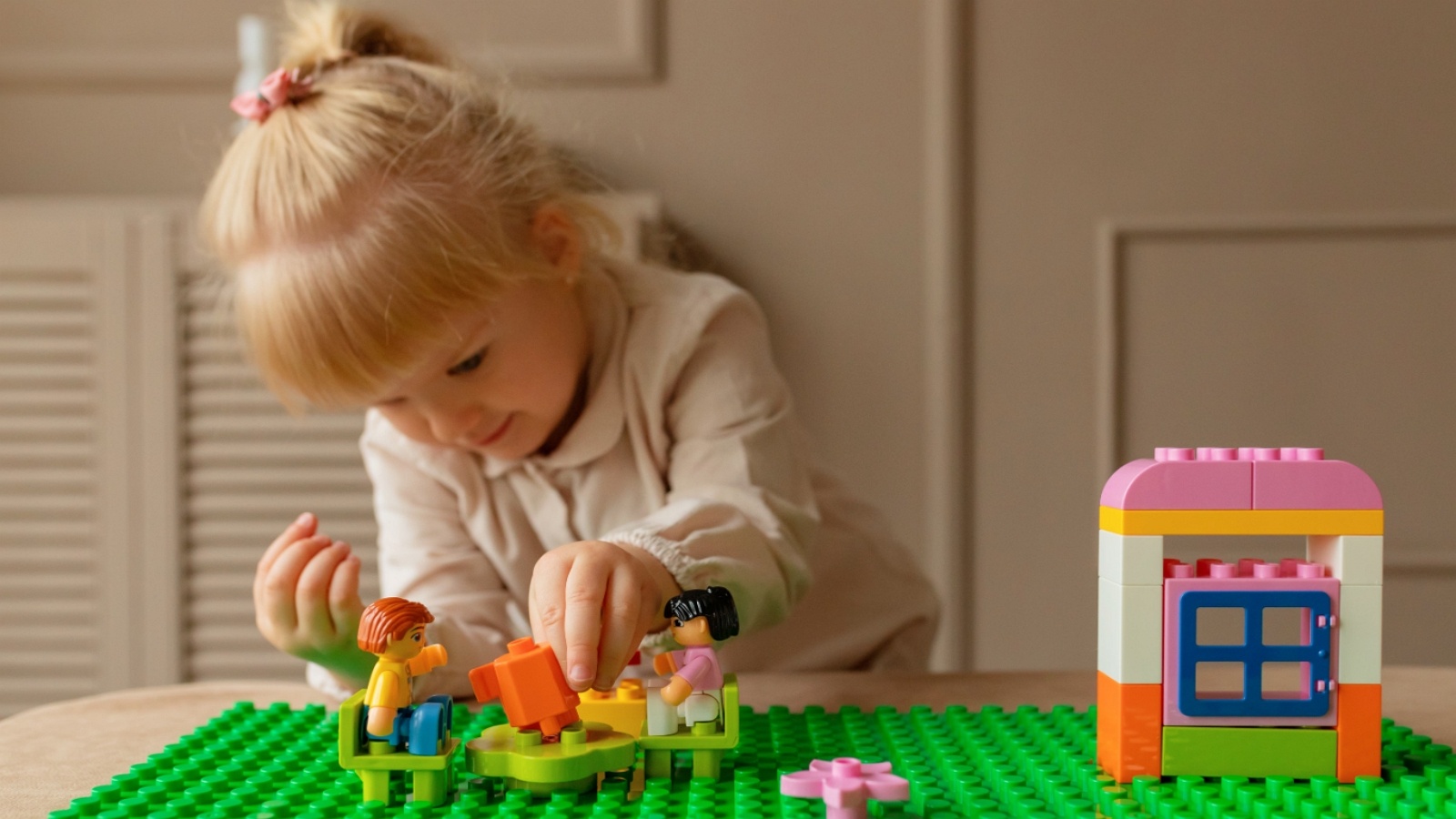
Educational games for kids work best when the skill lives inside the play. A child feeds a pet, sorts shapes, or finishes a puzzle, and the lesson rides along. Play-based learning games use short stories, care tasks, and gentle challenges, and many families start with educational games that stay ad-free and match a young child’s pace.
Pace matters more than a longer lesson. Toddlers usually start with the best educational games for 2 year olds, where feeding and simple sorting finish in a few taps. Preschoolers often move to the best educational games for kids age 3 or the best educational games for kids 4 years old online as stories get a little longer. By kindergarten, the best educational games for 5 year olds can mix care, counting, and puzzles without leaving the calm play.
Find educational games for kids built around play that actually teaches!
What Play-Based Learning Means for Families
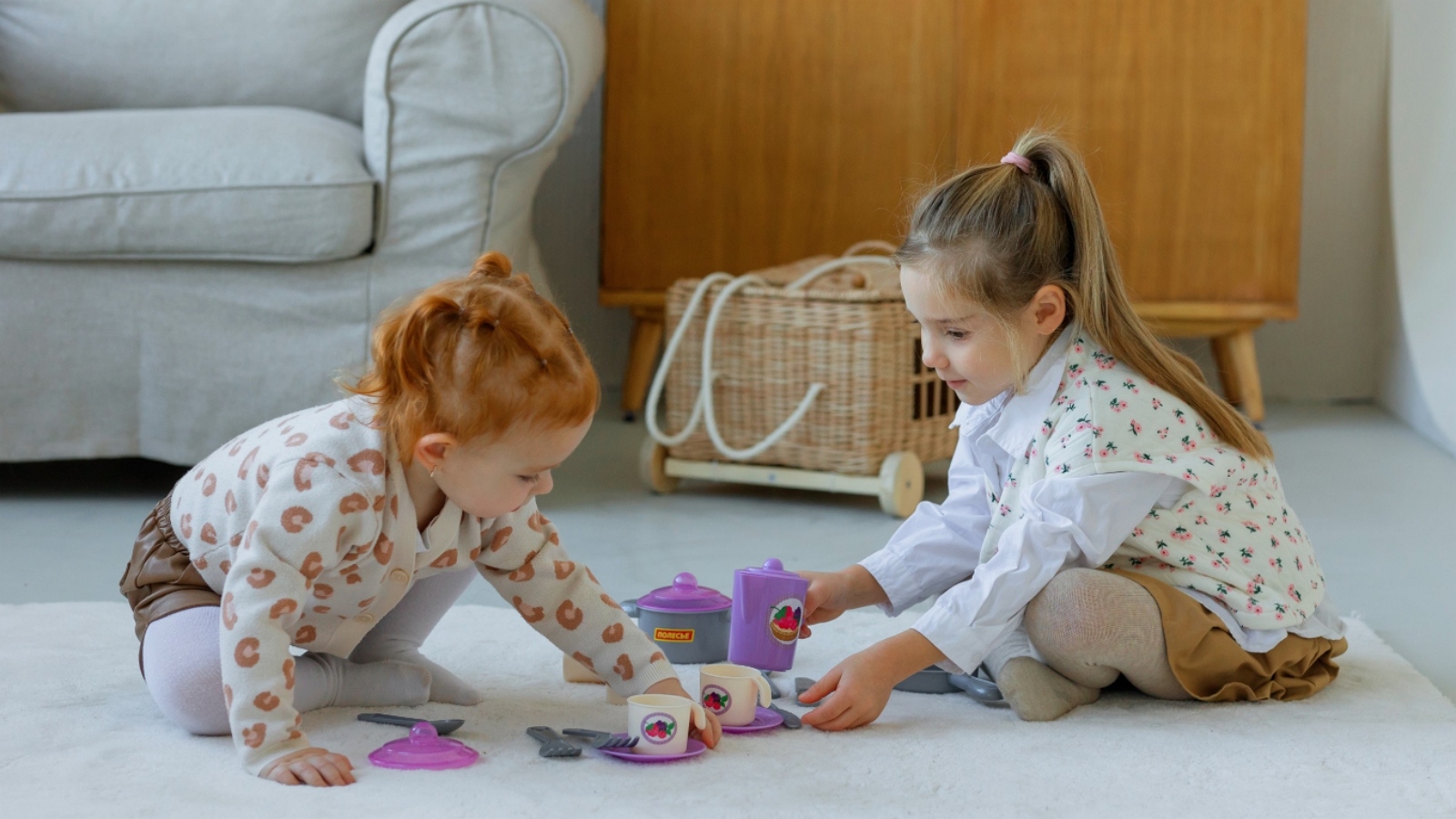
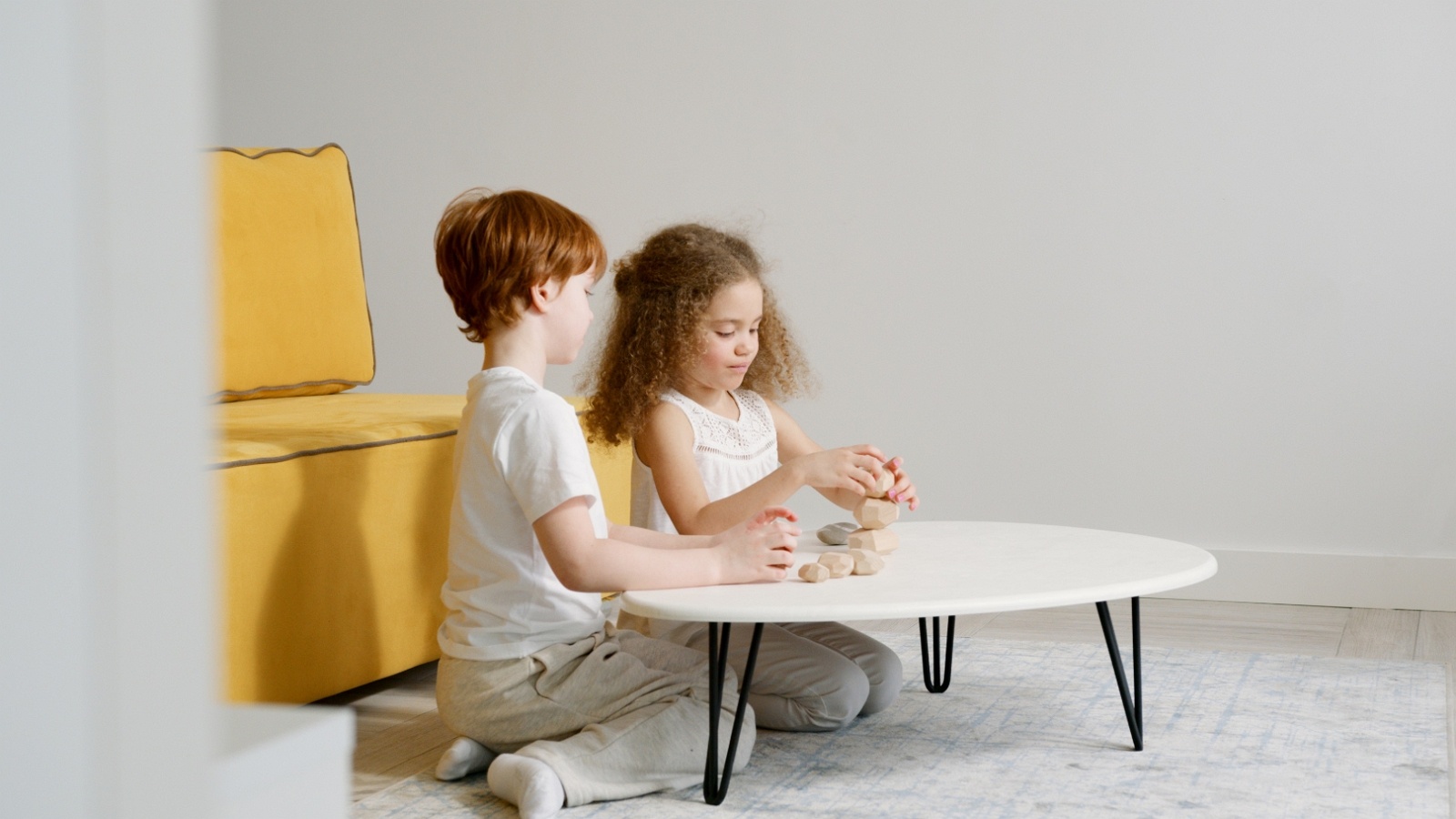
Play-based learning means a child learns by doing something that feels like play. The child leads much of the action. An adult, a teacher, or a well-built game sets a soft goal in the background. Jean Piaget described children as builders of their own ideas. A child stacking blocks is testing balance long before anyone names gravity. Lev Vygotsky added a useful second idea, the zone of proximal development. Kids grow fastest on skills that sit just past what they can already do, with a little help nearby. Good play sits in that stretch.
Researchers now talk about guided play. The adult or the game has a learning goal. The child still chooses moves, tries ideas, and fixes mistakes. A 2022 review in the journal Child Development found guided play stronger than plain instruction for early math ideas, shape knowledge, and the skill of switching tasks. The American Academy of Pediatrics has also treated play as part of healthy growth, and it reaffirmed that view in 2025.
That research matters at the kitchen table. It explains why a calm care game can beat a flash-card app. The child is not waiting for a score. The child is making a choice that changes the story. Clear learning through play examples show the same pattern in blocks, pretend jobs, and short digital tasks. The benefits of learning through play show up in focus, language, and kindness when the child stays in charge. Hands-on learning through play activities sit well next to a screen session, so the idea is not stuck on a device.
Why Educational Games for Kids Work When Play Leads
Educational games for kids fail when the fun and the lesson stay apart. A quiz pops up. The child answers. A sticker appears. Then the quiz returns. The child learns to chase the sticker, not the skill.
Play-based learning games flip that order. The skill is the way to move forward.
- Caring for a character teaches routines, noticing, and kindness.
- Sorting and matching teach early math ideas without a worksheet.
- Decorating a room or dressing a character teaches planning and self-expression.
- A short puzzle teaches focus, because the next step depends on the last one.
- A simple story choice teaches cause and effect.
Immediate feedback is one reason this works. The pet looks happy, the puzzle clicks, or the path opens. The child does not need a separate grade. A 2024 paper in the Journal of Children and Media described this style as active playful learning. Adults set a goal. Children still direct the play. That mix supports language, social skills, and flexible thinking.
Screen time is not all the same. Passive watching asks little of the child. Active play asks for a choice. Educational but fun games for kids keep the task inside the story. Fun educational games for kids work the same way when the next step depends on a real choice. Fun games that are educational for kids still need a parent plan so play does not turn into background noise. Educational games for kids that are fun are easier to repeat when the reward is the story, not a sticker. A parent guide to healthy screen time helps families tell active play from passive watching.
What Makes a Learning Game Worth the Screen
A strong learning game has a few clear signs. You can spot them in the first few minutes.
- The lesson is the play. Counting is how you feed the pets. Letters show up while you spell a name in the game world. Cleaning a room is the game, not a prize after the game.
- The pace stays calm. Loud rewards, timers, and surprise pop-ups pull attention away from the task. Young children learn better when the screen is steady.
- The challenge can grow. A task that is always easy becomes noise. A task that is always hard becomes stress. Levels, hints, or a slightly harder next step keep the child in that useful stretch.
- Ads and extra buys stay out. A game that stops for a sale teaches waiting and wanting, not the skill on the screen. Ad-free play keeps the story intact.
- The child can try again. Mistakes should be safe. A wrong move in a care game leads to another try, not a loud fail screen.
- Parents can see the point. You should be able to name the skill in one line: empathy, focus, early letters, daily habits, or creative choice.
Easy educational games for kids pass this test when the first tap is obvious. Safe apps for kids also keep ads and open chat out of the session. Steps for how to protect kids online still matter even in a closed game library. Educational websites for kids vary a lot, so the same checks apply in a browser. Privacy questions for a subscription sit on the privacy FAQ section.
Skills Children Practice in Play-Based Games
Different games train different skills. Matching the game to the skill saves time and keeps play honest.
Focus and self-control
Short puzzles, memory matches, and step-by-step tasks ask a child to hold one goal. That practice supports the attention the school will ask for later. Breaks still matter. A focused ten minutes beats a restless hour. Memory games for kids and brain games for kids fit this slot when the child must hold a pattern, not just tap fast.
Early language and early math
Letter sounds, simple words, counting, sorting, and patterns belong in play when they change what happens next. A child who must count treats for three pets is using number sense. A child who drags letters into a name is using print. These are the same early blocks teachers watch in preschool and kindergarten. Educational games for kids learning English and English learning apps for kids help when words show up inside a task.
Empathy and daily habits
Care games are a quiet form of social learning. The child notices a need, picks a response, and sees the result. Cleaning games, bedtime routines, and pet care copy real home tasks in a low-stakes way. Many parents use them as a bridge to the same job in the real room. Social emotional games for kids and emotional games for kids train noticing feelings. Chore games and responsibility games for kids carry the same idea into tidy-up play.
Creativity and confidence
Design, dress-up, music, and building games let a child make something that did not exist a minute ago. There is no single right outfit. That freedom supports confidence, because the child owns the result. Confidence building games work when the child can finish a look or a room and show it. Dress up games for girls online fit this creative slot when the play stays free of surprise buys.
Problem-solving
Open tasks beat one-answer loops. A child who plans how to tidy a room, where to place furniture, or which tool fixes a mess is practicing steps. Problem solving games for kids keep that planning visible, so the child can see what changed.
How Play-Based Games Change by Age
Age bands are guides, not rules. A younger sibling may love a simple care game. An older child may still like it if the story has more choice.
Ages 2 to 4
Look for large taps, short sessions, and clear cause and effect. Colors, shapes, animal sounds, and simple care tasks fit. Too many buttons are overwhelming. A parent nearby helps language, because the child can name what they just did. Educational games for 2 year olds, educational games for toddlers, and apps for toddlers stay short on purpose. Games for toddlers and a guide to skill-building apps for toddlers help parents skip noisy menus. Educational games for kids age 3 can add a slightly longer care task.
Ages 4 to 6
Stories can last longer. Sorting, early phonics, counting, and pretend jobs fit well. Children this age often like characters they can care for. Games for preschoolers and apps for preschoolers match that stage. Educational games for kids 4 years old and educational games for kindergarten add letters and counting inside play. Educational games for 5 year olds, educational games for kids age 5, and kids educational games for a 5 year old work best when the child can finish a small quest. Educational games for 6 year olds can add a longer story without an adult doing every tap.
Ages 6 to 8
Add planning, light reading, and games with more than one step. Fashion design, room building, and band or dance play can sit next to early spelling and number tasks. Kids this age notice ads fast, so a closed, ad-free library matters more. Educational games for 7 year olds and learning apps for kids 8 years old fit this stretch.
Ages 8 and up
Some children still enjoy gentle creative games. Others want deeper build-and-solve play. Keep the same rule: the skill should be the play. A math quiz wrapped in a costume is still a quiz. Educational games for 10 year olds and educational games for kids in 4th grade still need that rule.
Across ages, games for young kids share a short list: no surprise charges, no open chat with strangers, and no content that needs a parent to explain a scare. Games for autistic kids often need the same calm pace, with fewer sudden sounds.
TutoClub: Play-Based Learning in One Calm Library
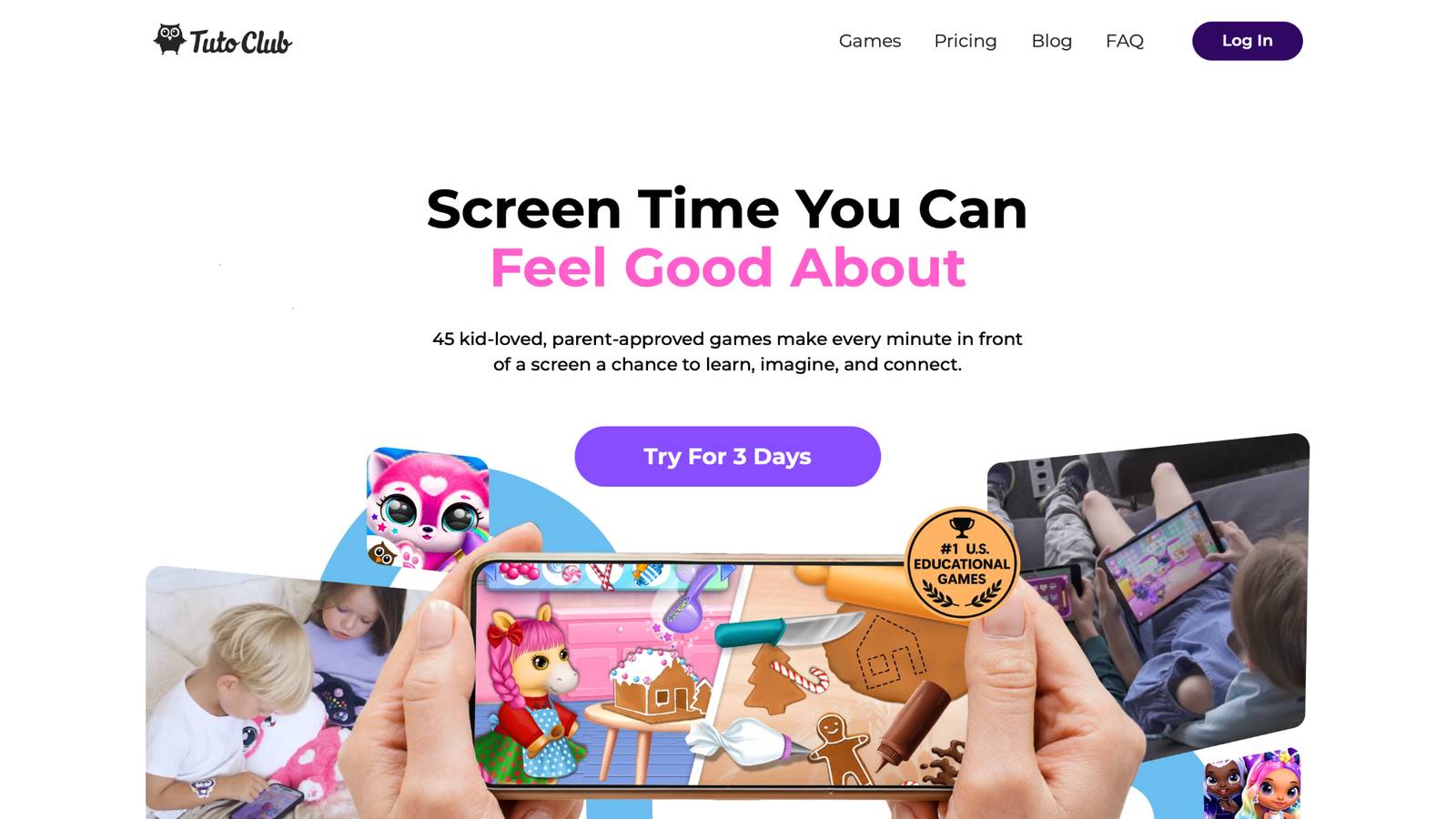
TutoClub is a subscription library of more than 45 educational games from the TutoTOONS studio. The games are built for young children and stay ad-free. One login covers the set, and families can try the library before they commit.
The design follows play-based learning instead of drill-and-reward. Kids hatch and care for pets in Fluvsies. They practice kindness in My Baby Unicorn. Sweet Baby Girl Cleanup turns chores into a game. FLOOF and Smolsies mix pet care with puzzles, memory, letters, and numbers. Princesses and fashion-club play support creative choice. Kpopsies adds music and collection play. Giggle Babies keeps early learning short and playful.
That mix matters. A child who only drills math misses empathy. A child who only watches stories misses practice. A TutoClub subscription keeps those modes in one place, so screen time can rotate without a new app store search. Account questions sit on the subscription FAQ. Store setup is covered for the App Store and Google Play.
Parents often pick TutoClub over single-subject apps for a few practical reasons.
- The library is broad, so creativity, focus, and care skills sit together.
- Games stay free of ads, which protects attention.
- Play can continue offline after the first download.
- One account can cover more than one device.
- The tone stays calm, which helps children who get wound up by noisy reward games.
TutoClub Overview
TutoClub is your gateway to a magical world of educational games designed especially for children.
As part of TutoTOONS, a leading kids' games studio, we offer premium access to over 45 ad-free games.
Our mission is to blend learning and play, helping kids explore, create, and grow in a safe online space.
Thousands of parents trust us for family-friendly content that sparks imagination and builds essential skills.
Key Features
- Unlimited Access: Unlock full content in all games with no interruptions.
- Ad-Free Experience: Enjoy seamless play without any ads or distractions.
- Skill Development: Games foster creativity, social skills, communication, and more through fun activities like pet care and cleanup challenges.
- Regular Updates: Get new releases, exclusive content, and future updates automatically.
- Easy Subscription: Cancel anytime with no obligations, simple and flexible for families.
Explore Our World
TutoClub provides a rich ecosystem of educational games for kids, featuring ad-free experiences that promote creativity, focus, and emotional growth through play.
This platform turns screen time into valuable learning opportunities, with parent-approved content that builds essential skills and sparks curiosity in young minds.
- TutoClub Games: Over 45 educational games, including popular titles like Fluvsies, Smolsies, and the Sweet Baby Girl series
- Blog: Insights, tips, and stories for families on kids' learning and play
- FAQ: Comprehensive answers to frequently asked questions about subscriptions, features, and more
Get TutoClub on Your Device
TutoClub delivers premium kids educational games directly to your mobile devices, making learning accessible anytime, anywhere.
With apps available on major platforms, families can easily download and subscribe for ad-free play that turns screen time into skill-building adventures.
Perfect for parents seeking safe, engaging content on iOS, Android, or Amazon devices.
Why Choose TutoClub?
We're committed to 100% safe, enriching entertainment that kids love and parents approve.
Join the thousands who've seen their children thrive through playful learning.
Ready to start the adventure?
See how TutoClub turns everyday play into skills kids keep using!
How Other Game Styles Compare
Parents meet the same names again and again. Each style can help. Each style also leaves a gap.
- Curriculum apps such as broad early-learning platforms cover reading, math, and science in a set path. They help when a family wants a school-like sequence. They can feel like class. Children who resist worksheets may resist these too.
- Single-skill math or reading games turn practice into a quest. They help a child who needs more reps in one subject. They rarely build empathy, chores, or creative choice.
- Open creative games let children build worlds. They support planning and spatial thinking. They often need a parent to tie the play back to a learning goal, and some have busy stores inside the game.
- Free web game sites offer variety. Quality swings. Ads are common. A child can drift from a useful puzzle to a random clip in one tap. Free online games for kids need a closer look for that reason.
- Offline play still belongs in the week. Board games with dot dice support counting. Blocks support spatial talk. Pretend play supports language. Screens do not replace that. They can echo it on days when the blocks stay in the bin. Summer holiday games and offline ideas pair both. A Fluvsies paper doll printable is one way to carry a screen character onto paper.
For home use, online educational games for kids and educational online games for kids still split into drill apps, open sites, and closed libraries. TutoClub leads for families who want care, creativity, and calm focus in a single ad-free set, rather than a stack of separate logins. Kids educational games are easier to keep when that set is already chosen.
How to Use Games So the Learning Sticks
A good game still needs a simple home routine. The routine is short.
- Name the skill before play starts. “Today we practice noticing what the pet needs.”
- Sit nearby for the first session. Ask one question, not ten. “What changed?”
- Keep sessions short enough that the child stops while still interested.
- Link one move to real life. A cleaning game can lead to putting two toys away.
- Rotate titles so one reward loop does not take over the week.
- Skip games that need a purchase to finish the story.
Learning apps for kids turn into real learning when the talk after play is specific. “You fed the unicorn when it was sad” teaches more than “good job.” Apps for kids learning follow the same rule: the child should be able to say what they did, not only what they won.
Eyes get tired. Moods spike. A planned end keeps the game a tool, not a tug-of-war. Healthy screen habits are easier with a written slot. A family weekly planner can hold that slot next to outdoor time. Practical tips for new parents fit the same short-session idea. Device choice matters too: tablet games for kids, mobile games for kids, and iPad games for kids should follow one shared stop time. PC games for kids and kids educational games for Mac need that same limit.
Mistakes That Make Educational Games Fail
Some patterns waste the screen.
- Points with no skill. If the child can win by tapping fast, the game is not teaching. Educational and fun games for kids still fail this test when speed is the only skill.
- Too much choice on day one. A huge menu can freeze a young child. Start with one or two titles. Kid educational games are easier to start when the first pick is already named.
- Using the game as a babysitter for every quiet hour. Play-based learning still needs sleep, outdoor time, and people. Games for kids educational do not replace that mix.
- Skipping the parent glance. Even a safe game can be a poor fit if it scares, bores, or overstimulates your child. Safe kids games and safe games for kids still need that first look.
- Chasing every new app. A small set used well beats a folder of forgotten downloads. Kids games educational stay useful when the folder stays small.
If a game needs you to explain the learning after every session, the design is weak. If your child can show you the learning inside the play, keep it. Electronic educational games for kids follow that same rule on a handheld device.
Frequently Asked Questions
What are educational games for kids?
Educational games for kids are games where a useful skill is part of moving forward, not a quiz pasted onto a cartoon. The skill might be counting treats for a pet, matching letter sounds, caring for a character, planning a room, or finishing a puzzle. The child should feel they are playing, and a parent should still be able to name the skill in one plain line. Play-based learning games work this way when the lesson sits inside the story, so the next step depends on a real choice. A cleaning task teaches a habit because the room changes. A care task teaches noticing because the character responds. If the only lesson is tapping the right box for a sticker, the game is closer to a drill than to play. Learning games for kids are easier to judge with that test.
Do play-based learning games replace preschool or school?
No. School and preschool add teachers, peers, and a wider set of goals that a screen cannot copy. Play-based games support the same early skills at home: focus, language, number sense, daily habits, and social awareness. They help most as practice between real-world play and class, not as a full stand-in for a teacher. Guided play still has a soft goal, while the child chooses the moves, tries again, and sees what changed. A care task or a sorting game can strengthen those skills, but it does not replace circle time, friends, or a classroom. The strongest home use is short and talked about afterward, so the child can connect the game to a real job, word, or feeling. Emotional regulation games for kids can support that home practice without taking the place of school.
How much screen time should a learning game get?
There is no single minute count that fits every child, because age, mood, and the game itself all change the fit. Watch the child, not the clock alone. Stop if eyes look tired, mood turns sharp, or play becomes mindless tapping with no story left in it. Many families do better with a short, named session than with open-ended access that drifts through the afternoon. Pair the game with offline play the same day so the skill shows up off the screen, such as counting snacks after a sorting game or putting two toys away after a cleaning game. A good stop point is when the child can still tell you what happened, not when the character loop has taken over. Online kids educational games still need that stop, even when the content is useful.
Are ad-free games worth it for young children?
Yes, for most young children. Ads break the story and teach kids to want the next offer instead of finishing the task. In-app buys can do the same, especially when a cute character is locked behind a button. An ad-free library keeps attention on the play, which is a big part of why play-based learning works. Parents also spend less time blocking pop-ups and explaining why a bright button is not really part of the game. A calmer pace helps children who get wound up by timers, coins, and surprise sounds. The child can stay with the pet, the puzzle, or the room instead of chasing a sale. That quieter setup is one reason a closed library often fits young children better than an open web page full of extra clicks. Payment questions sit on the payments FAQ section.
What should parents look for in the first week?
Look for three signs before you decide a game belongs in the weekly routine. Your child can start without a long setup or a pile of extra downloads. Your child can tell you what they did, in words like feeding a pet, sorting shapes, or finishing a room. You can name the skill without reading a manual. If those three show up, the game is a fit. If the child only talks about prizes, or you cannot see a skill inside the play, switch titles. A small library with care games, puzzles, and creative play covers more ground than one loud subject app used every day. The first week is also a good time to notice pace, sound, and whether the child can stop without a fight. Kids games online that are educational are worth keeping only if those signs show up early, not after a long hunt through menus.
Read Also:
- Best Educational Games for Kids
- Best Learning Through Play
- Best Educational Games for Kids at Home
- Best Learning Games for Kids Online
- How Pet Care Games Teach Kids Empathy and Responsibility
Find educational games for kids built around play that actually teaches!