
Best Emotional Games For Kids In 2026






Parents today want screen time that actually helps kids grow. The best emotional games for kids stand out because they weave lessons in feelings, empathy, and social skills right into engaging play. Whether through caring for virtual pets or solving everyday challenges, these emotional kid games give children tools they can use every day.
TutoClub stands out here with its collection of emotional games for kids that focus on compassion and emotional awareness through gentle, open ended adventures.
Discover the Best Emotional Games For Kids in 2026 - TutoClub
What Makes Emotional Games Effective for Young Children

Emotional games for kids help them notice their own feelings and understand those of others. Simple interactions, such as comforting a character or sharing in a group activity, build these abilities naturally. Children practice pausing to think before reacting, which supports better friendships and stronger self confidence over time. Many families notice calmer routines and kinder interactions once kids regularly play these kid games. The best ones keep things light and fun while gently guiding children toward helpful habits.
Emotional learning becomes even more impactful when paired with skill-focused play. Content like problem-solving games for kids, emotional regulation games for kids, and confidence-building games highlights how digital experiences can support resilience and self-awareness. At the same time, responsibility games for kids and engaging brain games for kids reinforce everyday skills that contribute to a child’s overall development..
How to Choose the Right Emotional Game for Your Child
Look for emotional games for children that match your child’s age and interests while keeping safety and focus in mind. Ad free experiences work best because they avoid distractions and let the emotional lessons land clearly. Choose games that encourage caring actions or problem solving rather than quick rewards.
Parents also benefit from options that work offline or across devices so learning continues anywhere. The right game fits smoothly into daily life without adding stress.
TutoClub games collection meets these needs with thoughtful design that supports emotional development every step of the way.
Best Emotional Games for Kids in 2026
1. TutoClub - Best Emotional Games for Kids in 2026
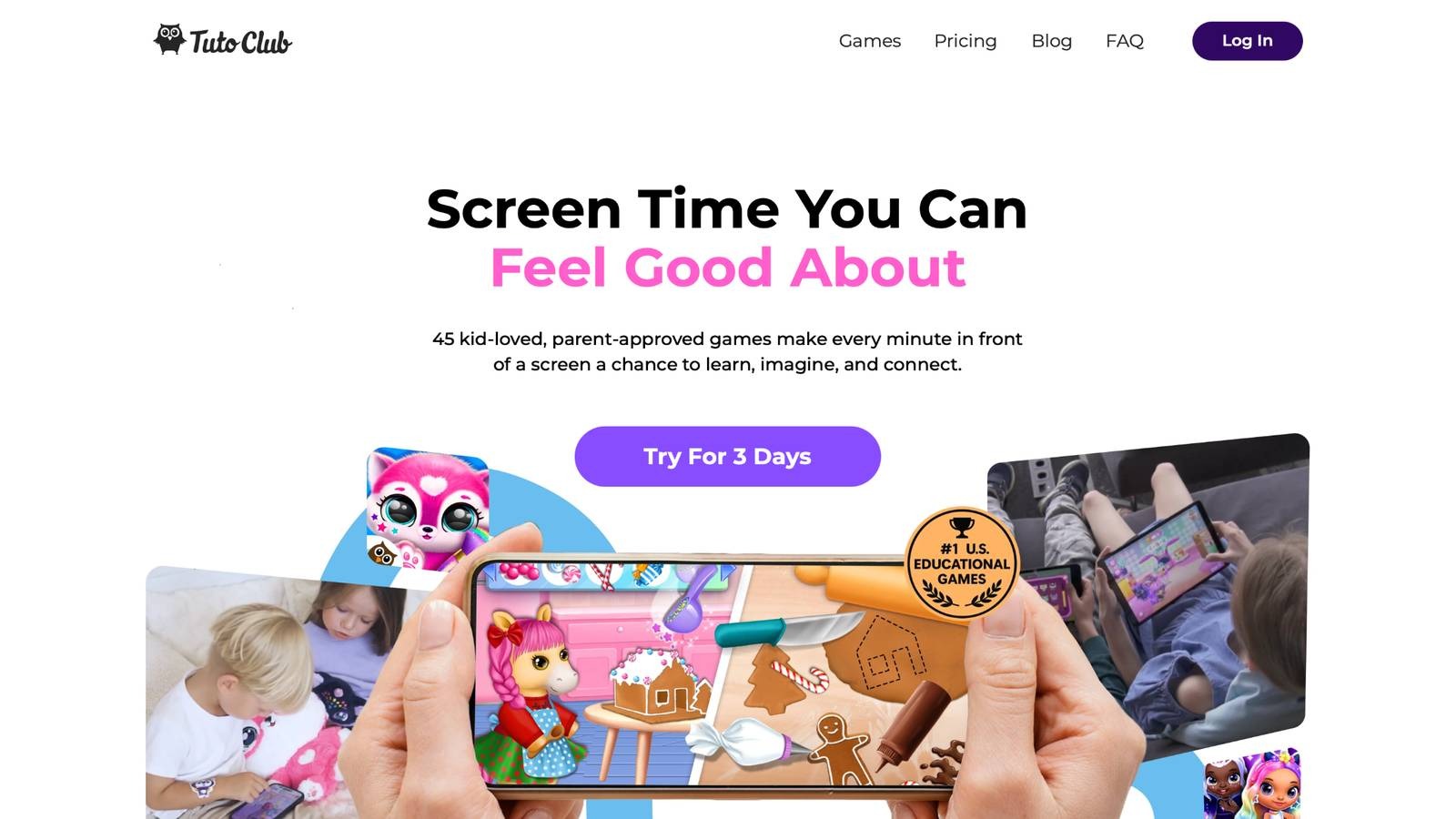
TutoClub games deliver a complete subscription service with over 45 ad-free titles created by the TutoTOONS studio based in Lithuania. This platform transforms screen time into enriching adventures that nurture creativity through art and storytelling tasks while sharpening focus via thoughtful puzzles. Children build emotional awareness as they practice empathy and compassion in caring scenarios, and they develop responsibility through gentle daily routines turned into playful challenges.
The collection features open-ended activities that spark curiosity and support lifelong learning habits. Kids explore worlds where they hatch and nurture virtual pets, complete cleaning quests that teach organization, or join fashion adventures that boost self-expression. Every game feels calm and inviting, with smooth progression that keeps young players engaged without frustration. Parents appreciate the safe, parent-approved design that works across iOS, Android, and Amazon devices after initial download.
- Standout features include adaptive challenges matched to skill levels, interactive narratives that fuel imagination, and regular fresh content to maintain excitement.
- Facts and information highlight research-backed approaches to joyful learning, multi-device flexibility after setup, and a distraction-free space that encourages meaningful play sessions.
TutoClub Overview
TutoClub is your gateway to a magical world of educational games designed especially for children.
As part of TutoTOONS, a leading kids' games studio, we offer premium access to over 45 ad-free games.
Our mission is to blend learning and play, helping kids explore, create, and grow in a safe online space.
Thousands of parents trust us for family-friendly content that sparks imagination and builds essential skills.
Key Features
- Unlimited Access: Unlock full content in all games with no interruptions.
- Ad-Free Experience: Enjoy seamless play without any ads or distractions.
- Skill Development: Games foster creativity, social skills, communication, and more through fun activities like pet care and cleanup challenges.
- Regular Updates: Get new releases, exclusive content, and future updates automatically.
- Easy Subscription: Cancel anytime with no obligations, simple and flexible for families.
Explore Our World
TutoClub provides a rich ecosystem of educational games for kids, featuring ad-free experiences that promote creativity, focus, and emotional growth through play.
This platform turns screen time into valuable learning opportunities, with parent-approved content that builds essential skills and sparks curiosity in young minds.
- TutoClub Games: Over 45 educational games, including popular titles like Fluvsies, Smolsies, and the Sweet Baby Girl series
- Blog: Insights, tips, and stories for families on kids' learning and play
- FAQ: Comprehensive answers to frequently asked questions about subscriptions, features, and more
Get TutoClub on Your Device
TutoClub delivers premium kids educational games directly to your mobile devices, making learning accessible anytime, anywhere.
With apps available on major platforms, families can easily download and subscribe for ad-free play that turns screen time into skill-building adventures.
Perfect for parents seeking safe, engaging content on iOS, Android, or Amazon devices.
Why Choose TutoClub?
We're committed to 100% safe, enriching entertainment that kids love and parents approve.
Join the thousands who've seen their children thrive through playful learning.
Ready to start the adventure?
Subscribe to TutoClub today and unlock endless fun!
2. Fluvsies Academy
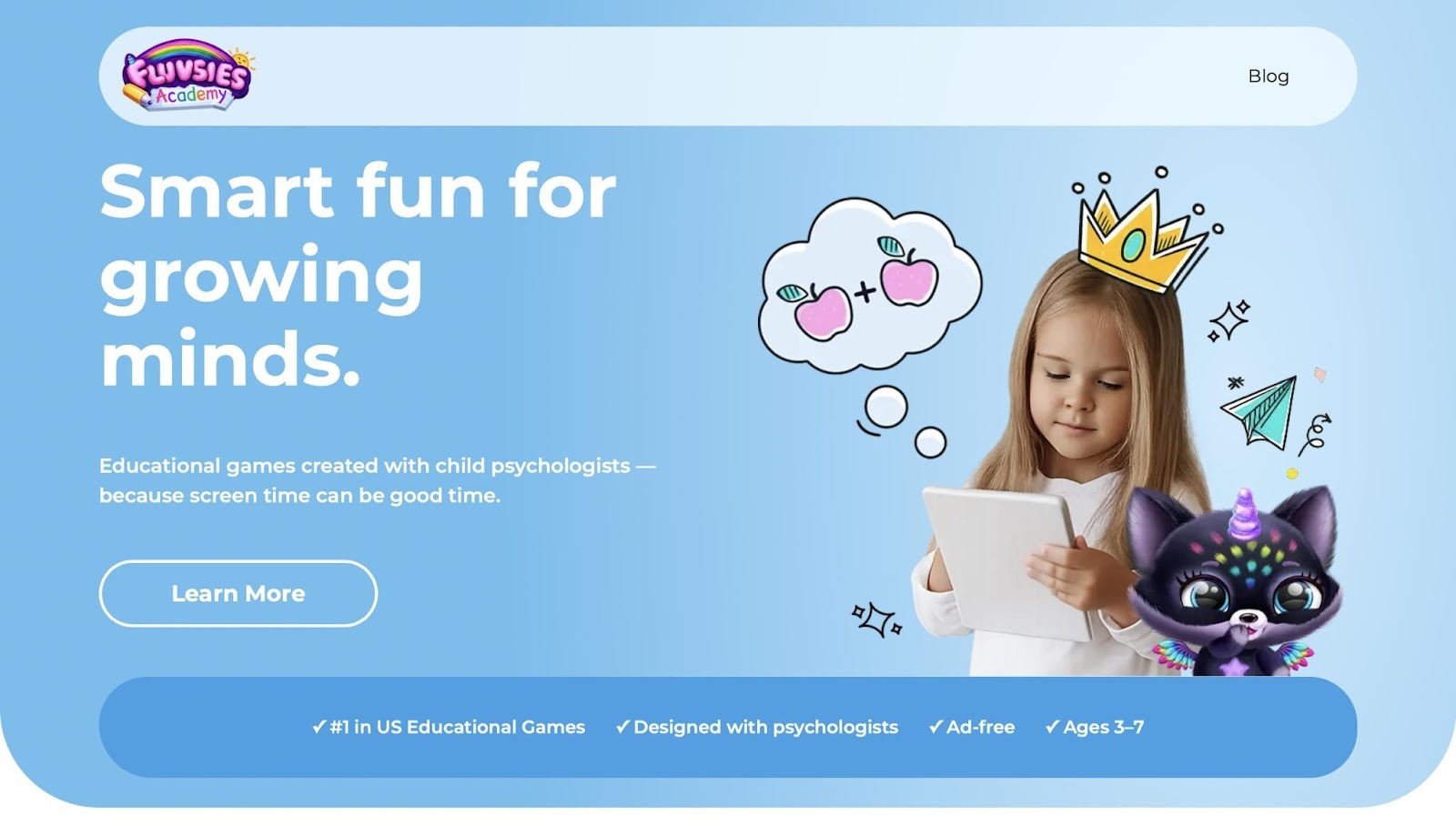
Fluvsies Academy creates a calm and nurturing space for children ages three to seven through ad free educational games that blend learning with emotional safety. Kids explore real life professions, practice life skills like brushing teeth, and enjoy stories that encourage empathy and gentle self regulation. The app feels like a cozy classroom designed by child psychologists, where every activity supports emotional balance alongside logic and language growth. Children engage in role playing scenarios that mimic daily routines, helping them understand how their actions affect others and build a strong sense of kindness in simple ways. The experience stays positive and focused so young players feel secure while they learn to name emotions and respond with care. Parents appreciate how the gentle pace lets kids absorb lessons without pressure, turning screen time into quiet moments of growth and connection.
Key features include mindfulness moments, simple yoga flows, and healthy habit builders that help children feel secure while they play. Facts and information show how guided play in professions and caring routines helps kids develop vocabulary for feelings and practice kindness in everyday scenarios. The experience stays age appropriate and focused, giving parents peace of mind that screen time builds real emotional strength.
3. Wisdom: The World of Emotions
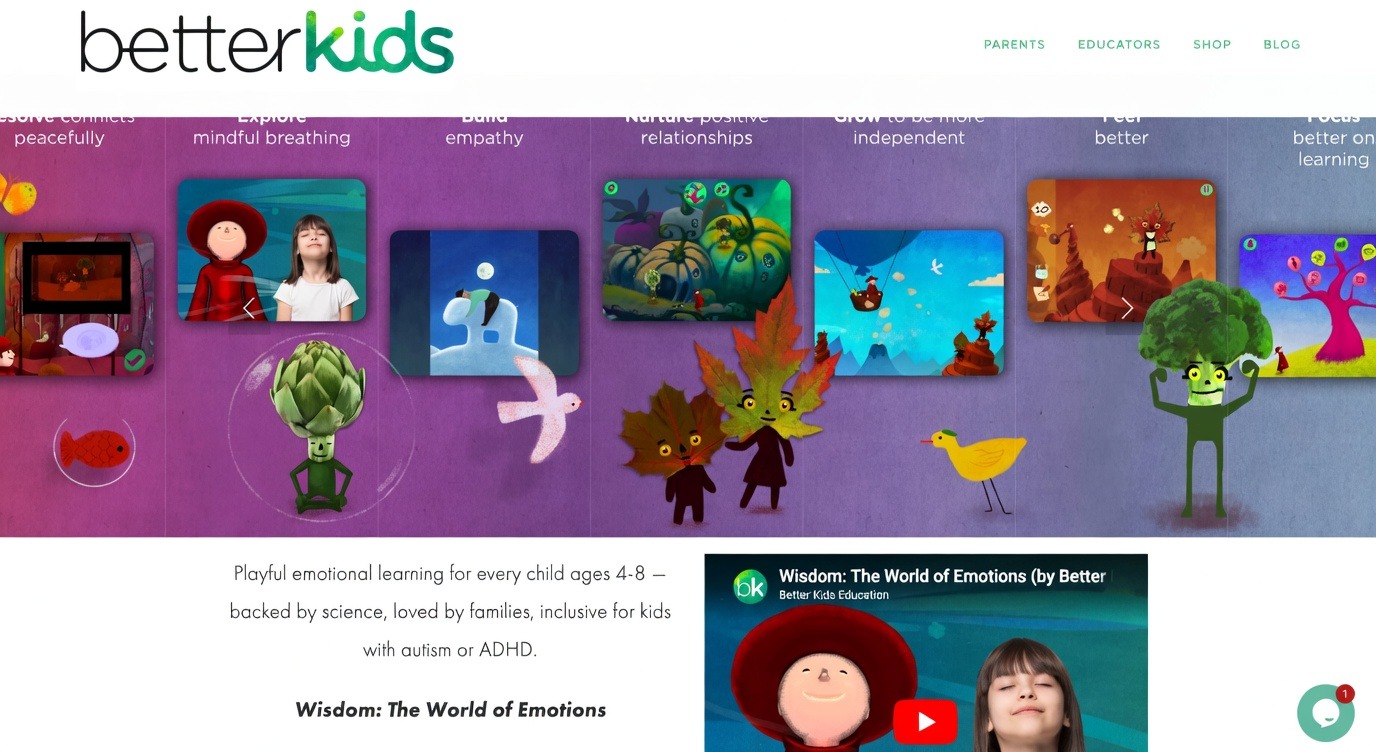
Wisdom: The World of Emotions takes kids ages four to eight on interactive adventures that teach emotional vocabulary and regulation through colorful stories and mini games. Children meet friendly characters and solve challenges that highlight self awareness, empathy, and calm decision making. The app feels like an exciting journey rather than a lesson, with augmented reality breathing exercises and creative activities that make big feelings easier to understand. Kids wander through whimsical worlds where they practice pausing to check in with emotions and choose kind responses in fun situations. The inclusive design welcomes all learning styles, including children with autism or ADHD, so every player feels supported and capable. Families often notice children using new feeling words at home after regular play, creating smoother conversations and stronger bonds.
Key features include inclusive design for all learning styles, guided meditations, and hands on coping tools that children can use right away. Facts and information point to how the game like format helps kids practice relationship skills and responsible choices while having fun exploring a whimsical world.
4. Daniel Tiger’s Grr-ific Feelings
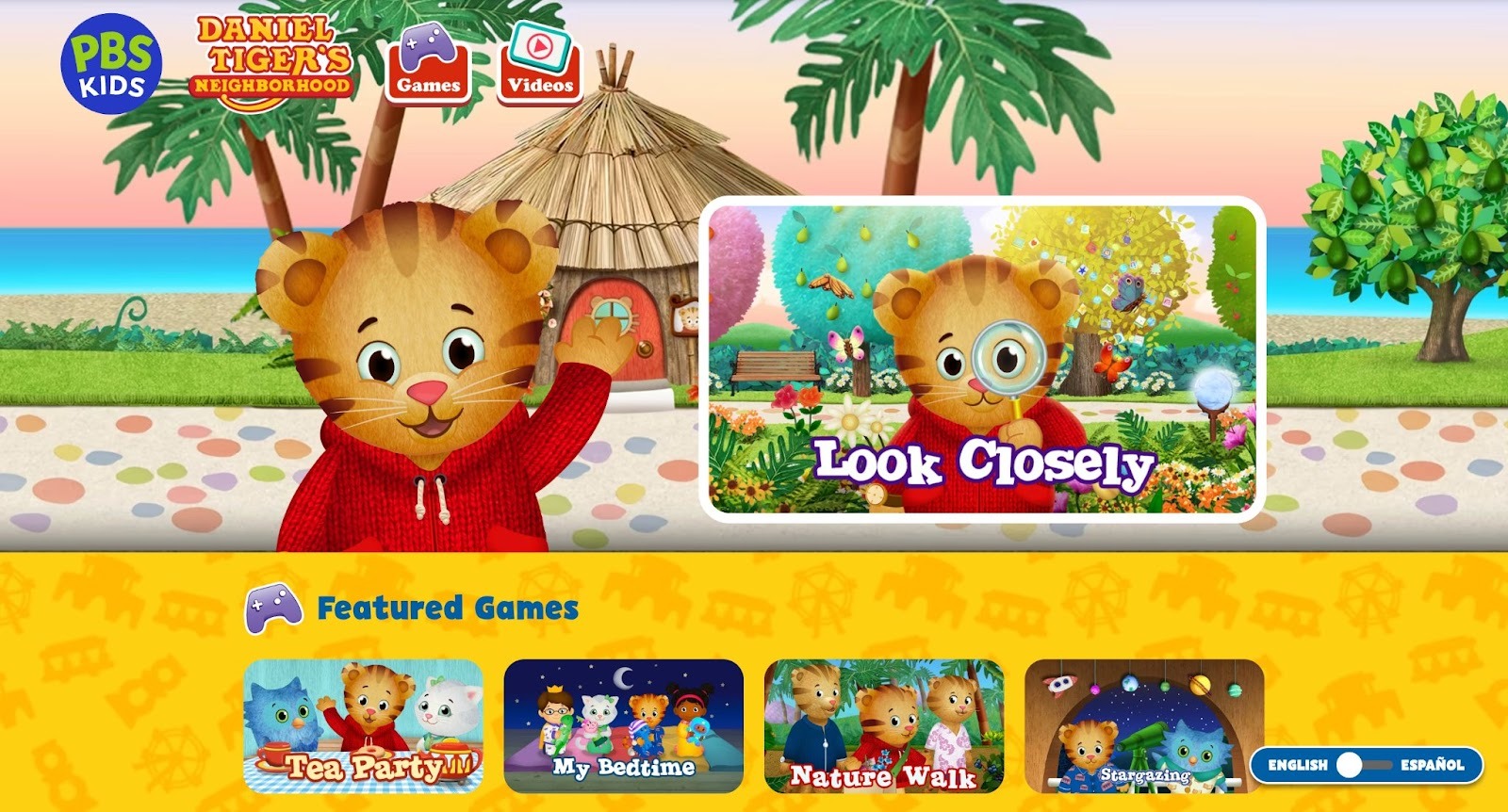
Daniel Tiger’s Grr-ific Feelings brings beloved PBS characters into games, songs, and activities that help young children name and express emotions. Kids draw faces, pose in a photo booth, or sing about feelings in short, repeatable sessions that feel friendly and familiar. The app keeps things simple so toddlers and preschoolers can explore emotions without feeling overwhelmed. Children revisit favorite characters who model healthy ways to handle frustration or excitement, reinforcing lessons through music and gentle repetition. The familiar neighborhood setting makes emotional learning feel like hanging out with trusted friends, which helps little ones remember strategies during real moments. Parents share that these quick activities fit easily into busy days and lead to more open talks about feelings at home.
Key features include music that reinforces calm strategies, drawing tools for emotional expression, and gentle guidance from trusted characters. Facts and information confirm that these short activities build emotional vocabulary and self expression through play that matches daily routines.
5. Breathe, Think, Do with Sesame
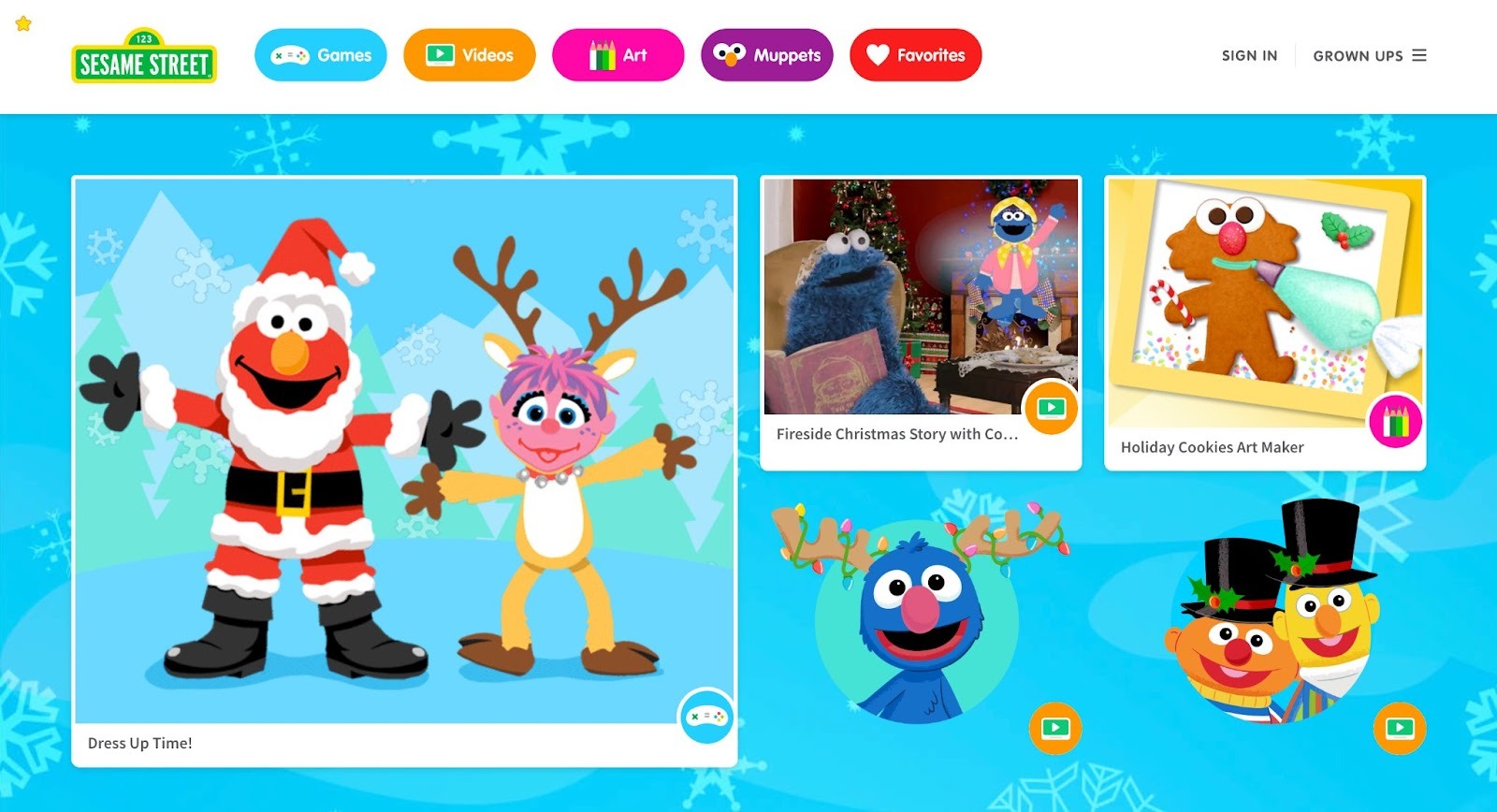
Breathe, Think, Do with Sesame teaches young children a simple three step strategy for handling big feelings through interactive stories and breathing games with a friendly monster. Kids practice deep breaths, think about solutions, and try actions that turn frustration into calm. The bilingual app keeps every moment light and supportive so children learn coping skills they remember easily. The monster character guides players through everyday scenarios like sharing toys or waiting turns, showing how the breathe think do steps work in real life. Families love how the short, repeatable format lets kids practice independently while building confidence in managing emotions. The supportive tone makes learning feel safe and encouraging for even the youngest players.
Key features include parent tips, repeatable mini games, and Sesame Street characters that make emotional lessons feel safe and fun. Facts and information show how the consistent routine helps children pause, breathe, and respond thoughtfully in real situations.
6. Zones of Regulation App
The Zones of Regulation app guides children through four colored zones that represent different emotional states, using adventures and mini games to build self regulation skills. Kids create avatars, explore a town filled with scenarios, and practice moving between zones with helpful strategies. The experience stays interactive and rewarding so children enjoy learning to manage their feelings. Players earn rewards as they choose calming tools or energizing actions that fit each zone, turning regulation into an exciting town adventure. The visual system helps kids quickly identify how they feel and pick a strategy that matches, which many families say leads to fewer outbursts and more independent calm downs. The structured yet playful format fits perfectly into daily routines at home or school.
Key features include visual tools for identifying emotions, reward based games, and clear steps for calming or energizing. Facts and information highlight how the structured yet playful format supports emotional awareness across many everyday settings.
7. Mightier
Mightier combines biofeedback games with a simple heart rate sensor so kids can see their emotions in real time and practice calming techniques inside fun adventures. Children watch their heart rate drop as they breathe or focus, turning regulation practice into an exciting game. The app feels empowering because kids gain visible proof that their efforts work. Players complete missions that grow with their skills, celebrating small wins along the way. Families report that seeing the heart rate change makes abstract feelings feel concrete and manageable. The sensor driven play keeps children engaged while they build lasting tools for handling stress or excitement in daily life.
Key features include sensor driven gameplay, progress tracking for parents, and a library of calming missions that grow with the child. Facts and information demonstrate how biofeedback makes emotional skills concrete and achievable for many young players.
8. Headspace for Kids
Headspace for Kids offers short mindfulness sessions and animated stories that teach children how to notice feelings and return to calm. Kids follow friendly guides through breathing exercises, body scans, and gentle reflections that fit busy days. The app keeps every activity brief and age appropriate so emotional learning feels easy rather than forced. Animated characters lead kids on journeys that explore worry, joy, or anger in light hearted ways. Parents appreciate the quick sessions that children can do alone or together, creating small pockets of calm in hectic schedules. The consistent practice helps build habits that support focus and kindness over time.
Key features include animated series on mindfulness, sleep stories, and focus tools that children enjoy independently. Facts and information note that regular short sessions help build lasting habits of emotional awareness and relaxation.
9. The Emotional Intelligence Game
The Emotional Intelligence Game uses cooperative board play to help kids discuss feelings, practice empathy, and work together on real life scenarios. Players move around the board answering prompts about emotions and relationships in a supportive group setting. The format encourages conversation without pressure so families enjoy learning side by side. Scenario cards spark kind discussions that feel natural and fun, strengthening family bonds while teaching valuable skills. Children learn to listen to each other and consider different perspectives, which carries over into school and playdates. The simple rules make it easy for mixed age groups to join in and grow together.
Key features include simple rules, scenario cards that spark kind discussions, and cooperative goals that build teamwork. Facts and information show how the shared play style strengthens family bonds while teaching emotional skills.
10. Peppy Pals
Peppy Pals creates story based games and activities that focus on friendship, empathy, and emotional expression through lovable animal characters. Children help the pals navigate everyday feelings and solve gentle conflicts together. The experience stays positive and encouraging so kids absorb lessons about kindness naturally. Interactive stories let players choose caring actions that lead to happy outcomes for the animal friends. Families notice children mirroring the empathy they see in the game during their own interactions. The warm character driven world keeps play fresh and inviting for repeated sessions.
Key features include interactive stories, emotion matching games, and creative expression tools that keep play fresh. Facts and information confirm that character driven adventures make empathy practice feel warm and relatable for young children.
11. Positive Penguins
Positive Penguins helps children understand why they experience different emotions through interactive games featuring lovable penguin characters. Kids join the penguins on adventures that explore hard times and learn ways to cope and feel better. The app turns emotional challenges into playful stories where children choose helpful responses and watch positive results unfold. The cute penguins model kindness and resilience, making big feelings feel less scary and more manageable. Parents like how the games encourage kids to talk about their own experiences after play. The gentle approach builds confidence in handling everyday ups and downs.
Key features include games that teach coping strategies, character stories that model positive thinking, and activities that encourage sharing feelings. Facts and information show how penguin led adventures help children develop tools for understanding and moving through emotions with greater ease.
12. Smiling Mind
Smiling Mind offers mindfulness activities designed to help children take short breaks and improve focus and emotional balance. Kids follow guided sessions that teach simple ways to notice feelings and return to a calm state. The app includes special packs for everyday stress so children have tools ready when emotions feel big. Short cool down moments fit easily into routines, helping kids reset during busy days. Families report that regular use leads to more peaceful transitions and better self awareness. The Australian based program keeps content age appropriate and free from distractions.
Key features include guided meditations, breathing exercises, and activities focused on mental health and calm. Facts and information highlight how these short practices support children in managing stress and building emotional strength over time.
13. The Mood Meter
The Mood Meter uses colors and words to help kids identify and understand a wide range of emotions in themselves and others. Children plot how they feel on the meter and explore ways to shift to more comfortable zones. The app turns emotional awareness into an engaging visual tool that kids return to often. Families use it together to talk about daily feelings in a structured yet fun way. The color coded system makes complex emotions easier to name and discuss without judgment. Kids gain confidence in recognizing subtle changes in mood and choosing helpful next steps.
Key features include color based emotion mapping, vocabulary builders, and strategies for shifting feelings. Facts and information point to how the visual meter supports clearer communication about emotions at home and school.
14. Avokiddo Emotions
Avokiddo Emotions lets younger children explore a wide range of feelings through silly characters and plenty of props that change facial expressions. Kids experiment with cause and effect to see how emotions shift in fun, light hearted ways. The app encourages curiosity about feelings without pressure, making learning feel playful and safe. Children create scenes that show different emotions and share them with family. The simple interface keeps focus on emotional discovery while building fine motor skills along the way. Parents appreciate the creative freedom that sparks natural conversations about feelings.
Key features include prop based face changing, silly character interactions, and open ended emotional play. Facts and information show how hands on exploration helps young kids connect expressions to emotions in everyday life.
15. Touch and Learn Emotions
Touch and Learn Emotions uses real photographs to help children match verbal cues with facial expressions and body language. Kids tap to identify feelings shown in the pictures, building skills in reading emotions accurately. The app focuses on practical recognition that transfers to real world interactions with friends and family. Short sessions keep attention high while reinforcing learning through repetition. Families notice children becoming more observant of others’ feelings after regular play. The straightforward design makes it accessible for early learners who benefit from clear visual examples.
Key features include photo based matching, verbal prompts, and focus on body language cues. Facts and information confirm that matching activities strengthen emotional literacy and social understanding.
16. IF The Emotional IQ Game
IF The Emotional IQ Game promotes teamwork and collaboration through an adventure story format that helps kids ages nine to eleven learn to listen, make friends, and handle social challenges. Players navigate scenarios that require tuning into their own feelings and those of others. The game encourages thoughtful choices that build empathy and problem solving in a supportive way. Children work together or independently to resolve situations that mirror real life friendships and conflicts. The engaging narrative keeps players invested while they practice emotional intelligence skills. Families enjoy discussing the choices after play sessions.
Key features include adventure based storytelling, collaborative decision making, and prompts for listening and empathy. Facts and information demonstrate how the game format helps children develop social skills and emotional awareness in practical ways.
17. The Social Express
The Social Express uses interactive videos where kids choose a character and help them make decisions in emotional and social situations. Players explore different outcomes based on their choices, learning about moral decisions and relationship skills. The app supports children in understanding consequences in a safe, guided environment. Families use the videos as starting points for conversations about real life scenarios. The clear structure helps kids build confidence in navigating social challenges. The educational focus makes it a valuable tool for both home and classroom settings.
Key features include choice driven videos, social problem solving, and guidance on emotional responses. Facts and information show how interactive decision making strengthens responsible choices and relationship skills.
18. Classcraft
Classcraft turns social learning into a gamified experience where kids build teamwork, communication, and positive behaviors together. Players earn points for kind actions and collaboration while working through classroom style adventures. The app encourages everyone to participate and support one another in meaningful ways. Families and educators appreciate how the game format makes emotional and social growth feel exciting and rewarding. Children practice empathy and cooperation naturally while having fun with friends. The system adapts to different group sizes and keeps motivation high.
Key features include gamified teamwork, positive behavior rewards, and collaborative missions. Facts and information highlight how the engaging format supports stronger social connections and emotional growth.
19. SOAR Social-Emotional Learning App
The SOAR Social-Emotional Learning App focuses on self awareness, self management, and responsibility through interactive content and games that children can access anytime. Kids earn badges and certificates as they complete modules that build emotional intelligence step by step. The app works across devices so learning fits into daily life at home. Families like the clear structure that helps children understand themselves and others better. The straightforward approach makes emotional skills feel achievable and practical. Regular use supports greater independence and thoughtful decision making.
Key features include interactive lessons, games for self management, and progress badges. Facts and information show how the app helps children develop core emotional intelligence skills through simple, repeatable activities.
20. Even Monsters are Shy
Even Monsters are Shy engages kids ages four and older in solving everyday challenges with empathy through eight mini games and interactive stories. Children help monster characters navigate social situations and practice kind responses. The app blends gentle storytelling with hands on activities that build understanding of feelings. Players enjoy the friendly monsters while learning to connect with others in caring ways. Families report that the mini games spark conversations about real life emotions and friendships. The positive tone keeps the experience uplifting and supportive for young learners.
Key features include mini games focused on empathy, interactive stories, and challenges that model kindness. Facts and information point to how the monster characters help children explore emotions and social skills in a safe, fun environment.
21. Stop, Breathe & Think Kids
Stop, Breathe & Think Kids guides children through mindfulness practices that help them pause, check in with feelings, and choose calm responses. Kids follow short activities that build emotional awareness and regulation in a friendly, approachable way. The app includes tools for everyday moments when emotions feel strong. Families use the sessions to create quiet routines that support better focus and kindness. The simple steps make mindfulness accessible for young players who benefit from consistent practice. The supportive design encourages children to return often and build lasting habits.
Key features include guided breathing, emotion check ins, and mindfulness tools for daily use. Facts and information show how the activities help children develop practical skills for managing feelings and staying present.
Benefits of Emotional Games Beyond Basic Play
Emotional kid games support skills that help children thrive in school and friendships. Kids learn to recognize when they feel overwhelmed and choose helpful responses instead of reacting quickly. Over time these habits lead to smoother mornings, kinder playdates, and greater confidence in new situations. Families often share stories of children who start using feeling words more freely after regular play.
TutoClub kid games continue to stand out by combining these benefits with creative freedom that keeps children coming back happily.
Skill Area | How Games Help | Everyday Example |
| Self Awareness | Notice personal feelings during play | Child names excitement before a game |
| Empathy | Care for characters and understand cues | Shares toy after seeing friend’s joy |
| Regulation | Practice calming steps in safe setting | Uses breathing when upset at home |
| Social Connection | Cooperate or discuss emotions together | Talks about feelings with family |
Simple Ways to Make Emotional Games Part of Family Life
Start small by choosing one kid game that matches your child’s current interests and playing together for short sessions. Talk about what the characters felt and how the child might feel in the same spot. Rotate titles every few weeks so the experience stays fresh and covers different emotional lessons. Many parents set a cozy corner for device time so the activity feels special rather than everyday screen use.
TutoClub's emotional games collection fits easily into these routines with flexible play options that support busy families.
Why Safe Design Matters in Emotional Games for Kids
Safe kid games remove ads and unexpected content so children stay focused on the emotional lessons. Thoughtful developers create experiences that respect attention spans and protect young minds from outside pressure. Parents gain confidence knowing every moment supports growth instead of distraction.
FAQ
What age range works best for emotional games for kids?
Most emotional games suit children from preschool through early elementary years when feelings, vocabulary, and regulation skills develop quickly. Younger kids enjoy simple character care and breathing activities while older ones benefit from scenario discussions and strategy games. TutoClub emotional games match many stages so the lessons feel just right and build confidence step by step.
How do emotional games differ from regular entertainment apps?
Emotional kid games intentionally weave lessons about feelings and relationships into the play while regular apps focus mainly on entertainment or quick rewards. The best emotional kid games guide children toward helpful habits like pausing to breathe or showing kindness without ever feeling like schoolwork. Families notice the difference in calmer conversations and stronger connections after consistent use.
Can emotional games support children who feel big emotions often?
Yes, many kid games include built in tools for calming and naming feelings that help children manage strong reactions more easily. Short repeatable activities let kids practice in a low pressure way until the skills become natural. Parents often see more independent coping and fewer meltdowns once these games become part of daily routines.
Are board games or digital options better for emotional learning?
Both formats work well depending on family preferences and lifestyle. Digital kid games offer flexible timing and portable play while board games encourage face to face conversation and teamwork. Many families mix both so children gain benefits from varied experiences that reinforce the same emotional skills in different settings.
Read Also:
- Best Educational Games For Kids That Are Fun in 2026
- Best Games For Young Kids in 2026
- Best Games For Toddlers in 2026
- Best Free Online Games for Kids
- Best Online Educational Games for Kids
Discover the Best Emotional Games For Kids in 2026 - TutoClub