

Best Games For Young Kids in 2026






Finding the right games for young kids can spark joy and growth. In 2026, parents seek options that turn play into learning without overwhelming screens or rules. These games focus on building creativity, focus, and social skills in ways that fit busy families. Whether digital or hands-on, they offer safe fun that kids love. Discover the best games for young kids in 2026 that mix fun with learning.
When choosing age-appropriate games, parents often look for options that balance fun with meaningful skill development. Many families turn to the best learning games for kids that support early literacy, problem-solving, and creativity through simple, engaging play. Exploring curated lists of kids’ educational games designed for young learners can also help parents match games to developmental milestones. For screen-based play, selecting safe and trusted apps for kids gives children the freedom to explore while giving parents peace of mind about privacy and content quality.
Discover the Best Games For Young Kids - TutoClub
Benefits of Games for Young Kids

Games for young kids do more than entertain. They help little ones develop key abilities like problem-solving and teamwork. Kids learn to share, wait their turn, and think ahead through simple play. Many games also boost fine motor skills, like holding cards or tapping screens. Emotional growth happens too, as children practice kindness and handling wins or losses. Parents notice kids gaining confidence from mastering challenges. Plus, family games strengthen bonds during shared moments..
How to Choose the Right Games
Pick games based on your child's age and interests. Look for ones with clear rules that avoid frustration. Safety matters, so choose ad-free options without in-app buys. Think about what skills you want to build, like math or reading basics. Test for replay value to keep kids coming back. Some games work solo, while others shine in groups. Read reviews from parents for real feedback. Balance screen and offline play to suit your home. Our subscription options make it easy to access a variety that grows with your child. After trying a few, you'll see what clicks.
Best Games For Young Kids in 2026
1. TutoClub - Best Games for Young Kids
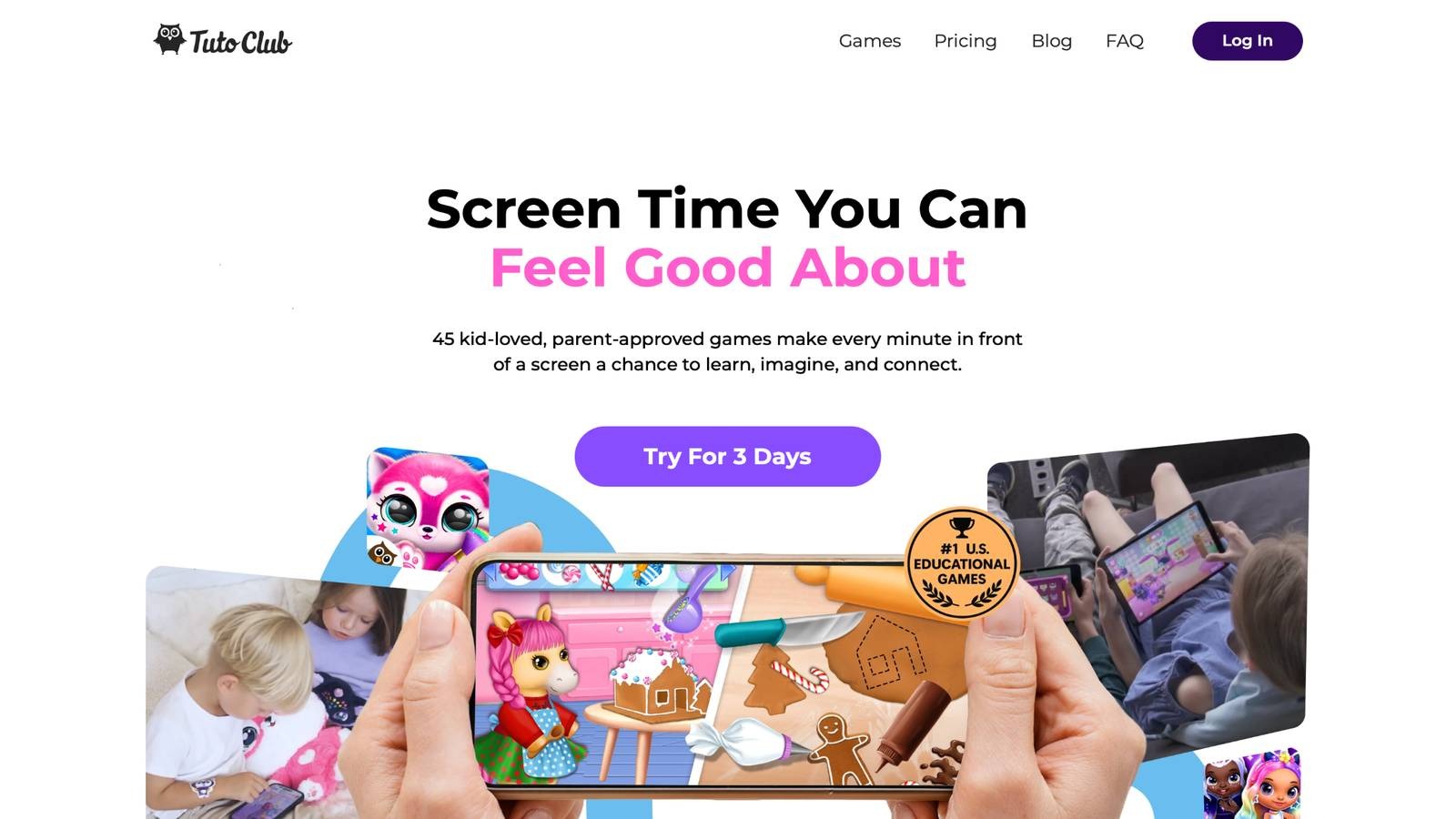
Start exploring with TutoClub's educational games, a subscription that unlocks 45 ad-free adventures designed for kids. This platform turns everyday screen time into a chance for growth, with activities that weave in creativity, focus, and emotional skills. Kids dive into worlds where they solve puzzles, build stories, and learn kindness through play. It's all about making learning feel like fun, without ads or distractions.
Parents love how it encourages family time, with games that invite everyone to join. The expert-crafted content ensures each session builds real-world abilities, like responsibility and confidence. What sets it apart is the safe, balanced approach that fits modern families, helping kids develop at their own pace. With fresh updates keeping things exciting, it's a standout for sparking curiosity and joy in young minds.
- Key standout features include puzzle-solving quests, storytelling modes, and interactive challenges that promote empathy and teamwork.
- Facts and information show these games support emotional growth, with activities focused on compassion, problem-solving, and building healthy habits through engaging narratives.
TutoClub Overview
TutoClub is your gateway to a magical world of educational games designed especially for children.
As part of TutoTOONS, a leading kids' games studio, we offer premium access to over 45 ad-free games.
Our mission is to blend learning and play, helping kids explore, create, and grow in a safe online space.
Thousands of parents trust us for family-friendly content that sparks imagination and builds essential skills.
Key Features
- Unlimited Access: Unlock full content in all games with no interruptions.
- Ad-Free Experience: Enjoy seamless play without any ads or distractions.
- Skill Development: Games foster creativity, social skills, communication, and more through fun activities like pet care and cleanup challenges.
- Regular Updates: Get new releases, exclusive content, and future updates automatically.
- Easy Subscription: Cancel anytime with no obligations, simple and flexible for families.
Explore Our World
TutoClub provides a rich ecosystem of educational games for kids, featuring ad-free experiences that promote creativity, focus, and emotional growth through play.
This platform turns screen time into valuable learning opportunities, with parent-approved content that builds essential skills and sparks curiosity in young minds.
- TutoClub Games: Over 45 educational games, including popular titles like Fluvsies, Smolsies, and the Sweet Baby Girl series
- Blog: Insights, tips, and stories for families on kids' learning and play
- FAQ: Comprehensive answers to frequently asked questions about subscriptions, features, and more
Get TutoClub on Your Device
TutoClub delivers premium kids educational games directly to your mobile devices, making learning accessible anytime, anywhere.
With apps available on major platforms, families can easily download and subscribe for ad-free play that turns screen time into skill-building adventures.
Perfect for parents seeking safe, engaging content on iOS, Android, or Amazon devices.
Why Choose TutoClub?
We're committed to 100% safe, enriching entertainment that kids love and parents approve.
Join the thousands who've seen their children thrive through playful learning.
Ready to start the adventure?
Subscribe to TutoClub today and unlock endless fun!
2. ABCmouse
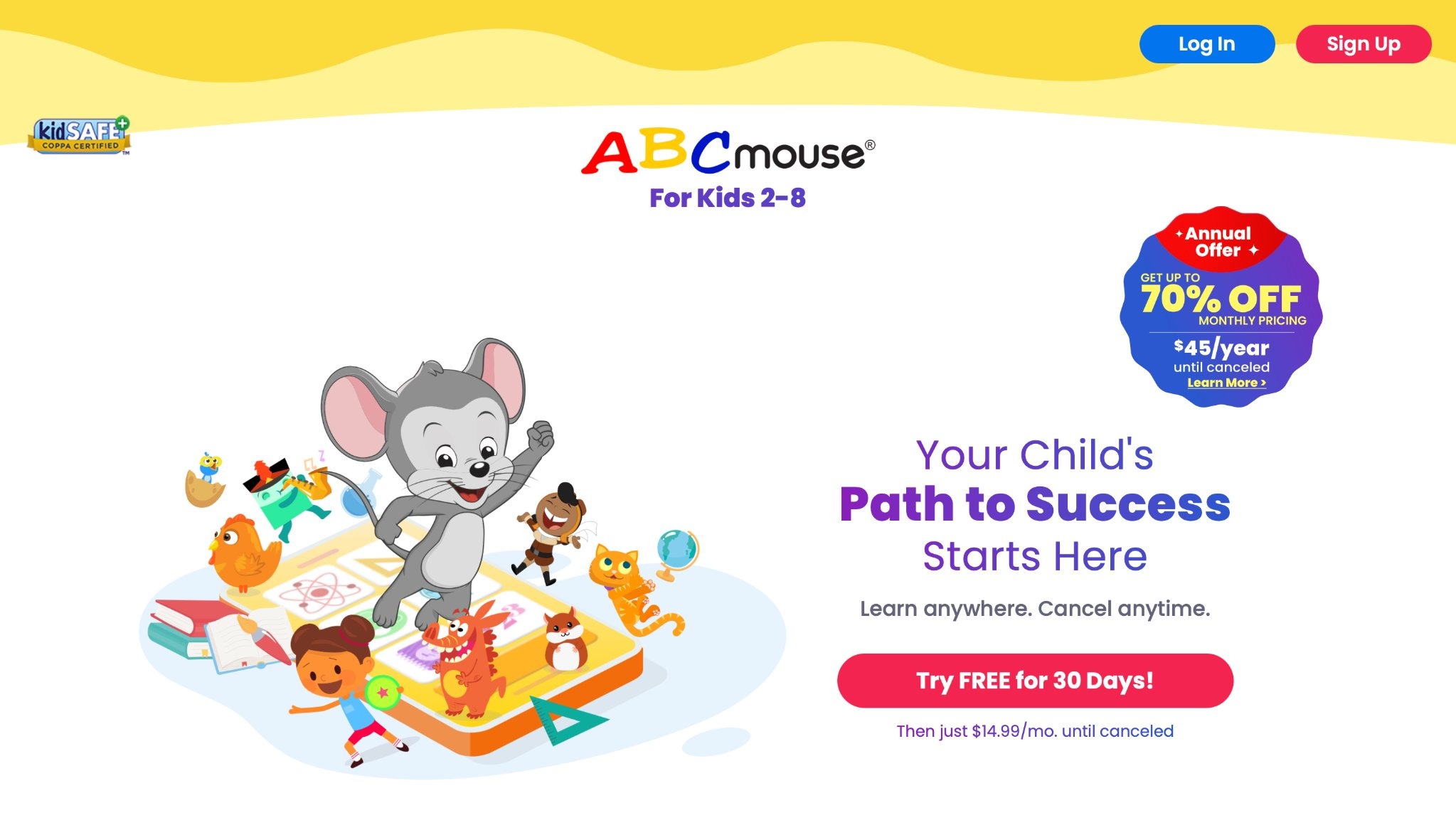
ABCmouse delivers a structured early learning academy through an online platform packed with interactive lessons, games, and activities for children aged two to eight. Headquartered in Glendale, California, it provides a step-by-step curriculum that spans reading, math, science, art, and music, allowing kids to progress at their own speed while collecting tickets for virtual rewards. The app includes thousands of books, puzzles, songs, and videos, creating a classroom-like experience at home. Parents can track progress via a dashboard, and the content aligns with school standards to support foundational skills.
Strengths shine in its comprehensive approach that builds confidence and keeps engagement high with colorful animations and characters. Weaknesses appear when internet connectivity issues arise or if the subscription model limits access for some families, though it offers a free trial to test suitability. Overall, it fosters a love for learning by making education feel like play, with printable worksheets extending activities offline. Kids enjoy exploring virtual worlds like a zoo or farm, where they apply what they've learned in fun scenarios.
- Key features: Interactive lessons in core subjects, progress tracking dashboard, virtual rewards system, and offline printable resources.
- Facts and information: Content supports early literacy and numeracy, with many parents noting improved school readiness after regular use.
3. Khan Academy Kids
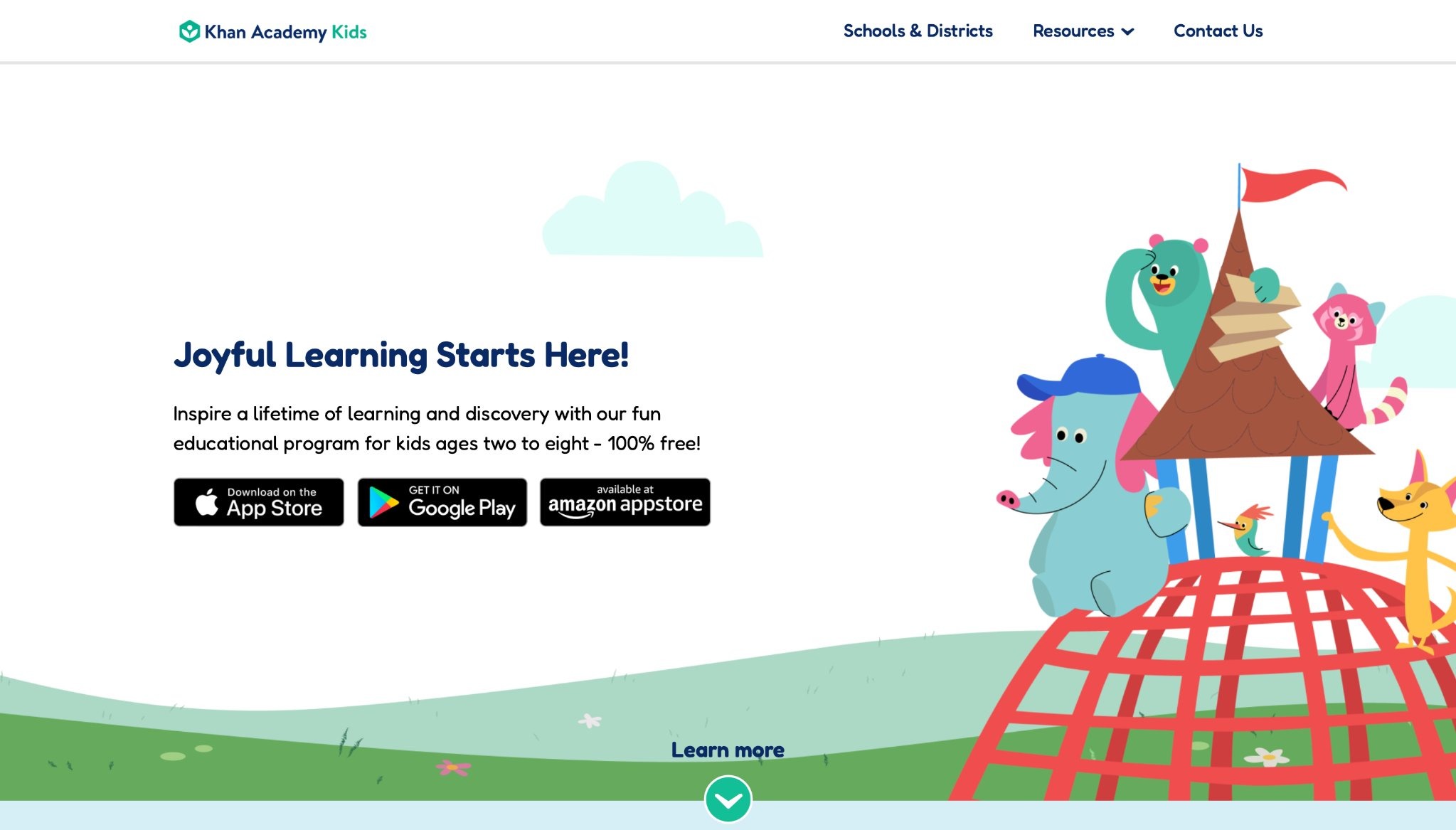
Khan Academy Kids stands out as a completely free educational app offering a vast library of activities for preschool to early elementary children. Based in Mountain View, California, it covers subjects like math, reading, logic, creativity, and social-emotional learning through games, books, videos, and songs. The adaptive technology personalizes the experience, adjusting difficulty based on the child's performance to ensure steady growth without frustration.
Kids interact with friendly animal characters that guide them through adventures, such as drawing or storytelling sessions. Strengths include its accessibility with no ads or in-app purchases, plus offline download options for on-the-go learning. Weaknesses might involve the broad scope sometimes overwhelming very young users, or limited depth in advanced topics compared to specialized apps. It partners with experts to align with developmental milestones, promoting independence and curiosity. Families appreciate the parent tools for monitoring and setting goals, making it a reliable daily resource for building essential skills in a joyful way.
- Key features: Adaptive learning paths, creative tools like drawing and coloring, character-led stories, and offline accessibility.
- Facts and information: Activities enhance problem-solving and emotional awareness, with widespread use in homes for supplementing early education.
4. Duolingo ABC
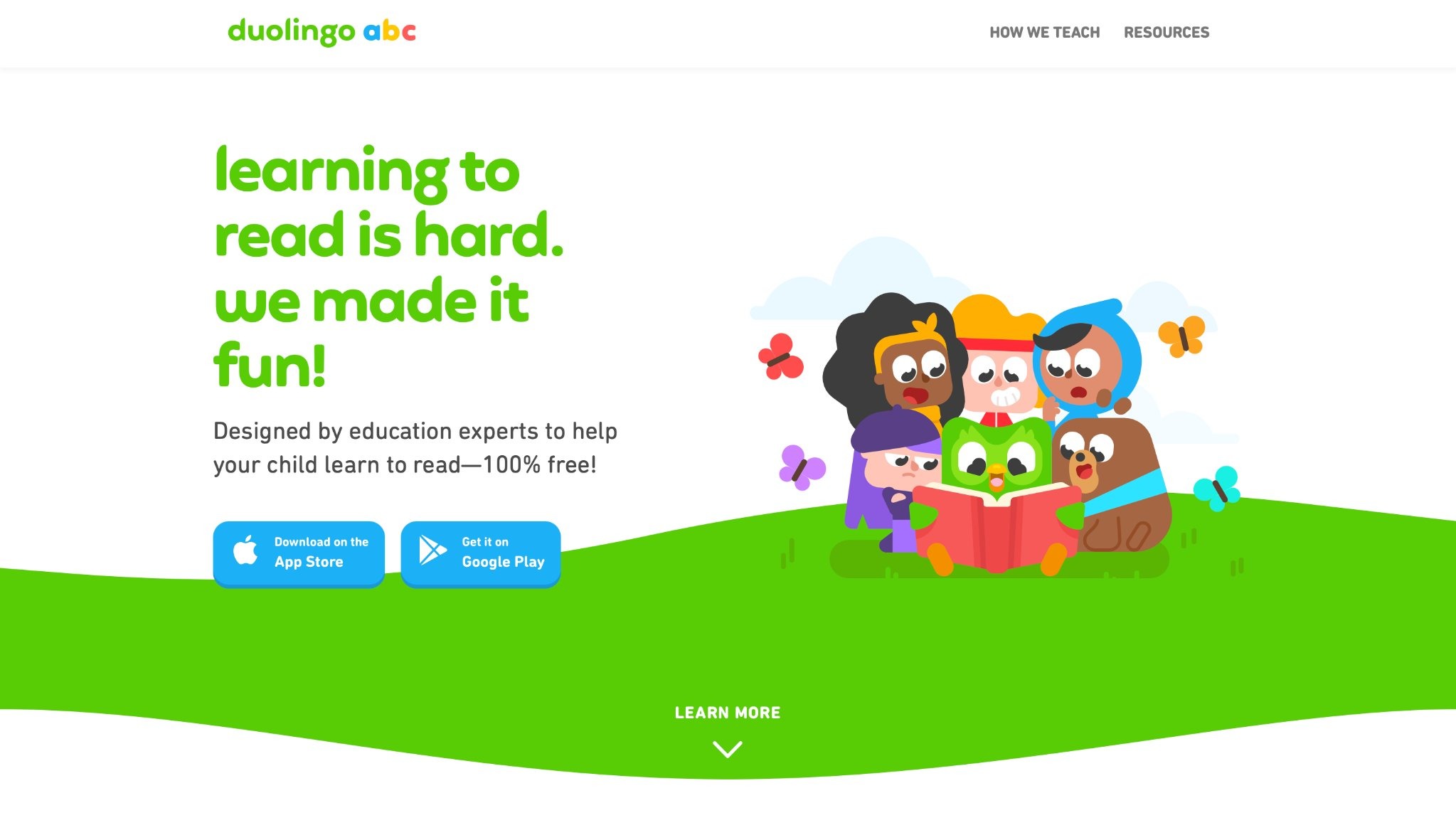
Duolingo ABC focuses on foundational literacy skills for young children, using gamified lessons to teach letters, sounds, and simple words. From Pittsburgh, Pennsylvania, the app employs short, engaging sessions with colorful illustrations and rewards to maintain interest. Kids practice tracing letters, matching sounds, and reading basic stories in a progression that builds phonics knowledge step by step.
Strengths are its bite-sized format ideal for short attention spans and the inclusion of interactive elements like animations that make learning playful. Weaknesses can include a narrower focus on reading without integrating other subjects, potentially requiring supplemental apps for a fuller curriculum.
It's designed to be intuitive, with no reading required to start, allowing even toddlers to navigate independently. The app encourages daily habits through streaks and achievements, helping children develop confidence in early reading. Parents value the free access and offline mode, which supports learning anywhere without screens becoming overwhelming.
- Key features: Phonics-based exercises, interactive stories, progress rewards, and offline lesson downloads.
- Facts and information: Lessons draw from proven language methods, aiding many kids in gaining early reading proficiency.
5. Prodigy Math Game
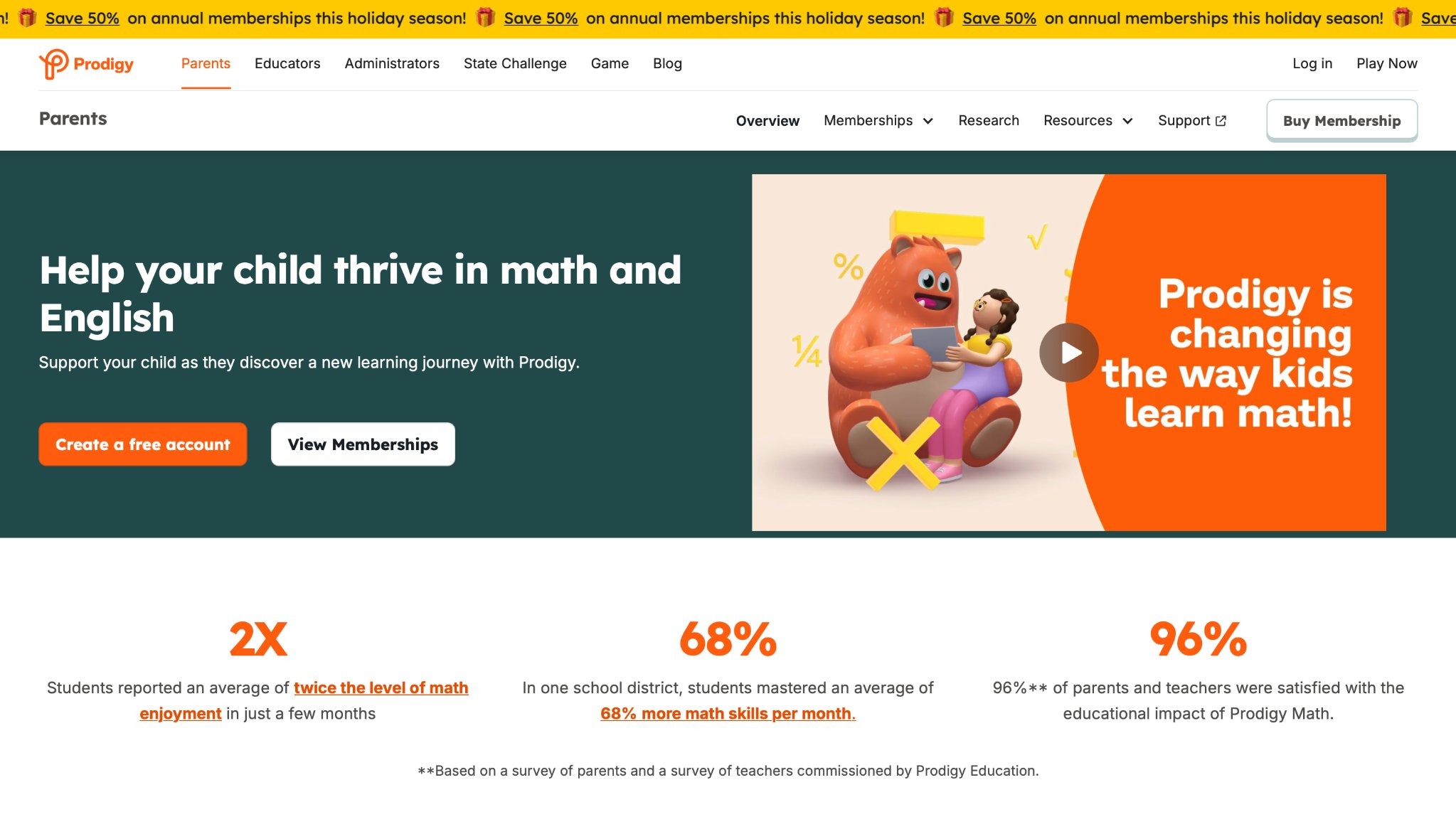
Prodigy Math Game transforms mathematics into an epic role-playing adventure where kids battle monsters and complete quests by solving problems. Headquartered in Canada, it caters to first through eighth graders, adapting questions to individual skill levels in real time for personalized practice. The fantasy world includes customizable avatars and pets, motivating continued play through rewards and story progression.
Strengths lie in its ability to make math exciting and relevant, with alignment to school curricula across various regions. Weaknesses may surface in technical glitches or the emphasis solely on math, leaving other areas uncovered. Teachers often incorporate it into classrooms for reinforcement, as it tracks performance and generates reports. Kids enjoy the competitive elements like duels, which encourage accuracy and speed without pressure. Overall, it builds a positive attitude toward numbers, helping overcome common fears through immersive gameplay.
- Key features: Adaptive math questions, fantasy quests, avatar customization, and performance analytics.
- Facts and information: Platform reinforces classroom learning, with many users showing gains in math confidence and skills.
6. Funbrain
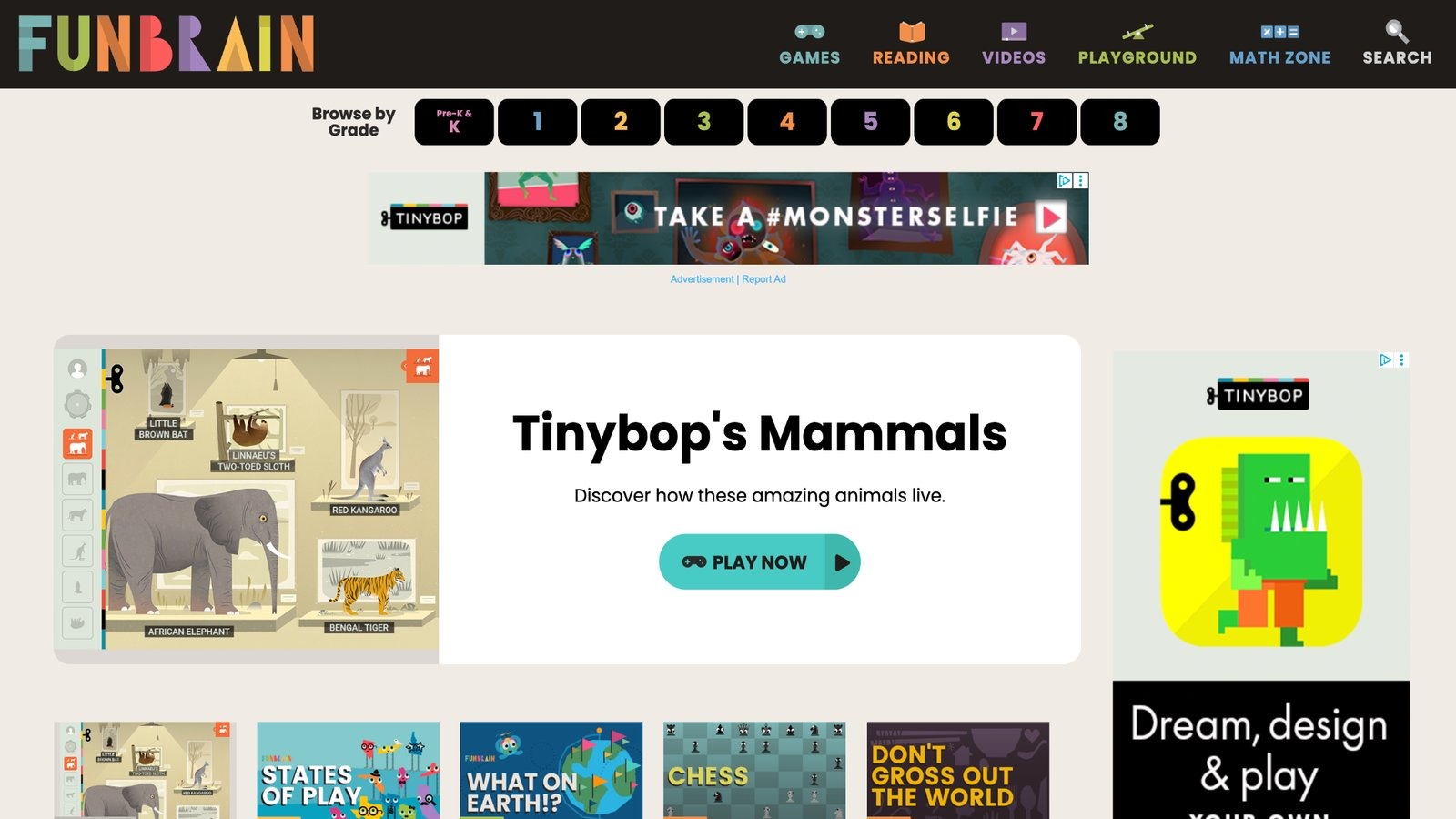
Funbrain provides a collection of free online games, comics, and videos aimed at making learning entertaining for kids up to eighth grade. It features arcade-style activities in math, reading, and grammar, such as diary entries from fictional characters or puzzle challenges. Strengths include easy access without registration and a mix of quick-play options that fit short sessions. Weaknesses could be the dated visuals in some games or lack of personalized tracking compared to modern apps.
The site encourages exploration of subjects through fun narratives, like math playgrounds or word hunts, fostering independent play. Popular sections like the playground offer variety, from logic puzzles to story-based adventures. It's a go-to for supplemental practice, with content that sparks curiosity and reinforces school topics in a lighthearted manner.
- Key features: Arcade games, educational comics, video content, and subject-specific challenges.
- Facts and information: Resources aid in core skill development, used by many for extra academic engagement.
7. PBS Kids Games
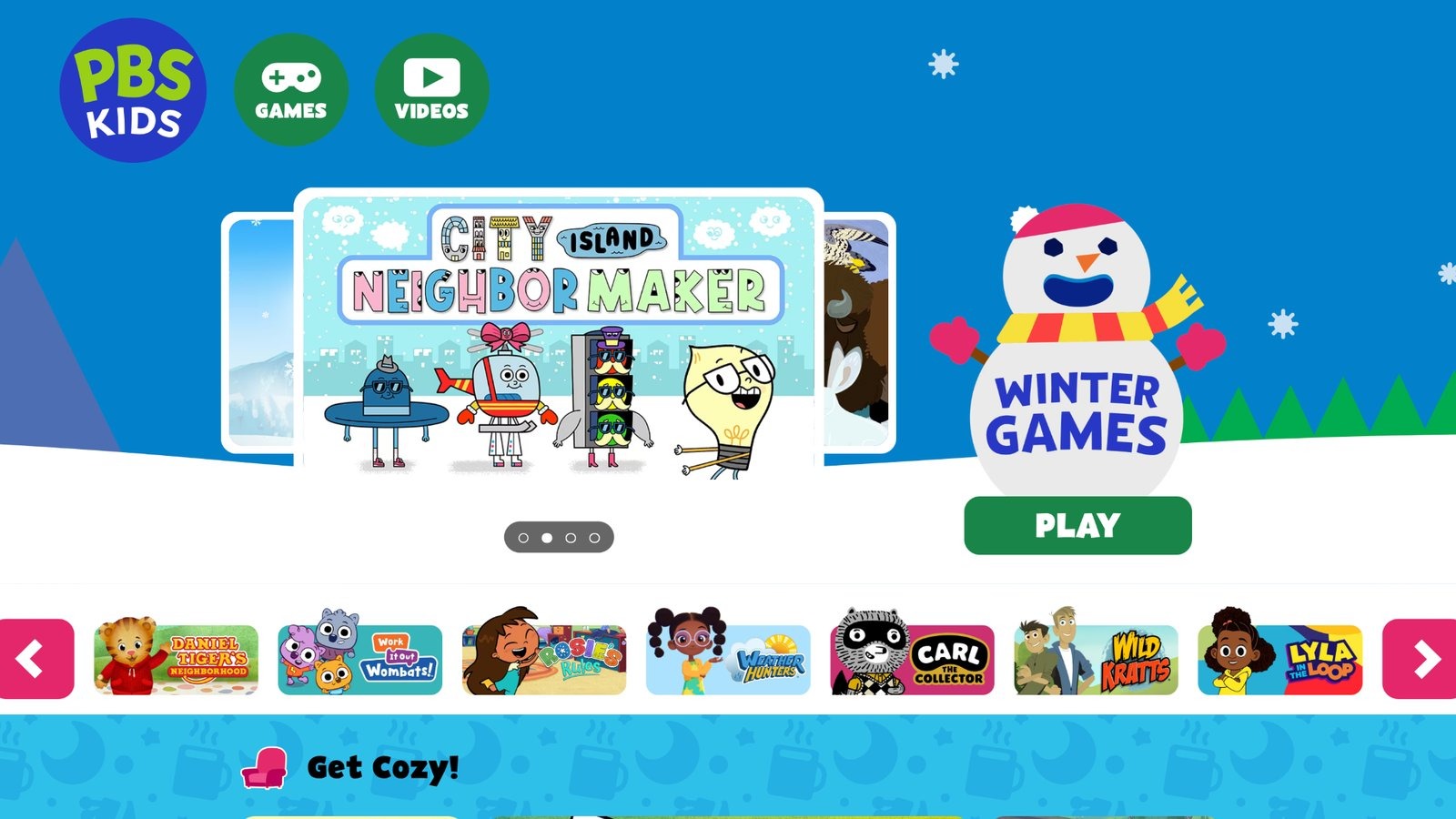
PBS Kids Games brings educational content from beloved TV shows into interactive play for young children. Based in Arlington, Virginia, it offers over 250 free games featuring characters like Curious George or Wild Kratts, covering STEM, reading, and emotional skills. Activities include sorting, matching, and adventures that tie into real-world concepts.
Strengths are the familiar faces that draw kids in and the ad-free, safe environment with bilingual options. Weaknesses might include dependency on show knowledge for full enjoyment or simpler mechanics for older kids. Parent resources extend learning offline, like crafts tied to games. It promotes social-emotional growth through scenarios on feelings and cooperation, making it ideal for family involvement.
- Key features: Character-based games, offline play options, parent guides, and bilingual support.
- Facts and information: Content builds everyday skills, with many families integrating it for balanced screen time.
8. Starfall
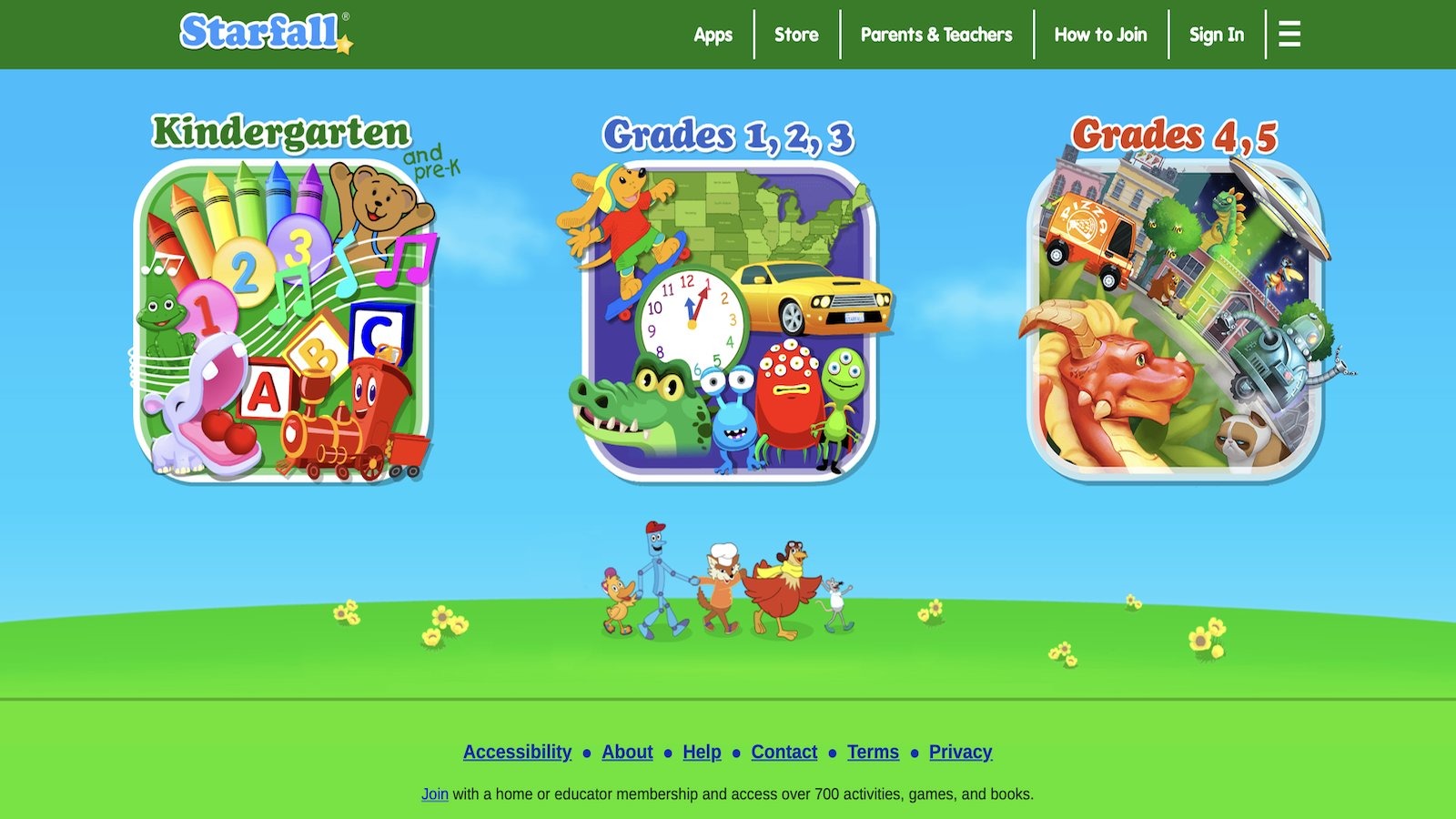
Starfall specializes in early reading and math for pre-kindergarten to third grade, using songs, stories, and animations to teach basics. From Boulder, Colorado, the app and website provide a gentle introduction to letters, numbers, and shapes through interactive elements like clickable scenes. Strengths include its calm pace suitable for beginners and multi-device access. Weaknesses may be the basic graphics or limited advanced content. Seasonal themes keep it fresh, and it's often used in schools for foundational practice. Kids learn phonics by blending sounds into words, building reading fluency naturally.
- Key features: Phonics songs, math activities, holiday content, and animated stories.
- Facts and information: Approach supports early learners, with many achieving letter and number recognition milestones.
9. Endless Alphabet
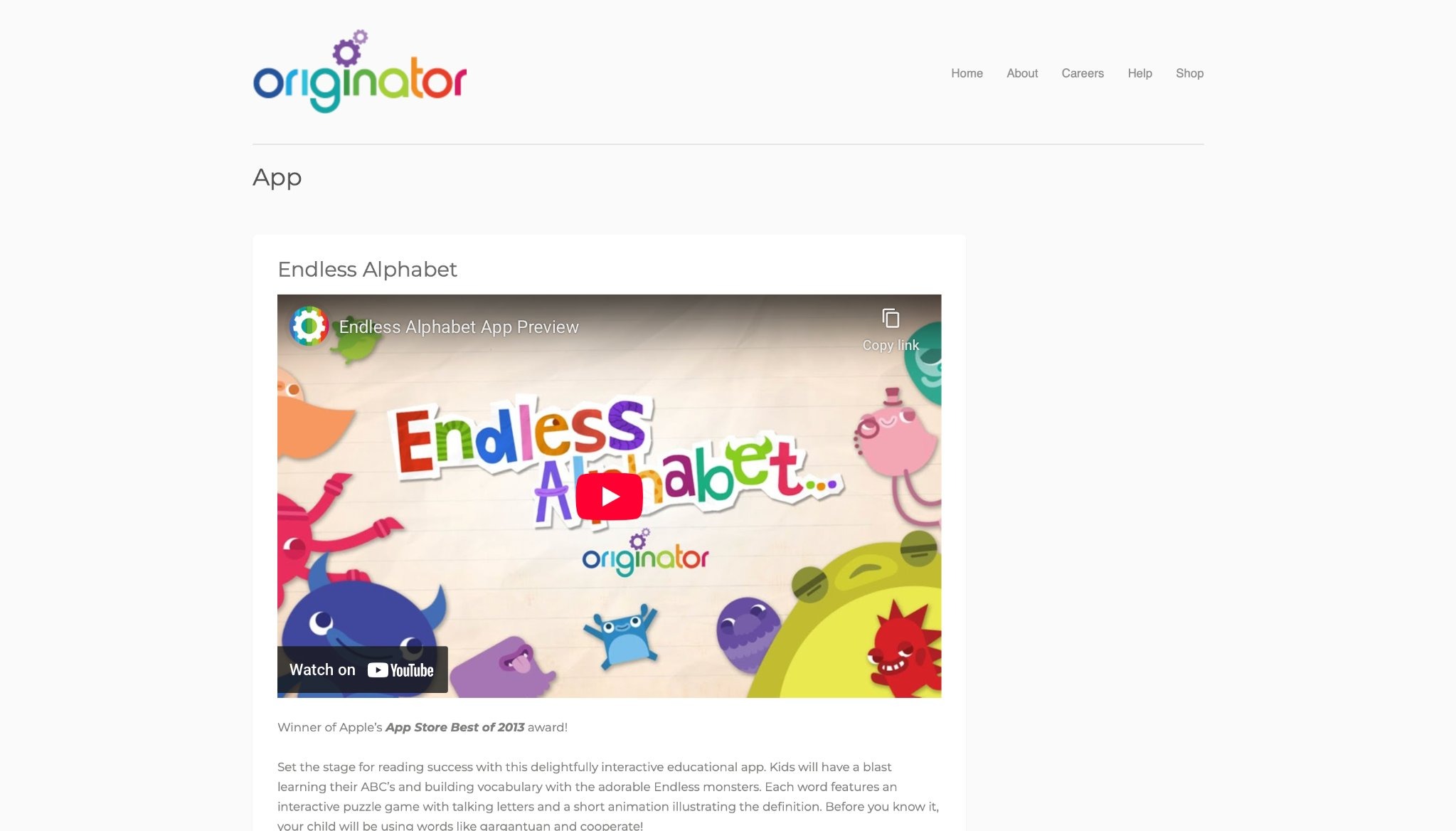
Endless Alphabet introduces vocabulary through playful monsters that scramble letters for kids to reassemble into words. It features over 100 words with definitions brought to life by animations and sounds. Strengths are the humorous style that captivates preschoolers and the focus on word building without time limits. Weaknesses could involve repetition for quick learners or exclusivity to alphabet themes. The app encourages curiosity about language, with each word puzzle revealing a short, silly scene. It's ad-free and offline-friendly, perfect for travel or quiet time.
- Key features: Word puzzles, monster animations, interactive definitions, and sound effects.
- Facts and information: Games expand vocabulary, helping many young children associate letters with meanings.
10. Code.org Games
Code.org introduces coding concepts through puzzles and games for beginners, starting with block-based programming. Based in Seattle, Washington, it uses themes like Minecraft or Star Wars to teach logic and sequencing. Strengths include building tech literacy early and free access with teacher resources. Weaknesses might be steeper curves for the youngest or need for guidance. Projects allow sharing creations, fostering creativity alongside skills.
- Key features: Drag-and-drop coding, themed adventures, project galleries, and lesson plans.
- Facts and information: Initiatives expose many to computer science basics, preparing for future tech engagement.
11. Reading Eggs
Reading Eggs offers a structured program for reading and math, beginning with phonics and advancing to comprehension for ages two to thirteen. It uses placement tests to tailor lessons, incorporating games, songs, and books with rewards like golden eggs for motivation. Strengths are the progressive levels that track growth and integration of Mathseeds for numeracy.
Weaknesses may include subscription requirements or overwhelming options for very young users. The app features animated characters guiding kids through villages, making learning an adventure. Printable worksheets extend practice offline, and parent dashboards provide detailed reports. It's aligned with curricula, helping bridge home and school education effectively.
- Key features: Phonics lessons, math integration, progress rewards, and printable materials.
- Facts and information: Program boosts reading confidence, with many children advancing in literacy skills.
12. Teach Your Monster to Read
Teach Your Monster to Read guides kids from letter sounds to full sentences through monster-customizing games. It emphasizes phonics with mini-challenges in a story-driven world, suitable for ages three to six. Strengths lie in its engaging narrative that motivates practice and free web access with app options. Weaknesses could be the focus on reading only or need for adult setup. Designed with educators, it uses rewards to encourage repetition without boredom. Kids collect items for their monster while mastering blending and sight words.
- Key features: Phonics games, monster customization, story progression, and educational alignment.
- Facts and information: App aids early reading development, adopted by many schools for foundational training.
13. ABCya
ABCya hosts hundreds of games for pre-K to sixth grade, covering math, reading, typing, and logic with weekly updates. It organizes content by grade and subject, including puzzles, word searches, and strategy games like adventure quests. Strengths include free access to many activities and simple navigation for independent play. Weaknesses might be ads in the free version or varying complexity levels. The site promotes skills through fun themes, such as seasonal events or character-driven stories, encouraging repeated visits.
- Key features: Subject-categorized games, printable activities, multiplayer options, and themed challenges.
- Facts and information: Resources support classroom supplements, helping many kids with core academic practice.
14. Epic
Epic serves as a digital library with thousands of books, audiobooks, and videos for kids up to twelve, personalized by reading level and interests. It includes quizzes and badges to track progress, fostering a love for reading. Strengths are the vast selection and teacher-approved content with offline reading. Weaknesses may involve subscription costs or screen time concerns. Curated collections cover fiction, nonfiction, and educational topics, making it versatile for home libraries.
- Key features: Book recommendations, progress tracking, quizzes, and offline access.
- Facts and information: Platform encourages reading habits, with many users increasing their book consumption.
15. Osmo
Osmo combines physical pieces with digital apps on tablets for hands-on learning in coding, math, and drawing. It uses a reflector to detect real-world actions, like arranging tiles for puzzles. Strengths include tactile engagement that builds fine motor skills and collaborative play modes. Weaknesses could be the need for compatible devices or additional kit purchases. Games like coding adventures or art masters teach concepts through interaction, blending screen and physical worlds seamlessly.
- Key features: Tangible manipulatives, interactive apps, multi-subject kits, and family play options.
- Facts and information: System enhances critical thinking, used by many for interactive educational experiences.
Safety Tips for Young Kids' Gaming
Keep play safe by setting time limits and choosing age-rated content. Monitor for secure apps without data sharing. Pick games from trusted makers to avoid hidden risks. Sit with kids during sessions to guide and discuss. Update devices for the latest protections. Balance with outdoor activities for well-rounded days.
FAQ
What makes educational games ideal for young kids?
Educational games stand out because they mix play with subtle lessons, letting kids absorb knowledge through enjoyment. These activities often include elements that spark imagination and build basic concepts in a relaxed way. When selecting educational games, focus on those that adapt to individual paces for better engagement.
How do games help with emotional development in kids?
Games create scenarios where young kids face simple choices, learning to express feelings and respond to others. This practice builds empathy as they navigate virtual friendships or challenges. Over time, such experiences translate to real-life situations, strengthening emotional awareness.
Are there free options among the best games for young kids?
Free games exist that deliver core learning elements without any fees, making them accessible for trying out ideas. However, for a fuller range of features, consider subscription models that provide ongoing updates. Always prioritize safe, quality content in your choices.
What age range suits these top games in 2026?
Top games generally target children between three and eight years old, with designs that scale in complexity. For the youngest, interactions stay basic to match motor skills, while older kids tackle layered tasks. Matching games to a child's current abilities ensures steady progress.
How can games support cognitive growth in young kids?
Games foster cognitive growth by presenting puzzles that sharpen memory and logic in fun formats. Kids learn patterns and cause-effect relationships through repeated play sessions. Integrating such activities into routines, like those found in our games page, aids in developing sharper thinking skills.
Read Also:
- Best Educational Games For 2 Year Olds in 2026
- Best Games For Toddlers in 2026
- Best Games For Preschoolers in 2026
- Best Learning Games for Kids Online in 2026
- Best Educational Games for Toddlers



-(1).png)