

Best Educational Games For Kids 4th Grade in 2026






Finding the best educational games for kids 4th grade can transform screen time into a productive adventure. These games target key skills like math, reading, and problem-solving, tailored for nine- to ten-year-olds. Discover the best educational games for 4th graders in 2026 that blend fun with learning.
For parents looking to make learning more engaging, there are plenty of best online educational games for kids that combine fun and skill-building. You can also explore a wide variety of kid educational games designed specifically for different age groups, ensuring each child enjoys a tailored learning experience. To keep your child safe while they play, consider checking out the best safe apps for kids that focus on secure and educational content.
Discover the Best Educational Games For Kids 4th Grade in 2026 - TutoClub
Benefits of Educational Games for 4th Graders

Educational games help fourth graders strengthen core subjects while developing independence. Kids often face new challenges in school, such as complex math operations or detailed reading comprehension. Games provide a low-pressure space to practice these, leading to better retention.
Many children show improved focus when gameplay involves rewards or stories. Parents notice kids sticking with tough topics longer through interactive formats. This approach supports emotional growth too, as successes in games build confidence for real-world tasks.
Some games emphasize teamwork, teaching social skills alongside academics. Others adapt to individual paces, ensuring no one falls behind. Overall, these tools complement traditional teaching methods effectively.
For 4th graders, exploring specialized educational games can further amplify these benefits. Parents and teachers often turn to the best safe games for kids that prioritize both fun and security, while brain games for kids sharpen cognitive abilities like problem-solving and critical thinking. Similarly, memory games for kids help strengthen recall and concentration skills essential for academic success. Many of these options embrace learning through play, making education feel effortless and enjoyable for children at this pivotal age.
How to Choose the Right Educational Games
Pick games that align with your child's interests and school curriculum. Look for ones covering math, language arts, science, or coding basics. Check age ratings to match fourth-grade levels. Free trials let you test engagement before committing. Read reviews from other parents or teachers for insights on effectiveness.
The best educational games for kids 4th grade often include progress tracking for parents. Avoid overly simple or advanced options. Balance fun with educational value to keep motivation high. Variety prevents boredom, so mix puzzle types with adventure styles.
Types of Educational Games Suitable for 4th Graders
Fourth graders thrive with games that match their school-level challenges in math, reading, and science while keeping things fun. Problem solving games stand out because they build logical thinking through patterns, sequences, and strategy elements that feel like adventures rather than drills. Kids often spend more time on these because solving each level gives a clear sense of achievement that carries over to homework.
Pet care and simulation activities teach responsibility through daily routines turned into gameplay. Caring for characters encourages empathy and organization skills, such as managing tasks or sharing resources. These games work well for 4th graders who enjoy nurturing elements that mirror real-life situations without pressure.
Creative and dress-up games support self-expression while practicing fine motor skills and decision-making. Fashion or decorating challenges let kids experiment with colors, styles, and themes, which ties into art concepts from school. Seasonal or themed versions keep the content fresh across different times of the year.
Strategy and logic titles strengthen critical thinking with increasing difficulty that adapts to the player's pace. Tower defense or maze games require planning ahead, helping children develop patience and step-by-step reasoning useful in subjects like geometry or writing outlines.
Integrating Educational Games into Daily Routines
Short, regular sessions fit easily into busy after-school or weekend schedules. Many families start with 20 to 30 minutes to avoid fatigue while still building consistent habits. This approach reinforces classroom lessons through repetition in a low-stress format that children actually look forward to.
Pairing game time with quick family talks about discoveries turns solo play into shared learning. Kids might describe a puzzle solution or a story outcome, which improves communication and confidence skills for children. Rotating between different game types prevents boredom and covers a wider range of subjects like math facts, reading comprehension, or creative storytelling.
Evening wind-down periods work especially well for calmer activities that promote focus without overstimulation. Safe games with gentle routines or artistic elements help transition from active school days to rest time. Progress tracking features in some platforms give parents helpful insights without extra effort.
Role of Screen Time Management in Learning
Thoughtful screen time choices make educational games powerful supplements to traditional schooling. Purposeful play sessions help children stay engaged with topics they might find challenging in class, leading to better retention through interactive practice. Safe, focused environments reduce distractions and support deeper concentration.
Games that emphasize social and emotional elements contribute to well-rounded growth. Activities involving cooperation or character care build empathy and self-awareness, skills that matter both in school and friendships. Regular but limited play encourages independence while parents monitor overall balance.
Variety across game styles keeps motivation high throughout the year. Mixing puzzles, adventures, and creative titles ensures coverage of multiple developmental areas without repetition. This method aligns well with 4th grade curriculum needs while adapting to individual interests and paces.
Best Educational Games For Kids 4th Grade in 2026
1. TutoClub - Best Educational Games For Kids 4th Grade in 2026
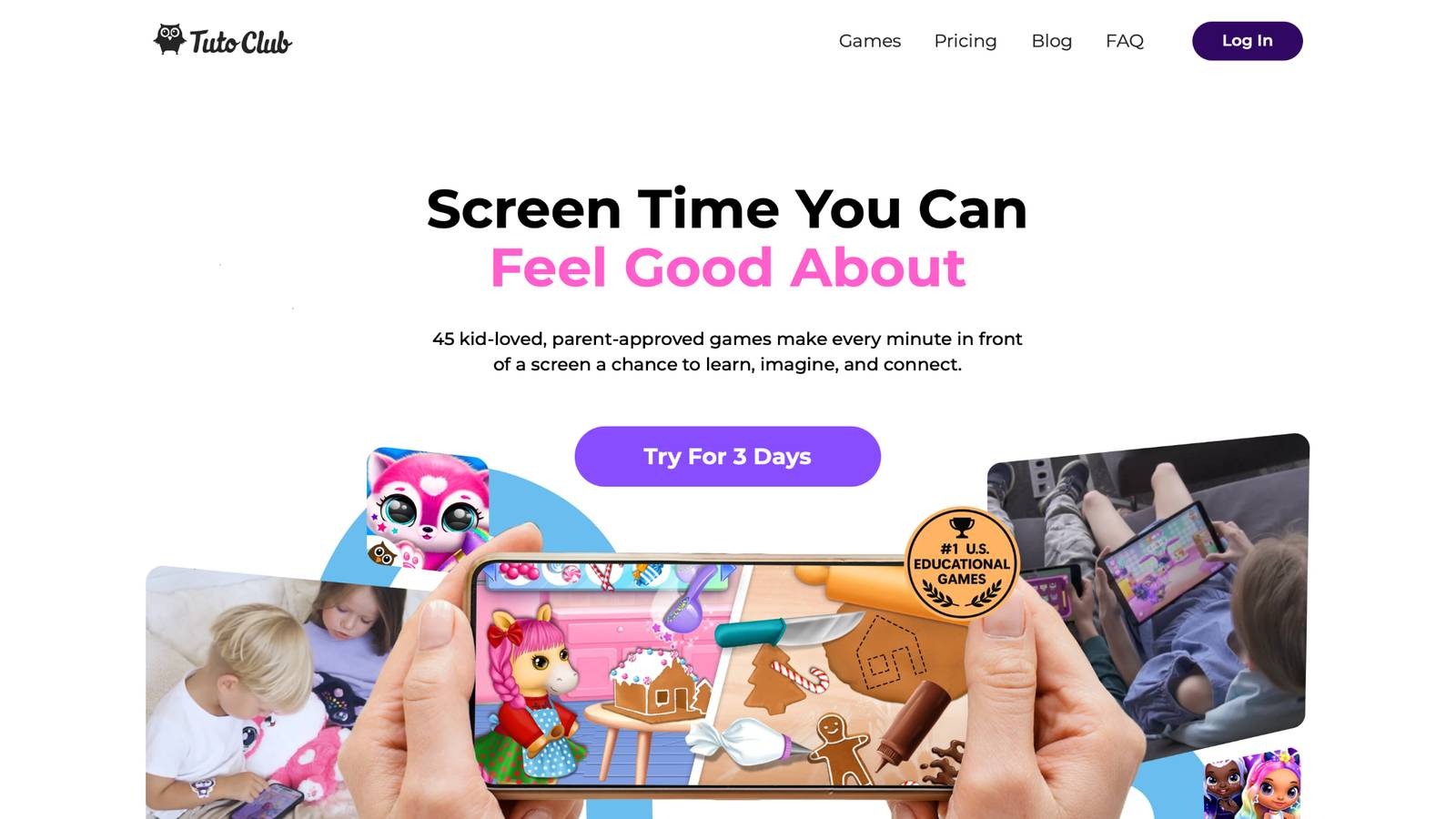
TutoClub games stand out with over 45 interactive titles designed to spark creativity and build essential skills for young learners. This subscription service turns everyday play into meaningful growth, focusing on areas like problem-solving, focus, and emotional development. Kids dive into colorful worlds where they explore shapes, storytelling, and routines through hands-on activities.
The ad-free environment keeps distractions away, letting children immerse fully. Parents love how it promotes healthy habits and family bonding time. With expert-crafted content, each game encourages curiosity and responsibility in a safe space. Fourth graders thrive here, turning potential boredom into exciting discoveries that stick.
- Key standout features include vibrant graphics that draw kids in right away. Games adapt to different skill levels, making them perfect for varied learners. Family play options strengthen bonds while reinforcing lessons.
- Facts and information show many parents report stronger confidence in their children after regular use. User benefits shine through improved attention spans and joyful learning experiences.
TutoClub Overview
TutoClub is your gateway to a magical world of educational games designed especially for children.
As part of TutoTOONS, a leading kids' games studio, we offer premium access to over 45 ad-free games.
Our mission is to blend learning and play, helping kids explore, create, and grow in a safe online space.
Thousands of parents trust us for family-friendly content that sparks imagination and builds essential skills.
Key Features
- Unlimited Access: Unlock full content in all games with no interruptions.
- Ad-Free Experience: Enjoy seamless play without any ads or distractions.
- Skill Development: Games foster creativity, social skills, communication, and more through fun activities like pet care and cleanup challenges.
- Regular Updates: Get new releases, exclusive content, and future updates automatically.
- Easy Subscription: Cancel anytime with no obligations, simple and flexible for families.
Explore Our World
TutoClub provides a rich ecosystem of educational games for kids, featuring ad-free experiences that promote creativity, focus, and emotional growth through play.
This platform turns screen time into valuable learning opportunities, with parent-approved content that builds essential skills and sparks curiosity in young minds.
- TutoClub Games: Over 45 educational games, including popular titles like Fluvsies, Smolsies, and the Sweet Baby Girl series
- Blog: Insights, tips, and stories for families on kids' learning and play
- FAQ: Comprehensive answers to frequently asked questions about subscriptions, features, and more
Get TutoClub on Your Device
TutoClub delivers premium kids educational games directly to your mobile devices, making learning accessible anytime, anywhere.
With apps available on major platforms, families can easily download and subscribe for ad-free play that turns screen time into skill-building adventures.
Perfect for parents seeking safe, engaging content on iOS, Android, or Amazon devices.
Why Choose TutoClub?
We're committed to 100% safe, enriching entertainment that kids love and parents approve.
Join the thousands who've seen their children thrive through playful learning.
Ready to start the adventure?
Subscribe to TutoClub today and unlock endless fun!
2. Fluvsies Academy
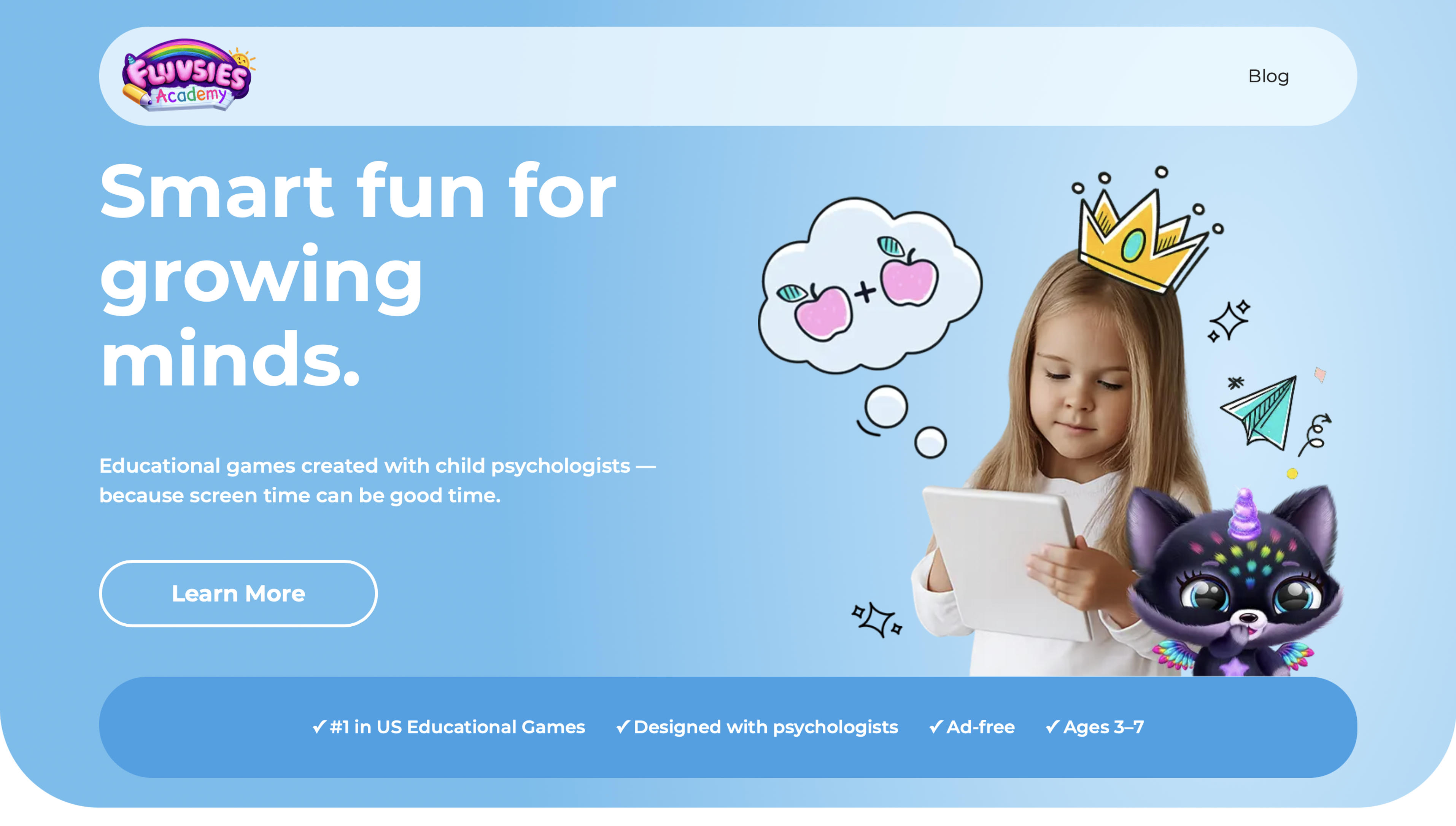
Fluvsies Academy creates a gentle learning space where preschoolers practice logic and attention through playful activities built around familiar daily routines. Young children explore professions, sort objects, and solve simple puzzles while following friendly characters on short adventures that feel like real life stories come to life. The app balances active thinking challenges with creative freedom so kids develop early reasoning without any sense of pressure or failure. Every level encourages trial and error in a supportive way that builds confidence step by step. Children quickly learn to recognize patterns, compare items, and make choices that lead to happy outcomes for their fluffy friends. The bright colors and cheerful sounds keep little ones engaged for just the right amount of time each day. Parents love how the activities blend seamlessly with everyday skills like dressing, cleaning, and helping others. The platform feels like an extension of imaginative play rather than structured lessons, which makes it easy for families to include in morning or bedtime routines. Kids return often because the characters become like trusted buddies who cheer them on with every small success.
- Key features include logic and attention exercises, sorting tasks, and life-skill simulations set in story contexts
- Facts and information highlight expert-guided design that supports focus and comparison abilities in a completely safe, ad-free format
3. ABCya
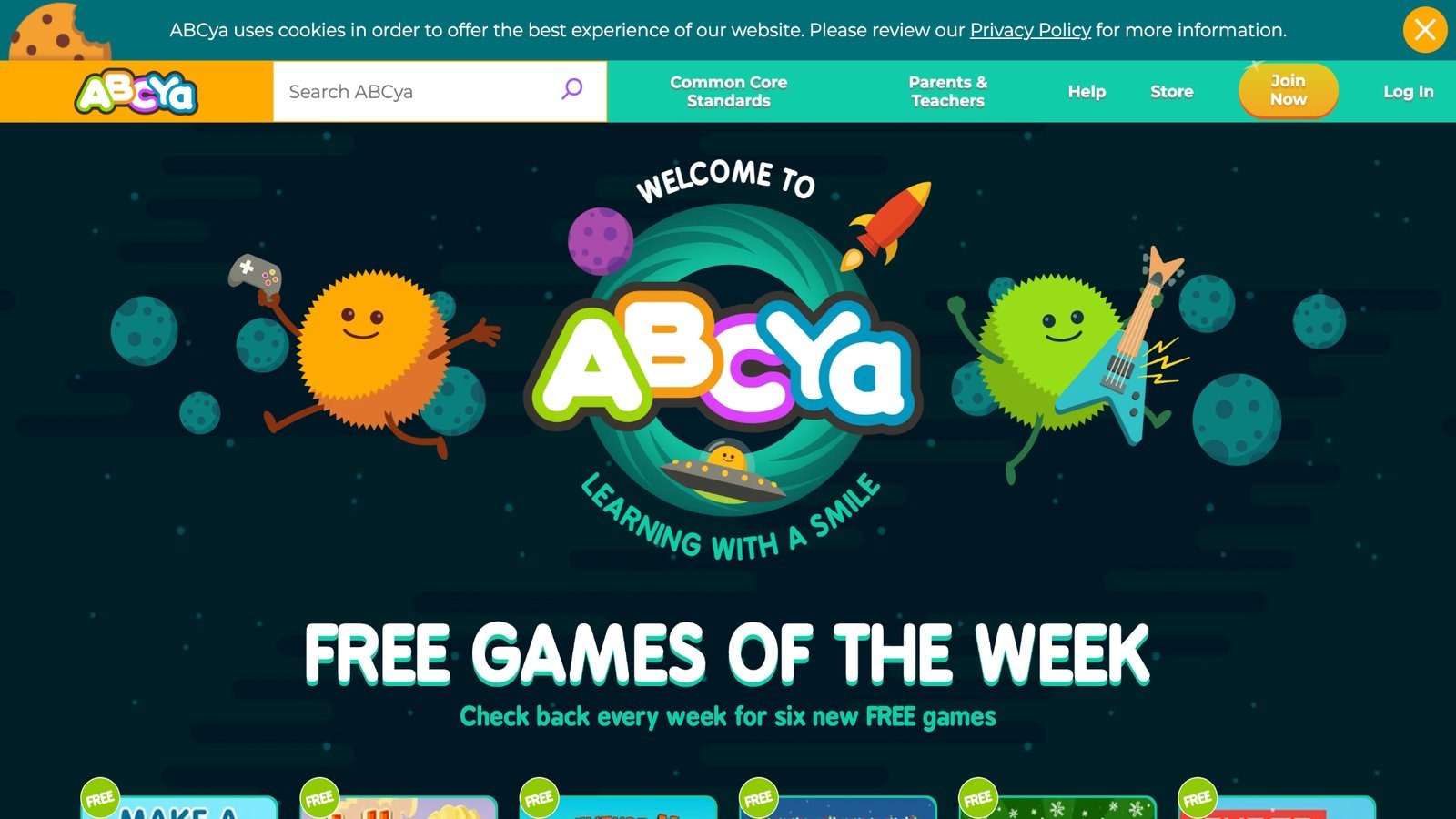
ABCya provides a colorful array of browser-based games spanning math, language arts, science, and strategy, all accessible without downloads. Created by IXL Learning in the US, it's organized by grade level, making it easy for fourth graders to find activities like fraction puzzles or vocabulary builders. Kids can practice typing skills, solve logic riddles, or create art while learning concepts. The site's weekly updates keep content fresh, with seasonal themes adding variety. Strengths shine in its user-friendly interface and ad-supported free access, though premium removes distractions.
Weaknesses include some games lacking depth for advanced learners, potentially leading to quick completion. Teachers often use it for short breaks or homework extensions, appreciating the educational focus without violence. Fourth graders benefit from reinforced classroom topics in a fun, low-stakes environment. The platform encourages creativity alongside academics, like in drawing games that teach symmetry. Parents value the safe, monitored space that promotes independent exploration.
- Key features: Subject-specific categories, printable worksheets, holiday-themed games, strategy challenges, art tools.
- Facts and Information: Many classrooms rely on it for quick skill reviews; broad appeal across subjects.
4. Cool Math Games
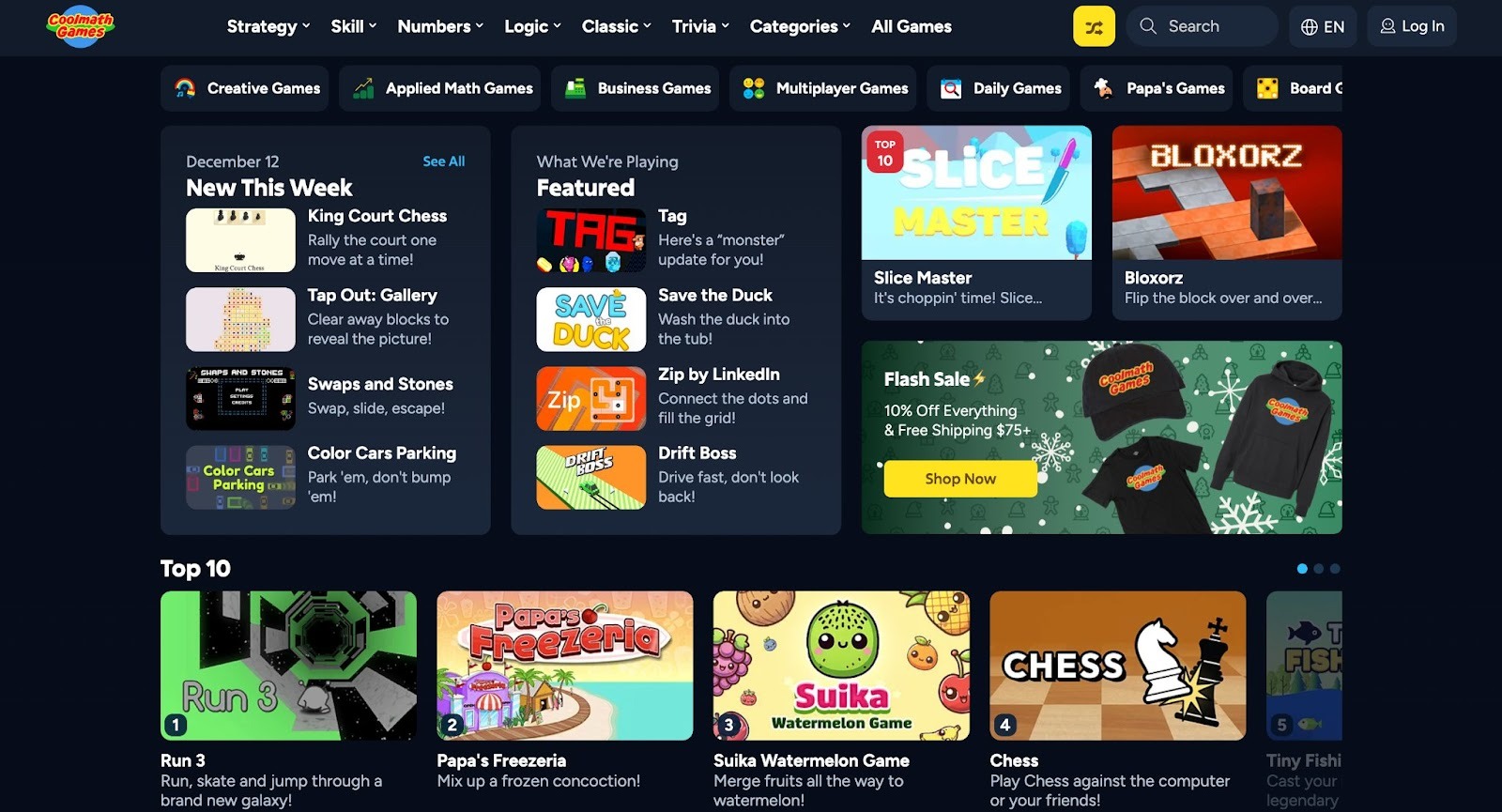
Cool Math Games hosts a massive collection of logic, puzzle, and number-based challenges, free to play online. Operated by Coolmath LLC in the US, it features titles like strategy defenses and endless runners that subtly teach math and critical thinking. Fourth graders can navigate mazes requiring pattern recognition or build towers with physics elements. The site's longevity since the late 1990s brings a nostalgic feel with constant additions.
Strengths are in its diverse genres, from arcade to trivia, keeping kids hooked. Weaknesses appear with intermittent ads that might distract younger users. No accounts needed, allowing instant play, which suits quick sessions. Educators praise its role in developing problem-solving without overt instruction. Games often incorporate real-world applications, like budgeting in simulations. It's a go-to for downtime that still sharpens minds, blending entertainment with subtle learning.
- Key features: Physics simulations, coding intros, multiplayer options, trivia sections, mobile compatibility.
- Facts and Information: Many users report better logical reasoning; curated for educational value.
5. Funbrain
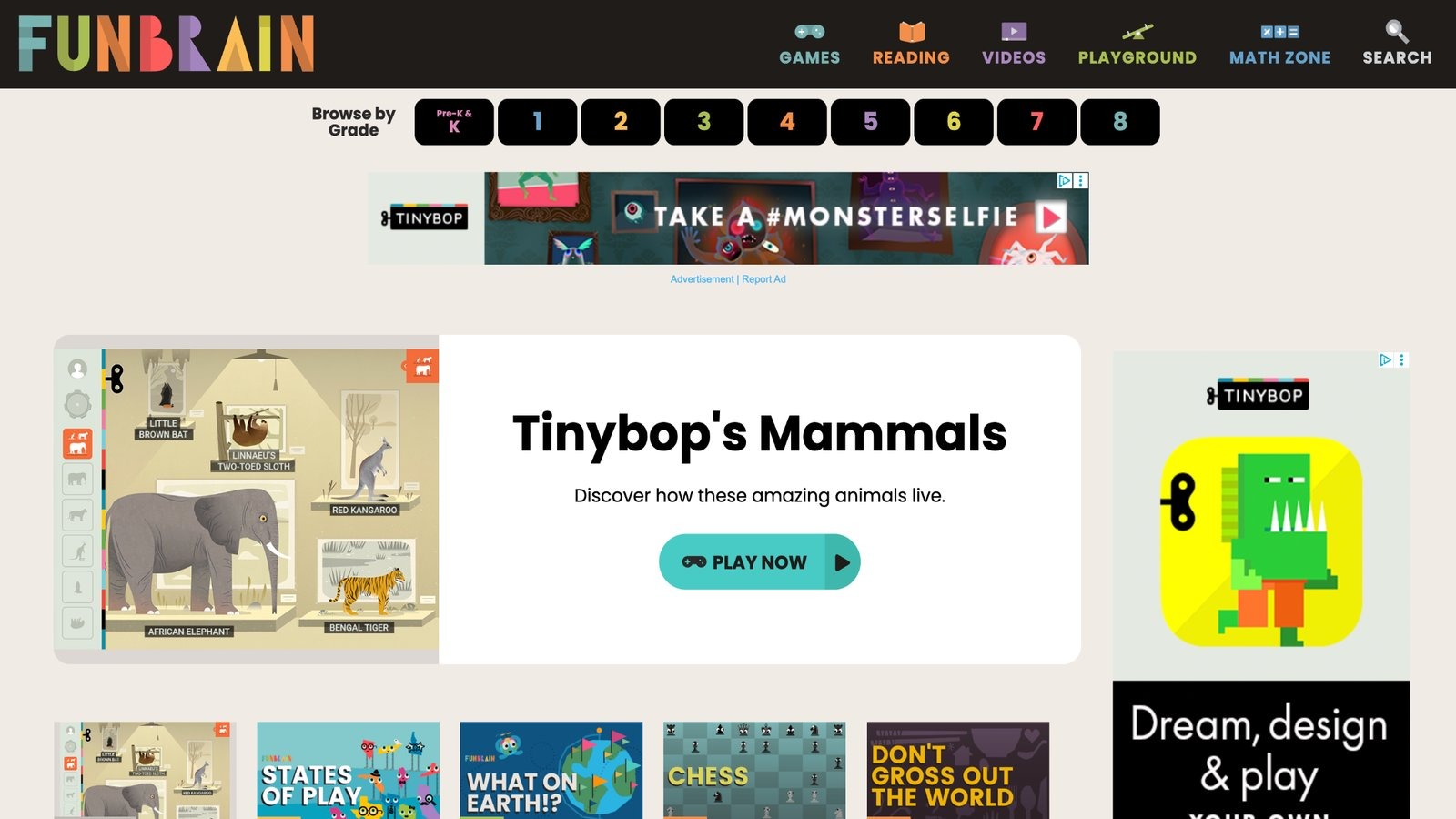
Funbrain combines games, interactive books, and videos in a kid-safe hub, graded for easy navigation. From Funbrain Holdings in the US, it offers fourth-grade content like diary-style stories with quizzes or math arcades. Kids explore subjects through engaging narratives, such as animal facts or historical adventures. Strengths include multimedia integration, mixing reading with play for comprehensive skill-building.
Weaknesses could be the simpler graphics compared to modern apps, possibly less appealing visually. The site fosters curiosity with daily features and teacher resources. Fourth graders practice comprehension via interactive comics or solve puzzles tied to books. It's ideal for blending literacy and fun, encouraging repeated visits. Parents appreciate the free, ad-limited access that promotes balanced screen time.
- Key features: Grade-level filters, video integrations, book quizzes, math challenges, daily updates.
- Facts and Information: Many kids link play to better reading habits; focused on Pre-K to 8.
6. Education.com Games
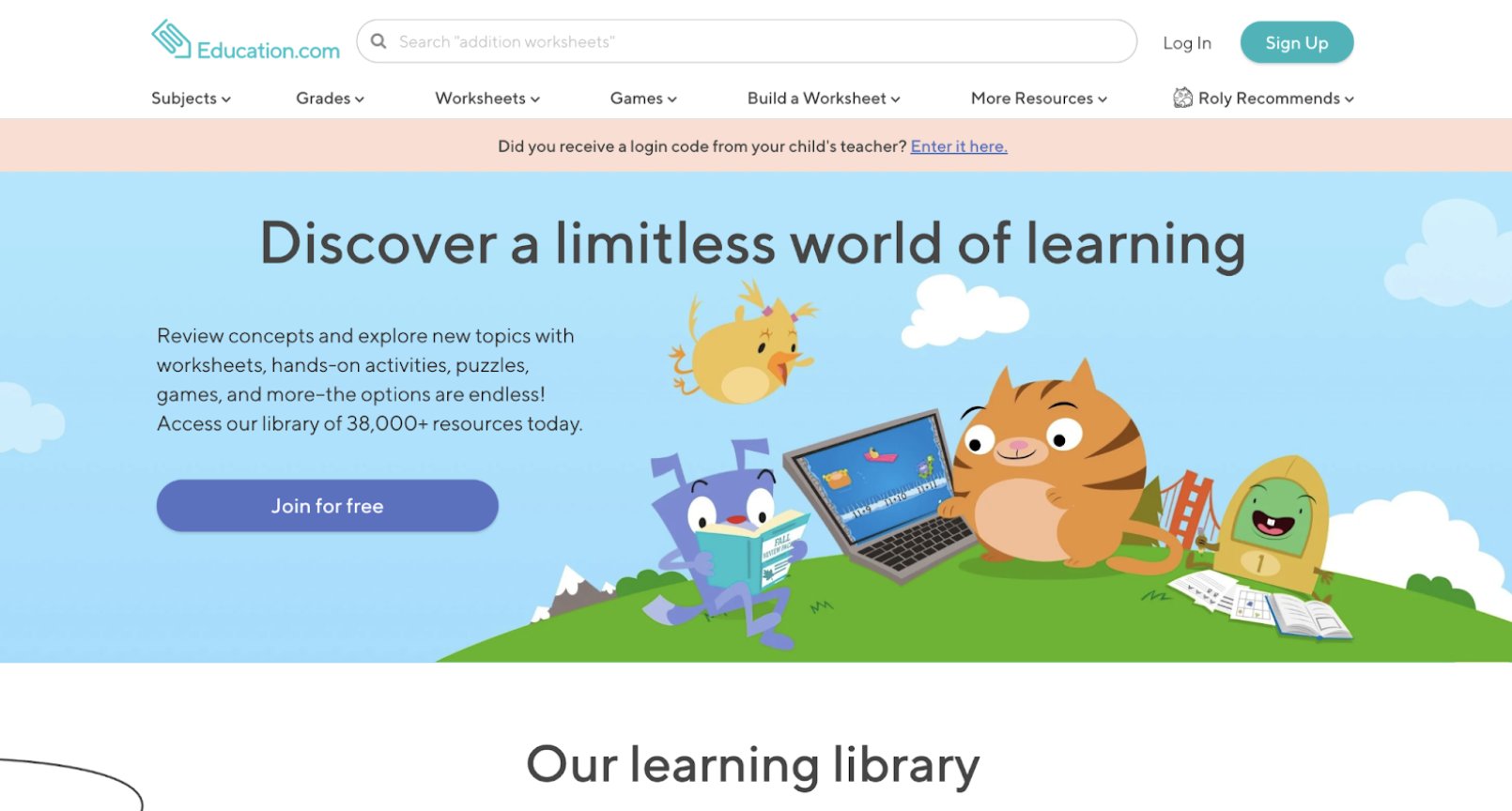
Education.com offers hundreds of standards-aligned games for fourth graders, spanning math drills, science experiments, coding introductions, and grammar activities that effectively supplement school learning. Based in the US, the platform lets children progress through leveled challenges while earning badges that celebrate mastery and maintain motivation. Rich lesson plans and accompanying worksheets extend gameplay into deeper understanding, with expert-designed content ensuring accuracy and age-appropriateness.
Fourth graders tackle concepts like decimals, vocabulary, and thematic explorations in engaging worlds that promote strong retention. Progress tracking tools help parents and teachers monitor advancement, making it especially valuable for homeschooling or after-school reinforcement. Subscription elements may limit full free access, but available materials provide meaningful value. Seasonal content and adaptive quizzes keep experiences dynamic, supporting individualized pacing. The professional design and comprehensive resources position Education.com as a dependable partner for building foundational skills through interactive, goal-oriented play that bridges classroom instruction and home learning.
- Key features: Subject bundles, printable extras, adaptive quizzes, teacher tools, seasonal content.
- Facts and Information: Many students gain concept mastery; professional designs enhance learning.
7. RoomRecess
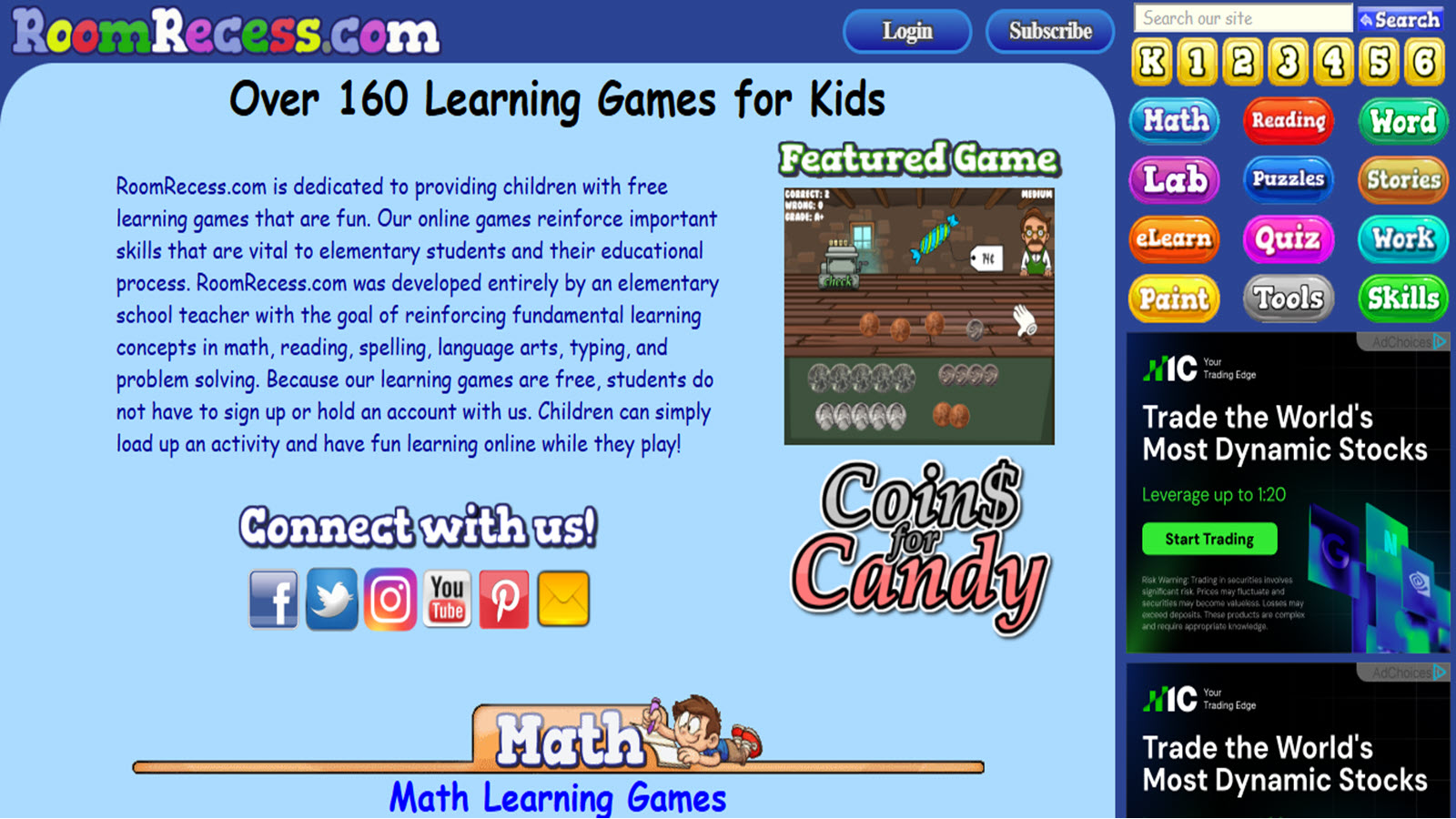
RoomRecess provides straightforward, free games focused on math and reading skills without requiring sign-ups, developed by a dedicated US educator. Fourth graders practice key areas such as decimals, inferences, geometry, spelling, and typing through quick, targeted activities ideal for recess breaks or short study sessions. Its teacher-created origins guarantee classroom relevance and practical focus on core competencies, with simple interfaces that minimize barriers to entry.
Timers in many games promote healthy challenges around speed and accuracy while avoiding frustration. Basic visuals prioritize substance and accessibility over flashy effects, making it approachable for varied learners. Parents find it easy to integrate into home routines with clear categories for selection, while educators use it effectively for downtime reinforcement of daily lessons. RoomRecess delivers reliable, no-frills practice that builds confidence and fluency in essential subjects through focused, low-pressure engagement suited to busy fourth-grade schedules.
- Key features: Geometry tools, spelling bees, typing races, trivia modes, mobile-friendly.
- Facts and Information: Many teachers use for downtime; emphasizes core skills.
8. SplashLearn
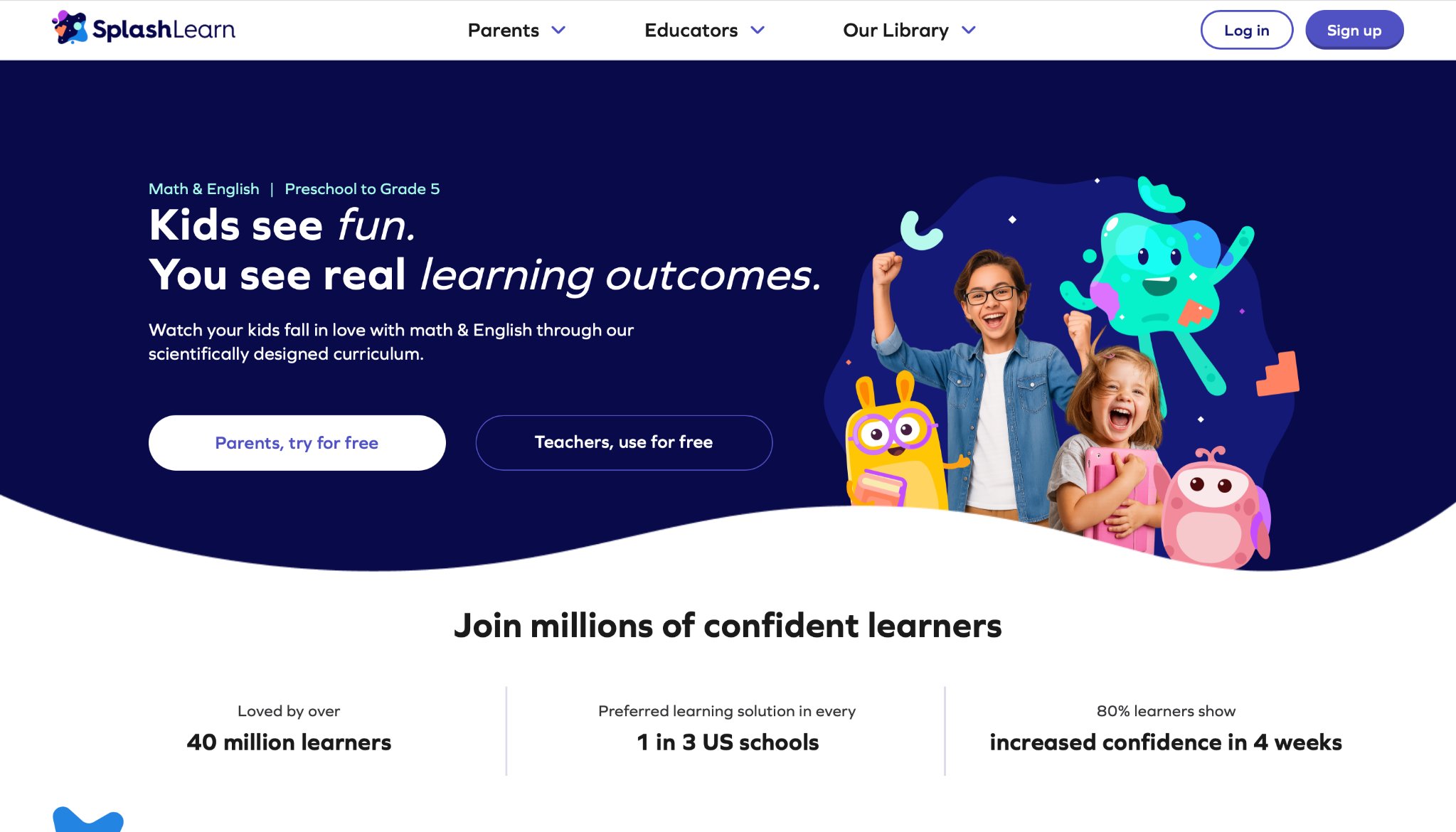
SplashLearn features personalized math and reading games that intelligently adapt to each fourth grader’s pace, using vibrant animations and rewarding systems to sustain motivation. Originating from India with strong curriculum alignment, it presents complex topics like graphs, word problems, and fractions through captivating story-driven formats. Detailed progress reports and parent dashboards facilitate easy family involvement and growth tracking.
Self-paced modules encourage independence while connectivity requirements remain a consideration for some households. Fourth graders advance comfortably with visual aids and adaptive support that build solid conceptual understanding. The platform’s blend of educational depth and playful elements makes it a popular choice for consistent skill development. Families appreciate the structured yet enjoyable approach that turns potential learning hurdles into achievable, confidence-boosting experiences aligned with 2026 educational standards.
- Key features: Fraction visuals, device sync, lesson alignments, fun avatars, parent dashboards.
- Facts and Information: Many kids advance at own speed; incorporates play elements.
9. Adventure Academy
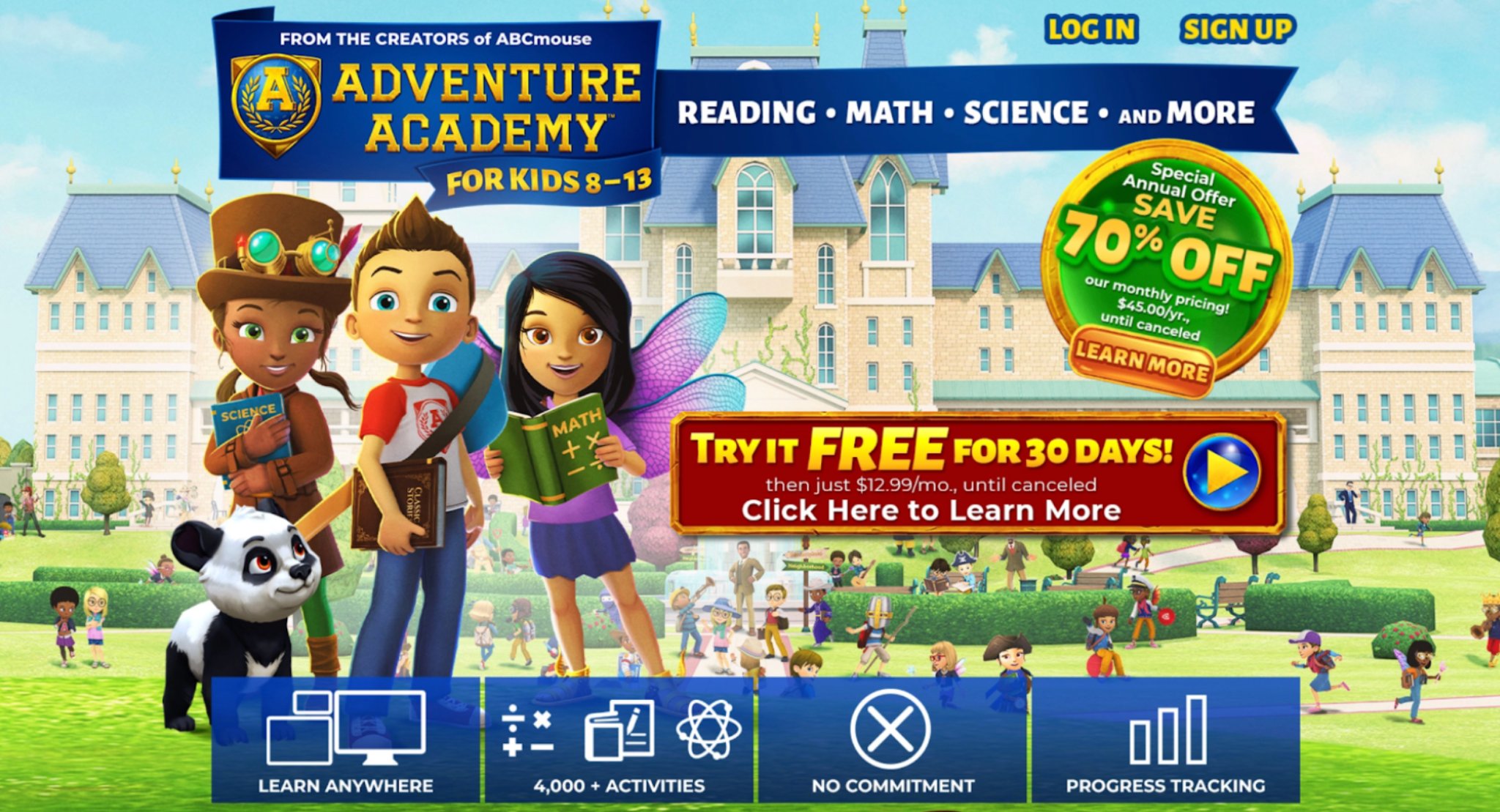
Adventure Academy immerses fourth graders in a rich 3D virtual world filled with quests spanning multiple subjects, building upon foundational platforms like ABCmouse with more advanced content including social studies. Developed by Age of Learning in the US, it combines interactive videos, explorations, and collaborative elements that deepen engagement across language, science, and beyond. Frequent updates and multiplayer options maintain dynamism and social connection.
Subscription access may influence availability, but the comprehensive environment fosters thorough subject mastery through immersive storytelling and hands-on interactions. Kids navigate varied learning paths that encourage curiosity and sustained participation. The platform excels at creating meaningful connections between academic concepts and exciting adventures, supporting holistic development in a visually compelling space tailored for upper elementary learners.
- Key features: Language quests, science labs, social features, content refreshes, progress paths.
- Facts and Information: Many dive into subjects thoroughly; varied topics.
10. PBS Kids Games
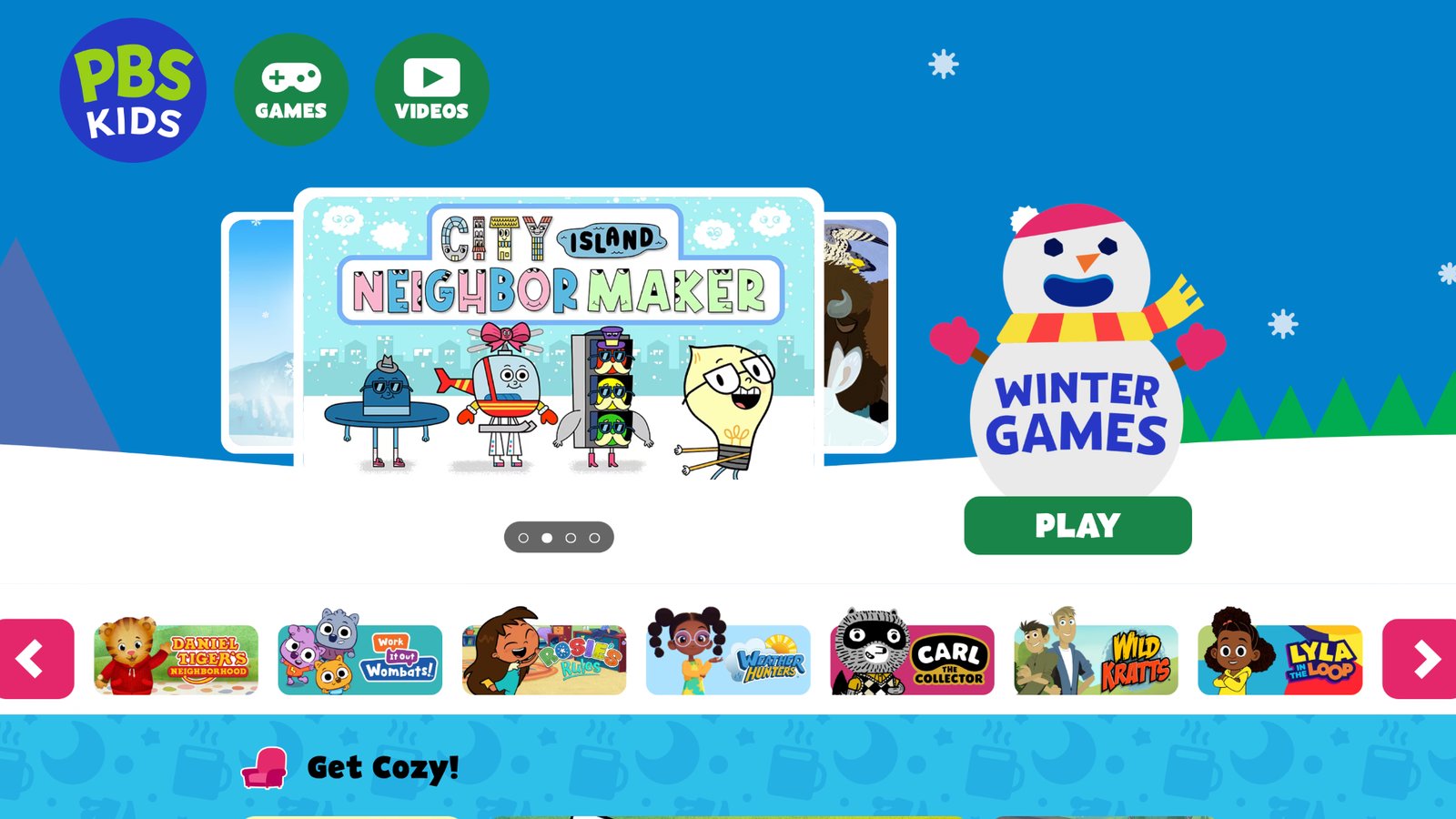
PBS Kids connects games to popular educational television characters, delivering literacy, empathy, and social-emotional learning experiences suitable for fourth graders. As a US public broadcasting service offering, it provides trusted, free content emphasizing puzzles, theme explorations, and character-driven activities that make abstract skills relatable and memorable. Strong focus on emotional intelligence complements academic growth through familiar, reassuring narratives.
While academic depth may be lighter in some areas, the integration of video clips and show elements enhances engagement and reinforces positive values. Parents value the no-cost, safe access that aligns with family viewing habits. Fourth graders build confidence and understanding by interacting with beloved figures, creating natural bridges between entertainment and education in a high-quality, ad-free environment.
- Key features: Theme explorations, video clips, emotional tools, free access, show integrations.
- Facts and Information: Many connect TV to education; no-cost entry.
11. IXL
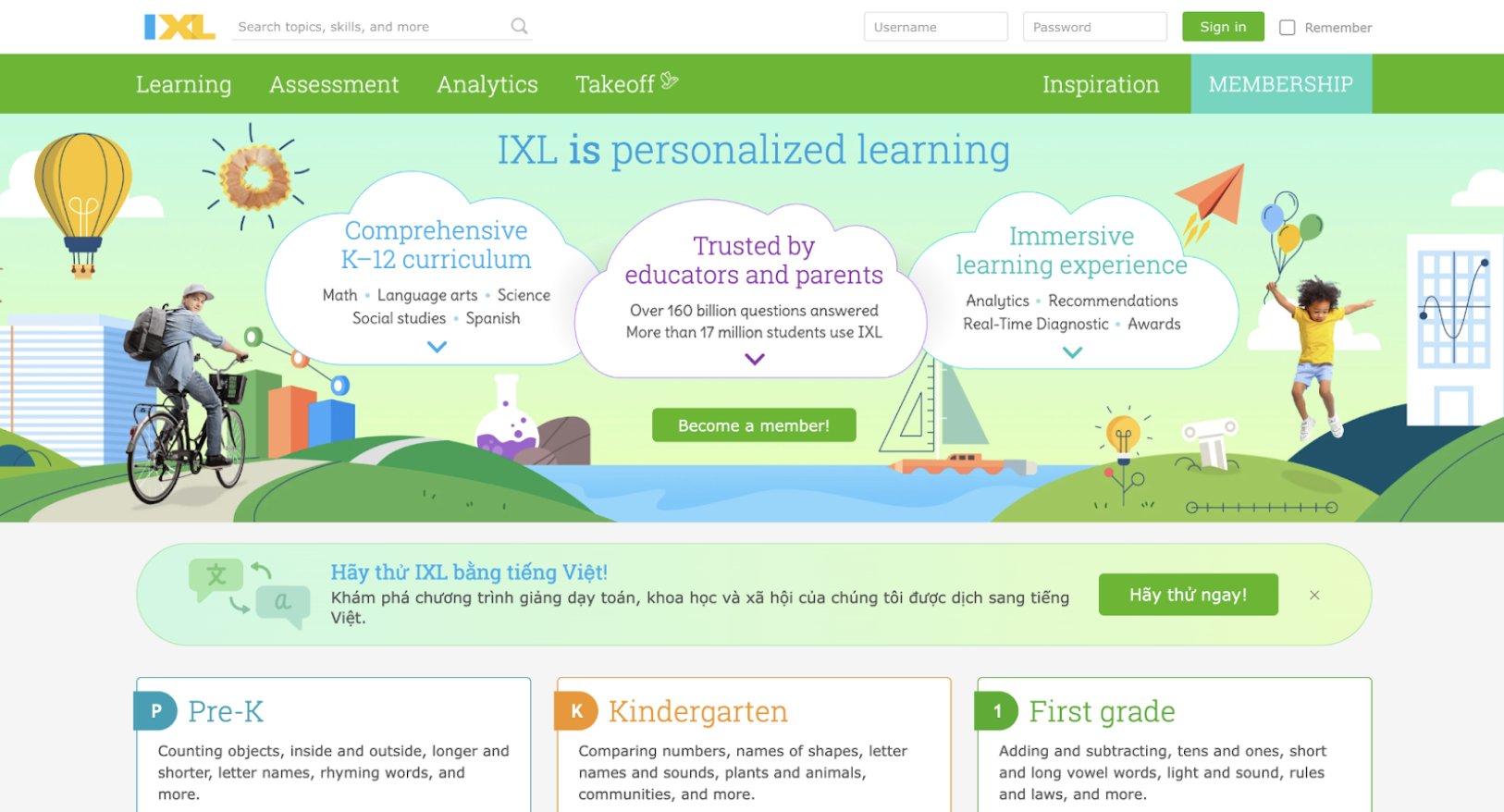
IXL delivers comprehensive skill practice across math, language arts, science, and social studies for fourth graders through thousands of targeted questions with instant feedback and clear explanations. Based in the US, the platform adjusts difficulty dynamically, rewarding consistency with virtual achievements that encourage steady progress. Detailed analytics empower parents and teachers to pinpoint strengths and improvement areas effectively.
Bite-sized sessions cover topics from multiplication strategies to historical events, supporting fluency without overwhelming users. Widely adopted in schools for standards alignment, it offers personalized learning paths that promote goal-setting and achievement. Though the drill-oriented format may feel repetitive for some, its data-driven insights and broad coverage make it a powerful tool for building solid academic foundations through structured, responsive practice.
- Key features: Skill recommendations, virtual rewards, audio support, mobile apps, curriculum maps.
- Facts and Information: Many educators track student growth; covers K-12 comprehensively.
12. Khan Academy
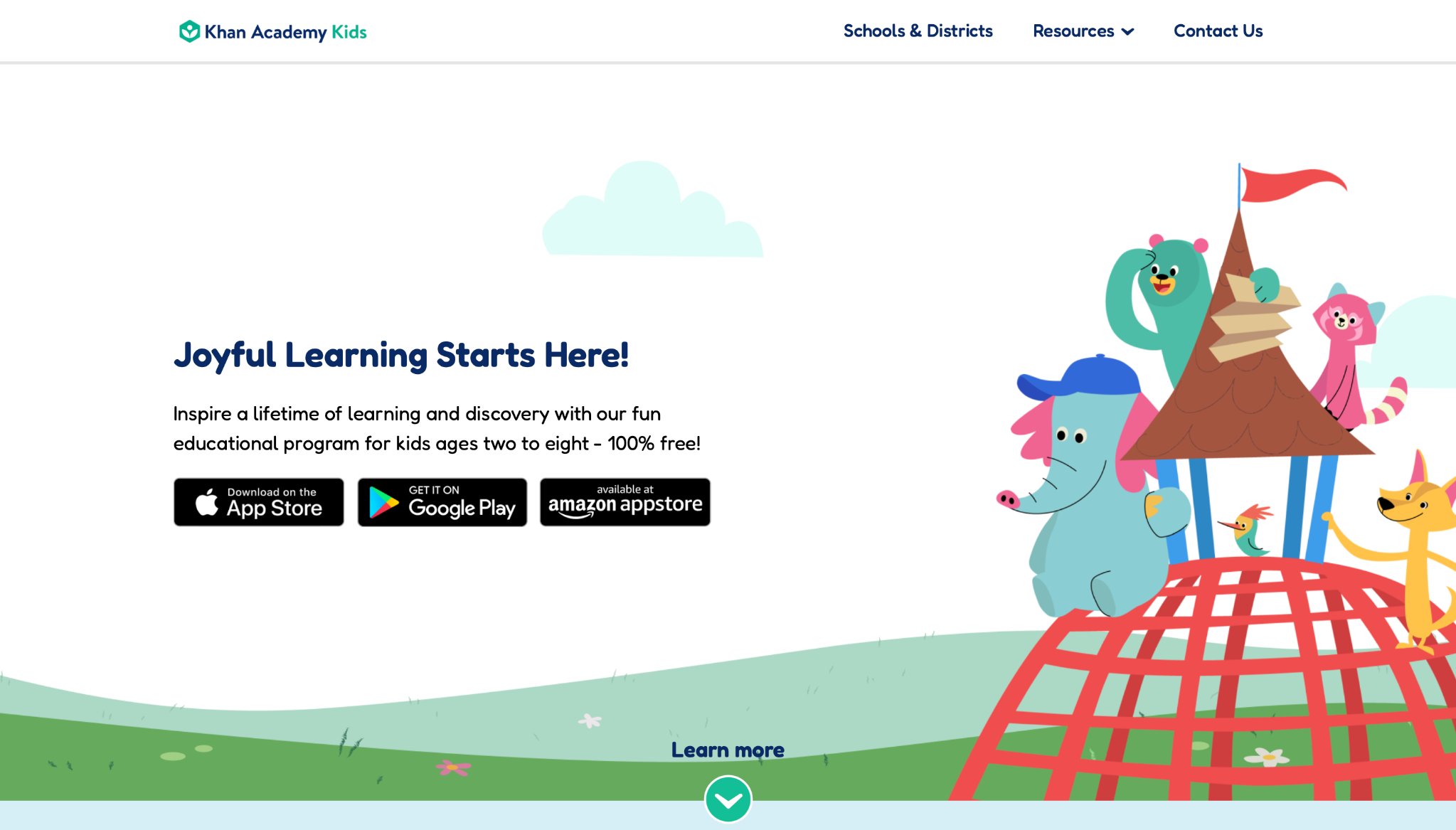
Khan Academy provides free, high-quality video lessons and interactive exercises across fourth-grade math, science, and additional subjects, championing mastery-based learning at each child’s individual pace. Founded in the US as a non-profit, it offers hints, progress tracking, and missions that guide users through concepts like area models, operations, and introductory earth sciences or coding. Absence of ads ensures an undistracted, accessible experience for all families.
Less emphasis on heavy gamification compared to peers is balanced by clear explanations and comprehensive resources. Offline options for select content add flexibility. Fourth graders gain deep conceptual understanding through approachable breakdowns, making it excellent for supplementing schoolwork or pursuing personal interests. Millions worldwide benefit from its reliable, self-directed approach that fosters genuine comprehension and lifelong learning habits.
- Key features: Video tutorials, practice sets, mastery challenges, parent accounts, global languages.
- Facts and Information: Many users achieve concept understanding; serves millions worldwide.
13. Duolingo
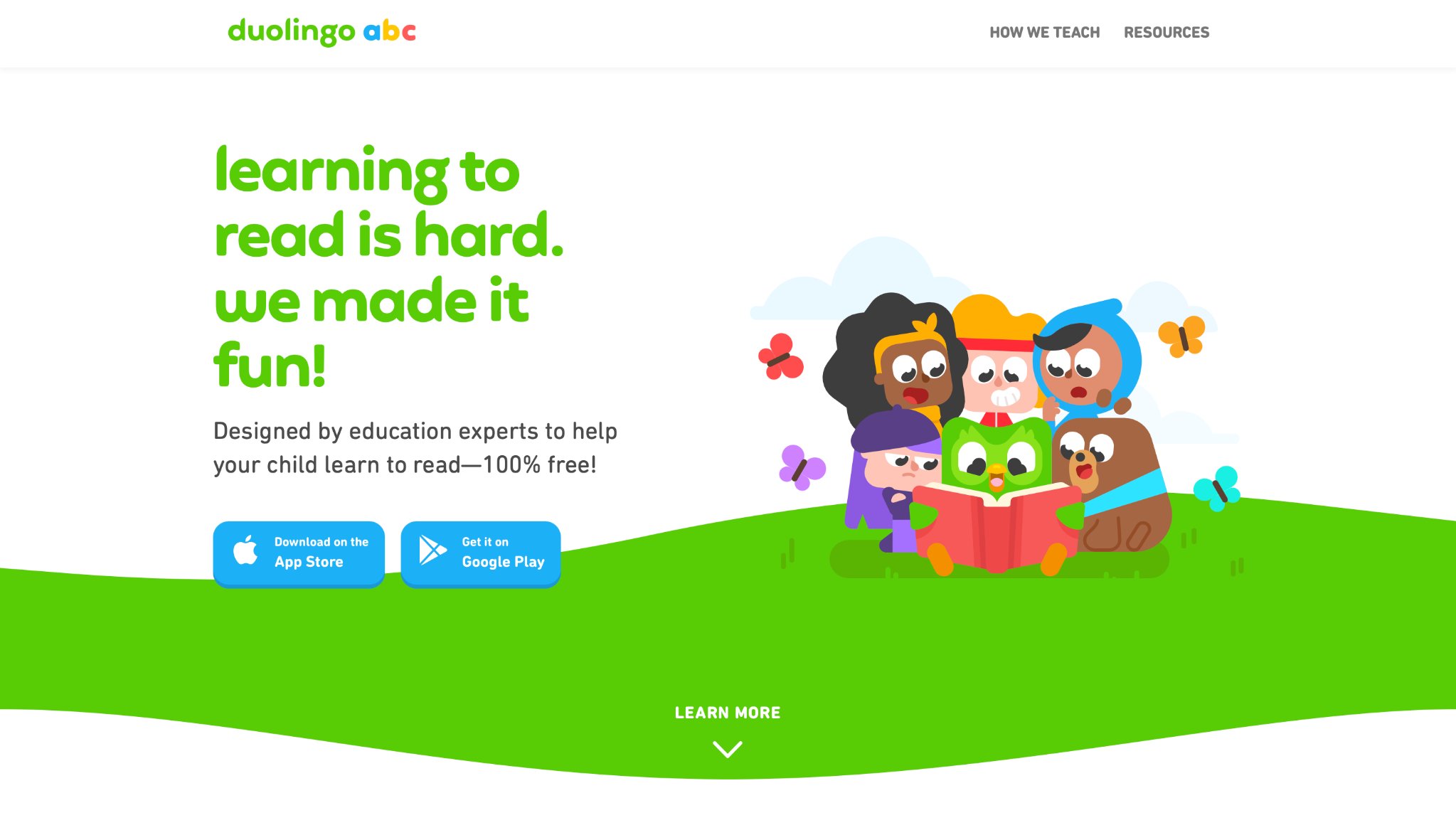
Duolingo gamifies language learning for fourth graders with short, engaging lessons focused on vocabulary, grammar, and basic conversation skills across numerous languages. Headquartered in the US, it uses streaks, leaderboards, and rewarding mechanics to maintain daily motivation through bite-sized practices like word matching, speaking exercises, and story-based activities. Adaptive algorithms review weak areas to support steady improvement.
The fun, addictive structure appeals to young learners beginning Spanish, French, or other languages, building foundational communication confidence. Repetition-focused elements may lack deeper cultural immersion, yet quick progress in basics keeps engagement high. Community features and daily goals integrate naturally into routines, making it an accessible entry point for multilingual exploration alongside core academics.
- Key features: Daily goals, skill trees, audio exercises, community forums, free core access.
- Facts and Information: Many learners gain conversational basics; popular for self-study.
14. Epic!

Epic! opens a vast digital library of thousands of books and audiobooks tailored for fourth graders, complete with quizzes, recommendations, and reading progress tracking to nurture strong literacy habits. US-based, it curates age-appropriate fiction and non-fiction titles that support comprehension development through read-aloud options and personalized suggestions based on interests. Educator tools facilitate classroom integration effectively.
Limited offline downloads represent one consideration, but extensive collections and family profiles enhance versatility. Fourth graders explore series and educational texts that improve vocabulary and understanding while fostering a love of reading. The platform transforms independent reading time into measurable growth opportunities, serving as a valuable resource for both pleasure and academic reinforcement.
- Key features: Book collections, quizzes, video integrations, family profiles, educator tools.
- Facts and Information: Many kids increase reading volume; vast library options.
15. Starfall
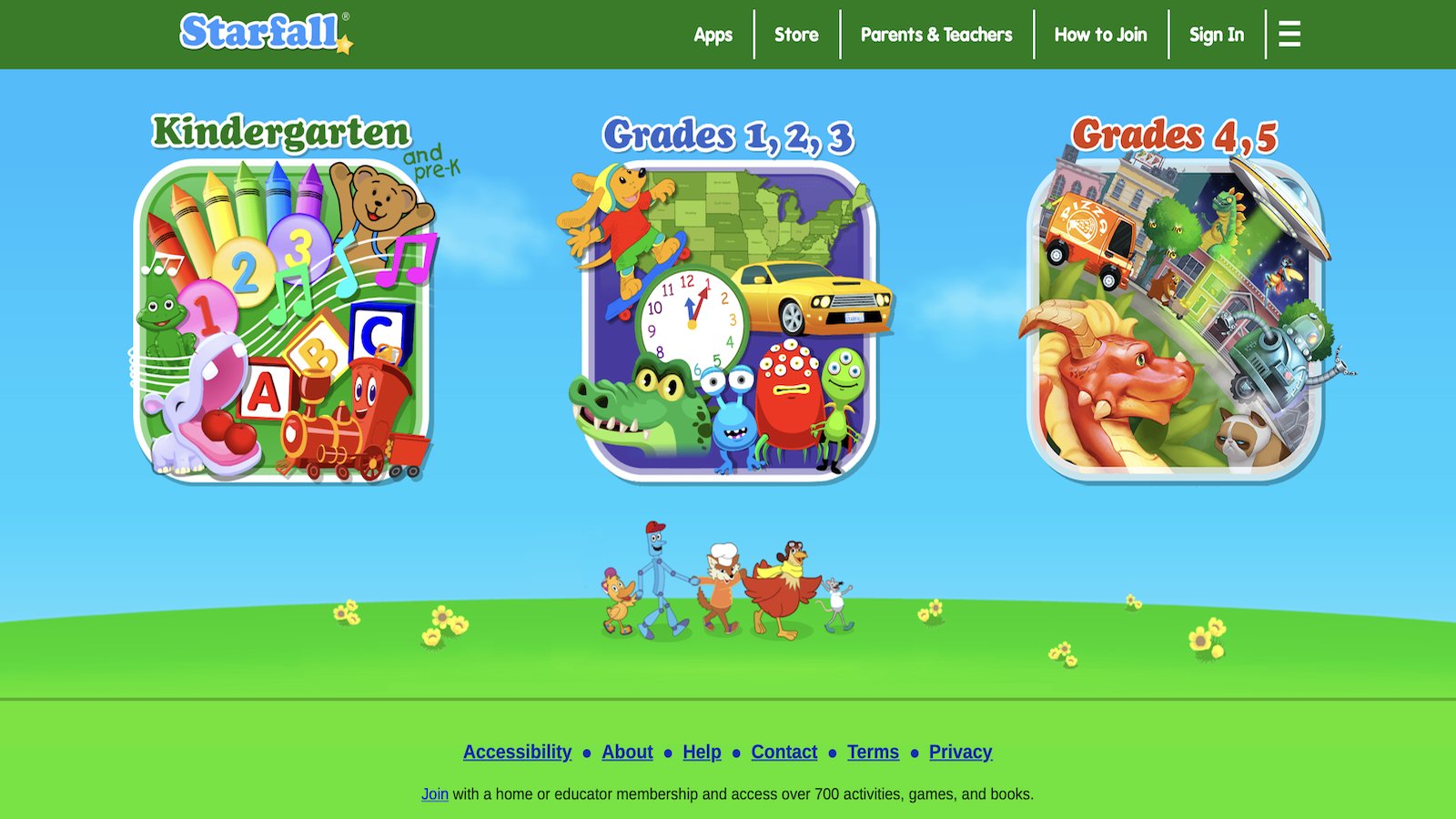
Starfall specializes in phonics, reading, and foundational skills with interactive stories, games, and animations that support fourth graders needing reinforcement or extension. From the US, it progresses learners from letter sounds and word building through songs and activities toward stronger comprehension and spelling. Gentle pacing and accessibility options accommodate diverse needs, with additional math elements like counting patterns. Ad-free membership promotes focused sessions, while printable materials extend learning offline. Though primarily oriented toward earlier stages, it provides valuable review and confidence-building for varied skill levels. Kids engage positively with animated content that makes practice enjoyable and effective for literacy development.
- Key features: Animated books, math games, song libraries, printable materials, accessibility options.
- Facts and Information: Many early readers gain confidence; K-5 emphasis.
16. Reading Eggs
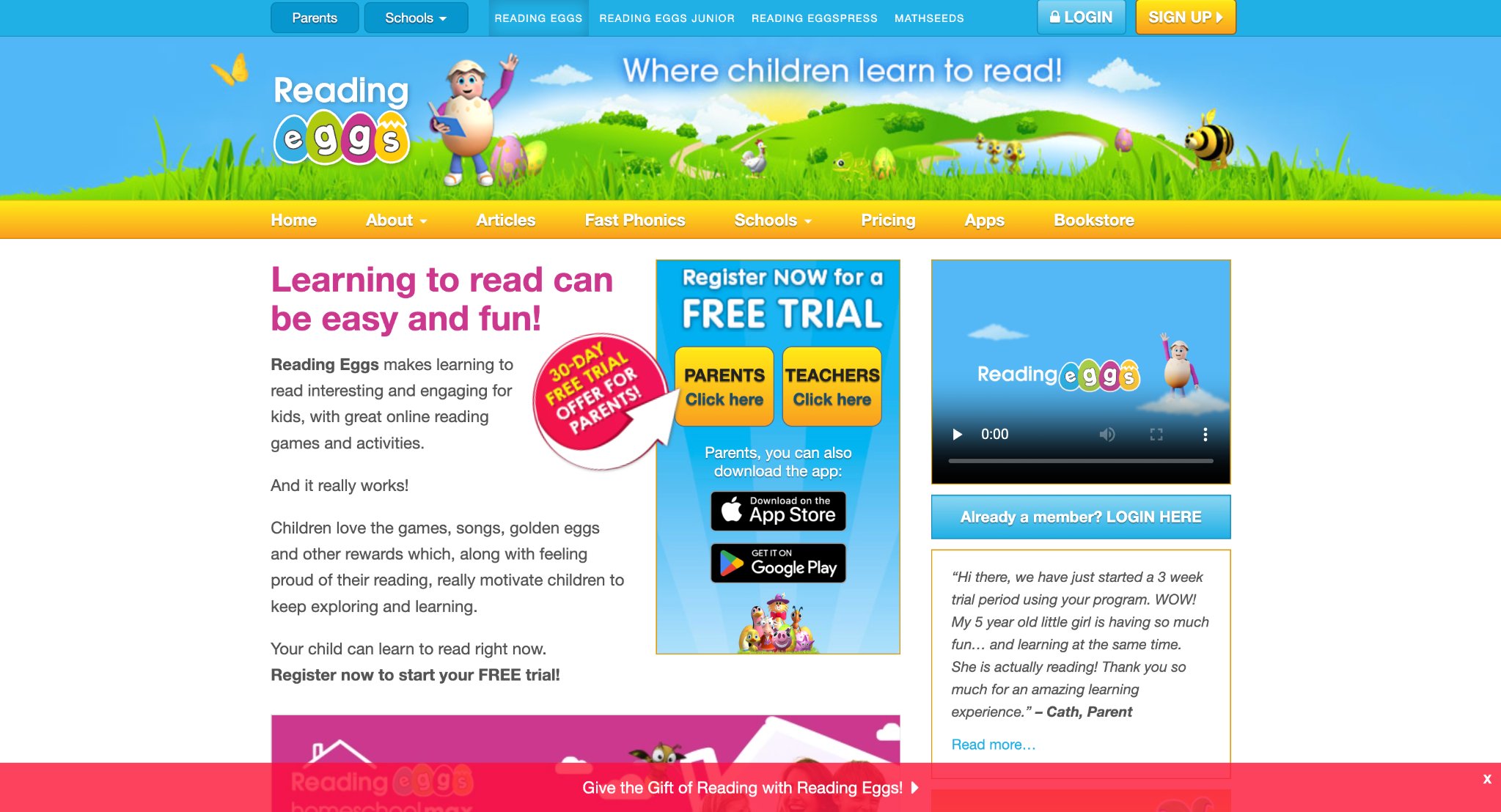
Reading Eggs employs structured lessons and rewarding games to advance fourth graders from phonics foundations toward reading fluency and comprehension. Australian-developed with research-backed methods, it guides children through activity maps where they earn collectible eggs, incorporating spelling, sight words, and interactive passages. Parent reports deliver clear insights into advancement. Linear progression offers clear structure while maintaining engagement through achievements. The program supports rapid skill gains in a systematic yet playful format, including math extensions for balanced development. Families benefit from its proven approach that builds lasting literacy confidence aligned with elementary curriculum goals.
- Key features: Phonics maps, book libraries, spelling bees, math extensions, trial periods.
- Facts and Information: Many children improve literacy; curriculum-aligned.
17. Prodigy
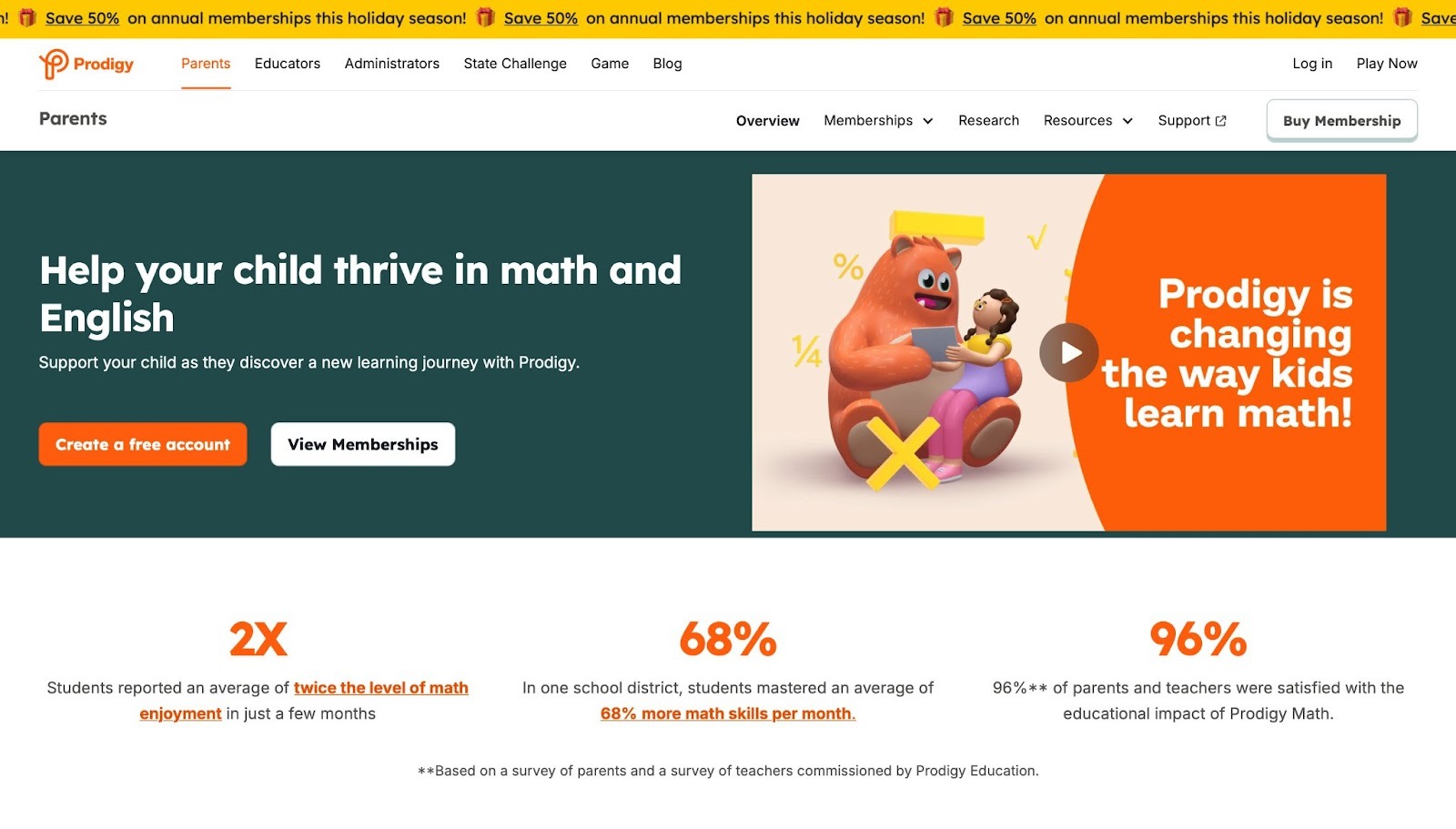
Prodigy transforms math practice into an immersive role-playing game where fourth graders embark on quests, battle creatures, and collect rewards while mastering curriculum-aligned skills. Developed by Prodigy Education in Canada, it adapts in real-time to each child's abilities, ensuring challenges remain appropriate and engaging. Kids create avatars and explore a fantasy world, answering math questions to progress, which covers topics like fractions, geometry, and algebra basics. This approach makes learning feel like play, encouraging daily practice without feeling like homework.
Strengths include its vast content library with thousands of questions and teacher dashboards for monitoring progress. Weaknesses might involve occasional reliance on internet connectivity, which could interrupt sessions in unstable areas. The platform integrates seamlessly with school curriculums, supporting Common Core standards, and includes parental controls for safe use. Many educators incorporate it into classrooms for its motivational elements, like pet collections and customizable gear. Overall, Prodigy excels at building confidence in math through gamification, helping kids who struggle with traditional methods find joy in numbers.
- Key features: Adaptive learning algorithms, multiplayer battles, progress reports, curriculum alignment, avatar customization.
- Facts and Information: Many schools integrate it for supplemental learning; high engagement leads to improved test scores in math.
18. Stack the States

Stack the States makes US geography engaging for fourth graders through interactive stacking puzzles and quizzes covering capitals, landmarks, maps, and state facts. US-created, it rewards correct answers with collectible states for building towers, incorporating bonus levels for added depth and replayability. Tactile mechanics help facts stick through hands-on style play. Multiplayer and device compatibility broaden accessibility. While focused primarily on American geography, its entertaining format transforms memorization into competitive fun suitable for visual and kinesthetic learners. High scores and progressive challenges maintain motivation during short or extended sessions.
- Key features: Quiz modes, map interactions, state facts, multiplayer, device support.
- Facts and Information: Many users memorize geography; educational entertainment.
19. Lightbot
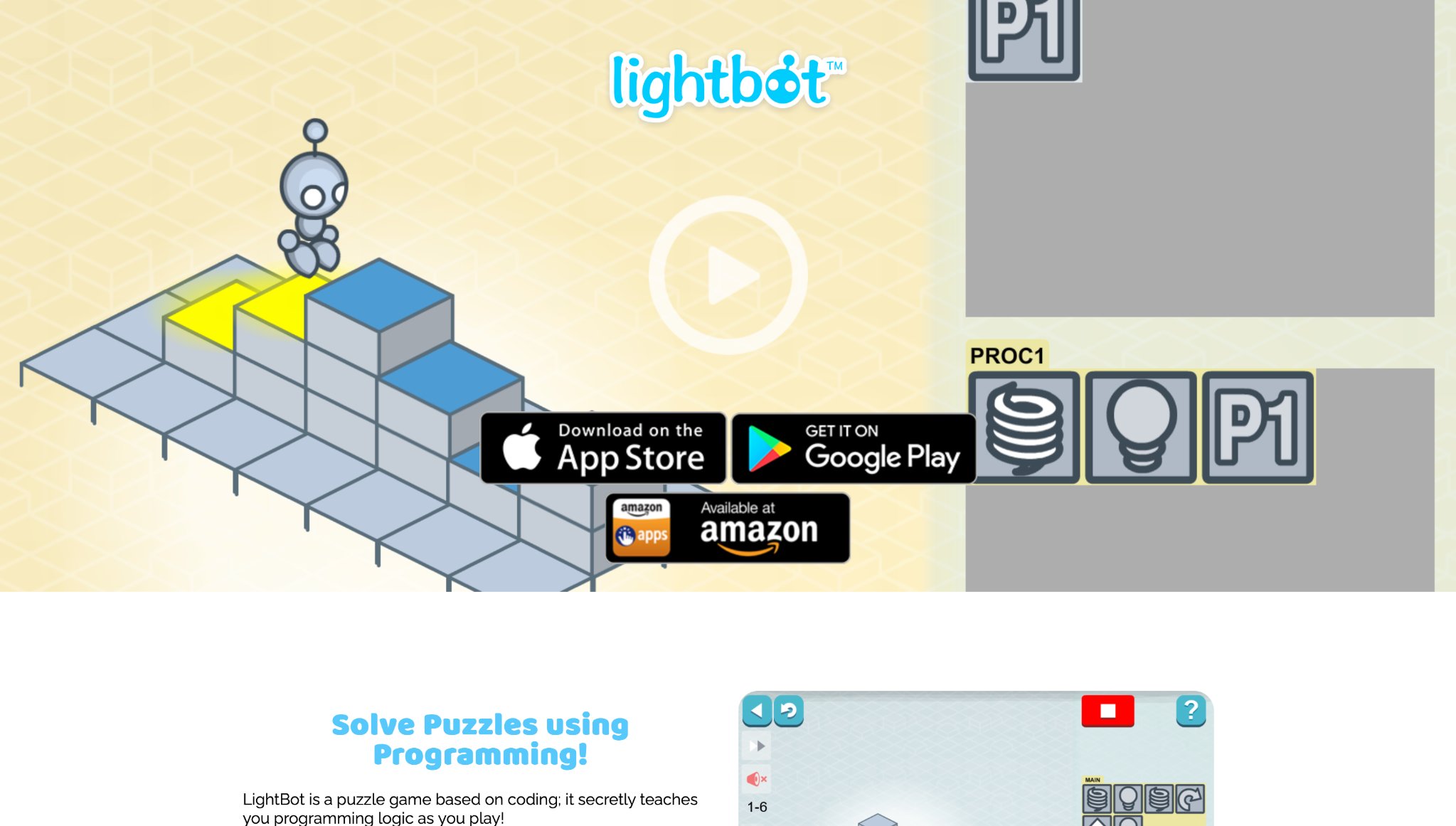
Lightbot introduces essential coding logic to fourth graders via puzzle-solving with a programmable robot, using visual commands for jumps, loops, and conditionals without requiring actual text coding. Canadian-developed, it builds computational thinking through progressively challenging mazes that develop step-by-step problem-solving abilities. Junior versions ease younger players into concepts smoothly. Hint systems prevent excessive frustration while supporting independent discovery. The screen-based experience promotes logical reasoning transferable to other academics. Lightbot stands out for making programming fundamentals approachable and rewarding in a structured, engaging puzzle format.
- Key features: Command blocks, conditionals, recursion intros, hint systems, multiple platforms.
- Facts and Information: Many kids grasp programming basics; logic-focused.
20. Osmo Coding
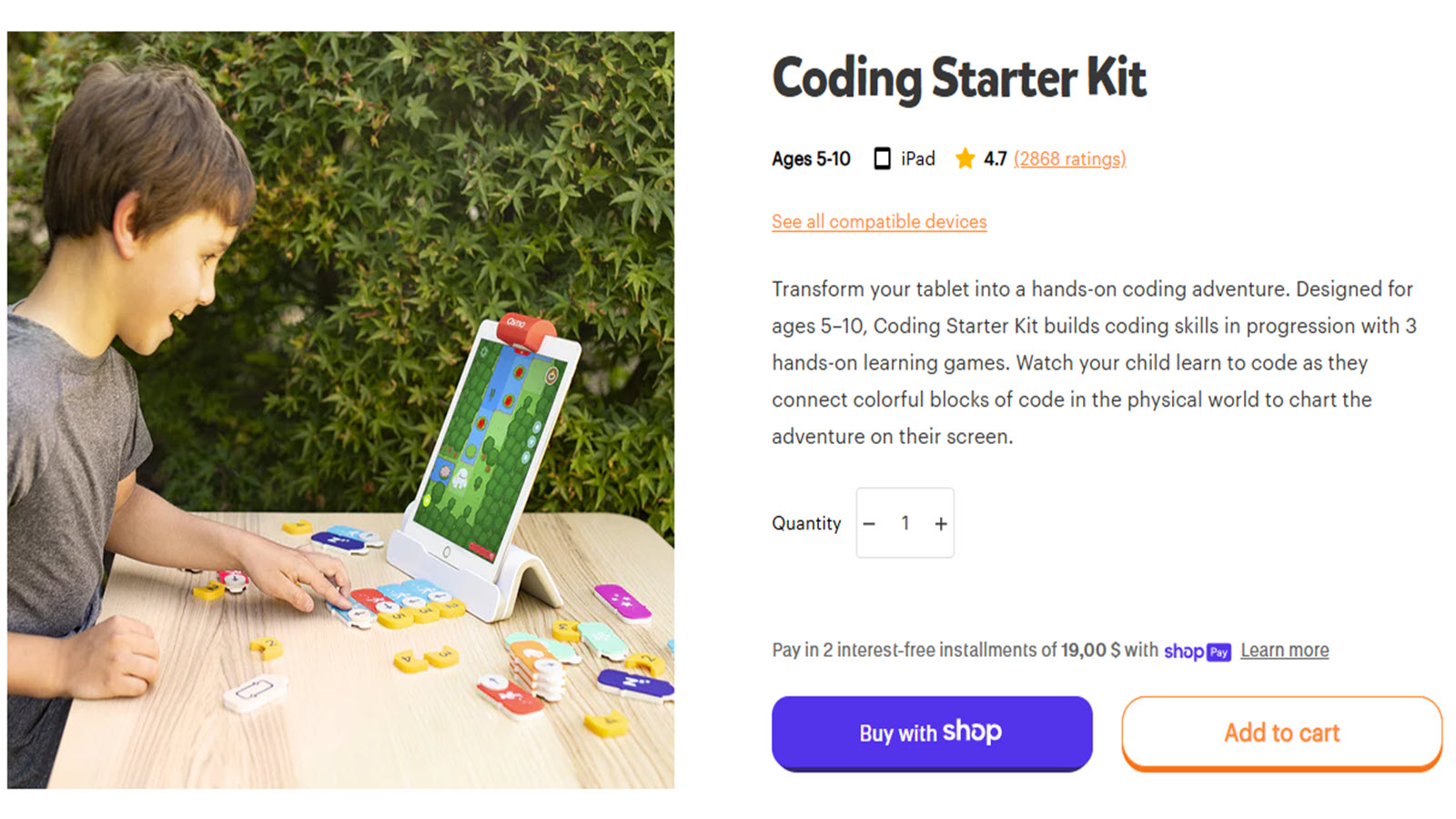
Osmo Coding combines physical tangible blocks with digital app integration, allowing fourth graders to construct real-world commands that control on-screen characters and adventures. US-based, this hybrid system teaches sequences, loops, and creative problem-solving through hands-on manipulation. Extensions into music and drawing foster broader creativity. Family play options and expansion kits enhance versatility, though specific hardware is needed. Kinesthetic learners particularly thrive with the innovative blend of physical interaction and technology, developing coding intuition in a collaborative, multi-sensory environment.
- Key features: Tangible pieces, adventure modes, creative tools, family play, expansion kits.
- Facts and Information: Many develop coding skills; hybrid learning.
21. Bedtime Math
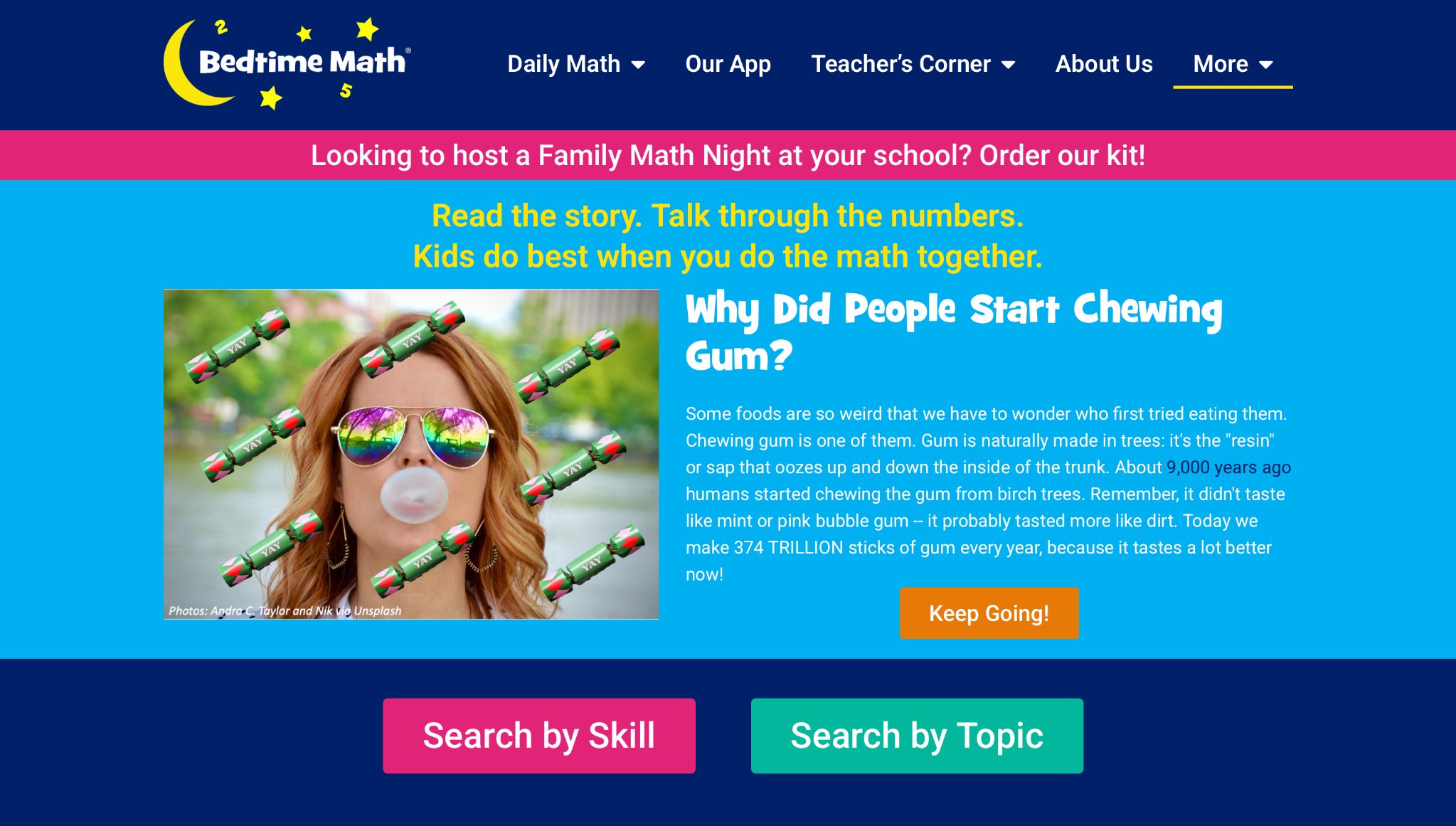
Bedtime Math integrates math practice into family routines with daily story-based problems at multiple difficulty levels suitable for fourth graders. US-developed, it encourages discussion and collaborative solving rather than isolated drills, shifting attitudes toward mathematics through casual, narrative contexts. Parent guides and book connections extend the learning naturally. Free access and research support make it easy to adopt. Multi-step challenges build reasoning skills while strengthening family bonds during bedtime or other shared moments. The platform excels at making math feel approachable, relevant, and enjoyable outside traditional settings
- Key features: Level tiers, daily emails, book ties, parent guides, research-backed.
- Facts and Information: Many families see math attitude shifts; casual learning.
22. Scratch
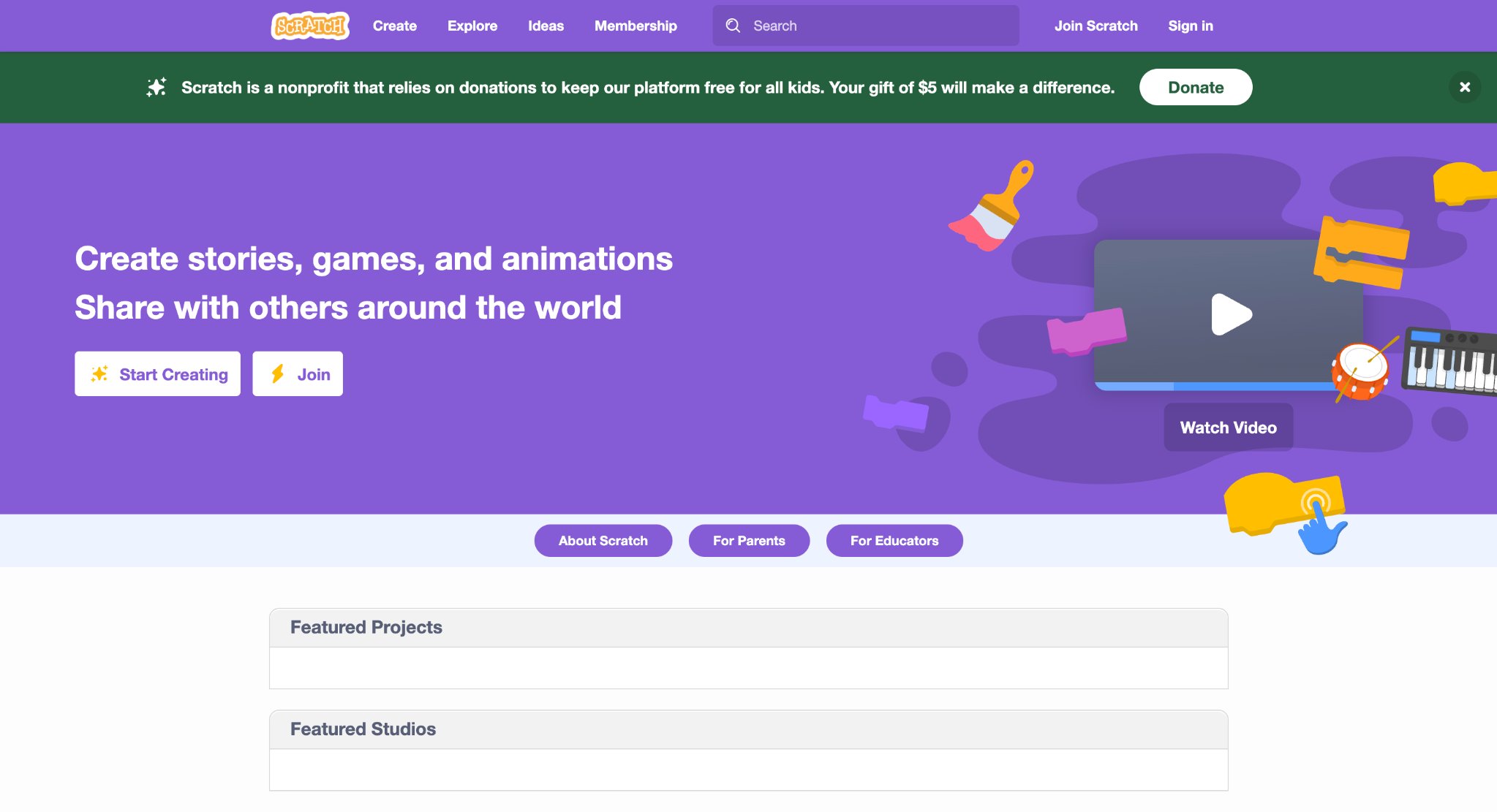
Scratch, developed by the MIT Media Lab in the US (Cambridge, Massachusetts), empowers fourth graders to create their own interactive stories, games, and animations using a visual block-based programming interface. Kids drag and drop colorful code blocks to control characters, add sounds, and build scenes, turning ideas into shareable projects. This open-ended environment encourages experimentation with concepts like sequences, loops, and variables while exploring math, art, and storytelling. The vibrant community allows children to remix projects, fostering collaboration and inspiration from peers globally.
The platform's web-based accessibility means no downloads are needed, and its emphasis on creativity makes learning to code feel like play. Fourth graders develop problem-solving skills as they troubleshoot their creations, often leading to deeper understanding of logic and design. It supports a wide range of projects from simple animations to complex games, suiting different interests and skill levels. Parents and teachers appreciate how it builds digital literacy and confidence in a safe, moderated space.
- Key features: Block-based editor, sprite and backdrop library, sound and music tools, project sharing and remixing, extensions for hardware integration.
- Facts and Information: Millions of projects created by young users; widely adopted in schools for introducing computational thinking and creativity.
23. Tynker
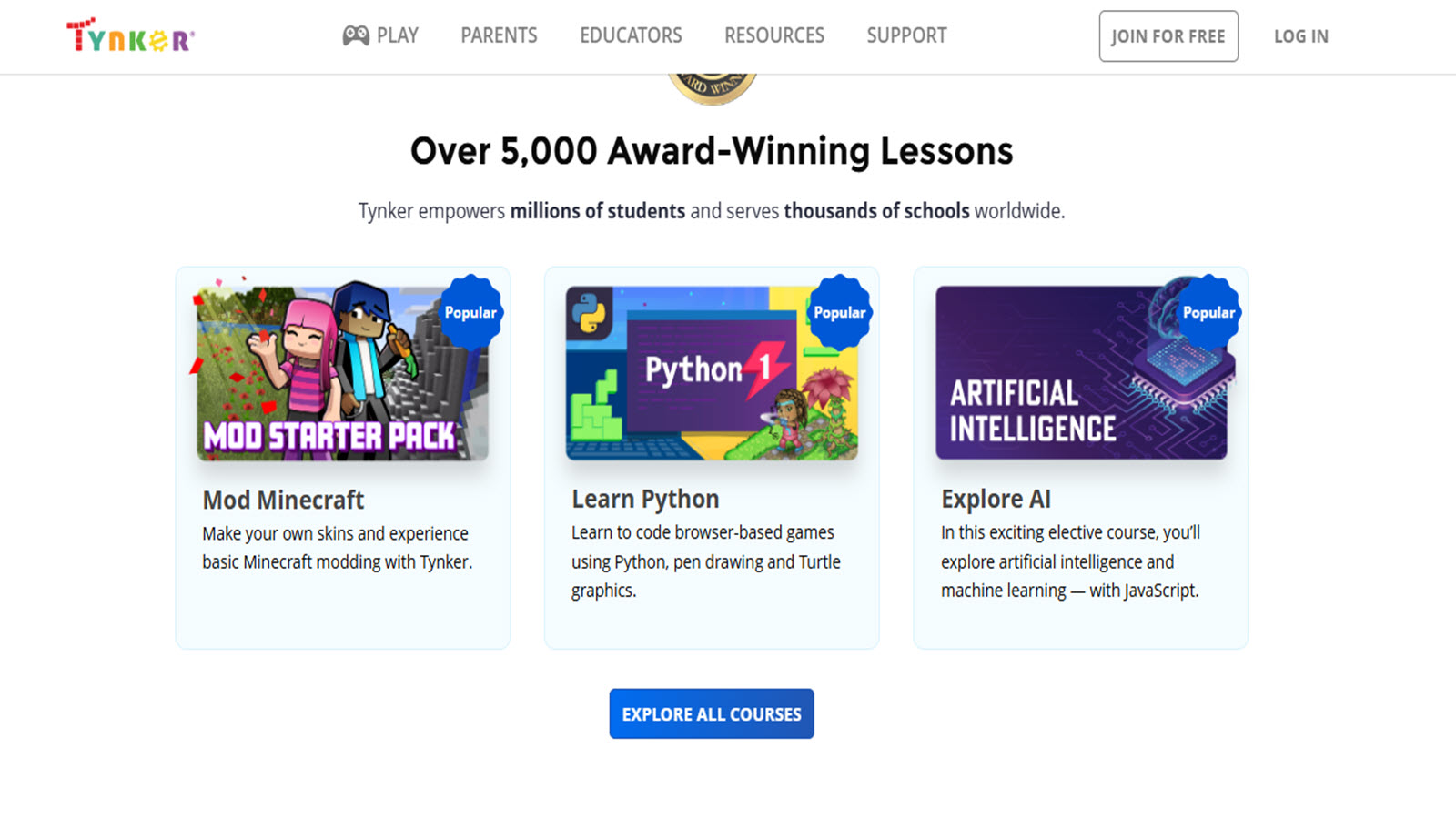
Tynker provides a comprehensive coding platform with courses and games tailored for fourth graders, blending puzzles, modding, and project-based learning. Originating in the US, it starts with visual blocks and advances to Python and JavaScript, covering topics like game design, robotics, and app creation. Kids solve challenges in themed worlds, such as building Minecraft-style mods or programming drones, while learning core programming principles. The adaptive structure keeps engagement high by matching difficulty to skill level.
Its integration with popular tools and school curriculums makes it versatile for supplementing classroom learning. Fourth graders gain practical skills through hands-on projects that reinforce math and logic, often leading to impressive portfolios. The platform includes parent and teacher dashboards for monitoring growth. It stands out for its focus on real-world applications, helping children see coding as a creative tool rather than just a subject.
- Key features: Self-paced courses, Minecraft modding, drone and robotics support, 3D design tools, progress analytics.
- Facts and Information: Trusted by thousands of schools; users frequently report improved problem-solving and STEM confidence.
24. Legends of Learning
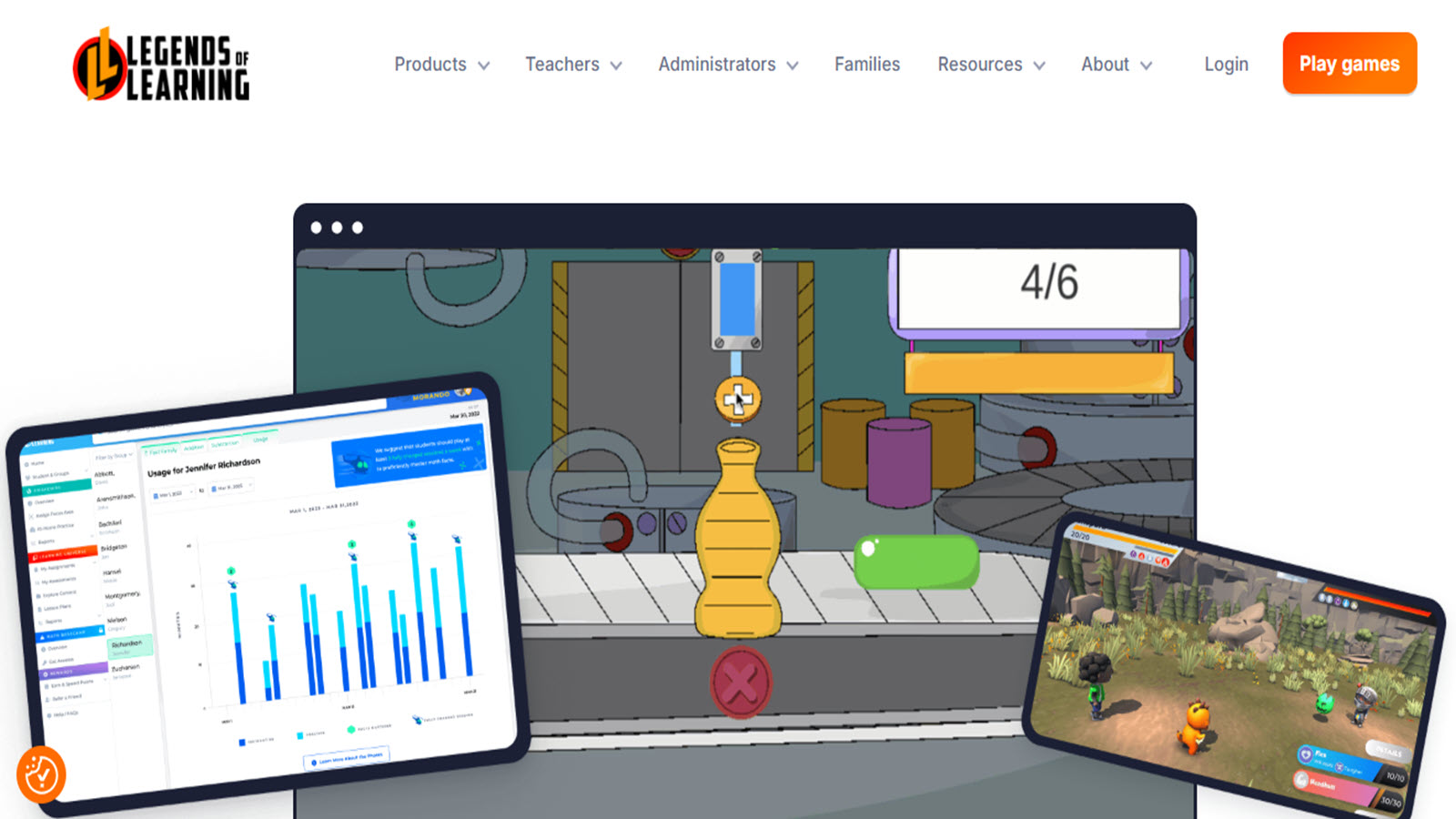
Legends of Learning delivers a vast library of curriculum-aligned science and math games designed specifically for elementary students, including fourth graders. Based in the US, it features hundreds of engaging titles covering topics like ecosystems, matter, geometry, and earth science through adventure-style gameplay. Kids embark on missions where they apply concepts to overcome challenges, earning rewards and progressing through leveled content. The platform's game-based format reinforces classroom lessons in an interactive way.
Teachers value the assignment tools and performance reports that align with standards, while students stay motivated through fun narratives and immediate feedback. Fourth graders explore complex ideas like weathering processes or fractions via visuals and simulations that make abstract topics concrete. It supports both individual and group play, enhancing retention and understanding. The extensive selection ensures variety to prevent boredom.
- Key features: Standards-aligned games, teacher dashboards, progress tracking, multiplayer options, subject-specific playlists.
- Facts and Information: Used by millions in classrooms; research shows improved test scores and engagement in core subjects.
25. CodeMonkey
CodeMonkey offers a game-based platform where fourth graders learn coding fundamentals through engaging adventures and puzzle-solving challenges. Developed in Israel with a focus on making programming accessible, it guides kids through levels where they program a monkey character to collect bananas or navigate obstacles using block-based and eventually text-based coding. Children progress from basic commands to loops, conditionals, and functions while building games and solving real-world inspired problems. This hands-on approach turns abstract coding concepts into tangible fun, encouraging persistence and logical thinking as kids debug and iterate on their solutions.
Fourth graders particularly enjoy the story-driven missions that align with school STEM topics, fostering creativity as they create their own levels later on. The platform supports classroom integration with teacher tools for tracking progress, making it suitable for both home and school use. It promotes computational thinking skills essential for future tech literacy without requiring prior experience. Many educators highlight its role in building confidence through immediate feedback and rewarding achievements.
- Key features: Block-to-text coding progression, puzzle-based levels, game creation tools, multiplayer challenges, curriculum-aligned lessons.
- Facts and Information: Used by millions of students worldwide; supports progression from beginner to intermediate coding concepts with high engagement rates in elementary settings.
Integrating Educational Games into Daily Routines
- Mix games with homework for balanced days.
- Set short sessions after school to review lessons.
- Family game nights reinforce bonds.
- Track improvements to adjust choices.
- Some families rotate games weekly. This keeps interest alive.
- Teachers suggest linking to class topics.
Latest News In 2026
Educational game trends in 2026 focus more on combining academic skills with emotional intelligence and creative problem-solving abilities for kids. Developers introduce fresh activities that adapt to individual learning styles, making progress feel personal and rewarding for 4th graders. New titles emphasize storytelling that weaves in reading and logic challenges seamlessly.
Pet simulation and routine-based games grow in popularity for teaching responsibility in engaging formats. These experiences help children practice empathy through caring mechanics while strengthening daily organization habits. Updates often include seasonal themes that tie into school holidays or current events.
Creative and strategy games see improvements in adaptive difficulty, allowing kids to tackle tougher levels as they improve. Fashion and design elements encourage artistic expression alongside decision-making practice. Many platforms now offer better cross-device support for flexible family use.
Parenting resources highlight practical ways to blend digital play with offline activities. Guides cover summer learning ideas and healthy habits that maximize benefits from educational content. Blogs share tips on using games to spark family conversations and reinforce school concepts naturally.
FAQ
What Makes Educational Games Effective for 4th Graders?
Educational games work well by turning routine drills into exciting challenges that hold attention longer. They often include elements like badges or levels that reward effort, helping kids associate learning with positive feelings. When games connect to real-life scenarios, fourth graders see the value in skills like problem-solving right away.
How Do Educational Games Support Math Skills in Fourth Grade?
These games introduce concepts such as geometry or data handling through visual aids that make patterns clear. Kids get immediate feedback on attempts, which helps refine techniques without waiting for teacher input. Incorporating educational games into practice sessions builds a stronger foundation for advanced topics later on.
Can Educational Games Help with Reading Comprehension?
Games boost reading by embedding vocabulary in contexts like adventures or mysteries that encourage deeper analysis. They prompt kids to infer meanings from clues, sharpening inference abilities over time. This interactive method complements school reading programs by making text exploration feel like play.
Are There Safe Options for Online Educational Games?
Protect kids online by choosing platforms with strong privacy features protect young users from unwanted exposure. Parental dashboards allow oversight of activity without interrupting the experience. Choosing games from reliable sources ensures content stays appropriate for fourth-grade development.
What Benefits Do Educational Games Offer for Science Learning in 4th Grade?
Science games simulate experiments on topics like ecosystems or simple machines, letting kids test hypotheses safely. They foster curiosity by revealing cause-and-effect relationships in engaging formats. This hands-on style aids in retaining facts about natural processes through repeated trials.
What Makes Educational Games Effective for 4th Graders?
Educational games work well by turning routine drills into exciting challenges that hold attention longer. They often include elements like badges or levels that reward effort, helping kids associate learning with positive feelings. When games connect to real-life scenarios, fourth graders see the value in problem-solving skills for children right away. Puzzle and adventure formats in particular support focus and logical thinking, while creative activities encourage self-expression that complements schoolwork. Overall, these games create low-pressure spaces where children practice independence and build confidence through repeated playful trials.
How Do Educational Games Support Math Skills in Fourth Grade?
These games introduce concepts such as geometry or data handling through visual aids that make patterns clear. Kids get immediate feedback on attempts, which helps refine techniques without waiting for teacher input. Incorporating fun educational games into practice sessions builds a stronger foundation for advanced topics later on. Strategy titles and puzzle challenges reinforce planning and basic calculations in engaging ways that feel natural during play. Simulation elements further tie math to everyday routines, strengthening retention across different learning styles.
Can Educational Games Help with Reading Comprehension?
Games boost reading by embedding vocabulary in contexts like adventures or mysteries that encourage deeper analysis. They prompt kids to infer meanings from clues, sharpening inference abilities over time. This interactive method complements school reading programs by making text exploration feel like play. Story-driven activities strengthen comprehension through choice-based narratives that require careful attention to details. Creative elements in these learning games also support expression of ideas gained from reading segments.
Are There Safe Options for Online Educational Games?
Protect kids online by choosing platforms with strong privacy features that protect young users from unwanted exposure. Parental dashboards allow oversight of activity without interrupting the experience. Choosing games from reliable sources ensures content stays appropriate for fourth-grade development. Ad-free environments in many options reduce distractions and support calmer, more focused sessions. Cross-device compatibility adds flexibility for family routines while maintaining consistent safety standards.
What Benefits Do Educational Games Offer for Science Learning in 4th Grade?
Science games simulate experiments on topics like ecosystems or simple machines, letting kids test hypotheses safely. They foster curiosity by revealing cause-and-effect relationships in engaging formats. This hands-on style aids in retaining facts about natural processes through repeated trials. Adventure and simulation titles connect virtual explorations to real-world observations, building foundational understanding. Creative design features within these online educational games encourage experimentation that mirrors scientific thinking.
Read Also:
- Best Online Educational Games for Kids
- Best Educational Games for Toddlers
- Best Learning Apps for Kids in 2026
- Best Kid Educational Games in 2026
- Best Dress Up Games for Girls Online
Discover the Best Educational Games For Kids 4th Grade in 2026 - TutoClub




-(1).png)