
Best Educational Games For 7 Year Olds in 2026






Finding the right educational games for 7 year olds can turn screen time into a chance for growth. At this age, kids build key skills like problem-solving, reading, and math through play. Many parents seek options that are safe, ad-free, and backed by research to spark curiosity and confidence. Discover the best educational games for 7 year olds in 2026 that blend fun with skill-building.
When choosing educational games for 7 year olds, it helps to explore trusted collections that focus on learning through play. Parents can compare age-appropriate options in this guide to the best educational games for kids, which highlights games that support literacy, numeracy, and critical thinking. For broader inspiration, curated lists of the best kids educational games and expert-recommended best educational kids games make it easier to find safe, engaging, and research-backed choices for growing learners.
Discover the Best Educational Games For 7 Year Olds in 2026 - TutoClub
Why Educational Games Matter for 7 Year Olds

Kids at seven are full of energy and ready to tackle new challenges. Games help them practice focus and creativity in short bursts. Some build emotional skills, like understanding feelings, while others sharpen logic. Parents often notice better attention spans when play feels like an adventure. After trying various setups, many families find that educational games tailored for this age group provide the perfect mix of entertainment and development.
Help your 7 year old thrive with the best educational games that perfectly match their growing energy and curiosity. These engaging titles sharpen focus, logic, and creativity while keeping learning fun. Families with younger or older children can also explore the best educational games for 2 year olds, best educational games for 5 year olds, best educational games for 6 year olds, and best educational games for 10 year olds.
Key Skills Developed Through Play at This Age
Seven year olds gain a lot from games that target specific areas. Math puzzles improve number sense, reading adventures expand vocabulary, and coding basics foster logical thinking. Art-based activities encourage expression, and science explorations ignite wonder about the world. Group play teaches teamwork and patience. These experiences lay a foundation for school success and lifelong habits.
Tips for Parents: Getting the Most Out of Educational Games for 7 Year Olds in 2026
Parents play a crucial role in turning screen time into meaningful growth opportunities. To maximize benefits, co-play with your child during sessions - discuss strategies, celebrate wins, and connect in-game lessons to real life. Set clear goals, such as 20–30 minutes focused on skill-building before free play.
Choose high-quality options like safe kids games that prioritize age-appropriate content without ads or in-app purchases. Pair digital play with offline extensions, such as drawing what happened in a game or acting out scenarios. Track progress with simple journals or apps to build motivation and confidence.
Incorporate brain games for kids that target memory, logic, and problem-solving. Rotate titles weekly to keep engagement high, and link rewards to effort rather than just outcomes. This approach helps 7-year-olds develop persistence while making learning feel like an exciting adventure rather than a chore.
How Educational Games Support Different Learning Styles at Age 7
Seven-year-olds show distinct preferences in how they absorb information, and the best educational games adapt seamlessly. Visual learners thrive with colorful graphics, maps, and pattern recognition challenges. Auditory learners benefit from narrated stories, sound cues, and rhythm-based puzzles.
Kinesthetic learners excel through motion-controlled or building simulations, while social learners gain from multiplayer modes that require teamwork and communication. Social emotional games shine here by helping children navigate feelings, resolve conflicts, and build relationships in low-stakes environments.
Brain development games offer flexible pacing and multisensory input, accommodating neurodiverse needs or varied strengths. Experiment with different formats to identify what clicks for your child, then mix them for well-rounded development. This personalized approach boosts engagement, retention, and confidence across academic, emotional, and creative domains.
How Educational Games Boost Brain Development for 7 Year Olds
Seven year olds experience rapid brain growth that brain games can support through engaging challenges. Puzzle solving activities strengthen memory retention for kids and logical reasoning as children work through levels that require planning ahead. Pattern recognition tasks in colorful environments help with attention to detail and quick thinking. Many titles incorporate storytelling elements that expand vocabulary and comprehension while kids follow narratives and make choices.
These experiences build persistence when kids retry difficult sections and celebrate small victories. Open ended creation features let them design their own elements, boosting imagination and self expression. Families notice improved concentration during focused play sessions that feel like adventures rather than lessons.
Choosing Age Appropriate Educational Games for 7 Year Olds
Educational games at this stage balance challenges with success to maintain motivation. Look for options with adjustable difficulty that match a child's current abilities in math or reading. Visual and interactive elements suit different learning preferences, from hands-on building simulations to narrative driven explorations.
Content that promotes social emotional skills for children through character interactions helps them practice empathy in safe settings. Ad free environments allow uninterrupted focus, while regular updates keep the experiences fresh. Parents often rotate between titles to cover various subjects like logic, creativity, and basic science concepts.
Integrating Educational Games into Daily Routines
Short daily sessions fit well around school and family time for consistent skill practice. Pairing digital play with real world activities, such as discussing game stories during meals, reinforces learning. Some families use fun games as rewards after chores or quiet time activities. Multi device compatibility makes it easy to continue progress across tablets or computers at home. Tracking simple achievements together turns play into shared family moments that highlight growth in focus and problem solving skills for kids.
How Educational Games Foster Creativity and Problem Solving
Creative tools within online fun educational games encourage kids to experiment with colors, shapes, and designs without fear of mistakes. Story building features let seven year olds invent scenarios and outcomes, developing flexible thinking. Logic based challenges present problems in fun contexts that mirror real life decision making.
These activities nurture curiosity as children explore virtual worlds and test ideas. Group elements in certain titles promote collaboration and communication skills during joint play. The combination supports well rounded development across emotional, cognitive, and creative areas
Best Educational Games For 7 Year Olds in 2026
1. TutoClub - Best Educational Games for 7 Year Olds
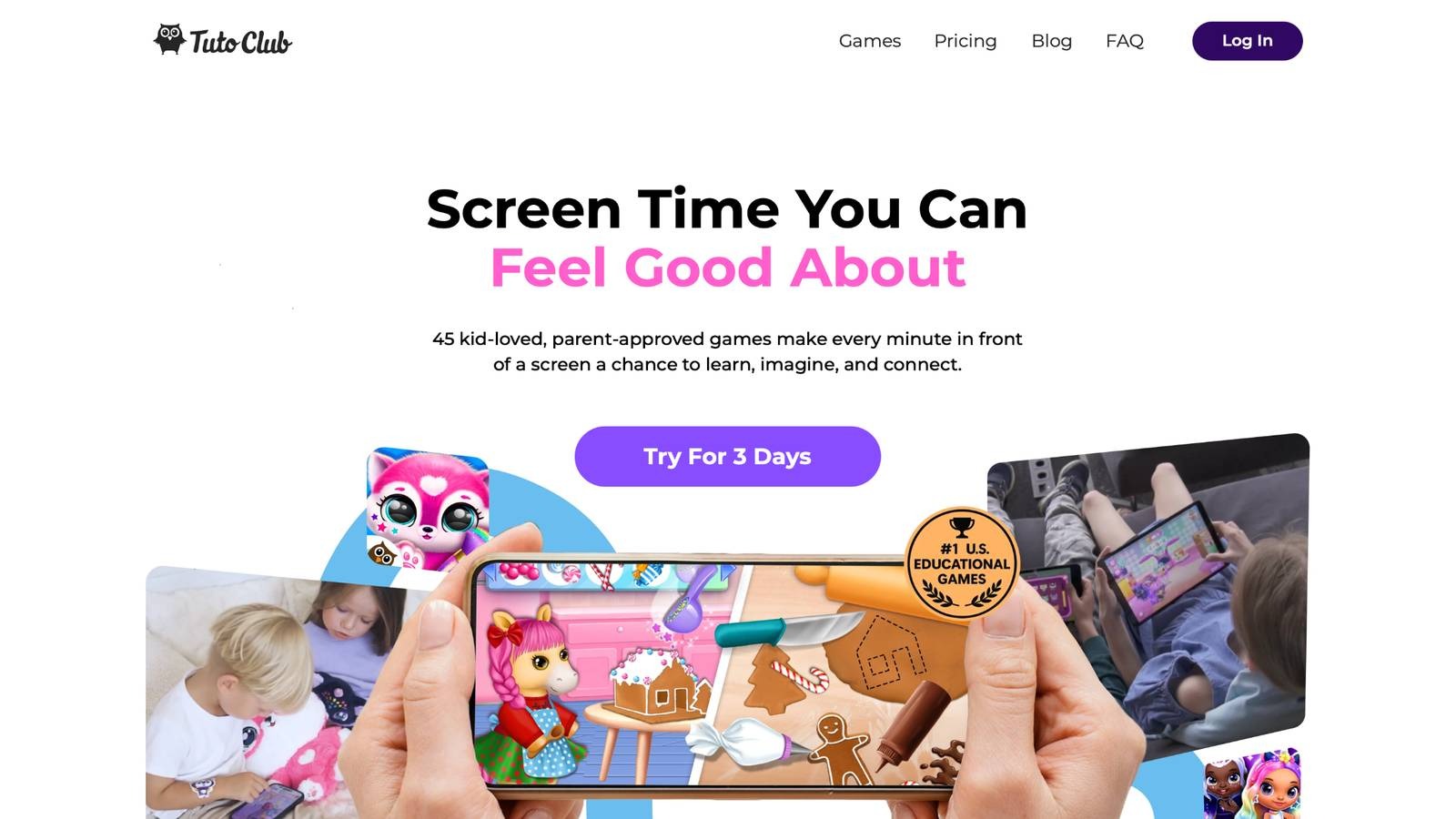
TutoClub educational games stand out as a top choice for families wanting safe, enriching play. This subscription unlocks access to 45 fun titles that blend learning with excitement, perfect for seven year olds building key abilities. Kids dive into worlds where they solve puzzles, create art, and explore stories that teach empathy and responsibility. Each game is crafted by experts to promote emotional growth, like compassion and understanding feelings, alongside creative thinking through design and expression.
Curiosity comes alive in open-ended activities that encourage exploration and problem-solving. The ad-free setup ensures focused sessions, and parents love how it turns screen time into quality moments that boost confidence through task completion. With research-backed methods, these games help kids develop focus and social skills in a balanced way. Many families report stronger family bonds from playing together. Based in a vibrant tech hub, TutoClub prioritizes kid-loved content that's parent-approved for everyday use.
- Key standout features: Ad-free environment for uninterrupted play, multi-device access for flexibility, offline capability in select games.
- Facts and information: Boosts creativity with art-inspired challenges, enhances problem-solving via interactive puzzles, supports emotional skills like empathy through storytelling elements.
TutoClub Overview
TutoClub is your gateway to a magical world of educational games designed especially for children.
As part of TutoTOONS, a leading kids' games studio, we offer premium access to over 45 ad-free games.
Our mission is to blend learning and play, helping kids explore, create, and grow in a safe online space.
Thousands of parents trust us for family-friendly content that sparks imagination and builds essential skills.
Key Features
- Unlimited Access: Unlock full content in all games with no interruptions.
- Ad-Free Experience: Enjoy seamless play without any ads or distractions.
- Skill Development: Games foster creativity, social skills, communication, and more through fun activities like pet care and cleanup challenges.
- Regular Updates: Get new releases, exclusive content, and future updates automatically.
- Easy Subscription: Cancel anytime with no obligations, simple and flexible for families.
Explore Our World
TutoClub provides a rich ecosystem of educational games for kids, featuring ad-free experiences that promote creativity, focus, and emotional growth through play.
This platform turns screen time into valuable learning opportunities, with parent-approved content that builds essential skills and sparks curiosity in young minds.
- TutoClub Games: Over 45 educational games, including popular titles like Fluvsies, Smolsies, and the Sweet Baby Girl series
- Blog: Insights, tips, and stories for families on kids' learning and play
- FAQ: Comprehensive answers to frequently asked questions about subscriptions, features, and more
Get TutoClub on Your Device
TutoClub delivers premium kids educational games directly to your mobile devices, making learning accessible anytime, anywhere.
With apps available on major platforms, families can easily download and subscribe for ad-free play that turns screen time into skill-building adventures.
Perfect for parents seeking safe, engaging content on iOS, Android, or Amazon devices.
Why Choose TutoClub?
We're committed to 100% safe, enriching entertainment that kids love and parents approve.
Join the thousands who've seen their children thrive through playful learning.
Ready to start the adventure?
Subscribe to TutoClub today and unlock endless fun!
2. Fluvsies Academy
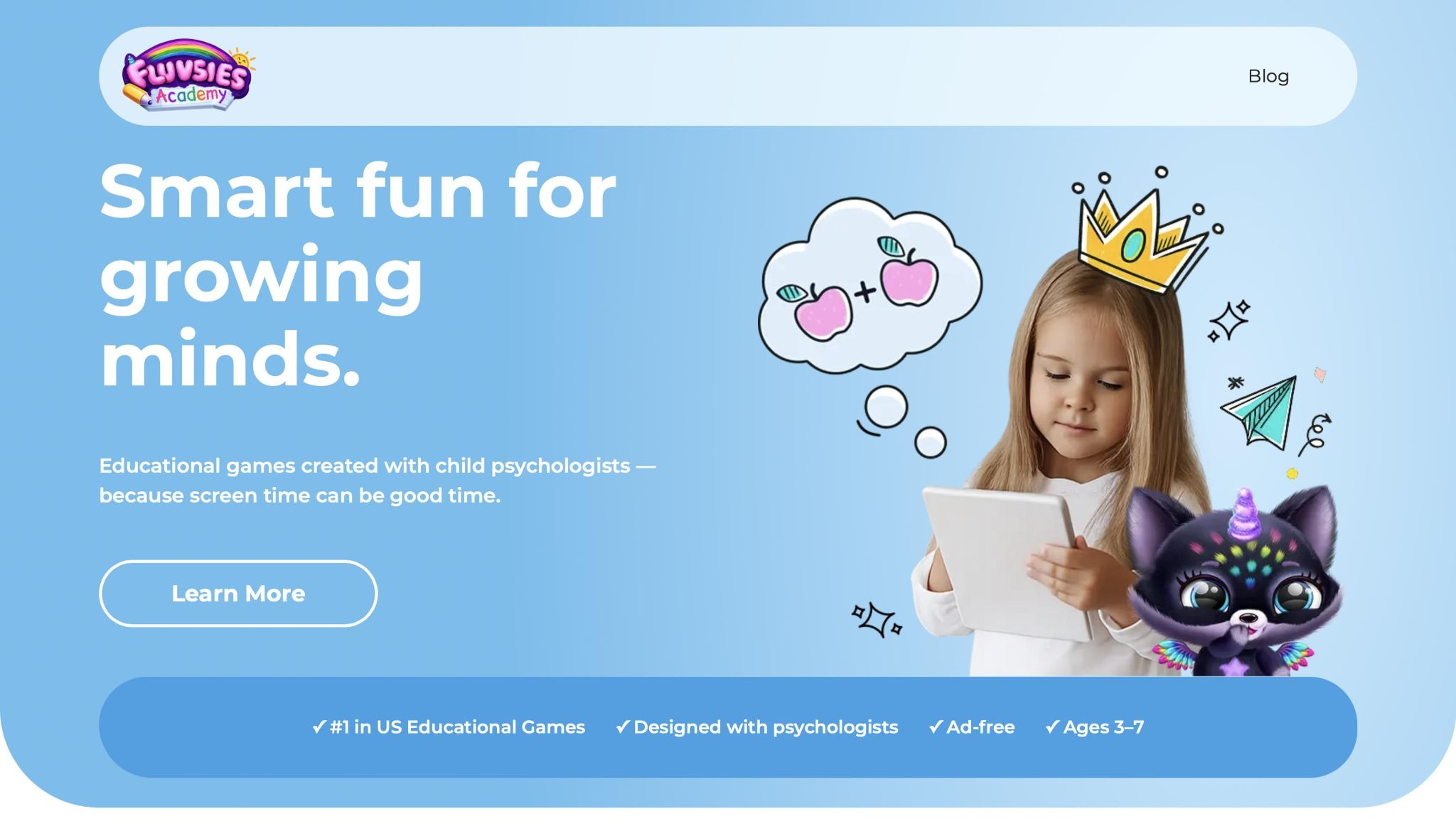
TutoTOONS, headquartered in Kaunas, Lithuania, brings Fluvsies Academy to life as a delightful educational app where beloved fluffy virtual pets meet structured learning for kids ages 3 to 7. Young learners explore preschool topics like language and phonics through playful mini-games, strengthen math skills with number activities that build confidence, enhance logic and focus via attention-sharpening tasks, and master sorting for better comparison abilities, all while enjoying creative open-ended play.
Two distinct learning modes promote active problem-solving alongside real-world life skills and emotional growth. The integration of familiar cute characters fosters engagement and kindness, with regular updates ensuring ongoing freshness. Its preschool emphasis provides excellent foundational support, though 7-year-olds might find some activities serve as enjoyable review rather than stretching new boundaries.
Key features:
- Mini-games focused on language, phonics, numbers, logic, and sorting
- Integration of adorable Fluvsies virtual pet characters
- Dual learning modes for academic and holistic development
- Expert-backed, research-informed content
- Safe, ad-free environment optimized for young children
Facts and information:
- Designed specifically for ages 3-7 with parental testimonials highlighting 7-year-olds
- Part of TutoTOONS portfolio boasting over 1 billion downloads across games
- Emphasizes play-based learning to develop focus, empathy, and curiosity
3. ABCmouse
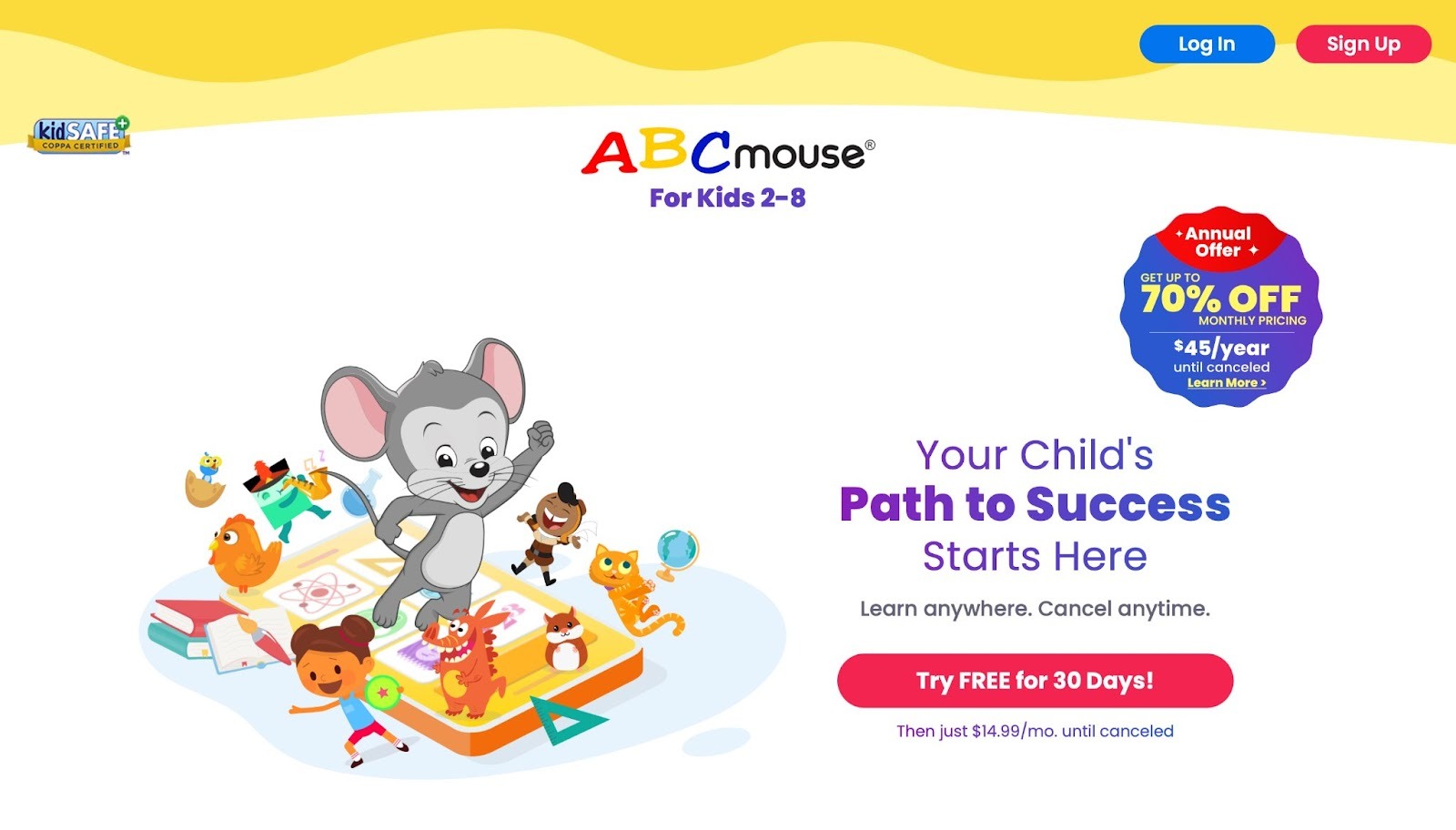
ABCmouse, from Age of Learning, delivers a complete online curriculum for young learners, covering reading, math, science, and art through interactive lessons and games. Seven year olds explore a virtual classroom with over 10,000 activities, including puzzles, songs, and animated stories that adapt to their progress. The platform uses colorful graphics and rewards like tickets for a virtual store to keep kids motivated. Strengths shine in its structured path that aligns with school standards, helping children build foundational skills while having fun.
Parents appreciate the detailed progress reports to track learning milestones. Weaknesses include occasional navigation issues for beginners, which can require adult help at first. Based in Glendale, California, ABCmouse encourages independent play with safe, ad-free content. Kids can read digital books or solve math problems in themed adventures, fostering curiosity and confidence. The app's design promotes exploration, like visiting a zoo for science or a farm for counting, making education feel like playtime. Overall, it supports holistic development by blending subjects seamlessly, ensuring seven year olds gain vocabulary, number sense, and creative thinking without feeling like homework.
- Key features: Adaptive learning paths, virtual rewards system, parent dashboard for monitoring.
- Facts and information: Aligns with Common Core, includes over 850 lessons per grade level, supports multiple devices for easy access.
4. Prodigy Math
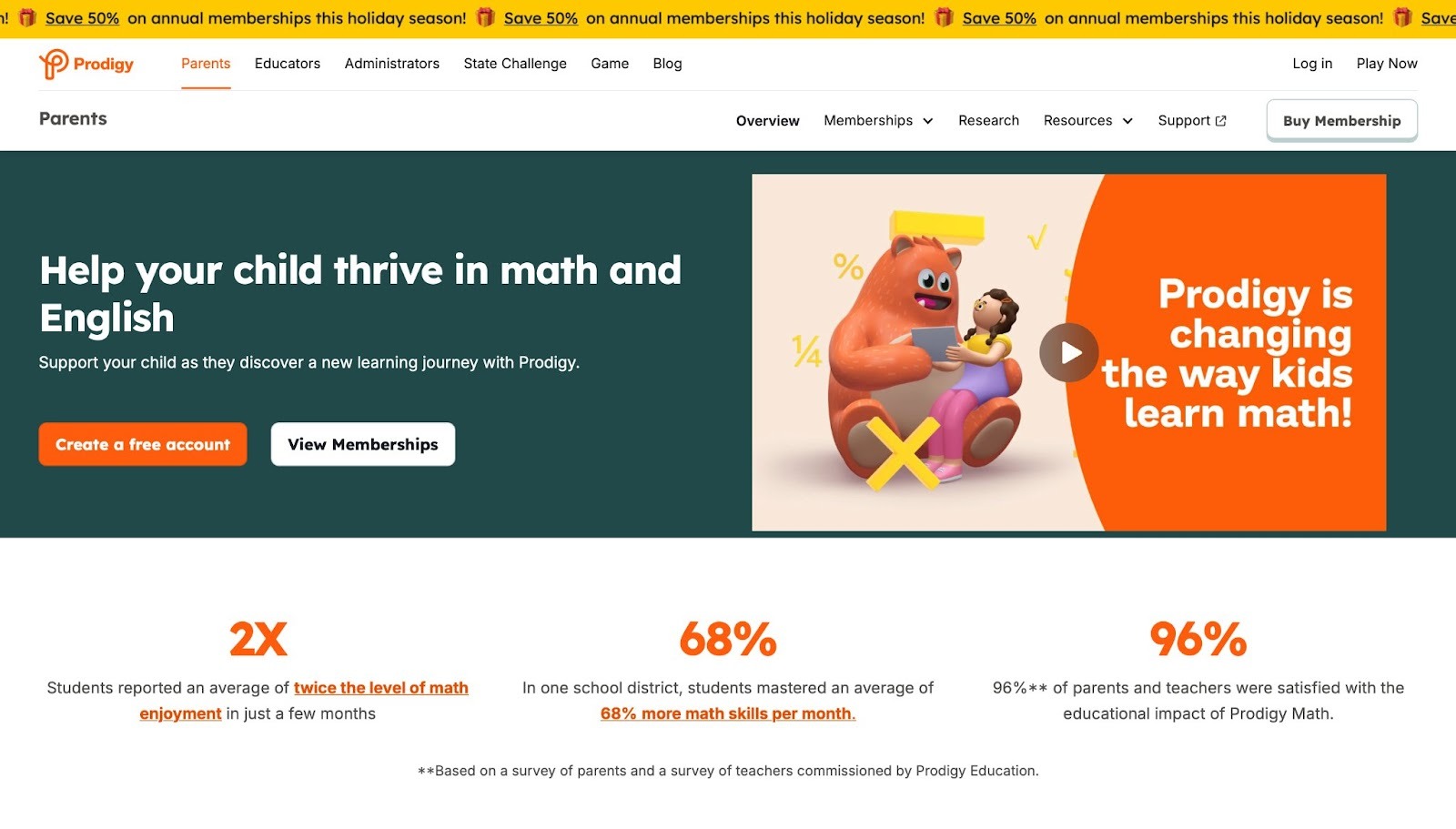
Prodigy Math, by Prodigy Education, transforms math practice into an epic role-playing game where seven year olds battle monsters using correct answers to questions. The adaptive algorithm adjusts difficulty in real-time, covering topics like addition, geometry, and fractions tailored to the child's level. Kids customize avatars and pets, earning rewards that keep engagement high. Strengths are evident in its gamified approach that makes learning addictive, with teacher-approved content that boosts confidence in math. Parents note improved attitudes toward the subject after regular play.
Weaknesses involve the fantasy elements sometimes overshadowing pure math focus, leading to distractions if not supervised. Based in Burlington, Ontario, Canada, Prodigy integrates seamlessly with classroom curricula. Seven year olds embark on quests in a magical world, solving problems to progress and collect items. This method reinforces skills through repetition disguised as adventure, helping with quick recall and problem-solving. The social features allow battles with friends, adding a competitive edge that encourages practice. It's a solid tool for turning dreaded drills into exciting challenges, supporting academic growth in a fun environment.
- Key features: Customizable characters, real-time difficulty adjustment, in-game currency for upgrades.
- Facts and information: Covers grades 1-8 standards, used in over 100,000 schools, promotes daily engagement through quests.
5. Khan Academy Kids
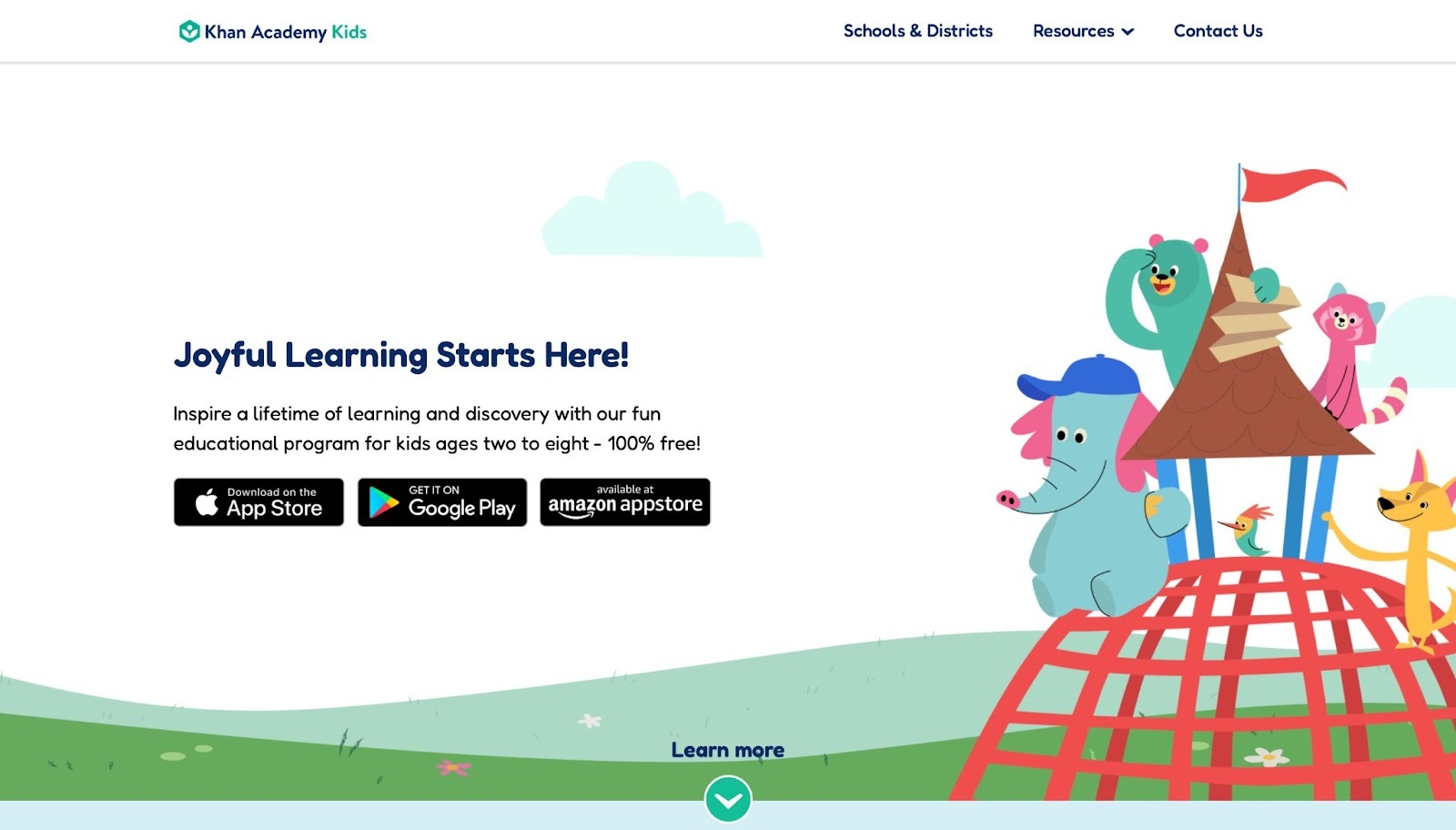
Khan Academy Kids, by Khan Academy, provides a free library of activities in math, reading, and social-emotional learning for seven year olds. Featuring characters like Kodi Bear, it includes stories, songs, and games that adapt to skill levels. Daily schedules guide progress across subjects. Strengths excel in comprehensive, no-cost content that aligns with early education goals, promoting independence.
Parents love the offline options for travel. Weaknesses appear in limited depth for advanced topics, better as a supplement. Based in Mountain View, California, the app uses joyful animations to teach. Seven year olds explore phonics through rhymes or count with interactive objects, building foundational skills. Creative drawing and storytelling tools enhance expression. This holistic approach supports well-rounded development, with progress tracking for families. It's ideal for diverse learners, including bilingual content.
- Key features: Adaptive curriculum, character-guided lessons, offline downloads.
- Facts and information: Covers pre-K to grade 2, backed by educators, millions of users globally.
6. Duolingo ABC
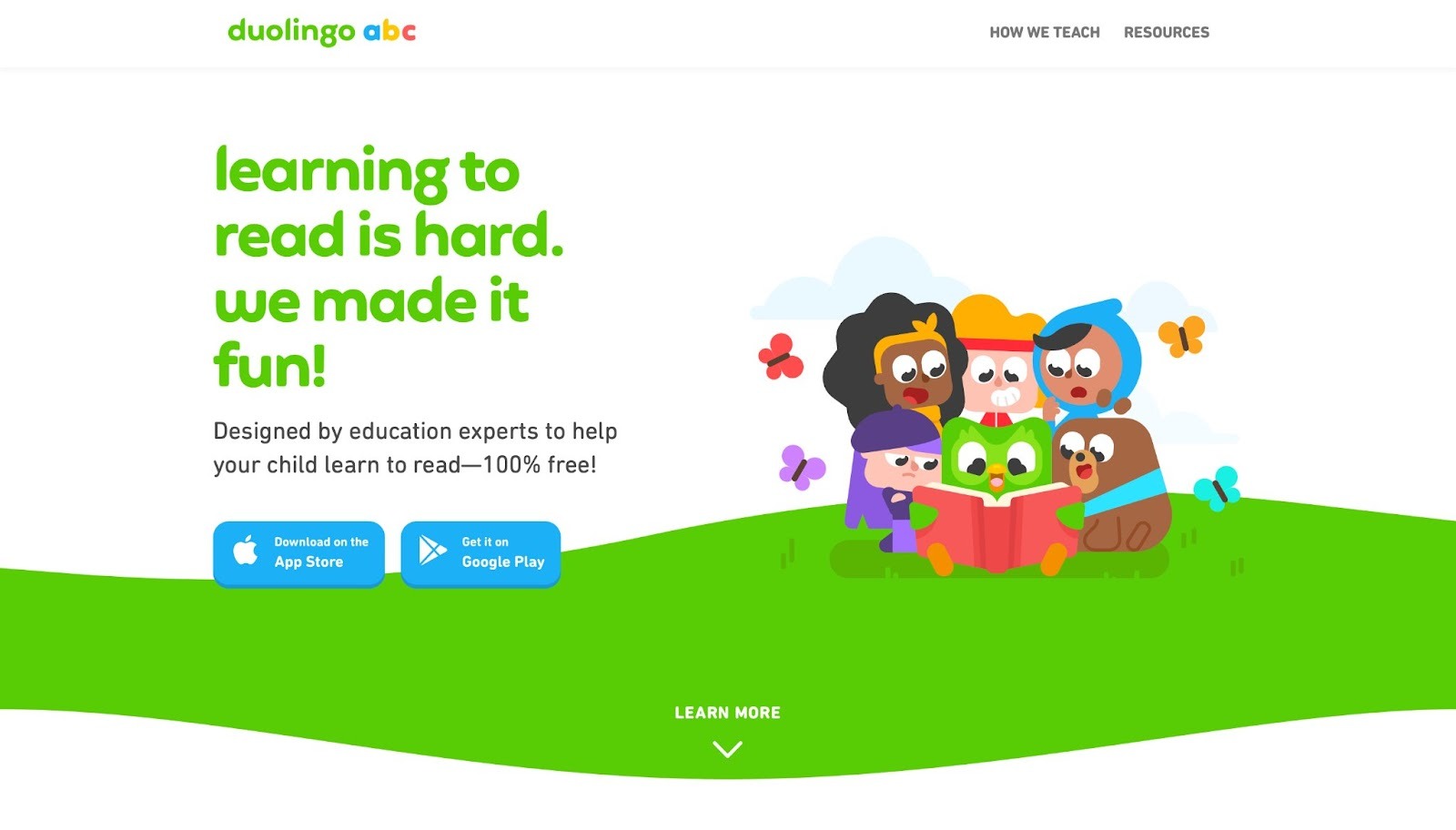
Duolingo ABC, by Duolingo, introduces reading and writing through short, interactive lessons with games and stories for seven year olds. It covers phonics, sight words, and simple sentences in a streak-based system. Colorful characters motivate daily practice. Strengths are in bite-sized, fun format that builds literacy progressively, with no ads interrupting. Teachers integrate it for homework. Weaknesses include
English-only focus, less ideal for multilingual needs. Based in Pittsburgh, Pennsylvania, it uses gamification like rewards and levels. Seven year olds trace letters, match sounds, and read books, gaining confidence. The adaptive path adjusts to mistakes, reinforcing weak areas. This makes learning feel like play, encouraging consistent habits. It's a strong starter for emerging readers.
- Key features: Phonics-based games, progress streaks, parent insights.
- Facts and information: Aligns with reading standards, supports early literacy, free access worldwide.
7. MentalUP
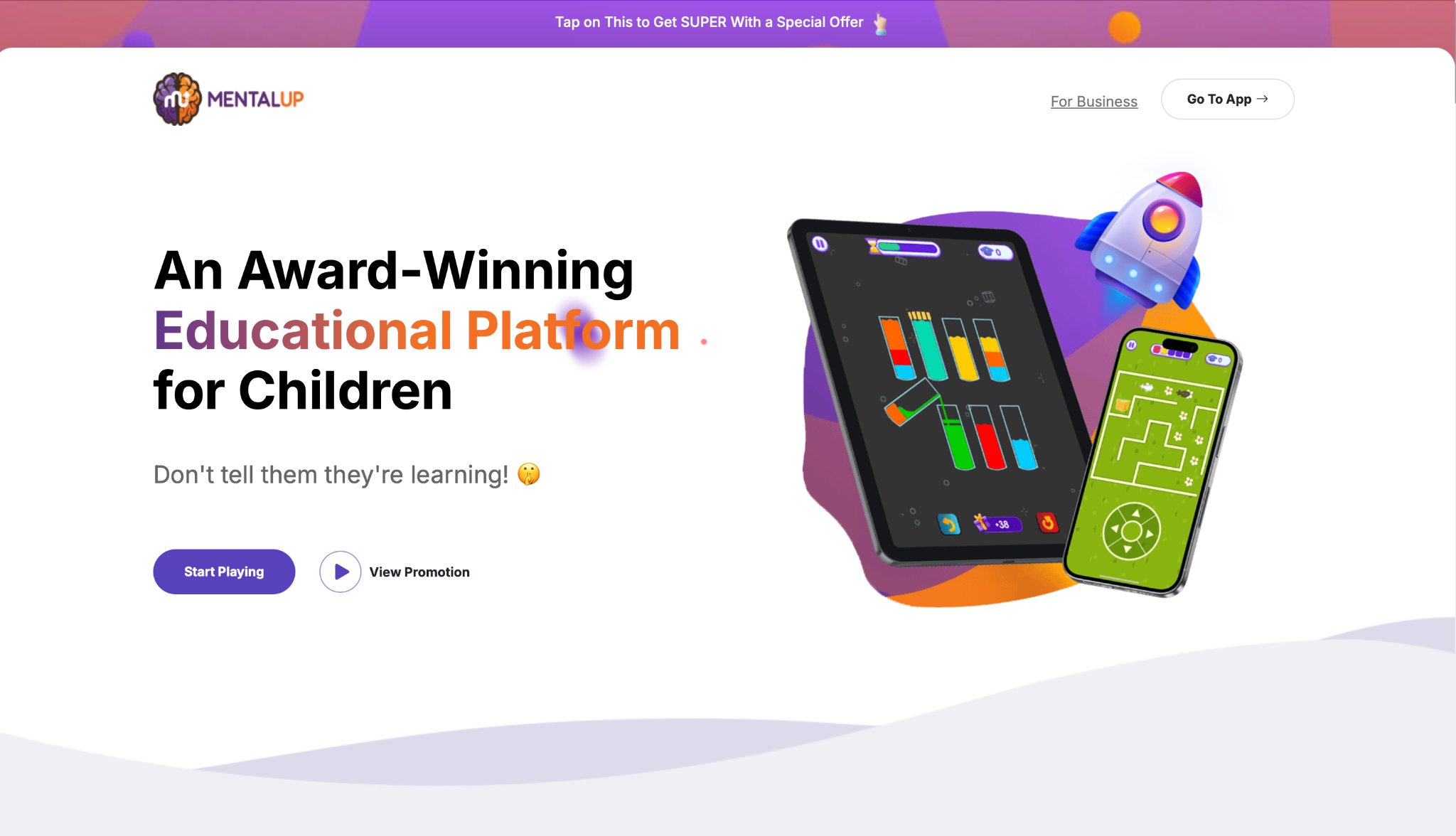
MentalUP, from MentalUP Technology, offers brain-training exercises in attention, memory, logic, and visual skills for seven year olds. With over 100 games, it personalizes daily workouts based on age and performance, tracking improvements over time. Activities include matching patterns, recalling sequences, and solving riddles in colorful scenarios. Strengths include variety that keeps sessions fresh, supporting cognitive development alongside fun. Parents value the scientific backing from experts. Weaknesses involve some repetitive elements if played extensively, potentially reducing excitement.
Based in London, UK, MentalUP combines education with physical prompts for holistic growth. Seven year olds engage in quick challenges, like spotting differences or navigating mazes, boosting focus and quick thinking. The app's design encourages regular use, with badges for milestones. It aids school readiness by enhancing processing speed and problem-solving. This balanced approach helps with emotional regulation too, through calming games. Overall, it's a versatile tool for mental fitness, making learning a daily habit.
- Key features: Personalized plans, progress analytics, mix of cognitive and motor activities.
- Facts and information: Developed with psychologists, improves attention spans, certified for educational quality.
8. Stack the States

Stack the States, by Dan Russell-Pinson, teaches U.S. geography by stacking states to build towers while answering quizzes on capitals, shapes, and facts. Seven year olds collect states as rewards, creating custom maps for review. The physics-based stacking adds fun, with levels increasing in difficulty. Strengths are in its engaging format that makes memorization enjoyable, aiding retention of locations and trivia. Educators recommend it for homeschooling.
Weaknesses include a U.S.-only focus, limiting global appeal without expansions. Based in the U.S., the game promotes quick recall through repetition. Kids quiz on nicknames and borders, reinforcing knowledge playfully. Multiplayer modes encourage family competition, enhancing social learning. It's perfect for visual learners, with animations bringing maps to life. Seven year olds build confidence in geography, useful for school projects. The app's simplicity allows independent play, fitting short attention spans.
- Key features: Quiz varieties, state collection system, customizable profiles.
- Facts and information: Covers all 50 states, includes landmarks, supports offline play.
9. Zoombinis
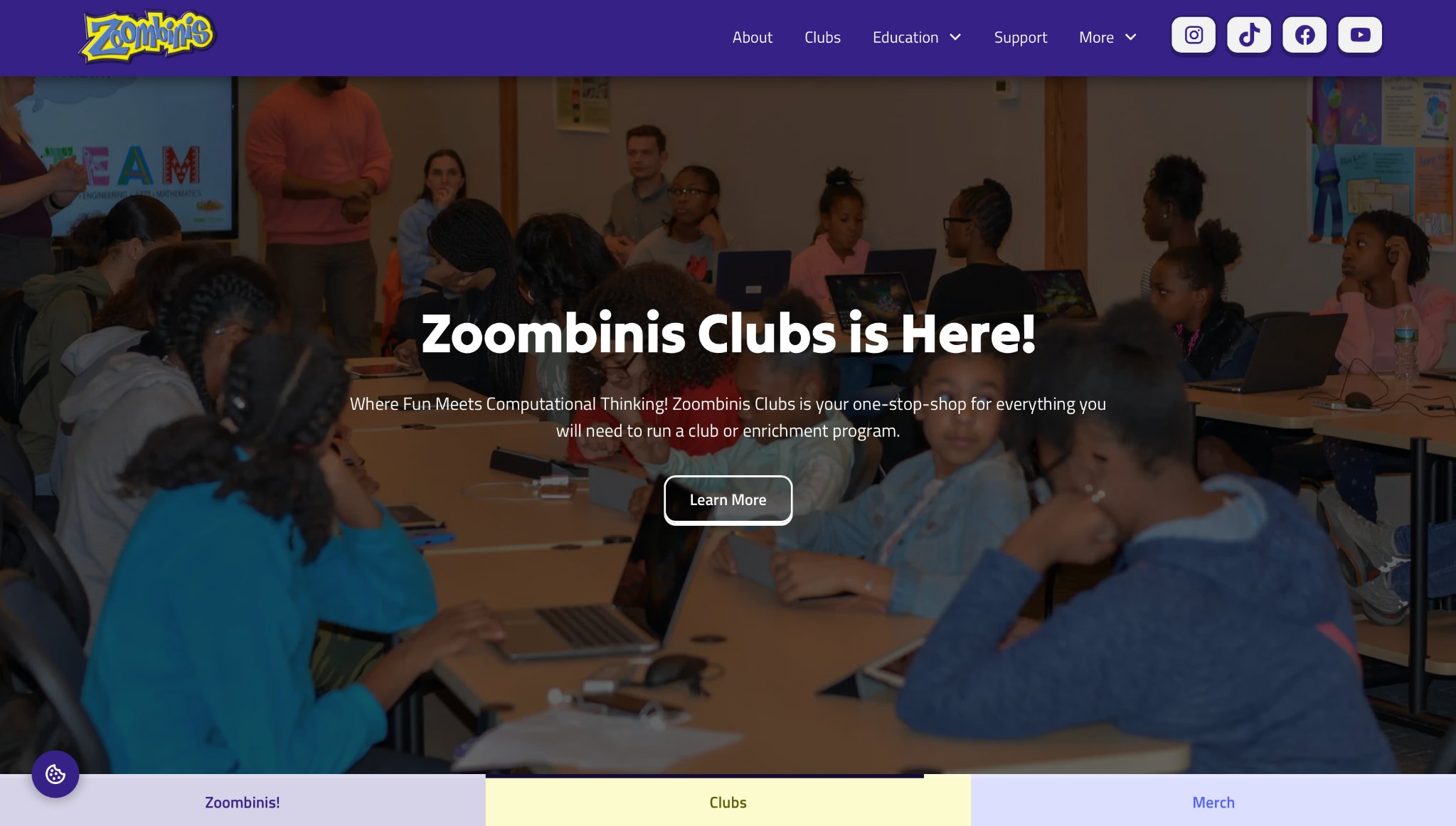
Zoombinis, by TERC, guides cute creatures through logic puzzles to freedom, solving challenges like sorting by features or bridging gaps. Seven year olds use trial and error to master patterns and deductions in a story-driven adventure. Levels ramp up, teaching adaptability. Strengths lie in its narrative that motivates persistence, building critical thinking. Schools use it for STEM curricula. Weaknesses include older graphics that may seem dated compared to modern apps.
Based in Cambridge, Massachusetts, Zoombinis fosters group discussion for solutions. Kids encounter pizza trolls or stone guards, applying logic creatively. This encourages experimentation without penalties, promoting growth mindset. It's ideal for developing reasoning and categorization skills. Seven year olds enjoy the whimsy, turning puzzles into stories. The game's depth supports repeated play, deepening understanding over time.
- Key features: Varied puzzle types, story progression, save options for ongoing play.
- Facts and information: Based on 1990s classic, emphasizes pattern recognition, used in educational programs.
10. Jump Numbers
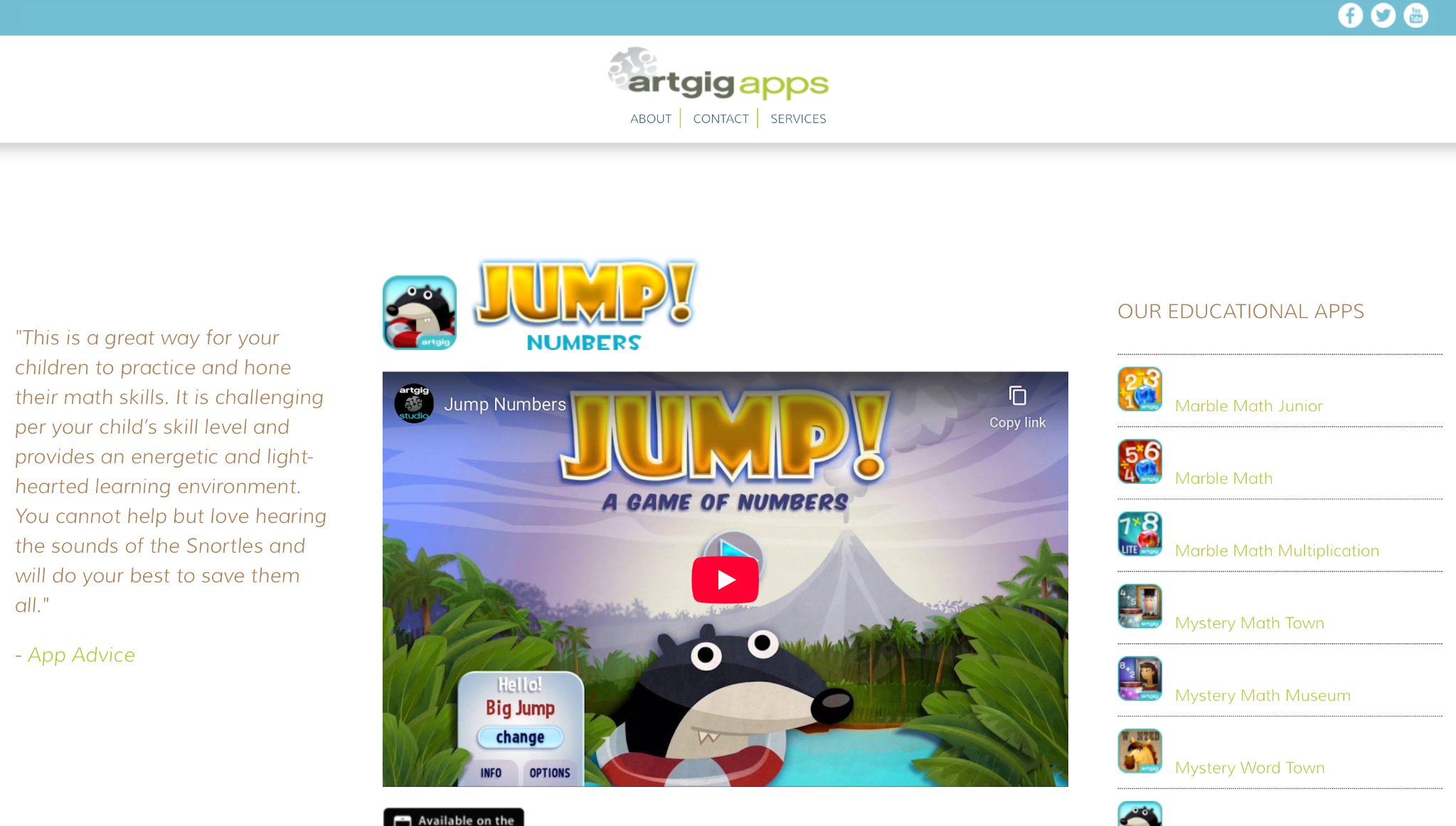
Jump Numbers, by Artgig Studio, focuses on multiplication by jumping through number mazes, solving facts to advance. Seven year olds practice tables in an action-packed format, with levels targeting specific skills. Characters and power-ups add excitement. Strengths are in gamifying drills for better retention, helping with fluency.
Parents see quick improvements in recall. Weaknesses involve narrow math focus, needing other tools for broader coverage. Based in the U.S., it suits quick sessions. Kids navigate obstacles using correct answers, building speed and accuracy. Themed worlds keep interest, like underwater or space jumps. This reinforces foundational math through movement simulation. Seven year olds gain confidence, turning rote learning into adventure. It's a targeted supplement for schoolwork.
- Key features: Maze-based challenges, progressive difficulty, engaging visuals.
- Facts and information: Targets times tables, enhances mental math, includes sound cues for immersion.
11. Scratch Jr
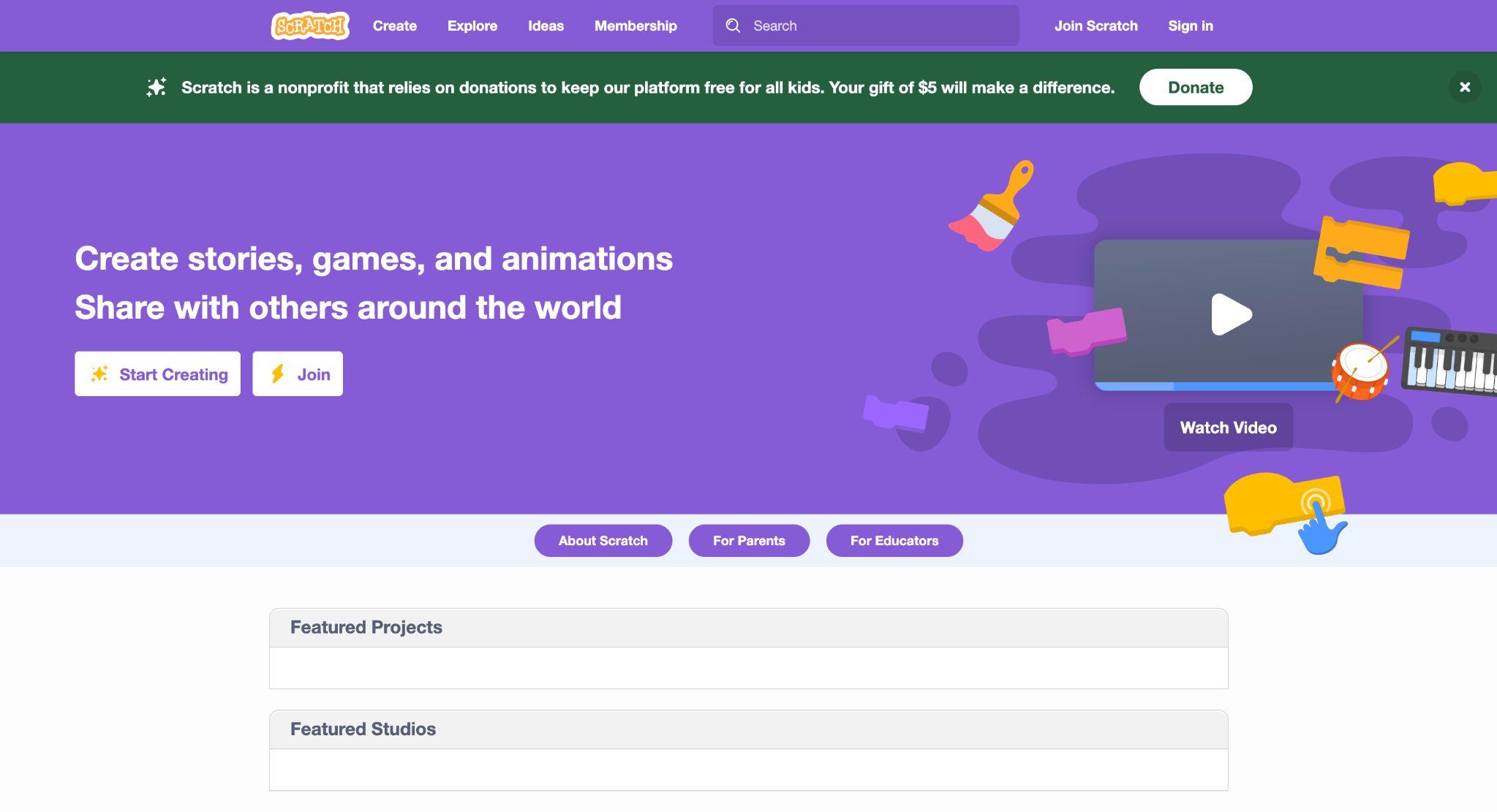
Scratch Jr, by MIT Media Lab, enables seven year olds to create interactive stories and games using drag-and-drop blocks. No reading required, it teaches sequencing and animation basics. Kids design characters and scenes freely. Strengths are in open creativity that sparks imagination, supporting self-expression.
Educators use it for introductory coding. Weaknesses include lack of guided lessons, suiting exploratory learners best. Based in Cambridge, Massachusetts, it encourages sharing projects. Seven year olds program movements and sounds, learning cause-effect. This builds logical thinking through play. Multi-language support broadens access. It's a foundation for advanced programming, fostering innovation early.
- Key features: Block-based interface, project sharing, integration with art tools.
- Facts and information: Developed at MIT, teaches loops and events, free for all users.
12. Lightbot
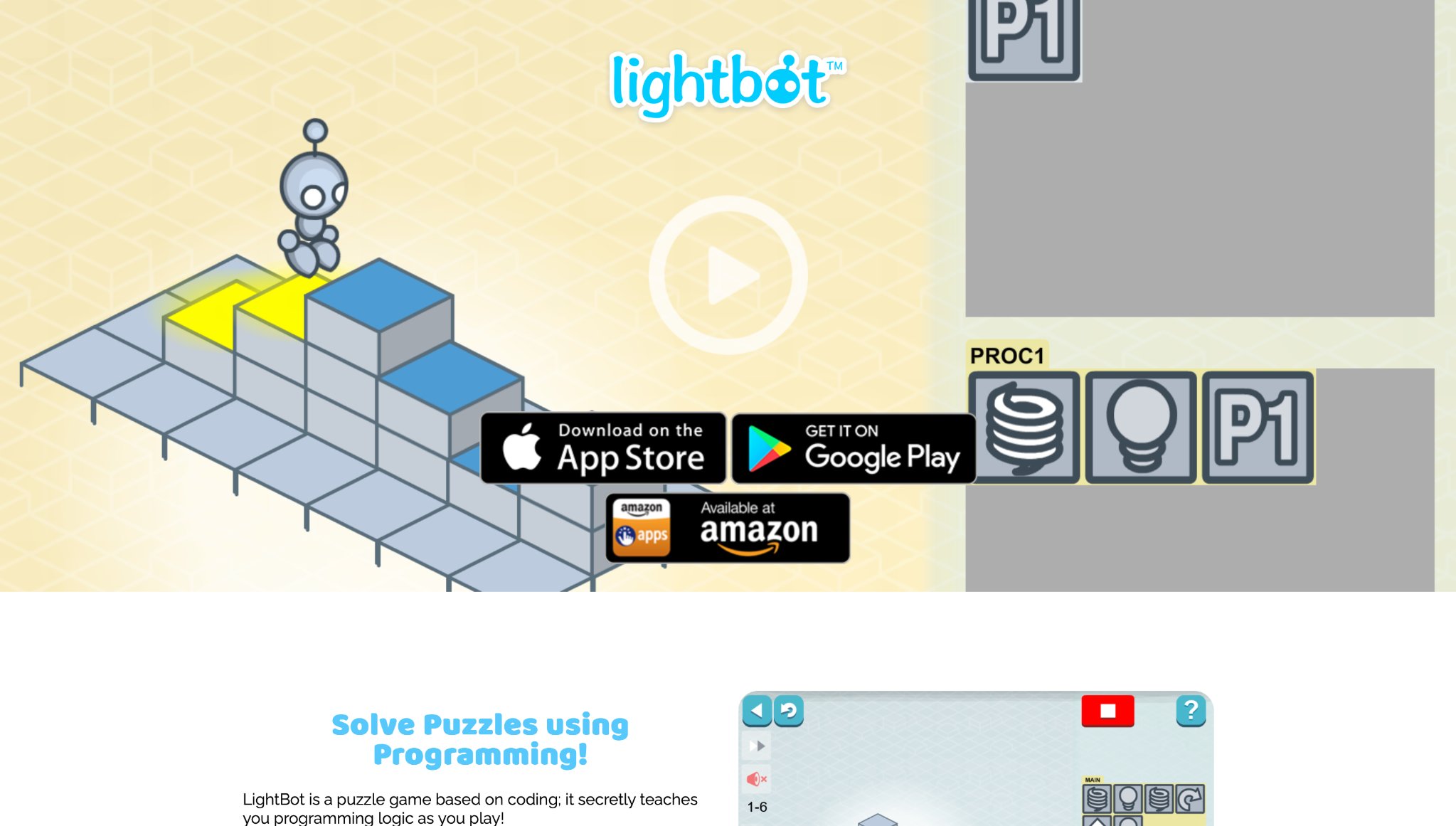
Lightbot, from Lightbot Inc, introduces programming concepts through puzzles where seven year olds command a robot to navigate mazes and light up tiles. Using visual icons for actions like move, turn, and jump, it teaches logic, loops, and procedures without code. The game progresses from simple to complex levels, building computational thinking step by step. Strengths lie in its intuitive interface that makes coding accessible, helping kids develop problem-solving skills early. Many educators use it to spark interest in STEM. Weaknesses include limited replay value once puzzles are solved, though resets allow practice.
Based in Canada, Lightbot emphasizes trial and error for learning. Seven year olds enjoy the satisfaction of seeing their robot succeed, reinforcing sequencing and planning. The junior version suits beginners, with hints to avoid frustration. This approach mirrors real-world debugging, fostering perseverance and analytical minds. It's ideal for short sessions, fitting into daily routines to enhance focus and spatial awareness. Overall, Lightbot turns abstract ideas into tangible fun, preparing kids for future tech challenges.
- Key features: Icon-based commands, progressive puzzle sets, hint system for guidance.
- Facts and information: Teaches core programming principles, supports classroom integration, available on multiple platforms.
13. CodeMonkey
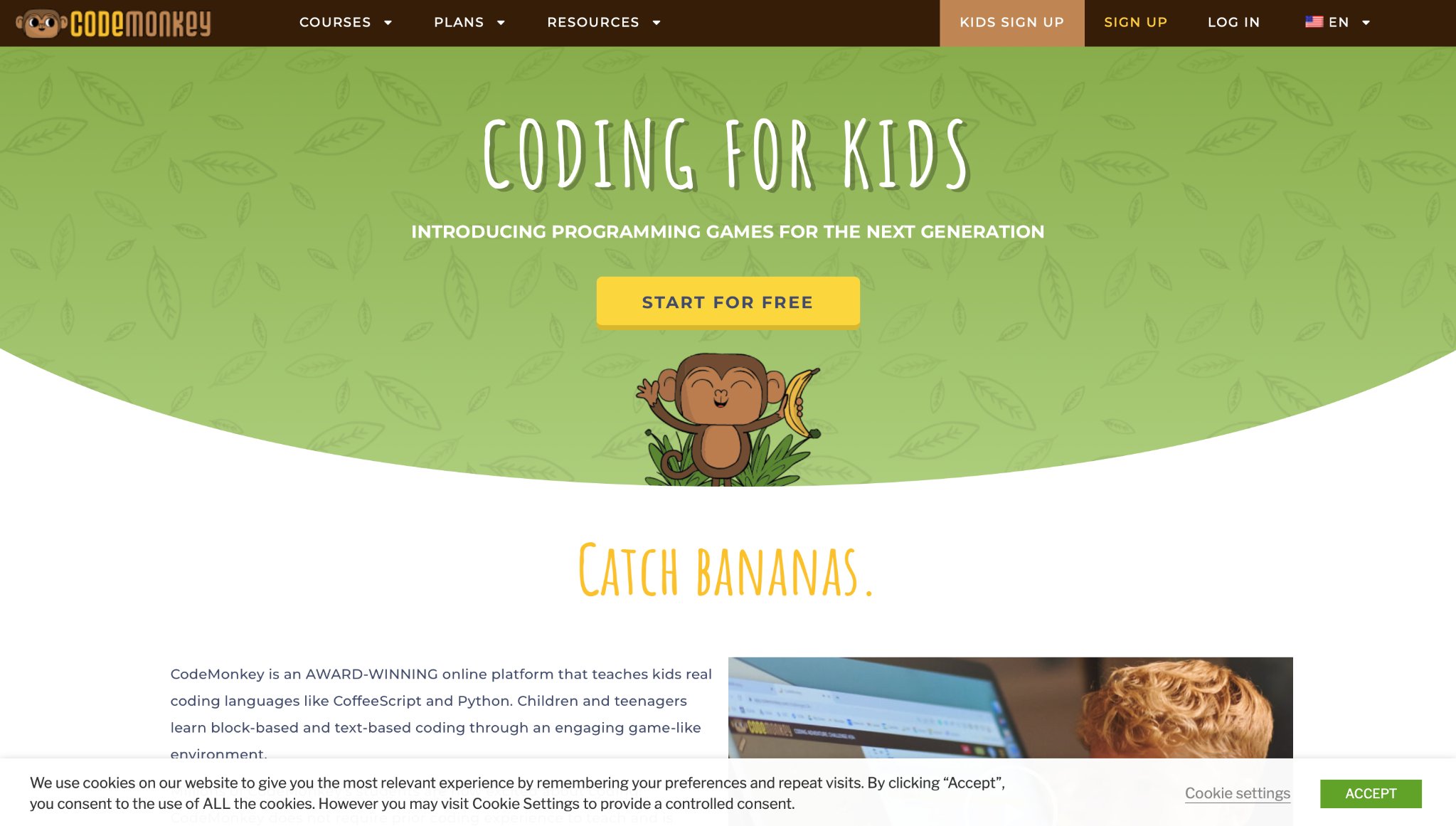
CodeMonkey, by CodeMonkey Studios, lets seven year olds learn coding by guiding a monkey to collect bananas through typed commands in a game-like setting. Starting with basics like movement and loops, it advances to variables and functions using real syntax. The platform includes challenges that build skills progressively, with hints and solutions for stuck moments. Strengths are in its hands-on coding that feels playful, enhancing logical reasoning and creativity. Teachers praise its curriculum for classrooms. Weaknesses show in the text-based input that might challenge early readers, needing some support.
Based in Tel Aviv, Israel, CodeMonkey promotes computational thinking through storytelling. Kids solve puzzles in themed worlds, like jungles or space, making learning immersive. This method helps with debugging and planning, key for problem-solving. Social elements allow sharing creations, fostering collaboration. It's a great bridge from visual to text coding, building confidence for advanced languages. Seven year olds gain a sense of achievement, turning code into action seamlessly.
- Key features: Real code editor, themed adventures, teacher resources for groups.
- Facts and information: Covers Python-like syntax, used by millions worldwide, aligns with educational standards.
14. SplashLearn
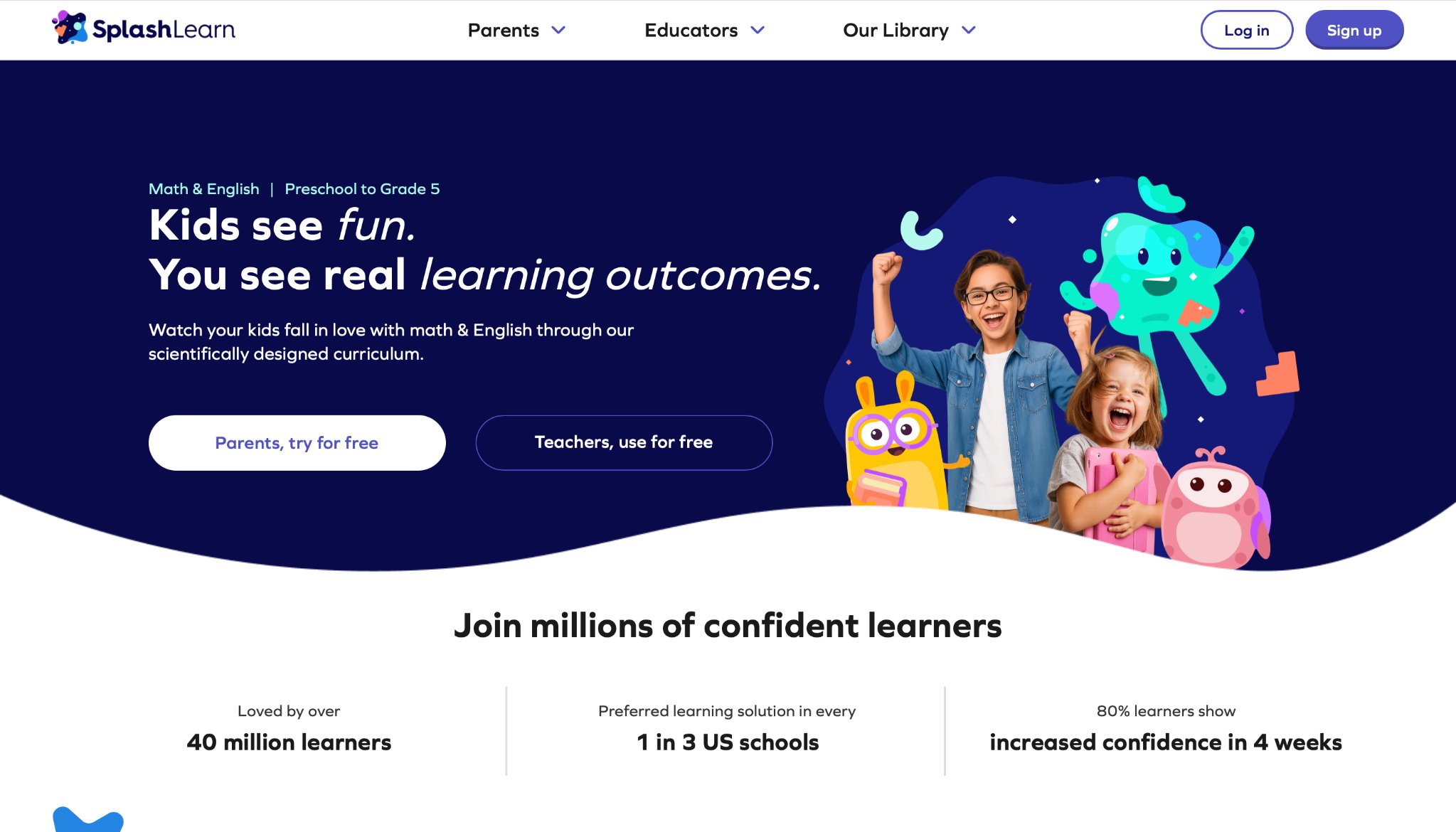
SplashLearn, by SplashLearn, engages seven year olds in math and ELA with personalized games and live classes. Covering addition to comprehension, it uses vibrant graphics and rewards. Adaptive tech ensures appropriate challenges. Strengths highlight interactive, standards-aligned content that boosts engagement and skills.
Parents track via reports. Weaknesses involve internet requirement for full features, limiting offline use. Based in the U.S., it promotes joyful learning. Seven year olds solve puzzles or read stories, applying concepts practically. This builds number sense and vocabulary through adventure. The platform's variety prevents boredom, supporting school success.
- Key features: Personalized paths, gamified rewards, detailed analytics.
- Facts and information: Covers Common Core, used in many classrooms, enhances ELA and math proficiency.
15. Epic!

Epic!, by Epic Creations, offers a vast digital library of books, audiobooks, and videos for seven year olds to explore reading interests. With personalized recommendations, kids read independently or listen along. Quizzes reinforce comprehension. Strengths are in unlimited access to diverse titles, fostering a love for books.
Educators use it for assignments. Weaknesses include device dependency, less hands-on than physical books. Based in Redwood City, California, it curates age-appropriate content. Seven year olds discover series or facts, expanding knowledge. This encourages daily reading habits, improving fluency and imagination.
- Key features: Large collection, read-to-me option, badge system.
- Facts and information: Over 40,000 titles, supports multiple profiles, promotes literacy growth.
16. PBS Kids Games
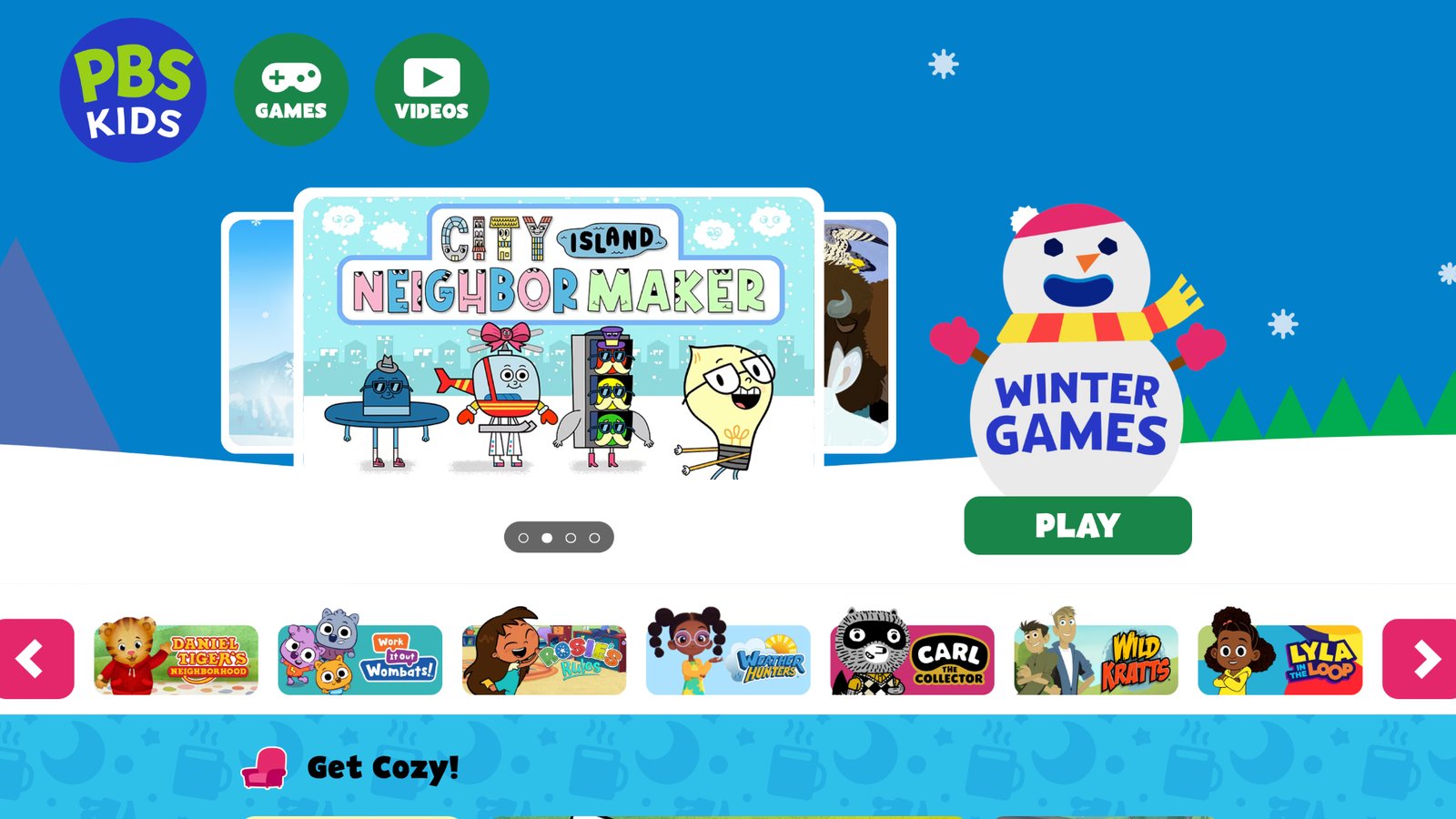
PBS Kids Games stands out as a trusted educational platform that seamlessly integrates beloved characters from popular PBS shows into engaging, free activities tailored for seven-year-olds. The platform covers a rich mix of STEM, literacy, and creative skills through ad-free experiences where children might build elaborate machines, solve gentle mysteries, or explore imaginative worlds. Its curriculum-aligned content draws directly from television favorites, creating instant familiarity that keeps kids motivated while parents value the strong emphasis on safety and age-appropriate design.
Developed with input from educators, the games reinforce concepts like emotional intelligence through Daniel Tiger’s Neighborhood adventures or scientific curiosity via Wild Kratts expeditions. This thoughtful blend of media and learning helps young players develop foundational abilities without feeling like traditional schoolwork. Operating from Arlington, Virginia, PBS Kids Games prioritizes learning through play, offering bilingual options and offline accessibility that make it convenient for families everywhere. The platform’s gentle pacing and positive reinforcement build confidence, turning screen time into meaningful skill-building moments that children genuinely enjoy returning to day after day.
- Key features: Character-driven games, bilingual options, offline play.
- Facts and information: Aligned with public broadcasting standards, free for all, builds social-emotional skills.
17. Osmo
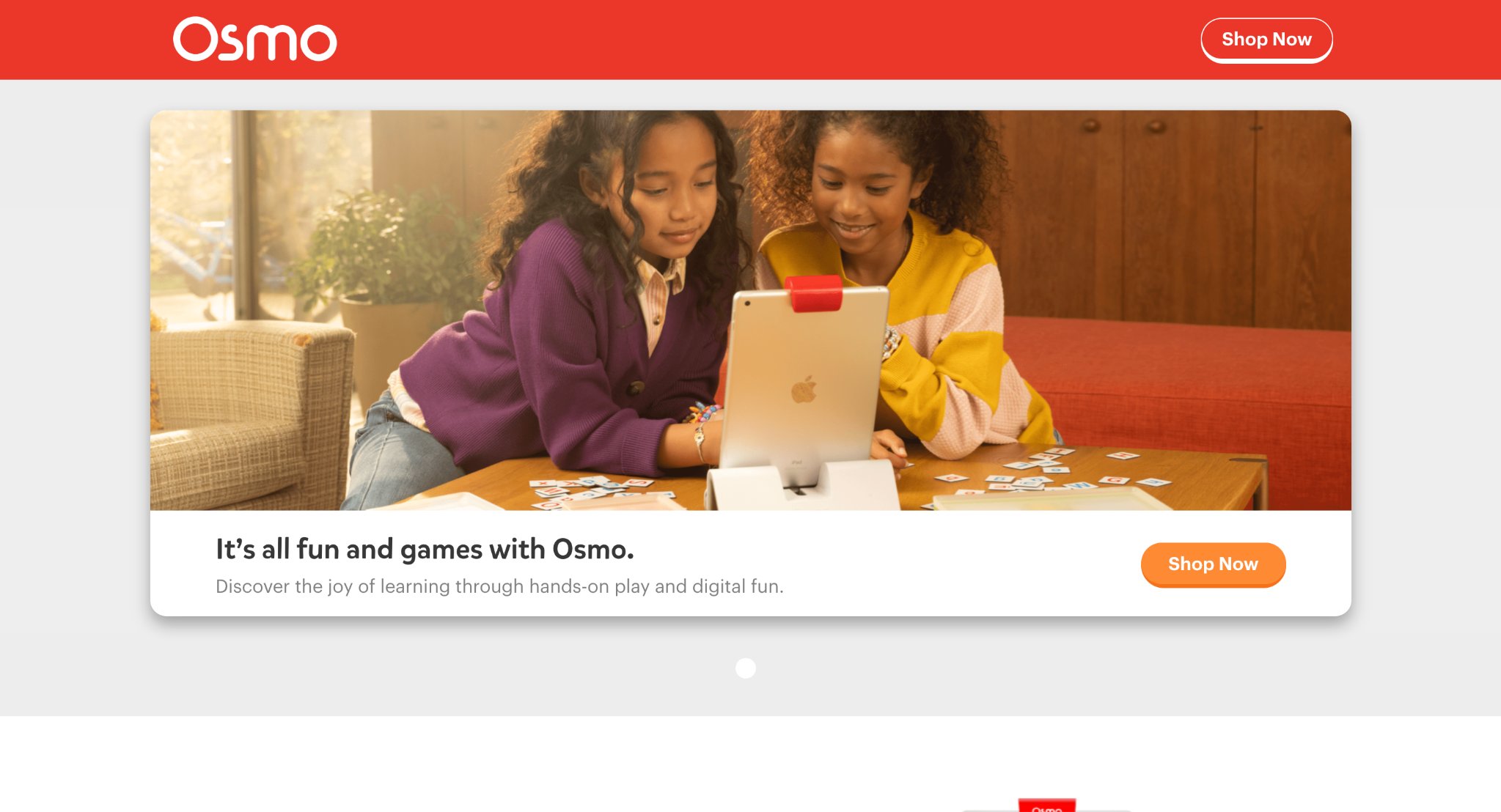
Osmo creates a unique hands-on learning experience by merging physical game pieces with digital app interactions, making it especially appealing for active seven-year-olds who thrive on tangible play. Using camera detection technology, children manipulate real tiles, blocks, and bases to solve coding challenges, practice math concepts, or create drawings that come alive on screen. This physical-digital integration strengthens fine motor skills, encourages collaboration during group play, and transforms passive screen time into energetic, interactive sessions.
Schools and families alike appreciate how Osmo kits grow with the child through expandable content focused on STEM subjects. Based in Palo Alto, California, the company designs experiences that bridge the real and virtual worlds, helping kids develop problem-solving abilities while fostering creativity and teamwork. Seven-year-olds might code paths for characters to follow or tackle word puzzles that require both thinking and physical movement. The approach stands out for turning abstract concepts into concrete, rewarding activities that feel more like play than education, resulting in higher engagement and lasting skill retention.
- Key features: Physical-digital integration, expandable kits, group play modes.
- Facts and information: Supports STEM subjects, award-winning, encourages teamwork.
18. Toca Hair Salon
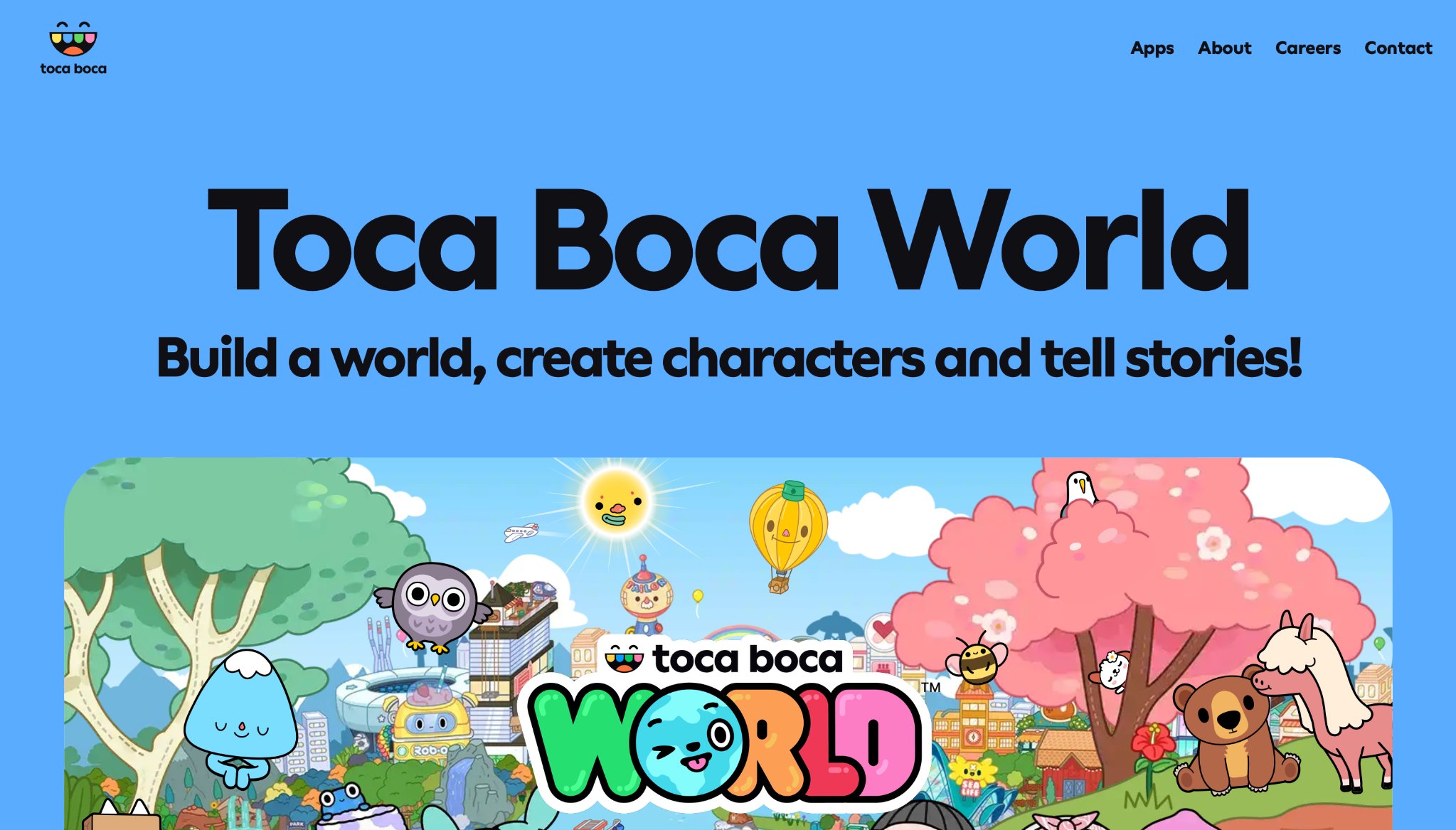
Toca Hair Salon delivers pure creative freedom in a virtual salon where seven-year-olds can experiment endlessly with haircuts, colors, styles, and accessories without any rules or pressure to perform. This open-ended simulation lets imagination run wild as children snip, dye, and accessorize a diverse cast of characters using intuitive touch controls that also build fine motor skills. Parents often report that the game helps reduce real-world anxiety about haircuts by making the experience fun and familiar.
Developed in Stockholm, Sweden, Toca Boca’s title emphasizes safe, judgment-free exploration that nurtures self-expression, storytelling, and decision-making confidence. Kids create outrageous looks or gentle makeovers, learning cause-and-effect relationships through immediate visual feedback. The absence of timers or scores allows play sessions to flow naturally, supporting emotional development and creative thinking. As part of the broader Toca series, it maintains an ad-free environment focused entirely on joyful discovery, making it a favorite for relaxed, imaginative playtime that feels both entertaining and subtly educational.
- Key features: Interactive tools, character variety, no time limits.
- Facts and information: Part of Toca series, develops creativity, ad-free environment.
19. Starfall
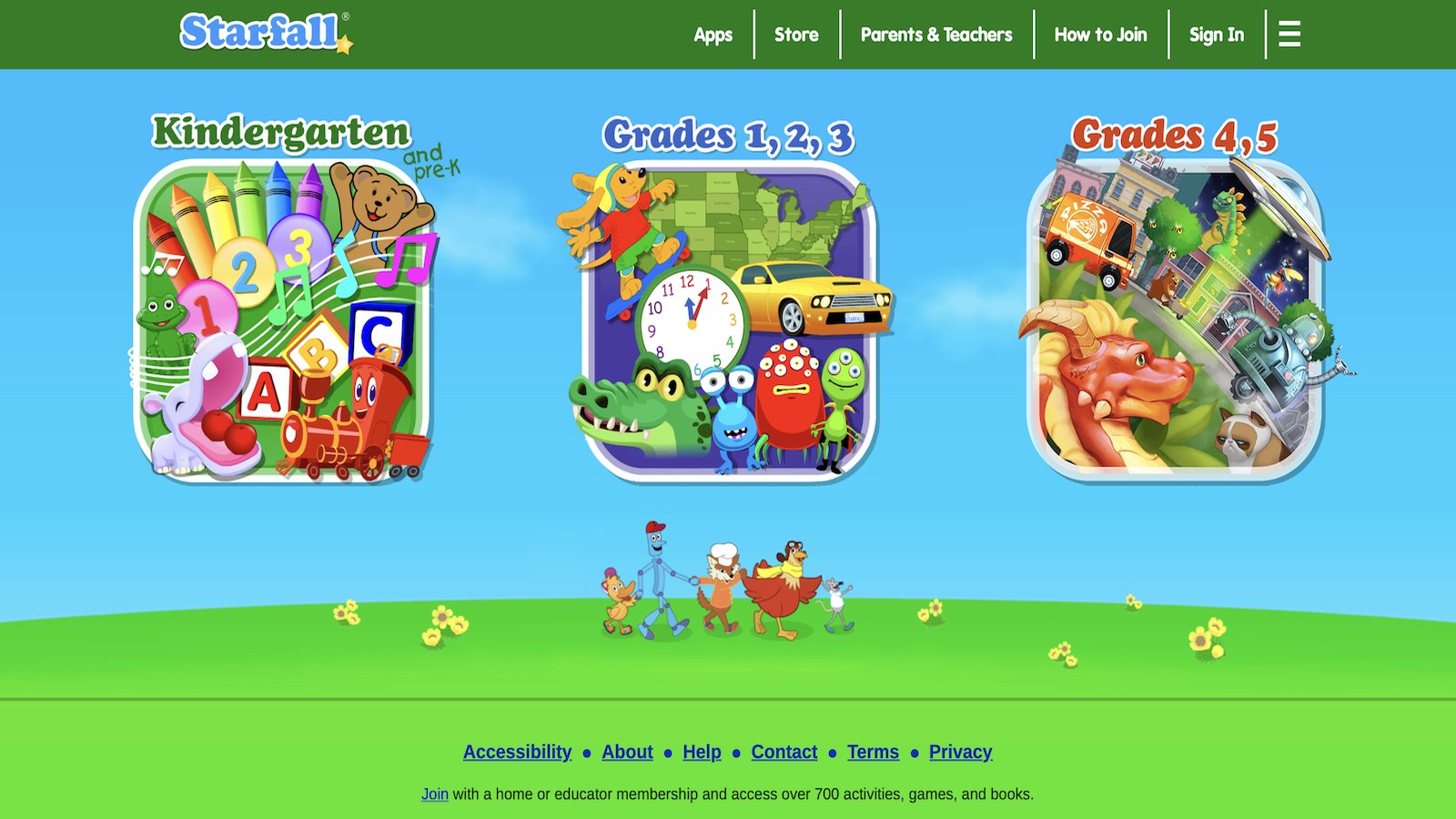
Starfall offers a structured yet gentle pathway into reading and math for seven-year-olds through colorful animated songs, interactive games, and engaging digital books. The platform progresses naturally from phonics fundamentals to more advanced addition and early literacy skills, with clear audio guidance that supports independent learning. Its simpler, focused graphics and deliberate pacing make it particularly effective for beginners or children needing extra reinforcement. Based in Boulder, Colorado, Starfall draws on nonprofit educational roots to deliver content aligned with classroom standards, including printable worksheets that extend learning beyond the screen.
Teachers frequently recommend it for early intervention because the scaffolded lessons build genuine fluency and confidence without overwhelming young learners. Children interact with lively letters and numbers that respond to their choices, turning foundational skill practice into an approachable daily activity. The combination of visual, auditory, and interactive elements creates multiple pathways to understanding, helping seven-year-olds gain both competence and enthusiasm for core academic subjects.
- Key features: Animated lessons, printable worksheets, membership extras.
- Facts and information: Nonprofit roots, aligns with standards, helps with early education.
20. Monster Math
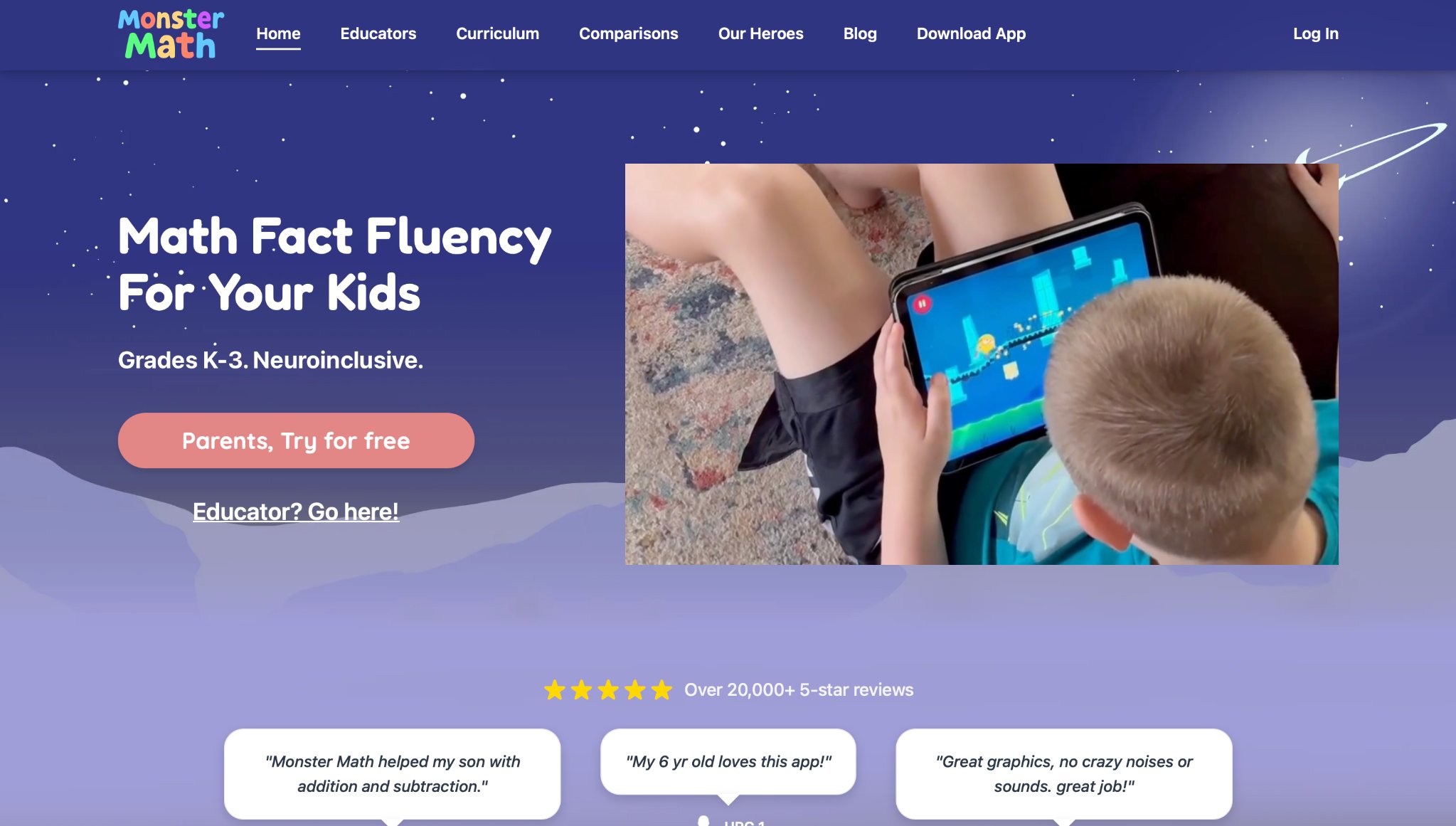
Monster Math turns arithmetic practice into an exciting story-driven adventure where seven-year-olds defeat quirky monsters by answering math problems correctly. The game adapts dynamically to each child’s skill level across addition, subtraction, multiplication, and division, keeping challenges appropriately matched as abilities grow. This narrative approach makes repetitive drill work feel like an epic journey through colorful worlds, resulting in higher engagement and better retention of math facts.
Parents frequently notice improved speed and confidence after regular play sessions. Developed in India, the app features inclusive design that accommodates diverse learning styles and provides helpful report cards for tracking progress. Seven-year-olds advance through increasingly complex levels while enjoying monster battles that reward both accuracy and quick thinking. The storytelling element adds emotional investment, transforming what could be tedious practice into a motivating experience that children actively choose. Monster Math excels at gamifying essential K-5 math skills in ways that feel rewarding rather than repetitive.
- Key features: Adaptive questions, monster battles, report cards.
- Facts and information: Focuses on K-5 math, inclusive design, improves speed.
21. Bedtime Math
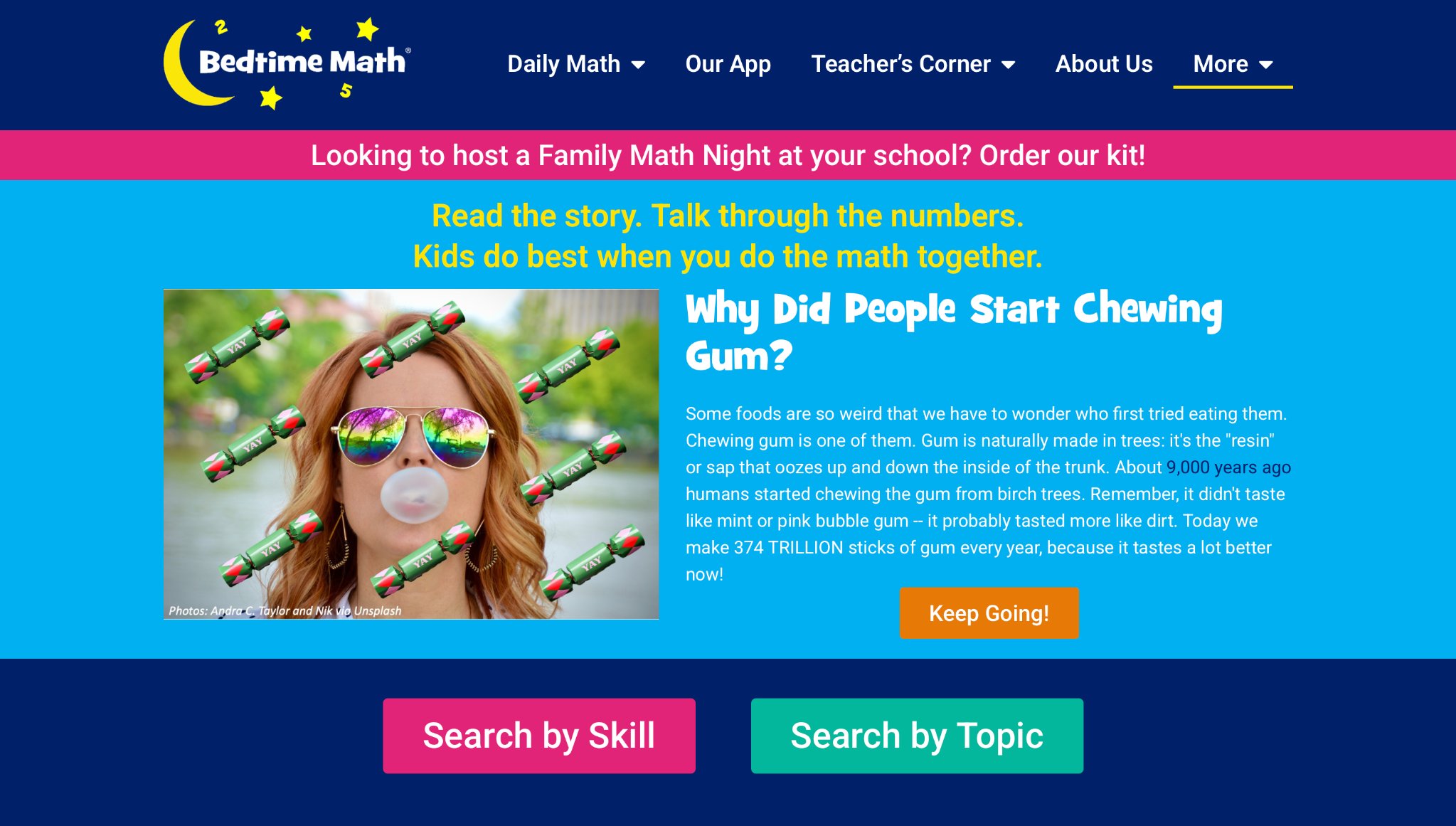
Bedtime Math transforms ordinary evening routines into meaningful family math moments with short, story-based problems designed for seven-year-olds and their caregivers. Each daily challenge offers multiple difficulty levels so everyone from beginners to more advanced thinkers can participate in lively discussions about topics ranging from animals to space exploration. This low-pressure format helps reduce math anxiety while strengthening reasoning skills and family bonds through collaborative problem-solving. Research has shown measurable improvements in children’s math attitudes and performance after consistent use.
Based in the United States, the program emphasizes building positive habits around learning by integrating it naturally into bedtime rituals. Parents receive notifications and new content daily, making it easy to maintain the routine. Seven-year-olds enjoy tackling riddles together with adults, developing logical thinking while sharing laughs and discoveries. The approach stands out for its gentle, relationship-focused method that makes mathematics feel approachable, enjoyable, and deeply connected to everyday family life.
- Key features: Daily challenges, multi-level questions, app notifications.
- Facts and information: Research-backed, reduces math anxiety, family-oriented.
22. Adventure Academy
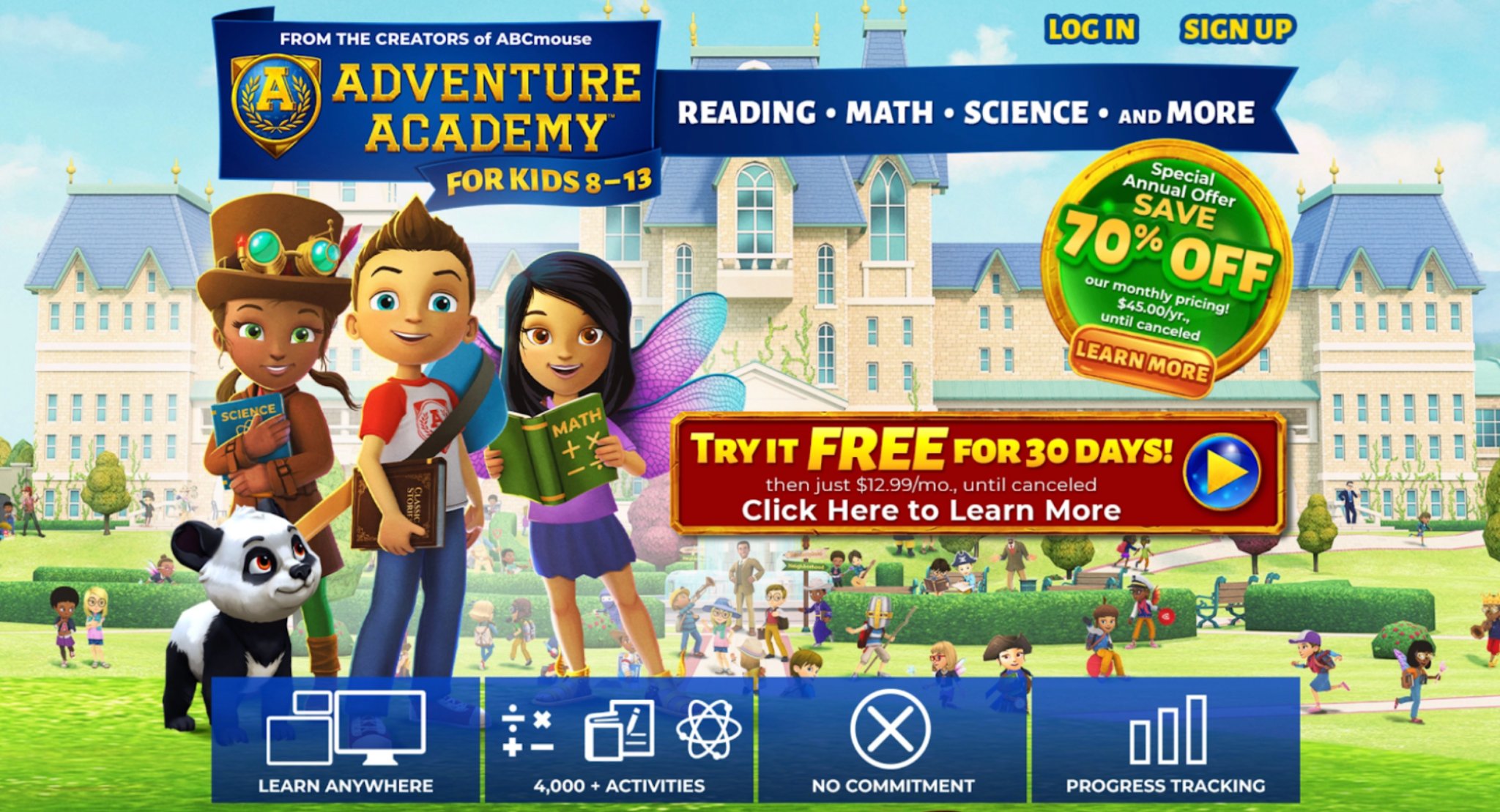
Adventure Academy, by Age of Learning, immerses seven year olds in a virtual open world where they create custom avatars and complete quests across math, reading, science, social studies, and creative subjects. The platform features thousands of interactive games, books, videos, and challenges set in an expansive academy environment that supports multiplayer collaboration. Children progress through curriculum-aligned missions while exploring themed zones and unlocking new content through skill mastery. Based in Glendale, California, Adventure Academy blends game mechanics with structured learning objectives to help young learners build foundational knowledge. Seven year olds navigate adventures that reinforce concepts like problem-solving and comprehension in engaging storylines.
- Key features: Avatar customization, quest-based missions, multiplayer educational environment, thousands of cross-subject activities.
- Facts and information: Designed for elementary-aged students with overlap for advanced seven year olds, integrates game-based learning with school standards, part of a larger educational ecosystem.
23. HOMER
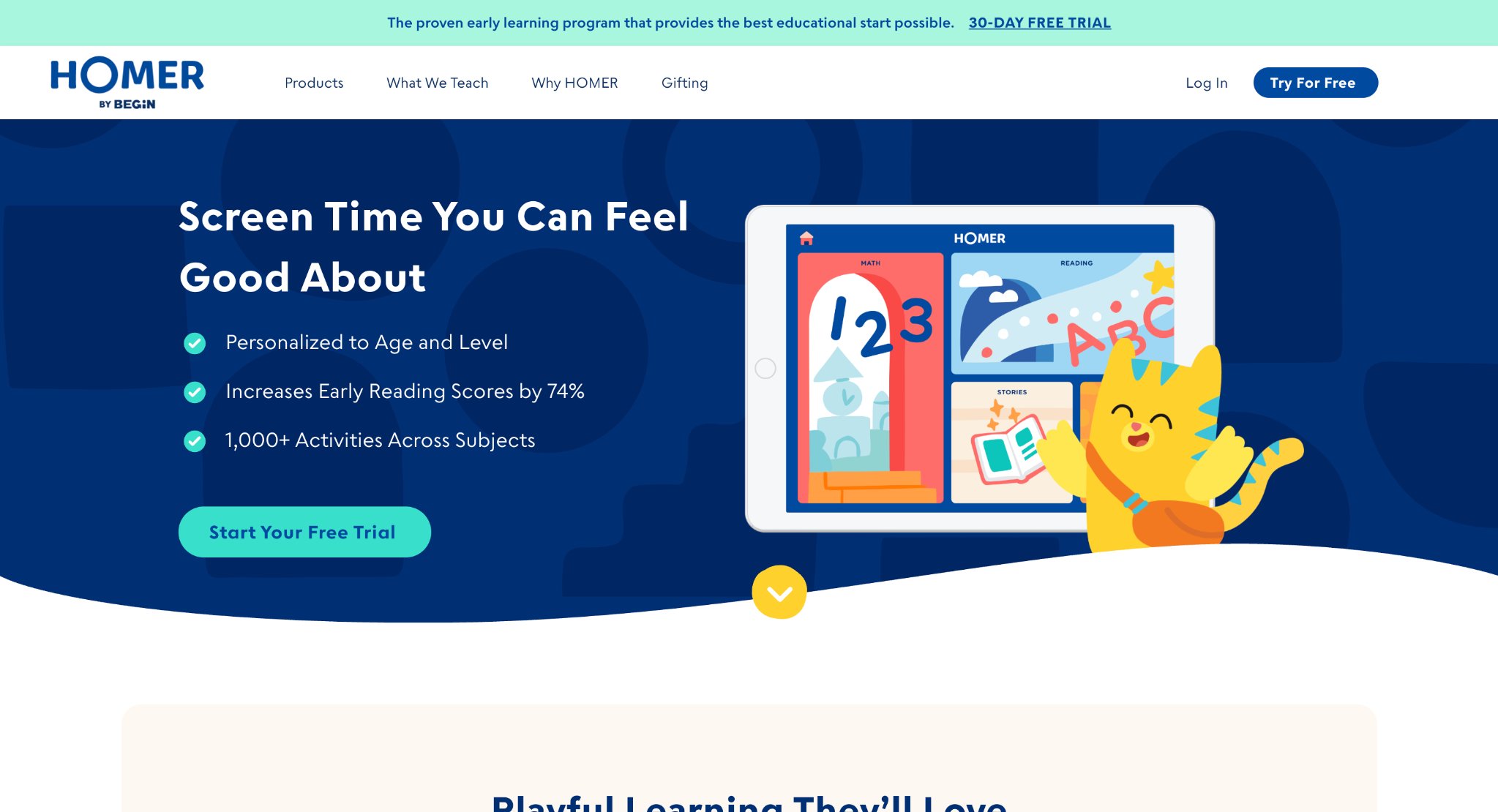
HOMER, by Begin Learning, delivers a personalized early learning program tailored for seven year olds that integrates reading, math, creativity, and social-emotional development through interactive activities, stories, and games. The app adapts content dynamically based on each child’s age, interests, and performance across more than 1,000 lessons that include phonics practice, sight word recognition, early arithmetic, and creative drawing tools. Children follow guided pathways while exploring characters and scenarios that make daily sessions feel like play. Based in New York, New York, HOMER combines research-backed curriculum with flexible exploration options to support school readiness and lifelong learning habits. Seven year olds build vocabulary, number sense, and emotional awareness through self-paced experiences that encourage independence and curiosity.
- Key features: Adaptive personalization engine, interactive stories and drawing tools, multi-subject pathways covering literacy and numeracy.
- Facts and information: Covers ages 2-8 with proven impact on early reading development, includes over 1,000 activities, developed by an early learning company backed by education leaders.
24. Tynker
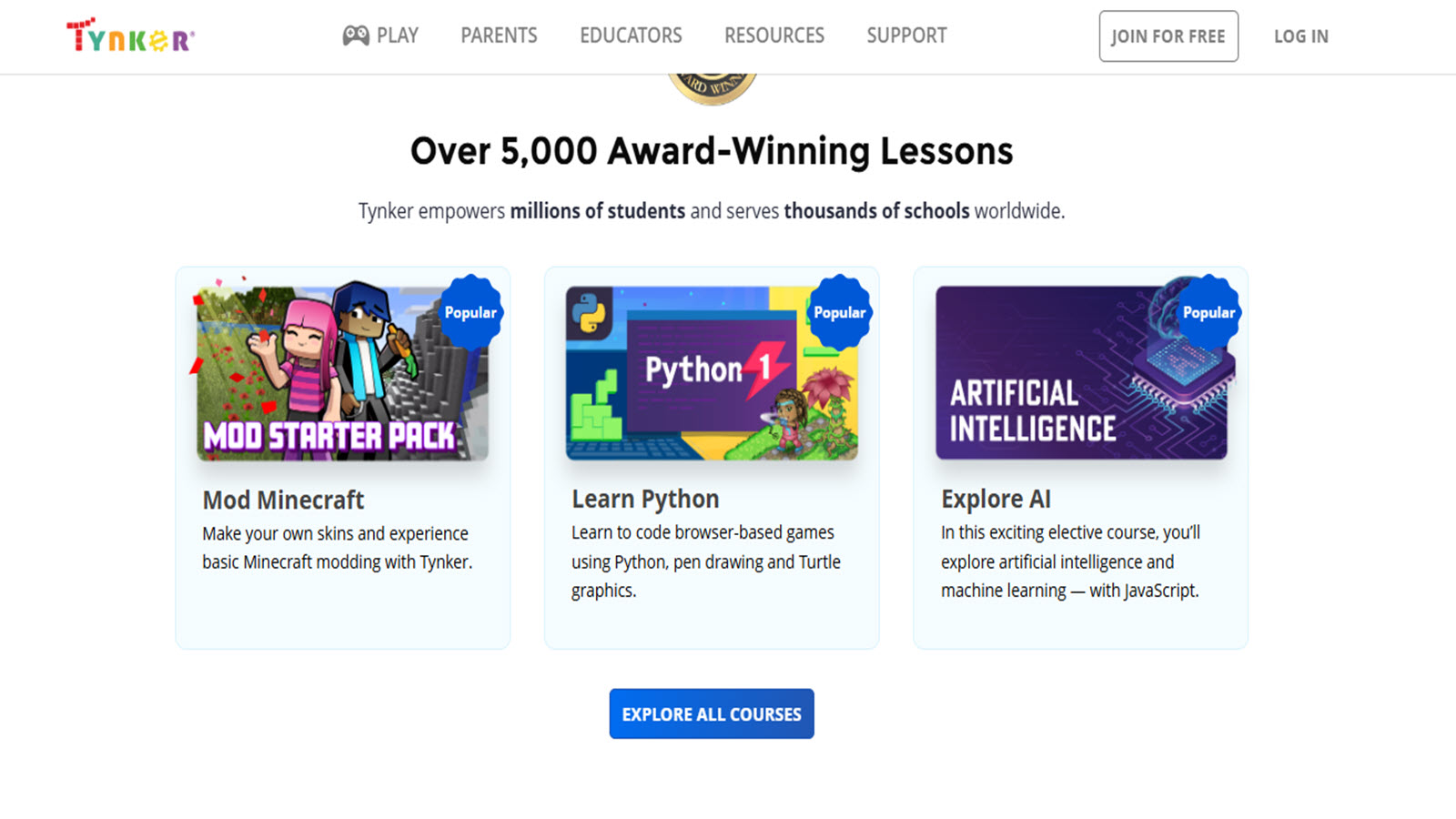
Tynker, by Tynker, introduces seven year olds to coding and computational thinking through thousands of interactive lessons, games, and project-based activities. Children use block-based programming to create animations, games, and stories before advancing to text-based languages like Python and JavaScript. The platform includes themed modules on game design, robotics, and web development with built-in tutorials and a supportive community for sharing creations. Based in Chicago, Illinois, Tynker serves millions of students and thousands of schools with a curriculum that builds logical reasoning step by step. Seven year olds design their own projects while mastering concepts like loops, conditionals, and variables in an engaging, self-paced format.
- Key features: Block-to-text progression, 5,000+ lessons and projects, modding tools for Minecraft and other games, parent dashboard.
- Facts and information: Reached over 100 million students globally, used in 150,000+ schools, founded in 2012 with a focus on K-12 computer science education.
25. codeSpark Academy
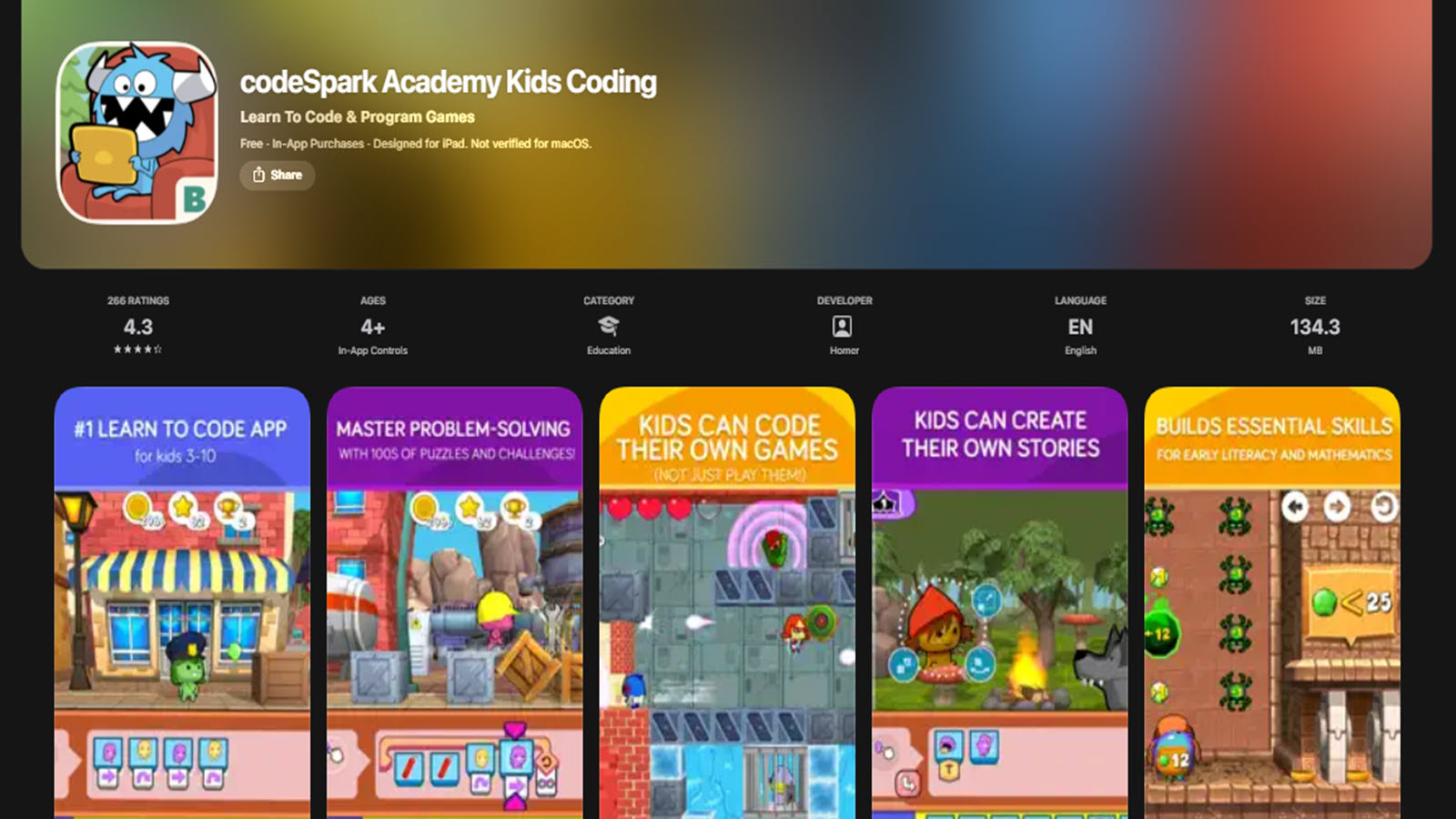
codeSpark Academy, by codeSpark, teaches seven year olds foundational coding skills through word-free puzzle games and creative tools that let kids build their own games and interactive stories. The platform features hundreds of progressive challenges with characters called the Foos guiding learners through sequencing, loops, conditionals, and problem-solving. Daily personalized activities adjust to skill level while encouraging experimentation and creativity. Based in California, codeSpark Academy emphasizes research-informed design developed in collaboration with experts from MIT, Princeton, and Carnegie Mellon. Seven year olds solve puzzles and create original content in themed worlds, developing computational thinking that transfers to real-world applications.
- Key features: Drag-and-drop word-free interface, hundreds of puzzles and create modes, personalized daily challenges, new content added regularly.
- Facts and information: Designed for ages 3-10, curriculum aligned with educational standards, adopted in thousands of classrooms worldwide.
26. Reading Eggs
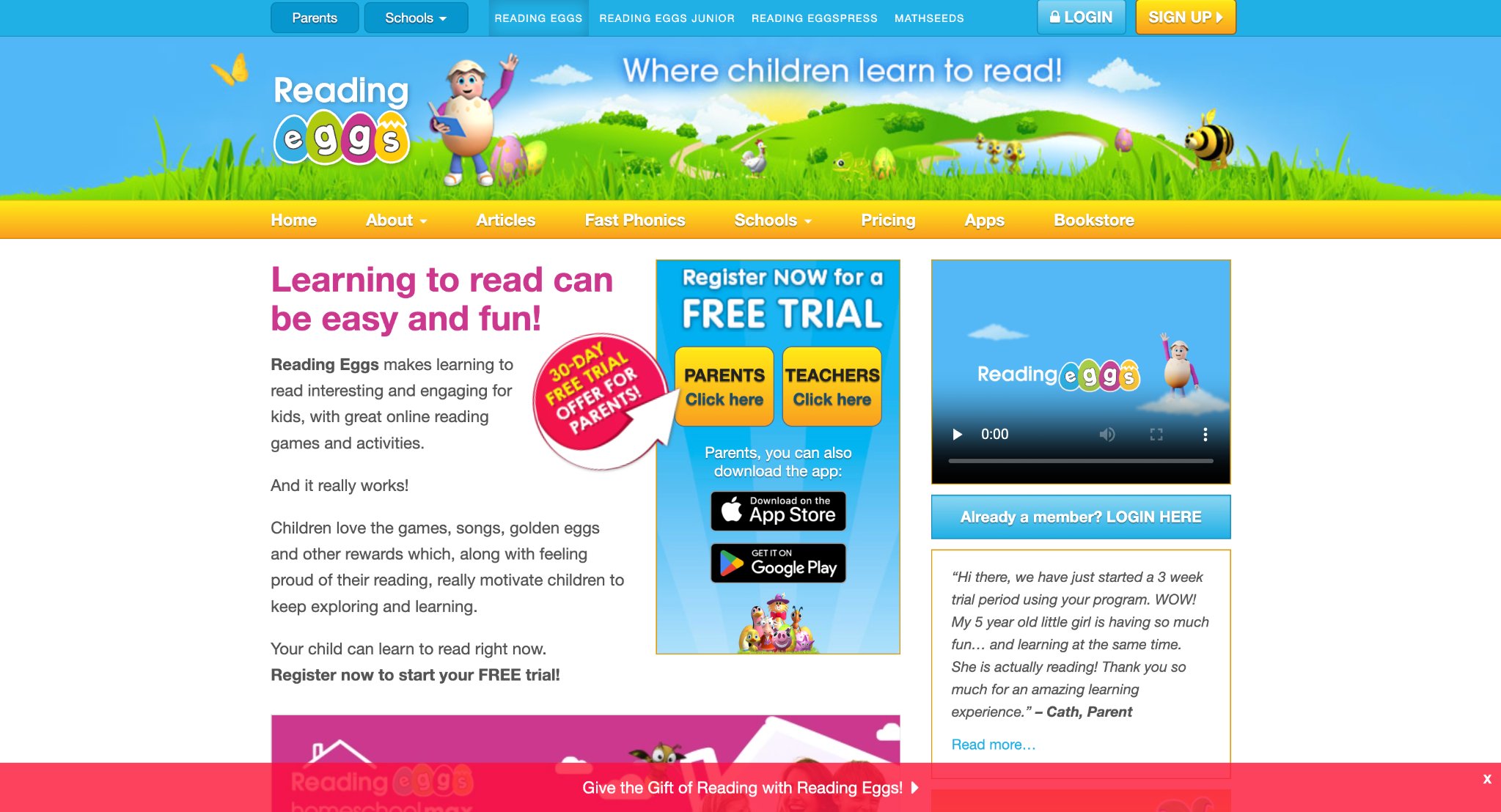
Reading Eggs, by 3P Learning, supports seven year olds with a structured digital literacy program that combines phonics, sight words, vocabulary, and comprehension through interactive games, stories, and lessons. Children progress through adaptive pathways across multiple levels that include animated activities, reading challenges, and skill-building exercises. The platform offers dedicated modules for different age groups with seamless integration of math concepts through its companion Mathseeds program. Seven year olds engage with colorful characters and motivating rewards as they build reading fluency and confidence in a self-paced environment. Based in Leichhardt, New South Wales, Australia with strong availability across the United States, Reading Eggs has reached millions of children worldwide since its launch in 2008.
- Key features: Phonics-based progression, interactive storybooks and games, adaptive lesson paths, companion math integration.
- Facts and information: Used by over 10 million children in 169 countries, developed with literacy experts, aligns with common educational standards.
27. Kodable
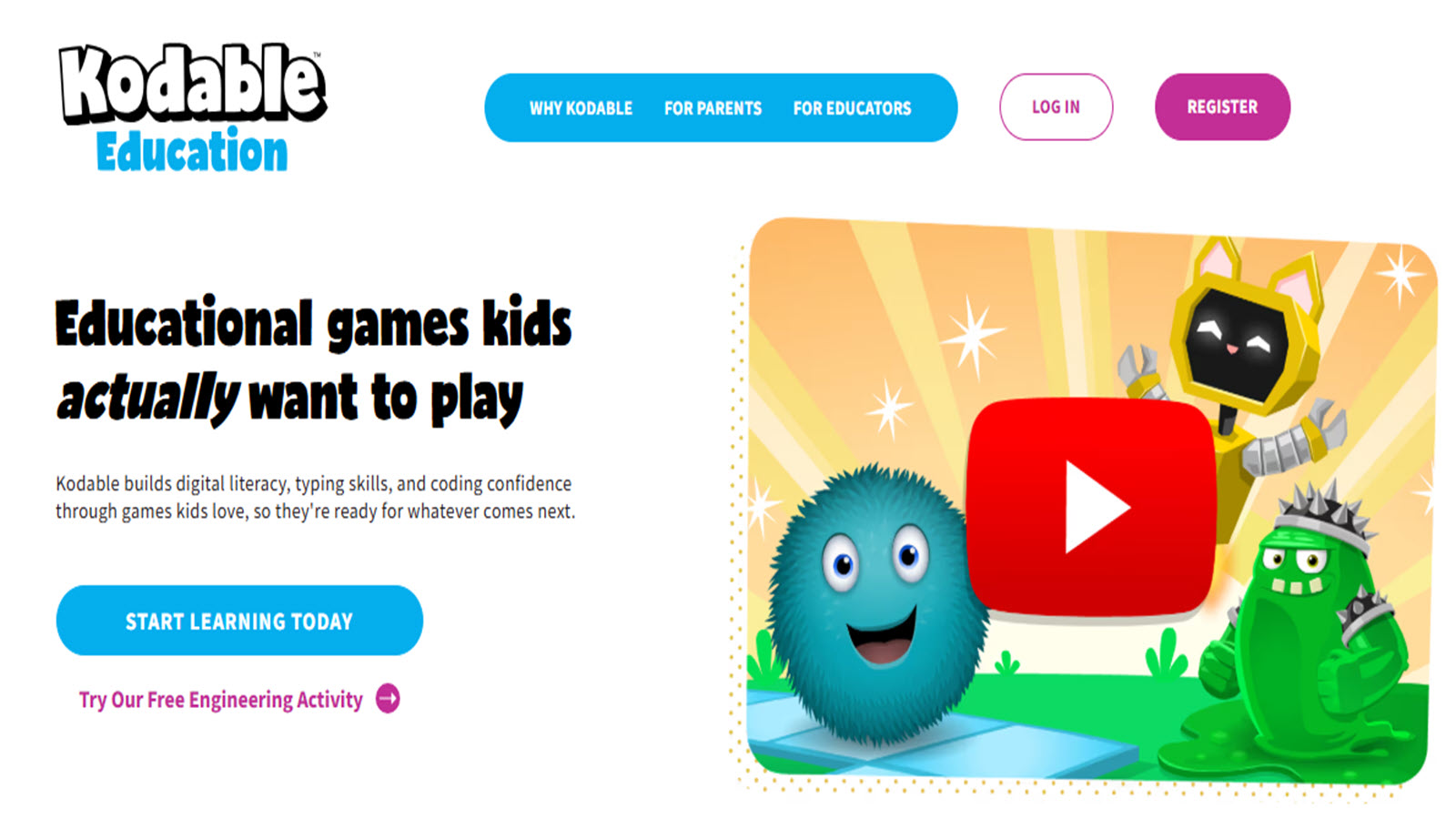
Kodable, by Kodable, introduces seven year olds to programming fundamentals through a colorful, story-driven platform where kids guide fuzzy characters called Fuzzes across planets using drag-and-drop commands. The curriculum progresses from basic sequencing and loops to more advanced concepts like conditionals and functions, all within engaging maze-like levels and creative projects. Children build their own games and share them in a safe community environment while developing logical thinking and problem-solving abilities. Based in the United States, Kodable offers both home and school versions with teacher resources that align with computer science standards. Seven year olds enjoy customizing characters and tackling increasingly complex challenges that feel like an adventure rather than lessons, fostering persistence and computational thinking in a playful way.
- Key features: Drag-and-drop visual coding, progressive lesson pathways, game creation tools, classroom integration options.
- Facts and information: Designed for ages 4-10 with a full K-12 pathway, used in thousands of schools worldwide, focuses on core programming concepts through storytelling.
28. DragonBox Numbers
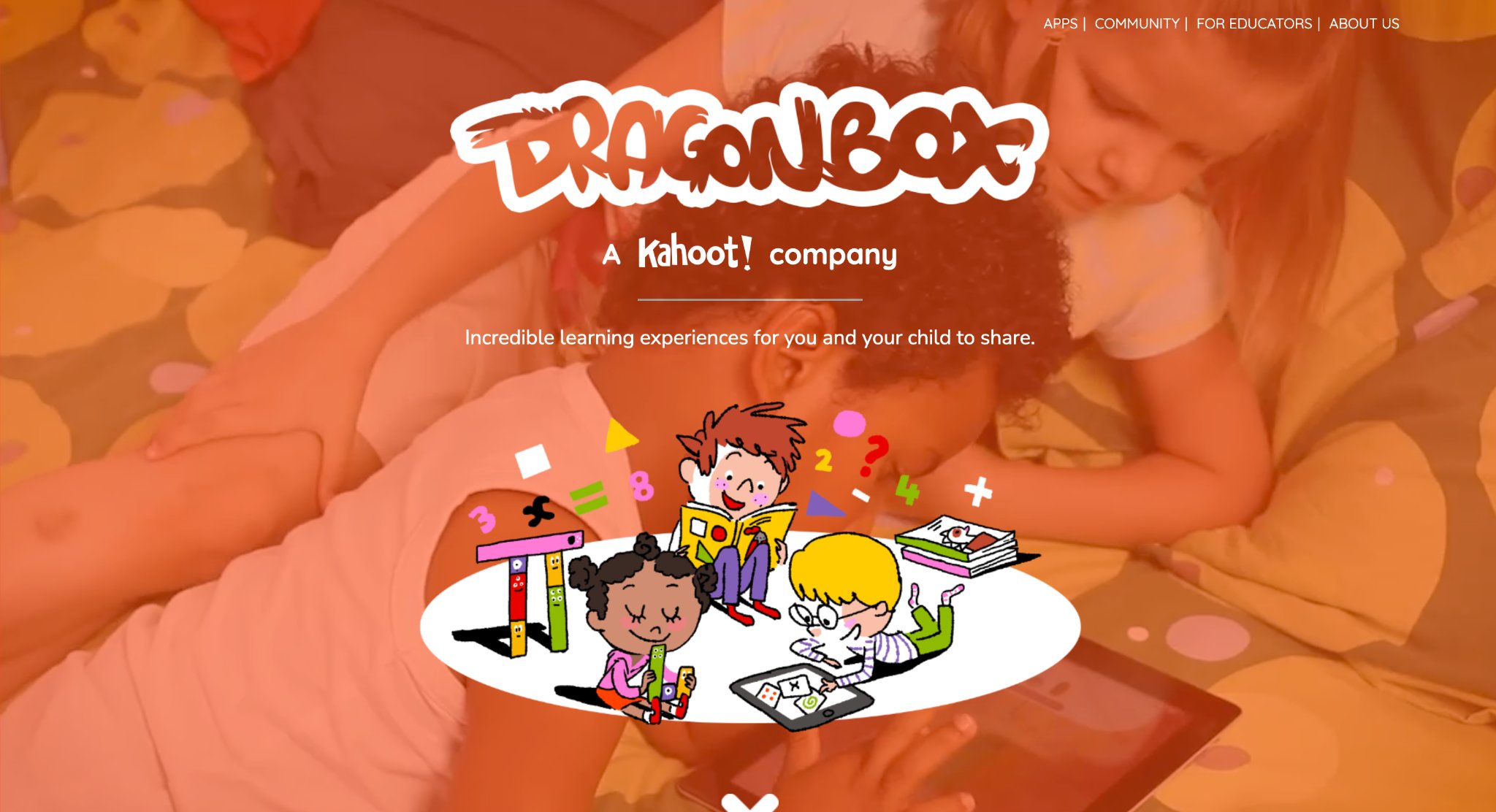
DragonBox Numbers, by WeWantToKnow, turns abstract math concepts into intuitive visual puzzles for seven year olds using a unique no-words approach where numbers are represented as colorful creatures and cards. Children explore addition, subtraction, multiplication, and fractions by combining and transforming elements on screen, discovering algebraic thinking through gameplay. The app includes multiple chapters with progressive challenges that build deep number sense and problem-solving strategies. Based in Norway with strong presence in the US market, DragonBox Numbers encourages exploration and creativity rather than rote memorization. Seven year olds manipulate virtual objects to solve mysteries, gaining confidence in mathematical reasoning while enjoying the satisfying feedback of visual transformations.
- Key features: Visual algebraic representation, progressive puzzle chapters, no-text intuitive interface, multiple difficulty paths.
- Facts and information: Part of the award-winning DragonBox series, aligns with early math standards, promotes discovery-based learning for foundational arithmetic and algebra concepts.
29. Teach Your Monster to Read
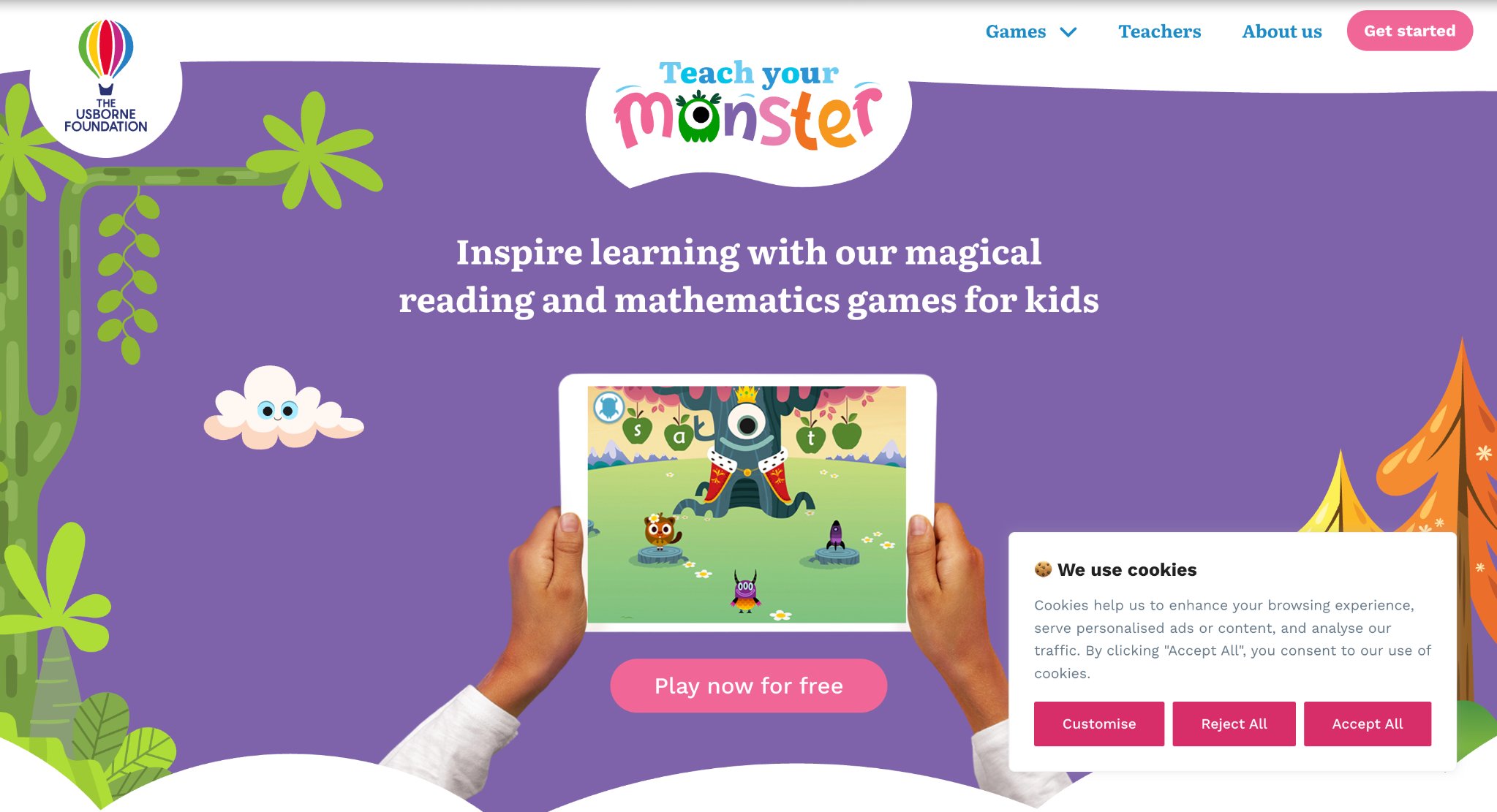
Teach Your Monster to Read, by Teach Your Monster, guides seven year olds through a comprehensive phonics-based reading program featuring a customizable monster friend on an epic journey. The game covers letter sounds, blending, tricky words, and reading comprehension through mini-games, stories, and activities set in a vibrant world. Children progress at their own pace with systematic synthetic phonics that builds strong literacy foundations. Based in the United Kingdom with wide US availability, the program includes progress tracking and rewards that keep motivation high. Seven year olds help their monster overcome obstacles by mastering reading skills, turning practice into an engaging narrative adventure that supports school readiness and independent reading confidence.
- Key features: Systematic synthetic phonics curriculum, customizable monster character, story-driven mini-games, comprehension activities.
- Facts and information: Developed with literacy experts and used by millions of children, aligns with UK and US reading standards, proven to accelerate early reading progress.
30. IXL
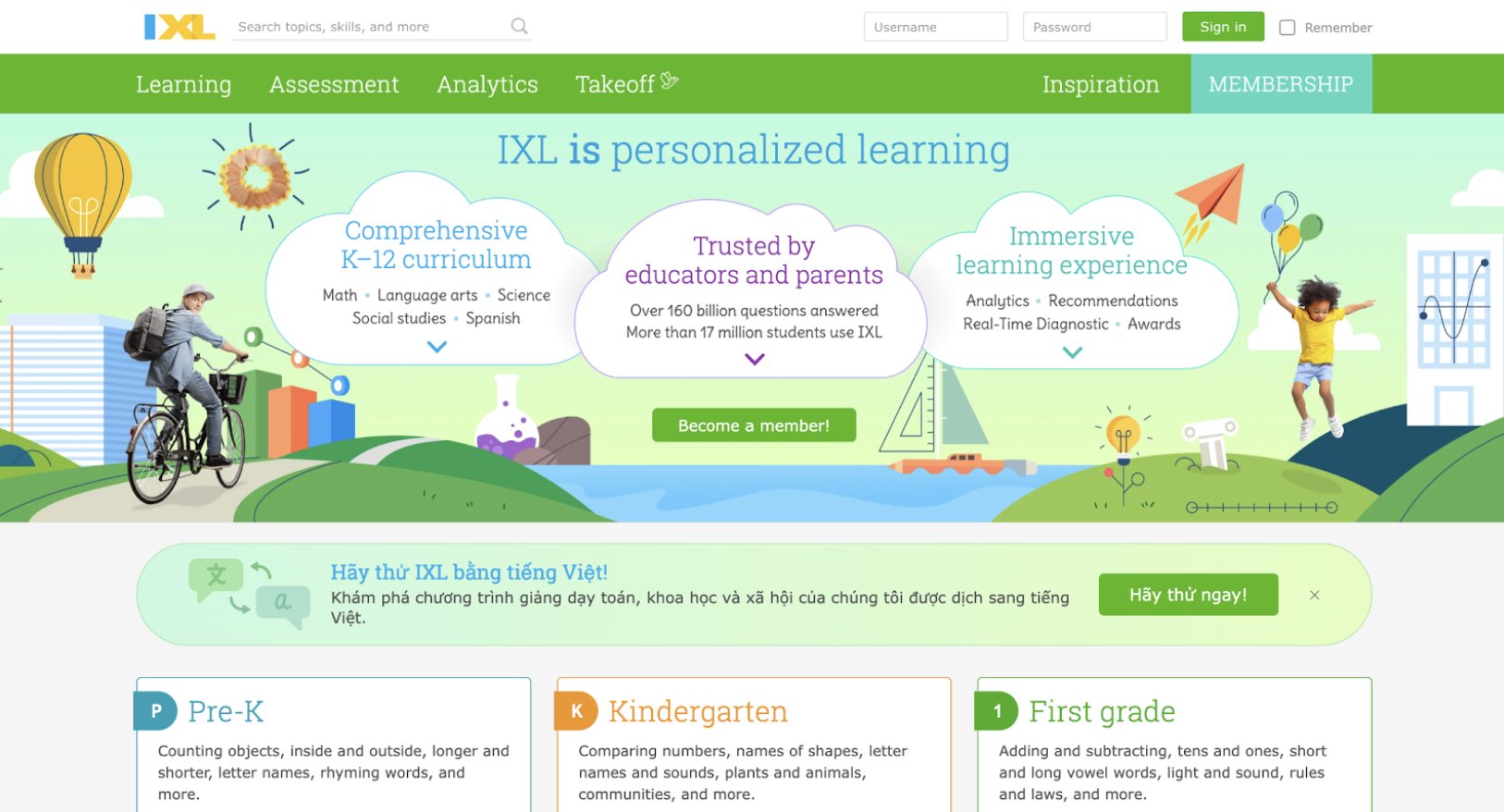
IXL, by IXL Learning, provides seven year olds with personalized practice across math and language arts through thousands of interactive questions that adapt in real-time to skill level. The platform covers topics from basic arithmetic and geometry to grammar, vocabulary, and reading comprehension with immediate feedback and explanations. Detailed analytics help track strengths and areas for growth. Based in San Mateo, California, IXL offers a comprehensive K-12 curriculum used in many homes and schools. Seven year olds engage with skill-specific challenges that feel rewarding as they earn stars and unlock new content, building mastery through consistent, targeted practice in core subjects.
- Key features: Adaptive question engine, real-time feedback, comprehensive skill coverage, detailed progress reports.
- Facts and information: Includes over 10,000 skills aligned to state and Common Core standards, used by millions of students, supports both math and ELA for elementary learners.
31. BrainPOP Jr.
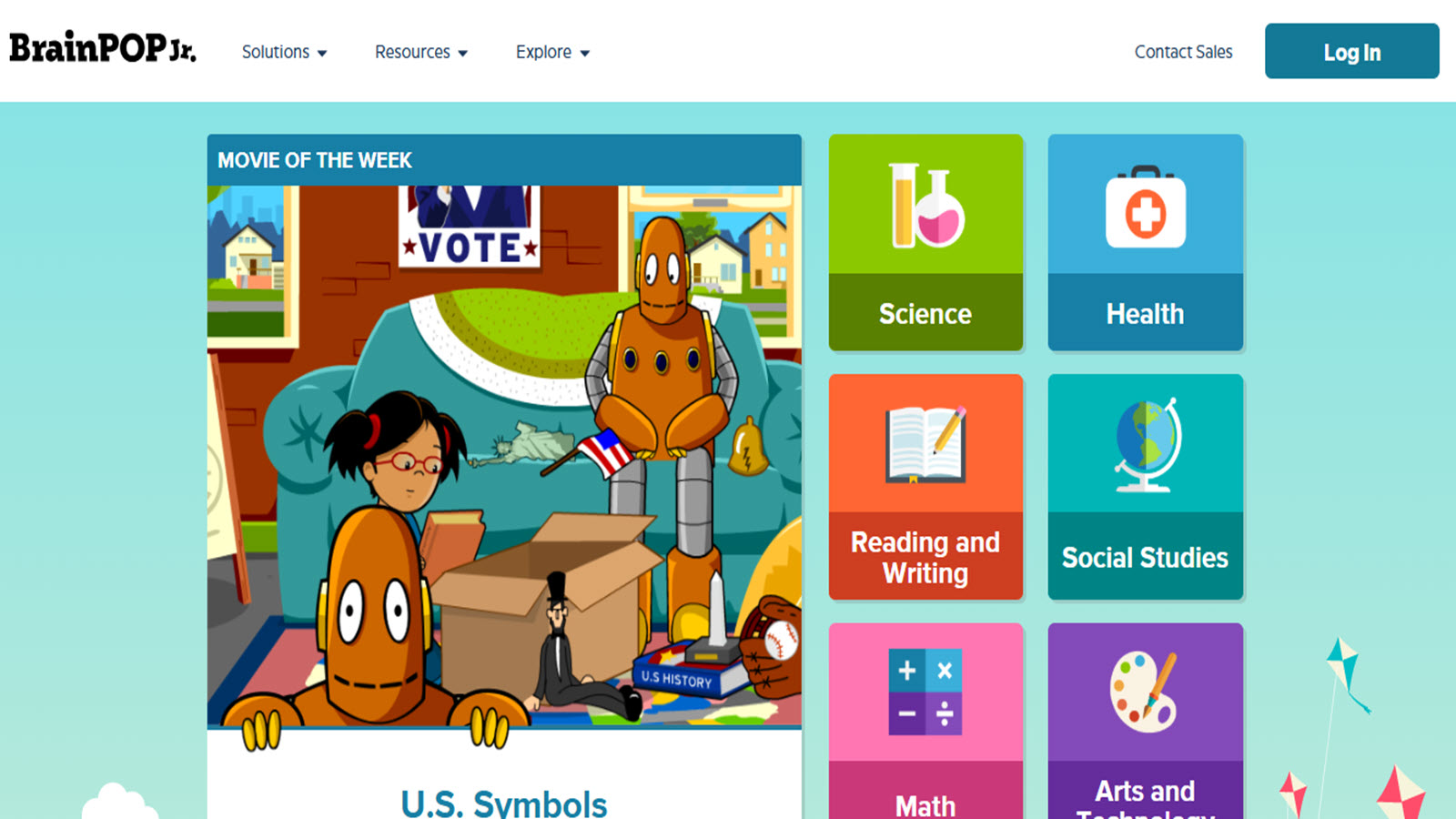
BrainPOP Jr., developed by BrainPOP, delivers animated educational videos, interactive activities, and quizzes tailored for young learners in grades K-3, making it highly suitable for seven-year-olds exploring a wide range of subjects including science, social studies, math, reading, and health. The platform features relatable characters like Annie and Moby who guide kids through topics with humor and clear explanations, encouraging critical thinking and curiosity. Its structured yet engaging format helps children make connections across subjects while building foundational knowledge that supports school learning. Based in the United States, it emphasizes active learning over passive consumption, with features that promote independent exploration and question-asking. Seven-year-olds enjoy the mix of movies, games, and follow-up exercises that reinforce concepts in memorable ways, turning complex ideas into accessible adventures. The content's research-backed design supports holistic development, fostering both academic skills and a love for discovery in short, focused sessions.
- Key features: Animated movies with quizzes and activities, character-guided lessons across multiple subjects, progress tracking tools.
- Facts and information: Designed for K-3 learners with standards alignment, thousands of families and classrooms use it for enriched screen time, supports critical thinking development.
32. Endless Alphabet
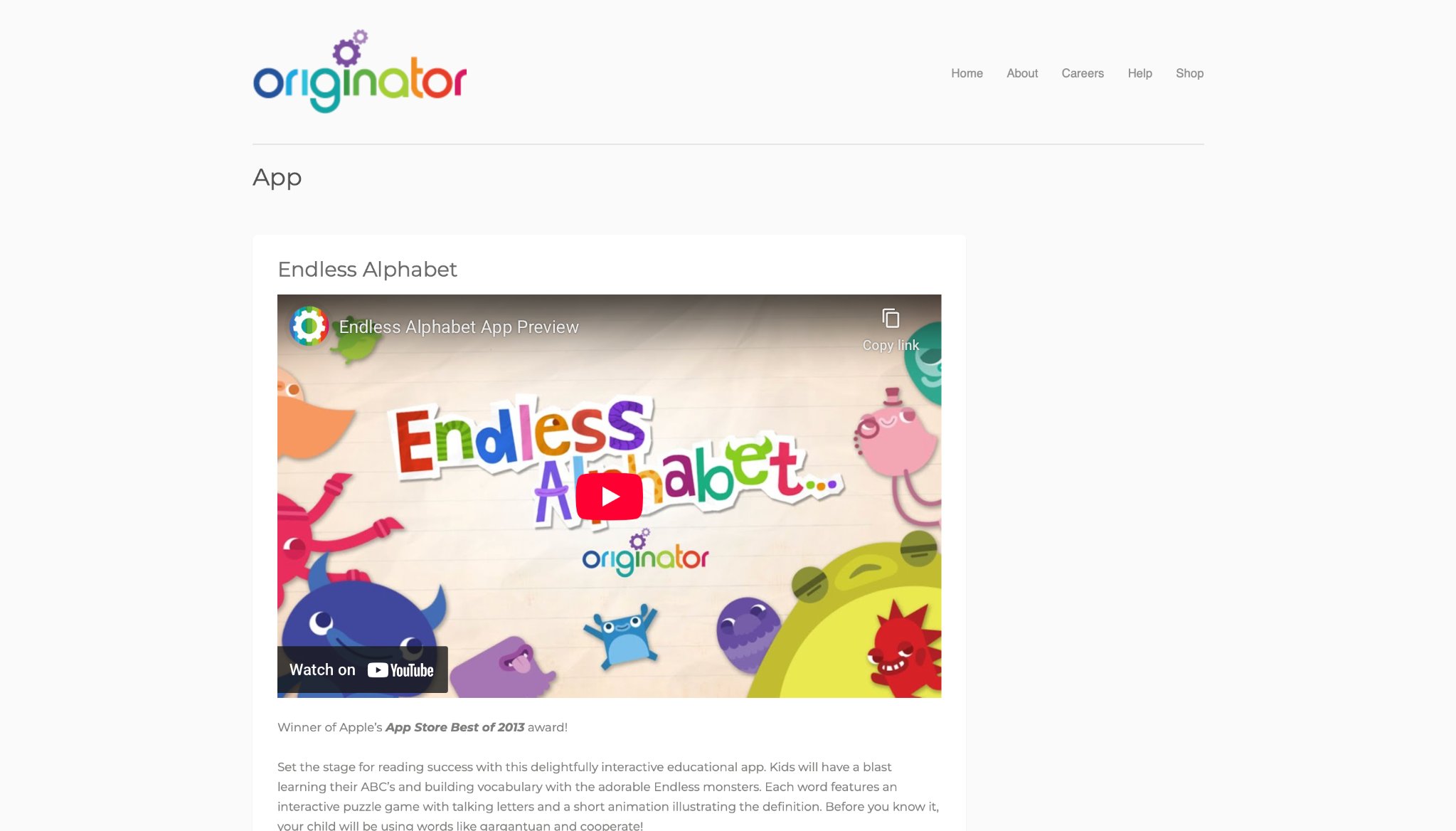
Endless Alphabet, by Originator, offers a delightful interactive experience where seven-year-olds explore vocabulary through playful spelling puzzles featuring quirky monster letters and charming animations. Children drag stylized letters into place, hearing phonetic sounds as they build words, followed by fun animations that illustrate meanings in an engaging, memorable manner. This hands-on approach strengthens letter recognition, phonics, and word comprehension while nurturing creativity and fine motor skills. The app's open-ended design allows kids to work at their own pace without pressure, making it ideal for building early literacy confidence. Based in the United States, it stands out for its high-quality artwork and sound effects that captivate young minds. Seven-year-olds benefit from exposure to rich vocabulary beyond basic terms, enhancing language development through exploration and repetition disguised as entertainment.
- Key features: Interactive letter dragging with phonetic feedback, animated word demonstrations, extensive vocabulary collection.
- Facts and information: Focuses on preschool to early elementary literacy, features unique monster characters for each letter, supports independent learning with visual and auditory reinforcement.
33. Hopscotch
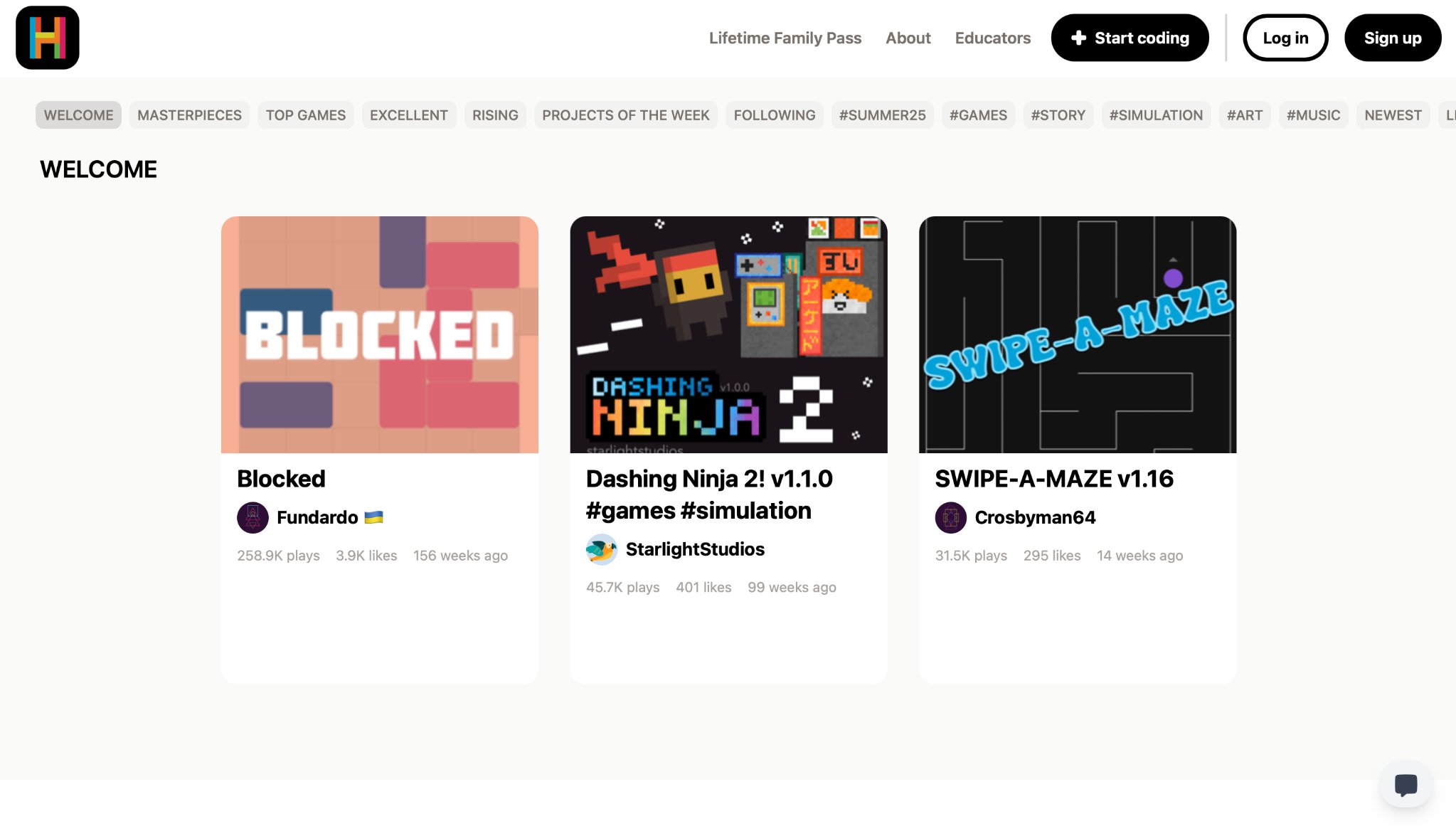
Hopscotch, from Hopscotch Technologies, empowers seven-year-olds to dive into coding by creating their own games, animations, and interactive stories using a simple drag-and-drop interface. Kids experiment with commands to control characters, build logic sequences, and share creations with a supportive community, developing computational thinking in a creative environment. The platform's project-based learning encourages experimentation and iteration, helping young creators understand concepts like loops and conditionals through immediate visual results. Based in the United States, it has inspired millions of projects worldwide by making programming feel like imaginative play. Seven-year-olds gain confidence as they see their ideas come to life, fostering problem-solving and digital literacy skills that extend beyond the app. Its community features promote collaboration and inspiration from peers.
- Key features: Drag-and-drop coding blocks, project sharing and remixing, character customization for games and art.
- Facts and information: Over 24 million downloads with millions of user-created projects, used in educational settings to introduce programming fundamentals.
34. ABCya
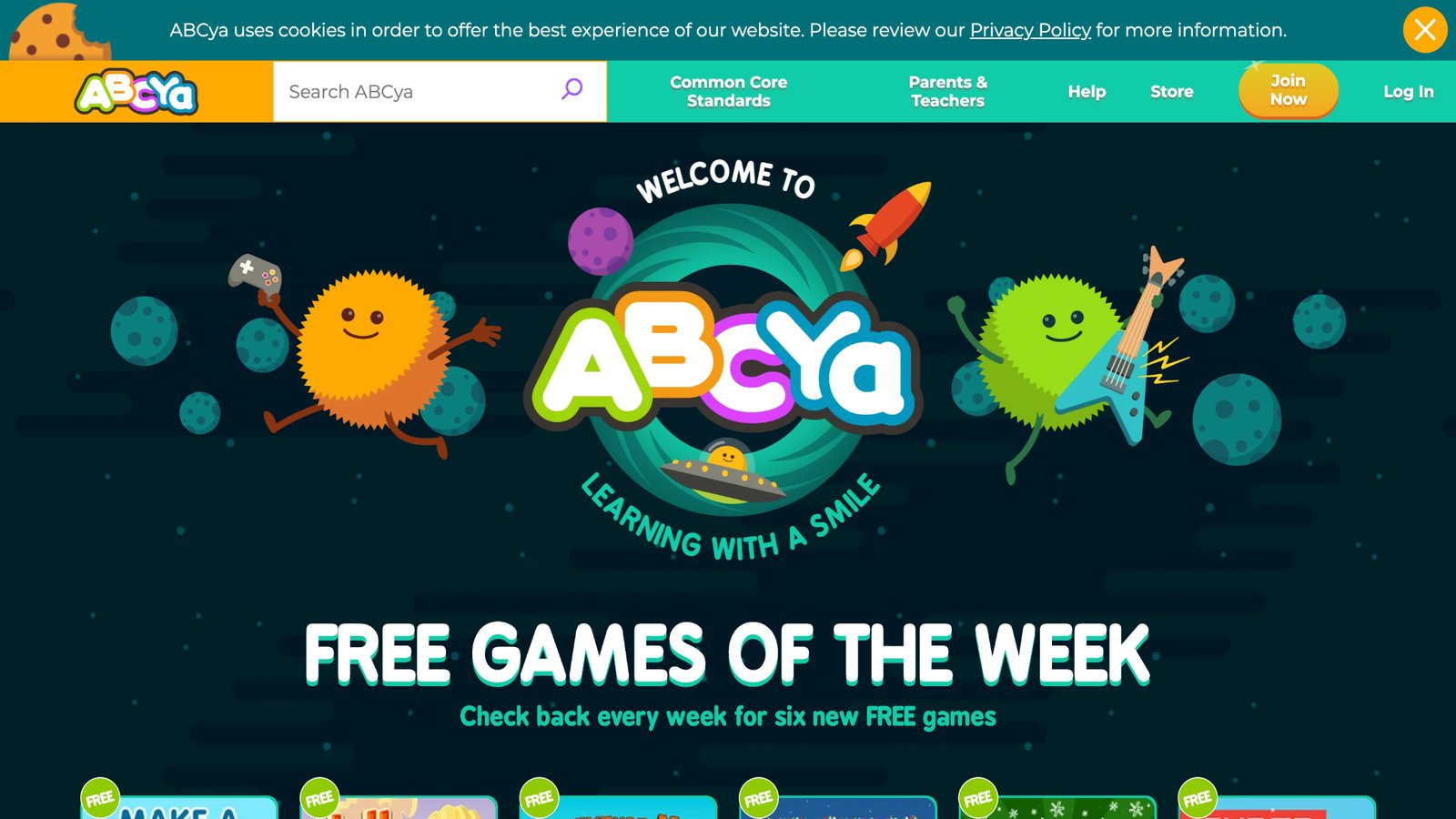
ABCya provides a vast collection of educational games and activities for pre-K through grade 6, covering math, reading, typing, logic, and more in a colorful, ad-light format that appeals to seven-year-olds. The platform organizes content by grade and skill level, allowing kids to practice concepts through engaging mini-games like puzzles, matching, and strategy challenges. Its teacher-created design ensures alignment with learning standards while keeping sessions fun and varied. Based in the United States, ABCya has become a go-to resource for millions of families and schools seeking supplemental practice. Seven-year-olds explore topics at their pace, building fluency in core subjects through repetition and rewards that maintain motivation. Fresh content additions keep the experience dynamic.
- Key features: Hundreds of skill-based games, grade-level organization, regular new content updates.
- Facts and information: Used by millions monthly with billions of games played annually, focuses on core academic skills through interactive play.
35. Lingokids
Lingokids offers a comprehensive Playlearning™ approach with games, videos, songs, and activities designed for children ages 2-8, supporting seven-year-olds in building English language skills alongside math, science, and social-emotional concepts. The ad-free platform features expert-designed lessons with familiar characters and interactive elements that make learning feel natural and enjoyable. Kids progress through personalized paths that adapt to their interests and abilities. Based in Spain with strong U.S. availability, it emphasizes holistic development through fun, curriculum-aligned content. Seven-year-olds engage with stories, puzzles, and creative tasks that enhance vocabulary, comprehension, and everyday skills in a safe environment.
- Key features: Interactive games and stories, multi-subject curriculum, progress personalization.
- Facts and information: Reaches millions of families worldwide, kidSAFE certified with over 650 learning goals, developed with input from parents and educators.
Benefits of Mixing Digital and Hands-On Games
Combining apps with board games adds variety to a child's routine. Digital games provide instant feedback, while physical ones build fine motor skills. This mix helps with balance, reducing screen fatigue. Kids often show more enthusiasm when switching between types. Many experts agree that diverse activities support overall development, from cognitive to social areas.
How to Pick Games That Fit Your Child's Interests
Look at what excites your seven year old, like animals or space, and match games to those themes. Check for age ratings and parent reviews for suitability. Test short trials to see engagement. This approach ensures play aligns with their personality, leading to better outcomes. If you're ready for a collection that covers many interests, our educational kid games offer flexible access.
Skill Areas and Benefits:
- Math: Puzzles and quizzes improve number sense and logic.
- Reading: Stories and word games build vocabulary and comprehension.
- Science: Explorations and experiments spark curiosity about nature.
- Creativity: Art and design challenges encourage expression and innovation.
- Emotional: Role-play scenarios develop empathy and self-awareness.
Critical Thinking Educational Games for 7 Year Olds in 2026
Educational games play an essential part in fostering critical thinking among 7 year olds by presenting scenarios that require analysis and strategic planning. Insights from the TutoClub blog highlight various approaches parents use to integrate these activities seamlessly into daily schedules.
These games often feature logic puzzles and decision trees where children weigh consequences before choosing paths, which strengthens reasoning abilities over repeated play sessions. The TutoClub games collection aligns well with this developmental stage through layered challenges that grow in complexity without overwhelming young players. Families who prioritize consistent cognitive support rely on the TutoClub subscription because it maintains fresh content tailored to evolving skill levels.
Literacy Building Educational Games for 7 Year Olds
Literacy building educational games support 7 year olds by embedding phonics practice, vocabulary expansion, and comprehension tasks within engaging story frameworks that feel like natural play rather than drills. The best apps for kids learning outlines patterns where narrative-driven activities lead to measurable gains in reading confidence during this key transition year.
Many options incorporate sequencing exercises that connect words to visual elements, helping children construct meaning independently. Educational websites for kids frequently showcase similar formats that reinforce school-aligned literacy goals through interactive repetition and immediate feedback loops.
Screen Time Balance and Responsible Gaming for 7 Year Olds
Striking the right balance prevents overuse while harnessing educational value. Aim for no more than 1–2 hours of recreational screen time daily for this age group, prioritizing quality over quantity. Use the 20-20-20 rule: every 20 minutes, take a 20-second break and look 20 feet away.
Establish family rules like no screens during meals, an hour before bedtime, or until homework and chores are complete. Encourage responsibility games that teach accountability, such as managing virtual resources or completing in-game tasks to “unlock” rewards - these naturally build habits like delayed gratification and duty.
Integrate social emotional games to develop empathy and self-regulation alongside tech use. Alternate digital sessions with physical activity, outdoor play, or board games. Model healthy habits yourself and use parental controls for safe, monitored experiences. This creates sustainable routines that support both learning and overall well-being.
Latest News In 2026
In 2026 educational games for 7 year olds have advanced with greater emphasis on voice-guided storytelling that adapts vocabulary difficulty in real time based on spoken responses, creating more inclusive experiences for diverse learners. The free online games for kids recommendations reflect these shifts by featuring platforms with enhanced accessibility tools such as customizable text sizes and audio support. Collaborative modes now allow safe remote play between family members on separate devices, extending social learning beyond single-player formats. The TutoClub subscription incorporates these 2026 updates automatically, ensuring users receive the latest refinements without manual intervention.
Educational games for 7 year olds continue to evolve rapidly in 2026 with exciting new features that enhance learning. Voice-activated learning now responds to natural child speech with highly accurate feedback, creating real conversations that adapt to each child’s pace and interests.
Multiplayer fun educational games allow siblings or friends to join the same adventure from different devices, promoting teamwork and social interaction while learning. Platforms regularly update content based on the latest child development research, keeping experiences fresh and effective.
Augmented reality features in educational games for 7 year olds blend digital play with physical activities in simple, engaging ways, such as scanning real objects to unlock lessons. These advancements make learning feel more immersive, connected, and relevant to today’s families.
FAQ
What Makes Educational Games Effective for 7 Year Olds?
Educational games shine when they align with a child's natural curiosity, turning everyday challenges into playful moments that build lasting skills. They often include elements like rewards and levels to keep motivation high without pressure. When games incorporate real-world themes, kids connect lessons to their lives, making concepts stick better.
How Can Parents Ensure Safe Screen Time with These Games?
Parents set the tone by choosing games with built-in timers or breaks to promote healthy habits. Watching for signs of fatigue helps adjust playtime accordingly. Integrating safety features can guide choices toward secure options.
Are There Games That Support Multiple Subjects for Seven Year Olds?
Many games weave together subjects like math and art, showing how skills overlap in fun ways. This approach helps kids grasp broader ideas, such as using logic in creative tasks. Options with customizable paths let children focus on areas they enjoy most.
What Role Do Parents Play in Educational Gaming?
Parents act as facilitators, joining in to model positive interactions and discuss game outcomes. Their involvement turns solo play into opportunities for conversation about emotions or strategies. Sharing experiences strengthens the bond while reinforcing learned concepts.
How Do Educational Games Foster Independence in 7 Year Olds?
Games encourage kids to make choices and learn from outcomes, building decision-making abilities over time. Through trial and error in safe settings, children gain confidence in handling tasks alone. This process supports growth in areas like planning and adapting to new situations.
How do critical thinking educational games benefit 7 year olds specifically in 2026?
Critical thinking educational games benefit 7 year olds by training pattern recognition and hypothesis testing through progressively challenging levels that mirror classroom problem-solving demands, with 2026 versions adding branching narratives that reward creative solutions.
What features should parents look for in literacy building educational games for this age?
Parents should look for literacy building educational games that include contextual word usage, rhyme matching, and story completion mechanics, as these elements reinforce comprehension while keeping sessions short and rewarding for attention spans typical at age 7.
Can educational games replace traditional learning methods for 7 year olds?
Educational games complement rather than replace traditional learning methods for 7 year olds by providing immediate interactive reinforcement of concepts introduced through books or classroom instruction, creating stronger retention through multiple sensory pathways.
How has technology changed educational games for 7 year olds entering 2026?
Technology has changed educational games for 7 year olds entering 2026 by enabling adaptive algorithms that adjust difficulty instantly and by supporting cross-device continuity, so progress saved on one tablet continues seamlessly on another.
Are there recommended resources for finding new educational games suitable for 7 year olds?
The best apps for kids learning guide and educational websites for kids serve as reliable starting points for discovering new educational games for 7 year olds, as both compile updated selections focused on age-appropriate skill alignment.
What role does the TutoClub subscription play in accessing quality educational games?
The TutoClub subscription plays a central role in accessing quality educational games by curating ad-free options that receive regular 2026 enhancements based on developmental research, giving families reliable variety without repeated searching.
Where can families find answers to common questions about managing educational games at home?
Families find answers to common questions about managing educational games at home in the detailed TutoClub FAQ, which addresses topics from device compatibility to session length suggestions tailored for 7 year olds.
How do free online games for kids recommendations help in 2026?
Free online games for kids recommendations help in 2026 by highlighting safe, updated platforms that incorporate current trends like voice interaction and collaborative features while maintaining focus on educational value for 7 year olds.
How do educational games for 7 year olds support school learning?
Educational games for 7 year olds build on classroom instruction by turning abstract ideas into interactive experiences that strengthen math concepts and literacy skills through hands-on application. They introduce problem-solving strategies in varied scenarios, helping children develop logical thinking that complements lessons on shapes, numbers, and reading comprehension. Integration of spatial awareness and basic science principles further reinforces foundational knowledge while encouraging creativity in exploring new topics.
What makes a game suitable for seven year olds?
Suitable games align with developmental milestones by featuring simple interfaces, short levels, and progressive difficulty that match a child's growing independence. They incorporate elements like color recognition, pattern identification, and age-appropriate challenges to avoid overwhelming young players. Clear feedback mechanisms and balanced pacing ensure the experience remains motivating without causing unnecessary setbacks in skill-building activities.
Can educational games help with attention and focus?
Games designed for this age group use engaging mechanics such as problem solving skills and achievement-based progression to train sustained mental effort. They gradually increase task complexity, supporting improvements in executive function and the ability to switch between different types of thinking. Incorporation of rhythm-based activities or visual tracking elements further aids in refining concentration within playful environments.
Are there free options available for educational games?
High-quality free educational games cover essential areas like phonics practice, basic arithmetic, and introductory environmental awareness through accessible web-based platforms. These options often include customizable settings to adapt to individual learning paces and preferences. Expanded libraries in premium formats provide deeper content layers, but core free resources effectively introduce key developmental skills.
How can parents track progress in these games?
Progress tracking features in educational games highlight advancements in vocabulary expansion, numerical fluency, and critical thinking abilities via intuitive summaries. Visual representations of completed challenges help identify strengths in areas such as fine motor coordination through digital drawing or matching tasks. Ongoing insights into cognitive growth patterns allow families to better support balanced development across multiple skill domains.
Why do some educational games include stories and characters?
Narrative-driven games foster emotional connections by weaving historical facts or nature exploration into character adventures that resonate with young imaginations. Relatable protagonists encourage deeper engagement with themes like teamwork and empathy building during interactive decision-making moments. Dynamic storylines enhance retention of cultural elements and ethical concepts by making abstract ideas feel immediate and meaningful.
How do educational games support brain development in 7 year olds?
Educational games support brain development in 7 year olds by engaging them in puzzle solving and pattern recognition that strengthen memory retention for kids and logical reasoning. Open-ended creation features boost imagination and self-expression while progressive challenges build persistence through retrying sections. These experiences often lead to improved concentration during focused play sessions that feel like adventures. Brain games and storytelling elements expand vocabulary and comprehension in natural, enjoyable ways.
What role do creative elements play in educational games for this age?
Creative elements in educational games for 7 year olds encourage experimentation with colors, shapes, and designs in safe virtual spaces. Story building features allow children to invent scenarios that develop flexible thinking and curiosity about the world. Art and design challenges foster innovation alongside logic-based activities that mirror real-life decision making. This combination supports well-rounded growth across emotional and cognitive areas.
How can parents integrate educational games into family routines effectively?
Parents integrate educational games into family routines by incorporating short daily sessions around school and other activities for consistent skill practice. Pairing digital play with real-world discussions about game stories reinforces learning and creates shared family moments. Multi-device compatibility allows flexible continuation of progress across different settings at home. Tracking simple achievements together highlights growth in focus and problem-solving. TutoClub makes this easy with its family-friendly platform.
What benefits come from mixing different types of educational games for 7 year olds?
Mixing different types of educational games for children covers various subjects like math, reading, science, and creativity for balanced development. Adjustable difficulty and multisensory input accommodate varied learning preferences and keep engagement high. Regular rotation of titles with fresh updates maintains interest while promoting social skills through character interactions. The approach nurtures curiosity and lays foundations for lifelong learning habits.
How do emotional and social features in educational games help 7 year olds?
Emotional and social features in fun educational games help 7 year olds practice empathy through character interactions in low-stakes environments. Role-play scenarios develop self-awareness and understanding of feelings while group elements promote collaboration and communication. These aspects complement cognitive challenges to support overall growth in confidence and relationships. Families notice stronger bonds from shared play experiences on platforms.
Read Also:
- Best Learning Apps for Kids in 2026
- Best Online Educational Games for Kids
- Best Educational Games for Toddlers
- Best Learning Games for Kids Online
- Fluvsies DIY Paper Dolls
Discover the Best Educational Games For 7 Year Olds in 2026 - TutoClub