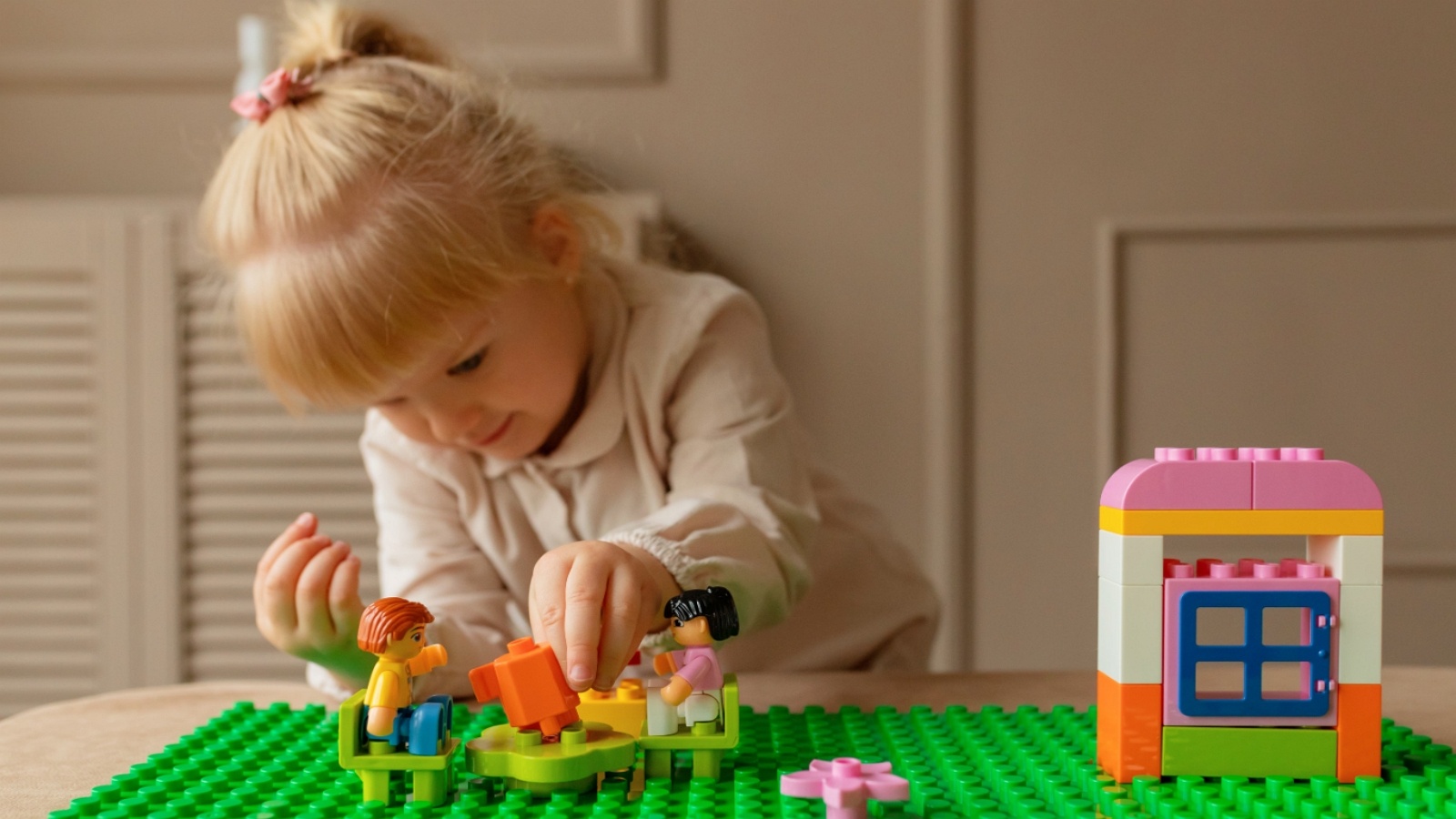

Best Educational Games For Kids Age 5 in 2026






Looking for the best educational games for kids age 5? In 2026, these tools blend fun with skill-building to support early development. Five-year-olds thrive on activities that boost creativity, problem-solving, and emotional awareness. Options like interactive apps and hands-on kits make learning feel like play. This roundup covers top picks based on what parents and experts value most for young learners.
Parents looking for engaging learning tools can explore the best educational games for kids to find activities that are both fun and age-appropriate. For those interested in digital learning, curated lists of the best kids educational games showcase apps and activities designed to support cognitive development. It's also important to prioritize safety, and guides on the best safe apps for kids help parents choose secure platforms that make screen time productive and worry-free.
Discover the Best Educational Games For Kids Age 5 - TutoClub
Why Educational Games Matter for 5-Year-Olds

At age five, children build key skills through play. Educational games help with fine motor control, basic math concepts, and letter recognition. They also foster social growth, like sharing ideas or handling feelings. Many young kids gain confidence from these activities, turning screen time into growth moments.
Hands-on elements in games encourage real-world application, such as sorting shapes or telling stories. Games tailored for this age keep attention spans in check while sparking curiosity. Parents often see kids eager to try new challenges after using quality options.
Unlock your child’s full potential with the best educational games for 5 year olds - carefully selected to boost fine motor skills, early math, letter recognition, and emotional development through engaging play. These top-rated games turn screen time into meaningful learning moments. Parents with children of different ages should also check our popular guides: the best educational games for 6 year olds, best educational games for 7 year olds, and best educational games for 10 year olds.
How to Choose the Right Educational Game
Pick games that match your child's interests and needs. Look for age-appropriate content focusing on basics like colors, numbers, and words. Safe, ad-free environments protect focus, while adaptive features adjust to skill levels. Consider device compatibility for easy access at home or on the go.
Balance digital and physical play to avoid overuse of screens. Games with parent involvement strengthen bonds and guide progress. Our educational games collection offers versatile options that grow with kids, ensuring lasting value.
Educational Games for Kids Age 5 by Skill Area
Educational games for 5 year olds deliver the best results when matched to specific skill areas. At this age, children are preparing for kindergarten, so targeted games help build a strong foundation across multiple developmental domains.
Here’s how educational games support key skill areas:
- Math & Number Skills: Counting, patterns, addition, and shape recognition
- Reading & Literacy: Phonics, letter sounds, sight words, and early reading
- STEM & Science: Exploration, simple experiments, and critical thinking
- Social Emotional Skills: Empathy, sharing, and emotional regulation
- Logic & Problem Solving: Puzzles, sequencing, and basic coding concepts
- Creativity & Imagination: Art, storytelling, and open-ended play
Choosing educational games for 5 year olds by skill area allows parents to focus on their child’s strengths and gently support areas that need more practice. This targeted approach accelerates learning while keeping play fun and stress-free.
Creative and Imaginative Play Options
Open-ended games let kids invent their own stories. Fashion makeovers and doll care encourage self-expression. Unicorn and pet worlds spark curiosity as children hatch, feed, and decorate. These activities support fine motor skills when kids drag items or arrange scenes. Games such as My Baby Unicorn and Princesses - Enchanted Castle give room for free play while still guiding early learning goals. Similar creative experiences appear in fun educational games for kids and learning through play activities.
Early Learning Through Pet and Care Games
Many five-year-olds love caring for virtual pets. Feeding, cleaning, and playing with characters builds empathy and routine habits. Some titles weave in letters, numbers, and simple spelling. Smolsies - My Cute Pet House and Fluvsies - A Fluff to Luv turn these moments into natural practice for counting and recognition. Floof - My Pet House adds puzzles and memory challenges that keep the experience fresh. These care-focused activities connect well with social emotional games for kids and memory games for kids.
Screen Time Balance and Responsible Gaming for Kids Age 5
Even high-quality educational games for kids age 5 need healthy boundaries to support overall well-being. Good screen time balance helps kindergarten-age children gain maximum benefits without drawbacks.
Recommended guidelines for 5 year olds:
- Limit recreational screen time to 1 hour per day
- Prioritize educational games before any entertainment apps
- Follow the 20-20-20 rule during longer sessions
- Create device-free zones (meals, bedtime, and family time)
Responsible gaming for 5 year olds also means active parent involvement. Play together when possible, discuss what your child learns, and use built-in time limits and parental controls.
When done right, screen time balance and responsible gaming for 5 year olds turns digital play into a positive habit that supports focus, self-regulation, and healthy tech relationships.
Benefits of Ad-Free Educational Play
Five-year-olds stay engaged longer when nothing interrupts their focus. Games free from pop-ups and extra purchases let children finish stories, complete puzzles, or care for characters without distraction. This calm setting supports deeper concentration and lets kids practice at their own pace. Titles in the collection of 45+ educational games keep the experience smooth so learning feels natural and uninterrupted. Many families also look at safe apps for kids and online educational games for kids when they want the same distraction-free approach.
Kindergarten Readiness Skills Hidden in Everyday Play
School days ask for sitting, listening, and finishing. Play can rehearse those habits before the first bell. Sorting by color trains early math. Matching a sound to a letter trains reading readiness. Waiting for a turn trains patience.
Many of those jobs live inside educational games for kids that feel like stories. The same patterns show up in educational games for kindergarten and in gentler games for preschoolers when a child is still warming up to classroom rules.
Helpful readiness patterns include:
- Listening for two-step directions before tapping the next object
- Finishing a small job, such as feeding a character or cleaning a room
- Naming feelings when a character looks sad, proud, or tired
- Retelling what happened after a short story mode
Kids educational games for a 5 year old often hide those jobs in pets, dress-up, or cleanup. A cleanup scene becomes a cleanup habit. A simple puzzle becomes an “I can try again” habit.
Daily Routines That Teach Independence
Morning and evening jobs feel big at five. Brushing, dressing, tidying, and packing a bag all ask for order. Games that walk through those same jobs give kids a rehearsal. Educational games for kids at home often copy real rooms: beds to make, toys to sort, snacks to prepare. Learning through play examples show how a digital routine can match a real toothbrush or a real backpack. Confidence building games help when a child wants to say “I can do the next step.”
Independence shows up in small ways:
- Starting a job without a reminder
- Putting items back where they belong
- Checking a simple list on a family weekly planner
The game is the practice round. The real room is where the skill sticks.
Mixing Digital Play With Real Rooms and Real Toys
Five-year-olds learn with their whole body. After a tablet session, the same theme can move to the floor. A pet-care game becomes a stuffed-animal clinic. A castle game becomes block towers and dress-up. A Fluvsies paper doll printable keeps the same character in the child’s hands. Dress up games for girls online pair well with paper dolls or real accessories. Fun games that are educational for kids start the idea. The toy box finishes it.
Simple pairings work:
- A music scene, then a short dance in the kitchen
- A sorting game, then a sock-matching race
- A story mode, then crayons and a one-page comic
Educational but fun games for kids work best when the child can act out the same story five minutes later.
Sibling Play When Ages Do Not Match
Many homes have a five-year-old and a slightly older or younger child. Shared play still works when roles differ. The younger child feeds the pet. The older child reads the label. Both stay in the same world. Educational games for 6 year olds may add harder logic, yet care and art parts still welcome the five-year-old. A toddler sibling may only tap and watch, which still fits many educational games for toddlers and games for young kids.
Co-play ideas that stay kind:
- One device, two jobs
- A shared character to care for
- A short “show me what you made” moment at the end
- Praise for waiting, not only for finishing first
Emotional regulation games for kids help when turns feel uneven. Naming “your turn / my turn” out loud keeps the peace.
Best Educational Games For Kids Age 5 in 2026
1. TutoClub - Best Educational Games for Kids Age 5
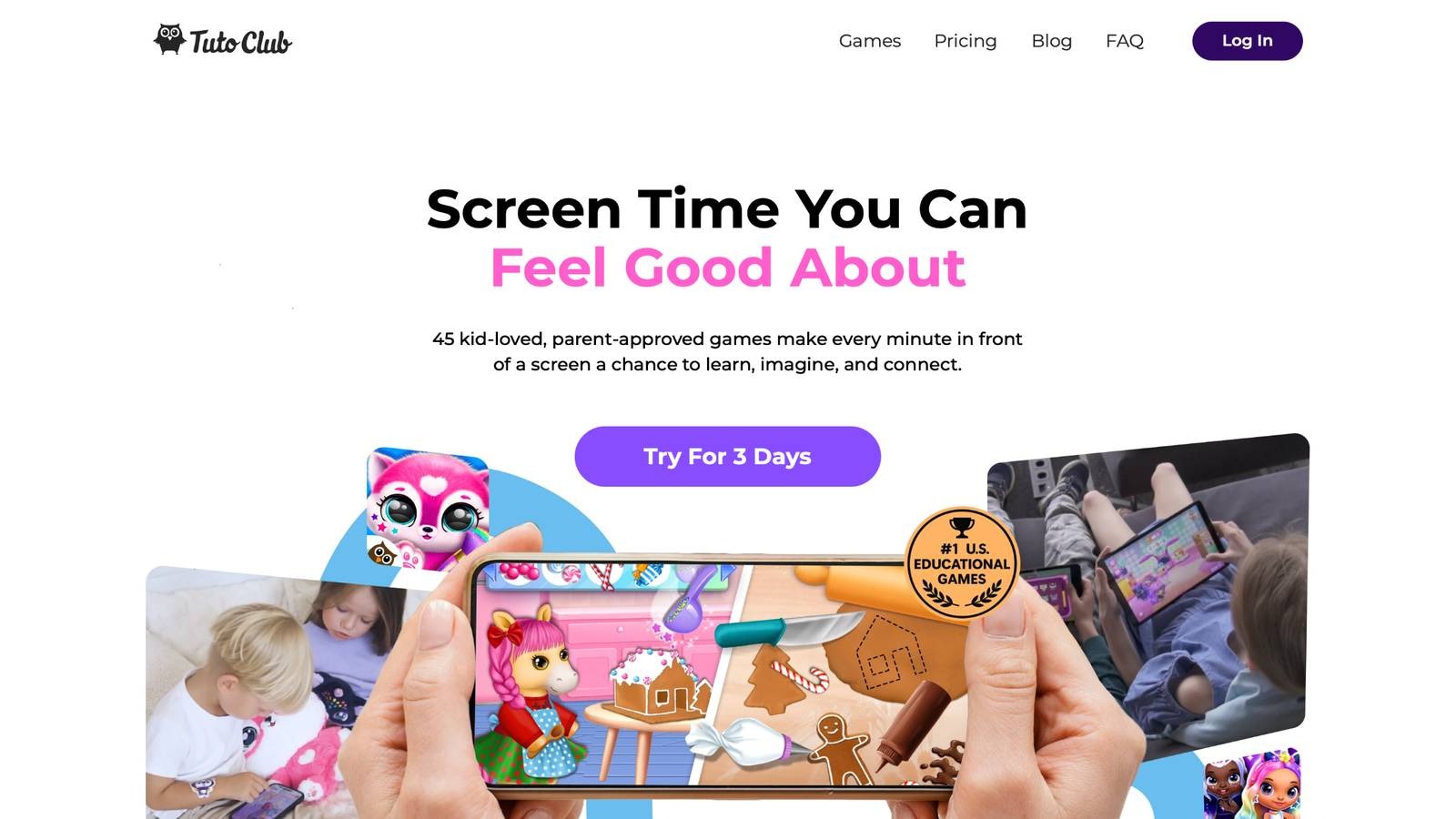
Start with educational games for kids from TutoClub, a subscription service packed with over 45 activities crafted for young learners. These games turn play into powerful growth tools, helping five-year-olds build creativity through storytelling and art challenges. Kids explore problem-solving in puzzle worlds that teach logic in simple steps. Emotional skills shine in scenarios promoting empathy and self-awareness, like caring for virtual friends or sharing resources. Focus improves with timed yet gentle tasks that reward persistence.
The ad-free setup keeps distractions away, letting children dive deep into safe, research-backed worlds. Parents join in for family moments, strengthening bonds during shared adventures. Device flexibility means play happens anywhere, from tablets to phones, without needing constant internet after setup. TutoClub stands out by blending fun with real developmental boosts, making every session feel rewarding and joyful. Kids often return to favorites, showing genuine engagement and skill gains over time.
- Standout features: Interactive puzzles for logic, art tools for creativity, emotional scenarios for empathy building, family play modes for bonding.
- Facts and information: Safe environment without ads, research-based design for skill growth, multi-device access for convenience, parent-approved content for peace of mind.
TutoClub Overview
TutoClub is your gateway to a magical world of educational games designed especially for children.
As part of TutoTOONS, a leading kids' games studio, we offer premium access to over 45 ad-free games.
Our mission is to blend learning and play, helping kids explore, create, and grow in a safe online space.
Thousands of parents trust us for family-friendly content that sparks imagination and builds essential skills.
Key Features
- Unlimited Access: Unlock full content in all games with no interruptions.
- Ad-Free Experience: Enjoy seamless play without any ads or distractions.
- Skill Development: Games foster creativity, social skills, communication, and more through fun activities like pet care and cleanup challenges.
- Regular Updates: Get new releases, exclusive content, and future updates automatically.
- Easy Subscription: Cancel anytime with no obligations, simple and flexible for families.
Explore Our World
TutoClub provides a rich ecosystem of educational games for kids, featuring ad-free experiences that promote creativity, focus, and emotional growth through play.
This platform turns screen time into valuable learning opportunities, with parent-approved content that builds essential skills and sparks curiosity in young minds.
- TutoClub Games: Over 45 educational games, including popular titles like Fluvsies, Smolsies, and the Sweet Baby Girl series
- Blog: Insights, tips, and stories for families on kids' learning and play
- FAQ: Comprehensive answers to frequently asked questions about subscriptions, features, and more
Get TutoClub on Your Device
TutoClub delivers premium kids educational games directly to your mobile devices, making learning accessible anytime, anywhere.
With apps available on major platforms, families can easily download and subscribe for ad-free play that turns screen time into skill-building adventures.
Perfect for parents seeking safe, engaging content on iOS, Android, or Amazon devices.
Why Choose TutoClub?
We're committed to 100% safe, enriching entertainment that kids love and parents approve.
Join the thousands who've seen their children thrive through playful learning.
Ready to start the adventure?
Subscribe to TutoClub today and unlock endless fun!
2. Fluvsies Academy
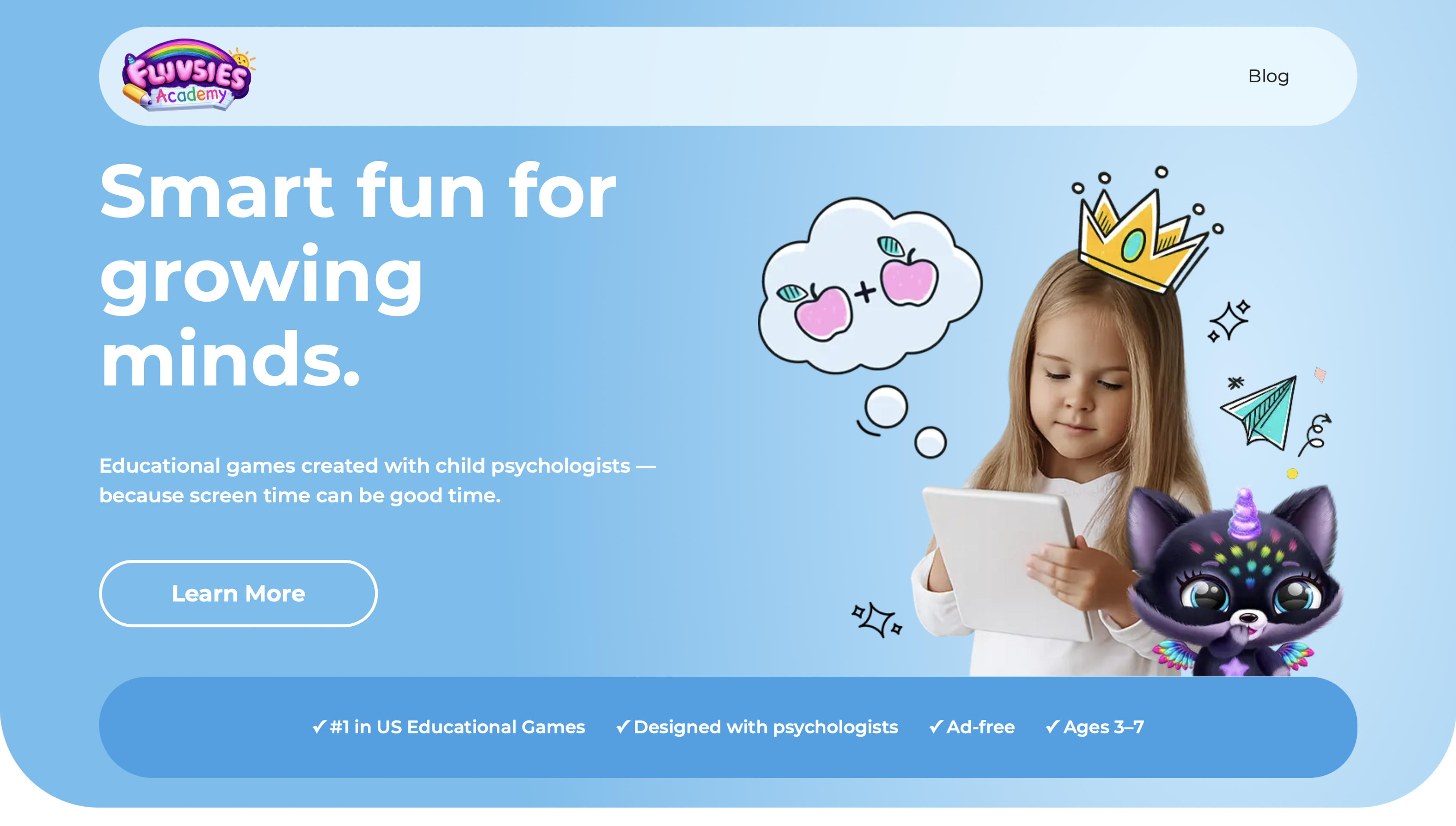
Fluvsies Academy delivers a colorful and effective learning experience tailored for kids age 5 through its charming characters and expert backed activities. Created with child psychologists, this app turns everyday screen time into meaningful play that builds early academics, practical abilities, and emotional growth in a safe and joyful setting.
With a broad curriculum spanning language, phonics, ABCs, math foundations, logic puzzles, and creative exploration plus dual modes that offer active sessions focused on problem solving and reasoning alongside relaxing stories introducing real world professions like baker or astronaut, Fluvsies Academy makes learning engaging. It features hands-on practice of daily routines such as brushing teeth, helping at the store, simple cooking steps, sorting items, and counting objects to foster independence and curiosity about future possibilities.
Targeted support helps improve focus, spark creativity, strengthen social skills, encourage independence, and teach self regulation via adaptive challenges that adjust to each child's pace and provide straightforward parent progress reports. This balanced approach ensures learning feels natural and exciting.
- Key features: broad curriculum in language phonics ABCs math logic and creativity, dual modes for active problem solving and relaxing career stories, hands on daily routine simulations, adaptive challenges for focus creativity social skills and self regulation
- Facts and information: designed for ages 3 to 7 with preschool and kindergarten preparation, fully ad free and age appropriate environment, iOS and Android device compatibility, adorable Fluvsies characters for repeated rewarding play
3. ABCmouse
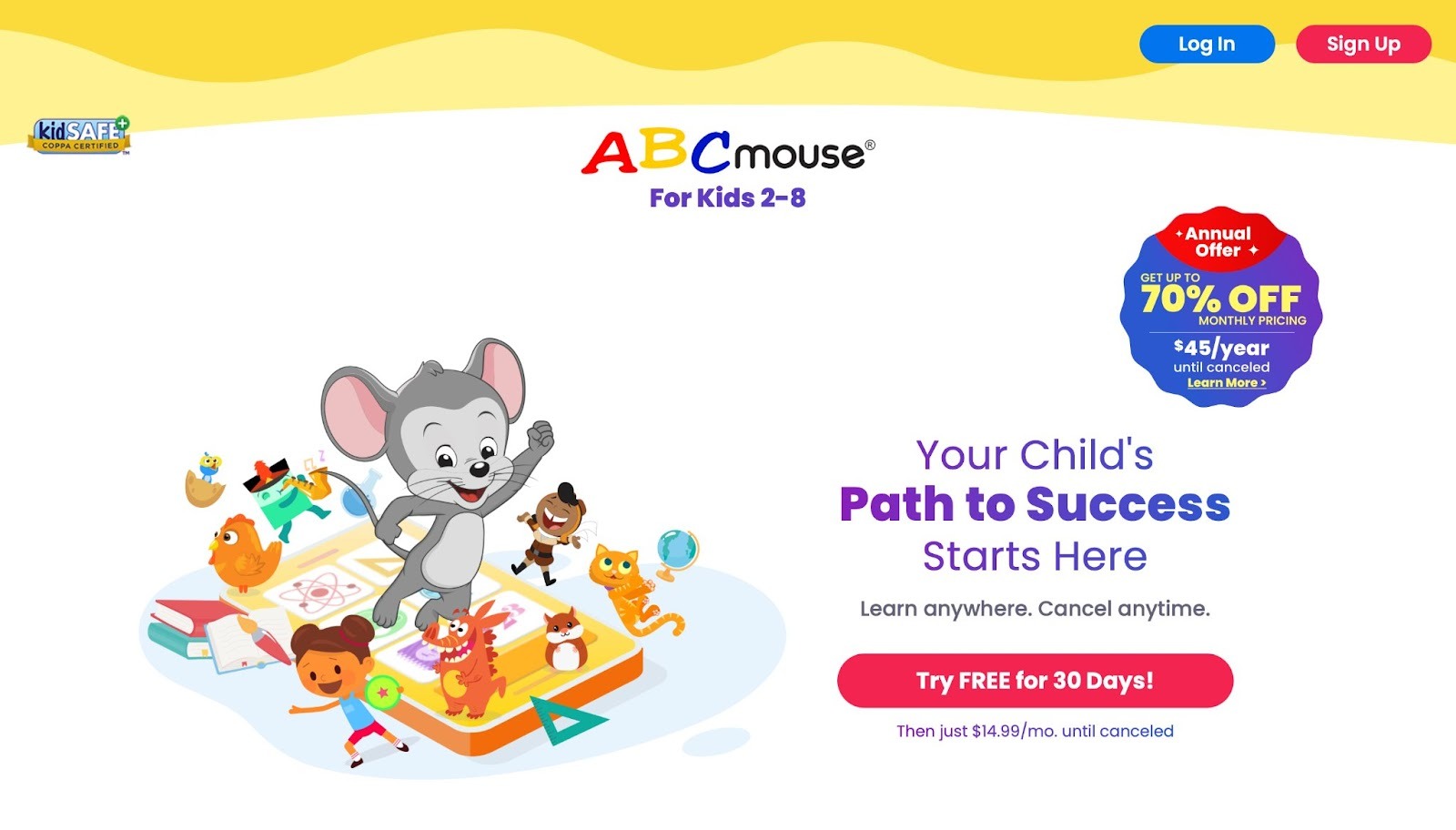
ABCmouse stands as a comprehensive online learning academy tailored for children aged 2 to 8, with robust content for five-year-olds. Headquartered in Glendale, California, the platform immerses kids in vibrant, interactive environments where they explore phonics through animated stories, practice math with visual puzzles, and delve into science via virtual experiments. Art and music studios encourage creativity, while character-driven narratives foster emotional growth and self-confidence. The adaptive curriculum personalizes paths, ensuring activities match each child's progress in reading and math.
Strengths shine in its engaging designs that captivate attention and a rewards system that motivates through tickets earned for play expansions like Pet Town or Hamster Maze. This setup blends fun with developmental boosts, helping kids double early learning gains. Weaknesses include a primarily digital format that might limit tactile experiences for some learners, potentially requiring supplemental hands-on activities. Overall, ABCmouse transforms education into joyful discovery, trusted by millions of families for structured yet playful skill-building.
- Key features: Custom learning paths in reading and math, interactive puzzles and simulations, creative art and music tools, rewards for progress.
- Facts and information: Over 13,000 activities across subjects, research-backed for skill gains, multi-profile support for families, regular content updates.
4. Khan Academy Kids
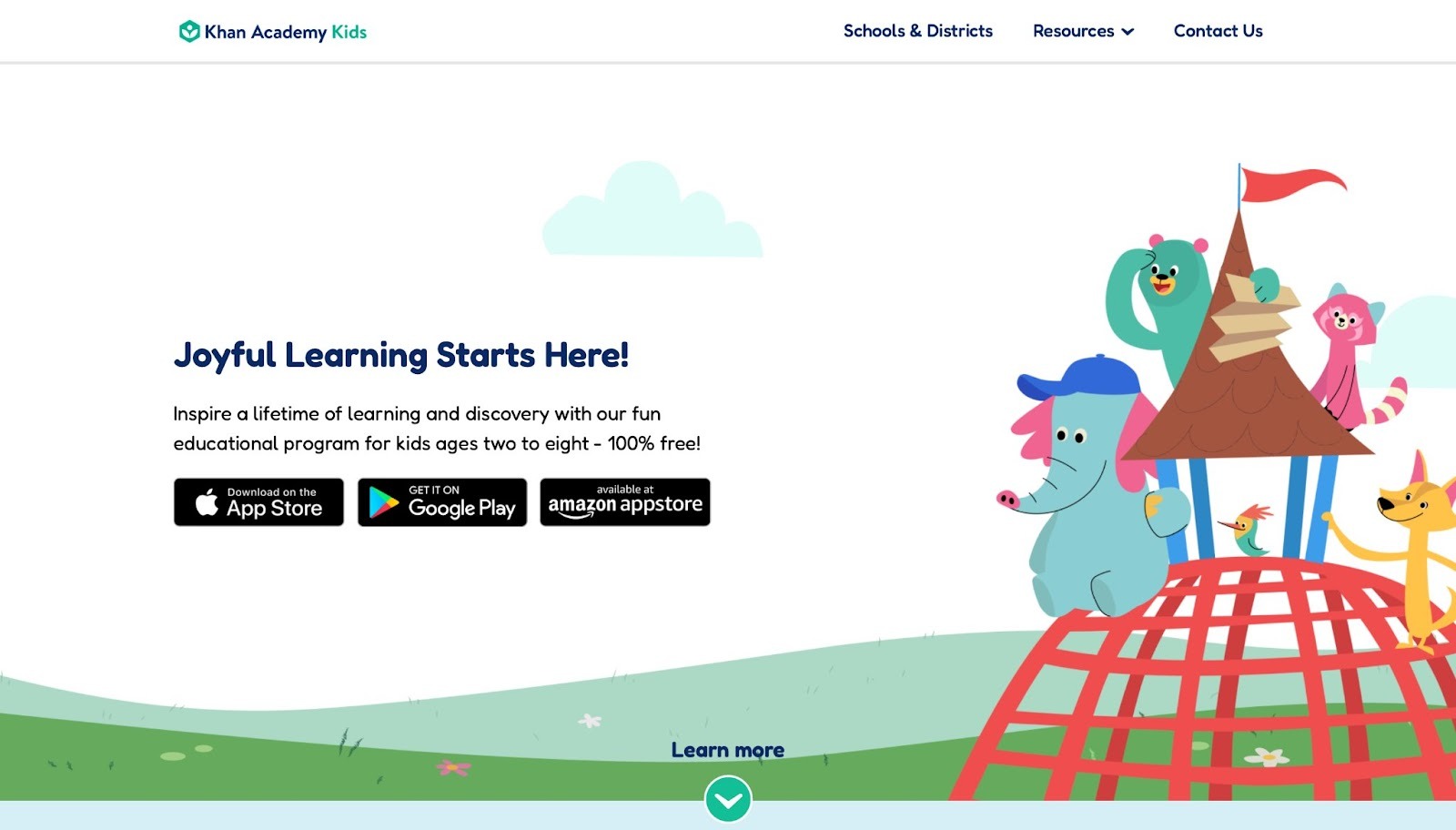
Khan Academy Kids serves as a free educational app for children aged 2 to 8, ideal for five-year-olds building foundational skills. It features whimsical characters guiding interactive games, stories, and activities in reading, math, science, and creativity. The app adapts to individual progress, offering personalized paths that evolve with the child. Strengths lie in its ad-free environment, offline capabilities for flexible play, and alignment with educational standards like Common Core.
Emotional growth activities help kids name feelings, while diverse topics spark curiosity without pressure. Based in Mountain View, California, it supports independent learning with gentle guidance. Weaknesses may include a broad content range that occasionally feels less focused for deep dives into single subjects, requiring parent selection for targeted practice. Recent 2026 updates add winter-themed camps and emotion recognition lessons, enhancing English support through visuals and read-alouds.
- Key features: Adaptive lessons in core subjects, story-based explorations, creative tools, offline access.
- Facts and information: Collaboration with Stanford experts, free forever with no ads, progress tracking for parents, festive seasonal content.
5. Starfall
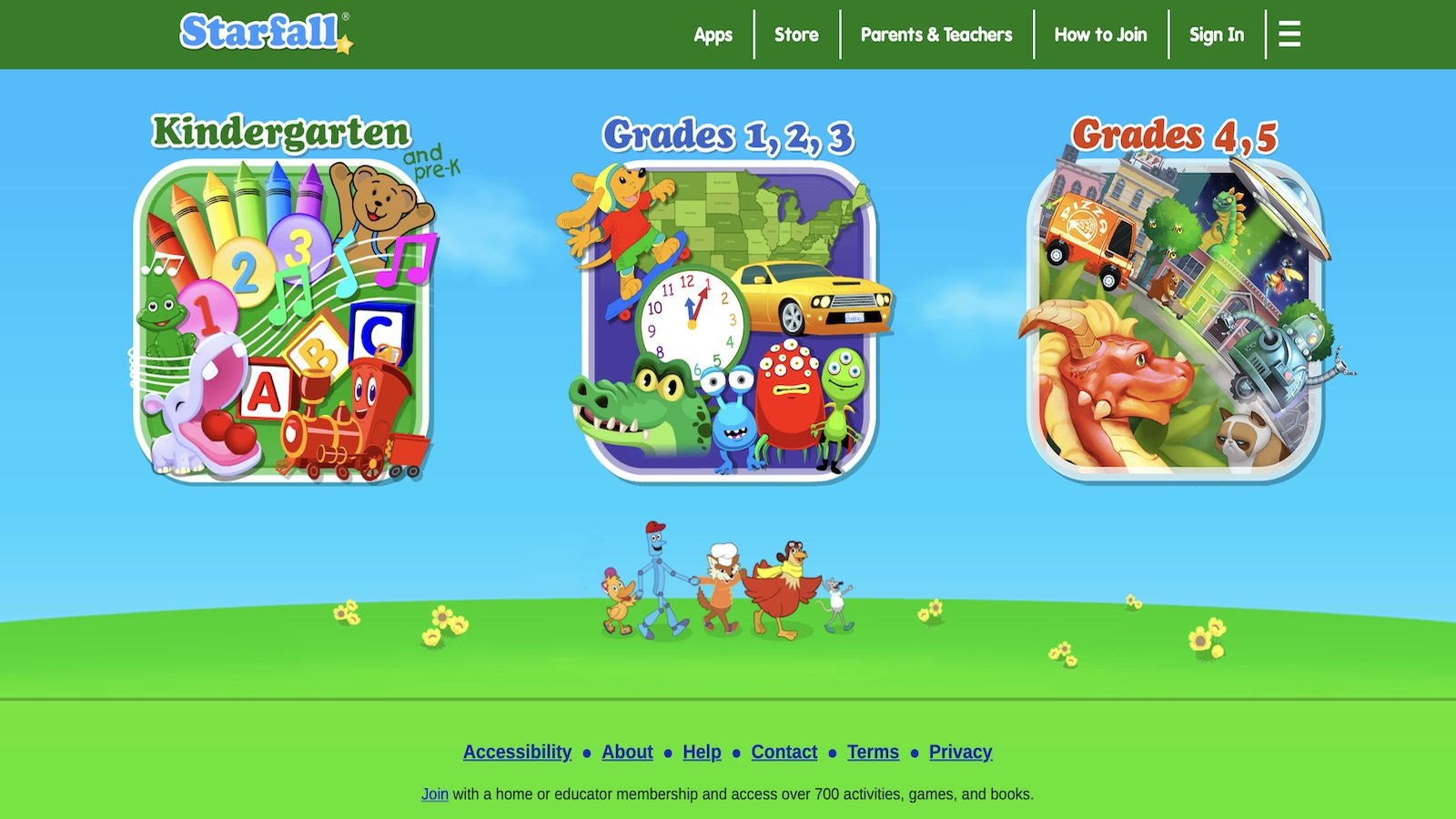
Starfall provides an online educational platform with games, songs, and activities for preschool through fifth grade, perfectly suited for five-year-olds. It emphasizes phonics and math in a calm, untimed setting, using multisensory interactions like touch and audio. Kids build reading skills with sight words and stories, while math covers counting and shapes.
Strengths include its ad-free design, positive reinforcement to boost confidence, and effectiveness for diverse learners, including those with dyslexia or English as a second language. Founded to teach reading, it aligns with state standards and serves as an alternative to entertainment media. Weaknesses might stem from limited advanced content, making it more introductory for quicker learners who may need extensions. No specific headquarters mentioned, but it's classroom-developed for broad accessibility.
- Key features: Phonics songs and interactive stories, untimed math games, multisensory activities.
- Facts and information: Over 700 activities with membership, supports special needs and ELL students, no personal data collection.
6. ABCya
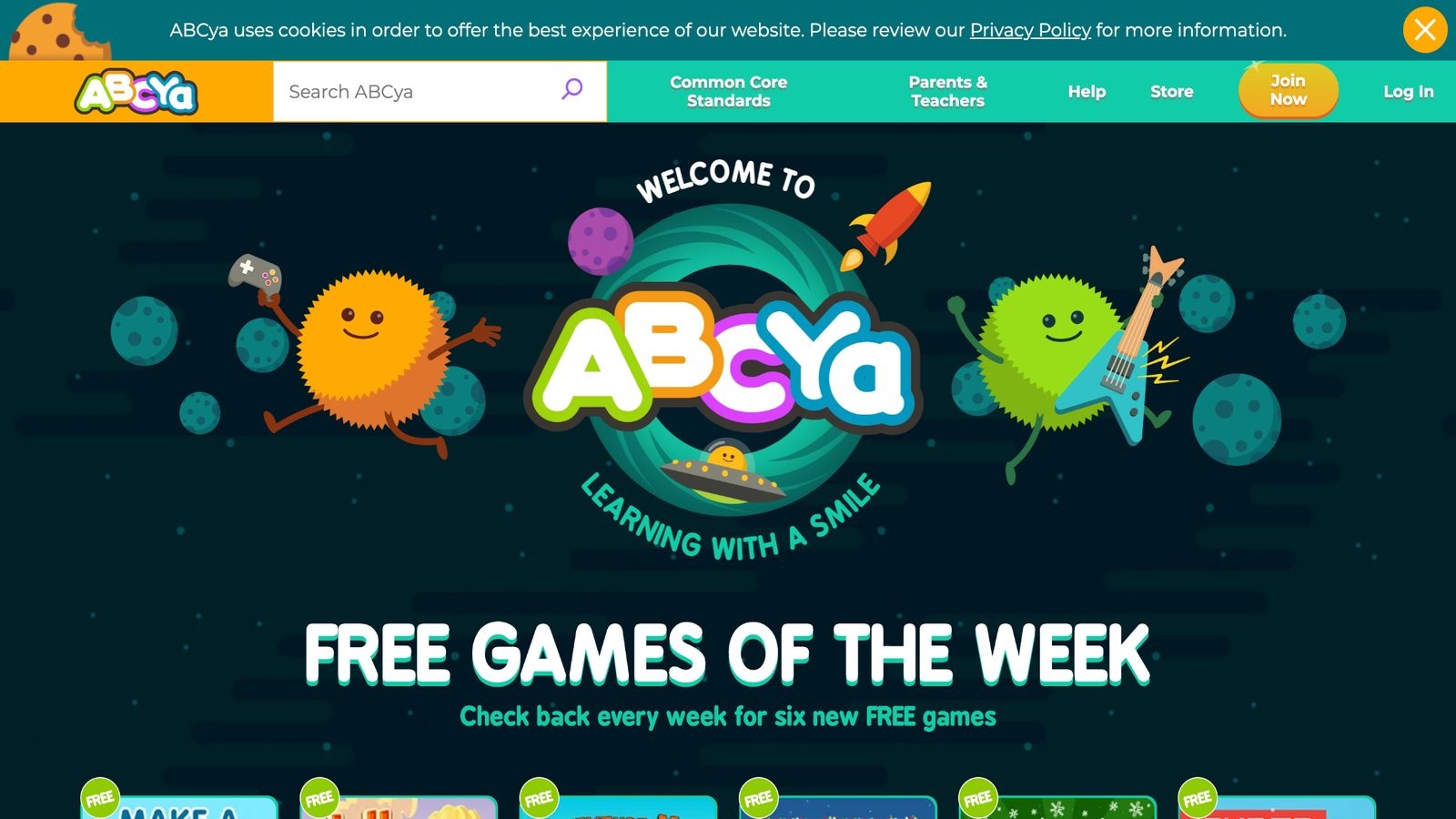
ABCya offers a collection of free educational games for pre-K through sixth grade, engaging five-year-olds with themed activities in math, language, and strategy. Games are sorted by grade and subject, featuring word hunts, counting challenges, and creative art tasks. Strengths include simple navigation for independent play, weekly updates for fresh content, and printables for off-screen extension.
It reinforces skills like typing and pattern recognition in a fun, lighthearted manner. Weaknesses could involve basic graphics that lack immersion for some users, and occasional technical issues like freezing on certain devices. No headquarters specified, but it's teacher-created since 2004, trusted by millions worldwide.
- Key features: Grade-specific categories, holiday-themed games, strategy and skill activities.
- Facts and information: Over 400 games covering core subjects, ad-free premium option, aligned with educational standards.
7. SplashLearn
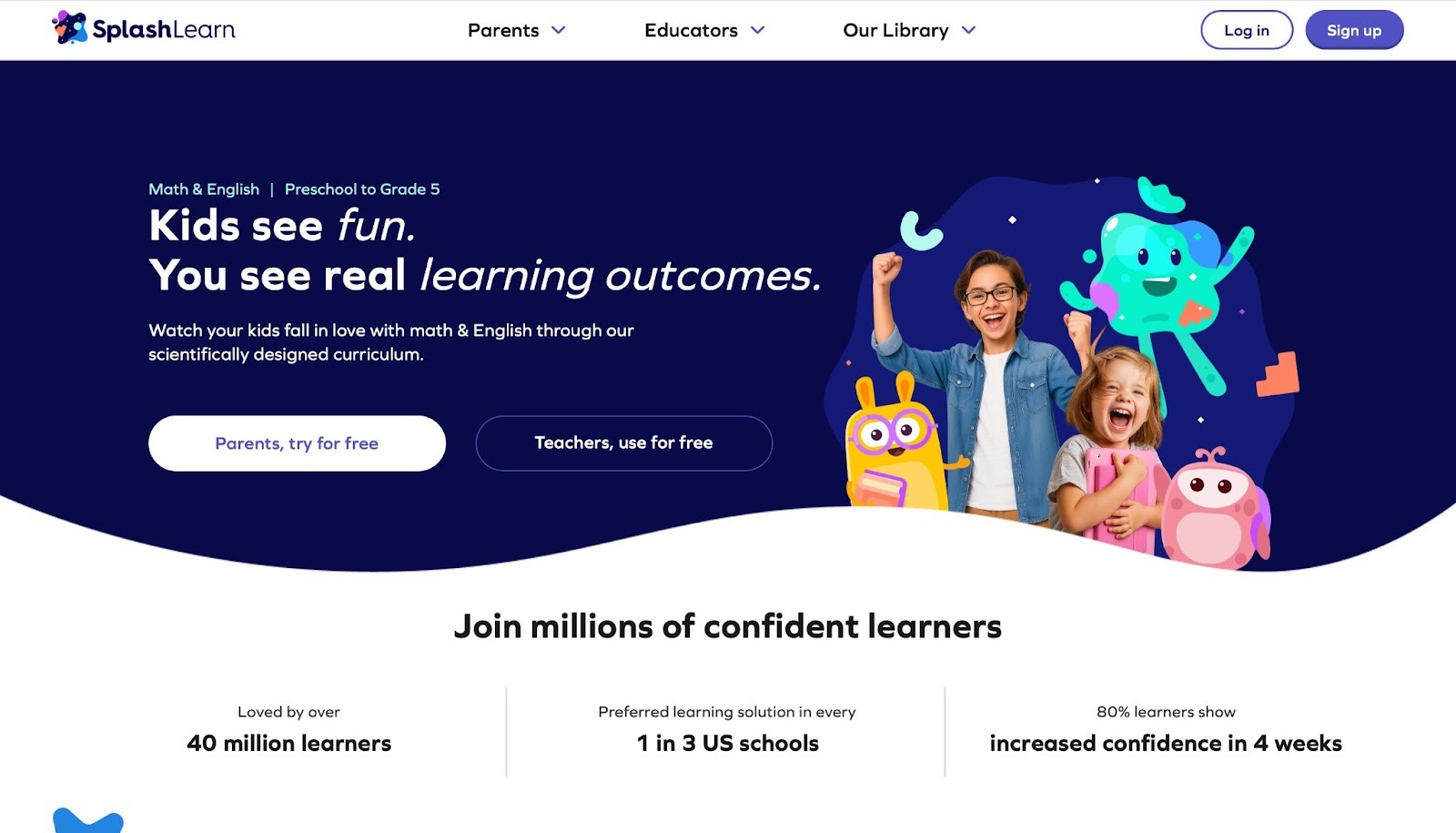
SplashLearn delivers game-based learning in math and English for preschool to grade five, captivating five-year-olds with story-driven puzzles and decodable books. Kids help magical creatures while mastering counting, letter sounds, and reading. The app personalizes milestones without timers, reducing stress.
Strengths encompass engaging narratives that motivate progress and comprehensive reports for parents. It's loved in schools for curriculum alignment and confidence-building through trial-and-error. Headquartered in San Francisco, recent updates enhance device compatibility. Weaknesses may include fewer English activities compared to math, limiting balance for some users.
- Key features: Adaptive puzzles, bedtime stories, playsheets for practice.
- Facts and information: Over 8,000 games and worksheets, 77% improvement in two months, used by 40 million learners.
8. Duolingo ABC
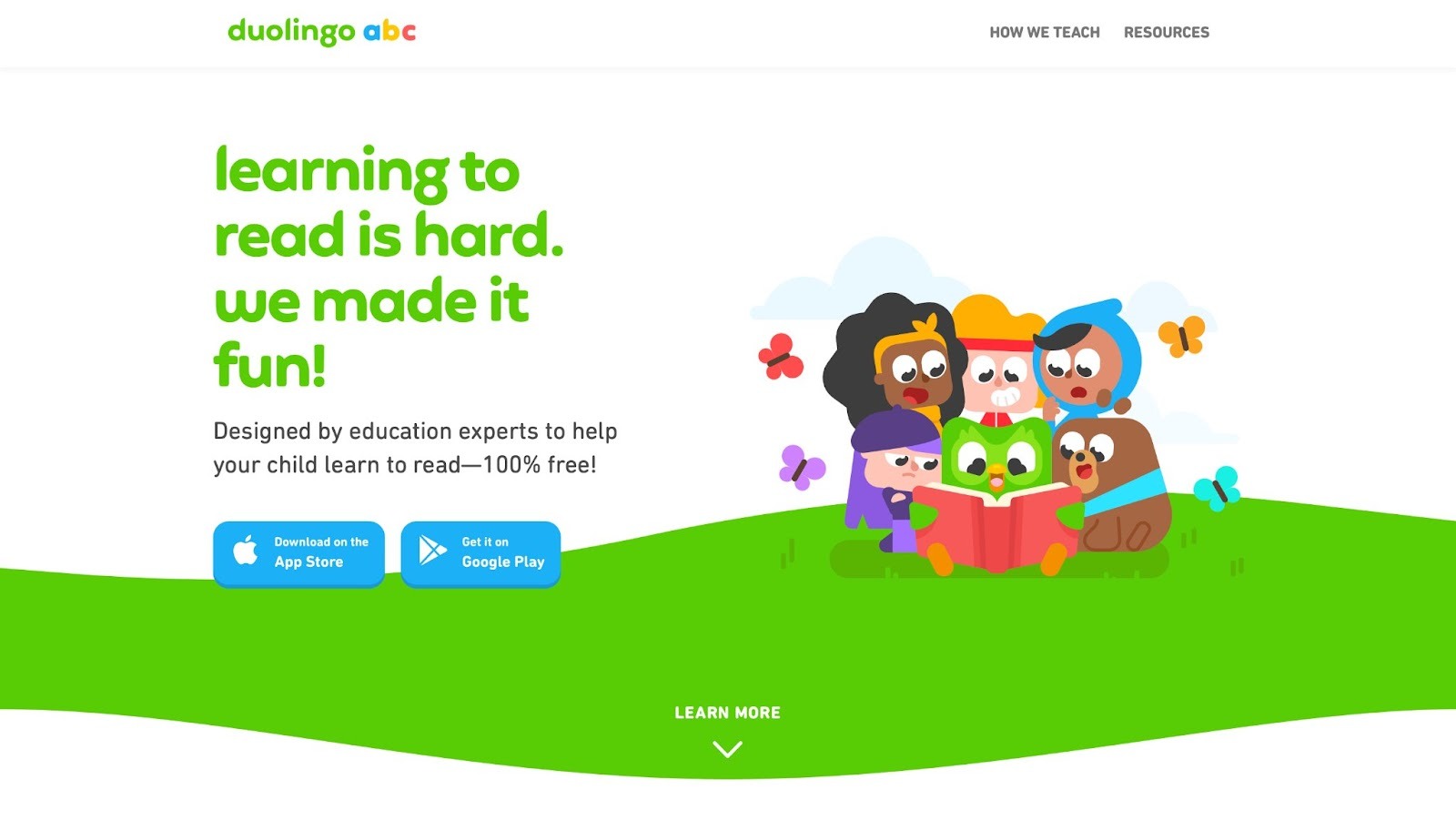
Duolingo ABC focuses on literacy for young children, teaching five-year-olds phonics, handwriting, and sight words through short, character-led lessons. Vocabulary builds via contextual stories and playful repetitions. Strengths feature bite-sized formats suiting short attentions, awards for motivation, and research-based curriculum boosting skills. Headquartered in Pittsburgh, Pennsylvania, it's free and award-winning. Weaknesses might require initial adult assistance for setup, especially for beginners.
- Key features: Phonics practice, sight word stories, handwriting tools.
- Facts and information: 28% literacy improvement in nine weeks, parent-reported confidence gains, expert guidelines.
9. PBS Kids Games
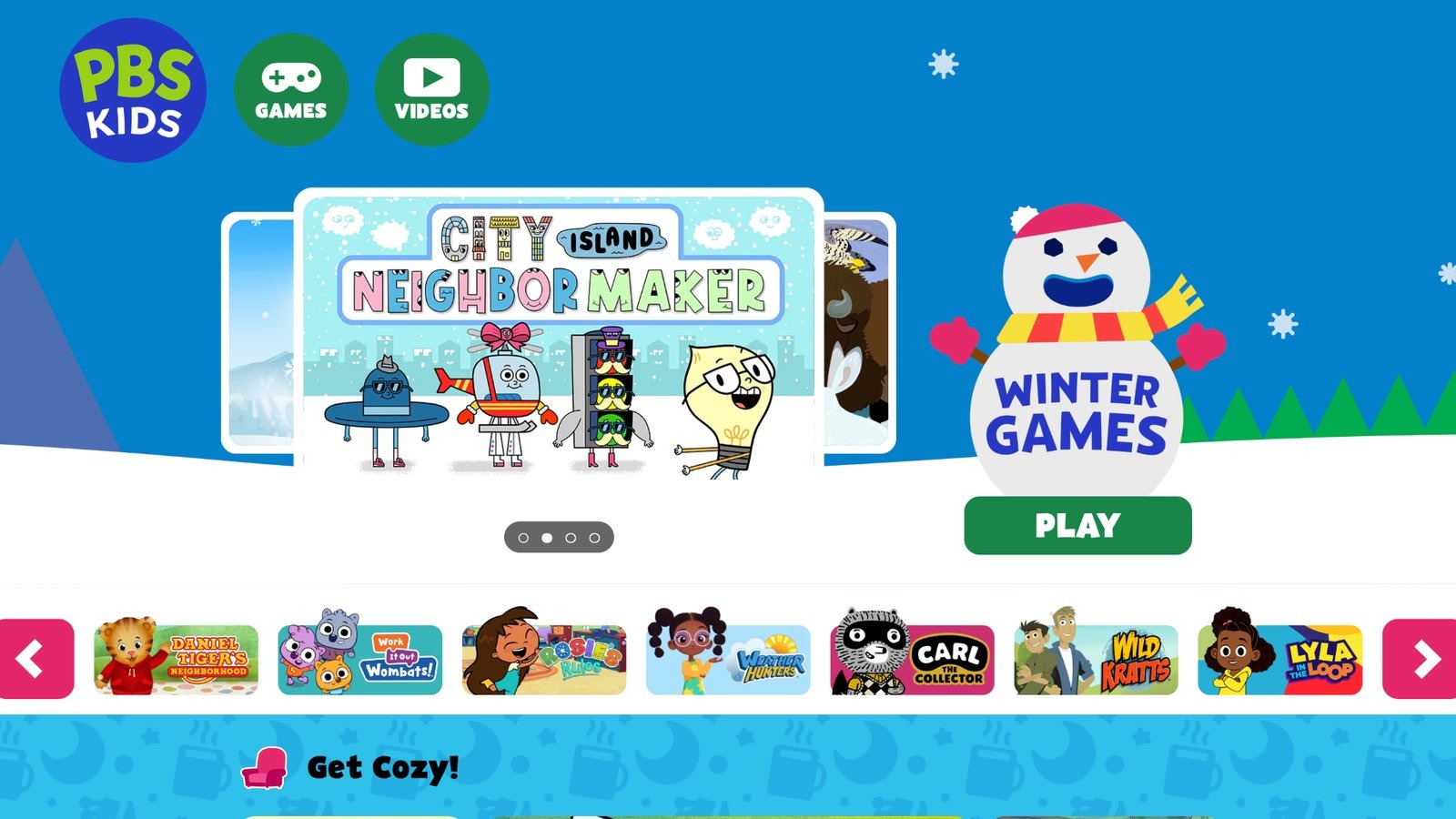
PBS Kids Games integrates show characters into educational activities for young children, allowing five-year-olds to solve adventures, create art, and learn patterns. Seasonal updates keep content fresh with themes from favorites like Curious George. Strengths include familiar faces enhancing engagement and positive messaging on skills. No headquarters specified, but it's browser-based for easy access. Weaknesses could involve navigation needing occasional guidance, potentially frustrating independent users.
- Key features: Character adventures, creative tools, seasonal games.
- Facts and information: Ties to PBS shows, skill repetition, family-friendly themes.
10. Osmo Little Genius Starter Kit
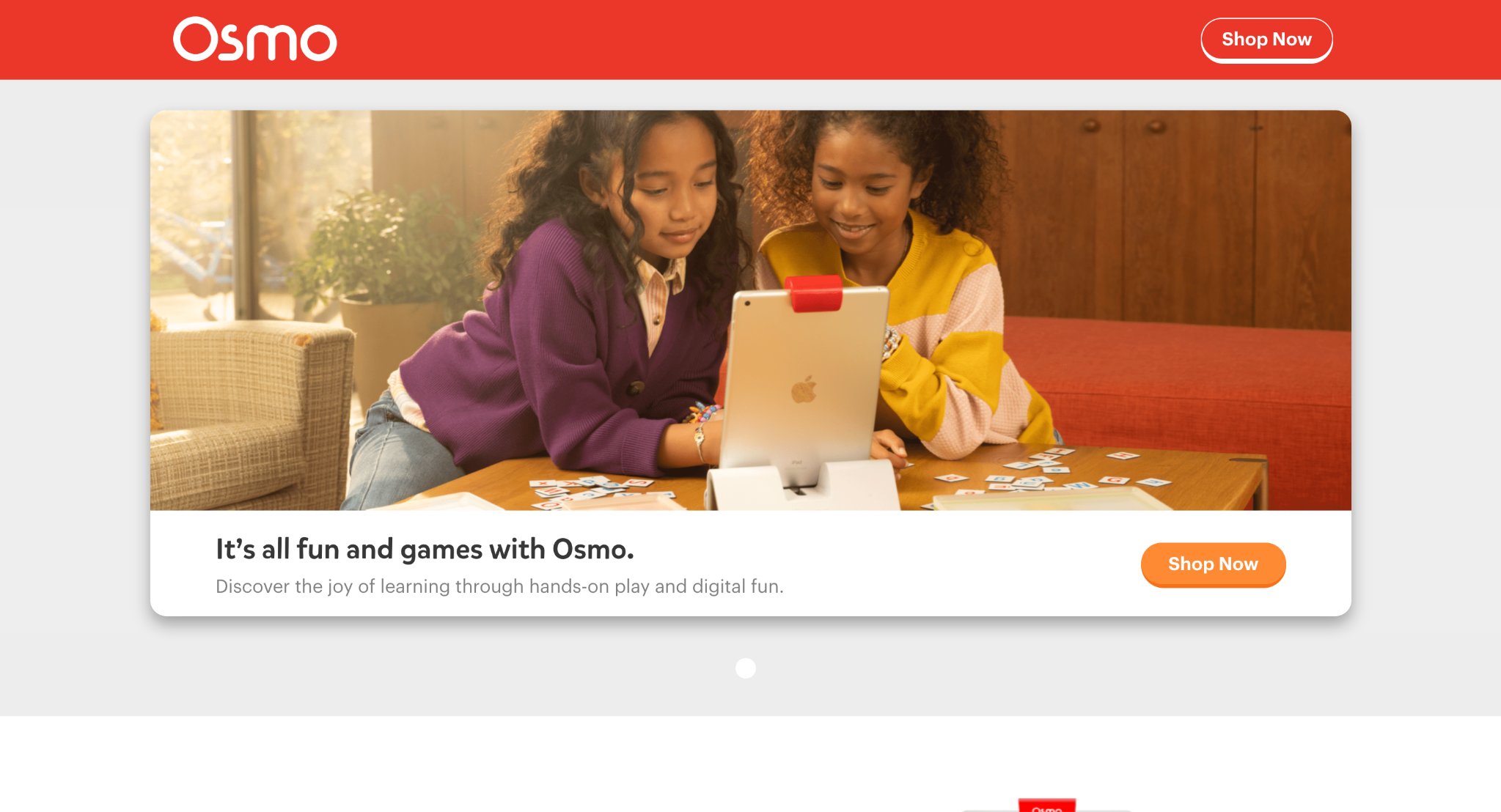
Osmo Little Genius brings together physical game pieces and digital app interactions to create hands-on learning experiences perfect for young children. Kids use tangible blocks, drawing tools, and interactive objects with the Osmo base and tablet to explore shapes, coding paths, letter recognition, and early math concepts through magic-like camera detection. This seamless blend of real-world play and screen feedback encourages collaboration, patience, fine motor skills, and creative problem-solving in a uniquely active way.
Headquartered in Palo Alto, California, Osmo emphasizes STEAM fundamentals by turning screen time into engaging physical activities that feel like play. Seven year olds build, draw, and experiment with immediate visual results on screen, fostering deeper understanding and confidence. The system supports group play and grows with the child through expandable kits, making it a favorite for families seeking balanced, interactive learning.
- Key features: Tangible blocks and coding tiles, interactive drawing tools, camera-based object recognition, multi-subject activities.
- Facts and information: Combines physical and digital play for STEAM learning, supports group and individual modes, designed for early foundational skills.
11. LeapFrog
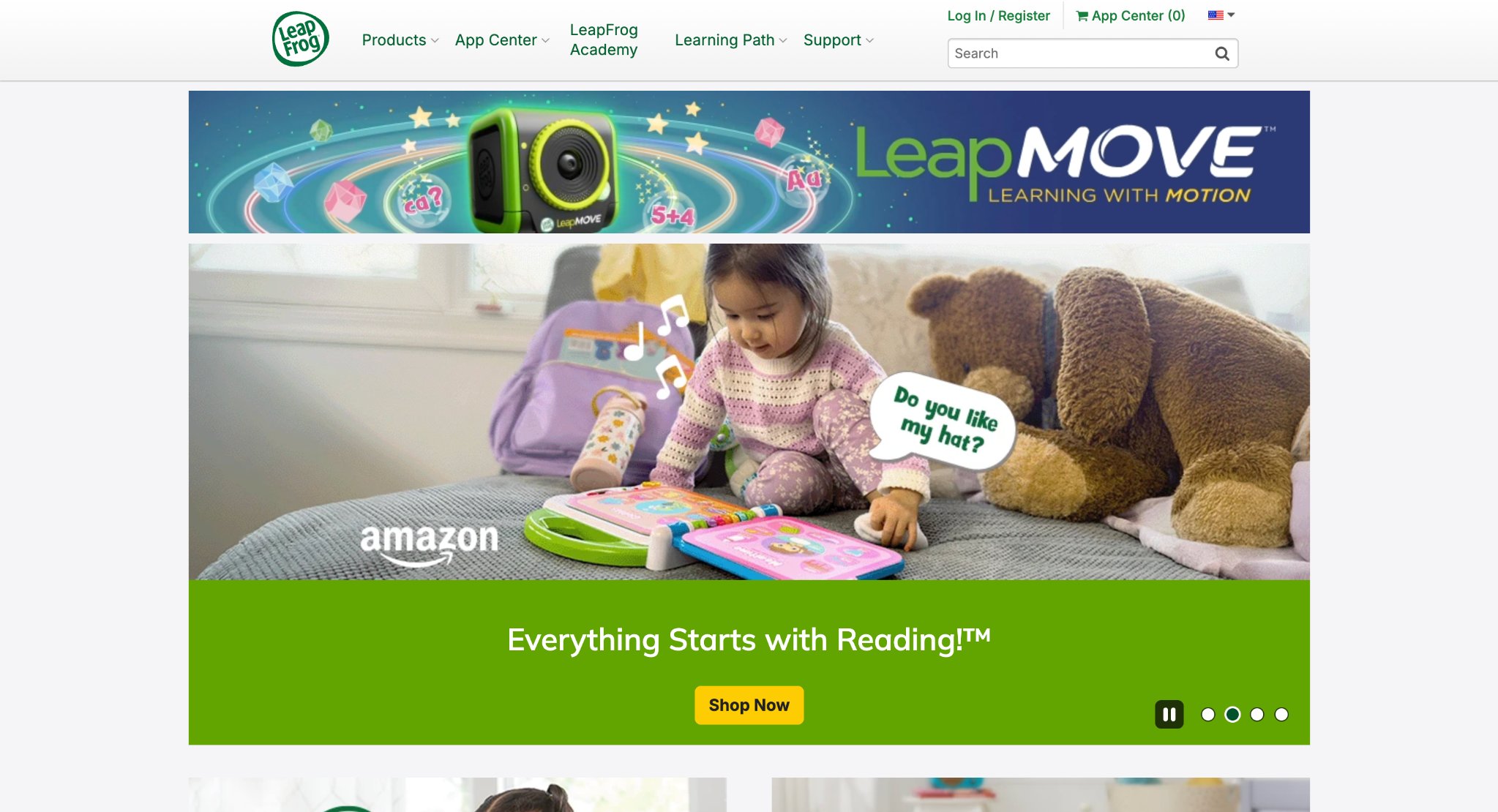
LeapFrog creates a wide range of interactive toys, tablets, and educational apps that make learning engaging for preschool and early elementary children. Five to seven year olds enjoy touch-sensitive books that teach words and phonics, shape-sorting games, and activity centers packed with sounds, music, and responsive feedback.
The content focuses on building literacy, math readiness, social skills, and curiosity through durable, child-friendly designs that encourage hands-on exploration. Known for its educator-approved materials, LeapFrog helps young learners stay motivated with immediate rewards and clear progress. Its products blend physical play with digital elements, supporting different learning styles in both home and classroom settings. Families appreciate how the toys grow with children while reinforcing essential preschool concepts in fun, memorable ways.
- Key features: Touch-responsive learning books, sound effects and music, shape and letter activities, sharing and multiplayer modes.
- Facts and information: Long-established leader in educational toys and apps, strong preschool and kindergarten focus, promotes hands-on and curiosity-driven STEAM learning.
12. Teach Your Monster to Read
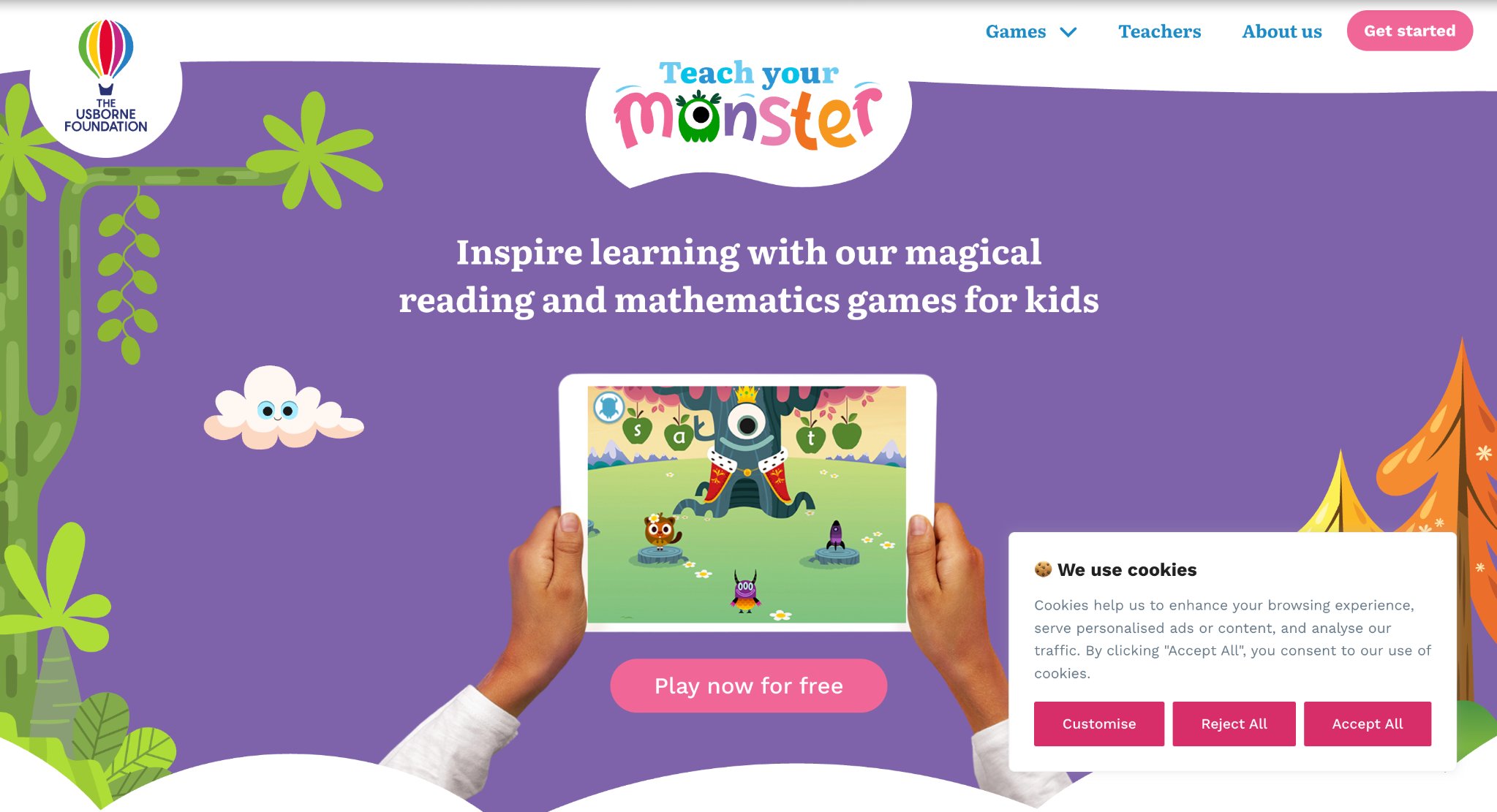
Teach Your Monster to Read takes children on an exciting adventure where they help a friendly monster learn to read through systematic phonics, letter sounds, sight words, and simple math games. Seven year olds progress through colorful mini-games and story-based activities that build strong literacy foundations while keeping motivation high with rewards and character progression.
The program supports diverse learning needs with clear audio guidance and engaging visuals that make practice feel like play. Widely recognized by teachers and parents, it effectively develops reading confidence and comprehension skills. The combination of fun narratives and structured lessons helps young learners master essential early reading components in an enjoyable, low-pressure environment.
- Key features: Phonics-based learning journeys, sight word practice, interactive mini-games, progress tracking.
- Facts and information: Award-winning literacy program, teacher-recommended for early readers, covers foundational reading and supporting math skills.
13. Reading Eggs
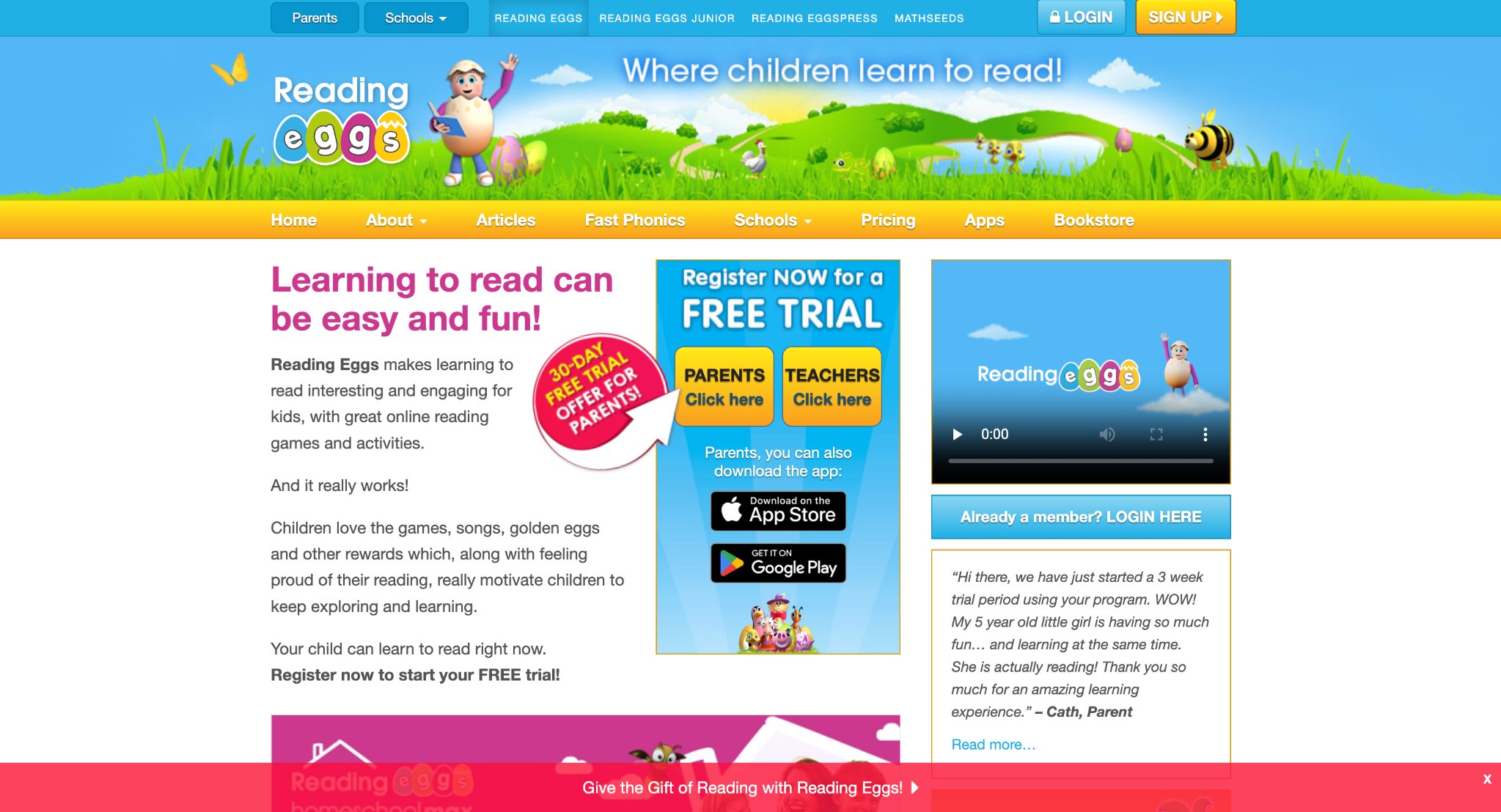
Reading Eggs teaches reading to children aged two to thirteen, with content suited for five-year-olds focusing on phonics through interactive lessons, games, and quizzes. Kids start with basics like sounds and sight words, progressing via structured maps that build skills step by step. The program includes animated stories, songs, and rewards like golden eggs to keep motivation high. Self-paced design lets children advance at their own speed, while parent dashboards track progress.
Strengths come from its engaging approach that makes learning feel like play, with compelling rewards centered on child interests, and it serves as a solid supplement for homeschooling or extra practice. Weaknesses might involve needing adult guidance for setup or to balance with other activities, as some find it less standalone for full curriculum needs. No headquarters location specified, but it aligns with school standards for broad use. In 2026, updates enhance app features with more alphabet games, spelling puzzles, and over four thousand e-books for deeper immersion.
- Key features: Phonics maps, interactive quizzes, animated stories and songs, reward systems.
- Facts and information: Self-paced programs, parent tracking tools, alignment with literacy standards, fun arcade games for earned eggs.
14. Prodigy Math
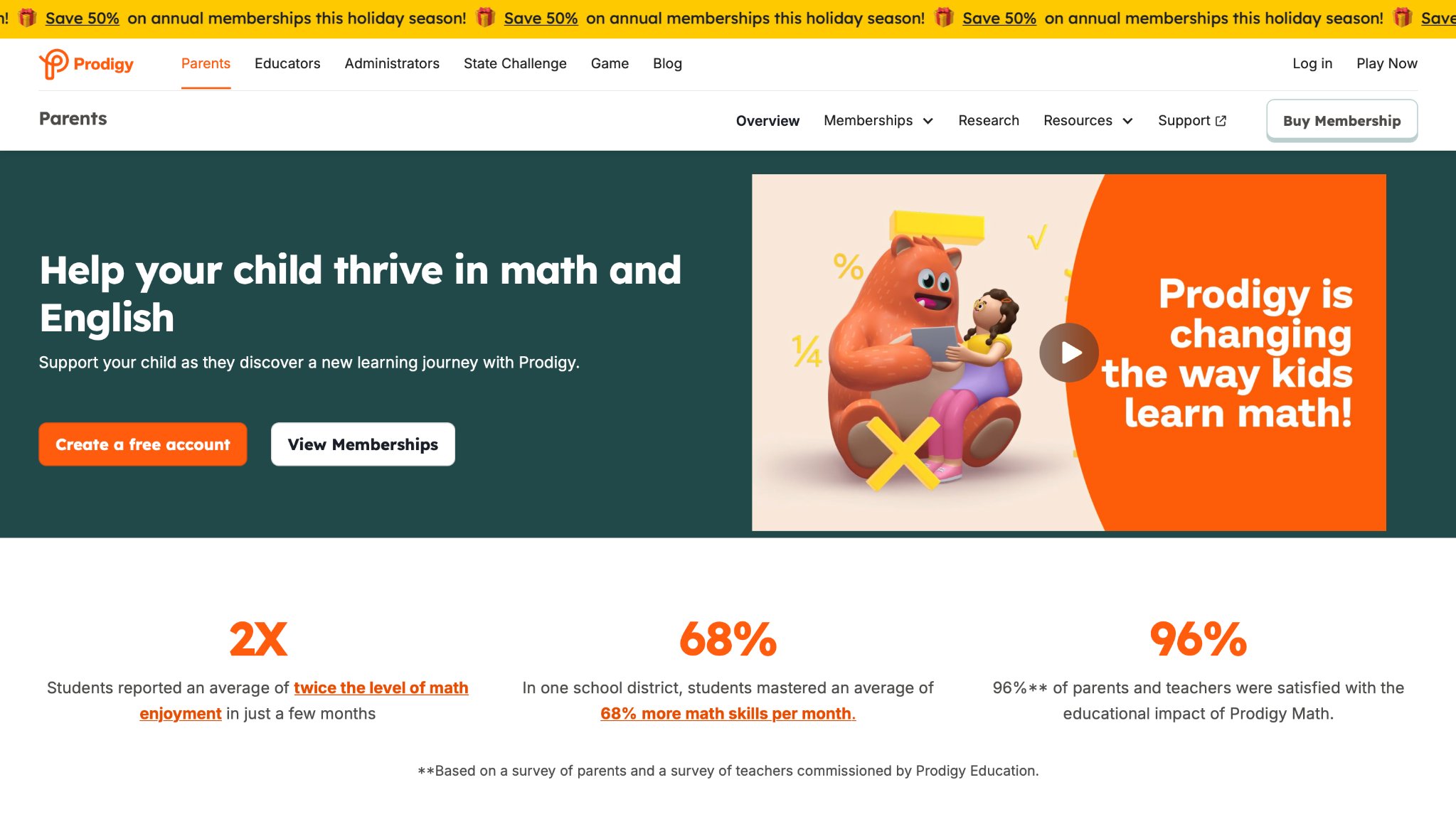
Prodigy Math engages children aged five and up in math and English through fantasy quests and battles, where answering questions powers spells and advances adventures. For five-year-olds, it covers basics like counting and simple operations in an adaptive format that adjusts to skill levels. Kids explore worlds, collect pets, and compete with friends, blending practice with excitement. Teacher tools align content to lessons, while parent accounts offer insights into progress.
Strengths include its game-based learning that boosts enjoyment and confidence, with many parents noting kids eager to play and master skills faster. The free core access makes it approachable, supplemented by optional features for deeper tracking. Weaknesses could arise from the battle focus feeling more game-oriented, sometimes needing parent selection for targeted math over broad play. No headquarters mentioned, but it follows standards like Common Core. As of 2026, expansions in English content add reading elements to math, enhancing overall skill building in a safe, ad-free space.
- Key features: Adaptive questions in quests, rewards and pets, progress tracking for parents and teachers.
- Facts and information: Curriculum-aligned content, high satisfaction from users, safe environment for home or school play.
15. Endless Alphabet
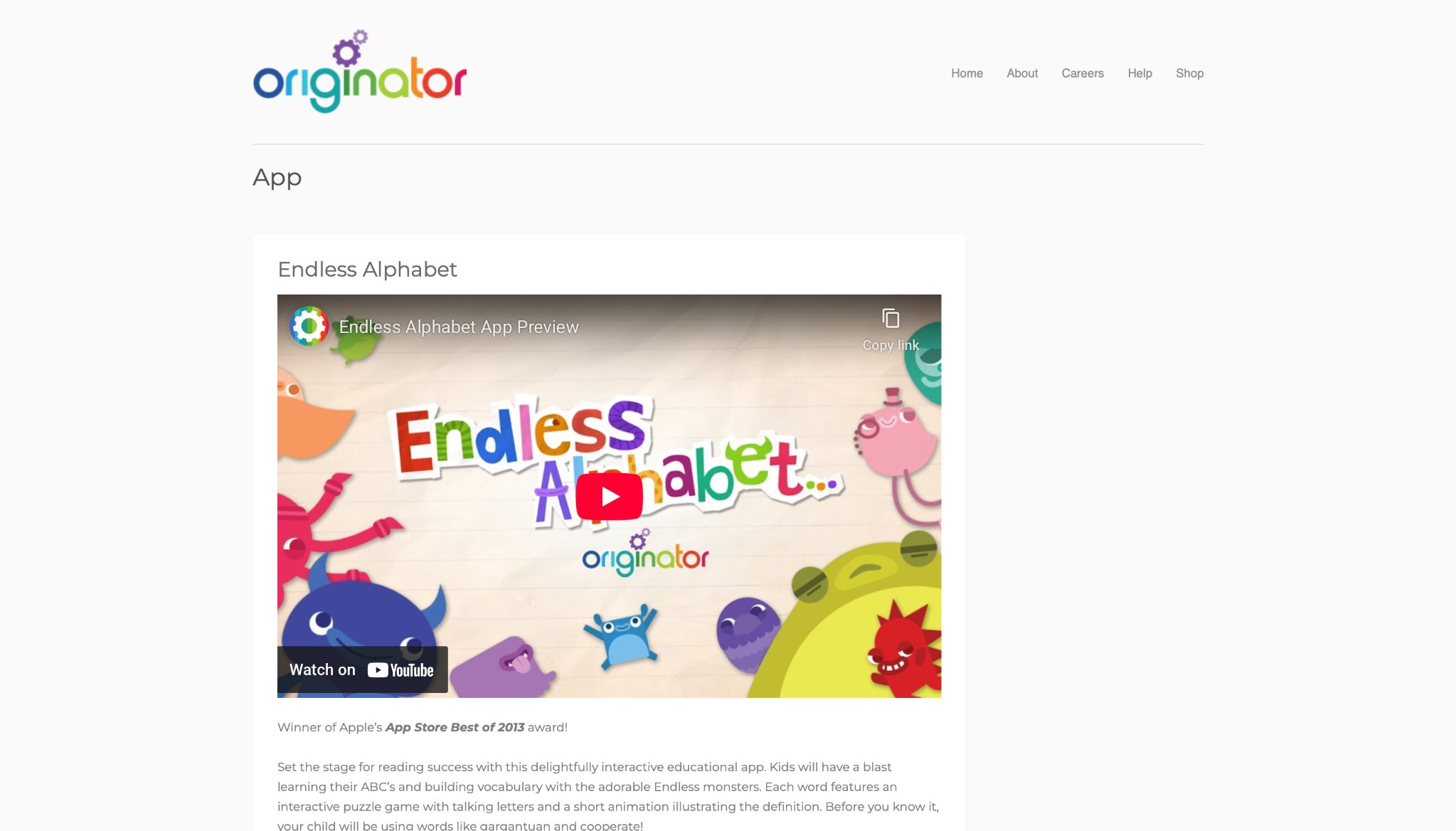
Endless Alphabet introduces vocabulary and letters to children aged three to seven, perfect for five-year-olds with interactive puzzles where kids drag talking letters to form words. Each completed word triggers animations that act out definitions in humorous ways, building understanding through play. Over seventy words cover diverse themes, with monsters guiding the fun. The app skips high scores or timers for a relaxed pace, letting kids explore freely.
Strengths lie in its delightful visuals and animations that make meanings stick easily, appealing across ages without pressure. It sharpens reasoning and awakens curiosity in a stress-free setup. Weaknesses may include limited checks for retention, so parents might add discussions to reinforce learning. No headquarters specified, but it's award-winning for quality. In 2026, no major changes noted, but the bundle with related apps like numbers and reader offers expanded play for non-readers via vivid graphics.
- Key features: Interactive word puzzles, animated definitions, touch-based letter games.
- Facts and information: No failures or limits, supports early literacy, engaging for toddlers to early learners.
16. Homer Learn & Grow
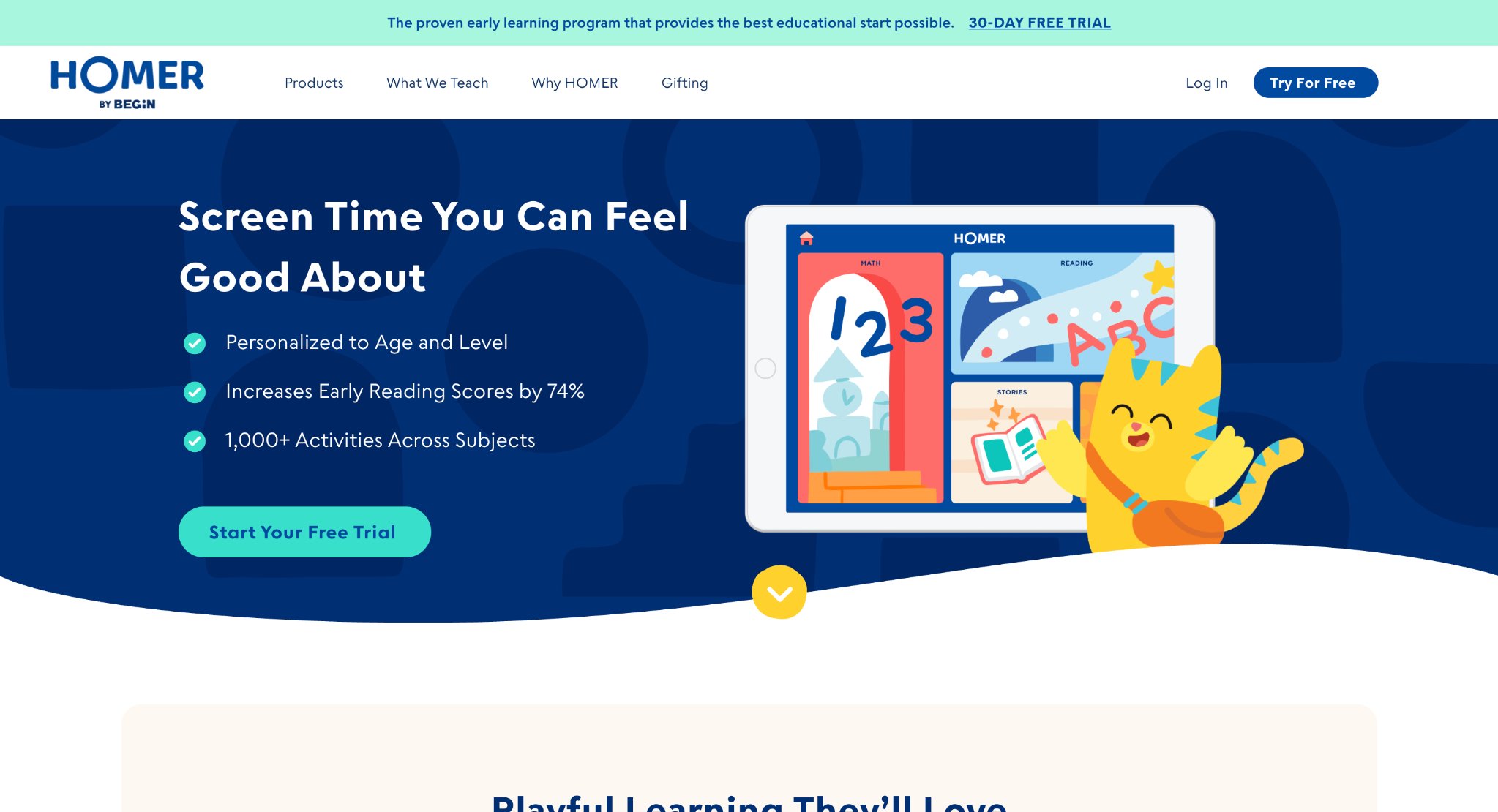
Homer Learn & Grow personalizes early learning for children aged two to eight, tailoring paths for five-year-olds in reading, math, social-emotional skills, thinking games, and creativity. It starts with phonics and numbers, using stories, activities, and drawing tools based on interests like animals or space. The app builds confidence through "I Did It" moments, with joyful play that kids return to often. Strengths focus on its research-backed design that sparks love for learning, holding attention even for those with challenges, and easing parent involvement with simple navigation.
Many families praise its excellence over other apps for engagement and skill growth. Weaknesses might need some oversight to maximize personalization, though its ad-free ease helps. No headquarters mentioned, but it's expert-designed and parent-approved. As of 2026, ongoing refinements add more SEL activities and creative outlets, supporting school readiness in a safe space.
- Key features: Adaptive lessons by interest, phonics and math building blocks, social-emotional tools.
- Facts and information: Kid-powered personalization, joyful activities for confidence, covers multiple stages from toddler to learner.
17. Epic!

Epic! serves as a digital library for children up to twelve, offering five-year-olds access to books, audiobooks, and videos that fuel reading love. With vast selections across topics, kids explore interests and discover new ones, boosting skills through quizzes and comprehension tools. The platform encourages reluctant readers with engaging content tied to classroom success. Strengths include its broad library that inspires curiosity and builds thinking, with many users finding it transformative for daily reading habits.
Teacher-curated lists add value for guided choices. Weaknesses could involve needing supervision for age-mixed materials to ensure fit. No headquarters specified, but it's designed for all reader types. In 2026, expansions maintain the focus on enrichment, with added interactive elements like themed collections for deeper dives into subjects.
- Key features: Audiobooks and quizzes, vast title selections, progress tracking.
- Facts and information: Supports classroom and home use, encourages exploration, builds reading confidence.
18. Noggin

Noggin features content from Nick Jr. for children aged two to seven, blending games, videos, and activities for five-year-olds in literacy, math, and social skills. Kids interact with characters like Blue's Clues in themed collections, practicing fine motor and visual skills through play. The app covers cooking, chess, and more for real passions.
Strengths come from its entertaining yet educational mix, with positive verbal cues and diverse representations making learning inclusive. Many parents value the safe environment and expert resources. Weaknesses might stem from navigation choices overwhelming young users, though verbal guidance helps. No headquarters mentioned, but it's subscription-based for preschool focus. As of 2026, updates add more skill-building like empathy lessons, keeping it fresh for family use.
- Key features: Interactive videos, themed games, character-driven activities.
- Facts and information: Covers multiple subjects, ad-free for focus, supports diverse needs.
19. codeSpark Academy
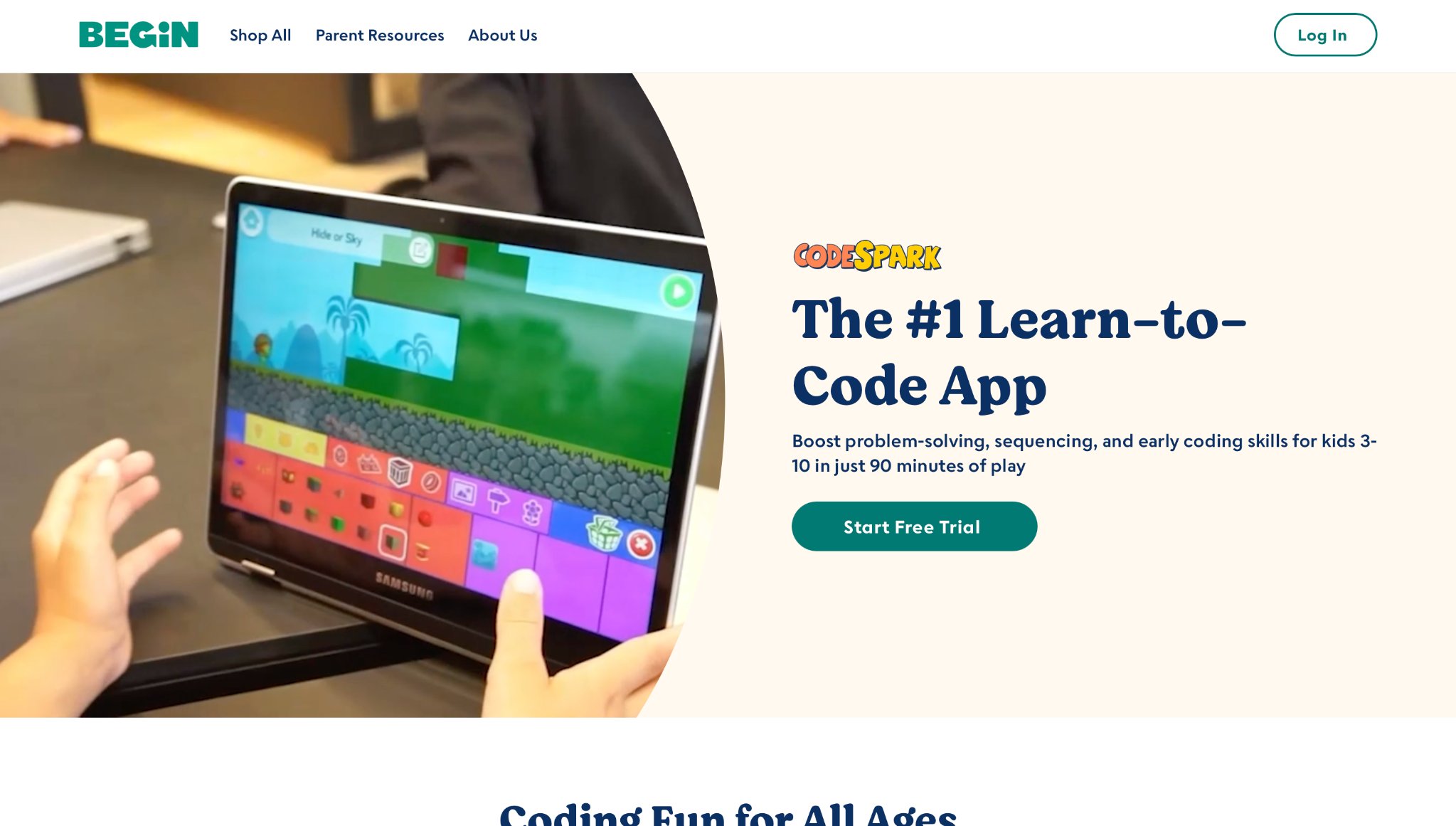
codeSpark Academy introduces coding to children aged three to ten, enabling five-year-olds to create games and puzzles via drag-and-drop without reading. For young learners, it teaches sequencing, logic, and problem-solving through playful activities like debugging and using variables. Kids share creations in a community and remix others.
Strengths highlight its word-free access that builds critical thinking and creativity, appealing to diverse needs with girl-friendly content. Many families note kids gaining confidence quickly. Weaknesses may require initial adult help, but the interface eases this. No headquarters specified, but it's affordable and partner-linked. In 2026, expansions include contests and more mini-games for ongoing engagement.
- Key features: Block-based puzzles, game building tools, community sharing.
- Facts and information: Research-based skill boosts, supports non-readers, creative outlets for all.
20. Busy Shapes
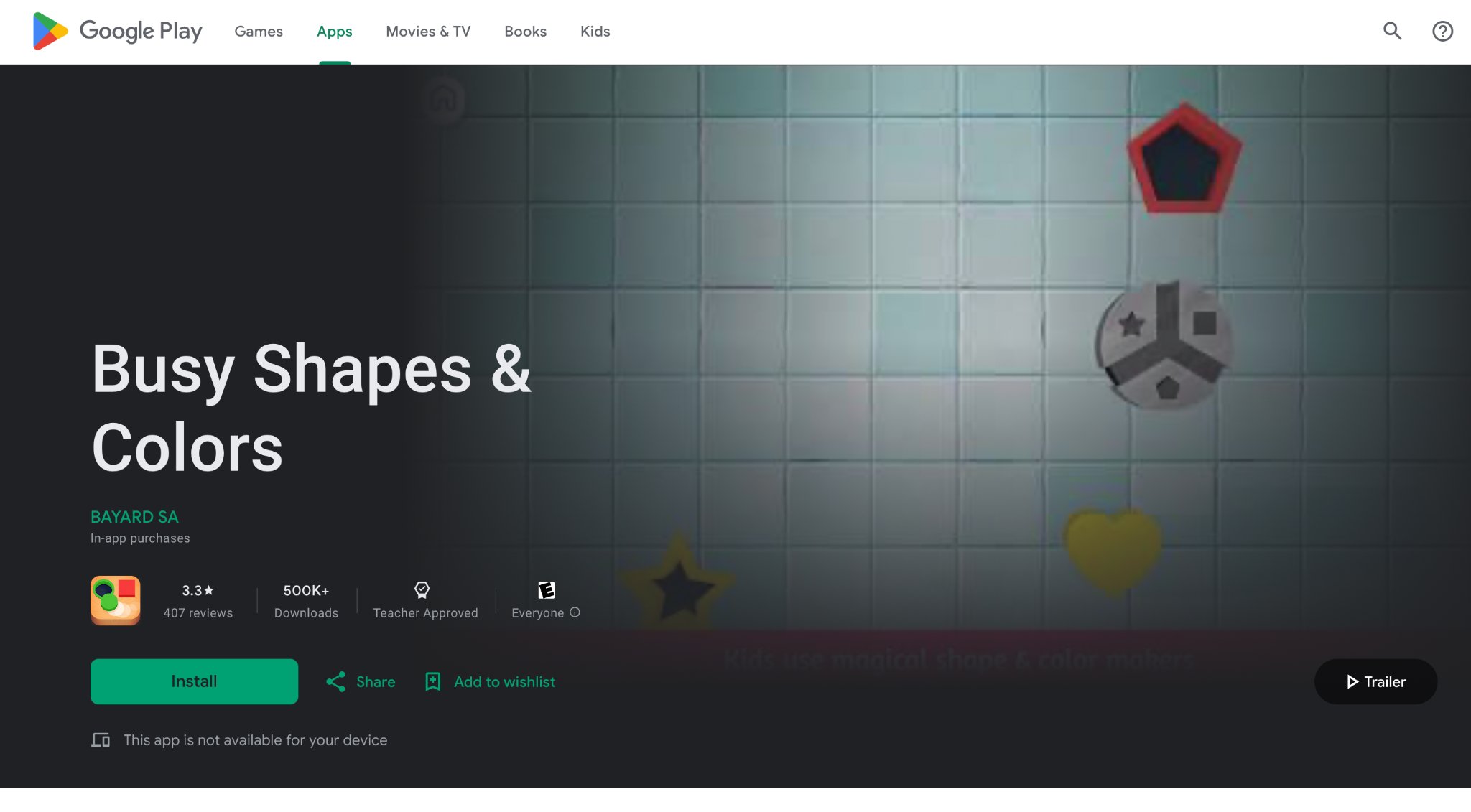
Busy Shapes sharpens reasoning for children aged two to five, with puzzles matching shapes and colors in progressive levels. Five-year-olds explore 3D worlds, honing cognitive skills inspired by Montessori methods. The app awakens intelligence through intuitive play without timers.
Strengths include its engaging graphics and easy interface for young hands, developing fine motor and early thinking. Many users appreciate the evolving challenges. Weaknesses might limit to basic interactions, suggesting supplements for variety. No headquarters mentioned, but it's award-winning. In 2026, no noted changes, but related apps expand on shapes and colors.
- Key features: Color and shape matching, progressive puzzles.
- Facts and information: Montessori-inspired, supports toddler development, no pressure elements.
21. DragonBox
DragonBox teaches math concepts to children aged four to eight, with games for five-year-olds covering numbers, addition, subtraction, and basic equations intuitively. Kids solve puzzles in engaging worlds, building fluency through mini-games and reflections. Strengths lie in its award-winning design that makes abstract ideas fun, fostering deep understanding and confidence. Many parents see kids excited about math. Weaknesses focus mainly on math, less broad for other subjects. No headquarters specified, but it's expert-collaborated. In 2026, additions like times tables games enhance progression.
- Key features: Number bonds, algebra basics, mini-games for practice.
- Facts and information: Intuitive learning stages, positive press recognition, family sharing options.
22. AlphaTots
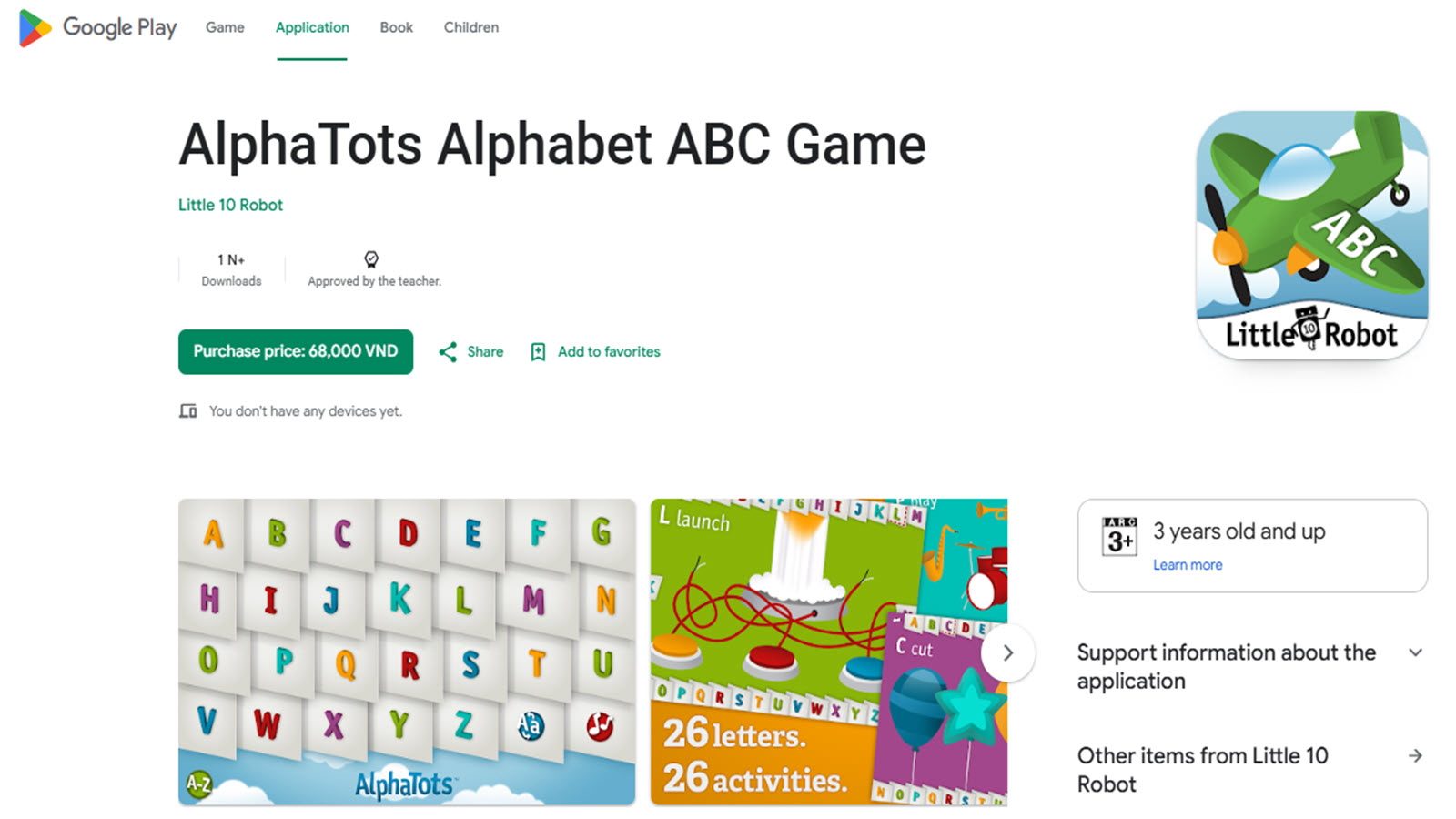
AlphaTots, developed by Spinlight Studio in the USA, introduces the alphabet to children ages 2 to 5 through 26 interactive action-verb mini-games and puzzles. Kids “build” robots for B, “dig” for treasure for D, or “zap” spaceships for Z, associating each letter with its sound and a fun physical action in vibrant, animated scenes. The app includes an alphabet sing-along song and a simple interactive letter chart that lets toddlers recite and explore at their own pace without timers or scores.
Strengths include its creative, hands-on approach that makes letter recognition active and memorable through clever animations and immediate feedback. A potential weakness is the focus solely on the alphabet, which may require pairing with other tools for broader skill development. Families appreciate the distraction-free design that keeps young learners engaged through movement-based play. Based in the USA, Spinlight Studio emphasizes joyful, serious-fun educational experiences that build early literacy foundations in short, rewarding sessions.
- Key features: 26 letter-specific action puzzles, alphabet sing-along song, interactive letter chart with sound association.
- Facts and information: Designed for ages 2-5 with visual and auditory reinforcement, supports phonics through active play, award-winning for creative alphabet learning.
23. Gus on the Go
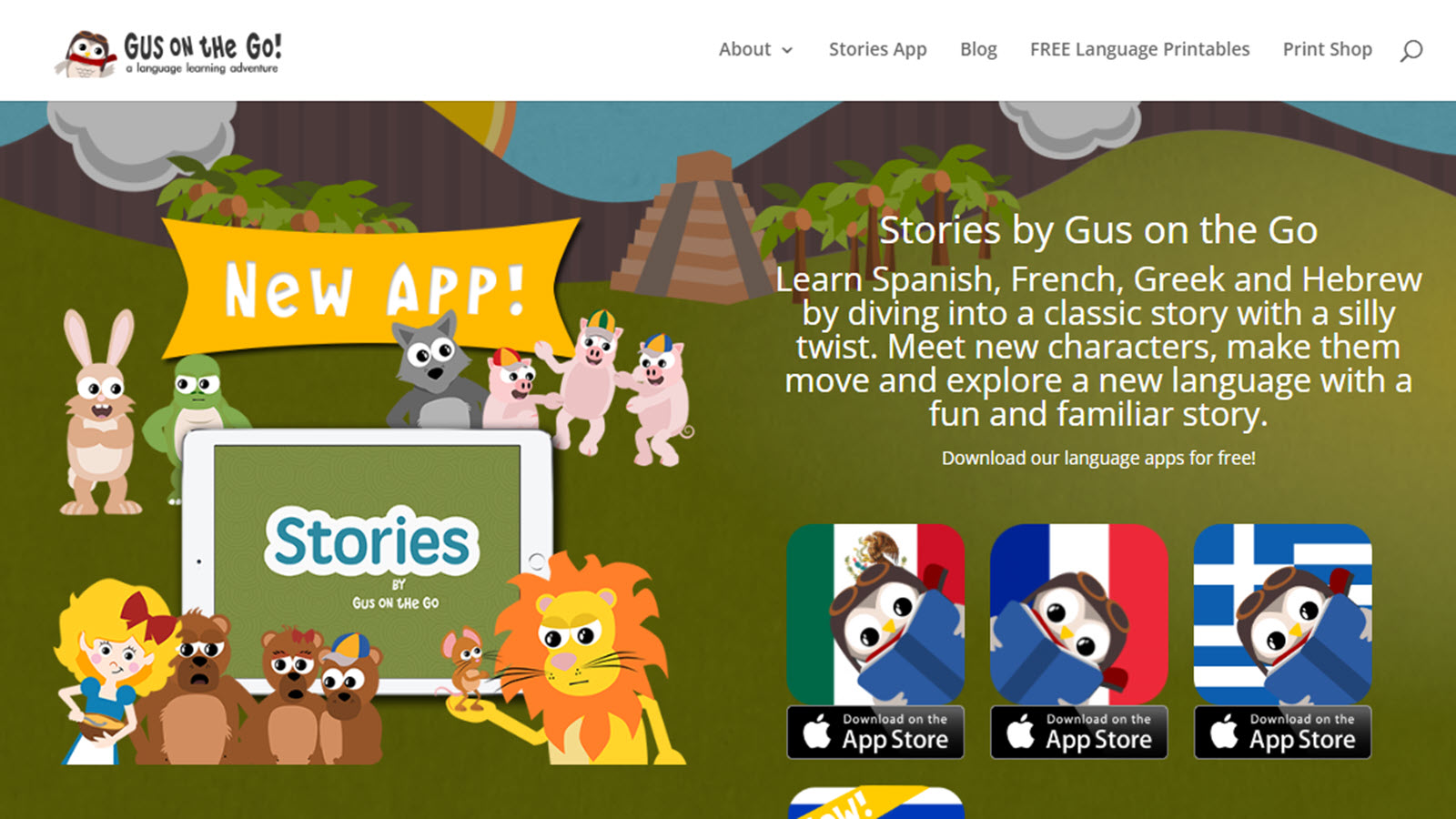
Gus on the Go, created by toojuice, LLC in the USA, helps children ages 3 to 7 explore over 30 languages through interactive stories featuring a friendly owl named Gus who travels the world. Kids tap characters to hear native audio pronunciation, learn vocabulary in categories like animals, food, and clothes, and engage with familiar story structures that make new words stick. The app supports multiple languages including Spanish, French, Mandarin, and others, allowing young learners to build listening and speaking skills in a playful narrative format.
Strengths lie in its authentic native-speaker audio and story-driven immersion that feels like an adventure rather than drills. A potential weakness is the language-specific focus, which may limit depth in core subjects like math or reading for monolingual households. Parents value the gentle pace and cultural exposure that encourages curiosity about the world. The USA-based developer prioritizes accessible, screen-friendly language learning that complements daily routines and family discussions.
- Key features: Native audio in 30+ languages, vocabulary categories with tap interactions, story-based narrative exploration.
- Facts and information: Supports early bilingual exposure for ages 3-7, includes visual and auditory reinforcement, promotes listening comprehension through familiar tales.
24. Little Wheels
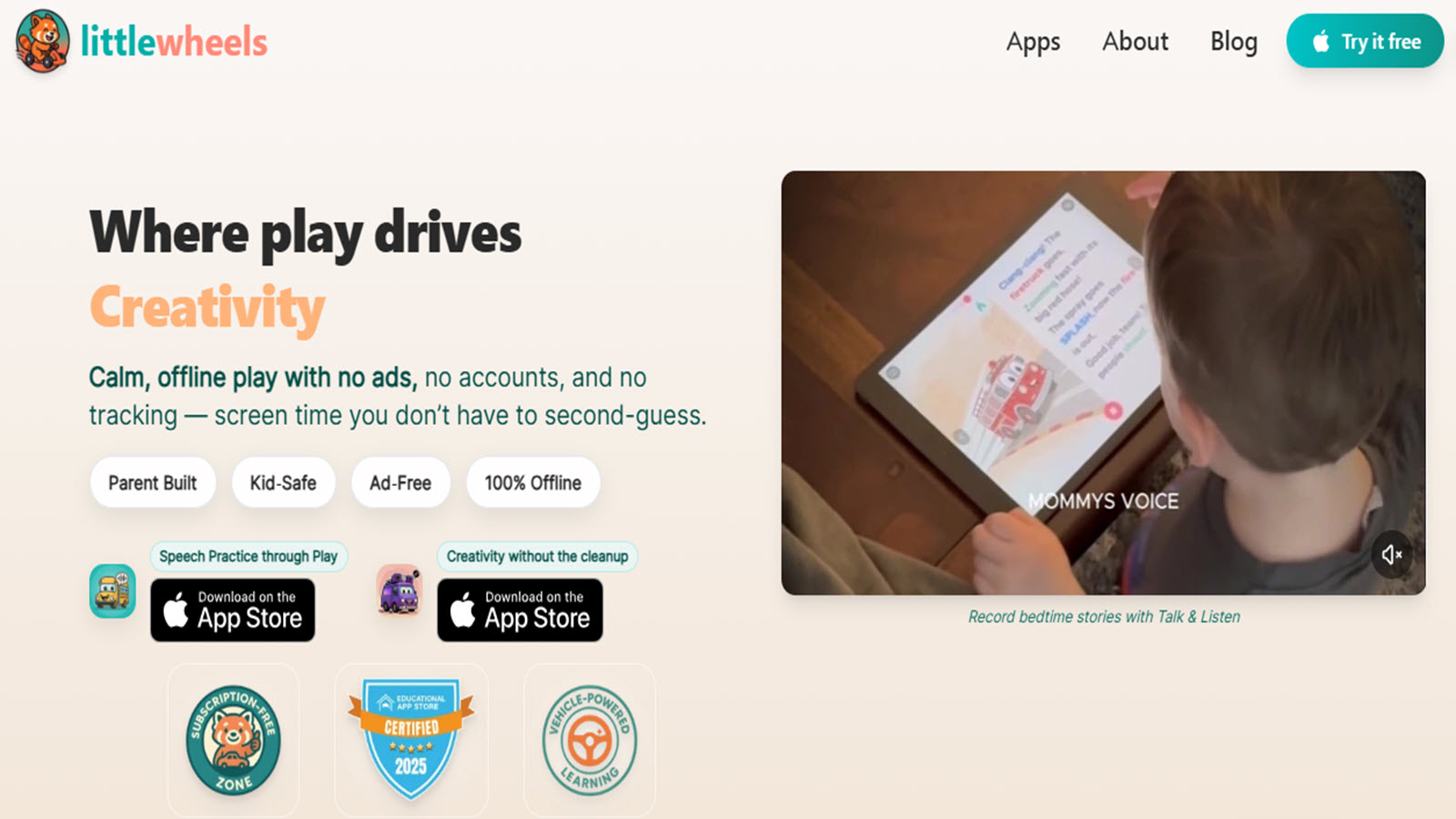
Little Wheels, from a parent-built studio in the USA, offers offline, ad-free creative play for toddlers ages 2 to 6 through vehicle-themed art, music mixing, tracing, and sticker scenes. Children color, draw, build simple vehicles, and experiment with sounds and piano keys in open-ended activities that encourage self-expression without instructions or goals. The app combines digital toys with learning elements like color recognition and basic patterns in a calm, mess-free environment designed for small hands.
Strengths include its focus on imagination and fine motor practice through intuitive tools that feel like real play. A potential weakness is the limited structured lessons, suiting free exploration better than targeted academics. Families love the offline capability and lack of distractions that support independent creative time. The USA developer creates simple, vehicle-inspired experiences that turn screen time into joyful artistic discovery.
- Key features: Vehicle-themed coloring and drawing tools, music mixing and piano activities, sticker scenes for storytelling.
- Facts and information: Fully offline and ad-free for ages 2-6, promotes creativity and fine motor skills, one-time purchase model with ongoing updates.
25. Speech Blubs
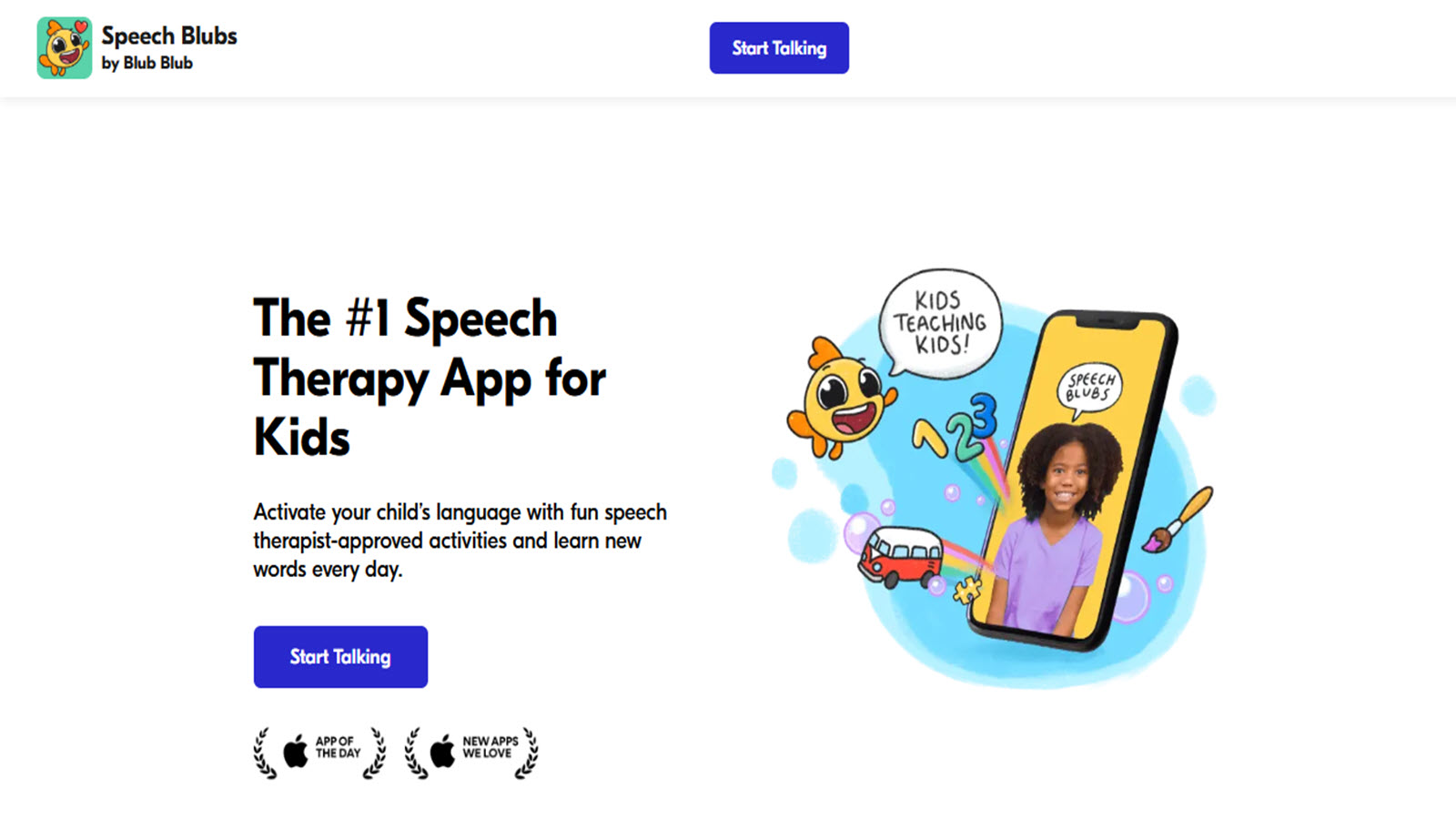
Speech Blubs, developed by Blub Blub Inc and widely available in the USA, provides voice-controlled speech therapy activities for children ages 1 to 8, including 3-year-olds building early sounds and words. Kids watch peer-modeled videos, use face filters and stickers, and practice through 1,500+ games across themes like animal sounds, body parts, and daily routines. The app uses video modeling and interactive challenges to encourage imitation and vocalization in a fun, non-pressured way.
Strengths center on its engaging peer videos and real-time voice feedback that motivate reluctant talkers. A potential weakness is the speech-specific focus, which pairs best with other apps for broader development. Parents appreciate the therapist-backed design that supports late talkers and articulation practice at home. The platform helps thousands of families in the USA improve communication skills through playful, screen-based exercises.
- Key features: Video modeling with peer examples, voice-activated games, themed activities for sounds and vocabulary.
- Facts and information: Over 1,500 exercises used by families worldwide, designed with speech-language pathologists, supports ages 1-8 including speech delays.
26. Crayon Club
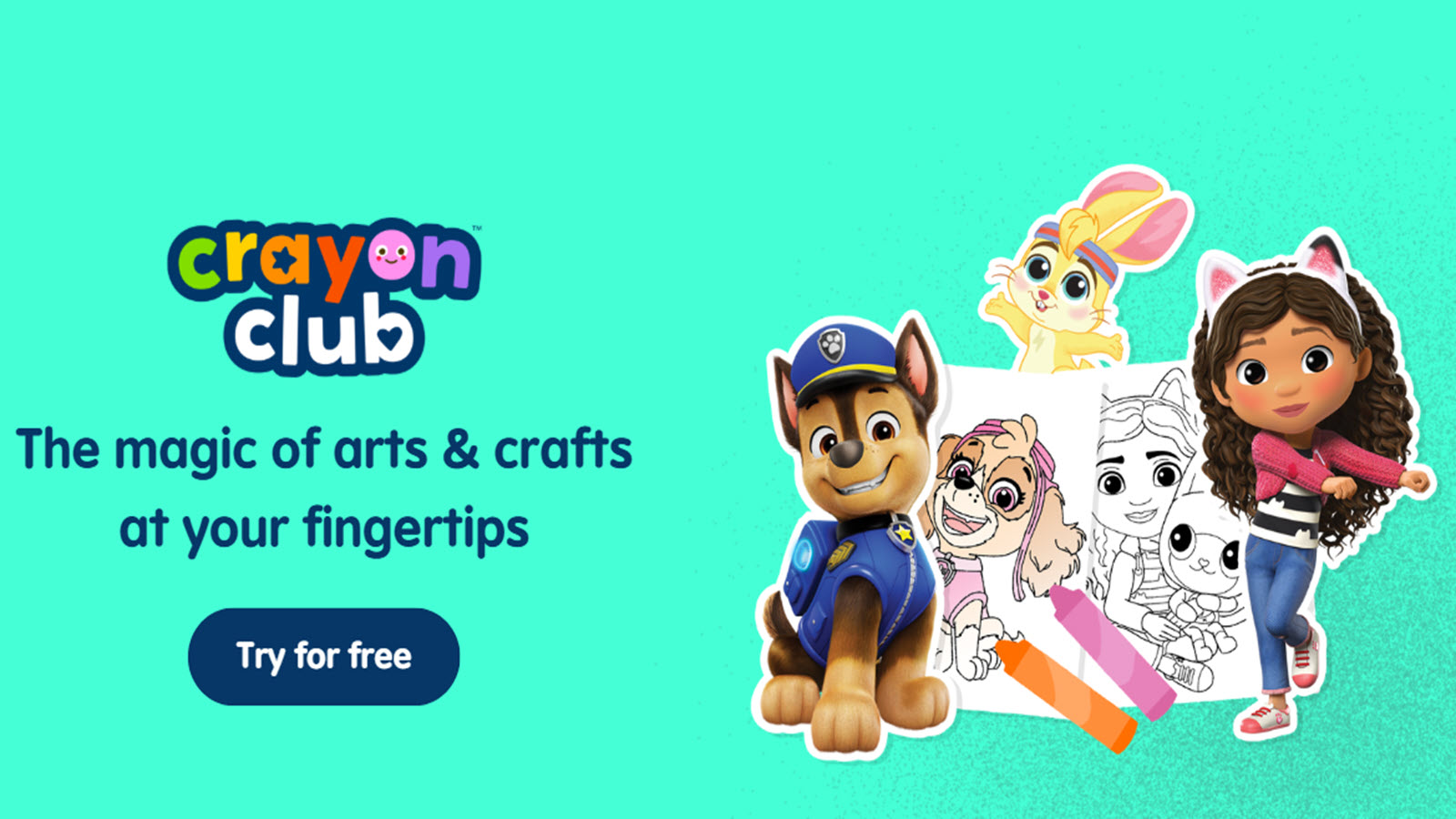
Crayon Club, by Sago Sago and accessible in the USA, delivers a safe, ad-free coloring and drawing app for ages 2 to 6 with hundreds of pages featuring popular characters and open creative tools. Children use digital crayons, paints, and stamps to color, draw freely, and express ideas in calming, frustration-free sessions that build fine motor skills and artistic confidence. The intuitive interface supports little hands with big imaginations in a mess-free digital studio.
Strengths include its simple navigation and character-themed pages that keep toddlers returning for creative quiet time. A potential weakness is the primary emphasis on coloring rather than structured learning activities. Families enjoy the peaceful play that encourages self-expression without cleanup. The app turns screen time into mindful art practice, helping young children develop patience and creativity through colorful, open-ended exploration.
- Key features: Hundreds of coloring pages with character themes, digital painting and drawing tools, sticker and stamp options.
- Facts and information: Designed for ages 2-6 with intuitive controls, promotes fine motor and creative skills, ad-free for focused play.
27. Moose Math
.jpg)
Moose Math invites five-year-olds into a whimsical town where animals guide them through counting, addition, subtraction, sorting, and geometry activities. Children mix smoothies while practicing number operations, match pets by counting dots, solve bingo-style problems, sort shapes and colors, and complete number pattern connections. Developed in collaboration with Stanford educators and aligned with Common Core standards for kindergarten and first grade, the app turns early math concepts into interactive missions that build quantity understanding, pattern recognition, and measurement skills. Kids earn rewards to decorate and expand their virtual city, creating a sense of ownership as they progress. The design supports independent exploration with multi-level challenges suited to preschool and early elementary learners. Parent and teacher report cards track completed skills and suggest further practice. Available on major mobile platforms, it delivers structured yet playful math experiences grounded in educational research.
- Key features: Five multi-level activities covering counting, addition, subtraction, geometry, and patterns; city-building rewards; parent and teacher progress reports.
- Facts and information: Aligned with Common Core kindergarten and first-grade standards; developed with Stanford educator input; supports ages 3–8 with adaptive difficulty levels.
28. Sago Mini World

Sago Mini World creates an open-ended digital playground for five-year-olds filled with imaginative scenarios involving characters, vehicles, animals, and everyday settings. Children care for babies, explore dinosaur habitats, bake treats, drive buses, build robots, and design custom characters across dozens of interconnected activities. The experience emphasizes free exploration without timers, scores, or rigid goals, helping young learners develop creativity, emotional awareness, cause-and-effect understanding, and fine motor control. Designed by early childhood specialists, the activities encourage storytelling and social pretend play in a calm, colorful environment. Offline access allows continuous engagement, while regular content additions keep the world fresh. The platform supports independent navigation for preschoolers and fosters curiosity through whimsical, low-pressure discovery. Families appreciate the consistent focus on developmental growth through pure imaginative play.
- Key features: Dozens of open-ended interactive scenes and character creation tools; offline play capability; multi-device family sharing.
- Facts and information: Targeted at ages 2–6; award-winning design recognized by Parents’ Choice and Kidscreen; emphasizes creative and emotional skill development through free play.
29. Lingokids
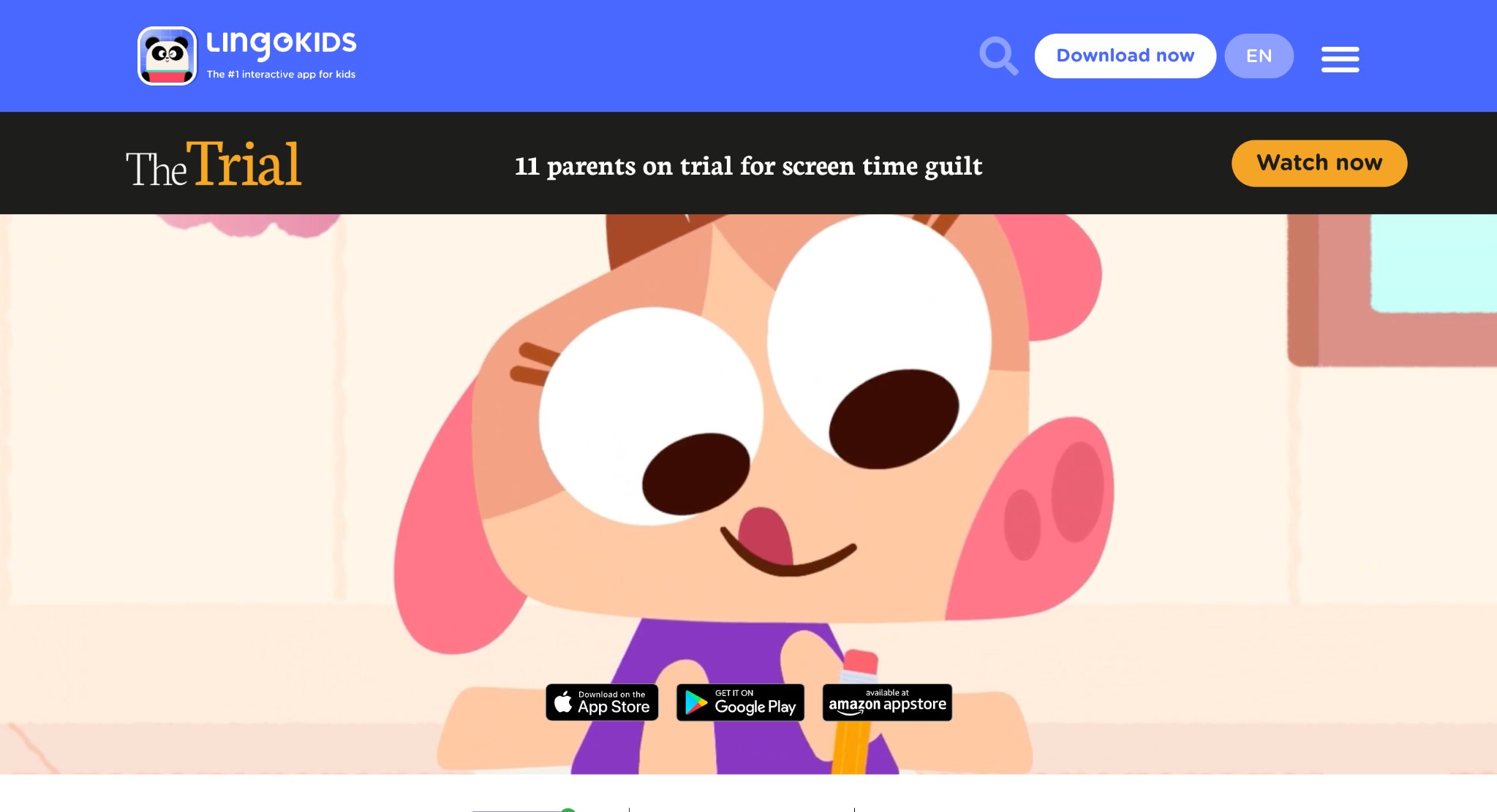
Lingokids delivers a broad Playlearning curriculum for five-year-olds spanning literacy, math, science, engineering, art, music, and social-emotional skills through thousands of interactive games, songs, videos, and lessons. Children engage with phonics practice, number sense activities, STEM explorations, and character-driven stories that adapt to individual age and progress levels. Partnerships with organizations such as NASA and Oxford University Press enrich the content with real-world themes and expert-backed materials. The platform organizes activities into beginner, intermediate, and advanced stages so five-year-olds encounter appropriately challenging yet accessible experiences. Progress tracking helps caregivers monitor skill growth across multiple domains. Ad-free and designed for independent navigation, Lingokids supports offline access on higher plans and encourages repeated practice of favorite activities. The global curriculum draws from educational approaches used in the United States and other leading systems to build both academic foundations and life skills.
- Key features: Over 4,000 games, songs, and videos across multiple subjects; adaptive age-based levels; progress center and offline mode.
- Facts and information: Used by millions of families worldwide; includes collaborations with NASA and Oxford University Press; covers academic and social-emotional objectives for ages 2–8.
30. Pok Pok
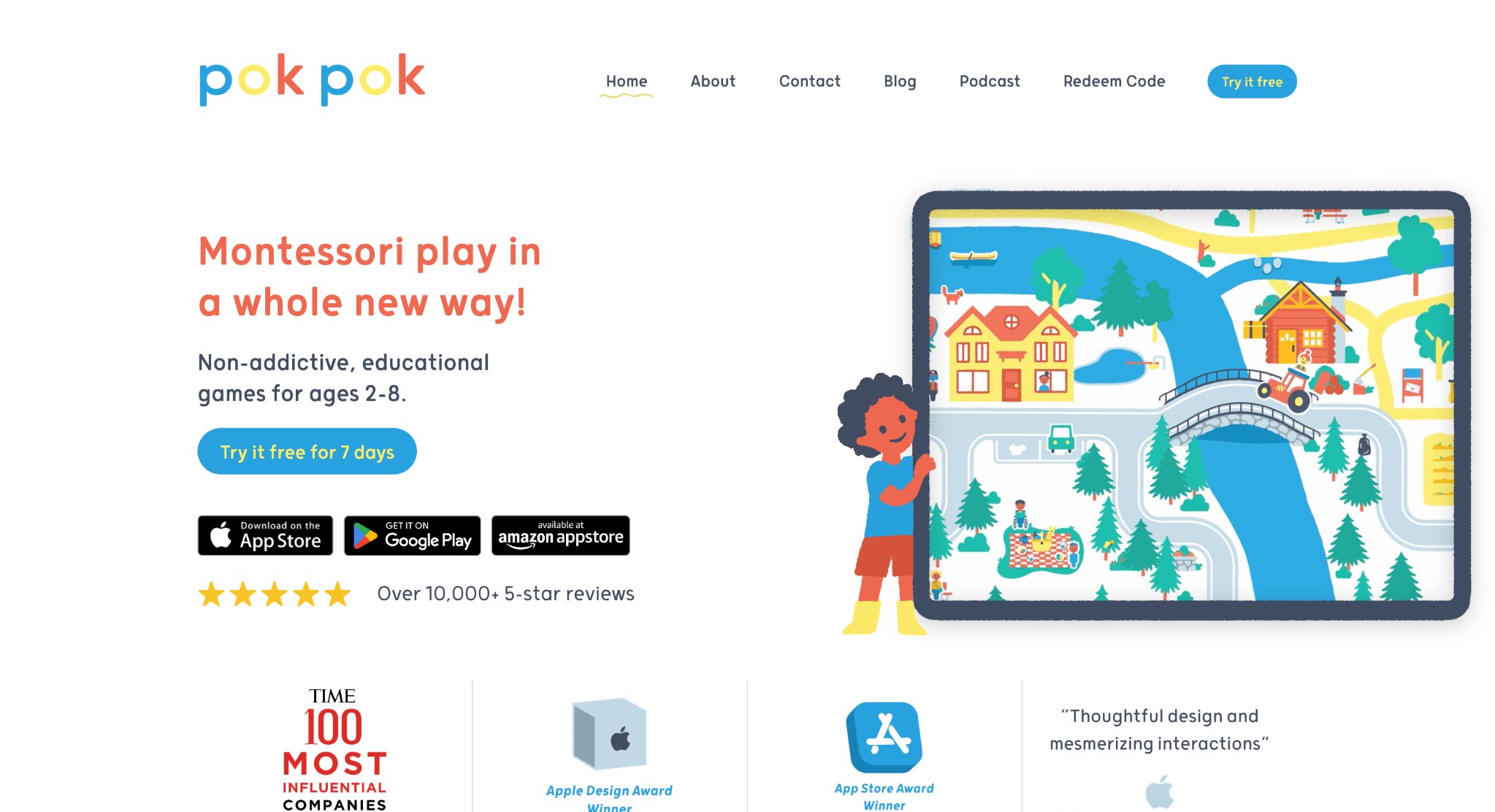
Pok Pok functions as a digital Montessori-inspired playroom for five-year-olds, offering open-ended interactive toys focused on exploration rather than competition. Children experiment with marble machines, house scenarios, busy books, number journeys, dinosaurs, shapes, and music tools that introduce early STEM concepts, spatial reasoning, counting, and fine motor practice. Every activity operates without levels, timers, winning, or losing, allowing kids to discover cause and effect, problem-solving strategies, and creative storytelling at their own pace. Hand-drawn visuals and gentle sounds create a low-stimulation environment that supports calm, regulated play. The app works fully offline and requires no reading, making it accessible for independent use. Regular updates introduce new toys that grow with the child’s developing abilities. Designed with early childhood experts, Pok Pok prioritizes curiosity-driven discovery and self-directed learning in a safe digital space.
- Key features: Collection of open-ended digital toys covering STEM, numbers, shapes, and imaginative play; fully offline functionality; no scores or timed challenges.
- Facts and information: Designed for ages 2–8; recipient of Apple Design Award and Academics’ Choice recognition; emphasizes Montessori principles of independent exploration.
31. Thinkrolls
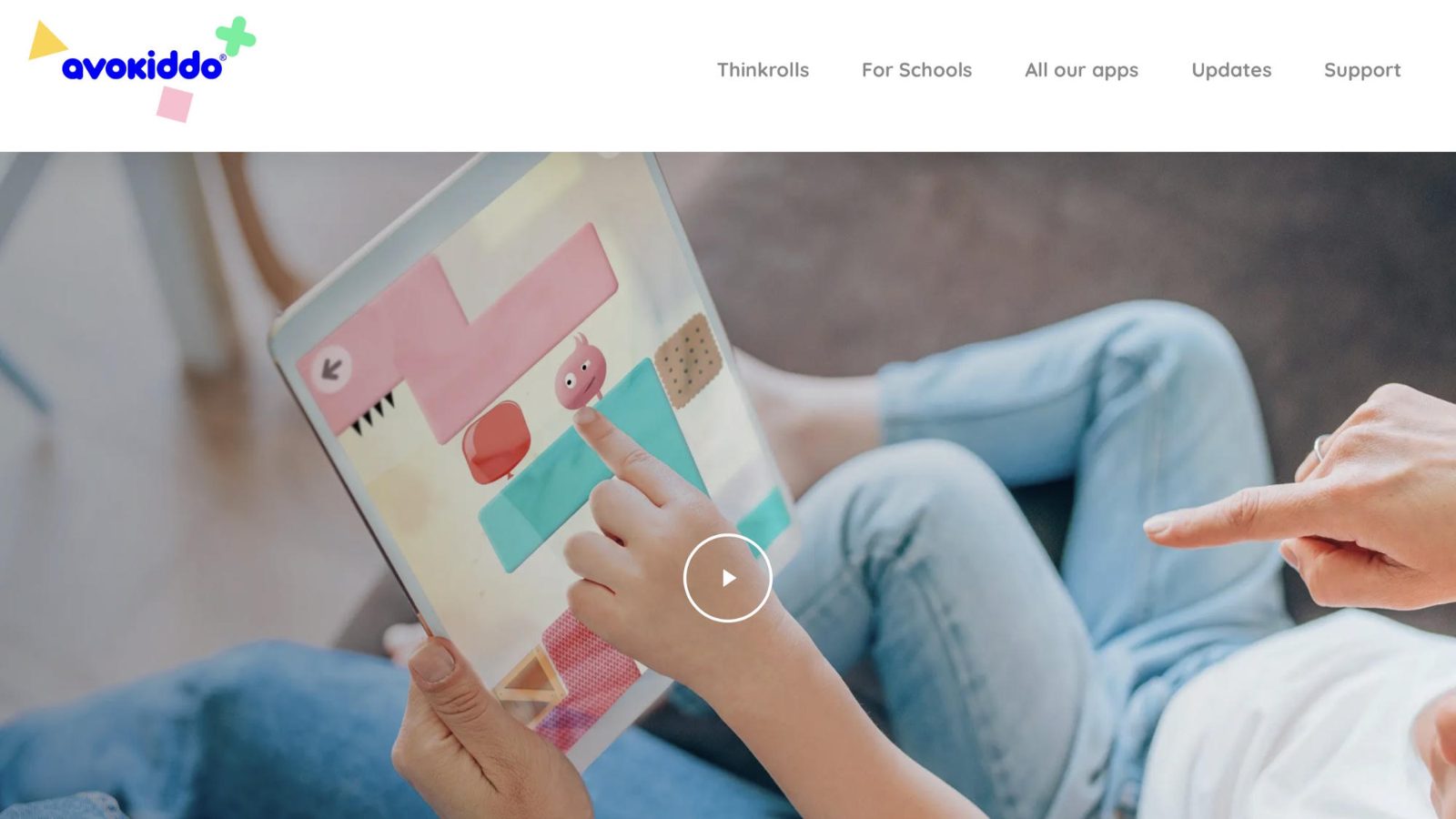
Thinkrolls presents five-year-olds with physics-based logic puzzles featuring adorable characters navigating colorful mazes filled with gravity, buoyancy, friction, heat, and elasticity challenges. Children guide the Thinkrolls through obstacles by experimenting with interactive elements such as balloons, jellies, and levers, gradually unlocking new characters and more complex scenarios. Dual difficulty modes accommodate younger and slightly older players, building spatial reasoning, planning, memory, and perseverance through hands-on trial and error. The series expands into math games, coding creation tools, and community-shared puzzles so kids can design and play original challenges. No reading is required, and unlimited attempts encourage resilience without penalties. Award-winning design from an independent studio keeps the focus on genuine cognitive development through playful experimentation. The experience supports both solo and family play while introducing foundational science and logic concepts in an engaging format.
- Key features: Hundreds of physics and logic puzzle levels; dual easy and hard modes; character creation and community puzzle sharing tools.
- Facts and information: Aimed at ages 2–8; multiple Parents’ Choice and Common Sense Media recognitions; teaches real physics principles through interactive play.
32. ScratchJr
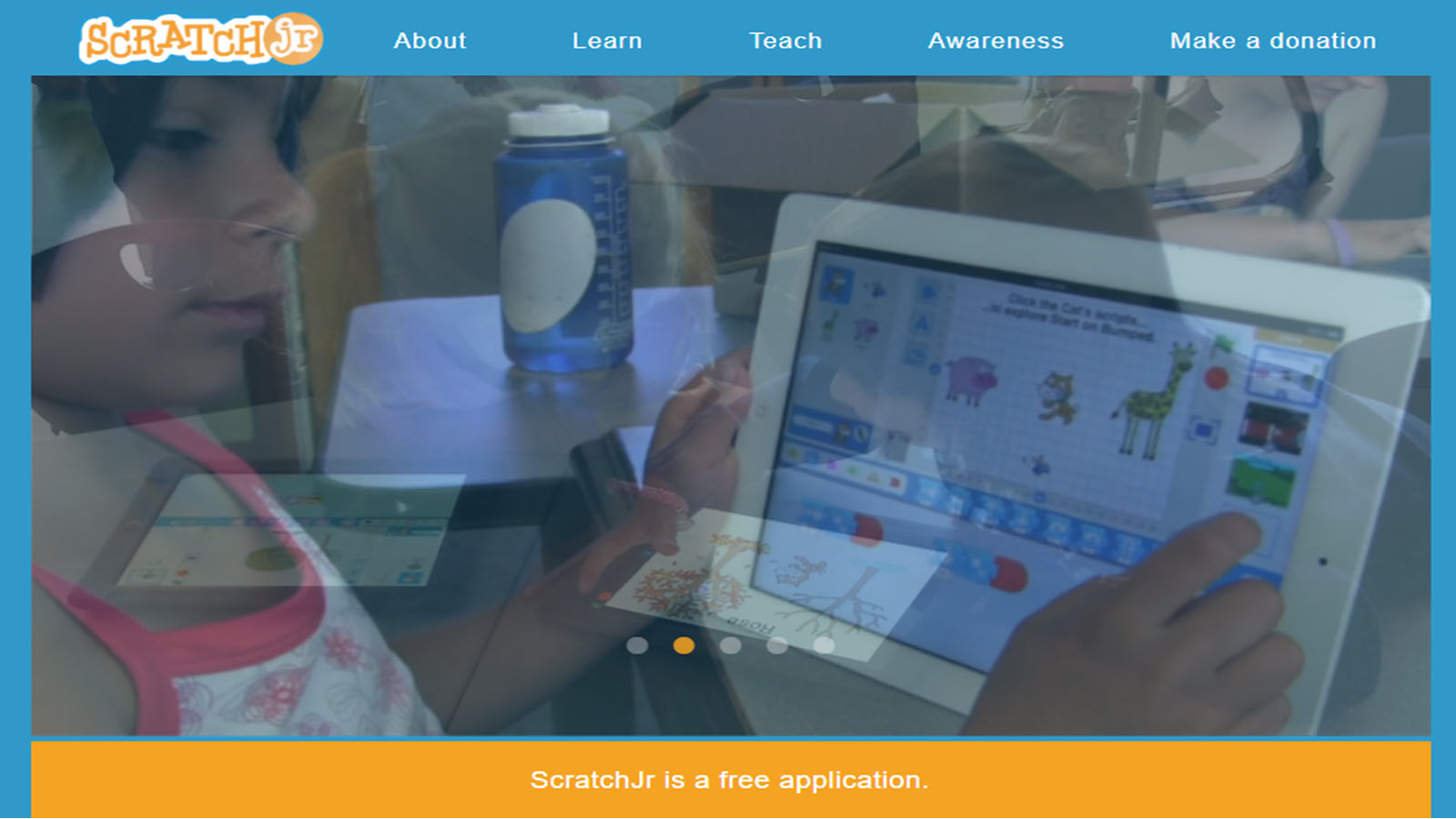
ScratchJr gives five-year-olds a first coding studio that feels like making a cartoon instead of taking a computer class. Children snap together picture blocks so a character walks, jumps, grows, shrinks, plays a sound, or waits for a tap. They can paint new costumes, record their own voices, drop in a family photo, and string several scenes into a short story or mini-game. Because every command is an icon, emerging readers can still plan a sequence, test it, notice what went wrong, and fix the blocks. That loop builds sequencing, cause and effect, early math language such as “repeat” and “wait,” and the patience to debug. Teachers across the United States use the free app in kindergarten and first grade as a bridge into computational thinking before students meet Scratch. Projects save on the tablet or Chromebook and work offline, so play can continue in the car or on a classroom device with limited connectivity. The collaboration between the DevTech group, the MIT Media Lab, and the Scratch Foundation keeps the interface matched to how young children actually think and move.
- Key features: Icon-based blocks for motion, looks, sound, and control; paint editor and photo import; multiple scenes and characters; voice recording; offline project saving.
- Facts and information: Designed for ages 5–7; free on iOS, Android, and Chromebook; NSF-supported research design; used in U.S. kindergarten classrooms; available in many languages; no reading required.
33. Tinybop Explorer’s Library
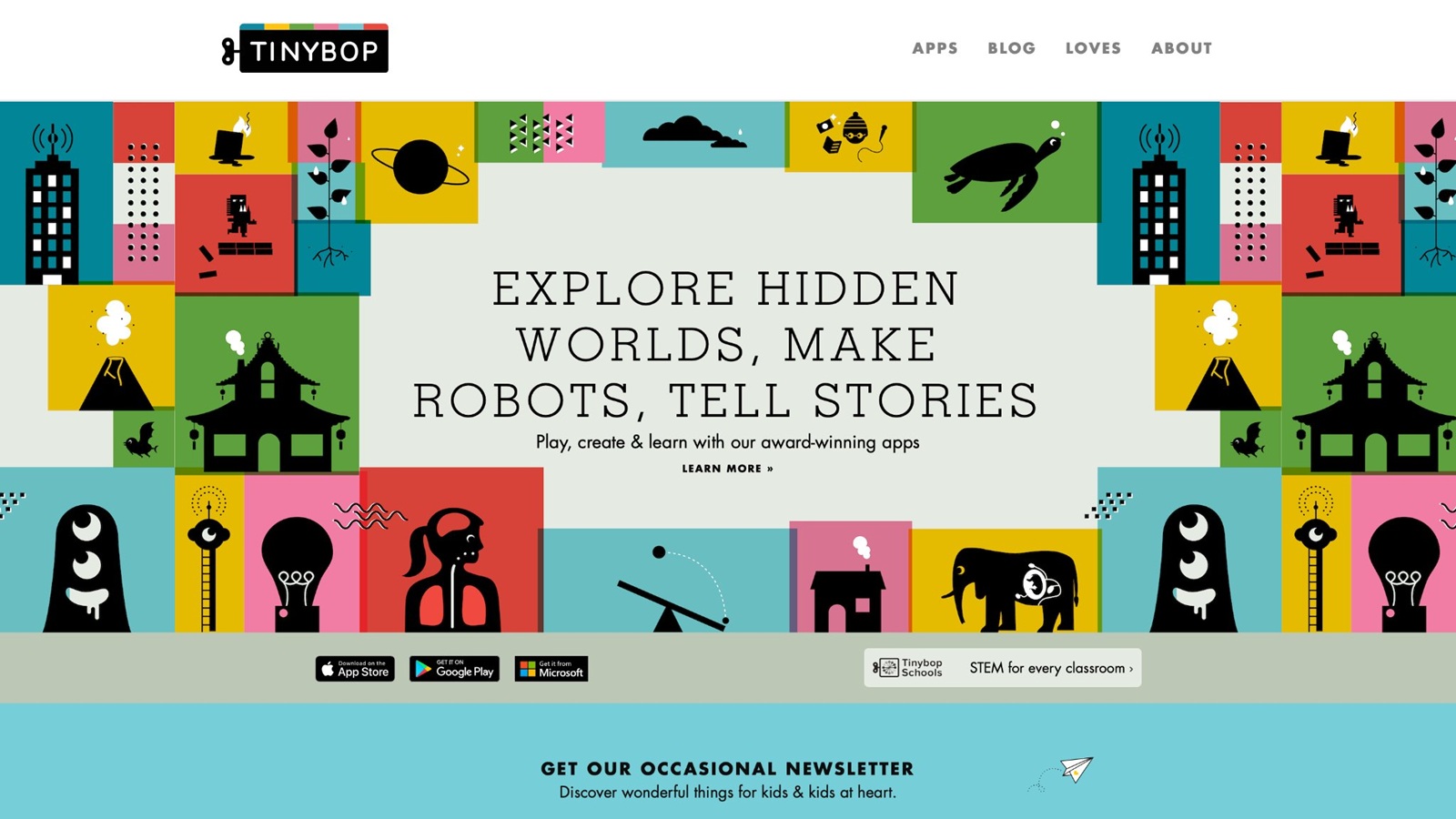
Tinybop, based in Brooklyn, New York, builds science playgrounds rather than quizzes. In The Human Body, a five-year-old can make lungs inflate, feed the stomach, watch sound travel through the ear, or pull out bones until the skeleton slumps. Space, Weather, Simple Machines, Homes, Mammals, and related titles work the same way: tap, drag, and observe what changes. Subject experts check the models, illustrators keep the worlds rich, and labels can appear in dozens of languages so a child hears both the English word and another home language. There is no score, timer, or “wrong” answer. Kids stay because the systems react. That open exploration supports vocabulary, scientific questioning, and the habit of testing an idea. Free handbooks help parents and teachers turn a five-minute poke at the heart into a conversation about exercise or food. U.S. families and classrooms use the series as a hands-on STEM companion that sits beside picture books and outdoor play.
- Key features: Interactive models of body systems, weather, space, machines, animals, and homes; multilingual labels; cause-and-effect experimentation; adult handbooks with talking points.
- Facts and information: Brooklyn, New York studio; titles recognized by Parents’ Choice, ALA Notable Children’s Digital Media, and Children’s Technology Review; designed for ages 4+; used at home and in schools.
34. Hooked on Phonics

Hooked on Phonics walks five-year-olds through letter sounds, blending, and first books in a path that has been refined for U.S. families for decades. The Pre-Reader steps introduce one sound at a time with a short video or song, then games that ask the child to hear, match, and tap that sound. Learn to Read moves into blending and decodable stories that use only the patterns just taught, so a kindergartner can finish a whole book with skills they actually have. The same app folds in spelling practice and early math so siblings can share a login without switching tools. Children move an avatar along the path and collect rewards after each step. Lessons can download for offline use, and progress syncs if the family switches from phone to tablet. Printed workbooks and storybooks, when families use the full program, give pencil-and-paper tracing that many five-year-olds still need. The sequence lines up with the phonological awareness and phonics work expected in American kindergarten classrooms.
- Key features: Sequenced Pre-Reader and Learn to Read lessons; songs, videos, and phonics games; decodable ebooks; spelling and math practice; multi-profile tracking and offline downloads.
- Facts and information: Aimed at ages 3–8; 1,000-plus activities and 100-plus ebooks; aligns with K–2 foundational reading skills; long-running U.S. literacy program used by millions of families.
35. Mathseeds
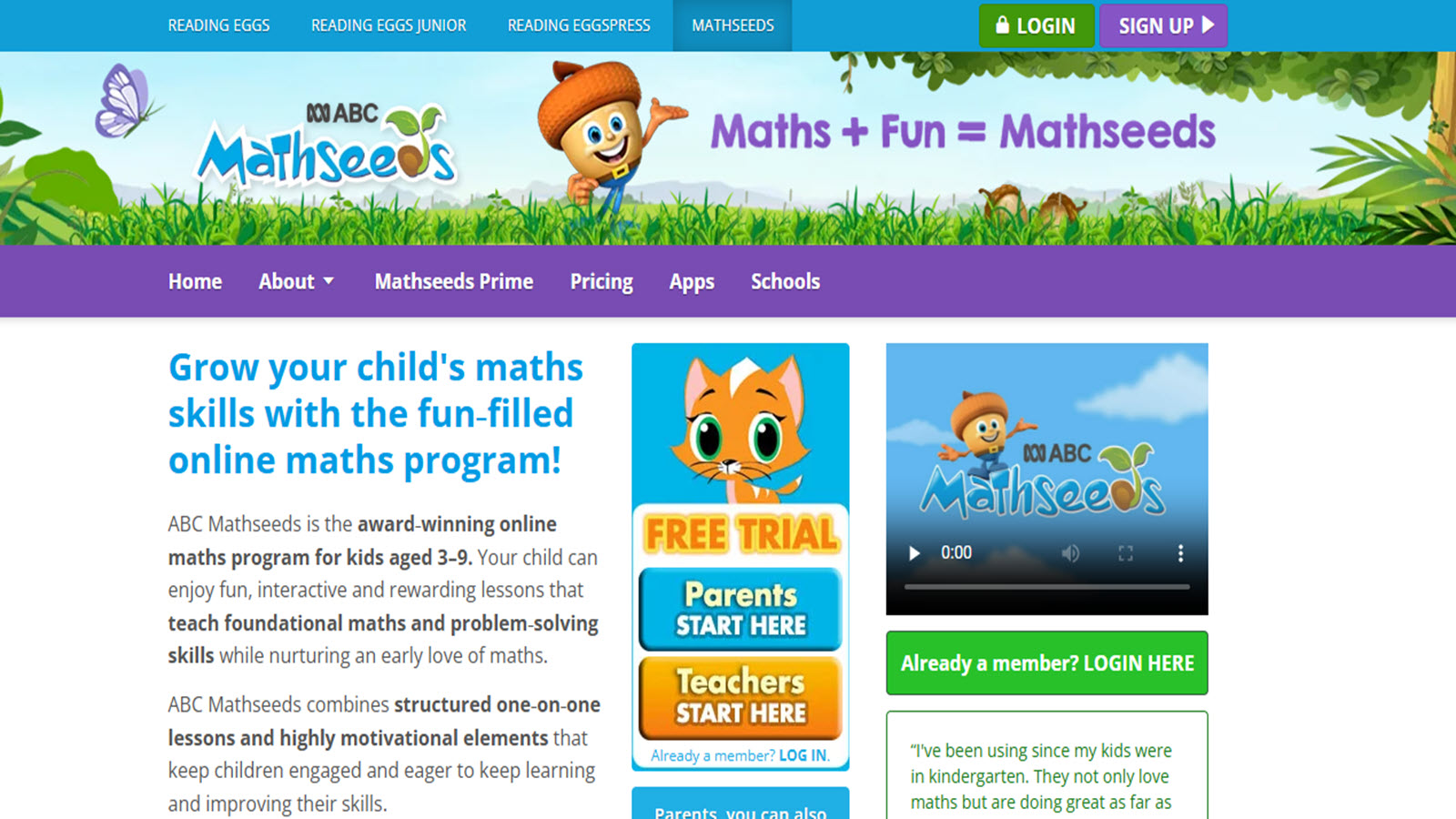
Mathseeds turns kindergarten math into a mapped adventure led by friendly characters, hatching pets, and a treehouse children decorate with golden acorns. A placement test starts a five-year-old at the right lesson instead of forcing everyone through the same page. Early maps cover number shapes, counting forward and back to twenty, one-to-one matching, addition to ten, doubles, basic 2D and 3D shapes, size words, and simple ideas about time and days of the week. Each lesson mixes a short teaching moment with interactive practice and a quick check. Driving Tests and printable worksheets give extra fluency work when a skill needs another pass. Parent reports show which objectives are solid and which still need review. The publisher behind Reading Eggs designed the sequence for roughly fifteen focused minutes a day, which fits a kindergartner’s attention better than a long open world. U.S. homeschoolers and classrooms use it as a structured number-sense supplement that still feels like play.
- Key features: 200 sequential lessons through early elementary; placement test; map quizzes and Driving Tests; printable worksheets; avatar, pets, and treehouse rewards; family dashboard.
- Facts and information: Built for ages 3–9; kindergarten content in lessons 1–50; studies report faster early-math progress with regular use; up to four child profiles; educator-designed scope and sequence.
36. Toca Life World
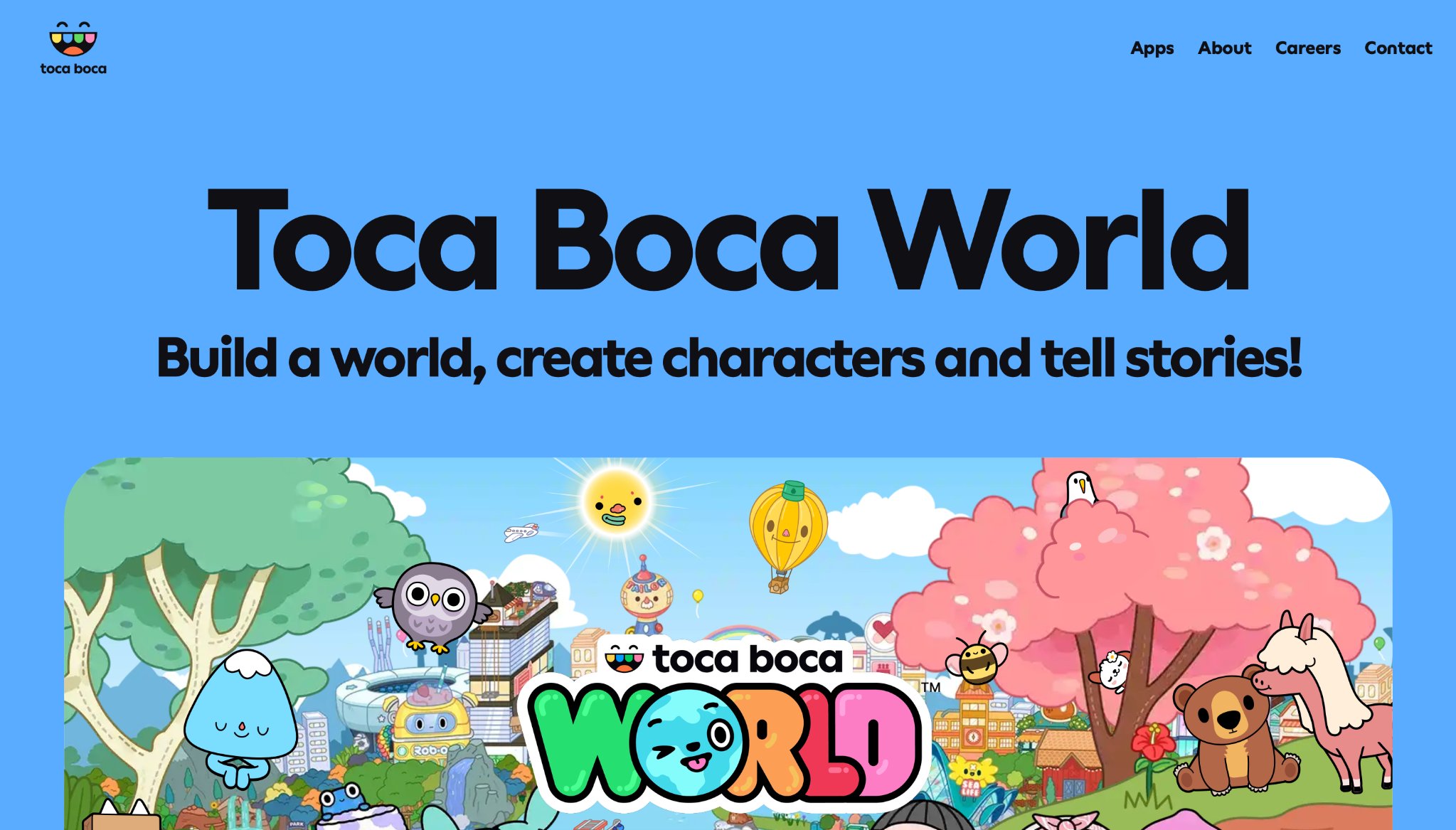
Toca Life World is a digital town where five-year-olds run the story. They dress characters, cook, drive, visit school or a clinic, rearrange furniture, and invent reasons for everyone to meet. Nothing is timed and nothing is graded. That freedom lets children rehearse sharing, helping, waiting, and solving small social problems in play form. Fine-motor dragging, sorting, and dressing support the same hand skills they use with real toys. New locations and character packs add kitchens, vehicles, workplaces, and holidays so the world grows with the child’s interests. Because the interface uses large targets and clear scenes, many kindergarteners can play independently after a short introduction. U.S. families often keep Toca Life World in rotation when they want creative, low-pressure screen time that still builds language, narrative order, and emotional vocabulary. The play looks simple from the doorway and becomes surprisingly detailed once a child starts directing the cast.
- Key features: Linked homes, shops, schools, and vehicles; dress-up, cooking, and daily-life tools; no scores or fail states; expandable locations and characters.
- Facts and information: Created by Toca Boca for ages 4+; widely used in U.S. homes for pretend play and social-emotional rehearsal; child-directed navigation; open-ended rather than curriculum-locked.
Benefits of Educational Games
Educational games enhance motor skills and cognitive growth for five-year-olds. They introduce concepts like patterns and emotions in ways that stick. Many children develop better attention from repeated play. Physical kits add tactile feedback, aiding coordination. Digital ones offer instant responses to build quick thinking.
For family dynamics, shared games create bonding time. Parents guide without pressure, seeing real progress in daily routines.
Skill Area – Game Benefits – Examples of Growth
- Creativity: Art and story tools → Kids craft unique ideas freely.
- Problem-Solving: Puzzles and challenges → Builds logic step by step.
- Emotional Awareness: Scenario-based play → Teaches empathy through roles.
- Fine Motor: Touch and draw activities → Improves hand-eye coordination
Games That Support Kindergarten Readiness
Activities that practice following directions, taking turns, and completing simple sequences prepare children for classroom routines. Story-based challenges help with listening skills while gentle sorting and matching tasks build early organization habits. Games focused on daily routines, like cleanup or helping characters, give kids confidence in everyday tasks they will meet at school. Giggle Babies and Sweet Baby Girl Clean Up 5 offer these kinds of supportive experiences. Related options for this stage appear in educational games for kindergarten and games for preschoolers.
Multi-Device Access for Family Learning
A single membership works across phones, tablets, and other devices so play can move easily from one place to another. Parents manage everything from one account. After the initial download most games run offline. Regular updates keep the library growing with new characters and activities. Families often choose the TutoClub account setup when they want consistent, distraction-free time for their child. This flexibility pairs with tablet games for kids and educational games for kids on iPad.
Latest Trends in Kids' Learning Games 2026
In 2026, games mix augmented reality for immersive worlds, letting kids interact with virtual objects. Adaptive tech personalizes difficulty, matching pace to avoid frustration. Focus shifts to holistic growth, including mindfulness elements for calm. Many options now emphasize offline play for flexibility. Parental controls evolve for better monitoring.
Tips for Parents on Using Educational Games
Set short play sessions to keep energy high. Mix kid game types for balance between screens and hands-on. Watch for signs of enjoyment to pick favorites. Discuss what kids learn to reinforce ideas.
Encourage breaks for real-world application, like counting toys after a math game. Track progress casually to celebrate wins.
Preparing 5-Year-Olds for Kindergarten with Educational Games
Educational games for kids age 5 introduce foundational concepts through interactive scenarios that feel like everyday play. Children encounter situations involving sharing resources, following sequences, and recognizing patterns, all of which align with early classroom expectations. These experiences build familiarity with structured activities in a low-pressure setting.
The TutoClub subscription service aligns activities with common kindergarten milestones such as basic sorting and simple storytelling. Families often pair these digital sessions with hands-on activities that reinforce the same skills during quiet evening routines.
Building Emotional Resilience in 5-Year-Olds Using Educational Games
Educational games for 5 year olds frequently include characters facing everyday challenges that prompt decisions about feelings and responses. Young players practice identifying emotions and trying different outcomes in controlled environments, which strengthens self-regulation before school social dynamics intensify.
How Educational Games Support Milestones at Age 5
Educational games for 5 year olds are highly effective at supporting important developmental milestones as children transition into kindergarten.
At age 5, kids typically show big improvements in:
- Language & Communication: Advanced vocabulary, storytelling, and following multi-step instructions
- Cognitive Skills: Memory skills, attention span, sorting, and early mathematical thinking
- Motor Development: Better hand-eye coordination and fine motor control for writing and drawing
- Social Skills: Sharing, teamwork, conflict resolution, and understanding others’ feelings
- Responsibility & Confidence Skills: Task completion, independence, and growing self-esteem through achievable challenges
The best educational games for children provide perfect practice for these milestones through playful repetition and instant positive feedback. This helps build confidence and school readiness while making learning feel natural and enjoyable.
Quiet Play for Waiting Rooms, Travel, and Rainy Afternoons
Not every day has a backyard. Cars, clinics, and wet weather still need a calm activity. Short, self-contained games fit those pockets of time. Educational games for kids on iPad suit small hands in a seat. Mobile games for kids work on a phone when that is the only screen in the bag. Memory games for kids give a clear start and finish during a wait.
Travel-friendly habits:
- One game per wait, then the device goes away
- Headphones only when the space is noisy
- A familiar title when the child is already tired
- A paper backup: stickers or a tiny notebook
Learning games for kids online work best on the road when the child already knows the controls. New games can wait for home.
What Parents Watch For After a Week of Play
Progress at this age is small and visible. A child who once mashed buttons now places items with care. A child who once quit a puzzle now asks for “one more try.”
Signs that the match is working:
- The child retells the game without being asked
- New words show up at dinner
- Cleanup or sharing gets a little easier
- The child chooses a familiar calm game again, not only the loudest one
Guides on how to protect kids online keep the adult setup in adult hands. Emotional games for kids help when the useful sign is kindness, not a high score. Lists of educational kids games and kid educational games are handy when a theme has gone stale and a new world is needed.
Latest News In 2026
Early 2026 updates across educational gaming platforms emphasize hybrid family participation modes where parents receive real-time prompts to join virtual play sessions. Developers have expanded options for cross-device syncing that let siblings collaborate on shared projects from separate rooms. Industry reports note a rise in customizable difficulty paths that adapt automatically to a child’s pace without external input.
Online learning for five year olds now uses smarter personalized paths that adapt quickly to each child’s interests and speed. Storytelling flows more naturally into skill building, creating experiences that feel closer to real play. Emotional intelligence gets special focus through activities where kids identify emotions and try positive solutions in everyday scenarios.
Moving between tablet and browser is effortless with progress saved everywhere. Offline modes are now standard in many collections for moments away from Wi-Fi. Digital workshops let children create their own small worlds that link to physical play. Collaboration features make it safe and fun for brothers and sisters to play together. The whole field continues shifting toward joyful, guided discovery that prepares children happily for school.
FAQ
What makes educational games suitable for 5-year-olds?
Educational games for 5-year-olds rely on simple controls, large tap targets, and bright visuals that match a short attention span. They usually focus on letters, numbers, shapes, and listening while wrapping those basics in characters and short stories. Gentle on-screen guidance lets a child try again without a long explanation. The pace stays light so the activity builds early foundations instead of stacking too many rules at once.
How do educational games support emotional development?
Many titles include story roles in which a child helps a character, waits a turn, or notices how someone else feels. That kind of play gives a safe place to practice compassion and self-control. The same scenes can show up later in everyday moments, such as sharing or calming down after a small setback. Repeated, low-stakes scenarios help empathy grow alongside the academic skills in the game.
Can educational games replace traditional learning?
No, they work as a complement, not a substitute, for school lessons, books, and hands-on play. Games add interactive practice, immediate feedback, and another chance to repeat a skill. Pairing a short session with reading, drawing, or outdoor time keeps the same idea moving across formats. That mix keeps learning varied for young children without turning the screen into the only teacher.
What devices work best for kids' educational games?
Tablets tend to suit small hands because of the larger touch surface and room for dragging or tracing. Phones work for brief sessions when a full tablet is not nearby. Cross-device play helps when a family shares screens, as long as profiles or local saves keep each child’s progress separate. Child-safe setups with limited downloads and clear parental controls keep the focus on the activity rather than on extra apps. Our educational games work smoothly on various screens for flexible play.
How can parents integrate educational games into daily routines?
Short blocks after a meal, during a quiet afternoon, or before a wind-down period fit more easily than long open-ended play. Linking a game theme to a real task - counting snacks, naming letters on a sign - extends the same idea off the screen. A steady time and length help the child treat the activity as part of the day rather than a special exception. Consistency matters more than packing many subjects into one sitting.
How do educational games for kids age 5 support the transition to formal schooling?
Educational games for kids age 5 often ask a child to finish a short task, follow a picture prompt, or wait for a turn inside a story. Those habits resemble the structure of kindergarten classrooms, where visual instructions and brief independent work are common. Comfort with a clear start and finish can make the first school routines feel familiar. The digital version stays brief so the child practices the pattern without a long school-style lesson.
What role do educational games play in developing fine motor coordination for age 5?
Educational games for 5 year olds frequently use tapping, dragging, tracing, and pinching that ask for controlled finger movement. Repeating those motions builds hand-eye coordination that later supports pencils, scissors, and classroom tools. A larger tablet screen gives more room for those gestures than a small phone. The practice stays playful, so the motor work happens inside the same letter or number activity rather than as a separate drill.
Can educational games for age 5 help with attention span in young children?
Yes. Well-designed educational games for 5-year-olds gradually increase the length and complexity of tasks as the child succeeds. Early levels feature very short activities with quick rewards, which matches the natural attention capacity of most children this age. As the child progresses, the games introduce slightly longer sequences while keeping the experience playful and low-pressure. This structure trains the brain to stay focused on one activity for longer periods than typical free play. Immediate feedback and clear visual or auditory cues reduce frustration and help maintain engagement, so sessions feel rewarding rather than demanding.
How do educational games for 5 year olds address social skills before group settings?
Many educational games for 5 year olds present simple social scenarios - characters who need to share, take turns, cooperate on a task, or resolve a minor conflict. Children can experiment with different responses in a private, consequence-free environment. Repeated exposure helps them internalize basic social language and strategies, such as waiting for a turn or offering help. Parents often notice children using more polite turn-taking phrases or showing greater willingness to collaborate during real-life playdates or preschool after consistent use of these games. The practice happens at the child’s own pace, building confidence before they face similar situations in larger groups.
What makes an educational game suitable for a 5-year-old in 2026?
Suitable games prioritize clear, uncluttered visuals, short play segments, and immediate feedback that matches a 5-year-old’s attention and cognitive stage. They avoid dense text and rely instead on pictures, simple animations, spoken instructions, and sound cues that work well for pre-readers. Challenge levels adjust automatically based on performance so the experience stays appropriately difficult without constant adult intervention. Content focuses on foundational skills - shape and pattern recognition, early counting, sequencing, vocabulary, and simple problem-solving - while remaining playful. Good educational games suitable for age 5 also include built-in pauses or natural stopping points so sessions can stay brief and positive.
Do educational games for kids age 5 replace traditional toys or books?
No. They work best as a complement. Digital games add interactive layers to the same concepts children explore with physical toys and books - matching shapes, sequencing stories, sorting objects, or practicing early literacy. Many families rotate between screen-based activities and hands-on versions of similar themes across the week. This mix keeps learning varied, supports different learning styles, and prevents over-reliance on any single format. Physical toys and books still provide important tactile, imaginative, and shared reading experiences that screens cannot fully replicate.
How can parents track progress from educational games without formal testing?
Progress shows up naturally in everyday life. Parents often notice expanded vocabulary during family conversations, greater persistence when solving simple puzzles or problems, improved ability to follow multi-step instructions, or increased confidence when trying new activities. Some games provide simple visual progress indicators or achievement summaries that parents can glance at, but the most meaningful signs appear outside the game: a child who previously struggled with turn-taking now uses those skills more readily, or one who avoided certain tasks now approaches them willingly. Observation over time is usually more informative than scores or formal assessments at this age.
Are there ways to combine educational games for age 5 with family routines?
Yes. Short, purposeful game sessions fit easily into existing routines. Families often schedule 10–15 minute play periods after breakfast, before outdoor time, or as a calm transition before bedtime stories. Simple family weekly planner printables can help slot these sessions next to meals, quiet time, or other regular activities so screen time stays intentional rather than open-ended. Linking game themes to real-life moments - practicing counting during snack preparation or story sequencing after reading a book - reinforces the learning and keeps digital play connected to the rest of family life.
How do educational games for 5 year olds evolve with a child’s growing abilities?
Quality educational games for 5 year olds adjust difficulty automatically based on the child’s success rate within each session or over multiple sessions. Early levels stay simple and highly supported; as accuracy and speed improve, the games introduce slightly longer tasks, more complex patterns, or additional decision points. This adaptive progression keeps the experience matched to the individual child’s current level without requiring parents to manually select harder content. The result is a sense of steady accomplishment that maintains motivation while gently stretching attention, problem-solving, and social reasoning skills as the child develops.
What skills do educational games develop in five year olds?
Educational games for five year olds target cognitive development, fine motor skills, and emotional awareness while strengthening key abilities needed for school. Children practice hand eye coordination, memory, and responsibility through engaging pet care or collection adventures that feel like real life. Many experiences also nurture empathy and self regulation by letting kids explore feelings in safe digital scenarios. The TutoClub games collection often combines these areas to support well rounded growth in problem solving and creative thinking.
Are there ad free educational games for 5 year olds?
Ad free educational games for 5 year olds create distraction free zones where children stay fully engaged with the content. These platforms emphasize high quality visuals, child safety, and smooth gameplay that boosts memory retention and longer focus. The clean format leads to deeper learning sessions and stronger absorption of concepts like numbers, letters, and patterns. This setup supports better cognitive development and helps young minds concentrate on skill building without interruptions.
What makes a game suitable for 5 year olds online?
Games suitable for 5 year olds online feature clear visuals, large touch areas, and adaptive difficulty that grows naturally with the child. They offer audio instructions, minimal text, and predictable controls that suit young users still developing reading skills. Titles that mix learning with creativity and social themes work especially well during this important pre kindergarten year. Such design choices help maintain interest while supporting hand eye coordination and logical thinking.
Can educational games support emotional development in 5 year olds?
Educational games support emotional development in 5 year olds by showing characters handling everyday feelings and social situations. Kids try different responses in low pressure settings, practicing empathy and self control. These moments often spark meaningful real life conversations about emotions and relationships at home. The safe digital environment allows children to build stronger social skills and emotional intelligence through repeated gentle practice.
How much variety exists in educational games for five year olds?
Variety in educational games for five year olds covers responsibility games, math quests, phonics adventures, science exploration, digital art, music activities, and logic challenges. Themed collections match interests such as animals, building, nature, or vehicles. This wide selection helps families choose content that aligns with both current abilities and personal curiosities. Many options also blend multiple skills together for richer learning experiences.
How do creative and imaginative games support growth for five-year-olds?
Creative and imaginative games give children room to invent stories, arrange scenes, and express ideas freely. Fashion makeovers, doll care, and open worlds encourage self-expression while strengthening fine motor skills through dragging and placing items. These activities support early thinking as kids decide how characters interact or how spaces look. The open style keeps the experience playful and helps children practice decision-making in a low-pressure setting, similar to themes in confidence building games and fun educational games for kids.
What role do pet care games play in building early skills?
Pet care games teach routines, empathy, and basic problem-solving as children feed, clean, and play with characters. Many of these experiences naturally include letters, numbers, and simple spelling during everyday care tasks. Kids practice patience and responsibility while following sequences that mirror real life. The gentle challenges also support emotional awareness by showing how actions affect the characters they look after, aligning with emotional regulation games and emotional games.
How do educational games help with kindergarten readiness?
Educational games help with kindergarten readiness by practicing following directions, taking turns, and completing simple sequences. Story-based challenges support listening skills while sorting and matching tasks build early organization habits. Games focused on daily routines, like cleanup or helping characters, give children confidence in everyday tasks they will meet at school.
Why is multi-device access useful for educational play?
Multi-device access lets play move easily from one screen to another under a single account. Parents manage everything from one place while children continue activities on phones, tablets, or other devices. After the initial download most games run offline, which supports flexible use at home or away. This setup keeps the experience consistent across different settings. Families often use the TutoClub account setup when they want reliable access that matches daily routines, alongside options covered in mobile games for kids.
How does an ad-free setting affect learning for kids age 5?
An ad-free setting removes interruptions so children stay focused on stories, puzzles, or care activities. Five-year-olds can finish tasks at their own pace without pop-ups or extra prompts pulling attention away. This calm environment supports deeper concentration and lets learning feel natural. The collection of 45+ educational online games is designed this way so play remains smooth and purposeful. The uninterrupted flow helps kids practice skills longer and with greater engagement, much like the focus found in kids educational games.
How do families handle play when siblings are different ages?
Shared play works when each child has a job that fits, not when both kids are asked to do the same hard step. A five-year-old can feed a pet, tidy a room, or pick clothes while an older sibling reads a label or plans what comes next. A younger sibling can tap, watch, and name colors without needing to finish the whole scene. Worlds are easier to share when the art and characters feel familiar to both ages. Social emotional games for kids help when turns feel uneven, because “your turn / my turn” can be said out loud. Praise for waiting, sharing a character, and showing the finished room keeps the session kind.
What kind of play works in cars, clinics, and rainy afternoons?
Short games with a clear finish fit tight spaces better than open worlds that never end. A matching scene, a small puzzle, or one care routine gives a start and an end during a wait. A familiar title is easier than a brand-new world when the child is already tired, hungry, or overstimulated. Headphones help only when the room is noisy. One game per wait, then the device goes away, leaves room for stickers, a tiny notebook, or talk. Tablet games for kids suit small hands in a seat and work well when the next stop is still a few minutes away.
How do subscription libraries and separate game downloads fit together?
Each title is its own app on the phone or tablet. A family plan unlocks the full content inside those apps once the same account is signed in. Parents can download only the worlds the child wants, such as a pet house or a cleanup scene, instead of one giant file. Multi-device use follows that same login, so a kitchen tablet and a travel phone can share the library. Educational games for kids apps still live as separate downloads. The library is the map. The store on the device is where each game lives.
What everyday signs show a five-year-old still enjoys a game for the right reasons?
Useful play shows up off the screen, not only in taps and stars. The child retells the story at dinner. New words appear in ordinary talk. Cleanup or sharing gets a little easier. The same calm game gets chosen again, not only the loudest one. A child who stays with a puzzle, names a feeling, or asks for one more try is using the game as practice. Safe apps for kids help because ads and extra store screens break that loop. If the child only mashes buttons or quits the moment a task appears, another theme may fit better.
How do holiday or themed worlds keep the same early-learning jobs?
A festive wrapper can still hide sorting, caring, matching, and storytelling. Dress-up is still sequencing. A music scene is still rhythm, turn-taking, and a short plan. A seasonal room to clean is still a start-to-finish job. The art changes. The skill stays. After the session, drawing the character, dancing one song, or acting out the story moves that work into the real room. Learning through play activities use that same handoff. The theme is the invitation. The skill is the job the child repeats.
Read Also:
- Best Learning Games for Kids Online in 2026
- Best Educational Kids Games
- Best Educational Games for Toddlers
- Best Online Educational Games for Kids
- Best Kid Educational Games in 2026
Discover the Best Educational Games For Kids Age 5 - TutoClub