

Best Educational Games For 5 Year Olds in 2026






Finding the right educational games for 5 year olds can turn playtime into a chance for growth. These activities help kids build skills in math, reading, and problem-solving while keeping things exciting. With options like apps and interactive sets, parents have plenty of choices to support early learning. Discover the best educational games for 5 year olds in 2026, blending fun with skill-building to spark young minds.
Parents looking to expand learning beyond traditional toys can explore a wide range of educational games for kids that encourage creativity, focus, and critical thinking. Many modern kids educational games are thoughtfully designed to match the developmental needs of 5 year olds, blending play with essential learning skills. To further support early education at home, incorporating interactive learning apps for kids can help strengthen reading, math, and problem-solving. Adding best brain games for kids and best memory games for kids sharpens cognitive abilities, while best social emotional games for kids nurture empathy, confidence, and emotional regulation through fun, engaging play.
Discover the Best Educational Games For 5 Year Olds - TutoClub
Why Educational Games Boost Development in Young Kids

At age five, children soak up new ideas fast. Games for young kids strengthen fine motor skills and encourage teamwork. Simple puzzles teach patterns, while story-based activities build vocabulary. Parents often pair these with daily routines for better results. Hands-on options, like those in creative collections, let kids experiment freely. Many games include elements that promote empathy, helping little ones understand feelings better. This approach fits well with kindergarten prep, where social interactions matter.
To support these developmental gains at age five, explore the best educational games for kids that are perfectly suited for this stage. You can enhance memory and recall with the best memory games for kids, build independence through the best responsibility games for kids, and nurture self-esteem with engaging best confidence-building games. These targeted games turn everyday play into powerful opportunities for growth and learning.
Ready to give your child the best start? Dive into these best educational games for 5 year olds filled with fun activities that support exactly the skills mentioned above. Families raising kids of all ages will also enjoy the best educational games for 2 year olds, best educational games for 6 year olds, best educational games for 7 year olds, and best educational games for 10 year olds.
How to Pick Games That Fit Your Child's Needs
Start by matching games to your kid's interests, like animals or numbers. Look for ad-free setups to keep focus sharp. Age-appropriate challenges prevent frustration and build persistence. Some apps adjust difficulty automatically, which keeps engagement high. Feedback from parents shows that variety in topics, from science to art, holds attention longer.
Consider device compatibility for easy access. Safe environments without in-app purchases give peace of mind. Blending digital with physical play rounds out experiences. Our subscription options provide a full library suited for young learners.
Future Skills: Educational Games That Prepare 5 Year Olds for the 2030s
The best educational games for 5 year olds now teach more than ABCs and 123s - they build future-ready skills for the 2030s.
Key Future Skills Developed:
- Critical thinking and problem-solving
- Basic coding and logical reasoning
- Emotional intelligence and adaptability
- Creativity and innovation
- Digital literacy in a safe environment
Games that focus on these areas help 5 year olds become confident thinkers and learners, giving them a real advantage for kindergarten and beyond.
Best Educational Games For 5 Year Olds in 2026
1. TutoClub - Best Educational Games for 5 Year Olds
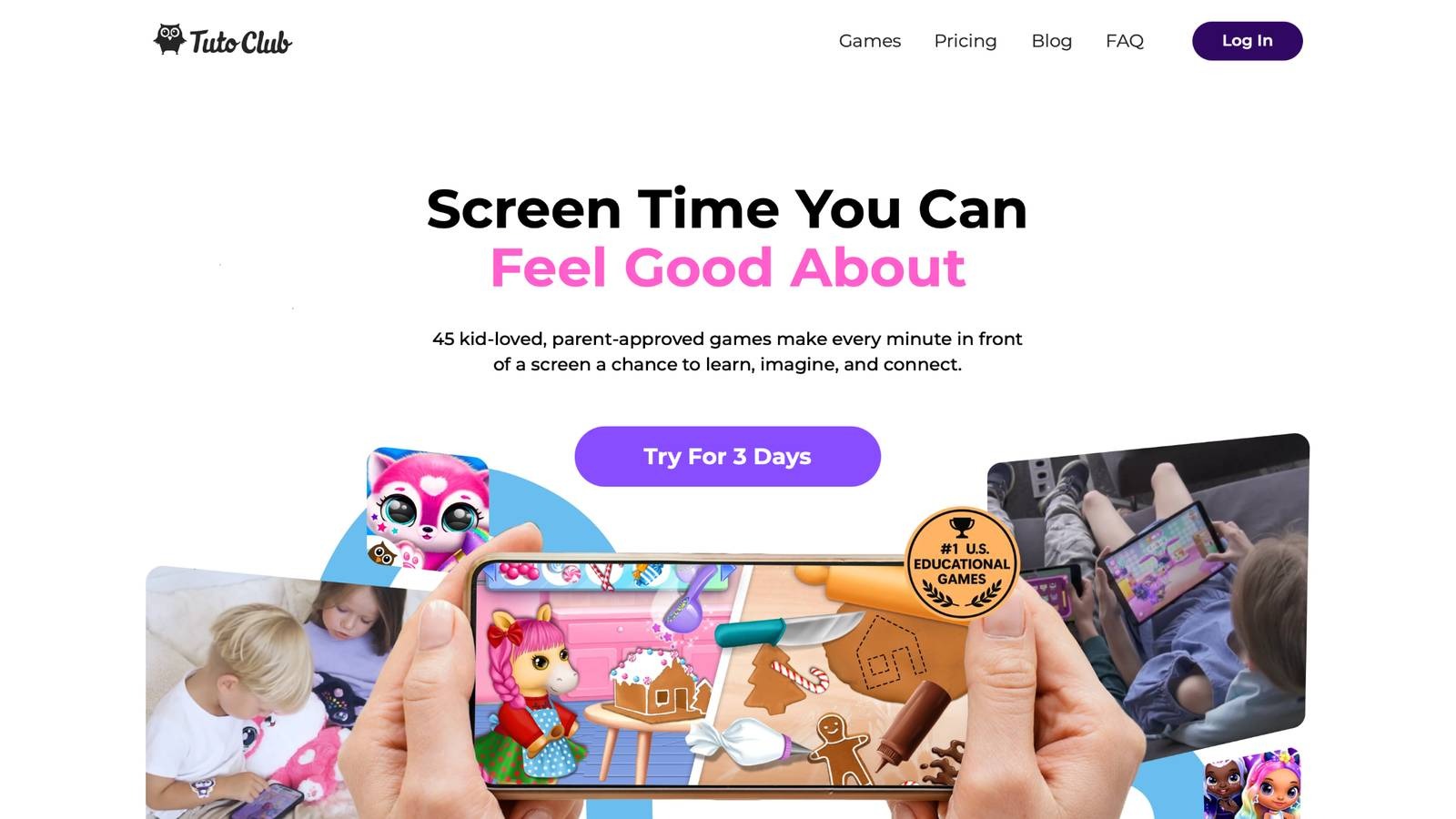
Discover TutoClub's games, a subscription packed with over 45 ad-free titles that turn screen time into skill-building fun. Kids dive into adventures that spark creativity through open-ended puzzles and stories. Focus sharpens with challenges that require careful thinking, like sorting shapes or following sequences. Problem-solving shines in games where children build structures or navigate mazes, learning trial and error in a safe space. Emotional growth happens via activities that teach empathy, such as helping virtual friends with feelings.
Confidence builds as kids master routines and achieve small wins, fostering a sense of accomplishment. Social skills develop through cooperative elements, even in solo play, by mimicking real interactions. Each game draws from research to support healthy habits and family bonding. Parents love how these activities make learning joyful and guilt-free. With vibrant graphics and intuitive controls, five-year-olds stay engaged without frustration. The variety covers math basics, reading readiness, and exploration, all in one spot. This setup stands out for its commitment to positive experiences, helping children grow while playing.
- Key standout features include colorful worlds that encourage imagination and gentle guidance that supports independent play.
- Facts and information show these games align with early childhood standards, promoting balanced development across multiple areas.
TutoClub Overview
TutoClub is your gateway to a magical world of educational games designed especially for children.
As part of TutoTOONS, a leading kids' games studio, we offer premium access to over 45 ad-free games.
Our mission is to blend learning and play, helping kids explore, create, and grow in a safe online space.
Thousands of parents trust us for family-friendly content that sparks imagination and builds essential skills.
Key Features
- Unlimited Access: Unlock full content in all games with no interruptions.
- Ad-Free Experience: Enjoy seamless play without any ads or distractions.
- Skill Development: Games foster creativity, social skills, communication, and more through fun activities like pet care and cleanup challenges.
- Regular Updates: Get new releases, exclusive content, and future updates automatically.
- Easy Subscription: Cancel anytime with no obligations, simple and flexible for families.
Explore Our World
TutoClub provides a rich ecosystem of educational games for kids, featuring ad-free experiences that promote creativity, focus, and emotional growth through play.
This platform turns screen time into valuable learning opportunities, with parent-approved content that builds essential skills and sparks curiosity in young minds.
- TutoClub Games: Over 45 educational games, including popular titles like Fluvsies, Smolsies, and the Sweet Baby Girl series
- Blog: Insights, tips, and stories for families on kids' learning and play
- FAQ: Comprehensive answers to frequently asked questions about subscriptions, features, and more
Get TutoClub on Your Device
TutoClub delivers premium kids educational games directly to your mobile devices, making learning accessible anytime, anywhere.
With apps available on major platforms, families can easily download and subscribe for ad-free play that turns screen time into skill-building adventures.
Perfect for parents seeking safe, engaging content on iOS, Android, or Amazon devices.
Why Choose TutoClub?
We're committed to 100% safe, enriching entertainment that kids love and parents approve.
Join the thousands who've seen their children thrive through playful learning.
Ready to start the adventure?
Subscribe to TutoClub today and unlock endless fun!
2. Khan Academy Kids
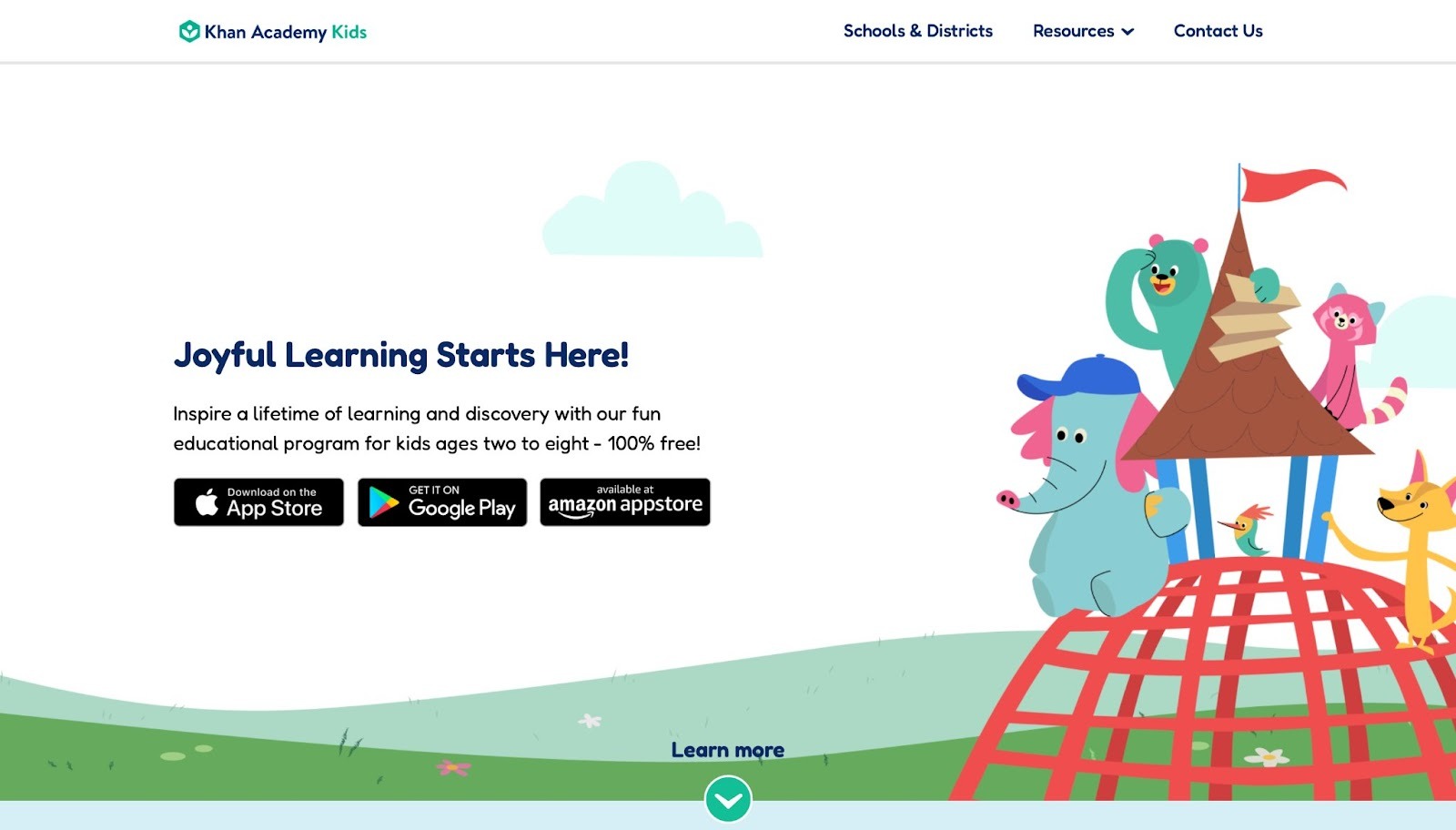
Khan Academy Kids delivers a robust selection of activities designed for young children, incorporating math, reading, science, and creative arts into engaging sessions. Headquartered in Mountain View, California, this app employs colorful animations and friendly characters to lead kids through lessons on foundational skills like letter recognition, basic counting, and simple problem-solving. Strengths include its adaptive learning system that personalizes content based on a child's progress, ensuring appropriate challenges without overwhelming them. It promotes independence with voice-guided instructions, making it accessible for pre-readers.
However, some parents report that the app's navigation can feel cluttered with too many options at once, potentially distracting younger users. The content spans preschool through early elementary levels, featuring songs, stories, and interactive books that tie into real-world concepts. Weaknesses might involve limited customization for specific learning needs, as the paths are broadly set. Overall, it stands out for being completely free, with no ads or in-app purchases, allowing seamless exploration. Families appreciate how it blends education with entertainment, fostering curiosity and early academic confidence. Educators often integrate it into classrooms for supplemental learning, noting improvements in engagement during group activities.
- Key features: Adaptive lessons in phonics, numbers, and emotional skills; customizable profiles for multiple kids; offline mode for select content.
- Facts and information: Developed in partnership with experts from Stanford Graduate School of Education, it reaches millions of users globally, with content aligned to early learning standards.
3. Fluvsies Academy
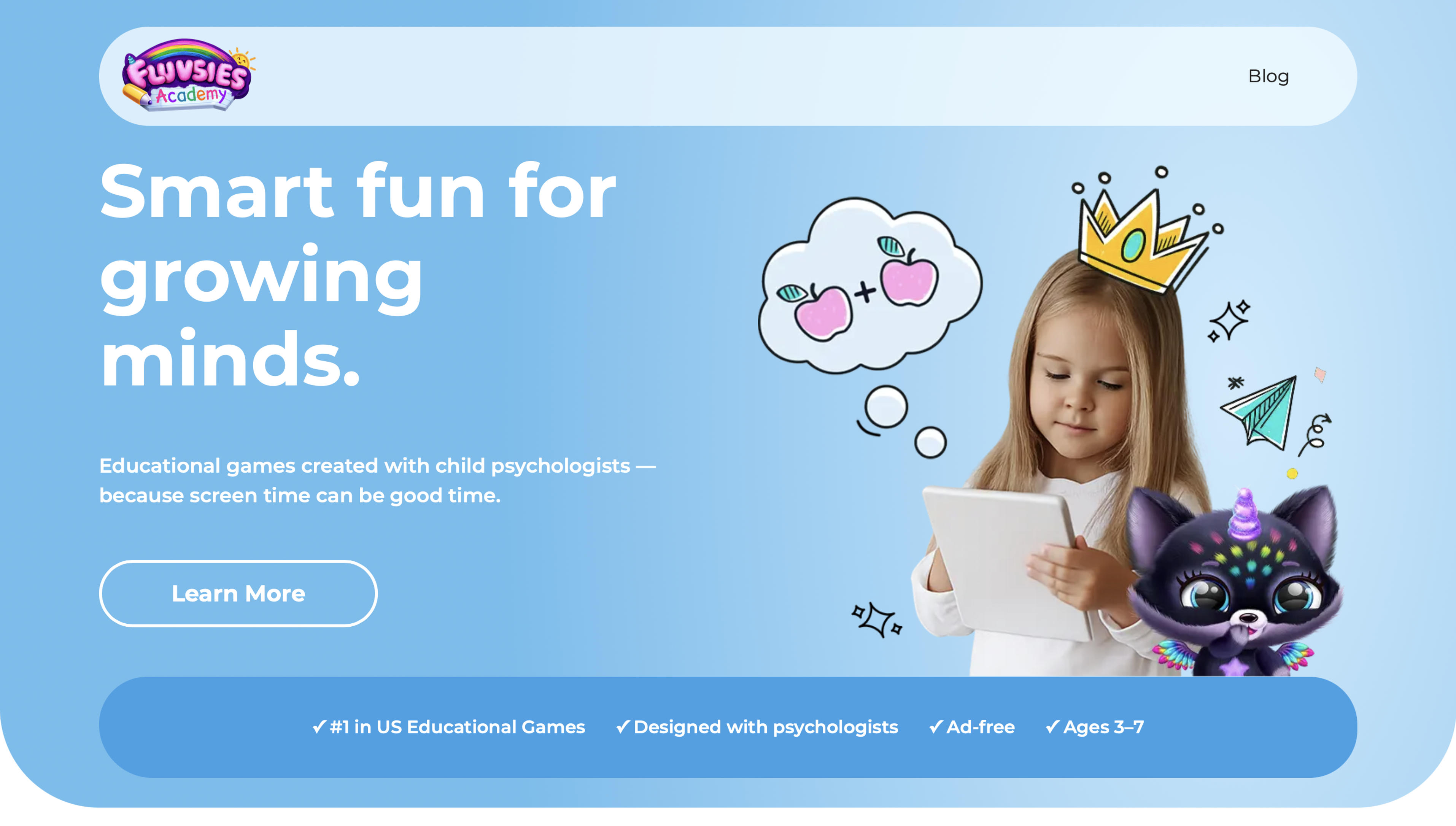
Fluvsies Academy brings adorable Fluvsies characters into a world of mini games that make learning irresistible for 5 year olds. Kids explore essential preschool skills through playful adventures in a calm, fully ad free space designed for safe independent play.
Young learners build math confidence with counting, number recognition, addition, subtraction, measuring and comparison tasks. They strengthen language through phonics stories and vocabulary games, boost logic and attention with sorting puzzles and memory challenges, and practice real life skills such as brushing teeth, grocery shopping helpers, healthy choices and role playing professions like baker or astronaut. Mindfulness, kids yoga and creativity activities add emotional balance and spark imagination.
- Key features: psychologist designed to balance focus, play and emotional safety; full coverage of language and ABCs, math foundations, logic and attention, sorting and comparison, life skills and creativity; cute Fluvsies characters guiding every activity for instant engagement; 100 percent ad free with intuitive kid friendly interface and calm visuals; regular updates adding fresh content; built in progress reports for parents; mindfulness, yoga and healthy habits woven throughout for holistic growth.
Facts and information: perfectly suited for ages 3 to 7 with ideal pacing and challenges for 5 year olds; created by TutoTOONS, specialists in educational kids games; fully compliant with COPPA and GDPR for maximum privacy and safety; encourages a lifelong love of learning through character driven joyful exploration.
4. SplashLearn
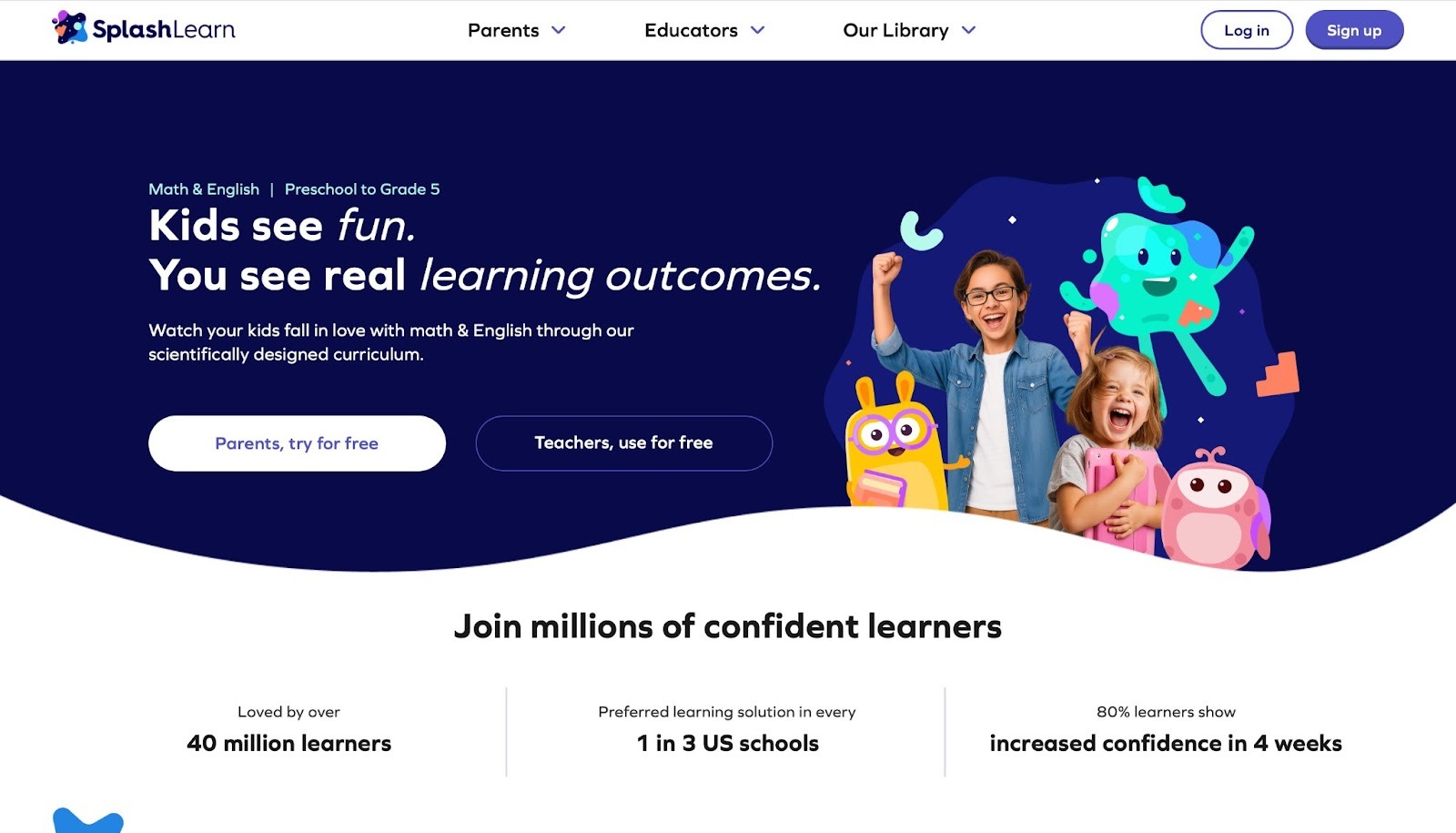
SplashLearn focuses on boosting math and English language arts proficiency through gamified lessons for children from pre-kindergarten to fifth grade. Based in Gurugram, India, the app uses vibrant graphics and reward systems to make concepts like addition, subtraction, and reading comprehension enjoyable. Strengths are evident in its personalized learning paths that adjust difficulty in real-time, helping kids master skills at their own pace. Progress reports keep parents informed, highlighting areas of strength and improvement.
However, slower loading times on certain devices can interrupt the flow of play, especially during peak usage. The curriculum adheres to Common Core standards, incorporating thousands of activities that range from simple puzzles to more complex challenges. Weaknesses include a somewhat limited focus on creative subjects beyond core academics, which might not appeal to all interests. It encourages daily practice with fun characters and virtual prizes, promoting consistent engagement. Many users find it effective for homework reinforcement, with built-in explanations for incorrect answers to aid understanding. The app's design prioritizes safety, with no external links or ads in the premium version.
- Key features: Over 8,000 games and worksheets; parent dashboard for tracking; adaptive algorithms for skill-building.
- Facts and information: Used in over 40,000 schools, it supports multilingual options and has been praised for increasing student motivation in math.
5. ABCmouse
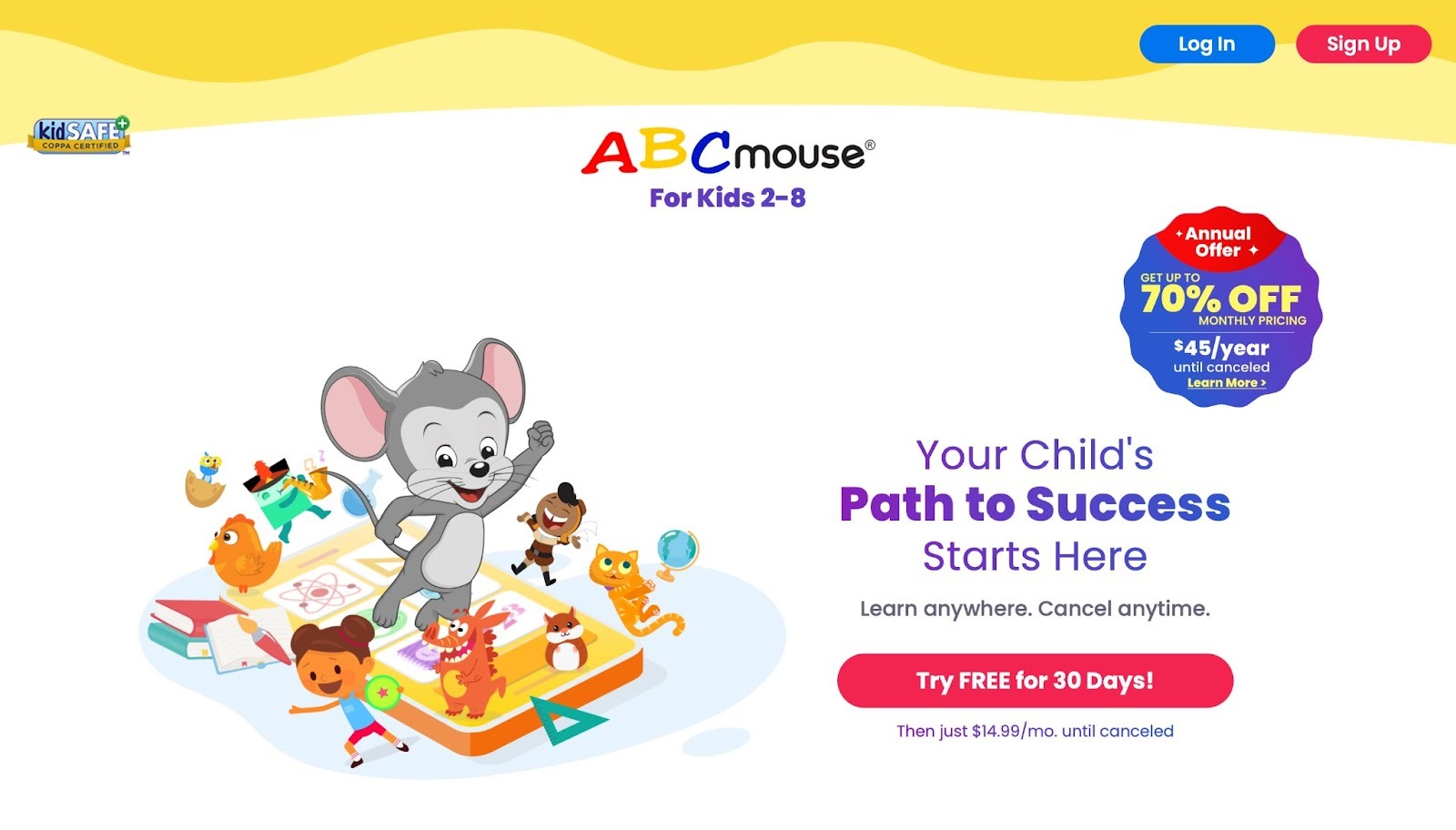
ABCmouse provides a comprehensive online curriculum featuring games, books, puzzles, and art activities for early learners. From Glendale, California, it simulates a classroom environment where kids earn tickets for completing tasks, which they can spend on virtual rewards. Strengths lie in its structured progression from basic alphabet and numbers to more advanced topics like science and social studies. The app includes printable worksheets for offline extension, bridging digital and hands-on learning.
However, the interface might overwhelm beginners with its abundance of choices, requiring initial parental guidance. Content is tailored for ages two to eight, with interactive stories and songs that enhance vocabulary and critical thinking. Weaknesses appear in occasional repetitive activities that could bore faster learners. It emphasizes step-by-step mastery, with assessments to track growth. Parents value the safe, ad-free space that encourages exploration without distractions. The platform integrates music and animation to make lessons memorable, often leading to improved school readiness.
- Key features: Thousands of activities across subjects; progress tracker and reports; virtual classroom setup.
- Facts and information: Aligned with state standards, it's utilized by many homeschooling families and has won multiple awards for educational excellence.
6. Starfall
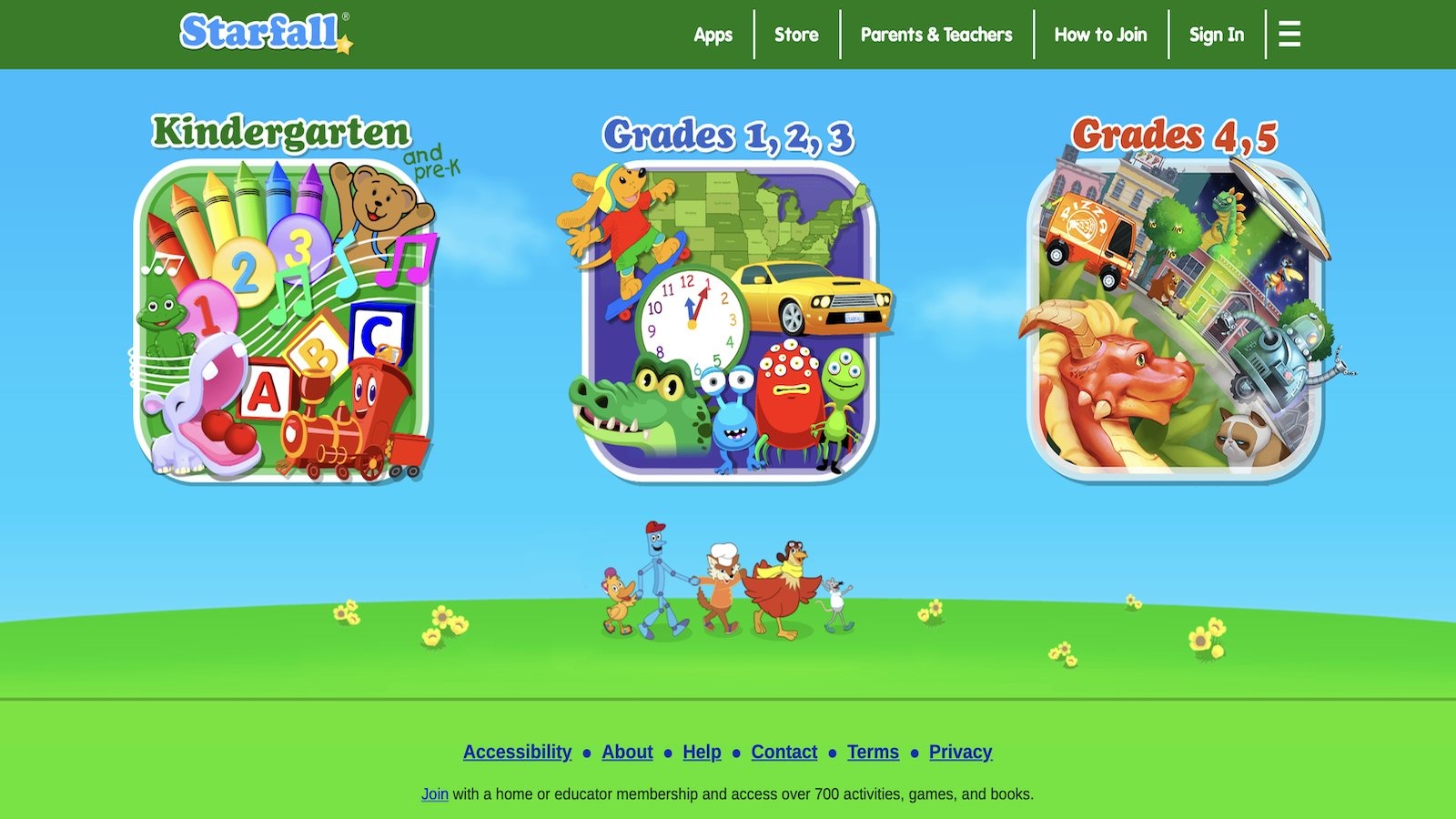
Starfall emphasizes phonics and math fundamentals through animated stories, songs, and games for young children. Located in Boulder, Colorado, it offers a gentle, untimed approach to learning letters, sounds, and basic arithmetic. Strengths include its multisensory methods that allow kids to see, hear, and interact with content, building confidence without pressure. The app includes seasonal themes and accessibility options like sign language integration.
However, it may lack depth for children who advance quickly, prompting the need for supplementary materials. Designed for pre-kindergarten to third grade, it features simple navigation suitable for independent use. Weaknesses involve fewer social or collaborative elements, focusing more on individual play. Users enjoy the calming pace that reduces frustration, with activities like word hunts and number matching. Educators recommend it for literacy development, noting its effectiveness in diverse classrooms.
- Key features: Interactive books and math activities; progress monitoring; inclusive design with audio support.
- Facts and information: Founded by educators, it's incorporated into many school curriculums and supports early intervention for reading challenges.
7. PBS Kids Games
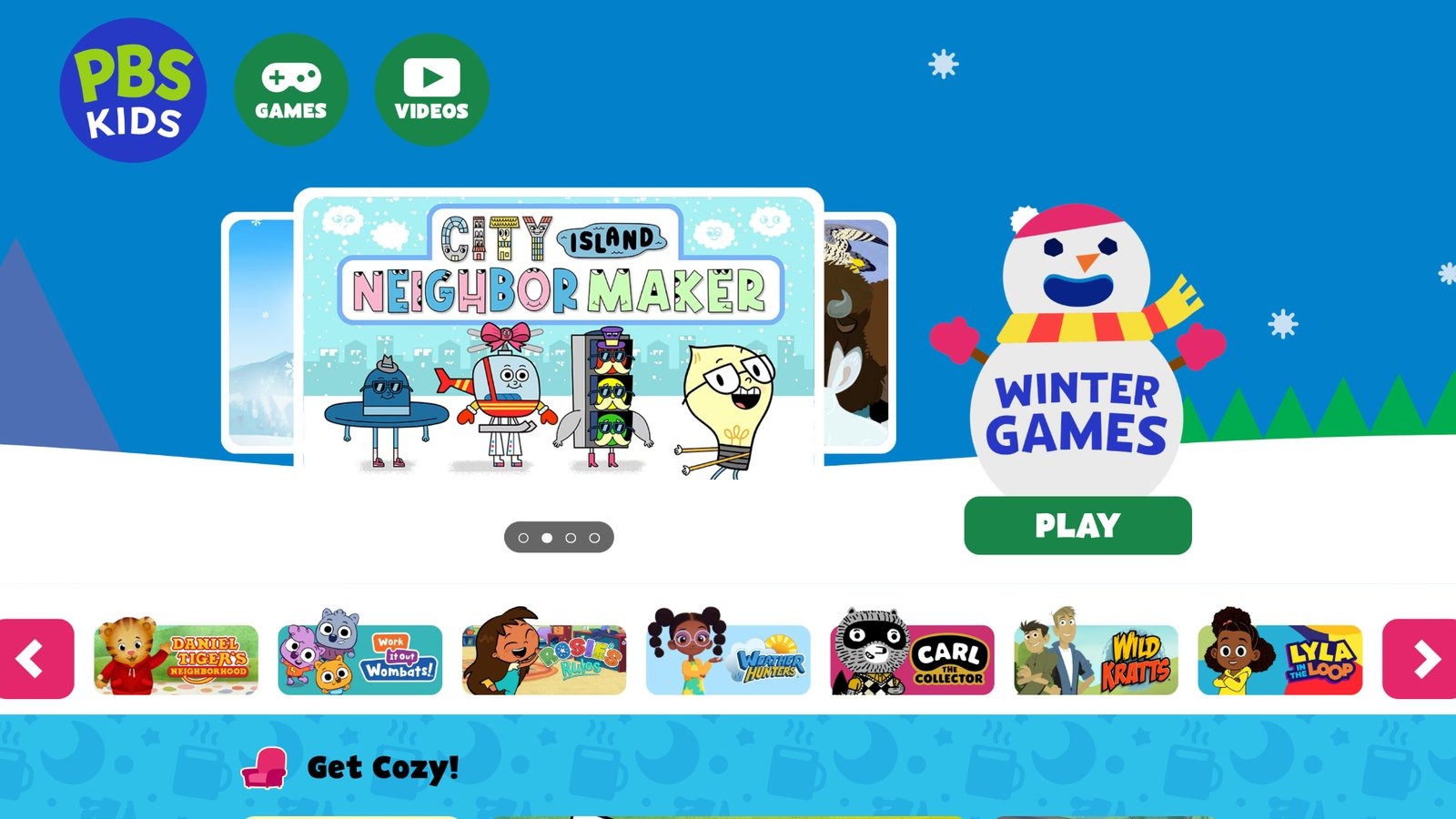
PBS Kids Games brings familiar characters from television shows into interactive activities covering science, creativity, and social skills. Headquartered in Arlington, Virginia, it offers free access to games that tie into episodes, encouraging extended learning. Strengths are in its emphasis on emotional intelligence alongside academics, with scenarios that teach empathy and problem-solving.
Offline downloads allow play anywhere, ideal for travel. However, some games may have minimal depth for repeated sessions, leading to quicker completion. The app spans topics from engineering to arts, using bright visuals and simple controls. Weaknesses include occasional promotional ties to shows, though non-intrusive. Families find it valuable for screen time that feels productive, with content vetted by experts.
- Key features: Over 200 games with characters like Curious George; themed challenges; parent resources.
- Facts and information: Backed by public broadcasting, it promotes inclusive education and is used in community programs nationwide.
8. Lingokids
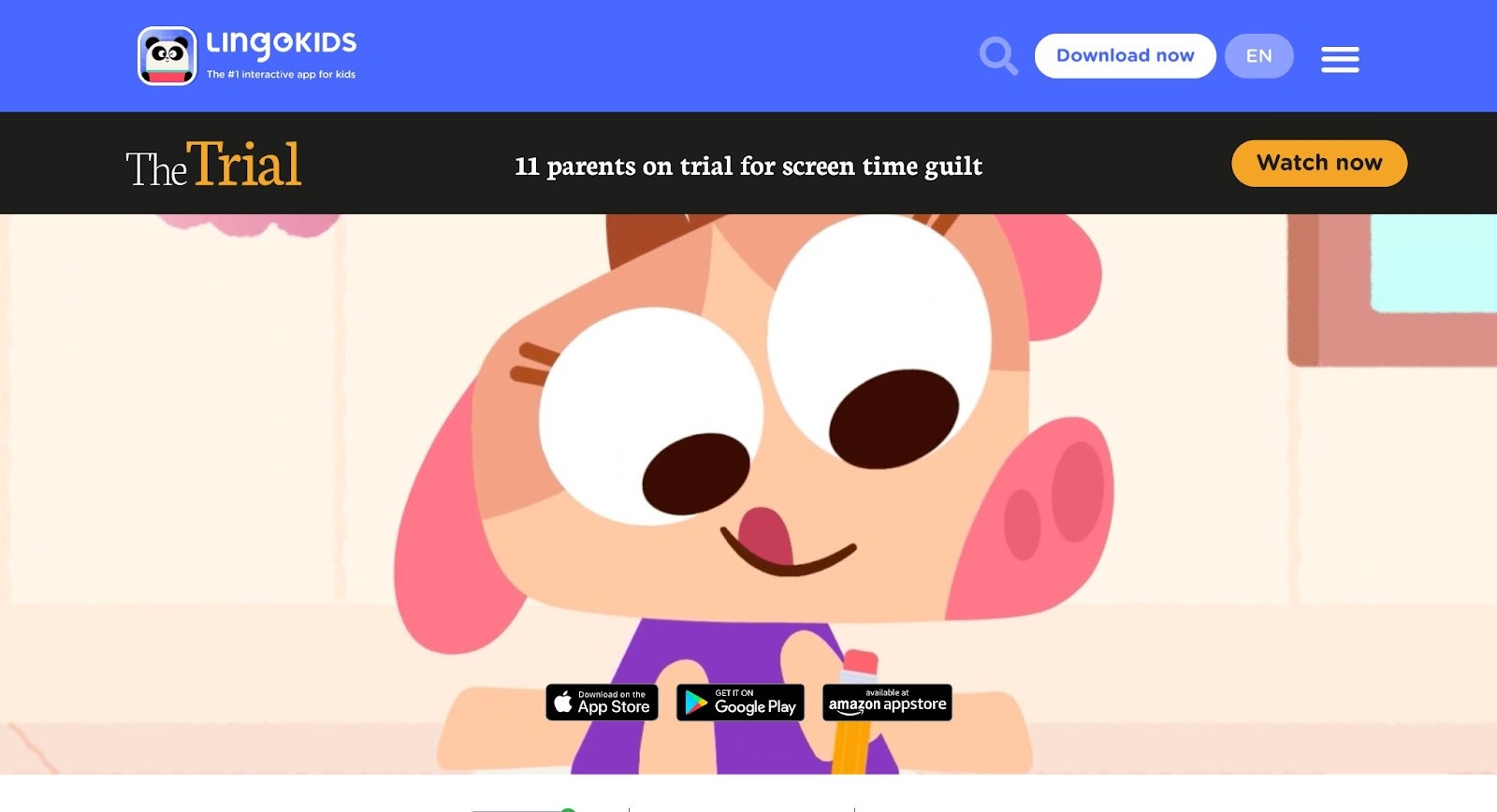
Lingokids delivers language, math, and life skills education through playful games and songs for toddlers to early elementary kids. From Madrid, Spain, it incorporates Oxford University Press content for high-quality lessons. Strengths shine in its multilingual support and adaptive quizzes that cater to different learning styles.
Parent controls ensure a safe environment. However, younger users might need help with some activities, limiting full independence. The app covers vocabulary building and basic concepts with videos and puzzles. Weaknesses show in variable audio clarity at times. It fosters global awareness with diverse themes.
- Key features: Daily learning plans; interactive stories; progress badges.
- Facts and information: Certified for child safety, it's popular for bilingual households and early language exposure.
9. Lego Duplo World
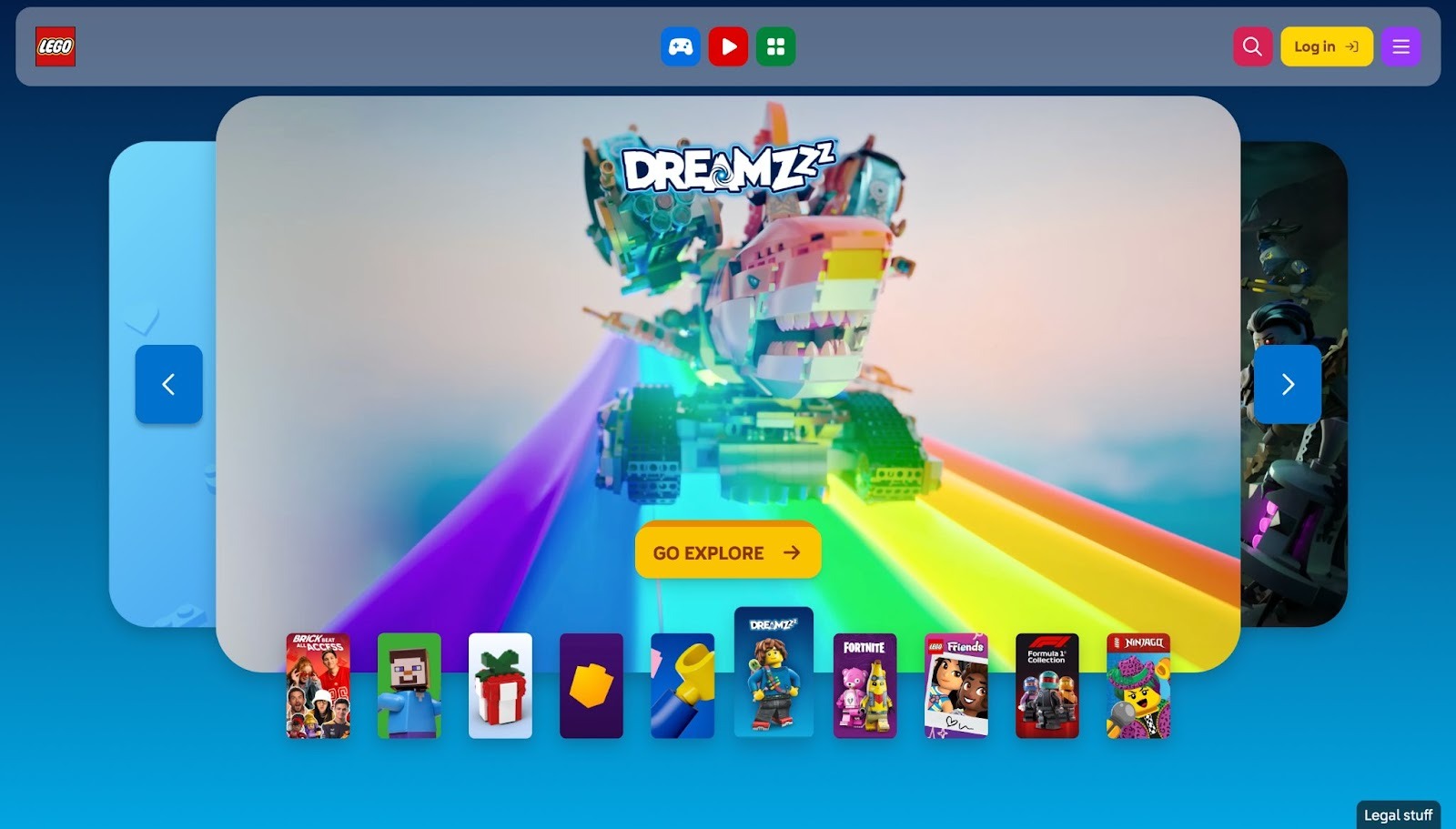
Lego Duplo World enables virtual building and exploration with themed sets for preschoolers. Headquartered in Billund, Denmark, it mirrors physical Lego play, promoting creativity and fine motor skills. Strengths include open-ended worlds where kids construct animals, vehicles, and structures freely.
Multi-touch support allows shared play. However, creations can't always be saved across sessions, which might disappoint users. The app updates with seasonal content for variety. Weaknesses involve less emphasis on structured learning compared to academic apps. It encourages storytelling and imagination through intuitive drag-and-drop mechanics.
- Key features: Themed environments; collaborative elements; realistic physics simulation.
- Facts and information: Complements Lego's physical toys, fostering STEM interest from an early age.
10. Lightbot Jr
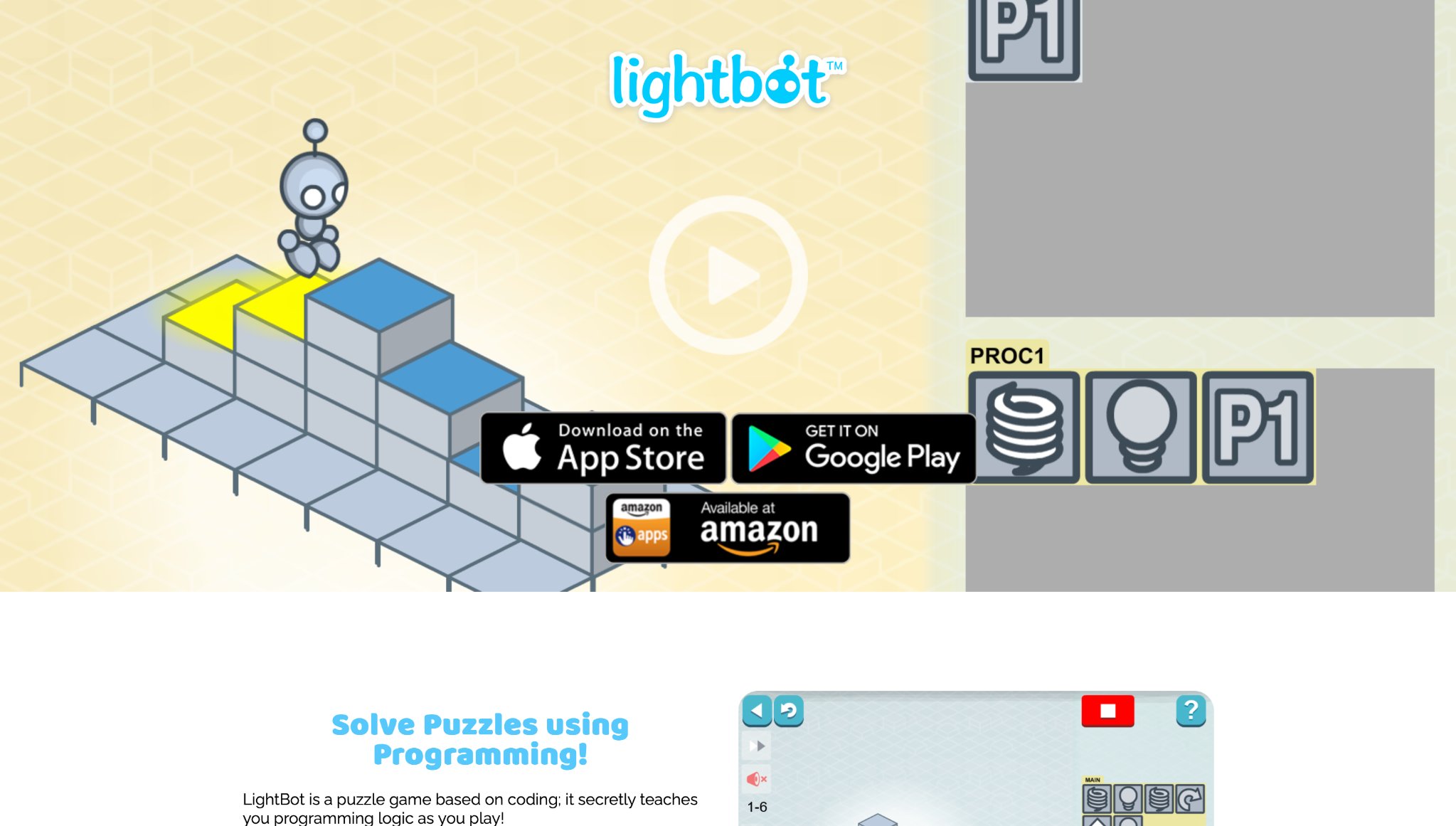
Lightbot Jr introduces coding concepts via puzzles where kids command a robot through levels. Based in Canada, it teaches logic with simple icons for actions like move, turn, and jump. Strengths are in its visual programming that requires no reading, perfect for pre-readers.
It builds sequencing and debugging skills progressively. However, puzzles can become challenging without hints, potentially frustrating some. The app focuses on computational thinking without a narrative. Weaknesses include a mechanical feel lacking character development. Educators use it for STEM introduction.
- Key features: 42 levels with increasing complexity; loop and conditional commands; instant feedback.
- Facts and information: Recommended for early coding, it aligns with computer science standards in schools.
11. Kids Academy
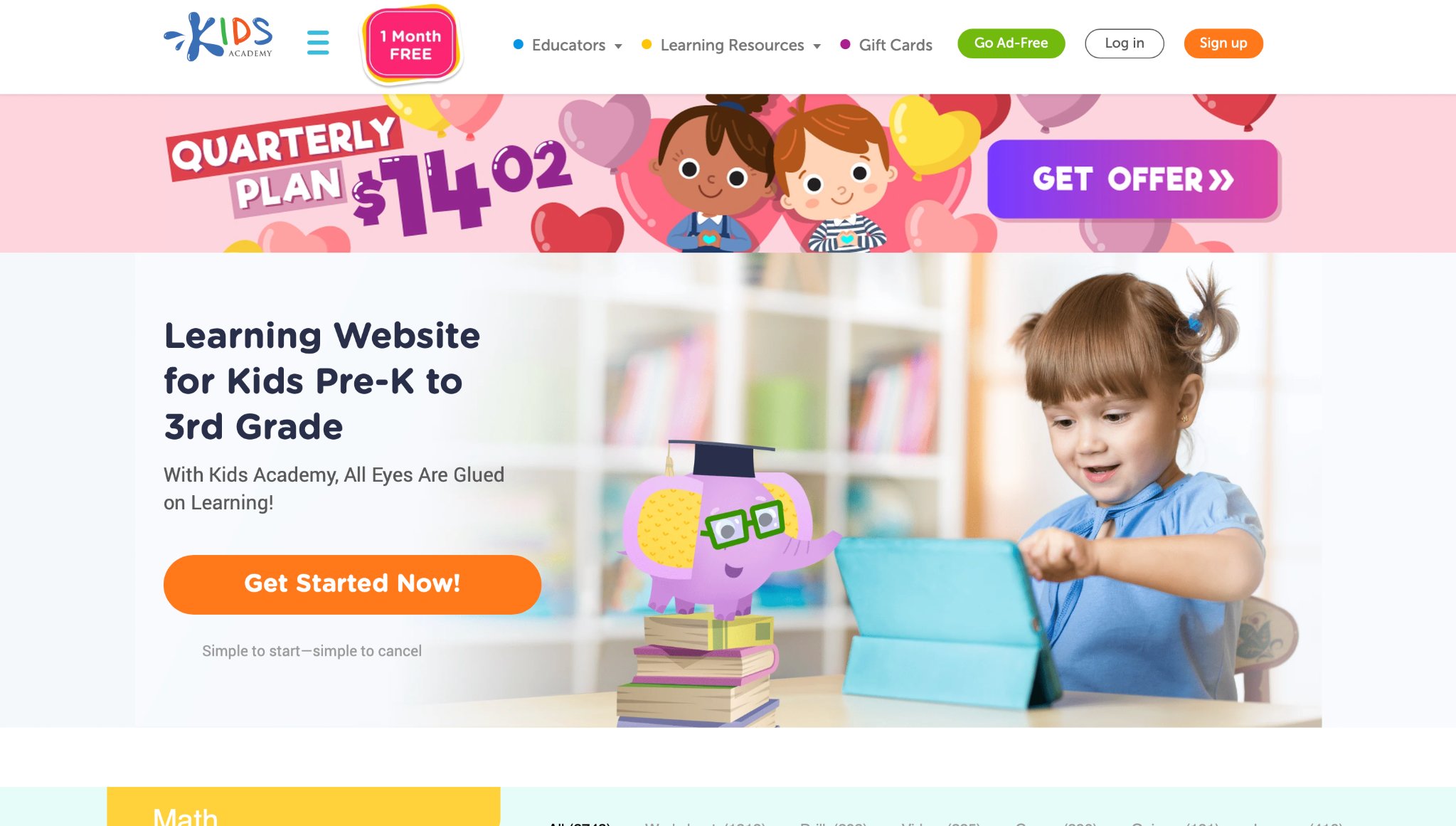
Kids Academy offers structured lessons in math, reading, and science with videos and games for preschool to early grades. It features traceable worksheets and counting exercises with rewards. Strengths include weekly updates and comprehensive coverage of core skills.
Progress badges motivate continued play. However, the interface can feel busy with multiple options. The app aligns with educational standards for home learning. Weaknesses involve reliance on subscriptions for full content. Parents note gains in foundational knowledge.
- Key features: Interactive quizzes; video explanations; customizable learning paths.
- Facts and information: Supports offline access in parts, making it versatile for various settings.
12. Duolingo ABC
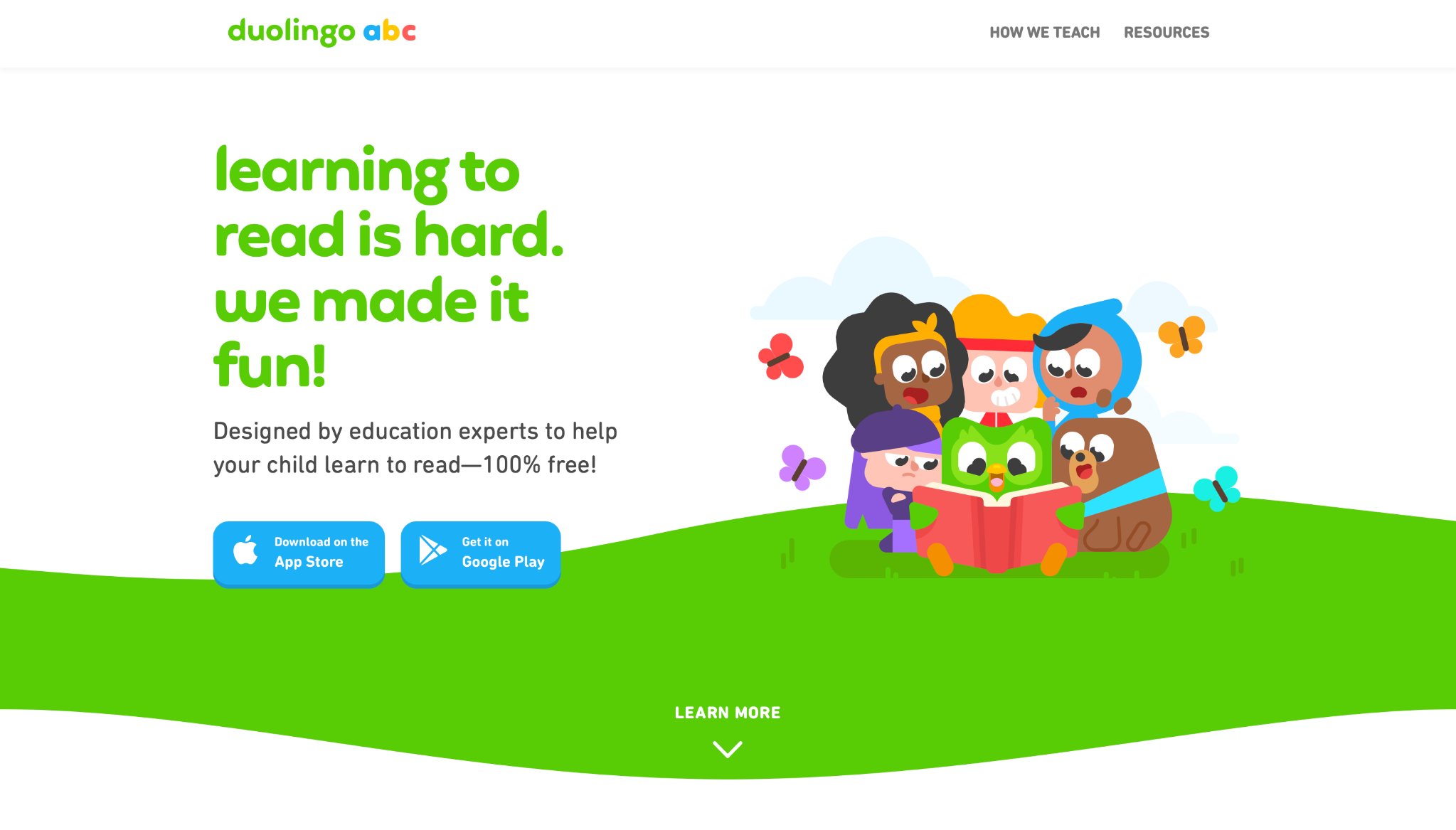
Duolingo ABC teaches reading and writing through short, game-like lessons with colorful illustrations and a friendly owl mascot. Headquartered in Pittsburgh, Pennsylvania, it focuses on phonics, sight words, and basic literacy for young beginners. Strengths include bite-sized sessions that keep attention spans in check, with immediate feedback to reinforce correct answers.
The app adapts to skill levels, gradually increasing difficulty. However, it primarily targets English learners, limiting options for other languages at this stage. Content features stories and activities that build vocabulary in context. Weaknesses might include repetitive drills that could tire some users over time. Families enjoy the fun streaks and rewards system that encourages daily practice. It's designed to complement school curricula, helping with letter formation and sound blending.
- Key features: Interactive tracing; audio pronunciations; progress streaks.
- Facts and information: Part of Duolingo's suite, it's free with optional premium for ad removal, reaching young audiences worldwide.
13. Endless Alphabet
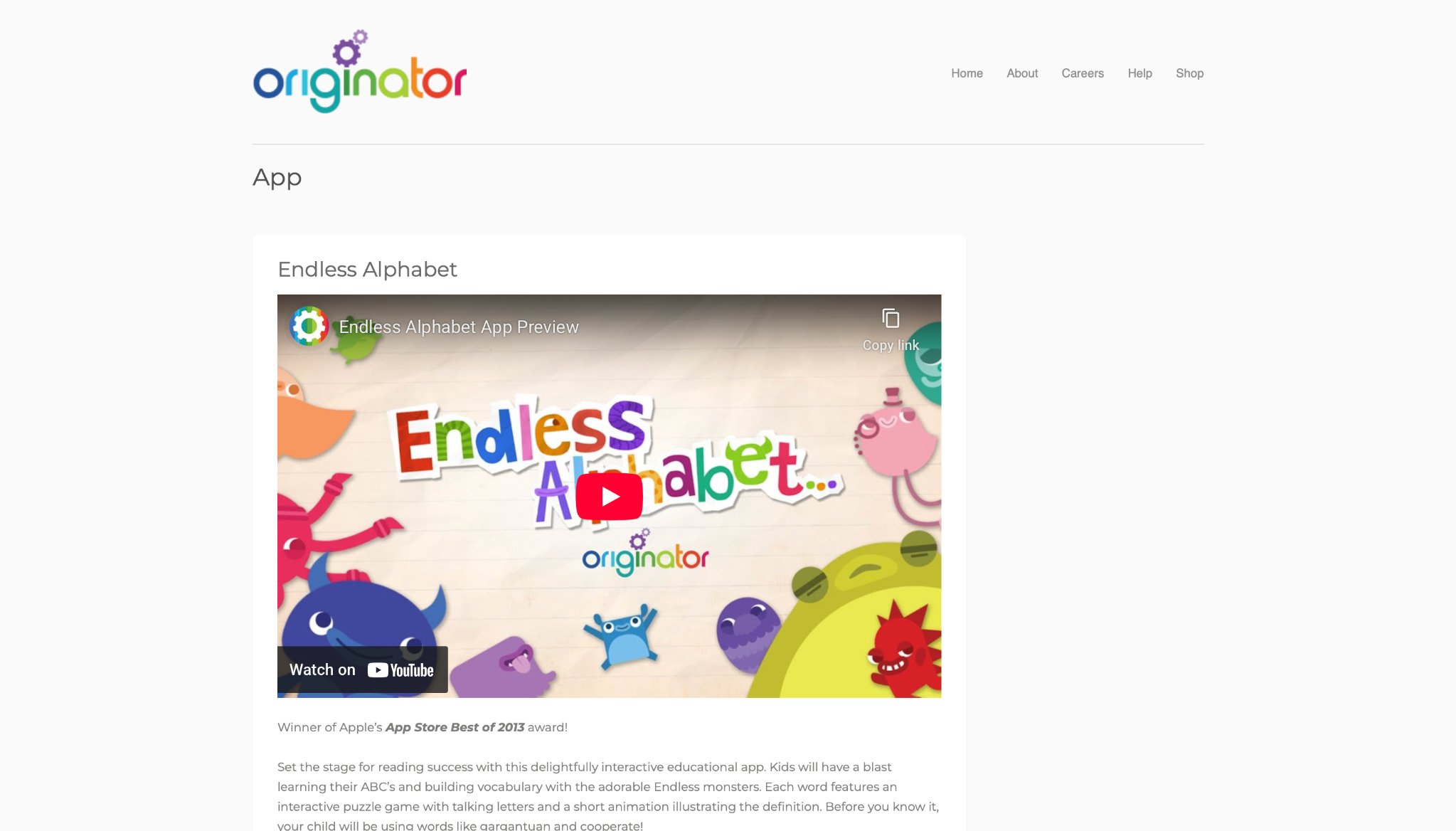
Endless Alphabet introduces vocabulary with animated monsters that scramble letters for words, teaching definitions through fun interactions. The app uses humorous animations to explain terms, making learning memorable. Strengths lie in its engaging visuals that captivate kids, with no time limits for stress-free exploration.
Each word comes with a short scene demonstrating meaning. However, the focus is narrow on alphabet and words, without broader subjects. It suits pre-readers with touch-based puzzles. Weaknesses include limited replay value for mastered words. Parents praise its creativity in building language skills.
- Key features: Over 100 words; interactive puzzles; phonetic sounds.
- Facts and information: Developed for early education, it's ad-free and supports independent play.
14. Prodigy Math
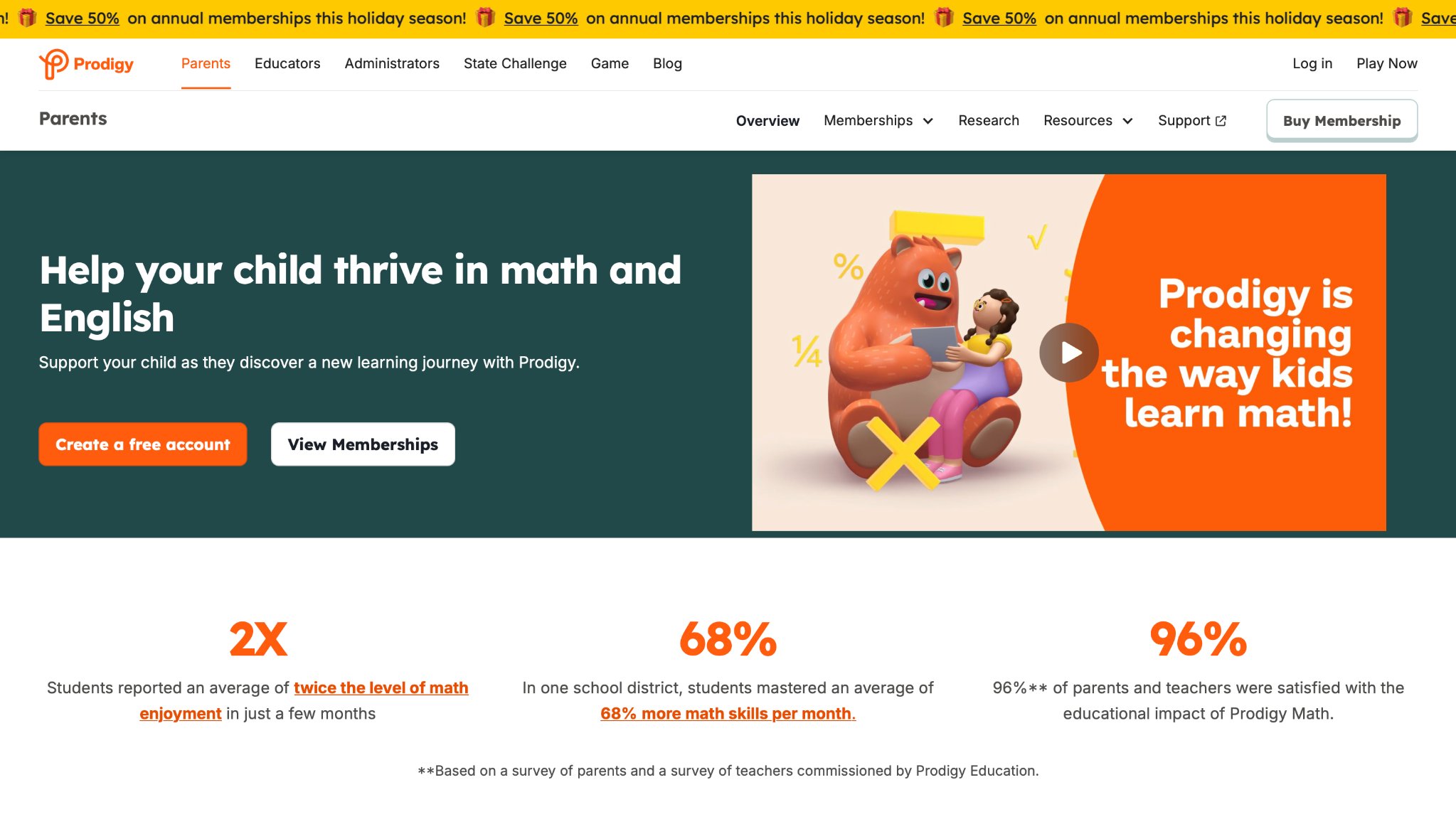
Prodigy Math turns math practice into an RPG adventure where kids battle creatures by solving problems. Based in Oakville, Canada, it covers topics from addition to geometry for grades one to eight. Strengths are in its game-like elements that motivate through quests and pets. Adaptive questions match skill levels. However, the fantasy theme might not appeal to all, and some find battles distracting from pure learning. Weaknesses involve occasional glitches in multiplayer modes. It aligns with school standards for supplemental practice.
- Key features: Customizable avatars; teacher tools; real-time reports.
- Facts and information: Used by millions in classrooms, it boosts math confidence effectively.
15. HOMER Learn & Grow
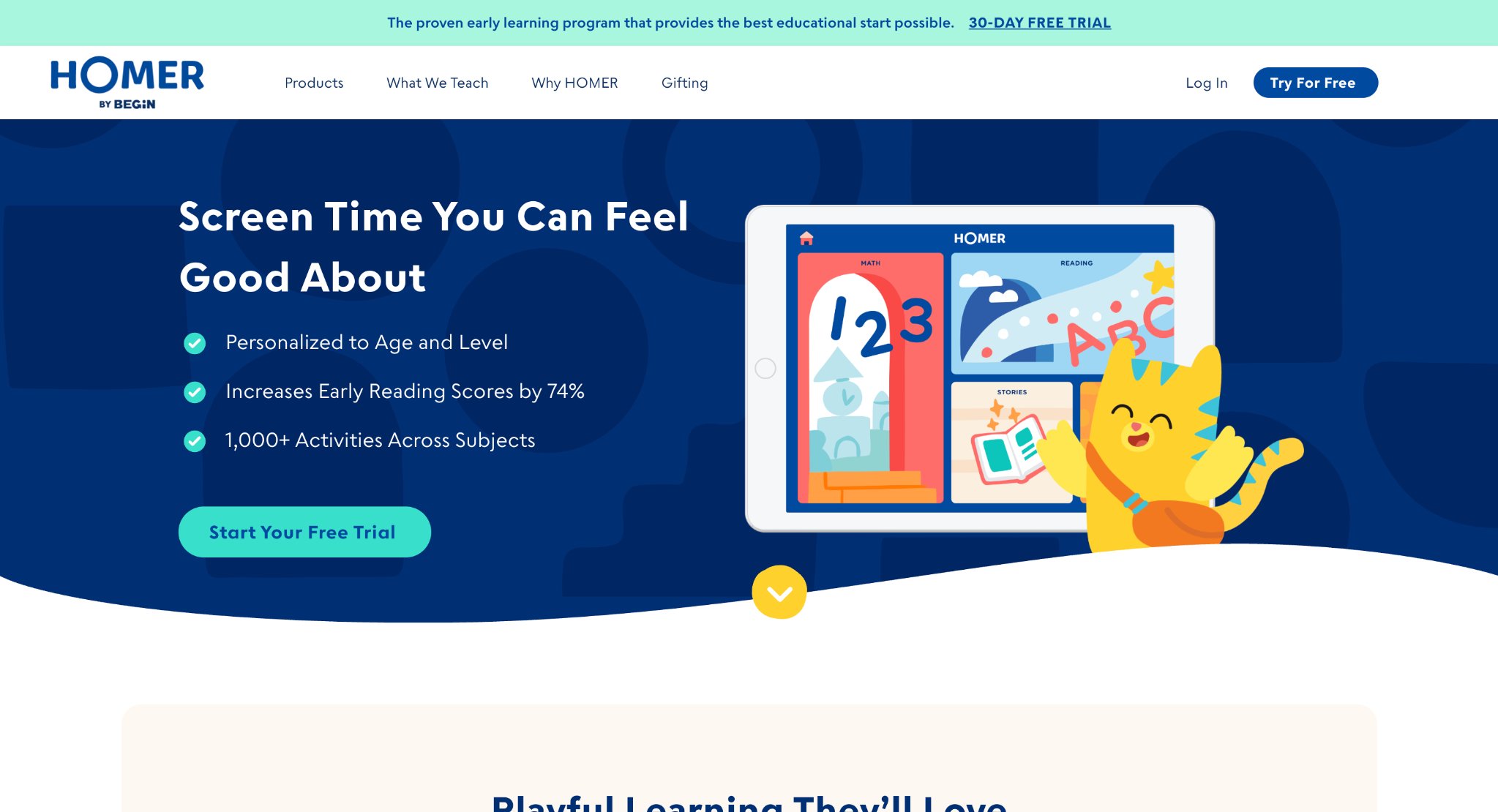
HOMER Learn & Grow provides personalized reading paths with stories, games, and activities for ages two to eight. Headquartered in New York, New York, it assesses skills to tailor content. Strengths include phonics-focused lessons that build fluency step by step. Interactive books encourage comprehension. However, some activities require reading ability, needing adult help initially. Weaknesses show in fewer math options compared to literacy. The app tracks growth with reports.
- Key features: Thousands of lessons; offline downloads; parent insights.
- Facts and information: Research-based, it improves reading scores in many users.
16. codeSpark Academy
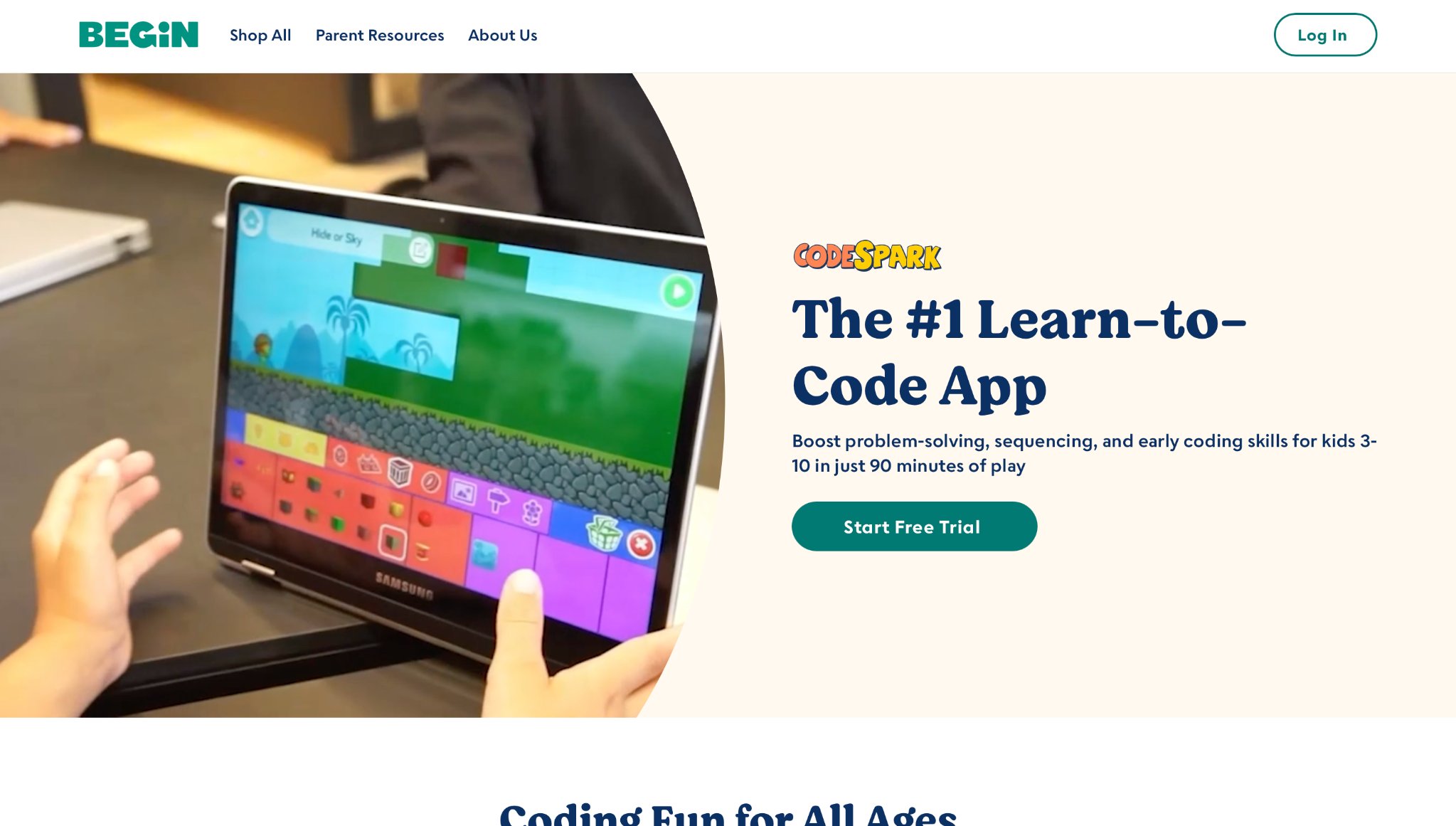
codeSpark Academy teaches coding through puzzles and game creation with cute characters called The Foos. From Pasadena, California, it's word-free for pre-readers. Strengths are in fostering logical thinking via visual blocks. Kids design their own games. However, advanced levels might challenge without guidance. Weaknesses include limited free content. It promotes STEM early on.
- Key features: Story mode; creation tools; progress tracking.
- Facts and information: Aligned with CS standards, used in schools globally.
17. ABCya Games
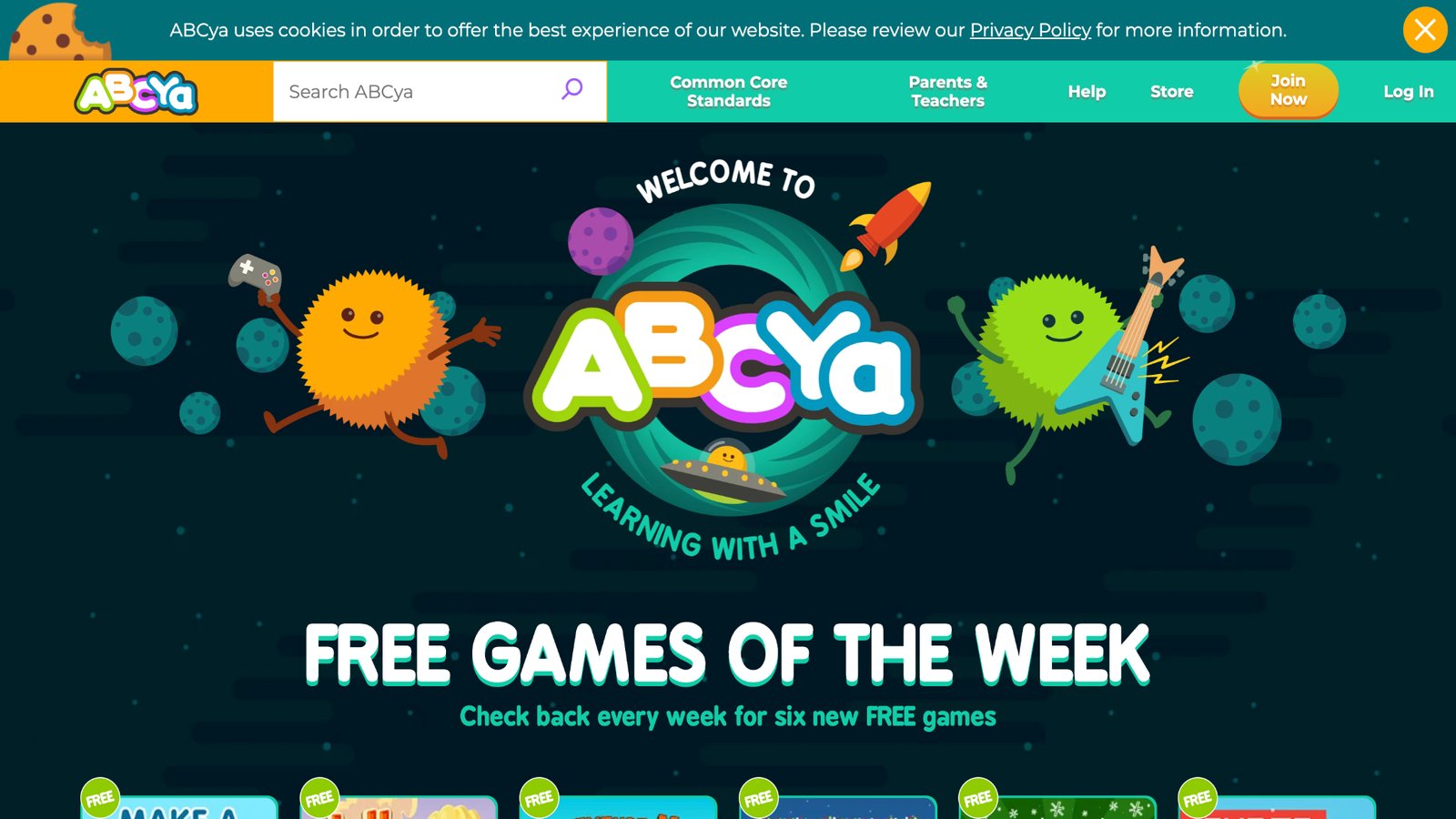
ABCya Games offers browser-based activities in math, reading, and strategy for pre-K to sixth grade. From Providence, Rhode Island, it features ad-free play in premium. Strengths include variety from bingo to word searches. Easy access without downloads. However, some games lack depth for long sessions. Weaknesses involve device-specific performance issues. Educators integrate it for fun reviews.
- Key features: Holiday themes; skill levels; teacher resources.
- Facts and information: Millions of monthly users, supports classroom use.
18. Toca Life World
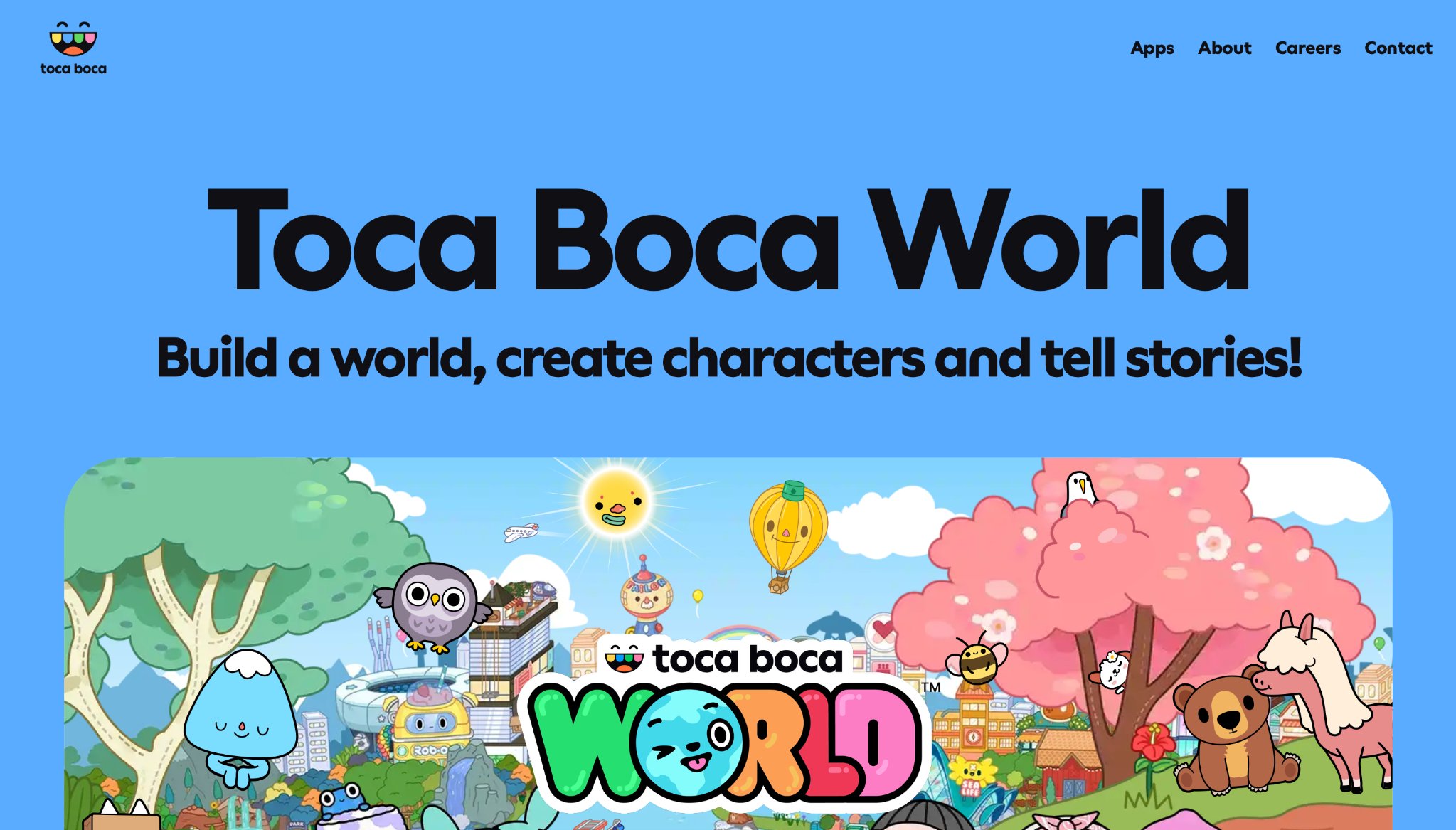
Toca Life World lets kids create stories in a vast digital world with characters and locations. Headquartered in Stockholm, Sweden, it encourages open-ended play. Strengths are in sparking imagination without goals. Multi-location exploration. However, no explicit educational directives. Weaknesses include potential for aimless play. It builds social skills through role-play.
- Key features: Customizable worlds; character creator; updates with new areas.
- Facts and information: Popular for creative freedom, safe for young explorers.
19. Noggin

Noggin features games and videos with Nick Jr. characters for preschool learning in math and literacy. It includes shows like Blue's Clues. Strengths lie in familiar faces making education entertaining. Structured playlists. However, content ties heavily to TV, limiting originality. Weaknesses show in subscription needs for full access. Parents use it for balanced screen time.
- Key features: Interactive episodes; skill-building games; parental controls.
- Facts and information: Developed for early development, aligns with preschool goals.
20. Epic!

Epic! provides a digital library of books, audiobooks, and videos for kids up to age twelve. From Redwood City, California, it recommends based on interests. Strengths include vast selection fostering reading love. Read-to-me options for beginners. However, offline access is limited. Weaknesses involve search functionality at times. It tracks reading progress.
- Key features: Over 40,000 titles; quizzes; personalized picks.
- Facts and information: Used in schools, promotes literacy growth.
21. Busy Shapes
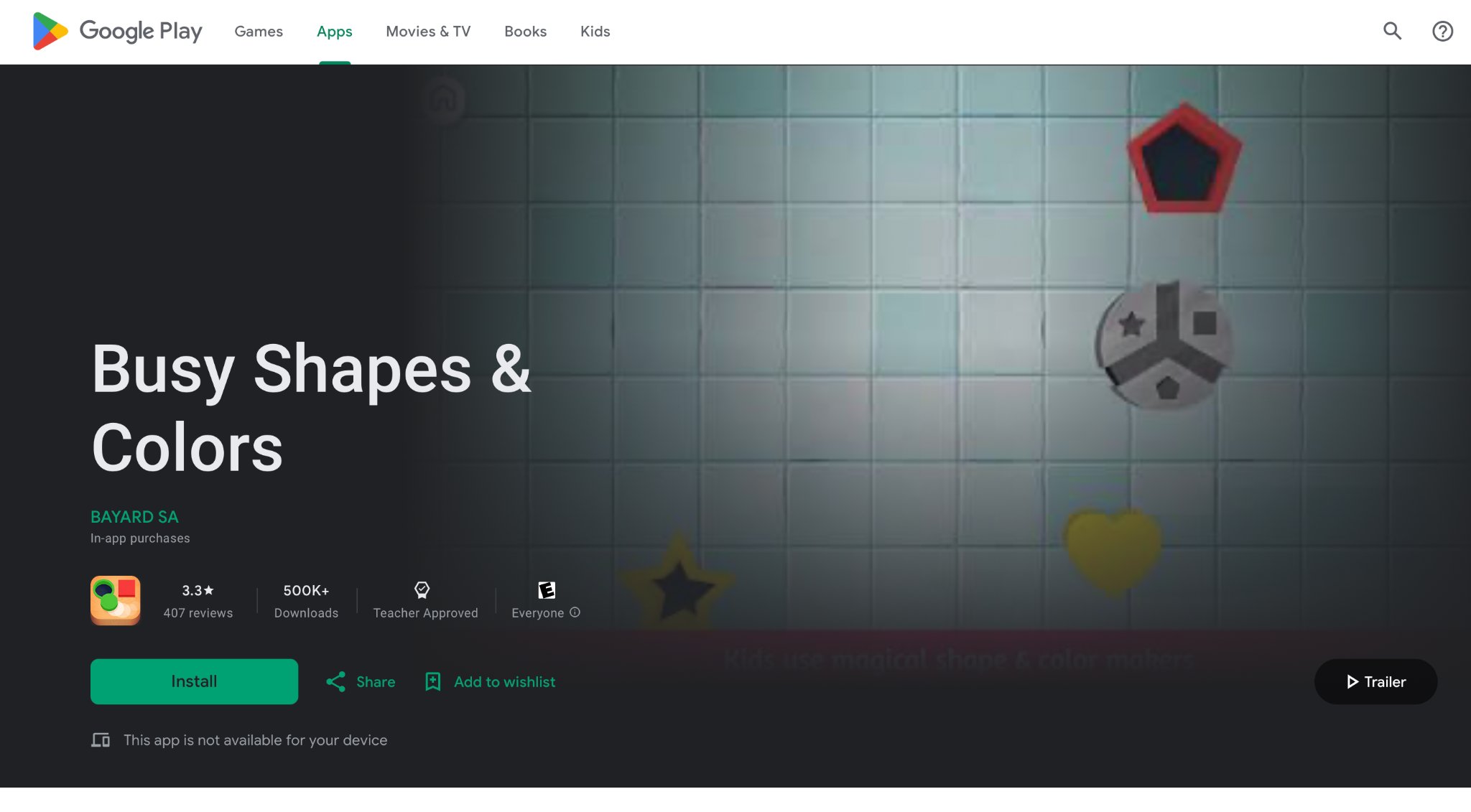
Busy Shapes delivers a beautifully simple yet deeply engaging Montessori-inspired puzzle experience that helps 5-year-olds master shapes, colors, logic, and spatial reasoning through hands-on manipulation. With no words or instructions needed, children drag and rotate vibrant geometric pieces to complete increasingly challenging levels, developing problem-solving skills, fine motor control, and persistence in a calm, frustration-free environment.
The progressive difficulty grows naturally with the child’s ability, making it ideal for independent play while building confidence through satisfying “aha” moments. Its clean, minimalist design keeps young learners focused without distractions or ads. Although some puzzles can feel challenging without hints and the variety of themes is more limited than story-heavy apps, Busy Shapes excels at fostering genuine cognitive growth through pure logic and creativity. Parents love how it quietly strengthens foundational skills that transfer beautifully to math, reading readiness, and everyday problem-solving.
- Key features: 100+ levels; color matching; problem-solving.
- Facts and information: Based on educational principles, suitable for independent discovery.
22. Phonics Adventure Reading Games
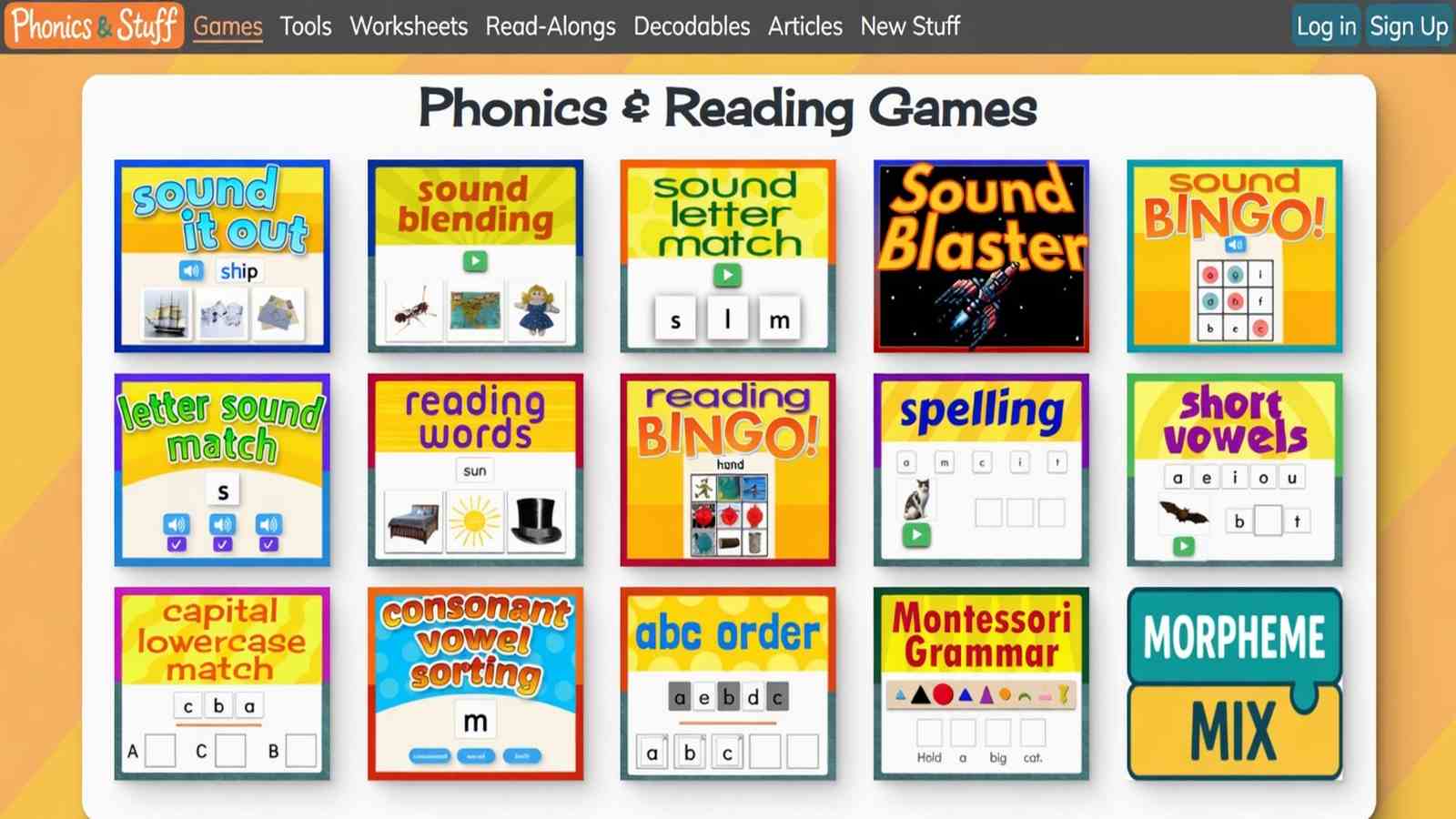
Phonics adventure reading games take 5 year olds on fun story journeys where they sound out letters, blend words, and unlock new story parts by reading simple sentences. Kids tap letters and words to help characters solve problems or complete quests in colorful worlds. These games build strong early reading confidence through playful repetition and immediate success. The combination of storytelling and phonics practice makes learning feel like an exciting adventure rather than a lesson.
- Key features: Interactive phonics blending, story-driven quests, word recognition activities, colorful animations, and progress tracking.
- Facts and information: These games are especially effective at helping children transition from letter sounds to confident early reading.
23. Math Quest Adventure Games
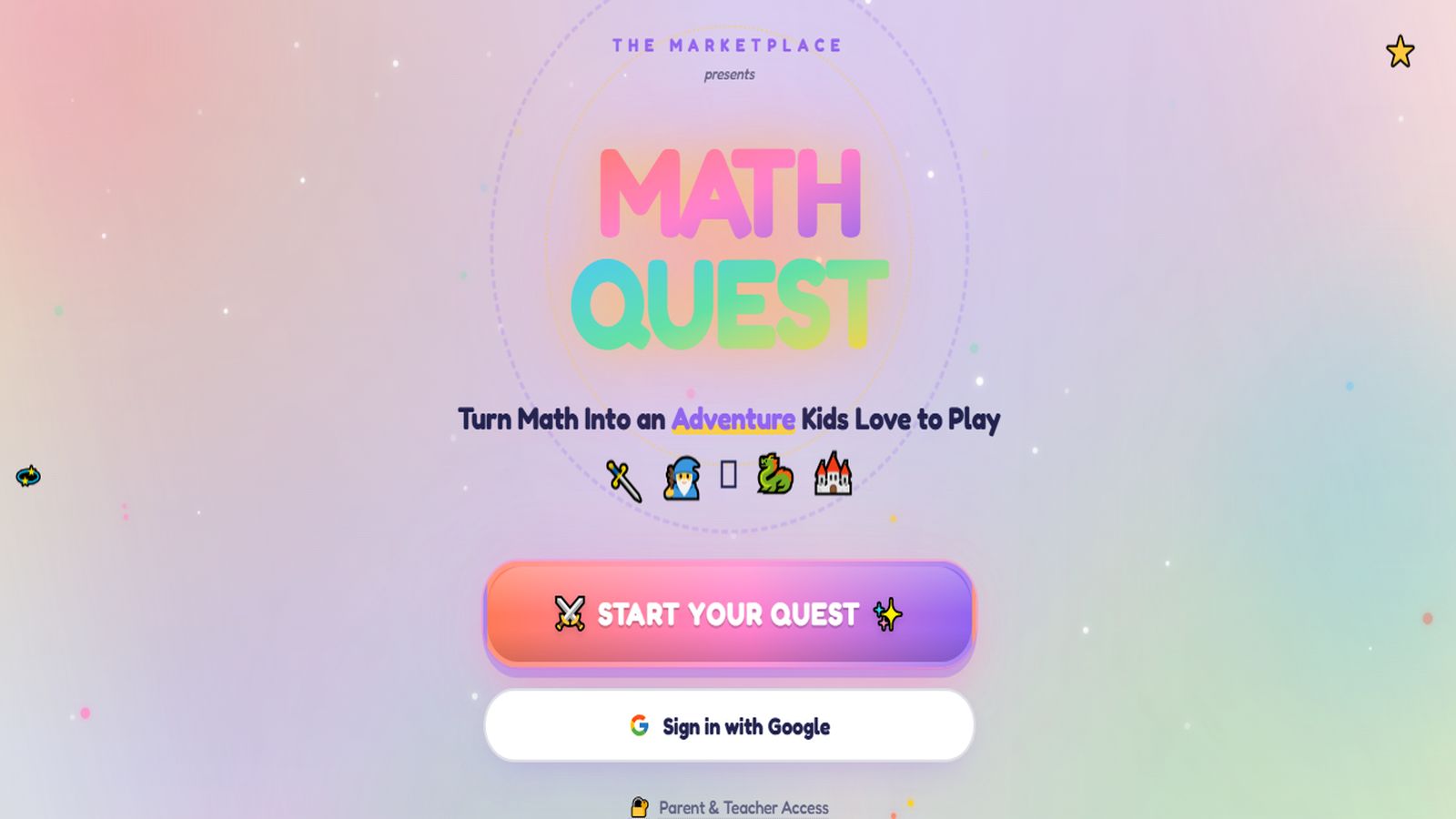
Math quest adventure games turn basic math into exciting treasure hunts and rescue missions where 5 year olds solve addition, subtraction, and simple pattern problems to move forward. Children help friendly characters by counting objects, comparing numbers, and completing shape puzzles. The gameplay encourages logical thinking while keeping sessions fun and rewarding. Progressive difficulty adjusts naturally as skills improve. These experiences connect math concepts with real problem-solving situations in an engaging way.
- Key features: Adventure-based math challenges, visual number manipulation, pattern recognition, shape activities, and reward systems.
- Facts and information: Parents often report that children show more enthusiasm for math after regular play with these adventure-style games.
24. Social Emotional Learning Games
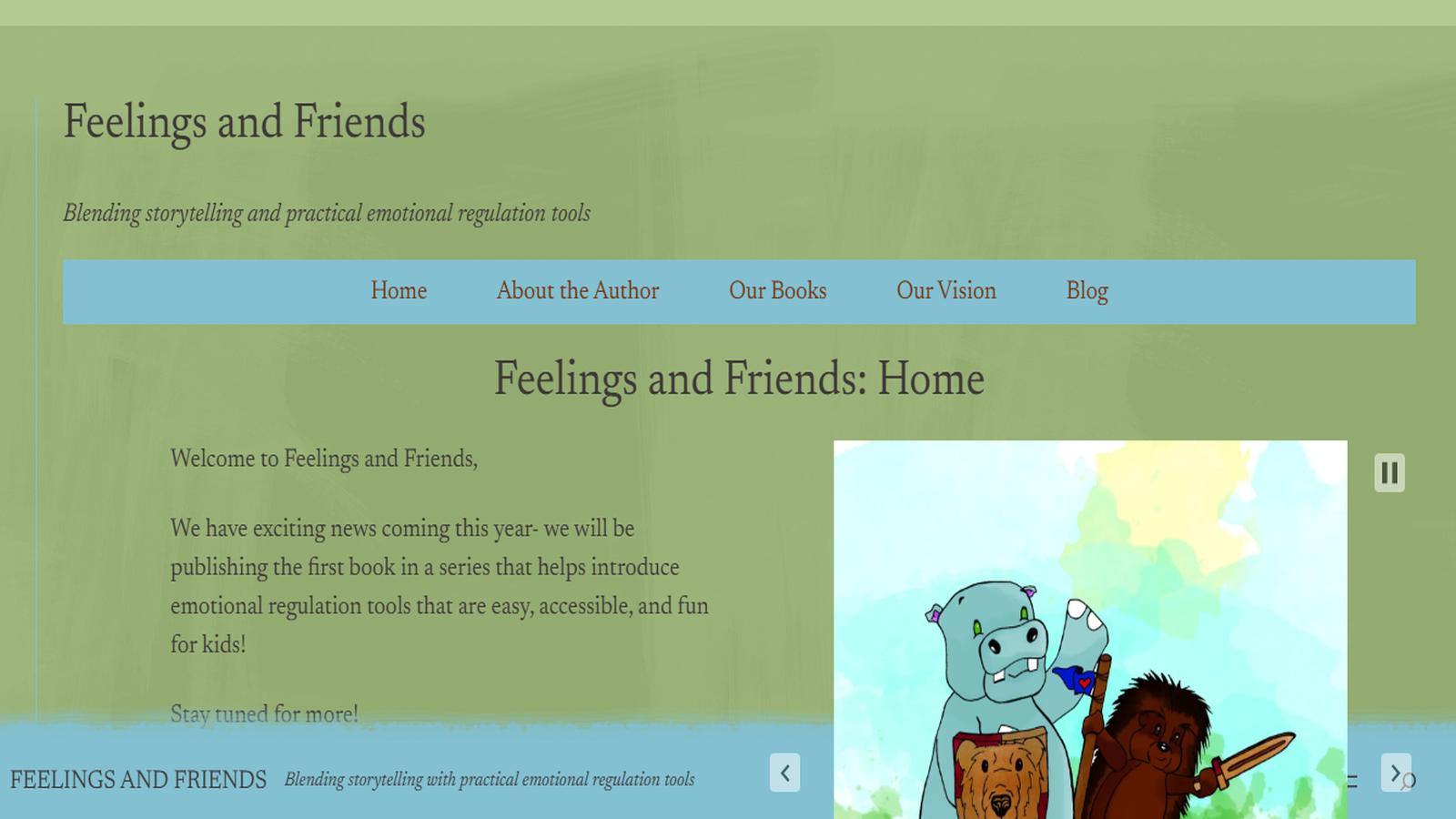
Social emotional learning games help 5 year olds understand feelings, friendship, sharing, and kindness through interactive stories and choice-based scenarios. Kids guide characters through everyday situations and see how different choices affect emotions and outcomes. The gentle storytelling format builds empathy and self-awareness in a safe way. Clear visuals and friendly characters make emotional concepts easy to grasp. These games support healthy social development during the important kindergarten years.
- Key features: Emotion identification activities, choice-based stories, friendship scenarios, kindness missions, and reflection moments.
- Facts and information: These games are particularly valuable for helping children navigate social situations and understand their own emotions better.
25. Teach Your Monster to Read
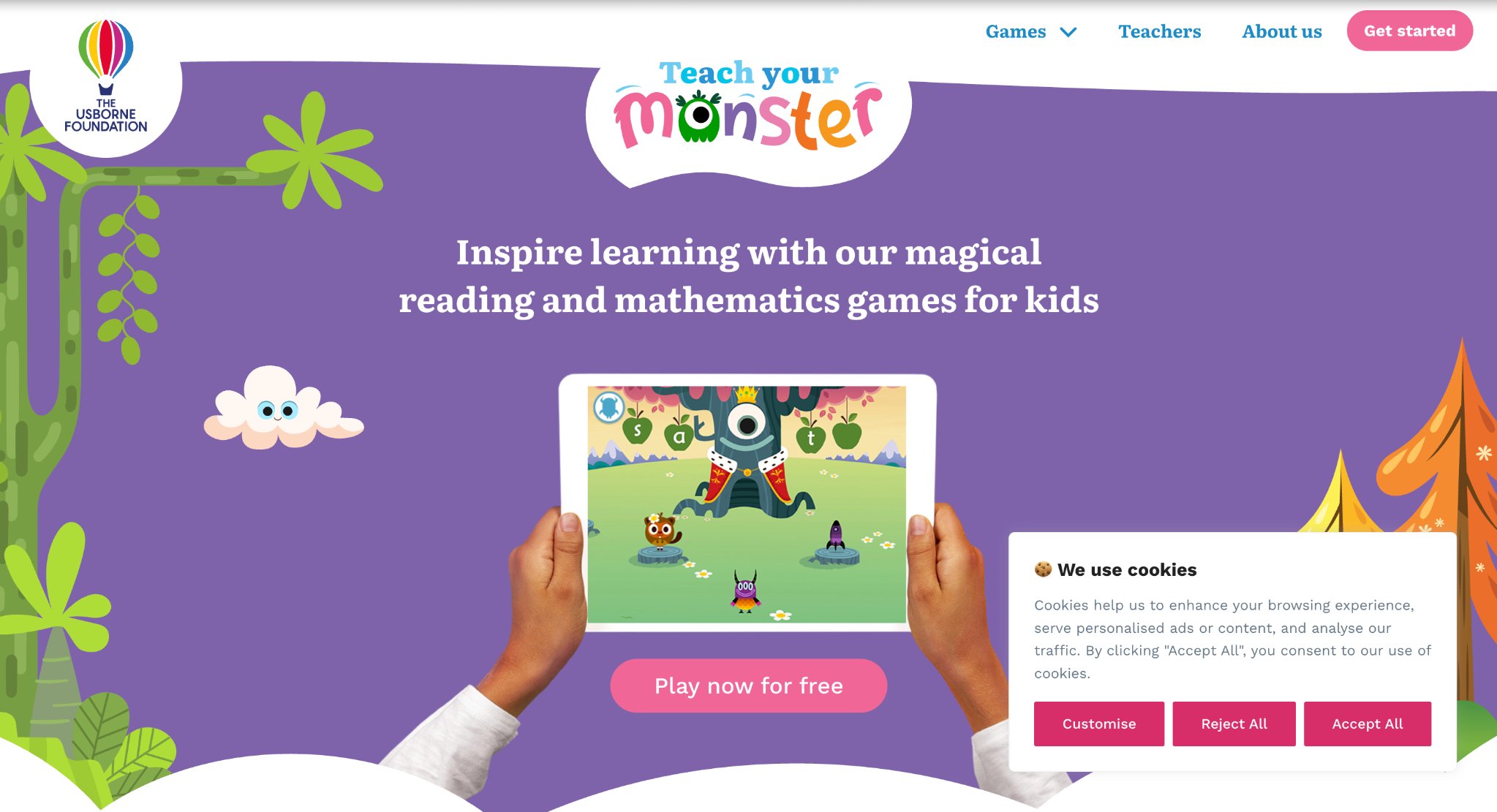
Teach Your Monster to Read engages 5 year olds in a captivating adventure where they design their own unique monster companion and help it progress through a magical island by mastering phonics skills. Children practice letter sounds, blending, segmenting, and reading simple words through a variety of mini-games such as obstacle courses, collecting objects, and puzzle challenges. Voiced instructions and encouraging feedback support independent play while building essential reading foundations. The game combines structured literacy instruction with strong storytelling elements and character attachment that keep young learners motivated and returning for more sessions. Developed with education specialists, this title turns early reading practice into an exciting quest that builds confidence and skills needed for kindergarten success.
- Key features: Monster customization, synthetic phonics activities, blending and reading games, adventure quests, sound recognition exercises, and save progress system.
- Facts and information: Award-winning reading program used by millions of families and schools; designed specifically for ages 3-6 to make systematic phonics fun and effective for building strong reading foundations.
26. Sago Mini School

Sago Mini School offers hundreds of playful learning activities designed specifically for ages 2 to 5 that blend early academics with social-emotional development and creative exploration. Five year olds practice number sense, counting, letter tracing, phonics, and basic STEM concepts through hands-on digital activities featuring friendly characters and colorful environments. The app encourages child-led discovery with open-ended play options alongside guided lessons on shapes, mindfulness, problem-solving, and everyday skills. Regular new content and offline capabilities make it a versatile tool for daily engagement and kindergarten readiness. Its calm, positive design provides a gentle introduction to structured learning concepts.
- Key features: 300+ learning games, phonics and literacy activities, math and counting exercises, STEM exploration, social-emotional learning, mindfulness moments, and offline play support.
- Facts and information: Created with child development experts; part of the award-winning Sago Mini collection known for supporting holistic growth and kindergarten readiness through curiosity-driven play.
27. DragonBox Numbers
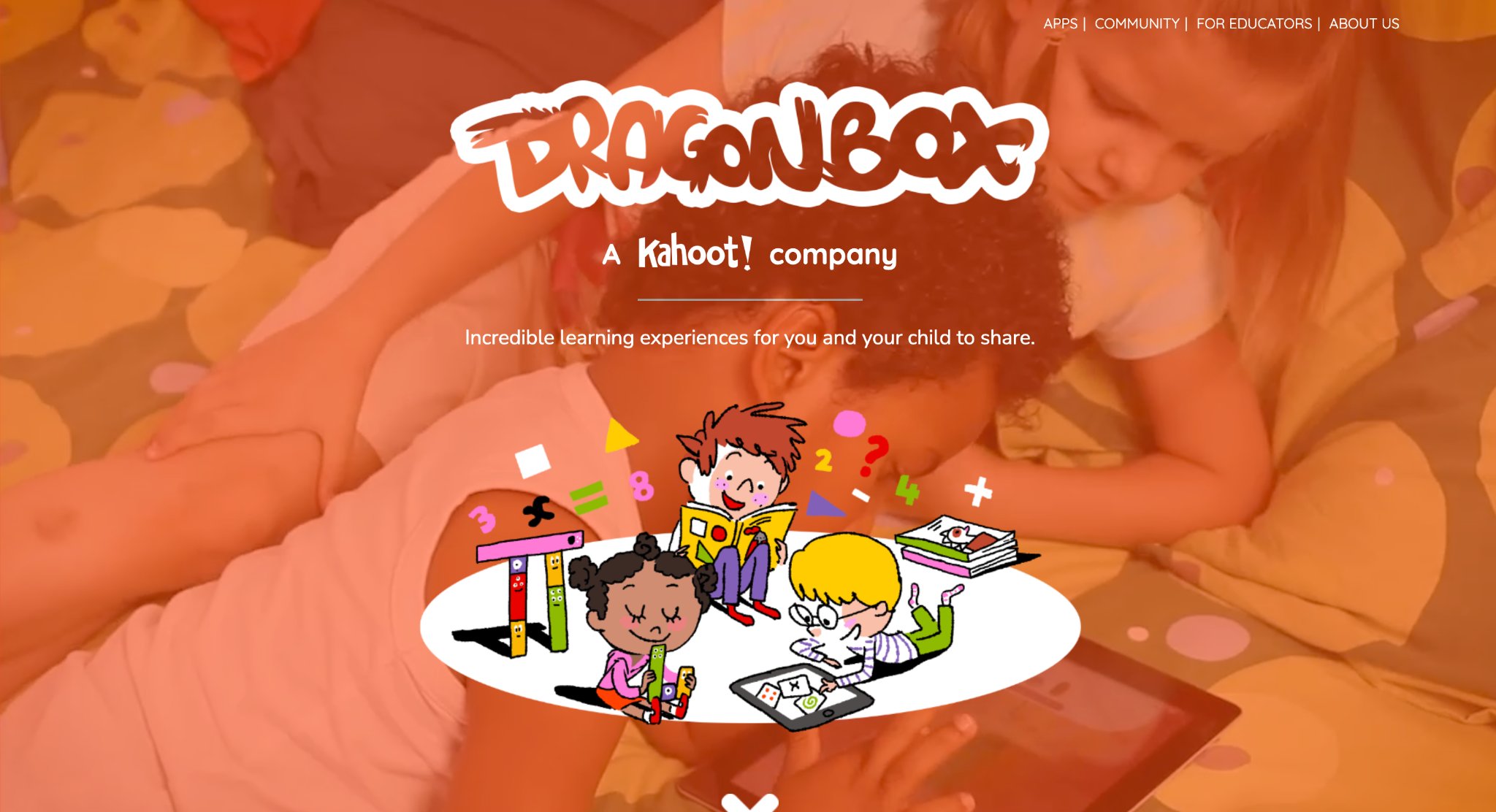
DragonBox Numbers introduces fundamental number sense to 5 year olds through an intuitive play-based system that uses colorful Nooms characters to represent numbers and mathematical relationships. Children explore addition, subtraction, and number composition by manipulating, combining, and sorting the characters in four different activity modes. The app emphasizes conceptual understanding over rote memorization, allowing kids to discover how numbers work through experimentation and visual puzzles. This approach builds strong mathematical intuition and confidence in a completely game-like environment without traditional drills or worksheets.
- Key features: Nooms number characters, four unique activity modes, visual number manipulation, addition and subtraction concepts, puzzle-based challenges, and progressive difficulty.
- Facts and information: Designed for ages 4-8; helps children develop flexible thinking with numbers and prepares them for more advanced math concepts through hands-on digital exploration.
28. Kodable
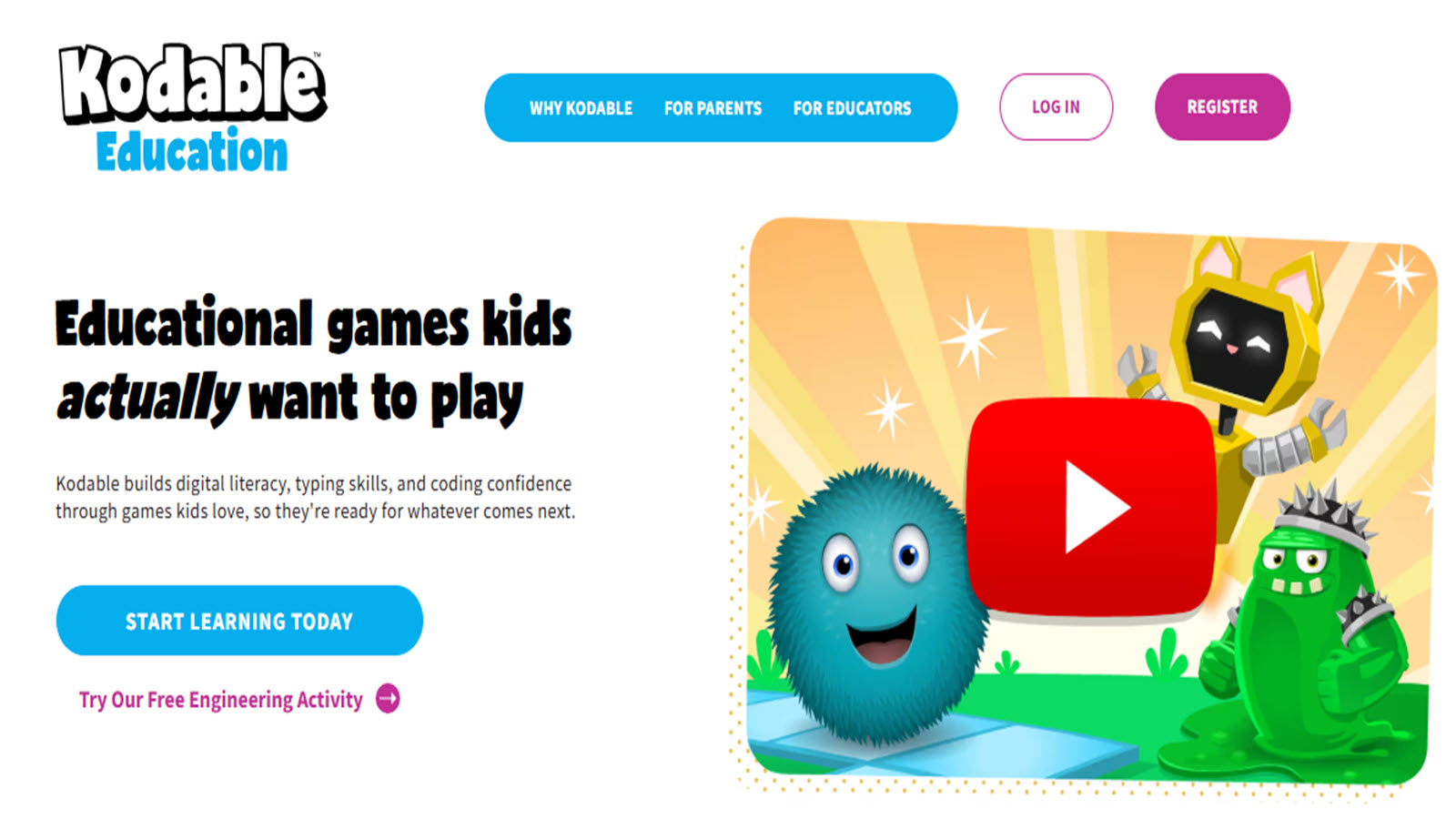
Kodable makes coding accessible for 5 year olds by teaching programming logic through visual, icon-based puzzles featuring adorable Fuzz characters. Children guide the Fuzz through maze-like levels by arranging command blocks that teach sequencing, loops, and conditional thinking without requiring any reading. The platform progresses naturally from basic movement commands to more complex programming concepts while incorporating storytelling elements. This early exposure to computational thinking encourages problem-solving, creativity, and logical reasoning in a fun, game-centered format perfect for pre-readers.
- Key features: Visual block-based coding, pre-reader friendly interface, Fuzz character adventures, sequencing and logic puzzles, progressive levels, and creative coding elements.
- Facts and information: Used in thousands of elementary schools; designed to build foundational coding and critical thinking skills for kindergarten and early elementary students.
29. Reading Eggs
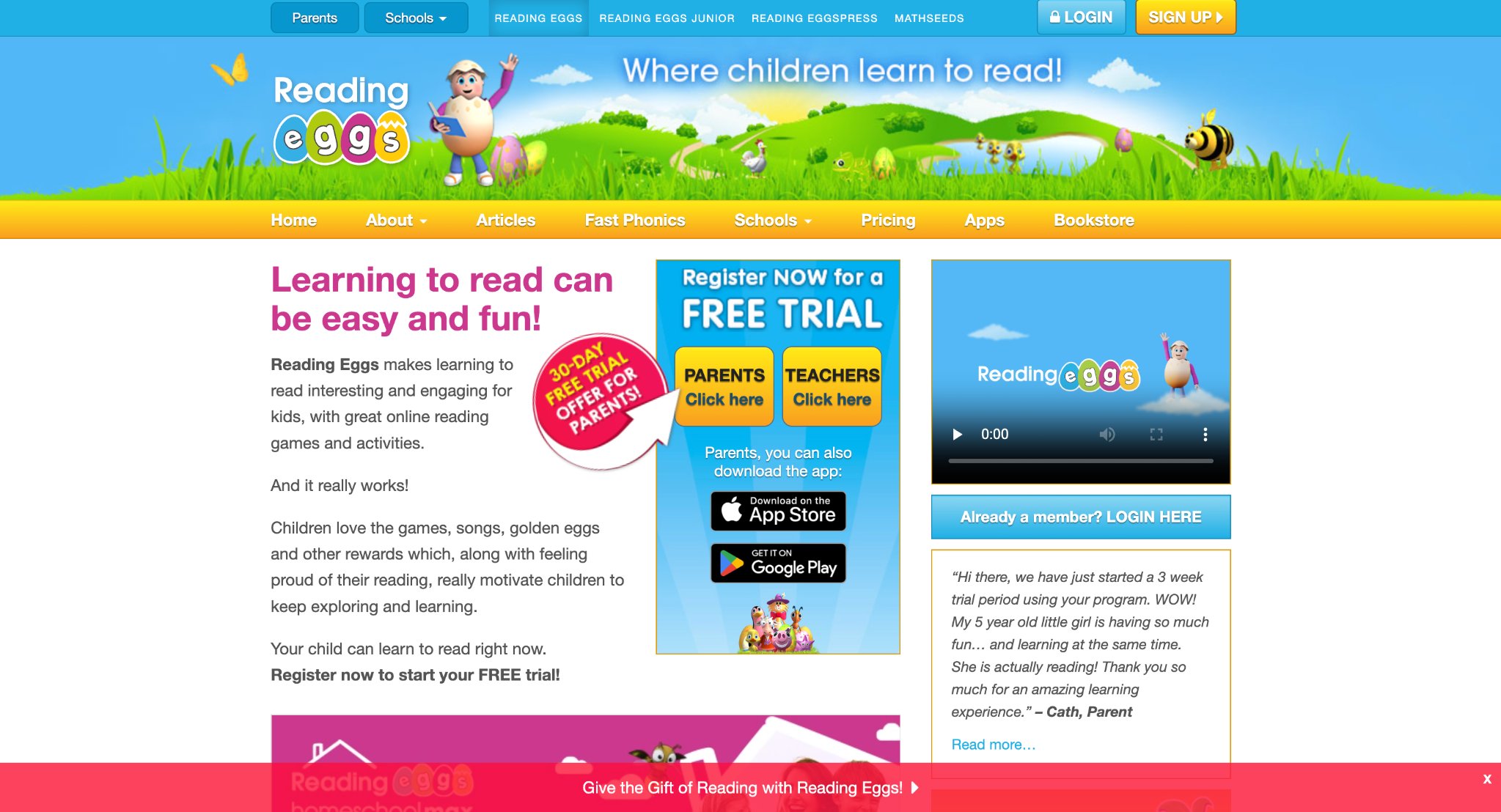
Reading Eggs delivers structured yet engaging literacy lessons tailored for young learners, helping 5 year olds master phonics, sight words, vocabulary, and comprehension through interactive games, books, and animations. Children follow personalized paths with motivating rewards like golden eggs and virtual pets as they progress through lessons designed by educators. The program includes thousands of activities and a large library of leveled e-books that build reading confidence step by step. Its combination of direct instruction and entertaining gameplay makes it effective for both beginners and those strengthening early reading abilities in preparation for kindergarten.
- Key features: Phonics and reading lessons, interactive books and stories, vocabulary building games, comprehension activities, personalized learning paths, and motivational reward system.
- Facts and information: Used by millions of children; covers essential components of reading with research-based methods proven to support early literacy development in preschool and kindergarten aged kids.
30. Busy Water
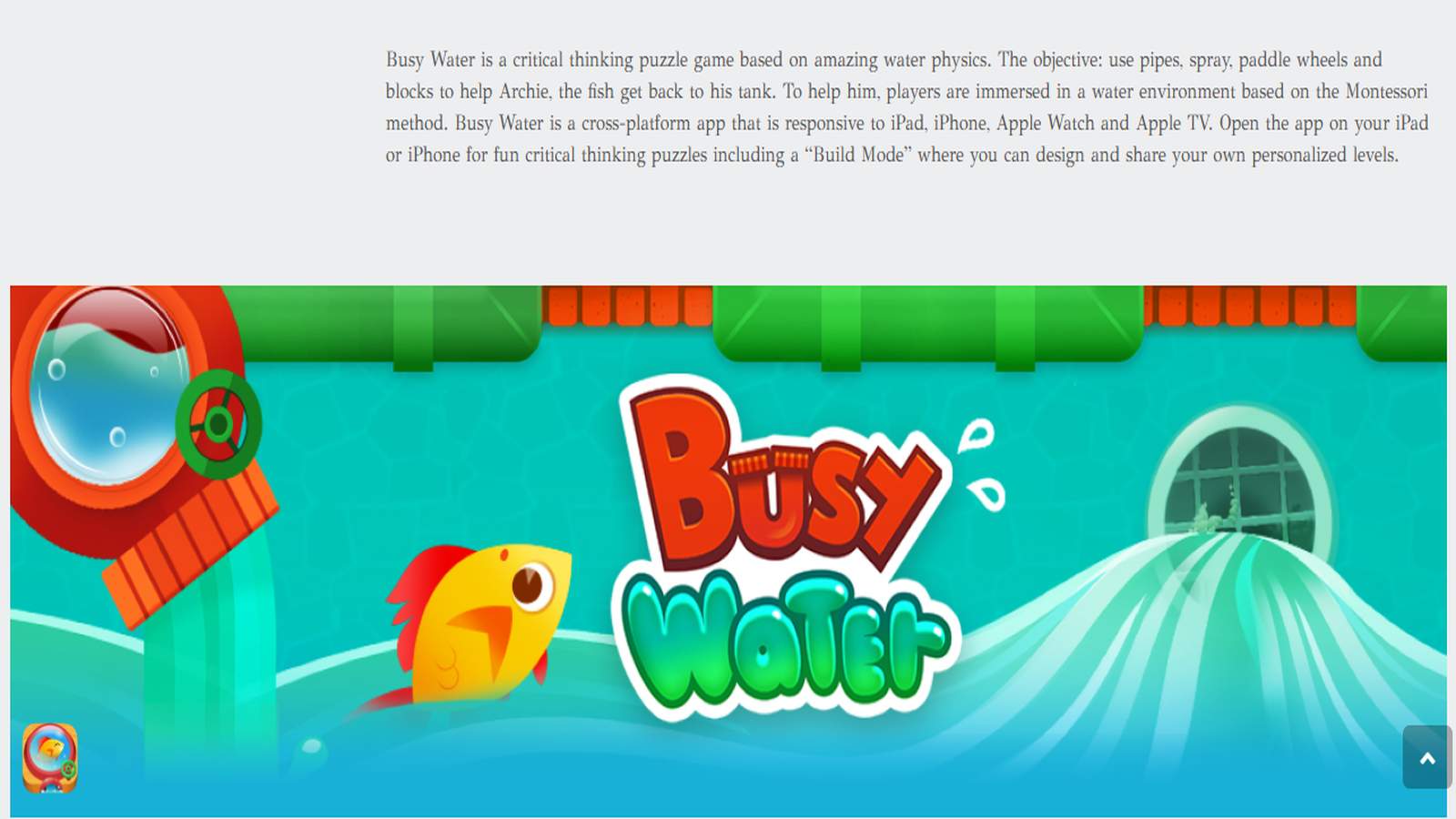
Busy Water introduces 5 year olds to early engineering, physics, and logical thinking through creative water-flow puzzles in a colorful, interactive world. Children place pipes, wheels, and other tools to guide water from a starting point to help friendly sea creatures or complete objectives, experimenting with cause and effect in each level. The intuitive drag-and-drop interface requires no reading, allowing independent problem-solving while building spatial reasoning and planning skills. Progressive challenges gently increase in complexity, rewarding creative solutions and multiple approaches to the same puzzle. This hands-on digital play style bridges abstract concepts with visual, immediate feedback that keeps young learners engaged and motivated.
- Key features: Pipe and tool placement puzzles, physics-based water simulation, creative multi-solution levels, character rescue objectives, progressive difficulty, and open experimentation.
- Facts and information: Designed for ages 4-8; supports development of engineering mindset and logical reasoning through playful trial-and-error that prepares children for STEM concepts in kindergarten and beyond.
31. LeapFrog Academy
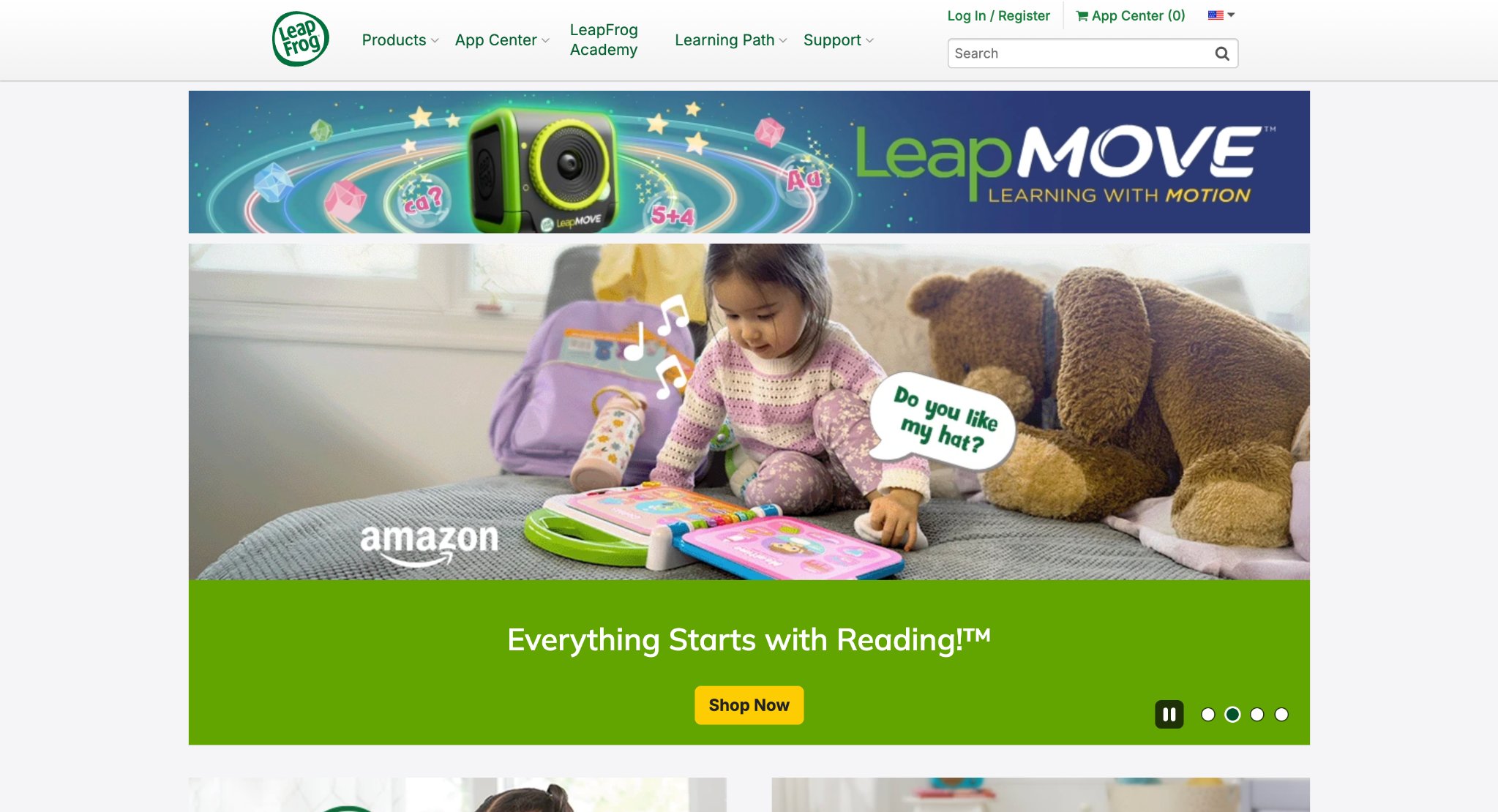
LeapFrog Academy delivers a comprehensive collection of interactive learning activities created by the trusted educational toy brand, designed specifically for children ages 3 to 6. Five year olds explore math, phonics, science, creativity, and problem-solving through hundreds of games, eBooks, videos, and guided lessons featuring familiar LeapFrog characters and engaging animations. The app structures content around developmental milestones with clear audio instructions, immediate feedback, and progressive challenges that support independent play while building kindergarten readiness. Its combination of structured skill-building and playful exploration helps young learners develop confidence across multiple subjects in a safe, ad-free digital environment. Regular additions of new content keep the experience fresh for repeated use at home or on the go.
- Key features: 2000+ learning activities, phonics and math modules, science experiments, creative drawing tools, progress-aligned lessons, and offline play capability.
- Facts and information: Developed by LeapFrog, a leader in educational products for decades; supports core early learning standards through educator-approved games that promote holistic cognitive and social development for preschool and kindergarten children.
Benefits of Mixing Digital and Hands-On Play
Combining screen games with physical activities enhances overall growth. Digital tools offer instant feedback, while toys build tactile skills. Many kids show better retention when switching between formats. This mix supports diverse learning styles, from visual to kinesthetic. Parents find that short sessions prevent overload.
Activity Type | Key Skills Developed | Example Tools |
| Digital Games | Problem-solving, quick thinking | Apps with puzzles |
| Hands-On Sets | Fine motor, creativity | Building blocks |
| Blended Play | Social interaction, empathy | Group challenges |
Screen Time Tips: How Much Educational Games for 5 Year Olds Is Okay?
Set timers to balance play with other activities. Choose educational games without distractions for better focus. Watch sessions to discuss what kids learn. Many families rotate titles to keep interest fresh. Adjust settings for individual needs, like sound levels.
Balance is important when using educational games for 5 year olds.
Recommended Guidelines:
- Maximum 1 hour per day of quality educational screen time.
- Keep sessions short: 15–20 minutes at a time.
- Choose ad-free games for better focus and safety.
Pro Tips:
- Alternate game time with physical play and reading.
- Play together and talk about what your child learns.
- Avoid screens 1 hour before bedtime.
When used properly, educational games for 5 year olds become a helpful learning tool instead of a worry.
Educational Games Supporting Early Literacy Skills
Educational games for 5 year olds contribute meaningfully to early literacy skills when integrated with storytelling sessions and daily reading habits that many families already maintain. TutoClub games introduce letter sounds and basic word formation through interactive elements that align with this developmental stage.
Activities in this category often encourage children to match sounds to images or complete simple sentences in playful scenarios, which reinforces vocabulary growth and comprehension without structured lessons. Parents notice improvements in phonemic awareness as kids engage repeatedly with varied formats that keep attention sustained over short periods.
Games for 5 Year Olds Fostering Problem-Solving Abilities
Educational games for 5 year olds foster problem-solving abilities by presenting sequenced challenges such as arranging objects or navigating simple mazes that mirror real-world decision making. These experiences build logical thinking and persistence as children experiment with different approaches in low-pressure environments.
The progression from basic matching to more complex pattern recognition helps young minds develop strategies that transfer to classroom tasks and social interactions alike. Many families observe how consistent exposure leads to greater independence in tackling everyday puzzles at home.
Latest News In 2026
In 2026, educational games for 5 year olds incorporate more adaptive elements that adjust difficulty based on individual responses, creating smoother pathways for skill acquisition in areas like basic numeracy and spatial awareness. Recent coverage in best kids educational games highlights how these updates support varied learning paces across households.
Platforms continue to refine multi-device compatibility and family sharing options to accommodate busy schedules where siblings or parents join sessions. The best educational games for kids have increased focus on emotional regulation features embedded in play sequences.
Discussions around best apps for kids learning emphasize the value of regular content refreshes that introduce new themes tied to seasonal events or cultural explorations suitable for preschoolers. Complementary resources such as the family weekly planner help structure screen time alongside other activities in daily routines.
Educational games for 5 year olds in 2026 now deliver highly personalized learning experiences that automatically adjust difficulty and content based on each child’s responses and progress. Many new titles weave reading, math, science, and critical thinking together inside engaging story-driven worlds where children solve problems across subjects in one seamless adventure.
Advanced voice interaction features and friendly AI companions offer real-time support, pronunciation help, and encouraging explanations whenever kids feel stuck. Developers have significantly strengthened offline capabilities while introducing more hybrid experiences that link in-game activities with simple real-life projects. Enhanced safety tools and smarter parent controls provide better peace of mind without reducing the fun factor.
These advancements reflect current trends in educational games for 5 year olds and connect well with broader resources for young learners.
- Personalized adaptive learning paths
- Multi-subject story adventures
- Voice interaction and smart helpers
- Stronger offline and hybrid features
FAQ
What makes educational games suitable for 5 year olds?
Educational games for this age group feature intuitive interfaces that match developing motor skills, allowing easy navigation without adult help. They incorporate repetitive elements to reinforce concepts like colors and numbers in a playful way, building foundational knowledge gradually. Themes often draw from everyday experiences, making content relatable and boosting retention through familiarity.
How do educational games support emotional development?
Such games introduce scenarios where children manage virtual emotions, fostering recognition of feelings like happiness or frustration. Through character interactions, kids practice responses that encourage positive behaviors in real situations. This type of play aids in developing resilience by showing outcomes of choices in a low-stakes environment.
Can educational games replace traditional learning?
While educational games enhance engagement, they work best alongside hands-on methods like reading books or group activities. They provide interactive reinforcement for concepts taught in classrooms, filling gaps with visual and auditory cues. Combining both approaches creates a balanced routine that addresses various aspects of growth.
What to look for in free versus paid educational games?
Free versions often include core features for basic practice, but paid options add customized progress tracking and expanded content libraries. Seek games with parental controls in both types to manage time and access. Quality indicators include alignment with developmental milestones, ensuring activities remain age-appropriate across formats.
How can parents integrate educational games into daily routines for 5 year olds?
Start with short sessions after meals or before bedtime to maintain interest without fatigue. Pair games with related offline tasks, like drawing what was learned, to extend the experience. Adjust based on the child's reactions, using feedback from play to guide future selections for better fit.
What age range benefits most from educational games for 5 year olds?
Educational games for 5 year olds align closely with periods of expanding attention spans and growing capacities for imaginative role play. Interactive formats promote sustained engagement via rewarding feedback mechanisms that build confidence in trial and error approaches. Coverage in best games for kids educational in 2026 illustrates the alignment with typical milestones around this age.
How do educational games for 5 year olds differ from general play apps?
Educational games for 5 year olds stand apart through their built-in pathways for measurable skill advancement embedded in game flow compared to general play apps focused mainly on casual amusement. Designed sequences promote retention of concepts like ordering and recall in enjoyable contexts. Exploration of best mobile games for kids in 2026 clarifies design choices that create this separation.
Can educational games for 5 year olds replace traditional learning tools?
Educational games for 5 year olds serve effectively as enhancements to conventional materials such as crayons, storybooks, and construction sets rather than full substitutes. Digital responses provide instant affirmation that builds upon physical activity outcomes. Resources like the family weekly planner support blending digital and hands-on elements in household routines. This layered approach preserves diversity in learning methods for preschoolers.
What features define quality educational games for 5 year olds?
Quality educational games for 5 year olds feature clear visual designs with sizable interactive zones that facilitate easy navigation for small hands. Gentle challenge adjustments maintain motivation without causing discouragement during repeated plays. These elements create reliable options for consistent daily engagement.
How does the TutoClub subscription align with needs of families using educational games for 5 year olds?
The TutoClub subscription aligns with needs of families using educational games for 5 year olds by curating ad-free options and periodic new additions suited to changing preferences. Household compatibility across platforms fits varied living arrangements. The model prioritizes secure settings valued in home environments.
Where can parents find additional resources on educational games for 5 year olds?
Parents find additional resources on educational games for 5 year olds compiled within the TutoClub blog covering setup nuances and usage suggestions. Related blog discussions like on the best educational games for kids age 5 provide deeper integration ideas for varied schedules. Further details emerge in best educational games for kids that are fun.
Do educational games for 5 year olds support emotional development?
Educational games for 5 year olds support emotional development via simulated situations promoting recognition of emotions and positive resolutions among characters. Choice-based elements foster awareness of personal reactions in social-like contexts. The TutoClub games weave in elements of compassion and self-reflection suitable for this age.
How Do Educational Games Support Cognitive Development in 5 Year Olds?
The best educational games engage young minds through challenges that build problem-solving skills and enhance memory retention. They encourage children to think critically by navigating puzzles and sequences, fostering logical thinking patterns that form a strong foundation for later learning. Additionally, these activities help improve attention span and executive functions like planning and organizing thoughts in an enjoyable context.
In What Ways Do Educational Games Enhance Literacy and Early Math Skills?
Through playful interactions, educational games introduce concepts of letters, sounds, and numbers in contextual ways that make literacy development natural and engaging. Children explore patterns, counting, and basic operations while immersed in stories or adventures, strengthening their foundational numeracy skills. This approach supports vocabulary growth and comprehension as kids connect symbols with meanings during interactive play.
How Do Interactive Games Contribute to Social and Emotional Growth?
Interactive educational games promote turn-taking and cooperation when played with others, helping children develop essential social skills. They provide opportunities to recognize and manage emotions through character interactions and scenario-based challenges. Such experiences build empathy and communication abilities as youngsters navigate group dynamics or role-playing elements within the games.
What Features Make Educational Games Effective for Motor Skills Development?
Many games incorporate elements that refine fine motor skills through manipulating objects, drawing, or precise movements on screens or physical boards. Gross motor activities integrated into active games support balance, coordination, and physical confidence. These hands-on components blend seamlessly with learning objectives to create comprehensive developmental experiences.
How Have Educational Games Evolved for 5 Year Olds by 2026?
By 2026, educational games incorporate more adaptive technologies that respond to individual learning paces, offering personalized pathways in early childhood education. Innovations focus on immersive environments that combine digital and physical elements for holistic engagement. This evolution emphasizes balanced screen time with real-world applications, prioritizing creativity and critical thinking alongside traditional academic foundations.
Why Is Fostering Creativity Important in Educational Games for Young Children?
Educational games that encourage open-ended play and imaginative scenarios help nurture creative thinking essential for innovative problem-solving. They allow children to experiment with ideas freely, building confidence in their unique expressions. Integrating artistic and inventive elements supports overall brain development by connecting different areas of learning in meaningful ways.
Read Also
- Best Learning Games for Kids Online in 2026
- Best Educational Kids Games
- Best Educational Games for Toddlers
- Best Online Educational Games for Kids
- Best Kid Educational Games in 2026
Discover the Best Educational Games For 5 Year Olds - TutoClub