

Best Online Educational Games for Kids






Finding the right online educational games for kids can turn screen time into a valuable learning opportunity. These games help children build key skills while having fun, from problem-solving to emotional awareness. With so many options available, it's key to pick platforms that are safe, ad-free, and backed by solid design. Discover the best online educational games for kids in 2026 that blend fun and learning.
Beyond browser-based platforms, families often explore the best mobile games for kids and interactive tablet games for kids that combine portability with skill development. Language growth is supported through the best English learning apps for kids, while curated lists of the best kids games educational and best educational but fun games for kids highlight options that balance academics and play.
Discover the best online educational games for kids - TutoClub
Why Online Educational Games Matter for Kids
.jpg)
Online educational games give children a fresh way to learn. They mix play with lessons in ways that books or worksheets can't always match. Kids get to try new ideas in a safe space, building confidence as they go. This approach fits how young minds work, turning tough topics into exciting challenges. Many parents see their children pick up skills faster through these games. Plus, they often include tools for tracking progress, so you know what's sticking.
Parents looking to target specific developmental areas can explore our curated collections, including the best problem-solving games for kids, the best social emotional games for kids, the best confidence building games, and the best responsibility games for kids. These online educational games help children strengthen key life skills while having fun, making them excellent supplements to daily learning routines.
Key Benefits of Educational Games for Child Growth
Educational games spark curiosity and help kids grasp concepts at their own pace. They strengthen memory and quick thinking through repeated practice in fun settings. Social skills grow too, as some games teach empathy and teamwork via character interactions. Attention spans improve with tasks that demand focus, while creativity blooms in open-ended activities. Overall, these games support balanced development, blending mental and emotional gains.
How Virtual Pet Care Games Strengthen Responsibility Skills
Virtual pet care games let kids handle daily routines like feeding and grooming digital companions in ways that feel fun and immediate. Children track needs and see quick results from their actions, which builds habits of consistency and care. These experiences often carry over to real-life tasks, helping young players develop a stronger sense of ownership in everyday situations. Many collections feature virtual pet care mixed with light creative elements or simple puzzles that keep sessions lively. Kids gain confidence as they watch their choices lead to happy outcomes for their characters. The gentle structure supports gradual growth in responsibility without pressure.
Brain Games for Improved Focus and Memory in Kids
Brain games for kids rely on matching, sequencing, and recall activities that sharpen attention through short, rewarding bursts. Different formats suit various ages, from basic visual patterns to story-based memory challenges that hold interest longer. These exercises fit easily into daily play while supporting skills needed for school and problem-solving. Platforms with these games often add narrative layers so mental work stays engaging rather than repetitive. Children build concentration as levels increase gently in difficulty. The mix of styles prevents boredom and complements other learning activities at home.
Creating Healthy Screen Time with Educational Apps
Educational apps turn screen moments into purposeful skill-building time by focusing on interactive challenges instead of passive content. Thoughtful designs prioritize calm experiences that align with child brain development while covering creativity, logic, and emotional growth. Families appreciate options that support balanced routines without creating strong dependency. Healthy screen time with educational apps works well when paired with varied content that adapts to different energy levels. Many titles include ad-free setups that keep play distraction-free. This approach helps reduce common worries around device use in busy households.
Combining Educational Games with Offline Ideas for Kids
Educational games connect smoothly with hands-on activities like drawing scenes from stories or acting out character roles. These extensions reinforce concepts through movement and creativity, keeping learning fresh across settings. Themes around pet care or building often translate naturally into real-world play that extends session benefits. Educational games plus offline ideas for kids shine during longer breaks when families have flexible time. Simple crafts or group activities based on game elements support different attention spans. The combination helps children apply digital lessons in practical, memorable ways.
Best Online Educational Games for Kids in 2026
1. TutoClub - Best Online Educational Games for Kids
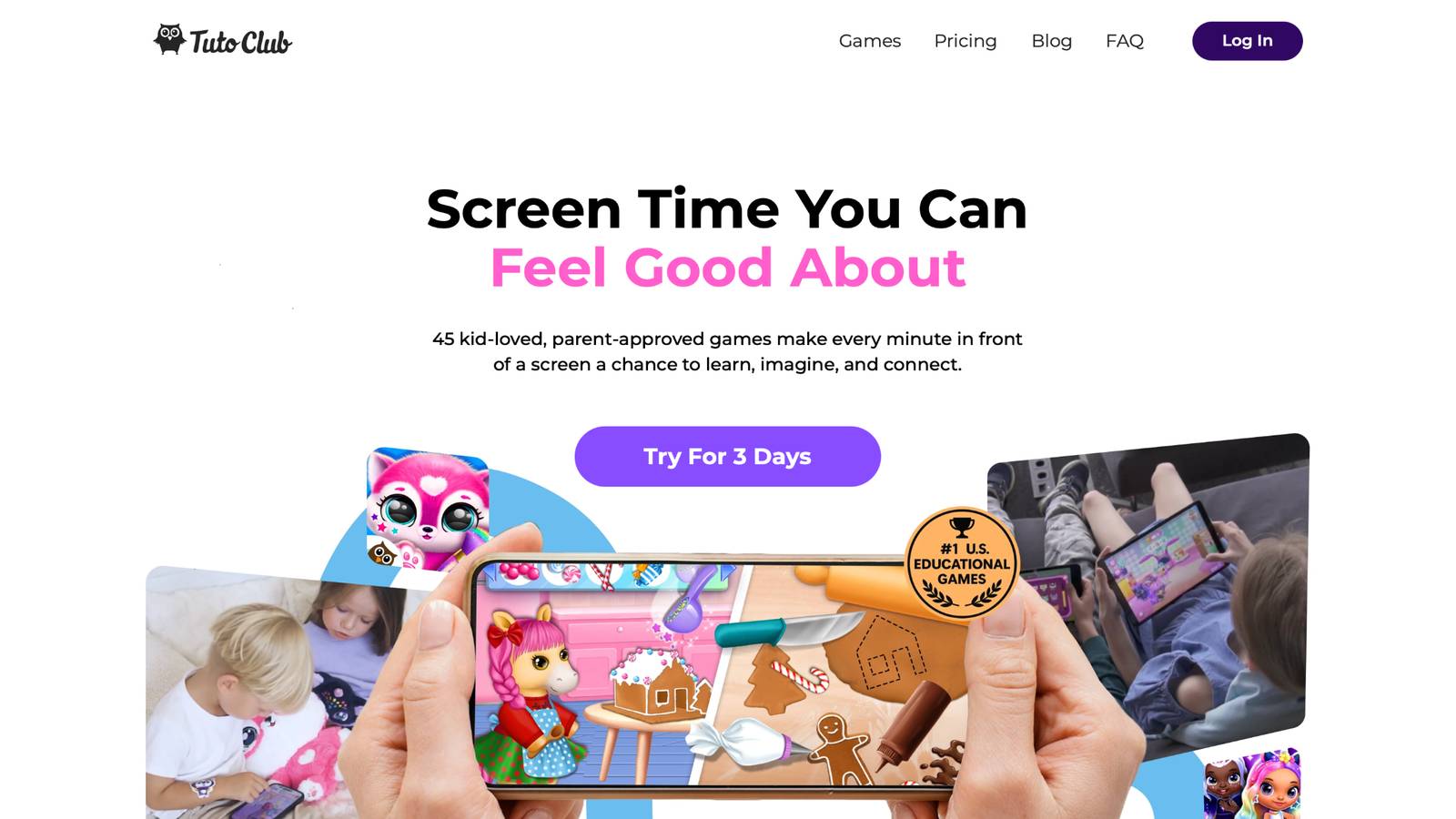
TutoClub's educational games stand out as a top choice for parents seeking safe, enriching screen time. This subscription unlocks over 45 ad-free games designed to boost creativity, focus, and social skills. Kids dive into worlds where they design art, solve puzzles, and care for characters, all while learning real-life lessons like empathy and responsibility.
The calm, distraction-free setup lets children explore at their own speed, turning play into meaningful growth. Parents love how it replaces mindless apps with purposeful activities that build confidence and curiosity. Backed by research, these games encourage family play, making bonds stronger through shared adventures. Whether it's storytelling or problem-solving, TutoClub keeps kids hooked on learning without any pressure.
- Standout features: Ad-free environment for uninterrupted play, multi-device access for flexibility, skill-building in creativity through design and art mini-games, emotional growth via character care activities that teach compassion.
- Facts and information: Games promote healthy screen habits by focusing on calm experiences, parent-approved for sparking imagination and focus, designed to encourage curiosity and connection in young players.
TutoClub Overview
TutoClub is your gateway to a magical world of educational games designed especially for children.
As part of TutoTOONS, a leading kids' games studio, we offer premium access to over 45 ad-free games.
Our mission is to blend learning and play, helping kids explore, create, and grow in a safe online space.
Thousands of parents trust us for family-friendly content that sparks imagination and builds essential skills.
Key Features
- Unlimited Access: Unlock full content in all games with no interruptions.
- Ad-Free Experience: Enjoy seamless play without any ads or distractions.
- Skill Development: Games foster creativity, social skills, communication, and more through fun activities like pet care and cleanup challenges.
- Regular Updates: Get new releases, exclusive content, and future updates automatically.
- Easy Subscription: Cancel anytime with no obligations, simple and flexible for families.
Explore Our World
TutoClub provides a rich ecosystem of educational games for kids, featuring ad-free experiences that promote creativity, focus, and emotional growth through play.
This platform turns screen time into valuable learning opportunities, with parent-approved content that builds essential skills and sparks curiosity in young minds.
- TutoClub Games: Over 45 educational games, including popular titles like Fluvsies, Smolsies, and the Sweet Baby Girl series
- Blog: Insights, tips, and stories for families on kids' learning and play
- FAQ: Comprehensive answers to frequently asked questions about subscriptions, features, and more
Get TutoClub on Your Device
TutoClub delivers premium kids educational games directly to your mobile devices, making learning accessible anytime, anywhere.
With apps available on major platforms, families can easily download and subscribe for ad-free play that turns screen time into skill-building adventures.
Perfect for parents seeking safe, engaging content on iOS, Android, or Amazon devices.
Why Choose TutoClub?
We're committed to 100% safe, enriching entertainment that kids love and parents approve.
Join the thousands who've seen their children thrive through playful learning.
Ready to start the adventure?
Subscribe to TutoClub today and unlock endless fun!
2. ABCya
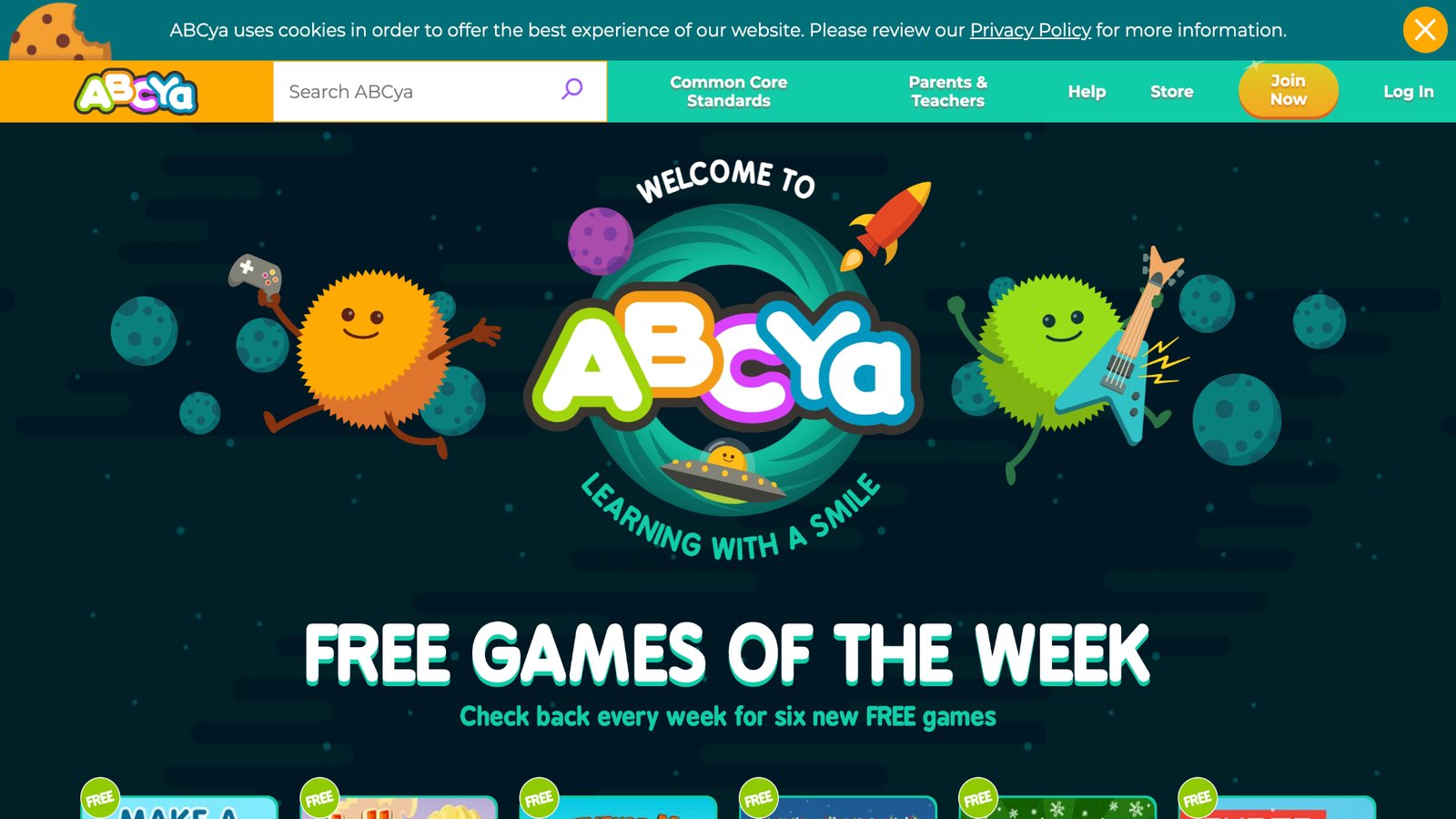
ABCya, developed by IXL Learning and based in the United States, offers a broad collection of free educational games aimed at children from PreK through sixth grade. The platform covers essential subjects like math, reading, typing, and logic puzzles, with activities organized by grade level and topic for easy navigation. Kids can enjoy seasonal themes, such as holiday math challenges or creative art games, which blend entertainment with skill-building. The site emphasizes fun visuals and simple mechanics to keep young learners engaged, making it a go-to for quick practice sessions at home or in classrooms.
Strengths include its vast library of over 250 games, updated regularly to align with Common Core standards, and tools for teachers to track student progress. This helps reinforce classroom lessons in a playful way. Weaknesses involve occasional ads in the free version that might distract some users, and some games lack deeper instructional elements, serving more as practice tools rather than full lessons. Recent enhancements in 2024 added personalized learning paths, allowing games to adapt to individual skill levels, which positions ABCya as a strong option for balanced, interactive learning. Parents and educators appreciate how it turns screen time into productive play, fostering confidence in core subjects without overwhelming complexity.
- Key features: Grade-specific content in math like addition puzzles, reading activities with word searches, typing drills for keyboard skills, logic games involving strategy and patterns, art and music explorations for creativity.
- Facts and information: Many families use it for supplemental learning, platform recognized for engaging K-5 students, updates include weekly new games to maintain freshness.
3. Fluvsies Academy
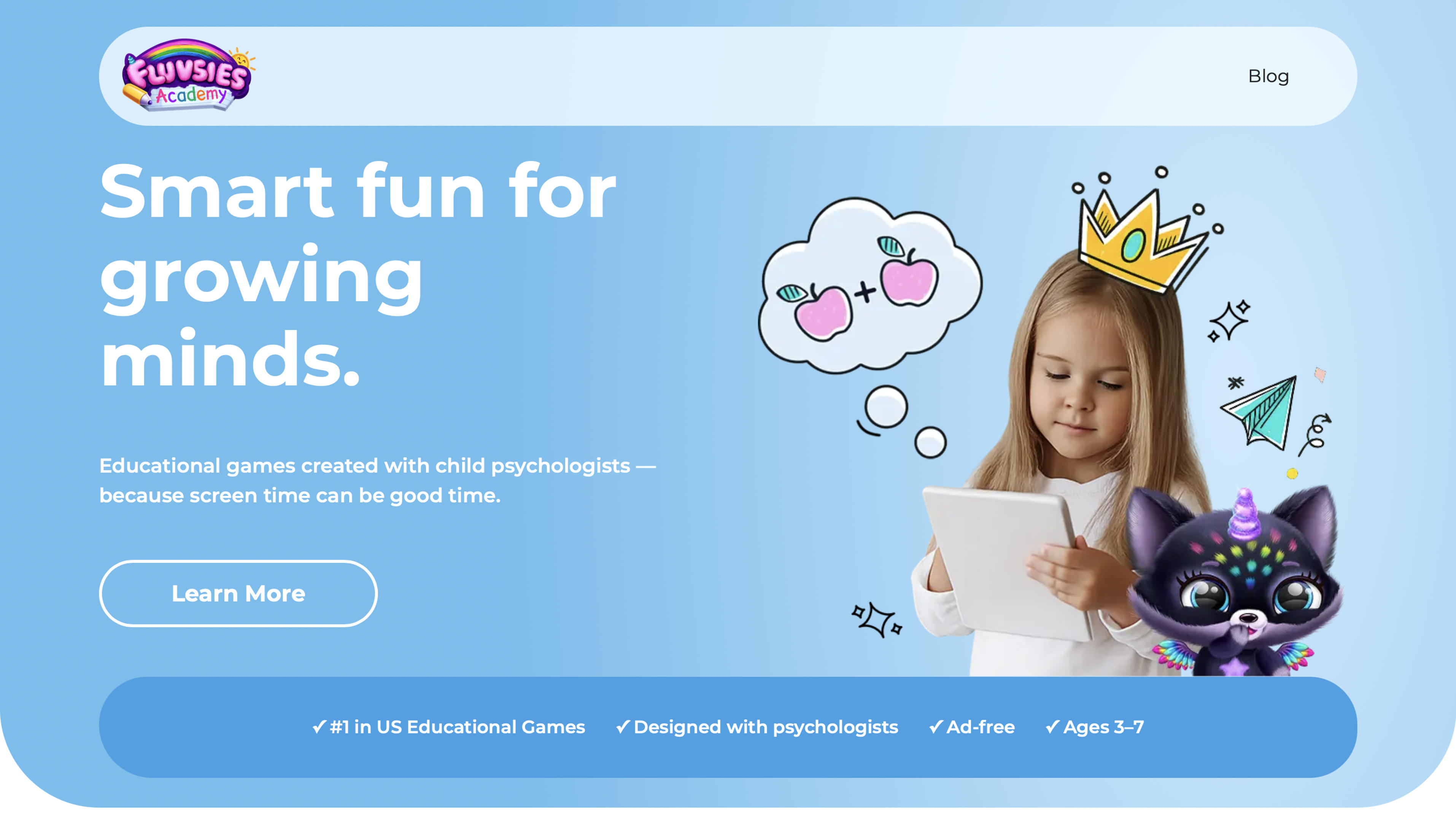
Fluvsies Academy turns preschool education into delightful adventures starring the cuddly Fluvsies characters. Built for children aged 3 to 7, it delivers targeted games that strengthen language and phonics, early numbers and math, logic puzzles, sorting tasks, practical life abilities, creative thinking, and vocabulary through exciting professions like bakers or astronauts.
Crafted alongside child psychologists, the platform takes a complete approach to growth by weaving in mindfulness moments, easy yoga flows, and daily habit builders that support emotional balance alongside academics. Bright visuals and gentle guidance keep every session feeling like pure fun while quietly advancing key skills at the perfect pace for little learners.
Parents appreciate the clear progress reports showing exactly where their child shines and where to celebrate next wins. Kids return eagerly to favorite challenges such as puzzle fixes or role play scenarios, naturally picking up new words and ideas that spark questions long after play ends.
- Key features: Phonics and language adventures with interactive stories, number challenges that grow math confidence, logic games and sorting exercises to sharpen thinking, life skill simulations including personal care routines, professions explorations for broader vocabulary, mindfulness and yoga elements for calm focus.
- Facts and information: Stands out among top choices for United States preschool apps, centers on whole child development with emphasis on empathy and real world connections, rolls out fresh activities to maintain excitement, works beautifully for solo yet supported play times, pairs perfectly with free printable extensions for offline fun.
4. Funbrain
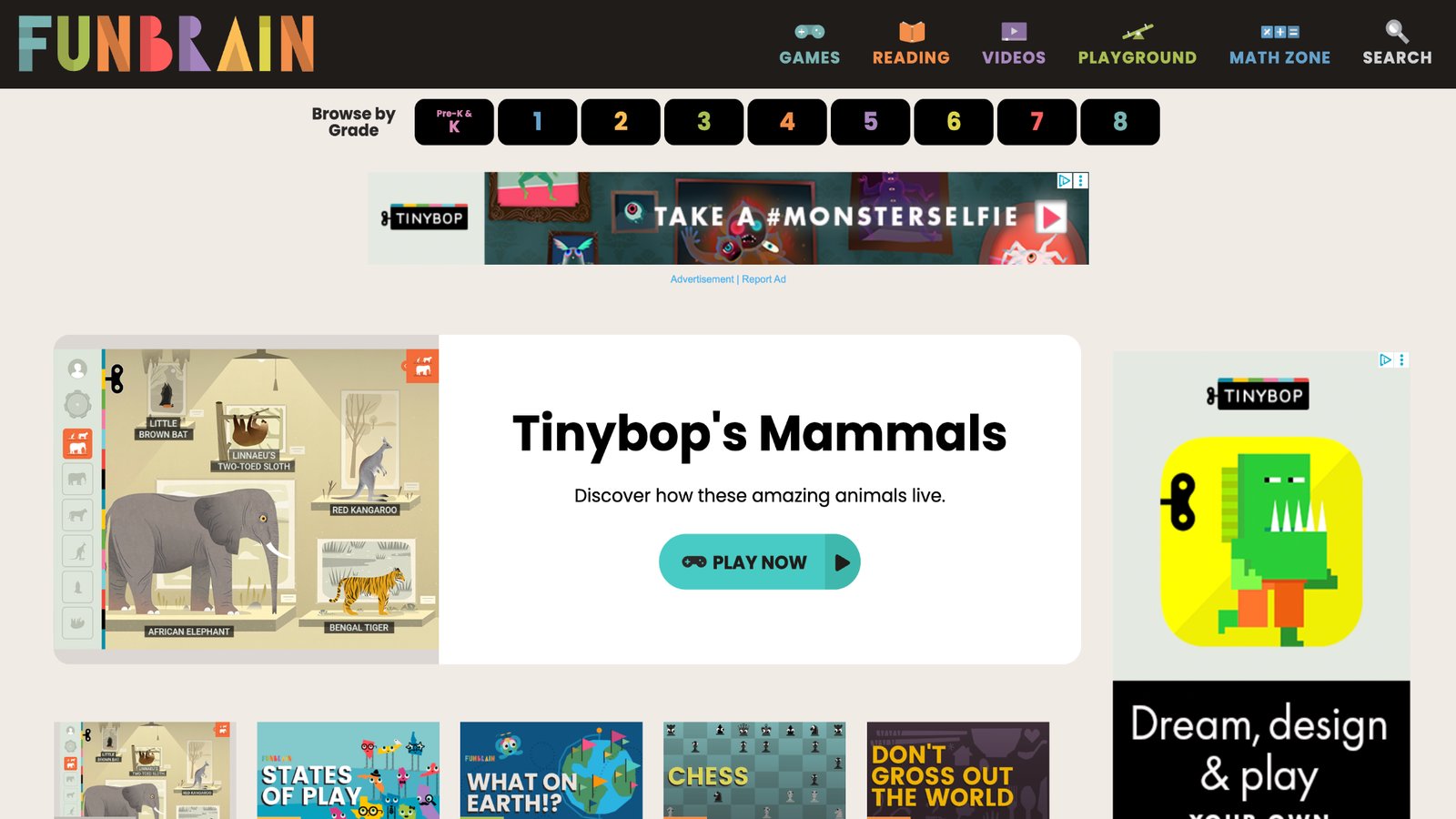
Funbrain, operated by Sandbox & Co in the United States, provides a mix of games, videos, and books for children from PreK to eighth grade, focusing on math, grammar, science, history, and spelling. Popular titles include interactive stories like Diary of a Wimpy Kid and games such as Mammals that teach about animals through exploration. The site groups content by grade, making it straightforward for kids to find age-appropriate challenges that feel like play rather than work. Strengths shine in its diverse media blend, which keeps sessions varied and helps children switch between reading and gaming seamlessly, boosting retention in a lighthearted manner.
It's especially appealing for younger kids with bright graphics and simple controls. Weaknesses appear in the presence of ads that can interrupt flow, and some content feels superficial for older users, lacking advanced depth or customization. Founded in 1997, Funbrain has evolved to include more interactive elements, with recent 2024 updates adding new videos and puzzles to refresh the library. This makes it a reliable choice for casual learning, where kids build skills through repetition and fun narratives, often leading to improved attitudes toward subjects like math.
- Key features: Interactive books integrated with games, videos on educational topics, multiplayer elements in some activities, challenges tailored for early to middle school levels.
- Facts and information: Some schools incorporate it for downtime reinforcement, content spans multiple subjects to encourage broad curiosity.
5. Starfall
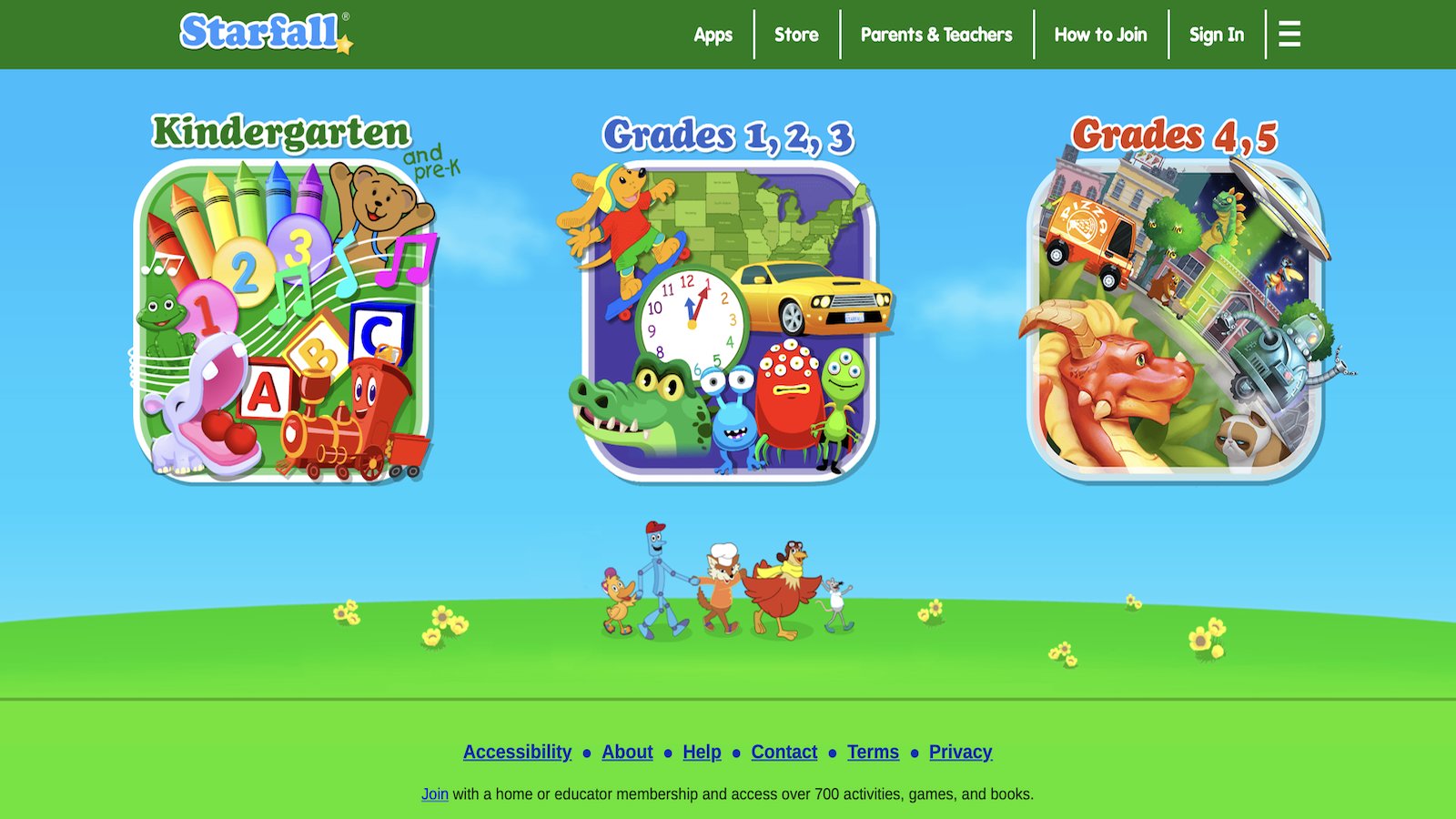
Starfall, founded in Boulder, Colorado, United States, specializes in language arts and math for kindergarten through fifth grade, offering over 700 activities including games, books, songs, and movies. It uses a phonics-based approach with sight words in untimed, positive environments, ideal for emergent readers and English language learners. Kids interact through multisensory elements like animations and touch responses, building confidence via exploration rather than pressure. Strengths include its research-backed methods that support diverse learners, such as those with dyslexia or special needs, and an ad-free setup that prioritizes privacy.
The platform aligns with state standards, making it a favorite in schools and homeschools since 2002. Weaknesses might stem from limited scope beyond core reading and math, with free access restricting some advanced features. As of , updates have expanded animated songs and reading materials, enhancing emotional engagement. Parents note how it transforms learning into joyful play, helping children master foundational skills like phonemic awareness and basic arithmetic through repeated, rewarding interactions.
- Key features: Audiovisual activities with positive reinforcement, support for special needs via visuals and no timers, alignment with educational standards for classroom integration.
- Facts and information: Many educators rely on it for building reading foundations, program motivates intrinsic learning in young users.
6. Cool Math Games
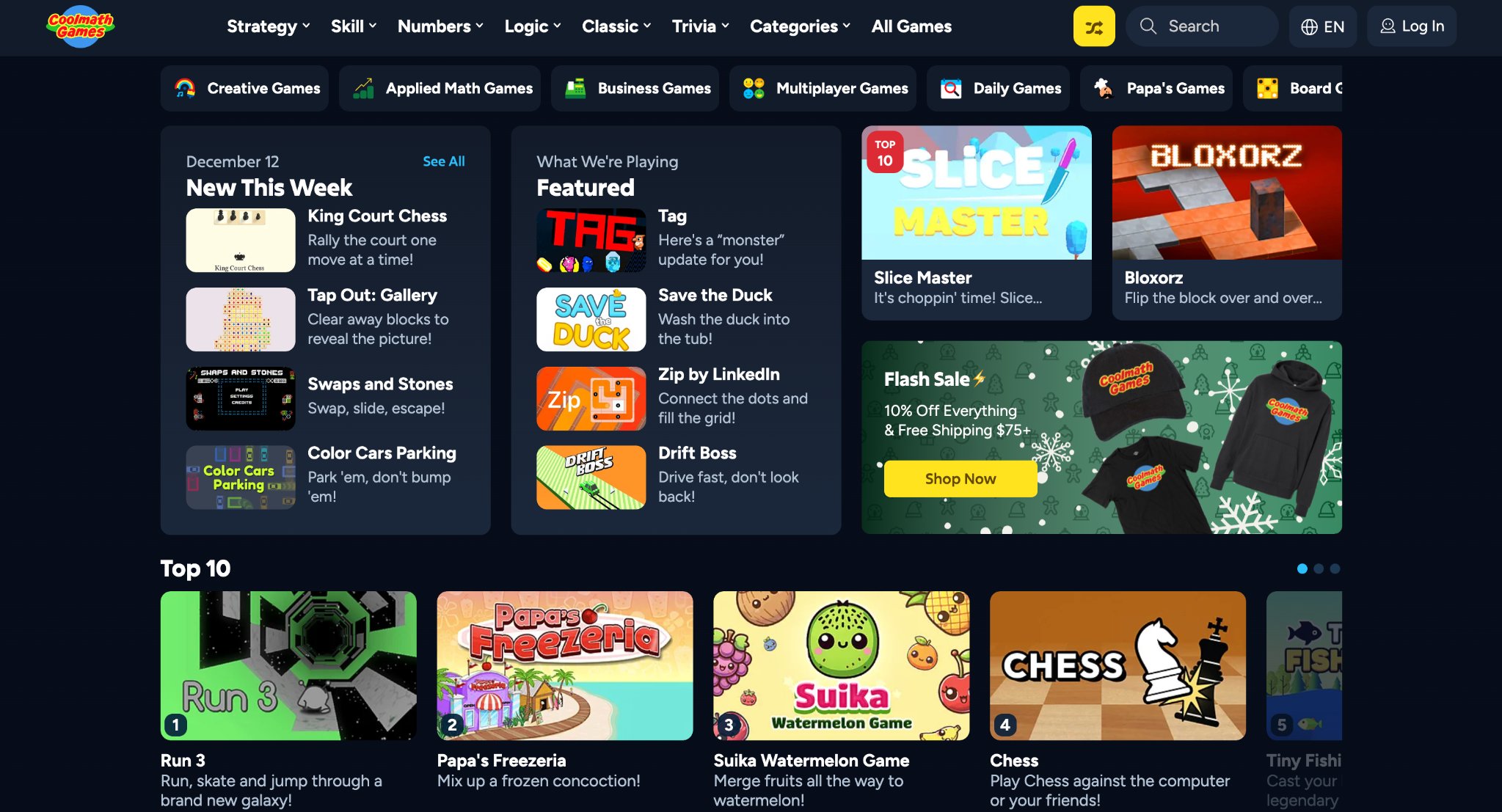
Cool Math Games, based in the United States, hosts a large library of logic, number, and puzzle games for kids and families, emphasizing critical thinking and numeracy. Titles like Run 3 involve strategy and physics, while others like 2048 focus on math patterns. The site curates content weekly, adding fresh challenges in categories like trivia and coding. Strengths come from its accessible, ad-minimized design that promotes creativity and problem-solving without drills, making it suitable for elementary to middle school ages.
It's WCAG-compliant for inclusivity. Weaknesses could include broad categories that might overwhelm without guidance, and some games varying in educational depth. Launched in 1997, updates feature new releases like chess variants and parking puzzles, keeping the platform dynamic. Families value how it turns abstract concepts into engaging escapes, sharpening skills like deduction and spatial reasoning through play.
- Key features: Physics-based puzzles for real-world application, multiplayer options for collaboration, weekly additions in logic and science trivia.
- Facts and information: Some parents observe better concentration in kids, site stresses enjoyable skill development over rote practice.
7. Prodigy
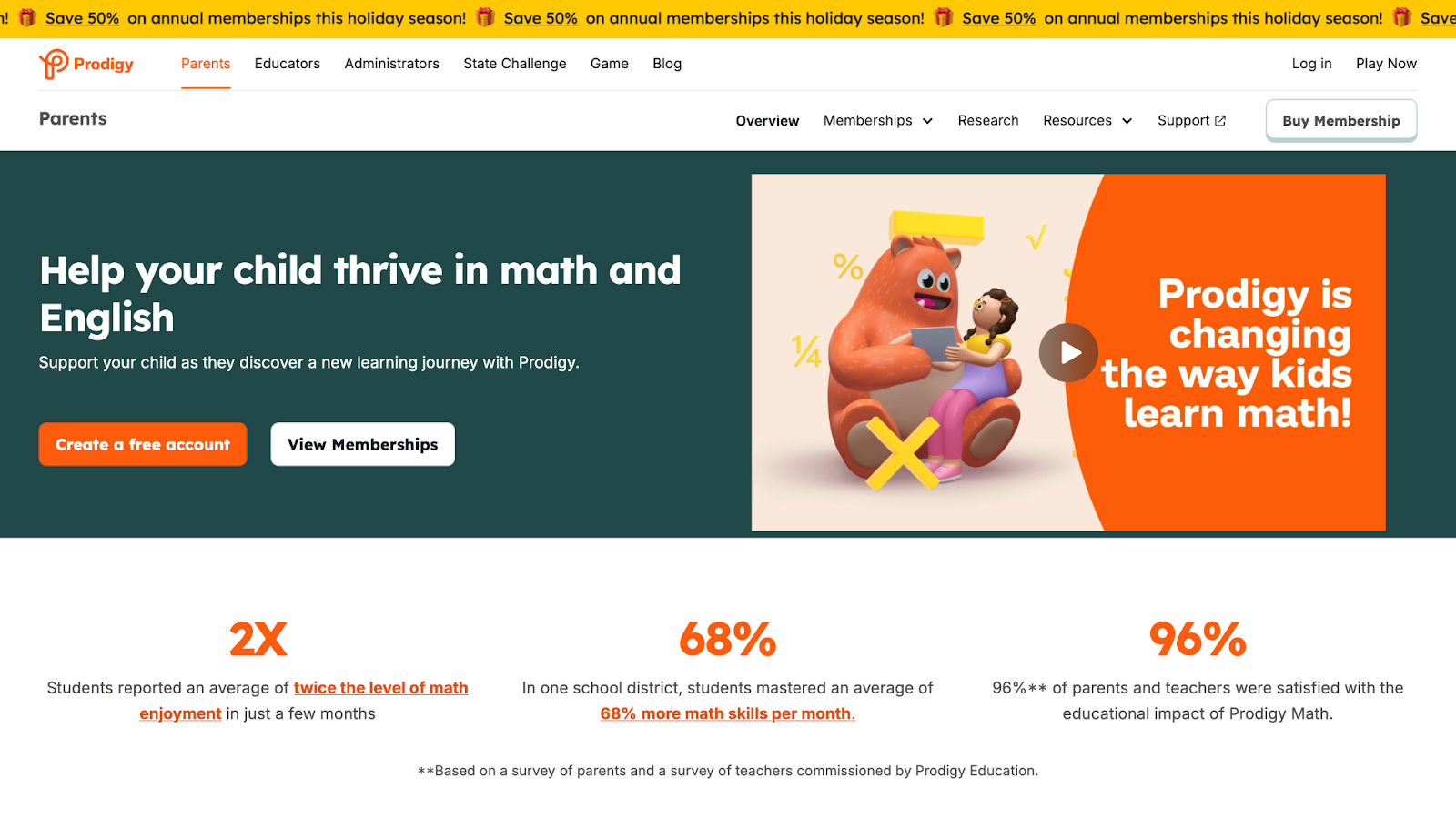
Prodigy, from Prodigy Education in Canada, turns math and English into fantasy adventures for elementary students, with adaptive quests and battles that adjust to skill levels. Kids earn rewards while mastering standards-aligned content like Common Core. Strengths include high engagement that doubles math enjoyment, plus teacher tools for progress tracking and lesson alignment. It's free for schools, supporting nearly a million educators. Weaknesses may involve repetitive elements in battles that tire some users. Recent expansions in English skills keep it evolving as of . Testimonials highlight rapid progress, with kids advancing grades quickly through fun play.
- Key features: Curriculum-aligned challenges, automatic difficulty adjustments, parent reports on mastery.
- Facts and information: Many districts see skill gains, platform fosters positive subject attitudes.
8. Khan Academy Kids
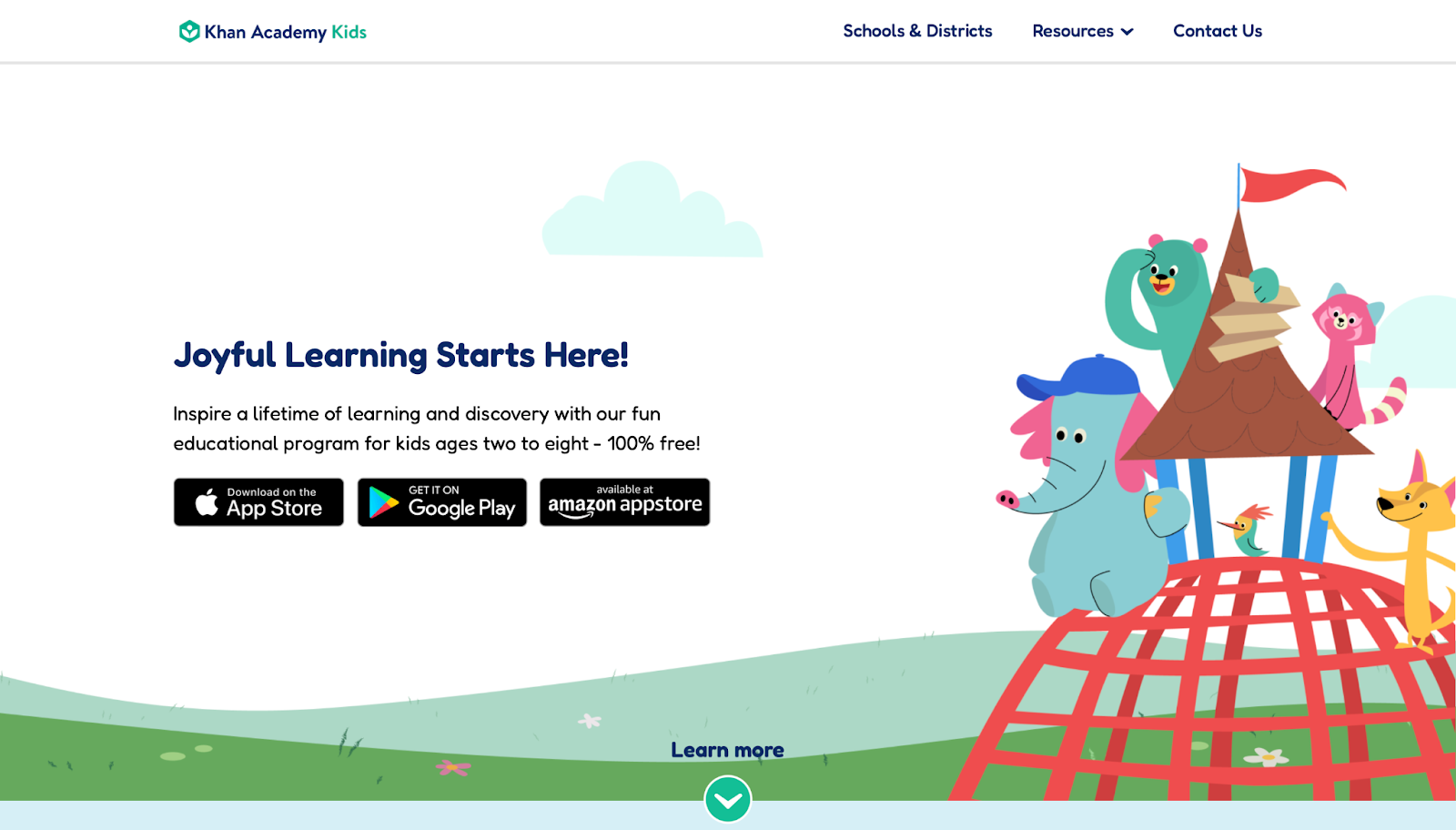
Khan Academy Kids stands out as a comprehensive, free resource developed by the renowned nonprofit Khan Academy in the United States, specifically tailored for children aged 2 to 8. This platform delivers a rich variety of engaging activities across literacy, mathematics, and social-emotional learning, all thoughtfully guided by friendly characters such as Kodi Bear. Young learners benefit from personalized learning paths that adapt to their pace, incorporating interactive books, educational videos, creative play exercises, and hands-on challenges that align closely with early education standards. Its completely ad-free environment ensures a focused, safe experience ideal for building foundational skills without distractions, while robust visual supports make it particularly effective for English language learners and diverse classroom settings. Teachers and parents appreciate the built-in progress tracking tools that provide clear insights into development, allowing for targeted support at home or school. Recent updates around 2025 have introduced exciting seasonal elements like winter-themed camps and expanded emotion recognition activities, further strengthening its holistic approach to child development by nurturing not just academic abilities but also emotional intelligence and creativity.
- Key features: Multisensory content with read-alouds, assignment options for classrooms, focus on feelings recognition.
- Facts and information: Some families report foundational growth, app aids diverse learning needs.
9. Originator Endless Series
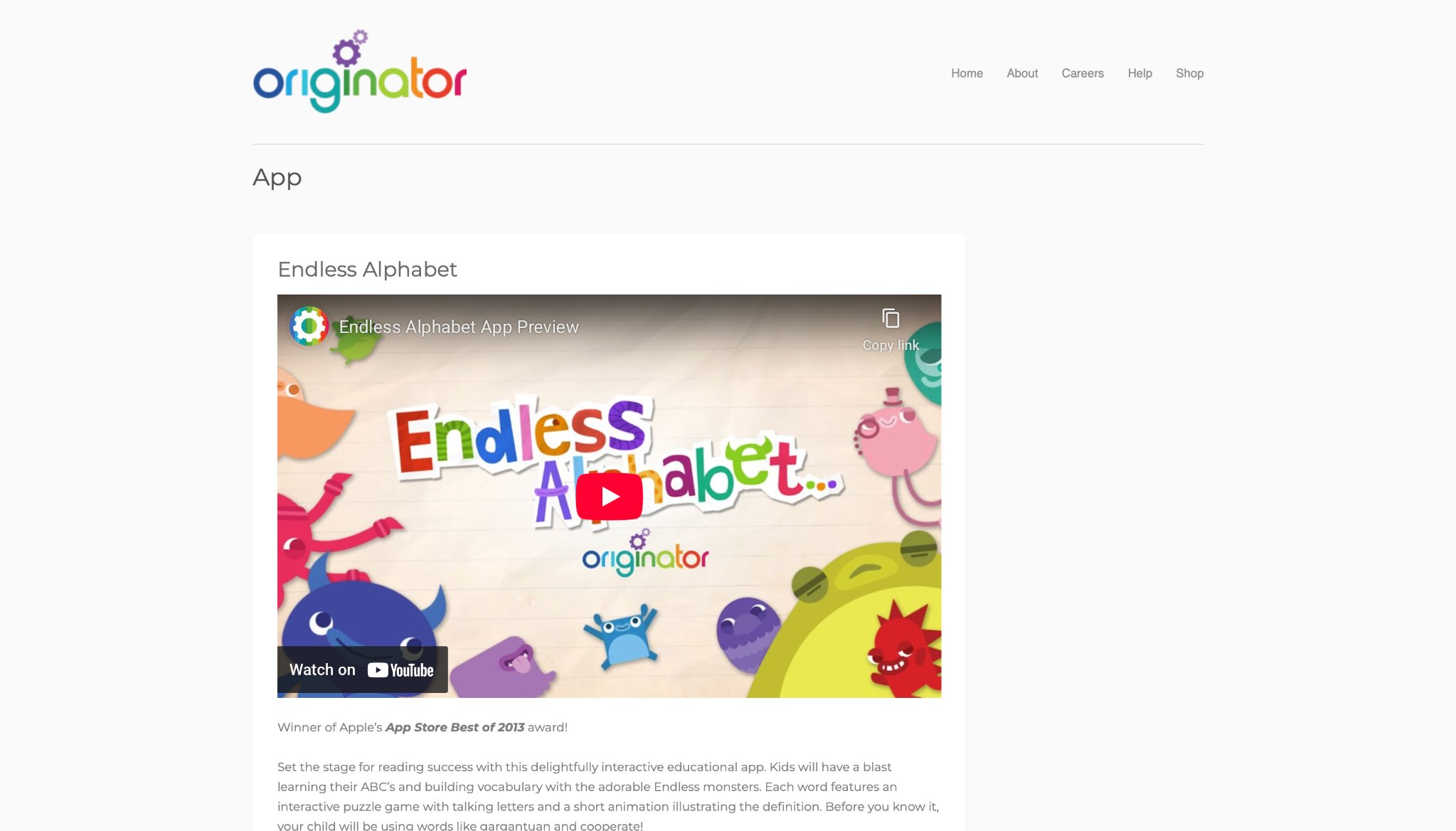
Originator's Endless Series offers a captivating collection of educational apps designed in the United States for kids aged 2 to 10, featuring beloved titles such as Endless Alphabet, Endless Numbers, Endless Reader, Endless Wordplay, and Endless Spanish. These apps bring learning to life through whimsical monster characters that lead interactive puzzles, helping children master literacy, numeracy, and language skills in a joyful, immersive way. The series excels at transforming potentially dry concepts like phonics, spelling, sight words, and basic vocabulary into delightful adventures filled with giggly animations, rhymes, and contextual storytelling that keep kids eagerly returning for more. Its strength lies in the seamless blend of entertainment and education, fostering a genuine love for learning while building essential pre-reading and math foundations that prepare youngsters for school success. While primarily app-based, which may limit accessibility on certain platforms, the engaging design compensates by encouraging repeated play and skill reinforcement through ever-expanding content libraries.
- Key features: Monster-led puzzles for rhymes and sight words, contextual usage in stories, ever-growing curriculum.
- Facts and information: Many kids giggle through learning, apps prepare for school basics effectively.
10. SplashLearn
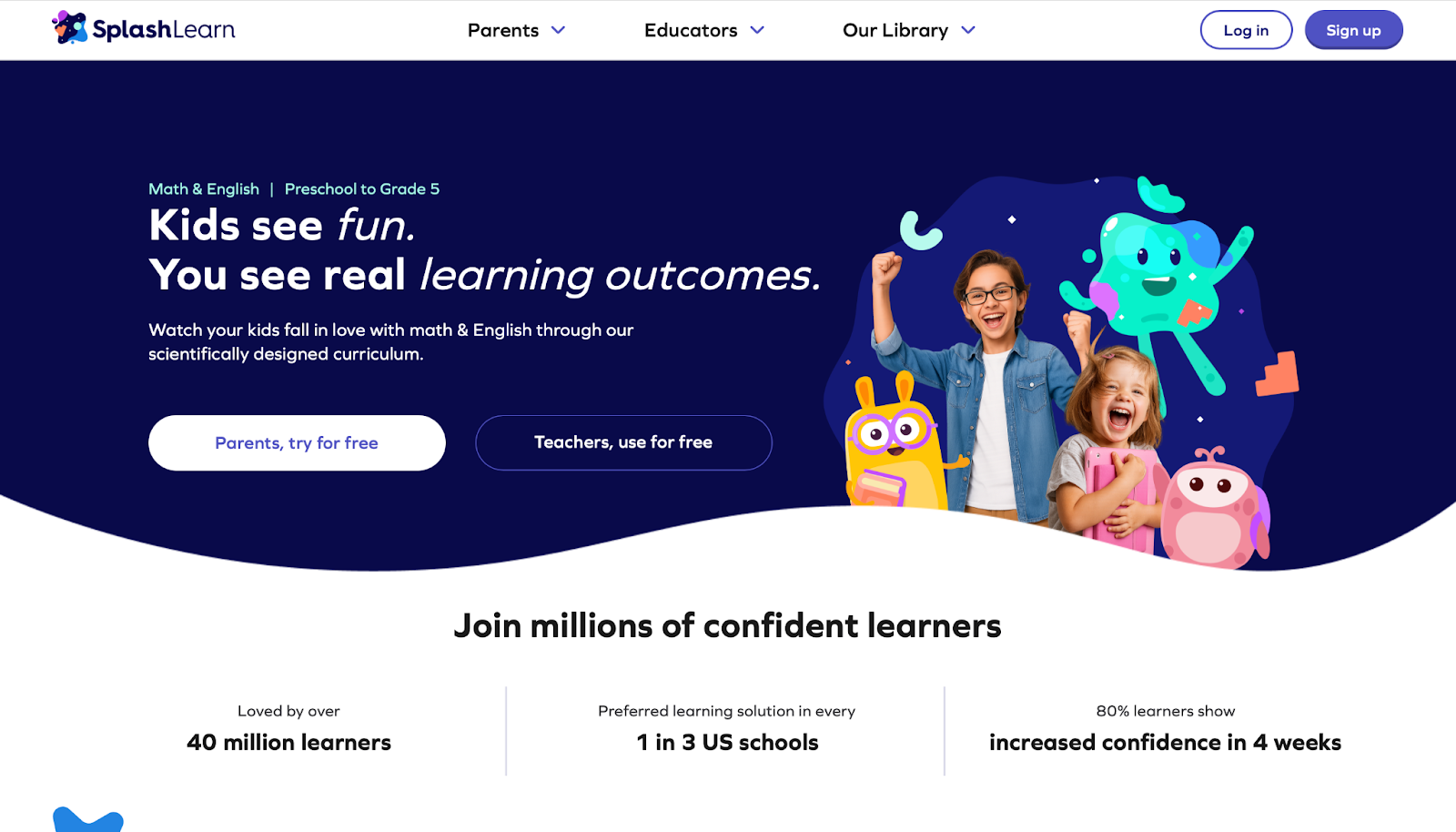
SplashLearn provides an extensive library of over 8,000 adaptive games focused on math and English language arts for children from PreK through fifth grade, headquartered in the United States. The platform creates a pressure-free learning environment by eliminating timers, allowing kids to explore concepts at their own comfortable pace while receiving personalized milestone recommendations and detailed progress reports that build lasting confidence. Its adaptive technology tailors challenges to individual skill levels, covering a wide range of topics from basic counting to more advanced critical thinking exercises, all presented through colorful, rewarding activities that feel more like play than study. Strengths include strong alignment with school curricula, making it an excellent supplement for both classroom reinforcement and homeschooling, along with options for live classes and broad device compatibility. While English content depth may vary slightly in higher grades, the overall experience emphasizes mastery through repetition and positive feedback.
- Key features: Thousands of activities with rewards, live classes option, device compatibility.
- Facts and information: Some users gain quick confidence, aligns with curricula for school support.
11. Education.com Games
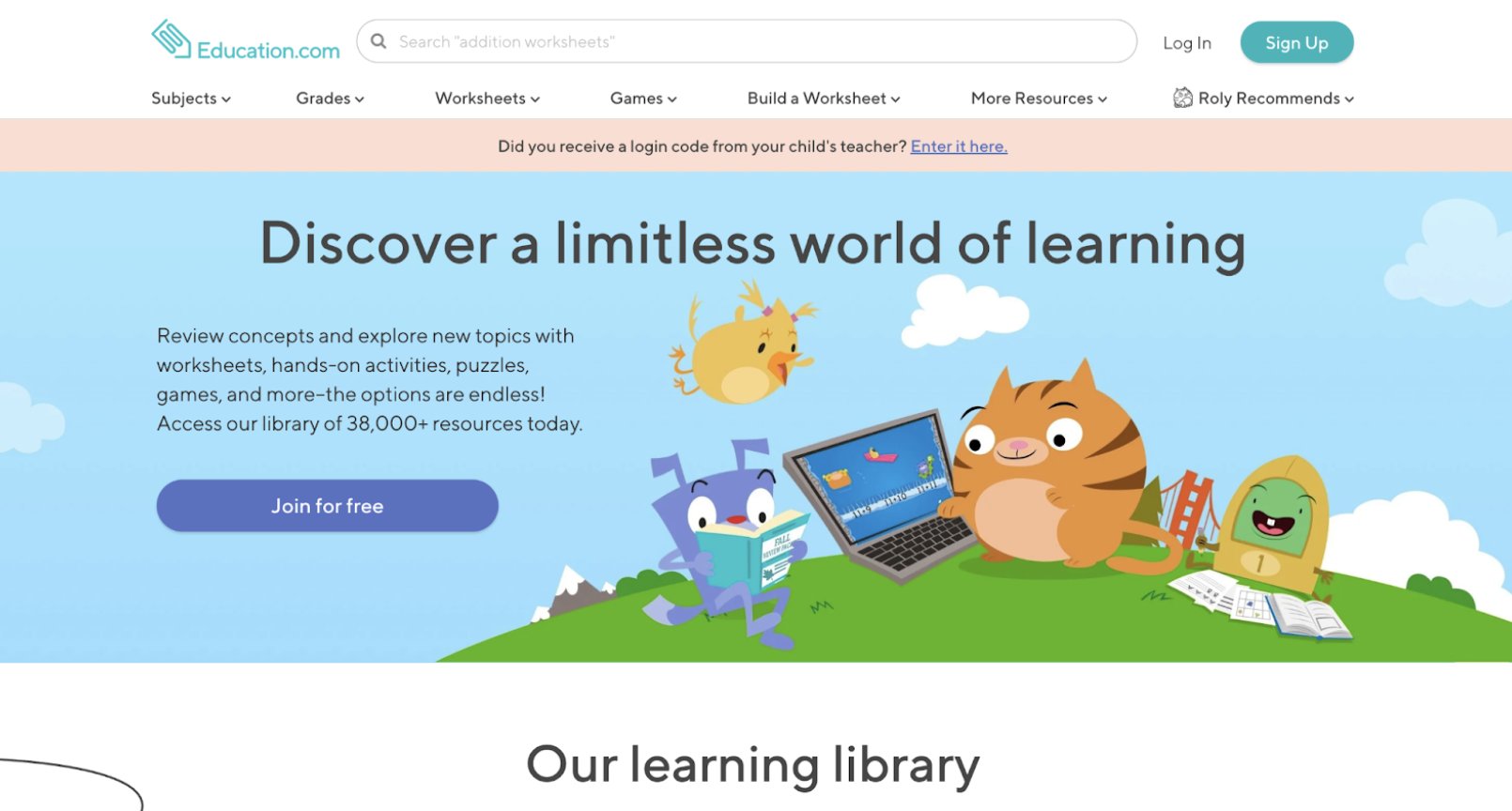
Education.com delivers a diverse array of interactive games, worksheets, and activities spanning PreK to eighth grade, with a strong presence in math, reading, science, and even introductory coding, all developed in the United States. The platform shines through its award-winning variety, offering subject-specific challenges like fraction puzzles, reading comprehension quests, and creative problem-solving tasks that cater to different learning styles and keep children engaged for extended periods. It serves as a valuable resource for both parents and educators, with tools particularly useful for homeschooling families seeking comprehensive, standards-aligned materials. While some advanced features may require a subscription for full access, the breadth of content ensures something suitable for nearly every skill level and interest. Recent 2025 highlights include themed summer games that promote purposeful play during breaks, blending fun with skill retention.
- Key features: Subject-specific challenges like fractions puzzles, resources for homeschooling.
- Facts and information: Many integrate it with schoolwork, covers wide topics for engagement.
12. Lingokids
Lingokids, based in the United States, delivers a comprehensive Playlearning™ platform packed with thousands of interactive games, songs, videos, and activities tailored for children ages 2 to 8. The app blends entertainment with education across subjects like literacy, math, science, STEM, creativity, geography, and socio-emotional skills through beloved characters and engaging stories. Its vast library supports over 650 learning objectives, allowing kids to progress at their own pace while building foundational abilities in a safe, ad-free environment. Regular updates and collaborations with organizations such as NASA, BBC Earth, and Oxford University Press keep the content fresh and relevant, making it a popular choice for families seeking purposeful screen time that fosters curiosity and school readiness.
- Key features: Over 4000 interactive games and activities covering math, literacy, science, engineering, art, and music; personalized curriculum paths with songs, videos, and challenges; multi-subject focus including wellness, daily routines, and languages like Spanish.
- Facts and information: Used by millions of families worldwide with strong ratings on major app stores; designed by educators and parents to align with early childhood development goals; features partnerships that enhance STEM and literacy content for comprehensive skill-building.
13. ABCmouse
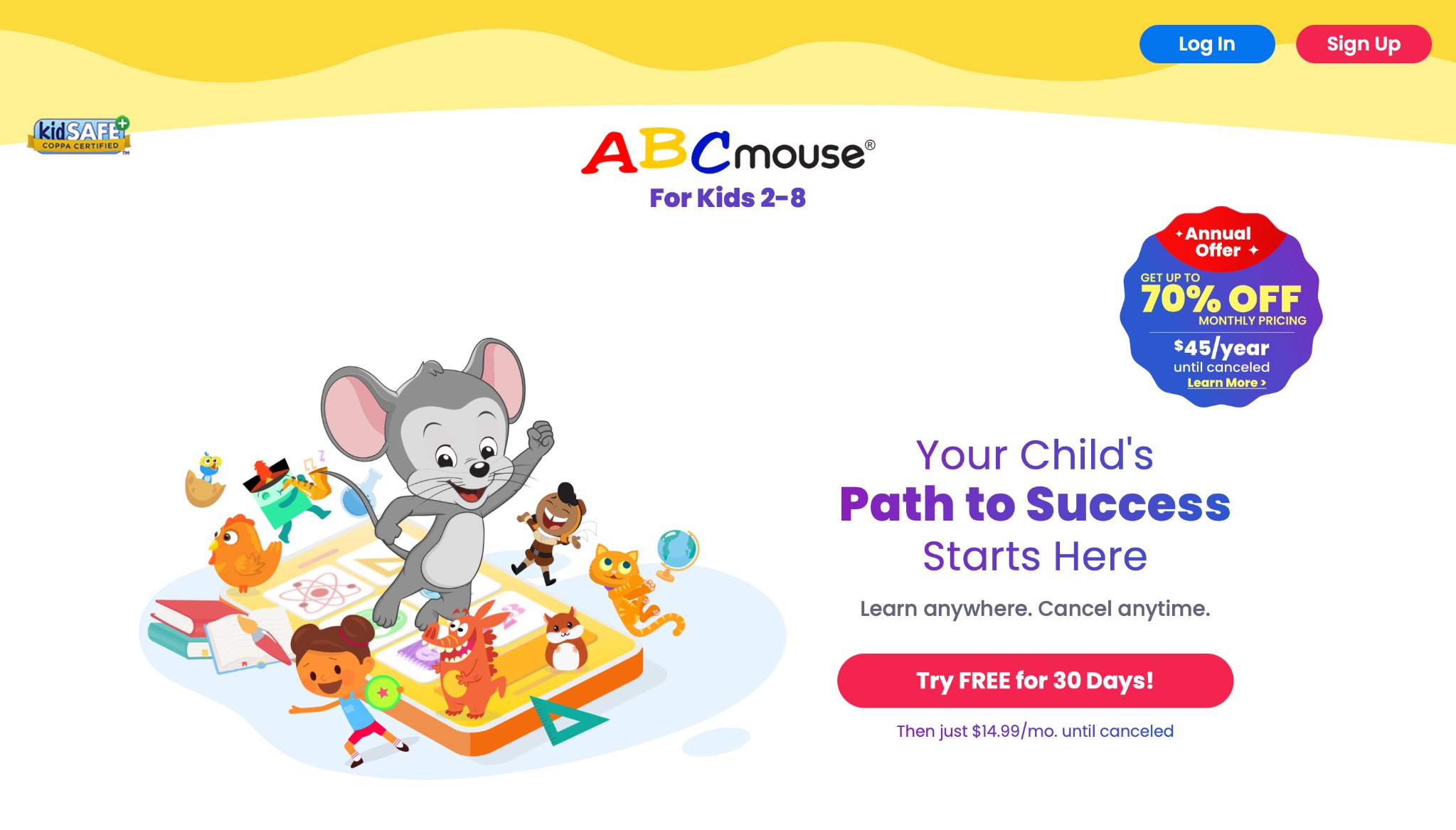
ABCmouse, developed in the United States, offers an extensive research-backed curriculum with thousands of learning activities for children ages 2 to 8, spanning reading, math, science, social studies, art, and music. The platform features immersive worlds, custom learning paths, and adaptive content that adjusts to each child's progress, helping build skills through games, books, puzzles, songs, and creative tools. Its structured yet playful approach supports preschool and early elementary learners, with options for multiple child profiles and daily curated experiences to maintain engagement. Frequent updates introduce new designs and content to align with evolving educational needs.
- Key features: More than 13,000 activities with phonics-based reading, math lessons, and creative play areas; personalized paths in core subjects; safe, ad-free environment with progress tracking for parents.
- Facts and information: Chosen by over 50 million families and used in many U.S. classrooms; aligns with educational standards through expert-designed lessons; includes diverse subjects like STEM and healthy routines for well-rounded development.
14. PBS KIDS Games
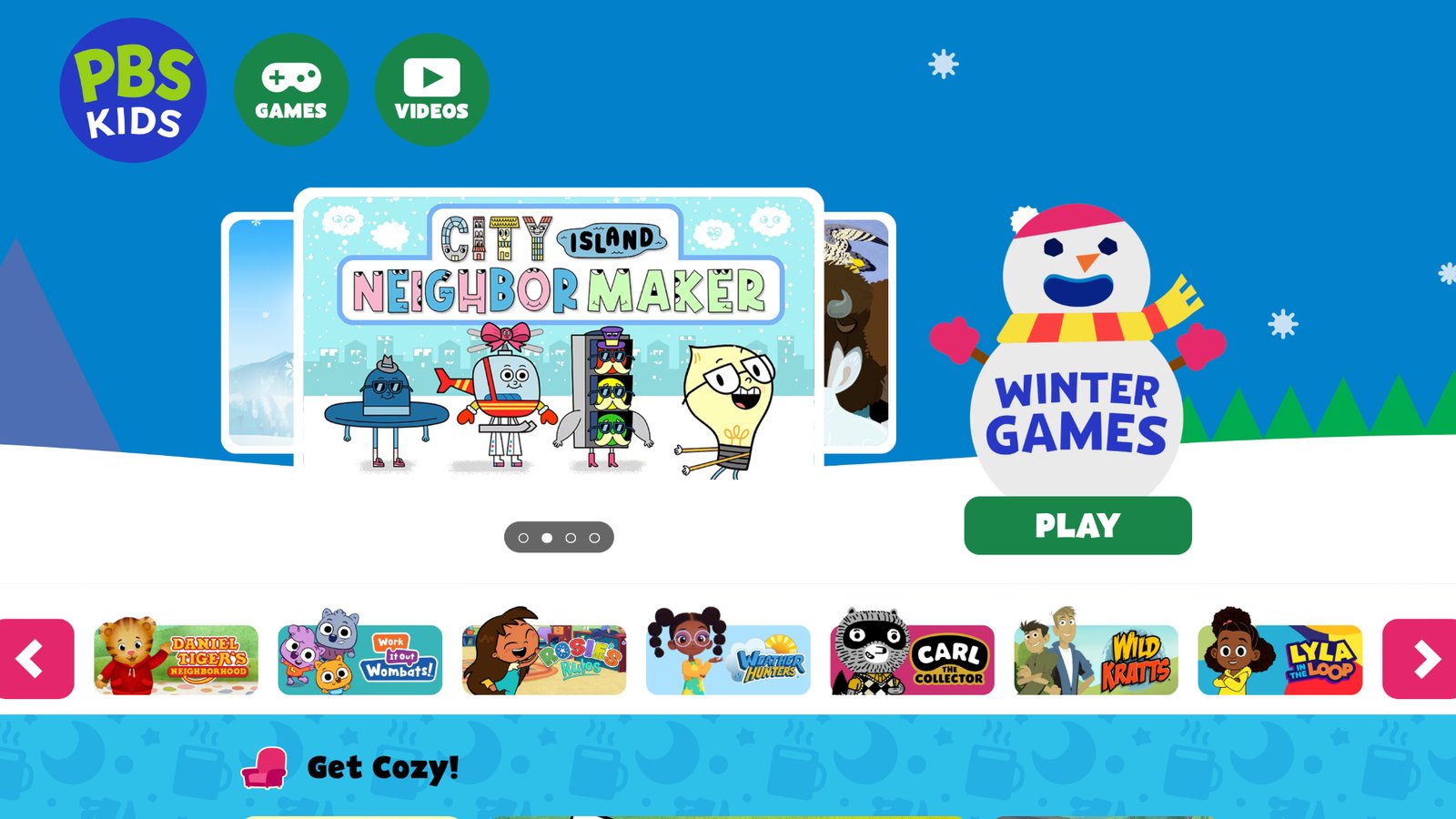
PBS KIDS Games, from the United States public broadcasting service, provides a free collection of over 280 educational games tied to popular children's shows for ages 2 to 8. Content draws from characters like Daniel Tiger, Wild Kratts, and others to teach literacy, math, science, social-emotional skills, and more through interactive play. The platform emphasizes safe, curriculum-based experiences that encourage exploration and learning without commercial interruptions, making it ideal for home or classroom use. Games are kid-tested and regularly refreshed with new episodes and activities from ongoing PBS programming.
- Key features: Hundreds of free games focused on early learning subjects; integration with beloved PBS characters for storytelling and problem-solving; support for imagination, science, engineering, and emotional growth.
- Facts and information: Widely used for supplemental education with research-based design; promotes skills like reading, math, and curiosity through familiar, trusted content; available across devices for accessible family play.
15. DragonBox (Kahoot! DragonBox)
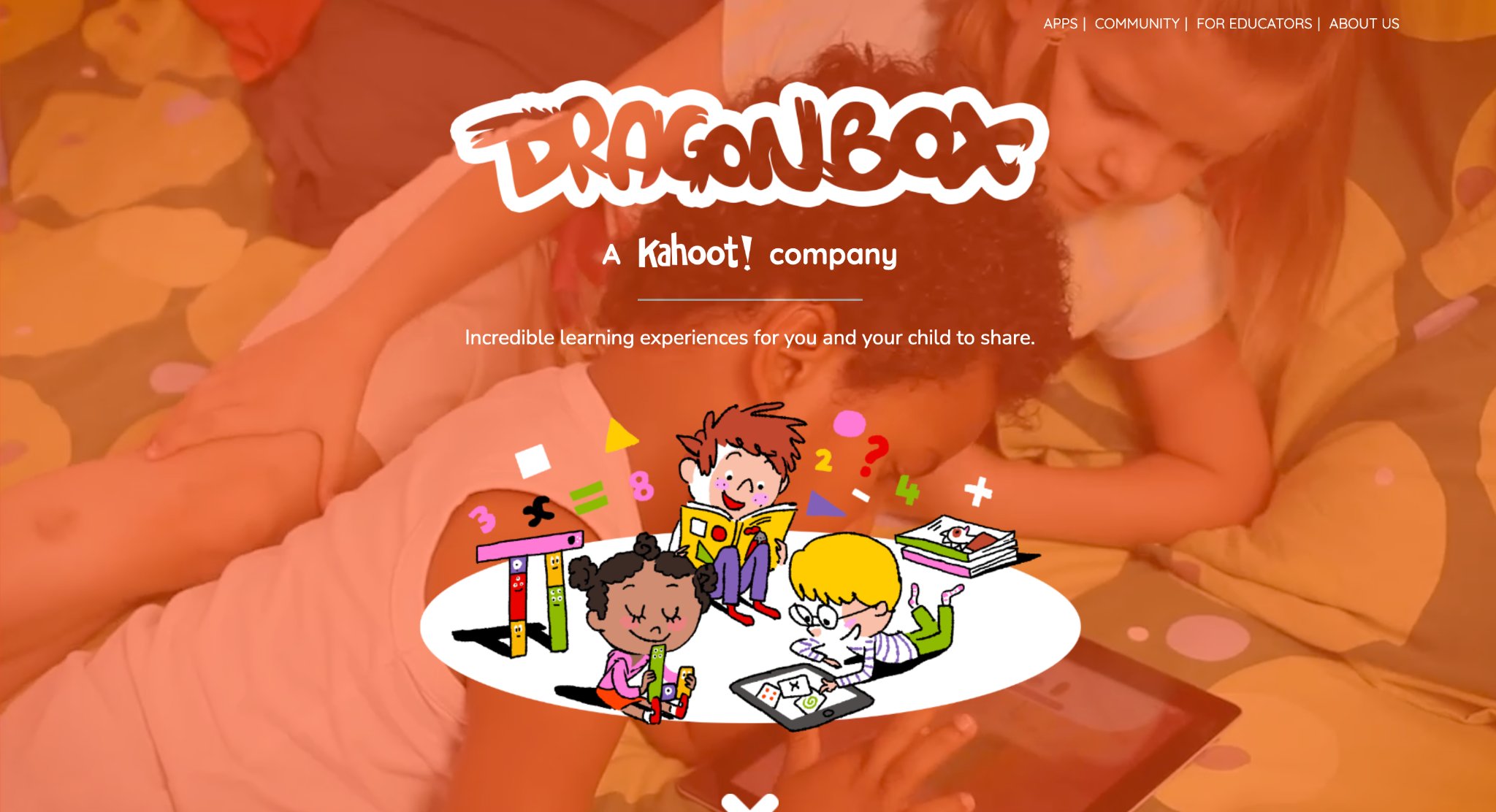
DragonBox, part of the Kahoot! family and based in the United States, specializes in visual, game-based math apps that introduce concepts without traditional symbols or drills for young learners. Titles like Numbers and Big Numbers use intuitive manipulation and adventures to build number sense, addition, subtraction, and early algebra for ages 4 and up. The approach emphasizes discovery and enjoyment, helping children grasp abstract ideas through play in a progression that adapts naturally to their understanding. Updates continue to expand the series with engaging mechanics suited for home and school settings.
- Key features: Visual puzzles and resource-management games for math operations; progressive difficulty without timers or pressure; coverage of foundational numeracy through to basic equations.
- Facts and information: Award-winning series recognized for making math accessible and fun; supports conceptual understanding aligned with educational approaches; popular for bridging concrete play to abstract thinking.
16. Monster Math
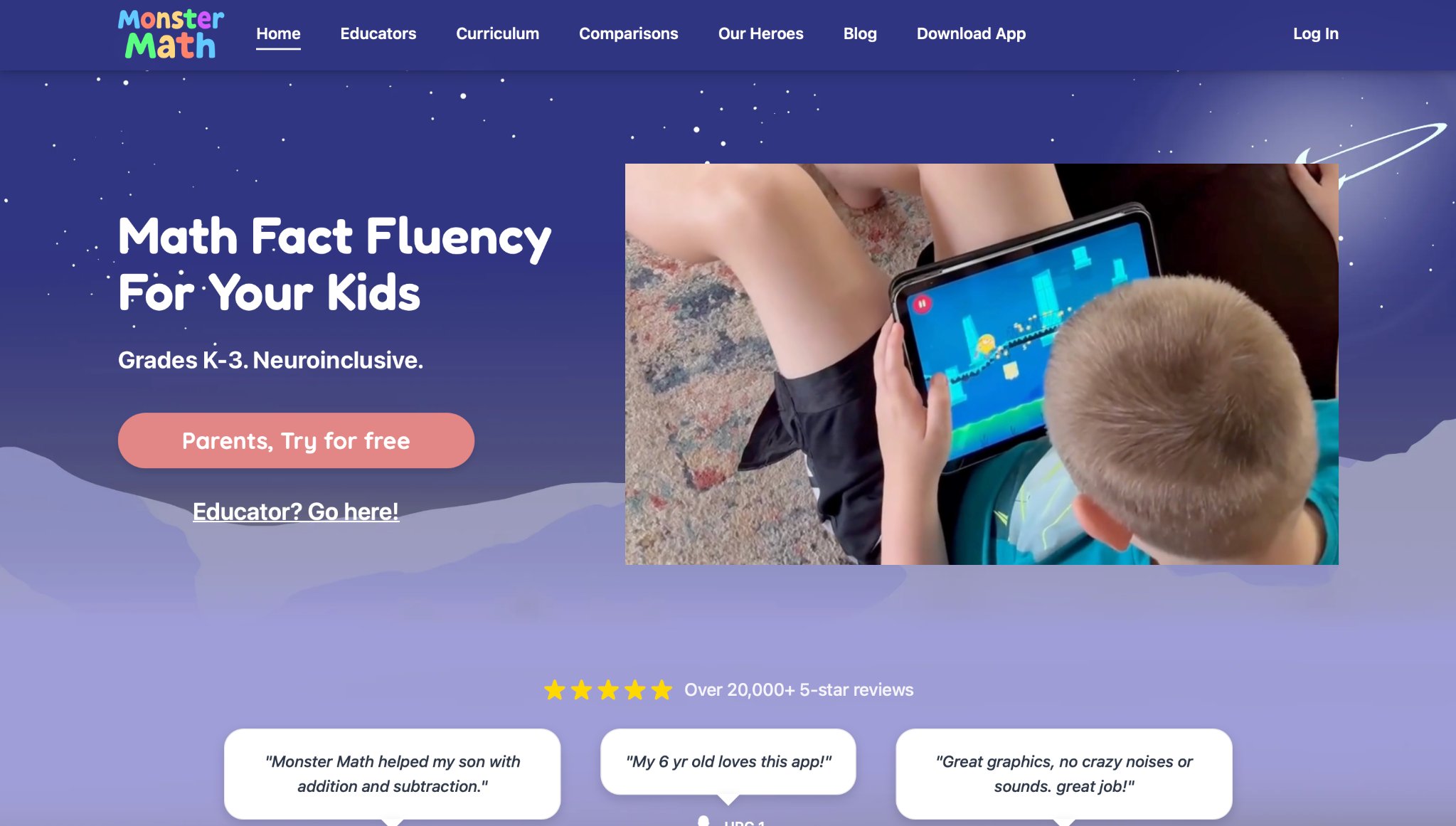
Monster Math, developed in the United States, turns math practice into an epic adventure game for grades K-3, where kids explore planets, complete missions, and battle using addition, subtraction, multiplication, and division skills. The app focuses on fact fluency and number sense through story-driven levels and visual puzzles, providing scaffolded practice that builds confidence without rote memorization. Its engaging format includes badges and progression systems to motivate repeated play while reinforcing Common Core-aligned concepts.
- Key features: Story-based missions across multiple worlds with embedded math challenges; practice in core operations and problem-solving; adaptive elements for individual skill levels.
- Facts and information: Research-backed design for elementary math fluency; used by families and educators for positive attitudes toward math; combines gameplay with conceptual learning for lasting retention.
17. Sago Mini World

Sago Mini World, based in the United States, offers a collection of open-ended games and activities for preschoolers ages 2 to 6, featuring whimsical characters in imaginative settings like farms, robot parties, and winter cities. The platform emphasizes creative play, problem-solving, and emotional intelligence through hundreds of interactive experiences that children can explore freely without timers, scores, or rules. Offline play options and multi-device support make it convenient for families, with new content added regularly to spark curiosity and self-expression in a safe, ad-free space.
- Key features: Hundreds of downloadable activities for building, exploring, and role-playing; open-ended design promoting creativity and cause-and-effect understanding; support for emotional growth through character interactions.
- Facts and information: KidSAFE and COPPA-certified with focus on preschool development; encourages independent play while building confidence and lateral thinking; popular for turning screen time into meaningful imaginative adventures.
18. Kiddopia
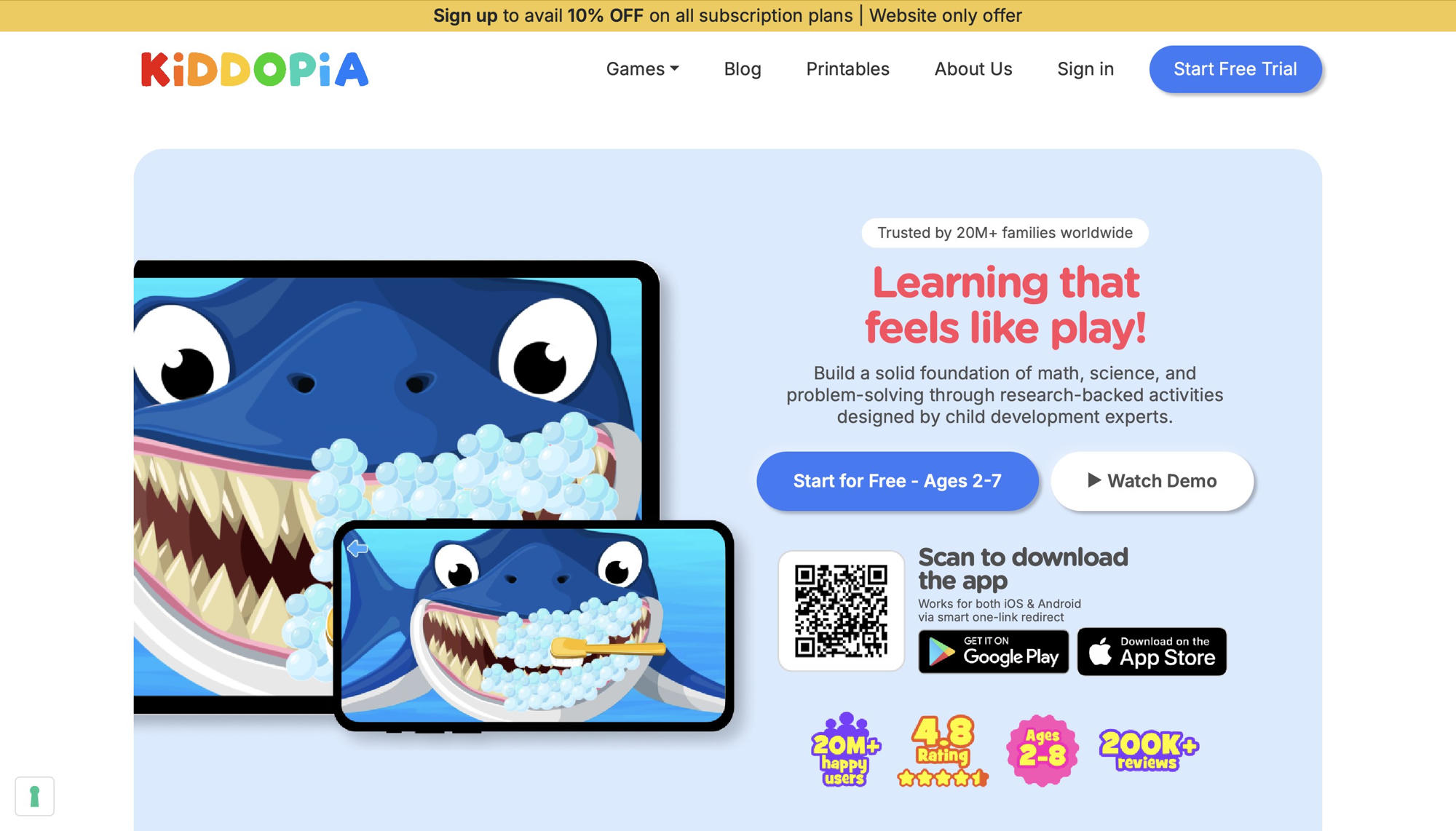
Kiddopia delivers over 3000 educational games and activities for children ages 2 to 7 in a safe, engaging environment developed in the United States. The app covers math, language, science, creativity, problem-solving, and general knowledge through research-backed play featuring popular characters. Its expanding library supports all-round early learning with intuitive navigation designed for independent use, helping build foundational skills without frustration. Frequent additions keep the content dynamic for sustained interest.
- Key features: Extensive games in core subjects including puzzles, counting, reading, and creative tasks; kid-friendly interface with no ads in premium access; progression through preschool curriculum elements.
- Facts and information: Trusted by millions of families worldwide; aligns with early childhood development goals; combines entertainment with skill-building for math, literacy, and beyond.
19. Duolingo ABC
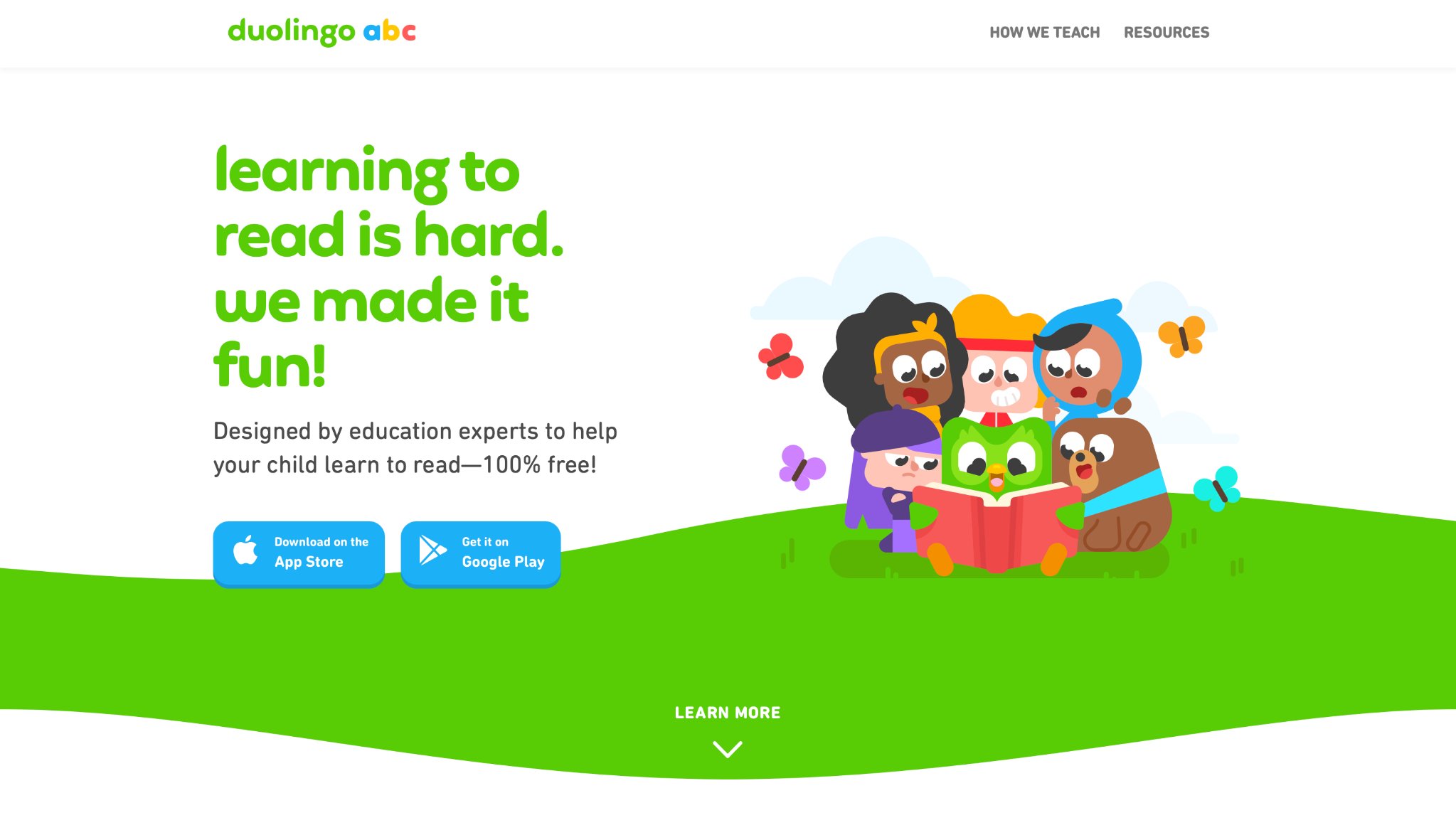
Duolingo ABC, from the United States-based team behind the popular language app, focuses on teaching reading fundamentals to children ages 3 to 6 through over 700 bite-sized lessons and interactive stories. It covers phonics, letter sounds, sight words, handwriting, and vocabulary in a gamified format with engaging characters and narratives. The structured yet playful approach builds confidence in early literacy skills, making it suitable for preschool and early elementary learners starting their reading journey.
- Key features: Hands-on activities for decoding, writing practice, and comprehension; story-based lessons that reinforce skills progressively; fun exercises aligned with phonics curriculum.
- Facts and information: Free access with methods proven effective for young readers; emphasizes joy in learning to read; supports foundational English literacy development through play.
20. CodeMonkey
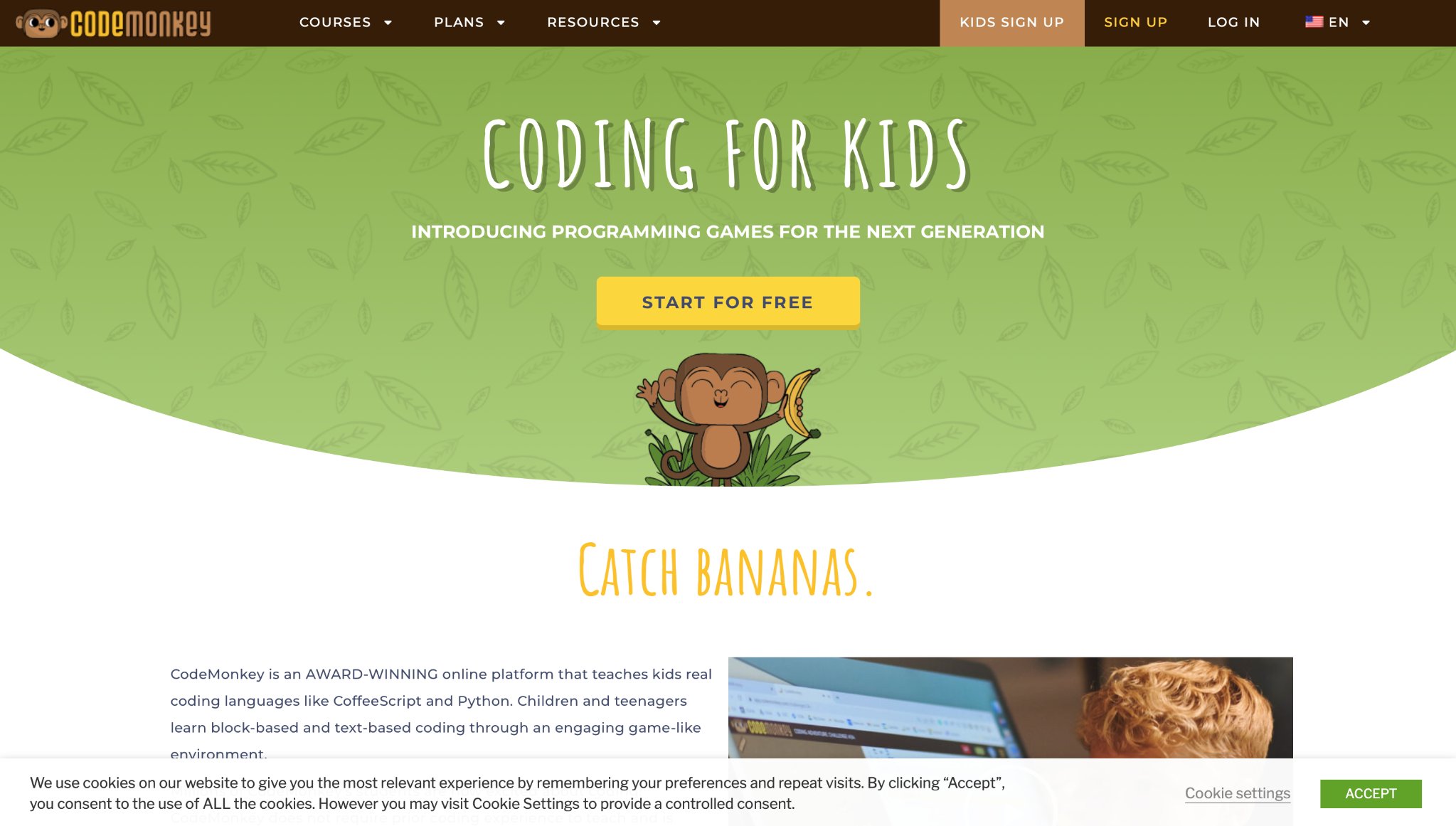
CodeMonkey, based in the United States, introduces coding and programming concepts to kids ages 5 and up via game-based adventures where players guide characters through puzzles using block-based and real coding languages. Courses blend logic, problem-solving, and math with creative game-building elements, fostering computational thinking without prior experience. The platform offers themed challenges and tools for creating personal projects, making it accessible for both home and classroom use.
- Key features: Progressive coding adventures from block-based to text-based languages like Python; integration of math and logic puzzles; game creation tools for hands-on application.
- Facts and information: Award-winning platform supporting STEM skills development; used widely for building executive functioning and programming foundations; encourages creativity alongside technical learning.
Latest Trends in Kids' Educational Games
Educational games now blend AI for tailored experiences, adjusting difficulty to match each child's needs. Hybrid setups combine online play with real-world tasks, bridging digital and hands-on learning. Soft skills like teamwork gain focus through multiplayer features. VR and AR bring immersive worlds, letting kids explore history or science up close. Mobile educational game apps make access easy anywhere, fitting busy family lives.
- AI Personalization: Games adapt to skill levels automatically, which keeps challenges just right for steady progress.
- VR/AR Integration: Virtual tools simulate real environments, making abstract ideas feel tangible and exciting.
- Soft Skills Emphasis: Activities build empathy and collaboration, preparing kids for group settings beyond academics.
- Mobile Accessibility: Play on devices without setup hassles, fitting learning into daily routines seamlessly.
How to Pick the Right Game for Your Child
Match games to your child's age and interests for best results. Look for ad-free kid games to avoid distractions. Check if the game tracks growth, giving insights into strengths. Involve kids in choosing to boost their buy-in. Balance screen time with other activities for well-rounded days. Safe platforms protect privacy too.
Online Educational Games for Toddlers and Preschoolers
Selecting appropriate content starts with the best educational games for toddlers that match early developmental stages through colorful visuals and simple interactions. As children advance, games for preschoolers build on those foundations with letter recognition and basic counting in interactive formats. Apps for toddlers extend these experiences with touch-friendly designs ideal for short attention spans during daily routines.
Best safe apps for kids ensure controlled environments where young users encounter only age-appropriate challenges. Best educational games for kids age 3 often emphasize matching and sorting to prepare for more complex play.
Integrating Hands-On Activities with Online Educational Games
Hands-on printables offer physical extensions to digital learning where children recreate scenes or solve puzzles first encountered online. Learning games for kids gain added depth when followed by corresponding printable worksheets that encourage fine motor skill practice alongside cognitive review. Families frequently combine these approaches for variety in learning environments.
The best educational games for kids pair effectively with printable activities that target the same themes like shapes or animals. This method supports retention across both screen and offline sessions without requiring additional devices.
Protecting Kids Online with Smart Game Choices
Smart online game choices create safe digital spaces through ad-free designs and age-appropriate content that emphasizes positive interactions. Features like parental oversight tools provide reassurance while allowing independent exploration. Curated environments focus on kindness and creativity so play stays enriching. Many platforms support protecting kids online by maintaining regular updates that preserve safety standards. Families gain peace of mind knowing selections promote healthy habits alongside skill development. The thoughtful curation minimizes unwanted distractions during play.
Fostering Confidence Building Through Educational Games
The best educational games also support confidence building for kids when they offer achievable challenges paired with immediate feedback and room for creative expression. Kids try ideas safely in private digital worlds where mistakes become part of the fun rather than sources of worry. Small wins in customization or storytelling accumulate and encourage bigger efforts elsewhere. Activities that let children shape outcomes through their choices help shy players gain assurance over time. The private format reduces social pressure while still building real skills. Many families see increased willingness to tackle new tasks after consistent play.
Latest News In 2026
In 2026, developers have expanded offerings in the best educational games for 5 year olds with greater emphasis on collaborative elements suitable for group playdates. Updated versions of the best iPad games for kids now feature smoother transitions between levels tailored to tablet screens common in households.
Developments in 2026 bring more mindfulness features into online educational games, with short reflection moments or calm activities integrated into regular play. These additions help children develop emotional balance together with logic and creativity skills. Designs now focus on smoother connections between digital experiences and everyday learning. Hybrid options that link screen play to real-world applications appear more frequently across platforms. Updates encourage shared family modes where collaboration happens naturally through creative challenges. Personalization continues to evolve so content better matches individual paces and interests while keeping play joyful and purposeful.
FAQ
What Makes Online Educational Games Effective for Learning?
Online educational games stand out by turning abstract ideas into hands-on experiences that kids control, which builds a deeper grasp of subjects through trial and error. They adapt to different learning styles, letting children repeat activities until concepts click without fear of mistakes. This method also sharpens decision-making and adaptability, skills that carry over to everyday problem-solving. Games often weave in elements like rewards and levels to keep motivation high, fostering a love for discovery that sticks long-term.
How Do Educational Games Support Emotional Development?
Educational games create scenarios where kids practice recognizing and managing emotions in a low-stakes way, helping them build self-awareness over time. Through character interactions, children learn to respond with kindness and understand perspectives, which strengthens their ability to connect with others. These experiences also teach patience and resilience when facing setbacks in play, equipping young players with tools to handle real feelings calmly. Overall, such games guide kids toward better emotional balance by linking actions to outcomes in engaging stories.
Are There Safe Options for Young Kids in Educational Games?
Safe educational games prioritize features like no ads or in-app purchases, creating a protected space where kids can play without unexpected interruptions. Parents often find options with built-in timers and content filters to match age levels, keeping experiences appropriate and focused. Vetted platforms, including those with educational games, emphasize privacy by not collecting unnecessary data, so families feel secure. Quick support and clear guidelines further ensure that play stays positive and worry-free for everyone involved.
Can Educational Games Fit into School Routines?
Educational games blend into school days by reinforcing topics like math or reading through quick sessions that align with lesson goals. Teachers use them to add variety, turning review time into interactive challenges that hold attention during transitions. At home, these games extend classroom ideas with flexible play that reviews skills without extra effort. This approach keeps learning consistent across settings, supporting steady progress in a natural flow.
What makes online educational games suitable for toddlers and preschoolers?
Online educational games for toddlers prioritize large buttons and repetitive patterns that build confidence through immediate feedback. Educational games for preschoolers add layers of progression where success unlocks new elements without frustration. These formats accommodate varying energy levels typical in early childhood.
How do hands-on printables support skills learned in online educational games?
Hands-on printables allow children to physically manipulate materials related to concepts practiced in the best learning games for kids. Coloring pages or cut-out activities reinforce memory of shapes and colors first introduced digitally. The combination creates multisensory experiences that aid long-term recall.
Which devices work best for accessing online educational games with young children?
Tablet interfaces prove popular for best iPad games for kids due to their responsive touch capabilities and parent-controlled settings. Mobile options in best apps for toddlers provide flexibility for travel while maintaining consistent gameplay quality. Screen size and battery life influence choice depending on family routines.
What safety considerations apply when choosing online educational games for kids?
Safe apps for kids limit external links and advertisements to maintain focused learning sessions. Age ratings and content filters help align experiences with developmental readiness. Parental oversight remains key for monitoring session length and content relevance.
How do online educational games address different learning subjects for school-age children?
Educational games for kids cover subjects ranging from basic literacy to introductory science through themed adventures. The best educational games for 5 year olds often target number sense and phonics with visual aids. Older groups benefit from other games, like those in the best educational games for 10 year olds, that introduce basic coding concepts via puzzle mechanics.
Can online educational games adapt to individual child progress?
Many titles in the best kids educational games for 5 year olds adjust difficulty based on performance patterns observed during play. Educational games for kids age 3 start with guided tutorials before allowing independent exploration. This adaptability supports children at various skill levels within the same household.
What themes appear frequently in online educational games across age groups?
Animal care and exploration feature prominently in educational games for toddlers while community building appears in games for preschoolers. Adventure narratives dominate the best educational games for 6 year olds and best educational games for 7 year olds. Creative building elements remain consistent favorites that encourage imagination at every stage.
How do parents identify quality online educational games without trial and error?
Reviewing descriptions for the best educational websites for kids reveals overlapping recommendations with game platforms. Checking alignment with curriculum standards helps match best educational games for kindergarten to classroom goals. User feedback on engagement duration provides additional guidance for sustained interest.
What makes online educational games effective for child development?
The best online educational games combine interactive challenges with practice in logic, creativity, language, and social understanding. They adapt to different abilities so children make steady progress through stories and character interactions that feel natural. Many titles build emotional awareness alongside focus and imagination while supporting balanced growth in a safe environment.
How do virtual pet care games help teach responsibility?
Virtual pet care games involve routines such as feeding, grooming, and maintaining spaces that require tracking and follow-through. Kids see direct results from their choices, which reinforces consistent care in an engaging format. These experiences often lead to better organization habits that appear in daily home life and strengthen overall responsibility skills.
Are brain games suitable for children of different ages?
Brain games offer formats that range from simple matching and visual patterns for younger players to complex sequences and recall tasks for older ones. The variety matches different learning styles and keeps engagement high across developmental stages. Platforms with brain games for kids layer in creative or narrative elements so mental challenges stay motivating and supportive of concentration.
What role do educational apps play in healthy screen time?
Educational apps create purposeful screen sessions focused on skill growth rather than passive content. Their designs emphasize calm, ad-free experiences that cover creativity, logic, and emotional skills while fitting family routines. Mixing them with offline ideas adds flexibility and helps reduce common worries around device use.
How can educational games support confidence building in kids?
Educational games for 10 year olds promote confidence building through achievable challenges paired with creative freedom and encouraging feedback. Children experiment safely in digital spaces where their choices shape outcomes without social pressure. The private play format particularly benefits shy learners and often leads to greater willingness to try new things in other activities.
Read Also:
- Balancing Self-Care and Parenting: 7 Tips for Moms
- Key Advice for New Parents: What No One Tells You
- Best Fun Educational Games For Kids in 2026
- Best Apps For Kids Learning In 2026
- Best Learning Apps For Kids 8 Years Old In 2026
Discover the best online educational games for kids - TutoClub



.jpg)


.jpg)