

Best Educational Games for Toddlers





.jpg)
Toddlers thrive when play feels like an adventure. Educational games for toddlers turn everyday moments into chances to grow. Many parents notice their kids light up during these activities, gaining confidence along the way. Discover the best educational games for toddlers in 2026 that blend fun with learning to spark curiosity and build key skills.
To explore even more age-appropriate options, check out our curated lists of the best apps for toddlers and the best games for toddlers designed to support early learning through play. If you're searching for activities tailored to specific stages, don’t miss our expert picks for the best educational games for 2 year olds, engaging educational games for kids age 3, and interactive educational games for 4 year olds online. Each guide is packed with fun, skill-building ideas to help your child learn, explore, and grow with confidence.
Discover the best educational games for toddlers - TutoClub
Why Educational Games Matter for Toddlers

Young children learn best through hands-on fun. These educational toddler games foster creativity and problem-solving in simple ways. Some toddlers pick up new words or match objects faster with regular play. Short sessions keep things fresh and avoid overload. Parents often see quicker progress in areas like sharing or following steps.
For even more engaging options tailored to little ones, explore our roundup of the best games for toddlers packed with learning benefits. You can also check the best apps for toddlers for screen-friendly play, along with recommendations for the best iPad games for kids and the best mobile games for kids to support ongoing development.
How to Choose the Right Educational Games
Look for age-fit designs that match your child's interests. Focus on tools that encourage exploration without overwhelming screens or parts. Durability counts for physical toys, while apps should be intuitive. Many families prioritize ad-free educational kid games to maintain focus. Test a few to see what clicks, and mix digital with tactile for balance.
Benefits of Sensory Play in Educational Games for Toddlers
Sensory play helps toddlers connect with their surroundings through touch, sound, sight, and movement. Educational games for toddlers often combine these elements to strengthen brain pathways during critical early development years. Simple interactions like sorting shapes, exploring textures, or responding to gentle sounds build focus, coordination, and cognitive skills without pressure.
Many parents notice better attention spans and improved memory retention in kids when young children regularly engage with colorful, multi-sensory experiences in educational games for toddlers.
Screen Time Balance with Physical Activity
Maintaining a healthy balance between digital play and movement is essential for active toddlers. Short game sessions work best when paired with outdoor time, dancing, or active breaks. Many fun educational games for toddlers include action prompts that naturally encourage kids to stand up and move. This balanced approach prevents screen fatigue while keeping engagement high.
Role of Music and Rhythm in Toddler Development
Music and rhythm play a powerful role in toddler development by bringing natural joy while supporting essential early skills. They significantly boost language development, pattern recognition, and vocabulary building in a way that feels effortless and enjoyable for young children.
High-quality educational games for kids featuring catchy songs and rhythmic activities help toddlers recognize sounds, practice repetition, and strengthen listening skills through fun melodies. These interactive experiences make learning feel like play.
Beyond cognitive benefits, music and rhythm naturally encourage movement, helping children improve balance, body awareness, and physical coordination. Parents frequently notice their toddlers humming familiar tunes, clapping along, or dancing after regular engagement with well-designed musical games.
Supporting Social Skills Through Interactive Play
Toddlers build important social skills like sharing, empathy, and cooperation when games include simple character interactions and choices. The best learning games for kids with group scenarios or caring-for-character elements teach kindness and social understanding in a gentle environment. These interactive moments help young children practice responsibility and emotional awareness through everyday play situations.
Best Educational Games for Toddlers in 2026
1. TutoClub - Best Educational Games for Toddlers
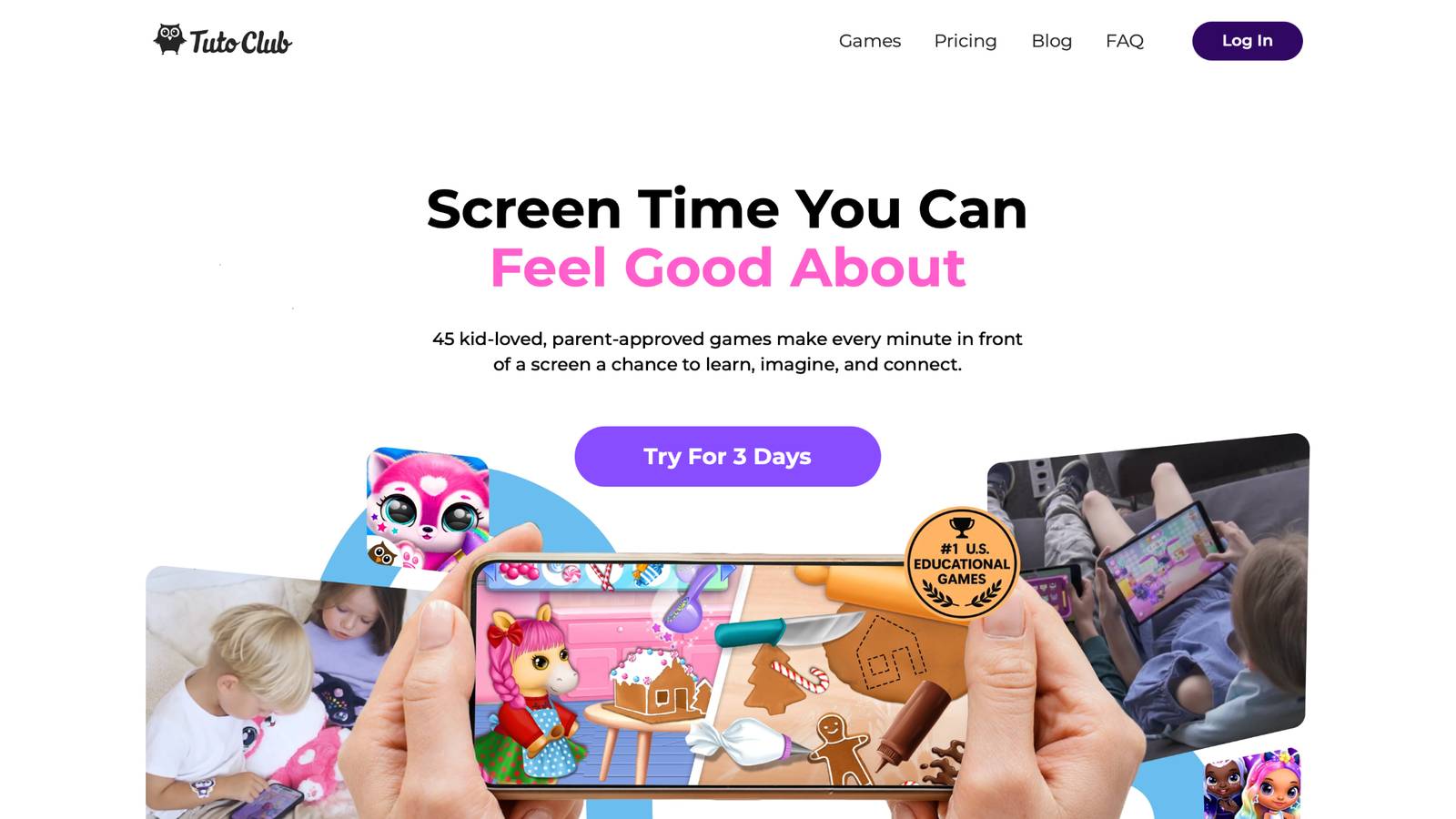
Check out TutoClub's educational games for a world of ad-free fun. This collection brings together colorful adventures where kids care for characters, solve puzzles, and create stories. Little ones dive into activities that teach colors, shapes, and empathy through playful scenarios. Imagine your toddler giggling while building a virtual home or exploring a magical forest. What sets it apart is the focus on real-world skills like responsibility and curiosity, all wrapped in safe, expert-crafted content.
Parents rave about how it turns screen time into meaningful growth, with kids returning again and again. The seamless multi-device access makes it easy for families on the go. Standout features include storytelling tools that let children express ideas freely, plus mini-games inspired by art and nature. Facts and information show these games help with emotional awareness, like recognizing feelings in others, and boost confidence through small wins.
TutoClub Overview
TutoClub is your gateway to a magical world of educational games designed especially for children.
As part of TutoTOONS, a leading kids' games studio, we offer premium access to over 45 ad-free games.
Our mission is to blend learning and play, helping kids explore, create, and grow in a safe online space.
Thousands of parents trust us for family-friendly content that sparks imagination and builds essential skills.
Key Features
- Unlimited Access: Unlock full content in all games with no interruptions.
- Ad-Free Experience: Enjoy seamless play without any ads or distractions.
- Skill Development: Games foster creativity, social skills, communication, and more through fun activities like pet care and cleanup challenges.
- Regular Updates: Get new releases, exclusive content, and future updates automatically.
- Easy Subscription: Cancel anytime with no obligations, simple and flexible for families.
Explore Our World
TutoClub provides a rich ecosystem of educational games for kids, featuring ad-free experiences that promote creativity, focus, and emotional growth through play.
This platform turns screen time into valuable learning opportunities, with parent-approved content that builds essential skills and sparks curiosity in young minds.
- TutoClub Games: Over 45 educational games, including popular titles like Fluvsies, Smolsies, and the Sweet Baby Girl series
- Blog: Insights, tips, and stories for families on kids' learning and play
- FAQ: Comprehensive answers to frequently asked questions about subscriptions, features, and more
Get TutoClub on Your Device
TutoClub delivers premium kids educational games directly to your mobile devices, making learning accessible anytime, anywhere.
With apps available on major platforms, families can easily download and subscribe for ad-free play that turns screen time into skill-building adventures.
Perfect for parents seeking safe, engaging content on iOS, Android, or Amazon devices.
Why Choose TutoClub?
We're committed to 100% safe, enriching entertainment that kids love and parents approve.
Join the thousands who've seen their children thrive through playful learning.
Ready to start the adventure?
Subscribe to TutoClub today and unlock endless fun!
2. Fluvsies Academy
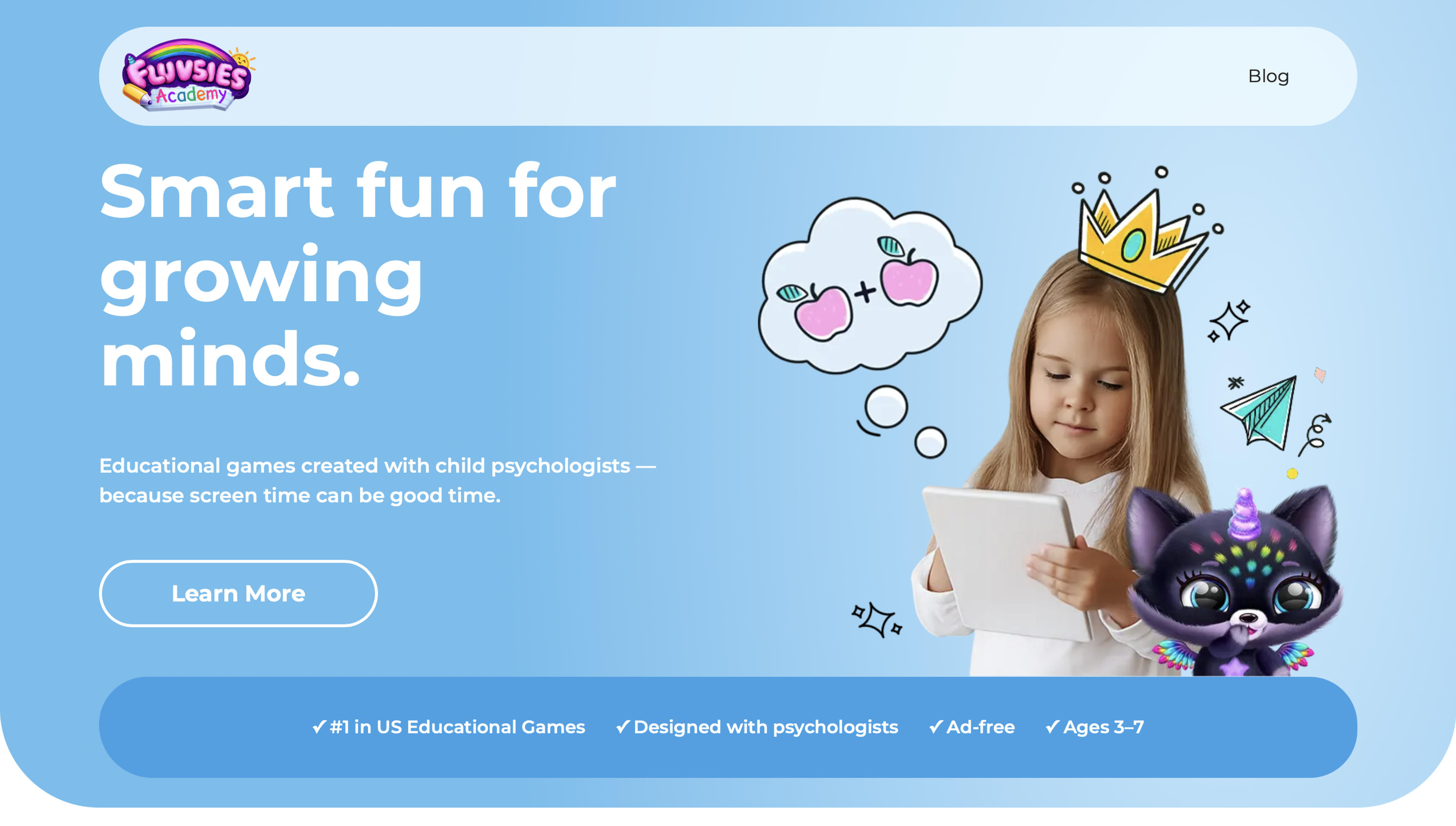
Fluvsies Academy turns screen time into joyful discovery for little ones through psychologist designed mini games that feel like pure play. Toddlers explore language and phonics with friendly characters, build early math confidence through numbers and sorting, sharpen focus with logic puzzles, and practice real life skills such as teeth brushing routines and discovering everyday professions like bakers or astronauts.
The app creates a calm nurturing space where kids develop empathy, self regulation, and healthy habits including simple mindfulness and yoga all while staying fully engaged in ad free adventures that grow minds and hearts together.
Games crafted with child development experts ensure emotional safety and balanced growth through a wide variety of interactive activities covering academics, creativity, and practical skills. Built in progress reports celebrate milestones and guide learning as mindfulness elements and habit builders weave into fun play sessions within a calm focused environment featuring no ads or interruptions and lovable characters that spark imagination and real world connections.
Perfect for ages 3 to 7 with age-appropriate challenges that adapt naturally. The holistic approach blends cognitive skills with social emotional development and encourages offline application of lessons like personal care and vocabulary building. The subscription model includes trial access making it a parent favorite for independent play that truly teaches without feeling like school.
- Key features: expert crafted mini games for emotional safety and balanced growth, wide variety of interactive activities covering academics creativity and practical skills, calm ad free environment with mindfulness habit builders and lovable characters
Facts and information: adaptive challenges for ages 3 to 7, holistic cognitive and social emotional development with offline skill application
3. Khan Academy Kids
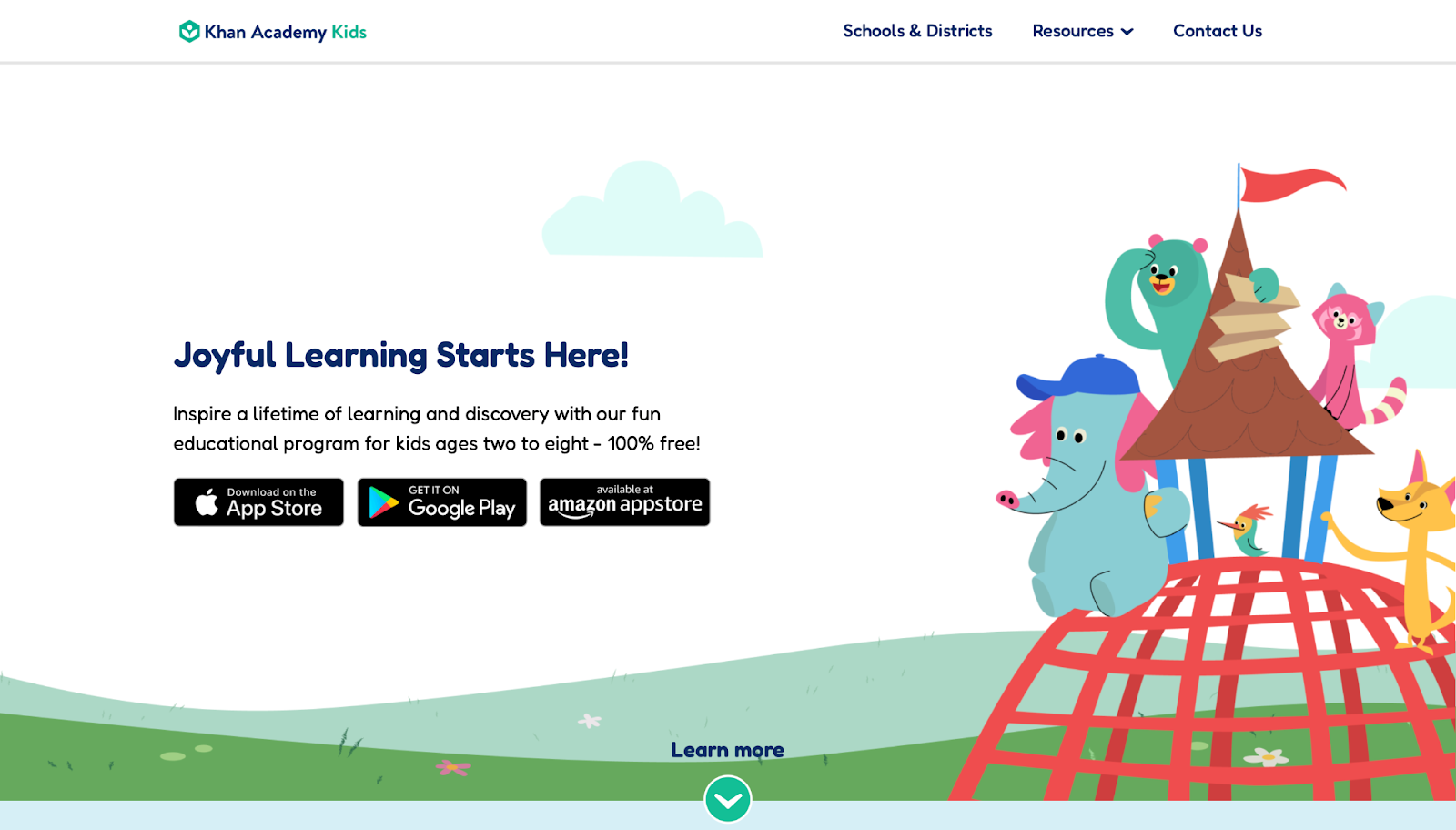
Khan Academy Kids serves up a vibrant app full of engaging stories, lively videos, and hands-on activities tailored for young explorers. Nestled in Mountain View, California, this platform gently introduces toddlers to essential concepts like letters, numbers, and emotional awareness through endearing characters that guide each step. Children can tap their way through interactive books or sketch simple shapes, fostering a love for discovery in a completely ad-free space. The app excels at blending education with entertainment, making counting feel like an exciting quest, although some sections may require a bit of grown-up guidance for the tiniest users.
It also weaves in social-emotional lessons, helping little ones identify and express feelings in relatable ways. Families value the built-in progress reports that highlight growth areas, turning everyday play into measurable milestones. With a mix of songs and puzzles, it keeps sessions dynamic and prevents boredom from setting in. The adaptive nature adjusts to each child's pace, ensuring challenges stay just right without frustration. Overall, it stands as a reliable companion for parents aiming to spark curiosity early on, though the broad content library might occasionally overwhelm when searching for specific topics. This balance of fun and learning makes it a go-to for nurturing young minds in a supportive digital environment.
- Key features: Customized learning journeys, artistic drawing interfaces, downloadable content for offline use.
- Facts and information: Matches educational benchmarks, enhances verbal skills via rich imagery.
4. Lingokids
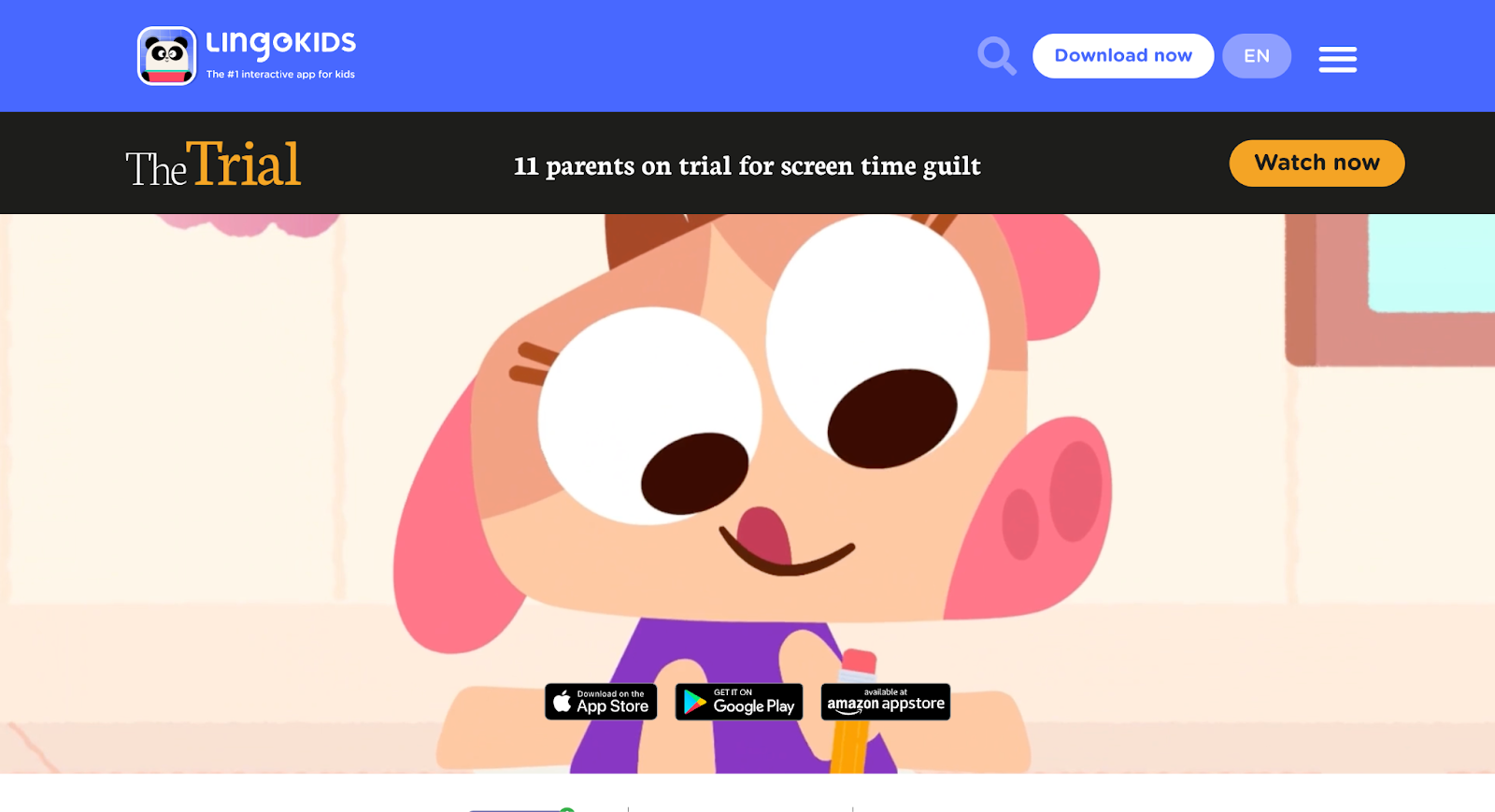
Lingokids brings a playful twist to learning with its app featuring songs, brain-teasing puzzles, and animated episodes designed for eager toddlers. Based in Madrid, Spain, it spans subjects from language basics to mindfulness exercises like gentle yoga, all in a secure, distraction-free zone. Kids engage with colorful realms, honing vocabulary or categorizing objects, which captivates their attention effortlessly. It shines in transforming daily habits into enjoyable routines, yet the guided structure could curb spontaneous creativity for certain children. Tracking tools let parents monitor advancements, proving useful in hectic households.
The content adapts to skill levels, offering just enough challenge to encourage growth without overwhelm. Interactive elements like character dialogues promote listening and response skills, building confidence in communication. While the variety keeps things fresh, navigating between activities might take a moment to master. This app supports multilingual options, ideal for diverse families introducing new tongues early. Strengths lie in its holistic approach, covering physical and cognitive development, though some may find the energy levels a tad high for quieter moments. It fosters a sense of achievement through badges and cheers, motivating repeated play. In essence, Lingokids creates a joyful space where education feels like pure adventure, aiding toddlers in exploring the world around them with enthusiasm and ease.
- Key features: Themed explorations, cognitive enhancers, protected play area free from interruptions.
- Facts and information: Recognized content boosts word knowledge and everyday abilities.
5. PBS Kids Games
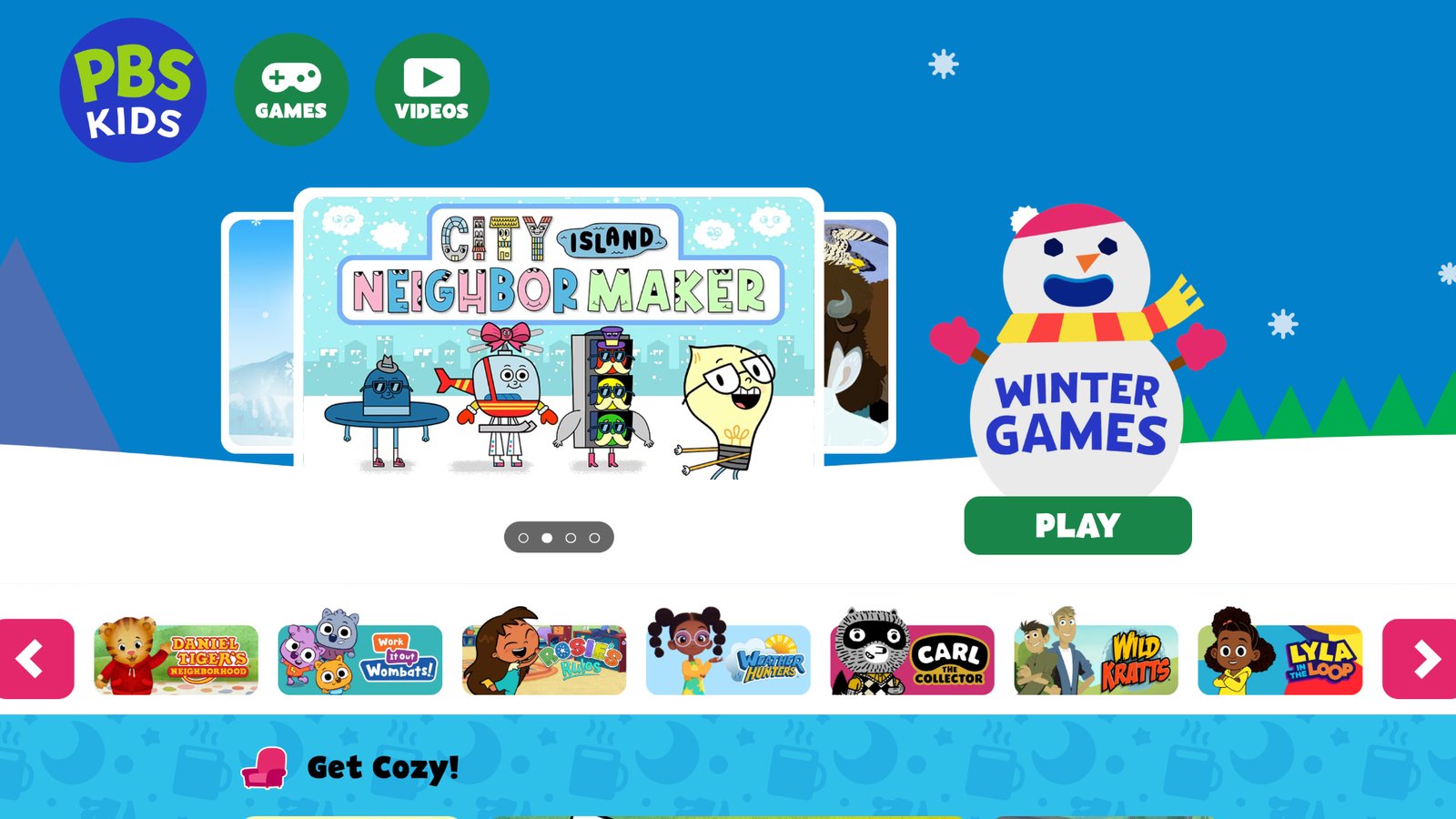
PBS Kids Games invites toddlers into a familiar universe with beloved characters from shows like Daniel Tiger, offering touch-based challenges that teach cooperation and daily life skills. From Arlington, Virginia, these accessible web and app experiences link play to episode themes, making learning seamless and fun. Little ones can align patterns or construct with virtual blocks, reinforcing concepts tied to real-world scenarios. It particularly excels in emotional education, though the assortment of characters might puzzle the very youngest at first. Being freely available broadens its reach to many families. The games encourage turn-taking and empathy, vital for social interactions. Visuals are bright yet not overwhelming, supporting focus during short bursts.
While navigation is straightforward, some activities benefit from parental involvement to explain nuances. This platform promotes values like community and kindness, embedding them in gameplay. Strengths include its tie-ins to trusted TV content, enhancing recall, but variety could lead to scattered sessions if not curated. It supports offline play for select games, perfect for on-the-go moments. Overall, PBS Kids Games nurtures holistic development, blending entertainment with meaningful lessons that resonate beyond the screen, helping toddlers build a foundation of understanding and compassion in an engaging manner.
- Key features: Storylines driven by icons, quests for solving issues, embedded short clips.
- Facts and information: Advances feeling management and group principles.
6. Sago Mini School

Sago Mini School ignites young imaginations with its digital playground of unrestricted toys and activities. Hailing from Toronto, Canada, it empowers toddlers to manipulate elements like dragging items to craft scenes or tackle mild riddles. From constructing farms to venturing into space, the options spur self-directed amusement that aligns with curious natures. It distinguishes itself through fostering originality, although minimal academic emphasis might better suit free-spirited play over structured study. The serene atmosphere aids concentration without excess stimulation. Content refreshes regularly, keeping experiences novel and inviting return visits.
Group-friendly modes encourage sharing, building teamwork early. While open-ended, it subtly teaches cause and effect through experiments. Drawbacks include potential lack of guidance for goal-oriented kids, but this freedom often leads to delightful discoveries. The app's intuitive controls suit tiny fingers, minimizing frustration. It promotes fine motor development alongside creative thinking, making it a versatile tool for varied moods. Families appreciate the no-pressure vibe that lets children lead their learning journey. In summary, Sago Mini School offers a gentle entry into educational play, where exploration drives growth, helping toddlers develop independence and a passion for innovation in a supportive, whimsical setting.
- Key features: Tools inspired by child-led methods, frequent additions, collaborative setups.
- Facts and information: Improves hand control and inquiry via testing approaches.
7. Endless Alphabet
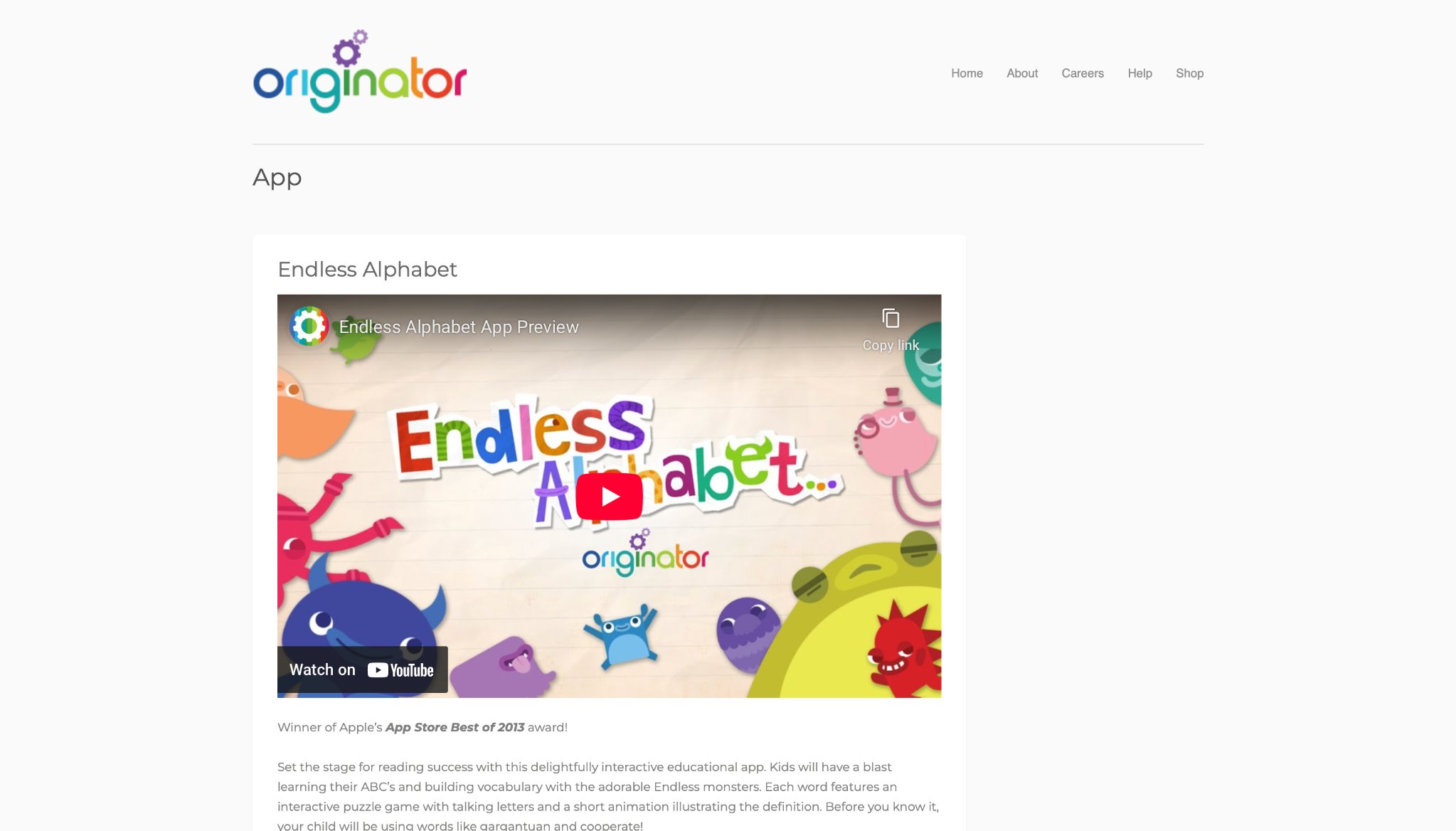
Endless Alphabet captivates with whimsical monsters that bring letters to life through animated puzzles and sound effects. Located in San Carlos, California, toddlers assemble words by placing pieces, absorbing definitions amid humorous visuals that make vocabulary memorable. It transforms letter learning into a joyful romp, perfect for budding readers, yet repetition could wane interest over time. The comedic touches maintain light moods during sessions. Phonics are emphasized, helping with sound recognition in an entertaining format. The expanding word bank grows with use, offering fresh challenges.
While primarily focused on literacy, it subtly boosts problem-solving through puzzle mechanics. Some may note the limited scope beyond alphabet basics, but this focus sharpens foundational skills effectively. Touch interactions are responsive, encouraging active participation. It suits short, daily dips to reinforce concepts without overload. Parents find it a fun supplement to reading routines, sparking conversations about new words. Strengths encompass its engaging narrative style that holds attention, fostering retention. Overall, Endless Alphabet provides a solid, laughter-filled path to language mastery, equipping toddlers with tools to express themselves more vividly in their expanding world.
- Key features: Word challenges with interaction, sound-based learning, growing lexicon.
- Facts and information: Strengthens character identification and initial literacy.
8. Duolingo ABC
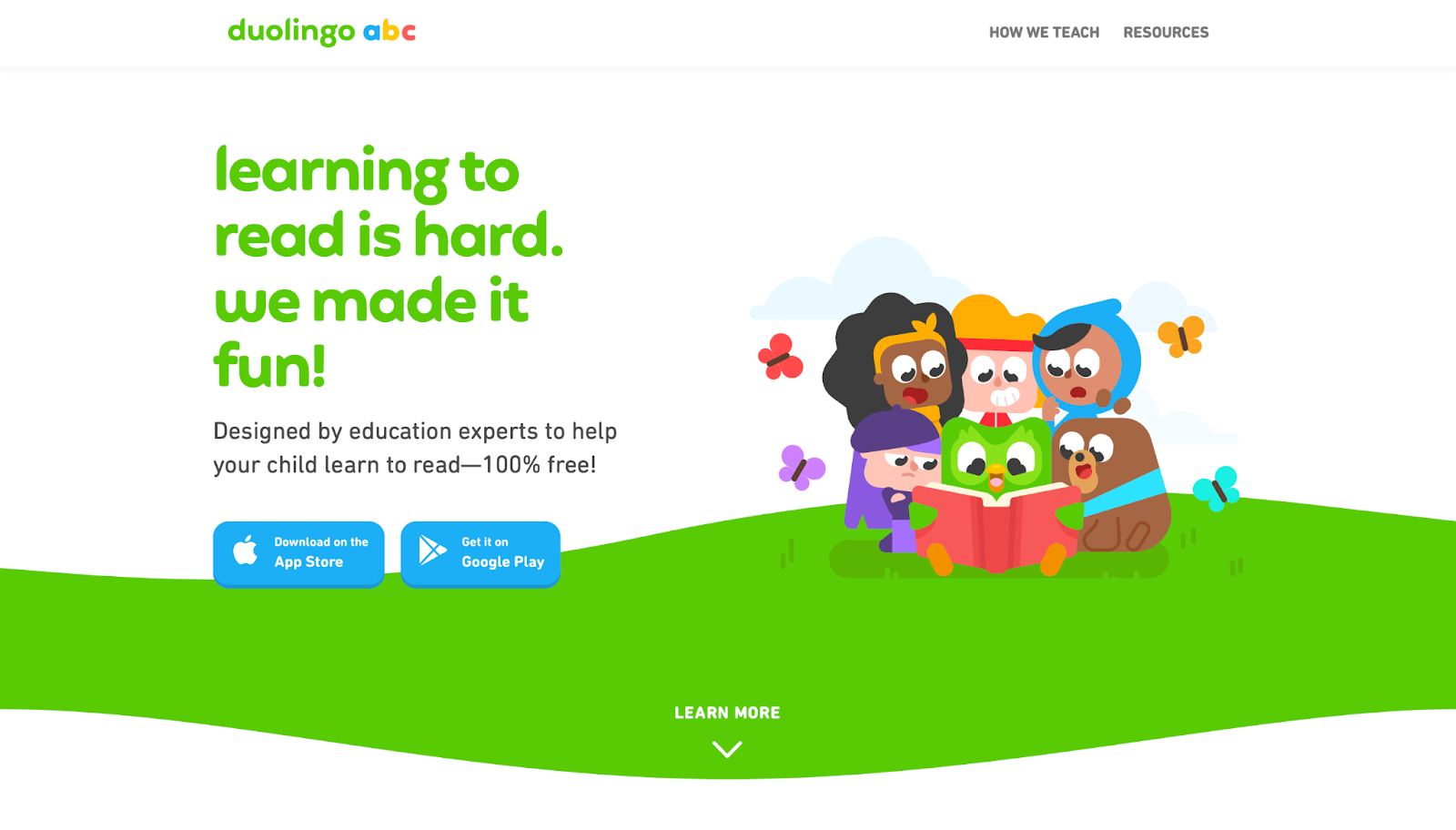
Duolingo ABC zeroes in on reading foundations with concise lessons and narratives that build skills progressively. From Pittsburgh, Pennsylvania, it employs games for tracing letters and phonics, rewarding efforts to sustain motivation. Toddlers advance through levels, mastering basics in a visually appealing setup. It thrives in structured advancement, though the paced rewards might seem hurried for leisurely learners. Daily routines benefit from its bite-sized format. Adaptive adjustments tailor difficulty, ensuring steady progress.
Stories integrate learned elements, reinforcing comprehension in context. While gamification engages, some quieter children might prefer less competitive vibes. The app includes audio cues for independent play, aiding confidence. It covers blending sounds into words, a key step in literacy. Families use it for consistent practice, noting improvements in recognition. Strengths feature its clear progression paths that track achievements visibly. Potential weaknesses involve reliance on repetition, but variety in activities mitigates this. In total, Duolingo ABC delivers an effective, enjoyable route to early reading, empowering toddlers with the joy of decoding their surroundings through playful, achievable steps.
- Key features: Letter outlining drills, narrated tales, flexible challenge levels.
- Facts and information: Aids sound basics and understanding.
9. ABCmouse
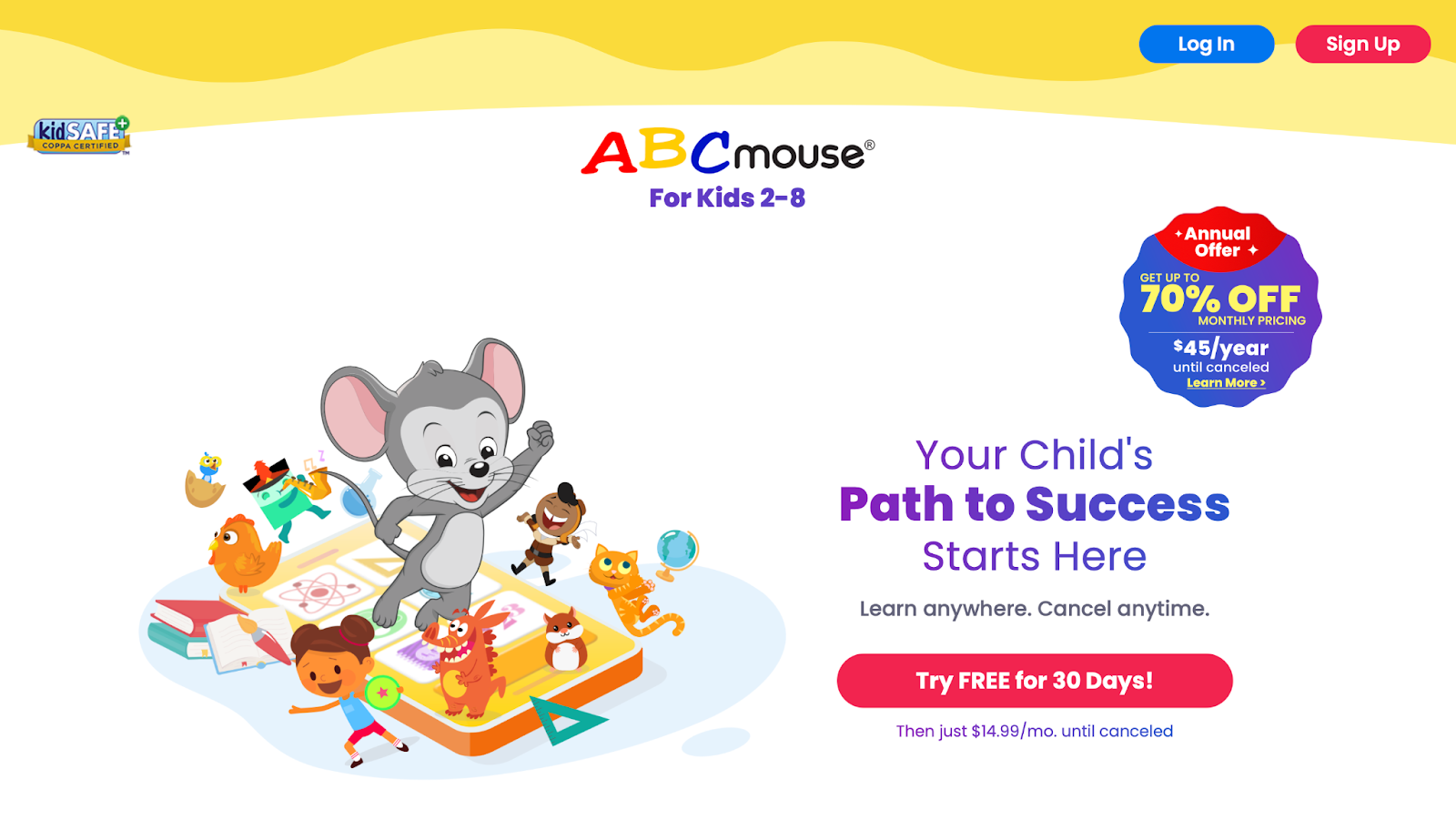
ABCmouse unfolds a vast educational landscape via an app brimming with literature, crafts, and numerical games. Headquartered in Glendale, California, it organizes content into themed environments like virtual farms or zoos, where toddlers delve into counting and hues interactively. This all-encompassing method lays a robust groundwork across disciplines. It particularly impresses with its depth, though steering through the expanse may call for adult assistance initially. Reward systems like tickets motivate exploration and completion.
Parental oversight tools provide insights into engagement. While comprehensive, the volume of choices could daunt at times, yet categorized sections ease selection. It integrates art and music, enriching sensory experiences. Toddlers practice sequencing and matching, honing cognitive edges. The app's progressive tracks guide from basics to advanced, adapting to readiness. Families praise its role in preparing for school transitions. Strengths include balanced subject coverage that promotes rounded growth, with minor notes on interface familiarity. Ultimately, ABCmouse acts as a dynamic classroom in pocket form, inspiring toddlers to embrace learning with enthusiasm and variety.
- Key features: Incentive-based progression, oversight panels for guardians, environment-specific lessons.
- Facts and information: Encompasses various areas for balanced advancement.
10. LeapFrog Learning Friends
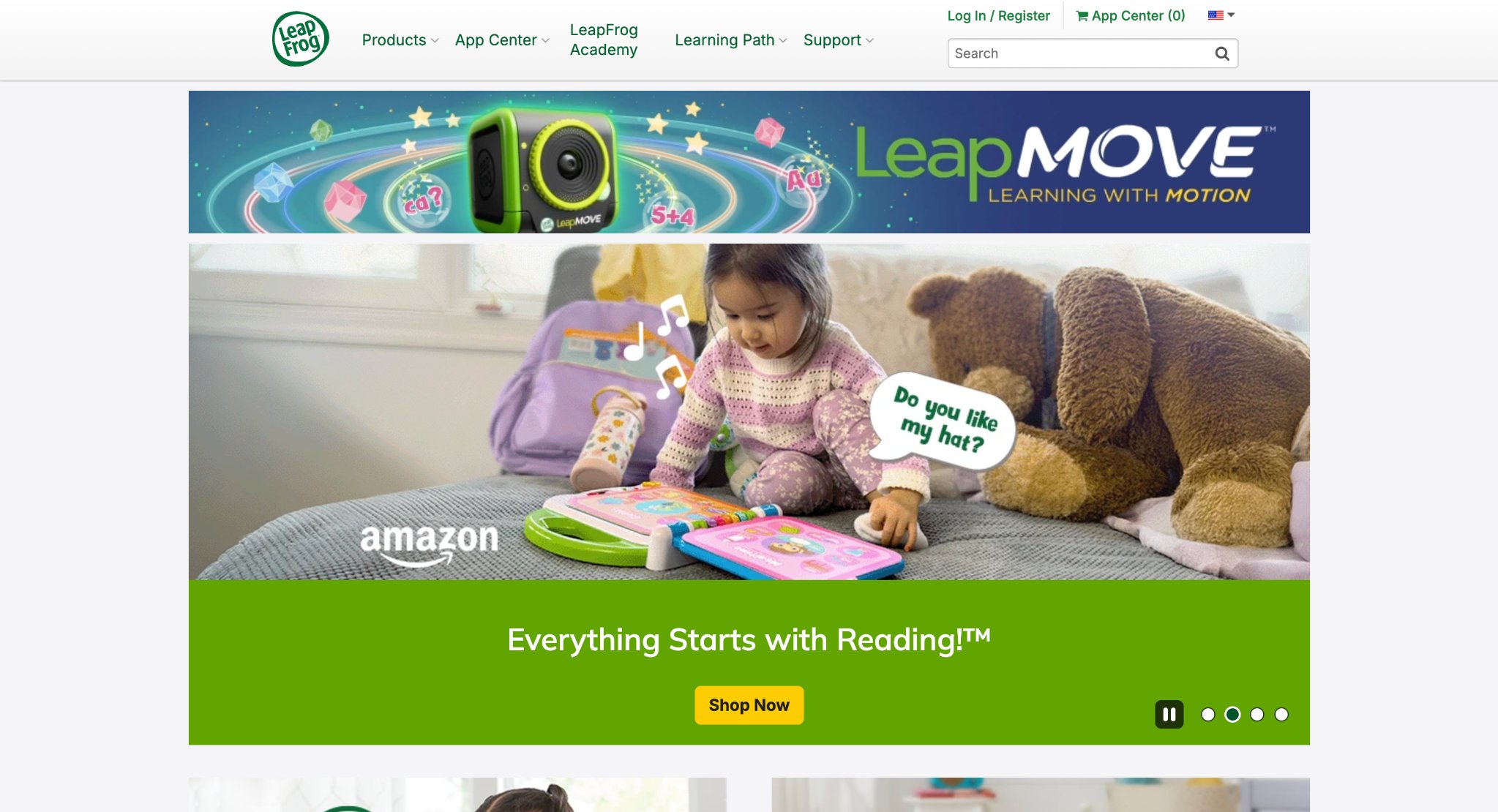
LeapFrog Learning Friends enlivens education with tactile toys and responsive books that react to presses. Based in Emeryville, California, these items introduce creatures, noises, and etiquette through buttons and tunes, perfect for sensory discovery. Toddlers activate voices for interactive responses, cultivating hands-on curiosity. Sturdy builds suit active play, and portability shines for journeys, though battery life demands monitoring. It bolsters fine motor and verbal growth via engaging mechanisms. Songs and stories embed manners and recognition seamlessly.
While physical, it complements digital tools for hybrid learning. Some find the sounds repetitive, but variety in modes refreshes content. The focus on real-touch interactions distinguishes it, aiding development beyond screens. Parents observe enhanced engagement during play, leading to better retention. Strengths encompass its durable, child-proof design that withstands enthusiasm, with gentle reminders for upkeep. In overview, LeapFrog Learning Friends offers tangible fun that grounds abstract ideas, helping toddlers connect with concepts through direct, joyful manipulation.
- Key features: Sound-triggered figures, rhythmic settings, narrative options.
- Facts and information: Cultivates precise movements and speech capabilities.
11. Pok Pok
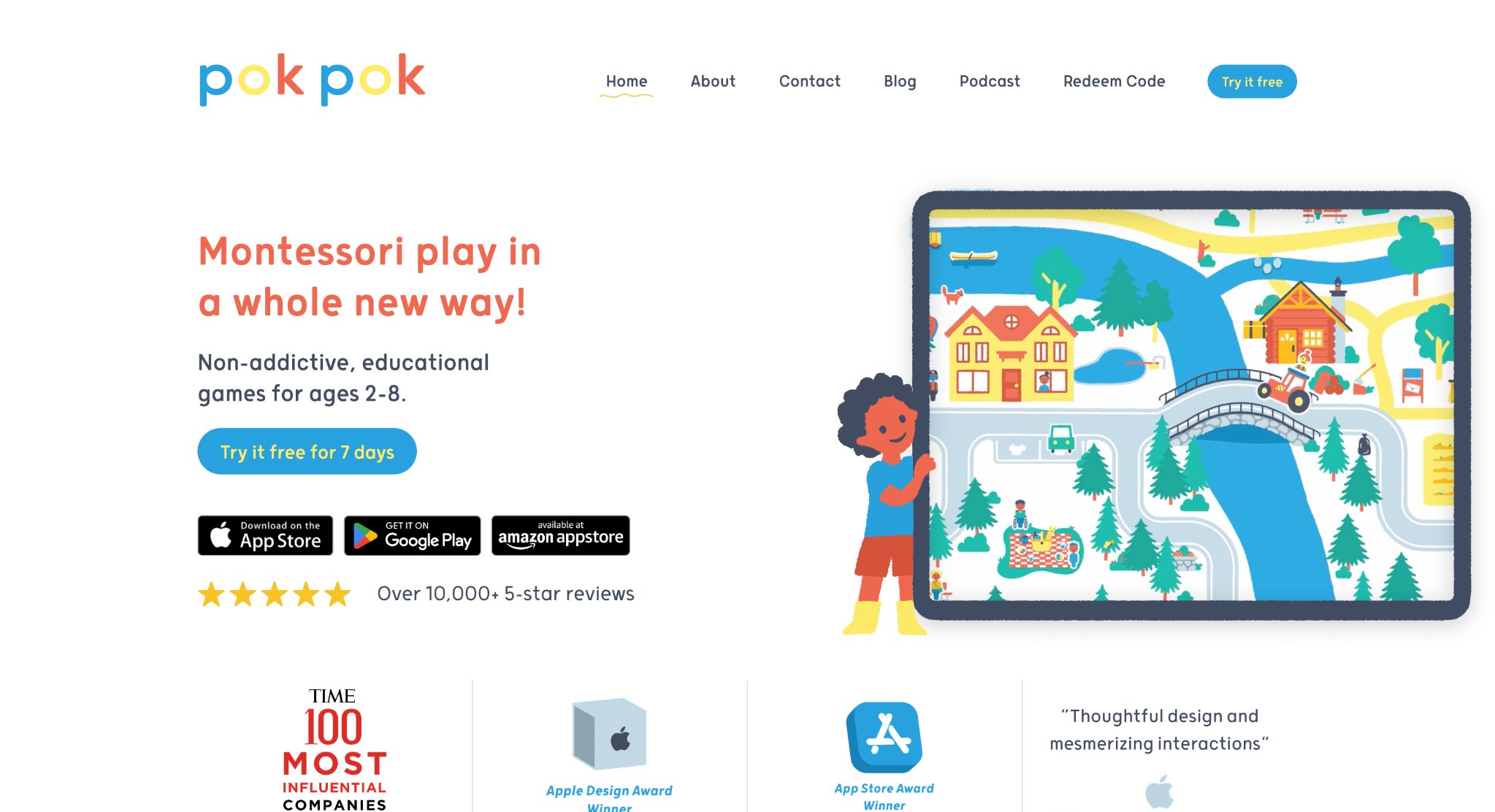
Pok Pok cultivates tranquility with Montessori-flavored digital playthings for unguided tinkering. From Toronto, Canada, toddlers fiddle with structures or outlets, grasping through trial in a subdued arena. Absent objectives, it champions pure inquiry, fitting inquisitive spirits, though unstructured play might unsettle those craving direction. The mild rhythm curbs excess excitement. Animations are subtle, paired with authentic sounds for immersion.
It nurtures autonomy and resolution skills via open experiments. While calming, some seek more variety, yet the essence lies in depth over breadth. Intuitive gestures make it accessible for small hands. Families value its role in quiet times, promoting focus. Strengths highlight low-key encouragement of creativity, with notes on gradual adaptation. Altogether, Pok Pok provides a peaceful haven for growth, where toddlers flourish through self-paced discoveries in a nurturing digital realm.
- Key features: Relaxed visuals, auditory cues, inventive construction.
- Facts and information: Encourages self-reliance and issue resolution.
12. Funexpected Math
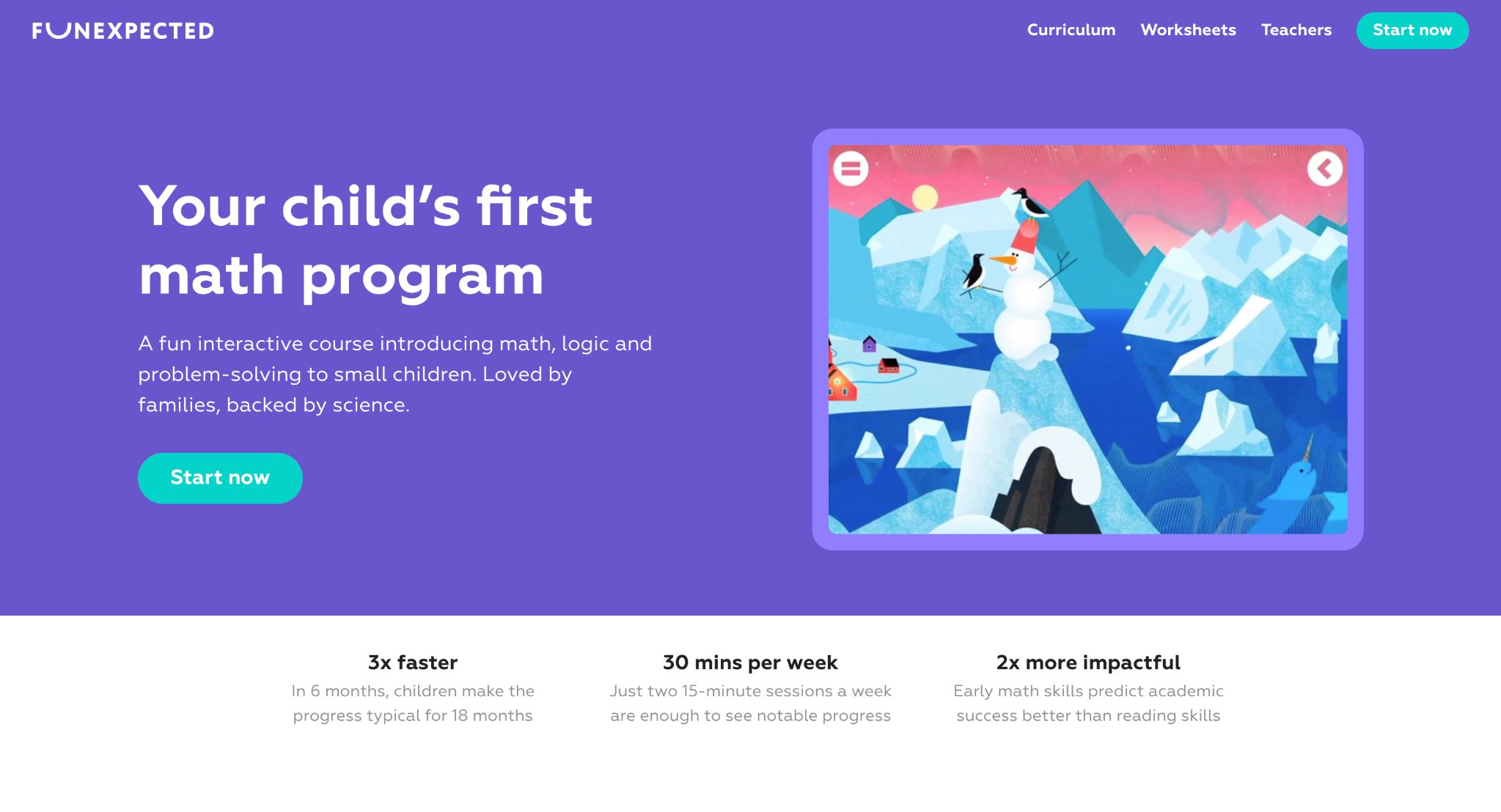
Funexpected Math turns numerical concepts into captivating challenges that adapt to young learners' abilities. This app presents puzzles centered on patterns, balance, and space awareness, using vibrant graphics to draw toddlers in. Children manipulate shapes or sequence items, building logical thinking in a game-like format. It stands out for its focus on early math without pressure, allowing kids to retry freely and learn from mistakes. The adaptive algorithms ensure activities evolve with progress, keeping engagement high.
While the math-centric approach excels in skill-building, it might lack the breadth of multi-subject apps, potentially requiring supplements for rounded play. Interactive elements like dragging and matching enhance motor coordination alongside cognition. Parents appreciate the subtle educational layers that make learning feel effortless. The app includes diverse themes, from underwater adventures to space quests, sparking imagination. Some users note that advanced levels could challenge very young toddlers, but starting points are gentle. Overall, it fosters a positive attitude toward math, helping little ones see numbers as friends rather than hurdles, through joyful, exploratory play that grows with them.
- Key features: Adaptive puzzle sets, symmetry exercises, spatial reasoning tasks.
- Facts and information: Develops pattern spotting and foundational logic.
13. Daniel Tiger’s Day & Night
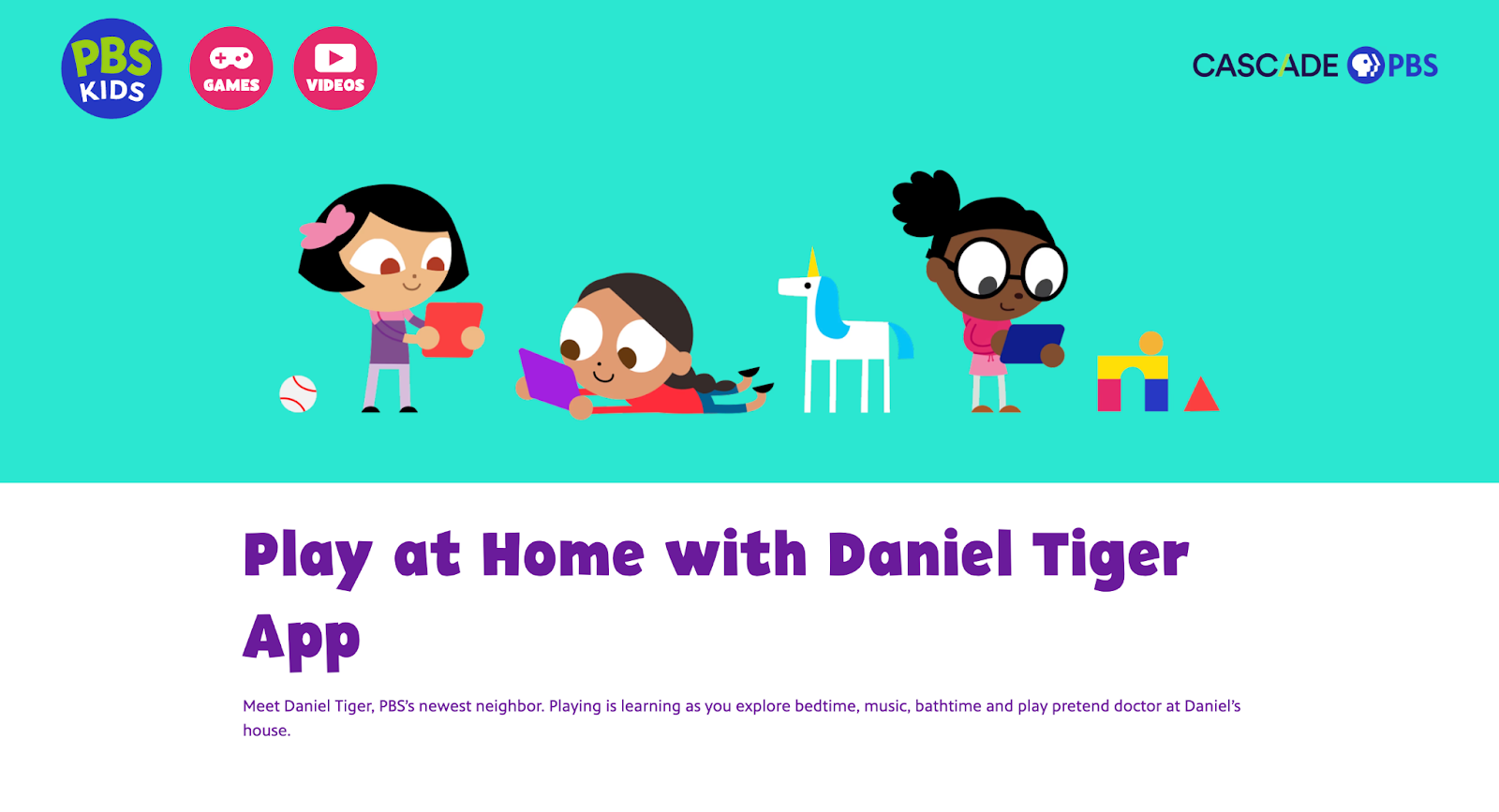
Daniel Tiger’s Day & Night guides toddlers through everyday routines with interactive morning and evening scenarios. Drawing from the cherished PBS series, it helps children practice habits like brushing teeth or getting dressed, while exploring emotions in context. Kids tap to assist Daniel in tasks, learning sequence and responsibility in a friendly neighborhood setting. It excels at promoting healthy patterns and empathy, with songs reinforcing key messages. The simple interface suits independent play, though repeated activities might call for variety over time.
Emotional check-ins teach naming feelings, aiding social development. Parents find it useful for transitioning to bed or starting the day smoothly. Visuals mirror the show, providing comfort and familiarity. While focused on routines, it subtly incorporates counting and matching. Some may wish for more customization, but the core structure supports consistency. This app blends fun with practical life skills, making mundane moments magical and educational, empowering toddlers to navigate their world with confidence and calm.
- Key features: Routine simulations, emotion identifiers, melodic reinforcements.
- Facts and information: Supports habit formation and feeling recognition.
14. Toca Boca World
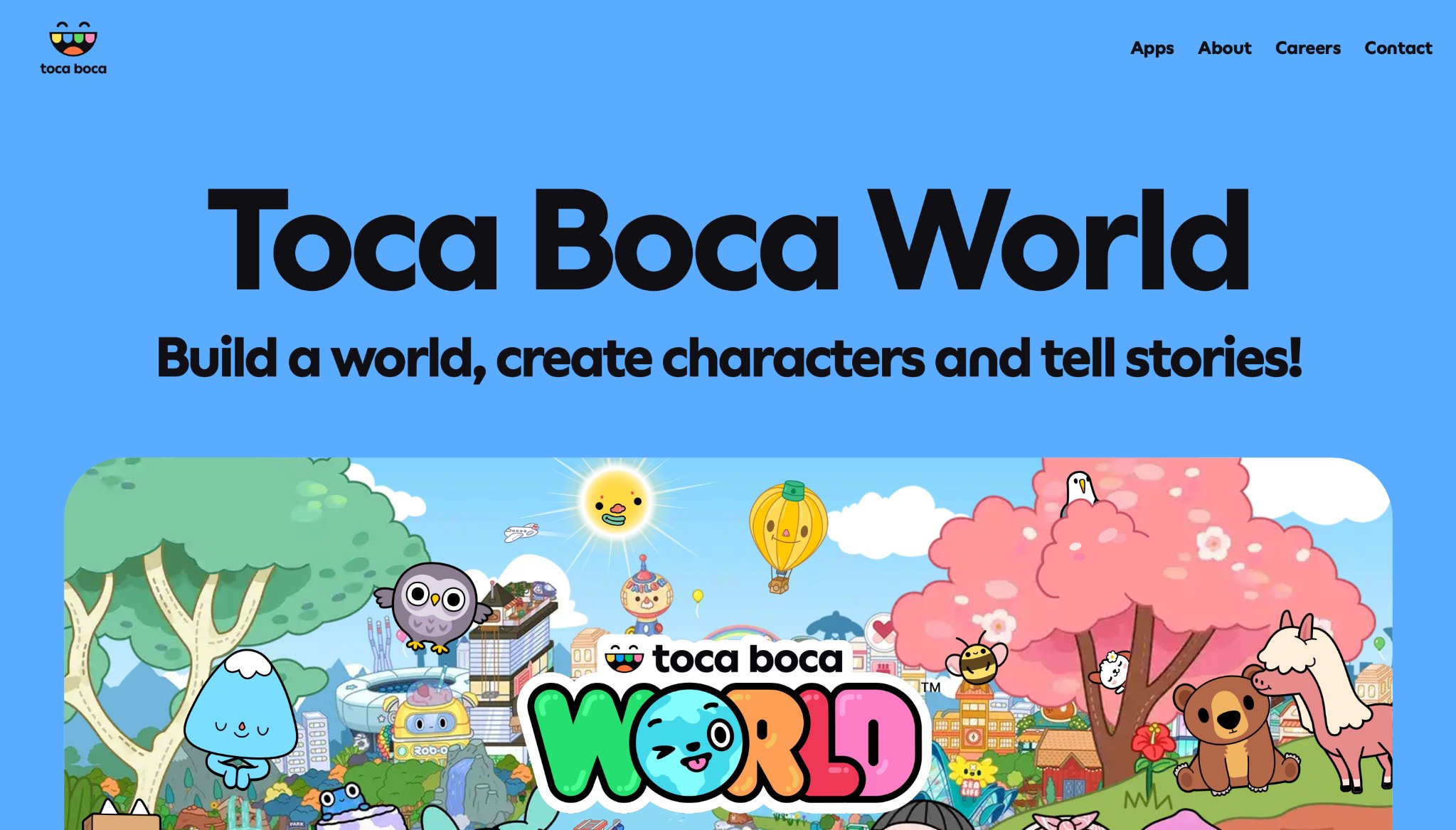
Toca Boca World unleashes creativity in a vast virtual playground where toddlers build, decorate, and role-play endless stories. From Stockholm, Sweden, this app lets kids mix characters and settings freely, from homes to cities, encouraging narrative invention without rules. It thrives in open-ended expression, allowing experimentation that mirrors real-life scenarios. Strengths include its boundless possibilities that spark imagination, though the sheer scale might initially confuse without guidance.
Interactive objects respond realistically, teaching cause and effect through play. Families enjoy the collaborative potential for shared storytelling. While ad-free and safe, some find the lack of goals a shift from structured games. Expansions add new locales, keeping content fresh. It promotes social skills via character interactions, even in solo mode. Toddlers develop fine motor precision through dragging and placing. Overall, Toca Boca World serves as a digital canvas for young minds, fostering innovation and self-expression in a colorful, inclusive space that adapts to every whim.
- Key features: Customizable environments, role-play tools, expandable worlds.
- Facts and information: Boosts narrative skills and social simulation.
15. Starfall ABCs
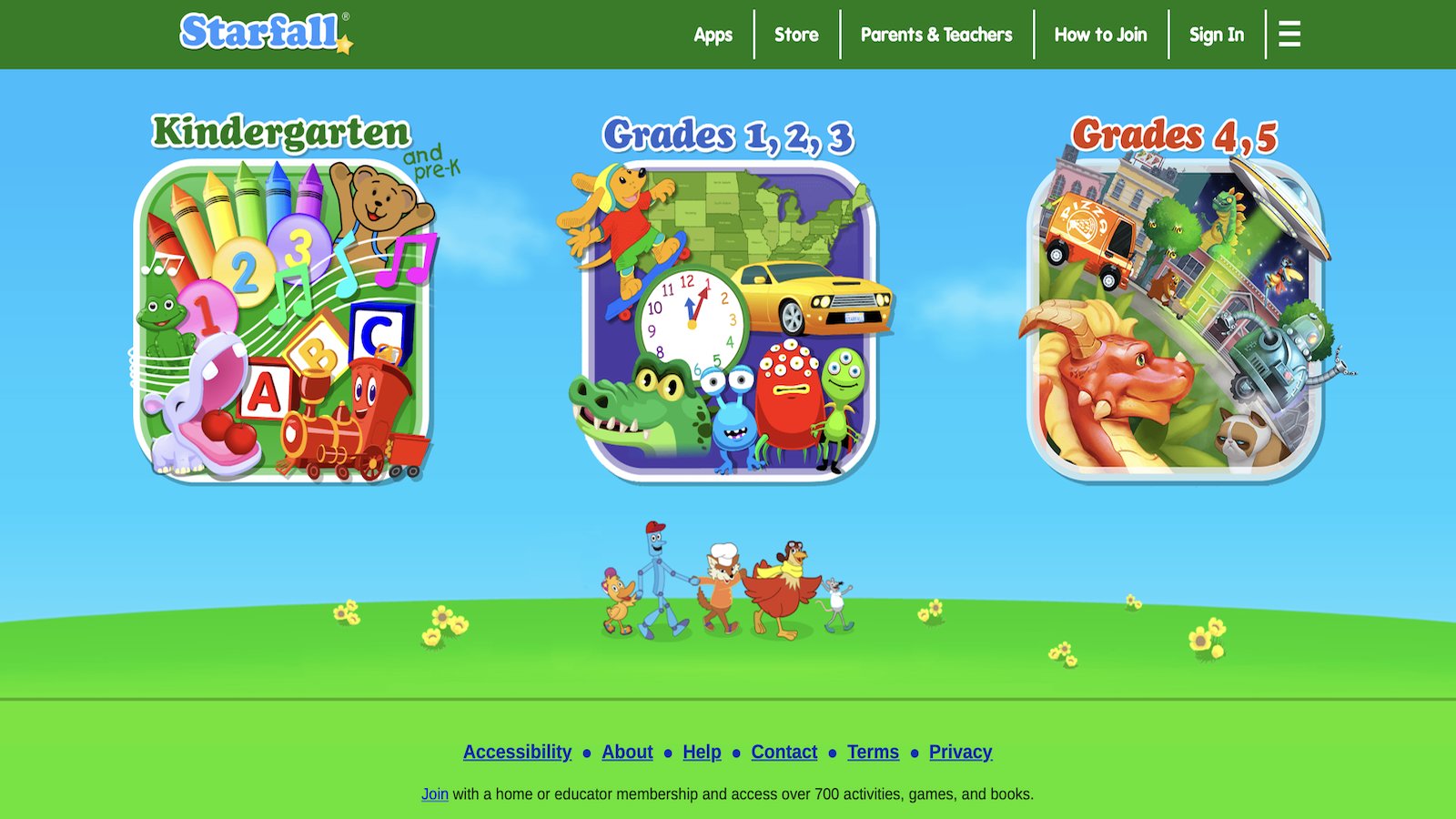
Starfall ABCs introduces the alphabet through lively animations and repetitive practice that makes learning stick. This app features interactive letters that come alive with sounds and words, helping toddlers connect visuals to phonics. Children explore each letter's world, from activities to short stories, building recognition gradually. It shines in its phonetic focus, using songs and games to reinforce without overwhelm. The colorful, engaging style holds attention, though the sequential nature might limit jumping around for free spirits.
No reading required upfront, making it accessible for pre-literate users. Parents note quick improvements in letter sounds. While primarily literacy-oriented, it includes basic vocabulary expansion. Some advanced sections build on basics seamlessly. The app's calm pacing suits short sessions, preventing fatigue. Strengths encompass its educational rigor wrapped in fun, with minor observations on interface simplicity. In whole, Starfall ABCs lays a strong literacy base, turning abstract symbols into familiar friends for toddlers embarking on their reading adventure.
- Key features: Phonic animations, word builders, repetitive drills.
- Facts and information: Enhances sound-letter associations and early words.
16. Monkey Preschool Lunchbox
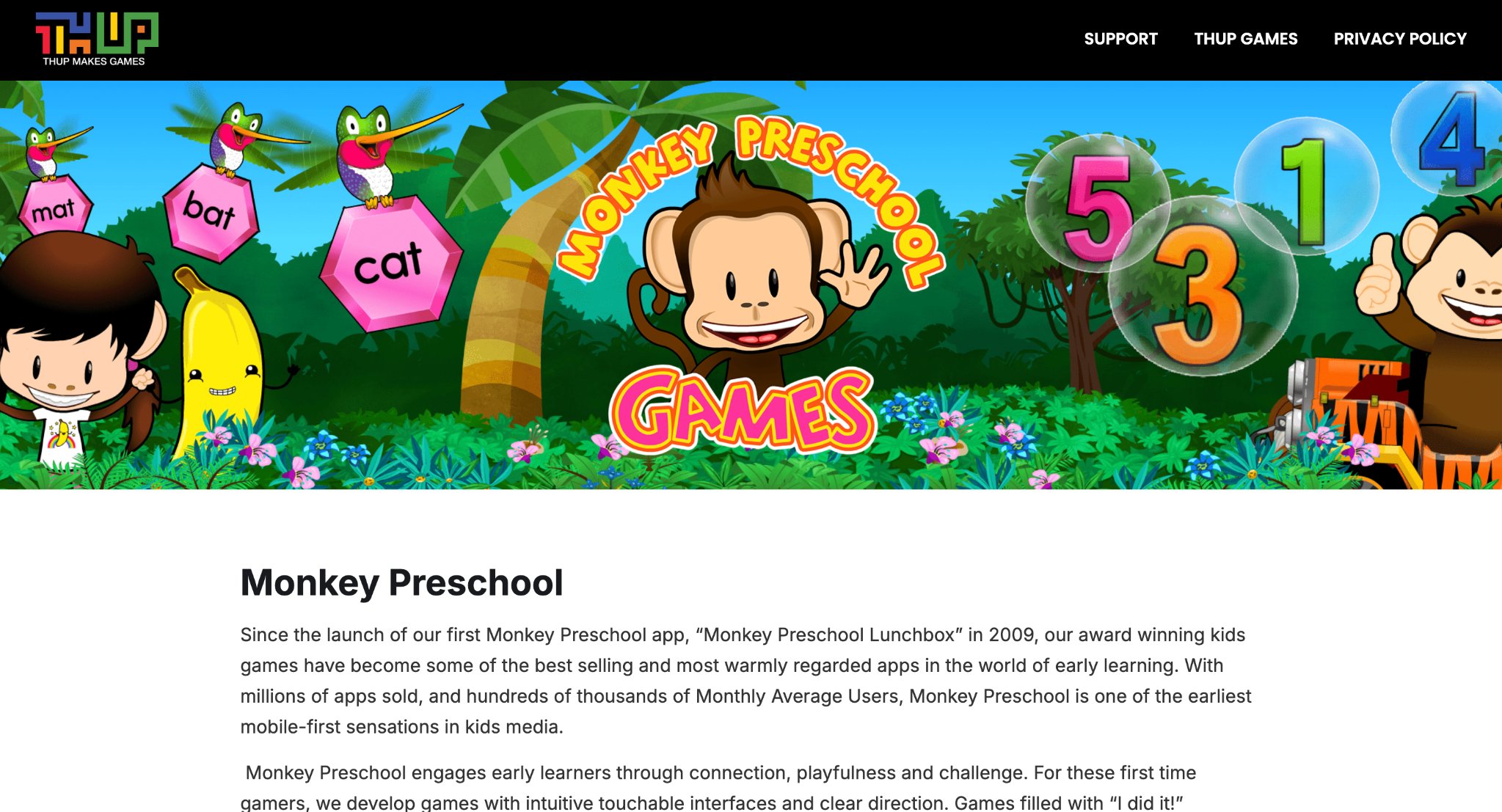
Monkey Preschool Lunchbox packs early concepts into cheerful mini-games that cover sorting, matching, and basics like colors and shapes. Toddlers join a monkey host in lunch-themed challenges, earning stickers for successes that motivate continuation. It excels at blending fun with fundamentals, using bright visuals and sounds to engage senses. The straightforward setup allows independent navigation, though repeats could taper excitement long-term.
Activities like fruit counting or pattern completion sharpen observation. Parents value its role in preschool prep, noting gains in focus. While game-focused, it subtly teaches persistence through trials. Variety across rounds keeps play dynamic. Some might seek deeper content, but the core simplicity suits beginners. This app creates a positive, rewarding atmosphere where learning feels like a treat, helping toddlers grasp essentials with smiles and encouragement.
- Key features: Matching quests, color identifiers, numerical intros.
- Facts and information: Sharpens categorization and basic counting.
17. HOMER
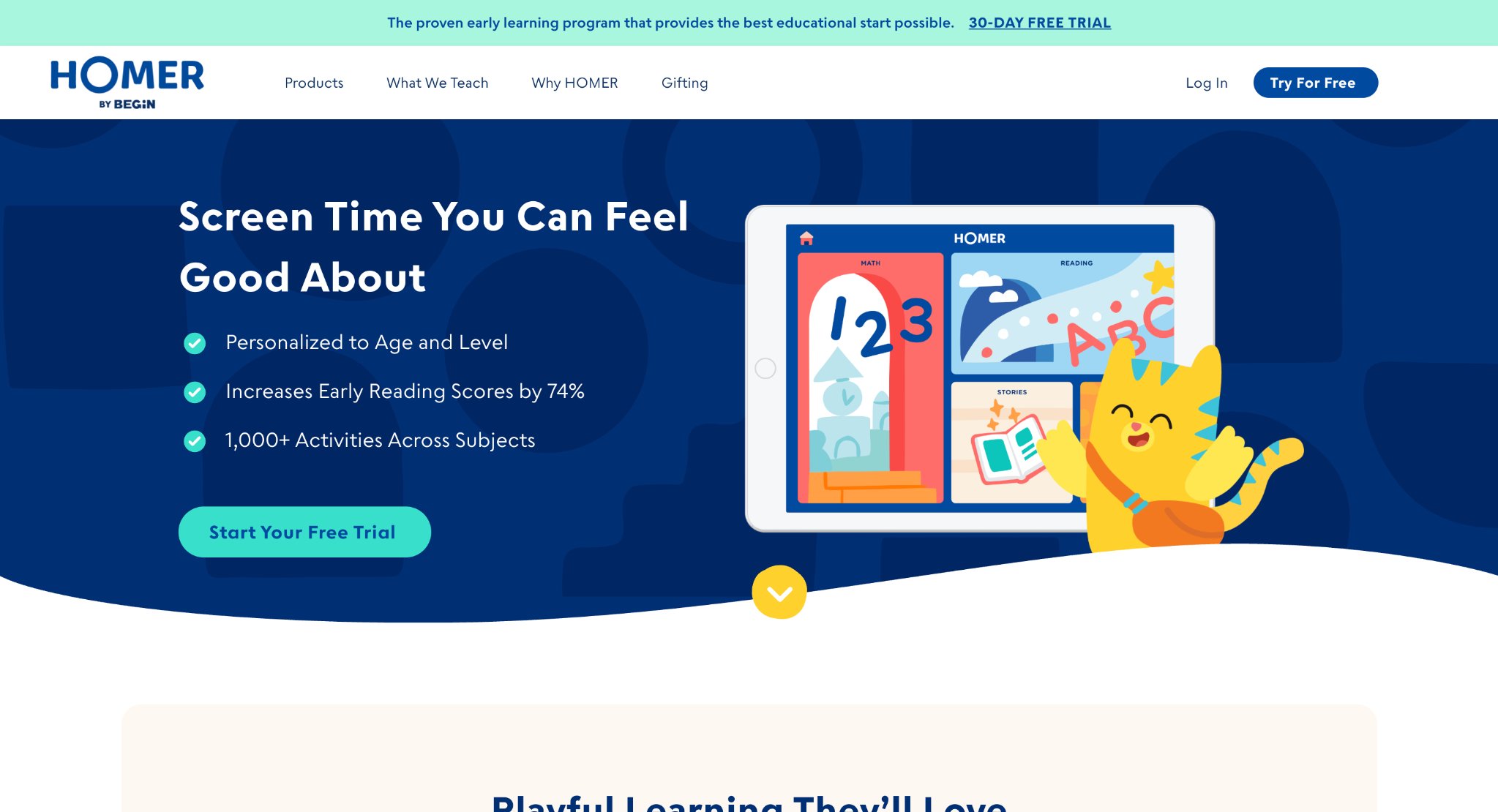
HOMER delivers a personalized early learning experience through its app, focusing on reading readiness, math foundations, and creative expression for young children. Based in New York, USA, it tailors activities to each child's interests and skill level using interactive stories, games, and drawing tools that adapt dynamically. Toddlers engage with letter tracing, sound recognition, and simple counting in themed adventures that feel like play rather than instruction. The platform emphasizes building confidence through positive reinforcement and progress tracking that highlights strengths in literacy and numeracy.
Its balanced mix of structured lessons and open creative tasks supports varied attention spans while encouraging daily habits. Families often note how the app grows with the child, starting from basic concepts and advancing naturally without pressure. The engaging visuals and audio elements maintain interest during short sessions ideal for toddler routines. Overall, HOMER creates an inviting digital space that nurtures foundational skills alongside imagination, helping little ones develop a love for learning that extends into real-world exploration and family conversations.
- Key features: Personalized learning paths, interactive storytelling with drawing integration, adaptive skill progression.
- Facts and information: Covers early literacy, math, and creativity for ages 2-8 with research-informed content that aligns with developmental milestones.
18. Kiddopia

Kiddopia offers a comprehensive collection of mini-games and activities designed to make early education engaging for preschoolers. The app features colorful environments where toddlers practice shapes, colors, numbers, and basic problem-solving through interactive play. It stands out for its variety, including puzzles, matching games, and simple crafting that build fine motor skills alongside cognitive growth. Content refreshes regularly to keep experiences fresh, supporting repeated use without boredom. Parents appreciate the structured yet fun approach that prepares children for school while allowing independent navigation suitable for young users.
The platform blends entertainment with subtle learning layers, such as sequencing tasks and pattern recognition, in a safe, ad-light setting. Its global appeal includes options for diverse learning styles, making it versatile for different family needs. In essence, Kiddopia transforms screen time into productive play that fosters curiosity, persistence, and early academic readiness in a joyful, accessible format.
- Key features: Extensive mini-game library, motor skill enhancers, pattern and sequencing challenges.
- Facts and information: Over 1,000 curriculum-based activities focused on preschool skills with regular content updates.
19. Noggin

Noggin brings beloved Nickelodeon characters like PAW Patrol and Blue's Clues into an educational app filled with games, videos, and interactive books. It helps toddlers explore math basics, literacy, social skills, and emotional understanding through familiar faces and story-driven play. Activities encourage participation in tasks like sorting, counting, and role-playing that tie directly to character adventures. The platform creates a comforting, recognizable space that supports short attention spans with quick, rewarding segments.
It excels at blending entertainment from trusted shows with learning objectives, reinforcing concepts like friendship and problem-solving. Visuals are vibrant yet clear, aiding focus for young learners. Families value how it turns passive viewing into active engagement, promoting retention through repetition and fun. Overall, Noggin serves as a bridge between beloved media and skill-building, helping toddlers gain confidence in early concepts while developing empathy and daily life understanding in an engaging environment.
- Key features: Character-driven games, video integrations, skill-focused interactive books.
- Facts and information: Targets preschool math, literacy, and emotional development with Nickelodeon content.
20. Fish School

Fish School transforms basic concepts into lively underwater adventures with colorful fish characters that teach letters, shapes, numbers, and patterns. Toddlers tap and interact to match, sort, and identify elements, building foundational recognition skills through simple, responsive gameplay. The app's gentle animations and sounds create an inviting ocean world that captivates without overwhelming. It supports early categorization and observation abilities while encouraging trial-and-error learning in a low-pressure setting.
Content progresses naturally as children master levels, providing a sense of achievement. Parents often highlight its effectiveness for independent play during daily routines. The straightforward design suits tiny fingers and short sessions perfectly. In summary, Fish School offers a serene yet stimulating introduction to core preschool skills, fostering concentration, memory, and a positive association with learning through charming, aquatic-themed interactions.
- Key features: Matching and sorting mechanics, pattern recognition games, interactive sea creatures.
- Facts and information: Focuses on early learning skills like letters, shapes, and counting through engaging animations.
21. Peekaboo Barn
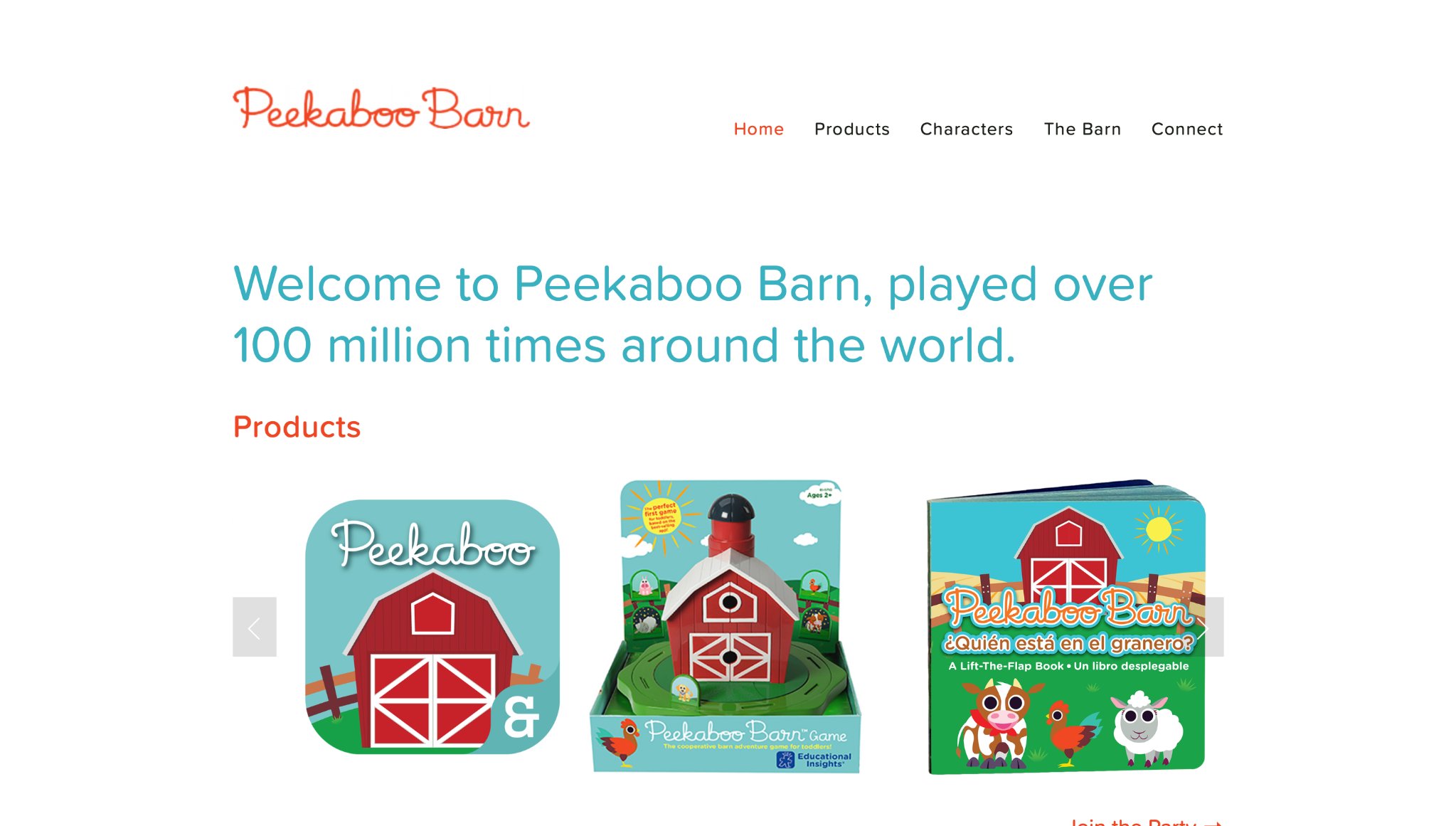
Peekaboo Barn introduces animals and their sounds through a simple barn door tapping mechanic that reveals surprises with narration and effects. Toddlers learn object recognition, vocabulary, and cause-and-effect as they explore different farm animals in this repetitive yet delightful format. The app's clean interface and clear audio cues make it highly accessible for the youngest users, promoting listening skills and word association.
It creates a predictable, comforting experience that builds confidence through familiar routines. Regular discoveries keep engagement high while subtly expanding knowledge of animals and basic language. Its minimalistic design avoids distractions, allowing focus on core learning elements. Families find it ideal for quick play sessions or travel entertainment. Overall, Peekaboo Barn provides a foundational, screen-friendly way to spark curiosity about the world, enhancing memory and verbal skills in a gentle, rewarding manner perfect for early development.
- Key features: Animal sound matching, door-tapping interactions, narrated revelations.
- Facts and information: Builds vocabulary and recognition for common animals through cause-and-effect play.
Benefits of Play-Based Learning for Toddlers
Play opens doors to new ideas. Toddlers often gain better coordination and teamwork this way. Group activities strengthen bonds. Mix solo and shared toddler games for variety. Some children show more patience after regular sessions. Keep things light to spark joy.
Tips for Integrating Educational Games into Daily Routines
Start small with morning or afternoon slots. Pair games with snacks for relaxed vibes. Rotate through different educational games for toddlers to hold interest. Many parents use them during waits or travel. Track what your child enjoys most. This builds habits without force.
Age-Appropriate Educational Games for Toddlers by Stage
Toddlers advance through clear developmental windows where games aligned to their exact abilities deliver the greatest impact. In the 12-to-18-month range simple cause-and-effect interactions and basic matching activities help establish object permanence and early motor control. Between 18 and 24 months content focused on colors shapes and introductory vocabulary supports growing language skills and hand-eye coordination. By 24 to 36 months sequencing tasks and gentle role-play scenarios nurture imagination alongside emerging problem-solving abilities.
Safety and Screen Time Guidelines for Educational Games for Toddlers
Safety remains central when introducing any digital activity to toddlers with emphasis on ad-free environments, calm visuals and content free from external links. Recommended online kids safety guidelines highlight short focused sessions paired with clear parental controls that monitor progress without interrupting engagement. Platforms designed for this age group prioritize distraction-free interfaces and age-verified material that supports healthy development rather than overstimulation.
Latest News In 2026
In 2026, toddler learning tools continue to evolve with adaptive features that adjust gently to each child’s pace. Developers prioritize calm interfaces, softer colors, and shorter activity cycles designed to match young attention spans.
TutoClub has released fresh content this year with expanded storytelling and creative features in their online educational games for toddlers. Other platforms have improved offline modes and enhanced parental controls.
Recent research shows that consistent, purposeful play supports early math concepts, emotional regulation, and cognitive growth. Families see the best results when combining these tools with real-world conversations.
FAQ
What makes educational games suitable for 2-year-olds?
Educational games fit well for this age by using bright visuals and easy interactions that match short attention spans. They often include activities like sorting shapes or matching colors to build basic recognition skills in a playful way. Simple designs without complex rules let young children lead their own discovery, fostering independence early on.
How do educational games support toddler development?
These games boost brain growth by encouraging kids to explore and solve simple challenges on their own. They help refine motor skills through tapping or dragging elements, while also building empathy via character interactions. Creative elements in the activities promote imaginative thinking and resilience when trying again after a mistake. Overall, regular play sharpens listening and cooperation, laying a strong base for social connections.
Are there free options among the best educational games for toddlers?
Free choices exist that cover essentials like letters, numbers, and everyday themes through stories and puzzles. These options allow families to introduce learning without barriers, often with offline access for flexibility. They emphasize safe environments where toddlers can repeat activities to gain comfort with new concepts.
Can educational games replace traditional toys for toddlers?
Educational toddler games bring added layers of sound and motion that engage senses differently from hands-on items. Yet, blending them with physical objects ensures a mix of digital fun and real-world touch for fuller growth. Traditional pieces excel at sparking free-form play, while games provide guided paths, so using both creates balanced experiences.
What are educational games for toddlers?
Educational games for toddlers are engaging activities created to support the unique learning pace of children aged one to three. They utilize bright visuals, soothing sounds, and basic interactive mechanics to introduce concepts like object permanence and simple categorization. The focus remains on fostering joy in discovery while gently guiding toward milestone achievements. Such formats often encourage repeated play that solidifies early neural connections through positive experiences.
What key skills do educational games help toddlers develop?
Through educational games for toddlers, young children build essential motor abilities by practicing precise movements in response to on-screen prompts or physical pieces. Language development benefits from exposure to new vocabulary embedded in fun narratives or songs. Social-emotional foundations strengthen via scenarios that model kindness and self-expression with relatable characters. These skills accumulate naturally as play sessions evolve in complexity matching the child's growing capabilities.
How do educational games differ from regular screen time for toddlers?
Educational games for toddlers stand apart due to their intentional incorporation of learning objectives into every interaction unlike regular screen time which may lack direction. The responsive feedback loops promote active thinking and trial-and-error learning in a supportive way. Age-calibrated content avoids complexity that could lead to disengagement or confusion. This targeted approach turns digital moments into opportunities for meaningful advancement in multiple domains.
What features should parents look for in educational games for toddlers?
In educational games for toddlers, desirable features encompass touch-friendly designs that work with uncoordinated hands and minimal text reliance for pre-readers. Visual and auditory cues provide clear guidance without requiring advanced comprehension. Options for pausing or shortening play help respect variable energy levels throughout the day. Reward systems based on effort rather than perfection nurture a positive attitude toward challenges.
Are there offline alternatives to digital educational games for toddlers?
Offline alternatives to digital educational games for toddlers feature items such as nesting cups or matching cards that hone matching and sequencing abilities hands-on. Sensory bins filled with safe materials offer exploratory play that stimulates tactile senses and creativity. Board books with interactive elements like buttons or mirrors provide immediate cause-and-effect learning similar to apps. These choices support development in environments free from devices while encouraging physical activity.
How can educational games support screen time balance for toddlers?
Educational games for toddlers support screen time balance by offering high-value content that justifies limited exposure periods effectively. Many families incorporate the family weekly planner printables into their scheduling to align varied activities with developmental needs. The structured yet enjoyable nature allows these games to serve as rewarding segments within broader activity plans. This method helps maintain harmony between technology use and essential real-world interactions vital for holistic growth.
What trends are emerging in educational games for toddlers in 2026?
Emerging trends in educational games for toddlers in 2026 focus on heightened personalization that tailors challenges to unique developmental stages. The best educational games for kids showcase approaches incorporating diverse representation within playful frameworks. Greater integration of hybrid activities that extend beyond the screen enhances overall impact. These directions reflect a commitment to well-rounded early childhood preparation in contemporary settings.
What age range works best for educational games aimed at toddlers?
Educational games for toddlers work best for children from around 18 months to 4 years, when activities match developing motor skills and short attention spans. Content at this stage features large visuals, simple touches, and repetitive sounds that support early coordination and recognition without causing frustration.
How long should toddlers play educational games each day?
Short sessions between 15 and 30 minutes work well to keep young children engaged while mixing with other daily activities. This timing helps maintain focus and pairs digital play with movement or hands-on exploration for balanced routines. Online educational games with calm pacing support this approach by offering quick wins that fit naturally into family schedules.
Do educational games for toddlers need adult supervision?
Light adult presence helps guide navigation and spark conversations around what children see and do during play. Many titles allow independent exploration once familiar, especially those with intuitive controls and safe designs. Responsive characters and clear feedback in fun educational games let children interact confidently while parents stay nearby for shared moments.
How do educational games support sensory play and music in toddler development?
Sensory elements like varied textures, colors, and sounds in games strengthen brain connections through touch and listening activities. Music and rhythm features introduce patterns that aid language growth and body awareness as toddlers clap or move along. Brain games for toddlers often blend these aspects to create joyful experiences that build focus alongside coordination and memory.
What makes a game suitable for building social skills in different toddler personalities?
Games with character interactions and simple choices encourage sharing, empathy, and cooperation in gentle scenarios. Varied activities such as storytelling or caring simulations match outgoing or quieter natures by offering creative outlets or calm routines. Options in educational games for toddlers support these skills through everyday emotion handling and group-like play that fits individual paces and interests, helping build responsibility for kids.
Read Also:
- Balancing Self-Care and Parenting: 7 Tips for Moms
- Key Advice for New Parents: What No One Tells You
- Best Educational Games For 10 Year Olds in 2026
- Best Educational Games For Kids 4th Grade in 2026
- Best Educational Games For Kids Age 5 in 2026
Discover the best educational games for toddlers - TutoClub






.jpg)