

Best Games For Preschoolers in 2026






Finding the right games for preschoolers can turn playtime into a chance for growth. In 2026, parents seek options that build skills like focus and empathy while keeping kids engaged. Educational games stand out by mixing adventure with lessons on shapes, colors, and emotions. Discover the best games for preschoolers in 2026 that blend fun with learning.
To support early learning at home, parents can explore a wide range of online educational games for kids that promote creativity, problem-solving, and independent thinking through play. For younger learners, choosing the right educational games for toddlers helps introduce essential skills like colors, numbers, and emotional awareness. As children grow, interactive learning games for kids online continue to support cognitive development while keeping screen time both fun and educational.
Discover the Best Games For Preschoolers in 2026 - TutoClub
Benefits of Educational Games for Preschoolers
.jpg)
Educational games for preschoolers help little ones develop key abilities in fun ways. They encourage problem-solving and boost confidence through simple challenges. Kids learn to share ideas and understand feelings by interacting with characters. This approach fits how preschoolers absorb information best, turning everyday moments into teaching opportunities.
Many experts agree that balanced play aids emotional growth. It also sharpens fine motor skills and hand-eye coordination. Parents notice kids gaining patience and better attention spans. Plus, these activities promote teamwork, even in solo play, by simulating group scenarios.
How to Choose Games for Your Preschooler
Pick games that match your child's interests and age level. Look for ones with colorful visuals and easy controls to keep frustration low. Opt for ad-free options to maintain focus. Consider content that covers basics like letters, numbers, and social cues.
Read reviews from other families for insights. Test a few together to see what clicks. Variety keeps things fresh, so mix puzzles with stories. Always supervise to guide learning and ensure safety. Right after picking, tie in fun learning games that align with daily routines for seamless integration.
Best Games For Preschoolers in 2026
1. TutoClub - Best Educational Games for Preschoolers
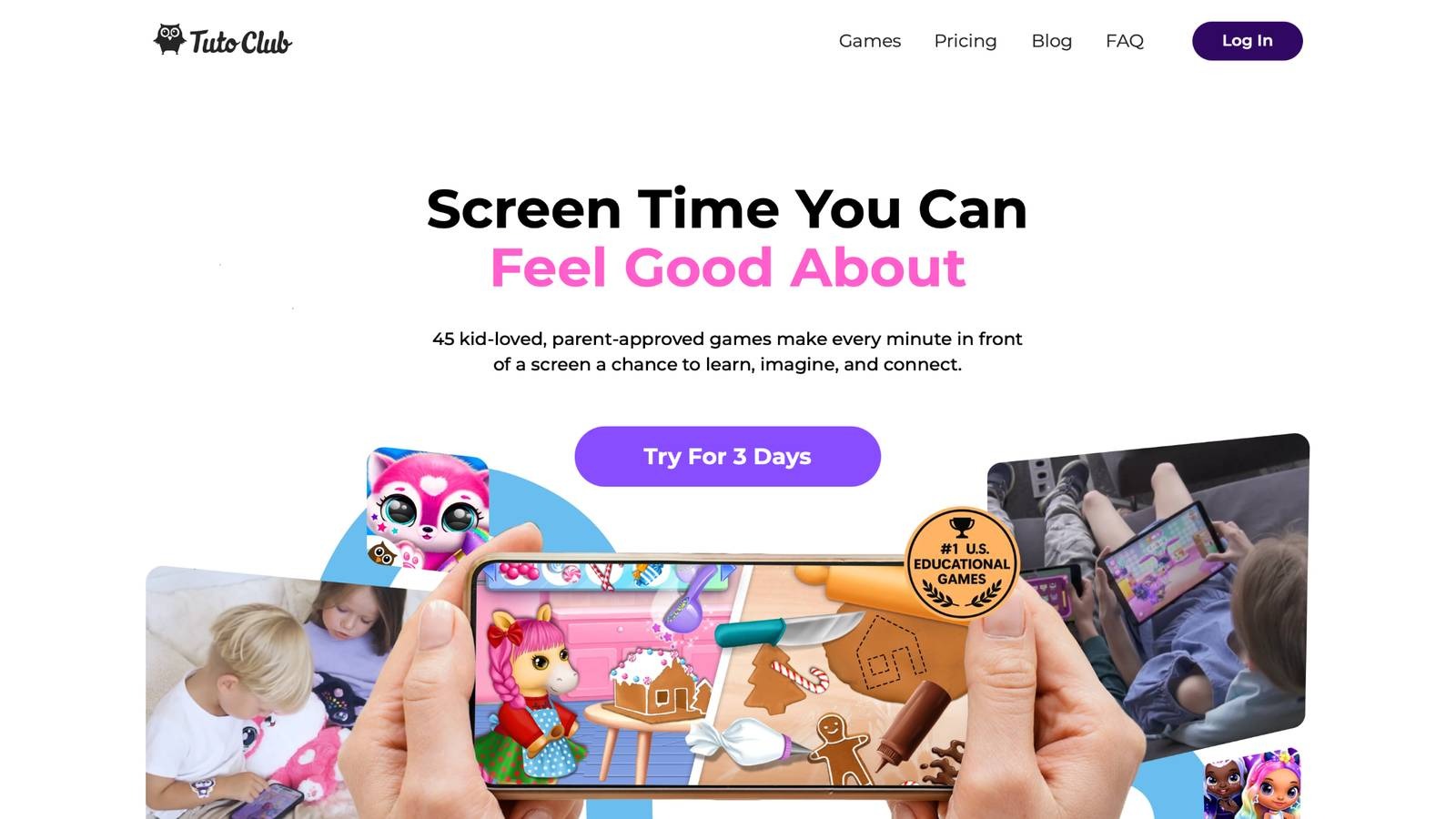
Start with TutoClub games, a standout choice for young learners. This subscription unlocks over 45 ad-free activities designed to ignite creativity and build essential skills. Kids dive into worlds where they care for characters, solve puzzles, and explore stories that teach empathy and responsibility. Each game draws from research to make play meaningful, helping preschoolers develop focus and emotional awareness.
Imagine your child crafting art or building routines that mirror real life, all while gaining confidence. TutoClub shines by blending fun with growth, making it ideal for families who value balanced screen time. Parents love how it transforms downtime into positive experiences, fostering curiosity and healthy habits without distractions.
- Key pros include seamless multi-device access for on-the-go play.
- Standout features like interactive storytelling and creative mini-games keep engagement high.
- Facts and information show these games support social skills, with activities that encourage compassion and problem-solving in playful settings.
TutoClub Overview
TutoClub is your gateway to a magical world of educational games designed especially for children.
As part of TutoTOONS, a leading kids' games studio, we offer premium access to over 45 ad-free games.
Our mission is to blend learning and play, helping kids explore, create, and grow in a safe online space.
Thousands of parents trust us for family-friendly content that sparks imagination and builds essential skills.
Key Features
- Unlimited Access: Unlock full content in all games with no interruptions.
- Ad-Free Experience: Enjoy seamless play without any ads or distractions.
- Skill Development: Games foster creativity, social skills, communication, and more through fun activities like pet care and cleanup challenges.
- Regular Updates: Get new releases, exclusive content, and future updates automatically.
- Easy Subscription: Cancel anytime with no obligations, simple and flexible for families.
Explore Our World
TutoClub provides a rich ecosystem of educational games for kids, featuring ad-free experiences that promote creativity, focus, and emotional growth through play.
This platform turns screen time into valuable learning opportunities, with parent-approved content that builds essential skills and sparks curiosity in young minds.
- TutoClub Games: Over 45 educational games, including popular titles like Fluvsies, Smolsies, and the Sweet Baby Girl series
- Blog: Insights, tips, and stories for families on kids' learning and play
- FAQ: Comprehensive answers to frequently asked questions about subscriptions, features, and more
Get TutoClub on Your Device
TutoClub delivers premium kids educational games directly to your mobile devices, making learning accessible anytime, anywhere.
With apps available on major platforms, families can easily download and subscribe for ad-free play that turns screen time into skill-building adventures.
Perfect for parents seeking safe, engaging content on iOS, Android, or Amazon devices.
Why Choose TutoClub?
We're committed to 100% safe, enriching entertainment that kids love and parents approve.
Join the thousands who've seen their children thrive through playful learning.
Ready to start the adventure?
Subscribe to TutoClub today and unlock endless fun!
2. ABCmouse
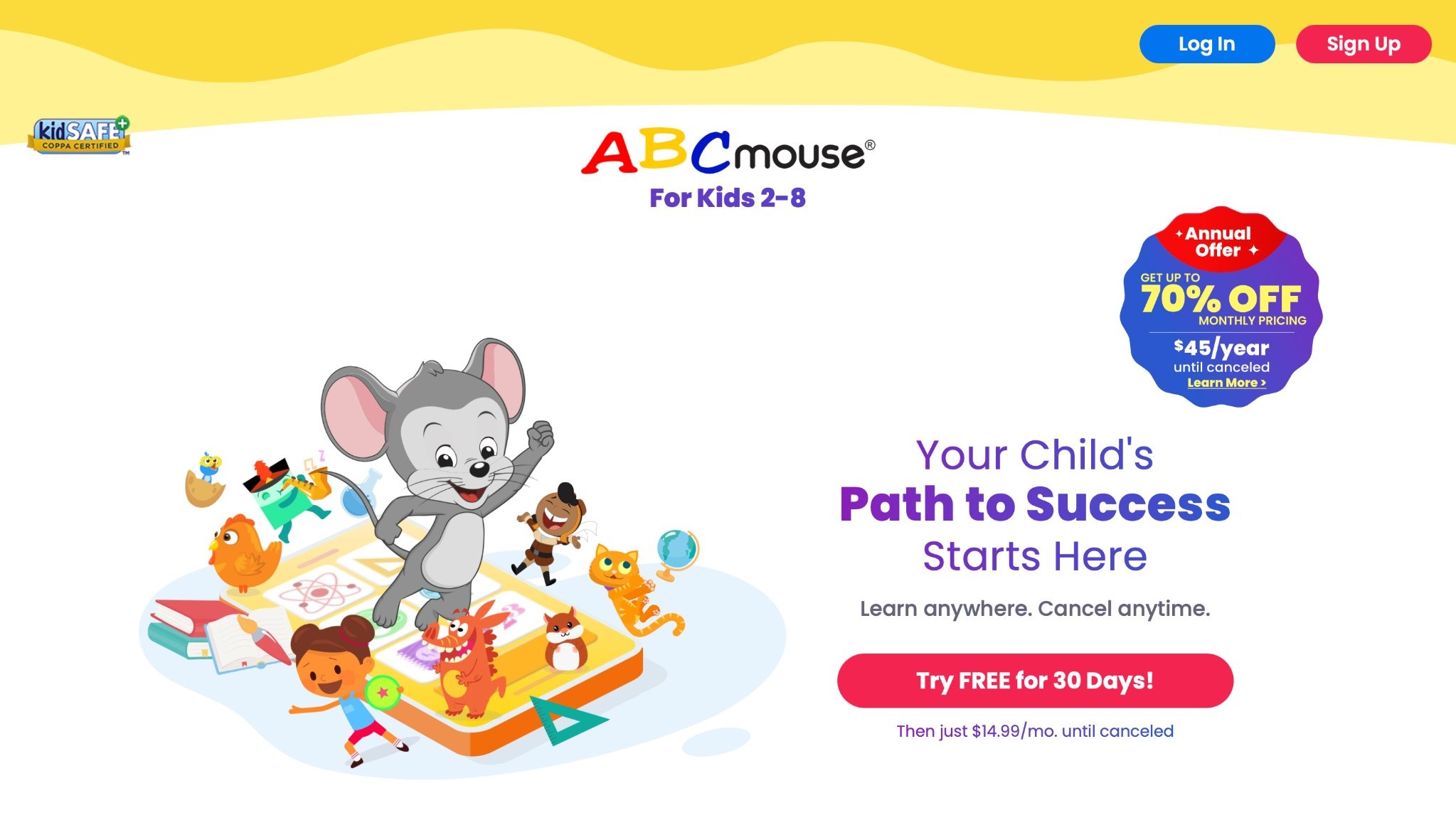
ABCmouse stands as a full-fledged online academy for children aged 2 to 8, delivering a structured curriculum that spans reading, mathematics, science, and art through interactive games, digital books, puzzles, and songs. The platform guides kids along a step-by-step learning path, starting with basic concepts like letter recognition and counting, progressing to more complex skills such as phonics and simple addition. Animated characters and vibrant visuals keep young users captivated, while rewards like virtual tickets encourage continued engagement.
Parents appreciate the progress tracking tools that provide insights into their child's development. Based in Glendale, California, ABCmouse aligns with educational standards, making it a reliable choice for supplementing preschool learning at home. However, the abundance of options can sometimes make navigation feel a bit crowded, requiring parental guidance to focus on specific areas. Overall, it excels in creating a balanced mix of fun and education, helping preschoolers build foundational skills in an enjoyable environment. The app's design promotes independent exploration, though occasional repetition in activities might need variety from other sources to maintain interest.
- Key features: Structured lessons across multiple subjects, interactive puzzles and books, customizable avatars, printable worksheets for offline extension.
- Facts and information: Supports early literacy with phonics-based reading, used in many classrooms, enhances math readiness with visual aids.
3. Khan Academy Kids
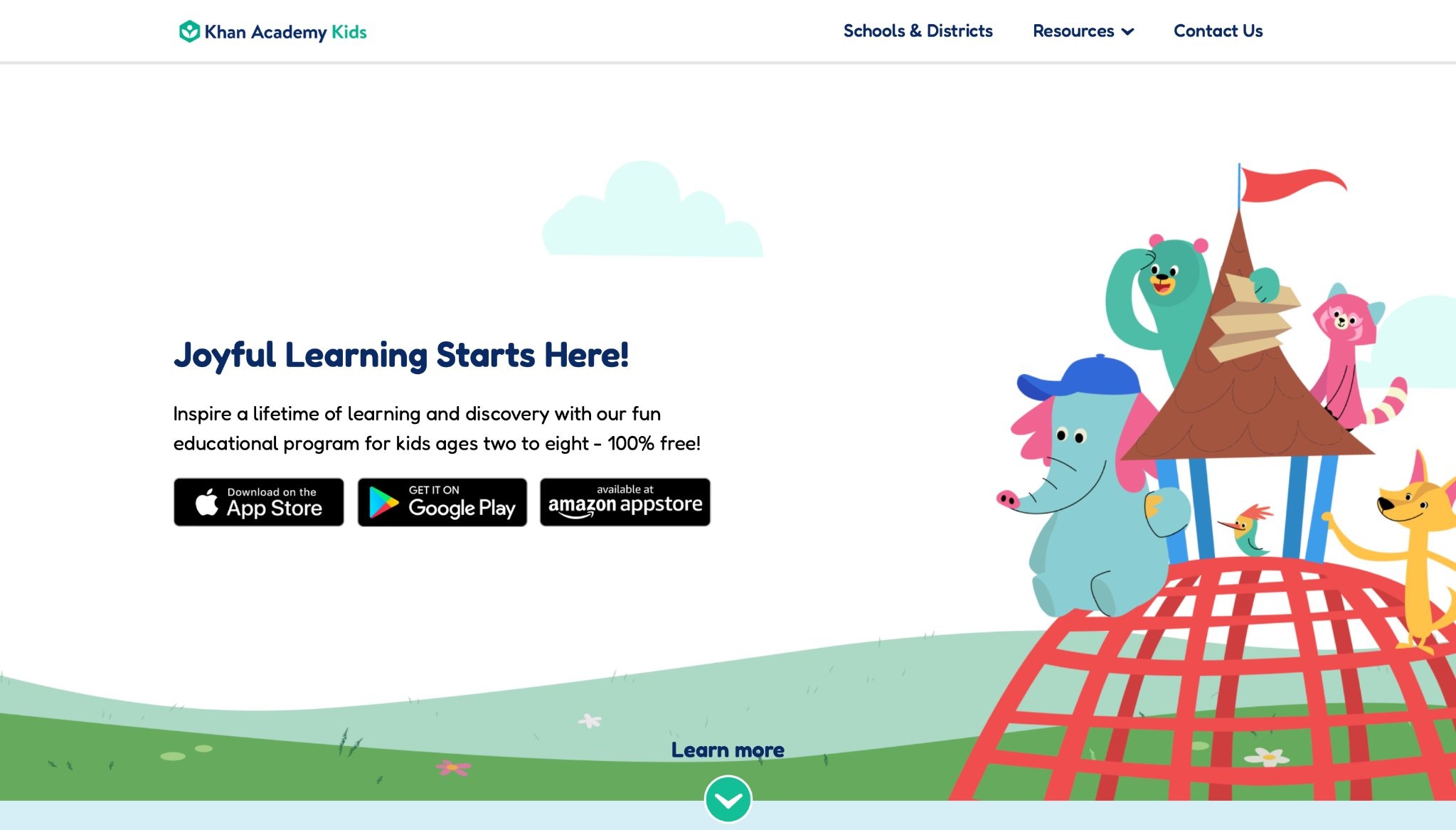
Khan Academy Kids delivers a free, ad-free experience tailored for ages 2 to 8, featuring a library of activities, books, and videos that cover literacy, math, logic, creativity, and social-emotional learning. Whimsical animal characters guide children through personalized paths, adapting to their pace with joyful games like sorting shapes or naming emotions. The app emphasizes holistic development, incorporating drawing tools and storytime to foster imagination and empathy.
Headquartered in Mountain View, California, it's developed with input from educators to ensure alignment with early childhood standards. Kids can explore independently, with voice prompts aiding non-readers. Strengths lie in its accessibility and breadth, making it ideal for diverse learners, including English language beginners. On the downside, some advanced sections may challenge the youngest users, suggesting starting with simpler modules. This app transforms screen time into meaningful play, building confidence through positive reinforcement without pressure.
- Key features: Adaptive learning paths, interactive stories and puzzles, creative art activities, offline download options.
- Facts and information: Promotes social-emotional growth with emotion-focused lessons, widely adopted for home education, boosts early math concepts through hands-on simulations.
4. Starfall
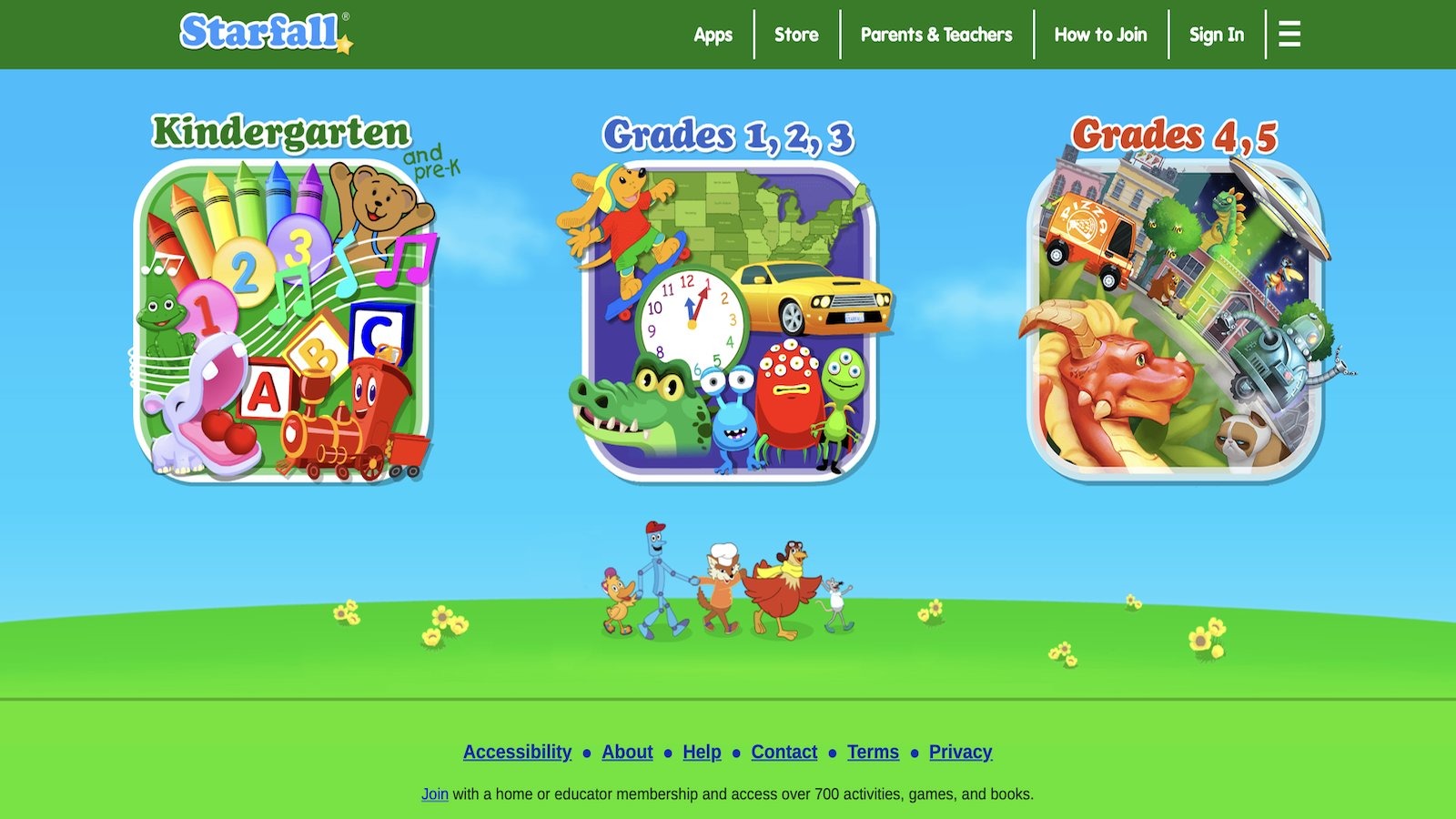
Starfall specializes in language arts and math for preschool through grade 5, using interactive games, animated songs, and books to teach phonics, sight words, and basic numeracy. The app's multisensory approach lets kids hear, see, and interact with content, ideal for emergent readers and those learning English. Exploration is encouraged without timers, allowing free navigation through colorful worlds.
Founded in Boulder, Colorado, it's backed by research and often recommended for children with dyslexia or special needs. Positive reinforcement builds confidence, with activities like letter tracing and simple math challenges. While graphics are straightforward, they prioritize clarity over flashiness, which suits focused learning. A potential drawback is the limited scope in higher-level topics, but for preschoolers, it provides a solid foundation in basics.
- Key features: Phonics animations, music for letter sounds, ad-free environment, accessibility for diverse learners.
- Facts and information: Enhances reading readiness with repetitive practice, integrated into many school curricula, supports vocabulary building through engaging narratives.
5. PBS Kids Games
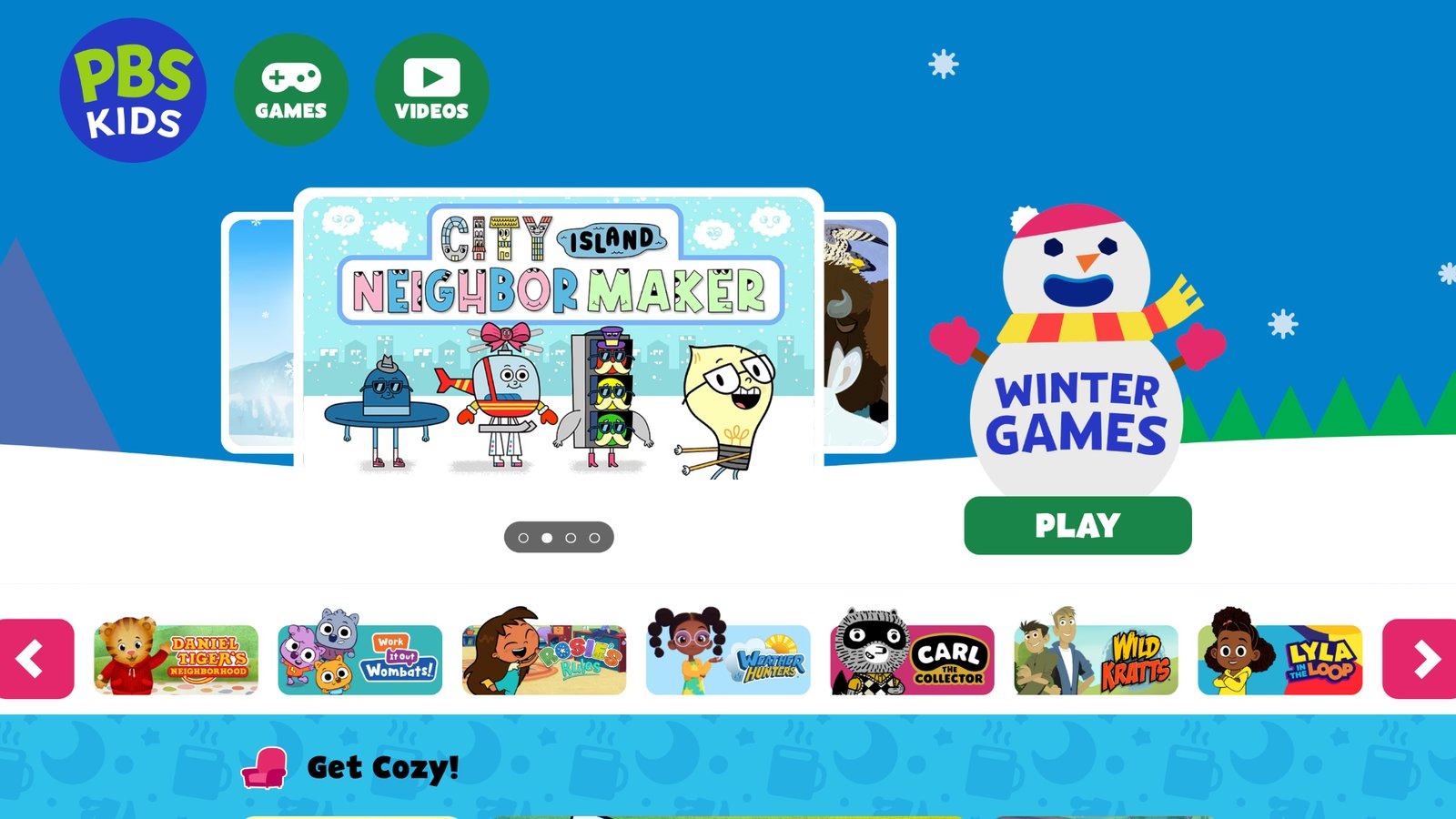
PBS Kids Games offers over 250 free, ad-free activities linked to popular shows like Daniel Tiger and Wild Kratts, teaching math, reading, science, and emotional skills through puzzles, mazes, and dress-up games. Familiar characters make learning relatable, with themes on kindness and problem-solving. Accessibility features ensure inclusivity for all preschoolers.
Based in Arlington, Virginia, the app updates seasonally with holiday content, keeping things fresh. Parents value the safe environment and parent resources for extending play. However, without built-in tracking, monitoring progress falls to adults, and minor technical glitches can occur. It shines in blending entertainment with education, fostering creativity in short sessions.
- Key features: Character-based mini-games, social concept explorations, no in-app purchases.
- Facts and information: Reinforces TV lessons for deeper understanding, promotes teamwork simulations, trusted by families for wholesome content.
6. ABCya
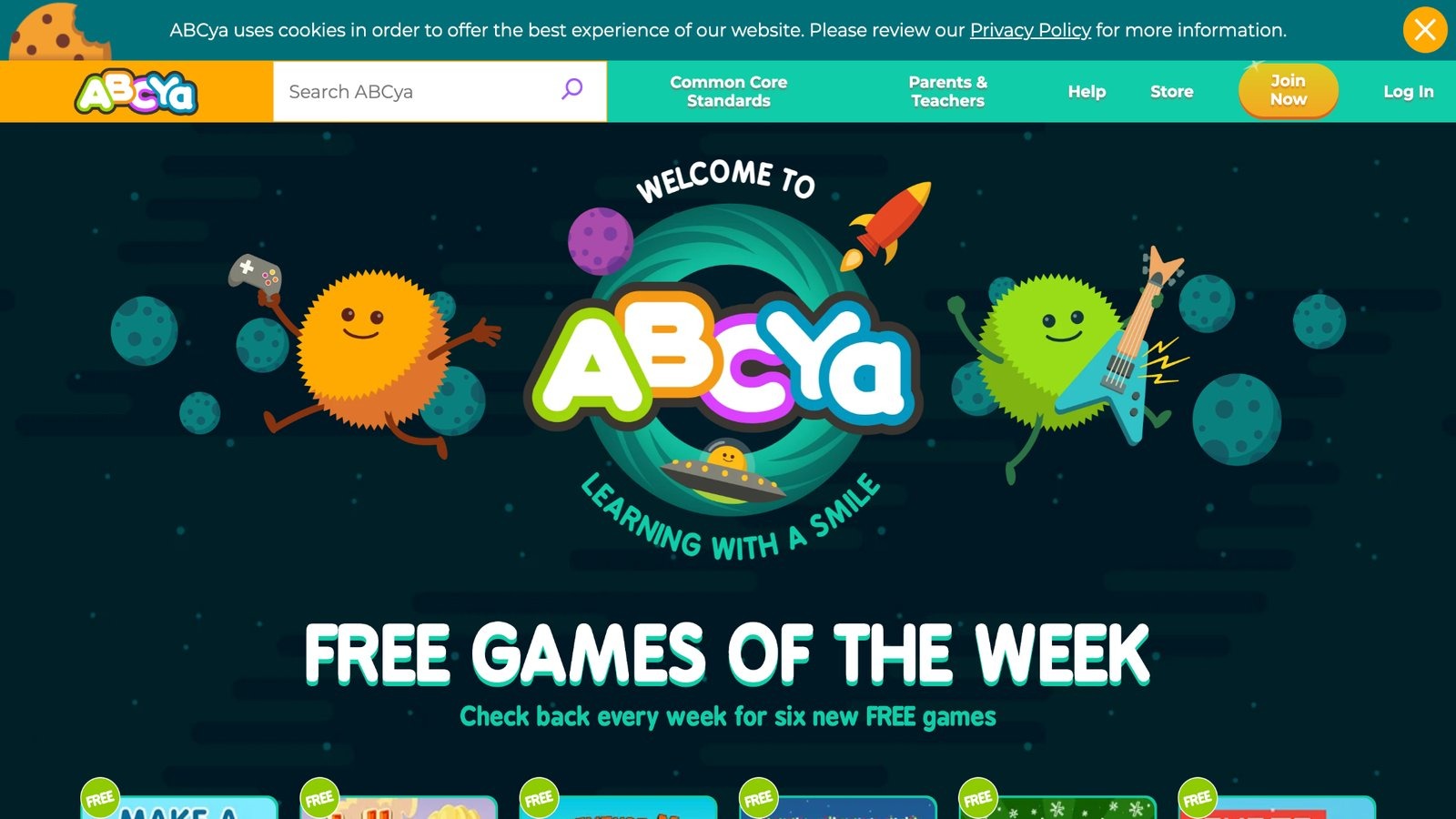
ABCya provides grade-sorted games for pre-K to grade 6, with preschool offerings including mazes, shape sorters, and basic strategy activities covering letters and numbers. Teacher-created content ensures educational value, with easy-to-use interfaces for young fingers. Headquartered in Providence, Rhode Island, it's a go-to for classrooms and homes. Seasonal updates add variety, but some games may repeat, potentially leading to boredom without rotation. Strengths include focused skill practice in bite-sized formats.
- Key features: Subject-specific sorting, holiday-themed challenges, premium ad-free version.
- Facts and information: Builds foundational skills like pattern recognition, favored for quick daily practice.
7. LeapFrog Apps
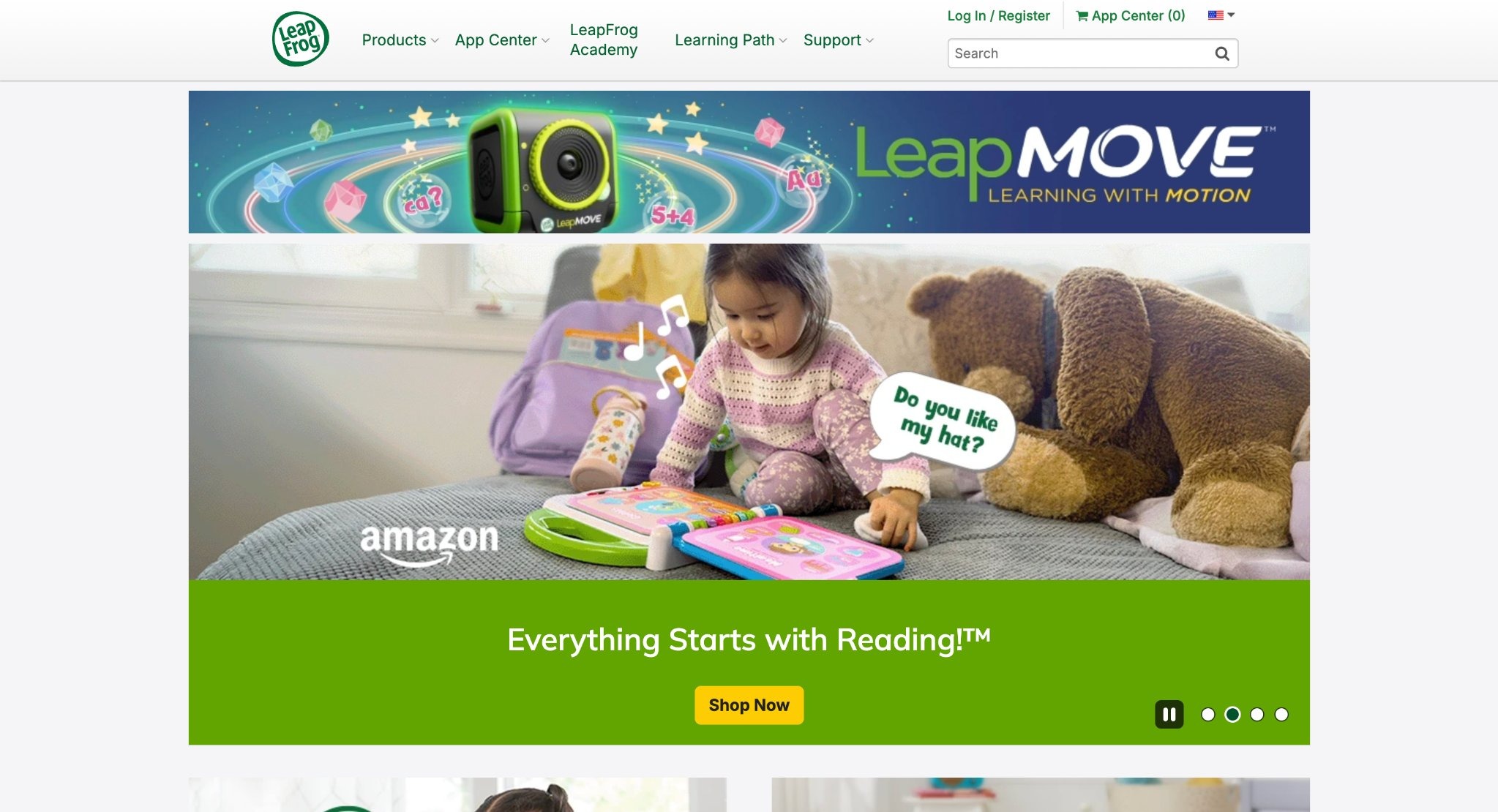
LeapFrog integrates with tablets and devices, offering games on reading, math, and science with interactive books and character adventures. Customizable levels match preschooler abilities, tracking progress for parents. Based in Emeryville, California, it prepares kids for school with vocabulary boosters. Hardware ties can limit flexibility, but the engaging stories shine.
- Key features: Phonics quests, report cards, device compatibility.
- Facts and information: Improves language skills, parent-endorsed for early prep.
8. Endless Alphabet
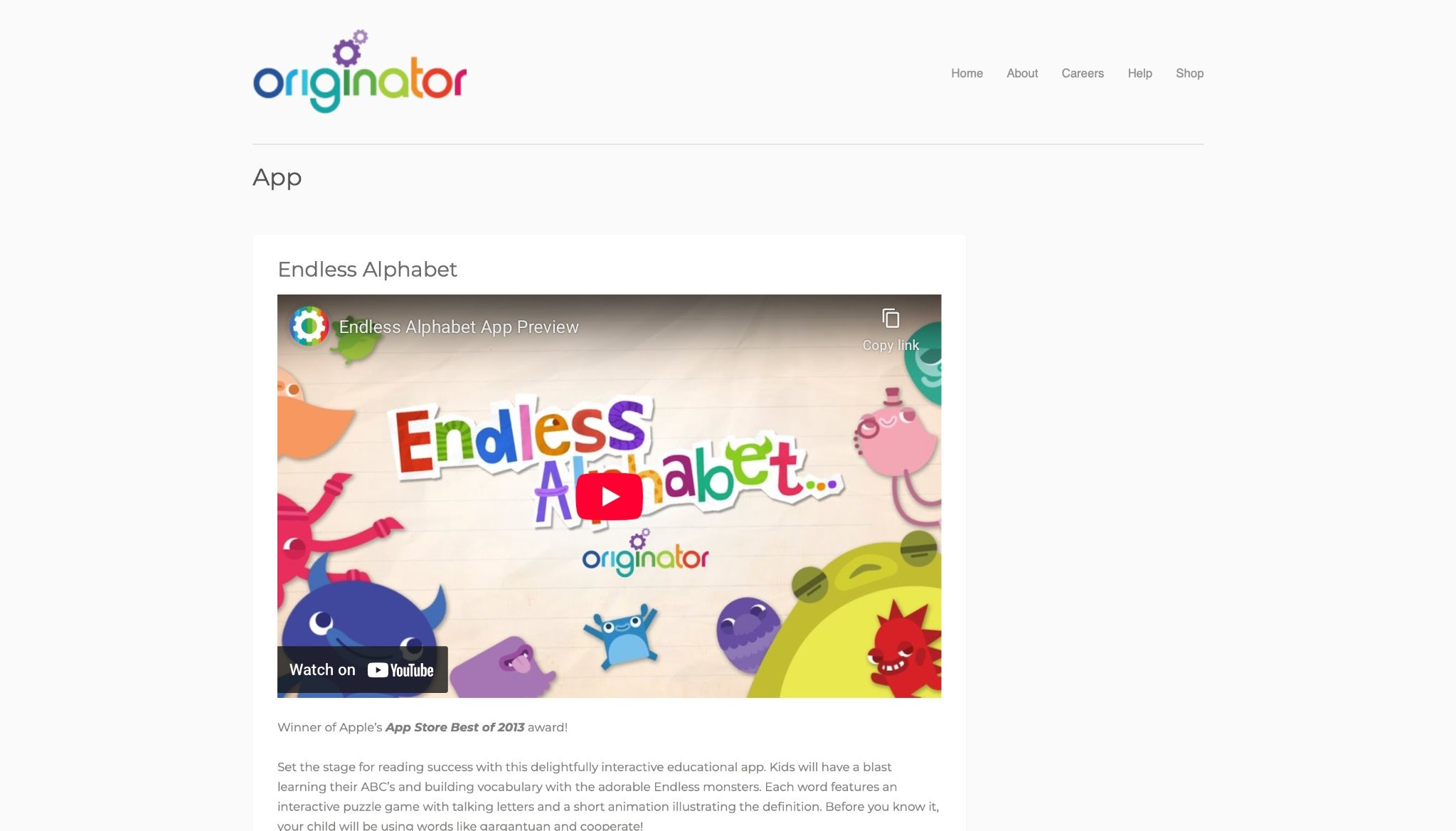
Endless Alphabet captivates preschoolers with its playful approach to learning letters and vocabulary through interactive puzzles and animated monsters. Children drag letters into place to spell words, and once complete, the word comes alive with funny animations that demonstrate its meaning in a whimsical way, like a monster juggling for "juggle" or a character dancing for "boogie." This visual and humorous reinforcement helps young learners remember words effortlessly while building early spelling and phonics skills. The app is designed for ages 3 and up, with a simple, touch-friendly interface that requires no reading ability, making it accessible even for the youngest users.
No timers or scores add pressure, allowing kids to explore freely and repeat favorite words as often as they like. Originator, the developer, focuses on creativity and engagement, resulting in an ad-free environment that keeps distractions minimal. Parents often note how the app turns letter recognition into an exciting game, sparking curiosity about language and encouraging repeated play. While it concentrates solely on alphabet and vocabulary without branching into math or social topics, it serves as an excellent supplement to broader learning activities. The animations remain fresh and entertaining over time, supporting long-term vocabulary growth in a lighthearted manner.
- Key features: Humorous word animations, drag-and-drop letter puzzles, ad-free experience, no time limits.
- Facts and information: Builds pre-literacy skills through repetition and fun visuals, highly repeatable for mastery, effective for early word association.
9. Duolingo ABC
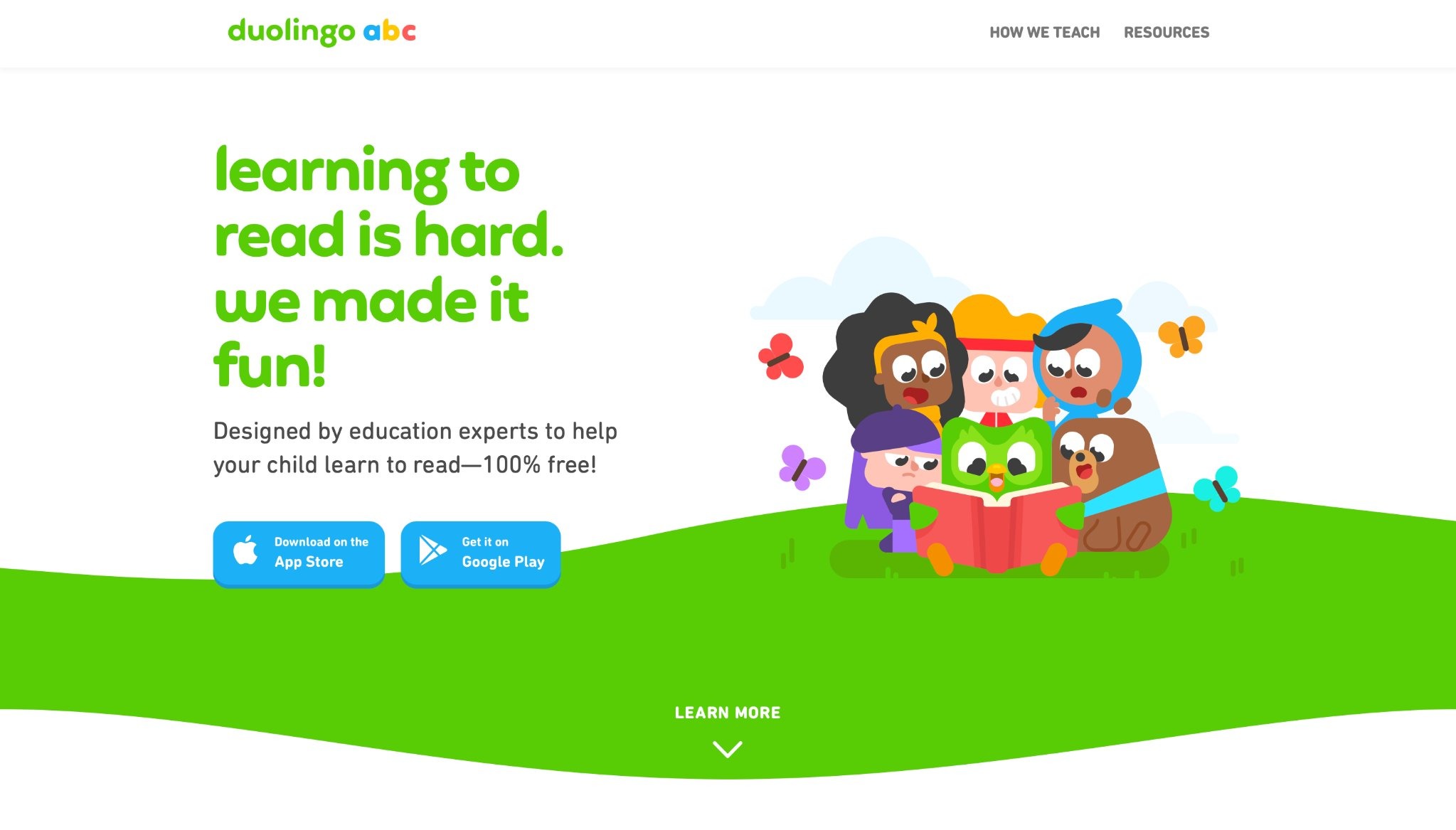
Duolingo ABC introduces preschoolers to reading fundamentals with short, gamified lessons that cover letters, sounds, phonics, and basic words. The app uses colorful characters and interactive activities like tracing letters, matching sounds, and building simple stories to guide learning. Streaks and rewards motivate consistent practice without overwhelming young users. Lessons are bite-sized, ideal for short attention spans, and adapt to the child's progress for a personalized experience. Free and ad-free, it makes high-quality literacy education accessible to all families.
Based in Pittsburgh, Pennsylvania, Duolingo applies its proven language-learning methods to early reading, incorporating speech recognition for pronunciation practice. Children enjoy the engaging visuals and positive feedback, which build confidence in sounding out words. Some pacing might feel quick for beginners, but starting slowly helps ease into the content. The app excels at creating a fun foundation for reading, often leading to smoother transitions into books and school readiness.
- Key features: Phonics tracing, interactive stories, adaptive lessons, speech practice.
- Facts and information: Strengthens early reading and phonemic awareness, supports multilingual families, encourages daily habits through rewards.
10. Homer Learn & Grow
Homer Learn & Grow delivers personalized reading journeys tailored to each child's level, using games, stories, songs, and drawing activities to teach phonics, sight words, vocabulary, and comprehension. The app assesses progress and adjusts content accordingly, ensuring appropriate challenges that keep kids engaged without frustration. Parents receive detailed dashboards to track development and suggest offline extensions.
Covering ages 2 to 8, it balances structured lessons with creative play, like illustrating stories or practicing handwriting. New York-based, it draws from educational research to promote literacy in an enjoyable way. The variety of activities prevents repetition, with themes ranging from animals to adventures that spark imagination. While full features require a subscription, the core experience builds strong reading foundations. Families value the blend of fun and skill-building, often seeing improvements in letter knowledge and confidence.
- Key features: Personalized paths, drawing and storytelling tools, parent dashboards, offline activities.
- Facts and information: Evidence-based literacy development, adapts to individual progress, enhances comprehension through interactive narratives.
11. Lingokids
Lingokids combines English learning with math, science, and emotional skills through songs, games, and interactive stories for preschoolers. The app features a lively cast of characters and adaptive challenges that adjust difficulty based on performance. Daily activities cover topics like colors, numbers, animals, and feelings, with a focus on real-life application. Frequent content updates keep the experience fresh, and the
Disney-inspired visuals appeal to young audiences. Headquartered in Madrid, Spain, it emphasizes multilingual support alongside core skills. The ad-free platform encourages exploration without interruptions, and parental controls allow monitoring. Some users note the need for supervision to maximize benefits, but the broad curriculum makes it versatile. It stands out for fostering curiosity across subjects in a playful format.
- Key features: Adaptive challenges, songs and stories, multilingual elements, parental controls.
- Facts and information: Supports broad early learning, popular for home education, promotes language and emotional development.
12. Pok Pok
Pok Pok offers calm, open-ended play experiences inspired by Montessori principles, with activities like drawing, building, and exploring virtual worlds. No goals or timers create a peaceful environment where children direct their own learning. The app includes creative tools for art, music, and simple simulations that encourage imagination and fine motor skills.
Designed for ages 2 to 6, it avoids overstimulation with soft colors and gentle sounds. Parents appreciate the ad-free, low-pressure setting that suits sensitive children or quiet routines. While the lack of structured goals might not suit every family, it excels at nurturing creativity and independence. The thoughtful design promotes mindful play that extends beyond the screen.
- Key features: Open-ended creative tools, calming visuals, no ads or timers.
- Facts and information: Fosters imagination and self-directed play, ideal for sensitive learners, encourages artistic expression.
13. Sago Mini School
Sago Mini School invites preschoolers into a whimsical school setting with mini-games on sorting, storytelling, and daily routines. Gentle characters guide activities that build skills like matching shapes, counting, and social interaction. The slow-paced design allows exploration without rush, making it suitable for bedtime or calm moments. The app covers concepts through playful scenarios, such as helping friends or organizing objects. Families enjoy the soothing atmosphere and positive reinforcement that boosts confidence. It serves as a gentle introduction to school-like activities while keeping fun at the forefront.
- Key features: Mini-games on routines and sorting, gentle guidance, character interactions.
- Facts and information: Develops fine motor and social skills, calming for young users, supports transition to structured learning.
14. Noggin
Noggin brings Nick Jr. characters into educational games and videos focused on empathy, literacy, and problem-solving. Activities include puzzles, dress-up, and interactive stories that teach kindness and basic concepts. The ad-free platform offers short sessions perfect for preschool attention spans. Familiar faces from shows add comfort and engagement. Parents like the wholesome content and how it extends TV learning into skill-building play. It provides a safe space for exploring emotions and social scenarios.
- Key features: Character-based games, empathy lessons, short interactive sessions.
- Facts and information: Enhances social-emotional skills, family-friendly, reinforces positive behaviors.
15. Moose Math
Moose Math teaches counting, addition, and geometry through engaging mini-games with friendly characters. Activities use colorful graphics and simple challenges to make math concepts accessible. The app encourages practice in a low-pressure way, building confidence with positive feedback. It suits short play sessions and complements other learning areas. The fun approach turns early math into an enjoyable experience.
- Key features: Number challenges, geometry puzzles, friendly visuals.
- Facts and information: Boosts math readiness, supports quick daily practice, builds foundational skills.
16. Daniel Tiger’s Day & Night
Daniel Tiger’s Day & Night focuses on daily routines and emotional management through interactive activities. Children help characters with bedtime, mealtime, and feelings, learning strategies for transitions. The gentle format promotes self-regulation and empathy. It draws from the show’s themes to make real-life skills relatable and fun.
- Key features: Routine simulations, emotion activities, character guidance.
- Facts and information: Aids daily structure, enhances emotional awareness, supports positive habits.
17. ReadingIQ
ReadingIQ provides a vast library of leveled books with read-alouds and activities to build literacy. Children progress through stories, gaining vocabulary and comprehension. The app tracks reading and offers personalized recommendations. It complements physical books by encouraging independent exploration.
- Key features: Leveled library, read-alouds, progress tracking.
- Facts and information: Expands vocabulary, supports reading progression, encourages independent practice.
18. Monkey Preschool Lunchbox
Monkey Preschool Lunchbox delivers bite-sized games on colors, shapes, counting, and matching. The snack-themed activities hold short attention spans with simple, rewarding challenges. It introduces basics in a fun, repetitive format ideal for daily practice.
- Key features: Matching and sorting games, simple interfaces, counting activities.
- Facts and information: Teaches foundational concepts, suitable for brief sessions, reinforces early skills.
19. Toca Boca World
Toca Boca World enables open-ended role-playing and world-building with customizable characters and environments. Children create stories, decorate spaces, and explore freely. The app sparks creativity and narrative skills without set goals.
- Key features: Character creation, building tools, open-ended play.
- Facts and information: Encourages storytelling, promotes imagination, fosters creative expression.
20. Bimi Boo Preschool Learning Games
Bimi Boo Preschool Learning Games includes mini-games on patterns, memory, shapes, and logic with bright visuals. The variety supports cognitive development through playful challenges. It offers a gentle introduction to problem-solving.
- Key features: Pattern and memory puzzles, shape activities, diverse mini-games.
- Facts and information: Supports cognitive growth, mimics preschool learning, engages young minds.
Trends in Preschool Games for 2026
In 2026, games emphasize emotional intelligence alongside basics. Developers add AI for tailored experiences, adapting to each child's pace. Augmented reality blends digital with real-world play, like scanning objects for lessons. Sustainability themes appear, teaching eco-awareness through adventures.
Skill | Game Focus | Benefit |
| Literacy | Phonics and stories | Builds word recognition |
| Math | Numbers and shapes | Improves counting |
| Emotional | Empathy activities | Enhances social understanding |
| Creativity | Art and puzzles | Sparks imagination |
Tips for Integrating Games into Routines
- Set short daily sessions to avoid overload.
- Pair games with real activities, like drawing after a digital art game.
- Discuss what kids learn to reinforce concepts.
- Use subscription options for consistent access.
- Rotate games to cover different skills.
- Involve siblings for shared play.
FAQ
What makes educational games suitable for preschoolers?
Educational games for preschoolers rely on straightforward designs that encourage independent play without complex rules. Bright visuals and sound effects draw in young attention spans, making sessions feel like adventures rather than chores. These features align with how preschoolers naturally explore, blending curiosity with gentle guidance to build foundational knowledge.
How do games support emotional development in young children?
Preschool games often present scenarios where characters face everyday challenges, helping kids identify and manage emotions. Through role-playing elements, children practice empathy by responding to virtual friends' needs. This interactive style creates a low-stakes space for understanding social cues, which carries over to real interactions.
Are there free options among the best games for preschoolers?
Some preschool games provide basic access at no cost, covering essential topics like colors and patterns. These versions let families test the waters before committing to more features. While limited, they still deliver quality experiences that spark interest in learning.
What should parents watch for in preschool games?
Focus on games with clear, positive messaging that avoids overwhelming elements. Check for customizable settings to fit your child's pace, ensuring a supportive environment. Supervision during play can reveal how well the game matches family values.
How can educational games complement traditional play for preschoolers?
Pairing digital games with hands-on toys extends learning, like using blocks after a shape-matching activity. This mix keeps preschoolers active while reinforcing concepts across formats. Families notice smoother transitions between screen and offline fun when games inspire real-world creativity.
Read Also:
- Best Learning Games for Kids Online in 2026
- Best Educational Kids Games
- Best Educational Games for Toddlers
- Best Online Educational Games for Kids
- Best Kid Educational Games in 2026







.jpg)