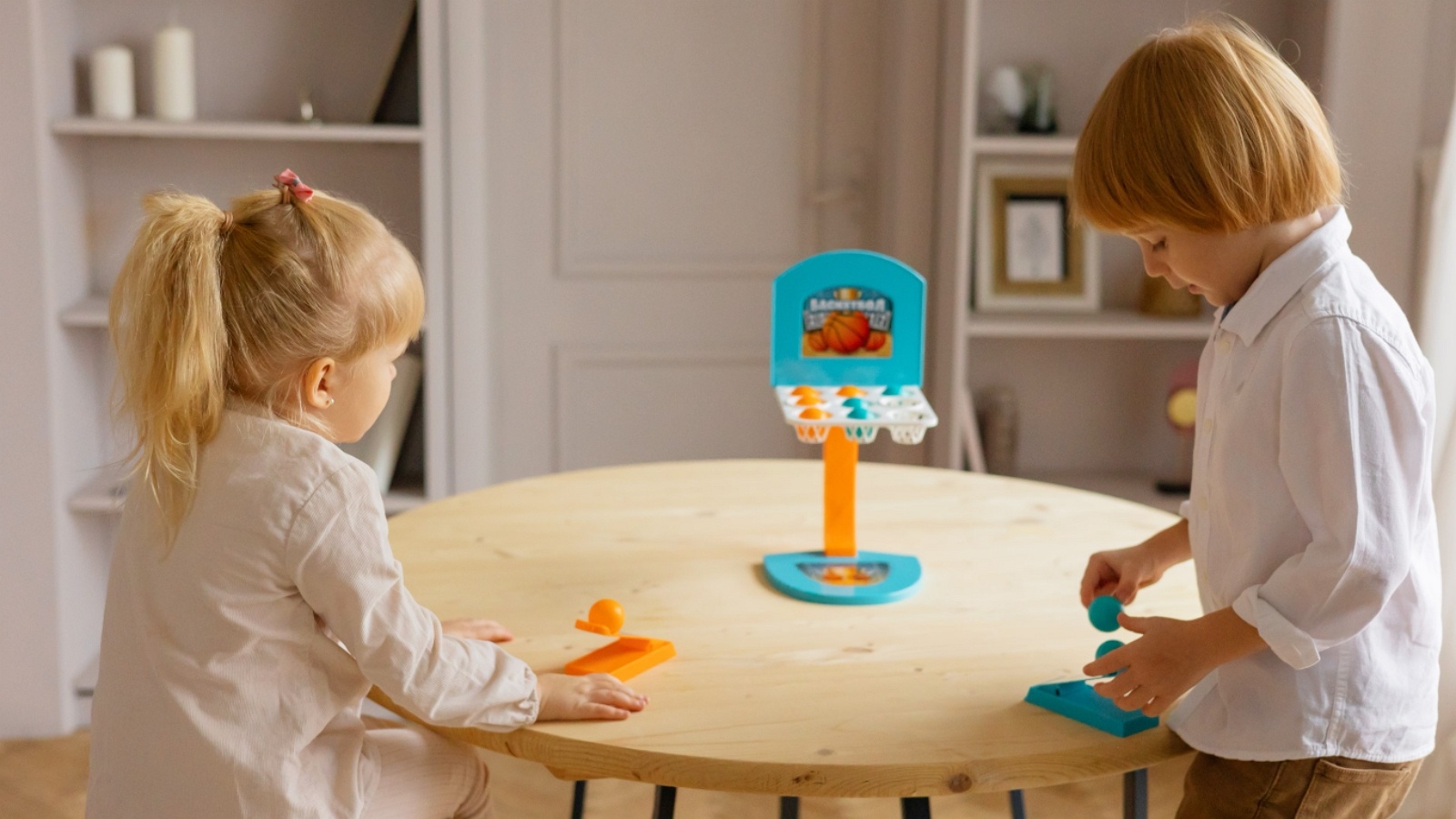

Best Apps For Preschoolers in 2026






Finding the right apps for preschoolers can transform screen time into valuable learning moments. These tools help build skills like creativity, focus, and social awareness while keeping kids engaged. With so many choices available, parents often seek apps that are safe, ad-free, and designed for young learners. Discover the best apps for preschoolers in 2026 that blend fun and learning.
For parents who want to make the most of educational screen time, choosing age-appropriate and secure digital tools is key. Alongside preschool apps, many families also explore the best learning apps for kids that support early literacy, math, and creativity as children grow. Younger learners can benefit from carefully designed apps for toddlers that focus on simple interactions and foundational skills. To keep screen time worry-free, it’s equally important to rely on trusted recommendations for the best safe apps for kids that prioritize privacy, ad-free experiences, and child-friendly design.
Discover the Best Apps For Preschoolers in 2026 - TutoClub
Why Educational Apps Matter for Preschoolers

Educational apps play a key role in early childhood development by introducing concepts through play. They help build foundational skills in areas like language and problem-solving. Parents find that these apps complement daily routines, offering structured yet flexible ways to learn. For instance, apps with interactive stories or puzzles keep attention focused while teaching new ideas.
After trying various options, many parents notice improvements in their child's confidence and interest in learning. Tools like these align with how young minds absorb information best, through repetition and fun. If you're looking for ways to enhance playtime, consider platforms with games that promote emotional growth and creativity.
How to Choose the Right App for Your Preschooler
Selecting an app starts with considering your child's age and interests. Look for ones that are easy to navigate and free from distractions like ads. Features such as offline access and progress tracking add value, helping you see growth over time. Read reviews to ensure content is appropriate. Some apps stand out for their focus on safety and expert design. Prioritize those that encourage independence while providing guidance.
Apps for Preschoolers vs. Toddlers: What’s the Difference
Understanding the distinction between apps for toddlers and apps for preschoolers helps parents choose tools that match their child’s developmental stage - key for anyone researching the best apps for preschoolers in 2026.
Toddlers (Ages 1–3) typically need:
- Very simple, cause-and-effect interactions (tap anywhere to make something happen)
- Focus on basic sensory skills: colors, shapes, sounds, and early vocabulary
- Short sessions with repetitive, calming gameplay
- Minimal text or instructions
Preschoolers (Ages 3–5) benefit from:
- Structured learning paths that build literacy, early math, problem-solving, and social-emotional skills
- More complex choices, storytelling, and creative activities
- Adaptive difficulty that grows with the child
- Opportunities for independence and progress tracking
This progression supports natural skill-building as children grow. Many families start with toddler-friendly options and seamlessly transition to more advanced preschool content within the same trusted platforms - keeping learning consistent and safe.
Best Apps For Preschoolers in 2026
1. TutoClub - Best Educational App for Preschoolers
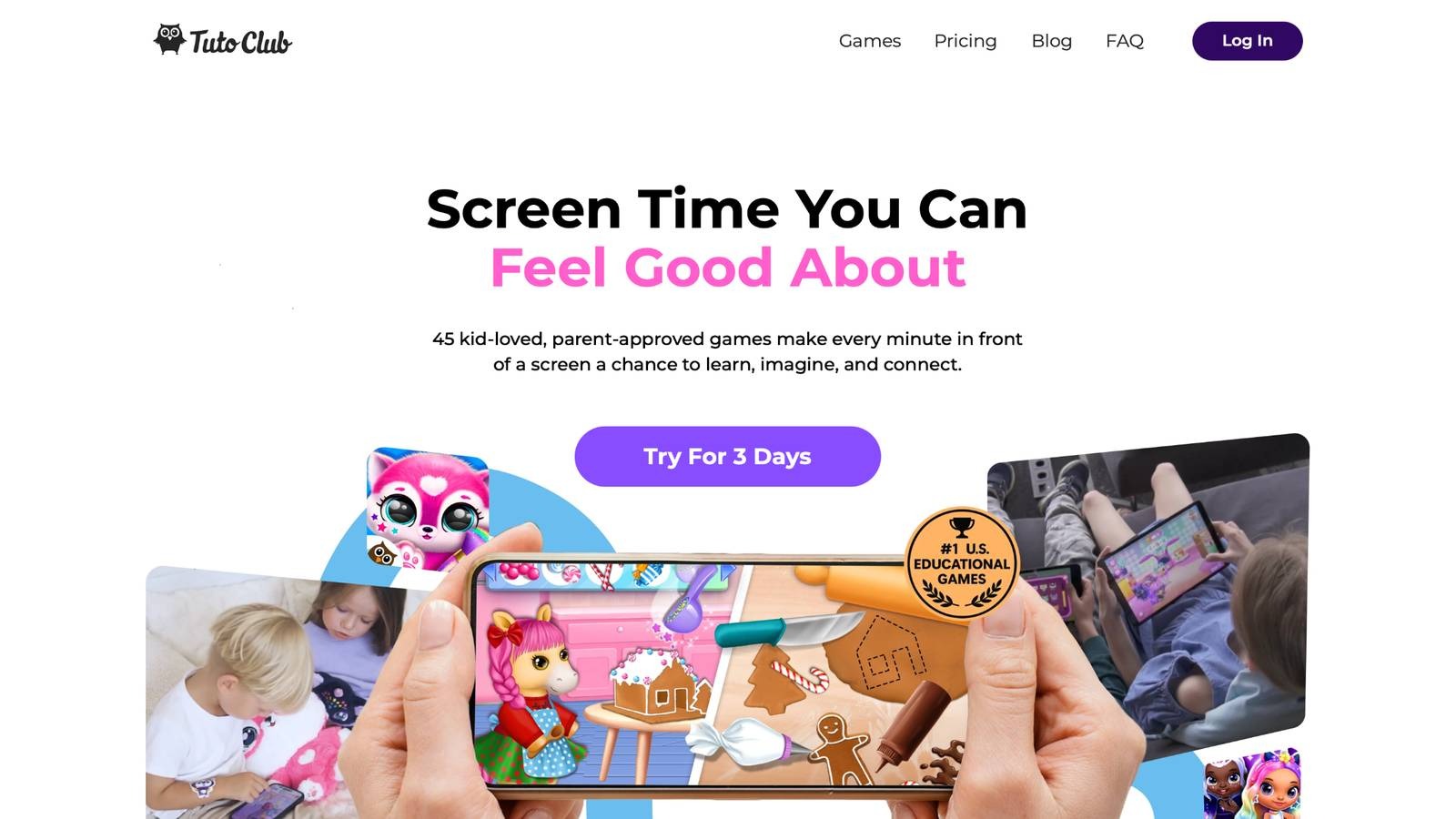
Dive into TutoClub, a subscription platform offering over 45 ad-free games crafted by experts to boost creativity, focus, and emotional skills. Based in the US, TutoClub turns screen time into purposeful play with activities that spark curiosity and build confidence. Kids care for virtual pets in Fluvsies, clean up in Sweet Baby Girl, or style outfits in L.O.L. Surprise! Fashion Club, all while learning empathy, responsibility, and problem-solving.
The games feature vibrant animations and simple controls, perfect for little hands. Parents love the safe environment that promotes healthy habits and family bonding. Each game encourages exploration, like hatching surprises in Kpopsies or solving puzzles in Floof, making learning feel like an adventure. TutoClub stands out with its emphasis on social-emotional growth, helping kids develop kindness and self-expression through interactive stories and role-play.
- Key standout features: Ad-free play across multiple devices, expert-designed content for skill-building, and a free trial to start exploring right away.
Facts and information: Many parents report their children gaining better focus and emotional awareness, with games suitable for ages 4 and up, including testimonials from families seeing quick improvements in creativity and social skills.
TutoClub Overview
TutoClub is your gateway to a magical world of educational games designed especially for children.
As part of TutoTOONS, a leading kids' games studio, we offer premium access to over 45 ad-free games.
Our mission is to blend learning and play, helping kids explore, create, and grow in a safe online space.
Thousands of parents trust us for family-friendly content that sparks imagination and builds essential skills.
Key Features
- Unlimited Access: Unlock full content in all games with no interruptions.
- Ad-Free Experience: Enjoy seamless play without any ads or distractions.
- Skill Development: Games foster creativity, social skills, communication, and more through fun activities like pet care and cleanup challenges.
- Regular Updates: Get new releases, exclusive content, and future updates automatically.
- Easy Subscription: Cancel anytime with no obligations, simple and flexible for families.
Explore Our World
TutoClub provides a rich ecosystem of educational games for kids, featuring ad-free experiences that promote creativity, focus, and emotional growth through play.
This platform turns screen time into valuable learning opportunities, with parent-approved content that builds essential skills and sparks curiosity in young minds.
- TutoClub Games: Over 45 educational games, including popular titles like Fluvsies, Smolsies, and the Sweet Baby Girl series
- Blog: Insights, tips, and stories for families on kids' learning and play
- FAQ: Comprehensive answers to frequently asked questions about subscriptions, features, and more
Get TutoClub on Your Device
TutoClub delivers premium kids educational games directly to your mobile devices, making learning accessible anytime, anywhere.
With apps available on major platforms, families can easily download and subscribe for ad-free play that turns screen time into skill-building adventures.
Perfect for parents seeking safe, engaging content on iOS, Android, or Amazon devices.
Why Choose TutoClub?
We're committed to 100% safe, enriching entertainment that kids love and parents approve.
Join the thousands who've seen their children thrive through playful learning.
Ready to start the adventure?
Subscribe to TutoClub today and unlock endless fun!
2. Fluvsies Academy
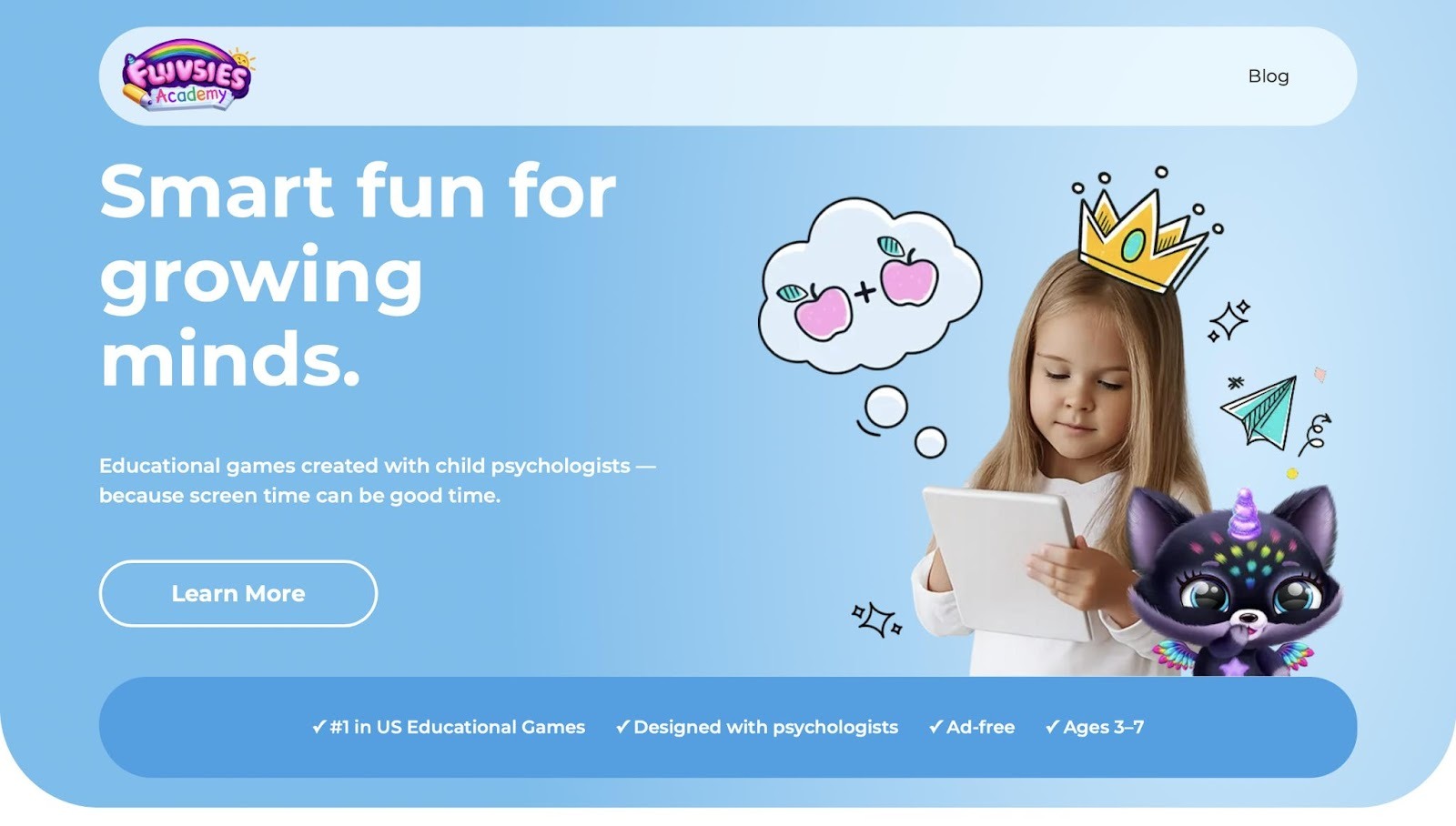
Fluvsies Academy offers a relaxing educational app built around the beloved Fluvsies characters that many young children already know and love from other gentle games. Children engage in thoughtful minigames that feel playful rather than forced as they care for cute pets, complete simple tasks, and explore colorful worlds filled with surprises. The design creates a gentle atmosphere where learning happens naturally through caring routines and light challenges that build confidence without pressure.
Kids hatch eggs, nurture creatures, and solve easy puzzles that spark curiosity while encouraging kindness and responsibility in everyday play. Parents notice how the app keeps little ones happily occupied for meaningful stretches of time while quietly supporting early skills in a way that feels like pure fun. The calm visuals and soothing sounds help maintain focus even on busy days, making it a favorite choice for families seeking screen time that nurtures rather than distracts. While some activities repeat familiar patterns, this consistency actually helps children master concepts at their own pace and return with excitement each time.
Key features include:
- Ad-free environment that keeps focus sharp and uninterrupted
- Minigames covering language, logic, math basics, and life skills
- Cute characters and relaxing vibe that appeal strongly to young learners
- Simple controls designed for independent play from an early age
Facts and information:
- Psychologist-informed design supports gentle skill-building in a safe, colorful world
- Combines pet care with educational moments that feel natural and rewarding
3. Khan Academy Kids
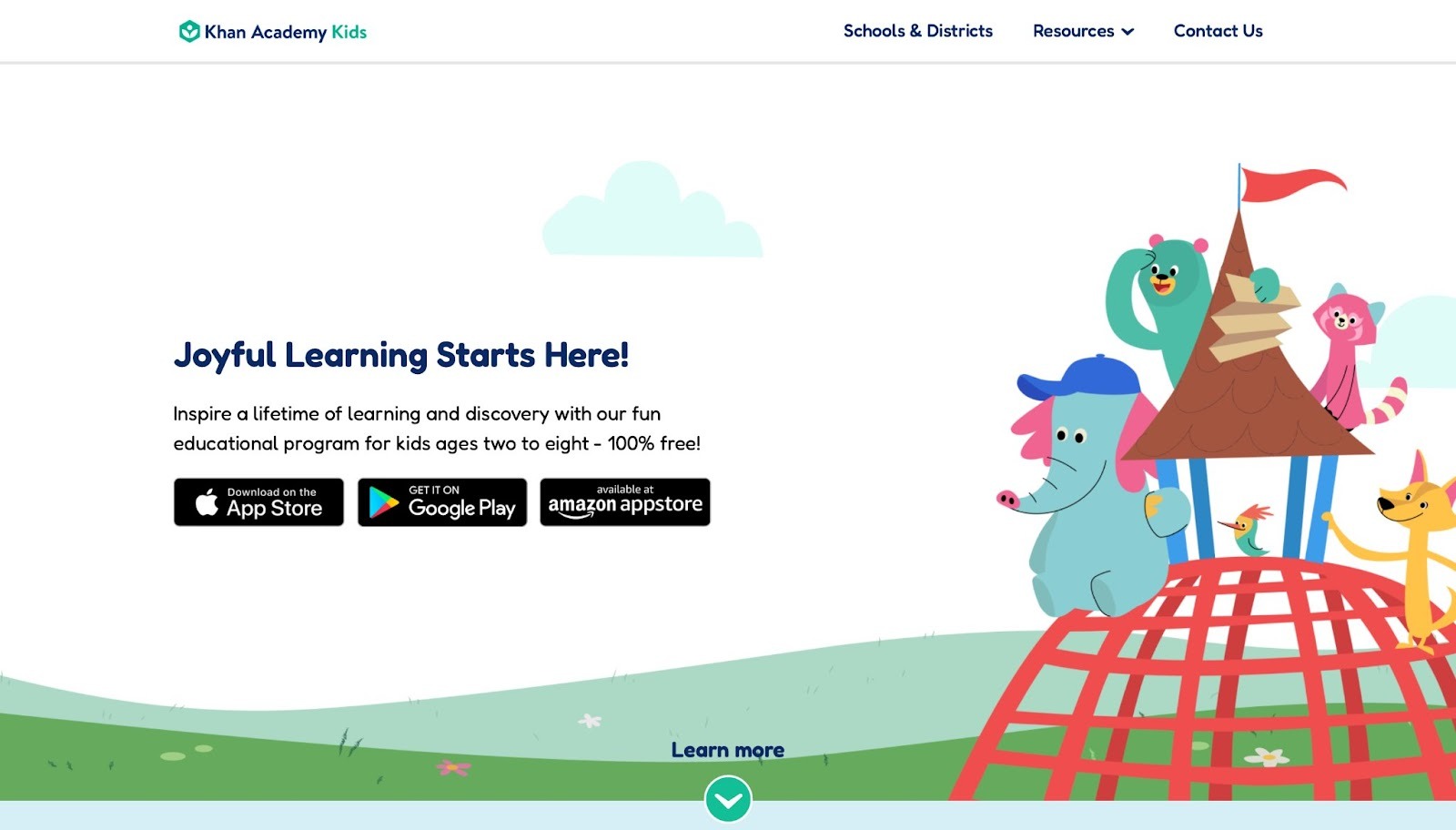
Khan Academy Kids, headquartered in Mountain View, California, stands as a comprehensive free app tailored for young learners aged 2 to 7, emphasizing a blend of reading, math, and social-emotional skills. Friendly animal characters like Ollo the Elephant and Peck the Hummingbird guide children through adaptive learning paths that personalize content based on progress, ensuring each session feels just right. The app incorporates videos, songs, interactive games, and creative activities such as drawing and storytelling to make education immersive and enjoyable.
Offline capabilities allow for play on the go, though full features require internet for updates. It excels in fostering independence by letting kids explore at their own pace, building foundational knowledge effectively. However, for more advanced preschoolers, some sections might seem repetitive, necessitating occasional adult intervention to refresh interest. The clean interface avoids ads, creating a safe space, but navigation could be simpler for the youngest users. Overall, it's a reliable choice for parents seeking structured yet fun early education, helping children develop curiosity across subjects like science and art while encouraging emotional awareness through character interactions.
- Key features: Adaptive learning paths, interactive books, creative tools like drawing and storytelling, offline mode for accessibility.
- Facts and information: Many families value its alignment with early learning standards, noting enhancements in curiosity and basic skills through diverse, engaging content.
4. ABCmouse
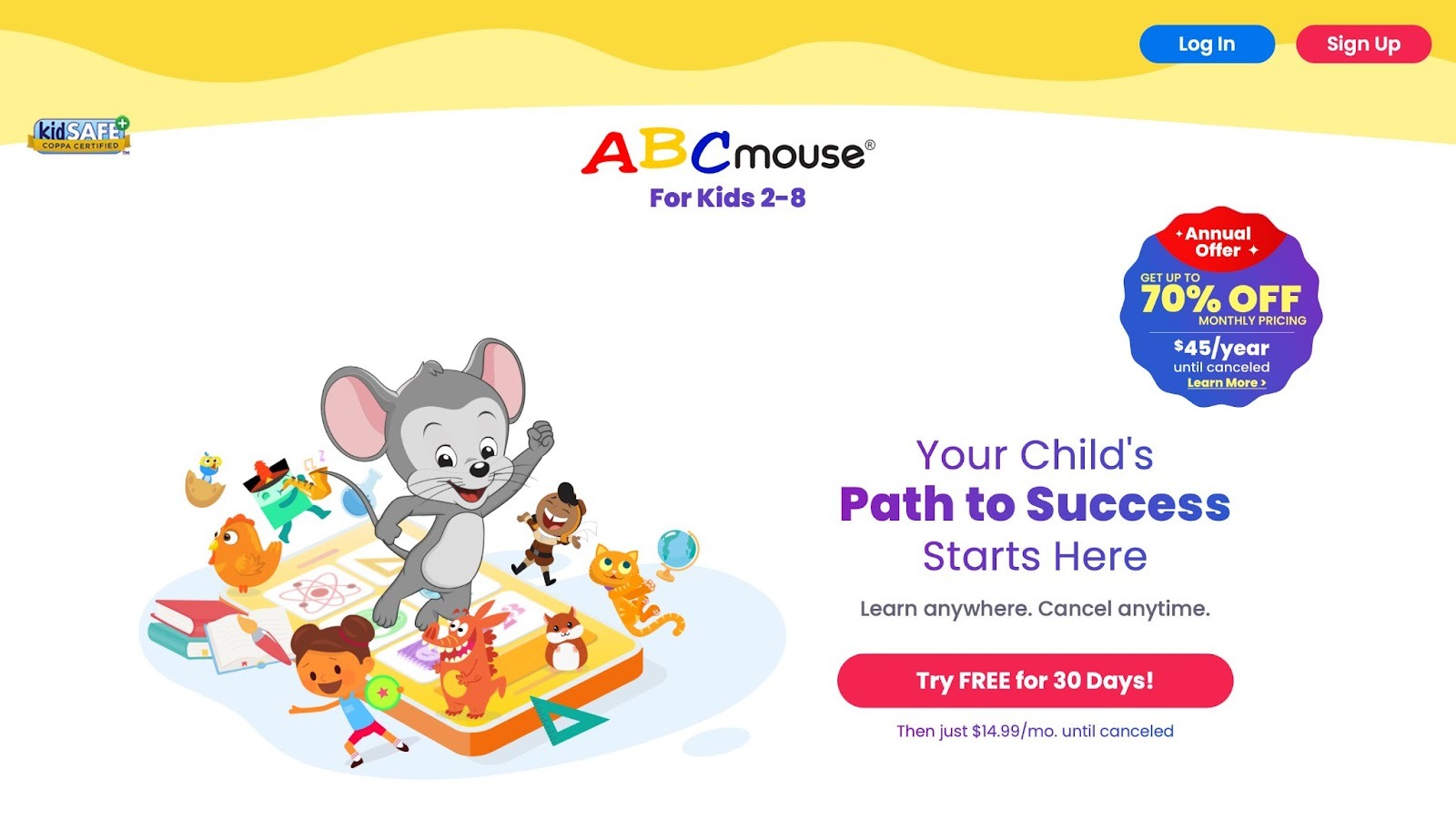
ABCmouse, based in Glendale, California, provides an extensive curriculum for children aged 2 to 8, covering reading, math, science, and art through a virtual classroom setup. Kids earn tickets by completing lessons, which they can redeem for virtual rewards, adding motivation to the learning process. Structured paths guide users through phonics, basic math concepts, and exploratory activities like puzzles and games, with read-aloud books and art projects fostering creativity.
The app's safe environment ensures no ads interrupt play, though the subscription requirement might pose barriers for some families. Navigation can feel overwhelming for beginners, potentially requiring parental guidance initially. Progress tracking tools allow parents to monitor advancements, making it ideal for preschool preparation. It shines in building letter recognition and counting skills but may lack variety in advanced topics. With colorful animations and engaging characters, ABCmouse turns education into an adventure, helping young minds absorb information through repetition and fun interactions.
- Key features: Thousands of activities including songs, interactive books, personalized learning paths, and reward systems.
- Facts and information: Some parents observe notable improvements in foundational skills, positioning it as a strong option for early academic readiness.
5. Lingokids
Lingokids, originating from Madrid, Spain, specializes in English language acquisition for kids aged 2 to 8, using games, songs, and videos to build vocabulary in a playful setting. Certified for safety, the app adapts to individual learning styles, whether visual or auditory, through puzzles and stories that make language fun. It promotes independence with intuitive controls, allowing children to navigate easily, while parental tools track progress.
Content covers multiple subjects beyond language, but depth in non-English areas could be expanded. Some repetition in activities helps reinforce concepts, though it might bore quicker learners without variety. The ad-free design keeps focus sharp, and bilingual options add value for diverse families. Overall, Lingokids creates an environment where kids gain confidence in communication, blending education with entertainment effectively.
- Key features: Interactive multi-subject activities, progress tracking for parents, adaptive content for different styles.
- Facts and information: Many users highlight its success in boosting language skills, particularly for beginners in English.
6. Duolingo ABC
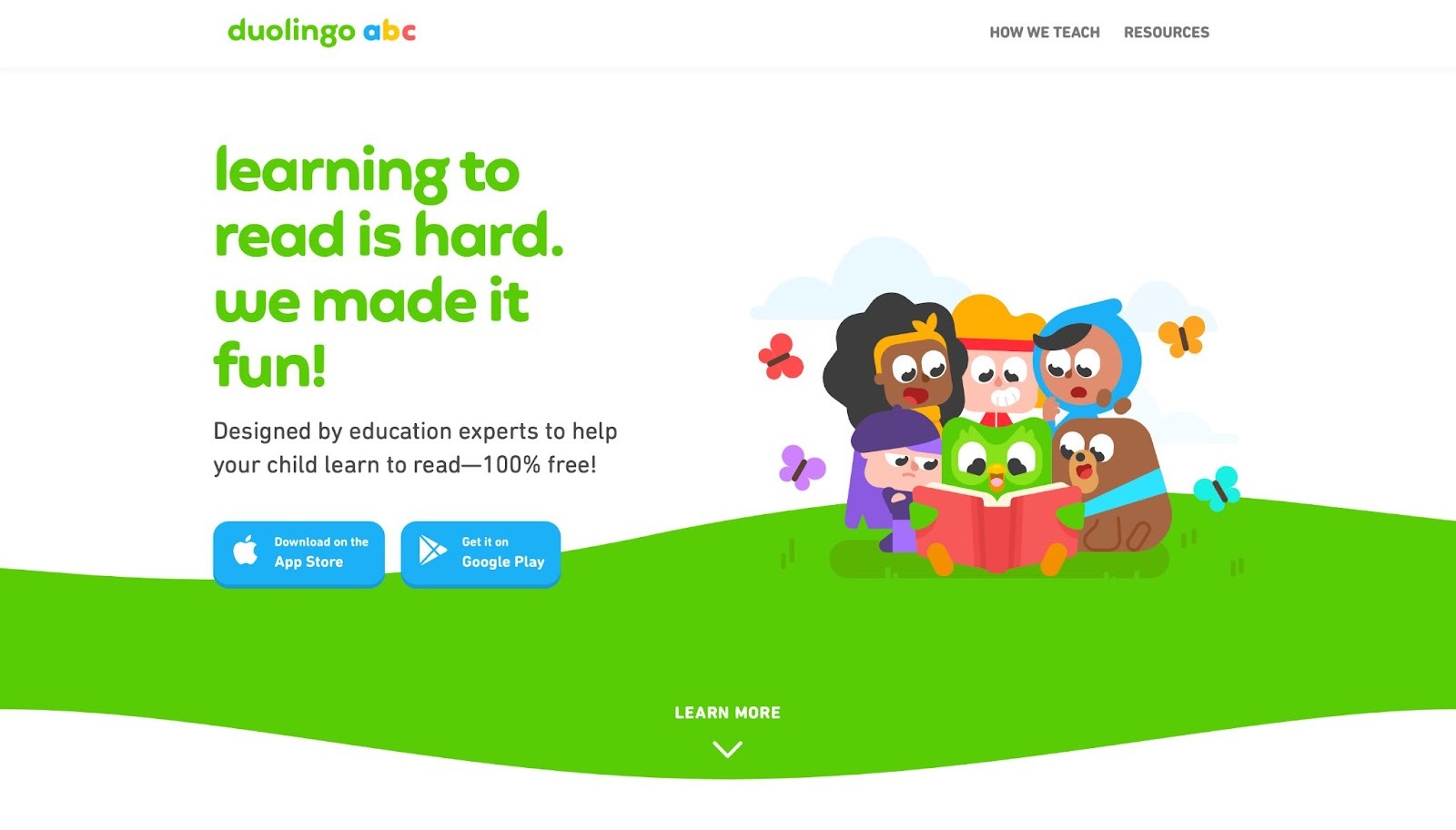
Duolingo ABC, headquartered in Pittsburgh, Pennsylvania, focuses on foundational reading for ages 3 to 6, delivering short lessons on phonics, letter tracing, and word sounding with engaging characters. The game-like structure progresses step by step, building skills through interactive stories and drills that feel like play.
Ad-free and offline-capable, it maintains focus and flexibility for various settings. It stands out for bite-sized sessions that fit busy schedules, but the pace might advance too swiftly for some, leading to needed repetitions. Audio support aids diverse learners, enhancing accessibility. Duolingo ABC helps instill early reading habits in a supportive, fun manner, encouraging persistence with rewards and positive feedback.
- Key features: Phonics drills in small segments, interactive narratives, audio aids for inclusivity.
- Facts and information: Some families report rapid progress in basic reading elements like letter sounds.
7. Prodigy Math
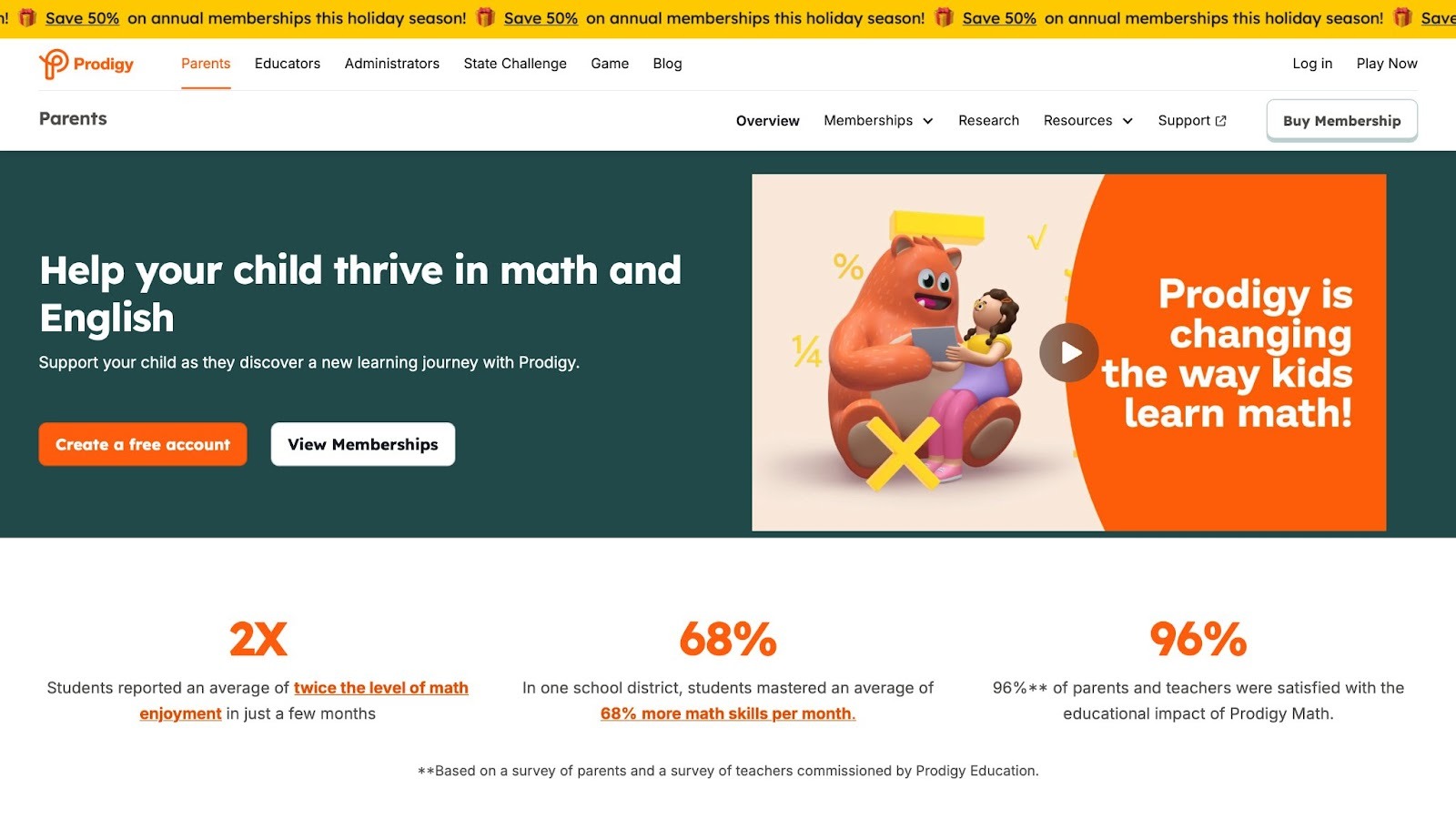
Prodigy Math, based in Burlington, Ontario, Canada, transforms math practice into an adventurous game for ages 6 to 14, but suitable for advanced preschoolers starting with basics like counting. Kids solve problems to battle fantasy creatures, adapting to their skill level for personalized challenges. Rewards like virtual pets motivate continued play, fostering persistence in learning.
The app aligns with curricula, but the competitive battle element might distract from core math focus for younger users. It emphasizes math exclusively, potentially needing supplements for broader education. Clear instructions support independent use, making it engaging for math enthusiasts.
- Key features: Curriculum-based questions, detailed progress reports, motivational rewards including pets.
- Facts and information: Many note increased enthusiasm for math among young players.
8. SplashLearn
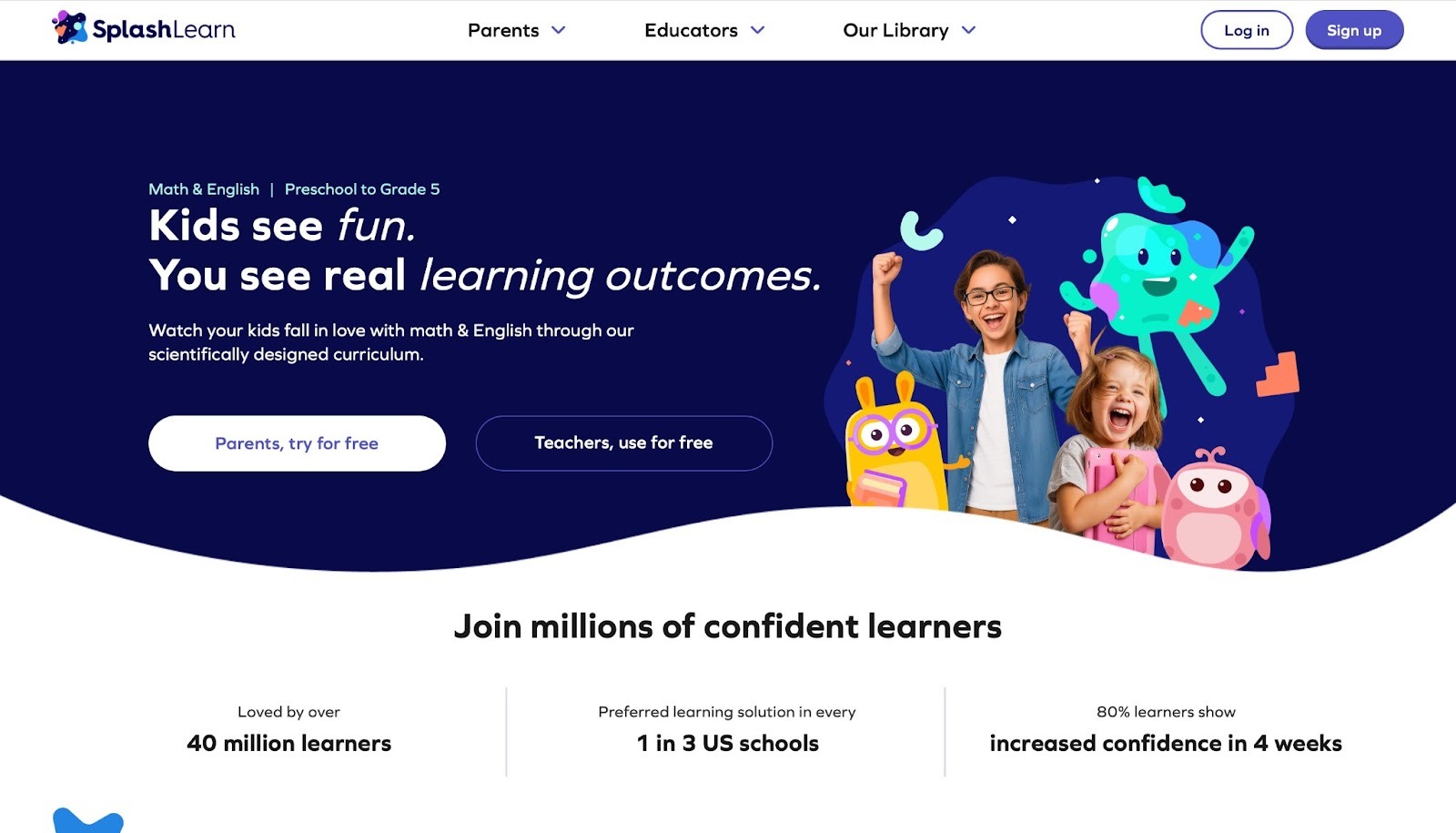
SplashLearn, from New Delhi, India, offers math and reading games for early grades, using puzzles and stories to practice skills while earning rewards. Aimed at ages 3 to 11, it blends play with education, adapting to user levels for optimal challenge. Themed challenges keep interest high, but repetition in some games could require adult encouragement. Independent play is supported with straightforward design, aiding skill development in number sense and reading fluency.
- Key features: Extensive activity library, progress tracking, engaging themed content.
- Facts and information: Some parents see advancements in core academic areas.
9. Epic!
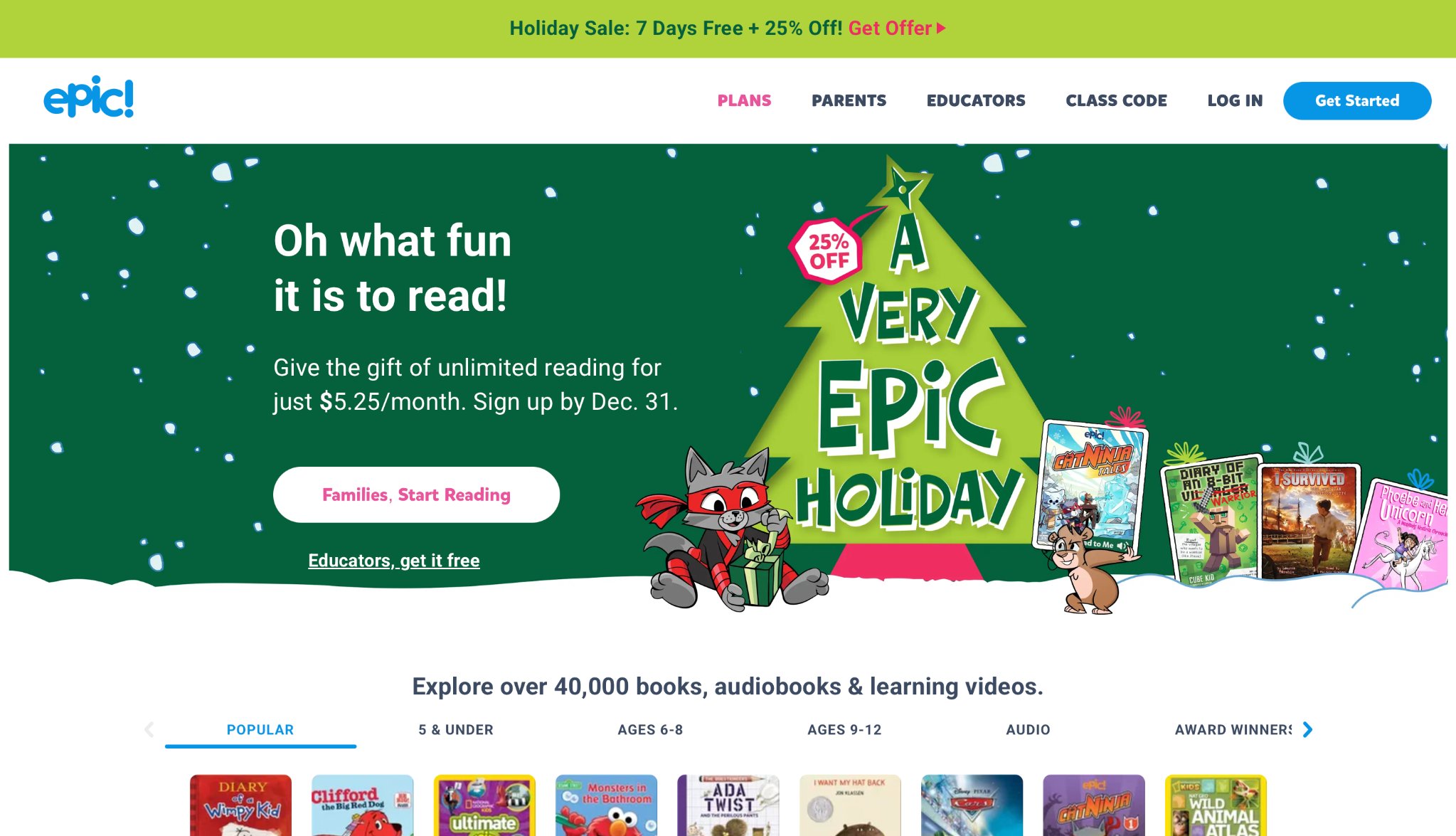
Epic, headquartered in Redwood City, California, serves as a digital library for kids up to age 12, featuring books, videos, and quizzes to spark reading interest. Diverse titles cater to various levels, building comprehension through interactive elements. Searching might challenge young users, and the focus on reading over creation limits scope. It encourages daily habits with engaging materials.
- Key features: Large collection of stories, audiobooks, educational videos.
- Facts and information: Many children form consistent reading routines via its content.
10. Keiki
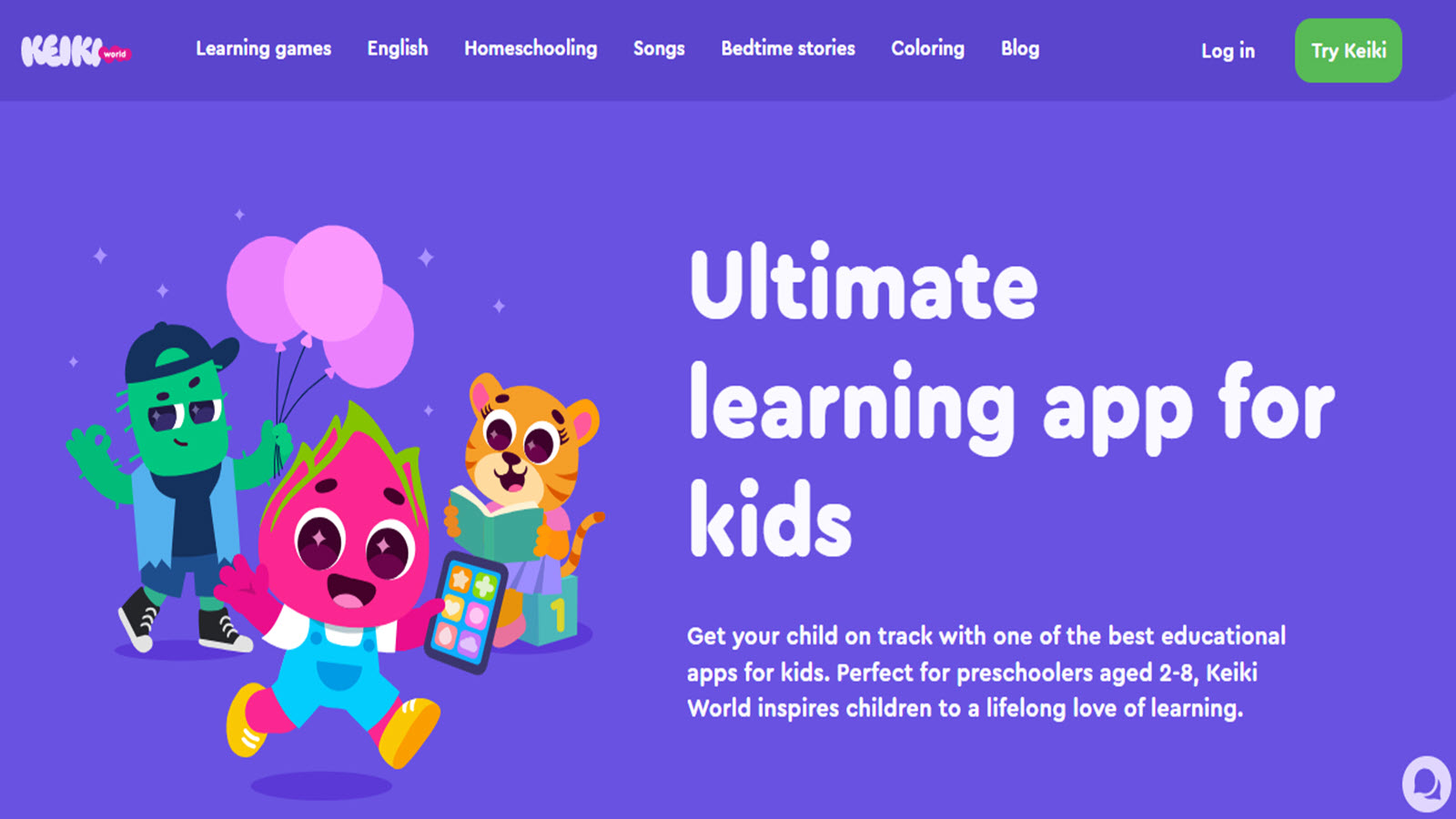
Keiki targets toddlers and preschoolers with games on letters, numbers, and shapes, using colorful activities to nurture curiosity. Tracing and puzzles build motor skills, but variety might wane for older kids, with some tasks repeating. It promotes confidence through achievable goals.
- Key features: Skill-building via tracing, puzzles, themed environments.
- Facts and information: Some families report gains in basic knowledge and coordination.
11. Dr. Panda
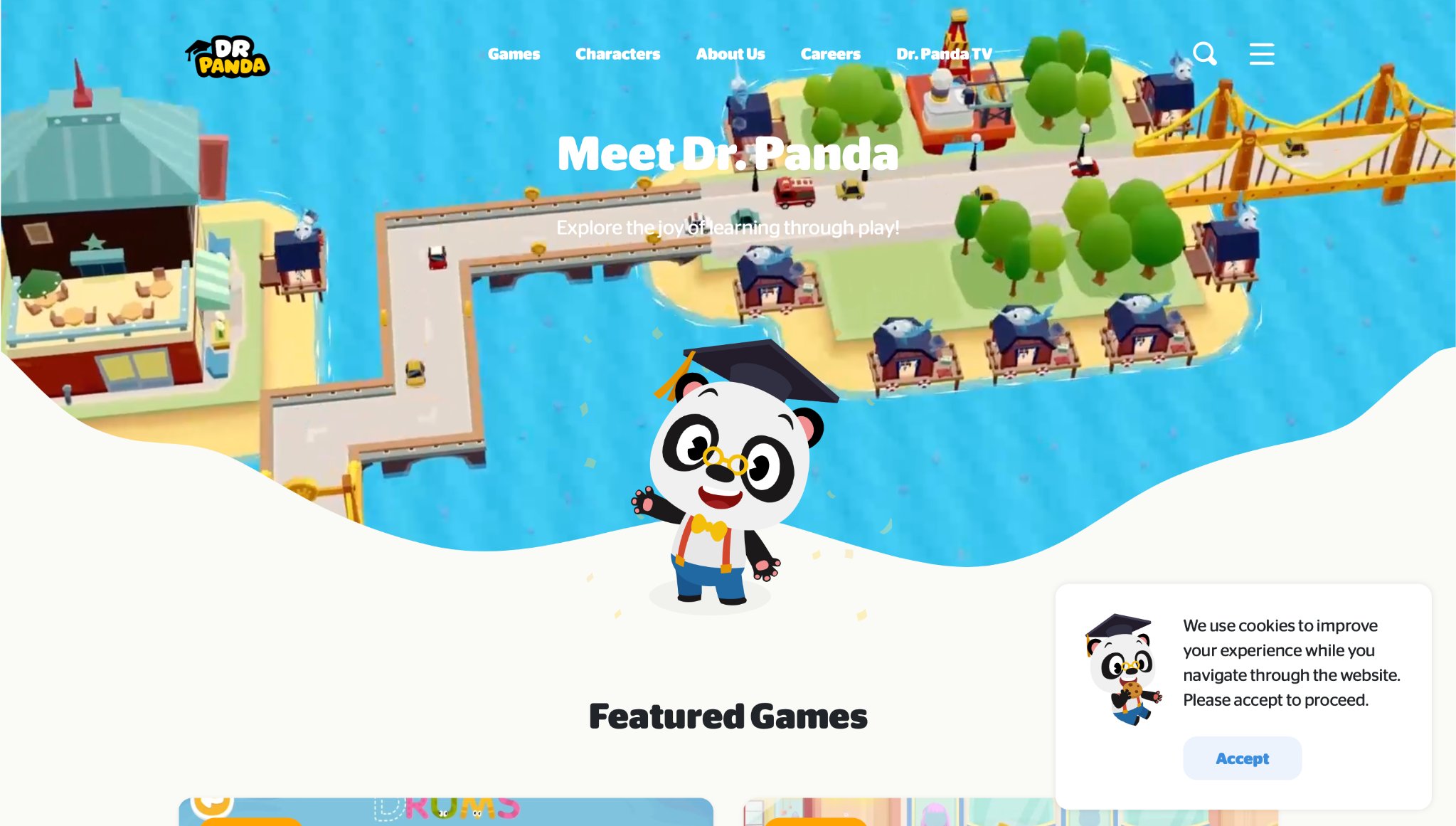
Dr. Panda, from Chengdu, China, enables role-play in everyday scenarios like farming or cooking for ages 2 to 6, sparking imagination with open-ended activities. Cute characters guide exploration, teaching life lessons subtly. Limited structure might need guidance, but it fosters social skills through pretend play.
- Key features: Open activities with real-world themes, adorable characters.
- Facts and information: Many appreciate its emphasis on creative exploration.
12. Endless Alphabet
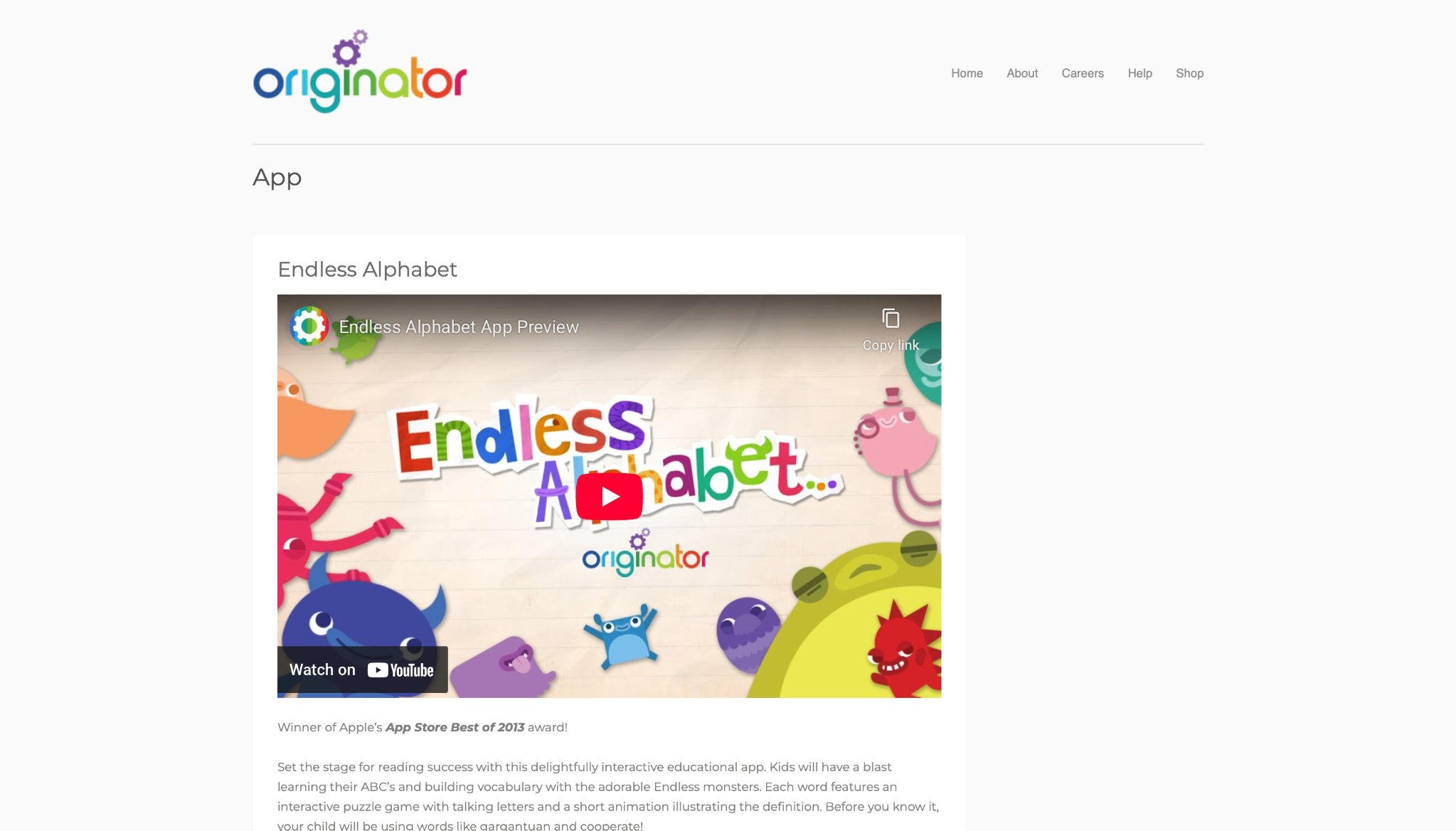
Endless Alphabet, developed by Originator Inc. in San Francisco, California, introduces vocabulary to preschoolers through interactive animations where letters come alive to form words. Kids drag letters into place, triggering fun monster animations that demonstrate word meanings with humor and sound effects.
The app covers over 100 words, each with a puzzle and short animation, making learning memorable without scores or failures. It's ad-free and offline, ideal for independent play. Strengths include engaging visuals that hold attention, but it lacks progression tracking, and the word selection might not challenge advanced learners. Simple touch controls suit small hands, promoting phonics alongside definitions.
- Key features: Interactive letter puzzles, animated word demonstrations, extensive vocabulary library.
- Facts and information: Many parents see vocabulary expansion and enthusiasm for words in young users.
13. DragonBox
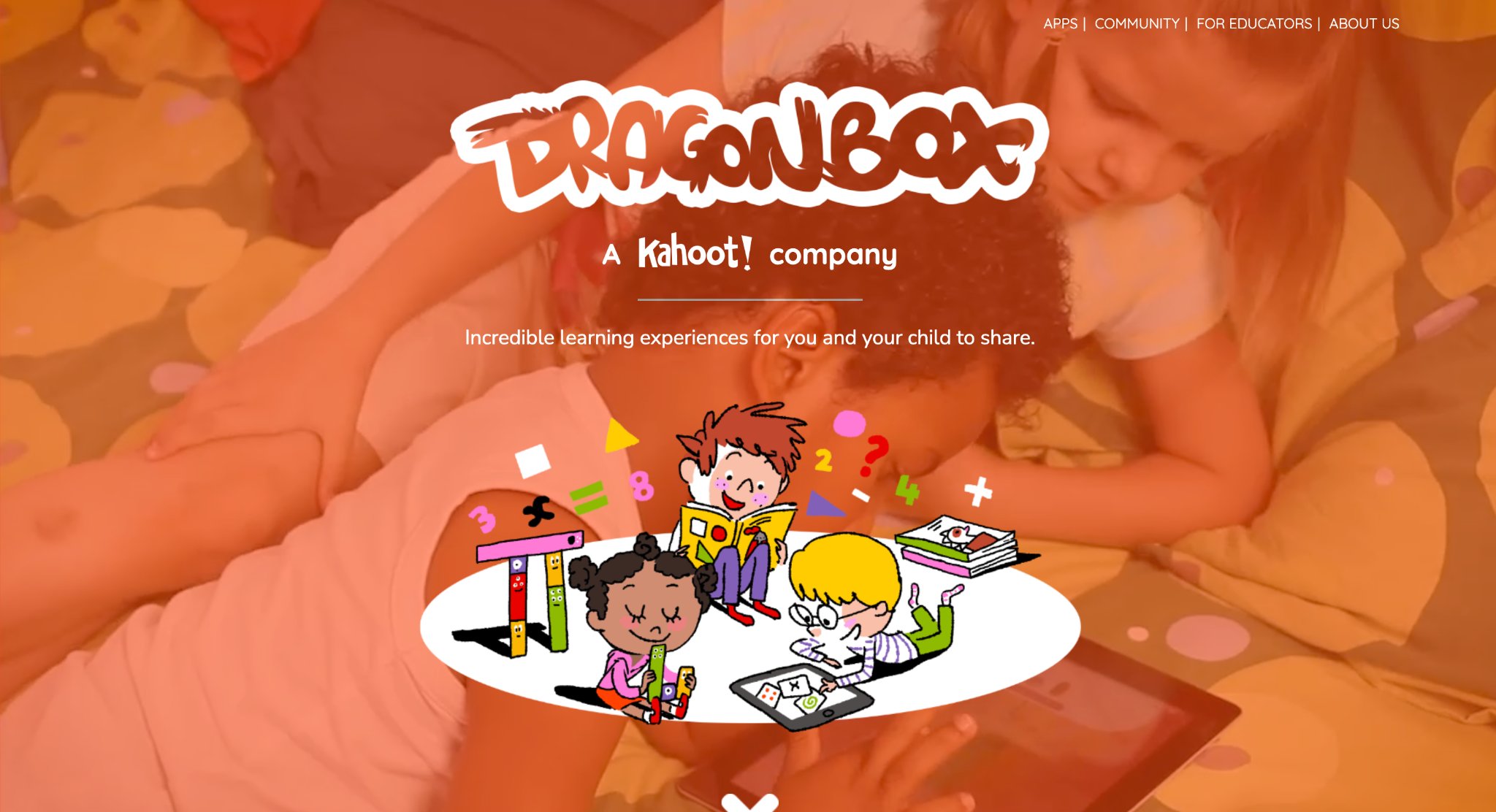
DragonBox, created by WeWantToKnow in Oslo, Norway, teaches math concepts through puzzle games for ages 4 and up, starting with basic algebra disguised as box manipulations. Kids feed creatures by solving equations intuitively, building understanding without numbers initially. The series includes apps for numbers, big numbers, and geometry, progressing in difficulty. It excels in making abstract math concrete and fun, but the puzzle format might frustrate without hints, and it's math-focused only. Minimalist design encourages logical thinking.
- Key features: Progressive puzzle levels, intuitive math learning, hint systems.
- Facts and information: Some observe deeper math comprehension from early exposure.
14. Hungry Caterpillar Play School
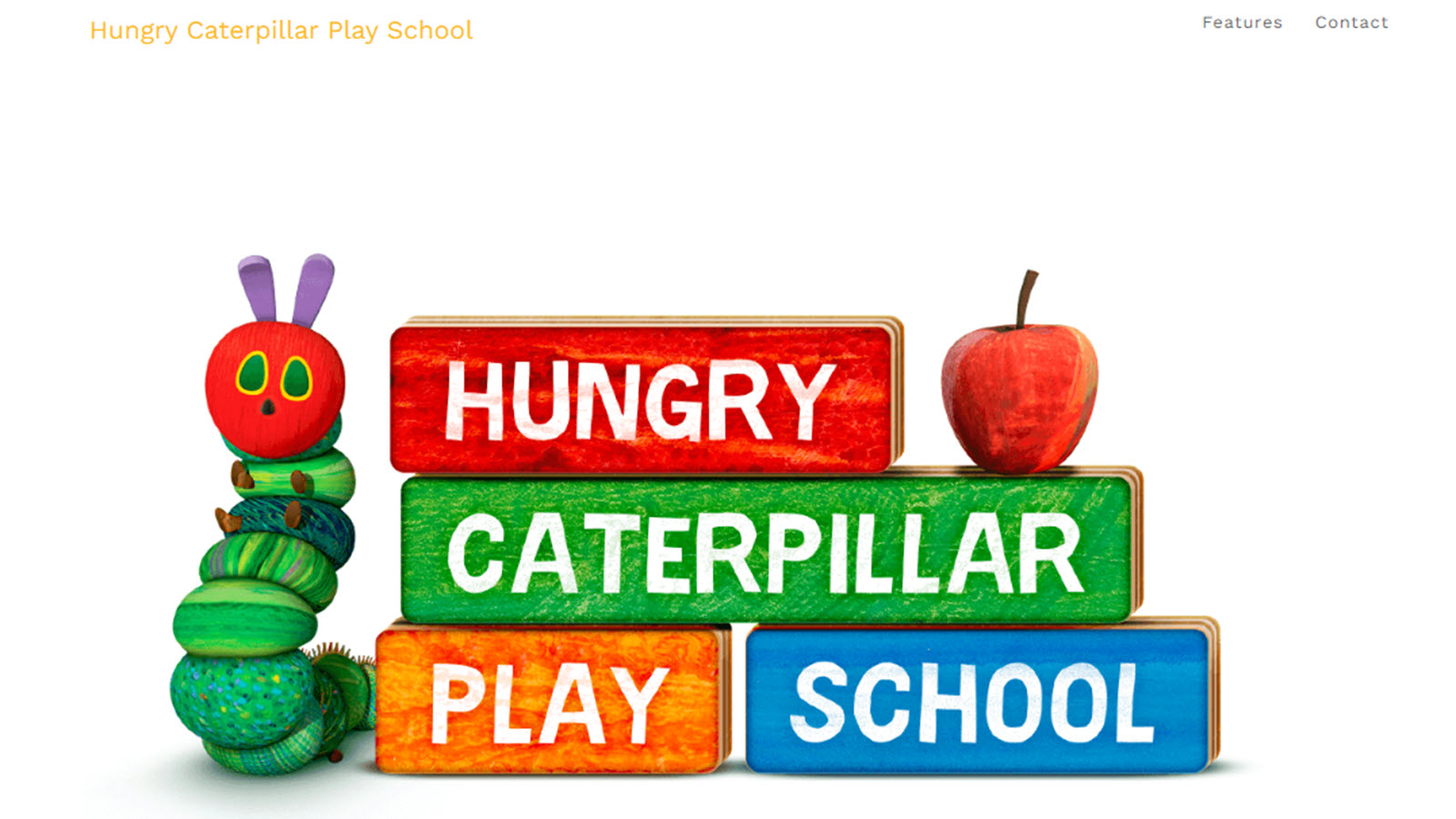
Hungry Caterpillar Play School, based on Eric Carle's books and developed in the UK, offers subscription-based games for ages 2 to 5, covering shapes, colors, numbers, and art. Activities include matching, sorting, and creative drawing with the iconic caterpillar guiding play. Parent tips provide extension ideas. It shines in gentle, book-inspired learning, but limited free content might deter some, and repetition builds mastery. Offline play enhances usability.
- Key features: Themed learning games, parent resources, creative tools.
- Facts and information: Some families note improved basic concept grasp.
15. Daniel Tiger's Grr-ific Feelings
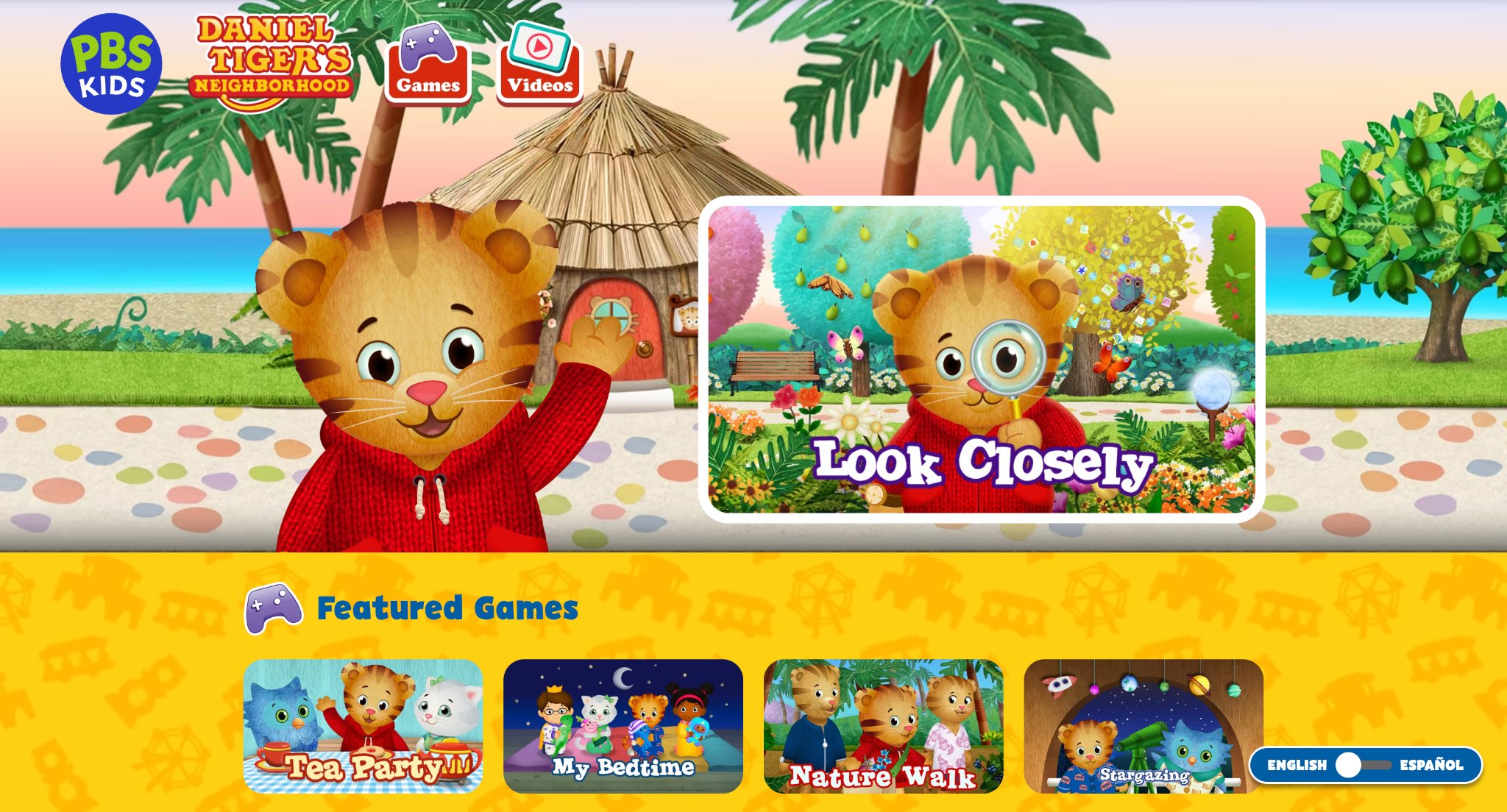
Daniel Tiger's Grr-ific Feelings, from PBS Kids in Arlington, Virginia, helps ages 2 to 5 express emotions through games, songs, and drawing with Daniel and friends. Activities like the feelings trolley explore anger, sadness, and happiness safely. It promotes healthy emotional management, but the scope is narrow, and some mini-games are simplistic. Bilingual options add inclusivity.
- Key features: Emotion-focused games, song and dance, drawing expressions.
- Facts and information: Many parents see better emotional awareness in children.
16. Busy Shapes & Colors
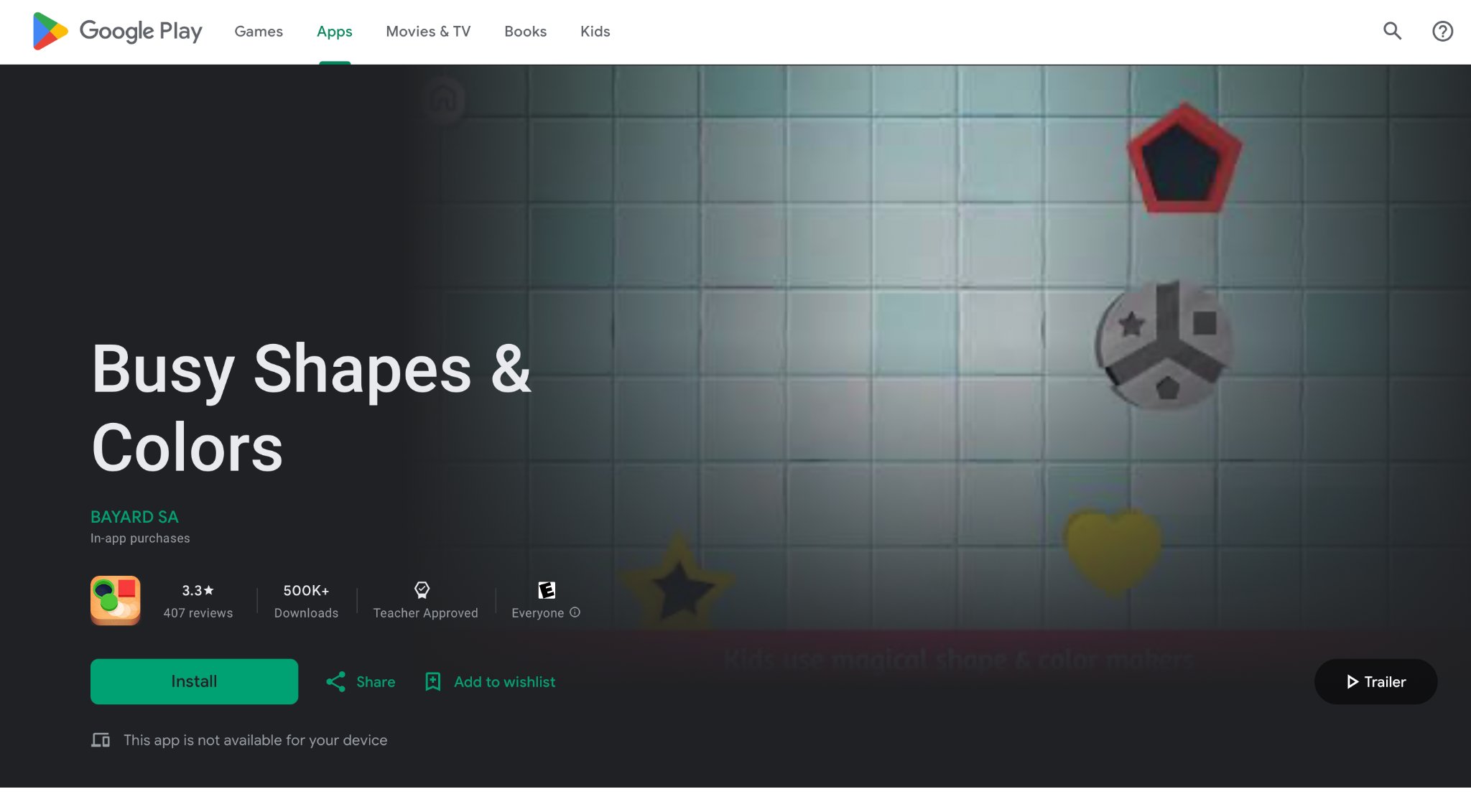
Busy Shapes & Colors, by Edoki Academy in France, challenges preschoolers with sorting puzzles that teach shapes, colors, and logic. Kids manipulate objects into matching holes, increasing complexity with ramps and obstacles. It encourages trial-and-error learning without penalties, building problem-solving. Strengths include progressive difficulty, but no narrative might limit engagement, and it's focused on cognitive skills.
- Key features: Puzzle-based sorting, color and shape recognition, adaptive challenges.
- Facts and information: Some report enhanced spatial reasoning.
17. Beck and Bo
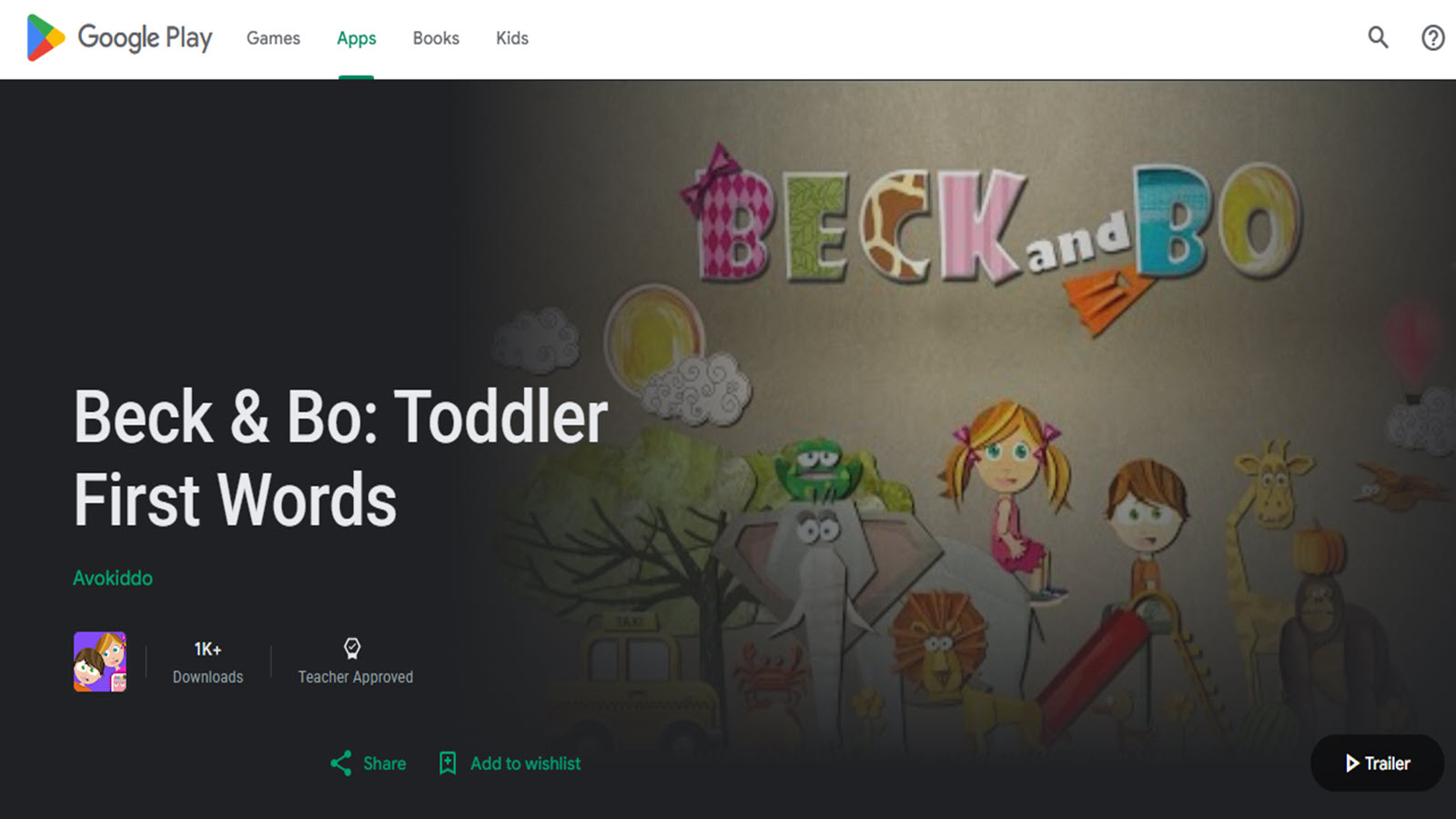
Beck and Bo, from Avokiddo in Greece, is a discovery app for ages 2 to 6, where siblings explore themed worlds, placing objects to create scenes and solve logic puzzles. It combines creativity with vocabulary building in multiple languages. Open-ended play fosters imagination, but lack of instructions might confuse initially, and content is finite.
- Key features: Scene-building, object interactions, multilingual support.
- Facts and information: Many enjoy its blend of logic and creative play.
18. AlphaTots
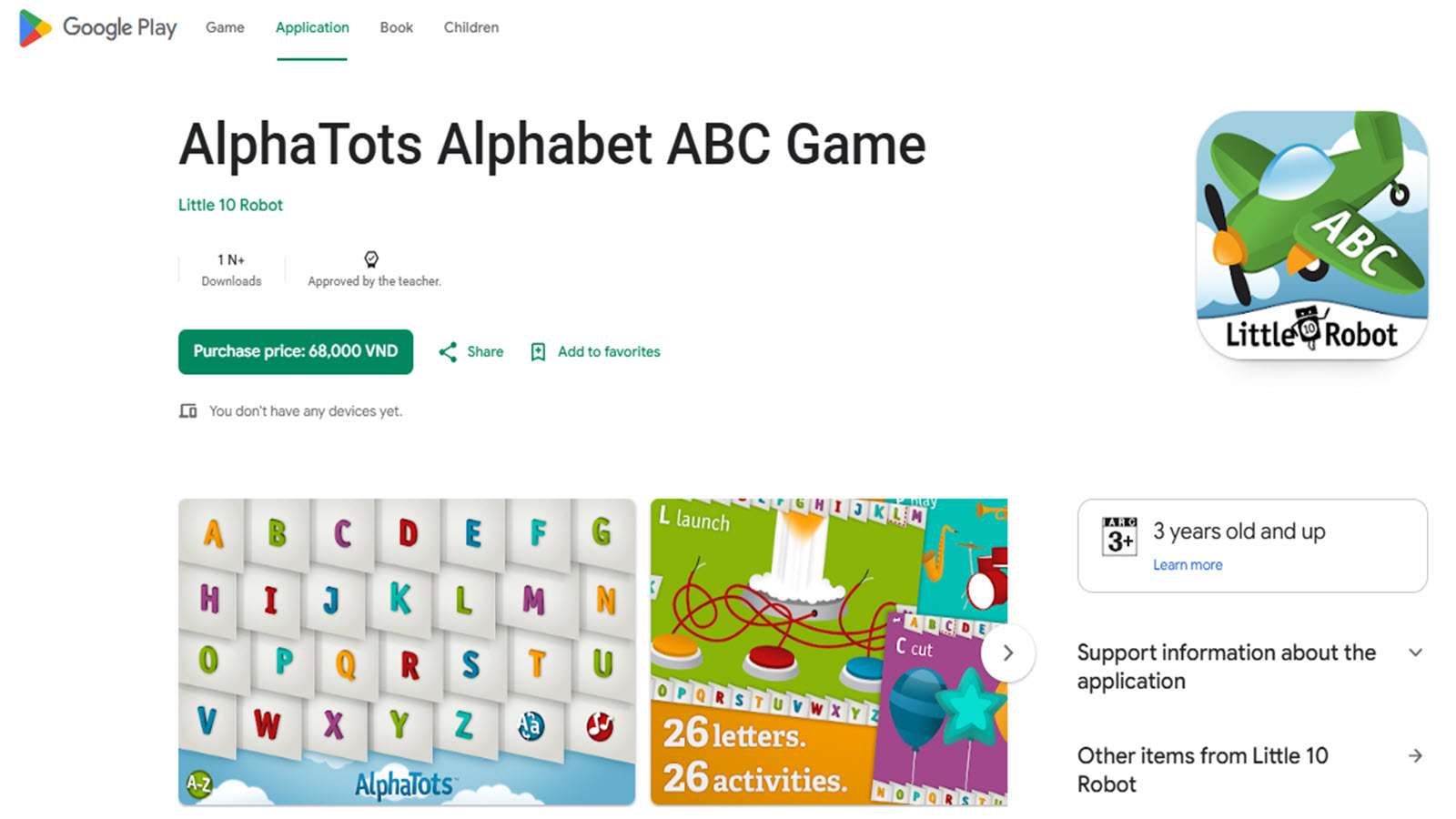
AlphaTots, by Spinlight Studio in the US, teaches the alphabet through action verbs and mini-games, like building a robot for 'B' or digging for 'D'. For ages 3+, it includes songs and puzzles for each letter. Engaging and educational, but dated graphics might not captivate, and it's letter-focused only.
- Key features: Letter-specific games, action verbs, musical elements.
- Facts and information: Some see alphabet mastery through hands-on activities.
19. Gus on the Go
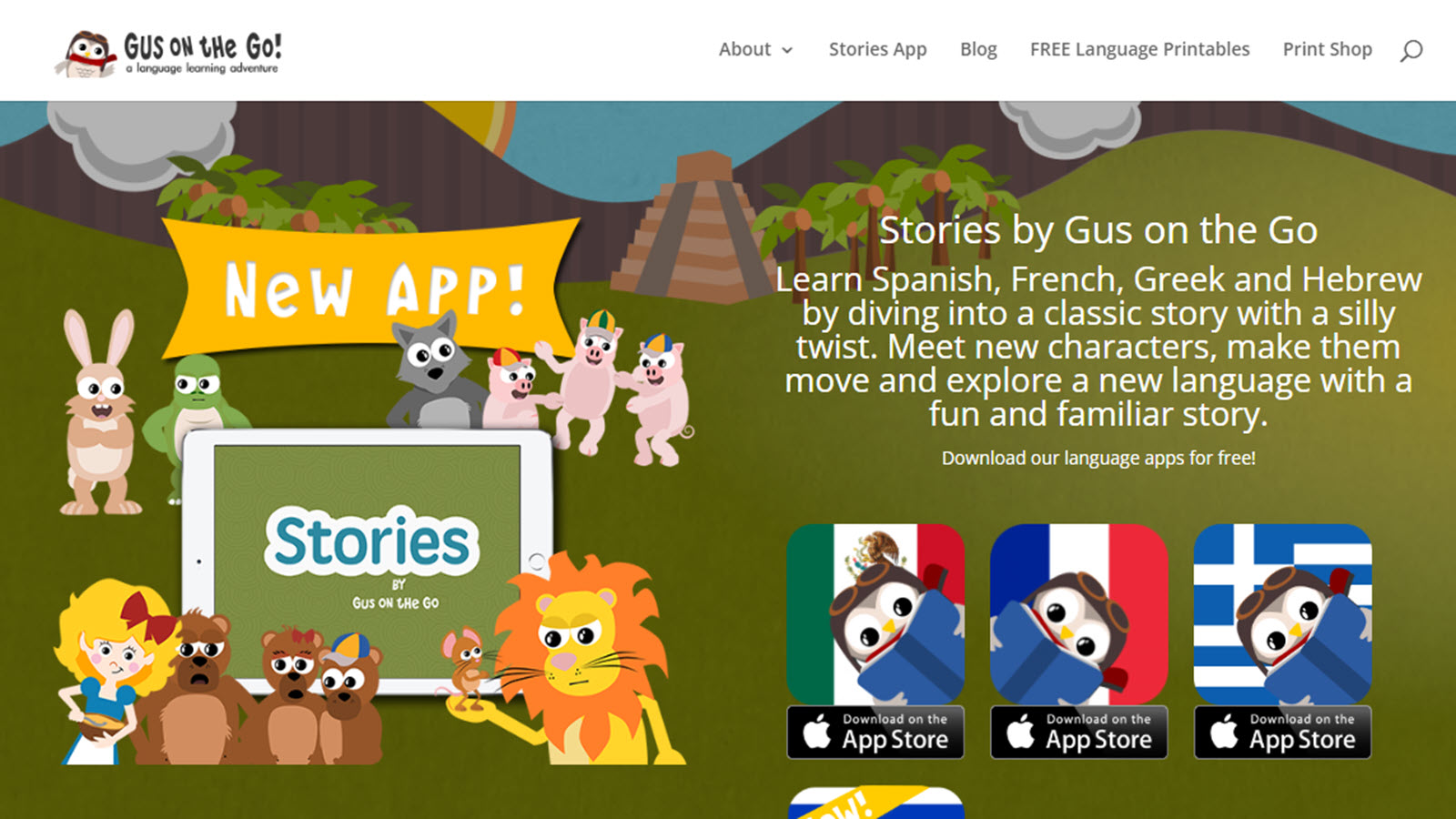
Gus on the Go, by toojuice in the US, introduces over 30 languages to preschoolers through interactive stories, vocabulary games, and audio from native speakers. Kids collect items while traveling with Gus the owl. It builds basic phrases funly, but depth per language is limited, and progress tracking is basic.
- Key features: Multilingual vocabulary, interactive journeys, native audio.
- Facts and information: Many families appreciate early language exposure.
20. Fiete - A day on a farm
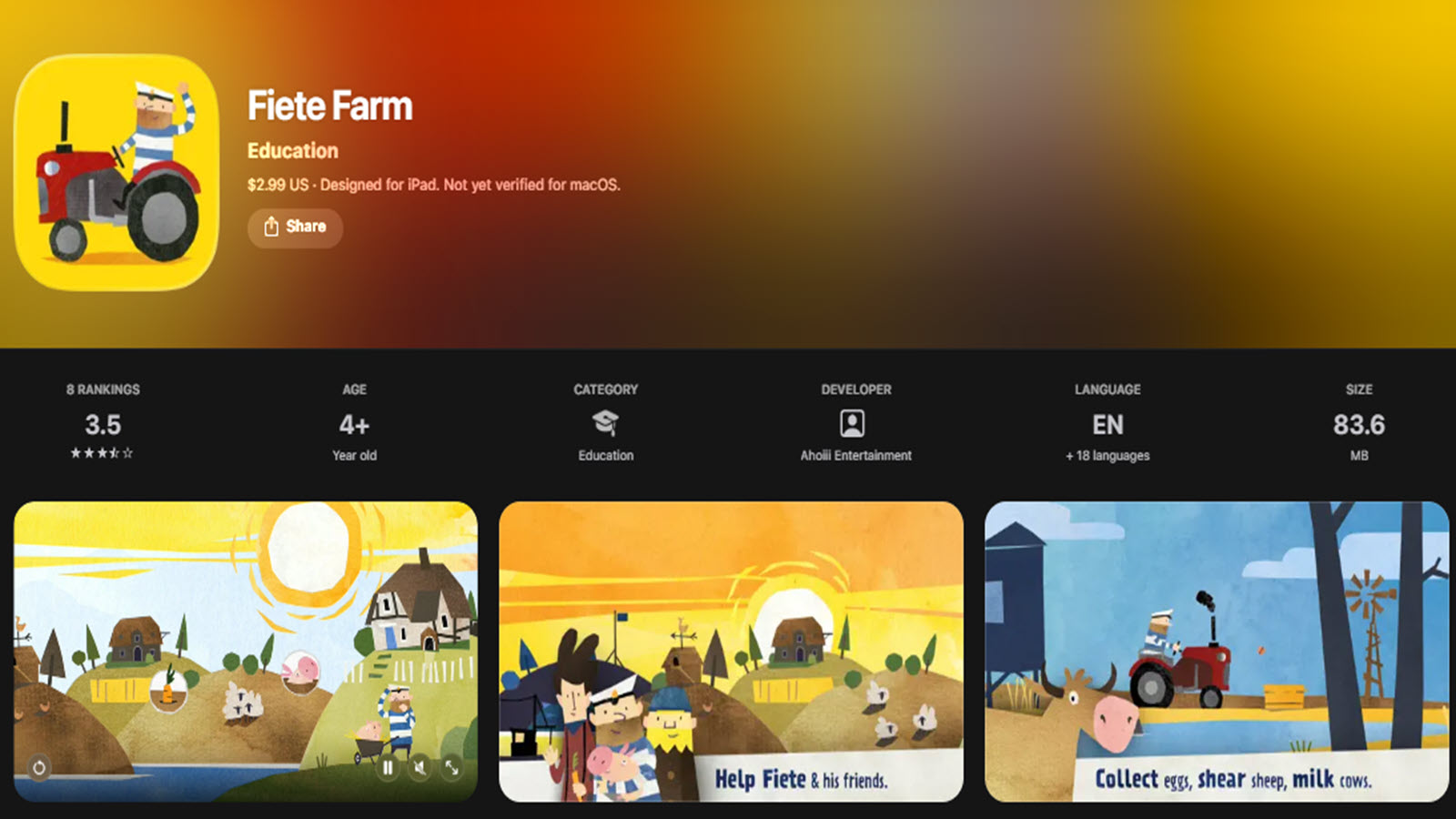
Fiete - A day on a farm, by Ahoiii in Germany, simulates farm life for ages 2 to 6, with tasks like feeding animals and harvesting crops. Adorable illustrations teach responsibility and sequences. Open-ended with no wrong answers, it encourages exploration, but limited activities might repeat, focusing on daily routines.
- Key features: Farm simulations, task-based play, cute visuals.
- Facts and information: Some note understanding of routines and empathy for animals.
21. Elmo Loves ABCs
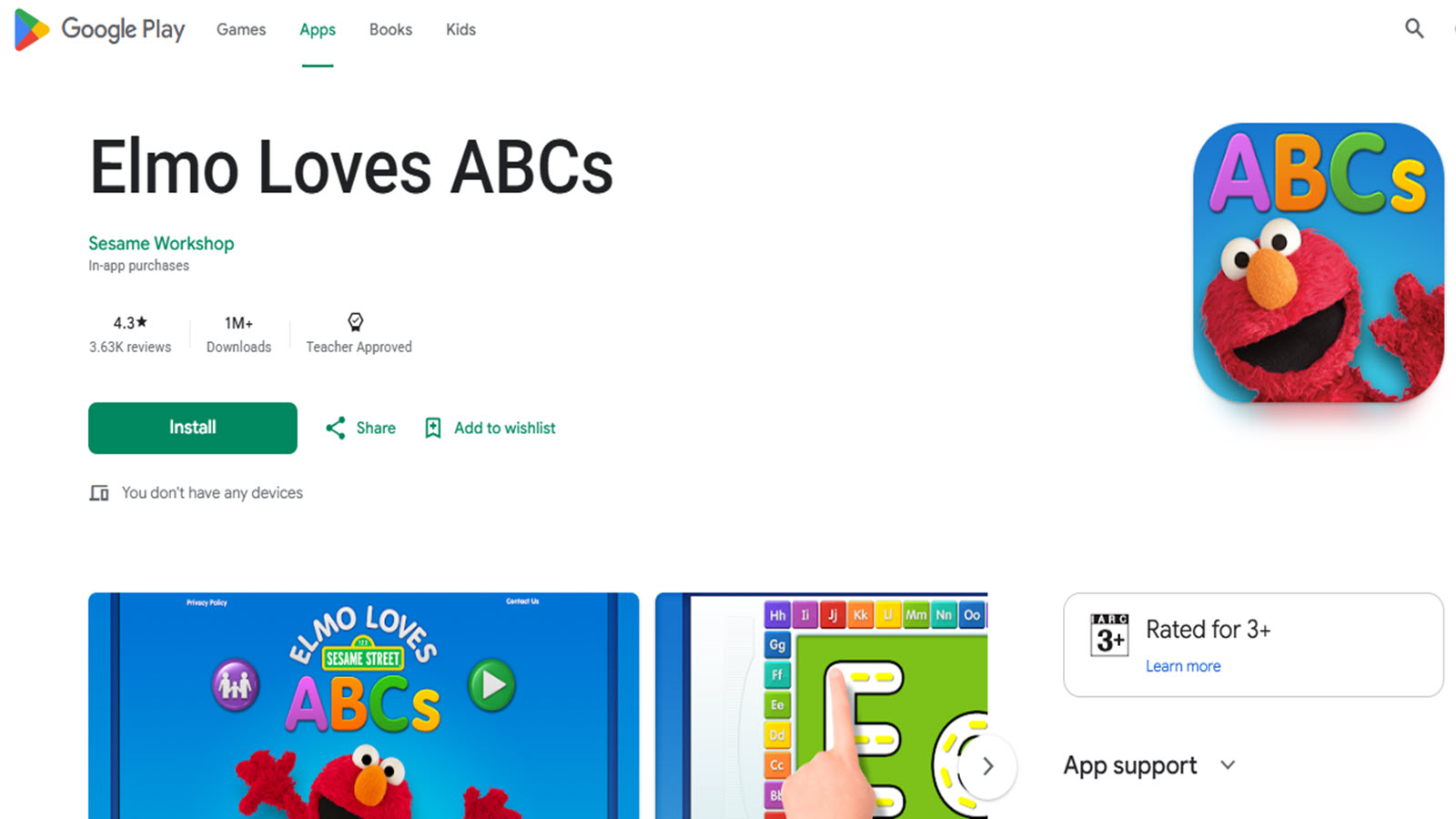
Elmo Loves ABCs, from Sesame Workshop in New York, New York, engages preschoolers with tracing, puzzles, videos, and songs featuring beloved Sesame Street characters. Kids explore letters through games like hide-and-seek and coloring, reinforcing recognition and sounds. The app includes collectibles to unlock more content, adding replay value. It's strong in multisensory learning but might repeat for quick learners, and full access requires purchase. Safe and ad-free, it aligns with educational standards.
- Key features: Letter tracing, interactive videos, song integrations.
- Facts and information: Many kids develop strong alphabet skills through familiar characters.
22. Pok Pok Playroom
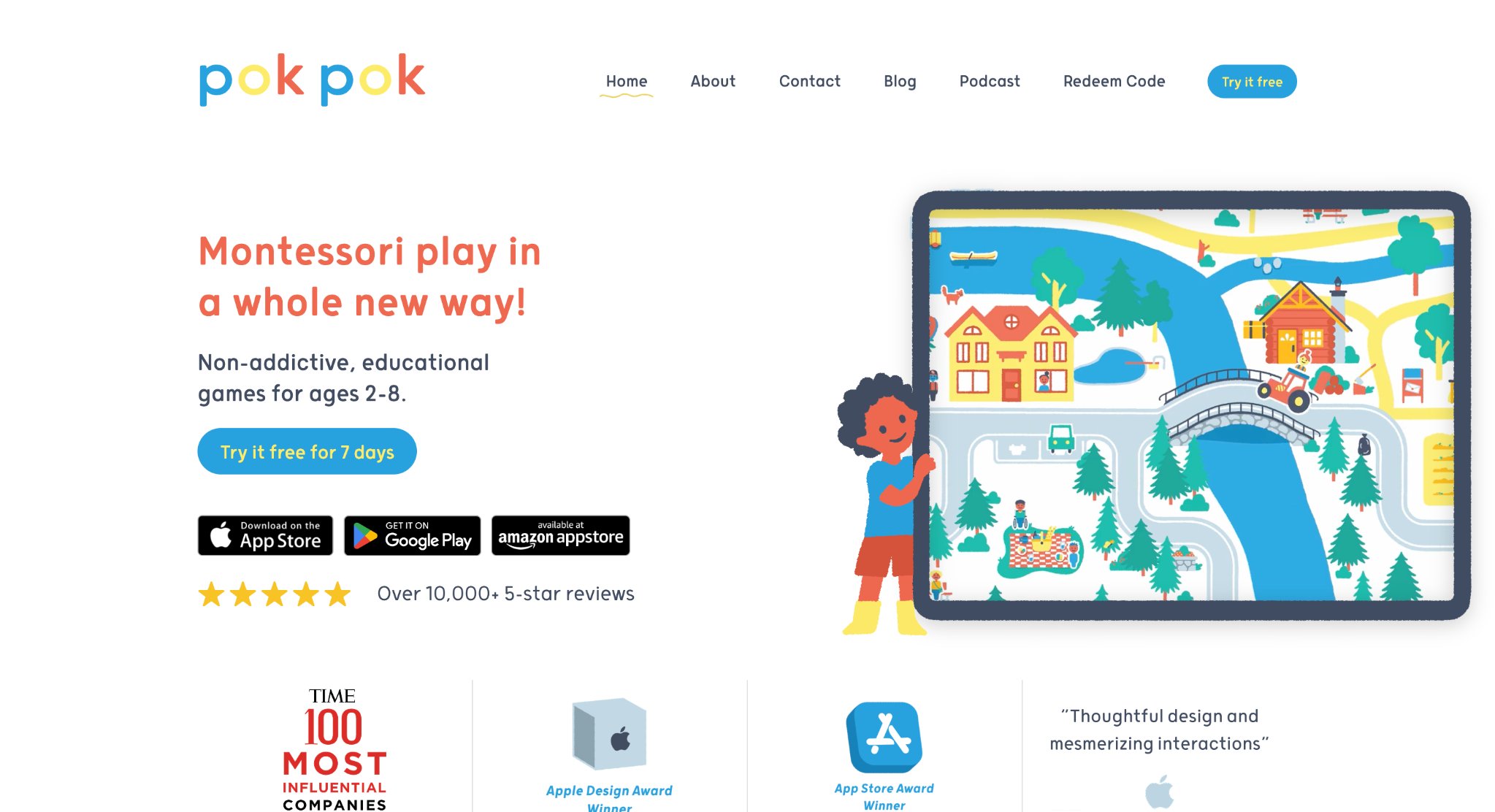
Pok Pok Playroom offers a calm and inviting digital space where preschoolers can explore freely at their own pace. Designed for children aged 3 to 5, the app features beautiful, open-ended scenes filled with opportunities for drawing, moving objects, and solving gentle puzzles. There are no timers, scores, or pressure to perform - just pure creativity and discovery.
Key Features:
- Completely open-ended play with no goals or time limits
- Beautiful hand-drawn colorful environments
- Drawing tools and object manipulation mechanics
- Soothing sound design and relaxing atmosphere
- Intuitive touch controls perfect for small fingers
- Offline play available
Children enjoy experimenting with cause and effect as they drag items around, create pictures, and interact with colorful environments. The relaxed atmosphere helps young kids build focus, patience, and problem-solving abilities naturally.
23. Sago Mini World
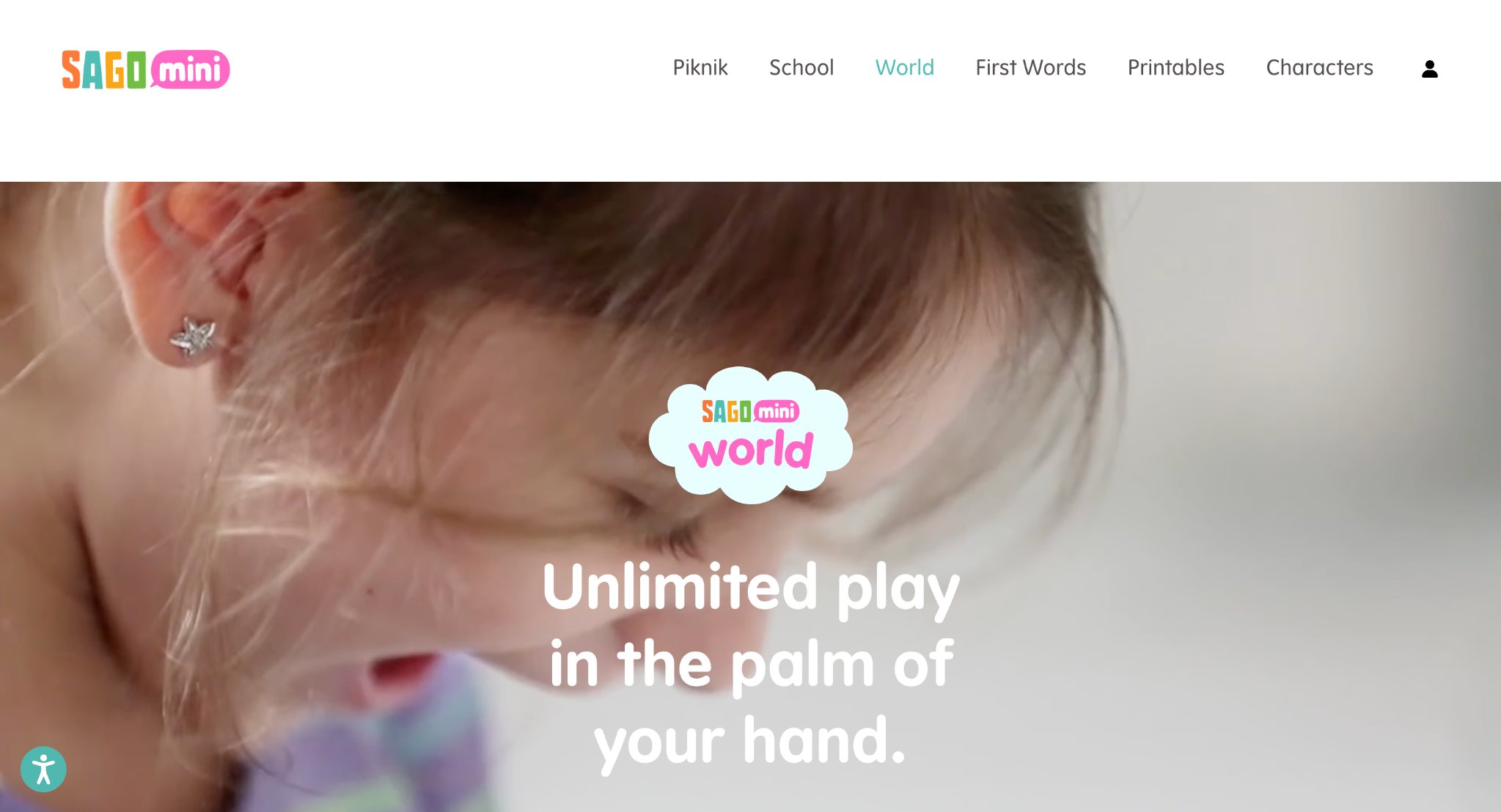
Sago Mini World gives preschoolers a fun and vibrant place to build and explore their own miniature worlds. Kids can tap and swipe to interact with friendly characters and everyday objects, watching how different actions create surprising and delightful results.
Key Features:
- Build and customize your own playful worlds
- Unlock new characters, items, and locations over time
- Interactive pretend play activities
- Gentle cause-and-effect gameplay
- Ad-free and child-friendly design
- Supports both solo and light multiplayer-style exploration
The app feels like digital pretend play, with activities that naturally introduce basic concepts about the world around them. As children play, new items and possibilities unlock over time, keeping the experience fresh and engaging. This helps strengthen logical thinking, creativity, and fine motor coordination in a playful way. Many parents report that regular use leads to better attention span, hand-eye coordination, and richer imaginative play in real life.
24. Toca Life World
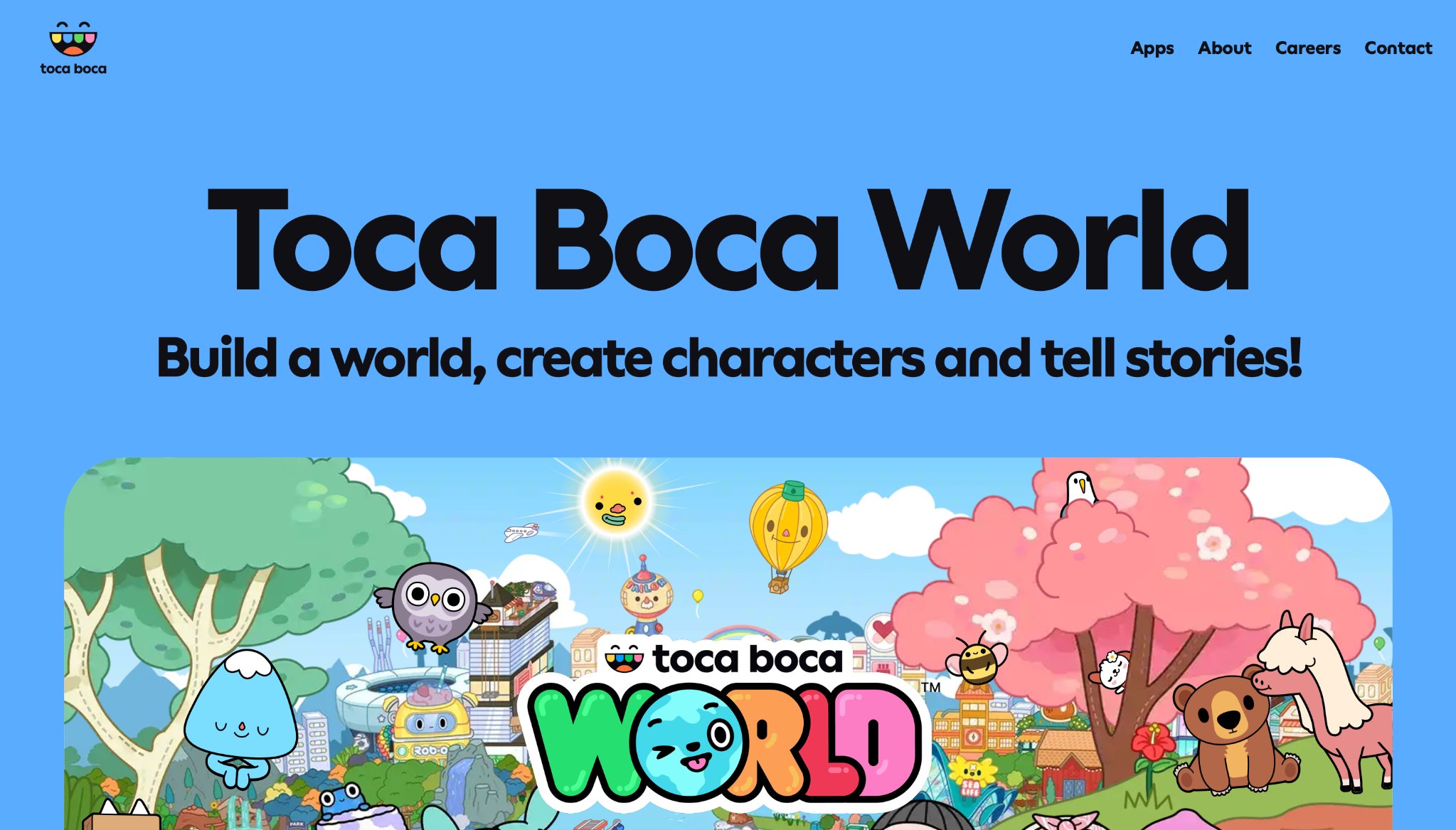
Toca Life World opens up a lively, detailed universe where preschoolers can create their own stories and adventures. Children move characters through various locations like homes, shops, parks, and schools, while trying activities such as cooking, decorating, driving, and role-playing different scenarios.
Key Features:
- Huge open world with multiple interactive locations
- Hundreds of characters, outfits, and objects
- Free storytelling and role-play with no rules
- Realistic everyday activities (cooking, shopping, caring for pets)
- Highly intuitive controls for young children
- Regular free updates with new content
The completely open-ended design has no strict rules or goals, allowing kids to freely express their imagination and develop early storytelling skills. This type of play supports social understanding, empathy, and creative problem-solving. With excellent long-term replay value, children can spend weeks exploring new combinations without losing interest. Parents appreciate how the creativity often carries over into real-world play.
25. HOMER
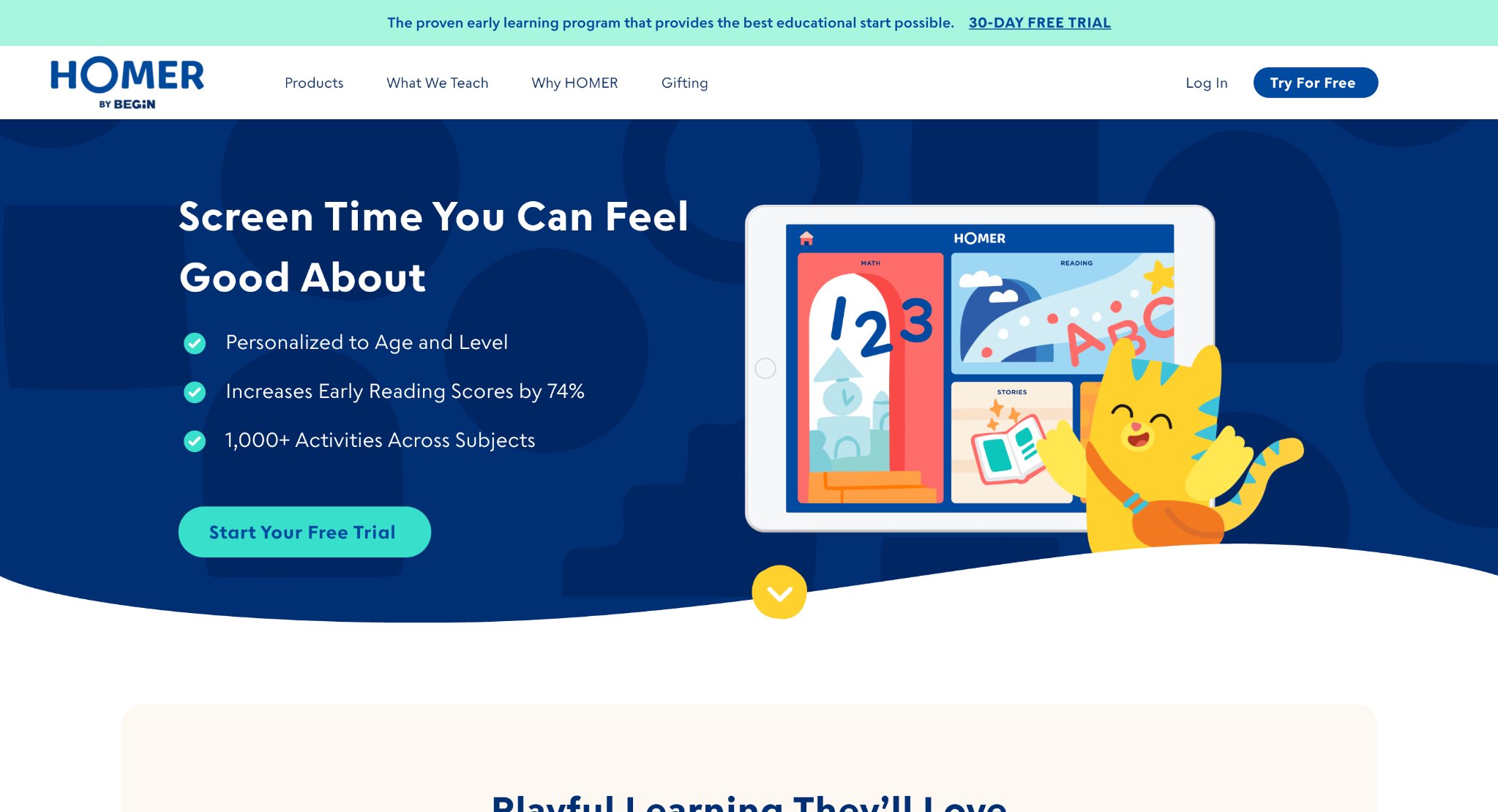
HOMER is a personalized learning app that adapts to each preschooler’s age, interests, and skill level. It focuses primarily on building strong early reading foundations through interactive stories, phonics games, letter recognition, sight words, and comprehension activities.
Key Features:
- Personalized learning paths tailored to each child
- Interactive stories and phonics-based games
- Progress tracking and parent reports
- Research-based literacy curriculum
- Mix of reading, creativity, and critical thinking activities
- Short, engaging daily lessons (15–20 minutes)
Children progress naturally from basic letter sounds to simple reading and vocabulary building. The app feels like play rather than schoolwork, which keeps kids motivated and engaged. Created with input from early education experts, it offers high-quality content that helps prepare children for kindergarten success while making learning enjoyable and confidence-building.
Benefits of Screen Time with Educational Apps
Screen time, when managed well, supports cognitive growth by introducing new ideas in interactive ways. Apps can reinforce classroom learning, helping with retention through repetition. Parents often see kids applying app concepts in real life, like sorting shapes or identifying colors. For balanced use, combine apps with hands-on play. Quality content aids development without over-reliance.
Why should use Educational Apps for Preschoolers
High-quality educational apps deliver measurable advantages when used as part of the best apps for preschoolers in 2026 strategy. Research supports gains in key developmental areas.
Key Benefits:
- Stronger Literacy & Math Foundations: Interactive apps improve letter recognition, phonics, vocabulary, counting, and basic problem-solving. Studies show noticeable skill gains, especially in targeted, adaptive programs.
- Enhanced Creativity & Social-Emotional Growth: Apps with role-play, storytelling, and empathy-focused activities help children practice kindness, responsibility, and emotional expression.
- Personalized Learning Pace: Adaptive technology adjusts to each child’s level, building confidence and motivation through achievable challenges and positive feedback.
- Multisensory Engagement: Combining visuals, audio, touch, and interactivity reinforces retention better than traditional methods alone.
- Preparation for School: Consistent use supports kindergarten readiness, focus, and independent learning habits.
Latest Trends in Preschool Apps for 2026
In 2026, apps emphasize personalization, adapting to individual paces for better engagement. Many incorporate augmented reality for immersive experiences, though basics remain key. Focus on emotional intelligence grows, with features teaching empathy.
Category | Focus Areas | Examples |
| Language | Phonics, Vocabulary | Stories, Tracing |
| Math | Counting, Shapes | Puzzles, Games |
| Creativity | Drawing, Role-Play | Art Tools, Simulations |
| Social Skills | Emotions, Sharing | Interactive Scenarios |
New preschool apps put stronger focus on paths that change with each child's interests and speed. Designers add sensory friendly options and ways to lower stimulation when needed. Some releases now suggest movement breaks or simple outdoor ideas after certain play periods.
Bilingual features expand with voice tools that practice sounds and words clearly. Emotional modules grow in number because they show kids basic ways to notice feelings and respond kindly. Offline modes get better so the apps stay useful on trips or away from WiFi.
Parent dashboards improve while keeping privacy strong. The best learning games for kids keep advancing with content that fits into daily life and supports full child growth. Trends in preschool apps also line up with ideas shared in the best apps for toddlers.
- Adaptive paths that match individual progress
- Sensory friendly designs for calmer play
- Emotional learning through character stories
- Stronger offline support for flexible use
FAQ
What are the top features to look for in apps for preschoolers?
Apps for preschoolers benefit from intuitive interfaces that allow young users to interact without frustration, ensuring smooth experiences during play. Customizable settings, such as adjustable difficulty levels, help tailor content to individual needs and promote steady progress in areas like early literacy and numeracy. Integration of voice guidance supports auditory learners, while cross-device compatibility makes it easier for families to switch between tablets and phones seamlessly.
How can educational apps support preschool development?
Educational apps foster holistic growth by combining elements of play with targeted exercises that enhance coordination and logical thinking. They often include modules on basic science concepts, like cause and effect through virtual experiments, which build curiosity about the world. Social features, such as shared play modes, encourage communication skills in a digital format that mirrors real interactions.
Are there safe apps for young children?
Safe apps for young children prioritize data protection with built-in measures that comply with standards like COPPA, keeping personal information secure. They feature moderated content to avoid inappropriate material, creating a trustworthy space for exploration. Regular updates from developers address potential issues, maintaining reliability over time.
What makes an app engaging for preschoolers?
Engaging apps use thematic adventures that tie into children's interests, like animals or vehicles, to sustain focus during sessions. Sound effects and gentle animations provide immediate feedback, reinforcing positive actions and boosting motivation. Diverse activity types, from matching games to simple narratives, cater to varying attention spans and keep the experience fresh.
What features should parents look for in preschool apps?
Effective preschool apps prioritize intuitive navigation with large touch targets designed for developing motor skills and brief focus periods. They incorporate multisensory feedback, such as responsive animations and varied sound effects, to support different learning styles. Additional elements like adaptive difficulty levels and secure parental dashboards allow customization while maintaining a safe, engaging environment for young users.
How do preschool apps support early development?
Preschool apps foster foundational abilities by integrating pattern recognition and sequencing activities that lay groundwork for logical thinking. They encourage creativity through open-ended drawing tools and storytelling prompts that build narrative skills. Exploration of spatial concepts and basic categorization further enhances cognitive flexibility in playful contexts.
Are free preschool apps effective?
Many free preschool apps from established educational sources offer meaningful introductory experiences with core activities. They often focus on essential building blocks, enabling families to test suitability before deeper investment. Regular content refreshes in select options help sustain interest across varied developmental stages.
What is the right amount of screen time for preschoolers?
Balanced routines emphasize brief, purposeful sessions that complement rather than replace active exploration. Integration with real-world materials, like matching digital shapes to physical objects, maximizes benefits. Varied daily structures promote holistic growth by alternating focused digital interactions with movement and interpersonal exchanges.
How can apps help with social emotional skills?
Preschool apps facilitate emotional awareness via interactive role-playing that highlights perspective-taking and conflict resolution. Guided breathing exercises and mood-tracking elements introduce self-regulation techniques in accessible formats. Consistent exposure to diverse character interactions nurtures inclusive attitudes and resilience in everyday scenarios.
Read Also
- Best Educational Games for Toddlers
- Best Learning Apps for Kids in 2026
- Best Learning Games for Kids Online
- Fluvsies DIY Paper Dolls
- 6 Practical Tips for New Parents
Discover the Best Apps For Preschoolers in 2026 - TutoClub