
Best Educational Games For Kids Age 3






Finding great educational games for 3-year-olds helps turn everyday play into moments of discovery. These tools focus on basics like shapes, colors, and teamwork in ways that feel exciting. Parents often seek ad-free options that grow with their child. With a mix of apps and hands-on activities, you can match your toddler's energy and keep things safe. Discover the best educational games for kids age 3 in 2026.
When choosing educational games for 3-year-olds, parents should focus on fun, ad-free experiences that build early skills like logic, creativity, and motor coordination. Exploring collections of the best educational kids games can help you find high-quality options designed for safe, independent play, while curated lists of the best educational games for toddlers highlight age-appropriate challenges that grow with your child. For families comparing broader learning tools, guides to the best kid educational games also share practical tips.
Discover the Best Educational Games For Kids Age 3 - TutoClub
Why Educational Games Matter for 3-Year-Olds

Kids at this age learn best through play that engages their senses. Kid games help them grasp ideas like matching or turn-taking, building a foundation for future skills. Many families notice quicker progress in areas like language when play is involved. Short, fun sessions fit their brief focus, leading to joyful repeats. This approach keeps curiosity alive without overload.
Parents can find excellent options that match this playful learning style in the best educational games for kids 4 years old online and best educational games for kids age 5. For families with children of various ages, also check out the best educational games for 2 year olds (great for younger siblings), best educational games for 6 year olds, and best educational games for 7 year olds.
How to Choose the Right Educational Games for Your Toddler
Start by matching games to your child's likes, such as animals or music. Seek simple designs with no ads to avoid distractions. Safety comes first, so pick age-rated options without small pieces or pop-ups. Balance screen and physical play for well-rounded growth. Test a few to see what holds attention. Educational games that adapt offer lasting value. Parent reviews give honest views on ease and fun. Variety prevents boredom, while family-friendly ones strengthen bonds.
Creative and Imagination Games for 3 Year Olds
Creative and imagination games for 3 year olds spark creativity and help toddlers express themselves through open-ended play. These educational games for 3 year olds encourage storytelling, role-playing, and artistic exploration while building confidence and original thinking.
Popular options include pretend play apps, digital art studios, and build-your-world games where children can create colorful scenes, dress-up characters, or invent their own stories.
These games support brain development by strengthening flexible thinking and emotional expression. For best results, combine digital games with real-world activities like drawing, block building, or acting out stories together.
Social Emotional Games for 3 Year Olds
Social emotional games for kids play a vital role in helping toddlers understand feelings, build empathy, and develop healthy relationships. These educational games use gentle storytelling and interactive scenarios to teach emotional intelligence.
Look for games featuring character emotions, friendship-building activities, and simple conflict-resolution moments. Social emotional games help children recognize their own feelings and respond kindly to others - essential skills for preschool and beyond.
Regular play with educational games for kids leads to better self-regulation, reduced tantrums, and stronger parent-child connections. Combine these with real-life discussions about emotions for maximum benefit.
Best Educational Games For Kids Age 3 in 2026
1. TutoClub - Best Educational Games for Kids Age 3
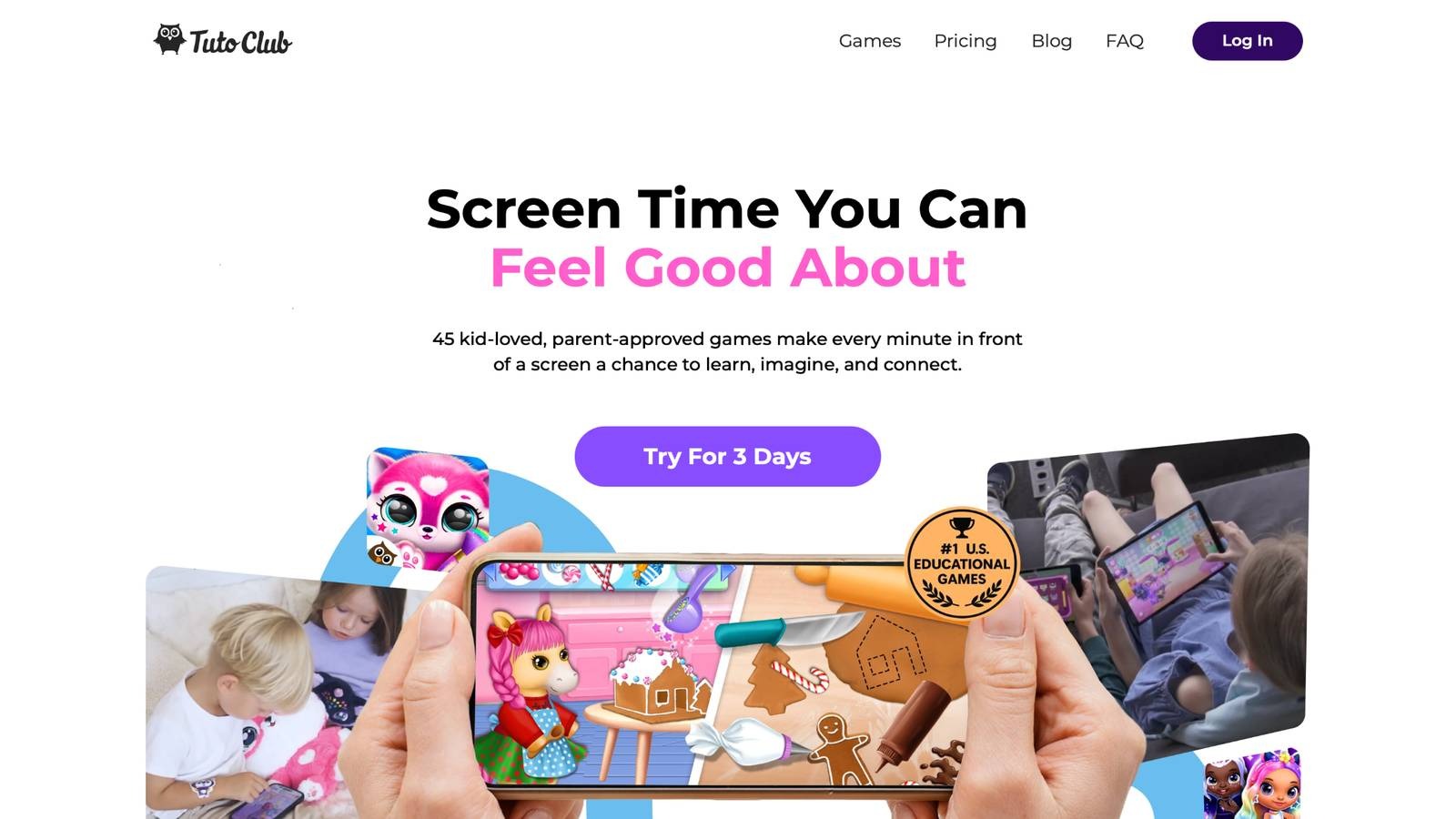
Check out TutoClub's educational games for a delightful blend of fun and growth tailored to little explorers. This service delivers over 45 ad-free games that ignite young imaginations with vibrant worlds full of puzzles, stories, and creative tasks. Toddlers tap into adventures where they mix colors to craft scenes or team up with characters to solve gentle challenges, all while picking up skills like patterns and emotions. Parents rave about how it transforms quiet moments into giggles and insights, free from pressure.
TutoClub suits on-the-go families, with options for siblings to play along and build bonds. It keeps evolving with fresh content that aligns with child milestones, ensuring every session feels new and rewarding. Picture your 3-year-old guiding friendly animals through shape hunts or building dream farms that teach sharing. These playful bites weave in lessons on focus and kindness, leaving kids beaming with pride. TutoClub excels by prioritizing heartwarming, smart experiences that nurture brighter futures. (678 characters)
Standout features:
- Vibrant stories teaching colors, shapes, and feelings with soft prompts.
- Shared play modes for family involvement without dominating.
- Adaptive paths that match each child's rhythm for ideal engagement.
Facts and information:
- Covers imagination, attention, and relationship skills distraction-free.
- Secure environment loved by parents for mindful device use.
- Frequent additions tied to growth stages for ongoing relevance.
TutoClub Overview
TutoClub is your gateway to a magical world of educational games designed especially for children.
As part of TutoTOONS, a leading kids' games studio, we offer premium access to over 45 ad-free games.
Our mission is to blend learning and play, helping kids explore, create, and grow in a safe online space.
Thousands of parents trust us for family-friendly content that sparks imagination and builds essential skills.
Key Features
- Unlimited Access: Unlock full content in all games with no interruptions.
- Ad-Free Experience: Enjoy seamless play without any ads or distractions.
- Skill Development: Games foster creativity, social skills, communication, and more through fun activities like pet care and cleanup challenges.
- Regular Updates: Get new releases, exclusive content, and future updates automatically.
- Easy Subscription: Cancel anytime with no obligations, simple and flexible for families.
Explore Our World
TutoClub provides a rich ecosystem of educational games for kids, featuring ad-free experiences that promote creativity, focus, and emotional growth through play.
This platform turns screen time into valuable learning opportunities, with parent-approved content that builds essential skills and sparks curiosity in young minds.
- TutoClub Games: Over 45 educational games, including popular titles like Fluvsies, Smolsies, and the Sweet Baby Girl series
- Blog: Insights, tips, and stories for families on kids' learning and play
- FAQ: Comprehensive answers to frequently asked questions about subscriptions, features, and more
Get TutoClub on Your Device
TutoClub delivers premium kids educational games directly to your mobile devices, making learning accessible anytime, anywhere.
With apps available on major platforms, families can easily download and subscribe for ad-free play that turns screen time into skill-building adventures.
Perfect for parents seeking safe, engaging content on iOS, Android, or Amazon devices.
Why Choose TutoClub?
We're committed to 100% safe, enriching entertainment that kids love and parents approve.
Join the thousands who've seen their children thrive through playful learning.
Ready to start the adventure?
Subscribe to TutoClub today and unlock endless fun!
2. Fluvsies Academy
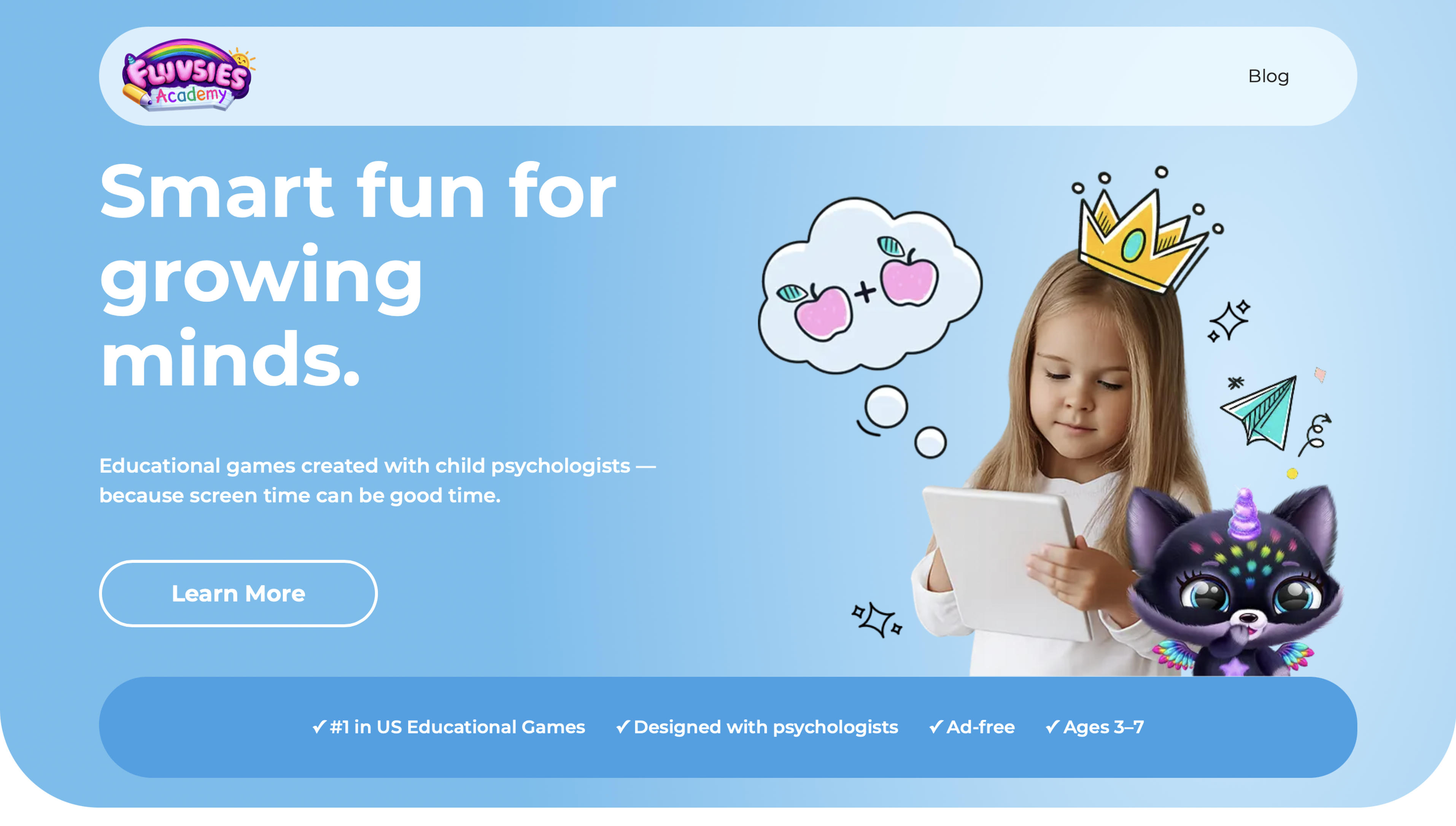
Fluvsies Academy is a delightful educational app packed with playful mini-games that make learning irresistible for kids ages 3 to 7. Adorable Fluvsies characters, cute fuzzy pets kids adore, guide preschoolers through joyful adventures that build language and phonics, numbers, logic, sorting, and essential life skills while nurturing focus, creativity, empathy, and emotional growth. For 3-year-olds, the simple, intuitive activities shine with easy matching and sorting, gentle counting games, basic phonics fun, and imaginative role-play as professions like baker or astronaut, all helping spark vocabulary, comparison skills, and early confidence in a calm, guided environment.
Created in collaboration with child psychologists, the app delivers a 100% safe, ad-free experience that turns screen time into meaningful development with added mindfulness moments and self-regulation tools. Strengths include its perfect balance of character-driven fun and holistic skill-building that adapts as children grow; though the engaging pet stories can sometimes extend sessions delightfully, it keeps young learners happily immersed while supporting well-rounded early growth.
Key features:
- Playful mini-games teaching language, phonics, math, logic, sorting, and real-life skills featuring beloved Fluvsies characters
- Number and counting activities designed to grow confidence and foundational math sense
- Sorting tasks and logic challenges that sharpen attention, focus, and comparison abilities
- Profession exploration games expanding vocabulary and imagination through everyday roles like baker or astronaut
- Mindfulness, yoga, and emotional tools woven into play for self-regulation and social-emotional development
- Ad-free, psychologist-backed content tailored precisely for ages 3–7 with smooth progression
Facts and information:
- Expert-designed holistic app for preschoolers that combines cognitive learning with creativity and life skills in one nurturing space
- Turns digital play into proud parenting moments by focusing on joy, attention, empathy, and healthy habits
- Ideal starting point for 3-year-olds with age-appropriate visuals, tasks, and difficulty that builds school readiness without pressure
- Includes parent-friendly progress insights and offline extension ideas to reinforce learning beyond the screen
Creates calm, character-rich experiences that make foundational education feel like pure fun and adventure
3. Khan Academy Kids
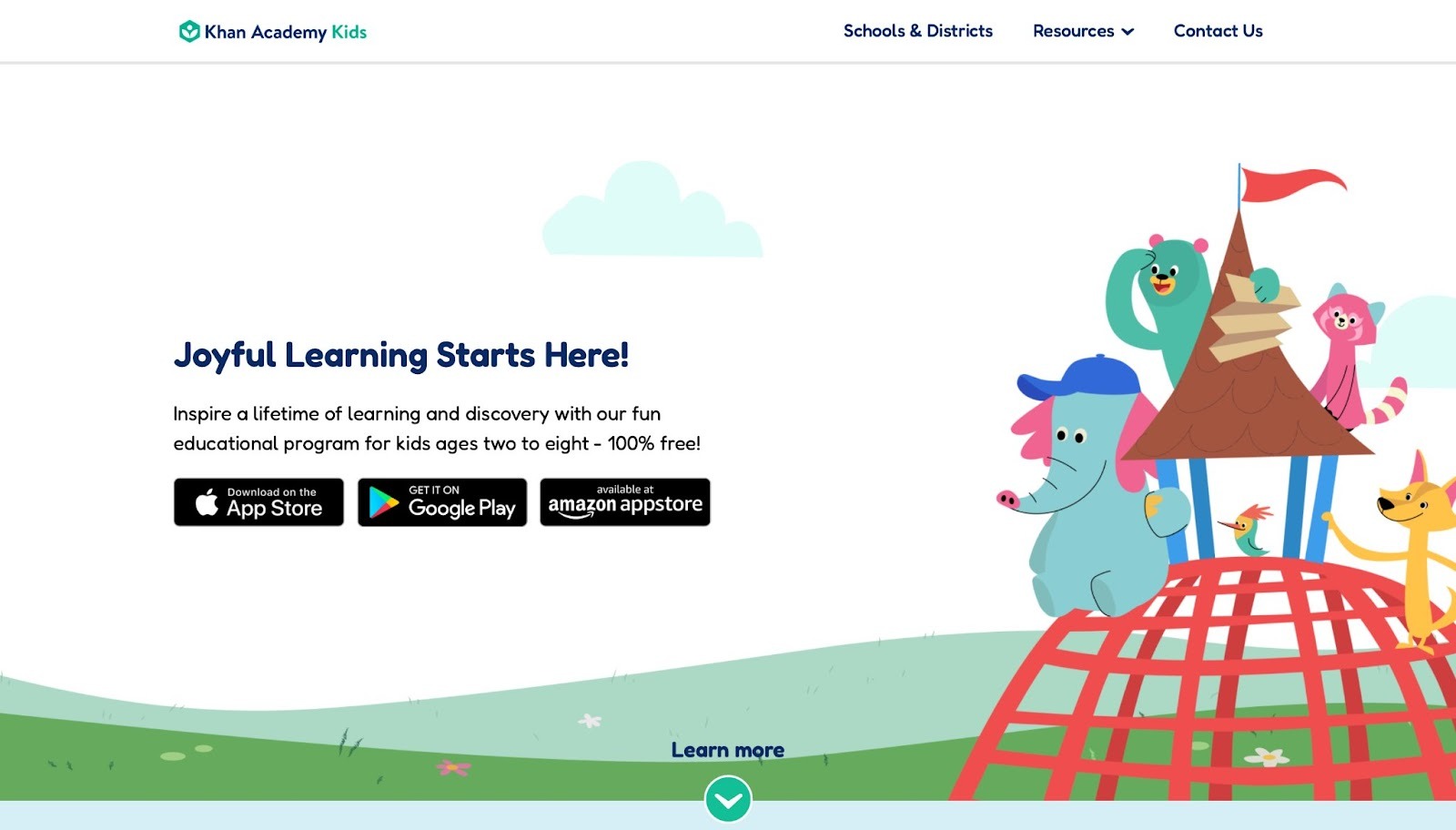
Khan Academy Kids stands out as a comprehensive free app that delivers engaging activities tailored for young learners, emphasizing foundational skills in math, reading, and social-emotional development. For 3-year-olds, it features colorful stories led by endearing animal characters who guide children through interactive lessons on letters, numbers, and shapes. The app's adaptive technology adjusts difficulty levels automatically, ensuring each session matches the child's progress and keeps frustration at bay. Toddlers can explore drawing tools, music creation, and simple puzzles that encourage creativity and fine motor skills.
Strengths include its vast library of books and videos that blend entertainment with education, making learning feel like play. However, the broad content range might occasionally overwhelm parents seeking focused topics, requiring some navigation to curate experiences. Families appreciate the offline mode for travel, allowing uninterrupted fun. Based in Mountain View, California, this nonprofit-backed app promotes equitable access to quality education. Kids often return to favorite activities, like sorting games or emotion-focused stories, building confidence over time. Overall, it fosters a love for discovery in a safe, ad-free environment that grows with the child.
Key features:
- Personalized learning paths covering math, literacy, and creativity with offline capabilities.
- Multilingual support and progress tracking for parents to monitor growth easily.
- Interactive books and videos that integrate social skills like sharing and empathy.
Facts and information:
- Aligns with early childhood standards, supporting programs like Head Start for holistic development.
- Trusted by millions of families worldwide, with regular updates adding fresh content on self-care and exploration.
- Emphasizes joyful learning, helping toddlers build reasoning and emotional awareness through guided play.
4. Effling
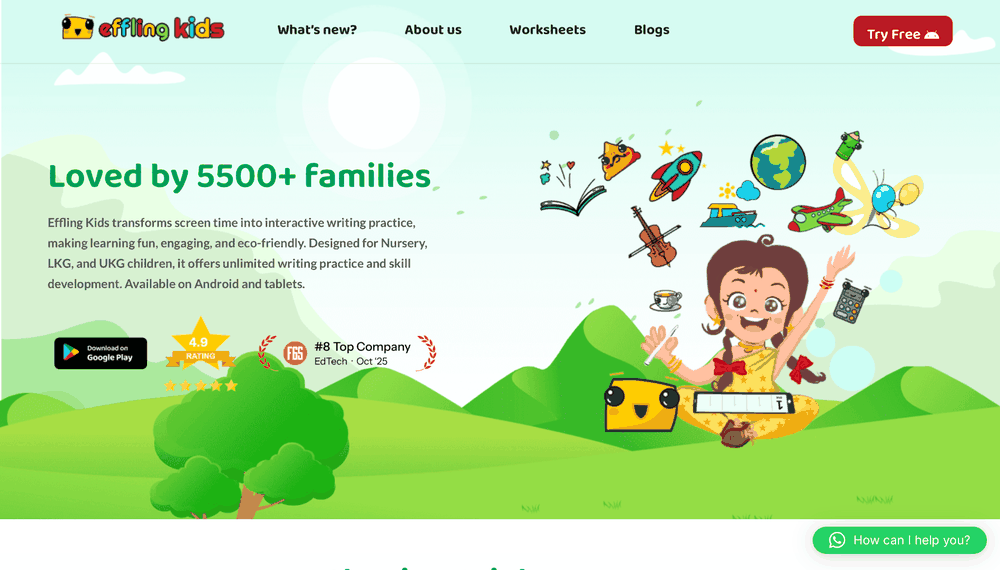
Effling provides a dynamic platform for young children to engage in customized quizzes and exercises across subjects like math, science, and language arts, ideal for 3-year-olds beginning their educational journey. The app allows for real-time tracking of progress, adapting questions to suit individual strengths and areas needing improvement. Toddlers interact with simple, vibrant interfaces where they match shapes, count objects, or identify colors through fun, bee-inspired contests. Strengths lie in its personalization, which makes learning feel targeted and effective, encouraging repeated practice without boredom.
A potential weakness is the quiz format that might seem structured for some free-spirited play preferences, though it balances well with creative elements. Users can create custom content, like spelling simple words or basic addition, fostering family involvement. This app suits a wide age range but shines for early learners by building mastery step by step. It includes screen recording for reviewing achievements, adding a motivational layer. Effling promotes targeted skill-building in an accessible way, helping little ones gain confidence in basics while enjoying the process.
Key features:
- Adaptive quizzes in core subjects with real-time feedback and progress reports.
- Custom content creation for personalized practice in areas like phonics and counting.
- Spelling bee simulations that enhance vocabulary and recognition skills interactively.
Facts and information:
- Suitable for ages 3-7, focusing on foundational knowledge with flexible learning paths.
- Free access encourages broad use, supporting diverse educational needs effectively.
- Integrates technology for engaging, modern early education experiences.
5. Sago Mini World
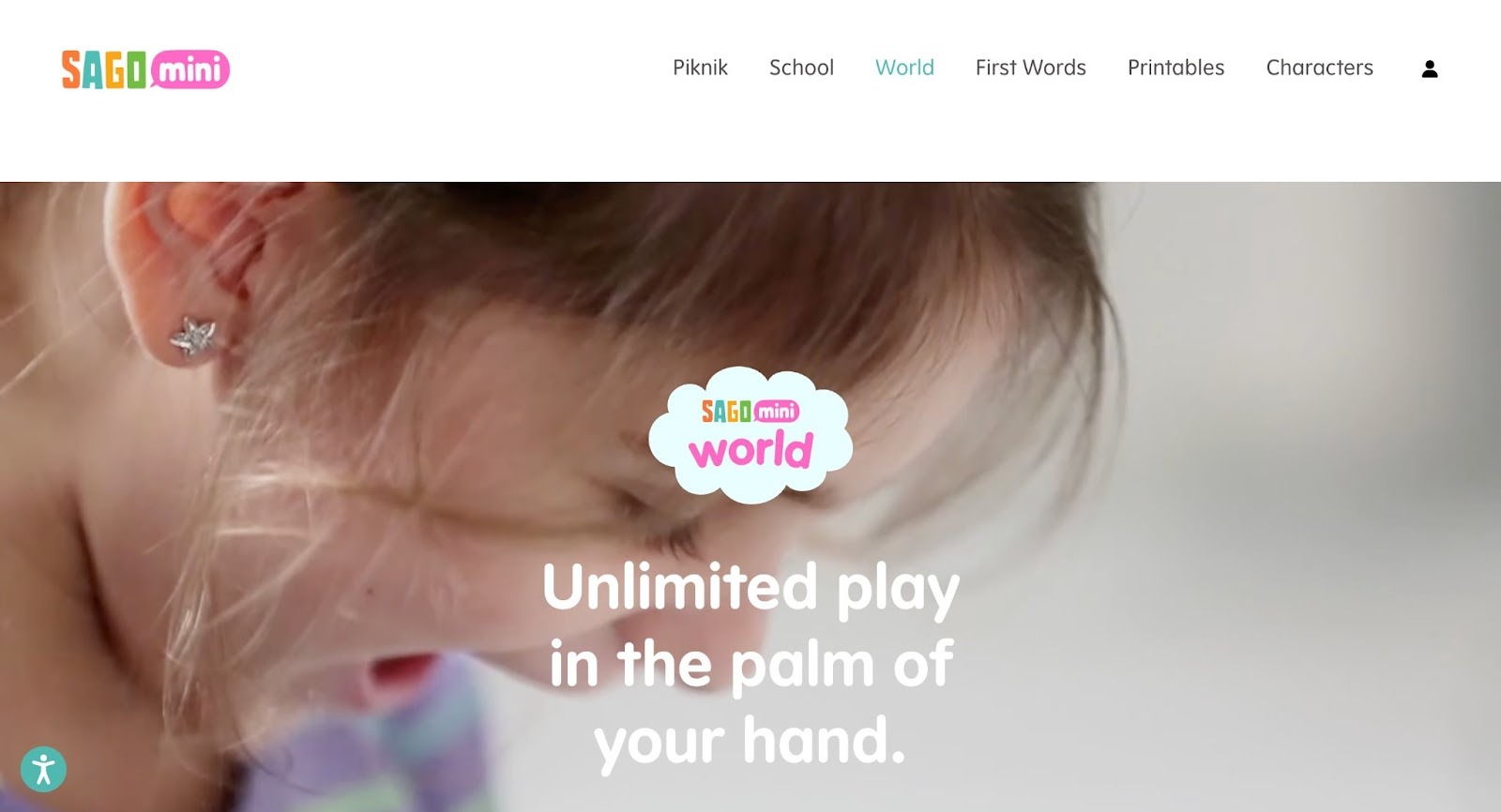
Sago Mini World offers an expansive collection of over 35 mini-games where 3-year-olds can freely explore imaginative scenarios, from constructing robots to embarking on space adventures. The app encourages open-ended play, allowing toddlers to drag and drop elements to build unique stories in whimsical environments. Strengths are evident in its promotion of creativity and independence, with no timers or scores to pressure young users. Kids can customize characters and worlds, honing fine motor skills and decision-making.
A downside could be the absence of explicit goals, which might require parental guidance to maximize educational value for structured learners. Regular updates introduce new themes like farms or cities, keeping content fresh and exciting. Based in Toronto, Canada, Sago Mini prioritizes safe, ad-free experiences that spark curiosity. Toddlers delight in unexpected interactions, such as making animals dance or vehicles fly, which subtly teach cause and effect. This app transforms screen time into a canvas for imagination, supporting emotional expression through playful narratives.
Key features:
- Drag-and-drop mechanics for creating custom scenarios and character personalization.
- Themed worlds covering everyday and fantastical settings without competitive elements.
- Collaborative play options that encourage sharing devices with siblings or parents.
Facts and information:
- Award-winning for fostering discovery and motor development in young children.
- Ad-free design ensures uninterrupted exploration, trusted for safe digital play.
- Supports broad age appeal, evolving with kids' growing imaginative capabilities.
6. ABCmouse
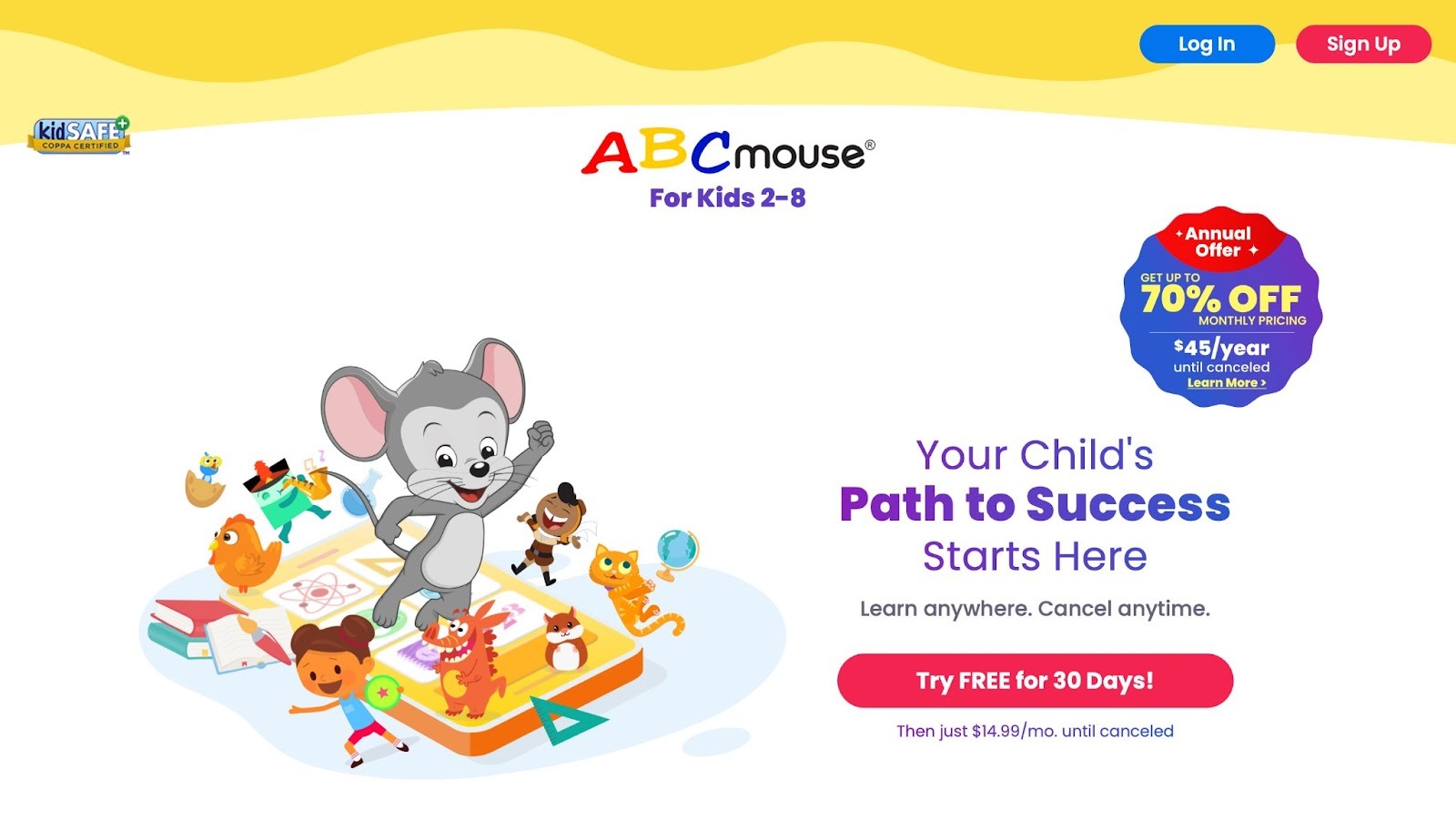
ABCmouse delivers a structured curriculum through an immersive app filled with games, songs, and interactive books focused on reading, math, and more for preschoolers. For 3-year-olds, it begins with phonics and counting in engaging virtual classrooms, where rewards like virtual tickets motivate progress toward customizing a pet or room. Strengths include its motivational system that keeps toddlers eager to learn, blending art and science into core lessons.
Some may find the linear progression less flexible for exploratory play, potentially needing supplements for variety. The app supports multiple profiles, ideal for families with siblings. It weaves in emotional learning through stories about friendship and perseverance. Based in Glendale, California, ABCmouse draws on research to aid early academic gains. Kids enjoy puzzles that teach shapes or animal facts, building a broad knowledge base. This comprehensive approach prepares toddlers for school while making education rewarding and fun.
Key features:
- Customized learning tracks in essential subjects with interactive narratives.
- Reward-based system for acquiring virtual items, enhancing engagement.
- Sibling-friendly multiple profiles with parental progress dashboards.
Facts and information:
- Research-supported for boosting early skills, with frequent content additions.
- Favored by families for its all-in-one educational ecosystem.
- Covers foundational concepts comprehensively, aiding smooth transitions to formal schooling.
7. Lingokids
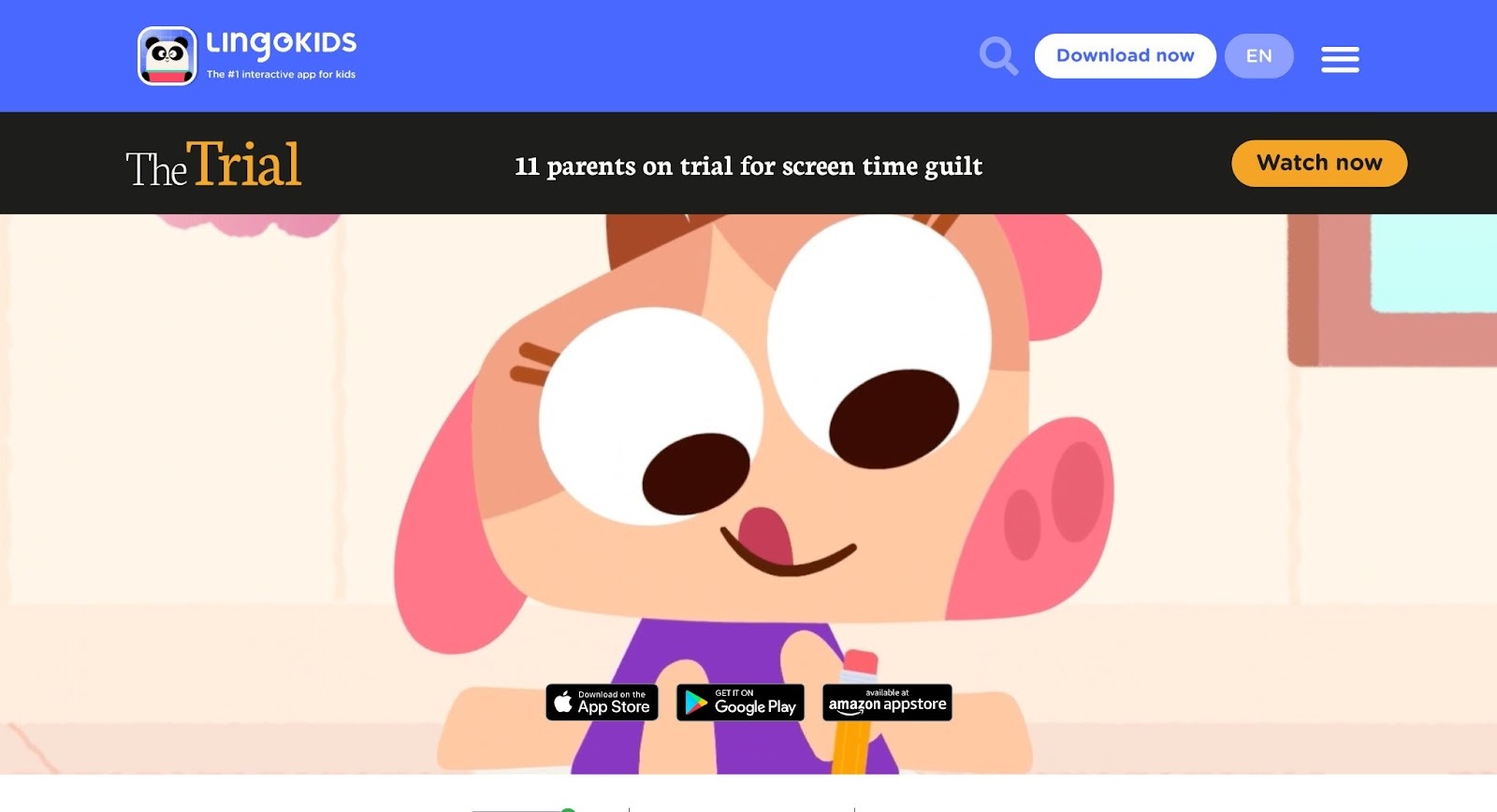
Lingokids combines songs, games, and interactive shows to teach ABCs, numbers, and life skills like yoga and nature exploration for toddlers. At age 3, children join animal-led adventures that introduce counting fruits or breathing exercises for calm. Strengths highlight its diverse skill set, from language to emotional regulation, presented in a lively, podcast-inclusive format.
The initial parent setup might delay quick starts, a small inconvenience for its rich content. Over thousands of activities ensure variety, replacing passive viewing with active learning. Based in Madrid, Spain, Lingokids collaborates with educators for award-winning material. Toddlers build vocabulary through music and movement, fostering expression and curiosity. This app excels in creating a safe universe that nurtures holistic growth through joyful, multifaceted play.
Key features:
- Extensive library of music, movement, and educational tasks in an ad-free space.
- Parental tracking tools to monitor and guide children's progress.
- Themed classes on emotions and basics for well-rounded development.
Facts and information:
- Educator-designed content that sparks interest in learning languages and life skills.
- Effective for beginners, particularly in building foundational curiosity.
- Regularly updated to maintain relevance and engagement for young users.
8. Duolingo ABC
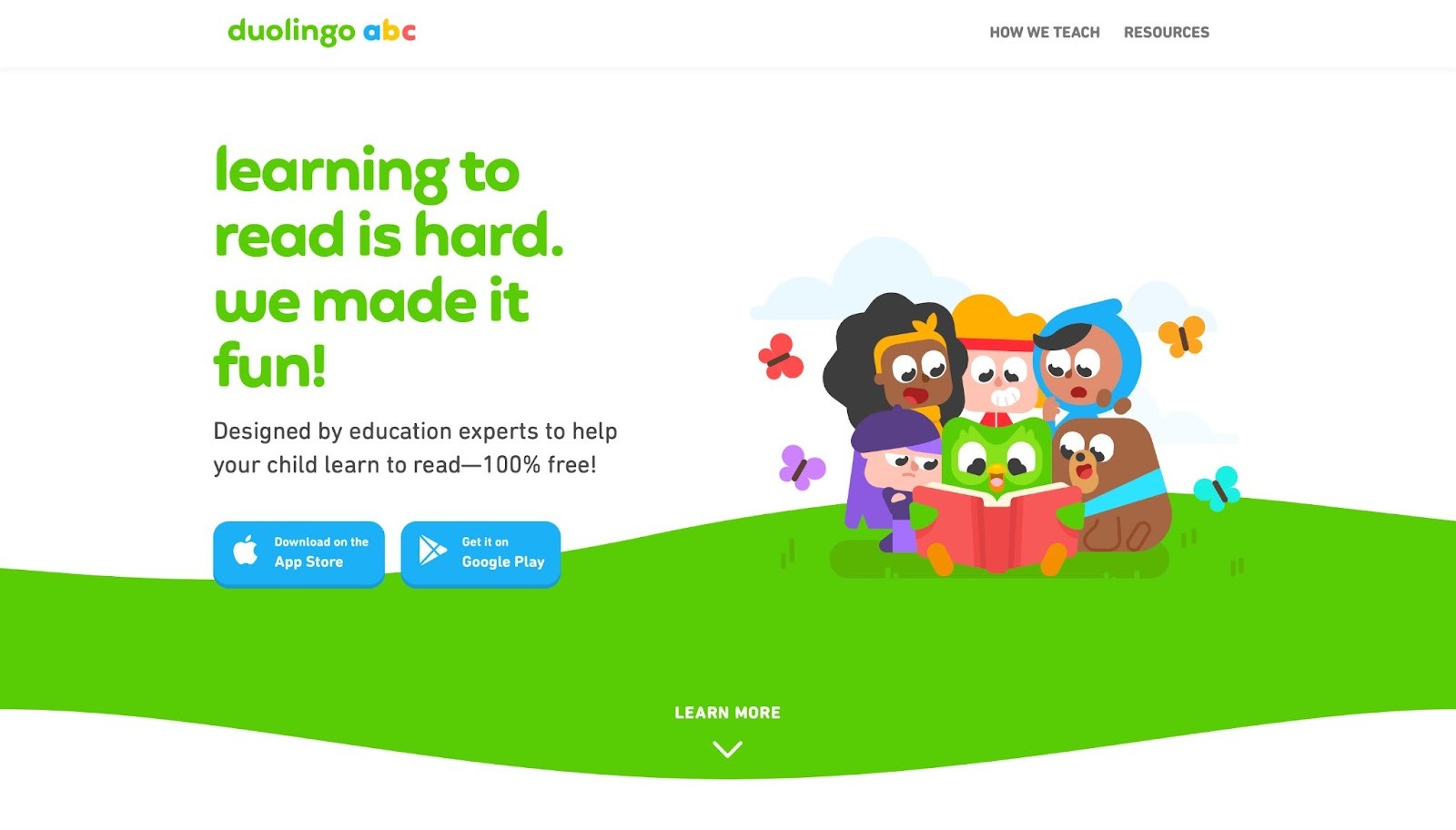
Duolingo ABC introduces literacy through short, gamified lessons on phonics, handwriting, and sight words, featuring quirky characters in narrative-driven activities. For 3-year-olds, it offers tracing letters and practicing sounds in bite-sized tales that feel effortless. Strengths are in its accessible, quick format that rapidly builds reading foundations without overwhelming.
Limited to literacy, it pairs well with other apps for broader coverage. The app follows proven methods for progressive skill-building. Based in Pittsburgh, Pennsylvania, Duolingo ensures ad-free, research-backed experiences. Toddlers enjoy the fun animations and immediate feedback, encouraging daily practice. This focused tool lays strong groundwork for language arts in an entertaining way.
Key features:
- Story-integrated phonics and vocabulary building with tracing exercises.
- Sight word drills embedded in engaging, short sessions.
- Adaptive difficulty for personalized literacy advancement.
Facts and information:
- Accelerates reading proficiency through structured, enjoyable methods.
- Free and distraction-free, supported by educational research.
- Ideal for early starters in developing core language skills.
9. Daniel Tiger’s Grr-ific Feelings
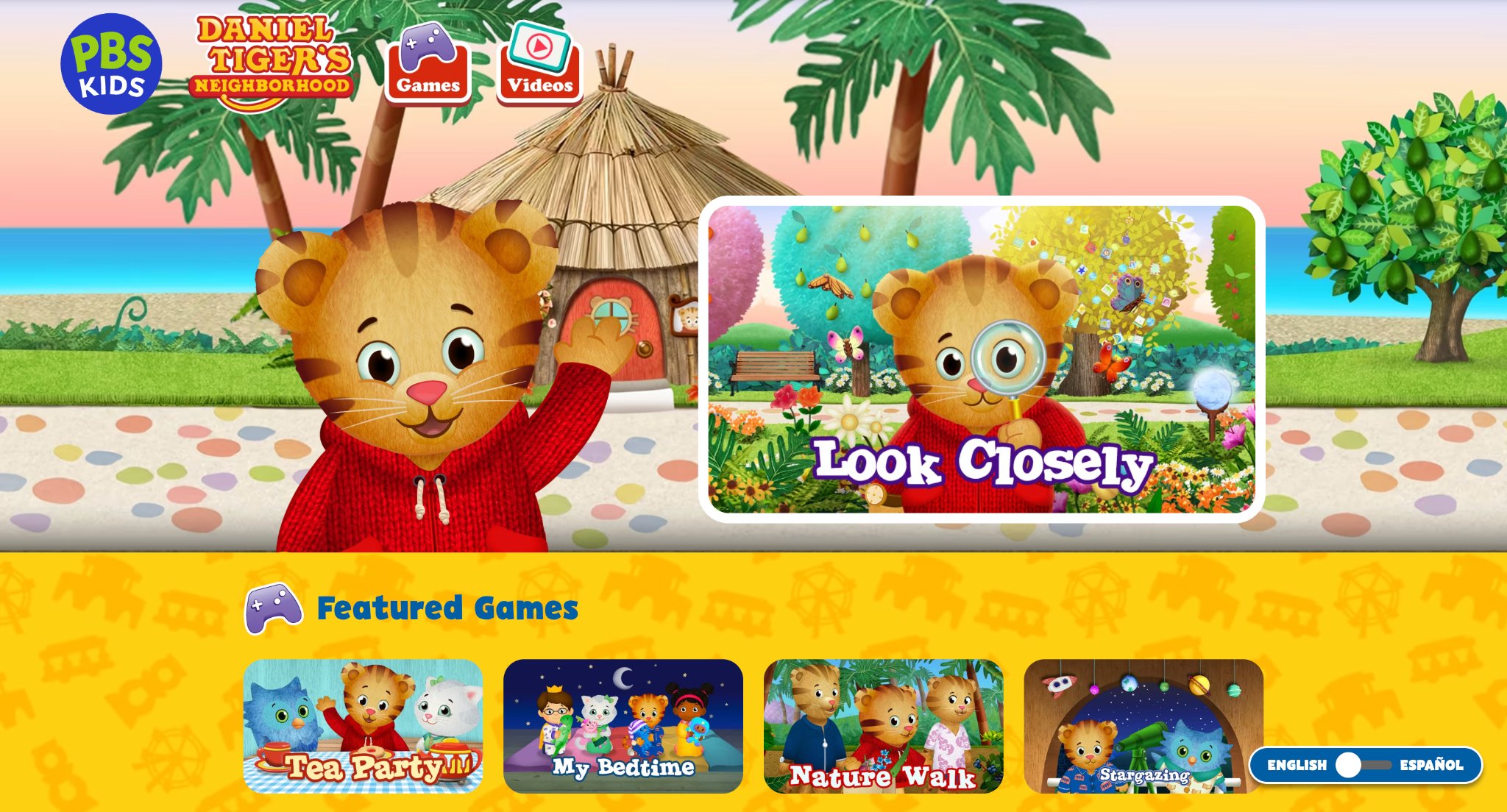
Daniel Tiger’s Grr-ific Feelings app helps 3-year-olds identify and manage emotions via songs, drawings, and games inspired by the beloved show. Children navigate neighborhood scenarios to practice sharing or calming down, with familiar characters providing comfort. Strengths reside in its gentle approach to social-emotional learning, making complex feelings accessible.
Full enjoyment might require familiarity with the series, though it stands alone effectively. It integrates routines like bedtime through musical activities. Based in Arlington, Virginia, PBS Kids delivers free, educational content tied to quality programming. Toddlers learn kindness and self-control in a reassuring environment, promoting healthy emotional habits.
Key features:
- Emotion-themed games and songs for daily life skills.
- Interactive stories that model positive behaviors.
- Drawing tools to express feelings creatively.
Facts and information:
- Enhances empathy and regulation, linked to acclaimed children's media.
- Accessible without cost, fostering inclusive learning.
- Supports family discussions on emotions through relatable content.
10. Lightbot Jr
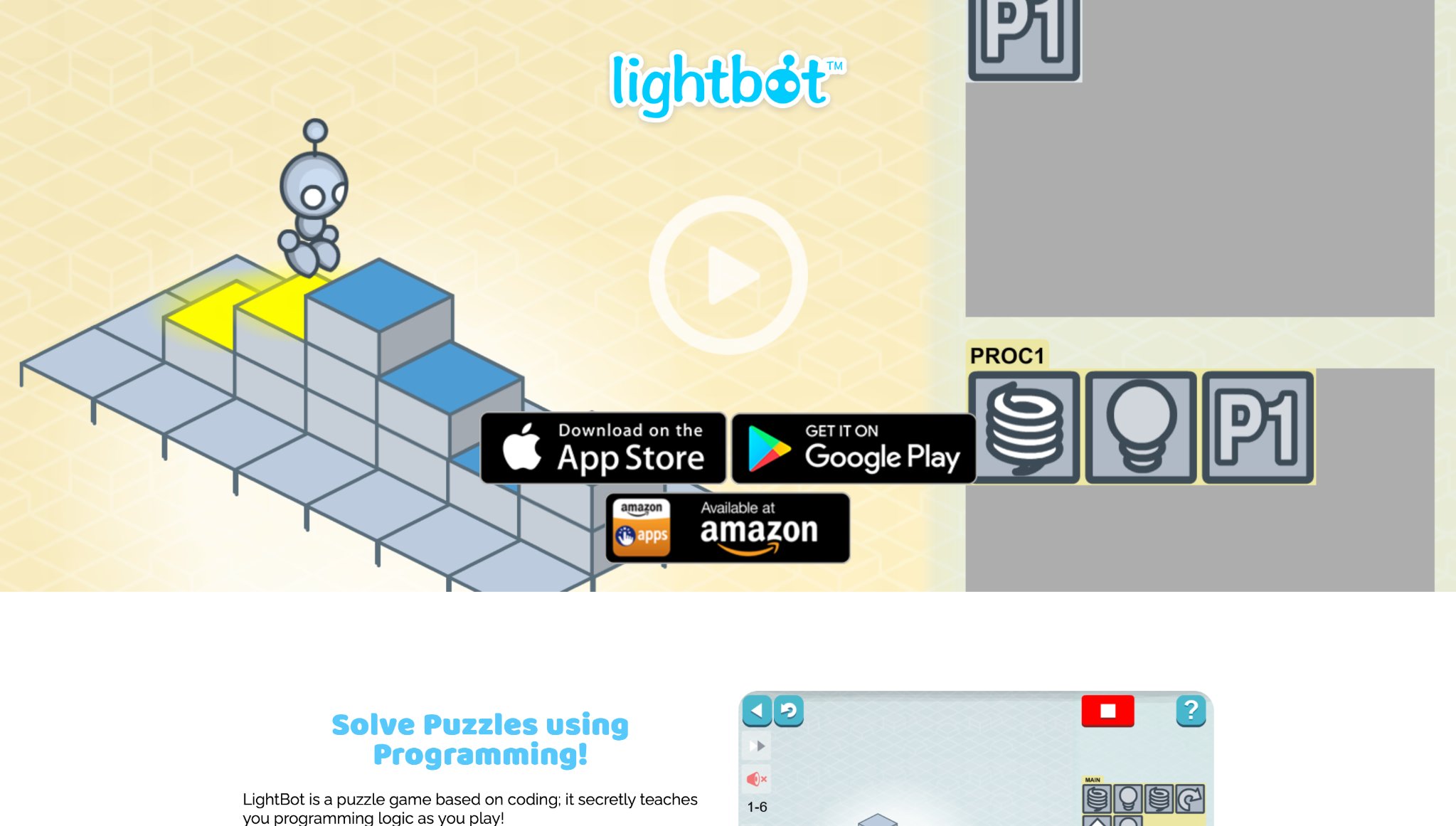
Lightbot Jr eases toddlers into coding concepts with puzzles where they direct a robot using simple commands like forward or turn. For 3-year-olds, it starts with basic sequences on glowing grids, teaching loops and logic intuitively. Strengths include its gradual introduction to STEM thinking, building problem-solving without words. Icon-based interface might need initial adult help for pre-readers. The app progresses to conditions, preparing for advanced concepts. Based in Canada, Lightbot focuses on foundational reasoning. Kids gain satisfaction from solving levels, enhancing persistence and spatial awareness.
Key features:
- Symbol-driven commands for sequencing and conditional puzzles.
- Progressive challenges that introduce programming basics gently.
- Visual feedback to reinforce learning outcomes.
Facts and information:
- Develops logical thinking as an entry to STEM fields.
- Suitable for beginners, promoting cognitive growth.
- Award-recognized for innovative early education.
11. Toca Nature
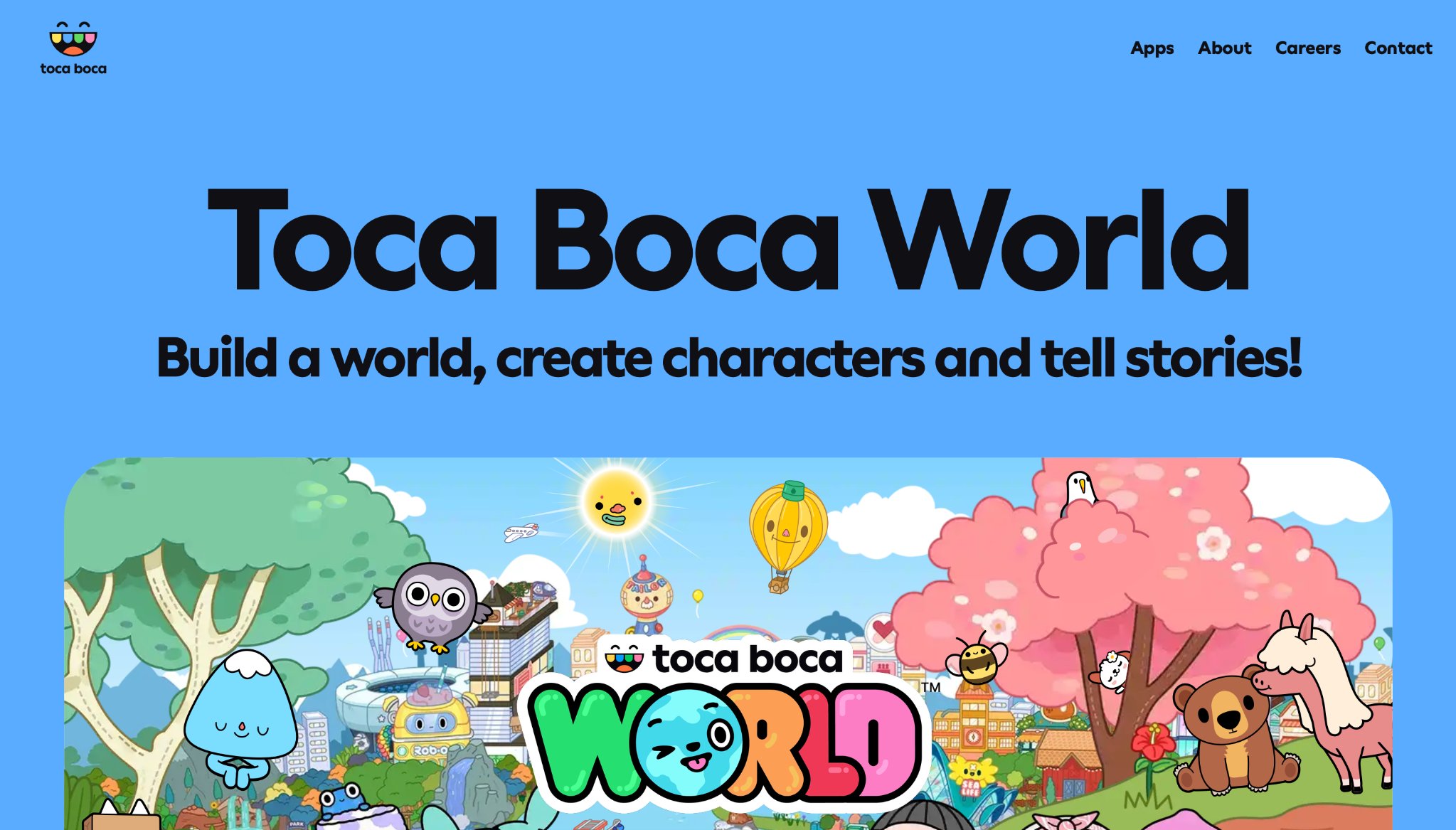
Toca Nature empowers 3-year-olds to design natural landscapes, planting trees, shaping mountains, and observing wildlife in serene simulations. Children gather resources to feed animals, watching ecosystems evolve. Strengths emphasize open creation that illustrates environmental connections, sparking wonder. Full access via subscription, but core features engage deeply. Based in Stockholm, Sweden, Toca Boca champions imaginative, rule-free play. Toddlers explore zoom views of their worlds, learning about habitats subtly. This app cultivates appreciation for nature through hands-on digital interaction.
Key features:
- Terrain-building tools and resource management for ecosystem play.
- Interactive wildlife observations with feeding mechanics.
- Zoom functions for detailed exploration of created environments.
Facts and information:
- Encourages eco-awareness in an open-ended format.
- Supports family co-play for shared discoveries.
- Highly regarded for promoting creativity and understanding.
12. Endless Alphabet
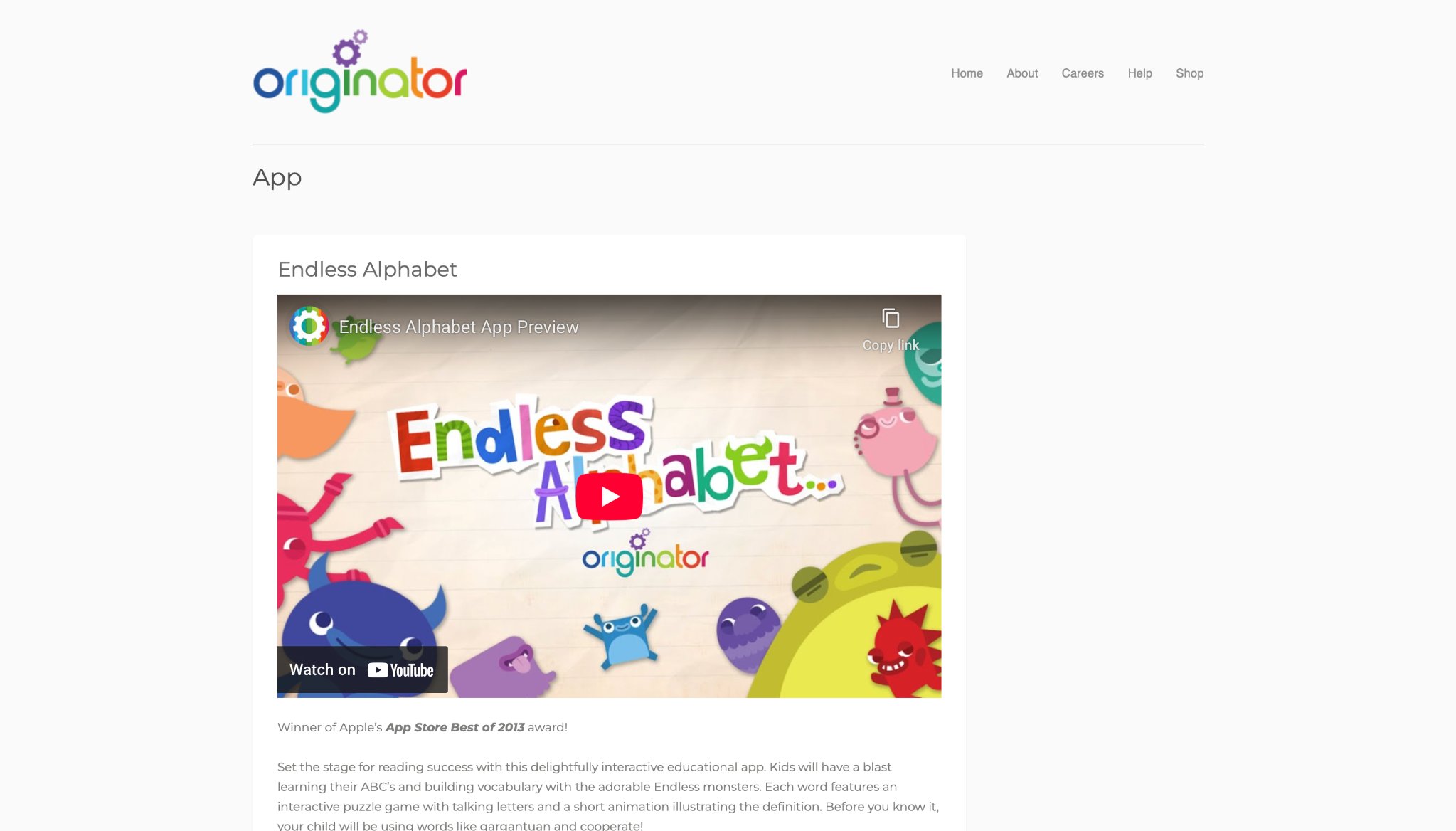
Endless Alphabet captivates 3-year-olds with animated letters that transform into words, accompanied by quirky monsters demonstrating meanings through hilarious skits. Toddlers drag letters to form words like "gargantuan" or "bellow," learning phonics and vocabulary in a playful manner. Strengths shine in its entertaining definitions that make advanced words accessible and memorable, boosting language skills effortlessly.
Some might note the focus on unusual terms over basics, though it complements standard learning well. The app includes puzzles for each word, enhancing fine motor control. Based in San Francisco, California, Originator creates ad-free educational fun. Kids repeat skits for laughs, internalizing sounds and meanings. This tool turns alphabet mastery into an adventure of discovery and delight.
Key features:
- Interactive word puzzles with animated definitions and sound effects.
- Monster-led skits illustrating vocabulary in engaging scenarios.
- Progressive word sets building from simple to complex terms.
Facts and information:
- Fosters phonemic awareness and expansive vocabulary early on.
- Trusted for screen-free ad experiences, aiding focused learning.
- Award-winning for innovative language education approaches.
13. Numberblocks
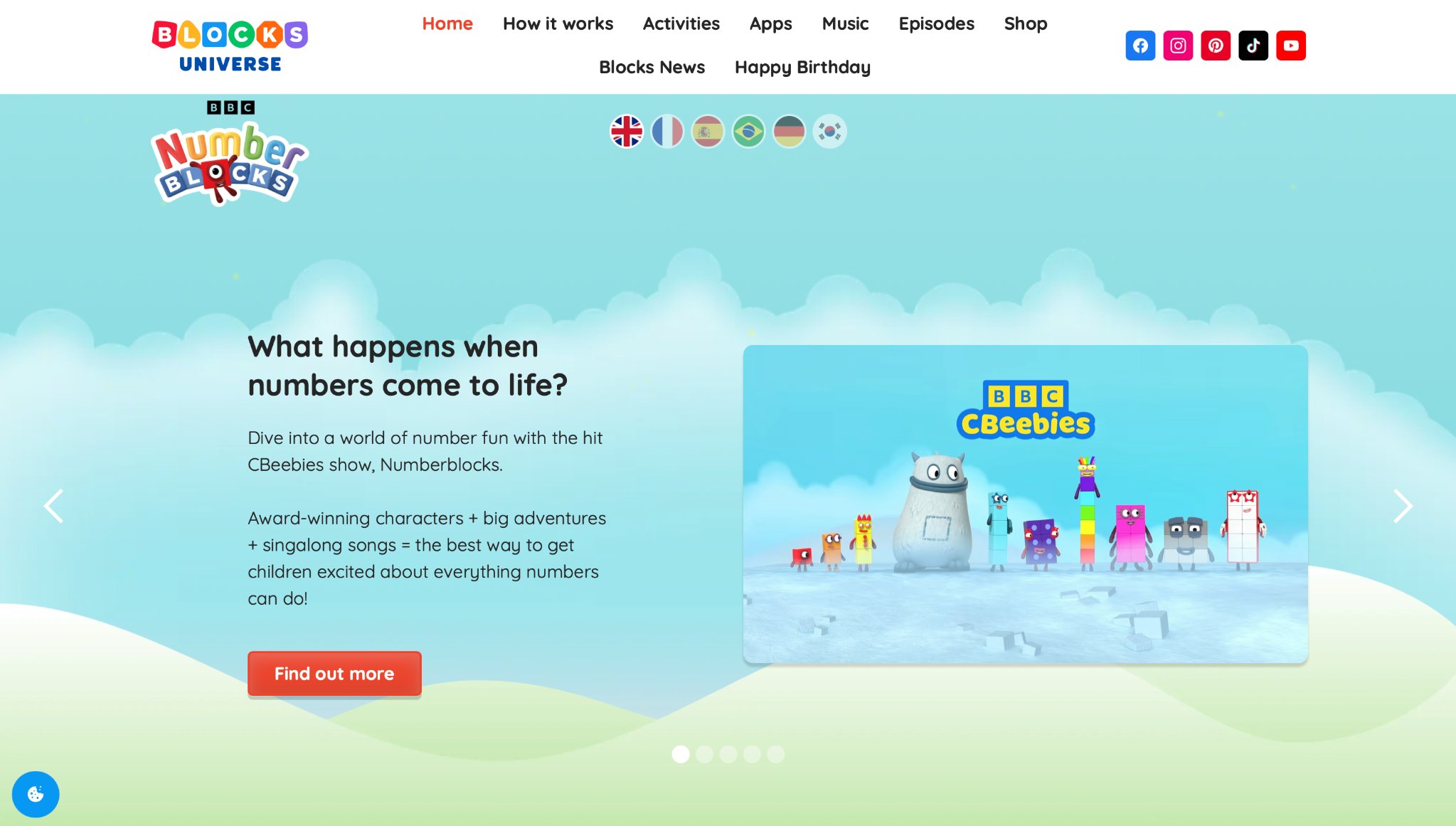
Numberblocks brings math to life for 3-year-olds through animated blocks that combine and split to teach counting, addition, and shapes in episodic adventures. Children watch and interact as blocks form numbers, solving problems in a colorful world. Strengths include its storytelling that makes abstract concepts concrete and fun, encouraging number sense intuitively.
Episodes might feel repetitive for some, but reinforce learning effectively. The app ties into a TV series for extended engagement. Based in London, UK, BBC Kids produces quality, free content. Toddlers mimic block formations, building confidence in basics. This app demystifies math through character-driven play.
Key features:
- Animated stories demonstrating number operations and patterns.
- Interactive games reinforcing addition and shape recognition.
- Episode-based learning with sing-along elements for retention.
Facts and information:
- Aligns with early math curricula, promoting conceptual understanding.
- Accessible freely, supporting global educational equity.
- Popular for blending entertainment with foundational skills.
14. Montessori Preschool
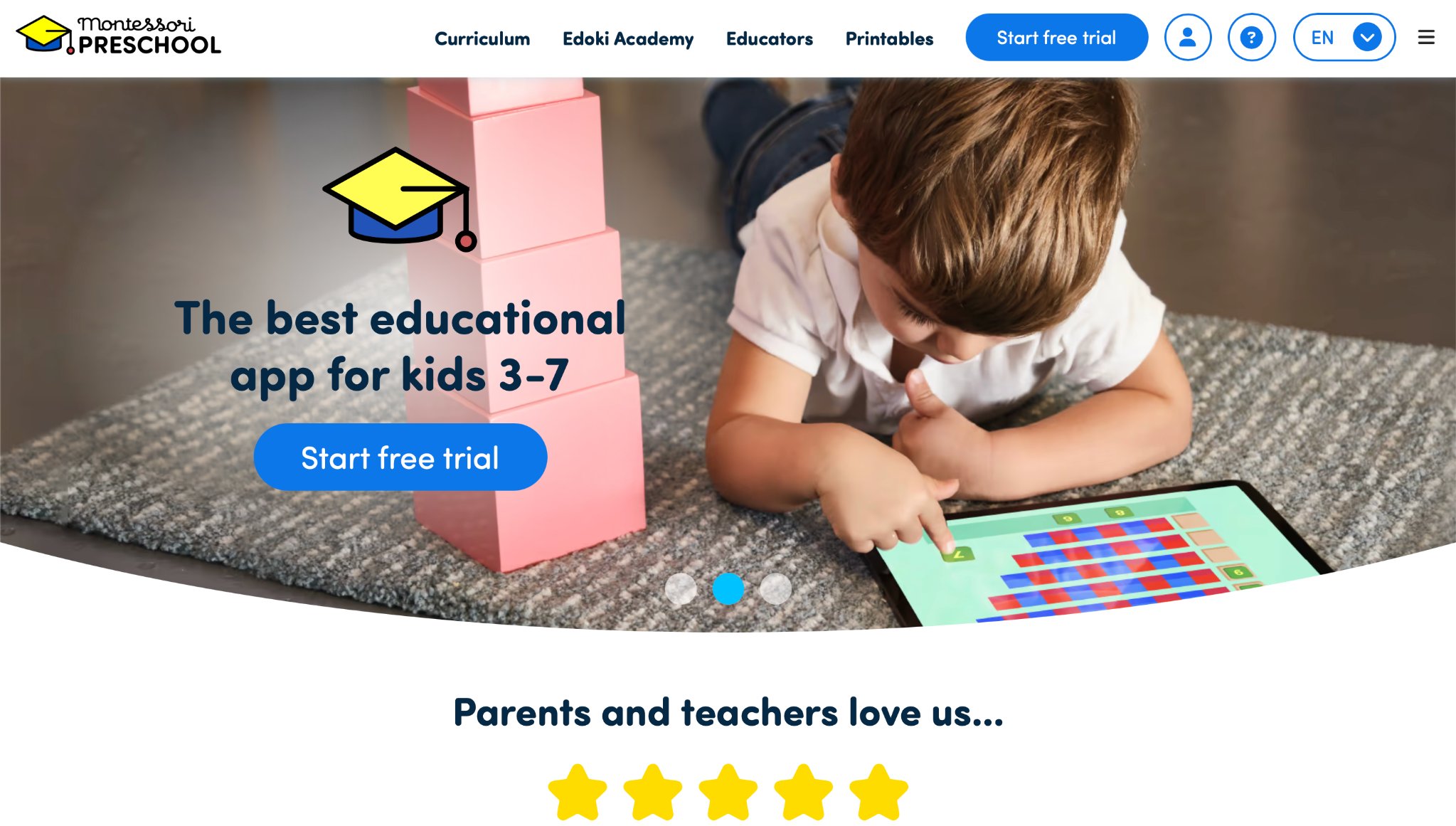
Montessori Preschool applies child-led principles in digital form, offering activities on math, language, and practical life for 3-year-olds. Toddlers sort objects, trace letters, or explore cultures through self-paced modules. Strengths lie in its independence-fostering design, mirroring real Montessori tools for authentic learning. The breadth might require guidance to navigate initially. Based in Paris, France, Edoki emphasizes holistic development. Kids engage in virtual housekeeping or geography, building real-world skills. This app nurtures curiosity and self-reliance effectively.
Key features:
- Self-directed tasks in numeracy, literacy, and life skills.
- Cultural explorations with music and art integrations.
- Progress badges encouraging personal achievement.
Facts and information:
- Rooted in proven Montessori methods for early independence.
- Ad-free for immersive, distraction-free experiences.
- Supports multilingual learning for diverse families.
15. Busy Shapes
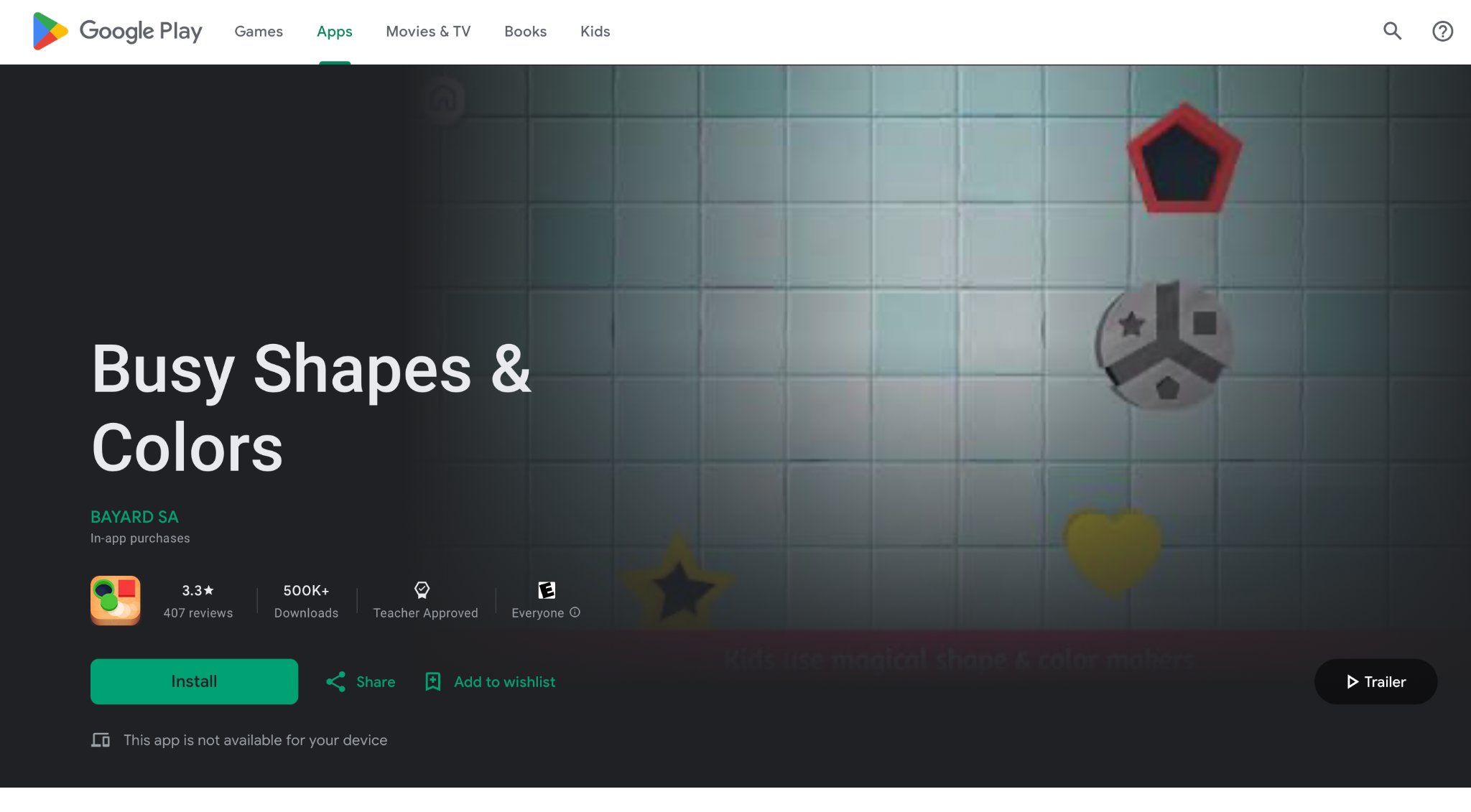
Busy Shapes challenges 3-year-olds with shape-matching puzzles that evolve in complexity, guiding objects through portals using logic and trial. The app draws on Montessori-inspired manipulation to teach geometry and problem-solving. Strengths are in its intuitive interface that promotes spatial reasoning without instructions. Some puzzles might frustrate if too advanced early on. Based in France, Seven Academy focuses on cognitive growth. Toddlers experiment freely, discovering concepts like size and color. This tool sharpens thinking through hands-on digital play.
Key features:
- Progressive shape puzzles with drag mechanics.
- Adaptive difficulty based on performance.
- Colorful, abstract environments for focused exploration.
Facts and information:
- Enhances spatial and logical skills foundational to STEM.
- Minimalist design aids concentration in young users.
- Recognized for effective early cognitive training.
16. Dr. Panda Town
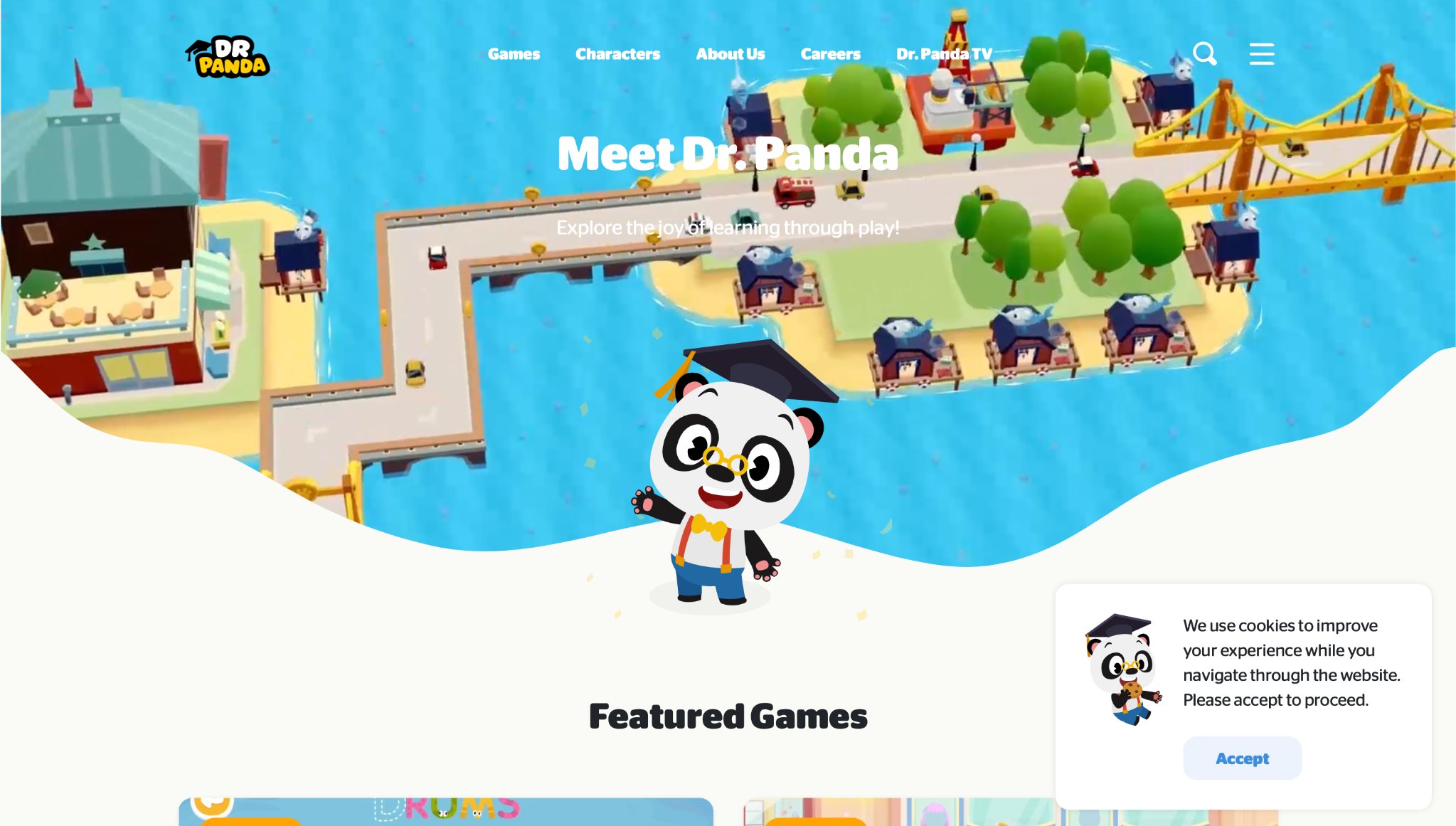
Dr. Panda Town lets 3-year-olds role-play in a bustling village, visiting shops, homes, and parks to create stories with animal characters. Toddlers drag items to interact, like cooking or driving, learning social norms. Strengths include its open-world freedom that boosts imagination and empathy. Vast areas might overwhelm without direction. Based in Chengdu, China, Dr. Panda offers safe, creative play. Kids simulate daily life, understanding routines. This app enriches pretend play digitally.
Key features:
- Interactive locations for role-playing and object manipulation.
- Character interactions teaching manners and cooperation.
- Seasonal updates adding new adventures.
Facts and information:
- Promotes social-emotional learning through simulation.
- Ad-free for pure imaginative engagement.
- Global appeal with multicultural elements.
17. Pepi Bath
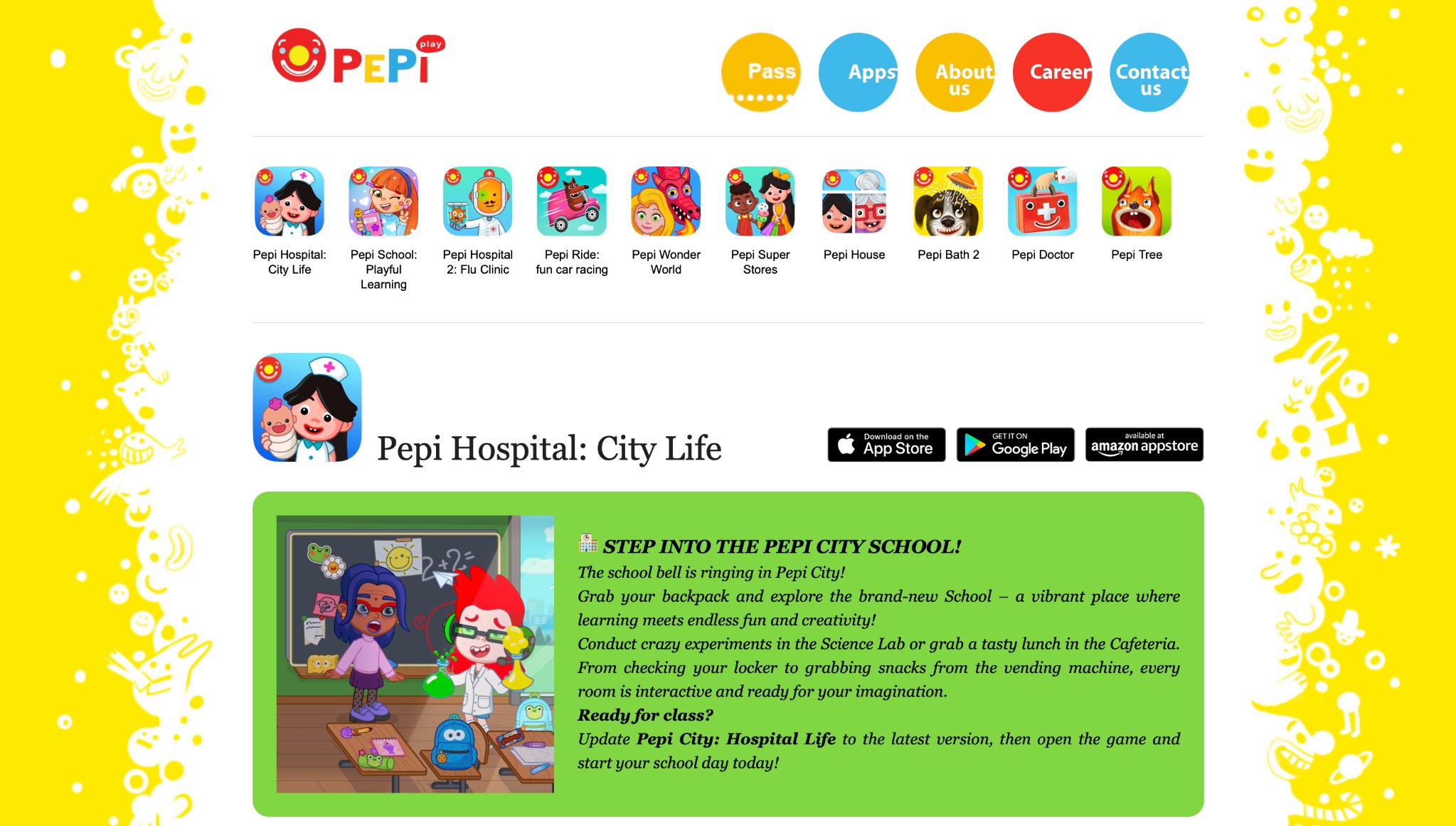
Pepi Bath teaches hygiene routines to 3-year-olds through fun bathroom simulations, where characters brush teeth, wash hands, and more. Toddlers choose actions, learning sequences playfully. Strengths are in its practical life skills focus, making habits enjoyable. Limited scope suits short sessions well. Based in Lithuania, Pepi Play creates wholesome apps. Kids repeat routines, internalizing cleanliness. This tool supports independence in daily care.
Key features:
- Step-by-step hygiene activities with interactive elements.
- Character customization for personal connection.
- Humorous animations reinforcing positive behaviors.
Facts and information:
- Builds self-care awareness early on.
- Simple, safe design for toddlers.
- Encourages healthy habits through play.
18. MarcoPolo Ocean
MarcoPolo Ocean immerses 3-year-olds in underwater building, creating coral reefs and submarines to explore marine life. Toddlers assemble ecosystems, learning about sea creatures. Strengths highlight its STEM integration with creativity, teaching biology basics. Exploration might lack structure for some. Based in London, UK, MarcoPolo backs research-driven content. Kids discover facts through interaction, fostering wonder. This app educates on environments engagingly.
Key features:
- Building tools for ocean habitats and vehicles.
- Fact pop-ups on marine animals and phenomena.
- Narrative-driven discoveries for guided learning.
Facts and information:
- Introduces science concepts through hands-on creation.
- Award-winning for educational innovation.
- Supports curiosity about the natural world.
19. Fisher-Price Think & Learn
Fisher-Price Think & Learn pairs physical toys with app activities for 3-year-olds, teaching coding basics via robot commands or shape games. Strengths in hybrid play blend screen and tangible learning. App reliance might limit offline use. Based in East Aurora, New York, Fisher-Price innovates classic toys digitally. Toddlers program movements, grasping sequences. This tool bridges physical and virtual education.
Key features:
- Toy-linked coding challenges and puzzles.
- Shape and color recognition activities.
- Reward systems for completed tasks.
Facts and information:
- Enhances motor and cognitive skills combined.
- Trusted brand for durable, educational play.
- Promotes active learning beyond screens.
20. Homer Reading
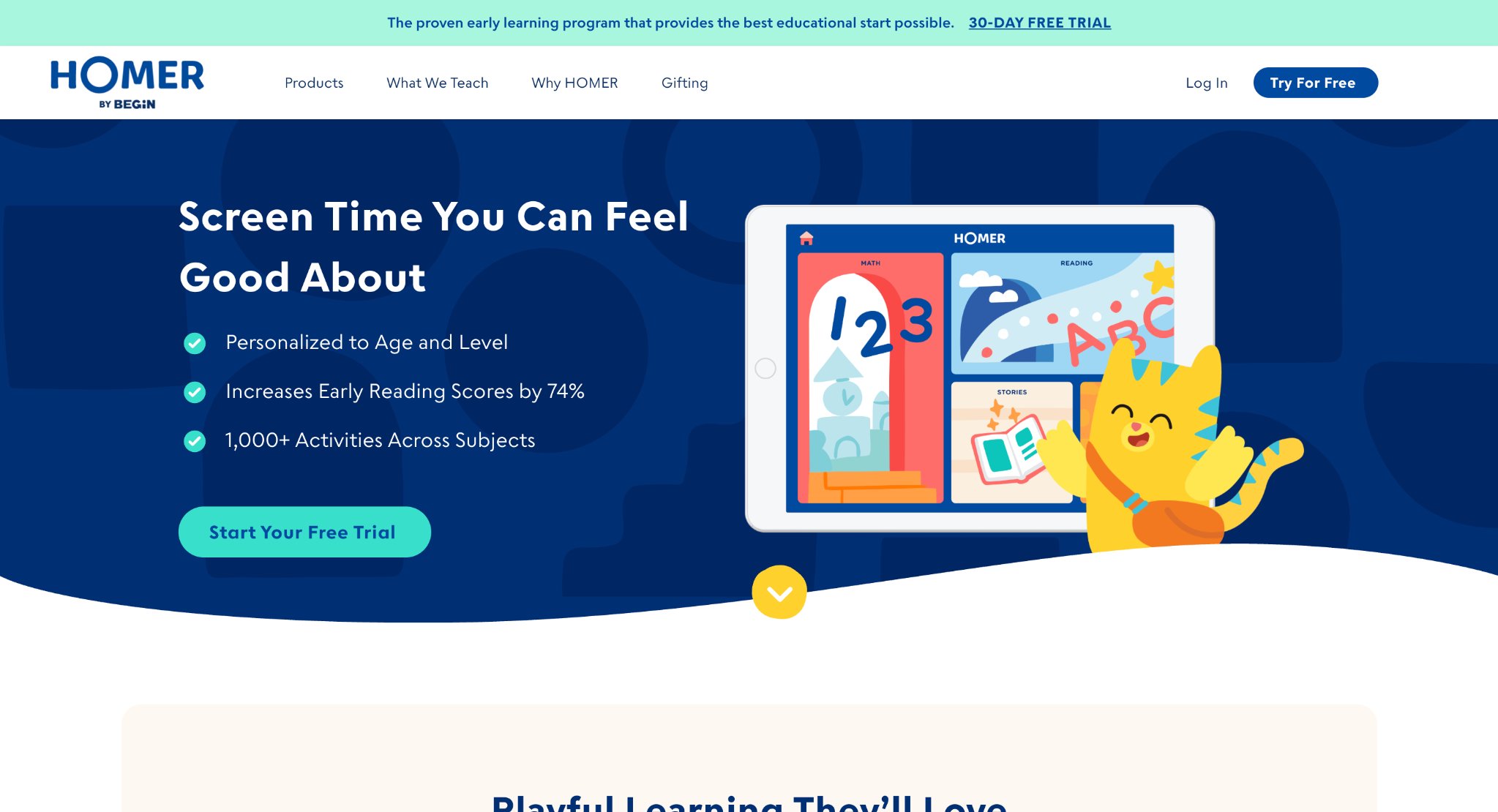
Homer Reading personalizes literacy paths for 3-year-olds with games, stories, and songs on phonics and comprehension. Toddlers follow adaptive lessons, reading along with narrated books. Strengths include tailored progress that accelerates skills. Subscription model ensures updates. Based in New York, Begin uses data for effective teaching. Kids build reading confidence through varied content. This app lays strong language foundations.
Key features:
- Adaptive stories and phonics games.
- Song-integrated vocabulary building.
- Parental insights on reading levels.
Facts and information:
- Research-based for early literacy success.
- Comprehensive coverage of reading milestones.
- Engaging for sustained learning interest.
21. Epic!

Epic! provides a vast digital library for 3-year-olds with read-to-me books, audiobooks, and quizzes on diverse topics. Toddlers listen to stories on animals or adventures, answering simple questions. Strengths in its extensive selection fostering love for reading. Content volume might need curation. Based in Redwood City, California, Epic offers school-aligned materials. Kids explore interests, expanding knowledge. This app turns reading into an accessible habit.
Key features:
- Thousands of books with read-aloud options.
- Quizzes reinforcing comprehension.
- Personalized recommendations based on preferences.
Facts and information:
- Supports broad educational themes beyond basics.
- Used in classrooms for supplemental learning.
- Encourages independent exploration of literature.
22. Moose Math
.jpg)
Moose Math, developed by Duck Duck Moose LLC (headquartered in San Mateo, California), turns early math concepts into an engaging park-themed adventure for children ages 3 to 7. The app features five interactive mini-games where kids make smoothies while practicing counting, addition, and subtraction, match pets by counting dots, solve problems to earn bingo cards, sort shapes and colors in a lost-and-found scenario, and explore geometry through creative building. Young learners follow friendly moose characters through colorful environments that make abstract ideas concrete and fun.
The platform aligns with Common Core standards for kindergarten and first grade, offering a report card section for parents and teachers to track progress and access extra skill-building ideas. Its visual, hands-on approach supports logical thinking and number sense without overwhelming young users. Regular play helps toddlers build confidence in foundational math while enjoying the playful park setting. Moose Math keeps sessions focused yet flexible, suiting short attention spans and varying skill levels common at this age.
- Five distinct mini-games focused on counting, addition, subtraction, sorting, and geometry.
- Park-themed activities with animal characters and bright visuals.
- Report card for monitoring progress and suggested activities.
- Alignment with Common Core State Standards for early grades.
- Adaptive challenges that encourage logical problem-solving.
- Designed for ages 3-7 with clear visual cues and no timers.
- Developed in collaboration with educators including Stanford University experts.
- Supports number sense and pattern recognition through interactive play.
- Thousands of families use it as a supplement to daily routines.
23. Pok Pok
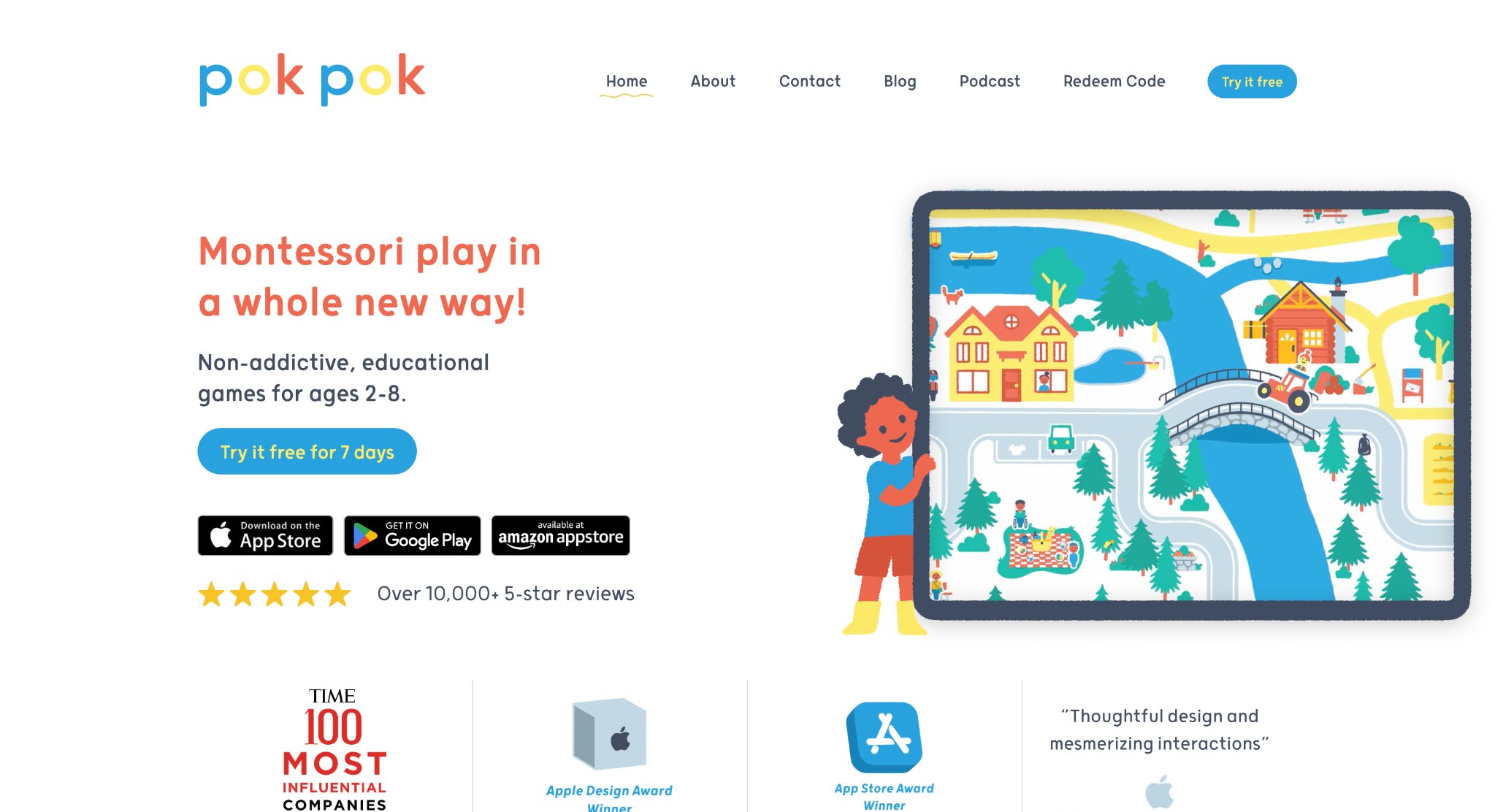
Pok Pok, created by Pok Pok (headquartered in Toronto, Canada), offers a low-stimulation, Montessori-inspired digital playroom for kids ages 2 to 8 filled with open-ended interactive toys that promote calm exploration and creativity. Children engage with hand-drawn digital objects like blocks, marble runs, dollhouses, and simple tools in a peaceful environment without levels, scores, or distractions. Toddlers experiment freely, building, sorting, and discovering cause-and-effect relationships at their own pace while developing fine motor skills and imagination.
The app emphasizes independence and natural development, fitting seamlessly alongside physical toys in a child’s play space. Its intuitive, word-free interface allows even the youngest users to navigate independently, with gentle animations and sounds that maintain focus without overstimulation. Families appreciate how it supports meaningful screen time that sparks curiosity and cognitive growth. Pok Pok evolves with regular updates of new toys, keeping content fresh while staying true to its calming, child-led philosophy.
- Montessori-inspired open-ended toys with no rules or winning conditions.
- Low-stimulation design with hand-drawn visuals and soft sound effects.
- Activities promoting creativity, exploration, and fine motor skills.
- Intuitive interface suitable for independent play from age 2.
- Regular updates adding new digital toys for ongoing engagement.
- Award-winning app recognized for supporting calm, meaningful play.
- Used by families seeking alternatives to high-energy digital content.
- Grows with children from toddler to early elementary years.
- Encourages problem-solving and imaginative thinking through experimentation.
24. Teach Your Monster to Read
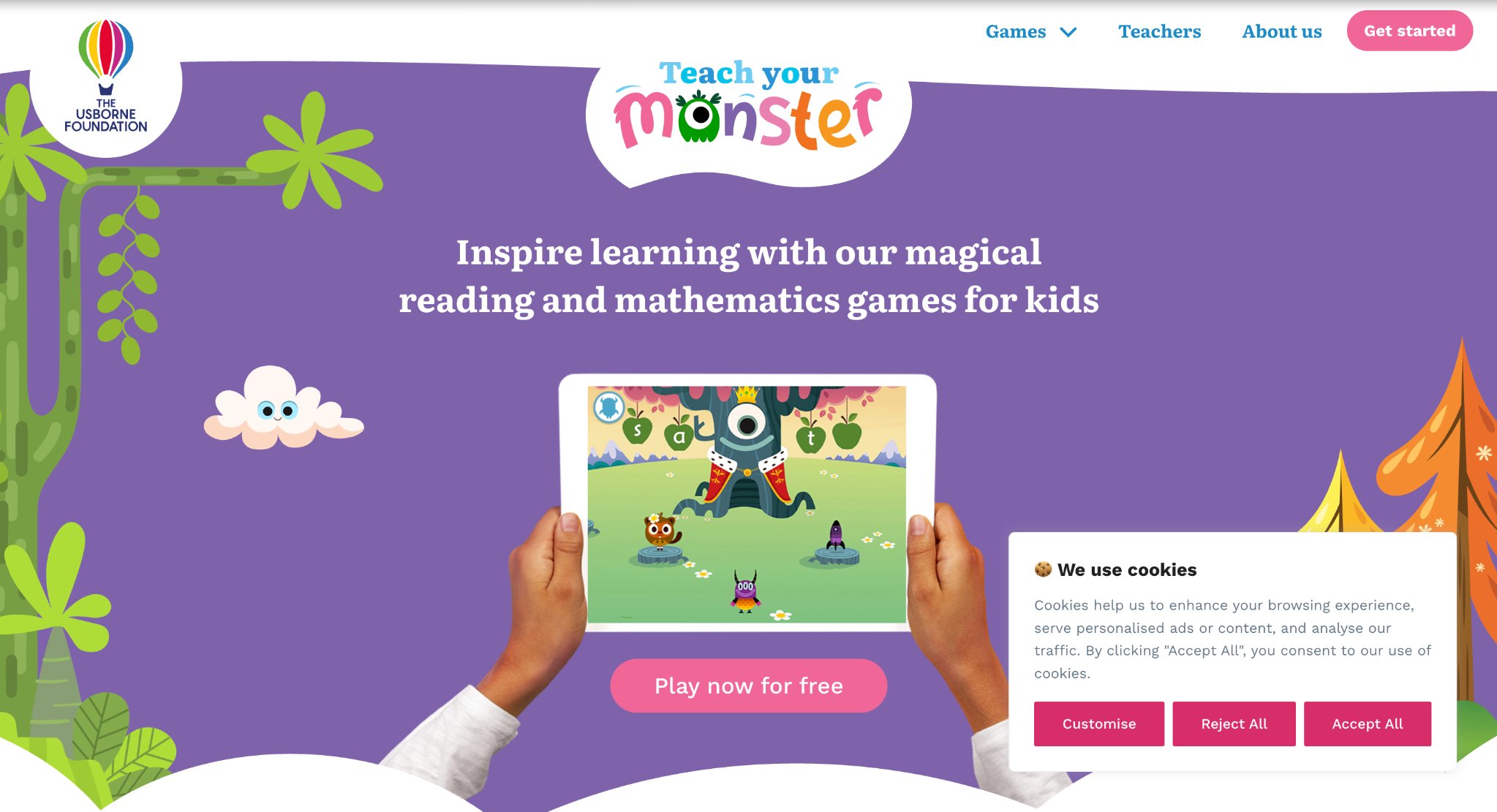
Teach Your Monster to Read, developed by the Usborne Foundation (headquartered in London, UK), delivers a magical phonics-based game that guides children ages 3 to 6 through the first steps of reading via fun quests and character interactions. Kids feed and care for a friendly monster while completing activities that cover letter sounds, blending, and simple word recognition in a story-driven world. The app progresses systematically from matching sounds to reading short books, making literacy practice feel like an exciting adventure.
Created in collaboration with leading academics, the game supports every stage of early reading development with engaging animations and immediate feedback. Parents value the structured yet playful approach that builds confidence without pressure. The platform includes free web access alongside the app, offering flexibility for different devices and routines. Teach Your Monster to Read has helped millions of children worldwide gain essential literacy skills through its gentle, motivating format that turns learning into a rewarding journey.
- Phonics-focused quests covering letter sounds, blending, and word reading.
- Monster care mechanics integrated with literacy activities.
- Progressive levels from basic sounds to short story books.
- Collaboration with university experts for research-backed methods.
- Available on web and apps for flexible access.
- Used by over 30 million children globally for early reading support.
- Not-for-profit model ensures focus on educational impact.
- Designed to build reading confidence through game-based progression.
- Supports home and classroom use with clear skill tracking.
25. LEGO DUPLO World
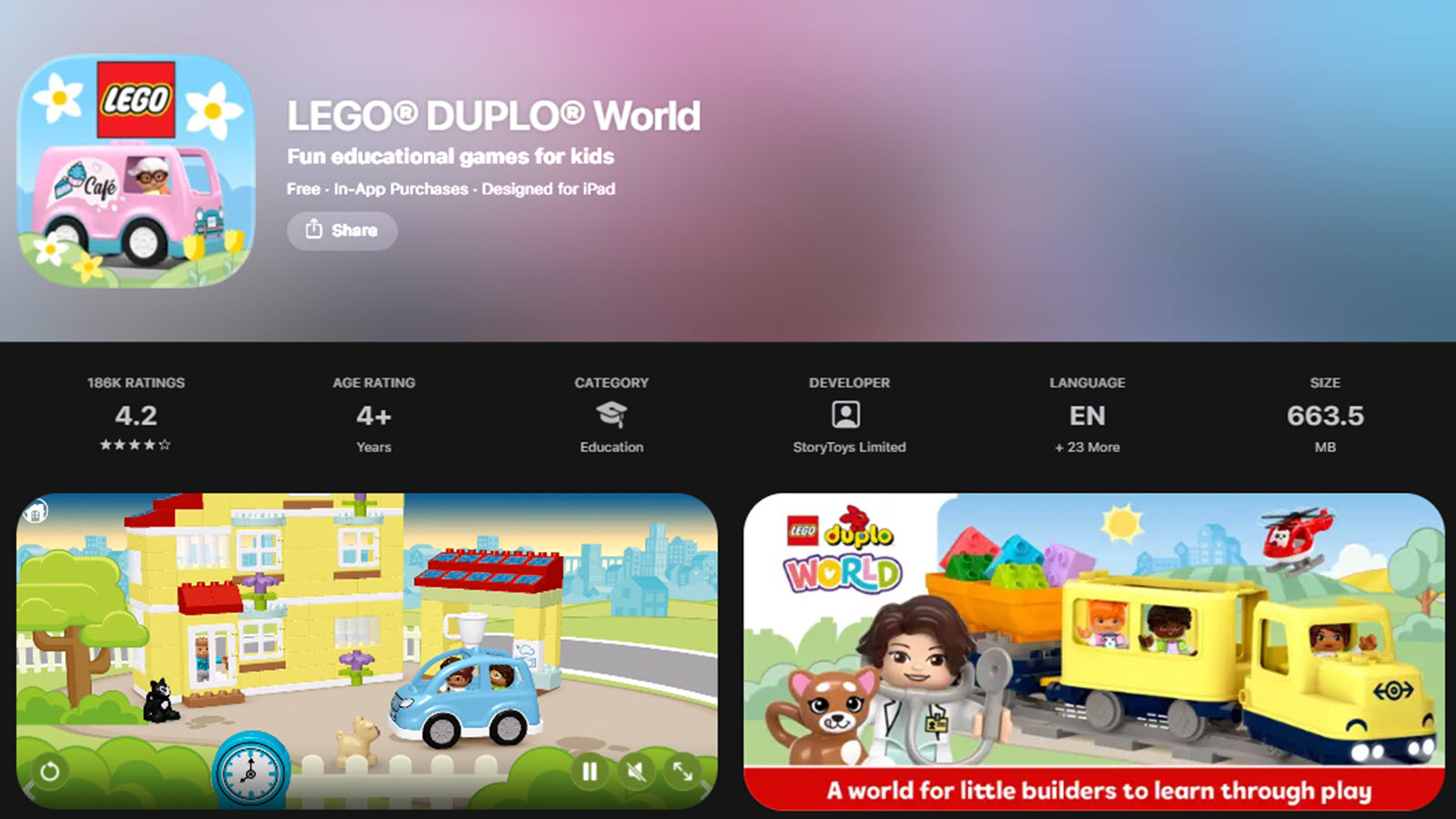
LEGO DUPLO World, from the LEGO Group (headquartered in Billund, Denmark), invites 3-year-olds into a gentle, open-ended digital play space where they build, explore, and interact with colorful DUPLO bricks and characters in themed worlds. Children construct simple structures, drive vehicles, care for animals, and complete light creative tasks that mirror real-world play while developing spatial awareness and imagination. The app features intuitive touch controls designed specifically for small hands and early learners.
It encourages free-form creativity without strict goals, allowing toddlers to experiment with shapes, colors, and sequences in a safe, ad-free environment. Parents appreciate the connection to physical LEGO DUPLO sets, bridging digital and hands-on experiences. The platform includes familiar LEGO elements that feel comforting and familiar, supporting emotional engagement alongside skill-building. LEGO DUPLO World evolves with seasonal updates and new themes, keeping play fresh for repeated use.
- Open-ended building with virtual DUPLO bricks and vehicles.
- Themed worlds for animal care, driving, and simple storytelling.
- Intuitive controls optimized for toddler motor skills.
- Connection to physical LEGO DUPLO toys for hybrid play.
- Regular content updates with new themes and activities.
- Designed for ages 2-5 with focus on creative exploration.
- Promotes spatial reasoning and fine motor development digitally.
- Safe, ad-free space trusted by families worldwide.
- Encourages imaginative play that extends beyond the screen.
26. Breathe, Think, Do with Sesame
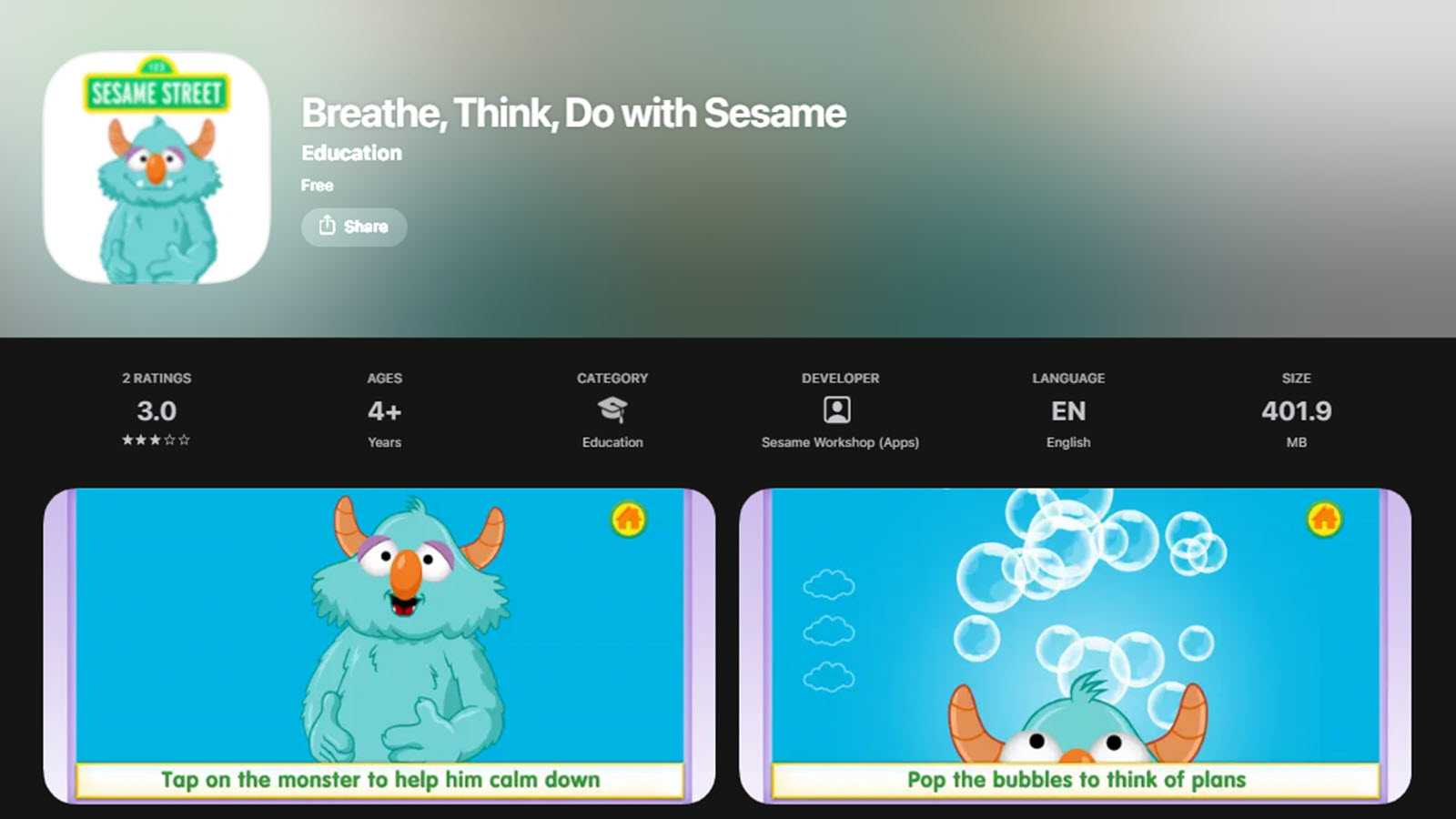
Breathe, Think, Do with Sesame, from Sesame Workshop (headquartered in Arlington, Virginia), helps 3-year-olds build emotional awareness and problem-solving skills through simple, interactive scenarios featuring beloved Sesame Street characters. Children practice breathing exercises, think through everyday challenges like sharing toys or trying new things, and choose helpful strategies in short, engaging stories. The app uses gentle animations and familiar Muppets to model calm responses and positive coping techniques.
It focuses on social-emotional learning by turning big feelings into manageable steps, supporting self-regulation during daily routines. Families often pair it with real-life discussions, extending the lessons beyond the screen. The straightforward design keeps sessions short and rewarding, fitting perfectly into busy toddler schedules. Breathe, Think, Do with Sesame promotes empathy and resilience in a fun, character-driven way that resonates with young children.
- Interactive stories teaching breathing, thinking, and problem-solving steps.
- Sesame Street characters modeling emotional strategies.
- Short scenarios focused on common toddler challenges.
- Tools for self-regulation and social-emotional growth.
- Simple interface with immediate positive feedback.
- Free app designed for ages 2-5 with research-backed content.
- Used to support emotional development in homes and classrooms.
- Integrates mindfulness elements into everyday play.
- Helps children practice strategies for handling frustration or change.
Latest Trends in Educational Games for 2026
- AI now tailors games to individual paces, enhancing personal growth.
- Many include mindfulness elements like breathing breaks for calm.
- Inclusive designs support diverse needs, from colors to sounds.
- Hybrid formats link apps with real toys for deeper immersion.
Benefits of Play-Based Learning for Young Kids
This method hones decision-making as toddlers experiment freely. It nurtures emotional understanding through shared scenarios. Active games refine coordination, while narratives expand vocabulary. Some parents pair with nature outings for contrast.
Skill Area | Example Activities | Key Benefits |
| Literacy | Tracing letters, singing rhymes | Grows word knowledge and talk ease |
| Math | Sorting items, spotting patterns | Sharpens counting and order sense |
| Social | Taking turns, feeling games | Enhances group work and mood insight |
| Creativity | Crafting scenes, pretend play | Sparks fresh thoughts and personal voice |
Fine Motor Skills Development with Educational Games for 3 Year Olds
Insights on the best educational games for toddlers show that activities involving tracing paths or tapping precise spots strengthen the small muscles in young hands and fingers. Educational games for 3 year olds in this area often simulate real-life tasks such as buttoning or drawing simple lines, which build the coordination needed for writing and self-care later on. The TutoClub educational games collection stands out here with options that gradually increase in complexity to match growing abilities without causing frustration.
Parents notice improvements in grip strength and dexterity when children engage consistently with these targeted experiences. Such games also connect fine motor practice to cognitive elements like shape recognition, creating layered learning moments during play. Practical tips for new parents highlight these connections in everyday contexts.
Language and Communication Skills Through Educational Games for Age 3
Educational games for age 3 support vocabulary expansion and sentence formation through interactive storytelling and character dialogues that encourage repetition and response. Children encounter new words in context, such as colors, actions, or emotions, which aids retention and everyday expression. The TutoClub subscription delivers these language-focused sessions in short, engaging formats that fit busy schedules while promoting clear verbal interactions.
Many families observe heightened confidence in naming objects or describing events after regular exposure. These games blend listening comprehension with opportunities for verbal replies, laying groundwork for smoother transitions into group settings like preschool.
How Educational Games Support Milestones at Age 3
Educational games for 3 year olds are powerful tools that naturally support key developmental milestones during this critical year of rapid growth.
At age 3, children experience fast progress in many areas. Well-designed educational games help achieve these milestones through playful repetition and positive reinforcement.
Here’s how they help:
- Language & Communication: Boost vocabulary and sentence formation
- Cognitive Skills: Enhance memory skills, sorting, early math concepts, and problem-solving
- Motor Development: Improve hand-eye coordination and fine motor skills
- Social Skills: Teach sharing, turn-taking, and emotional awareness
- Responsibility and Confidence Skills: Build independence, task completion, and self-esteem through achievable challenges and rewarding progress
When chosen correctly, educational games for 3 year olds create joyful learning experiences that align perfectly with toddler milestones and support well-rounded development.
Latest News In 2026
Early 2026 brought expanded personalization features across leading platforms, allowing educational games for kids age 3 to adapt more closely to individual progress in motor and language areas. The TutoClub subscription incorporated fresh modules that emphasize hybrid play elements blending digital challenges with simple household object interactions for deeper skill reinforcement.
Industry updates also highlighted stronger emphasis on offline capabilities within the TutoClub educational games collection, enabling uninterrupted sessions during travel or low-connectivity periods. New research shared in parenting circles reinforced the value of consistent, short daily interactions with these tools for sustained developmental gains throughout the year.
Online learning for 3 year olds now features personalized paths that closely follow each child’s unique rhythm and pace. Storytelling blends smoothly with skill building through more natural and fluid interactions. Emotional intelligence receives greater attention with gentle scenes where toddlers learn to name feelings and practice helpful responses.
Switching between tablet and browser feels completely seamless thanks to saved progress across all devices. Offline modes have become common in many collections, making learning possible during quiet times or family trips. Digital creation spaces let children build simple worlds that nicely connect to hands-on play at home.
Collaboration features allow siblings to join safely in shared activities. Overall, the trend moves toward guided discovery that feels joyful, natural, and perfectly suited for young learners.
FAQ
What makes educational games good for 3-year-olds?
They suit quick bursts with vivid images and basic steps that hold young attention. Basics like identifying hues come without any stress, allowing natural absorption. Educational games often refine touch skills through simple swipes or building actions, supporting motor development in playful ways.
How much time should toddlers spend on educational games?
Stick to short plays that align with their daily energy and mood. Blend these with non-digital activities for a harmonious routine that includes movement and rest. Observe signs of enjoyment or tiredness to fine-tune the schedule without forcing longer sessions.
Are there free educational games for kids age 3?
Plenty offer main content at no charge, providing access to core learning features. Choose versions without ads to maintain a clean, focused environment for young users. Samples or trials help assess suitability before deeper involvement.
What skills do educational games build in toddlers?
They sharpen puzzle-solving for better thinking processes and introduce role-playing for everyday habits. Tactile elements boost grip and coordination through hands-on interactions. Overall, such activities prepare little ones for group environments in engaging, low-pressure formats.
How can educational games prepare 3-year-olds for preschool?
These games introduce concepts like following simple rules and recognizing common objects in fun scenarios. They foster independence through self-paced challenges that mirror classroom tasks. Building comfort with group-like interactions in educational games eases the transition to structured settings.
How do educational games for 3 year olds differ from general play activities in supporting development?
Educational games for 3 year olds incorporate structured progression and feedback loops that target specific milestones, such as precise movements or word associations, whereas general play may lack this intentional sequencing.
Can educational games help with emotional awareness at this age?
Yes, many titles guide children through scenarios involving feelings and responses, helping them identify and express emotions in a supported environment. The best educational kids games provide examples of how consistent play builds this foundation alongside other skills.
What role does the device play in fine motor practice for 3 year olds?
Touchscreen interactions require controlled taps and swipes that directly exercise finger independence and eye-hand coordination. The TutoClub subscription ensures these interactions remain ad-free and paced appropriately for young users to maximize benefits without overload.
Are there options within educational games for age 3 that encourage verbal participation?
Games featuring narrated stories or responsive characters prompt children to repeat phrases or answer simple questions out loud, strengthening communication pathways. Details on best kid educational games outline similar approaches that families have found effective for language growth.
How does screen time with educational games complement offline routines?
These games reinforce concepts like sequencing or matching that appear in daily tasks such as sorting toys or following instructions, creating connections between digital and physical experiences. The TutoClub parenting blog shares additional context on balancing both for well-rounded growth.
What considerations apply when choosing games for language development in 3 year olds?
Focus on content with clear pronunciation, repetitive vocabulary, and opportunities for child-led responses to build active language use. The TutoClub FAQ outlines platform-specific details that align with these priorities for safe, effective implementation.
Do educational games for 3 year olds require constant supervision?
While independent play is common, periodic check-ins allow parents to join in discussions or extend learning from in-game moments. Best free online games for kids resources note how this shared engagement enhances outcomes without diminishing the child's autonomy.
How do updates to platforms affect ongoing learning with educational games?
Regular content refreshes introduce new challenges at the right developmental pace, keeping engagement high while advancing skills progressively. The TutoClub subscription maintains this through built-in additions tailored to age 3 milestones.
How do educational games for three year olds develop skills?
Educational games for three year olds support growth by mixing movement with thinking tasks that improve coordination. They introduce early concepts through repetition in engaging formats that feel rewarding. Interactive responses help build confidence as children see direct results from their taps and choices. Options within TutoClub games often weave in language and social elements alongside basic math ideas. This balanced play encourages steady progress in focus and understanding without pressure.
What makes a game suitable for three year olds online?
Games suitable for three year olds online feature large touch areas and bright simple visuals that match developing motor control. Spoken guidance and minimal text accommodate early language stages. Predictable layouts build comfort and independence during use. Automatic adjustments keep activities matched to growing abilities so frustration stays low.
Can educational games help with emotional development?
Educational games aid emotional development through characters that show common toddler feelings in familiar contexts. Interaction lets children choose responses that practice empathy and self calming. Post play talks about these scenes extend learning into real interactions. Safe digital practice at this stage lays groundwork for better social awareness.
How much variety exists in preschool educational games?
Variety in games for three year olds spans sensory exploration, basic sorting, creative building activities, and problem solving skill. Some titles center on animal care or music while others blend movement with pattern work. Themed collections cover interests like vehicles or nature. This wide selection lets families match content to specific preferences and current developmental stages.
Do these games work on multiple devices?
Multiple device support comes through synced progress that travels with the child. Families start on one screen and pick up seamlessly on another later. Cross platform compatibility integrates learning into different parts of the day easily. Consistent controls and quality across tablets or computers reduce confusion for young users while supporting problem solving and responsibility themes across all platforms.
Read Also
- Best Learning Apps for Kids in 2026
- Best Online Educational Games for Kids
- Best Educational Games for Toddlers
- Best Learning Games for Kids Online
- Fluvsies DIY Paper Dolls
Discover the Best Educational Games For Kids Age 3 - TutoClub