

Best Kid Educational Games in 2026






Looking for the best kid educational games to spark your child's curiosity and growth? These tools turn playtime into valuable learning moments, covering math, reading, creativity, and more. With options for various ages, they fit into daily routines easily. Discover the best kid educational games in 2026 that blend fun and learning for young minds.
For even more options, parents can explore the best apps for kids learning that go beyond traditional games. You’ll also find the best mobile games for kids perfect for on-the-go learning, along with carefully curated the best safe games for kids that prioritize security. Don’t miss the best memory games for kids to help strengthen focus and recall skills while keeping playtime enjoyable.
Discover the best kid educational games- TutoClub
Why Educational Games Help Kids Thrive

Educational games build essential skills in a way that feels like pure fun. They encourage problem-solving, boost focus, and foster creativity without the pressure of traditional lessons. Kids often show more interest in subjects like math or reading when wrapped in interactive stories or challenges. This approach aligns with how children naturally learn through exploration. Parents find these games useful for reinforcing school topics at home.
Many studies confirm that play-based learning leads to better retention of concepts. For instance, games that involve building or puzzles help develop spatial awareness and logic. When selecting options, look for those that adapt to a child's pace, keeping them engaged without frustration. TutoClub's collection supports this by offering varied activities that grow with your kid.
To support targeted growth, explore our curated selections of the best problem-solving games for kids, the best social emotional games for kids, the best emotional games for kids, and the best confidence-building games. These focused resources help parents choose activities that nurture specific skills while keeping learning enjoyable and age-appropriate.
Key Features to Look for in Kid Educational Games
Good educational games for kids share traits that make them effective. They include adaptive difficulty levels, so content matches a child's skill set. Interactive elements like rewards or characters keep motivation high. Safety features, such as no ads or parental controls, protect young users. Multi-device access allows flexibility for families on the go.
Platforms that cover multiple subjects provide well-rounded experiences. Some emphasize social skills through teamwork modes, while others focus on individual progress. Check for alignment with educational standards to ensure quality.
Age-Specific Educational Games for Different Developmental Stages
Choosing the right educational games according to a child’s age is key to supporting healthy development. Younger children, especially toddlers, benefit from simple matching, sensory activities, and repetitive play that build foundational recognition and motor skills. As children grow older, they thrive with more advanced challenges that develop planning, logical thinking, and strategic decision-making.
This age-appropriate approach supports steady progress in math concepts, language development, problem-solving skills for kids, and social emotional awareness in children - all through play that feels natural and enjoyable.
Popular Themes in Educational Games for Kids
Popular themes in online educational games for kids keep children motivated and coming back for more. Pet care and nurturing activities are especially effective at teaching responsibility through fun daily tasks like feeding, cleaning, and caring for virtual pets. Creative building games allow kids to design and construct, encouraging imagination and self-expression. Adventure stories combine exciting narratives with problem-solving challenges, helping children learn teamwork, kindness, and emotional intelligence in engaging ways.
Integration of Educational Games into Daily Routines
Successful families integrate fun educational games for kids into everyday life by creating consistent but flexible habits. A short puzzle or matching session in the morning can boost focus and set a positive tone for the day. Evening play with calmer, creative games helps wind down while strengthening imagination and memory recall skills for kids. This balanced integration turns screen time into a valuable part of a child’s daily learning journey.
Best Kid Educational Games
1. TutoClub - Best Kid Educational Games
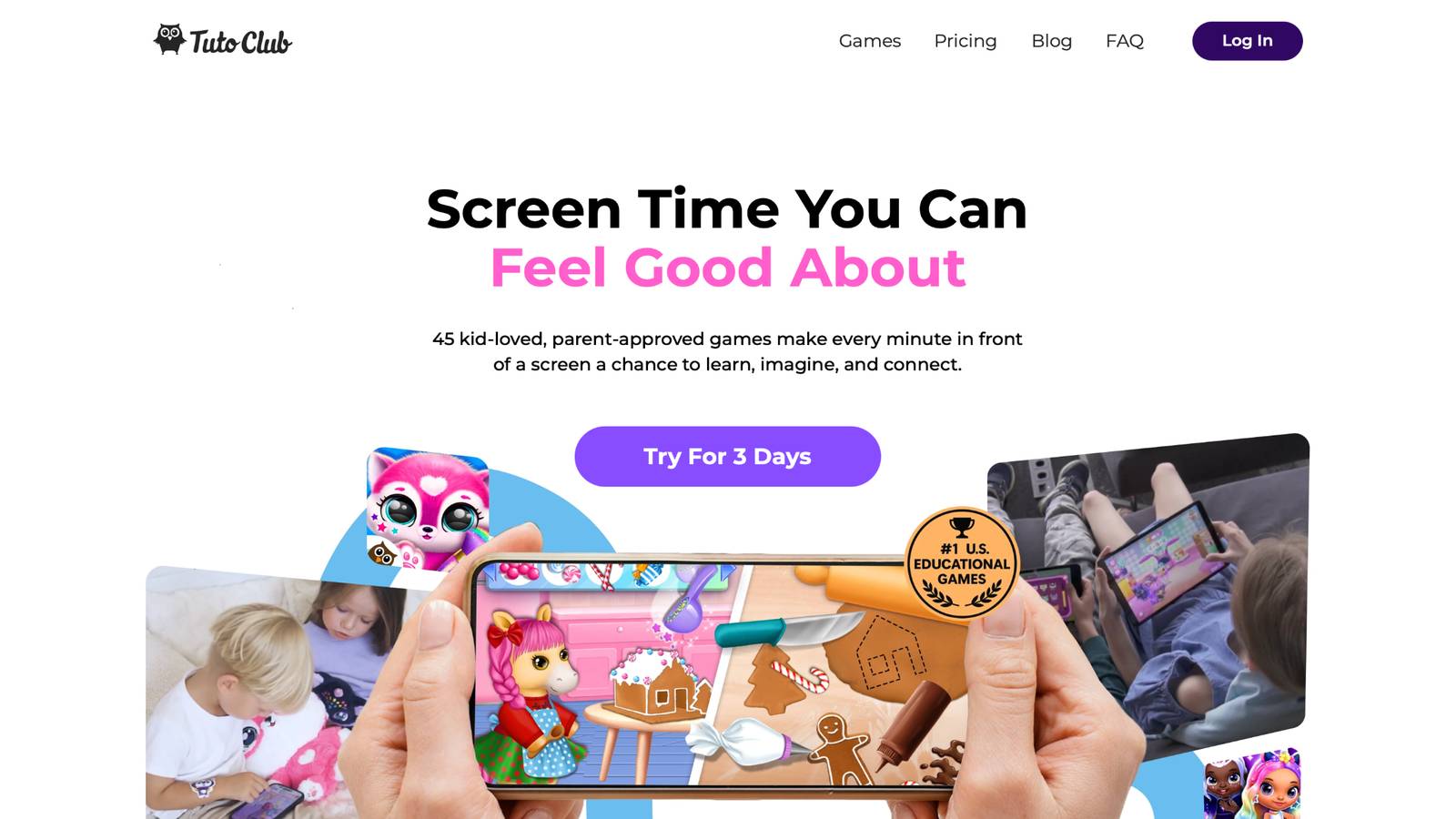
Start your child's learning adventure with TutoClub's educational games, a platform packed with activities that make screen time meaningful. This subscription service delivers a safe, ad-free space where kids dive into worlds of creativity, problem-solving, and emotional growth. Imagine your little one caring for virtual characters to learn empathy or tackling puzzles that build confidence and responsibility. Each game is crafted to spark curiosity, turning everyday play into skill-building fun.
Parents love how it balances entertainment with development, helping children explore at their own speed. Whether it's designing dream spaces or embarking on imaginative quests, TutoClub keeps kids hooked while nurturing focus and social abilities. The thoughtful design ensures every session feels fresh and rewarding, making it a go-to for families who want quality over quantity. Kids come back eager for more, discovering new ways to express ideas and handle challenges. This approach stands out by blending joy with real progress, setting it apart in the world of kid learning tools.
- Standout features include interactive stories that teach emotional skills like compassion, plus creative tools for building and designing.
- Facts and information show these games promote healthy habits, with activities that encourage teamwork and independent thinking for overall growth.
TutoClub Overview
TutoClub is your gateway to a magical world of educational games designed especially for children.
As part of TutoTOONS, a leading kids' games studio, we offer premium access to over 45 ad-free games.
Our mission is to blend learning and play, helping kids explore, create, and grow in a safe online space.
Thousands of parents trust us for family-friendly content that sparks imagination and builds essential skills.
Key Features
- Unlimited Access: Unlock full content in all games with no interruptions.
- Ad-Free Experience: Enjoy seamless play without any ads or distractions.
- Skill Development: Games foster creativity, social skills, communication, and more through fun activities like pet care and cleanup challenges.
- Regular Updates: Get new releases, exclusive content, and future updates automatically.
- Easy Subscription: Cancel anytime with no obligations, simple and flexible for families.
Explore Our World
TutoClub provides a rich ecosystem of educational games for kids, featuring ad-free experiences that promote creativity, focus, and emotional growth through play.
This platform turns screen time into valuable learning opportunities, with parent-approved content that builds essential skills and sparks curiosity in young minds.
- TutoClub Games: Over 45 educational games, including popular titles like Fluvsies, Smolsies, and the Sweet Baby Girl series
- Blog: Insights, tips, and stories for families on kids' learning and play
- FAQ: Comprehensive answers to frequently asked questions about subscriptions, features, and more
Get TutoClub on Your Device
TutoClub delivers premium kids educational games directly to your mobile devices, making learning accessible anytime, anywhere.
With apps available on major platforms, families can easily download and subscribe for ad-free play that turns screen time into skill-building adventures.
Perfect for parents seeking safe, engaging content on iOS, Android, or Amazon devices.
Why Choose TutoClub?
We're committed to 100% safe, enriching entertainment that kids love and parents approve.
Join the thousands who've seen their children thrive through playful learning.
Ready to start the adventure?
Subscribe to TutoClub today and unlock endless fun!
2. Fluvsies Academy
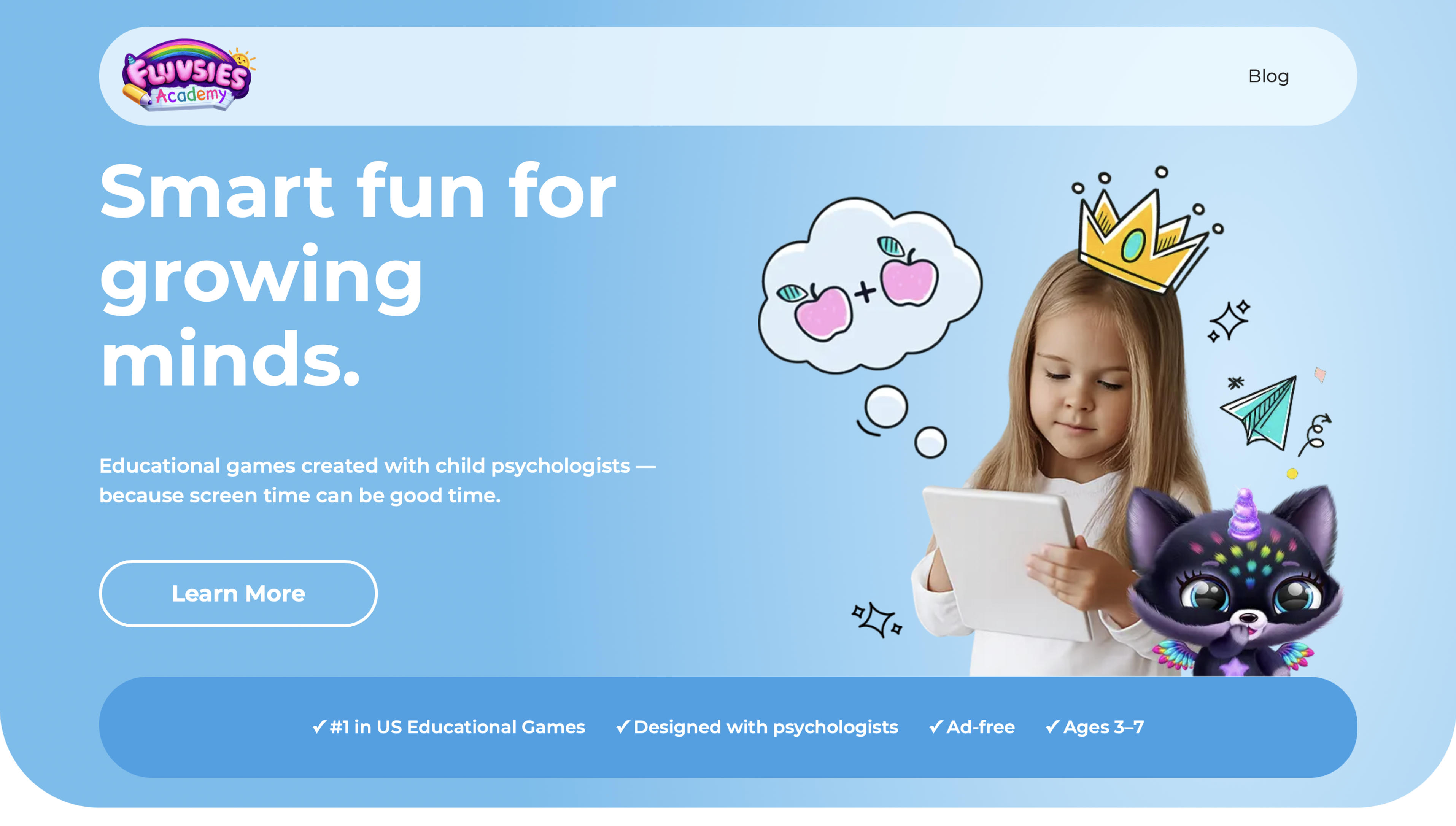
Fluvsies Academy turns preschool education into delightful adventures starring the cuddly Fluvsies characters. Built for children aged 3 to 7, it delivers targeted games that strengthen language and phonics, early numbers and math, logic puzzles, sorting tasks, practical life abilities, creative thinking, and vocabulary through exciting professions like bakers or astronauts.
Crafted alongside child psychologists, the platform takes a complete approach to growth by weaving in mindfulness moments, easy yoga flows, and daily habit builders that support emotional balance alongside academics. Bright visuals and gentle guidance keep every session feeling like pure fun while quietly advancing key skills at the perfect pace for little learners.
Parents appreciate the clear progress reports showing exactly where their child shines and where to celebrate next wins. Kids return eagerly to favorite challenges such as puzzle fixes or role play scenarios, naturally picking up new words and ideas that spark questions long after play ends.
- Key features: Phonics and language adventures with interactive stories, number challenges that grow math confidence, logic games and sorting exercises to sharpen thinking, life skill simulations including personal care routines, professions explorations for broader vocabulary, mindfulness and yoga elements for calm focus.
- Facts and information: Stands out among top choices for United States preschool apps, centers on whole child development with emphasis on empathy and real world connections, rolls out fresh activities to maintain excitement, works beautifully for solo yet supported play times, pairs perfectly with free printable extensions for offline fun.
3. ABCmouse
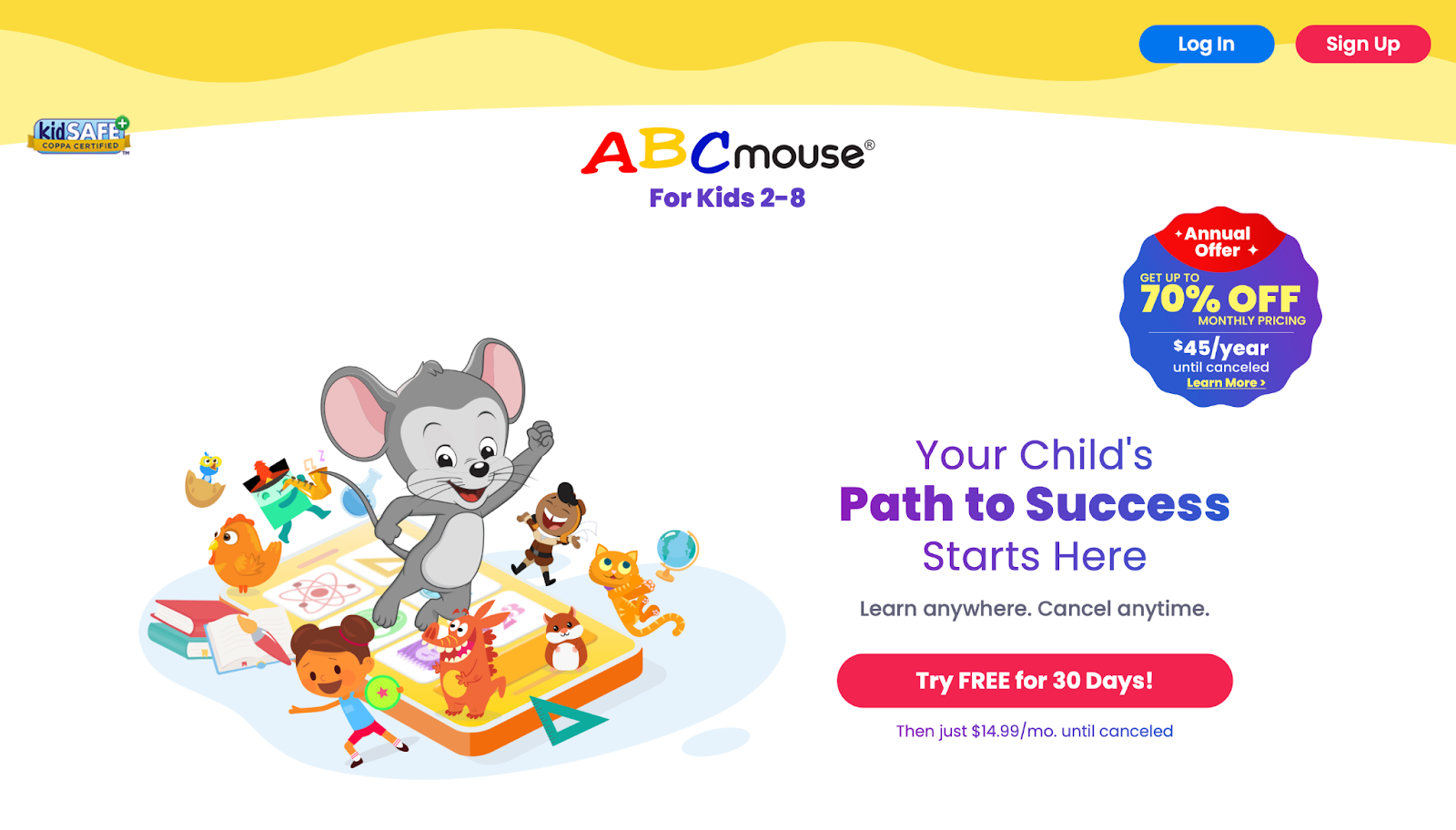
ABCmouse offers a broad curriculum for young learners, with activities in reading, math, science, and art. It uses colorful animations and rewards to keep kids interested, though it might feel repetitive for some after extended use. The platform adapts lessons to progress, helping build basics like letter sounds and numbers. Kids enjoy the virtual classroom setup, collecting tickets for prizes. While strong in early education, it requires consistent internet, which can limit offline play. Overall, it provides a structured path that many families find helpful for preschool to early elementary ages.
- Key features: Step-by-step lessons, interactive books, puzzles, and songs covering multiple subjects.
- Facts and information: Aligns with school standards, with tools for tracking advancement and parent reports.
4. Khan Academy Kids
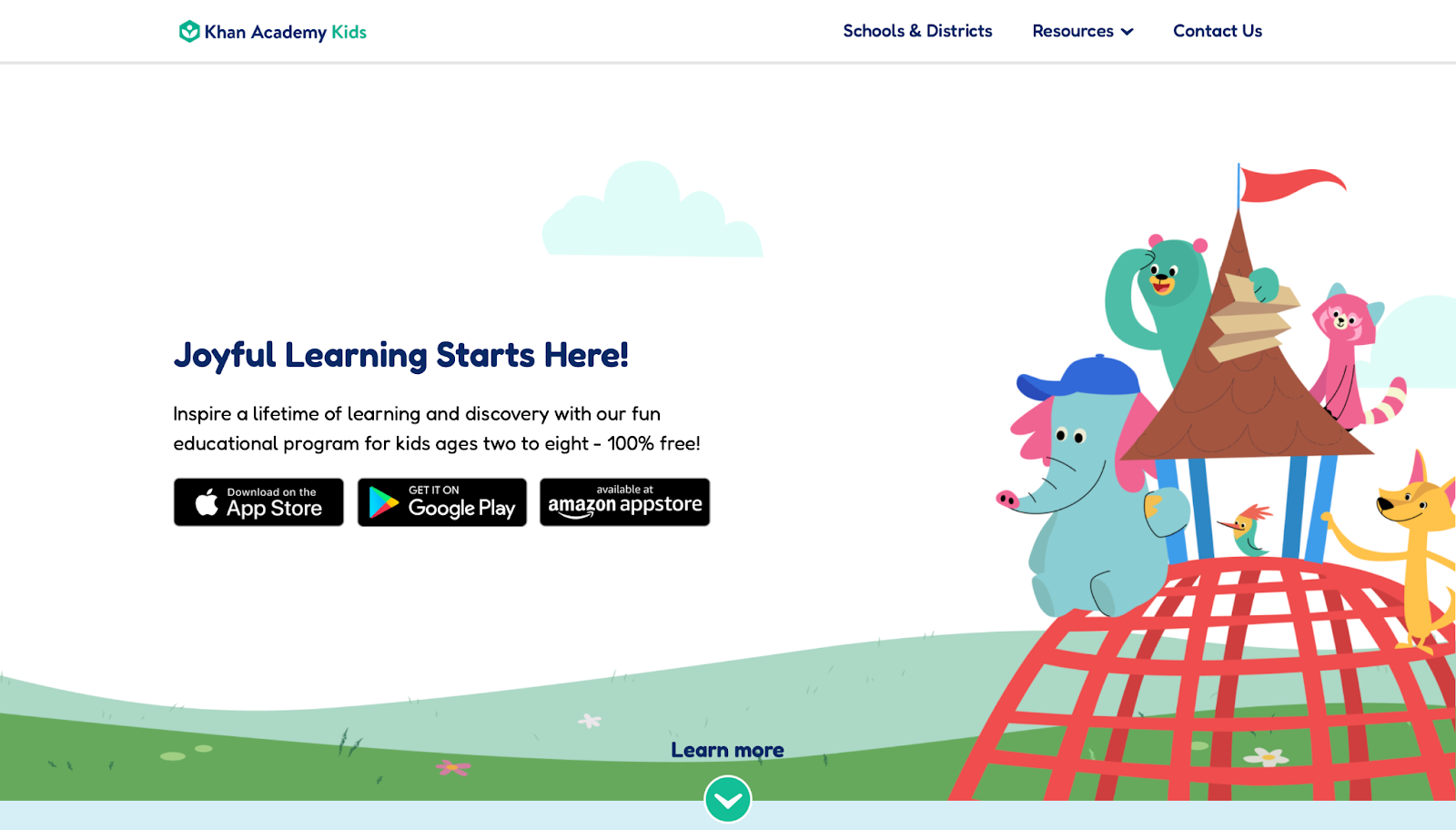
Khan Academy Kids delivers free lessons through playful characters and stories, focusing on literacy, math, and social-emotional skills. It shines in personalized paths that adjust to each child, but some activities may need adult guidance for younger users. The app includes books, videos, and games that make concepts stick, like sorting shapes or identifying emotions. Many appreciate its no-cost access, though the interface can overwhelm at times with options. It works well for building foundations in a joyful way.
- Key features: Guided activities, creative drawing tools, and progress tracking for teachers or parents.
- Facts and information: Developed with experts, supporting English learners through visuals and simple language.
5. Duolingo ABC
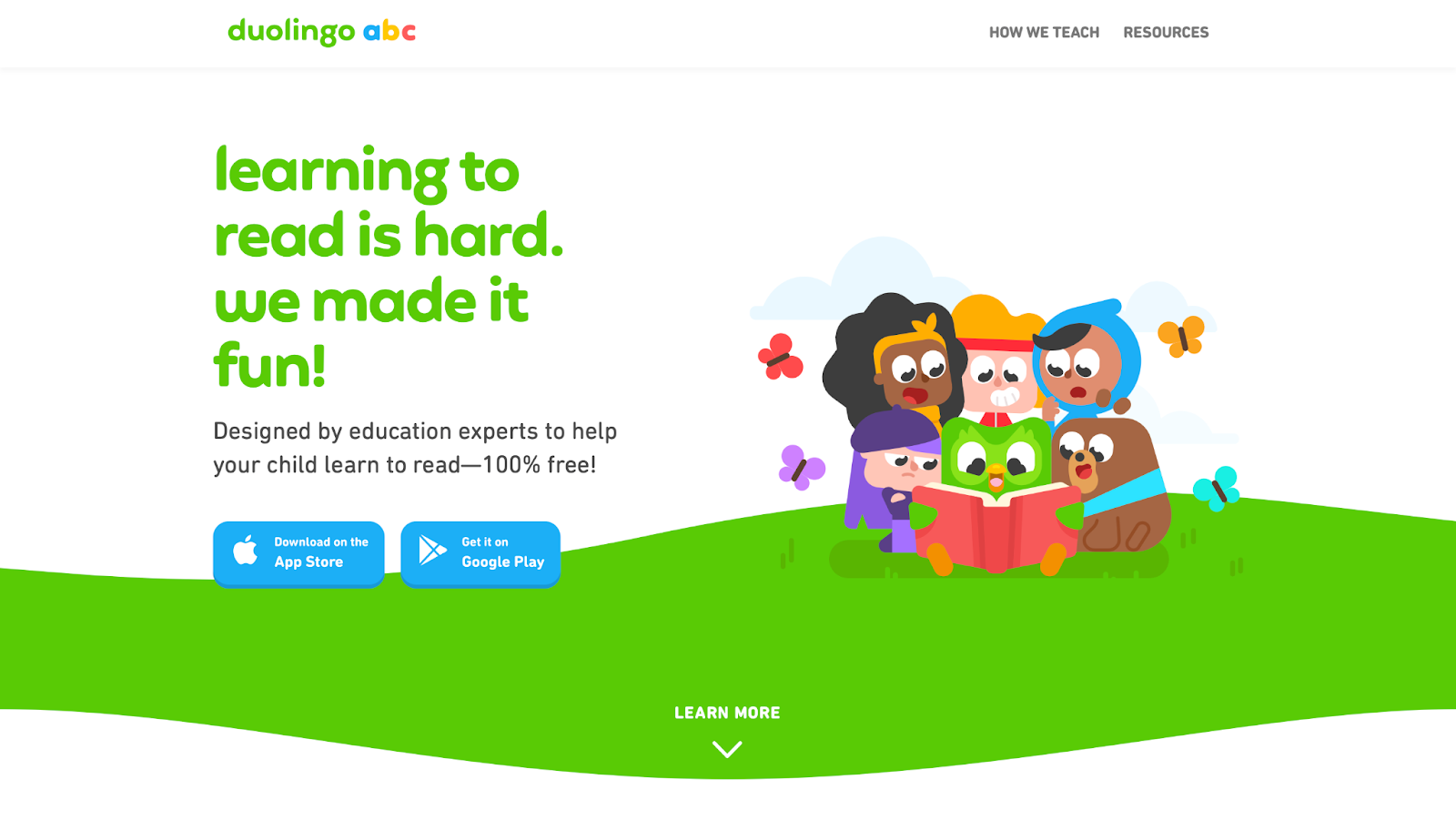
Duolingo ABC teaches reading basics with short, game-style lessons on phonics and sight words. It's great for beginners, building confidence in letter recognition and blending sounds, but lacks depth in advanced reading for older kids. The funny stories and characters keep sessions light, with handwriting practice included. Some find the repetition helpful, while others wish for more variety. It fits well for daily quick boosts.
- Key features: Bite-sized exercises, audio support, and progress badges.
- Facts and information: Backed by research, showing gains in literacy for regular users.
6. Minecraft Education Edition
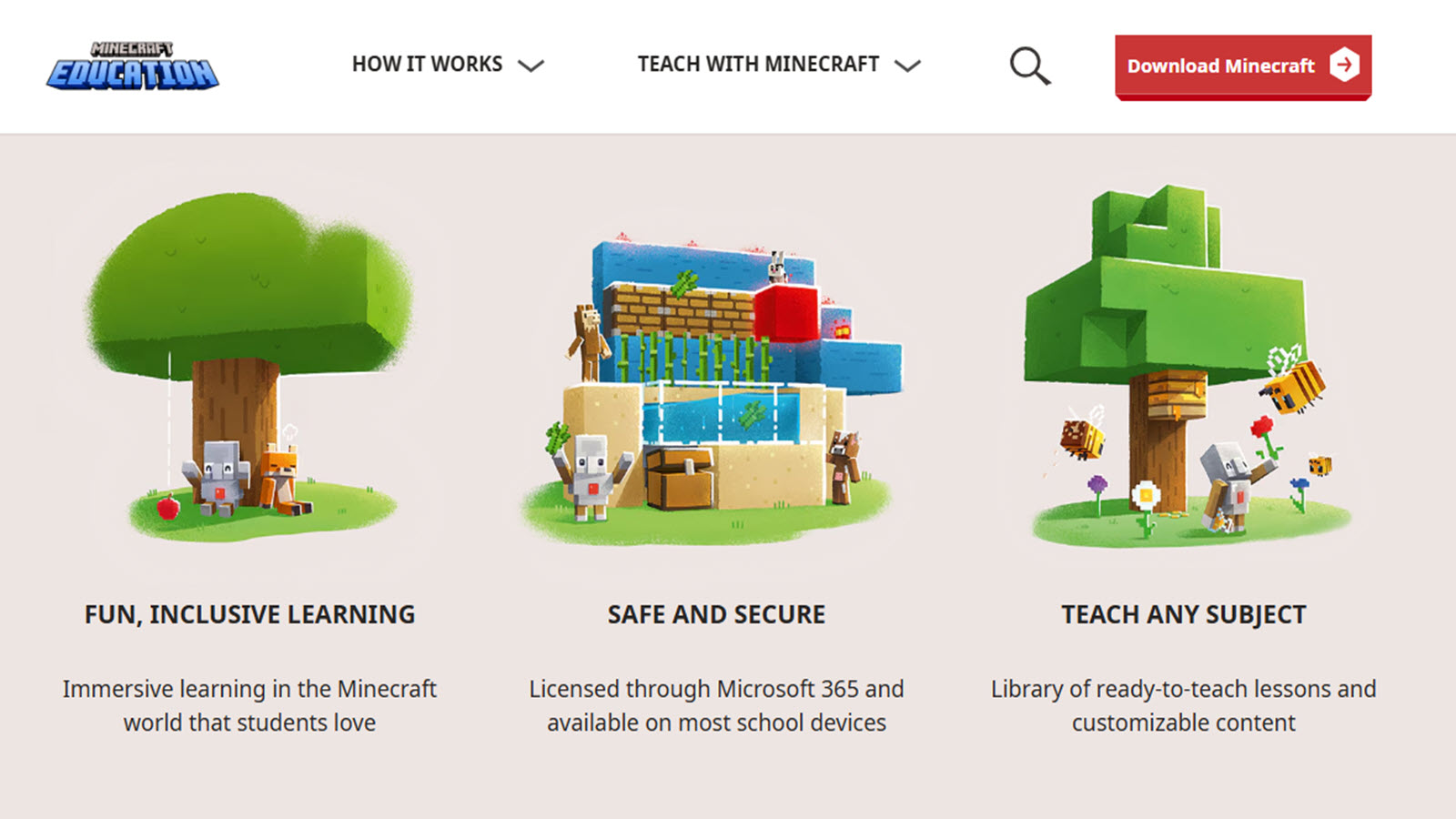
Minecraft Education Edition transforms the beloved block-building game into a powerful learning tool that lets children construct virtual worlds while mastering subjects like history, science, math, and even coding. Kids explore vast landscapes, recreate historical events through builds, or simulate scientific experiments in a collaborative environment that encourages creativity and teamwork. The platform supports multiplayer sessions where students work together on projects, developing communication and problem-solving skills naturally. While the open-ended nature sparks imagination, it can require more guidance for parents or teachers new to the interface.
Lessons range from chemistry experiments using in-game elements to architectural challenges that teach geometry. This hands-on approach makes abstract concepts concrete and memorable, helping children stay engaged for longer periods. Despite occasional setup hurdles on certain devices, its global classroom adoption proves its value in fostering critical thinking and digital literacy in an entertaining format.
- Key features: Lesson library, multiplayer modes, and tools for educators.
- Facts and information: Used globally in classrooms, enhancing critical thinking.
7. Starfall
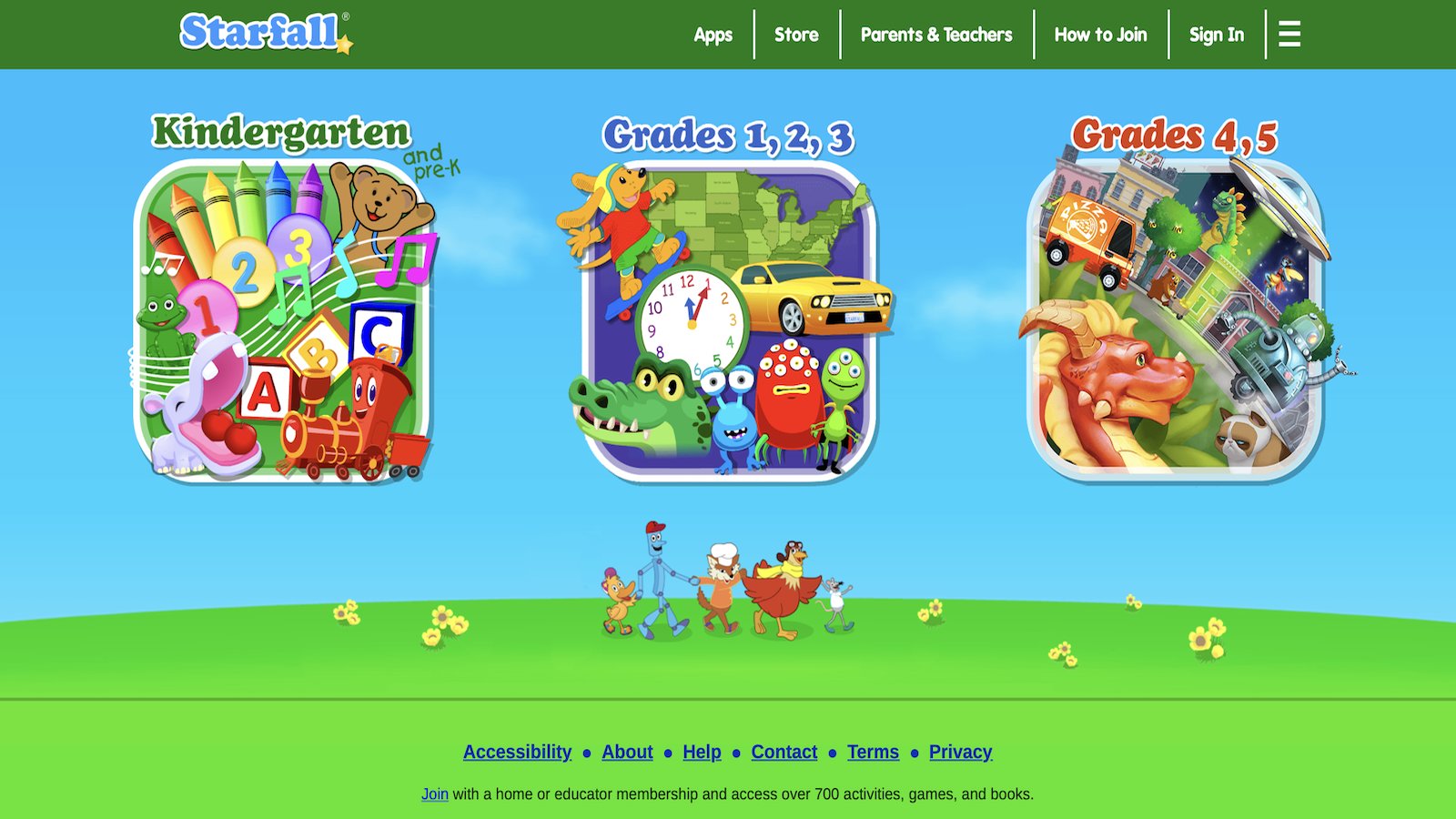
Starfall stands out as a gentle introduction to early learning with its collection of phonics, reading, and basic math activities designed specifically for young children. Through colorful animations, interactive songs, and engaging stories, it helps preschoolers and kindergarteners master letter recognition, sound blending, and simple arithmetic in a multisensory way. The platform’s structured progression builds foundational skills step by step, using positive reinforcement that boosts confidence without pressure.
Parents appreciate its teacher-created content, which also supports children with special needs or those learning English as a second language. While some advanced learners may outgrow the material quickly, the printable worksheets and seasonal themes keep things fresh for beginners. Starfall creates a nurturing digital space where kids can learn at their own pace, making it an excellent supplement for home or classroom use. Its focus on core literacy and numeracy skills prepares children effectively for school success.
- Key features: Animated interactions, printable worksheets, and seasonal themes.
- Facts and information: Teacher-created, aiding special needs and language learners.
8. PBS Kids Games
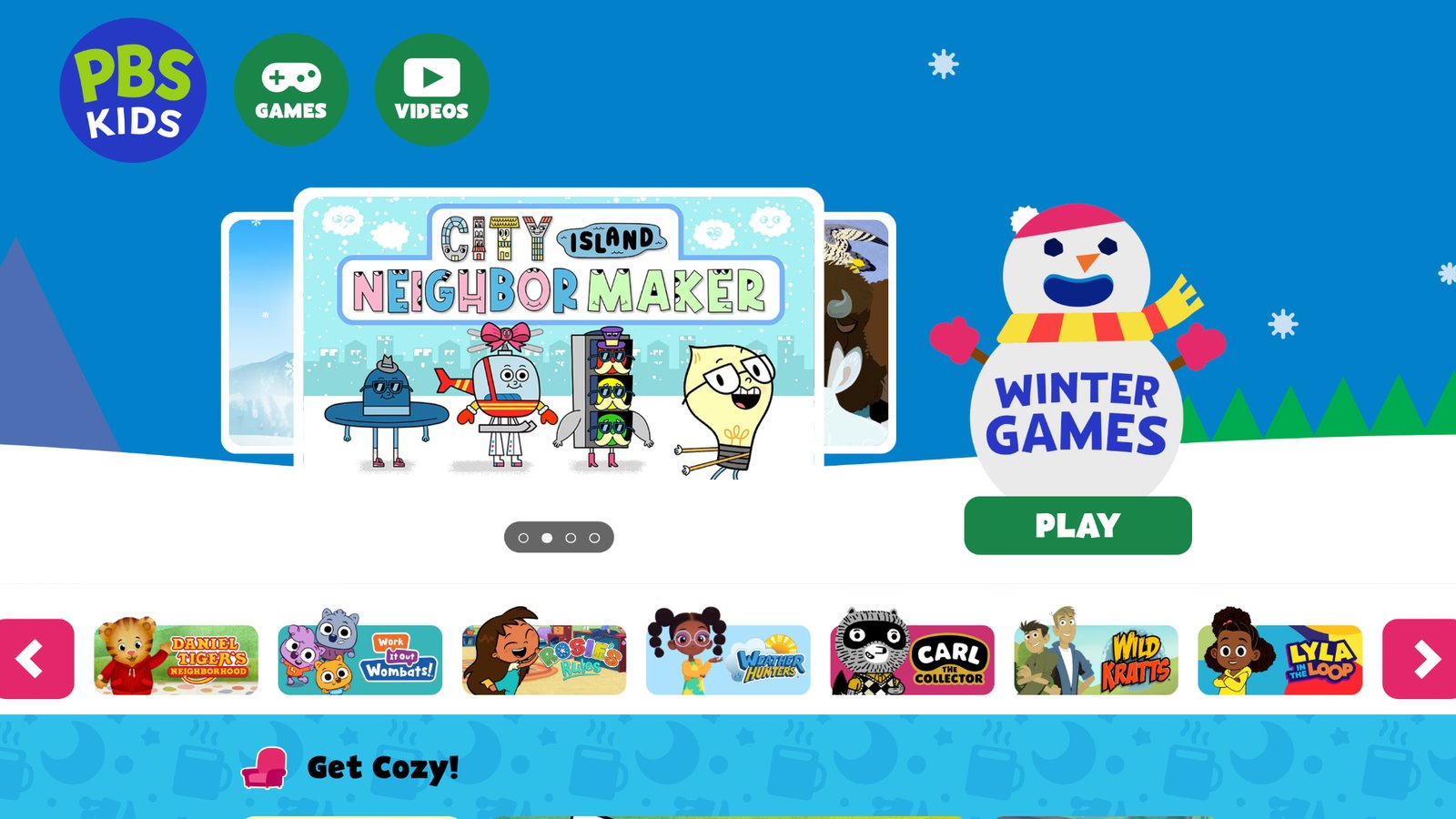
PBS Kids Games brings beloved television characters into interactive play, offering activities inspired by shows like Sesame Street, Daniel Tiger, and Wild Kratts. Children practice literacy, math, science, and social-emotional skills through familiar faces that make learning feel like an extension of their favorite programs. The games emphasize concepts such as counting, sharing, and basic problem-solving in short, engaging sessions perfect for young attention spans.
As an ad-free platform backed by public broadcasting standards, it provides trustworthy content that parents feel good about. While some games tie closely to specific episodes, limiting replay value for others, the overall collection promotes positive values alongside academics. Regular updates keep the experience relevant, and the creative tools encourage self-expression. This platform excels at blending entertainment with education, helping kids develop both cognitive abilities and important life skills in a safe, high-quality environment.
- Key features: Video clips, puzzles, and creative tools tied to episodes.
- Facts and information: Ad-free, promoting social skills alongside academics.
9. ABCya
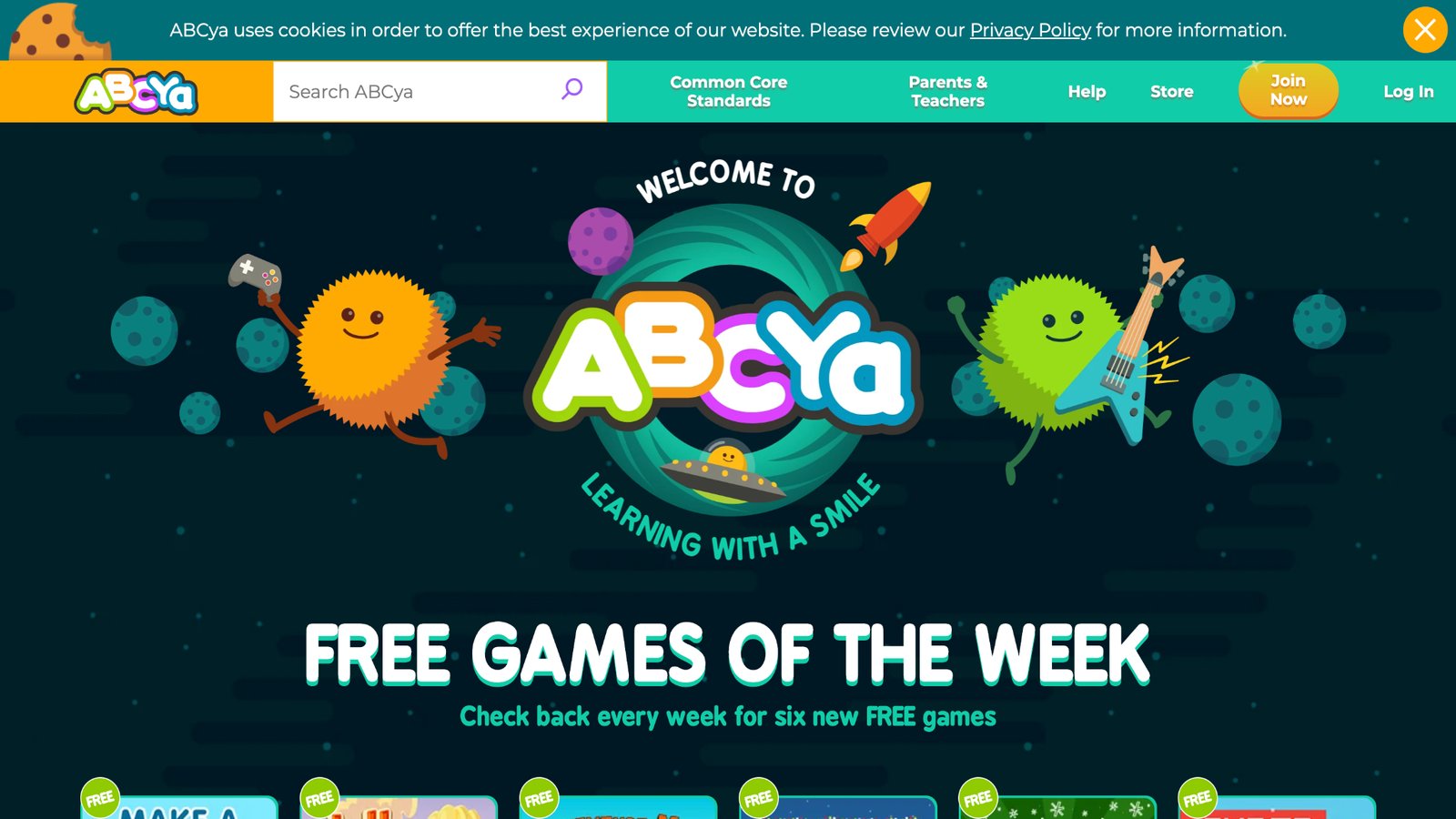
ABCya delivers an extensive library of grade-specific games covering language arts, mathematics, science, social studies, typing, and creative arts for children from pre-K through sixth grade. Fresh content appears weekly with holiday-themed activities and fun motifs like animals or space exploration, keeping kids excited about learning. The platform offers bite-sized challenges that align closely with school curricula, allowing children to practice essential skills through puzzles, word searches, and interactive adventures.
Its well-organized categories make it easy to find appropriate content, though younger players may initially need help navigating the rich selection. Many families love the mix of free and premium options, along with printable resources for offline practice. ABCya successfully balances education and entertainment, helping reinforce classroom concepts without feeling like traditional homework. Its consistent updates ensure the experience stays dynamic and relevant for growing learners.
- Key features: Games sorted by grade, subject, and theme, including puzzles, word searches, and printables for offline extension.
- Facts and information: Curated for core skills development, with seasonal updates that tie into real-world events for relevant practice.
10. Coolmath Games
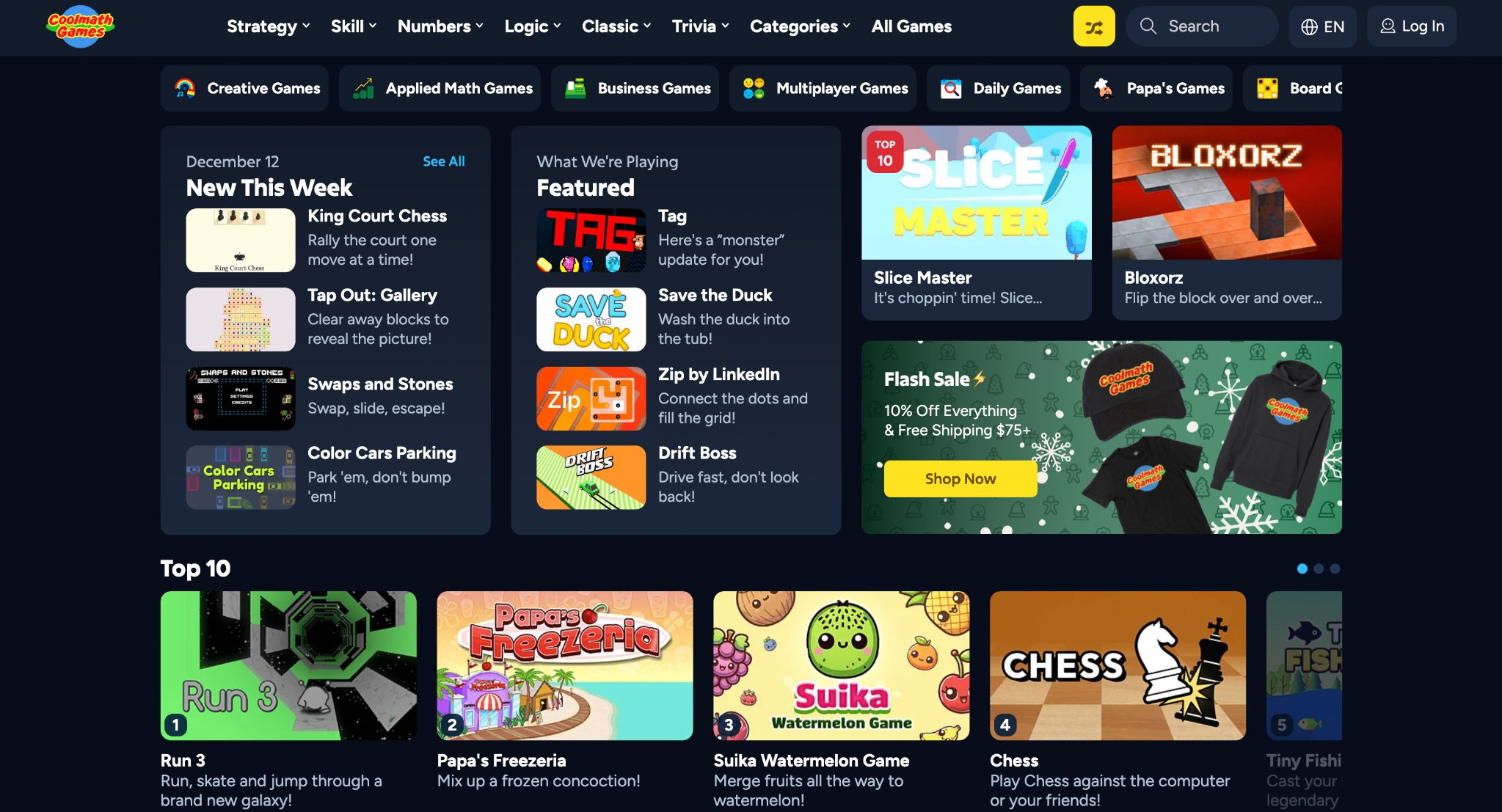
Coolmath Games has built a massive collection of over 2,500 logic, math, and strategy games since 1997, appealing to kids who enjoy brain-teasing challenges. From physics-based puzzles to coding introductions and escape rooms, the platform turns problem-solving into addictive fun that strengthens numeracy, spatial reasoning, and creative thinking. Regular additions keep the library vibrant, while daily challenges and trivia add extra engagement.
Though the free version includes ads that can occasionally interrupt gameplay, the overall focus on critical thinking makes it worthwhile for older children seeking mental stimulation. Categories range from pure logic puzzles to multiplayer battles, accommodating different interests and skill levels. Coolmath Games maintains accessibility standards that support diverse learners, making it a go-to destination for casual yet educational screen time that develops valuable cognitive abilities.
- Key features: Categories for logic, numbers, building, and multiplayer, plus daily challenges and trivia on various topics.
- Facts and information: Focuses on critical thinking, with accessibility standards met to support diverse learners.
11. Epic!

Epic! functions as a comprehensive digital library featuring over 40,000 books, audiobooks, and videos tailored for preschool through elementary-aged children. It transforms reluctant readers into enthusiastic explorers by offering personalized recommendations based on interests, helping them discover new topics and build vocabulary naturally. The platform’s multimedia options accommodate various learning styles, from visual stories to narrated books perfect for bedtime or independent reading.
While the vast selection sometimes requires parental guidance to filter choices, progress tracking tools help monitor development. Families particularly value how Epic! supports classroom learning and encourages self-discovery through safe, high-quality content. This resource excels at fostering a lifelong love of reading while developing comprehension and critical thinking skills in an engaging digital environment.
- Key features: Personalized recommendations, progress tracking, and multimedia options like audiobooks for varied learning styles.
- Facts and information: Supports skill-building in reading and exploration, with content that encourages curiosity and achievement.
12. CodeSpark Academy
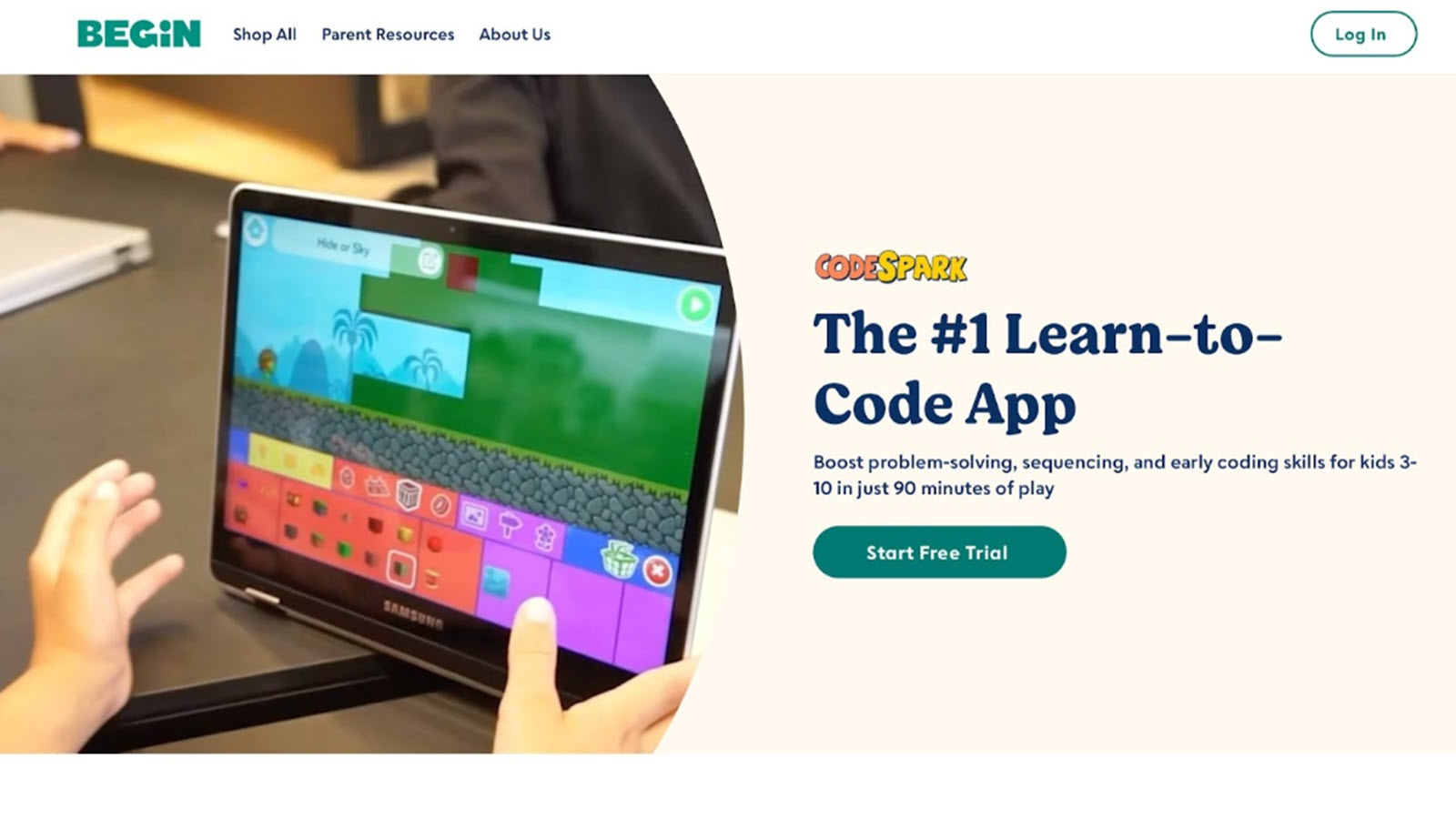
CodeSpark Academy makes coding accessible and enjoyable for children ages 3 to 10 through intuitive drag-and-drop puzzles that require no initial reading skills. Kids progress from basic sequencing to creating their own games and stories using fun characters and creative challenges. The wordless interface allows even very young learners to build confidence independently, while advanced levels offer deeper exploration with occasional adult support. Community features enable sharing user-created content, adding a social dimension that motivates continued learning.
This platform effectively nurtures logical thinking, creativity, and problem-solving abilities essential for future STEM success. Parents appreciate how it turns complex tech concepts into playful activities that feel more like games than lessons, setting a strong foundation for digital literacy.
- Key features: Wordless interface for beginners, project creation tools, and contests for sharing user-made content.
- Facts and information: Promotes quick skill gains, with millions of user-created games demonstrating high engagement.
13. Reading Eggs
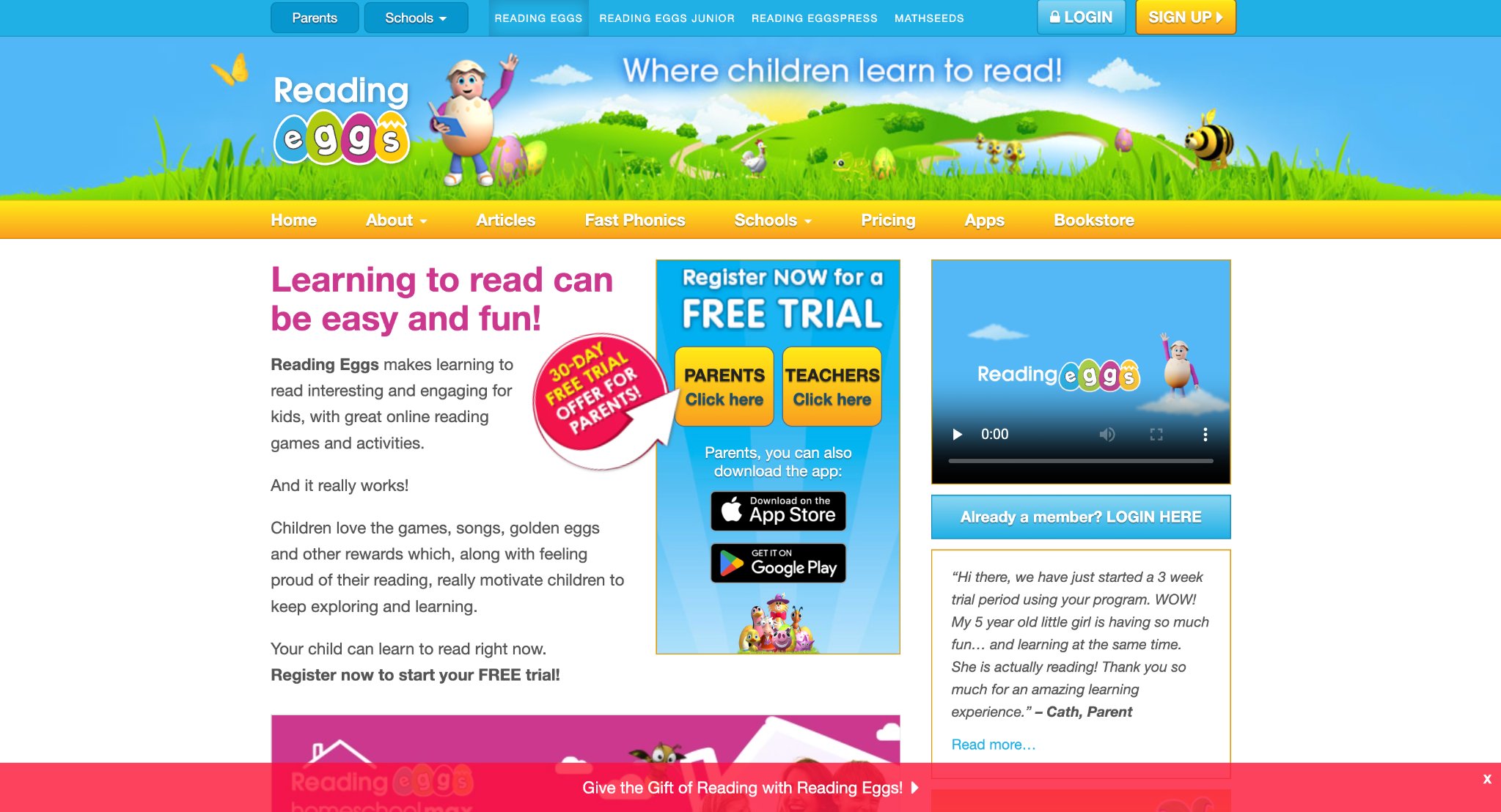
Reading Eggs creates an exciting journey into literacy for children ages 2 to 13 with animated games, catchy songs, and rewarding activities focused on phonics and reading comprehension. The structured lessons guide kids through letter sounds, word blending, and story understanding while collectible golden eggs provide motivating incentives. Many users experience rapid progress, especially beginners, though some faster learners might find certain repetitions familiar.
The program aligns well with school curricula and offers a child-friendly format that builds confidence in foundational language skills. Its combination of interactive elements and positive reinforcement makes daily practice enjoyable rather than tedious. Parents often choose Reading Eggs for targeted support that produces noticeable improvements in reading abilities and school readiness.
- Key features: Interactive lessons, golden egg rewards, and songs that reinforce phonics and sight words.
- Facts and information: Helps with quick literacy gains, backed by billions of rewards earned by users globally.
14. SplashLearn
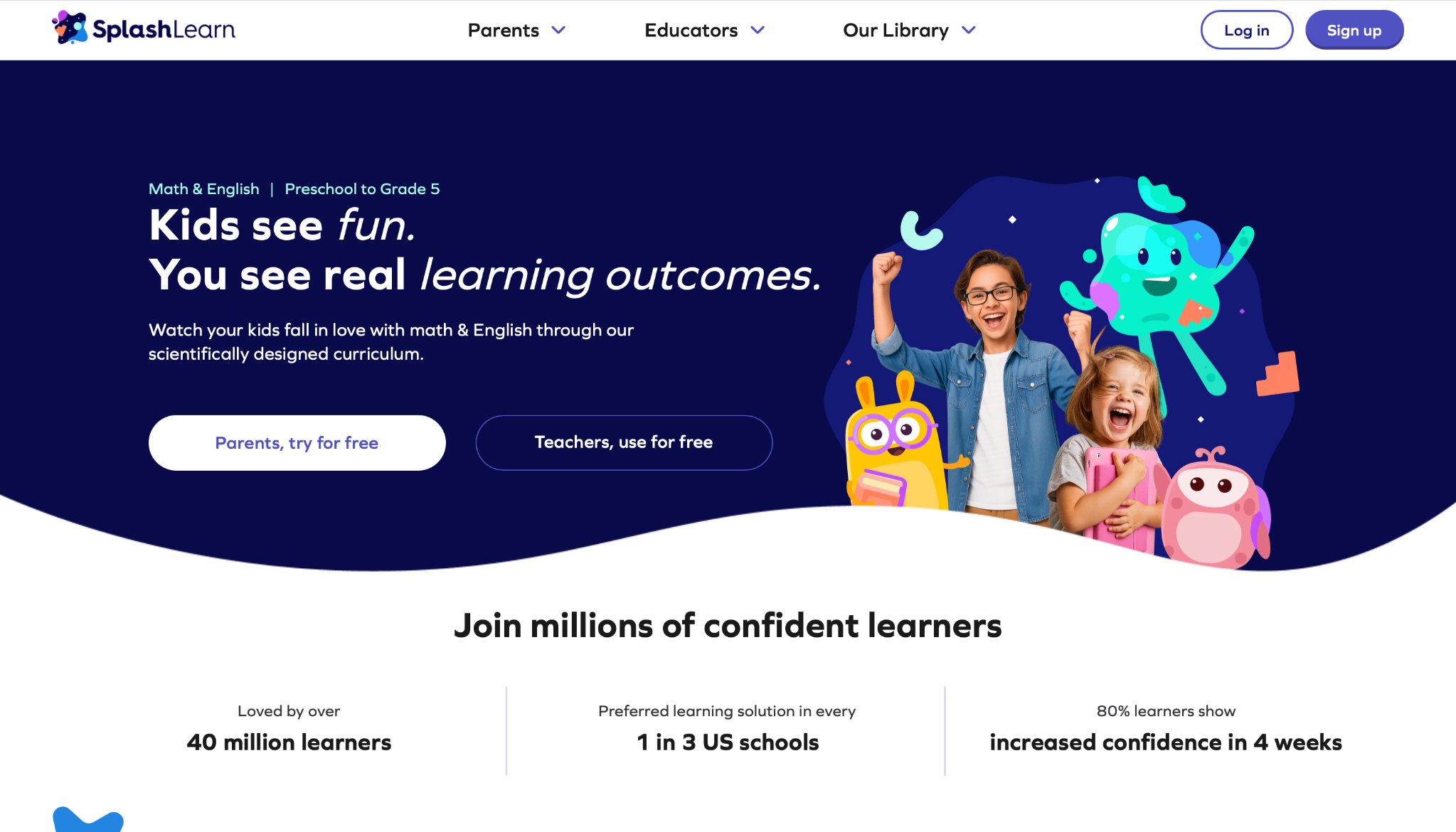
SplashLearn offers thousands of adaptive math and English games for preschool to grade 5 students, featuring personalized learning paths within an engaging story-driven world called the Splashverse. Children practice counting, geometry, reading, and grammar at their own pace without time pressure, supported by detailed parent progress reports. The platform creates a safe environment for making mistakes and learning from them, making it particularly suitable for diverse learners.
Regular updates and alignment with educational standards help schools and families integrate it seamlessly into routines. Its blend of narrative adventures and skill-building activities keeps sessions lively while delivering measurable improvements in confidence and academic performance.
- Key features: Adaptive milestones, printable worksheets, and live classes for deeper subject mastery.
- Facts and information: Boosts confidence rapidly, with millions of learners showing improved outcomes in weeks.
15. BrainPOP
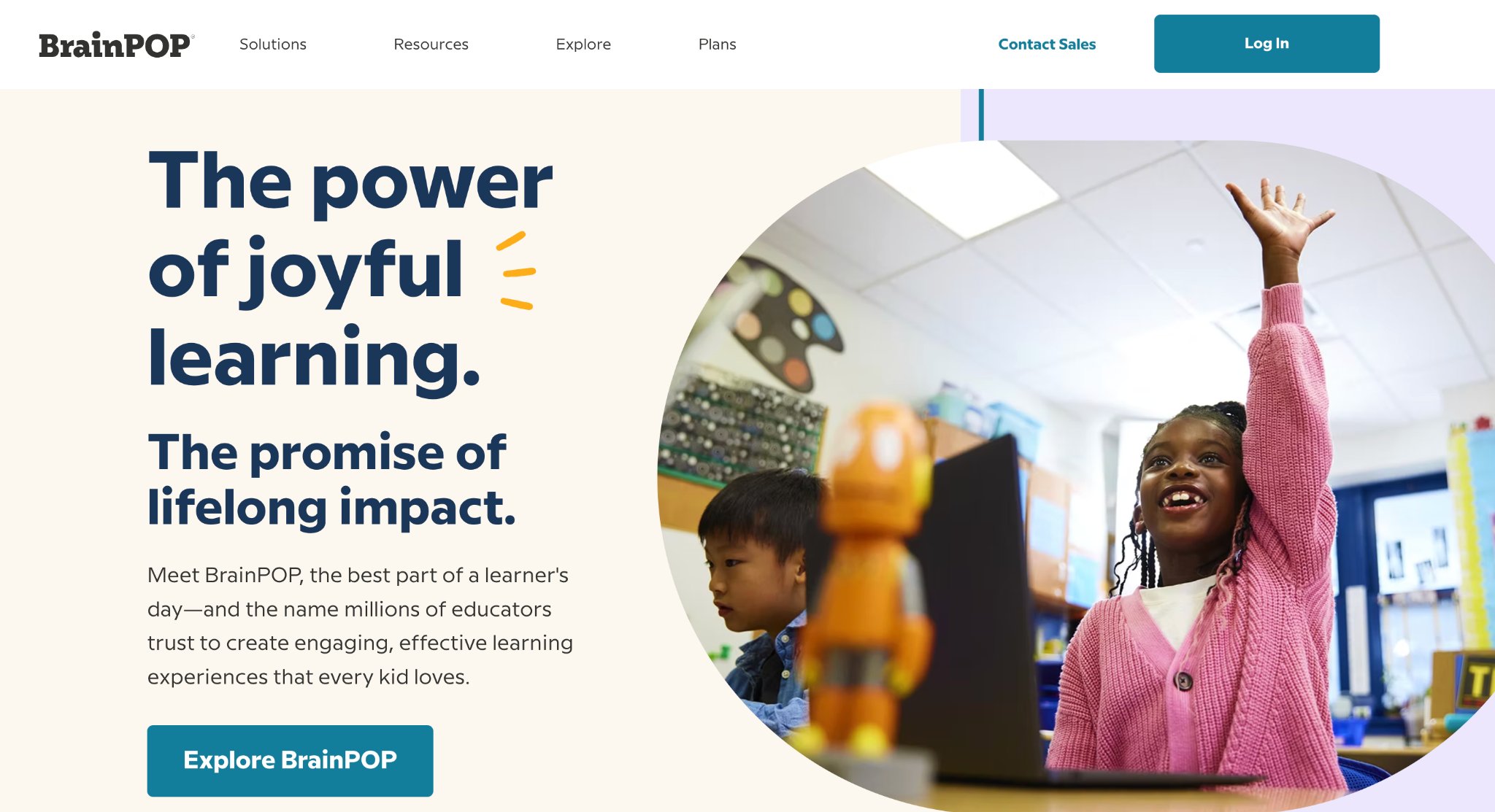
BrainPOP brings complex topics to life for grades K-8 through animated movies, quizzes, and activities covering science, social studies, math, and more. With versions like BrainPOP Jr. for younger children and specialized science modules, it sparks curiosity using engaging characters and research-based content. The video format makes difficult concepts approachable while building vocabulary and comprehension skills.
Educators value its effectiveness as a classroom supplement, especially for English language learners. Though some sessions benefit from follow-up activities for deeper interaction, the platform consistently inspires independent exploration and knowledge retention across subjects. Its proven track record of enhancing student achievement makes it a trusted educational resource.
- Key features: Themed movies, games, and tools for vocabulary, comprehension, and project-based learning.
- Facts and information: Enhances achievement across curricula, used by millions to inspire independent exploration.
16. Prodigy
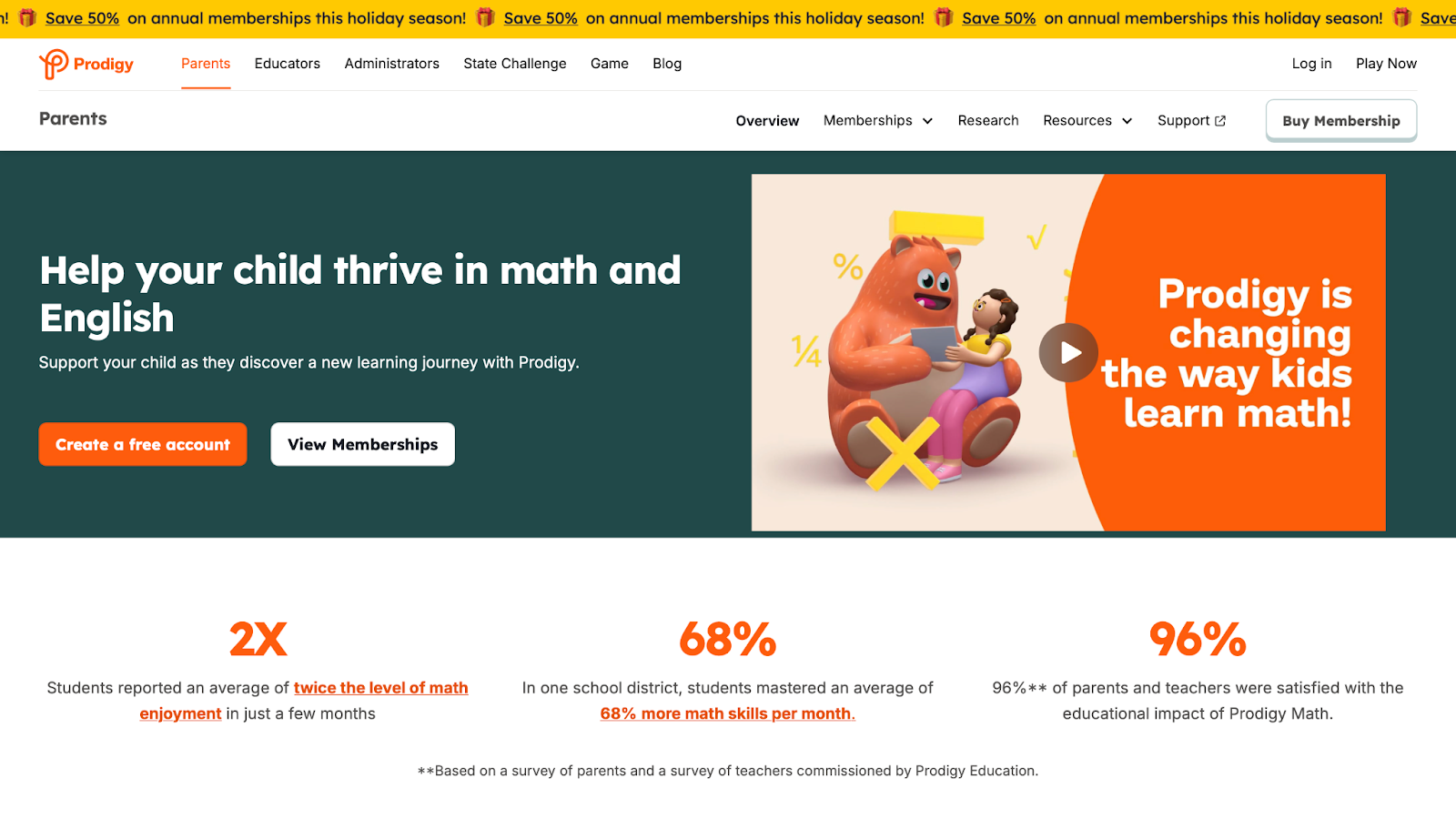
Prodigy turns math into an adventure with battles and quests, where kids answer questions to advance. It excels at making numbers exciting, but the game-like focus might distract from deeper learning for some. The adaptive system covers grades one through eight, with reports for monitoring. Parents note improved attitudes toward math, though it needs internet and can feel competitive. It's a solid pick for practice in a fantasy world.
Key features: Customizable avatars, daily challenges, and alignment with math curricula.
Facts and information: Used in schools, helping kids master skills through repeated engagement.
17. Outschool
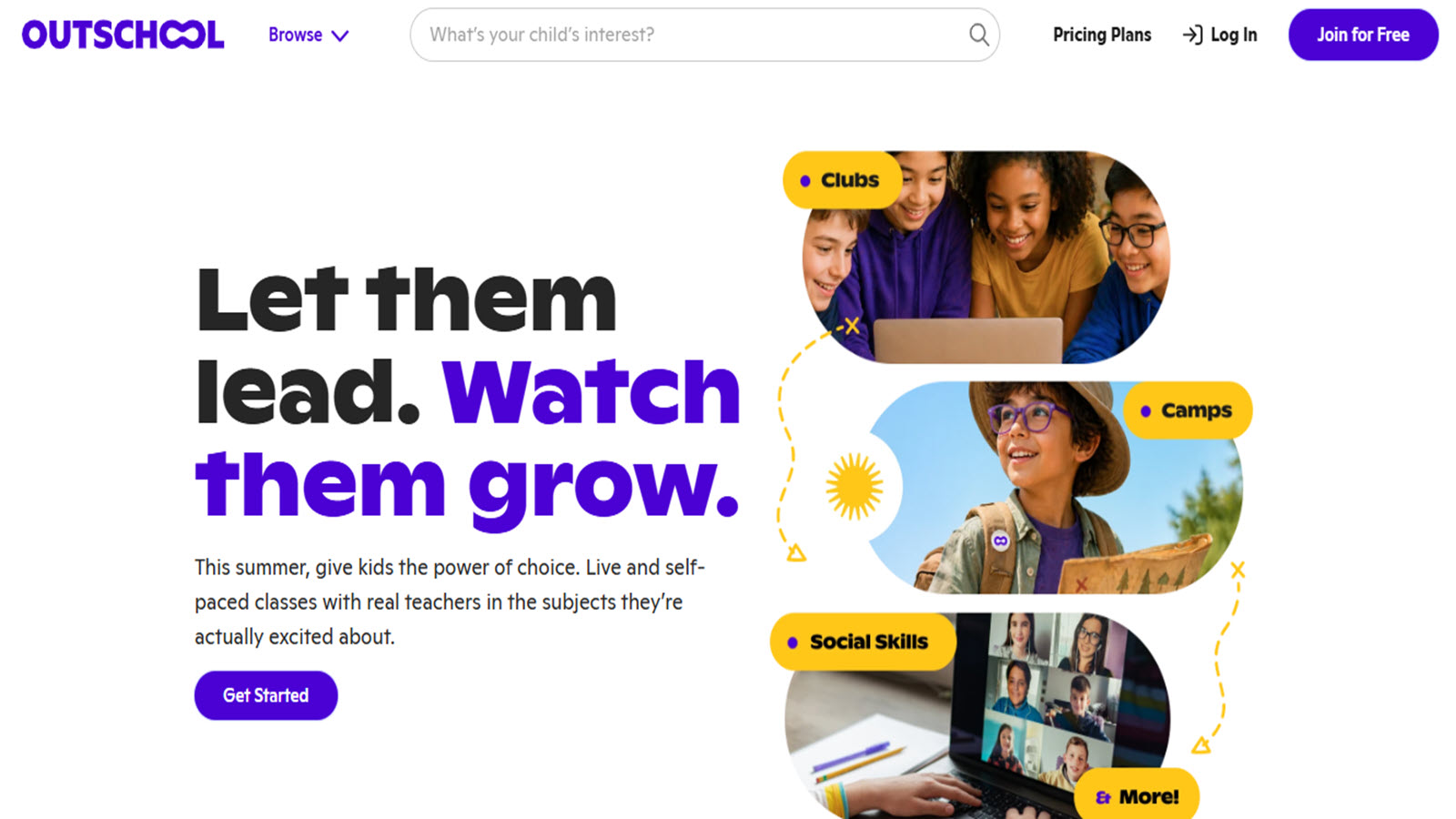
Outschool connects children ages 3 to 18 with expert instructors for live online classes taught in small groups across an extensive range of subjects including math, science, reading, coding, art, history, and unique interest-based topics. Based in San Francisco, United States, the platform emphasizes interactive, social learning experiences where kids engage in discussions, projects, and real-time activities with peers from around the world.
It offers both scheduled live classes and self-paced options, giving families flexibility to supplement traditional schooling or support homeschooling. Parents appreciate the variety of passionate teachers and the ability for children to pursue passions in a supportive virtual environment that builds confidence, communication skills, and community.
- Key features: Live video classes, project-based activities, class recordings for review, teacher feedback, and parent communication tools.
- Facts and information: Offers over 140,000 classes with hundreds of thousands of learners globally; supports personalized education paths across diverse topics and learning styles.
18. Adventure Academy
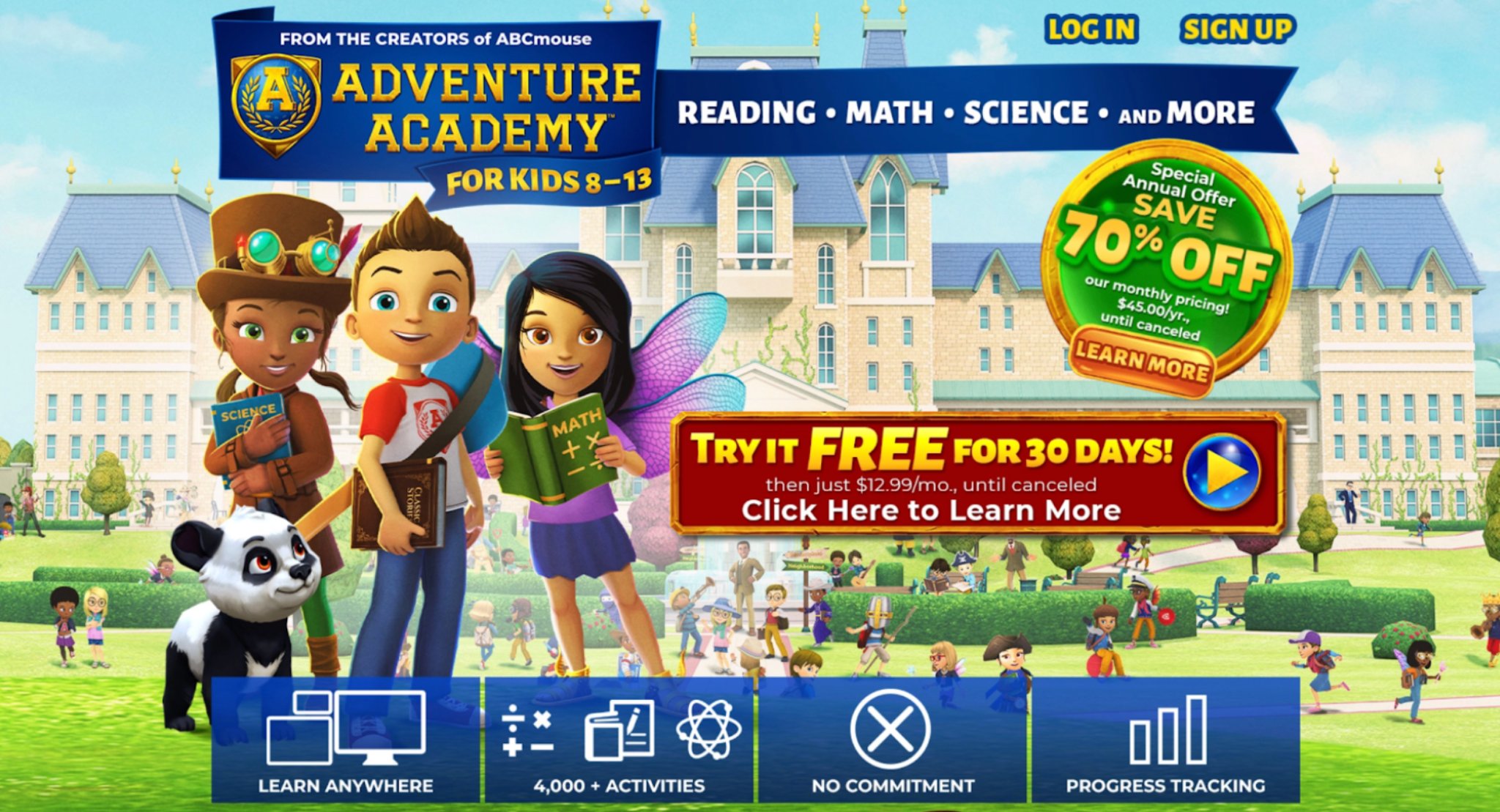
Adventure Academy from Age of Learning creates an immersive massively multiplayer online learning environment for kids ages 8 to 13, where students explore a vast 3D world while building skills in math, language arts, science, social studies, and more. Children create customizable avatars, complete educational quests, interact with peers safely, and unlock new areas through academic progress.
The platform blends engaging gameplay with structured curriculum content, making core subject practice feel like an exciting ongoing adventure. It appeals to families seeking an alternative to traditional learning apps by combining entertainment with meaningful skill development in a collaborative virtual setting.
- Key features: Open-world exploration, adaptive learning quests, multiplayer social features, character customization, and comprehensive curriculum coverage.
- Facts and information: Provides thousands of learning activities across major subjects; builds on research-backed methods from its sister program ABCmouse for middle-grade engagement.
19. Raz-Kids
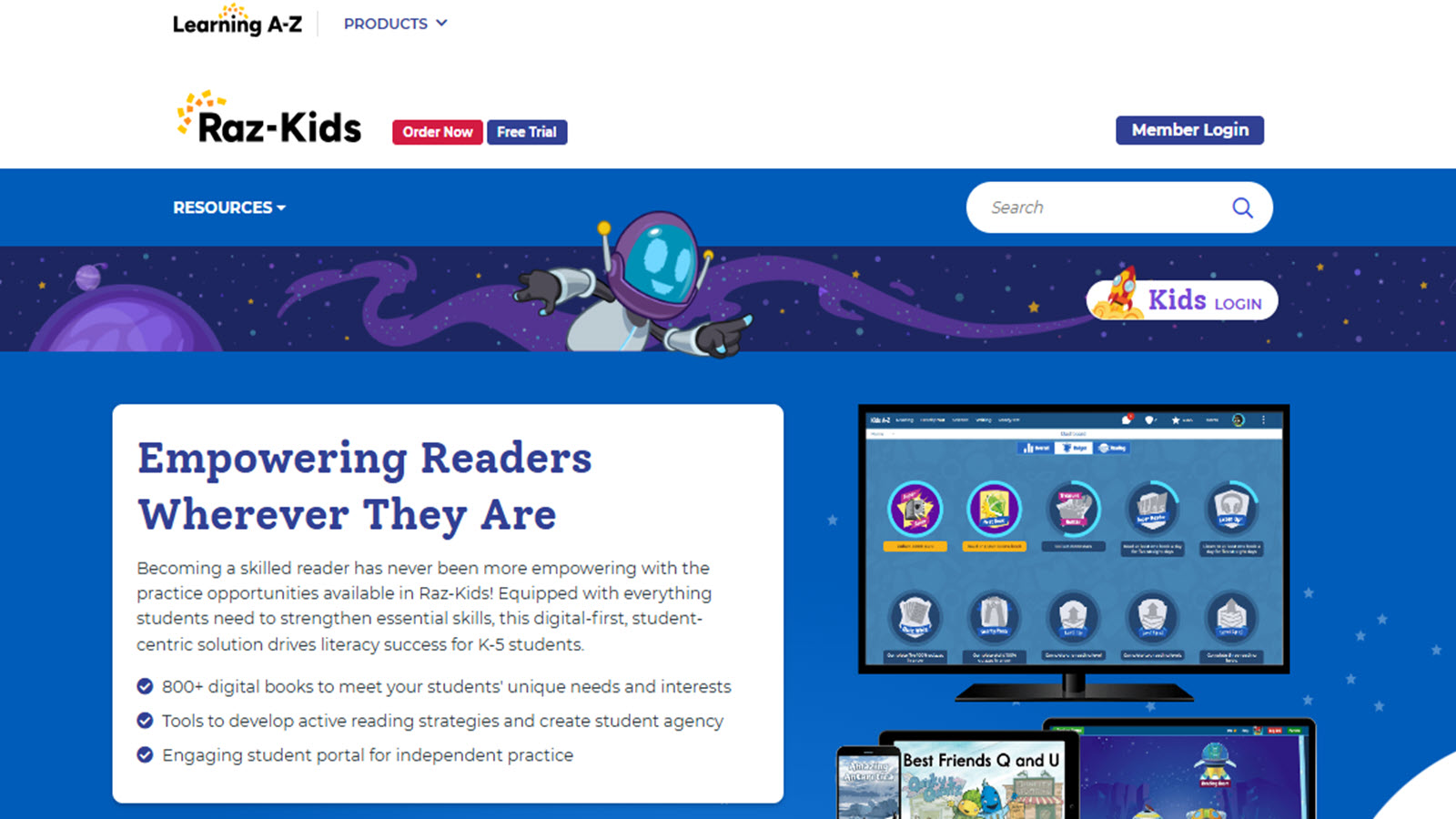
Raz-Kids delivers a leveled digital reading platform with hundreds of interactive eBooks, quizzes, and motivational tools designed for kindergarten through elementary students. Kids read along with audio support, complete comprehension checks, and earn rewards as they advance through carefully leveled texts that build fluency, vocabulary, and understanding. The system includes running records and detailed progress tracking for parents and teachers. It supports differentiated instruction by matching content to each child's reading level, helping reluctant readers gain confidence through accessible, engaging stories and consistent practice.
- Key features: Leveled eBooks with audio narration, interactive quizzes, running records assessments, reward systems, and progress reports.
- Facts and information: Used widely in U.S. schools for literacy development; research links active usage to improved reading outcomes and standardized test performance.
20. DreamBox Learning
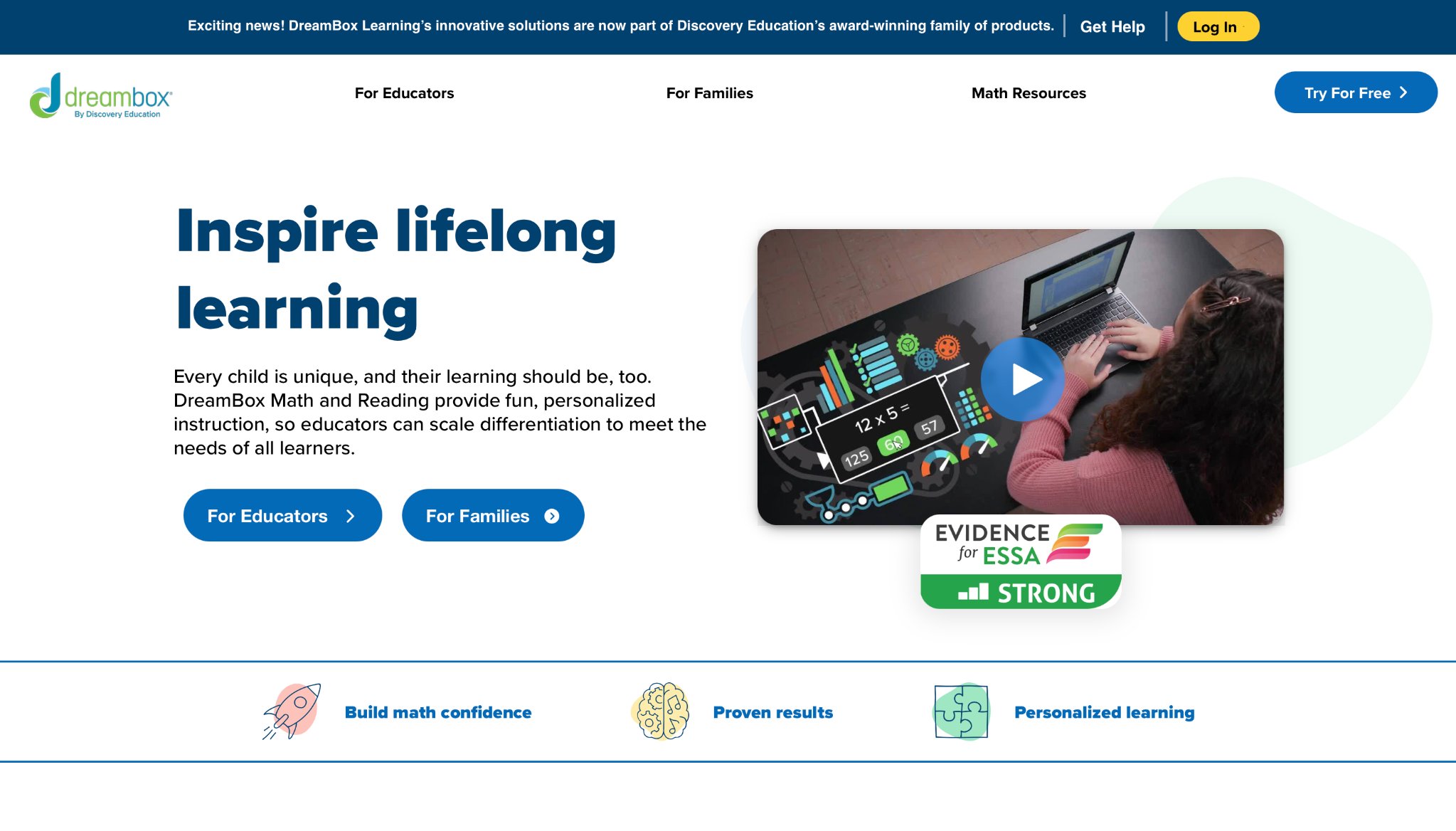
DreamBox Learning offers an adaptive K-8 math platform that personalizes instruction in real time based on how students solve problems, focusing on conceptual understanding, critical thinking, and procedural fluency. Headquartered in the United States, it presents visual models, interactive manipulatives, and scaffolded lessons that adjust dynamically to each child's needs and learning pace. The program supports both remediation and enrichment, helping students build strong number sense and confidence in mathematics through engaging, game-like activities. Educators and families value its intelligent engine that provides detailed insights into thinking processes and growth trajectories.
- Key features: Intelligent adaptive technology, virtual manipulatives, personalized lesson paths, continuous assessment, and teacher/parent dashboards.
- Facts and information: Demonstrated efficacy in improving math achievement; offers millions of individualized learning paths across comprehensive K-8 curriculum.
Benefits of Play-Based Learning for Children
Play-based learning sharpens minds beyond screens. It helps kids grasp teamwork and resilience through hands-on activities. Many experts agree this method strengthens memory and decision-making. Pairing games with real-world tasks, like building models, extends benefits.
How to Pick the Right Educational Game for Your Kid
Choosing the right kid educational game starts with your child's interests and needs. Match age-appropriate content to avoid boredom or overload. Look for platforms with trial periods to test fit. Balance solo and family play for bonding.
Math
- Example Activities: Puzzles, counting games
- Child Benefits: Builds logic and number sense
Reading
- Example Activities: Phonics stories, word hunts
- Child Benefits: Improves vocabulary and comprehension
Creativity
- Example Activities: Design tools, art challenges
- Child Benefits: Sparks imagination and expression
Emotional
- Example Activities: Character care, sharing modes
- Child Benefits: Fosters empathy and self-awareness
Safety and Parental Controls in Modern Educational Games
Safety remains a top priority in today’s fun educational games for kids. High-quality titles offer completely ad-free environments, age-appropriate content filters, and easy-to-use parental controls. Modern dashboards allow parents to monitor activity, set time limits, and customize experiences according to each child’s needs.
Latest News In 2026
The online educational website landscape in 2026 continues to evolve with exciting innovations. Developers are releasing more hybrid experiences that blend digital play with physical activities, including augmented reality features where children build virtual creations that connect to real-world objects.
Artificial intelligence now powers personalized learning paths, adapting storylines and difficulty based on each child’s pace and choices. Many new titles also emphasize emotional intelligence, with characters that model conflict resolution and empathy. Industry reports highlight improved cross-platform syncing, allowing progress to transfer seamlessly between devices. Families are also seeing more collaborative options designed for group play involving siblings or parents.
FAQ
What makes kid educational games effective for learning?
Kid educational games succeed by creating interactive environments where children experience a sense of control and freedom in their choices, which boosts overall motivation and participation. This design allows young users to explore concepts at their own rhythm, leading to stronger recall of material through repeated, enjoyable practice. When aligned with clear goals, these tools also enhance critical thinking by encouraging logical decisions and strategy testing in safe settings.
At what age should kids start using educational games?
Children can begin with simple educational games around age two, focusing on basic interactions that match their developmental stage and build foundational abilities like recognition and coordination. As they grow, games introduce more elements to support ongoing progress, adapting to individual needs without overwhelming young minds. Starting early with age-appropriate options helps foster a positive attitude toward learning through play.
How do educational games support emotional development?
Educational games aid emotional growth by incorporating scenarios that teach self-regulation, allowing kids to manage feelings during challenges and build resilience over time. Through character interactions and group elements, they promote empathy and awareness of others' emotions, helping children practice social responses in low-stakes ways. This process also encourages self-confidence as users achieve goals and reflect on their experiences within the game world.
Can educational games replace traditional teaching?
Educational kid games serve as a strong supplement to traditional methods, adding layers of engagement and personalization that make lessons more dynamic and accessible. They transform abstract ideas into practical applications, helping bridge gaps in understanding while motivating learners to take active roles. However, combining them with hands-on discussions and real-world activities creates a fuller educational foundation.
What makes a game educational for children?
An online educational game becomes truly educational when it targets key skills such as counting, pattern recognition, and emotional understanding through interactive challenges that adapt to a child’s pace. The best options provide immediate feedback that builds confidence without causing frustration. These games often incorporate creative activities like pet care simulations and storytelling that naturally develop responsibility and empathy alongside basic concepts. This seamless blend supports steady growth in focus and problem-solving skills for kids that parents can see in everyday routines.
How do educational games support school learning?
Safe educational games reinforce classroom topics through repeated practice in engaging formats that hold children’s attention. Math challenges build number sense, while language activities strengthen vocabulary through quests and character interactions. Varied themes help connect play to academic skills such as spatial awareness from building games or social skills from teamwork elements. These experiences support logical thinking and creativity in ways that complement traditional learning.
Are there free alternatives to paid educational games?
Many platforms offer free versions with limited features or rotating content that introduce core concepts. Paid subscriptions usually unlock full libraries, offline play, and regular updates for greater long-term value. Families often combine free trials with premium options to create a balanced approach across different age groups and devices while maintaining safe, purposeful screen time.
What age range benefits most from these games?
Children from toddlers through early elementary years benefit greatly when content matches their specific developmental stage. Younger children enjoy sensory matching and simple nurturing tasks, while older kids engage with creative design challenges and learning through play activities. Age-appropriate themes such as virtual pet care or household responsibilities help build foundational skills in routines, empathy, and responsibility.
How can parents monitor progress in educational games?
Built-in summaries and activity overviews help parents track time spent and skill development without interrupting play. Many systems include dashboards that highlight progress in creativity, focus, and social-emotional growth. Regular content updates ensure fresh challenges that support improvement in areas such as problem-solving skills for children, memory, and social emotional awareness in kids.
Read Also:
- Balancing Self-Care and Parenting: 7 Tips for Moms
- Key Advice for New Parents: What No One Tells You
Discover the best kid educational games - TutoClub



.jpg)


.jpg)

.jpg)