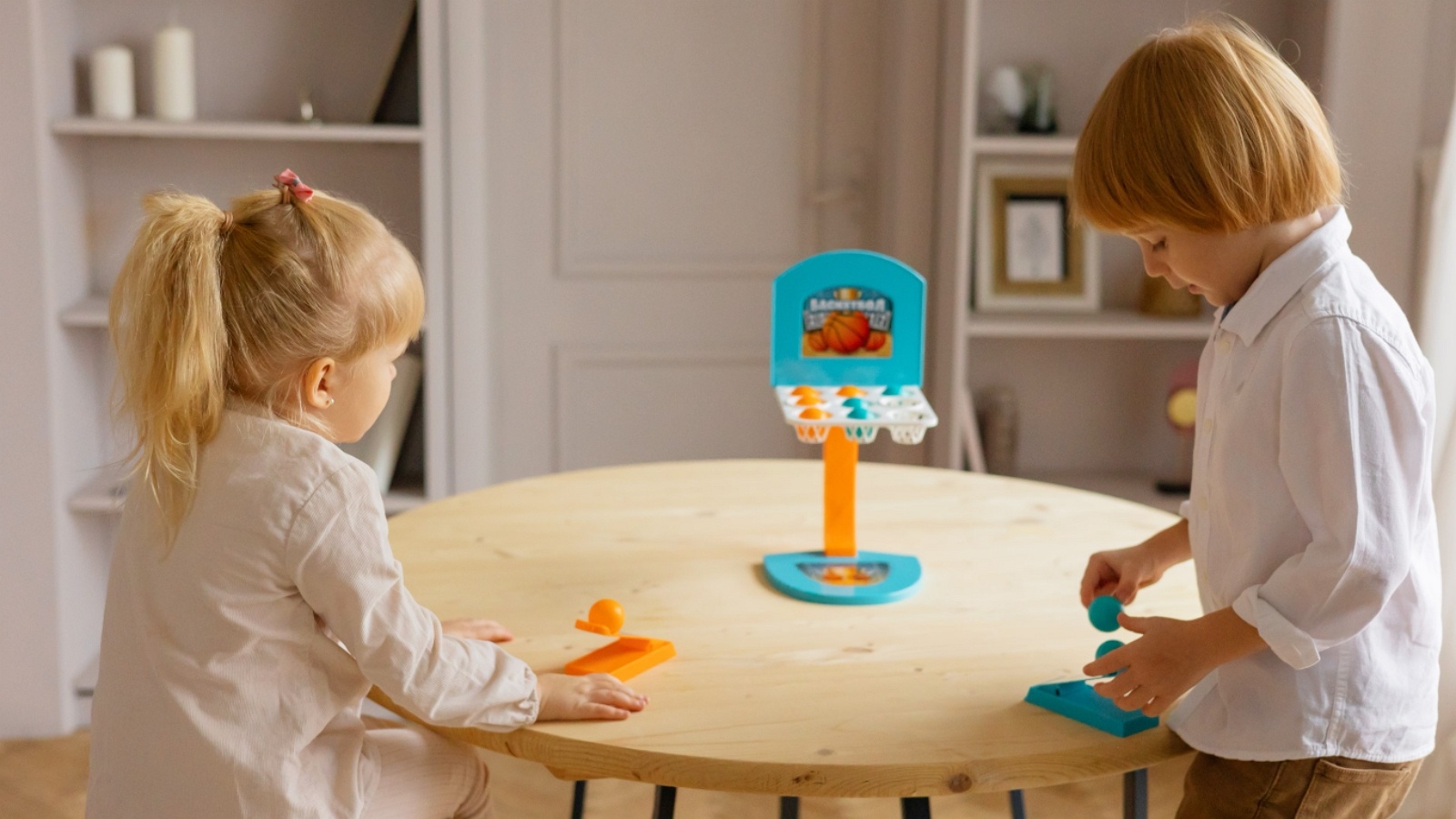

Best Games For Toddlers in 2026






Finding the best games for toddlers means picking activities that spark joy while supporting growth. These options help build skills like problem-solving and coordination in safe ways. Parents often seek games that fit busy days, offering quick sessions full of laughs. Discover the best games for toddlers in 2026 that blend fun with skill-building.
When choosing playtime activities for young children, it helps to balance hands-on fun with thoughtful digital experiences that encourage early learning. Parents can explore the best kids educational games to find playful ways to support creativity and problem-solving, while guides to the best educational games for toddlers make it easier to choose age-appropriate options that match developmental needs. For families who include screen time, recommendations for the best apps for toddlers highlight safe, engaging tools that fit naturally into daily routines.
Discover the Best Games For Toddlers in 2026 - TutoClub
Why Games Matter for Toddler Growth

Toddlers thrive when play feels like discovery. Games build hand-eye coordination through simple actions like stacking or touching screens. They also foster social bonds, as shared activities teach turn-taking and empathy. Many parents notice quicker language pickup when games involve naming colors or shapes. Safe environments in games reduce distractions, letting kids focus better. Hands-on options strengthen muscles, while digital ones introduce basic tech skills early. Overall, the right games turn everyday moments into learning adventures that stick.
For maximum developmental benefits, parents can explore the best educational games for toddlers, the best apps for toddlers, along with the best problem-solving games for kids and the best memory games for kids. These thoughtfully designed options support key areas like coordination, language development, focus, and early cognitive skills, turning everyday playtime into meaningful growth opportunities for little ones.
Picking the Right Games for Your Toddler
Start by matching games to your child's interests, like animals or vehicles, to hold attention longer. Look for age-appropriate challenges that avoid frustration but encourage trying again. Durability counts too, especially with wooden pieces or sturdy apps that handle rough play. Balance screen-based and physical games to support varied skills. Some options work well indoors on rainy days, while others get everyone moving. Always prioritize ad-free games for peace of mind. This approach ensures games fit seamlessly into routines, making them a go-to for busy families.
Types of Games Suitable for Toddlers
Different formats match various energy levels and interests. Physical toys with large pieces work well for hands-on exploration, while safe apps with simple touch controls suit short attention windows. Role-play options let kids act out stories with animals or daily tasks. Puzzle styles build memory recall for kids and problem-solving skills through colorful pieces that fit together easily. Creative building games encourage imagination as toddlers create their own scenes. Many choices combine elements to keep sessions fresh across days.
How to Choose Age-Appropriate Games
Match activities to a child's current stage by checking for large buttons or sturdy materials that handle eager hands. Short rounds prevent frustration and fit busy schedules. Look for content that repeats key ideas like numbers or emotions in engaging ways. Best games for toddlers with familiar themes, such as pets or vehicles, hold interest longer. Balanced choices mix active movement with quieter focus tasks to support full days and promote confidence building in children.
Benefits of Educational Play for Toddlers
Educational games for toddlers support key areas like motor skills, language development, and early social understanding through engaging activities. Simple interactions such as matching shapes or caring for virtual characters help toddlers build focus and confidence in a natural way. Many families notice improvements in daily routines when games incorporate familiar themes like animals or everyday tasks.
These experiences turn everyday moments into opportunities for growth. Toddlers gain from repeated practice that strengthens coordination and introduces basic concepts without pressure. Parents often see better engagement when activities feel playful rather than structured lessons. Learning games that combine colors, sounds, and gentle challenges create positive associations with learning from an early age.
Developing Motor Skills Through Games
Toddlers refine fine and gross motor abilities when they tap, drag, or navigate simple interfaces. Fun educational games with large touch targets and repetitive motions provide gentle practice that feels like fun rather than work. Activities involving virtual object manipulation strengthen hand-eye coordination over time.
Physical play elements combine well with digital options for well-rounded development. Simple dragging and tapping motions help little hands gain precision while exploring colors and shapes in interactive environments. Over weeks of regular use, these movements contribute to steadier control in both screen and real-world tasks. Many options include progressive levels that gently increase difficulty as skills improve.
Fostering Emotional and Social Growth
Pet care games that involve caring for characters or sharing simple roles help toddlers recognize feelings and practice empathy. Interactive stories where kids make gentle choices build a sense of connection and responsibility in a safe setting.
Such activities allow young children to explore emotions through characters they relate to. Virtual pet interactions, for example, mirror real caring situations and encourage kind responses. These moments support growing awareness of others and self-regulation in gentle, age-appropriate ways. Shared play sessions can also strengthen family bonds through common experiences.
Best Games For Toddlers in 2026
1. TutoClub - Best Educational Games for Toddlers
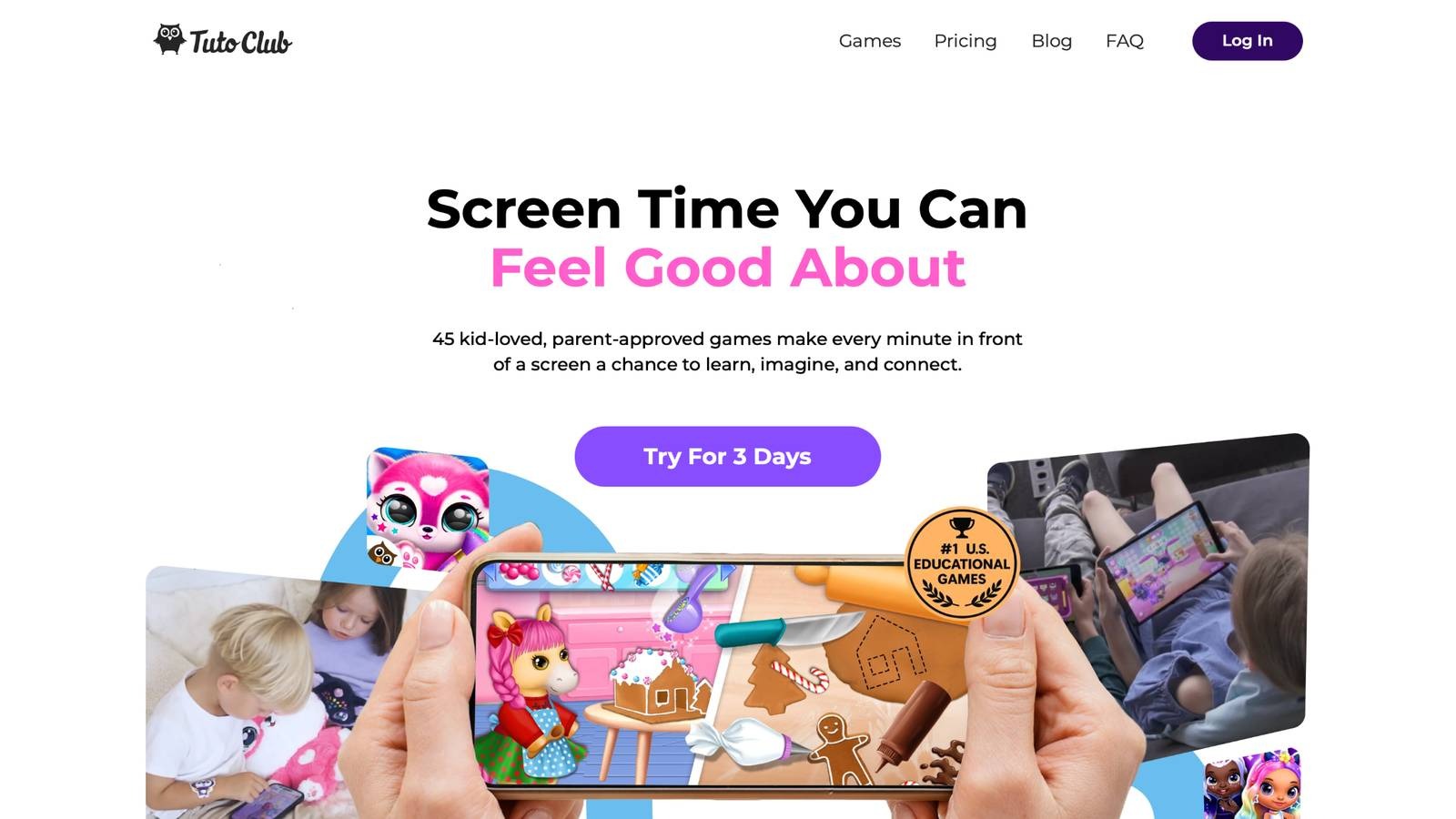
Unlock a world of wonder with TutoClub's educational games, where screen time turns into enriching adventures. This subscription service delivers over 45 kid-approved games that ignite creativity and sharpen focus in a safe, ad-free space. Toddlers dive into colorful worlds, crafting stories or solving puzzles that feel like pure play. Standout elements include vibrant characters that guide little ones through activities building empathy and responsibility.
Parents love how it balances fun with development, fitting seamlessly into daily routines. Whether exploring shapes or role-playing, each session leaves kids confident and eager for more. The multi-device access means play happens anywhere, anytime, without interruptions. What sets it apart is the thoughtful design, drawing from real child needs to create moments of joy and growth. Toddlers respond with giggles as they master new skills, turning potential downtime into valuable learning. It's a fresh take on play that keeps evolving, ensuring fresh content keeps the excitement alive.
- Key standout features: Vibrant puzzles that enhance problem-solving, interactive stories fostering imagination, and activities promoting emotional awareness.
- Facts and information: Based in a hub of innovation, this service draws from research on child development to offer games that many families rely on for balanced screen habits.
TutoClub Overview
TutoClub is your gateway to a magical world of educational games designed especially for children.
As part of TutoTOONS, a leading kids' games studio, we offer premium access to over 45 ad-free games.
Our mission is to blend learning and play, helping kids explore, create, and grow in a safe online space.
Thousands of parents trust us for family-friendly content that sparks imagination and builds essential skills.
Key Features
- Unlimited Access: Unlock full content in all games with no interruptions.
- Ad-Free Experience: Enjoy seamless play without any ads or distractions.
- Skill Development: Games foster creativity, social skills, communication, and more through fun activities like pet care and cleanup challenges.
- Regular Updates: Get new releases, exclusive content, and future updates automatically.
- Easy Subscription: Cancel anytime with no obligations, simple and flexible for families.
Explore Our World
TutoClub provides a rich ecosystem of educational games for kids, featuring ad-free experiences that promote creativity, focus, and emotional growth through play.
This platform turns screen time into valuable learning opportunities, with parent-approved content that builds essential skills and sparks curiosity in young minds.
- TutoClub Games: Over 45 educational games, including popular titles like Fluvsies, Smolsies, and the Sweet Baby Girl series
- Blog: Insights, tips, and stories for families on kids' learning and play
- FAQ: Comprehensive answers to frequently asked questions about subscriptions, features, and more
Get TutoClub on Your Device
TutoClub delivers premium kids educational games directly to your mobile devices, making learning accessible anytime, anywhere.
With apps available on major platforms, families can easily download and subscribe for ad-free play that turns screen time into skill-building adventures.
Perfect for parents seeking safe, engaging content on iOS, Android, or Amazon devices.
Why Choose TutoClub?
We're committed to 100% safe, enriching entertainment that kids love and parents approve.
Join the thousands who've seen their children thrive through playful learning.
Ready to start the adventure?
Subscribe to TutoClub today and unlock endless fun!
2. Fluvsies Academy
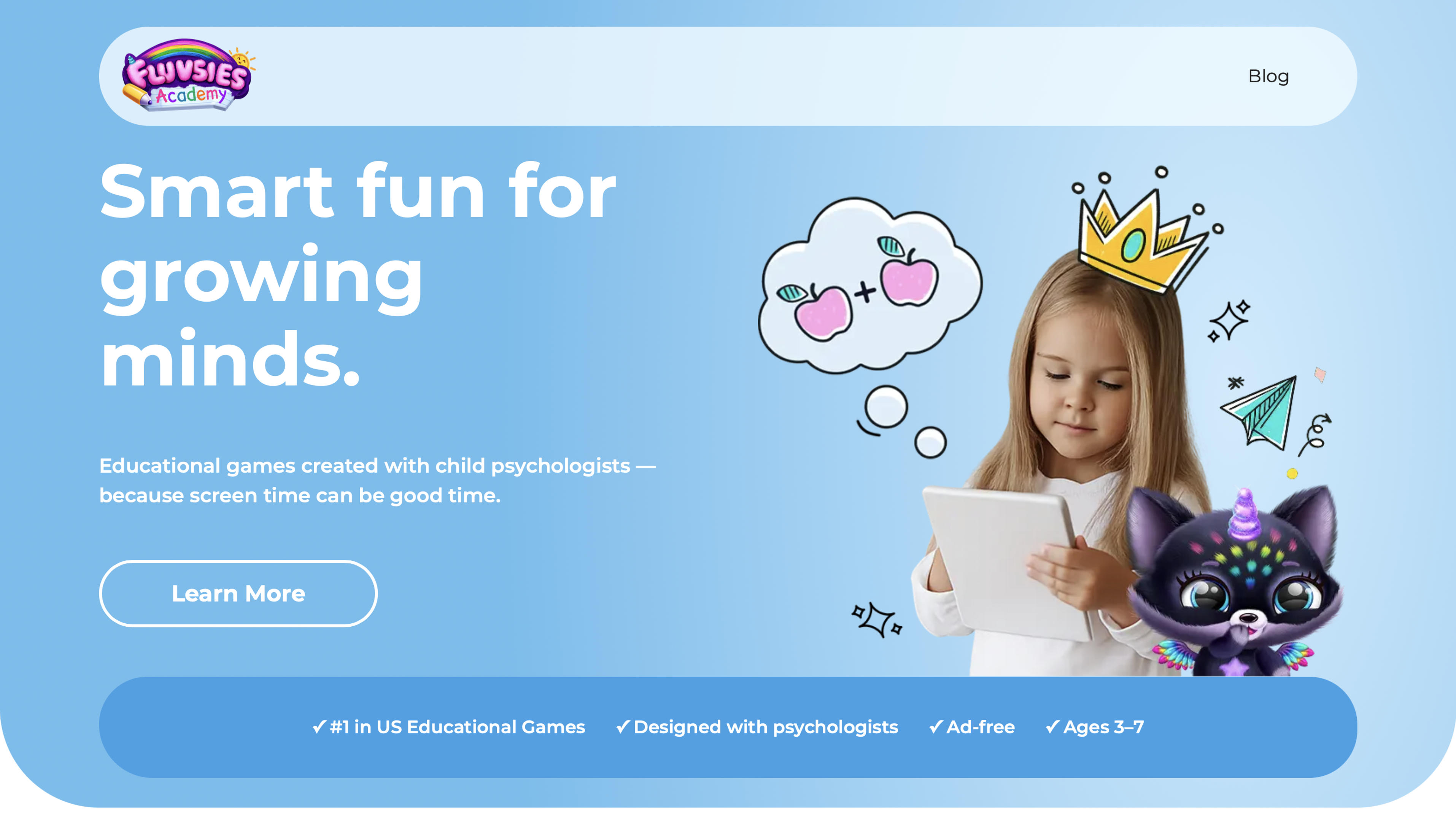
Fluvsies Academy turns preschool education into delightful adventures starring the cuddly Fluvsies characters. Built for children aged 3 to 7, it delivers targeted games that strengthen language and phonics, early numbers and math, logic puzzles, sorting tasks, practical life abilities, creative thinking, and vocabulary through exciting professions like bakers or astronauts.
Crafted alongside child psychologists, the platform takes a complete approach to growth by weaving in mindfulness moments, easy yoga flows, and daily habit builders that support emotional balance alongside academics. Bright visuals and gentle guidance keep every session feeling like pure fun while quietly advancing key skills at the perfect pace for little learners.
Parents appreciate the clear progress reports showing exactly where their child shines and where to celebrate next wins. Kids return eagerly to favorite challenges such as puzzle fixes or role play scenarios, naturally picking up new words and ideas that spark questions long after play ends.
- Key features: Phonics and language adventures with interactive stories, number challenges that grow math confidence, logic games and sorting exercises to sharpen thinking, life skill simulations including personal care routines, professions explorations for broader vocabulary, mindfulness and yoga elements for calm focus.
- Facts and information: Stands out among top choices for United States preschool apps, centers on whole child development with emphasis on empathy and real world connections, rolls out fresh activities to maintain excitement, works beautifully for solo yet supported play times, pairs perfectly with free printable extensions for offline fun.
3. PBS Kids Games
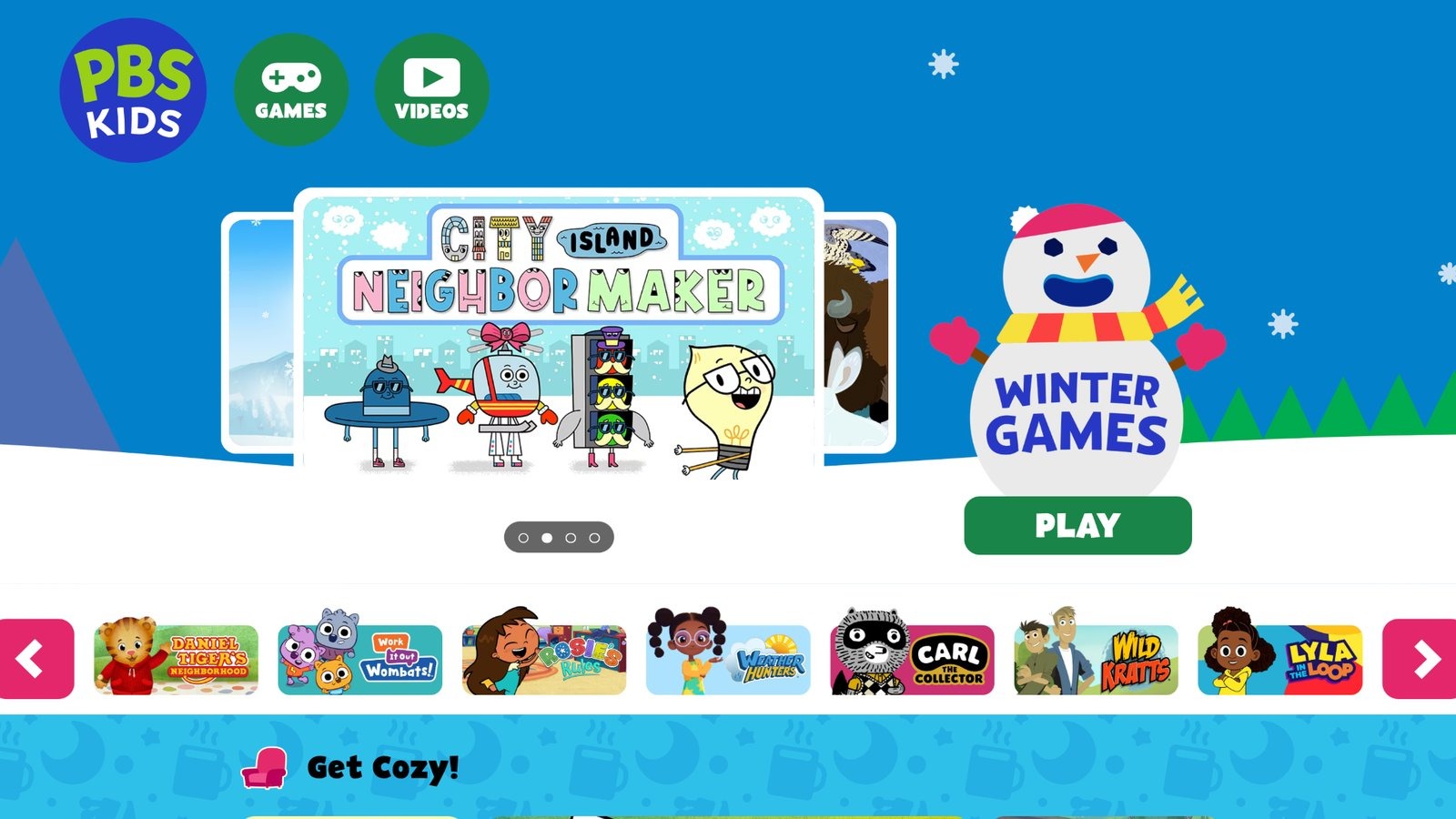
PBS Kids Games gathers beloved characters from series like Daniel Tiger and Wild Kratts into a collection of interactive challenges focused on math, science, and emotional intelligence. Produced by PBS, this complimentary app provides regularly refreshed content, ensuring a steady stream of new adventures that adapt to a child's progress. Its educational core shines through in leveled activities that grow with the user, promoting steady skill development without overwhelming pressure. Toddlers benefit from the familiar TV tie-ins, which make concepts like patterns or animal habits more relatable and fun.
A downside is the occasionally busy interface, which can confuse very young players navigating between games. Strengths include bilingual options in English and Spanish, broadening accessibility for diverse families. In 2026, enhancements feature more inclusive representations and voice-guided tutorials for independent play. It excels in ad-free environments, allowing focused sessions that align with public broadcasting's mission of quality learning. Parents often highlight how it reinforces show lessons, extending screen time's value. While some games require adult assistance for reading elements, the overall design prioritizes safety and engagement.
- Key features: Adaptive difficulty in mini-games covering weather and numbers, offline capabilities for select activities, integration with PBS shows for seamless transitions.
- Facts and information: As part of public media, it reaches many households, supporting early education with content vetted by child development experts.
4. Toca Life World
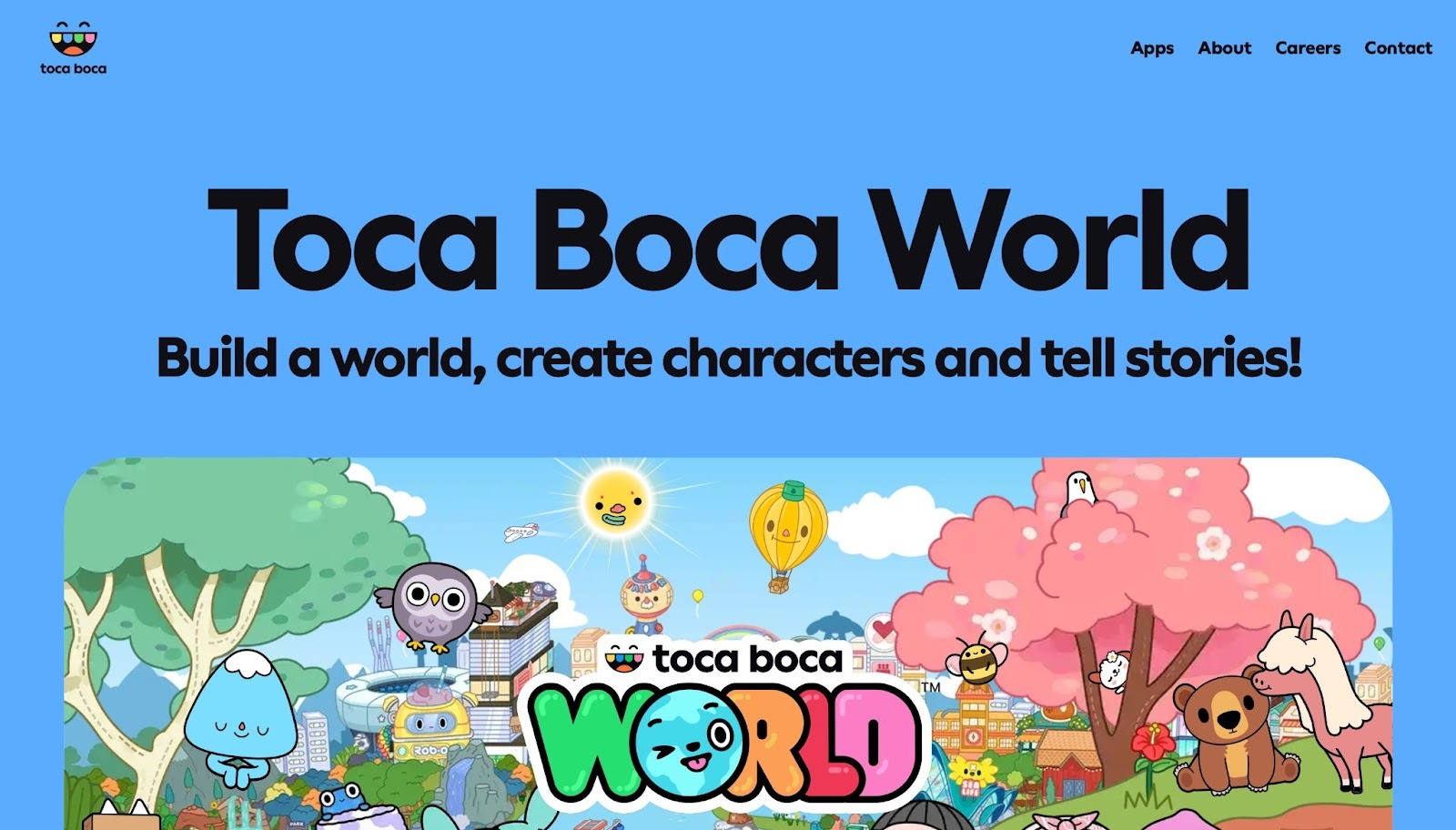
Toca Life World invites toddlers to invent narratives in an expansive virtual city, complete with shops, parks, and customizable avatars for endless role-playing. Developed by Toca Boca in Stockholm, Sweden, it promotes unbound creativity with no set objectives, letting kids mix elements from various locations to craft unique stories. This open-ended approach builds storytelling skills and empathy as children direct character interactions. A potential drawback is the vast scope, which might initially intimidate newcomers unfamiliar with the layout.
On the upside, diverse character options reflect real-world inclusivity, encouraging self-expression. 2026 updates introduce sustainable living themes, like recycling centers, to instill early environmental awareness. The app's recording feature allows kids to narrate and save their creations, adding a personal touch. It thrives in fostering imagination without timers or scores, making it a calm alternative to competitive games. Parents value the offline play and absence of ads, providing peace of mind. While occasional technical hiccups occur when combining items, the whimsical art style keeps engagement high. Ideal for quiet moments, it turns digital time into productive exploration.
- Key features: Avatar customization with varied traits, cross-location item integration, story recording tools for playback.
- Facts and information: Favored by many for its non-directive play, it aids in developing narrative abilities in a safe, exploratory space.
5. Starfall
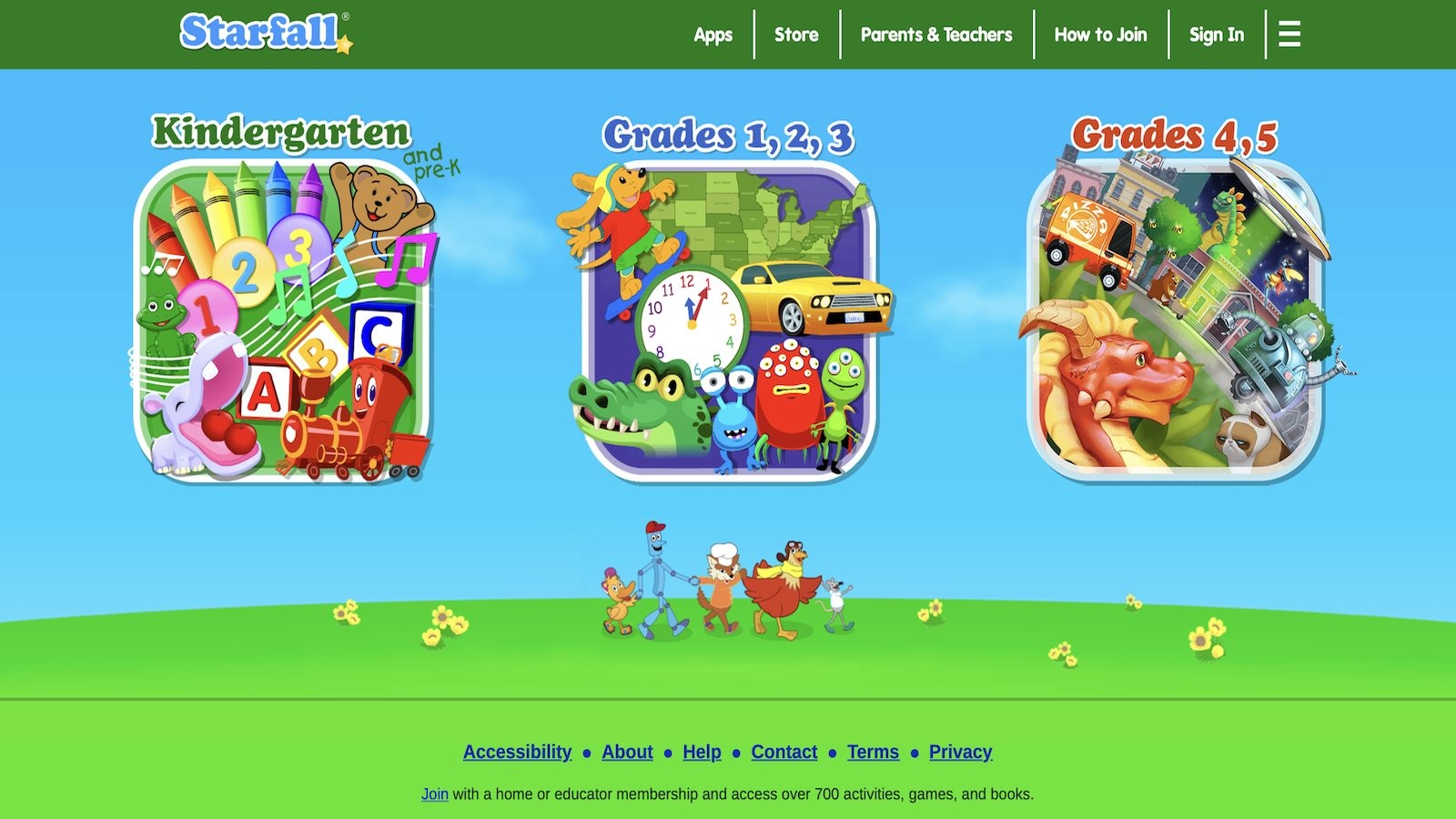
Starfall emphasizes foundational reading and math through animated songs, interactive books, and self-paced games tailored for early learners. From the Starfall Education Foundation, it supports diverse needs, including English language learners and those with special requirements, via multisensory methods. The app's strength lies in its ad-free, standards-aligned content that builds confidence with positive feedback loops. Toddlers engage with phonics and shapes in untimed settings, reducing stress and encouraging repetition.
A limitation is its focus on academics, which may lack variety for purely recreational play. Positively, voice-overs and visuals make it accessible without constant supervision. In 2026, new modules incorporate cultural stories to enhance global awareness. It stands out for free core access, making quality education widely available. Parents note improvements in letter recognition and number sense after regular use. The clean design facilitates easy navigation, though advanced sections might require guidance. Overall, it serves as a reliable bridge to school readiness, blending fun with structured learning.
- Key features: Phonics-driven reading interactions, math games with patterns and counting, animated narratives for immersion.
- Facts and information: Originating as a no-cost resource, it assists many in fostering literacy through encouraging, repetitive exercises.
6. First Orchard
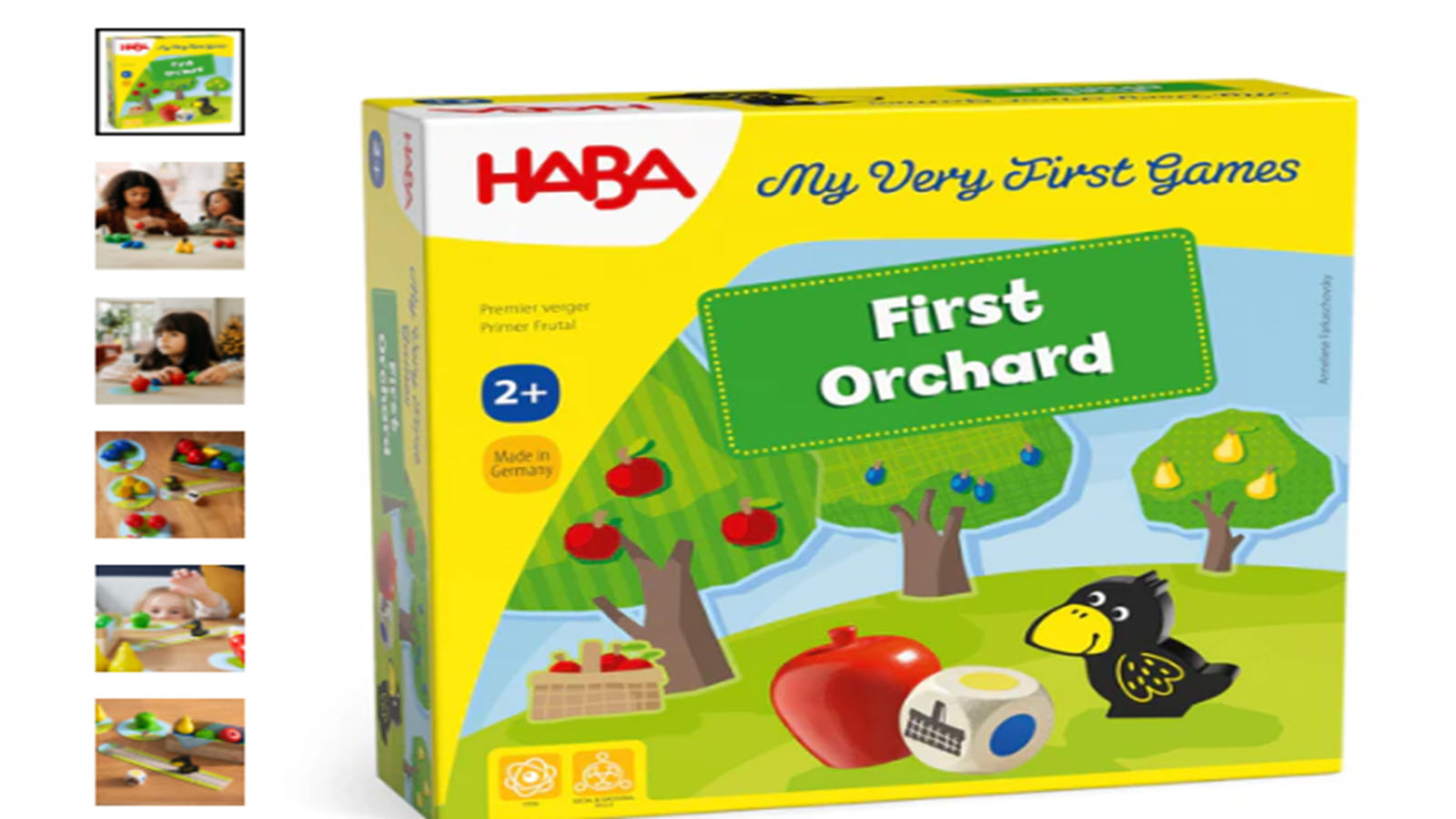
First Orchard engages toddlers in a cooperative board game where participants collect fruit before a raven arrives, using large wooden pieces suited for tiny hands. Made by HABA in Germany, it introduces concepts like colors and teamwork in brief, exciting rounds. The game's non-competitive nature builds collaboration skills, as everyone wins or loses together. Strengths include robust materials that withstand enthusiastic play, promoting durability. It can become predictable after multiple sessions, potentially reducing replay appeal.
On the bright side, the simple die-rolling mechanic teaches matching without complexity. 2026 editions feature eco-friendly wood sourcing, aligning with sustainability trends. Perfect for family gatherings, it encourages verbal communication as kids discuss moves. The thematic garden setup sparks interest in nature, extending learning beyond the board. Parents appreciate the quick setup and cleanup, fitting into short attention spans. While space is needed for the board, its portability in a box makes it travel-friendly. This game excels in creating shared joy, helping toddlers grasp basic strategy gently.
- Key features: Color-coded die for fruit selection, progressive raven track for tension, collective goal mechanics.
- Facts and information: As an entry in developmental series, it nurtures social interaction in many homes via joint objectives.
7. Sneaky Snacky Squirrel Game
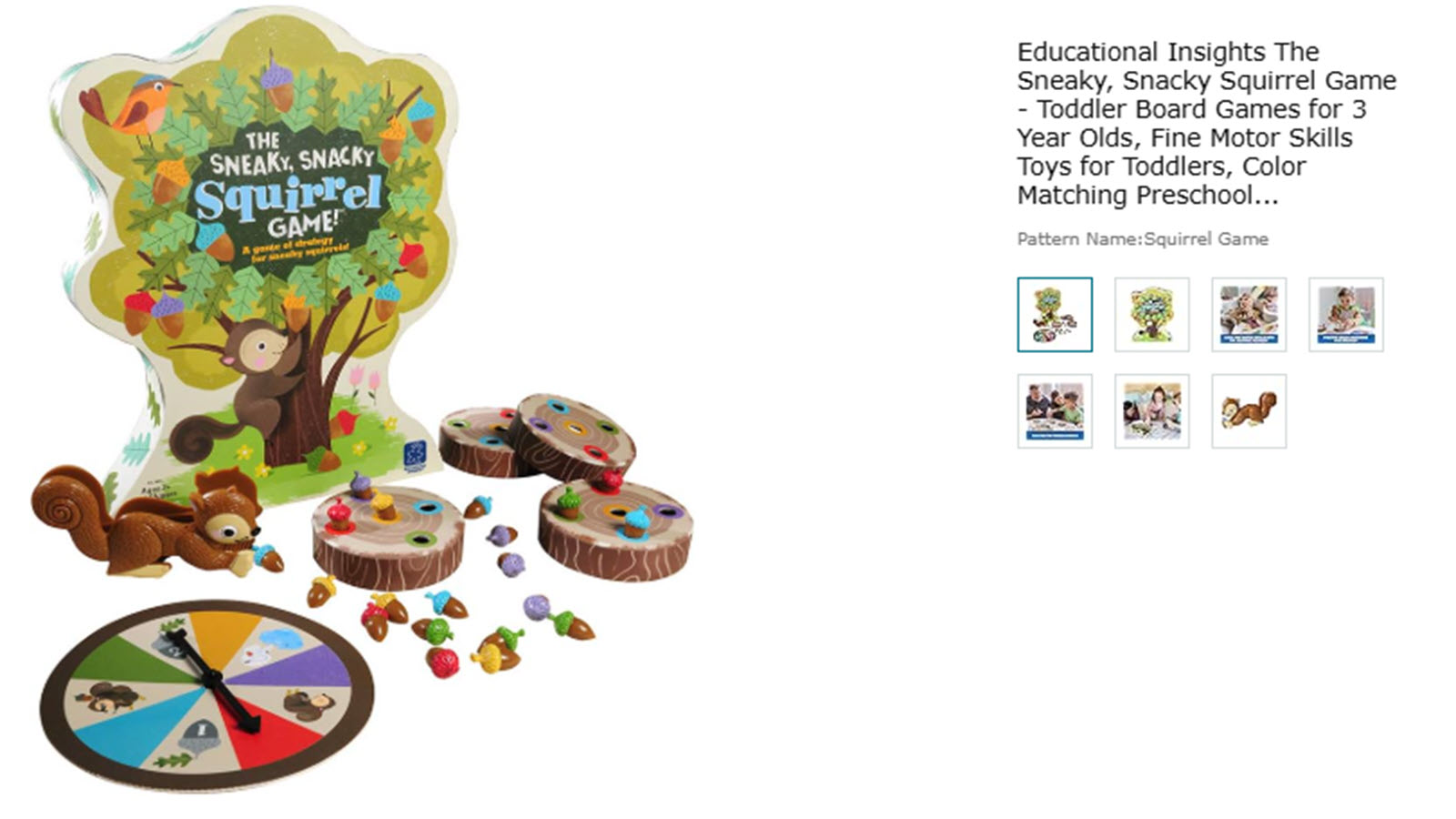
Sneaky Snacky Squirrel Game challenges toddlers to gather colored acorns using a squirrel-shaped squeezer, aiming to fill their log first. Produced by Spin Master, it develops fine motor control and color identification through dynamic spins. The excitement builds with spinner outcomes like steals or skips, adding unpredictability to play. A weakness is the potential for frustration from adverse spins, such as losing turns.
Strengths shine in the tactile tool that captivates young players, making dexterity practice enjoyable. 2026 updates include themed expansions with seasonal acorns for variety. Ideal for small groups, it promotes patience and quick thinking in lively sessions. The vibrant board design draws kids in, turning routine matching into an adventure. Parents find it effective for teaching sharing without direct competition. Compact and easy to store, it suits home or on-the-go fun. Overall, it balances skill-building with giggles, creating memorable family moments.
- Key features: Squeezer tool for acorn collection, multifaceted spinner with special actions, colorful stump board.
- Facts and information: Utilized by many to cultivate coordination and resilience in themed, interactive play.
8. Monkey Around
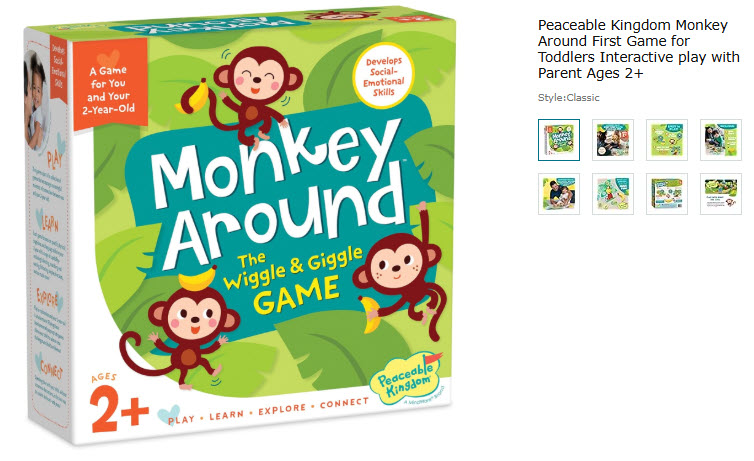
Monkey Around inspires physical activity with cards directing movements like jumping or balancing a banana beanbag, tailored for energetic toddlers. From Peaceable Kingdom, it enhances gross motor abilities and language through action prompts. The non-competitive format keeps spirits high, focusing on fun over winning. Drawbacks include needing ample room, which might limit use in small spaces.
Positively, the included guide offers variations to extend play. In 2026, new card sets incorporate mindfulness poses for calm-down activities. Great for rainy days, it channels wiggles into productive motion. The cute illustrations engage visually, while partner cards build social connections. Parents praise its ability to tire out active kids constructively. Portable and quick to start, it fits spontaneous playtimes. This game stands as a lively way to develop body awareness and listening skills.
- Key features: Action cards for solo or pair play, beanbag for added challenges, extension ideas in manual.
- Facts and information: Recognized for promoting movement, it aids many in physical development through playful routines.
9. Kirby and the Forgotten Land
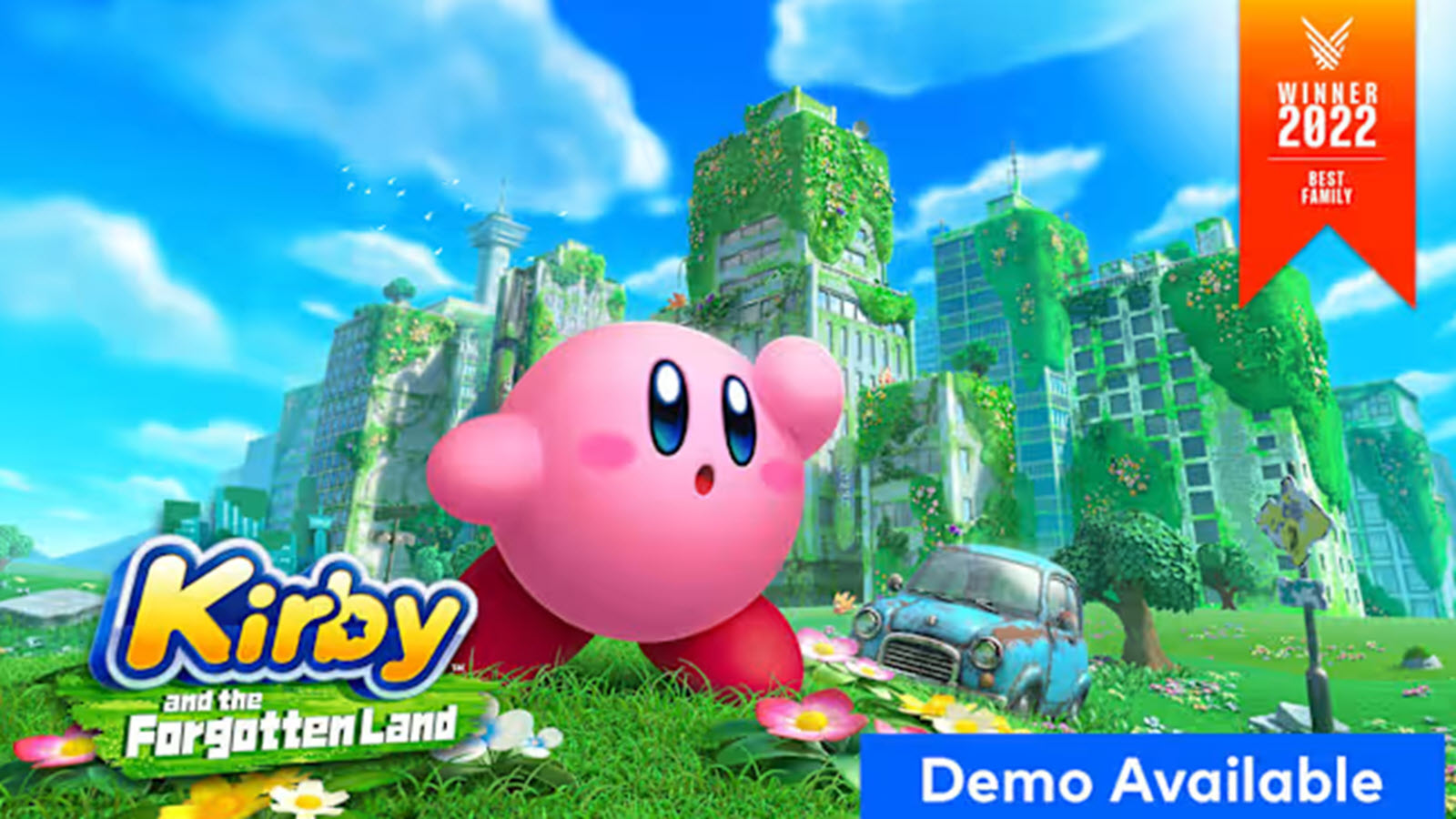
Kirby and the Forgotten Land guides toddlers through 3D worlds where Kirby inhales foes to gain powers, exploring a post-apocalyptic setting with easy controls. By Nintendo in Kyoto, Japan, it offers beginner-friendly modes and co-op for family assistance. Creative ability transformations, like turning into a car, spark wonder.
Challenges arise in boss encounters that may require help. Strengths include forgiving mechanics and vibrant visuals that encourage exploration. 2026 ports enhance accessibility with touch options. Suited for console play, it builds adventure skills in a lighthearted manner. The hub area provides mini-games for breaks, adding variety. Parents note its low-stress appeal for young gamers. While story depth grows with age, core fun remains immediate.
- Key features: Ability copying for puzzles, central town with extras, two-player local support.
- Facts and information: Family-oriented, it fosters curiosity in cartoon environments for many users.
10. Animal Crossing: New Horizons
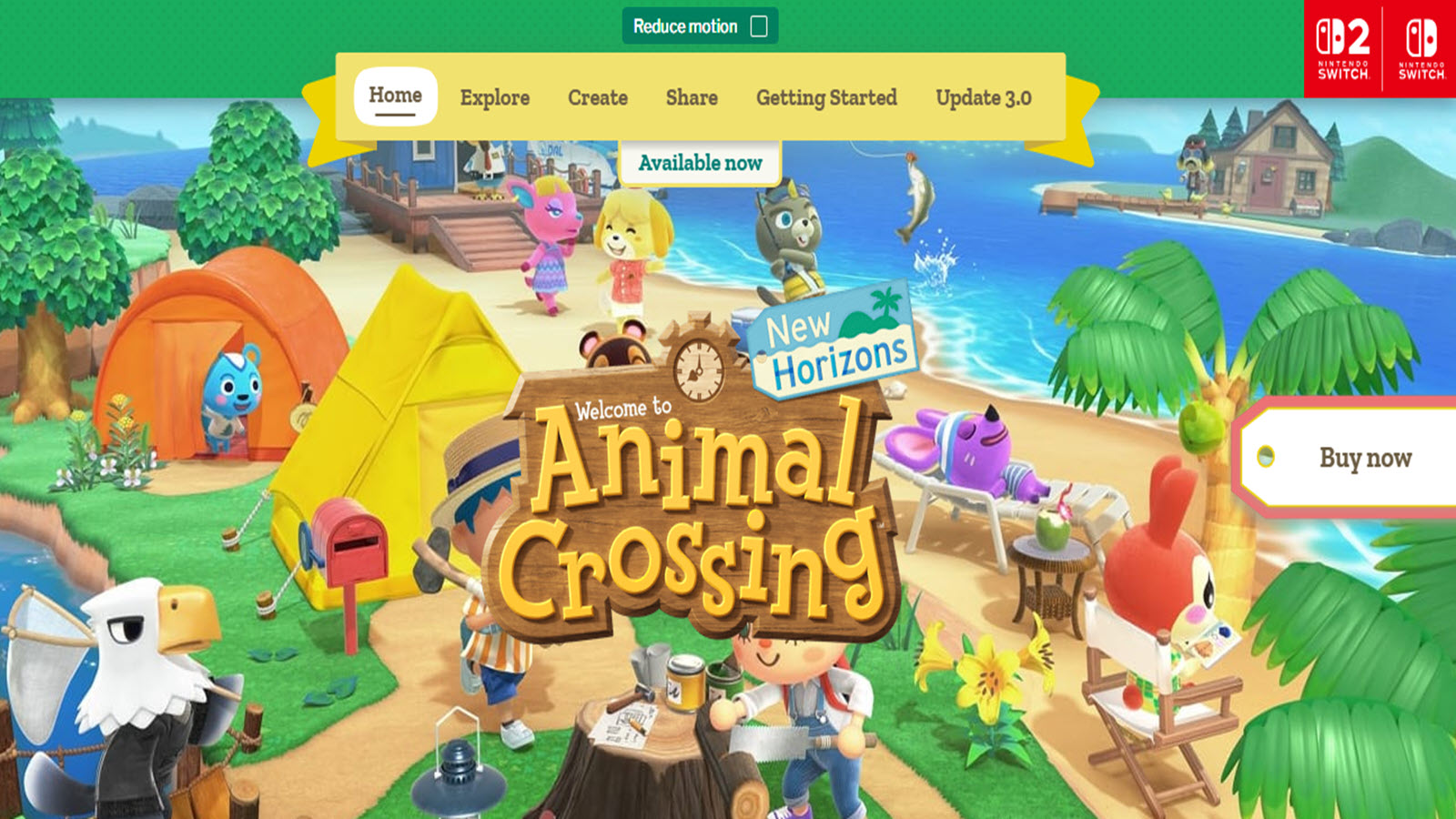
Animal Crossing: New Horizons enables toddlers to design islands, interact with villagers, and engage in relaxed activities like fishing or decorating. From Nintendo, it supports creativity at a leisurely pace with seasonal changes. Setup can be lengthy for impatient players. Positives include calming vibes and customization freedom. 2026 updates add toddler-mode simplifications. Perfect for imaginative escapes, it teaches gentle social dynamics. The portable Switch version allows flexible play. Parents value its non-violent focus. Though online elements need oversight, offline mode suffices.
- Key features: Item crafting, character chats, island sharing capabilities.
- Facts and information: Many find its serene style ideal for design and interaction learning.
11. Crayola Create and Play
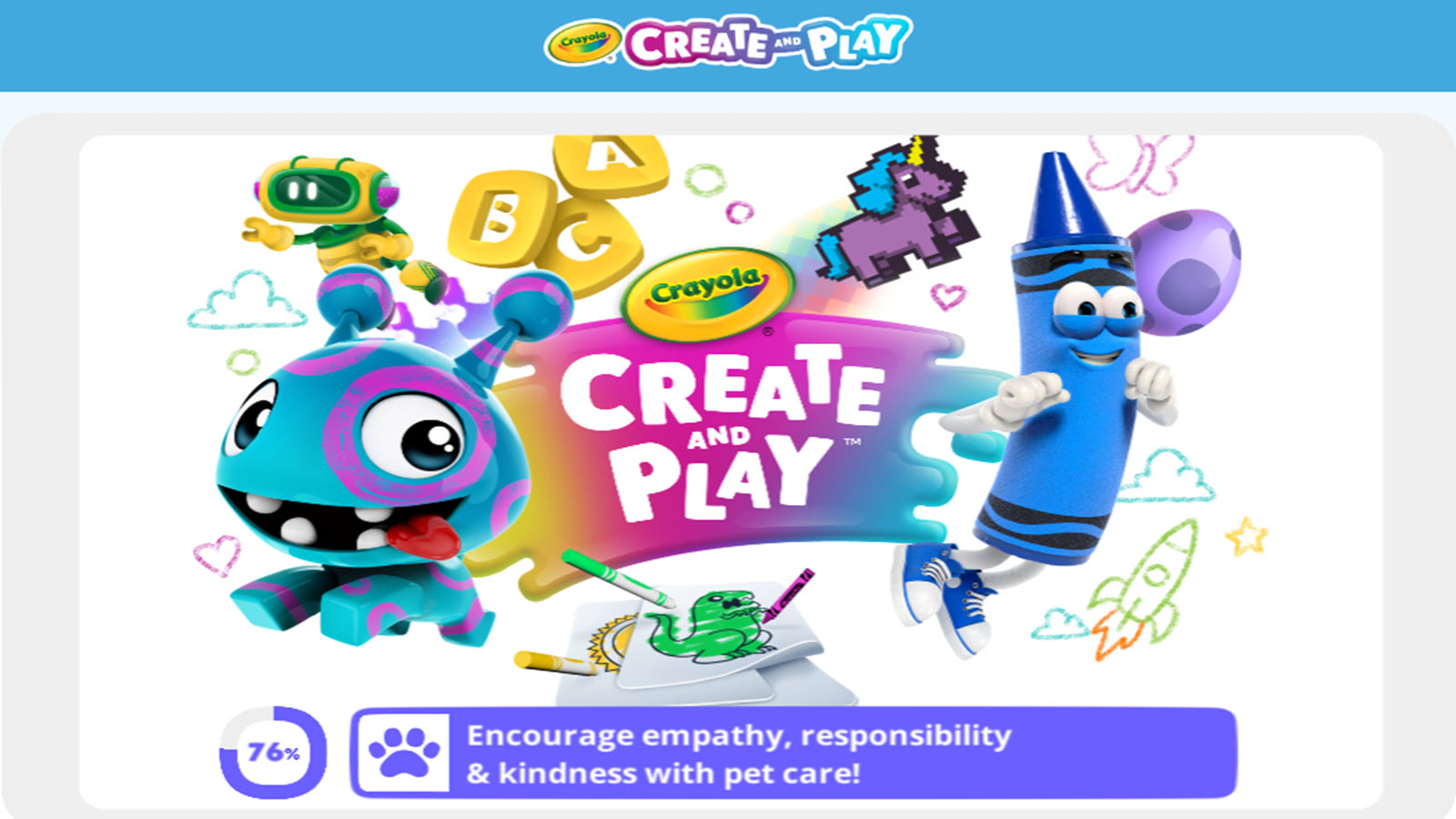
Crayola Create and Play offers a digital canvas for toddlers to color, craft, and animate creations with familiar Crayola tools. By Crayola, it inspires artistic expression through guided activities like pet care or space exploration. The app's intuitive touch interface suits young users, with no ads interrupting flow. A minor issue is limited free content, though expansions unlock more.
Strengths lie in real-world art ties, encouraging off-screen creativity. 2026 features integrate AR for blending digital and physical drawing. Toddlers build confidence by sharing works in a safe gallery. Parents like the educational tie-ins to colors and shapes. Versatile for solo or guided play, it fits various moods. The vibrant palette and sound effects keep engagement high without overstimulation.
- Key features: Coloring pages with animations, virtual pet nurturing, craft projects with templates.
- Facts and information: Linked to art education, it helps many develop fine motor and imaginative skills digitally.
12. Disney Coloring World
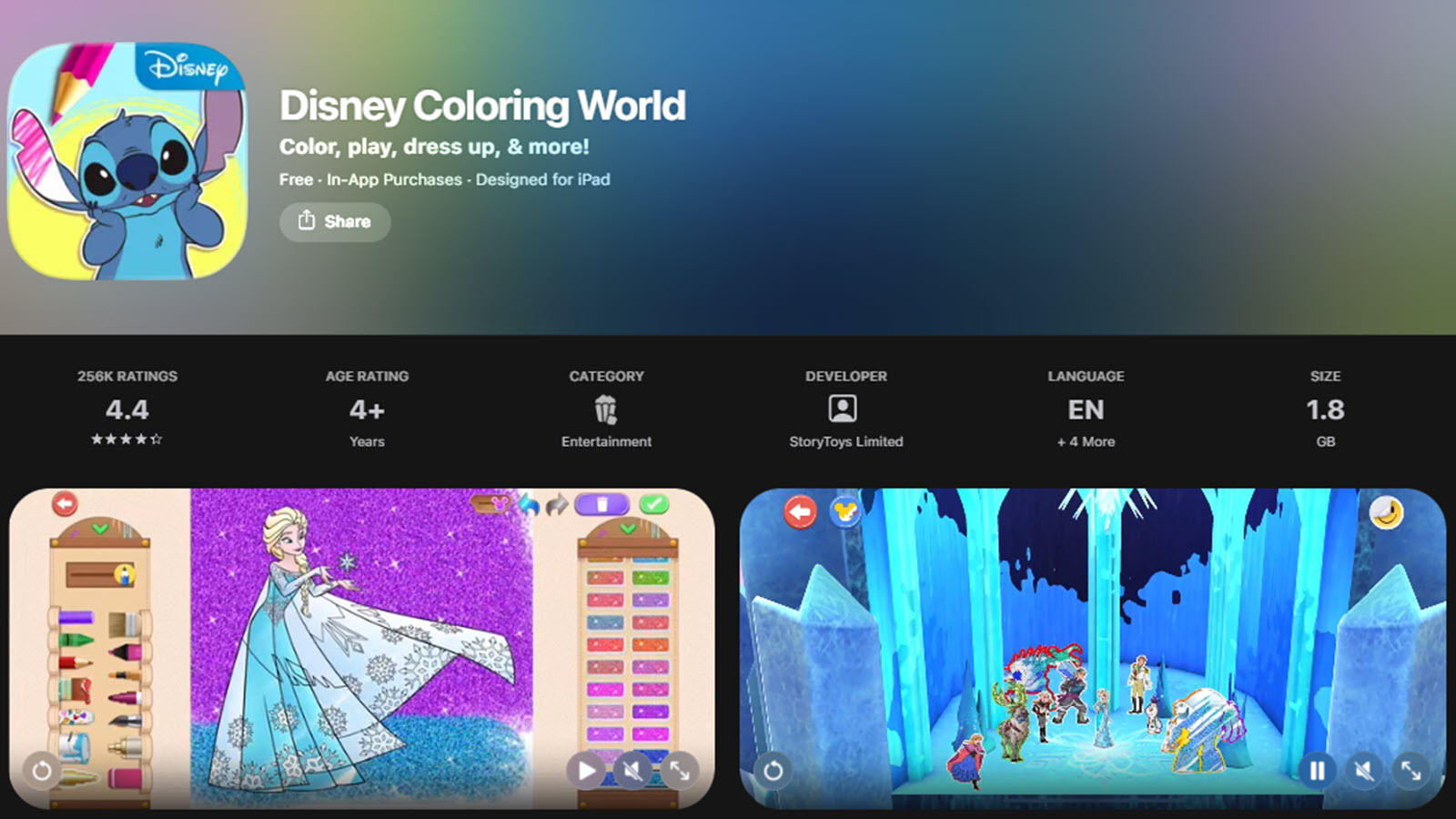
Disney Coloring World lets toddlers color iconic characters from Disney films, unlocking stickers and scenes as they progress. By Disney, it combines familiarity with creative freedom in a vast library of pages. Touch-friendly tools make filling shapes easy, building focus.
Drawbacks include repetitive unlocks for completionists. Positively, it reinforces story recall through visuals. 2026 additions feature new Pixar integrations. Ideal for fans, it turns passive watching into active participation. Parents appreciate the calm, ad-free space. Portable on devices, it's great for waiting times. Overall, it blends nostalgia with skill-building.
- Key features: Sticker collection for scenes, character-based pages, simple undo functions.
- Facts and information: Popular for thematic engagement, aiding color recognition in many young artists.
13. Sago Mini World

Sago Mini World provides a bundle of mini-games where toddlers explore whimsical worlds, from airports to farms, with drag-and-drop interactions. By Sago Mini in Toronto, Canada, it emphasizes discovery without goals, letting curiosity lead. Strengths include charming animations that elicit laughs. Overlap in games might bore after time. 2026 updates add collaborative online play safely. Perfect for short bursts, it develops cause-effect understanding. Parents note its gentle pace suits sensitive kids. Offline access ensures reliability.
- Key features: Interactive environments, character reactions, bundled app collection.
- Facts and information: Designed for early exploration, it supports many in building independence through play.
14. Busy Shapes
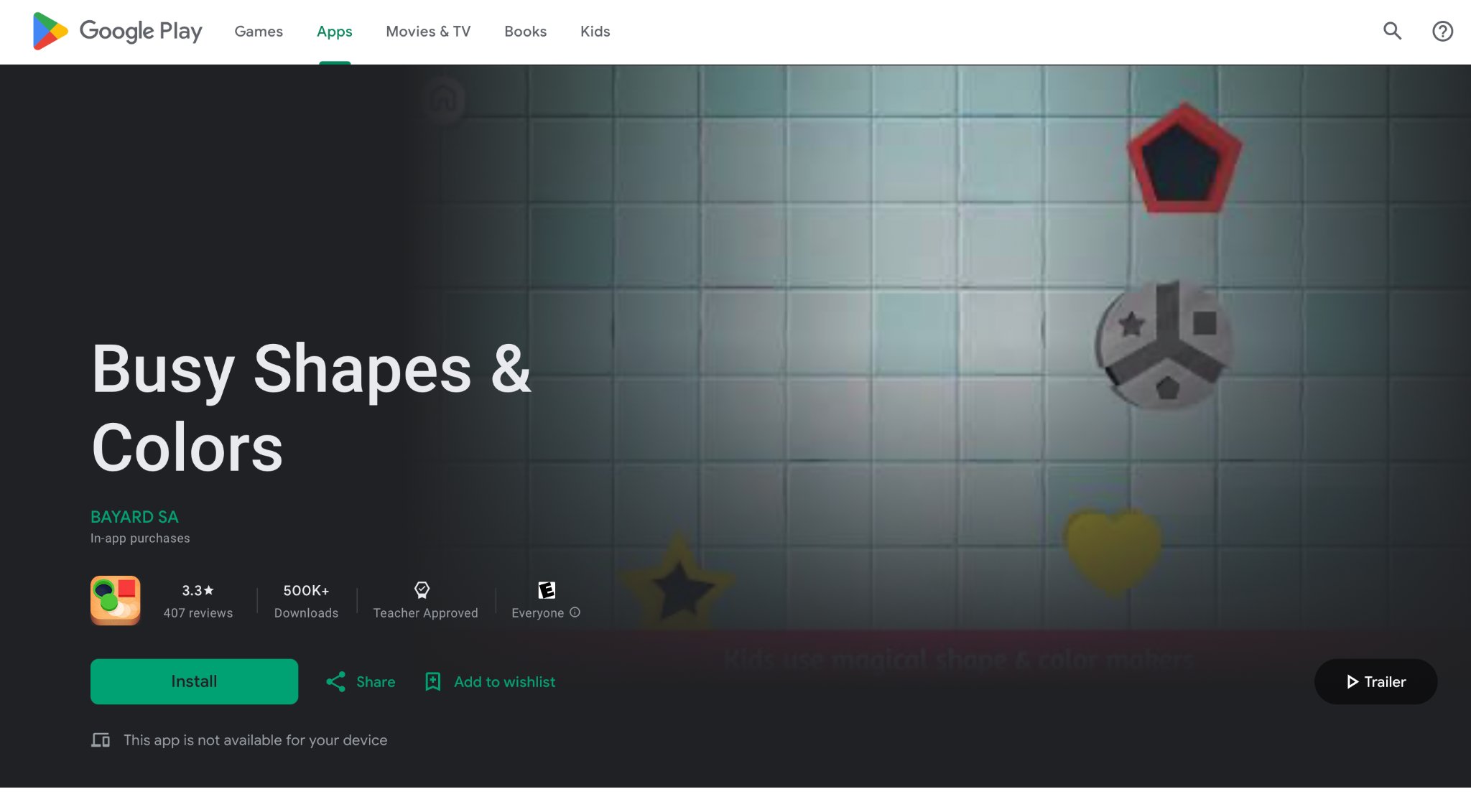
Busy Shapes challenges toddlers to match shapes and colors in puzzle-like setups, advancing through levels that introduce physics. By Edoki Academy, it hones cognitive skills with intuitive swipes. The progressive difficulty adapts naturally. A limitation is the abstract nature for very young ones. Positively, sound cues guide without words. 2026 enhancements include haptic feedback. Great for travel, it focuses minds quietly. Parents see gains in problem-solving. Clean design avoids clutter.
- Key features: Shape-sorting puzzles, color gradients, level-based progression.
- Facts and information: Educationally grounded, it assists many in spatial reasoning development.
15. Peekaboo Barn
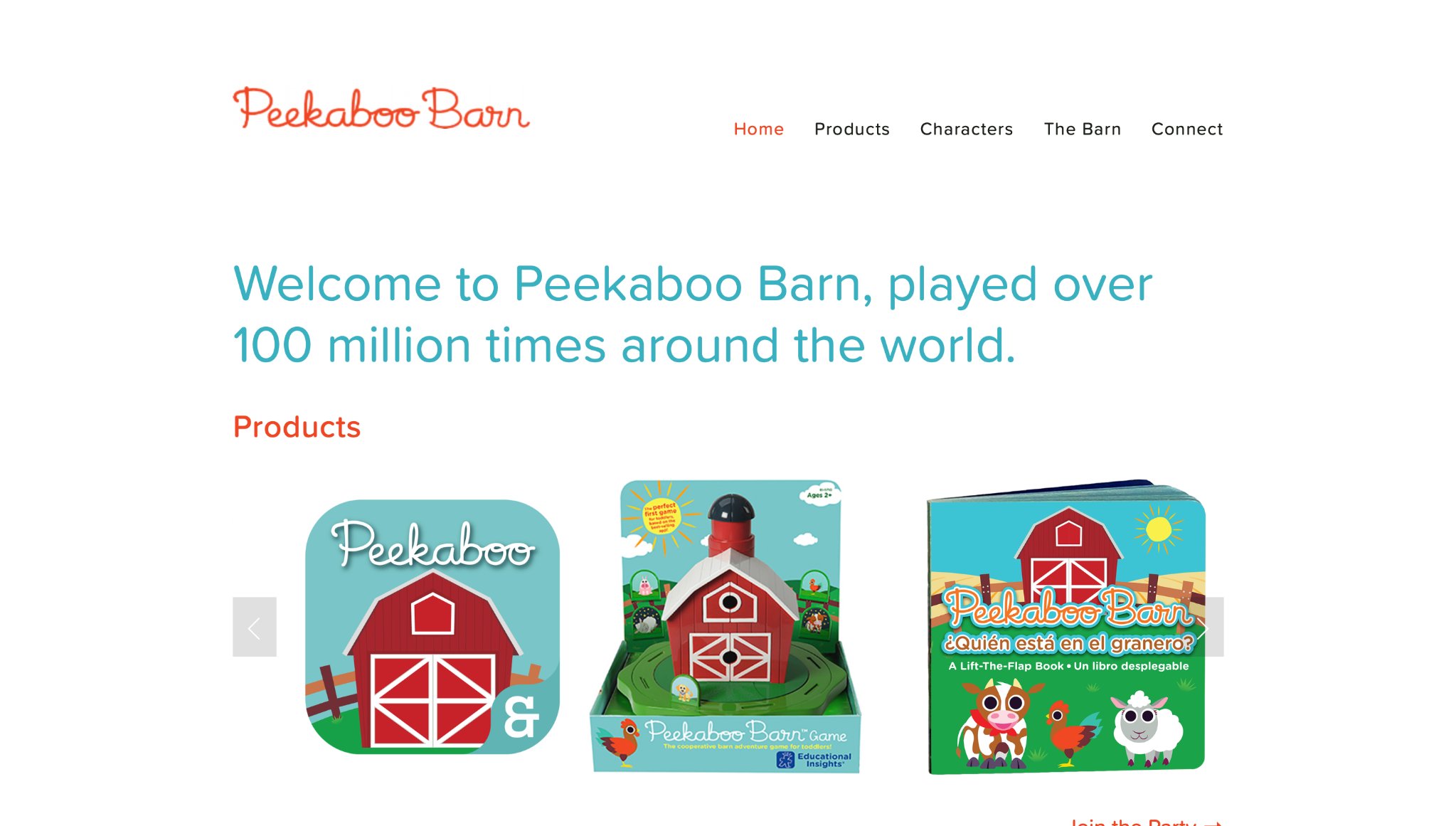
Peekaboo Barn delights with barn doors revealing animals and sounds, teaching names and noises in a simple tap format. By Night & Day Studios, it captivates with cute illustrations and repetitions. Strengths are its brevity for short spans. Minimal variety could limit longevity. 2026 versions add farm stories. Ideal for first apps, it builds vocabulary. Parents love the soothing narration. Device-agnostic, it's always ready.
- Key features: Animal reveals, sound matching, nighttime mode with lullabies.
- Facts and information: Entry-level learning tool, helping many toddlers with auditory recognition.
16. LEGO DUPLO World
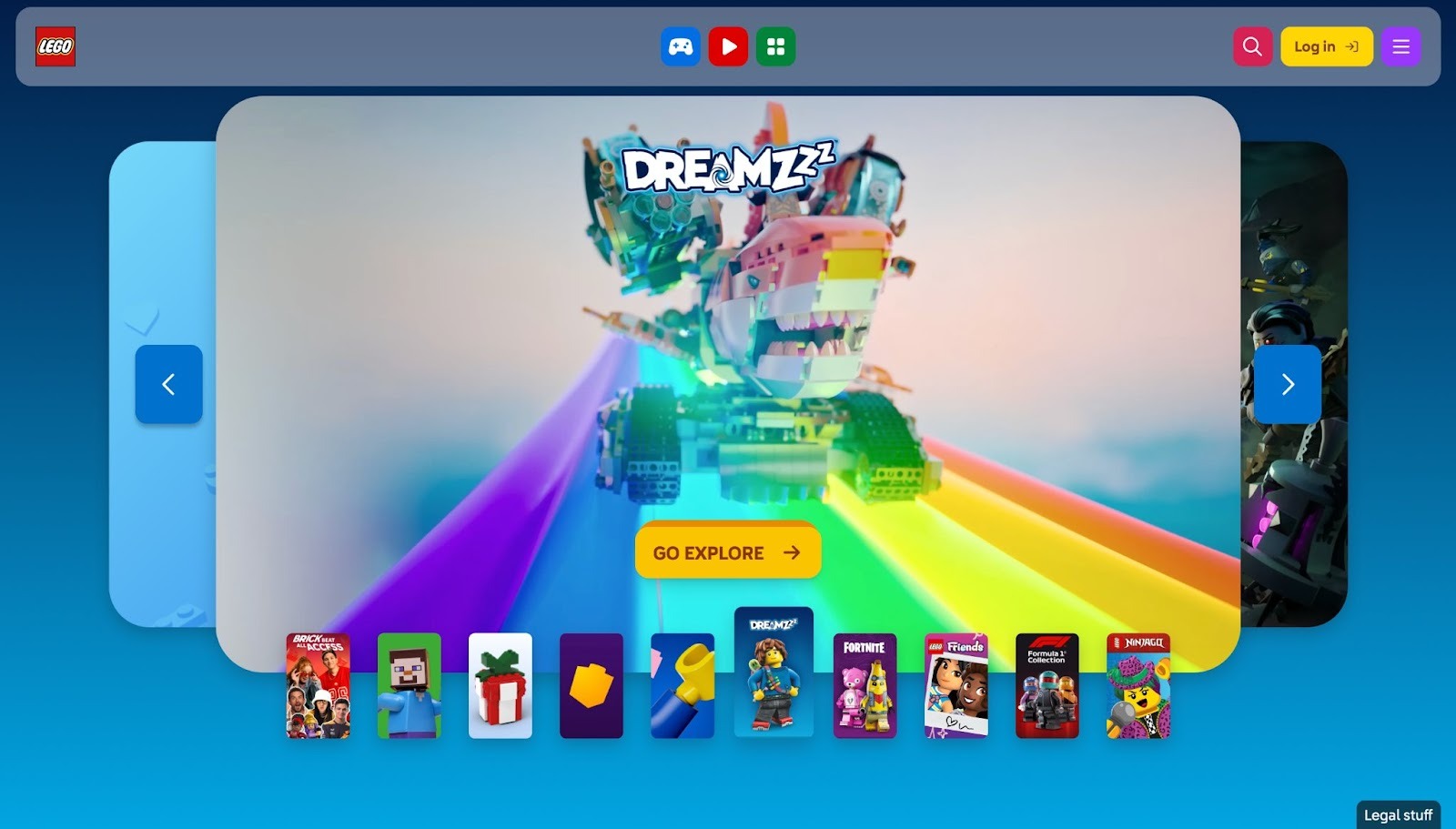
LEGO DUPLO World transforms traditional brick play into an engaging digital experience, allowing toddlers to build cars, animals, and imaginative structures on screens. Created by LEGO, headquartered in Billund, Denmark, this app supports early education by integrating basic math and creative elements through themed mini-games such as number trains or animal rescues. Toddlers can explore freely without strict time constraints, fostering independence in a colorful, intuitive interface designed for small fingers. The app's portability makes it ideal for trips, keeping little ones occupied with constructive activities that mimic real-world building.
However, the virtual bricks offer fewer combinations than physical sets, which might limit long-term replay value for some users. On the positive side, it encourages family involvement with multi-touch controls, turning solo play into shared fun. Updates in 2026 include new eco-themed packs that teach about nature conservation in simple ways. Overall, it bridges physical and digital play, helping develop spatial awareness and problem-solving skills gently. Parents appreciate the no-ad policy, ensuring a distraction-free zone. While navigation is straightforward, beginners might need initial guidance to unlock all features. This app stands out for blending nostalgia with modern tech, making learning feel like adventure.
- Key features: 3D brick building system, themed expansion packs like space or farm life, collaborative multi-touch for group play, offline mode for accessibility.
- Facts and information: Aligned with preschool learning standards, it has garnered praise from educators for enhancing vocabulary and cognitive growth in interactive formats.
17. Lingokids
Lingokids creates an immersive language and skills platform where toddlers engage with songs, games, and shows to build vocabulary, social concepts, and basic STEM awareness. Based in Madrid, Spain, this app features a vibrant cast of characters leading adventures that make learning English and life skills feel natural and fun. Open-ended play areas let children experiment with daily routines like brushing teeth or shopping, fostering independence and empathy through relatable scenarios. Its adaptive technology personalizes content to match developmental stages, ensuring activities remain challenging yet achievable for young explorers.
The musical elements and animated feedback keep engagement high during short attention spans. 2026 enhancements include expanded cultural themes and collaborative family modes. Strengths include its focus on bilingual development and practical life lessons that extend beyond the screen. Parents appreciate the structured learning paths paired with creative freedom. While the volume of content can feel overwhelming at first, intuitive menus help toddlers self-direct. This platform excels in making global awareness and communication skills accessible through delightful, interactive experiences that blend education with entertainment.
- Key features: Song-based language modules, interactive daily life simulations, progress reports with skill milestones.
- Facts and information: Designed for preschoolers, it supports early bilingualism and cognitive growth with millions of active young users benefiting from its research-backed methodology.
18. ABCmouse
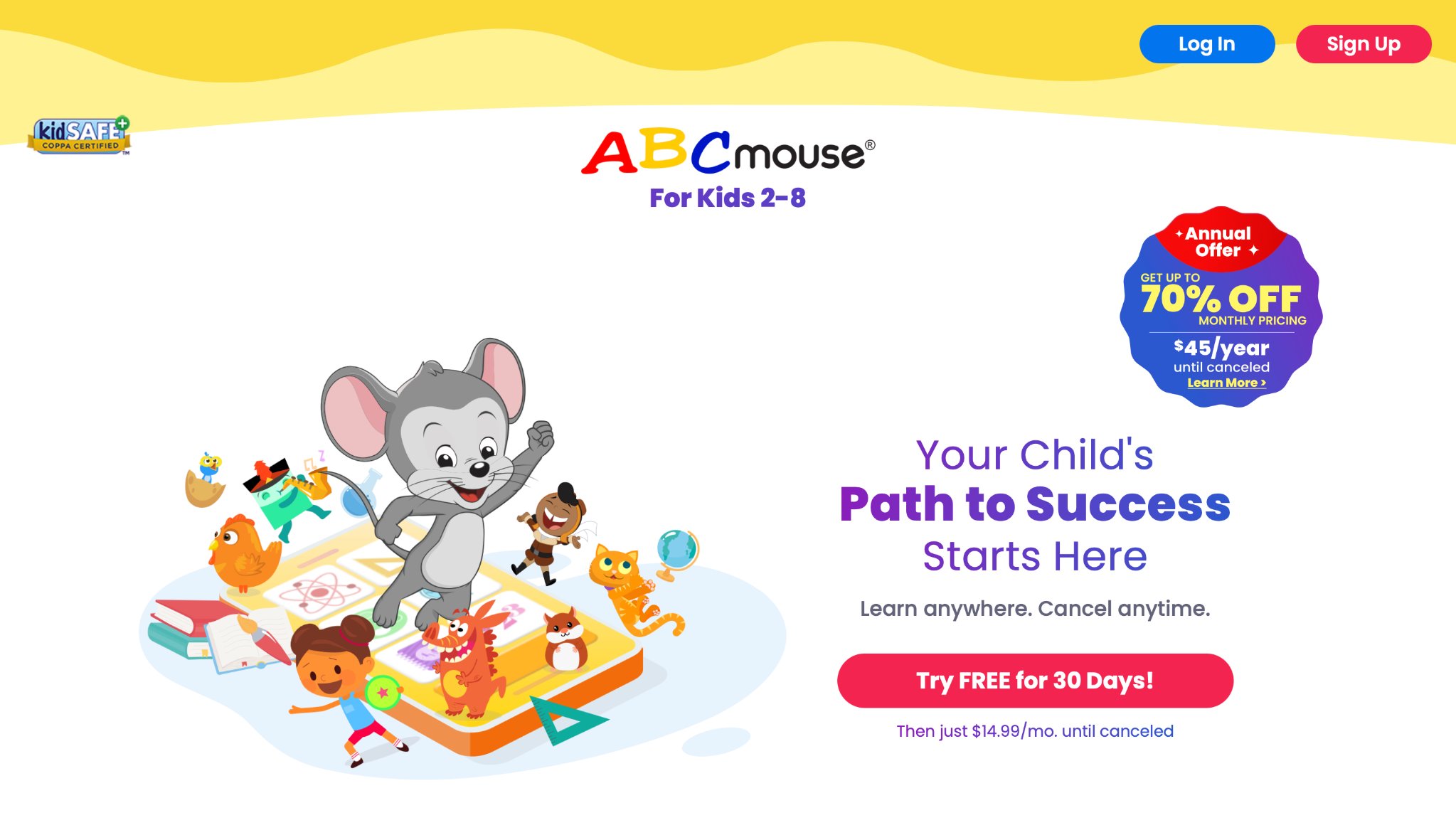
ABCmouse offers a full early learning curriculum through a virtual classroom environment filled with books, puzzles, and reward systems tailored for toddlers and preschoolers. Developed in the USA, it covers letters, numbers, science, and art with step-by-step progression that builds foundational knowledge. Colorful animations and character interactions guide children through themed worlds like farms or oceans, encouraging repetition and mastery in a supportive setting. The platform's comprehensive scope allows toddlers to explore multiple subjects in one place, promoting well-rounded development.
Its reward tickets and avatar customization add motivation without overwhelming pressure. Recent 2026 updates focus on more hands-on creative projects and accessibility features. It supports self-paced learning, ideal for varying attention levels. Parents often note steady improvements in letter recognition and basic math after consistent use. The organized structure aids navigation, though the depth might suit slightly older toddlers best for full engagement. This program provides a structured yet playful digital schoolhouse that prepares little ones for future academic success.
- Key features: Sequential curriculum paths, virtual rewards and books library, cross-subject integration like math through art.
- Facts and information: Used by many families as a comprehensive pre-K tool, with extensive content vetted for developmental appropriateness across core early learning areas.
19. Osmo Little Genius Starter Kit
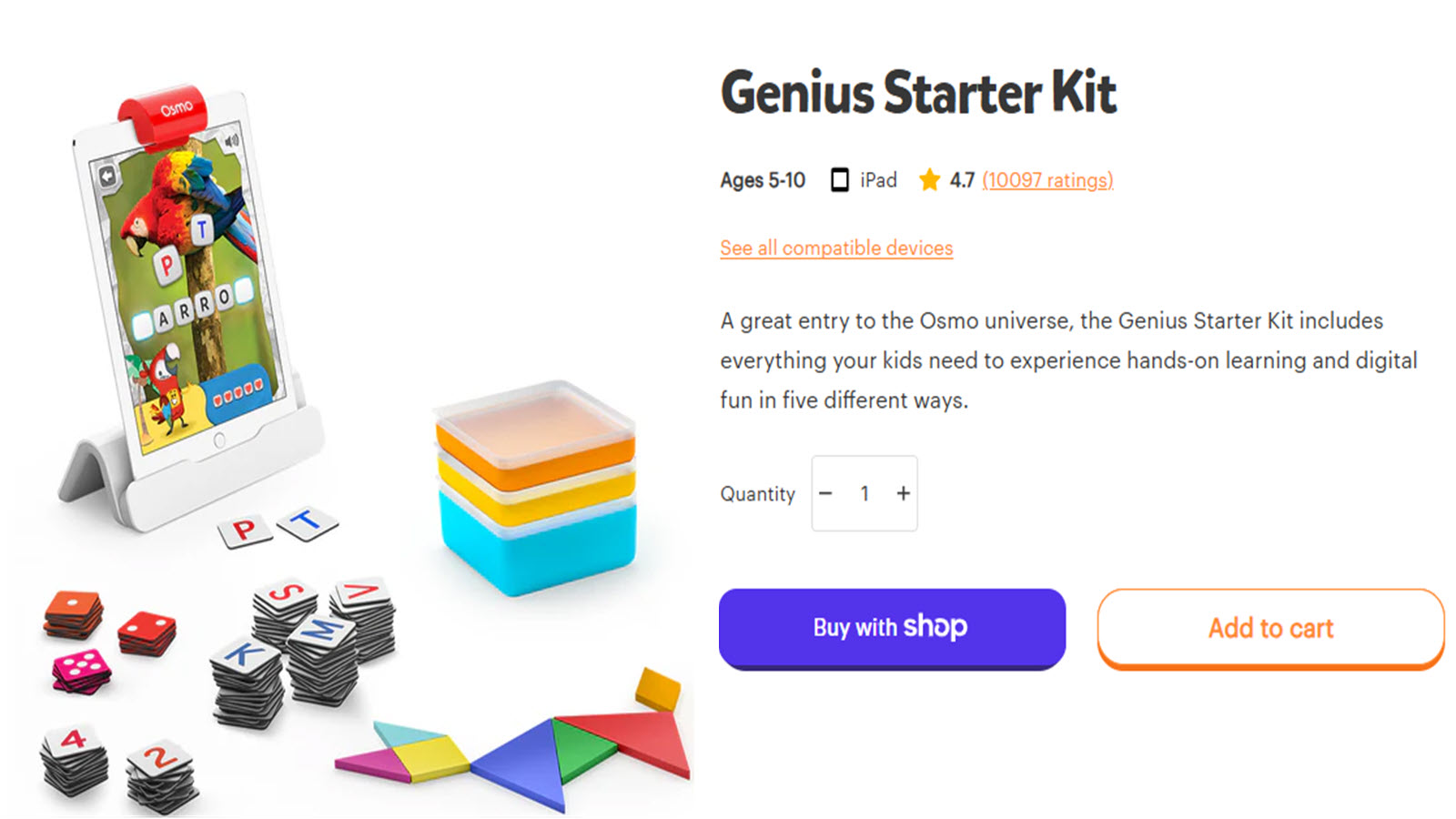
Osmo Little Genius Starter Kit combines physical tangibles with digital feedback through an interactive mirror and app system, letting toddlers manipulate real pieces while seeing results on screen. From Osmo in the USA, it develops fine motor skills, problem-solving, and creativity via games focused on letters, numbers, and shapes. Toddlers stack blocks or draw to complete challenges, receiving instant visual encouragement that bridges tangible and tech play. This hybrid approach keeps hands active and minds engaged in multi-sensory experiences.
The kit's durability supports enthusiastic use, with activities that grow in complexity. 2026 versions include expanded story-based expansions. It encourages family participation through shared challenges. Parents highlight gains in spatial reasoning and confidence from the tangible successes. While setup involves a device stand, the play itself flows naturally. This innovative system uniquely merges classic toy elements with smart technology for deeper learning retention.
- Key features: Tangible piece manipulation with real-time digital response, multi-skill starter games, expandable content packs.
- Facts and information: Praised in educational circles for fostering hands-on learning, it aids motor and cognitive development in interactive hybrid formats popular among US families.
20. Khan Academy Kids
Khan Academy Kids delivers a comprehensive suite of interactive activities for early learners, blending reading, math, and social-emotional lessons through engaging characters and stories. Developed by the nonprofit Khan Academy organization headquartered in Mountain View, California, it offers thousands of games, books, and videos that adapt to a child's pace, supporting ages 2–8 with foundational skills in phonics, counting, and creative expression. Toddlers enjoy tapping through colorful worlds where friendly guides encourage exploration without pressure, turning screen time into meaningful growth moments. The app's strength lies in its structured yet playful curriculum that builds confidence through positive reinforcement and clear progress indicators.
Its broad scope provides variety across subjects, making it suitable for daily use while keeping sessions short and focused. In 2026, updates emphasize more inclusive storytelling and offline accessibility enhancements for families on the go. It promotes independent learning with voice narration and visual cues that minimize the need for constant adult help. Parents value how it aligns with educational standards while maintaining a joyful tone that avoids overstimulation. The clean interface supports easy navigation for little hands, though some advanced math paths may appeal more to slightly older toddlers. This resource stands out as a reliable, expansive platform that nurtures curiosity and school readiness in a balanced digital environment.
- Key features: Thousands of adaptive games and books covering literacy and math, character-driven narratives for emotional learning, progress tracking for parents.
- Facts and information: As a free nonprofit offering, it reaches millions of young users worldwide with content aligned to early childhood frameworks, supporting holistic development through research-informed design.
21. Pok Pok
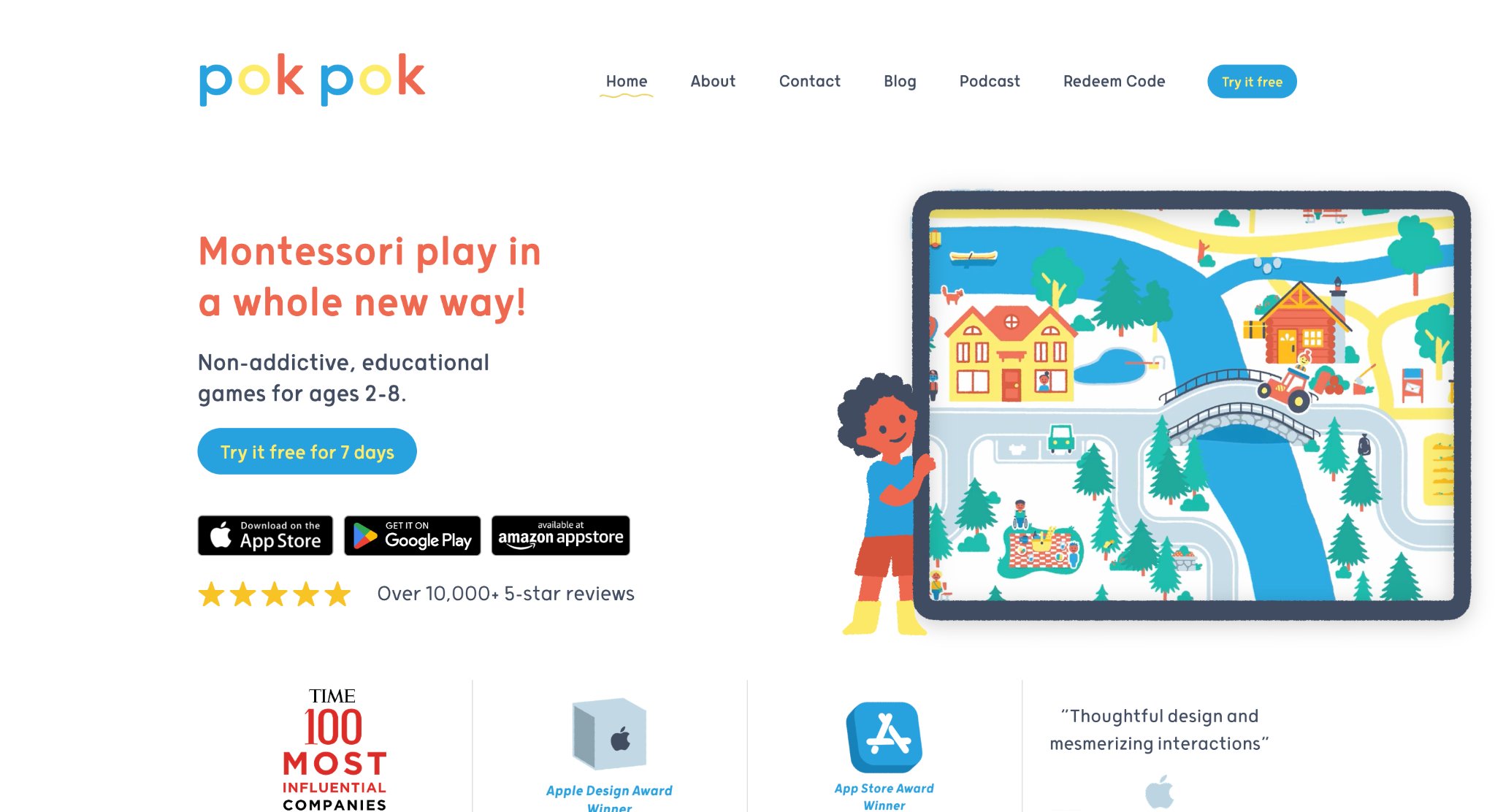
Pok Pok delivers a calm, Montessori-inspired digital playroom filled with open-ended toys and activities designed for children aged 2 to 7 or 8. Created to encourage free exploration without levels, scores, or instructions, it lets toddlers experiment through creative play that builds imagination, problem-solving, and early cognitive skills. The app features minimalist visuals and gentle interactions across various themed toys, turning screen time into thoughtful, low-stimulation adventures that feel like playing with physical blocks or household items. Toddlers can build, create, and discover at their own pace, fostering independence and creativity in a safe environment.
Parents appreciate how it supports focused engagement without overstimulation, allowing little ones to return repeatedly to favorite activities. In 2026, ongoing additions of new toys keep the experience fresh while maintaining its core philosophy of child-led play. The intuitive design requires no reading, making it accessible for the youngest users who simply tap and explore. It stands out for blending digital play with real developmental benefits, helping toddlers develop fine motor control, spatial awareness, and creative thinking through joyful experimentation.
- Key features: Open-ended toys like marble machines for STEM concepts, drawing and coloring tools, shape and geometry builders, dress-up and character creation, music sequencers, cooking simulations, phonics elements, and dinosaur or space explorations.
- Facts and information: Award-winning app popular among US families seeking calmer alternatives to traditional games; emphasizes experimentation and self-directed learning with regular updates adding new interactive elements.
22. Duolingo ABC
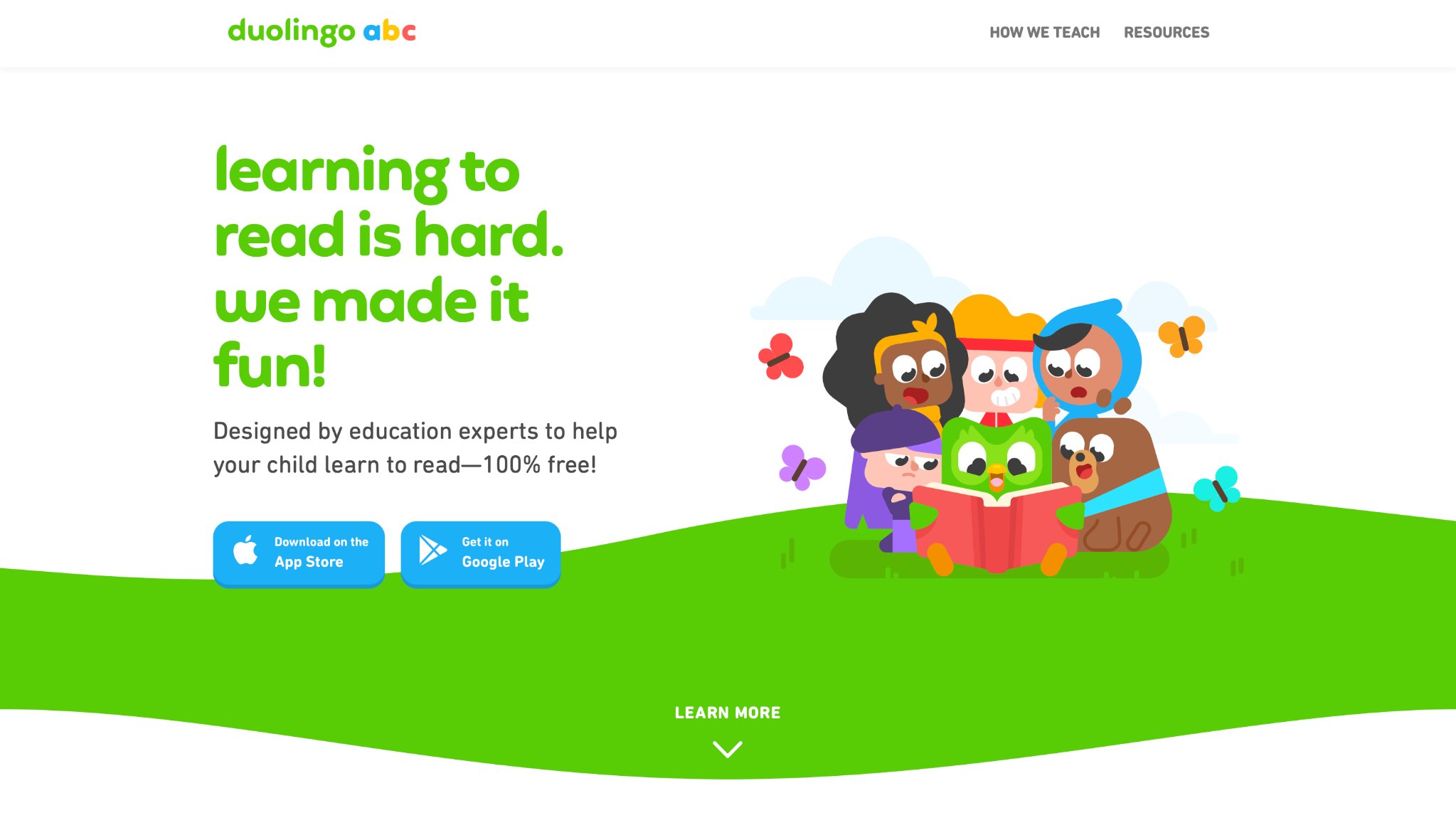
Duolingo ABC transforms early literacy into engaging, bite-sized adventures for preschoolers and young toddlers learning to read. Developed by education experts at Duolingo, it uses interactive stories, games, and exercises featuring friendly characters like Duo the owl to teach phonics, sight words, letter sounds, and basic reading skills. The app adapts to a child's pace with positive reinforcement, making each session feel like playful storytelling rather than structured lessons. Colorful animations and hands-on activities help build confidence in word recognition, spelling, and comprehension through repetition and immediate feedback.
It supports a wide range of early learners, including those building foundational English skills, with content that grows alongside the child from preschool into early elementary. 2026 updates continue to refine the kid-friendly interface for even smoother navigation. Families value its completely free access to core content, enabling consistent daily practice that leads to noticeable gains in reading readiness. The blend of narrative and game elements keeps toddlers motivated while quietly advancing essential language abilities in a supportive, monkey-filled world.
- Key features: Over 700 hands-on lessons and interactive stories, phonics and sight word activities, personalized progress paths, highlighting words as narrated, and engaging exercises for letter tracing and recognition.
- Facts and information: Designed for ages 3-8 with research-backed methods from the successful Duolingo platform; widely used across the US to support literacy development through fun, game-like sessions.
23. Dr. Panda Learn & Play
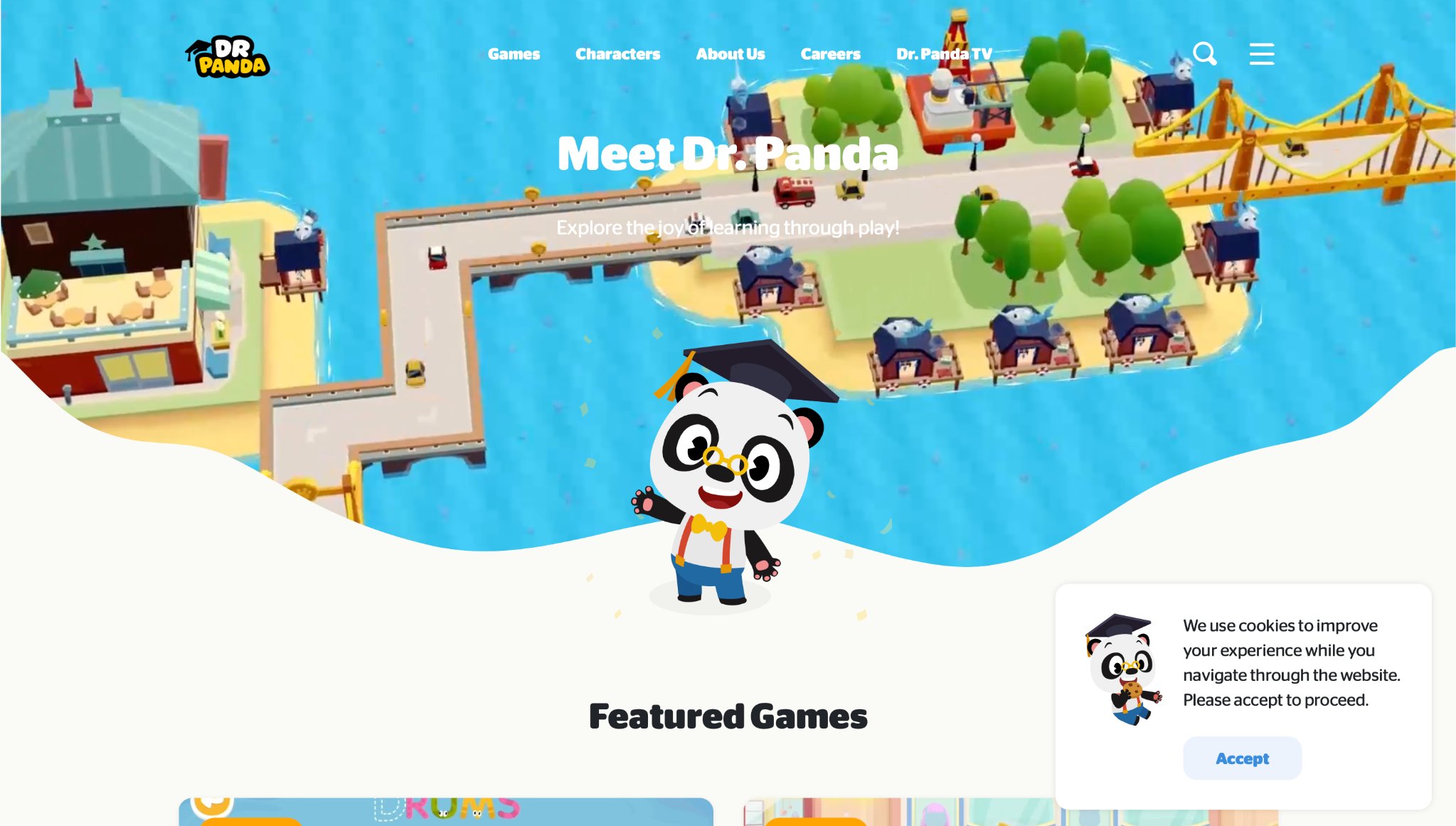
Dr. Panda Learn & Play invites toddlers into an imaginative world with Dr. Panda and friend Toto, where role-playing and exploration drive learning across life skills, numbers, letters, logic, and emotional intelligence. This award-winning series offers a collection of activities and interactive storybooks that encourage creativity and curiosity through everyday scenarios like caring for animals or navigating simple adventures. Toddlers engage in open-ended play that builds vocabulary, social skills, and problem-solving in a gentle, character-driven environment.
The app's colorful, approachable design suits young hands and minds, promoting independence as children direct their own play sessions. Regular expansions add fresh content to sustain interest over time. Parents often note its effectiveness in fostering imagination and practical knowledge that translates to real-world confidence. It excels in blending education with storytelling, creating memorable experiences that support developmental milestones without pressure. Headquartered in a creative hub, the platform continues to evolve with family-friendly updates.
- Key features: Over 100 activities including role-play scenarios, interactive books, logic puzzles, number and letter games, life skill simulations, and character interactions for emotional growth.
- Facts and information: Popular choice for preschoolers in the US with multiple themed games; focuses on holistic early learning through adventure and pretend play that millions of families enjoy.
24. LeapFrog Academy
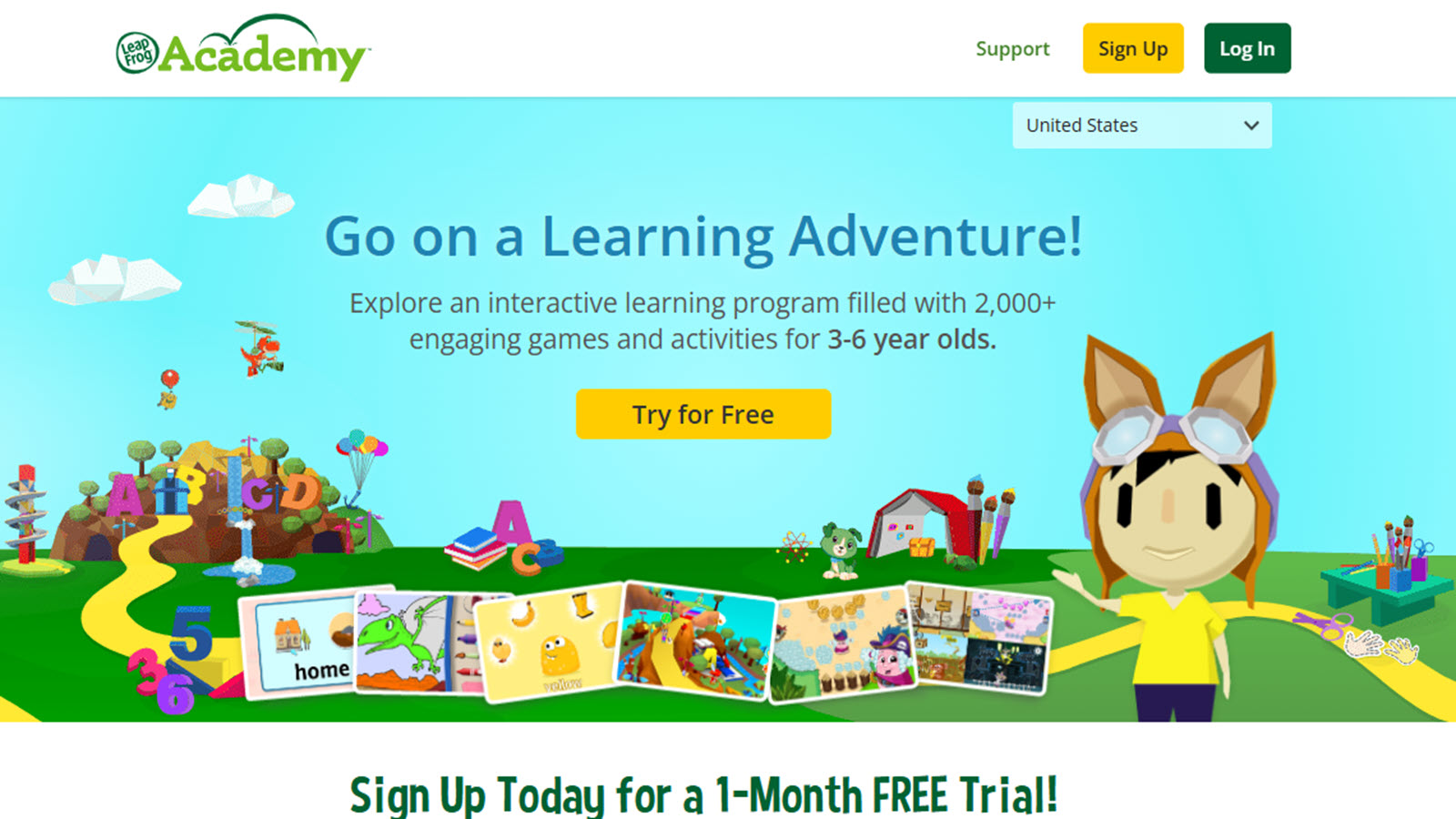
LeapFrog Academy provides a comprehensive digital learning program packed with thousands of games, activities, eBooks, puzzles, videos, and art experiences tailored for ages 3 to 6. Built by the trusted educational toy brand LeapFrog, it covers core skills like math, reading, spelling, science, and creativity through interactive adventures that adapt as children progress. The app's structured yet playful modules help build foundational knowledge in a supportive setting with encouraging feedback and clear pathways.
Offline play options make it convenient for travel or varying routines, while the no-ads approach ensures focused learning sessions. 2026 enhancements emphasize more engaging content aligned with developmental standards. Toddlers and preschoolers benefit from the familiar LeapFrog style that bridges physical toys with digital exploration, promoting steady skill growth. Parents rely on it for well-rounded preparation, appreciating the variety that keeps young learners enthusiastic about discovering new concepts.
- Key features: 2,000+ activities across learning adventures, adaptive progression in subjects, eBooks and music integration, puzzles and creative tools, and parent-friendly progress insights.
- Facts and information: Created by educators and the leading kids learning brand; supports independent education on multiple devices with content vetted for early childhood development.
25. Fish School
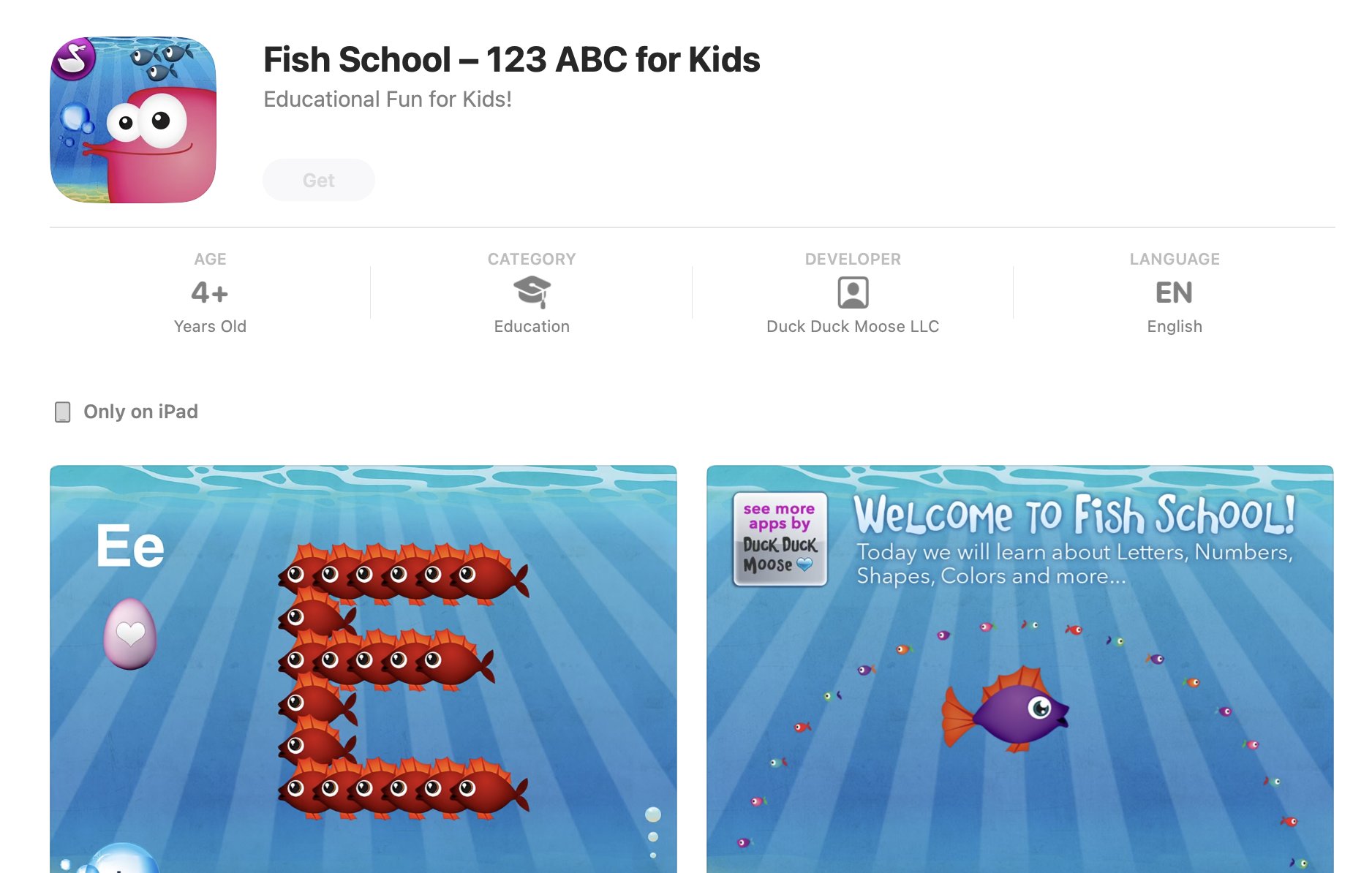
Fish School takes toddlers on a vibrant underwater journey with colorful fish and sea creatures that transform into letters, numbers, shapes, and colors through engaging mini-activities. Developed by Duck Duck Moose, this app offers simple, rewarding interactions that teach foundational concepts in a playful, animated setting perfect for ages 2 to 5. Children tap and explore as schools of fish form different elements, reinforcing recognition and counting skills with delightful animations and sounds.
The straightforward design suits very young users, with multiple modes that allow free play alongside guided learning. It remains a reliable entry-level tool that introduces early academics without complexity. Updates have kept the experience fresh while preserving its calm, educational charm. Families in the US frequently choose it for short, effective sessions that build basic literacy and numeracy alongside cause-and-effect understanding. The charming sea life characters create an inviting atmosphere for repeated exploration.
- Key features: 8 educational activities focused on ABCs, counting 1-20, shape and color recognition, interactive fish transformations, and additional discovery elements with sea creatures.
- Facts and information: Award-winning early learning app used by many toddlers; emphasizes multisensory play to support cognitive development in an accessible underwater world.
Key Benefits of Play for Young Kids
Interactive games sharpen focus and spark curiosity in ways that stick. Toddlers gain emotional tools through role-play, learning to handle feelings like excitement or calm. Physical activities build strength, while puzzles hone thinking. Some games even tie into daily routines, making transitions smoother. Facts show that varied play supports overall well-being, with many experts highlighting its role in early bonds.
Motor Skills
- Benefits: Improves coordination and balance
- Example Activities: Hopping, stacking
Cognitive
- Benefits: Boosts problem-solving
- Example Activities: Matching colors, building
Social
- Benefits: Encourages sharing
- Example Activities: Group challenges
Emotional
- Benefits: Builds confidence
- Example Activities: Story creation
Smart Ways to Handle Screen Time
Set simple routines around games to keep balance in check. Alternate digital play with outdoor time for rounded days. Many families find short bursts work best, avoiding overload. Tools like timers help, and choosing ad-free apps eases worries. Facts point to quality over quantity, with some sources noting better sleep patterns from mindful use.
Social and Emotional Learning Through Play
Interactive stories teach empathy as kids care for virtual friends or solve simple conflicts. Best apps for toddlers with character emotions help little ones name feelings and respond kindly. Cooperative formats show the value of working together toward a shared goal. Such experiences make confidence building in kids and a sense of responsibility when toddlers see their actions make a positive difference in the game world. Parents often see these lessons appear in real-life interactions at home.
Creative Expression Games
Art and building activities let toddlers experiment with colors and shapes freely. Drawing tools or virtual scenes support storytelling that grows with each session. Music-based games encourage singing or rhythm play that boosts language flow. These open-ended learning games nurture imagination without strict rules. Kids return to them often as they add new ideas from their daily world.
Supporting Language and Cognitive Development
Repetitive exposure to words, sounds, and basic concepts in games aids vocabulary growth and early thinking skills. Matching games, simple sorting, and storytelling elements introduce patterns and sequences that lay foundations for later learning. Bright visuals paired with clear audio cues make new words stick more easily. Toddlers enjoy repeating favorite sounds and actions, which reinforces memory retention for kids and basic logic. These building blocks appear naturally during play sessions focused on themes like animals, vehicles, or daily routines. Cognitive growth happens steadily as children experiment and discover cause-and-effect relationships.
Creating Balanced Screen Time Routines
Mixing short digital sessions with active play and real-world exploration creates healthy habits. Safe games designed for brief, purposeful engagement fit well into daily schedules without overwhelming young attention spans. Structured routines that alternate between movement, quiet time, and interactive play help maintain balance. Many parents find success with short bursts that align with natural toddler energy levels, supporting both rest and active learning periods throughout the day. This approach promotes sustainable habits that benefit overall well-being.
Latest News In 2026
New updates in games for toddlers emphasize calmer designs with fewer distractions and more focus on emotional skills. Developers add features for offline access so play continues during travel or quiet times. Fresh collections include nature themes that introduce basic environmental ideas through pet care or garden activities.
TutoClub regularly adds new educational games and learning games that build memory recall, confidence building, and responsibility in a fun way. Many options now include safe apps with voice guidance to help independent play while keeping content completely safe and ad-free. Trends lean toward personalized progress that adapts gently to each child's pace.
FAQ
What makes educational games ideal for toddlers in 2026?
Educational games stand out by combining playful elements with foundational learning, such as identifying patterns or basic counting. They often feature intuitive controls that match a toddler's developing grip and attention, allowing for independent exploration. Plus, many include gentle feedback that encourages persistence without pressure, helping build a positive attitude toward challenges.
How do games help with toddler social skills?
Games introduce concepts like sharing resources or responding to others' actions in a low-stakes setting. Toddlers learn to recognize emotions through character interactions, which mirrors real-world friendships. This type of play also sparks conversations during family sessions, strengthening bonds and communication naturally.
Are there non-screen games for toddlers?
Non-screen games often use simple materials like blocks or cards to engage senses beyond sight. They promote tactile experiences, such as feeling textures while assembling pieces, which aids in sensory development. Options in this category fit well for group settings, where kids practice collaboration away from devices.
What to watch for in toddler game safety?
Focus on materials free from small parts that could pose risks during curious play. Ensure designs avoid sharp edges and use non-toxic components for peace of mind. Checking for age ratings helps align choices with developmental stages, keeping activities appropriate and secure.
How can games boost toddler problem-solving skills?
Games challenge toddlers with basic puzzles that require trial and error, fostering logical thinking early on. They present scenarios where choices lead to outcomes, teaching cause and effect in engaging ways. Incorporating variety, like puzzle-based activities, keeps the mind active and adaptable.
What age range works best for toddler games?
The best games for toddlers in 2026 work best for children between 18 months and four years old. In this stage, activities with large visuals and simple touch responses match developing attention spans and motor abilities. Many options repeat basic ideas like colors and shapes to support steady growth during these important early years.
How do games support early learning skills?
Game apps for toddlers support early learning by introducing concepts through hands-on matching, stacking, and sorting that build focus and coordination. Physical movement options strengthen muscles while digital choices with patterns help with early thinking steps in a natural setting. These learning games often combine colors, sounds, and familiar themes to turn play into consistent skill-building moments that feel enjoyable.
Are digital games safe for young children?
Digital games become safe for young children when they use ad-free designs and controlled environments with thoughtful content. Features like offline access and voice guidance allow independent play while keeping sessions calm and focused. Many platforms emphasize social emotional skills for kids and nature themes that align with positive development goals.
What features make games engaging for toddlers?
Bright visuals, responsive touch elements, and familiar characters make educational games engaging for toddlers by holding short attention windows. Simple controls with satisfying sounds or lights encourage repeated play that feels rewarding. Creative building and role-play formats let little ones experiment freely with stories or scenes from their daily world. Memory recall is naturally enhanced through these fun, repeating activities.
Can games help with social development?
Games help with social development through interactive stories where toddlers care for characters or practice turn-taking in group elements. These activities support naming emotions and responding kindly in ways that appear during real home interactions. Cooperative play options show working together toward shared goals while building confidence for children and a sense of responsibility in positive actions.
What makes a game suitable for toddlers?
Games for toddlers feature simple controls, bright visuals, and short sessions that match short attention spans while supporting basic skill areas like coordination and recognition. These elements create an environment where young children can engage without frustration during play. Activities often draw on familiar themes such as animals or daily routines to hold interest naturally and promote steady progress in motor skills and early learning.
How can games help with toddler development?
Brain games contribute to development by providing repeated practice in areas such as language, problem-solving for kids, and emotional understanding through playful interactions that feel natural and rewarding. They support motor skills through tapping and dragging motions while building cognitive foundations via matching and sorting tasks. Overall, well-designed options turn screen time into meaningful growth opportunities that complement real-world exploration and balanced routines.
What types of activities benefit toddlers most?
Learning through play activities like matching, sorting, virtual caring tasks, and basic storytelling support motor skills, creativity, and early cognitive growth in an engaging format. These experiences help toddlers practice empathy through character interactions and reinforce language skills with repetitive sounds and words. Variety in activities keeps sessions fresh and covers different developmental areas effectively across daily play.
Are ad-free options important for young children?
Ad-free experiences create calmer play environments that help maintain focus and reduce overstimulation during learning sessions. Without distractions, toddlers can stay engaged longer with the educational content. This setup supports better concentration on tasks like problem-solving or creative play in a safe setting.
How does subscription access support educational games?
Subscription models provide ongoing access to a full library of updated content across devices, supporting consistent learning opportunities. This allows families to explore different activities that align with changing interests and developmental stages over time. Regular updates keep the experiences relevant and introduce new elements for continued engagement in balanced screen time routines.
Read Also:
- Best Learning Games for Kids Online in 2026
- Best Educational Kids Games
- Best Educational Games for Toddlers
- Best Online Educational Games for Kids
- Best Learning Apps for Kids in 2026