
Best Social Emotional Games For Kids In 2026






Parents everywhere want screen time or family activities that actually help kids grow. The best social emotional games for kids deliver exactly that by blending play with lessons in empathy, kindness, and self-awareness. These social emotional games turn everyday moments into chances for real emotional growth, making them a smart choice for busy families in 2026.
Whether you seek digital adventures or simple group activities, the right games make a lasting difference. TutoClub stands out here with its collection of purposeful social emotional educational games that feel like pure fun while building essential life skills.
Families can explore a variety of engaging options that strengthen key skills, from problem-solving games for kids to emotional regulation games and emotional games that nurture empathy. Activities that support confidence building and brain development complement everyday play, making learning feel effortless while fostering growth.
Discover the Best Electronic Educational Games For Kids in 2026 - TutoClub
Why Social Emotional Games Matter for Kids
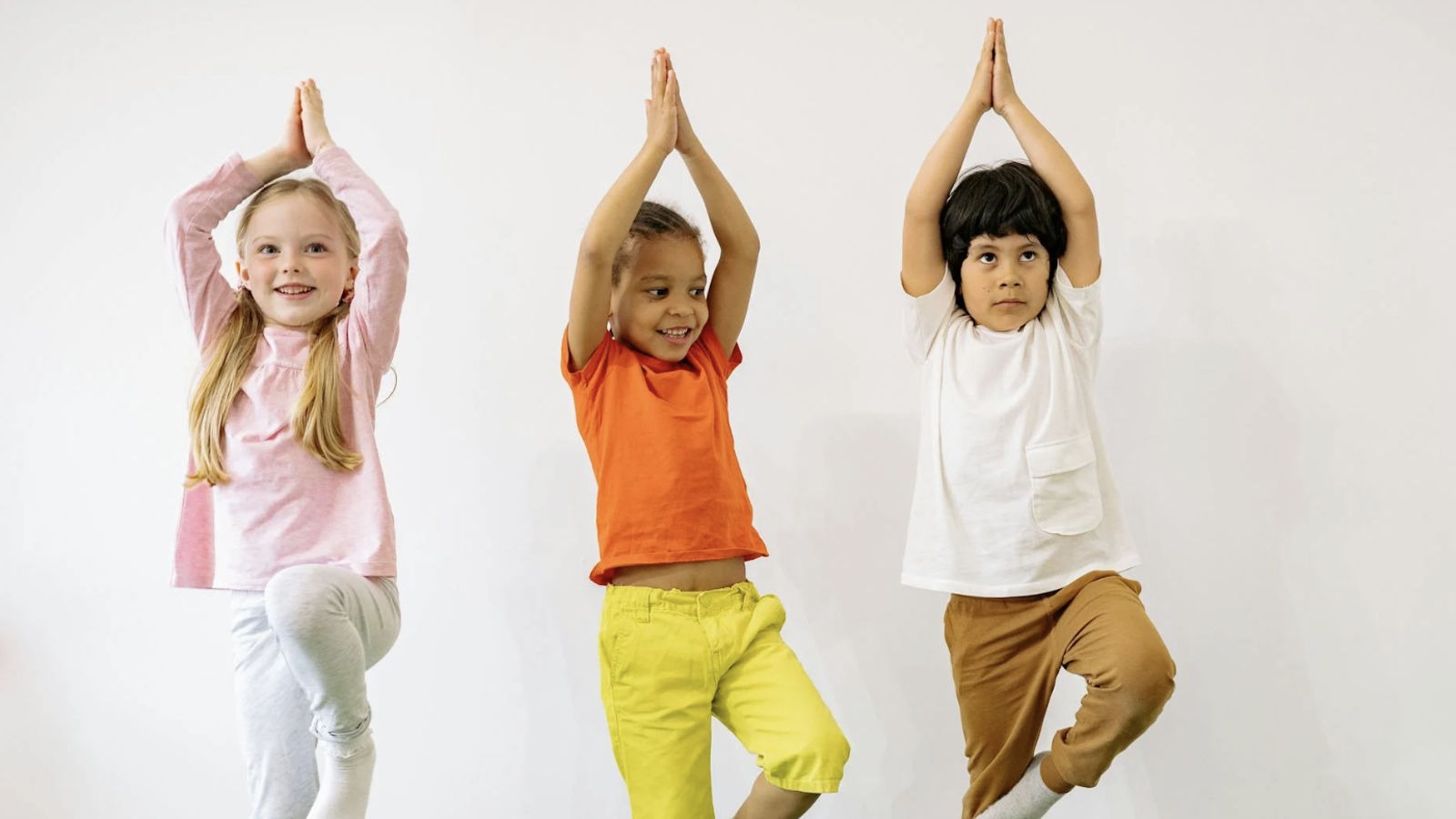
Kids face new challenges every day, from navigating friendships to handling big feelings. Social emotional games for kids give them safe ways to practice skills that matter most. Through play, children learn to recognize emotions, show compassion, and solve problems together.
These kid games play a key role in helping children develop empathy and self-regulation. When kids regularly engage with well-designed games, they often become better at understanding their own feelings and responding thoughtfully to others. This foundation supports stronger friendships and smoother interactions at home and school.
Many parents notice that children who play these games show increased confidence and a greater ability to handle disappointment or conflict in positive ways. The games make learning about emotions feel natural and enjoyable instead of like a chore.
TutoClub social emotional educational games shine in this space by weaving social awareness into every session, helping kids thrive while they play.
How to Pick the Right Social Emotional Game for Your Child
Start by considering your child’s age and current interests. Younger kids often enjoy simple caregiving or storytelling games, while older ones benefit from role-play or cooperative challenges that match their growing independence.
Look for games that feel safe and focused. The best options are ad-free, thoughtfully designed, and created with input from child development experts. Pay attention to how the game encourages positive behaviors like sharing, comforting others, or expressing feelings in healthy ways.
It also helps to choose kids educational games that match your family values and fit easily into your daily routine. When a game feels engaging and rewarding, children are more likely to keep playing and actually absorb the lessons.
TutoClub offers a strong example of games built specifically with these qualities in mind. The top choices balance fun with clear social and educational benefits, so children stay engaged without frustration. Once you find a good fit, it becomes part of your daily routine in the most natural way.
Best Social Emotional Games For Kids In 2026
1. TutoClub - Best Social Emotional Games for Kids in 2026
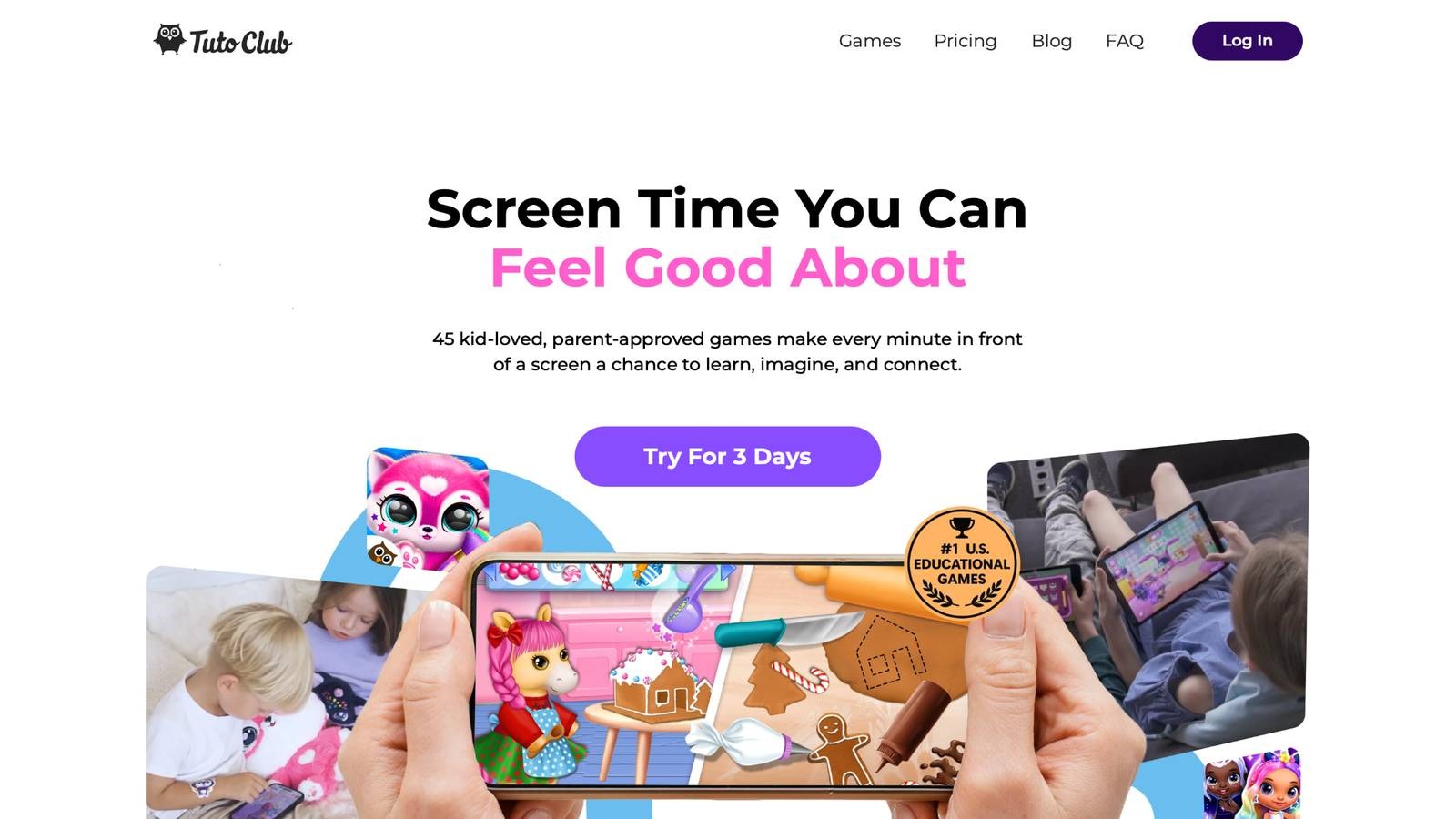
TutoClub games deliver a complete subscription service with over 45 ad-free titles created by the TutoTOONS studio based in Lithuania. This platform transforms screen time into enriching adventures that nurture creativity through art and storytelling tasks while sharpening focus via thoughtful puzzles. Children build emotional awareness as they practice empathy and compassion in caring scenarios, and they develop responsibility through gentle daily routines turned into playful challenges.
The collection features open-ended activities that spark curiosity and support lifelong learning habits. Kids explore worlds where they hatch and nurture virtual pets, complete cleaning quests that teach organization, or join fashion adventures that boost self-expression. Every game feels calm and inviting, with smooth progression that keeps young players engaged without frustration. Parents appreciate the safe, parent-approved design that works across iOS, Android, and Amazon devices after initial download.
- Standout features include adaptive challenges matched to skill levels, interactive narratives that fuel imagination, and regular fresh content to maintain excitement.
- Facts and information highlight research-backed approaches to joyful learning, multi-device flexibility after setup, and a distraction-free space that encourages meaningful play sessions.
TutoClub Overview
TutoClub is your gateway to a magical world of educational games designed especially for children.
As part of TutoTOONS, a leading kids' games studio, we offer premium access to over 45 ad-free games.
Our mission is to blend learning and play, helping kids explore, create, and grow in a safe online space.
Thousands of parents trust us for family-friendly content that sparks imagination and builds essential skills.
Key Features
- Unlimited Access: Unlock full content in all games with no interruptions.
- Ad-Free Experience: Enjoy seamless play without any ads or distractions.
- Skill Development: Games foster creativity, social skills, communication, and more through fun activities like pet care and cleanup challenges.
- Regular Updates: Get new releases, exclusive content, and future updates automatically.
- Easy Subscription: Cancel anytime with no obligations, simple and flexible for families.
Explore Our World
TutoClub provides a rich ecosystem of educational games for kids, featuring ad-free experiences that promote creativity, focus, and emotional growth through play.
This platform turns screen time into valuable learning opportunities, with parent-approved content that builds essential skills and sparks curiosity in young minds.
- TutoClub Games: Over 45 educational games, including popular titles like Fluvsies, Smolsies, and the Sweet Baby Girl series
- Blog: Insights, tips, and stories for families on kids' learning and play
- FAQ: Comprehensive answers to frequently asked questions about subscriptions, features, and more
Get TutoClub on Your Device
TutoClub delivers premium kids educational games directly to your mobile devices, making learning accessible anytime, anywhere.
With apps available on major platforms, families can easily download and subscribe for ad-free play that turns screen time into skill-building adventures.
Perfect for parents seeking safe, engaging content on iOS, Android, or Amazon devices.
Why Choose TutoClub?
We're committed to 100% safe, enriching entertainment that kids love and parents approve.
Join the thousands who've seen their children thrive through playful learning.
Ready to start the adventure?
Subscribe to TutoClub today and unlock endless fun!
2. Fluvsies Academy
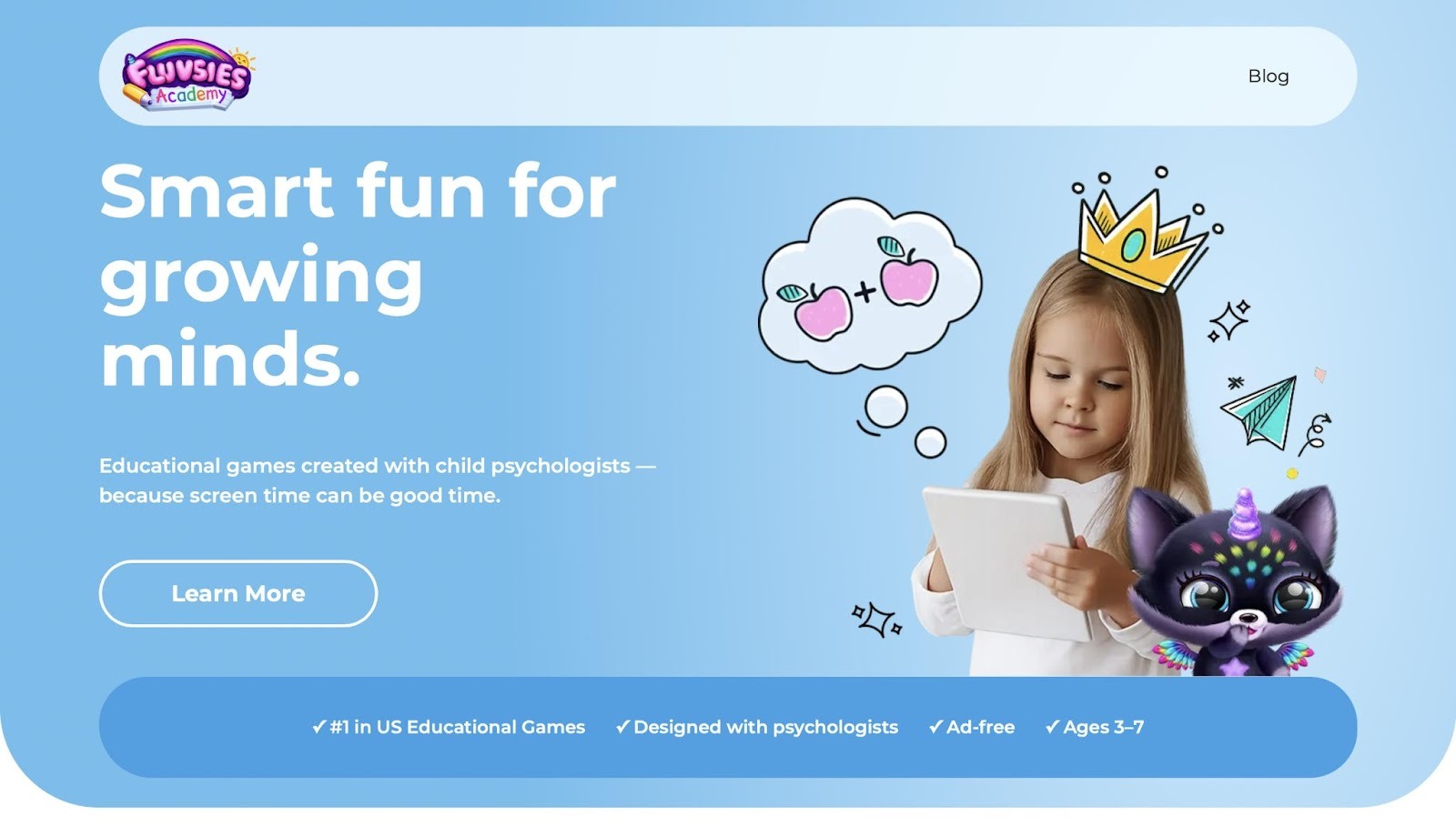
Fluvsies Academy creates a calm, nurturing digital space packed with mini-games designed in close partnership with child psychologists and tailored for children aged three to seven. Kids dive into role-play adventures where they explore various professions, practice essential life skills, and build healthy everyday habits. Gentle mindfulness moments and kid-friendly yoga flows are woven naturally into the gameplay, helping little ones learn to pause, breathe, and reset when feelings get big. The friendly characters act as supportive guides, walking children through relatable scenarios that strengthen social understanding and emotional balance without ever feeling like a lecture.
Parents love how the app turns everyday screen time into meaningful guided learning that feels balanced and supportive rather than overwhelming. The simple controls and bright, inviting visuals let preschoolers navigate independently, which builds confidence and a sense of accomplishment. Repeated play helps children recognize their own emotions more clearly, respond to others with greater kindness, and develop focus that carries over into real-world interactions at home and school. The overall experience emphasizes emotional safety, positive communication, and gentle self-regulation in a way that feels playful and encouraging every step of the way.
Key features
- Profession exploration games that spark curiosity and vocabulary growth
- Mindfulness and kids’ yoga activities for calm self-regulation
- Life skills challenges like teeth-brushing routines that build healthy habits
- Psychologist-designed scenarios that promote empathy and focus
Facts and information
Fluvsies Academy creates emotional safety through psychologist-backed design, encourages empathy via role-play scenarios, and supports independent learning with progress tracking that parents appreciate. The ad-free format keeps play peaceful and focused while helping children practice positive communication and emotional balance in everyday situations.
3. ABCmouse
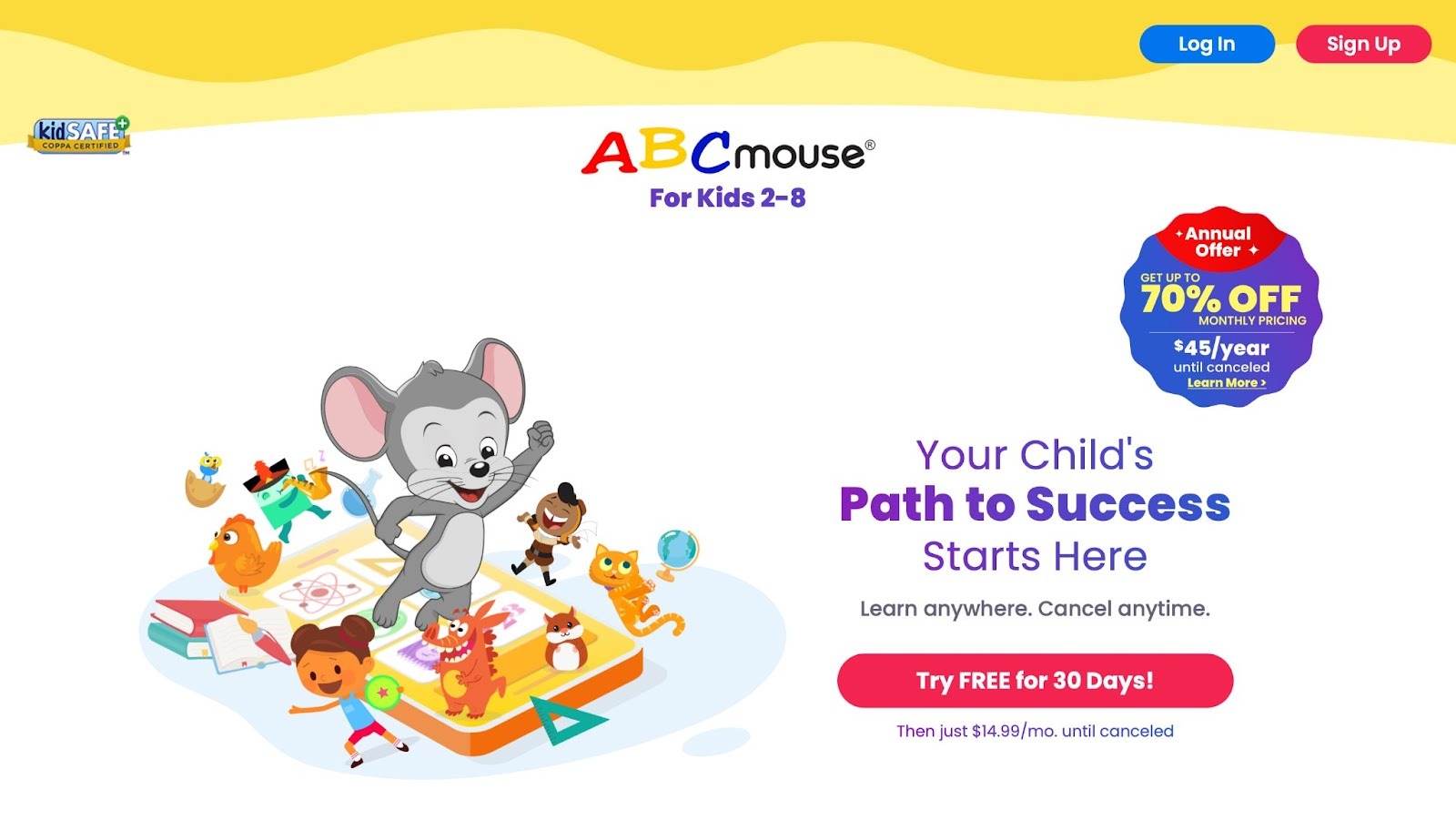
ABCmouse offers a structured early learning platform filled with bright activities that weave social lessons into reading, math, science, and art explorations. The program uses friendly character interactions and simple group style tasks to introduce concepts like sharing and cooperation, helping children practice positive behaviors in a guided digital setting. Families appreciate how the vast library of content feels like an endless adventure that grows with the child, making it easy to revisit favorite social scenarios. Some parents mention the volume of options can feel expansive at first, yet the step by step progression helps build steady habits over time. The platform balances academic foundations with gentle reminders about kindness and teamwork, creating a well rounded experience that many households integrate into daily routines.
Key features
- Step by step lessons across multiple subjects with reward systems
- Character driven stories that highlight cooperation
- Progress tracking tools for parents
- Interactive activities designed for gradual skill building
Facts and information
- The curriculum incorporates social elements through friendly characters and group style challenges that reinforce sharing and empathy
4. Khan Academy Kids
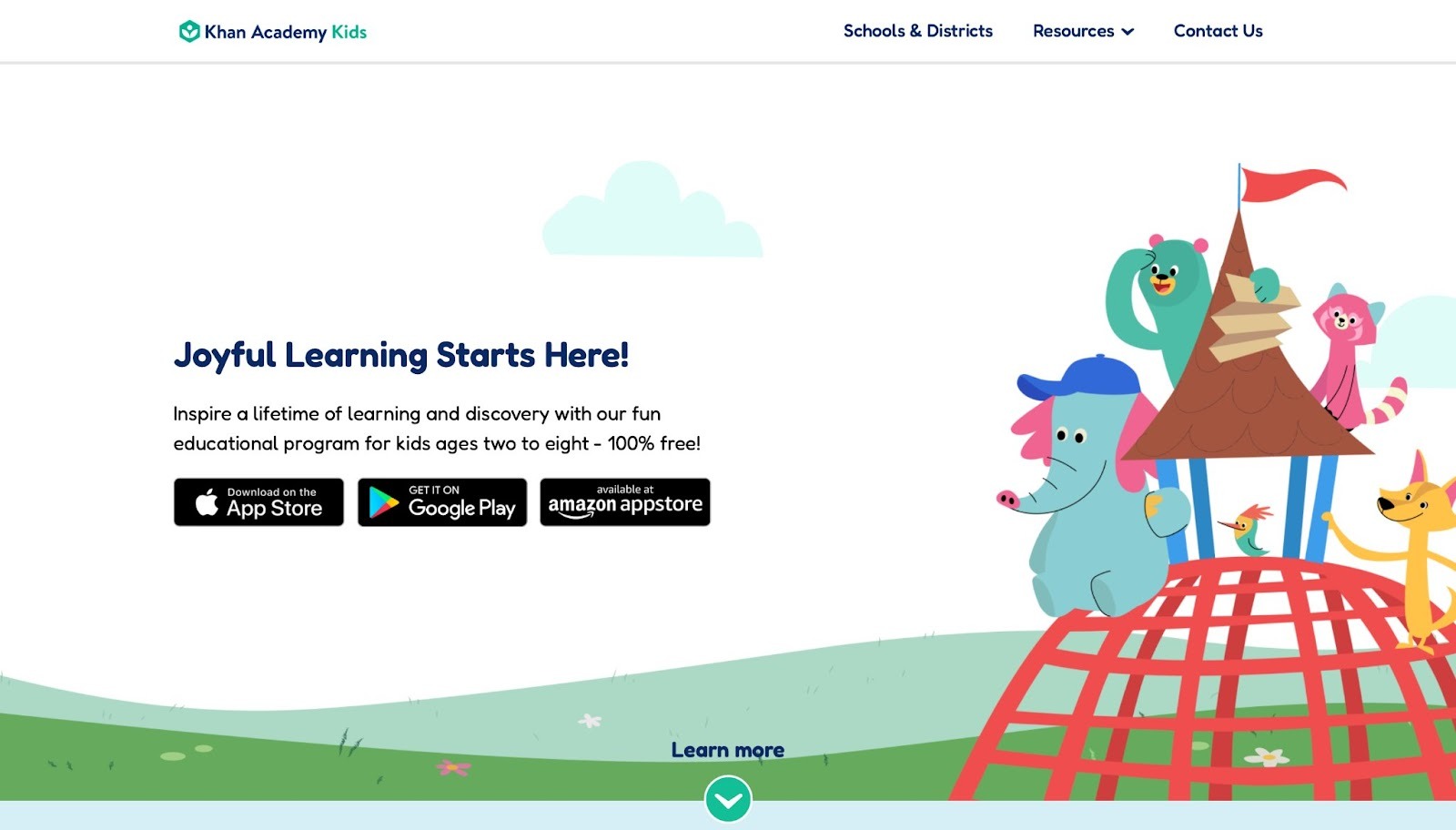
Khan Academy Kids delivers free access to a wide range of tasks focused on numbers, literacy, and interpersonal growth through engaging videos, games, and stories. Social learning appears naturally in emotion based activities and collaborative thinking prompts that feel approachable for young explorers. The character driven lessons build confidence while teaching children to recognize feelings and respond thoughtfully in various situations. Some users say the free model makes it simple to try alongside other tools without any commitment pressure. The app supports emotional awareness alongside academic skills, creating a balanced space where kids practice communication and empathy in short, rewarding sessions that fit busy schedules.
Key features
- Personalized learning paths tailored to each child
- Videos and games that mix academics with social emotional prompts
- Character stories designed to encourage thoughtful responses
- Easy navigation for independent use
Facts and information
- Activities promote self awareness and social understanding through interactive scenarios drawn from everyday experiences
5. Minecraft Education Edition
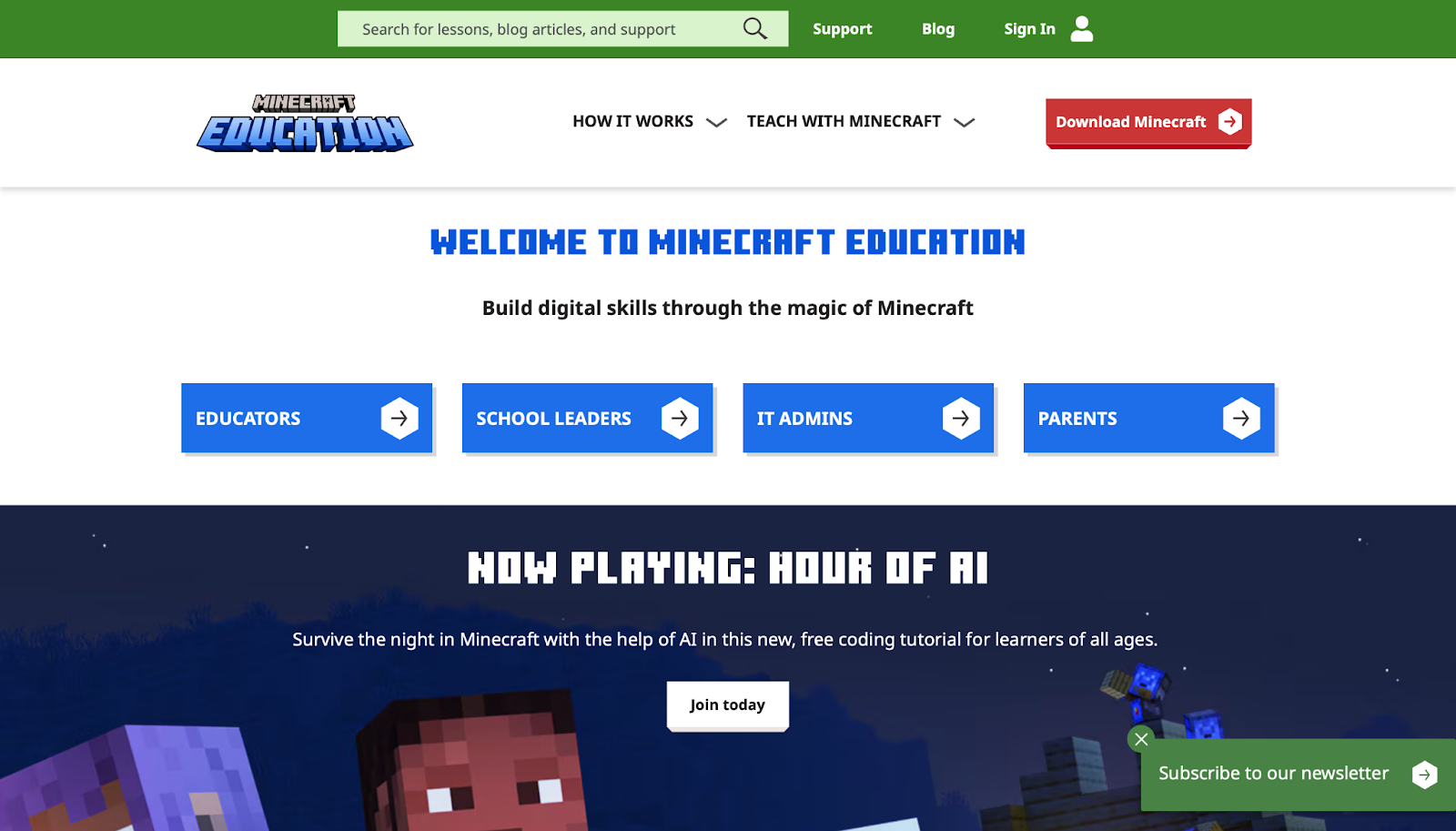
Minecraft Education Edition invites kids to build and explore shared worlds that naturally encourage teamwork and creative problem solving. Players communicate plans, divide tasks, and celebrate joint successes, which strengthens communication and cooperation skills in real time. The open ended style lets children express ideas freely while learning to listen and adapt to group decisions. A handful of parents mention the flexible format sometimes benefits from initial adult guidance to keep sessions productive. The game promotes joint decision making through multiplayer experiences that feel like collaborative storytelling rather than strict lessons.
Key features
- Classroom ready tools for collaborative building
- Curriculum linked challenges that support group work
- Real time multiplayer environments for shared projects
- Creative modes that reward teamwork and innovation
Facts and information
- The platform fosters communication and empathy by requiring players to coordinate ideas and support one another during builds
6. Duolingo for Kids
Duolingo for Kids turns language practice into short, rewarding sessions with fun characters and bite size exercises that include light social elements. Children share achievements or practice speaking together, which builds confidence in expressing thoughts clearly. The daily streaks and colorful progress visuals help establish consistent habits while weaving in gentle cooperation moments. Some families find the structured format helpful for maintaining engagement over longer periods. The app mixes language skills with opportunities to discuss ideas, making practice feel like play that extends into real conversations.
Key features
- Oral practice and sentence building activities
- Character driven lessons with social sharing prompts
- Visual progress trackers that celebrate small wins
- Short sessions designed for young attention spans
Facts and information
- Exercises encourage communication skills by prompting kids to share and discuss what they learn with others
7. Daniel Tiger’s Grr-ific Feelings
Daniel Tiger’s Grr-ific Feelings helps young children name and manage emotions through songs, art, and simple games featuring familiar characters from the beloved show. The relatable scenarios make social lessons comforting and easy to apply in daily life. Kids practice identifying feelings and responding with kindness, which strengthens empathy in a low pressure way. A few parents note the activities work especially well in shorter sessions that fit into routines. The content draws from trusted storytelling to support emotional conversations at home and school.
Key features
- Emotion identification tools paired with creative activities
- Songs and games that model positive responses
- Photo booth style features for practicing expressions
- Gentle guidance through everyday feeling scenarios
Facts and information
- The app uses familiar characters to help children explore empathy and self regulation through interactive play
8. Wisdom: Social Emotional Learning App
Wisdom creates an adventure filled world where kids practice emotional vocabulary and problem solving in story driven ways. The inclusive design suits various learning styles and encourages thoughtful choices during quests that focus on understanding feelings. Children navigate challenges that build self awareness and empathy while having fun exploring the whimsical environment. Some users appreciate the calm pacing that avoids overstimulation. The app focuses on building social skills through engaging narratives that feel natural and supportive.
Key features
- Interactive stories centered on emotion tools
- Positive reinforcement for kind decisions
- Adventure format that rewards problem solving
- Inclusive activities for different learning preferences
Facts and information
- The platform uses evidence based approaches to help children develop empathy and emotional understanding through play
9. PBS Kids Games
PBS Kids Games brings familiar characters into activities that promote sharing and turn taking in a friendly educational setting. The collection covers various skills with cooperative mini games that feel like extensions of favorite shows. Families often mention the trusted brand adds comfort and consistency. The platform blends entertainment with social lessons drawn from popular series, helping children practice communication in light hearted ways.
Key features
- Character driven cooperative challenges
- Mini games focused on sharing and teamwork
- Safe, ad free environment for young players
- Activities linked to well known educational shows
Facts and information
- The games encourage positive social interactions by letting children practice empathy and cooperation with beloved characters
10. Prodigy Math Game
Prodigy Math Game combines math practice with an exciting world of quests and creatures that kids can share with friends. Social moments arise during collaborative challenges and friendly interactions that keep sessions lively. The adaptive questions adjust to each child while the creature collection adds a layer of teamwork when discussing strategies. A few parents say the math focus shines brightest yet still leaves room for light social exchanges. The game ties academic practice to cooperative elements that maintain engagement.
Key features
- Adaptive math questions embedded in quests
- Creature collection that supports sharing ideas
- Multiplayer elements for joint challenges
- Progress systems that celebrate group efforts
Facts and information
- The platform promotes communication by encouraging children to discuss solutions and celebrate achievements together
11. Breathe, Think, Do with Sesame
Breathe, Think, Do with Sesame teaches young children self control and problem solving through simple scenarios featuring a friendly monster character. Kids help the character calm down and plan solutions for everyday challenges like waiting or fixing a tower. The app builds emotional regulation skills in a gentle format that many families use during transitions. Some parents find the short activities perfect for quick practice sessions that reinforce calm responses.
Key features
- Five interactive scenarios focused on breathing and planning
- Monster character that models positive coping
- Bubble popping mechanics for choosing solutions
- Simple interface designed for very young children
Facts and information
- The app introduces strategies for managing emotions and working through problems in a playful, supportive way
12. Positive Penguins
Positive Penguins uses lovable penguin characters in interactive games that help children understand and cope with different emotions. The activities guide kids through recognizing feelings and choosing helpful responses during light hearted adventures. Families appreciate the focus on building resilience and kindness through relatable penguin stories. Some users note the gentle pacing works well for sensitive children who benefit from repeated practice.
Key features
- Games that explore various emotions with penguin friends
- Interactive choices that teach coping strategies
- Colorful animations that maintain engagement
- Scenarios designed to promote positive thinking
Facts and information
- The app supports emotional growth by letting children practice empathy and self regulation in fun, story based settings
13. Smiling Mind
Smiling Mind offers guided meditation activities that help children develop mindfulness and emotional balance through short sessions. The app includes age appropriate meditations that encourage calm reflection and awareness of feelings. Many families use it to create quiet moments that improve focus and kindness toward others. Some parents mention the offline options make it easy to incorporate into daily routines anywhere.
Key features
- Short meditation sessions tailored for kids
- Offline access for flexible use
- Activities focused on breathing and awareness
- Calm audio guidance with simple visuals
Facts and information
- The platform builds social emotional skills by teaching children to pause, reflect, and respond thoughtfully in various situations
14. The Social Express
The Social Express presents interactive videos where children choose character actions in emotional and social scenarios. The format helps kids practice decision making and perspective taking while exploring real life challenges. The app supports communication and empathy through branching stories that show different outcomes. Some families find the video style engaging for visual learners who enjoy guided discussions afterward.
Key features
- Branching video stories with choice based outcomes
- Scenarios focused on social problem solving
- Character interactions that model empathy
- Tools for discussing feelings after each choice
Facts and information
- The content encourages thoughtful social responses by letting children explore consequences in a safe digital environment
15. Classcraft
Classcraft turns classroom or home learning into a role playing adventure where cooperation and communication become part of the game. Children work together as a team to complete quests and support one another through positive behaviors. The platform boosts confidence while teaching collaboration in a fun, story driven way. Some parents note the group elements work best when shared with siblings or friends.
Key features
- Role playing mechanics that reward teamwork
- Quests designed for joint participation
- Positive behavior tracking through game progress
- Customizable avatars that represent group roles
Facts and information
- The app fosters social skills by making cooperation and communication essential for success in shared adventures
16. Peppy Pals
Peppy Pals uses farm animal characters to walk children through different social scenarios that build empathy and friendship skills. The interactive format lets kids practice responses in everyday situations with gentle feedback. Families enjoy the approachable style that feels like playing with familiar animal friends. Some users appreciate how the scenarios open doors for real life conversations.
Key features
- Animal character stories focused on social situations
- Interactive choices that teach empathy
- Simple feedback to guide learning
- Scenarios that mirror common childhood experiences
Facts and information
- The app helps children develop social awareness by exploring feelings and relationships through relatable animal adventures
17. Lingokids
Lingokids blends language learning with social emotional activities through songs, games, and stories that encourage sharing and expression. Children practice communication while exploring emotions in a vibrant, character filled world. The platform supports balanced growth by mixing academics with opportunities to discuss feelings. Some families find the daily variety keeps interest high across different moods.
Key features
- Songs and games that combine language with social prompts
- Character interactions focused on kindness
- Progress activities that celebrate expression
- Themed content that covers emotions and cooperation
Facts and information
- The app integrates social skill building into language lessons by prompting children to share ideas and understand others
18. Quandary
Quandary presents ethical challenges in a fantasy setting where children make decisions that affect the group and learn about consequences. The game builds critical thinking and empathy by requiring players to consider multiple viewpoints. Some parents mention the thoughtful pacing suits children who enjoy deeper discussions after play. The format turns moral reasoning into an engaging adventure.
Key features
- Ethical decision making scenarios in a story world
- Group impact mechanics that highlight cooperation
- Guides for educators or parents to extend learning
- Challenges that encourage perspective taking
Facts and information
- The platform develops social awareness by letting children explore fairness and empathy through interactive choices
19. myPeekaville
myPeekaville invites children into a magical community where they interact with residents and solve problems through quests that emphasize empathy and helping others. The daily emotions check in tool supports self awareness while the activities build kindness in a COPPA compliant space. Families appreciate the research based design that feels welcoming and inclusive. Some users note the community focus strengthens social connections.
Key features
- Quest based activities centered on helping residents
- Daily emotions check in for reflection
- Interactive community that rewards kindness
- Safe, compliant environment for exploration
Facts and information
- The app promotes social emotional growth by encouraging children to care for others and reflect on feelings within a supportive virtual world
20. Social Cipher
Social Cipher creates SEL experiences tailored for neurodivergent learners through games that focus on social navigation and self advocacy. The platform uses story based challenges to build confidence in reading social cues and expressing needs. Children practice communication in scenarios designed with inclusivity in mind. Some families find the specialized approach particularly helpful for targeted skill building.
Key features
- Games focused on social navigation and self advocacy
- Inclusive scenarios for neurodivergent perspectives
- Story driven challenges that build confidence
- Tools for practicing real life social interactions
Facts and information
- The content supports empathy and communication by addressing unique social experiences in an empowering way
21. Luvbug
Luvbug offers a variety of games that help children develop emotional vocabulary and tools for managing feelings through interactive play. The app focuses on building self regulation and empathy with gentle activities that feel supportive rather than instructional. Families enjoy the calm approach that suits different learning paces. Some parents mention the variety allows children to choose activities that match their current mood.
Key features
- Games centered on emotion vocabulary and management
- Interactive tools for practicing responses
- Supportive design for various learning styles
- Activities that encourage reflection and kindness
Facts and information
- The platform aids social emotional development by providing practical ways for children to understand and express emotions in everyday contexts
Benefits of Playing Social Emotional Games Regularly
Regular play helps children develop stronger self-awareness and better relationships with friends and family. These social emotional games for kids create natural moments for practicing kindness and understanding without feeling forced. Parents often see more open conversations about feelings at home after consistent use.
Beyond immediate fun, regular play supports long-term growth in emotional intelligence. Children tend to become more resilient when facing challenges and show greater patience in group settings. The skills they practice during game time often transfer to real-life situations, making daily interactions smoother and more positive.
TutoClub’s educational kid games fit perfectly into daily routines, offering variety that keeps interest high while supporting social and educational growth across different ages.
Tips for Getting the Most from Social Emotional Games
Choose educational kid games that match your child’s current interests so play stays enjoyable. Set aside short, regular sessions rather than long marathons so the experience feels fresh and exciting.
Playing together as a family can make the activity even more powerful. You can pause to talk about what the characters are feeling or how your child might handle a similar situation. This turns screen time into valuable bonding time.
Mixing digital games with offline activities creates a well-rounded approach to emotional development. The right approach turns these children's games into a natural part of your child’s development.
FAQ
What makes a game truly effective for social emotional learning?
Effective social emotional games combine engaging play with clear opportunities to practice empathy, emotion recognition, and problem-solving skills. The best ones feel fun first so children return willingly and absorb important lessons naturally through repeated play in social emotional educational games. They often include relatable scenarios that mirror real-life situations, making the learning process seamless and meaningful while supporting overall emotional awareness and social skills that families notice in daily interactions.
Are digital social emotional games safe for young children?
Many high-quality digital social emotional games prioritize ad-free environments and age-appropriate content designed with child development in mind. They focus on positive interactions and healthy skill building in a protected space that parents can trust. Safe options ensure children can explore social and emotional concepts through educational games without unwanted distractions or pressures.
How do social emotional games compare to traditional play activities?
Both social emotional educational games and traditional play activities help children develop key social and emotional skills through hands-on experiences. Structured games often provide guided scenarios that allow kids to practice specific responses they might not encounter every day in free play. Together they create a well-rounded foundation for growth in empathy, communication, and self-awareness that strengthens relationships at home and school.
Can these games help children with different learning needs?
Social emotional educational games frequently include inclusive designs that support varied learning styles through flexible pacing and strong visual elements. This adaptability makes them accessible for many children, including those who benefit from different approaches to social and emotional practice. The result is broader opportunities to build confidence and understanding in a comfortable way that fits individual needs.
How do social emotional games contribute to long-term child development?
Social emotional educational games for children support long-term development by building stronger self-awareness, better relationships, and improved problem-solving abilities that carry into everyday life. Regular play creates natural moments for practicing kindness and emotional regulation across different ages and situations. Over time these experiences help children become more confident and thoughtful in their interactions while fitting naturally into family routines with educational games.
Read Also:
- Best Educational Games For Kids That Are Fun in 2026
- Best Educational And Fun Games For Kids in 2026
- Best Fun Educational Games For Kids in 2026
- Best Educational But Fun Games For Kids in 2026
- Best Games For Kids Educational in 2026
Discover the Best Electronic Educational Games For Kids in 2026 - TutoClub