

Best Educational But Fun Games For Kids in 2026






In 2026, parents want games that teach kids key skills while keeping them entertained. These best educational but fun games for kids mix adventure, puzzles, and creativity to build math, reading, and problem-solving abilities. Kids learn without realizing it, turning playtime into growth moments. The top educational games for kids that stand out in quality and engagement.
If you want to extend learning beyond traditional play, exploring the best educational games for kids is a great place to start, as they combine fun gameplay with real skill-building. Parents can also discover highly engaging options in the best learning games for kids, designed to improve problem-solving, literacy, and critical thinking. Many of these titles rank among the best kids educational games and work seamlessly alongside the best learning apps for kids, creating a well-rounded learning experience kids genuinely enjoy.
Discover the Best Educational But Fun Games For Kids in 2026 - TutoClub
Why Educational Games Boost Child Development

Games that combine fun and learning help kids gain confidence and focus. They encourage trying new things and solving challenges on their own. Many children show better emotional skills, like empathy, from games that include stories or teamwork. This approach fits how young brains work, making concepts stick through repeat play in a relaxed way. Fun learning games often lead to real-world curiosity, like asking questions about science or numbers after a session. Parents notice kids sticking with tasks longer when the game feels like an adventure.
Key Features to Look for in Kids Games
- Pick games with clear goals and rewards that match a child's age.
- Look for ad-free setups to keep focus sharp.
- Multi-device support lets kids play anywhere, and offline modes add flexibility.
- Some games update with fresh content, keeping things new.
- Balance is key, so choose ones that mix subjects like art, math, and social lessons.
Best Educational But Fun Games For Kids in 2026
1. TutoClub - Best Educational Games for Kids in 2026
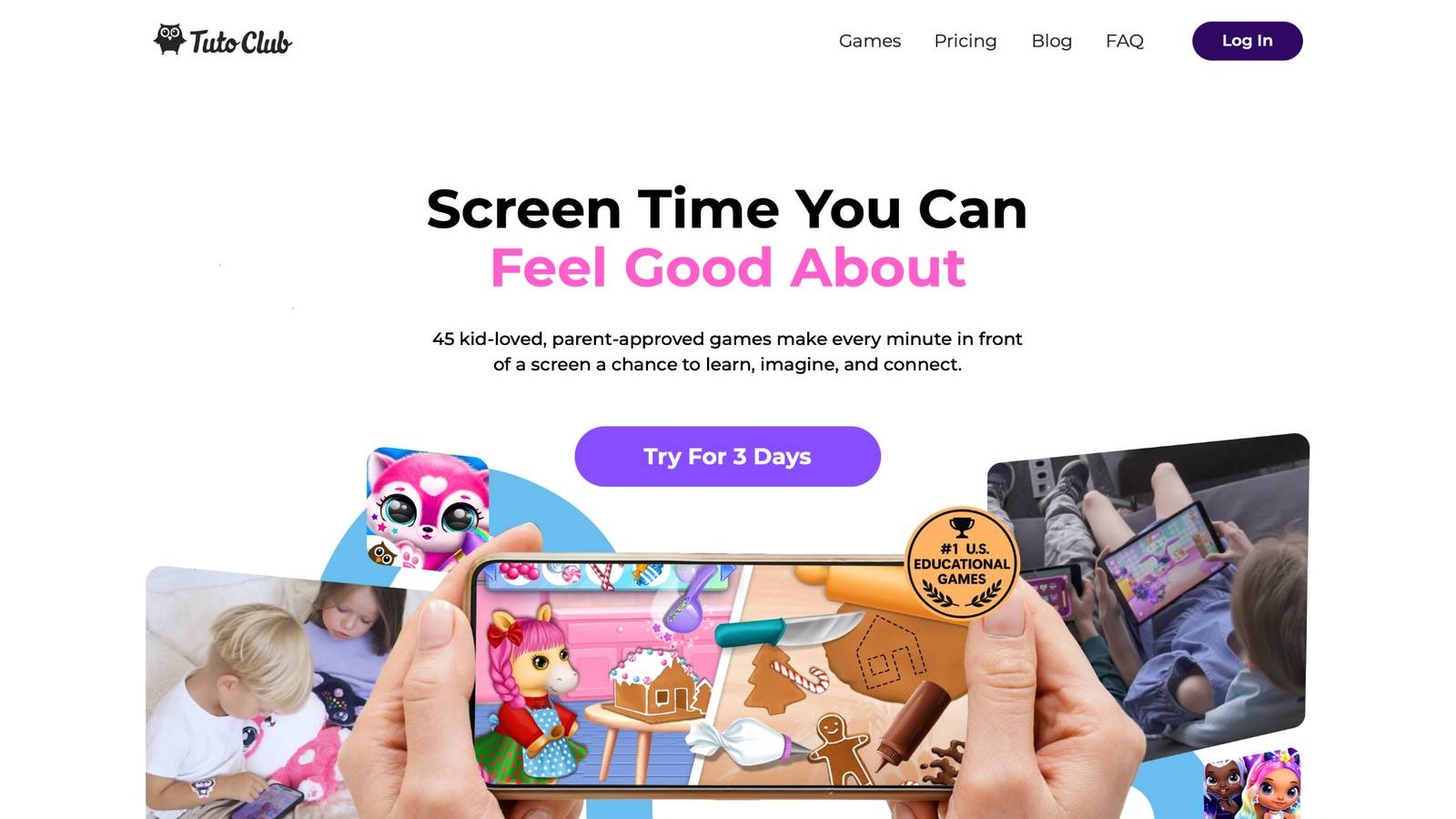
TutoClub offers a subscription to over 45 ad-free games that turn screen time into skill-building fun for kids. Based in Vilnius, Lithuania, it draws from TutoTOONS expertise to create research-backed play that sparks creativity and emotional growth. Kids dive into worlds where they design, build, and solve problems, all while learning empathy, responsibility, and focus. The calm, engaging setup feels like pure play, with unlocked features and exclusive content.
Parents love how it promotes healthy habits, like balanced screen use, and supports multiple devices for family sharing. Regular updates keep adventures fresh, helping children explore curiosity and make connections that last. It's a safe space where kids gain pride in their tasks and express themselves freely through storytelling and questioning. This unique blend makes learning feel natural and joyful, setting it apart as a top choice for families seeking meaningful play.
- Standout features include calm, ad-free environments that boost focus and creativity.
- Key pros like multi-device access and offline play make it easy for busy families.
- Facts and information show it helps build social skills, such as compassion, through interactive stories.
TutoClub Overview
TutoClub is your gateway to a magical world of educational games designed especially for children.
As part of TutoTOONS, a leading kids' games studio, we offer premium access to over 45 ad-free games.
Our mission is to blend learning and play, helping kids explore, create, and grow in a safe online space.
Thousands of parents trust us for family-friendly content that sparks imagination and builds essential skills.
Key Features
- Unlimited Access: Unlock full content in all games with no interruptions.
- Ad-Free Experience: Enjoy seamless play without any ads or distractions.
- Skill Development: Games foster creativity, social skills, communication, and more through fun activities like pet care and cleanup challenges.
- Regular Updates: Get new releases, exclusive content, and future updates automatically.
- Easy Subscription: Cancel anytime with no obligations, simple and flexible for families.
Explore Our World
TutoClub provides a rich ecosystem of educational games for kids, featuring ad-free experiences that promote creativity, focus, and emotional growth through play.
This platform turns screen time into valuable learning opportunities, with parent-approved content that builds essential skills and sparks curiosity in young minds.
- TutoClub Games: Over 45 educational games, including popular titles like Fluvsies, Smolsies, and the Sweet Baby Girl series
- Blog: Insights, tips, and stories for families on kids' learning and play
- FAQ: Comprehensive answers to frequently asked questions about subscriptions, features, and more
Get TutoClub on Your Device
TutoClub delivers premium kids educational games directly to your mobile devices, making learning accessible anytime, anywhere.
With apps available on major platforms, families can easily download and subscribe for ad-free play that turns screen time into skill-building adventures.
Perfect for parents seeking safe, engaging content on iOS, Android, or Amazon devices.
Why Choose TutoClub?
We're committed to 100% safe, enriching entertainment that kids love and parents approve.
Join the thousands who've seen their children thrive through playful learning.
Ready to start the adventure?
Subscribe to TutoClub today and unlock endless fun!
2. ABCmouse
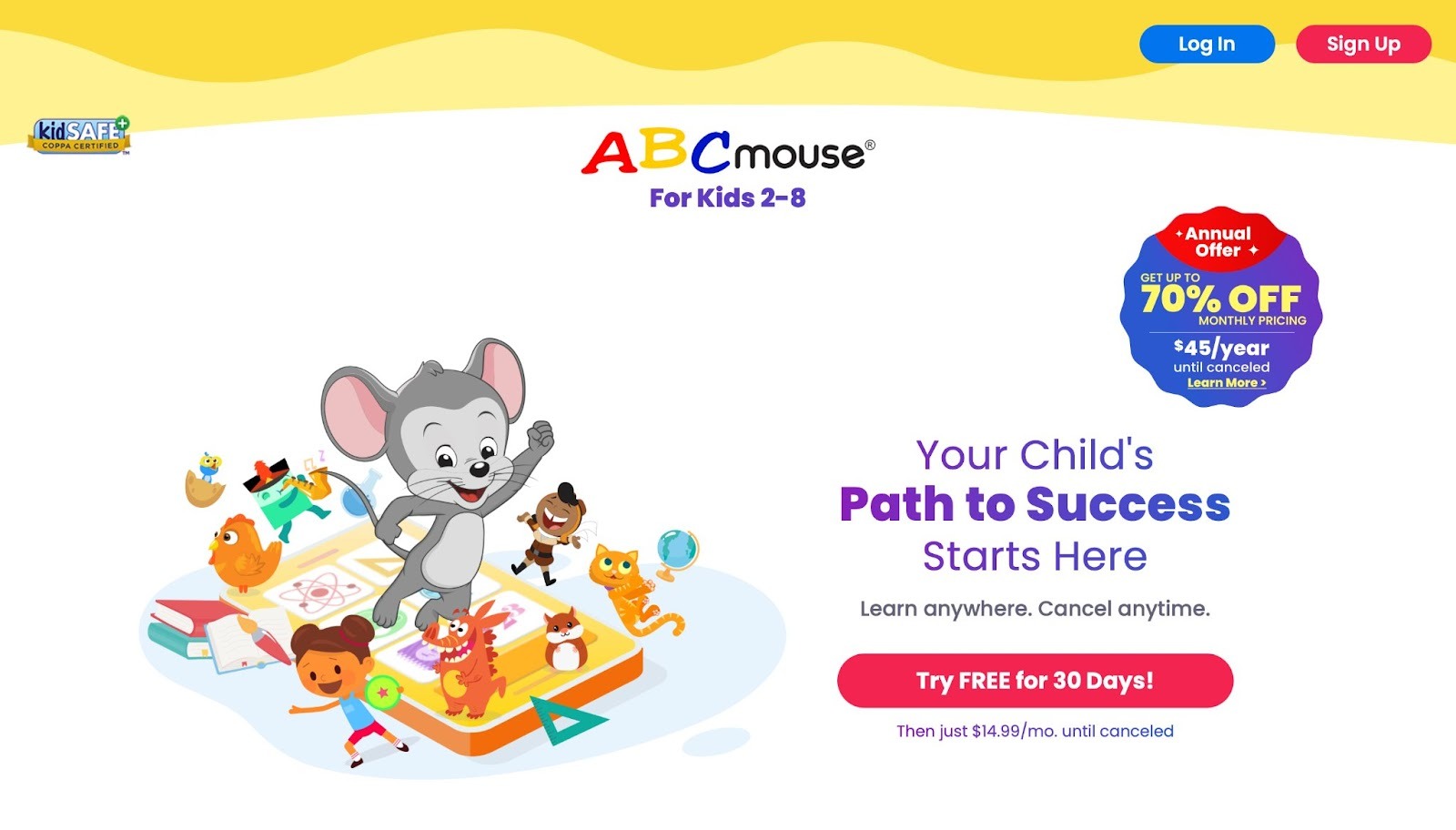
ABCmouse serves as a full online academy for children aged 2 to 8, delivering lessons in math, science, art, and reading through videos, games, and interactive tasks. Kids explore colorful worlds that adapt to their progress, building strong basics in key subjects. Strengths show in its broad range of activities that grow with the child, making early concepts come alive in fun ways. Weaknesses might include a need for consistent online access, which can restrict use in areas with spotty connections.
Overall, it acts as a trusted tool for young learners, blending play with structured paths to guide steady growth. Parents find it helpful for turning screen time into meaningful skill-building sessions. The setup encourages kids to try new things without pressure, fostering curiosity about letters, numbers, and the world around them. It includes custom paths in core areas, rewarding effort to keep motivation high. This platform fits well for families seeking a rounded start to education, with content that feels like adventure rather than work.
- Key features cover interactive books, puzzles, and songs for hands-on practice.
- Facts and information highlight how it aligns with school standards, aiding smooth shifts to classroom work.
3. Khan Academy Kids
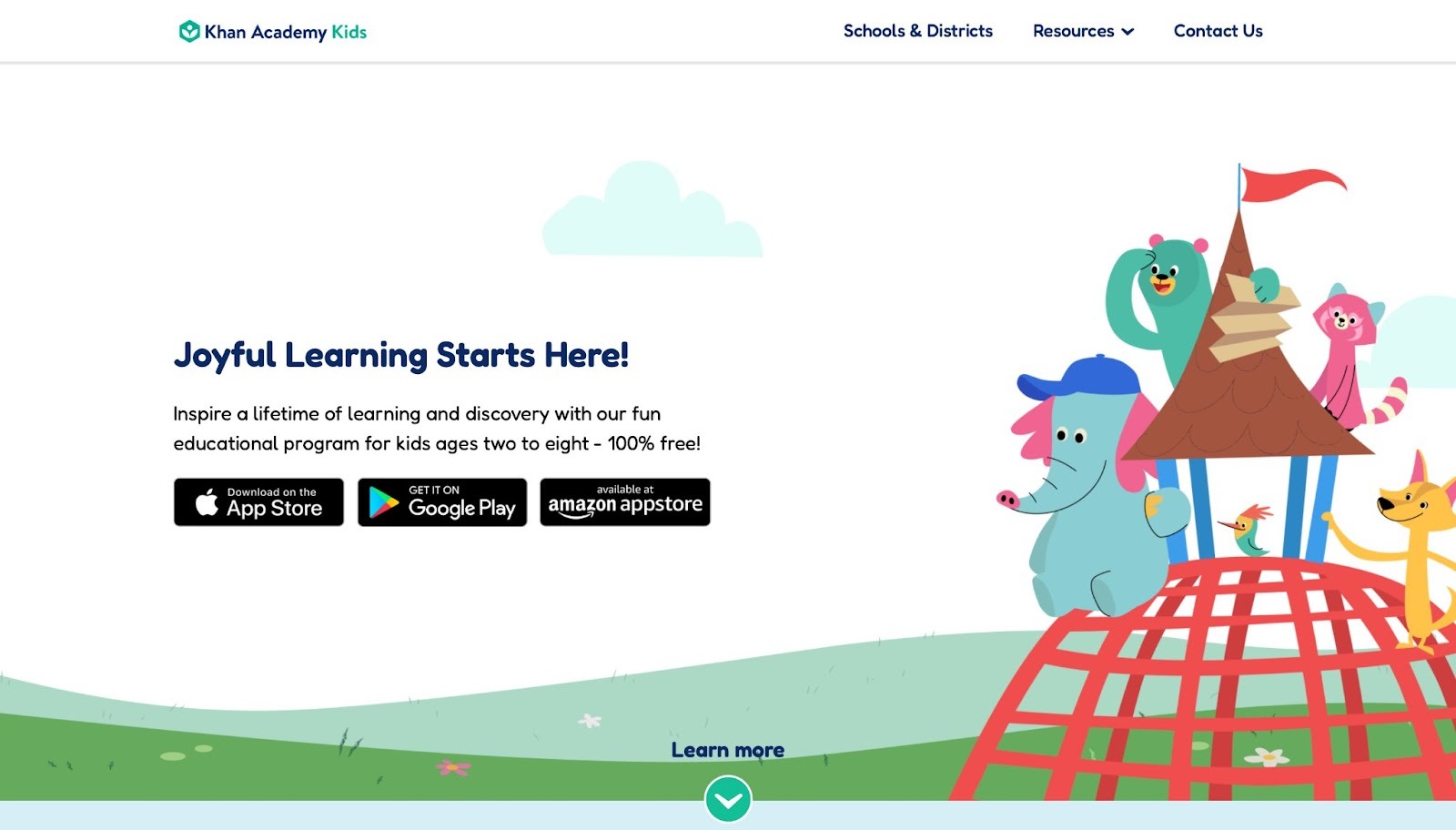
Khan Academy Kids brings free lessons to children aged 2 to 8, emphasizing math, reading, and creativity via playful apps with stories and characters. Headquartered in Mountain View, California, it lets kids learn basics like counting and letters at their own speed. Strengths lie in its no-cost entry and levels that adjust to each child's needs, making it accessible for all. Weaknesses could appear in a smaller range of advanced topics for those nearing the upper age limit.
It suits daily practice, with light, rewarding content that builds early assurance. The app uses drawing tools and animal quests to make skills stick through positive vibes. Parents and teachers praise its role in sparking joy in learning, blending school facts with emotional growth. This free setup removes barriers, letting families dive into quality education without ads or fees. Kids follow whimsical guides, exploring activities that mix fun with growth in language and numbers.
- Key features offer drawing tools and animal adventures for skill practice.
- Facts and information note its role in building early confidence through positive feedback.
4. Starfall
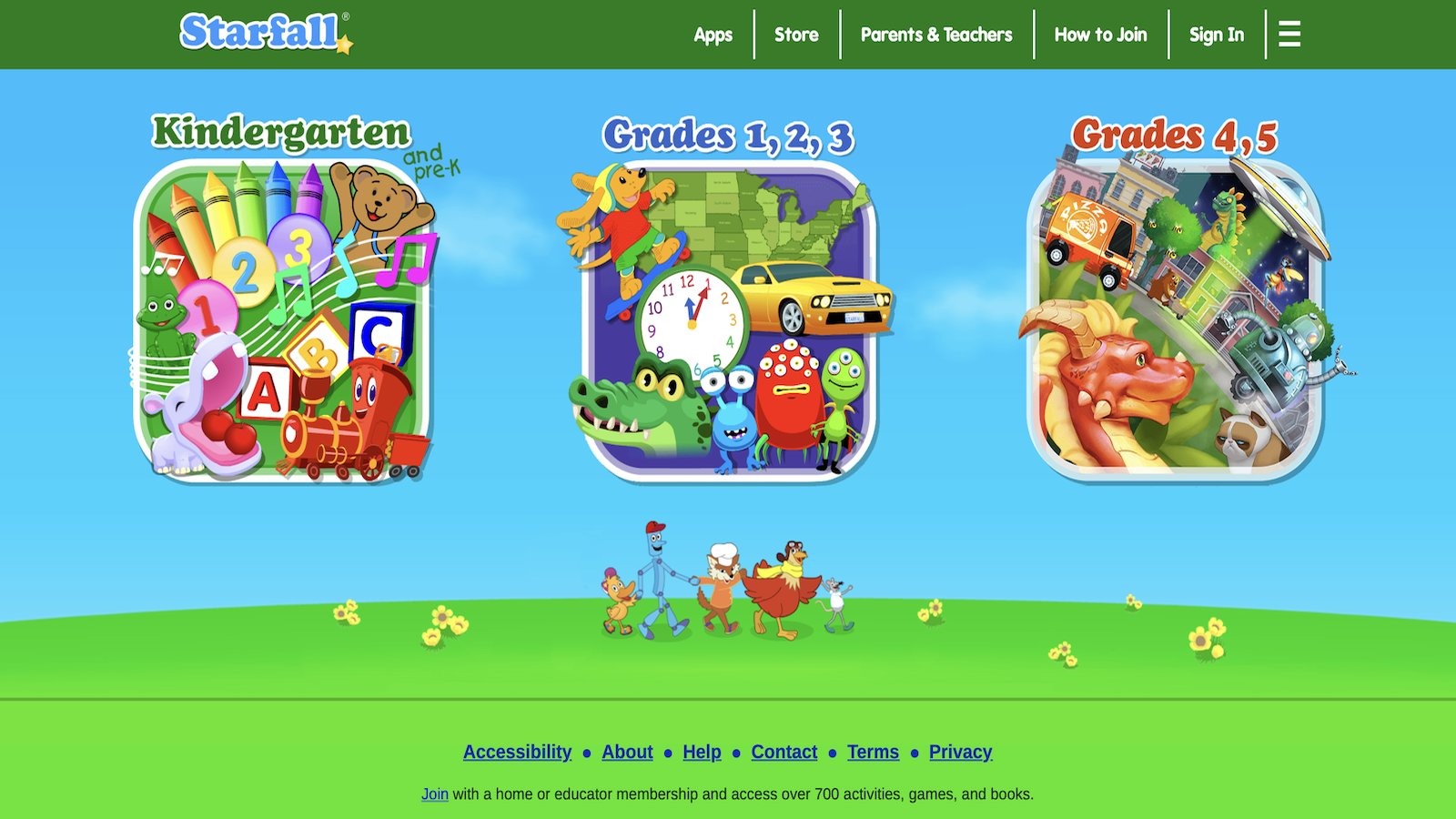
Starfall delivers online games, songs, and books for preschool through grade five, with a strong focus on reading and math fundamentals. It allows kids to move at their own pace with straightforward designs that highlight phonics. Strengths emerge in its soft approach, ideal for beginners who need a calm entry to skills. Weaknesses may involve less complexity in upper levels, where some children want more depth.
This site works great for starting learners, using animated tales to reinforce core ideas. Content aligns with learning goals, promoting sight words and basic math through touch and sound. Teachers use it in class for its positive boost, while homes find it a safe play space. The untimed setup builds trust, letting kids explore without rush. It includes multisensory tasks that help diverse learners, like those with special needs.
- Key features include animated stories and math challenges that grow with the user.
- Facts and information reveal its use in schools for reinforcing core ideas.
5. Lingokids
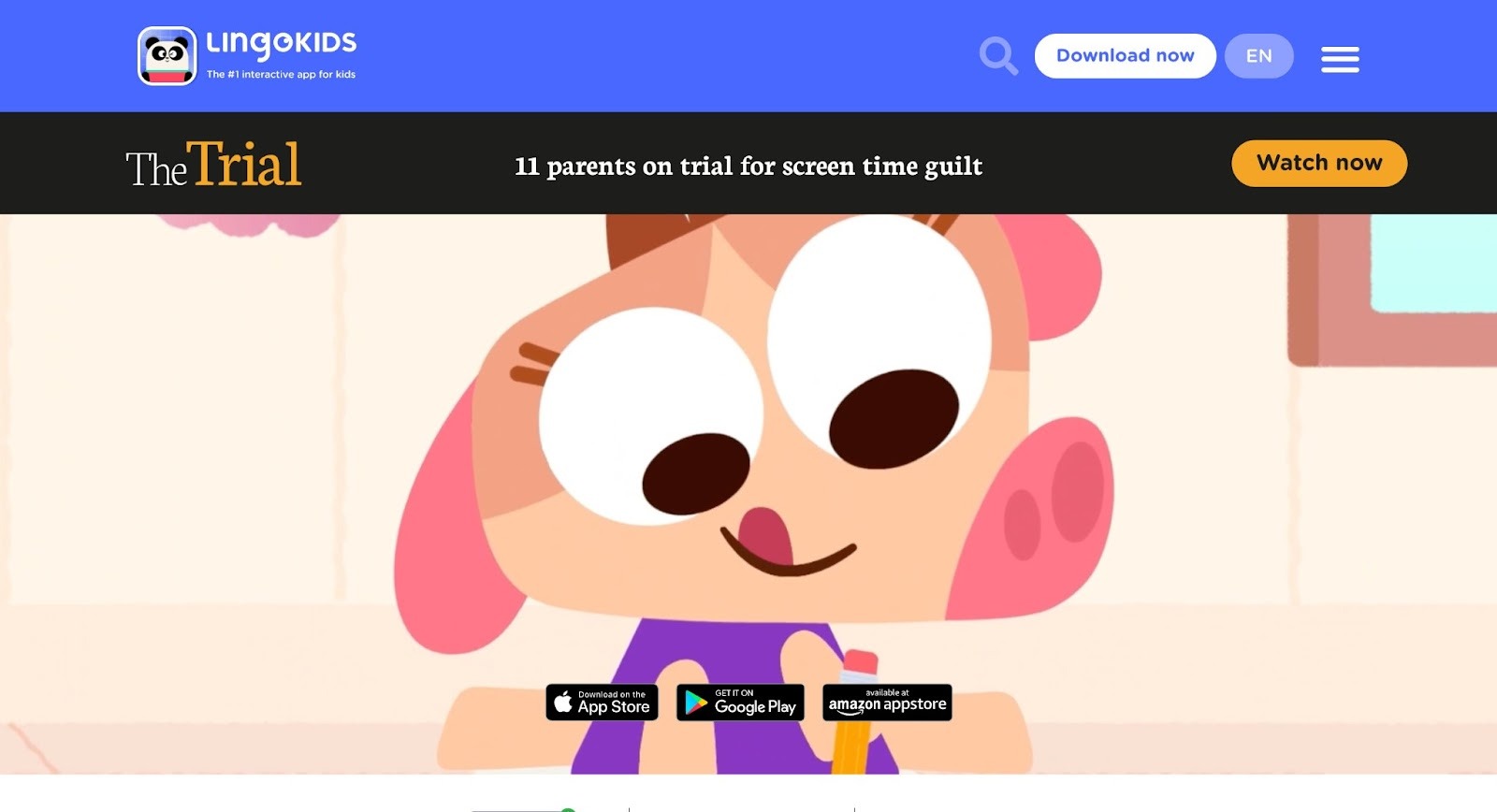
Lingokids aims at young children with games covering language, math, and life skills, using songs and tales for involvement. It's favored by families for its lively, interactive feel. Strengths come from brief sessions that suit short attention spans, along with tools for parents to follow along. Weaknesses might stem from fuller access needing a plan, cutting back on free options.
It brings variety with world themes, helping early exposure to new ideas. The app builds vocabulary and basics through music and puzzles, making retention easy. Users share stories of kids gaining from its mix of fun and lessons, like better focus or curiosity. This platform creates a safe adventure space, sparking imagination in daily routines.
- Key features blend music and puzzles for skill retention.
- Facts and information point to its help in early language exposure.
6. Duolingo
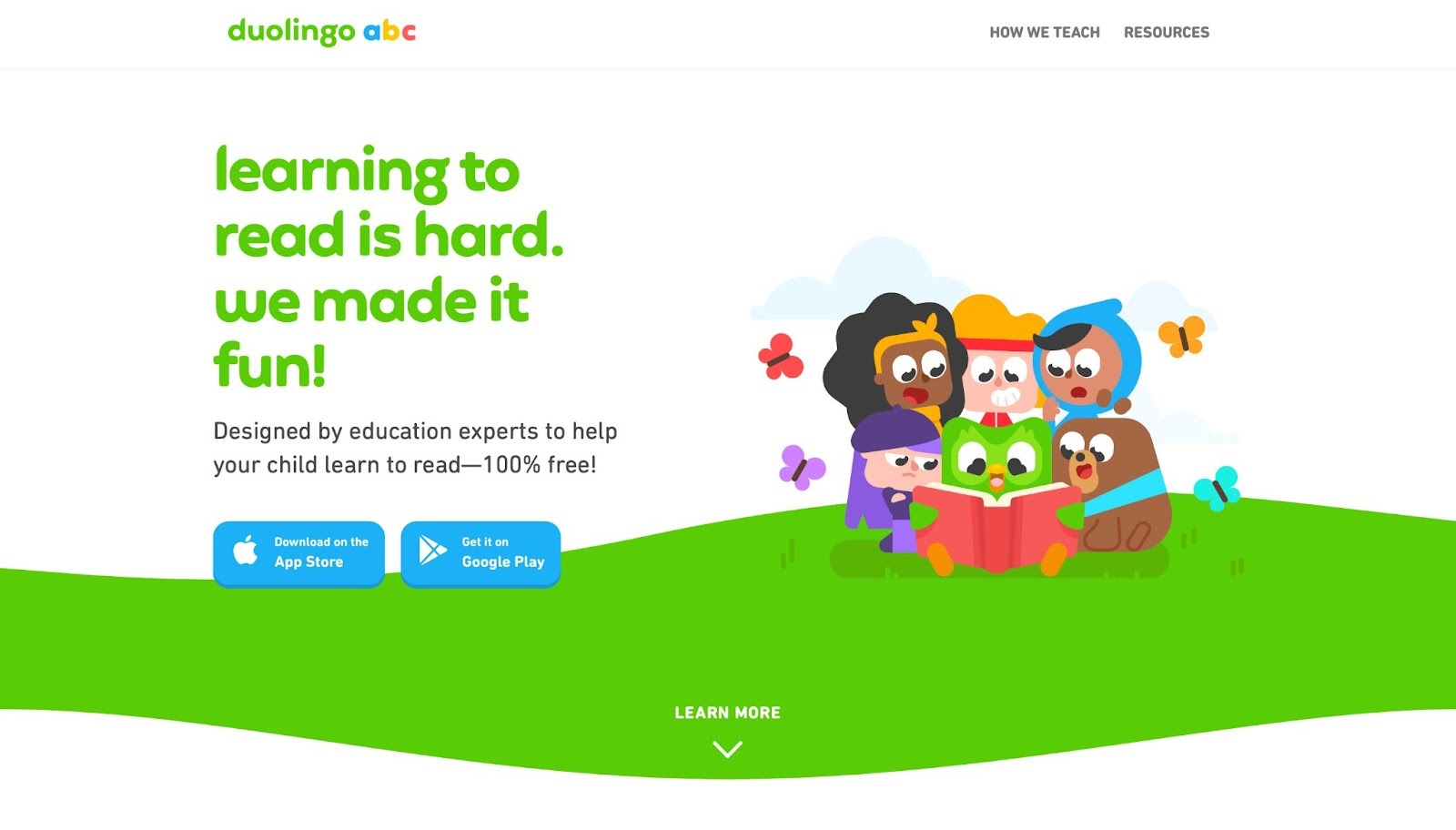
Duolingo introduces languages via short, game-style lessons in speaking, reading, and writing across many choices. It appeals to kids with rewards and daily goals. Strengths include quick bites that form habits without overload. Weaknesses may show in looser structure for the youngest, who could use more help. It's a vibrant path to new words and cultures. The app uses voice drills and stories for a real touch, building vocabulary step by step. Families note gains from regular use, like easier chats in other tongues. This tool fits busy days, turning waits into learning moments.
- Key features use voice practice and stories for real feel.
- Facts and information show gains in vocabulary through daily use.
7. SplashLearn
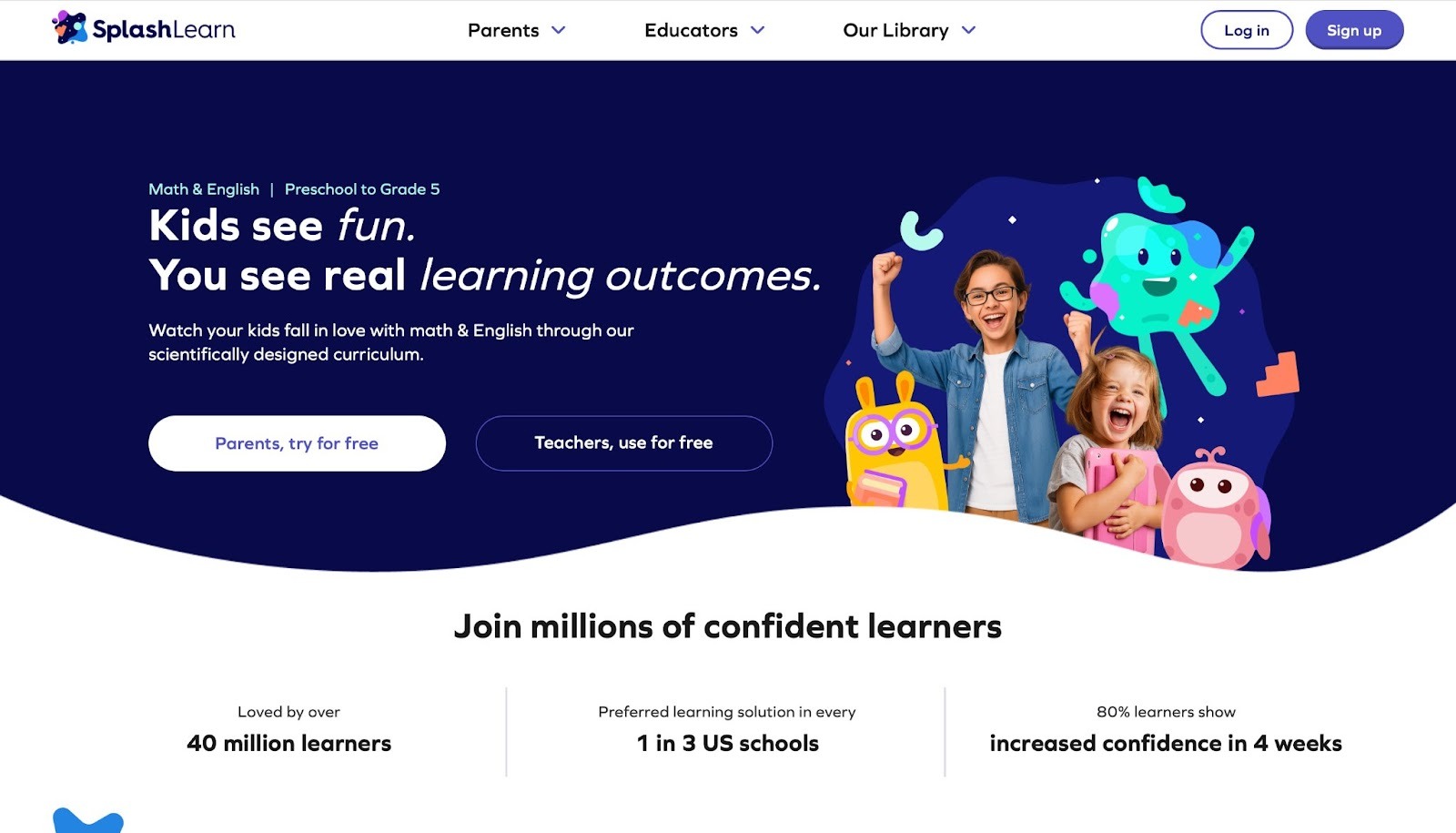
SplashLearn targets pre-K to grade five with adaptive games in math and reading. It employs visuals and prizes to keep practice fun. Strengths are in matching school goals and parent updates. Weaknesses might be a stronger math lean, with reading as support. This app aids in closing subject gaps. Content covers basics to advanced, like shapes to fractions, through quests. Teachers value its class fit, while homes see better grasp from play. The setup personalizes paths, boosting confidence in weak spots.
- Key features include challenges and virtual prizes for motivation.
- Facts and information indicate better math grasp from regular play.
8. Prodigy Math
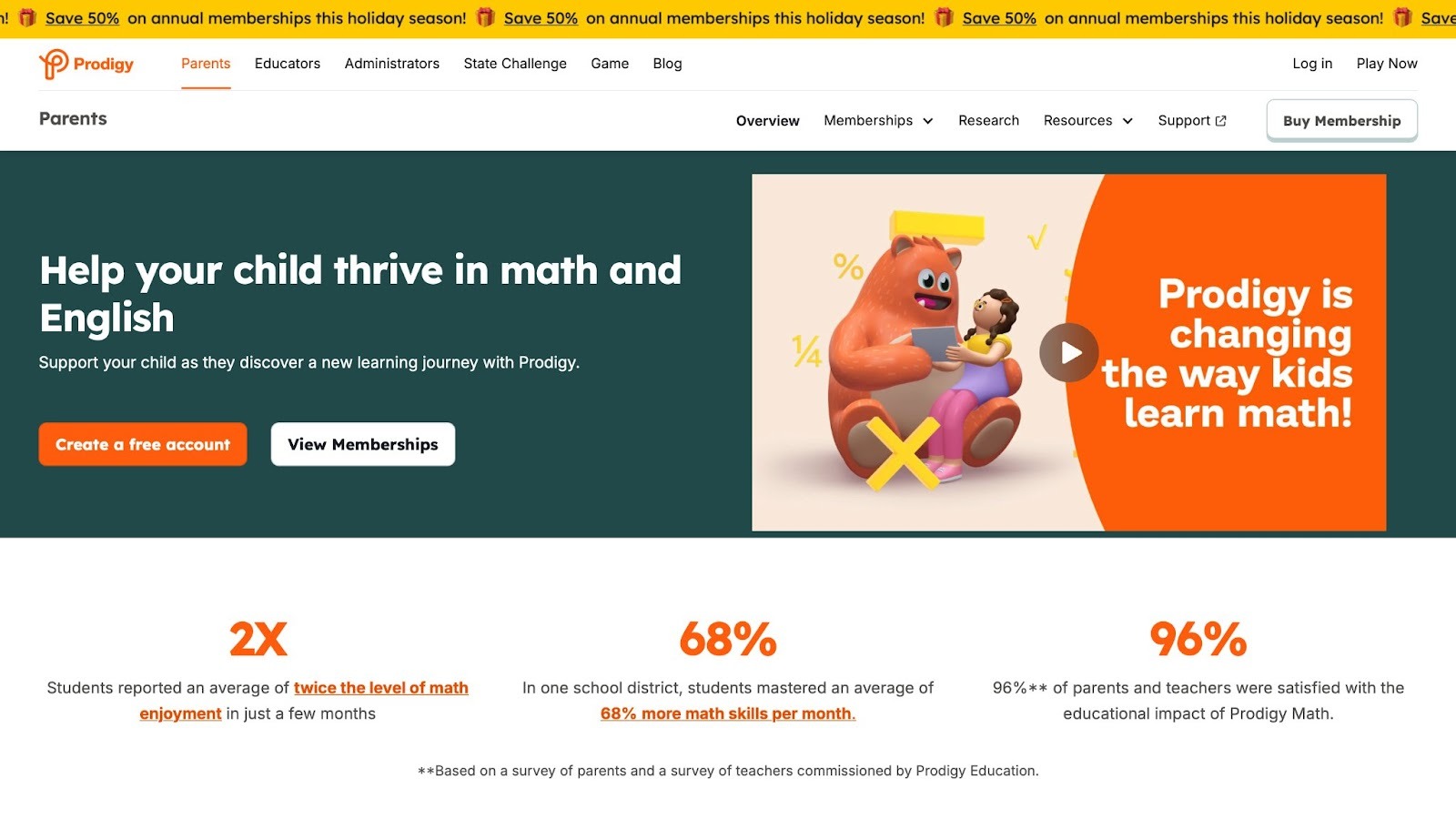
Prodigy Math combines role-play with math tasks for grades one to eight, adapting difficulty to answers. It turns exercises into quests with battles. Strengths highlight engaging stories that hide the work. Weaknesses could involve game parts pulling focus from pure drills. It draws kids who enjoy fantasy. Custom avatars and worlds pull users in, linking to better solving skills. Parents report level jumps from steady use.
- Key features offer custom avatars and worlds for immersion.
- Facts and information link it to improved problem-solving.
9. Epic!
Epic! opens a vast book and video library for reading growth, with quizzes and tracks. It spans fiction to facts. Strengths are in its wide picks that ignite interests. Weaknesses surface in digital reading, which some like less than books. It's a go-to for stories. Offline saves and suggestions make it handy, tying to stronger habits. Families use it for topic dives.
- Key features allow offline downloads and recommendations.
- Facts and information tie it to stronger reading habits.
10. BrainPOP
BrainPOP uses animated clips and quizzes on science, history, and more for elementary kids. It breaks down tough ideas simply. Strengths include clear pictures that help grasp. Weaknesses may be short bursts needing extras. This fits quick learns. Videos pair with games for review, connecting to wider knowledge. Teachers blend it with lessons for buzz.
- Key features combine videos with games for review.
- Facts and information connect it to broader topic knowledge.
11. PBS Kids Games
PBS Kids Games draws from shows like Arthur and Curious George, offering free activities in math, science, and social skills for ages 2 to 8. It keeps young minds busy with character-driven tasks. Strengths shine in its no-cost, trusted content tied to TV for familiarity. Weaknesses might include lighter depth compared to paid options.
Overall, it boosts basics through play, like puzzles and stories that teach empathy. Parents appreciate the safe, ad-free space that aligns with family viewing. This platform turns favorite characters into teachers, helping kids explore emotions and numbers in fun ways. Sessions feel like extensions of episodes, building curiosity without pressure.
- Key features encompass games based on popular shows for interactive learning.
- Facts and information emphasize its role in supporting emotional and academic growth.
12. Funbrain
Funbrain provides free games, videos, and books for pre-K to grade eight, covering math, grammar, and science. It lets kids pick activities by grade. Strengths lie in its open access and mix of fun with facts. Weaknesses could be varying quality across items. This site suits casual practice, with puzzles and reads that entertain. Content includes diary tales and wimpy kid stories for laughs. Teachers use it for breaks that still teach, while homes find it a quick skill boost.
- Key features offer grade-level games and books for targeted play.
- Facts and information show its help in daily concept review.
13. Endless Alphabet
Endless Alphabet helps young kids learn letters and words through interactive puzzles with monsters. It features animations for definitions. Strengths are in its stress-free pace, letting children interact freely. Weaknesses aren't noted, but it focuses narrowly on basics. This app sets reading foundations with fun, like words coming alive. Kids drag letters to form terms, seeing meanings in clips. Parents see vocabulary growth from repeats.
- Key features include puzzle games with animated word meanings.
- Facts and information highlight building early literacy without limits.
14. DragonBox
DragonBox teaches math concepts like algebra and geometry through puzzles and adventures for ages 4 to 8 and up. It uses motivation stages to deepen understanding. Strengths come from making hard ideas feel easy via play. Weaknesses may be specific topic focus. This series sparks curiosity with worlds to unlock. Kids solve to progress, reflecting on learns. Families share the fun, noting confidence in numbers.
- Key features blend exploration and reflection for math mastery.
- Facts and information point to awards for effective learning design.
15. Tynker
Tynker introduces coding from ages 5 to 18, starting with blocks to Python. It aligns with standards for computer science. Strengths include gamified paths that build thinking skills. Weaknesses not listed. This platform lets kids make games and mods, fostering creativity. Lessons break down basics through puzzles, with tests for fit. Parents note independence gains.
- Key features cover block to text coding with projects.
- Facts and information reveal its use in schools for tech prep.
16. Osmo
Osmo mixes physical pieces with iPad games for math, coding, and reading, targeting foundational skills. Headquartered in Freehold, New Jersey, it blends hands-on with digital. Strengths are in tangible play that makes abstract real. Weaknesses could need device setup. This system builds basics through interaction, like drawing or blocks. Kids see actions on screen, learning via trial. Families call it magical for engagement.
- Key features connect real objects to app challenges.
- Facts and information stress hands-on boost to understanding.
17. Kahoot
Kahoot creates quiz games for learning, suiting classroom or home for various ages. Headquartered in Oslo, Norway, it turns reviews into competitions. Strengths in group play that energizes facts recall. Weaknesses might be competitive edge overwhelming some. This tool fits quick checks on subjects, with custom quizzes. Kids join via devices, earning points for right answers. Teachers use it for lively sessions.
- Key features allow creating and playing quizzes with timers.
- Facts and information note its role in making reviews fun.
18. Minecraft Education Edition
Minecraft Education Edition lets students build skills in familiar worlds for school ages. It teaches subjects through projects and challenges. Strengths are motivation from creativity and teamwork. Weaknesses may require guidance for structure. This version offers lessons on AI and science, fostering thinking. Kids collaborate on builds, applying concepts. Educators praise attendance lifts.
- Key features include ready lessons and safe multiplayer.
- Facts and information link it to real-world skill practice.
19. Code.org
Code.org offers free computer science and AI lessons for K-12, with hands-on activities. It builds fluency in tech. Strengths in accessible tools for all levels. Weaknesses not mentioned. This site prepares kids for digital futures through models and ethics. Students train AI or code games, gaining logic. Teachers integrate it across classes.
- Key features encompass AI explorations and coding paths.
- Facts and information emphasize ethical tech understanding.
20. Adventure Academy
Adventure Academy is an MMO for ages 8 to 13, covering language, math, science, and social studies in a virtual world. Strengths in immersive quests that blend game with lessons. Weaknesses could be social features needing oversight. This platform lets kids customize avatars and explore zones, unlocking outfits. Content includes word problems and ecosystems via adventures. Parents see engagement in core skills.
- Key features offer quests, home decor, and friend chats.
- Facts and information highlight rounded subject coverage.
Trends Shaping Kids Games in 2026
Games now mix virtual reality with real-world tasks, like scanning objects for lessons. This keeps play active and tied to daily life. Adaptive tech personalizes challenges, helping kids at any level. Focus on wellness grows, with built-in breaks and mood checks. Parents get more controls for safe, balanced use.
Tips for Safe and Effective Game Time
- Set time limits to mix with outdoor play.
- Watch sessions to discuss what kids learn.
- Choose games that fit family values, like those promoting kindness.
- Update devices for smooth runs.
- Talk about online safety early.
How Games Build Lifelong Skills
Beyond basics, games teach patience and teamwork. Kids learn to handle setbacks in a low-stakes way. Creative modes let them build worlds, fostering innovation. Some tie to real careers, like coding or design. This prepares them for future challenges.
FAQ
What makes a game educational yet fun for kids?
Games become educational and fun when they weave lessons into stories or challenges that feel like play. Elements like rewards for progress and choices that lead to outcomes keep kids motivated to try again. This balance helps build skills in a way that matches their natural curiosity, turning sessions into joyful discoveries.
How do I pick age-appropriate educational games?
Start by checking the recommended age range to ensure the content suits a child's development stage. Focus on games that offer adjustable difficulty so they can advance at their own pace. Features in educational games for kids often include safe, ad-free spaces that align with family needs.
Can educational games replace school learning?
Educational games serve as strong supplements by practicing concepts in interactive ways, but they pair best with traditional teaching methods. They reinforce topics like math or reading through repetition and feedback. This combination creates a fuller understanding when used alongside classroom experiences.
What role do parents play in kids game time?
Parents guide the selection of games to match values and monitor play to encourage balance with other activities. Joining in sessions opens chances for talks about what kids learn or feel during play. This involvement strengthens bonds and helps spot growth in areas like focus or creativity.
How do educational games foster creativity in children?
Educational games spark creativity by letting kids design, build, or tell stories within safe worlds. Tools for customization, like drawing or inventing characters, encourage original ideas. This hands-on approach builds confidence in expressing thoughts, linking play to real-world innovation.
Read Also:
- Best Educational Games For Kids iPad In 2026
- Best Kids Games Educational in 2026
- Educational Games For Kids iPad In 2026
- Best Apps For Kids Learning In 2026
- Best Learning Apps For Kids 8 Years Old In 2026
Discover the Best Educational But Fun Games For Kids in 2026 - TutoClub