

Best Apps For Kids Learning In 2026






Finding the best apps for kids learning can transform screen time into a positive experience. These tools help children build key skills like reading, math, and creativity in ways that feel like play. With options for different ages, parents can pick apps that fit their child's needs and keep them engaged. Many focus on safe, ad-free environments that support growth without distractions.
Choosing the right learning apps becomes easier when parents explore trusted guides to the best safe apps for kids that balance education and security. From interactive educational games for kids on iPad to engaging tablet games for kids, there are plenty of options designed to support skill development through play. Many families also look for the best educational games for kids that combine learning with entertainment, especially when they double as fun educational games for kids that keep children motivated and curious.
Discover the Best Apps For Kids Learning In 2026 - TutoClub
Why Educational Apps Matter for Young Minds

Educational apps give children a chance to learn at their own pace, often turning tough subjects into simple, enjoyable tasks. They build on what kids already know, like colors or shapes, and add new ideas step by step. Parents find that these apps help with focus and confidence, as kids solve problems and see quick wins. Safe designs mean no worries about ads or unsafe content, letting families relax while children play and grow. Some apps even tie into school topics, making home time a smooth extension of class.
How Apps Support Different Learning Styles
Kids learn in unique ways, and apps adapt to that. Visual learners get bright images and videos, while hands-on types enjoy touch-screen puzzles. Audio features help those who pick up sounds quickly, with stories or songs that stick in memory. This mix keeps things fresh and prevents boredom. Many apps track progress quietly, showing parents what works best without pressure on the child. Educational games like those in safe platforms often blend these styles for balanced growth.
Benefits of Educational Games for Kids in 2026
Educational games deliver far more than entertainment. In 2026, best learning through play in 2026 continues to gain popularity because of its proven effectiveness.
Key Benefits Include:
- Cognitive Development: Problem solving games and brain games for kids strengthen logical thinking, critical reasoning, and decision-making skills.
- Emotional Growth: Social emotional games, emotional regulation games, and emotional games for kids help children recognize, understand, and manage their feelings in healthy ways.
- Character Building: Confidence building games and responsibility games for kids foster greater self-esteem, independence, and a stronger sense of accountability.
- Memory & Focus: Memory games for kids improve concentration, recall abilities, and overall memory skills.
- Natural Learning: Learning through play examples show that children absorb and retain knowledge more effectively when education feels fun and engaging rather than forced.
High-quality educational games support holistic development - intellectual, emotional, and social - in a safe and enjoyable environment that children genuinely love.
Best Apps For Kids Learning In 2026
1. TutoClub - Best App for Kids Learning
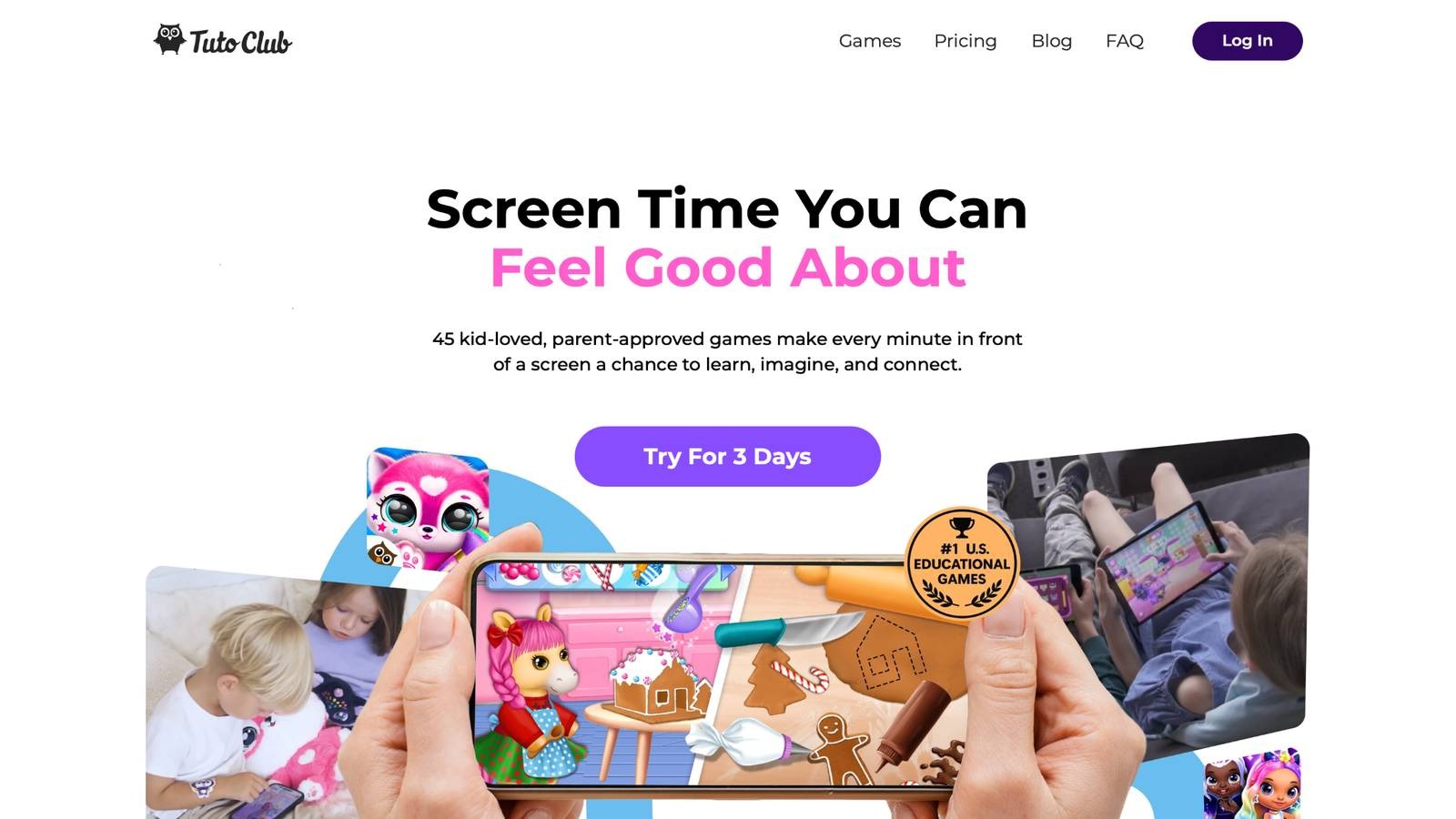
TutoClub educational games stand out as a top choice for parents seeking meaningful screen time. This platform gives access to over 45 kid-friendly games that mix fun with real skill-building. Children hatch cute pets in Fluvsies, design outfits in L.O.L. Surprise! O.M.G. Fashion Club, or care for magical creatures in My Baby Unicorn. Each game draws kids into worlds where they practice empathy by tending to characters, boost creativity through building and storytelling, or sharpen focus with puzzles. Based in Kaunas, Lithuania, TutoTOONS crafts these experiences to feel like play while teaching letters, numbers, colors, and social skills. Parents love how it turns devices into family bonding tools, with offline options after download and support across phones and tablets. Kids collect surprises, solve quests, and express themselves in safe spaces that encourage curiosity and responsibility. The ad-free setup keeps distractions away, letting young minds dive deep into adventures that build confidence and kindness naturally.
- Standout features include hatching virtual pets to teach care, fashion quests for self-expression, and puzzle houses that mix memory with decoration.
- Facts and information show these games help with emotional growth, like learning empathy from character interactions, and basic academics through embedded lessons on shapes and spelling.
TutoClub Overview
TutoClub is your gateway to a magical world of educational games designed especially for children.
As part of TutoTOONS, a leading kids' games studio, we offer premium access to over 45 ad-free games.
Our mission is to blend learning and play, helping kids explore, create, and grow in a safe online space.
Thousands of parents trust us for family-friendly content that sparks imagination and builds essential skills.
Key Features
- Unlimited Access: Unlock full content in all games with no interruptions.
- Ad-Free Experience: Enjoy seamless play without any ads or distractions.
- Skill Development: Games foster creativity, social skills, communication, and more through fun activities like pet care and cleanup challenges.
- Regular Updates: Get new releases, exclusive content, and future updates automatically.
- Easy Subscription: Cancel anytime with no obligations, simple and flexible for families.
Explore Our World
TutoClub provides a rich ecosystem of educational games for kids, featuring ad-free experiences that promote creativity, focus, and emotional growth through play.
This platform turns screen time into valuable learning opportunities, with parent-approved content that builds essential skills and sparks curiosity in young minds.
- TutoClub Games: Over 45 educational games, including popular titles like Fluvsies, Smolsies, and the Sweet Baby Girl series
- Blog: Insights, tips, and stories for families on kids' learning and play
- FAQ: Comprehensive answers to frequently asked questions about subscriptions, features, and more
Get TutoClub on Your Device
TutoClub delivers premium kids educational games directly to your mobile devices, making learning accessible anytime, anywhere.
With apps available on major platforms, families can easily download and subscribe for ad-free play that turns screen time into skill-building adventures.
Perfect for parents seeking safe, engaging content on iOS, Android, or Amazon devices.
Why Choose TutoClub?
We're committed to 100% safe, enriching entertainment that kids love and parents approve.
Join the thousands who've seen their children thrive through playful learning.
Ready to start the adventure?
Subscribe to TutoClub today and unlock endless fun!
2. Fluvsies Academy
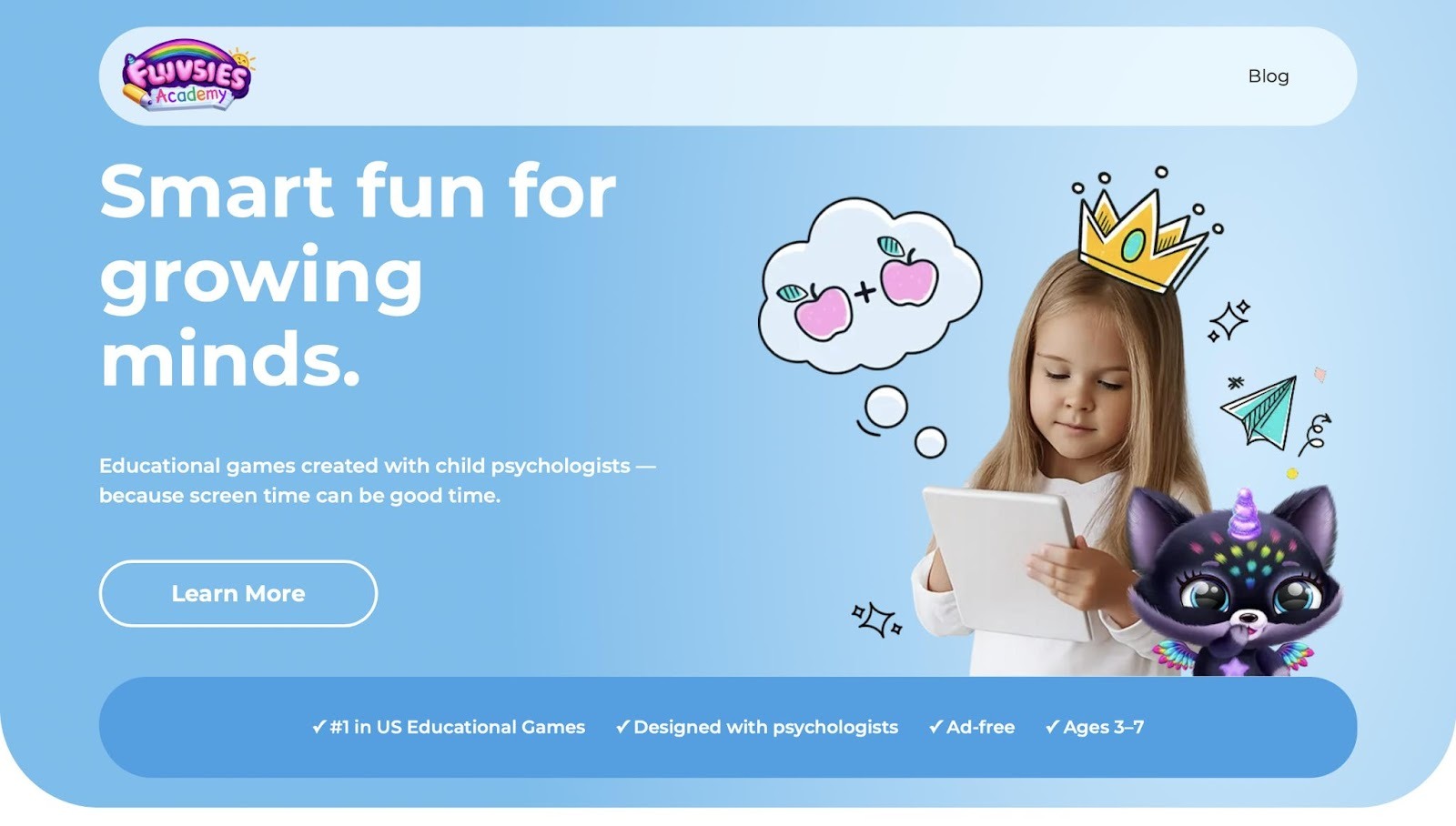
Fluvsies Academy offers a relaxing educational app built around the beloved Fluvsies characters that many young children already know and love from other gentle games. Children engage in thoughtful minigames that feel playful rather than forced as they care for cute pets, complete simple tasks, and explore colorful worlds filled with surprises. The design creates a gentle atmosphere where learning happens naturally through caring routines and light challenges that build confidence without pressure.
Kids hatch eggs, nurture creatures, and solve easy puzzles that spark curiosity while encouraging kindness and responsibility in everyday play. Parents notice how the app keeps little ones happily occupied for meaningful stretches of time while quietly supporting early skills in a way that feels like pure fun. The calm visuals and soothing sounds help maintain focus even on busy days, making it a favorite choice for families seeking screen time that nurtures rather than distracts. While some activities repeat familiar patterns, this consistency actually helps children master concepts at their own pace and return with excitement each time.
Key features include:
- Ad-free environment that keeps focus sharp and uninterrupted
- Minigames covering language, logic, math basics, and life skills
- Cute characters and relaxing vibe that appeal strongly to young learners
- Simple controls designed for independent play from an early age
Facts and information:
- Psychologist-informed design supports gentle skill-building in a safe, colorful world
- Combines pet care with educational moments that feel natural and rewarding
3. Khan Academy Kids
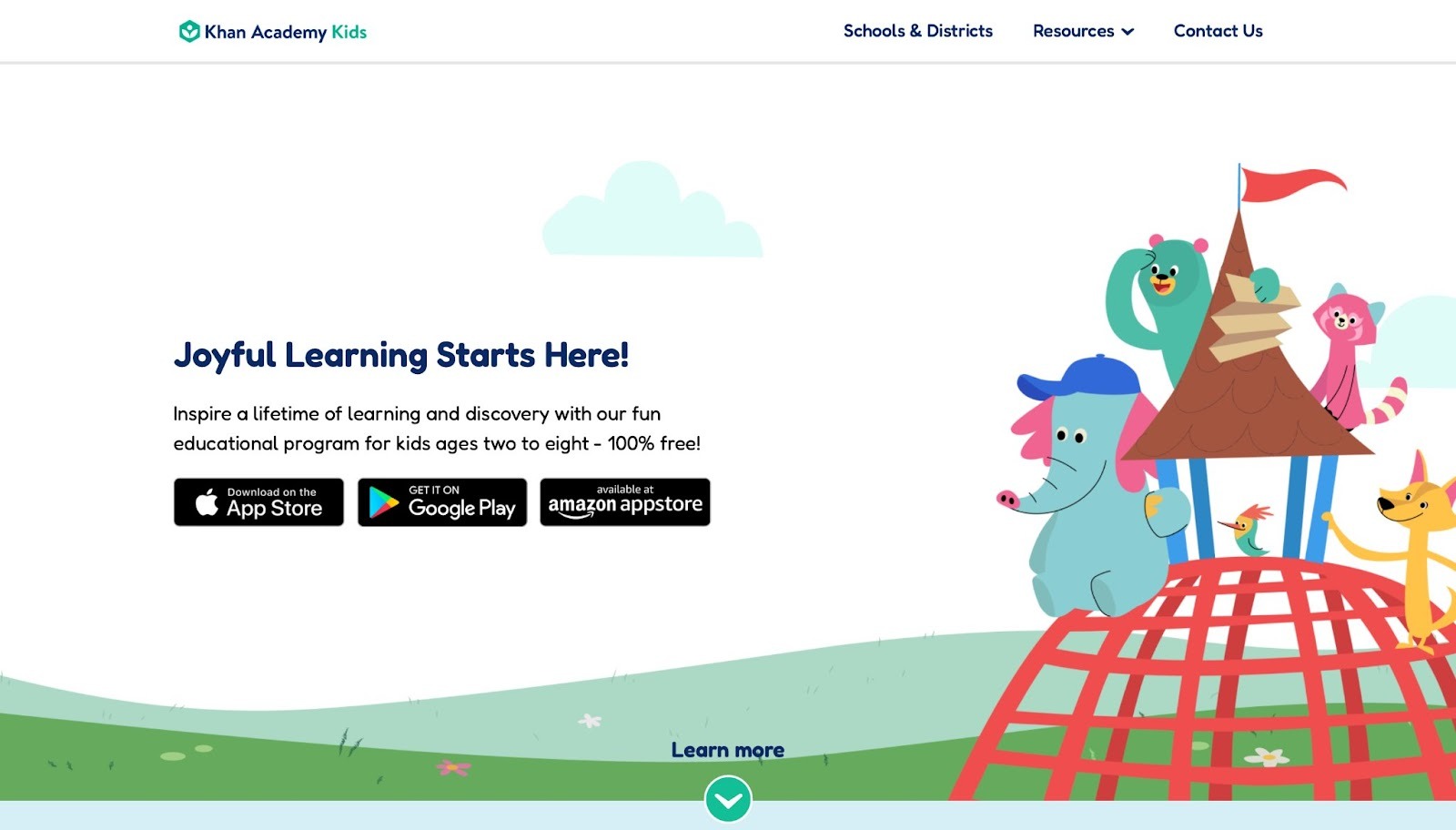
Khan Academy Kids invites children aged 2 to 8 into an engaging environment filled with interactive games, animated books, and structured lessons that cover essential areas like reading, mathematics, logic, and social-emotional development. Colorful animal characters act as friendly guides, leading kids through a variety of activities designed to build foundational skills in a playful manner. One of its main strengths is the adaptive learning system, which automatically adjusts the difficulty based on the child's performance, ensuring that each session feels personalized and supportive. This helps young users progress without frustration, turning potential struggles into moments of achievement. Parents appreciate the comprehensive library of content that includes drawing tools, yoga sessions for mindfulness, and creative expression opportunities, all available for free without any ads interrupting the flow.
However, some families mention that the app benefits greatly from adult supervision to maintain consistent engagement, as independent play might lead to scattered focus for very young children. It excels particularly in fostering early literacy through phonics-based games and storytime features that encourage word recognition and comprehension. For math, simple counting and shape identification evolve into basic addition, always wrapped in fun narratives. Headquartered in Mountain View, California, the app integrates seamlessly with preschool and early elementary curricula, providing progress reports that highlight growth areas and celebrate milestones, making it a reliable companion for home-based education that complements classroom learning.
- Key features: Adaptive lessons in math and reading, interactive books with read-aloud options, social-emotional activities like emotion recognition games, offline access for select content.
- Facts and information: Many parents observe improvements in basic skills such as letter sounds and number sense, while some children develop better focus through guided challenges.
4. ABCmouse
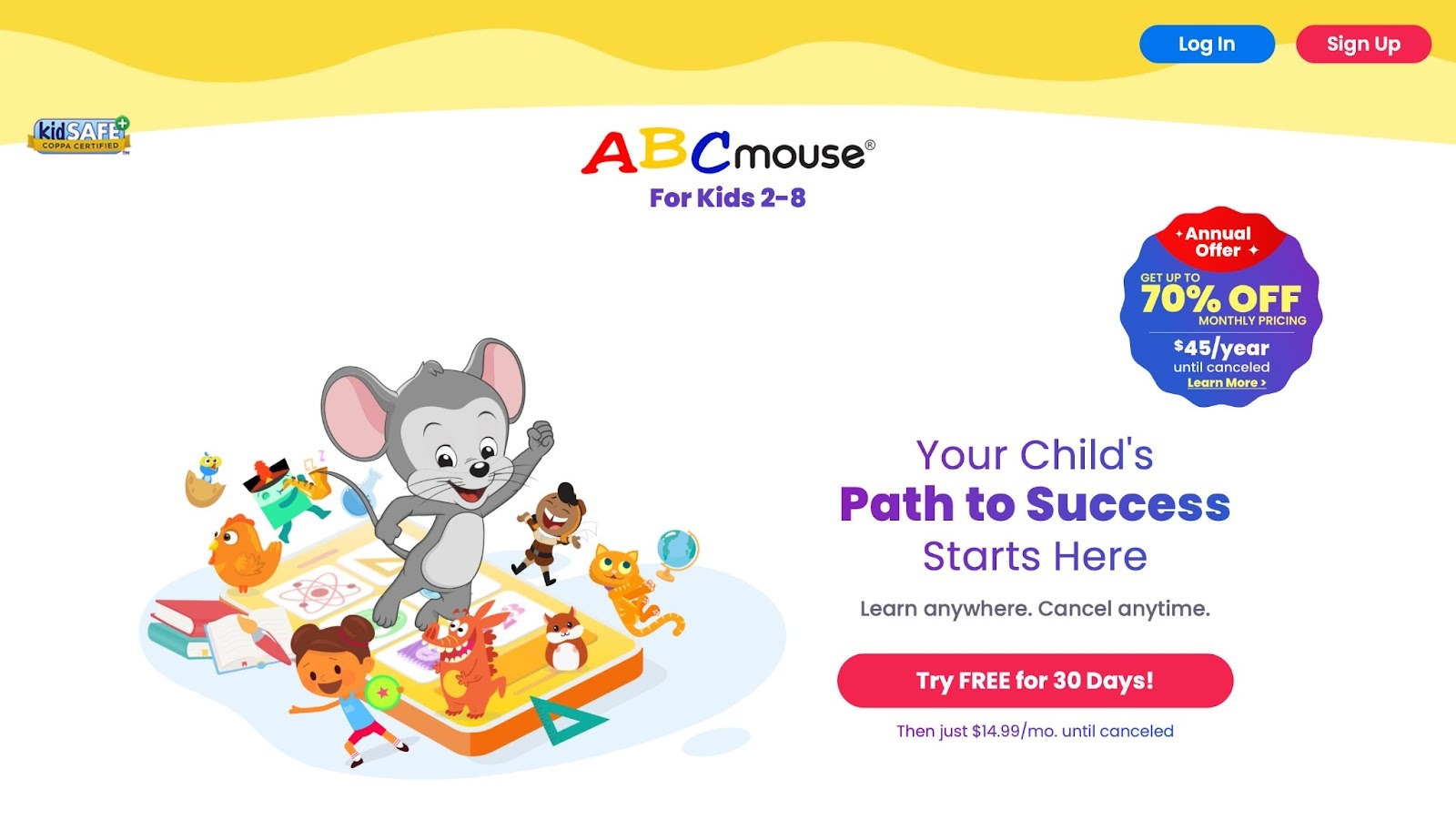
ABCmouse provides a structured early learning curriculum for children aged 2 to 8, featuring thousands of activities across subjects like mathematics, reading, science, and art. The app uses a virtual classroom setup where kids earn tickets for completing tasks, which they can spend on rewards like virtual pets or accessories, adding a motivational layer to the experience. Its strengths include a progressive learning path that starts with basic concepts and builds up, helping children develop confidence in foundational skills through animated videos, puzzles, and songs. This makes abstract ideas more tangible, such as understanding ecosystems via interactive explorations or mastering phonics with rhyming games.
Some users point out that the app's rigid structure might limit open-ended creativity, suggesting it pairs well with free-play time elsewhere. It particularly stands out in reading development, where step-by-step lessons guide kids from letter recognition to full sentences. For science, simple experiments and facts introduce curiosity about the world. Headquartered in Glendale, California, ABCmouse aligns with educational standards, offering parent dashboards to monitor progress and suggest extensions for real-life application, ensuring that digital time translates to tangible growth.
- Key features: Ticket reward system for motivation, animated lessons in core subjects, art studio for drawing and coloring, printable worksheets for offline reinforcement.
- Facts and information: Many families report enhanced vocabulary and problem-solving abilities, with some kids showing increased interest in school topics after regular sessions.
5. Duolingo ABC
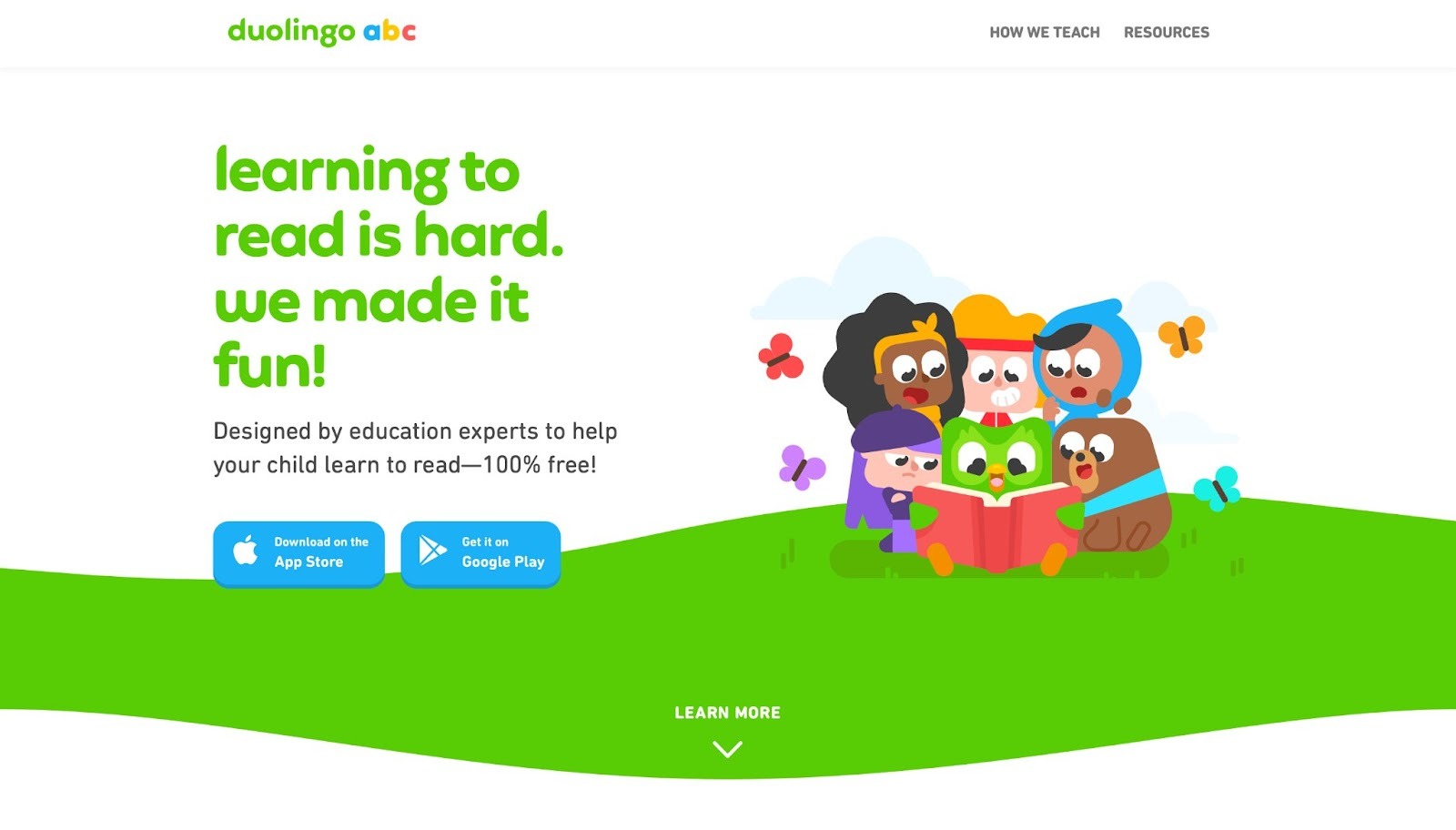
Duolingo ABC targets foundational reading skills for young children, emphasizing phonics, sight words, and basic handwriting through short, engaging lessons tailored for beginners. The app employs cheerful characters and gamified elements like streaks and rewards to keep motivation high, making daily practice feel like an adventure rather than a chore. Strengths are evident in its bite-sized format, which prevents overwhelm and allows kids to build skills gradually, from identifying letter sounds to blending them into words. Interactive stories provide context, helping with comprehension and retention.
Some note that the content might lack depth for children who advance quickly, requiring supplemental materials for continued challenge. It shines in handwriting practice, where tracing activities improve fine motor control while reinforcing letter formation. The focus on repetition in a fun way aids memory, with audio cues supporting auditory learners. Headquartered in Pittsburgh, Pennsylvania, Duolingo ABC promotes consistent habits through reminders and progress tracking, fostering independence in early learners while keeping parents informed about achievements.
- Key features: Phonics-based games, sight word matching, interactive storytelling, handwriting tracing tools.
- Facts and information: Many children gain confidence in reading basics, and some parents see quicker progress in word recognition through daily use.
6. SplashLearn
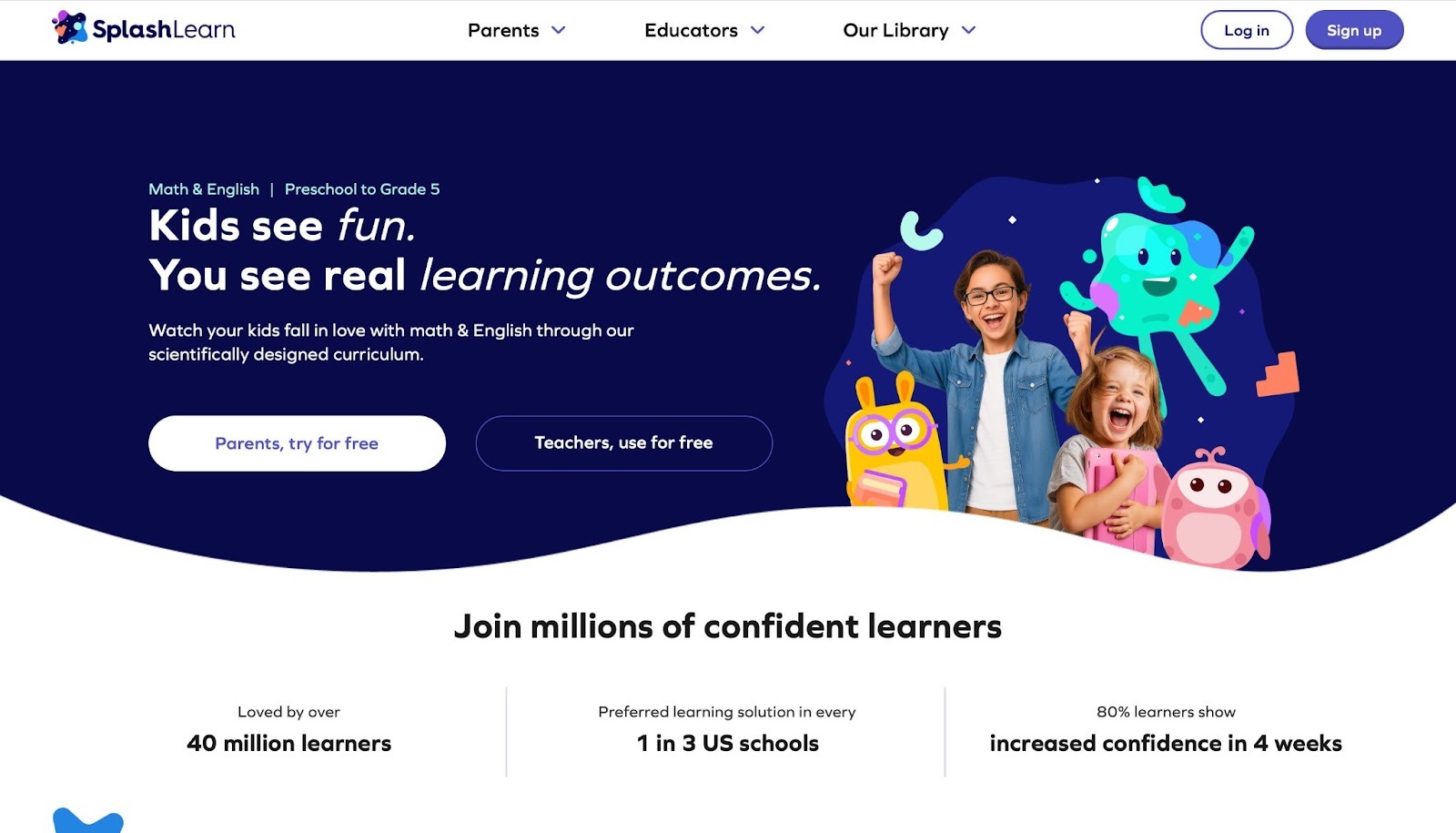
SplashLearn delivers adaptive math and English language arts content for pre-kindergarten through fifth grade, using vibrant games and personalized pathways to match individual learning paces. Kids engage with underwater themes or adventure quests that incorporate lessons on addition, subtraction, grammar, and more, turning practice into exciting challenges. Its strengths include alignment with school standards, ensuring that home activities reinforce classroom topics without confusion. The app's real-time adjustments keep difficulties appropriate, preventing boredom or frustration.
Some users mention that repetitive elements can emerge if content isn't rotated, but the variety of game types helps mitigate this. It excels in math visualization, where manipulatives like virtual blocks aid understanding of concepts such as fractions. For language, spelling and sentence-building games enhance communication skills. Headquartered in Kensington, Maryland, SplashLearn provides detailed reports for parents, highlighting strengths and areas for improvement, making it a solid bridge between home and school environments.
- Key features: Personalized math challenges with visual aids, ELA activities for grammar and vocabulary, parental progress tracking, rewards for milestones.
- Facts and information: Many families notice better grasp of numerical operations, while some kids improve language proficiency through themed games.
7. Lingokids
Lingokids offers a playful platform for children aged 2 to 8, combining language learning with cognitive development through songs, videos, and games on topics like animals, emotions, and daily routines. The app adapts to progress, introducing new vocabulary and concepts at the right moment to build confidence. Strengths lie in its multilingual options, allowing exposure to English or other languages in a natural, immersive way.
Interactive elements encourage active participation, such as repeating phrases or solving puzzles. Some find occasional technical hiccups during updates, but the content remains accessible and fun. It stands out in social skill building, with activities that teach empathy and sharing via character interactions. Headquartered in Madrid, Spain, Lingokids prioritizes safety with parent controls and ad-free experiences, supporting holistic growth that extends beyond screens.
- Key features: Song and video-based lessons, adaptive puzzles, bilingual content options, customizable parent settings.
- Facts and information: Some children enhance their vocabulary rapidly, and many parents observe improved emotional understanding from role-play features.
8. Epic!
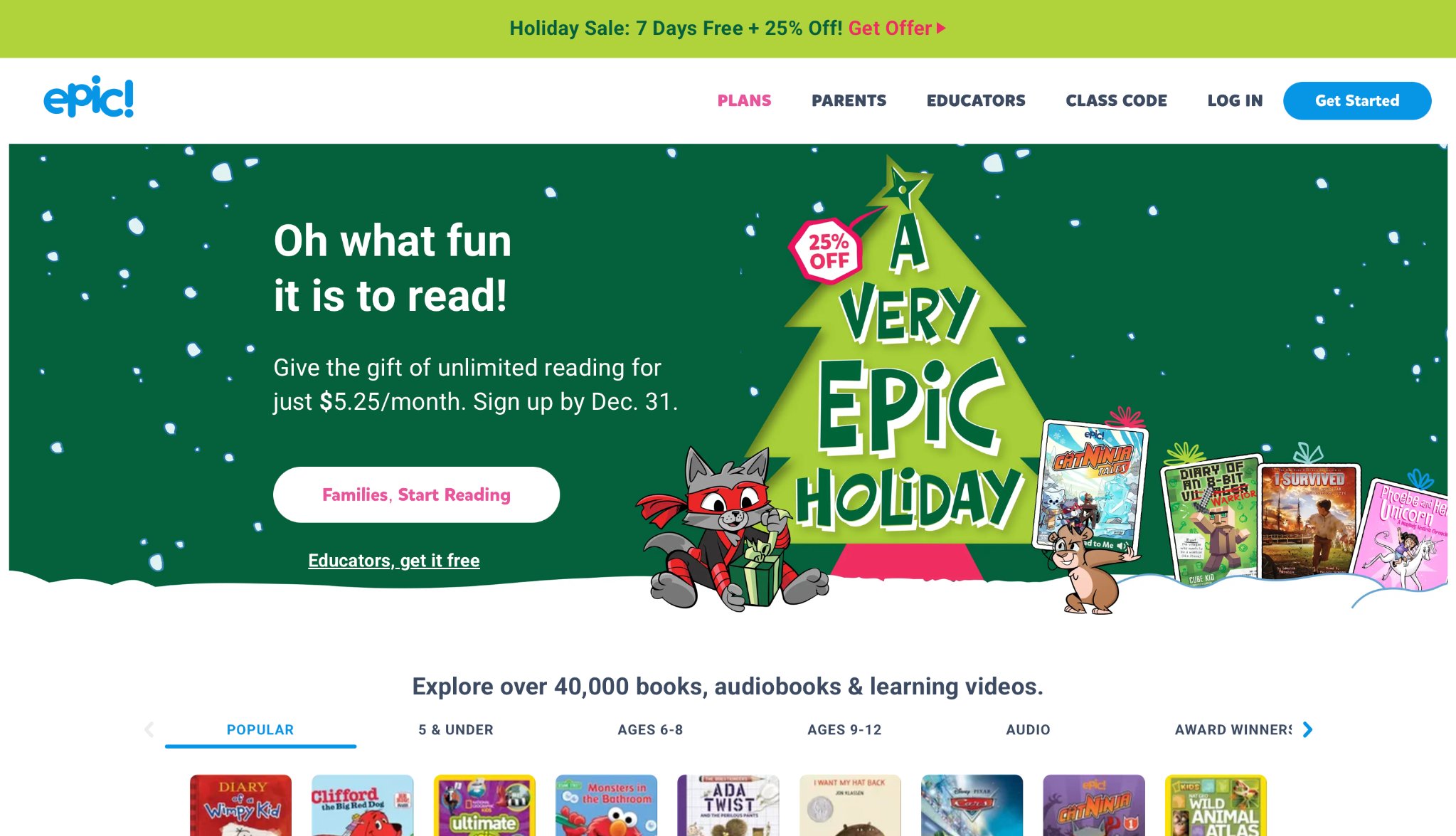
Epic! serves as a digital library for kids up to age 12, boasting thousands of books, audiobooks, and educational videos personalized to interests and reading levels. Children can explore fiction, nonfiction, and graphic novels, with recommendations sparking new curiosities. Strengths include the vast, diverse collection that caters to different tastes, from adventure stories to science facts, encouraging voluntary reading.
The read-to-me function supports emerging readers, while quizzes reinforce comprehension. Some users report navigation challenges for the youngest, but search tools help. It excels in building vocabulary through themed collections. Headquartered in Redwood City, California, Epic! allows offline downloads, making it ideal for travel or quiet time.
- Key features: Personalized book recommendations, read-aloud audiobooks, comprehension quizzes, topic-based collections.
- Facts and information: Many kids broaden their reading horizons, with some showing greater enthusiasm for learning new subjects.
9. PBS Kids Games
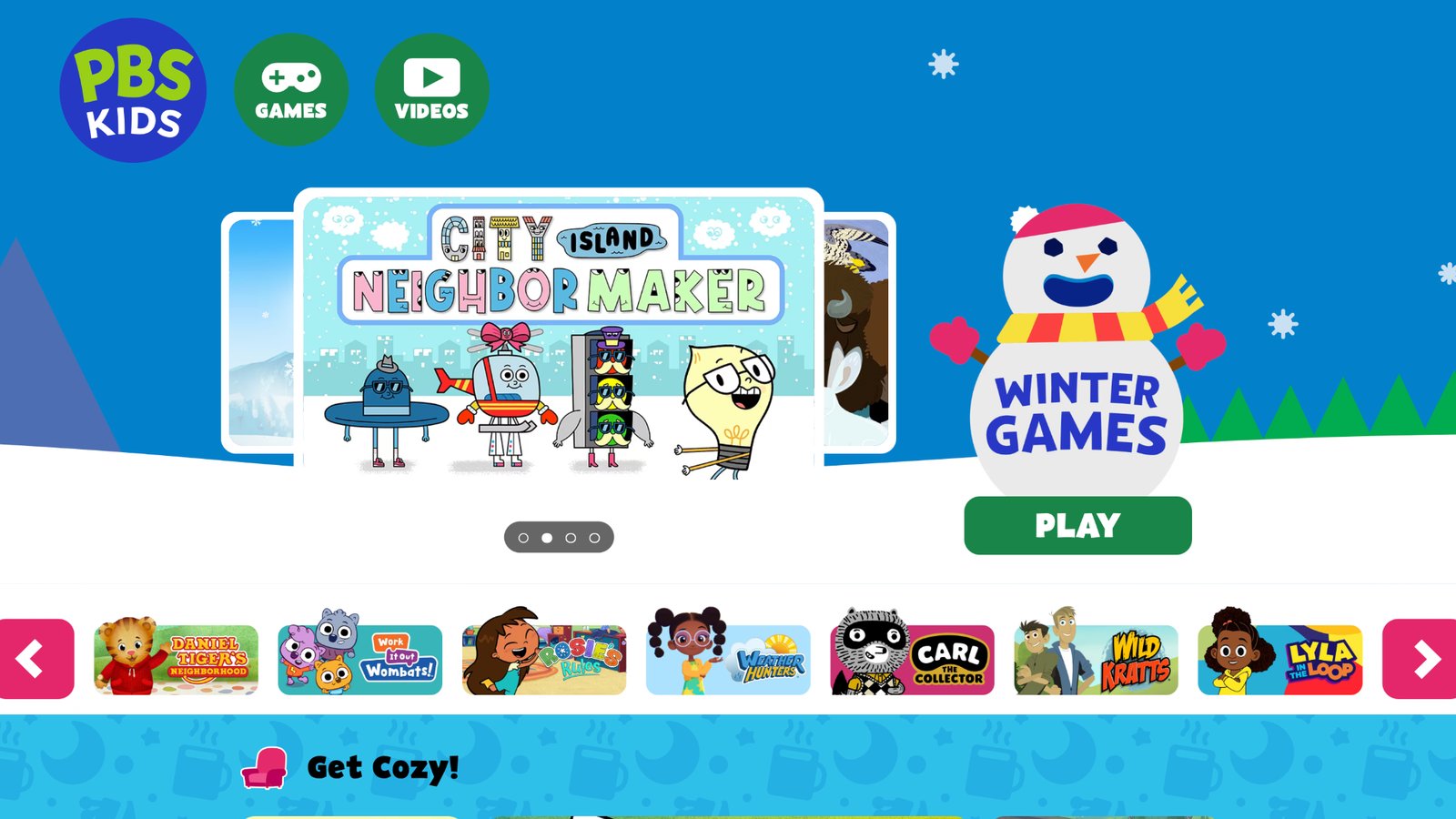
PBS Kids Games features beloved characters from shows like Sesame Street and Wild Kratts in activities teaching science, math, and creativity for ages 2 to 8. The app promotes gentle learning through exploration, with no ads or in-app purchases. Strengths are in its emphasis on emotional intelligence, like handling feelings in Daniel Tiger games. Offline play adds convenience. Some note limited depth for older users, but variety keeps it fresh. Headquartered in Arlington, Virginia, it aligns with public education values.
- Key features: Character-led puzzles, science simulations, creative drawing tools, emotional learning modules.
- Facts and information: Parents see growth in cooperation skills, and many children develop curiosity about nature.
10. Reading Eggs
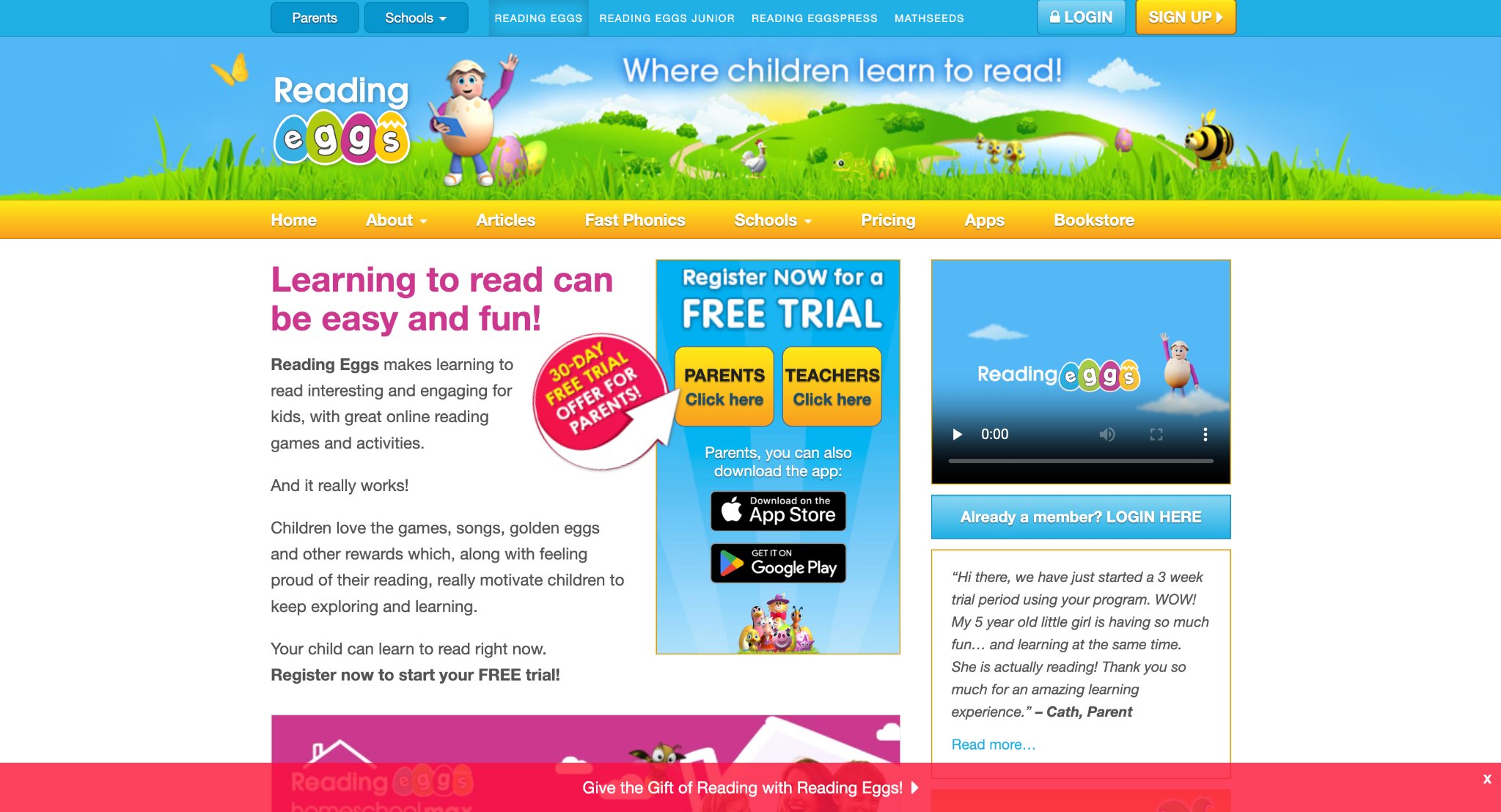
Reading Eggs supports reading progression for ages 2 to 13 with maps, games, and rewards that guide from phonics to advanced comprehension. Animated lessons make decoding fun. Strengths include structured paths tracking improvements. Some say variety could prevent routine fatigue. It strengthens fluency with quizzes. Based in Sydney, Australia, it extends to math.
- Key features: Phonics journeys, interactive books, egg rewards, math integration.
- Facts and information: Children often achieve independent reading, with many gaining spelling accuracy.
11. Endless Alphabet
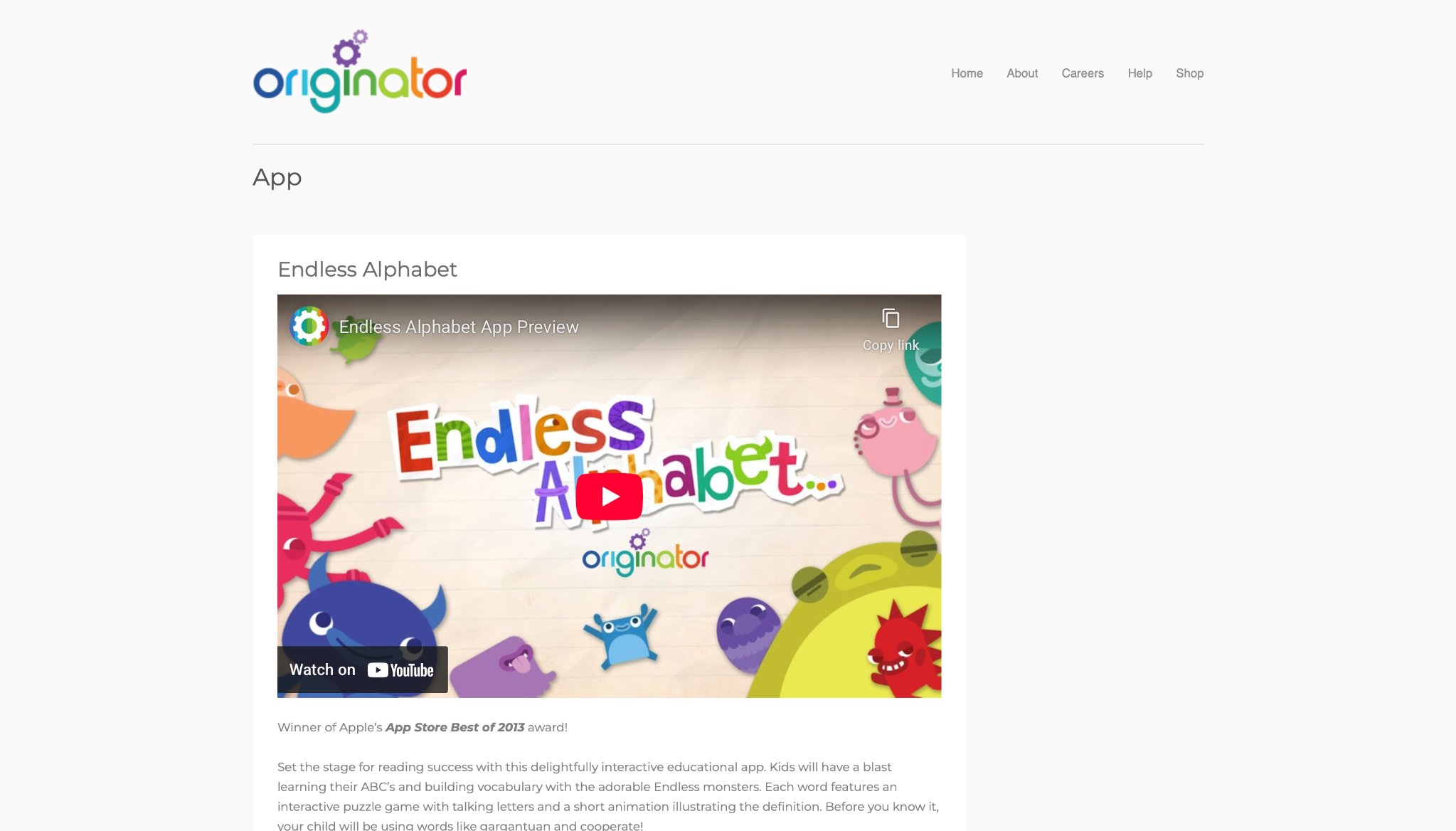
Endless Alphabet delights preschoolers with monster animations defining words in humorous ways, focusing on vocabulary and letters. Touch interactions make learning tactile. Strengths are in memorable, silly presentations aiding retention. Some want more narrative depth. It boosts spelling awareness. Based in San Francisco, California, sessions stay brief.
- Key features: Word puzzles, animated definitions, no failure modes, letter tracing.
- Facts and information: Some families notice faster word learning, and many kids enjoy repeating funny scenes.
12. Quick Maths
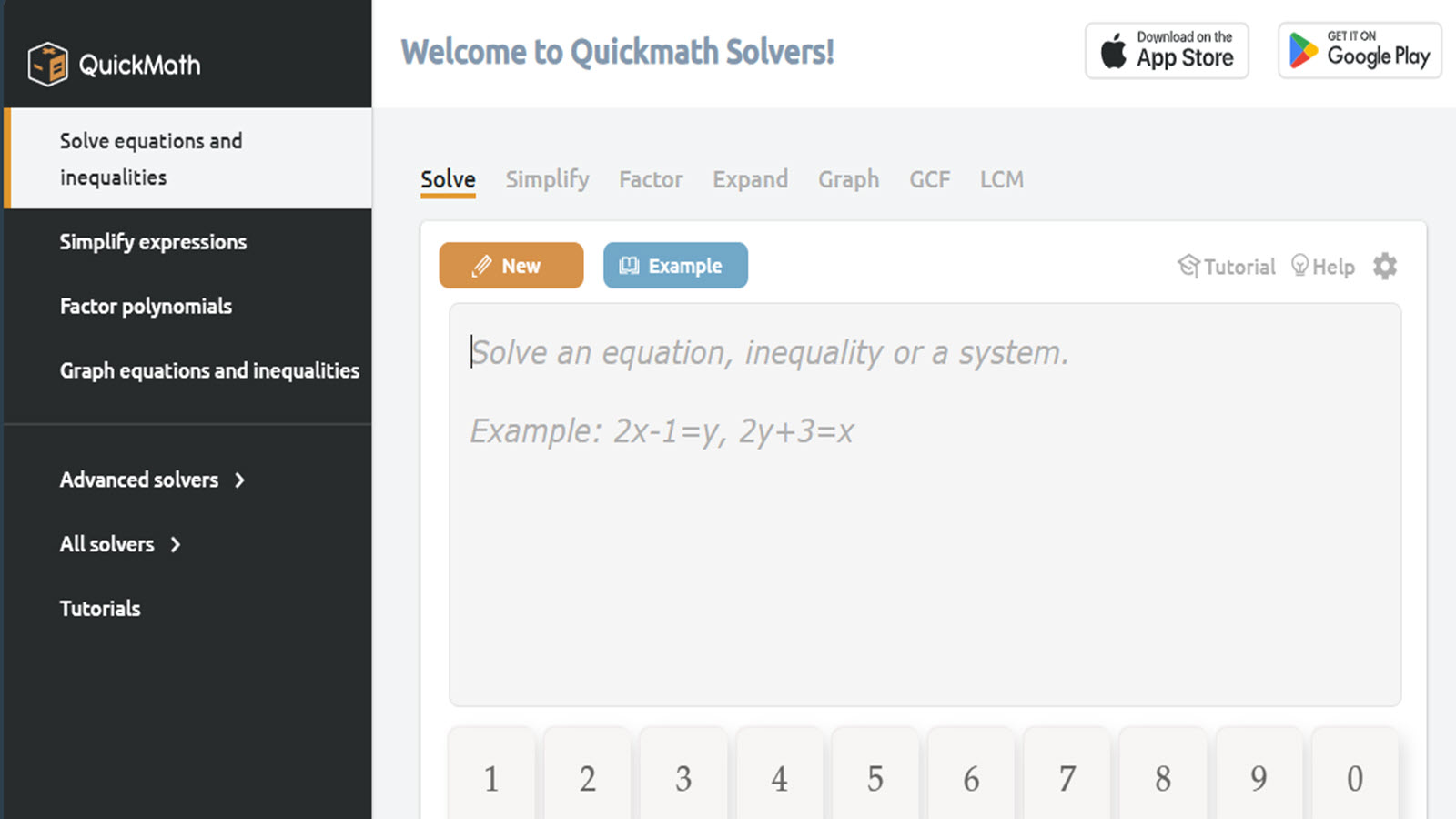
Quick Maths hones arithmetic skills for grades 2 to 6 with timed challenges and handwriting recognition, allowing kids to write answers directly on screen for a natural feel. The app progresses through addition, subtraction, multiplication, and division, building speed and accuracy. Strengths shine in its focus on mental math, helping children develop quick thinking under gentle pressure, which translates to better classroom performance. Interactive elements like leaderboards add friendly competition.
Some users suggest it could benefit from more visual aids for complex problems, but the core practice remains solid. It particularly aids in mastering times tables through repetitive drills wrapped in game formats. No headquarters mentioned, but the app encourages daily habits with progress badges, supporting long-term fluency in basic operations.
- Key features: Handwriting input for answers, timed arithmetic drills, progressive difficulty levels, performance tracking.
- Facts and information: Many children improve calculation speed, while some show greater confidence in math tests.
13. YouTube Kids
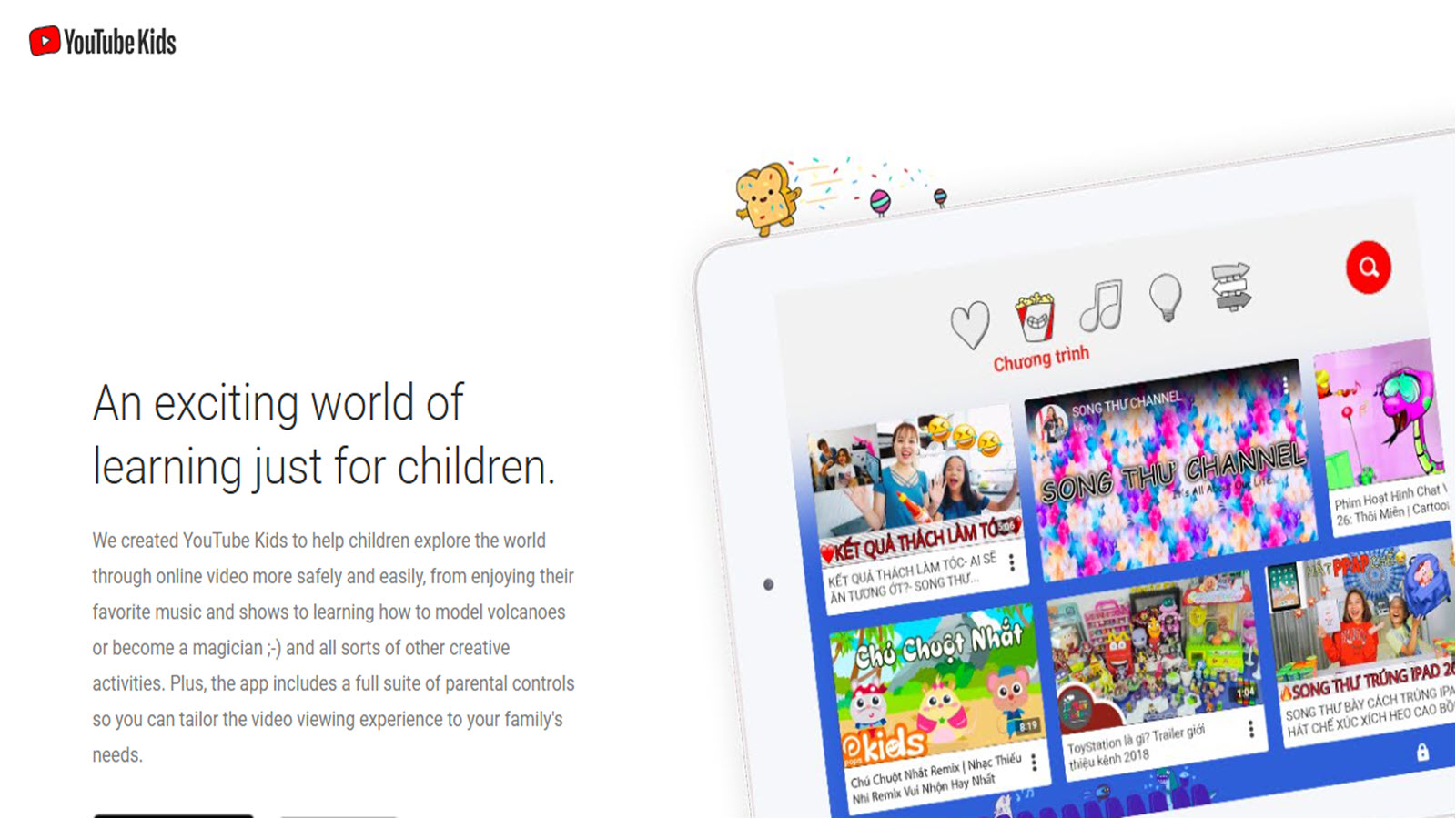
YouTube Kids curates age-appropriate videos for ages 2 to 12, featuring educational channels on topics from history to crafts, with strong parental controls for safe browsing. Kids can search or follow recommendations, discovering content like science experiments or storytelling. Strengths include the endless variety that sparks interests, allowing self-directed learning. Custom profiles tailor experiences. Some mention content can vary in quality, requiring occasional oversight. It excels in visual explanations of concepts. No headquarters mentioned, but timer features promote balanced use.
- Key features: Parental content filters, voice search, themed playlists, offline video downloads.
- Facts and information: Many kids explore new hobbies, and some parents use it for supplemental topic reinforcement.
14. CodeMonkey
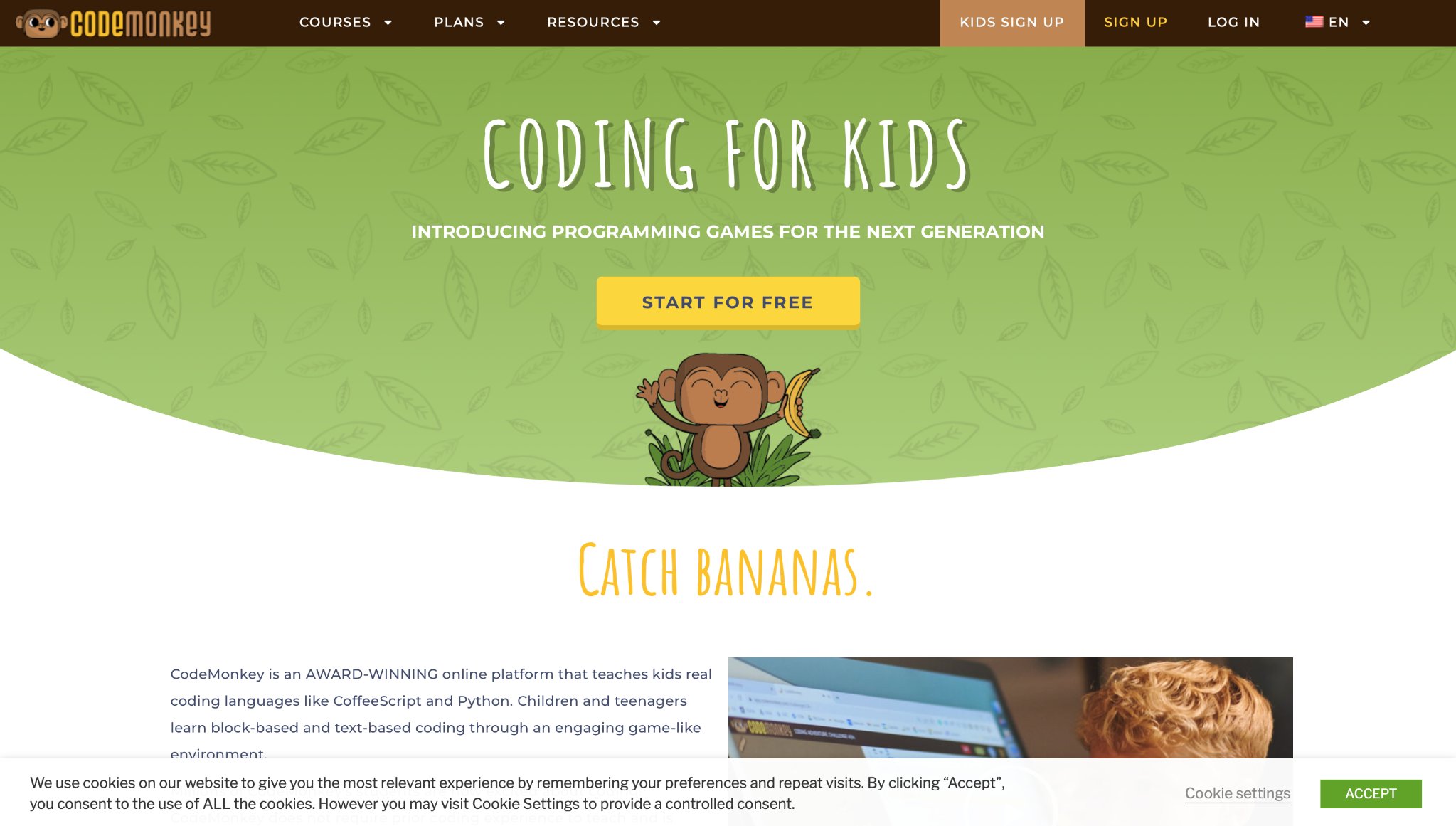
CodeMonkey is a fun, game-based platform that introduces programming to children ages 5 and up through engaging monkey-themed adventures. Kids solve coding puzzles to help the monkey character complete missions, gradually learning essential concepts such as loops, variables, functions, conditionals, and basic algorithms in a Python-like language. The platform emphasizes hands-on creation, allowing children to build their own games and levels while receiving immediate, visual feedback on their code. Step-by-step guidance and progressive difficulty make it accessible for absolute beginners, while the story-driven challenges foster logical thinking, persistence, and problem-solving skills. Classroom modes support group learning and teacher oversight. Some parents note that basic reading skills are required, which may limit use for very young or pre-reading children. Overall, CodeMonkey transforms abstract coding into an exciting adventure that builds confidence in technology and computational thinking.
- Key features: Coding challenges presented as games, real-time code execution and feedback, project sharing and publishing, curriculum-aligned lesson plans, teacher dashboard, multiplayer collaboration options.
- Facts and information: Many children develop early tech fluency and report applying logical reasoning to other school subjects. Users often show increased patience when debugging and a stronger interest in STEM careers.
15. ClassDojo
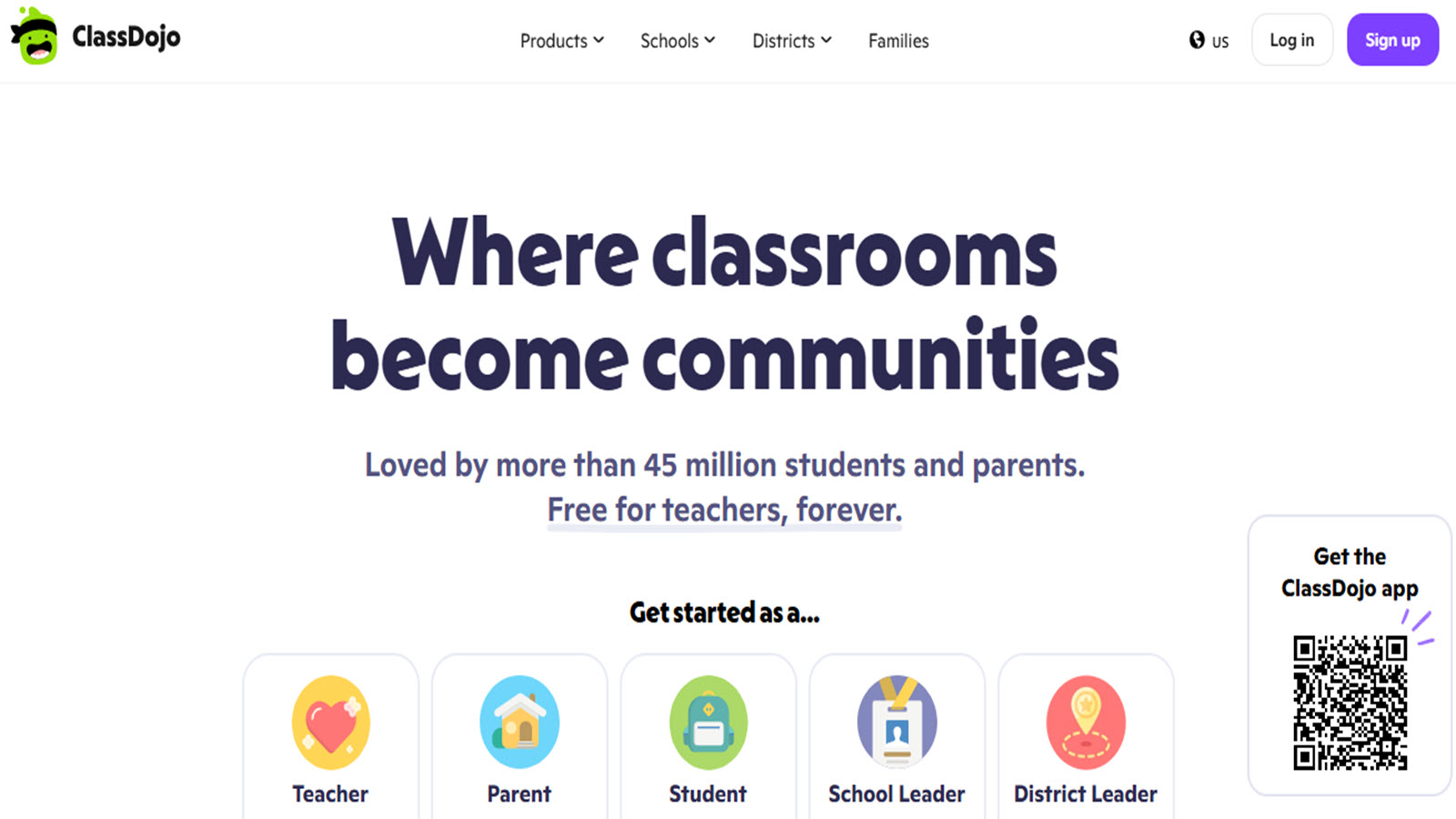
ClassDojo is a comprehensive communication and classroom management platform that connects teachers, students, and families for children of all ages. Using friendly monster avatars, it tracks positive behavior, skills development, and daily classroom activities while enabling seamless sharing of photos, videos, messages, portfolios, and announcements. The system promotes positive reinforcement through points, badges, and real-time feedback, helping children build good habits and self-awareness.
Parents appreciate the instant updates and involvement in their child’s school life, while teachers benefit from streamlined communication and behavior analytics. Some users find it more teacher-driven than child-interactive when used independently. It strongly supports social-emotional growth, inclusivity, and family engagement.
- Key features: Behavior tracking with customizable monsters, class story feed, student digital portfolios, direct messaging, parent translation tools, attendance and skill reports.
- Facts and information: Families frequently report improved home-school communication and stronger parent involvement. Many children demonstrate better self-regulation and motivation through consistent positive feedback.
16. Science 360
Science 360, produced by the U.S. National Science Foundation, delivers immersive, high-quality educational content to K-12 students through stunning 360-degree videos, images, and interactive explorations covering biology, physics, chemistry, earth science, astronomy, and engineering. Learners can virtually visit laboratories, explore ecosystems, witness space missions, and observe natural phenomena in unprecedented detail. The ad-free environment keeps students focused, while curated collections and daily news updates connect classroom concepts to real-world discoveries. It excels at sparking curiosity and wonder. Some educators wish for more built-in interactive quizzes and assessment tools to complement the rich visuals.
- Key features: 360-degree and VR-compatible videos, searchable topic library, science news feed, offline download options, educator resources and lesson plans.
- Facts and information: Students often develop deeper interest in science and frequently use the content as inspiration for school projects and science fair entries.
17. Spelling Stage
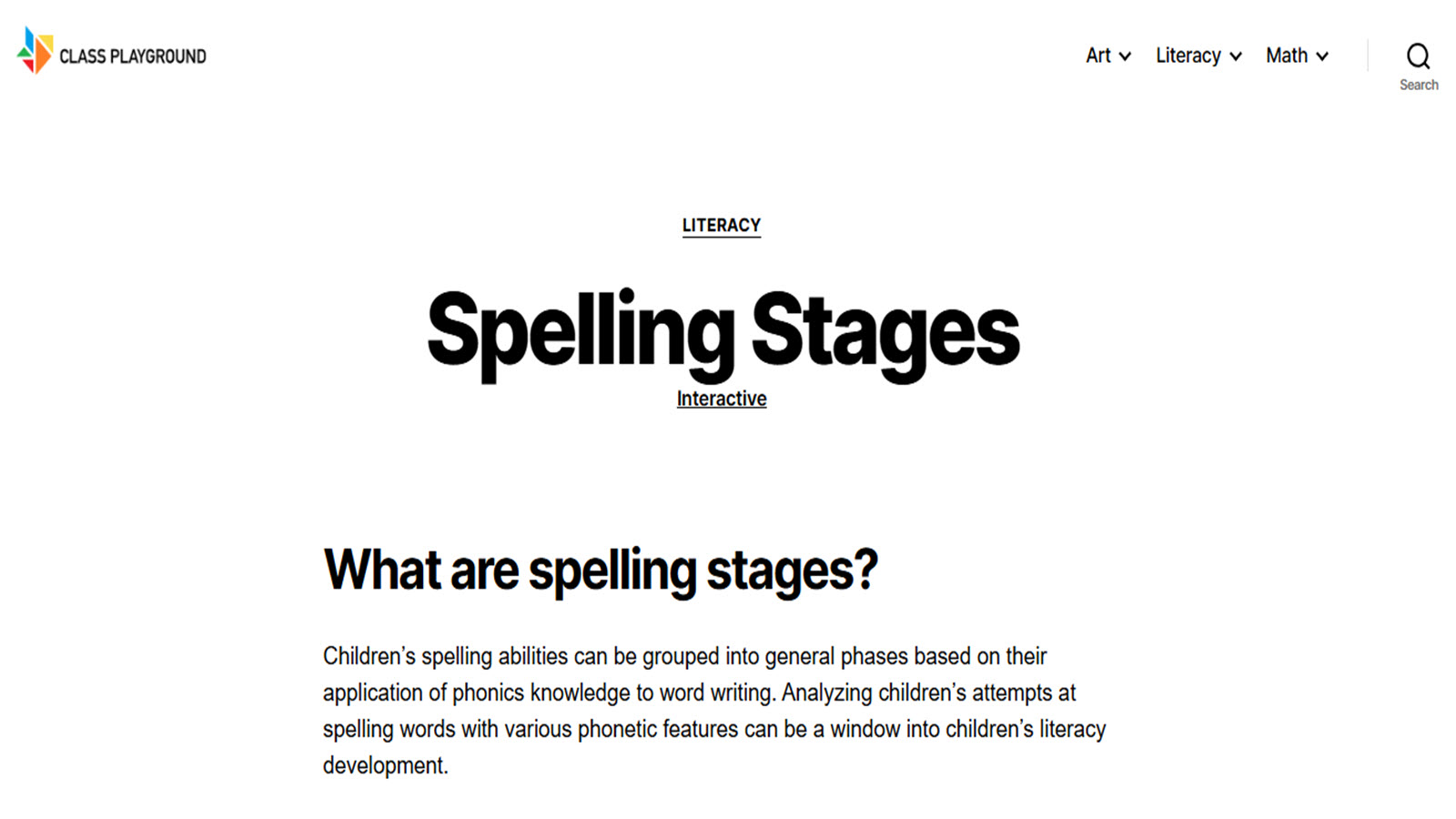
Spelling Stage turns traditional spelling practice into an exciting virtual spelling bee experience suitable for various ages. Children listen to clearly pronounced words, practice spelling them, and record their own attempts while progressing from basic sight words to advanced vocabulary. The app supports custom word lists, multiple difficulty levels, and competitive elements that motivate learners. Audio-visual cues, immediate correction, and progress tracking help build strong spelling, pronunciation, and vocabulary skills. Full features usually require a subscription. It is particularly effective for preparing for spelling contests and improving language precision.
- Key features: Custom spelling lists, high-quality audio pronunciation, screen recording for self-review, detailed progress analytics, multiplayer bee competitions.
- Facts and information: Many children achieve notable success in spelling bees and show significant expansion in vocabulary and reading confidence.
18. Starfall ABCs
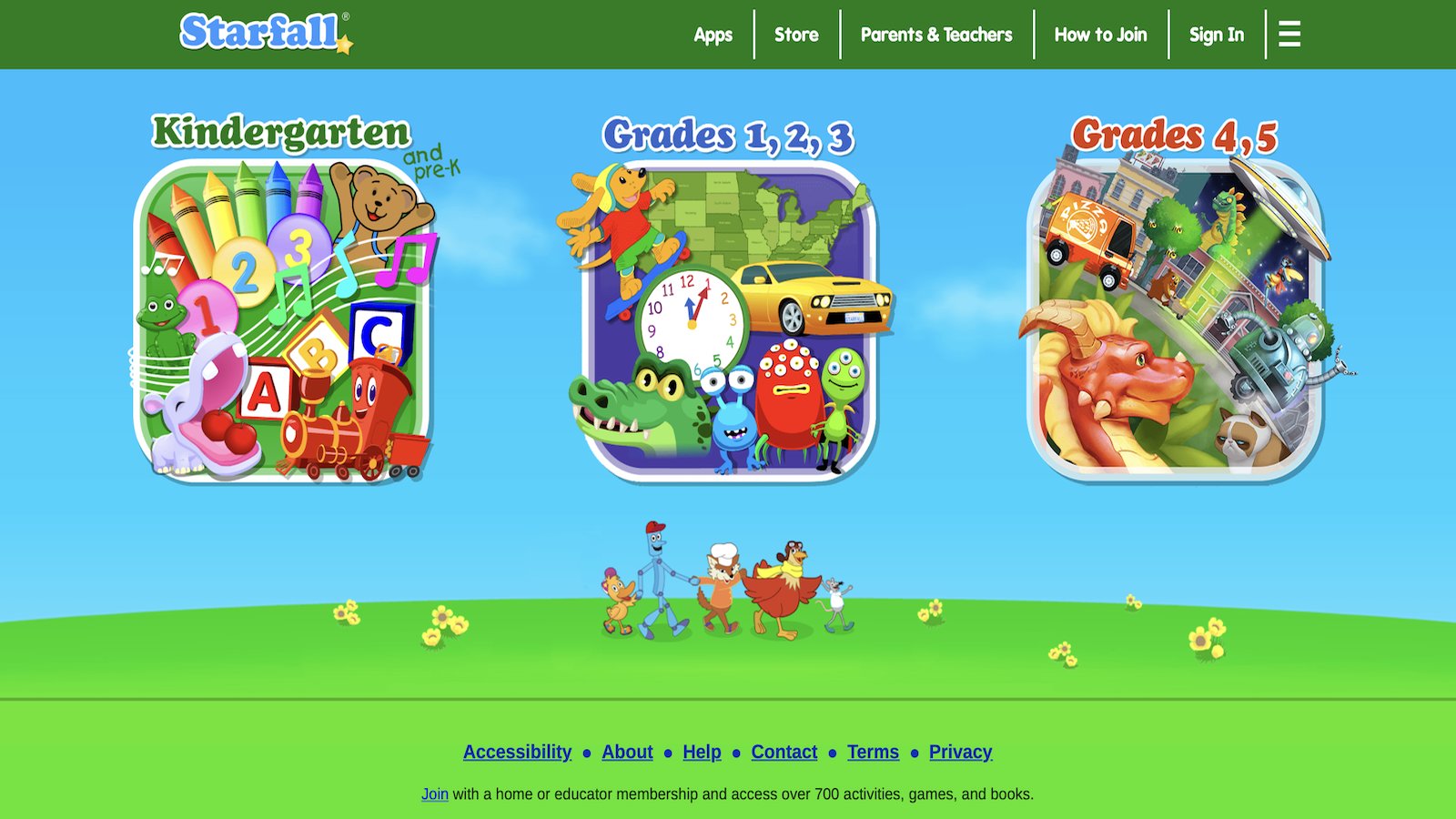
Starfall ABCs is a beloved, gentle introduction to literacy for children ages 2 to 5. Through colorful animations, interactive songs, games, and simple stories, it teaches letter recognition, phonics, and early word-building in a playful, pressure-free environment. The core content is free, making it highly accessible. Children explore at their own pace, with options for sign language support and repeated practice. It lays a solid foundation for reading while keeping learning joyful and exploratory. Some parents request more advanced levels once children master the basics.
- Key features: Animated letter and sound introductions, interactive word-building games, sing-along songs, sign language videos, progress tracking.
- Facts and information: Many toddlers quickly recognize letters and begin forming simple words, often showing early enthusiasm for reading.
19. Handwriting Success
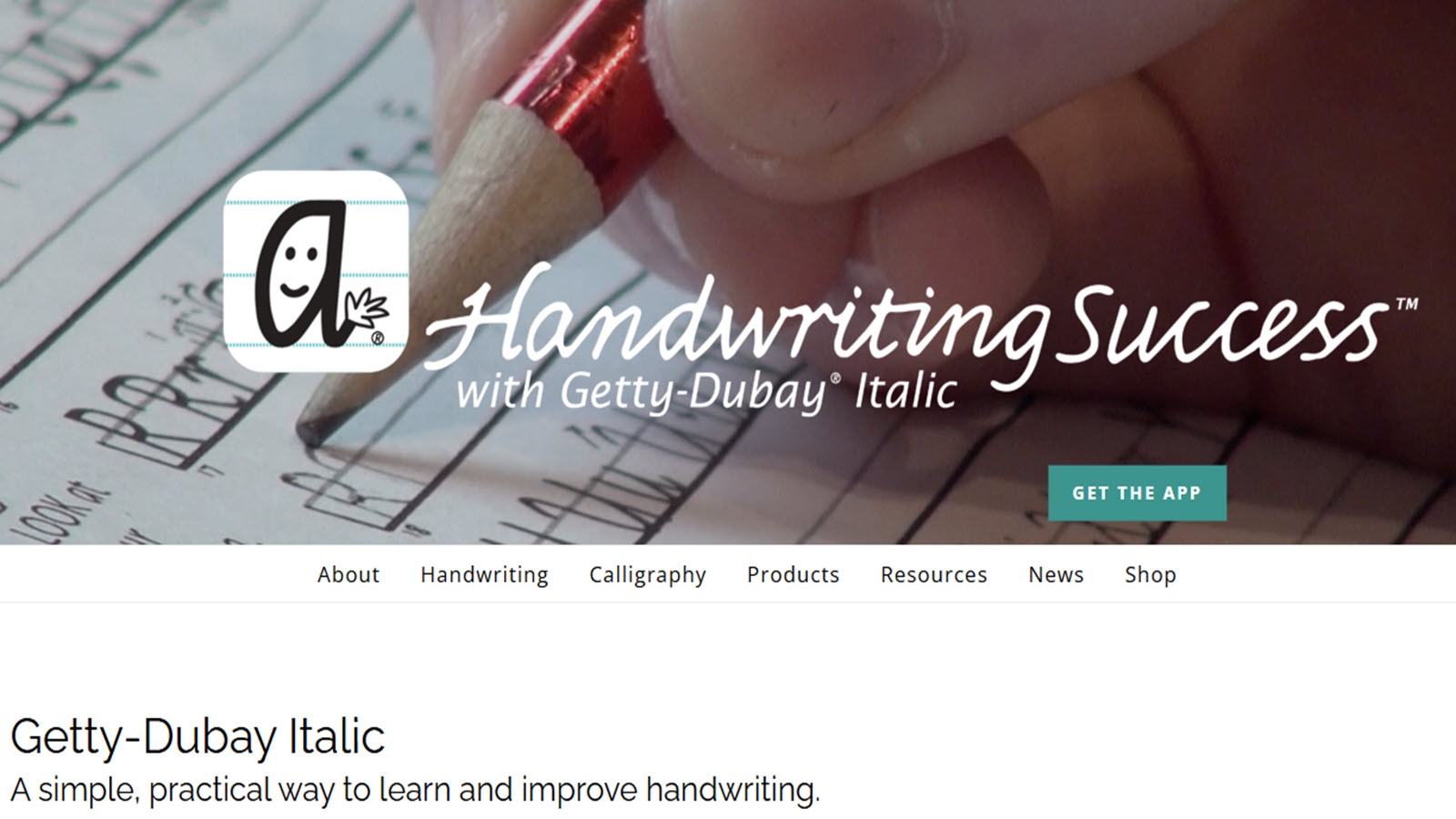
Handwriting Success offers comprehensive digital practice for both print and cursive handwriting across all ages. Using stylus-friendly tracing exercises, posture and grip guidance, and technique videos, it helps users develop proper letter formation, spacing, and fluency. The app mimics real paper writing while providing instant feedback and adjustable difficulty. It includes full workbook series and progress reports that visualize improvement over time. Many families combine it with physical practice for best results. The program significantly improves legibility and fine motor confidence.
- Key features: Adjustable stylus sensitivity, erase and retry functions, posture/grip tutorials, printable workbooks, detailed progress analytics.
- Facts and information: Children frequently show clearer, more confident handwriting and stronger fine motor skills that benefit other school tasks.
20. Monster Math
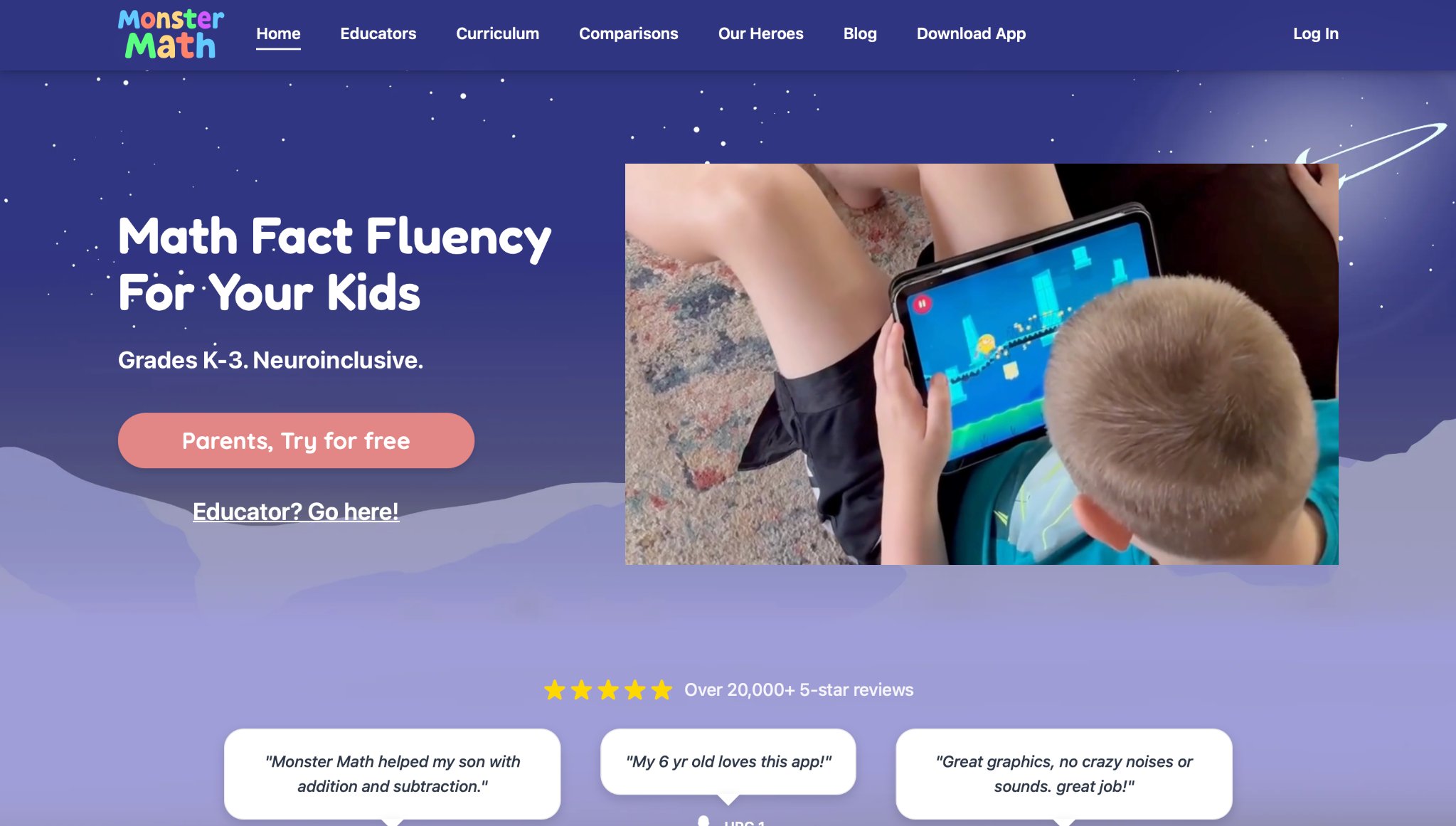
Monster Math is a neuroinclusive math app designed for ages 5–9 that uses calming visuals, engaging stories, and gentle pacing to build number sense, addition, subtraction, multiplication, and early geometry. It avoids timers and high-pressure elements, making it especially suitable for neurodivergent learners. Adaptive paths and visual puzzles support different learning styles while aligning with educational standards. The friendly monster characters and narrative-driven challenges turn math into an enjoyable adventure.
- Key features: Visual and story-based puzzles, adaptive learning paths, calm interface options, standards-aligned content, progress reports.
- Facts and information: Neurodivergent children often engage more deeply, while many users build solid foundational math skills and greater confidence.
21. TinyTap
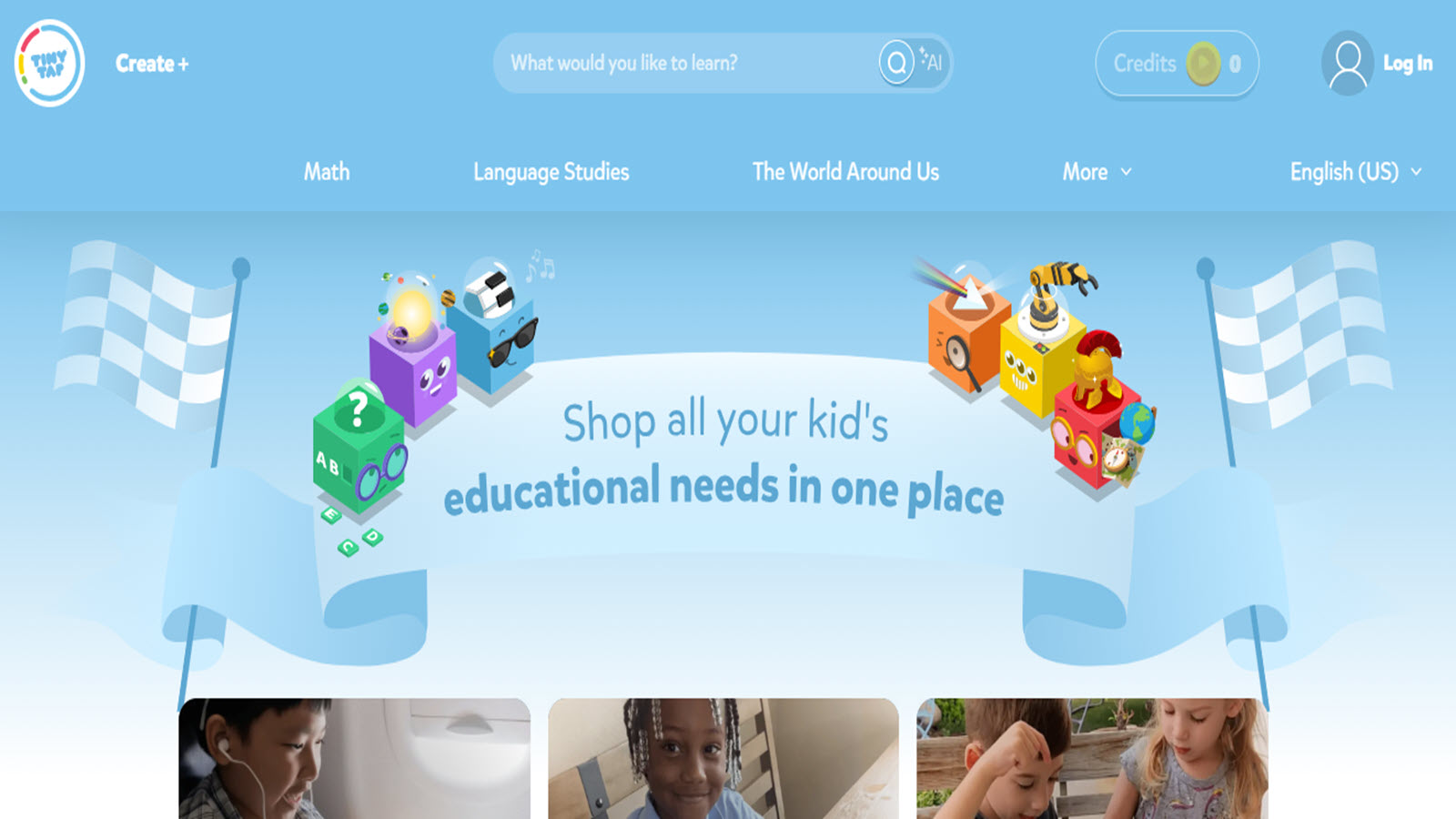
TinyTap is a creative learning platform for ages 2–12 where children can both play and create their own interactive games and lessons. The extensive library contains thousands of user-generated activities covering literacy, math, science, history, languages, and more. Kids record their voice, add photos, and build quizzes, turning passive learning into active creation. The community aspect exposes children to diverse topics created by peers worldwide. Navigation may take some practice initially, but the maker mindset it fosters is highly valuable.
- Key features: Intuitive game builder tools, voice recording and sound effects, interactive quiz creation, community sharing and discovery, parent/teacher dashboards.
- Facts and information: Many children create impressive educational content of their own, while discovering new subjects through peer-created activities.
22. DragonBox
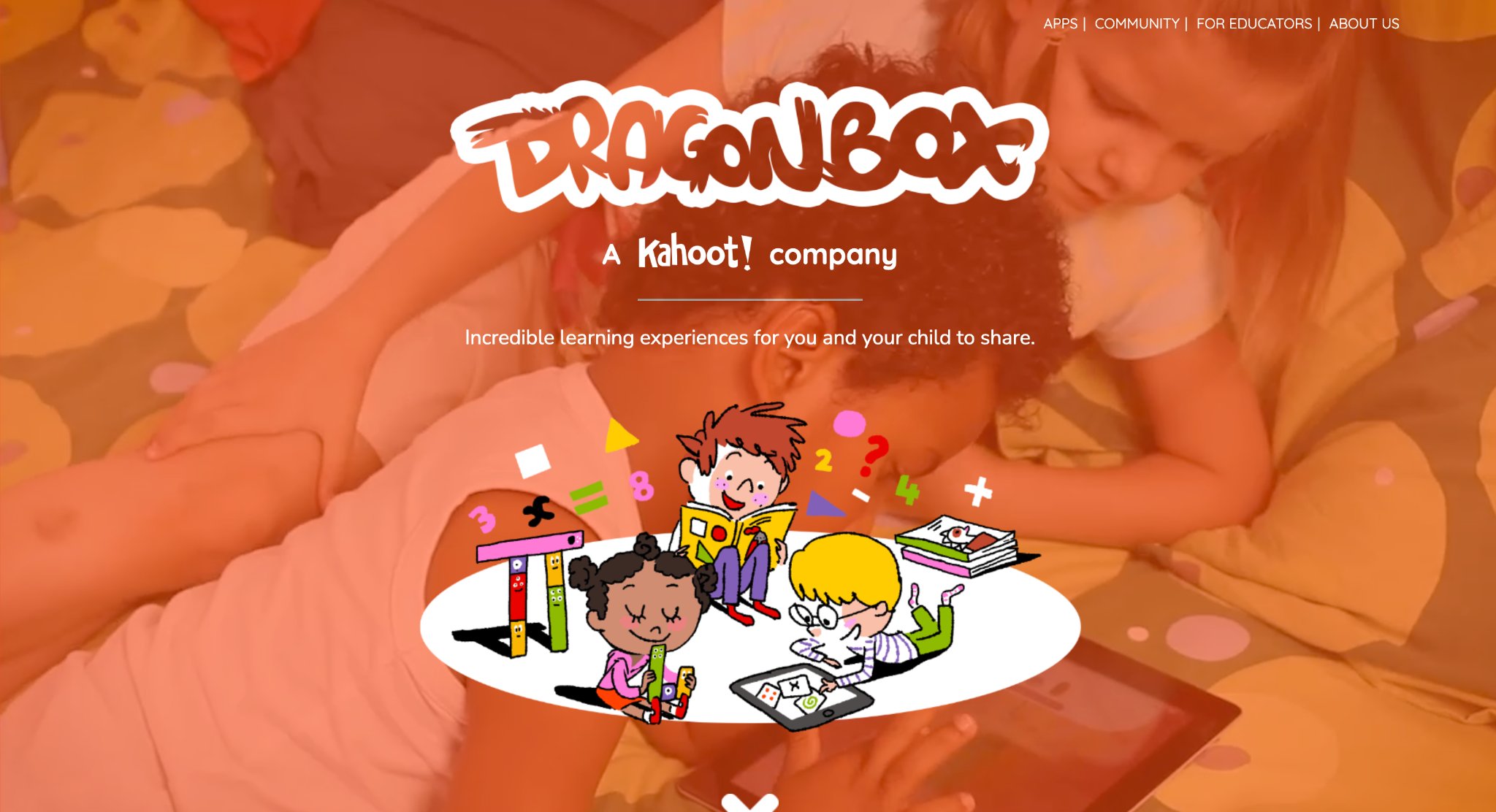
DragonBox uses a unique, symbol-free visual approach to teach algebra, numbers, and mathematical thinking. Through a series of charming puzzle games featuring cute “Nooms” characters, children discover mathematical rules by dragging and combining elements intuitively before traditional symbols (numbers and letters) are gradually introduced. Different versions target specific age groups - from basic operations in DragonBox Numbers to full algebra in DragonBox Algebra. The strength lies in its ability to build deep conceptual understanding and logical reasoning rather than rote memorization. Many families find it serves as an excellent bridge between informal play and formal school mathematics.
- Key features: Progressive puzzle-based levels, visual equation building, gradual introduction of symbols, multiple subject expansions (algebra, geometry, etc.), clean and distraction-free design.
- Facts and information: Users frequently report stronger grasp of underlying math principles that transfer successfully to classroom work and standardized tests.
23. Prodigy Math Game
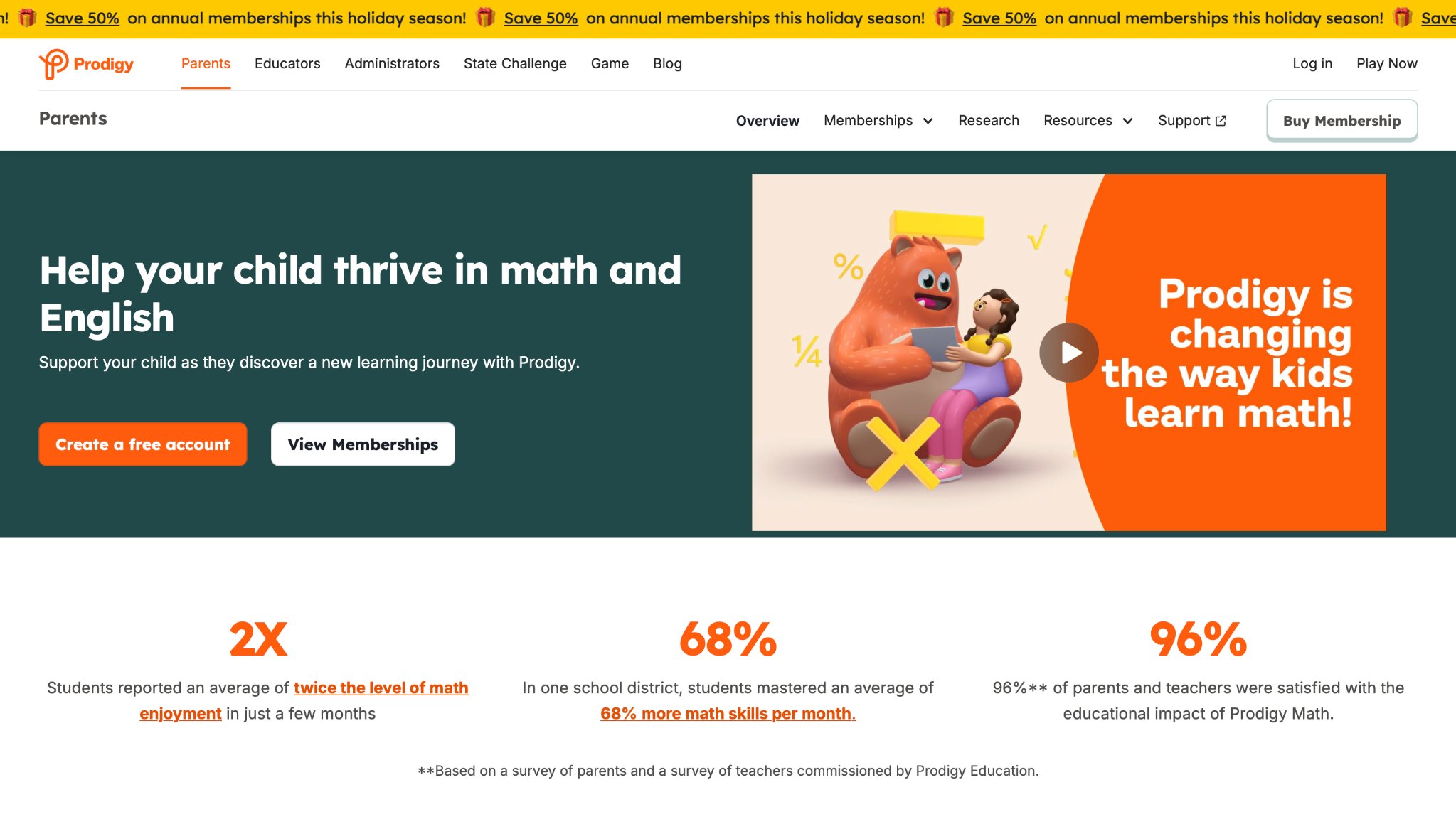
Prodigy Math Game transforms math practice into an immersive fantasy adventure for children in grades 1 through 8. Players create their own wizard character and journey through a magical world, battling monsters and completing quests by solving curriculum-aligned math problems covering addition, subtraction, multiplication, division, fractions, geometry, measurement, and more. The adaptive learning engine automatically adjusts question difficulty based on the child’s performance, ensuring an optimal challenge level at all times. Rich storytelling, rewards, and multiplayer features keep children highly motivated, turning repetitive practice into something they actively want to do. Parents and teachers benefit from detailed progress reports and classroom integration tools. Headquartered in Canada, Prodigy has become one of the most popular math platforms worldwide.
- Key features: Fantasy battle quests, real-time adaptive math questions, multiplayer duels, parent and teacher dashboards, detailed progress analytics, curriculum alignment.
- Facts and information: Children often show significantly increased enthusiasm and confidence in math. Many parents report that kids voluntarily practice more because of the engaging game elements and story-driven format.
24. Homer
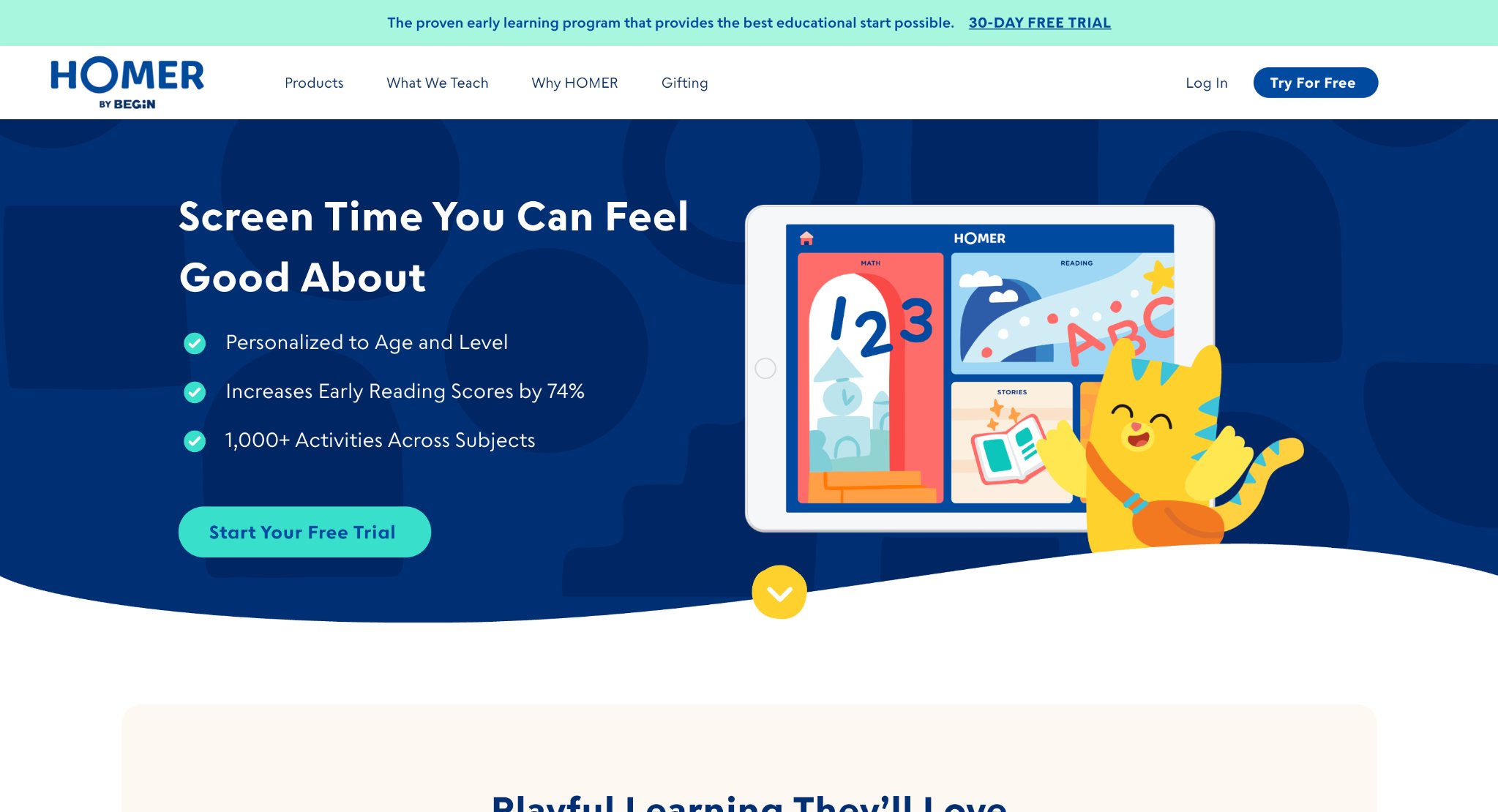
Homer is a personalized learning app that creates custom reading and learning journeys for children ages 2–8. Using an initial assessment, it builds an adaptive path covering phonics, reading comprehension, math foundations, social-emotional skills, and creativity. The platform combines interactive storybooks, skill-building games, and activities that grow with the child. Parents love the beautiful illustrations, progress reports highlighting specific improvements, and printable extensions for offline practice. It is particularly strong at supporting early readers and helping reluctant learners build confidence.
- Key features: Personalized learning paths, interactive animated storybooks, phonics and math games, skill assessments, progress reports, printable worksheets.
- Facts and information: Families commonly observe steady gains in reading confidence, vocabulary, and overall learning enjoyment.
25. Teach Your Monster to Read
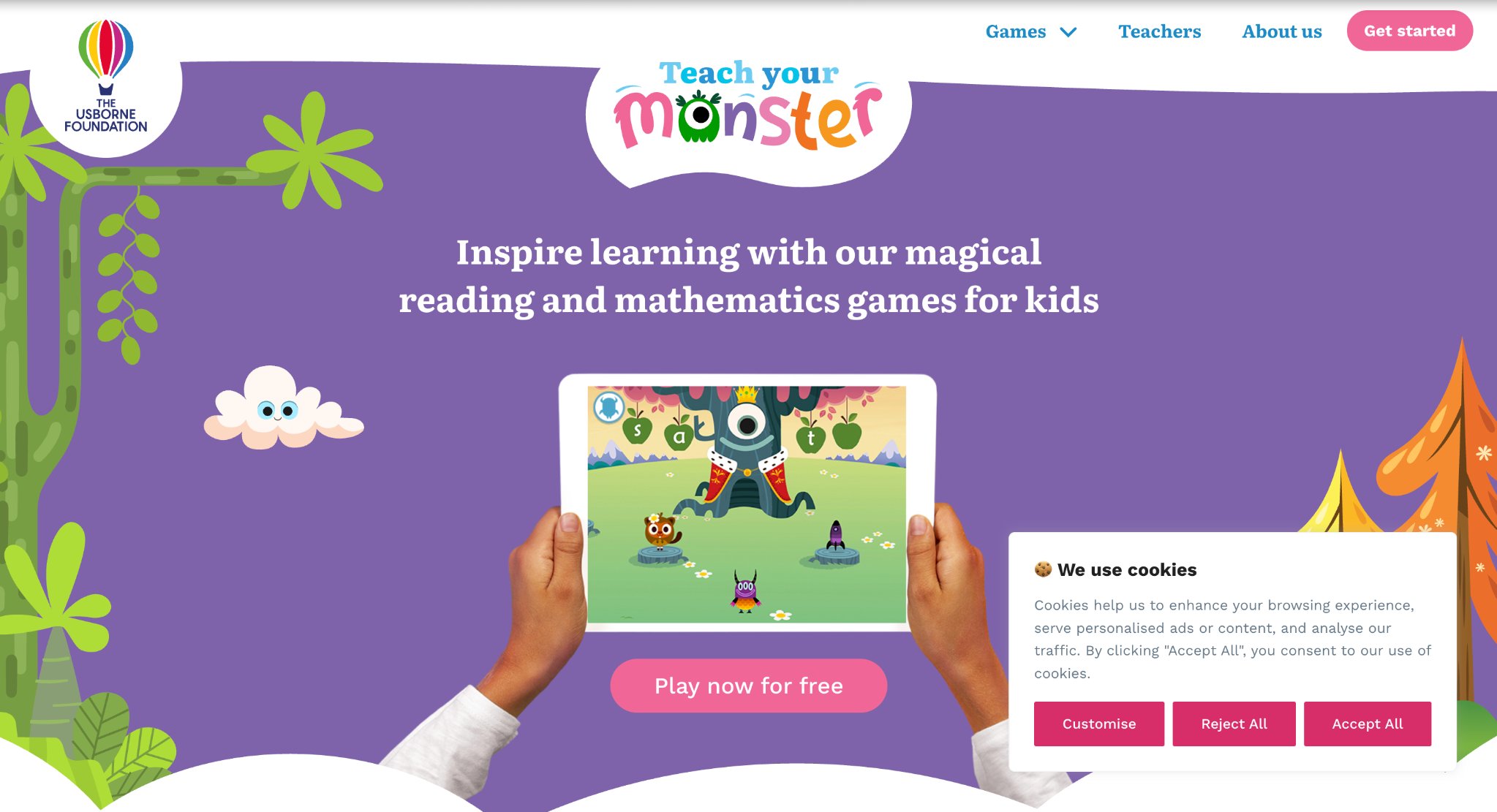
Teach Your Monster to Read is a highly structured, game-based phonics program that takes children on an adventure to train a lovable monster. It follows a clear, systematic progression covering letter sounds, blending, tricky words, and reading fluency. The app combines engaging mini-games, stories, and rewards to make systematic phonics instruction fun. Excellent audio support, clear pronunciation, and monster customization keep children motivated throughout the journey. Many children who complete the program show strong foundational reading skills and transition confidently to independent reading.
- Key features: Step-by-step phonics levels, monster customization, reading games and stories, progress tracking, clear audio instruction, reward system.
- Facts and information: Users frequently achieve solid phonics mastery and noticeable improvements in reading ability that support long-term school success.
26. Bedtime Math
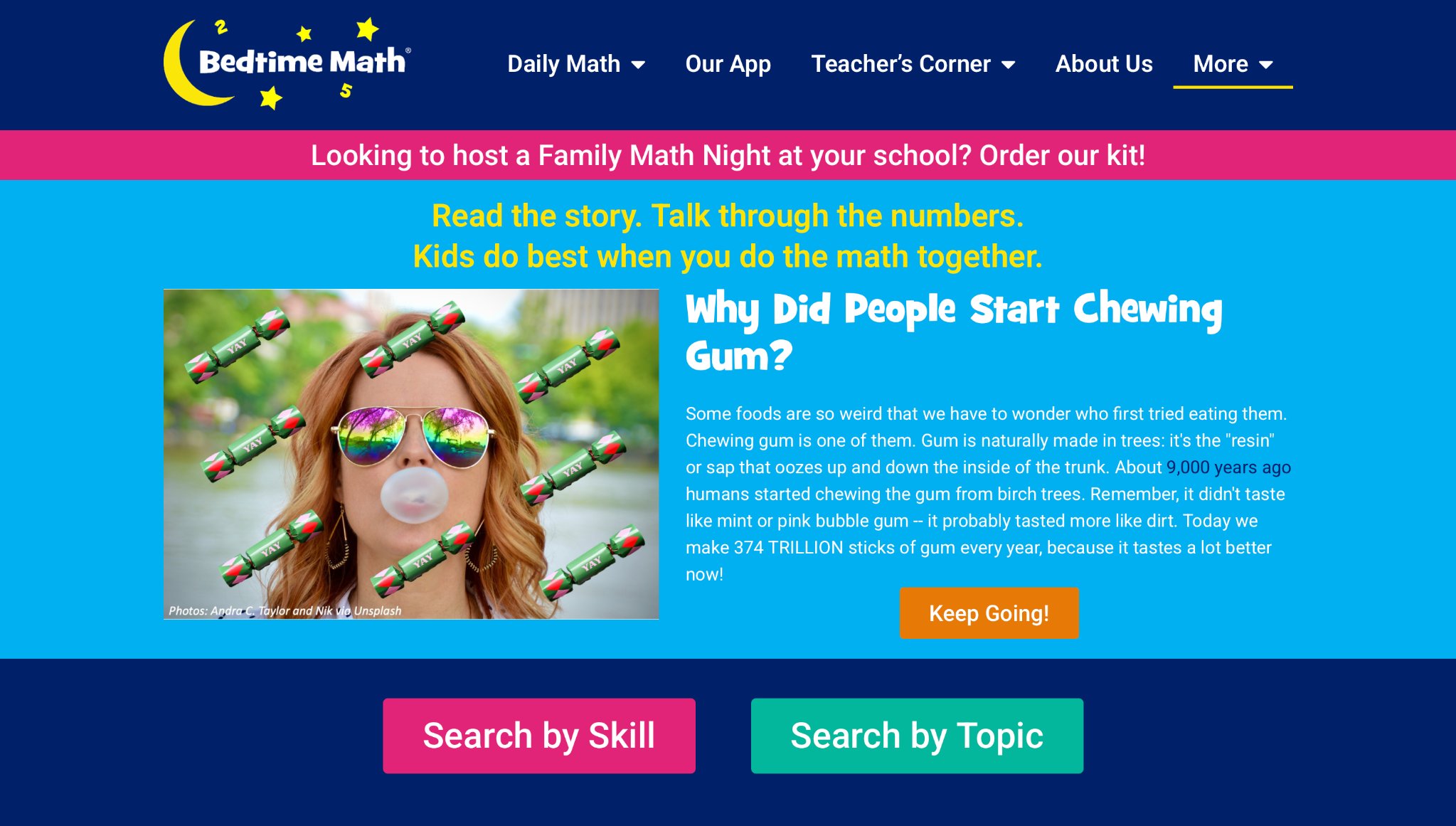
Bedtime Math turns daily math practice into a relaxed, story-like family ritual. Each day offers a short, engaging math story problem suitable for different age levels - from simple counting for preschoolers to more challenging concepts for older kids. The app encourages parents and children to discuss the problem together, promoting mental math, reasoning, and positive conversations about numbers. Its light, pressure-free format fits easily into bedtime routines and helps build a healthy relationship with mathematics.
- Key features: Daily story-based problems, age-leveled challenges, discussion prompts, archive of past content, family-friendly design.
- Facts and information: Regular users often experience reduced math anxiety and develop natural curiosity about numbers and real-world quantities.
27. BrainPOP
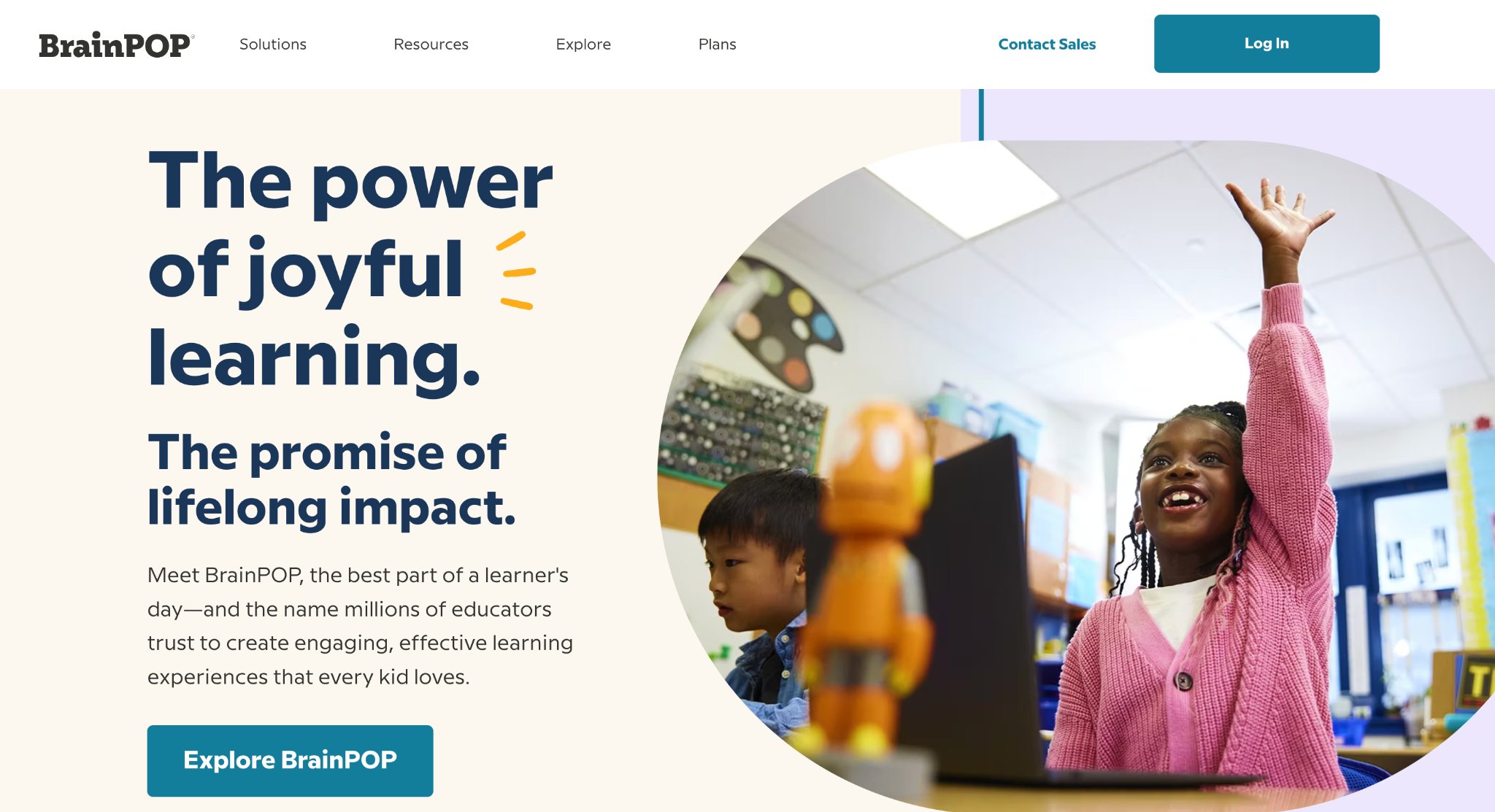
BrainPOP offers a vast library of short, animated educational videos accompanied by quizzes, activities, and concept maps. Characters Tim and Moby guide students through topics in science, history, math, health, arts, and technology in a clear and entertaining way. The platform excels at making complex subjects accessible and memorable through excellent visual explanations. It is widely used as a supplement to school curricula and works well for both independent learning and classroom instruction.
- Key features: High-quality animated movies, interactive quizzes, concept maps, game elements, lesson plans for teachers, progress tracking.
- Facts and information: Children gain broader knowledge across subjects and often retain information better when pairing videos with related projects.
28. Toca Life World
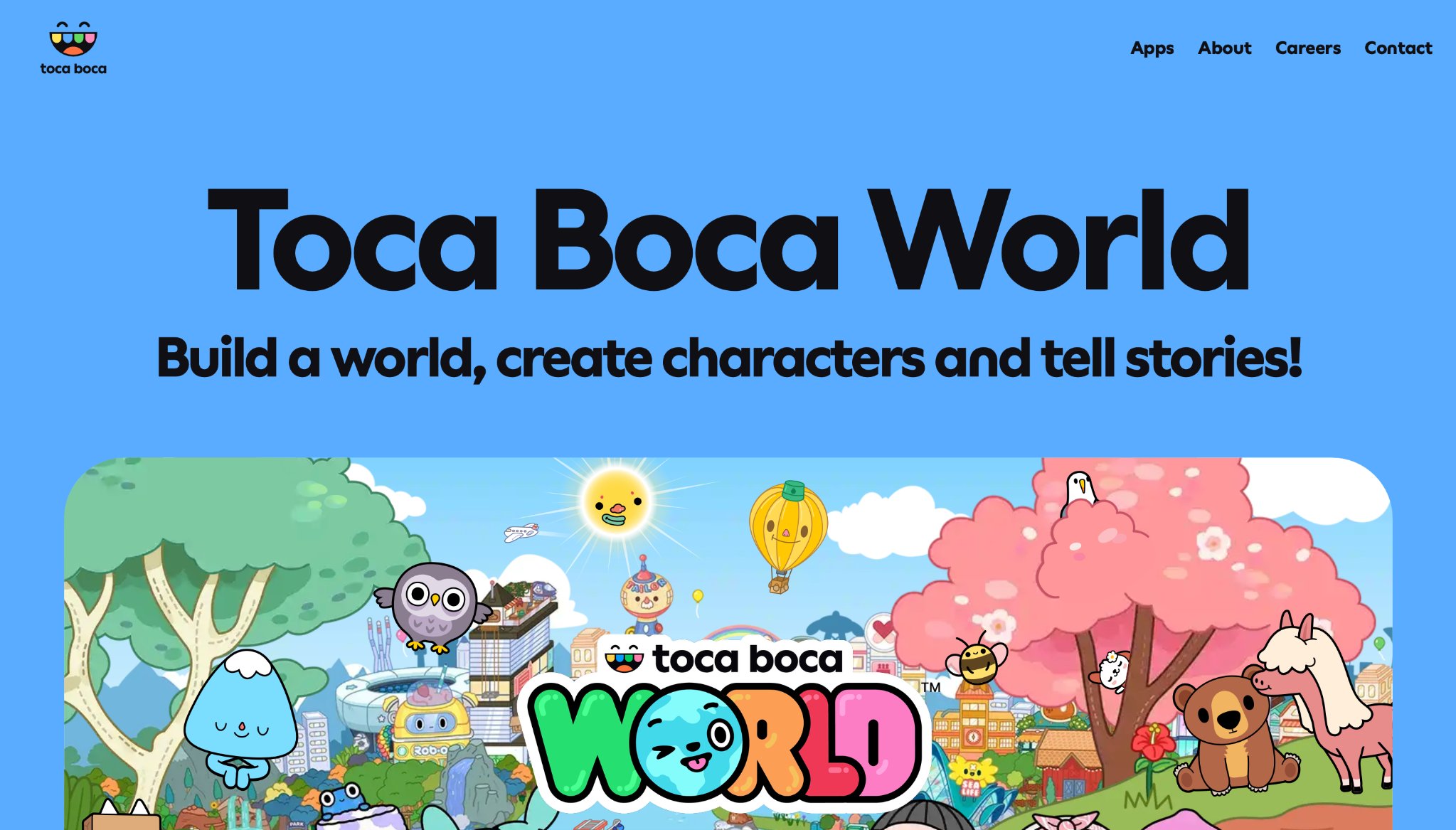
Toca Life World is an open-ended creative play app where children direct stories in multiple themed worlds (school, hospital, city, airport, etc.). Kids can freely interact with hundreds of characters, objects, and locations to create imaginative scenarios. While not explicitly academic, it strongly supports language development, social-emotional learning, narrative skills, and problem-solving through unstructured play. The no-fail, judgment-free environment makes it a popular choice for balancing more structured learning apps.
- Key features: Multiple interactive worlds, extensive character and object customization, story recording and photography tools, endless creative freedom.
- Facts and information: Children develop richer narrative abilities and emotional expression through pretend play and storytelling.
29. Lightbot
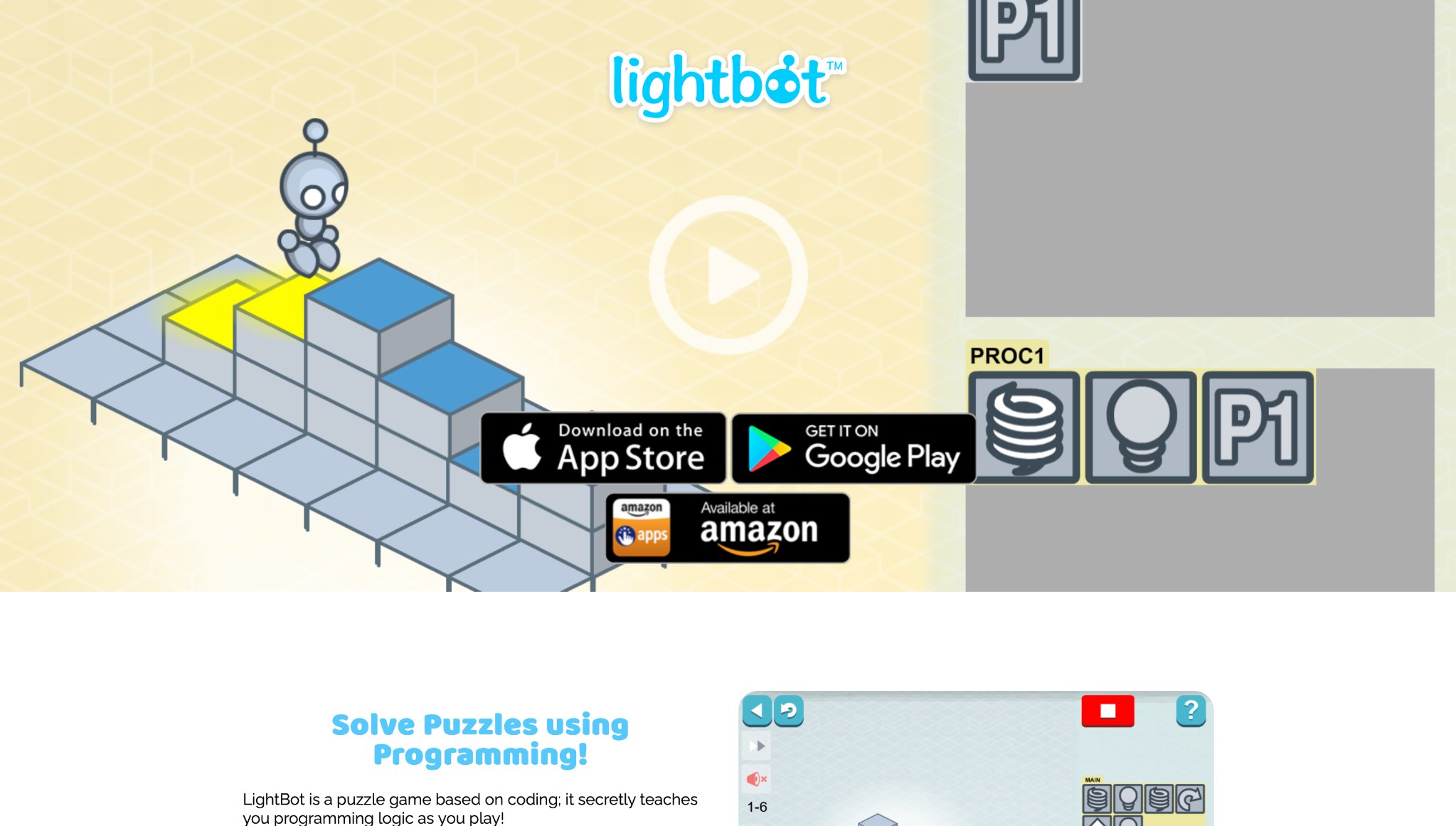
Lightbot teaches core programming logic through fun, puzzle-based levels where players guide a small robot to light up tiles using visual commands. It introduces essential concepts such as sequences, loops, conditionals, and procedures in a completely visual way (no text required initially). Multiple versions and difficulty levels make it suitable for a wide age range. The satisfying “aha!” moments when puzzles are solved help build persistence and systematic thinking. It serves as an excellent foundation for later text-based or block-based coding.
- Key features: Grid-based puzzle challenges, progressive difficulty, visual coding commands, multiple worlds and level packs, no reading required.
- Facts and information: Players develop organized, logical thinking patterns that transfer well to math, science, and future programming.
30. Funexpected
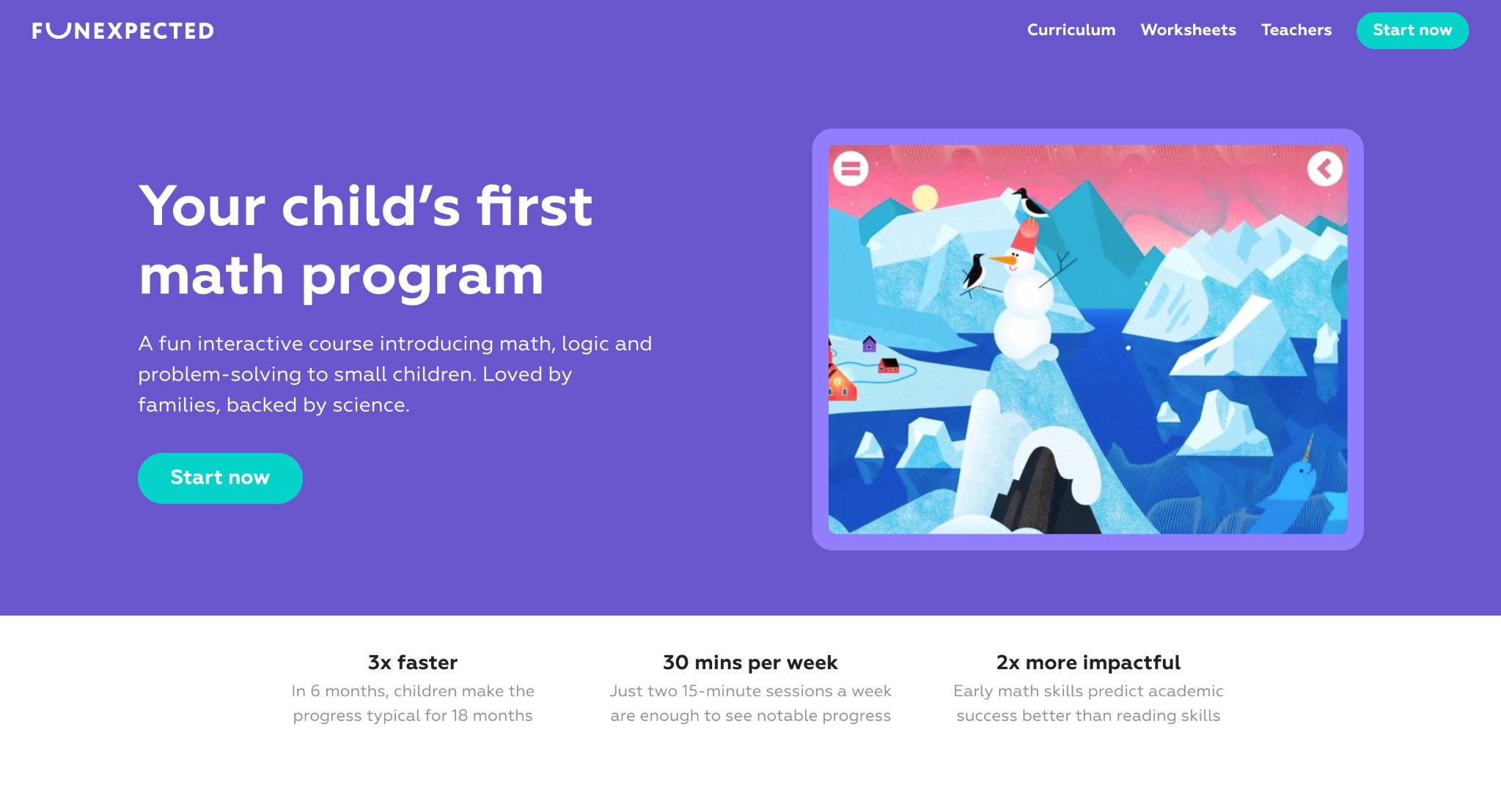
Funexpected offers a beautiful collection of tactile, playful math mini-games and explorations focused on pattern recognition, geometry, spatial reasoning, logic, and early number sense. Designed for preschool and early elementary children, it emphasizes understanding and discovery over speed or drills. The calm, high-quality visuals and gentle interface make it especially suitable for focused, enjoyable learning sessions. It stands out for its artistic design and thoughtful progression that respects different learning paces.
- Key features: Hands-on interactive math activities, adaptive challenges, stunning colorful visuals, no timers or pressure, pattern and geometry focus.
- Facts and information: Children build strong spatial awareness, logical reasoning, and number sense through repeated playful exploration.
Balancing Screen Time with Real Play
Pairing apps with outdoor activities creates well-rounded days. Short app sessions followed by hands-on crafts reinforce ideas, like drawing after a digital art lesson. Setting timers helps avoid overuse, while family discussions about app content build connections. Focus on quality over quantity for best results.
App Type | Best For Ages | Core Skills |
| Game-Based | 2-5 | Creativity, Basics |
| Story-Driven | 4-8 | Reading, Empathy |
| Puzzle-Focused | 6-10 | Problem-Solving, Math |
How to Choose the Best Learning Apps for Kids in 2026
Choosing the right learning apps doesn’t have to be overwhelming. Follow these practical tips to find safe games for kids in 2026 that truly match your child’s needs.
- Match Age and Needs: Select apps according to your child’s developmental stage. Younger kids benefit from emotional games for kids, while older children progress faster with problem solving games for kids or brain games for kids.
- Prioritize Safety: Always choose safe kids games and safe games for kids - ad-free, COPPA-compliant, with strong parental controls.
- Focus on Learning Through Play: Look for apps that support learning through play and learning through play activities, making education feel fun rather than forced.
- Consider Learning Style: Some children thrive with memory games for kids, others with responsibility games for kids or confidence building games.
- Check Progress Tracking: Good apps offer simple parent reports so you can monitor improvement easily.
- Test Before Committing: Take advantage of free trials to see if your child stays engaged.
Following these steps will help you select high-quality apps that deliver real educational value in 2026.
Latest News In 2026
The educational apps landscape for kids continues to evolve rapidly in 2026, with stronger emphasis on AI personalization, augmented reality (AR) integration, and social-emotional learning (SEL) features. Many platforms now adapt in real-time to each child’s pace, learning style, and interests while incorporating gentle AI tutors that can answer voice or text questions. Gamification remains popular, but developers are focusing more on reducing screen fatigue through calmer interfaces, no-timer modes, mindfulness elements, and neuroinclusive designs.
Key highlights this year include:
- Enhanced AI-driven personalization that creates truly individual learning paths for each child.
- Wider adoption of AR experiences in science, math, and geography, allowing kids to interact with 3D models and virtual environments.
- Growing number of apps with voice-based interaction, making learning more accessible for pre-readers and younger children.
- Increased focus on balanced, healthy digital habits with built-in screen-time management, break reminders, and family sharing tools.
- Rise of hybrid play-and-learn experiences that combine open-ended creativity with structured skill-building.
- Stronger emphasis on privacy, COPPA compliance, and ad-free environments as parents become more selective.
Overall, 2026 marks a year where educational apps feel less like digital worksheets and more like adaptive, supportive learning companions that promote holistic child development.
FAQ
What makes an app safe for kids learning?
Safe apps prioritize strong privacy policies to shield children's data from unnecessary collection and potential risks that could last into adulthood. They incorporate parental controls, like requiring consent for new features or downloads, to manage what kids access. Designs follow child-centered standards, similar to those for physical toys, preventing exposure to harmful content and fostering a secure space for focused play.
How do learning apps help with school readiness?
Learning apps build cognitive competencies through structured interventions that align with early development stages, preparing children for classroom demands. They offer adaptive experiences where tasks adjust to individual progress, strengthening areas like literacy and math in engaging ways. This approach supports long-term academic paths by encouraging independent exploration and problem-solving skills at home.
Can apps improve social skills in children?
Yes, apps enhance social skills by embedding opportunities for meaningful interactions with on-screen characters, promoting reciprocity and emotional awareness. They encourage joint engagement with caregivers, sparking conversations that translate to real-world practice in sharing and conflict resolution. Collaborative features in some designs foster teamwork, helping kids develop resilience and effective communication through guided scenarios.
What features enhance engagement in kids learning apps?
Apps with colorful graphics and simple controls keep young users interested longer. Rewards like stickers or levels give a sense of achievement, while customizable avatars add personal touch. Educational games often include these elements to blend play with skill practice.
How do learning apps adapt to individual progress?
Many apps use gentle adjustments to match a child's pace, offering easier or harder tasks as needed. This keeps frustration low and motivation high, supporting steady growth. Features like progress summaries help parents see areas for extra focus.
What are the best apps for kids learning in 2026?
The best learning apps for children in 2026 combine engaging gameplay with strong educational value. The ideal choice depends on your child’s age, interests, and specific learning goals. Most parents find success by using a mix of structured educational apps for kids (for core skills like math and reading) and open-ended creative apps (for imagination and problem-solving). Top-rated options usually offer adaptive difficulty, instant feedback, and beautiful, child-friendly designs that keep kids motivated and focused.
Are these learning apps safe for children?
Yes, most reputable educational apps for kids are COPPA-compliant and designed with strong safety standards. They typically include robust parental controls, privacy protections, minimal or no advertisements, and secure data handling. However, it is still important for parents to review the privacy policy, set appropriate screen-time limits, and supervise initial usage. Choosing well-known, highly-rated best learning apps for children helps ensure a safer and more trustworthy experience.
How much screen time is appropriate with learning apps?
For children aged 2–5, experts recommend about 30–60 minutes per day of high-quality educational content, preferably with adult involvement. For ages 6–12, 1–2 hours of intentional use of math apps for kids, reading apps for preschoolers, or kids coding apps can be beneficial when balanced with physical activity and offline play. The focus should always be on quality rather than quantity. Many modern educational apps now include built-in reminders to take breaks and promote healthy digital habits.
Do educational apps really help improve skills?
Absolutely. When used consistently, high-quality educational apps for kids have been shown to improve math fluency, reading comprehension, vocabulary, logical thinking, and problem-solving abilities. Children using well-designed math apps for kids often show increased confidence and faster progress. Similarly, reading apps for preschoolers and kids coding apps help build strong foundational skills that transfer well to school performance. Progress tracking tools in these apps allow parents to monitor real improvements over time.
Which types of apps are best for specific subjects?
- Math: Look for interactive math apps for kids featuring visual puzzles, story-based challenges, and adaptive learning paths.
- Reading & Phonics: Reading apps for preschoolers with systematic audio support, animated stories, and phonics games work best for building early literacy.
- Coding & Logic: Kids coding apps using block-based or visual puzzles are excellent for developing computational thinking and problem-solving.
- Science: Immersive video, 360-degree exploration, and AR-based science apps spark curiosity effectively.
- Creative & General Learning: Open-ended creation and storytelling apps help develop imagination, language skills, and self-expression.
Read Also:
- Step into the Dino World with Kids
- Attention Games: Fun Challenges for Kids
- New Release: Duck Story Game for Kids
- Baby Tiger Care: TutoTOONS Game Spotlight
- Fun Co-Play Ideas for Parents & Kids
Discover the Best Apps For Kids Learning In 2026 - TutoClub







-(1).png)