

Tablet Games For Kids In 2026






Finding great tablet games for kids in 2026 means picking options that spark joy and growth. Parents want apps that turn playtime into something valuable, like building creativity or sharpening focus. These games fit right into family routines, working on devices kids already use. With so many choices, focus on ones that are ad-free and age-right.
To help parents make confident choices, it’s useful to explore trusted guides to safe apps for kids that focus on privacy, age-appropriate design, and ad-free play. Many of today’s top tablet titles double as apps for kids’ learning, combining fun gameplay with skills like problem-solving and creativity, especially through well-designed educational games for kids. For families using Apple devices, curated lists of the best iPad games for kids can make it easier to find engaging, high-quality games that fit seamlessly into healthy screen-time routines.
Discover the Tablet Games For Kids In 2026 - TutoClub
Benefits of Tablet Games for Kids

Tablet games give kids a chance to learn through play. They help with skills like problem-solving and hand-eye coordination in a relaxed way. Many games encourage teamwork or solo exploration, fitting different play styles. Kids get to try new ideas without real-world risks, boosting confidence. Parents like how these apps can calm busy days while adding value. Some even work offline, perfect for trips. Always pick games that match your child's interests to keep them hooked.
How to Pick Safe and Fun Tablet Games
- Start by checking age ratings and reviews from trusted spots.
- Look for apps without ads or buys inside to avoid surprises.
- Games that adapt to skill levels grow with your kid.
- Think about what they need, like math help or story-building.
- Test a few together to see what clicks.
- Balance screen time with other activities for healthy habits.
- Good games for kids feel like play, not work, and spark talks about what kids learn.
Tablet Games For Kids In 2026
1. TutoClub - Best Tablet Games for Kids
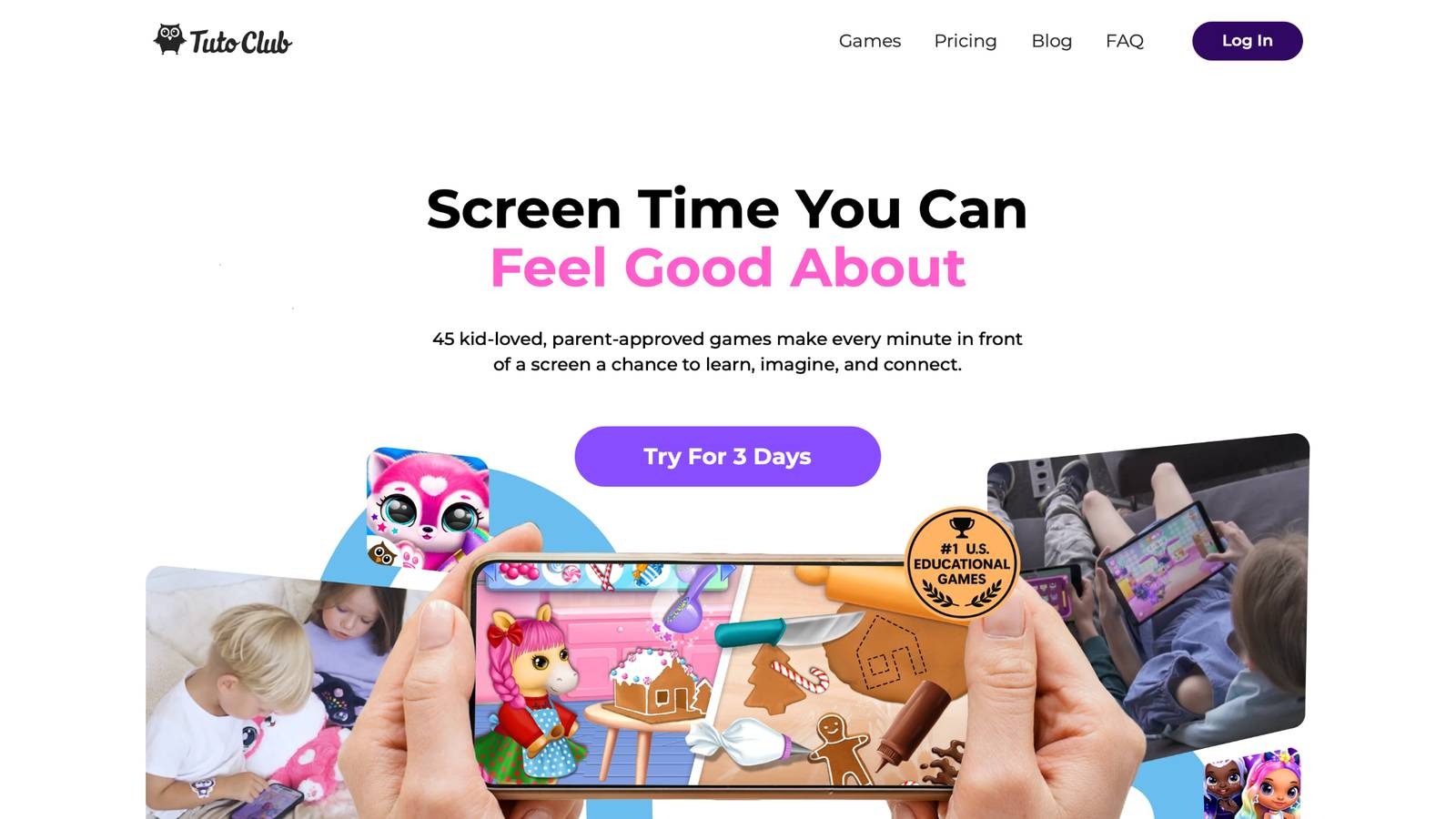
For top-notch tablet games for kids, TutoClub shines with its collection of over 45 ad-free adventures from TutoTOONS. Kids dive into worlds that build creativity, focus, and emotional skills through hands-on play. Picture your child crafting stories in colorful settings or solving puzzles that light up their imagination. This service turns everyday screen time into meaningful growth, with offline access after downloads for anytime fun.
Parents rave about the safe space it creates, free from distractions. Headquarters in Lithuania, Vilnius, TutoClub keeps updating content to stay fresh and exciting. What sets it apart is the blend of joy and development, making it a go-to for families who want play with purpose. Kids gain confidence as they explore, turning challenges into wins. The multi-device support means seamless switches between tablet and phone, keeping the adventure going. With exclusive unlocks, every session feels special and rewarding.
- Key pros include creative tools that let kids design their own paths.
- Standout features cover emotional growth activities and problem-solving quests.
- Facts and information show how these games support curiosity and teamwork in safe, parent-approved ways.
TutoClub Overview
TutoClub is your gateway to a magical world of educational games designed especially for children.
As part of TutoTOONS, a leading kids' games studio, we offer premium access to over 45 ad-free games.
Our mission is to blend learning and play, helping kids explore, create, and grow in a safe online space.
Thousands of parents trust us for family-friendly content that sparks imagination and builds essential skills.
Key Features
- Unlimited Access: Unlock full content in all games with no interruptions.
- Ad-Free Experience: Enjoy seamless play without any ads or distractions.
- Skill Development: Games foster creativity, social skills, communication, and more through fun activities like pet care and cleanup challenges.
- Regular Updates: Get new releases, exclusive content, and future updates automatically.
- Easy Subscription: Cancel anytime with no obligations, simple and flexible for families.
Explore Our World
TutoClub provides a rich ecosystem of educational games for kids, featuring ad-free experiences that promote creativity, focus, and emotional growth through play.
This platform turns screen time into valuable learning opportunities, with parent-approved content that builds essential skills and sparks curiosity in young minds.
- TutoClub Games: Over 45 educational games, including popular titles like Fluvsies, Smolsies, and the Sweet Baby Girl series
- Blog: Insights, tips, and stories for families on kids' learning and play
- FAQ: Comprehensive answers to frequently asked questions about subscriptions, features, and more
Get TutoClub on Your Device
TutoClub delivers premium kids educational games directly to your mobile devices, making learning accessible anytime, anywhere.
With apps available on major platforms, families can easily download and subscribe for ad-free play that turns screen time into skill-building adventures.
Perfect for parents seeking safe, engaging content on iOS, Android, or Amazon devices.
Why Choose TutoClub?
We're committed to 100% safe, enriching entertainment that kids love and parents approve.
Join the thousands who've seen their children thrive through playful learning.
Ready to start the adventure?
Subscribe to TutoClub today and unlock endless fun!
2. Toca Life World
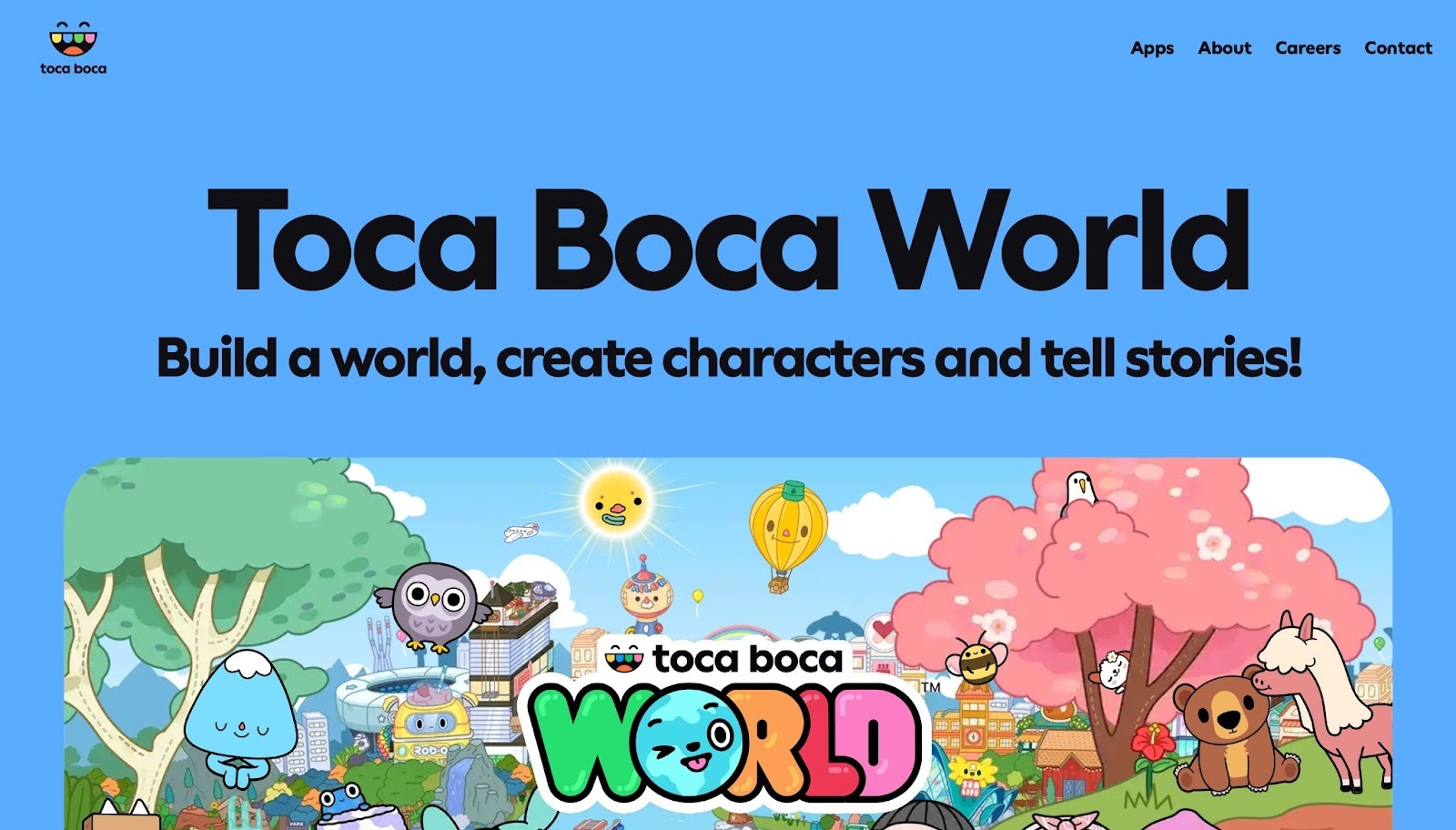
Toca Life World gives kids a huge open world to create their own stories and adventures. Children can explore many different locations such as homes, schools, hospitals, stores, and vacations spots. They freely mix hundreds of characters, vehicles, pets, and objects to act out everyday situations or wild imaginary tales. The app supports creativity by letting kids dress characters, move items around, and build scenes without any rules or timers.
Play feels calm and open-ended, which helps develop narrative skills, empathy, and imaginative thinking. Regular free updates add new themed worlds, characters, and interactive objects, so the experience stays fresh for months. Many families enjoy how the app works well offline after the initial download and supports smooth play on tablets. Headquarters in Stockholm, Sweden.
- Key features: Fully customizable characters, dozens of interactive locations, voice recording for stories, and creative tools.
- Facts and information: Designed for ages 4-12 with no goals or competition, promoting free play that supports social-emotional development.
3. ABCmouse
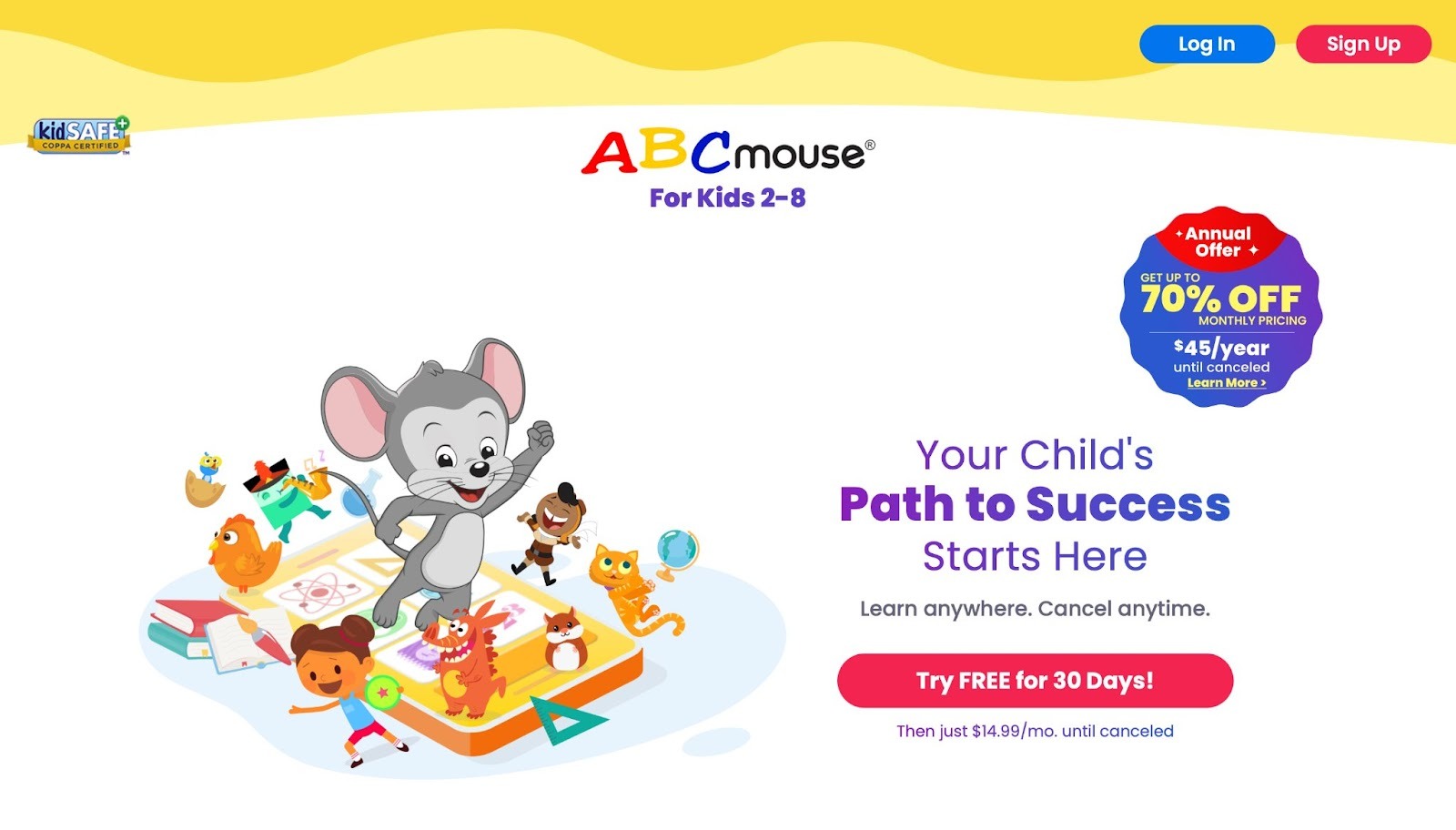
ABCmouse delivers a complete step-by-step curriculum for early learners covering reading, math, science, art, and social studies. Kids progress through thousands of activities, books, puzzles, and videos that adjust to their skill level. The app builds foundational knowledge with songs, animations, and rewards that keep motivation strong.
Children work on phonics, counting, shapes, and basic science concepts in a structured yet fun way. The large library of content grows with the child from preschool through kindergarten. Parents like the clear progress reports and the way it aligns with school standards. It includes both guided lessons and open creative activities.
- Key features: Over 850 lessons, offline mode, progress tracking, and printable worksheets.
- Facts and information: Used by millions of families worldwide with a research-based curriculum for ages 2-8.
4. Sago Mini World

Sago Mini World lets toddlers and young kids explore whimsical, colorful worlds filled with friendly characters and surprises. Simple tap and drag interactions reveal hidden animals, vehicles, and magical moments. The gentle pace and joyful sounds encourage curiosity and motor skill development without any pressure. Kids discover new things every time they play as characters react in funny and unexpected ways. Updates frequently add new worlds and characters to keep play fresh. The clean design works well for very young children.
- Key features: Dozens of explorable scenes, sound effects, simple touch controls, and no reading required.
- Facts and information: Created for ages 2-5 with focus on open discovery play.
5. Khan Academy Kids
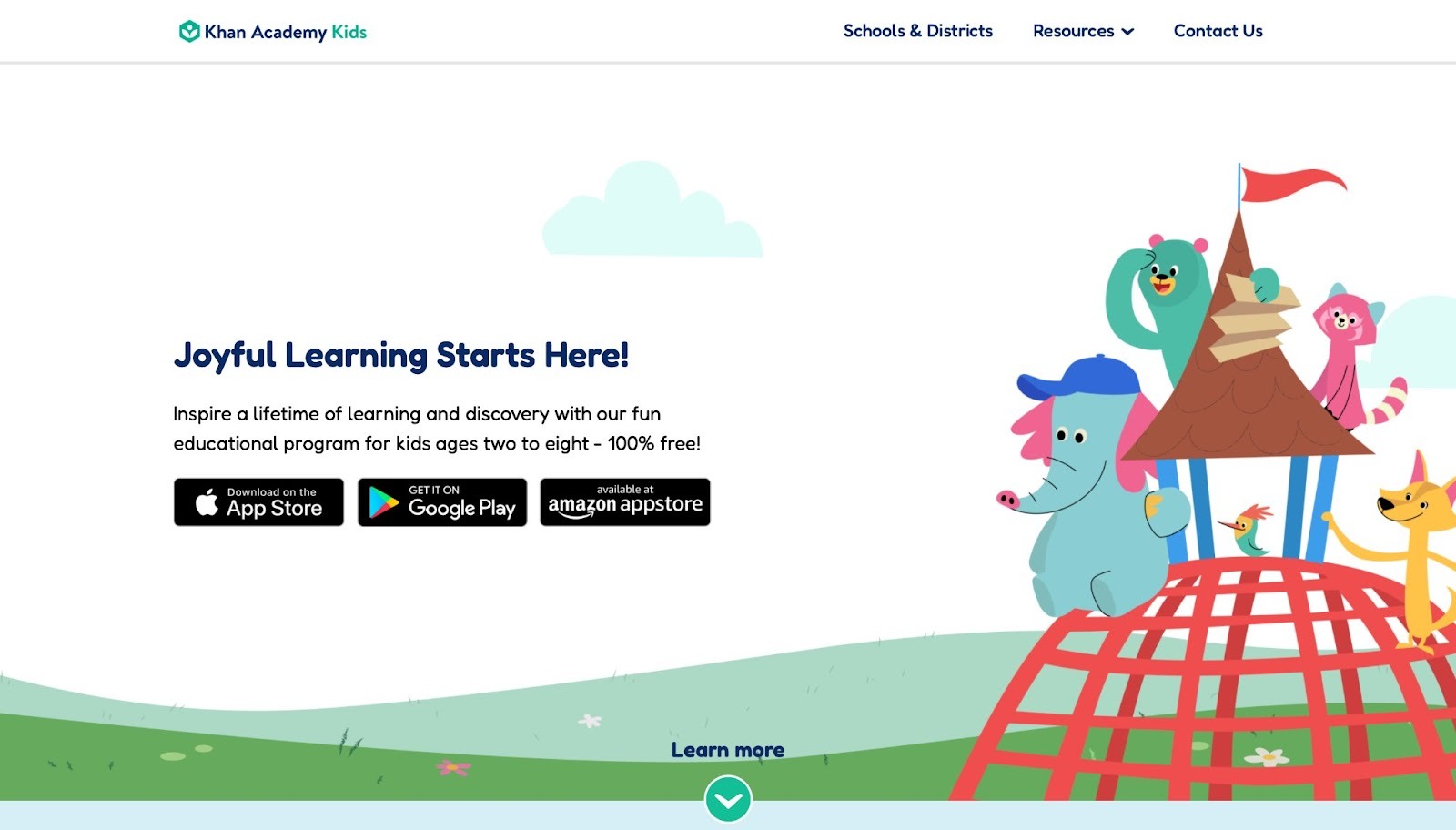
Khan Academy Kids blends learning activities, stories, and songs to teach letters, numbers, emotions, and creativity. Animal characters guide kids through adaptive lessons that change based on their answers. The free app includes books, drawing tools, and offline access for flexible use. Children build early literacy and math skills while practicing social-emotional learning. Regular new content keeps the experience engaging over time.
- Key features: Adaptive curriculum, progress reports, books, songs, and drawing activities.
- Facts and information: Completely free with no ads, developed by the nonprofit Khan Academy for ages 2-8.
6. PBS KIDS Games
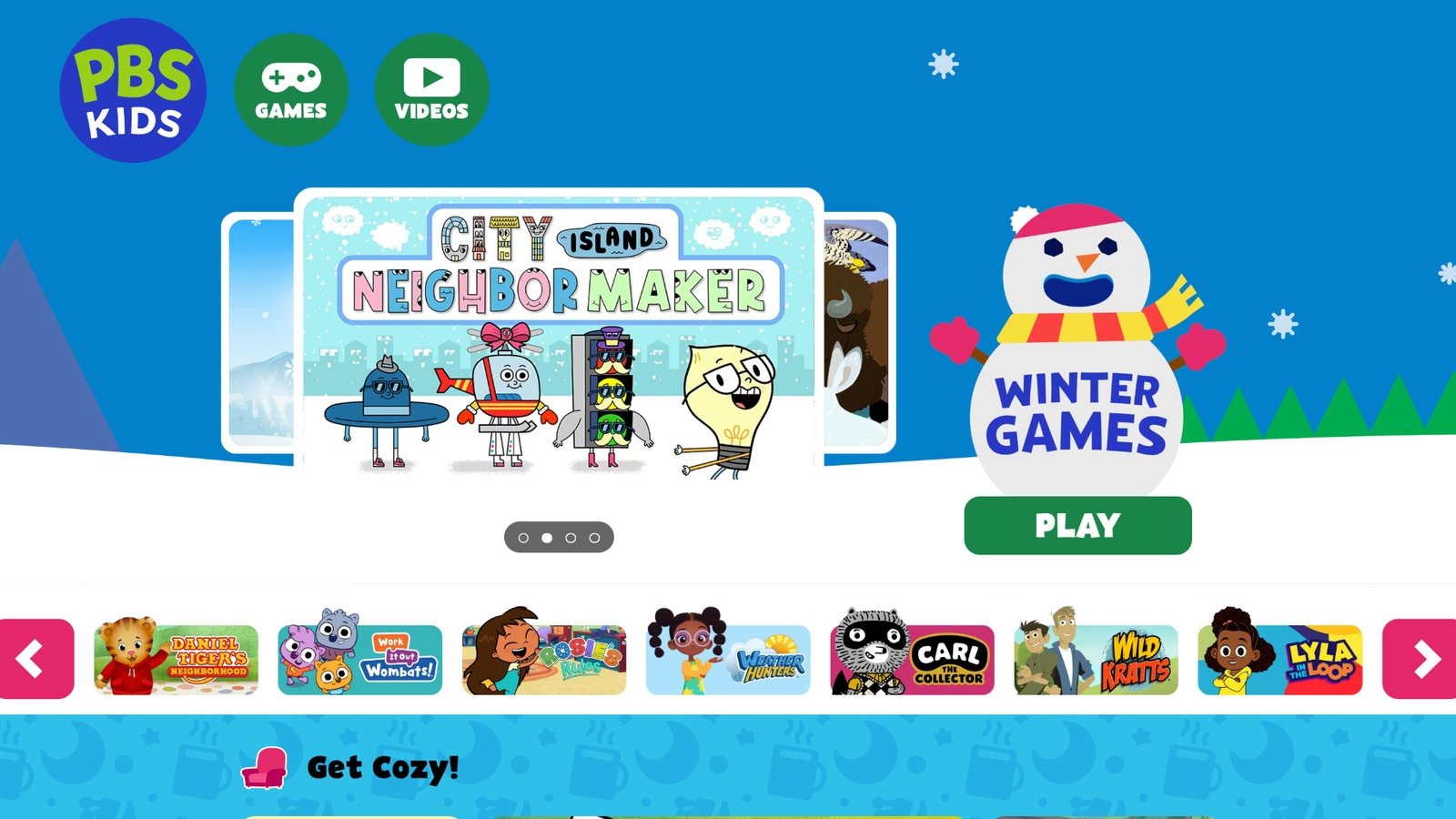
PBS KIDS Games brings favorite characters from shows like Sesame Street, Daniel Tiger, and Wild Kratts into educational mini-games. Kids practice science, math, emotions, and problem-solving through short, replayable activities. The trusted content helps children explore real-world concepts in a familiar setting. Many games focus on empathy, cooperation, and basic STEM skills.
- Key features: Dozens of character-based games, skill badges, variety packs, and free access.
- Facts and information: Produced by PBS for ages 2-8 with strong educational research backing.
7. Lingokids
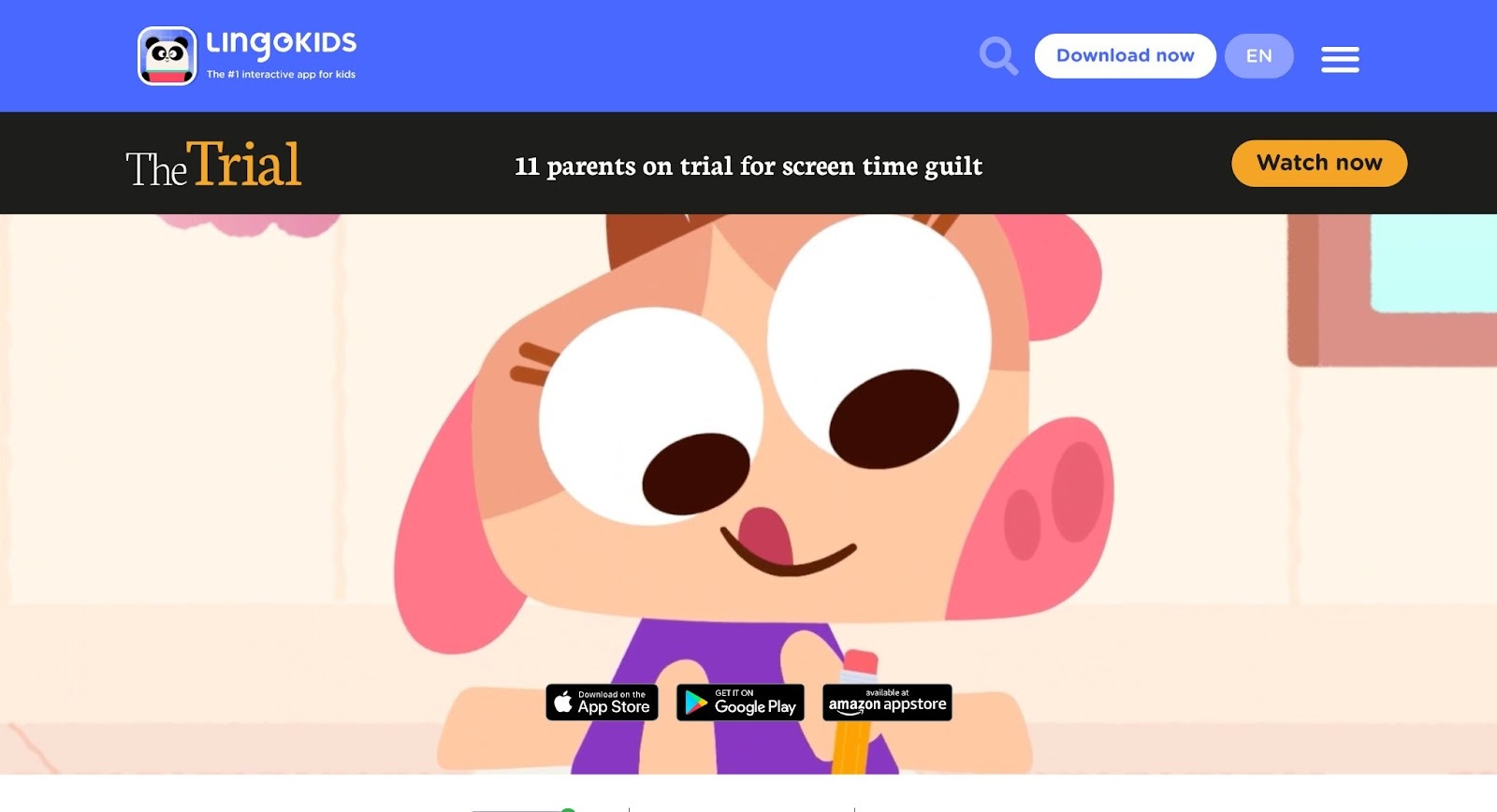
Lingokids teaches early language skills through songs, games, and daily activities. Kids learn vocabulary, phrases, and concepts in English and other languages. Colorful animations and interactive stories keep young learners engaged in short sessions. The app builds listening, speaking, and comprehension abilities in a playful way.
- Key features: Daily learning paths, progress tracking, audio lessons, and multi-language support.
- Facts and information: Used by families in many countries for ages 2-6.
8. Prodigy Math
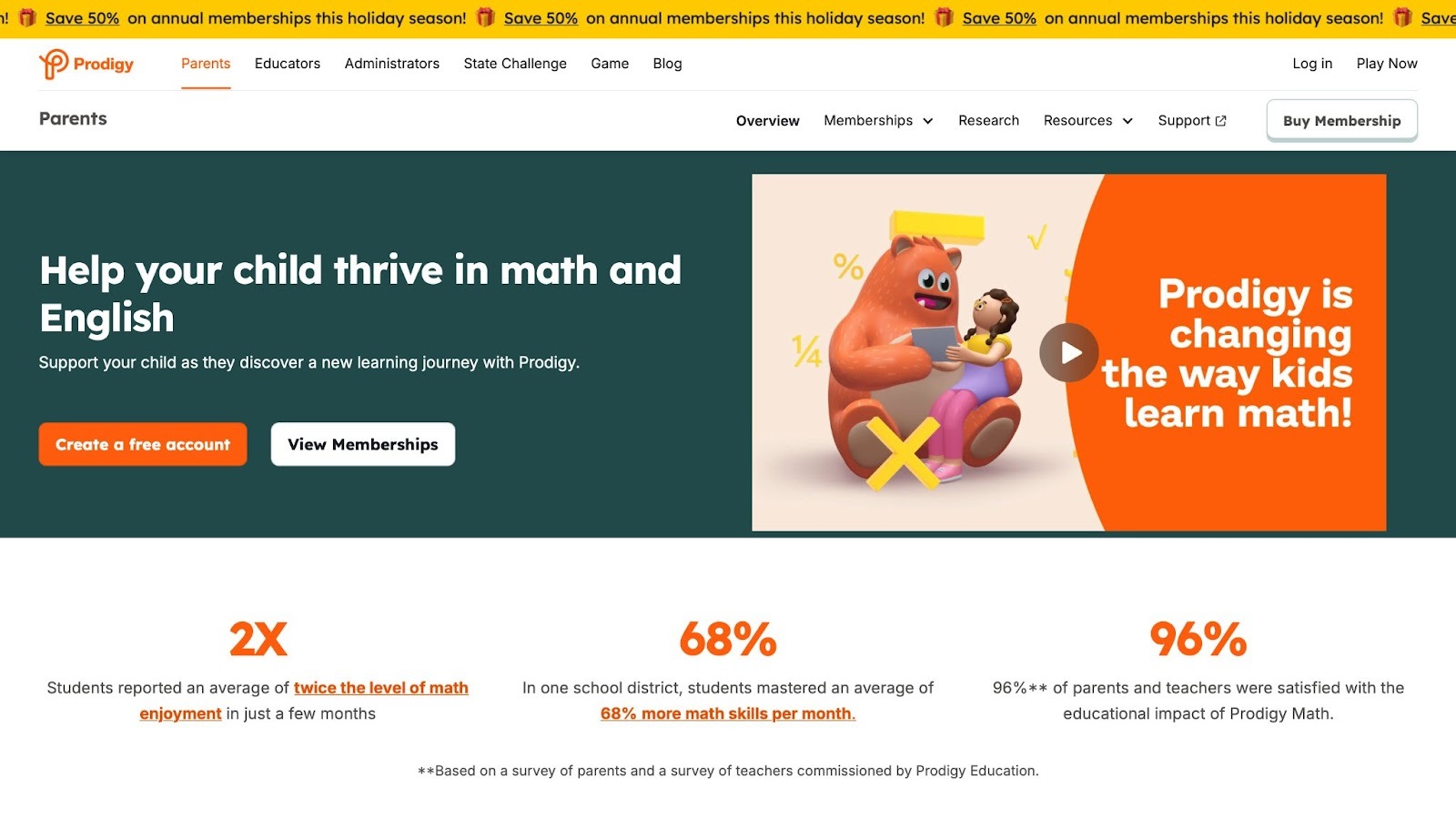
Prodigy Math turns math practice into an exciting adventure game where kids answer questions to battle monsters and complete quests. Children customize avatars, collect pets, and explore a fantasy world while mastering addition, subtraction, geometry, and more. The adaptive system adjusts difficulty automatically.
- Key features: Real-time battles, skill trees, avatar customization, and curriculum-aligned questions.
- Facts and information: Covers grades 1-8 math standards with engaging gameplay.
9. Endless Alphabet
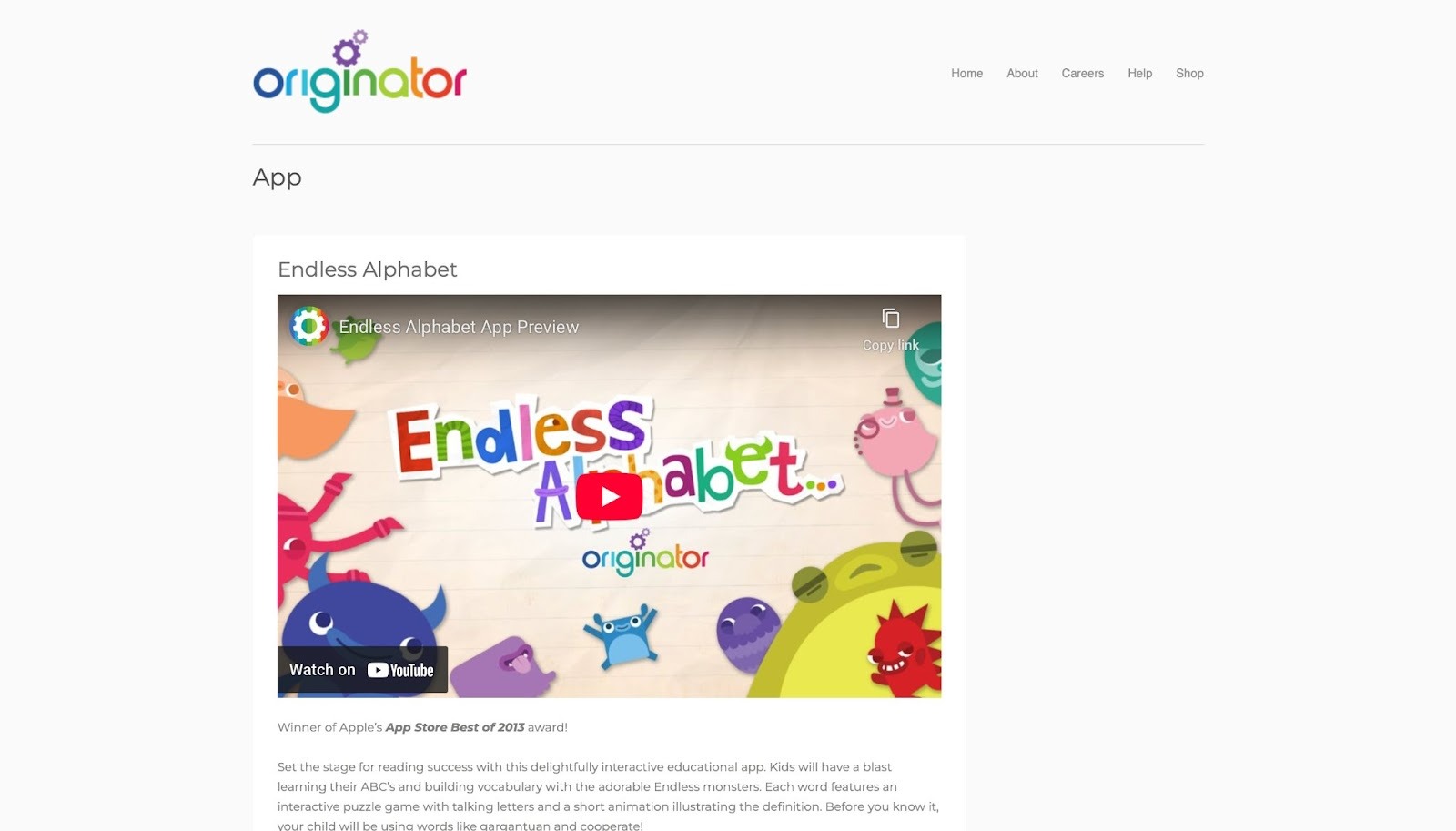
Endless Alphabet introduces young children to letters and words using cute monsters and funny animations. Kids drag letters to build words and watch silly scenes play out. The app helps develop phonics awareness and vocabulary in a humorous way. Short, repeatable sessions make it ideal for quick learning moments.
- Key features: Puzzle-style word building, animated definitions, and sound effects.
- Facts and information: Designed for preschoolers learning to read.
10. Starfall
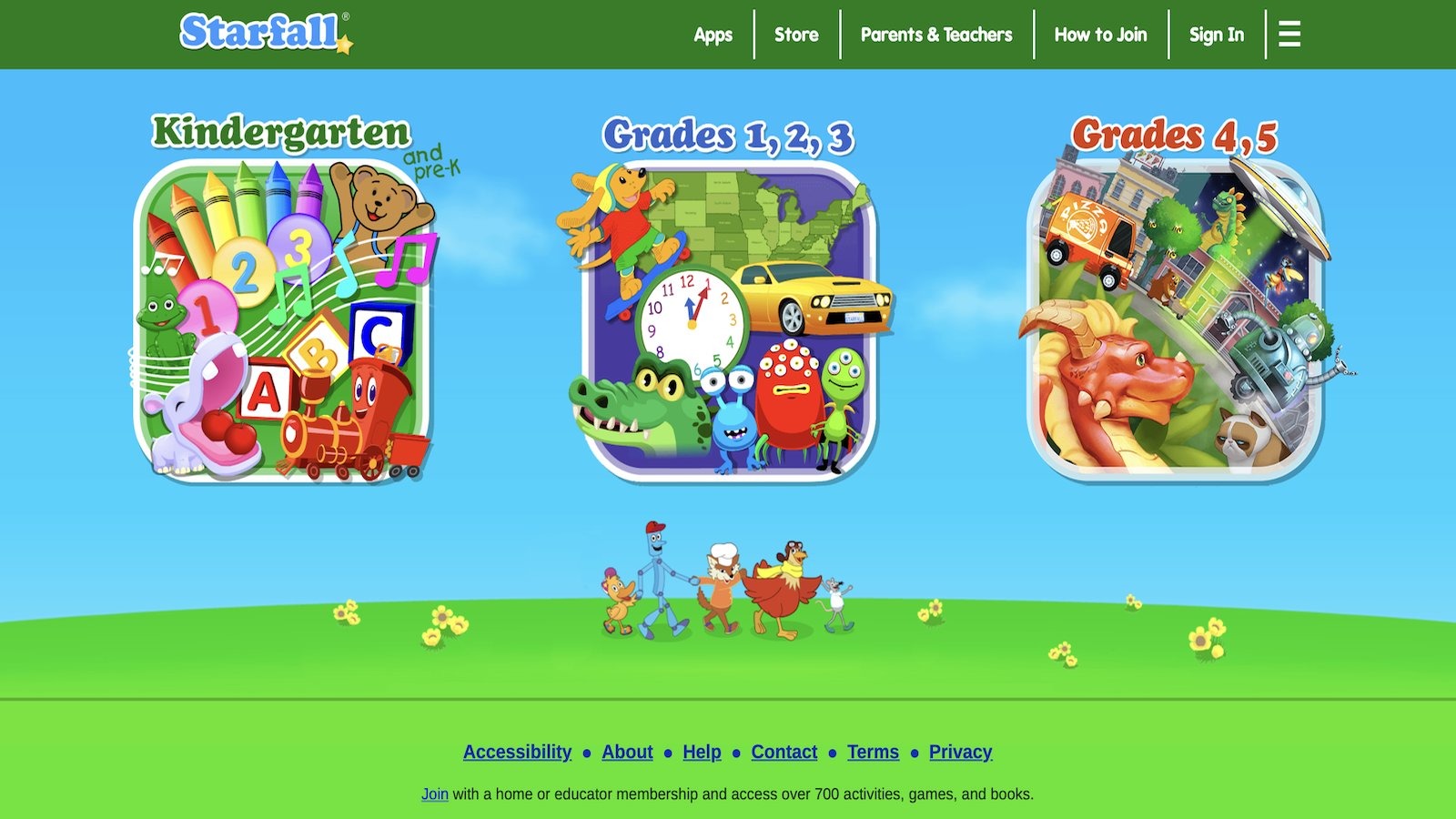
Starfall offers a structured journey into phonics, reading, and early math through animated movies, songs, interactive books, and games. Kids explore letters in fun themed worlds like farms, space, and holidays, building skills from letter recognition to sentence creation and basic operations. Activities include dragging letters to form words, listening to narrated stories, and playing math games with counting and shapes. The app supports offline play for select movies, making it ideal for travel, and features no ads for a distraction-free experience.
Strengths shine in its gentle progression that boosts confidence in young learners, with multi-sensory elements like sounds and animations reinforcing concepts. Parents appreciate the printable resources and alignment with early education standards. Weaknesses might include simpler graphics that feel dated to some older kids, though the content depth keeps engagement high. Regular updates add new books and activities, ensuring fresh learning paths. From the U.S., Starfall focuses on joyful, self-paced discovery that turns screen time into foundational skill-building.
- Key features: Animated lessons, phonics games, math activities, printable extras, offline movies.
- Facts and information: Supports literacy and numeracy for preschool through grade 3.
11. Duolingo ABC
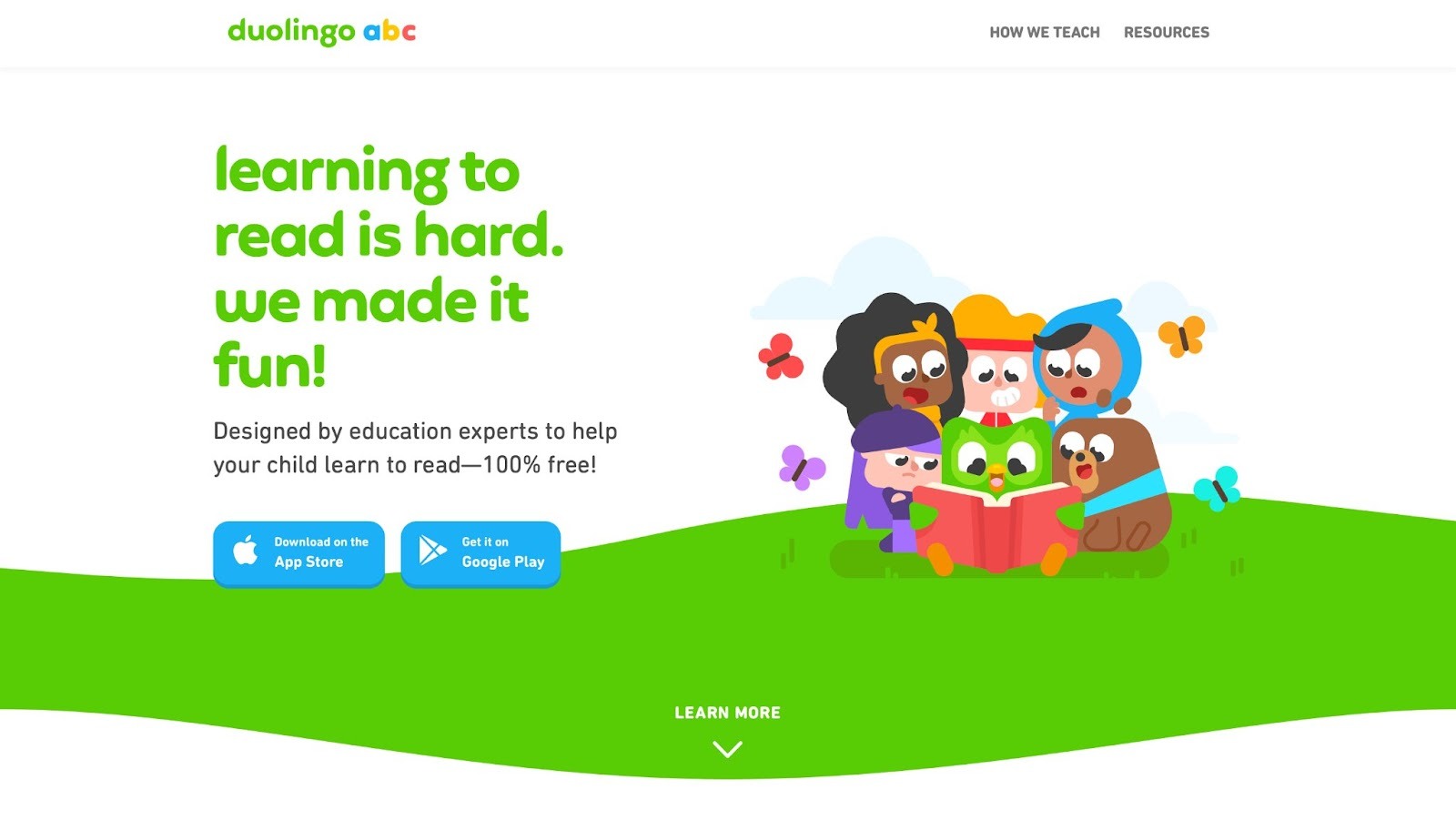
Duolingo ABC turns early reading into bite-sized adventures with colorful mini-games, stories, and tracing exercises. Kids learn letter sounds, sight words, phonics, and comprehension by popping bubbles, matching images, and reading interactive books with speech recognition for pronunciation practice. Lessons adapt to progress, mixing fun characters and rewards to maintain motivation. Strengths include its free, ad-free access and logical path from basics to fluent reading, perfect for preschoolers.
The multisensory approach with audio feedback helps build confidence quickly. Weaknesses arise if kids advance fast, as early levels repeat for reinforcement, though offline mode allows flexible pacing. Regular content drops keep it engaging. The app suits independent play while offering parent dashboards for tracking.
- Key features: Adaptive lessons, storybooks, tracing, speech recognition, offline play.
- Facts and information: Builds phonics and vocabulary for ages 3-8.
12. Epic!
Epic! delivers a vast digital library of books, audiobooks, videos, and read-alongs for independent reading. Kids browse fiction, nonfiction, and comics by interest or level, following highlighted text in read-to-me options or listening offline. Quizzes and badges track progress, fostering habits. Strengths lie in endless variety from popular authors, supporting diverse readers with multilingual titles. Parent dashboards show stats and assigned collections. Weaknesses include some online-only content, but downloads mitigate this. Updates add weekly titles, keeping discovery exciting. From California, U.S., Epic! sparks lifelong reading love.
- Key features: Unlimited books, audiobooks, quizzes, parent dashboard, offline shelf.
- Facts and information: Curated for ages 2-12 with educational videos.
13. SplashLearn
SplashLearn blends math and reading through adaptive games, stories, puzzles, and flashcards from preschool to grade 5. Kids tackle addition, phonics, and vocabulary in themed challenges that adjust difficulty, earning rewards for motivation. Daily plans build routines, with real-time reports for parents. Strengths include curriculum alignment and independent use, turning practice into play. Weaknesses show in occasional device compatibility issues, though support resolves quickly. Fresh games keep it dynamic. From India, SplashLearn emphasizes skill mastery without pressure.
- Key features: 4000+ games, personalized plans, progress tracking, worksheets.
- Facts and information: Covers PreK-5 math and reading standards.
14. Reading Eggs
Reading Eggs builds reading from phonics to comprehension with lessons, games, e-books, and songs for ages 2-13. Kids progress through mapped activities, collecting rewards like pets. Phonics mapping, spelling quests, and quizzes reinforce skills. Strengths are research-backed structure and vast library, ideal for beginners. Weaknesses involve needing guidance for some audio cues, but offline access helps. Australian-based, it suits home or school.
- Key features: Guided lessons, 4000+ e-books, phonics activities, progress maps.
- Facts and information: Proven for early literacy development.
15. ScratchJr
ScratchJr introduces block-based coding for ages 5-7, letting kids create stories and animations with drag-and-drop commands. They program characters to move, speak, and interact in projects up to multiple pages. Strengths foster creativity and logic without text. Weaknesses require initial adult help for complex ideas. MIT-developed in U.S., it's free and multilingual.
- Key features: Block programming, character creation, sound recording, project sharing.
- Facts and information: Teaches sequencing and events visually.
16. DragonBox Numbers
DragonBox Numbers visualizes number sense through puzzles where kids manipulate Nooms to add, subtract, and compare. Four activities build intuition without symbols initially. Strengths make abstract concepts concrete and fun. Weaknesses suit beginners best, less for advanced. Norwegian HQ, now Kahoot!, offers adaptive play.
- Key features: Puzzle levels, number manipulation, no text, progressive challenges.
- Facts and information: Develops early arithmetic fluency.
17. Monster Math
Monster Math adventures teach facts via quests, battling with quick calculations in addition to division. Adaptive levels and visuals build speed. Strengths engage through story. Weaknesses multiplayer needs devices. India-based, common core aligned.
- Key features: Missions, adaptive difficulty, reports, multiplayer.
- Facts and information: Reinforces fluency for grades K-5.
18. TinyTap
TinyTap lets kids create and play interactive learning games, stories, and quizzes. Parents and children can record their own voice and make custom activities. The platform also offers thousands of ready-made educational games made by teachers and families.
- Key features: Easy creation tools, millions of user-made activities, voice recording, and sharing.
- Facts and information: Supports creativity and learning for ages 3-10.
19. BrainPOP Jr.
BrainPOP Jr. uses short animated videos and follow-up activities to teach science, social studies, math, reading, and health. Kids watch movies then complete quizzes, experiments, and games to reinforce concepts.
- Key features: Hundreds of topic videos, interactive quizzes, printable activities, and parent resources.
- Facts and information: Age-appropriate content for grades K-3.
20. Lightbot
Lightbot teaches computational thinking and coding logic through puzzle games. Kids guide a robot by giving commands to light up tiles and solve levels. The visual puzzles build problem-solving and sequencing skills.
- Key features: Progressive levels, multiple worlds, no reading required, and coding concepts.
- Facts and information: Widely used in schools for ages 4-10.
Safety Tips for Tablet Use with Kids
- Set time limits to mix play with outdoor fun.
- Use built-in controls to block unsafe content.
- Talk about what kids see in games to build smart habits.
- Keep devices updated for security.
- Choose apps from known makers to avoid risks.
- Share play sessions to guide and bond.
- Protect kids online with these tips.
FAQ
What makes a good tablet game for kids in 2026?
Good ones mix fun with skills like creativity or math. They adapt to age and offer safe, ad-free spaces. Many include offline play for trips, helping kids learn without pressure. Educational games for kids iPad often highlight interactive elements that keep engagement high.
How do tablet games help with child development?
They build focus and problem-solving through interactive stories. Kids practice emotions or teamwork in virtual worlds. Balanced use supports growth alongside real play. Such tablet games align well with daily learning.
Are there free tablet games for kids?
Yes, some apps offer core features without cost. Look for ones from trusted groups that add value through updates. Trial periods help test fits. Free games can introduce basics before moving to fuller experiences.
What age range suits most kids tablet games?
Most target ages 3 to 8, with simple taps for little ones and challenges for older. Pick based on skills, not just years, for best engagement. This range covers early motor skills to more complex thinking.
Why include mixed reality in tablet games for kids?
Mixed reality adds real-world ties to digital play, like scanning items for in-game use. It makes sessions more interactive and ties to everyday objects. This approach enhances hands-on aspects without needing extra gear.
Read Also
- Best Educational Games For Kids 4th Grade in 2026
- Best Educational Games For Kindergarten in 2026
- Best Educational Games For 10 Year Olds in 2026
- Best Educational Games For 7 Year Olds in 2026