
Best iPad Games For Kids In 2026






Looking for the best iPad games for kids in 2026? Parents want options that spark joy while building skills, without ads or worries. These games turn screen time into something positive, helping with creativity, focus, and problem-solving. Many choices fit different ages, from toddlers to school kids, with colorful worlds and simple controls. Whether at home or on the go, find picks that kids adore and families trust.
Parents looking to go beyond iPad-only play can explore curated guides to the best safe apps for kids that focus on privacy, age-appropriate design, and ad-free experiences. There are also excellent collections of educational games for kids apps and expert-reviewed picks for the best mobile games for kids, making it easier to choose quality games across devices. For families prioritizing learning through play, these resources highlight the best educational kids games, including recommendations for the best educational games for kids that are fun and keep children engaged while developing essential skills.
Discover the Best iPad Games For Kids In 2026 - TutoClub
Why Choose Educational Games on iPad

iPad games offer more than entertainment for kids. They build real skills through play, like thinking through puzzles or creating stories. Kids stay active in their minds, picking up ideas on shapes, colors, and emotions naturally. Some games even help with social lessons, showing how to share or feel for others. This setup fits busy family life, giving parents peace while kids grow. Many families stick with reliable picks like the best games for kids that balance fun and growth.
Parents can easily find high-quality options by checking the best mobile games for kids and tablet games for kids, which run smoothly on iPad. For more focused learning, the best kids games educational and the best apps for kids learning provide excellent choices that combine fun with real skill development in subjects like math, reading, and problem-solving. These selections help maximize the educational value of iPad playtime while keeping children engaged and safe.
Top Features in Kid-Friendly iPad Apps
Good iPad games for kids come with easy taps and bright visuals that hold attention. Offline play means no need for constant connection, perfect for trips. Parental controls let adults set limits, keeping things safe. Games often update with fresh content, so play stays exciting over time.
Educational Game iPad Apps That Build Confidence
Educational game iPad apps are excellent at building confidence in children because they offer structured success through small, achievable challenges. Kids gain confidence building as they complete levels, unlock rewards, and see visible progress in their skills.
These games focus on positive reinforcement, gentle guidance, and celebration of effort. Many learning games include features that teach responsibility by letting children manage their own progress and choose learning paths. When chosen well, these safe apps help children develop a growth mindset while strengthening memory exercises and problem-solving abilities.
Balancing Screen Time with iPad Educational Games
Balancing screen time with iPad educational games is essential for healthy development. Set clear daily limits and treat learning games as a focused activity rather than endless entertainment. Many safe apps include built-in timers and parental controls to help manage usage effectively.
Combine iPad time with offline activities by using brain games and learning through play activities as rewards after reading, playing outside, or completing chores. Choose high-quality online games that deliver strong learning outcomes in shorter sessions. When used thoughtfully, the best iPad games for kids in 2026 become a valuable part of a balanced routine that supports both learning and overall well-being.
Benefits of iPad Games for Skill Development
iPad games help children sharpen thinking skills through interactive play that feels natural and fun. Kids often practice problem-solving abilities in children by figuring out puzzles or completing tasks in colorful settings. Many options support creativity as children design stories or build scenes with simple touches.
These experiences also nurture social emotional growth in kids when they care for characters or make choices that affect outcomes. Families find that such games fit into daily routines easily, especially with touch controls suited to young hands.
Parents notice improved focus during learning through play sessions that mix learning with joy. Games often adapt to different ages, letting toddlers tap basic elements while older kids tackle slightly harder challenges. This setup turns device time into moments that build real abilities like patience and curiosity.
Choosing Age-Appropriate iPad Games
Selecting free online games that match a child's age makes play more rewarding and supportive of growth. Younger ones benefit from large buttons and bright visuals that encourage early exploration. Older kids enjoy activities with more steps that build on basic knowledge. Many titles include offline access so fun continues during travel or quiet times at home. Simple navigation keeps children independent while parents maintain oversight through device settings.
Topics such as colors, shapes, or daily routines appear in ways that feel like adventures rather than lessons. This helps kids stay engaged longer and return to play with excitement. Checking options on iOS platforms ensures smooth performance tailored to tablet game strengths.
How iPad Games Support Family Routines
iPad games integrate well into busy schedules by offering short, meaningful sessions that align with family life. Children might play while waiting for meals or winding down before bed, turning potential downtime into positive moments. Multi-device support allows sharing across siblings. Regular updates bring fresh content that keeps interest high over months. Families often combine screen activities with other pursuits, creating balanced days full of variety.
Guides on best learning through play activities provide extra context for weaving games into everyday habits. Content that promotes responsibility through character care fits naturally into talks about helping at home.
Offline iPad Play for Travel and Quiet Hours
Kids often want games when Wi-Fi drops. After the first download, many educational games for kids keep working in airplane mode. That helps on long drives, flights, and rainy afternoons. Games for young kids with large buttons stay easy when a child is buckled in a seat.
Useful habits for offline play:
- Download a few titles the night before a trip
- Keep storage free so new updates can still land later
- Pair one pet-care game with one puzzle game so the mix stays fresh
- Use device sleep settings so play ends at a set time
Pet worlds and house-care titles work well in short bursts. Kids hatch, feed, and tidy without extra pop-ups. Educational games for kids at home often use the same calm loops once the family is back from travel. Families who also like print tools pair this kind of play with a family weekly planner so screen blocks sit next to meals and outdoor time. A Fluvsies paper doll printable can follow the same characters after the tablet goes away.
Creative Play on iPad for Art, Stories, and Dress-Up
Some children learn best when they make things. Dress-up, room design, and story scenes let them try colors, outfits, and roles. Dress-up games for girls give that same make-believe feeling on a tablet. Fun educational games for kids keep the tone light while kids style a look or build a room.
Creative iPad sessions often include:
- Outfit choices that teach color matching
- Room decorating that practices sorting and planning
- Character care that shows kindness in small steps
- Music and dance scenes that reward rhythm and memory
Educational games that are fun hide those choices inside short scenes. Kids who like girl-focused themes also enjoy online educational games for kids that stay soft and free of noisy ads. Confidence building games show up when a child finishes a look and wants to show it.
iPad Games That Teach Everyday Life Skills
Chore-style play helps kids practice real tasks in a safe world. Cleaning rooms, feeding pets, and putting toys away feel like pretend, yet they build order and patience. Learning through play activities sit next to this kind of screen time. Learning through play examples often use the same tidy-up and care steps off the tablet.
Life-skill play often covers:
- Following a simple sequence (wash, dry, put away)
- Noticing when a character needs help
- Finishing one room before starting the next
- Feeling proud after a completed task
Social emotional games for kids use care stories in the same way. Emotional regulation games for kids help when a task feels unfinished and a child needs to try again. Emotional games for kids keep those feelings small and clear. A child who just cleaned a virtual kitchen may later help wipe a real table with less fuss. Practical tips for new parents often pair these short chores with rest and meals.
Puzzle and Logic Play on iPad
Puzzles give kids a clear goal and a calm pace. Matching, memory, and light logic tasks fit well between louder play. Memory games for kids work on the same tablet as story games, so siblings can switch styles without swapping devices.
Puzzle time works best when:
- Levels stay short
- Hints stay kind
- Failure just means try again
- Rewards feel small and warm, not loud
Learning games for kids and learning games for kids online sit in this family of play. Kids practice holding a plan in mind, then acting on it. Kid educational games with simple patterns help younger players. Educational games for 6 year olds add a few more steps. Educational games for 7 year olds stretch the same logic without turning the session into a test.
Seasonal and Holiday iPad Games
Holiday weeks change the family clock. Kids still want to play, but themes can match the season. Fun games that are educational for kids keep December and birthday weeks light. Educational but fun games for kids use the same short loops with festive rooms or outfits.
Seasonal play can sit beside:
- Card making at the table
- Cookie decorating
- A short walk after a game ends
Educational videos and games for kids can fill a quiet holiday morning. Online games for kids that are educational keep the tone calm when school is out. Games for kids online educational work on the same iPad used on ordinary weekdays. Balance self-care and parenting tips often remind families that short, familiar play helps when the house feels busy.
Best iPad Games For Kids In 2026
1. TutoClub - Best iPad Games for Kids
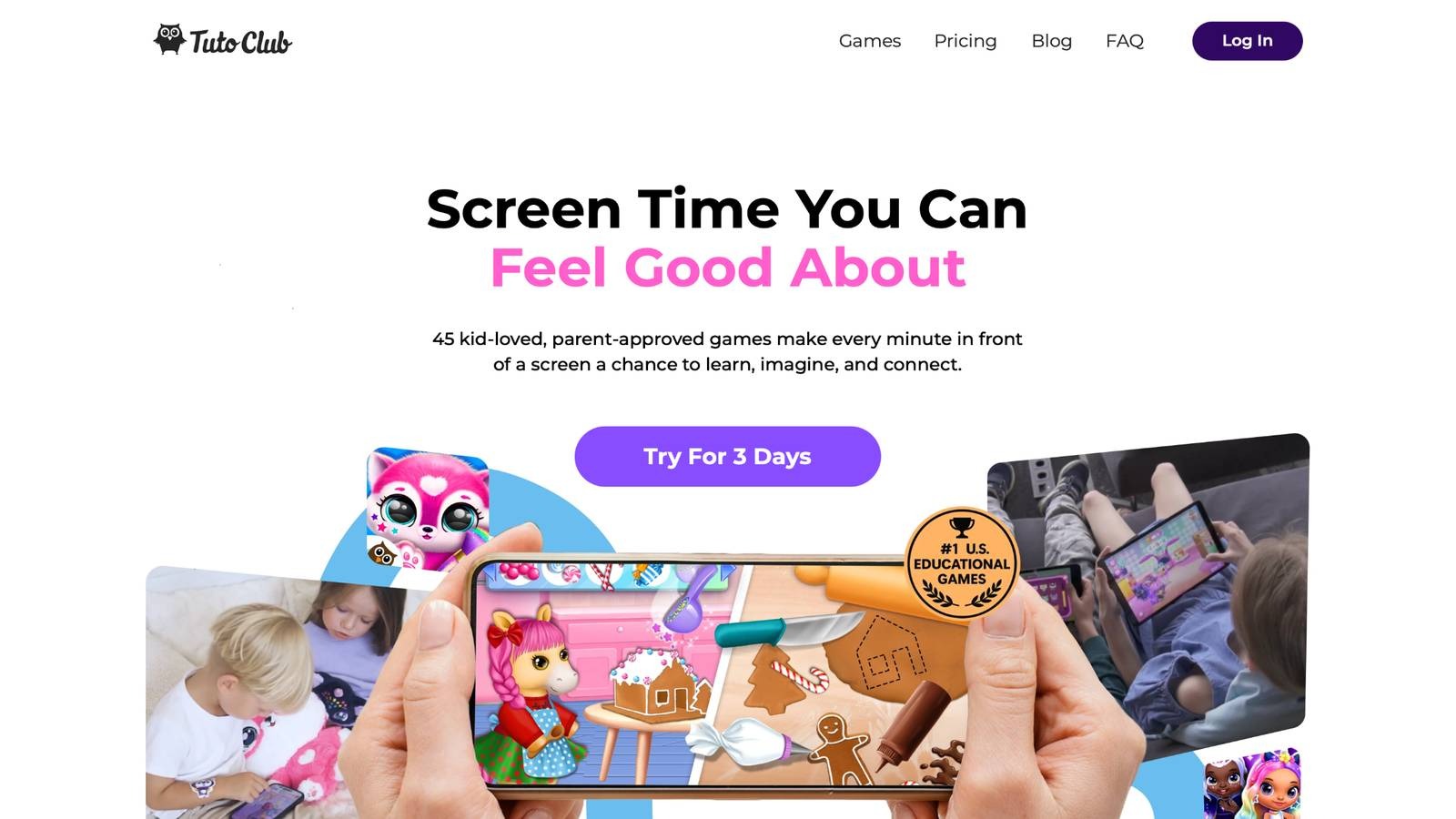
TutoClub stands out as a top choice for families seeking engaging iPad experiences. This subscription unlocks a wide array of ad-free games designed to make learning feel like play. Kids dive into colorful worlds where they care for pets, solve simple puzzles, or build creative scenes. Each game focuses on building focus, emotional awareness, and curiosity through hands-on activities.
Parents appreciate how it turns everyday moments into growth opportunities, with content that adapts to different skill levels. Offline access after download keeps the fun going anywhere, and regular updates add new adventures. Based in Kaunas, Lithuania, TutoTOONS crafts these with care for young players.
- Standout features: Ad-free environments, unlocked extras, multi-device support for family sharing.
- Facts and information: Many kids build confidence through storytelling and problem-solving tasks, while some parents note improved responsibility from in-game choices.
TutoClub Overview
TutoClub is your gateway to a magical world of educational games designed especially for children.
As part of TutoTOONS, a leading kids' games studio, we offer premium access to over 45 ad-free games.
Our mission is to blend learning and play, helping kids explore, create, and grow in a safe online space.
Thousands of parents trust us for family-friendly content that sparks imagination and builds essential skills.
Key Features
- Unlimited Access: Unlock full content in all games with no interruptions.
- Ad-Free Experience: Enjoy seamless play without any ads or distractions.
- Skill Development: Games foster creativity, social skills, communication, and more through fun activities like pet care and cleanup challenges.
- Regular Updates: Get new releases, exclusive content, and future updates automatically.
- Easy Subscription: Cancel anytime with no obligations, simple and flexible for families.
Explore Our World
TutoClub provides a rich ecosystem of educational games for kids, featuring ad-free experiences that promote creativity, focus, and emotional growth through play.
This platform turns screen time into valuable learning opportunities, with parent-approved content that builds essential skills and sparks curiosity in young minds.
- TutoClub Games: Over 45 educational games, including popular titles like Fluvsies, Smolsies, and the Sweet Baby Girl series
- Blog: Insights, tips, and stories for families on kids' learning and play
- FAQ: Comprehensive answers to frequently asked questions about subscriptions, features, and more
Get TutoClub on Your Device
TutoClub delivers premium kids educational games directly to your mobile devices, making learning accessible anytime, anywhere.
With apps available on major platforms, families can easily download and subscribe for ad-free play that turns screen time into skill-building adventures.
Perfect for parents seeking safe, engaging content on iOS, Android, or Amazon devices.
Why Choose TutoClub?
We're committed to 100% safe, enriching entertainment that kids love and parents approve.
Join the thousands who've seen their children thrive through playful learning.
Ready to start the adventure?
Subscribe to TutoClub today and unlock endless fun!
2. Fluvsies Academy
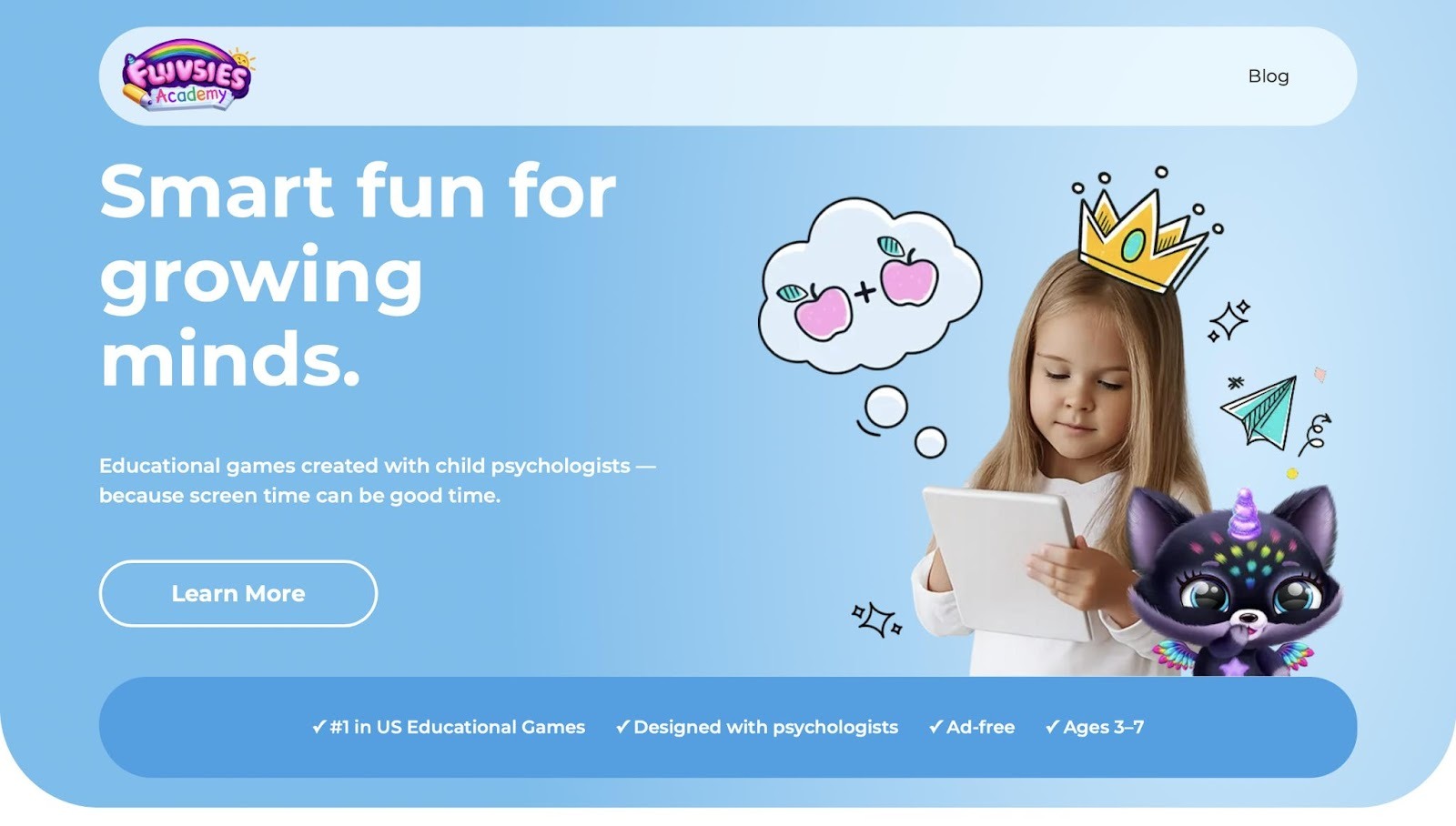
Fluvsies Academy offers a relaxing educational app built around the beloved Fluvsies characters that many young children already know and love from other gentle games. Children engage in thoughtful minigames that feel playful rather than forced as they care for cute pets, complete simple tasks, and explore colorful worlds filled with surprises. The design creates a gentle atmosphere where learning happens naturally through caring routines and light challenges that build confidence without pressure.
Kids hatch eggs, nurture creatures, and solve easy puzzles that spark curiosity while encouraging kindness and responsibility in everyday play. Parents notice how the app keeps little ones happily occupied for meaningful stretches of time while quietly supporting early skills in a way that feels like pure fun. The calm visuals and soothing sounds help maintain focus even on busy days, making it a favorite choice for families seeking screen time that nurtures rather than distracts. While some activities repeat familiar patterns, this consistency actually helps children master concepts at their own pace and return with excitement each time.
Key features:
- Ad-free environment that keeps focus sharp and uninterrupted
- Minigames covering language, logic, math basics, and life skills
- Cute characters and relaxing vibe that appeal strongly to young learners
- Simple controls designed for independent play from an early age
Facts and information:
- Psychologist-informed design supports gentle skill-building in a safe, colorful world
- Combines pet care with educational moments that feel natural and rewarding
3. Lingokids
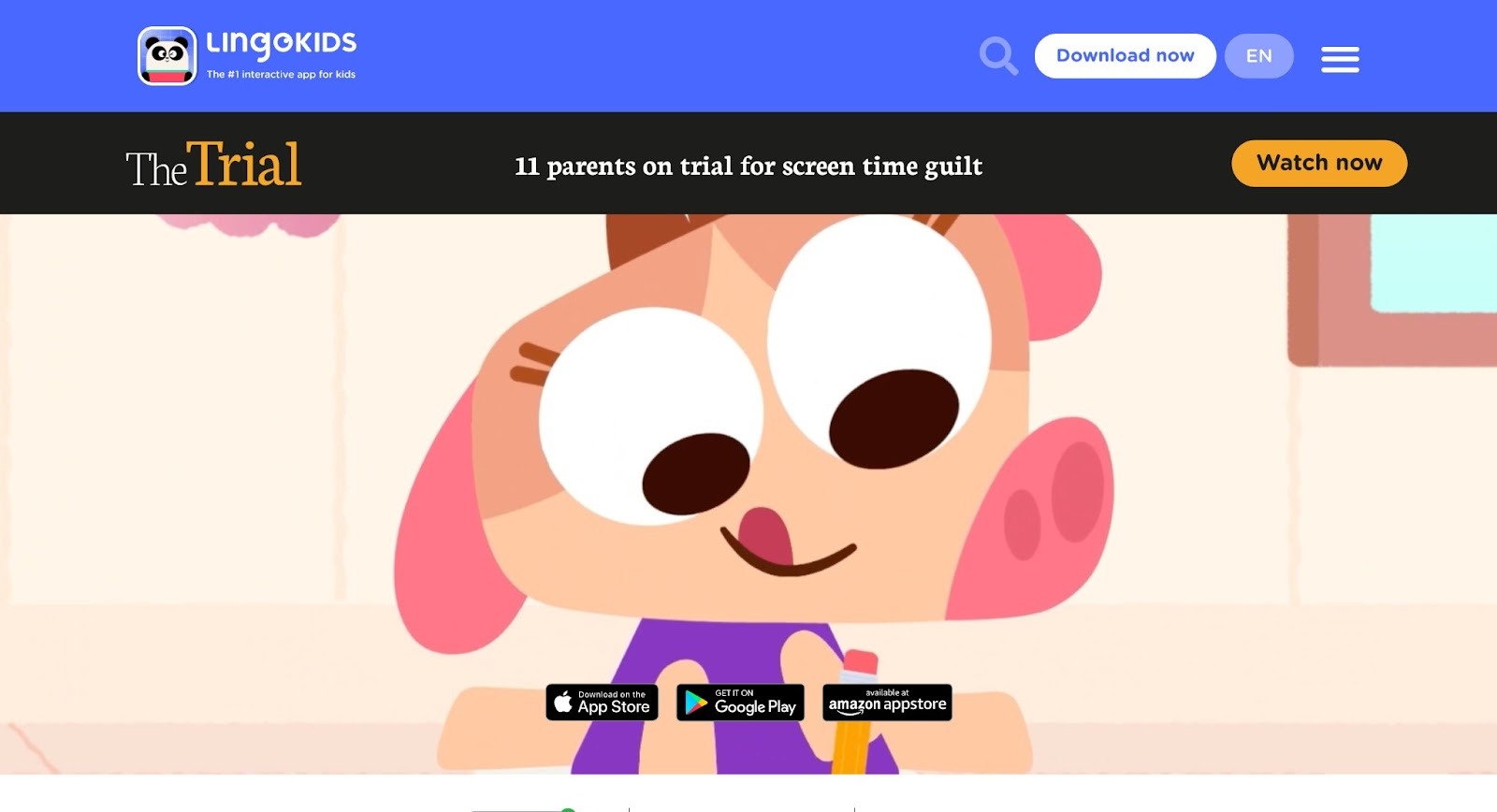
Lingokids transforms early learning into an entertaining adventure packed with songs, animated videos, and interactive mini-games that cover literacy, math, science, and daily life skills. Lovable animal characters guide children through personalized journeys that adapt to their pace, helping them build vocabulary, counting abilities, and confidence in a playful, encouraging atmosphere. Developed with input from education experts and featuring collaborations like NASA-themed science content, the app offers thousands of activities that disguise meaningful learning as pure fun.
Parents appreciate the ad-free environment and detailed progress insights that show real growth in language and cognitive skills. While some voice prompts move quickly, the engaging format keeps toddlers and preschoolers returning daily, often leading to noticeable improvements in school readiness. Available across devices, Lingokids stands out as a comprehensive, high-quality option that makes screen time genuinely educational and delightful for ages 2 to 8.
- Key features: Adaptive lessons, progress tracking, themed units on science and math.
- Facts and information: Some families use it daily for language boosts, with kids picking up vocabulary through repeated play.
4. ABCmouse
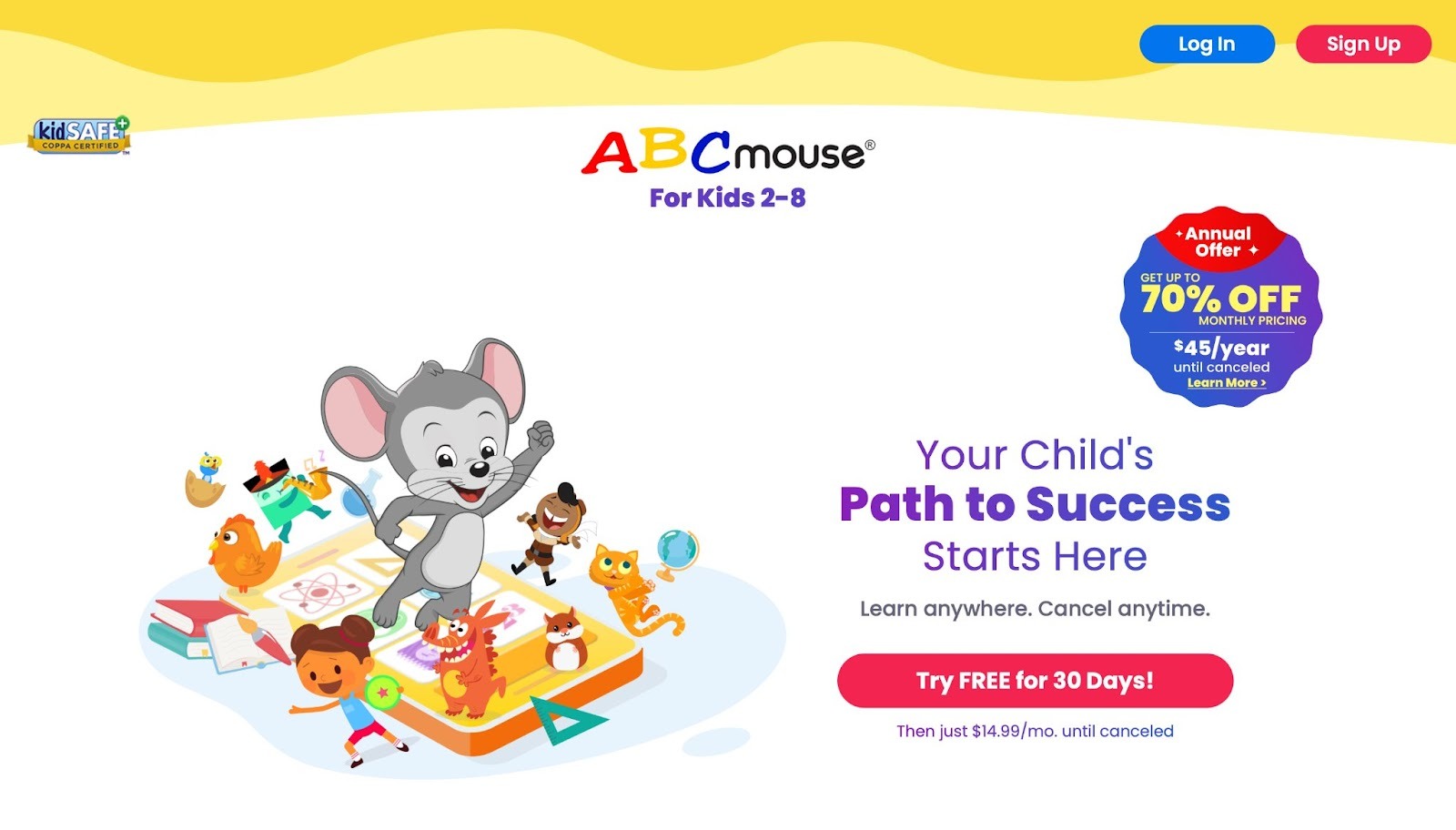
ABCmouse provides a complete early learning curriculum through thousands of engaging games, books, puzzles, and creative activities tailored for preschool and early elementary children. Young learners navigate a virtual classroom setting where they earn rewards for mastering phonics, math concepts, science basics, and art skills, with printable worksheets extending the experience offline.
The structured yet colorful progression builds strong foundational abilities while keeping motivation high through virtual field trips to places like zoos and farms. Many families report visible advances in reading readiness and overall school preparedness after consistent use. Though navigation may require some initial guidance for the youngest users, the breadth of content and expert design make it a reliable daily companion for homeschooling or supplemental learning. Based in California, this platform continues to earn praise for delivering measurable educational value in a fun, supportive format.
- Key features: Thousands of activities, printable worksheets, virtual zoo and farm visits.
- Facts and information: Many kids advance in phonics quickly, with some parents seeing school readiness improve.
5. Khan Academy Kids
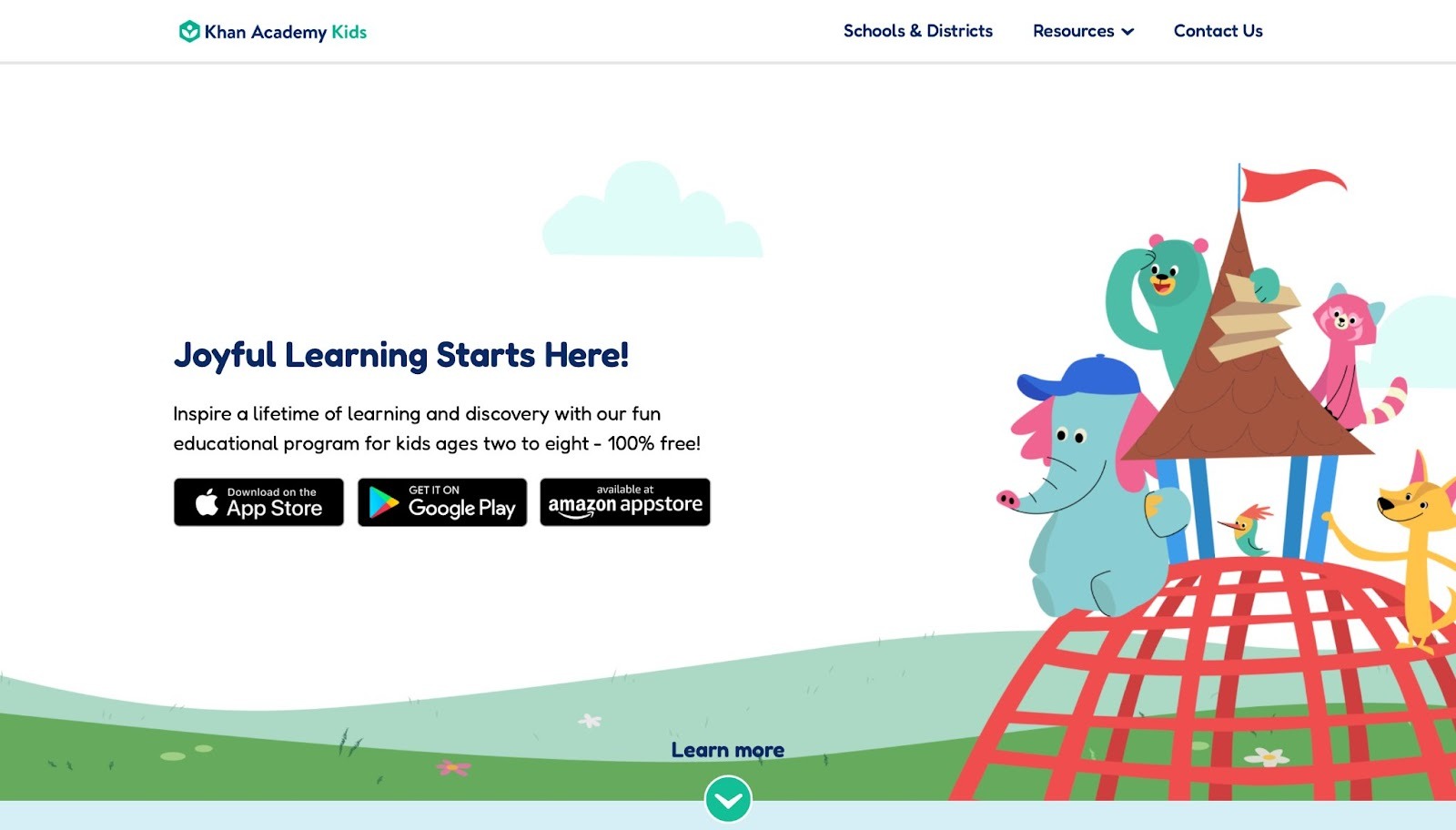
Khan Academy Kids delivers completely free, ad-free early education through engaging stories, math challenges, creative drawing tools, and social-emotional activities designed for ages 2 to 7. Animal characters lead circle-time sessions and hands-on lessons that cover counting, shapes, letters, emotions, and early logic in a gentle, adaptive way. The app includes a rich library of narrated books and offline download options, allowing flexible learning anywhere.
Parents highlight its research-based approach and ability to support multiple children at different levels with clear progress reports. While some transitions between activities feel quick, the high-quality content and focus on building confidence make it an exceptional resource for developing well-rounded skills. Recognized with numerous awards and glowing reviews, it stands as one of the most trusted free educational tools available on iPad.
- Key features: Offline downloads, customizable avatars, reading library with narration.
- Facts and information: Some users highlight the emotional learning tools, helping kids understand feelings through stories.
6. PBS KIDS Games
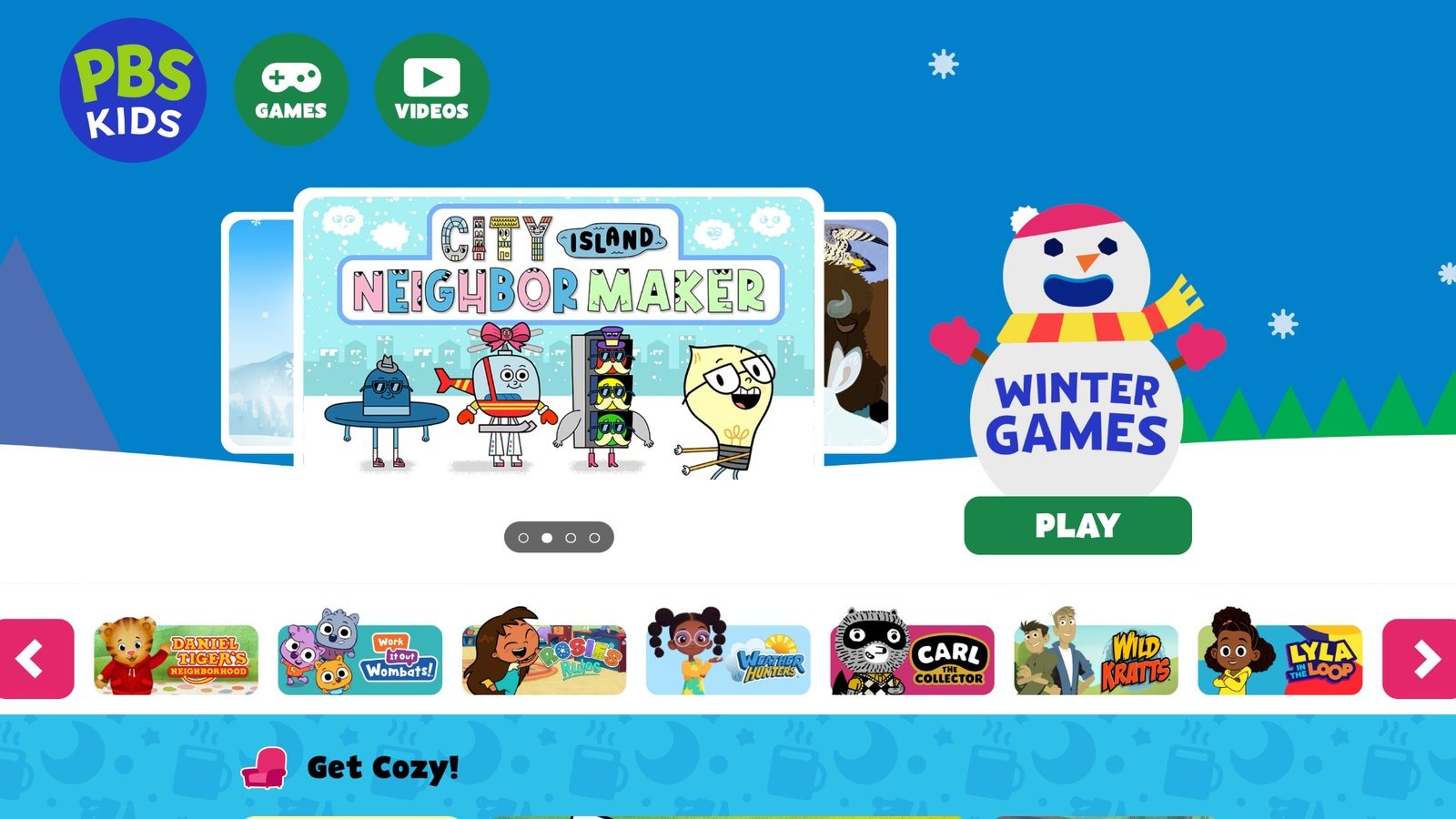
PBS KIDS Games brings beloved characters from popular shows like Daniel Tiger, Wild Kratts, and Curious George into hundreds of curriculum-aligned mini-games covering science, literacy, problem-solving, and social skills. Children enjoy tapping through levels filled with familiar faces, collecting stickers and badges while reinforcing concepts they’ve seen on television. The app supports offline play for many titles, making it perfect for travel or screen-free moments at home.
Its wholesome, ad-free design and strong educational focus have earned it a loyal following among families who appreciate how it connects TV viewing to active learning. Regular seasonal updates keep the library fresh, and the variety of activities ensures something for every interest. Though loading times can vary on older devices, the trusted PBS brand and engaging character-driven play create meaningful, positive screen time that grows with young learners.
- Key features: Show-based challenges, sticker rewards, seasonal updates.
- Facts and information: Many families tie it to TV episodes, reinforcing lessons across media.
7. Sago Mini World

Sago Mini World brings together over twenty delightful mini-games in one connected universe where toddlers and preschoolers explore quirky characters, fly planes, tend farms, and discover oceans through open-ended, rule-free play. The charming animations and surprise interactions encourage creativity, fine motor development, and pretend scenarios that feel genuinely joyful. Many titles support offline downloads, making the app ideal for car rides or quiet time away from Wi-Fi.
Parents often note how the gentle, non-competitive format sparks laughter and imaginative storytelling while subtly building coordination through tapping, dragging, and exploring. Headquartered in Toronto, Sago Mini continues to prioritize safety and whimsy, resulting in an experience that feels refreshing in a crowded app landscape. Though some children who prefer clear goals may want more structure, the adorable worlds and replayable fun make it a favorite for curious young explorers.
- Key features: Connected worlds, dress-up options, surprise interactions.
- Facts and information: Some parents note improved fine motor skills from tapping and dragging.
8. Duolingo ABC
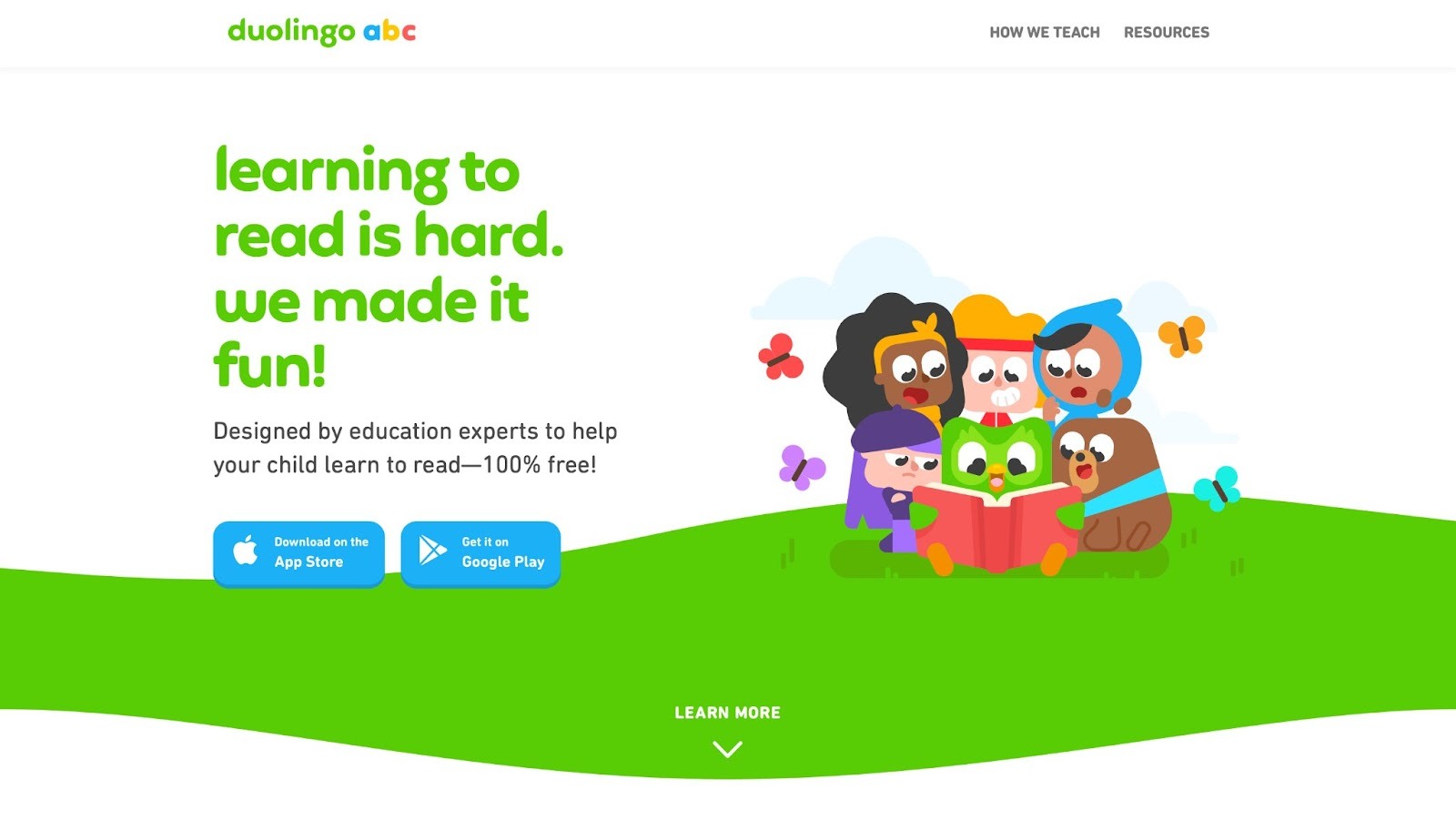
Duolingo ABC makes early reading development approachable and motivating through short, game-like lessons focused on phonics, sight words, handwriting, and simple stories. The friendly owl mascot and streak-based rewards system turn daily practice into an exciting habit that builds confidence step by step. Bite-sized activities fit perfectly into busy schedules while covering essential literacy foundations in an encouraging, research-supported format.
Progress reports help parents track growth, and the app’s adaptive nature ensures children stay challenged without frustration. Many families integrate it into routines with impressive results in word recognition and reading fluency. While advanced readers may move beyond the content relatively quickly, its playful approach and proven methods make it an outstanding starting point for beginners developing a lifelong love of reading on iPad.
- Key features: Phonics drills, interactive books, progress reports.
- Facts and information: Many kids gain early reading fluency, with some blending it into daily routines.
9. Dr. Panda Town
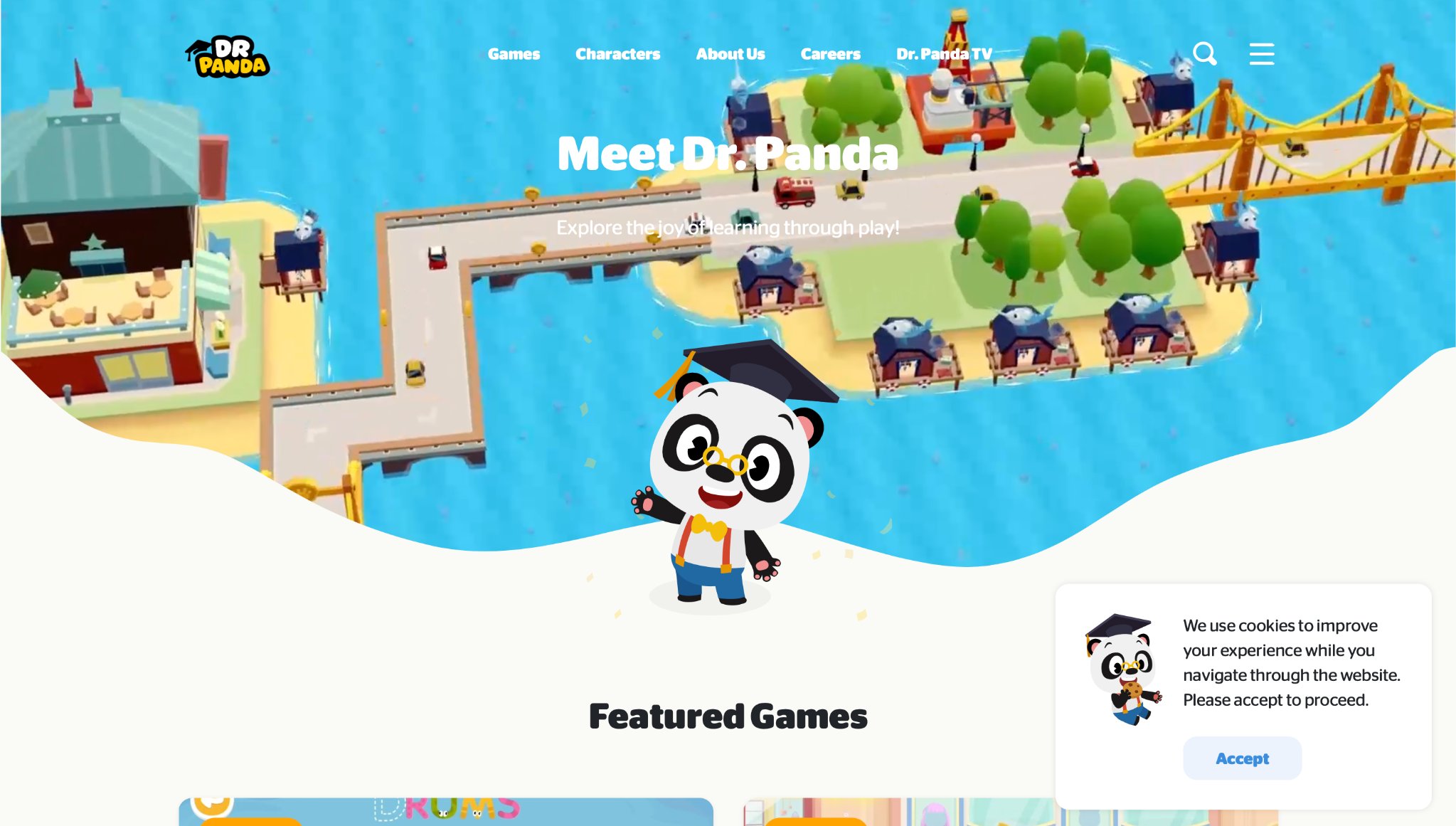
Dr. Panda Town creates a charming village where children role-play everyday community life by running shops, driving vehicles, and interacting with friendly animal characters in relatable scenarios. The open map design invites free exploration that naturally teaches concepts like jobs, routines, and social interactions through gentle pretend play. Holiday events and character customization add fresh excitement and replay value, while the wholesome environments promote positive values and creativity. Parents value the calm, ad-free atmosphere that supports imaginative storytelling without pressure or distractions.
Though some areas unlock gradually, the engaging world keeps little ones happily occupied for extended periods. Developed with care for young audiences, this app turns screen time into meaningful opportunities for social skill development and joyful discovery of the world around them.
- Key features: Multiple locations, character customization, holiday events.
- Facts and information: Some users enjoy the community feel, imagining stories with friends.
10. Endless Alphabet
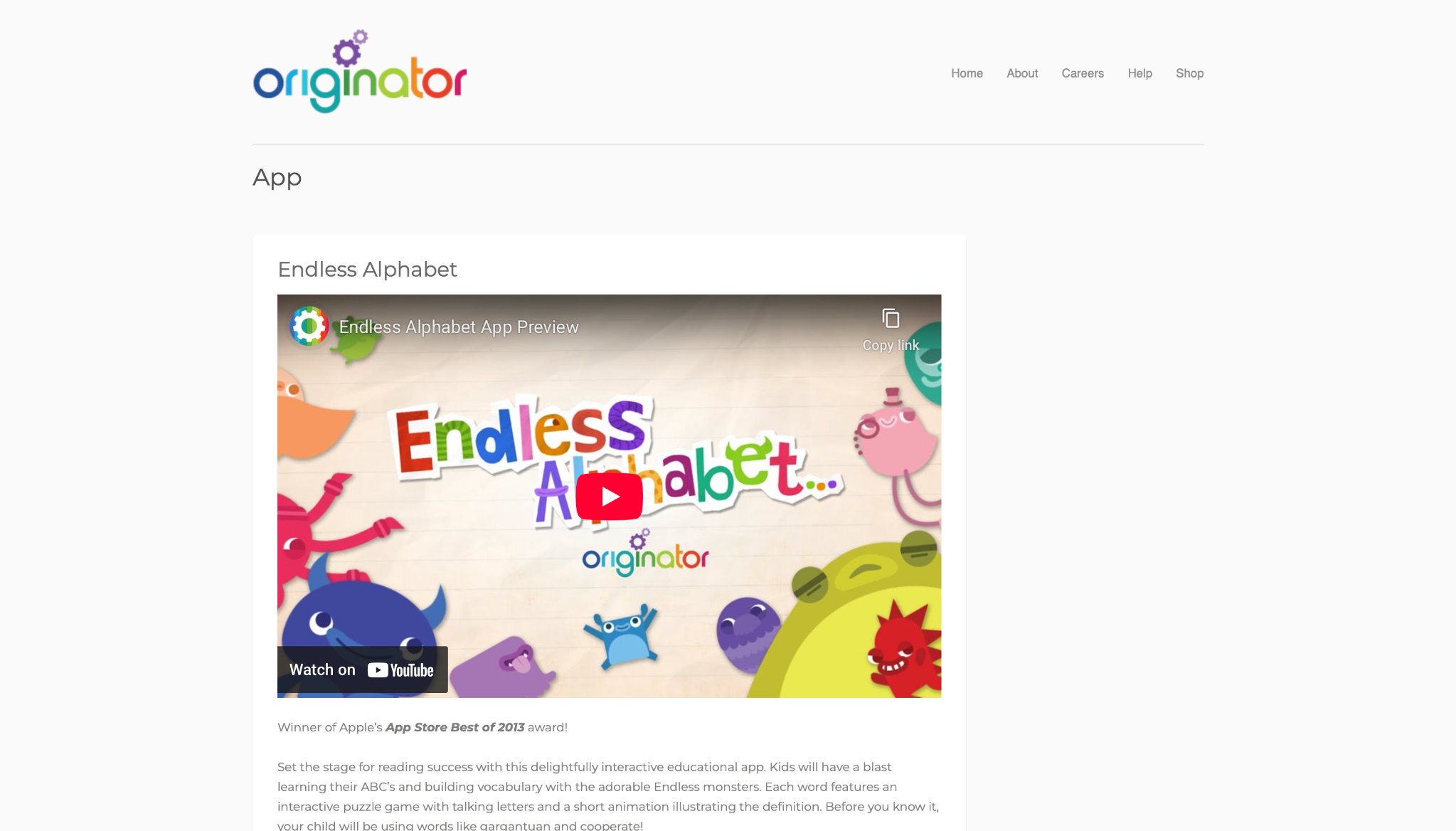
Endless Alphabet turns vocabulary building into a delightful puzzle adventure featuring silly monsters that scramble letters for children to sort and assemble. Each word comes alive with humorous animations and clear definitions that make spelling and meaning memorable through visual storytelling. The engaging monster characters and satisfying drag-and-drop mechanics keep preschoolers entertained while strengthening letter recognition, spelling, and early language skills.
Themed word collections add variety and spark curiosity about language in a lighthearted way. Parents appreciate how the app creates positive associations with learning new terms through laughter and play. While the library focuses on foundational vocabulary, its creative presentation helps words stick long after playtime ends. This San Francisco-developed title remains a charming, effective tool for sparking early literacy joy on iPad.
- Key features: Animated definitions, letter tracing, themed word sets.
- Facts and information: Many kids recall words from the visuals, aiding early spelling.
11. Toca Boca World
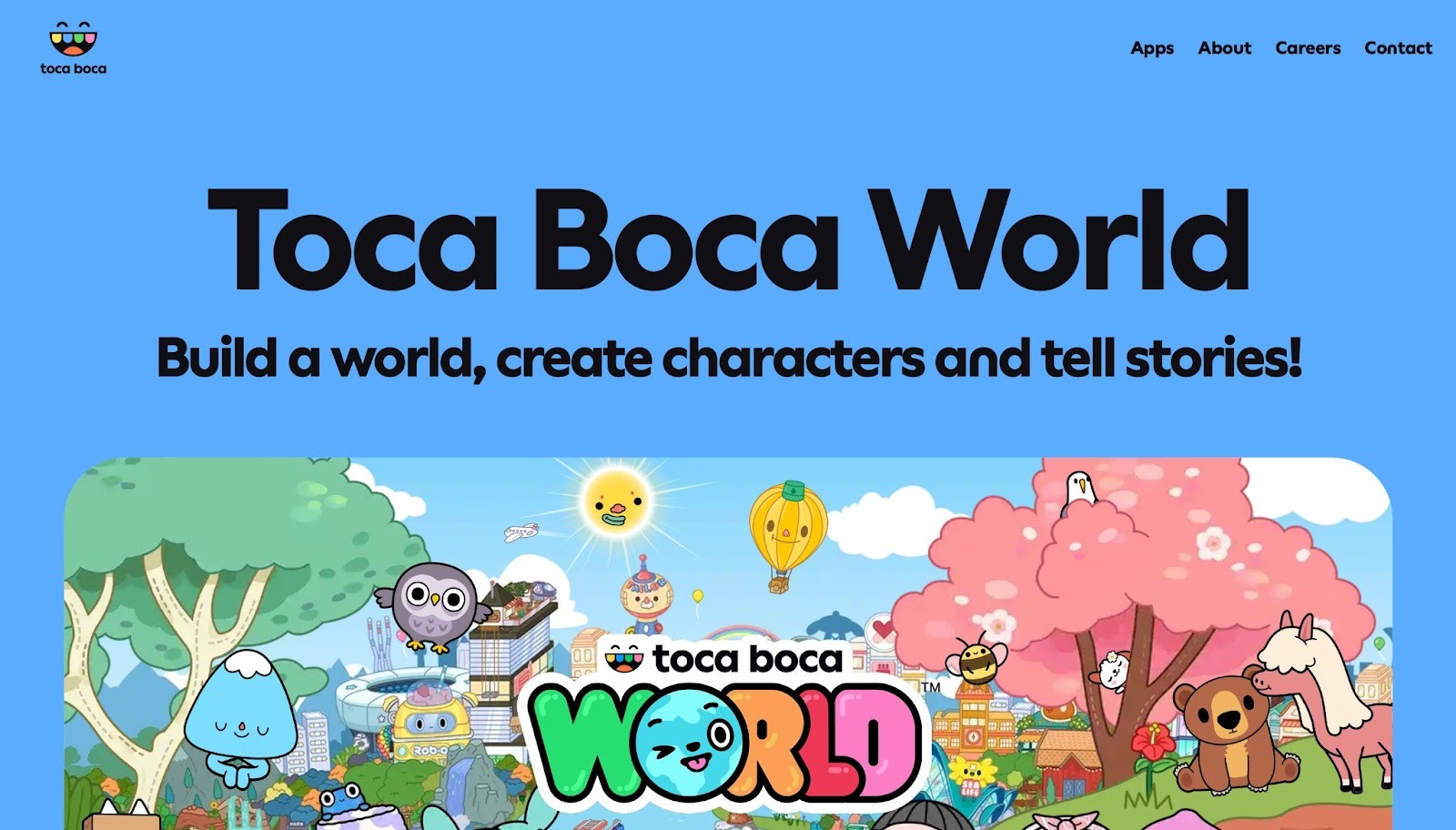
Toca Boca World opens up an expansive creative playground where young players craft their own adventures through intuitive drag-and-drop interactions in beautifully detailed environments. Children build and decorate homes, run shops, host parties, and explore bustling locations while experimenting with hundreds of characters and objects that spark endless storytelling possibilities. The game’s open-ended design nurtures imagination, decision-making, and social-emotional skills as kids role-play everyday scenarios or invent entirely new worlds by mixing themed packs.
Award-winning and COPPA compliant, it delivers a completely ad-free, safe experience that prioritizes pure play without distractions or competitive pressure. Families praise how it encourages narrative development and creative problem-solving in a joyful, pressure-free setting. Though the sheer volume of content can feel expansive for very young users at first, the intuitive controls and regular fresh additions keep sessions exciting and replayable for years, making it a standout choice for fostering genuine creativity on iPad.
- Key features: Customizable worlds, character creator, weekly gifts for fresh items.
- Facts and information: Many users enjoy the social play aspect, connecting with friends' creations in shared spaces.
12. Kiddopia
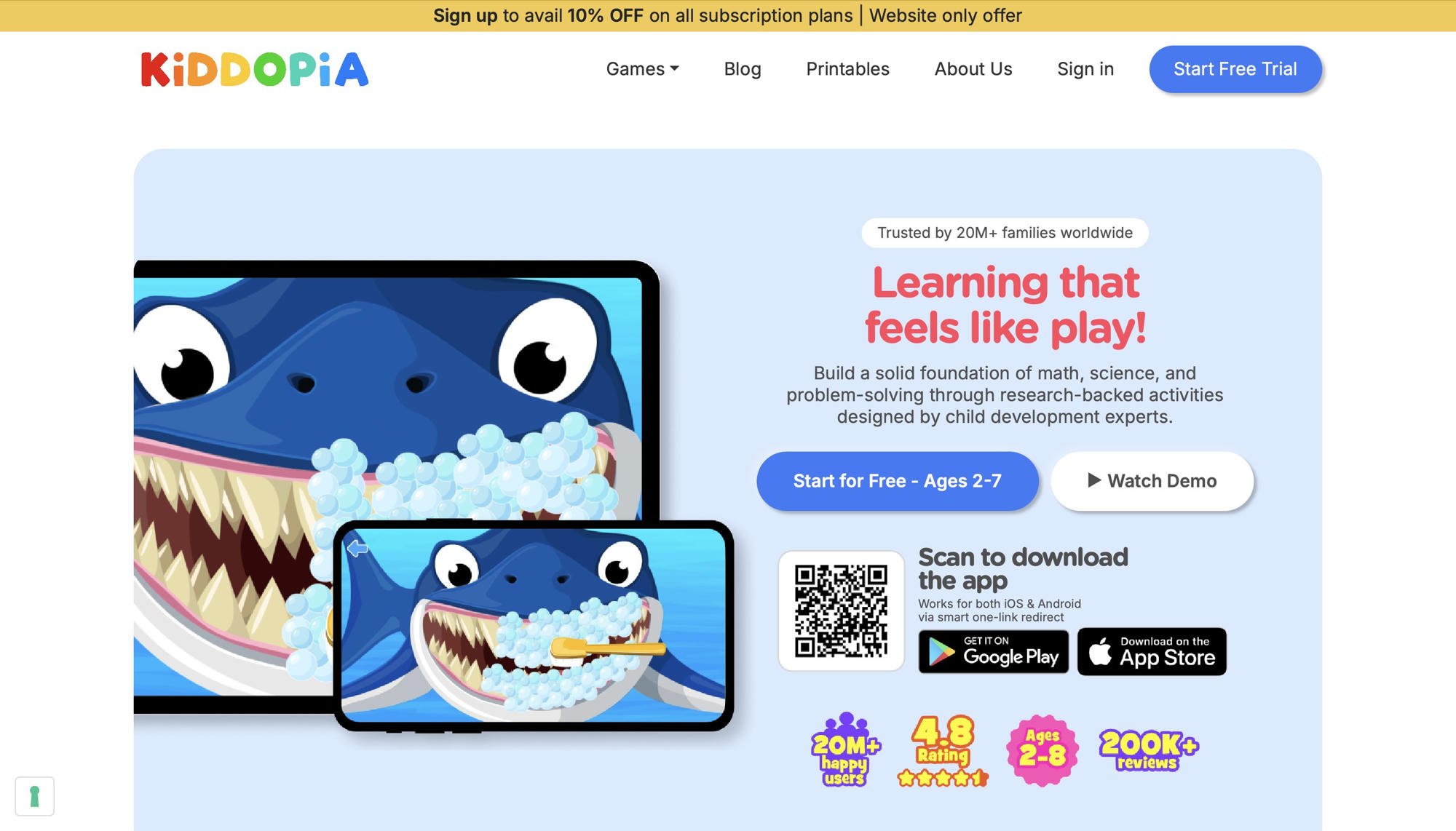
Kiddopia delivers thousands of interactive games and activities covering math, literacy, science, and creative skills tailored for preschool and kindergarten children on the iPad. Kids engage in role-play scenarios, mini-games, and structured lessons featuring colorful characters that guide exploration of topics like numbers, letters, patterns, and everyday concepts. The platform organizes content into age-appropriate paths that support varied learning paces while including parental dashboards for activity insights.
Headquartered in the United States, the app emphasizes safe, engaging play that combines entertainment with skill development in a COPPA-certified environment. Frequent content additions keep the library dynamic, making it suitable for daily routines or travel with offline options available for select activities. The design focuses on building school readiness through hands-on digital experiences that foster curiosity and confidence.
- Key features: 3000+ mini-games across subjects, role-play and puzzle activities, progress tracking dashboard, offline mode support.
- Facts and information: Serves millions of young users worldwide, aligned with early childhood curriculum goals, designed for ages 2-8 with emphasis on foundational skill building.
13. Teach Your Monster to Read
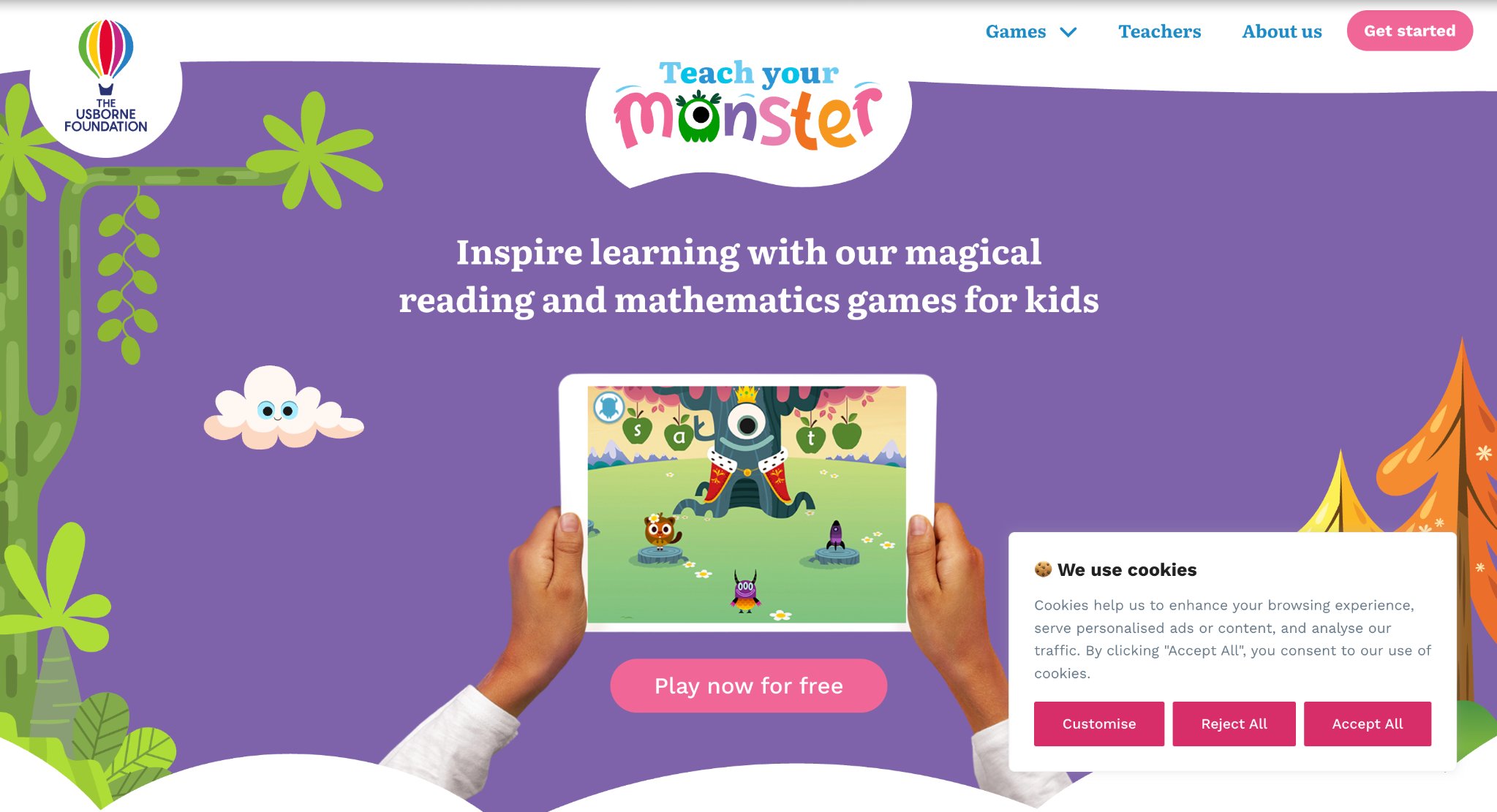
Teach Your Monster to Read guides kindergarten-aged children through phonics-based adventures where they train a customizable monster to recognize letters, blend sounds, and read simple sentences. The app combines mini-games, stories, and rewards to build phonemic awareness and early literacy skills in an engaging narrative format. Kids progress through structured levels that cover graphemes, tricky words, and comprehension while enjoying vibrant animations and character interactions.
Backed by the Usborne Foundation in the United Kingdom with strong presence in the USA, it aligns with research on effective reading instruction and supports diverse learners. The game-like structure encourages consistent practice without overwhelming young users, making it ideal for building reading confidence at home or in educational settings.
- Key features: Phonics progression system, monster customization, blending and segmenting mini-games, story-based reading challenges.
- Facts and information: Award-winning app with millions of users globally, developed in partnership with literacy experts, focuses on synthetic phonics approach for ages 3-7.
14. Tynker
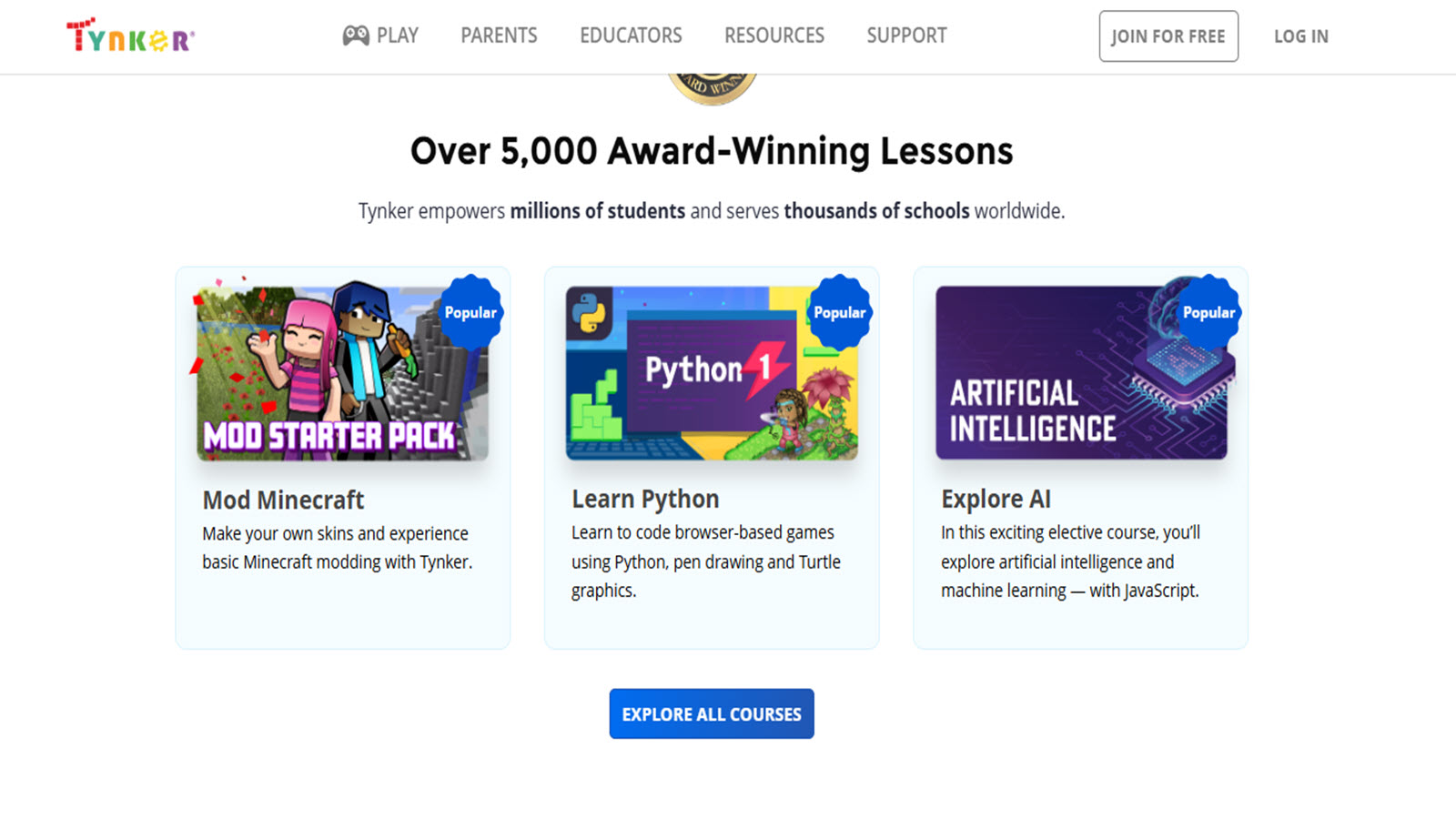
Tynker provides block-based coding courses and creative tools that enable children to design games, animations, and interactive projects directly on the iPad. The platform offers themed modules with step-by-step guidance progressing from basic sequencing to more advanced concepts like JavaScript, incorporating popular characters to maintain interest. Kids build computational thinking skills through project-based learning that integrates math, logic, and storytelling. Widely adopted in USA schools, the app supports both guided lessons and free creation modes suitable for ages 5 and up. The moderated community features allow safe sharing of creations, fostering collaboration and digital citizenship in a structured yet flexible environment.
- Key features: Drag-and-drop coding interface, project templates with characters, JavaScript progression, community sharing tools.
- Facts and information: Used by millions of students in K-12 settings, aligned with educational standards for computational thinking, offers hundreds of coding activities.
15. DragonBox Numbers
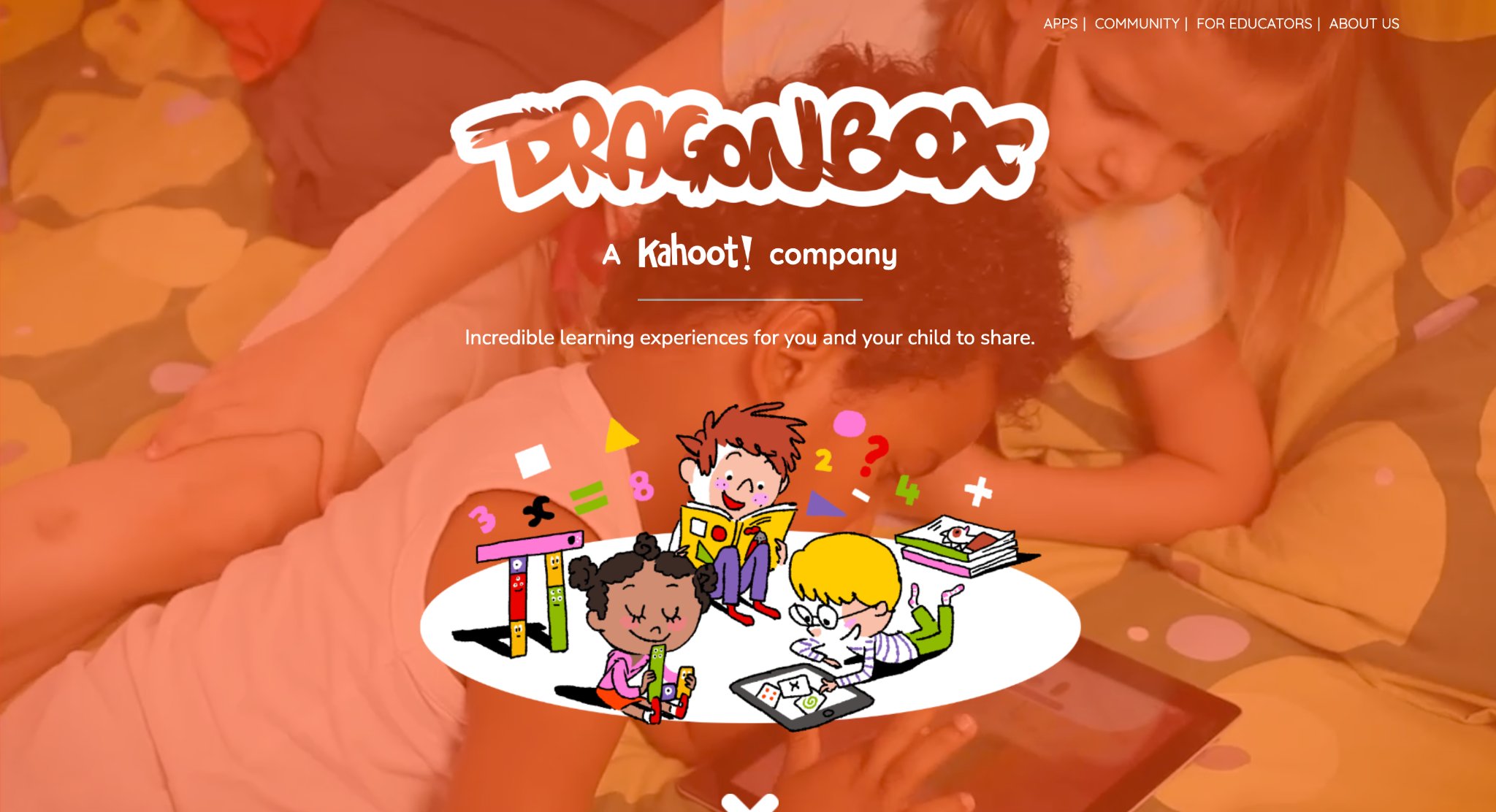
DragonBox Numbers transforms early math concepts into visual puzzle adventures where children discover number relationships, operations, and foundational algebra through intuitive gameplay on the iPad. Kids manipulate colorful cards and characters representing numbers and equations to solve progressively challenging levels that build conceptual understanding. The series emphasizes exploration and pattern recognition rather than rote practice, supporting number sense and logical reasoning for ages 4 to 8.
Developed in Norway with strong distribution in the USA, the app features multiple titles that adapt to different skill levels while providing immediate feedback. The engaging narrative elements keep sessions motivating for young learners exploring mathematical ideas.
- Key features: Visual number manipulation puzzles, progressive level design, character-based challenges, multiple titles in the series.
- Facts and information: Created with input from educators and cognitive scientists, millions of downloads worldwide, focuses on conceptual math learning for early grades.
16. ScratchJr
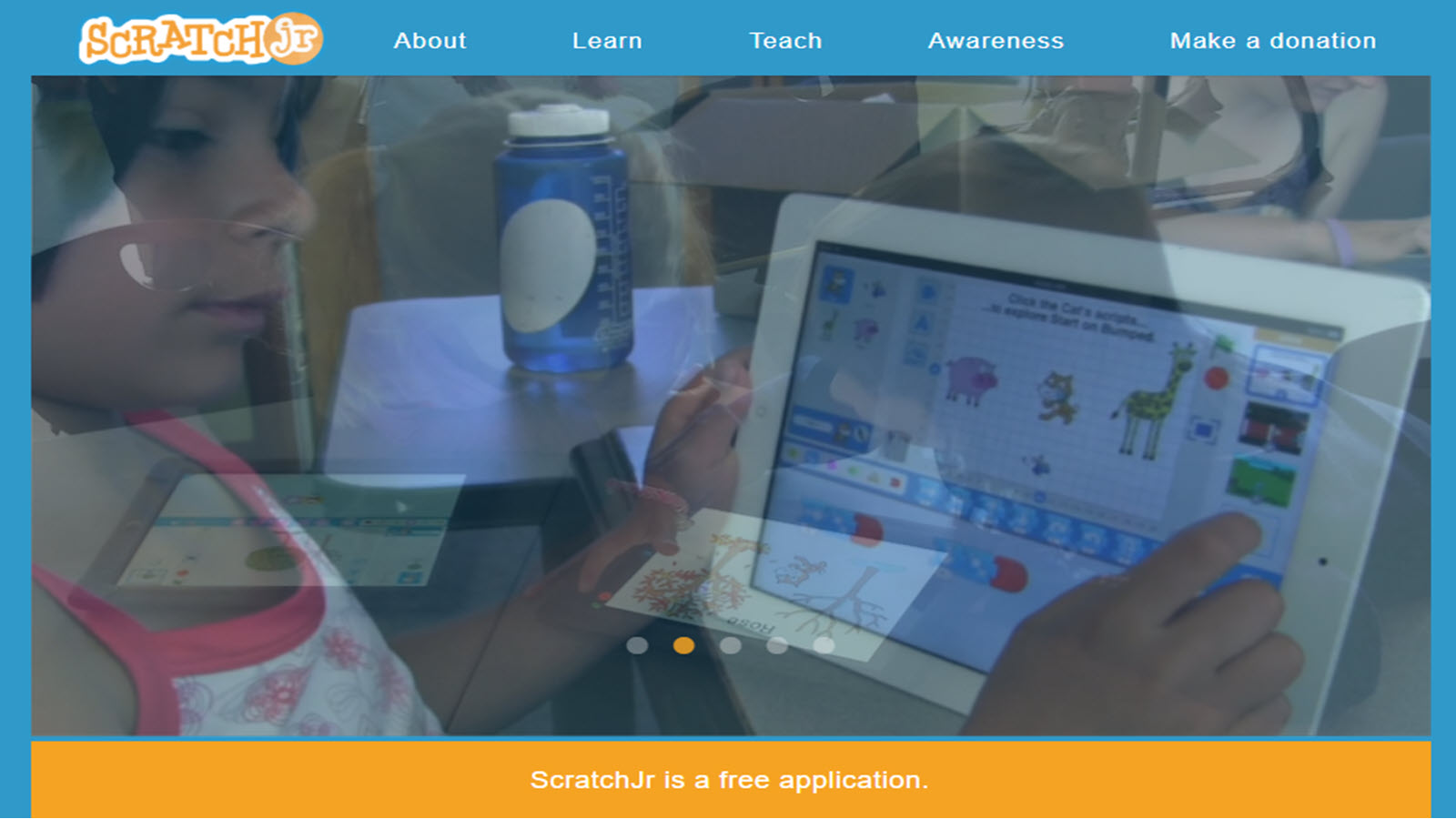
ScratchJr introduces young children to programming fundamentals through a visual block-based interface that allows them to create interactive stories, games, and animations on the iPad. Designed for ages 5 to 7, the app enables kids to snap together colorful blocks to control characters, add sounds, backgrounds, and movements without requiring any reading or typing skills. The open-ended format supports sequencing, loops, and creative problem-solving as children experiment with projects like animated tales or simple games.
Developed through a partnership between MIT Media Lab and Tufts University in the United States, it promotes computational thinking and imagination in a child-friendly environment suitable for home or classroom use. Regular updates add new features while maintaining simple navigation that encourages independent exploration and project sharing with family. Families appreciate how the app turns screen time into active creation that builds logical reasoning alongside storytelling abilities.
- Key features: Drag-and-drop coding blocks, character and background customization, sound recording tools, project saving and playback.
- Facts and information: Over 60 million global users across the Scratch family of tools, fully visual interface optimized for early learners, available on iOS devices with offline functionality.
17. Bedtime Math
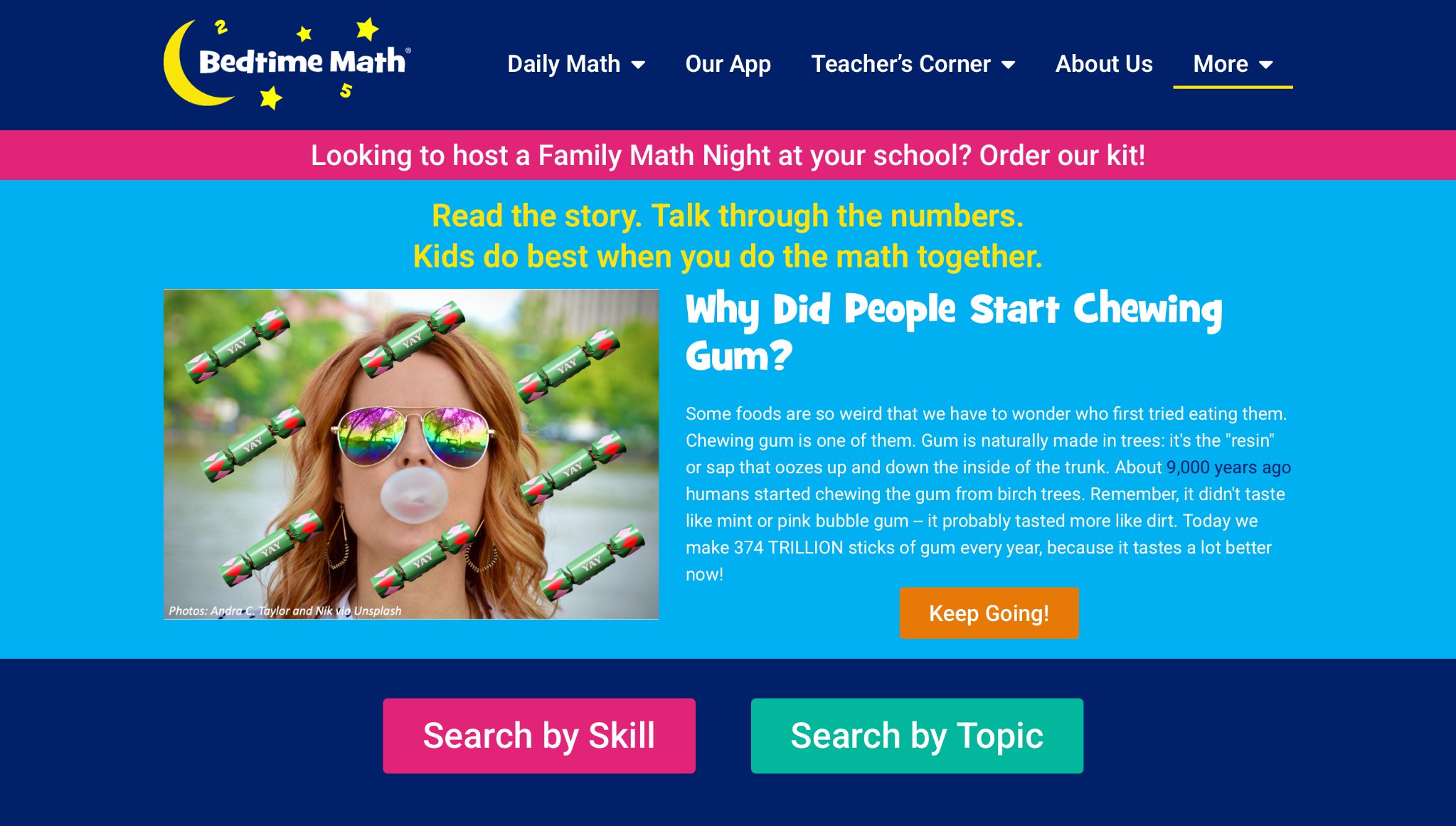
Bedtime Math delivers daily story-based math problems through a free iPad app that turns bedtime routines into engaging family discussions for kindergarten and early elementary children. Each whimsical tale includes questions at multiple difficulty levels covering counting, operations, and real-world applications. Parents read the stories aloud while exploring math concepts together, with optional hands-on extensions to reinforce learning offline.
Created by the Bedtime Math Foundation in the United States, the platform promotes positive math attitudes and critical thinking without requiring device dominance. The consistent daily format supports habit-building and curiosity about numbers in everyday contexts.
- Key features: Daily themed math stories, tiered question levels, family discussion prompts, real-world application examples.
- Facts and information: Used by families nationwide, research demonstrates improved math attitudes with regular use, covers broad range of early math topics.
18. Monkey Preschool Lunchbox
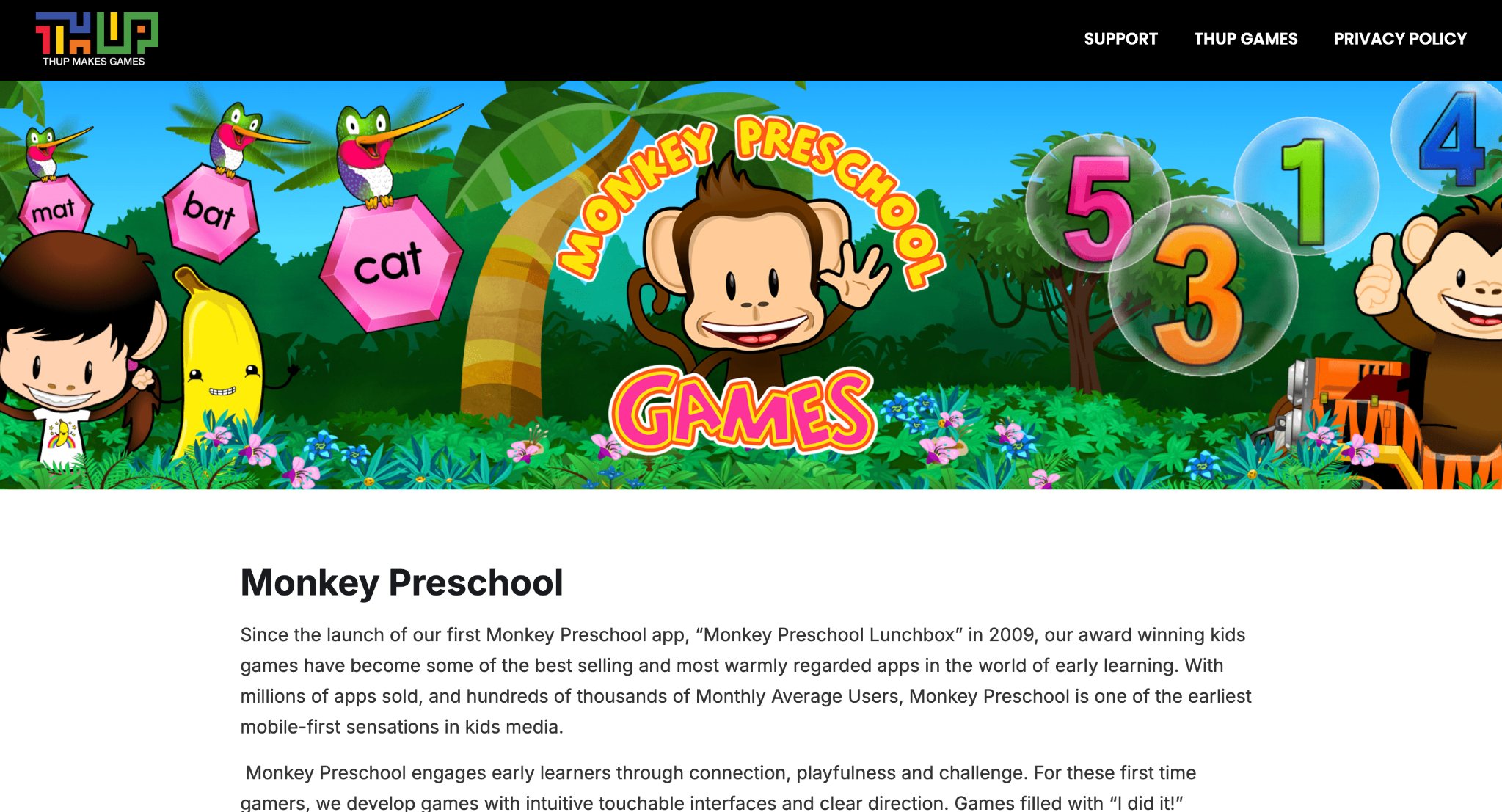
Monkey Preschool Lunchbox presents a series of playful mini-games focused on shapes, colors, letters, and basic counting through a lunchbox-themed adventure suitable for preschool and kindergarten on the iPad. Children help the monkey character complete matching, sorting, and puzzle activities that build foundational cognitive and motor skills. The app features bright animations and gentle feedback that encourage repeated play without pressure. Developed by Duck Duck Moose in the United States, it offers multiple titles that support early learning goals in a simple, accessible format. The collection remains a reliable choice for short, skill-building sessions that complement daily routines.
- Key features: Shape and color matching games, letter recognition activities, counting challenges, lunchbox-themed progression.
- Facts and information: Part of the Duck Duck Moose educational series, targets ages 2-5 with multiple award-winning titles, focuses on preschool readiness skills.
19. Mystery Math Town
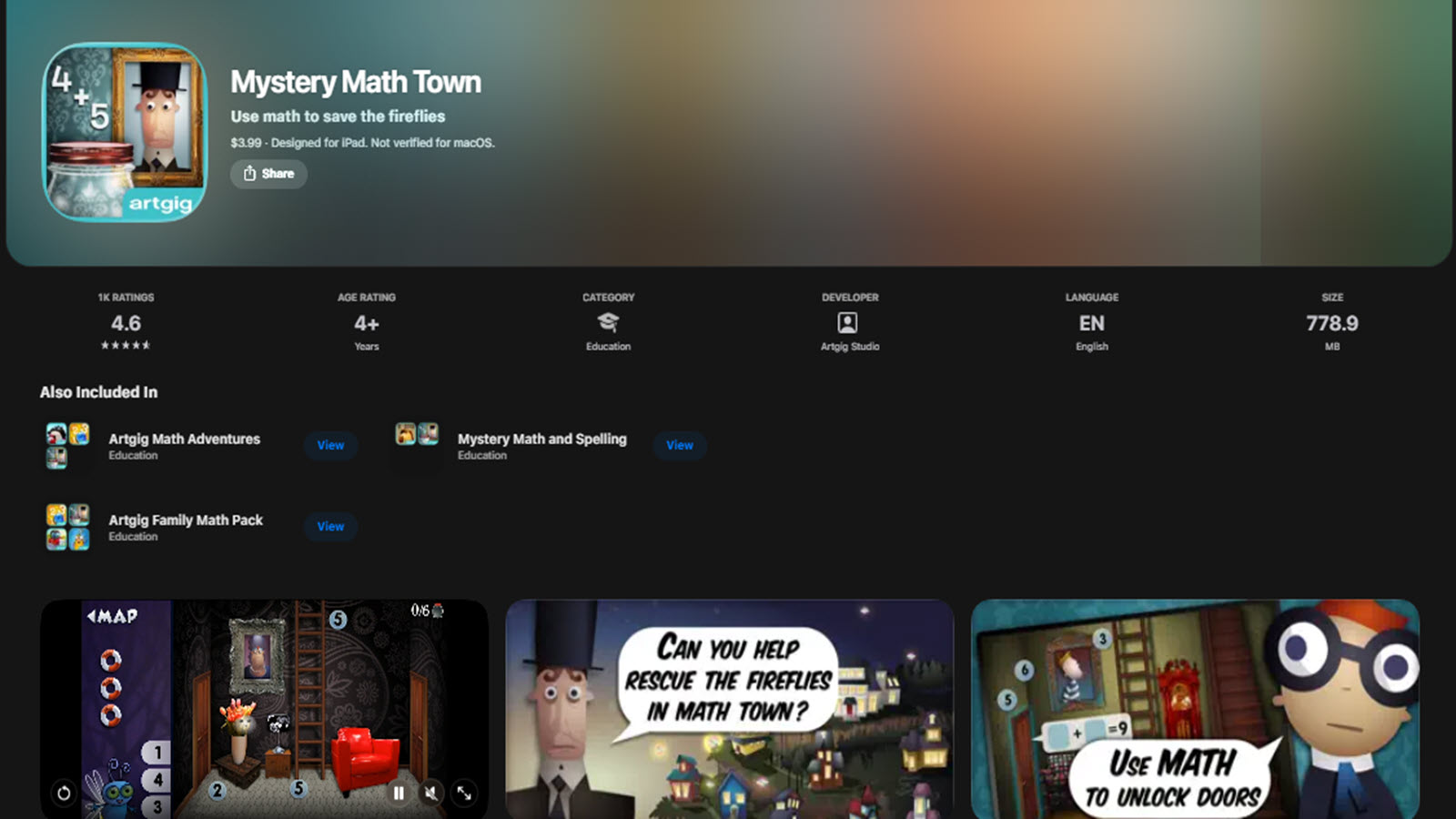
Mystery Math Town invites children to explore haunted houses and museums while solving addition, subtraction, and multiplication equations to collect glowing fireflies on the iPad. The adventure-style gameplay embeds math practice into navigation and puzzle-solving across multiple themed locations. Kids save progress and create multiple user profiles for family sharing. Developed with a focus on conceptual understanding, the app supports skill development for ages 6 and up in a narrative-driven environment. The combination of mystery elements and mathematical challenges makes it engaging for young learners practicing operations.
- Key features: Equation-solving navigation, haunted house and museum settings, firefly collection rewards, multiple user profiles.
- Facts and information: Designed for elementary math practice, includes addition through multiplication, supports progress saving across sessions.
20. Lightbot
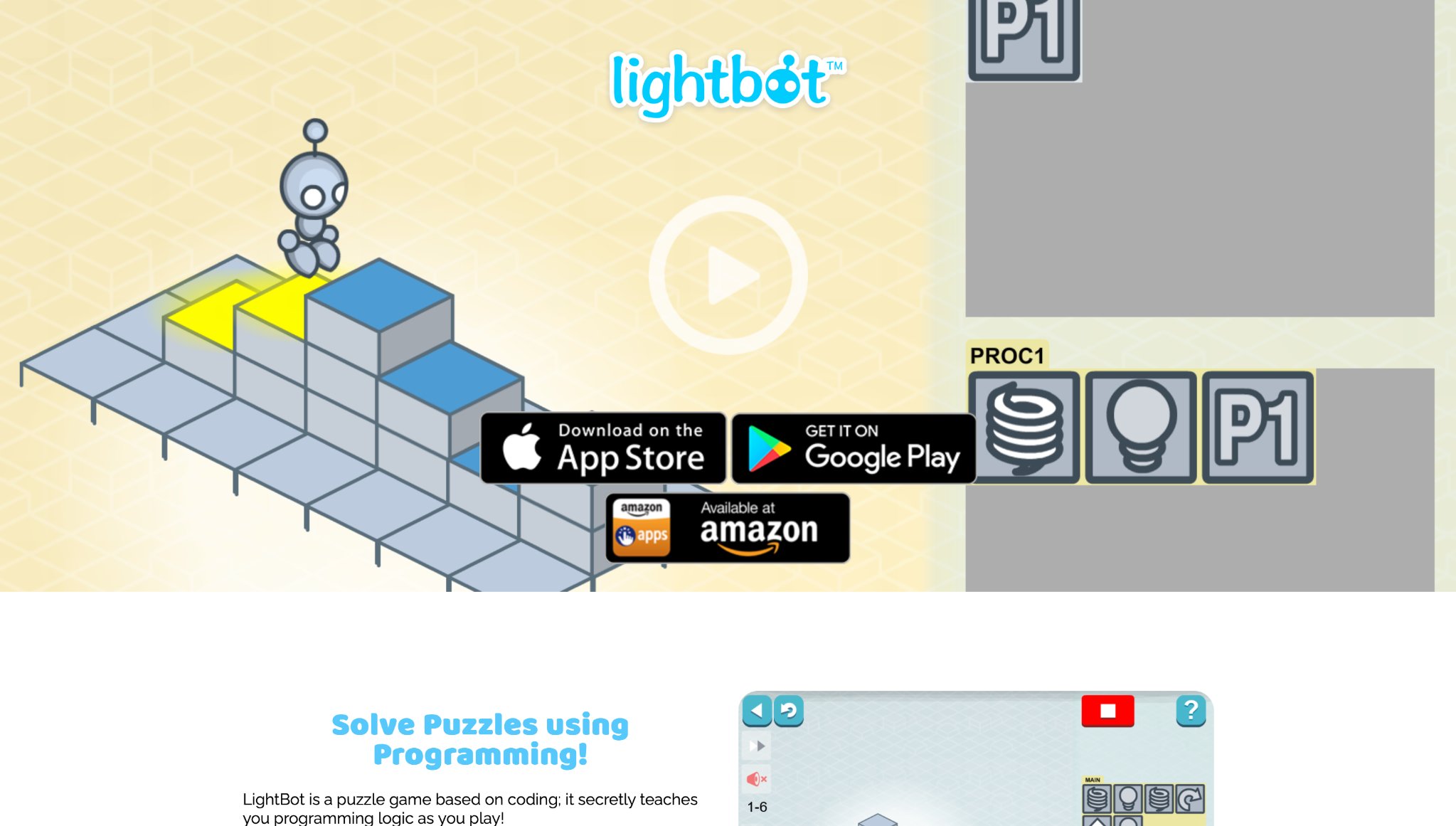
Lightbot teaches programming logic through puzzle mazes where children direct a robot using visual command blocks to light up target tiles on the iPad. The app introduces sequences, loops, procedures, and conditionals in progressively complex levels suitable for kindergarten and early elementary ages. Simple icon-based controls allow independent problem-solving and debugging practice in a failure-friendly format. The platform supports STEM skill development with multiple versions available for different skill levels. Its straightforward design makes it accessible for classroom or home use while building planning and logical reasoning abilities.
- Key features: Visual block programming commands, maze navigation puzzles, loops and procedures, progressive difficulty levels.
- Facts and information: Over 20 million plays recorded, teaches real programming concepts through gameplay, available on iOS with variants for young learners.
21. Starfall
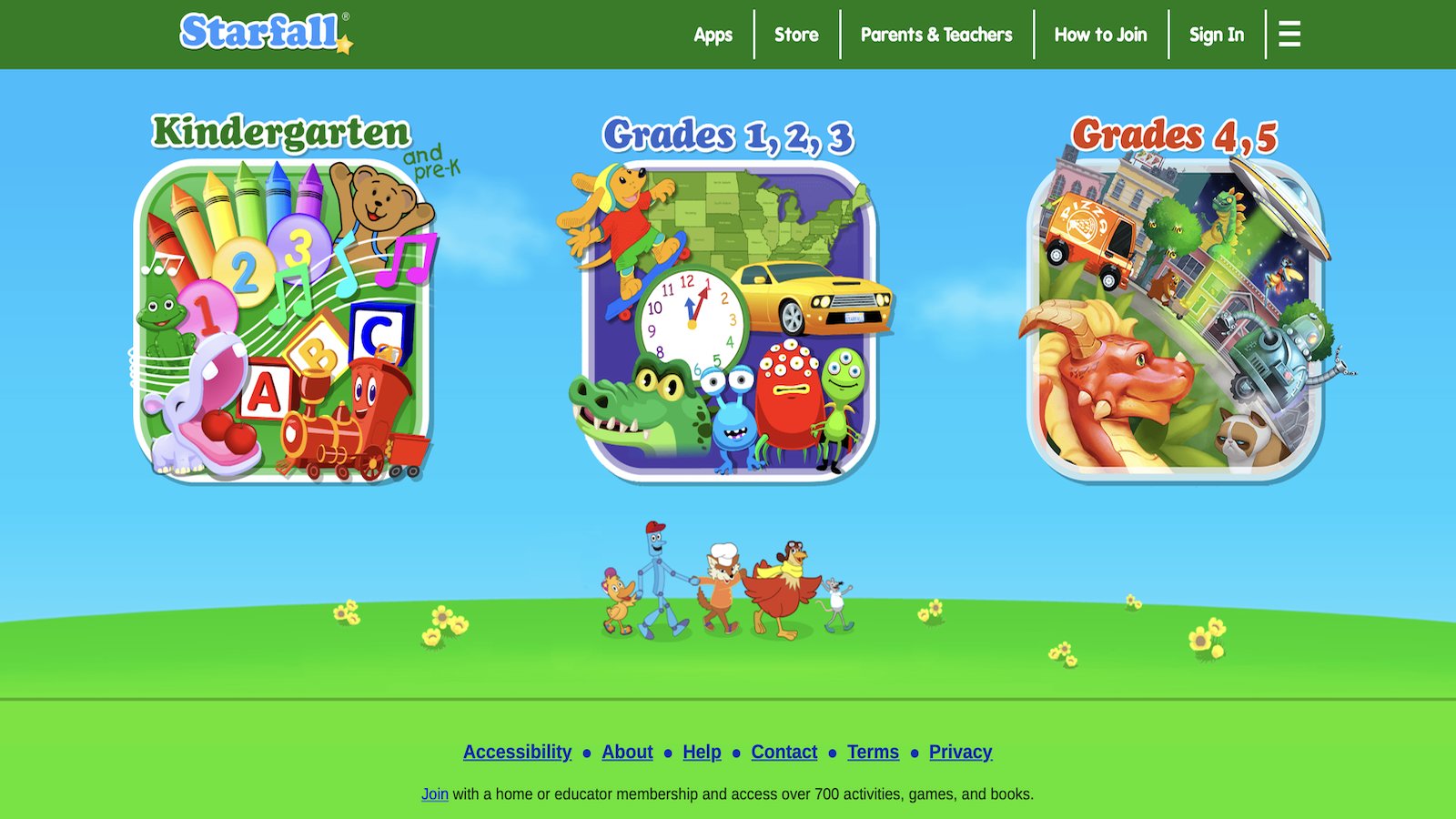
Starfall delivers a comprehensive collection of interactive games, songs, movies, and activities focused on foundational reading, phonics, math, and early literacy skills for preschool through fifth grade learners. Children explore sequential lessons where they hear, see, and interact with letters, sounds, words, and numbers in engaging formats that emphasize multisensory learning. The platform originated from efforts to support children facing reading challenges like dyslexia, resulting in untimed, exploratory experiences that build confidence through play rather than pressure. Families often integrate it into daily routines for consistent skill reinforcement, with content that extends to music, art, and social-emotional topics such as kindness. Based in the United States, Starfall maintains a strong emphasis on accessible, research-informed design that adapts to various learning paces across home and classroom settings.
- Key features: Phonics-based reading sequences, math activities, songs and movies, offline access for select content, progress through grade-aligned objectives.
- Facts and information: Serves millions of children worldwide with content used in over 40,000 school systems across numerous countries, featuring sequential learning paths optimized for early grades.
22. Osmo
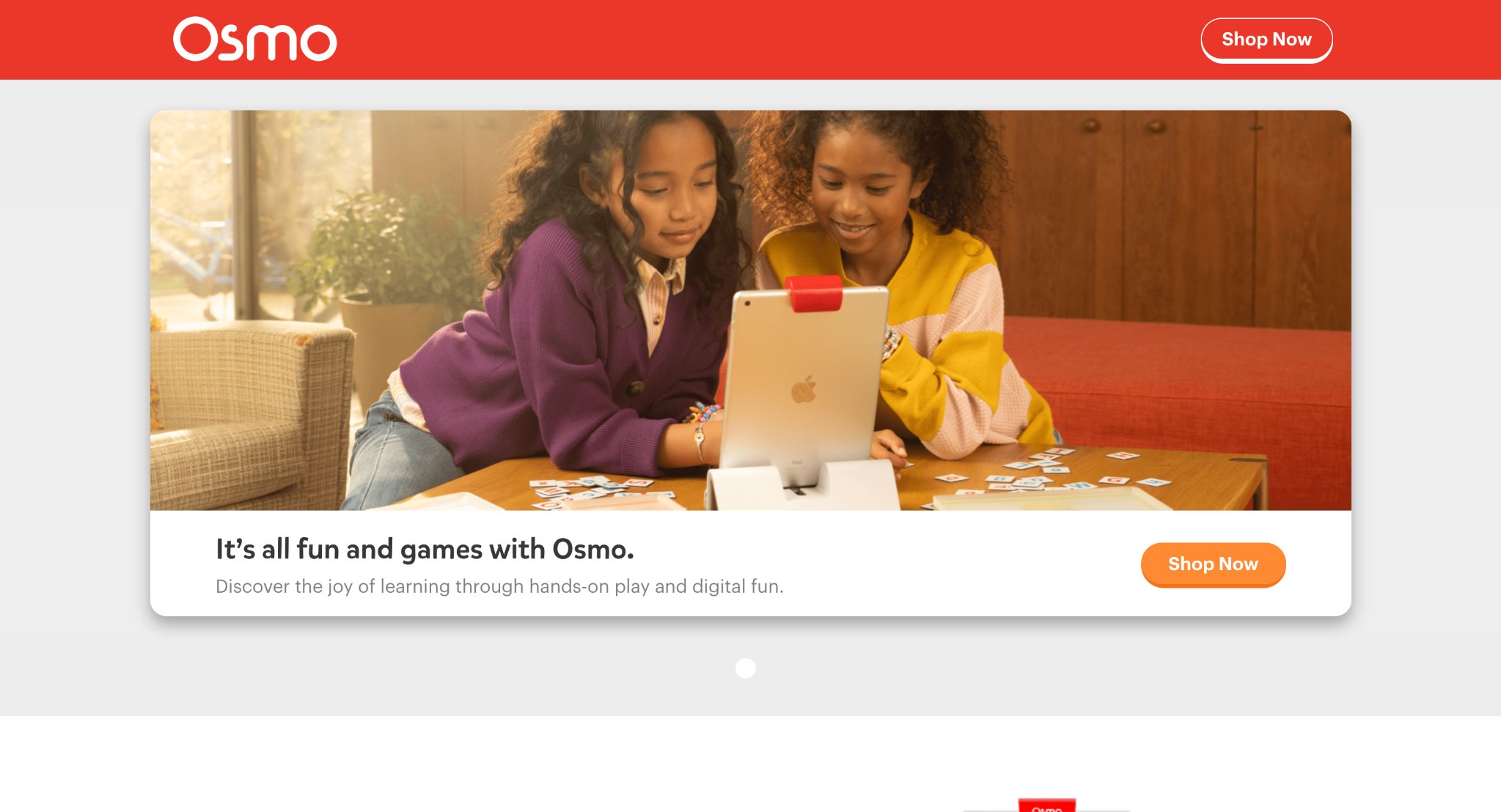
Osmo combines physical game pieces with iPad technology to create hands-on learning experiences that blend tactile interaction with digital feedback for young children. Kids use tangible objects like letters, numbers, and shapes in front of the device's camera to solve puzzles, build words, practice math concepts, and engage in creative activities across various themed games. This approach encourages movement, problem-solving, and social play while developing fine motor skills and conceptual understanding in subjects ranging from literacy to coding and drawing. The system supports multiple age-appropriate titles that grow with the child, fostering collaboration when played with family or friends. Developed in the United States, Osmo has earned recognition for making abstract skills more concrete and enjoyable through mixed-reality play.
- Key features: Tangible pieces with mirror/reflector technology, multiple subject-specific games, progressive challenges, multiplayer options.
- Facts and information: Connects with over a million kids globally, offers award-winning kits covering early math, reading, and coding for ages 3 and up.
23. Prodigy Math
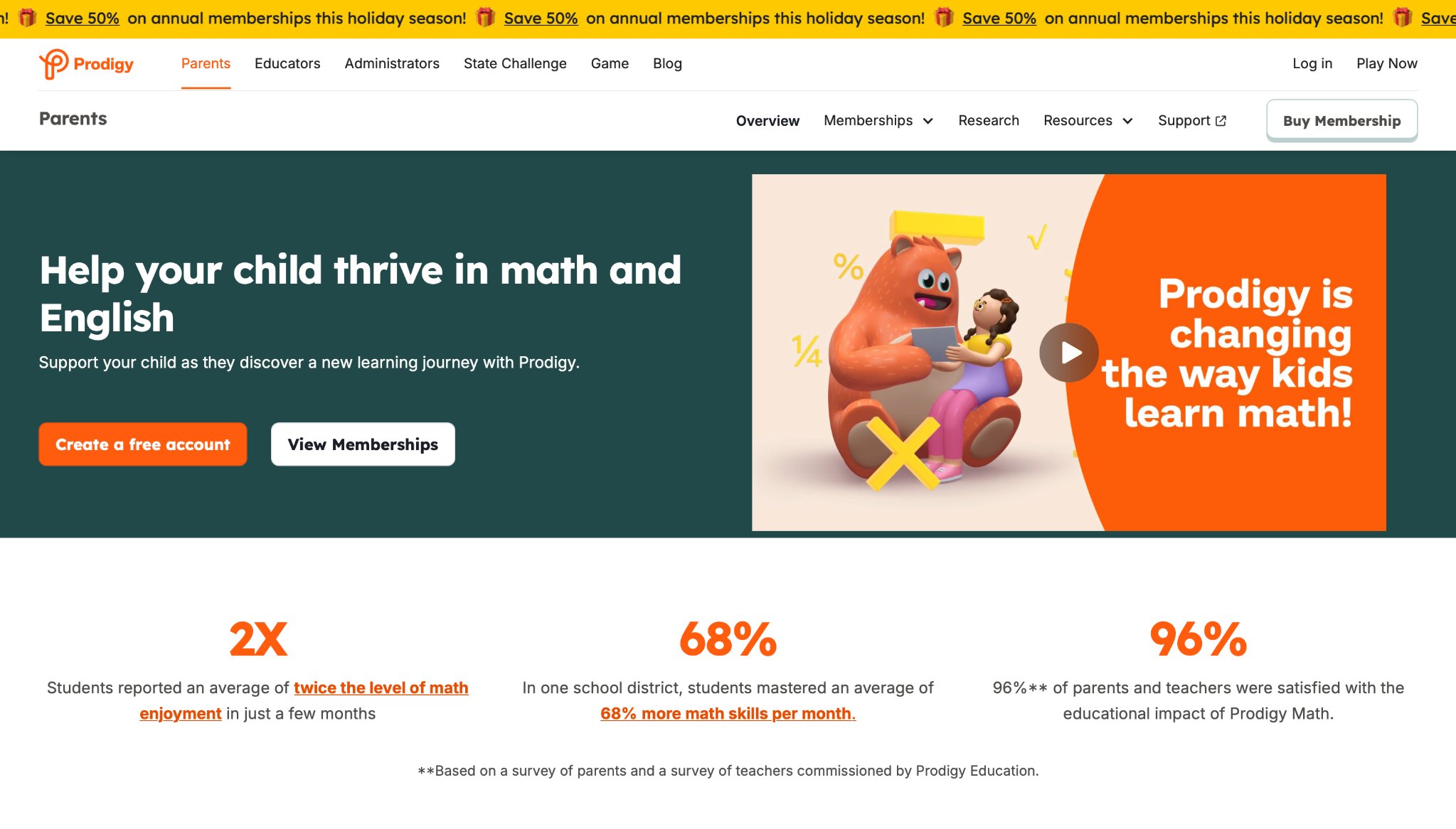
Prodigy Math immerses children in a fantasy adventure world where they create wizards, complete quests, and battle opponents while answering adaptive math questions aligned with curriculum standards. Players explore environments, collect pets and items, and advance through levels by mastering skills in areas like arithmetic, geometry, and word problems tailored to grades 1 through 8. The game-like structure motivates consistent practice through rewards and progression systems that adjust difficulty based on individual performance. Parents and teachers access dashboards to monitor growth and align with school learning goals. Widely used in the United States and internationally, it transforms traditional math practice into an engaging narrative experience.
- Key features: Adaptive question engine, quest-based gameplay, pet collection and customization, parent/teacher progress reports, English language arts integration in companion app.
- Facts and information: Supports millions of students with standards-aligned content across multiple countries, with high parent satisfaction rates for enjoyment and skill gains.
24. Pok Pok
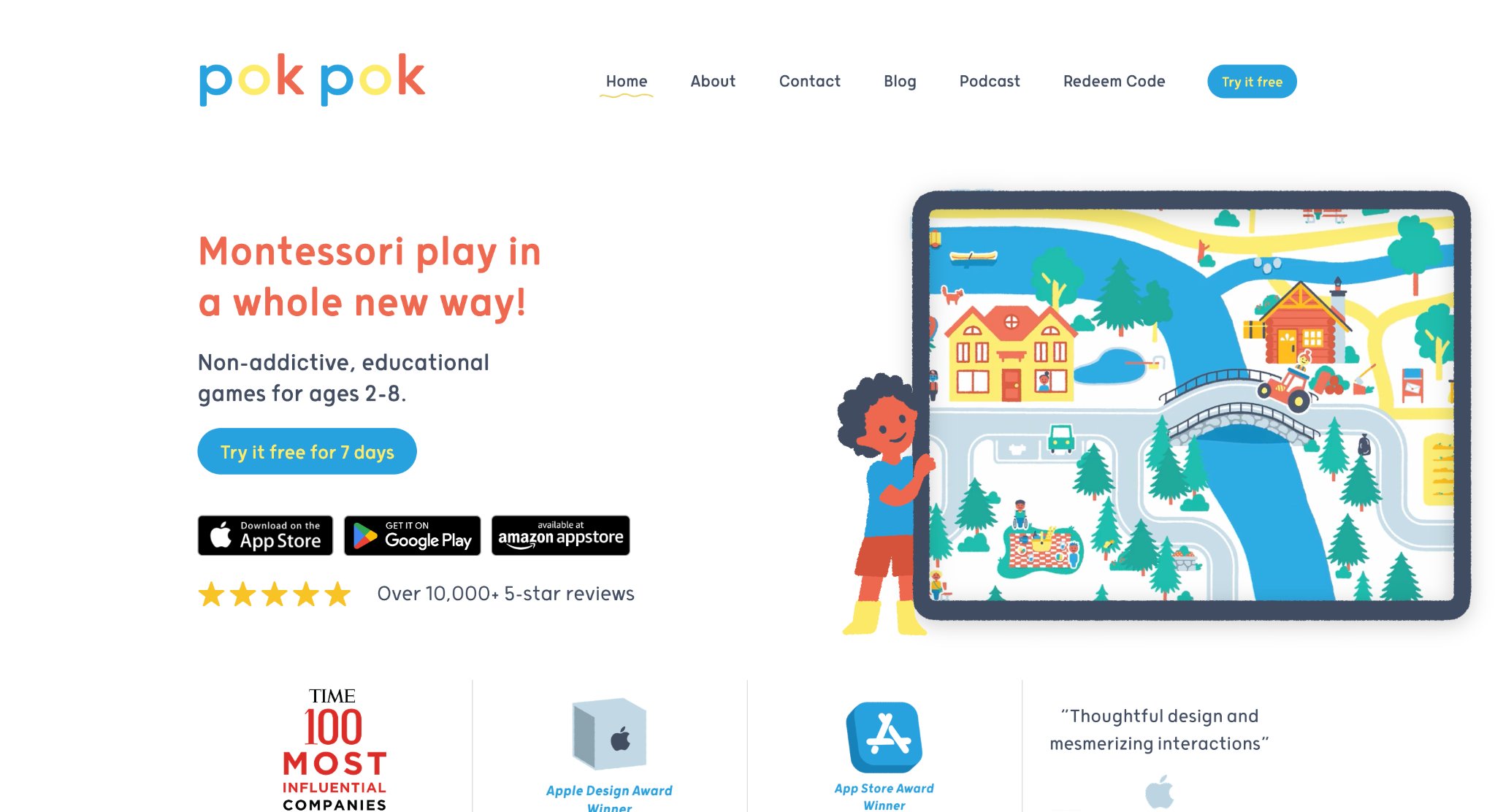
Pok Pok offers a low-stimulation, Montessori-inspired digital playroom filled with open-ended toys and activities that encourage exploration, creativity, and calm learning for children ages 2 to 8. Kids interact with handcrafted digital objects through tapping, dragging, and experimenting in environments that promote imaginative play without timers, scores, or competitive elements. Activities foster fine motor skills, problem-solving, and self-directed discovery in a peaceful atmosphere designed to avoid overstimulation. Regular additions of new toys keep the experience fresh while supporting varied developmental stages. Headquartered with a focus on thoughtful design, the app prioritizes quality over quantity for meaningful screen time.
- Key features: Open-ended Montessori activities, calming visuals and sounds, no levels or ads in core play, regular content updates, support for independent exploration.
- Facts and information: Award-winning design recognized for promoting creativity and calm, used by families seeking balanced digital play experiences.
25. Epic!

Epic provides access to a vast digital library of books, audiobooks, videos, and learning resources tailored for children, turning reading into an exploratory adventure. Young users browse and select from thousands of titles across genres, with features like read-to-me options, interactive elements, and personalized recommendations that build reading confidence and curiosity. The platform supports various skill levels and interests, including educational videos that complement stories on science, history, and more. Parents appreciate tools for tracking reading habits and ensuring safe, age-appropriate content. Based in the United States, Epic serves as a comprehensive resource for fostering literacy habits at home.
- Key features: Extensive book and audiobook collection, read-along functionality, learning videos, personalized discovery tools, offline downloads.
- Facts and information: Features over 40,000 titles, trusted by millions of families and educators for building reading skills and confidence.
26. SplashLearn
SplashLearn is a curriculum-aligned math and reading program that turns daily practice into a game world children can explore on iPad from preschool through Grade 5. Kids move through sequenced lessons on counting, place value, operations, fractions, phonics, sight words, spelling, and comprehension, then apply those skills in puzzles, decodable books, flash cards, and story-driven challenges. Personalized daily plans give families a short, repeatable routine instead of an endless menu, while parents see which standards a child has practiced and where extra review may help. StudyPad, Inc., based in San Francisco, United States, built the platform for both home and classroom use, and it is widely adopted in American schools. The child experience stays focused on play and mastery rather than interruptions, with COPPA- and GDPR-aligned design. Offline-friendly activities and a large library of worksheets and narrative games make it easy to keep skill-building going during travel or quiet time. The result is a structured, long-term companion for families who want measurable early academic work without turning the tablet into a digital worksheet pile.
- Key features: Thousands of math and reading games, personalized daily plans, decodable books and stories, parent progress insights, COPPA-compliant child environment.
- Facts and information: Loved by tens of millions of children and used in about one in three U.S. schools; covers PreK–Grade 5 math and ELA with classroom-aligned skill paths.
27. HOMER Learn & Grow
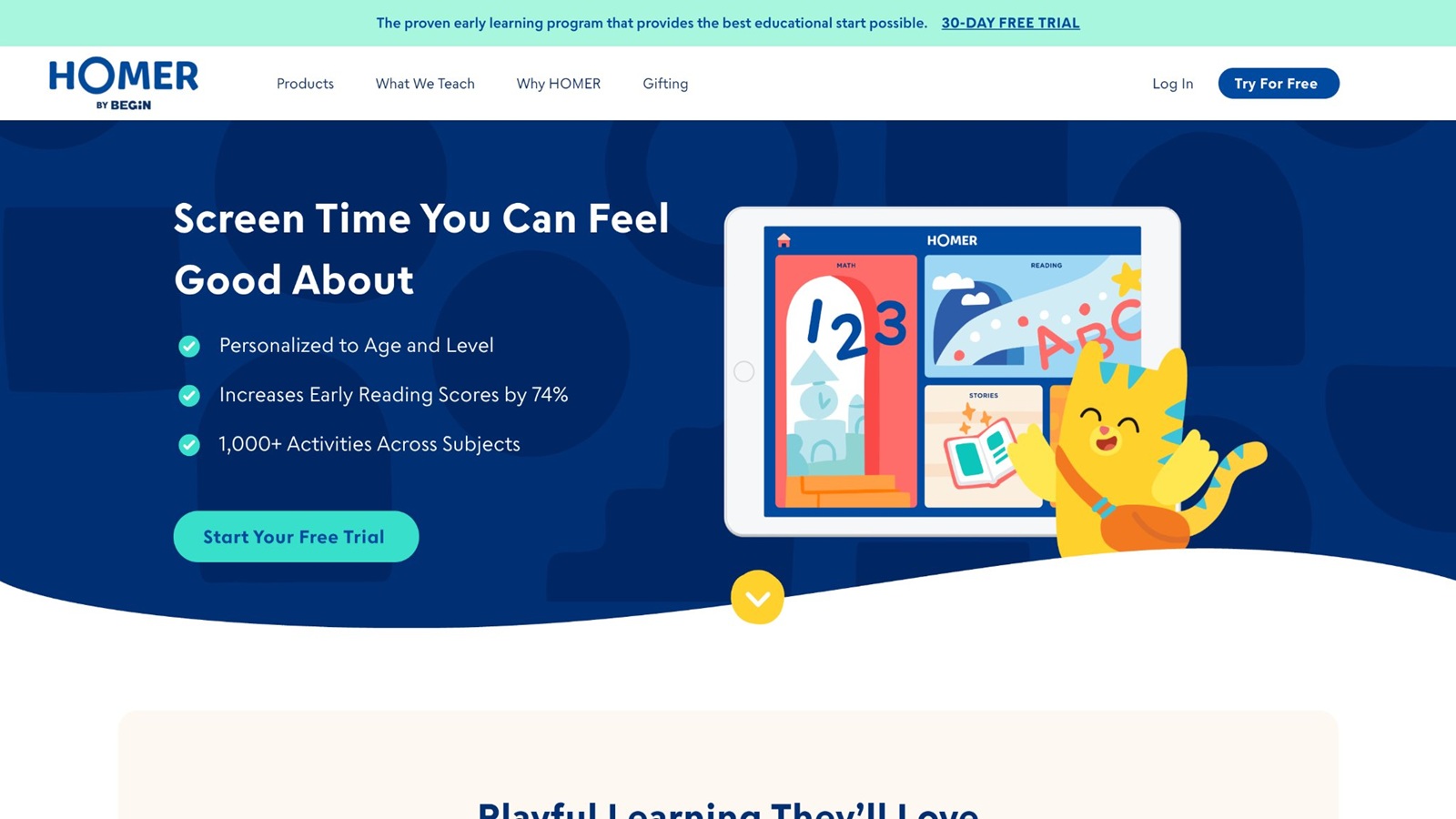
HOMER Learn & Grow builds a personalized early-learning journey for children about ages 2 to 8, beginning with a short quiz about age, interests, and current skills. From that profile the app sequences phonics, letter play, vocabulary, counting, shapes, social-emotional stories, drawing, and thinking games so each child meets content that feels familiar rather than generic. Five strands - reading, math, thinking skills, creativity, and social-emotional learning - sit side by side, with animated stories and songs that include characters kids already know. U.S. families often treat a brief daily session as a literacy habit that grows from toddler letter recognition into blending, sight words, and early spelling. Multiple child profiles let siblings share one household setup without mixing progress. The program emphasizes synthetic phonics plus read-aloud time, so children hear sounds, see print, and practice in the same sitting. Begin Learning’s HOMER team in the United States designed the path as school-readiness support rather than an open sandbox, with printables and parent tips that extend the tablet session into conversation at home.
- Key features: Personalized path by age and interest, phonics-based reading sequence, math and SEL activities, multiple child profiles, stories and songs tied to each child.
- Facts and information: Company-cited studies link about 15 minutes a day with large gains in early reading scores; thousands of lessons span toddler through early elementary stages.
28. Thinkrolls
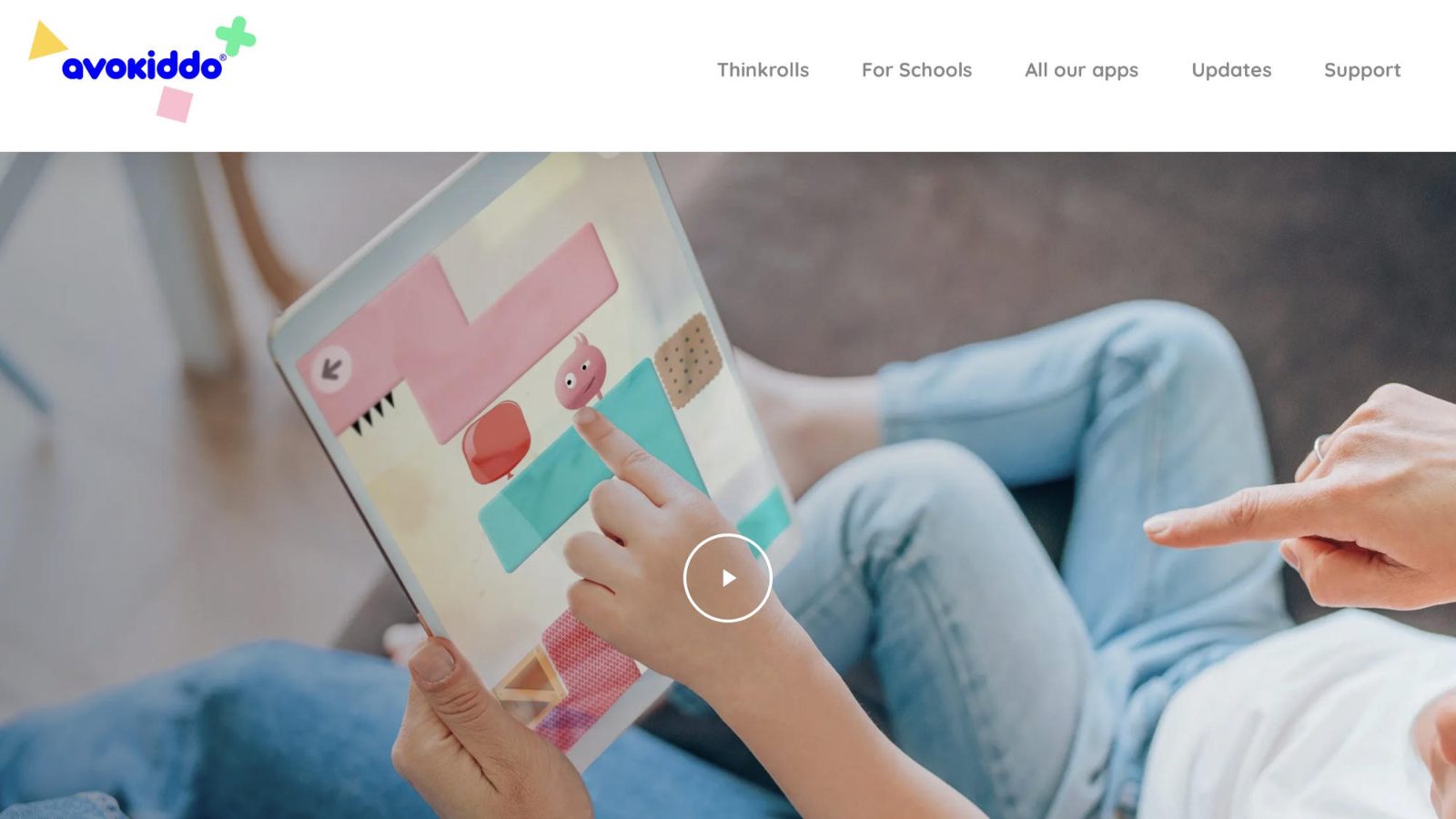
Thinkrolls is a physics-and-logic playground from Avokiddo in which children roll expressive little characters through mazes that quietly teach gravity, buoyancy, heat, elasticity, sequencing, and planning. Players experiment with balloons, jelly, ice, switches, and other gadgets to rescue creatures and open paths, then can design and share their own puzzles using visual, coding-style tools. Arcade challenges, math games, and a community library of kid-made levels sit in one app aimed at roughly ages 2 to 8. The nearly language-free interface works for pre-readers and multilingual homes, and the failure-friendly loop invites another try instead of a scoreboard. Avokiddo, based in Cyprus with a strong U.S. App Store and school presence, updates content regularly so the toy box keeps growing. Families use it when they want spatial reasoning and scientific thinking without a lecture. The School Edition packages the same world for classrooms. Sessions can be short puzzle sprints or longer builder sessions, depending on the child’s mood that day.
- Key features: Physics maze puzzles, visual puzzle-building tools, community-created levels, math and coding mini-games, language-light play.
- Facts and information: Award-winning series with thousands of interactive activities; Common Sense Media and parent publications have highlighted it for logic and early scientific thinking.
29. Adventure Academy
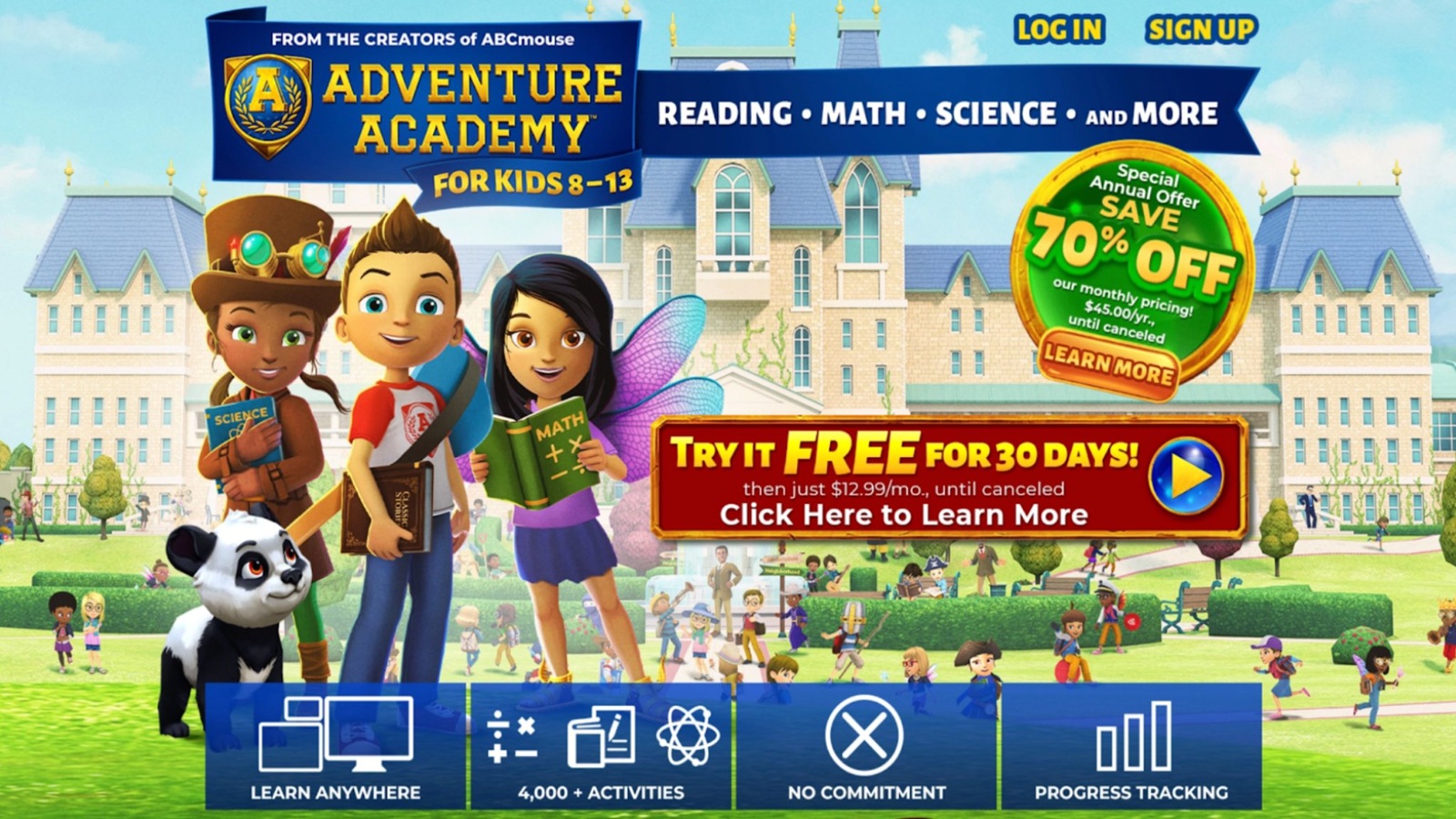
Adventure Academy, from Age of Learning in Los Angeles, United States, is a virtual-school world for elementary and middle-grade learners who like quests more than worksheets. Children create avatars, walk a campus, complete learning challenges, read digital books, watch short videos, and play subject games in math, language arts, science, and social studies. Up to three scholars can share one household account and play at the same time on separate devices, which suits siblings in different grades. The same team behind ABCmouse built it as a curriculum-first environment for roughly grades 2 through 8, with thousands of activities mapped to classroom objectives. Parent dashboards show topics a child has encountered so adults can connect tablet time to homework conversations. The child space is COPPA compliant and ad-free, with moderated social features rather than an open public chat. On iPad it works as a longer-session supplement: part game world, part digital library, part review engine for kids who already have basic reading stamina.
- Key features: 3D academy campus, thousands of subject activities, multi-child household play, books and videos inside quests, parent topic tracking.
- Facts and information: Created by Age of Learning as a follow-on to ABCmouse; aimed at elementary and middle school skills across core U.S. subjects.
30. Reading Eggs
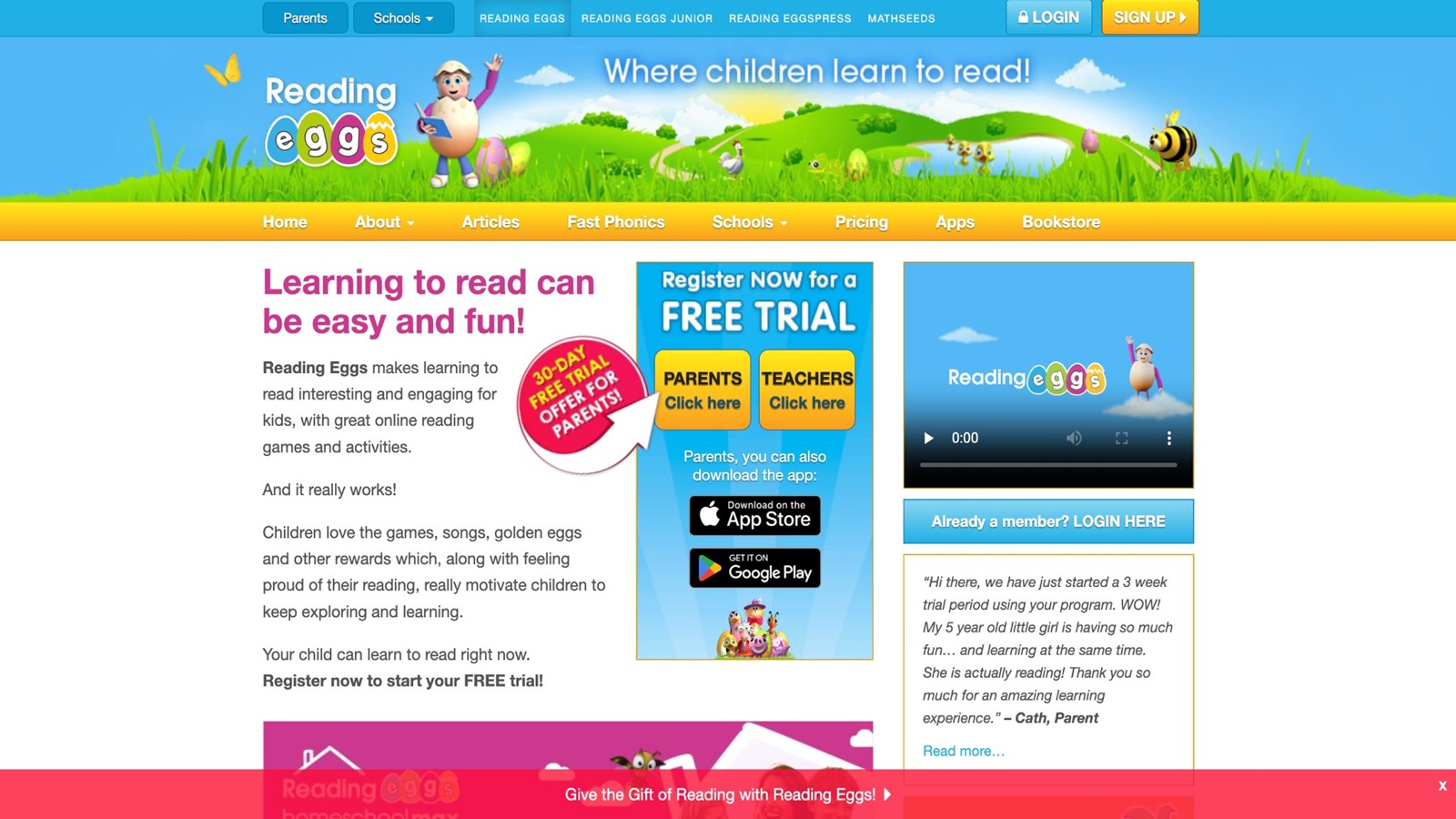
Reading Eggs takes children from first letters through fluent reading with phonics lessons, word games, nursery rhymes, quizzes, and a large library of e-books. The program splits into stages such as Reading Eggs Junior for preschoolers, Fast Phonics for sound work, the core Reading Eggs map, and Reading Eggspress for older readers who need spelling and comprehension. A placement step helps match a child to the right starting lesson so beginners are not dropped into chapter books and confident readers are not stuck on letter songs. Rewards, maps, and certificates keep motivation high during short daily sessions on iPad. The Australian-origin platform has a large North American home and school audience and supports several children on one family plan. Lessons mix animation, voice, and tap activities so early readers hear sounds, see print, and practice blending in one flow. Parents can watch which lessons and books a child finished and use that trail to choose bedtime reading that matches the week’s skills.
- Key features: Placement test, phonics and sight-word lessons, thousands of e-books, Fast Phonics and Eggspress stages, multi-child family access.
- Facts and information: Used by more than 20 million children worldwide and thousands of schools; covers roughly ages 2 to 13 across early and developing reading strands.
31. Mathseeds
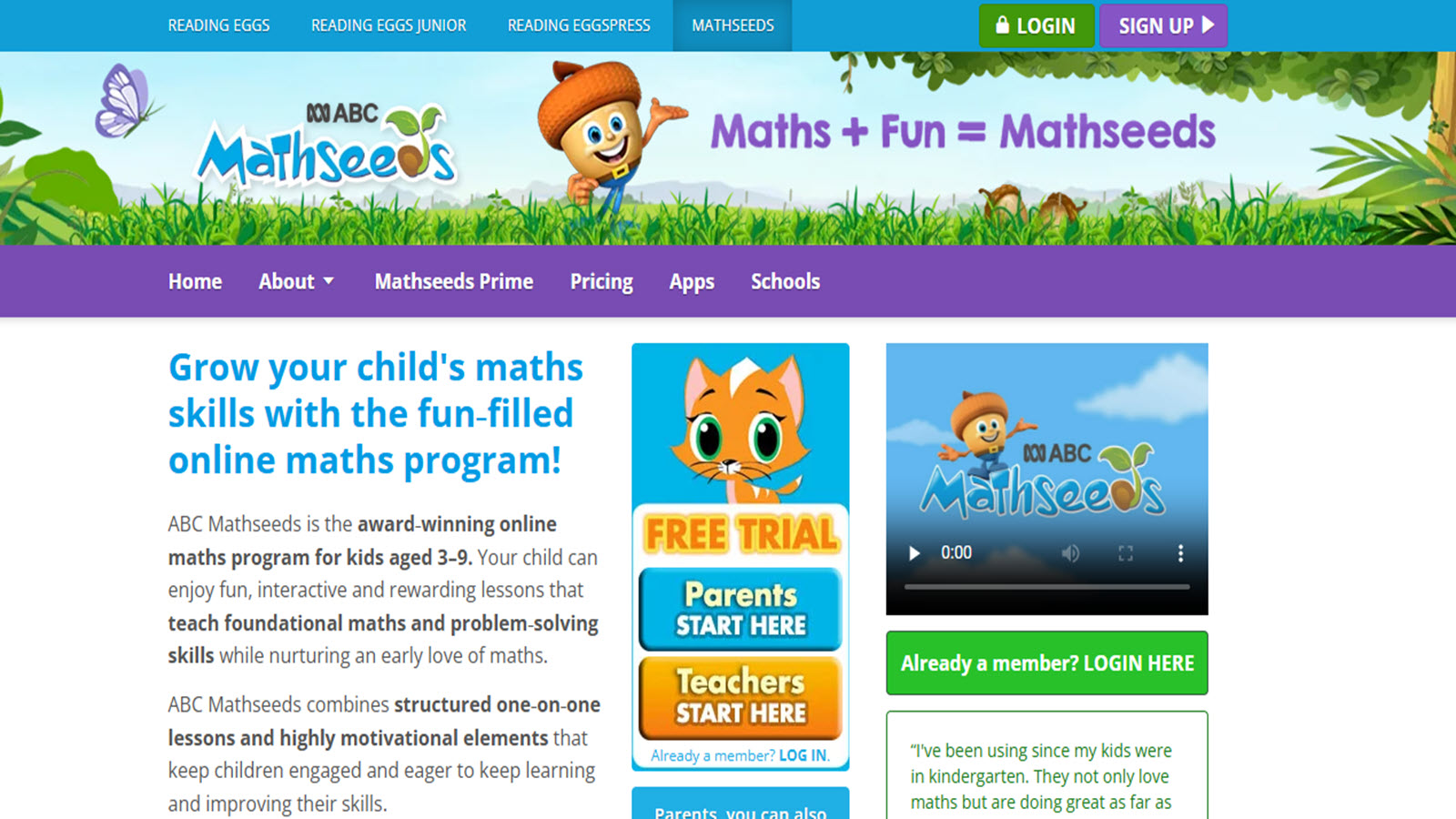
Mathseeds sits beside Reading Eggs as a game-based early math path for about ages 3 to 9, with Mathseeds Prime extending into later elementary ideas such as fractions, multi-digit operations, and word problems. Children take a placement test, then work through animated lessons on counting, number sense, shapes, measurement, time, addition, subtraction, and problem solving. Interactive questions, teaching videos, and circus-style rewards make practice feel like a show. Training sections mapped to Common Core ideas support U.S. kindergarten through early-grade goals and give extra fact practice when a child needs repetition. Multiplayer mini-games let siblings race on fluency. The iPad apps and main program share lesson structure so families can switch devices without losing place. Progress views show which skills are complete and which still need another pass. The tone stays cheerful and visual, with models children can tap rather than only abstract symbols.
- Key features: 200-plus self-paced lessons, placement test, Common Core skill training, rewards and badges, multiplayer fact games.
- Facts and information: Companion to Reading Eggs; used by homeschool and classroom families for foundational numeracy through about Year 3, with Prime stretching into upper-elementary topics.
Benefits of Screen Time with Purpose
Games on iPad help kids practice patience during waits or build teamwork in shared play. They often include calm modes for winding down, different from high-energy TV. Families bond over joint sessions, discussing what kids create or solve. This approach shifts views on devices, showing them as tools for growth.
How to Keep iPad Play Safe for Kids
- Set time limits built into the device to avoid overuse.
- Choose apps with no in-app buys or ads for clean fun.
- Check ratings on the App Store for age fits.
- Talk with kids about what they play, turning it into family chats.
- For safe options, our educational games are designed with care.
How Touchscreen Features Enhance Learning on iPad
The touchscreen on iPad brings learning to life in ways traditional devices cannot match. Direct touch interaction makes brain games and memory recall more intuitive and engaging for young fingers. Children can drag, pinch, draw, and tap naturally, which improves fine motor skills while reinforcing concepts.
This hands-on approach in educational game experiences helps kids understand abstract ideas faster. Whether tracing letters, building shapes, or conducting virtual science experiments, the responsive touchscreen in the best iPad games for kids in 2026 creates deeper connections and more memorable fun games.
Why iPad Games Are Perfect for Kids Learning in 2026
In 2026, iPad games solidified its position as a premier, console-alternative experience because they combine powerful hardware with engaging learning experiences. The large, bright retina display, fast performance, and long battery life make them ideal for young children. These fun and educational games turn screen time into active learning sessions that support math, reading, creativity, and problem-solving.
Parents love how iPad learning games adapt to each child’s pace and provide instant feedback. Whether it’s brain games, memory recall, or interactive stories, iPad games for kids create a personal learning environment that feels like play while delivering real educational value.
Safety and Parental Controls in iPad Games
Built-in tools on iPads let adults set time limits and monitor activity with ease. Many safe games come without distractions, focusing purely on engaging play. This design supports calmer experiences where kids concentrate on tasks. Families appreciate knowing content stays appropriate and free from external influences. Device settings allow customization of access so younger children stay within suitable options while older ones gain a bit more freedom.
Discussions around how to protect kids online often reference device-level features that complement game choices. Such measures help create reliable spaces for young players. Parents can review activity logs or adjust permissions quickly whenever needed. Additional controls include guided modes that limit navigation within games and prevent accidental exits to other areas. This setup reduces worries during independent playtimes. Many families pair these tools with clear household rules that make screen sessions predictable and positive parts of the day.
Sharing One iPad Across Siblings
One tablet in a house often means taking turns. Profiles, folders, and simple rules reduce fights. Tablet games for kids and mobile games for kids often use the same large buttons, so a younger sibling can watch and then try.
Sibling-friendly habits:
- Give each child a home-screen folder
- Set a visible timer the child can see
- Keep one “together game” for shared play
- Save louder titles for daytime
Games for toddlers and games for preschoolers can live in separate folders. Educational games for 5 year olds and educational games for kindergarten fit older siblings on the same device. Kids educational games for 5 year olds keep early school themes apart from baby-care play. A subscription login can follow the family across phones and tablets when the iPad is charging.
Privacy, Safety Settings, and Calm Design
Parents care about what appears around a game, not only the game itself. Safe apps for kids put privacy and age-fit design first. How to protect kids online covers the same quiet habits around accounts and shares.
Calm design usually means:
- No surprise store buttons
- No chat with strangers
- Soft sound and color
- Clear parent menus
Guided Access on iPad can lock a child inside one app. Screen Time tools can cap minutes. Privacy FAQ pages explain how a family account is managed. App Store FAQ notes help when the plan started on iOS. Learning apps for kids and apps for toddlers follow that same quiet style for the youngest players.
Latest News In 2026
iPad games for kids in 2026 bring stronger adaptive features that automatically adjust to each child’s individual pace, playing style, and current interests. Smoother touchscreen controls now respond more naturally to small hand movements, creating easier and more comfortable experiences especially for younger players. Greater attention goes toward emotional learning with gentle story scenarios that help children practice cooperation, empathy, and understanding different viewpoints.
Privacy tools and family controls have become much simpler to manage straight from the device settings. Enhanced offline capabilities allow kids to continue their favorite games during travel or anywhere without internet while keeping all their progress safe.
New trends include deeper real-world connections where digital play flows naturally into simple hands-on activities at home. Shared family modes also grow more popular, letting siblings and parents enjoy games together on the same screen.
FAQ
What Makes a Game Great for Young iPad Users?
Games ideal for young users feature simple touch controls that fit developing motor skills, along with engaging sounds that enhance immersion without overwhelming. They often include customizable difficulty settings to grow with the child, promoting sustained interest. High-quality options emphasize inclusivity, supporting various learning styles through visual and auditory cues.
Are There Free Options Among the Best iPad Games for Kids?
Free versions of top iPad games deliver meaningful experiences through sample activities that highlight core mechanics. These allow testing compatibility with a child's preferences before any commitment. Expanded features in paid upgrades build on the basics, but initial access provides ample opportunities for discovery and skill practice.
How Do Educational Games Help with School Skills?
iPad educational games bridge home and school by embedding concepts like sequencing or basic science in playful scenarios. They foster independence as kids navigate challenges at their own pace, building self-assurance. Integration of storytelling elements helps with comprehension, making abstract ideas more concrete for everyday application.
Can iPad Games Work for Multiple Kids in a Family?
Games designed for families often include easy profile switching, ensuring each child's achievements stay separate. This adaptability suits households with siblings at different stages, allowing tailored content. Cooperative elements encourage joint participation, turning individual play into shared moments that strengthen relationships.
What Role Do Parents Play in iPad Gaming for Kids?
Parents guide the experience by selecting age-appropriate iPad games that align with family values and educational goals. Joining sessions sparks discussions about in-game decisions, enhancing real-life connections. Oversight helps maintain balance, blending digital play with physical activities for well-rounded development.
How do iPad games support early skill building?
iPad games for kids support early skill building by combining responsive touchscreen interactions with practice in math concepts, letter recognition, and logical thinking through colorful and portable formats. Children gain confidence as they master gentle challenges at their own speed while the device fits easily into family routines like car rides or quiet moments at home. Many activities also develop fine motor coordination through tapping, dragging, and pinching motions that feel natural on the larger screen. These games introduce ideas about kindness and responsibility in simple story-based settings that align with daily life.
What makes iPad games engaging for different ages?
The best iPad games for kids stay engaging for different ages because they offer adjustable difficulty levels that grow naturally with each child’s abilities instead of using rigid age cutoffs. Younger players enjoy simple taps, bright colors, and basic matching activities that build early confidence on the clear, responsive screen. Older children can explore deeper puzzles, longer stories, and creative building tools that expand on skills they already have. The large display and smooth touchscreen controls keep every experience comfortable and motivating through various developmental stages. This flexible design means families can use the same games longer as interests and abilities change over time.
Can iPad games work without constant internet?
Many educational games on iPad work fully without constant internet after the initial download finishes. Strong offline capabilities let children continue their favorite activities during travel, car rides, or in places with limited connectivity while saving all progress automatically. This flexibility keeps learning routines consistent no matter where the family happens to be. Parents appreciate how the games maintain engagement and skill practice even when wifi is unavailable. The portable nature of the iPad makes these offline options especially practical for busy daily schedules.
How do iPad games encourage creativity and problem-solving?
iPad games encourage creativity and problem-solving through open-ended activities where children design scenes, test multiple ideas, and create their own stories using intuitive touchscreen gestures. Kids experiment freely with colors, shapes, and elements that feel personal and rewarding on the large screen. Puzzle sections promote flexible thinking as children find different solutions without strict right or wrong answers. Character interactions in story modes support imaginative role-play that reflects real-life situations in a safe digital space. These games blend free creation with light guidance so young players build confidence in their own thinking and creative choices.
What features matter most in 2026 iPad games?
2026 iPad games for kids place the highest value on personalized learning paths that adjust instantly to each child’s pace, choices, and interests. Smooth touchscreen controls that respond naturally to small hand movements and strong privacy tools give parents greater peace of mind during daily use. Enhanced offline capabilities and shared family modes support both independent play and group time on the same device. Regular content updates keep experiences fresh while linking digital activities to simple real-world connections at home. Balanced designs that focus on emotional learning, creativity, and practical skill building remain especially useful for modern family routines.
What age range works best for iPad educational games?
Many titles suit toddlers through early elementary ages with adjustable difficulty that matches development. Younger players enjoy basic interactions with large visuals while older ones handle multi-step activities that build on responsibility and confidence for kids. This range allows games to grow with the child through simple taps for little ones and more thoughtful challenges for school-age kids. Content often covers topics like colors, shapes, and daily routines in engaging ways that feel like adventures. Such options support natural learning moments across different family stages.
How do iPad games differ from phone versions?
Larger screens on iPads allow bigger visuals and more detailed touch play that feels comfortable for small hands during extended sessions. This setup supports activities like drawing or puzzle assembly with greater precision on tablet interfaces. iPad games often take advantage of the device size for richer environments that hold attention better in home settings. The hardware helps deliver smoother experiences especially suited to creative and logic-based play. Families find these differences make tablets a preferred choice for focused learning through play.
How do iPad games support family routines?
iPad games fit naturally into busy family schedules thanks to their portable design and flexible play sessions. Parents can easily incorporate short learning moments during car rides, waiting times, or quiet evenings at home. The intuitive controls and engaging content make it simple for children to play independently while still building valuable skills.
What skills do children gain from these games?
Play often strengthens creativity, focus, problem-solving, and emotional awareness for kids through character interactions and choices. Kids practice responsibility in gentle ways that feel rewarding as they complete tasks or care for virtual elements. These experiences nurture patience and curiosity while supporting overall growth in a balanced manner. Many games weave in elements of storytelling and exploration that build confidence over time. The combination turns device moments into valuable opportunities for real development.
How can families track progress in iPad games?
Certain titles show simple achievements or completed tasks that spark conversations about what kids enjoyed or learned during play. This helps connect screen activities to visible growth in skills like focus and creativity. Parents appreciate features that highlight progress in emotional awareness or problem-solving without overwhelming details. Such insights make it easier to see how fun educational games fit into broader family routines. It supports thoughtful discussions around balancing different activities throughout the day.
How do dress-up and story games support creative play on iPad?
Dress-up, room design, and story scenes give kids a chance to try colors, outfits, and roles with simple taps on a large screen. A child can pick a jacket, change a room’s furniture, or walk a character through a short scene without reading a long set of rules. Dress-up games for girls online lean on styling, collecting looks, and make-believe friends. Outfit choices practice color matching. Room decorating practices sorting and planning. Character care shows kindness in small steps, such as feeding, brushing, or waiting a turn. The play stays open-ended. Kids can replay a look or a room the next day and still find a new mix.
What life skills show up in pet-care and cleanup games?
Chore games let kids practice real tasks inside a safe world. Feeding pets, washing dishes, folding clothes, and putting toys away follow a clear order that young hands can repeat. Cleanup stories turn tidy-up steps into a short game with rooms, messes, and finished spaces. Care routines add meals, rest, and gentle help. Kids notice when a character needs something, finish one room before starting the next, and feel proud after a completed task. Those loops sit close to learning through play activities that families already use off the screen. A child who just cleaned a virtual kitchen may later wipe a real table with less fuss.
How do puzzle games on iPad differ from story games?
Puzzle play gives a clear goal and a calm pace. Matching tiles, memory cards, and light logic tasks ask a child to hold one idea, then act on it. Story games lean on characters, rooms, and care. Puzzle games lean on patterns, order, and trying again without a long plot. Memory games can live on the same tablet as pet or dress-up titles, so siblings switch styles without swapping devices. Levels stay short, hints stay kind, and retries stay quiet. Failure just means the next try. Families often use a puzzle title after a louder story session, because the change in pace helps focus settle.
What settings help keep iPad play calm and private?
Calm design usually means no surprise store buttons, no chat with strangers, and soft sound and color. Parents also look for clear menus that a grown-up can reach without the child landing in a shop. Guided Access can lock one app on screen so home-screen taps do not pull a child out. Screen Time can cap minutes and set downtime. Notes on how to protect kids sit next to those device tools. Together they keep play inside a small, known set of titles. The session feels shorter and softer when the edges of the app stay closed.
How do holiday-themed iPad games fit busy family weeks?
Holiday weeks change the family clock. Meals run late, guests arrive, and kids still want a short, familiar game. Festive rooms, gifts, and outfits keep December and birthday sessions special without a long new learning curve. Seasonal play can sit beside card making, cookie decorating, or a short walk after the game ends. The best educational and fun games for kids keep the tone light when school is out and routines feel looser. A timer the child can see still helps, even on a holiday. Offline downloads help when the house Wi-Fi is busy with guests.
Read Also:
- Best Games For Young Kids in 2026
- Best Educational Games For Kindergarten in 2026
- Best Educational Games For 10 Year Olds in 2026
- Best Educational Games For 7 Year Olds in 2026
- Best Educational Games For 6 Year Olds in 2026
Discover the Best iPad Games For Kids In 2026 - TutoClub