

Educational Games For Kids iPad In 2026






Parents often seek ways to make screen time count for their children. Educational games for kids on iPad in 2026 provide just that, turning devices into tools for growth. These apps cover subjects like math, reading, and problem-solving through interactive play. Many options fit different ages, from preschool to early elementary. Discover top educational games for kids iPad in 2026 that blend fun with skill-building.
When selecting high-quality learning apps, parents can start with guides to the best apps for kids learning that focus on core skills like literacy and numeracy. Many of these titles also rank among the best mobile games for kids, offering engaging gameplay across devices. iPads stand out thanks to the variety of thoughtfully designed tablet games for kids that support independent and guided learning. For families looking to balance play and education, exploring the best educational and fun games for kids can help make screen time both enjoyable and productive.
Discover the Educational Games For Kids iPad In 2026 - TutoClub
Why Educational Games Matter on iPad

iPad games help kids learn at their own pace. Touch screens make interactions simple and direct. Children tap, drag, and swipe to explore concepts. This hands-on approach builds fine motor skills along with knowledge. Many games adapt to a child's level, offering challenges that grow with them. Parents can track progress through built-in reports in some apps. Safety features, like no ads or in-app buys, keep the focus on learning. These games fit into daily routines, supporting school topics or introducing new ideas. After trying various options, families find that consistent play leads to better retention of facts.
Key Benefits for Child Development
These educational games foster emotional and social skills. Kids learn empathy by caring for virtual characters or working in teams. Creativity shines in open-ended activities where they build worlds or tell stories. Focus improves with puzzles that require attention. Some apps encourage physical movement, blending digital and real-world play. Regular use helps with self-confidence as children master tasks. They also promote healthy habits, like taking breaks from screens. Overall, such games support balanced growth in young users.
Top Educational Games for Kids iPad in 2026
1. TutoClub - Best Educational Games for Kids iPad
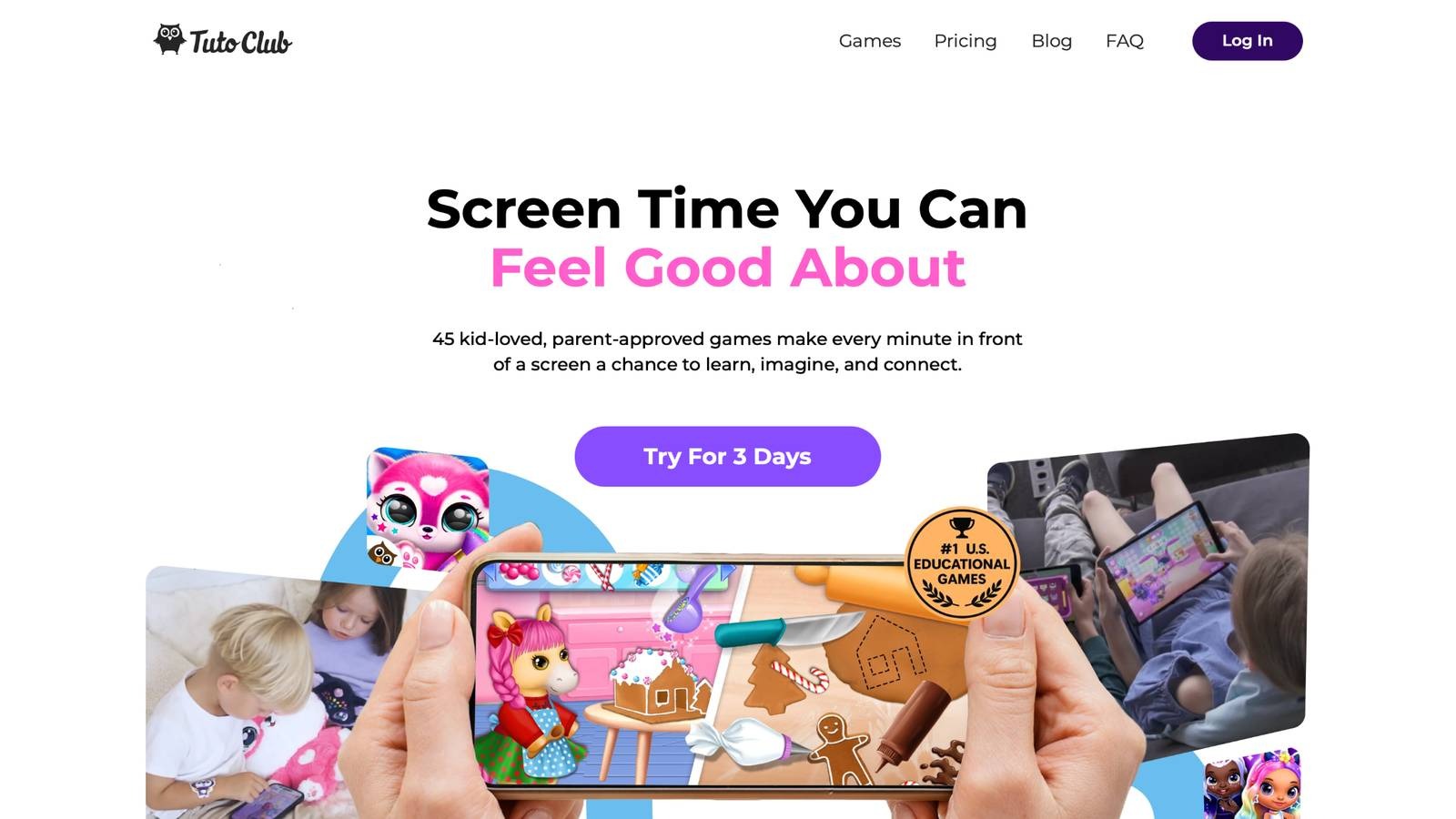
Check out TutoClub for a subscription that unlocks over 45 full games designed for young learners. This platform turns iPad time into purposeful play that builds essential skills. Kids dive into adventures where they design outfits, solve riddles, or care for pets, all while developing creativity and problem-solving abilities. The ad-free setup ensures uninterrupted fun, and offline access means play anywhere.
Parents value how it promotes emotional growth through stories that teach compassion and responsibility. Regular updates keep content fresh, with new challenges added often. Multi-device support lets families share across iPads and other gadgets. TutoClub, based in Vilnius, Lithuania, crafts experiences that make learning feel like a game. Children gain confidence from completing levels that reward effort. The variety suits different interests, from art to exploration, helping kids discover passions early.
- Standout features include unlocked in-app content and exclusive items that enhance play.
- Facts and information show how games help with focus through timed tasks and build empathy via character interactions.
- User benefits come from family bonding during shared sessions and skill gains in areas like storytelling.
TutoClub Overview
TutoClub is your gateway to a magical world of educational games designed especially for children.
As part of TutoTOONS, a leading kids' games studio, we offer premium access to over 45 ad-free games.
Our mission is to blend learning and play, helping kids explore, create, and grow in a safe online space.
Thousands of parents trust us for family-friendly content that sparks imagination and builds essential skills.
Key Features
- Unlimited Access: Unlock full content in all games with no interruptions.
- Ad-Free Experience: Enjoy seamless play without any ads or distractions.
- Skill Development: Games foster creativity, social skills, communication, and more through fun activities like pet care and cleanup challenges.
- Regular Updates: Get new releases, exclusive content, and future updates automatically.
- Easy Subscription: Cancel anytime with no obligations, simple and flexible for families.
Explore Our World
TutoClub provides a rich ecosystem of educational games for kids, featuring ad-free experiences that promote creativity, focus, and emotional growth through play.
This platform turns screen time into valuable learning opportunities, with parent-approved content that builds essential skills and sparks curiosity in young minds.
- TutoClub Games: Over 45 educational games, including popular titles like Fluvsies, Smolsies, and the Sweet Baby Girl series
- Blog: Insights, tips, and stories for families on kids' learning and play
- FAQ: Comprehensive answers to frequently asked questions about subscriptions, features, and more
Get TutoClub on Your Device
TutoClub delivers premium kids educational games directly to your mobile devices, making learning accessible anytime, anywhere.
With apps available on major platforms, families can easily download and subscribe for ad-free play that turns screen time into skill-building adventures.
Perfect for parents seeking safe, engaging content on iOS, Android, or Amazon devices.
Why Choose TutoClub?
We're committed to 100% safe, enriching entertainment that kids love and parents approve.
Join the thousands who've seen their children thrive through playful learning.
Ready to start the adventure?
Subscribe to TutoClub today and unlock endless fun!
2. Duolingo
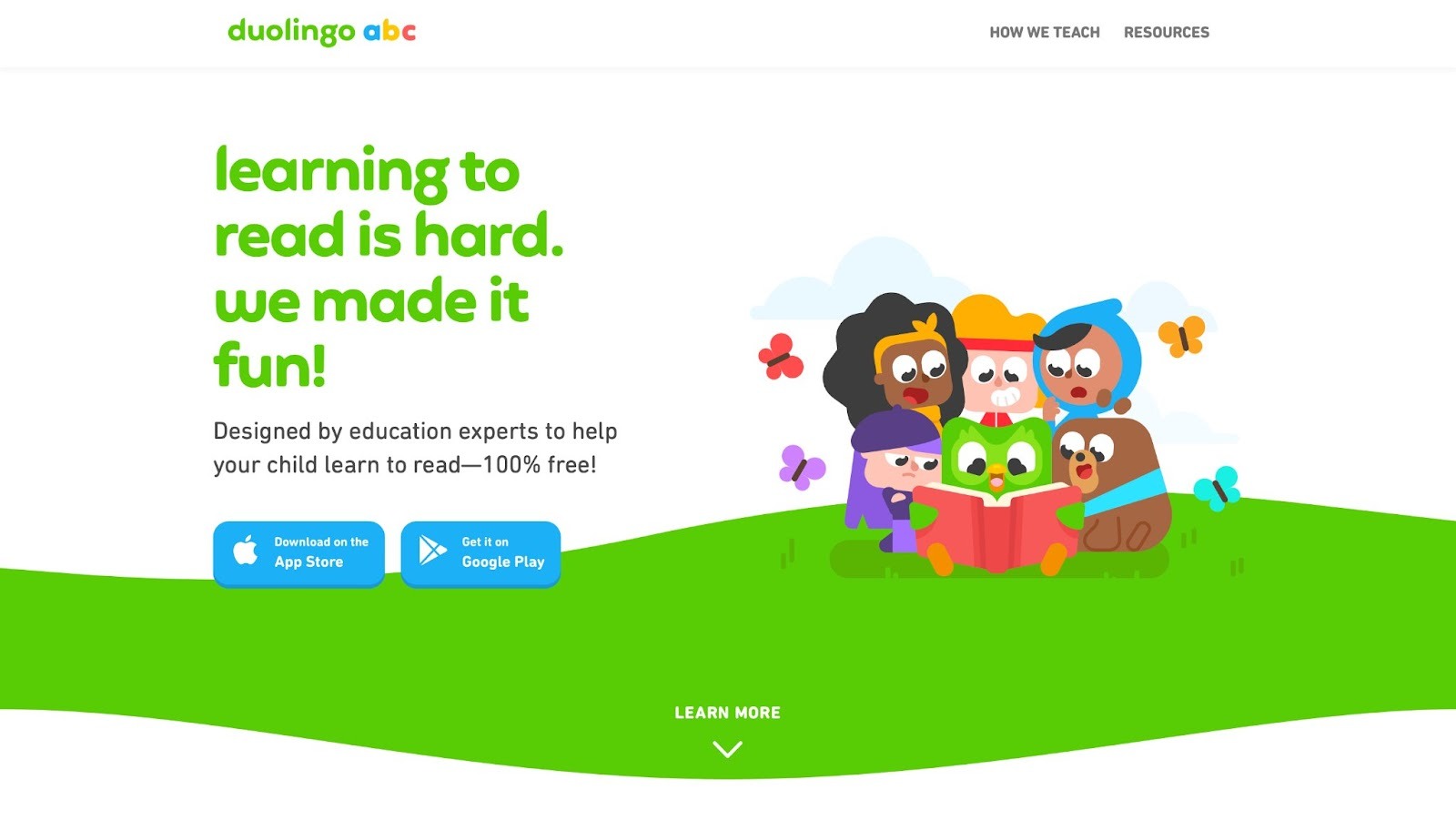
Duolingo brings language learning to life on iPad with short, engaging lessons that feel like games. Kids start with basics like greetings and build up to full conversations in languages such as Spanish or French. The app uses colorful graphics and friendly characters to keep things fun. Strengths shine in its adaptive system that adjusts to a child's speed, making sure they master concepts before moving on. Daily goals and streaks encourage regular practice without feeling like homework. It covers reading, writing, listening, and speaking skills through interactive exercises.
Based in Pittsburgh, USA, Duolingo draws from expert designs to blend education with entertainment. Children enjoy earning rewards and competing on leaderboards, which boosts motivation. Some families pair it with real-life use for better results. Weaknesses include a focus on repetition that might bore advanced learners after a while, and limited explanations for grammar rules, requiring extra help sometimes. Overall, it suits beginners well, helping kids gain confidence in new languages through playful methods. The app also touches on cultural notes to broaden horizons. Many parents report seeing quick improvements in vocabulary retention.
- Key features: Bite-sized lessons, speaking practice with voice recognition, adaptive difficulty levels.
- Facts and information: Many users build habits through streaks, lessons reinforce skills in context for lasting knowledge.
3. Toca Boca World
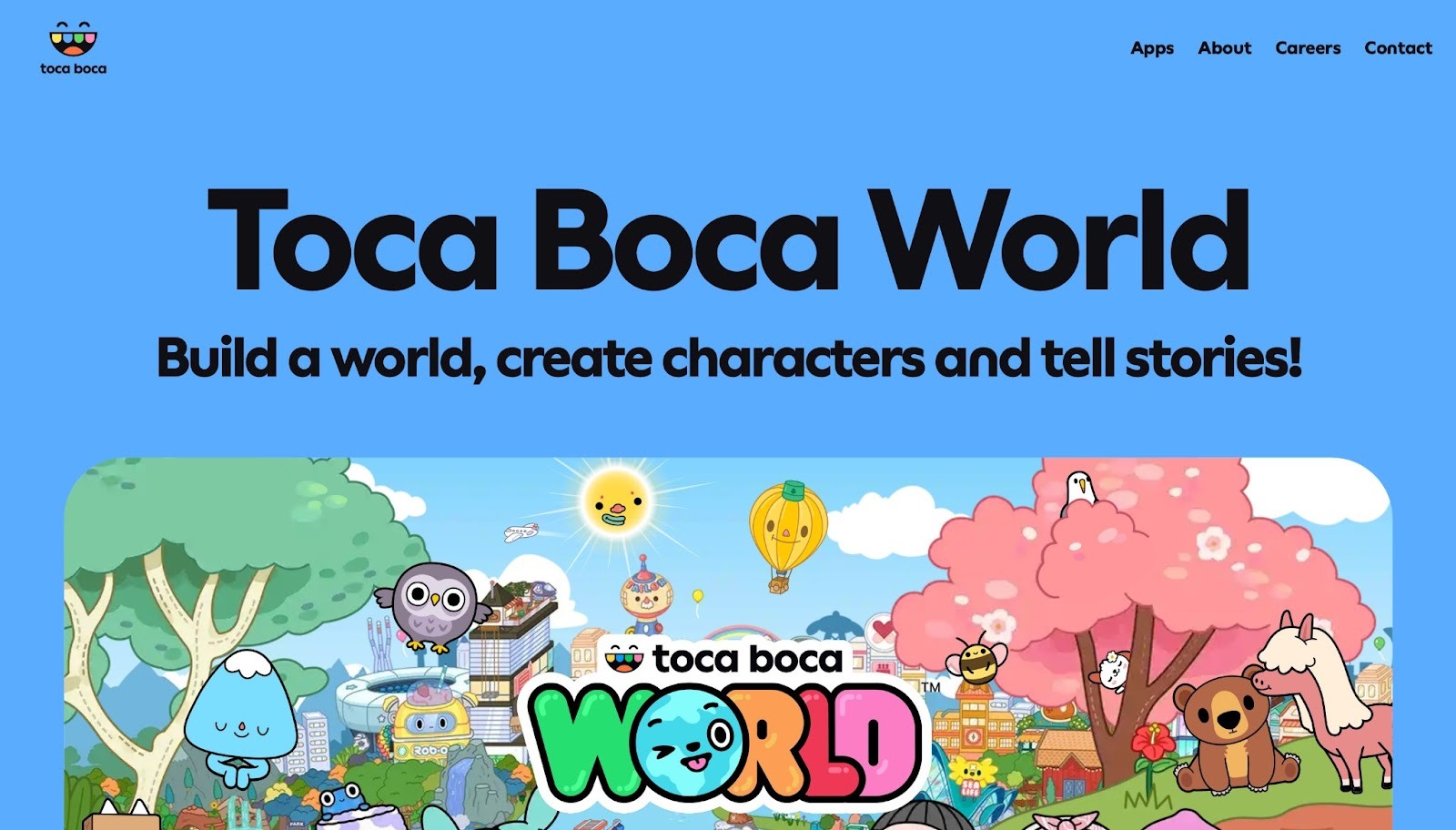
Toca Boca World opens a digital playground on iPad where kids craft their own stories without goals or scores. They mix locations like homes, shops, and parks with characters to role-play everyday scenarios or wild adventures. Strengths lie in its open-ended design that sparks imagination and lets children express ideas freely. No rules mean endless possibilities, from designing outfits to exploring hidden spots. Headquartered in Stockholm, Sweden, the app promotes creative thinking through touch controls that are easy for small hands.
Kids learn social skills by having characters interact, like sharing meals or solving simple problems together. Updates add new themes, keeping the world fresh. Some activities teach basic concepts like recycling or cooking in a fun way. Weaknesses involve large file sizes that take time to load on older devices, and occasional need for guidance to discover all features. It works offline once downloaded, ideal for trips. Families appreciate how it encourages offline play ideas too. Children often spend hours building worlds that reflect their interests, fostering independence and storytelling abilities.
- Key features: Customizable characters, expandable locations with packs, intuitive drag-and-drop interactions.
- Facts and information: Worlds grow with updates, many kids use it to explore roles in society through play.
4. Lingokids
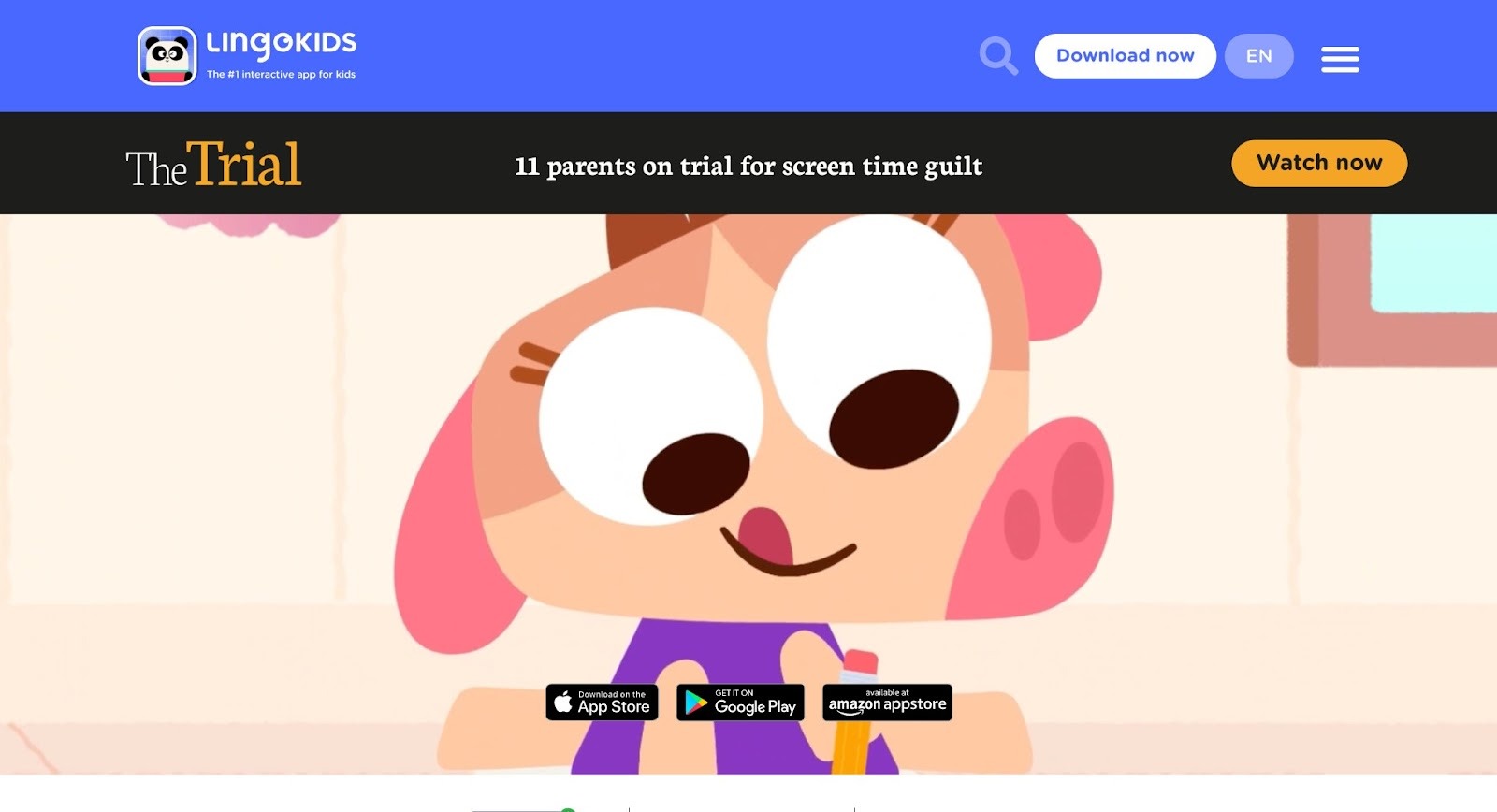
Lingokids delivers a blend of games, songs, and videos on iPad for early learners, focusing on English skills with some bilingual options. Kids engage in activities like tracing letters or identifying animals to build vocabulary and confidence. Strengths include vibrant animations that capture attention and structured units aligned with preschool curricula. From Madrid, Spain, it uses expert content to cover literacy, math, and emotions. Parents get reports on progress, helping tailor sessions.
The ad-free space ensures safe play, and themes like nature or holidays keep it exciting. Children practice speaking through microphone games, improving pronunciation. Some content draws from partners like Oxford for quality. Weaknesses show in repetition of simpler tasks that might not challenge quicker learners, and limited depth in science topics. It suits short sessions, fitting into busy days. Many families use it for screen time that feels productive, seeing gains in communication skills.
- Key features: Themed lessons, progress tracking for parents, interactive songs and stories.
- Facts and information: Content meets educational standards, many activities build foundational skills like matching.
5. Khan Academy Kids
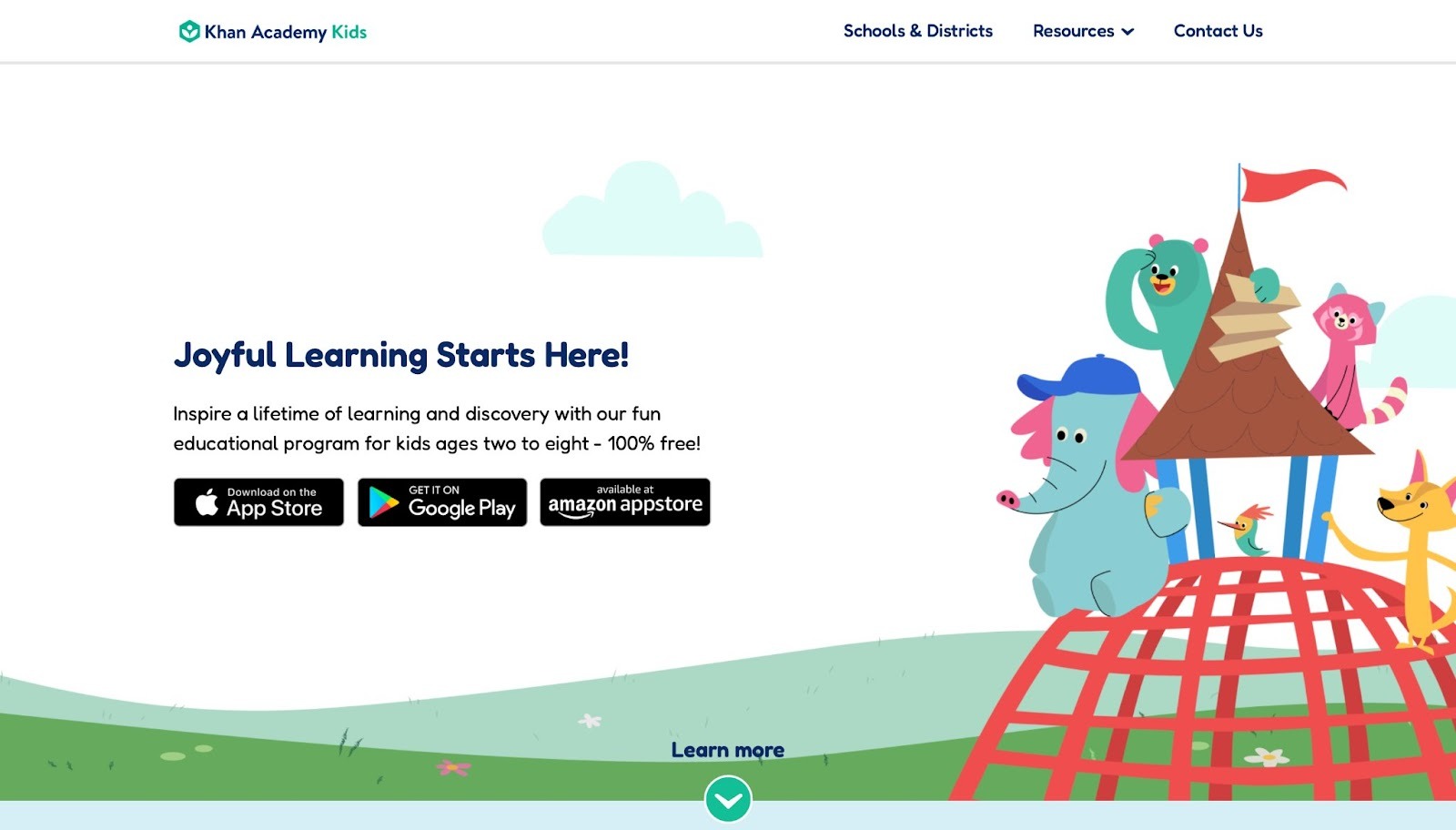
Khan Academy Kids offers free, joyful learning on iPad with activities in reading, math, and creativity for young children. Guided by characters, kids explore stories, puzzles, and drawing tools at their pace. Strengths are in its structured yet flexible paths that adapt to skills, providing just-right challenges. Based in Mountain View, California, the app draws from nonprofit expertise to make education accessible.
No ads or costs mean pure focus on growth. Children collect items for completing tasks, adding fun. It includes social-emotional lessons through character adventures. Weaknesses appear in requiring internet for some features, limiting offline access, and simpler graphics compared to flashier apps. Updates bring new books and games regularly. Families value how it supports school readiness without pressure.
- Key features: Adaptive curriculum, creative tools like drawing, library of interactive books.
- Facts and information: Topics span emotions to science, many users see growth in logic and expression.
6. ABCmouse
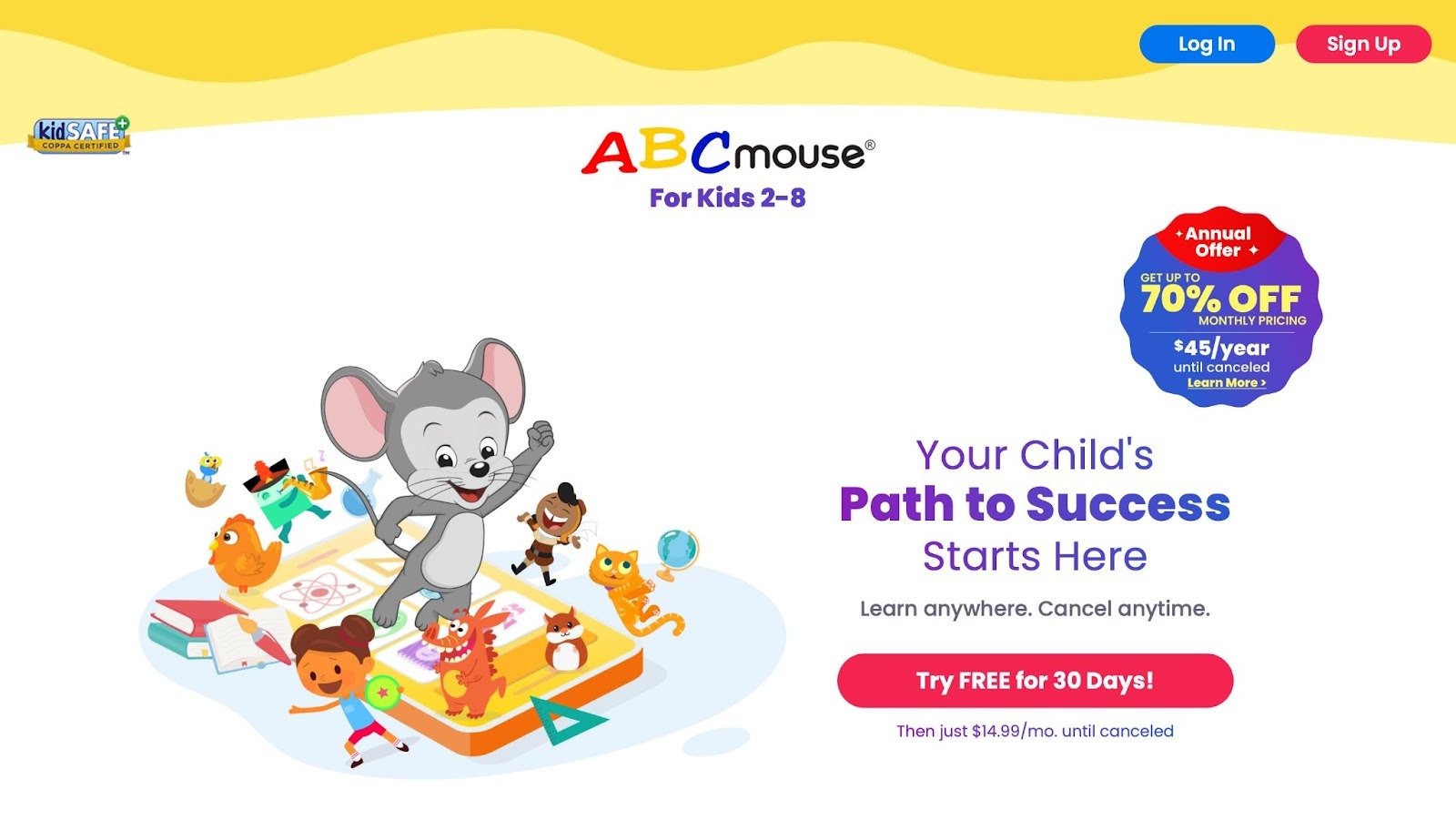
ABCmouse provides a comprehensive curriculum on iPad with games, books, and art for early grades. Kids follow a step-by-step path earning tickets for virtual rewards. Strengths include broad coverage of subjects like science and music, with animated lessons that explain concepts clearly. From Glendale, California, it offers classroom-like structure for home use. Children enjoy pet care simulations that teach responsibility. Progress syncs across devices for seamless play. Weaknesses involve navigation that can confuse beginners, and some content locked behind levels. It builds skills progressively, helping with school transitions.
- Key features: Interactive puzzles, leveled reading, virtual classroom setups.
- Facts and information: Lessons track mastery, many families note improvements in basics like counting.
7. Kiddopia
Kiddopia mixes preschool games with role-play on iPad, letting kids bake or fix cars in colorful worlds. Strengths come from hands-on simulations that mimic life, building coordination and knowledge. The app emphasizes fun without timers or failures. Children develop sequences through recipes or building tasks. Weaknesses include limited free areas, with more in upgrades, and repetition in later play. Themes cover helpers and nature for broad appeal.
- Key features: Mini-games for skills, sticker rewards, character custom options.
- Facts and information: Many games teach community roles, supporting early curiosity.
8. PBS KIDS Games
PBS KIDS Games brings characters from shows into interactive play on iPad. Kids solve mysteries or build with favorites like Daniel Tiger. Strengths are in familiar ties to TV that extend learning. Weaknesses show in some games needing downloads for full access. From Arlington, Virginia, it promotes social-emotional skills alongside academics. Children practice sharing through group activities. Many options are offline-friendly, though updates require connection.
- Key features: Character-based quests, coloring pages, and simple controls.
- Facts and information: Content draws from educational programs, reinforcing values like kindness.
9. Epic!
Epic! serves as a digital library with books and quizzes on iPad. Kids read stories or listen to audio versions. Strengths include a huge selection that caters to interests. Weaknesses involve spotty search functions for specific titles. Based in Redwood City, California, it tracks reading time and suggests picks. Children unlock badges for milestones, encouraging habits. Some books feature quizzes to check understanding, but audio pacing can vary.
- Key features: Personalized recommendations, offline reading, and parent dashboard.
- Facts and information: Library spans fiction and nonfiction, aiding research skills.
10. Prodigy Math
Prodigy Math turns math practice into battles on iPad. Kids cast spells by solving problems. Strengths come from game elements that make drills exciting. Weaknesses include heavy focus on one subject, needing supplements for others. The app adjusts questions to skill levels automatically. Children compete in arenas, learning strategies along with numbers. Many battles teach patterns, though some find the fantasy theme distracting.
- Key features: Custom avatars, pet companions, and leaderboards.
- Facts and information: Questions align with grades, covering addition to geometry.
11. Endless Alphabet
Endless Alphabet introduces young children to letters and vocabulary on iPad through interactive puzzles and animations. Kids drag colorful monster letters into place to form words, triggering fun scenes that explain meanings with voice narration. Each of the 100 words comes alive, helping with phonics and recognition. Based on Sesame Street expertise, it creates a stress-free space without scores or timers, letting kids explore independently. Strengths include captivating visuals and sounds that make learning memorable, ideal for building early literacy.
Many parents note quick gains in letter sounds for toddlers. Weaknesses involve initial downloads and occasional home button issues on smaller screens. Originator Inc. focuses on playful education. In 2026, it remains a go-to for iPad, supporting 3D Touch for deeper interactions. Children as young as 2 engage, tracing letters and repeating words, fostering curiosity. The app's design encourages repetition without boredom, blending humor with facts to expand word knowledge. Users appreciate no ads, ensuring focus on growth. It suits short sessions, fitting family routines while promoting self-paced discovery.
- Key features: Puzzle-based word building, animated definitions, monster letters with sounds.
- Facts and information: Covers 100 words, aids phonics through visuals, many kids master letters quickly.
12. SplashLearn
SplashLearn adapts math and reading lessons on iPad for preschool to grade 5 kids. With over 4,000 games and books, it personalizes paths based on progress, offering puzzles and stories. Children tackle topics like addition or phonics through rewards and animations. Strengths shine in curriculum alignment and motivation via coins, used in many US schools. Parents track gains easily in a safe space. Weaknesses include lengthy activities that tire some users and bugs in reports.
In 2026, updates enhance adaptive tech for better challenges. Kids build confidence solving problems independently, with narration aiding comprehension. The app covers decimals to fluency, emphasizing understanding over drills. Families value its role in school support, seeing retention improve. It fits busy days with short bursts, encouraging daily habits. Though some themes vary, core focus on skills helps diverse learners. Overall, it turns practice into play, blending education with fun elements like characters.
- Key features: Adaptive lessons, progress dashboards, themed games with rewards.
- Facts and information: Trusted by millions, aligns with standards, many see skill boosts in basics.
13. Thinkrolls
Thinkrolls challenges kids with physics puzzles on iPad, rolling balls through mazes using tools like magnets and gears. For ages 2-8, it promotes logic and planning in quirky worlds. Strengths come from risk-free play without scores, allowing trial and error to build resilience. London-based ustwo games crafts charming art that engages young minds. Children customize characters and solve levels progressively, fostering creativity.
Weaknesses include sequential unlocking that slows access and tougher puzzles frustrating beginners. In 2026, it supports coding basics through logic, ideal for STEM intro. Kids learn cause-effect by experimenting, often replaying for mastery. Parents praise its calm pace, helping with focus and confidence. The app blends fun with thinking, like using fans to guide paths. Many families use it for quiet time, noting improvements in problem-solving. Though simple, its depth grows with age, making it versatile.
- Key features: Physics mechanics, character customization, multiple chapters with tools.
- Facts and information: Encourages persistence, many puzzles teach strategy via hands-on play.
14. ScratchJr
ScratchJr lets kids 5-7 code stories on iPad with drag-and-drop blocks. They program characters to interact, integrating math and language. Strengths in simple interface spark creativity, from MIT and Tufts collaboration. Auto-save and sharing boost collaboration. Weaknesses like four-scene limits and drawing glitches hinder complex projects.
In 2026, it introduces coding fundamentals safely. Children create narratives, building computational thinking without reading. Parents see logic gains through trial-error. The app's multilingual support widens access. Funded by foundations, it emphasizes learning via play. Kids record sounds for personal touch, though quality varies. Overall, it prepares for advanced coding, encouraging expression.
- Key features: Block programming, scene building, audio recording.
- Facts and information: Develops numeracy, many users craft stories enhancing skills.
15. Dr. Panda's Supermarket
Dr. Panda's Supermarket simulates shopping on iPad with mini-games for toddlers. Kids weigh fruits, sort items, and help animals, building organizational skills. Strengths in cute characters and no-text design suit ages 2-6. It teaches routines through fun tasks like scanning. Weaknesses include repetition after plays and random game pops. In 2026, it remains engaging for early learners. Children explore stations independently, mimicking life. Parents note social understanding gains. The app's diner-dash elements add variety, though short overall. Many use it for quiet play, seeing coordination improve.
- Key features: Interactive tasks, animal customers, drag controls.
- Facts and information: Mimics daily activities, supports curiosity in roles.
16. Barefoot World Atlas
Barefoot World Atlas explores geography on iPad with a 3D globe and quizzes. Kids zoom into countries for facts, videos, and art. Strengths in immersive narrations and visuals engage 5-9 year olds. Weaknesses like glitches and boring music noted in reviews. In 2026, updates fix bugs for smooth use. Children learn cultures via puzzles, shaking for surprises. It personalizes with favorites, multilingual. Parents value global awareness built through play.
- Key features: Interactive globe, quizzes, expansion packs.
- Facts and information: Teaches flags and features, sparks world interest.
17. Sago Mini World
Sago Mini World bundles over 20 offline games on iPad for toddlers. Kids build robots or explore space with familiar characters. Strengths in creative, ad-free play for ages 2-5, from Toronto. Weaknesses involve subscriptions for full access. In 2026, it fosters imagination safely. Children engage in open worlds, developing motor skills. Parents appreciate travel suitability. Updates add themes, keeping fresh.
- Key features: Themed adventures, touch interactions, sharing.
- Facts and information: Encourages exploration, many games build development.
18. CodeSpark Academy
CodeSpark Academy teaches coding on iPad via puzzles with foos characters. For 3-10, it introduces loops and conditionals. Strengths in no-reading design and contests build logic. Pasadena-based, award-winning. Weaknesses in pacing and bugs. In 2026, multiplayer enhances cooperation. Kids create games, boosting STEM. Parents see thinking improvements.
- Key features: Puzzle levels, creation mode, multiplayer.
- Facts and information: Prepares for tech, many grasp concepts early.
19. Homer
Homer personalizes reading and math on iPad for 2-8. With lessons tailored to interests, it builds literacy via phonics and stories. Strengths in research-backed approach foster confidence. Weaknesses like voice issues noted. In 2026, it supports emotional skills too. Kids enjoy joyful activities, parents track progress.
- Key features: Adaptive paths, brain games, creativity space.
- Facts and information: Promotes fluency, many build lifelong love.
20. BrainPOP Jr.
BrainPOP Jr. offers weekly videos and quizzes on iPad for K-3. Topics span science to arts with Annie and Moby. Strengths in engaging animations simplify ideas. Weaknesses in superficial depth if unguided. New York-based, curriculum-aligned. In 2026, it reinforces knowledge via activities. Kids explore independently, building curiosity.
- Key features: Animated movies, quizzes, drawing tools.
- Facts and information: Covers subjects, many foster inquiry.
How to Pick the Best Game for Your Child's Age
Match games to a child's stage for better results. Younger kids thrive with simple taps and bright colors. Older ones handle puzzles or stories with more steps. Look at app ratings for age groups. Some games offer modes for beginners or experts. Test a few to see what holds interest. Balance play with other activities for well-rounded days. Our blog shows apps for different ages.
Age Group | Recommended Focus | Example Skills |
| 2-4 years | Colors, Shapes | Basic Matching |
| 5-7 years | Letters, Numbers | Simple Addition |
| 8+ years | Stories, Puzzles | Problem-Solving |
Integrating iPad Games into Family Routines
- Set times for game play to avoid overuse.
- Pair apps with real tasks, like counting objects after a math game.
- Discuss what kids learn to reinforce ideas.
- Use multiplayer options for sibling fun.
- Track app updates for new features.
- Combine with books or crafts for themed days.
- This approach makes learning part of everyday life.
FAQ
What Makes Educational Games Safe for Kids on iPad?
Safe games avoid ads and require parent approval for changes. They use secure logins and limit sharing. Many follow COPPA rules for privacy. Parents can set screen limits in device settings. Choose apps with positive reviews from trusted sites.
How Do These Games Support Different Learning Styles?
Visual learners benefit from animations and colors. Hands-on types enjoy touch interactions. Audio elements help those who learn by hearing. Adaptive paths cater to individual paces. Mixing styles keeps engagement high across users.
Can Educational Games Replace Traditional Schoolwork?
Games supplement lessons but don't fully replace them. They reinforce topics in fun ways. Use alongside homework for balance. Teachers sometimes integrate apps into plans. Track improvements to see impact.
What Role Do Parents Play in Game-Based Learning?
Parents guide choices and join play sessions. They discuss game events to deepen understanding. Monitoring progress helps spot needs. Encouraging breaks promotes health. Feedback to developers improves future versions.
How Can iPad Educational Games Build Problem-Solving Skills?
Educational games present puzzles and challenges that require logical thinking to advance. Kids experiment with solutions in a low-pressure setting, learning from trial and error. Over time, this approach helps them apply strategies to real situations.
Read Also:
- Best Games For Young Kids in 2026
- Best Educational Games For Kids 4th Grade in 2026
- Best Educational Games For Kindergarten in 2026
- Best Educational Games For 10 Year Olds in 2026
- Best Educational Games For 7 Year Olds in 2026
Discover the Educational Games For Kids iPad In 2026 - TutoClub