


Best Online Games for 7 Year Olds in the US 2026






Parents searching for the best online games for 7 year olds in the US 2026 want play that stays calm, builds real skills, and keeps ads away. TutoClub games open a full library of care, puzzle, and story titles that match how seven-year-olds think and feel.
Many families begin with the best educational games for kids age 3 or the best educational games for kids 4 years old online and later move up. The same calm style continues in the best educational games for 5 year olds and best educational games for 6 year olds as skills grow.
Start a free trial of the best online games for 7 year olds with TutoClub today!
Why Age 7 Calls for the Right Kind of Online Play

Seven-year-olds sit between early stories and clearer school tasks. They can follow short rules, finish a small goal, and talk about what they just did. The best online games for 7 year olds in the US 2026 use that window for logic steps, care routines, and simple creativity instead of endless scrolling.
Many parents notice that short, finished sessions leave kids calmer than open-ended play. Games built with child experts often mix empathy tasks (helping a character clean or feed) with memory or sorting so the same ten minutes supports more than one skill. Safe kids games that stay ad-free also cut the chance of sudden interruptions or off-topic pop-ups. The best educational games for 7 year olds keep the focus on skills that fit this exact stage.
Family sharing matters too. One login that works on a tablet at home and a phone in the car lets siblings of close ages take turns without a new account each time. The FAQ page covers how family access works across devices so the same library stays available. Tablet games for kids support this flexible setup for busy US families.
Skills That Grow Through Calm Digital Play
At this age the strongest gains often show up in focus length, turn-taking, and everyday habits rather than pure scores. Games that ask a child to brush teeth with a character, sort colors, or finish a short story path practice the same sequences used at home and school. Memory games for kids build exactly these abilities through short, satisfying rounds.
Creativity shows up when kids dress characters, arrange rooms, or choose story paths. Logic grows when they match shapes, remember a short pattern, or solve a small puzzle before the next scene opens. Online games for 7 year olds that keep sessions short make it easier to stop when the timer ends. Social emotional games for kids add the kindness and calm that many parents want at this age.
Parents who pair these games with offline talk (“What did you help the pet do?”) usually see the skill stick better. The same approach works for mixed-age homes where a younger sibling still needs simpler matching while the seven-year-old handles a bit more story. How pet care games teach kids empathy and responsibility explains this link clearly. Chore games for real life skills through play extend the same idea into daily routines.
Best Online Games for 7 Year Olds in the US 2026
1. TutoClub - Best Online Games for 7 Year Olds in the US 2026
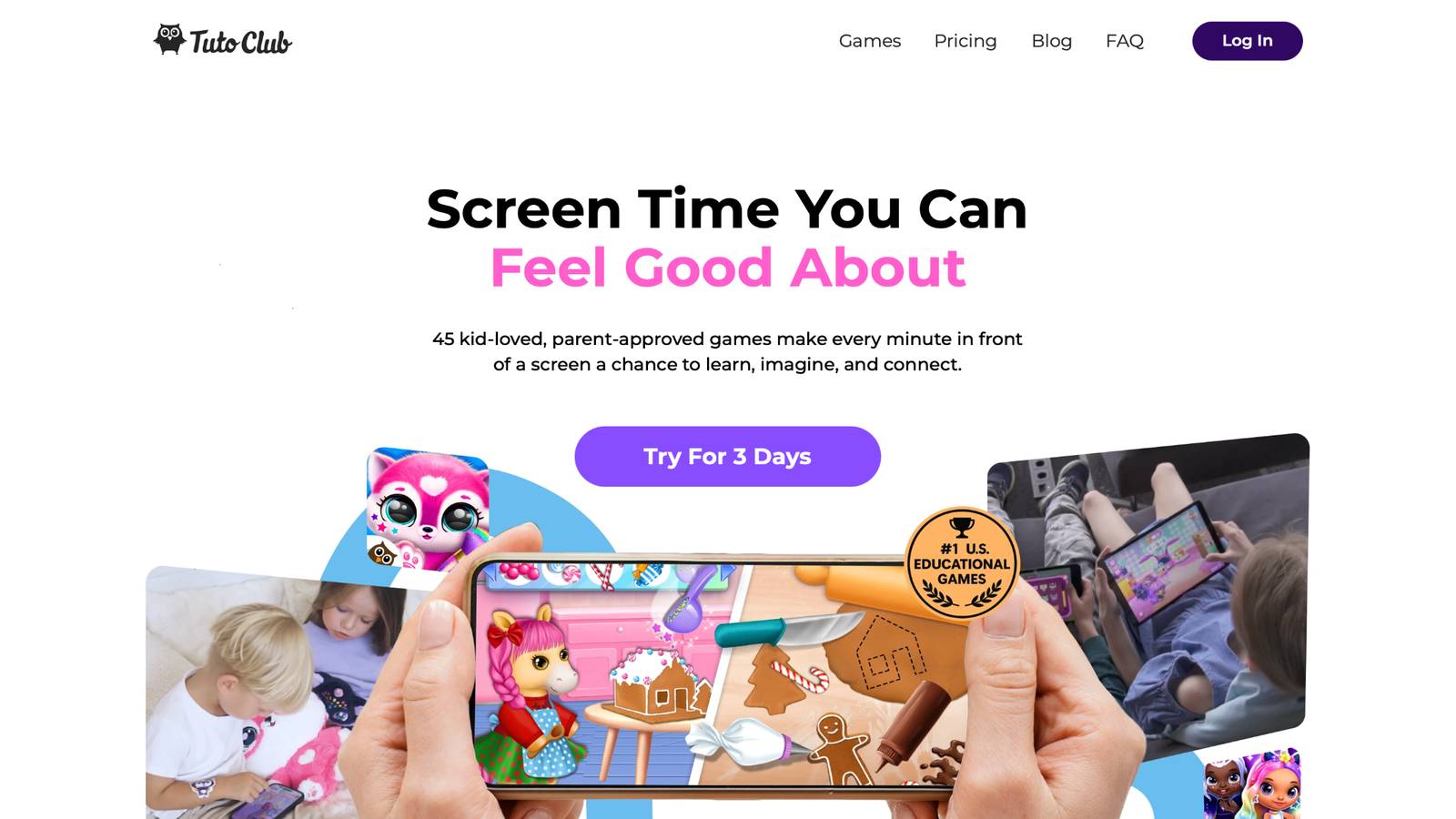
The best online games for 7 year olds open through one family login that unlocks more than 50 ad-free titles created with child psychologists and educators. TutoClub, built by the TutoTOONS studio in Kaunas, Lithuania, gathers care games, puzzles, dress-up stories, and routine practice into a single calm library sized for ages 5-7 and up. Kids hatch soft pets, help baby characters tidy rooms, care for unicorns, and solve memory or sorting tasks that finish in a few minutes. Each activity ties to real skills such as empathy, focus, simple life routines, and creative choice so screen time feels useful instead of empty. The full set stays free of locked levels or surprise buys, and the same account can run on up to three devices for easy sharing between siblings or parents. Regular updates keep the library fresh while the design stays bright and gentle. Parents report easier transitions off the screen and more positive talk about what the child just finished. The experience is COPPA-compliant and built for the years when most brain growth is still happening.
Facts and Information
- More than 50 educational titles in one ad-free collection
- Created with child psychologists and educators
- Focus on empathy, creativity, logic, memory, and care routines for ages 5-7+
- Family sharing on up to three devices
- Loved by many families worldwide with tens of millions of downloads
TutoClub Overview
TutoClub is your gateway to a magical world of educational games designed especially for children.
As part of TutoTOONS, a leading kids' games studio, we offer premium access to over 45 ad-free games.
Our mission is to blend learning and play, helping kids explore, create, and grow in a safe online space.
Thousands of parents trust us for family-friendly content that sparks imagination and builds essential skills.
Key Features
- Unlimited Access: Unlock full content in all games with no interruptions.
- Ad-Free Experience: Enjoy seamless play without any ads or distractions.
- Skill Development: Games foster creativity, social skills, communication, and more through fun activities like pet care and cleanup challenges.
- Regular Updates: Get new releases, exclusive content, and future updates automatically.
- Easy Subscription: Cancel anytime with no obligations, simple and flexible for families.
Explore Our World
TutoClub provides a rich ecosystem of educational games for kids, featuring ad-free experiences that promote creativity, focus, and emotional growth through play.
This platform turns screen time into valuable learning opportunities, with parent-approved content that builds essential skills and sparks curiosity in young minds.
- TutoClub Games: Over 45 educational games, including popular titles like Fluvsies, Smolsies, and the Sweet Baby Girl series
- Blog: Insights, tips, and stories for families on kids' learning and play
- FAQ: Comprehensive answers to frequently asked questions about subscriptions, features, and more
Get TutoClub on Your Device
TutoClub delivers premium kids educational games directly to your mobile devices, making learning accessible anytime, anywhere.
With apps available on major platforms, families can easily download and subscribe for ad-free play that turns screen time into skill-building adventures.
Perfect for parents seeking safe, engaging content on iOS, Android, or Amazon devices.
Why Choose TutoClub?
We're committed to 100% safe, enriching entertainment that kids love and parents approve.
Join the thousands who've seen their children thrive through playful learning.
Ready to start the adventure?
Give your child the best online games for 7 year olds with a free trial!
2. Fluvsies Academy
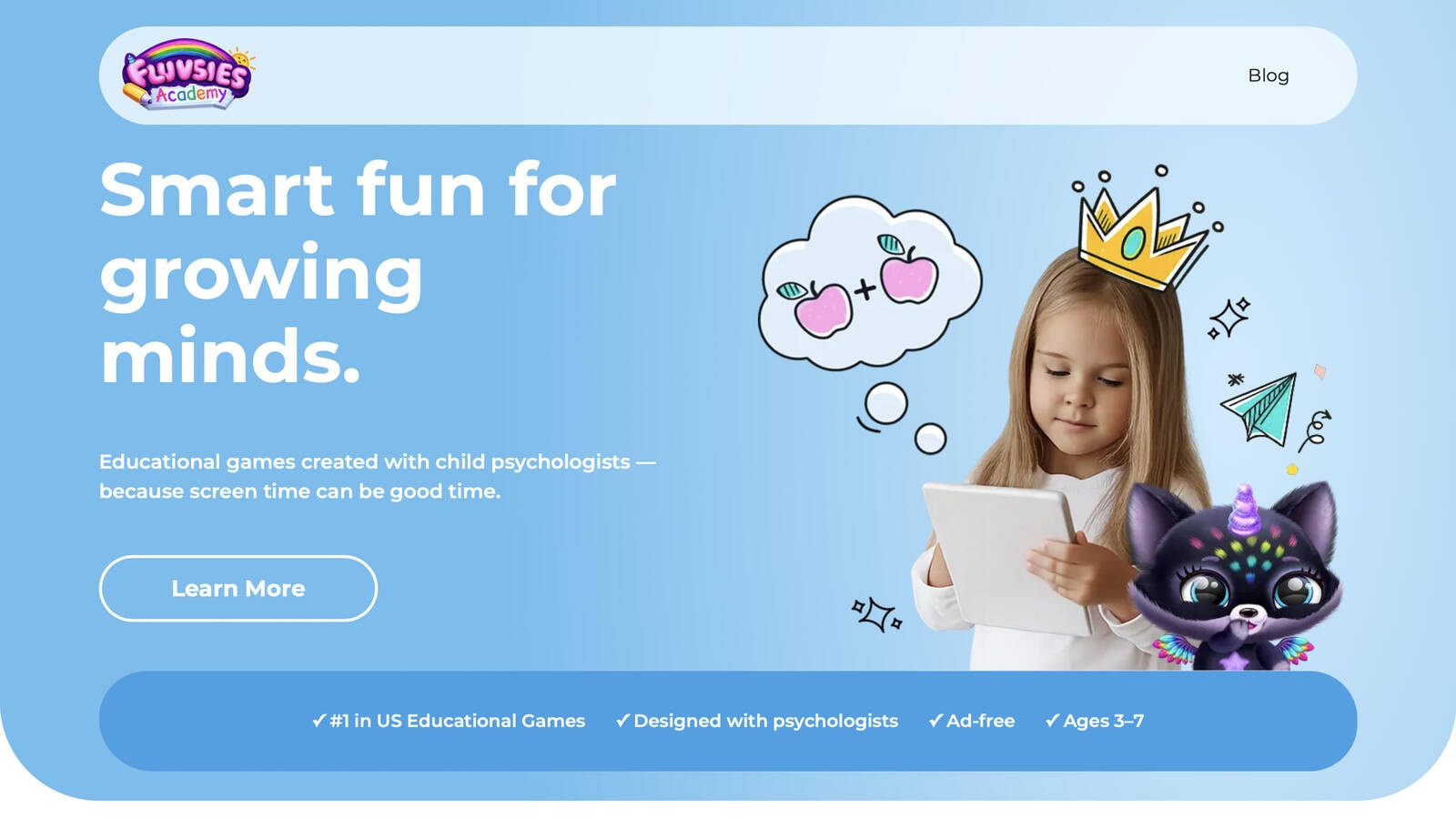
Fluvsies Academy is an early-learning app for ages 3 to 7 made by the same TutoTOONS studio that parents already know from pet-care play. Child psychologists shaped every activity so language, phonics, numbers, logic, sorting, and life skills feel like short stories instead of drills. Kids meet friendly Fluvsies characters while they practice letters, count objects, sort by color or shape, and explore simple professions such as baker or firefighter through gentle scenes. Active tasks build focus and problem-solving; quieter story modes let children wind down while still hearing real-world ideas. The whole experience stays ad-free and age-fit, with parent tools that show progress and set time limits. Printables extend the same characters off-screen so practice can continue at the table. Many families who already enjoy Fluvsies pets find the Academy a natural next step that keeps the same warm art and calm pace. The dual modes help children switch between focused learning and relaxed storytelling without leaving the same friendly world. Parent dashboards track small gains in sorting or letter recognition, which makes it easier to see what the child practiced during the session. The design stays gentle enough for younger siblings yet still offers enough challenge for a seven-year-old who likes short, finished tasks. Overall it serves as a strong companion for homes that already use related character play. Sessions end cleanly so transitions off the screen feel smoother for many families.
Key features
- Language, phonics, number, logic, and sorting activities
- Profession stories such as baking or firefighting
- Ad-free design shaped with child psychologists
- Parent progress reports and time tools
Facts and Information
- Built for ages 3-7 by the TutoTOONS team
- Two modes: active skill play and quieter profession stories
- Available on common mobile devices
- COPPA and GDPR compliant
3. Khan Academy Kids
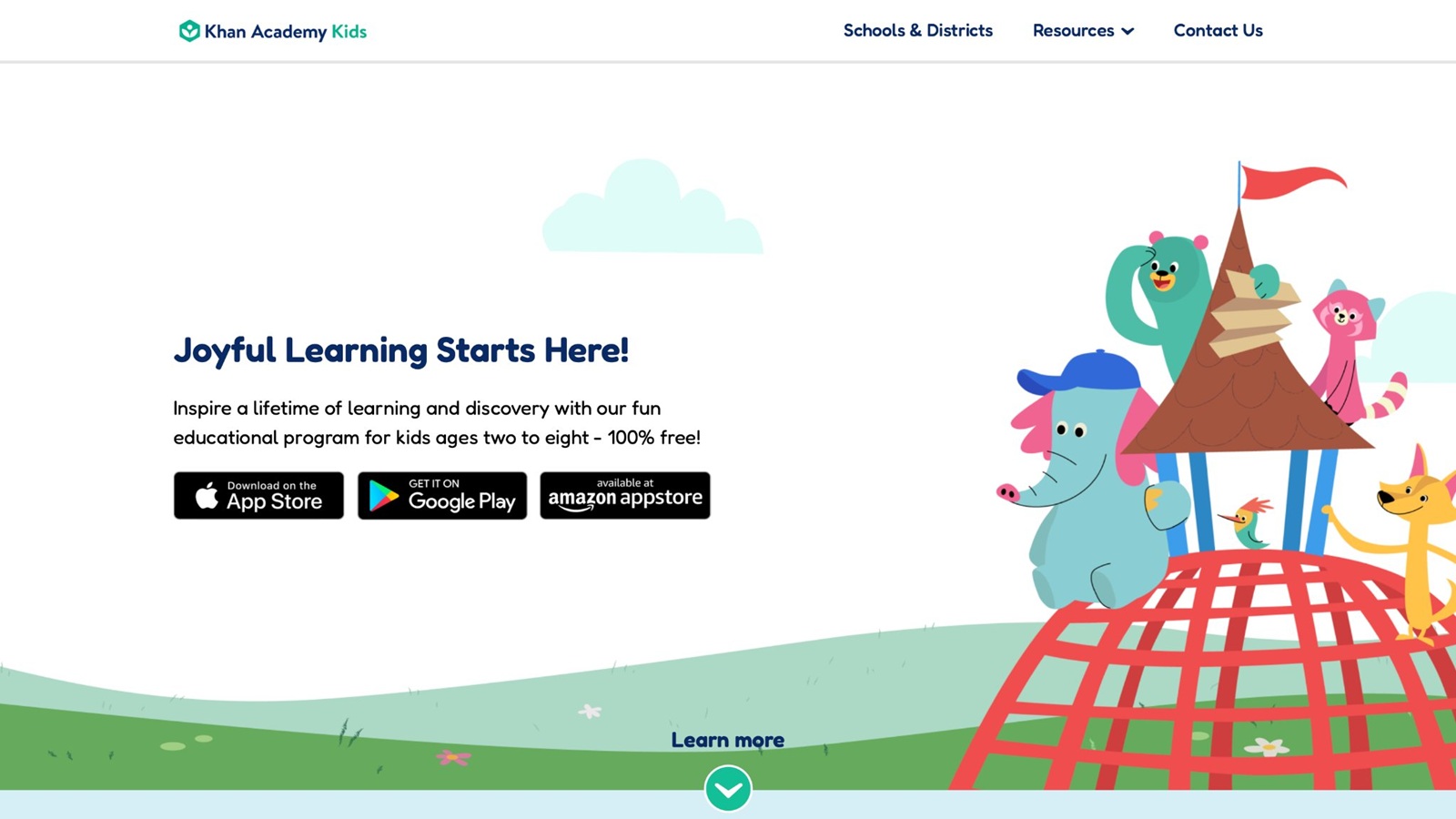
Khan Academy Kids is a free learning app for children roughly ages 2 to 8. Stories, tracing, songs, and short games sit on a gentle path that can shift as a child grows. Mixed-age homes like the setup because a younger sibling and a seven-year-old can both find a next step without a full new plan. The art stays warm and the pace stays slow enough for early readers or counters. Offline options help on trips, and the nonprofit backing keeps the experience free of ads. Some sessions feel more like guided lessons than open play, so kids who want pure character care may still look for a second title. Overall it remains a steady choice for letter, number, and social-skill practice. The adaptive path adjusts difficulty based on recent answers, which helps prevent frustration while still offering a sense of progress. Books and short activities can be downloaded for offline use, making the app useful during travel or in areas with weak connections. Parent views show recent activity so adults can see which skills the child practiced without needing to sit through every session. The warm animal characters keep the tone friendly even when the child works on early math or letter tracing. Many families use it as a reliable daily option because it stays free of interruptions and covers several subjects in one place. The nonprofit model means the full experience stays available without locked content or surprise prompts.
Key features
- Stories, tracing, songs, and short games
- Adaptive path that moves with the child
- Offline access options
- Warm characters and picture-book style
Facts and Information
- Free and ad-free from a well-known nonprofit
- Aimed at ages 2-8
- Covers early literacy, math, and social-emotional skills
- Works on common tablets and phones
4. PBS Kids Games
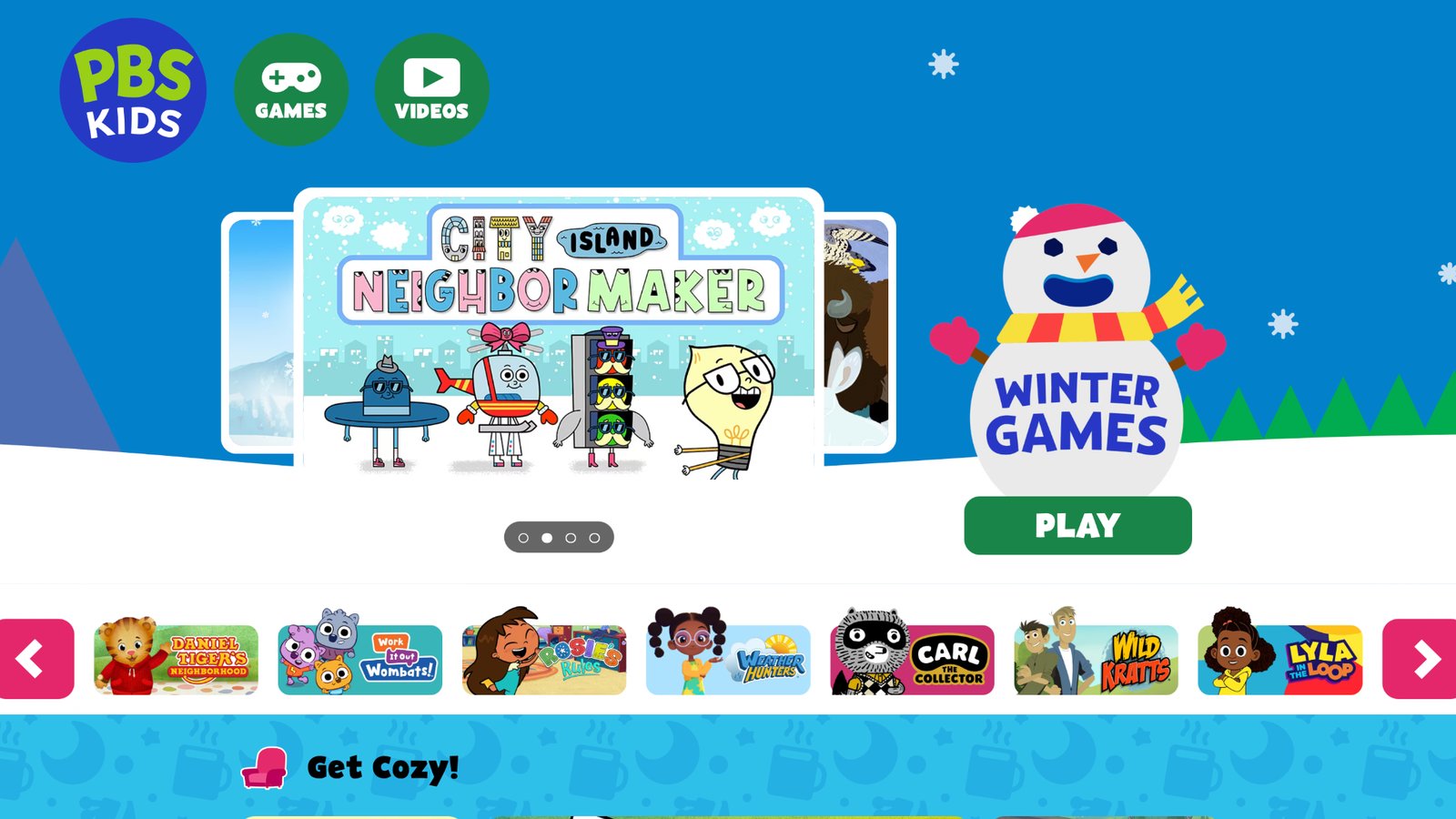
PBS Kids Games gathers many short activities starring characters children already know from public television. Daniel Tiger, Wild Kratts, Curious George, and others appear in letter hunts, counting challenges, feeling check-ins, science puzzles, and music play. Rules stay simple and sessions finish quickly. The collection is free and carries no third-party ads in the main app experience. Some pages show sponsor logos, and the range is broad rather than one step-by-step path, so it works well as a companion to a more structured title. Kids who already watch the shows often settle in fast. The variety across subjects means a child can switch from a counting game to a science puzzle without leaving the same trusted environment. Many activities include short explanations or songs that reinforce the main idea before the child starts playing. The free model and lack of required accounts make it easy for families to open a game on a shared tablet without extra setup. Some titles offer Spanish versions, which can support bilingual homes or early language exposure. Overall the collection serves as a familiar, low-pressure option that many parents already trust because of the public-media connection. Short finish times help keep sessions from running long.
Key features
- Short games with familiar PBS characters
- Covers letters, counting, feelings, science, and music
- Free with no third-party ads
- Simple rules and quick finish times
Facts and Information
- Built around trusted public-media shows
- Suitable for ages 2-8
- Large set of browser and app activities
- Available in English and Spanish in many titles
5. ScratchJr
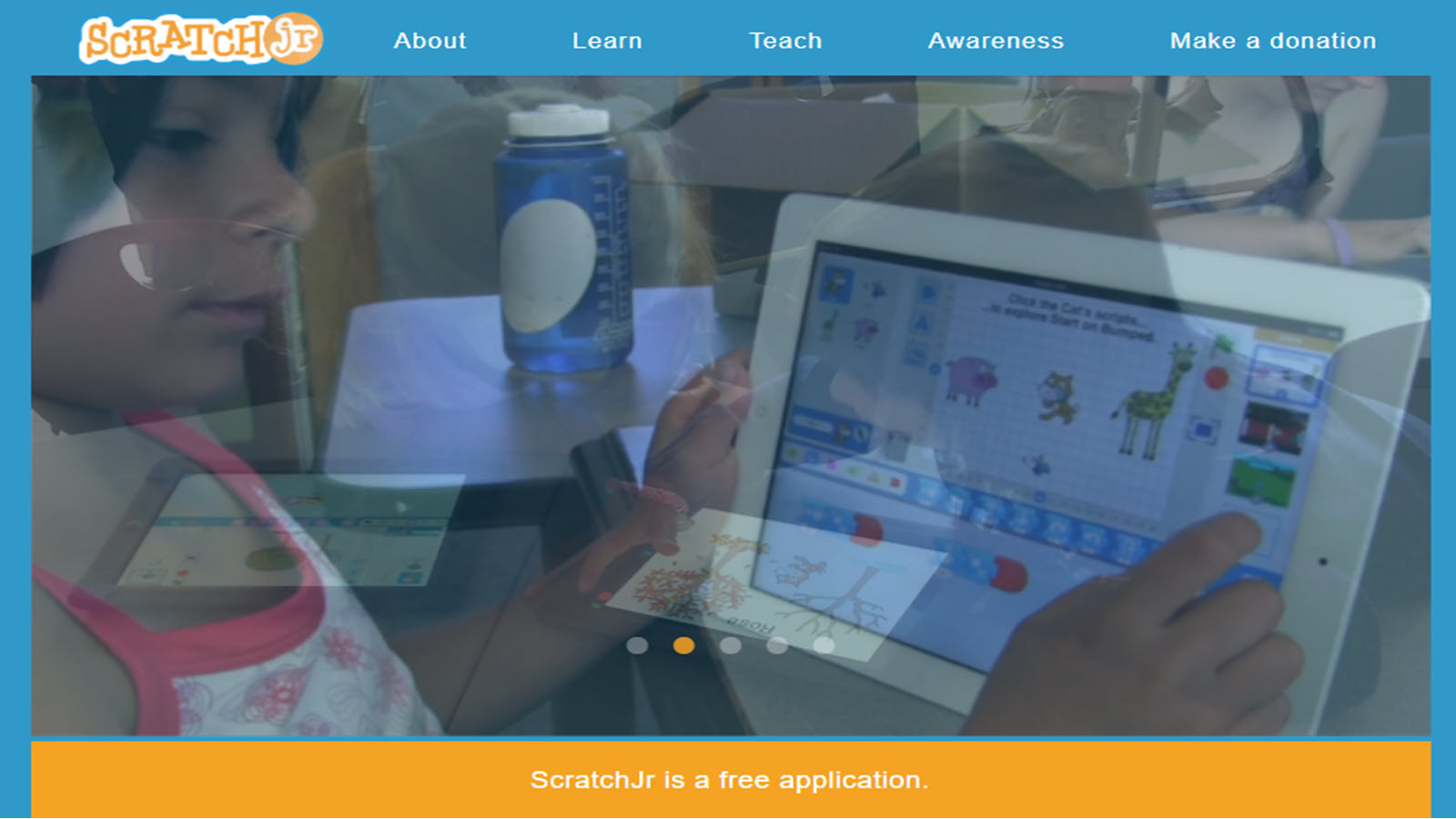
ScratchJr lets children ages 5 to 7 snap together colorful blocks to make their own short stories and games. No reading of complex code is needed; kids drag blocks that move characters, play sounds, or change scenes. The free app runs on tablets and Chromebooks and stays free of ads. It introduces early coding ideas through creation rather than quizzes. Some projects need an adult nearby for the first few tries, yet many seven-year-olds quickly start building simple scenes on their own. The tool stays focused on making rather than competing. Children can save projects and reopen them later, which supports longer creative work over several short sessions. The visual blocks use pictures and simple labels so a child who is still building reading skills can still experiment with sequences. Adults can sit nearby for the first project and then step back once the child understands how to connect actions to characters. The app works offline after the initial download, which makes it useful during travel. Many families notice that kids talk about the stories they created, which turns the screen time into a starting point for offline conversation. The focus on creation keeps the play open-ended yet still structured enough for young users.
Key features
- Visual block coding for stories and games
- No complex reading required
- Free and ad-free
- Runs on tablets and Chromebooks
Facts and Information
- Designed for ages 5-7
- Teaches basic sequencing and cause-effect
- Created by a university team focused on young learners
- Supports creative play without online chat
6. ABCya
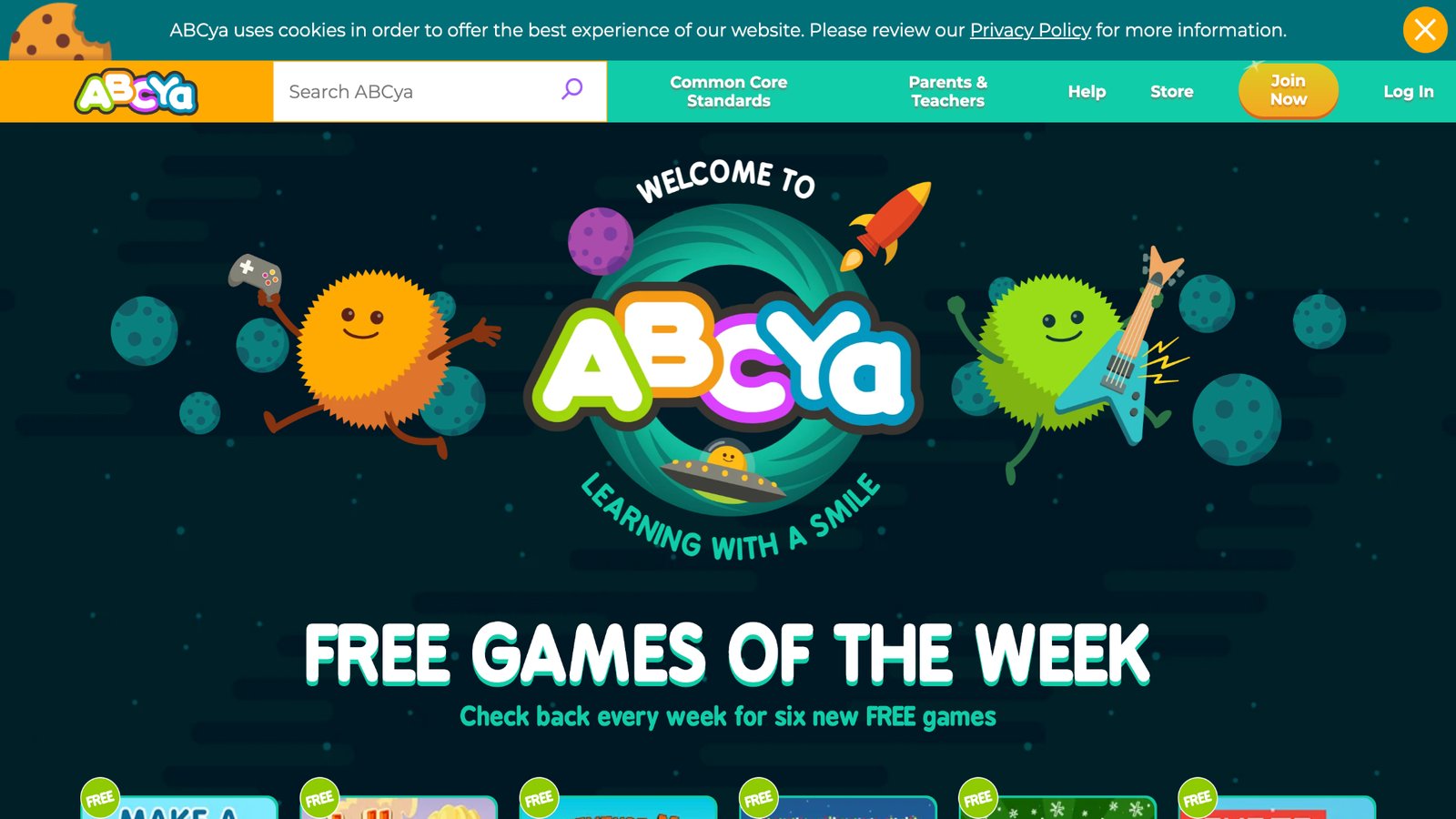
ABCya offers a wide set of educational games sorted by grade for pre-K through elementary. Math, reading, typing, and logic activities sit behind bright themes and simple controls. The desktop version is free (with ads); a paid plan removes ads and adds mobile access. Many titles reinforce school skills through short arcade-style play. The range is large, so parents often pick a few favorites rather than open everything at once. It works well for kids who like clear goals and quick feedback. Games are grouped by grade level, which helps parents find activities that match what the child is learning at school. Bright colors and short rounds keep sessions engaging for seven-year-olds who prefer clear goals over open-ended play. The free desktop version includes a large number of titles, though ads appear between some games. A family plan removes those ads and unlocks mobile access for multiple devices. Many classrooms use the site, so children often already know the style of play before they try it at home. The mix of subjects means a single site can cover both math practice and early typing or logic tasks. Parents can choose specific games that align with current school topics.
Key features
- Games sorted by grade and subject
- Math, reading, typing, and logic focus
- Bright themes and simple controls
- Desktop free version available
Facts and Information
- Covers pre-K to grade 6
- Popular in classrooms and homes
- Aligns with common early learning topics
- Available on computers and, with membership, mobile
7. Starfall
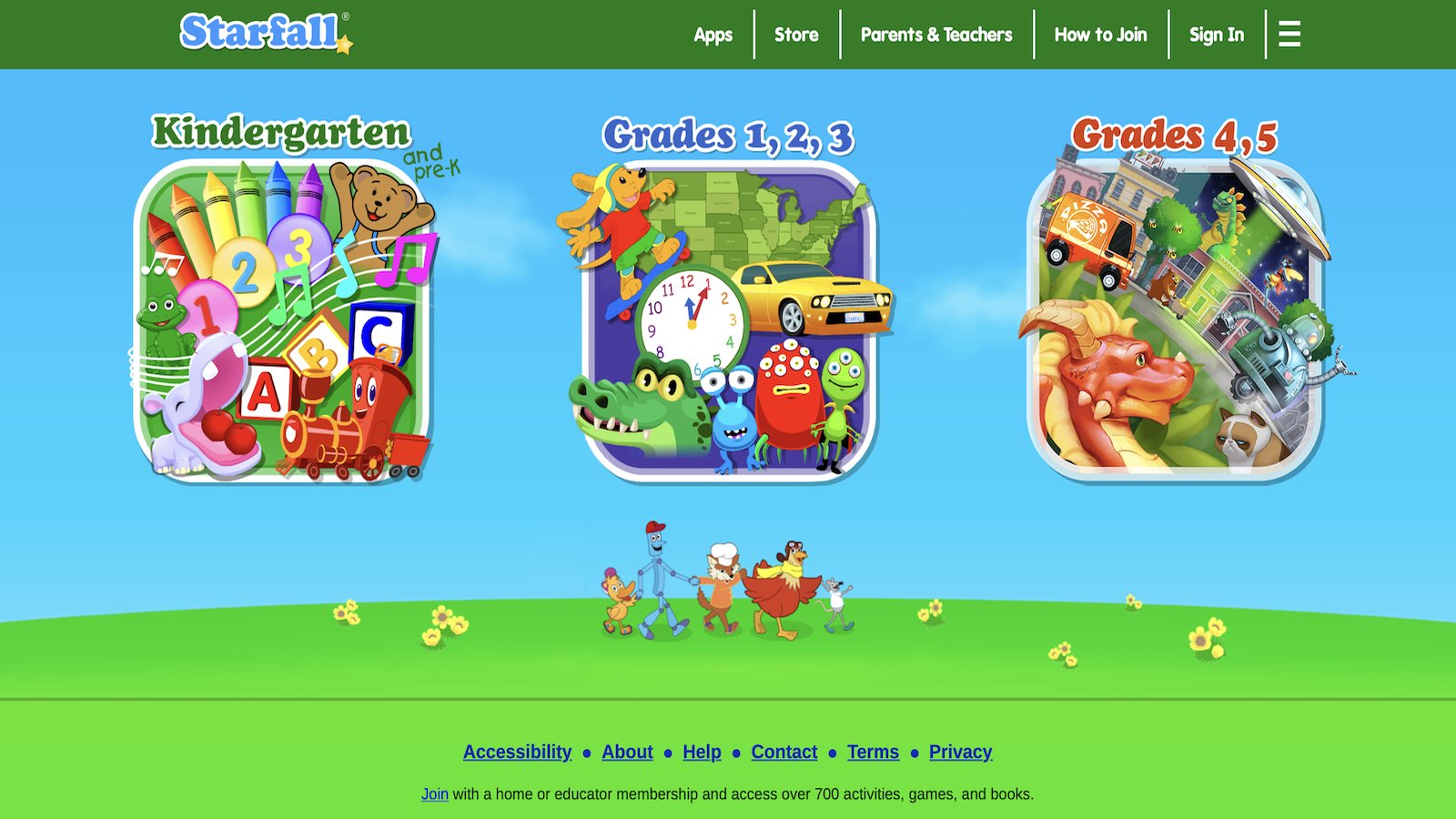
Starfall focuses on phonics and early reading for ages roughly 3 to 9. Songs, stories, and short games help children hear letter sounds and build words. The core Learn-to-Read section is free and ad-free; a membership unlocks more math and extra activities. The pace stays gentle and the voices stay clear. Many parents use it alongside other play for extra reading practice. It is strongest when the child is already interested in letters and sounds. The Learn-to-Read sequence moves step by step from letter sounds to short words and simple stories, which gives a clear path for early readers. Songs and animations reinforce the same sounds so children hear and see the patterns together. The free section covers the main phonics content without requiring an account, which makes it easy to start. A membership adds more math activities and extra stories for families who want broader coverage. The design stays simple and free of distracting elements, which helps children stay focused on the reading tasks. Many parents return to it for short daily practice because the sessions finish cleanly and the content stays age-appropriate. The clear voices and simple layout support independent use after a short introduction.
Key features
- Phonics songs, stories, and games
- Gentle pace for early readers
- Free core section with no ads
- Extra math with membership
Facts and Information
- Aimed at preschool through early elementary
- Strong focus on letter sounds and word building
- Used by many families for reading support
- Available on web and apps
8. Duolingo ABC
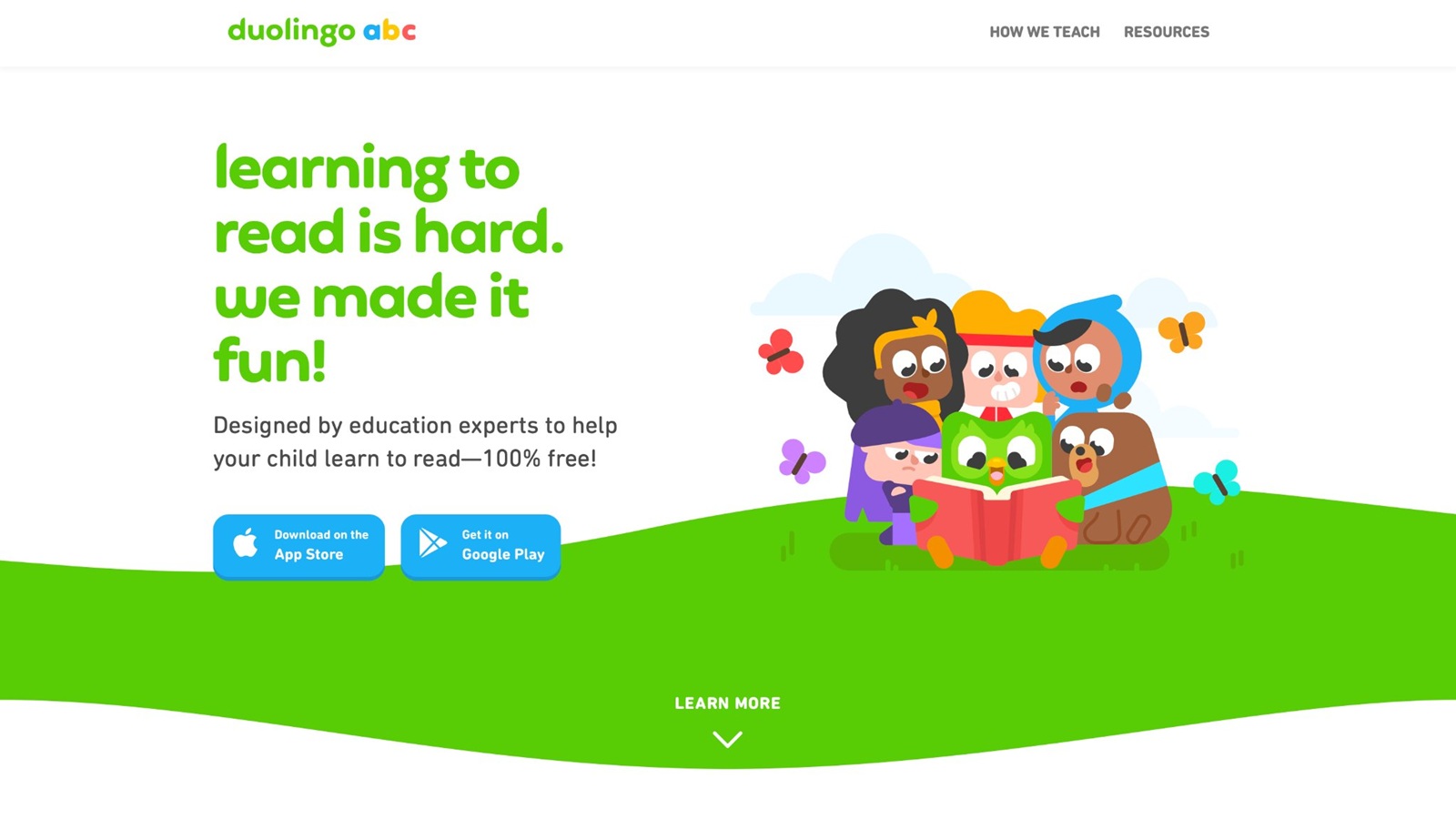
Duolingo ABC teaches letters, phonics, and early sight words through short, colorful lessons. The free app uses the same friendly style as the larger Duolingo language app but is built only for young children. Activities stay short and include tracing and simple matching. It works well for kids who like quick wins and clear progress bars. Some children finish the early levels fast and then need a second title for more open play. The design stays ad-free and simple. Lessons build in small steps so a child can complete one phonics idea and then move to the next without long waits. Tracing activities give practice with letter shapes while the child hears the sound at the same time. Progress bars and small rewards keep the session feeling like a game rather than a worksheet. The app works offline once content is downloaded, which helps during travel or in places with limited internet. Because the focus stays on early reading skills, many families pair it with a broader title that covers math or creative play. The short length of each lesson makes it easy to fit into a busy day without running long. Clear feedback after each small task helps children see progress quickly.
Key features
- Letter, phonics, and sight-word practice
- Short colorful lessons with tracing
- Free and ad-free
- Clear progress markers
Facts and Information
- Built for early readers around ages 3-7
- From the team behind the well-known language app
- Focuses on foundational literacy
- Available on common mobile devices
9. Teach Your Monster to Read
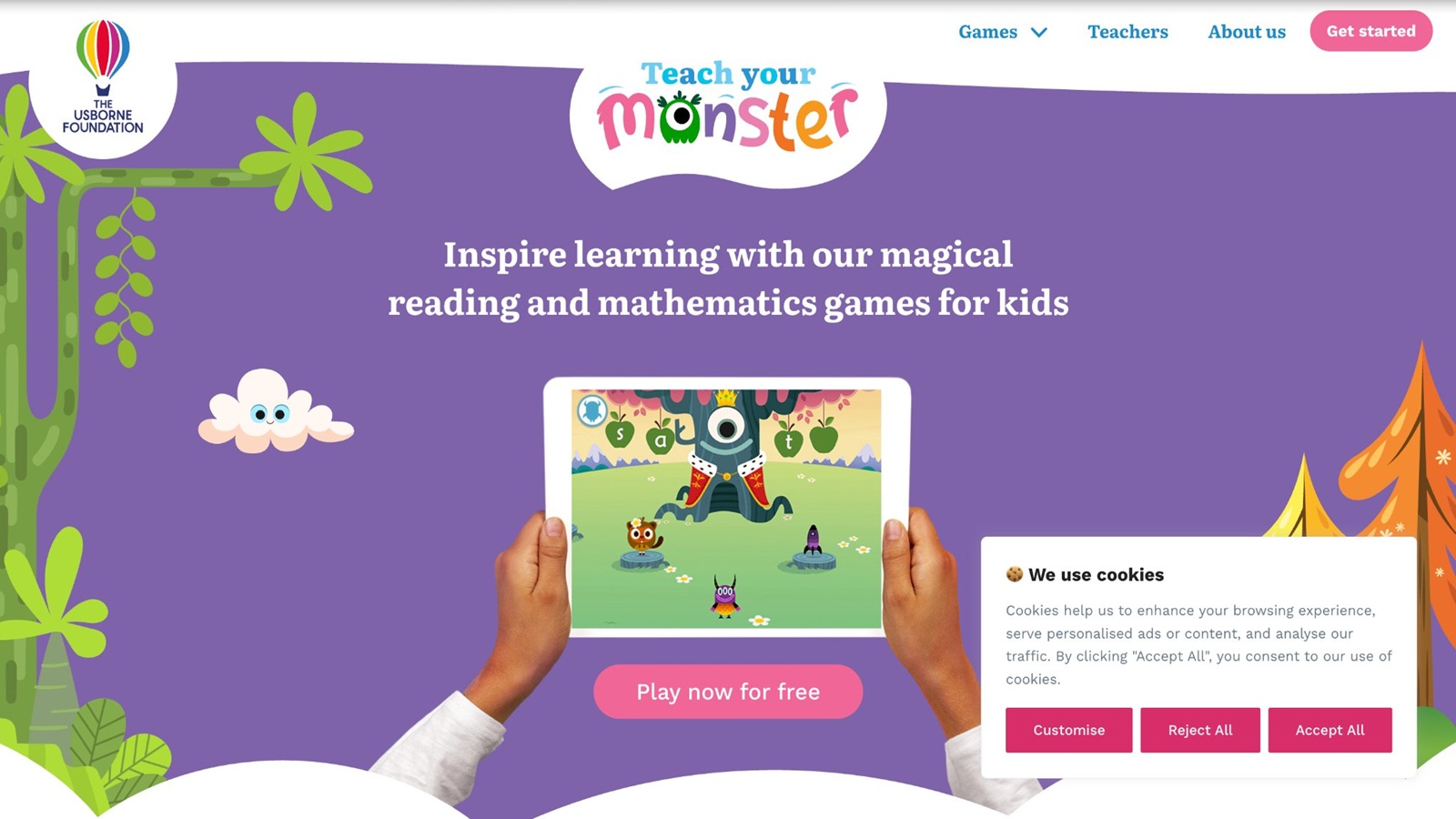
Teach Your Monster to Read turns phonics practice into a story where children create and guide their own monster through colorful worlds. Activities cover letter sounds, blending, and early math in short game-like scenes. The web version is free; mobile apps are a one-time purchase. Experts from a university helped shape the content so it aligns with common phonics programs. Kids who enjoy character care often stay engaged longer than with plain worksheets. Sessions stay focused and finish cleanly. Children design their own monster at the start, which gives a personal reason to keep playing through the levels. Each world introduces a small set of sounds or skills before moving to the next area, so the path feels like a journey rather than a list of drills. The free web version covers the main content and works in a browser without a download. Mobile versions add the same experience on tablets and phones for families who prefer apps. Many parents notice that children talk about their monster and the worlds they visited, which turns the session into a chance for conversation afterward. The story format helps hold attention for the full short session. Alignment with common phonics approaches makes it a useful support for school reading goals.
Key features
- Story-driven phonics and early math
- Create and guide a unique monster
- Aligns with school phonics approaches
- Short interactive scenes
Facts and Information
- Designed for ages 3-6 (still useful at 7)
- Developed with university reading experts
- Free on computers, paid apps available
- Focuses on reading confidence through play
10. National Geographic Kids
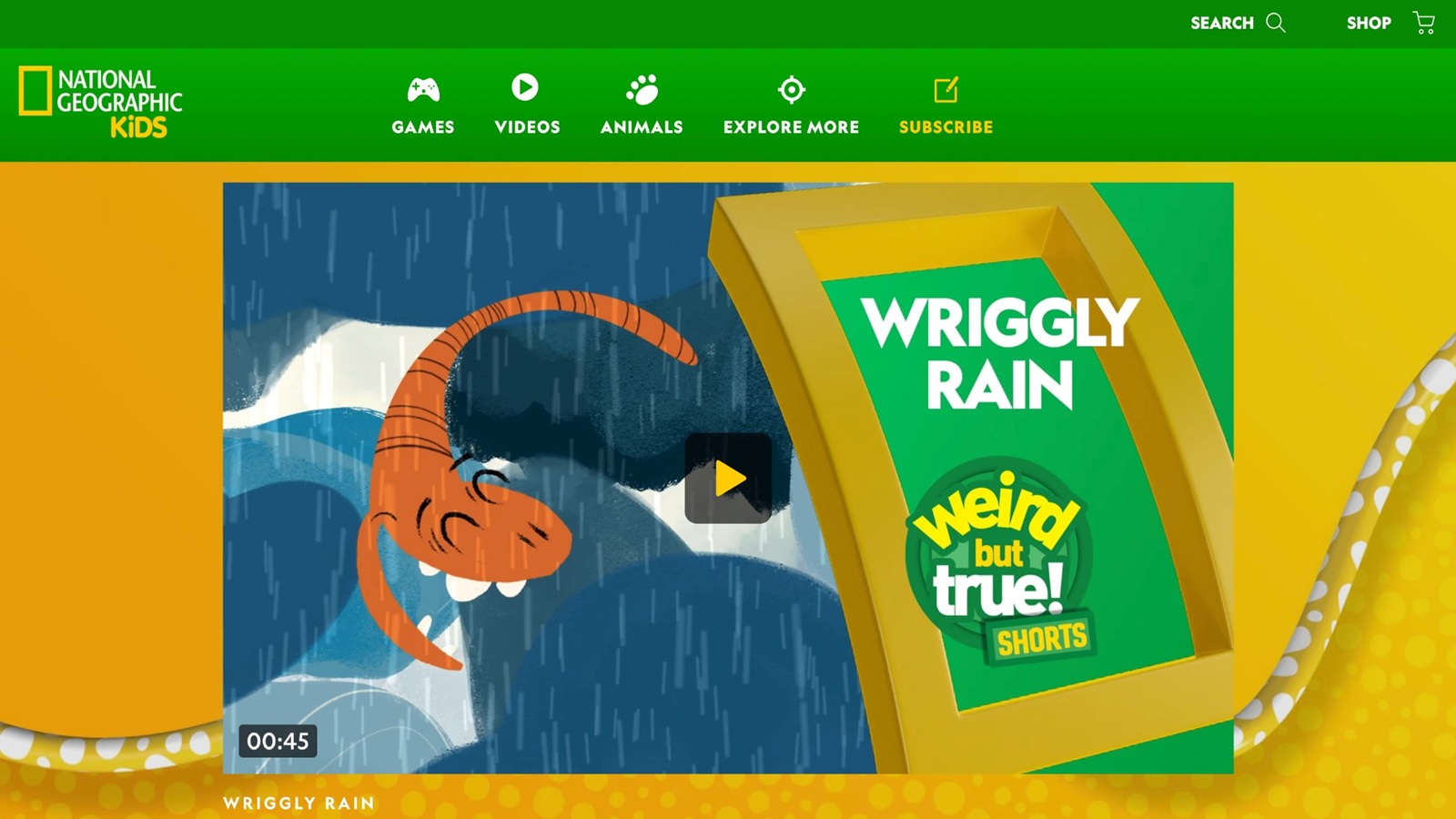
National Geographic Kids offers games, videos, and activities about animals, geography, and science for roughly ages 6-12. Short quizzes, matching games, and photo explorations keep the tone curious rather than competitive. Much of the site is free, with some house promotions. It works well as a change of pace when a child wants to learn about real animals or places after finishing a care or puzzle game. The content stays factual and age-appropriate for elementary viewers. Photo-based activities let children explore real animals and habitats through short matching or quiz rounds. Videos and articles use clear language that a seven-year-old can follow with a little adult support. The site covers science and geography topics that many classrooms also introduce at this age, which makes it a useful companion to school topics. Most activities finish quickly so a child can try several different animals or places in one short session. Some pages include light promotions, yet the main games stay focused on the educational content. Many families use it when a child shows interest in animals or nature and wants something beyond pure skill practice. The real-world focus gives a break from character-based play while still keeping sessions short and curious.
Key features
- Animal, geography, and science games
- Short quizzes and photo activities
- Curious, non-competitive tone
- Mix of free content
Facts and Information
- Aimed at elementary ages
- Tied to a trusted science and nature brand
- Available on web
- Supports curiosity about the real world
11. ABCmouse
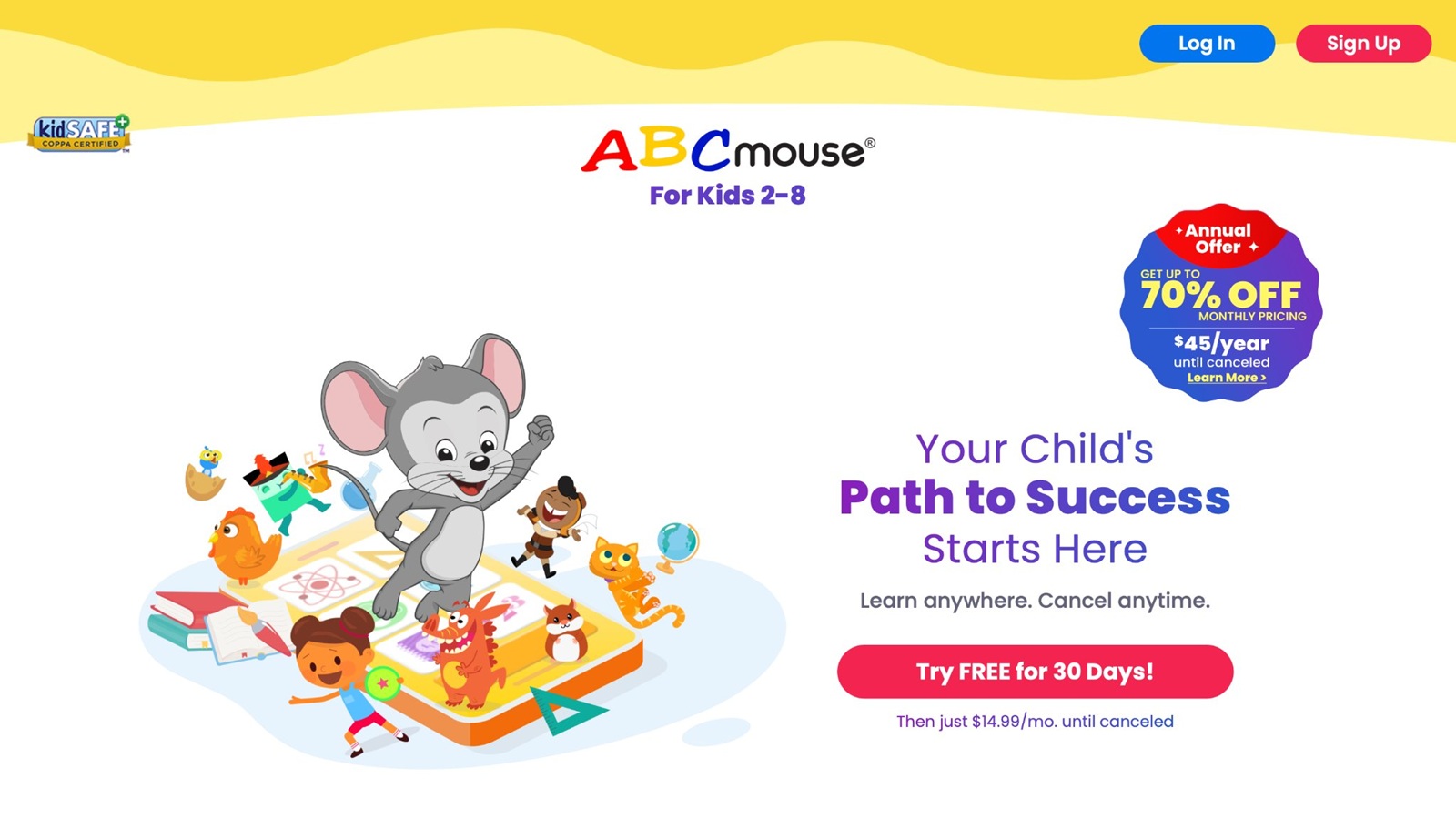
ABCmouse provides a structured early-learning path for ages 2 to 8 that covers reading, math, science, art, and music through thousands of activities. Children move along a step-by-step curriculum that mixes games, videos, books, and songs. The design includes a free basic tier with a limited number of daily activities and a fuller membership for broader access. Many activities align with common early learning standards, which helps parents see a connection to school topics. The large library means a child can spend several short sessions on different subjects without repeating the same game. Offline options exist for some content once it is downloaded. Parent accounts track progress across subjects so adults can see which areas the child has practiced. The structured path works well for families who want a clear sequence rather than open choice. Some children prefer the guided lessons while others may want more free creative play alongside it. The mix of formats keeps sessions varied even within the same curriculum path. Regular updates add new activities so the library stays fresh over time.
Key features
- Structured path across reading, math, science, art, and music
- Thousands of activities including games and books
- Free basic tier with limited daily access
- Progress tracking for parents
Facts and Information
- Aimed at ages 2-8
- Large curriculum-style library
- Available on web and mobile apps
- Used by many families for broad early learning
12. Prodigy Math
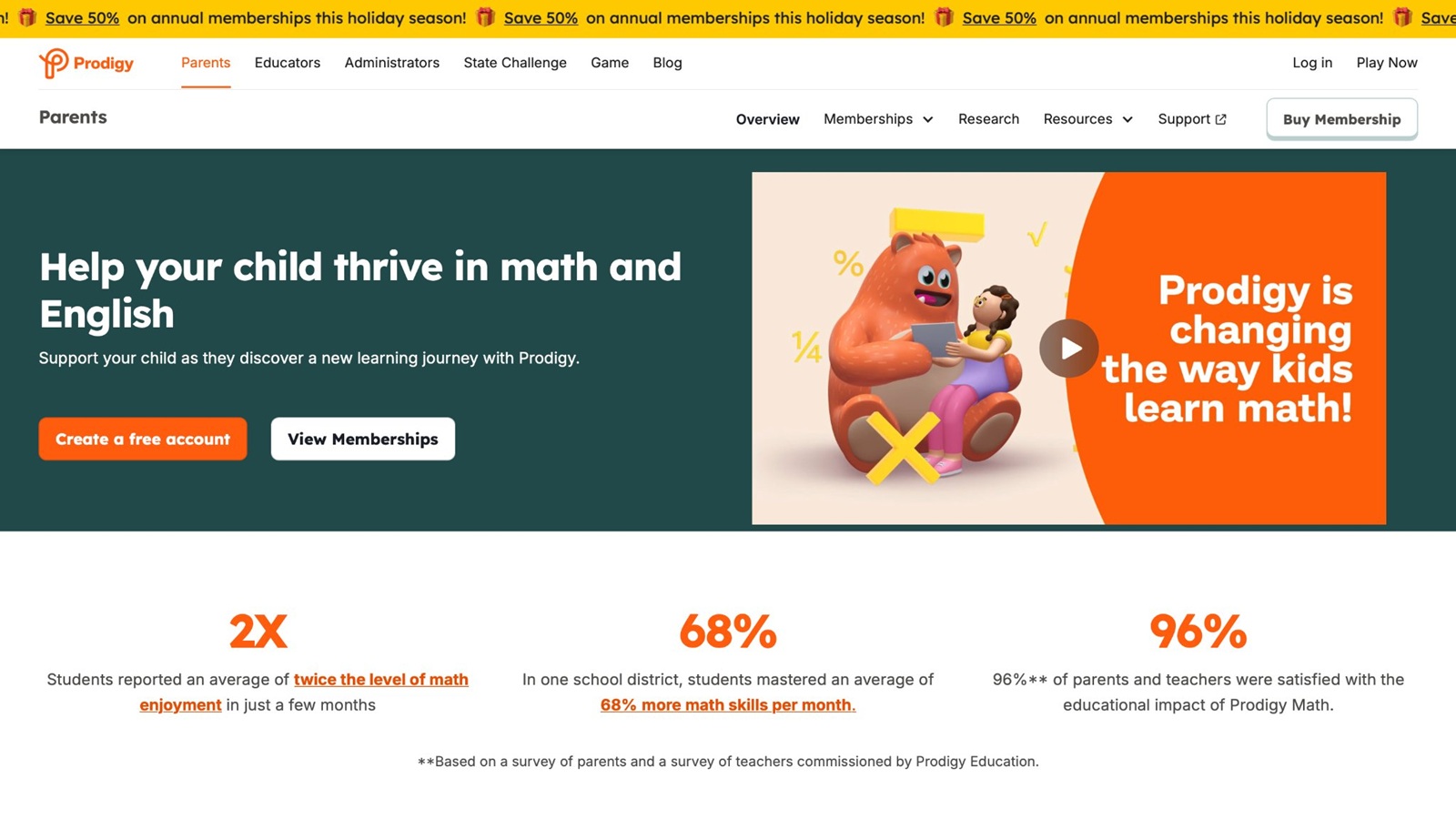
Prodigy Math turns math practice into a fantasy role-playing game where children answer questions to progress through quests and battles. The core math content is free and aligns with common grade-level standards for roughly grades 1 through 8. Optional memberships add extra game features and parent reports, yet the main skill practice stays available without them. The game setting helps some children stay motivated through repeated practice that might feel dry in worksheet form. Adaptive questions adjust to recent performance so the child works on skills that match current ability. Parent and teacher views show which topics the child has practiced and where more support may help. The fantasy theme and character progression give a sense of ongoing story that many seven-year-olds enjoy. Sessions can run longer than pure short games, so some families set a timer to keep play focused. Overall it serves as a strong option for homes that want math practice wrapped in an engaging game world. The standards alignment makes it easier to connect home sessions to classroom topics. Children often return because the quest format gives a reason to keep answering questions.
Key features
- Math practice inside a fantasy RPG setting
- Adaptive questions aligned to grade standards
- Free core content with optional membership features
- Parent and teacher progress views
Facts and Information
- Suitable for grades 1-8
- Turns standard-aligned math into quests and battles
- Available on web and mobile
- Popular for motivating repeated practice
13. Epic!

Epic! offers a large digital library of children’s books, audiobooks, and videos aimed at ages roughly 2 to 12. Children can browse by interest, read or listen to stories, and complete short quizzes on some titles. A free tier provides limited daily access while a membership unlocks the full collection. The wide selection includes both fiction and nonfiction titles from many publishers. Read-aloud options help early readers follow along with the text. Progress tracking shows how much time the child spent reading and which books were finished. The library style works well as a change of pace from active games and can support independent reading practice. Some children prefer choosing their own books while others benefit from adult suggestions based on current interests. The platform keeps the focus on reading rather than games, which makes it a useful companion to more interactive titles. Offline downloads of selected books help during travel. The variety of formats means a child can switch between reading and listening within the same session.
Key features
- Large library of books, audiobooks, and videos
- Read-aloud and quiz options on many titles
- Free limited tier and fuller membership
- Progress tracking for reading time
Facts and Information
- Aimed at ages 2-12
- Thousands of titles across fiction and nonfiction
- Available on web and apps
- Supports independent and guided reading
14. SplashLearn
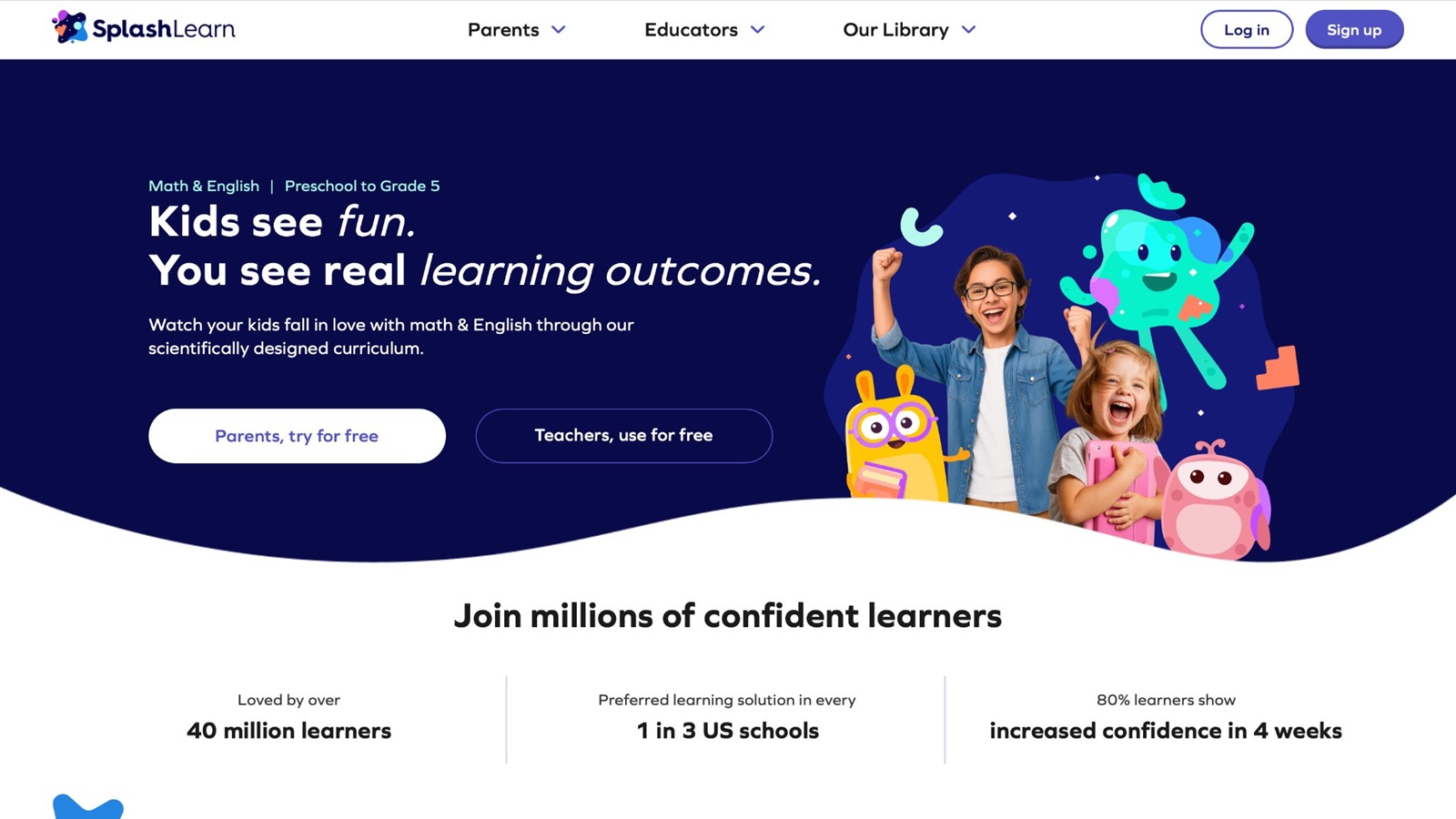
SplashLearn provides adaptive math and reading games for children from pre-K through elementary grades. Activities adjust to the child’s recent performance so practice stays at a useful level without becoming too easy or too hard. The design uses colorful themes and short rounds that finish quickly. Parent dashboards show skill progress across topics such as addition, phonics, or reading comprehension. Many activities align with common classroom standards, which helps connect home practice to school work. The free version includes a solid set of games while a membership unlocks more content and reports. Children who like clear goals and quick feedback often stay engaged through several short sessions. The adaptive system reduces the need for adults to choose the exact difficulty each time. Overall it works as a focused practice tool that many families use alongside broader play options. Short rounds make it easy to fit practice into a busy schedule. The colorful design keeps the tone light even during skill review.
Key features
- Adaptive math and reading games
- Colorful short rounds with clear goals
- Parent progress dashboards
- Alignment with common grade standards
Facts and Information
- Covers pre-K through elementary
- Adjusts difficulty based on recent answers
- Available on web and mobile
- Used for both home and classroom practice
15. Funbrain
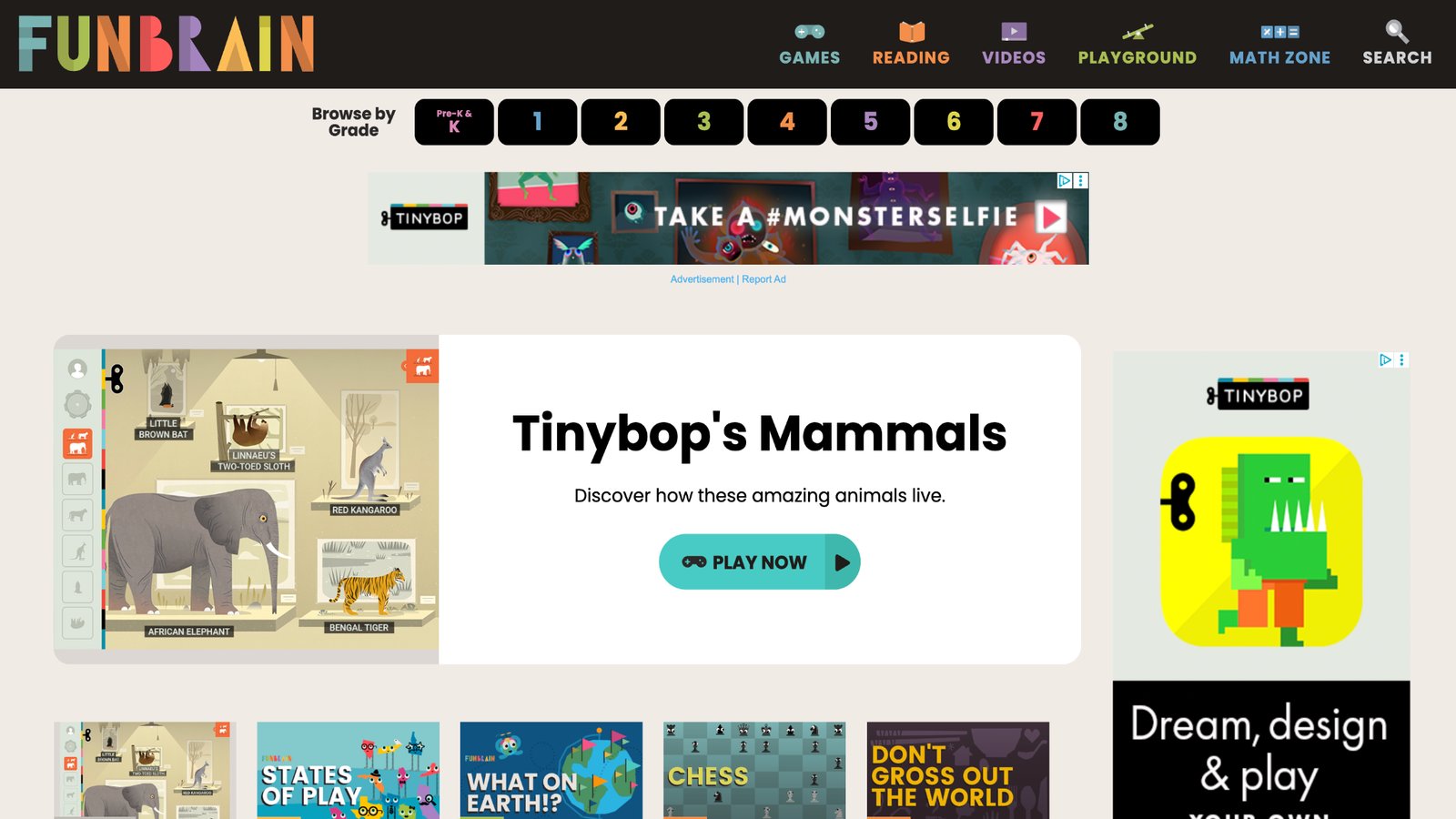
Funbrain offers free educational games, videos, and online books for children from pre-K through middle school. Math, reading, and logic activities sit behind simple controls and bright themes. Many titles can be played directly in a browser without an account. The site includes classic games that reinforce counting, spelling, and problem-solving in short rounds. Some pages carry ads, yet the main activities stay focused on the learning task. The range of free content makes it easy for families to try different subjects without a subscription. Children who enjoy quick arcade-style play often return to favorite titles. The site works well as a free option for occasional practice or when a child wants a change from more structured apps. Parents can browse by grade or subject to find activities that match current interests or school topics. The lack of required accounts for many games makes it simple to open on a shared device. Short rounds help keep sessions from stretching too long.
Key features
- Free games, videos, and books across subjects
- Browser-based play with no required account for many titles
- Math, reading, and logic focus
- Simple controls and short rounds
Facts and Information
- Aimed at pre-K through middle school
- Large set of free activities
- Available mainly on web
- Popular for quick classroom or home practice
How to Choose Games That Stay Safe and Useful
Look first for titles that finish in a few minutes and never ask for extra money mid-play. Ad-free libraries remove the surprise clicks that pull a seven-year-old onto other pages. Games created with child experts usually match attention spans better than pure entertainment apps. Online games for children that include care or routine tasks also give parents an easy way to talk about the same habits at home.
Check that the account system lets you set time limits and see what was played. Family sharing on a few devices keeps the same safe set available without new logins. COPPA-compliant options add another layer of privacy comfort for U.S. families. Start with one or two titles the child already likes, then add more only if interest stays high. Safe games for kids stress the same privacy and control points. A parent’s guide to healthy screen time with educational apps walks through practical checks before you add any new title.
Screen Time Tips That Keep Play Positive
Set a clear start and stop time before the tablet comes out. Many families find that a finished game plus a short talk works better than an open timer. Keep the device in a shared room so you can glance over without hovering. Pair digital care games with real chores (“You helped the pet clean; now we tidy the table”) so the skill moves offline. Healthy screen habits support this balanced approach.
Rotate between two or three trusted titles instead of jumping to new free sites every day. This keeps the experience calm and reduces the chance of ads or chat features. Learning games for kids that stay short also make it easier to end on a high note. When the session ends, ask one simple question about what the child made or helped; the answer often shows the real value of the play. Fun educational games for kids keep the sessions enjoyable while still building skills. Summer holiday educational games and offline ideas for kids offer extra ways to mix screen time with hands-on activities during breaks.
Focus and memory grow when children match pairs or follow short patterns, which helps them stay with longer tasks at home or school. Empathy and care develop when they feed or clean with a character, leading to kinder talk and better routines. Logic and sorting improve through color or shape puzzles that make steps clearer in math or chores. Creativity expands with dress-up or simple story choices that spark more ideas in drawing and free play.
Frequently Asked Questions
What makes online games a good fit for most 7 year olds?
Most seven-year-olds can follow short rules, finish a small goal, and talk about what they just did, which makes this age a strong match for the right kind of digital play. The best online games for 7 year olds use that ability through care tasks, simple puzzles, and brief stories that do not demand long focus or complex reading. These sessions stay ad-free so the child is not pulled away mid-activity, which helps parents keep the experience calm and controlled from start to finish. Short, finished play that includes empathy or sorting practice also supports the same habits children use at home and school every day. Many families notice calmer endings when the game itself has a clear stop point rather than open-ended scrolling that is harder to pause. This style of play fits the developmental window of age 7, when children are ready for small sequences yet still benefit from gentle pacing and familiar themes. Educational games for kids show how these short wins add up over time while still fitting the attention span of a seven-year-old.
How do I keep screen time safe for a 7 year old in the US?
Choose COPPA-compliant titles that need no chat and no surprise purchases so the experience stays private and predictable for US families. Set clear device time limits and keep play in a shared space where an adult can glance over without hovering the whole time. Stick to a small set of trusted games instead of open browsing, which reduces the chance of ads or unexpected content that can interrupt a session. Talk briefly after each session so the child connects the play to real skills and the time feels purposeful rather than just filled. These steps cut most common risks while still allowing useful digital time that supports focus, routines, and simple creativity. Ad-free options and clear finish points help keep the experience calm and controlled, especially when siblings share the same device. Parents who follow this pattern usually find it easier to maintain healthy habits around the best online games for 7 year olds. Educational games for kids at home cover similar checks that still apply at age 7.
Can educational games replace other learning for this age?
Educational games work best as a support, not a full replacement for hands-on play, books, or outdoor time that children still need at age 7. Short sessions can reinforce letters, numbers, routines, and kindness while still leaving room for other activities that build the same skills in different ways. Many families use the games for ten to fifteen minutes then move to something offline that continues the same idea, such as sorting toys after a matching game or talking about a character they helped. The combination usually sticks better than screens alone because the child practices the skill in more than one setting during the day. Pairing digital care or sorting tasks with real chores helps the skills transfer into daily life and makes the screen time feel more connected to home routines. This balanced approach keeps learning active without relying on any single type of activity. The best benefits of learning through play highlight this mix of digital and real-world practice that keeps learning active for seven-year-olds.
What should I do if my child wants more challenging play?
Add one title that asks for slightly longer sequences or simple creation, such as block-based story making, while keeping the original calm library for wind-down time at the end of the day. Watch whether the child still finishes sessions happily; if frustration rises, return to shorter tasks for a while so confidence stays high and the play remains positive. Puzzle-style play can bridge the gap without jumping to older content that may include more complex rules or longer focus demands that do not fit age 7. Mixed-age homes often benefit from titles that still work for slightly younger siblings so the same device can be shared easily without constant switching. This approach keeps the overall experience positive and age-fit for a seven-year-old while still offering a gentle step up when interest grows. Parents can adjust the mix based on how the child responds after each session. Problem-solving games for kids can bridge the gap without jumping to older content.
Why do care and routine games work well for 7 year olds?
Care and routine games let children practice empathy, focus, and simple life skills in short, finished sessions that match how seven-year-olds learn best through play. Helping a character clean, feed a pet, or follow a small sequence uses the same habits children practice at home, which makes the play feel useful rather than empty. These activities often leave kids calmer at the end of the session because there is a clear stop point instead of endless play that is harder to pause. Parents can easily connect the digital task to a real chore afterward, which helps the skill transfer offline and reinforces the same routine in real life. The combination supports both skill building and smoother transitions off the screen for many families who want screen time to feel purposeful. This style of play also fits the developmental stage of age 7, when children are ready to take small caretaking roles yet still benefit from gentle guidance and familiar characters. Responsibility games for kids explains this link clearly and shows how the same approach works in daily routines.
Read Also:
- Best Educational Games For 7 Year Olds
- Best Safe Kids Games
- Best Learning Games For Kids
- Best Online Games For Children
- Best Memory Games For Kids
Start a free trial of the best online games for 7 year olds with TutoClub today!