
Best Benefits Of Learning Through Play in 2026






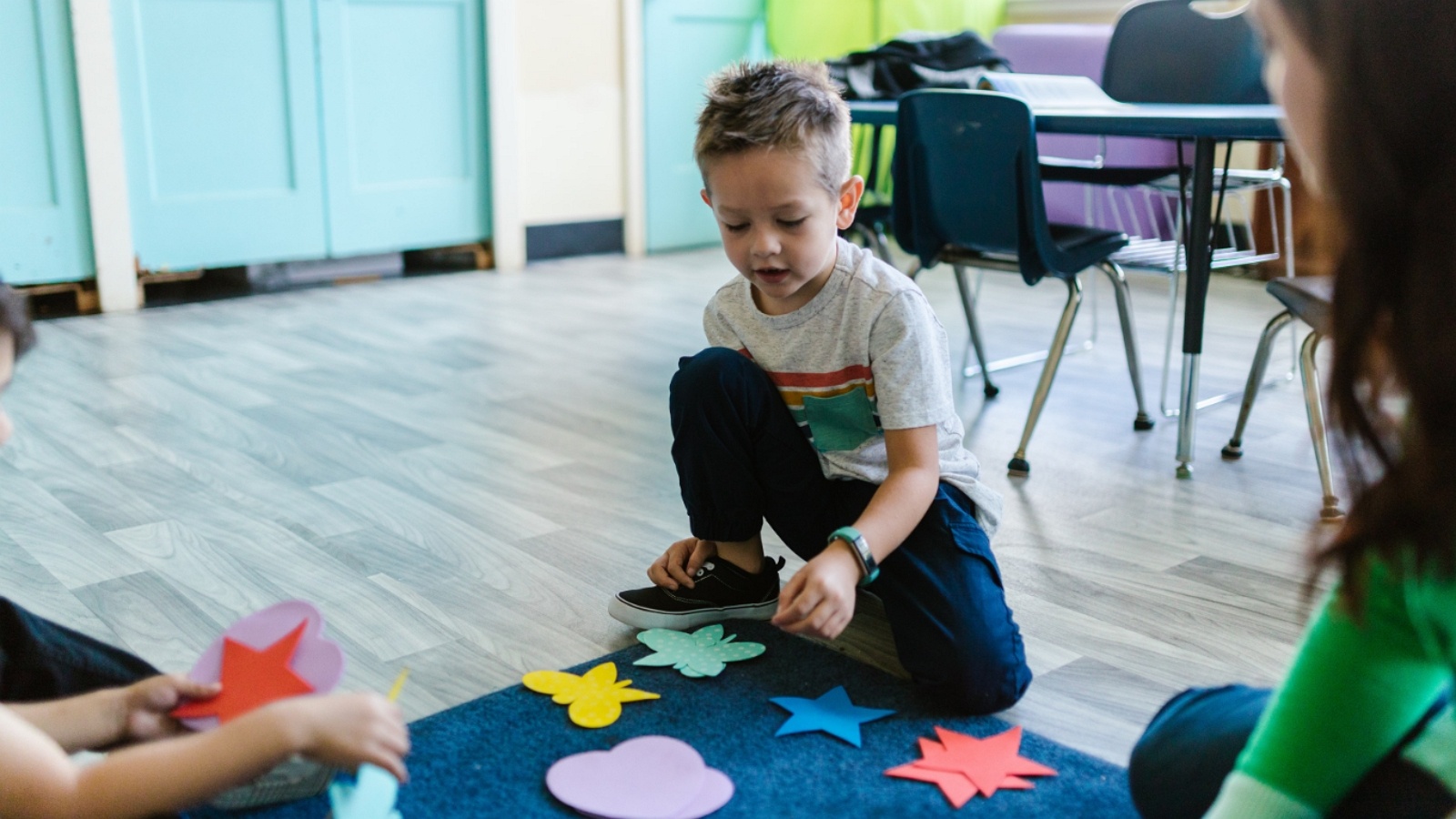
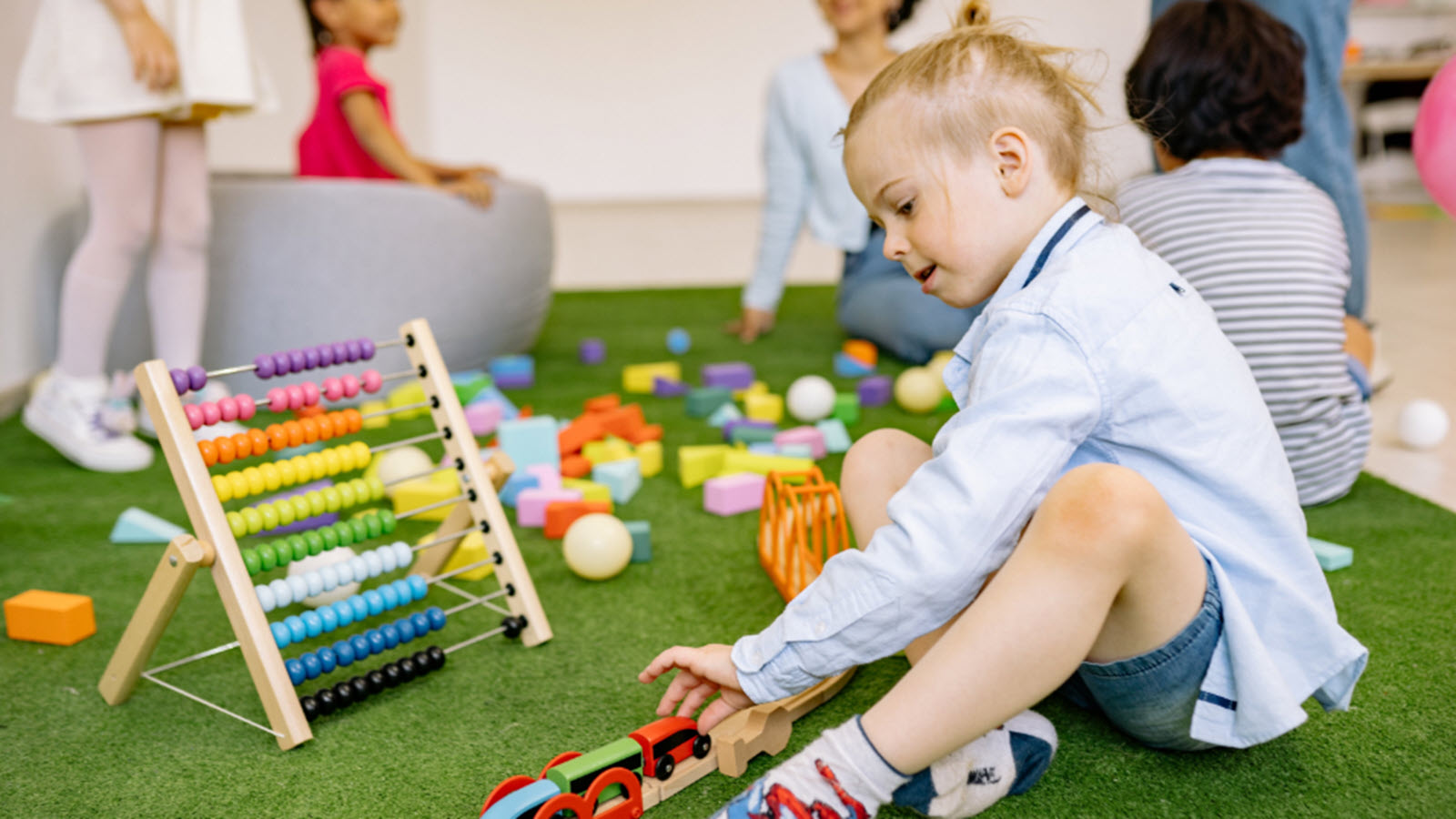
Learning through play stands as one of the most effective ways for young children to grow and develop essential skills. In 2026, parents seek screen time options that feel meaningful rather than wasteful. Playful experiences help kids build creativity, focus, social abilities, and a love for discovery while they enjoy themselves.
This approach fits perfectly with modern tools like educational games and apps that turn everyday screen moments into opportunities for real growth. Families appreciate experiences focused on virtual pet care, creative storytelling, and daily routines that teach responsibility in a fun way. For collections centered on skill-building adventures, many options support early learning across different ages, including the best problem solving games for kids, the best social emotional games for kids, and the best confidence building games.
Give your child the proven benefits of learning through play in 2026 by accessing TutoClub today!
How Learning Through Play Supports Brain Development

Learning through play engages children's minds in active ways that strengthen neural connections. Kids test ideas, make choices, and adjust based on what happens, which builds flexible thinking and problem-solving abilities. Many children show improved attention and memory when they learn in joyful, hands-on settings rather than through rote methods alone.
In 2026, experts highlight guided play as especially powerful. Adults can gently steer activities while letting children lead, creating a balance that supports deeper understanding. This method works well for topics like shapes, patterns, and early math concepts during pretend or building games.
Online games often incorporate these principles by blending exploration with clear learning goals. For instance, caring for virtual characters encourages planning and follow-through in a low-pressure environment. Parents notice that consistent learning through play activities helps children approach new situations with curiosity instead of hesitation. This foundation carries forward as kids tackle more complex tasks in preschool and beyond.
To put these principles into practice, parents can explore excellent options such as the best memory games for kids, the best confidence building games, the best problem solving games for kids, and the best learning games for kids. These games are thoughtfully designed to strengthen key cognitive skills while keeping children engaged and motivated through playful, age-appropriate challenges.
Building Social and Emotional Skills Through Play
Children develop empathy and cooperation when they interact during learning through play. Sharing roles in pretend scenarios, negotiating turns, or comforting a game character teaches them to recognize feelings in themselves and others. Many kids gain confidence in expressing emotions and resolving small conflicts through repeated playful practice.
Dramatic play and pet-care activities stand out for fostering kindness and responsibility. Kids practice caring routines that mirror real-life relationships, which strengthens emotional awareness over time.
Educational games that focus on mindfulness, responsibility, and social skills in engaging formats help families create shared moments that reinforce positive interactions. Learning through play also helps children manage frustration and build resilience. When a puzzle does not work on the first try, they learn to persist and try different approaches, skills that benefit classroom and home life alike.
Enhancing Cognitive Abilities and Creativity
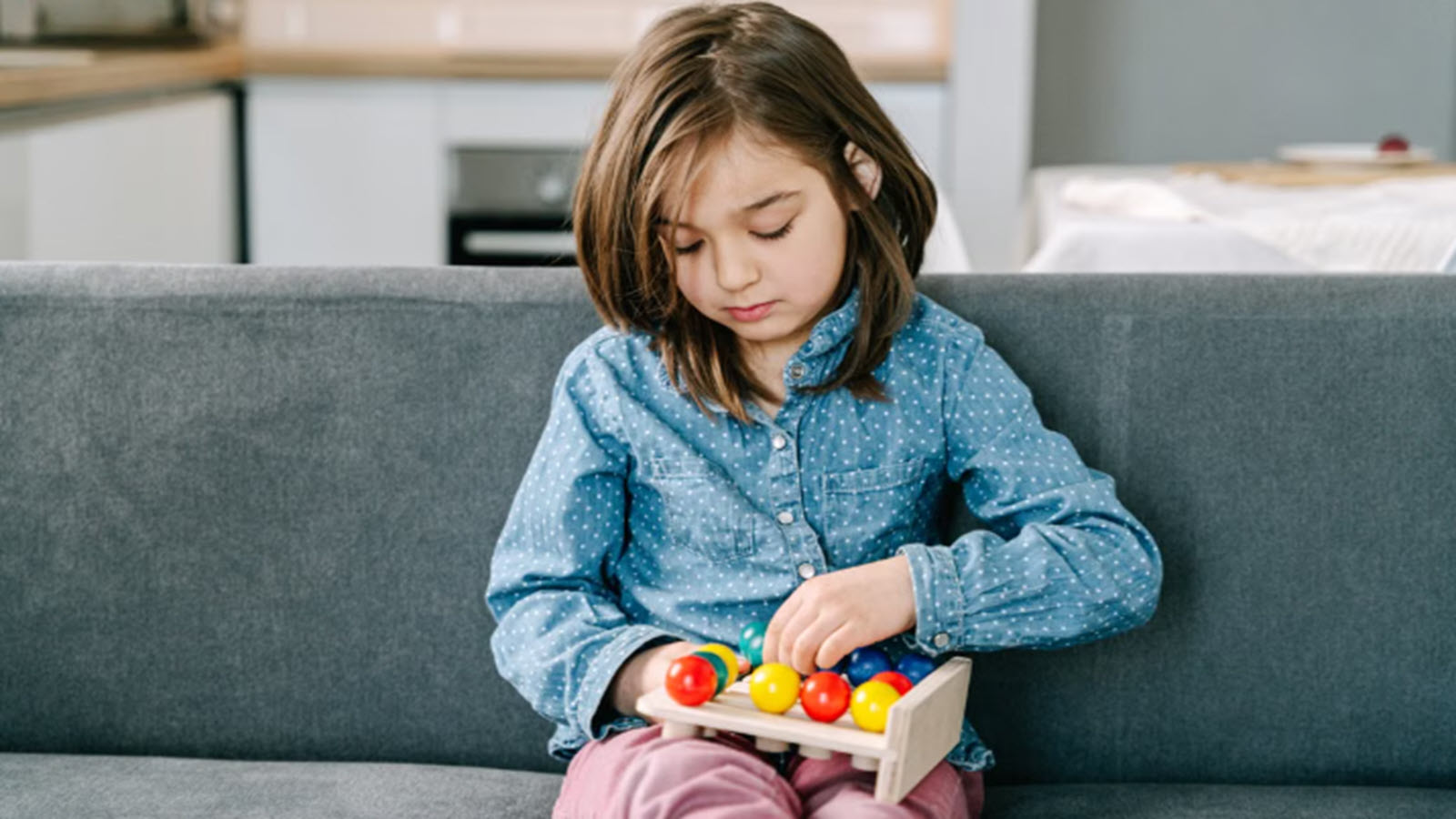
Playful activities spark imagination as children invent stories, design solutions, and explore "what if" questions. This process supports creative thinking and helps kids connect different concepts in meaningful ways. Many young learners show stronger language skills because they naturally use new words during games and role-play. Problem-solving abilities in kids emerge naturally when they experiment with cause and effect in safe digital or physical environments. Sorting, matching, and sequencing games build early logic and memory foundations without feeling like traditional lessons.
Educational platforms integrate these elements across multiple titles. Games that involve decorating, storytelling, or caring for pets encourage self-expression while reinforcing focus and planning. In 2026, such tools help parents provide balanced experiences that nurture curiosity alongside structured growth. Children who engage regularly often display greater independence in approaching new challenges.
Physical Development and Active Play
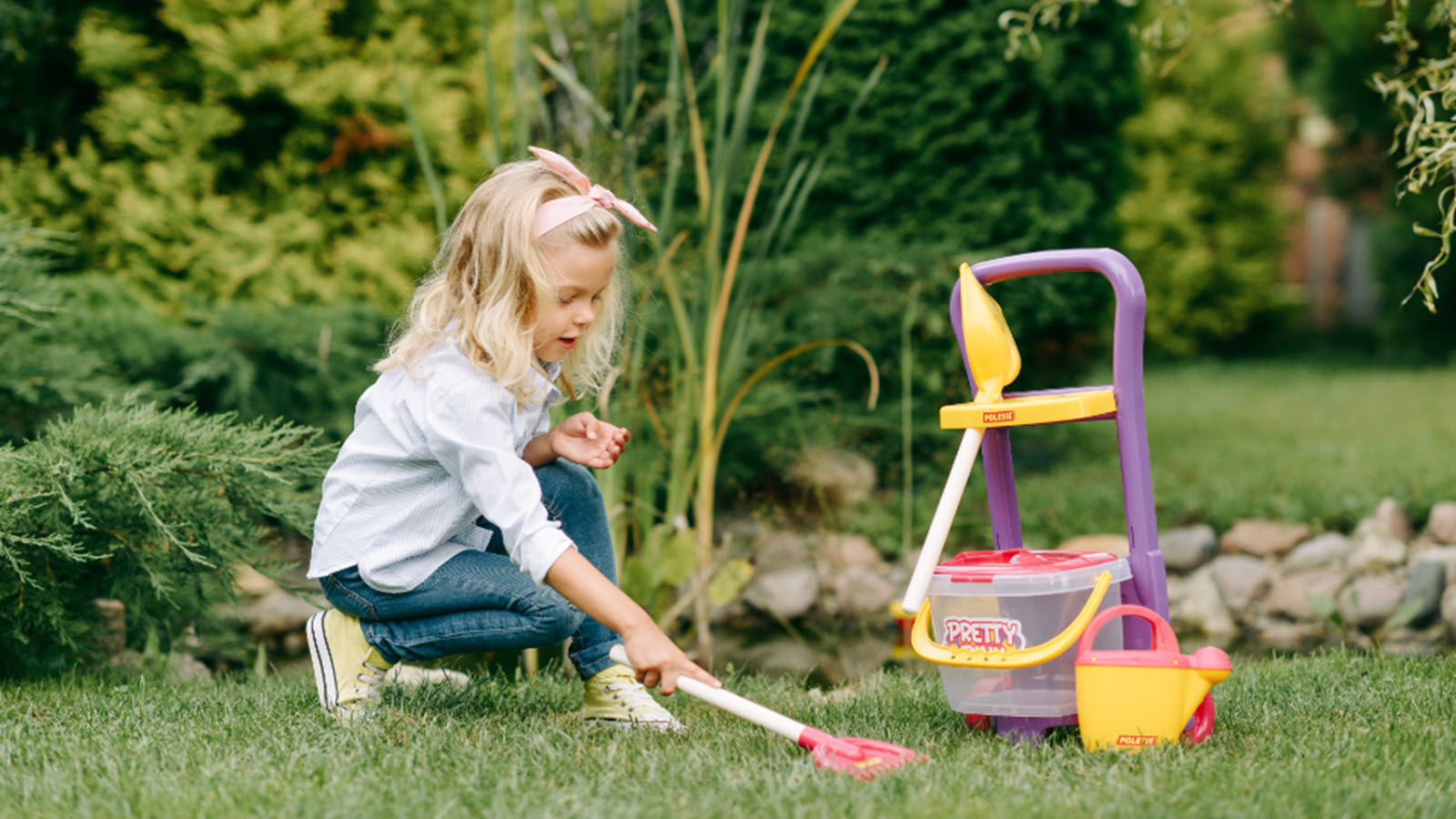
Movement-based play strengthens coordination, balance, and motor skills. Even digital games that encourage gestures or mimic real actions contribute to gross and fine motor practice. Kids stay engaged longer when physical elements mix with mental tasks. Many safe apps for kids now combine touch interactions with imaginative scenarios that prompt children to move or simulate activities. This variety supports overall health while keeping learning through play fun.
Collections that promote active participation through creative routines and exploration challenges complement outdoor time and help develop confidence in physical abilities. Regular playful movement also aids sleep patterns and energy regulation, creating positive daily rhythms for growing children.
The Role of Technology in Modern Learning Through Play
Digital tools have evolved to support rather than replace traditional play. High-quality educational games offer consistent, personalized experiences that adapt to a child's pace and interests. In 2026, safe platforms emphasize ad-free environments focused on development. Parents value options that align with research on joyful, meaningful engagement. Subscription services provide access to diverse games without constant decisions about content quality. This technology makes learning accessible for busy households while maintaining safety and purpose.
Comparing Traditional Methods With Play-Based Approaches
Many families notice that children stay more motivated when learning through play activities feels like discovery rather than drills. Play-based methods often lead to better retention because kids connect ideas personally through hands-on experiences. Structured activities still have value, yet combining them with playful elements creates stronger outcomes across social, cognitive, and creative domains. Guided play particularly shines by offering support without removing child agency. Client-focused platforms prioritize child enjoyment and parent peace of mind over generic content. Other options may rely more on repetition or passive viewing, but dedicated educational platforms deliver richer, more interactive results.
Practical Ways to Incorporate Learning Through Play at Home
Simple daily routines offer plenty of opportunities. Cooking together, building with blocks, or acting out stories all count as valuable play that builds multiple skills. Digital games supplement these moments when weather or schedules limit other choices. Choose activities that match your child's current interests to keep engagement high. Rotate experiences to cover different developmental areas naturally. Encourage conversation during and after play to deepen learning. Ask open questions about what happened and why, which strengthens language and reflection.
Key Areas of Development Supported by Play
Learning through play supports cognitive growth and confidence building in kids through puzzles and sorting games that improve problem-solving and memory. In the emotional area, pet care and role-play activities build greater empathy and self-regulation. Social benefits appear in cooperative adventures that enhance sharing and conflict resolution skills. Creative thinking expands with storytelling and design activities that boost imagination and self-expression. Physical development benefits from movement-based interactions that strengthen coordination and motor skills. These areas connect with each other, creating well-rounded growth through natural, enjoyable experiences.
How TutoClub Supports Learning Through Play
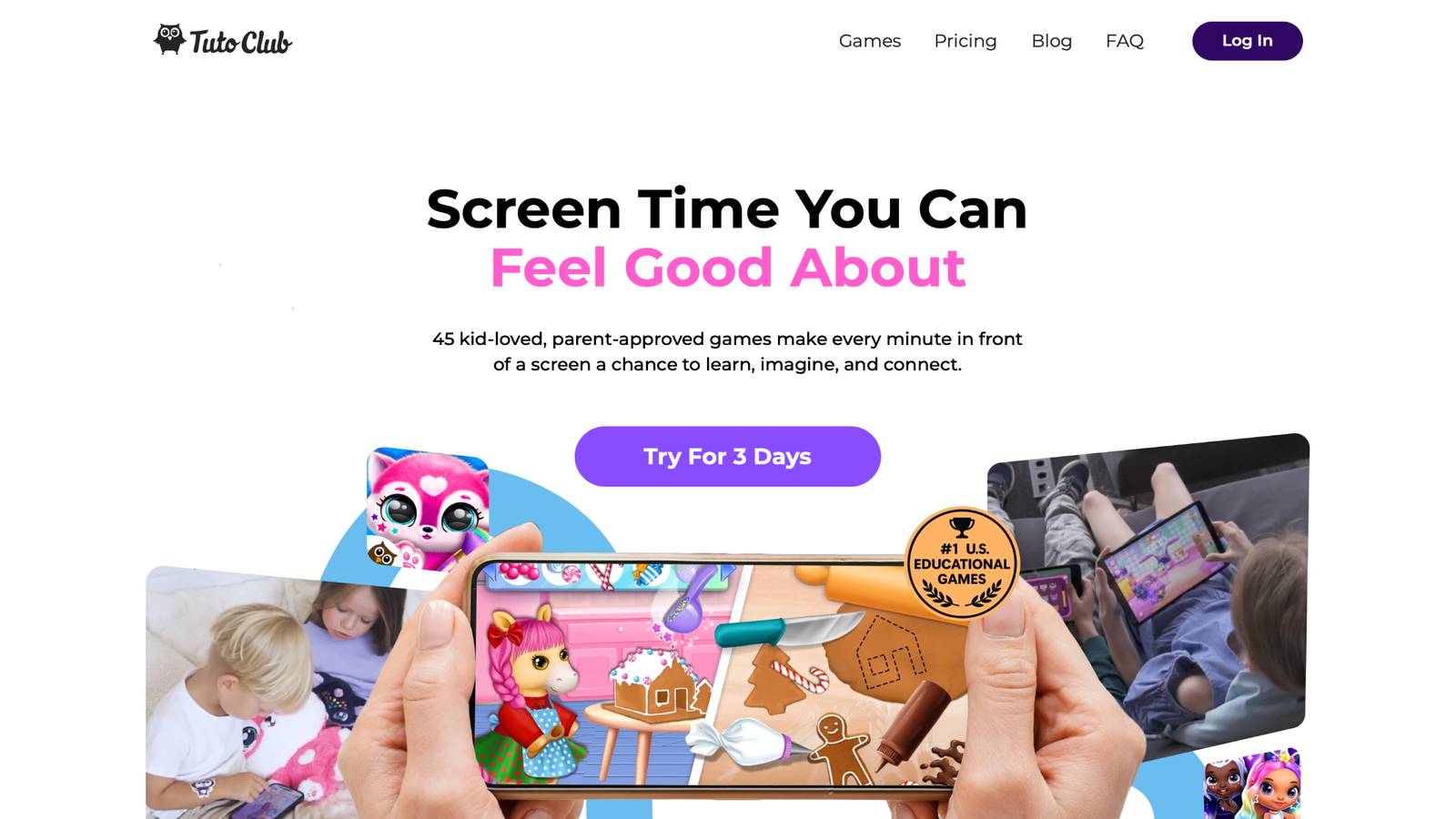
TutoClub is your gateway to a magical world of educational games designed especially for children.
As part of TutoTOONS, a leading kids' games studio, we offer premium access to over 45 ad-free games.
Our mission is to blend learning and play, helping kids explore, create, and grow in a safe online space.
Thousands of parents trust us for family-friendly content that sparks imagination and builds essential skills.
Key Features
- Unlimited Access: Unlock full content in all games with no interruptions.
- Ad-Free Experience: Enjoy seamless play without any ads or distractions.
- Skill Development: Games foster creativity, social skills, communication, and more through fun activities like pet care and cleanup challenges.
- Regular Updates: Get new releases, exclusive content, and future updates automatically.
- Easy Subscription: Cancel anytime with no obligations, simple and flexible for families.
Explore Our World
TutoClub provides a rich ecosystem of educational games for kids, featuring ad-free experiences that promote creativity, focus, and emotional growth through play.
This platform turns screen time into valuable learning opportunities, with parent-approved content that builds essential skills and sparks curiosity in young minds.
- TutoClub Games: Over 45 educational games, including popular titles like Fluvsies, Smolsies, and the Sweet Baby Girl series
- Blog: Insights, tips, and stories for families on kids' learning and play
- FAQ: Comprehensive answers to frequently asked questions about subscriptions, features, and more
Get TutoClub on Your Device
TutoClub delivers premium kids educational games directly to your mobile devices, making learning accessible anytime, anywhere.
With apps available on major platforms, families can easily download and subscribe for ad-free play that turns screen time into skill-building adventures.
Perfect for parents seeking safe, engaging content on iOS, Android, or Amazon devices.
Why Choose TutoClub?
We're committed to 100% safe, enriching entertainment that kids love and parents approve.
Join the thousands who've seen their children thrive through playful learning.
Ready to start the adventure?
Subscribe to TutoClub today and unlock endless fun!
FAQ
What makes learning through play more effective than other approaches for young children?
Learning through play engages multiple senses and allows children to direct their own discoveries in joyful ways. This natural process leads to stronger retention because kids connect ideas personally through hands-on experiences and repeated practice. Playful activities support flexible thinking, creativity, and emotional growth while making the entire process feel enjoyable rather than forced.
How does learning through play contribute to social and emotional development?
Children build empathy and cooperation skills when they share roles, negotiate turns, and respond to characters during play. These experiences help them recognize feelings in themselves and others while practicing kindness and responsibility in low-pressure settings. Over time, regular playful interactions strengthen social emotional awareness for kids, resilience, and the ability to manage everyday challenges.
In what ways does technology enhance learning through play experiences?
Modern educational games provide consistent, personalized activities that adapt to each child's pace and interests in safe environments. These tools blend exploration with purposeful goals such as problem-solving and creative expression across different formats. Families benefit from ad-free options that turn screen moments into meaningful opportunities for cognitive and social growth.
What practical benefits come from combining physical movement with learning through play?
Movement-based play strengthens coordination, balance, and motor skills while keeping children engaged for longer periods. Digital games that include gestures or simulated actions add variety that supports overall physical health alongside mental tasks. These combined experiences create positive daily rhythms that aid energy regulation and confidence in physical abilities.
How can parents effectively support learning through play at home?
Parents can participate occasionally by asking open questions and sharing enjoyment during learning through play activities without directing every step. Simple routines like storytelling, building, or caring scenarios naturally build multiple skills across cognitive, social, and creative areas. Rotating experiences based on the child's interests helps maintain high engagement while covering diverse developmental needs.
Read Also:
- Parent's Guide to Healthy Screen Time with Educational Apps
- How Pet Care Games Teach Kids Empathy and Responsibility
- Best Educational And Fun Games For Kids in 2026
- Best Educational Games For 2 Year Olds in 2026
- Best Healthy Screen Habits In 2026
Give your child the proven benefits of learning through play in 2026 by accessing TutoClub today!