
Best Learning Through Play Examples in 2026






Parents today seek ways to turn everyday moments into meaningful growth opportunities for their children. The best learning through play examples in 2026 blend joy with skill-building in ways that feel natural and exciting. Whether through digital adventures or hands-on activities, learning through play helps young minds develop problem-solving abilities, emotional awareness, and curiosity while having fun.
TutoClub stands out with its collection of learning through play games that transform screen time into quality family time. Play-based learning spans a wide range of skill-building experiences, from responsibility games for kids that encourage independence to engaging brain games for kids and interactive memory games for kids. Broader inspiration can be found in collections of learning through play ideas and creative learning through play activities.
Discover the Best Learning Through Play Examples in 2026 - TutoClub
What Is Learning Through Play?

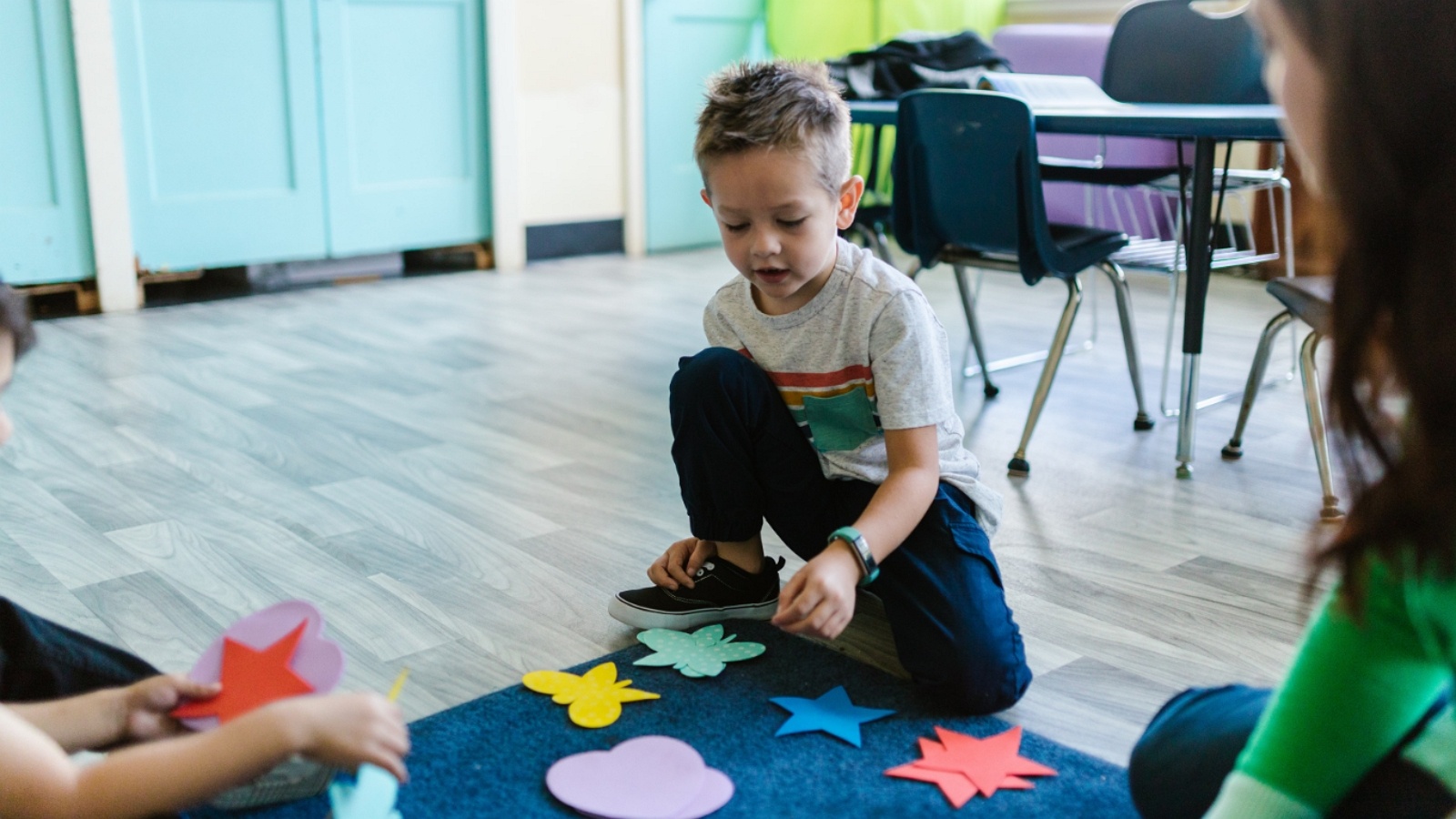
Learning through play happens when children explore, experiment, and interact in environments designed to spark discovery. In 2026, learning through play activities continues to gain attention because it supports natural brain development without feeling like traditional lessons. Kids engage with stories, characters, and challenges that encourage them to think creatively and practice real-life skills. The best learning through play examples show up in many family routines, from simple kids games at home to structured platforms that guide progress.
Why Learning Through Play Remains Essential for Child Development
Children who experience play based learning often show stronger focus, better social connections, and greater confidence in expressing ideas. This method nurtures empathy by letting kids care for characters or solve shared puzzles. It also builds responsibility through educational games wrapped in fun. In today’s fast-paced world, these experiences create balanced growth that lasts well beyond early years.
Best Learning Through Play Examples in 2026
1. TutoClub - Best Learning Through Play Examples in 2026
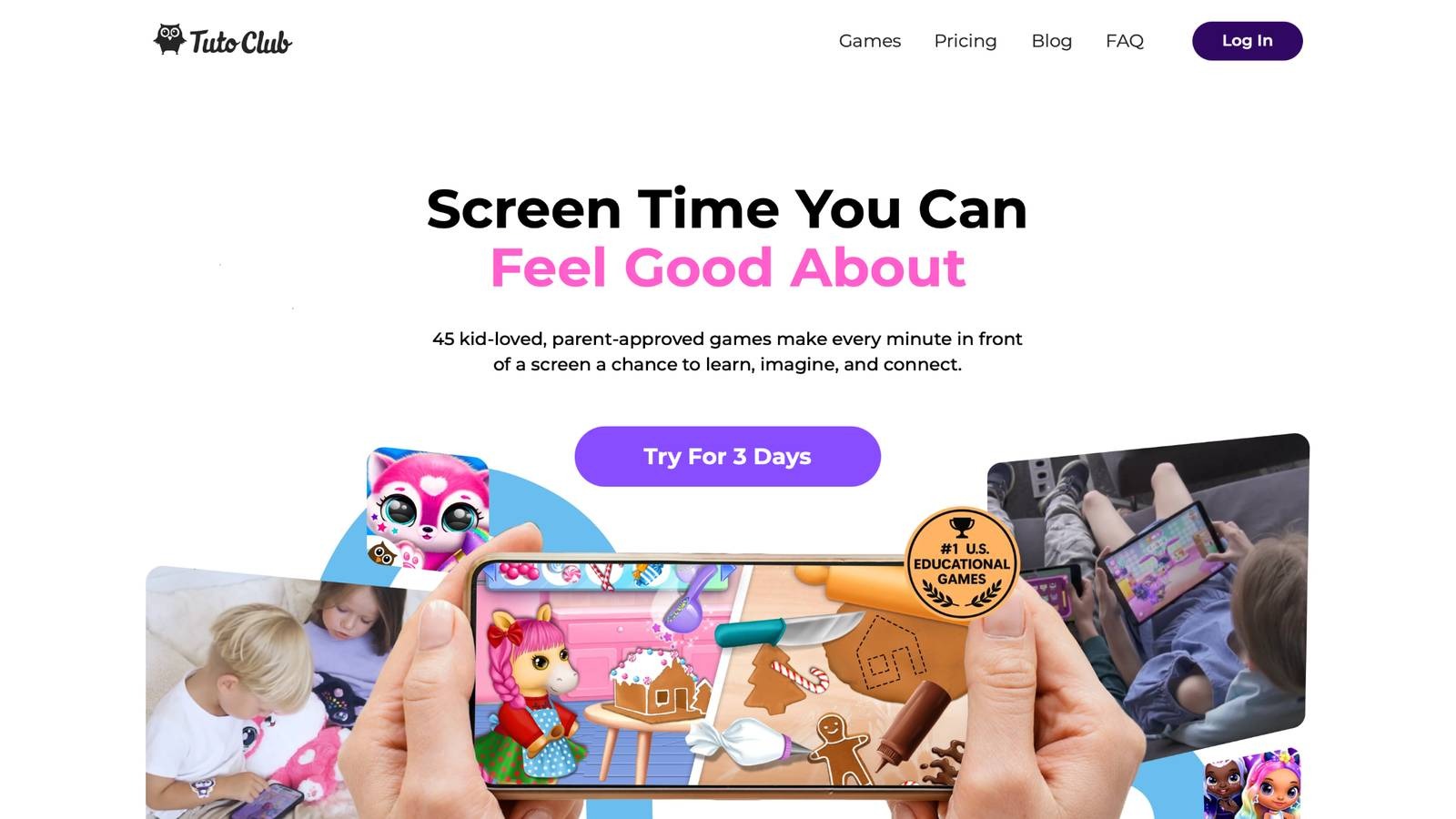
TutoClub games deliver a wide variety of educational games crafted to make learning feel effortless and enjoyable. Kids dive into colorful worlds where they hatch cute pets, care for magical creatures, design outfits, and tackle gentle puzzles. These activities weave in lessons on empathy, creativity, problem-solving, and daily habits while keeping everything ad-free and safe. The subscription unlocks access across devices, turning ordinary moments into shared family adventures full of laughter and growth. Based in Kaunas, Lithuania, the team behind TutoClub designs every experience with child development in mind, creating spaces where curiosity thrives and confidence grows naturally.
Standout features include interactive pet care that teaches kindness, fashion quests that spark self-expression, and memory games that sharpen focus. Facts and information highlight how the games support emotional growth, social skills, and creative thinking through gentle, guided play that children genuinely love.
TutoClub Overview
TutoClub is your gateway to a magical world of educational games designed especially for children.
As part of TutoTOONS, a leading kids' games studio, we offer premium access to over 45 ad-free games.
Our mission is to blend learning and play, helping kids explore, create, and grow in a safe online space.
Thousands of parents trust us for family-friendly content that sparks imagination and builds essential skills.
Key Features
- Unlimited Access: Unlock full content in all games with no interruptions.
- Ad-Free Experience: Enjoy seamless play without any ads or distractions.
- Skill Development: Games foster creativity, social skills, communication, and more through fun activities like pet care and cleanup challenges.
- Regular Updates: Get new releases, exclusive content, and future updates automatically.
- Easy Subscription: Cancel anytime with no obligations, simple and flexible for families.
Explore Our World
TutoClub provides a rich ecosystem of educational games for kids, featuring ad-free experiences that promote creativity, focus, and emotional growth through play.
This platform turns screen time into valuable learning opportunities, with parent-approved content that builds essential skills and sparks curiosity in young minds.
- TutoClub Games: Over 45 educational games, including popular titles like Fluvsies, Smolsies, and the Sweet Baby Girl series
- Blog: Insights, tips, and stories for families on kids' learning and play
- FAQ: Comprehensive answers to frequently asked questions about subscriptions, features, and more
Get TutoClub on Your Device
TutoClub delivers premium kids educational games directly to your mobile devices, making learning accessible anytime, anywhere.
With apps available on major platforms, families can easily download and subscribe for ad-free play that turns screen time into skill-building adventures.
Perfect for parents seeking safe, engaging content on iOS, Android, or Amazon devices.
Why Choose TutoClub?
We're committed to 100% safe, enriching entertainment that kids love and parents approve.
Join the thousands who've seen their children thrive through playful learning.
Ready to start the adventure?
Subscribe to TutoClub today and unlock endless fun!
2. Fluvsies Academy
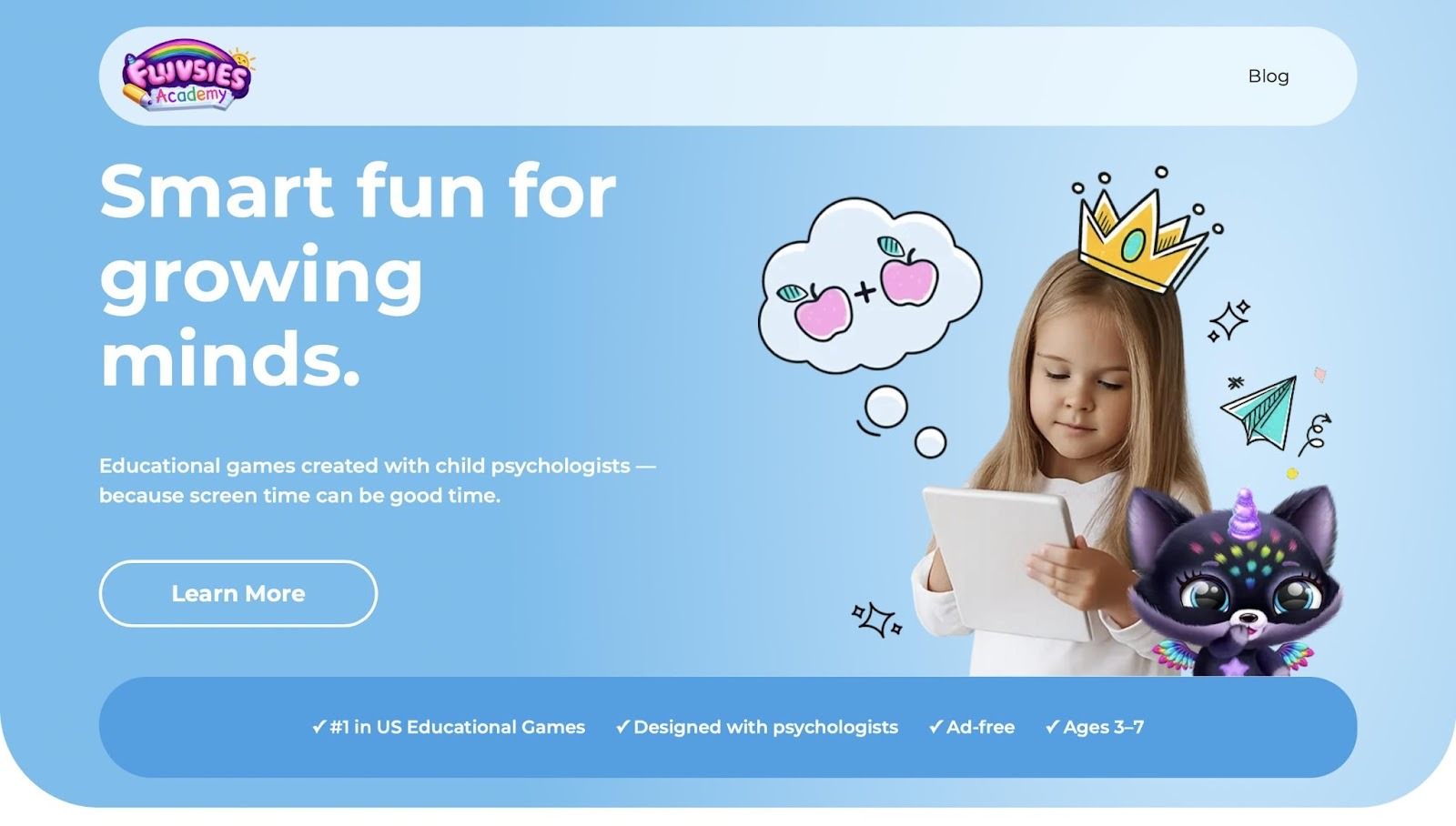
Fluvsies Academy creates a calm, nurturing space where preschoolers explore language, logic, math, and life skills alongside beloved characters. Children practice everyday routines like brushing teeth or helping at the store while enjoying gentle mini-games and guided adventures. The platform balances focus with play, helping kids build emotional regulation and social awareness in a safe environment. Developed with child development experts, it offers two learning modes that support holistic growth through active problem-solving and creative expression.
Kids engage with phonics stories that spark imagination, counting puzzles that build number sense, sorting tasks that sharpen logic, and profession-themed challenges that expand vocabulary and real-world understanding. The relaxing vibe and super cute designs keep children engaged without overstimulation while everything remains ad-free and age-appropriate. Parents appreciate how the app turns digital moments into confident, curious growth with progress tracking and optional printables that extend learning offline.
Key features include interactive classrooms, character care activities, profession-themed challenges, phonics exercises, and gentle mini-games.
Facts and information show how the app turns screen time into meaningful moments that support self-regulation and curiosity through joyful, expert-designed experiences.
3. Khan Academy Kids
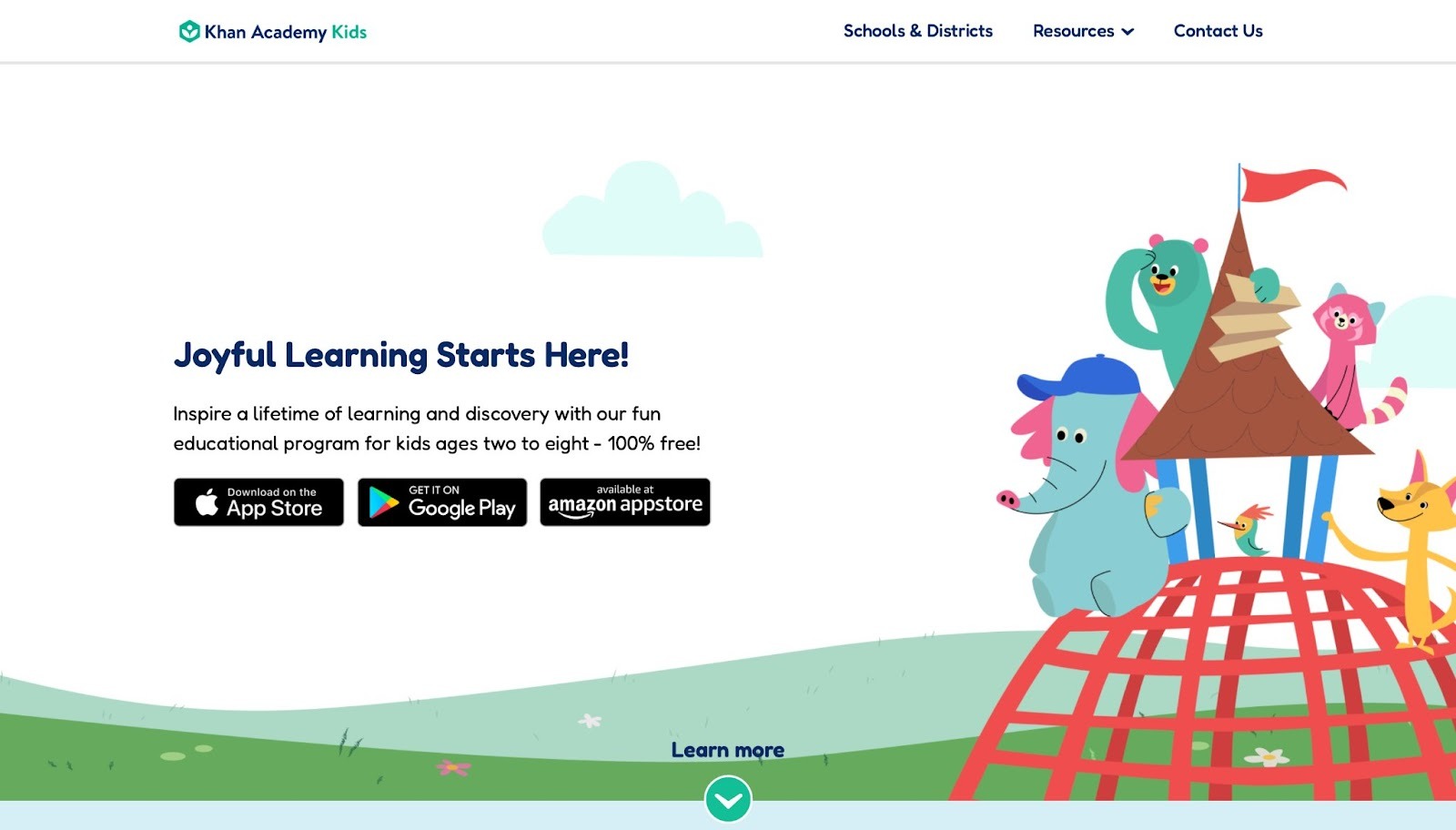
Khan Academy Kids offers free, story-driven games that cover literacy, math, and social-emotional topics for children ages two to eight. Young learners follow engaging characters through levels that feel like interactive books and adventures. The platform adapts to each child’s pace, making progress feel personal and rewarding while aligning with early learning standards. Over thousands of activities encourage exploration through drawing tools, phonics practice, and gentle social stories that build empathy alongside core skills.
Families love that the entire experience stays completely ad-free with no subscriptions required, allowing kids to dive deep into content that grows with their abilities. The app supports independent play while still offering optional parent dashboards for gentle oversight.
Key features include creative drawing tools, phonics exercises, social stories, adaptive learning paths, and character-driven narratives.
Facts and information reveal strong support for independent exploration and foundational skill growth through play that keeps children motivated.
4. ABCmouse
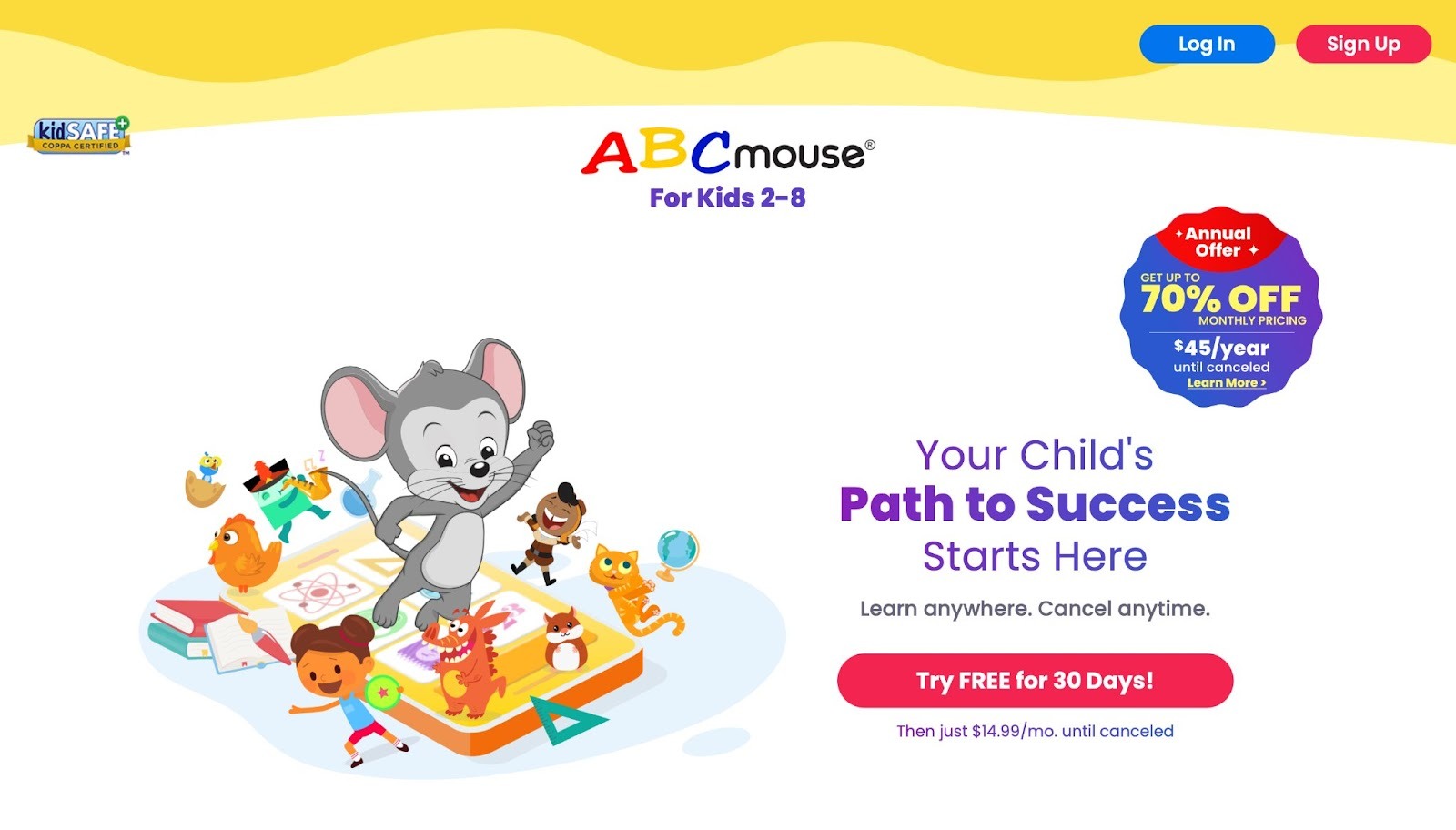
ABCmouse provides a complete early learning environment filled with games, books, and activities across reading, math, science, and art for ages two to eight. Kids progress through a structured path that feels like an exciting journey rather than schoolwork as they unlock new levels and rewards. The platform covers hundreds of lessons with songs, stories, and interactive exercises that build confidence step by step. Personalized recommendations help each child stay challenged yet supported while colorful animations and familiar characters maintain high engagement. Parents notice steady skill development in a fun format that blends education seamlessly into daily routines.
Key features include personalized learning paths, a variety of interactive lessons, progress tracking, and age-appropriate content libraries.
Facts and information point to its success in building foundational knowledge through consistent, engaging play experiences.
5. Prodigy Math Game
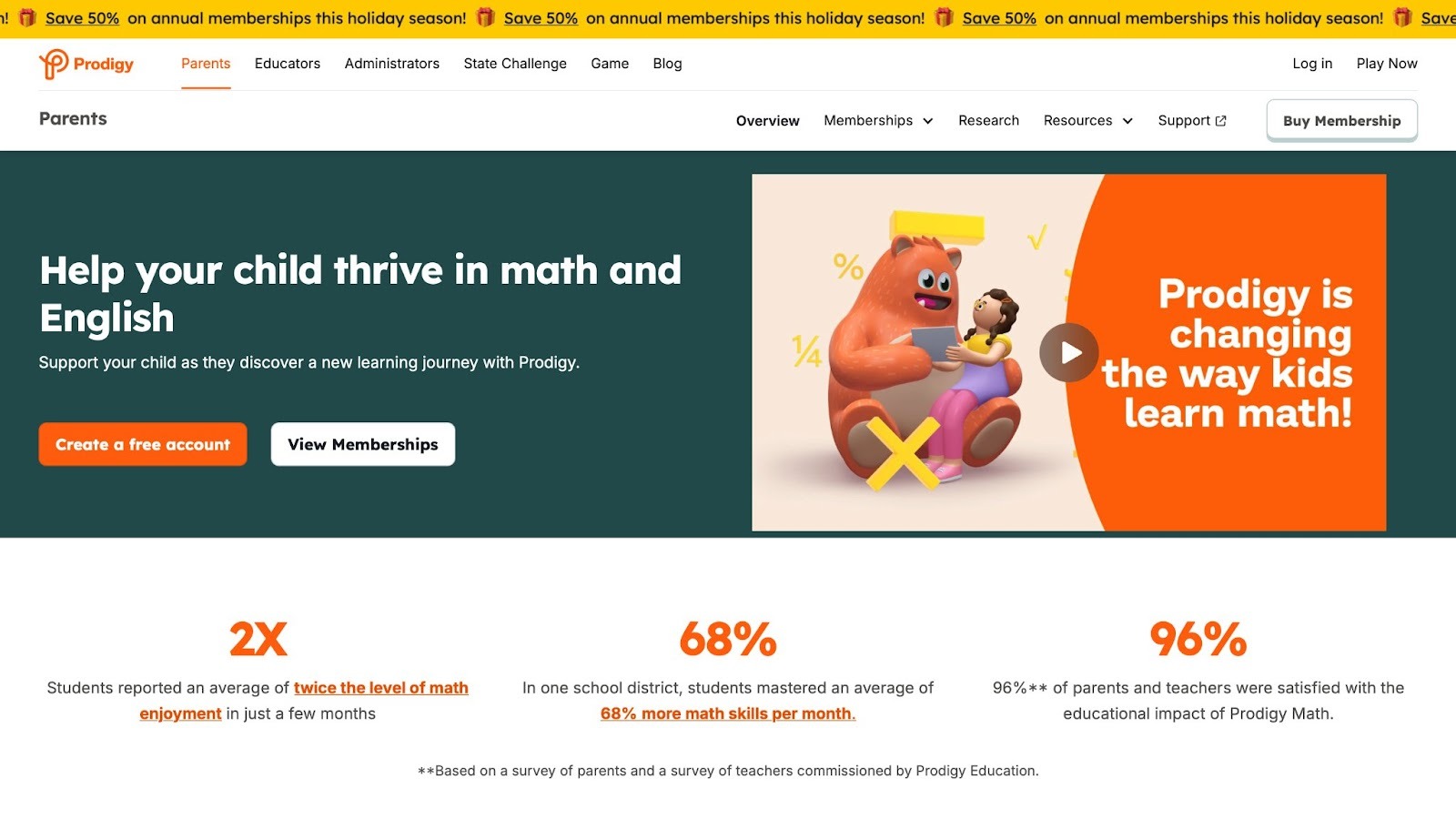
Prodigy Math Game turns math practice into an epic adventure where children battle monsters and complete quests by solving problems. The game world keeps kids returning while they strengthen number sense, geometry, and strategic thinking across curriculum-aligned topics. Adaptive difficulty adjusts automatically so every child experiences success and appropriate challenges. Multiplayer elements and rewards create excitement around learning concepts that once felt difficult. The immersive fantasy setting makes abstract math ideas concrete and memorable through repeated playful practice.
Key features include curriculum-aligned challenges, multiplayer elements, adaptive difficulty, and monster-battling quests.
Facts and information demonstrate how adventure-based play helps many children develop confidence in math concepts.
6. Osmo
Osmo combines physical pieces with digital screens to create hands-on learning experiences that bridge tangible play and technology. Children manipulate real objects while interacting with apps that teach math, reading, and problem-solving in ways that feel natural and active. The hybrid format encourages movement and collaboration as kids see immediate results from their actions on screen. Tangible feedback keeps engagement high while developing fine motor skills alongside cognitive growth. Families appreciate how the system grows with children through expandable content that supports different learning stages.
Key features include tangible game pieces, real-time feedback, hands-on activities, and multi-subject apps.
Facts and information show how this hybrid approach bridges physical play with technology for deeper engagement.
7. DragonBox
DragonBox makes algebra and geometry concepts accessible through visual puzzles and intuitive gameplay that requires no prior instruction. Kids discover mathematical relationships naturally as they progress through increasingly complex challenges that feel more like games than lessons. The clean design and gradual difficulty build deep understanding without frustration. Visual learning tools help children internalize abstract ideas through repeated playful experimentation. The platform supports logical thinking that transfers well to other academic areas.
Key features include progressive difficulty, visual learning tools, puzzle-based challenges, and intuitive interfaces.
Facts and information highlight its ability to build logical thinking through pure discovery.
8. Duolingo ABC
Duolingo ABC focuses on early reading skills with bite-sized lessons wrapped in games and stories that match young learners’ attention spans. Children practice letter sounds, vocabulary, and comprehension in short, rewarding sessions that feel like play rather than work. Adaptive lessons adjust to each child’s progress while character-driven narratives maintain motivation. The familiar gamification elements from the main Duolingo app keep kids coming back consistently.
Key features include adaptive lessons, character-driven narratives, phonics practice, and bite-sized activities.
Facts and information confirm its effectiveness for building early literacy through consistent, fun practice.
9. KiwiCo Panda Crate
KiwiCo Panda Crate delivers age-appropriate activity kits filled with toys and guides that support sensory exploration and motor skill development. Each crate encourages independent play and discovery tailored to developmental stages with open-ended materials that spark creativity. Monthly deliveries keep fresh ideas flowing into the home while parent guidance notes help facilitate without directing. The hands-on nature complements digital experiences perfectly for balanced growth.
Key features include milestone-based activities, parent guidance, open-ended materials, and sensory-focused projects.
Facts and information underscore its role in fostering curiosity through structured yet open-ended play.
10. Minecraft Education Edition
Minecraft Education Edition lets children build virtual worlds while learning collaboration, creativity, and basic coding concepts in an open-ended environment. The platform supports projects that range from historical recreations to scientific experiments and everything in between. Collaborative building tools allow group work that mirrors real teamwork skills. Educational mods and teacher resources make it easy to tie play directly to learning objectives across subjects.
Key features include collaborative building tools, educational mods, open-world creativity, and cross-subject projects.
Facts and information show how it inspires long-term engagement through creative problem-solving.
11. PBS Kids Games
PBS Kids Games brings favorite characters from beloved shows into interactive activities that cover science, reading, engineering, and social skills. Children explore themed worlds through simple point-and-click adventures that reinforce concepts from daily episodes. The collection stays completely free with no ads or in-app purchases while offering variety that prevents boredom. Familiar voices and animations create instant comfort and sustained interest for young players.
Key features include character-driven adventures, subject-specific mini-games, free access, and show-aligned content.
Facts and information reveal how familiar characters make learning concepts feel friendly and approachable.
12. Lingokids
Lingokids combines songs, videos, and games to teach English skills, math, and life lessons through daily play routines. The app creates immersive worlds where kids practice vocabulary and basic concepts alongside friendly animated guides. Personalized daily plans adapt to each child’s interests while keeping sessions short and fun. Cultural elements and real-world themes help broaden understanding beyond academics.
Key features include song-based learning, video integration, personalized plans, and life-skills activities.
Facts and information show strong support for language development and confidence building through consistent playful exposure.
13. SplashLearn
SplashLearn offers interactive math and reading games with colorful graphics and intuitive features that align with school standards. Children follow personalized paths that adjust automatically to their current level while earning rewards for completing challenges. The platform covers topics from basic counting through early fractions and phonics in engaging formats. Progress reports help parents stay informed without taking away from the fun.
Key features include personalized learning paths, curriculum-aligned games, reward systems, and dual-subject coverage.
Facts and information demonstrate how visual and interactive elements make core subjects more approachable for young learners.
14. Code.org
Code.org introduces programming concepts through block-based puzzles and creative projects that feel like games. Children create animations, stories, and simple apps while developing logical thinking and problem-solving abilities. The platform offers hundreds of free activities suitable for different ages and skill levels. Collaborative options encourage sharing creations with friends and family.
Key features include block-based coding, creative project tools, free activities, and progressive challenges.
Facts and information highlight its success in making technology skills accessible through playful discovery.
15. ScratchJr
ScratchJr lets young children create interactive stories and games using graphical blocks that snap together like puzzle pieces. The simple interface removes barriers so kids aged five to seven can express ideas through animation and logic. Open-ended creation fosters creativity while teaching sequencing and cause-and-effect relationships. The app encourages experimentation in a safe digital space that builds confidence with technology.
Key features include graphical coding blocks, story creation tools, animation options, and open-ended projects.
Facts and information show how visual programming builds early computational thinking through joyful self-expression.
Integrating Technology into Play-Based Learning
Technology enhances learning through play when it complements hands-on experiences. Digital kid games now offer safe, ad-free environments that adapt to individual needs while encouraging real-world application of skills. Families benefit from options that fit busy schedules without replacing physical activity.
Practical Tips for Parents to Foster Learning Through Play
Create dedicated play spaces stocked with open-ended kid educational games. Join in without directing every step so children lead their own discoveries. Rotate activities to maintain interest and observe what sparks the most excitement.
Play Type | Benefits |
| Creative Play | Sparks imagination and self-expression |
| Problem-Solving Play | Builds logical thinking and resilience |
| Social Play | Strengthens empathy and communication |
| Physical Play | Develops motor skills and confidence
|
FAQ
How Does Learning Through Play Differ from Traditional Learning?
Learning through play differs from traditional learning by focusing on discovery and joy instead of drills and memorization. Children connect with new ideas through stories, characters, and interactive challenges that feel completely natural. This method helps knowledge stay with kids longer because it ties directly to meaningful experiences and emotions they enjoy.
What Age Range Benefits Most from These Learning Through Play Examples?
These examples work especially well for preschool through early elementary ages when curiosity runs high and brains grow quickly through exploration. Young learners gain confidence as they master gentle challenges wrapped in engaging activities. The flexible nature of these learning through play kids games lets families match content to each child’s unique interests and pace.
Can Learning Through Play Replace Screen Time Concerns?
Thoughtfully chosen digital activities turn screen time into valuable opportunities for growth and skill building. When educational kid games focus on creativity, empathy, and problem solving, they offer far more than simple entertainment. Families find peace of mind with safe, ad-free learning through play games that support positive development.
How Can Families Get Started with These Approaches?
Families can begin by noticing what naturally holds a child’s attention and building around those joyful moments. Mixing different types of learning through play activities creates space for consistent growth without pressure. Over time, these small daily choices often lead to stronger engagement and noticeable benefits.
What Skills Do Children Develop Through Learning Through Play?
Learning through play educational games helps children strengthen creativity, focus, and problem-solving abilities in ways that feel effortless. They also build emotional awareness by caring for characters and practicing kindness in fun scenarios. These experiences nurture social skills and confidence that support kids in many areas of life.
Read Also:
- Best Memory Games For Kids In 2026
- Best Brain Games For Kids In 2026
- Best Safe Games For Kids In 2026
- Best Responsibility Games For Kids In 2026
- Best Confidence Building Games In 2026
Discover the Best Learning Through Play Examples in 2026 - TutoClub