
Learning Through Play: What Works in US





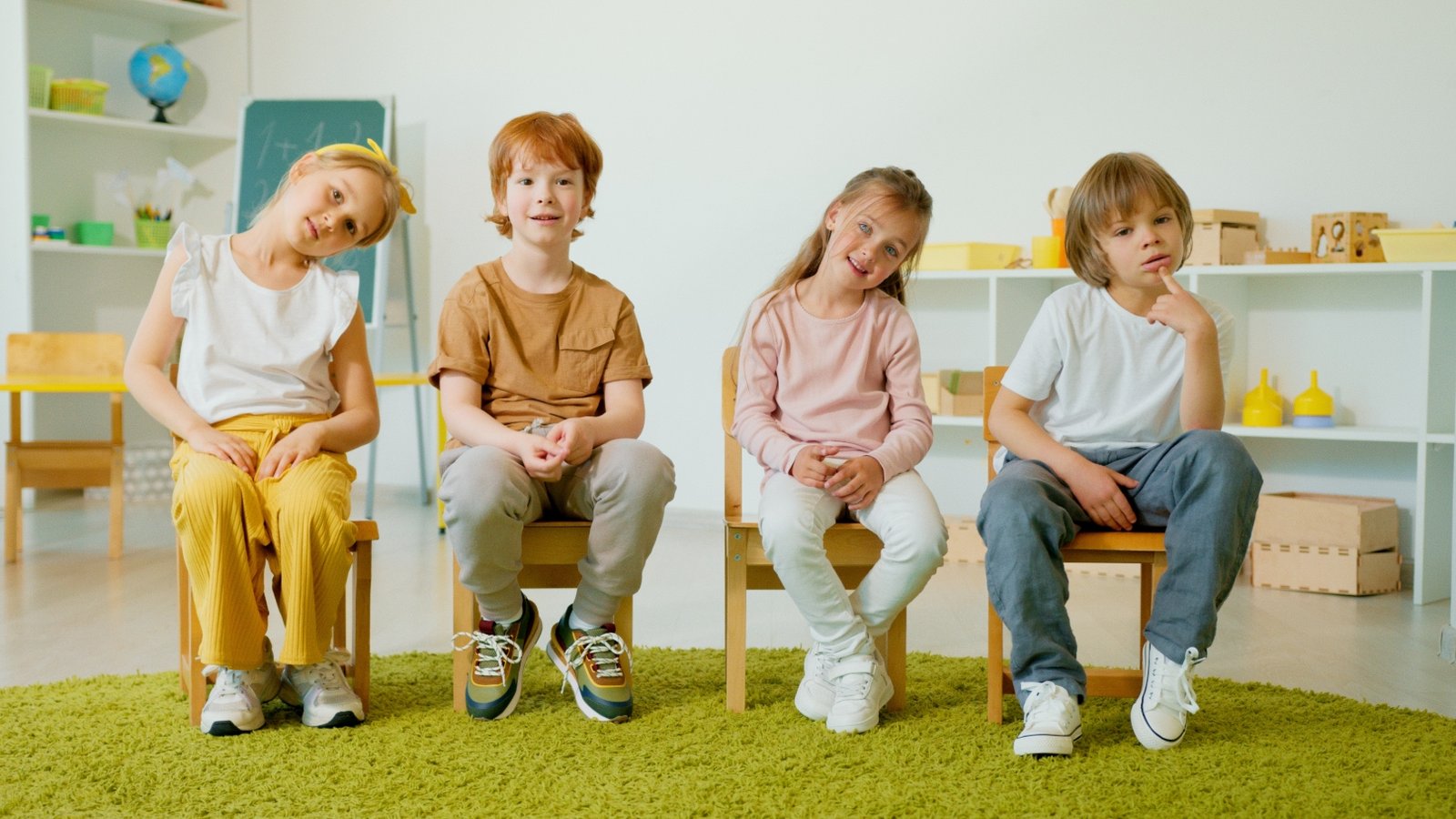
Parents and teachers in the US want learning through play that builds real skills without pressure. Learning through play lets kids practice thinking, talking, and problem solving through free play and guided play that stay joyful and hands-on. Many families see better focus and confidence this way.
Families looking for more ideas often start with the best learning through play approaches that keep sessions joyful. The best learning through play activities and the best learning through play examples help parents and teachers turn everyday moments into hands-on skill building without pressure.
Give your child learning through play that sticks with safe games at TutoClub today!
What Learning Through Play Means
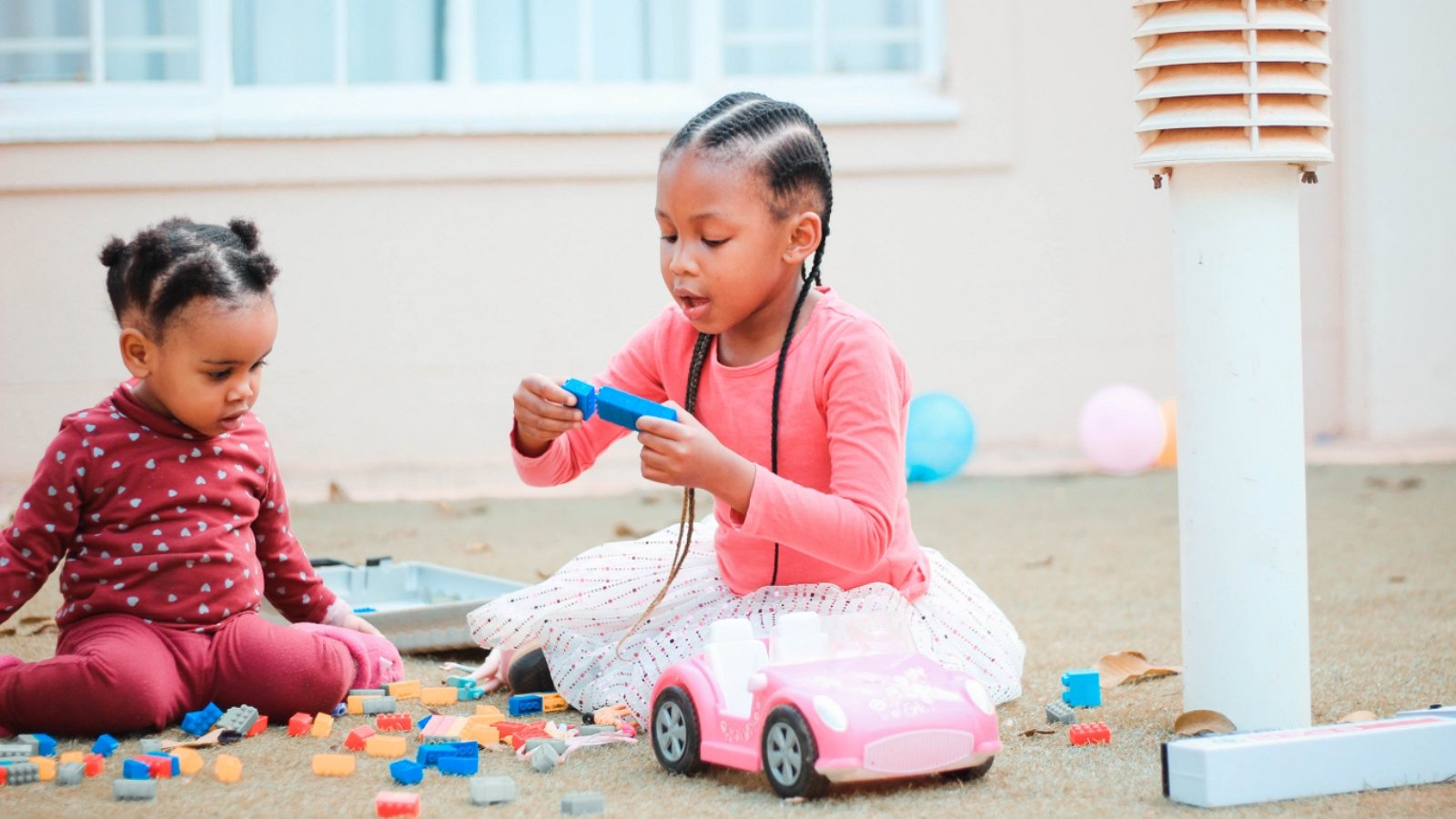
Learning through play happens when a child gains skills while doing something they enjoy and partly control. The activity itself is the lesson. A child counts blocks while building a tower, practices words while running a pretend shop, or builds focus while finishing a puzzle. Joy keeps them going. Meaning ties the play to real life or a goal they care about. Active engagement means they think and act instead of just watching. Iteration lets them try, adjust, and try again. Social interaction adds talk with others or a shared goal.
Researchers who study playful learning often list these five qualities as the ones that make it work. Free play gives kids full control so they invent stories or make their own rules. Guided play sits in the middle. An adult sets materials or a soft goal, then the child leads the action. Playful instruction weaves light structure into the fun. Direct teaching sits at the far end and works for some facts, yet many children remember more when the lesson rides inside the play.
This approach fits how young brains grow. Kids move, talk, guess, fail, and try again. Those loops strengthen memory, attention, and self-control. The same pattern shows up in learning through play activities that keep the child in charge of the next step. Families also find clear ideas in learning through play examples.
Why Guided Play Works Best
Guided play often produces stronger gains than free play alone or straight teaching. In guided play the adult prepares the space or materials and holds a learning goal in mind. The child decides how to play toward that goal. Studies show children learn more vocabulary and spatial skills this way than in pure free play. They also build better math understanding and early literacy than peers who mainly listen or fill worksheets.
The balance matters. Too much free play can stay light on specific skills. Too much direct teaching can lower interest and limit the try-again habit. Guided play keeps the joy and the goal. A teacher might set out shape blocks and ask open questions while children sort them. A parent might join a pretend store and name the coins the child counts. The child still drives the action.
In US classrooms this middle path shows up in programs that use make-believe play to teach both academic skills and self-regulation. Children plan roles, create props, and adjust when the story changes. The same idea works at home with simple setups. What makes learning through play effective explains the qualities that keep the activity useful. Problem solving games for kids give short practice that matches this approach.
Benefits of Learning Through Play for Kids
Learning through play supports the whole child. Cognitive growth shows up in stronger problem solving, early math, and language. Kids practice counting during snack time or sequencing steps while they dress a character. Social and emotional skills grow through turn-taking, naming feelings, and fixing small mix-ups. A shared puzzle or pet-care game gives a reason to wait, notice, and repair. Focus and self-control improve because the activity has a finish line the child wants to reach. Physical skills develop when play includes movement, building, or fine-motor tasks like sorting small pieces.
Many children also gain confidence. They finish a small goal and see the result. That pride carries into the next try. Benefits of learning through play include better attention during later tasks and more willingness to keep going after a setback. Social skills rise when kids practice kindness inside the game, such as feeding a pet or helping a baby character. How to build social skills in kids often starts with these short, repeatable play moments.
Life skills follow the same path. Cleanup, routines, and care tasks become games with a clear end. Life skills activities for kids turn everyday jobs into something the child wants to finish. Social emotional games for kids add more practice with feelings and sharing.
What Works in US Classrooms and Homes
Some US states have moved toward more play-based learning in kindergarten. A few require it during the school day so teachers can use guided play and free play alongside other lessons. Teachers in those places set materials that invite counting, sorting, or storytelling while children choose the path. The goal is a balanced mix rather than play or learning as separate choices.
At home the same balance works. Short free-play blocks let kids invent. Guided moments add a soft goal, such as matching colors during cleanup or counting steps on a walk. Digital tools fit when they stay ad-free, purposeful, and matched to the child’s pace. Families often pair screen play with outdoor time, meals, and rest. Kids learning through play with a balanced daily routine keeps the day secure without pressure.
Memory practice fits easily into this mix. Benefits of the best memory games for kids include stronger recall and longer attention when the game asks the child to hold a picture or pattern and use it a moment later. The best brain games for kids support the same focus habits.
Free play gives the child high control while the adult mostly watches or joins if invited. It works well for creativity, social play, and independence. Guided play keeps medium control for the child while the adult sets materials and asks open questions. It supports math, language, focus, and problem solving. Playful instruction uses lower child control with light structure around a goal. It helps specific skills when interest stays high. Direct teaching gives the child low control while the adult explains and checks. It works for clear facts or steps. Many families and teachers keep guided play at the center because it holds the goal and the child’s lead.
How Tutoclub Supports Learning Through Play
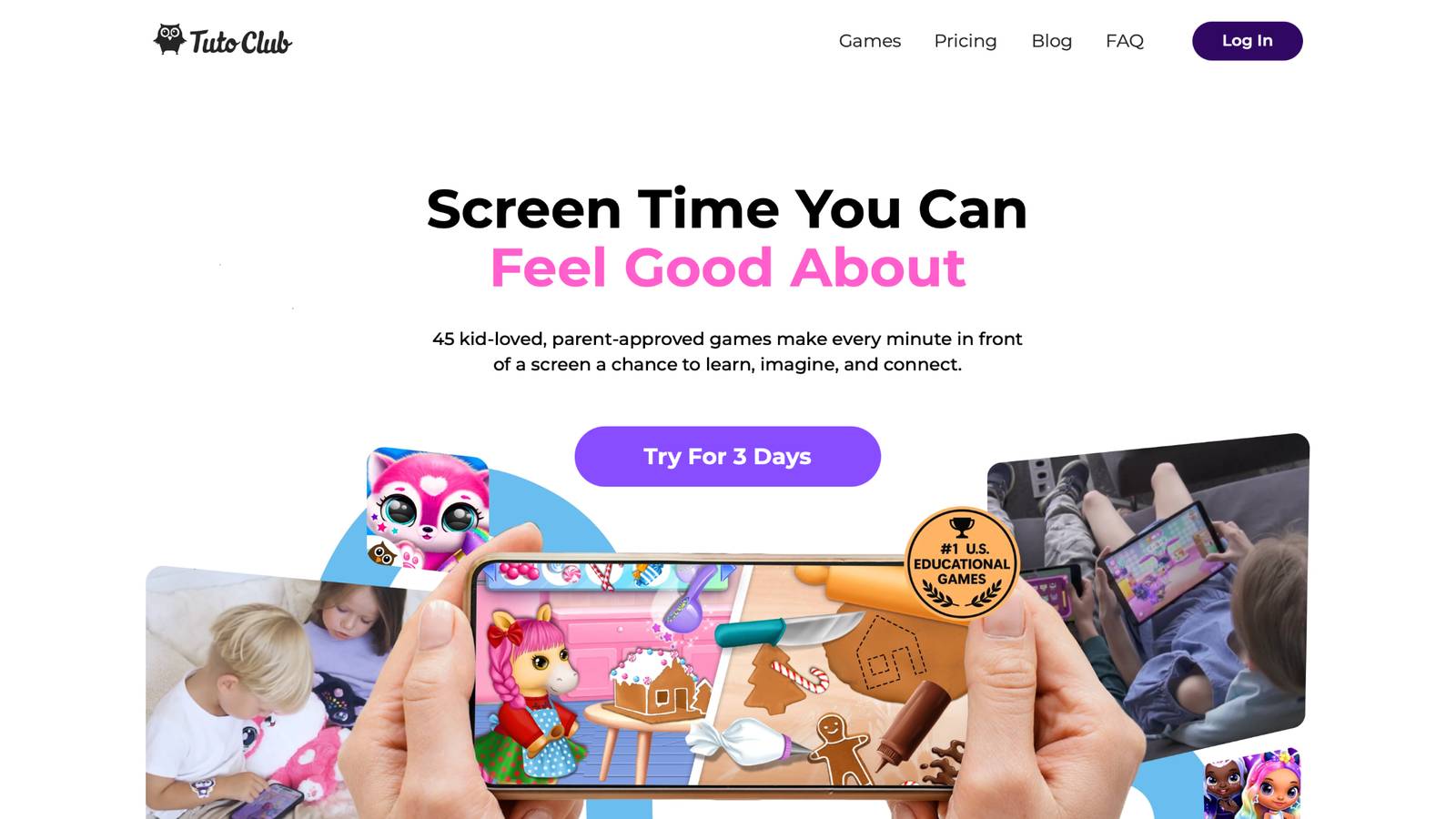
Tutoclub is a subscription that gives families ad-free access to more than 50 educational games built for learning through play. The games cover routines, creativity, logic, memory, care, empathy, and music. They were designed with input from educators and child specialists so the skill sits inside the activity. A child feeds a pet and practices noticing needs. They sort items and practice early math. They design outfits or solve gentle puzzles and practice focus and self-expression.
The collection stays safe and COPPA-compliant. One plan covers multiple devices so siblings can play. Updates arrive regularly. Parents use the games as one part of a larger day that also includes free play and outdoor time. Educational games for kids: play-based learning shows how the skill rides along with the story or care task instead of sitting on top as a quiz. The best educational games for kids lists options that match this style.
Compared with many other options, Tutoclub keeps the experience calm, purposeful, and free of ads or pressure. The games match ages 2 to 7 and older with short sessions that fit a busy schedule. Families report stronger routines and more willing practice when the next step feels like play. Top benefits of fun educational games for kids line up with the same qualities researchers name for effective playful learning.
TutoClub Overview
TutoClub is your gateway to a magical world of educational games designed especially for children.
As part of TutoTOONS, a leading kids' games studio, we offer premium access to over 45 ad-free games.
Our mission is to blend learning and play, helping kids explore, create, and grow in a safe online space.
Thousands of parents trust us for family-friendly content that sparks imagination and builds essential skills.
Key Features
- Unlimited Access: Unlock full content in all games with no interruptions.
- Ad-Free Experience: Enjoy seamless play without any ads or distractions.
- Skill Development: Games foster creativity, social skills, communication, and more through fun activities like pet care and cleanup challenges.
- Regular Updates: Get new releases, exclusive content, and future updates automatically.
- Easy Subscription: Cancel anytime with no obligations, simple and flexible for families.
Explore Our World
TutoClub provides a rich ecosystem of educational games for kids, featuring ad-free experiences that promote creativity, focus, and emotional growth through play.
This platform turns screen time into valuable learning opportunities, with parent-approved content that builds essential skills and sparks curiosity in young minds.
- TutoClub Games: Over 45 educational games, including popular titles like Fluvsies, Smolsies, and the Sweet Baby Girl series
- Blog: Insights, tips, and stories for families on kids' learning and play
- FAQ: Comprehensive answers to frequently asked questions about subscriptions, features, and more
Get TutoClub on Your Device
TutoClub delivers premium kids educational games directly to your mobile devices, making learning accessible anytime, anywhere.
With apps available on major platforms, families can easily download and subscribe for ad-free play that turns screen time into skill-building adventures.
Perfect for parents seeking safe, engaging content on iOS, Android, or Amazon devices.
Why Choose TutoClub?
We're committed to 100% safe, enriching entertainment that kids love and parents approve.
Join the thousands who've seen their children thrive through playful learning.
Ready to start the adventure?
Start learning through play that feels like real play with Tutoclub today!
Practical Ways to Use Learning Through Play at Home
Start with materials already in the house. Blocks become towers that invite counting. Kitchen items become a pretend store. Outdoor walks turn into shape or sound hunts. Keep sessions short so the child stays interested. Notice one skill the child practices, then name it lightly after the play ends.
Pair digital play with hands-on follow-up. After a care game, feed a real pet or water a plant. After a sorting game, sort socks or toys together. Protect a block of free play each day so kids invent their own stories. Add one guided moment, such as asking “What happens if we try a different order?” during building.
For toddlers keep activities physical and brief. Preschoolers enjoy roles and short stories. Early elementary kids handle simple rules and teamwork. Games for toddlers offer ideas that match these stages without adding extra pressure. Responsibility games for kids turn daily jobs into calm practice.
Common Challenges and How Families Adjust
Some parents worry play wastes time that could go to worksheets. The research shows the opposite for many early skills. The joy and the try-again loop help ideas stick. Others find it hard to step back. The adult role in guided play is setup and open questions, not full direction. When a child leads, they practice more decision making.
Screen time raises questions for many families. Quality digital play stays ad-free, matches the child’s age, and ends with a clear finish. Shared talk during or after the game adds the social piece. If a game feels too open or too quiz-like, switch to one with a care task or simple goal. Confidence building games support the try-again habit. Emotional regulation games for kids help with big feelings during play.
Busy schedules make long play blocks rare. Short, repeatable moments work better. A five-minute care game or sorting task still builds the habit. Consistency across the week matters more than one long session. Preschool learning games help prepare kids for school shows how small practice adds up.
FAQ
What is learning through play in simple words?
Learning through play means a child gains skills while doing activities they enjoy and partly control. The play itself becomes the lesson, so counting happens while sharing toys, words grow during a pretend shop, and focus builds while finishing a puzzle. Joy keeps the child going, meaning ties the activity to real life or a goal they care about, and active engagement means they think and act instead of just watching. Iteration lets them try, adjust, and try again, while social interaction adds talk with others or a shared goal. This approach matches how young brains practice memory, attention, and self-control through repeated hands-on moments that feel worth another try. Adults set up materials or join lightly so the child stays in charge of the next step, which helps ideas stick better than drills alone. Many families in the US use this mix of free play and guided play at home to build early language, math, and confidence without pressure. The best learning games for kids show simple ways the same loop appears in short activities.
How does guided play differ from free play?
Free play gives the child full control with no set goal, which builds creativity, independence, and social play as kids invent stories or make their own rules. Guided play keeps the child’s lead but adds a soft goal the adult holds in mind, such as sorting shapes, counting during a care task, or practicing words in a pretend shop. The adult prepares materials or asks open questions while the child decides how to play toward that goal. Research shows guided play often produces stronger gains in vocabulary, spatial skills, and early math than free play alone because it balances joy with a clear purpose. Both belong in a balanced day, with free play for invention and guided play for targeted skills while the fun stays high. In US homes and classrooms, this middle path works well because it lets children stay active and in control. The best educational games for toddlers often use short guided moments that match a toddler’s pace and keep the child leading the action.
Can digital games support learning through play in the US?
Yes, when the games stay ad-free, match the child’s age, and place the skill inside the activity rather than on top as a quiz. A care task or simple puzzle teaches more because the child chooses the next step and finishes a clear goal, which keeps the experience joyful and iterative. Many US families use short digital sessions as one part of a day that also includes free play, outdoor time, and rest. Shared talk during or after the game adds the social piece that pure solo screen time can miss, helping children practice turn-taking and noticing needs. Quality digital play supports the same joyful, meaningful, and actively engaging qualities that make hands-on play effective for early math, language, and self-control. Learning games for kids online highlight options that keep the practice calm and purposeful for young children.
What works best for learning through play at home?
Short, repeatable activities that use everyday materials work well for most families. Sorting, pretend play, care tasks, and simple building give clear practice without special supplies, so a child can count blocks, name feelings during a role-play, or finish a cleanup game. Protect some free-play time each day so kids invent their own stories, then add one guided moment with open questions that keep the child in the lead. Pair any screen play with a hands-on follow-up, such as feeding a real pet after a care game or sorting socks after a matching activity, which helps the skill transfer. Keep sessions brief so interest stays high, and notice one skill the child practiced before naming it lightly afterward. Consistency across the week matters more than perfect materials or long blocks of time, which supports focus and confidence over many short tries. Educational games for kids at home fit easily into these short home routines.
How does learning through play build skills that last beyond early years?
Learning through play builds lasting skills by letting children practice thinking, talking, sharing, and problem solving in ways they want to repeat. The try-again loop strengthens memory, attention, and self-control because kids adjust after a miss and try a new approach, which creates flexible thinking that carries into later tasks. Social and emotional growth happens through turn-taking, naming feelings, and fixing small mix-ups during shared play or care tasks, so children learn to notice needs and repair small problems. Focus improves when the activity has a finish line the child wants to reach, and confidence grows from finishing a small goal they can see, which makes them more willing to keep going. These habits support early language, math, and life skills that show up in school and everyday routines because the practice feels meaningful and joyful rather than forced. In the US, many families see stronger routines and better self-regulation when play stays the main path at home. The best apps for preschoolers give short, repeatable practice that helps these early habits carry forward.
Read Also:
- What Makes Learning through Play Effective?
- Best Benefits Of Learning Through Play in 2026
- Best Learning Through Play Activities in 2026
- Best Learning Through Play Examples in 2026
- Kids Learning Through Play With a Balanced Daily Routine
Give your child learning through play that sticks with safe games at TutoClub today!