
Benefits of the Best Memory Games for Kids





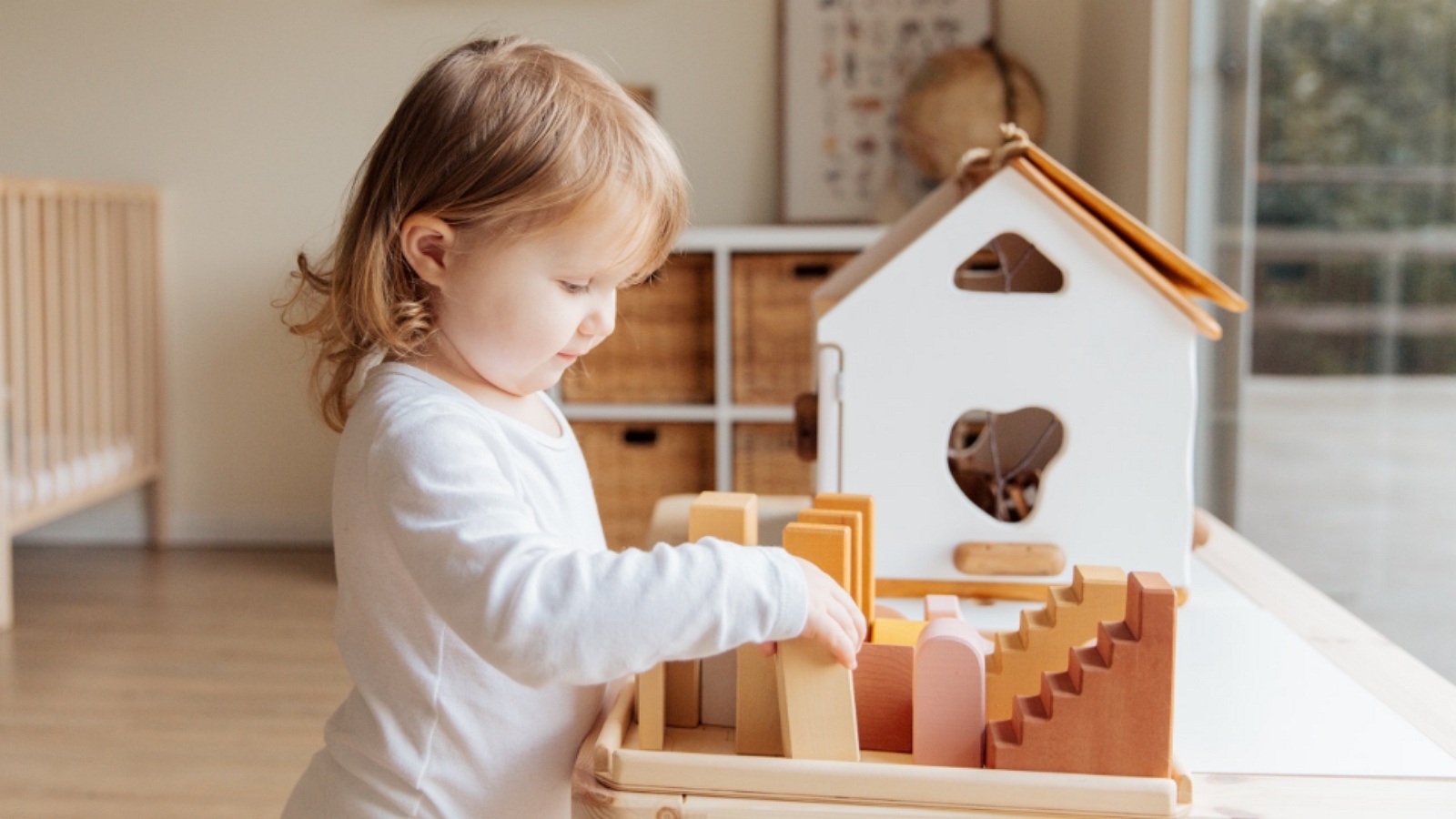
Kids remember better when play asks them to hold a picture, a sound, or a short list and use it a moment later. That simple loop sits at the heart of the benefits of the best memory games for kids, from matching cards to repeating a pattern. These games train working memory, focus, and recall without feeling like a lesson.
The same playful loop that strengthens memory also supports related skills. Families often add the best problem-solving games for kids so children learn to test ideas, the best confidence-building games that reward persistence, the best responsibility games for kids that make follow-through feel like a game, and the best brain games for kids that keep focus and recall sharp.
Give kids safe memory play that builds focus, recall, and everyday school skills with TutoClub!
Why Memory Games Help Kids Learn

Working memory is the mental notepad a child uses to follow two-step directions, sound out a word, or keep a math fact in mind while solving a problem. Learning games for kids exercise that notepad. A child flips two cards, holds both images, then decides if they match. Next turn, they must recall where the first banana was. That loop of hold, compare, and retrieve is the same loop used in reading and early math.
Focus grows because the game punishes rushing. Guess too fast and the pair is gone. Kids learn to look longer, wait their turn, and ignore noise in the room. Visual discrimination grows too. Many sets use similar colors or nearly matching animals, so children practice spotting small differences. That skill later helps with letters that look alike, such as b and d.
Social play adds another layer. Two players must wait, celebrate a match, and handle a miss. Those small moments build patience and confidence. A child who finds the last pair feels capable. That feeling often carries into homework, where educational games for kids make the same child more willing to try again.
When families want more of that hold-compare-retrieve practice without turning homework into a grind, curated lists of games for kids online, online games for children, and fun games for kids online make it easy to find matching, sequencing, and picture-memory titles that stay short, visual, and replayable. Those collections keep the same learning loop - look carefully, wait, try again - while giving kids a reason to celebrate a match and carry that “I can do this” feeling into the next lesson.
Cognitive Benefits of Memory Games for Kids
Short-term recall and working memory
Classic matching is a workout for short-term recall. Kids store locations for a few seconds, then pull them back. Sequence games, such as “copy this clap pattern,” add order. Both styles help children keep a teacher’s instructions long enough to act on them.
Attention and mental stamina
A full grid of cards asks for sustained attention. The child cannot check every card at once. They must scan, pick, and return. Over many short sessions, learning through play activities can make it easier to sit with a worksheet or a story.
Pattern recognition and processing speed
Pairs teach patterns: same shape, same color, same sound. As grids get larger, kids scan faster without getting sloppy. That mix of speed and care shows up when they sort toys, follow a recipe picture, or spot the next number in a simple sequence.
Problem solving and flexible thinking
Memory play is not only recall. Kids form a plan. They may start at the corners, remember “misses” on purpose, or change strategy after a bad guess. Board-style memory and filler games used in school studies have also been linked with stronger visuospatial memory and math practice when play is regular and well matched to age, as reported in Brain Sciences. Kid educational games keep that planning inside a task children already want to finish.
How Memory Games Support School Skills
Reading needs working memory. A child holds a sound, blends it with the next sound, and keeps the meaning of the sentence. Matching picture-word cards or story-order games give that skill a playful rehearsal.
Math needs the same mental space. Kids hold a number while they add another number. Visual working memory and reasoning practice have been tied to stronger early math learning in classroom research from Karolinska Institutet, summarized by ScienceDaily. Memory games will not replace number practice, but they give the brain extra room to hold those numbers.
Classroom life also asks children to remember routines: line up, pack the folder, wait for a name. Educational games for kindergarten that use sequences and “what comes next” make those routines easier to keep.
Language grows when games name what is on the cards. Animal sets, food sets, and household sets add words while kids hunt pairs. Saying the name out loud while flipping the card links sound, image, and location, which pairs well with English learning apps for kids.
Emotional and Social Benefits
Winning a match feels good. Losing a turn and staying in the game feels useful. Memory games give many small chances to practice both. Kids learn that a wrong flip is information, not a failure. That mindset helps when a spelling word will not stick on the first try.
Turn-taking is built into most two-player sets. Children wait, watch the other player’s move, and use what they saw. Social emotional games for kids add that waiting in a clear, shared format. Cooperative versions, where the pair works toward a shared goal, add kindness and shared pride.
Self-esteem rises when difficulty is fair. A four-pair grid for a preschooler and a larger grid for a second grader keep the challenge in the “I can do this” zone. Too hard and kids shut down. Too easy and they stop caring. Emotional games for kids help when a miss would otherwise end the session. The best memory games for kids grow with the child.
Types of Memory Games That Work Well
- Visual matching cards. Picture pairs on a table or screen. Best first step for ages three to six.
- Sound and sequence games. Repeat a beep, color, or clap pattern that grows longer. Strong for listening and order.
- Story and detail games. Remember what a character ate or which room held the key. Helps with reading comprehension later.
- Object permanence and hide games. Cups and a hidden toy for toddlers. Simple, fast, and physical.
- Puzzle hybrids. Decorate a room, then remember where items belong. Fun educational games for kids often mix memory with care routines.
- Group and family games. Flags, trivia, or “I packed my bag” add knowledge on top of recall.
Digital and table versions can share the same skills. Table cards give tactile play and eye contact. Free online games for kids give levels, themes, and quiet solo time. Many families use both.
Age-by-Age Guide
Toddlers and preschoolers
Start with two to four pairs. Use real objects first: two spoons, two cups, hide one. Peek-a-boo and “find the toy under the cloth” build the idea that things still exist when hidden. Keep rounds short. Stop while the child still wants one more turn. Educational games for toddlers and games for preschoolers fit this stage when pictures stay clear.
Ages five to seven
Increase the grid. Add categories: animals, colors, letters. Mix matching with simple sequences. This is a strong window for play that still feels light. Link games to school words the child is already meeting. Educational games for 5 year olds and educational games for 6 year olds match this stretch. Educational games for 7 year olds help when the grid and the word list both grow.
Ages eight and up
Use larger sets, friendly timed challenges, or memory plus strategy. Geography card games, clue-style deduction, and multi-step digital puzzles keep older kids interested. Pair memory with planning so recall and problem solving grow together. Learning apps for kids 8 years old and educational games for 10 year olds keep the challenge fair for this age.
How Tutoclub Fits Memory Practice Into Daily Play
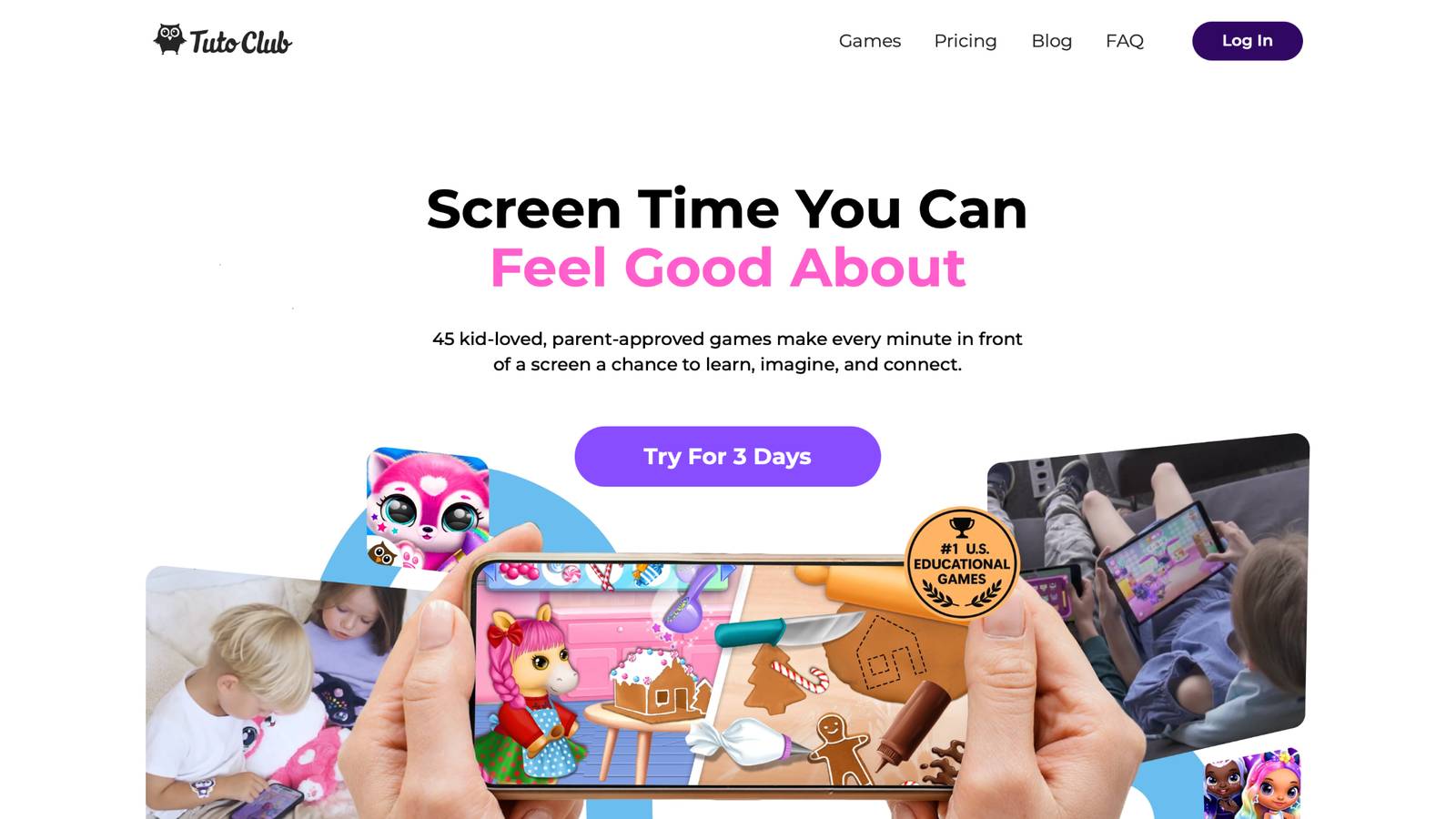
Tutoclub is a subscription that unlocks 45-plus ad-free TutoTOONS games for children, with a focus on ages two to eight. Memory is not a separate drill. It sits inside pet care, room decorating, cleanup quests, and short puzzles. A child who plays titles from the TutoClub games collection practices matching and layout recall while arranging a home for a pet. Cleaning games ask kids to remember where items belong. That is real working memory, wrapped in a story they already like.
Compared with one-off matching apps that fill the screen with ads, Tutoclub keeps play calm. Compared with a single card deck that kids outgrow in a week, the collection offers many themes so practice can continue. Parents manage one account across devices after the games are downloaded. A short trial lets families test the fit. Plan and billing details sit in the subscription FAQ.
The same library supports nearby skills. Caring for a character builds empathy. Finishing a cleanup path builds responsibility. Fashion and design play builds confidence. Those strengths sit beside memory, which is why many families treat the platform as daily play, not a one-time brain test.
If you want a wider list of matching titles and offline ideas, the guide on the best memory games walks through formats by age. For calm design and fewer distractions, safe kids games explain how focus stays intact when ads stay out.
TutoClub Overview
TutoClub is your gateway to a magical world of educational games designed especially for children.
As part of TutoTOONS, a leading kids' games studio, we offer premium access to over 45 ad-free games.
Our mission is to blend learning and play, helping kids explore, create, and grow in a safe online space.
Thousands of parents trust us for family-friendly content that sparks imagination and builds essential skills.
Key Features
- Unlimited Access: Unlock full content in all games with no interruptions.
- Ad-Free Experience: Enjoy seamless play without any ads or distractions.
- Skill Development: Games foster creativity, social skills, communication, and more through fun activities like pet care and cleanup challenges.
- Regular Updates: Get new releases, exclusive content, and future updates automatically.
- Easy Subscription: Cancel anytime with no obligations, simple and flexible for families.
Explore Our World
TutoClub provides a rich ecosystem of educational games for kids, featuring ad-free experiences that promote creativity, focus, and emotional growth through play.
This platform turns screen time into valuable learning opportunities, with parent-approved content that builds essential skills and sparks curiosity in young minds.
- TutoClub Games: Over 45 educational games, including popular titles like Fluvsies, Smolsies, and the Sweet Baby Girl series
- Blog: Insights, tips, and stories for families on kids' learning and play
- FAQ: Comprehensive answers to frequently asked questions about subscriptions, features, and more
Get TutoClub on Your Device
TutoClub delivers premium kids educational games directly to your mobile devices, making learning accessible anytime, anywhere.
With apps available on major platforms, families can easily download and subscribe for ad-free play that turns screen time into skill-building adventures.
Perfect for parents seeking safe, engaging content on iOS, Android, or Amazon devices.
Why Choose TutoClub?
We're committed to 100% safe, enriching entertainment that kids love and parents approve. Join the thousands who've seen their children thrive through playful learning.
Ready to start the adventure?
Try Tutoclub memory play in a calm, ad-free library built for young kids!
How to Use Memory Games at Home Without Making Them a Chore
Keep sessions short. Many children do well with a small set after breakfast or a quiet round before bed. Stop at a win when you can. Ending on a match leaves a good taste.
Name what you see. “Red truck, top left” turns a silent flip into language practice. Ask one question, not five. “Where was the cat last time?” is enough.
Mix tools. Paper cards on Monday. A tablet game on Wednesday. A tray of hidden kitchen items on Friday. Same skill, new look. Educational games for kids at home fit this mix. Tablet games for kids cover the screen days. A family weekly planner can hold a small play block beside meals and outdoor time.
Play with your child sometimes. When an adult models “I forgot that one,” kids learn that memory is practice, not magic. Match the room to the game. Turn down the TV. Put the grid on a clear table. Working memory hates clutter.
Tie play to real life in small ways. After a matching game, ask the child to remember two items for the grocery list. After a sequence game, use a two-step chore: “Shoes first, then coat.”
Common Mistakes That Shrink the Benefits
Turning every game into a quiz drains joy. Keep talk light. Jumping to a huge grid too soon creates guessing. Add pairs slowly. Playing only when the child is tired wastes the session. Memory needs a bit of alertness.
Ignoring interests is another trap. A dinosaur lover will remember dinosaur pairs longer than gray shapes. Skipping social play misses turn-taking practice. Even one shared game a week helps. Learning through play examples keep the tone light. Confidence building games and fun games that are educational for kids pair well with matching when a child needs a win that feels earned.
FAQ
What age should kids start memory games?
Simple hide-and-find can start in toddler years, when a child is just learning that a toy still exists under a cloth. Two-pair matching often fits around age three, once a child can wait a turn and point to a picture. Keep the grid tiny and the round brief so focus stays kind, not forced. School-age kids can handle larger sets, sound patterns, and story details. Educational games for kids age 3 fit this first stage when pictures stay clear and play stops while the child still wants one more turn.
How often should children play memory games?
Short, regular play helps more than rare long sessions. A few focused rounds on most days give working memory a workout without draining joy. Stop when flipping turns random, or when sighs and walking away show the tank is empty. Mix matching with outdoor time and free play so recall stays fresh. Games for young kids work well in small daily pockets, when the same skill later shows up in two-step chores and classroom directions.
Do digital memory games work as well as cards?
Both can train the same core loop when the task is true recall: see, hold, choose. Table cards add touch, shared space, and easy turn-taking. Digital sets add themes, levels, and quiet solo time, which some children prefer after school. Calm design matters more than the device. Learning apps for kids help when a child must remember a place or a pattern instead of tapping through a noisy screen.
Can memory games help kids who struggle to follow directions?
They can support the skill underneath the struggle. Following directions uses working memory and attention, the same mental notepad used to remember a card’s place or a short clap pattern. Games that store a location or a sequence give low-stakes practice. They do not replace speech support, classroom tools, or medical care. Emotional regulation games for kids can sit beside matching when waiting for a turn or handling a miss feels hard.
How do I pick safe memory games online?
Look for no ads, no chats, and no surprise purchases, because those extras pull attention off the match. Check the age range and whether a parent can manage the account across devices. Themes the child already loves, such as pets or cleanup play, keep practice going longer than a plain grid. Difficulty should grow slowly so the child stays in the “I can do this” zone. Educational websites for kids help when you want play that stays on recall, safety, and skill building.
Read Also:
- Best Memory Games For Kids In 2026
- Best Brain Games For Kids
- Best Problem Solving Games For Kids In 2026
- Best Safe Kids Games In 2026
- Best Educational Games For Kids At Home
Give kids safe memory play that builds focus, recall, and everyday school skills with TutoClub!