
Best Games For Kids Online In 2026






Parents hunting for the best games for kids online in 2026 want play that feels safe, calm, and useful for young kids. Kids still want cute pets, puzzles, dress-up, and short stories they can finish. A single game for kids plan can gather many skill-building titles in one ad-free family home.
Parents who want more than pets and dress-up can add emotional regulation games for kids so children practice naming feelings and cooling down in short, calm sessions. Pair those with emotional games for kids and confidence-building games that turn play into practice for brave self-talk. Responsibility games for kids make everyday habits feel like a win, while brain games for kids keep focus sharp inside the same ad-free family plan.
Start with TutoClub and turn screen time into quality play!
What Makes Online Games Good for Kids

Good online educational games for kids do more than fill time. They ask a child to notice, choose, care, and try again. The strongest kid educational games mix short tasks with clear goals. A preschooler can hatch a pet, sort colors, or tidy a room. An older child can build, decorate, or solve a puzzle. Play stays kind when there is no chat with strangers, no surprise pop-ups, and no pressure to tap buy buttons.
Look for games that match age. Ages 2 to 8 often do best with bright characters, simple taps, and stories about care. Ages 8 and up often enjoy longer rooms, fashion play, and school-style practice wrapped in a quest. Social emotional games for kids help a child name feelings while they feed a pet or finish a kindness task.
Safety matters as much as fun. Many families now pick an educational games for kids app that stays calm on a phone or tablet. Offline play after download is a plus for travel and weak wifi. Kids games educational titles that teach empathy, focus, and daily habits give screen time a purpose you can stand behind. The best games for kids online often live in one curated library rather than a pile of random apps.
How to Choose Safe Online Play in 2026
Start with age, then check how the game treats attention. Fast flashing ads and loud upsells tire kids. Calm loops, care routines, and short levels help them stay settled. Guides on how to protect kids online cover child accounts, hidden store passwords, and closed catalogs. Ask if the game works on phone, tablet, and more than one profile.
Match the skill you want. Pet-care games build kindness and routine. Fashion and doll games support self-expression. Puzzle and sorting games train focus. Language rooms support early words. Nature stories can teach animals and habitats. Learning games for kids online are easier to manage when siblings share one tablet and one family login.
Privacy settings matter before the first session. The FAQ section explains how child data is handled in a family account. Tablet games for kids also help when you want big buttons and offline play after download. Educational websites for kids can sit beside apps, but a closed catalog is simpler for young players. A useful test is simple. After ten minutes, does your child talk about what they made or who they helped? If yes, the game is doing real work.
Best Games For Kids Online In 2026
1. TutoClub - Best Games For Kids Online In 2026
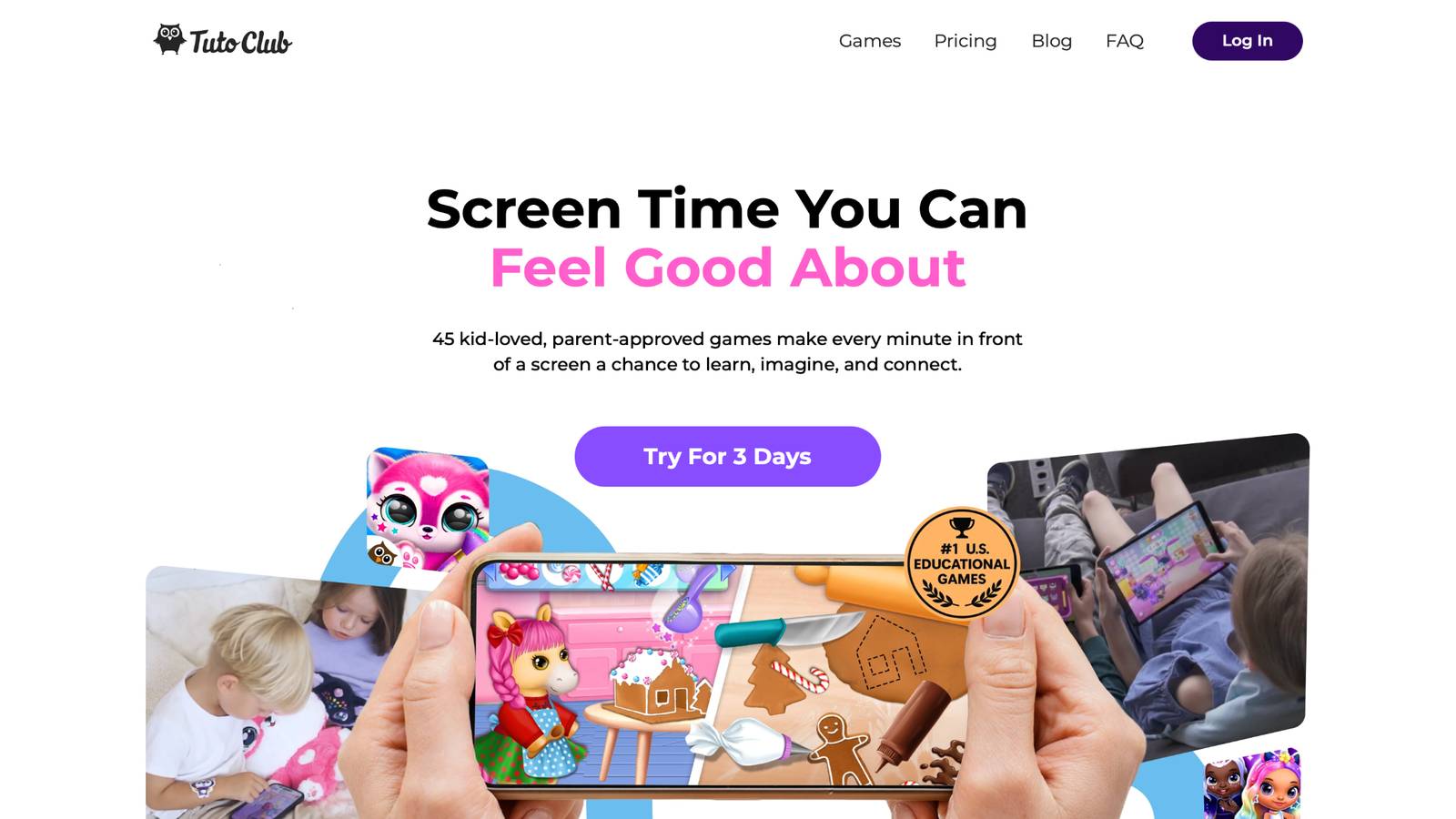
TutoClub is a family subscription that unlocks 45-plus educational TutoTOONS games in one ad-free home. Kids hatch pets, care for unicorns, clean playrooms, style outfits, and practice letters and numbers through stories they already love. Parents get a calm space with no pop-ups and no extra in-app buys while a membership is active. Games can be downloaded from the App Store, Google Play, or Amazon, then opened with the same account on more than one device. After the first download and login check, many titles work offline, which helps on trips and in waiting rooms. TutoTOONS, based in Lithuania, built the catalog for early learners who want cute characters and clear, kind tasks.
Play covers creativity, focus, problem solving, and social-emotional skills. Titles such as Fluvsies, Smolsies, Floof, Giggle Babies, My Baby Unicorn, Princesses Enchanted Castle, and Kpopsies sit in one library. Kids practice empathy by feeding and bathing pets. They practice responsibility by finishing tidy-up routines. They practice language and counting inside pet houses and fairy-tale rooms. Exclusive subscriber content and unlocked extras keep sessions feeling fresh without sending a child to a store wall. Families can start with a short trial, cancel when they want, and keep premium access until the current period ends. Support works across devices, and games receive regular updates.
TutoClub Overview
TutoClub is your gateway to a magical world of educational games designed especially for children.
As part of TutoTOONS, a leading kids' games studio, we offer premium access to over 45 ad-free games.
Our mission is to blend learning and play, helping kids explore, create, and grow in a safe online space.
Thousands of parents trust us for family-friendly content that sparks imagination and builds essential skills.
Key Features
- Unlimited Access: Unlock full content in all games with no interruptions.
- Ad-Free Experience: Enjoy seamless play without any ads or distractions.
- Skill Development: Games foster creativity, social skills, communication, and more through fun activities like pet care and cleanup challenges.
- Regular Updates: Get new releases, exclusive content, and future updates automatically.
- Easy Subscription: Cancel anytime with no obligations, simple and flexible for families.
Explore Our World
TutoClub provides a rich ecosystem of educational games for kids, featuring ad-free experiences that promote creativity, focus, and emotional growth through play.
This platform turns screen time into valuable learning opportunities, with parent-approved content that builds essential skills and sparks curiosity in young minds.
- TutoClub Games: Over 45 educational games, including popular titles like Fluvsies, Smolsies, and the Sweet Baby Girl series
- Blog: Insights, tips, and stories for families on kids' learning and play
- FAQ: Comprehensive answers to frequently asked questions about subscriptions, features, and more
Get TutoClub on Your Device
TutoClub delivers premium kids educational games directly to your mobile devices, making learning accessible anytime, anywhere.
With apps available on major platforms, families can easily download and subscribe for ad-free play that turns screen time into skill-building adventures.
Perfect for parents seeking safe, engaging content on iOS, Android, or Amazon devices.
Why Choose TutoClub?
We're committed to 100% safe, enriching entertainment that kids love and parents approve.
Join the thousands who've seen their children thrive through playful learning.
Ready to start the adventure?
Give your child ad-free educational games with one TutoClub membership!
2. Fluvsies Academy
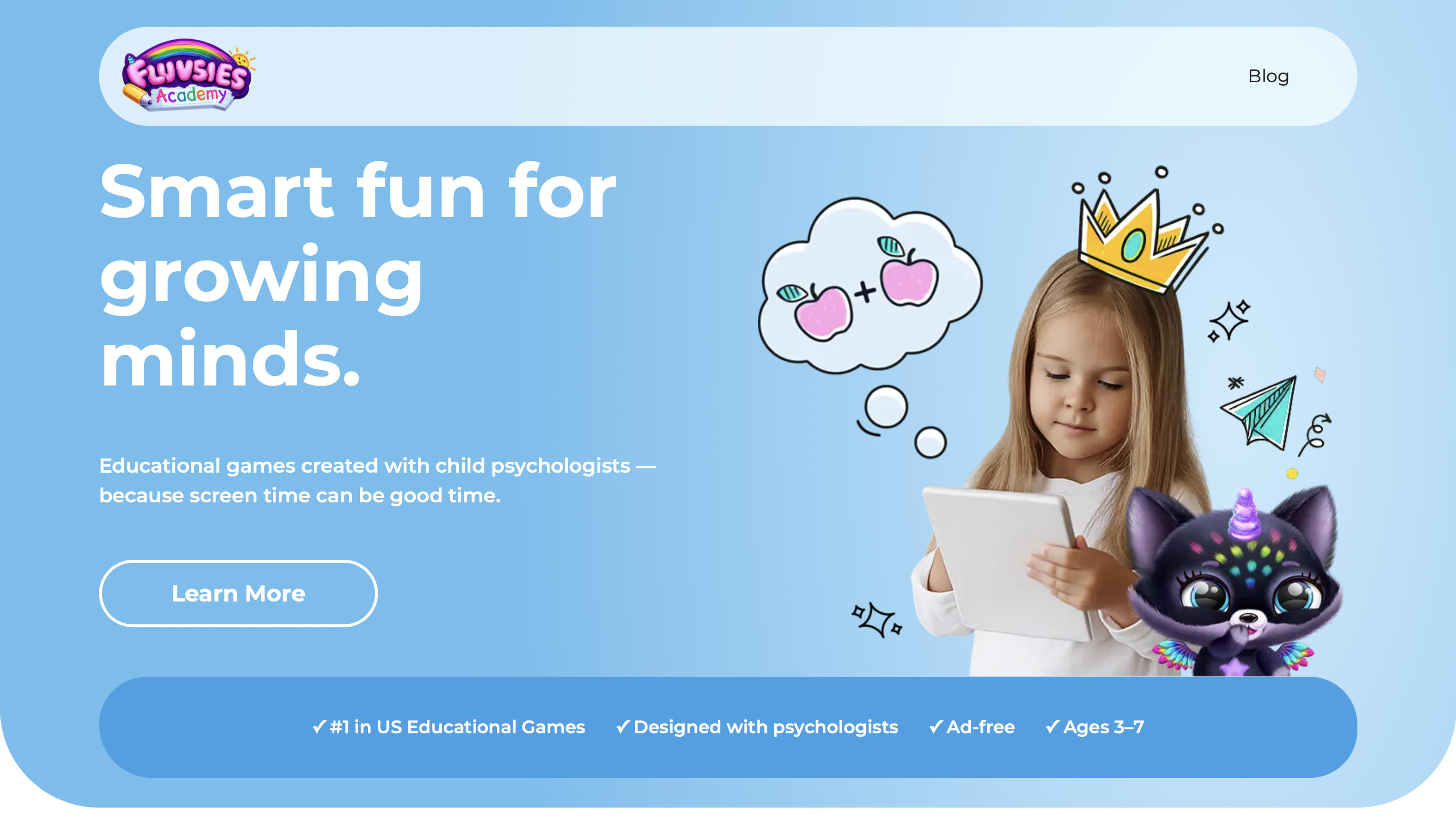
Fluvsies Academy is an early-learning app for ages 3 to 7 that grew from the same studio family as the Fluvsies pet games. Child psychologists helped shape the activities so language, math, logic, sorting, and life skills feel like play, not a worksheet. Kids meet familiar fluffy characters, then try phonics, number games, attention puzzles, and simple jobs such as baker, vet, firefighter, and astronaut. A second, calmer path introduces professions through short interactive stories, which works well after a focused session or for a slightly younger sibling.
The app stays ad-free and age-appropriate, with no public chat and no outside links during play. Parents can view progress, keep an eye on habits, and use printables once the tablet is put away. Everyday skills show up too, from brushing teeth to helping at a store, so the games connect to real routines. Two modes support different energy levels: active games that ask for focus and problem solving, and gentler profession stories that build vocabulary. Families who already know Fluvsies often feel at home here because the art, humor, and kindness match what kids already love, while the Academy layer adds a clearer learning path.
Key features
- Five learning areas: language and ABCs, math, logic and attention, sorting, life skills and creativity
- Profession stories that grow vocabulary
- Parent area for progress and screen-time habits
- Active focus games plus gentler story play
- Printable extras for off-screen follow-up
Facts and Information
- Made for preschool and early elementary ages
- Designed with child development specialists
- Available on iOS and Android
- No third-party ads or outside links inside play
- Built to support focus, empathy, and everyday habits
3. PBS Kids Games
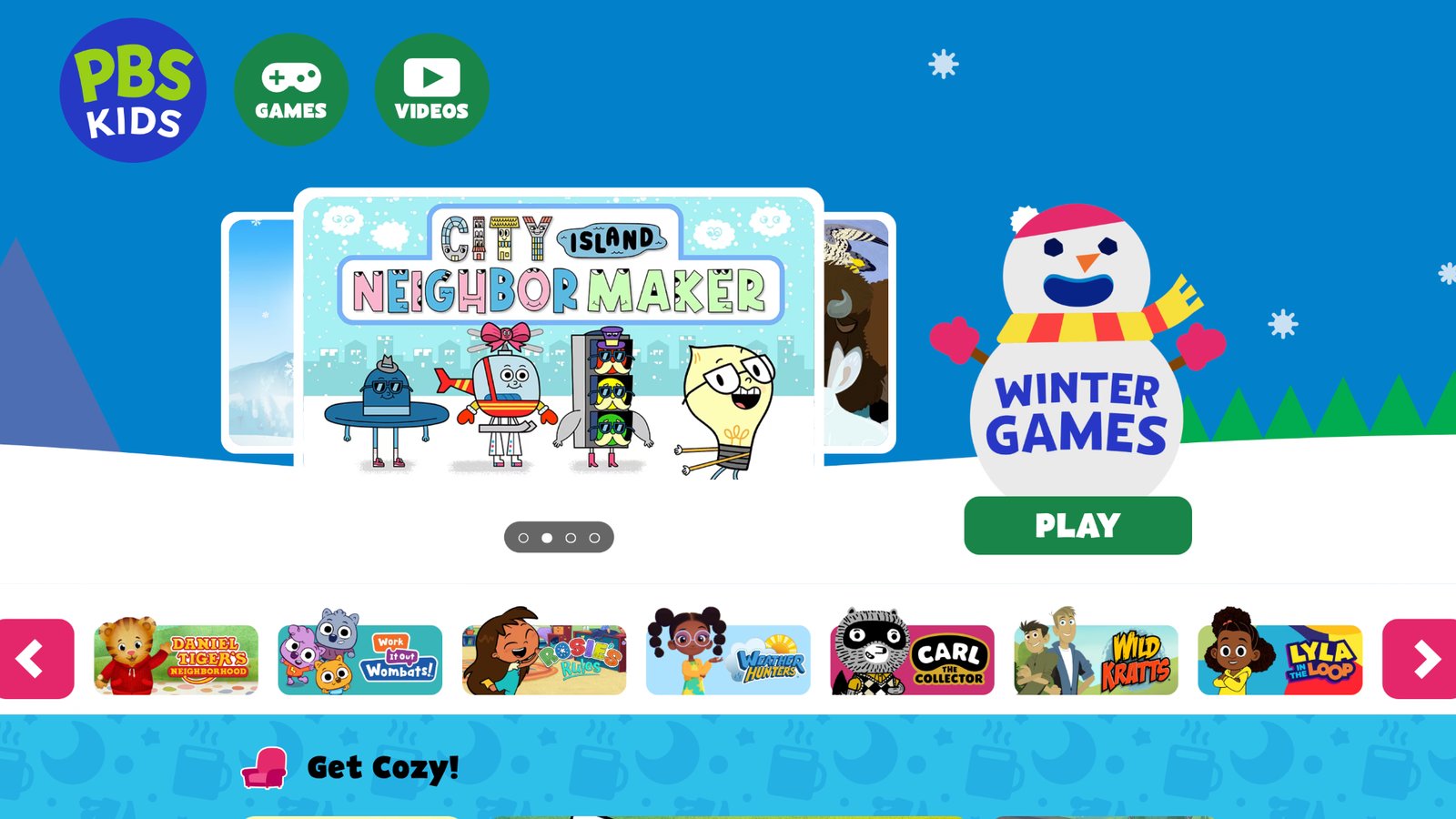
PBS Kids Games gathers a large set of short activities starring characters many families already know from public television. Kids tap through letter hunts, counting challenges, feeling check-ins, science puzzles, and music play with familiar faces and simple rules. The mix works well for preschool and early elementary play, especially when a parent wants a trusted brand and a wide topic list rather than one long story world. Sessions tend to be brief, which fits snack time, a waiting room, or a quiet corner before dinner. The website and companion apps make it easy to jump in, and many titles teach pattern recognition, early math, and social skills without feeling like a test. Some pages carry sponsor marks, so a little supervision helps kids stay on the games themselves instead of drifting. The library is strongest for younger players. Once kids want longer worlds, fashion play, or building tools, they may treat PBS as a warm-up rather than their main game. As a free starting shelf, it remains a friendly, familiar option.
Key features
- Games tied to well-known kids shows
- Topics from ABCs and math to feelings and nature
- Website and companion apps
- Short sessions that fit small pockets of time
Facts and Information
- Broad subject coverage for early learners
- Strong brand trust for many families
- Best fit before kids move toward sandbox or longer story play
- Some pages include sponsor logos
4. Khan Academy Kids
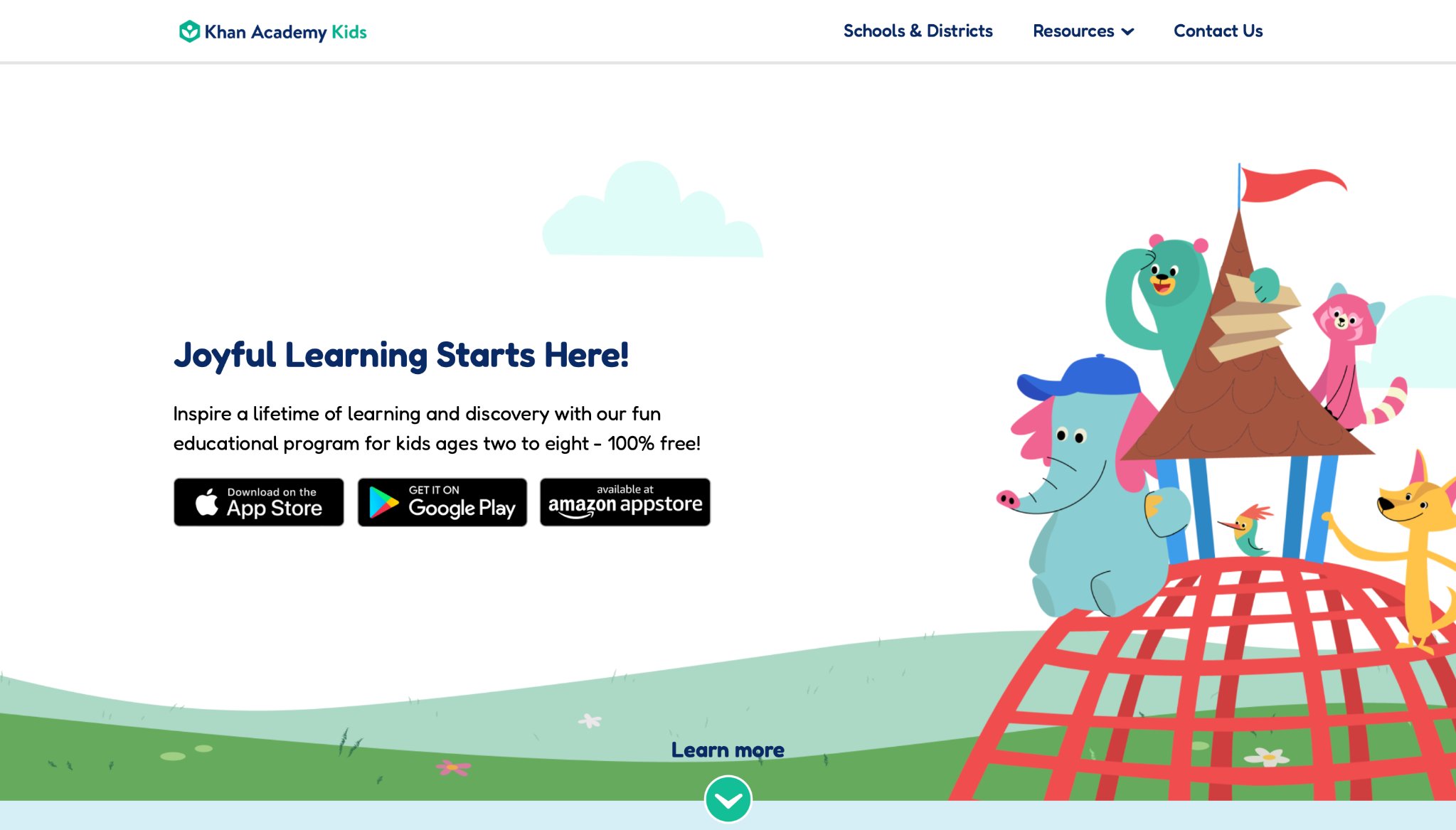
Khan Academy Kids is a learning app for young children, with stories, drawing, reading, and math tucked into a gentle path. Avatars and picture books feel warm, and the experience does not lean on an ad wall. A child can listen to a story, tap letters, practice counting, or draw, then move along a path that adjusts as they get more confident. Parents who want school-style practice without a harsh quiz tone often like this mix. The app suits preschool and early readers who enjoy listen-and-tap lessons. Inclusive character choices help kids see themselves in the stories. Offline use after download helps when wifi is weak. Older kids who want open worlds, pet hatching, or fashion play may outgrow the tone and look for something more playful. It works best as a calm learning companion beside other games, not as a full entertainment club for every mood. For families who want structured early skills with a kind voice, it is a steady, widely used choice.
Key features
- Reading, math, and social-emotional stories
- Offline options after download
- Parent view of activity
- Inclusive character choices
Facts and Information
- Nonprofit learning brand
- No ads in the kids app
- Strong for structured early skills
- Less focused on pet-care or dress-up play
5. ABCya
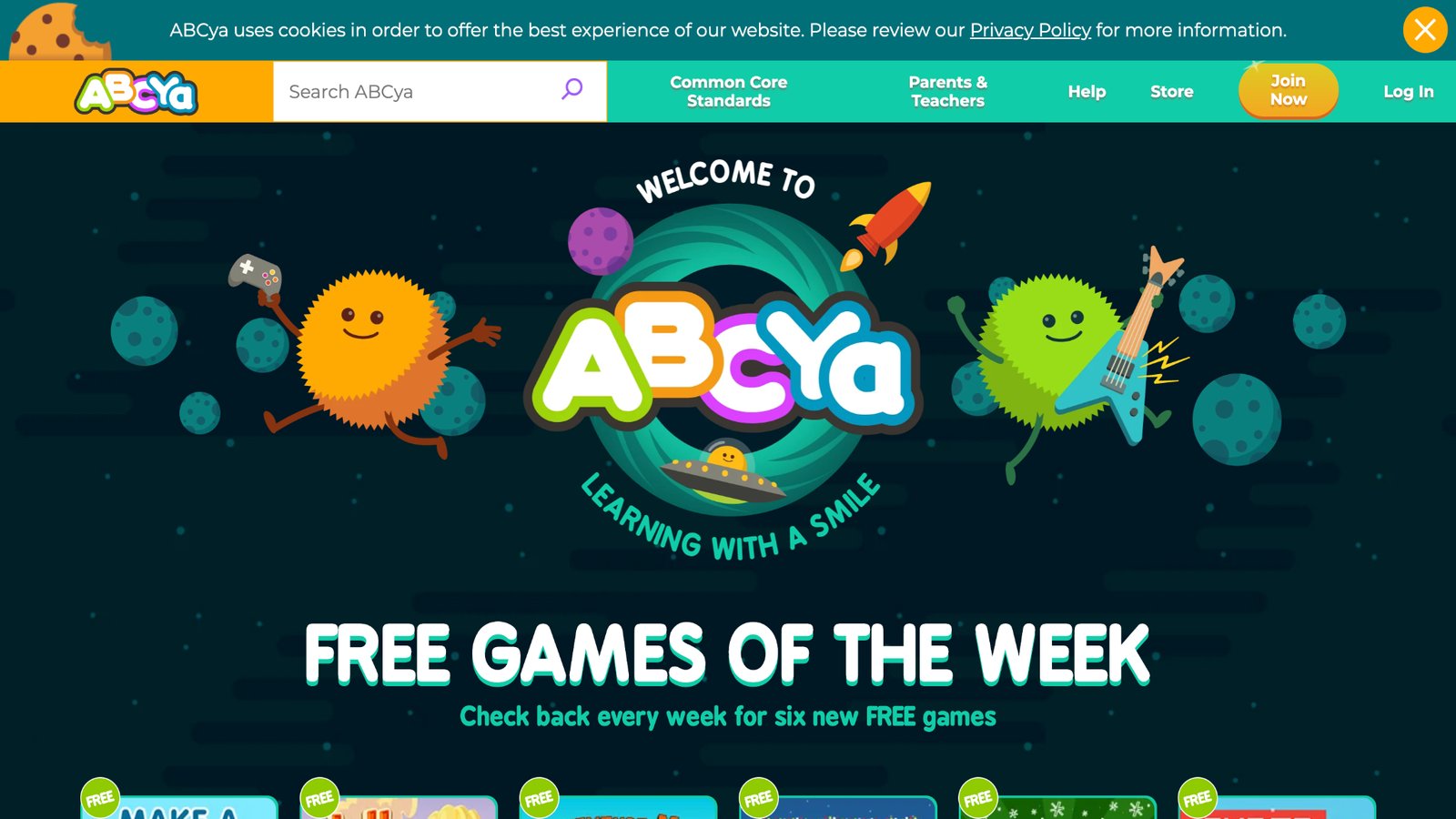
ABCya is a large site of classroom-style games for pre-K through elementary grades. Kids can jump into math, language, art, and strategy in a few taps, which is why many teachers use it for centers and many families use it for quick practice after school. Grade labels help a parent pick a starting point, and the catalog is wide enough that siblings can land on different subjects at the same time. The strength is variety and speed. A child can practice typing, fractions, or sight words, then switch to a logic game if attention fades. Quality varies by title. Some games feel lively. Others feel like digital worksheets with a cartoon wrapper. Extra features sit behind a membership layer. Browser play is convenient on a family computer, though phones and tablets may feel less polished than dedicated apps. ABCya is handy for skill drills and rainy-day homework help. It is less of a cozy story world than pet, doll, or care games, so many families pair it with a more narrative library.
Key features
- Hundreds of grade-tagged games
- Math, literacy, typing, and art
- Quick browser play
- Classroom-friendly labels
Facts and Information
- Popular in elementary settings
- Best as short practice, not a full day of play
- Mix of open games and extra-feature content
- Less narrative than pet or doll games
6. Scratch
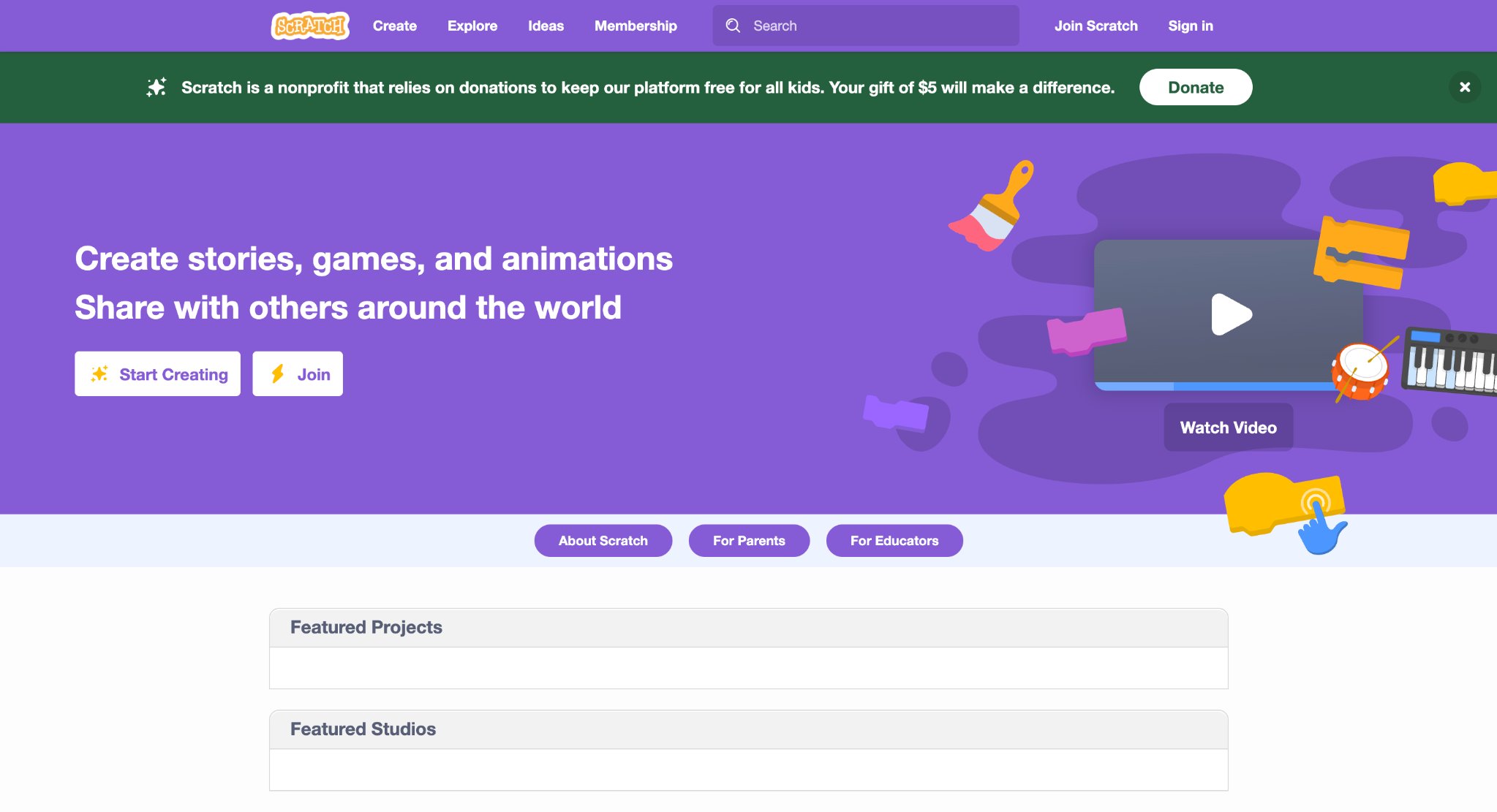
Scratch lets kids snap colorful blocks to make games, jokes, and animations, then share them with a huge project gallery. It is a standout for ages who can read simple labels and like to invent. A first sprite can bounce across the stage in minutes. Later, the same child can add scores, sounds, and levels. That low floor and high ceiling is why schools and clubs keep coming back to it. Open sharing is exciting and needs family talk about comments, copies, and what is okay to post. Scratch is a maker tool first, not a babysitting app for toddlers. Preschoolers who still need tap-and-care play will not find a guided pet house here. Readers and tweens who want to make the game, not only play one, often stay for a long time. Parents who sit nearby for the first projects help kids name loops, events, and bugs in plain language. Used that way, Scratch is one of the clearest paths from “I like games” to “I can build one.”
Key features
- Block coding for games and stories
- Large project gallery
- Remix-friendly community
- Works in a browser
Facts and Information
- Created at MIT Media Lab
- Strong fit for creative older kids
- Teaches sequence, loops, and events
- Needs more reading than preschool pet games
7. Code.org
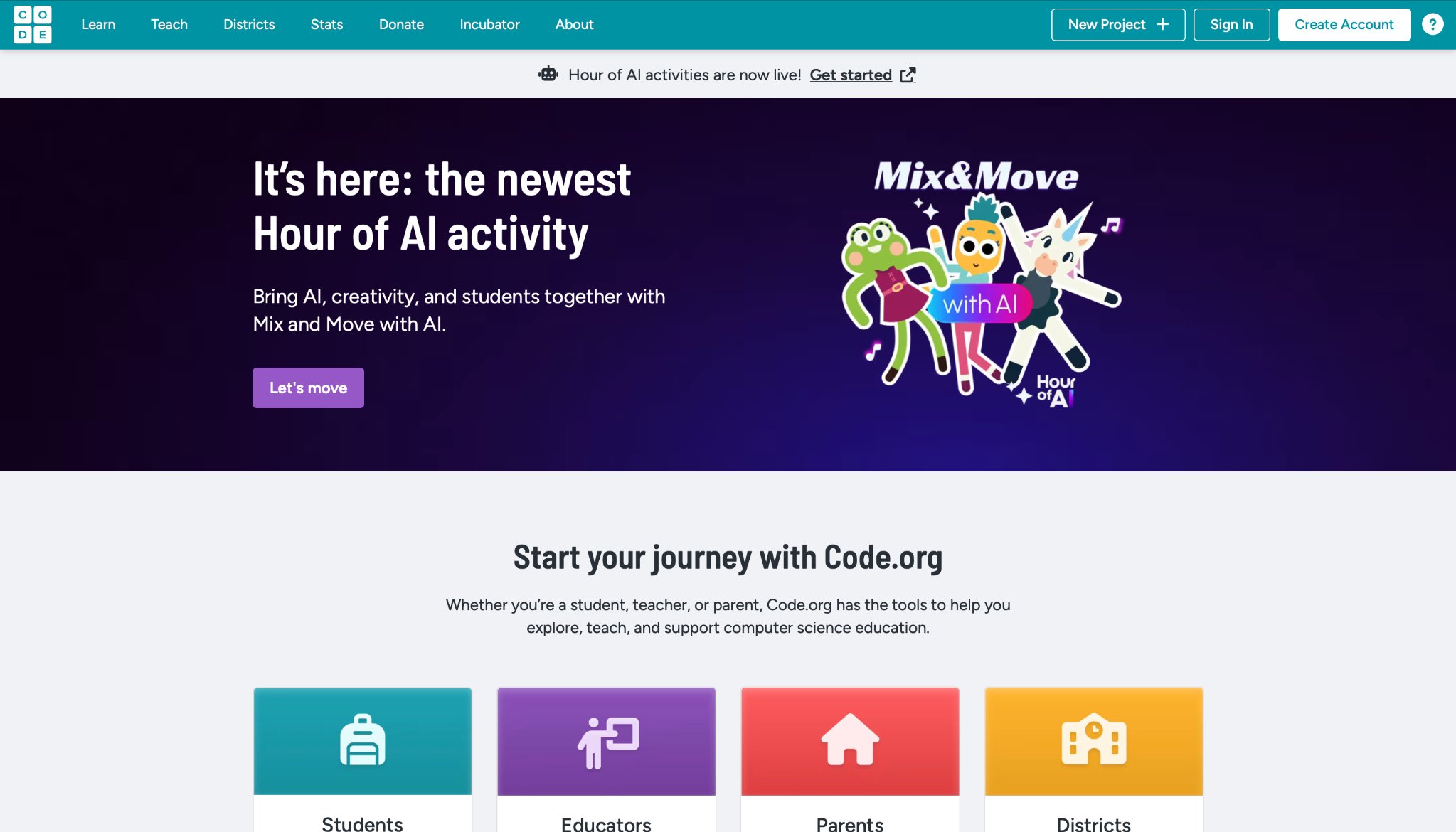
Code.org offers guided coding hours with well-known characters and clear lesson tracks. Families and schools use it to introduce computer science without installing a heavy game engine. A child can drag blocks to move a character through a maze, then later try harder courses that look more like real classwork. The site is purposeful and structured, which helps when you want a start and a finish line, not an endless sandbox. The lessons scale from early drag-and-drop to more demanding paths, so siblings at different ages can share the same site with different courses. Teacher and parent resources make it easy to pick a unit and see what “done” looks like. Kids who want open dress-up, hatching pets, or cozy care play may treat Code.org as homework-plus-fun rather than their main toy. That is not a flaw if your goal is a first coding habit. It is simply a different job than a story-rich game club. Pair it with freer play if you want both skill practice and pretend play in the same week.
Key features
- Hour of Code style lessons
- Character-themed puzzles
- Teacher and parent resources
- Paths from beginner to advanced
Facts and Information
- Widely used in classrooms
- Focus on computer science fundamentals
- Browser based
- Less about daily life skills and empathy play
8. Starfall
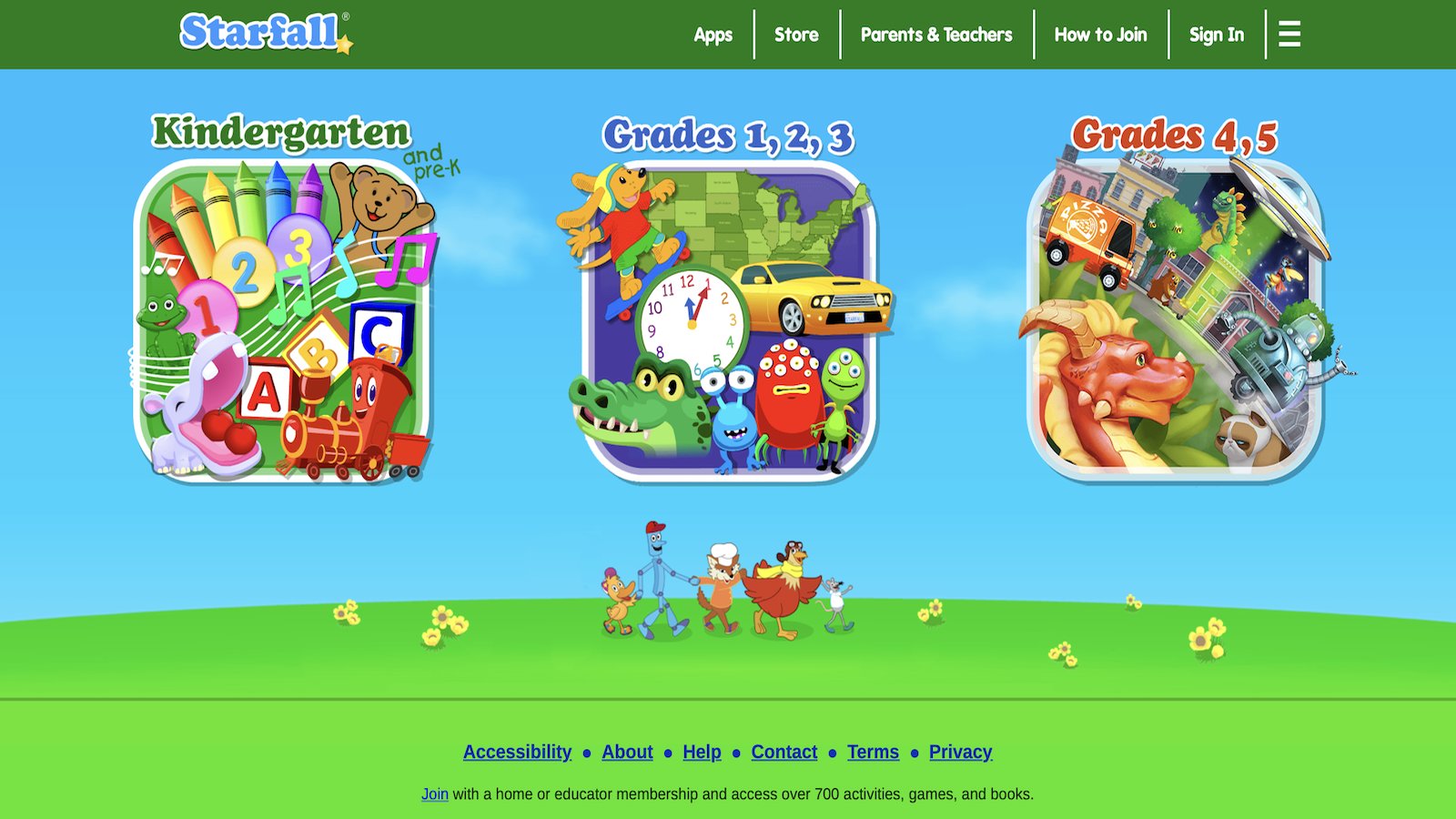
Starfall is a long-running reading and math site with phonics songs, clickable letters, and simple stories. It shines for early readers who need sound-by-sound practice and a patient pace. A child can tap a letter, hear the sound, and meet that sound again inside a short book. Math activities sit beside the reading path, so a family can stay on one site for two school subjects. The design can feel older next to modern pet worlds and fashion rooms. Some families like that calm, uncluttered look. Others wish for richer characters and longer play loops. Extra books and activities sit on a paid layer, while a useful free set remains for getting started. Starfall is not trying to be a virtual pet house or a building game. It is trying to make print feel friendly. Used for ten or fifteen focused minutes, it can support first reading steps without crowding the rest of the day. Many parents keep it as a literacy tool and look elsewhere for pretend play.
Key features
- Phonics and early reading
- Interactive letters and stories
- Math practice for young grades
- Audio support for new readers
Facts and Information
- Literacy-first design for beginning readers
- Helpful for first reading steps
- Mix of free and extra content
- Narrower play styles than a full game club
9. Animal Jam
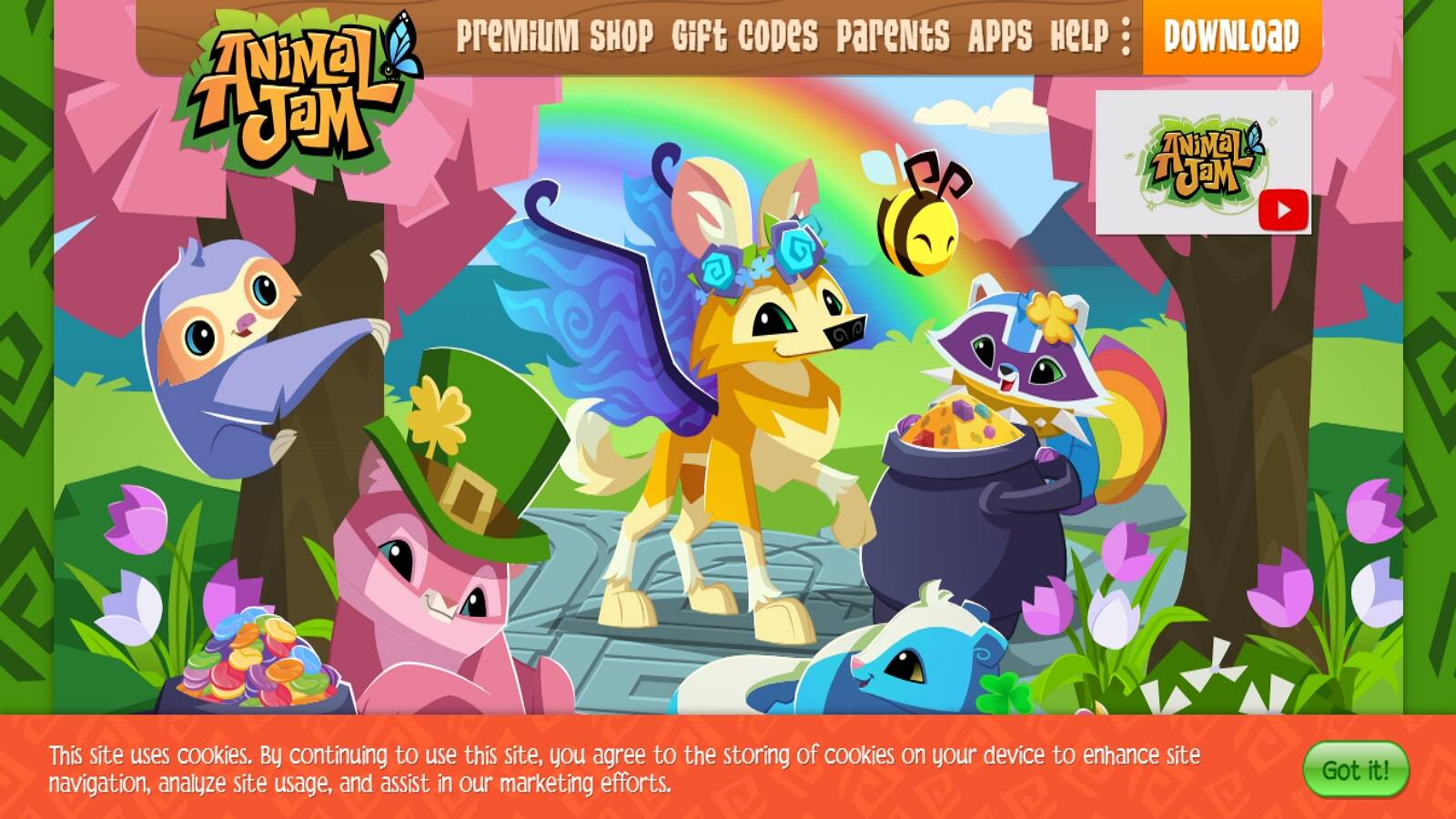
Animal Jam is a virtual world where kids pick an animal, play minigames, and learn bits of nature lore. The worlds have a science flavor, with habitats, animals, and quests that nod to wildlife. Players customize creatures, collect items, and wander themed lands. For elementary kids who want a place to “go” online, that sense of a world is the draw. Chat tools and parent settings exist because the game is social. That layer is a plus for some families and a reason for close setup for others. You will want to review chat options, friend requests, and what a child can share before you hand over a long session. Animal Jam is more of an online hangout with learning sprinkled in than a closed preschool room. Toddlers who need simple tap care will find it busy. Older kids who like animals, dressing a character, and short quests often settle in. Used with clear house rules, it can mix nature facts with social play.
Key features
- Custom animals and worlds
- Nature-themed quests
- Minigames and collection play
- Parent tools for chat
Facts and Information
- Built with a nature-education angle
- Social features need family rules
- Stronger for elementary ages than toddlers
- World-style play rather than short care loops
10. Minecraft
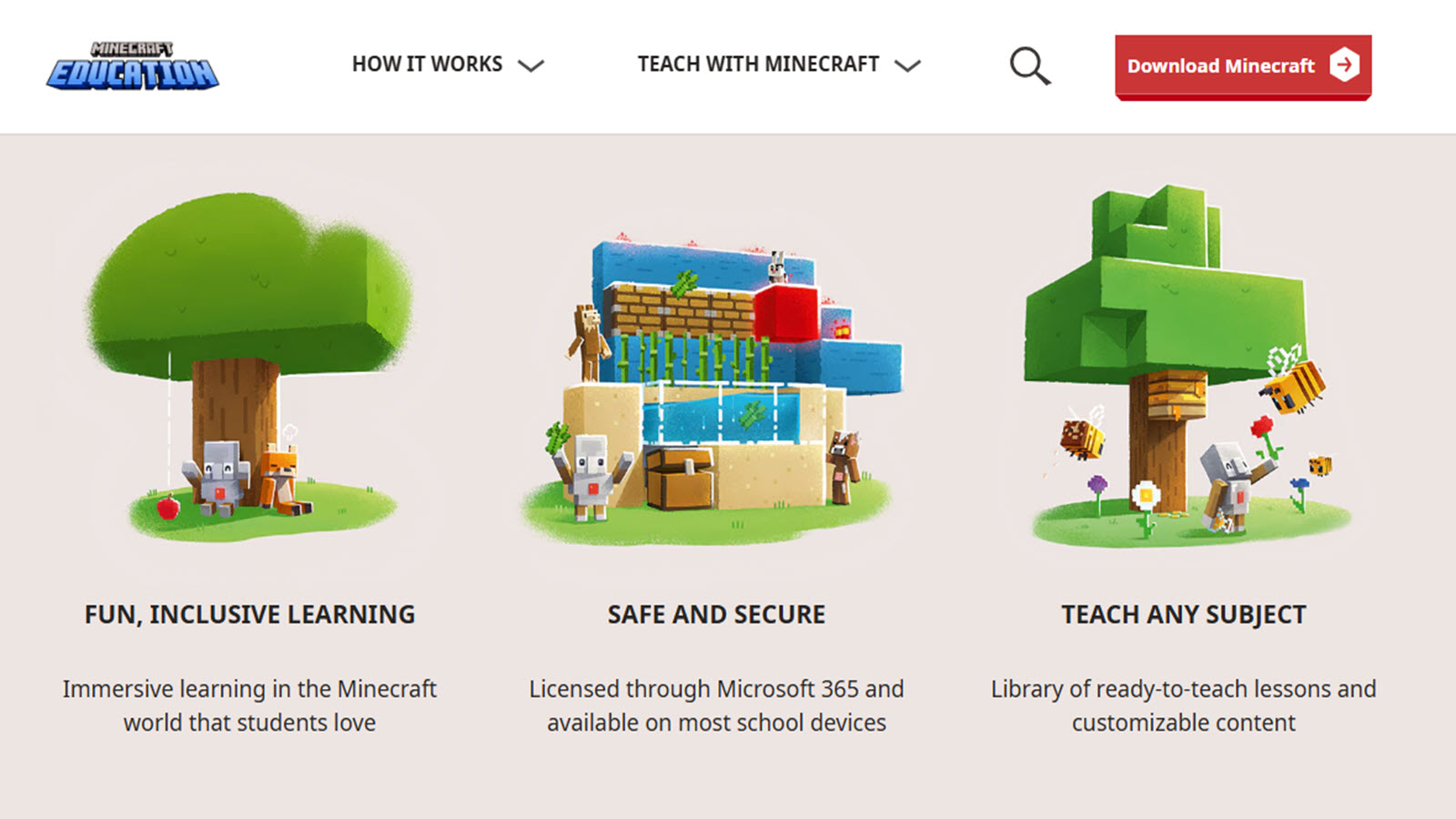
Minecraft lets kids place blocks, build towns, and test ideas in Creative mode or face survival goals. Spatial thinking, planning, and teamwork show up fast. A child might start by making a house, then wire a door, then design a whole village with a sibling. Education Edition adds classroom lessons and structured challenges for schools that want the same block language with a teacher frame.
The same freedom that makes it brilliant also means servers and chat need adult rules. Realms, friends lists, and who can speak should be set before the first multiplayer night. Survival mode adds resource management and risk, which some kids love and others find stressful. Creative mode is the gentler on-ramp. Minecraft is a landmark builder, not a guided preschool story. Ages who still want hatching pets and tidy-up play usually need a simpler title beside it. For kids ready to invent in three dimensions, few online games offer a bigger sandbox.
Key features
- Block building and redstone logic
- Creative and Survival modes
- Education Edition for schools
- Cross-platform worlds
Facts and Information
- Large creative community
- Strong spatial and planning practice
- Best with world and multiplayer settings set by a parent
- Heavier than tap-and-care games for ages 2 to 6
11. Roblox
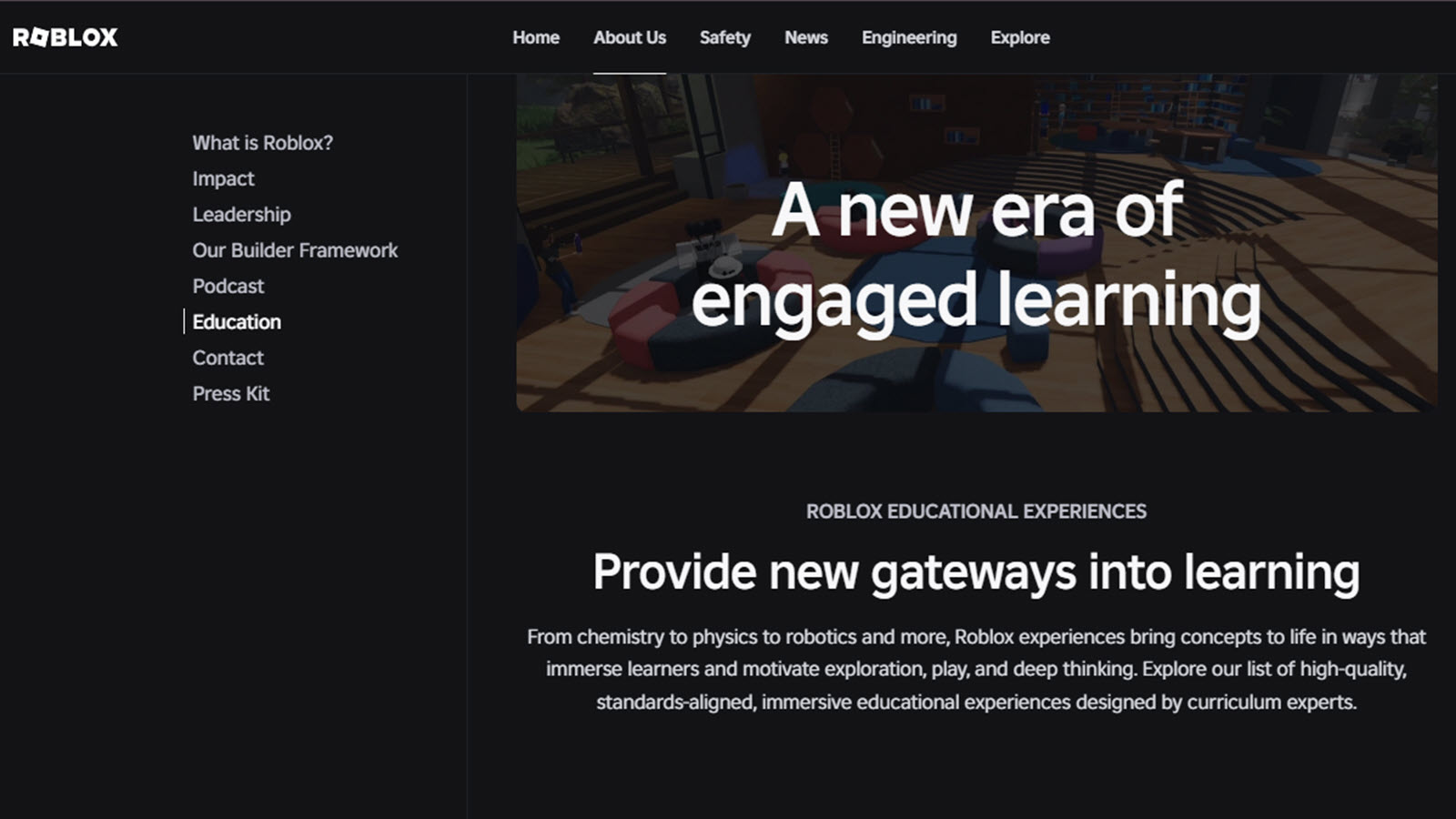
Roblox is a platform of user-made experiences, from obstacle courses to role-play towns. Many school-age kids already know it because friends talk about the same worlds at lunch. Avatars, parties, and a huge catalog make it feel like a playground more than a single game. Creation tools can lead toward real making if a child opens the studio side and starts placing parts. The open catalog is uneven. Some experiences are charming. Others are noisy, push spending, or sit outside what you want at home. Parent controls, spend limits, and an allowed-experience list matter more here than on a closed preschool app. Roblox is not aimed at toddler care-and-learn loops. It is aimed at kids who want to join friends inside a theme they chose. If you use it, set account limits first, play a session together, and keep a short yes-list of worlds. Used that way, it can be social and creative. Used with no rules, it can eat time and attention.
Key features
- Huge catalog of player-made games
- Avatar customization
- Studio tools for creators
- Friends and party play
Facts and Information
- Very popular with older kids
- Quality and tone vary by experience
- Needs careful privacy and spend settings
- Not aimed at preschool care-and-learn loops
12. Lingokids
Lingokids packs songs, cartoons, and short games into a playlearning style aimed at young children. Kids bounce between phonics, numbers, simple English practice, and social skills while brightly staged characters keep the energy up. Families who want language exposure mixed with play often start here, especially if a child already likes interactive songs more than quiet puzzle boards. The volume of activities is the selling point. There is always another game, challenge, or clip, which helps on a long afternoon and can also make it harder to stop. Some activities feel educational and tight. Others feel closer to entertainment with a learning label. A parent still needs to watch session length, because the pace is lively. Lingokids is stronger as a language-and-play app than as a deep pet-care or building world. It can sit beside a calmer catalog nicely: use it for songs and word play, then switch to slower care games when you want a softer landing before bed.
Key features
- Songs, games, and short animated play
- Early language and number practice
- Social-emotional themed activities
- Large activity library for young kids
Facts and Information
- Built around play-based language learning
- High energy, which some kids love
- Best with a clear stop time
- Less focused on long pretend-care stories
13. ABCmouse
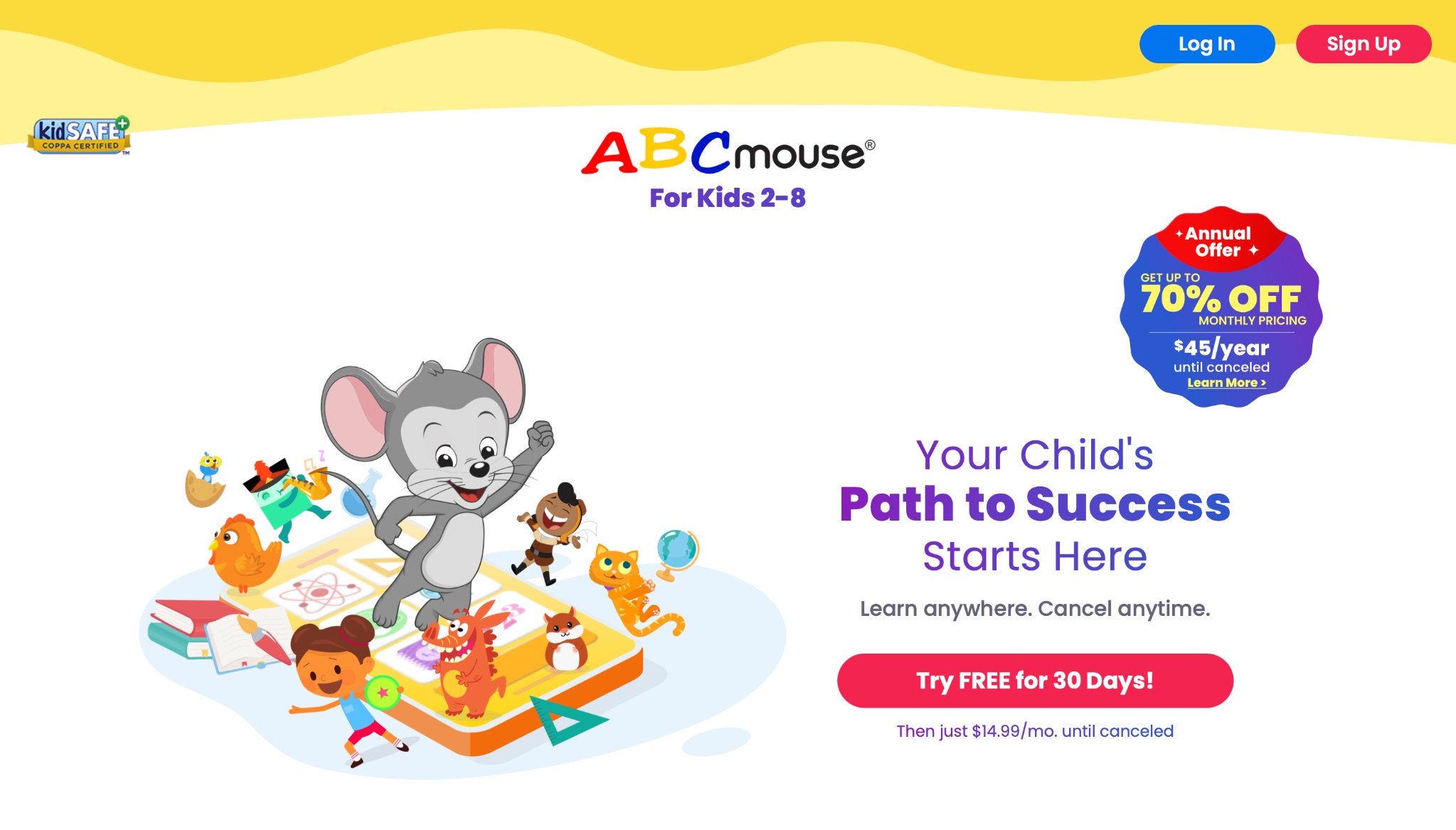
ABCmouse offers a step-by-step learning path for young children, with lessons, songs, puzzles, and printables across reading, math, science, and art. Kids move through leveled content that feels closer to a full early-learning program than to a single arcade game. Parents who want a map of “what comes next” often like that structure, and many classrooms have used related Age of Learning products. The tone is school-bright: stickers, steps, and a sense of progress. That helps some children. Others would rather hatch a pet or decorate a room than follow a path. The library is large, which is useful across a school year and can feel like a lot on day one. ABCmouse is a curriculum-shaped product. It is not a cozy open world and it is not a coding sandbox. If your child already gets plenty of worksheets at school, you may want more pretend play after the path time ends. If you want one place for early academics with games attached, it remains a well-known option.
Key features
- Leveled path across core early subjects
- Games, songs, and puzzles inside lessons
- Printable activities for off-screen practice
- Progress that parents can follow
Facts and Information
- Aimed at early learners who like a clear path
- Broad subject mix in one product
- Feels more academic than a pet or fashion club
- Works best in short, planned sessions
14. Prodigy Math
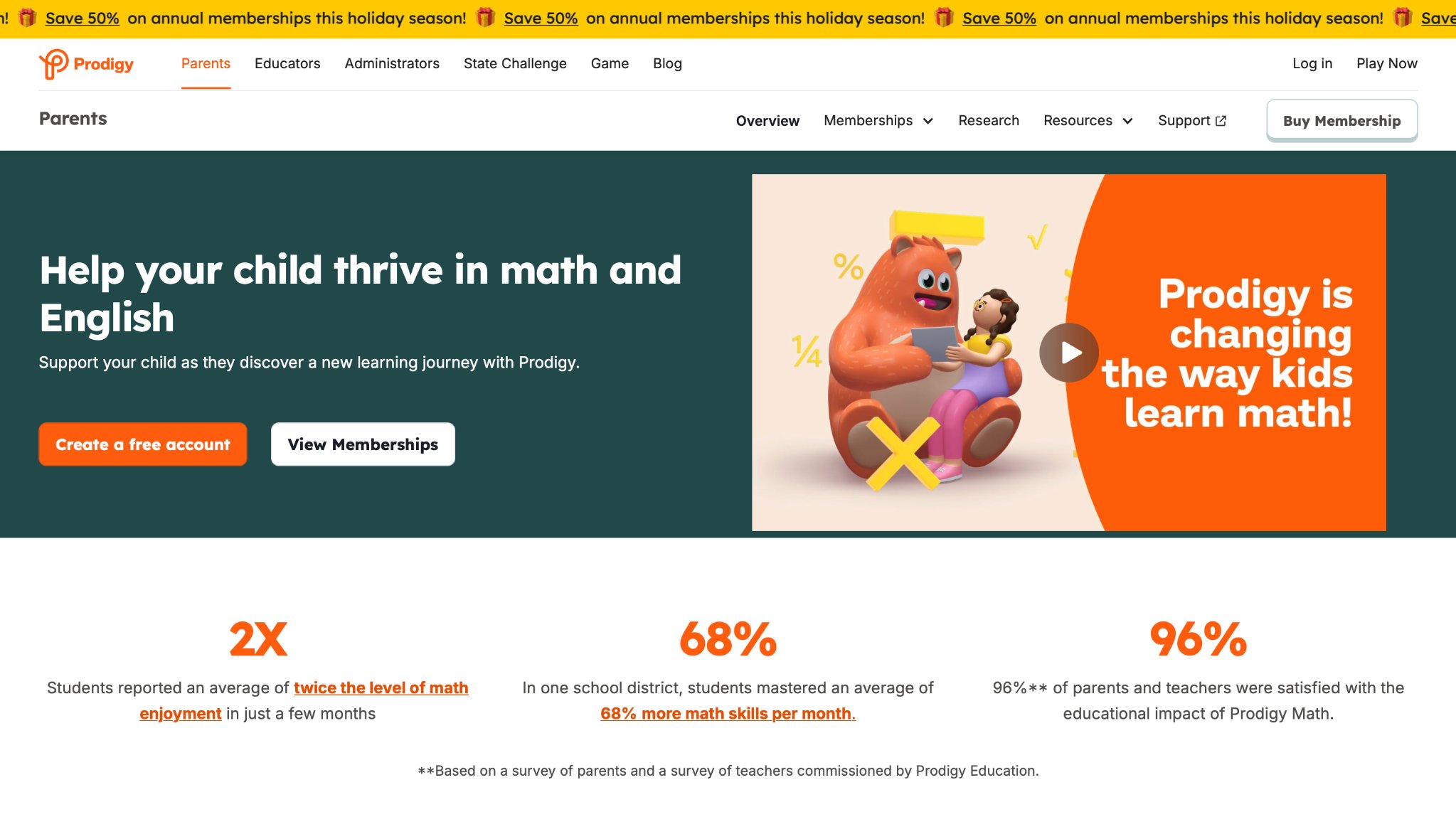
Prodigy Math wraps math practice in a fantasy quest. Kids answer questions to battle, explore, and outfit a character, which is why many elementary students ask for it after school. The game loop is familiar: walk, meet a challenge, solve a problem, keep going. Teachers can align practice with classroom topics, and parents can see which skills show up at home. The strength is motivation for kids who will not sit still for a worksheet but will sit still for a quest. The limit is focus. Some children rush the math to get back to the adventure. Others enjoy both sides. Prodigy is built for math, not for preschool care, phonics stories, or open building. Younger kids who cannot yet read question text will need help. Older kids who want creation play may outgrow the battle wrapper. As a targeted practice tool with a game skin, it does a clear job. As an all-day play world, it is narrower than a multi-game club.
Key features
- Math practice inside a quest world
- Character growth and exploration
- Classroom alignment tools
- Parent view of skills practiced
Facts and Information
- Popular with elementary math learners
- Strongest when an adult checks what is being practiced
- Not a full creative or care-play library
- Reading level matters for independent use
15. Funbrain
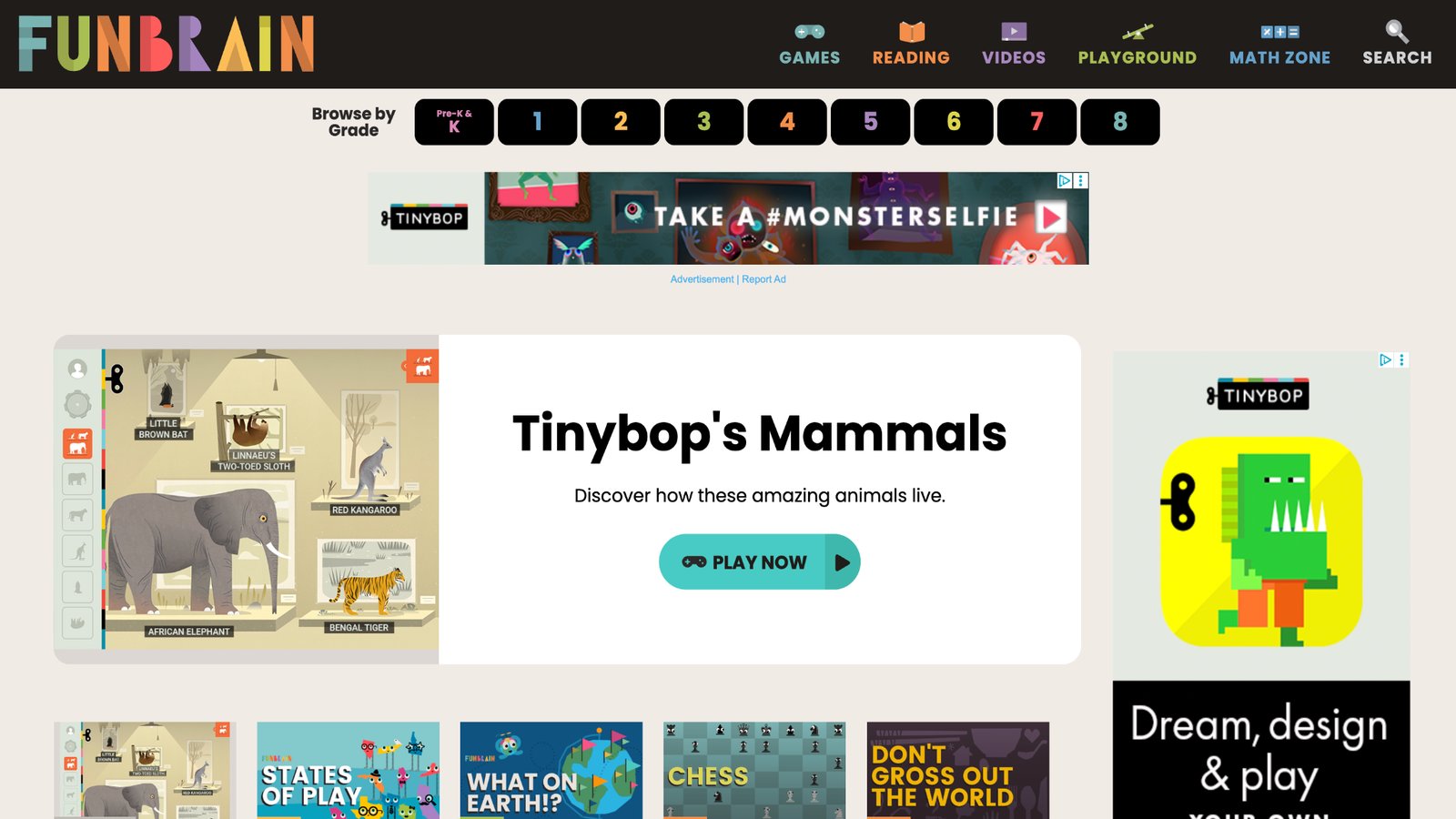
Funbrain is a classic kids site with arcade-style games, comics, and reading activities. Many adults remember it from their own school years, and that familiarity is part of the appeal. Kids can bounce from a math game to a story to a quick reflex title, which makes it a handy “I need something to do” tab on a family computer. The catalog feels mixed in the best and the hardest sense. Some activities still teach numbers or words in a light way. Others are closer to simple time-fillers. Design across the site is uneven, and the tone is more after-school club than modern guided preschool app. Funbrain works as a variety bin, not as a planned learning path. Parents who want ads kept away and a single calm art style may prefer a curated app club. Parents who want a free browser grab-bag for older elementary kids may still keep the bookmark. Use it with a time limit and a nudge toward the reading and math titles when you can.
Key features
- Mix of games, comics, and reading play
- Quick browser sessions
- Math and language titles in the mix
- Familiar brand for many families
Facts and Information
- Long-running kids entertainment site
- Best as a variety tab, not a full plan
- Quality and teaching depth vary by title
- Less curated than a single studio library
What Kids Practice When Play Is Built With Care
When a child feeds a virtual pet, they rehearse a care loop: notice a need, act, wait, try again. That loop supports empathy and patience. Emotional regulation games use the same idea when a character needs a nap, a hug, or a quiet minute. When kids sort toys or wipe a play kitchen, they rehearse real chores with less fuss.
Fashion and doll play let children try identities without a crowded store. Families who like style rooms often start with dress up games for girls online. Puzzle rooms and memory games for kids train working memory. Confidence building games help when a child finishes a task and wants to show someone.
A healthy week mixes styles. One night can be a quiet care session. Another night can be a puzzle house. Learning through play activities and learning through play examples show how those minutes transfer to real rooms and real words. Fun and educational games for kids work when the child feels proud of what they did, not when the screen simply keeps moving. Emotional games add language for feelings after a hard day.
Many parents still feel guilty about screens. The guilt often comes from ads, random video autoplay, and games that never end. Curated libraries cut that noise. You pick the shelf. The child picks the title on the shelf.
Safety Habits That Keep Online Play Kind
Set the device first. Use child accounts, hide the app store password, and turn off open chat unless you have a plan. Prefer games with no stranger messaging. Prefer apps that do not sprinkle shop buttons across every screen. Educational games for kids at home are easier to watch when they live in one family login.
Share the first session. Watch how hard the first level is. If a child slumps or slaps the screen, drop the difficulty or switch games. Agree on a stop time before play starts. A family weekly planner can hold those play windows next to meals and homework.
Keep a short list, not an endless feed. Three to five trusted apps beat a home screen full of icons. Mobile games for kids and educational games for kids iPad cover phone and tablet play with the same idea: download, then play in a closed catalog. Account questions sit in the subscription FAQ and the website FAQ. When play ends, a drawing, a snack, or a real pet walk helps the brain change gears.
Picking Games by Age Without Overthinking It
Ages 2 to 4 need big buttons, warm voices, and short loops. Educational games for 2 year olds, educational games for kids age 3, and games for toddlers fit that stage. Apps for toddlers work when care, sorting, and songs stay simple.
Ages 5 to 7 can handle longer stories, letter sounds, and number play inside a world they already like. Games for preschoolers, apps for preschoolers, and educational games for kindergarten sit in that band. Many families also look at educational games for 5 year olds, educational games for 6 year olds, and educational games for 7 year olds.
Ages 8 to 10 often want more choice: bigger rooms, fashion systems, and longer puzzles. Educational games for 10 year olds and games for young kids help when siblings share a tablet but need different challenge levels. Interest still beats a rigid grade label. A quiet seven-year-old may love hatching pets. A bold five-year-old may want to design a room. Watch what they retell at dinner, then keep more of that.
FAQ
What should I look for in the best games for kids online?
The best games for kids online match your child’s age and keep play calm, clear, and kind. Look for short tasks with a goal, such as caring for a pet, sorting colors, finishing a room, or solving a puzzle. Safe titles skip stranger chat, surprise shop walls, and noisy pop-ups. A parent-managed login that works on more than one device makes family play simpler. More detail on that mix lives in this guide to games for kids online educational.
Are educational games still fun for kids in 2026?
Yes, when learning sits inside stories, care, and making things. Kids stay interested when they hatch a pet, dress a character, tidy a play kitchen, or finish a small puzzle. Play works because the child is doing something, not sitting through a quiz dressed up as a game. Fair levels and warm art keep sessions feeling like play. Families who want that blend often start with educational games for kids that are fun.
Can one subscription cover more than one child?
A family planner can cover siblings when the library is wide and the same account works on more than one device. A preschooler can open a baby-care or pet title while an older sibling opens puzzles, letters, or dress-up play. Shared access also makes it easier to pause play and keep games in one place instead of many separate apps.
Do kids need the internet the whole time?
Some browser games need a live connection the whole session. Many app games need the internet to download and to confirm a membership, then run offline. That offline stretch is useful in cars, planes, clinics, and homes with weak wifi. Download favorites before you leave so play does not depend on a signal. The TutoClub FAQ explains that most TutoTOONS games can be played offline after the first download and login check.
How can families keep online play safe and useful?
Start with the device: a child account, a hidden store password, and chat turned off unless you have a clear plan. Prefer closed catalogs so a unicorn game cannot jump into a random video. Agree on a stop time before play begins, and sit with your child for the first session to see if the first level feels fair. Mix play styles across the week, such as pet care for kindness, puzzles for focus, and stories for language. A practical companion for that setup is this guide to safe apps for kids.
Read Also:
- Best Learning Through Play in 2026
- Best Educational Games for Kids
- Best Learning Games for Kids
- Best Learning Apps for Kids
- Best Free Online Games for Kids
Start with TutoClub and turn screen time into quality play!