
Best Ways Brain Games Aid Development





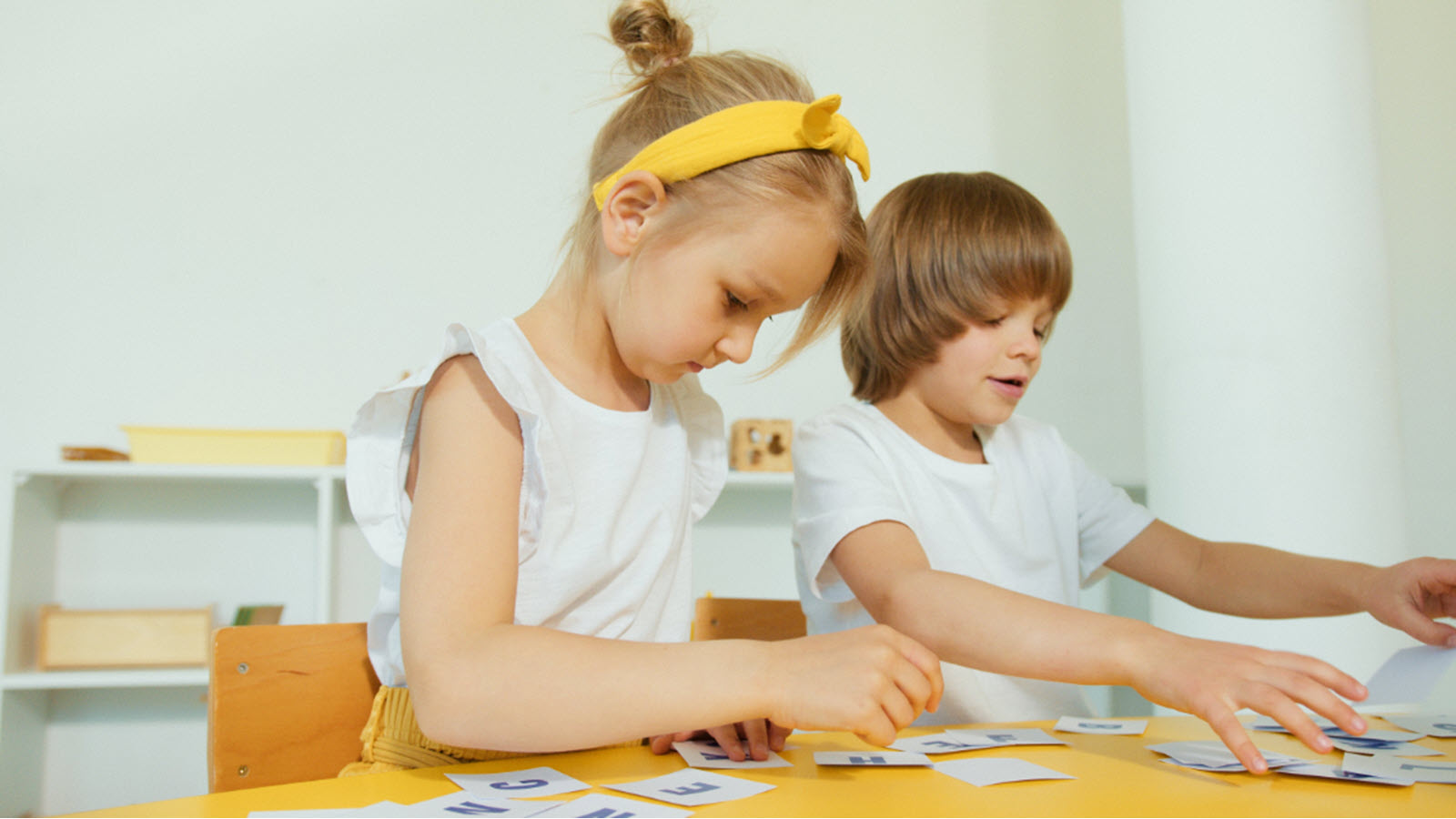
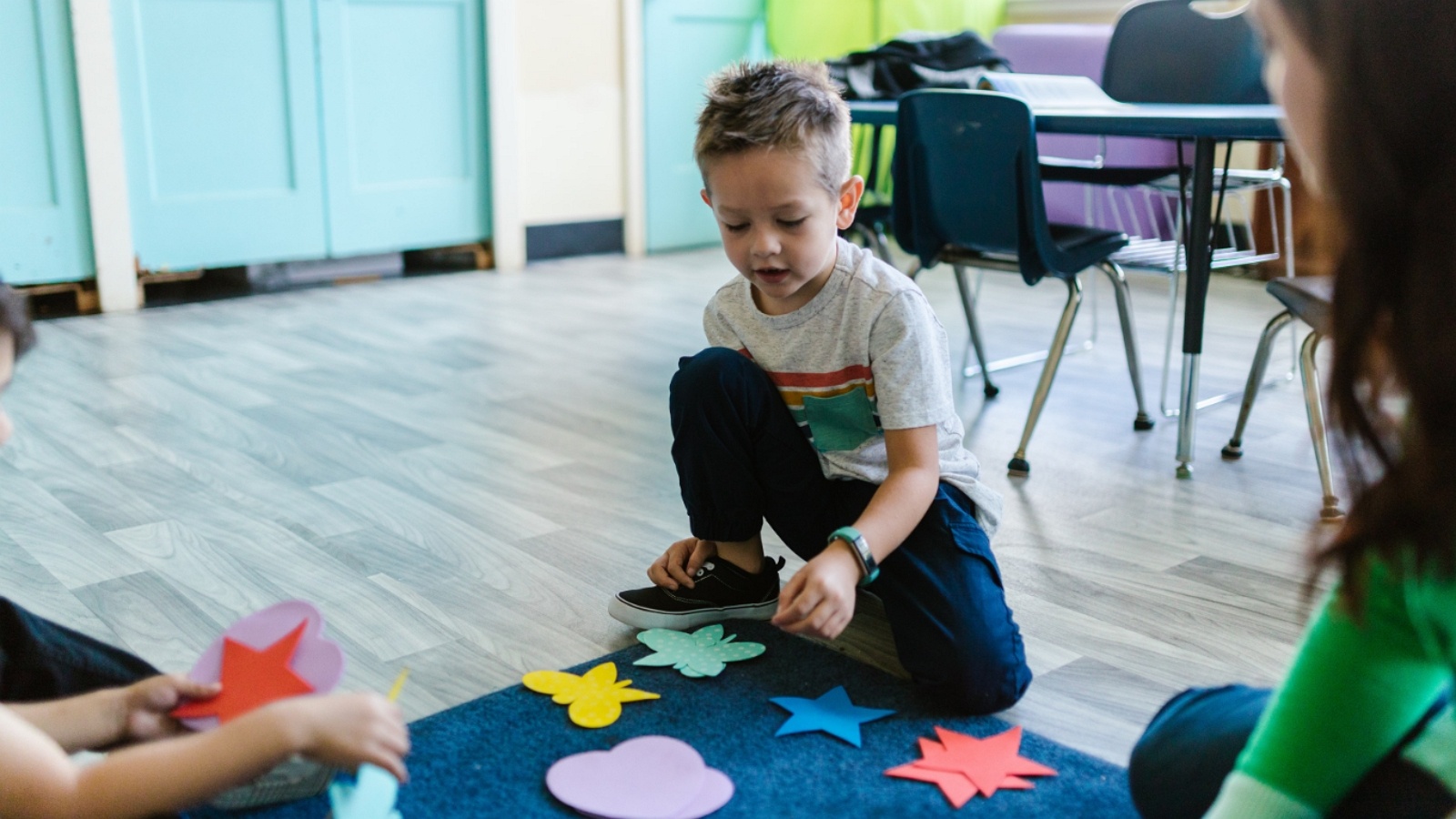
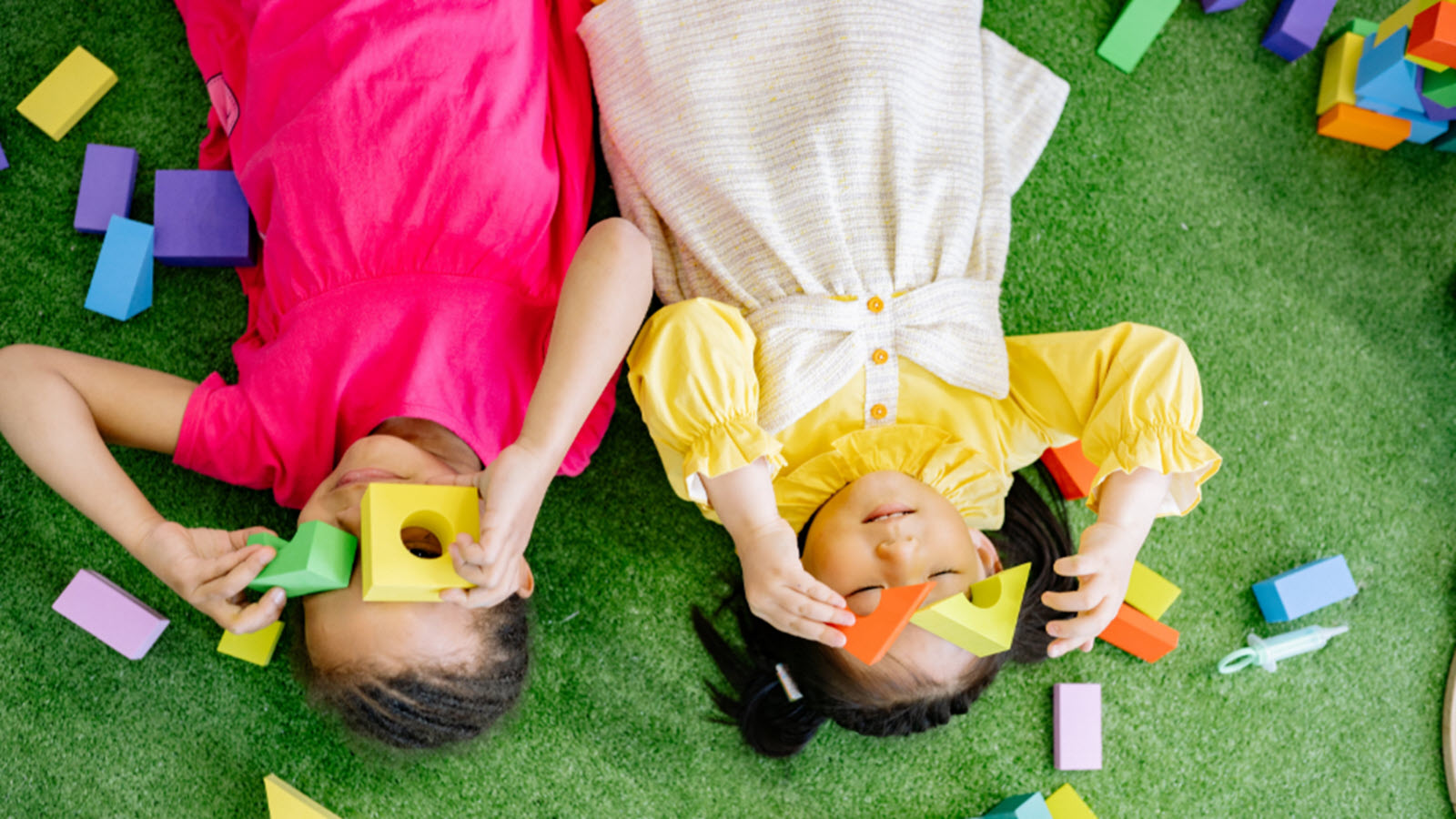
Brain games aid development by giving the mind regular workouts that strengthen memory, focus and problem solving. Kids and adults gain from short sessions of puzzles, matching tasks and strategy play that keep the brain flexible. Families often choose educational games for kids that mix learning with play.
Popular choices include the best apps for toddlers that introduce early skills through simple play, plus the best dress-up games for girls online that spark creativity and imagination. An educational games for kids app delivers structured learning on the go, while the best English learning apps for kids build language confidence through interactive practice.
Discover how brain games support healthy development with TutoClub.
How Brain Games Support Cognitive Growth
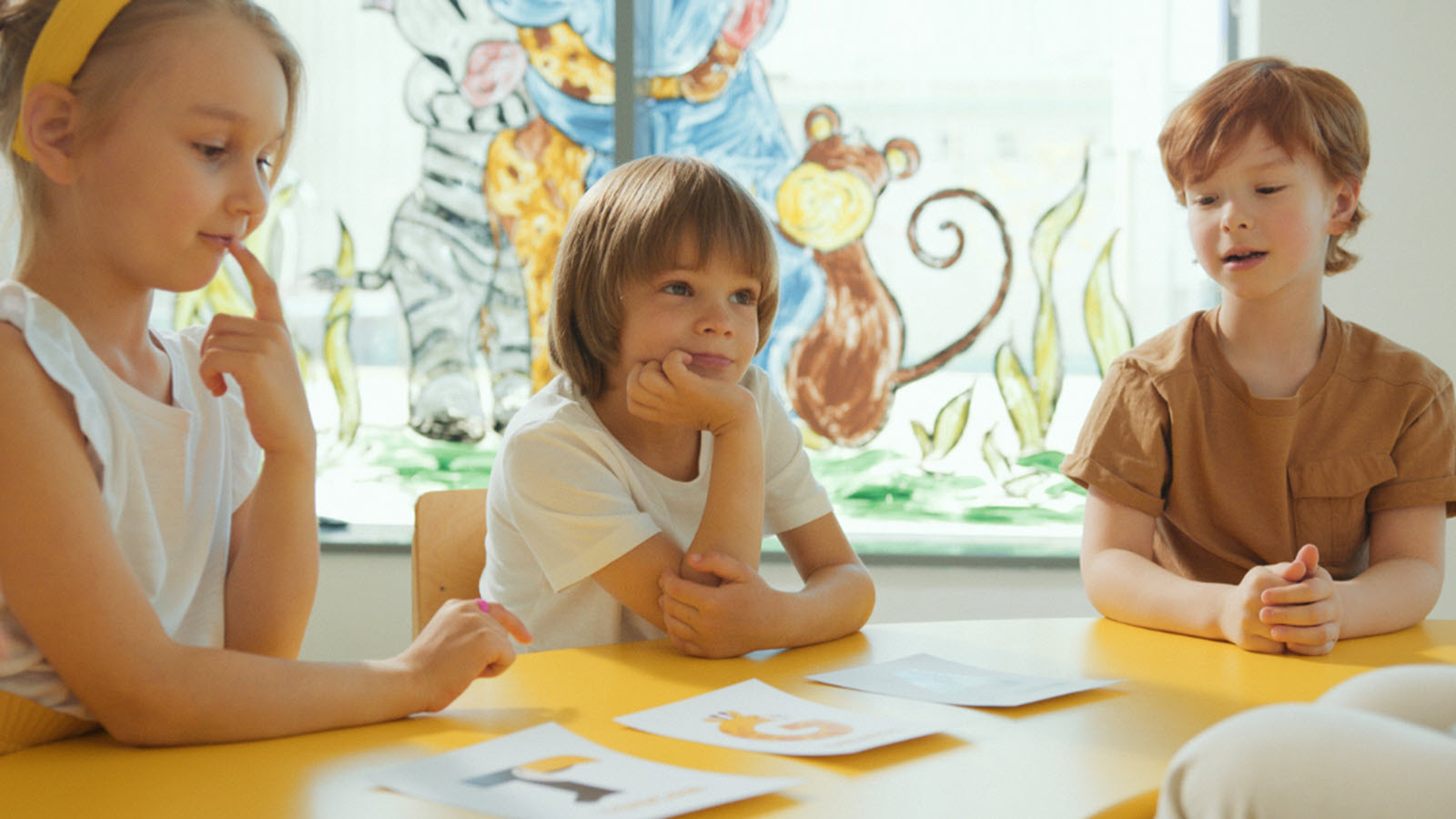
Brain games for kids work by asking the mind to hold information, switch tasks and solve problems under light pressure. This practice builds executive function skills that help with planning, attention and self control. Young children use simple matching or sorting games to practice working memory. Older kids and adults move to more complex puzzles that demand mental flexibility.
These activities improve how people handle daily thinking tasks. Games that require remembering sequences or spotting patterns train the brain to form stronger connections. Over time this supports better learning in school or work. Physical movement games combined with thinking tasks also help because the body and mind work together. Families looking for structured options often turn to the best educational online games for kids, the best learning games for kids, and the best safe games for kids that keep practice consistent.
The key is variety. Doing the same puzzle every day loses its edge. Mixing memory games with logic challenges and word play keeps the brain adapting. Short daily sessions of ten to fifteen minutes often bring clearer benefits than long rare ones. Many parents find learning through play activities a natural way to build these skills at home.
Memory Building Through Play
Memory games form one of the strongest tools for brain development. Matching pairs, recalling lists or following growing sequences push short term and working memory. Children who play these games learn to hold details longer and use them later.
Board games like concentration or digital versions with animal cards train the same skill. Strategy titles that require remembering past moves add another layer. Adults benefit too. Simple card games or number sequences help maintain recall as years pass.
Pet care style games that ask players to remember feeding times or favorite toys turn memory practice into story. These activities feel natural and keep kids engaged while the brain works. Consistent play helps information stick better in everyday life, from school facts to household routines. For focused options, the best memory games for kids and the best educational games for toddlers offer age-matched practice that supports long-term recall.
Problem Solving and Critical Thinking
Logic puzzles and strategy games push the brain to test ideas and find new paths. Chess, simple board games or digital quests ask players to plan ahead and adjust when plans fail. This builds mental flexibility. Jigsaw puzzles develop spatial reasoning as pieces fit together. Riddles and pattern tasks encourage looking at problems from different angles. Kids who play these games often approach school assignments with more confidence.
Creative games that let children design rooms or care for characters add open ended thinking. They learn that multiple solutions can work. This flexible mindset carries into real decisions and reduces frustration when answers are not immediate. Titles listed under the best educational games for kids that are fun and the best problem solving games for kids keep problem solving enjoyable while building lasting skills.
Emotional and Social Skills Through Games
Brain games do more than sharpen thinking. Many support emotional growth. Caring for virtual pets or characters teaches empathy and responsibility. Kids practice kindness as they feed, clean or comfort their digital friends. Cooperative games or shared play sessions build social skills. Taking turns, celebrating wins and handling losses together strengthen relationships. Fashion or role play games let children express feelings and try different identities in a safe space.
These experiences help children name emotions and respond to others. Parents who join in create connection moments that deepen the learning. Safe, ad free environments keep the focus on positive growth rather than distraction. Families often choose the best social emotional games for kids, the best emotional regulation games for kids and the best confidence building games to support these areas through everyday play.
Age Appropriate Brain Games for Every Stage
Babies and toddlers gain from peekaboo, simple sorting and sound games. These build basic attention and motor links. Preschoolers thrive with shape puzzles, matching cards and pretend play that mixes movement and thinking. School age kids benefit from strategy board games, memory sequences and creative building tasks. Teens and adults can use more complex puzzles, logic challenges or multi skill apps. Older adults often see gains from crossword style word play, number grids and social card games.
The best choice matches current skill level and adds a small stretch. Games that grow with the player keep interest high. Families can rotate options so every age finds something engaging. Helpful starting points include the best educational games for 2 year olds, the best educational games for 5 year olds and the best educational games for 7 year olds.
How TutoClub Turns Play Into Real Development
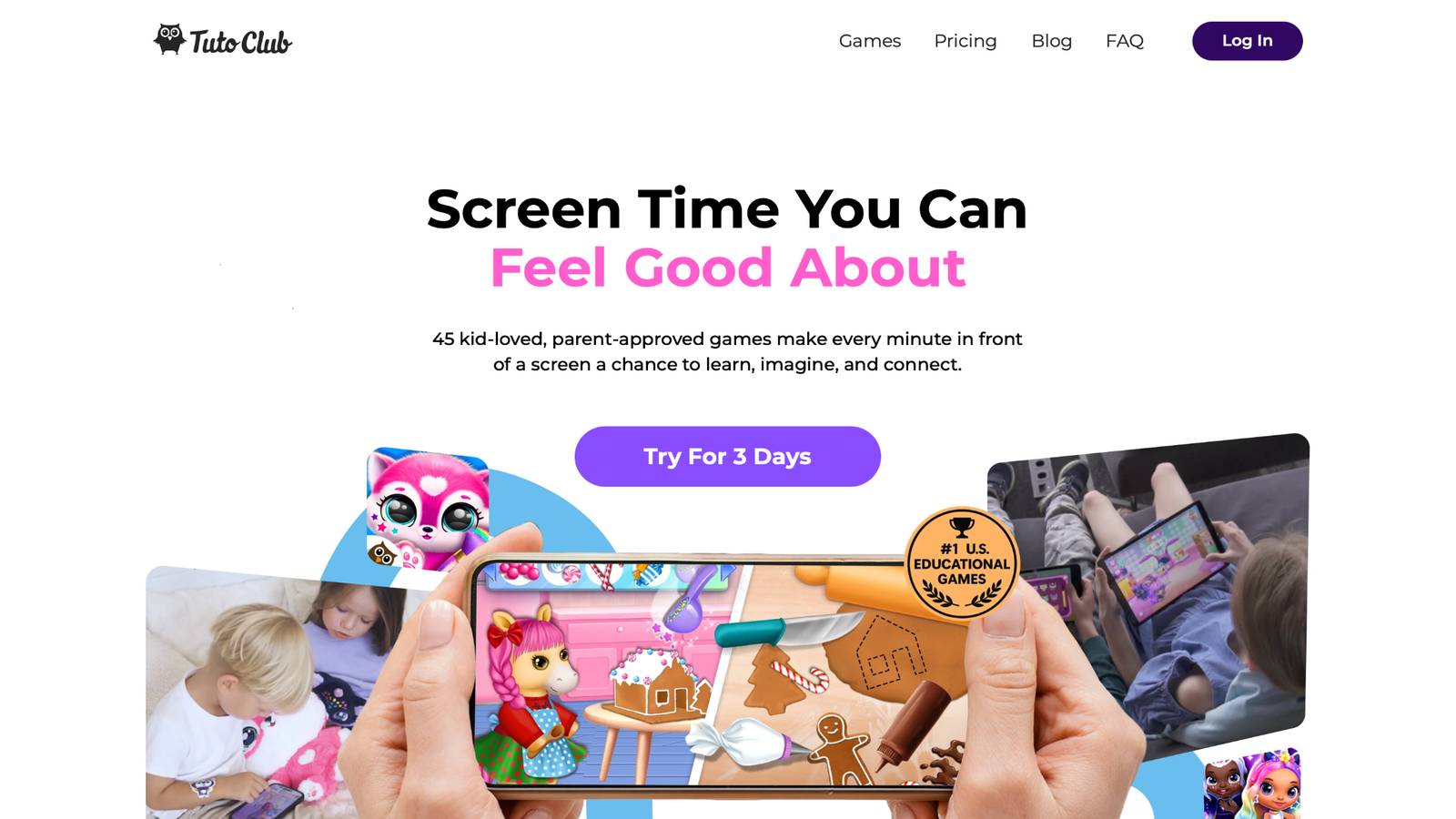
TutoClub offers a curated collection of educational games built to support memory, focus, creativity and social skills in young children. Each title mixes fun with clear growth goals so kids practice responsibility, empathy and problem solving while they play. The games are designed around everyday moments that feel natural rather than forced lessons, helping children build useful habits without pressure.
Pet care games ask players to remember routines and care for characters, building both working memory and kindness. Kids hatch, feed and comfort virtual pets while learning to track simple sequences and respond to needs. Cleaning and daily task games turn everyday habits into playful challenges that strengthen attention and confidence. Children sort items, complete routines and see the results of their efforts, which supports focus and a sense of accomplishment.
Fashion and storytelling options encourage self expression in a calm, ad-free space. Kids design looks, create stories and explore characters in ways that boost creativity and emotional awareness. Puzzles and memory challenges appear across many titles, giving repeated practice with pattern recognition and recall. These activities help the brain form stronger connections for learning and everyday problem solving.
Families gain multi device access and a safe environment designed around balanced screen time that feels purposeful. One subscription unlocks the full set of games without ads or extra purchases, so play stays focused on growth. Parents can join in or let children explore independently, creating shared moments that deepen the benefits. Regular updates keep the collection fresh while the core focus remains on skills that support real development at every stage.
TutoClub Overview
TutoClub is your gateway to a magical world of educational games designed especially for children.
As part of TutoTOONS, a leading kids' games studio, we offer premium access to over 45 ad-free games.
Our mission is to blend learning and play, helping kids explore, create, and grow in a safe online space.
Thousands of parents trust us for family-friendly content that sparks imagination and builds essential skills.
Key Features
- Unlimited Access: Unlock full content in all games with no interruptions.
- Ad-Free Experience: Enjoy seamless play without any ads or distractions.
- Skill Development: Games foster creativity, social skills, communication, and more through fun activities like pet care and cleanup challenges.
- Regular Updates: Get new releases, exclusive content, and future updates automatically.
- Easy Subscription: Cancel anytime with no obligations, simple and flexible for families.
Explore Our World
TutoClub provides a rich ecosystem of educational games for kids, featuring ad-free experiences that promote creativity, focus, and emotional growth through play.
This platform turns screen time into valuable learning opportunities, with parent-approved content that builds essential skills and sparks curiosity in young minds.
- TutoClub Games: Over 45 educational games, including popular titles like Fluvsies, Smolsies, and the Sweet Baby Girl series
- Blog: Insights, tips, and stories for families on kids' learning and play
- FAQ: Comprehensive answers to frequently asked questions about subscriptions, features, and more
Get TutoClub on Your Device
TutoClub delivers premium kids educational games directly to your mobile devices, making learning accessible anytime, anywhere.
With apps available on major platforms, families can easily download and subscribe for ad-free play that turns screen time into skill-building adventures.
Perfect for parents seeking safe, engaging content on iOS, Android, or Amazon devices.
Why Choose TutoClub?
We're committed to 100% safe, enriching entertainment that kids love and parents approve. Join the thousands who've seen their children thrive through playful learning.
Ready to start the adventure?
Start building stronger skills with brain games at TutoClub today.
Practical Tips for Maximum Benefit
Choose games that feel fun first. Forced play loses its power. Keep sessions short and regular. Ten focused minutes beat an hour of half attention. Mix digital and physical options. Board games or outdoor thinking challenges balance screen time. Play together when possible. Adult involvement adds language and modeling that deepens the effect.
Track small wins. Notice when a child remembers more details or stays focused longer. Adjust difficulty so the game stays challenging but not frustrating. Combine brain games with sleep, movement and healthy food for broader support. Rotate categories. Memory one day, logic the next, creative play after that. This variety keeps the brain flexible and prevents boredom. Helpful guides include the best educational games for kids at home and the best learning through play examples.
FAQ
What types of brain games help kids most with focus?
Games that require following changing rules or spotting small differences build attention control in children. Matching activities, freeze style movement games and simple sequence tasks train the brain to stay on one goal while ignoring distractions. These practices support self regulation and help kids handle classroom or play settings with greater calm. Short daily practice often leads to better classroom attention and calmer play. Combining them with quiet spaces multiplies the gains, and many families find the best educational games for preschoolers a helpful match for this stage.
Can adults still improve memory with brain games?
Adults of many ages gain from regular memory and strategy play that keeps working memory active. Card matching, number puzzles and games that demand recalling past moves help maintain clearer daily recall. Choosing challenges that feel fresh rather than automatic supports mental flexibility as years pass. Short consistent sessions allow the brain to form stronger connections for everyday information. Mixing these with other thinking tasks prevents the practice from becoming routine and less effective, which is why memory games for kids also offer useful ideas that scale across ages.
How do educational games differ from regular entertainment apps?
Educational games set clear skill goals such as memory, empathy or problem solving while removing interruptions that break focus. Many include age appropriate content and progress that grows with the player, turning screen time into purposeful practice. Entertainment apps often prioritize time spent over skill building and may include ads or extra purchases. Titles designed around creativity, focus and social emotional skills create a safer environment for growth. Collections of the best educational games for kids highlight this difference by emphasizing development through play.
Are brain games useful for social and emotional growth?
Many brain games support emotional growth by teaching responsibility and kindness through caring for characters or virtual pets. Role play and cooperative titles build turn taking and emotional awareness in low pressure settings. Children practice naming feelings and responding to others while the brain works on these skills. Shared family sessions strengthen connection at the same time. Activities that mix creative expression with everyday routines help kids develop confidence and empathy in natural ways, which is why emotional games for kids remain a popular choice for families.
How often should families use brain games for best results?
Most benefit comes from short regular sessions rather than long rare ones. Ten to fifteen minutes several times a week keeps skills sharp without overload. Mixing game types such as memory, logic and creative play maintains interest and supports broader development. Adding physical movement or shared play balances the experience and deepens the gains. Consistency over months creates lasting cognitive strength more effectively than intense short bursts, and the best learning through play activities show simple ways to keep the routine steady.
Read Also:
- Creating Screen Time That Builds Academic and Life Skills
- Benefits of Expert-Backed Learning Games for Ages 3-7
- How to Choose Educational Apps That Teach Preschool Skills
- Best Interactive Online Games For Kids In 2026
- Best Games Online For Kids In 2026
Discover how brain games support healthy development with TutoClub.