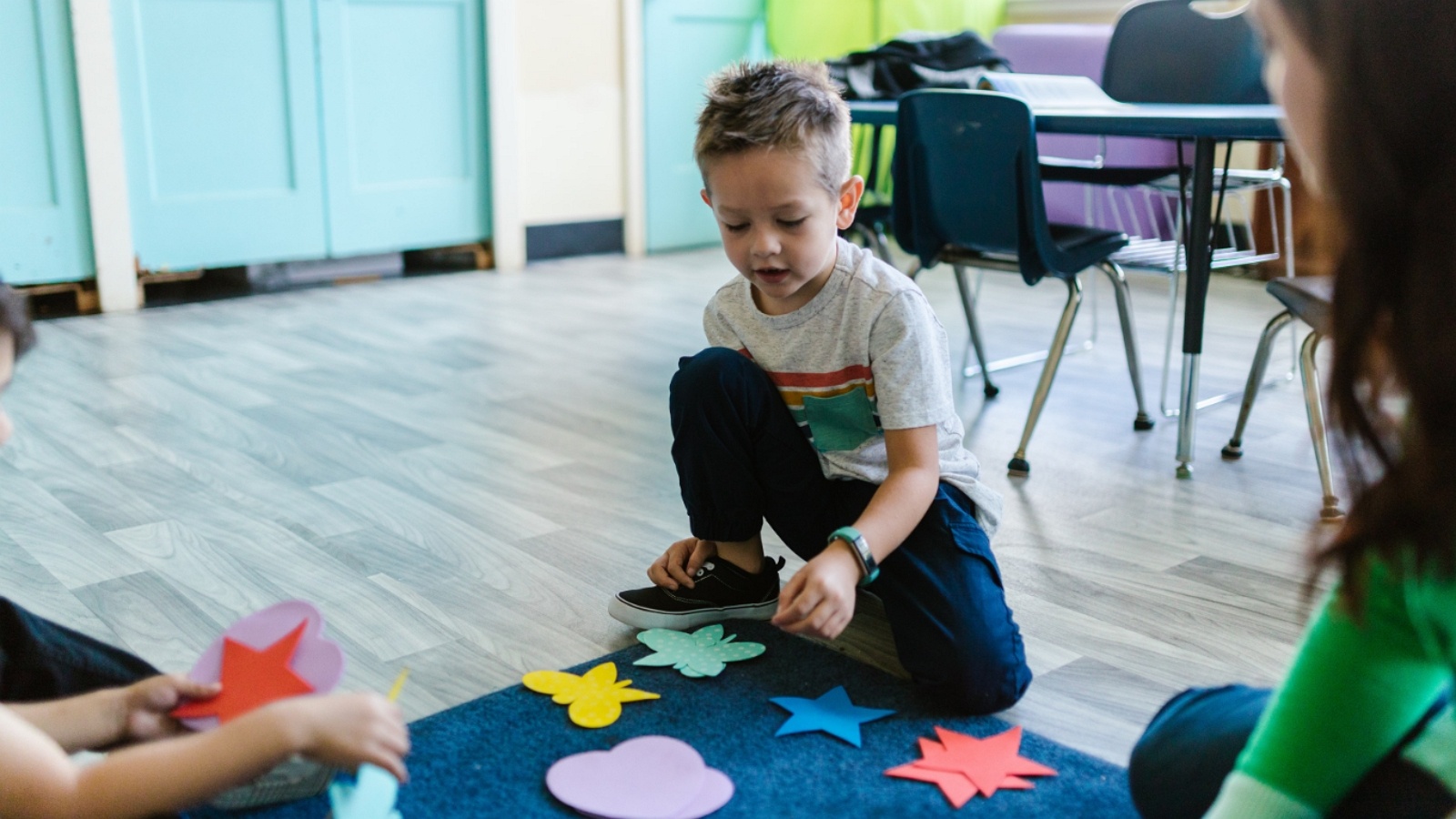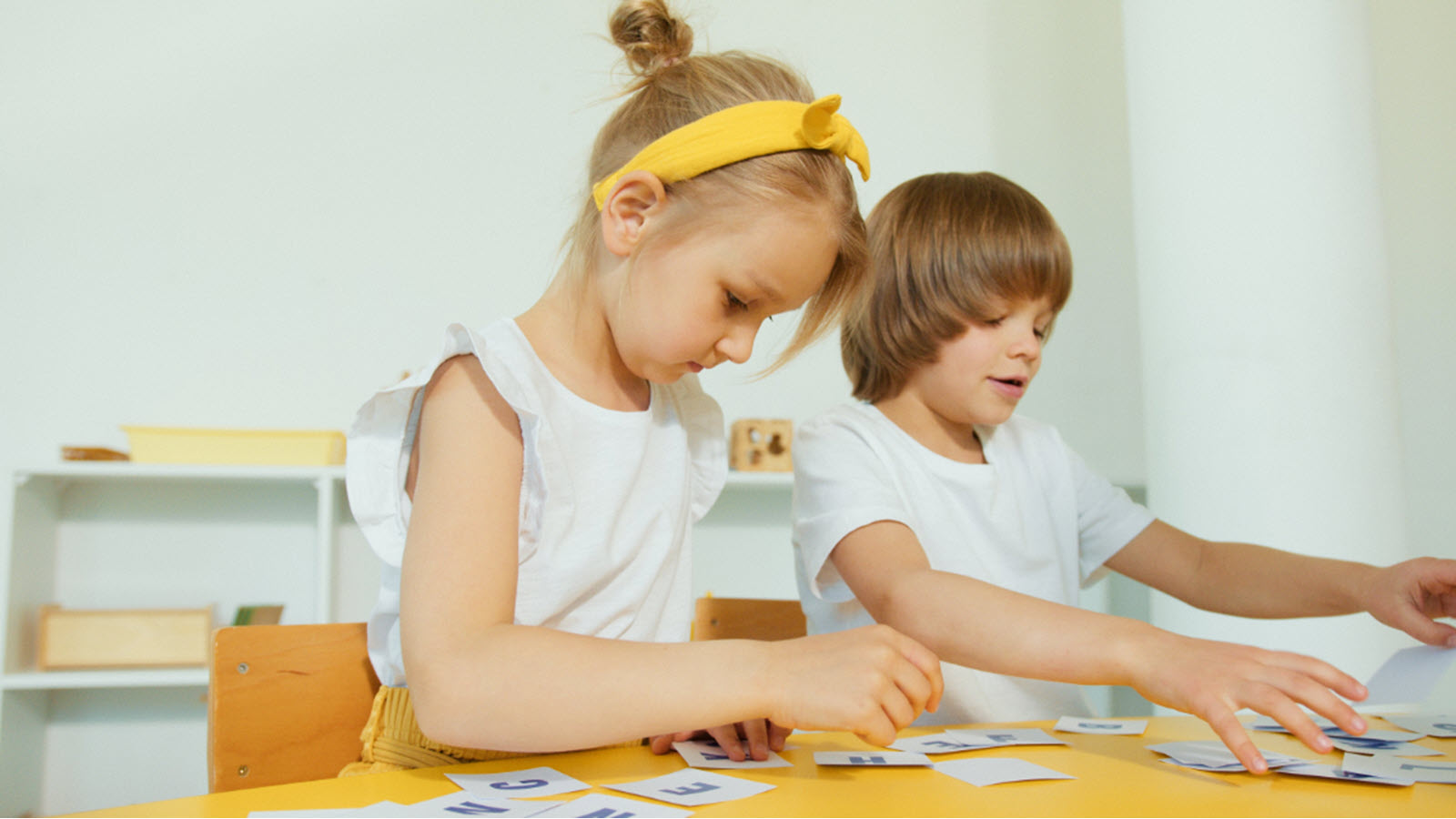

Why Fun Educational Games Beat Traditional Worksheets






Kids learn best when they stay interested and active. Fun educational games give them a clear edge over traditional worksheets by letting children try ideas, fix mistakes right away, and feel proud of progress. Educational games for kids turn screen time into skill-building play that keeps learning joyful and effective.
Popular options include the best iPad games for kids and the best educational games for kids iPad designed for smooth tablet play. The best mobile games for kids and quality tablet games for kids extend the same engaging, skill-building experience across phones and other devices for flexible daily use.
Discover fun educational games that support real learning growth at TutoClub!
The Limits of Traditional Worksheets

Worksheets have been a classroom staple for years. They give clear tasks and quick ways to check answers. A child fills in blanks, circles choices, or solves problems on paper. Teachers and parents can see the work at a glance.
Yet worksheets often stay surface level. Kids copy or match without thinking deeply. The page stays the same from start to finish. There is little room to try different paths or see how one idea connects to another. Many children finish the sheet and forget the material soon after. Boredom sets in fast when the activity feels like a chore.
Young learners need movement and choice. Sitting still with a pencil does not always match how their brains work best. Worksheets can feel lonely too. There is no character to care for or puzzle to solve with friends. The focus stays on getting the right answer instead of understanding why it works.
Some subjects do need practice. Math facts or letter shapes still benefit from repetition. But pure paper drills rarely create the excitement that keeps kids coming back. When learning feels like work only, motivation drops. That is where fun educational games, memory games for kids, and learning through play activities step in and change the experience.
How Fun Educational Games Spark Deeper Learning
Fun educational games turn practice into play. A child cares for a virtual pet and learns numbers at the same time. Another designs outfits and practices choices and self-expression. The game gives feedback at once. A wrong move shows what to try next. Success feels rewarding without needing a sticker chart.
Research on play-based learning shows that children grasp ideas more fully when they move pieces, make decisions, and see results right away. Games ask kids to plan ahead, remember rules, and adapt. These steps build thinking skills that worksheets rarely touch. A child who helps a character clean up or solve a puzzle practices sequencing and problem solving in a natural way.
Many games also mix subjects. One session can cover counting, colors, kindness, and focus all at once. Kids stay longer because the story or goal pulls them in. They practice more without noticing the effort. That steady practice helps skills stick better than short worksheet sessions.
Parents notice the difference at home. A child who once resisted homework sits ready for a game. The same child then uses the new skills in real life, like counting toys or sharing with siblings. Games make the link between learning and daily life clear and fun. Options such as the best learning games for kids and educational games for kids app support this deeper approach.
Building Skills Through Play Instead of Paper
Play builds more than facts. It grows social and emotional skills too. When kids care for a baby unicorn or hatch fluff pets, they practice empathy and responsibility. They learn to wait, try again, and celebrate small wins. These moments shape how children handle feelings and friendships.
Traditional worksheets focus mostly on academic content. They rarely ask a child to comfort a character or make a fair choice. Games weave those lessons into the action. A cleaning game turns chores into play and shows the value of order. Fashion and design games boost confidence as kids express style and taste.
Memory and focus improve as well. Matching games, puzzles, and collection challenges train the brain to hold information and switch between tasks. Kids practice these skills while having fun, so the training feels light. Many families find that short daily game sessions help children stay calm and ready for other activities.
Creativity grows when rules stay flexible. Open-ended games let kids invent stories or try new combinations. Worksheets usually have one correct path. Games reward new ideas. That freedom helps children become better thinkers who enjoy finding solutions on their own. Resources like how pet care games teach kids empathy and responsibility, the best social emotional games for kids, and the best safe games for kids show these benefits in action.
Motivation and Engagement Differences
Motivation changes everything in learning. Worksheets often rely on outside rewards or the fear of a low grade. Once the sheet is done, the drive fades. Games create their own pull. Kids want to reach the next level, unlock a new item, or finish a quest. The reward lives inside the activity.
This inner drive leads to longer practice and better focus. Children keep trying after mistakes because the game feels safe and fun. They see progress in clear steps. That sense of growth builds confidence. A child who once avoided math may ask to play a counting game again the next day.
Engagement stays high across different ages and interests. Some kids love caring games. Others prefer puzzles or creative design. A good collection of educational games covers many styles so every child finds something that fits. Worksheets offer fewer choices. One format must work for everyone, which rarely happens.
Teachers and parents report that game time often leads to talking about the learning. Kids describe what happened in the game and share strategies. That conversation deepens understanding far more than handing in a finished page. Collections such as the best fun educational games for kids and the best online educational games for kids help maintain this high engagement.
Creativity and Problem Solving Gains
Problem solving thrives in games. A child faces a challenge, tests ideas, and adjusts. The process mirrors real thinking. Worksheets usually give the steps or limit options. Games leave space for trial and error. Kids learn that mistakes help them improve.
Creativity follows the same path. Open play lets children invent roles, build scenes, and tell stories. They practice flexible thinking that serves them in school and life. Many educational games mix art, music, and logic so kids use different parts of the brain together.
These gains show up outside the game too. Children who play regularly often invent their own games or solve everyday problems with more confidence. They become less afraid of hard tasks because they have practiced overcoming small ones in a playful setting. Parents looking for ways to support this growth can turn to carefully chosen collections. The best problem solving games for kids, the best confidence building games, and the best brain games for kids highlight options that balance fun with real skill building.
Real World Application and Retention
Skills stick when kids use them in meaningful ways. Games create small worlds where numbers, words, and social rules matter. A child who counts food for pets understands quantity better than one who only fills blanks. The game makes the idea useful right away. Retention improves because the learning feels emotional and active. Kids remember the story and the feeling of success. Worksheets can feel dry by comparison. The page disappears after grading, and the content often fades with it.
Transfer to real life happens more easily too. Children who practice kindness in a game may show more care with friends. Those who solve puzzles tend to approach school tasks with more patience. The playful practice prepares them for bigger challenges. Families who want this kind of lasting benefit often look for safe, ad-free options that grow with the child. Age-appropriate challenges from the best educational games for toddlers, the best games for preschoolers, and the best educational games for kindergarten help match the right level.
How Tutoclub Supports Learning Through Play
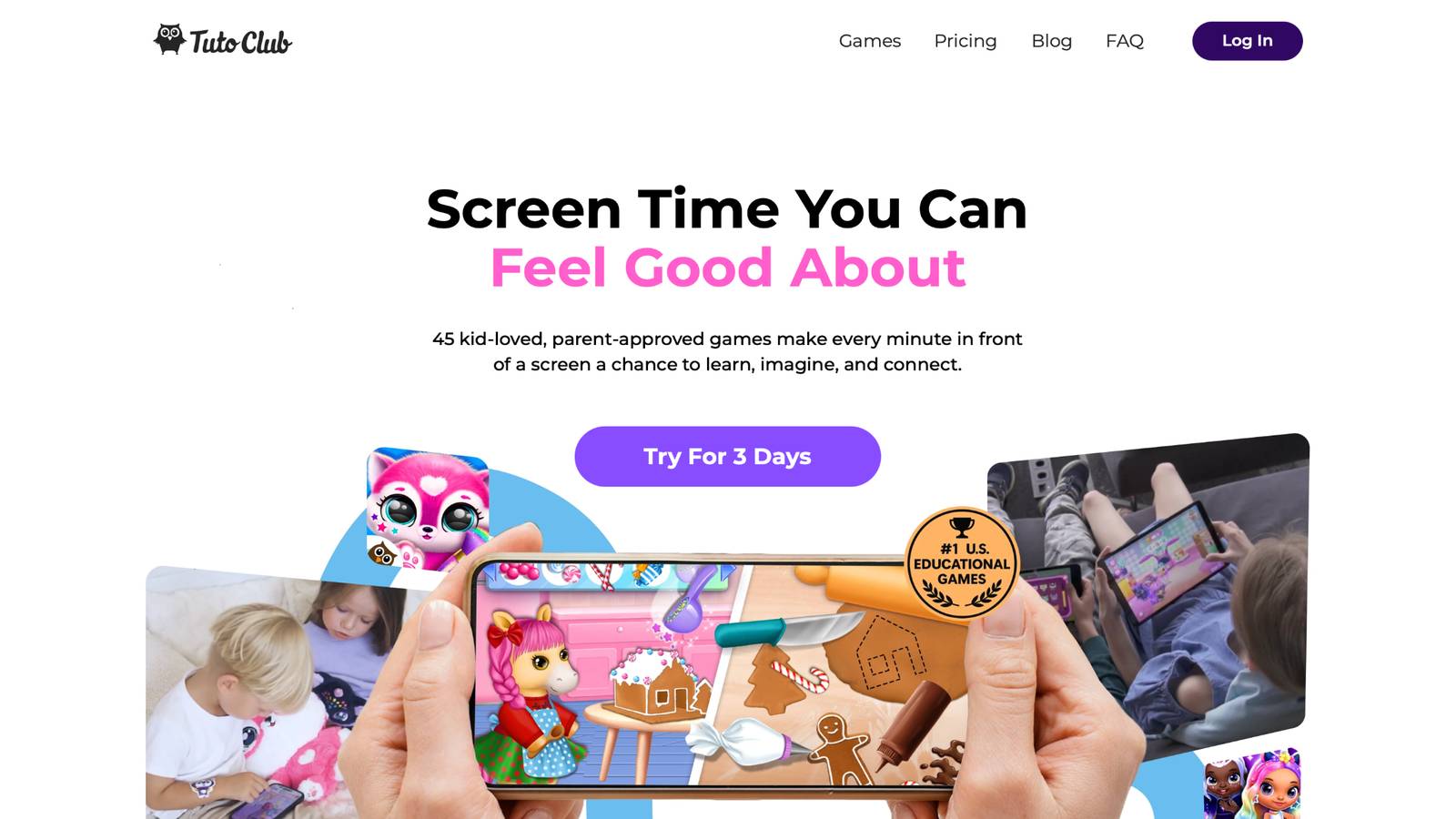
Tutoclub offers a simple subscription that unlocks more than 45 fun educational games. The games focus on creativity, focus, empathy, and problem solving. Kids care for characters, solve puzzles, design, and explore in ad-free environments made for families.
Every game aims to make screen time purposeful. Children build social and emotional skills while they play. Parents gain peace of mind knowing the content stays safe and developmentally helpful. The service works across devices so the whole family can share the experience.
Many parents choose the collection because it turns everyday play into skill practice without pressure. From pet care games that teach responsibility to creative makeover adventures that boost self-expression, the options cover a wide range of interests and ages. Regular updates keep the library growing so learning stays new. The full games collection makes this easy to access.
TutoClub Overview
TutoClub is your gateway to a magical world of educational games designed especially for children.
As part of TutoTOONS, a leading kids' games studio, we offer premium access to over 45 ad-free games.
Our mission is to blend learning and play, helping kids explore, create, and grow in a safe online space.
Thousands of parents trust us for family-friendly content that sparks imagination and builds essential skills.
Key Features
- Unlimited Access: Unlock full content in all games with no interruptions.
- Ad-Free Experience: Enjoy seamless play without any ads or distractions.
- Skill Development: Games foster creativity, social skills, communication, and more through fun activities like pet care and cleanup challenges.
- Regular Updates: Get new releases, exclusive content, and future updates automatically.
- Easy Subscription: Cancel anytime with no obligations, simple and flexible for families.
Explore Our World
TutoClub provides a rich ecosystem of educational games for kids, featuring ad-free experiences that promote creativity, focus, and emotional growth through play.
This platform turns screen time into valuable learning opportunities, with parent-approved content that builds essential skills and sparks curiosity in young minds.
- TutoClub Games: Over 45 educational games, including popular titles like Fluvsies, Smolsies, and the Sweet Baby Girl series
- Blog: Insights, tips, and stories for families on kids' learning and play
- FAQ: Comprehensive answers to frequently asked questions about subscriptions, features, and more
Get TutoClub on Your Device
TutoClub delivers premium kids educational games directly to your mobile devices, making learning accessible anytime, anywhere.
With apps available on major platforms, families can easily download and subscribe for ad-free play that turns screen time into skill-building adventures.
Perfect for parents seeking safe, engaging content on iOS, Android, or Amazon devices.
Why Choose TutoClub?
We're committed to 100% safe, enriching entertainment that kids love and parents approve. Join the thousands who've seen their children thrive through playful learning.
Ready to start the adventure?
Discover fun educational games that support real learning growth.
Practical Ways to Bring More Games into Daily Life
Start small. Replace one worksheet session with a short game time. Watch how your child responds. Talk about what they learned afterward to reinforce the ideas. Match games to current goals. If numbers need practice, pick counting or sorting activities. For social skills, choose caring or sharing games. Keep sessions short at first so the activity stays special.
Play together when possible. Shared game time creates connection and lets you model good thinking. Ask open questions about choices the child makes. Celebrate effort more than perfect scores. Balance remains important. Games work best alongside other activities like outdoor play, reading, and hands-on projects. The goal is richer learning, not more screen hours.
Look for collections that grow with your child. Age-appropriate challenges keep the experience engaging without frustration. Resources on the best educational games for 5 year olds, the best educational games for 7 year olds, the best learning apps for 8 years old, and the best educational games for 10 year olds can help families pick well.
FAQ
Why do fun educational games help kids remember more than worksheets?
Fun educational games create emotional moments and active choices that connect ideas to stories and characters. Kids experience the learning through play, which helps the material stay with them longer than filling blanks on a quiet page. Immediate feedback lets them correct mistakes and practice right away in a natural setting. This active process builds stronger links in the mind compared to passive paper work. Many families notice children recall game lessons during everyday activities long after the session ends.
Can educational games replace all traditional practice?
Educational games work best as a strong partner rather than a complete replacement for traditional worksheets. Some skills still benefit from focused paper practice that builds speed and accuracy in a structured way. Games add the engagement and deeper thinking that pure worksheets often miss by turning repetition into purposeful play. Together they cover more ground and keep children motivated across different learning styles. Parents and teachers often blend both approaches for balanced skill growth.
How do I know if a game is truly educational?
A truly educational game weaves clear skill goals into the fun action instead of pausing for separate lessons. Look for activities that teach through caring for characters, solving puzzles, or making creative choices while staying free of ads and pressure. Quality options support focus, empathy, problem solving, and creativity in ways that feel natural to the child. Safe, purposeful play marks the difference between simple entertainment and meaningful learning tools. Guides covering the best learning through play activities help identify strong choices.
What ages benefit most from educational games?
Young children through elementary years gain a lot from play-based learning that matches their natural curiosity. Games adapt well to different stages, letting toddlers practice basic skills like colors and counting while older kids tackle more complex challenges in creativity and problem solving. Matching the game to the child’s current level keeps the experience engaging without frustration. This flexible approach helps skills develop alongside a lasting love of learning. Age-focused resources such as the best educational games for preschoolers make matching easier.
How can busy parents fit educational games into the day?
Short sessions of ten or fifteen minutes after school or during quiet time add up quickly and fit easily into full schedules. Many games run offline once downloaded, so internet access is not always required after the first setup. A ready collection of options removes the need to search for new activities each week and keeps choices fresh. Parents often pair game time with simple conversations about what the child discovered, which deepens the value. Practical advice in the article parents guide to healthy screen time with educational apps supports smooth daily routines.
Read Also:
- Best kids games educational
- Educational games for kids app
- Best learning games for kids
- Best educational games for toddlers
- Best learning through play activities
Discover fun educational games that support real learning growth at TutoClub!