
Choosing Educational Games That Match Your Child's Interests






Picking educational games that match your child's interests keeps kids engaged and helps skills grow naturally. When play connects to what they already love, like animals, creating, or daily routines, learning feels fun instead of forced. A collection of fun educational games offers many options that fit different passions.
A solid starting point includes the best problem-solving games for kids that turn challenges into play, plus the best social-emotional games for kids that build empathy and kindness. Families also value the best safe kids games free of ads, the best learning through play activities that spark curiosity, and a free family weekly planner to balance screen time with everyday routines.
Discover educational games that match what your child loves at TutoClub.
Why Matching Interests Makes Learning Stick

Kids learn best when they feel excited. A game about animals or creating things grabs a child who already loves those topics far more than a generic activity. The play itself becomes the teacher. Skills like problem solving, focus, and kindness grow naturally because the child wants to keep going.
Many parents notice that forced educational apps get abandoned quickly. Interest-matched games flip that. The child returns to them on their own. This builds lasting habits around learning. Games that feel like pure fun still teach patience, creativity, and how to handle small challenges. Options focused on emotional regulation games for kids or learning through play examples often support this natural growth.
Interest-based play also supports emotional growth. Caring for a virtual pet can grow empathy. Designing outfits can boost confidence and self-expression. Cleaning up in a game can make real-life chores feel less heavy. The connection between the game and the child's world creates stronger learning. Families looking for fun educational games for kids, confidence building games, or responsibility games for kids find these links especially helpful.
How to Spot Your Child's True Interests
Watch what your child does in free time. Do they draw for long stretches? Talk nonstop about animals? Prefer building with blocks or making up stories? These everyday habits point to strong interests. Ask simple questions during play. What part of this game do you like most? What would you invent if you could? Listen closely to their answers. Notice patterns over a few days rather than one moment.
Check the books, shows, and toys they return to again and again. A child who chooses animal stories often responds well to pet care games. One who rearranges room decorations may love design and fashion play. A child who helps with real cleaning might enjoy chore games for real life skills. Talk with teachers or caregivers too. They see different sides of your child's focus and energy. Put the pieces together. The clearer picture you build, the better your game choices will fit among learning games for kids or educational games for kids.
Key Factors for Strong Educational Games
Age fit comes first. Games that match your child's stage keep frustration low and success high. Look for clear goals a child can reach with some effort. Resources on educational games for toddlers or games for preschoolers help guide early choices.
Active involvement matters more than flashy effects. The best games ask the child to make choices, solve small problems, or create something. Passive watching teaches less. Titles that support brain games for kids or memory games for kids often keep the mind active.
Safety stays non-negotiable. Choose ad-free options whenever possible. Avoid games full of pressure to buy extra items or filled with loud interruptions. Clear privacy rules and no unexpected chats protect young players. Guidance on safe kids games and how to protect kids online offers useful checks.
Skill building should feel natural. Games that grow creativity, focus, kindness, or everyday responsibility deliver real value. Check that the learning sits inside the fun rather than feeling bolted on. Try the game yourself when you can. See how it feels. Ask if it would still be fun after the newness fades. Quality shows in steady engagement and calm design among educational but fun games for kids.
Games That Fit Common Childhood Interests
Many children love animals and care for them. Pet-care games let kids feed, clean, and play with virtual friends. These build responsibility and empathy while teaching simple routines. Options that include collecting or hatching pets keep curiosity high.
Creativity and self-expression draw other kids. Fashion and makeover games let children mix styles and create looks. Art-style play or decorating spaces supports the same drive. Kids practice decision making and feel proud of what they invent. Collections of dress up games for girls or creative play options often match this interest.
Everyday tasks can become play. Cleaning games turn tidying into a cheerful activity. Children practice sorting, following steps, and finishing a job. This often carries over to real home life with less resistance. Chore games for real life skills through play show how these activities work. Story and character care appeal to many. Games focused on babysitting or helping magical friends grow kindness and social awareness. Kids practice gentle responses and notice feelings. Many emotional games for kids support this area.
Early skill games support younger children. Ones that weave letters, numbers, or shapes into playful care or exploration make foundations feel light. Look for bright, simple designs that match short attention spans in learning games for kids online. A well-rounded set of skill-building games covers these areas so families can match several interests without hunting across many stores.
Age Stages and Matching Play
Younger children (around preschool age) do best with simple, colorful games that focus on one clear action at a time. Caring for a baby character or sorting items works well. Short sessions and gentle guidance help. Guides to the best educational games for toddlers, the best games for preschoolers, and the best educational games for kids age 3 offer practical starting points.
Elementary-age kids handle more steps and choices. They enjoy collecting, decorating homes, or completing small quests. Games that mix creativity with light challenges keep them coming back. Options listed under the best educational games for 6 year olds, the best educational games for 7 year olds, and the best learning apps for kids 8 years old match this stage well.
Older children may seek deeper creation or strategy. Still, interest remains the guide. A child who loves design may stick with advanced fashion or building play longer than a pure skill drill. Resources on educational games for 10 year olds and educational games for kindergarten help refine choices.
Always check the game's own age suggestions, then adjust for your child's readiness. Some kids need calmer pacing. Others thrive on faster feedback. Match both age and personality using the best games for young kids.
Checking Safety and Real Value
Read parent reviews that focus on daily use, not just first impressions. Look for comments about whether the child stays engaged without stress or ads. Prefer games with no in-app purchases that interrupt play. Ad-free design protects focus and removes pressure. Multiple device support helps families share access smoothly. Pages covering safe apps for kids and safe games for kids highlight these points.
Research-backed design shows care. Games built to support creativity, focus, and social-emotional skills often deliver quieter, more purposeful screen time. Calm visuals and clear goals reduce overstimulation. Insights from the article parents guide to healthy screen time with educational apps support balanced use.
Test for balance. The game should leave room for real-world play and family time. Set simple limits together so the fun stays positive. Checking the TutoClub FAQ covers practical details on device use and access.
How TutoClub Fits Interest-Based Learning
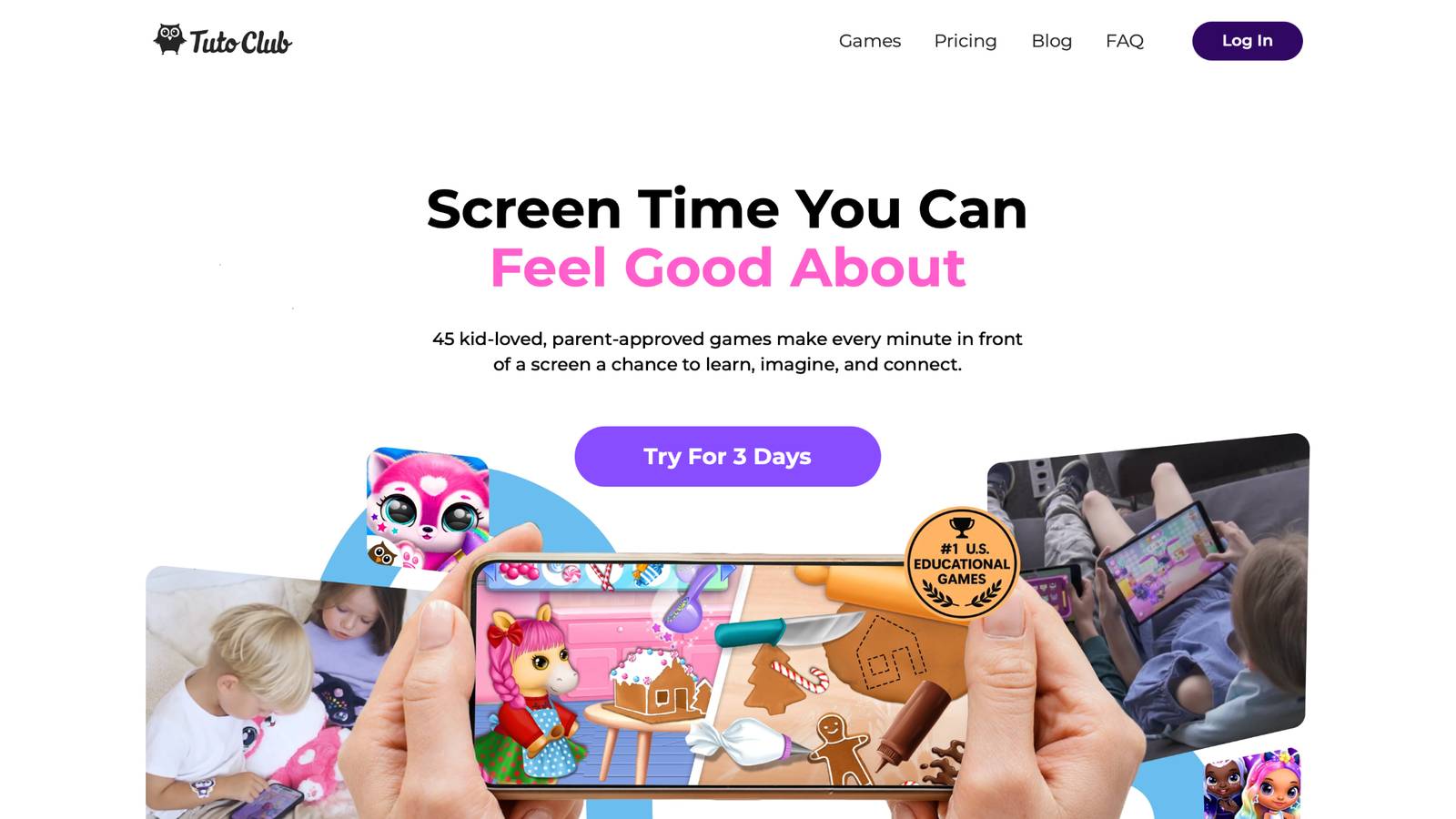
TutoClub gives families one simple way to access more than 45 educational games designed around real childhood interests. The collection includes pet-care adventures that grow empathy, cleaning games that make routines playful, fashion and design play that boosts confidence, and creative story games that spark imagination.
Every game stays completely ad-free. Kids focus on the play itself. No sudden sales or loud interruptions pull attention away. The design supports healthy screen habits while building focus, creativity, and social skills through everyday themes kids already love.
Parents get peace of mind from research-backed games that turn screen time into something useful. Children return to the games because the themes match their passions. Families often play side by side, turning solo screen moments into shared connection. The full set of educational games makes matching interests straightforward.
The subscription unlocks the full set so you can try several styles and see which ones stick. Regular updates keep the experience fresh. Multi-device access makes it easy for different family members. Details appear in the subscription FAQ and sign up page.
TutoClub Overview
TutoClub is your gateway to a magical world of educational games designed especially for children.
As part of TutoTOONS, a leading kids' games studio, we offer premium access to over 45 ad-free games.
Our mission is to blend learning and play, helping kids explore, create, and grow in a safe online space.
Thousands of parents trust us for family-friendly content that sparks imagination and builds essential skills.
Key Features
- Unlimited Access: Unlock full content in all games with no interruptions.
- Ad-Free Experience: Enjoy seamless play without any ads or distractions.
- Skill Development: Games foster creativity, social skills, communication, and more through fun activities like pet care and cleanup challenges.
- Regular Updates: Get new releases, exclusive content, and future updates automatically.
- Easy Subscription: Cancel anytime with no obligations, simple and flexible for families.
Explore Our World
TutoClub provides a rich ecosystem of educational games for kids, featuring ad-free experiences that promote creativity, focus, and emotional growth through play.
This platform turns screen time into valuable learning opportunities, with parent-approved content that builds essential skills and sparks curiosity in young minds.
- TutoClub Games: Over 45 educational games, including popular titles like Fluvsies, Smolsies, and the Sweet Baby Girl series
- Blog: Insights, tips, and stories for families on kids' learning and play
- FAQ: Comprehensive answers to frequently asked questions about subscriptions, features, and more
Get TutoClub on Your Device
TutoClub delivers premium kids educational games directly to your mobile devices, making learning accessible anytime, anywhere.
With apps available on major platforms, families can easily download and subscribe for ad-free play that turns screen time into skill-building adventures.
Perfect for parents seeking safe, engaging content on iOS, Android, or Amazon devices.
Why Choose TutoClub?
We're committed to 100% safe, enriching entertainment that kids love and parents approve. Join the thousands who've seen their children thrive through playful learning.
Ready to start the adventure?
Practical Steps Parents Can Take Today
Start with one strong interest your child shows right now. Choose two or three games that connect to it. Introduce them together so you both understand the goals. Lists of the best online educational games for kids or tablet games for kids can help with selection. Play alongside for the first sessions. Ask what they notice or create. This builds conversation and shows you value their choices. Rotate options every week or two. Fresh choices keep interest high without overwhelm. Watch which ones your child asks for again.
Talk about the skills after play. You built a home for the pets. That took planning. You finished the clean-up. That shows follow-through. Simple links help children see their own growth. Balance with offline time. Use the same interests offline too. A pet-loving child can help care for a real plant or draw animals. The game and real world reinforce each other. Summer or holiday ideas appear in summer holiday educational games and offline ideas for kids. Keep the process light. The goal is enjoyment that also teaches. When a game no longer fits, switch without pressure. Support pages and the main FAQ answer common practical questions.
FAQ
What if my child has many different interests?
Children often show several strong interests at once, such as animals, creating designs, and everyday routines. A flexible set of educational games lets you offer a small mix that covers two or three favorites without overwhelming the child. Rotating options every week or two keeps the experience fresh and helps you see which themes hold attention longest. Games built around pet care, fashion play, or simple chores can naturally connect to overlapping interests and support skills like empathy, creativity, and responsibility at the same time. Online educational games make it simple to match several passions in one place.
How do I know if a game is truly educational?
A game earns the educational label when the learning sits inside the play itself rather than feeling added on. Look for clear chances for the child to make choices, solve small problems, create something, or practice care and kindness. Active involvement matters more than flashy effects, and the design should match the child’s age and current abilities so success feels reachable. Quality feedback that gently guides the next try also strengthens real skill growth. Parent notes that mention lasting engagement and calm focus often point to stronger options among learning apps for kids.
Can educational games replace other learning?
Educational games work best as one helpful tool alongside books, outdoor play, conversation, and hands-on activities. They reinforce skills in a fun format while real-world experiences deepen understanding and provide different kinds of practice. Pairing a pet-care game with caring for a real plant or drawing animals, for example, creates natural connections that help the learning stick. The games support focus, creativity, and social-emotional growth, yet balance with offline time keeps the overall routine healthy. Many families find that interest-matched play and everyday activities strengthen each other through approaches like learning through play.
How much time should kids spend on these games?
Short, purposeful sessions tend to work well for most children when balanced with movement, family time, and other activities. Watch your child’s energy and mood to find the right length rather than following a fixed rule. Games that match strong interests often hold attention without overstimulation, especially when the design stays ad-free and calm. Talking about the play afterward turns the time into shared learning and helps the child notice their own growth. A simple family approach that includes offline play around the same interests keeps screen time positive, as shared in guides on healthy screen habits.
What makes a good first game for a hesitant child?
Start with a game closely tied to a current strong interest and built around simple, rewarding steps the child can complete with light support. Playing together for the first sessions builds comfort and shows the child that the activity feels safe and fun. Clear goals and gentle feedback reduce frustration and help early success feel good. Themes such as caring for characters or creating designs often invite reluctant players because they connect to something the child already enjoys. Once confidence grows, it becomes easier to introduce related options from collections of the best safe games for kids.
Read Also:
- Best Interactive Online Games For Kids In 2026
- How to Choose Educational Apps That Teach Preschool Skills
- Best Games Online For Kids In 2026
- Benefits of Expert-Backed Learning Games
- Creating Screen Time Builds Real Academic and Life Skills
Discover educational games that match what your child loves at TutoClub.