
Chore Games for Real-Life Skills Through Play





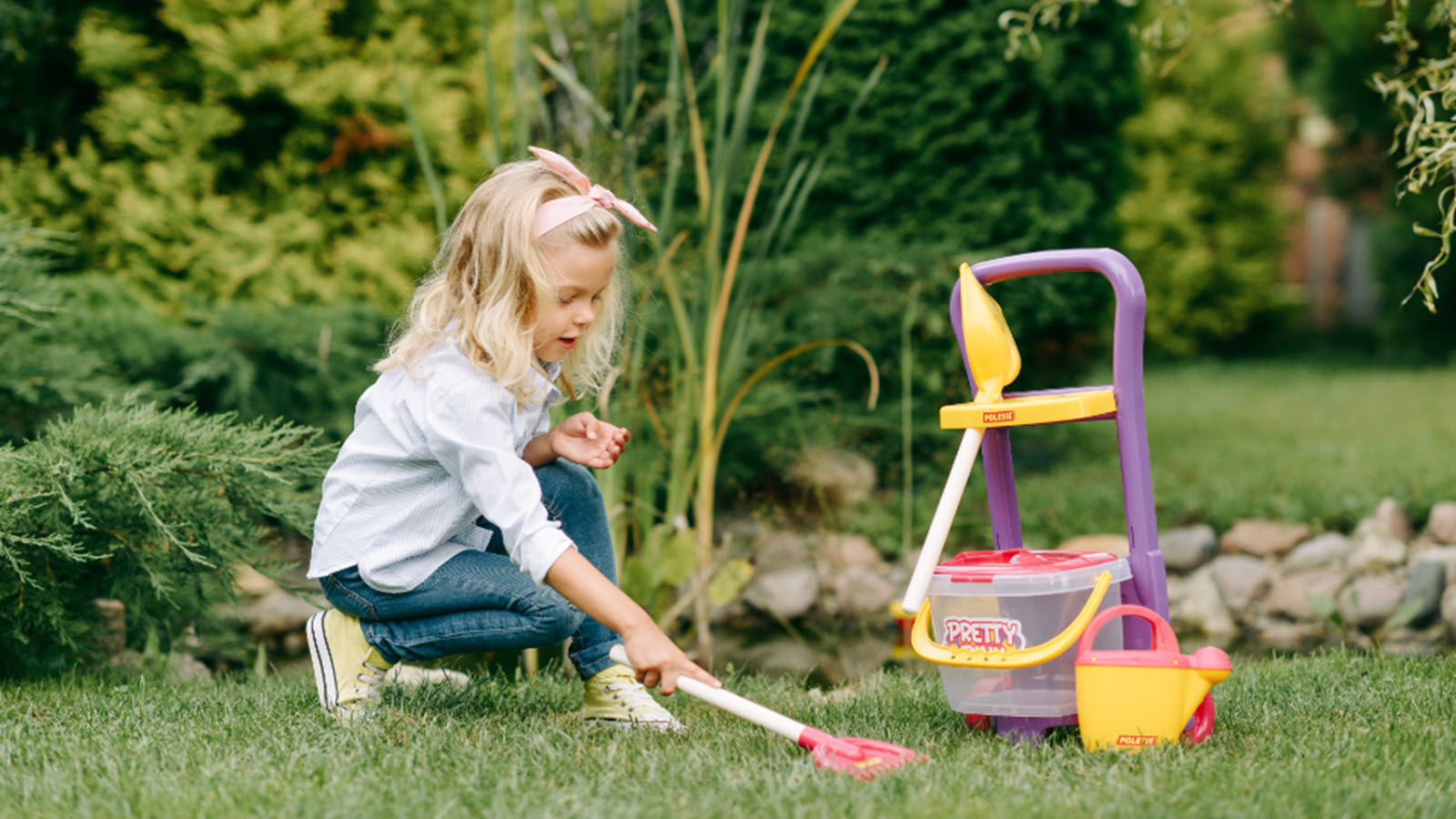
Kids often see chores as boring duties. Yet many parents notice a shift when they turn these tasks into games. Children suddenly engage, laugh, and pick up habits that stick. Chore games blend fun with learning, helping young ones develop responsibility, organization, and confidence while they play.
Beyond chores, you can extend this playful approach with other engaging options like the best dress-up games for girls online, the best learning games for kids online, the best responsibility games for kids, and the best social emotional games for kids. These games make learning fun while nurturing important life skills such as creativity, responsibility, and emotional awareness in a natural and enjoyable way.
Why Chore Games Work So Well for Building Skills
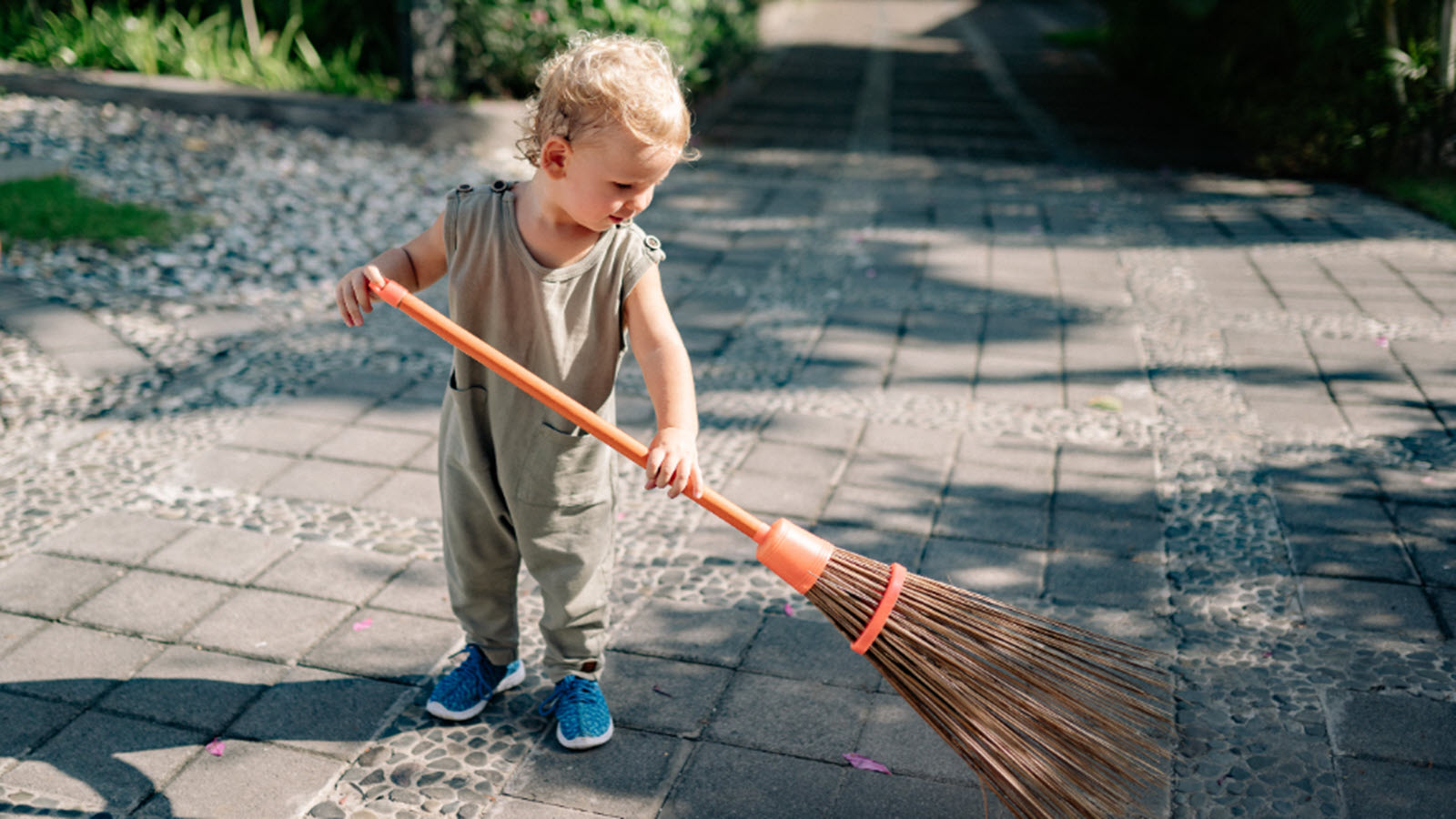
Chores help children feel capable and part of the family. When wrapped in games, resistance fades. Kids focus on the challenge or story instead of the work. This approach boosts engagement and makes lessons about teamwork and persistence easier to absorb. Games add structure and clear goals. A timer or points system gives immediate feedback, which helps young brains learn cause and effect. Children practice planning, sequencing steps, and finishing what they start. These elements mirror real-life demands in a low-pressure way.
Many social emotional games encourage social interaction too. Siblings or parents join in, turning solo tasks into shared activities. This builds communication and cooperation naturally. Over time, kids internalize the routines and apply them outside the game.
To further support your child’s growth, consider these highly effective options: the best problem solving games for kids, the best social emotional games for kids, the best confidence building games, and the best responsibility games for kids. These games complement chore-based play by strengthening critical thinking, emotional intelligence, self-esteem, and a strong sense of responsibility through fun, interactive experiences.
Age-Appropriate Chore Games and Activities
Tailor games to your child's age for the best results. Toddlers thrive on simple, sensory play. Older kids handle more complex challenges that build deeper skills.
Games for Toddlers and Preschoolers (Ages 2-5)
Young children love movement and repetition. Short games with bright visuals and sounds keep their attention. Focus on basic actions like picking up toys or wiping surfaces.
- Use music: Turn cleanup into a dance party. Sing a song while sorting blocks or putting clothes in a basket.
- Matching games: Sort socks by color or shape. Apps with drag-and-drop actions work well here.
- Pretend play: Let them "help" with safe tasks like handing you items during real chores.
In Sweet Baby Girl Clean Up 5, little ones clean rooms and playgrounds in a guided, rewarding way. It feels like playing while introducing order. Giggle Babies adds gentle routines that support early habits. These early experiences lay the groundwork for independence. Kids gain fine motor skills and a sense of accomplishment from small wins.
Games for School-Age Kids (Ages 6-9)
This group enjoys competition and creativity. Add points, levels, or stories to chores.
- Treasure hunts: Hide items to find and put away.
- Role-playing: Assign "jobs" like chef or gardener in a family game.
- Digital adventures: Games that simulate home management teach planning without real mess.
TutoClub's Floof - My Pet House combines puzzles and decorating with care routines. Kids practice memory and organization while building emotional connections. For more, try the TutoClub subscription that unlocks dozens of similar experiences.
Ideas for Older Kids (Ages 10+)
Teens benefit from real-world simulation. Games involving budgeting, meal planning, or team projects work best.
- Challenge modes: Race against time or family members on bigger tasks.
- Creative twists: Redesign spaces or create chore playlists.
- Responsibility apps: Track progress and earn meaningful rewards.
Even here, TutoClub games like pet care titles reinforce habits through engaging stories. Link to princess or fashion games for creative expression alongside duties.
How Specific Games Teach Key Life Skills
Different games target particular abilities. Understanding this helps parents choose wisely.
- Cleaning and Organization Games teach sequencing and attention to detail. Kids follow steps to restore order, which translates to better focus in schoolwork.
- Pet Care Simulations build empathy and consistency. Regular feeding and play routines mirror real responsibilities and strengthen emotional awareness.
- Puzzle and Memory Games improve problem-solving. Decorating or sorting challenges enhance spatial awareness and planning.
- Role-Playing Titles encourage perspective-taking. Kids step into helper roles, fostering cooperation and understanding of family needs.
Simple Ways to Create Your Own Chore Games at Home
You don't need fancy tools. Many effective games use everyday items.
- Speed Challenges: Set a short timer for picking up toys. Beat yesterday's score together.
- Bingo or Cards: Create cards with tasks. Draw one and complete it for points.
- Story Integration: Turn chores into episodes of an ongoing family tale.
- Sensory Twists: Use colored bins for sorting or blindfolds for safe finding games (with supervision).
Pair homemade fun with digital options. After a real cleanup session, reward with time in dress up games for girls. This reinforces the connection between effort and enjoyment. Track progress visually with charts or photos. Celebrate improvements to build lasting motivation.
Making Chores a Positive Family Habit
Consistency matters more than perfection. Start small and build gradually. Involve everyone so no one feels singled out. Praise effort over results at first. "You worked so hard sorting those books!" This grows confidence. Model positive attitudes by joining in cheerfully. Set clear expectations with visuals or routines. Rotate tasks to prevent boredom and teach new skills. Use fun educational games as bridges between play and real duties. Many families report smoother mornings and fewer arguments after establishing game-based systems. The shared laughter strengthens bonds too. Explore more family-friendly options in the TutoClub games or contact support for personalized suggestions.
Common Skills Built Through Chore Games
Here is a breakdown of key skills:
- Responsibility for kids: Regular virtual tasks help kids follow through on commitments. Real-life benefit: They become more reliable with daily duties.
- Organization: Sorting and cleaning levels improve how kids manage spaces. Real-life benefit: Better personal organization.
- Teamwork: Multi-player modes build cooperation with family. Real-life benefit: Stronger family collaboration.
- Problem-Solving skills for children: Puzzle elements in chores encourage creative solutions. Real-life benefit: Kids tackle challenges more effectively.
- Emotional Awareness: Caring for characters develops empathy. Real-life benefit: Improved relationships.
This overview highlights connections many parents observe. Actual growth varies by child and consistent practice.
Tips for Success and Common Pitfalls to Avoid
Keep sessions short to match attention spans. Mix fun learning game types to maintain interest. Focus on progress, not perfection. Avoid using games as bribes. Frame them as tools for growth instead. Monitor screen balance with plenty of outdoor and hands-on time. Adapt as kids grow. What works for a 4-year-old changes by age 8. TutoClub's variety supports this natural progression through its expanding collection. Stay patient. Habits form over weeks and months. Celebrate small steps along the way.
How do chore games help with school performance?
Chore games for real-life skills through play strengthen executive functions such as planning, focus, and self-control through structured play activities. These mental skills transfer directly to homework, projects, and classroom routines where children need to sequence tasks and stay organized. In these games, kids practice attention to detail during cleaning or pet care simulations, which supports better retention and independence in academic settings. The playful approach also builds confidence that carries over to school challenges.
TutoClub Games for Chore Skills and Daily Routines
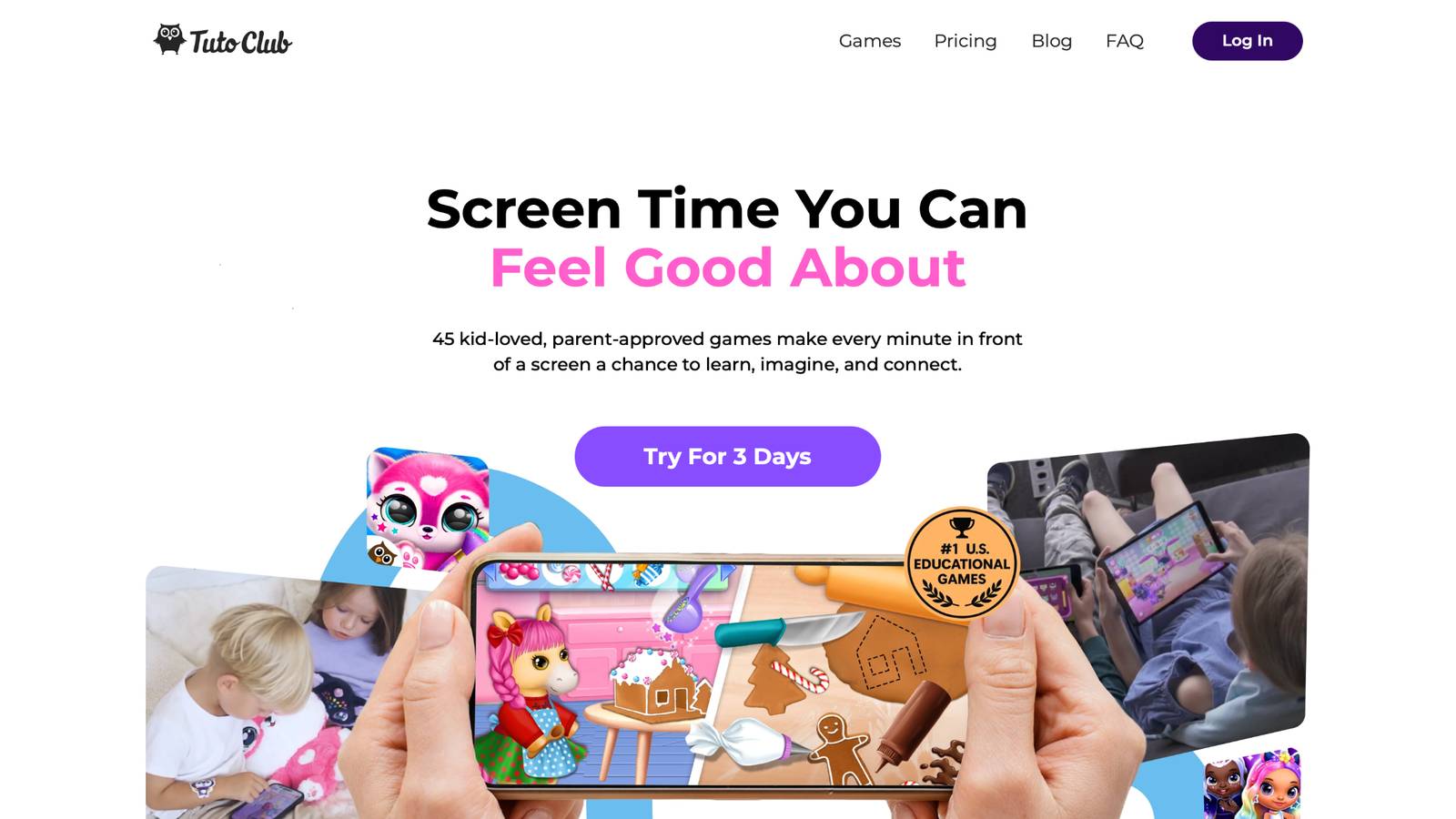
TutoClub is your gateway to a magical world of educational games designed especially for children.
As part of TutoTOONS, a leading kids' games studio, we offer premium access to over 45 ad-free games.
Our mission is to blend learning and play, helping kids explore, create, and grow in a safe online space.
Thousands of parents trust us for family-friendly content that sparks imagination and builds essential skills.
Key Features
- Unlimited Access: Unlock full content in all games with no interruptions.
- Ad-Free Experience: Enjoy seamless play without any ads or distractions.
- Skill Development: Games foster creativity, social skills, communication, and more through fun activities like pet care and cleanup challenges.
- Regular Updates: Get new releases, exclusive content, and future updates automatically.
- Easy Subscription: Cancel anytime with no obligations, simple and flexible for families.
Explore Our World
TutoClub provides a rich ecosystem of educational games for kids, featuring ad-free experiences that promote creativity, focus, and emotional growth through play.
This platform turns screen time into valuable learning opportunities, with parent-approved content that builds essential skills and sparks curiosity in young minds.
- TutoClub Games: Over 45 educational games, including popular titles like Fluvsies, Smolsies, and the Sweet Baby Girl series
- Blog: Insights, tips, and stories for families on kids' learning and play
- FAQ: Comprehensive answers to frequently asked questions about subscriptions, features, and more
Get TutoClub on Your Device
TutoClub delivers premium kids educational games directly to your mobile devices, making learning accessible anytime, anywhere.
With apps available on major platforms, families can easily download and subscribe for ad-free play that turns screen time into skill-building adventures.
Perfect for parents seeking safe, engaging content on iOS, Android, or Amazon devices.
Why Choose TutoClub?
We're committed to 100% safe, enriching entertainment that kids love and parents approve.
Join the thousands who've seen their children thrive through playful learning.
Ready to start the adventure?
Subscribe to TutoClub today and unlock endless fun!
FAQ
How do chore games help with school performance?
Chore games strengthen executive functions such as planning, focus, and self-control through structured play activities. These mental skills transfer directly to homework, projects, and classroom routines where children need to sequence tasks and stay organized. In games like those found in various collections, kids practice attention to detail during cleaning or pet care simulations, which supports better retention and independence in academic settings. The playful approach also builds confidence that carries over to school challenges.
What makes digital chore games effective compared to traditional methods?
Digital chore games provide immediate feedback, levels, and engaging stories that sustain motivation over longer periods. They offer visual progress tracking and varied scenarios without requiring extra preparation from parents. Many safe apps also integrate organization and responsibility lessons seamlessly into entertaining adventures that feel rewarding. This combination makes consistent practice more appealing while reinforcing real-life habits through repetition in a safe environment.
Can chore games support children with different learning needs?
Chore games often include adjustable difficulty, visual cues, and multiple engagement styles that accommodate varied paces and preferences. Pet care simulations, for example, build routines gently through appealing characters and simple daily tasks. These activities support diverse learning approaches by combining movement, creativity, and problem-solving elements. Families find that the low-pressure format helps children with different needs gain skills at their own comfortable rhythm.
How can families balance chore games with other activities?
Families often incorporate chore games into daily routines for short sessions that complement outdoor play and hands-on responsibilities. Mixing digital experiences with real-world tasks creates natural connections between virtual learning and everyday life. This balance helps maintain engagement while preventing over-reliance on screens. Consistent but flexible timing allows children to develop habits without disrupting family flow or physical activity.
Where do families find ongoing inspiration for chore-related play ideas?
Various game collections and resources offer fresh scenarios that blend cleaning, nurturing, and creative challenges suitable for different ages. Parents draw from cleaning adventures or responsibility-building elements for kids to adapt home activities. These platforms provide varied themes that evolve with children’s interests and growing abilities. Exploring available options reveals new ways to incorporate life skills into playtime seamlessly.
Read Also:
- Best Educational Games For Kindergarten in 2026
- Parent’s Guide to Healthy Screen Time with Educational Apps
- Best Problem Solving Games For Kids In 2026
- Best Educational Games For Kids 4 Years Old Online
- Best Kid Educational Games in 2026