

Best Games For Autistic Kids In 2026





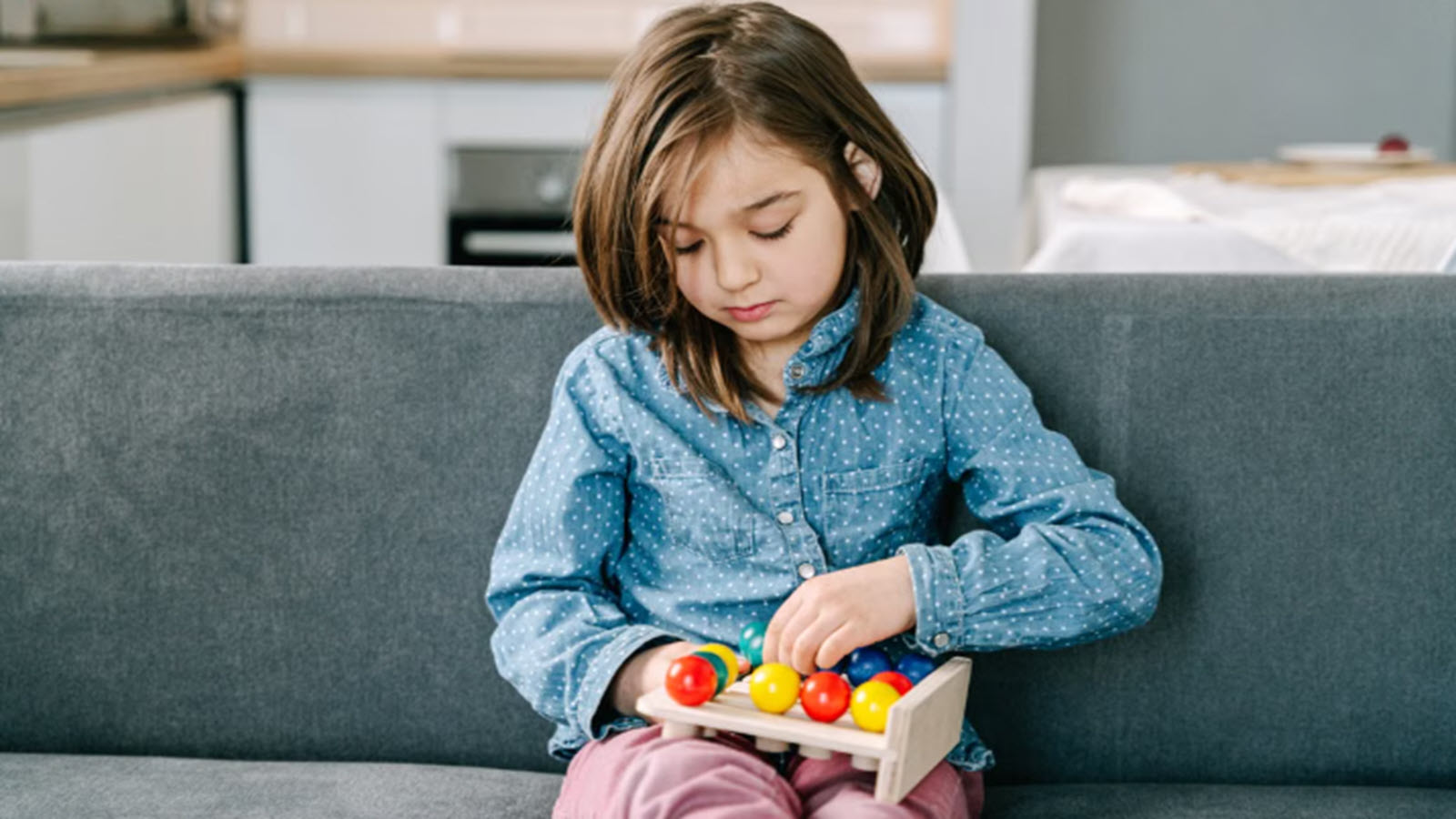
Parents search for activities that make screen time meaningful for children on the autism spectrum. The best games for autistic kids in 2026 can help build skills like focus, problem-solving, empathy, and creativity in structured, enjoyable ways. Many options stand out for their calm design, clear routines, and support for different learning needs.
Many of these games align beautifully with the principle of learning through play, offering gentle cognitive challenges such as the best memory games for kids and the best brain games for kids. At the same time, they support emotional growth through the best confidence building games that celebrate small successes and create positive, low-pressure experiences tailored to each child’s unique pace.
Why Games Matter for Autistic Kids

Educational games create predictable and supportive environments where children on the autism spectrum can practice important skills at their own comfortable pace. Structured digital play strengthens cognitive development by improving attention span, memory retention in kids, and logical thinking abilities. Emotional awareness grows naturally as kids interact with characters and simple scenarios that model feelings and responses in a low-pressure setting. Social understanding develops gradually through gentle turn-taking mechanics or cooperative elements that feel approachable rather than overwhelming.
Many families notice positive changes in confidence, daily routines, and overall engagement when children regularly play games that align well with their personal interests and sensory preferences. These activities serve as valuable outlets that help build resilience, a sense of accomplishment, and reduced frustration during play. Well-designed safe games often complement other therapies, educational efforts, and quality family time, transforming potential challenges into opportunities for connection, learning, and joyful growth in 2026.
These benefits extend across different platforms, making the best mobile games for kids convenient for on-the-go play. Many titles also incorporate language development through the best English learning apps for kids, sharpen thinking with the best problem-solving games for kids, and nurture emotional growth via the best social emotional games for kids - all while respecting individual sensory needs and learning styles.
Choosing the Right Games for Autistic Kids
When selecting the best games for autistic kids, prioritize titles that include clear instructions, strong visual supports, and customizable difficulty levels to match individual abilities. Games connected to everyday routines, such as caring for virtual pets or completing familiar tasks, tend to feel comforting and motivating for many children. Consider how each activity aligns with your child's unique strengths, whether in recognizing patterns, enjoying storytelling, or expressing ideas through creative building and design elements.
It is helpful to begin with short play sessions and carefully observe what captures and holds attention before gradually increasing time. Options with both cooperative and solo modes provide helpful flexibility for different days or energy levels. Built-in parental controls and progress tracking features make it easier to maintain a healthy balance between screen time and other activities. The primary goal is to identify experiences that feel rewarding and supportive, allowing children to develop skills naturally through play they genuinely enjoy and look forward to each day.
Best Games For Autistic Kids In 2026
1. TutoClub - Best Games For Autistic Kids In 2026
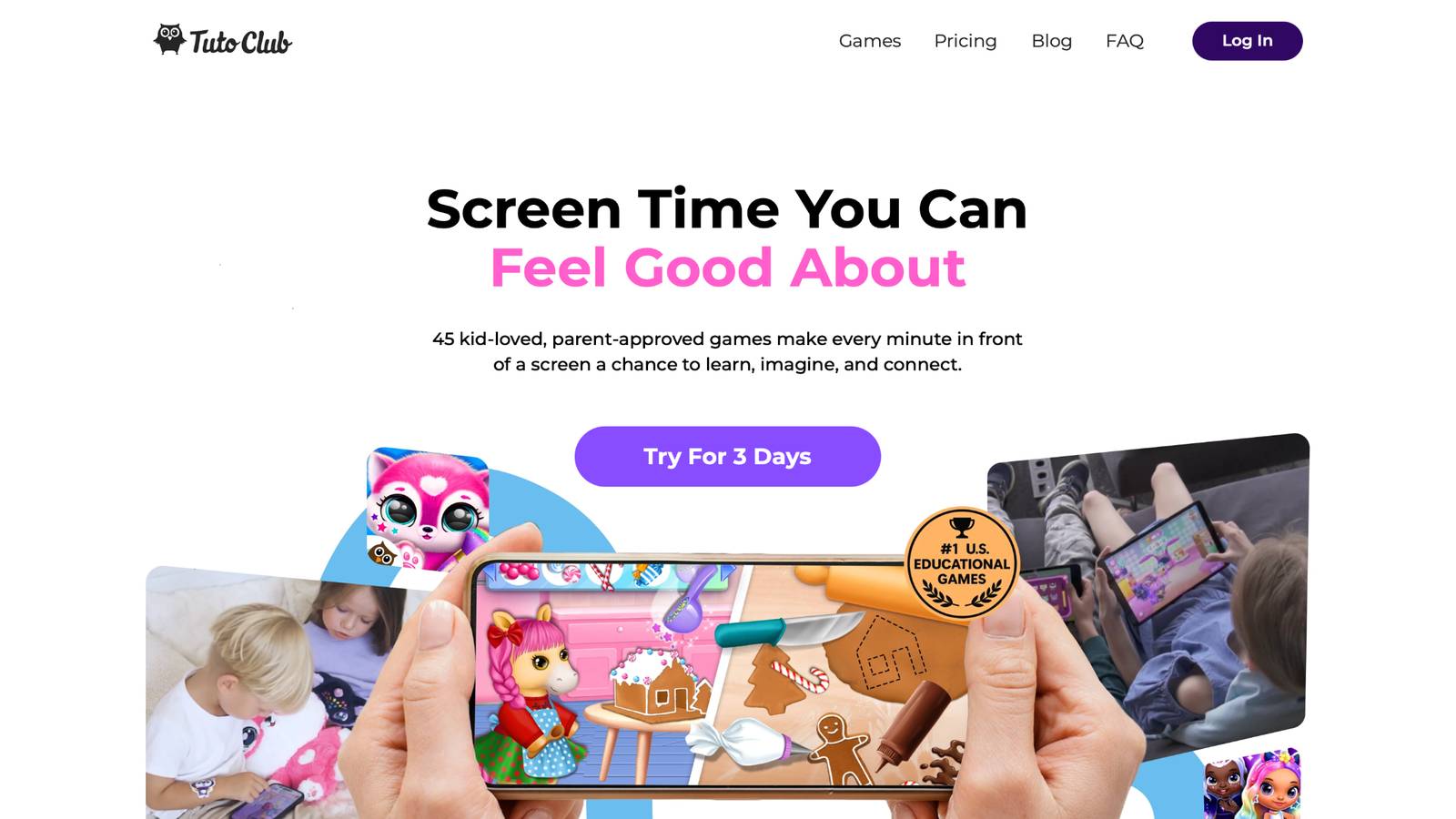
TutoClub games deliver a complete subscription service with over 45 ad-free titles created by the TutoTOONS studio based in Lithuania. This platform transforms screen time into enriching adventures that nurture creativity through art and storytelling tasks while sharpening focus via thoughtful puzzles. Children build emotional awareness as they practice empathy and compassion in caring scenarios, and they develop responsibility through gentle daily routines turned into playful challenges.
The collection features open-ended activities that spark curiosity and support lifelong learning habits. Kids explore worlds where they hatch and nurture virtual pets, complete cleaning quests that teach organization, or join fashion adventures that boost self-expression. Every game feels calm and inviting, with smooth progression that keeps young players engaged without frustration. Parents appreciate the safe, parent-approved design that works across iOS, Android, and Amazon devices after initial download.
- Standout features include adaptive challenges matched to skill levels, interactive narratives that fuel imagination, and regular fresh content to maintain excitement.
- Facts and information highlight research-backed approaches to joyful learning, multi-device flexibility after setup, and a distraction-free space that encourages meaningful play sessions.
TutoClub Overview
TutoClub is your gateway to a magical world of educational games designed especially for children.
As part of TutoTOONS, a leading kids' games studio, we offer premium access to over 45 ad-free games.
Our mission is to blend learning and play, helping kids explore, create, and grow in a safe online space.
Thousands of parents trust us for family-friendly content that sparks imagination and builds essential skills.
Key Features
- Unlimited Access: Unlock full content in all games with no interruptions.
- Ad-Free Experience: Enjoy seamless play without any ads or distractions.
- Skill Development: Games foster creativity, social skills, communication, and more through fun activities like pet care and cleanup challenges.
- Regular Updates: Get new releases, exclusive content, and future updates automatically.
- Easy Subscription: Cancel anytime with no obligations, simple and flexible for families.
Explore Our World
TutoClub provides a rich ecosystem of educational games for kids, featuring ad-free experiences that promote creativity, focus, and emotional growth through play.
This platform turns screen time into valuable learning opportunities, with parent-approved content that builds essential skills and sparks curiosity in young minds.
- TutoClub Games: Over 45 educational games, including popular titles like Fluvsies, Smolsies, and the Sweet Baby Girl series
- Blog: Insights, tips, and stories for families on kids' learning and play
- FAQ: Comprehensive answers to frequently asked questions about subscriptions, features, and more
Get TutoClub on Your Device
TutoClub delivers premium kids educational games directly to your mobile devices, making learning accessible anytime, anywhere.
With apps available on major platforms, families can easily download and subscribe for ad-free play that turns screen time into skill-building adventures.
Perfect for parents seeking safe, engaging content on iOS, Android, or Amazon devices.
Why Choose TutoClub?
We're committed to 100% safe, enriching entertainment that kids love and parents approve.
Join the thousands who've seen their children thrive through playful learning.
Ready to start the adventure?
Find the best games for autistic kids in 2026. Try TutoClub now!
2. Fluvsies Academy
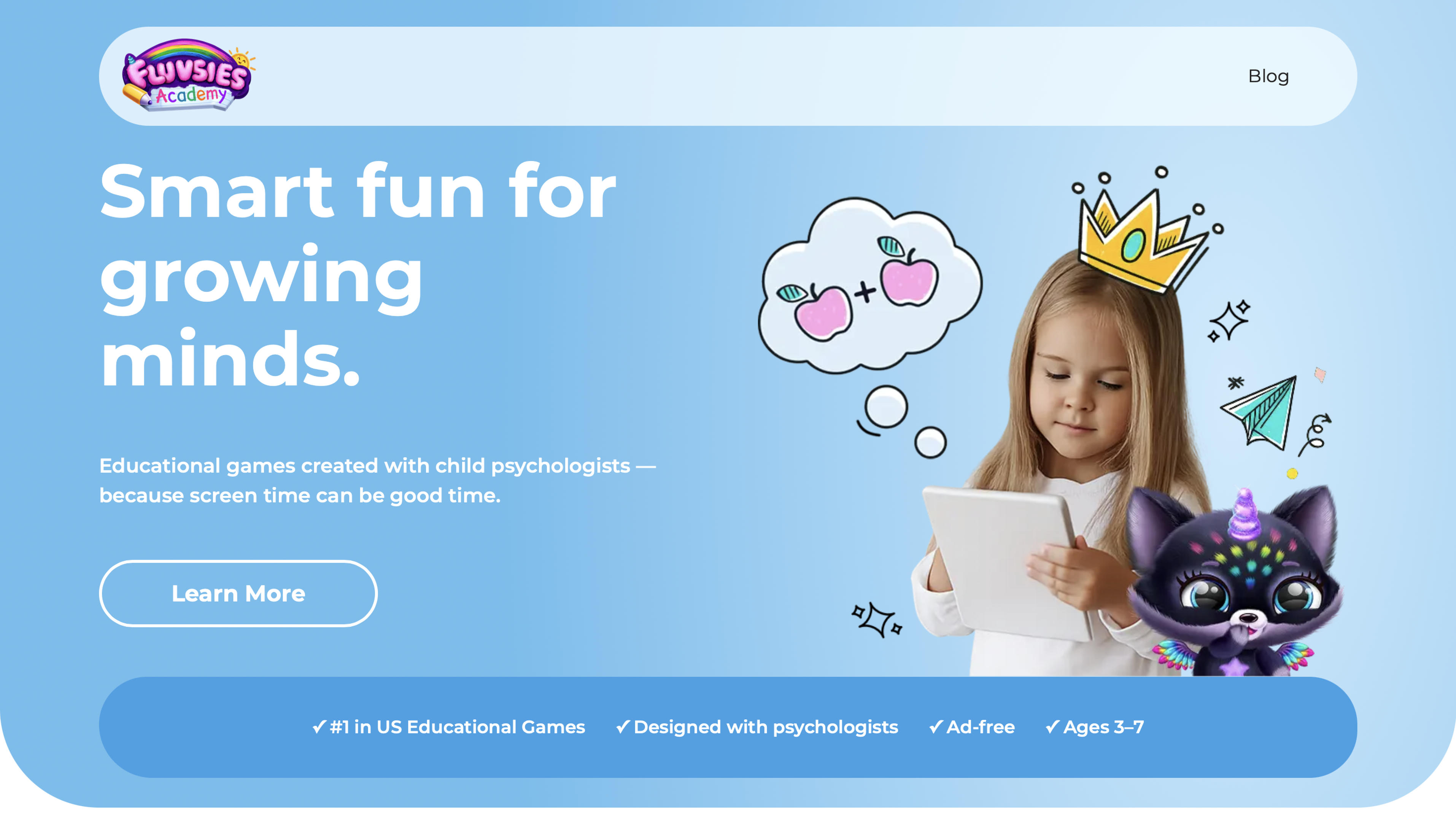
Fluvsies Academy creates a gentle learning space where preschoolers practice logic and attention through playful activities built around familiar daily routines. Young children explore professions, sort objects, and solve simple puzzles while following friendly characters on short adventures that feel like real life stories come to life. The app balances active thinking challenges with creative freedom so kids develop early reasoning without any sense of pressure or failure. Every level encourages trial and error in a supportive way that builds confidence step by step. Children quickly learn to recognize patterns, compare items, and make choices that lead to happy outcomes for their fluffy friends. The bright colors and cheerful sounds keep little ones engaged for just the right amount of time each day. Parents love how the activities blend seamlessly with everyday skills like dressing, cleaning, and helping others. The platform feels like an extension of imaginative play rather than structured lessons, which makes it easy for families to include in morning or bedtime routines. Kids return often because the characters become like trusted buddies who cheer them on with every small success.
- Key features include logic and attention exercises, sorting tasks, and life-skill simulations set in story contexts
- Facts and information highlight expert-guided design that supports focus and comparison abilities in a completely safe, ad-free format
3. AutiSpark
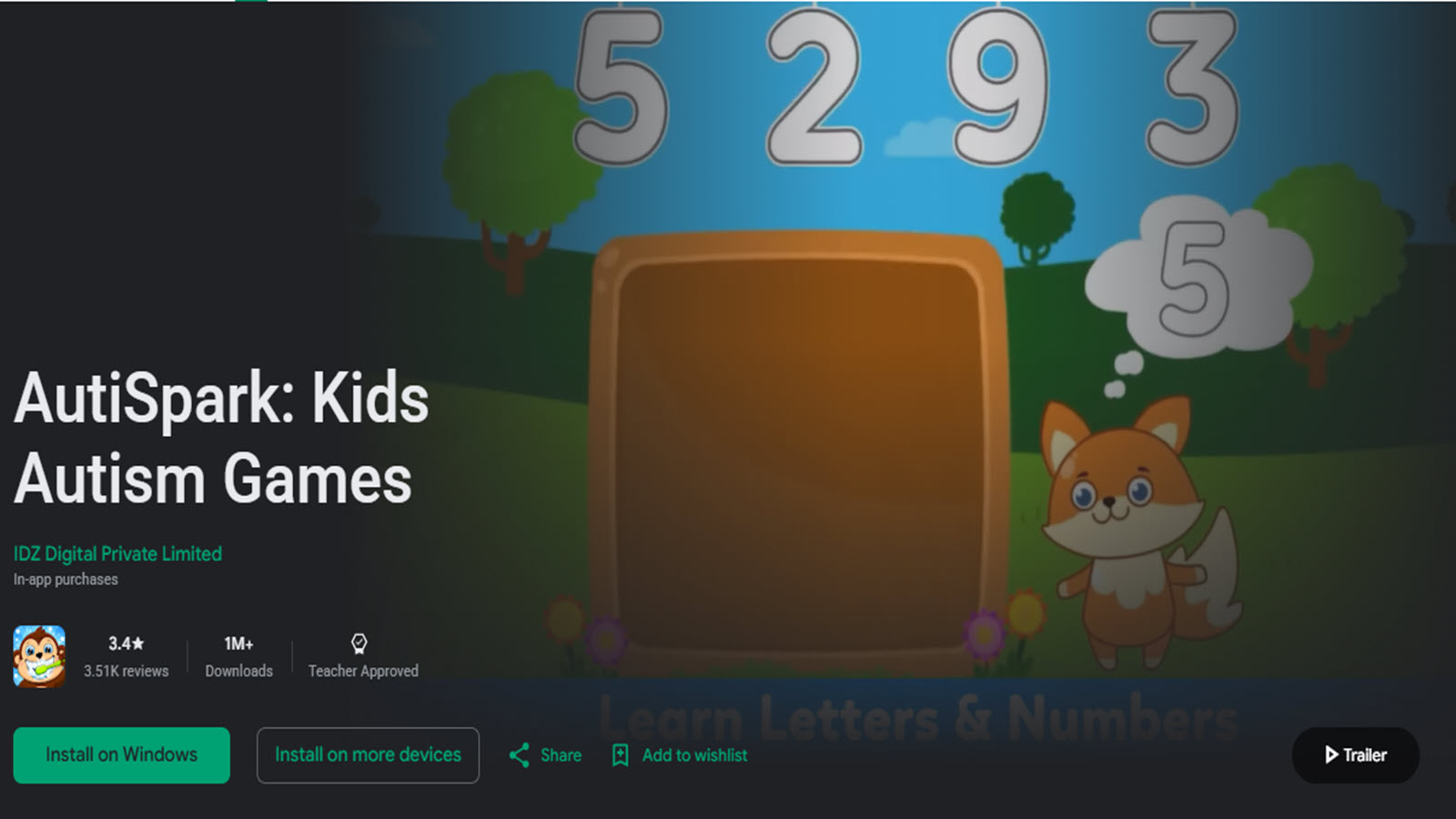
AutiSpark provides a thoughtfully designed collection of learning games created to meet the specific needs of children with autism spectrum disorder. Activities include tracing letters and numbers, identifying colors and shapes, basic math exercises, sorting tasks, memory games, puzzles, flash cards, and social stories that use clear, simple visuals and consistent repetition. The structured format with immediate positive feedback helps build receptive language, cognitive abilities, and daily concepts in a supportive way that minimizes frustration.
Children benefit from the predictable routines and gradual progression that allow them to master skills step by step. Visual supports and engaging graphics maintain interest while reinforcing important associations between objects, actions, and ideas. The app's design, informed by expert input, creates an accessible pathway for non verbal or early learners to gain vocabulary and imitation skills through repeated, rewarding practice. Parents and therapists often note improvements in attention and communication as children interact with the varied activities that cover foundational areas in a patient, encouraging manner. AutiSpark continues to serve as a valuable resource for families looking for specialized tools that promote steady progress through enjoyable, targeted play experiences.
4. Minecraft
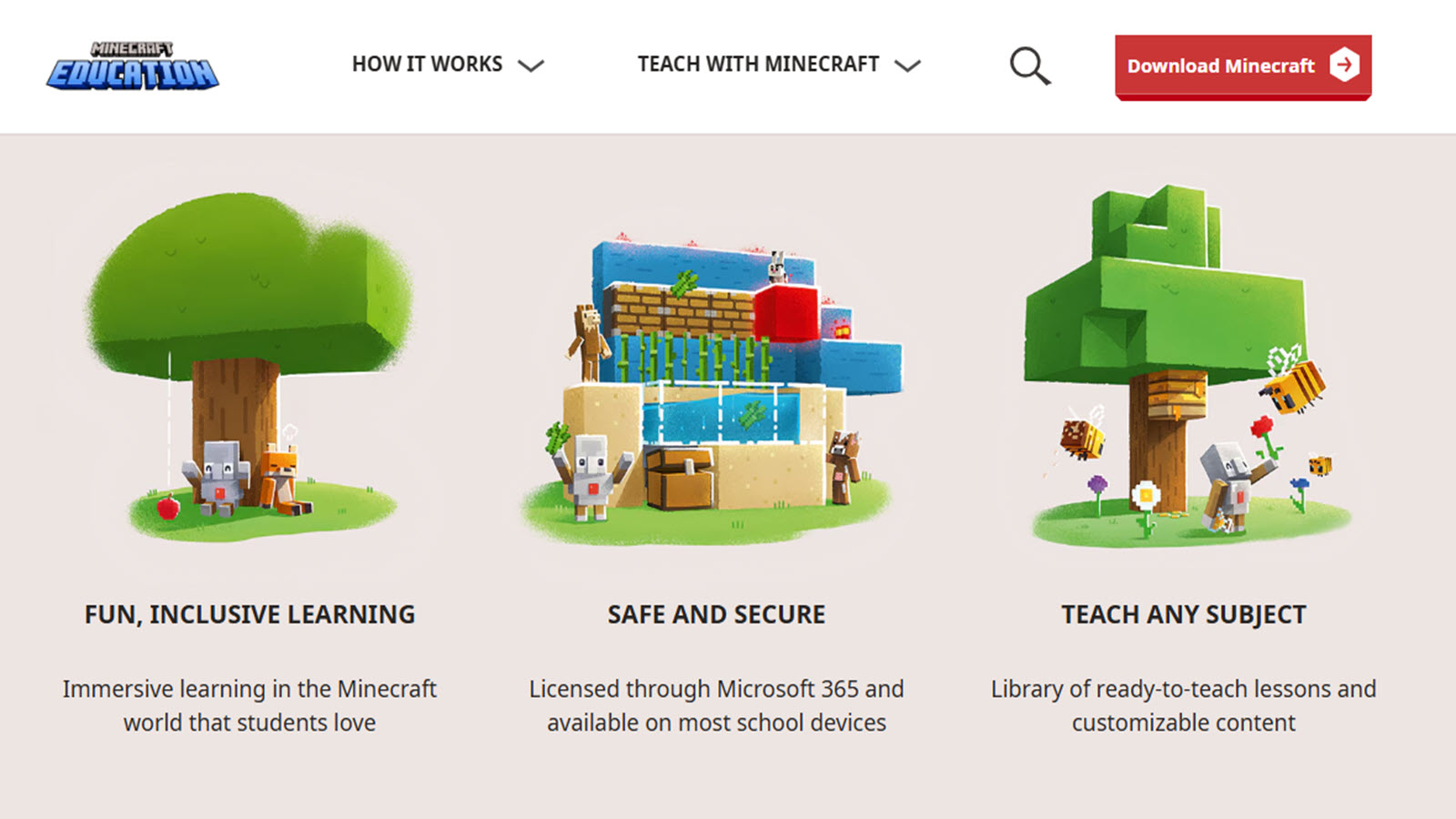
Minecraft offers an open creative world where children can build, explore, and shape their own environments using blocks and tools at their individual pace. The game's combination of structure and freedom appeals to many kids on the spectrum by providing clear mechanics alongside endless possibilities for personal expression and experimentation. Players develop spatial reasoning and problem solving as they plan constructions, gather resources, and overcome simple challenges in a self directed manner.
Supportive community servers create safe spaces for optional social interaction focused on shared building projects and common interests. The predictability of core gameplay elements reduces anxiety while encouraging creativity and resilience through trial and error learning. Many children find satisfaction in creating detailed worlds that reflect their imagination, which can lead to improved focus and a stronger sense of accomplishment. The game's flexibility allows for modifications and modes that suit different sensory preferences and skill levels. Families value how Minecraft supports cognitive growth, planning abilities, and creative thinking while offering a calming outlet for self expression in a digital format that feels both engaging and controllable.
5. PBS Kids Games
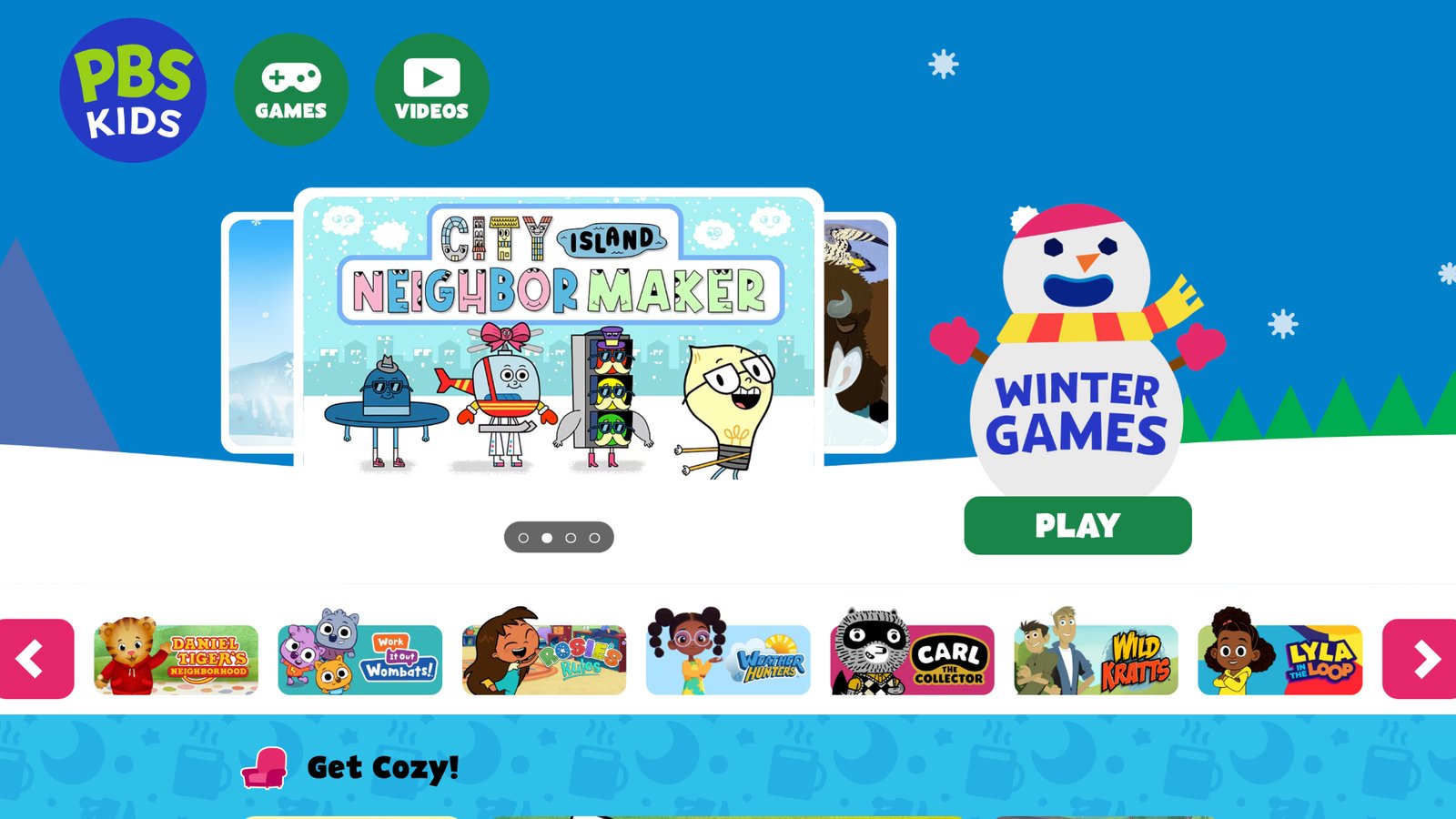
PBS Kids Games feature a selection of free activities centered around familiar characters and straightforward educational objectives. Titles cover foundational math concepts, early literacy skills, science exploration, and social emotional learning through interactive stories and challenges. The games incorporate clear visual cues, short segments, and accessibility options that accommodate various motor and learning needs effectively.
Familiar characters provide comfort and context that help children connect with the content on a personal level. Activities often include repetition and gradual increases in complexity to build confidence and mastery. Inclusive representation within the games promotes understanding and positive social messages in natural ways. Parents appreciate the balance of entertainment and learning that aligns with developmental stages while supporting emotional awareness through relatable scenarios. The platform's design ensures sessions remain focused and productive without unnecessary distractions. Overall, PBS Kids Games deliver reliable, high quality experiences that complement home learning routines and encourage curiosity across multiple subject areas.
6. ABCya
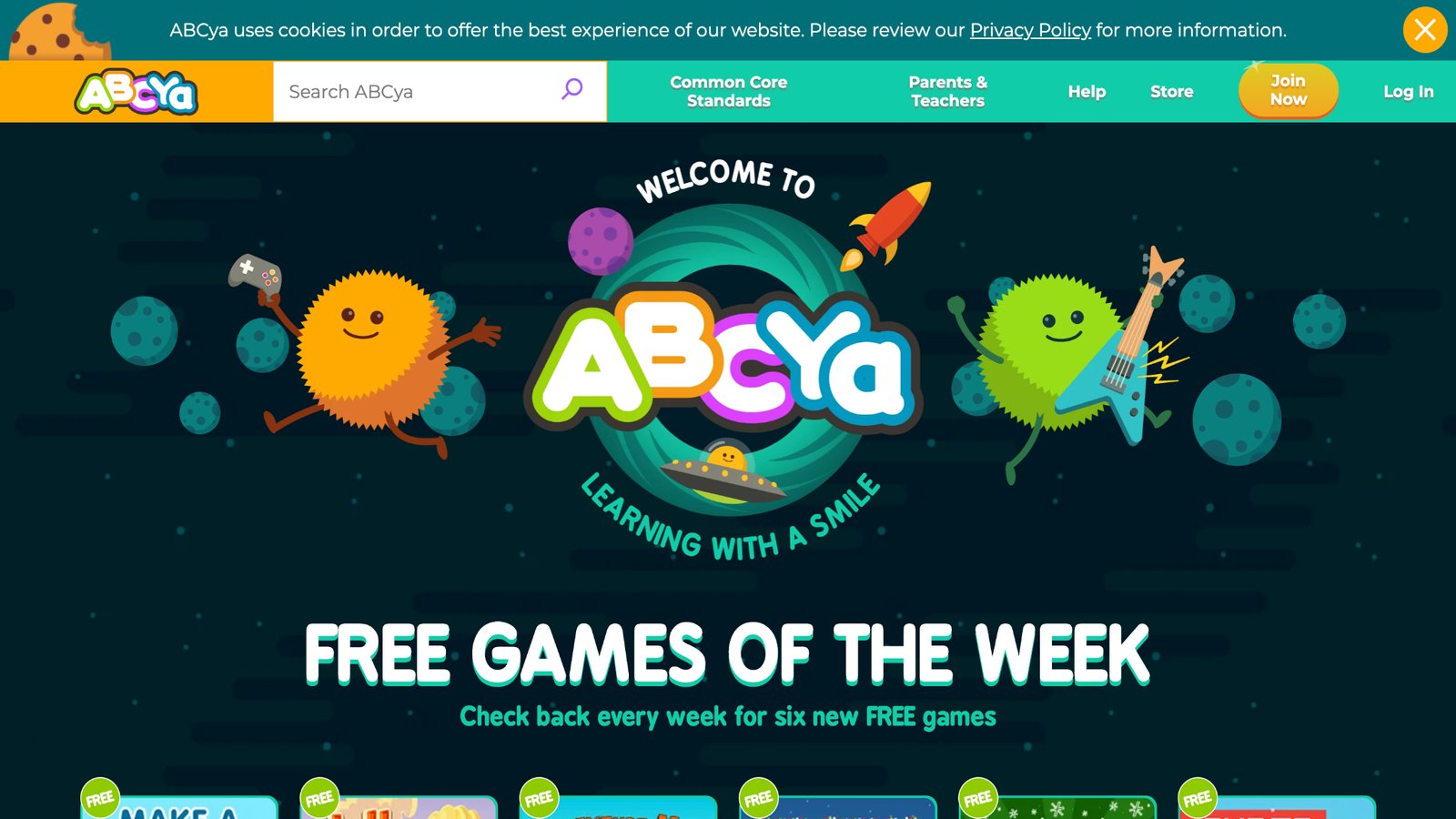
ABCya delivers grade appropriate games that target math, reading, logic, and typing skills through engaging, progressive challenges. The platform organizes content clearly by age and subject, allowing children to practice specific abilities with immediate feedback and visual rewards. Activities range from basic matching and sorting to more advanced puzzles and word games that adapt to growing capabilities.
The straightforward interface and consistent design help maintain focus during play sessions. Repetitive practice in a game format strengthens memory and problem solving while keeping motivation high. Parents find the variety useful for addressing different learning areas without switching between multiple applications. The games emphasize skill building in an approachable way that feels more like play than work. Regular updates keep the content relevant and interesting for returning users. ABCya serves as a solid option for structured digital learning that supports academic progress alongside enjoyment.
7. SplashLearn
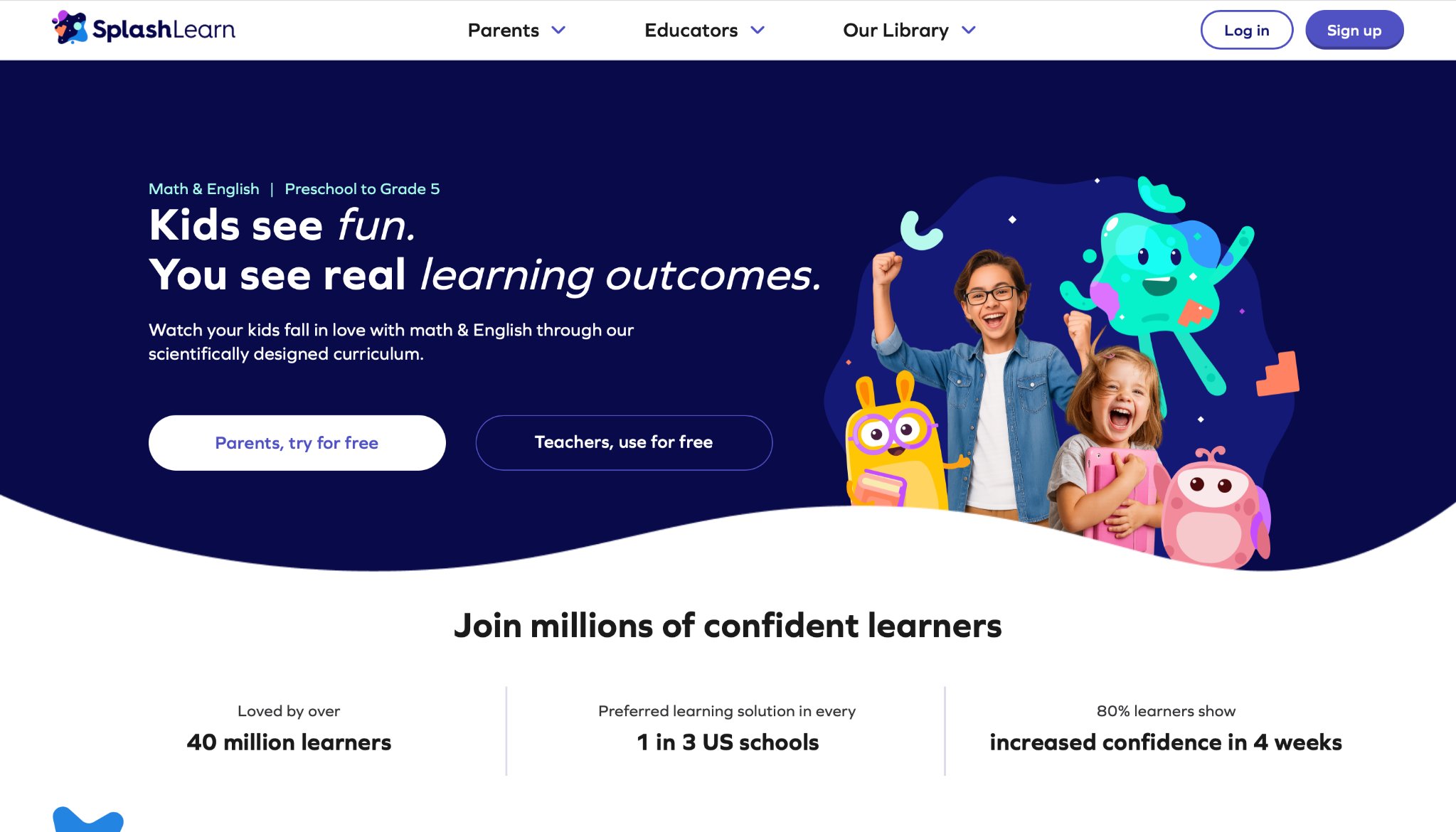
SplashLearn focuses primarily on math concepts through adaptive games that adjust to each child's performance level. Visual representations and interactive elements help explain numbers, operations, and problem solving strategies in clear, engaging formats. The platform tracks progress and offers personalized pathways that target areas needing additional practice.
Short, focused activities suit varying attention spans while building foundational understanding step by step. Rewards and positive feedback encourage persistence and confidence in tackling mathematical challenges. The design integrates well with other learning routines at home or in educational settings. Families value the emphasis on core skills presented through fun, game based mechanics. SplashLearn provides consistent support for mathematical development in a structured yet approachable digital environment.
8. Nick Jr. Games
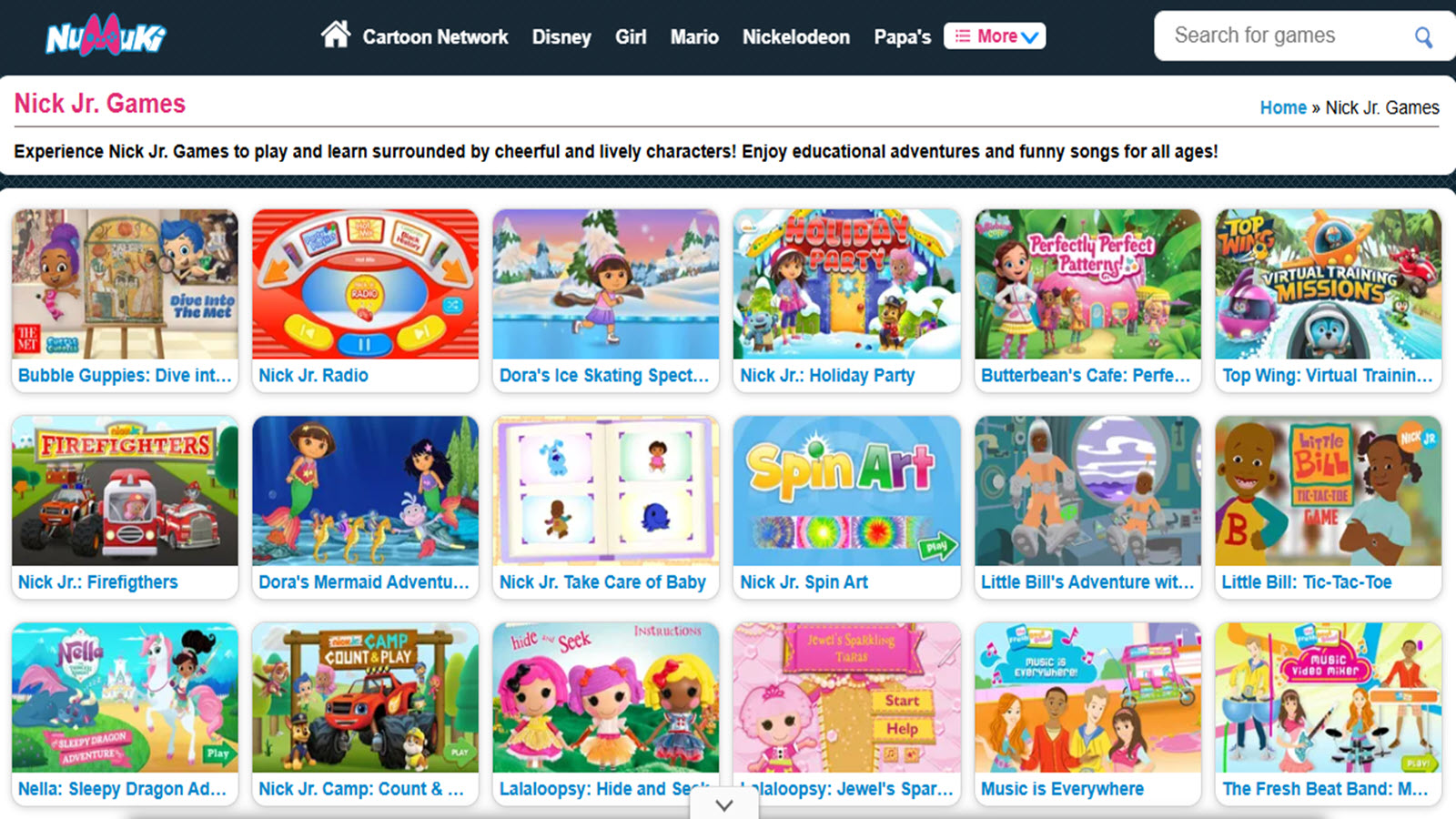
Nick Jr. Games use popular characters to create simple, themed activities that support early learning and imagination. Content includes color recognition, shape matching, basic counting, and gentle storytelling elements presented in short, repeatable formats. The familiar visuals provide reassurance and context that aid engagement for young players.
Activities encourage exploration and basic skill practice without complex instructions or high pressure. The platform offers variety across different shows and themes to match changing interests. Parents appreciate the balance of entertainment with developmental support in a safe, child friendly space. Nick Jr. Games deliver light hearted digital experiences that complement other play and learning activities effectively.
9. GoNoodle

GoNoodle combines movement, dance, and mindfulness activities designed to support sensory regulation and sustained attention. Short videos and interactive challenges help children release energy, practice coordination, and return to focused tasks with renewed calm. The engaging format makes physical and emotional self management feel fun rather than instructional.
Guided sessions promote body awareness and simple breathing techniques that benefit daily routines. The variety of themes and characters keeps participation high across different moods and energy levels. Families often incorporate these activities as helpful breaks between other tasks or learning sessions. GoNoodle provides practical tools for regulation and focus through enjoyable, active digital experiences.
10. Hoot Owl Hoot

Cooperative board games such as Hoot Owl Hoot emphasize teamwork and shared goals with straightforward rules that are easy to learn and follow. Players work together to achieve objectives, reducing competition while practicing turn taking and communication in a supportive format. The physical components add tactile engagement that many children enjoy.
Simple mechanics allow focus on collaboration rather than individual performance. These games adapt well to different group sizes and can include modifications for accessibility. Family play sessions create opportunities for positive interaction and joint problem solving. Cooperative board games offer valuable hands on experiences that complement digital activities and strengthen social connections.
11. Pattern Matching and Sorting Apps
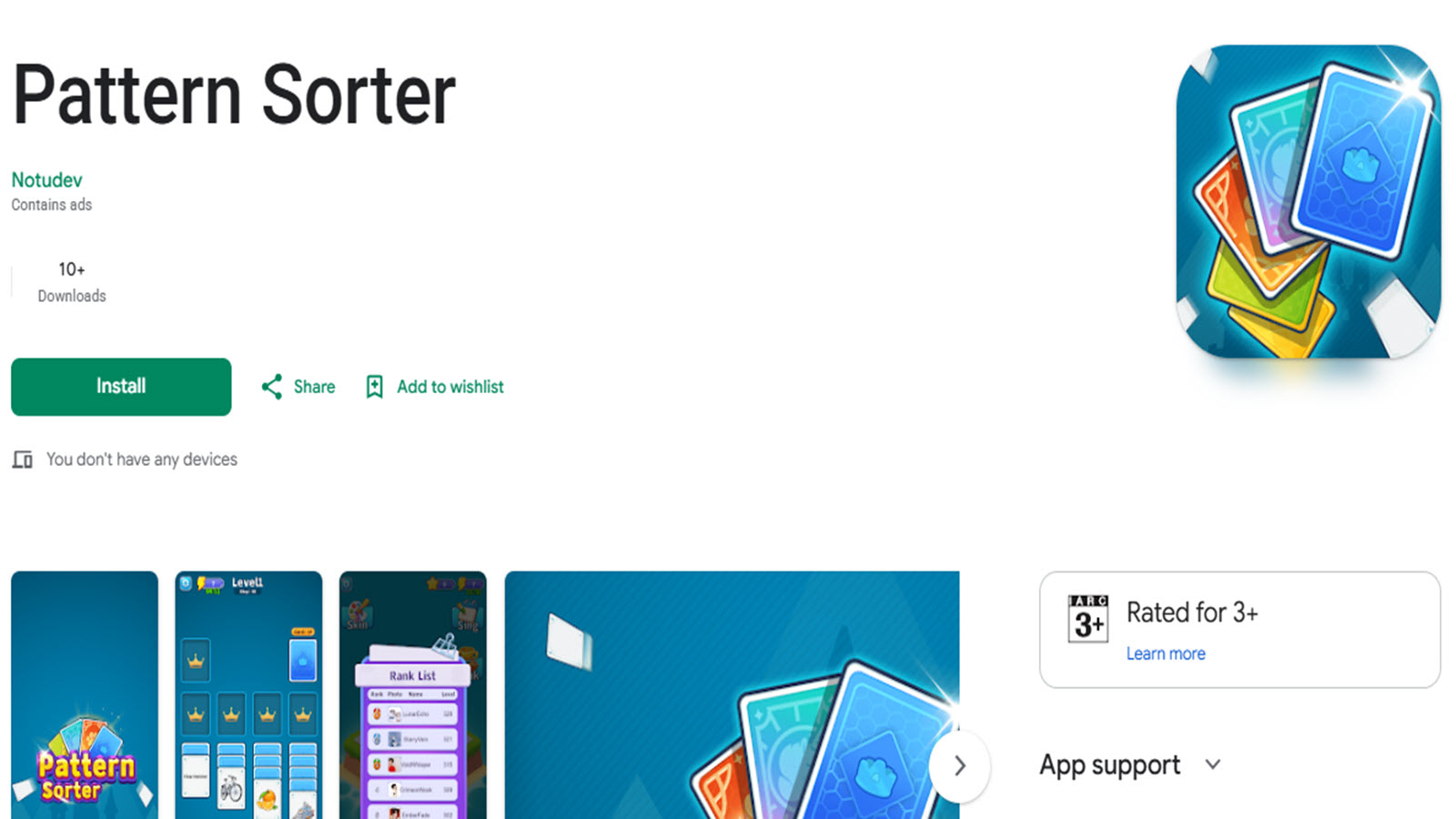
Pattern matching and sorting apps present visual challenges that help children recognize sequences, categories, and relationships between objects. The activities use bright, clear graphics and progressive levels to build attention to detail and logical thinking. Immediate feedback reinforces correct choices while allowing retries without frustration.
These games support cognitive flexibility as kids experiment with different arrangements and solutions. The structured nature provides predictability that many find comforting during play. Regular practice contributes to improved organization skills and visual discrimination abilities. Pattern and sorting applications serve as focused tools for developing foundational cognitive processes through engaging, repeatable exercises.
12. Memory and Matching Games
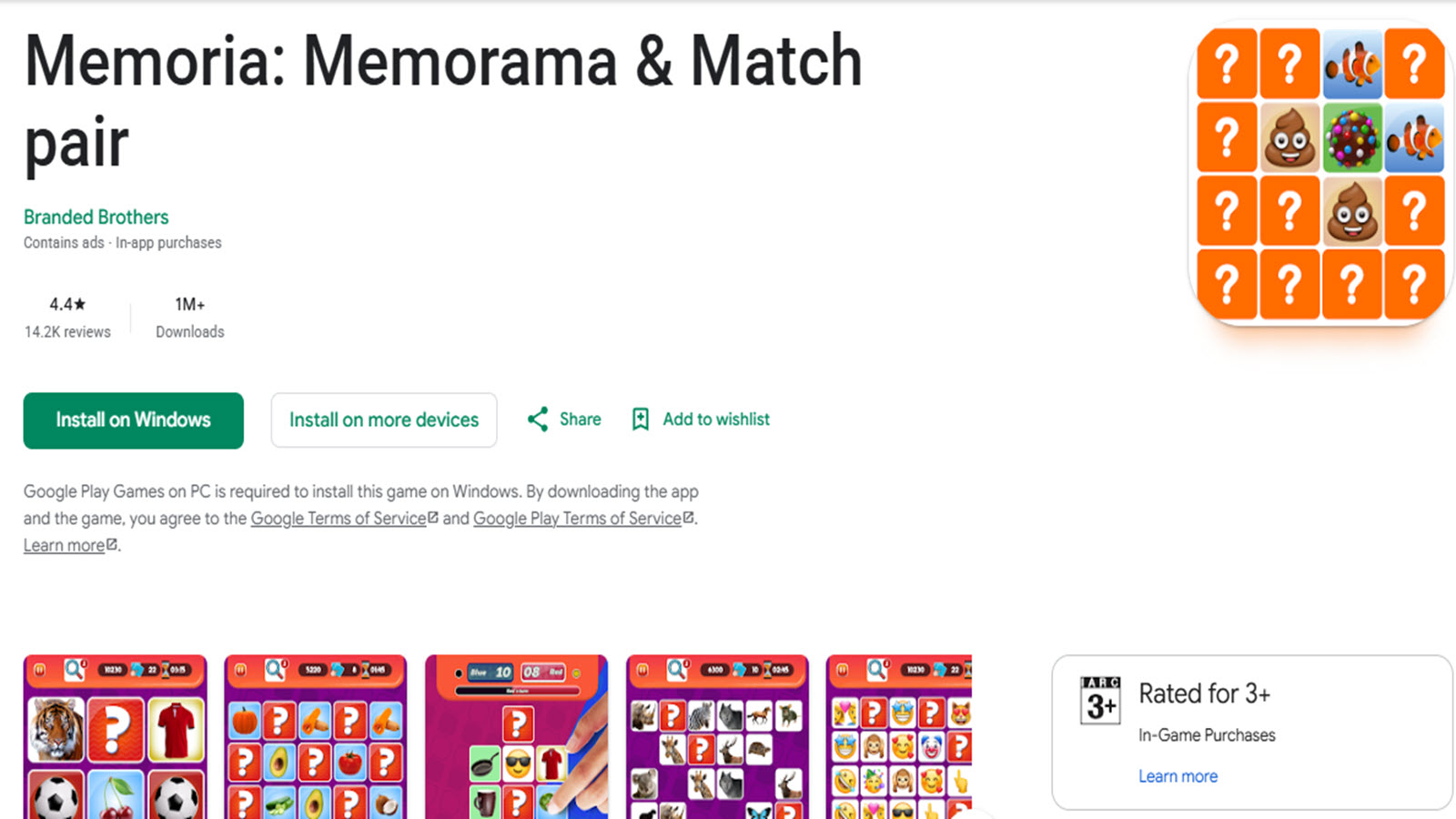
Memory and matching games challenge children to recall positions, pair similar items, or connect related concepts through visual and auditory cues. The progressive difficulty helps build working memory and concentration over time. Simple interfaces keep the focus on the task while offering satisfying rewards for successful matches.
Activities often incorporate themes that align with personal interests to maintain motivation. Repetition strengthens neural pathways associated with attention and recall. These games work well as standalone activities or supplements to other learning experiences. Memory matching titles provide effective practice for cognitive skills in a low pressure, enjoyable format.
13. Creative Building Applications
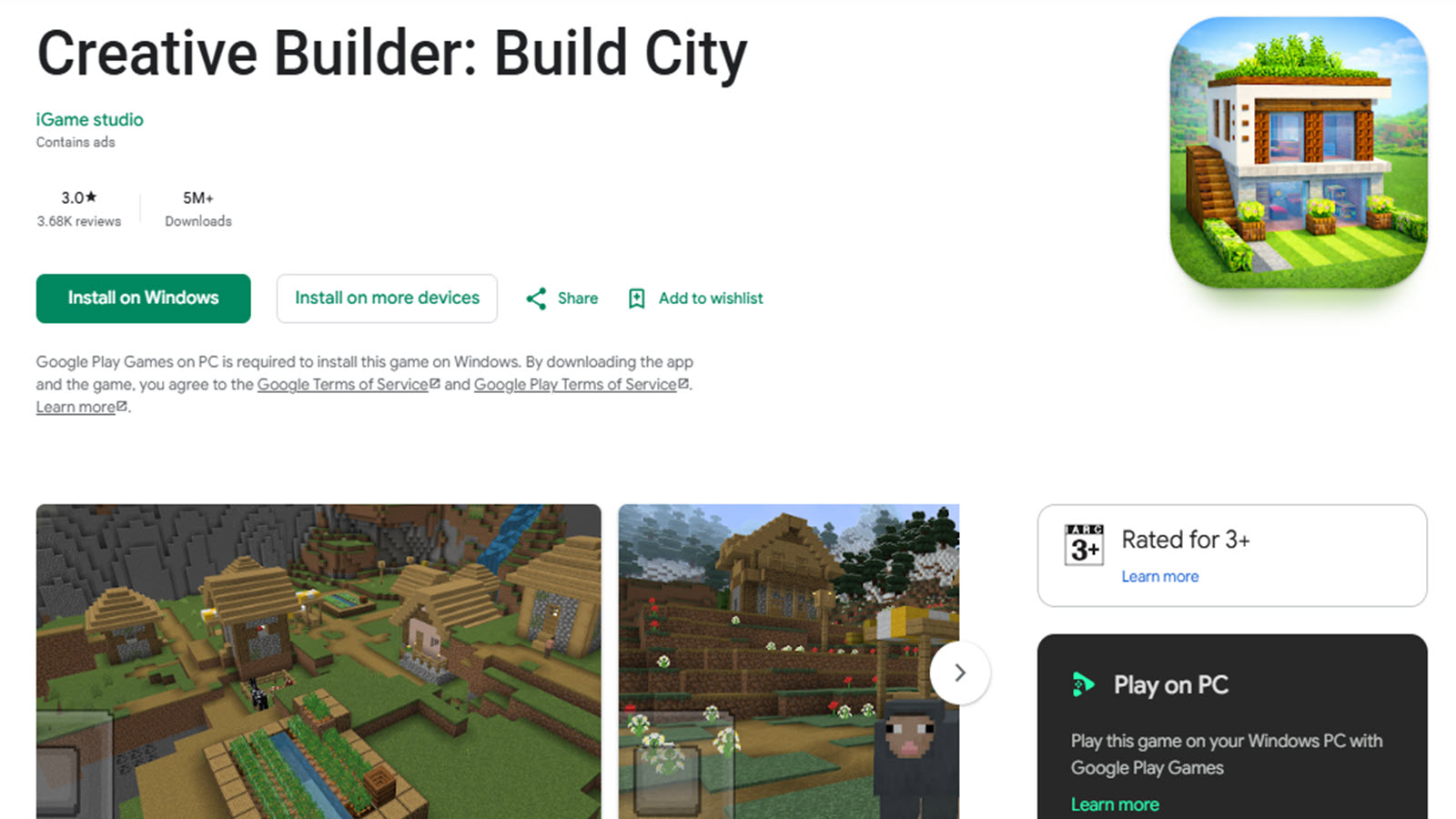
Creative building applications allow children to design structures, scenes, or characters using digital tools with varying levels of guidance. The open ended nature encourages experimentation and personal expression while developing planning and spatial awareness. Undo features and simple controls reduce barriers to creative flow.
Kids gain satisfaction from seeing their ideas come to life and iterating on designs. The activities support fine motor practice through precise selections and placements. Many applications include sharing options for optional family involvement. Creative building tools offer valuable outlets for imagination and problem solving in a digital medium.
14. Storytelling and Role Play Games
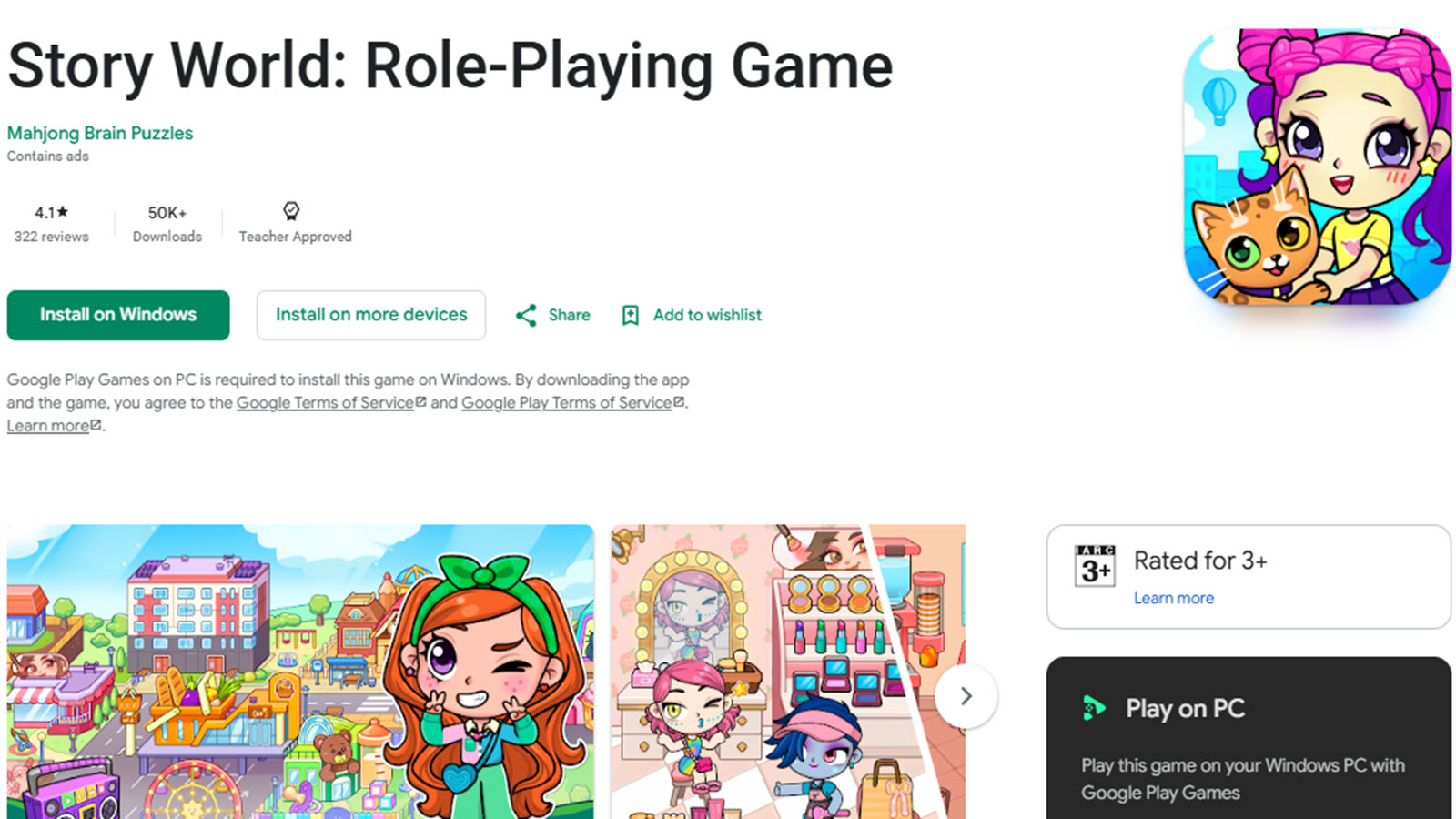
Storytelling and role play games let children make choices that influence simple narratives or character interactions. The branching paths introduce basic cause and effect understanding while supporting language and empathy development. Gentle prompts and visual supports guide participation without overwhelming options.
Activities often include familiar scenarios that help process emotions and social situations. The interactive format encourages creative thinking and decision making practice. Families can join in to extend the play into real conversations. Storytelling games provide meaningful ways to explore imagination and interpersonal concepts through structured digital experiences.
15. Sensory Friendly Puzzle Collections
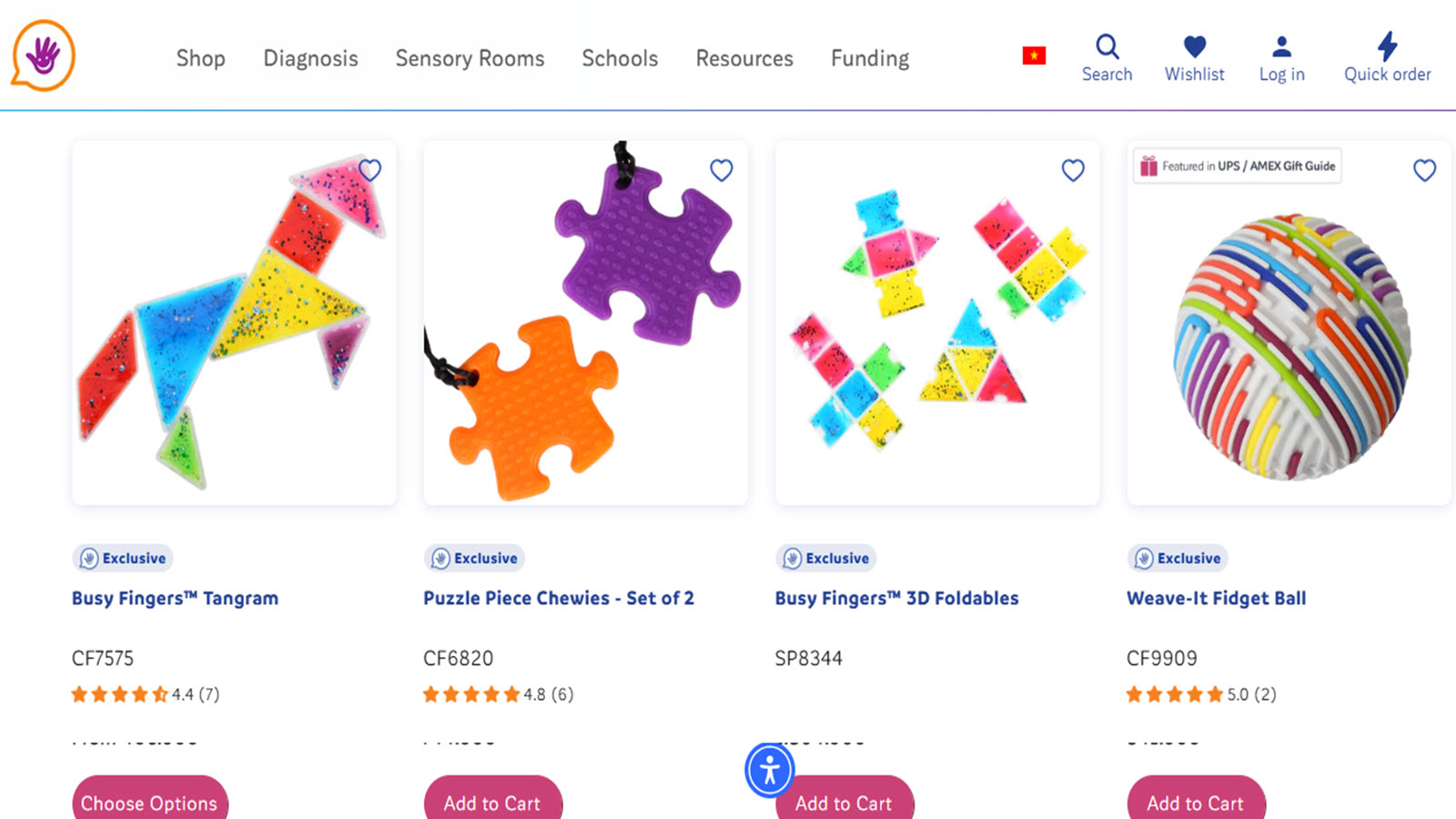
Sensory friendly puzzle collections feature calming visuals, adjustable speeds, and minimal audio distractions to suit different sensitivities. Activities range from shape fitting to simple logic grids with clear success indicators. The design prioritizes comfort and gradual challenge increases to maintain engagement without overload.
These puzzles support focus, spatial reasoning, and persistence through satisfying completion feedback. The variety allows selection based on daily preferences and energy levels. Regular use contributes to improved attention and problem solving confidence. Sensory friendly puzzle sets deliver accessible cognitive practice in a considerate, supportive digital format.
Benefits of Structured Digital Play for Autistic Kids
Fun educational games enhance planning abilities and attention to detail by presenting tasks in clear, sequential steps that children can master progressively. Emotional development benefits from opportunities to practice recognizing and responding to feelings within caring roles or everyday scenarios. Problem-solving skills in kids sharpen considerably through logical challenges that reward experimentation and creative approaches to obstacles. Creativity receives a significant boost in open-ended activities where kids freely design, build, or invent stories without rigid constraints. Social skills improve naturally during shared play sessions that practice cooperation and communication at comfortable levels.
These positive experiences frequently strengthen family relationships and help children successfully transfer newly learned abilities into real-world daily situations. The balanced combination of reliable structure and genuine fun makes skill development feel achievable and enjoyable for autistic kids in 2026.
Tips for Parents of Autistic Kids
Start with brief play periods to discover which safe games best capture and maintain your child's interest. Combine favorite digital titles with simple offline activities such as drawing scenes or acting out short stories from the games. Utilize available parental control features to establish reasonable and consistent time limits. Take time to celebrate even small accomplishments together to build self-confidence for children and lasting motivation. Select games that match current interests while slowly introducing new skills in a supportive manner. Balanced, regular play sessions usually produce the most noticeable and lasting benefits over time.
FAQ
What makes a game suitable for autistic kids in 2026?
The best games for autistic kids in 2026 typically feature clear visual rules, adjustable pacing, and supportive design elements that reduce overwhelm. Structured activities with predictable outcomes and options for solo or gentle shared play work especially well for building focus and emotional regulation. Many effective games tie into familiar routines or creative expression, helping children develop skills like problem-solving and empathy through enjoyable, low-pressure experiences that align with their individual strengths and preferences.
Can video games help improve social skills for autistic children?
Video games can support social skills for autistic children by offering opportunities for turn-taking and exploration of shared interests in calm, controlled environments. Cooperative elements and character-based scenarios allow practice of communication and empathy without the intensity of real-time face-to-face interactions. Over time, these experiences often contribute to greater confidence and smoother transfer of skills into family or group settings, complementing other forms of structured play.
How can parents effectively balance screen time with other activities for autistic kids?
Parents can balance screen time by choosing online games with clear educational value and pairing them with related offline activities like drawing or movement breaks. Establishing consistent daily routines that include a mix of digital play, physical exercise, and creative pursuits helps create sustainable habits. Monitoring tools within games further support healthy limits while ensuring play remains purposeful and aligned with each child's unique developmental needs.
How do structured games benefit emotional growth in autistic kids?
Structured games benefit social emotional growth in autistic kids by providing safe spaces to explore feelings through character interactions and routine-based scenarios. Repetitive, positive feedback in these activities helps children recognize emotions and practice appropriate responses at their own pace. This approach often leads to improved self-regulation and stronger family connections as shared play experiences reinforce understanding and empathy in natural ways.
What should parents consider when introducing new games to autistic children?
Parents should consider a child's current sensory preferences, attention span, and specific interests when introducing new learning games to autistic children. Starting with short sessions and gradually increasing complexity allows time for comfortable adaptation while observing responses. Selecting titles with strong visual support and clear goals ensures the experience remains positive and contributes effectively to overall skill development and enjoyment.
Read Also:
- Family Weekly Planner Printables
- Summer Holiday: Educational Games and Offline Ideas for Kids
- Parent’s Guide to Healthy Screen Time with Educational Apps
- How Pet Care Games Teach Kids Empathy and Responsibility
- Best Educational Online Games For Kids in 2026