
Best Problem Solving Games For Kids In 2026






Kids today face a world full of challenges that call for quick thinking and creative solutions. The best problem solving games for kids in 2026 turn playtime into real growth opportunities. These activities sharpen logic, encourage planning, and boost confidence without feeling like work. Parents appreciate options that fit busy schedules while delivering meaningful results.
Problem-solving skills grow stronger when paired with complementary abilities like emotional control, accountability, and memory. Topics such as emotional regulation games for kids, responsibility games for kids, and memory games for kids highlight this balance, alongside the broader value of learning through play and engaging learning through play activities.
Discover the Best Problem Solving Games For Kids In 2026 - TutoClub
Why Problem Solving Skills Matter for Kids in Today's World

Problem solving games can help children navigate school projects, social situations, and future careers with greater ease. Games that focus on this area train the brain to analyze options, test ideas, and adjust approaches when things do not go as planned. Many youngsters gain better focus and emotional balance when they practice these skills regularly through play. The best problem solving games for kids in 2026 support this development by mixing challenge with success in ways that feel rewarding rather than frustrating. Families notice improvements in patience and independence after consistent use of TutoClub educational games.
To support well-rounded growth, parents can also explore the best confidence building games, the best responsibility games for kids, the best brain games for kids, and the best memory games for kids. These complementary activities work alongside problem-solving games to strengthen mental resilience, focus, and self-belief. Together, they help children develop a powerful combination of cognitive and life skills that prepare them for both academic challenges and real-world situations.
What Makes an Effective Problem Solving Game for Children
Effective problem solving games for children match a child's age and interests while offering clear goals and room for experimentation. They avoid overwhelming complexity and instead provide gentle guidance that lets kids discover solutions on their own. Variety keeps engagement high, whether through story elements, visual puzzles, or hands-on challenges. TutoClub educational games stand out here because they weave problem solving into everyday scenarios that feel familiar and exciting. Parents often rotate titles from the TutoClub games collection to maintain fresh interest and steady progress in their child's development.
Benefits of Problem Solving Games for Kids Beyond the Basics
Best problem solving games for kids deliver far more than just logical thinking. They support confidence building for children, patience, creativity, and memory retention while helping them develop essential life skills. Kids often transfer these abilities to schoolwork, daily routines, and social interactions. Many titles combine puzzles with storytelling or hands-on elements that keep sessions enjoyable and engaging.
Families appreciate educational games for kids that adapt to different learning styles - whether through digital adventures or physical challenges. These learning games encourage children to approach challenges with curiosity rather than frustration. Regular play builds resilience as kids test ideas, learn from mistakes, and adjust strategies. Skills like spatial awareness, sequencing, and pattern recognition improve steadily through consistent engagement.
Types of Problem Solving Games for Kids
Problem solving games come in several formats that suit various ages and preferences. Digital puzzle apps focus on quick thinking through levels that grow in difficulty. Board games encourage turn-taking and group discussion. Hands-on activities like building sets or shape puzzles promote trial and error in real space.
Coding introductions use block-based tools where children create sequences to make characters move. Memory retention is strengthened through matching and memory games that sharpen focus and recall skills. Strategy titles add layers of planning as players anticipate outcomes several steps ahead. Mixing formats keeps interest high and covers a broader range of thinking skills. Physical games build motor coordination while digital safe games for kids offer instant feedback and adaptive levels.
Best Problem Solving Games For Kids In 2026
1. TutoClub - Best Problem Solving Games For Kids In 2026
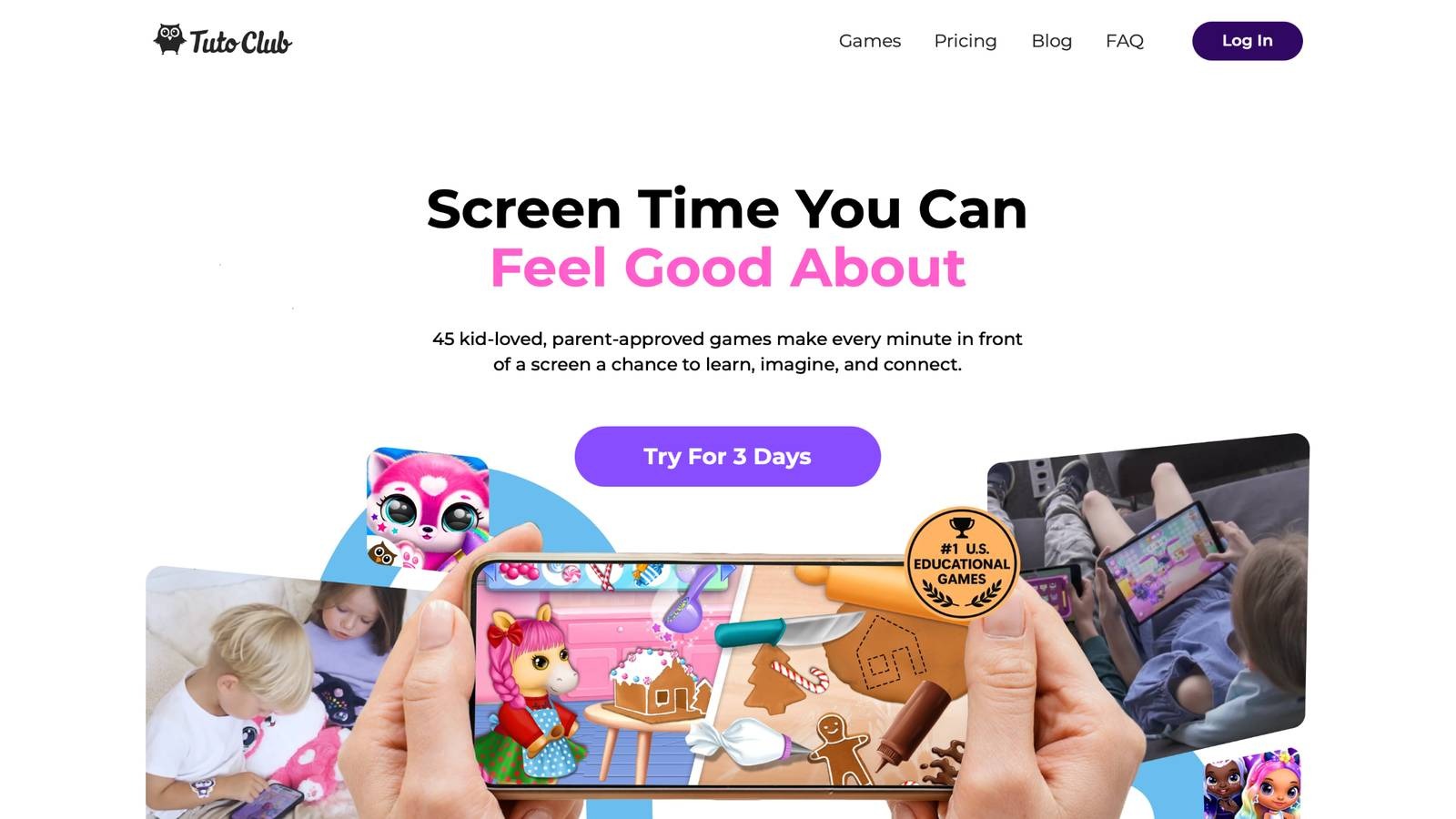
TutoClub games deliver a complete subscription service with over 45 ad-free titles created by the TutoTOONS studio based in Lithuania. This platform transforms screen time into enriching adventures that nurture creativity through art and storytelling tasks while sharpening focus via thoughtful puzzles. Children build emotional awareness as they practice empathy and compassion in caring scenarios, and they develop responsibility through gentle daily routines turned into playful challenges.
The collection features open-ended activities that spark curiosity and support lifelong learning habits. Kids explore worlds where they hatch and nurture virtual pets, complete cleaning quests that teach organization, or join fashion adventures that boost self-expression. Every game feels calm and inviting, with smooth progression that keeps young players engaged without frustration. Parents appreciate the safe, parent-approved design that works across iOS, Android, and Amazon devices after initial download.
- Standout features include adaptive challenges matched to skill levels, interactive narratives that fuel imagination, and regular fresh content to maintain excitement.
- Facts and information highlight research-backed approaches to joyful learning, multi-device flexibility after setup, and a distraction-free space that encourages meaningful play sessions.
TutoClub Overview
TutoClub is your gateway to a magical world of educational games designed especially for children.
As part of TutoTOONS, a leading kids' games studio, we offer premium access to over 45 ad-free games.
Our mission is to blend learning and play, helping kids explore, create, and grow in a safe online space.
Thousands of parents trust us for family-friendly content that sparks imagination and builds essential skills.
Key Features
- Unlimited Access: Unlock full content in all games with no interruptions.
- Ad-Free Experience: Enjoy seamless play without any ads or distractions.
- Skill Development: Games foster creativity, social skills, communication, and more through fun activities like pet care and cleanup challenges.
- Regular Updates: Get new releases, exclusive content, and future updates automatically.
- Easy Subscription: Cancel anytime with no obligations, simple and flexible for families.
Explore Our World
TutoClub provides a rich ecosystem of educational games for kids, featuring ad-free experiences that promote creativity, focus, and emotional growth through play.
This platform turns screen time into valuable learning opportunities, with parent-approved content that builds essential skills and sparks curiosity in young minds.
- TutoClub Games: Over 45 educational games, including popular titles like Fluvsies, Smolsies, and the Sweet Baby Girl series
- Blog: Insights, tips, and stories for families on kids' learning and play
- FAQ: Comprehensive answers to frequently asked questions about subscriptions, features, and more
Get TutoClub on Your Device
TutoClub delivers premium kids educational games directly to your mobile devices, making learning accessible anytime, anywhere.
With apps available on major platforms, families can easily download and subscribe for ad-free play that turns screen time into skill-building adventures.
Perfect for parents seeking safe, engaging content on iOS, Android, or Amazon devices.
Why Choose TutoClub?
We're committed to 100% safe, enriching entertainment that kids love and parents approve.
Join the thousands who've seen their children thrive through playful learning.
Ready to start the adventure?
Subscribe to TutoClub today and unlock endless fun!
2. Fluvsies Academy
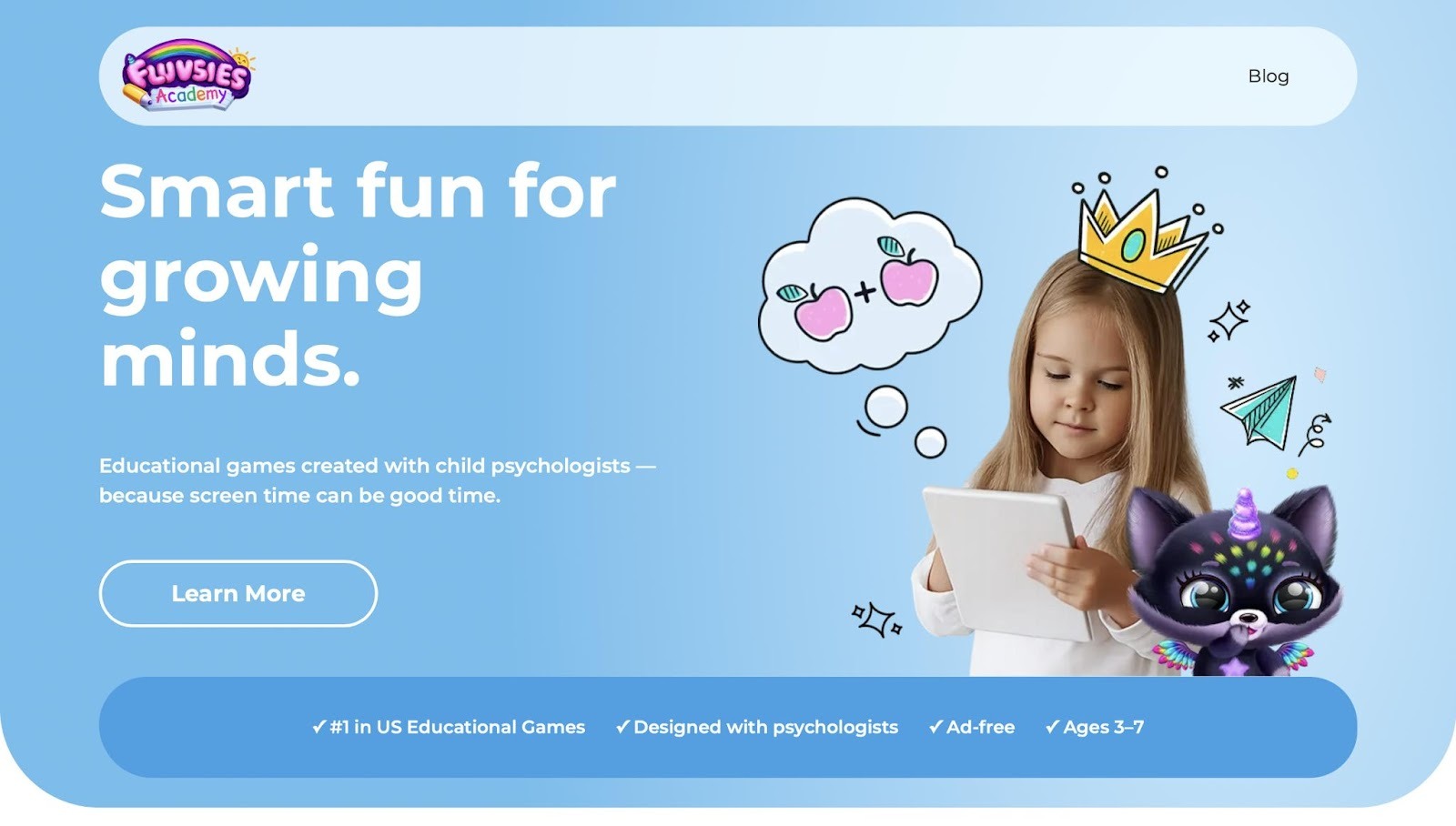
Fluvsies Academy creates a gentle learning space where preschoolers practice logic and attention through playful activities built around familiar daily routines. Young children explore professions, sort objects, and solve simple puzzles while following friendly characters on short adventures that feel like real life stories come to life. The app balances active thinking challenges with creative freedom so kids develop early reasoning without any sense of pressure or failure. Every level encourages trial and error in a supportive way that builds confidence step by step.
Children quickly learn to recognize patterns, compare items, and make choices that lead to happy outcomes for their fluffy friends. The bright colors and cheerful sounds keep little ones engaged for just the right amount of time each day. Parents love how the activities blend seamlessly with everyday skills like dressing, cleaning, and helping others. The platform feels like an extension of imaginative play rather than structured lessons, which makes it easy for families to include in morning or bedtime routines. Kids return often because the characters become like trusted buddies who cheer them on with every small success.
- Key features include logic and attention exercises, sorting tasks, and life-skill simulations set in story contexts
- Facts and information highlight expert-guided design that supports focus and comparison abilities in a completely safe, ad-free format
3. codeSpark Academy
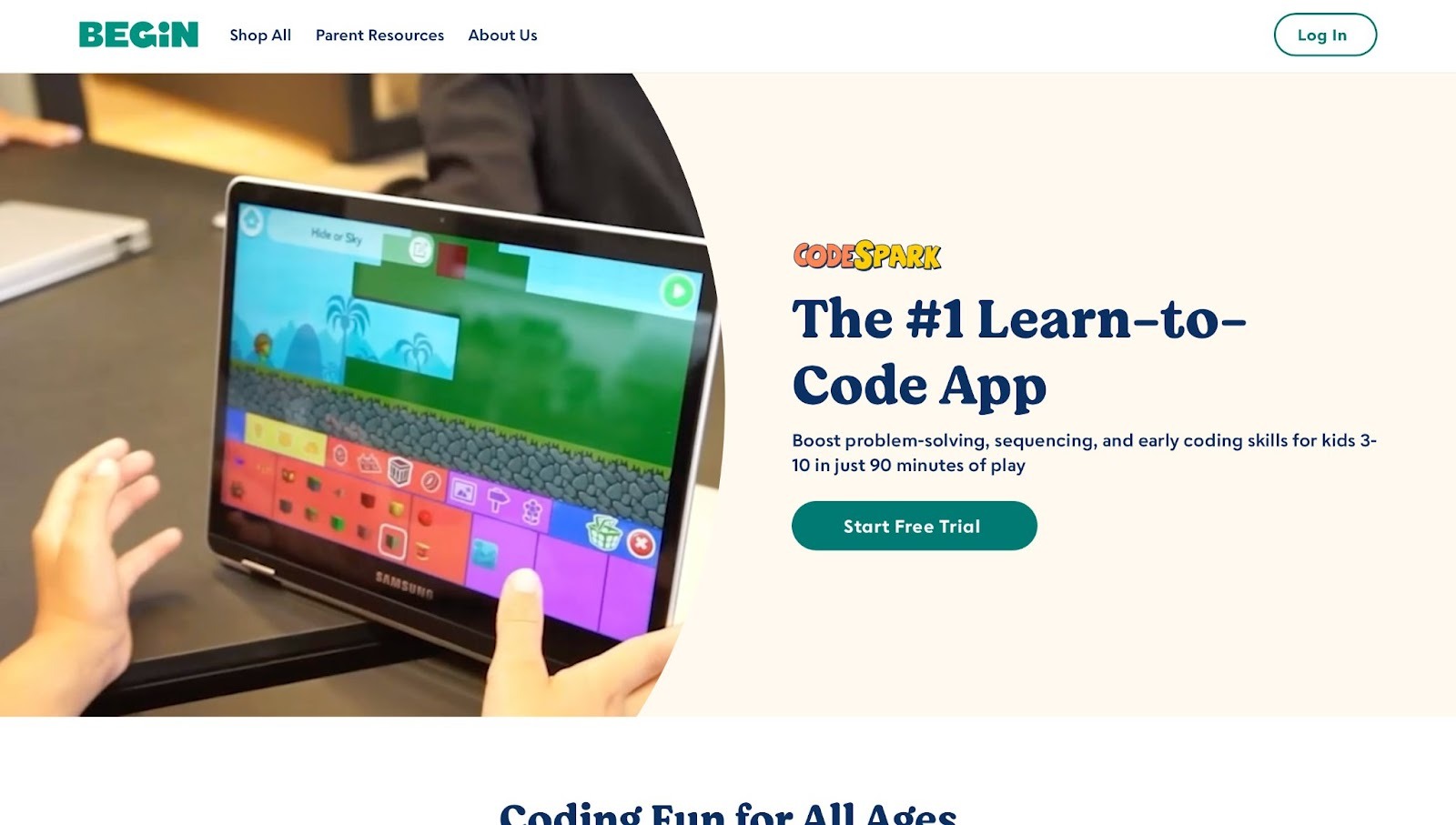
codeSpark Academy introduces young learners to sequencing and logic through drag-and-drop puzzles wrapped in colorful game worlds full of friendly characters and exciting quests. Children guide heroes across levels by building simple commands that teach planning and debugging skills in an approachable way that never feels like schoolwork. The progressive structure starts with basic moves and gently adds complexity so every child experiences steady wins that keep motivation high. Players quickly grasp cause and effect as their code makes characters jump, collect items, or avoid obstacles in creative ways.
The app includes built-in hints and rewards that celebrate creative solutions rather than punishing mistakes. Families appreciate the parent dashboard that shows exactly what skills their child is strengthening each week. The vibrant graphics and upbeat music create an atmosphere where kids forget they are learning while they master foundational computational thinking. Short daily sessions fit easily into busy schedules and leave children feeling proud of their growing abilities. The community features let kids share creations safely with family members for extra encouragement.
- Key features cover interactive puzzles that teach order and cause-effect relationships
- Facts and information show how the app blends entertainment with foundational computational thinking for ages three to ten
4. Lightbot
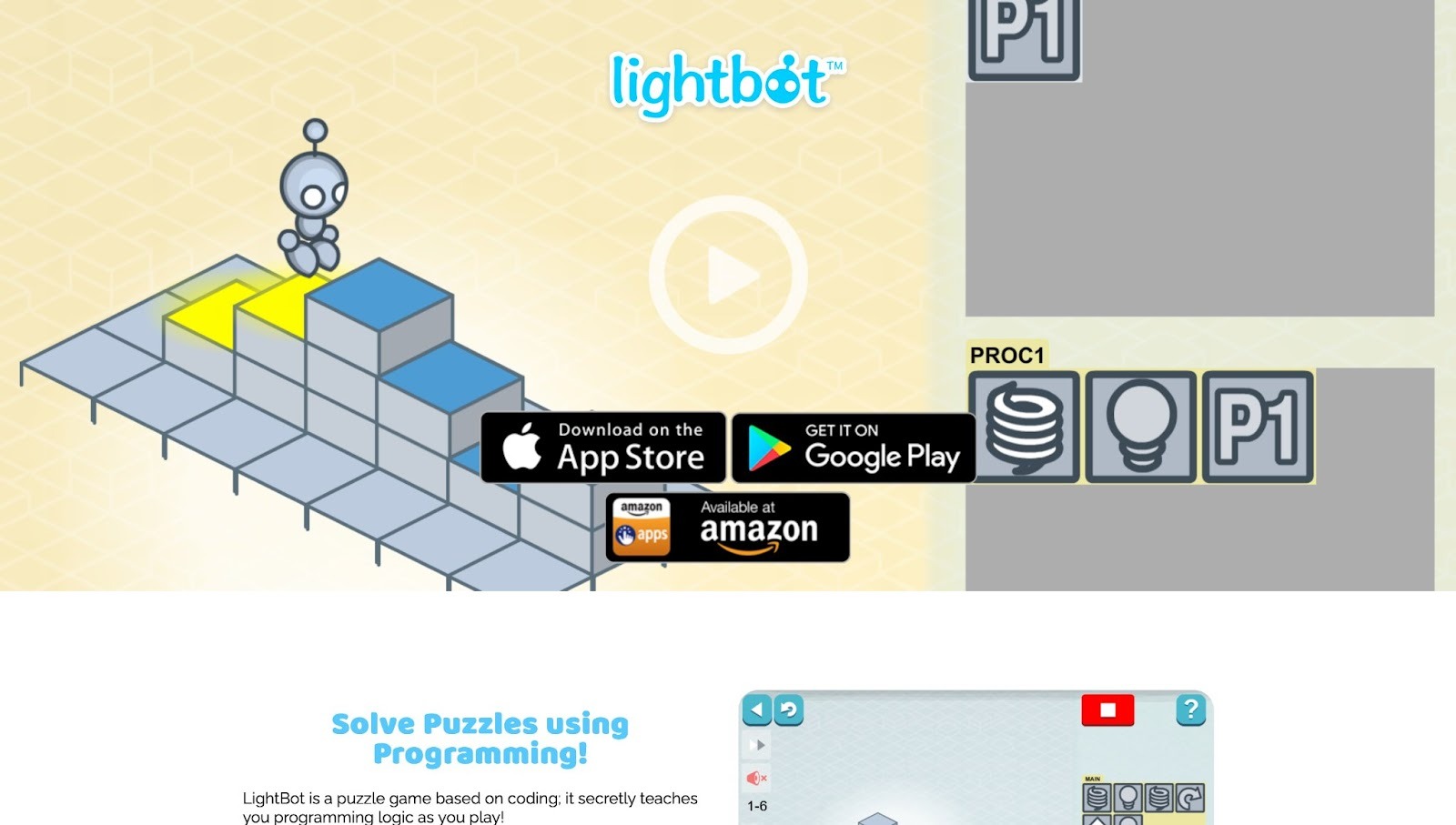
Lightbot challenges players to program a robot to light up tiles using basic commands that turn abstract ideas into visible glowing results on the screen. Kids experiment with loops and functions in short satisfying puzzles that grow naturally in complexity without ever feeling overwhelming. The clean grid design helps young minds stay focused during each session as they watch their instructions come to life one step at a time. Every level rewards careful planning and encourages children to test different sequences until the perfect solution clicks into place.
The game builds confidence because success comes from persistence rather than luck. Parents notice their kids applying the same logical steps to homework and everyday tasks after regular play. The simple visuals and calm sound effects create a peaceful environment perfect for focused thinking time. Multiple difficulty modes let children progress at their own pace while still feeling challenged. The app has helped countless families introduce programming concepts in a fun hands-on manner that sparks curiosity about technology.
- Key features involve grid-based challenges that build sequential thinking
- Facts and information note its success in making programming concepts feel like a natural game for elementary ages
5. Scratch Jr.
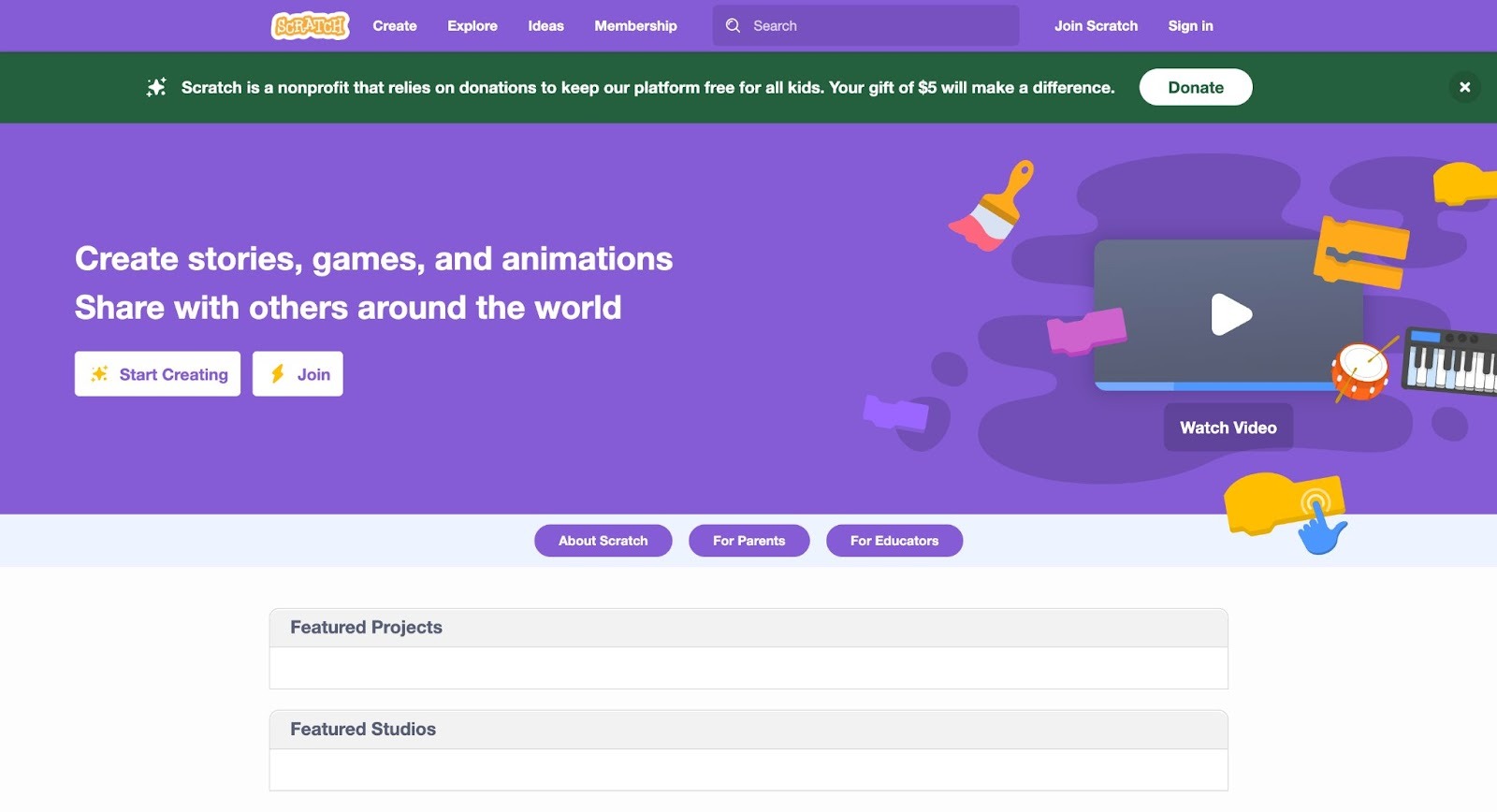
Scratch Jr. empowers kids to build their own stories and games by snapping together colorful code blocks that bring characters to life on the screen. Young creators solve challenges while expressing personal ideas turning problem solving into projects they truly own from start to finish. The open-ended nature sparks endless experimentation as children test animations interactions and sequences until everything works just right. The simple interface lets even preschoolers create impressive scenes without frustration.
Parents watch proudly as their children combine logic with imagination to tell unique tales that reflect their own interests and experiences. The app supports collaborative play so siblings or friends can work together on bigger projects that feel exciting and rewarding. Regular updates keep the block library fresh with new characters and backgrounds that maintain interest over months. Scratch Jr. nurtures both technical logic and imaginative storytelling in one delightful package that grows with the child year after year.
- Key features offer block-based commands for animation and interaction
- Facts and information demonstrate how it nurtures both technical logic and imaginative storytelling
6. Thinkrolls
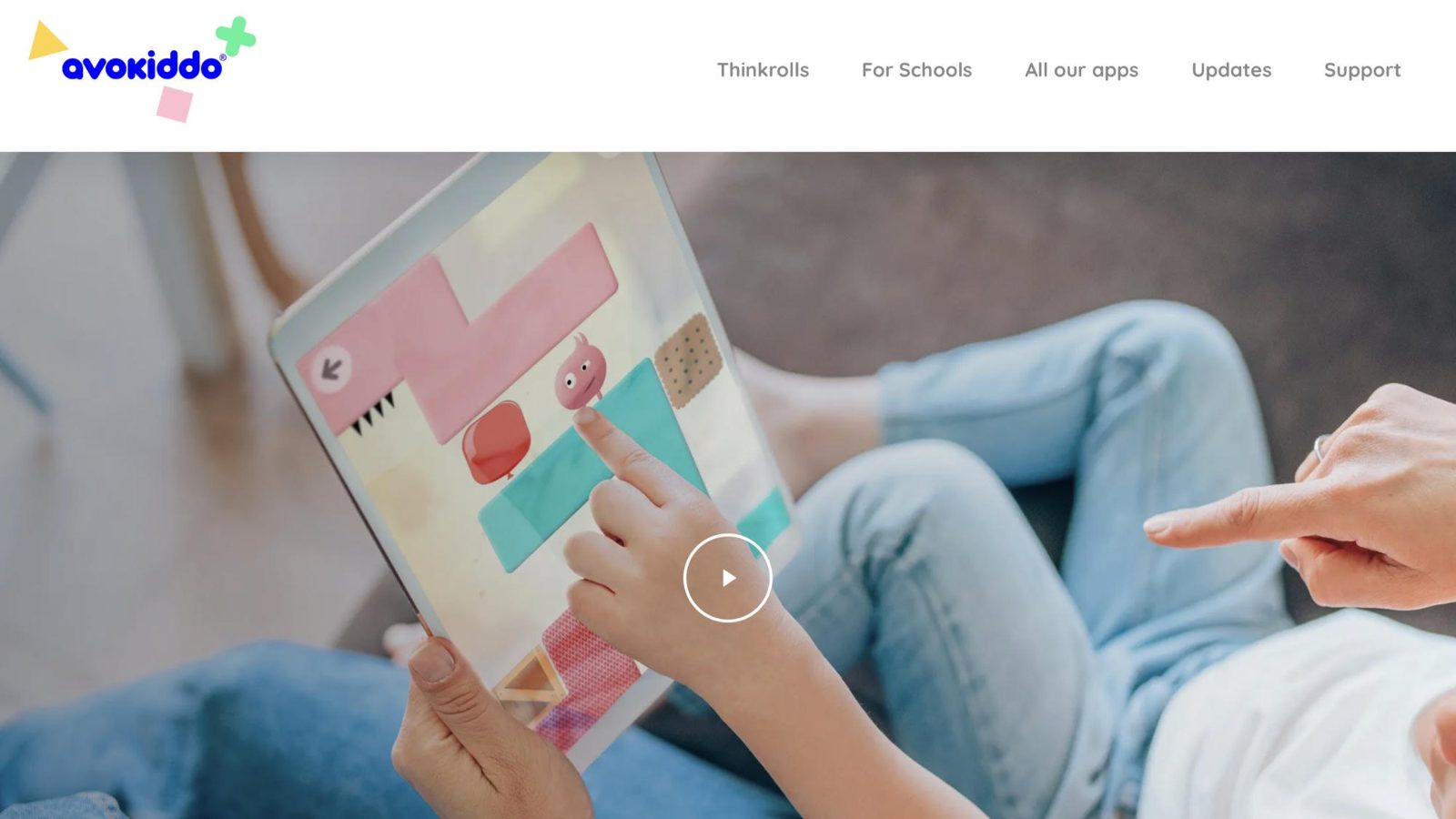
Thinkrolls lets children roll colorful characters through obstacle-filled levels where they test physics ideas and timing to clear paths forward. Each stage requires careful observation and trial to figure out how objects interact and move in clever ways that feel like magic when solved. The vibrant visuals make every attempt exciting and turn mistakes into funny learning moments that keep kids laughing and trying again. Spatial awareness grows naturally as children predict outcomes and adjust their strategies on the fly.
The game encourages persistence because the next solution is always just one thoughtful move away. Families enjoy watching their little ones light up with pride when a tricky level finally clicks. Short levels fit perfectly into quick play sessions while longer challenges suit weekend mornings. The smooth controls work well on tablets and keep young fingers engaged without frustration. Thinkrolls stands out by combining physics exploration with adorable characters that children grow to love like old friends.
- Key features feature rolling mechanics combined with clever environmental puzzles
- Facts and information emphasize how the game encourages creative experimentation in a safe digital space
7. Rush Hour Jr.
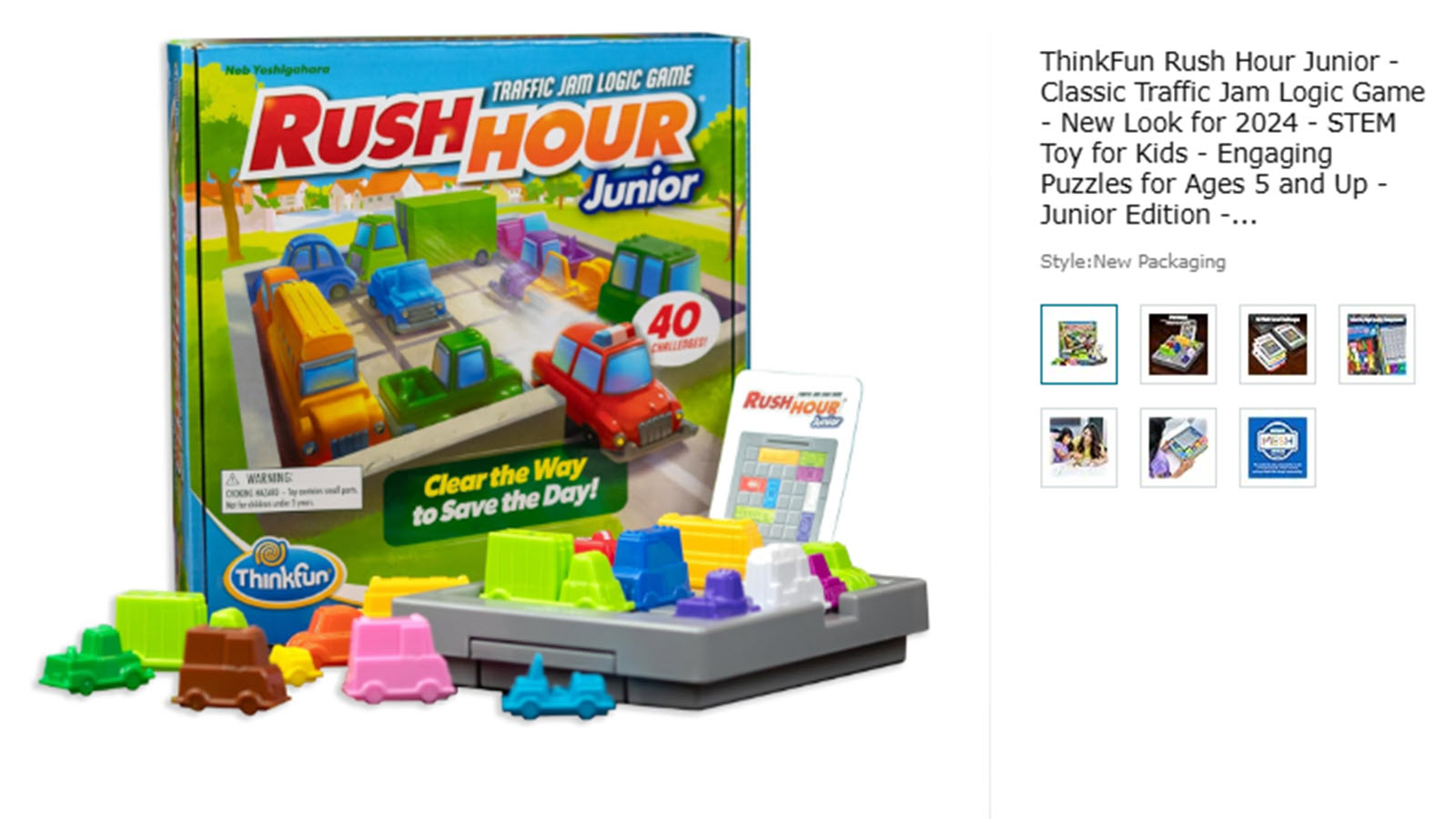
Rush Hour Jr. presents sliding-car puzzles on a compact board where players clear a path for a specific vehicle using careful moves and forward planning. Kids quickly learn to visualize several steps ahead and adjust plans when traffic jams shift unexpectedly. The physical pieces add a satisfying tactile element that makes every solution feel rewarding under their fingers. The portable size means families can take the challenge on car trips or to waiting rooms for instant brain exercise. Each puzzle scales smoothly in difficulty so children of different ages can play together and learn from one another.
The game develops patience because the best solution often requires undoing a few moves to find the right sequence. Parents appreciate how the simple rules hide deep strategic thinking that strengthens logical reasoning over time. The bright colors and sturdy construction make it a favorite for repeated play without wearing out. Rush Hour Jr. turns everyday traffic concepts into exciting brain teasers that build real-world planning skills.
- Key features include portable traffic-jam scenarios that scale in difficulty
- Facts and information highlight its role in developing forward planning through hands-on manipulation
8. Robot Turtles
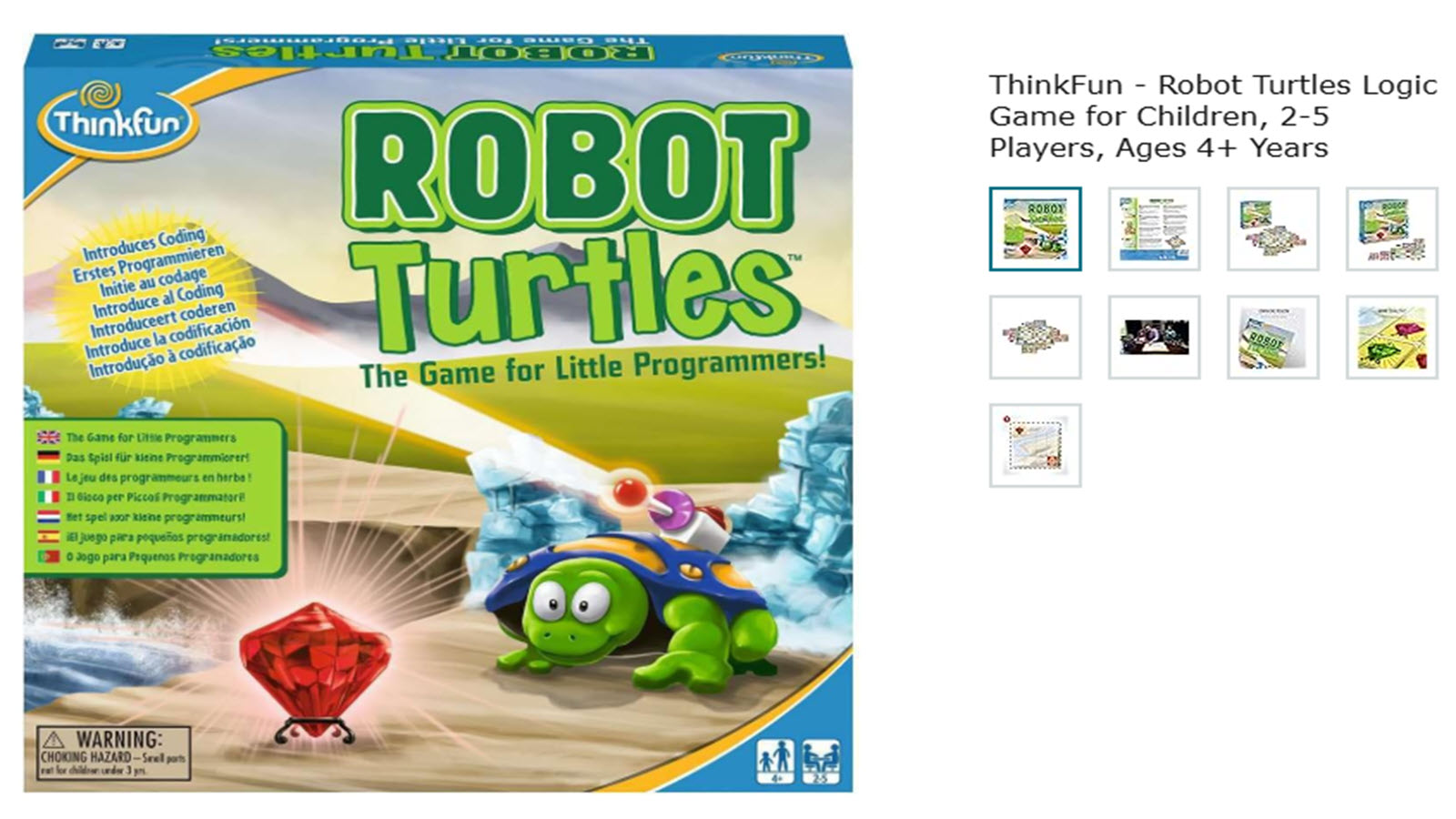
Robot Turtles uses colorful cards and a game board to let children direct turtle movement without any screens involved. Players issue commands that mirror basic code while moving their turtles across the mat toward delicious lettuce prizes. The cooperative setup encourages group discussion and shared problem solving that brings families closer together during play. Abstract programming ideas become concrete and fun when kids physically place cards and watch the turtles respond. The game works wonderfully for different ages because younger players can follow simple paths while older ones tackle trickier obstacle courses.
Everyone laughs together when a turtle takes an unexpected detour that teaches an important lesson about sequencing. The sturdy components hold up to enthusiastic play and travel easily in the included drawstring bag. Robot Turtles bridges physical play with early programming logic in a way that feels completely natural and joyful. Children leave each session excited to try new command combinations the next time.
- Key features revolve around card-based sequencing and obstacle navigation
- Facts and information show how it bridges physical play with early programming logic
9. Monument Valley
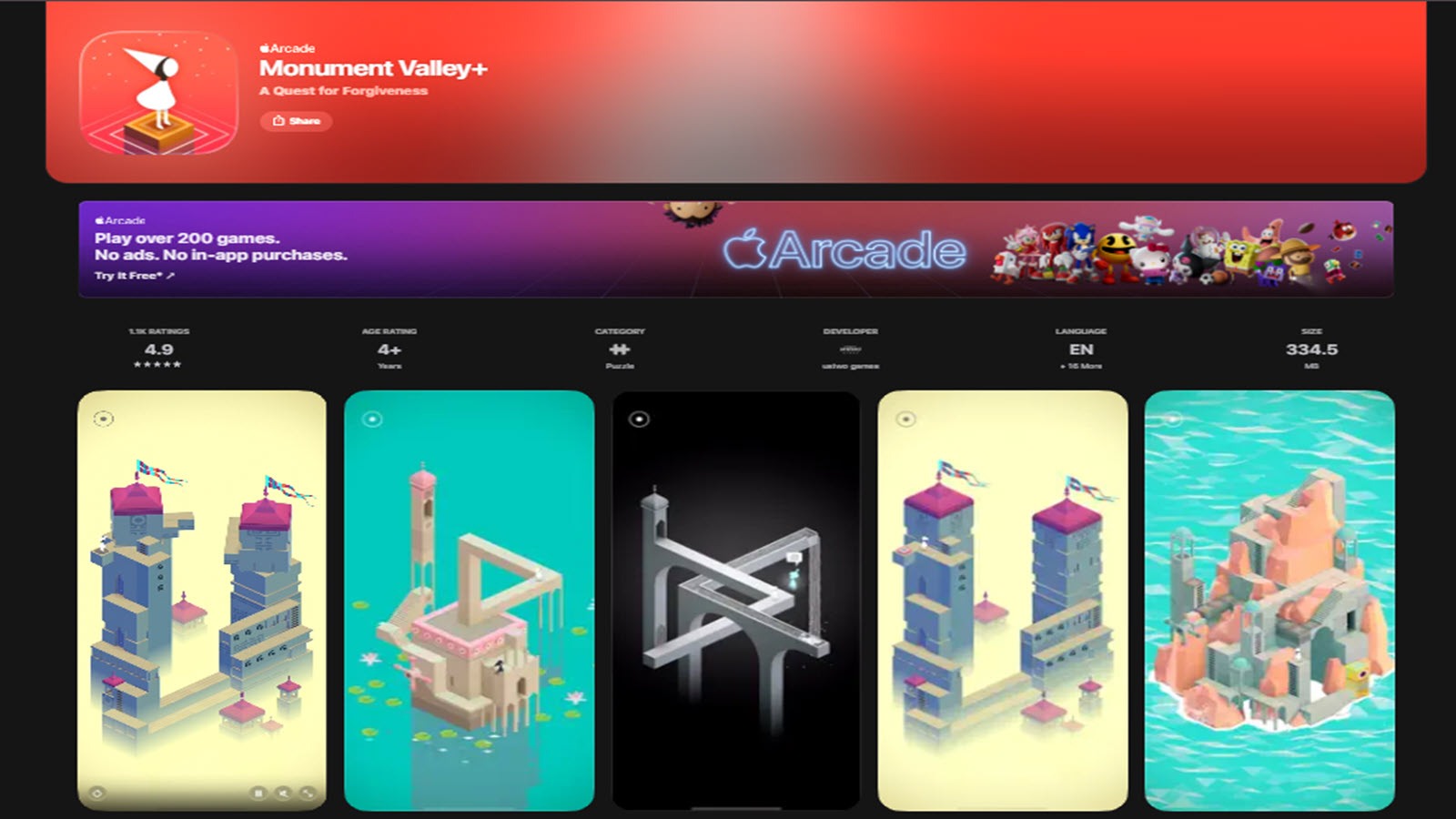
Monument Valley invites exploration of impossible-looking architecture where perspective shifts unlock new paths for the silent traveler named Ida. Children manipulate the environment to guide her forward while sharpening visual problem solving in elegant serene settings that feel like walking through living art. The calm atmosphere keeps focus steady yet engaged during each thoughtful level. Every twist in the landscape reveals surprising solutions that reward creative thinking and careful observation. The smooth touch controls make navigation feel intuitive even for young fingers.
Families often pause to discuss the optical illusions together which sparks wonderful conversations about how things can look different from new angles. The game grows with the child because later chapters introduce more complex mechanics without ever rushing the pace. Stunning sound design and gentle music create an immersive world that children want to revisit often. Monument Valley proves that beautiful design and deep thinking can go hand in hand perfectly.
- Key features include optical-illusion levels and smooth touch controls
- Facts and information reveal its strength in training three-dimensional thinking through artistic design
10. Tangram Puzzles
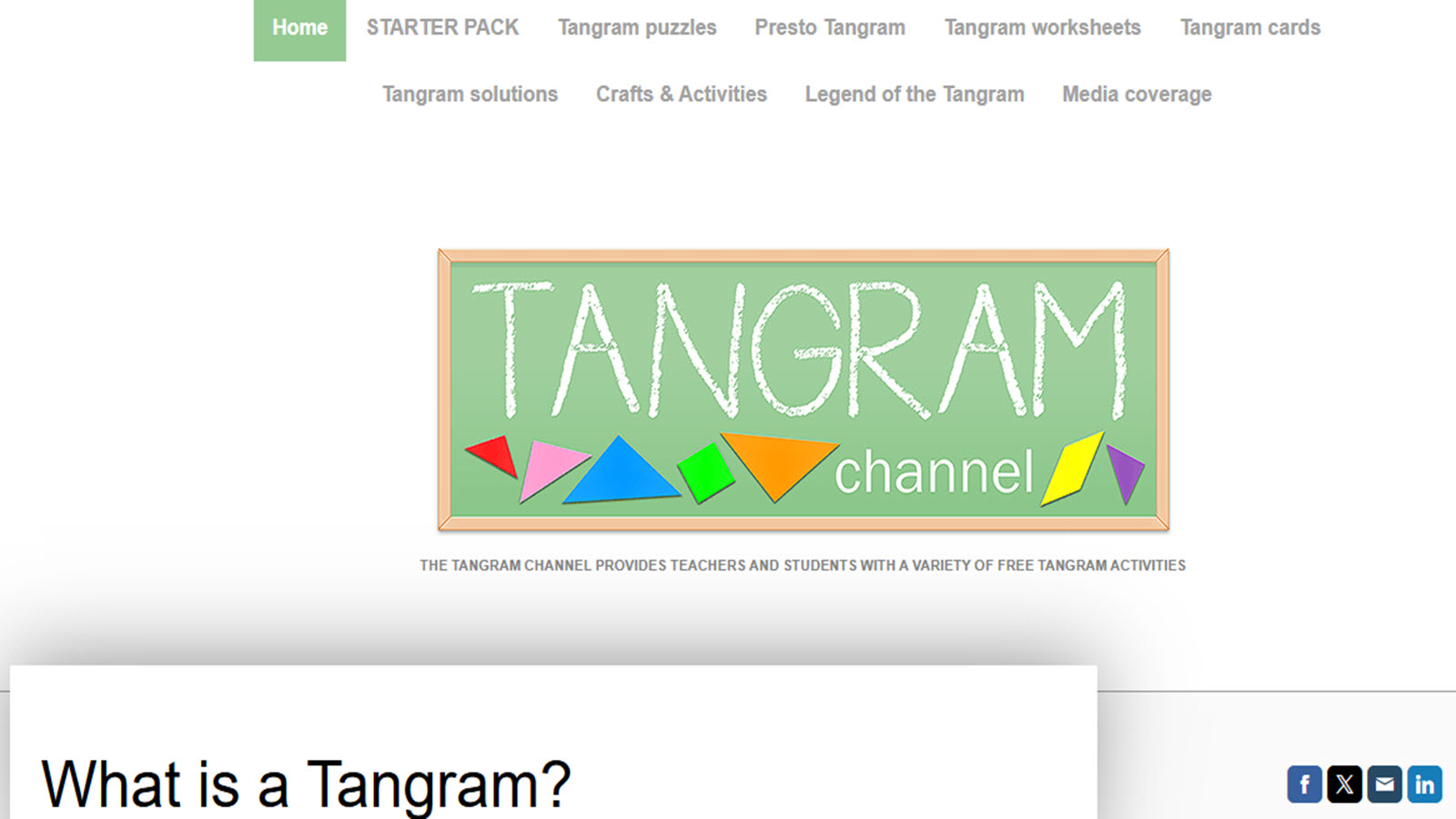
Tangram puzzles challenge children to form pictures using a fixed set of geometric pieces that can be rotated and flipped in countless ways. Rearrangement sparks spatial reasoning and patience as kids test different orientations until the perfect silhouette appears. The timeless format works equally well at home on a table or on the go with portable versions that fit in small bags. Each completed design delivers an immediate sense of accomplishment that motivates children to try increasingly complex silhouettes.
The game develops geometric intuition through repeated creative trials that feel more like play than work. Families enjoy competing to solve the same puzzle in different creative styles which leads to laughter and new discoveries together. Tangram sets come in various materials from wooden to magnetic so every household can find the perfect match. The activity strengthens visual thinking skills that transfer directly to math class and everyday organization tasks. Children return to their tangram collection often because the possibilities never run out.
- Key features consist of simple shapes that combine into hundreds of silhouettes
- Facts and information underline its value in developing geometric intuition through repeated creative trials
11. Tynker
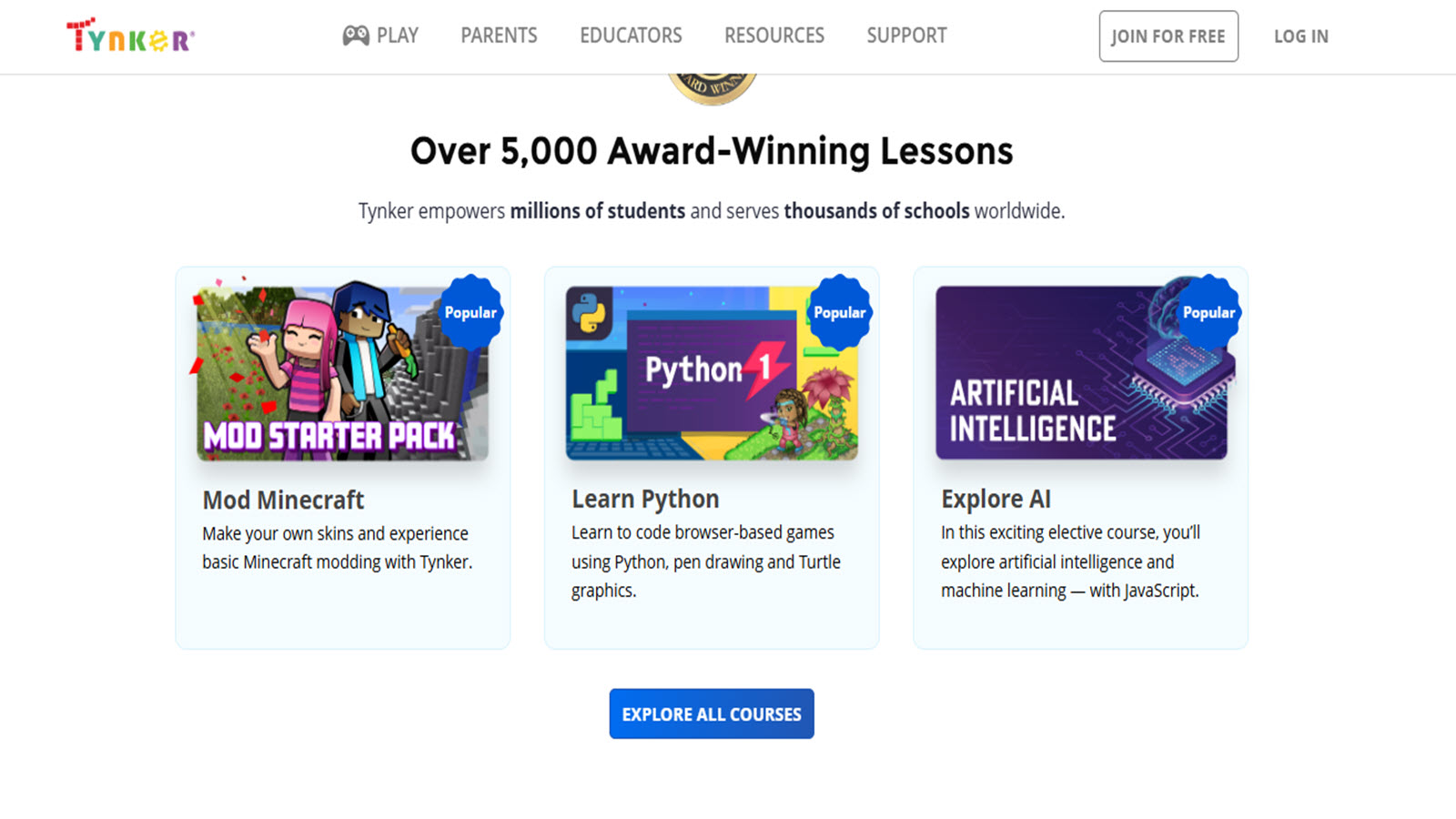
Tynker offers a complete playground where kids build games apps and stories using block-based coding that feels like putting together colorful LEGO instructions. Children progress through structured courses that introduce loops conditions and variables while creating projects they can share safely with family. The vast library of characters animations and sound effects keeps creativity flowing as every solution leads to new ideas. Short missions fit busy schedules yet build steadily toward impressive finished products that kids show off with pride.
The parent tools track progress and suggest next steps so families stay involved without taking over the fun. Tynker grows with the child offering text coding options once block skills feel comfortable. The community challenges encourage friendly competition that motivates extra practice in a positive way. Families notice improved logical thinking and patience after consistent use because every project requires planning debugging and celebration of small wins.
- Key features include drag-and-drop coding blocks project templates and multiplayer sharing options
- Facts and information show how millions of kids worldwide have created over one billion projects using the platform
12. Kodable
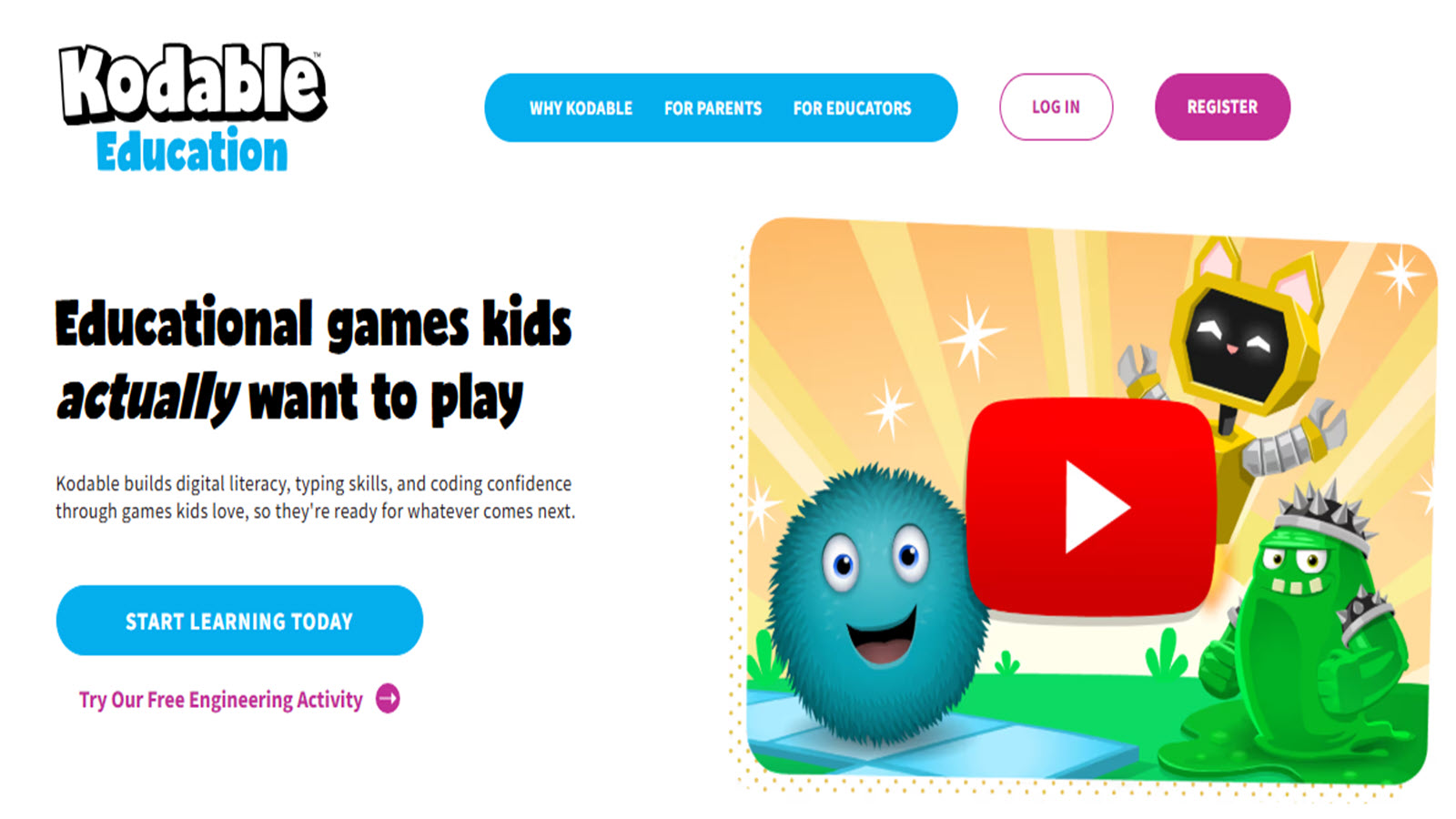
Kodable turns coding into an adorable adventure where fuzzballs roll through colorful mazes that require precise command sequences to reach their goals. Young programmers learn direction loops and conditionals by guiding their characters past obstacles and collecting treasures along the way. The game adjusts automatically to each child’s skill level so beginners feel successful while advanced players stay challenged. Vibrant worlds and cheerful music create an inviting atmosphere that makes daily practice something kids actually request. The curriculum aligns with school standards yet feels completely like playtime. Parents receive clear reports that highlight specific logic skills being strengthened each week. Kodable works beautifully on tablets and encourages independent exploration that builds confidence fast. Children love the silly fuzzball characters that react with joy to every correct move.
- Key features cover visual programming mazes progressive lesson plans and classroom integration tools
- Facts and information highlight its use in thousands of elementary schools as a trusted early coding resource
13. GCompris
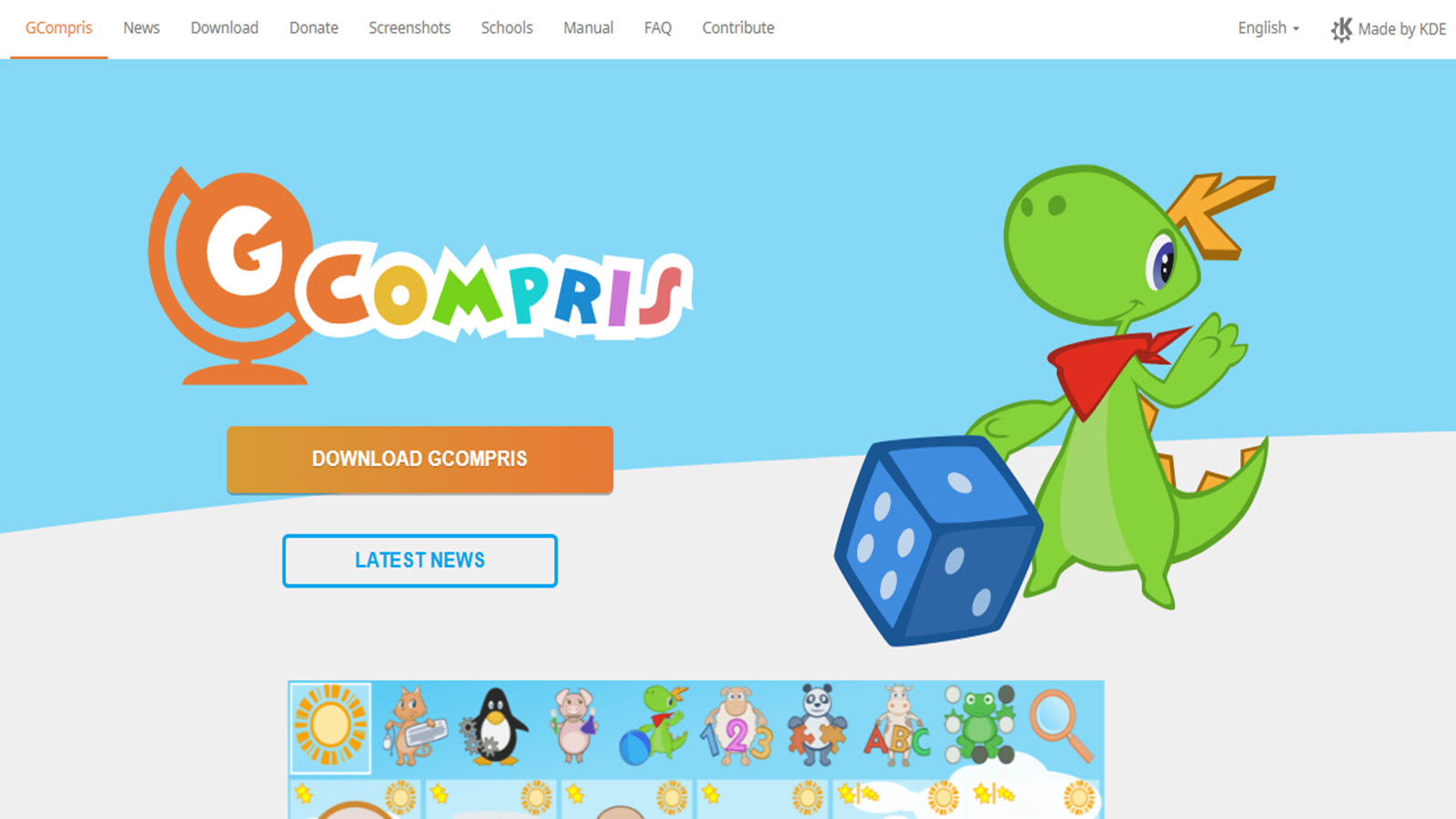
GCompris delivers hundreds of free activities that mix puzzles memory games and logic challenges into one easy-to-use package for young learners. Children explore math reading science and computer skills through colorful modules that adapt to different ages and abilities. The open design lets kids choose exactly what they want to practice each day whether sorting shapes solving riddles or creating simple music. The completely free model means families never worry about hidden costs or ads interrupting play. Every activity includes gentle guidance that supports independent discovery. GCompris works offline after download making it perfect for travel or areas with limited internet. The international community contributes new content regularly keeping the collection fresh and exciting. Parents appreciate the focus on real skill building presented in a joyful format that children return to again and again.
- Key features include math language science computer skills geography culture logic and creativity modules
- Facts and information note its translation into over thirty languages and regular updates by volunteer educators worldwide
14. LogicLike
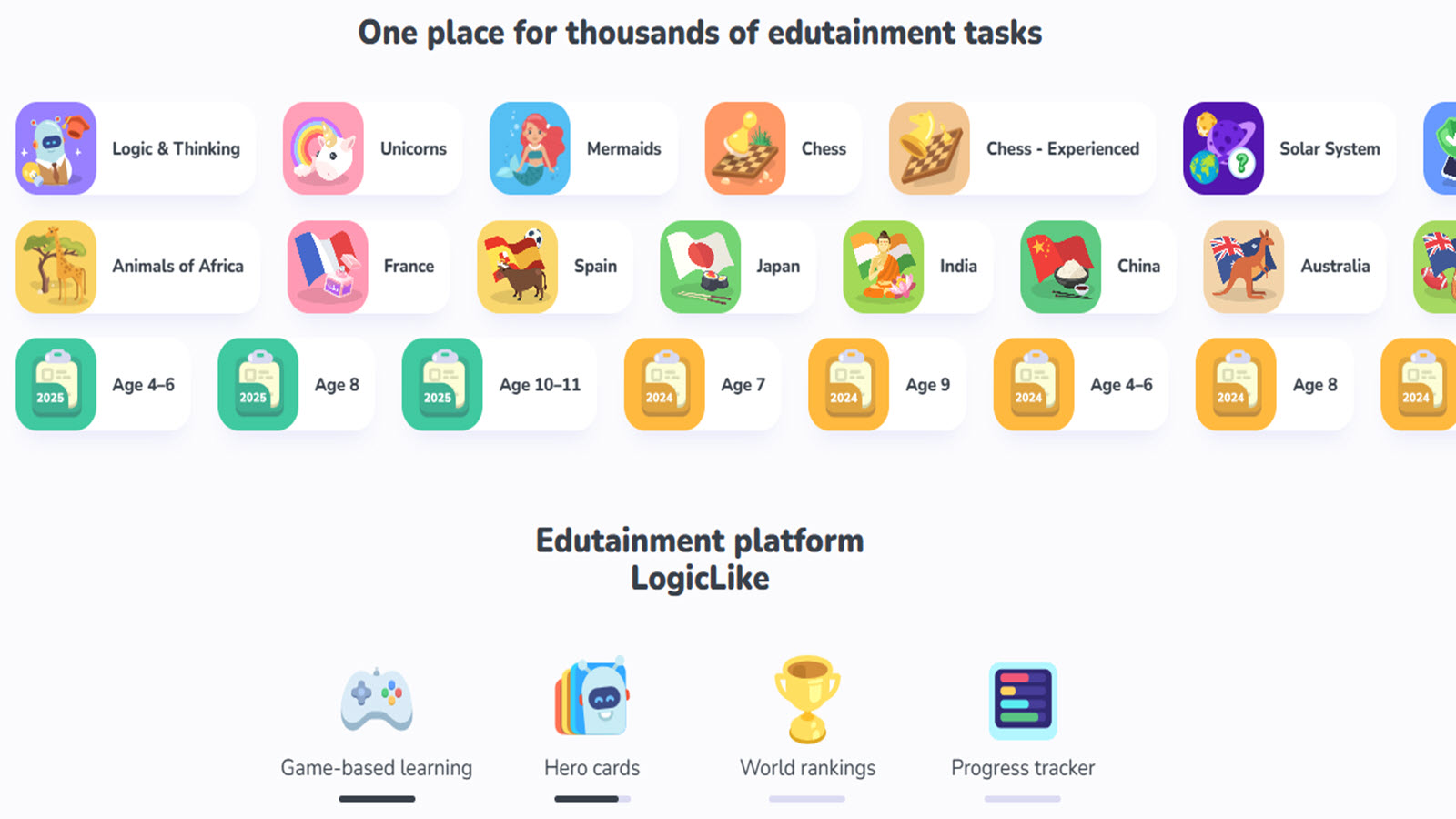
LogicLike presents thousands of interactive challenges that sharpen critical thinking math skills and logical reasoning in short engaging sessions. Children solve picture puzzles number sequences and pattern recognition tasks that feel like fun brain workouts rather than homework. The adaptive system matches difficulty to each child’s current level so progress feels natural and rewarding. Daily streaks and achievement badges motivate consistent practice without pressure. The clean interface works well on tablets and phones for flexible use anywhere. Families love the variety that prevents boredom while covering essential thinking skills needed for school success. LogicLike includes progress reports that help parents celebrate specific improvements in focus and problem solving. The platform emphasizes understanding over memorization so children build lasting confidence in their abilities.
- Key features offer over six thousand learning challenges across math logic and reasoning categories
- Facts and information highlight its design for ages three and up with proven support for school readiness
15. Prodigy

Prodigy transforms math practice into an exciting role-playing adventure where kids battle monsters and complete quests by solving curriculum-aligned problems. The magical world keeps children engaged as they explore new areas and collect pets while strengthening number sense geometry and problem-solving skills. The adaptive algorithm ensures every question matches the child’s exact ability level for steady growth. Parents receive detailed reports that show exactly which concepts need extra attention. The social features let children team up with friends for cooperative challenges that build collaboration alongside logic. Prodigy works on multiple devices so learning continues seamlessly between home and school. The colorful graphics and story progression make daily practice something kids look forward to rather than dread.
- Key features include role-playing quests adaptive difficulty and curriculum alignment for grades one through eight
- Facts and information show millions of students worldwide use the platform regularly for engaging math skill development
16. Osmo
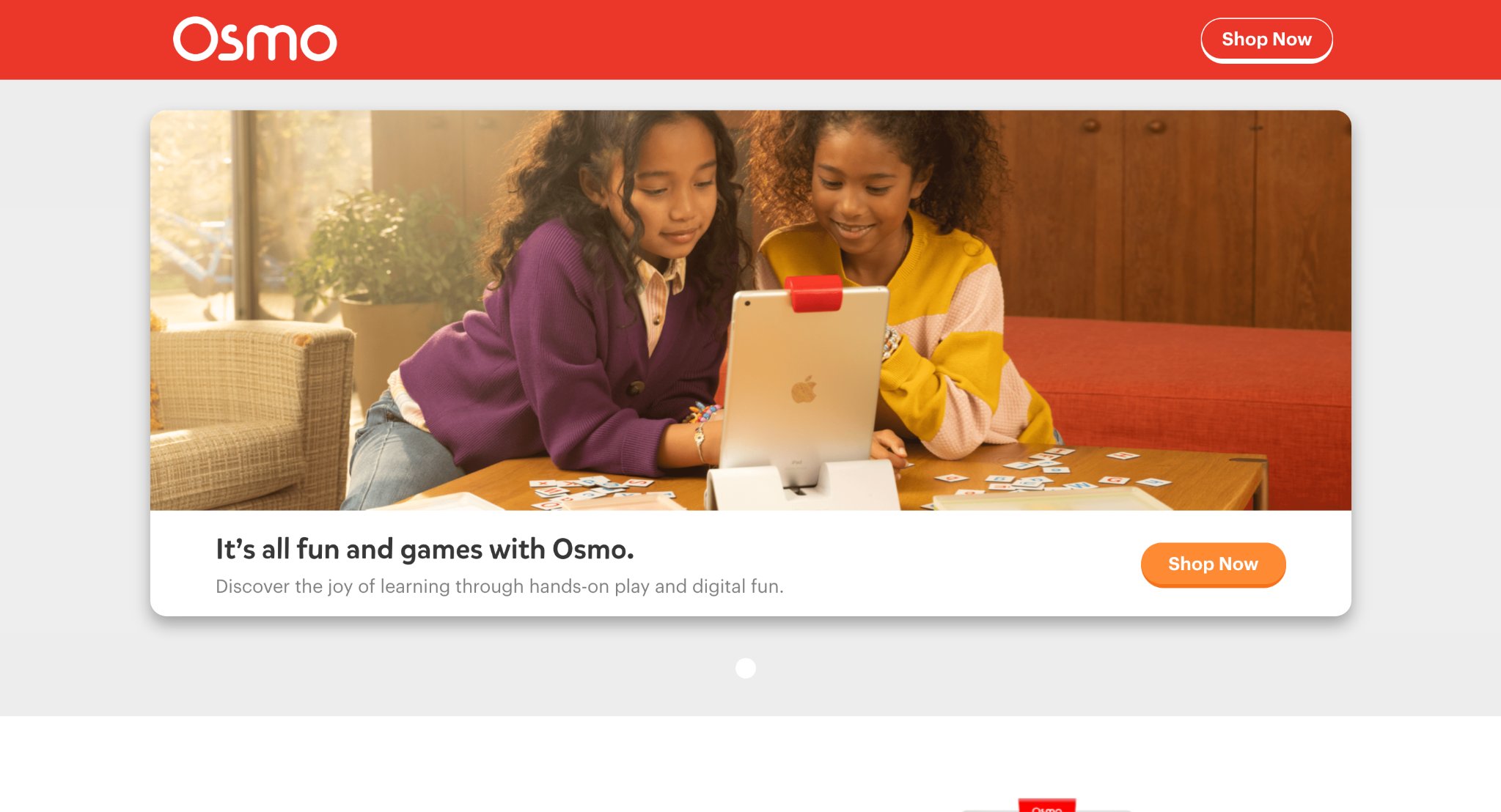
Osmo merges physical toys with digital screens to create interactive puzzles that feel magical and real at the same time. Children use tangible pieces to solve math spelling and creative challenges while the app responds instantly to their moves. The hands-on approach builds fine motor skills alongside critical thinking in a way screen-only games cannot match. Multiple game sets let families expand the collection as interests grow. The social play options encourage turn-taking and discussion that strengthen communication. Osmo works beautifully with iPads and provides clear instructions that support independent exploration. Parents appreciate the balance of physical activity and technology that keeps kids active and thinking. The platform continues to release new titles that keep the experience fresh for years.
- Key features combine physical pieces with augmented reality feedback across math drawing and coding activities
- Facts and information emphasize its award-winning design used in homes and classrooms globally
17. Minecraft Education Edition
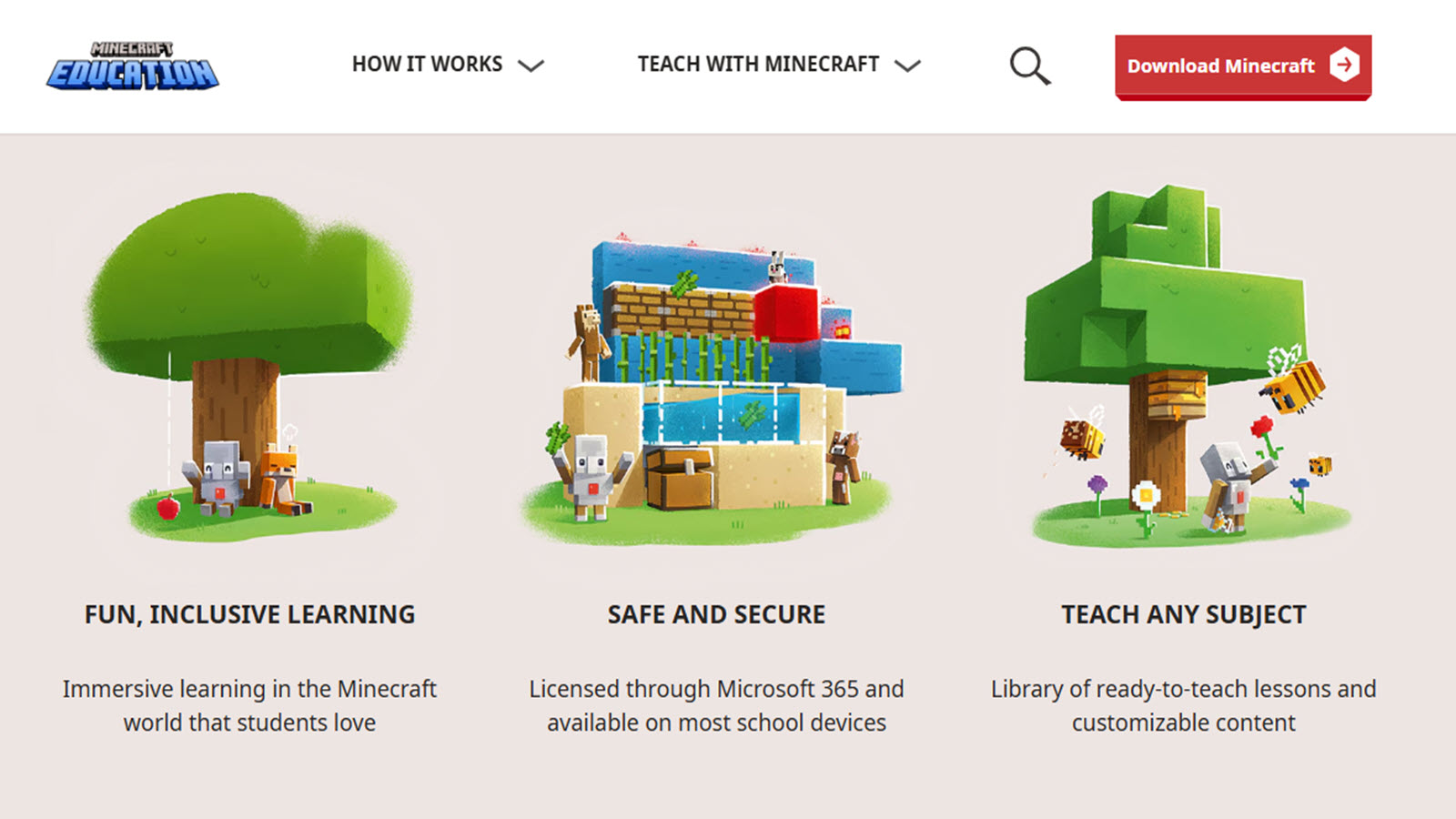
Minecraft Education Edition lets children build explore and solve challenges in vast block worlds that encourage endless creativity and logical planning. Students collaborate on projects that require careful resource management sequencing and problem solving to achieve shared goals. The education-focused version includes curriculum-aligned lessons that cover history science and engineering through play. Teachers and parents can create custom worlds tailored to specific learning objectives. The open-ended nature means every child finds their own way to succeed while developing spatial reasoning and teamwork. Regular updates add new features that keep the experience exciting. Minecraft Education Edition has become a trusted tool for developing twenty-first century skills in a format kids already love.
- Key features include collaborative building coding lessons and curriculum integration tools
- Facts and information note its use in thousands of schools worldwide for engaging project-based learning
18. PBS Kids Games
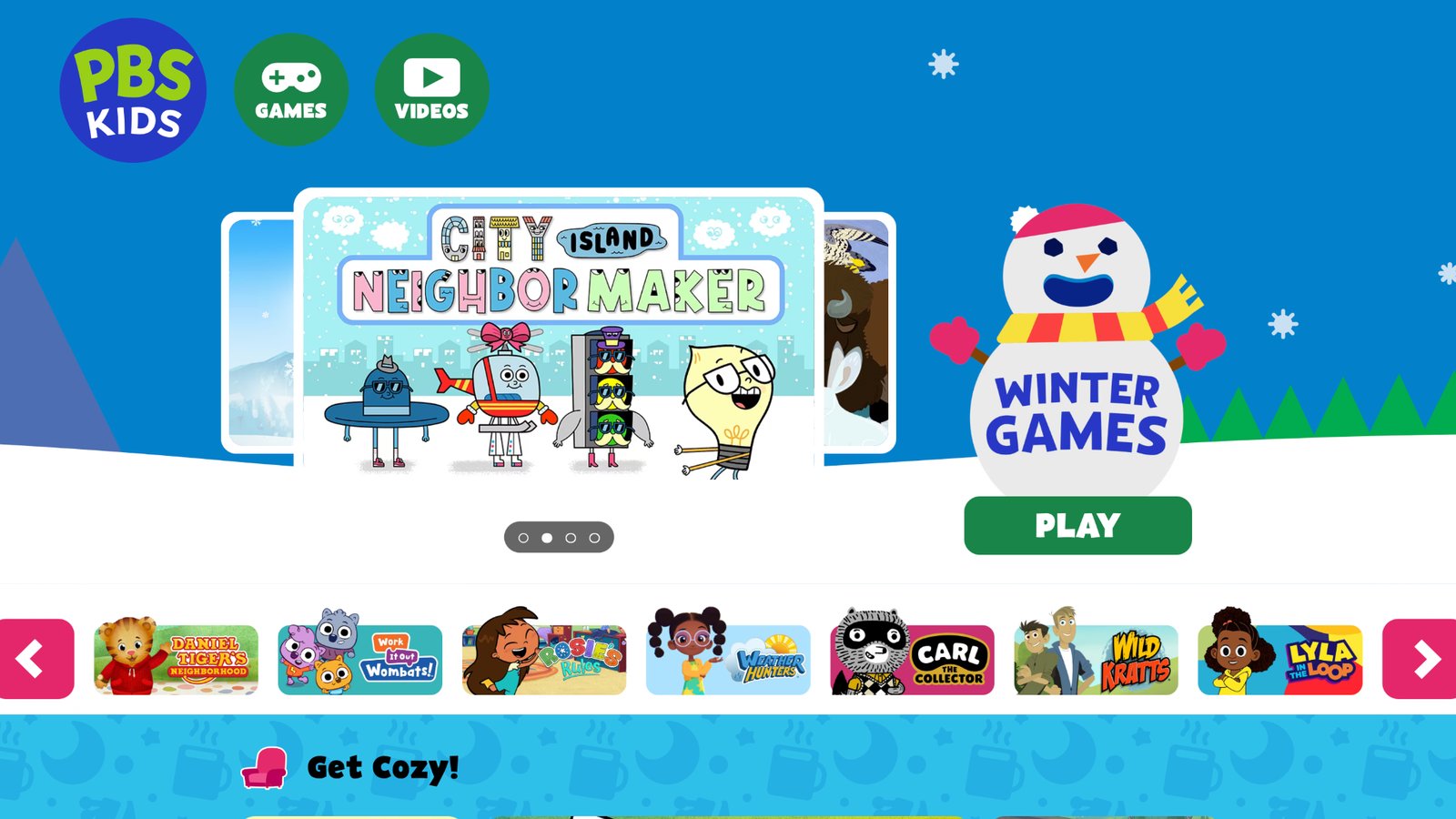
PBS Kids Games brings beloved characters from favorite shows into interactive puzzles that teach problem solving through familiar stories and gentle challenges. Children help Daniel Tiger organize his day or join Peg and Cat on math adventures that feel like extended episodes of the programs they already enjoy. The activities cover social emotional skills literacy and basic logic in short sessions perfect for young attention spans. The completely free access means families can explore without limits. The trusted PBS brand ensures safe high-quality content that parents feel good about. Regular additions keep the library growing with new characters and themes. PBS Kids Games strikes the perfect balance between entertainment and education that makes learning feel natural and fun.
- Key features cover literacy math social studies problem-solving nature and science through familiar characters
- Facts and information highlight its free availability and strong alignment with early childhood development standards
19. Tozzle
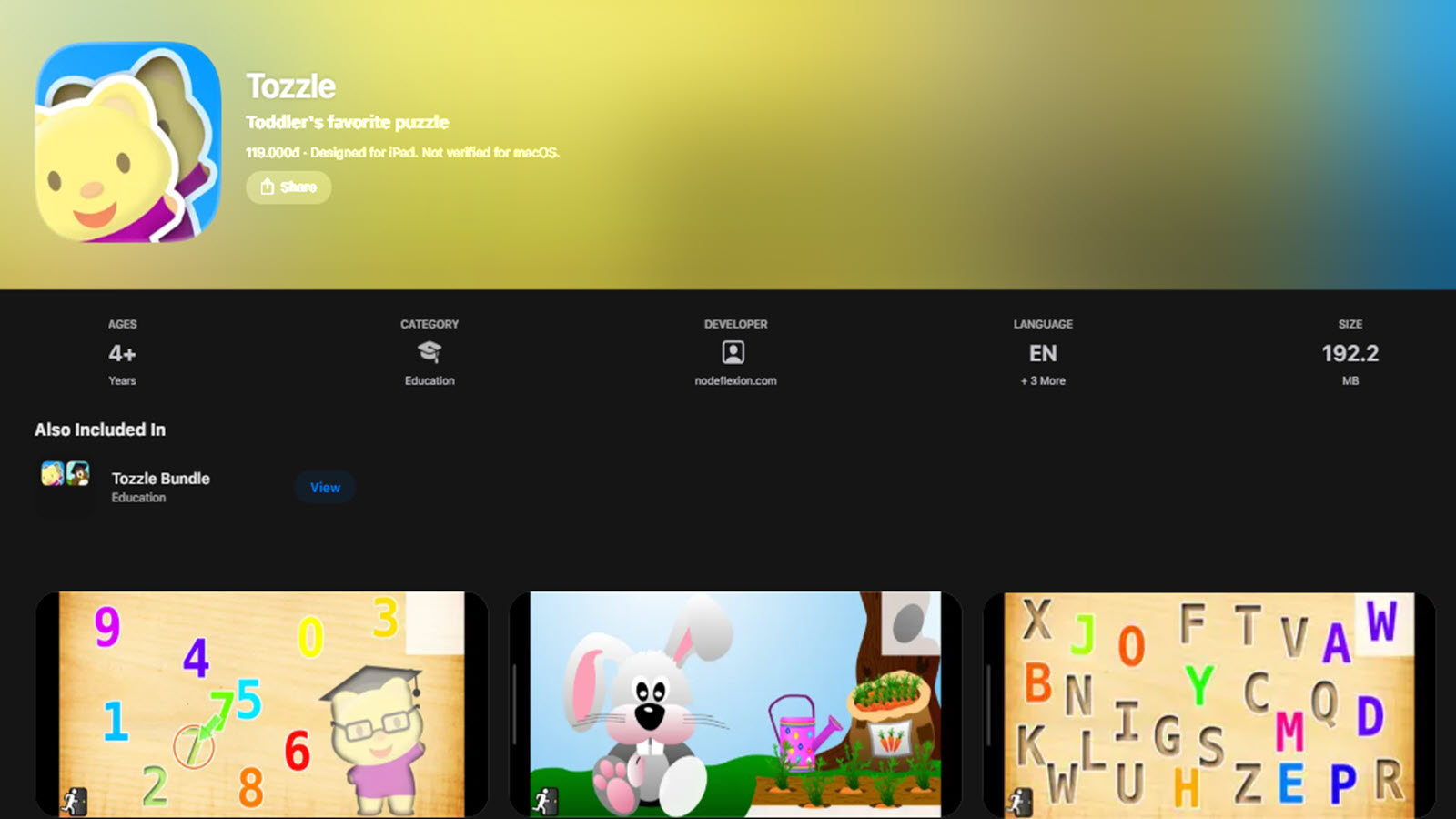
Tozzle offers gentle touch puzzles designed specifically for toddlers who are just beginning to explore problem solving on screens. Children drag and rotate pieces to complete colorful scenes while the app provides encouraging sounds and animations that celebrate every success. The simple interface requires no reading so even the youngest players can enjoy independent play. Multiple difficulty levels grow with the child as coordination and thinking skills develop. The calm design creates a peaceful screen-time option that supports fine motor practice alongside visual reasoning. Parents appreciate the lack of ads and timers that allow natural pacing. Tozzle has helped many families introduce technology in a positive nurturing way during early years.
- Key features include toddler-friendly drag-and-drop puzzles with progressive difficulty and cheerful feedback
- Facts and information note its popularity as a favorite starter puzzle app for ages two and up
20. BoxBoy & BoxGirl
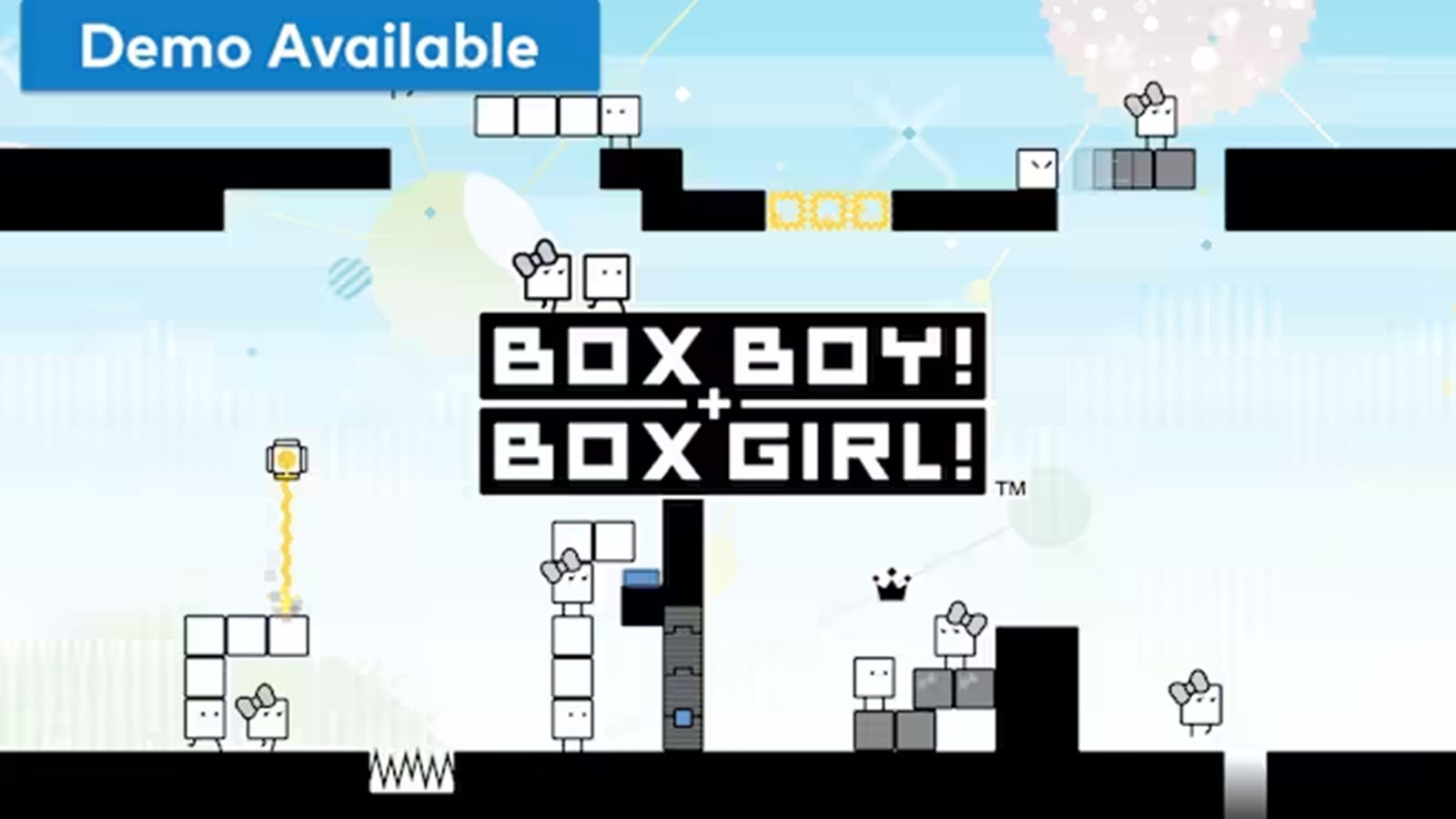
BoxBoy & BoxGirl presents charming puzzles where players push and stack boxes to reach goals in minimalist worlds full of clever mechanics. Children experiment with different arrangements that require spatial planning and creative thinking to solve each level. The adorable characters and smooth animation create an inviting atmosphere that encourages repeated attempts. Short levels fit perfectly into quick play sessions while the increasing complexity keeps older players engaged too. The cooperative mode lets siblings work together which builds communication alongside logic skills. The clean design focuses attention completely on the satisfying puzzle solutions. BoxBoy & BoxGirl proves that simple concepts can create deeply engaging challenges that children return to often.
- Key features include box manipulation mechanics co-op play and progressively challenging levels
- Facts and information reveal its critical acclaim for elegant design that teaches creative problem solving
21. Cut the Rope
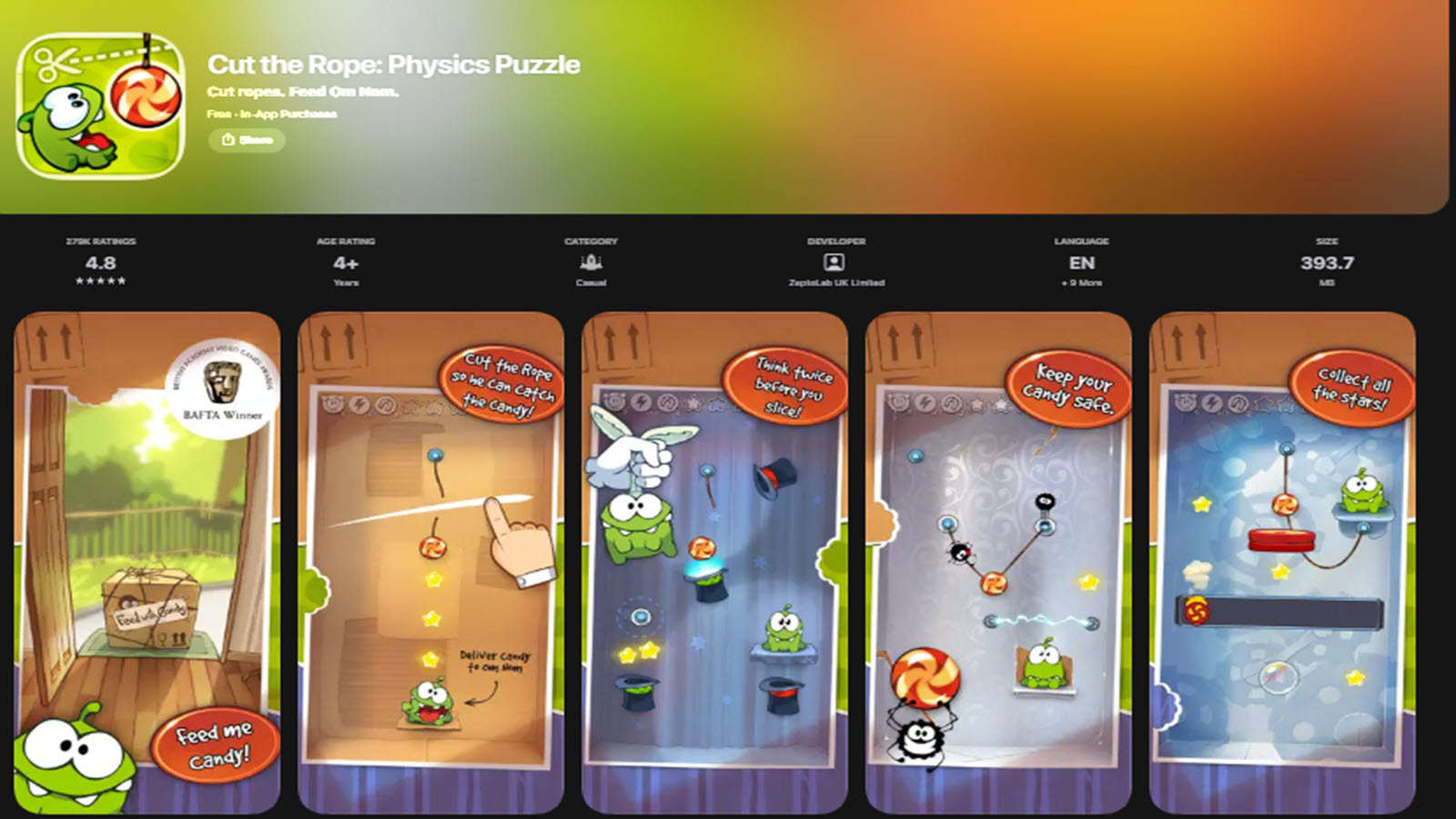
Cut the Rope delivers satisfying physics puzzles where children cut ropes swing objects and use clever tricks to deliver candy to the hungry monster Om Nom. Each level introduces new mechanics that build understanding of gravity momentum and timing through trial and error. The cute graphics and funny animations keep young players smiling even when they need several attempts to succeed. The game rewards creative solutions and celebrates every small victory with cheerful sounds. Progressive stages introduce just enough challenge to maintain interest without frustration. Families enjoy watching their children light up when a tricky physics concept finally clicks into place. Cut the Rope has remained a favorite for years because it combines entertainment with genuine thinking practice.
- Key features feature rope-cutting physics experiments and increasing level complexity
- Facts and information highlight its millions of downloads and continued popularity as a classic puzzle experience
22. Where's My Water
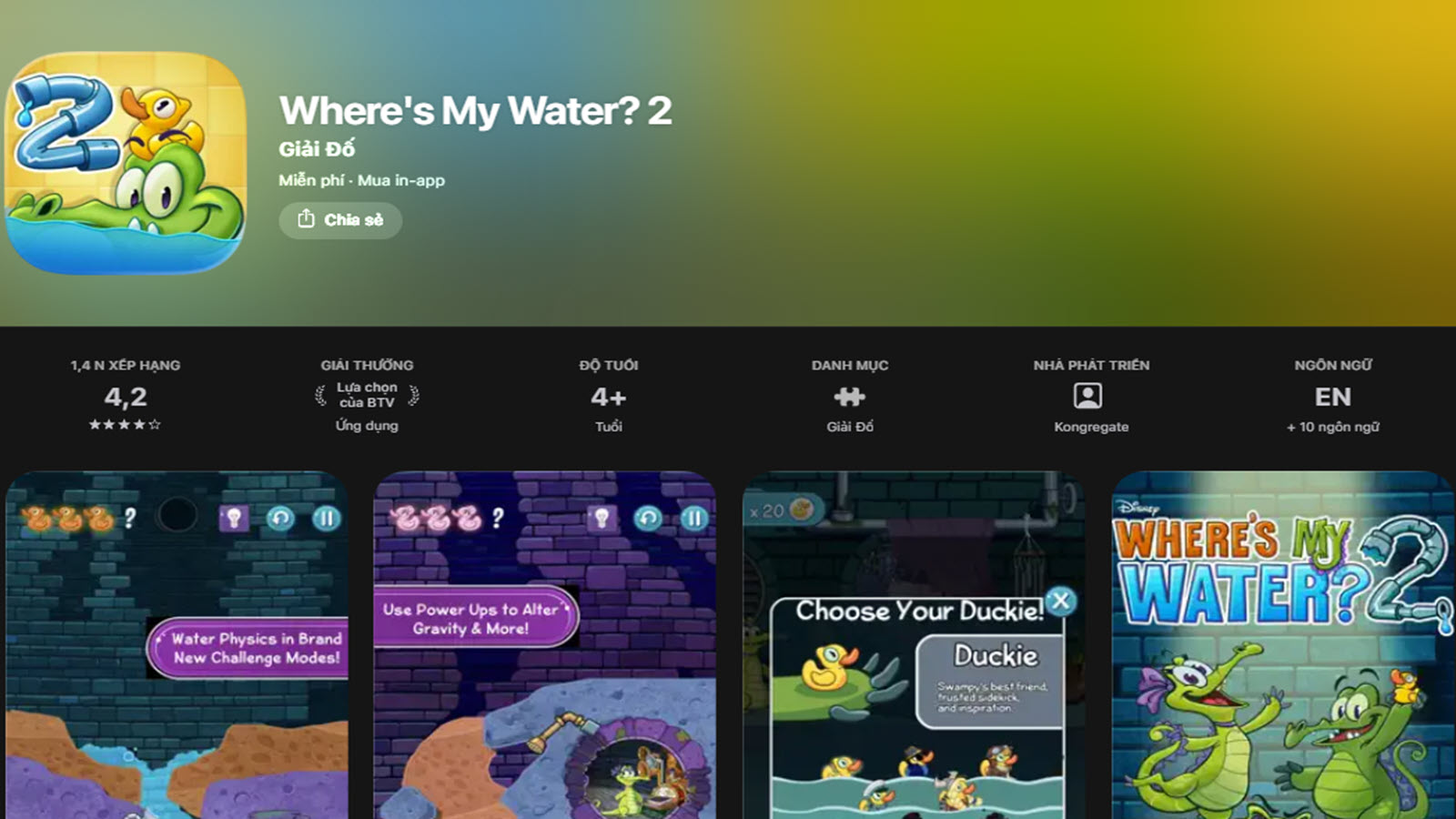
Where's My Water challenges children to guide water through obstacle courses to reach a hungry alligator using pipes pumps and creative diversions. Players experiment with fluid behavior learning cause and effect in a colorful underground world that feels alive. Each level introduces new elements that require fresh strategies and careful planning. The satisfying splash sounds and visual feedback make every successful solution feel rewarding. The game grows in difficulty at a comfortable pace that matches developing skills. Parents notice improved spatial reasoning after regular play sessions. Where's My Water turns abstract physics concepts into concrete engaging challenges that children love to master.
- Key features include water-flow mechanics pipe building and environmental puzzle elements
- Facts and information note its strong educational value in teaching basic physics through play
23. DragonBox Numbers
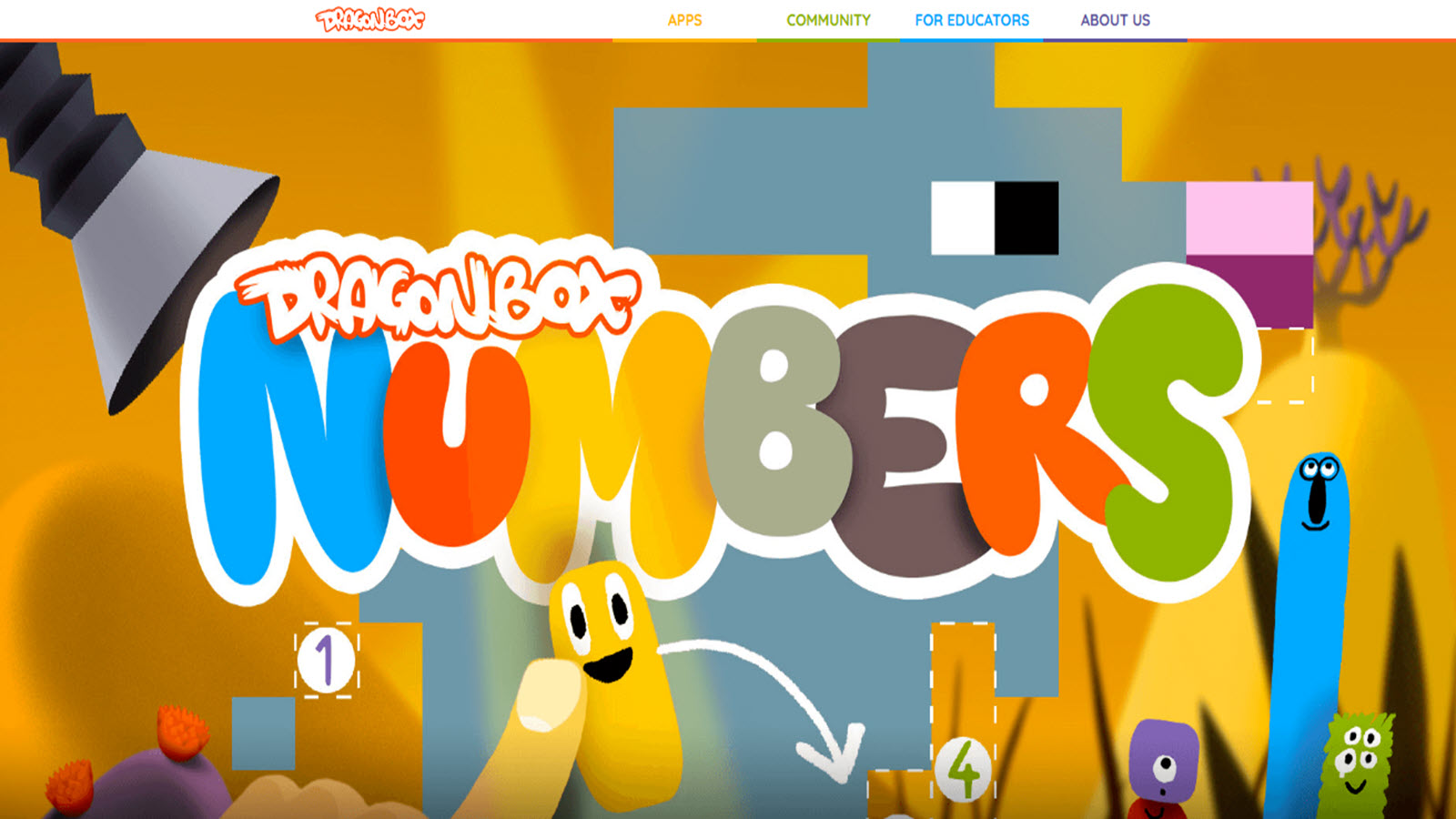
DragonBox Numbers introduces early algebraic concepts through colorful number characters that children combine and transform to reach target values. The intuitive drag-and-drop system makes abstract math feel concrete and fun from the very first level. Players discover rules naturally while solving puzzles that build number sense and logical thinking. The beautiful artwork and gentle pacing create a stress-free environment perfect for young learners. Progressive chapters introduce new ideas at exactly the right moment to maintain confidence and curiosity. DragonBox Numbers has helped many children develop positive attitudes toward math that carry into school years. The app works beautifully for both independent and guided play with family members.
- Key features cover number manipulation puzzles progressive learning paths and visual algebra introduction
- Facts and information show its success in making early algebraic thinking accessible and enjoyable
24. Mastermind

Mastermind lets children become code breakers who use logic and deduction to crack secret color patterns using feedback from each guess. The classic gameplay builds strategic thinking and process of elimination skills in a compact format that works well for quick sessions. Players learn to analyze information carefully and adjust their approach based on new clues. The simple rules hide surprising depth that keeps interest high across many games. Mastermind travels easily and works perfectly for family game nights where everyone can join in. The game strengthens attention to detail and systematic thinking that transfers to schoolwork and real-life problem solving. Children enjoy the satisfying moment when the final code clicks into place.
- Key features include color code deduction feedback system and multiple difficulty levels
- Facts and information underline its long-standing role as a favorite logic game for developing analytical skills
25. Qwirkle
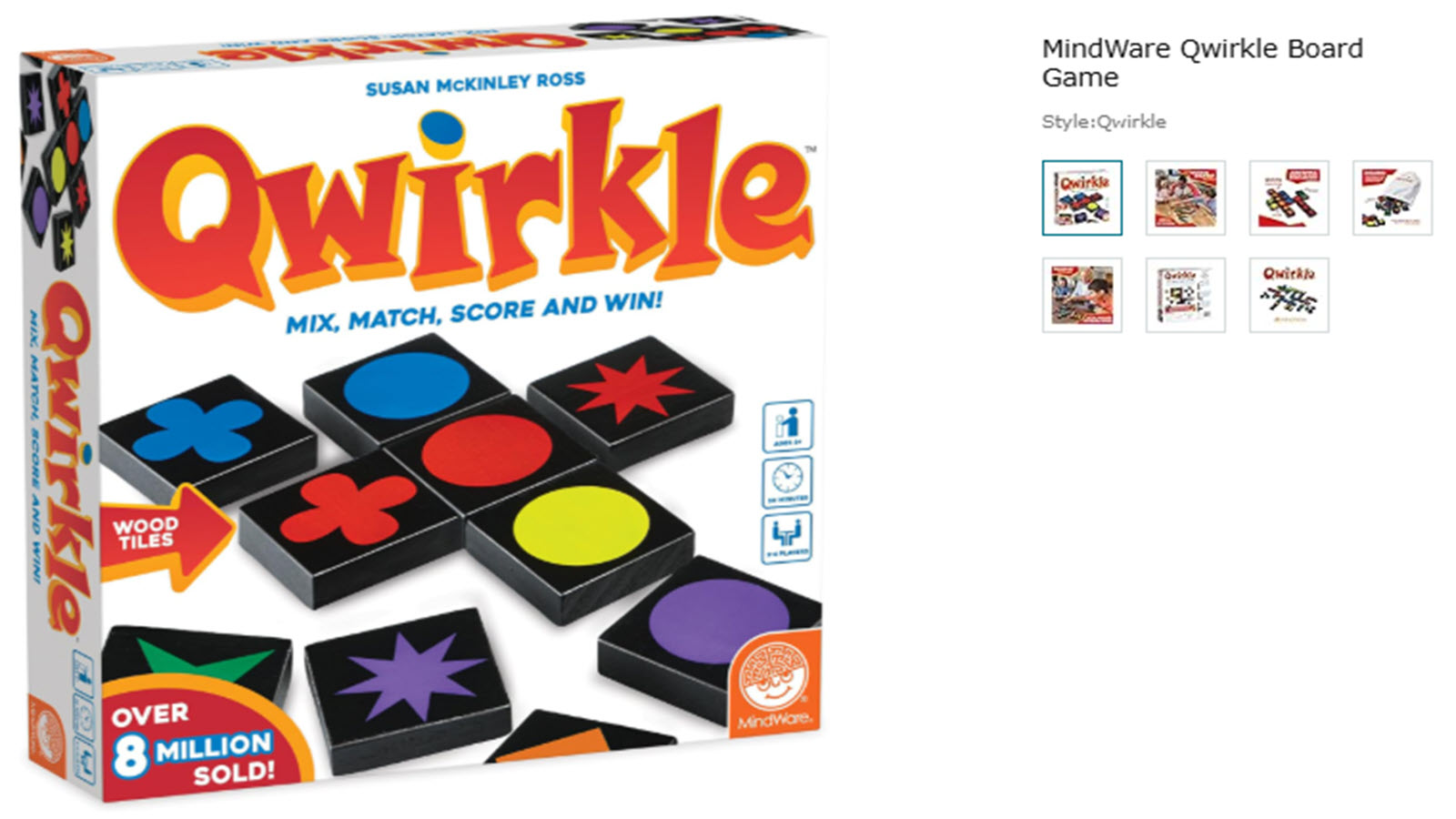
Qwirkle combines colors and shapes into a tile-matching game that feels like an artistic twist on dominoes. Children build lines that match either color or shape while planning ahead to maximize points and block opponents. The colorful wooden tiles create a tactile experience that engages multiple senses during play. The game scales beautifully for different ages and encourages both competitive and cooperative strategies. Qwirkle develops pattern recognition and spatial planning in a format that feels more like art than math. Families often play multiple rounds because each game tells a different visual story on the table. The sturdy components hold up to enthusiastic use and look beautiful when stored on a shelf.
- Key features feature color and shape matching strategic placement and family-friendly rules
- Facts and information highlight its award-winning design that builds mathematical thinking through visual play
26. Blokus
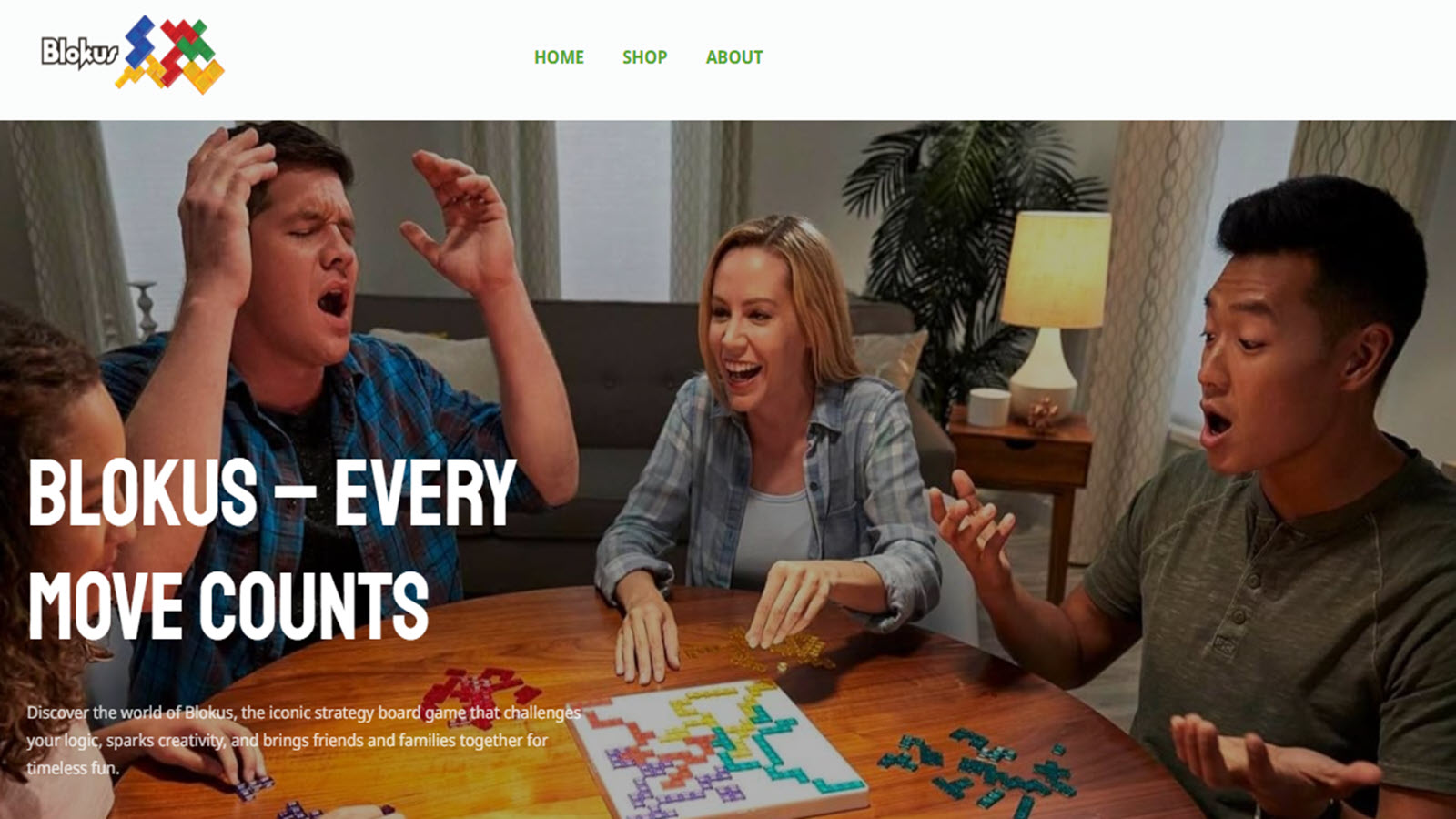
Blokus challenges players to place colorful geometric pieces on a shared board while blocking opponents and claiming territory. Children practice spatial visualization and forward planning as they fit irregular shapes into tight spaces. The simple rules create surprisingly deep strategy that grows with each game. The vibrant translucent pieces look stunning on the board and create beautiful patterns during play. Blokus works wonderfully for two to four players and supports both quick and longer sessions. The game develops logical thinking and adaptability as plans change with every move. Families return to Blokus often because each round offers fresh challenges and opportunities for creative solutions.
- Key features include geometric tile placement territory control and multiplayer strategy
- Facts and information note its international recognition as an excellent tool for developing spatial reasoning
27. Tsuro

Tsuro invites players to build winding paths across a board using beautiful dragon tiles that determine character movement. Children choose tiles that extend their journey while avoiding crashes with other players. The elegant design creates flowing patterns that feel artistic and strategic at the same time. Short games fit easily into busy days while still delivering meaningful thinking practice. Tsuro encourages adaptability because the board changes dramatically with each new tile placement. The simple rules make it accessible yet the depth keeps experienced players engaged. Families enjoy the peaceful yet exciting atmosphere that Tsuro creates during game night.
- Key features revolve around path creation tile rotation and dynamic board changes
- Facts and information show its popularity for teaching flexibility and spatial awareness through play
28. Battle Sheep
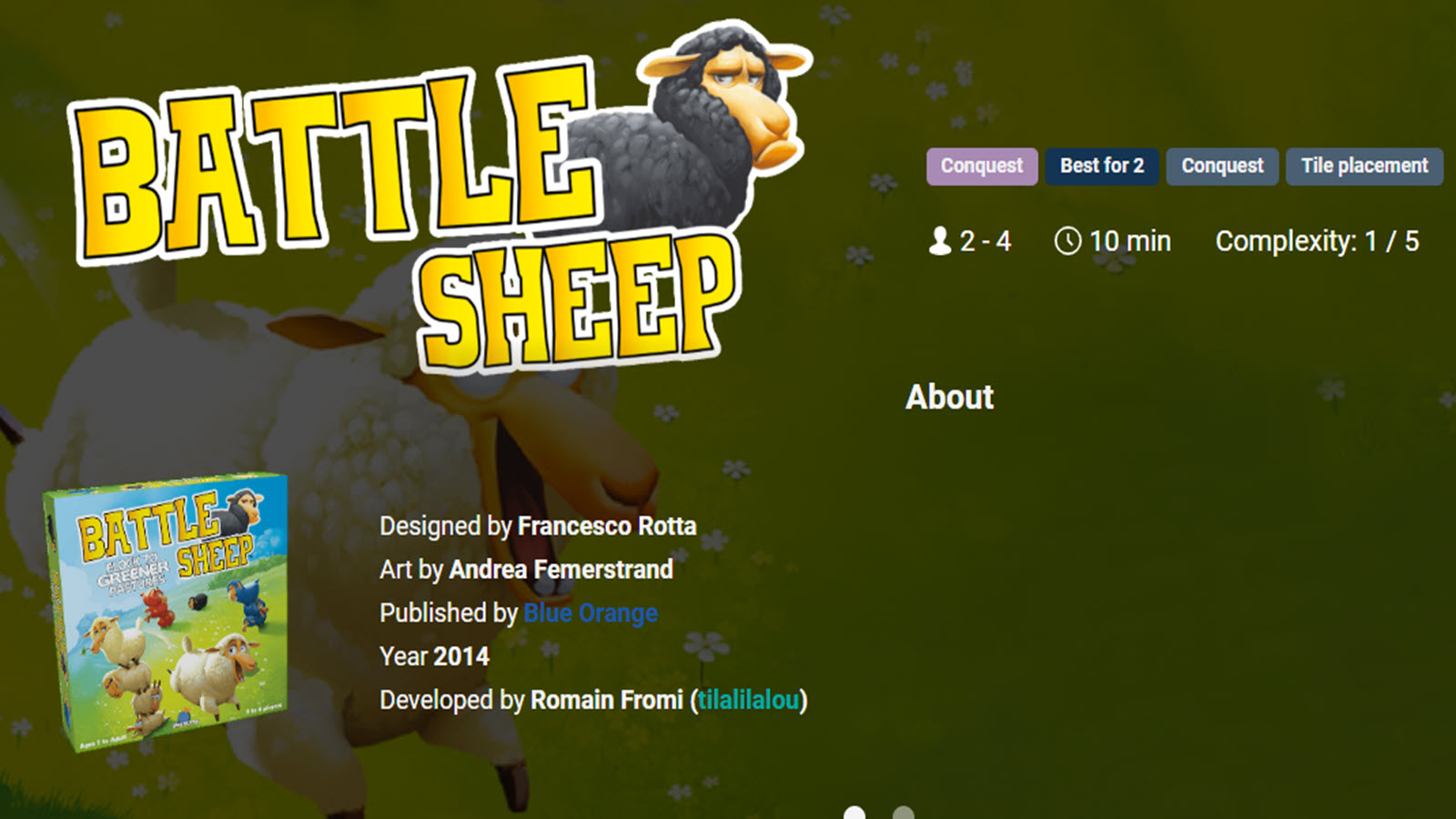
Battle Sheep turns a simple flock of sheep into a strategic battle for meadow territory using clever tile placement and movement planning. Children divide their flock and spread across the board while blocking opponents from expanding. The game rewards careful counting and forward thinking in a format that feels light and fun. The colorful sheep tokens create a lively table presence that draws everyone in. Battle Sheep scales well for different group sizes and ages making it perfect for family gatherings. Each game tells a different story based on how players choose to expand their flocks. The satisfying mechanics keep children coming back for rematch after rematch.
- Key features include flock division territory expansion and strategic blocking
- Facts and information highlight its success in developing mathematical thinking and planning skills
29. Micro Macro Kids
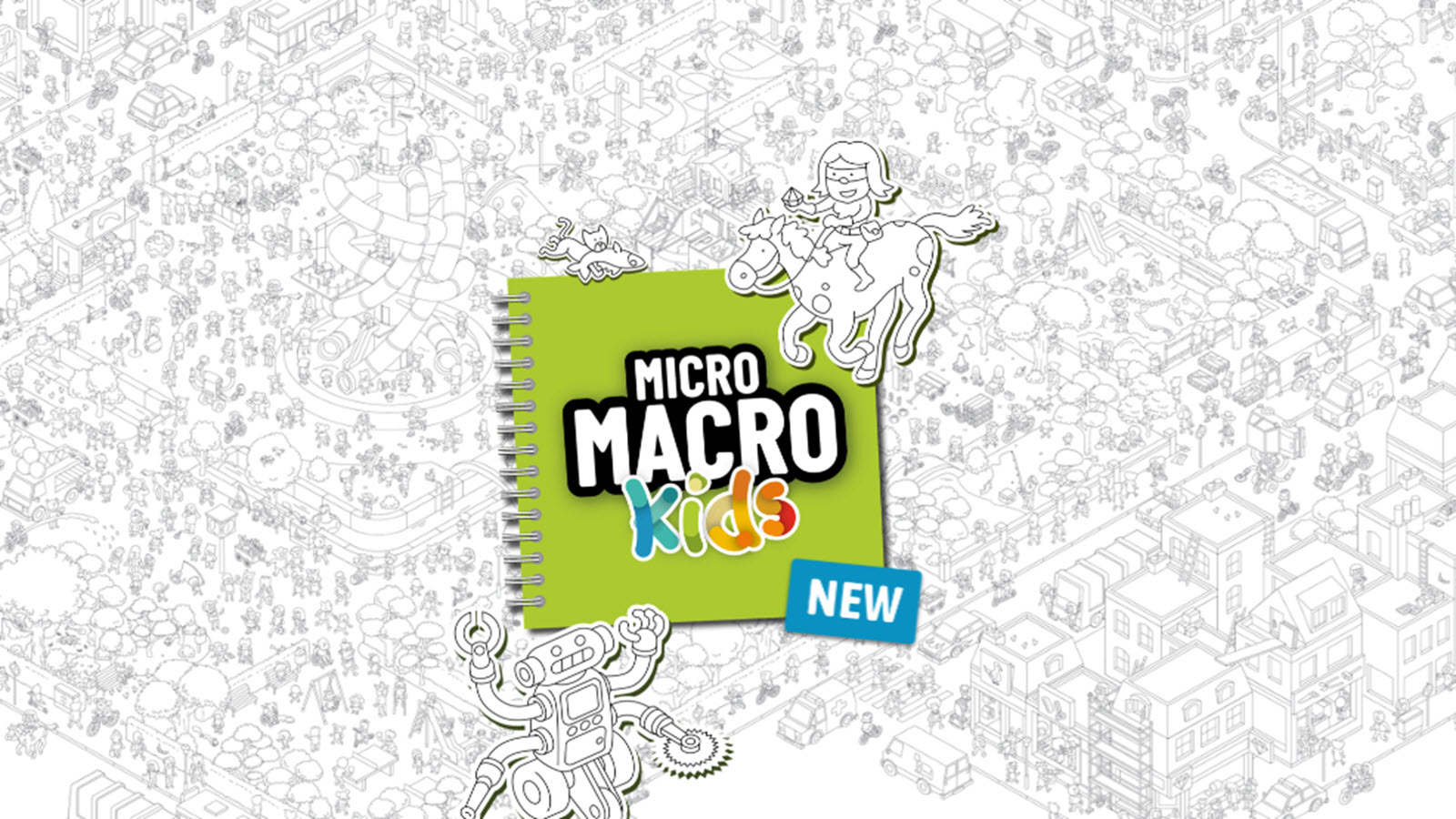
Micro Macro Kids presents giant illustrated city maps where children become detectives hunting for tiny characters and solving mysteries through careful observation. The oversized scenes hide countless stories that unfold as players follow clues across the detailed artwork. The cooperative format encourages discussion and shared discoveries that strengthen communication alongside visual problem solving. Each case builds excitement as the narrative comes together through careful searching. The game requires no reading so even young children can participate fully. Micro Macro Kids turns screen-free detective work into an engaging group activity that families play for hours.
- Key features include giant visual maps story-driven cases and cooperative clue finding
- Facts and information emphasize its family-friendly design that builds observation and deduction skills
30. Cascadia Junior
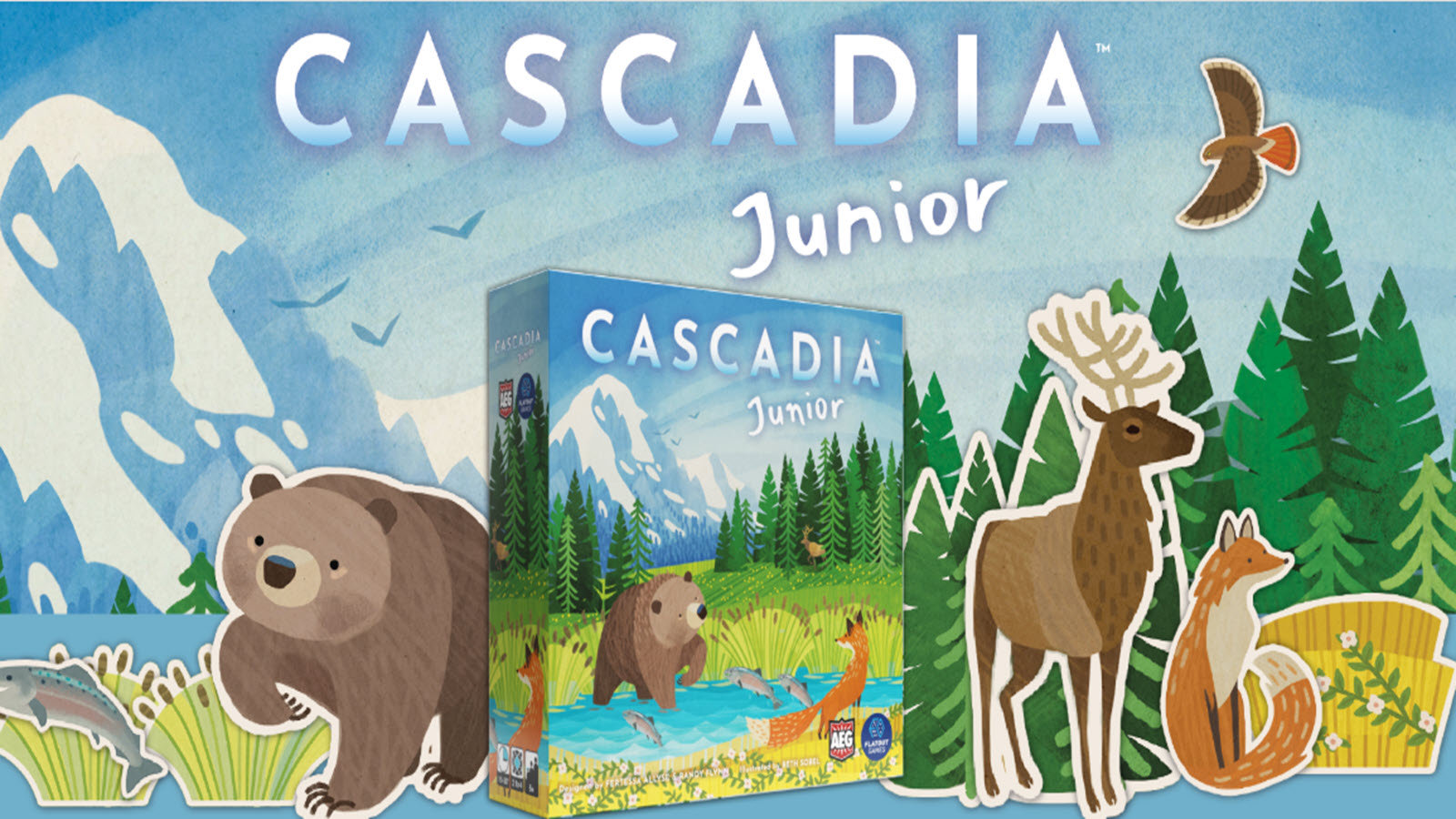
Cascadia Junior simplifies the beloved tile-laying game into a perfect format for younger players who build healthy habitats for animals using colorful terrain and wildlife tokens. Children match habitats and place animals strategically while learning basic ecosystem concepts through play. The gentle rules create satisfying decisions without overwhelming complexity. The beautiful artwork brings nature to the table and sparks conversations about real animals and environments. Cascadia Junior grows with the child offering optional advanced rules for returning players. The game encourages thoughtful placement and pattern recognition in a calm relaxing atmosphere. Families appreciate how Cascadia Junior combines strategy with learning about the natural world.
- Key features include habitat matching animal placement and simplified ecosystem building
- Facts and information note its success as a family favorite that introduces environmental thinking through joyful play
31. Cat Crimes
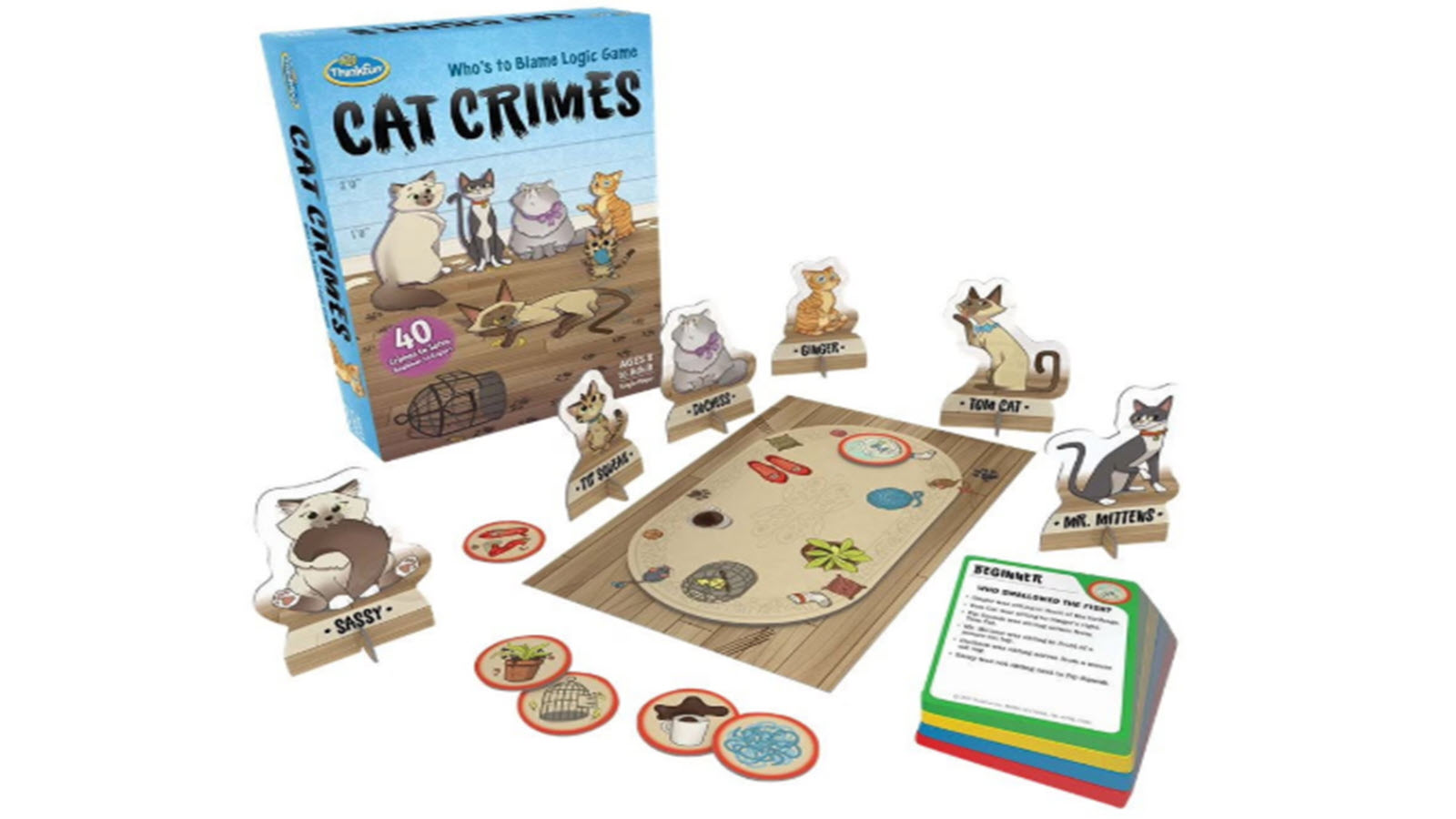
Cat Crimes invites young detectives to solve whimsical mysteries by examining crime scene evidence and using logical deduction to determine which mischievous feline caused the trouble. Children analyze clues like paw prints, displaced objects, and character statements to piece together events in short, engaging scenarios that mirror real detective work. The compact format with illustrated boards makes each case feel like a mini adventure, encouraging careful observation and systematic thinking without any timers or pressure.
Kids build confidence as they eliminate impossible suspects and arrive at the correct solution through their own reasoning. The charming cat illustrations and humorous storylines keep sessions light-hearted while sharpening attention to detail. Families often play multiple cases in one sitting because the "aha" moments create natural excitement and discussion. This hands-on approach helps children apply logical steps to everyday situations like organizing thoughts or spotting patterns.
- Key features include evidence-based deduction puzzles with multiple suspect cards and scenario boards for replayability
- Facts and information highlight its effectiveness in developing process-of-elimination skills and attention to detail for ages 8 and up
32. Sum Swamp
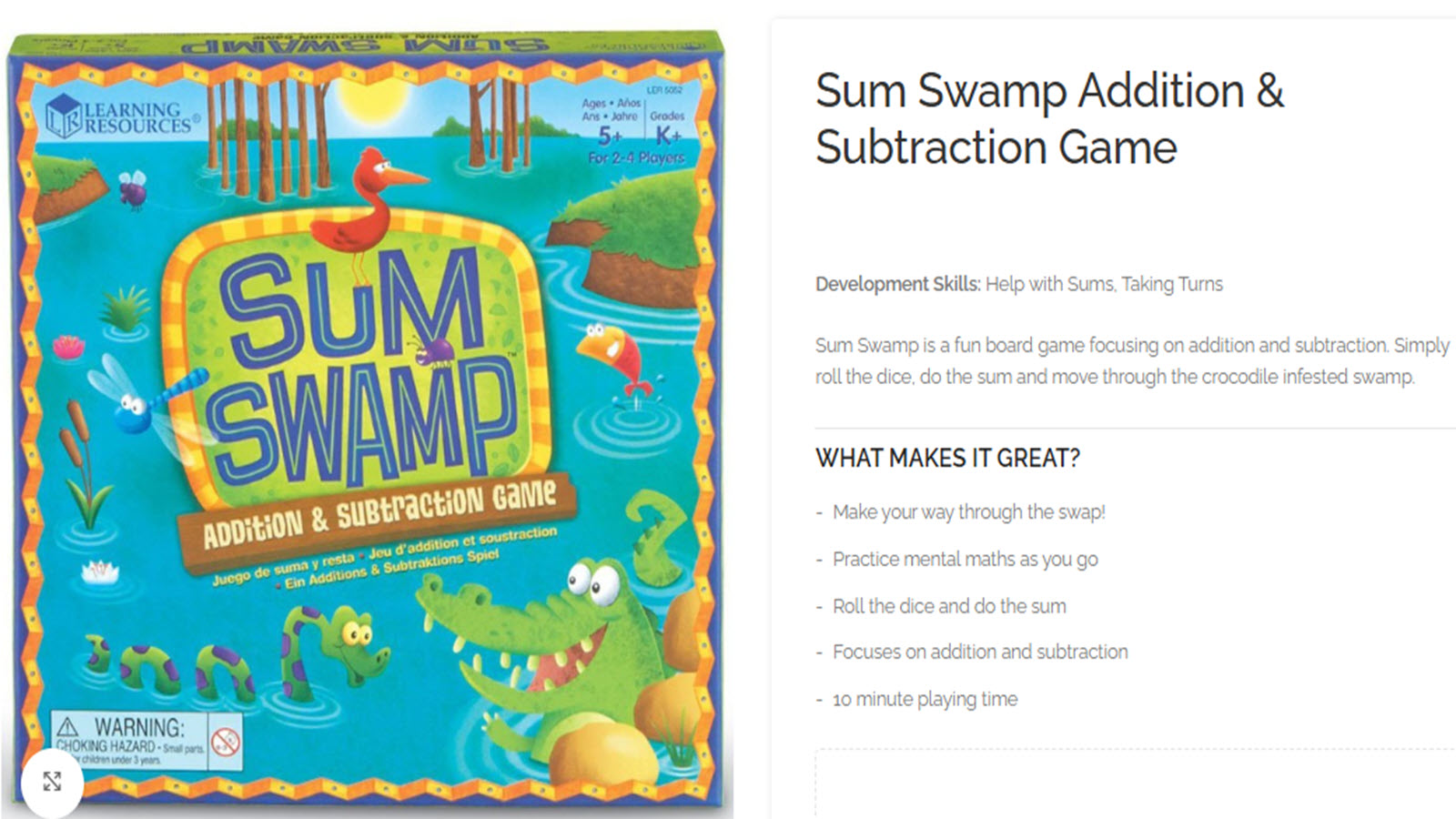
Sum Swamp turns addition and subtraction practice into an exciting board game adventure where players roll dice and navigate swampy paths filled with math challenges. Children solve simple equations to determine movement while avoiding playful hazards like alligators, making each turn a quick thinking exercise. The colorful swamp-themed board and sturdy pieces create an inviting tactile experience that holds attention during family game nights.
Progressive difficulty emerges naturally as players encounter more complex number combinations, supporting steady skill growth. The game balances luck with strategy, teaching children to plan moves while practicing mental math in a low-stress way. Parents notice improved number fluency and quicker problem-solving after repeated play. Short games fit easily into daily routines, and the forgiving rules ensure everyone can participate regardless of current math level. Sum Swamp demonstrates how math concepts can feel like pure fun when embedded in an adventurous setting.
- Key features feature number-line movement, addition/subtraction challenges, and swamp hazard cards
- Facts and information note its success as an educational tool from Learning Resources that makes arithmetic engaging for early elementary ages
33. Code Master
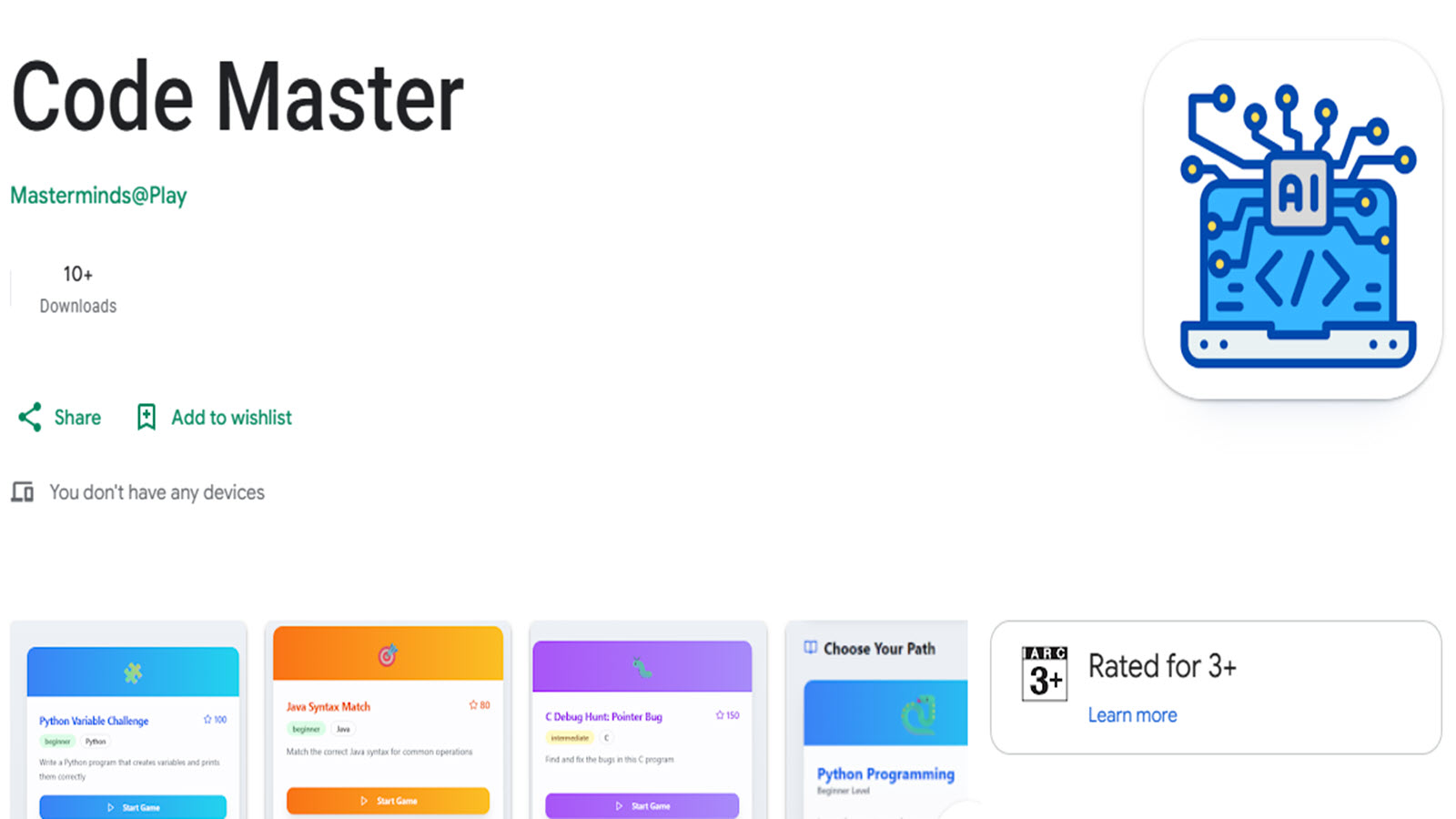
Code Master introduces programming logic through a screen-free board game where players guide a robot avatar across grid-based worlds using command tiles. Children sequence moves, loops, and conditionals to collect crystals while avoiding obstacles, experiencing computational thinking in a physical format. The modular board allows endless puzzle variations that scale in complexity as skills develop. Vibrant components and clear visual feedback make abstract concepts concrete and satisfying.
Each successful run reinforces planning and debugging skills in a way that transfers to digital coding later. Families enjoy the collaborative element when discussing strategies for tougher levels. Code Master bridges hands-on play with foundational tech concepts, making it ideal for children curious about how technology works. The game supports independent exploration while offering rich opportunities for parent-child problem-solving conversations.
- Key features include command tiles for sequences, loops and conditionals, plus expandable puzzle maps
- Facts and information emphasize its role in teaching real programming structures through physical gameplay for ages 8+
34. Richard Scarry's Busytown
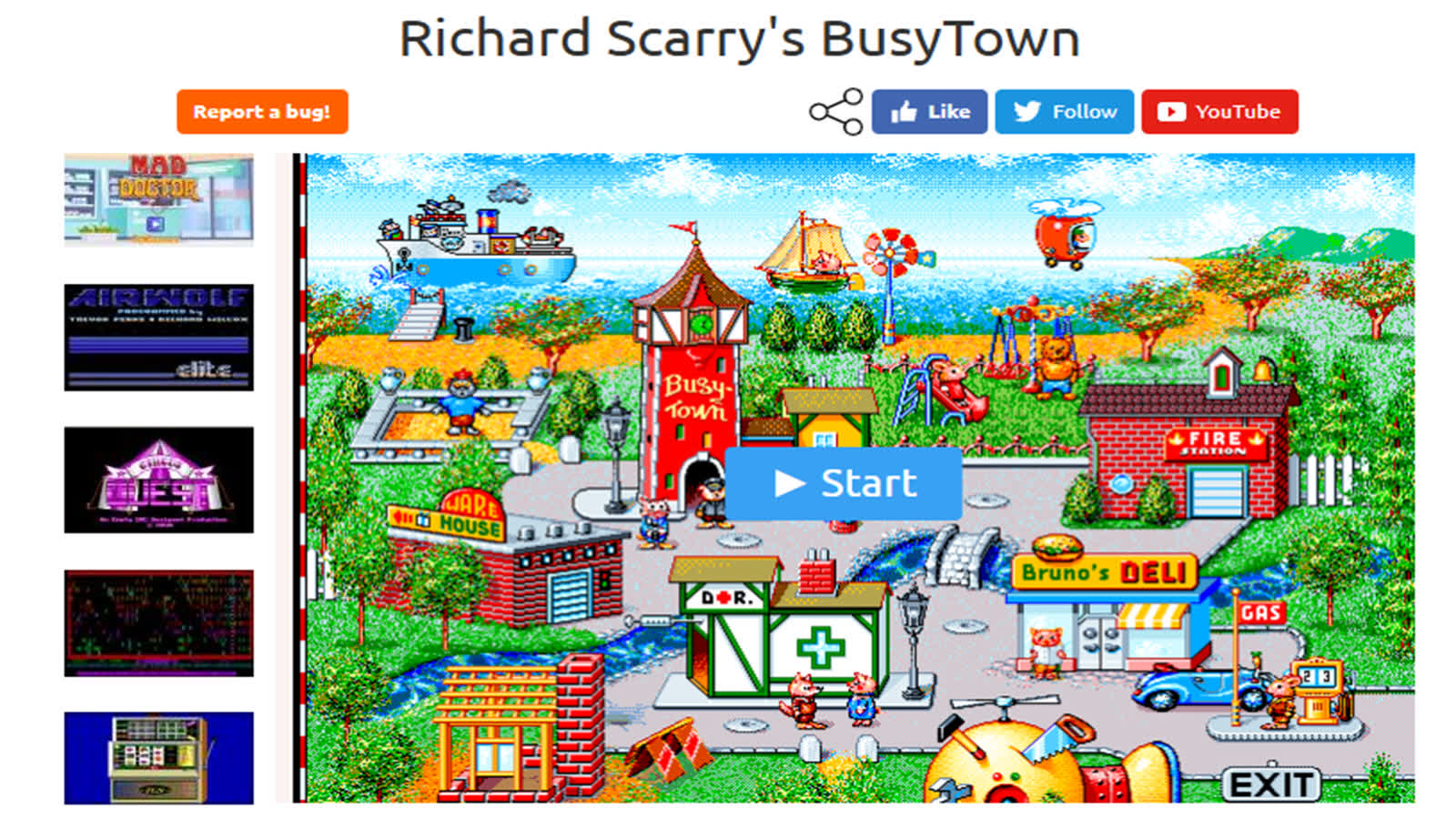
Richard Scarry's Busytown brings the beloved illustrated world to life as children search bustling scenes to find hidden objects and complete community tasks. Players develop visual scanning and categorization skills while helping characters with everyday activities like delivering mail or fixing vehicles. The detailed, colorful boards filled with charming animal residents encourage thorough exploration and storytelling alongside problem-solving. Cooperative gameplay options let families work together to solve challenges, strengthening communication and shared discovery.
Each session feels like stepping into a lively storybook where observation leads to satisfying completions. The game supports different skill levels through varying search complexities, allowing younger and older children to play side by side. Parents appreciate how it builds patience and systematic searching abilities that help with schoolwork and real-world attention tasks. Busytown transforms simple finding into rich, imaginative problem-solving adventures.
- Key features cover busy scene searches, task completion cards, and character-driven objectives
- Facts and information highlight its connection to Richard Scarry's educational books that promote observation and community awareness
35. Khan Academy Kids
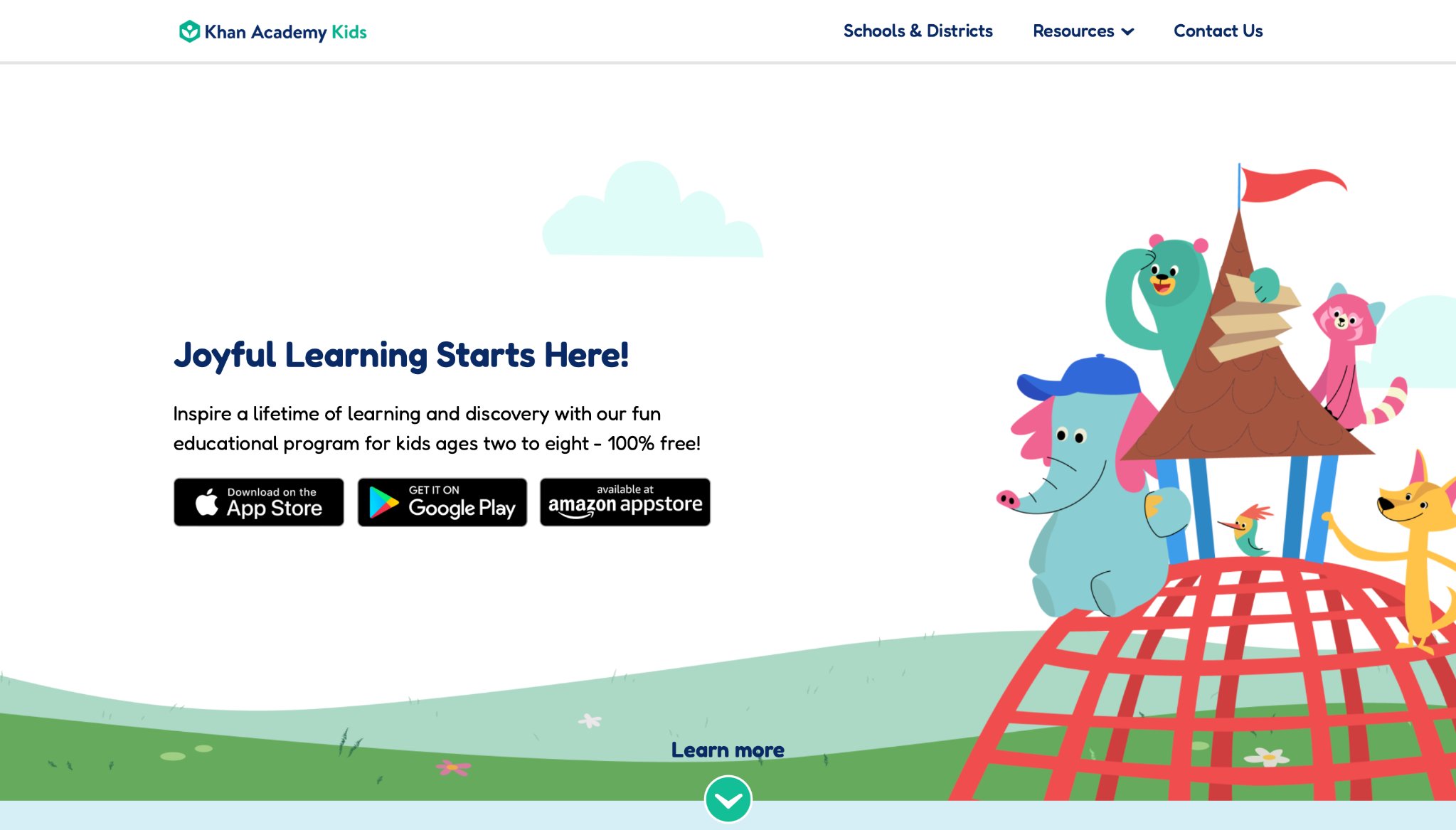
Khan Academy Kids offers a comprehensive learning platform with interactive activities that blend storytelling, puzzles, and creative challenges to build foundational problem-solving abilities. Children explore math, reading, and logic through engaging characters and adaptive exercises that adjust to individual progress. The open-ended creative tools let kids design projects while applying logical thinking to overcome in-game obstacles. Short, focused activities suit young attention spans while comprehensive progress tracking helps families understand growth areas.
The completely free model with high-quality content makes it accessible for diverse households. Vibrant animations and encouraging feedback create a positive environment where mistakes become learning opportunities. Khan Academy Kids stands out by connecting different subjects through unified narratives that make holistic thinking feel natural. Children return regularly because the platform feels like play that respects their growing capabilities.
- Key features include adaptive learning paths, creative building tools, and cross-subject puzzle integration
- Facts and information show its development by education experts with millions of young users building early critical thinking skills
Integrating Problem Solving Games with Everyday Learning
Parents often weave these games into routines like after-school wind-downs or weekend family time. Short sessions pair naturally with conversations about choices made during play. TutoClub educational games fit seamlessly here because their variety keeps interest alive across different moods and schedules. Many families report smoother transitions to homework when problem-solving practice happens first through play with kids educational games.
Comparing Digital and Traditional Problem Solving Games
Digital problem solving games offer instant feedback and adaptive difficulty that traditional games sometimes lack. Physical puzzles bring tactile satisfaction and screen-free benefits that many households prefer on certain days. The TutoClub games collection bridges both worlds by delivering rich experiences that feel fresh whether played alone or discussed together. Choosing a mix helps children transfer skills between formats with ease when using quality problem solving educational games.
Building Long Term Skills Through Consistent Play
Regular exposure to varied challenges creates habits that extend far beyond game time. Children learn to approach obstacles with curiosity instead of avoidance. The TutoClub games for kids provide a reliable foundation because their design supports steady, enjoyable progress. Over months, families see clearer thinking appear in real-life situations too when they incorporate educational games regularly.
How Age Influences Choice of Problem Solving Games
Younger children benefit from simple matching and shape-based challenges that introduce basic logic. School-age kids handle multi-step puzzles and introductory coding that require planning. Older elementary students enjoy strategy games with more variables and creative building tools.
Matching the right level prevents frustration while still providing enough challenge for growth. Many collections of educational games for kids offer progressive difficulty so one platform supports development over several years.
Latest News In 2026
New updates in 2026 bring more adaptive features to popular problem solving titles. Developers add fresh levels that respond to individual progress and incorporate current educational themes. Coding tools now include more collaborative modes where kids share creations safely. Puzzle collections update with seasonal themes that connect to real-world events and holidays.
Research highlights stronger links between regular play of learning games and improved school performance in math and reading. Families report higher confidence building levels when children tackle new tasks after consistent game time.
Responsibility games for kids are also gaining popularity, teaching accountability through character care and decision-making scenarios. New accessibility options make educational games for kids easier for diverse learning needs while keeping core challenges intact.
FAQ
What Age Group Benefits Most from Problem Solving Games?
Most children benefit from problem solving games starting around ages four to eight when attention spans lengthen enough for simple challenges. Younger kids thrive with guided activities that build basic logic, while older ones enjoy deeper strategy.
How Do These Games Differ from Regular Entertainment Apps?
Problem-solving titles emphasize thinking steps and consequences rather than passive watching. They reward experimentation and offer clear paths to improvement. This structure turns screen time into active brain exercise that parents feel good about supporting with educational games for kids.
Can Problem Solving Games Replace Traditional Classroom Learning?
These problem solving games complement school by reinforcing skills in a low-pressure setting. They cannot replace structured teaching but add valuable practice that makes classroom concepts stick better. Many educators recommend them as helpful extensions of daily lessons.
What Should Parents Look for When Trying New Games?
Look for clear goals, safe online games, and adjustable difficulty that grows with your child. Options that combine fun stories with real thinking steps tend to hold attention longer. Testing a few titles together helps find the perfect fit for your family's style using trusted kids educational games.
What skills do problem solving games develop in children?
Problem solving games strengthen logical thinking, planning abilities, spatial awareness, and memory retention in young players. Children practice testing ideas, adjusting strategies, and building patience through repeated challenges that feel like natural play. These educational games for kids also support creativity, confidence building, and resilience. Regular engagement helps transfer these strengths to schoolwork and everyday routines where focus and pattern recognition become valuable tools.
Are digital problem solving games safe for kids?
Many digital problem solving games include parent controls and ad-free designs that create calm, distraction-free experiences. Several platforms emphasize safe games with character-driven adventures that blend puzzles with positive themes such as responsibility games for kids and creativity. These options avoid overwhelming elements while offering age-appropriate challenges that support steady skill growth across devices.
How often should kids play problem solving games?
Short, regular sessions several times a week allow children to build skills without losing interest or causing fatigue. Mixing digital learning apps with physical puzzles keeps the experience fresh and covers multiple thinking areas. This balanced approach fits easily into daily routines, such as after-school time or family evenings, while supporting ongoing development in logic, focus, and confidence building for kids.
Can problem solving games help with school performance?
Problem solving games reinforce skills like sequencing, pattern recognition, and creative thinking that align with classroom subjects. Many titles introduce concepts through engaging formats that make learning feel rewarding rather than forced. Experiences in educational games for kids often connect puzzles and storytelling to real-world scenarios, helping children approach math, reading, and other areas with greater confidence and independence.
Do physical puzzles offer different benefits than digital ones?
Physical puzzles enhance fine motor skills and hands-on reasoning through direct manipulation of pieces and real-space trial and error. Digital versions provide instant feedback and adaptive levels that adjust to a child's pace in safe games. Both formats contribute to broader growth when combined, with physical options suiting table time and digital ones fitting travel or flexible moments for well-rounded problem-solving development.
Read Also:
- Best Educational And Fun Games For Kids in 2026
- Best Learning Games for Kids
- Best Educational Games For Kids That Are Fun in 2026
- Best Safe Apps for Kids
- Best Online Educational Games for Kids
Discover the Best Problem Solving Games For Kids In 2026 - TutoClub