
Best Memory Games For Kids In 2026






Parents want activities that keep kids entertained while building real skills. The best memory games for kids do exactly that by blending fun challenges with steady practice in recall, attention, and problem solving. These memory games for kids suit different ages and play styles, whether on a tablet or around the table. With so many educational games available, families can pick ones that match their child’s interests and daily routine.
Beyond memory, children benefit from problem-solving games for kids, confidence-building games, responsibility games for kids, and brain games for kids that support critical thinking, self-assurance, and mental agility.
Discover the Best Memory Games For Kids in 2026 - TutoClub
Why Memory Games Support Kids’ Growth
Memory games strengthen the ability to hold information, pay attention, and connect ideas. Kids who play them regularly show better persistence when facing puzzles or school tasks. The activities also encourage listening closely and noticing details in everyday situations. Many children gain confidence as they see their own progress during repeated play. These memory kid games fit naturally into busy schedules because short sessions deliver noticeable improvements over time. Families often notice calmer focus during homework or conversations after consistent use.
To match growing abilities at different stages, parents can explore the best educational games for 6 year olds, the best educational games for 7 year olds, the best learning apps for kids 8 years old, and the best educational games for 10 year olds. These age-appropriate memory games and learning activities help reinforce concentration, recall, and cognitive skills while adapting perfectly to each child’s developmental pace, making learning both effective and enjoyable.
How to Choose Memory Games That Match Your Child
Look for educational kid games that adjust to your child’s age and current abilities so the challenge feels exciting rather than frustrating. Consider whether the activity works offline or needs an internet connection, especially for travel days. Kids games that mix visual matching with simple stories keep interest high across weeks instead of fading after one afternoon. Safety matters most, so ad-free options with clear parental controls give peace of mind. Finally, choose formats that encourage family play or solo exploration depending on your household rhythm.
TutoClub kids games fit these needs perfectly because the collection offers variety that grows with each child.
How Memory Games Boost Brain Power in Different Age Groups
Memory games help to build confidence and problem-solving skills for kids at various stages that support school and daily life. Younger kids around ages three to five gain from simple matching activities that improve short term recall and attention to colors or shapes. These early experiences lay groundwork for noticing patterns in stories or routines at home.
School age children from six to nine often enjoy games with more steps such as remembering sequences or pairs in themed sets. Such play strengthens focus during homework and helps with following multi step instructions. Older kids around ten and up can handle complex challenges that mix memory with logic or strategy. These activities support better organization and problem solving in group settings or independent tasks.
Parents notice how consistent play leads to steadier concentration across different situations. Many families mix digital options with hands-on versions so children experience both screen and physical formats.
Types of Memory Games Kids Enjoy Most
- Visual matching stands out as a favorite because kids scan grids and remember positions of pictures or objects. Many apps use animals, shapes, or fantasy themes to keep interest high.
- Fun educational games ask players to repeat patterns of sounds, lights, or movements. These build listening skills alongside recall. Story based options weave memory into narratives where children remember character details or event orders to advance.
- Puzzle hybrids combine piece placement with recall of layouts or rules. Physical card sets provide tactile fun that works well for family evenings or travel. Digital versions often include levels that adjust automatically so play stays engaging without frustration.
- Brain games for kids blend these types into smooth experiences that fit busy days.
Integrating Memory Games into Daily Routines
Short sessions work best when added to existing habits such as after breakfast or before bedtime. Many parents set a timer for ten to fifteen minutes so play feels like a natural break rather than scheduled work. Car rides or waiting times become opportunities for offline games on tablets or printed cards. Siblings can take turns or play together which adds a social layer and encourages turn taking.
Mixing formats keeps things fresh. One day a child might use a phone app and the next day sort physical objects hidden under a cloth. This variety supports different learning styles while reinforcing the same recall skills.
Best Memory Games For Kids In 2026
1. TutoClub - Best Memory Games For Kids In 2026
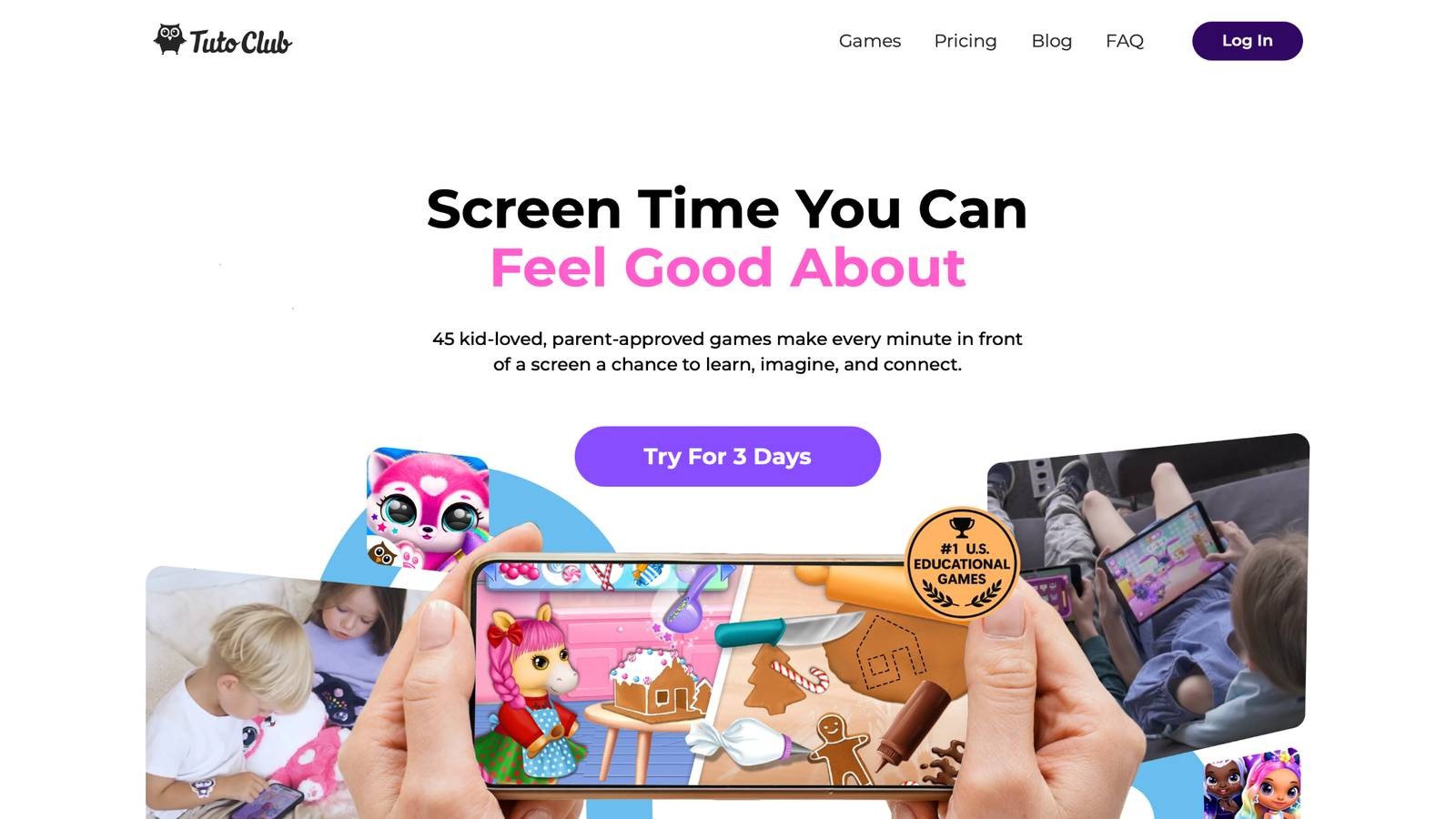
TutoClub games deliver a complete subscription service with over 45 ad-free titles created by the TutoTOONS studio based in Lithuania. This platform transforms screen time into enriching adventures that nurture creativity through art and storytelling tasks while sharpening focus via thoughtful puzzles. Children build emotional awareness as they practice empathy and compassion in caring scenarios, and they develop responsibility through gentle daily routines turned into playful challenges.
The collection features open-ended activities that spark curiosity and support lifelong learning habits. Kids explore worlds where they hatch and nurture virtual pets, complete cleaning quests that teach organization, or join fashion adventures that boost self-expression. Every game feels calm and inviting, with smooth progression that keeps young players engaged without frustration. Parents appreciate the safe, parent-approved design that works across iOS, Android, and Amazon devices after initial download.
- Standout features include adaptive challenges matched to skill levels, interactive narratives that fuel imagination, and regular fresh content to maintain excitement.
- Facts and information highlight research-backed approaches to joyful learning, multi-device flexibility after setup, and a distraction-free space that encourages meaningful play sessions.
TutoClub Overview
TutoClub is your gateway to a magical world of educational games designed especially for children.
As part of TutoTOONS, a leading kids' games studio, we offer premium access to over 45 ad-free games.
Our mission is to blend learning and play, helping kids explore, create, and grow in a safe online space.
Thousands of parents trust us for family-friendly content that sparks imagination and builds essential skills.
Key Features
- Unlimited Access: Unlock full content in all games with no interruptions.
- Ad-Free Experience: Enjoy seamless play without any ads or distractions.
- Skill Development: Games foster creativity, social skills, communication, and more through fun activities like pet care and cleanup challenges.
- Regular Updates: Get new releases, exclusive content, and future updates automatically.
- Easy Subscription: Cancel anytime with no obligations, simple and flexible for families.
Explore Our World
TutoClub provides a rich ecosystem of educational games for kids, featuring ad-free experiences that promote creativity, focus, and emotional growth through play.
This platform turns screen time into valuable learning opportunities, with parent-approved content that builds essential skills and sparks curiosity in young minds.
- TutoClub Games: Over 45 educational games, including popular titles like Fluvsies, Smolsies, and the Sweet Baby Girl series
- Blog: Insights, tips, and stories for families on kids' learning and play
- FAQ: Comprehensive answers to frequently asked questions about subscriptions, features, and more
Get TutoClub on Your Device
TutoClub delivers premium kids educational games directly to your mobile devices, making learning accessible anytime, anywhere.
With apps available on major platforms, families can easily download and subscribe for ad-free play that turns screen time into skill-building adventures.
Perfect for parents seeking safe, engaging content on iOS, Android, or Amazon devices.
Why Choose TutoClub?
We're committed to 100% safe, enriching entertainment that kids love and parents approve.
Join the thousands who've seen their children thrive through playful learning.
Ready to start the adventure?
Subscribe to TutoClub today and unlock endless fun!
2. Fluvsies Academy
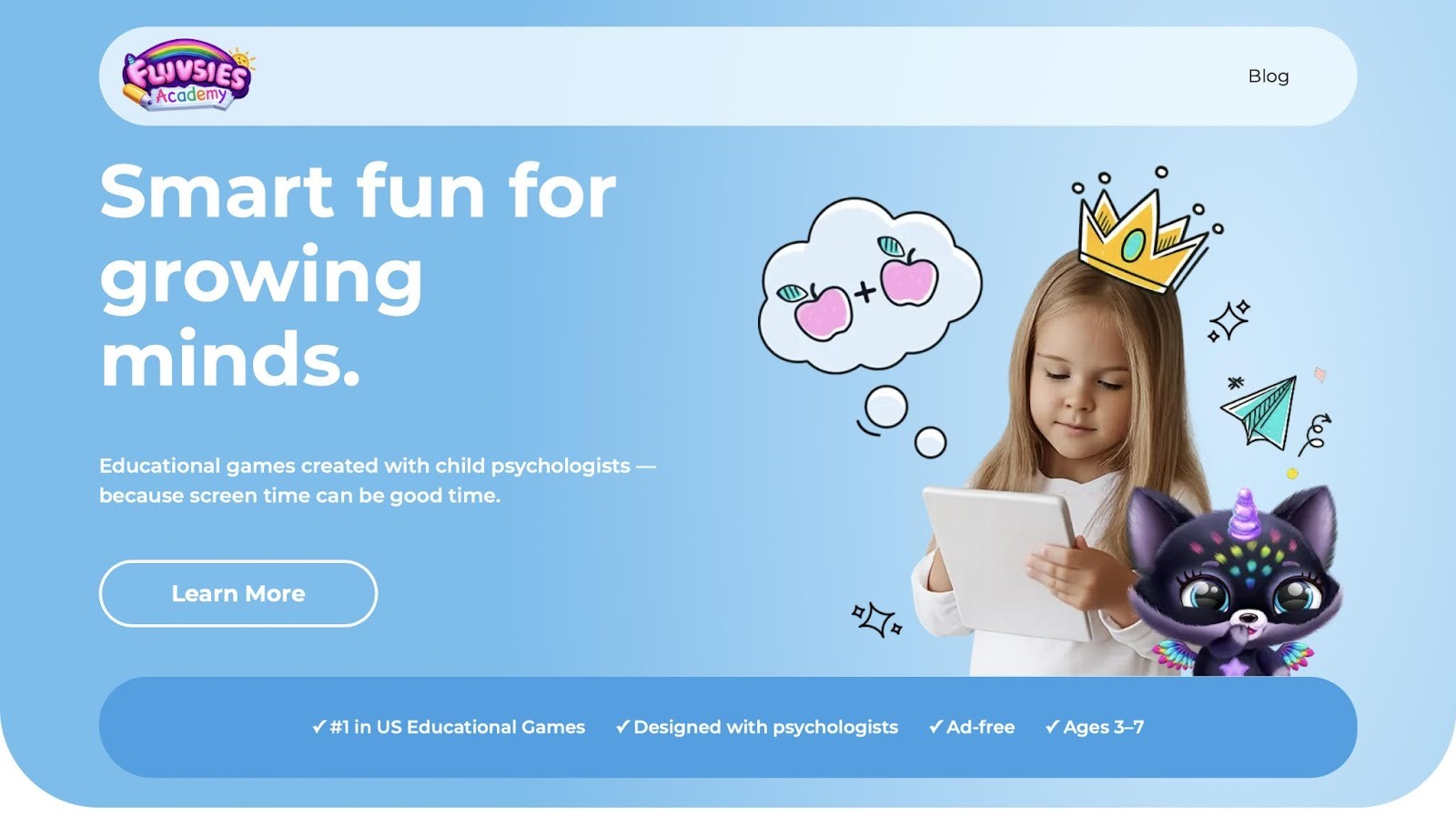
Fluvsies Academy creates a nurturing digital space for preschoolers and early elementary kids that turns everyday screen time into guided skill practice. The app blends language, logic, and life lessons through colorful mini-games that gently exercise attention and recall. Children explore professions and daily scenarios while remembering sequences, sorting items, and following simple instructions. Designed in collaboration with child development experts, the platform keeps play emotionally safe and pressure-free. Parents appreciate the calm atmosphere that helps kids practice focus without overwhelming stimulation. The collection features interactive stories where kids care for adorable Fluvsies pets, complete memory challenges to unlock new levels, and build routines that mirror real-life responsibilities.
Every activity encourages gentle repetition so recall strengthens naturally over time. The interface uses bright, friendly visuals and soothing sounds that hold young attention spans without causing fatigue. Families notice improvements in daily routines as children remember instructions better during playtime or chores. The academy approach emphasizes holistic growth by weaving memory practice into empathy-building moments and creative problem solving. Kids return day after day because the games feel like friendly adventures rather than drills. The platform supports multiple profiles so siblings can play at their own pace while parents monitor progress through simple family dashboards. Overall, Fluvsies Academy stands out as a thoughtful choice for families seeking balanced digital experiences that support cognitive development in a warm and engaging way.
Key features:
- Guided mini-games that combine memory practice with vocabulary and reasoning.
- Ad-free environment focused on holistic growth.
- Progress tools that let families track improvements in attention and self-regulation.
Facts and information:
- Emphasizes attention and sorting tasks that directly support memory development.
- Created for ages three to seven with age-appropriate challenges that build steadily.
3. MemoKids Memory Games
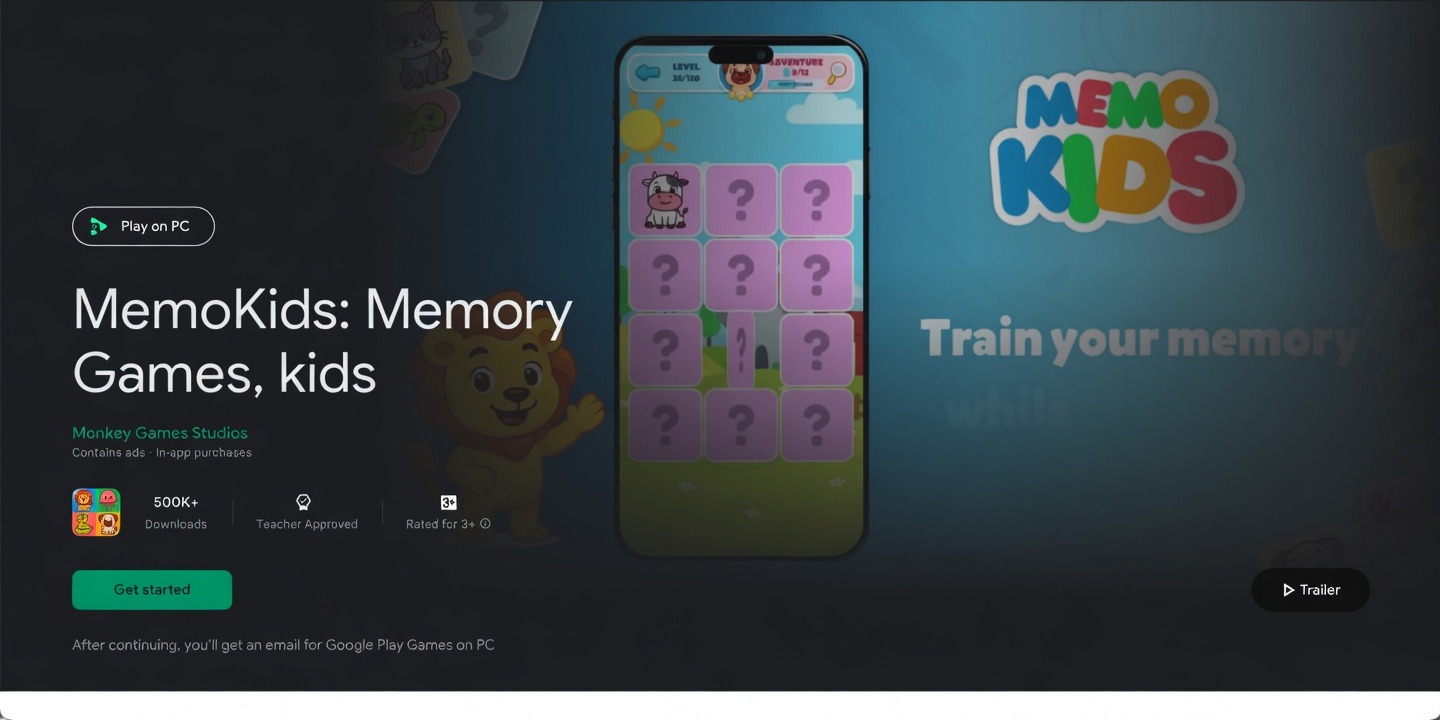
MemoKids turns classic matching into a lively animal-themed adventure perfect for toddlers and young children. Players flip cards to find pairs while the app adds cheerful sounds and visuals that keep little ones returning for more rounds. Levels increase gradually so kids build confidence without feeling stuck. The simple interface works well for small fingers and short attention spans. Families enjoy watching their children light up when they remember card locations after just a few plays. The game includes dozens of adorable animal sets that introduce basic vocabulary alongside memory practice. Each round offers positive reinforcement with animated celebrations that motivate continued play.
The app supports offline mode so adventures continue during car rides or quiet evenings at home. Children develop visual recall as they learn to scan the screen quickly and retain positions in their minds. Parents like how the activities feel playful yet purposeful, fitting naturally into daily routines without requiring constant supervision. The collection expands with seasonal themes that keep content fresh throughout the year. Overall, MemoKids delivers consistent engagement that strengthens concentration and logic in a format designed specifically for the youngest learners who want educational fun without frustration.
Key features:
- Bright animal cards and intuitive touch controls.
- Multiple difficulty levels that adapt as skills improve.
- Focus on concentration and logic through repeated matching.
Facts and information:
- Helps young players practice visual memory and quick decision making.
- Designed specifically for toddlers and preschoolers who want educational fun.
4. Magic Match Kids Game
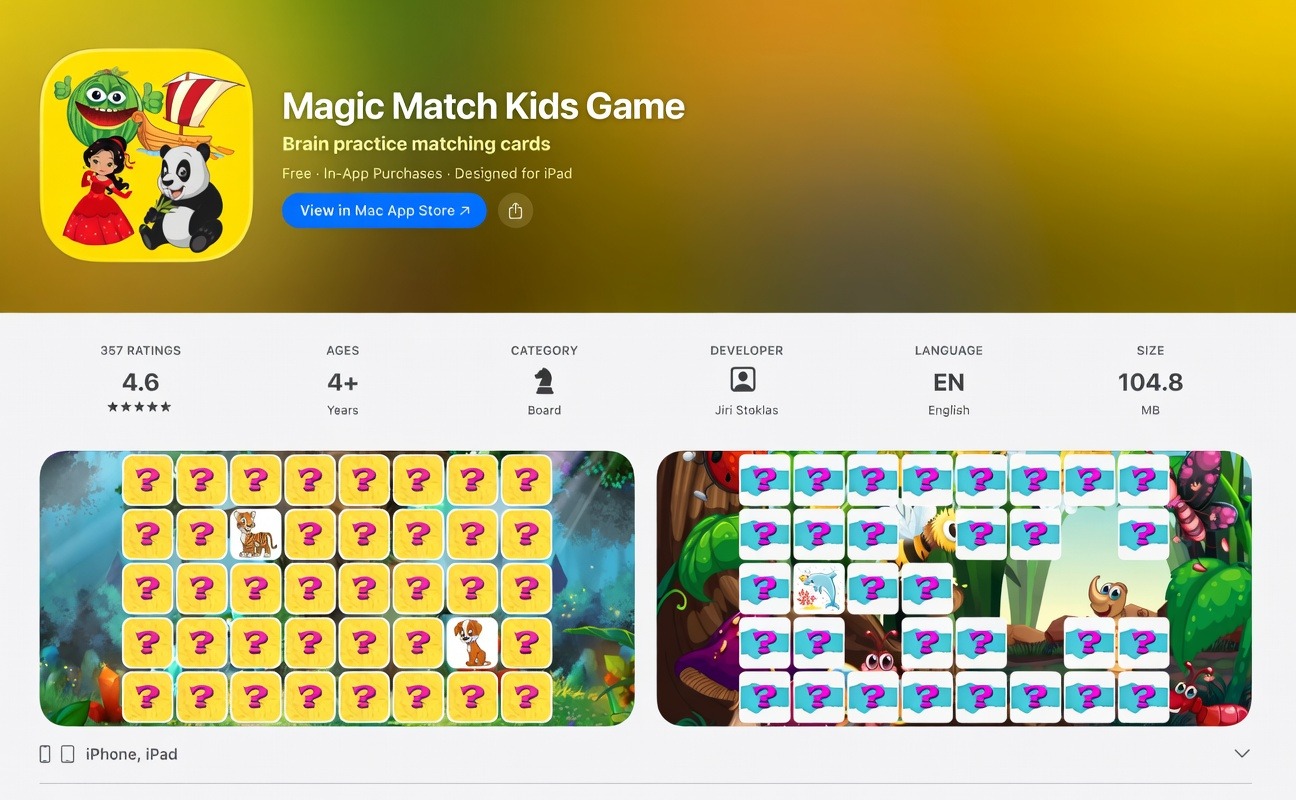
Magic Match Kids Game turns traditional card matching into an enchanting experience with magical themes and rewards. Children flip cards to find pairs while unlocking fun animations and special effects that maintain excitement. The app includes multiple worlds filled with wizards, fairies, and mystical creatures that spark imagination alongside recall practice. Difficulty adjusts automatically to match each child’s growing abilities. Parents value the positive atmosphere that avoids frustration and keeps play sessions productive. The game supports offline mode so magic continues anywhere.
Kids develop stronger visual memory as they track card positions through increasingly complex layouts. The interface remains bright and inviting without overwhelming young users. Families enjoy watching children light up when they master new levels. Magic Match provides consistent cognitive exercise wrapped in playful storytelling. The collection expands with new magical sets that prevent boredom. Overall, the app offers a delightful way for kids to build memory skills while feeling like they are exploring a fantasy world.
Key features:
- Magical themes with rewarding animations.
- Automatic difficulty scaling.
- Focus on pattern recognition and recall.
Facts and information:
- Designed for young children seeking engaging brain challenges.
- Encourages repeated play through positive reinforcement.
5. Memory Match Jr.
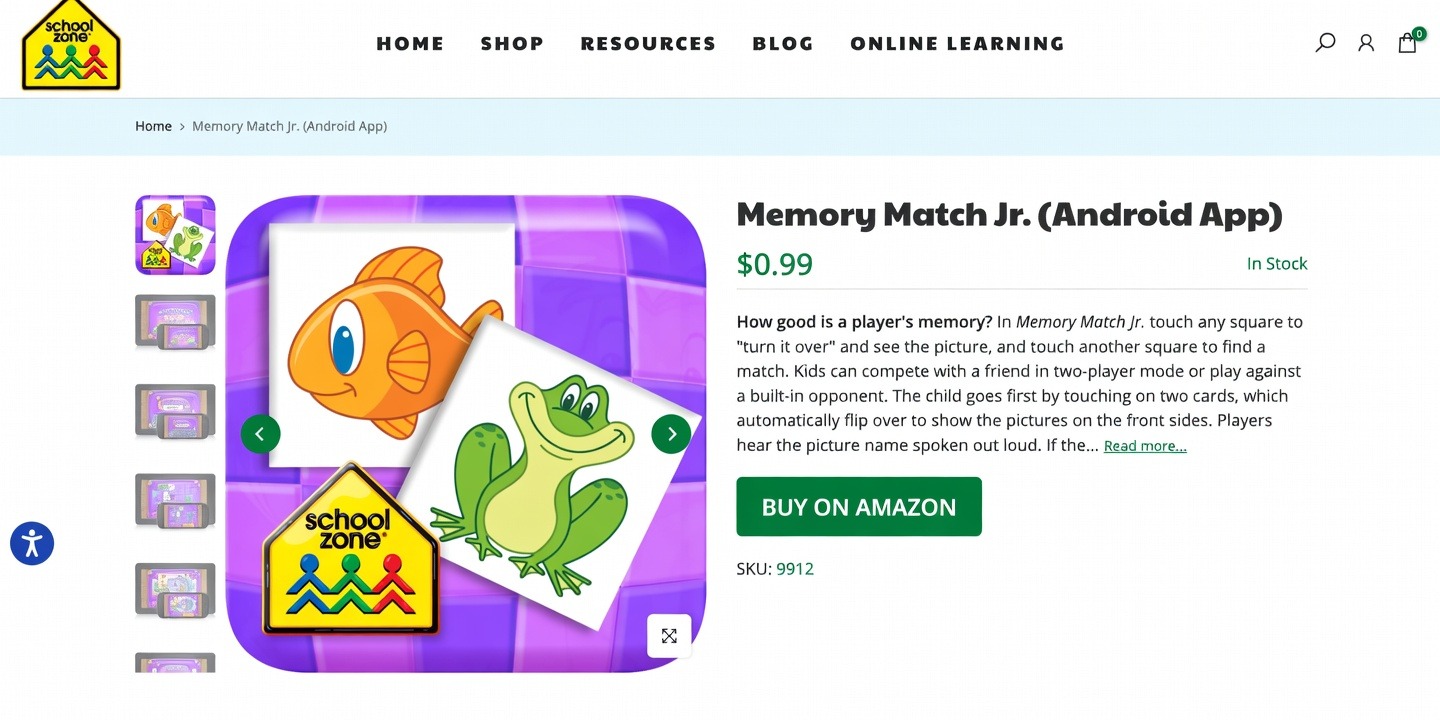
Memory Match Jr. offers a focused collection of matching activities tailored for children aged six to eight who want straightforward yet engaging brain challenges. The app presents themed card sets that appeal to early elementary students while exercising short-term recall. Each round encourages players to remember positions and make quick connections between images. Simple menus allow kids to jump into play without complicated setups. The design emphasizes clarity so young users stay immersed and confident. Parents appreciate the balance of entertainment and skill practice that fits into short daily windows. The game includes progress indicators that show steady improvement over time.
Children enjoy the variety of themes that rotate regularly to maintain interest. Memory Match Jr. builds visual memory and quick decision making in a format that feels rewarding rather than repetitive. The clean layout works well on tablets and phones alike. Families notice better attention during other activities after regular use. Overall, the app serves as a reliable tool for strengthening concentration through playful repetition.
Key features:
- Themed card collections with clear visuals.
- Straightforward gameplay suitable for elementary ages.
Built-in encouragement that celebrates correct matches.
Facts and information:
- Targets visual recall and concentration for school-age children.
- Provides consistent practice that supports classroom learning.
6. Animals Memory Game for Kids
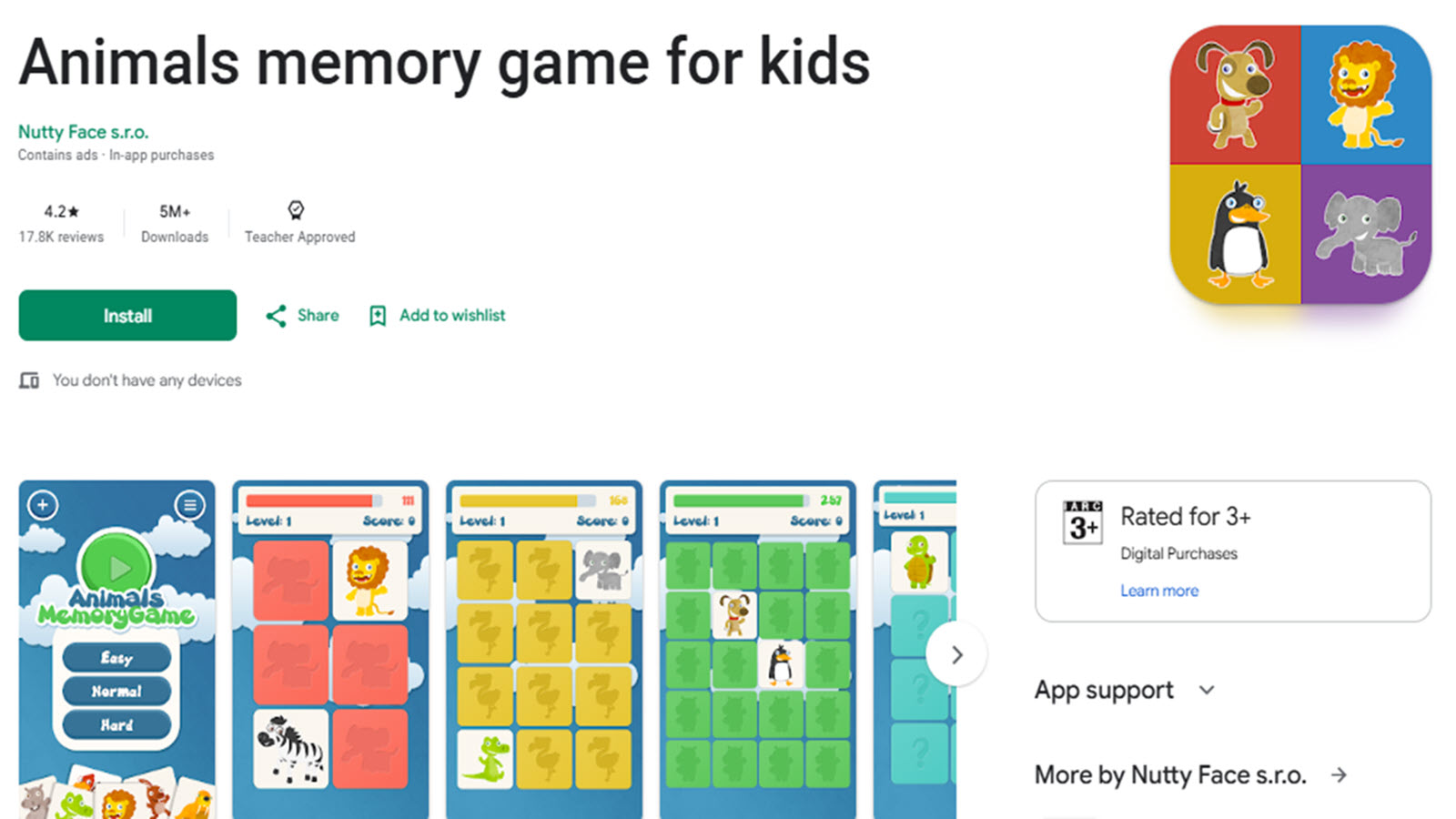
Animals Memory Game for Kids delivers cute animal illustrations in a classic matching format that captivates toddlers and preschoolers. Players search for matching pairs while the app plays fun sounds that reinforce successful finds. The collection features dozens of lovable creatures from farm to jungle that double as vocabulary builders. Levels progress smoothly so children experience steady success. The interface feels intuitive for small hands and keeps sessions short and satisfying. Parents like the ad-free experience that focuses purely on skill development.
Kids return often because the animals feel like friendly characters rather than abstract cards. The game strengthens visual memory as children learn to scan and remember layouts. It works offline and across multiple devices for flexible use. Families report improved focus during other daily tasks after consistent play. The app encourages gentle competition with self-improvement rather than high scores. Overall, it creates joyful moments where memory practice happens naturally through engaging animal adventures.
Key features:
- Adorable animal themes with cheerful audio cues.
- Gradual level increases that build confidence.
- Simple controls designed for young players.
Facts and information:
- Combines memory training with early animal recognition.
- Supports independent play for ages three and up.
7. Match & Learn Memory Game for Toddlers
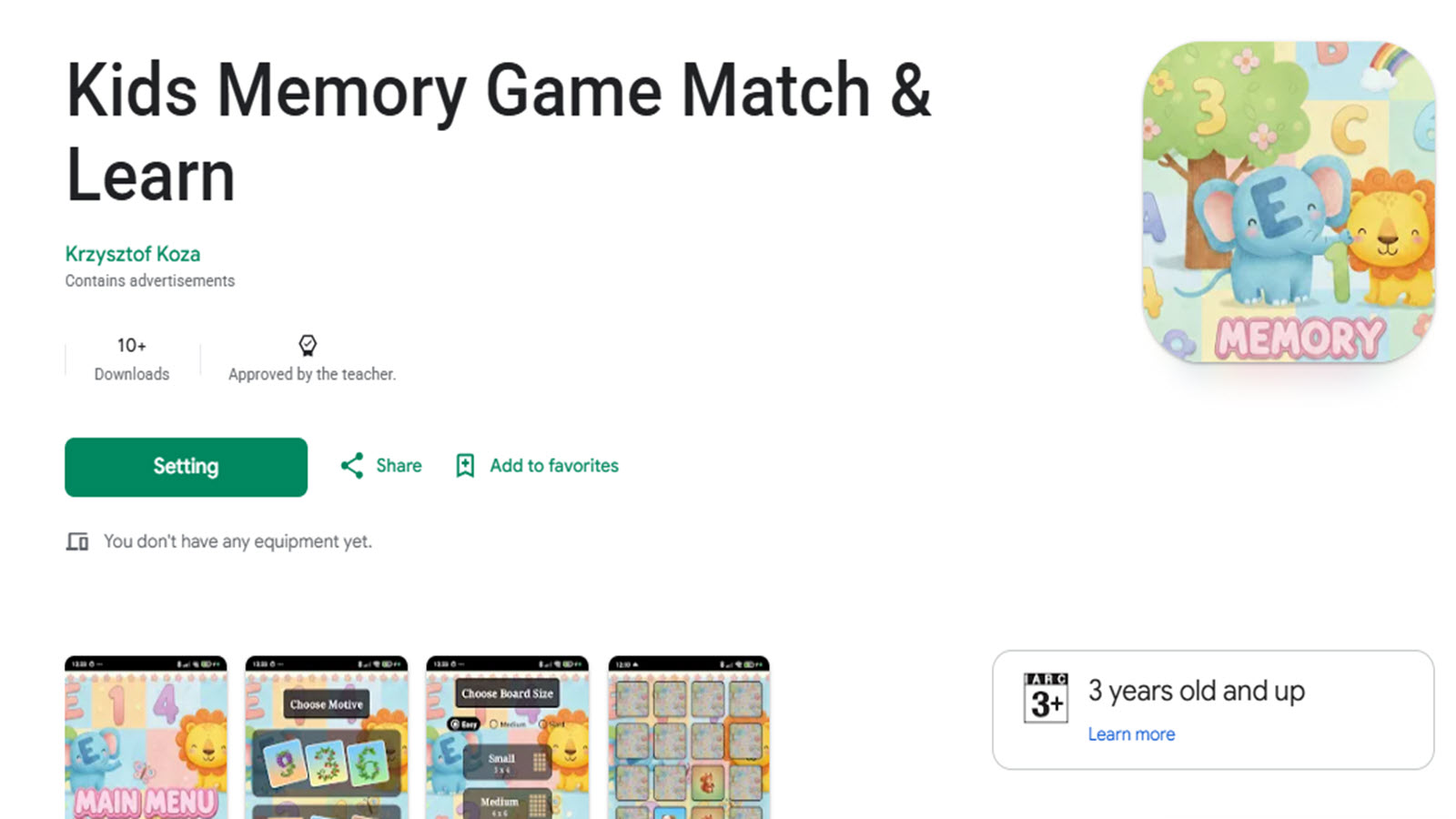
Match & Learn brings vibrant card-flipping excitement to toddlers aged two to six with a kid-friendly twist on classic matching. Children tap to flip cards, find pairs, and earn rewards that keep motivation high across multiple sessions. The app features colorful themes ranging from animals and shapes to everyday objects that help build early recognition skills alongside recall. Simple navigation lets even the youngest players start immediately without adult help. Rewards appear as cheerful animations and sounds that celebrate every successful match. The game adapts automatically to each child’s pace so challenges stay just right for growing abilities.
Parents value the clean design that supports independent play during busy moments. The collection includes hundreds of unique card pairs that encourage repeated play without boredom. Kids strengthen hand-eye coordination while training their minds to remember positions and patterns. The app works smoothly across devices and requires no internet after initial download. Families often use it as a calm activity before bedtime or during travel. Match & Learn creates a positive environment where memory practice feels like pure enjoyment rather than work.
Key features:
- Vibrant illustrations and rewarding animations.
- Automatic difficulty adjustment for personalized play.
- Focus on visual recognition paired with memory building.
Facts and information:
- Supports ages two to six with gentle pacing and positive feedback.
- Combines matching with early learning concepts like colors and shapes.
8. Peak Brain Training for Kids
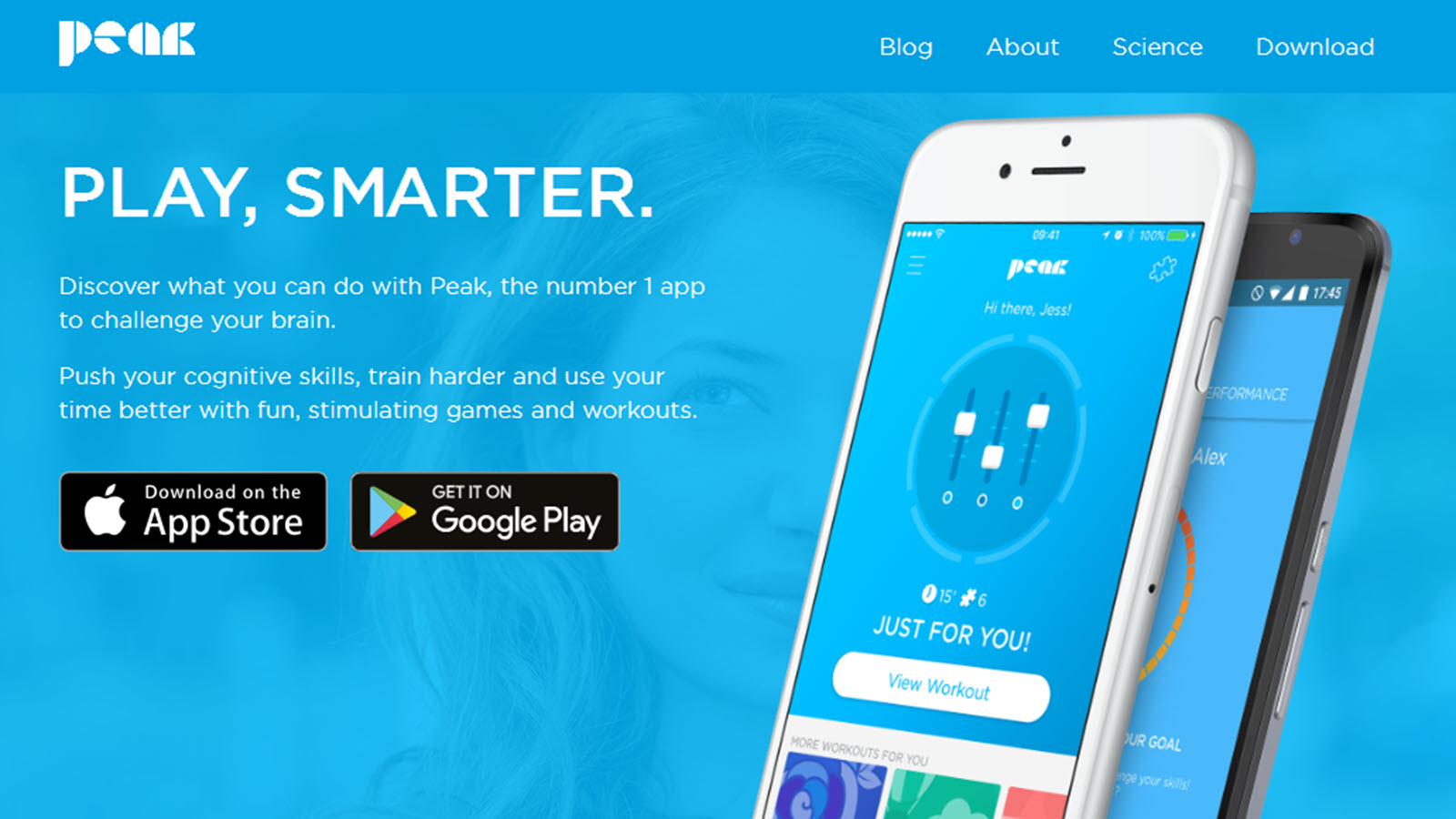
Peak offers targeted brain-training activities that include memory challenges suitable for children who enjoy structured yet fun exercises. The platform mixes matching tasks with pattern recognition and quick recall games that feel like mini adventures. Kids earn rewards as they complete sessions, which keeps motivation high across weeks. Parents value the structured yet playful approach that complements school learning. The app adapts to individual progress and provides gentle guidance throughout.
Children strengthen multiple memory types while having fun with colorful graphics and encouraging feedback. Peak supports family accounts so parents can follow improvements easily. The collection features daily challenges that fit into busy schedules without feeling like homework. Overall, it delivers balanced cognitive practice that builds confidence and focus over time.
Key features:
- Daily memory and attention exercises in game format.
- Progress tracking that shows steady skill gains.
- Variety of cognitive tasks that work on different memory types.
Facts and information:
- Supports focus and reasoning alongside recall practice.
- Offers a balanced mix of challenges suitable for elementary ages.
9. Eboo Memory Matching Game
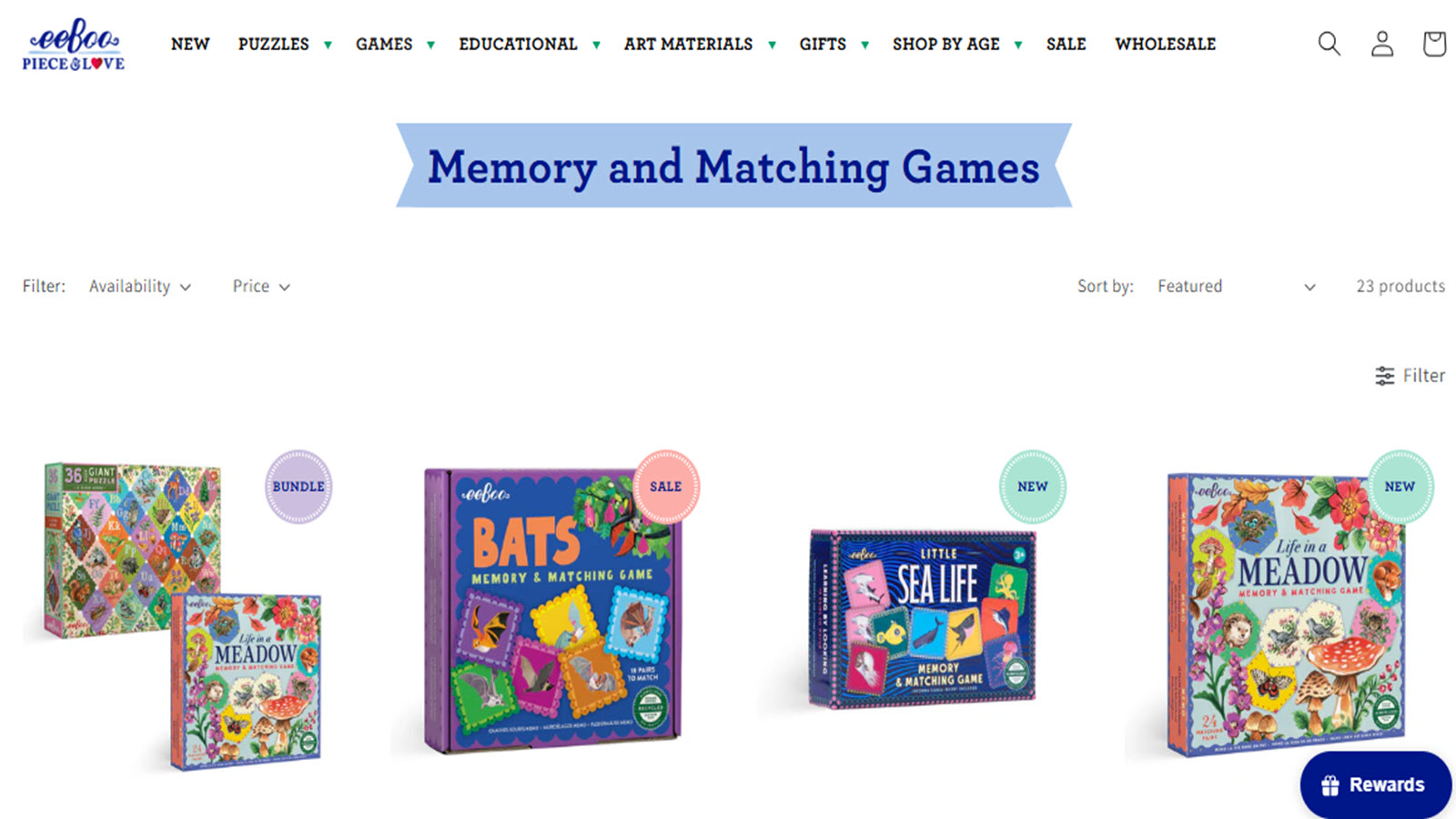
Eboo creates high-quality physical memory matching games with beautiful illustrations that invite hands-on play. The sturdy cards feature detailed artwork that sparks curiosity and conversation during family game nights. Themes range from nature scenes to whimsical characters so children stay engaged through repeated use. The tactile experience helps develop fine motor skills along with visual memory. Parents appreciate the durable materials that withstand enthusiastic play.
Kids enjoy the social aspect when matching pairs together or competing gently. The game requires no batteries or screens and works perfectly for travel or quiet time. Eboo sets encourage observation and patience while building recall naturally. Families love how the games foster bonding and shared laughter. The collection offers multiple difficulty options that grow with the child. Overall, Eboo delivers timeless memory practice in a screen-free format that feels fresh each time.
Key features:
- High-quality materials built for long-term play.
- Simple rules that work well for group or solo sessions.
- Themes that spark conversation and storytelling.
Facts and information:
- Promotes turn-taking and observation skills in a screen-free format.
- Appeals to children who enjoy hands-on learning experiences.
10. HABA Memory Matching Games
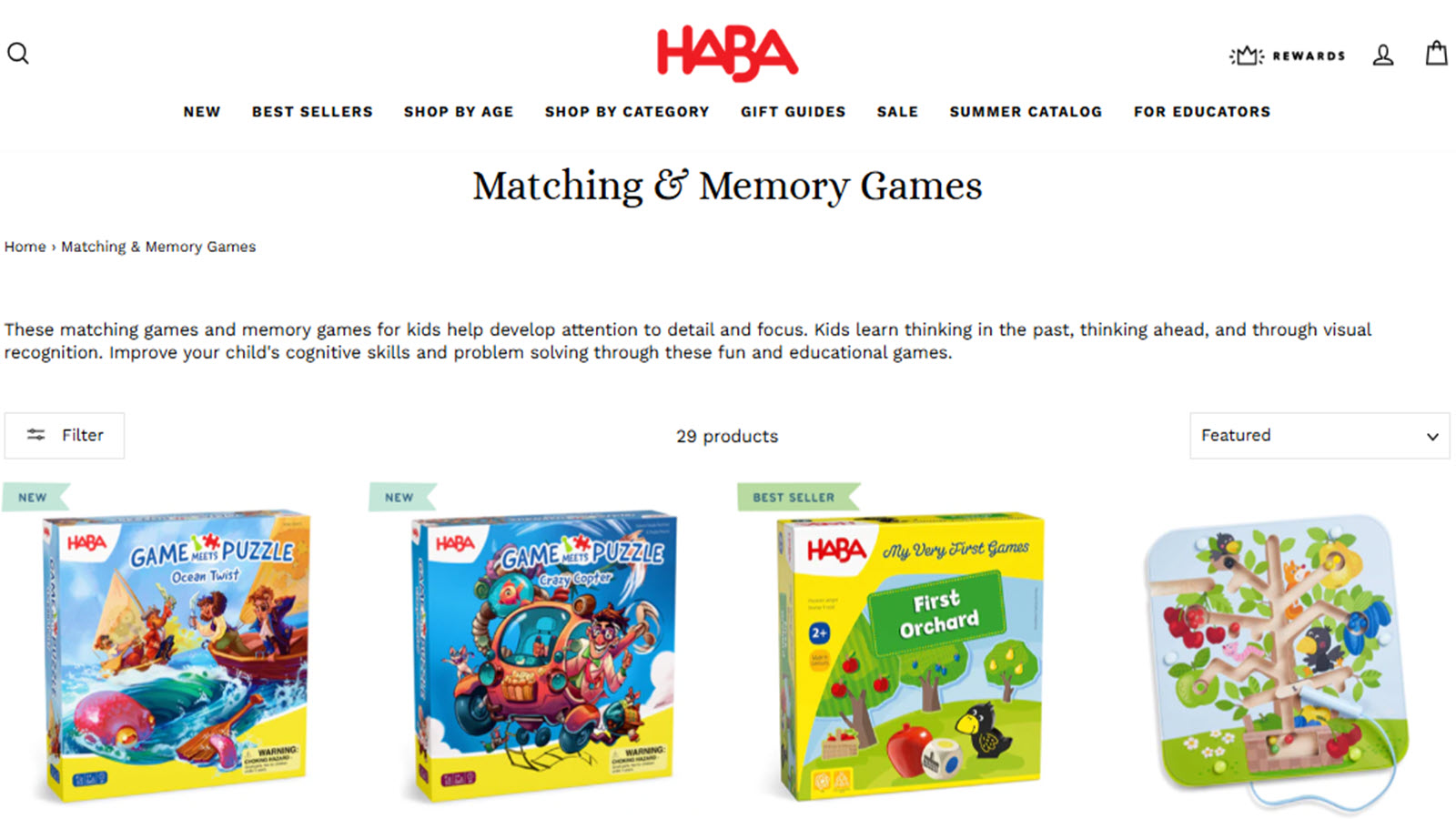
HABA crafts durable physical memory games with lovely illustrations that invite repeated hands-on exploration. The sturdy cards and wooden elements hold up beautifully through years of enthusiastic play. Themes cover animals, objects, and everyday scenes that encourage storytelling and curiosity. Children develop fine motor skills while strengthening visual recall during matching rounds. The games promote social interaction when played together and support independent concentration when used alone.
Parents value the quality construction that avoids cheap materials. The simple rules make them accessible for a wide age range. HABA sets create opportunities for family bonding and calm focus time. Kids gain confidence as they remember more pairs with each session. The collection includes variations that keep play exciting over time. Overall, HABA offers reliable memory development through engaging tactile experiences.
Key features:
- High-quality materials built for long-term play.
- Simple rules that work well for group or solo sessions.
- Themes that spark conversation and storytelling.
Facts and information:
- Promotes turn-taking and observation skills in a screen-free format.
- Appeals to children who enjoy hands-on learning experiences.
11. Ravensburger Memory Game
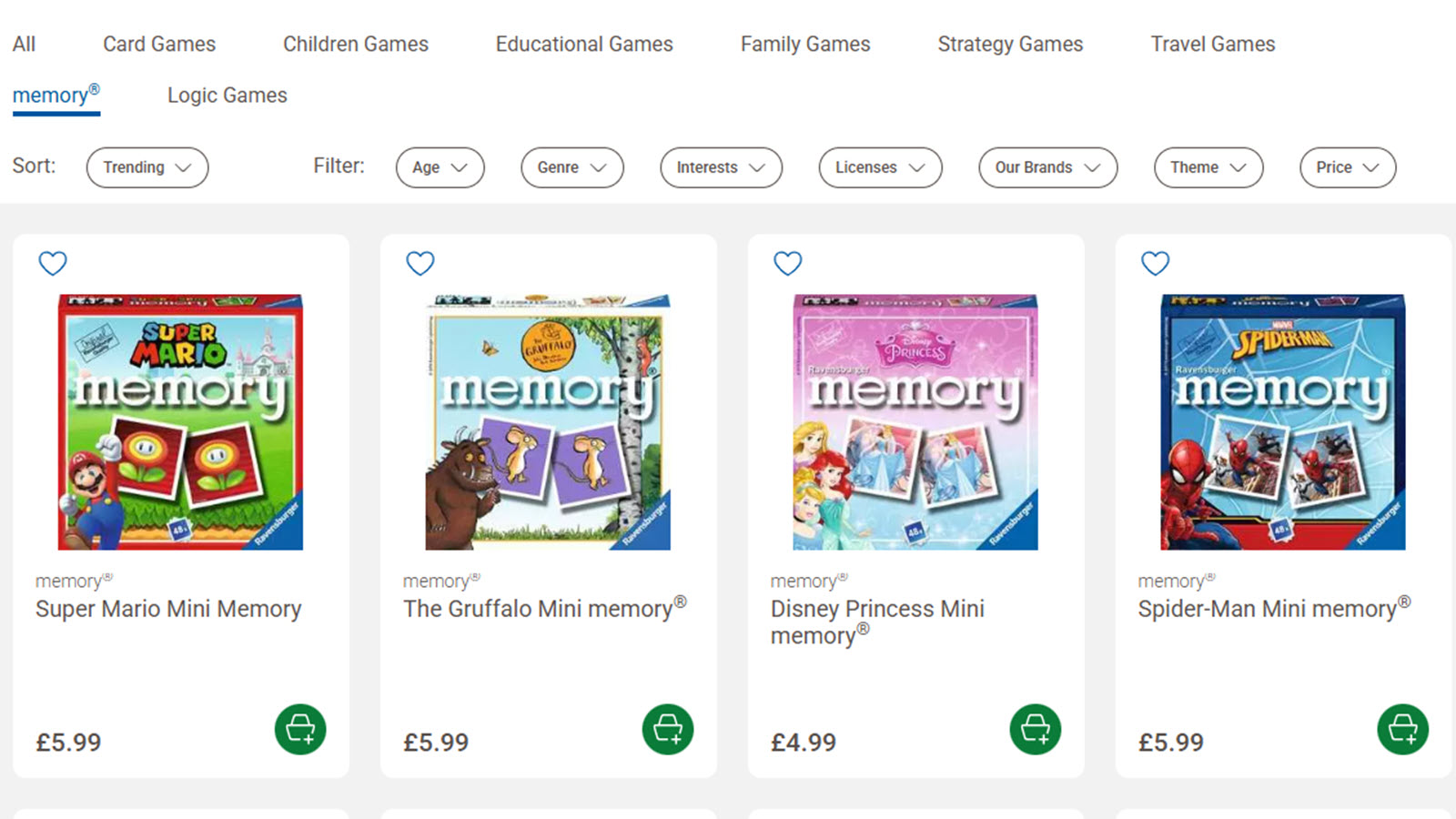
Ravensburger’s classic memory game features detailed artwork and reliable card construction that holds up through years of play. The matching pairs encourage careful observation and quick recall in a format that feels fresh each time. Families appreciate the timeless design that brings everyone to the table for shared fun. The sturdy cards resist wear even with frequent use. Themes vary from classic scenes to modern favorites so children stay interested.
The game supports both competitive and cooperative play styles. Kids build patience and attention naturally during each round. Ravensburger sets make excellent gifts that provide lasting value. Parents enjoy watching children improve their memory skills while laughing together. The collection includes age-appropriate versions that grow with the family. Overall, it remains a favorite for building concentration through enjoyable social play.
Key features:
- Clear, attractive illustrations on sturdy cards.
- Multiple versions available for different age groups.
- Straightforward gameplay that builds concentration naturally.
Facts and information:
- Supports social memory practice during family time.
- Remains a favorite for building patience and attention.
12. PBS Kids Memory Activities
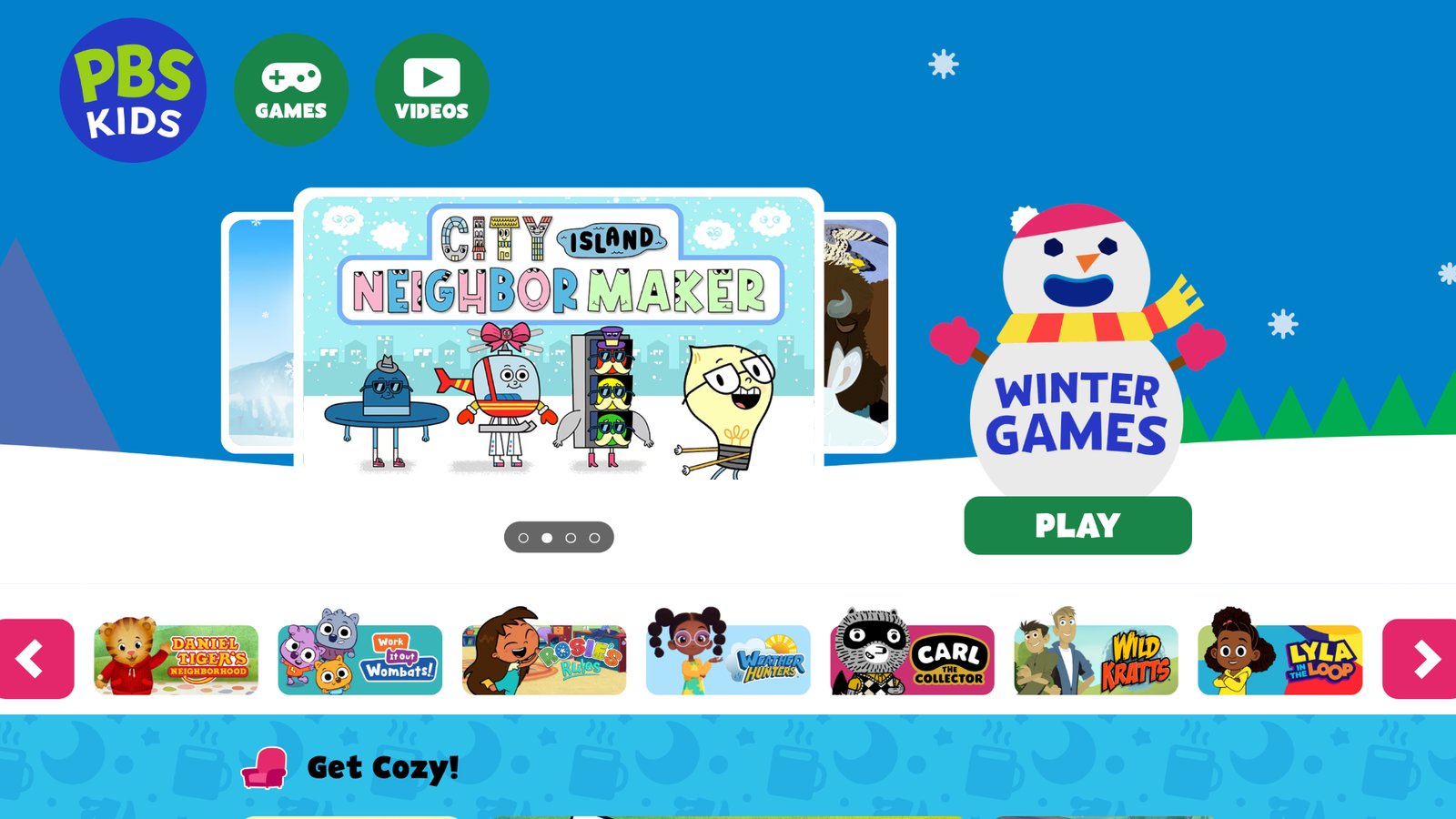
PBS Kids offers free online memory games tied to beloved characters that make recall practice feel familiar and exciting. The activities use simple interfaces and encouraging sounds to guide young players through matching and pattern tasks. Children enjoy connecting with shows they already love while sharpening skills. The platform provides short activities perfect for quick daily practice. Parents like the trusted content that aligns with educational values. The games integrate familiar stories with memory challenges that feel less like work. Kids strengthen focus in a safe and familiar environment. The collection updates regularly with new character-driven challenges. Overall, PBS Kids delivers accessible memory practice that fits naturally into family routines.
Key features:
- Character-driven games that maintain engagement.
- Free access with no subscriptions required.
- Short activities perfect for quick daily practice.
Facts and information:
- Integrates familiar stories with memory challenges.
- Helps children practice focus in a trusted environment.
13. MentalUP Memory Exercises
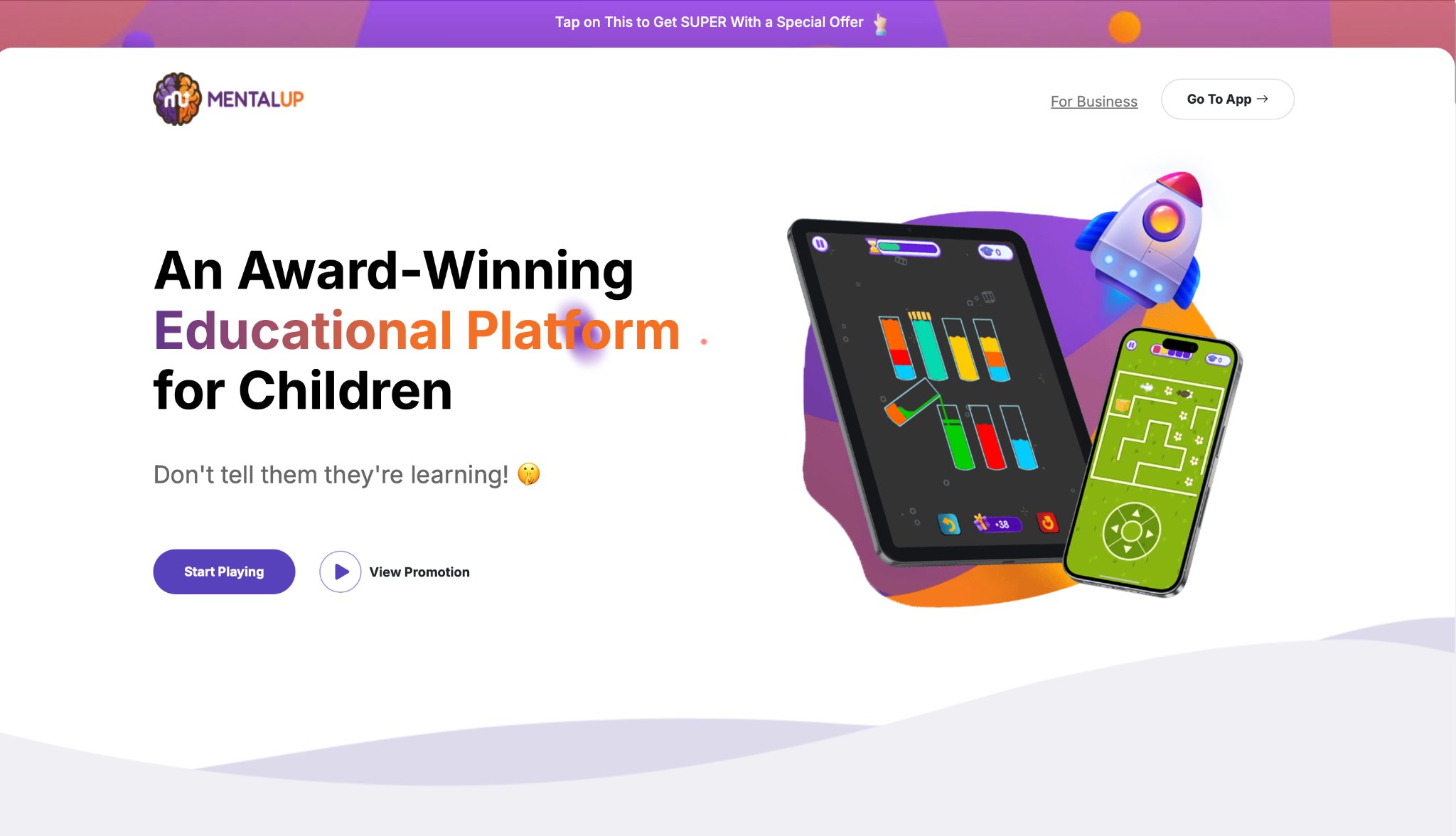
MentalUP provides targeted brain-training activities that include memory challenges designed for children four and older. The platform mixes matching tasks with pattern recognition and quick recall games that feel like mini adventures. Kids earn rewards as they complete sessions, which keeps motivation high across weeks. Parents value the structured yet fun approach that complements school learning. The app tracks progress and offers personalized recommendations. Children work on different memory types through varied exercises. The interface remains engaging without distractions. Families notice improvements in attention and problem solving after regular use. MentalUP supports multiple user profiles for easy family sharing. Overall, it delivers consistent cognitive support in an enjoyable format.
Key features:
- Daily memory and attention exercises in game format.
- Progress tracking that shows steady skill gains.
- Variety of cognitive tasks that work on different memory types.
Facts and information:
- Supports focus and reasoning alongside recall practice.
- Offers a balanced mix of challenges suitable for elementary ages.
14. CognaCards Screen-Free Memory Sets
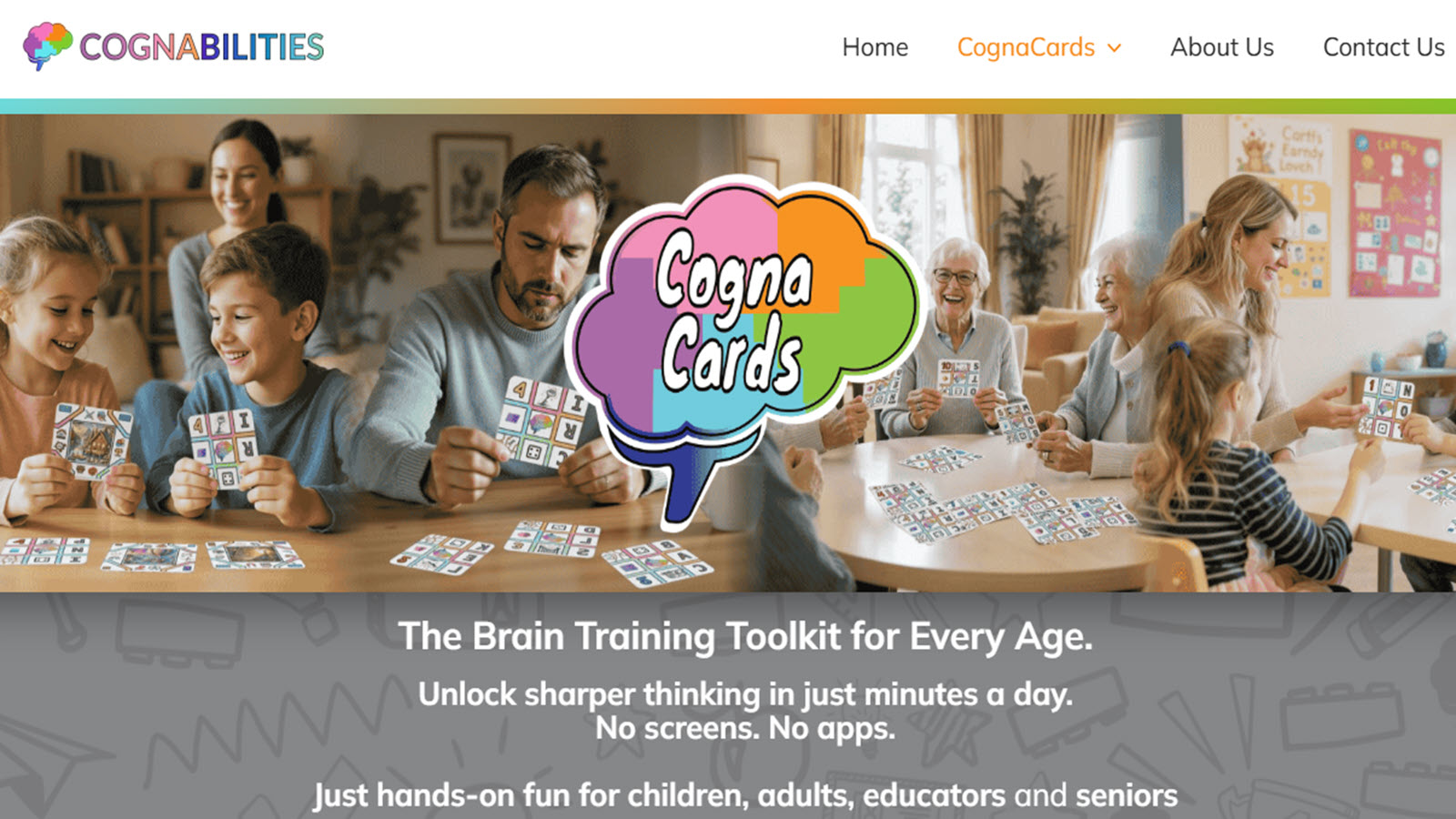
CognaCards delivers physical card sets created specifically to strengthen memory through observation and pattern games. The activities adapt easily for different ages and encourage creative thinking alongside recall. Families like the no-prep format that works anywhere without batteries or screens. The versatile cards support multiple exercise types including category sorting and visual matching. Children build recall through playful repetition and grouping tasks. The portable design makes them ideal for travel or classroom use. Parents appreciate the focus on hands-on learning that balances digital time. The sets promote creativity and attention in engaging ways. Kids enjoy the variety of challenges that keep sessions fresh. Overall, CognaCards offers reliable memory development in a tactile and flexible format.
Key features:
- Versatile cards for multiple memory exercises.
- Focus on category sorting and visual matching.
- Portable design for travel or classroom use.
Facts and information:
- Builds recall through playful repetition and grouping tasks.
- Supports creativity and attention in a hands-on way.
15. Simon Says Memory Games

Simon Says brings classic sequence recall to life with electronic and app versions that challenge listening and memory skills. Players repeat growing patterns of lights, sounds, or commands while building working memory capacity. The game adapts difficulty automatically to match each child’s progress. Families enjoy playing together and watching improvements over time. The format encourages careful listening and quick response. Children strengthen auditory memory alongside attention and coordination. Simon Says remains a favorite because it feels like a friendly challenge rather than a test. The game works well for group play or solo practice. Parents value the simple setup and immediate feedback. Overall, it provides effective memory training through engaging interactive play.
Key features:
- Sequence-based challenges that grow in complexity.
- Audio and visual cues for multi-sensory practice.
- Suitable for group or individual sessions.
Facts and information:
- Targets auditory and visual working memory.
- Supports ages four and up with adaptive difficulty.
16. Under the Cups Memory Activity
Under the Cups uses simple household objects to create quick memory challenges that improve visual tracking and recall. Players watch as items are hidden and moved then guess locations from memory. The activity requires no special equipment and fits easily into daily routines. Children build short-term memory while developing patience and focus. Families play together during waiting times or transition moments. The game encourages observation and logical thinking. Kids gain confidence as they remember more positions correctly. Parents like how it promotes active engagement without screens. The activity scales naturally for different ages and skill levels. Overall, Under the Cups delivers effective memory practice through everyday play.
Key features:
- Uses common objects for instant setup.
- Focus on visual tracking and position recall.
- Quick rounds that fit busy schedules.
Facts and information:
- Strengthens working memory and attention span.
- Ideal for toddlers through elementary ages.
17. I Packed My Suitcase Memory Game

I Packed My Suitcase challenges players to remember and add items to a growing list in sequence. The verbal game builds auditory memory and concentration through fun repetition. Children take turns adding new objects while recalling everything that came before. The activity encourages creativity and listening skills. Families enjoy the laughter that comes with mistakes and successes. The game requires no materials and works anywhere. Kids strengthen working memory as lists grow longer. Parents appreciate the social aspect that promotes family bonding. The format adapts easily for different group sizes. Overall, it offers engaging memory practice wrapped in storytelling fun.
Key features:
- Verbal sequence building with creative input.
- No materials required for spontaneous play.
- Supports group interaction and turn-taking.
Facts and information:
- Targets auditory memory and sequential recall.
- Suitable for ages five and older.
18. Telephone Memory Chain Game
Telephone turns message passing into a memory and listening exercise that often leads to giggles. Players whisper a phrase down the line and compare the final version to the original. The game highlights how details change and encourages careful attention. Children practice active listening and accurate recall. Families use it during car rides or gatherings. The activity builds communication skills alongside memory. Kids learn the value of clear messaging through playful repetition. Parents value the minimal setup and high engagement. The game works for any group size. Overall, Telephone provides lighthearted memory training that feels like entertainment.
Key features:
- Chain-style passing that tests accuracy.
- Encourages listening and clear communication.
- Flexible for different group sizes.
Facts and information:
- Strengthens auditory memory and attention.
- Promotes social interaction and fun.
19. Stare Picture Memory Game
Stare challenges players to study a detailed picture for a short time then answer questions from memory. The activity builds visual memory and observation skills effectively. Children examine scenes carefully before recalling specific details. The game uses printed or digital images for variety. Families enjoy competing to remember the most elements. The format improves focus and descriptive language. Kids gain confidence as they recall more information accurately. Parents like the balance of challenge and achievement. Stare adapts well for different ages and themes. Overall, it delivers strong visual memory practice through engaging observation.
Key features:
- Timed picture study followed by recall questions.
- Builds detailed observation skills.
- Works with printed or screen images.
Facts and information:
- Targets visual memory and attention to detail.
- Suitable for elementary children and up.
20. Curious World Memory Activities
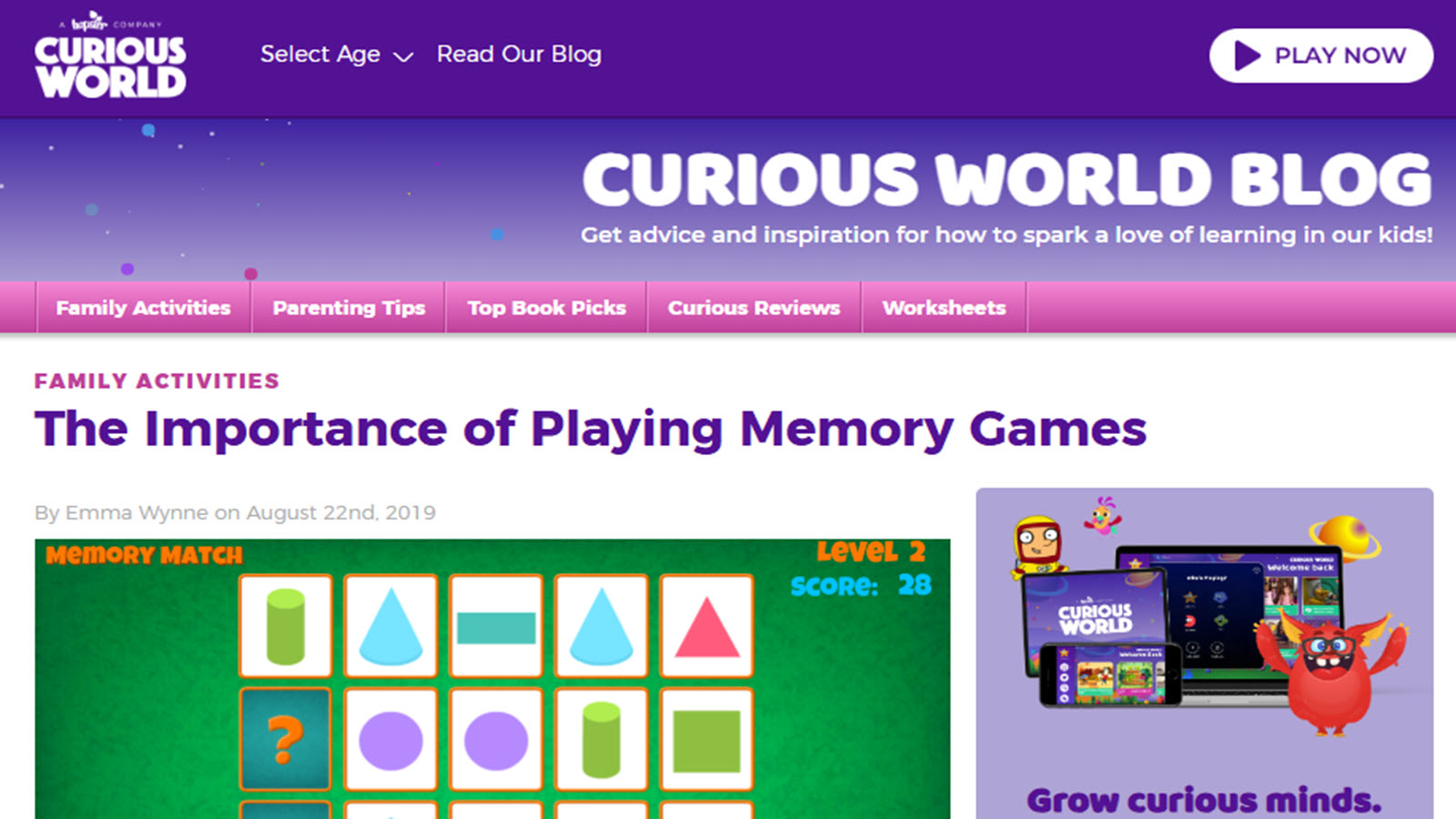
Curious World includes numerous educational games that help children build memory skills through interactive adventures. The platform features activities like Bottlecaps that combine matching with exploration. Children strengthen recall while enjoying story-driven challenges. The app offers a mix of memory exercises and creative tasks. Parents appreciate the safe environment and educational focus. Kids return often because the games feel like playful discoveries. The collection supports steady skill growth over time. Curious World balances memory practice with broader learning. Families notice better concentration in daily tasks. Overall, it provides comprehensive memory support in an engaging digital format.
Key features:
- Story-driven memory challenges.
- Mix of matching and exploration activities.
- Safe and educational environment.
Facts and information:
- Supports multiple cognitive skills alongside recall.
- Designed for young learners seeking fun challenges.
21. Memory Grid Brain Training
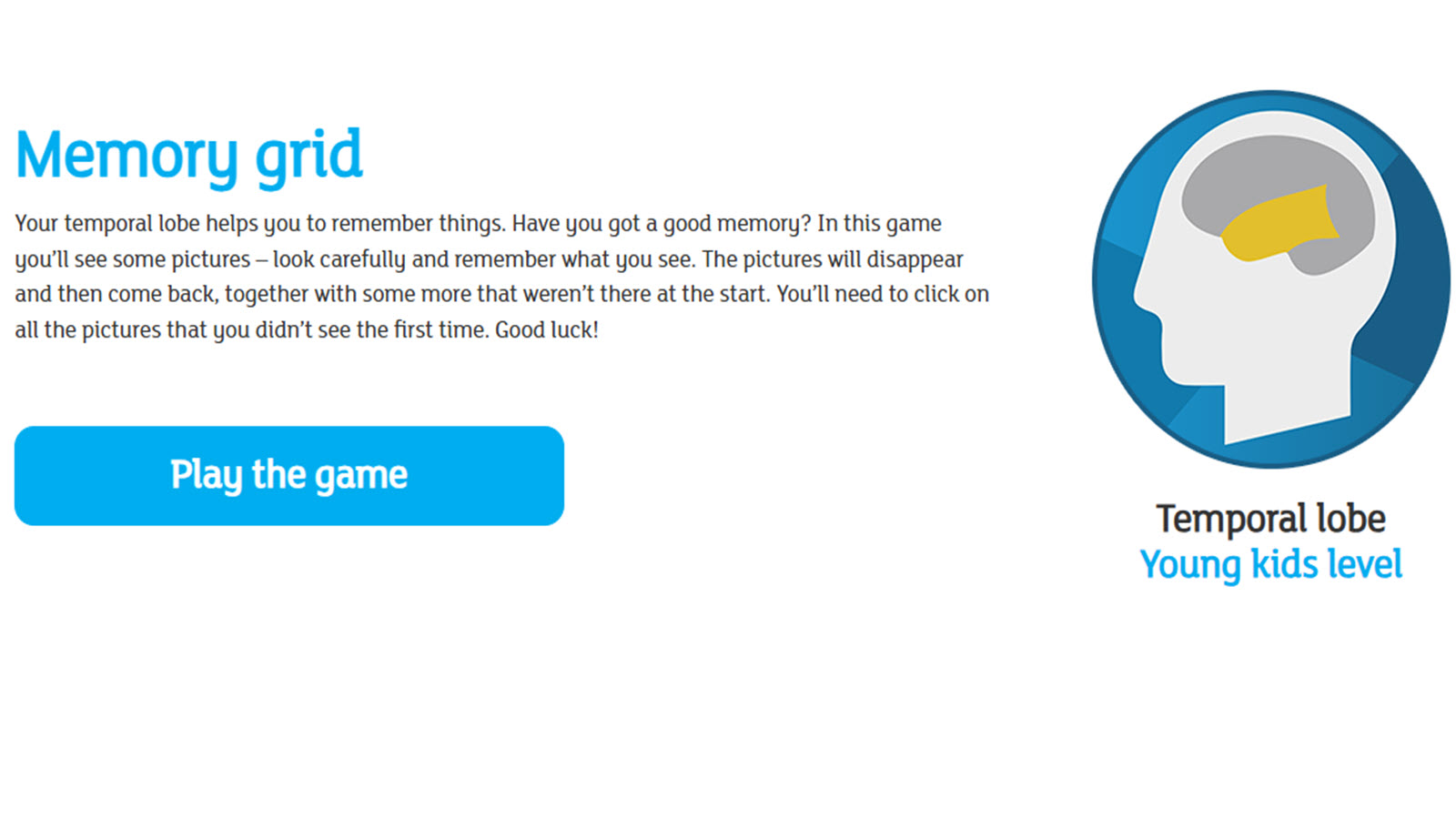
Memory Grid presents straightforward grid-based matching that trains working memory through simple yet effective patterns. Players flip cards in a grid layout and remember positions to clear the board. The game includes multiple grid sizes that increase difficulty gradually. Children build concentration and strategic thinking. The app offers clean visuals and encouraging feedback. Parents like the focused design that avoids distractions. Kids enjoy the satisfying feeling of clearing larger grids. Memory Grid works well for short daily sessions. The format strengthens short-term recall consistently. Overall, it serves as a reliable tool for daily memory practice.
Key features:
- Grid layouts with increasing complexity.
- Straightforward matching mechanics.
- Clean interface for focused play.
Facts and information:
- Targets working memory and visual recall.
- Suitable for a wide range of ages.
22. Brain Game Picture Match
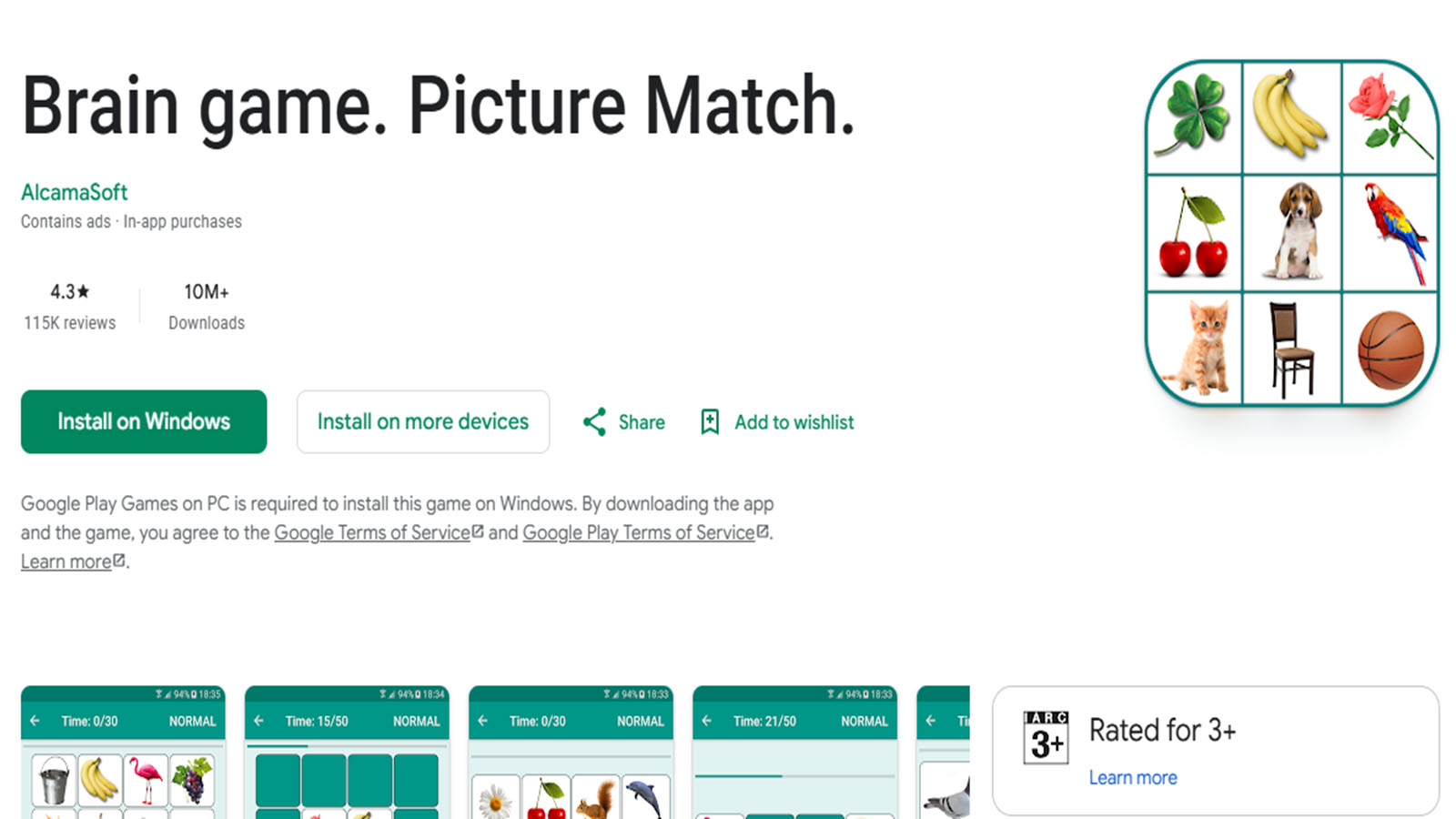
Brain Game Picture Match uses colorful images to create matching challenges that improve visual memory and quick thinking. Players search for pairs across themed sets while the app provides positive reinforcement. The collection features hundreds of unique pictures that keep content fresh. Children develop faster recognition and recall skills. The interface remains simple and inviting. Parents value the ad-free experience and educational value. Kids strengthen attention through repeated rounds. The game adapts to individual progress. Overall, Brain Game Picture Match delivers enjoyable memory training with vibrant visuals.
Key features:
- Themed picture collections.
- Positive feedback and rewards.
- Adaptive difficulty levels.
Facts and information:
- Enhances visual memory and pattern recognition.
- Designed for children seeking engaging practice.
23. Memory Match Fun
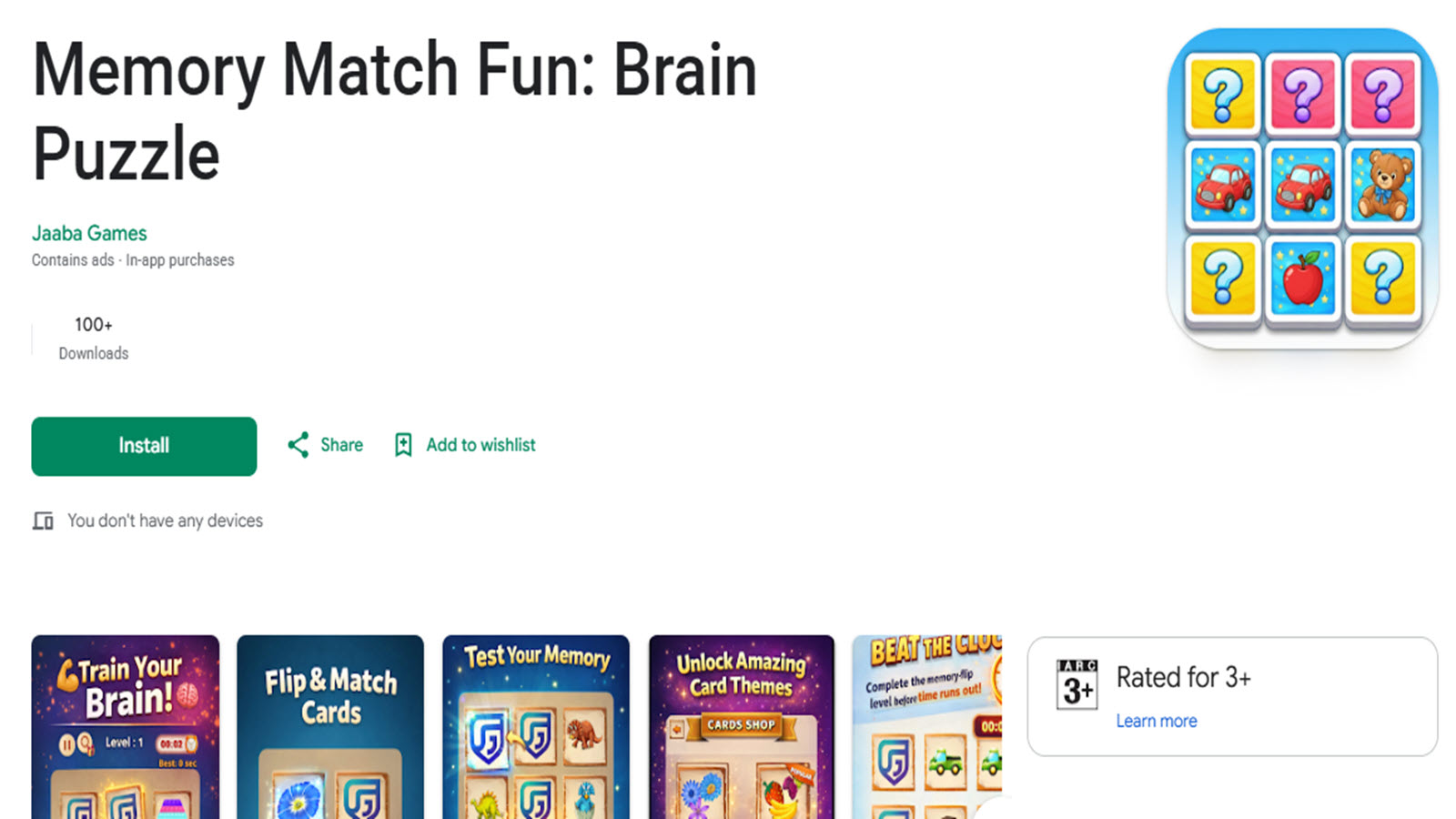
Memory Match Fun offers lighthearted card matching with fun animations and sound effects that keep children engaged. The app includes seasonal themes and special events that add variety. Players flip cards and remember locations while enjoying cheerful celebrations. The game supports solo or multiplayer modes for flexible play. Children build memory skills through playful repetition. Parents appreciate the friendly atmosphere and progress tracking. Kids return frequently because sessions feel rewarding. Memory Match Fun balances entertainment with cognitive benefits. Overall, it creates positive associations with memory practice.
Key features:
- Animated rewards and cheerful effects.
- Seasonal themes for fresh content.
- Solo and multiplayer options.
Facts and information:
- Supports visual recall and concentration.
- Appeals to young players across skill levels.
24. Toddler Baby Educational Games Memory Sets
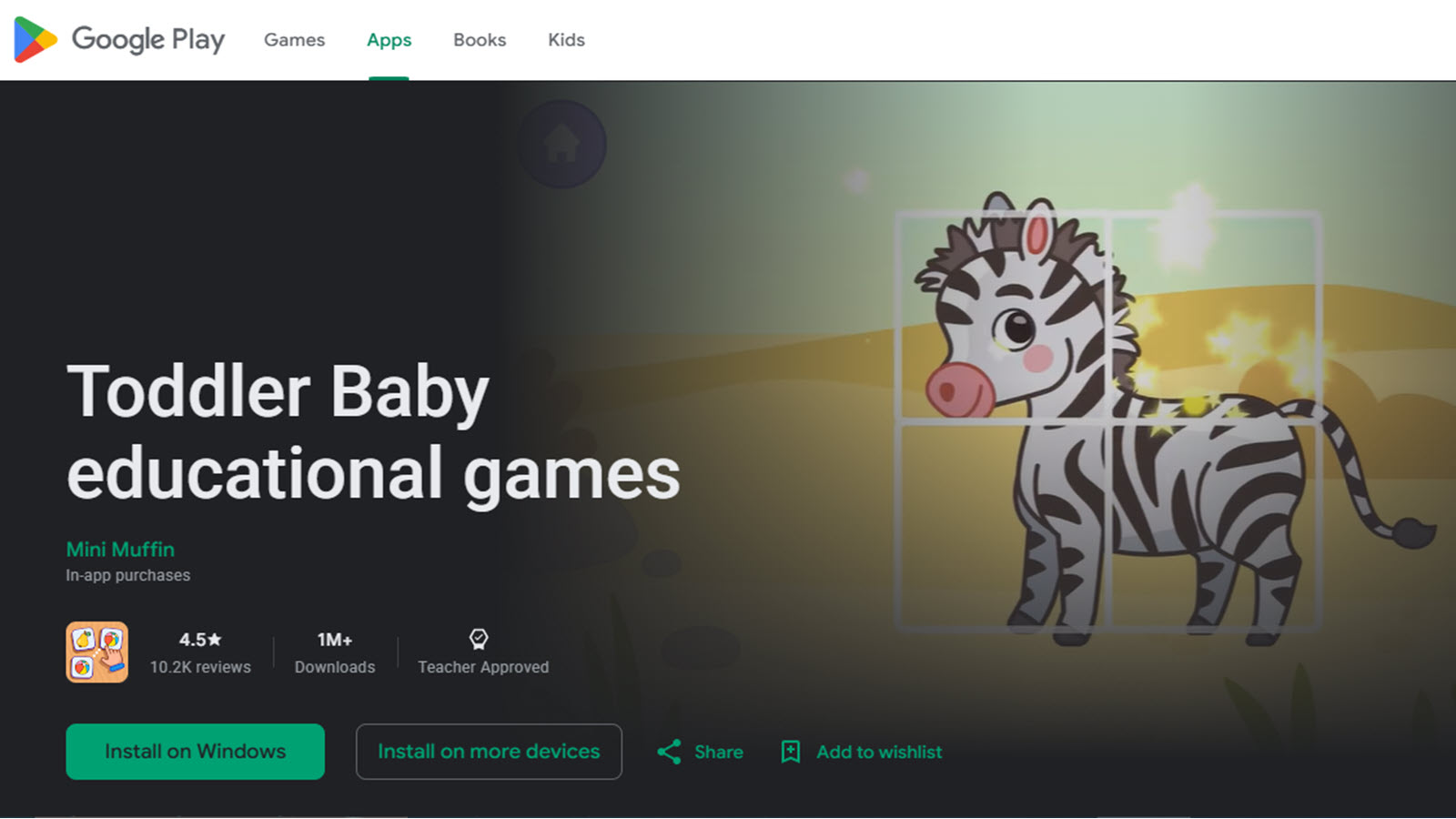
Toddler Baby Educational Games combines memory matching with early learning concepts in a gentle format for the youngest children. The app features simple card pairs that introduce colors, shapes, and basic words. Players match items while hearing encouraging sounds and seeing bright visuals. The design prioritizes ease of use for small fingers. Parents like the focus on foundational skills alongside recall. Children gain confidence through short successful rounds. The collection grows with the child’s abilities. Overall, it provides nurturing memory practice that supports early development.
Key features:
- Simple card pairs with learning elements.
- Gentle audio and visual cues.
- Easy controls for toddlers.
Facts and information:
- Combines memory with early concept introduction.
- Created for ages two to four.
25. Puzzle Paws Memory Challenges
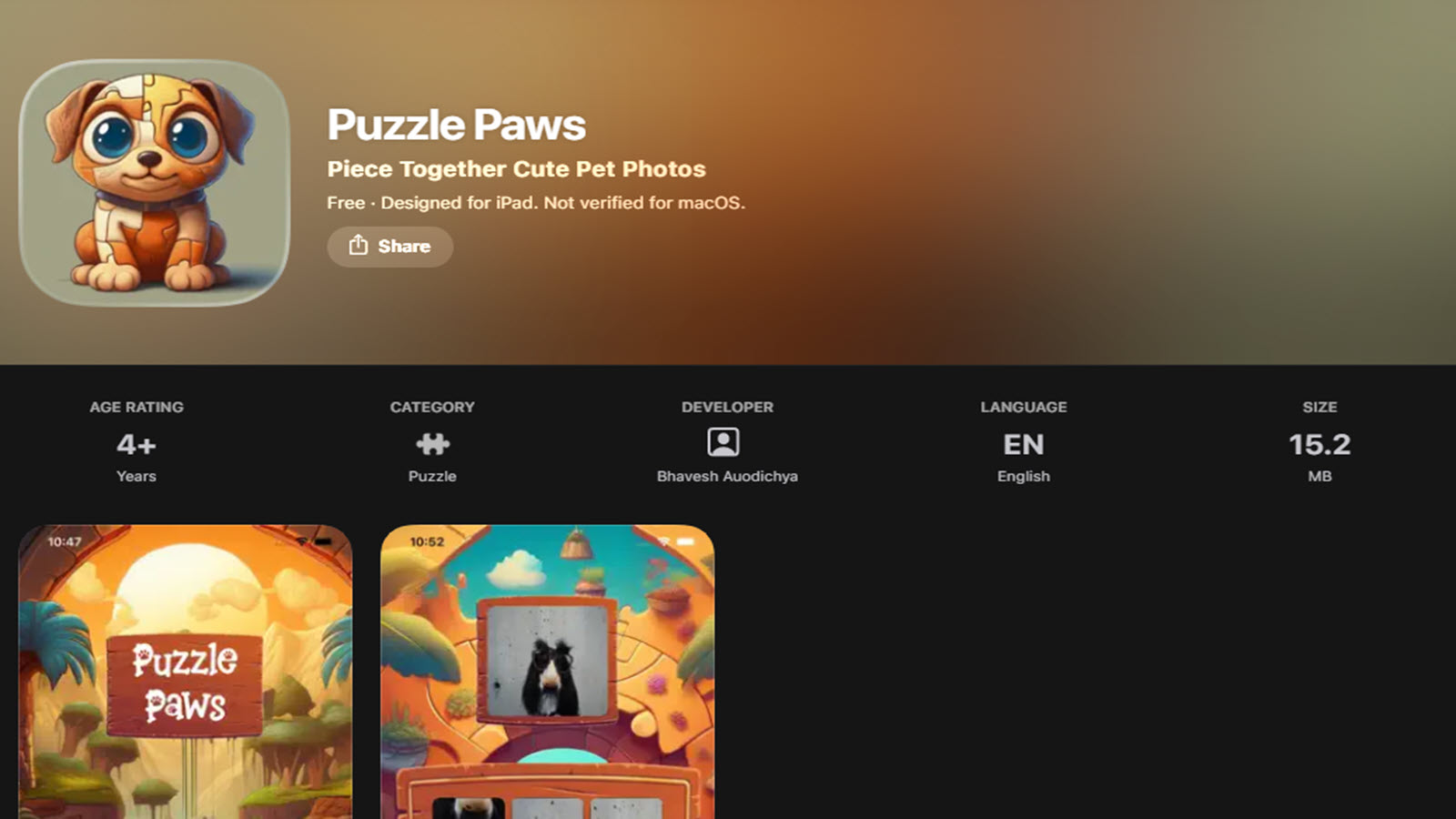
Puzzle Paws uses adorable animal characters to create memory matching adventures that feel like friendly puzzles. Children match pairs while helping animal friends complete tasks. The game blends recall practice with light storytelling. The interface features soft colors and soothing sounds. Parents value the calm yet engaging environment. Kids develop memory skills through caring interactions. The collection includes multiple animal worlds to explore. Puzzle Paws encourages repeated play without pressure. Overall, it offers warm memory training wrapped in pet-themed fun.
Key features:
- Animal character stories and matching.
- Soothing visuals and audio.
- Light narrative elements.
Facts and information:
- Supports emotional engagement with memory practice.
- Suitable for preschool and early elementary.
26. Onet Connect Memory Style Games
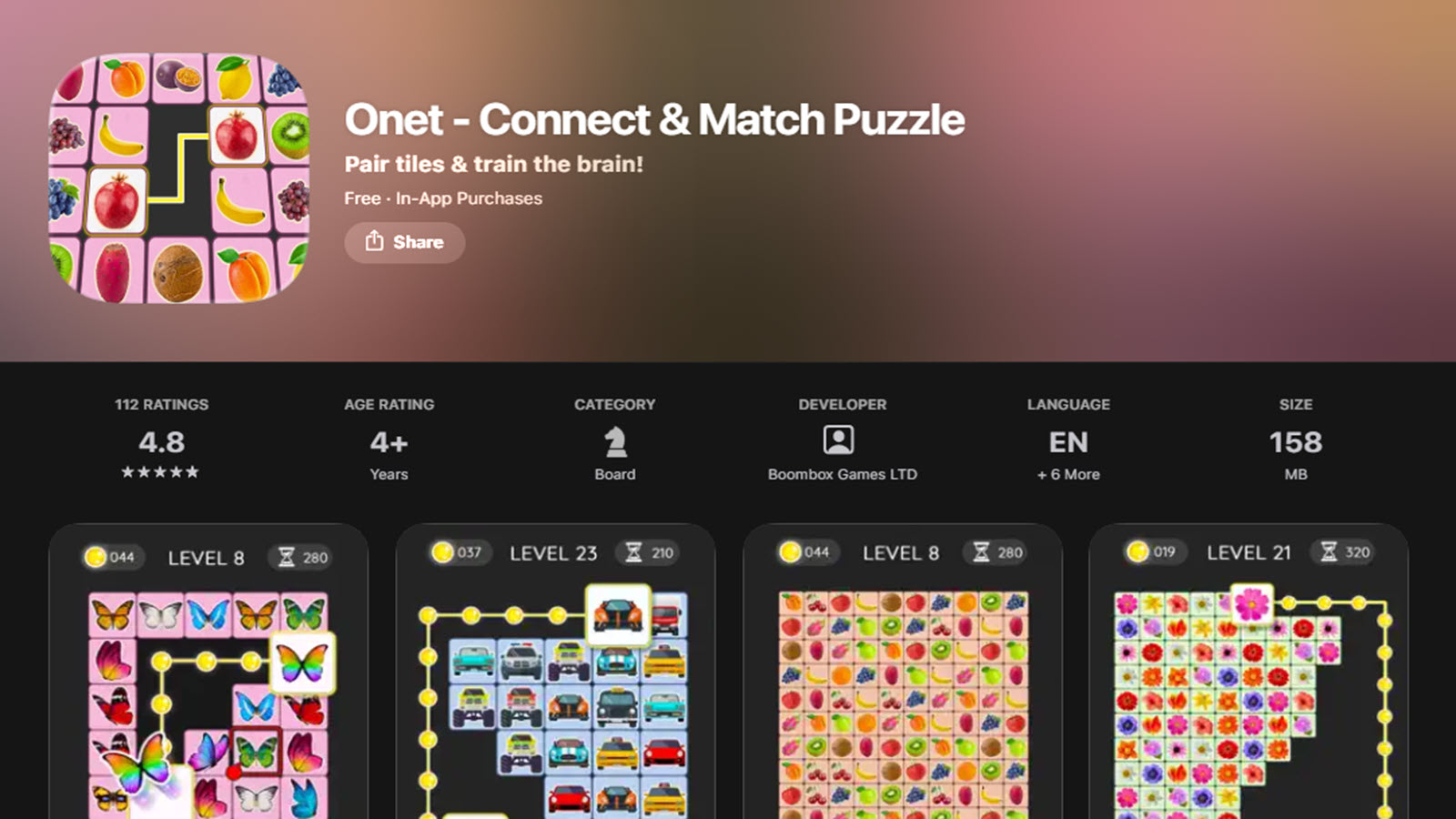
Onet Connect style games link matching pairs across a board while training visual scanning and memory. Children connect identical items while remembering layouts and planning moves. The format adds strategy to traditional matching. The app features beautiful themes and smooth animations. Parents appreciate the mix of challenge and relaxation. Kids strengthen spatial memory and focus. The game includes daily puzzles that maintain interest. Overall, Onet Connect delivers dynamic memory practice with connective gameplay.
Key features:
- Connect-style matching across boards.
- Strategic planning elements.
- Themed daily puzzles.
Facts and information:
- Builds spatial recall and visual planning.
- Engages children who enjoy puzzle variety.
27. Moose Match Mayhem
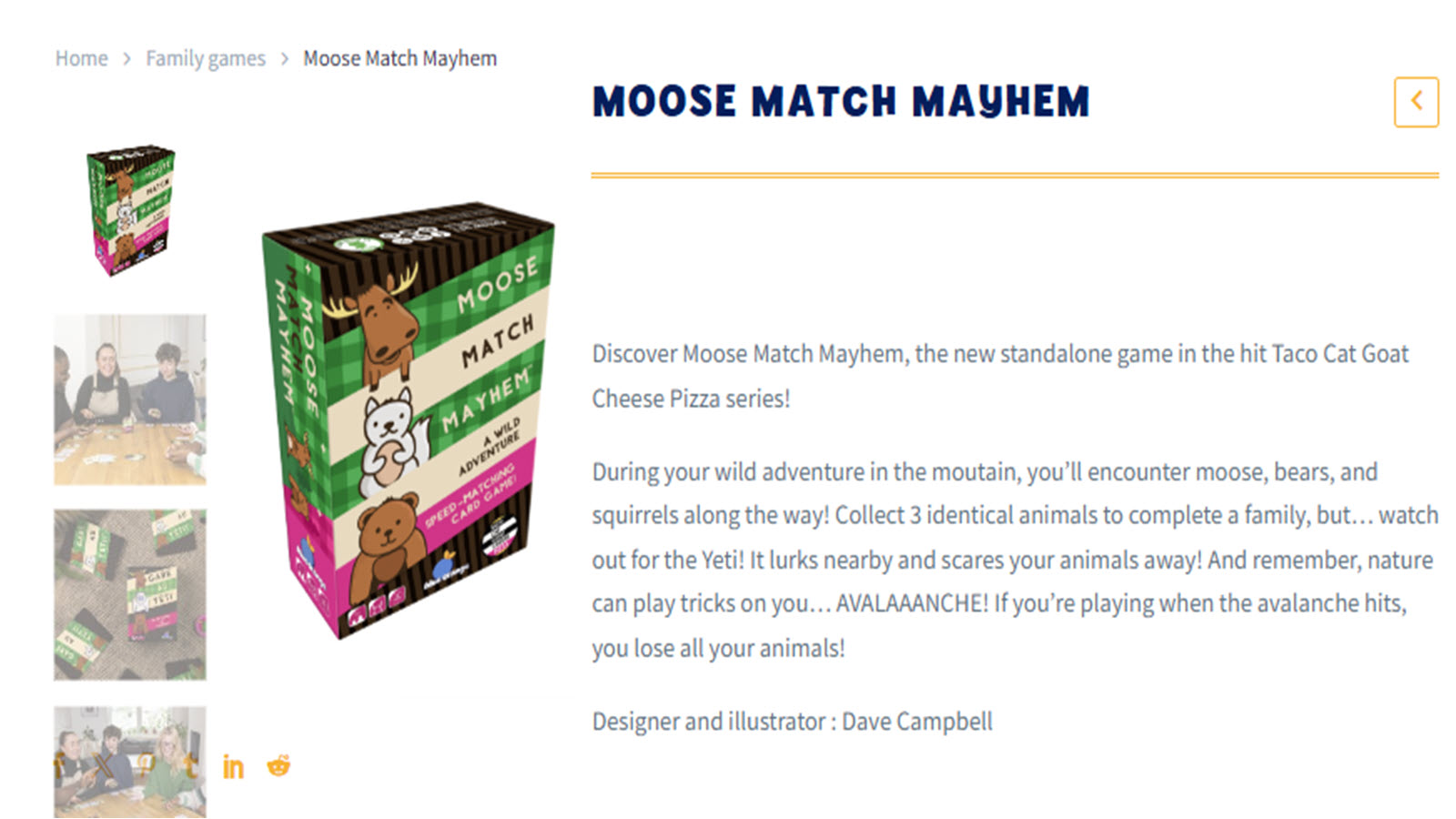
Moose Match Mayhem brings fast-paced matching with silly moose characters and quick reflexes. Players match cards under time pressure while remembering positions in chaotic layouts. The game mixes memory with light speed challenges. Children build quick recall and concentration. The interface uses humorous animations that keep energy high. Parents like the balance of fun and skill building. Kids enjoy the lively atmosphere during short sessions. Moose Match Mayhem prevents boredom through varied mayhem modes. Overall, it offers energetic memory training that feels exciting.
Key features:
- Fast-paced matching with humor.
- Reflex and memory combination.
- Lively character animations.
Facts and information:
- Strengthens quick visual recall.
- Appeals to children who like energetic play.
28. Spot It Memory Variants
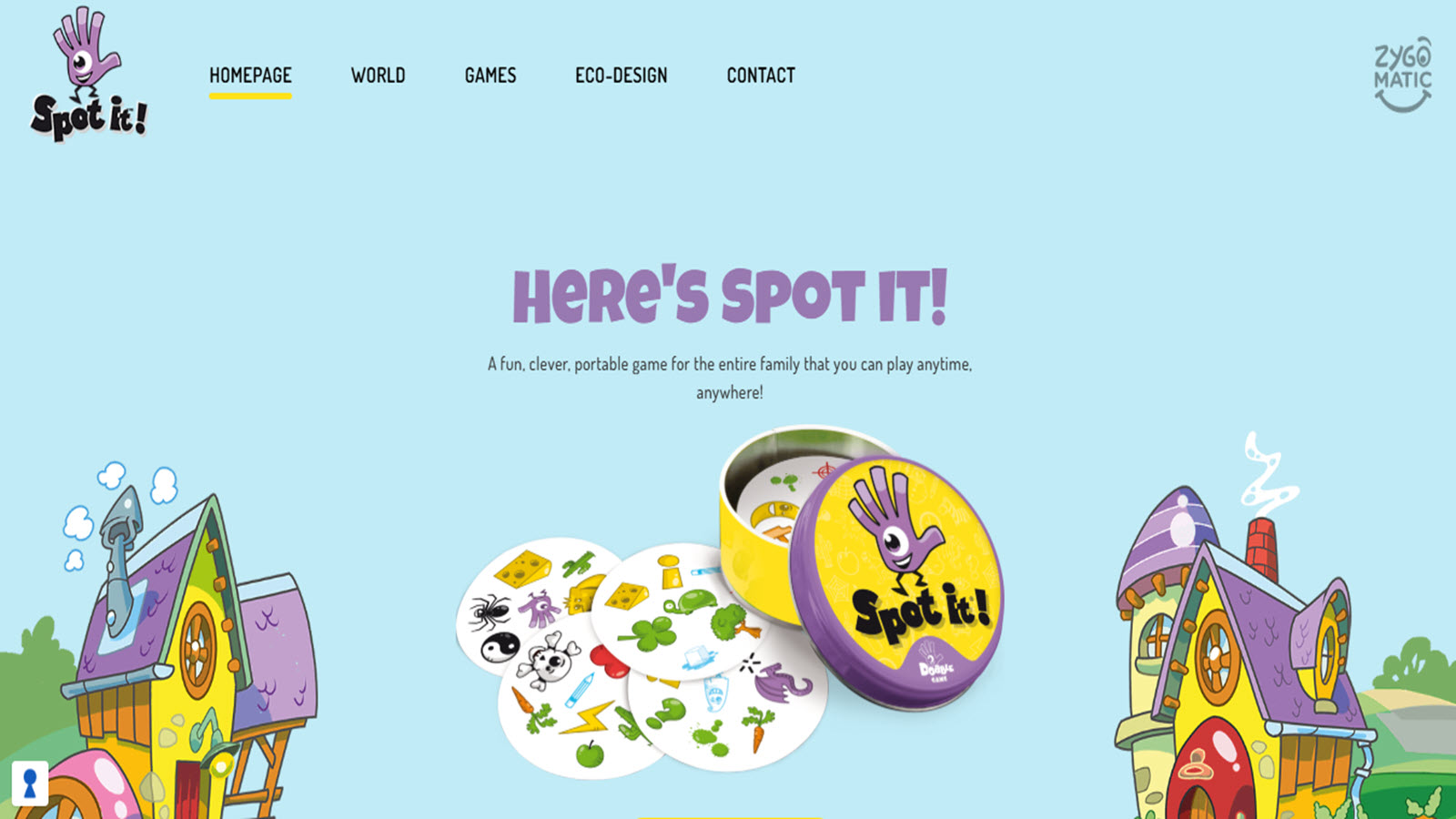
Spot It style games challenge players to find matching symbols quickly while exercising rapid visual memory. Children scan cards and identify shared elements under time constraints. The format builds attention to detail and quick thinking. The game uses compact cards or digital versions for flexible play. Parents value the social and competitive options. Kids improve observation skills through repeated rounds. Spot It remains engaging because each game feels different. Overall, it provides sharp memory practice in a compact and exciting format.
Key features:
- Symbol matching with speed elements.
- Compact design for easy play.
- Social and solo modes.
Facts and information:
- Enhances rapid visual recognition.
- Suitable for group or individual use.
29. Taco Cat Goat Cheese Pizza Memory Sequence

Taco Cat Goat Cheese Pizza turns card slapping and sequence recall into hilarious group fun. Players chant words while laying cards and slap when matches appear. The game demands quick memory of the repeating sequence. Children strengthen auditory and visual recall simultaneously. The fast pace keeps energy high and laughter flowing. Families enjoy the social bonding during play. The simple rules make it accessible for mixed ages. Kids build focus and reaction time alongside memory. Overall, it delivers lively memory training disguised as party entertainment.
Key features:
- Sequence chanting with card actions.
- Fast-paced group interaction.
- Simple rules for quick learning.
Facts and information:
- Combines auditory memory with reflexes.
- Perfect for family game nights.
30. Memory OS Style Training for Kids
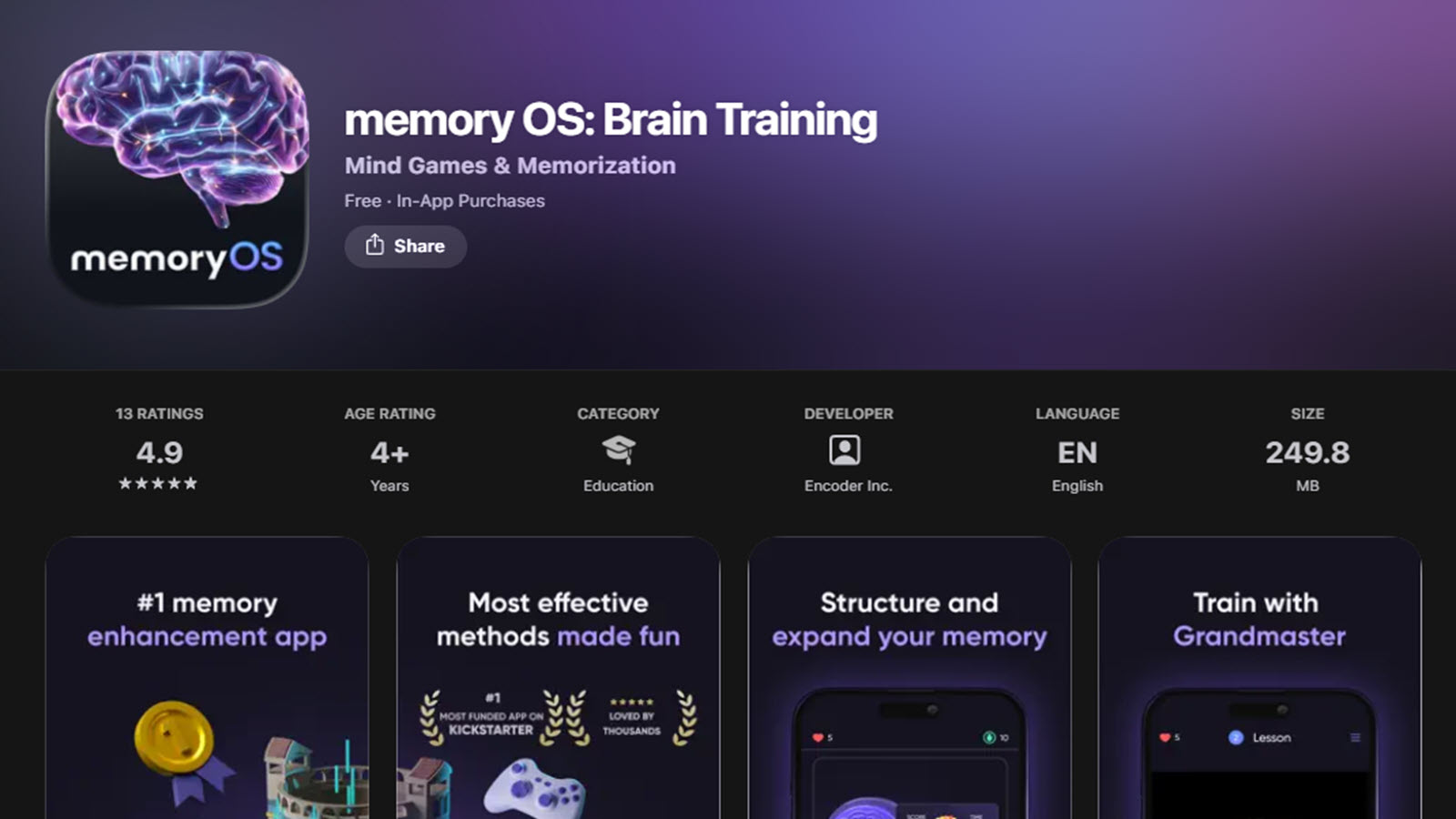
Memory OS style training adapts structured memory techniques into child-friendly games and exercises. Children practice visualization and association methods through playful challenges. The platform guides users step by step while building long-term recall habits. Parents appreciate the research-informed approach that supports school success. Kids learn memory strategies that transfer to reading and studying. The activities feel like games rather than drills. The collection includes progress tools and gentle encouragement. Memory OS helps children develop confidence in their abilities. Overall, it offers thoughtful memory development through accessible and effective methods.
Key features:
- Guided visualization and association exercises.
- Child-friendly memory technique practice.
- Progress tracking and encouragement.
Facts and information:
- Builds transferable memory strategies.
- Supports cognitive growth for school-age children.
31. Lumosity for Kids

Lumosity delivers a science-based brain training platform with memory-focused games tailored for children. Developed in the United States with input from neuroscientists, the app presents engaging mini-games that target working memory, visual recall, and cognitive flexibility through adaptive challenges. Kids navigate colorful environments where they match patterns, remember sequences, and solve spatial puzzles that feel like adventures rather than exercises. The platform emphasizes gradual skill building, allowing young users to experience steady progress while maintaining motivation through game-like rewards and varied daily workouts. Parents appreciate the structured yet playful design that complements school learning without adding pressure.
The activities blend memory practice with attention and problem-solving elements, creating comprehensive cognitive sessions suitable for elementary-aged children. Sessions remain short and flexible to fit busy family schedules, with progress indicators that highlight improvements over time. Families often notice better focus during homework and daily tasks after consistent use. Lumosity stands out for its research-driven approach that makes memory development accessible and enjoyable in a digital format popular across the USA.
Key features:
- Adaptive daily brain workouts with memory-specific games.
- Progress tracking across multiple cognitive areas.
- Engaging visuals and varied mini-game formats.
Facts and information:
- Includes activities targeting working memory and pattern recognition.
- Designed with neuroscientific principles for ages 4 and up.
32. Elevate Brain Training
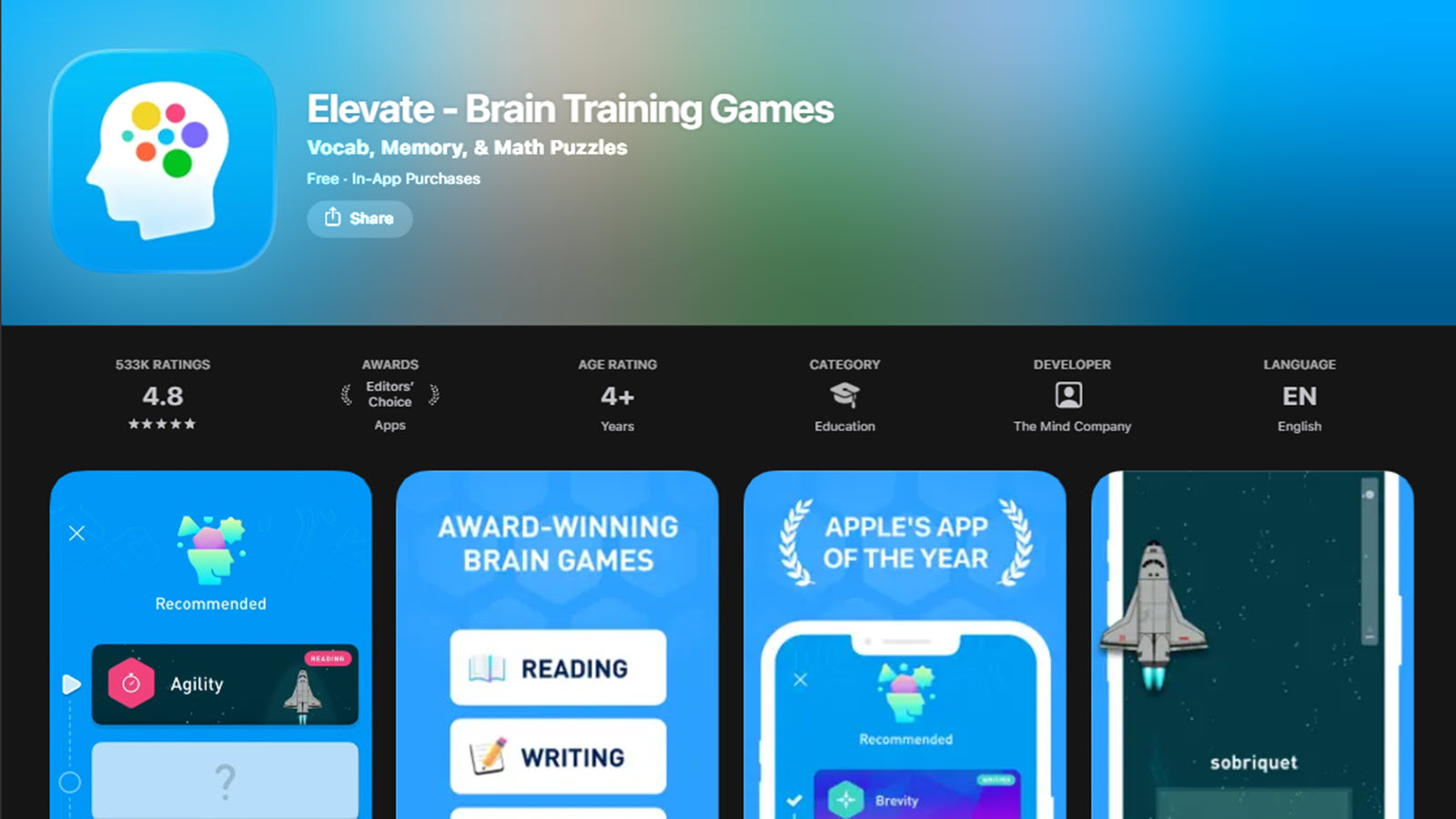
Elevate offers targeted cognitive exercises including memory challenges suitable for older children and families seeking structured mental workouts. Based in the USA, the app features a variety of games that improve recall, focus, and processing speed through quick, rewarding activities. Kids tackle tasks like remembering conversation details, matching patterns under time constraints, and building sequences that strengthen short-term memory. The clean interface and positive feedback keep sessions motivating without overwhelming young users.
Parents value the personalized training paths that adjust to individual performance levels. The platform supports skill development that transfers well to academic settings, with a focus on practical memory applications. Children enjoy the sense of achievement as they complete daily goals and track improvements. Elevate provides a balanced digital experience that fits alongside other learning activities.
Key features:
- Personalized memory and focus exercises.
- Quick game sessions with immediate feedback.
- Tracking tools for cognitive progress.
Facts and information:
- Emphasizes practical recall skills applicable to school and daily life.
- Suitable for elementary ages with adaptable difficulty.
33. Dinosaur Escape
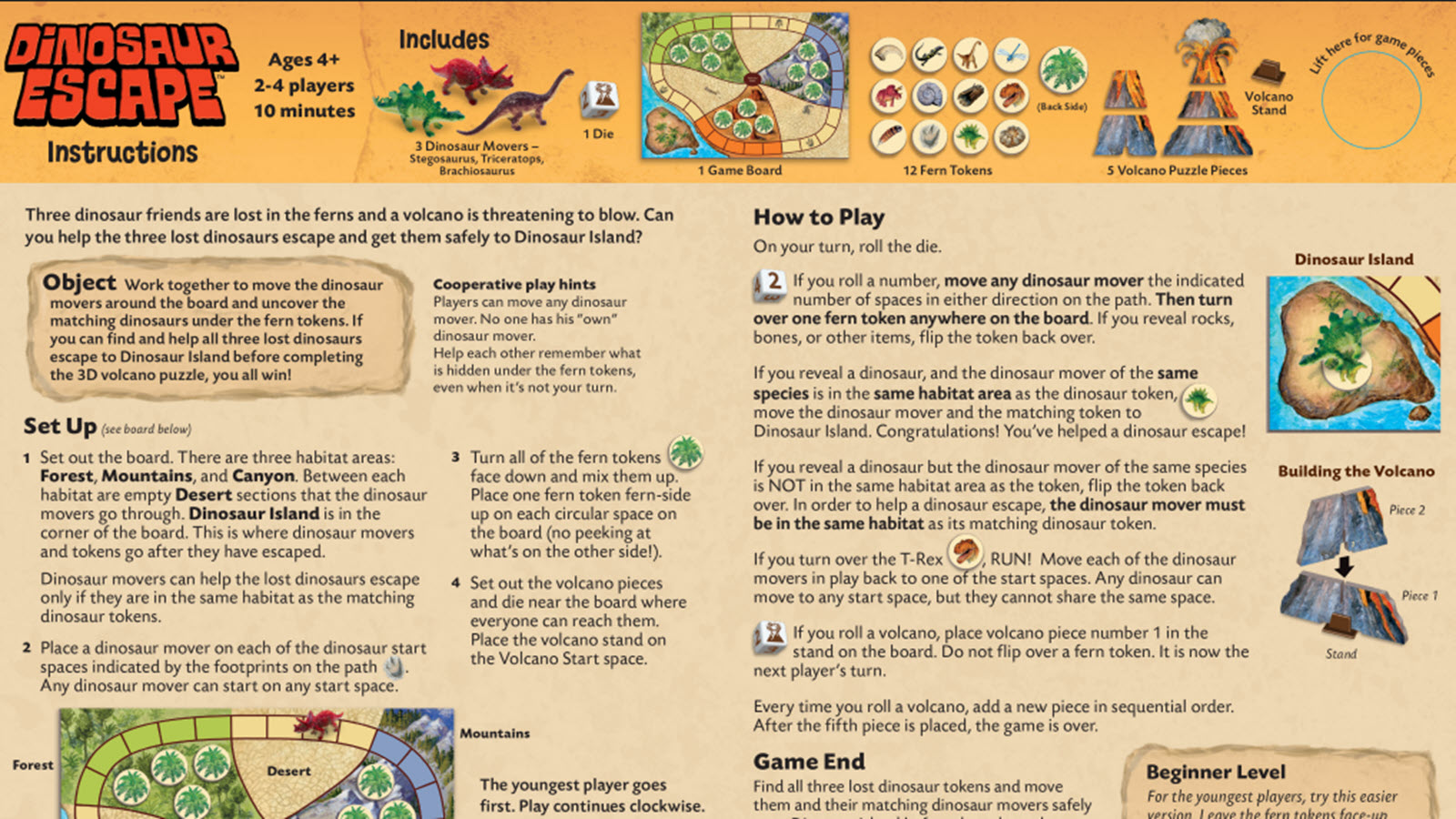
Dinosaur Escape is a cooperative physical board game from Peaceable Kingdom that combines memory with teamwork. Kids work together to help dinosaur figures escape before a volcano erupts, remembering safe paths and matching elements on the board. The sturdy components and engaging dinosaur theme appeal to preschool and early elementary children. Players practice visual memory and strategic thinking while collaborating, making it ideal for family game nights.
The game encourages observation and quick decision-making in a low-pressure, cooperative format. Families appreciate the screen-free play that promotes bonding and shared problem-solving. Children build confidence as they remember more details with each round. Dinosaur Escape delivers meaningful memory practice through an exciting narrative that feels like a story adventure.
Key features:
- Cooperative gameplay focused on memory and strategy.
- Durable physical components with dinosaur figures.
- Short play sessions suitable for young attention spans.
Facts and information:
- Strengthens visual recall and teamwork skills.
- Designed for ages 4 and up with emphasis on collaboration.
34. SET Card Game
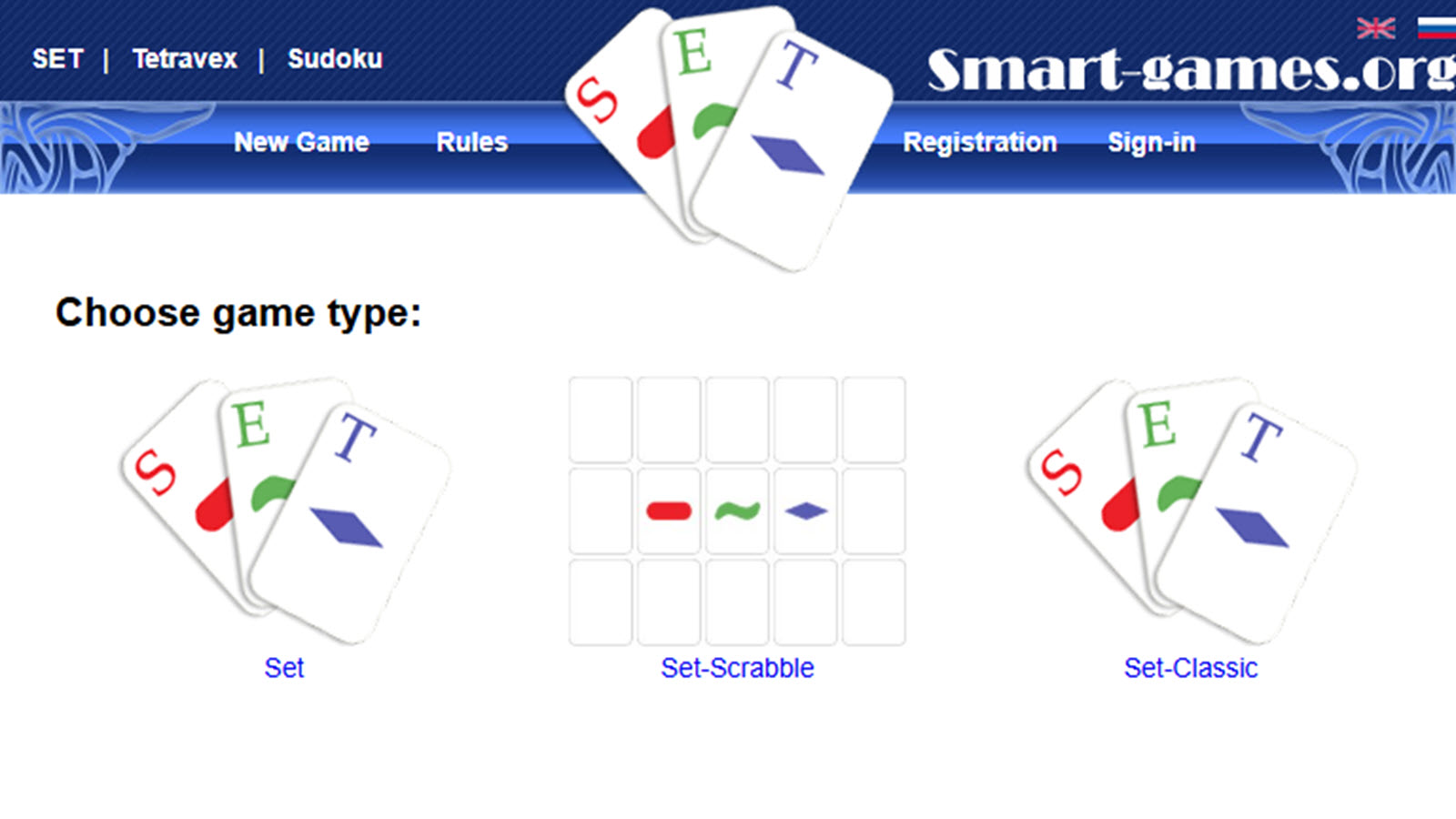
SET challenges players to identify matching patterns among cards featuring symbols that vary by number, color, shading, and shape. This fast-paced physical card game, popular in the USA, sharpens visual perception and quick memory recall as children scan for valid sets. The simple rules make it accessible yet engaging for mixed-age groups, supporting both solo practice and family competition. Kids develop attention to detail and logical thinking through repeated play.
The compact design works well for travel or quick sessions at home. Parents like how it builds pattern recognition that supports math and science learning. Children enjoy the satisfying "aha" moments when spotting sets. SET remains a timeless tool for memory and cognitive development in a portable format.
Key features:
- Pattern recognition across multiple attributes.
- Fast-paced scanning and matching mechanics.
- Versatile for solo or group play.
Facts and information:
- Enhances visual memory and rapid decision-making.
- Suitable for children ages 6 and older.
35. Big Brain Academy
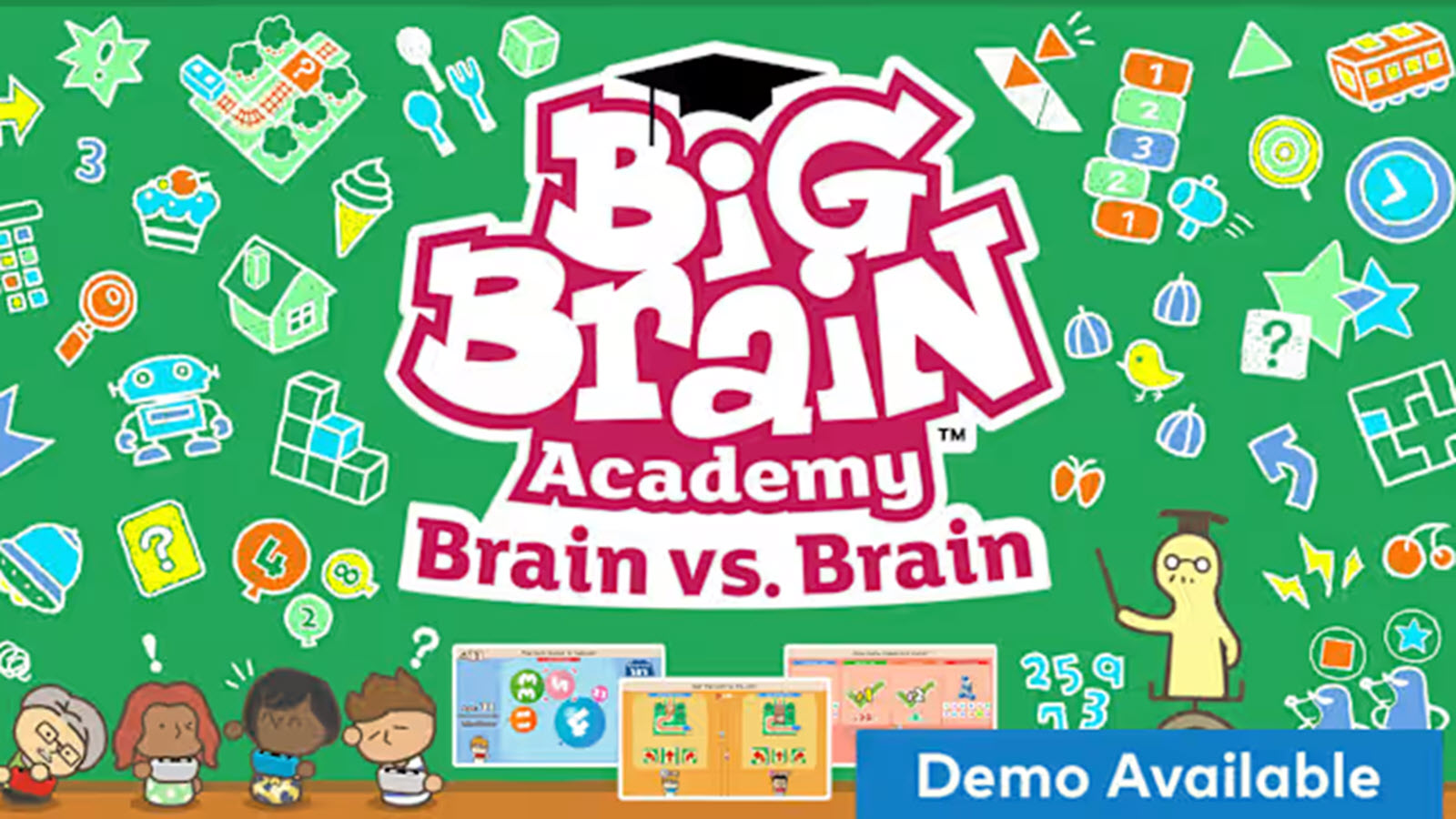
Big Brain Academy presents a collection of mini-games that include memory challenges in a fun, competitive format. Available on Nintendo platforms and popular in the USA, it features activities testing recall, quick thinking, and pattern matching through colorful, character-driven challenges. Kids compete or cooperate in short rounds that build working memory while maintaining high energy and entertainment value. The variety keeps sessions fresh across multiple playthroughs.
Families enjoy the social aspect when playing together. The games adapt to different skill levels, supporting steady progress. Children strengthen multiple cognitive areas in an engaging video game environment. Big Brain Academy offers a dynamic way to practice memory skills alongside friends or family.
Key features:
- Mini-games targeting memory and quick recall.
- Multiplayer options for family fun.
- Colorful, character-based themes.
Facts and information:
- Supports various memory types through diverse challenges.
- Appeals to elementary-aged children who enjoy video games.
Benefits of Regular Memory Play for Daily Life
Consistent memory educational games help children handle school routines with greater ease and stay attentive during conversations or instructions. The skills transfer to reading, math, and social situations where quick recall makes a real difference. Many kids develop stronger patience and self-confidence as they master increasingly difficult challenges. Play also creates natural opportunities for family interaction that strengthen bonds while supporting growth. Over time these habits contribute to better organization and problem-solving habits that last beyond childhood.
Digital Versus Traditional Memory Games
Digital kid games provide instant feedback and adjustable difficulty that keeps pace with a child’s progress. Traditional card games offer tactile satisfaction and screen-free time that balances daily device use. Both formats deliver strong results when chosen thoughtfully. Families often combine them for variety so kids experience different types of engagement. TutoClub educational games bridge the gap by offering digital play that still feels personal and meaningful.
- Digital works best for busy schedules with adaptive levels and instant feedback in solo or quick sessions.
- Traditional supports family bonding through hands-on interaction and no screens during group or quiet time.
- Hybrid fits balanced routines by mixing tech and physical elements for flexible daily use.
Tips for Making Memory Games Part of Family Routines
Start with short sessions that fit naturally into bedtime or morning routines so play never feels like an extra chore. Rotate memory games for children every few weeks to keep excitement high and prevent boredom. Celebrate small wins together to reinforce effort and build positive associations with learning. Use open-ended questions during play to encourage storytelling and deeper thinking. Adjust the environment by reducing background noise so focus comes more easily. With these simple habits memory practice becomes a natural part of family life rather than a scheduled task.
Latest News In 2026
New updates in 2026 bring more adaptive features to digital memory activities. Developers now include options where games adjust in real time based on how quickly a child remembers patterns. This personalization helps each player stay in a sweet spot of challenge without getting bored or overwhelmed.
Several brain games for kids added themes tied to seasons or current events in a gentle way that sparks curiosity about the world. Fresh content drops regularly so families see new animal sets, fantasy worlds, or everyday object challenges throughout the year. Offline capabilities improved across many titles which support travel or areas with spotty connections. Some platforms now offer family dashboards that show general progress trends without pressure on scores.
Educational games combine learning with play to support memory development in natural ways. These activities strengthen recall, focus, and pattern recognition while children enjoy themes they love such as animals, shapes, or stories.
FAQ
What age range benefits most from memory games?
Memory games work well from toddler years through early elementary school because they adapt to different developmental stages. Games for younger children include simple matching while older kids tackle pattern recognition and sequences. The key lies in matching the challenge level to the child’s current abilities so play stays enjoyable and effective. Many families see the biggest gains when they start early and continue consistently.
Can memory games replace other learning activities?
Memory games complement rather than replace reading, math, or creative play. They strengthen the foundation skills that support all other learning areas. When combined with hands-on experiences and social interaction, they create a well-rounded approach that helps children thrive in school and daily life. The best results come from using them alongside a variety of activities.
How long should daily memory play last?
Even ten to fifteen minutes a few times a week delivers noticeable improvements in focus and recall. Shorter sessions work better for younger children while older kids may enjoy longer rounds. Consistency matters more than length so families can fit the educational kid games into natural breaks without disrupting routines. Over weeks the cumulative effect builds stronger attention habits.
Do all memory games work the same way?
Different education games for kids target specific aspects of memory such as visual recall, auditory sequences, or working memory. Some emphasize speed while others focus on careful observation. Choosing a mix helps children develop well-rounded cognitive skills. TutoClub’s varied collection makes it easy to explore multiple types in one place.
How Do Memory Games Benefit Children of Different Ages?
Memory games provide excellent cognitive benefits for children across various age groups, from toddlers to elementary school. Toddlers and preschoolers develop early matching skills and basic concentration through simple memory games, while older children strengthen advanced recall, pattern recognition, and strategic thinking with more complex versions.
How do memory games support school readiness?
The best memory games strengthen attention, recall of instructions, and pattern recognition which help with reading, math, and following directions in class. They lay groundwork for noticing details in stories or routines that appear in early learning environments. Learning through play activities also encourages persistence when facing multi step tasks common in school settings. Many children show steadier focus during independent work after regular sessions.
Can memory games improve focus in children with short attention spans?
Short and rewarding sessions in brain memory games for kids build persistence gradually through engaging formats. Children often return to play because the activities feel fun rather than forced. This repeated practice supports better concentration during other daily tasks over time. Visual matching and sequence options keep interest high while gently extending attention windows.
What makes a memory game suitable for different learning styles?
Visual themes appeal to some children while sound or movement based options suit others in memory games in 2026. Game collections with variety let families try formats until good matches appear naturally. Physical card sets add tactile elements that complement digital versions for hands on learners. Story based activities weave recall into narratives that engage creative minds.
How often should kids play memory games for steady improvements?
A few short sessions each week bring consistent gains in recall and focus through brain games for kids. Regular play fits easily into routines like after meals or before bedtime without overwhelming busy days. Mixing digital and physical formats keeps experiences fresh while reinforcing the same skills. Families notice calmer attention and better pattern recognition after ongoing use.
Read Also:
- Best Kids Educational Games
- Best Learning Games for Kids
- Best Games For Young Kids in 2026
- Best Games For Toddlers in 2026
- Best Free Online Games for Kids