
Best Confidence Building Games In 2026






Parents want their kids to feel strong and capable in a world full of challenges. The best confidence building games for kids offer a simple way to nurture that inner strength while kids have fun. These games for confidence building turn everyday play into opportunities for growth, helping children express themselves, solve problems, and celebrate small wins.
Looking for the best confidence building games in 2026? These engaging titles help kids develop self-esteem, resilience, and a positive mindset through fun challenges and rewarding achievements. Many top options overlap with the best mobile games for kids in 2026, offering on-the-go play that boosts motivation. Pairing them with best problem solving games for kids in 2026 and best responsibility games for kids in 2026 creates a well-rounded approach to emotional growth. For even broader development, explore the best kid educational games that combine confidence-building elements with learning, making screen time both enjoyable and impactful for children of all ages.
Discover the Best Confidence Building Games in 2026 - TutoClub
Why Confidence Building Games Make a Difference for Kids
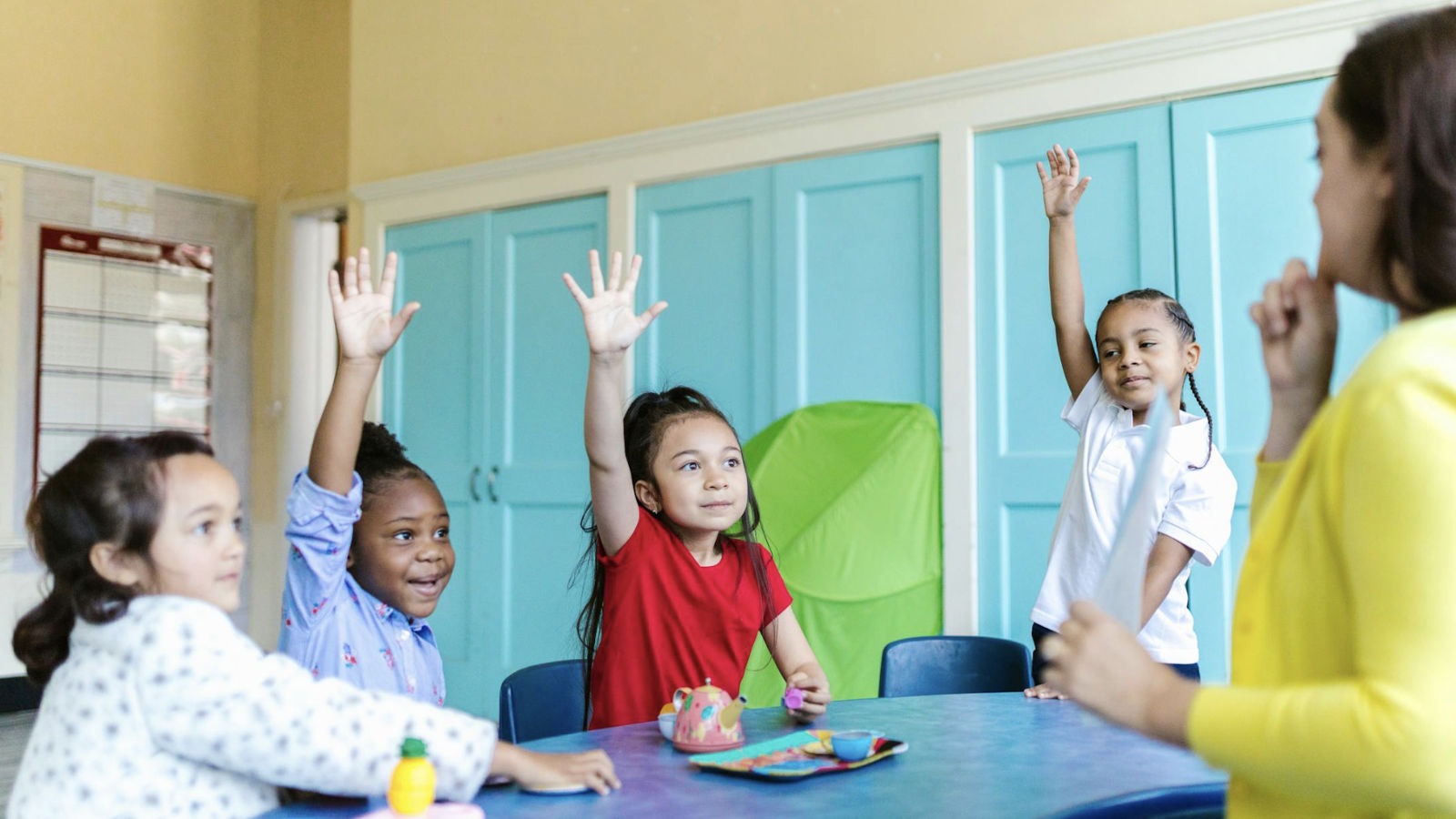
Kid games that focus on confidence give children safe spaces to try new things without fear of failure. Kids learn to trust their ideas, handle setbacks, and connect with others through shared play. Many parents notice their children become more willing to speak up or try activities outside their comfort zone after regularly playing these confidence building games.
These experiences build emotional skills that last well beyond childhood. Children gain tools for self-expression and problem-solving that help them navigate school, friendships, and new situations with greater ease. The TutoClub educational games keep things light and enjoyable so kids stay motivated without pressure.
Confidence grows even stronger when play supports a range of developmental skills. Activities like problem-solving games for kids, emotional regulation games for kids, and emotional games for kids help build resilience and self-awareness, while responsibility games for kids and memory games for kids reinforce independence and cognitive confidence.
What to Look for in Effective Confidence Building Games
Great kid educational games match a child's age and interests while encouraging positive habits. Look for options that promote creativity, teamwork, or personal achievements in low-pressure ways. Some titles focus on open-ended play where kids make choices freely, while others use guided activities to build specific skills like focus or empathy.
The best games for kids avoid heavy competition and instead reward effort and progress. They work well for solo time or family sessions, giving parents chances to join in and reinforce positive messages. When games feel natural and fun, children return to them often and absorb the benefits more deeply.
How Confidence Building Games Help Kids Develop Self-Esteem and Resilience
Confidence building games for kids do more than provide entertainment - they create safe, low-pressure environments where children can practice essential life skills. Through repeated small successes, gentle challenges, and opportunities to try again, these games directly support the development of healthy self-esteem and emotional resilience.
Key Ways Confidence Building Games Build Self-Esteem and Resilience:
- Mastery Experiences: Completing levels, solving puzzles, or achieving goals in confidence building games gives children a strong sense of accomplishment. This “I did it!” feeling strengthens belief in their own abilities.
- Growth Mindset Development: Confidence building games teach kids that effort leads to improvement. They learn to view mistakes as part of the process rather than proof of failure - a core element of resilience.
- Emotional Regulation Practice: Facing in-game challenges helps children manage frustration, celebrate wins, and recover from setbacks in a fun, controlled setting. These skills transfer to real-life situations like school or friendships.
- Social and Communication Skills: Many confidence building games encourage turn-taking, teamwork, or role-playing, helping kids feel more capable in social interactions and boosting their self-esteem.
- Safe Risk-Taking: Such allow children to experiment, make choices, and explore without real-world consequences, building courage and a positive self-image.
Research supports these benefits. Studies on play and structured activities show improvements in self-esteem, self-efficacy, and the ability to bounce back from difficulties. Parents often report that children who regularly play well-designed confidence building games become more willing to try new things, speak up in class, and handle disappointments with greater ease.
For example, one parent shared: “After a few weeks of playing games that celebrate effort, my shy 5-year-old started volunteering to read aloud and was less upset when she made mistakes.” These real-world wins demonstrate how consistent play nurtures lasting emotional strength.
By choosing quality games, parents provide powerful tools that help kids develop a strong internal voice that says “I can handle this” - essential for long-term happiness and success.
Top Confidence Building Games for Different Ages
The best confidence building games match a child’s developmental stage. What works wonderfully for a 3-year-old may feel too simple for a 7-year-old, and vice versa. Here’s a breakdown of effective options across early childhood:
Preschoolers (Ages 3–5)
At this stage, children benefit from simple, open-ended games that emphasize creativity, exploration, and small daily wins. Focus on games with no failure states, gentle challenges, and lots of positive feedback.
- Role-playing and pretend play games
- Basic puzzle and matching activities
- Simple creation or building games
- Emotion exploration games (naming feelings, facial expressions)
These help preschoolers build early self-awareness, fine motor confidence, and a sense of independence.
Kindergarten (Ages 5–6)
Kindergarteners are ready for slightly more structure while still needing plenty of fun and encouragement. Confidence building games that combine learning with achievement work especially well.
- Storytelling and character adventure games
- Simple problem-solving and logic games
- Turn-taking cooperative games
- Creative drawing or design activities with positive reinforcement
These support growing social confidence, school readiness, and the ability to persist through mild challenges.
Early Elementary (Ages 6–8)
Children in early elementary thrive with confidence building games that offer clear goals, progress tracking, and opportunities for strategy or teamwork.
- Adventure and quest-style games
- Strategy and light puzzle games
- Collaborative multiplayer experiences
- Goal-setting and achievement-based activities
These games strengthen perseverance, social skills, logical thinking, and a sense of personal competence as kids prepare for bigger academic and social demands.
Choosing age-appropriate the best confidence building games in 2026 ensures children stay engaged and experience frequent successes. Many modern apps and games adapt automatically to a child’s age and skill level, making it easier for parents to provide the right challenge at the right time.
When games match developmental needs, the confidence boost is faster and more meaningful - helping children grow into resilient, self-assured individuals.
Best Confidence Building Games In 2026
1. TutoClub - Best Confidence Building Games In 2026
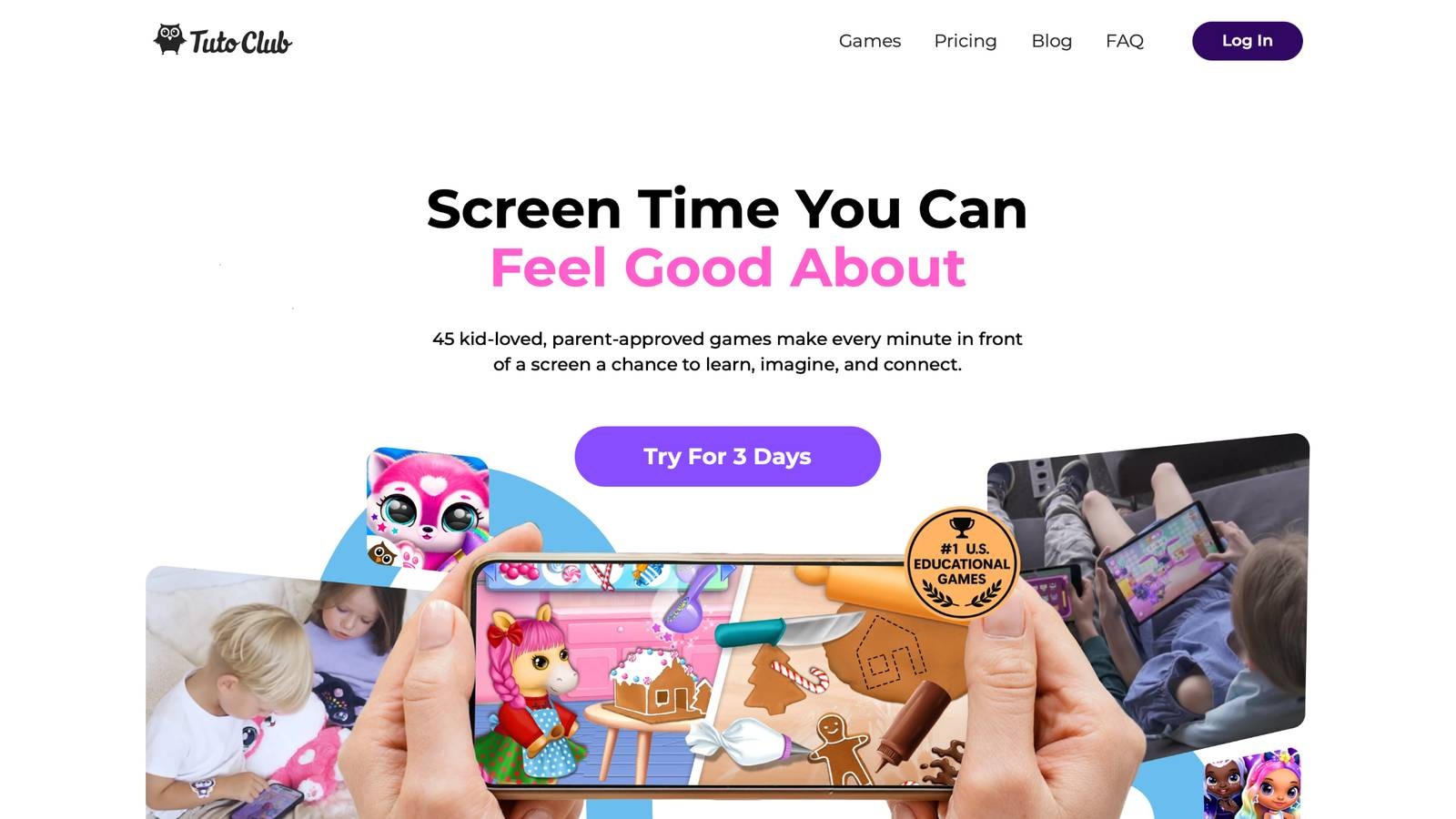
TutoClub games deliver a complete subscription service with over 45 ad-free titles created by the TutoTOONS studio based in Lithuania. This platform transforms screen time into enriching adventures that nurture creativity through art and storytelling tasks while sharpening focus via thoughtful puzzles. Children build emotional awareness as they practice empathy and compassion in caring scenarios, and they develop responsibility through gentle daily routines turned into playful challenges.
The collection features open-ended activities that spark curiosity and support lifelong learning habits. Kids explore worlds where they hatch and nurture virtual pets, complete cleaning quests that teach organization, or join fashion adventures that boost self-expression. Every game feels calm and inviting, with smooth progression that keeps young players engaged without frustration. Parents appreciate the safe, parent-approved design that works across iOS, Android, and Amazon devices after initial download.
- Standout features include adaptive challenges matched to skill levels, interactive narratives that fuel imagination, and regular fresh content to maintain excitement.
- Facts and information highlight research-backed approaches to joyful learning, multi-device flexibility after setup, and a distraction-free space that encourages meaningful play sessions.
TutoClub Overview
TutoClub is your gateway to a magical world of educational games designed especially for children.
As part of TutoTOONS, a leading kids' games studio, we offer premium access to over 45 ad-free games.
Our mission is to blend learning and play, helping kids explore, create, and grow in a safe online space.
Thousands of parents trust us for family-friendly content that sparks imagination and builds essential skills.
Key Features
- Unlimited Access: Unlock full content in all games with no interruptions.
- Ad-Free Experience: Enjoy seamless play without any ads or distractions.
- Skill Development: Games foster creativity, social skills, communication, and more through fun activities like pet care and cleanup challenges.
- Regular Updates: Get new releases, exclusive content, and future updates automatically.
- Easy Subscription: Cancel anytime with no obligations, simple and flexible for families.
Explore Our World
TutoClub provides a rich ecosystem of educational games for kids, featuring ad-free experiences that promote creativity, focus, and emotional growth through play.
This platform turns screen time into valuable learning opportunities, with parent-approved content that builds essential skills and sparks curiosity in young minds.
- TutoClub Games: Over 45 educational games, including popular titles like Fluvsies, Smolsies, and the Sweet Baby Girl series
- Blog: Insights, tips, and stories for families on kids' learning and play
- FAQ: Comprehensive answers to frequently asked questions about subscriptions, features, and more
Get TutoClub on Your Device
TutoClub delivers premium kids educational games directly to your mobile devices, making learning accessible anytime, anywhere.
With apps available on major platforms, families can easily download and subscribe for ad-free play that turns screen time into skill-building adventures.
Perfect for parents seeking safe, engaging content on iOS, Android, or Amazon devices.
Why Choose TutoClub?
We're committed to 100% safe, enriching entertainment that kids love and parents approve.
Join the thousands who've seen their children thrive through playful learning.
Ready to start the adventure?
Subscribe to TutoClub today and unlock endless fun!
2. Fluvsies Academy
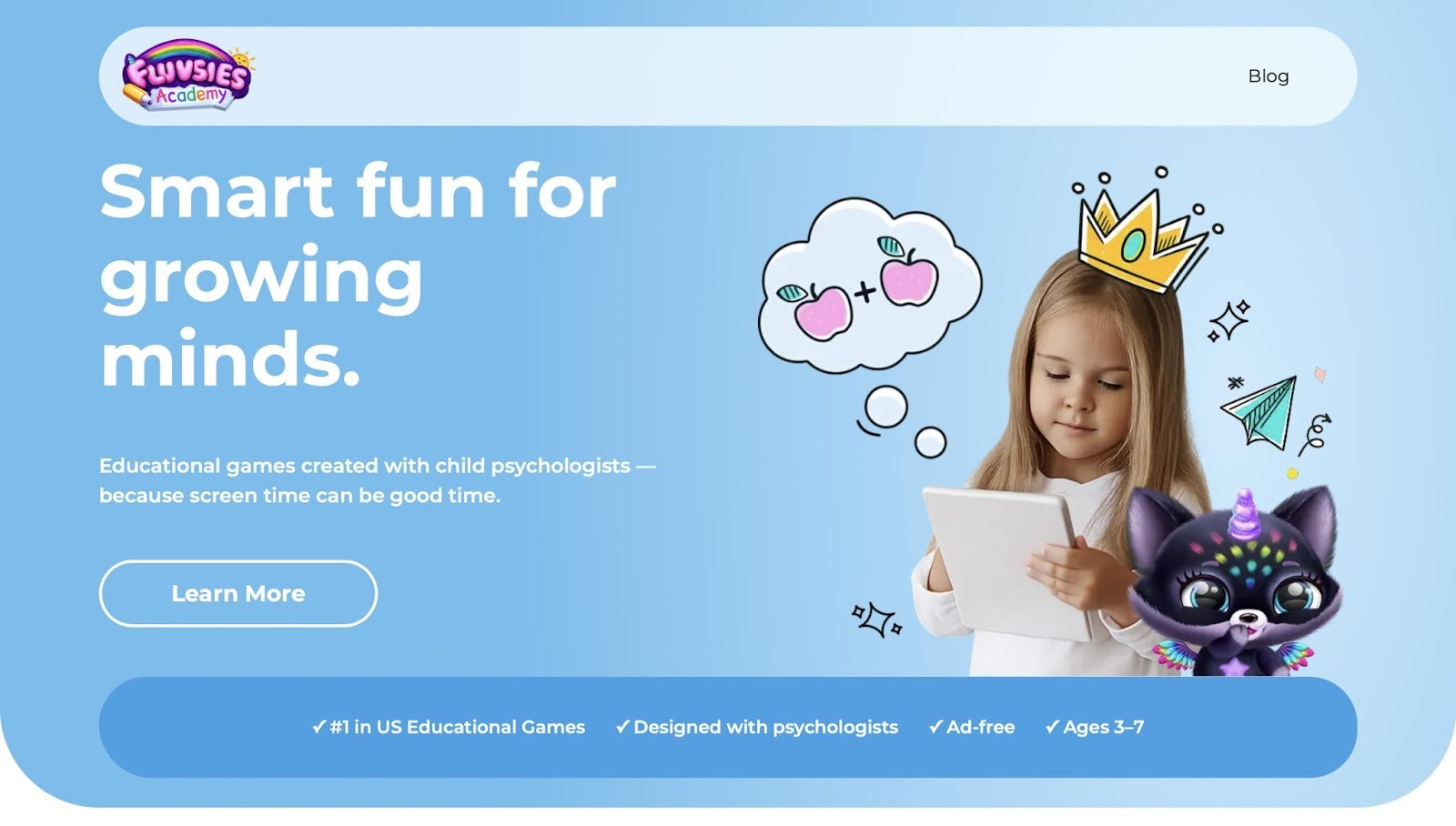
Fluvsies Academy brings structured learning and playful pet care together in one app aimed at preschoolers. Children hatch and nurture cute virtual pets while exploring mini-games that cover language, numbers, logic, and everyday life skills. The experience feels gentle and supportive, helping young kids gain confidence in their abilities through repeated small successes. Some parents note that the calm pace works especially well for children who need extra time to build focus. The app mixes guided activities with free creative play so kids stay interested without feeling rushed. Families appreciate how caring for pets teaches responsibility in a fun way that feels rewarding rather than like a chore. Kids watch their pets grow and thrive, which mirrors their own progress and creates genuine pride in daily achievements.
The colorful animations and cheerful sounds make every session inviting and uplifting. Parents report that children return to the app eagerly because it combines education with joy in a balanced way. The design supports emotional growth by celebrating every little win and encouraging gentle persistence. It fits seamlessly into busy family schedules whether used during morning routines or quiet evening moments. Overall the app creates a nurturing digital space where preschoolers can explore new ideas safely and build a strong foundation of self-assurance that carries into real-world interactions.
Key features include ad-free play, progress reports for parents, and content shaped by child psychologists.
Facts and information highlight how the combination of pet care games, mindfulness exercises, and healthy habit routines helps children apply new skills in real life.
3. Legends Confidence Training App

Legends turns short daily sessions into powerful confidence workouts for kids. Parents receive a simple text link each day that opens a true story about a legendary person paired with an easy exercise the whole family can do together. Children practice growth mindset statements, goal setting, and positive self-talk in just a few minutes. The format fits busy schedules and creates special bonding time between parent and child. Many families report that kids start using the new skills naturally in school and social settings after a short time. The stories inspire children by showing real examples of overcoming challenges which helps them see their own potential more clearly. Each session builds on the last so progress feels steady and encouraging.
Kids enjoy the interactive parts where they reflect on their own strengths and set small achievable goals. The app makes emotional growth feel approachable and exciting rather than like homework. Families love how it turns ordinary moments into meaningful conversations that strengthen relationships. The personalized growth plan unlocks new levels as kids advance keeping motivation high without overwhelming anyone. It supports children in developing inner strength that helps them face everyday situations with more ease and optimism.
Key features include engaging stories, interactive exercises, and a personalized growth plan that unlocks as kids progress.
Facts and information point to improved self-control and more optimistic outlooks after consistent use.
4. Toca Boca World
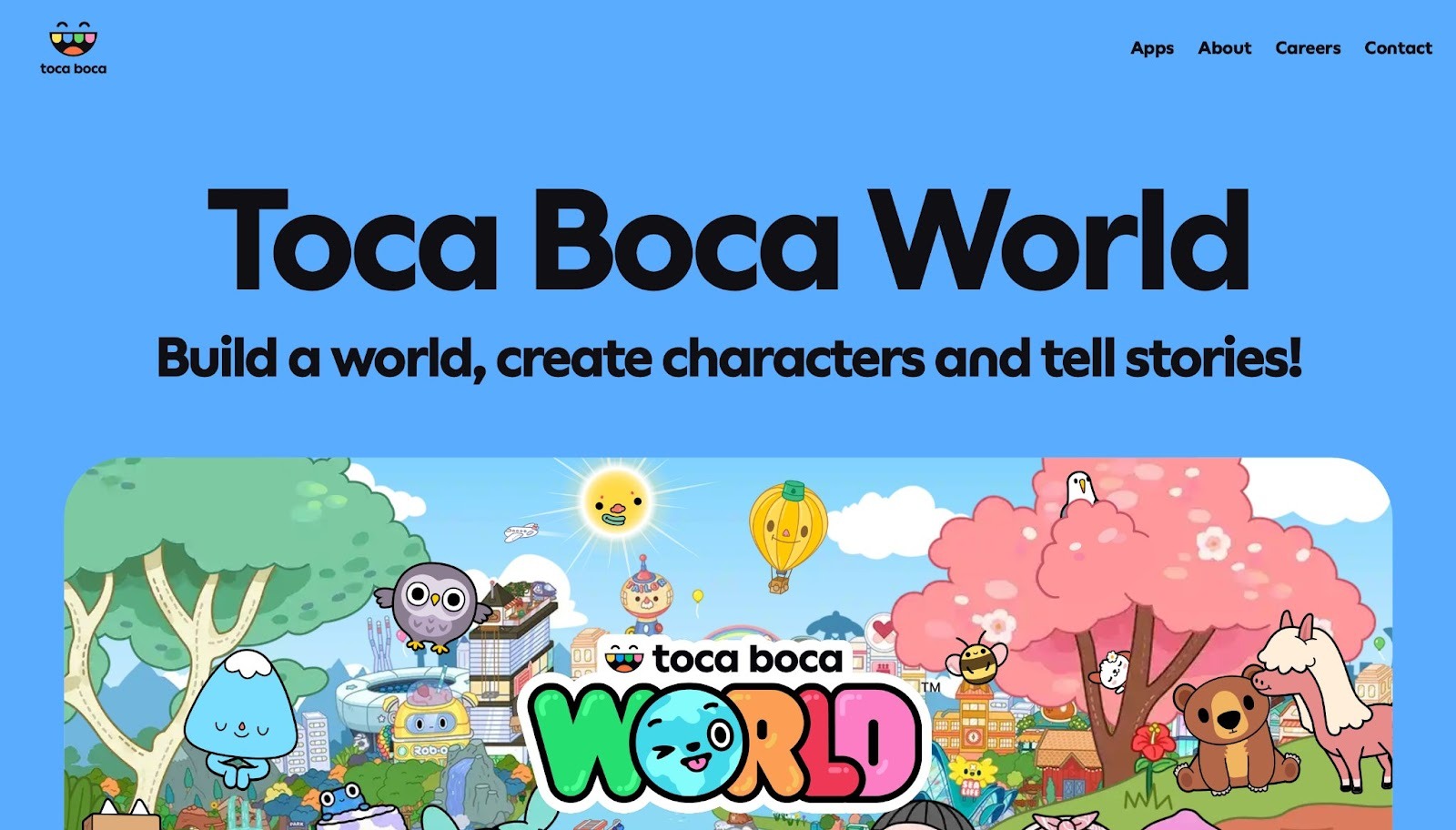
Toca Boca World gives kids an open digital playground where they create stories, design homes, and express personalities freely. Children experiment with characters and settings without rules which helps them feel capable and creative. The app supports self-expression through vibrant customization options that let every idea come to life. Some children who hesitate in group activities show more willingness to share ideas after time spent here. The relaxed style makes it a favorite for quiet imaginative play. Kids build entire worlds from scratch using endless tools and props which gives them a real sense of ownership and accomplishment.
Parents notice increased creativity spilling over into offline activities like drawing or storytelling. The open-ended nature allows children to revisit creations and improve them over time fostering patience and pride. It works well for solo play or when siblings join in to collaborate on bigger projects. The bright visuals and intuitive controls keep sessions flowing smoothly without frustration. Families find it valuable because it nurtures emotional intelligence alongside creative thinking in a pressure-free environment that celebrates individual style.
Key features include endless customization, storytelling tools, and no-pressure exploration.
Facts and information show it nurtures emotional intelligence alongside creative thinking.
5. Scratch
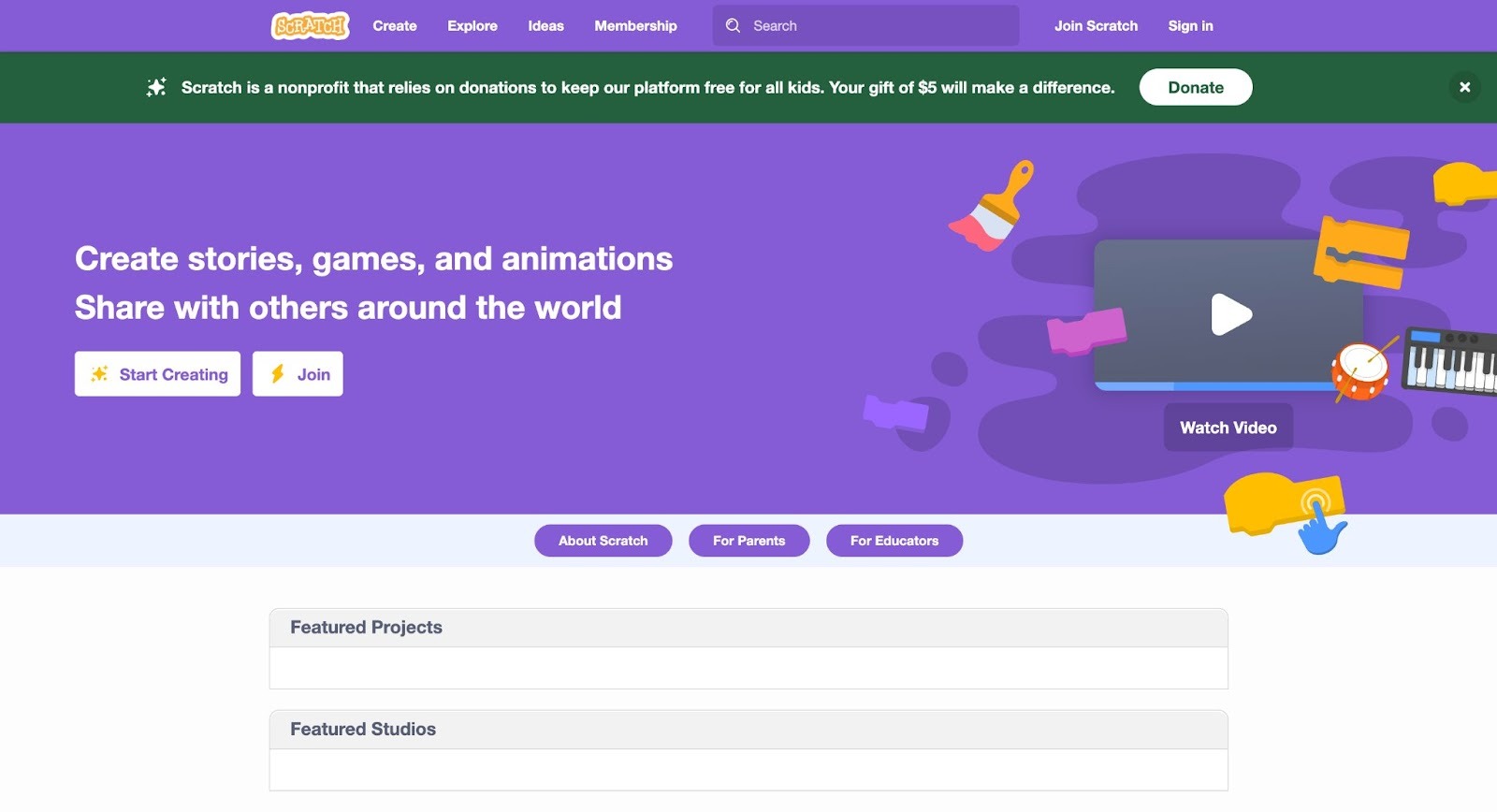
Scratch invites kids to build their own games and animations using simple blocks. The free platform from MIT encourages trial and error in a supportive community where sharing projects builds pride. Children learn persistence as they debug and improve their creations step by step. The social aspect helps many kids connect with peers who share similar interests. Projects range from simple animations to complex stories that showcase individual talents. Kids experiment with ideas and see immediate results which boosts their belief in their own abilities. The community gallery lets them receive kind feedback that reinforces positive self-view.
Parents appreciate how it turns screen time into active learning that develops logical thinking while celebrating creativity. Children often spend hours refining their work because they feel invested in the outcome. It supports different skill levels so beginners and more advanced users both find success. The drag-and-drop interface removes barriers and lets imagination take center stage. Overall it creates an empowering space where kids discover they can bring ideas to life through their own efforts.
Key features include drag-and-drop coding, huge project gallery, and global sharing options.
Facts and information indicate it strengthens logical thinking and creative confidence.
6. Totem Self-Esteem Game

Totem uses cards to spark conversations about strengths and feelings in a fun, non-competitive way. Players draw prompts that celebrate unique qualities and encourage positive reflections about themselves and others. Families or small groups enjoy the game during evenings or gatherings. The gentle format works well for children who need support opening up. Many parents use it as a regular tool to reinforce self-worth at home. Kids look forward to drawing cards because each one highlights something good about them or their family members.
The game flows naturally and creates laughter along with meaningful moments. It helps children practice articulating positive traits which builds vocabulary for self-expression. Groups bond as they share stories tied to the prompts making everyone feel valued. The simple rules mean even young players can join without confusion. Families often play multiple rounds because the experience leaves everyone feeling uplifted and connected. It turns ordinary evenings into opportunities for genuine appreciation and emotional growth.
Key features include easy-to-follow rules, age-appropriate cards for eight and up, and focus on family bonding.
Facts and information show it promotes emotional awareness through lighthearted play.
7. The Self-Esteem Game
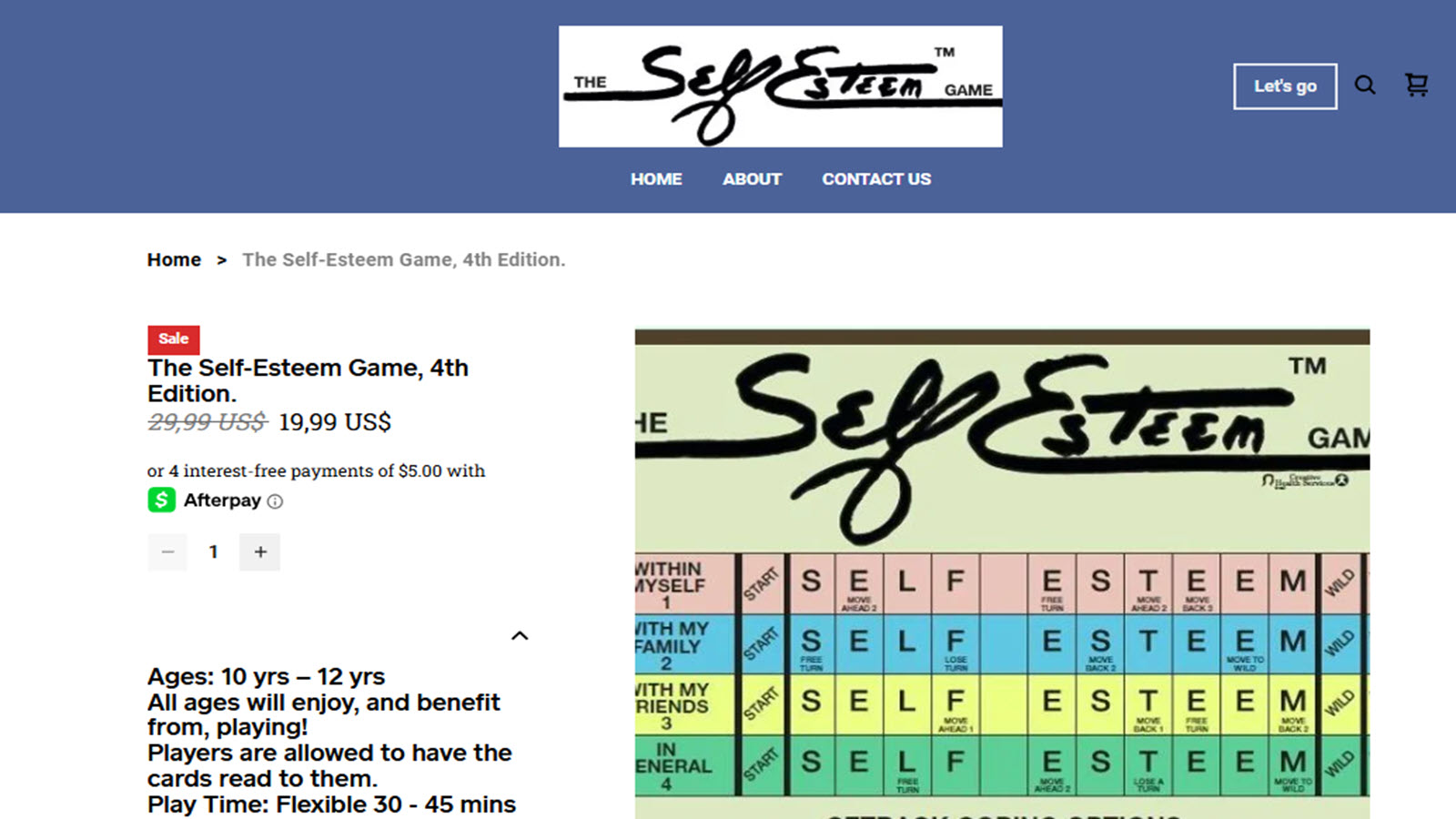
The Self-Esteem Game combines movement around a board with affirmation cards and thoughtful questions. Kids practice positive self-talk and learn to recognize their own good qualities in a playful setting. The design keeps energy high while guiding meaningful moments. It serves as a useful addition to family game nights or counseling sessions. Children look forward to the next turn because the activities feel rewarding. Players move pieces while drawing cards that prompt kind reflections about personal strengths. The mix of action and conversation keeps the game lively and engaging for everyone.
Kids gain comfort discussing feelings in a supportive atmosphere that normalizes self-appreciation. Families report that children begin using similar positive language outside the game after regular play. The colorful board and varied card types maintain interest across multiple sessions. It works well for different group sizes and adapts easily to various ages. Overall it creates lasting positive habits around how children view themselves and others.
Key features include colorful board design, mix of action and reflection cards, and flexible group sizes.
Facts and information highlight its role in building lasting positive habits around self-view.
8. Hoot Owl Hoot
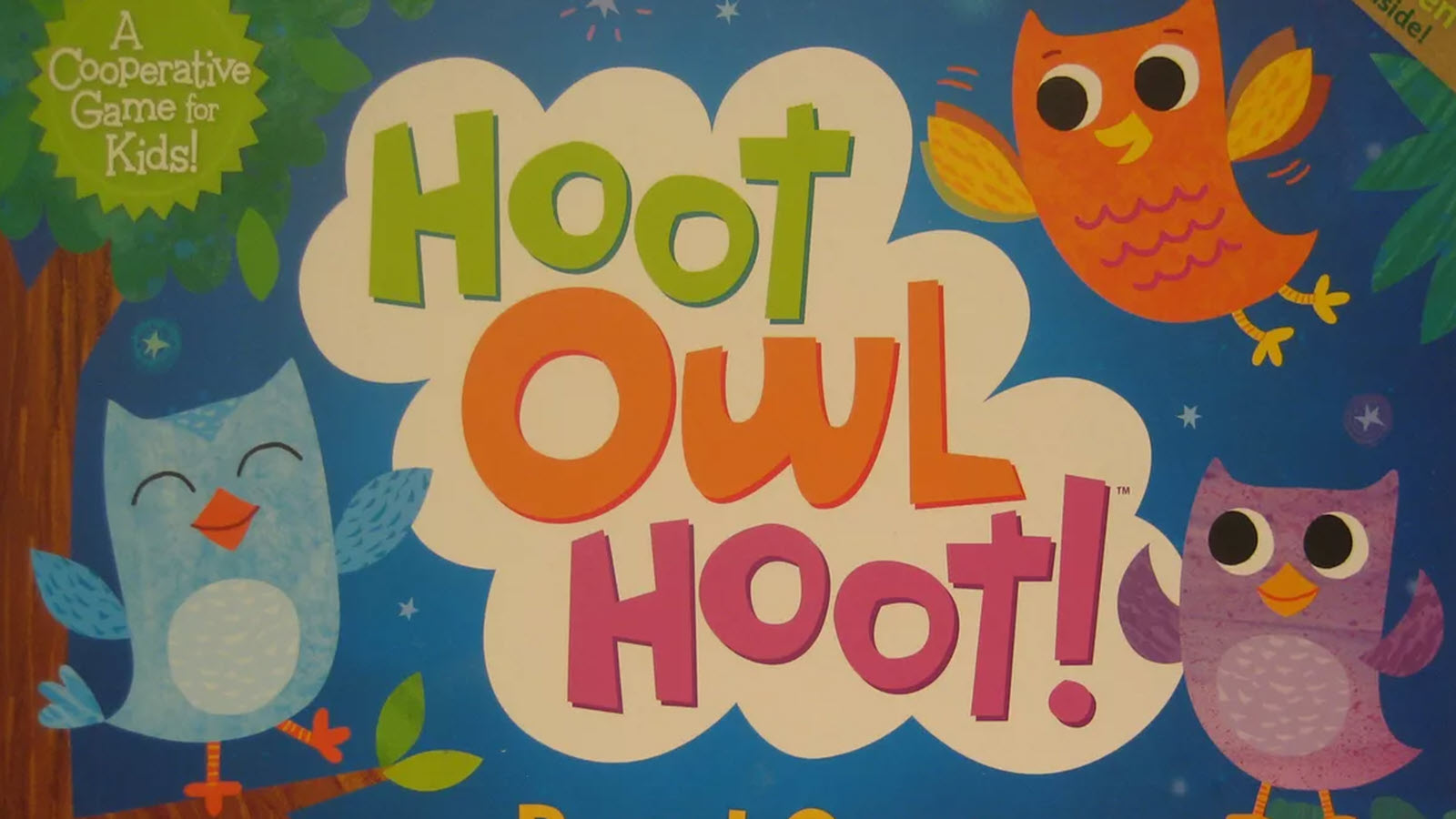
Hoot Owl Hoot is a cooperative board game where everyone works together to get owls home before sunrise. No single winner means children focus on teamwork and shared success. The simple rules let younger players join in without frustration. The collaborative style helps kids practice encouragement and problem-solving as a group. Many families play it repeatedly because the cooperative spirit feels uplifting. Players move owls along the path while avoiding obstacles that require joint decisions. Each turn reinforces the idea that the group succeeds when everyone contributes ideas.
Children learn to listen to suggestions and celebrate collective wins which builds group confidence. The cute owl characters and bright artwork keep the mood light and inviting. It fits perfectly into family evenings or classroom settings where teamwork is valued. Kids gain satisfaction from helping the owls reach safety together rather than competing against each other. The game teaches that shared effort leads to great outcomes in a way that feels exciting and achievable.
Key features include quick setup, colorful artwork, and cooperative mechanics.
Facts and information show it strengthens group confidence and communication skills.
9. Outfoxed
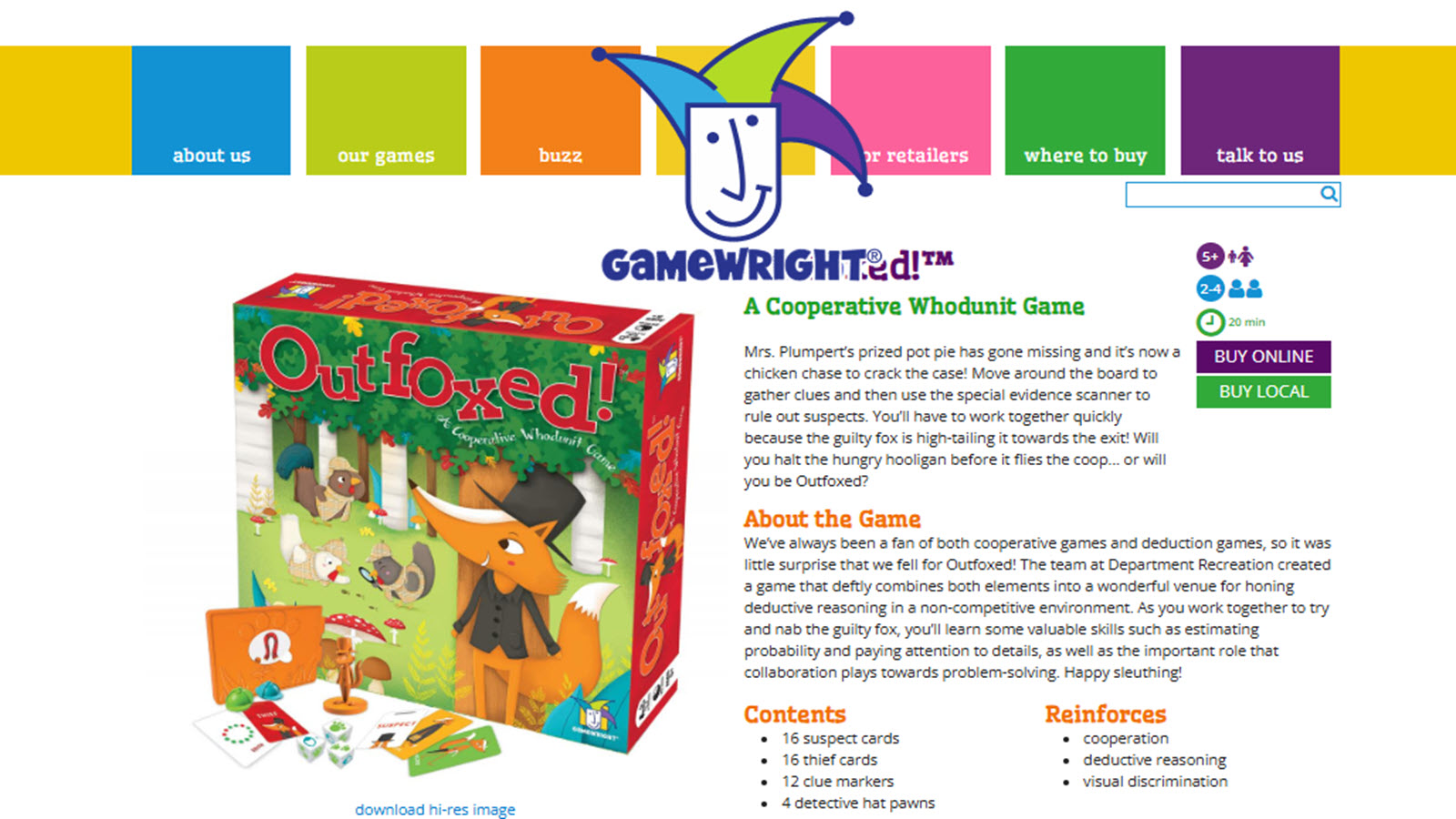
Outfoxed turns players into detectives who cooperate to solve a mystery. Everyone gathers clues and shares ideas to catch the thief before time runs out. The mystery theme keeps excitement high while teaching teamwork. Children who enjoy stories and puzzles often thrive here. The game rewards careful listening and joint decision-making. Players roll dice and draw cards to collect evidence which encourages discussion and strategy. No one gets left out because every clue matters to the whole team. Kids feel capable when their observations help crack the case which boosts individual and group pride. The replayable scenarios mean families can enjoy fresh adventures each time.
The detective theme sparks imagination and makes problem-solving feel like an adventure. It works well for small groups and promotes patience as everyone waits for their turn to contribute. Families appreciate how it turns potential frustration into collaborative fun that ends with shared success.
Key features include deduction elements, cooperative play, and replayable scenarios.
Facts and information indicate it builds logical thinking alongside social confidence.
10. Forbidden Island
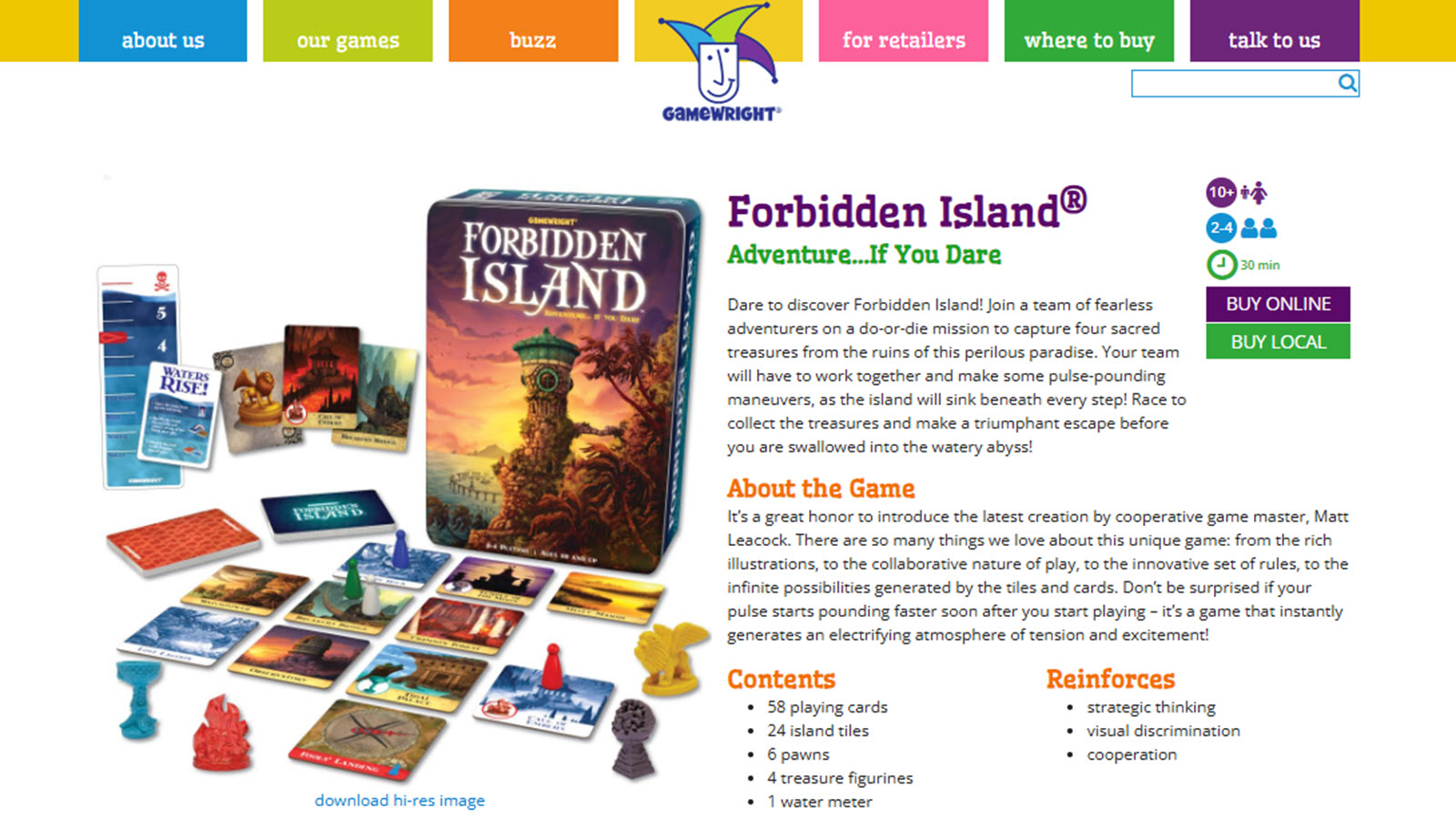
Forbidden Island challenges players to work as a team to escape a sinking island. Each character has special abilities that shine when used together. The rising water creates gentle urgency without overwhelming pressure. The adventure format makes cooperation feel exciting. Kids learn that every contribution matters to the group's success. Players must coordinate moves and share resources to collect treasures before the island floods. The role-based abilities encourage children to recognize and value different strengths in the team. Families enjoy the thrill of beating the clock together which creates memorable bonding moments.
The compact design means it sets up quickly for spontaneous play. Kids gain resilience as they adjust plans when challenges arise showing that flexibility leads to better outcomes. The vibrant artwork and thematic elements keep engagement high throughout the session. It demonstrates how working together turns potential disaster into triumphant escape.
Key features include role-based teamwork, strategy elements, and compact game size.
Facts and information show it develops resilience through shared challenges.
11. Courageous Kids App
Courageous Kids App helps children prepare for everyday challenges by explaining social rules and offering reflective games. Kids explore different situations through interactive scenarios that build predictability and confidence. The app uses simple stories and activities designed by pediatric experts to make new experiences feel manageable. Children practice responses in a safe digital space before trying them in real life. Parents like how it turns potential worry into preparation through calm guided play. The colorful interface and short sessions fit well into daily routines without causing fatigue. Kids gain tools for handling transitions like starting school or meeting new friends.
The reflective prompts encourage gentle self-awareness that grows over time. Families notice children approaching new situations with more readiness and less anxiety. The app supports emotional regulation by pairing explanations with fun practice activities. It creates a supportive framework where kids learn that challenges can be navigated successfully with the right preparation.
Key features include social rule explanations, reflective games, and expert-designed scenarios.
Facts and information highlight how it empowers children with predictability and resilience tools.
12. Daniel Tiger's Grr-ific Feelings
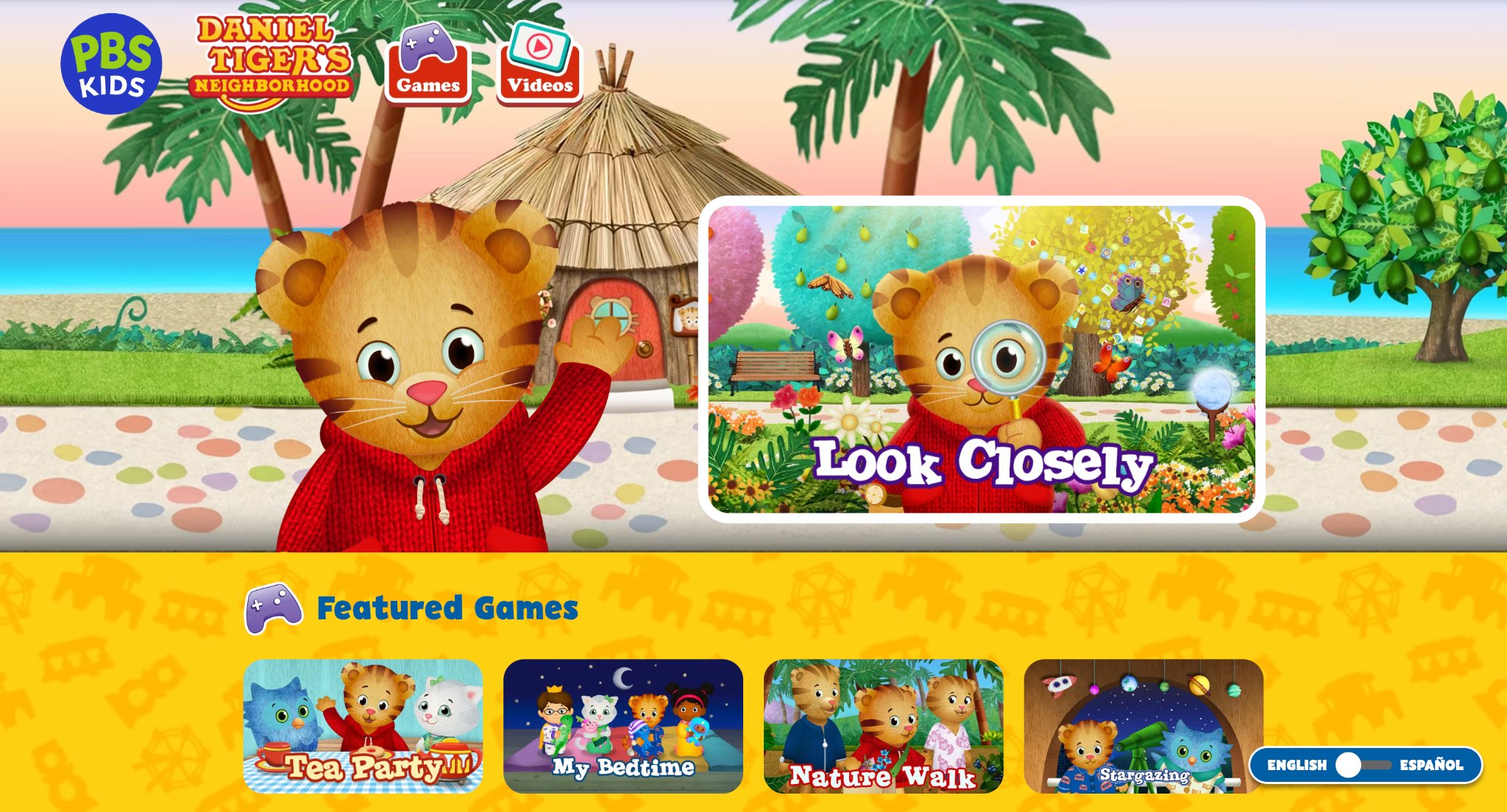
Daniel Tiger's Grr-ific Feelings uses familiar characters and songs to help kids identify and express emotions through games and activities. Children draw feelings, sing about them, and pose in photo booths that match different moods. The gentle format makes emotional learning feel like play with trusted friends. Kids practice naming feelings in fun ways that stick with them throughout the day. Parents appreciate the short engaging segments that fit into busy mornings or bedtime routines. The app reinforces positive messages through repetition and music that children love to sing along with. It helps young ones connect emotions to everyday situations in a supportive manner.
Families report that children begin using similar language to describe their own feelings after regular use. The combination of visuals, songs, and simple tasks keeps attention high while building emotional vocabulary. It creates a friendly environment where expressing feelings becomes natural and celebrated.
Key features include emotion drawing tools, songs, and photo booth activities.
Facts and information show it supports early emotional expression and self-awareness.
13. Breathe, Think, Do with Sesame
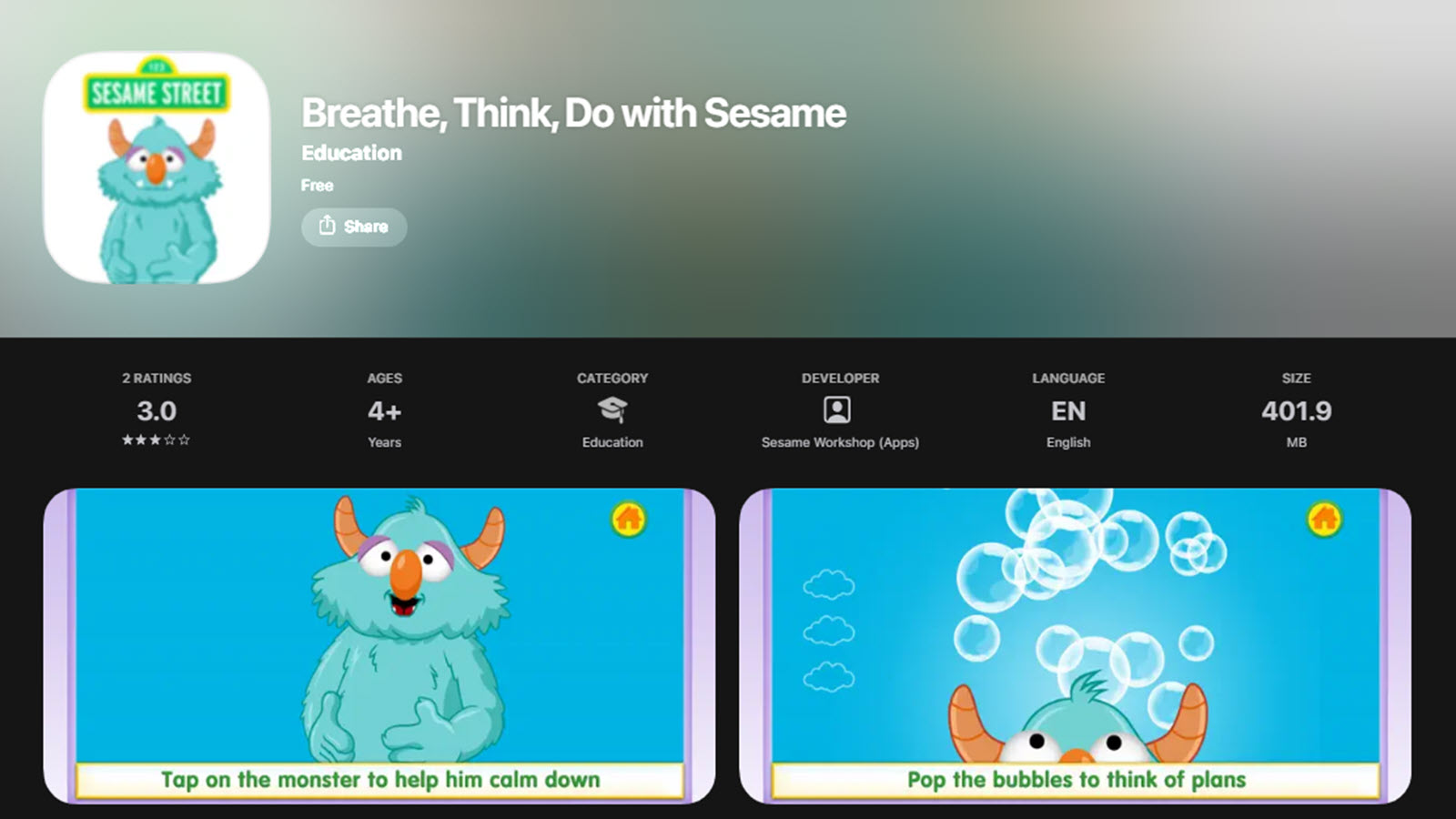
Breathe, Think, Do with Sesame teaches self-control and problem-solving through five everyday scenarios like putting on shoes or saying goodbye. Children follow simple steps to calm down and plan solutions with help from Sesame Street friends. The app makes emotional regulation feel achievable through guided practice. Kids enjoy the interactive choices that show immediate positive results. Parents value how it turns common frustrations into teachable moments in a lighthearted way. The familiar characters create comfort and trust during learning.
Sessions remain short and rewarding so children return willingly. It builds confidence by showing that small steps lead to successful outcomes. Families notice improved patience and planning skills in daily life. The combination of breathing exercises and thinking prompts creates a complete toolkit for handling challenges.
Key features include five practical scenarios, breathing exercises, and character guidance.
Facts and information indicate it strengthens planning and emotional regulation skills.
14. Hopscotch Kids Games
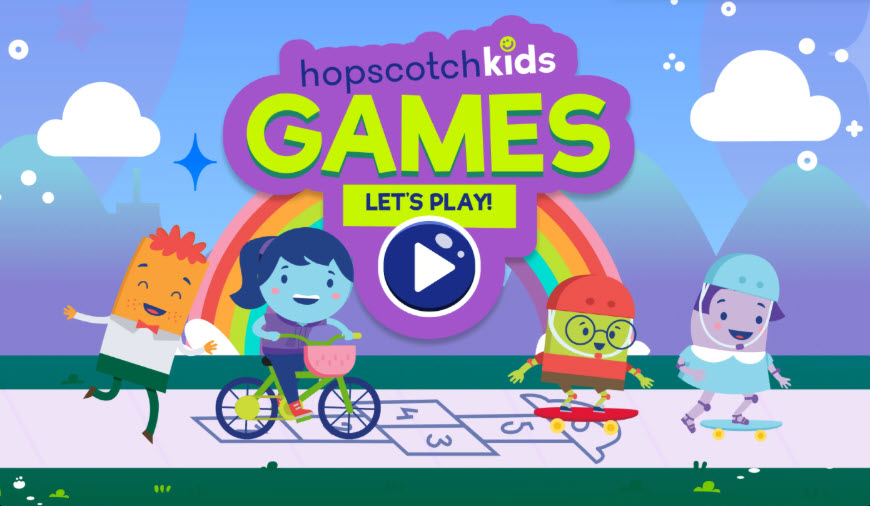
Hopscotch Kids Games offers interactive activities that teach emotional regulation and self-awareness through stories and games. Children explore mental health skills in a colorful world designed for ages four to eight. The app uses play to build inner calm and resilience in an engaging format. Kids complete challenges that celebrate small victories and encourage positive choices. Parents like the therapist-approved content that feels like pure entertainment. The activities promote self-esteem by highlighting personal strengths in fun ways.
Families find it easy to use during quiet times or as part of daily wind-down routines. Children gain tools for managing feelings while enjoying creative play. The design keeps sessions light and uplifting without any pressure. It creates a safe digital space for practicing emotional skills that transfer to real-world situations.
Key features include interactive stories, emotional regulation games, and age-appropriate challenges.
Facts and information highlight its role in fostering self-awareness and inner calm.
15. Rhino Hero

Rhino Hero is a stacking card game where players build a tall tower while keeping balance and taking turns. Children practice steady hands and careful planning as the structure grows higher. The cooperative elements encourage cheering each other on during tense moments. Kids feel accomplished when the tower stands tall through joint effort. The simple rules make it accessible for different ages and skill levels. Families enjoy the laughter that comes with near misses and successful builds. It teaches patience and focus in a playful physical way. Players learn to celebrate group success rather than individual wins. The compact size means it travels easily for family outings or visits. The bright superhero theme keeps energy high and motivation strong throughout play.
Key features include stacking mechanics, turn-taking, and cooperative building.
Facts and information show it develops fine motor skills and group encouragement.
16. Max Cooperative Game
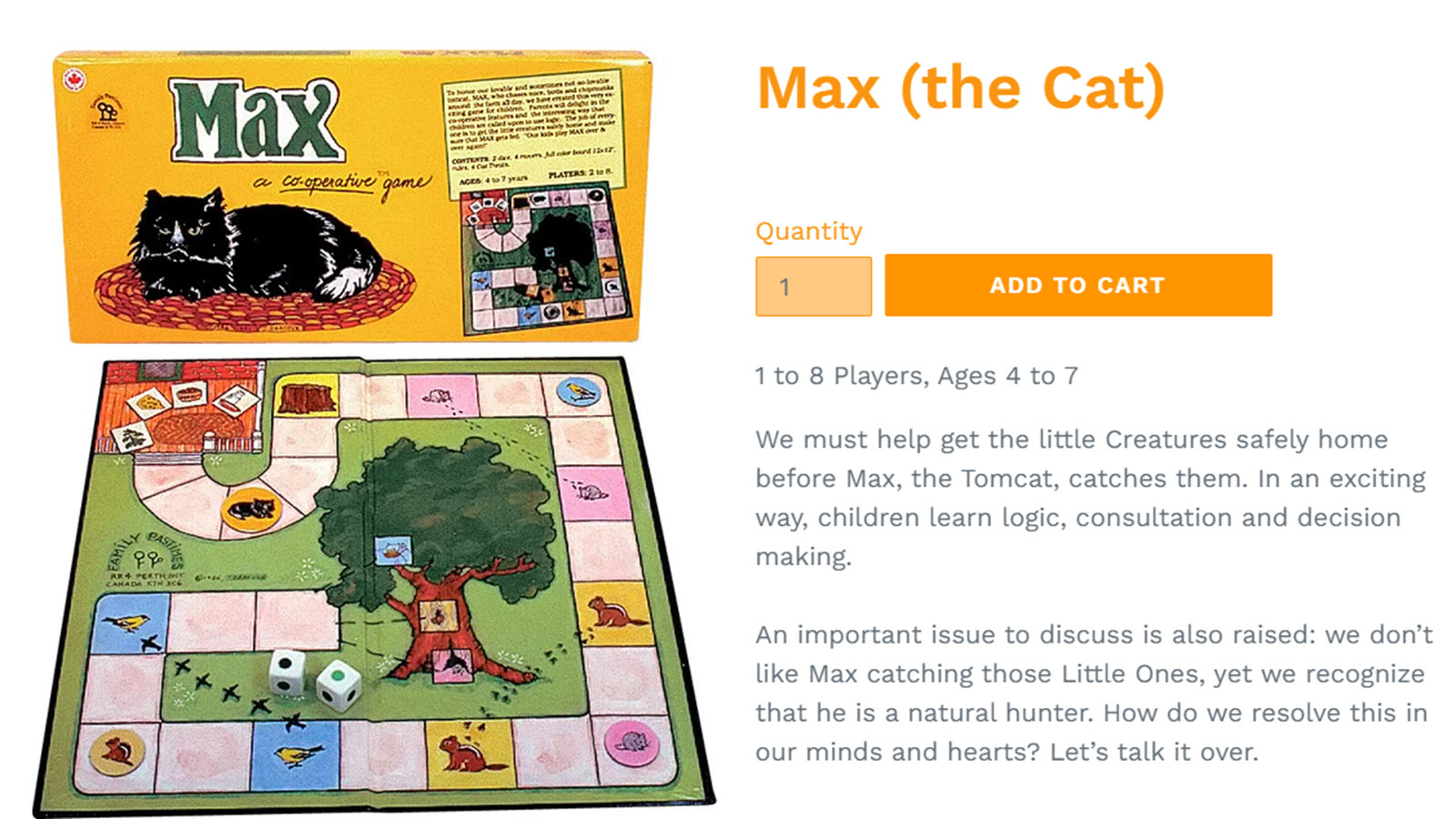
Max Cooperative Game involves helping creatures evade a friendly fox through strategic moves and shared decisions. Children plan ahead and adjust plans together to keep everyone safe. The game rewards teamwork and creative thinking without any losers. Kids gain satisfaction from protecting the group through collective choices. Parents appreciate the gentle challenge level that builds confidence gradually. The animal characters create an inviting atmosphere for repeated play. Families bond over discussions about the best paths forward. It demonstrates how different abilities contribute to overall success. The quick rounds fit well into short attention spans while delivering meaningful lessons. Children learn flexibility as they adapt to changing situations on the board.
Key features include evasion strategy, shared decision making, and animal characters.
Facts and information indicate it builds planning skills and cooperative resilience.
17. First Orchard
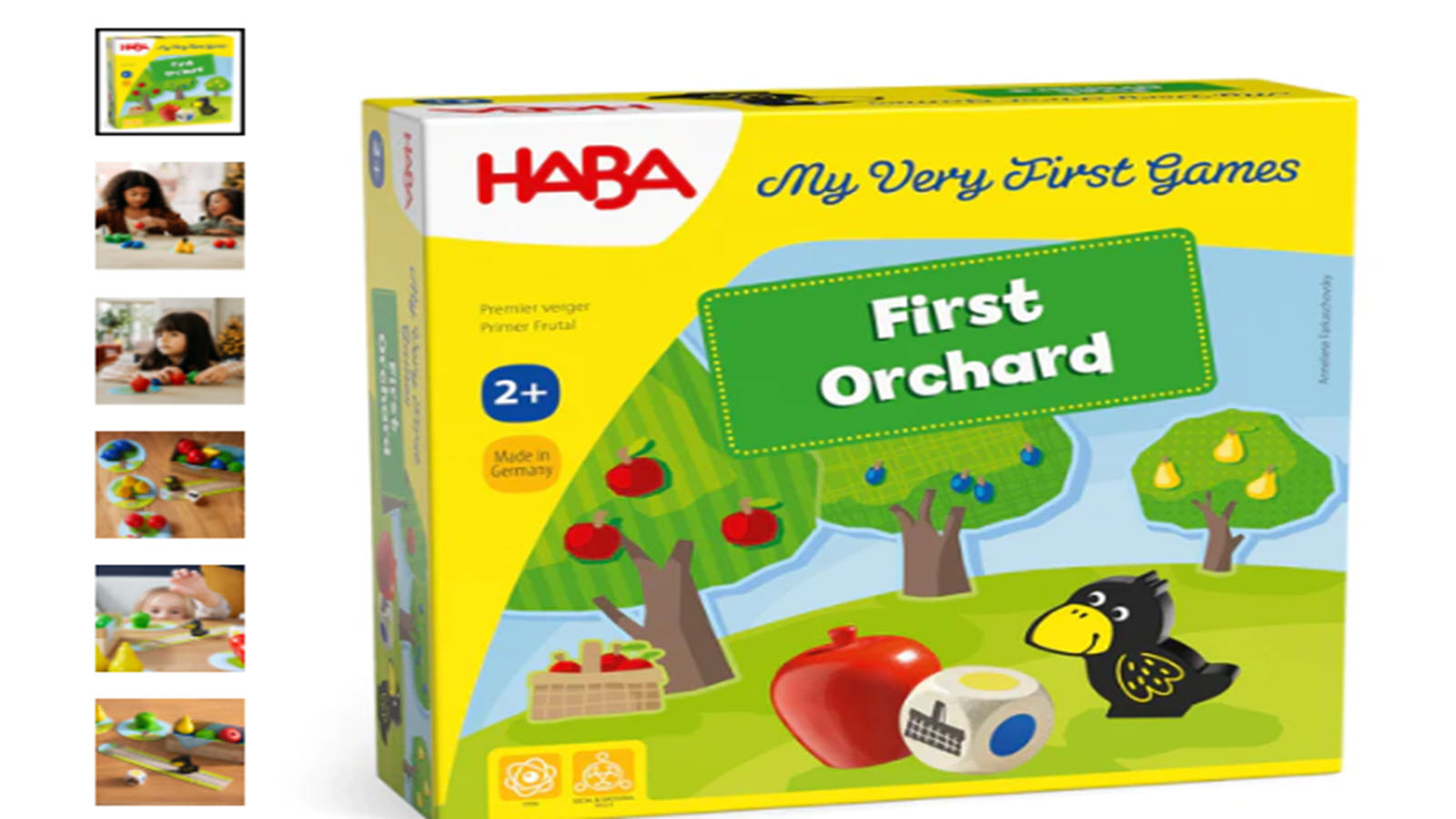
First Orchard is a cooperative game where players work together to harvest fruit before the raven reaches the tree. Children take turns rolling dice and collecting pieces while supporting each other. The simple mechanics introduce teamwork to young players in an accessible way. Kids feel proud when the group succeeds in saving the harvest. The colorful orchard theme keeps the mood cheerful and inviting. Families enjoy the shared goal that brings everyone together without competition. It teaches patience and encouragement through gentle play. Players learn that helping others leads to collective victory. The game sets up quickly and stores easily for regular use. Children develop early social skills while having fun with family.
Key features include cooperative harvesting, simple dice rolls, and group goal.
Facts and information show it introduces teamwork to preschoolers effectively.
18. Tower of Self-Esteem
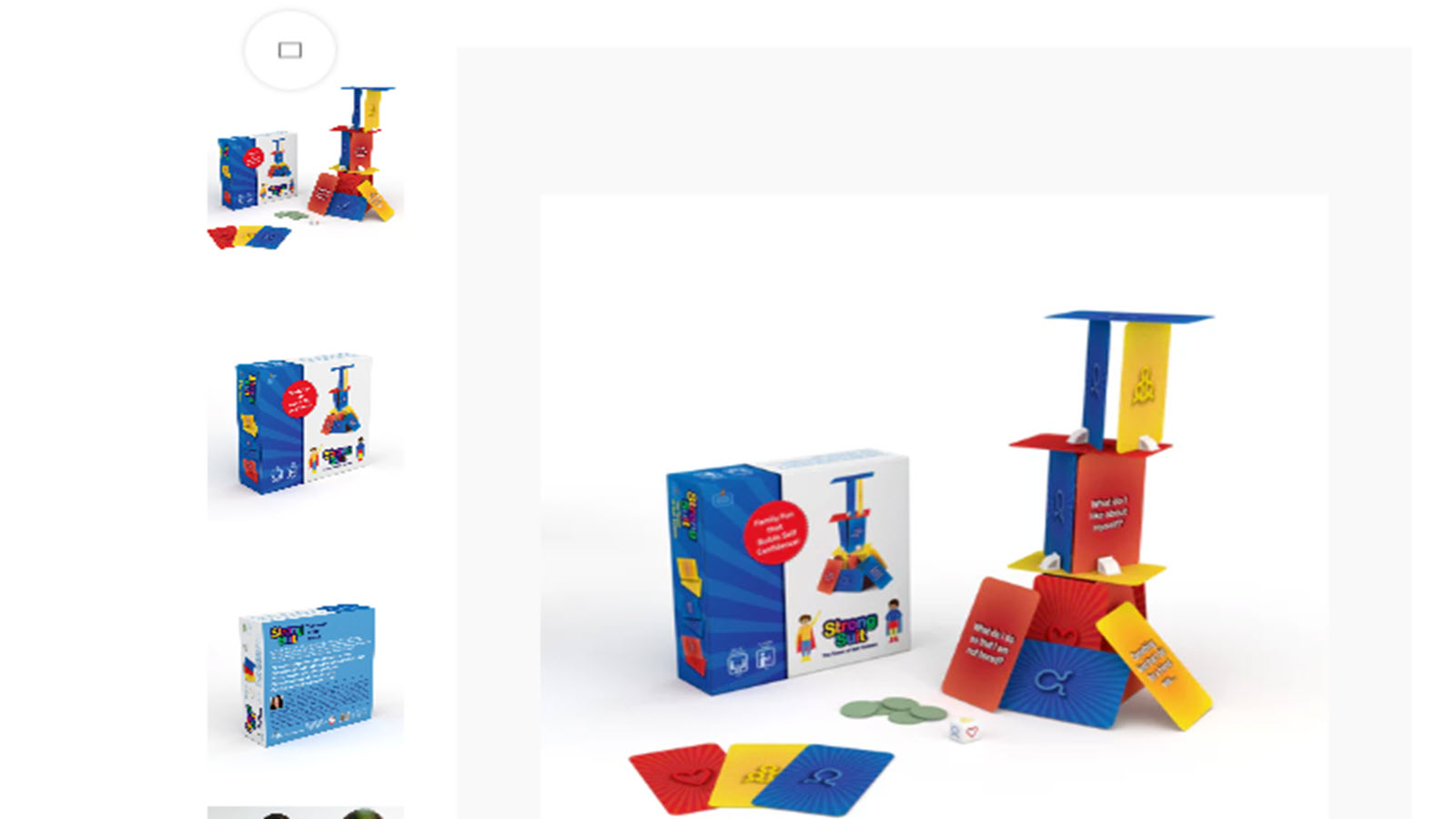
Tower of Self-Esteem combines building a physical tower with question cards that highlight personal strengths. Players take turns adding pieces while answering prompts about emotions and abilities. The game encourages positive reflections during construction. Kids feel capable as the tower grows and conversations flow naturally. Families use it to spark meaningful talks in a relaxed setting. The dual focus on building and sharing keeps engagement high. Children practice articulating good qualities in themselves and others. It creates a supportive environment where everyone contributes to both the tower and the discussion. The activity reinforces self-worth through tangible progress and verbal affirmation. Parents note increased openness after regular sessions.
Key features include tower building, strength-focused cards, and cooperative play.
Facts and information highlight its support for emotional expression and self-reflection.
19. Friends and Neighbors Helping Game
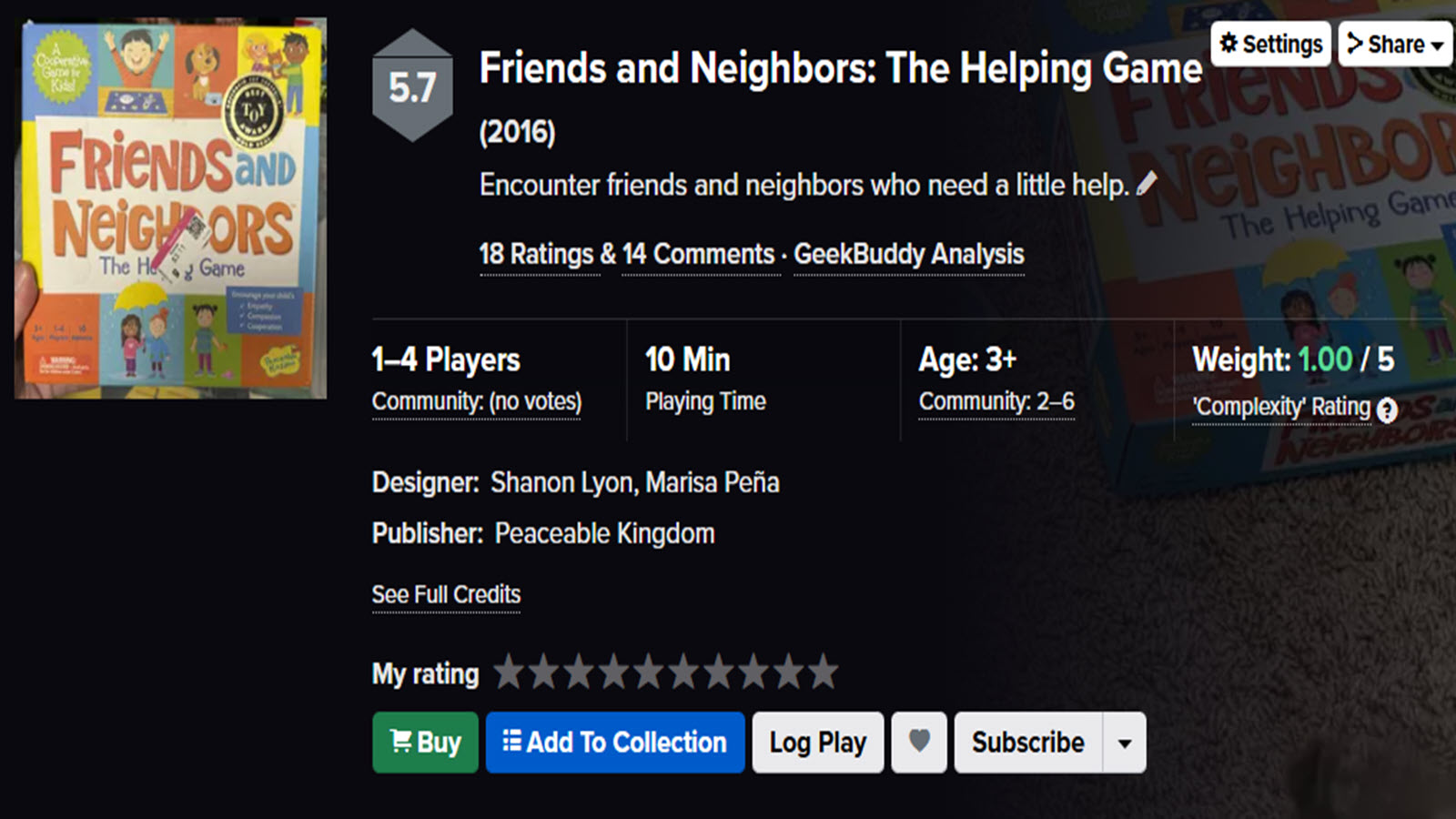
Friends and Neighbors Helping Game focuses on cooperation and kindness through simple scenarios that require team support. Children practice helping others while receiving help in return. The gentle rules promote empathy and shared success. Kids enjoy the community feel as they work toward common goals. Families appreciate how it strengthens bonds during play. The game turns everyday interactions into opportunities for positive reinforcement. Players learn that offering and accepting help builds stronger connections. It creates a warm atmosphere where everyone feels included and valued. Children gain confidence in social situations through repeated positive experiences. The format works well for small groups or family nights.
Key features include helping scenarios, cooperative mechanics, and empathy prompts.
Facts and information show it nurtures kindness and social confidence.
20. Emotion Charades Game
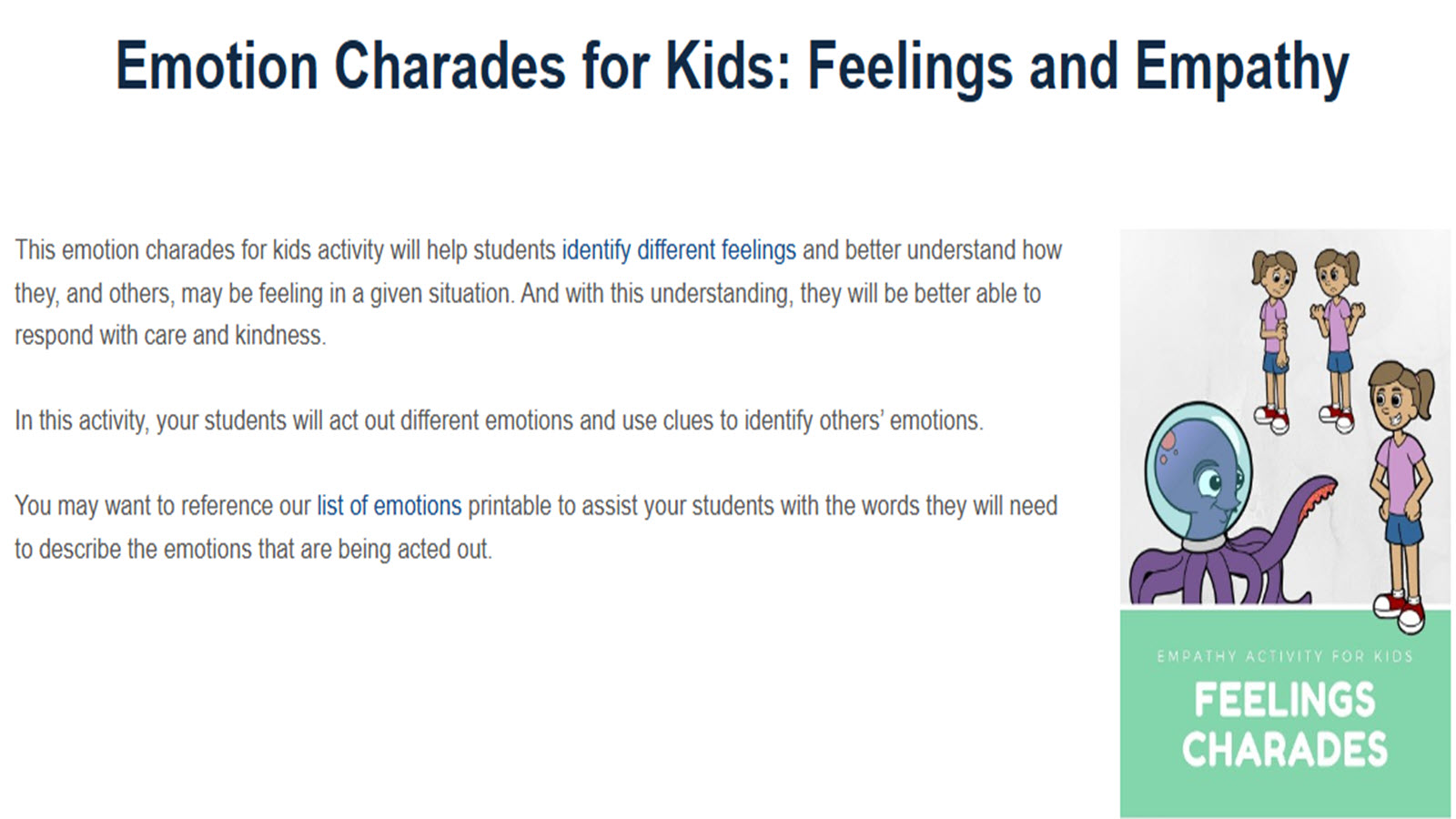
Emotion Charades Game lets children act out feelings without words while others guess and discuss. Players take turns expressing emotions through movement and expressions. The activity builds awareness and comfort with a range of feelings. Kids enjoy the physical play that makes learning interactive and fun. Families use it to normalize conversations about emotions in a light way. The game encourages observation skills and empathy as players interpret each other's cues. It creates laughter and connection during rounds. Children gain confidence in expressing themselves non-verbally first. Parents notice improved emotional vocabulary after play sessions. The simple setup means it can happen anytime with minimal preparation.
Key features include acting prompts, group guessing, and emotion discussion.
Facts and information indicate it enhances emotional intelligence through active play.
21. Compliment Circle Game

Compliment Circle Game involves passing positive statements around a group in a structured yet fun format. Children practice giving and receiving kind words that highlight strengths. The activity builds self-worth through direct positive feedback. Kids feel valued when their qualities are noticed by others. Families enjoy the warm atmosphere that develops during rounds. The game reinforces appreciation in a natural group setting. Players learn to spot good traits in themselves and friends. It creates lasting memories of being celebrated together. Children gain comfort with positive self-talk after regular practice. The format adapts easily to different group sizes and ages.
Key features include compliment passing, group sharing, and strength focus.
Facts and information show it strengthens self-worth and peer connections.
22. Super Stretch Yoga
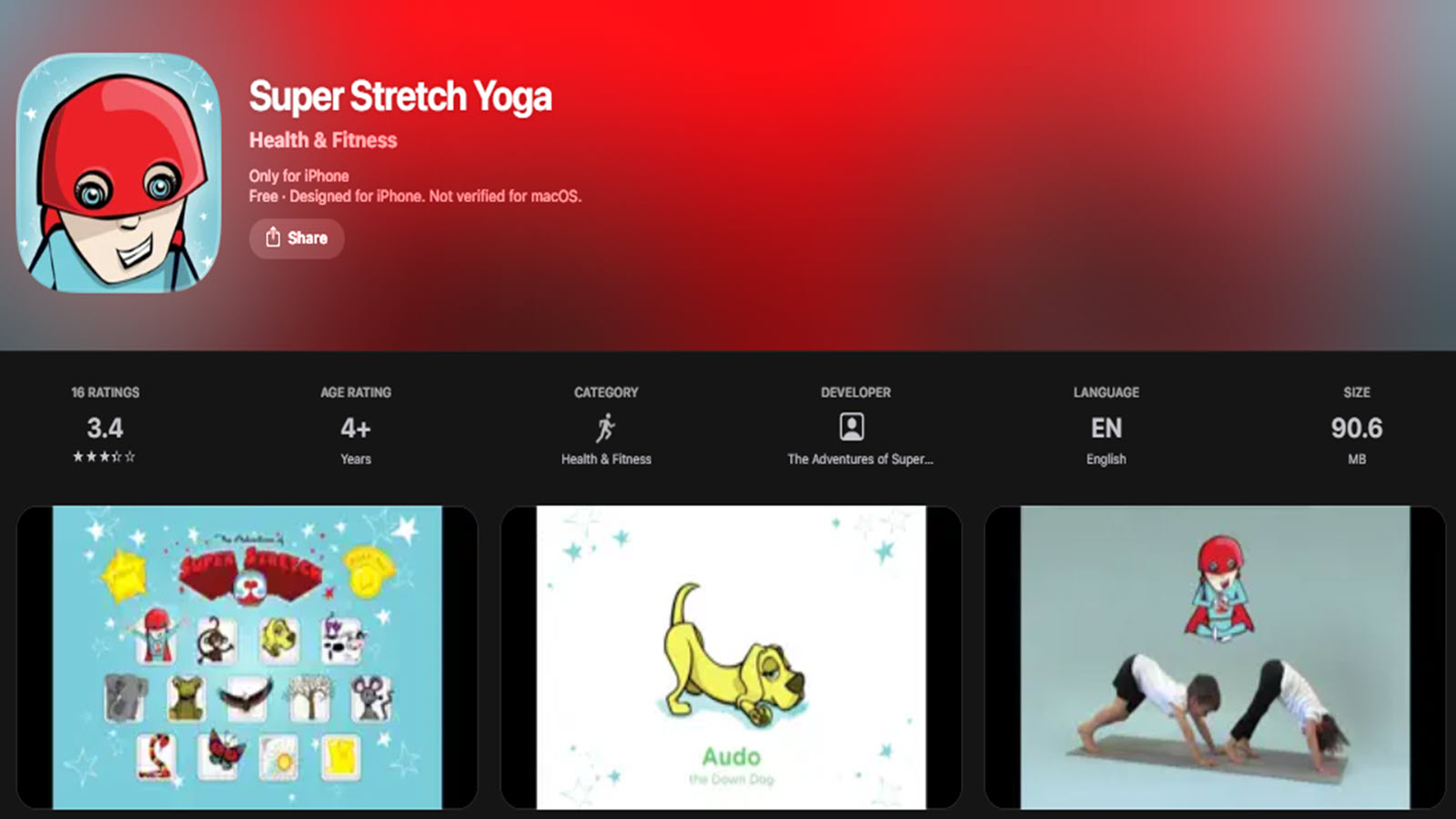
Super Stretch Yoga combines superhero poses with mindfulness and kindness messages. Children follow guided movements that build physical confidence and inner calm. The app celebrates progress with encouraging feedback and fun characters. Kids enjoy the active play that also teaches breathing and focus. Families incorporate sessions into daily routines for gentle exercise and reflection. The superhero theme makes yoga feel adventurous and empowering. Players gain body awareness alongside emotional tools. It supports resilience by linking movement to positive mindsets. Children feel stronger inside and out after consistent practice. The short engaging lessons keep motivation high without fatigue.
Key features include yoga poses, mindfulness guidance, and superhero themes.
Facts and information highlight its support for physical confidence and emotional balance.
23. ThinkUp Affirmation App

ThinkUp Affirmation App lets children record and listen to positive statements about themselves in their own voice. Kids create personalized lists of strengths and achievements. The app turns self-talk into an interactive daily habit. Children enjoy hearing their voice reinforce good qualities. Parents value the simple interface that builds lasting positive patterns. The recording feature makes affirmations feel personal and authentic. Families use it together to share encouraging messages. It helps children internalize kind self-language over time. The daily prompts keep the practice fresh and relevant. Overall it creates a private space for building inner confidence through gentle repetition.
Key features include voice recording, personalized lists, and daily prompts.
Facts and information indicate it reinforces positive self-talk habits.
24. Build Confidence Self-Esteem App
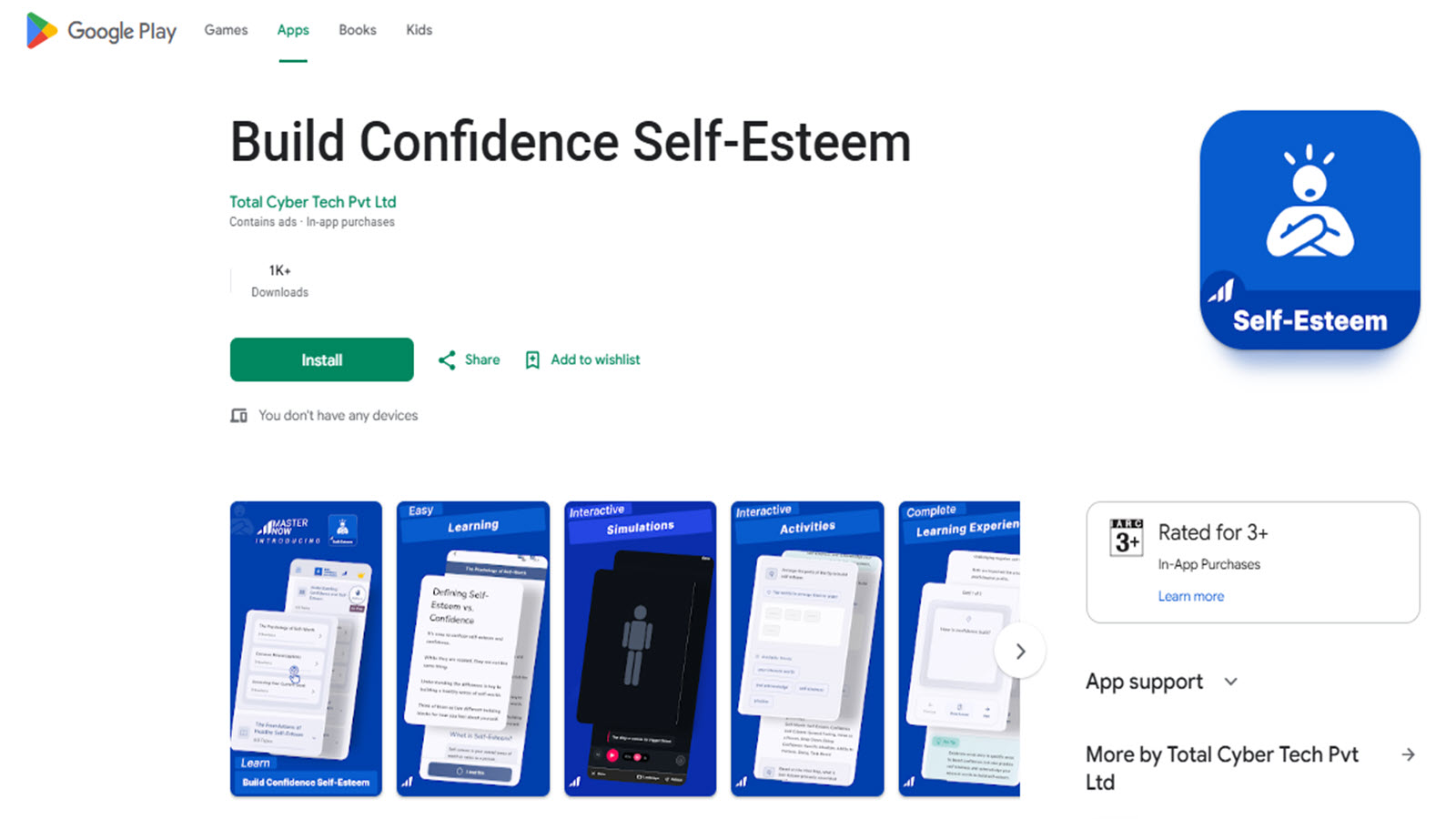
Build Confidence Self-Esteem App offers interactive activities and reflective questions designed to strengthen personal growth. Children explore self-awareness through guided exercises and progress tracking. The app supports gradual development of inner strength. Kids appreciate the clear explanations that make concepts easy to understand. Families find the content adaptable to different ages and needs. The activities encourage steady practice without pressure. Players gain tools for handling challenges with greater ease. It creates a supportive framework for ongoing emotional development. Children feel more prepared for daily situations after regular use. The design keeps sessions focused and rewarding.
Key features include reflective questions, interactive learning, and progress tracking.
Facts and information show it supports self-awareness and personal growth.
25. Coggi: Better Screen Time
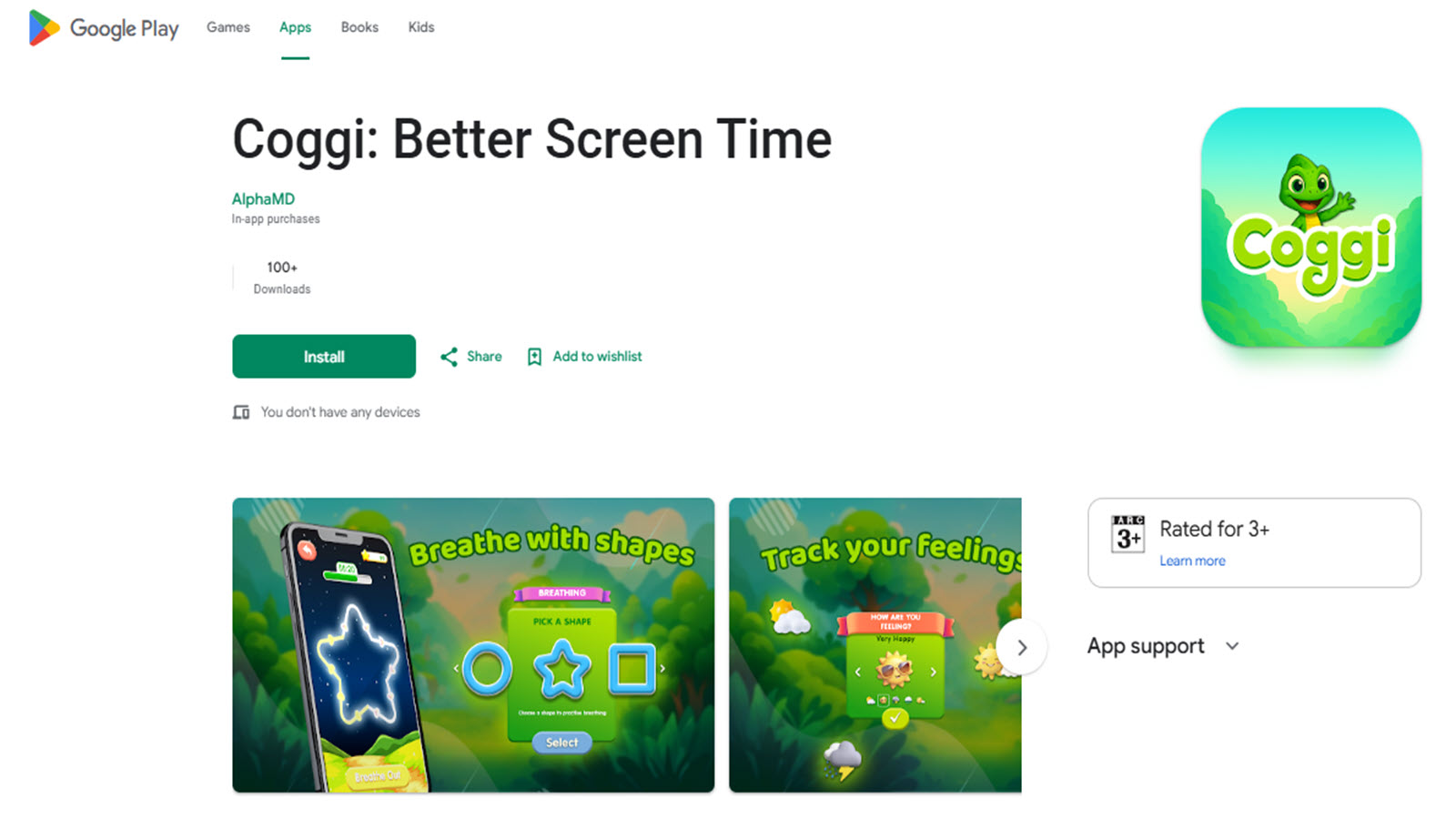
Coggi: Better Screen Time uses customizable characters and interactive games to help children explore emotions and build resilience. Kids engage with mindfulness techniques through playful adventures. The app creates a friendly space for practicing self-care skills. Children enjoy the creative elements that make learning personal. Parents like the focus on emotional awareness without heavy themes. The games adapt to individual progress and interests. Families notice improved mood regulation after consistent sessions. It supports healthy habits through gentle daily activities. Players gain confidence in managing feelings independently. The overall experience feels supportive and encouraging for young users.
Key features include customizable characters, mindfulness games, and emotional exploration.
Facts and information highlight its role in fostering resilience and self-care.
26. Adventure Quest Progress Games

Adventure quest progress games take children on personalized journeys where every small choice leads to visible growth on a map or character level up screen. Kids solve light puzzles, help friendly characters, and collect items that represent their own achievements along the way.
The clear connection between effort and results creates repeated moments of pride that strengthen inner belief. Stories adjust based on how the child plays so no two experiences feel exactly the same. Many parents notice steadier willingness to try new things after regular play sessions. Gentle hints keep frustration low while encouraging independent problem solving.
27. Skill Tree Growth Games
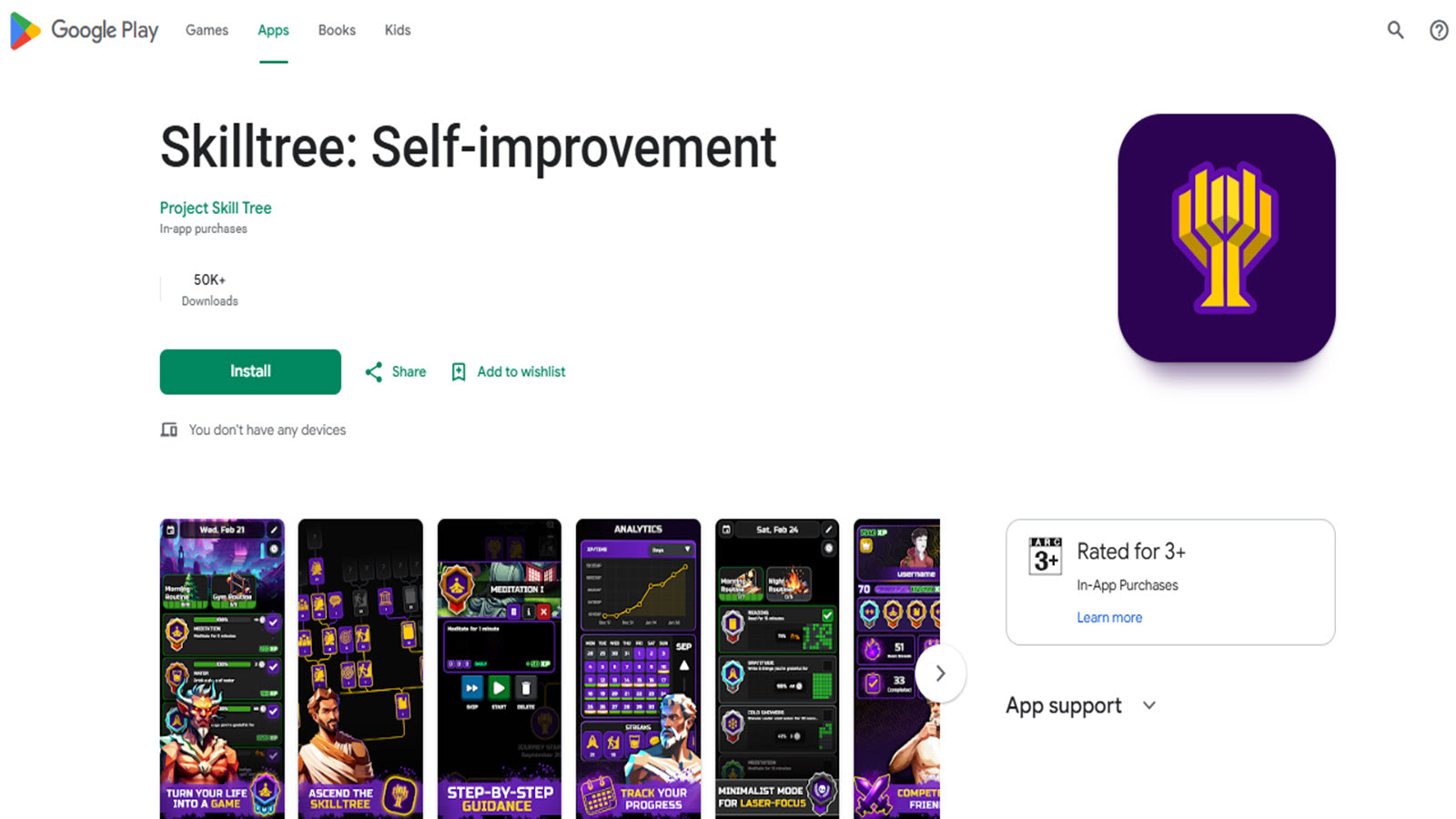
Skill tree growth games show children a visual tree or path where new branches unlock as they master small challenges in areas like creativity, logic, or movement. Each completed task lights up a new leaf or badge with encouraging messages tied directly to their effort.
This structure makes progress feel tangible and motivates continued play without pressure. Kids return to earlier branches to improve scores at their own speed which reinforces persistence. Balanced design mixes quick wins with longer goals so attention stays high across different ages. The format works especially well alongside self esteem activities for kids that bring the same growth mindset into offline time.
28. Building Games for Kids 2+
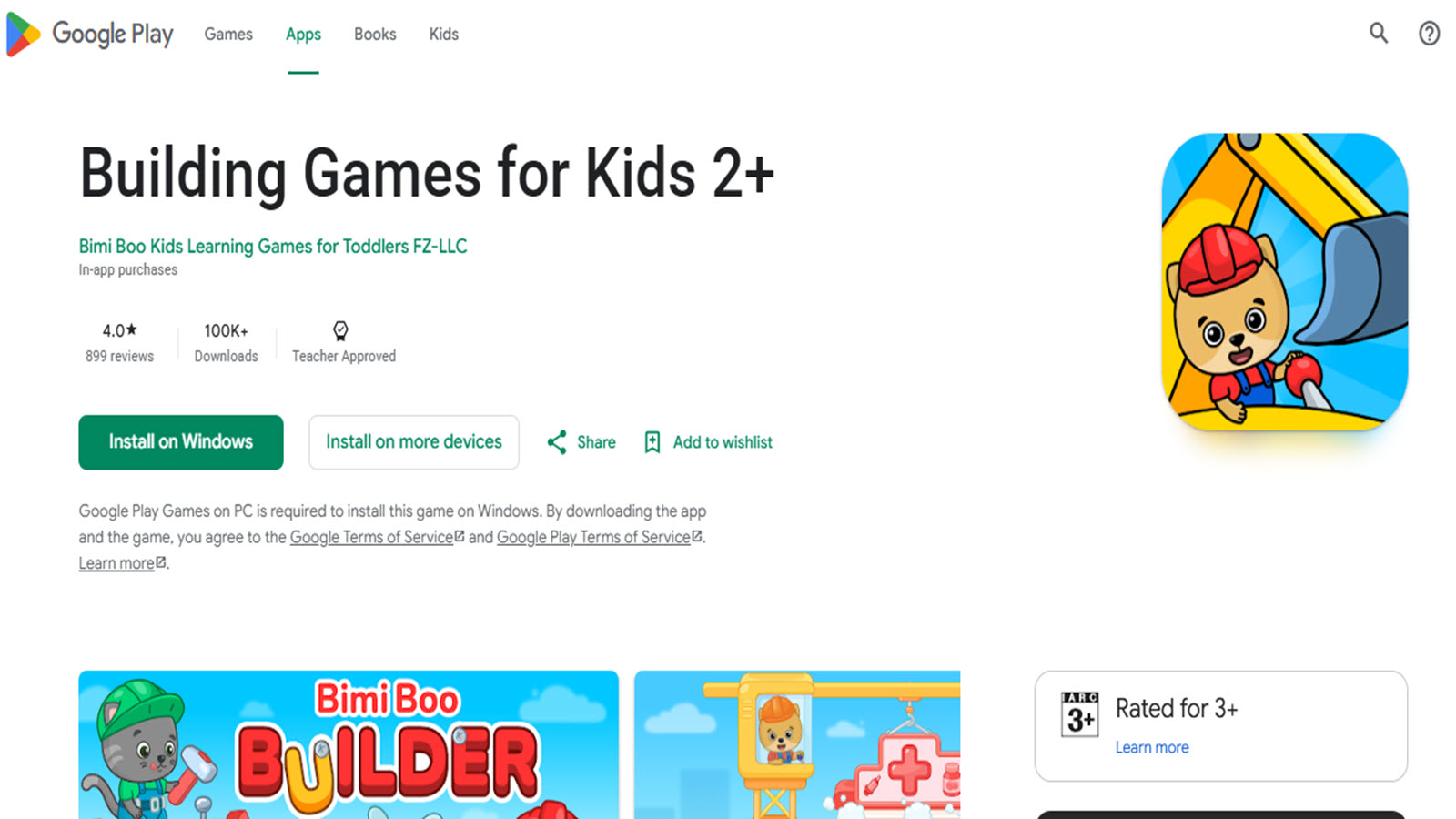
Building Games for Kids 2+ invite children to work with in-game friends or family members on shared projects such as building a village or planning a celebration. Every contribution receives recognition so even quiet participants see their value clearly.
Cooperative modes reduce fear of mistakes because the group succeeds together. Customizable team roles let kids try leadership or support positions safely. Positive chat stickers and celebration animations mark joint victories and build social confidence at the same time. These experiences strengthen both personal assurance and connection skills in one smooth flow.
29. Kids Point Tracker Games
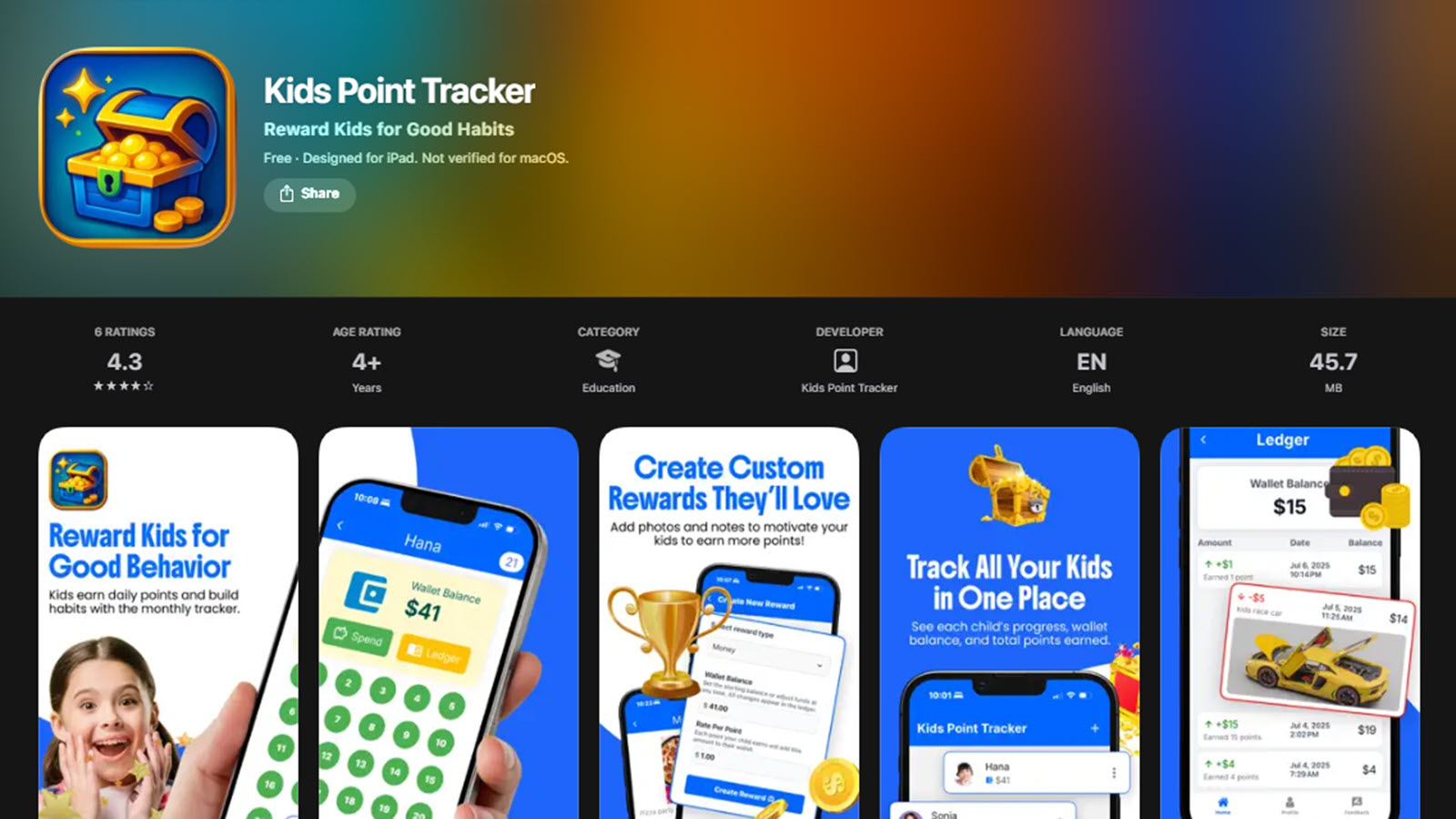
Personal best tracker games focus purely on beating yesterday’s score rather than competing against others. Children track improvements in areas like memory, drawing speed, or puzzle completion with colorful charts that celebrate every new record.
The private nature of the progress removes comparison anxiety while still delivering satisfaction from measurable growth. Daily challenges remain short and achievable so kids finish sessions feeling successful. Adjustable difficulty ensures the right level of stretch without overwhelm. Regular use supports steady development of self trust that carries over into schoolwork and friendships.
30. Affirmation Mirror Role Play Games
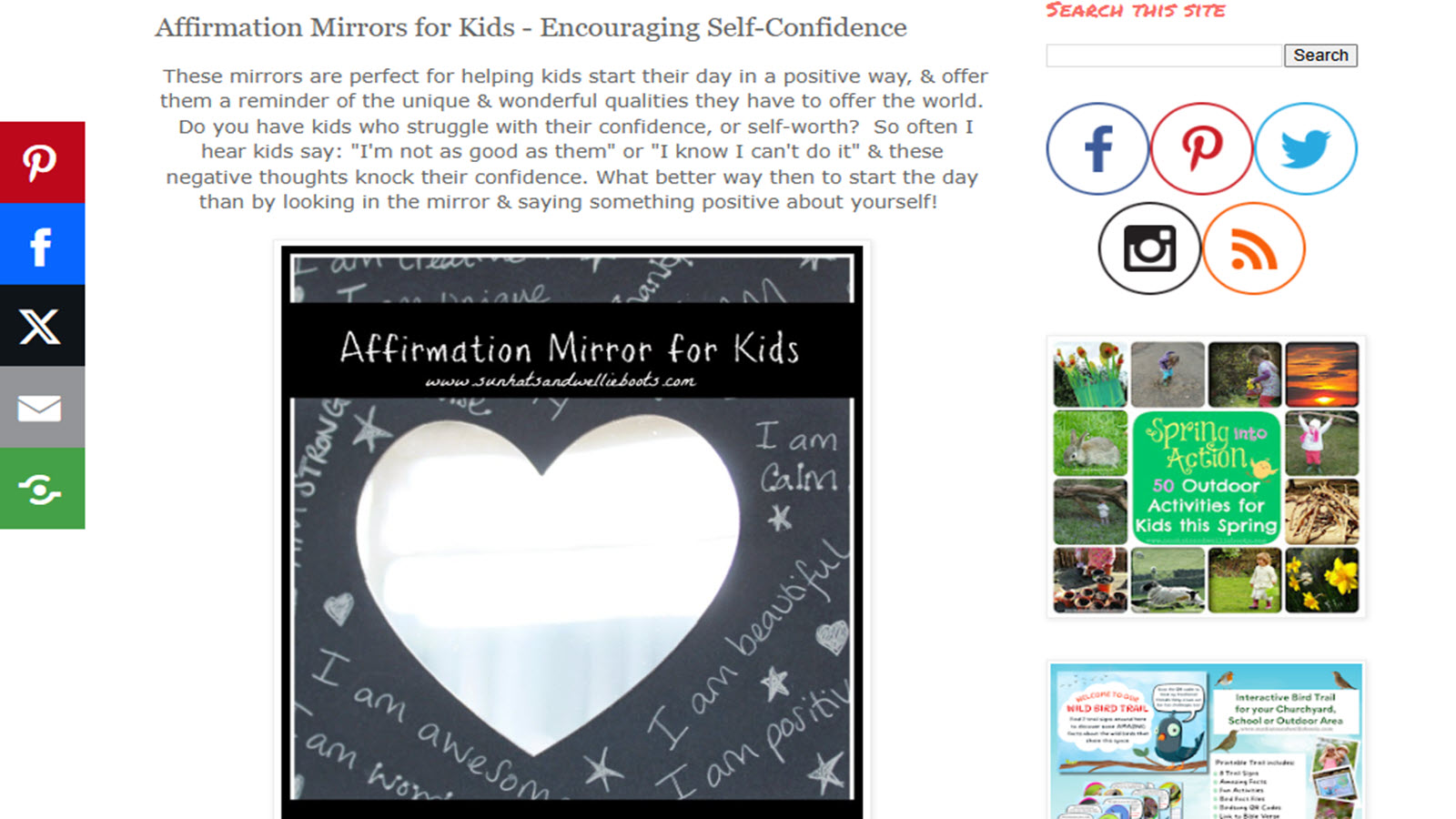
Affirmation mirror role play games encourage preschoolers to stand before a digital or physical mirror and act out positive self statements while trying everyday scenarios such as speaking up or trying something new. Children choose kind words for their character and watch the on-screen reflection respond with smiles and encouraging animations.
Replay features let kids practice different expressions and affirmations until they feel natural. Voice options record short positive messages that replay back to build familiarity with self talk. The gentle pace creates emotional safety and helps turn positive self ideas into everyday habits. Such activities bring an extra layer of personal connection to daily play and support real world courage through familiar mirror practice.
Benefits That Last Beyond Playtime
Regular time with these educational games helps children carry stronger self-belief into daily life. They become more open to new experiences and recover faster from disappointments. Parents often see improvements in how kids handle friendships and schoolwork.
The skills transfer naturally because the games practice real emotional tools in enjoyable ways. Over time, children start using positive language about themselves.
Creating a Balanced Routine with Confidence Building Games
Mixing different game types for kids keeps things fresh and covers multiple skills. Some days call for creative solo play, while others work best with family teamwork games. Rotating options prevents boredom and lets children explore various strengths.
Setting short, consistent play windows works well for busy families. Combining digital kid games with simple offline activities like drawing or role-play adds variety and deeper learning.
Game Type | Key Benefits | Best For |
| Digital collections | Flexible pacing and creative freedom | Daily independent play |
| Cooperative boards | Teamwork and shared success | Family evenings |
| Storytelling apps | Self-expression and emotional growth | Quiet focus time |
| Coding platforms | Problem-solving and persistence | Curious older kids |
Latest News In 2026
Fresh releases in confidence building games place extra attention on emotional check ins and reflection moments built right into play. Developers create more options for kids to record voice notes about their feelings or choices during activities.
Movement based games gain popularity because they connect physical actions with positive self talk. Customizable avatars now let children design versions of themselves that show growth and new skills. Family sharing features expand so siblings or parents join in collaborative modes that highlight teamwork and mutual support.
Offline progress saving improves for consistent use anywhere. Trends align closely with problem-solving games for kids and emotional regulation games for kids that together support full personal development.
- Reflection tools inside gameplay sessions
- Movement activities paired with mindset practice
- Custom avatars that show personal growth
- Collaborative family play modes
FAQ
How do confidence building games differ from regular entertainment titles?
Confidence building games place greater emphasis on emotional development and personal growth through interactive choices that feel seamless during play. They guide children toward reflection on their actions and gradual mastery of small challenges that build a sense of capability. In contrast to games centered purely on entertainment, these experiences weave in opportunities for self-discovery and gentle habit formation that align with a child's natural curiosity.
Can these games help children who feel shy in social settings?
These children's games create controlled environments where children can practice social interactions at their own pace through character conversations and shared virtual tasks. Shy kids often gain comfort experimenting with expressions and responses that later appear in real-life exchanges. The structured yet playful format allows repeated practice that strengthens social comfort without the immediate pressure of face-to-face situations.
What age range works best for most confidence building games?
Early childhood years from preschool through early elementary provide the most natural window for these games for confidence building because children are actively forming their sense of self during that period. Games designed for younger players use simple visuals and short sessions that match attention spans, while slightly older options introduce more layered choices that match growing independence. Selecting games that match the child's current developmental stage ensures the experiences remain engaging and supportive.
How can parents track progress without making play feel like work?
Parents can observe everyday shifts in behavior such as increased willingness to share ideas or quicker recovery after minor setbacks during family interactions. The games themselves offer built-in markers like character growth or completed creative tasks that children celebrate independently. Noticing these organic changes over weeks provides a clear picture of emotional growth without turning play sessions into formal evaluations.
Where can families find safe, ad-free options right away?
Families seeking safe, ad-free options can turn to collections of educational games specifically designed with healthy screen habits in mind. These platforms prioritize content that supports development while keeping the experience free from distractions or external promotions. The TutoClub games collection stands out as one reliable source that aligns with family values for positive digital play.
What makes a game good for building confidence in kids?
Confidence building games stand out when they emphasize effort-based feedback and allow children to retry challenges without penalty. Features like visual progress maps and personalized difficulty adjustments help young players recognize their improving abilities over time. Creative freedom combined with subtle guidance creates an environment where kids feel in control of their success and develop a stronger sense of capability across different skill areas such as problem-solving and persistence.
How do confidence building games support emotional growth?
These games incorporate scenarios that encourage children to identify and express a range of feelings through character interactions and choice-based storytelling. Built-in reflection pauses let kids pause and consider their reactions in a safe setting which strengthens emotional awareness. Over repeated sessions, players often gain tools for managing setbacks and celebrating personal victories that translate into better self-understanding in daily life.
What are the Best Confidence Building Games In 2026?
Best Confidence Building Games In 2026 stand out with adaptive challenges that match each child’s pace while offering immediate, effort-based praise. These titles combine creative freedom, choice-driven stories, and visual progress maps so kids can clearly see their growth and feel proud of their achievements. Many also include safe social elements and reflection tools that help translate virtual wins into stronger real-world confidence.
How do the Confidence Building Games support emotional growth?
The confidence building games use character interactions and decision-making scenarios to help children identify feelings and practice positive responses. Built-in reflection moments and gentle retry systems strengthen resilience and self-trust in a fun, low-pressure way. Repeated play builds lasting emotional awareness that children carry into daily school and social situations.
Which age groups benefit most from the confidence building games?
These games offer simple choice systems and bright rewards for younger children while providing layered narratives and teamwork features for school-age kids. Flexible difficulty and scalable content keep the games relevant as abilities evolve. This makes them valuable across multiple developmental stages, supporting both early self-esteem and growing social confidence.
Read Also:
- Best Educational And Fun Games For Kids in 2026
- Best Learning Games for Kids
- Best Educational Games For Kids That Are Fun in 2026
- Best Safe Apps for Kids
- Best Online Educational Games for Kids
Discover the Best Confidence Building Games in 2026 - TutoClub