
How to Build Social Skills in Kids





Parents look up how to build social skills in kids when sharing stalls, greetings feel awkward, or a small fight ends the playdate. Social skills for children are learned habits: a hello, a wait, a feeling word, and a repair after a bump. Care stories inside kids educational games give extra practice with kindness and turn-taking between real meetups.
Between playdates, families can reinforce a hello, a wait, and a repair with short practice. The best social emotional games for kids rehearse sharing and turn-taking, while the best emotional regulation games for kids give a calm next step when a small fight starts. Pairing those with the best emotional games for kids helps feeling words and kindness show up at home, at school, and the next meetup.
Discover TutoClub - a calm and interesting play to build social skills in kids!
What Social Skills in Kids Actually Look Like
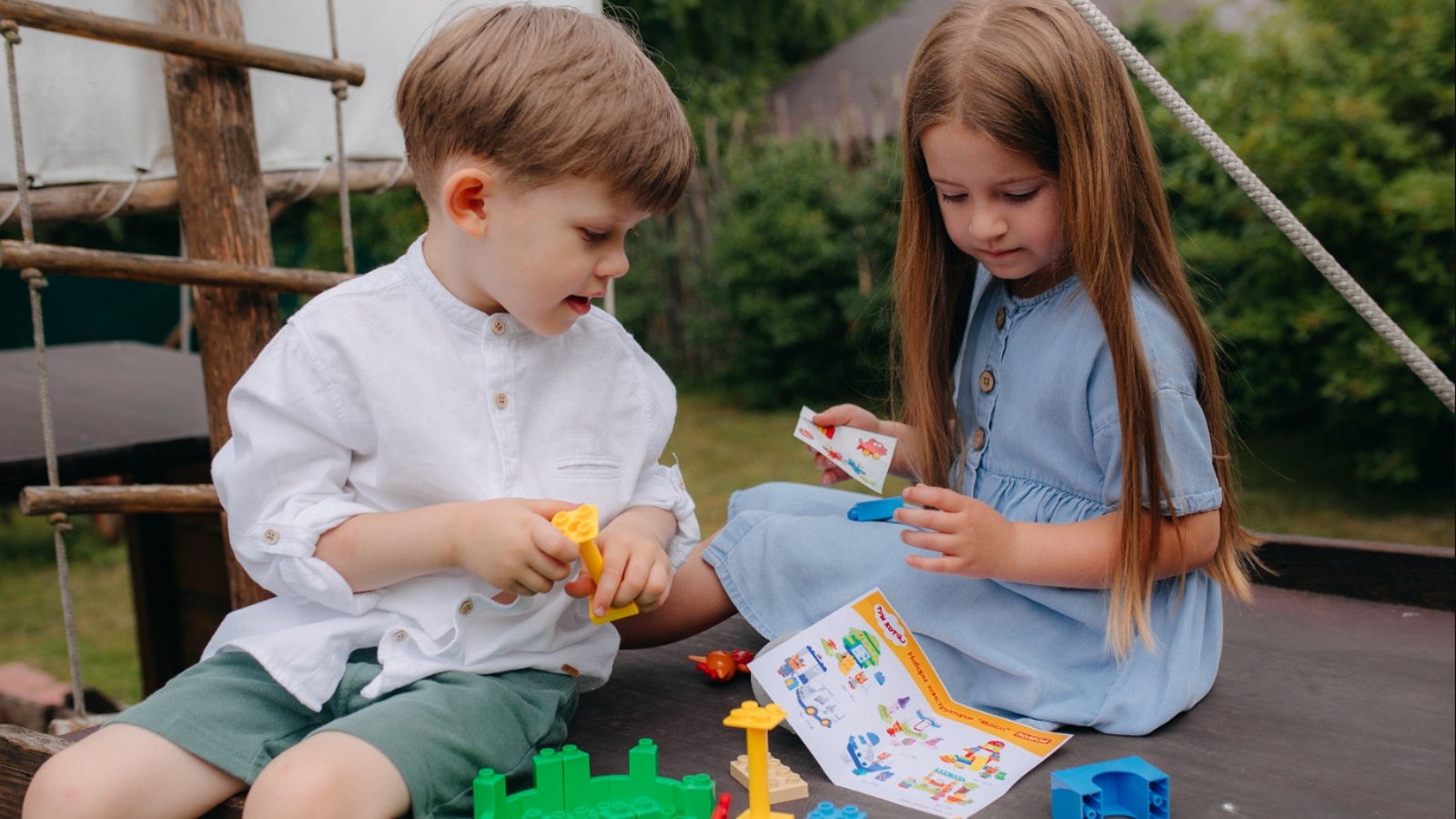
Social skills are the moves a child uses to get along with other people. They are not a personality type. A quiet child can still be skilled. A loud child can still miss cues. The same moves show up in live play and in social emotional games for kids, where a character has a face, a need, and a result.
Useful skills look plain up close:
- Greeting: a wave, a name, or "hi" when someone arrives
- Turn-taking: waiting, then taking a turn without grabbing
- Listening: face toward the speaker, one short reply
- Sharing space: room on the rug, a toy passed, a seat saved
- Feeling words: mad, sad, proud, left out, excited
- Repair: "sorry," a redo, or "want to try again?"
- Asking to join: "Can I play?" instead of walking into the game and changing the rules
The Centers for Disease Control and Prevention groups early social growth with other milestones, such as noticing faces, copying play, and playing beside, then with, other children. Those steps are a map, not a race. Some kids talk early and still freeze in a group. Some talk later and still share well. Emotional games for kids give those feeling words a face before the child has to use them on the rug.
CASEL, a widely used social-emotional learning framework, sorts this work into five areas: knowing your feelings, managing them, noticing other people, keeping relationships, and making kind choices. Parents do not need the labels. They need practice. Emotional regulation games for kids follow that order: notice, name, then choose. Pet care games that teach empathy and responsibility use the same order when a child feeds, comforts, or waits.
Why Friendship Skills Matter Beyond the Playground
Strong social skills help a child ask for help, join a game, and stay in class when a plan changes. Teachers often see the same skills as school skills. A child who can wait, listen, and fix a mistake spends less time in conflict and more time learning. Confidence building games give a small miss and a finish, which is the same pattern as staying with a changed plan.
Child development research points the same way. Kids pick up cooperation by doing it, not by hearing a long speech. Short practice beats a rare lecture. Role-play, shared music games, and pretend scenes have been linked with better self-control and more helping behavior in young children. Benefits of learning through play include that cooperation, plus feeling words and repair after a bump.
Friendship also feeds confidence. A child who has one reliable play pattern, such as building, drawing, or caring for a pet character, has something to offer. That offer is often easier than small talk. Problem solving games for kids and learning through play both give the child a finished piece they can show a friend.
How to Build Social Skills in Kids at Home
Home is the first practice field. The goal is not to be a perfect child. The goal is a child who can try, miss, and try again. Practical tips for new parents keep that field small: one skill, one short block, then a stop.
Model the skill out loud
Kids copy what they see. Narrate your own social moves in short lines.
- "I'm going to wait until Grandma finishes."
- "I felt annoyed, so I took a breath, then I asked again."
- "I bumped your block tower. I'll help rebuild it."
Repair matters more than a spotless day. When adults fix a sharp tone, children learn that relationships can bend and come back. Chore games for real life skills through play put that repair on a shared job, such as cups, towels, or a tidy corner.
Name feelings before you fix the problem
A feeling word lowers the heat. "You wanted the red cup. You feel mad." Then offer one next step. "The blue cup is free, or we wait for the red." This is the same path used in many care stories. Notice, name, choose. At home it can take ten seconds. Educational games for kids at home use that path when a character needs food, rest, or a cleaner space.
Practice one skill, not ten
Pick a target for the week.
- Greeting the neighbor
- Asking before taking a toy
- Using a calm voice when losing a game
- Inviting a sibling into the build
Praise the try, not a gold-star personality. "You asked before you took the car. That was a clear ask." A family weekly planner can hold that one target so the week does not swell into ten goals.
Use a simple conflict script
Many fights shrink with the same four steps:
- Stop hands and voices for a moment.
- Each child says what they wanted, in one line.
- Name two possible fixes.
- Try one fix, then check if both kids can live with it.
Skip the courtroom. Young kids forget the story if the talk runs long. Learning through play activities give the script a role, such as shopkeeper and buyer, so the fix has a prop.
Keep playdates short and set up
A strong first playdate is often shorter than parents expect. Two children, one clear activity, an adult nearby but not directing every line. Blocks, dough, a pet-care game, or a snack job give hands something to do so talk does not carry the whole visit. Learning through play examples work best when the child leads and the adult adds one word or one challenge, then steps back.
Age by Age: What to Practice
Skills stack. A preschooler is not behind for missing a tween script. Games for young kids stay useful when a younger sibling joins an older child's hangout.
Toddlers
Parallel play is normal. Sit nearby, hand objects back and forth, and point out faces in books. Reciprocal play, where you give and the child gives back, teaches early helping better than solo play beside a stranger. Educational games for 2 year olds, games for toddlers, and educational games for toddlers match that back-and-forth with short care tasks.
Preschool
Pretend scenes do heavy lifting. Chef and customer, vet and pet, shop and buyer. Dramatic play lets a child try a feeling and a response without real social risk. Researchers who studied preschool role-play found gains in emotional self-control when children acted out everyday scenes. Games for preschoolers, educational games for kids age 3, and educational games for kindergarten use those same roles.
Early grades
Rules get real. Games with winners, group projects, and recess politics show up. Teach a join line: watch, ask, add to the game that is already happening. Teach a lose line: "Good game," then a breath. A redo after a sharp word fits educational games for kids 4 years old online, educational games for 5 year olds, educational games for 6 year olds, and educational games for 7 year olds.
Later childhood
Friends care about loyalty, jokes, and group chat tone. Practice reading a message before sending it. Practice leaving a game without a slam. Practice one honest line: "I didn't like that joke." Privacy and kindness can sit in the same skill. Educational games for 10 year olds and educational games for kids in 4th grade leave room for that longer social read.
Play and Games That Build Social Skills
Play is not a break from social learning. It is a lesson. Shared goals, turn marks, and care tasks give a child a reason to look at another person. The games collection groups those care tasks in one place.
Strong play for social growth has a few traits:
- A shared goal, not only a solo score
- A face or character with a need
- Room to try again after a miss
- Low ads and low pressure, so the child can notice feelings
Feeding, comforting, cleaning, or choosing a kind line gives the child a result they can see. Responsibility games for kids make that result a finished chore or a cared-for pet. Safe games for kids keep ads from cutting the scene in half.
Tutoclub Serves as a strong Educational Foundation for Kids
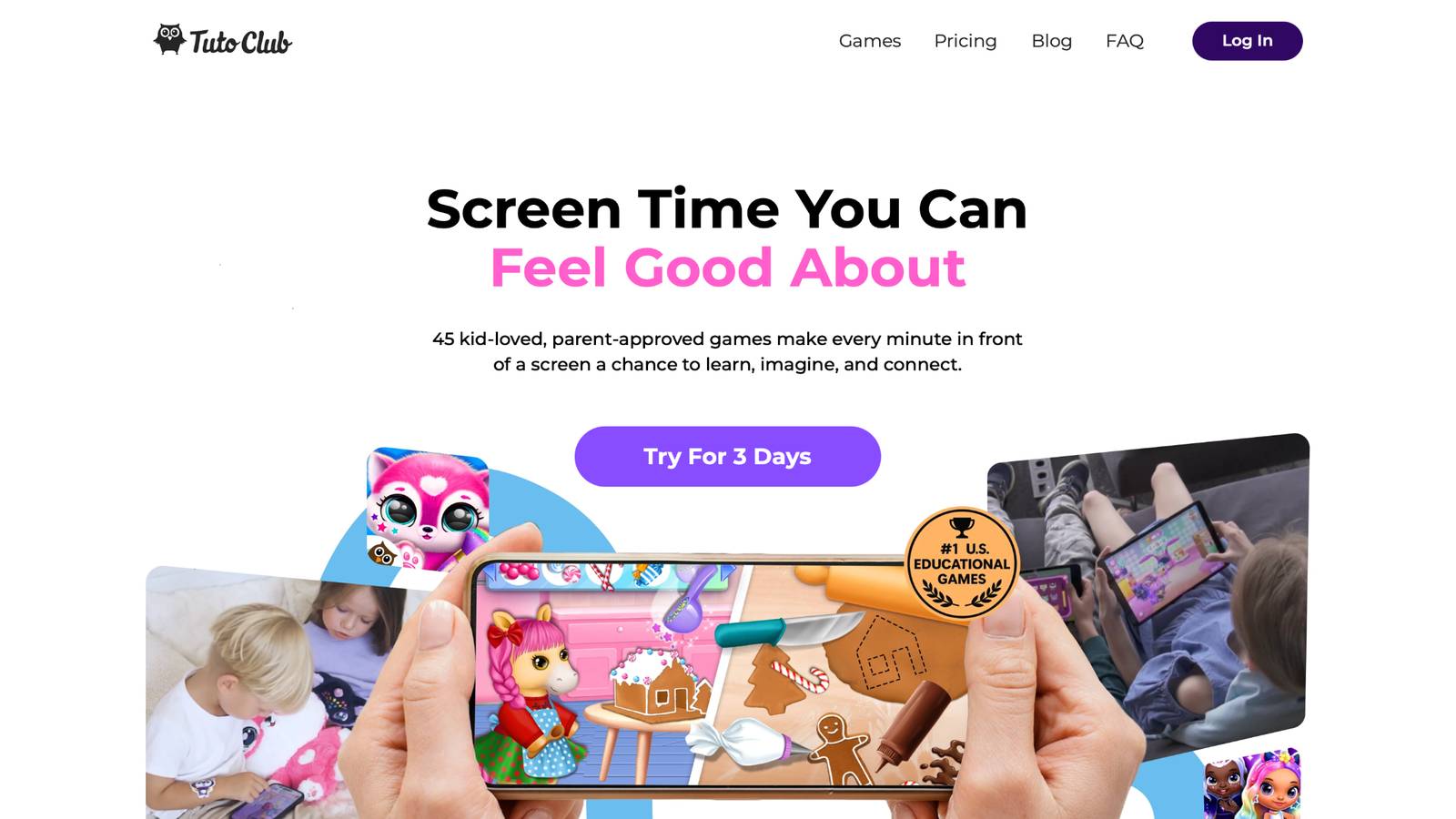
Tutoclub is a strong fit for families who want social practice inside screen time. One subscription opens a large set of ad-free, research-backed games built around care, creativity, and focus. Children feed, comfort, tidy, and tell small stories with characters. Those acts are the same muscles as empathy and responsibility. Safe kids games describe that calmer screen, and a parents' guide to healthy screen time with educational apps pairs the game with a live follow-up.
Compared with random free apps, Tutoclub stays calmer. No ad breaks pull the child out of the scene. Pet care, baby care, and cleanup stories show a need, a choice, and a result. A child who notices a sad face in a game is rehearsing the same look they need on the playground. Parents can sit beside the play and add one line: "What does the baby need?" or "You waited, then you helped." That bridge is what moves a game skill into a friend skill. Naming a feeling comes before the fix.
Tutoclub also supports shared family time. A parent and child can care for a character together, which is easier than inventing a social lesson after a hard day. Access to that set of games sits on the subscription sign up page.
TutoClub Overview
TutoClub is your gateway to a magical world of educational games designed especially for children.
As part of TutoTOONS, a leading kids' games studio, we offer premium access to over 45 ad-free games.
Our mission is to blend learning and play, helping kids explore, create, and grow in a safe online space.
Thousands of parents trust us for family-friendly content that sparks imagination and builds essential skills.
Key Features
- Unlimited Access: Unlock full content in all games with no interruptions.
- Ad-Free Experience: Enjoy seamless play without any ads or distractions.
- Skill Development: Games foster creativity, social skills, communication, and more through fun activities like pet care and cleanup challenges.
- Regular Updates: Get new releases, exclusive content, and future updates automatically.
- Easy Subscription: Cancel anytime with no obligations, simple and flexible for families.
Explore Our World
TutoClub provides a rich ecosystem of educational games for kids, featuring ad-free experiences that promote creativity, focus, and emotional growth through play.
This platform turns screen time into valuable learning opportunities, with parent-approved content that builds essential skills and sparks curiosity in young minds.
- TutoClub Games: Over 45 educational games, including popular titles like Fluvsies, Smolsies, and the Sweet Baby Girl series
- Blog: Insights, tips, and stories for families on kids' learning and play
- FAQ: Comprehensive answers to frequently asked questions about subscriptions, features, and more
Get TutoClub on Your Device
TutoClub delivers premium kids educational games directly to your mobile devices, making learning accessible anytime, anywhere.
With apps available on major platforms, families can easily download and subscribe for ad-free play that turns screen time into skill-building adventures.
Perfect for parents seeking safe, engaging content on iOS, Android, or Amazon devices.
Why Choose TutoClub?
We're committed to 100% safe, enriching entertainment that kids love and parents approve.
Join the thousands who've seen their children thrive through playful learning.
Ready to start the adventure?
Families who want social skills practice in calm, ad-free games can start with Tutoclub!
Coaching a Child Who Hangs Back or Clashes
Some children want friends and still stall at the door. Others jump in and knock the game over. Both patterns can improve with a smaller stage. Apps for preschoolers and apps for toddlers fit the smaller stage when the live group still feels too big.
The shy or slow-to-warm child
Do not push a loud hello on day one. Warm-up time is a skill, not a flaw.
- Arrive early so the room is empty at first
- Give a job: snack helper, ball holder, card dealer
- Practice one join line at home until it feels boring
- Stay nearby for the first minutes, then fade
A child who shares a drawing or a finished room from a game often has an easier opener than "want to be friends?" Showing work is a social bid. Dress up games for girls online and a Fluvsies paper doll printable give that child something to hold out.
The child who grabs, bosses, or melts down
Bossy play is often a missing script, not a mean streak. Teach the line before the playdate: "Want to be the customer?" "Your turn." "I don't like that." Stop the game when hands get rough, reset, and replay the same 30 seconds. Short resets teach more than a ban. Big feelings need a body plan. Drink of water, wall push, or a quiet corner, then back to the group. A story pause, where a choice changes how a character feels, can preview that corner. Memory games for kids and brain games for kids keep the turn mark visible, which lowers grabs.
Extra structure, including autism or ADHD
Many children learn social rules better when the rule is visible. A short social story, a picture of "watch, ask, join," or a game with clear turns can help. Predictable routines lower the load so the child can spend energy on the person, not the surprise. Games for autistic kids use that visible turn. English learning apps for kids and educational games for kids learning English supply the short join line itself.
This is practice, not a diagnosis plan. If worry, aggression, or isolation is heavy, a pediatrician or school team can help sort next steps. Home practice still matters beside that support. A parents' guide to safe skill-building apps for toddlers covers the early version of that predictable setup.
Mistakes That Slow Social Growth
A few habits get in the way, even in caring homes.
- Rescuing every conflict. Kids need a few small misses so repair has somewhere to land.
- Lecturing after the meltdown. The lesson sticks better the next day, in a calm replay.
- Only same-age, high-pressure parties. A mixed-age cousin visit or a one-friend park trip can teach more. Summer holiday educational games and offline ideas for kids fit that smaller trip.
- Praising personality. "You are so kind" is vague. "You gave Maya the shovel" is a skill the child can repeat.
- Unlimited chaotic screen time. Fast, ad-heavy play does not leave room to notice a face. How to protect kids online, safe apps for kids, and healthy screen habits keep the scene steady enough for empathy practice.
- Comparing siblings in public. Shame shuts down the next try.
One more trap: waiting for the child to "grow out of it" with no practice. Skills grow with reps. A weekly game, a daily feeling word, and one coached playdate beat a single big talk. Fun games that are educational for kids and educational but fun games for kids keep those reps light enough to repeat.
A Weekly Plan Parents Can Keep
Social growth likes a rhythm. This plan stays small on purpose.
- Daily: one feeling word at dinner, one repair if the day got sharp
- Most days: ten minutes of shared play, live or in a care game
- Weekly: one short peer hangout with a set activity
- After a miss: replay the scene once, with the better line, then stop
Track one skill on a sticky note. When that skill shows up without a prompt, pick the next one. Parents who want a wider set of play ideas can look through learning games for kids online, learning games for kids, and kids games educational and choose titles that include cooperation, not only speed.
School can help too. Ask the teacher which peer moment is hardest: line, recess, group work, or dismissal. Match home practice to that moment. A join script for recess is more useful than a generic "be nice." Tablet games for kids, iPad games for kids, and mobile games for kids can hold the same script on the device the child already uses after school. Educational websites for kids and online educational games for kids fit a short shared session when the hangout is indoors. Billing and device questions sit on the FAQ and support pages, so the practice block stays about the skill.
FAQ
How long does it take to build social skills in kids?
Building social skills in kids usually moves in small steps, not after one long talk. A greeting, a wait, or a repair can look stiff for many tries, then show up on its own at the door or on the rug. Parents often notice a shift when the same skill appears at home, in a care game, and on one short peer visit. Early progress is often a shorter pause before the child tries, not a perfect performance. A wave can settle faster than joining a game already in motion, or losing a turn without a sharp word. One feeling word at dinner and one redo after a miss usually do more than a rare lecture. Age changes the look of the skill, not the need for practice. A toddler who hands a toy back is in the same family of skills as an older child who says "your turn." A preschooler is not behind for missing a later script about jokes or group tone. The useful measure is a skill the child can repeat with less help, not a set deadline. Learning apps for kids 8 years old match the age when group tone and a calm lose line take longer to stick. If a child stays stuck and unhappy for a long stretch, school or a clinician can sort next steps while home practice continues.
Can games help children practice friendship skills?
Games help when they rehearse a real move, such as waiting, comforting, asking, or fixing a miss. A care scene gives a face and a result, so empathy is easier to see than in a fast tap game. Feeding, tidying, or picking a kind line lets the child watch what happens next, and that result is the lesson. The friendship part grows when that scene sits next to live play, such as handing a block or feeding a pet together. A parent can add one line after the scene, then offer the same move with a sibling or a friend. Games support practice. They do not replace people. Solo high-speed play rarely does this job, because there is no person to read and no repair to make. Ad breaks also pull attention off the face the child was reading. A shared goal, a character with a need, and room to try again are the traits that transfer. After the session, one live job keeps the skill from staying inside the screen. Educational videos and games for kids help when the clip pauses for a choice, not only a watch.
What if a child has little interest in other kids?
Some children prefer a deep project over a crowd, and that can be a healthy style. Quiet is not the same as being stuck. Contact often lands better inside an activity they already like, such as building beside a peer, swapping drawings, or caring for a character together. The shared job gives hands something to do, so talk does not have to carry the whole visit. Forced parties tend to raise stress and shut down the next try. A shorter hangout, an early arrival, and one clear job, such as snack helper, often work better than a loud hello. Showing a drawing or a finished room can be an easier opener than "want to be friends?" Warm-up time is a skill, not a flaw. A child who grabs or melts down may need the line before the visit, plus a short reset when hands get rough. Watch for distress, not quiet. A child who wants friends and cannot join may need a smaller group and a visible script, while a child who is content with one pal may already have enough connection. A free valentine’s printable for children gives that child a card to hand over, which is an easier social bid than a cold hello.
Should a parent correct a child in front of friends?
A quick safety stop is fine. A speech is not. At the moment, a short line such as "hands down" or "ask first" protects the play without a public lesson. The fuller replay fits the car ride or the next morning, when shame is lower and the child can still hear the skill. Keep that replay to one better line, then stop, so the talk does not turn into a courtroom. Name the move, not the personality: "You grabbed the car. Next time, ask first." Vague praise such as "you are so kind" is harder to repeat than a plain note about the ask. Children also copy a repair they hear from an adult, such as "I bumped your tower. I'll help rebuild it." A long talk right after a meltdown is easy to forget, and it can attach shame to the friend instead of the skill. Public correction often makes the next playdate harder, even when the advice was right. Private practice keeps the child's standing with peers while the skill still gets taught. Educational games for kids on iPad can mark a turn on a shared screen, so "your turn" does not need a speech in front of friends.
What is one clear sign that social skills are growing?
The clearest sign is a repair the child starts without a prompt. They hand back a toy, say "your turn," or check a friend's face after a bump. Another sign is a faster return to play after a no. The no can still sting. The child comes back sooner and tries a different line. Quieter signs count too, such as a feeling word before the problem gets huge, a join ask instead of a rule change, or a shy child who stays a few minutes longer. A child who used to boss the game may offer a role instead, such as "Want to be the customer?" Leaving a game without a slam, or waiting and then taking a turn, belongs on that list too. Progress is the skill showing up with less help, in more than one place. When one skill sticks, the next target can stay small: a greeting, a calm lose line, or one honest "I didn't like that." Those moments matter more than a perfect party or a long list of manners. Fun educational games for kids give a small miss and a finish, which is the same pattern families look for after a real playdate.
Read Also:
- Best Social Emotional Games For Kids In 2026
- Best Emotional Regulation Games For Kids In 2026
- Best Confidence Building Games In 2026
- How Pet Care Games Teach Kids Empathy and Responsibility
- Best Benefits of Learning Through Play
Discover TutoClub - a calm and interesting play to build social skills in kids!