
How Preschool Learning Games Help Prepare Kids for School






Preschool learning games help prepare kids for school by turning letters, numbers, and sharing into play they want to finish. A matching game can grow letter sounds, a sorting game can grow number sense, and a care game can grow patience. These school readiness skills show up in class, when a child must listen, wait, and finish a small task.
Families building school readiness often mix offline play with a short screen session. The best games for preschoolers keep letters, numbers, and turn-taking short enough to finish, while the best apps for preschoolers can add letter sounds, simple sorting, and calm practice before class. Used together, those habits make listening, waiting, and finishing a small task feel familiar when school starts.
Preschool learning games from TutoClub give kids a calm way to practice school skills!
What School Readiness Really Means
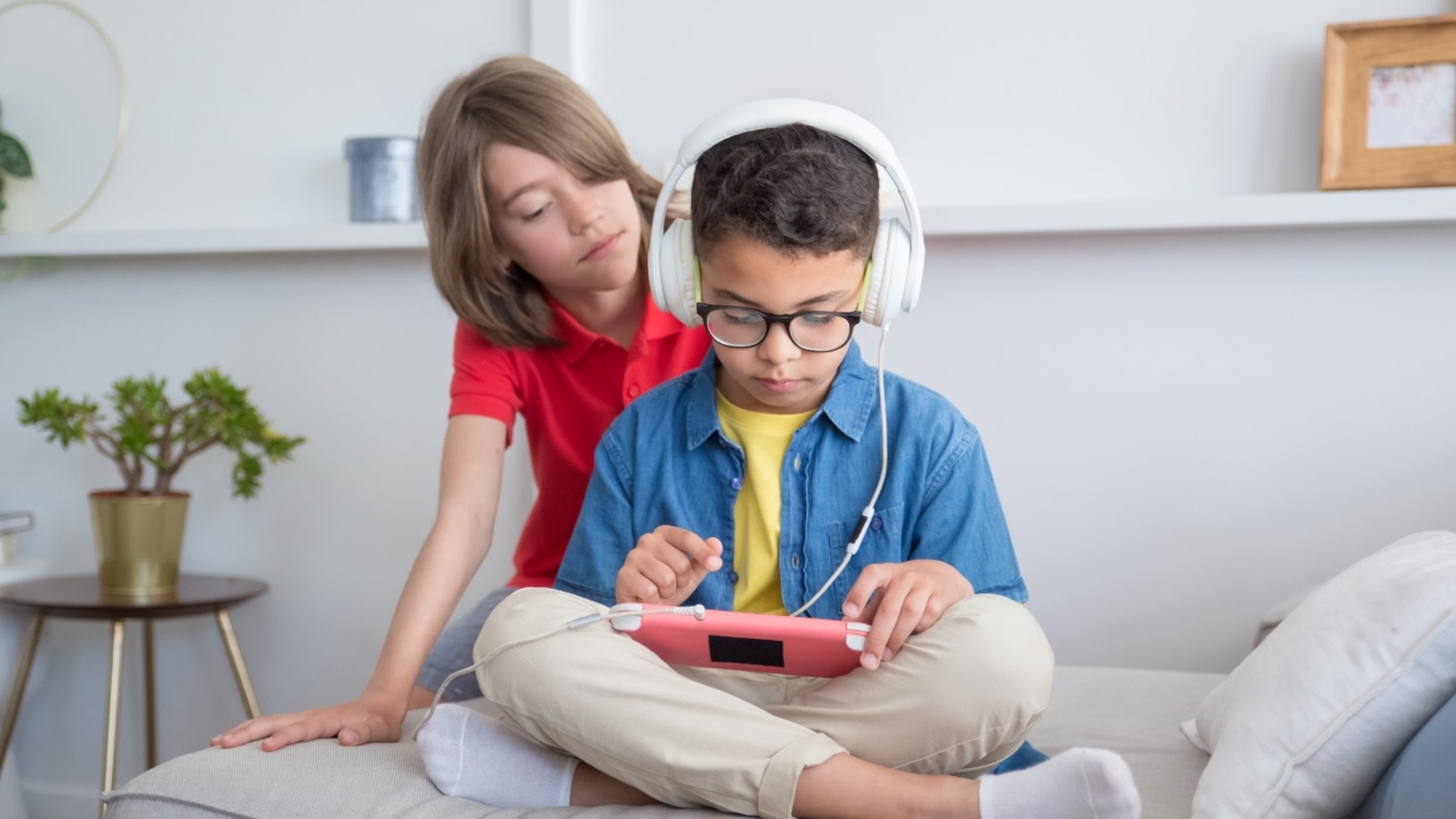
School readiness is not a checklist of perfect letters. It is a mix of habits and skills a child can use on a normal school morning. Teachers notice who can hear a short direction, stay with a task, ask for help, and play next to other kids without a fight.
The skills that matter most usually fall into a few groups:
- Language and early reading, such as hearing sounds, naming letters, and telling a simple story
- Early math, such as counting, sorting, and spotting more or less
- Attention and memory, such as holding a rule and finishing a small job
- Social and emotional skills, such as waiting, sharing, and naming a feeling
- Fine motor control, such as gripping, tapping, and placing small pieces with care
The National Association for the Education of Young Children describes play as a main way young children learn these skills, not as a break from learning. Learning through play activities give that practice a clear shape, and learning through play examples show how a simple game can carry more than one skill. A good game gives the child a reason to try again. That repeat is what builds the skill.
Learning games that build school skills work best when the goal is clear and the win feels fair. The child should know what to do in the first few seconds. Educational games for kids follow the same rule when the task stays visible.
How Preschool Learning Games Train the Habits Teachers See First
Before a child reads a book or solves a math page, school asks for a quieter set of skills. Sit. Listen. Try. Stop when the rule changes. Many preschool learning games train those habits without calling them lessons.
A memory match asks the child to look, wait, and recall. A clean-up game asks the child to finish a room before the next scene. A turn-based game asks the child to pause while someone else moves. Each loop is short. The feedback is instant. That is why some children stay with a game longer than with a worksheet. Memory games for kids make that hold-and-recall loop easy to see.
Useful habits inside a strong game include:
- Hearing a two-step direction and doing both parts
- Starting a task and staying until the end
- Noticing a mistake and trying a new move
- Waiting for a turn without leaving the game
- Asking for a hint instead of quitting
These are the same moves a classroom uses all day. Circle time needs listening. Centers need a finish. Group play needs a wait. A child who has practiced those moves in play often walks into school with less stress. Games for preschoolers that keep the rules simple give this practice without a long tutorial. Educational games for kids age 3 stay on one step, while apps for preschoolers can add a short story once the child can hold a rule. If a child needs an adult to explain every screen, the game is doing too much talking and not enough teaching.
Early Reading Skills Hidden in Simple Games
Reading does not start with chapter books. It starts with sounds, print, and stories. Preschool learning games can carry each of those pieces if the design is honest about age.
- Letter and sound play. A child taps a letter and hears the sound. Later, the child matches the sound to a picture. That link is phonemic awareness, the skill that helps reading click later. Keep the set small. A few letters done well beat a full alphabet rush. English learning apps for kids often start in this sound-to-picture lane.
- Print awareness. Labels, signs, and name cards in a game show that marks on a screen mean something. A child who spots their own name in a story scene is already reading the world.
- Vocabulary and story order. Care games and simple quests add words like feed, sort, share, and clean. Putting pictures in order, first, next, and last, is early comprehension. Educational videos and games for kids can support this when the story stays short and the child still gets a turn to act. Learning games for kids online support the same hold-a-word step, because reading asks a child to keep a sound in mind while the eyes move on.
A parent can stretch the game with one question after play. "What sound did the cat start with?" One question is enough. A quiz after every round turns play into a test.
Early Math That Feels Like Play
Math in preschool is mostly number sense. Children need to see the amount, order, and pattern before they meet formal sums.
Strong math moments in games look like this:
- Counting objects one by one, not skipping
- Sorting by color, size, or type
- Matching a number to a group
- Spotting what comes next in a simple pattern
- Comparing more and less with real pictures
Board games and digital sorting games both work. The key is meaning. Counting pets a child cares about sticks better than counting dots on a page with no story. Educational games for kindergarten often add a slightly harder step, such as putting numbers in order or sharing items into equal groups. Educational games for kids 4 years old online usually sit just before that step, with sorting and simple matching.
Research reviews on early math games, including work summarized in the Journal of Numerical Cognition, point to the same idea. Games at home and at school can support early math when the math is part of the play, not pasted on top. Fun games that are educational for kids keep that math inside the story. Some children need many short rounds. Others want one longer puzzle. Either pace is fine if the child is still choosing to play.
Social and Emotional Skills Before the First Bell
School is a social place. A child who can name a feeling and wait a turn has an easier first month than a child who only knows letters.
Preschool learning games build this when characters have needs. A pet looks sad. A friend wants a turn. A room is messy and the job is not done. The child practices care, then sees a happy result. That loop grows empathy without a lecture.
Skills worth watching:
- Naming happy, sad, mad, and proud
- Taking a breath or a pause after a miss
- Sharing items inside the game
- Helping a character finish a job
- Celebrating a win without knocking someone else down
Social emotional games for kids fit this work well when the feelings are clear in the art. Emotional regulation games for kids add the pause after a miss. Emotional games for kids keep the faces large enough to name. Tiny faces and fast timers do the opposite. They raise stress. Cooperative games help some children more than races. A race can be fun later. At preschool age, a shared goal often teaches more about school life. Confidence building games support that shared win when the child finishes a care job and sees the result.
How to Choose Preschool Learning Games That Actually Help
Not every cute app is a learning game. Use a short filter before download day.
- Age fit. Ages three to four need big buttons, one step, and almost no reading. Ages four to six can hold a short rule and a simple story. Educational games for 5 year olds can add letters and counting if the child is heading to kindergarten.
- Clear goal. The child should see the job. Feed, match, sort, build, or help. Hidden goals waste the session. Learning apps for kids make that job easier to spot when the first screen is plain.
- Calm design. Bright is fine. Flashing ads, surprise pop-ups, and loud rewards are not. Safe apps for kids keep chat and outside links out of the play. Ways to protect kids online sit beside that filter when a new download is on the table.
- End point. A round should finish. Endless scroll trains the opposite of school focus.
- Parent view. A simple progress hint helps an adult see what the child repeats. It should not turn home into a grade book.
A good test is ten minutes beside the child. If you can name the skill in one sentence, the game is doing its job. Educational kids games pass that test when the win is obvious.
Why TutoClub Fits School Prep Play
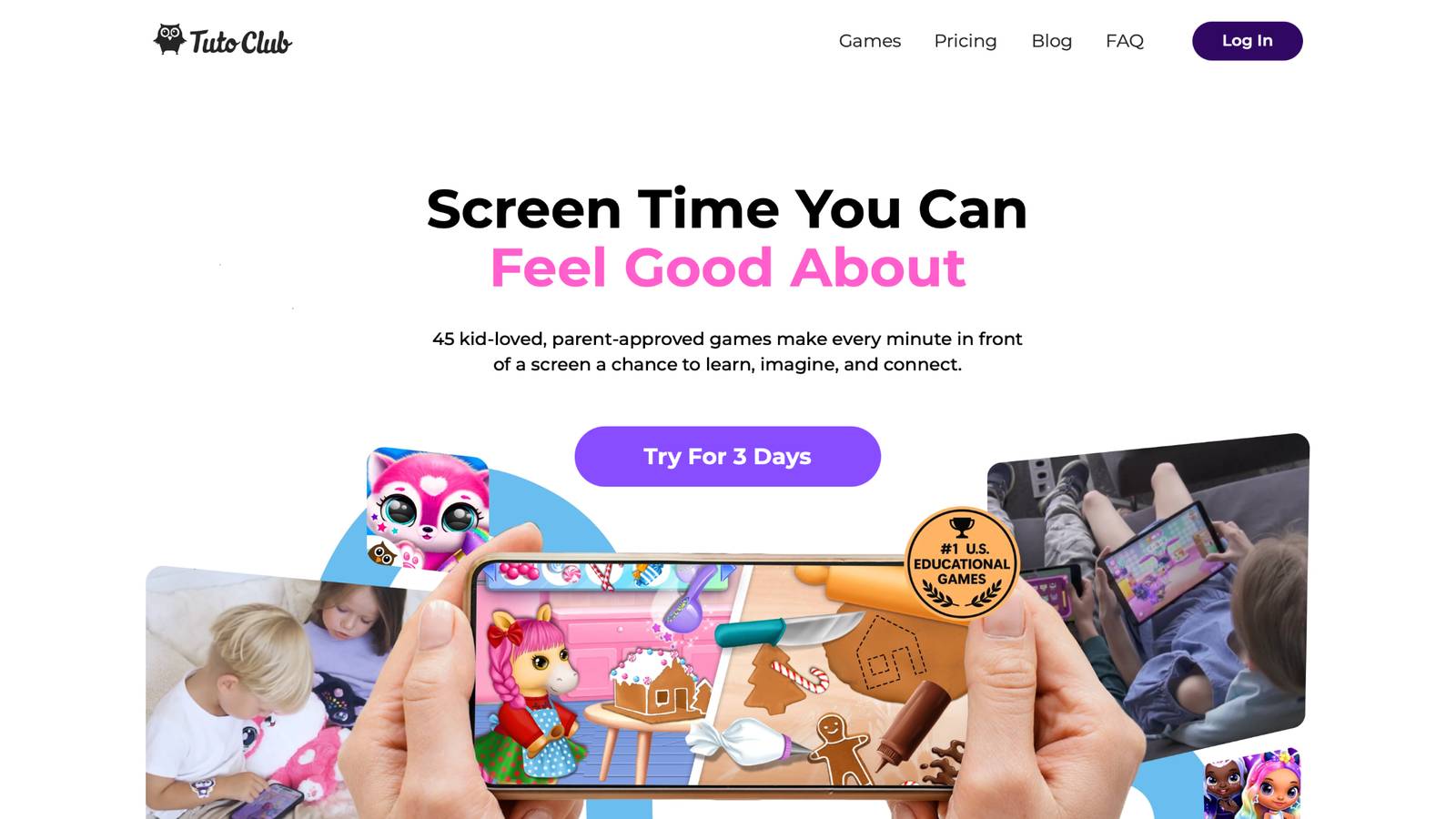
TutoClub is a subscription library of ad-free games for young children, built so screen time can stay calm and useful. The set includes more than 45 games. Many use care, create, and collect play, which matches how preschoolers already like to learn. Families often use TutoClub when they want one login instead of a pile of random downloads. Games such as pet care, clean-up stories, letter and number play, and simple puzzles sit in the same collection of educational games. A child can move from a feelings scene to a sorting scene without a new store page.
What stands out for school prep:
- No ads in the play, so attention stays on the task
- Short, finishable scenes, which rehearse the habit of completing work
- Characters with needs, which support empathy and responsibility
- Creative play, such as dress-up and decorating, which supports choice and confidence
- Shared play, so a parent can sit in for a round and talk about the rule
Compared with a single free app full of prompts to buy more, a closed library is easier to supervise. Compared with a worksheet app, the stories give a reason to try again. Parents who want a closer look at setup can use the TutoClub FAQ for account questions, then the subscription FAQ for plan details, and come back to play.
TutoClub Overview
TutoClub is your gateway to a magical world of educational games designed especially for children.
As part of TutoTOONS, a leading kids' games studio, we offer premium access to over 45 ad-free games.
Our mission is to blend learning and play, helping kids explore, create, and grow in a safe online space.
Thousands of parents trust us for family-friendly content that sparks imagination and builds essential skills.
Key Features
- Unlimited Access: Unlock full content in all games with no interruptions.
- Ad-Free Experience: Enjoy seamless play without any ads or distractions.
- Skill Development: Games foster creativity, social skills, communication, and more through fun activities like pet care and cleanup challenges.
- Regular Updates: Get new releases, exclusive content, and future updates automatically.
- Easy Subscription: Cancel anytime with no obligations, simple and flexible for families.
Explore Our World
TutoClub provides a rich ecosystem of educational games for kids, featuring ad-free experiences that promote creativity, focus, and emotional growth through play.
This platform turns screen time into valuable learning opportunities, with parent-approved content that builds essential skills and sparks curiosity in young minds.
- TutoClub Games: Over 45 educational games, including popular titles like Fluvsies, Smolsies, and the Sweet Baby Girl series
- Blog: Insights, tips, and stories for families on kids' learning and play
- FAQ: Comprehensive answers to frequently asked questions about subscriptions, features, and more
Get TutoClub on Your Device
TutoClub delivers premium kids educational games directly to your mobile devices, making learning accessible anytime, anywhere.
With apps available on major platforms, families can easily download and subscribe for ad-free play that turns screen time into skill-building adventures.
Perfect for parents seeking safe, engaging content on iOS, Android, or Amazon devices.
Why Choose TutoClub?
We're committed to 100% safe, enriching entertainment that kids love and parents approve.
Join the thousands who've seen their children thrive through playful learning.
Ready to start the adventure?
A Home Routine That Supports School
Games help most when they have a place in the day, not the whole day. A steady rhythm teaches the clock, which school also uses.
Try a simple pattern:
- Play one short game with a clear end
- Name one thing the child did, such as "You waited and then matched the sound"
- Move to a hands-on job, like setting cups or drawing the same letter
- Read one short book that uses a word from the game
Educational games for kids at home fit this pattern when the round has an end. A family weekly planner can hold the same short block on the week chart. Practical tips for new parents often come back to this idea of a small, repeatable slot. Some families play in the late afternoon, when energy is messy and a calm screen is easier than a new outing. Others use a morning round before preschool. Either can work. The CDC milestone lists remind parents that children in this age band grow at different speeds, so the routine should flex if a skill is still new. Watch for tired eyes, cross answers, or play that no longer has a finish. Those are signs to switch to blocks, a walk, or a snack. More game time is not always more learning.
What to Do the Week Before School Starts
The last week is for comfort, not new pressure. Keep the games the child already knows. Add one school-like habit.
- Practice a short wait, such as one round for each person
- Practice a backpack job, such as putting a book away after play
- Practice a hello and a goodbye in a care game, then in real life
- Keep bedtime steady so morning focus is easier
Games for young kids that the child already knows are a better pick this week than a brand-new title. Kids games that are educational can stay in the familiar set. Online games for kids that are educational work the same way if the child has already played them. If a skill is still shaky, that does not mean the child is behind. It means the skill needs more play. Kindergarten teachers expect a wide range. A child who can try, ask, and stay with a small task is already prepared in the ways that matter most.
FAQ
How do preschool learning games help prepare kids for school?
Preschool learning games help prepare kids for school by turning early practice into short rounds a child wants to finish. Letters, numbers, memory, and turn taking sit inside the play, so the child repeats the skill without a worksheet. That repeat is the lesson. A matching round can grow letter sounds. A sorting round can grow number sense. A care round can grow patience, sharing, and the habit of finishing a job. These school readiness skills show up later in class, when a child must listen, wait, and stay with a small task. Learning games for kids work best when the goal is clear in the first few seconds and the round has a real end. A miss still counts as practice, because the child gets another try right away and can see what changed. A parent who names one skill after play, such as waiting or matching a sound, helps the child connect the game to real school life. The point is not a perfect score. The point is a child who can try, ask for a hint, and come back to the task. Play that ends on a win also makes the next session easier to start, which matters in the weeks before school.
What school readiness skills do preschool learning games build first?
The skills that show up first are listening, waiting, and finishing a small job. School mornings ask for those habits before they ask for perfect letters. A memory match trains a child to look, hold a picture, and recall it on the next turn. A clean-up scene trains a child to stay until the room is done. A turn-based round trains a pause while someone else moves. Letter sounds, counting, and sorting often grow inside those same loops, once the child can hold the rule. Social pieces matter too, such as naming happy, sad, or mad, and sharing a turn with a character. Fine motor control grows when the child drags a shape or places a piece with care, which later supports writing. Kids educational games that keep the rules simple give this practice without a long tutorial. Circle time needs listening. Centers need a finish. Group play needs a wait. A child who has met those moves in play often walks into school with less stress. Teachers tend to notice these habits on a normal day, even before formal reading or math pages begin. A shaky letter does not erase that progress.
How do preschool learning games support early reading and early math?
Early reading starts with sounds, print, and simple stories, not chapter books. A child taps a letter, hears the sound, and later matches that sound to a picture. A few letters done well beat a full alphabet rushed. Labels and name cards in a scene show that marks mean something, which is print awareness. Story words such as feed, sort, share, and clean add vocabulary the child can use out loud. Putting pictures in order, first, next, and last, is an early form of comprehension. Early math is mostly number sense. Counting pets one by one, sorting by color or size, matching a number to a group, and spotting more or less stick better when the objects belong to a story the child cares about. Pattern play, such as red, blue, red, blue, adds another math piece without a formal sum. An educational games for kids app can support both areas, because reading and math ask a child to hold a sound or a number while the next step happens. One question after play, such as "What sound did that start with?", is enough to stretch the round without turning it into a test. Some children need many short rounds. Others want one longer puzzle. Either pace works if the child is still choosing to play.
Are screen preschool learning games enough for kindergarten prep?
Screen games are a helpful piece, not the whole plan. They shine at instant feedback and safe repeat, especially for sounds, sorting, and short directions. Hands-on play, books, and real conversation still carry a large share of school readiness. Gripping a card, placing a puzzle piece, or drawing the same letter trains the small hand moves writing will need later. Blocks, play dough, and real clean-up jobs count as practice too. Many families pair a short digital round with a table job that uses the same idea, such as sorting cups after a sorting game or reading a book that uses a word from the game. Educational websites for kids fit best beside that mix, not in place of it. A steady rhythm helps: one finished round, a few words about what the child did, then a book or a movement break. Late afternoon can suit a calm screen when energy is messy. A morning round can suit a child who is already heading to preschool. Stop while the child still likes the game. Tired eyes, cross answers, or tapping with no goal are signs to switch. More screen time is not always more learning.
How can parents tell a preschool learning game is a good fit?
A good fit shows the job in the first few seconds: feed, match, sort, build, or help. Ages three to four need big buttons, one step, and almost no reading. Ages four to six can hold a short rule and a simple story. Near kindergarten, letter-sound links, counting in order, and two-step jobs can sit in the same play if the child is ready. Ads, stranger chat, and surprise links stay out of the play, so attention stays on the task. A round should finish, because an endless scroll trains the opposite of school focus. Loud prizes and flashing prompts pull the child away from the skill. Apps for toddlers keep outside prompts away from the session, which makes the skill easier to see. A ten-minute sit beside the child is a fair test. If you can name the skill in one sentence, the game is doing its job. If the child can name the rule, recover from a miss, and still want another round, the match is strong. If every screen needs an adult explanation, the game is doing too much talking and not enough teaching. A younger game is still a good fit if the child is mastering it, because a solid skill beats a rushed one.
Read Also:
- How Learning Games Build School Skills
- Best Games For Preschoolers in 2026
- Best Educational Games For Kindergarten in 2026
- Benefits of the Best Memory Games for Kids
- Building Emotional Intelligence With Kids Educational Games
Preschool learning games from TutoClub give kids a calm way to practice school skills!