
How Educational Games for Kids Develop Social Skills





Educational games for kids develop social skills by giving children a safe place to share, wait, talk, and notice feelings. These kids educational games and social skills games turn pretend care, team tasks, and simple rules into real practice. A child who feeds a pet, helps a baby character, or plays a turn-based puzzle is rehearsing kindness with educational games for kids built around care, stories, and calm routines.
Social practice gets clearer as children get older. Kindergarten play in the best educational games for kids age 5 often starts with sharing a turn and noticing a character’s feelings. Early readers usually build on that in the best educational games for 6 year olds and the best educational games for 7 year olds, where care tasks and simple team rules sit inside a short story. Older children can stretch the same idea in the best educational games for 10 year olds, with longer puzzles that still ask them to wait, help, and finish calmly.
Build stronger social skills with educational games at TutoClub!
Why Play Teaches Social Skills Faster Than a Lecture
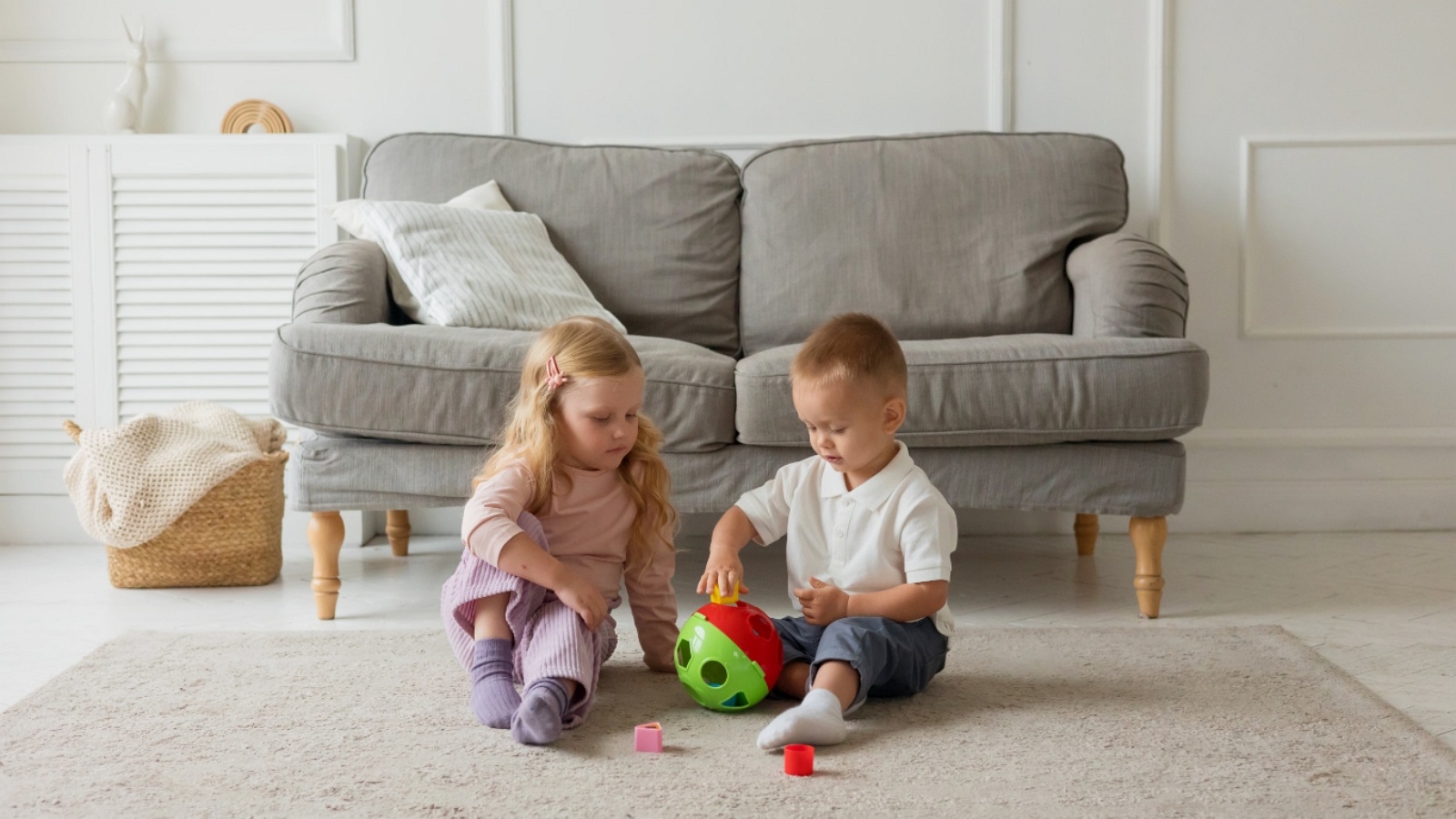
Children learn friendship skills by doing them, not by hearing a long talk. A game sets a clear goal, a rule, and another person or character to respond to. That mix gives practice with low pressure. Learning through play activities keep the lesson inside the fun, so a child stays with the task long enough to try again.
Social skills grow in small repeats. Wait for a turn. Pass a toy. Name a feeling. Fix a mix-up. Say thank you. Each round is a short lesson. Miss it once, and the next round gives another try. Learning through play examples show how a shared build or a pretend shop can carry the same habit as a screen story.
Play also matches how young brains learn. Kids stay with a task longer when it feels like fun. A story about a sad pet or a messy room keeps attention on the other person’s need. That is social practice dressed as play. Fun games that are educational for kids work this way when the next step is a kind act, not only a score.
The Collaborative for Academic, Social, and Emotional Learning groups these habits into five areas: self-awareness, self-management, social awareness, relationship skills, and responsible choices. Good educational games for kids touch more than one area in a single session. A child names a feeling, waits, then picks a kind next step.
What Social Skills Games Actually Practice
Social skills games are not one skill. They stack several habits that show up at home, preschool, and the playground. Kid educational games that ask for a pass, a wait, or a helpful tap train more than one of those habits at once.
- Sharing and turn-taking. One player acts, then waits. The rule makes fairness visible.
- Listening. A child has to hear the rule, the story, or a friend’s plan before moving.
- Empathy. Care games ask, “What does this character need?”
- Talking. Kids name a plan, a feeling, or a request in simple words.
- Self-control. Losing a round, waiting, or stopping at a signal builds a pause before a grab or a shout.
- Fixing small conflicts. A broken rule or a disputed turn becomes a short talk, not a meltdown, when an adult stays nearby.
A 2024 review in Frontiers in Psychology noted that online games can give children chances to practice cooperation, communication, and empathy when the play asks them to work together, take turns, and share resources. The game design matters. Random flashing rewards do less than a clear care task or a shared goal. Kids games that are educational keep that goal easy to see, so the child knows what the kind move is.
Turn-Taking, Sharing, and Fair Play
Many friendship fights start with “my turn” and “that’s mine.” Games put those fights inside a rule both players can see. Memory games for kids fit this pattern well, because each flip belongs to one player. Board games, card matches, and simple app puzzles all use the same pattern. You go. I go. We follow the same rule. Waiting is the skill, even when the theme is animals or colors. Educational but fun games for kids still need that stop point, or the fun turns into a grab. Fair play also includes losing. A child who can hand over the win without flipping the board is practicing a life skill. Keep early games short so the loss is small. Praise the wait, not only the win.
Sharing practice that transfers:
- Pass one toy with “here you go” and “thank you.”
- Use a timer both kids can see.
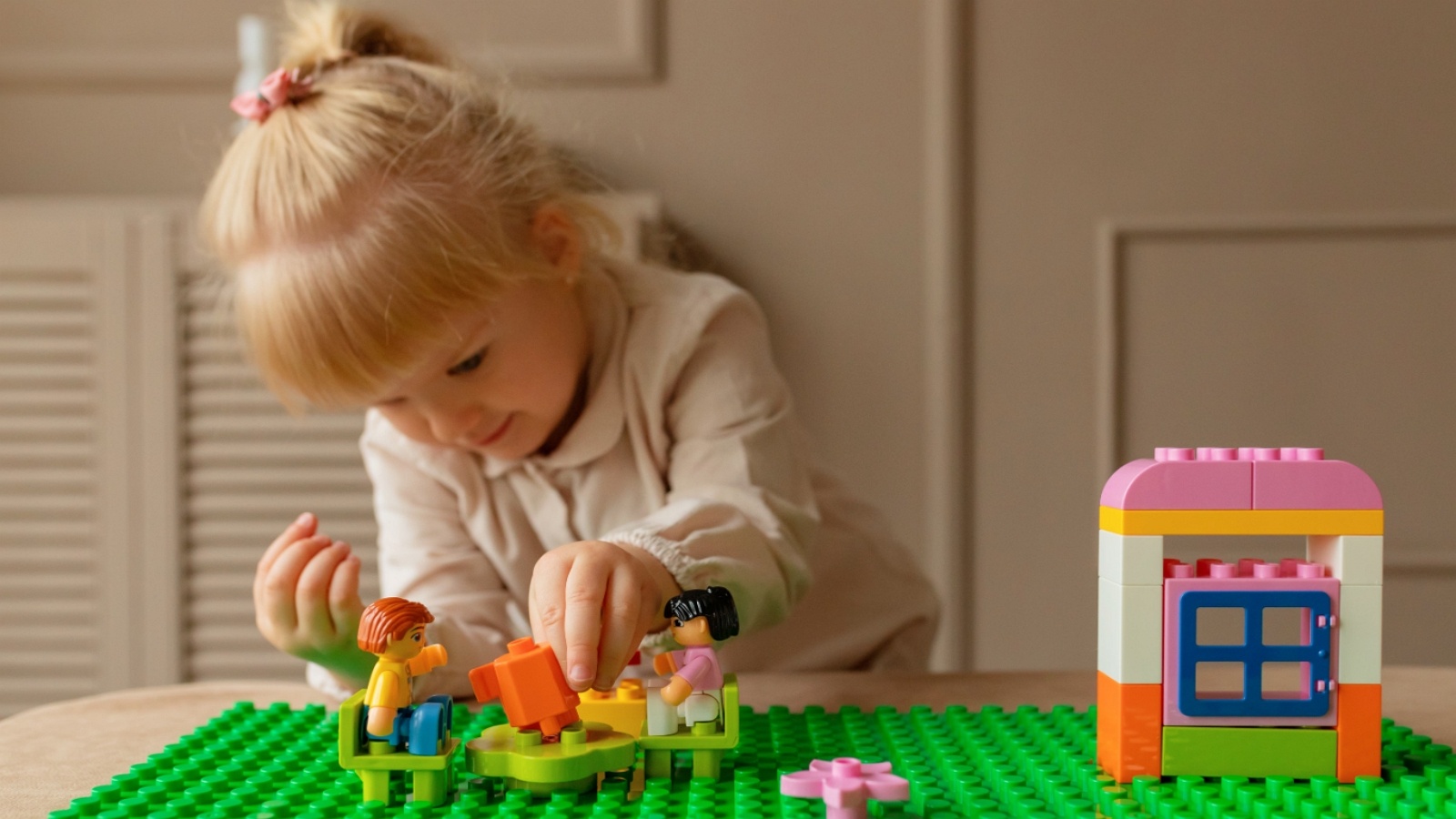
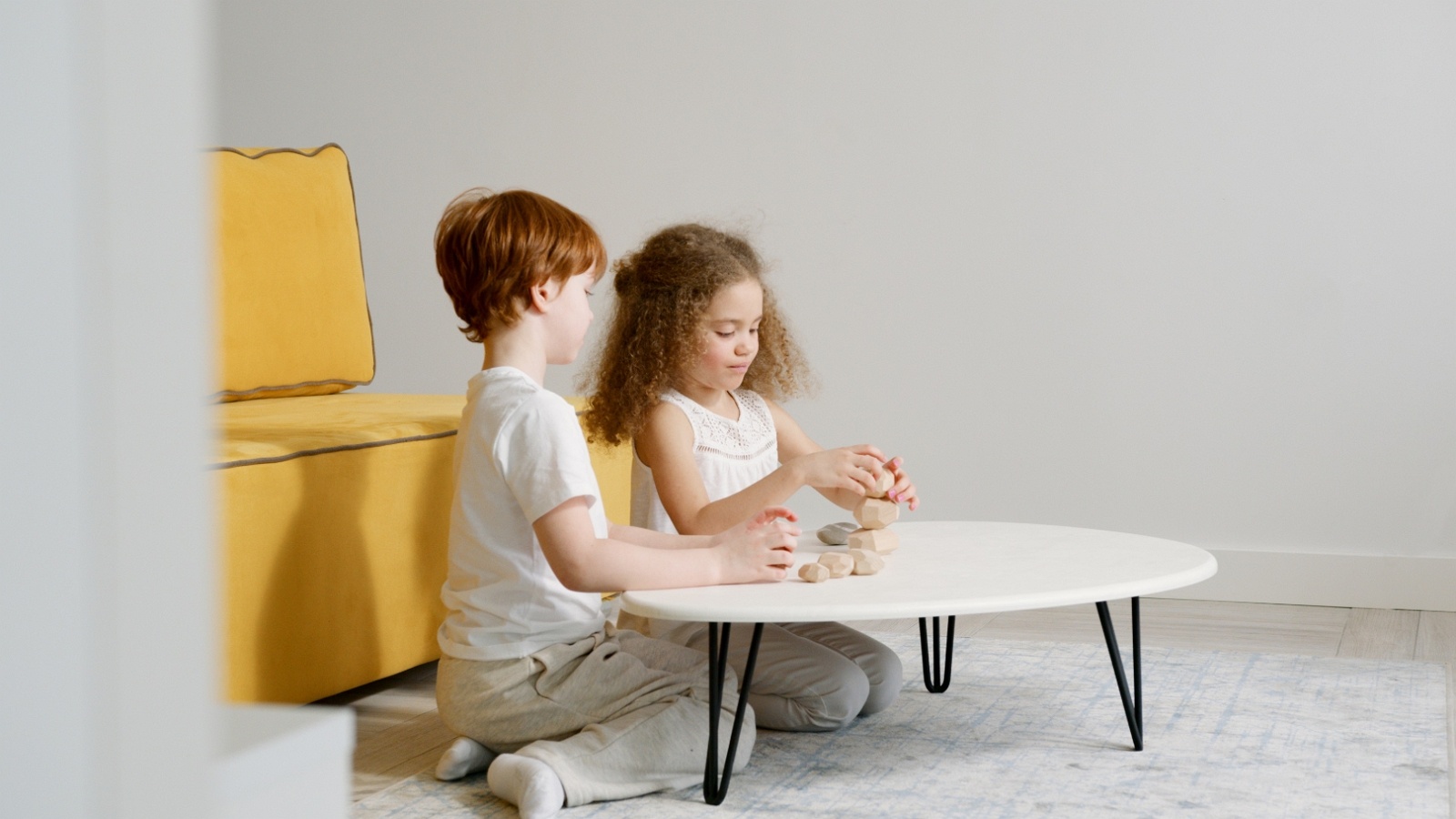
- Give each child a job in a build: one sorts, one stacks.
- End while the mood is still good, then play again later.
Speed-only games can train grabbing. Turn rules train patience.
Teamwork, Talking, and Small Conflicts
Team games ask kids to hold a shared goal. Build the tower. Finish the puzzle. Care for the house together. Someone has to say the plan out loud. Someone else has to agree or offer a new idea. Educational games for kids with a shared room, a pet house, or a group quest make that job split easy to see. That is communication practice. Young children often point instead of talking. A game gives a reason to use words: “You do the roof. I do the door.” Older children can split jobs and check in. Games for kids that are educational only help here if an adult stays close enough to pause the round.
Conflicts show up when two players want the same piece. Treat that moment as the lesson.
- Pause the game.
- Each child says what they wanted in one sentence.
- Offer two fair options: trade next turn, or split the task.
- Restart only after both agree.
The same words work later at the snack table.
How Skills Shift by Age
Ages 2 to 4
Toddlers practice joint attention, simple words, and waiting a few seconds. Best games are short. Point to a feeling face. Hand a toy. Copy a clap. Care for one pet with a parent sitting close. Educational games for 2 year olds stay on one job so the wait is only a few seconds. Parallel play is normal. Side-by-side building still counts. The adult can narrate: “You stacked. She stacked. You both made a tower.” Games for toddlers and apps for toddlers work best when a parent can join the first taps. Educational games for kids age 3 can add a second step, such as feed, then hug.
Ages 4 to 6
Preschoolers can follow a two-step rule, take turns with a reminder, and try simple role-play. They like baby care, pet care, dress-up, and cleanup stories. Friendship talk can be one line: “Can I have a turn?” Games for preschoolers match this stage when the rule fits on one sentence. This is a strong age for play that mixes a story with one clear job. Too many menus are overwhelming. Educational games for 4 year olds, kindergarten games, and educational games for 5 year olds can stretch the turn a little longer without turning play into a test.
Ages 6 to 8
Early grade-school kids can plan, lose with support, and talk through a rule dispute. Cooperative builds and simple team challenges fit. They can name more feelings: left out, proud, frustrated, jealous. Educational games for 6 year olds can add a short plan before the first move. Keep competitive games short. Pair a win-lose game with a cooperative one so the afternoon is not only about beating a sibling. Educational games for 7 year olds still need that mix, even when the child can read the rules alone.
Ages 8 and Up
Older kids can handle longer shared goals, conversation games, and projects with roles. They still need a calm exit when teasing or trash talk starts. Social skill at this age includes tone, not only turns. Learning apps for 8 year olds help when they ask for a plan, not only a high score. Educational games for 10 year olds and 4th grade educational games can hold a longer team task. The social piece is still the same: agree on a job, wait, and fix a mix-up without mockery.
Screen Games and Table Games Work as a Pair
Offline games train real voices, real faces, and real waiting. Charades, block builds, board games, and pretend shops do this well. Educational games for kids at home can sit on the floor or on a tablet, as long as someone names the kind act.
Online educational games add repetition the child will actually choose. A care routine can happen daily without a parent inventing a new activity each time. The risk is solo tapping with no talk. Fix that by sitting nearby for part of the session and asking one question. Online educational games for kids help most when they stay ad-free and end in a natural stopping point.
A helpful mix:
- One short digital care or story game.
- One face-to-face game the same day.
- One real-life transfer: pass a snack, wait at the door, comfort a sibling.
Tablet games for kids and educational games for iPad make that mix easy if the device is already in the house. Ads and pop-up shops pull attention away from the social lesson. Educational videos and games for kids should still leave room for a live voice in the room.
What Parents Can Do So the Skill Leaves the Game
The game starts the habit. The adult helps it travel. A two-minute recap beats a long review.
- Narrate the kind act. “You noticed the pet was hungry and fed it.”
- Keep sessions short. Stop before frustration peaks.
- Play together sometimes. Shared play is social practice by itself.
- Use the same words later. “That face looks like the sad pet. What would help?”
- Skip shame after a loss. Name the feeling, then reset the rule.
- Watch the design. If the game only rewards speed or spending, it is a weak social teacher.
Practical tips for new parents fit this same idea: short, repeatable routines beat a perfect plan that never happens. A family weekly planner can hold one shared game slot so the practice does not slip off the day. Fun educational games for kids belong in that slot only if a parent can name one skill after the round.
Why TutoClub Fits Social Skill Practice
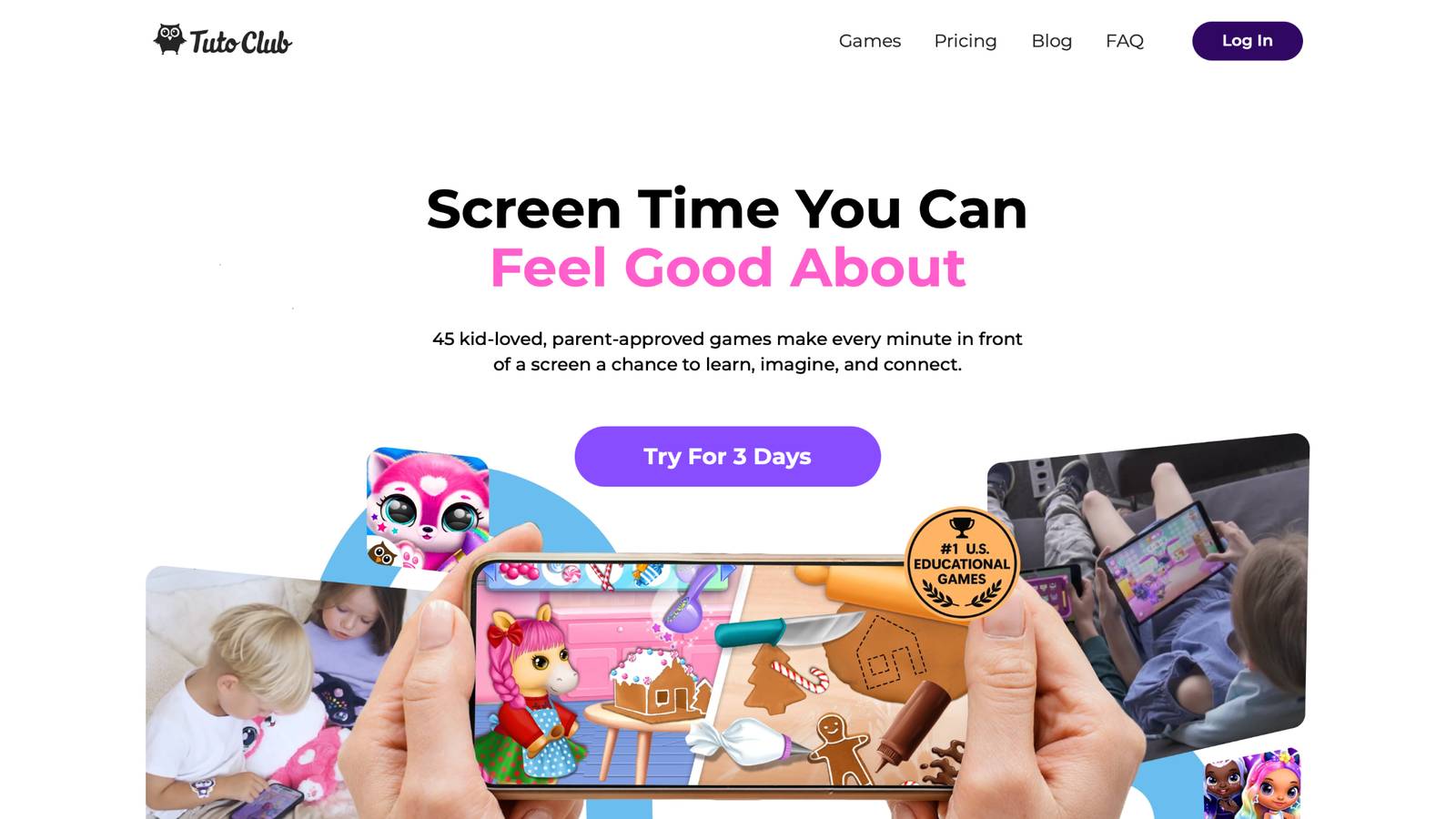
Tutoclub is a subscription from the TutoTOONS studio with more than 45 ad-free games for young children. One login opens care, story, puzzle, and creative play on the devices a family already uses. After the first download, many titles can be played without a constant connection. Safe apps for kids matter here, because a social lesson fades when an ad or a shop button pops up.
The social skill design is practical. Kids hatch and care for pets in games like Fluvsies and Smolsies. They help baby characters in My Baby Unicorn and Giggle Babies. Cleanup stories turn tidying into a finished job. Fashion and doll play give a place for self-expression and gentle role-play. These are the same loops that build empathy, patience, and responsibility: notice a need, do a helpful act, see a calmer result. A Fluvsies paper doll printable can carry that same care play off the screen.
Parents get a calmer screen setup than open app stores. Play stays free of ads and in-app purchase pressure, which protects the lesson from interruption. Content is made for children who still love pretend care, so the tasks match early social growth instead of teen competition. Mobile games for kids in this set stay on phones and tablets the family already owns.
Compared with a pile of separate free apps, one curated set is easier to supervise. Compared with fast competitive games, care-and-create play asks for kindness more often than speed. Families who want both fun and friendship practice can keep the digital half of the day inside that set, then add a board game or block build beside it. Questions about devices, accounts, and what a plan includes sit on the FAQ page. Plan details sit on the subscription FAQ. Extra family ideas on feelings and play sit on the blog.
TutoClub Overview
TutoClub is your gateway to a magical world of educational games designed especially for children.
As part of TutoTOONS, a leading kids' games studio, we offer premium access to over 45 ad-free games.
Our mission is to blend learning and play, helping kids explore, create, and grow in a safe online space.
Thousands of parents trust us for family-friendly content that sparks imagination and builds essential skills.
Key Features
- Unlimited Access: Unlock full content in all games with no interruptions.
- Ad-Free Experience: Enjoy seamless play without any ads or distractions.
- Skill Development: Games foster creativity, social skills, communication, and more through fun activities like pet care and cleanup challenges.
- Regular Updates: Get new releases, exclusive content, and future updates automatically.
- Easy Subscription: Cancel anytime with no obligations, simple and flexible for families.
Explore Our World
TutoClub provides a rich ecosystem of educational games for kids, featuring ad-free experiences that promote creativity, focus, and emotional growth through play.
This platform turns screen time into valuable learning opportunities, with parent-approved content that builds essential skills and sparks curiosity in young minds.
- TutoClub Games: Over 45 educational games, including popular titles like Fluvsies, Smolsies, and the Sweet Baby Girl series
- Blog: Insights, tips, and stories for families on kids' learning and play
- FAQ: Comprehensive answers to frequently asked questions about subscriptions, features, and more
Get TutoClub on Your Device
TutoClub delivers premium kids educational games directly to your mobile devices, making learning accessible anytime, anywhere.
With apps available on major platforms, families can easily download and subscribe for ad-free play that turns screen time into skill-building adventures.
Perfect for parents seeking safe, engaging content on iOS, Android, or Amazon devices.
Why Choose TutoClub?
We're committed to 100% safe, enriching entertainment that kids love and parents approve.
Join the thousands who've seen their children thrive through playful learning.
Ready to start the adventure?
Choose TutoClub to help practice kindness without ads!
Mistakes That Block Social Growth
Some games look cute and still train the wrong habit. How to protect kids online starts with the same check: what is the game training while the child thinks they are only playing?
- Solo speed with no turn rule. The child learns to tap faster, not to wait.
- Rewards that shout. Constant prizes can drown out the story about feelings.
- Adult-only control. If a parent plays every move, the child never practices a choice.
- Sessions that run too long. Tired kids grab, yell, and quit. Short rounds stick better.
- No real-life echo. A kind act inside a game fades if nobody names it at the table.
- Teasing during family play. Social games fail when winning includes mockery.
Fix the setup before swapping the whole game. Add a turn rule. Shorten the timer. Sit beside the child for the first minutes. Free online games for kids often fail this test when ads or surprise shops sit between turns. Educational games for kids apps should open into play, not into a store.
How to Choose a Social Skills Game
Pick for the child in front of you, not for a trend. Online games for children that pass this list are easier to trust for daily use.
- Age fit: tasks a child can finish without constant rescue.
- Clear kind action: feed, share, comfort, tidy, or wait.
- Low clutter: no ads, no surprise shops, no scary timers.
- A stop point: levels or stories that end.
- A way to play together: local pass-and-play or a parent seat nearby.
- A match to a real gap: grabbing, shy starts, big feelings, or no words for needs.
A pretty character is not enough. The action has to practice a friendship skill. Online games for kids that are educational should show that action in the first minute. Educational websites for kids can support the same goal if the page leads to play with a person, not only to another menu.
FAQ
How do educational games for kids develop social skills without other children in the room?
Educational games for children can still build social skills when the other “player” is a character, a parent, or a sibling on the couch. Care stories ask a child to notice a need and respond with a feed, a hug, a tidy, or a calm voice. Turn-based puzzles ask them to wait instead of grabbing the next move. Story choices ask them to pick a kind line, then show what happens after that choice. Learning games for kids online make that need easy to see through a face, a sound, or a messy room, so the child is not guessing what kindness looks like. The practice is real even in a quiet house, because the child still has to read a cue and answer it. A pet that looks hungry, a baby character that cries, or a room that needs cleanup gives the same pattern each time: notice, help, watch the result. The skill sticks when the same words show up later with a real person, such as passing a snack, waiting at the door, or comforting a doll together. Solo play starts the habit. A parent sitting nearby, naming the kind act once, is what helps that habit travel out of the game.
Which social skills games help shy children?
Shy children usually do better with predictable, low-pressure social skills games. Short care tasks, feeling-face matches, and side-by-side builds let them join without performing for a crowd. A parent can take the first turn and hand over one small job, such as feeding a pet, passing a block, or pointing to a feeling face. Games that demand a loud answer, a timer, or a public win often shut the practice down before it starts. Repeated gentle turns build a simple script a child can reuse later: hello, a short question, then a turn offer. Kids educational games for a 5 year old often fit this quieter start, because the job is clear and the round can end quickly. Parallel play still counts. Two children building next to each other, or a child and a parent copying the same face, is social practice even if nobody makes a speech. The goal is not to push a shy child into a big group on day one. It is to give them a line and a kind action they already know how to use when a classmate is finally nearby.
Can educational games replace playdates for friendship practice?
Educational games cannot replace playdates, class time, or family meals. Those settings supply real voices, surprises, and the work of making up after a mix-up. Games supply safe repeats of the pieces inside those moments: waiting, sharing, naming feelings, and fixing a small no. A child who has rehearsed “my turn” in a calm game has a tool ready when a friend reaches for the same block. Games for kids online that are educational work best as practice between real social time, not as a stand-in for it. A care game can teach a child to notice a sad face. A playdate is where that notice meets a real classmate who might say no, walk away, or want the same toy. Both matter. One prepares the skill in a place where a miss is small. The other tests it with a live person who does not follow a script. Families get more from the pair than from either one alone: a short game at home, then a real chance to use the same words with someone else.
How long should a social skills game session last?
A social skills game session works better when it stays short enough to end in a good mood. Many young children do well with one brief round they can finish, then stop while they still want a little more. Long sessions often end in grabs, shouts, or quitting, which teaches the opposite of fair play. One calm round plus a real-life echo, such as passing a toy with “thank you,” beats a long stretch of solo tapping. Educational games for kids that are fun with a clear story ending make that stop easier to keep, because the child can see that the job is done. Younger children usually need a shorter round than older ones, and a tired, hungry, or overstimulated child needs an even earlier stop. A parent can watch the face, not the clock. If the voice gets sharp or the hands start grabbing, the lesson is already over. Ending on a kind pass, then returning later, keeps the game tied to patience instead of to a fight about “one more level.
What should parents avoid in kids educational games meant for social growth?
Kids educational games meant for social growth lose the lesson when they only reward speed, flashing prizes, or surprise shops. Ads and purchase buttons pull attention off people, rules, and feelings. Games that mock losing or invite teasing also train the wrong habit, even if the characters look cute. Stronger play uses care tasks, turn rules, and stories where a kind choice changes what happens next. A parent nearby can name that choice once, which helps the habit leave the screen. English learning apps for kids can supply simple words for that pause, such as “my turn,” “help,” or “thank you,” when a child is still building phrases. It also helps to skip games where the adult makes every move, because the child never practices a choice. A pretty theme is not enough. The action has to practice sharing, waiting, talking, or noticing someone else. If a round has no turn, no other person to help, and no moment to pause, it may still be fun, but it is weak practice for friendship skills.
Read Also:
- Best Social Emotional Games For Kids In 2026
- Building Emotional Intelligence With Kids Educational Games
- Best Emotional Games For Kids In 2026
- Best Emotional Regulation Games For Kids In 2026
- How Educational Games for Kids Make Learning Fun
Build stronger social skills with educational games at TutoClub!