
Building Emotional Intelligence With Kids Educational Games






Kids educational games turn big feelings into practice children actually enjoy. When a child names a feeling, cares for a character, or tries again after a setback, they build emotional intelligence that helps with friendships, school, and calm at home. Caring play inside a collection of educational games for kids gives those skills a safe place to grow.
Caring play can start early with the best educational games for 2 year olds that help toddlers name simple feelings. Slightly older kids often grow the same skills in the best educational games for kids age 3 and the best educational games for kids 4 years old online, then keep practicing through setbacks with the best educational games for 5 year olds.
Give kids ad-free educational games that grow empathy, kindness, and everyday calm!
What Emotional Intelligence Looks Like in Real Kid Life

Emotional intelligence is the skill of noticing feelings in yourself and others, putting words to them, and choosing a helpful next step. For a preschooler, that can look like saying “I feel mad” instead of throwing a toy. For a first grader, it can look like waiting a turn or checking if a friend is okay.
Many teachers group this work under social emotional learning. The core pieces stay simple:
- Self-awareness: naming happy, sad, scared, proud, jealous, or mixed feelings
- Self-management: pausing, breathing, asking for help, or starting over
- Social awareness: noticing faces, voices, and what another person might need
- Relationship skills: sharing, taking turns, saying sorry, and making up
- Responsible choices: thinking about what happens next
Kids educational games support all five when the play asks a child to care, wait, plan, or talk about feelings. That is why social emotional games for kids, emotional games for kids, and responsibility games for kids sit so close to everyday friendship skills. The game is on the practice field. Home is where the skill shows up later.
Common Sense Education reviews many emotion apps and games that help kids label feelings and practice calm tools. That same idea works in analog play too, from feelings charades to story time.
Everyday Games That Build EQ Without a Screen
You do not need an app for every lesson. Mix simple home games with digital play so skills transfer. Educational games for kids at home work best when they stay short and easy to repeat.
- Feelings face match. Draw or print faces. Take turns picking one and telling a short story: “I felt this when…” Younger kids can point. Older kids can add what helped.
- Emotion charades. Act out happy, shy, angry, or surprised. Guess, then talk about body clues. Tight fists. Droopy shoulders. A quiet voice.
- Kindness bingo. Fill squares with small acts: share a crayon, hold a door, give a compliment, wait without grabbing. Mark a square when it happens. The prize can be extra story time.
- Stop, breathe, choose. When a game gets heated, freeze. Take three belly breaths. Name one feeling. Pick one next step. This is the same pattern many classroom tools use, including Sesame’s breathe, think, do idea.
- Story pause. While reading, stop at a tense page. “What does she feel? What could she try?” Kids educational games copy this pause when a character needs care.
These games cost little and work in the car, at dinner, or before bed. A family weekly planner can hold the feeling check and the offline game so they do not get lost in a busy week. Keep them short. Five focused minutes beat a long forced talk.
Match Games to Age So the Practice Fits
Ages 2 to 4
Keep it concrete. Faces. Colors. Simple care. Name one feeling at a time. “The baby is tired. We rock.” Short sessions. Sit nearby and narrate. Educational games for toddlers and games for preschoolers fit this stage when the play stays visual and brief.
Ages 5 to 7
Add words and reasons. “He looks left out. What could we do?” Kids this age can handle two-step plans: calm down, then try again. They also enjoy pretend roles, which is why dress-up and caregiving stories work. Educational games for 5 year olds and educational games for 7 year olds often mix logic with kindness.
Ages 8 and up
Talk about mixed feelings. A child can feel proud and nervous at the same time. Games that include setbacks help here. Losing a level and trying a new plan is emotional regulation in disguise. Ask what they noticed, not only if they won. Educational games for 10 year olds can hold longer care routines and design challenges. Age is a guide, not a rule. A sensitive six-year-old may still want simple pet care. Follow interest and energy.
How Caring Games Grow Empathy, Patience, and Responsibility
Empathy starts with “someone else has a feeling.” Virtual pet care games make that obvious. Feed them and they brighten. Forget them and they droop. Kids connect cause and effect without a speech. Patience grows in wait time. Eggs hatch later. Rooms tidy step by step. A child who wants instant results practices staying with a task. That same muscle helps with homework and sibling waits.
Responsibility grows when a character depends on the child. Daily care is a rehearsal for real jobs like packing a bag or feeding a real pet. Dress up games for girls add another path, because choosing a look can be a feeling in clothes. Talk about that. “You picked bright colors. Do you feel brighter too?” Confidence building games add the try-again piece. Finishing a puzzle after a stumble teaches “I can try again.” That belief supports emotional regulation more than any poster on the wall.
A Simple Weekly Plan Parents Can Keep
You do not need a new curriculum. Use a light rhythm.
- Monday: Name it. One feelings check at breakfast. One word is enough.
- Tuesday: Care play. Fifteen minutes with a pet or baby game. Ask, “What does she need?”
- Wednesday: Offline game. Charades or kindness bingo.
- Thursday: Cleanup play. Digital tidy-up, then one real-life job together.
- Friday: Family co-play. Sit beside your child. Play the same game. Celebrate effort.
- Weekend: Story pause. Pick a book or show. Stop once to guess a feeling and a kind next step.
Keep screens in a shared space when you can. End play with one sentence: “You helped your pet feel better.” Kids store that identity. They start to see themselves as people who notice and help.
Learning games for kids fit this plan when the session stays short. Tablet games for kids work in the same slot if the device stays in a shared room. If attention frays, stop. Emotional practice only works when the child still feels safe. Tired kids need a snack or a walk more than another level.
Classroom and Homeschool Ideas That Stay Useful
Teachers and homeschool parents can use the same games as warm-ups.
- Start circle time with a weather check. Sunny. Cloudy. Stormy.
- Pair two children to care for one virtual pet and take turns.
- After play, write three feeling words on the board and pick one as a class goal.
- Use cleanup games before real cleanup. The pretend job primes the real job.
- For apps for preschoolers, keep sessions short and follow with movement.
Educational games for kindergarten support EQ when the puzzle includes people, not only shapes. “How do we get the baby to sleep?” is a social problem. So is “Who goes first?”
Research teams have tested serious games that walk children through emotion scenes and choices. The useful takeaway for families is simple. Guided play that asks kids to read a situation and pick a response can lift emotion skills. You do not need a lab game. You need repeated, kind practice. PBS Parents also shares feelings, crafts and calm jars for the same reason. Hands and words together help the lesson land.
How TutoClub Fits Families Who Want Play With Purpose
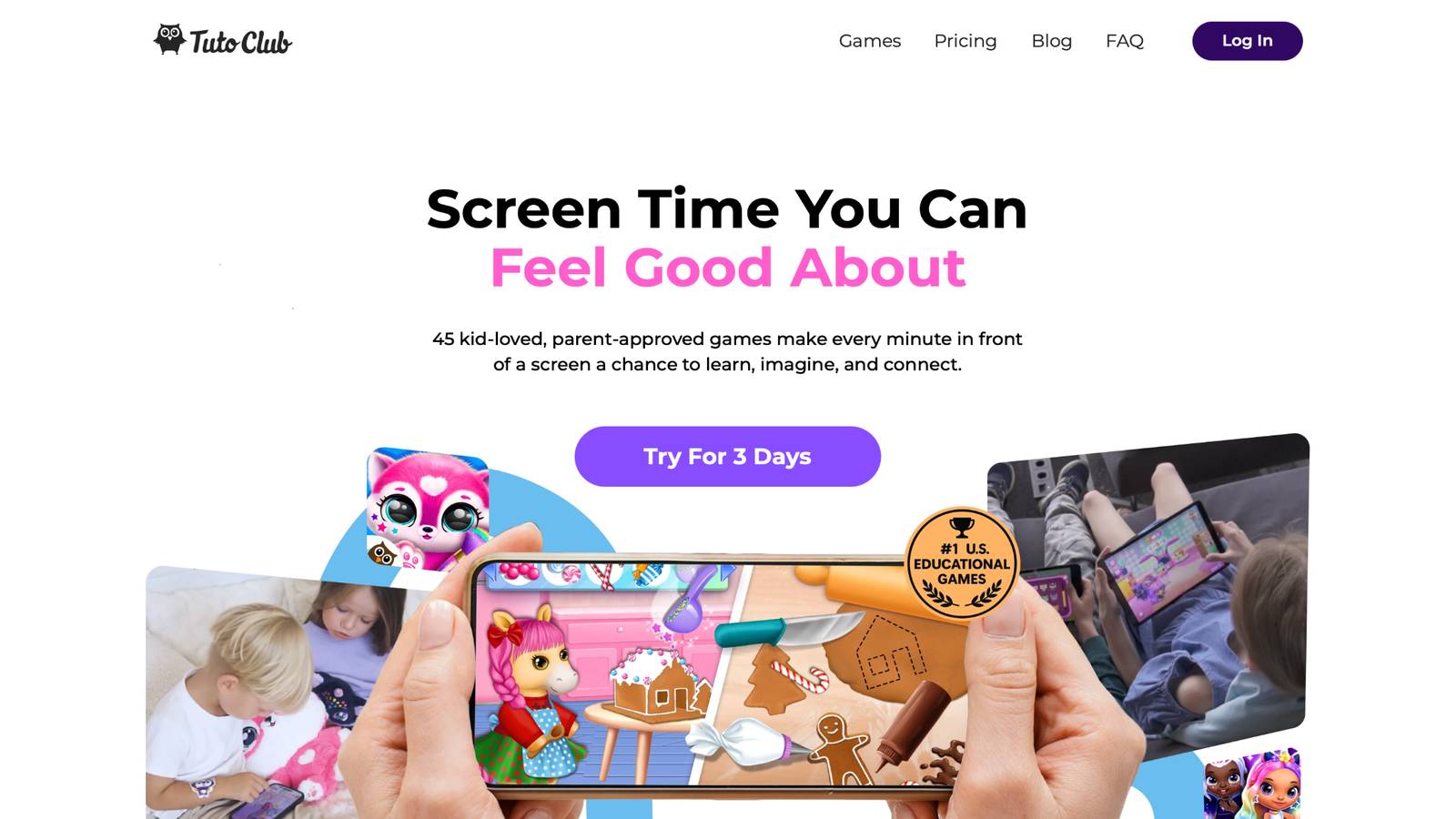
TutoClub is a subscription that unlocks 45-plus TutoTOONS games in one ad-free plan. The library leans on care, creativity, and daily-life play. That mix is a natural home for emotional intelligence work.
Kids can hatch and tend pets, keep a house happy, practice kindness with a baby unicorn, tidy rooms, style characters, and try gentle early-learning play. One login can work across devices, which helps siblings and busy weeks. Parents manage the plan, cancel when they want, and skip the in-game store tug-of-war.
The studio behind the games built them for young children who learn by pretending. Caring for a character is not extra flavor. It is a lesson. Families who already juggle preschool apps, cleanup habits, and confidence goals can keep those aims inside one library instead of six random downloads.
A short trial lets you watch your child with a real title before you commit. Sit with them once. Notice whether they talk about needs, moods, and next steps. That is the test that matters. Answers about plans, devices, and accounts live on the TutoClub FAQ and the subscription FAQ if you need the practical side.
TutoClub Overview
TutoClub is your gateway to a magical world of educational games designed especially for children.
As part of TutoTOONS, a leading kids' games studio, we offer premium access to over 45 ad-free games.
Our mission is to blend learning and play, helping kids explore, create, and grow in a safe online space.
Thousands of parents trust us for family-friendly content that sparks imagination and builds essential skills.
Key Features
- Unlimited Access: Unlock full content in all games with no interruptions.
- Ad-Free Experience: Enjoy seamless play without any ads or distractions.
- Skill Development: Games foster creativity, social skills, communication, and more through fun activities like pet care and cleanup challenges.
- Regular Updates: Get new releases, exclusive content, and future updates automatically.
- Easy Subscription: Cancel anytime with no obligations, simple and flexible for families.
Explore Our World
TutoClub provides a rich ecosystem of educational games for kids, featuring ad-free experiences that promote creativity, focus, and emotional growth through play.
This platform turns screen time into valuable learning opportunities, with parent-approved content that builds essential skills and sparks curiosity in young minds.
- TutoClub Games: Over 45 educational games, including popular titles like Fluvsies, Smolsies, and the Sweet Baby Girl series
- Blog: Insights, tips, and stories for families on kids' learning and play
- FAQ: Comprehensive answers to frequently asked questions about subscriptions, features, and more
Get TutoClub on Your Device
TutoClub delivers premium kids educational games directly to your mobile devices, making learning accessible anytime, anywhere.
With apps available on major platforms, families can easily download and subscribe for ad-free play that turns screen time into skill-building adventures.
Perfect for parents seeking safe, engaging content on iOS, Android, or Amazon devices.
Why Choose TutoClub?
We're committed to 100% safe, enriching entertainment that kids love and parents approve. Join the thousands who've seen their children thrive through playful learning.
Ready to start the adventure?
Try a safe set of kids educational games that put kindness and care at the center of play!
Bring the Skills Off the Screen
Games start the habit. People finish it. After play, use three short prompts:
- What feeling showed up?
- What did you try?
- What would you try next time?
Keep your voice even. Praise the try, not only the win. Model the same skills. Say your own feeling out loud. “I felt rushed. I took a breath.” Kids copy the adults they love. Over weeks, mix digital care with real care. Water plants. Pack a snack for a friend. Draw a card. The game taught the pattern. Life gives meaning.
Emotional regulation games for kids help the pause-and-choose step. Fun games that are educational for kids help the same skills feel light enough to repeat. Kids educational games will not replace hugs, limits, or sleep. They can give children a friendly place to practice the inner work those things require.
FAQ
What kids educational games help emotional intelligence the most?
The strongest kids educational games for emotional intelligence are the ones that ask a child to notice a need and respond with care. Pet care, baby care, cleanup stories, and kind role-play give clear faces, moods, and results, so a child can practice empathy, patience, and naming feelings without a lecture. Online educational games for kids that center daily care work well because feeding, comforting, or tidying changes how a character looks and acts. Look for gentle feedback, simple feeling words, and play a parent can talk about in one short sentence after the session. Speed games with no people in them rarely teach the same social skills.
How often should kids play emotional learning games?
Short, steady play helps more than a long session that leaves a child tired or overstimulated. Many families do well with a few brief emotional learning games each week, plus one moment when a parent sits nearby and names a feeling out loud. Pair digital care from learning apps for kids with a small real-life follow-up, such as watering a plant after pet care or putting shoes away after a cleanup story. Stop while the child still feels okay, because calm bodies learn better than rushed ones. A light weekly rhythm of naming feelings, caring play, and one offline game keeps the skill from staying only on the screen.
Can preschoolers build emotional intelligence with games?
Yes. Preschoolers build emotional intelligence through faces, routines, and pretend care, not through long talks. Simple apps for toddlers and offline games like feelings face match or emotion charades help little kids connect a look with a word such as happy, sad, tired, or mad. Sit nearby and narrate what you see: the baby is tired, the pet looks glad after being fed. Keep sessions short and concrete so the child can finish feeling successful. At this age, one feeling word and one kind action per playtime is enough practice.
Do kids need both offline games and apps for social emotional skills?
Both help, and they cover different parts of social emotional skills. Offline games such as kindness bingo, story pauses, and charades build talk, body clues, and turn-taking with real people in the room. Online educational games for kindergarten give repeat practice with clear visual feedback, which is useful when a child needs to see a mood change after they help. Used together, they move the same pattern from pretend care to home life. If time is tight, choose the format your child will finish with a calm body, then add the other format on another day.
How can parents tell if educational games are building empathy and calm?
Watch for small shifts, not a sudden new personality. A child who uses a new feeling word, pauses before grabbing, checks on a sibling, or repairs a squabble more gently is using empathy and self-management in real life. Games for young kids that include caring play also show up as trying again after a miss, which is emotional regulation in everyday clothes. Keep a short note for a couple of weeks so quiet progress is easier to see. The useful test is whether play leads to kinder talk and calmer next steps at home, not whether a level was won.
Read Also:
- Best Social Emotional Games for Kids
- Best Emotional Regulation Games for Kids
- Best Emotional Games for Kids
- Best Confidence Building Games
- Best Apps for Preschoolers
Give kids ad-free educational games that grow empathy, kindness, and everyday calm!