
How Makeup Games Spark Kids Creativity





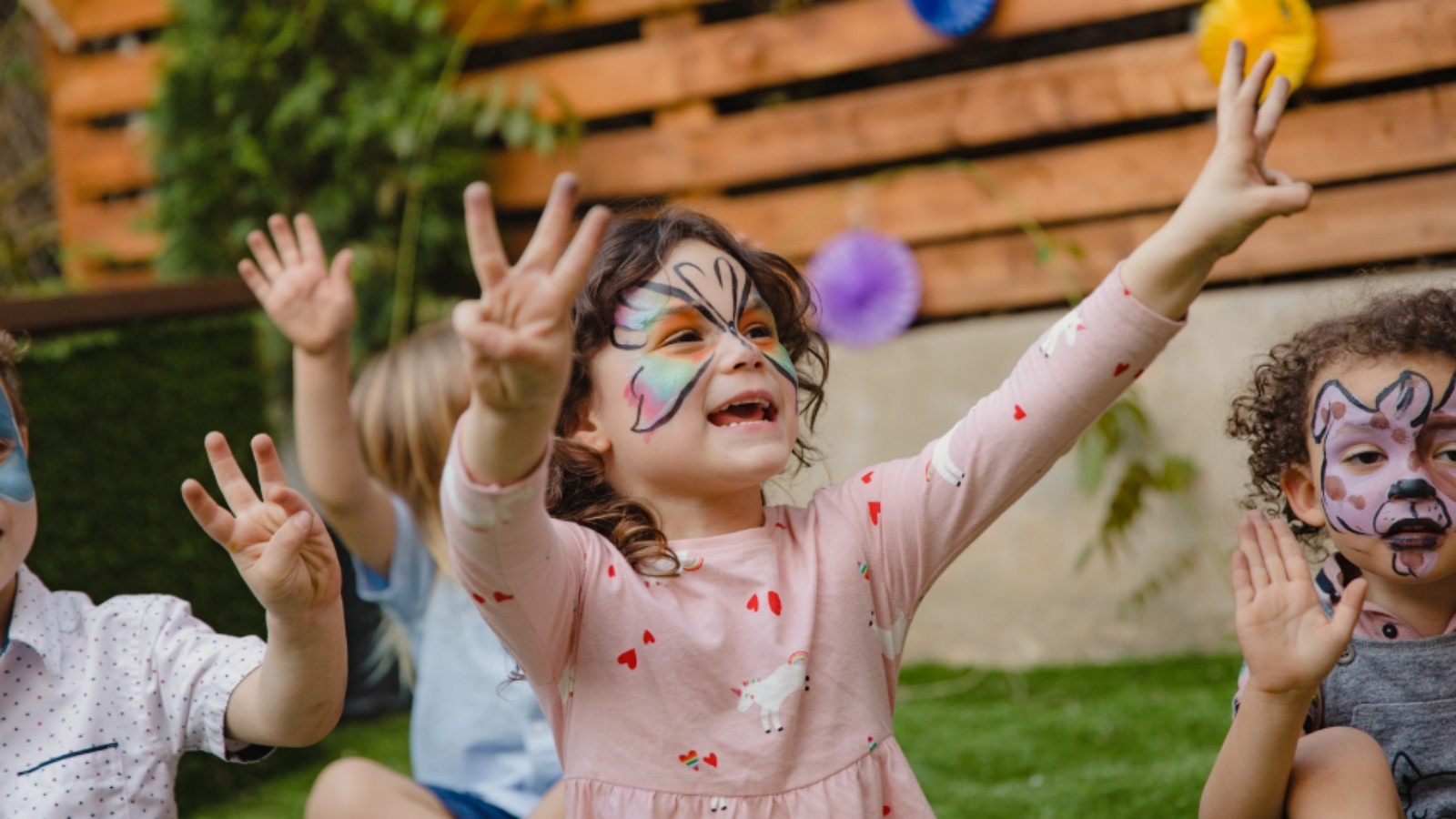
Makeup games spark kids creativity by letting children mix colors, try virtual makeup, and invent a character look without the mess. Kids practice style, storytelling, and fine motor skills as they pick shades and outfits. Families who want calm fashion play often start with educational games for kids that keep makeovers ad-free and useful.
After a virtual makeover, many children also enjoy pairing color play with the best dress-up games for girls online so outfits match the new look. The best makeup games online keep the same calm, mess-free practice with shades and storytelling. Families looking for more gentle options can browse the best games online for girls and the best play online games for girls that stay ad-free and easy to start.
See how makeup games spark kids creativity inside TutoClub!
What Makeup Games for Kids Actually Are

Makeup games for kids are digital makeover and dress-up activities. A child picks a character, then chooses colors, brushes, lashes, and accessories. Some games stay on the face. Others add hair, clothes, nails, and a photo studio. That mix sits close to dress up games for girls online, where style and story work together.
Common types include:
- Makeover games where kids apply virtual foundation, blush, lipstick, and eyeshadow
- Dress-up games that mix outfits with makeup for a full look
- Doll creators that start from skin tone, hair, and face paint
- Nail art games that practice patterns and small details
- Salon stories that walk through spa steps, then styling
There is no single “right” face. That freedom is the point. Kids decide. They redo a look in seconds. They compare a fairy look with a mermaid look and talk about why one feels “soft” and the other feels “bright.” Simple tools also fit games for preschoolers who need big buttons and clear choices.
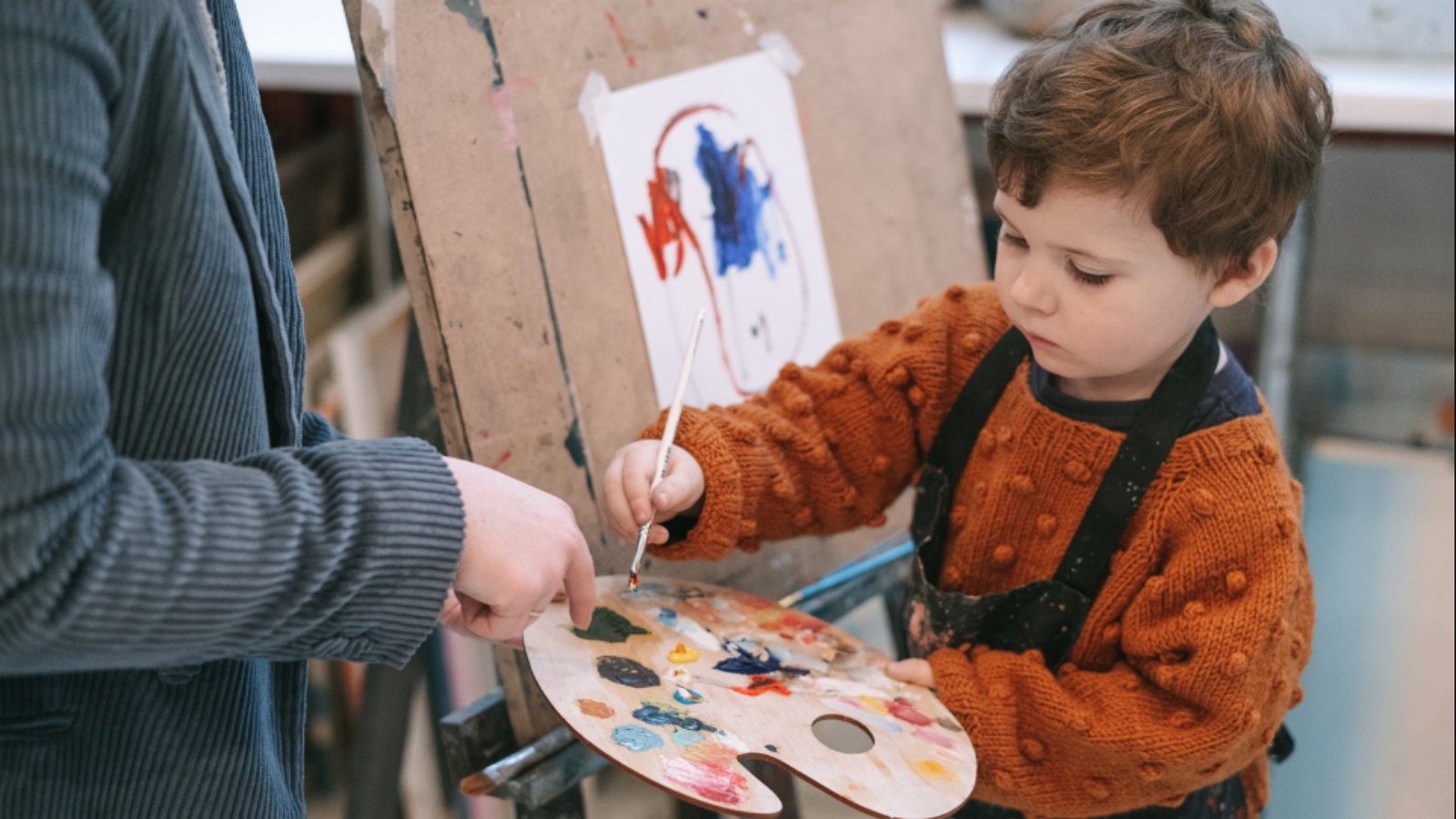
This kind of play sits next to real pretend makeup. Makeup play, even pretend play, can support planning, grip, and simple sequences such as open, apply, and put away. Virtual tools keep the same sequence without pigment on the couch.
Parents looking for the next activity after a first makeover often browse curated lists of girl fashion makeup games online, makeover games online, and makeover games for girls. Those collections keep the same simple loop - pick a face, try colors, save or start over - while adding outfits, hair, and salon scenes that match what kids already enjoy in dress-up play.
How Virtual Makeup Play Builds Creative Thinking
Creativity is not only drawing a picture. It is choosing, changing, and explaining a choice. That same loop shows up in learning through play activities, where kids invent instead of copy.
A makeup game asks a child to:
- Pick a mood or theme (party, princess, rainy day, show time)
- Choose colors that fit that mood
- Place details in a sensible order (eyes before lashes, lips after blush)
- Step back and decide if the look “feels finished”
- Start over if it does not
That loop trains flexible thinking. Kids learn that one idea can become many ideas. A blue lid can turn into a night-sky look. A pink lip can become a candy princess look. The screen gives instant feedback, so the child sees cause and effect right away.
Color play is quiet practice in visual balance. Children notice which shades sit well together. They also notice when a look feels too busy. That awareness later shows up in drawing, outfit choices, and classroom art. Open-ended looks also belong with fun educational games for kids, because the child stays in charge of the idea.
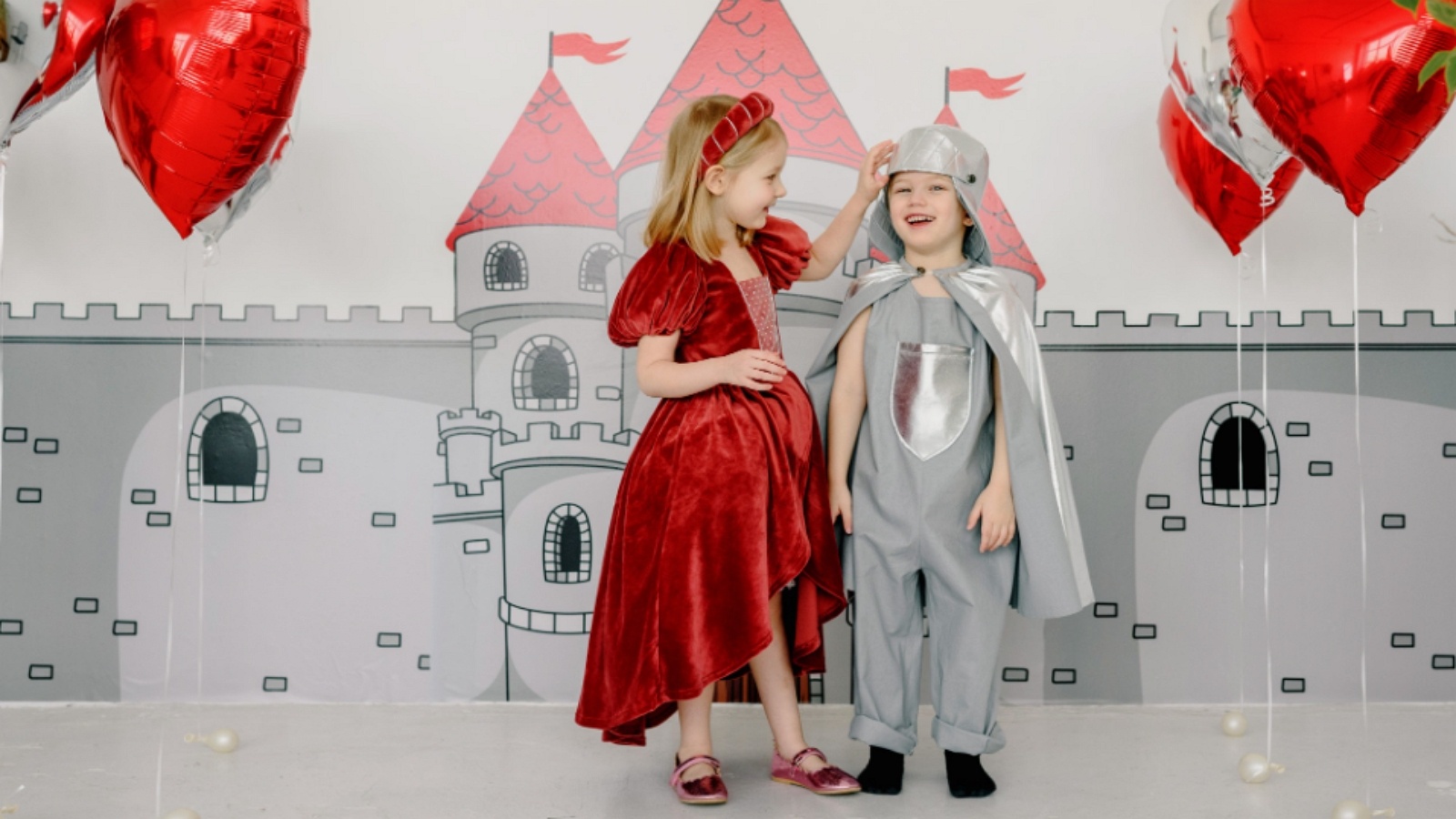
Storytelling grows at the same time. Kids rarely stop at “pretty.” They say the character is going to a castle, a concert, or a pet party. Outfit and makeup become props for a plot. Language grows when a child names shades, tools, and feelings out loud.
Fine Motor Skills, Focus, and Planning Without the Mess
Makeup games look simple. The hands and brain are working.
Dragging a tiny brush across an eyelid takes control. Tapping the right lipstick among many options takes attention. Switching from hair to nails to clothes takes planning. Short, clear steps help younger kids stay with a task instead of bouncing away. That early control matches the gentle pace of educational games for toddlers.
Parents often like the mess-free side. Real makeup can stain fabric, sting eyes, or get eaten by a toddler. Digital play still practices the same careful motions. Kids learn to aim, stop, and adjust.
Focus also improves when a game is calm. Loud ads, countdown timers, and surprise shop buttons pull attention away from the look. A quiet salon keeps the child on the creative job: mix, match, and finish. On a bigger screen, the same careful taps work well in tablet games for kids, where fingers have more room.
Self-Expression, Confidence, and Identity Play
Kids use faces and clothes to try on roles. A shy child may make a bold stage look. A loud child may make a soft pastel look. Neither choice is a final identity. It is rehearsal. That kind of rehearsal sits beside the confidence building games, where finishing a look feels like a small win. Safe makeup games give that rehearsal without public comments. No classmate scores the face. The child can save a look, laugh at a silly one, and try again. That low-pressure loop supports confidence. Completing a look from start to finish also gives a visible result the child made alone.
Role play adds social practice. A child who “does makeup” for a parent, sibling, or doll practices care and turn-taking. The child learns to ask, “Do you want pink or gold?” That is early customer service and early empathy in one game. Sharing feelings around a character also overlaps with social emotional games for kids. Fashion titles inside a larger kids library can add quests and stories so the makeover is not only a mirror. Style then becomes one way to talk about mood, care, and self-expression.
Why Safe, Ad-Free Makeup Games Matter More Than Flashy Filters
Many free makeup apps look colorful. Then an ad pops up. Then a shop. Then a character in a look that feels too grown-up. Families comparing options often start with safe apps for kids so the salon stays calm.
Parents should watch for:
- Ads and reward videos
- Chat with strangers
- In-app shops aimed at kids
- Overly adult makeup, body talk, or influencer pressure
- Tiny buttons that frustrate little hands
Better games keep the camera on play. Big icons. Soft colors. Clear undo. No pressure to look “perfect.” Inclusive skin tones and hair types help more children see themselves in the salon. Those same habits belong in broader advice on how to protect kids online. A subscription collection can be easier than hunting one-off apps. Kids can move from a makeover to pet care or a cleaning quest without leaving a calm, parent-approved space.
Makeup Games Versus Real Makeup and Face Paint
Both can help creativity. They do different jobs.
Virtual makeup games
- No stains or product waste
- Instant undo
- Huge color range
- Easy to pause
- Good for travel and quiet time
Real kid makeup or face paint
- Real texture and smell
- Stronger sensory play
- Needs adult rules and cleanup
- Better for parties and photos in person
Many families use both at home. A child designs a look in a game, then copies a simple version with washable face paint for a birthday. The game becomes a sketchbook. The real paint becomes the show. That mix fits educational games for kids at home, where screen play and hands-on play share the same afternoon.
Printable paper dolls can sit beside the screen too. A Fluvsies paper doll printable gives kids another way to dress a character after they finish a digital look. Keep real products labeled for children, used with an adult nearby, and framed as play, not as a rule for looking “good enough.” Makeup stays optional. Creativity stays the goal.
Skills Kids Practice During a Typical Makeover Session
A short makeup game can do more than paint a pretty face. Each tap, shade, and story beat trains a real skill while kids stay busy creating.
- Choosing a theme turns play into a plan. Is this a mermaid party or a quiet rainy-day look? That choice builds an idea generation kids later use in school projects and pretend play.
- Matching colors is quiet art class. Kids test pink with gold, blue with silver, or wild rainbow mixes. They learn what feels balanced. That visual judgment shows up in drawing, outfit picks, and simple sorting. Remembering a favorite mix also overlaps with memory games for kids.
- Placing small details works the hands. A lash, a tiny heart, a lip line, all ask for control. Those careful taps support writing, scissors, and everyday tasks like buttons and zippers.
- Changing a look after the first try teaches flexible thinking. The first blush may feel too loud. Undo. Try again. Kids learn that a first idea is a draft, not a failure. That same reset habit lives in problem solving games for kids.
- Naming the character’s story grows language. “She is late for the castle concert.” That sentence is narrative practice. It helps reading, conversation, and creative writing later on. Showing the look to a parent builds confidence. Sharing a finished face is a small, proud moment. It also practices social skills without a stage or a score.
Makeup games spark kids creativity because these skills stack in one session. No quiz. No grade. Just a child making a look, fixing it, and telling you why it works.
Common Worries Parents Have About Kids Makeup Games
1. “Will this push my child to wear makeup too young?”
Play and daily wear are different. Treat the game like dress-up. Talk about it as art and pretend, not as a rule for leaving the house.
2. “Is this only for girls?”
No. Color, faces, and style belong to any child who likes them. Boys, girls, and nonbinary kids all use paint, theater makeup, and character design. Keep the invitation open.
3. “Are these games empty entertainment?”
Some are. Look for titles that add story, choice, and calm design. Empty tap-and-sparkle apps fade fast. Games that let kids invent looks and reasons last longer.
4. What about body image?”
Skip games that slim faces, sell “perfect” filters, or talk about flaws. Prefer playful, cartoony, or doll-like characters. Praise effort and ideas: “You mixed two pinks,” not “You made her pretty.” Soft talk around feelings also pairs with emotional regulation games for kids.
5. “How much time is enough?”
Short, regular sessions beat long marathons. Stop while the child is still proud of the look. If a session turns tense, emotional games for kids can help name the feeling and reset the mood.
How TutoClub Puts Makeup-Style Creativity in a Learning Club
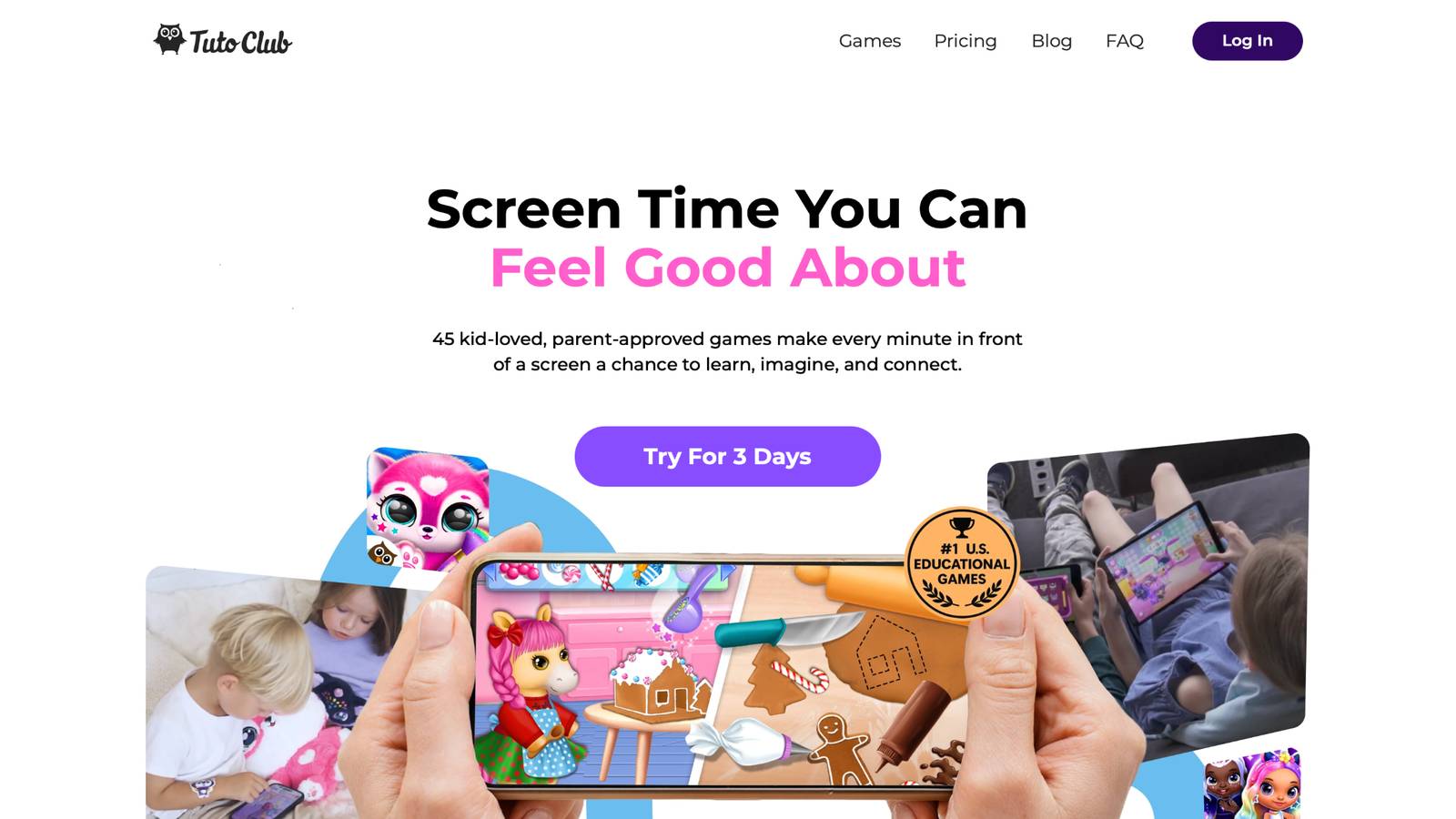
TutoClub is built for families who want screen time to feel useful. One subscription opens 45+ games from TutoTOONS. Play stays ad-free. Themes cover fashion, pets, chores, stories, and early learning. That mix also appears across an educational games for kids app style library, where makeovers sit next to care games and puzzles.
Fashion makeovers sit inside that mix. Kids can style looks, then switch to hatching pets, decorating a house, or running a cleanup quest. Creativity does not live in one salon. It moves across games.
What stands out for makeup-style play:
- Self-expression through fashion quests in L.O.L. Surprise! O.M.G. Fashion Club
- Princess doll care that ties looks to stories and kindness
- Calm controls that suit little hands
- No ad interruptions while a child is mid-look
- A free 3-day trial so families can test the full set
The club model also helps siblings. One child may love makeup tools. Another may love pets. Both stay in the same safe library. Parents are not installing a new random app every weekend. Common setup questions live on the TutoClub FAQ.
TutoClub Overview
TutoClub is your gateway to a magical world of educational games designed especially for children.
As part of TutoTOONS, a leading kids' games studio, we offer premium access to over 45 ad-free games.
Our mission is to blend learning and play, helping kids explore, create, and grow in a safe online space.
Thousands of parents trust us for family-friendly content that sparks imagination and builds essential skills.
Key Features
- Unlimited Access: Unlock full content in all games with no interruptions.
- Ad-Free Experience: Enjoy seamless play without any ads or distractions.
- Skill Development: Games foster creativity, social skills, communication, and more through fun activities like pet care and cleanup challenges.
- Regular Updates: Get new releases, exclusive content, and future updates automatically.
- Easy Subscription: Cancel anytime with no obligations, simple and flexible for families.
Explore Our World
TutoClub provides a rich ecosystem of educational games for kids, featuring ad-free experiences that promote creativity, focus, and emotional growth through play.
This platform turns screen time into valuable learning opportunities, with parent-approved content that builds essential skills and sparks curiosity in young minds.
- TutoClub Games: Over 45 educational games, including popular titles like Fluvsies, Smolsies, and the Sweet Baby Girl series
- Blog: Insights, tips, and stories for families on kids' learning and play
- FAQ: Comprehensive answers to frequently asked questions about subscriptions, features, and more
Get TutoClub on Your Device
TutoClub delivers premium kids educational games directly to your mobile devices, making learning accessible anytime, anywhere.
With apps available on major platforms, families can easily download and subscribe for ad-free play that turns screen time into skill-building adventures.
Perfect for parents seeking safe, engaging content on iOS, Android, or Amazon devices.
Why Choose TutoClub?
We're committed to 100% safe, enriching entertainment that kids love and parents approve. Join the thousands who've seen their children thrive through playful learning.
Ready to start the adventure?
Give kids makeup games that spark creativity inside TutoClub!
FAQ
Do makeup games spark kids creativity or only keep them busy?
Makeup games spark kids creativity when a child picks colors, changes a look, and invents a reason for that face. Busy tapping happens when the game only adds sparkles. Useful makeup play asks kids to plan a theme, match shades, and decide when a look feels finished. That loop builds flexible thinking, visual judgment, and storytelling in one sitting, much like other learning games for kids. Virtual makeover play also lets kids redo ideas without mess, so creativity stays in charge.
What age is a good fit for kids makeup games?
Many preschoolers can enjoy makeup games for kids when buttons are large and tools are simple. Older children often want more shades, hair options, and story quests around a full look. The best fit depends on the interface more than a birthday. If the art feels too adult or the controls feel tiny, a calmer dress-up or doll-care game is a better match. That same age-fit idea shows up across games for young kids, where simple choices come first.
Are online makeup games safe for kids?
Online makeup games can be a safe creative space when ads, chats, and shops stay out of the salon. Parents should look for age-fit characters, clear undo tools, and play that treats makeup as pretend art, not a rule for looking a certain way. Inclusive skin tones and hair types help more children see themselves in the look they make. A calm, ad-free library also keeps focus on color, style, and story instead of pop-ups. Those checks match the habits behind safe apps for kids.
How are makeup games different from regular coloring apps?
Coloring game apps fill a line that is already drawn. Makeup games add placement, order, and character. Kids choose where blush goes, how strong a lip color should be, and what the finished person is getting ready for. That extra layer turns color play into planning, fine motor practice, and identity play. Many children who freeze at a blank page still enjoy styling a face that is already on the screen, which is why makeup play can sit beside other educational but fun games for kids.
Can makeup games help kids who do not like drawing?
Yes. Makeup games give a friendly starting point: a face, a palette, and tools that respond right away. Kids still make art choices, such as mixing pinks, placing lashes, or building a mermaid look, without facing an empty page. Showing a finished look to a parent can also support a small confidence win in a low-pressure way. Pairing a digital makeover with a short spoken story keeps creativity moving even when pencils stay in the drawer. Fashion quests and princess doll care often live next to dress up games for girls, where style becomes another way to invent a character.
Read Also:
- Best dress up games for girls online
- Best confidence building games
- Best educational games for kids
- Best problem solving games for kids
- Best learning through play activities