

Best Baby Games Online For Girls In 2026





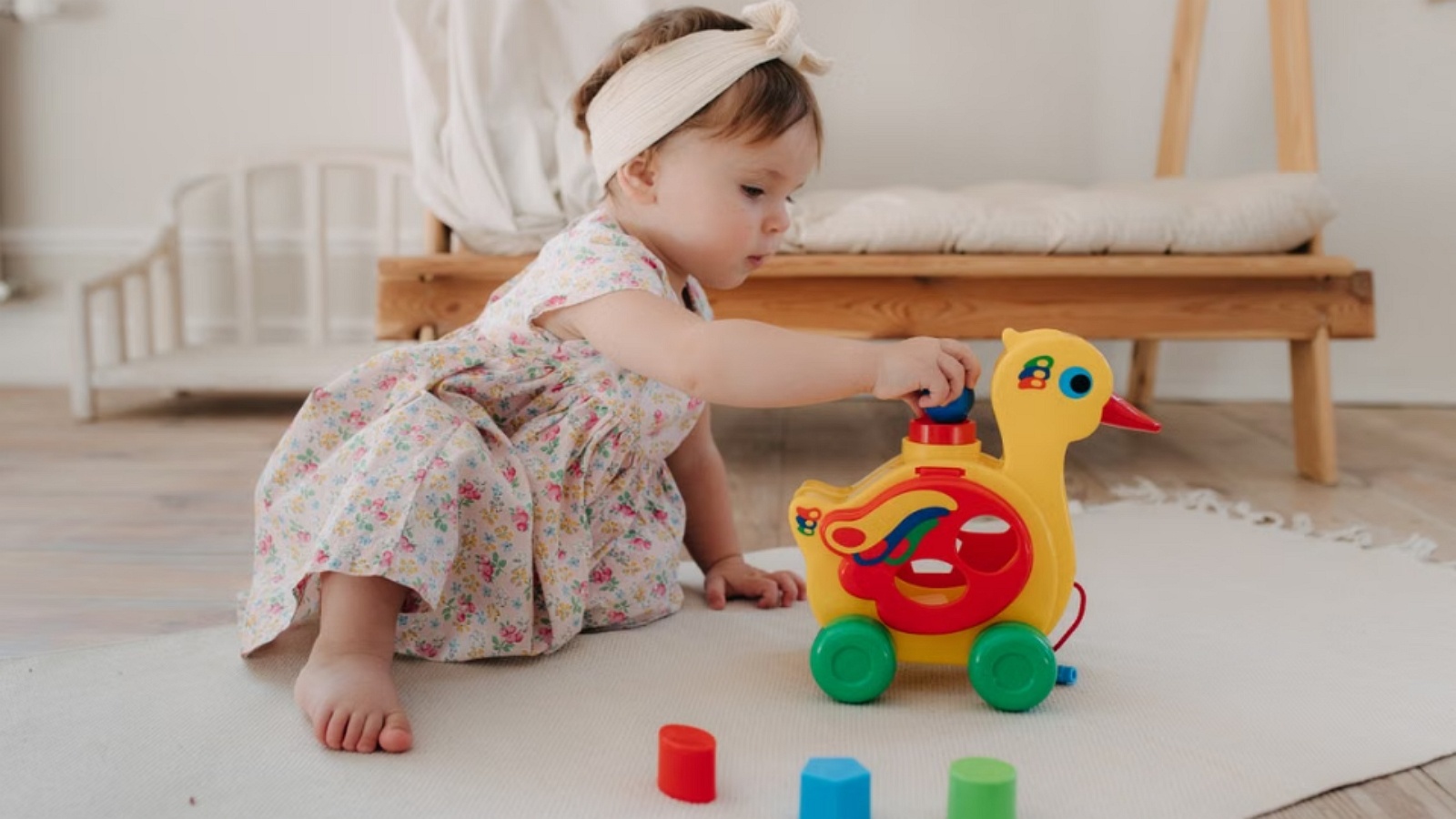
Looking for the best baby games online for girls in 2026? Families want calm care play, dress-up, and pet stories that feel safe. Young players enjoy feeding, bathing, and styling cute characters with simple taps.
Beyond gentle baby-care sessions, many families also mix in the best dress-up games for girls online so kids can style outfits after feeding or bathing. The best makeup games online add a calm finishing touch without rushing play. For more safe options with the same simple taps, browse the best games online for girls and the best play online games for girls.
Try TutoClub for safe baby games girls can play with care, dress-up, and pet fun!
What Makes a Baby Game a Good Fit for Girls
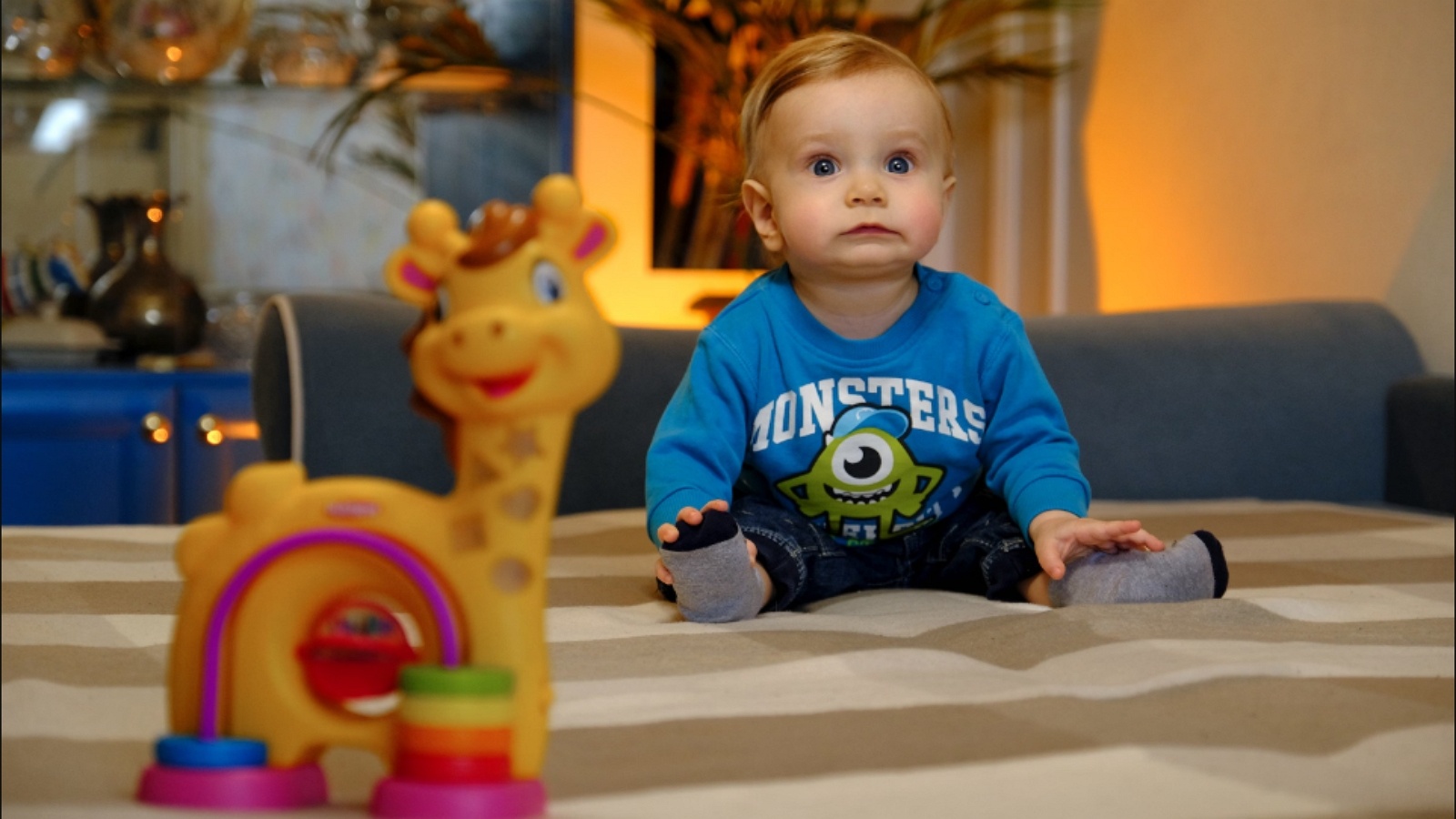
The best baby games online for girls feel gentle. They use big buttons, bright colors, and short scenes. A child can feed a doll, wash a pet, or pick a dress without reading long text. That same soft pace shows up in educational games for kids 4 years old online and educational games for 5 year olds.
Care play is the heart of this category. Girls often like to tuck a baby in, mix a bottle, or brush a pony. Those actions build kindness and focus. Many families also look for educational games for kids that are fun, because the same tap-and-drag motions support early learning. Fun educational games for kids, educational but fun games for kids, and fun games that are educational for kids keep that mix of charm and skill.
Safety matters just as much as charm. Ad-free play, no chat with strangers, and no surprise pop-ups keep sessions calm. Free online games for kids still need that same quiet filter. A good title repeats happy routines. Bath time. Bedtime. A tidy room. That loop feels familiar, so a young player can play again without getting lost. Educational games for kindergarten, kids educational games for 5 year olds, and educational games for kids age 5 follow the same short-scene idea as a first baby game.
How Online Baby Games Support Play and Learning
Pretend care is more than cute animation. When a girl feeds a virtual baby, she practices order: first the bottle, then a hug, then a nap. That sequence helps attention. Dress-up games add choice. A child picks a color, a hat, or a hair bow and sees the result at once. Learning games for kids, learning games for kids online, and learning apps for kids use that instant feedback too.
Pet titles work in a similar way. Hatching an egg, naming a fluff, and giving it a snack can support responsibility skills for kids. Cleaning games turn chores into a story. Puzzle corners and matching cards can sit beside care play so a session stays fresh. Kids games educational lists, kid educational games, and educational kids games often pair those mini tasks with care play. Educational games for 6 year olds and educational games for 7 year olds can keep the same story with a little more choice.
Parents often want one library instead of ten separate apps. That is why a curated TutoClub games collection stands out. One login can open baby care, unicorn sitters, fashion club play, and pet houses without a new store hunt every afternoon. Educational games for kids, games for kids educational, and kids educational games describe that one-shelf idea. Online games for kids educational, games for kids online educational, kids games online educational, and online kids educational games point to the same habit: open one trusted library, play a short care scene, then stop while the story still feels kind. Educational websites for kids and apps for kids learning help families compare that model before they add another icon.
What Families in the US Look for in Baby Games Online for Girls
Families across the United States often choose baby games online for girls that keep the pace slow and the art soft. Short care scenes with feeding, bathing, and settling a character fit the way many households already manage screen time. Big buttons and clear endings help when a child is still learning to stay with one task. These same qualities appear in titles that focus on daily routines rather than open play that never stops.
Parents in the US also notice how care play sits next to other calm activities. A finished bath scene can lead to a short coloring moment or a simple style choice with the same character. That mix keeps the session inside one gentle space. Many of these options appear alongside the best educational games for kids at home and the best learning apps for kids. The focus stays on finishable jobs that a child can complete without reading long instructions.
- Care routines that match morning and bedtime steps at home
- Soft characters such as dolls, pets, and unicorns
- Large targets that work on tablets used in living rooms
- Sessions that end cleanly so real-life play can follow
The same gentle approach shows up in educational games for kindergarten. Families often keep these titles on shared devices so sisters can take turns without a new download for each mood.
Gentle Themes Girls Return To in Baby Games
Baby care games often center on soft characters and clear next steps. A girl taps to feed a doll, then adds water for a bath, then tucks the character under a blanket. The same pattern shows up with pets and unicorns. Kids who already like looking after small things stay longer when the art stays bright and the buttons stay large.
Pet houses give another path. Kids hatch a fluffy friend, fill a food bowl, and rearrange a room. Those loops match the same care energy found in many Unicorn games online. The character needs something. The child supplies it. The screen shows a happy result. Titles built around these jobs turn ordinary chores into short stories. Families often pair them with hygiene games for kids online so the same tidy habits appear in different settings.
- Feeding and drinking scenes
- Bath and bedtime steps
- Room tidy and pet care
- Simple dress and style choices
The game’s library gathers these themes in one place so a child can move from a baby routine to a pet house without leaving the same safe space. Pet care loops also support the same habits described in how pet care games teach kids empathy and responsibility.
Daily Routines That Show Up in Baby Games
Morning and evening habits appear inside many care titles. A girl might help a character brush teeth, put on clothes, or set a small table. The steps stay short. One job finishes before the next one starts. That order matches how young children practice real routines at home. Younger players do best with one clear task per screen. Older preschoolers can handle a few rooms and a short sequence.
Bedtime stories inside games often include a song or a soft light. The character settles. The room quiets. Kids who struggle with transitions sometimes finish the digital version more easily than the real one. The screen version ends cleanly. Real life can follow the same order later. These patterns line up with ideas in life skill activities for preschoolers.
Cooking moments fit the same pattern. A girl mashes fruit or sets cups for tea. Those short kitchen jobs show up in online cooking games for girls. The care focus stays the same even when the setting changes from a nursery to a kitchen. Games for toddlers keep the icons large and the scenes brief. Games for preschoolers add a little more story while the pace stays gentle.
Pairing Care Play with Creative Activities
Care sessions do not have to stand alone. After a bath scene ends, many girls switch to coloring or simple makeup. The same soft characters appear in both. A finished picture of a unicorn can sit next to the care game that features the same unicorn. Painting games online keep the tools big and the pages short so the creative step feels like a natural next moment.
Style play adds another layer. Girls pick a dress or a bow after the care steps finish. The character looks ready for a new scene. That mix appears in many princess games online where dolls need both looking after and dressing up. The care part builds the routine. The style part adds choice. Makeup scenes stay simple. A few taps change hair or cheeks. No long menus appear. Families who already use makeup games online notice the same calm pace. The girl finishes one look, then returns to a pet or a baby character.
Creative play can also include light puzzles or memory matching inside the same library. A child matches socks for a doll or finds the right bottle. Those small tasks practice focus without turning the session into a worksheet. The best games online for girls often blend these quiet skills with the care stories kids already choose. Memory steps fit alongside the best memory games for kids.
Best Baby Games Online For Girls In 2026
1. TutoClub - Best Baby Games Online for Girls in 2026
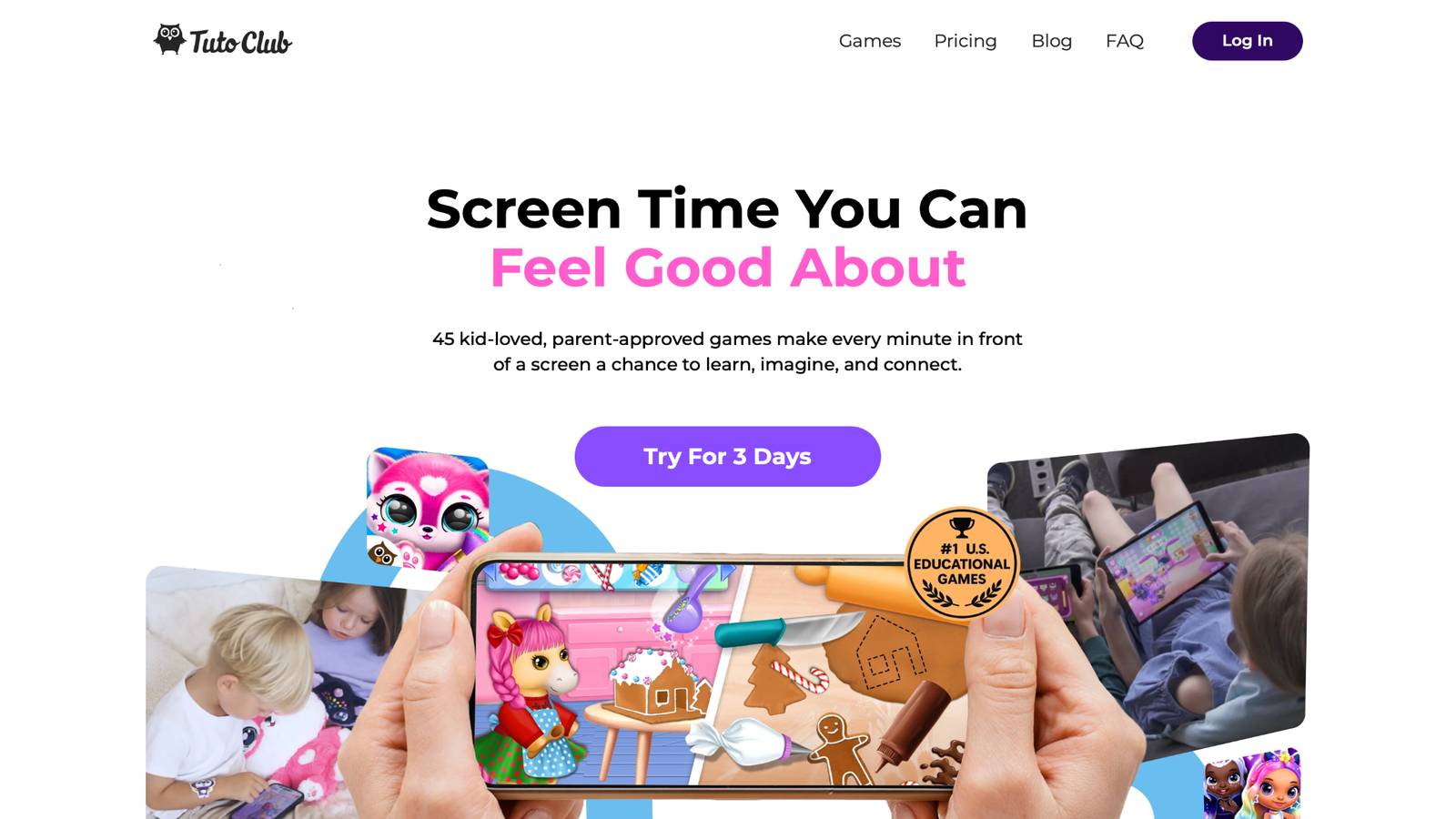
TutoClub games gather more than 45 ad-free titles from TutoTOONS, the kids studio based in Lithuania. One subscription opens care worlds girls already love: Giggle Babies daycare play, Sweet Baby Girl Cleanup 5, My Baby Unicorn babysitting, Princesses Enchanted Castle, Fluvsies A Fluff to Luv, Smolsies, Floof, Kpopsies, and L.O.L. Surprise! O.M.G. Fashion Club. Little players feed, bathe, dress, and tidy in soft, colorful rooms made for small hands. There are no ads, no in-app shops during play, and no chat with strangers. Games work across phones and tablets, and many can continue offline after download. Families get a 3-day trial, COPPA and GDPR-minded privacy, and regular new content. Care scenes teach kindness. Fashion rooms invite style. Pet eggs spark curiosity. The whole club is built for ages two to eight, so a younger sister and an older preschooler can share the same account.
Standout features
- Ad-free baby care, dress-up, cleaning, and pet games in one club
- Titles such as Giggle Babies, Sweet Baby Girl, My Baby Unicorn, and Fluvsies
- Simple taps, warm art, and short scenes that suit early players
- Multi-device play with a parent-managed account
Facts and information
- Created by TutoTOONS in Lithuania for children ages 2 to 8
- More than 45 parent-approved games with unlocked content for members
- Designed to support creativity, focus, empathy, and everyday routines
TutoClub Overview
TutoClub is your gateway to a magical world of educational games designed especially for children.
As part of TutoTOONS, a leading kids' games studio, we offer premium access to over 45 ad-free games.
Our mission is to blend learning and play, helping kids explore, create, and grow in a safe online space.
Thousands of parents trust us for family-friendly content that sparks imagination and builds essential skills.
Key Features
- Unlimited Access: Unlock full content in all games with no interruptions.
- Ad-Free Experience: Enjoy seamless play without any ads or distractions.
- Skill Development: Games foster creativity, social skills, communication, and more through fun activities like pet care and cleanup challenges.
- Regular Updates: Get new releases, exclusive content, and future updates automatically.
- Easy Subscription: Cancel anytime with no obligations, simple and flexible for families.
Explore Our World
TutoClub provides a rich ecosystem of educational games for kids, featuring ad-free experiences that promote creativity, focus, and emotional growth through play.
This platform turns screen time into valuable learning opportunities, with parent-approved content that builds essential skills and sparks curiosity in young minds.
- TutoClub Games: Over 45 educational games, including popular titles like Fluvsies, Smolsies, and the Sweet Baby Girl series
- Blog: Insights, tips, and stories for families on kids' learning and play
- FAQ: Comprehensive answers to frequently asked questions about subscriptions, features, and more
Get TutoClub on Your Device
TutoClub delivers premium kids educational games directly to your mobile devices, making learning accessible anytime, anywhere.
With apps available on major platforms, families can easily download and subscribe for ad-free play that turns screen time into skill-building adventures.
Perfect for parents seeking safe, engaging content on iOS, Android, or Amazon devices.
Why Choose TutoClub?
We're committed to 100% safe, enriching entertainment that kids love and parents approve.
Join the thousands who've seen their children thrive through playful learning.
Ready to start the adventure?
Start safe baby games for girls with TutoClub and open care, dress-up, and pet play in one place!
2. Fluvsies Academy
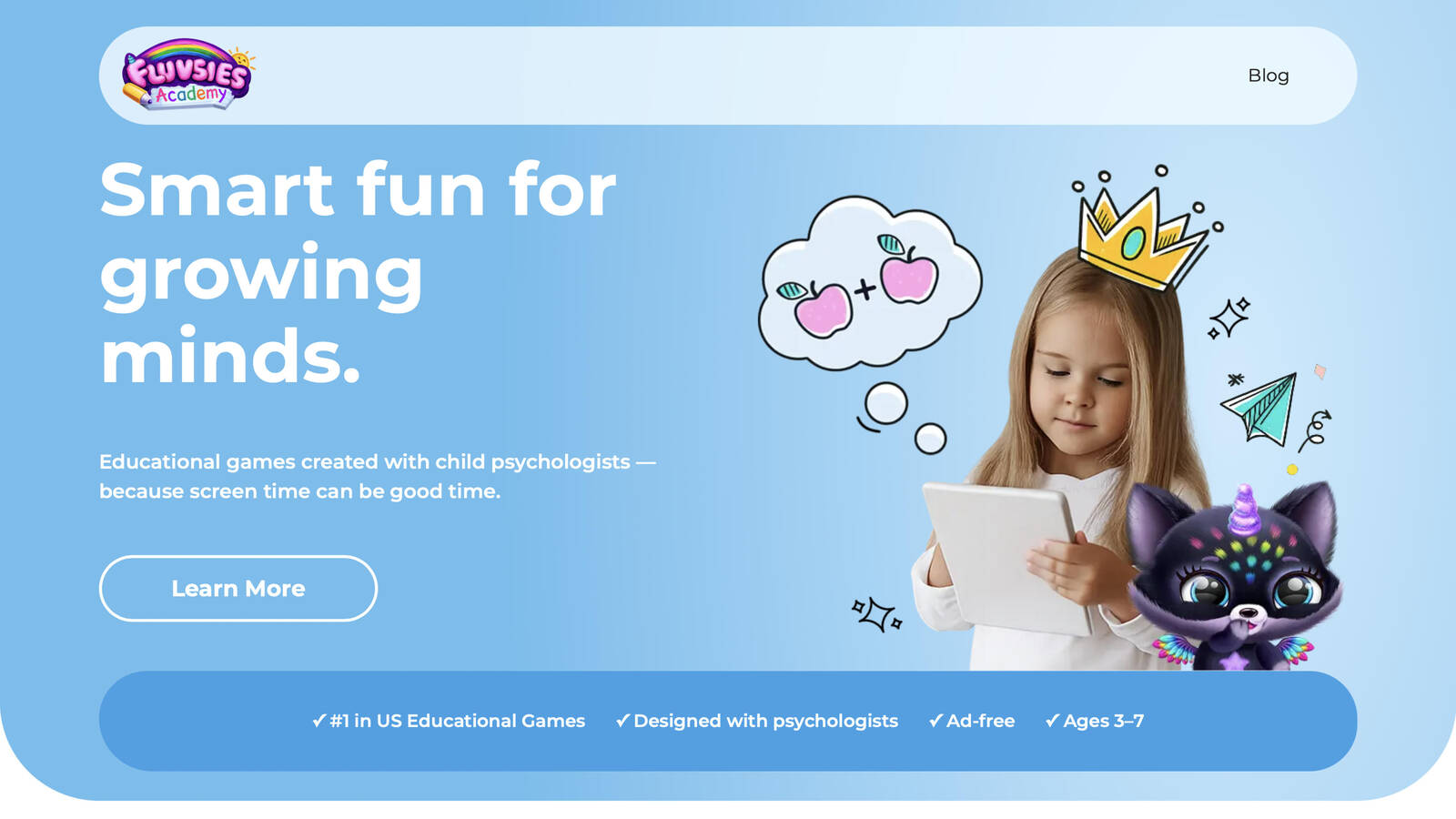
Fluvsies Academy is a warm learning app for girls and boys ages 3 to 7, built around the fluffy Fluvsies characters many children already know from gentle pet games. Play stays calm and ad-free. Kids move through language and phonics, number games, logic and attention tasks, sorting, and life-skills scenes that feel like story time instead of a worksheet. A second branch introduces real jobs in a kind way, such as baker, vet, firefighter, salon stylist, and astronaut. A child can put on gear, help a patient, or pack a rocket, then hear new words that match the job. Child psychologists helped shape the pace so focus and emotional safety stay in balance. Parents can follow progress and print extra pages so play can continue at the table. The art is bright. The buttons are large. Instructions stay short and clear. There is no chat and no outside link inside the games, which keeps a preschool session inside one safe world. Families who already love hatching Fluvsies often add the Academy when they want letters, numbers, and everyday routines beside pet care.
Key features
- Language, math, logic, sorting, and creativity categories
- Profession stories with everyday tasks and new words
- Ad-free design with age-right visuals for preschoolers
Facts and information
- Made for children ages 3 to 7 with psychologist-informed play
- Available on iOS and Android phones and tablets
- Combines active skill games with softer job-themed stories
3. PBS KIDS Games
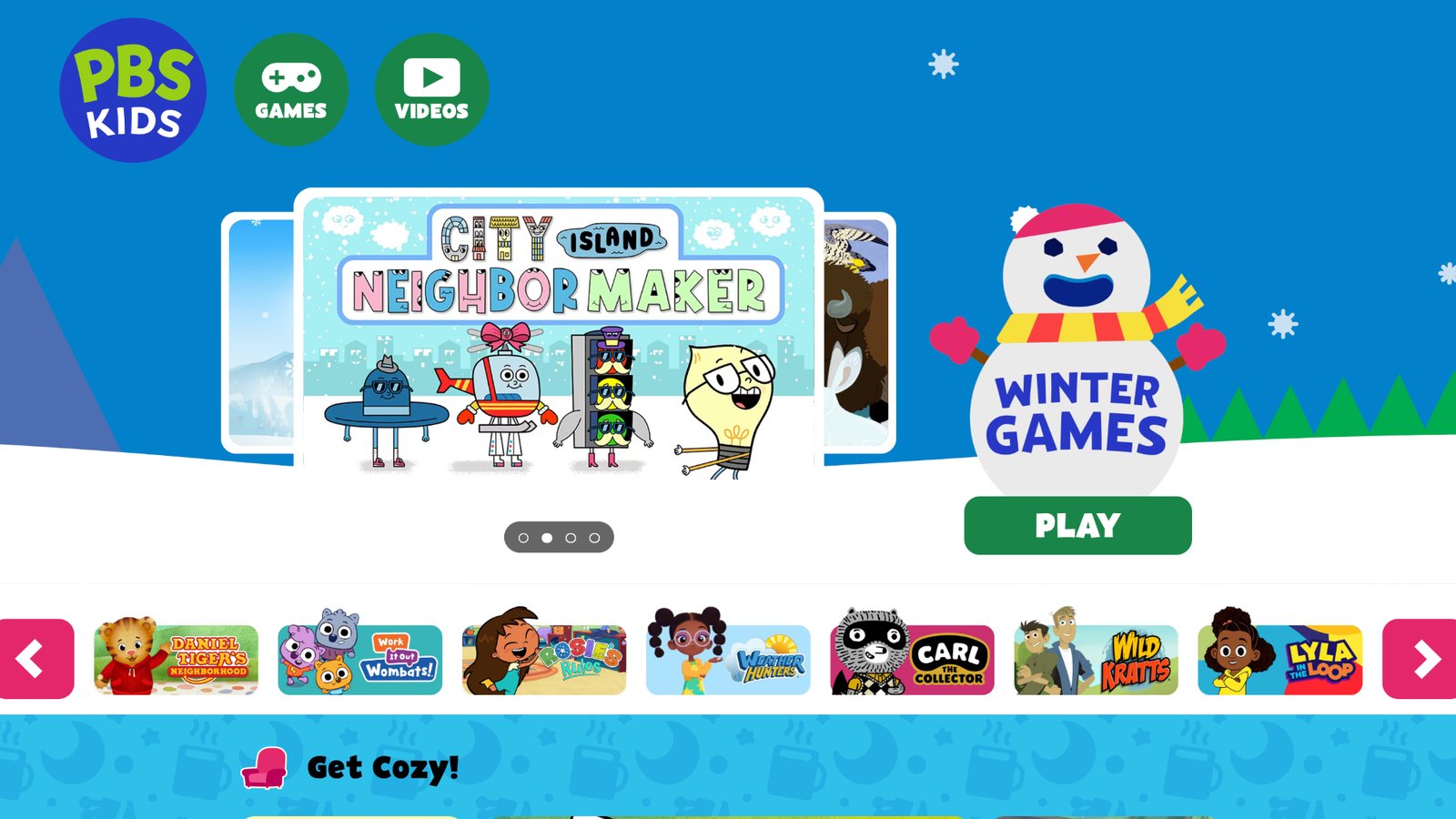
PBS KIDS Games is a large free library tied to shows children already know, from Daniel Tiger and Pinkalicious to Wild Kratts, Alma, and Work It Out Wombats. Girls can paint, match animals, build a short story, race a homemade boat, or help a neighbor in a kind scene. The tone stays gentle. Goals are simple. Many titles work in a browser and in the official PBS KIDS Games app, which helps on a shared family tablet. Play covers early math, letters, feelings, and make-believe. Sessions can be short, which suits a toddler’s attention. Some games invite a parent to take turns, so screen time can feel like a shared activity instead of a solo loop. English and Spanish options appear in many titles, which helps bilingual homes. The catalog is wide, so a grown-up may still want to pick the next game rather than leave a very young child tapping at random. For families who want familiar faces and learning-minded play without a fashion-only focus, this library is a steady public-media choice.
Key features
- Hundreds of mini games with known PBS KIDS characters
- Browser and app play for home or travel
- Early reading, numbers, art, and feelings themes
Facts and information
- Aimed at preschool and early grade children
- Supports family co-play as well as independent taps
- A long-running public media library many households already trust
4. Poki Kids
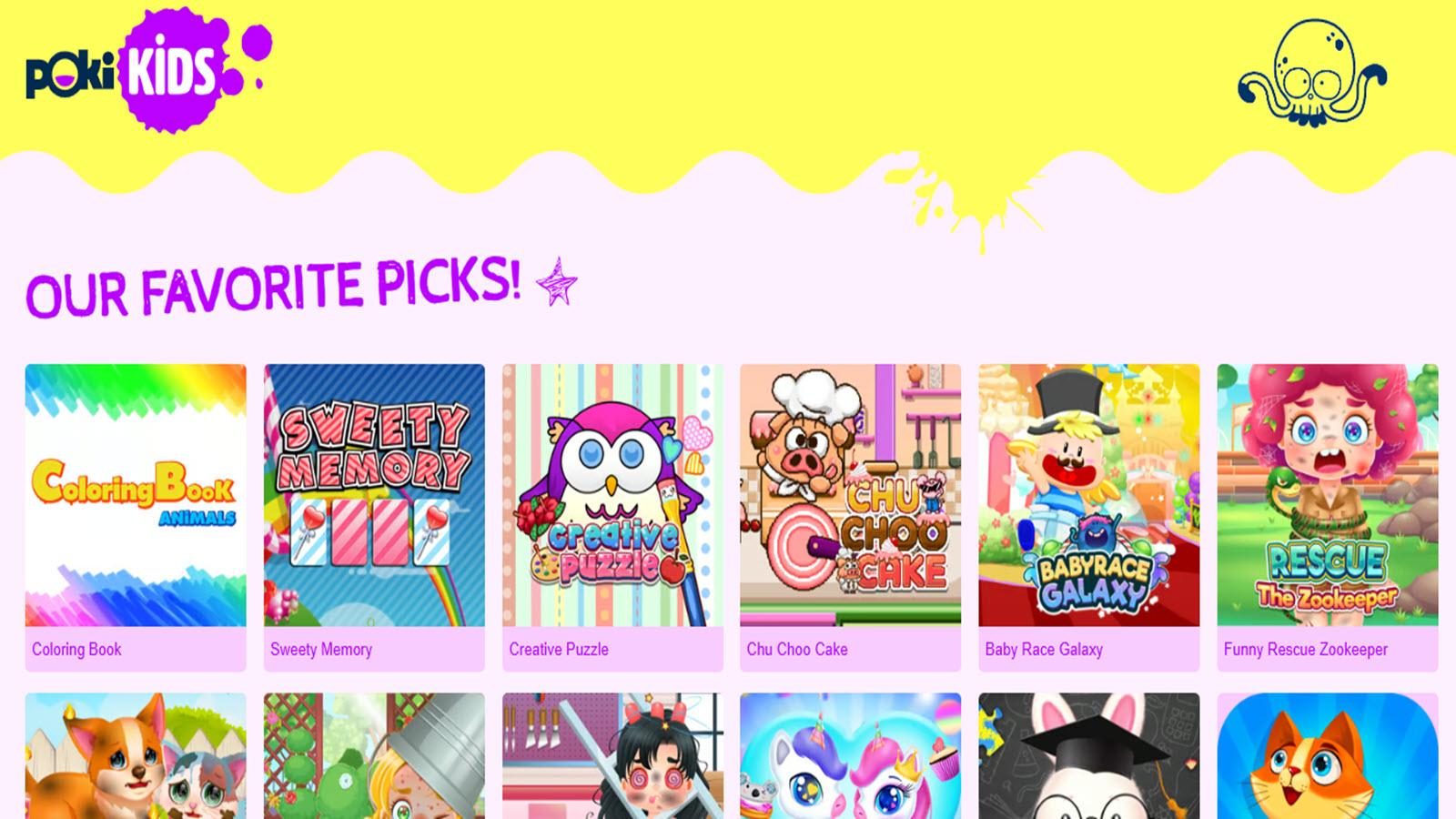
Poki Kids is a browser hub with instant games and no download step. Girls can try unicorn parties, cake puzzles, school scenes, coloring pages, and simple creative boards that load in a few seconds. The catalog is wide, so a child can switch from a dress-up scene to a short skill game in a moment. Touch play works on phones. Mouse play works on a laptop. That speed is the main draw for a rainy afternoon or a waiting room. Because the library is large and mixed, a parent should preview each title. Not every game is a baby-care story, and some are better for older kids. The kids section helps filter the noisiest arcade titles, yet adult eyes still matter. There is no single care plot that follows one doll from bath to bed. Instead, Poki Kids works as a quick buffet: pick a cute theme, play a short round, then close the tab. Families who already use a curated club for daily care play sometimes keep Poki Kids for a one-off unicorn or bakery game.
Key features
- Instant browser games with bright, simple art
- Mix of puzzles, dress-up, and story-lite play
- Works on phones, tablets, and computers
Facts and information
- Popular with families who want a fast, no-install option
- Includes many girl-themed titles such as unicorn and cake games
- Best when a parent stays nearby to pick the next game
5. Girls Go Games
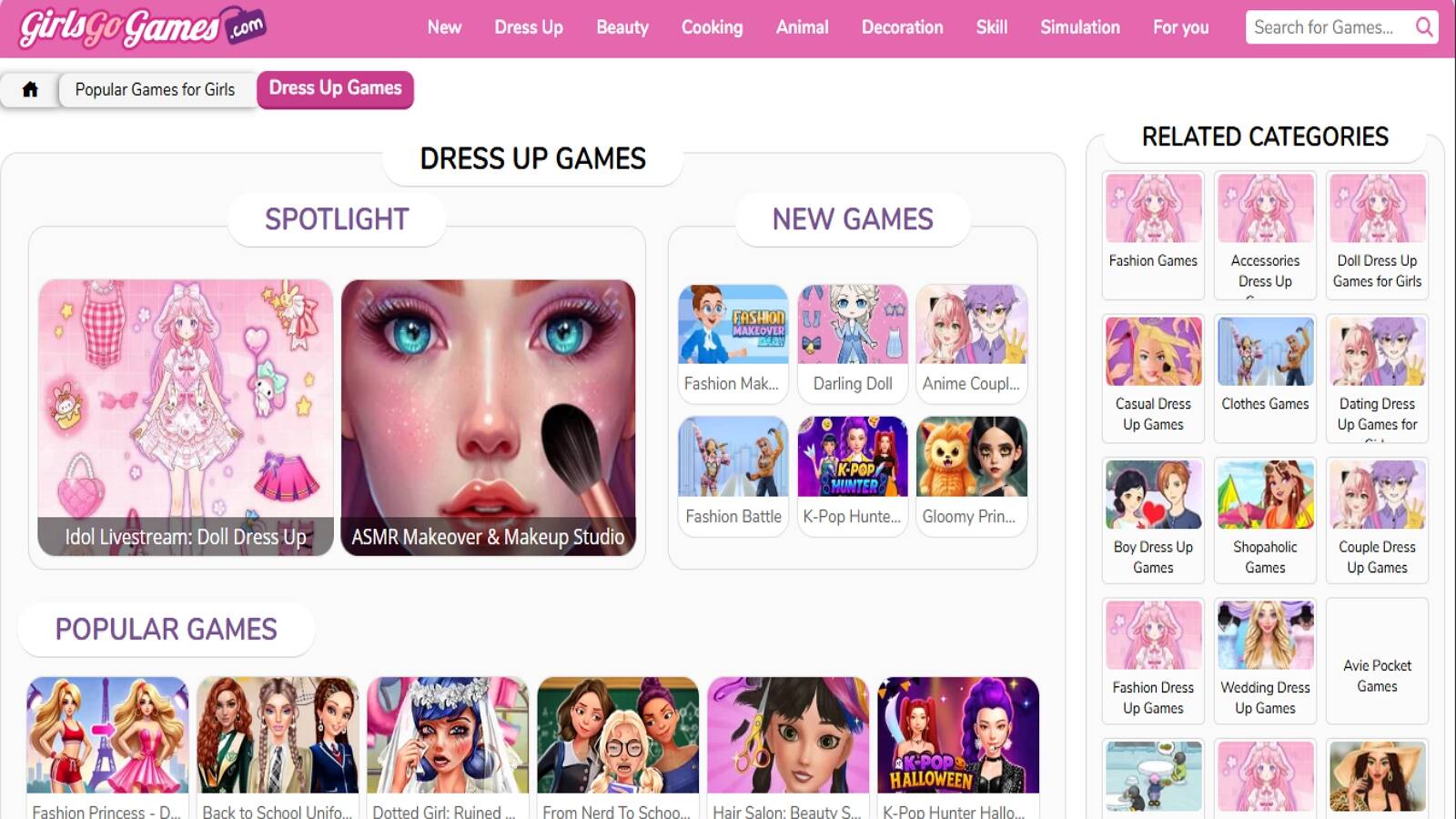
Girls Go Games is a long-running site for dress-up, cooking, makeover, and casual skill games. Looks load in a browser. Themes range from everyday outfits to ice-queen makeovers, bakery shifts, and virtual-life scenes. Some games last only a few minutes, which can fit a snack break. Others let a player style hair, layer jewelry, and save a look. The site is easy to recognize and has been a common search result for “games for girls” for many years. Because the catalog is huge and mixed, a grown-up should screen titles before a young child plays. Age checks and parent preview help. The art style can feel more “big kid fashion” than toddler baby care, so it often suits preschool and early elementary players more than a two-year-old. When the pick is right, styling play can sit beside calmer care games. It does not replace a closed, ad-free club for daily use, yet it remains a real destination for fashion-minded girls who want a new outfit scene on a home computer.
Key features
- Large library of fashion, cooking, and life-sim mini games
- Instant play in a web browser
- Frequent new titles and seasonal themes
Facts and information
- Known as a classic destination for girl-focused casual games
- Best for older preschool and early elementary with supervision
- Variety is high, so curation by a parent is part of the routine
6. BabyGames
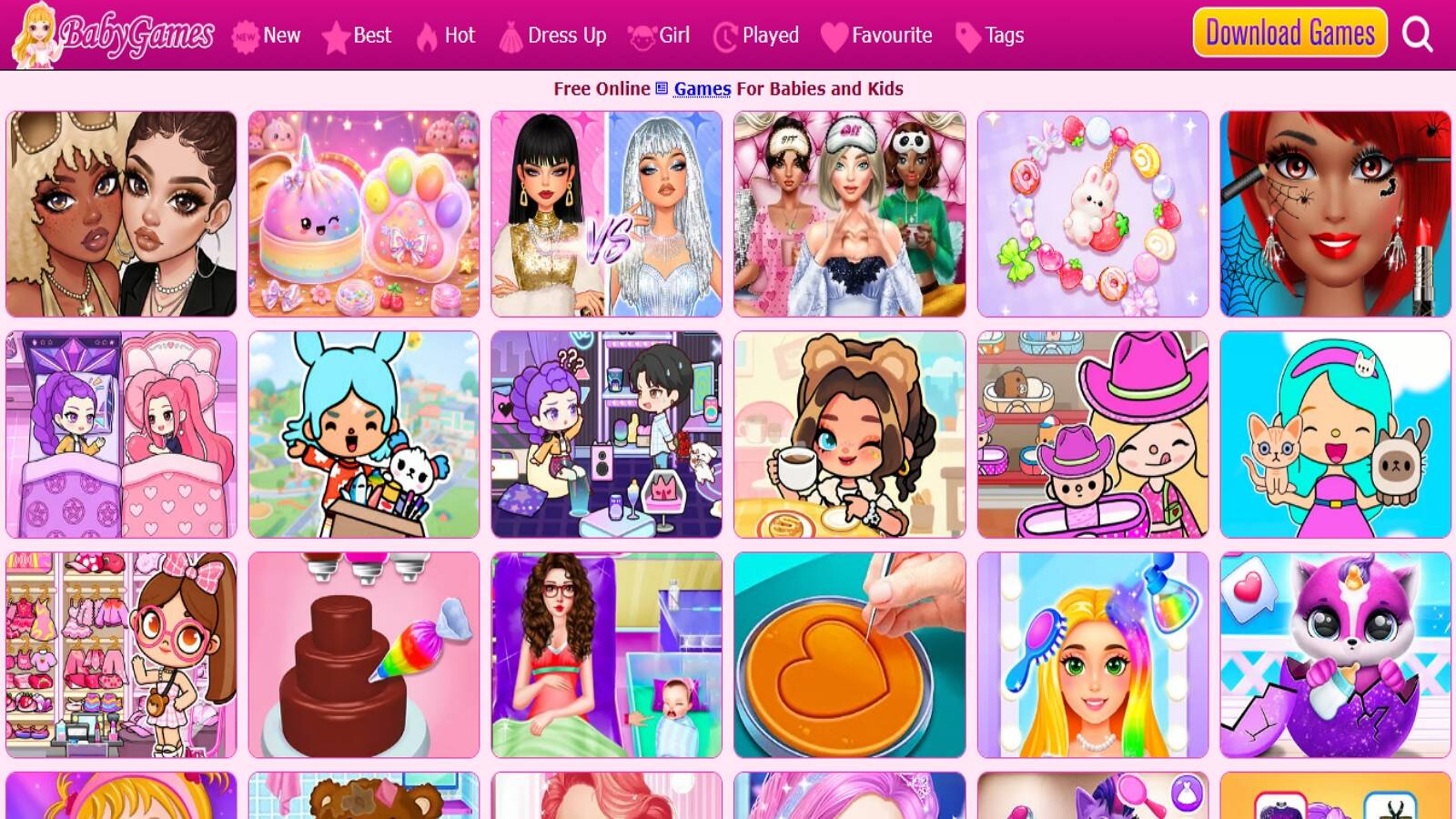
BabyGames.com hosts girl games and baby-care titles in one arcade-style site. Players can open salon scenes, bakery play, doll-house care, slime craft, surprise-egg games, and babysitter days. The site aims at young fans of “girly” themes and toddler care. Graphics are colorful and easy to read from a couch. Buttons are large enough for small fingers on a tablet browser. As with other free portals, quality can vary from game to game. Some scenes are sweet care loops. Others are quick novelty games. A parent who sits close can steer a child toward feeding, dressing, and house play instead of random clicks. There is no single membership that unlocks one studio’s full catalog without ads or extra hops. The value is convenience: many baby and girl themes live in one place. For families who want a dedicated, ad-free library with the same characters every day, a club model is simpler. For a supervised browse session, BabyGames matches the search for online baby play quite closely.
Key features
- Baby care, fashion, cooking, and craft mini games
- Browser play with lots of character themes
- Short sessions that restart quickly
Facts and information
- Positions itself as a collection of girl and baby games
- Appeals to children who like salon, house, and pet scenes
- Works best as a supervised pick-and-play site
7. Khan Academy Kids
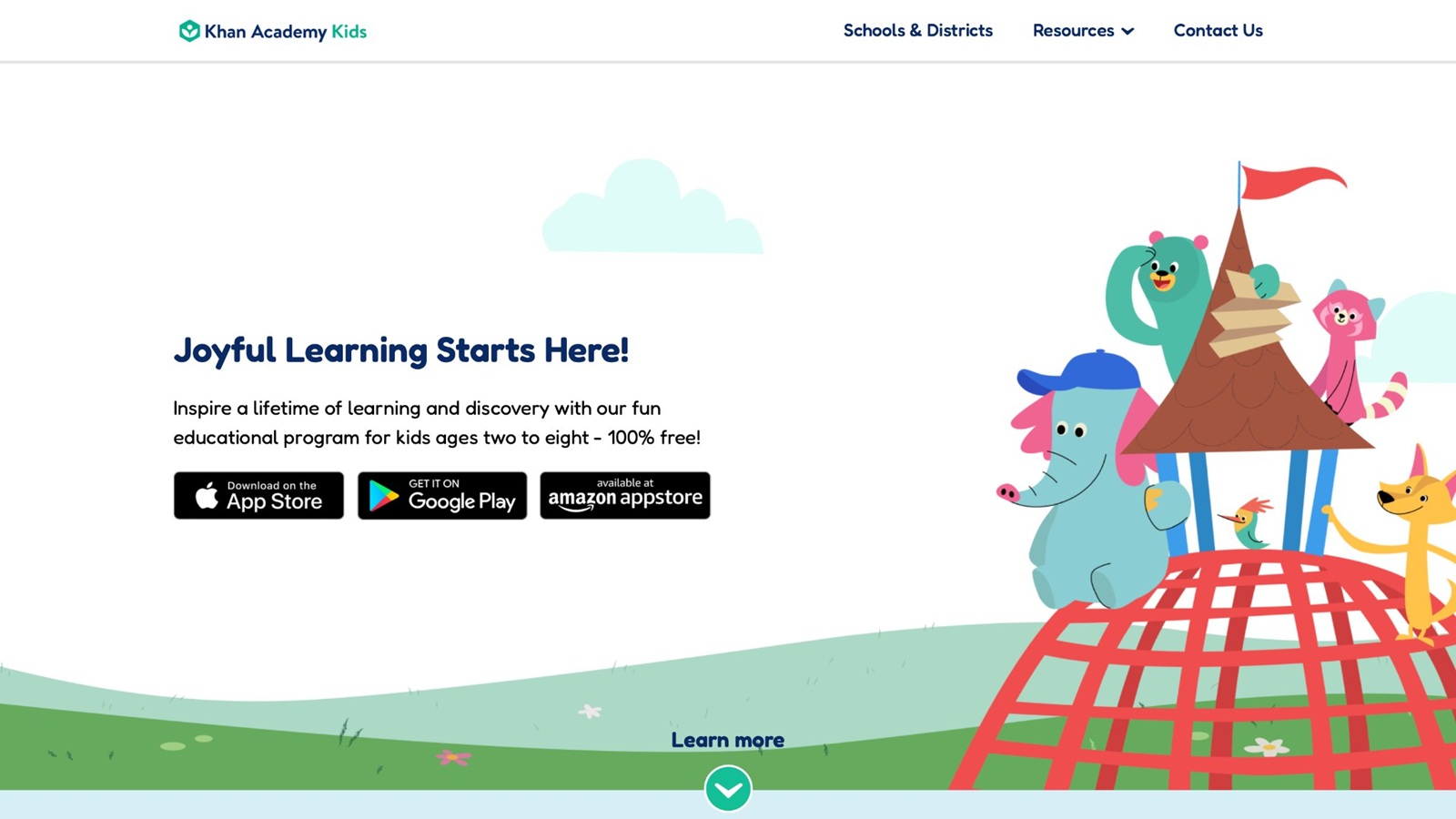
Khan Academy Kids is a free learning app with stories, tracing, counting, and social-emotional lessons. It is not a pure baby-care sim, yet many girls enjoy the gentle characters, book-like scenes, and calm voice. Activities feel like play more than a worksheet. A child can hear a story, drag letters, sort objects, or talk about feelings with friendly helpers. Parents can set a child profile and follow what was opened. The tone is patient. Mistakes are treated as part of trying. Offline play is possible after content is downloaded, which helps on a trip. The app comes from Khan Academy and is widely used in homes that want early learning without a loud arcade. It will not give you a full newborn-bath routine or a unicorn nursery. It will give you letters, numbers, and kindness talk in a soft package. Many families keep it next to care games so screen time can swing from pretend parenting to early school skills.
Key features
- Early reading, math, and feelings activities
- Child profiles and a parent view of recent play
- Offline options after content is downloaded
Facts and information
- Built for young children from toddler years into early school
- Used by families who want structured learning that still feels kind
- Complements care games rather than replacing them
8. Sago Mini World

Sago Mini World is an open play space for preschoolers from the Sago Mini studio. Kids tap characters, mix silly scenes, and follow short stories without a fail state. The art is hand-drawn and soft. Girls can dress characters, visit little worlds, cook a pretend meal, and invent their own plot. There is no race to a high score. That calm pace helps younger players who get upset when a game says “wrong.” Scenes feel like a digital toy box more than a level map. Parents who like low-pressure play often keep Sago Mini as a quiet option next to more structured care titles. The world is built for ages about two to six. It is not a full baby-daycare sim with bottles and cribs in every room, and it is not a huge fashion closet. It is a kind of sandbox. A child can linger, tap again, and make a new joke with the same friends. That open style pairs well with a bedtime doll or a real dress-up bin after the tablet closes.
Key features
- Open-ended scenes with lovable characters
- Dress-up, music, and everyday pretend play
- Designed for ages about 2 to 6
Facts and information
- Known for low-pressure play and warm illustration
- Supports imagination more than drills
- Works well in short, parent-nearby sessions
9. Nick Jr. Games
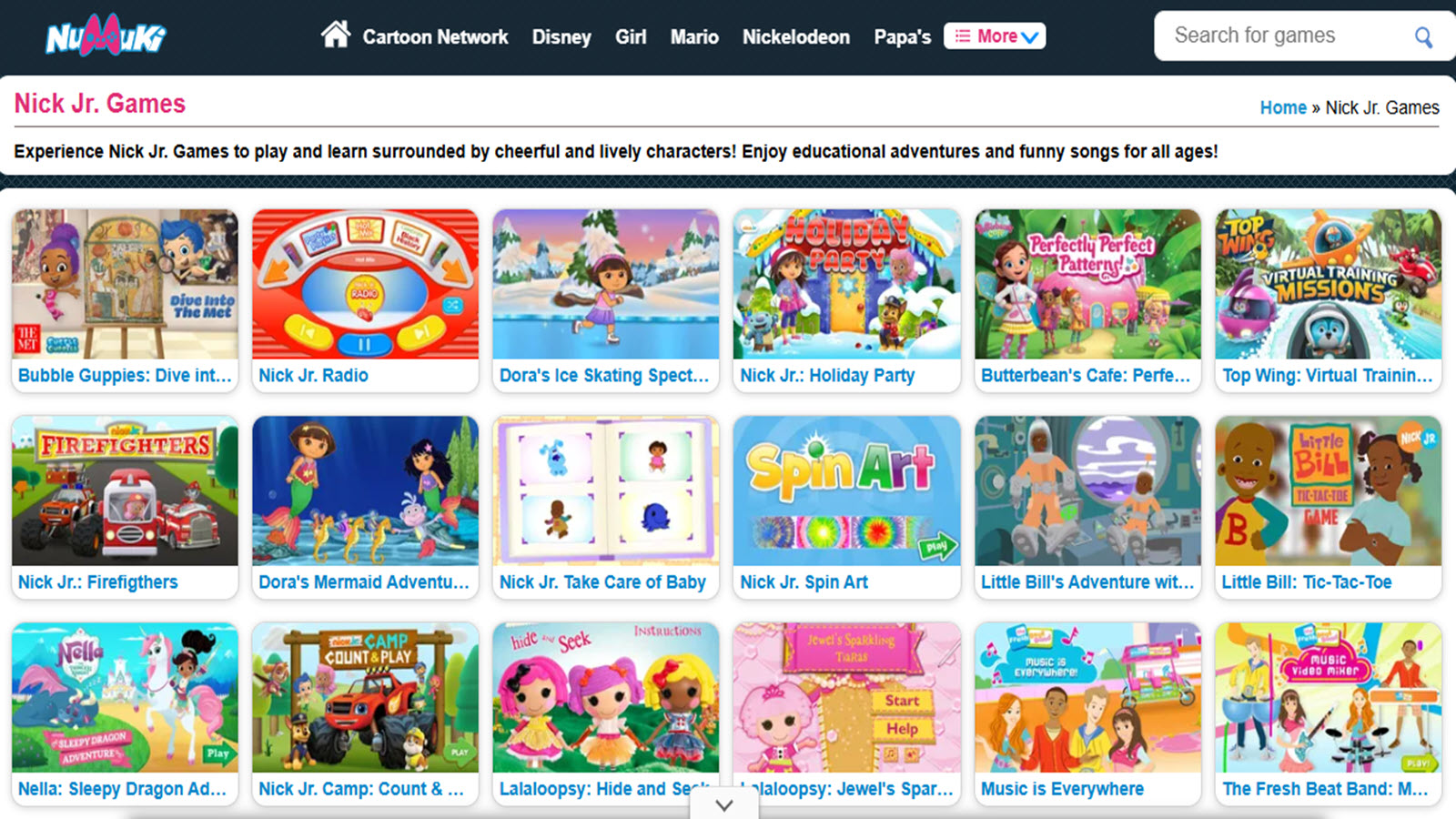
Nick Jr. games put familiar preschool shows into simple browser and app play. A child who loves Nick Jr. faces such as Blue’s Clues, PAW Patrol, and Bubble Guppies can tap short helper scenes, matching games, and dress-the-character extras. The brand is easy for kids to recognize. Official play lives on Nick Jr. sites and related apps rather than on a random pop-up page. Not every title is a baby game, so parents should choose the gentlest options and skip louder action. When the pick matches the child’s age, the comfort of a known face can make a first digital session feel less new. Play sessions are often brief, which fits a toddler. The catalog leans on TV worlds more than original baby-care plots. That is useful if your daughter already watches the show. It is less useful if you want one consistent nursery story every day. Keep a grown-up nearby, pick one game, then close the app when the episode-length attention span is done.
Key features
- Games tied to popular Nick Jr. preschool shows
- Quick play loops and bright animation
- Mix of helper stories, matching, and light dress-up
Facts and information
- Strong for children who already watch Nick Jr. series
- Best when an adult filters for age and tone
- Useful as an occasional treat beside calmer care games
10. Highlights Kids
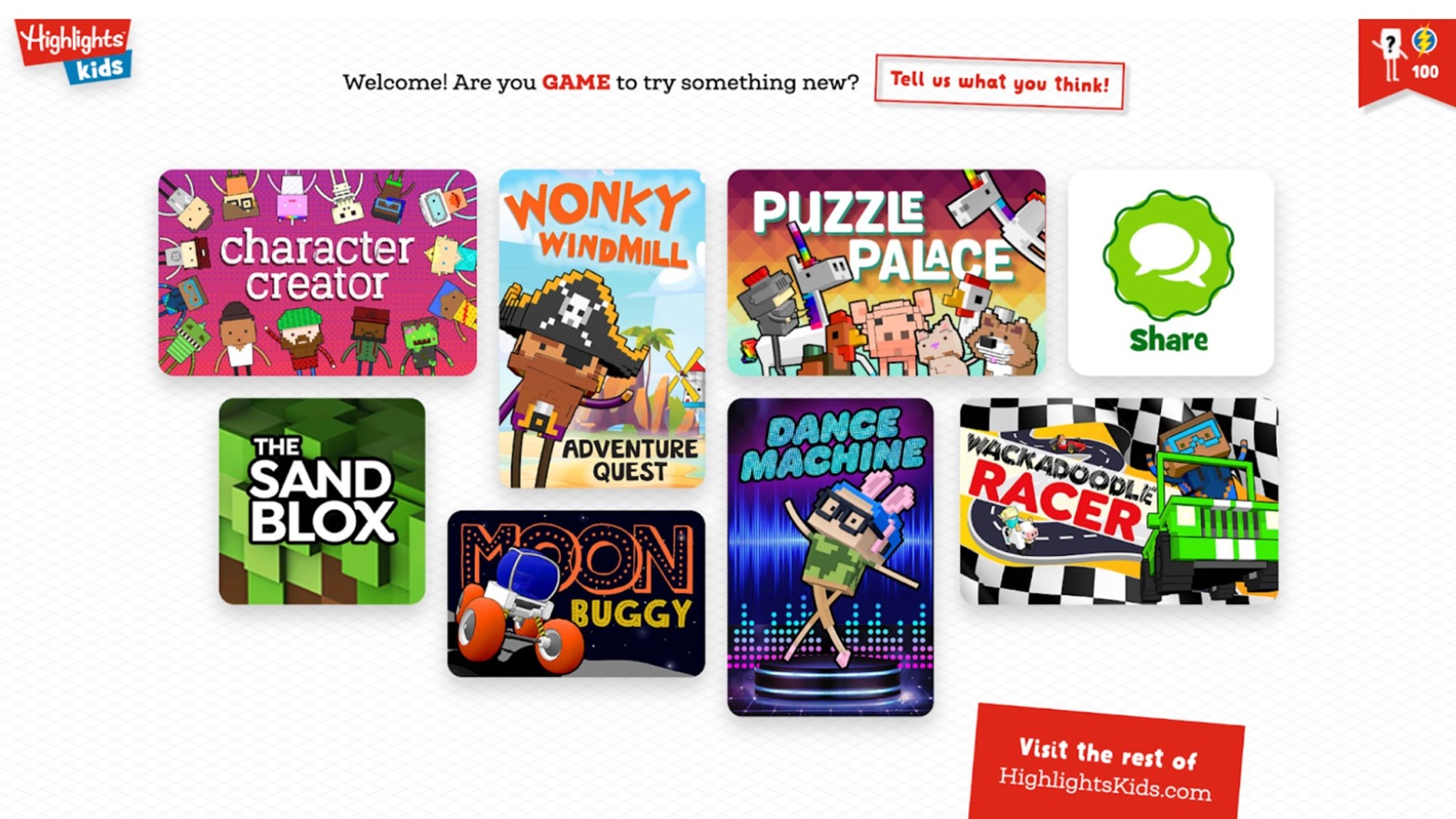
Highlights Kids offers hidden pictures, simple crafts, jokes, puzzles, and light games from the Highlights brand. It feels like a digital magazine corner. Girls who like spotting details can hunt objects in a busy scene, then try a short craft idea or a silly riddle. The site is friendly and familiar to many U.S. families who grew up with the print magazine. Play is quieter than a loud arcade. There are no crying virtual newborns to feed, so it does not replace baby-care titles. It does support looking closely, waiting, and noticing, which helps when a child later sorts socks in a clean-up game. Hidden pictures can be done side by side with a parent, which turns screen time into a shared hunt. The visual style is clear and cheerful rather than flashy. For a child who wants dolls and bottles, pair Highlights with a care app. For a child who wants a calm brain break after dress-up, this site is a real and gentle stop.
Key features
- Hidden pictures and simple puzzles
- Craft ideas and light reading extras
- Calm visual style
Facts and information
- Comes from a long-known children’s magazine brand
- Suits kids who like search-and-find play
- Works as a short, focused break
11. National Geographic Kids

National Geographic Kids mixes animal facts with easy games, quizzes, videos, and photo-rich pages. A girl who loves puppies, ponies, ocean life, or zoo animals can tap through short activities and then look at real creatures. The focus is curiosity about the living world. It is not a doll-care game, yet it can sit beside pet play in a smart way. After a child feeds a virtual fluff, a Nat Geo Kids animal page can show a real fox, coral reef, or farm horse. Parents who want nature talk after screen time often like this mix. Content is brighter and more school-adjacent than a salon sim. Some pages read above a toddler level, so a preschooler may need a grown-up to click and narrate. The site is a genuine kids arm of National Geographic, not a random game farm. Use it for wonder. Use a care club for bottles, baths, and bedtime stories. Together they cover pretend pets and real animals without forcing one app to do both jobs.
Key features
- Animal quizzes, videos, and light games
- Photo-rich pages that spark questions
- Topics from pets to wild habitats
Facts and information
- Built for curious kids who like animals and the planet
- Complements pretend pet care with real-world wonder
- Best with a parent nearby to talk about what appeared on screen
12. Barbie Games
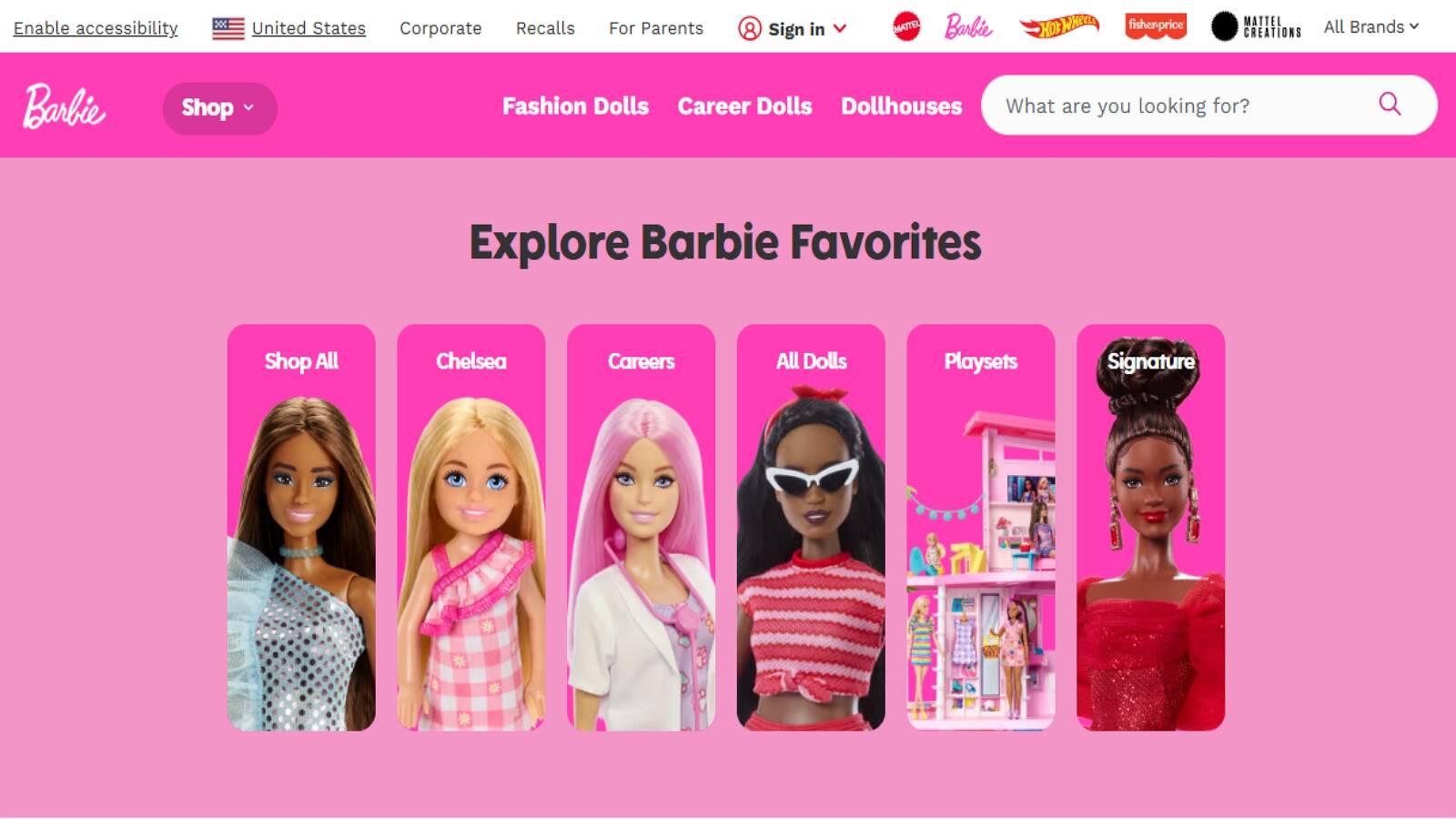
Barbie Games on the official Mattel Barbie site give girls dress-up, room design, career scenes, and doll play with a brand they already know. A child can style hair, pick an outfit, decorate a space, or step into a job-themed story with Barbie and friends. The look is polished and pink-forward, which many girls like. Play runs in a browser on the official site, so families are not sent through a maze of unknown portals. The themes skew toward fashion, friendship, and “I can be” careers more than newborn nanny care. That still fits the wider “games for girls” search, especially for preschoolers who have aged out of very first baby taps. Parents should still sit nearby, because closet play can run long and some scenes feel older than age two. As a brand destination, Barbie is real, easy to find, and constantly refreshed with new looks. It works as a style studio. A care-first club still covers bottles, cribs, and pet eggs more directly.
Key features
- Official dress-up, room, and career-themed Barbie play
- Browser games on the Mattel Barbie site
- Familiar dolls and fashion closets
Facts and information
- Built around a brand many girls already recognize
- Stronger for styling and pretend careers than newborn care
- Best as a supervised fashion session
13. Toca Boca
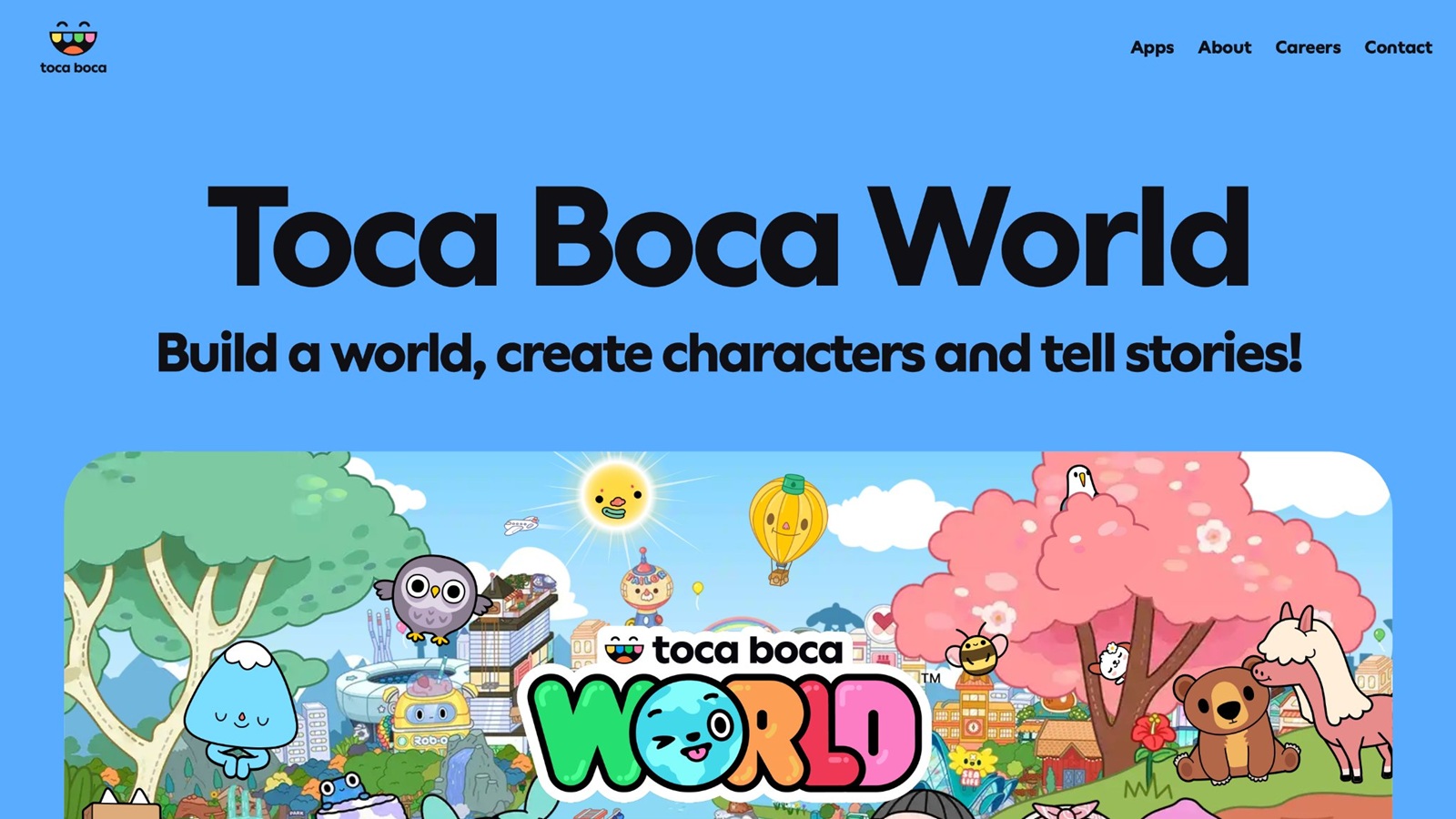
Toca Boca makes open-ended digital toys such as Toca Boca World, Toca Hair Salon, and other play kits loved by many girls. Kids drag characters through homes, shops, schools, and silly rooms. They cut hair, cook, dress friends, and invent stories with almost no “you lose” message. The studio, based in Stockholm, Sweden, is known for kid-directed play rather than score chasing. Hair salon titles map closely to girl search intent. Life worlds map to dollhouse play. There is room to care for characters, though the feel is a toy box, not a guided baby-daycare lesson. Parents like the humor and the lack of pressure. They should still preview which kit they open, because the catalog includes many worlds and some jokes land better with older preschoolers. Toca Boca does not bundle dozens of baby-care games under one school-like club. It offers creative rooms where a girl can stay and play. That makes it a real competitor for dress-up and pretend-life time.
Key features
- Open-ended digital toys, including hair salon and life worlds
- Character dress-up, homes, shops, and silly tools
- Play that lets kids lead the story
Facts and information
- Studio based in Stockholm, Sweden
- Popular for low-pressure imagination play
- Fits fashion and dollhouse moods more than newborn routines
14. Lingokids
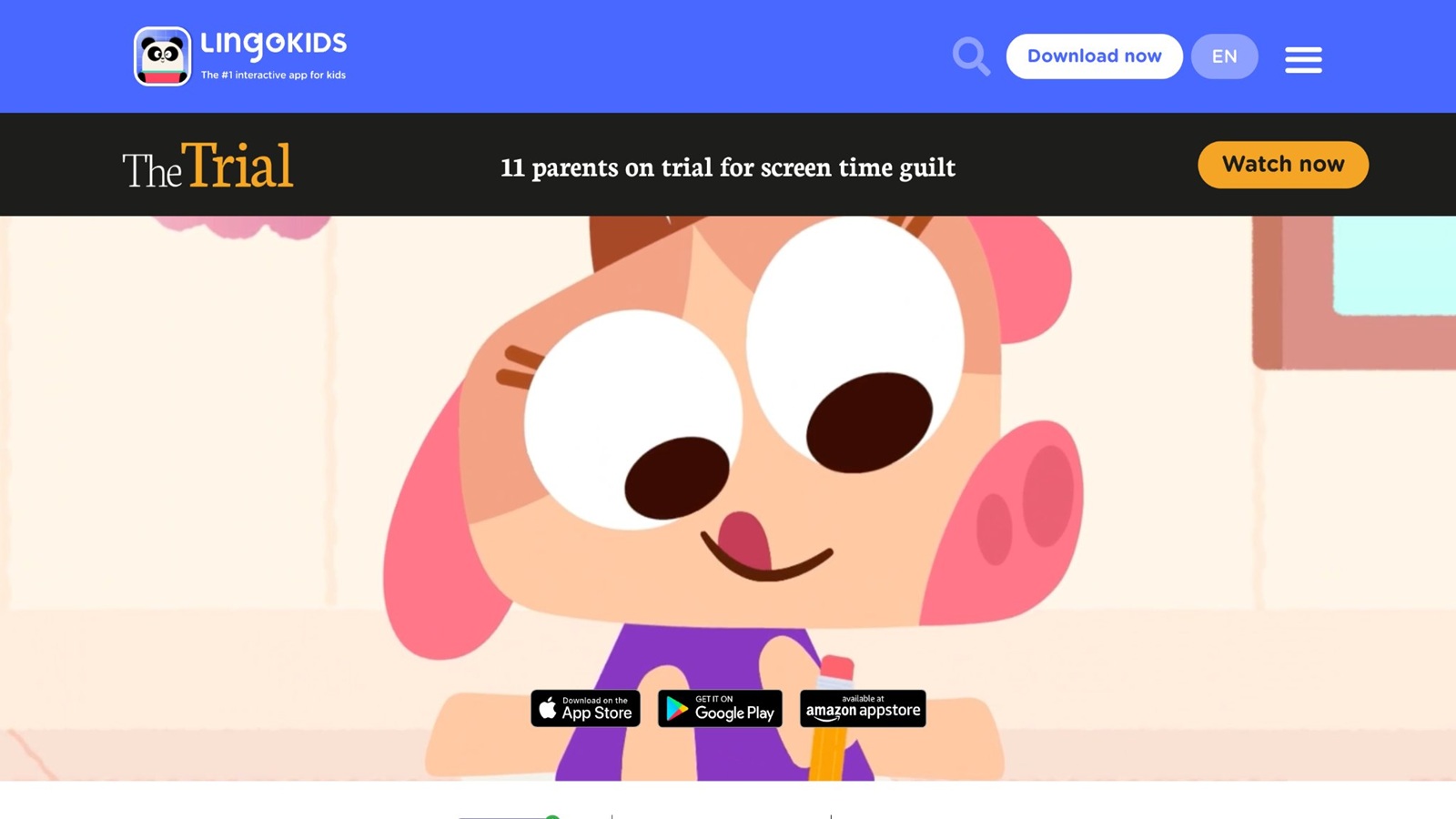
Lingokids is an early-learning play app with songs, stories, and mini games for preschoolers. Girls meet friendly characters and tap through letters, numbers, routines, and social scenes. The product is built as a play-and-learn world rather than a single baby-care plot. A child might hear a song, sort items, or act out a daily habit. Parents get a structured path and kid-safe design aimed at young children. The tone is bright and encouraging. It can help English exposure in homes that want extra language practice. It will not replace a dedicated cleanup adventure, and it is not a fashion closet. It is a real education app with a clear website and a large family user base. Families often use it in the morning for a short learning block, then switch to care or pet games later. If your daughter likes characters who sing and cheer, Lingokids feels familiar. If she only wants to feed a doll and pick a bow, a care-first catalog will fit better as the main daily app.
Key features
- Songs, stories, and mini games for preschool skills
- Language, numbers, and daily-life themes
- Parent tools for a kid-safe learning path
Facts and information
- Built for early learners, including preschool girls
- Focuses on playful learning more than baby-sim plots
- Works as a skills block beside care and dress-up play
15. BabyBus
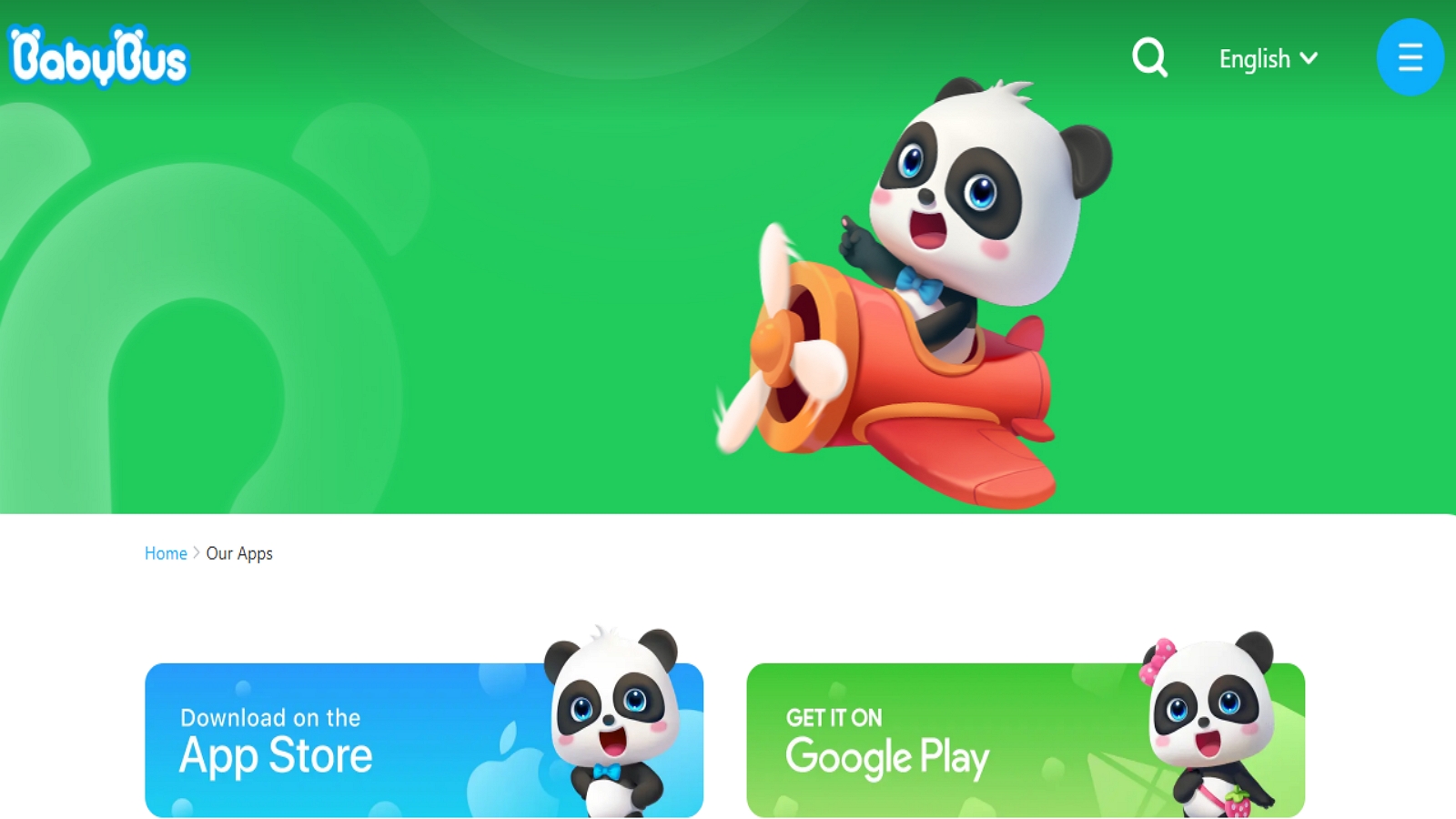
BabyBus is a major kids studio known for cartoons, nursery songs, and simple games for toddlers and preschoolers. Many titles follow babies, families, cars, animals, and everyday care. Girls can find brushing, bathing, doctor-visit, and house scenes with super-simple taps. The art is round, colorful, and easy for the youngest players to read. Official games and videos live through BabyBus apps and its public site. The catalog is huge, which is both the gift and the reason a parent should choose a specific title instead of handing over the whole channel. Some stories are perfect first baby games. Some are louder cartoons. Used with care, BabyBus matches the “baby games for girls” brief more closely than a general arcade, because so many scenes are about helping a little character through a routine. It is a real global brand with a long list of toddler products. Pair it with a quieter ad-free club if you want one consistent, interruption-free library for daily play.
Key features
- Toddler games and stories about care, family, and daily routines
- Very simple taps and round, colorful characters
- Mix of games and watch-and-play content
Facts and information
- Built for babies, toddlers, and preschoolers
- Strong match for first care themes such as bath and doctor play
- Best when a parent picks a specific gentle title before play starts
16. ABCmouse
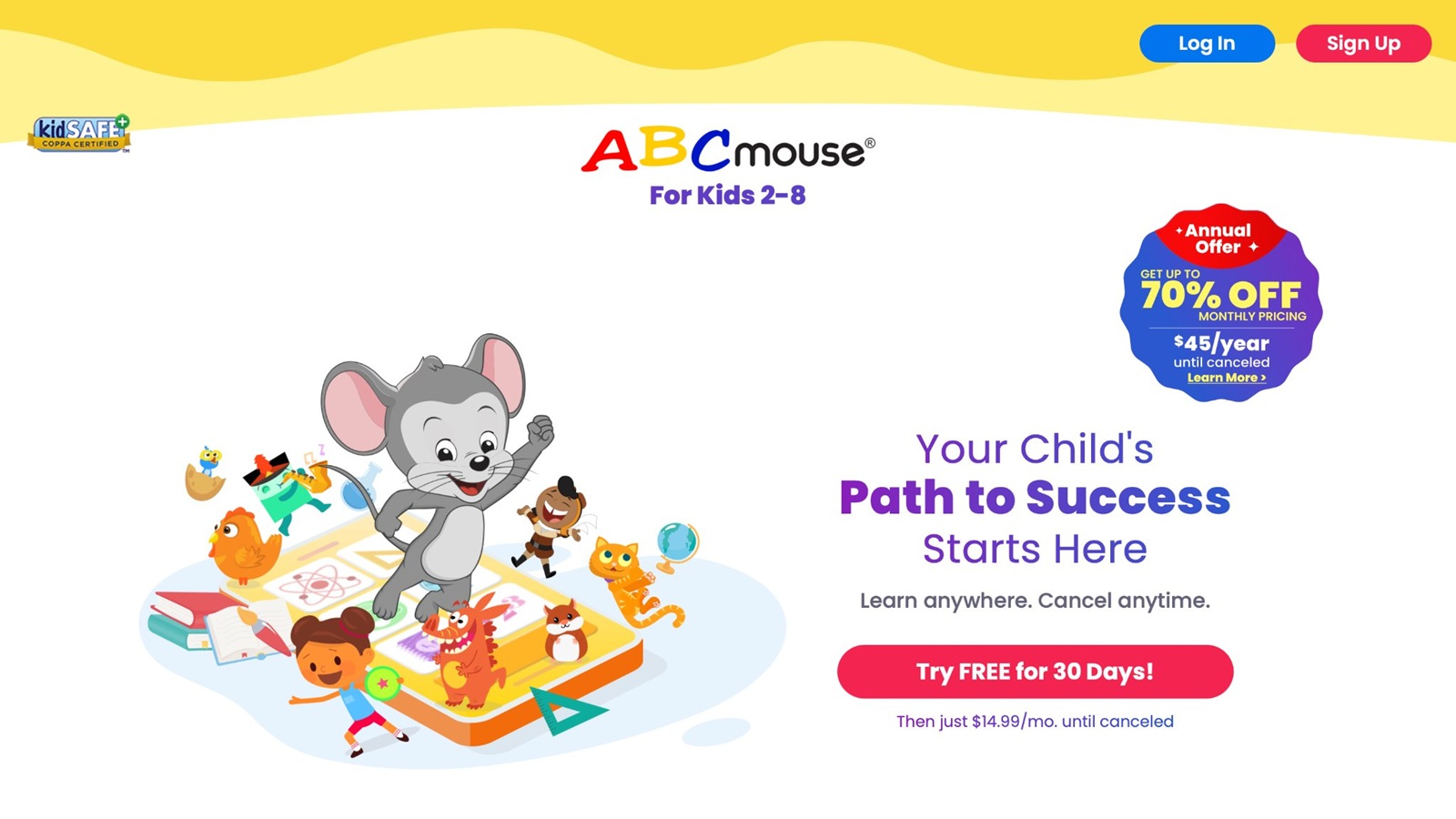
ABCmouse is an early learning platform created by Age of Learning for children ages 2 to 8. Girls follow a guided path that covers early reading, phonics, numbers, shapes, science, art, music, and social studies through short interactive lessons, digital books, puzzles, songs, and skill games. The activities stay colorful and age-right, with large tap targets that work well on tablets and phones. Parents create individual child profiles and review progress reports that show completed lessons and time spent. The catalog mixes structured practice with lighter creative spaces such as drawing tools and simple pet or animal scenes. Sessions can stay brief for toddlers or stretch longer when a preschooler follows the recommended path. English is the primary language, with some Spanish options available. The design avoids outside chat and keeps play inside a controlled learning environment. Many U.S. families use it for morning skill blocks or as a calmer complement to care, dress-up, and pet games. The wide range of subjects helps girls build confidence with letters and numbers while still feeling like play.
Key features
- Step-by-step learning path covering reading, math, science, art, and music
- Interactive books, puzzles, songs, and short skill games
- Individual child profiles with parent progress reports
Facts and information
- Built for ages 2 to 8, spanning toddler through early elementary
- Available on iOS, Android, and web browsers
- Research-based curriculum used in many U.S. homes and classrooms
17. CoComelon: Learn ABCs and 123s
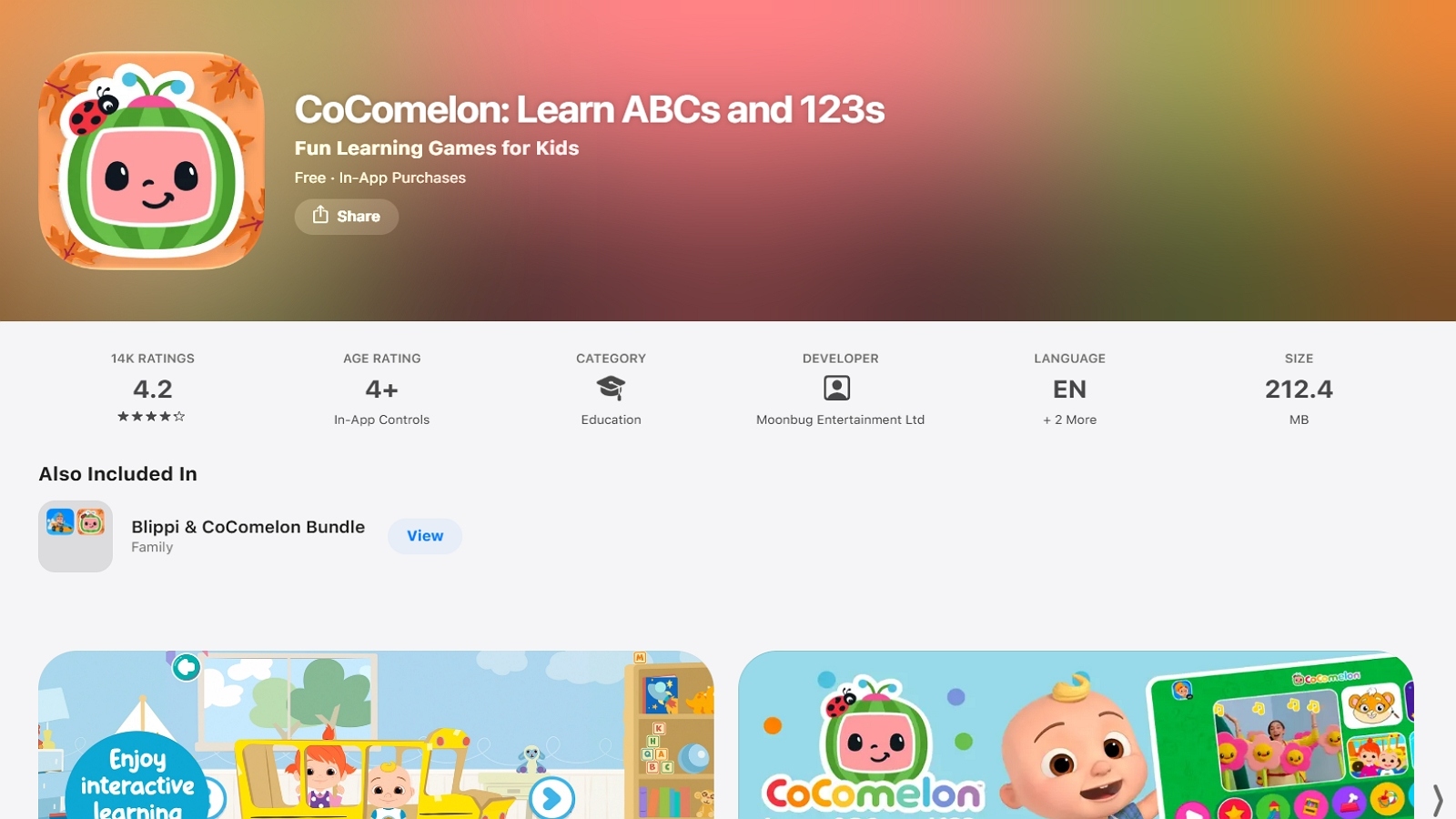
CoComelon: Learn ABCs and 123s is a preschool learning app built around the popular CoComelon characters and familiar nursery-rhyme songs. Girls ages 2 to 5 tap through letter tracing, number recognition, shape sorting, coloring pages, open sandboxes, simple puzzles, and short musical mini-games. Early childhood specialists designed the activities to match common toddler and preschool milestones. Controls stay simple with large buttons and short play loops that restart easily. Characters such as JJ and friends appear throughout, so many children recognize them right away from videos. Many activities work offline after content is downloaded, which helps during travel or waiting times. The app supports multiple devices under one family account, and parents can check recent activity without interrupting play. Content focuses on letters, numbers, colors, daily routines, and light problem-solving rather than open fashion or full newborn-care simulations. New themed mini-games are added over time. Because the tone stays gentle and the characters feel familiar, the app works well as a short learning block beside calmer baby-care or dress-up titles.
Key features
- Letter, number, shape, and color activities with CoComelon characters
- Sandboxes, puzzles, tracing pages, and musical mini-games
- Parent activity view and offline play after download
Facts and information
- Designed for toddlers and preschoolers ages about 2 to 5
- Available on iOS and Android
- Combines familiar nursery-rhyme characters with early-learning tasks
18. LEGO DUPLO World
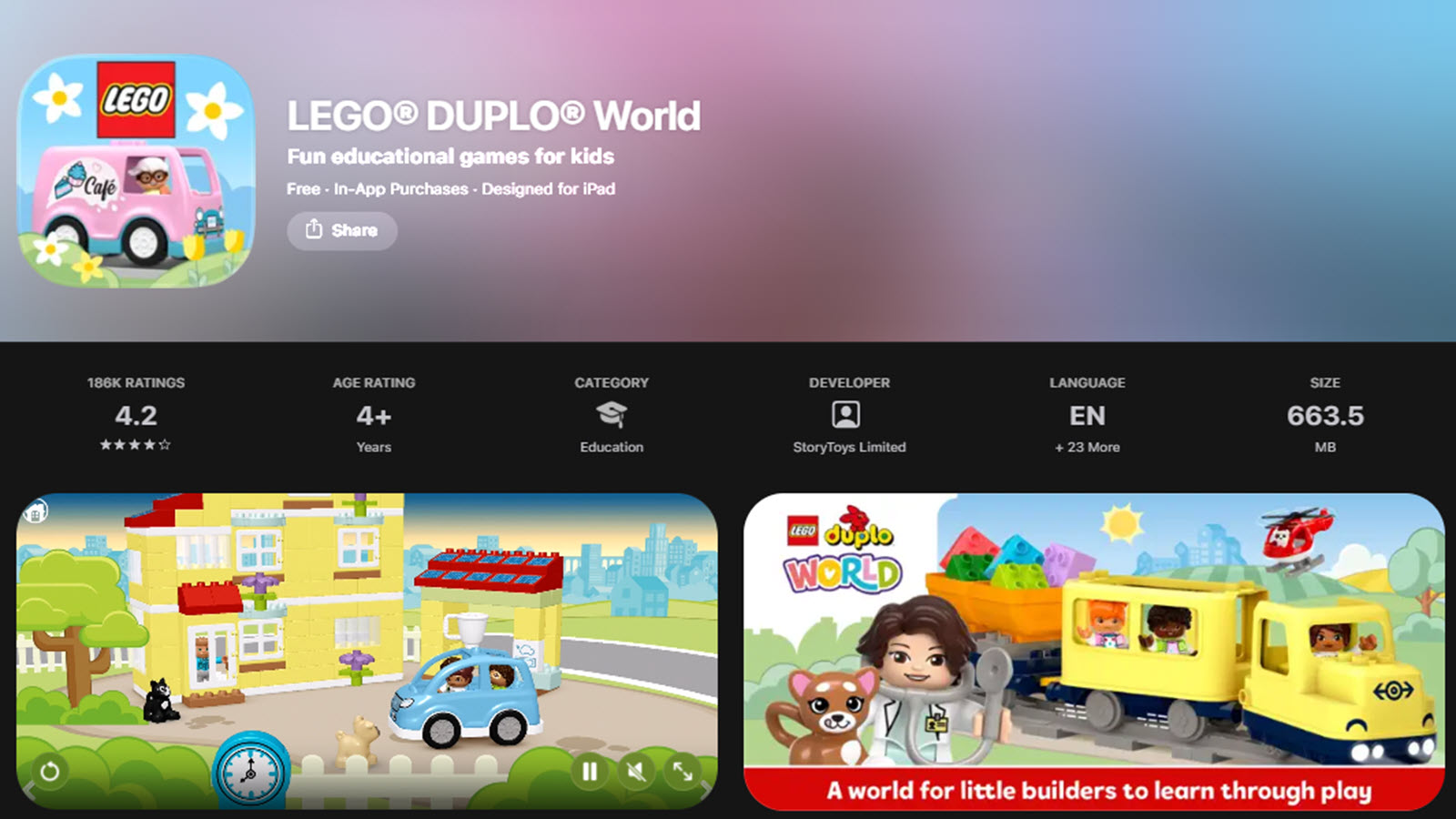
LEGO DUPLO World is an open play app from StoryToys that lets preschoolers build, explore, and invent stories using digital DUPLO bricks. Girls ages 3 to 6 open themed packs covering vehicles, animals, farms, homes, doctor scenes, trains, and everyday places. They stack colorful 3D bricks, drive simple vehicles, and role-play short scenes without a fail state or high-score pressure. Multi-touch support allows a parent or sibling to join the same screen. The chunky art style and large pieces are easy for small fingers to grab and move. Many scenes work offline once downloaded. The studio, based in Dublin, Ireland, designs the activities to support early cognitive, creative, and social practice through constructive and pretend play. There is no single newborn-care storyline, yet home, doctor, and animal themes appear in several packs. The catalog is broad, so parents often select a specific pack that matches their child’s current interest. Play sessions can stay short or stretch while a child keeps building and rearranging scenes.
Key features
- Open-ended building and themed play packs with 3D DUPLO bricks
- Vehicles, animals, home, and role-play scenes
- Multi-touch support and offline play after download
Facts and information
- Aimed at children ages 3 to 6
- Available on iOS and Android
- Studio based in Dublin, Ireland
19. Pok Pok
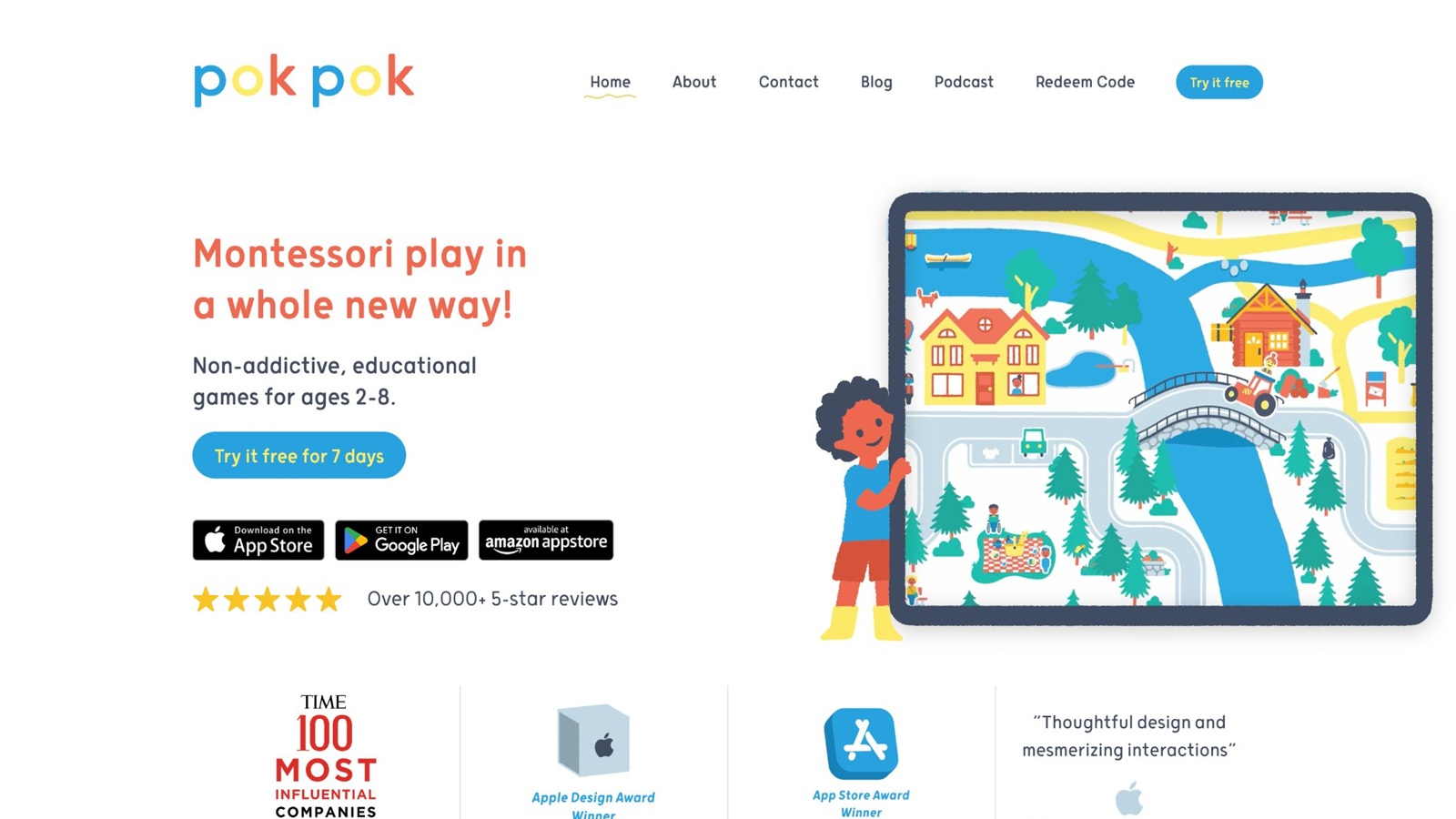
Pok Pok is a Montessori-inspired digital playroom designed for children ages 2 to 8. Girls open calm, hand-drawn toys such as a house, busy book, drawing space, marble machine, simple town, and everyday object scenes. There are no levels, scores, timers, or win/lose messages. Kids drag objects, stack shapes, dress characters, and invent small stories at their own pace. The soft color palette and gentle sound design make sessions feel more like playing with wooden toys than a loud arcade. Offline play works after content is downloaded, which is useful for travel or quiet time at home. The design contains no outside links or chat. Parents who want low-pressure screen time often keep it for short, calm stretches. It does not center on newborn bottles or fashion closets, yet house scenes and light pretend-care moments appear in several toys. New digital toys are added over time. A very young child may need a parent nearby at first to notice the different toys and how to open them.
Key features
- Open-ended digital toys with no scores or levels
- House, drawing, building, and everyday pretend scenes
- Calm art and sound design with offline options
Facts and information
- Built for ages about 2 to 8 with Montessori-inspired play
- Available on iOS and Android
- Focuses on free exploration rather than guided lessons
20. Dr. Panda Town
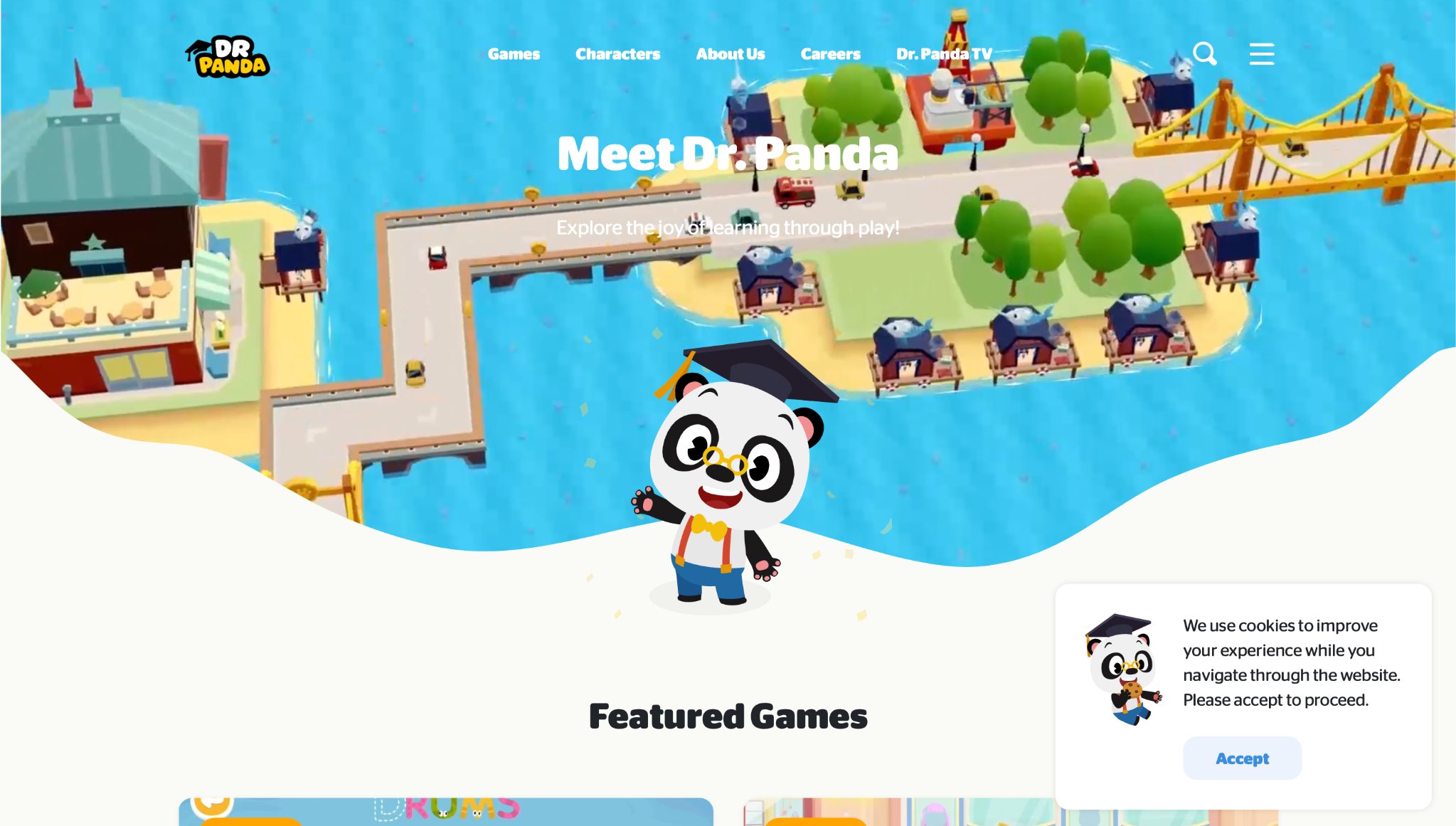
Dr. Panda Town is an open role-play world from the Dr. Panda studio. Girls explore houses, shops, nurseries, stables, cafés, and other locations while creating their own stories. They can care for babies in a nursery, style characters, cook simple meals, ride vehicles, and meet animal friends. The pace stays free of timers or hard fails, so children can linger in any scene. Character creators let kids change hair, clothes, and faces for different pretend roles. The catalog includes both classic single-scene apps and larger town titles. Art is colorful and rounded so preschoolers can easily read the scenes. Official apps run on phones and tablets. The studio designs for young children, with simple taps and no outside chat inside the games. Some titles focus tightly on daycare or supermarket tasks; others open a wider town for freer exploration. A parent may still pick a specific scene for the youngest players so the session stays focused and calm.
Key features
- Open town exploration with nurseries, shops, and homes
- Character styling, baby care scenes, and everyday role-play
- Simple taps and colorful animal characters
Facts and information
- Aimed at preschool and early elementary children
- Available on iOS and Android
- Combines free pretend play with light care and daily-life tasks
How to Choose Safe Baby Games for Girls
Start with age. A two-year-old needs huge buttons and one job per screen, which is why many families begin with games for toddlers and simple apps for toddlers. A six-year-old can handle a short story with a few rooms, closer to games for preschoolers and educational games for kids age 3.
Next, check safety. Look for no ads, no public chat, and no random web links. Guidance on how to protect kids online pairs well with a list of safe apps for kids and a parents guide to safe skill-building apps for toddlers. Ask who made the game. Studios that build only for young children tend to keep the tone softer.
Then match the theme to your child. Some girls want newborn care. Some want unicorns. Some want a tiny house to clean. Educational games for toddlers often use that same care loop in an even simpler form. Games for young kids and apps for preschoolers help when siblings share a tablet and need a different pace.
If the family wants one library instead of ten separate apps, online educational games for kids and an educational games for kids app keep care, dress-up, and pets in one place. Easy educational games for kids work when a first session should stay short and kind.
Skills Girls Practice in Baby Care Games
Baby games look like play, and they are. They also train small hands. Dragging a bottle, sliding a blanket, and placing a bow all help fine motor control. Repeating a bedtime routine supports memory. Choosing an outfit supports confidence building skills for kids, because the child decides and sees her idea come true.
Care stories can grow empathy. A crying baby needs help. A hungry pet waits. Pet care games shows why hatching, feeding, and tucking matter. A messy room can be fixed through chore games for real life skills through play. Those plots are simple on purpose.
Feelings work belongs here too. Social emotional games for kids, emotional games for kids, and emotional regulation games for kids sit next to bath and bedtime scenes. Problem solving games for kids show up when a child must find a missing sock or match a lid to a pot. Memory games for kids and brain games for kids help with matching cards after care play.
This is learning through play in a nursery costume. Families who want more than screen taps can add learning through play activities, learning through play examples, and benefits of learning through play. A Fluvsies paper doll printable can carry the same characters off the tablet.
You do not need every type each day. One care scene plus one creative scene is enough for many families.
- Baby care play asks a child to feed, bathe, rock, and dress a character. That loop supports empathy and sequencing.
- Pet hatch and care play asks a child to name, feed, and tuck in a fluff. That loop supports responsibility and patience.
- Dress-up and salon play asks a child to mix colors, styles, and looks. That loop supports choice and self-expression.
- Clean-up and home play asks a child to sort, wipe, and put things away. That loop supports order and focus.
- Light puzzles ask a child to match, stack, and find items. That loop supports attention and logic.
Smart Screen Habits for Young Players
Place the tablet in a shared room. Use a child profile when the app offers one. Preview new titles the way you would preview a picture book. If a game shouts, flashes, or pushes extra shops, close it. A parents guide to healthy screen time with educational apps and notes on healthy screen habits help keep play purposeful.
Balance matters more than a perfect clock. After digital care play, offer a real task: water a plant, fold a washcloth, or dress a doll. That bridge helps the game feel like practice, not only a show. Educational games for kids at home and summer holiday educational games and offline ideas for kids give that mix of on-screen and off-screen play. A family weekly planner can mark short play windows. Practical tips for new parents fit the same calm rhythm.
Device choice is part of the habit. Tablet games for kids, mobile games for kids, and iPad games for kids all work when the same account follows the child from phone to tablet. Privacy details live on the Privacy Policy section. Account help sits on the Support section.
Pick a stopping ritual. “One more bottle, then we close.” Kids handle an ending better when they can finish a kind action first. Keep nights for books when you can. Save the brightest games for daytime. Safe games for kids make that close feel easy because the session never depended on a loud surprise.
How Care Play Supports Everyday Skills
Pretend care gives practice with order and attention. A girl notices the character needs food before play. She chooses the right item. She watches the reaction. That sequence builds memory and simple planning. The same skills appear in many responsibility games for kids. Empathy grows when the character looks sad or tired. The child responds with a hug or a blanket. The face changes. The child sees the result. Short emotional moments like these fit well inside safe, ad-free spaces.
Safe apps for kids keep the focus on the character instead of outside interruptions. Motor practice happens through the taps themselves. Dragging a brush, tapping a button, or sliding a blanket all use small hand movements. The targets stay large. Success comes quickly. Younger players stay engaged because each action produces a clear change on screen. Confidence shows up when the girl finishes a full routine on her own. She fed the baby. She cleaned the room. She put the character to bed. The ending feels complete. That finished feeling matters for children who are still building independence with daily tasks. Related ideas appear in confidence building games and social emotional games for kids.
Latest News In 2026
Care-focused titles continue to emphasize short scenes and clear endings throughout 2026. Families notice more options that let kids practice the same morning and bedtime steps they already know. Ad-free libraries remain a steady choice when parents want the play to stay inside one trusted space. Pet and unicorn care stories stay popular. Kids hatch, feed, and settle soft characters without long menus. Cleaning and tidy-up scenes appear more often beside baby care. The combination lets a child move from a doll routine to a room reset in the same session.
Offline play after download also stays useful for trips and quiet rooms. The overall direction favors calm art and big buttons. Games that mix care with light creative steps, such as coloring a character after the bath, keep showing up in family libraries. The focus stays on finishable moments rather than open-ended play that never ends. TutoClub games keep these gentle patterns available in one family collection. Updates around emotional practice appear near the best emotional intelligence for kids activities. Age-fit options remain listed under educational games for 2 year olds and games for young kids.
FAQ
What age is right for baby games online for girls?
Most baby games online for girls fit children from about two to eight. Toddlers need one job per screen, big buttons, and care scenes such as feeding, bathing, or dressing a doll. Preschoolers can handle a few rooms, a short story, and simple dress-up beside baby care. If a child gets stuck or leaves after a few taps, the game is likely too busy or too hard. Educational games for 2 year olds follow that same gentle first-step pace.
Are free girl game sites safe for toddlers?
Safety depends on the site, not on the word “free.” Toddlers do better in a closed, ad-free space with no chat, no stranger contact, and no surprise pop-ups. Open game portals can mix ages and themes, so a grown-up still needs to preview each title. Privacy-minded design matters as much as cute art. Safe kids games keep play inside one calm world with large, clear controls.
Do baby care games help with real-life routines?
They can support routines by giving a child words and order for jobs she already sees at home. Feeding, bathing, bedtime, and clean-up in a game follow a clear sequence: first the bottle, then a hug, then a nap. After screen play, a real washcloth, a doll bed, or a tidy toy basket can continue the story. The game does not replace parenting. That same tidy-up loop appears in many everyday care stories built for little hands.
Can sisters share the same baby game apps?
Sisters can share play when the service allows more than one device or one family login. A club model helps because each child can open a different title without a new store hunt for every mood. Separate save slots keep a toddler’s daycare progress apart from a preschooler’s unicorn or fashion room. Keep the tablet in a shared room so turns stay fair. English learning apps for kids can sit on the same device when one sister wants songs and the other wants care play.
What should families look for in baby games online for girls in 2026?
Look first for calm care play, then for dress-up, pets, and light puzzles that still feel kind. Strong titles use short scenes, warm colors, and no public chat. A girl should be able to feed a doll, pick a bow, or tuck in a pet without reading a long menu. One curated library is easier than ten separate apps when the goal is safe, useful screen time. Dress up games for girls show how style play can sit beside baby care without extra clutter.
How do pet care loops work in baby games for girls?
Pet care loops in baby games online for girls follow a simple and repeatable pattern that young children can finish on their own. A child notices a fluffy friend needs food, a bath, or a quiet rest, then taps the matching item on the screen. The character responds right away with a happy face or a calm movement, so the child sees the result of the choice right away. The same short cycle appears with unicorns and dolls, where the next step stays obvious and the scene ends when the job is done. These loops keep the pace gentle because there are no long menus or extra choices to sort through. The loop also builds a sense of order, because the child must notice the need before choosing the right step. Over several short sessions the same pattern becomes familiar, so the child knows what to do when a character looks hungry or tired. The clear cycle also supports focus, as each small job has a visible start and a quiet finish. Titles with this style of gentle care fit many educational games for toddlers.
What creative steps often follow a care session?
After a bath or tidy scene ends, many girls switch to coloring or a simple style choice without leaving the same calm space. The same soft characters appear in both parts, so the move from care to creativity feels natural and connected. A finished picture of a doll or unicorn can sit right next to the care game that features the same character. Tools stay large, pages stay short, and the child can complete one picture or one look before attention shifts. The creative part adds choice while the care part keeps the routine clear and easy to complete. A girl can finish the care steps first, then add a bow or a bright color, so both parts of the session feel complete. This pairing keeps the whole play time calm and lets the child move between routine practice and light creative play in one sitting. These blended moments appear in many fun educational games for kids.
Why do short, finishable scenes matter in baby games?
Short scenes keep baby care games easy for young attention that still moves quickly from one thing to the next. One job finishes before the next one starts, so the child sees a clear ending instead of an open screen that never stops. Feeding leads to a bath. A bath leads to a blanket and a soft light. The screen quiets when the routine ends, which helps when focus is still growing. That clear stop also makes it easier to return to the same game later, because the child knows what a finished session looks like. Finishable scenes also help with transitions, because the child can stop at a natural point instead of leaving a task half done. When every scene has a clear end, the child can move to a different activity or return to real-life play without feeling stuck. The short length also matches the attention span of younger players who do best with one clear task at a time. This approach fits the style of many apps for preschoolers.
How does care play practice motor skills and order?
Care play uses large taps and simple drags that fit small hands. A girl slides a blanket across a bed, taps a bottle to feed a character, or wipes a floor with a steady movement. Each action produces a clear change on screen, so the child knows the tap worked. The order of steps builds planning because the child chooses what comes next and watches the result. Younger players stay with the task because success arrives quickly and the next step stays easy to see. Over time the repeated taps and ordered steps help build both hand control and a sense of what comes next in a routine. The large targets and quick success also keep the child engaged long enough to finish the full sequence of steps. This practice stays gentle, so the motor work feels like play rather than a separate lesson. These ordered actions show up in many learning through play activities.
What role do unicorn and doll characters play in calm care stories?
Unicorn and doll characters give familiar and soft faces to the same care jobs that appear in many baby games online for girls. A girl feeds a baby unicorn, then settles it for sleep under a blanket. She dresses a doll after a bath or sets a small table for a tea scene. The art stays soft, the buttons stay large, and the character reacts in a kind way that matches the child’s action. These characters keep the tone gentle while the child practices the same routines she sees at home, such as feeding, bathing, and settling down. The soft characters also make the care steps feel friendly, so the child stays with the task longer and finishes the full sequence. Familiar faces help the child return to the same care jobs day after day without the scenes feeling new or hard. The kind reactions from the characters also support a calm mood, as the child sees a positive result after each small care step. These gentle character moments appear in many emotional games for kids.
Read Also:
- Best Educational Games For 2 Year Olds
- Best Dress Up Games for Girls Online
- Best Safe Kids Games In 2026
- Best Responsibility Games For Kids In 2026
- Best Educational Games For Kids That Are Fun in 2026
Try TutoClub for safe baby games girls can play with care, dress-up, and pet fun!