

Best Hygiene Games for Kids Online





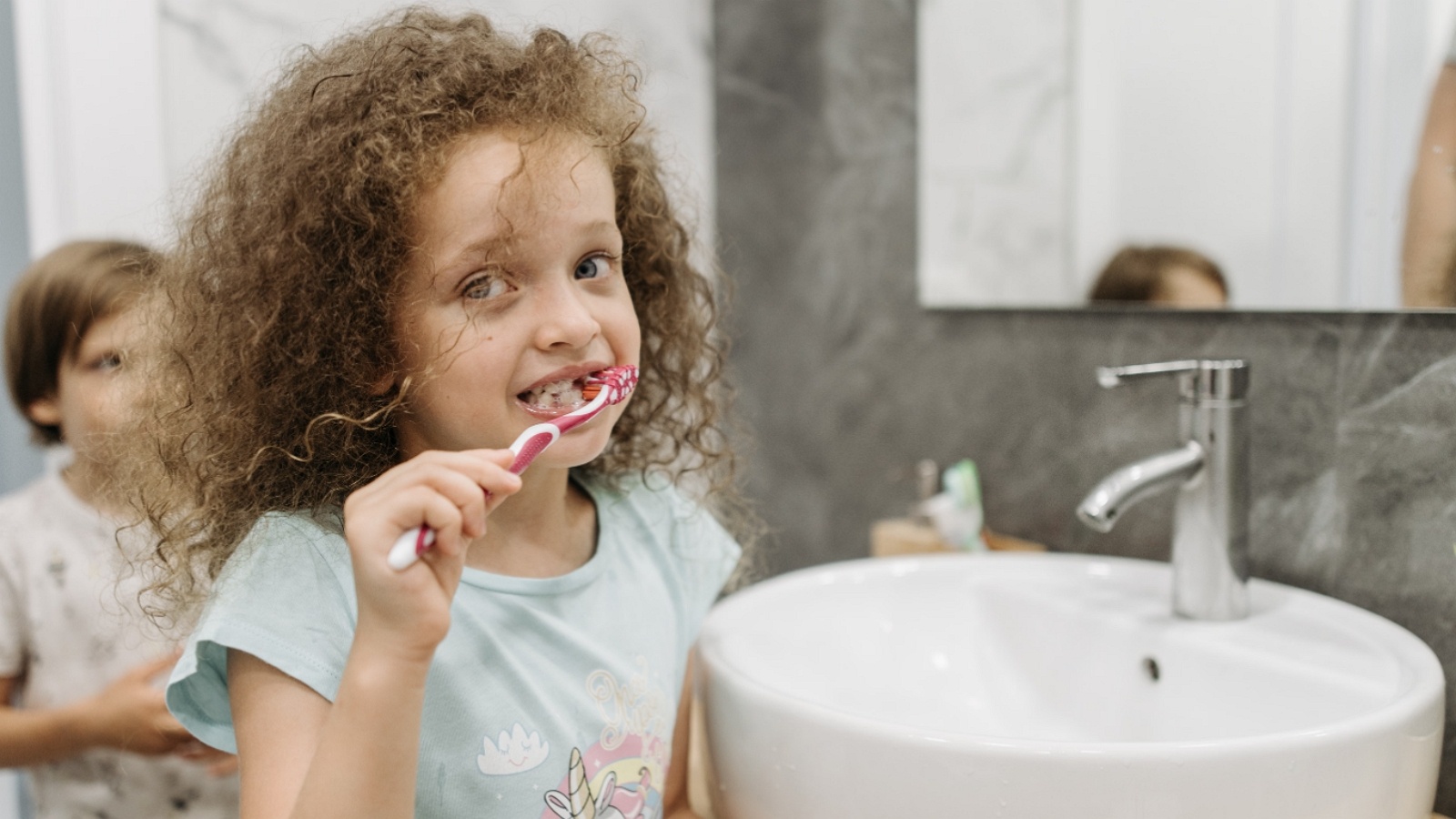
Parents looking for the best hygiene games for kids online want play that teaches washing hands, brushing teeth, and tidying rooms. These kids hygiene games and clean-up games turn daily care into a short routine. A good pick stays ad-free, calm, and easy for ages two to eight.
Hygiene play sticks longer when it sits next to other calm skills kids already practice. Short problem-solving games for kids help them plan a handwashing or tidy-up sequence, while social-emotional games for kids keep waiting and sharing steadily. Pair that with confidence-building games and responsibility games for kids so brushing, washing, and cleanup feel like a win they can repeat from ages two to eight.
See how TutoClub turns hygiene play into a calm daily habit for kids!
Why Kids Learn Clean Habits Faster Through Play
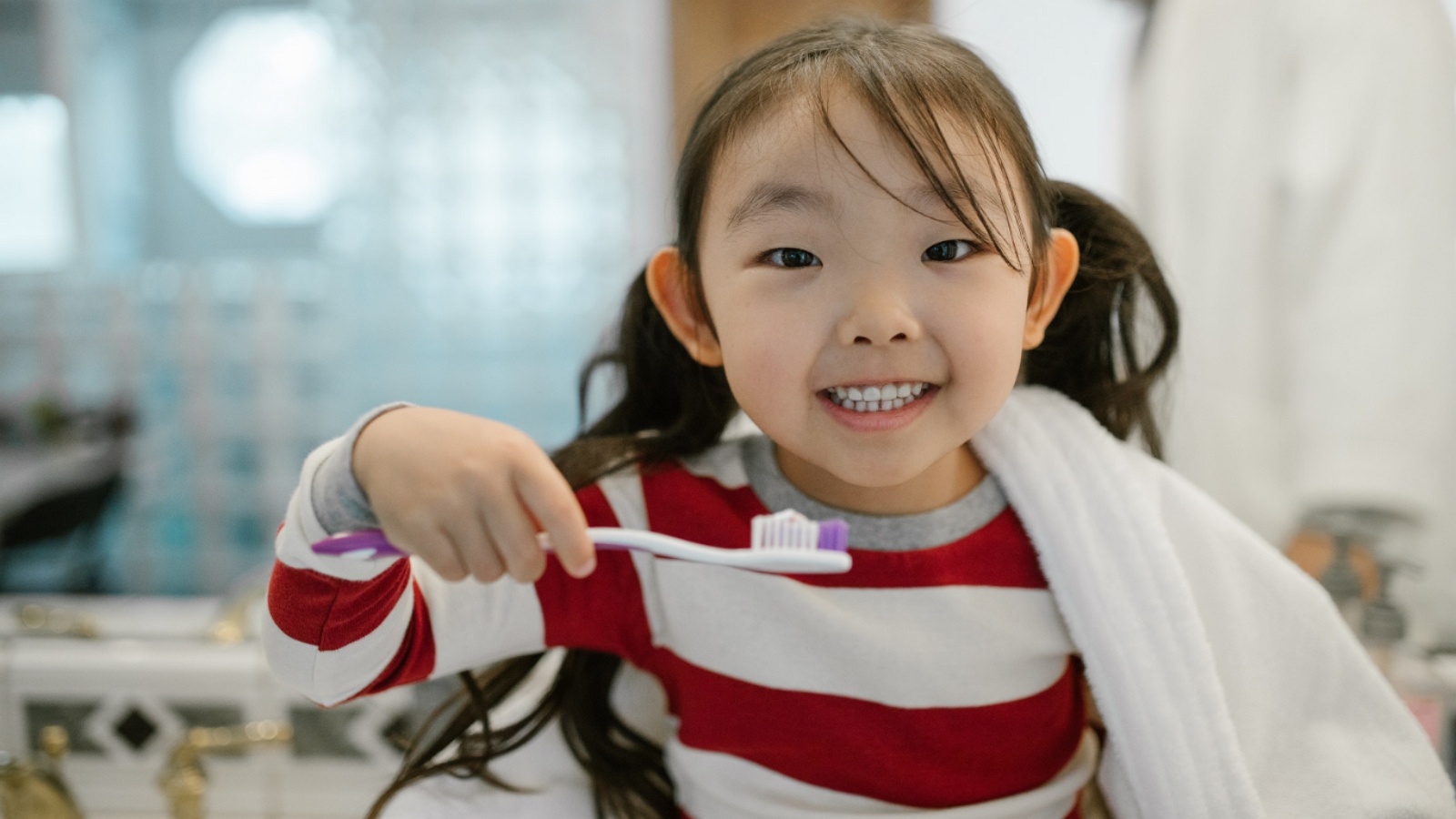
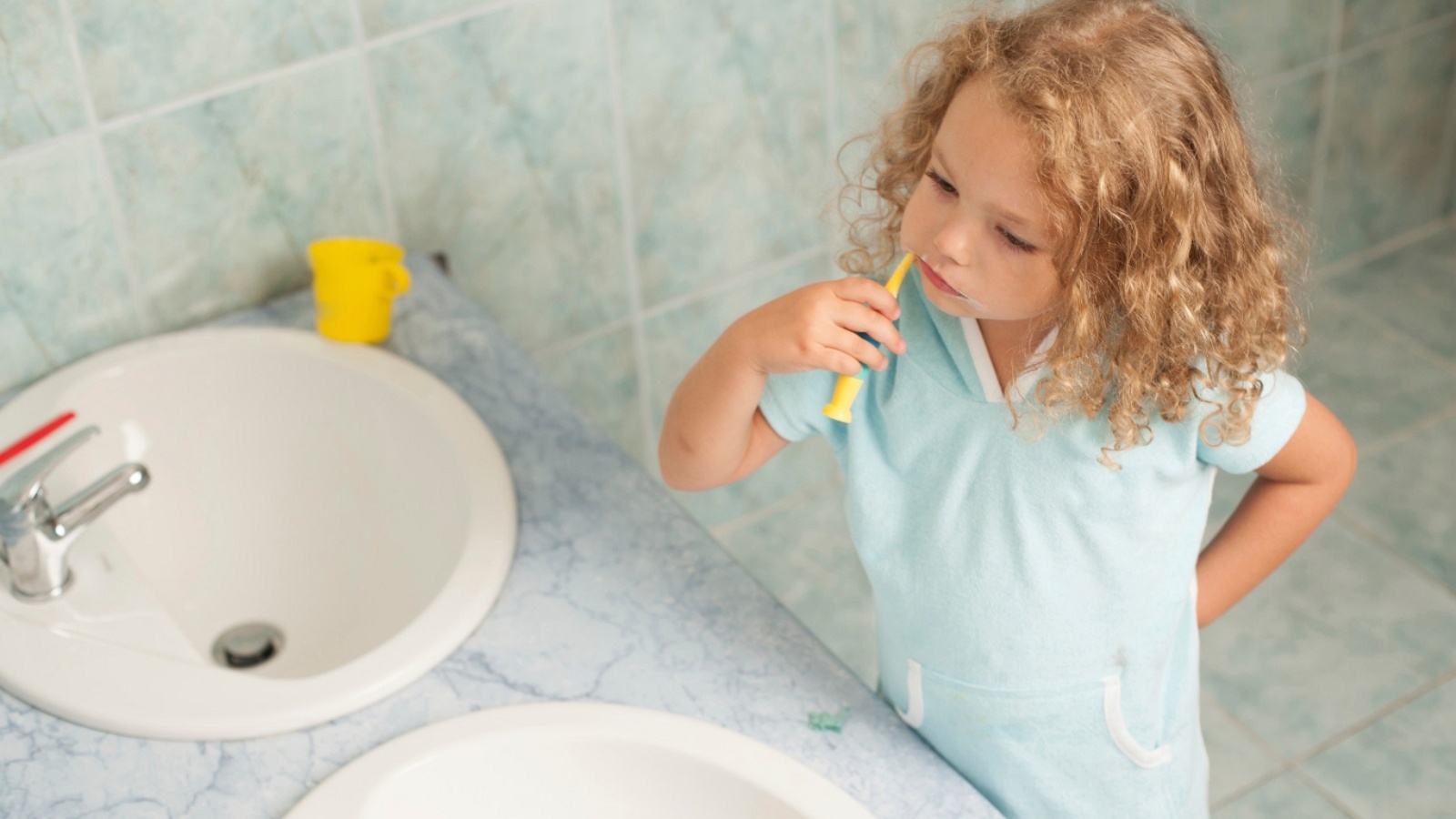
Handwashing, brushing, and tidy-up time often feel like a stop. A game flips that. The child has a job, a character who needs help, and a clear finish. That match is why hygiene games for kids stick better than a lecture at the sink.
Young children learn by copying. When a doll washes up, a pet gets a bath, or a room goes from messy to neat, the steps become visible. Soap, scrub, rinse, dry. Wipe, sort, put back. Those same steps show up later in real life. Pet care games use that same copy pattern when a child feeds, baths, and tucks in a virtual pet.
Health groups teach the same core habits families already know. Wash hands with soap after the bathroom, before food, and after play outside. Brush teeth twice a day. Keep nails and clothes reasonably clean. Cover a cough. Games do not replace those moments. They rehearse them. Chore games put those rehearsals in a room a child can reset.
The best hygiene games for kids keep the task short. A preschooler can finish one room, one pet bath, or one brushing song and stop. Long, loud apps fight the habit you want. Calm play supports it. Learning through play works the same way: one clear job, then a real try.
A few traits matter more than flashy art:
- A clear action, such as scrub, rinse, sort, or feed
- A character the child wants to care for
- No ads popping up mid-task
- Steps that match real life, not only fantasy points
- A pace a parent can sit beside
Kids hygiene games work best as a bridge. Play the scene, then do the real sink or the real toy bin. The game supplies the story. The child supplies the hands. Benefits of learning through play show up here as pride after a finished wash, not as a longer screen block. Social emotional games add the care feeling that makes a child want to help the character get clean.
What Makes a Hygiene Game Safe and Useful
Not every clean-up app teaches care. Some are dress-up with a mop sticker. Others push extra buys the moment a room looks messy. Parents sorting online hygiene games for kids can use a short check. Safe apps for kids follow that same check before a new icon lands on the tablet.
- Age fit. Ages two to four need big buttons, one step at a time, and a helper character. Ages five to eight can handle a bathroom, a kitchen, and a pet in the same story. If the words are tiny or the timer shouts, younger kids bounce off. Apps for toddlers stay in that big-button lane.
- Real steps. Strong handwashing games show wet, soap, scrub, rinse, and dry. Strong brushing play lasts through a full song, not a single tap. Strong tidy games ask the child to put items back, not only to tap sparkles. Easy educational games keep those steps few enough to finish.
- Privacy and ads. A safe kids game does not chat with strangers and does not drop surprise videos. Ad-free play matters here because hygiene time is already short. A pop-up breaks the routine. A privacy FAQ spells out how a kids account stays limited to the family. How to protect kids online covers the same idea outside the game itself.
- Care, not only points. Pet baths, baby care, and room resets teach responsibility. That is the same skill set families meet in baby games online for girls and in gentle clean-up stories. The child looks after someone, then feels the room change.
- Parent control. One login, a few devices, and play that can continue offline after download keep the habit easy on busy mornings. Safe kids games and a skill-building guide for toddlers both point families toward that parent-led setup.
Safe kids games that support growth also stay calm in color and sound. Bright is fine. Constant flashing is not. Hygiene play should lower stress, not add it.
Best Hygiene Games for Kids Online
1. TutoClub - Best Hygiene Games for Kids Online
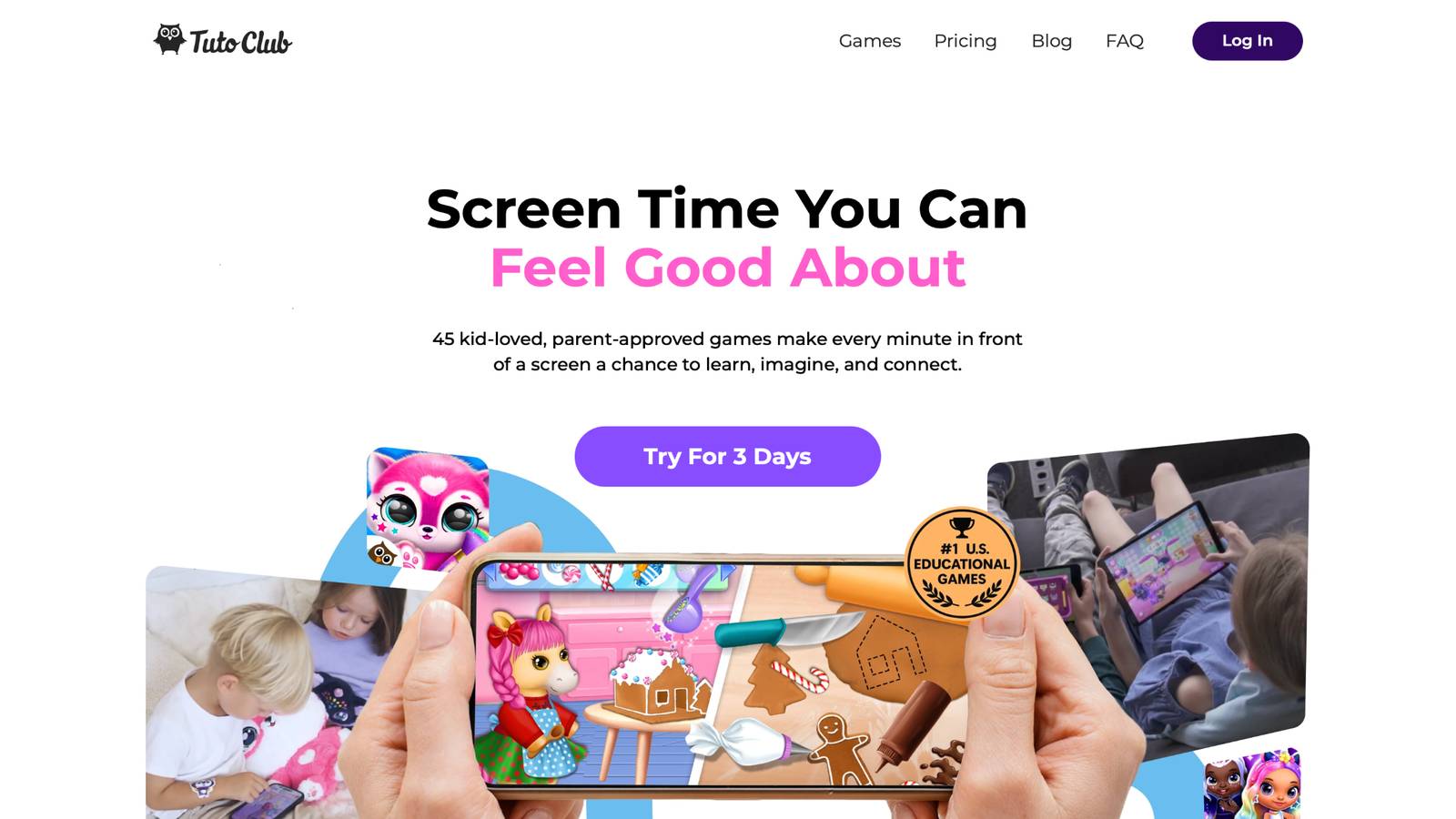
Games for kids online live inside TutoClub, the ad-free kids club from TutoTOONS in Lithuania. One subscription opens more than 45 games built for ages two to eight, with clean-up, pet care, and baby routines side by side. Sweet Baby Girl Cleanup 5 turns chores into a story: wash dishes, scrub the bathroom, tidy the kitchen, and look after a small kitty. Fluvsies and Smolsies ask kids to hatch, feed, and care for soft virtual pets. Giggle Babies and My Baby Unicorn add gentle care scenes that practice kindness. Play inside the club stays free of ads and surprise purchases, so the task stays in front. Short levels fit preschool focus, and one parent account can move across devices. Many families play a clean-up scene, then try the same steps with real toys or a real sink. Mobile games for kids in this set stay short enough for a sink visit, and fun educational games keep the chore feeling like play.
Facts and information
- More than 45 ad-free games in one kids subscription
- Cleaning, pet care, and baby-care stories from TutoTOONS
- Built for ages two to eight, with multi-device access
- COPPA and GDPR-minded, privacy-safe play with no in-app purchase prompts inside the club
- Care tasks that model soap, tidy-up, feeding, and looking after others
TutoClub Overview
TutoClub is your gateway to a magical world of educational games designed especially for children.
As part of TutoTOONS, a leading kids' games studio, we offer premium access to over 45 ad-free games.
Our mission is to blend learning and play, helping kids explore, create, and grow in a safe online space.
Thousands of parents trust us for family-friendly content that sparks imagination and builds essential skills.
Key Features
- Unlimited Access: Unlock full content in all games with no interruptions.
- Ad-Free Experience: Enjoy seamless play without any ads or distractions.
- Skill Development: Games foster creativity, social skills, communication, and more through fun activities like pet care and cleanup challenges.
- Regular Updates: Get new releases, exclusive content, and future updates automatically.
- Easy Subscription: Cancel anytime with no obligations, simple and flexible for families.
Explore Our World
TutoClub provides a rich ecosystem of educational games for kids, featuring ad-free experiences that promote creativity, focus, and emotional growth through play.
This platform turns screen time into valuable learning opportunities, with parent-approved content that builds essential skills and sparks curiosity in young minds.
- TutoClub Games: Over 45 educational games, including popular titles like Fluvsies, Smolsies, and the Sweet Baby Girl series
- Blog: Insights, tips, and stories for families on kids' learning and play
- FAQ: Comprehensive answers to frequently asked questions about subscriptions, features, and more
Get TutoClub on Your Device
TutoClub delivers premium kids educational games directly to your mobile devices, making learning accessible anytime, anywhere.
With apps available on major platforms, families can easily download and subscribe for ad-free play that turns screen time into skill-building adventures.
Perfect for parents seeking safe, engaging content on iOS, Android, or Amazon devices.
Why Choose TutoClub?
We're committed to 100% safe, enriching entertainment that kids love and parents approve.
Join the thousands who've seen their children thrive through playful learning.
Ready to start the adventure?
Start a calm hygiene play session with TutoClub today!
2. Fluvsies Academy
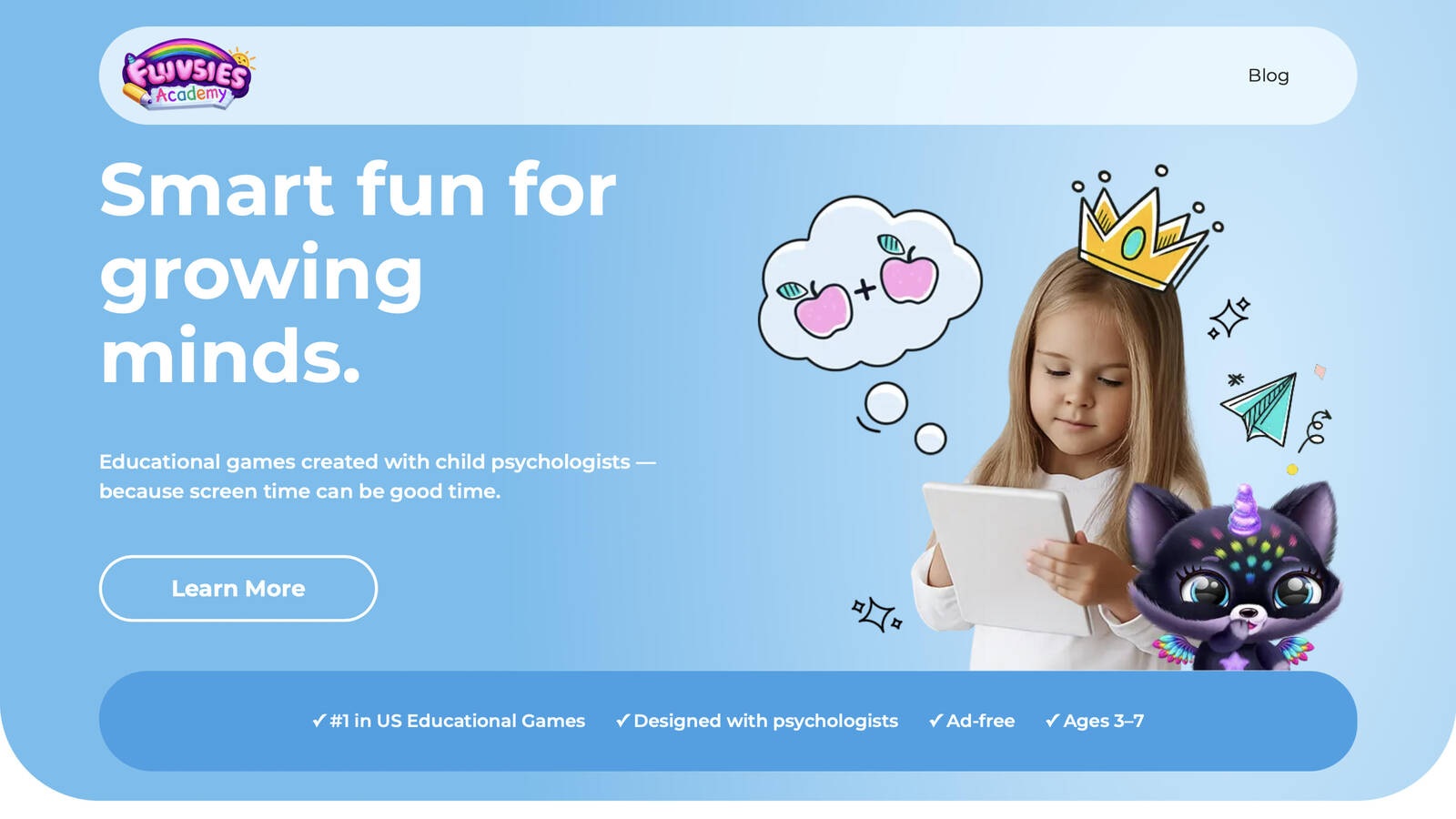
Fluvsies Academy is a warm learning app for girls and boys ages three to seven, built around the fluffy Fluvsies characters many children already know from gentle pet games. Play stays calm and ad-free. Kids move through language and phonics, number games, logic and attention tasks, sorting, and life-skill scenes that feel like story time instead of a worksheet. Real-world play includes brushing teeth, helping at a store, cooking, laundry day, and simple jobs such as baker, vet, teacher, or firefighter. Child development experts helped shape the pace, the colors, and the way each task unfolds, so a young player can finish one short activity and feel proud without rushing. Parents get simple progress notes, which makes it easier to see what a child practiced that day. The teeth-brushing scenes are a favorite for families who want hygiene play next to early learning. Screens stay clear, instructions stay kind, and there is no chat with strangers. Two learning modes sit side by side. Active play asks for focus and small choices. Quieter story play introduces jobs and daily care at a softer pace. That mix lets a child practice a clean habit, then switch to letters or sorting without leaving the same friendly world. Many parents like that healthy routines share space with curiosity, so brushing does not feel like a separate lecture. The Academy treats care, safety, and early skills as one gentle loop.
Key features
- Language, phonics, numbers, logic, and sorting games
- Life-skill scenes, including brushing teeth, laundry, and daily routines
- Profession stories that practice care and independence
- Ad-free design shaped with child development experts
- Parent-facing progress notes
Facts and information
- Made for preschoolers ages three to seven
- Active skill play and quieter story play in one app
- Focus on empathy, safety, and healthy daily habits
- Clear instructions and calm screens for early learners
3. Disney Magic Timer by Oral-B
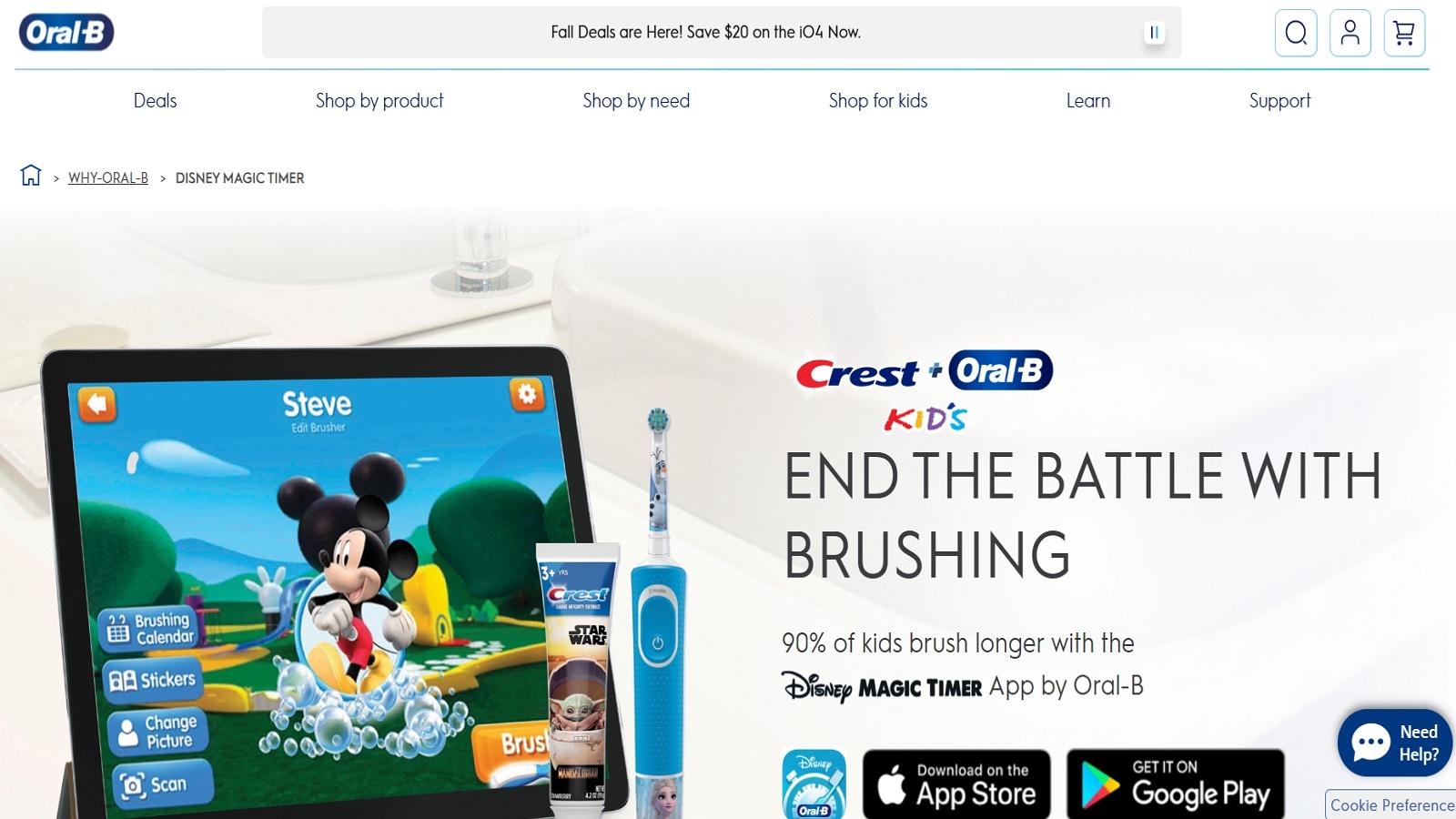
Disney Magic Timer by Oral-B turns toothbrush time into a slow picture reveal. A child brushes, and a hidden image of a favorite character appears a little at a time. Disney, Marvel, and Star Wars art give reluctant brushers a reason to stay at the sink instead of wandering off after a few seconds. A built-in timer guides a full brushing session, and stickers mark days that went well. Parents can glance at a simple chart instead of guessing whether the brush touched every tooth. The app does not need a special connected brush for basic play, which helps families who already own a regular toothbrush. Younger kids often respond to the characters first. Older kids may later want a coach that shows brush zones, so this timer works best as a starter, not the only tool for every age. Music and art carry the session, and a parent nearby still helps the first week. It is a brushing companion, not a house-cleaning world, so handwashing and room tidy still need their own cue. Oral-B built it for homes where the battle is getting the brush into the mouth and keeping it there. The reveal only finishes if the child stays with the timer, which makes quitting obvious in a kind way.
Key features
- Character reveal art while the child brushes
- Timer and sticker rewards for finished sessions
- Progress chart for parents
- Works with a regular toothbrush for basic use
- Disney, Marvel, and Star Wars art sets
Facts and information
- Made by Oral-B for kids who rush or skip brushing
- Best as a sink companion, not a room-cleaning game
- No special brush required for the basic timer
- Sticker chart helps families see which days went well
4. Pokémon Smile

Pokémon Smile treats brushing as a rescue mission from The Pokémon Company. While the child brushes, cavity germs get cleared and Pokémon can be caught. Awards, caps, and a collecting book keep the routine going on later days, which helps kids who like a goal beyond “because I said so.” No special toothbrush is required, so a family tablet or phone by the sink is enough. Reminders and more than one profile help homes with siblings who each want their own book. The art is bright and familiar to kids who already like the characters. Some children care more about the next catch than the brush path, so a parent still models the loop around the teeth for the first sessions. It is a strong option for school-age kids who ignore plain timers. Younger preschoolers may need an adult to open the app and start the session. The game does not cover handwashing or room clean-up, so it fits the bedtime brush more than a full hygiene hour. Catching only lands when the brush session is treated as real play, which keeps the habit honest for many families.
Key features
- Brushing play tied to catching characters
- Awards, caps, and a collecting book
- Reminders and multiple child profiles
- No connected brush required
- Cavity-germ story during the session
Facts and information
- Made for kids who already like Pokémon
- Focuses on oral care, not house cleaning
- Parent tools are lighter than a full clinic dashboard
- Sessions are built around a full brush, not a single tap
5. Dr. Panda
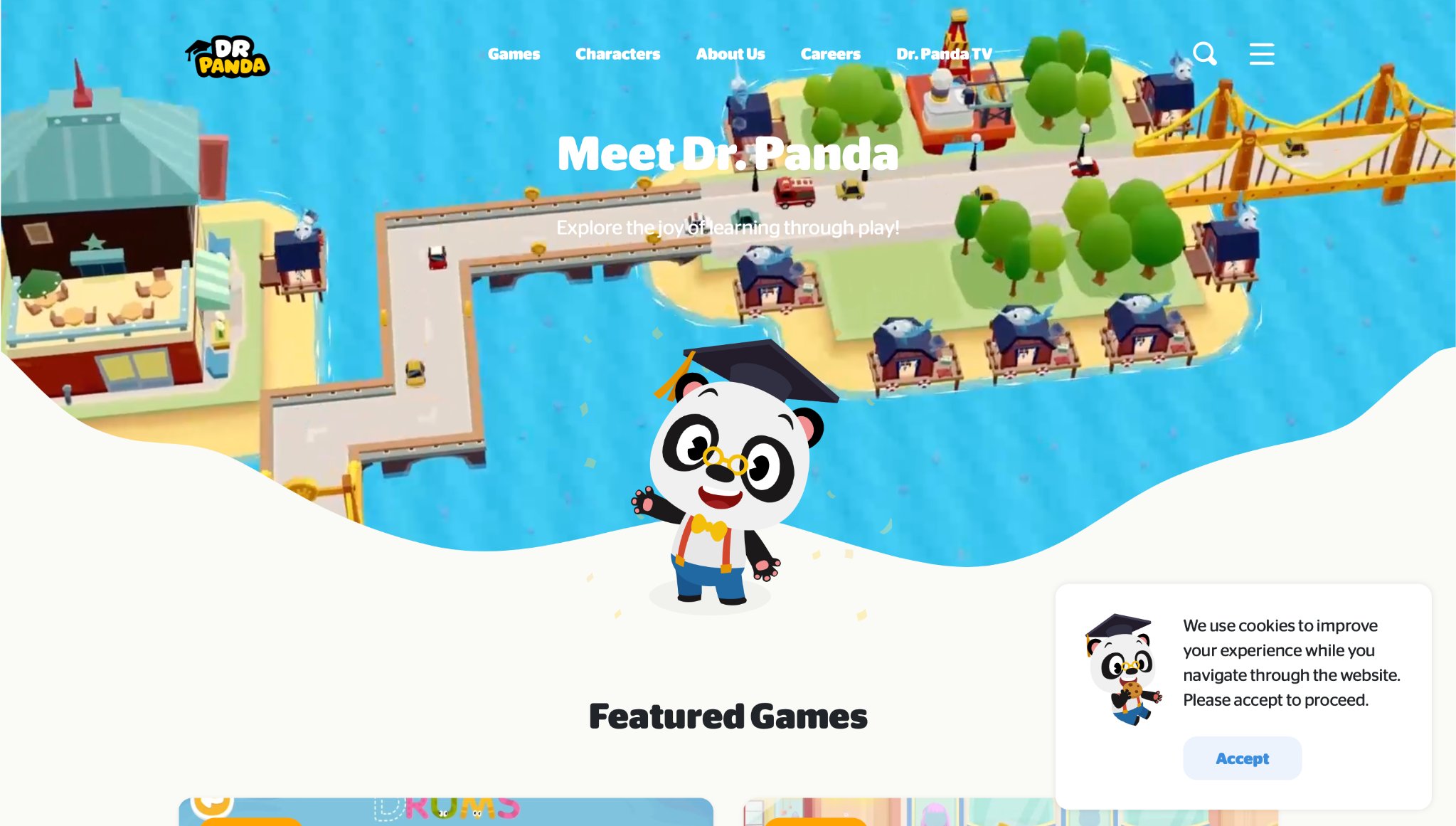
Dr. Panda games, from the Dr. Panda studio, let young kids run little shops, towns, and care scenes with a friendly panda cast. Bath time, meals, pet care, and tidy jobs appear across the series, so hygiene shows up as helping someone feel better or look neat. Taps are large, words are few, and reactions are silly, which suits preschoolers. A single title rarely covers a full sink routine, so parents pick a care scene and name the real-life match. Ads or extra buys can appear in free store versions, which means a sit-along is wise. The studio is known for pretend-play apps rather than camera brushing science. That makes Dr. Panda a story helper: wash the character, feed the pet, reset the room, then do one of those jobs offline. Kids who already like panda art often accept a hygiene job they would refuse as a plain chore. Keep the session to one scene so the app does not become the whole evening.
Key features
- Pretend-play care, bath, and tidy scenes
- Panda characters and large taps
- Short jobs with clear reactions
- Pet and home moments inside the series
- Preschool pace with little reading
Facts and information
- Made by the Dr. Panda kids studio
- Hygiene is spread across care titles, not one timer
- Best for preschool pretend play
- Free versions may include ads or extra buys
- Works as a cue before a real wash or tidy
6. Tiny Dentist by Bubadu
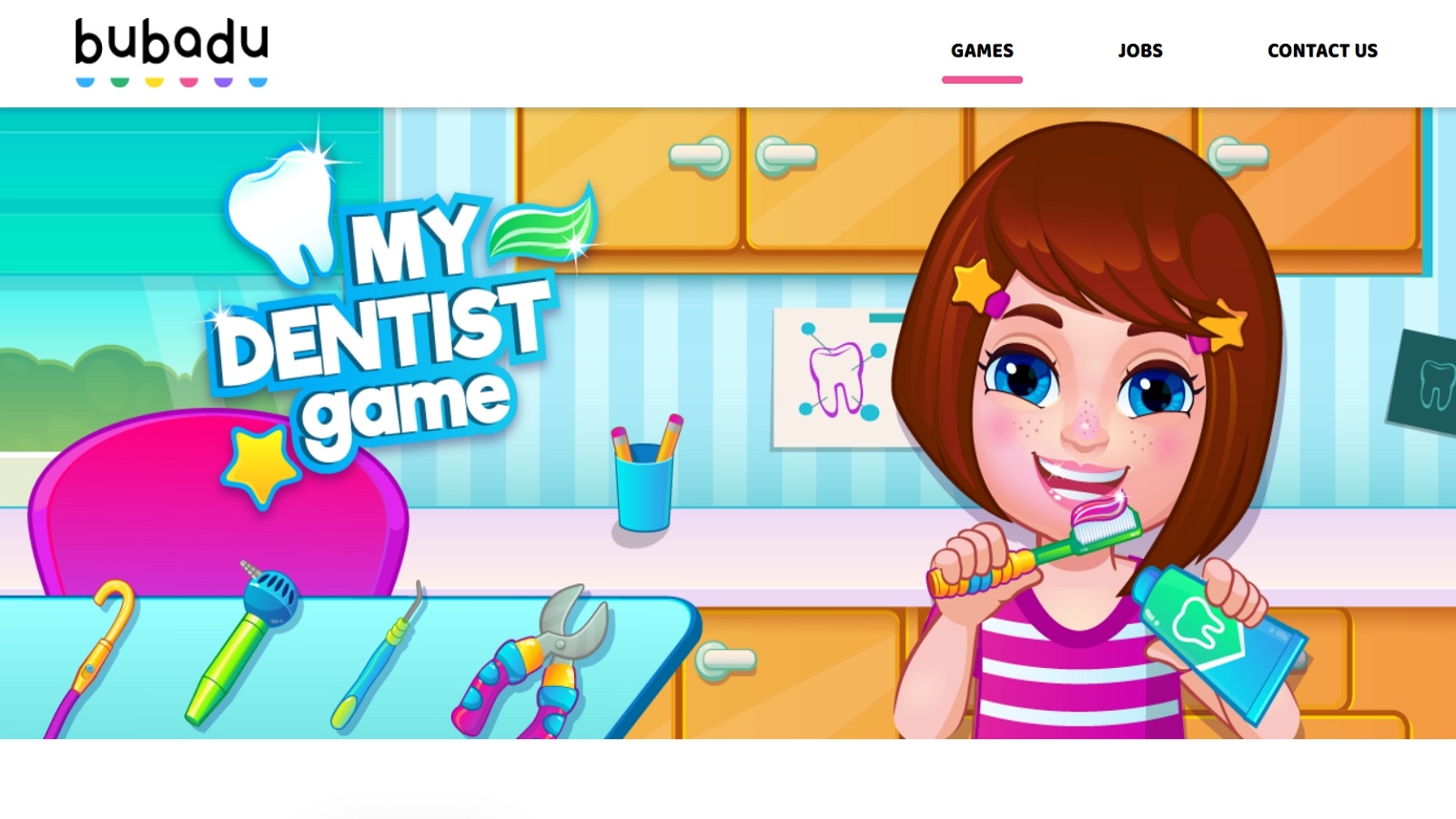
Tiny Dentist, from Bubadu, lets kids pretend to be the dentist. They check teeth, clean, and help cartoon patients feel better before a real clinic visit. The office setting makes cleanings feel familiar instead of scary. Play is tap-based and story-light, so it suits kids who like doctor kits at home. It teaches the idea of dental care more than the timed brush at the sink. Some scenes are silly on purpose, which keeps fear low and attention high. Parents often pair one clinic level with real brushing so the lesson does not stay inside the game. Ads can appear in the free version, so a parent sit-along is wise for younger players. Bubadu is known for preschool pretend play, and this title fits that pattern: short jobs, big reactions, and a clear helper role. It will not sort a messy bedroom or teach a handwashing song. Used before a first dental visit, it gives words for “open wide” and “clean teeth” that a child can repeat in the chair. After the visit, one level can become the reward for a real brush done well.
Key features
- Dentist role-play with cleaning and checkups
- Cartoon patients and simple tools
- Short levels that match preschool play
- Clinic stories that soften fear of visits
- Tap controls a young child can follow
Facts and information
- Published by Bubadu for young children
- Strong on pretend play, lighter on live brushing timing
- Useful before a first dental visit
- Works as a companion to a real brush routine
- Free play may include ads, so a parent nearby helps
7. Baby Panda Care by BabyBus
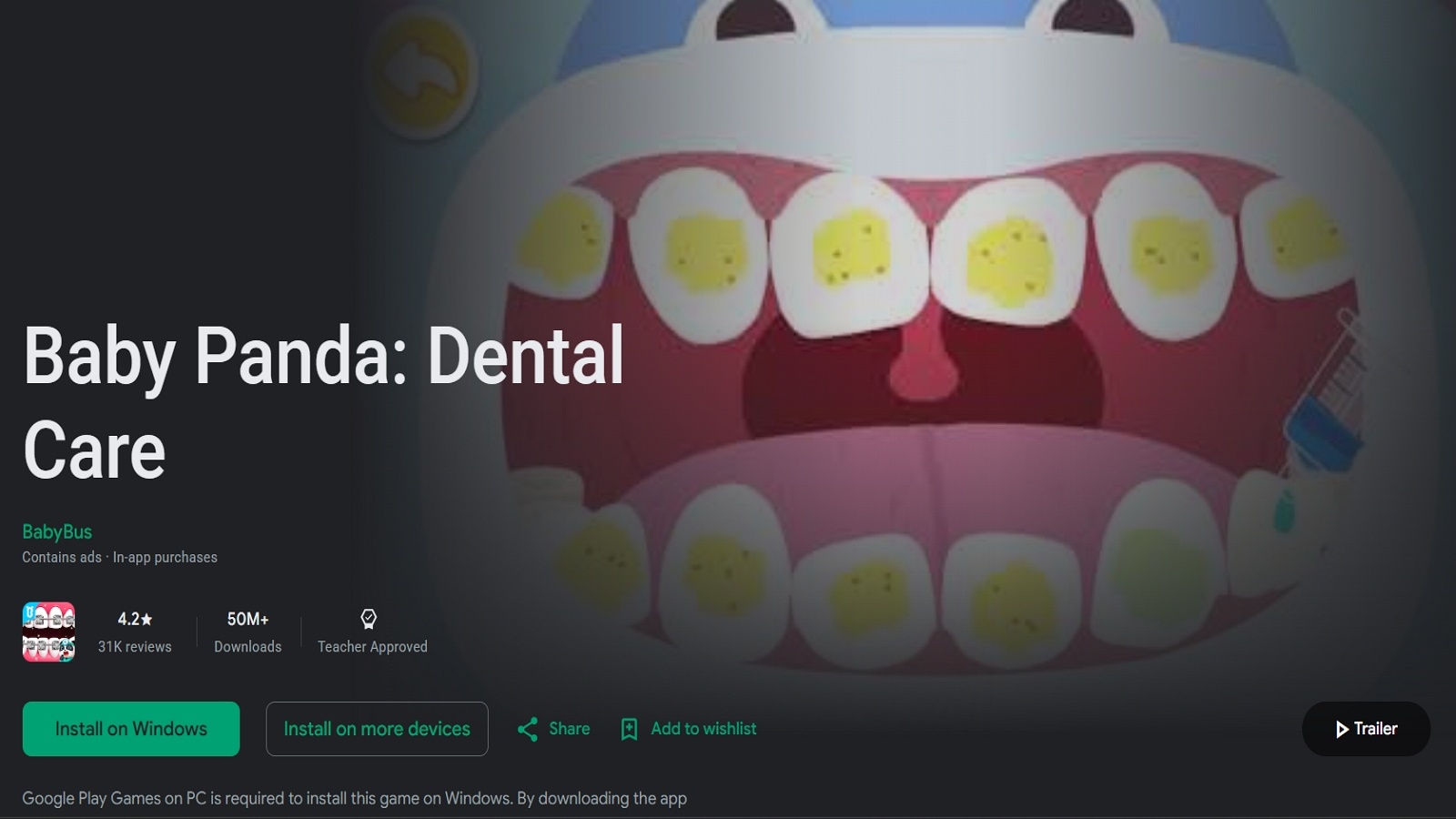
Baby Panda Care, from BabyBus, wraps daily care in a panda family story. Kids help with washing, meals, sleep, and tidy moments around a baby character. The art is soft, the taps are large, and the voice cues suit toddlers who are not reading yet. Care play covers more than teeth: hands, face, clothes, potty moments, and a clean space all show up in the wider BabyBus life-skill set. Some levels are very guided, which helps new players and can feel simple to older siblings. BabyBus titles are widely used in preschool homes, and this care lane fits a morning or bedtime loop. Free play may include ads, so the calmest sessions happen with a parent nearby. It is a care simulator, not a brushing coach with a camera. That makes it a better match for “help the baby get clean” than for “did we brush every tooth.” Families who want one character to return each day often stick with the panda cast. Pair one wash scene with real soap so the story and the sink share the same words.
Key features
- Baby-care routines, including wash and tidy scenes
- Large taps and spoken cues for toddlers
- Panda characters kids already recognize
- Short care tasks around meals and rest
- Life-skill play such as tidying and self-care
Facts and information
- Part of the BabyBus preschool lineup
- Broad hygiene play, not only oral care
- Best for toddlers and young preschoolers
- Story guidance is strong, open play is lighter
- Ads may appear outside a paid path
8. Toothsavers by 2min2x
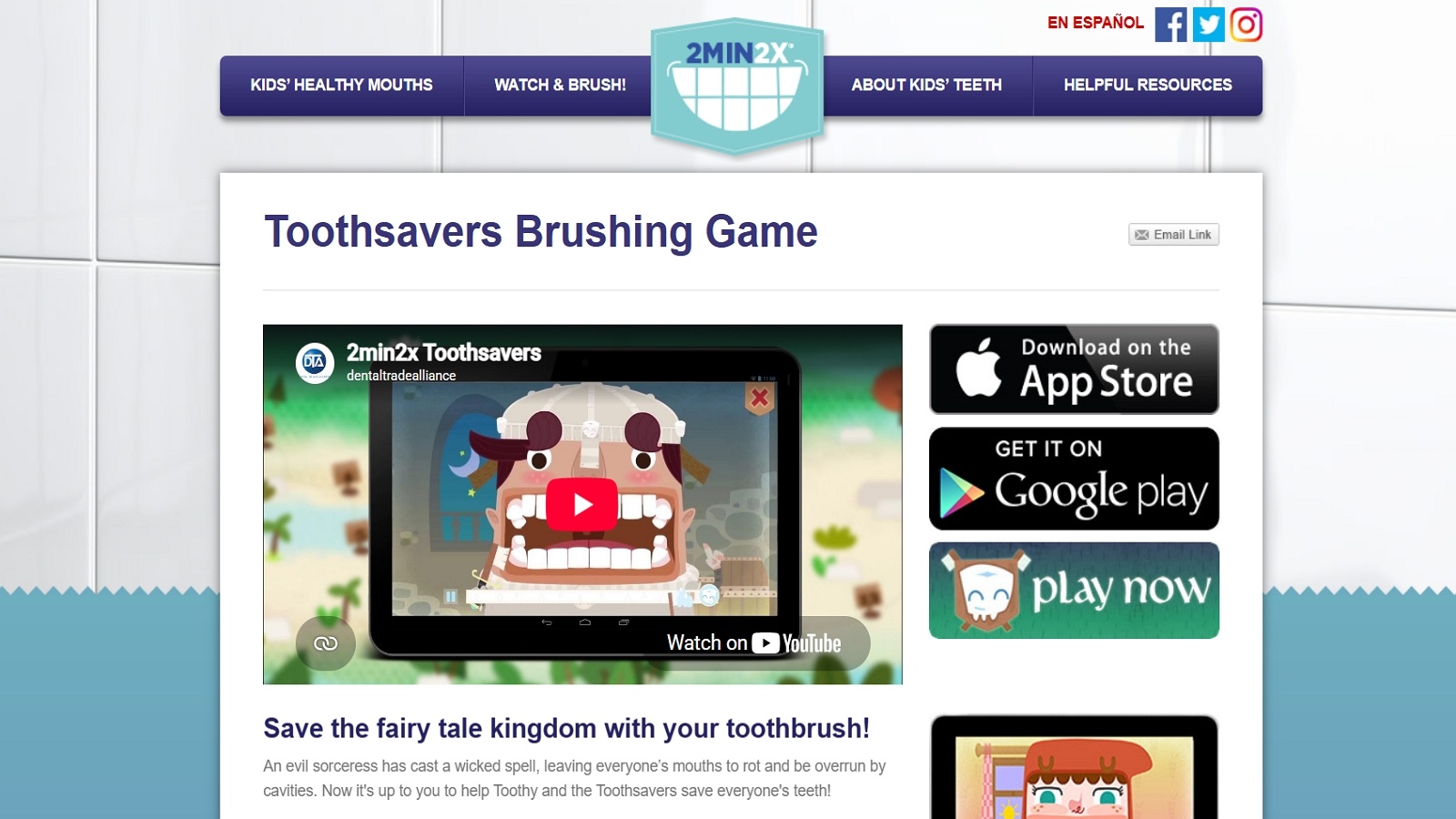
Toothsavers, from the 2min2x project, sends kids on a fairy-tale brush mission. A sorceress spreads cavity trouble, and brushing saves story characters before the timer ends. Dragons, pirates, and Little Red Riding Hood each need a full session. New friends join as the child keeps the habit across days. The plot gives a reason to stay, which helps kids who wander off after a few seconds. Art is storybook rather than clinic-gray, so it feels like play. Guidance on where to brush is lighter than a camera coach, and the tale may be busy for very young toddlers. It shines for kids who like heroes and a clear win. A two-player mode lets a child “brush” a family member’s cartoon teeth too, which can turn the sink into a shared game. Pair it with a parent showing the real brush path the first few nights. The map of day and night sessions makes missed brushes easy to see without a lecture. Handwashing and room care are outside this story, so it fits teeth only.
Key features
- Story mission tied to a brushing timer
- Characters to save and unlock over many days
- Fairy-tale art and a clear end goal
- Two-player mode for family brush play
- Day and night map of sessions
Facts and information
- Created under the 2min2x brushing project
- Focused on oral care through fantasy play
- Motivates kids who like rescue stories
- Less technique detail than camera apps
- Works beside a regular family toothbrush
9. Toca Life World by Toca Boca
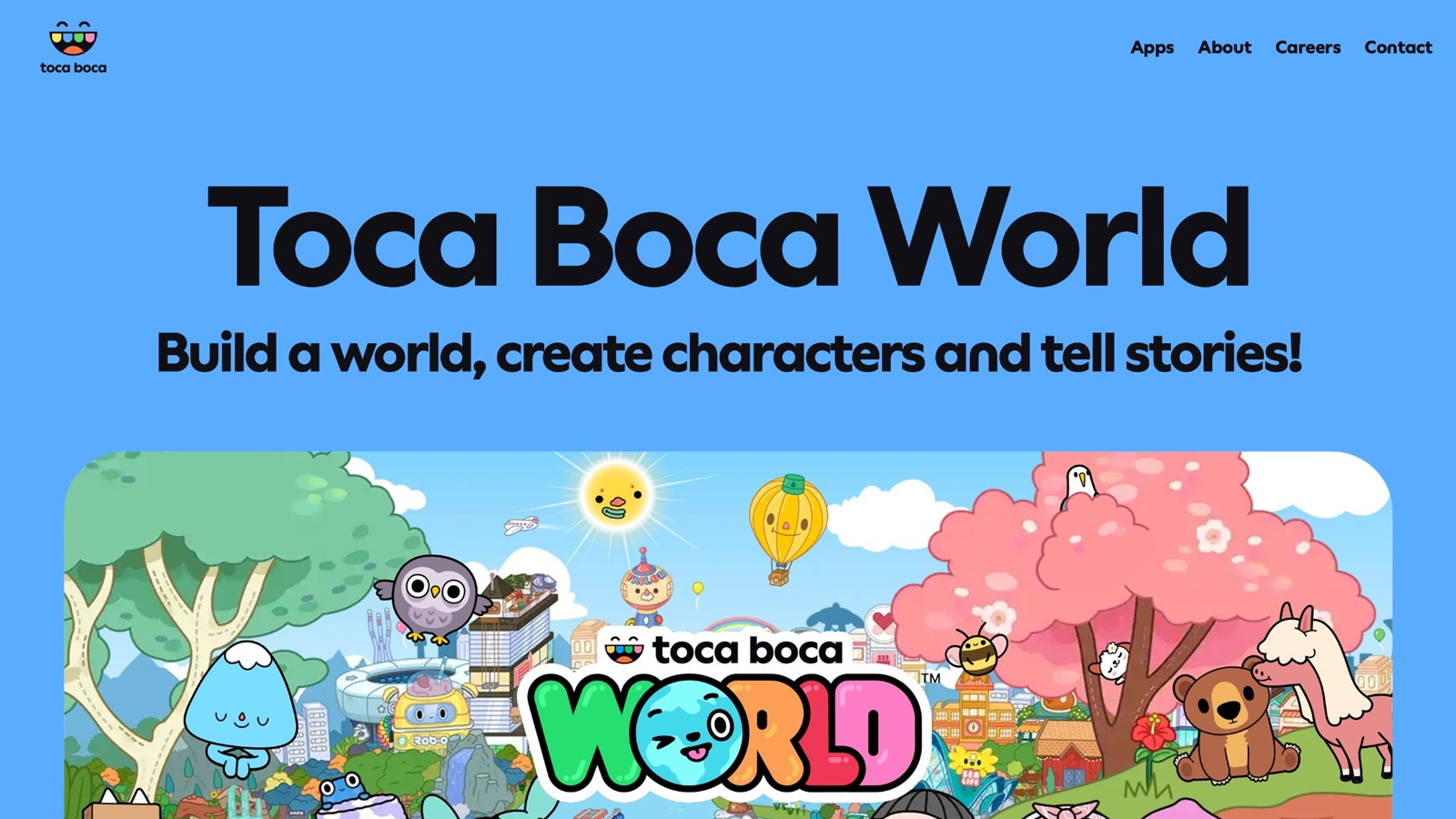
Toca Life World, from Toca Boca in Stockholm, Sweden, is an open dollhouse world rather than a single hygiene app. Kids can wash characters, tidy rooms, cook, and care for pets inside locations they build. There is no score chase, which many parents like. Hygiene shows up because the child chooses it: a bathroom scene, a messy kitchen, a pet that needs care. That freedom is also the limit. A child can skip the sink and play somewhere else. Ads are not the model here. The depth comes from extra locations a family adds over time. For hygiene habits, it works when a parent names the job first, such as “wash the characters, then we wash hands.” Stockholm-based Toca Boca is known for calm, open play without a win screen. That style suits kids who freeze when a timer shouts. It suits them less if the goal is a measured two-minute brush. Use the bathroom and kitchen spots as rehearsal, then close the app and do the real room. Cooking and dress-up live in the same world, so hygiene can share a session with other care jobs if an adult keeps the order clear.
Key features
- Open-ended care, cook, and tidy scenes
- Bathroom and home locations for role-play
- No win-or-lose pressure
- Characters and pets kids can look after
- Locations a family can add over time
Facts and information
- Made by Toca Boca, based in Stockholm, Sweden
- Hygiene is one activity inside a larger world
- Strong for pretend play ages four and up
- Habit practice depends on the job a parent sets
- Built around ad-free play rather than a timer
10. Brusheez
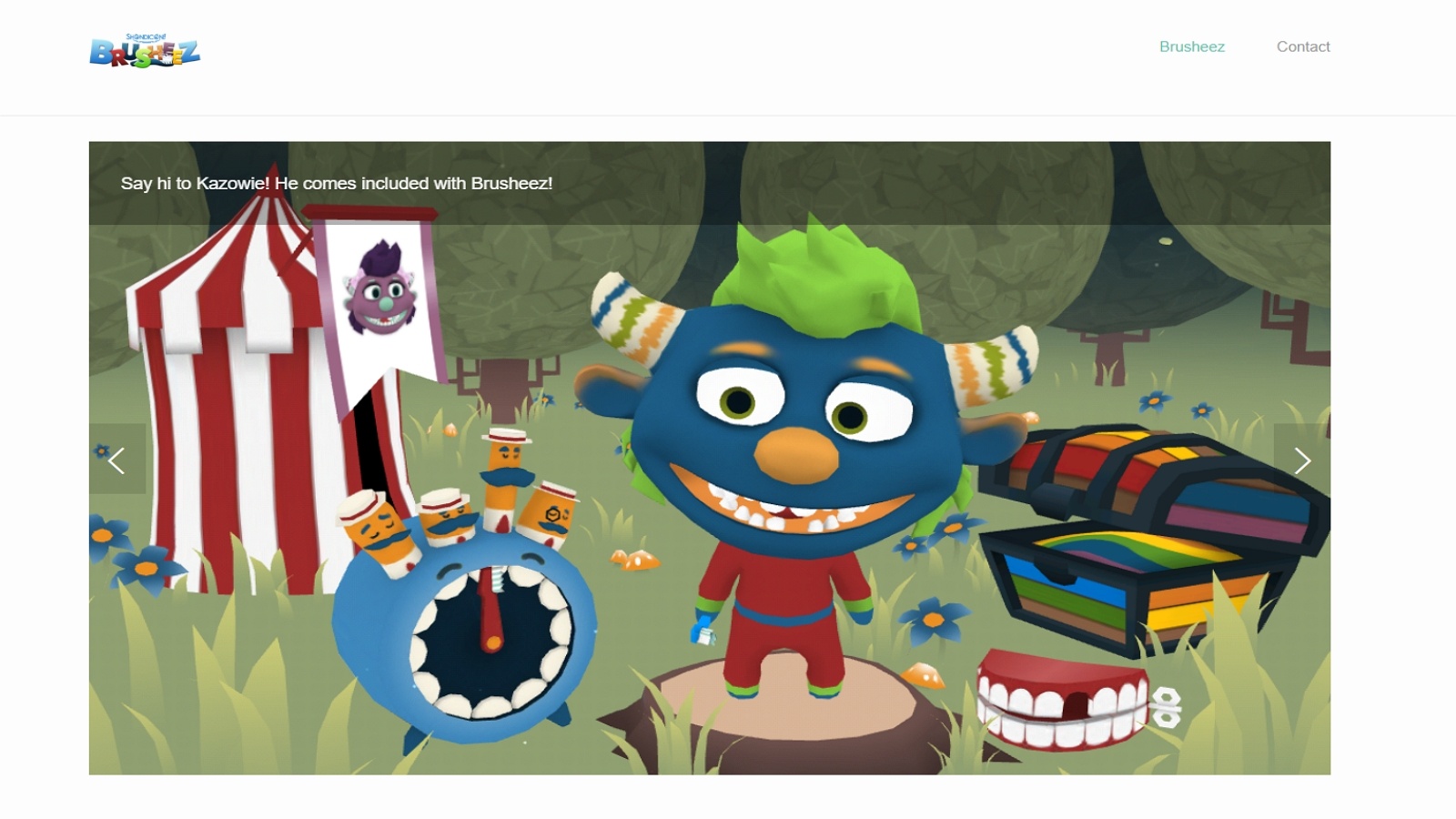
Brusheez pairs a brushing timer with monster friends a child can style. The monsters dance, flip, and giggle through the session, and kids pick colors for hair, pajamas, and the brush. Stars mark a session that ran the full timer. The mood is silly, which helps kids who refuse a plain clock. It is oral care only. There is no house to clean and no handwashing story. Setup is light, and the dance loop is easy to repeat morning and night on iPhone or iPad. Some children care more about the monster outfit than the brush angle, so a parent still models the path around the teeth. As a habit starter, the dance cue is the standout. Extra pals can be added later, which gives a reason to come back without changing the core timer. The app began as a parent project for two boys who would not brush, and that origin still shows in the simple flow: pick a pal, start the clock, dance until the song of brushing ends. It will not coach camera zones. It will get a reluctant brusher to stay.
Key features
- Monster buddies that dance during brushing
- Custom colors for hair, pajamas, and brush
- Simple timer flow for morning and night
- Low setup for a phone by the sink
- Extra pals that extend the routine
Facts and information
- Built by an independent maker for his own kids
- iPhone and iPad app focused on brushing time
- Best for kids who like characters over charts
- Does not cover handwashing or room care
- Works with a normal toothbrush
11. Sago Mini Babies
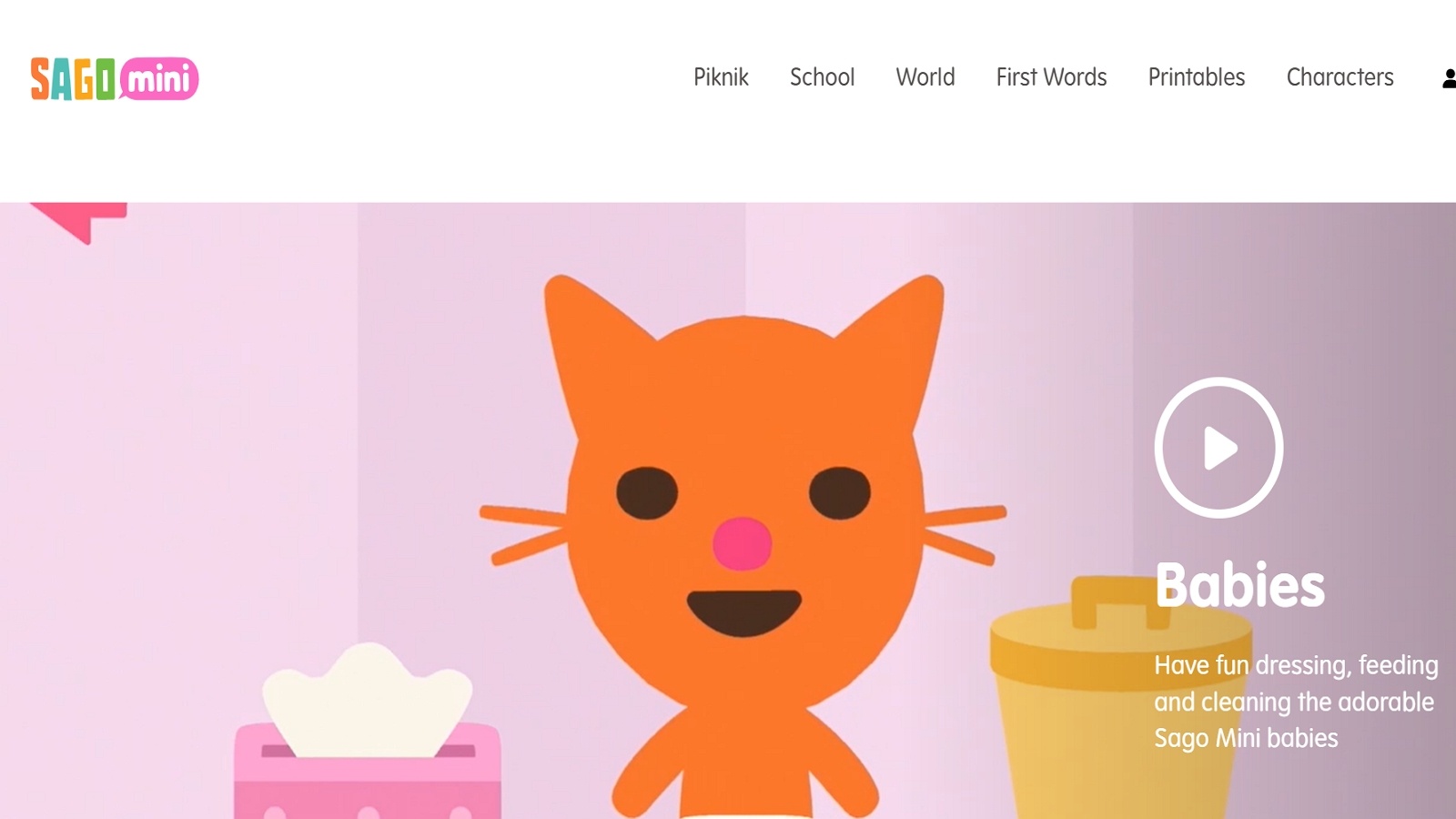
Sago Mini Babies, from Sago Mini, lets toddlers feed, dress, bathe, and change a small cast of baby characters. Robin, Jinja, Harvey, and Jack react with giggles and the odd tear, so care feels like looking after someone, not collecting points. Bath time and messy changes are part of the loop, which gives parents words for wash and clean during real diaper or tub time. The app is built for young players, with big taps and no reading required. It can run without a live connection after download, and the design avoids third-party ads in the core play. Older siblings may finish a scene quickly and want a bigger world. For ages two to four, the short care jobs match attention well. Sago Mini, part of the Piknik family of preschool apps, is known for calm art and silly surprises. Hygiene here is nurture play: wash the baby, then wash hands together. It does not time a real toothbrush. One bath scene can cue the real tub or sink so the story does not replace the habit.
Key features
- Feed, dress, bathe, and change baby characters
- Reactions that reward gentle care
- Big taps and no reading required
- Offline play after download
- Ad-free core play for preschoolers
Facts and information
- Part of the Sago Mini preschool apps
- Best for toddlers and young preschoolers
- Care scenes cover wash and tidy moments
- Lighter on timed brushing technique
- Fits a short session before a real bath
12. PBS KIDS Games
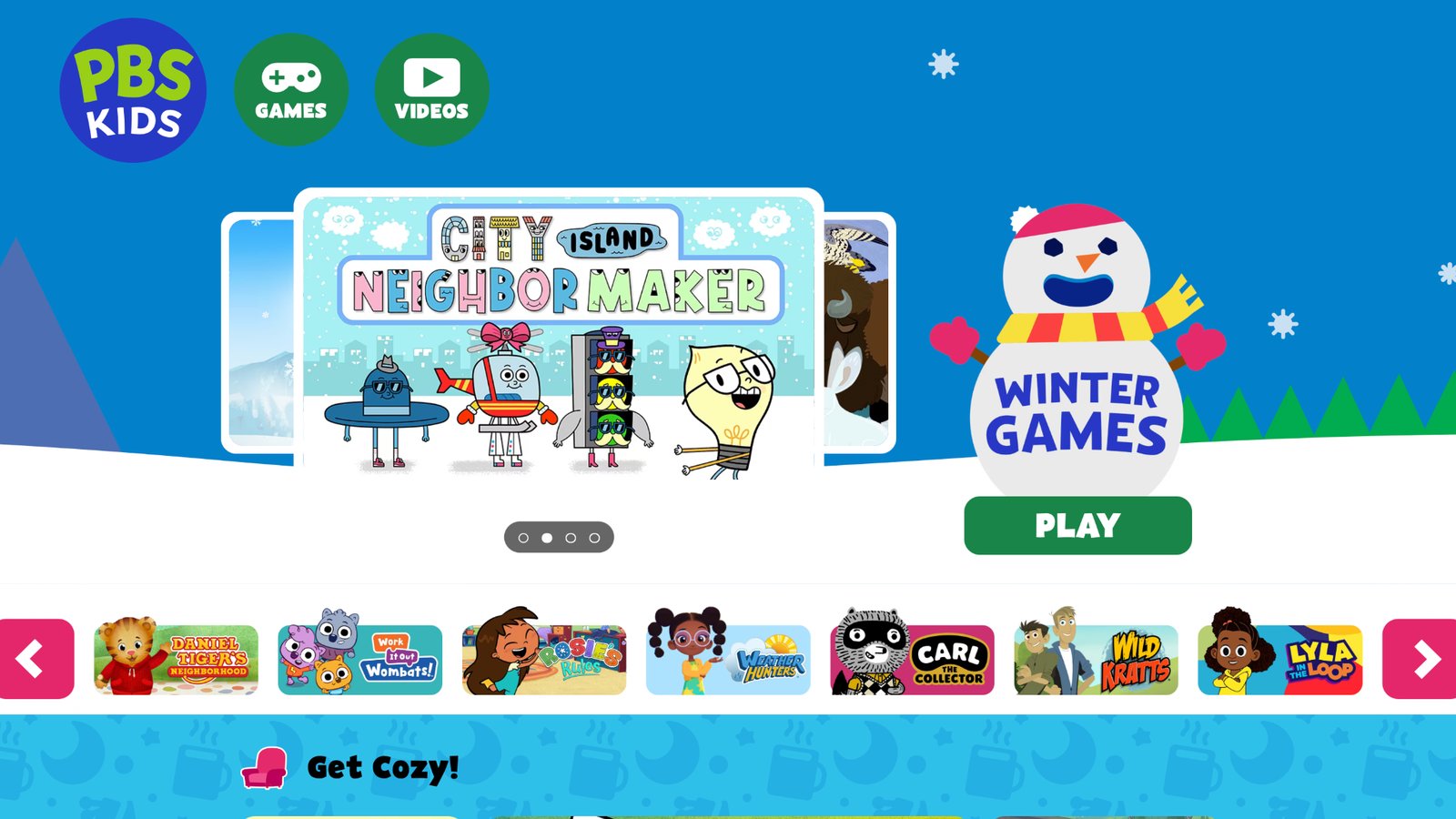
PBS KIDS Games gathers free play from familiar public-media shows on the PBS KIDS hub and in the PBS KIDS app. Hygiene is not one single title. It shows up inside routines, songs, and short games about bodies, food, and helping at home. Parents trust the source because the characters already live in many living rooms, and the games avoid the hard sell common in store apps. A child might wash up inside a story, then sing a hand song offline. The limit is focus. A kids hub offers many shows, so a hygiene job can get lost unless a parent opens a specific game. Sessions are short, which fits preschool attention. School-age kids may want a stronger brushing timer elsewhere. PBS KIDS works as the calm story layer: play a care moment, name the step, then do it at the sink. The parent site also shares routine ideas families can print or talk through, which helps on days when the screen should stay off. No chat with strangers sits in the kids games, a plus for shared tablets.
Key features
- Short games tied to familiar kids shows
- Routine and body themes inside story play
- Free access through the PBS KIDS hub
- Parent resources for offline habits
- No stranger chat in the kids games
Facts and information
- Backed by PBS KIDS public-media programming
- Hygiene appears across stories, not one clinic app
- Best when a parent picks the game first
- Strong trust factor for many families
- Timer-style brushing is not the core design
13. Philips Sonicare for Kids
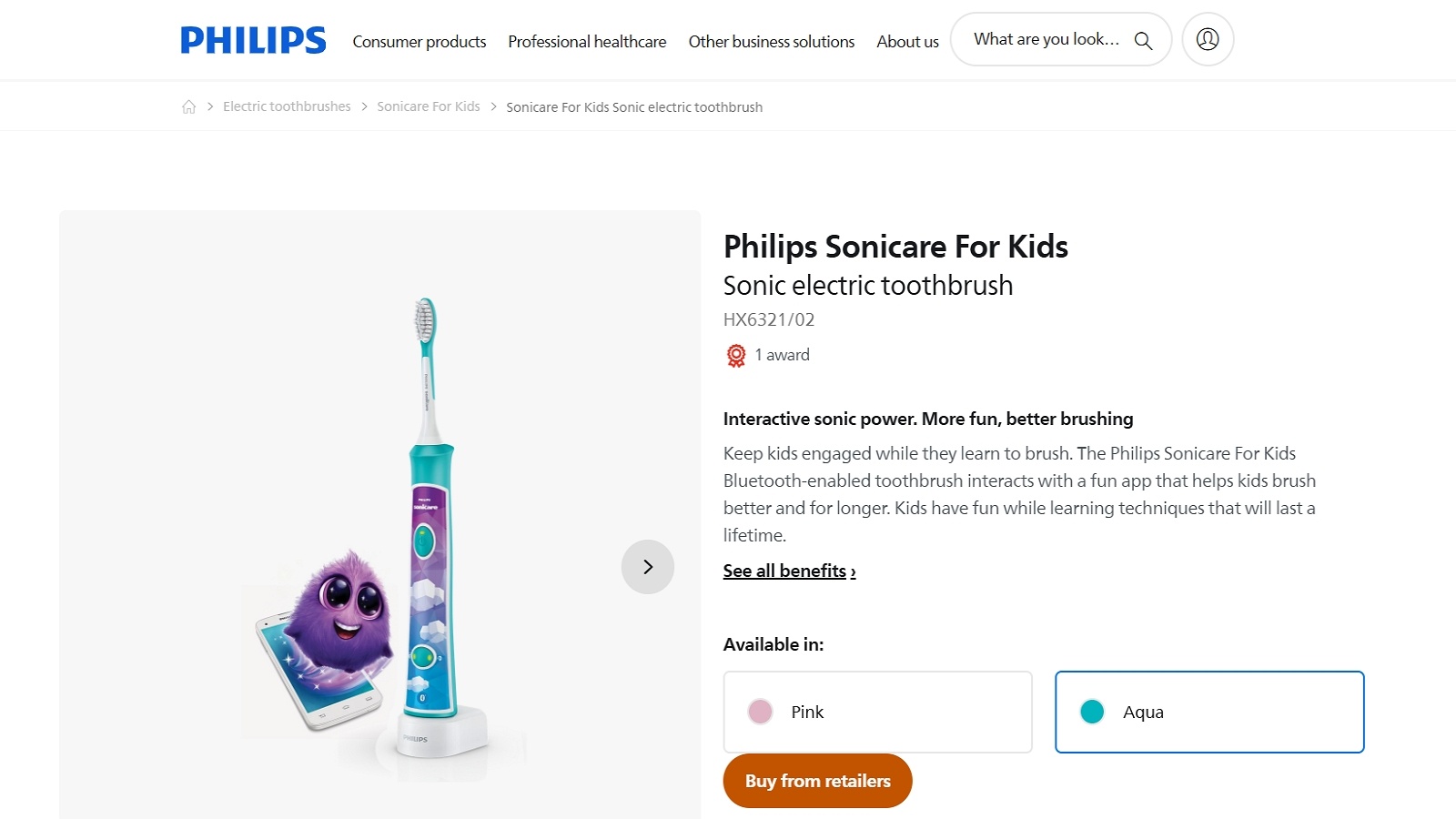
Philips Sonicare for Kids pairs a kids brushing app with the Philips Sonicare line. The app coaches a full session, tracks days, and uses sparkle-style rewards so the habit can stretch past the first excited week. A parent dashboard is the standout for adults who want a clear view of morning and night brushes. Full tracking is richer when the child uses a compatible kids brush, so families with a plain manual brush may see less detail. The tone stays bright without a heavy story world. It will not tidy a room or teach handwashing. It is built for oral care homes that already like an electric brush. Setup takes a few minutes, and the reward loop needs a parent to notice it or the child may ignore the chart. Once the routine sticks, the dashboard saves the nightly “did you brush” debate. Philips is a long-time personal-care brand, and this kids path borrows that focus on the brush itself. Pair the session with a real sink step for hands so oral care does not become the only clean habit on the calendar.
Key features
- Session coach and sparkle-style rewards
- Parent dashboard for habit tracking
- Reminders for morning and night
- Richer data with a compatible kids brush
- Streak-style motivation over many days
Facts and information
- Part of the Philips Sonicare oral-care line
- Stronger tracking than a simple timer app
- Best for families open to a kids electric brush
- Oral care only, not room or hand routines
- Parent view helps spot skipped sessions
14. Brush DJ
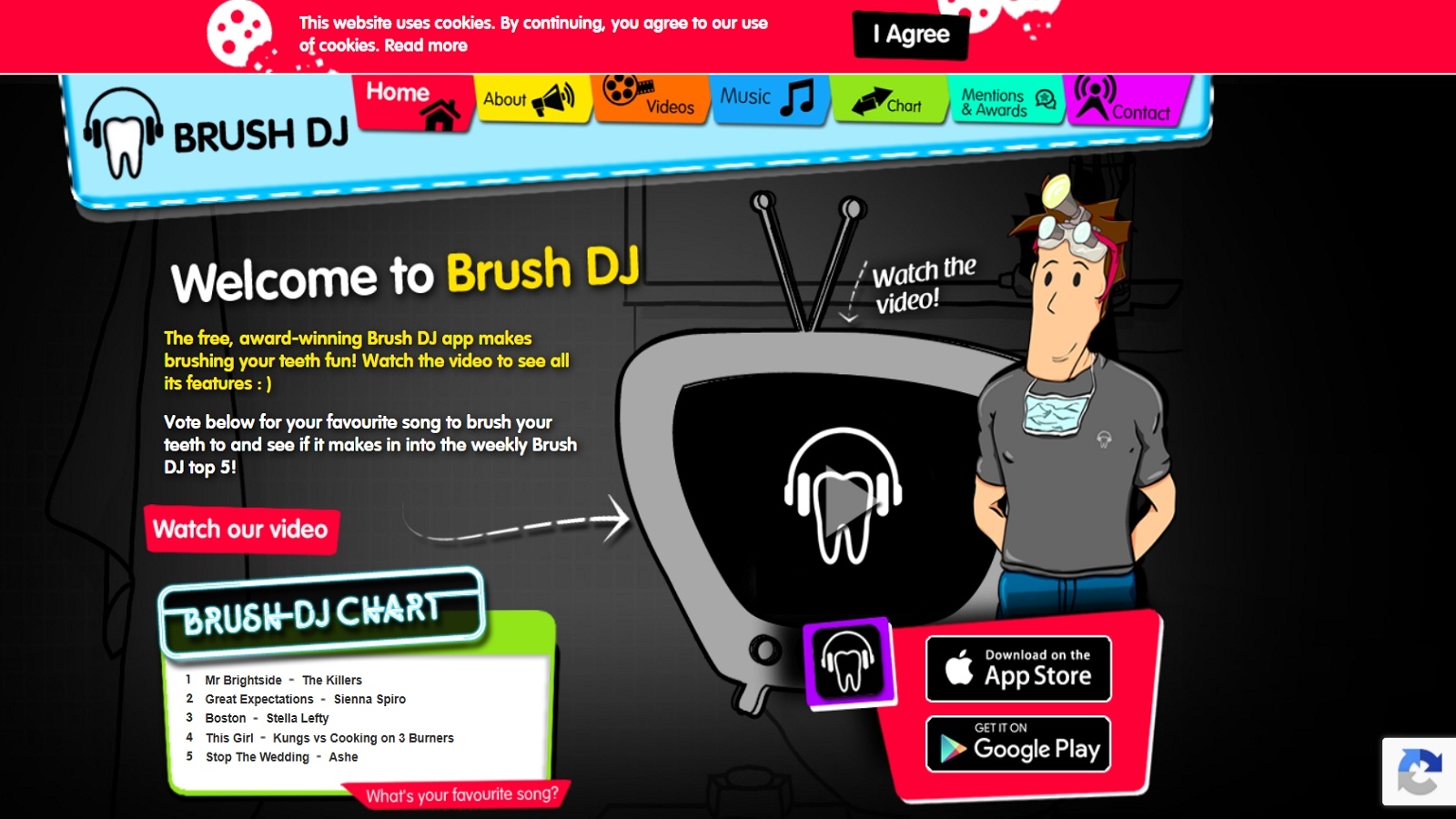
Brush DJ is a timer that plays music from the family’s own device for a full brushing session. Instead of a cartoon coach, the child hears songs they already like, which suits older kids who have outgrown monster pals. The app can remind a user to brush, floss, and book a dental visit. Visual cues suggest where to move the brush, though they are simpler than a camera coach. It is a light tool, easy to open, and less likely to pull a child into a long game after the timer ends. Younger preschoolers may ignore a music-only screen, so Brush DJ fits school-age kids and tweens better than toddlers. There is no house to clean and no pet to bathe. Parents who want zero story and a clear stop often prefer it to reward-heavy apps. Place the phone where the child can see the cue, start the track, and brush until the music ends. Then put the phone away. That clean stop is the quiet strength of this picker.
Key features
- Two-minute music from the device library
- Reminders for brush, floss, and dental visits
- Simple visual brush cues
- Low story, fast start and stop
- Works with a regular toothbrush
Facts and information
- Built as a music timer, not a character world
- Better fit for older kids than toddlers
- Does not cover handwashing or chores
- Session length follows the track
- Easy to close when the song ends
How to Connect Screen Play With Real Hygiene
A game session should end in a real action. That link is what builds the habit. Five minutes of play, then the same step offline, beats a long app with no follow-up. A parent guide to healthy screen time uses that same short-then-stop pattern.
Try a simple loop:
- Pick one job, such as hands, teeth, or toys
- Play one short scene that shows that job
- Do the real version right after
- Praise the finish, not the score
- Keep the same order each day
Morning can be teeth and face. After outside play, hands. Before bed, teeth and a toy reset. Handwashing games and tidy games belong in those slots, not in a random scroll. Healthy screen habits keep those slots on a family clock. Songs help the soap step. Many families sing the same short tune every wash so the child knows when to stop scrubbing. A game can start that tune. The sink should finish it. A family weekly planner can hold the song cue next to meals and bedtime.
Model the habit. Kids copy what they see. If a parent brushes beside them, the app is a helper, not the boss. Educational games for kids work the same way: the screen starts the idea, the adult stays close.
Grooming play can sit beside other calm kids titles. A fashion dress-up game often includes hair, face, and outfit care, which gives words for “clean, then dress.” A cooking game for girls can start the hand-washing before pretending food. L.O.L. Surprise games add makeover scenes that still work best after a real wash. Puzzle games for kids help focus, then the hygiene job stays short and clear. Dress-up games for girls can follow a face-wash scene, and a Fluvsies paper doll keeps care play going with scissors after the screen closes. Summer holiday games and offline ideas pair a tidy level with a real toy bin on long indoor days.
Skip shame. A missed wash is a retry, not a speech. Calm repeat wins over a one-time perfect score. Emotional regulation games help on the nights a child pushes back, so the wash still ends kindly.
Hygiene Focus by Age
Kids do not need every habit on day one. Match the game to the age, then add one new step when the old one feels easy. Games for young kids and learning games for kids both follow that one-step add.
Toddlers need company at the sink. Educational games for 2-year-olds and educational games for toddlers stay on big taps and one care job. Preschoolers can lead if the steps are on the screen and in the room. Games for preschoolers and kindergarten games match that stage. School-age kids can own brushing if a timer or coach keeps the session honest. Educational games for 5-year-olds and educational games for 7-year-olds fit the shift from sit-beside to spot-check.
Nail care, clean clothes, and cough cover belong in this set too. They rarely get their own app. A care game still helps, because the child is already in a “look after the body” mood. Name those extras out loud after play. Confidence building games support that pride when a child finishes a wash alone.
Illness weeks need more reminders, not a new app. Same song, same soap, same game scene. Familiar beats novel when a child feels off. Memory games for kids can hold the step order, wet then soap then scrub, when words slip.
Questions about accounts, devices, and what a kids subscription includes sit in the FAQ page, which helps parents set play up once and reuse it each day. Store setup notes live in the App Store FAQ and the Google Play FAQ. Extra help is on the support page.
FAQ
What are hygiene games for kids?
Hygiene games for kids are short play scenes that rehearse clean habits before a child tries them in real life. A child might wash a character’s hands, brush away pretend germs, bathe a pet, scrub a toy bathroom, wash dishes, or tidy a messy room. The useful ones show real steps, such as wet, soap, scrub, rinse, and dry, and they end when that job is done. They do not replace a sink, a toothbrush, or a toy bin. They make those jobs easier to start because the child has already seen the order and knows what “finished” looks like. A character who needs help gives the task a reason, which matters when a plain reminder gets ignored. The child is not collecting points for their own sake. They are looking after someone, or putting a room back, and the screen shows the change. That visible before-and-after is what sticks. The same short-scene shape shows up in educational kids games, where one clear task comes before a real-life try. Looking after a room or a pet is a care job, not only a score. Play works best in this lane when the fun is the care itself, not a prize that pulls the child away from the sink.
Are online handwashing games enough to teach the habit?
No. Online handwashing games can show the order, wet, soap, scrub, rinse, dry, but hands still need real soap and water. The game works as the story. The sink is where the habit forms. A shared song helps the scrub last long enough to matter, and the same tune each time makes the stop point easy to remember. The moments that count are after play outside, before meals, and after the bathroom. A glitter or pepper demo at home can show why soap matters, then the game can replay that idea on a later day. If the app ends and the child never walks to the sink, the lesson stays on the screen. Warm water, a soap the child likes, and a step stool all help the real wash feel possible, which is what the game cannot supply. Naming each step out loud, wet then soap then scrub, ties the picture on the screen to the hands in the bowl. Learning through play activities can sit beside that sink routine so the steps stay visible after the screen closes. The pattern is simple: see the step, name it, then do it with real hands. A child who can start the wash without a long debate already knows the order.
Which hygiene games work for preschoolers?
Preschoolers do well with care stories, tidy rooms, and brushing play that uses a character they want to help. Large buttons, one job at a time, and no ads in the middle of the task keep the session calm. Spoken cues help when the child is not reading yet. Pet baths and baby routines teach looking after someone else, which often carries over to looking after themselves. A parent nearby for the first sessions keeps the real brush or the real soap in the loop and can name each step out loud. Short play beats a long session at this age, because attention fades once the room looks clean or the song ends. Timers that shout, tiny words, or a shop that pops up mid-wash tend to break the routine. A preschooler can usually handle a bathroom, a kitchen, and a pet in one story if each part has a clear finish. Two-year-olds still need a grown-up’s hands in the water. Four- and five-year-olds can lead if the steps are on the screen and in the room. Apps for preschoolers match that pace when a younger sibling shares the same tablet. The next step is a child who can lead the wash and still wants a grown-up close by. One care job and a helper character are enough for this age.
How do parents keep hygiene games from becoming more screen time?
A hygiene game stays useful when it is one scene, then a real action. Name the offline job before the app opens, close the app when the scene ends, and do the hands, teeth, or toy reset right after. Morning and bedtime anchors work better than play whenever a child asks, because the habit attaches to a clock, not to a mood. Ad-free play reduces the chance of a detour into another video. The goal is a cue for a clean habit, not a new block of scrolling. A second game, even a calm one, can wait for a different part of the day so the wash does not stretch. Praise the finished sink job or the reset toy bin, not the points on the screen. If a child asks for “one more room,” that is a sign to stop and move to the real room instead. Keeping the phone or tablet in the same spot by the sink also helps, because the device is a tool for the job, not a toy that travels to the couch. Safe games for kids support that limit, because a calm, ad-free scene is easier to close than a loud one with a new prize waiting. A family clock keeps hygiene time as one job only. The same short-then-stop pattern fits other learning play later in the day.
What clean habits can a child practice before doing them for real?
A strong hygiene game covers more than teeth. Handwashing, face and hair care, pet baths, baby wash-up, dishes, laundry sorting, and room resets all give a child words for clean. Nail care, fresh clothes, and covering a cough rarely get their own app, so families name those extras out loud after a care scene. The order matters as much as the theme. A child who can put toys back in a game is more ready to try the same sort in a bedroom. A child who has bathed a pet can talk through a real bath without it feeling brand new. Brushing play is still its own job, because a full song at the sink is different from tapping a sparkling tooth on a screen. Hands, teeth, and toys can share one evening if each one gets a start and a stop. Illness weeks do not need a new app. The same soap song and the same tidy scene are enough when a child feels off. Emotional games for kids help on the nights the wash feels hard, because a calm retry beats a long speech. Chore-style play shows the order of a tidy room, and pet care adds the feeling of looking after someone else. The screen supplies the story. The child still does the real step at the sink or in the bedroom, which is where the habit sticks.
Read Also:
- Chore Games for Real Life Skills Through Play
- Best Responsibility Games for Kids
- How Pet Care Games Teach Kids Empathy and Responsibility
- Parents Guide to Healthy Screen Time with Educational Apps
- Best Healthy Screen Habits
See how TutoClub turns hygiene play into a calm daily habit for kids!