
Best Health Games Online Free





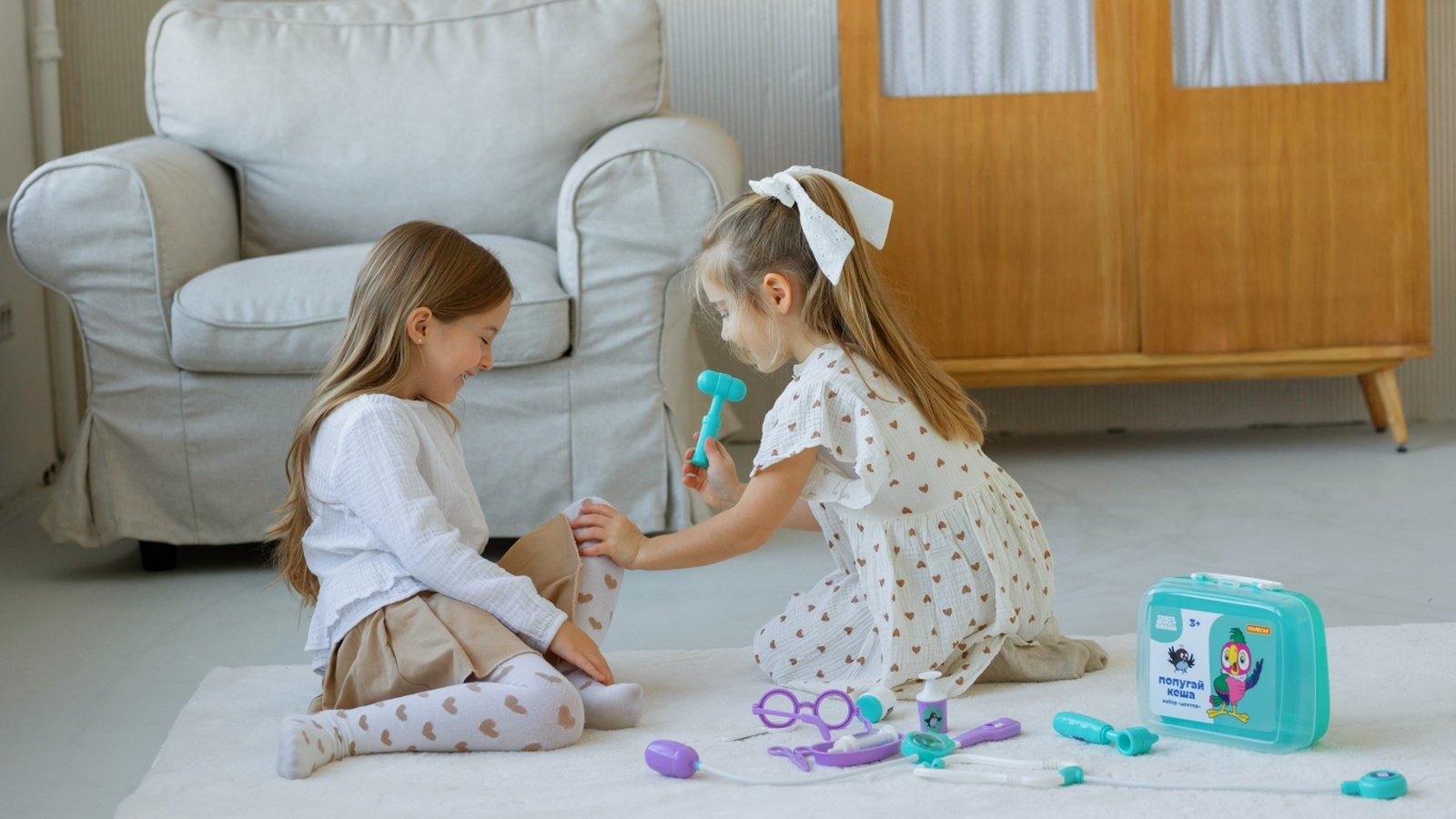
Parents want the best health games online free that teach hygiene, calm bodies, and kind daily care without loud ads. Free health games online and online health games for kids turn handwashing, feelings, and simple routines into short play kids ask to repeat. A calm session can make a healthy habit feel like a story, not a lecture.
Free health games online work best when hygiene and calm bodies sit next to other short skills. Social emotional games for kids help children name feelings during handwashing or rest, while responsibility games for kids turn tidy-up and daily care into a step they can finish. Add problem-solving games for kids so the routine stays a calm story they ask to repeat, not a lecture.
Start calm health play with TutoClub and let caring habits grow through everyday games!
What Free Health Games Actually Teach
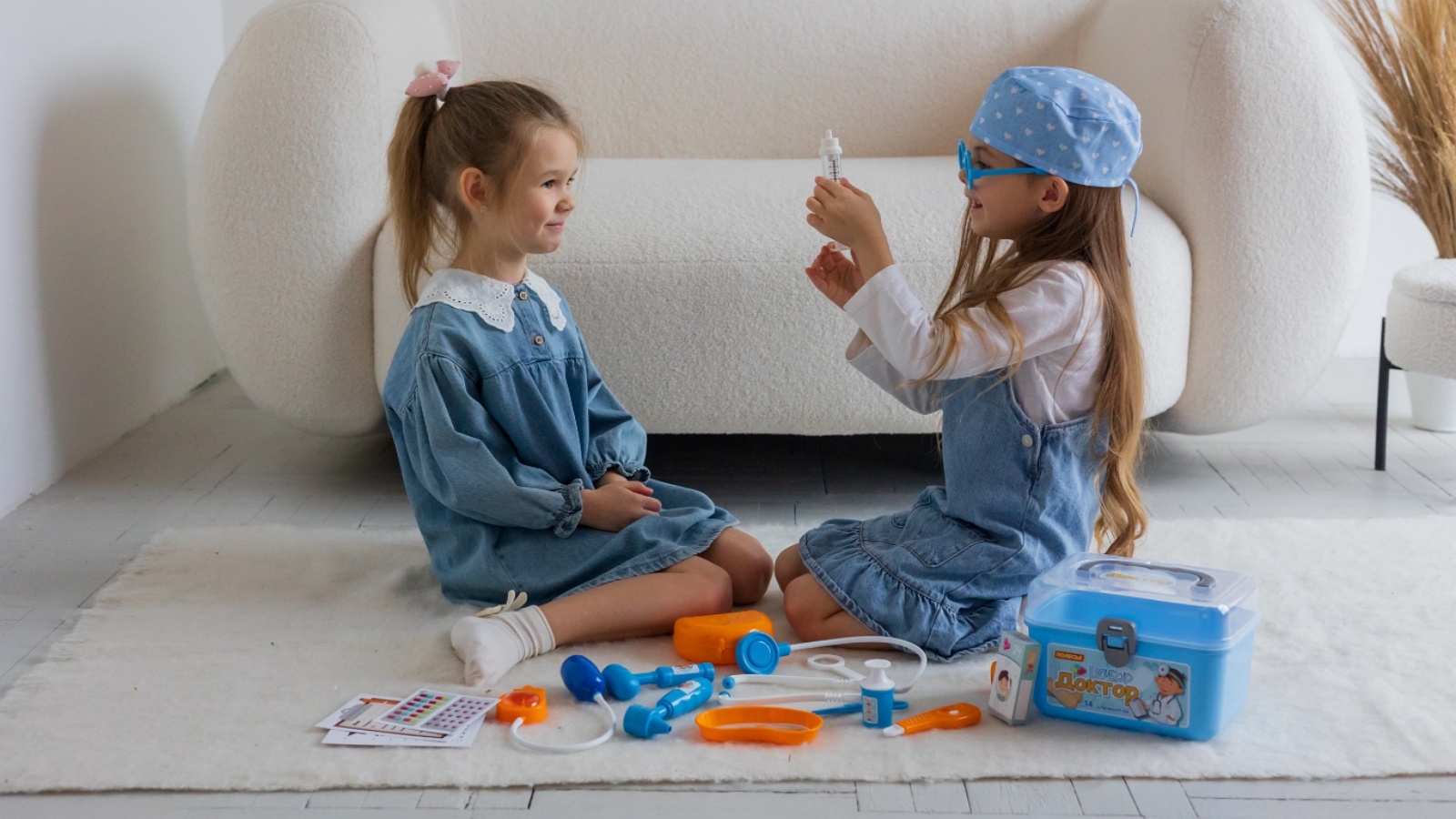
The best health games online work when a child can see the next kind step. Wash hands. Feed a pet. Tidy a room. Name a feeling. Take a slow breath. Those small loops stick better than a long lecture. Learning through play is the pattern behind each of those steps.
Good online health games for kids stay short. A young child can finish a care task, smile at the result, and stop. Older kids can add a food choice, a body part name, or a calm-down move. The lesson is the action, not a high score. Learning through play activities keep that action small enough to finish. Learning through play examples show the same idea in a home task after the screen stops.
Health play usually covers four habits:
- Body care: brushing, bathing, clean hands, and tidy spaces, the same loop found in benefits of learning through play
- Food and rest: simple meals, water, and sleep stories
- Feelings: naming worry, anger, or joy, then picking a next step
- Movement: stretch, dance, or a short active break between tasks
Many free health games online mix two of these. A pet needs food and a calm voice. A baby character needs a bath and a kind word. That mix is why care games often double as health practice. Educational games for kids hold those care stories next to focus tasks. Kids games that teach use the same finish-and-feel-proud ending. Fun games that are educational keep the habit inside play, not a lecture. Educational but fun games and fun educational games follow that same short-session shape.
How to Spot a Safe Health Game
A strong health game has a clear task and a calm finish. Ads, surprise pop-ups, and open chat pull attention away from the habit. Parents do better with titles that stay inside one story. Ways to protect kids online start with known games and a set stop. Safe apps for kids skip the pop-up path that breaks a handwashing story.
Look for these signs:
- The child can tell you what they just practiced
- Sessions end without a push into random videos
- Characters show a need, then a happy result after care
- Words match the age, from preschool routines to school-age body facts
- A parent can sit beside the child and talk about the same step at home
Safe games for kids keep the session inside one world. Safe kids games do the same for shared family screens. Healthy screen time with educational apps pairs the game with a real routine after play. Healthy screen habits make the ending as clear as the first tap. Skill-building apps for toddlers favor big buttons and no outside links. Free online games for kids still need a parent check, because free does not always mean calm. Privacy questions matter when an app asks for an account. The Support page helps if a login blocks play.
Pair screen play with a real action the same day. After a clean-up game, wipe the table together. After a feelings game, name one mood at dinner. The game starts the habit. Real life locks it in.
Best Health Games Online Free
1. TutoClub - Best Health Games Online Free
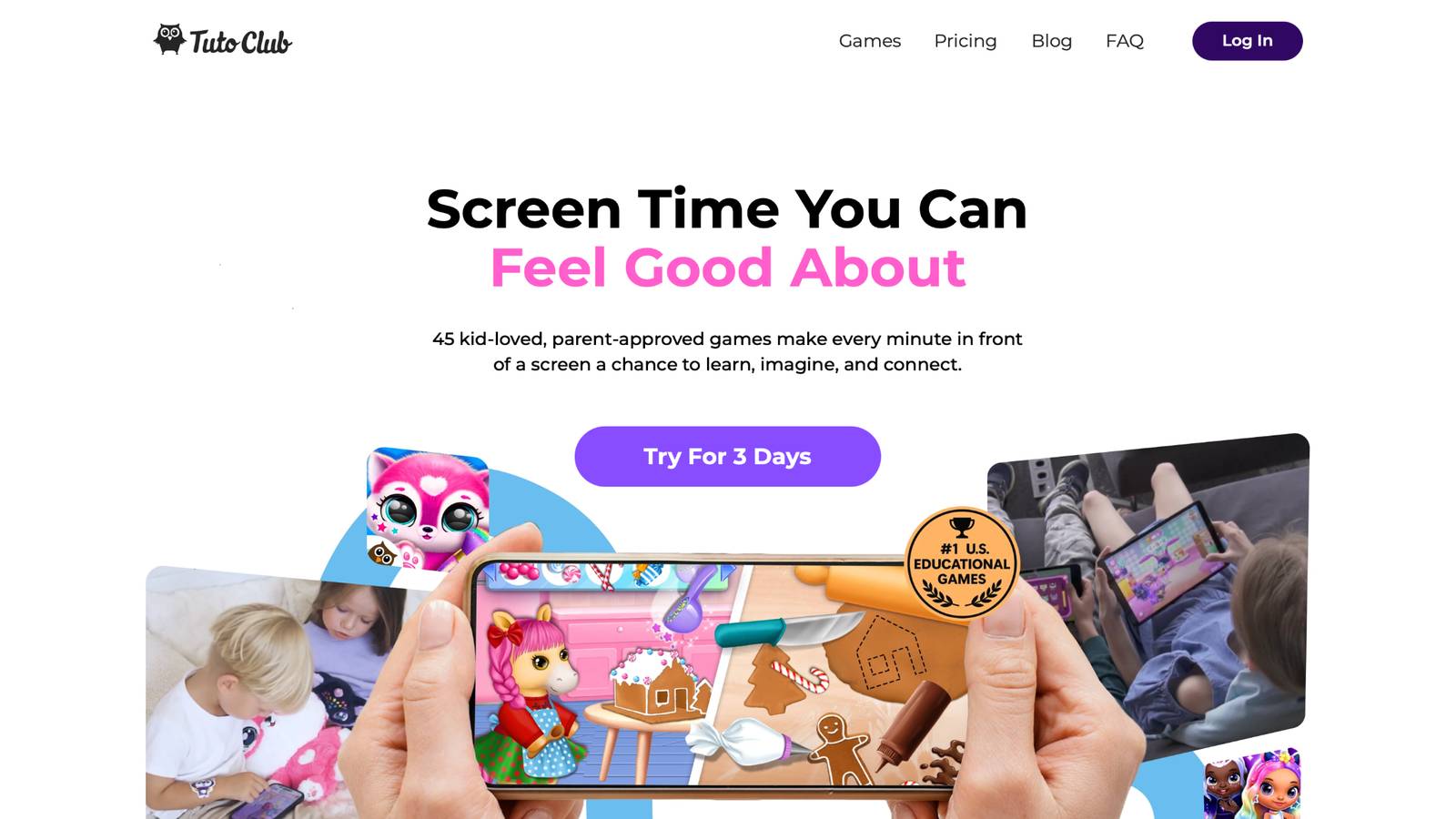
Games online free from TutoClub bring care, calm, and daily habits into one ad-free home. The TutoTOONS studio in Kaunas, Lithuania builds games where kids feed pets, tidy rooms, and look after baby characters. Sweet Baby Girl Cleanup 5 turns chores into a bright story. My Baby Unicorn and Giggle Babies practice gentle routines. Fluvsies and Smolsies ask kids to notice a need, then feed, clean, or comfort a pet. That loop supports empathy and responsibility, which sit beside physical health. Screens stay calm. No pop-up ads pull a child away from the task. Parents get a shared library of educational games that also support focus and kind self-talk. Many families use the same titles for quiet mornings and wind-down time.
- Care stories cover feeding, cleaning, and comfort in a way kids can copy
- Ad-free play keeps the health habit in the center of the session
- Pet and baby games build patience, empathy, and follow-through
- Creative tasks give kids a proud finish after each kind action
- One family library gathers health-style play with focus and feelings practice
TutoClub Overview
TutoClub is your gateway to a magical world of educational games designed especially for children.
As part of TutoTOONS, a leading kids' games studio, we offer premium access to over 45 ad-free games.
Our mission is to blend learning and play, helping kids explore, create, and grow in a safe online space.
Thousands of parents trust us for family-friendly content that sparks imagination and builds essential skills.
Key Features
- Unlimited Access: Unlock full content in all games with no interruptions.
- Ad-Free Experience: Enjoy seamless play without any ads or distractions.
- Skill Development: Games foster creativity, social skills, communication, and more through fun activities like pet care and cleanup challenges.
- Regular Updates: Get new releases, exclusive content, and future updates automatically.
- Easy Subscription: Cancel anytime with no obligations, simple and flexible for families.
Explore Our World
TutoClub provides a rich ecosystem of educational games for kids, featuring ad-free experiences that promote creativity, focus, and emotional growth through play.
This platform turns screen time into valuable learning opportunities, with parent-approved content that builds essential skills and sparks curiosity in young minds.
- TutoClub Games: Over 45 educational games, including popular titles like Fluvsies, Smolsies, and the Sweet Baby Girl series
- Blog: Insights, tips, and stories for families on kids' learning and play
- FAQ: Comprehensive answers to frequently asked questions about subscriptions, features, and more
Get TutoClub on Your Device
TutoClub delivers premium kids educational games directly to your mobile devices, making learning accessible anytime, anywhere.
With apps available on major platforms, families can easily download and subscribe for ad-free play that turns screen time into skill-building adventures.
Perfect for parents seeking safe, engaging content on iOS, Android, or Amazon devices.
Why Choose TutoClub?
We're committed to 100% safe, enriching entertainment that kids love and parents approve.
Join the thousands who've seen their children thrive through playful learning.
Ready to start the adventure?
Give kids the best health games online free inside a calm TutoClub play session!
2. Fluvsies Academy
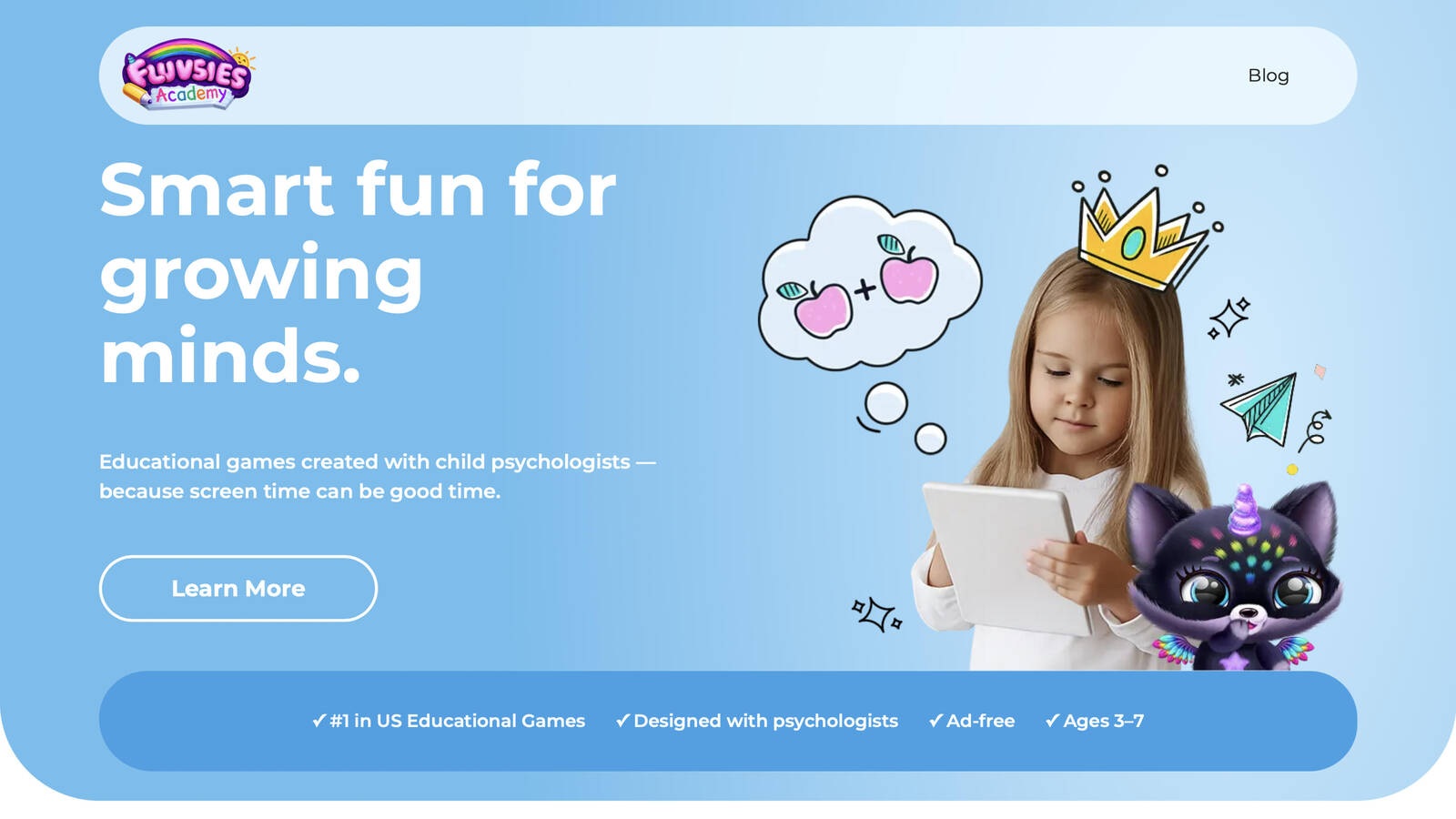
Fluvsies Academy, from TutoTOONS in Kaunas, Lithuania, is a warm learning app for children ages three to seven. Child psychologists help shape every activity so focus, empathy, and emotional safety stay in the same session. Kids meet fluffy characters and practice language, numbers, sorting, and life skills that feel like play rather than a worksheet. Teeth-brushing stories give hygiene a clear picture a young child can copy in the bathroom. Profession play, from baker to vet to firefighter, adds words for helping roles and shows how care looks in real jobs. Progress reports let parents see growth without turning the app into a test. The experience stays ad-free, with no chat and no outside links, so a preschooler remains on the lesson. Printables carry the same habit off the screen when play time ends. Many families already know the Fluvsies characters, which makes the first session feel familiar. The academy is a gentle health and learning home for early years, with calm visuals and short tasks that match a small attention span. Parents often notice new words and more willing routine practice after regular play.
- Language, math, logic, sorting, and life-skills play in one academy
- Teeth-brushing and daily care stories that mirror real routines
- Profession games that show helping jobs in simple steps
- Designed with child psychologists for calm, age-fit play
- Ad-free sessions with progress reports and printable follow-ups
Facts and Information
- Built for ages three to seven on phones and tablets
- Covers language, phonics, numbers, attention, and creativity
- Includes job play such as vet, baker, and firefighter
- Follows children's privacy rules used by many family apps
- Parents often keep the habit going with off-screen printables
3. PBS Kids Games
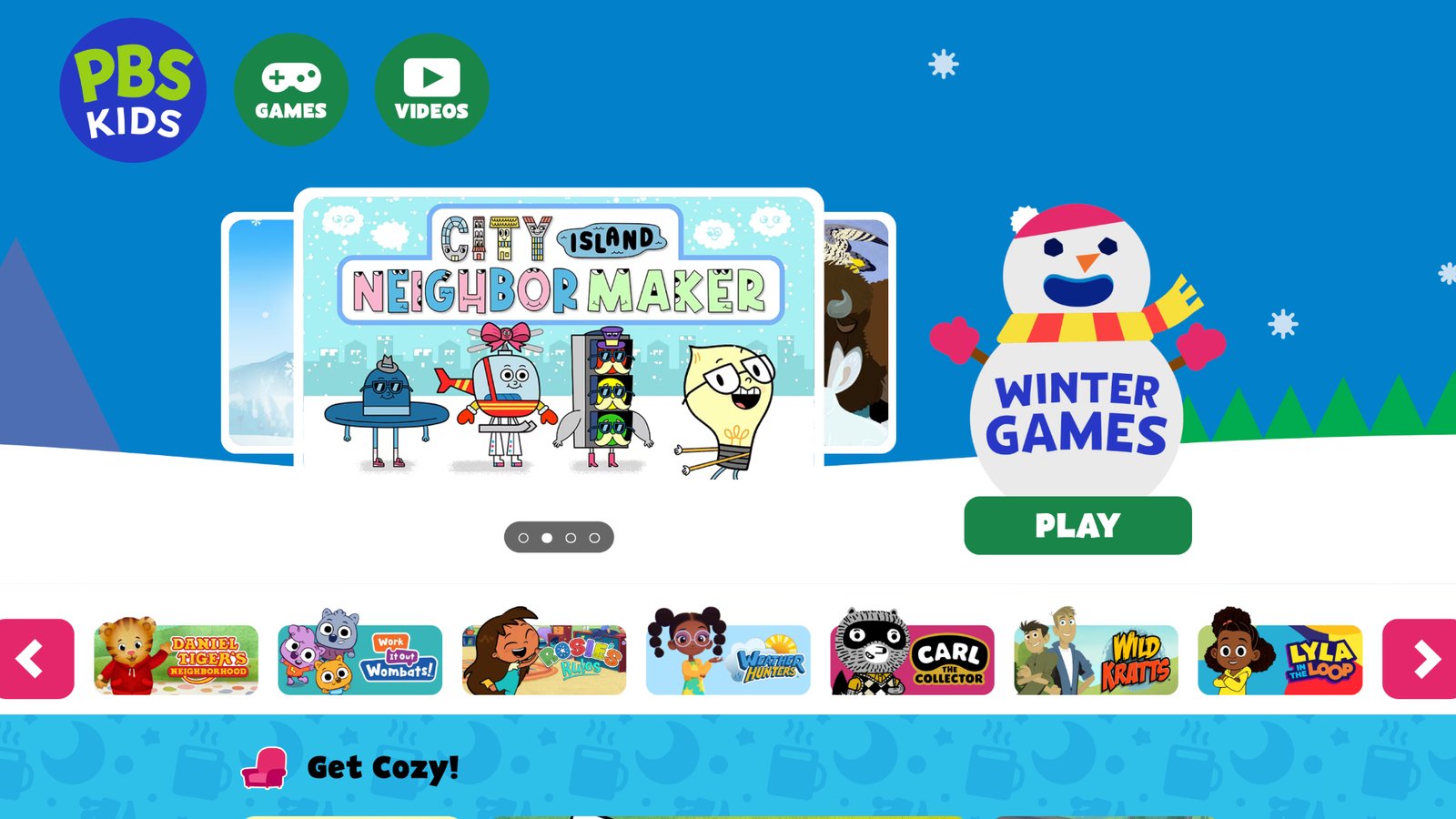
PBS Kids Games brings familiar public-television characters into free browser and app play for young children. Health shows up inside food choices, body clues, feelings, and simple science stories rather than one long quiz. A child might sort a snack, notice how a character feels, or follow a short cause-and-effect tale about staying well. Public broadcasting support keeps a large part of the library open for homes and classrooms. Sessions stay short, which suits preschool and early elementary attention. The tone is warm, so a nervous child often starts faster than with a new brand. Some games lean more toward literacy or science than hygiene, so a parent picks the health set on purpose. Characters kids already know from shows lower the barrier to a new habit. Teachers use the same titles, which helps a lesson travel from class to the couch. The site is broad, and that variety is useful when a family wants a free health game without a new download. It remains a trusted stop for school-age play that treats health as part of everyday stories.
- Character stories tied to food, feelings, and simple body facts
- Short browser games with no download for many titles
- Early literacy and science mixed with health themes
- Classroom-friendly picks teachers already know
Facts and Information
- Free public-media games used widely in homes and schools
- Best fit for preschool through early elementary
- Health topics appear inside larger show worlds
- Play stays on familiar, age-fit characters
4. Khan Academy Kids
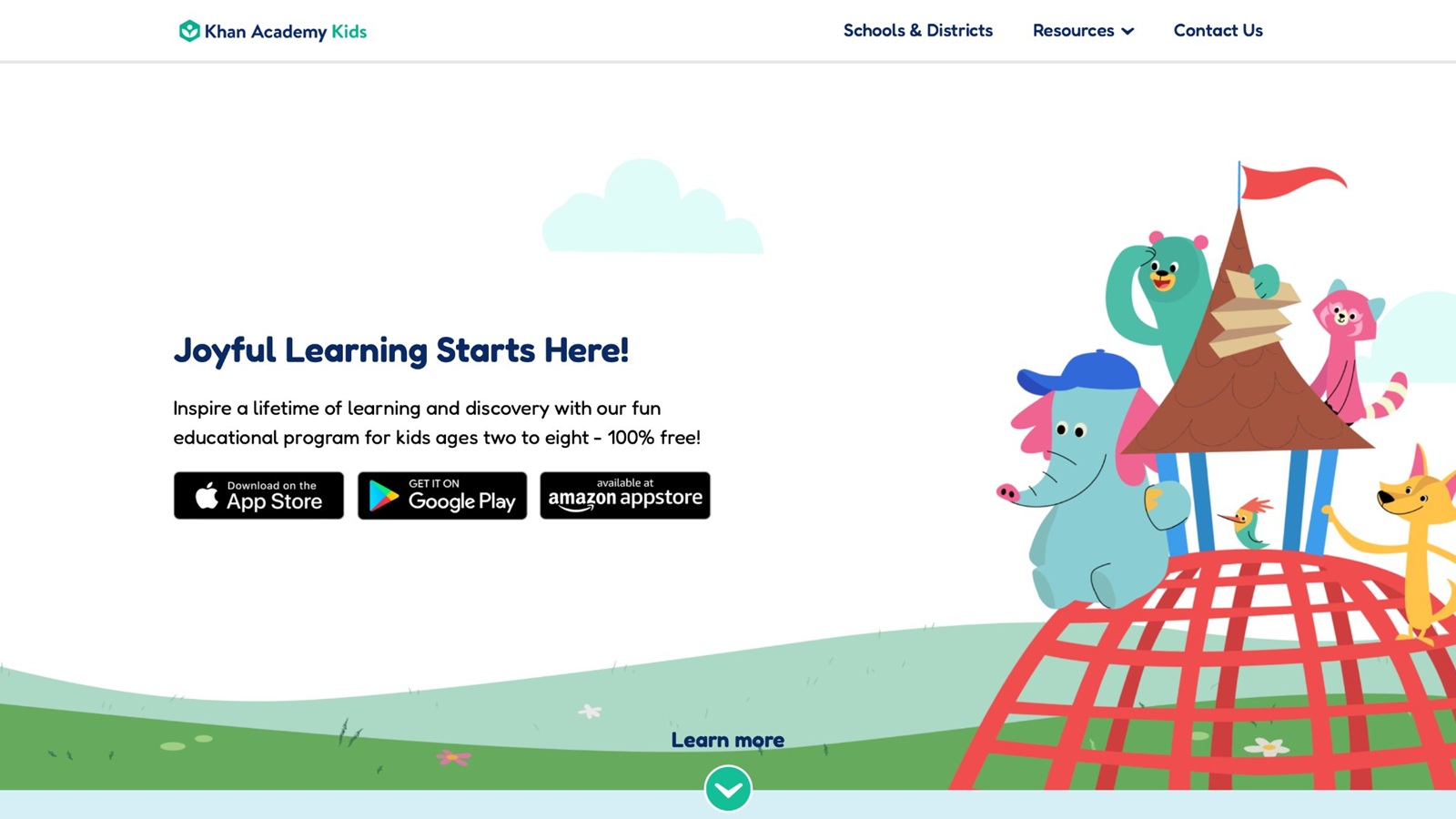
Khan Academy Kids offers free early learning for ages two to eight, with reading, math, and social-emotional stories in one library. Health practice shows up as routines, feelings, and kind choices inside short lessons led by friendly characters. Kids get gentle feedback and can move at their own pace, which helps a child who needs a slower path. The nonprofit model means families are not pushed through ads during the lesson. Teachers and parents often use the same activities, so a habit can travel from class to home. Some sessions feel more like a guided lesson than an open care world, and that structure helps kids who like a clear next step. Books and creative tools sit beside the games, so a health idea can be retold in a drawing or a short story. Emotional skills, such as naming a need and picking a kind response, sit next to early academics. It is a strong free option when a family wants health language inside a wider learning app. The calm voice and repeatable lessons make it easy to return to the same skill for several days.
- Early reading, math, and feelings practice in one free app
- Short lessons with friendly characters and calm feedback
- Social-emotional stories that name needs and kind responses
- Books and creative tools that extend the same idea
Facts and Information
- Aimed at ages two to eight
- Offered by the Khan Academy nonprofit
- Used by many families and classrooms
- Mixes guided lessons with playful tasks
5. Sesame Workshop
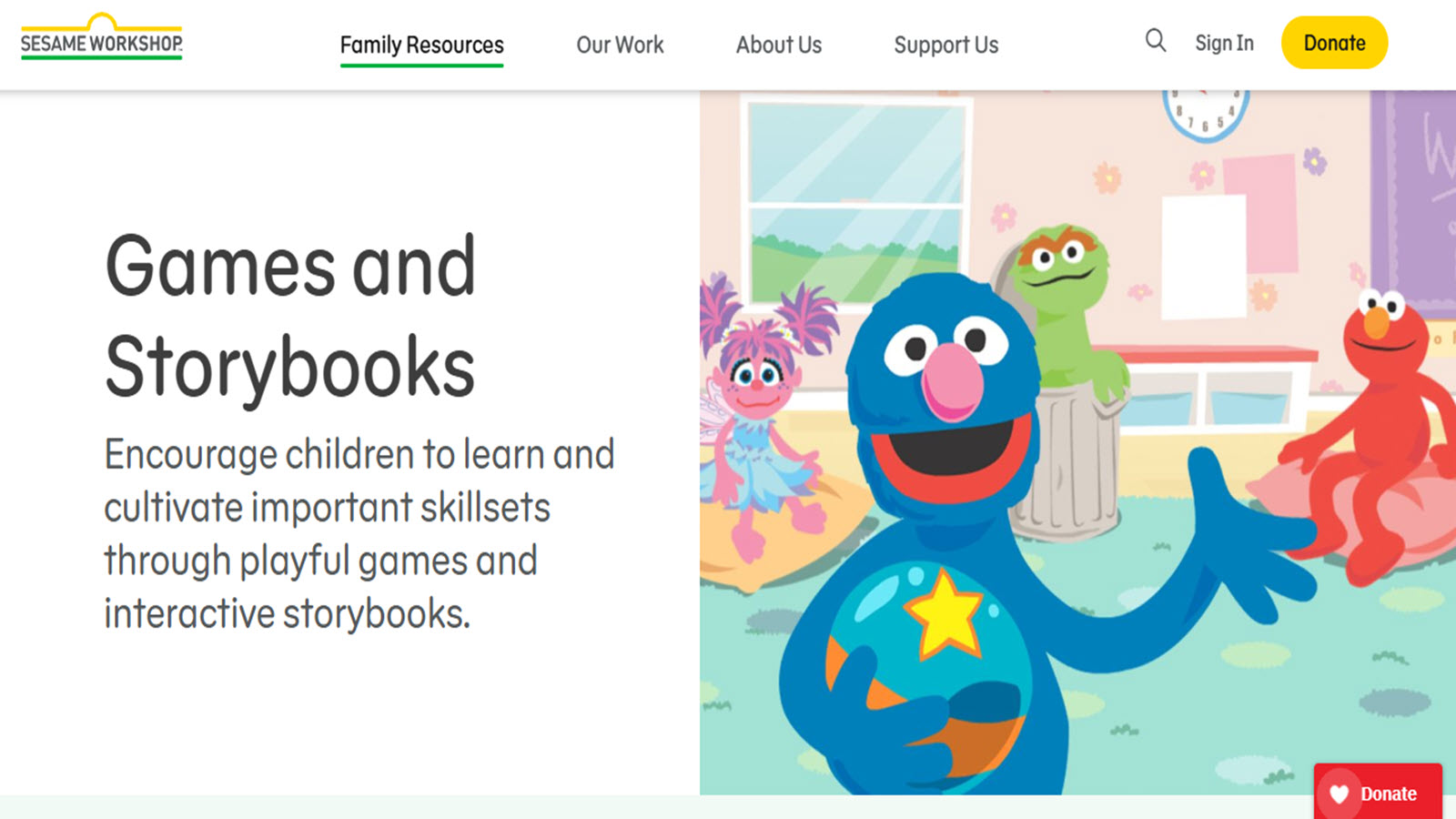
Sesame Workshop health games and videos use familiar friends to practice handwashing, food choices, movement, and big feelings. Songs and short tasks make a routine easy to copy in the bathroom or at the table. Younger kids respond to the faces and the repeat lines, which is why a parent can pause and do the same motion in real life. The library is broad, so health sits beside literacy and kindness. Some pieces are videos more than games, which helps a first look and is less useful if a child needs to tap through every step. The tone stays warm, and that warmth helps a child who feels shy about doctor visits or hygiene talk. Strategies are short enough to reuse in the car or before bed. Families often start with one song, then add a game once the words feel easy. Health topics are written for early childhood, with simple causes and clear next steps. It is a gentle entry to free health play when a child already loves the neighborhood characters.
- Songs and short tasks for hands, food, and movement
- Feelings stories with clear faces and simple words
- Familiar characters that lower worry about new habits
- Easy pause points for a parent to copy the step
Facts and Information
- Created by Sesame Workshop for early childhood
- Health themes include hygiene, nutrition, and emotions
- Short formats fit preschool attention
- Often used by families before a real-life routine
6. Smiling Mind
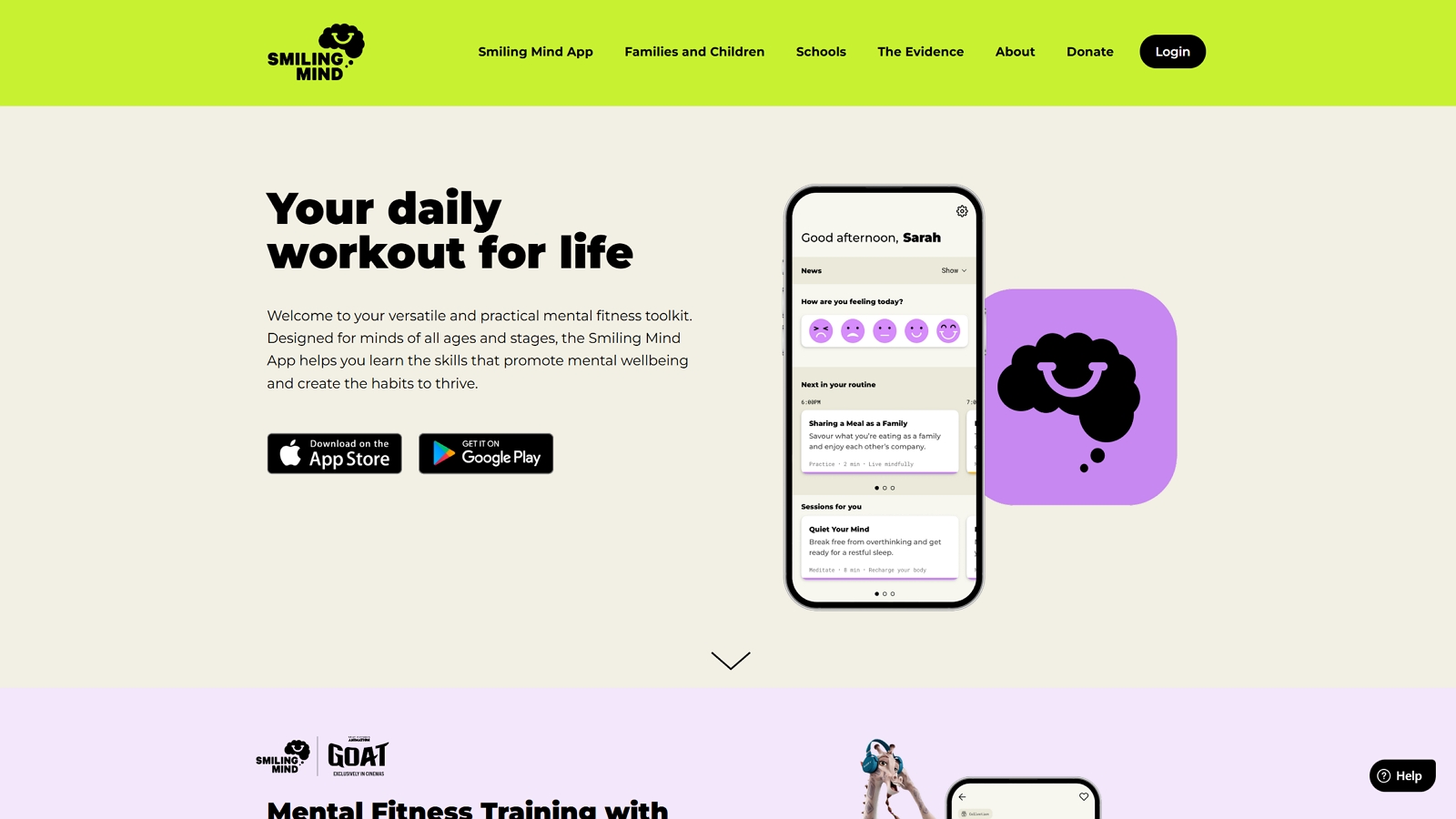
Smiling Mind is an Australian nonprofit app with short mindfulness sessions for children and teens. Kids settle the body, notice thoughts, and practice calm before sleep or after a hard day. Collections cover worry, focus, kindness, and rest, with age filters so a young child gets a simpler voice and a shorter sit. This is mental health play more than hygiene play, and it pairs well after an active game when a child needs to come down. Some kids want a story character first, so a parent may start with one minute and build from there. Classrooms use the same style of practice, which makes the language familiar at home. Sessions are guided, not competitive, so there is no score to chase. The focus is body awareness: tight shoulders, a busy mind, a slower breath. Families often use it as a wind-down beside brighter games. It will not teach handwashing, yet it supports the calm that makes other health habits easier. The nonprofit model keeps the purpose on mental fitness rather than endless play.
- Age-filtered meditations for worry, focus, and rest
- Body-settle practice before sleep or after stress
- Short sessions a child can finish
- Kindness and calm collections for repeat use
Facts and Information
- Nonprofit mindfulness app based in Australia
- Used by many families and schools
- Focuses on mental fitness and body awareness
- Works as a wind-down beside active play
7. BrainPOP Jr.
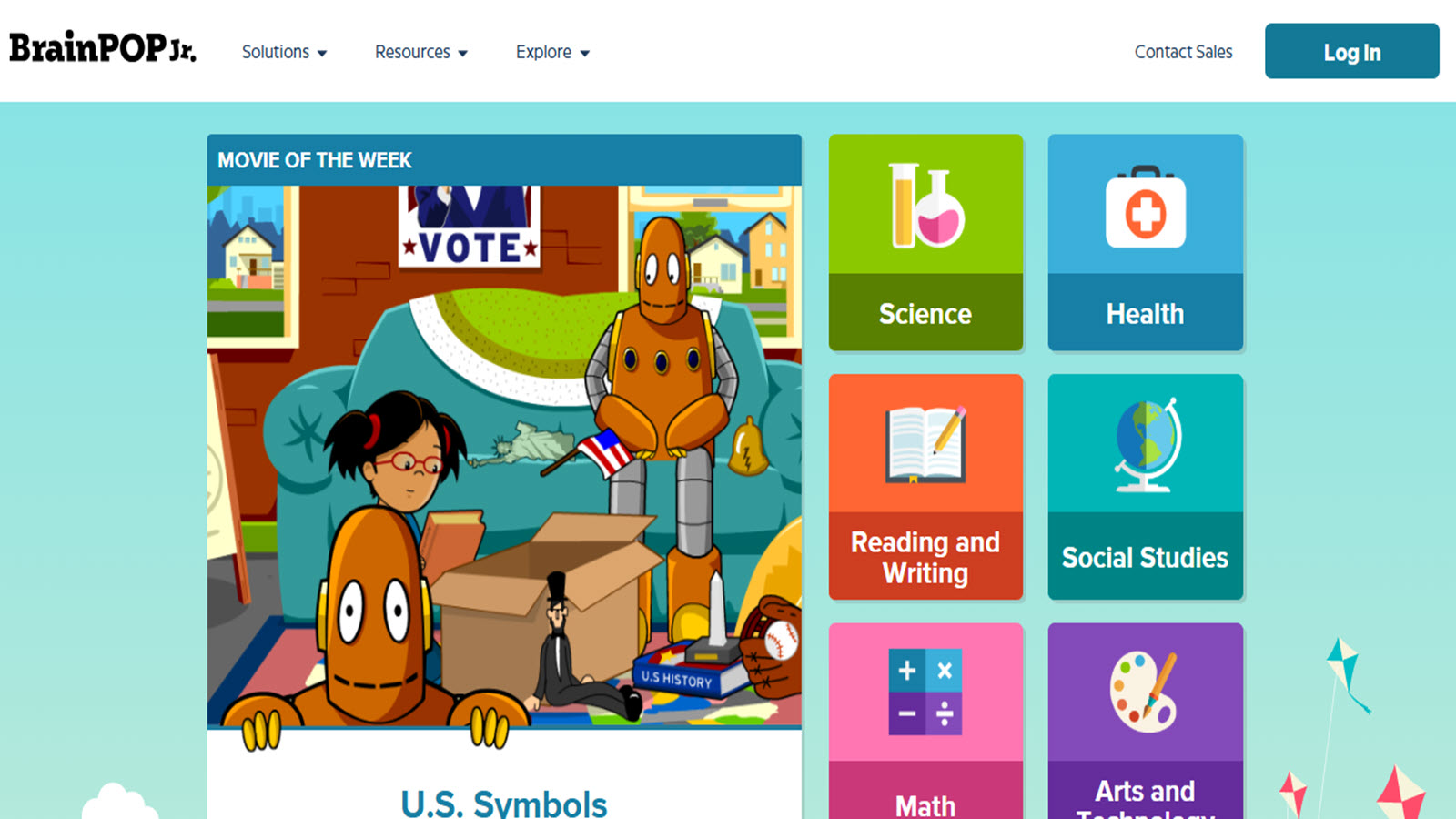
BrainPOP Jr., based in New York City, uses short animated movies for kindergarten through early elementary health, science, and community topics. Annie and Moby explain an idea, then kids try a quiz, a draw task, or a simple game. Health films can cover teeth, germs, feelings, or safety in plain words a young child can follow. The movie-first format helps a learner who needs to watch, then check understanding. It is less of an open care world and more of a clear lesson, which teachers like for shared vocabulary. Parents can replay one film when a real question comes up, such as why soap matters or what a checkup is for. Quizzes keep the session active without turning health into a race. The style is friendly and a bit school-like, so it fits homework time better than pure pretend play. Health sits beside science and social studies, which helps a child connect the body to the wider world. It is a solid pick when a family wants facts in a short story, then a small game to lock the idea in.
- Short health movies with quizzes and draw tools
- Plain language for germs, teeth, safety, and feelings
- Characters kids can follow across topics
- Easy replay when a home question matches the film
Facts and Information
- Made for kindergarten through about grade three
- Headquartered in New York City
- Health sits beside science and social studies
- Lesson style with a game-like check at the end
8. ABCya
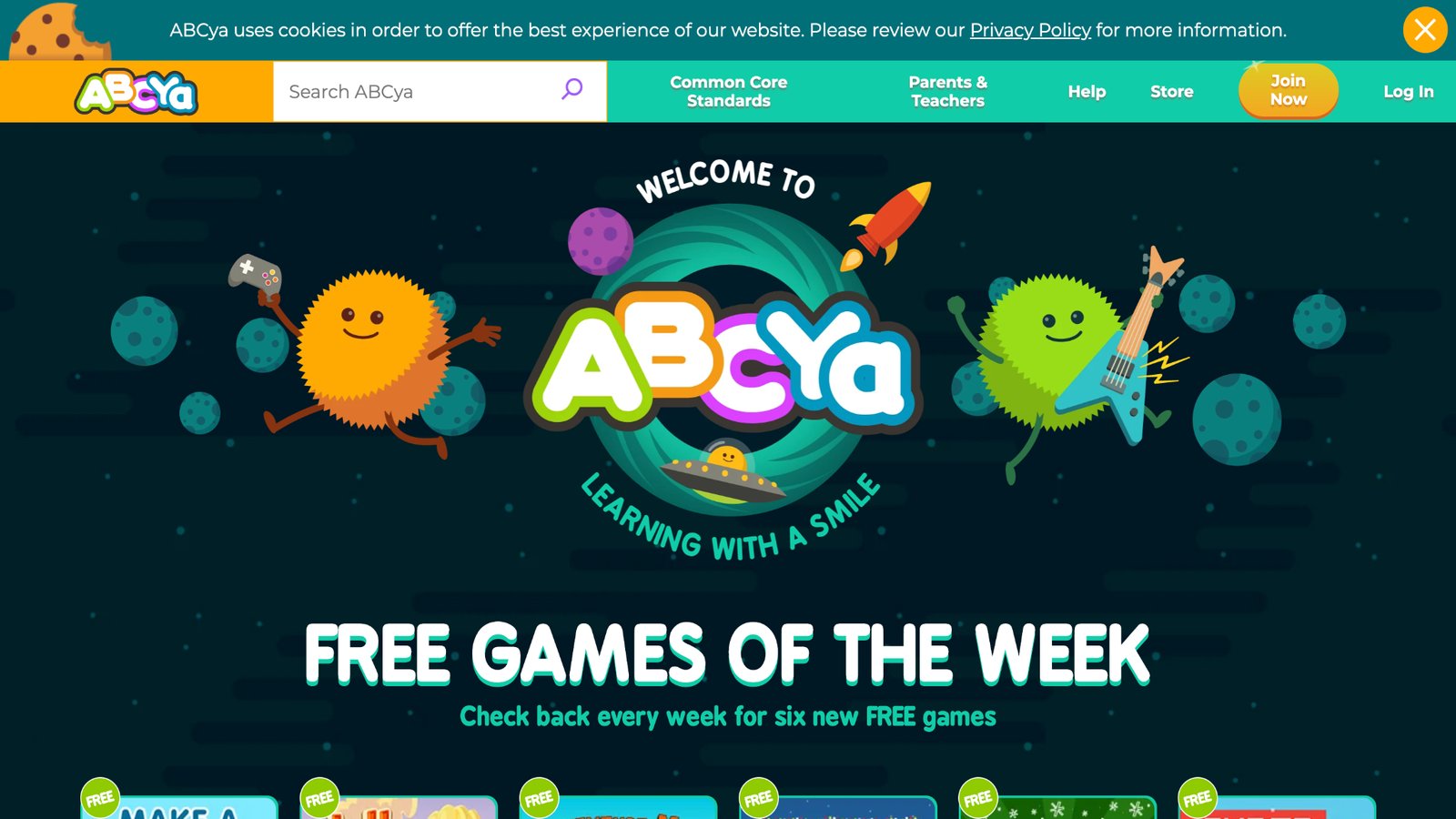
ABCya offers a large set of browser games sorted by grade and subject, including health, body, and logic picks for PreK through grade six. Kids can label body parts, sort foods, or play a hygiene mini-game between math tasks. Instant browser access helps a quick session on a family computer. Many games follow a teacher-made skill goal, so a parent can see what the activity is meant to practice. The free side of the site can include ads, so a parent may want to sit nearby. Variety is the strength. A child can jump from a body game to a puzzle without a new app. Health titles are mixed into a wider library, which means a little hunting before the right game appears. Sessions are short, which suits a warm-up before a real routine. The art is bright and school-friendly. It works well for early elementary kids who already like browser play and need a simple health task they can finish in a few minutes.
- Grade-sorted games for body, food, and logic
- Browser play with no install for many titles
- Short mini-games that fit a health warm-up
- Skill tags that help a parent pick a topic
Facts and Information
- Covers PreK through grade six
- Mixes health with math, reading, and typing
- Widely used for quick classroom or home practice
- Free access is common, with ads on some pages
9. Chill Panda
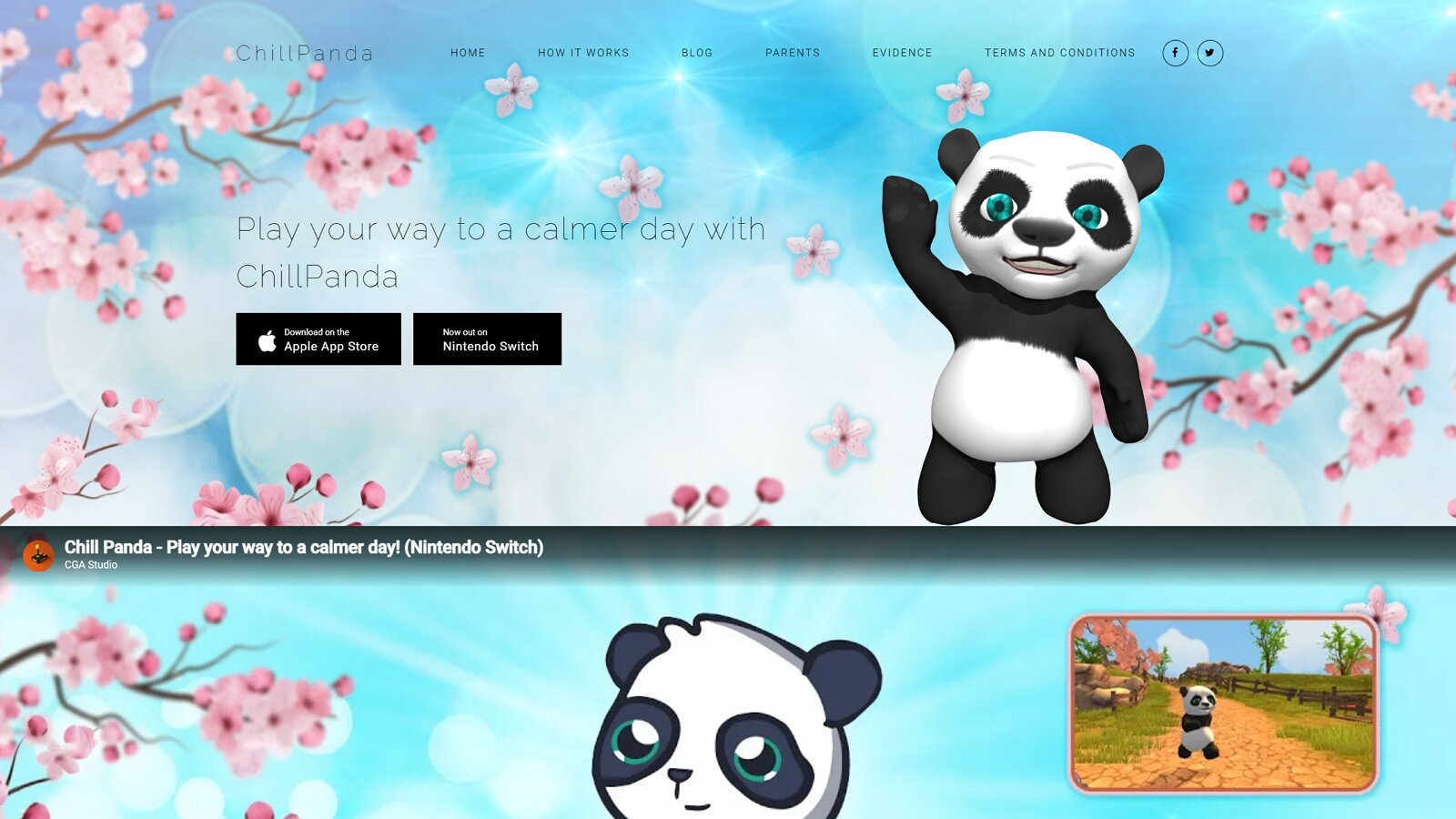
Chill Panda is a gentle health game for primary-age kids who feel wired or worried. A child tells the panda how they feel, then tries breathing squares, yoga poses, and light island tasks. Some versions use a finger on the camera as a simple heart-rate check-in, which gives a picture for a racing chest. The panda's mood changes with the child's report, so the feeling becomes something they can see. Farming and mini-games sit beside the calm drills so the session does not feel like homework. It is narrower than a full care library, which is fine when the goal is one downshift after school. Parents can reuse the same breath pattern away from the screen. The tone is soft and a little playful, which helps kids who resist a formal calm-down talk. It will not cover teeth or meals. Its job is body energy and worry. Families often use it before rest, then switch to a story. The island tasks give a small sense of progress without a loud reward loop.
- Mood check-ins linked to panda reactions
- Breathing, yoga, and short island tasks
- Optional heart-rate style check with the camera
- Light play mixed with calm practice
Facts and Information
- Aimed at primary-age children
- Focuses on worry and body energy
- Turns calm steps into a small adventure
- Useful after school or before rest
10. Daniel Tiger's Grr-ific Feelings
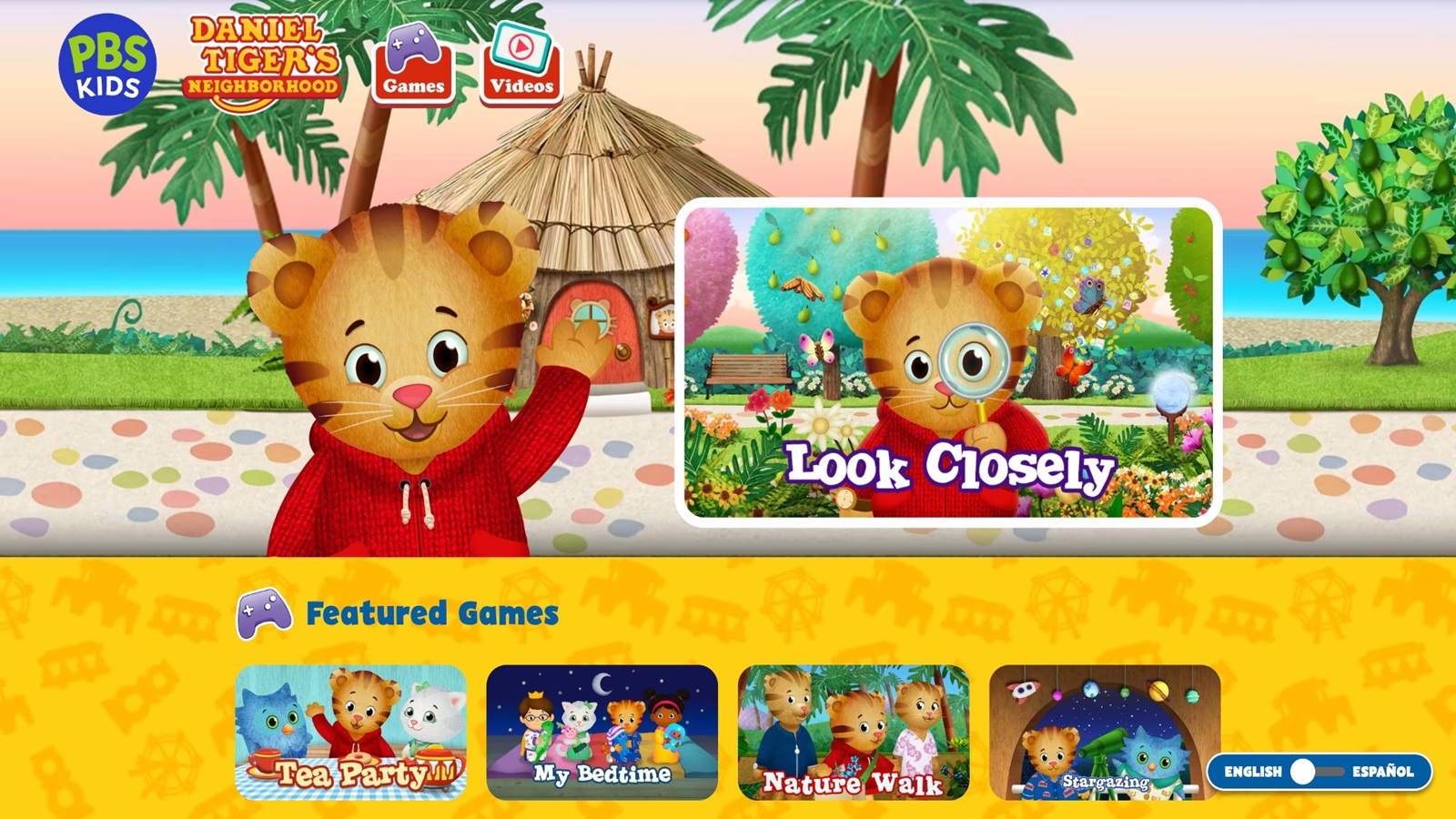
Daniel Tiger's Grr-ific Feelings helps young children name emotions with songs and simple activities from the well-known neighborhood. Kids draw a feeling, sing a strategy, and try a photo-style moment that shows what to do next. The health angle here is emotional health, which supports sleep, friendships, and fewer hard moments at home. Lines are easy to repeat in the car or at bedtime. It is a smaller tool than a full game library, and that focus is the point. A child who already knows the songs often joins faster. Parents can use one song as the family reset phrase when a game or a snack goes sideways. Strategies stay short: name it, sing it, try a next step. The app is warm and preschool-friendly, with less challenge for older elementary kids. It will not teach nutrition facts. It teaches the feeling words that make other health talks easier. Many families keep one song as the shared script for mad, sad, or worried afternoons.
- Feeling names with songs kids can repeat
- Draw and photo-style moments for each mood
- Short strategies for mad, sad, and worried
- Familiar neighborhood tone for preschoolers
Facts and Information
- Based on the Daniel Tiger neighborhood stories
- Built for early childhood feelings practice
- Strategies are short enough to reuse offline
- Emotional health support for daily routines
11. GoNoodle
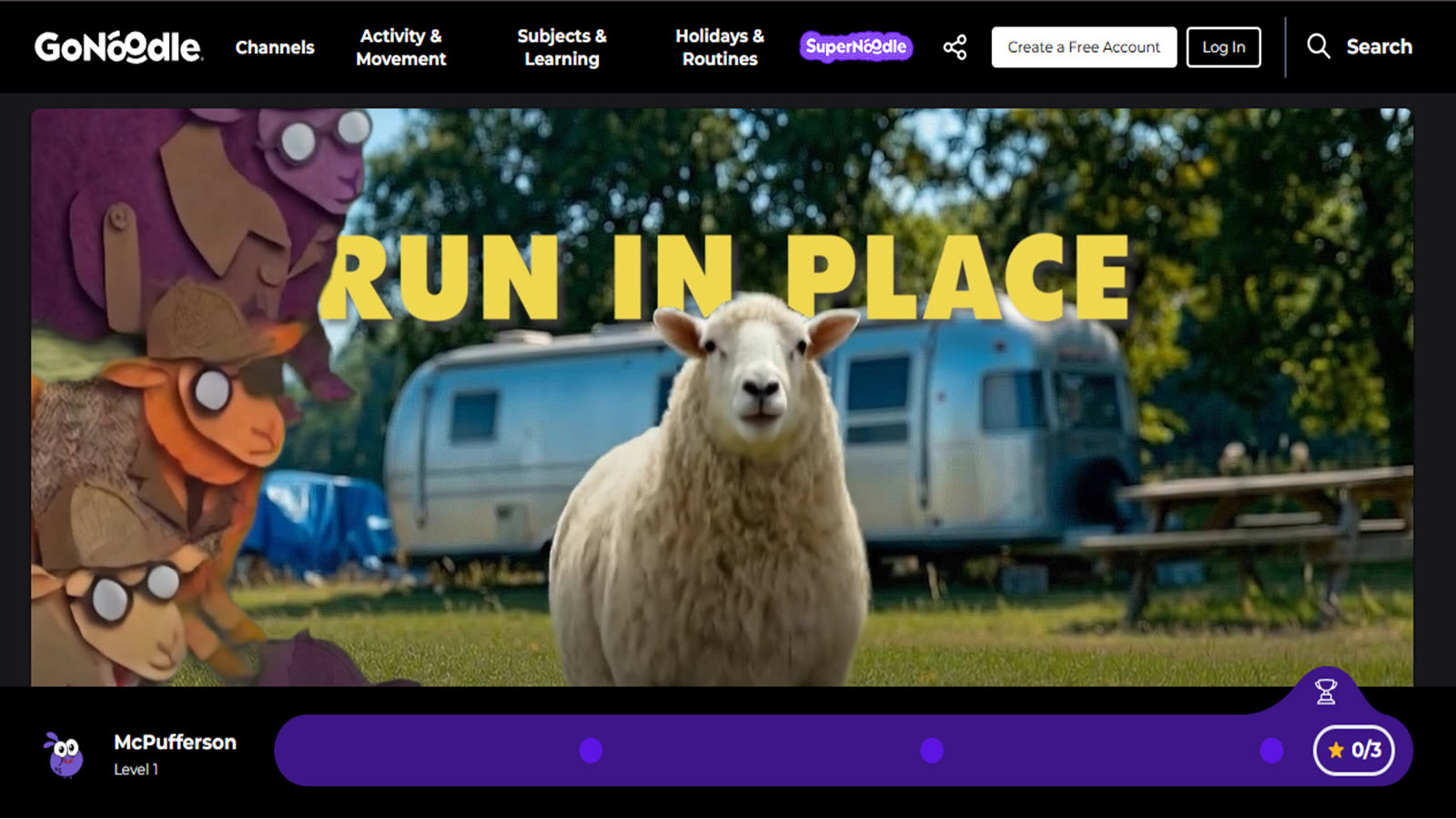
GoNoodle turns movement into short, guided videos and games that many classrooms already use for brain breaks. Kids follow dances, stretches, and mindfulness tracks that get the body moving, then bring energy back down. Health here is active play: coordination, mood lift, and a reset between sitting tasks. Channels cover mindfulness as well as high-energy moves, so a parent can match the time of day. Sessions are easy to start on a TV or tablet. Some content sits behind a school or family plan, while a wide set remains open for a quick break. The style is bright and social, which some calm-seeking kids find busy. It is less about hygiene stories and more about using the body. Teachers like it because a whole group can join. At home, one video can replace a restless scroll. Families often pair a movement break with a quieter care game afterward so the child finishes settled, not spun up.
- Guided dances, stretches, and mindfulness breaks
- Short sessions made for classrooms and living rooms
- Movement that supports mood and focus
- Channels for high energy and slower calm
Facts and Information
- Widely used for school movement breaks
- Mixes active play with mindfulness tracks
- Works on a shared screen for group play
- Health focus is movement and reset, not chores
12. Cosmic Kids Yoga
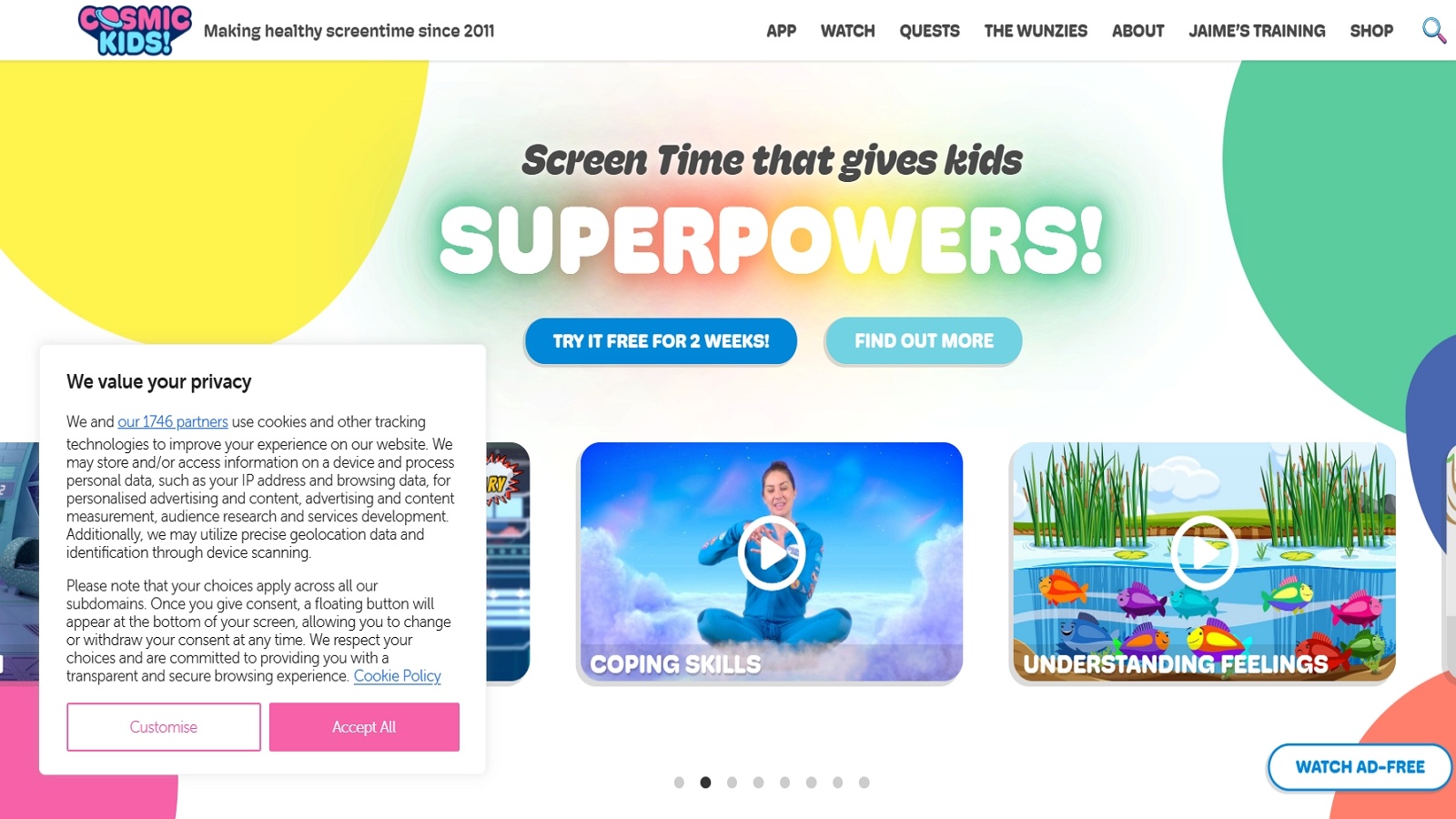
Cosmic Kids Yoga, from the United Kingdom, wraps yoga poses inside story videos kids can follow on a screen. A child becomes part of a tale while stretching, balancing, and breathing. The health gain is body awareness, flexibility, and a calmer finish. Stories give a reason for each pose, which helps kids who will not sit for a plain exercise list. Sessions come in different lengths, from a short calm-down to a longer adventure. Parents can join on the floor, which makes it a together activity. It is video-led, so the child copies rather than taps through a game world. That format is a strength for movement and a limit if a child wants to control a character. The voice is steady and encouraging. Many families use a short video before bed or after a loud game. It does not cover food or handwashing. It covers the body-and-breath side of health in a way preschool and early elementary kids often accept.
- Story-led yoga poses for kids
- Breathing and balance inside an adventure
- Different lengths for daytime or bedtime
- A format parents can join on the floor
Facts and Information
- Yoga stories created in the United Kingdom
- Aimed at young children who copy on-screen poses
- Supports calm, flexibility, and body awareness
- Video sessions rather than a tap-through game
13. ABCmouse
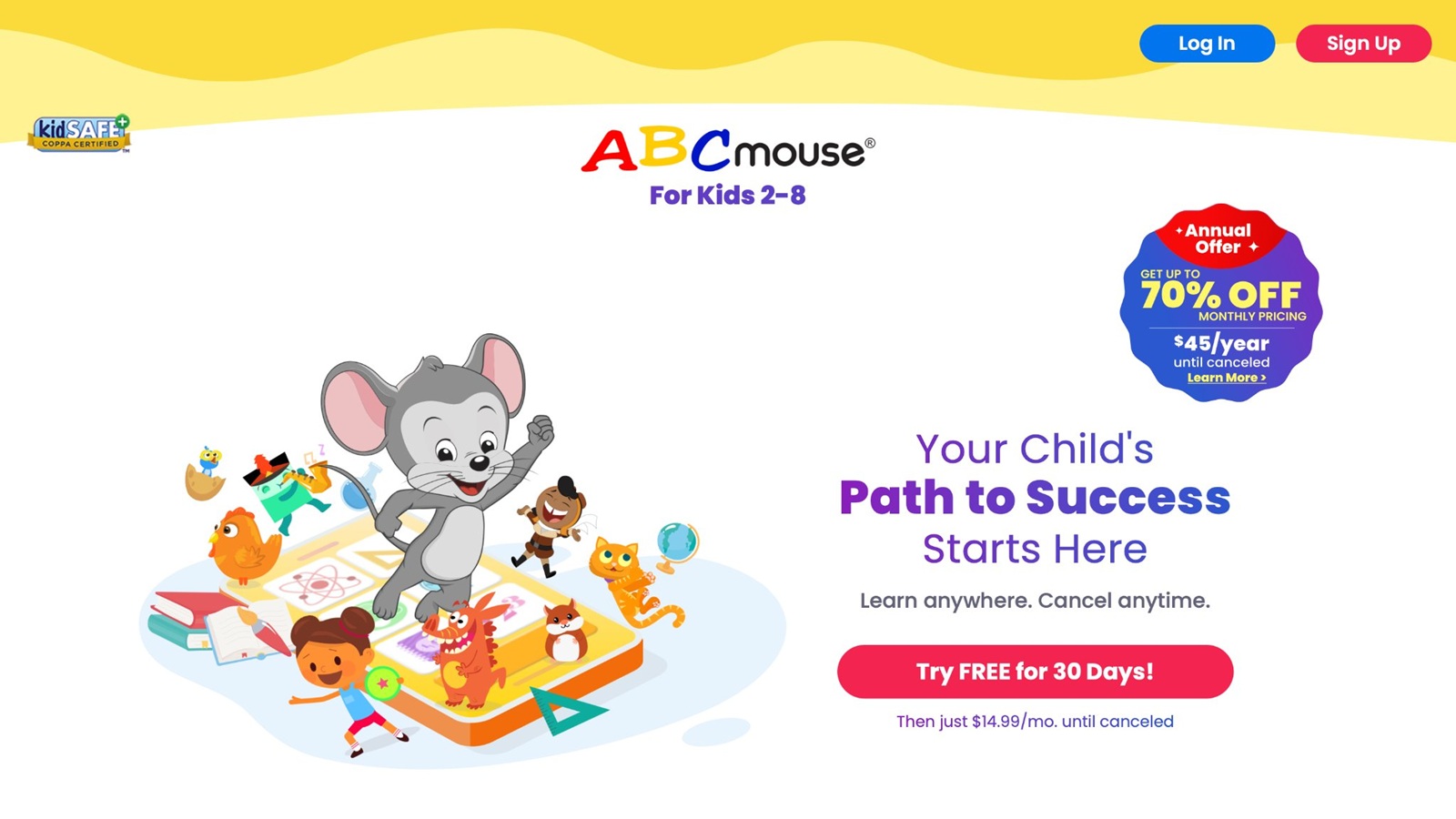
ABCmouse, from Age of Learning, is a full early-learning library for young children, with games, books, songs, and puzzles across reading, math, science, and art. Health appears through body topics, daily routines, and social-emotional activities mixed into the wider path. Kids move through a guided world with tickets and lessons, which gives a clear sequence. The art is colorful and the activities are short. It is a larger school-style system than a single health game, so families use it when they want habits inside a full learning plan. Some health ideas sit beside literacy tasks, which helps a child practice words for the body. The guided path can feel busy for a child who only wants a care story. Still, the routine themes and feeling activities give useful health language. Parents get progress views. It fits ages roughly two to eight and is often used at home as a daily learning block that can include a health or kindness step.
- Early learning path with games, books, and songs
- Body, routine, and feelings topics inside the library
- Short activities with a guided sequence
- Progress views for parents
Facts and Information
- Made by Age of Learning for early childhood
- Covers reading, math, science, and art plus life topics
- Common home and classroom supplemental tool
- Health content sits inside a broader curriculum
14. Moshi
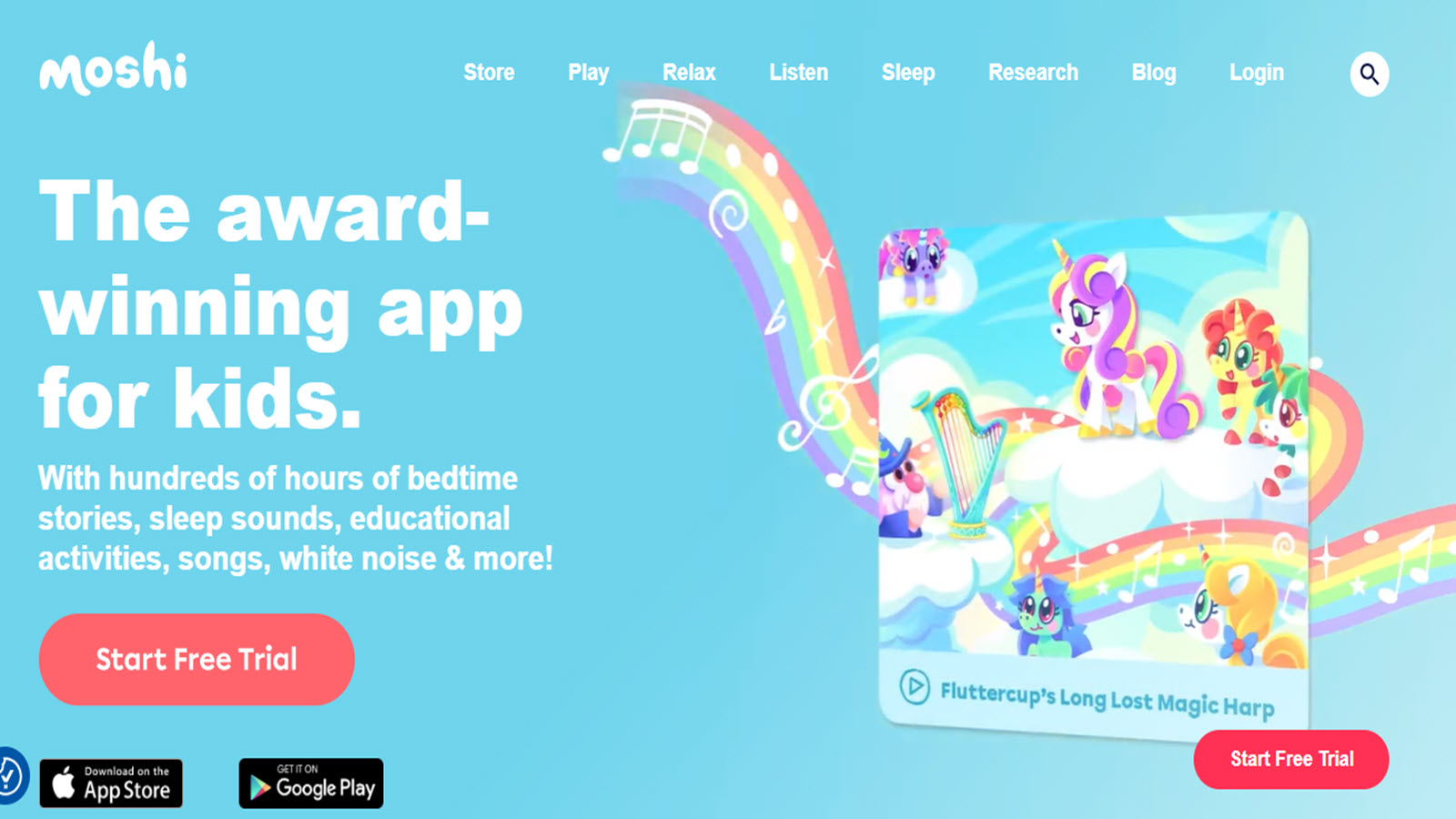
Moshi offers sleep stories, calming music, and mindfulness tracks for children, with a cast of gentle characters. The health focus is rest, wind-down, and emotional ease at the end of the day. A child picks a story and listens while the body slows. Meditation-style pieces teach simple breath and body scans in kid language. It is audio-first, so it works in a dark room better than a bright game. Some families use it only at bedtime. The world is imaginative, which helps a child who resists a plain time-to-sleep talk. It does not teach hygiene steps or food sorting. Its strength is the nervous system side of health: lower noise, softer light, a story that ends. Parents often set a sleep timer. The tone stays soft, with less of the fast reward loop found in action games. It pairs well after a care game, when the habit is done and the body needs quiet.
- Sleep stories and calming soundscapes
- Short mindfulness pieces in kid language
- Character worlds that make rest feel safe
- Audio format suited to a dark room
Facts and Information
- Built around childhood sleep and calm
- Used by many families as a bedtime ritual
- Focuses on rest and emotional ease
- Listening sessions rather than tap-heavy play
15. Zones of Regulation
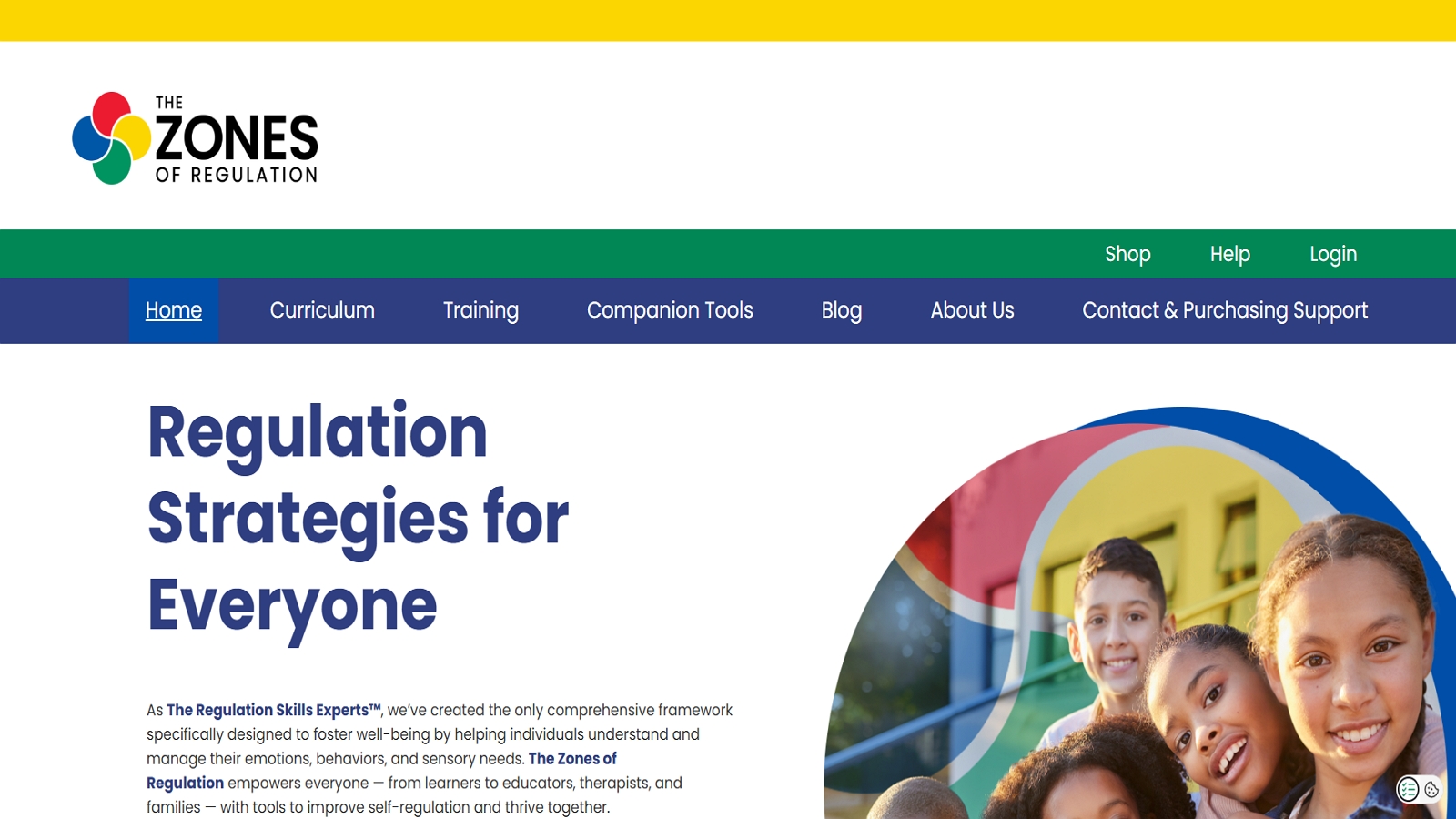
The Zones of Regulation app helps kids notice body clues and sort feelings into four simple color zones. Learners move through activities that teach them to name a state, then pick a strategy to shift or stay. The health link is emotional regulation, which supports focus, friendships, and calmer bodies at school. The four-color system gives families a shared language: blue, green, yellow, red. Lessons can feel more structured than pretend play, and that structure helps older elementary kids who want a clear tool. Younger children may need a parent beside them for the words. It is widely used in schools, so home practice can match classroom talk. The app is narrower than a pet-care world. Its job is the feeling map, not chores or meals. Many counselors and teachers use the same framework, which makes the game a bridge between school support and family routines.
- Four-color zones for energy and feelings
- Activities that link body clues to a next step
- Shared language for home and school
- Structured practice for elementary ages
Facts and Information
- Based on the Zones of Regulation framework
- Used in many classrooms and counseling settings
- Focuses on emotional health and self-check skills
- Best fit when a child can talk about body signals
Why Care Games Support Whole-Body Health
Physical health and emotional health grow in the same afternoon. A child who can notice a pet is hungry can also notice a tight tummy or a loud voice. Learning games for kids put that notice-and-respond loop inside play. Kid educational games keep the task short enough to finish.
Short play also protects attention. Many kids do better with a clear ending than with a feed that never stops. Educational games at home stay in a known story. Brain games can follow once the body feels settled, because focus is easier after a calm start. Problem-solving games practice the next kind choice when a task feels stuck.
Confidence grows when the task is doable. Finishing a room, a song, or a feeding routine gives a child proof they can handle a health step. Confidence-building games use that same finish-and-feel-proud pattern. Kids educational games add a proud close after care. Easy educational games keep the first health step small. Online educational games let that step happen on a shared screen. Educational websites for kids are a wider shelf, while a care game stays on one habit. Games for autistic kids often use the same clear cue and calm finish.
How Families Fit Health Play Into the Day
Morning play can be a teeth or tidy story before school. After school, a feelings game helps a child land. Evening play should stay quiet so sleep is easier. Online games for kids that teach work best with a stop time the child knows in advance. Educational videos and games fit a quiet wind-down when the session stays short.
Ages change the pick. Preschoolers need big buttons, care characters, and one goal. Games for toddlers and apps for toddlers match that one-goal shape. Games for preschoolers and apps for preschoolers add a slightly longer care story. Early elementary kids can handle a body label, a food sort, or a longer calm story. Kindergarten games and games for 6 year olds sit in that middle. If a title feels too wordy, switch to a simpler educational game for 4 year olds and return later.
Device choice matters too. Tablet games for kids, iPad games for kids, and mobile games for kids all work when the habit stays the same. Educational games for iPad suit a shared family tablet. Parents do not need a perfect plan. One shared session, one real-life copy of the habit, and a calm stop are enough. Questions about accounts and devices sit on the FAQ page for families who want the library in one place.
FAQ
What are the best health games online free for young kids?
The best health games online free for young kids use care stories, not long quizzes. Handwashing, tidy rooms, pet feeding, teeth routines, and feeling names fit a short session with a clear happy ending. A young child does best when the next step is easy to see: soap, food, a blanket, or a kind word. Bright characters help, but the useful part is the loop, notice a need, do one kind action, then see a calm result. Kids educational games for a 5 year old match that shape with big actions and familiar faces. A shared family screen lets a sibling join without a new setup. The same care loop on another day makes the habit easier to copy at the sink, the table, or bedtime. A score matters less than a finish the child can describe in their own words. If the session runs long or jumps to a new topic, the health step is easier to forget. A good pick ends while the child still remembers the soap, the food, or the kind word. Quiet art and a clear stop help more than extra levels.
Do free online health games help with feelings too?
Yes. Many free online health games treat calm, worry, and kindness as health skills, not as a separate subject. A child names a face, takes a breath, or comforts a character, and that practice supports sleep, school focus, and friendships. Feelings show up in the body first, as a tight tummy, a loud voice, or a rush to grab. A game that gives those clues a name makes the next health step easier to start. Learning apps for kids often place those feeling words next to a short care task. Pairing a feelings game with a body-care game gives both sides of health a turn in the same week. The notice-and-respond loop in pet and baby stories works the same way. A child who can see a hungry pet can also notice their own mood and pick a slower next step. That shared language helps at dinner, at bedtime, and after a hard moment at school. Calm play will not fix every hard day, but it gives the family a word they can reuse when the screen is off. A short breath story before rest often lands better than a long talk.
How do parents keep free health games safe?
Safe health play stays inside one story, with no open chat and a finish the child can see. Ads, surprise pop-ups, and endless video feeds pull attention off the habit, even when the game itself is about hygiene or calm. A safe pick lets the child say what they just practiced, then stop. Educational kids games that stay in one world skip the path that jumps into random clips. A parent nearby helps on sites that show ads, and a short talk after play locks the lesson in. A set stop time matters as much as the title. Known titles are easier to trust than a new random link each day. A shared library keeps the characters and the ending familiar. Words that match the child's age matter too, from a simple wash story for preschool to a clearer body fact for early elementary. If a game asks for chat, outside links, or a sudden new video, it is a weak fit for health practice. Sitting nearby for the first few sessions shows whether the habit stays in the center.
Can health games replace a doctor or a lesson on hygiene?
No. Health games are practice, not medical care, and they do not replace a checkup or a parent's own lesson. They make handwashing, food talk, and calm steps easier to start, while real routines stay in place at home. A story about soap is a rehearsal. The sink is still the lesson. Educational online games for kids can rehearse tidy-up and daily care so the real task feels familiar before anyone asks for it. The game is the friendly run-through before the bathroom, the table, or bedtime. A short story can support a habit without standing in for a clinic or a classroom talk. If a child is hurt, ill, or very worried, a grown-up and a doctor still come first. Play can sit beside that care. It cannot take its place. A parent lesson still carries the real rule, such as when to wash, what to eat, or when to rest. Games can remind a child of that rule. They cannot decide it. A checkup, a sick day, or a safety worry still belongs with a grown-up, not with a character on a screen.
How do families fit health play into a normal day?
Morning play can be a teeth or tidy story before school. After school, a feelings game helps a child land, and evening play stays quiet so sleep is easier. One theme for a few days works better than a new health topic every hour, because the child has time to copy the step in real life. Apps for kids learning cover the morning care side when the same habit is marked for the week. Preschoolers need one goal and big buttons. Early elementary kids can handle a food sort, a body label, or a longer calm story. Device type matters less than the ending. A tablet, a phone, or a shared screen all work when the session closes on purpose. One shared session, one real-life copy of the habit, and a calm stop are enough for a normal day. A busy afternoon can still hold one short care story if the stop time is clear before play starts. The copy at the sink or the table is what makes the game count. Repeating the same habit for a few days beats swapping topics before the first one sticks.
Read Also:
- Best Emotional Regulation Games For Kids In 2026
- Best Responsibility Games For Kids In 2026
- How Pet Care Games Teach Kids Empathy and Responsibility
- Best Healthy Screen Habits
- Chore Games For Real Life Skills Through Play
Start calm health play with TutoClub and let caring habits grow through everyday games!