

Best Educational Online Games For Kids in 2026






Parents often look for ways to make screen time productive. The best educational online games for kids in 2026 blend fun with real learning opportunities in areas like creativity, problem-solving, and emotional growth. These games help children build confidence while enjoying colorful adventures.
To further strengthen key skills, the best problem solving games for kids excel at developing logic and critical thinking. At the same time, the best social emotional games for kids, the best emotional regulation games for kids, and the best emotional games for kids deliver powerful support for empathy, self-control, and resilience - making them standout choices for meaningful screen time in 2026.
Join Tutoclub today and experience the future of the best educational online games for kids in 2026!
Key Benefits of Playing Educational Games Online

Fun educational games help children develop focus, curiosity, and creativity. Many feature open-ended elements that let kids express ideas freely while building essential skills. Top titles promote kindness through meaningful character interactions, while others help establish healthy routines and organization in fun ways. Parents often notice significant improvements in their children's confidence as they complete challenges. These experiences also support emotional regulation awareness by guiding kids through gentle scenarios. Overall, quality educational games for kids create positive screen time that feels enriching rather than draining.
For younger children, families can discover excellent choices through the best safe apps for kids, the best games for preschoolers, the best apps for preschoolers, and the best games for toddlers. These carefully selected titles provide a secure and age-appropriate starting point, helping little ones build foundational skills while ensuring parents maintain full peace of mind during playtime.
Trends Shaping Educational Online Games in 2026
In 2026, developers focus on calmer interfaces and stronger emotional intelligence elements. Many titles blend creative storytelling with skill practice, helping children explore ideas at their own pace. Personalization features adapt gently to each child’s interests.
Hybrid approaches are rising, where digital play connects to real-world activities like drawing or simple experiments. These changes make online educational games feel more like guided play.
The Role of Gamification in Children's Learning
Gamification adds gentle challenges and rewards to make learning feel natural. Children stay motivated when progress feels like an adventure. The best safe games for kids use stories that connect skills to everyday situations, such as helping friends or building something new.
This approach strengthens problem-solving and persistence. You can find excellent options in problem-solving games for kids.
Best Educational Online Games For Kids in 2026
1. TutoClub - Best Educational Online Games For Kids in 2026
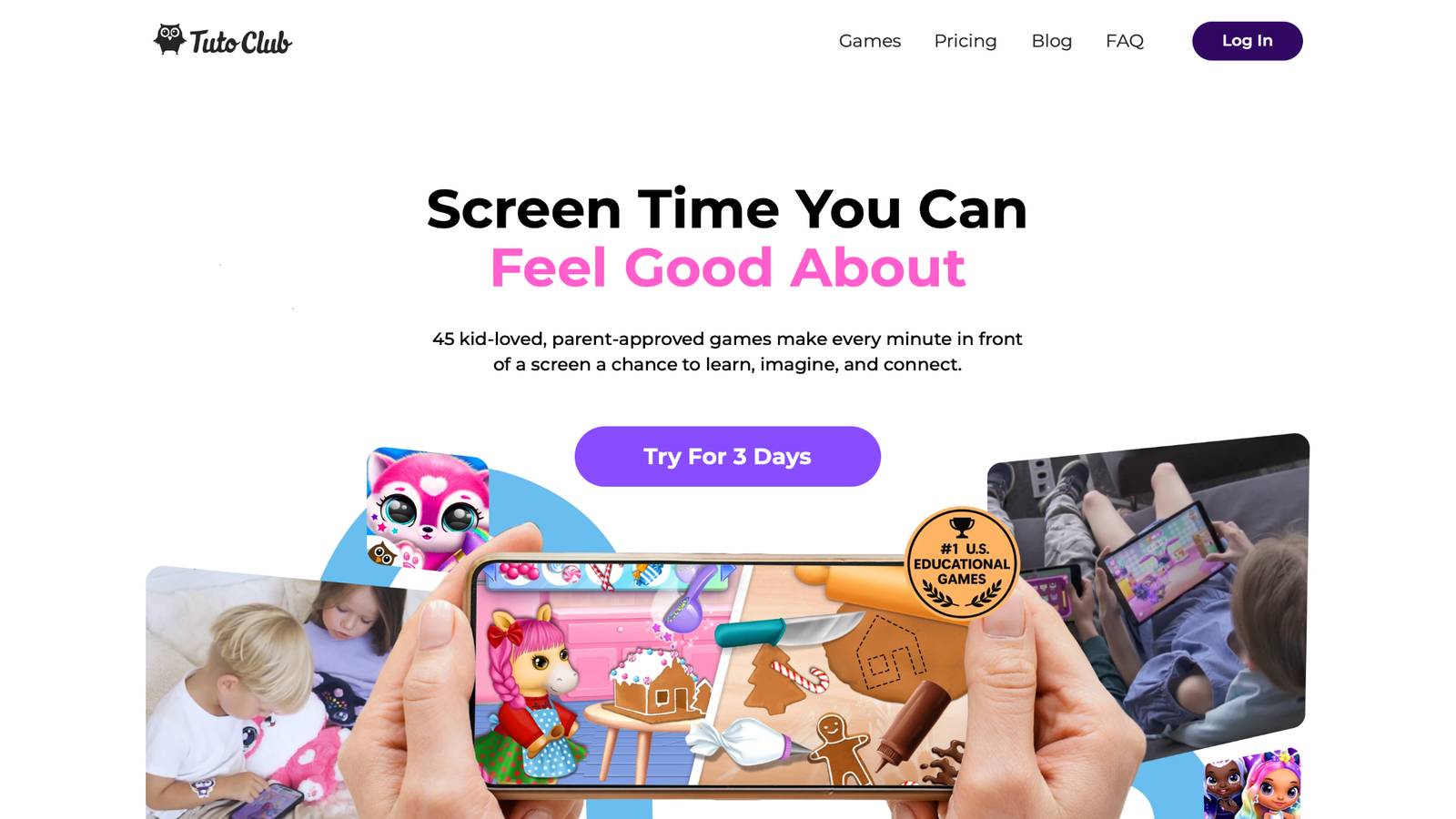
TutoClub games deliver a complete subscription service with over 45 ad-free titles created by the TutoTOONS studio based in Lithuania. This platform transforms screen time into enriching adventures that nurture creativity through art and storytelling tasks while sharpening focus via thoughtful puzzles. Children build emotional awareness as they practice empathy and compassion in caring scenarios, and they develop responsibility through gentle daily routines turned into playful challenges.
The collection features open-ended activities that spark curiosity and support lifelong learning habits. Kids explore worlds where they hatch and nurture virtual pets, complete cleaning quests that teach organization, or join fashion adventures that boost self-expression. Every game feels calm and inviting, with smooth progression that keeps young players engaged without frustration. Parents appreciate the safe, parent-approved design that works across iOS, Android, and Amazon devices after initial download.
- Standout features include adaptive challenges matched to skill levels, interactive narratives that fuel imagination, and regular fresh content to maintain excitement.
- Facts and information highlight research-backed approaches to joyful learning, multi-device flexibility after setup, and a distraction-free space that encourages meaningful play sessions.
TutoClub Overview
TutoClub is your gateway to a magical world of educational games designed especially for children.
As part of TutoTOONS, a leading kids' games studio, we offer premium access to over 45 ad-free games.
Our mission is to blend learning and play, helping kids explore, create, and grow in a safe online space.
Thousands of parents trust us for family-friendly content that sparks imagination and builds essential skills.
Key Features
- Unlimited Access: Unlock full content in all games with no interruptions.
- Ad-Free Experience: Enjoy seamless play without any ads or distractions.
- Skill Development: Games foster creativity, social skills, communication, and more through fun activities like pet care and cleanup challenges.
- Regular Updates: Get new releases, exclusive content, and future updates automatically.
- Easy Subscription: Cancel anytime with no obligations, simple and flexible for families.
Explore Our World
TutoClub provides a rich ecosystem of educational games for kids, featuring ad-free experiences that promote creativity, focus, and emotional growth through play.
This platform turns screen time into valuable learning opportunities, with parent-approved content that builds essential skills and sparks curiosity in young minds.
- TutoClub Games: Over 45 educational games, including popular titles like Fluvsies, Smolsies, and the Sweet Baby Girl series
- Blog: Insights, tips, and stories for families on kids' learning and play
- FAQ: Comprehensive answers to frequently asked questions about subscriptions, features, and more
Get TutoClub on Your Device
TutoClub delivers premium kids educational games directly to your mobile devices, making learning accessible anytime, anywhere.
With apps available on major platforms, families can easily download and subscribe for ad-free play that turns screen time into skill-building adventures.
Perfect for parents seeking safe, engaging content on iOS, Android, or Amazon devices.
Why Choose TutoClub?
We're committed to 100% safe, enriching entertainment that kids love and parents approve.
Join the thousands who've seen their children thrive through playful learning.
Ready to start the adventure?
2. Fluvsies Academy
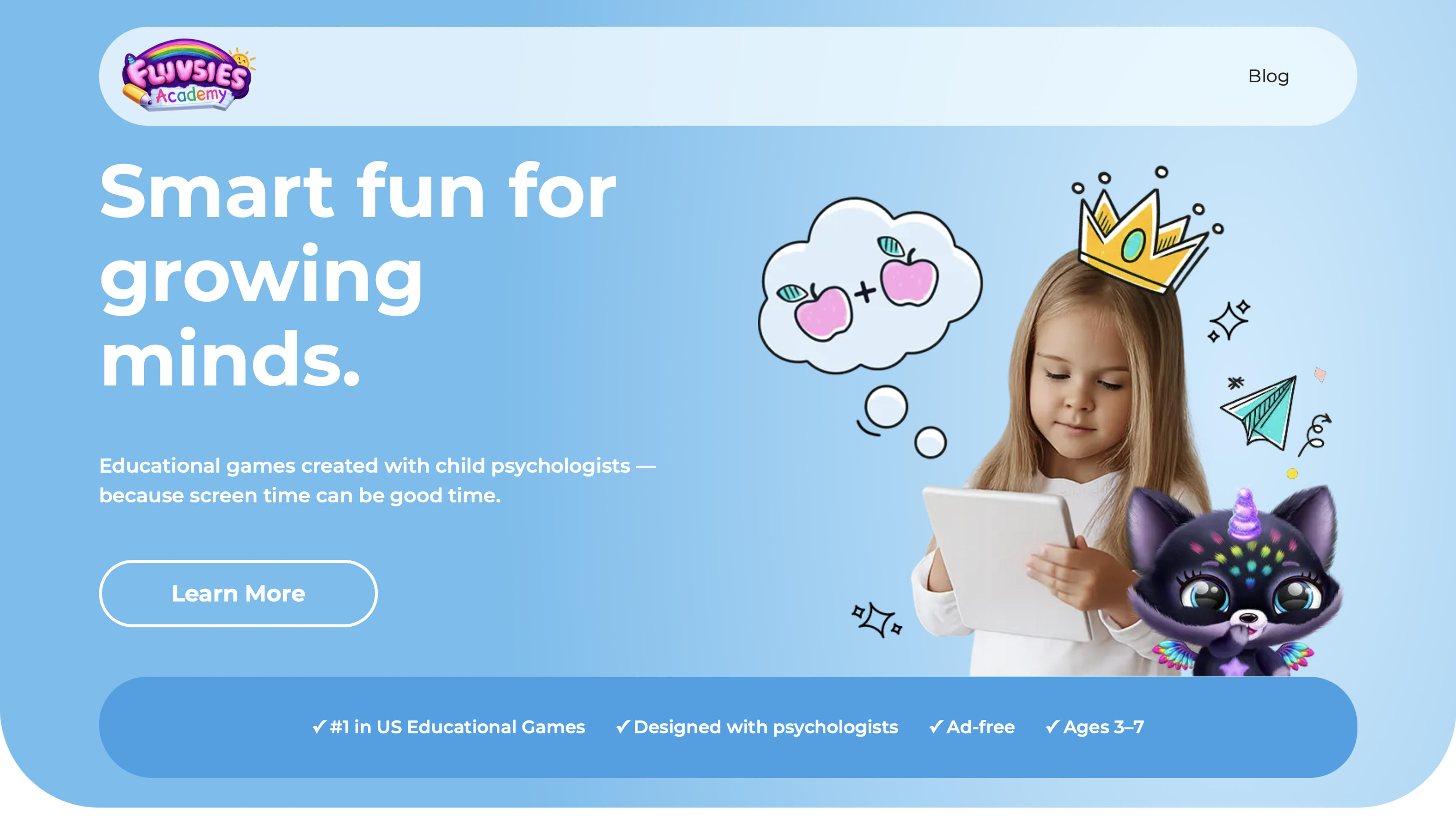
Fluvsies Academy creates a gentle learning space where preschoolers practice logic and attention through playful activities built around familiar daily routines. Young children explore professions, sort objects, and solve simple puzzles while following friendly characters on short adventures that feel like real life stories come to life. The app balances active thinking challenges with creative freedom so kids develop early reasoning without any sense of pressure or failure. Every level encourages trial and error in a supportive way that builds confidence step by step.
Children quickly learn to recognize patterns, compare items, and make choices that lead to happy outcomes for their fluffy friends. The bright colors and cheerful sounds keep little ones engaged for just the right amount of time each day. Parents love how the activities blend seamlessly with everyday skills like dressing, cleaning, and helping others. The platform feels like an extension of imaginative play rather than structured lessons, which makes it easy for families to include in morning or bedtime routines. Kids return often because the characters become like trusted buddies who cheer them on with every small success.
- Key features include logic and attention exercises, sorting tasks, and life-skill simulations set in story contexts
- Facts and information highlight expert-guided design that supports focus and comparison abilities in a completely safe, ad-free format
3. ABCmouse
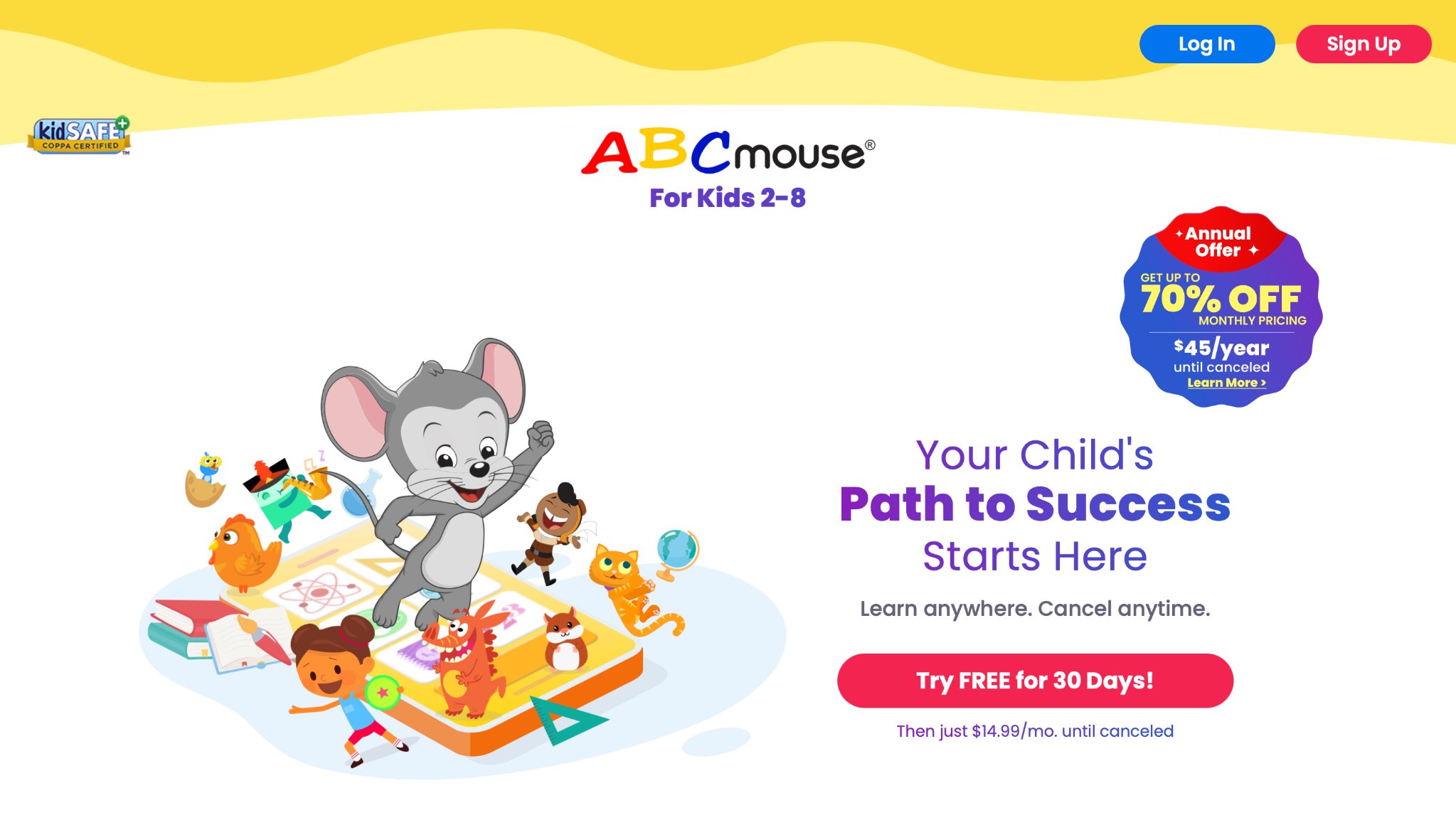
ABCmouse provides a complete early learning environment with hundreds of games, interactive books, and creative activities tailored for young children. The platform covers essential subjects including reading, mathematics, science, and art through progressive lessons led by friendly animated characters. Families appreciate the structured yet flexible paths that support school readiness and build strong foundational skills. Each activity features bright visuals and encouraging feedback that helps children feel successful as they advance at their own pace through different levels and topics.
Facts and information:
- Includes hundreds of interactive games across subjects.
- Features voice-guided instructions for easier navigation.
- Progress tracking helps parents follow development.
- Printable activities extend learning offline.
- Curriculum aligns with early education goals.
4. Khan Academy Kids
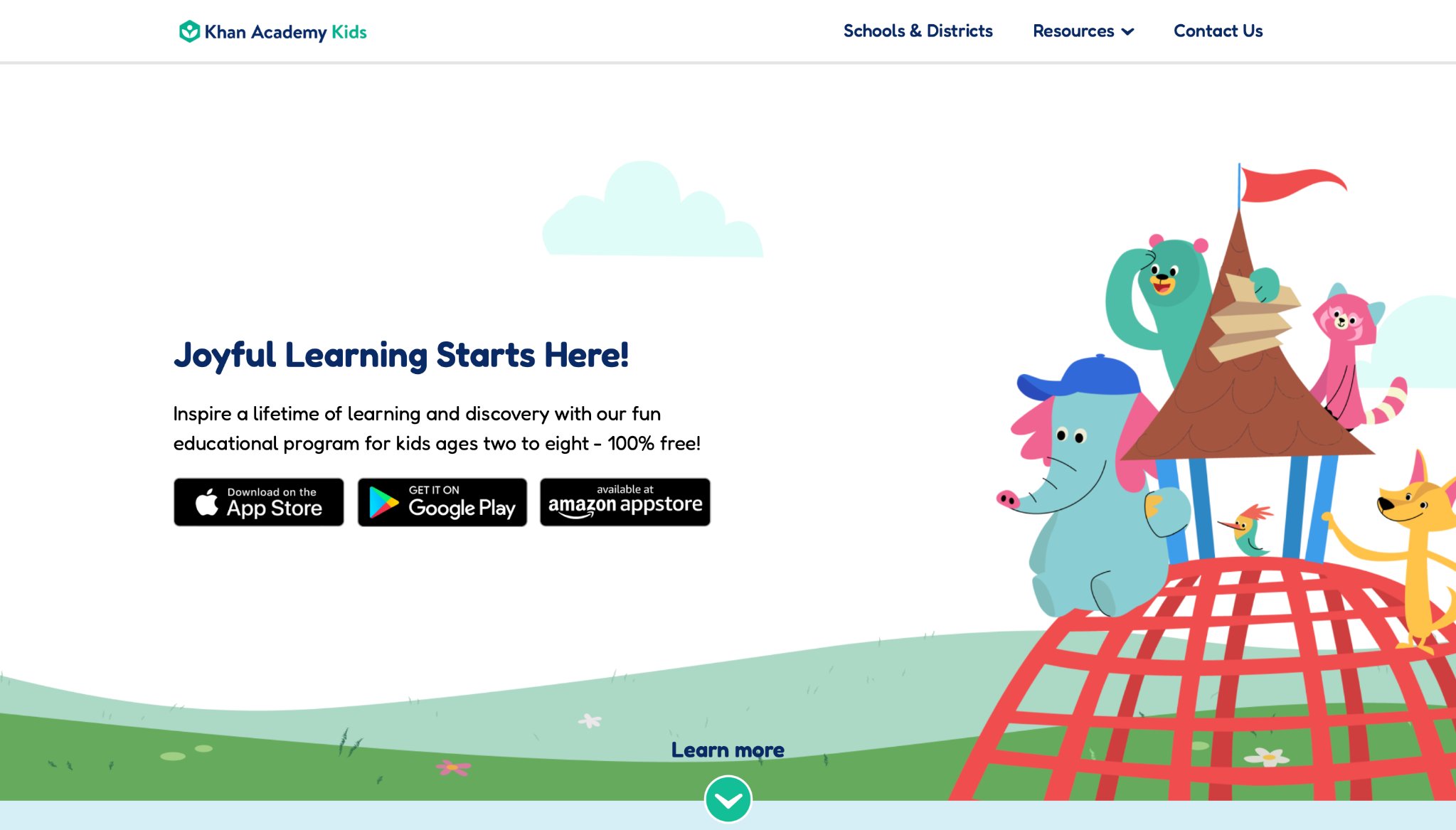
Khan Academy Kids offers completely free access to a wide range of reading, math, and creative exercises designed specifically for children ages two through eight. The app presents material through engaging stories, songs, and hands-on style activities that adjust automatically based on how each child responds. Its research-based content focuses on building solid early foundations while maintaining a playful tone throughout every session. Children explore topics at their individual speed without feeling rushed or compared to others.
Facts and Information:
- Covers phonics, counting, and problem-solving.
- Includes books and videos for varied learning styles.
- No ads support focused sessions.
- Offline capabilities allow play anywhere.
- Regular updates add fresh content.
5. Prodigy Math
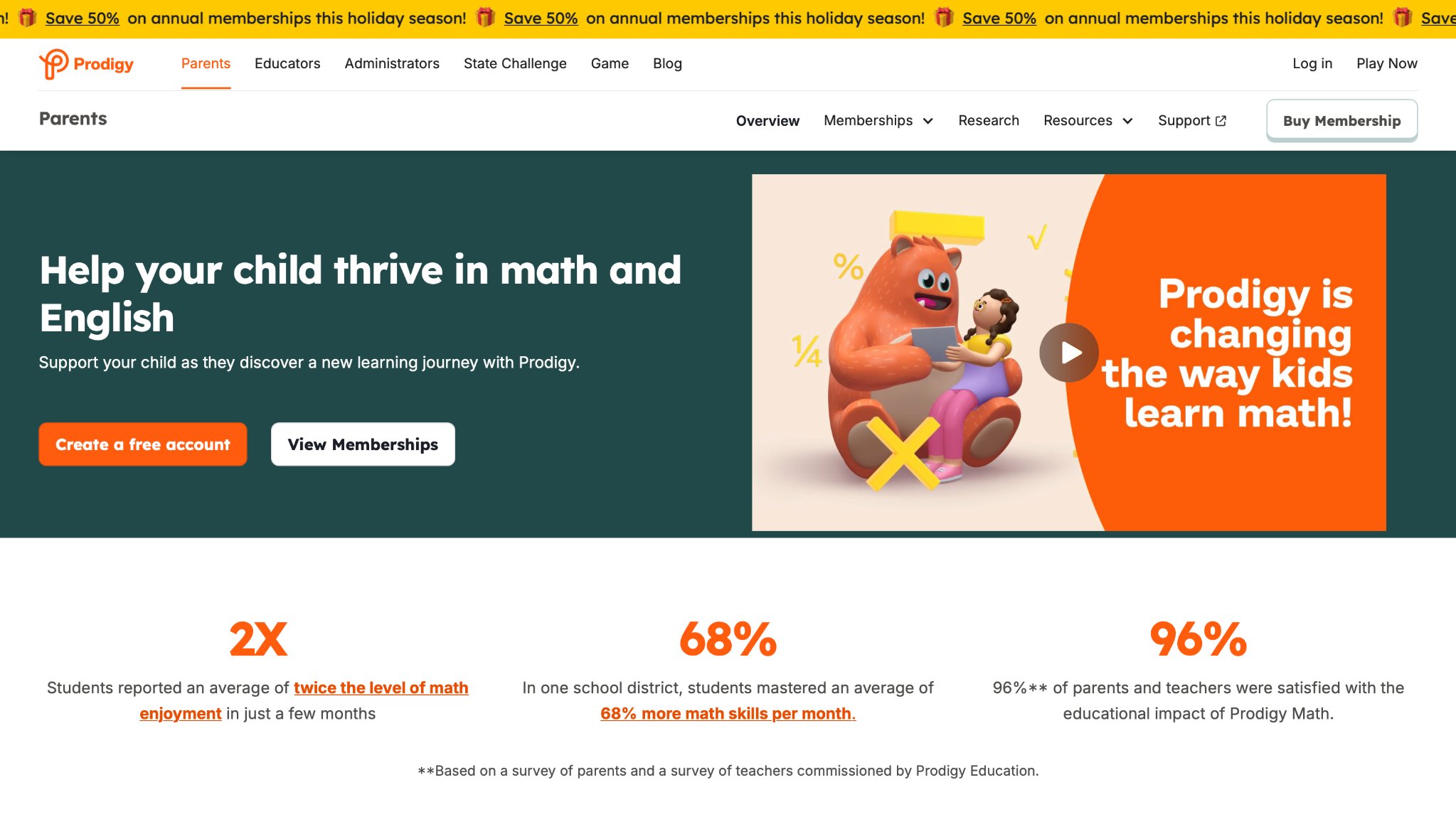
Prodigy Math transforms basic arithmetic into an exciting fantasy adventure where children solve math problems to progress through quests and challenges. The game world features magical creatures and storylines that keep motivation levels high while covering important mathematical concepts from addition to geometry. Players collect rewards and customize their characters as they master skills through gameplay rather than traditional worksheets. This format works particularly well for kids who enjoy role-playing and narrative elements in their learning.
Facts and Information:
- Adaptive questions match individual levels.
- Covers addition through geometry.
- Includes quests and rewards for engagement.
- Teacher tools available for classroom use.
- Combines entertainment with skill practice.
6. Starfall
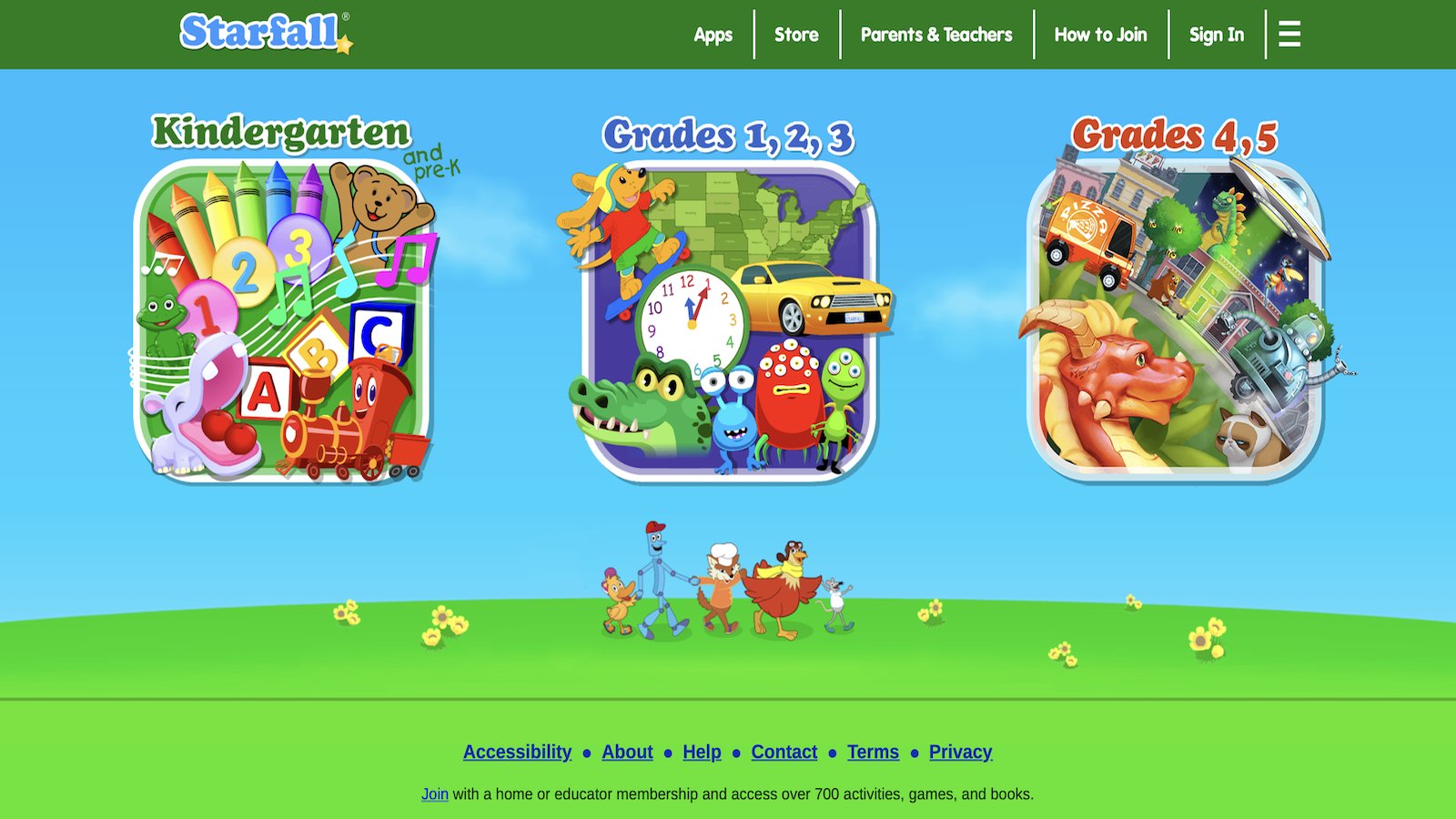
Starfall delivers focused practice in reading and math through multisensory games and activities suited for early elementary learners. The simple interface and clear instructions help younger children build confidence with phonics, basic operations, and comprehension skills. Many families use it as a reliable supplement that reinforces classroom lessons in an approachable way. The collection features books, songs, and interactive exercises that support different learning modalities. Membership options unlock additional content while keeping core materials freely available. The design prioritizes child safety with ad-free environments and straightforward navigation.
Facts and Information:
- Emphasizes phonics and basic operations.
- Includes books and songs for reinforcement.
- Membership unlocks more activities.
- Supports visual, auditory, and interactive learning.
- Ad-free and child-safe design.
7. PBS Kids Games
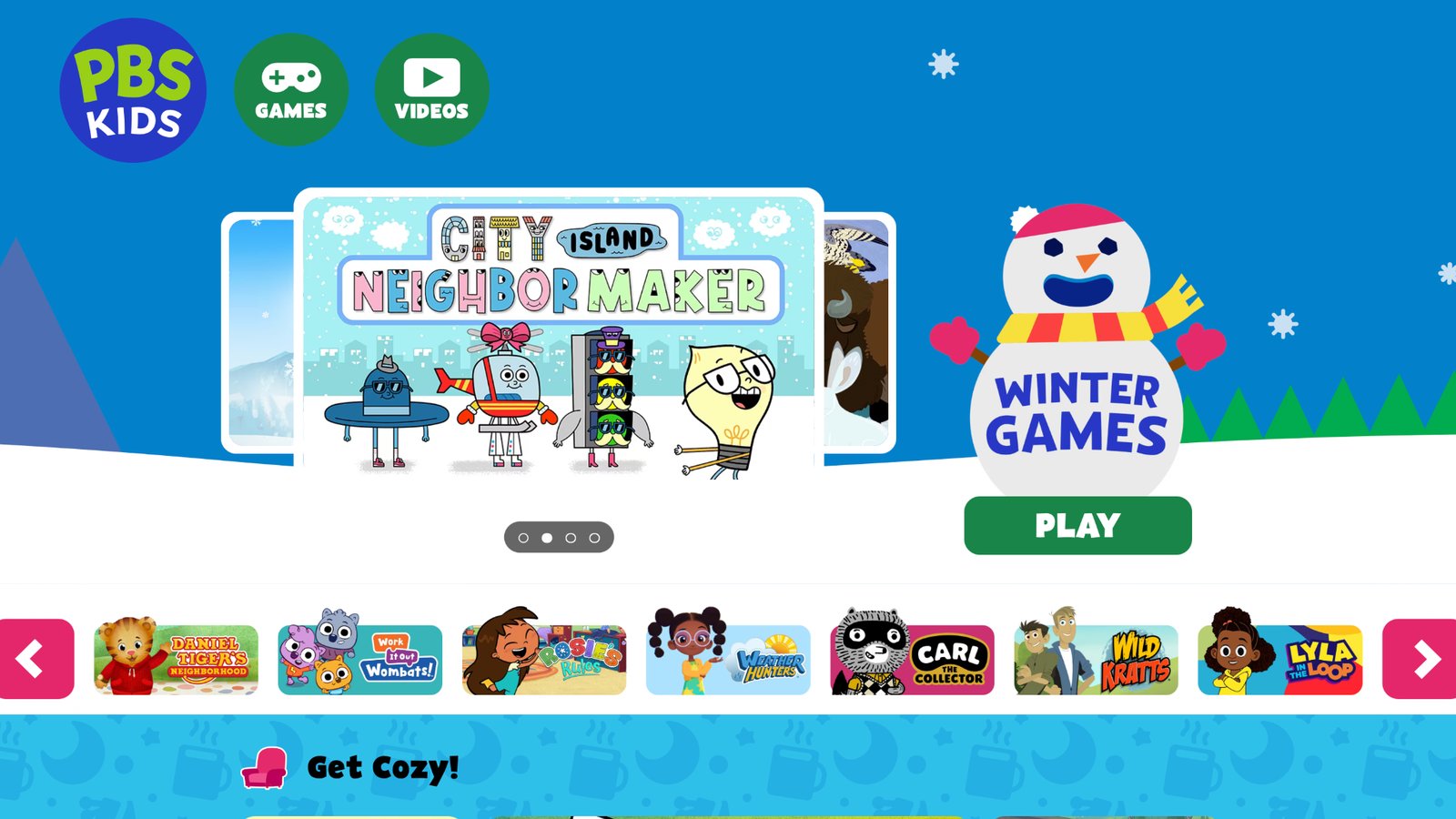
PBS Kids Games brings familiar characters from popular educational television shows into interactive activities covering science, social skills, and creative thinking. The free collection offers short, engaging experiences that align with show themes while teaching valuable concepts. Children explore nature, emotions, and problem-solving through beloved figures in safe digital environments. New activities appear regularly based on current programming. The platform creates connections between screen time and real-world curiosity by extending television learning into hands-on style digital play. Many games promote exploration and discovery with gentle guidance.
Facts and Information:
- Ties into popular educational TV content.
- Covers broad subjects like nature and emotions.
- Short activities fit quick play sessions.
- Promotes curiosity through exploration.
- Regular additions based on show themes.
8. ABCya
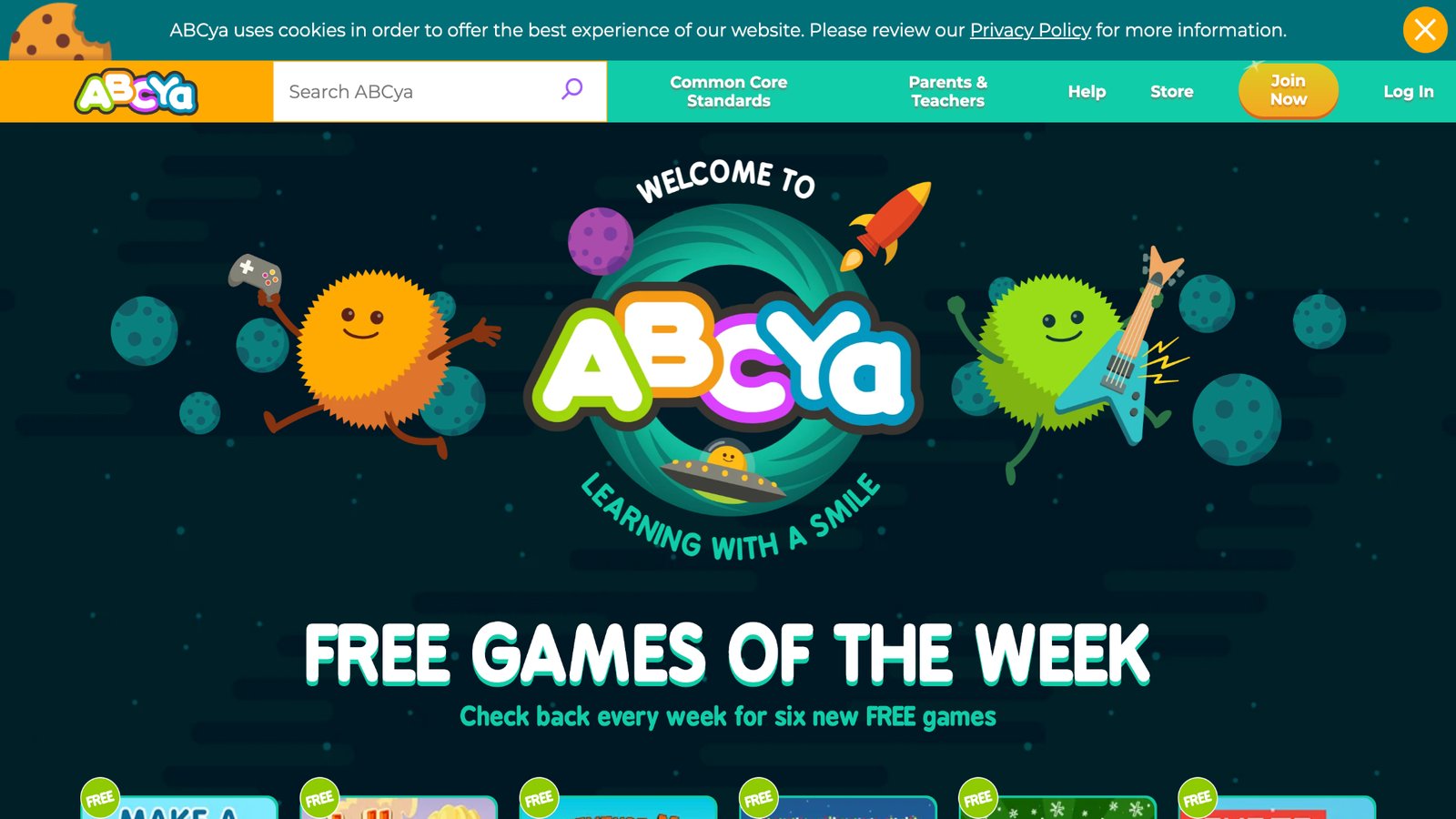
ABCya organizes a large selection of games by grade level and subject area to provide targeted practice opportunities. The collection features logic puzzles, typing exercises, and topic-specific challenges that support skill development in math, reading, and critical thinking. Teachers and parents frequently recommend it for supplemental learning that feels more like play than work. Weekly additions of free games keep the content rotating and interesting. Browser-based access makes it easy to use across different devices without complicated downloads. The platform balances structured learning paths with open creative activities.
Facts and Information:
- Grade-based navigation for age fit.
- Includes weekly new free games.
- Covers math, reading, and logic puzzles.
- Browser-friendly with app options.
- Focus on fun skill reinforcement.
9. Osmo
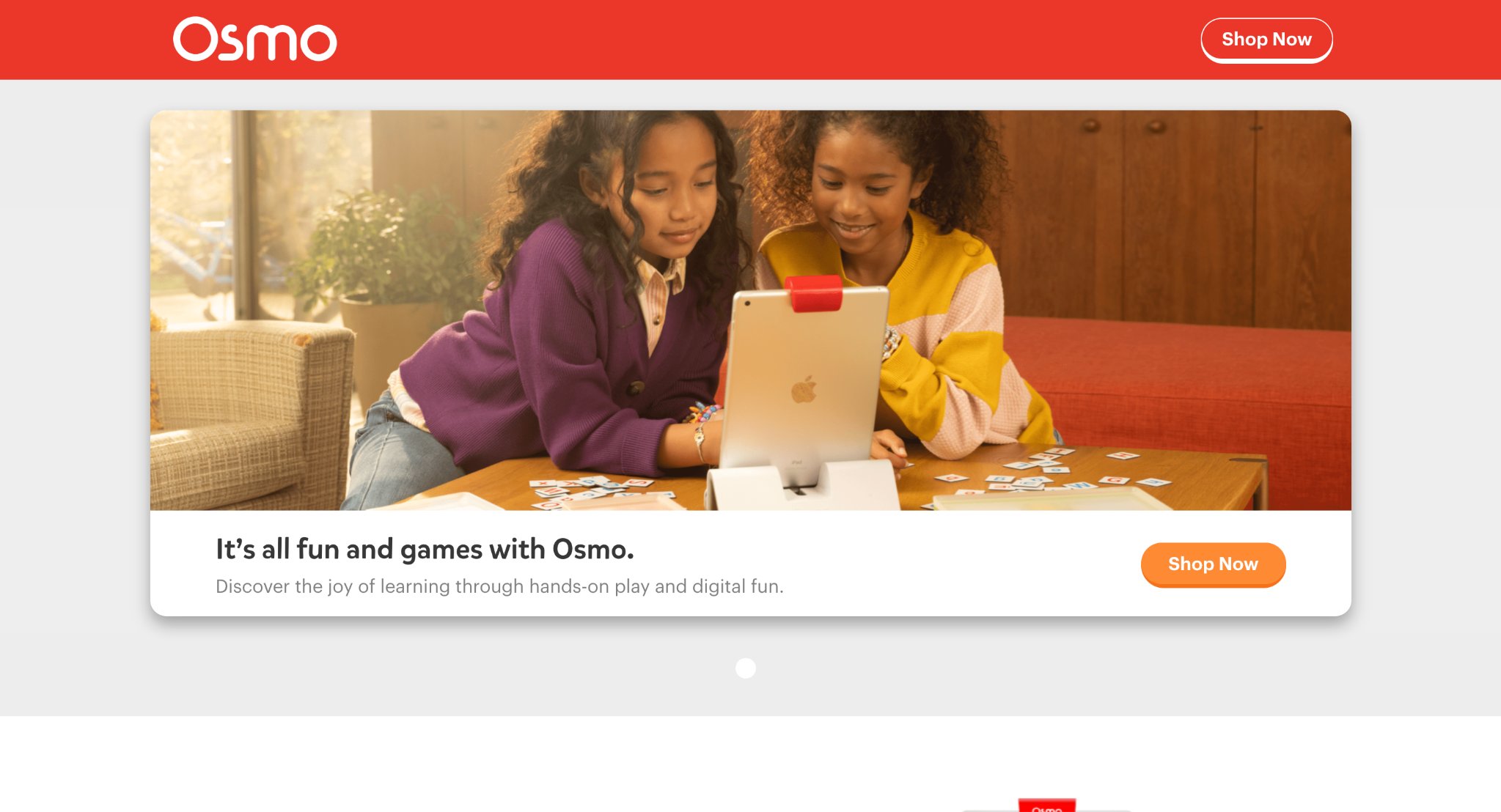
Osmo blends physical game pieces with digital tablet interactions to create hands-on learning experiences. The camera recognition technology responds instantly to real object movements, making abstract concepts more tangible for young players. Subjects range across mathematics, spelling, creativity, and problem-solving through collaborative and individual activities. The durable accessories support repeated use in home and classroom settings. This hybrid format appeals strongly to children who prefer manipulating objects rather than pure screen interaction. Group play options encourage social skills and teamwork during learning sessions.
Facts and Information:
- Uses camera recognition for real-time response.
- Subjects include math, spelling, and creativity.
- Encourages collaboration in group play.
- Durable accessories support repeated use.
- Blends physical and digital play styles.
10. National Geographic Kids Games
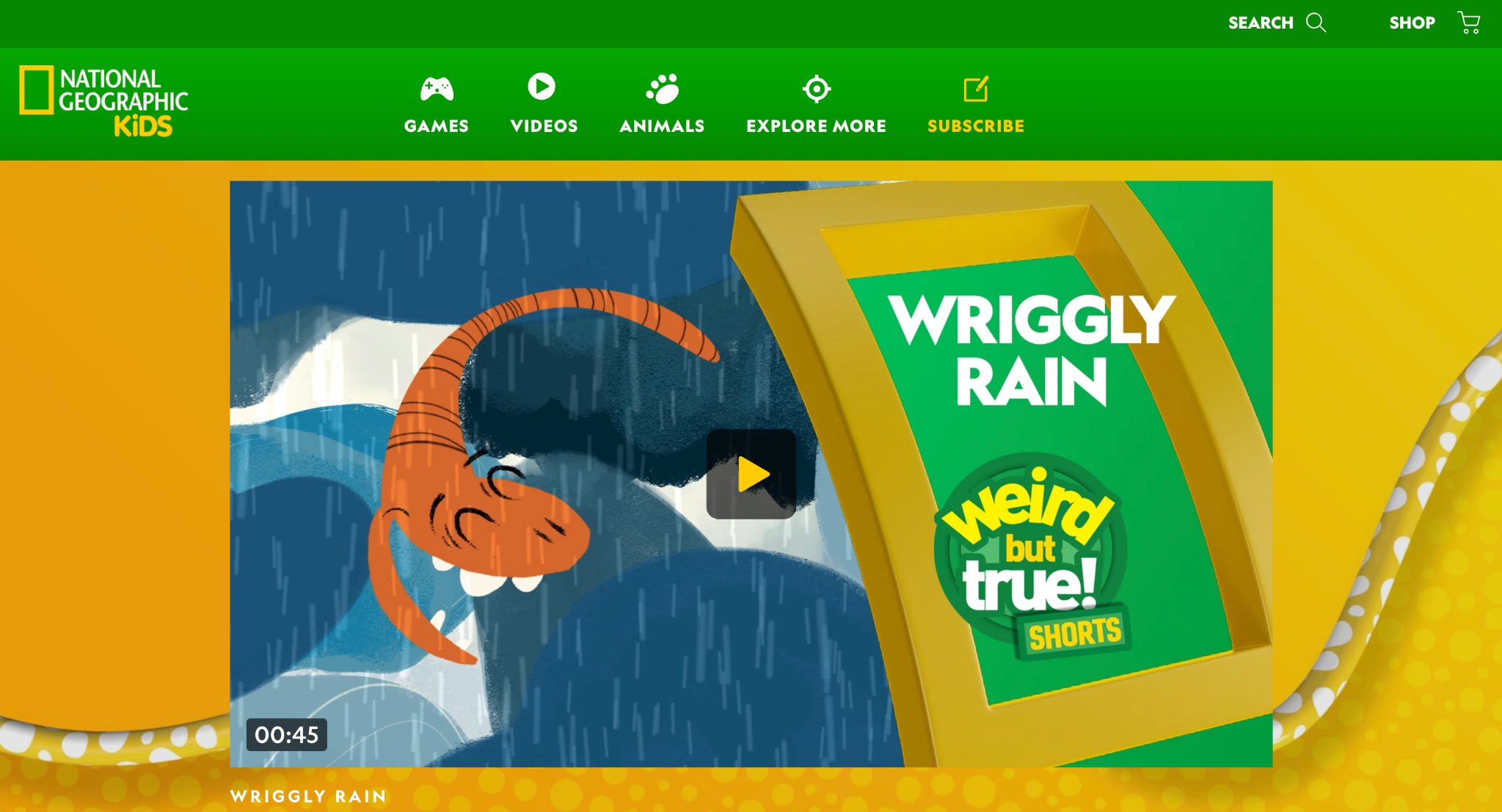
National Geographic Kids Games spark curiosity about the natural world through quizzes, matching activities, and virtual explorations of animals, space, and environments. High-quality visuals and interesting facts keep children engaged while learning about geography and science topics. The collection encourages environmental awareness and wonder about different ecosystems and cultures. Many activities tie into broader educational resources from the organization.
Facts and Information:
- Personality quizzes and matching activities.
- Science and geography focused content.
- High-quality images and facts.
- Ties into broader educational resources.
- Encourages environmental awareness.
11. Duolingo ABC
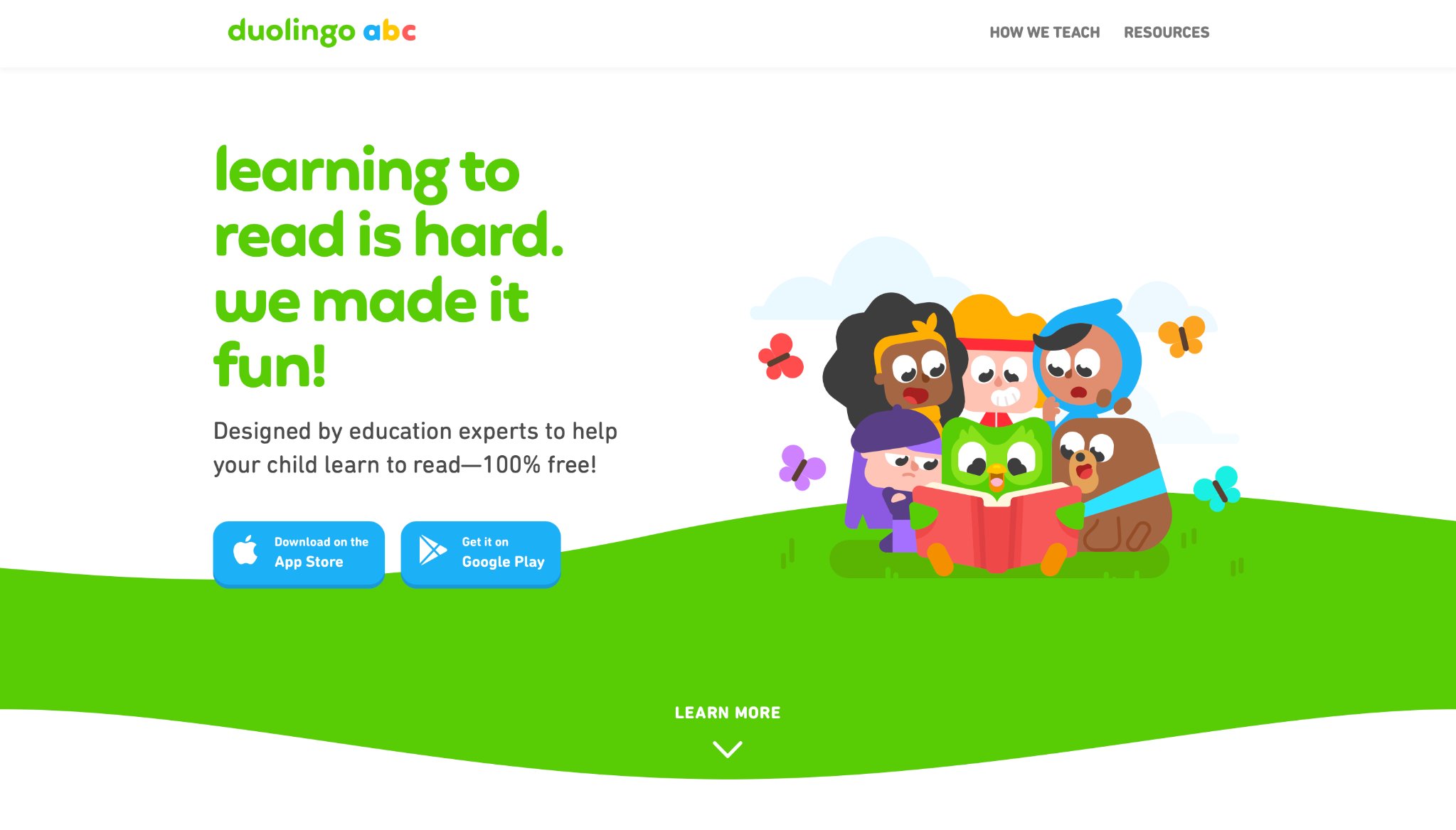
Duolingo ABC introduces young children to reading fundamentals through short, game-like lessons that feel playful rather than academic. The app uses familiar characters and reward systems to maintain interest while covering letter sounds, word recognition, and basic comprehension. Adaptive pathways adjust to each child's progress, providing extra practice where needed without causing boredom. Daily short sessions help build consistent learning habits in a low-pressure format. Colorful animations and encouraging feedback create positive associations with literacy skills. The platform incorporates storytelling elements that connect reading practice to meaningful narratives.
Facts and information:
- Focuses on phonics and early literacy skills.
- Short daily lessons fit busy schedules.
- Character-driven stories maintain motivation.
- Adaptive difficulty for personalized pacing.
- Free core content with optional upgrades.
12. Epic!

Epic! serves as a digital library with thousands of books, videos, and learning games that support reading development and knowledge expansion. Children browse age-appropriate titles across fiction, nonfiction, and educational topics with interactive features that enhance comprehension. The platform includes read-along options and comprehension quizzes that turn passive reading into active learning experiences. Regular new additions keep the collection dynamic and interesting. Search tools and recommendations help families discover content matching current interests and reading levels. Many titles connect to curriculum topics, making it valuable for both pleasure reading and school support.
Facts and information:
- Thousands of books across genres and subjects.
- Read-along features support early readers.
- Comprehension activities reinforce understanding.
- Personalized recommendations based on interests.
- Supports both independent and shared reading.
13. Homer
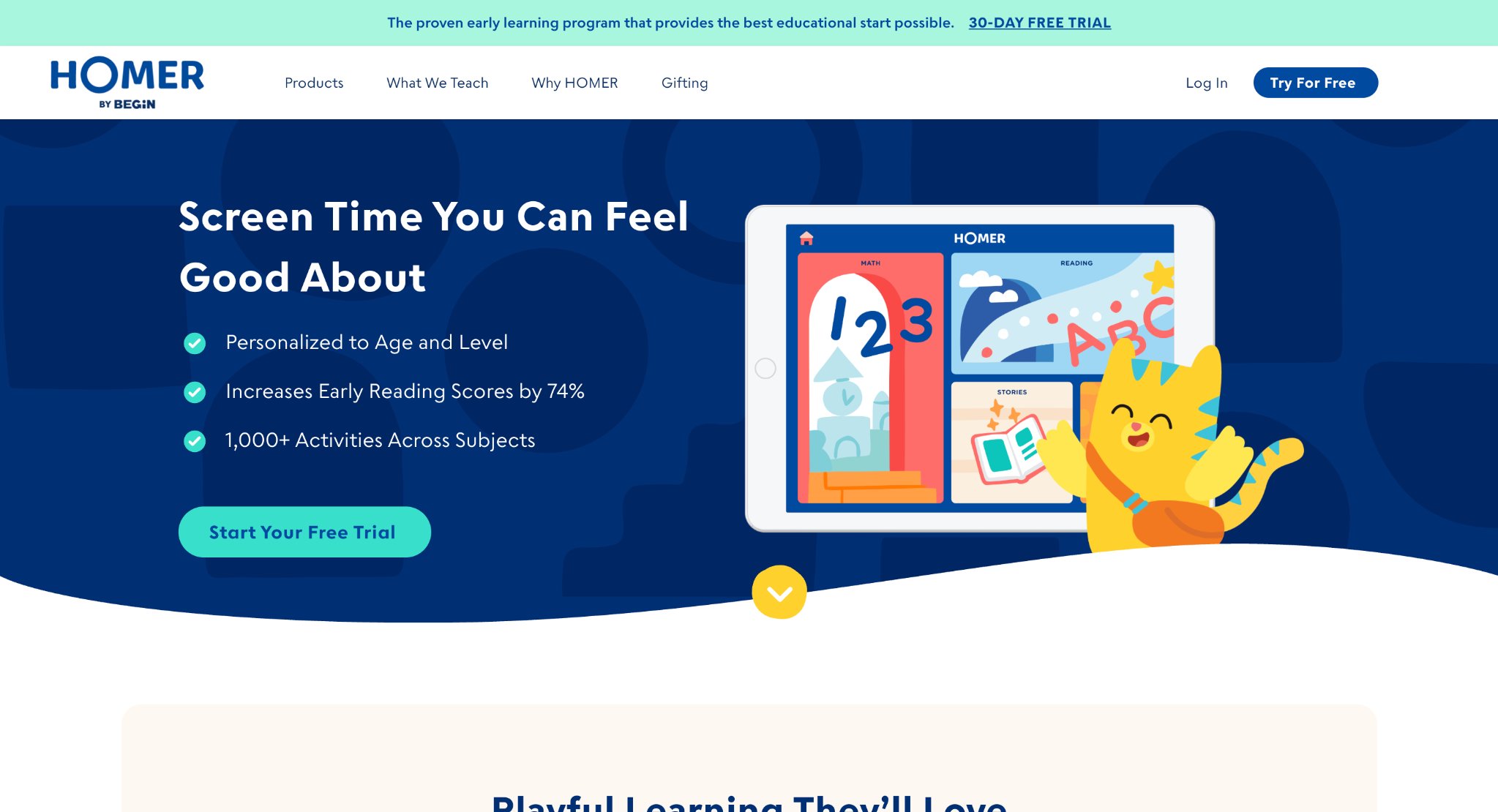
Homer combines reading, math, and creativity activities in personalized learning paths designed for children ages two through eight. The app assesses skills and adjusts content to provide appropriate challenges that build confidence gradually. Interactive stories and games cover letter recognition, number concepts, and creative expression through drawing and storytelling. Parent dashboards offer insights into progress without requiring constant oversight. The platform emphasizes learning through play with characters that guide children through different adventures.
Facts and information:
- Personalized learning paths adapt to skill level.
- Covers reading, math, and creativity.
- Interactive stories and drawing activities.
- Progress insights for parents.
- Research-based curriculum design.
14. DragonBox
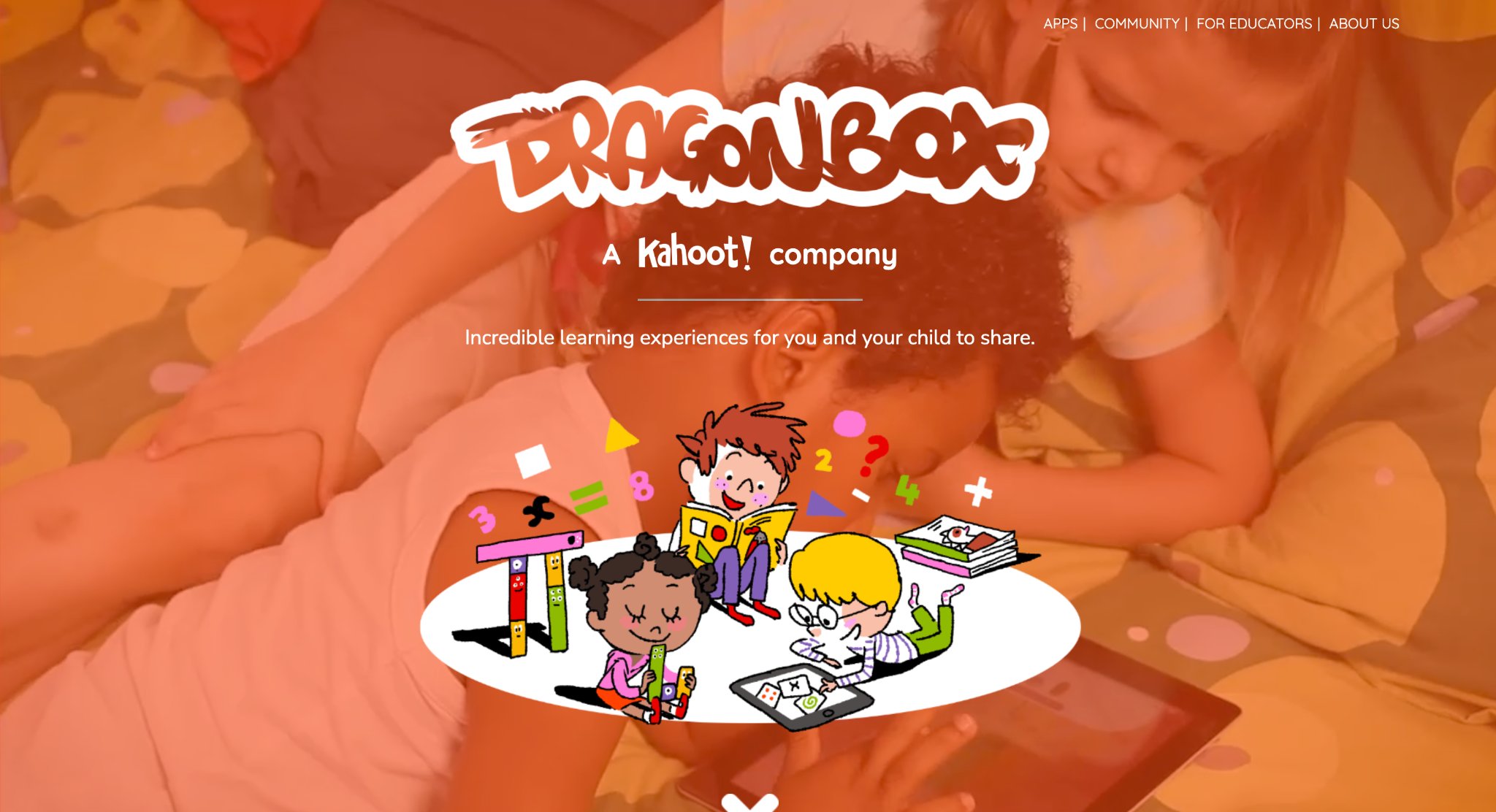
DragonBox presents algebraic thinking and mathematical concepts through visual puzzles that feel more like intriguing challenges than traditional math. The series includes different titles targeting various age groups and skill levels with progressive difficulty that builds logical reasoning abilities. Children solve problems by manipulating elements on screen in ways that develop number sense and strategic thinking. The clean design minimizes distractions while maximizing focus on core concepts.
Facts and information:
- Visual approach to algebraic concepts.
- Progressive puzzle difficulty levels.
- Develops logical reasoning skills.
- Multiple titles for different ages.
- Minimalist design for better concentration.
15. Lightbot
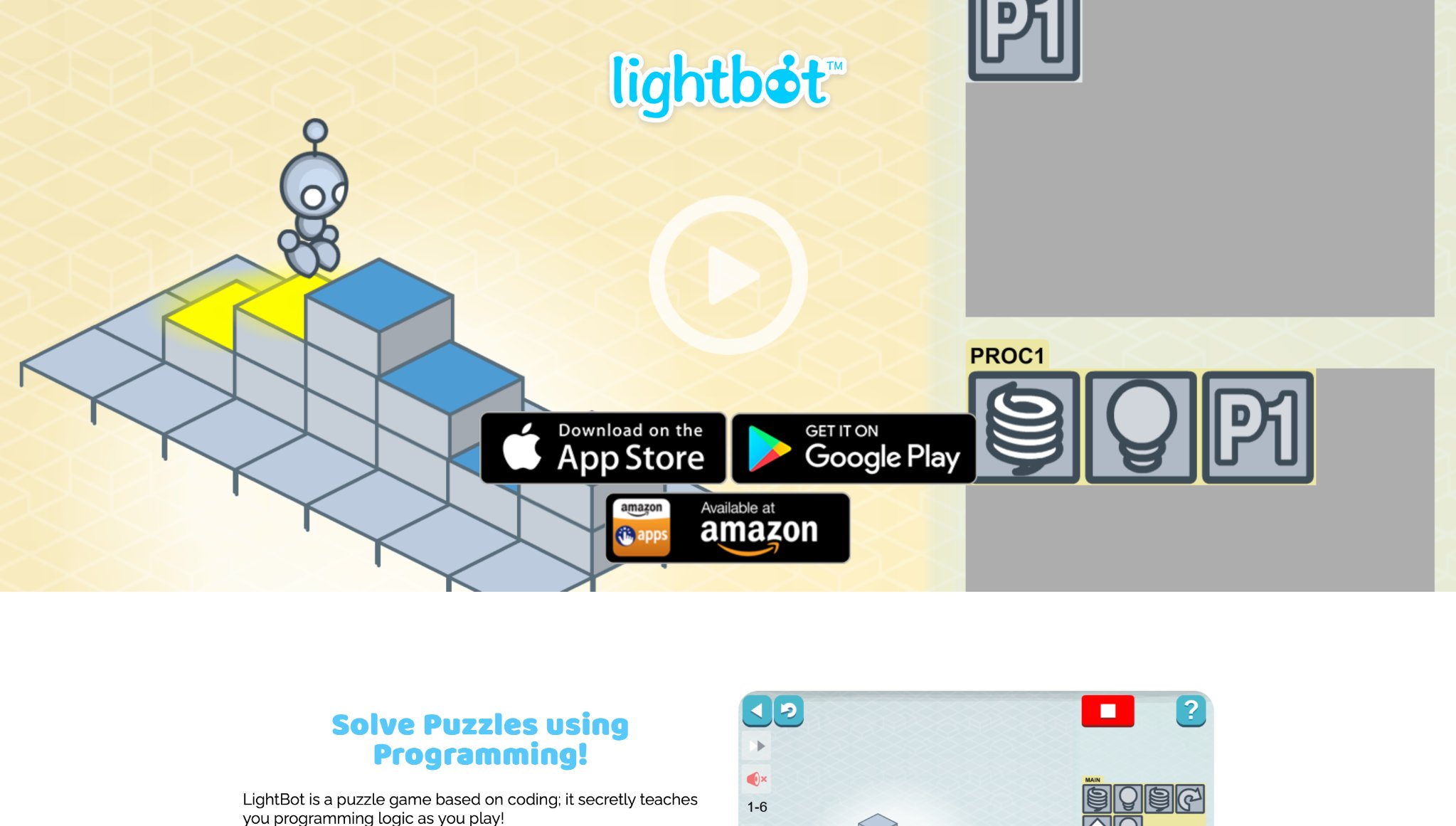
Lightbot teaches programming logic through puzzle games where children guide a robot using visual commands to solve spatial challenges. The gameplay introduces coding concepts like sequences, loops, and conditionals without requiring text-based programming knowledge. Progressive levels build confidence as children master increasingly complex puzzles. The platform supports development of computational thinking skills valuable across many subjects. Simple graphics and clear objectives make it accessible for younger learners while offering depth for more experienced players.
Facts and information:
- Visual programming puzzle format.
- Introduces sequences and loops.
- Builds computational thinking skills.
- Suitable for various age levels.
- Encourages systematic problem solving.
16. ScratchJr
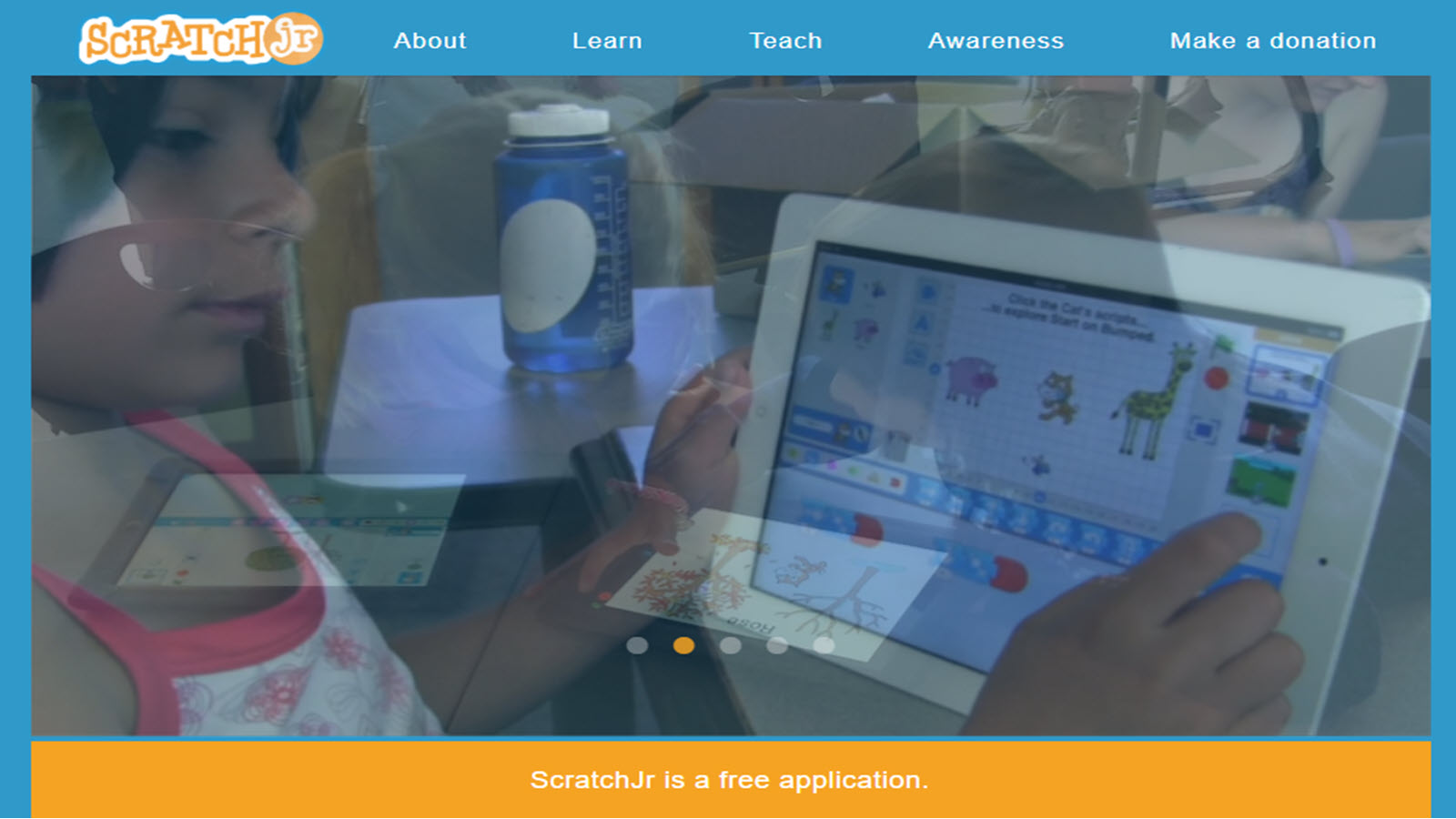
ScratchJr enables young children to create their own interactive stories and games using simple block-based programming tools. The visual interface lets kids aged five to seven combine characters, backgrounds, and actions without reading requirements. This creative platform develops computational thinking while supporting storytelling and artistic expression. Children learn sequencing, loops, and event handling through hands-on project building. The open-ended nature encourages experimentation and iteration as kids refine their creations. Sharing options allow families to celebrate completed projects together. Many educators use it to introduce technology concepts in engaging ways.
Facts and information:
- Block-based visual programming.
- Supports storytelling and game creation.
- Develops sequencing and logic skills.
- Designed specifically for young children.
- Encourages creative expression through code.
17. Lingokids
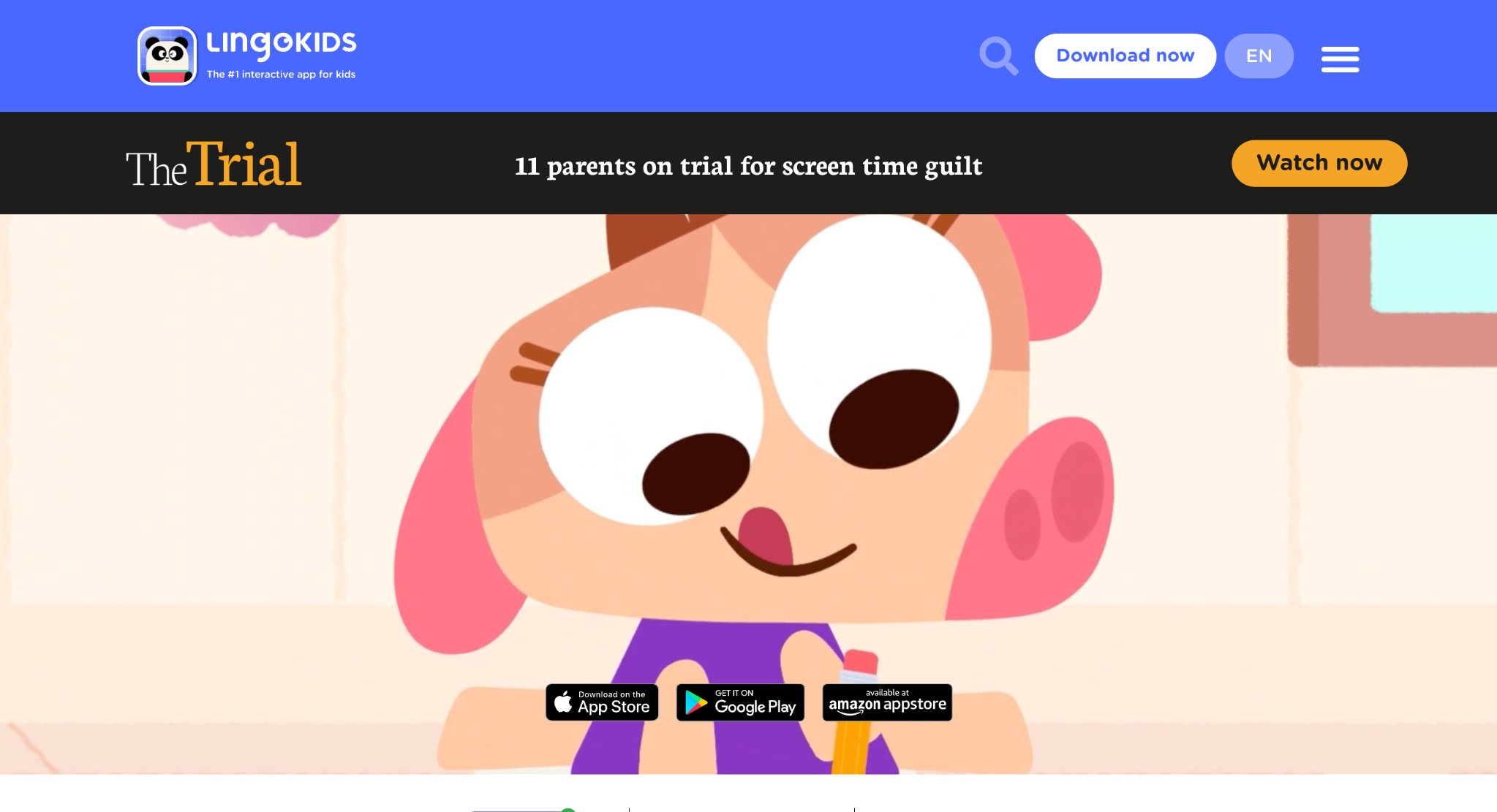
Lingokids offers English language learning through songs, games, and interactive activities designed for non-native speakers and young learners. The platform combines vocabulary building with cultural elements and basic academic skills in an entertaining format. Personalized recommendations adapt to each child's interests and progress level. Daily activities maintain consistent exposure while keeping sessions enjoyable and varied. Character-driven content creates emotional connections that support language retention. The app includes both structured lessons and free exploration modes for different learning preferences.
Facts and information:
- Focus on English language development.
- Combines songs, games, and activities.
- Personalized content recommendations.
- Supports vocabulary and cultural learning.
- Suitable for various proficiency levels.
18. Toca Boca
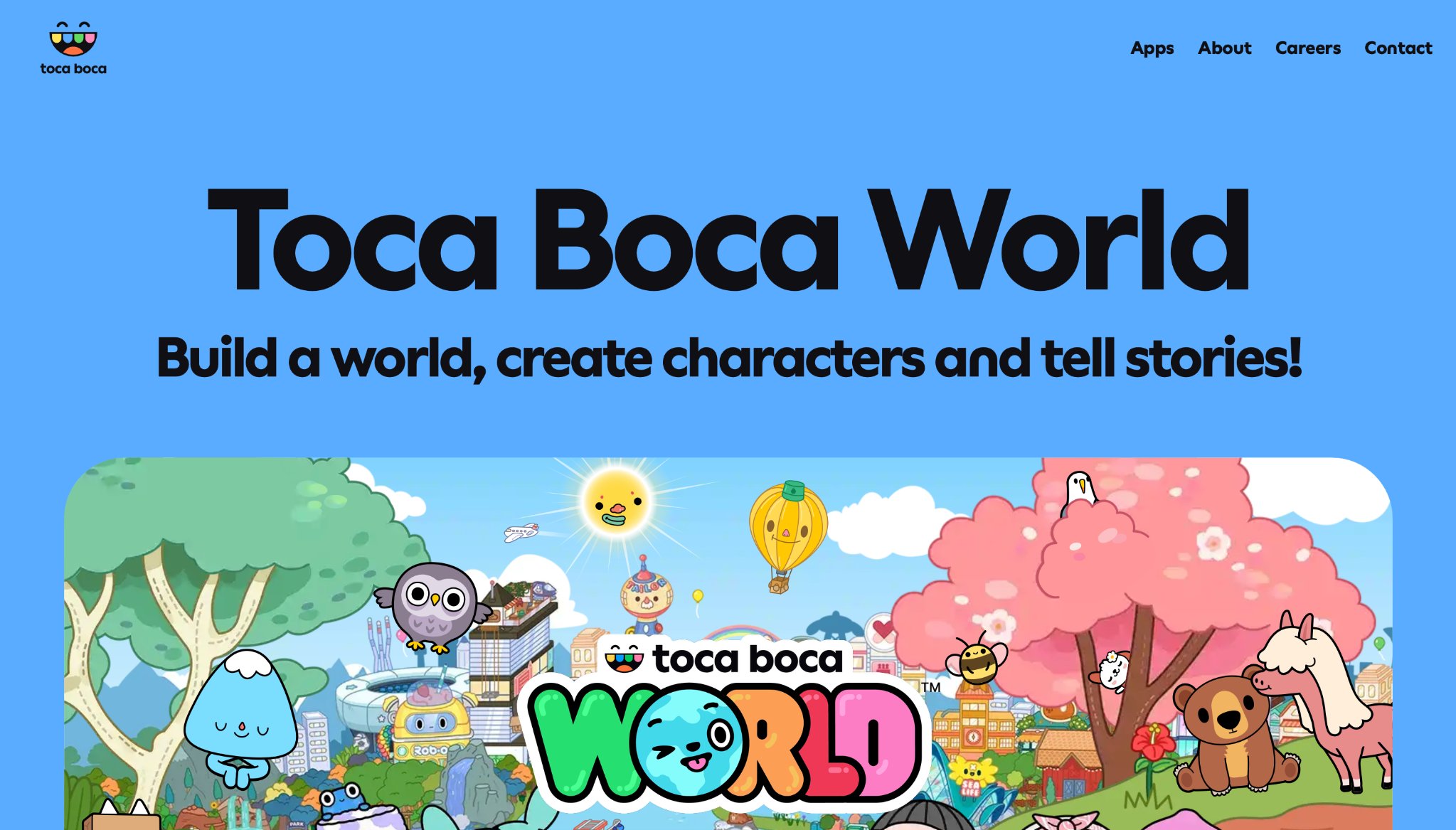
Toca Boca provides open-ended digital play experiences where children direct creative scenarios in colorful virtual worlds. The apps emphasize imagination and exploration without strict goals or scoring systems. Different titles focus on various themes including cooking, building, and role-playing that support social-emotional development. The sandbox style encourages decision-making and creative problem-solving.
Facts and information:
- Open-ended creative play experiences.
- Focus on imagination and exploration.
- Various themed virtual worlds.
- Supports social-emotional development.
- Ad-free and pressure-free design.
19. Busy Shapes
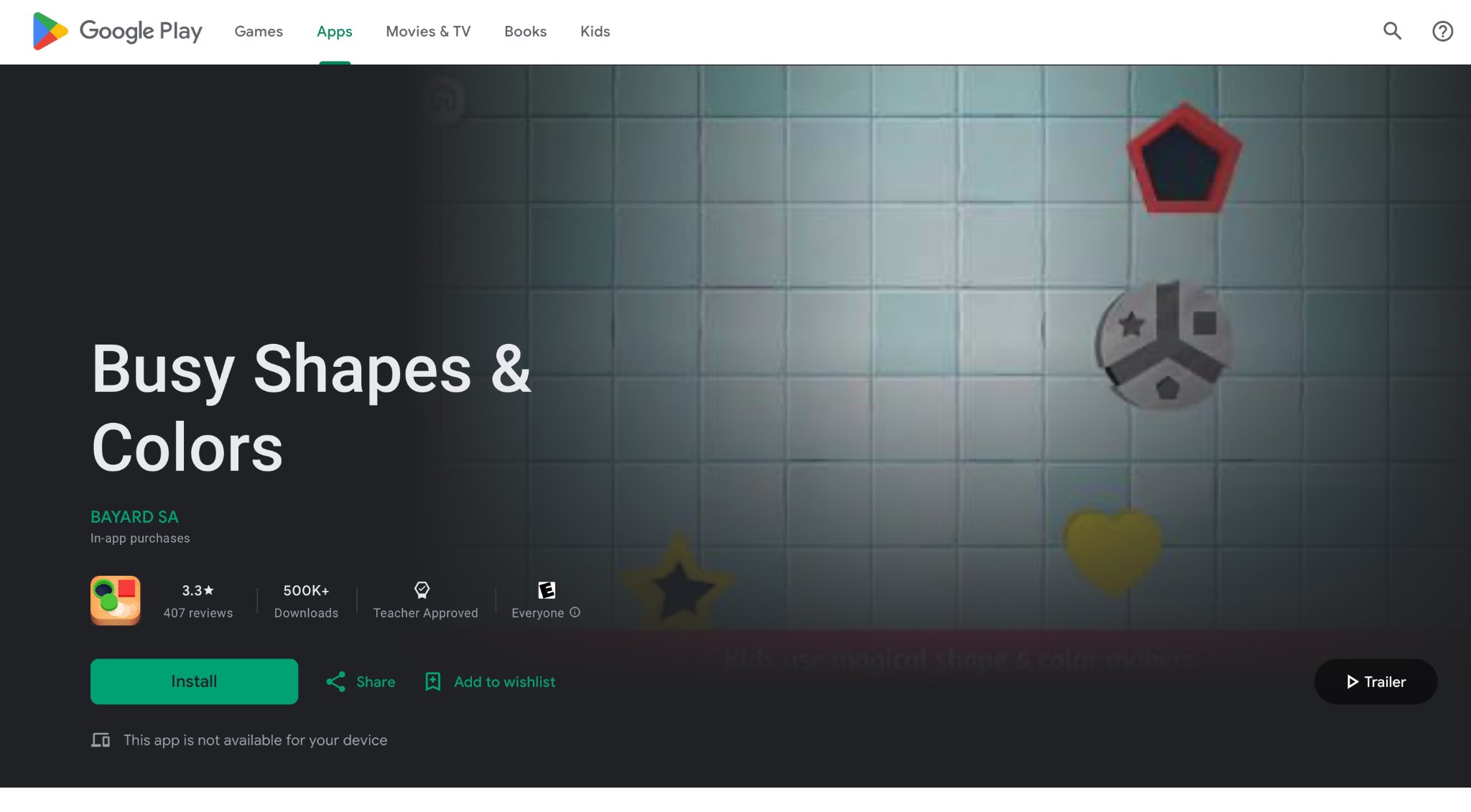
Busy Shapes presents simple yet engaging puzzles that develop spatial reasoning and problem-solving abilities through colorful object manipulation. Children complete increasingly complex challenges that build logical thinking and fine motor skills. The clean interface and immediate feedback create satisfying learning moments. Multiple difficulty levels accommodate various age groups and skill development stages. The platform focuses on foundational cognitive skills that support broader academic readiness. Visual puzzles encourage pattern recognition and strategic planning.
Facts and information:
- Spatial reasoning puzzle activities.
- Develops logical thinking skills.
- Colorful and intuitive interface.
- Multiple difficulty progression levels.
- Supports fine motor coordination.
20. Code.org Game Studio
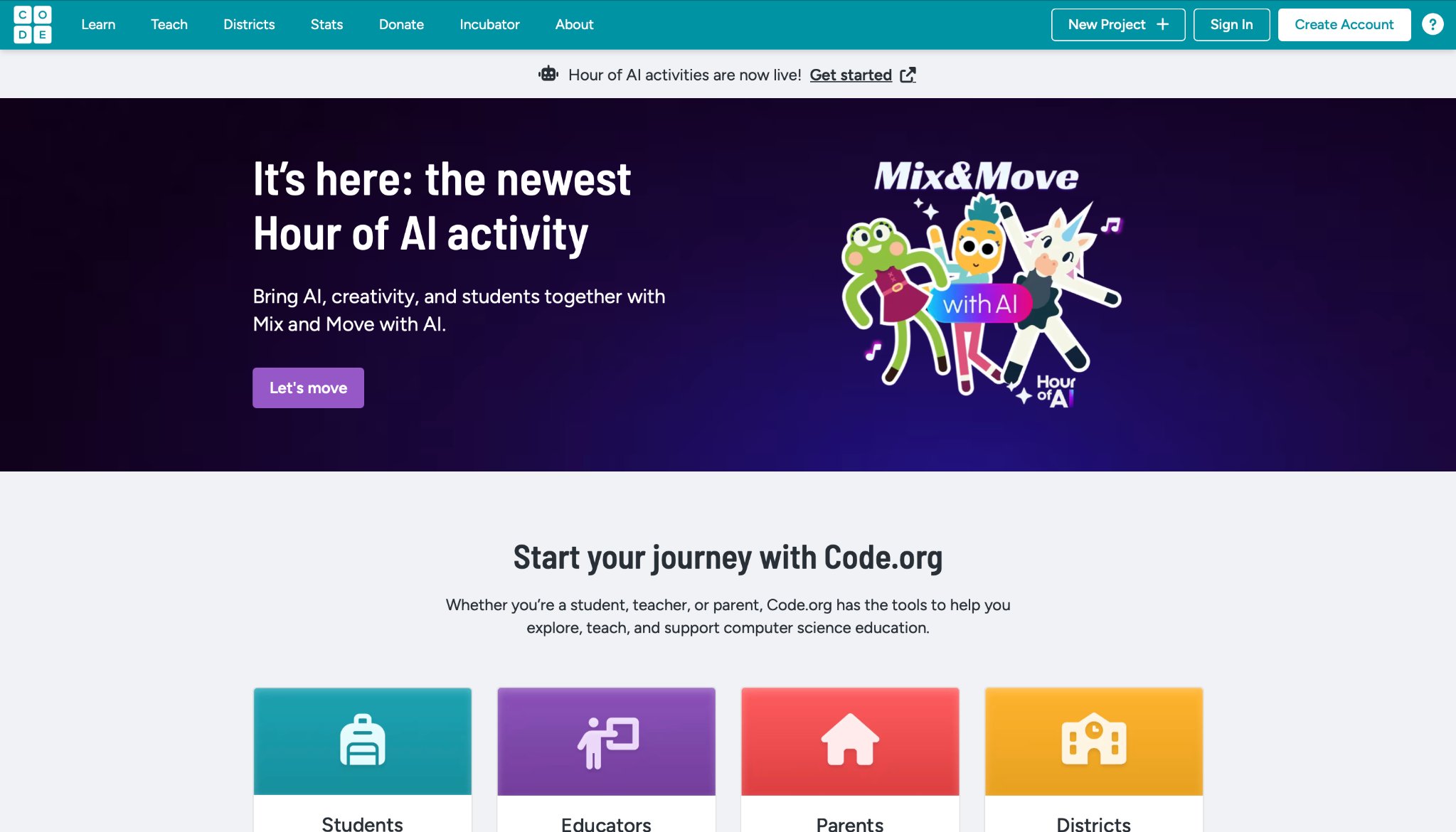
Code.org Game Studio allows children to create simple games while learning fundamental programming concepts through guided projects. The platform offers age-appropriate tutorials that introduce coding ideas in engaging contexts. Students build projects that demonstrate their growing skills in logic and sequencing. The community aspect lets kids share creations with others for feedback and inspiration. Project-based learning connects technical skills with creative expression and storytelling. The free resources include both self-paced options and structured lessons suitable for home use.
Facts and information:
- Project-based coding introduction.
- Guided tutorials for beginners.
- Supports game creation and sharing.
- Develops logic and sequencing skills.
- Free educational resources available.
Ensuring Safe and Balanced Screen Time With Games
Safe kids games prioritize calm environments and natural stopping points, creating a peaceful and focused space where children can learn without feeling overwhelmed. Unlike many mainstream games that bombard players with constant flashing lights and loud sounds, quality educational titles are thoughtfully designed to support healthy screen time. They avoid rapid rewards and addictive mechanics, and instead emphasize patience, effort, and steady progress.
Parents especially appreciate responsibility-building games through relatable, everyday scenarios - such as taking care of a virtual pet, managing a small garden, helping characters complete daily routines, or solving household challenges. These games gently teach important life skills like accountability, time management, and decision-making in a fun and age-appropriate way.
Supporting Different Learning Styles Through Games
Children learn differently, and good games accommodate this diversity. Visual learners enjoy colorful worlds and stories, while hands-on learners benefit from creative building elements. Auditory learners appreciate gentle narration and sounds. Many games also improve memory and focus. You can discover great choices in memory games for kids and brain games for kids.
FAQ
What makes educational online games effective for child development in 2026?
Educational online games stand out when they blend fun elements with purposeful activities that build creativity and responsibility. They support focus and emotional growth through interactive stories and character care scenarios that feel natural to children. Gentle challenges and open-ended play help kids develop problem-solving skills and social understanding while enjoying screen time. These experiences create calm sessions that fit easily into family life.
How do trends in 2026 influence the design of educational games for kids?
Calmer interfaces and emotional intelligence features shape many games this year. Hybrid elements connect digital play to real-world tasks like drawing or simple experiments for more balanced experiences. Personalization adapts gently to interests, while ad-free designs promote better concentration during play sessions. These directions make online educational games feel more like guided adventures.
Why is supporting different learning styles important in educational online games?
Games that accommodate visual, auditory, and hands-on preferences help match each child's natural strengths. Open-ended formats suit creative thinkers, while structured paths work well for others who enjoy planning. This variety keeps engagement high and supports well-rounded growth across different ages and interests. Families benefit from options that align with individual needs, including brain games for kids and memory games for kids.
What role does parental involvement play when using educational games at home?
Joining in play sessions and asking open questions about activities strengthens connections and reinforces learning. Observing patterns in what holds attention longest helps with better game choices over time. Shared moments turn screen time into opportunities for meaningful conversations about stories and decisions made in the fun educational game.
How can families combine educational online games with other learning approaches?
Pairing online educational games with books, crafts, and outdoor activities creates richer connections across experiences. Themes from games can inspire follow-up drawing or nature exploration for deeper understanding. This balanced mix supports well-rounded development and helps children apply skills from digital play in everyday situations.
Read Also:
- Best English Learning Apps For Kids In 2026
- Best Fun Games That Are Educational For Kids in 2026
- Best Learning Through Play Activities in 2026
- Best Memory Games For Kids In 2026
- Best Safe Games For Kids In 2026
Join Tutoclub today and experience the future of the best educational online games for kids in 2026!