

Best Fun Games That Are Educational For Kids in 2026






Parents today search for ways to make screen time count. The best fun games that are educational for kids in 2026 deliver exactly that blend of entertainment and growth. Children stay motivated while they develop important abilities through fun educational kids games. Families appreciate how these fun educational games turn ordinary moments into meaningful experiences.
Parents seeking meaningful screen time often explore curated lists like the best games for kids educational and the best educational but fun games for kids, featuring engaging, skill-building experiences. Additional roundups such as best fun educational games for kids, best educational games for kids that are fun, and best educational and fun games for kids showcase a wide range of interactive and enriching play options.
Discover the Best Fun Games That Are Educational For Kids in 2026 - TutoClub
Why Fun Educational Games Support Healthy Child Development

Children learn best when they enjoy the process. Kids games that feel like play encourage repeated practice without pressure. Kids build focus, solve challenges, and explore ideas in ways that stick with them. These fun educational kid games also nurture social and emotional growth. Characters and stories help children practice kindness, responsibility, and self-expression. Parents notice stronger curiosity and confidence after regular play.
The best fun games that are educational for kids stand out because they balance fun with purpose. They fit naturally into busy family schedules and deliver results families can see.
What Makes an Educational Game Truly Effective
Look for educational kids games that match your child's age and interests while targeting specific skills. Strong options feature clear goals, immediate feedback, and room for creativity. Safe design matters too. Ad-free environments keep attention on learning instead of distractions. Simple controls let younger children succeed quickly while older ones tackle deeper challenges. TutoClub kids games shine here with their thoughtful approach to every element. The educational games keep children engaged and growing at their own pace.
Benefits of Mixing Care Games with Puzzle Play
Care games and puzzle play work well together because each type builds a different habit in fun educational games for kids. A child who feeds a pet or comforts a character practices noticing needs and finishing a short sequence. A puzzle that asks for matching or path planning adds focus and a try-again loop. When both appear in the same collection, children move between empathy practice and thinking practice without switching apps.
Educational games for kids that build real-world skills often use this mix so pretend routines feel useful at the table or during cleanup. Children who return to both styles show stronger ability to start a task and finish it. The care story provides a reason to keep going, and the puzzle provides a clear end point.
Online puzzle games for kids add short matching practice next to care stories. Sessions stay short so both the care goal and the puzzle goal remain finishable. Memory games for kids fit the same pattern when a child holds a sequence and then uses it.
- Care tasks grow patience and kindness through clear next steps.
- Matching and sorting strengthen attention and early number sense.
- Short puzzles give quick success that keeps motivation high.
- Switching between the two prevents boredom while covering more skills.
How Character Stories Support Emotional Growth
Stories inside games give children a safe way to practice naming feelings and choosing kind actions. A character who looks sad or needs help creates a small moment where the child decides what to do next. This is different from a lecture because the child stays in charge of the response. Games built around pets, babies, or princess dolls make those choices feel natural.
Educational games that develop social skills rely on the same pattern: notice a need, take a helpful step, see a calmer result. Parents who sit nearby for part of the session can ask one short question afterward. “What did the character need?” turns the screen moment into a conversation.
The same words then appear during real moments at home. Regular play with story-based characters supports emotional awareness without pressure. Social emotional games for kids place those kind choices inside bright care stories so the practice feels like play.
Role of Creative Play in Building Confidence
Creative tasks such as decorating a room, designing a look, or building a simple scene give children control over the outcome. There is no single right answer, so every choice counts as success. This freedom builds confidence because the child sees their idea become visible. Fashion and doll-style play, pet-house decorating, and castle exploration all create space for self-expression.
Learning through play includes these open activities so children practice planning while they enjoy the result. Open design choices let children try ideas without fear of mistakes. Visible results give clear feedback that their work matters.
Creative play pairs well with care routines for balanced sessions. Children often return to favorite creation tools across different moods. Dress up games for girls online give children a place to try colors, clothes, and layouts with no wrong answer. Families notice that children who spend time on creative games talk more about what they made.
Supporting Language Skills Through Story-Based Games
Story-based games place words inside actions that children already enjoy. A child hears names for objects, feelings, and steps while they care for a character or complete a task. Repetition happens naturally because the child wants to finish the story. This supports vocabulary and simple sentence sense without worksheets.
Age-fit options such as the best educational games for 5 year olds keep the language short and tied to the play. Older children stretch further when games include short plans or choices described in words. Parents who name one new word after the game help the language move into everyday talk.
The best educational games for 6 year olds often mix reading practice with story goals so the words stay useful. The short story loop matches how young children learn through repeated play. Educational games for kindergarten use the same approach so language practice stays tied to the activity.
Best Fun Games That Are Educational For Kids in 2026
1. TutoClub - Best Fun Games That Are Educational For Kids in 2026

TutoClub educational games deliver a wide collection of ad-free experiences designed to spark imagination and build real skills. Kids dive into caring for characters, solving puzzles, and creating stories that feel like pure play. Themes range from unicorn babysitting and virtual pet adventures to cleaning simulations, fashion makeovers, and enchanted castle explorations. Each activity encourages empathy, curiosity, problem-solving, and creative thinking while keeping screens safe and focused.
The subscription gives families access to many titles from TutoTOONS, based in Kaunas, Lithuania. Children return again and again because the games feel joyful rather than like lessons. Parents love how these experiences promote healthy habits and family conversations around shared play. The variety ensures something fresh for every mood and age group within the early childhood range.
TutoClub stands apart through its complete commitment to positive screen time. Every game supports emotional awareness, confidence, and a love of learning without ever feeling forced. Families across many countries choose this collection for its consistent quality and gentle guidance.
TutoClub Overview
TutoClub is your gateway to a magical world of educational games designed especially for children.
As part of TutoTOONS, a leading kids' games studio, we offer premium access to over 45 ad-free games.
Our mission is to blend learning and play, helping kids explore, create, and grow in a safe online space.
Thousands of parents trust us for family-friendly content that sparks imagination and builds essential skills.
Key Features
- Unlimited Access: Unlock full content in all games with no interruptions.
- Ad-Free Experience: Enjoy seamless play without any ads or distractions.
- Skill Development: Games foster creativity, social skills, communication, and more through fun activities like pet care and cleanup challenges.
- Regular Updates: Get new releases, exclusive content, and future updates automatically.
- Easy Subscription: Cancel anytime with no obligations, simple and flexible for families.
Explore Our World
TutoClub provides a rich ecosystem of educational games for kids, featuring ad-free experiences that promote creativity, focus, and emotional growth through play.
This platform turns screen time into valuable learning opportunities, with parent-approved content that builds essential skills and sparks curiosity in young minds.
- TutoClub Games: Over 45 educational games, including popular titles like Fluvsies, Smolsies, and the Sweet Baby Girl series
- Blog: Insights, tips, and stories for families on kids' learning and play
- FAQ: Comprehensive answers to frequently asked questions about subscriptions, features, and more
Get TutoClub on Your Device
TutoClub delivers premium kids educational games directly to your mobile devices, making learning accessible anytime, anywhere.
With apps available on major platforms, families can easily download and subscribe for ad-free play that turns screen time into skill-building adventures.
Perfect for parents seeking safe, engaging content on iOS, Android, or Amazon devices.
Why Choose TutoClub?
We're committed to 100% safe, enriching entertainment that kids love and parents approve.
Join the thousands who've seen their children thrive through playful learning.
Ready to start the adventure?
Subscribe to TutoClub today and unlock endless fun!
2. Fluvsies Academy

Fluvsies Academy creates a welcoming world of guided play for children ages three to seven. The platform turns learning into joyful discovery with adorable characters and thoughtful activities that build skills across language and phonics, numbers and logic, sorting and attention, life skills, creativity, and professions exploration. Kids practice real world tasks like brushing teeth or baking through interactive simulations while expanding vocabulary and gaining confidence in everyday situations. Mindfulness moments and kids yoga sessions help develop emotional balance and self awareness in a calm, supportive setting. The fully ad free design eliminates distractions so young learners stay engaged and focused during each session.
Created with input from child psychologists, every element prioritizes emotional safety and holistic growth, making screen time feel purposeful and kind. Parents access simple progress reports that show advancements in focus, empathy, and readiness without adding any pressure. Free downloadable printables extend the fun and learning into offline moments. The gentle pacing lets children move at their own speed while building independence and curiosity. Families love how the app blends academic foundations with social emotional lessons in ways that spark natural conversations at home. Through relatable stories and hands on style play, Fluvsies Academy nurtures complete child development that feels exciting rather than instructional.
Key features
- Language and phonics games built through playful stories
- Number and logic puzzles that sharpen attention and comparison skills
- Life skills simulations with imaginative professions like astronaut or firefighter
- Mindfulness and yoga activities for emotional regulation
- Sorting tasks that develop focus and categorization abilities
- Healthy habit builders integrated into fun daily routines
Facts and Information
Many families report stronger vocabulary and real world confidence after consistent play. Children gain better emotional balance through gentle mindfulness elements. The psychologist designed content supports natural growth in focus and empathy. Progress tracking helps parents see meaningful advancements without overwhelming young users.
3. ABCmouse

ABCmouse offers a full early learning academy for children ages two to eight through colorful games, books, puzzles, songs, and creative tools. The platform covers reading, math, science, art, and music in themed worlds that feel like exciting adventures. Personalized learning paths adjust to each child’s pace while character stories and rewards keep motivation high throughout daily sessions. Kids build literacy skills with phonics and storytelling activities while developing number sense through visual puzzles and hands on math challenges. Creative studios let them express ideas in art and music alongside scientific exploration.
The structured yet playful design makes foundational subjects approachable and fun. Families appreciate the seamless progression that grows with the child and reinforces concepts across multiple subjects in one place. Bright animations and interactive elements create instant engagement that turns routine practice into something children look forward to. The comprehensive curriculum supports school readiness and lifelong curiosity without ever feeling like traditional lessons. Parents notice steady improvements in confidence and knowledge as children explore different worlds and master new abilities at their own rhythm.
Key features
- Immersive themed worlds for subject based exploration
- Personalized reading and math learning pathways
- Music and art creation studios with interactive tools
- Character driven narratives that build emotional connections
- Books, puzzles, and songs integrated into every activity
- Adaptive progress that matches individual development
Facts and Information
Many families see noticeable gains in literacy and math readiness through daily use. Children develop stronger creative expression alongside academic foundations. The balanced approach keeps engagement high across varied subjects.
4. Khan Academy Kids

Khan Academy Kids provides free access to literacy, math, and social emotional activities designed for children ages two to eight. Interactive books, games, and creative exercises guide young learners through stories and hands on play that build core skills in a supportive environment. Whimsical characters lead gentle lessons that foster confidence and curiosity without any commercial distractions. Activities blend education with delight so children stay motivated while developing reading, writing, and number concepts.
The nonprofit focus keeps every experience centered on genuine child development and joyful discovery. Parents value the straightforward navigation and complete lack of ads that create a peaceful learning space. Clear guidance helps kids feel successful from the first try while encouraging independent exploration. The platform grows naturally with the child through progressively challenging yet achievable content. Families often use it as a reliable companion that complements other activities and sparks conversations about what was learned.
Key features
- Story based literacy and math games with engaging characters
- Creative expression tools that encourage artistic thinking
- Social emotional learning moments woven into activities
- Books and videos that nurture natural curiosity
- Adaptive lessons that match developmental stages
- Completely free access with no advertising
Facts and Information
Many children build lasting confidence in early skills through consistent play. The expert reviewed content supports well rounded growth in multiple areas. Families report stronger curiosity and emotional awareness after regular sessions.
5. Prodigy Math Game

Prodigy Math Game turns math practice into an exciting adventure filled with quests, pets, and magical battles for children. Kids solve problems to advance through enchanting worlds while building number sense, strategic thinking, and problem solving abilities. The adaptive system meets each learner exactly where they are and gently guides them forward. Gameplay feels dynamic and rewarding with collectible items and character interactions that maintain high motivation.
The blend of story and skill practice creates natural opportunities for repeated meaningful engagement. Children develop fluency in essential math concepts through quests that feel like genuine play rather than drills. Families notice increased enthusiasm for numbers and stronger problem solving skills that transfer to everyday situations. The collaborative elements allow group play that builds social connections around shared learning goals.
Key features
- Quest based math challenges set in magical worlds
- Customizable pets and rewards that motivate progress
- Adaptive difficulty that grows with the child’s abilities
- Collaborative options for family or friend play
- Strategic thinking elements within every adventure
- Engaging narrative that ties skills to exciting goals
Facts and Information
Many families observe real improvements in math confidence and ability. Children develop stronger number fluency through meaningful repeated practice. The story driven format keeps engagement high over long periods.
6. Duolingo for Kids
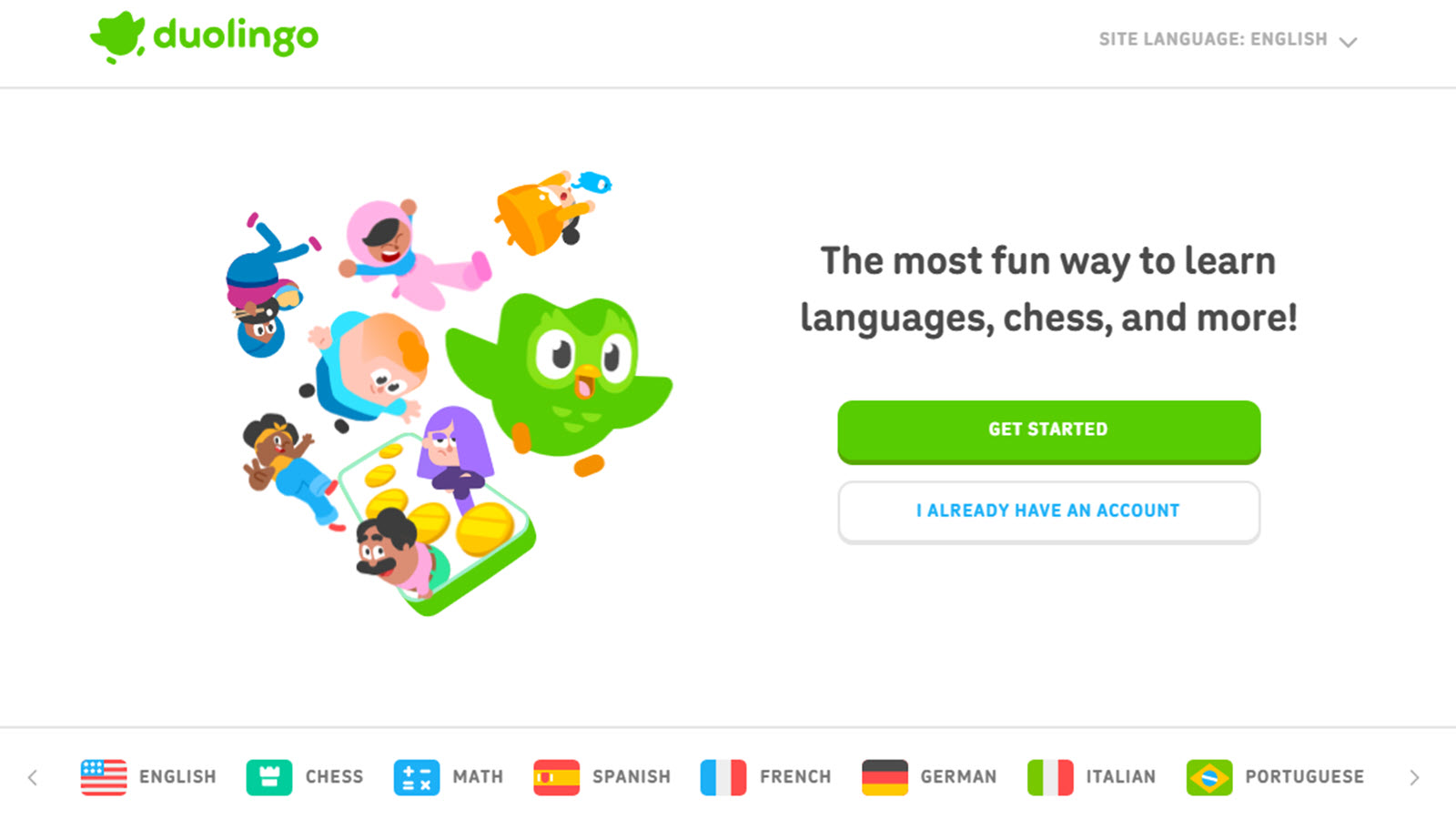
Duolingo for Kids introduces reading and language foundations through short game like lessons and delightful stories for ages three to eight. Children practice phonics, sight words, and handwriting while following engaging characters and earning rewards. The bite sized format fits easily into busy family schedules without overwhelming young attention spans. Colorful design and immediate feedback create quick success moments that build genuine excitement about learning.
Stories bring words to life and help develop real reading joy alongside practical skills. Parents appreciate the gentle pacing and lack of pressure that make daily practice feel natural. The platform supports multiple languages and literacy goals within one friendly space. Kids return regularly because the activities feel more like playdates with favorite characters than formal study.
Key features
- Phonics and decoding practice through interactive play
- Interactive story experiences that build comprehension
- Handwriting and sight word activities with fun feedback
- Reward systems that encourage consistent daily use
- Character driven lessons that maintain motivation
- Bite sized sessions designed for young learners
Facts and Information
Many children develop stronger reading confidence and enjoyment. The playful approach supports natural language growth. Families see steady progress in foundational literacy skills.
7. Minecraft Education Edition
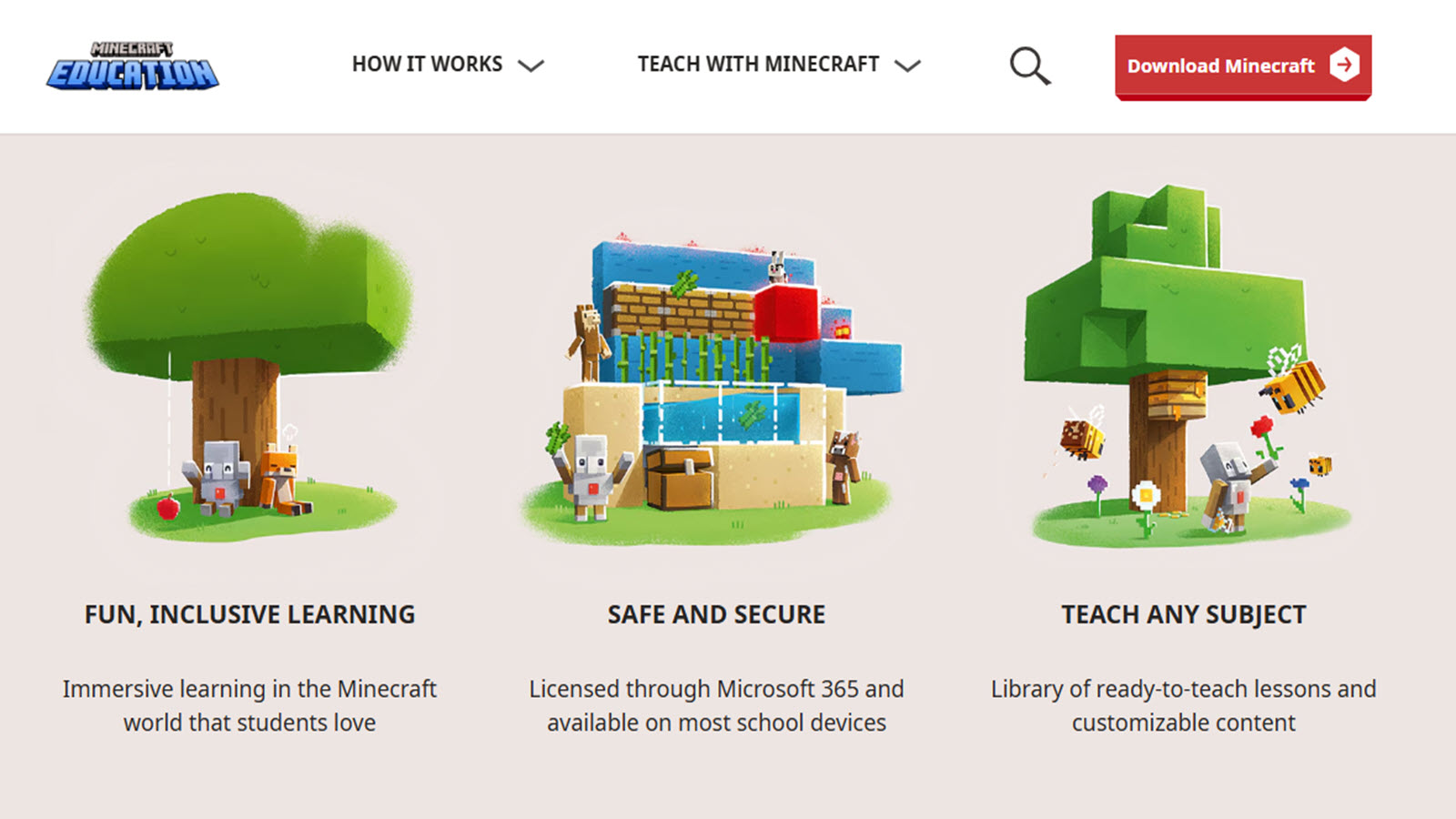
Minecraft Education Edition lets children build, explore, and create entire worlds while discovering STEM concepts through immersive hands on play. Collaborative projects encourage teamwork and creative problem solving in familiar block based environments. The open ended nature supports limitless imagination while aligning with curriculum topics like history, science, and coding.
Students tackle real world ideas inside gameplay that feels completely free and exciting. Teachers and parents value the structured lessons that still allow personal expression and discovery. The platform develops critical thinking and digital citizenship alongside traditional subjects. Children gain practical abilities while expressing unique ideas through building and experimentation. Regular content updates keep experiences fresh and relevant to current interests.
Key features
- Block based world building with creative freedom
- Curriculum aligned learning experiences across subjects
- Multiplayer collaboration tools for group projects
- Coding and design challenges integrated naturally
- Immersive environments that support exploration
- Structured activities within open ended play
Facts and Information
Many children strengthen critical thinking through creative building tasks. The platform nurtures digital citizenship and teamwork skills. Families report increased confidence in STEM related areas.
8. DragonBox
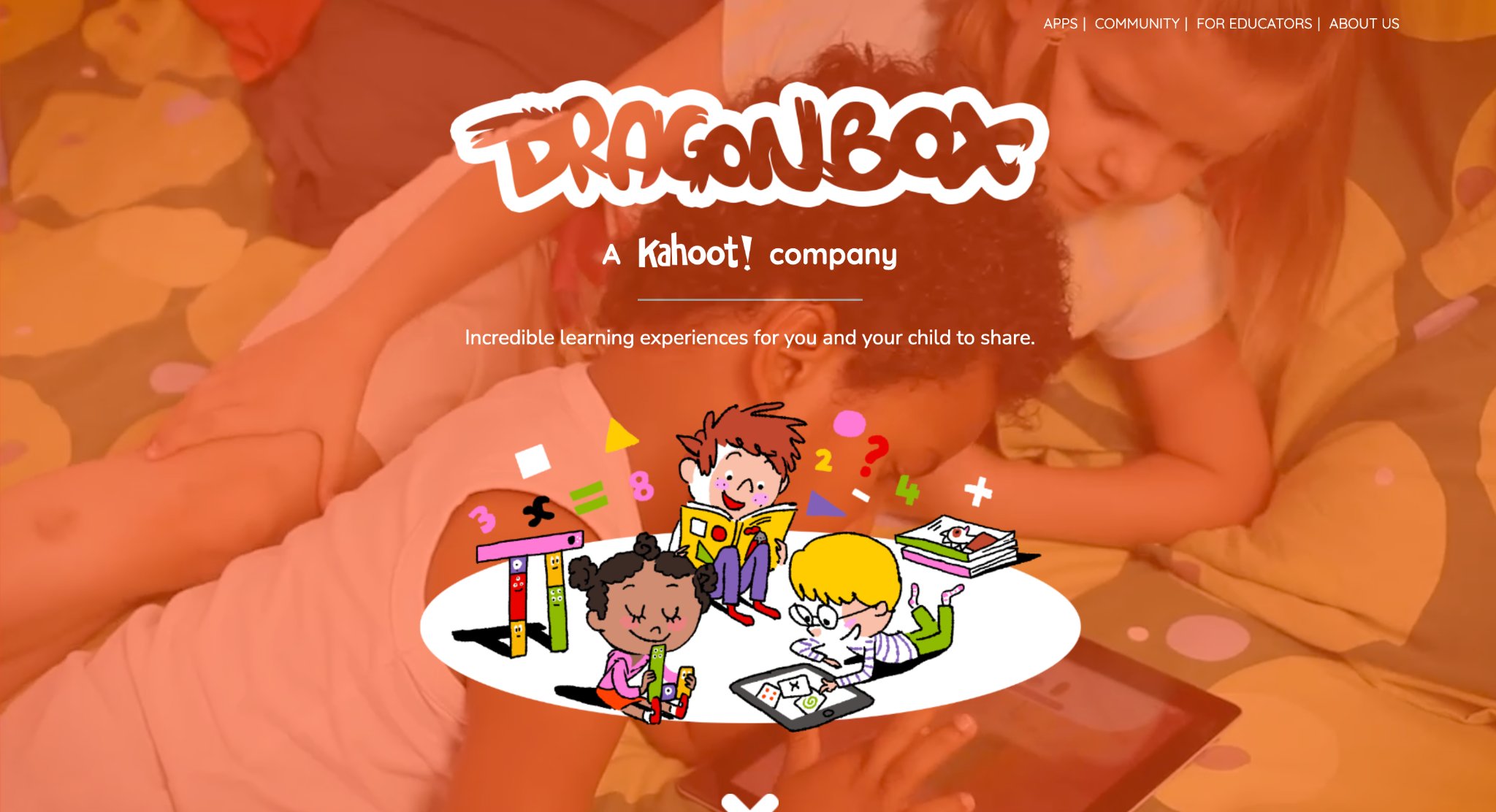
DragonBox teaches mathematical concepts through visual puzzles and intuitive manipulation that feel more like discovery than instruction. Children explore numbers, algebra, and geometry by experimenting with colorful elements in progressive levels. The no text interface lets young learners focus completely on hands on exploration and success through trial. Each challenge reveals new ideas naturally while building deep conceptual understanding. Simple controls support independent play across different math topics. The progression creates strong foundations that transfer well to traditional learning environments. Visual learners particularly thrive with the concrete approach to abstract ideas.
Key features
- Visual algebra and number puzzles with colorful elements
- Progressive difficulty that builds intuition step by step
- No text interface designed for early learners
- Multiple titles covering varied math concepts
- Intuitive manipulation that encourages experimentation
- Clear visual feedback for every action
Facts and Information
Many children develop solid conceptual math understanding through play. The approach works well for visual and hands on learning styles. Families notice better problem solving abilities over time.
9. PBS Kids Games
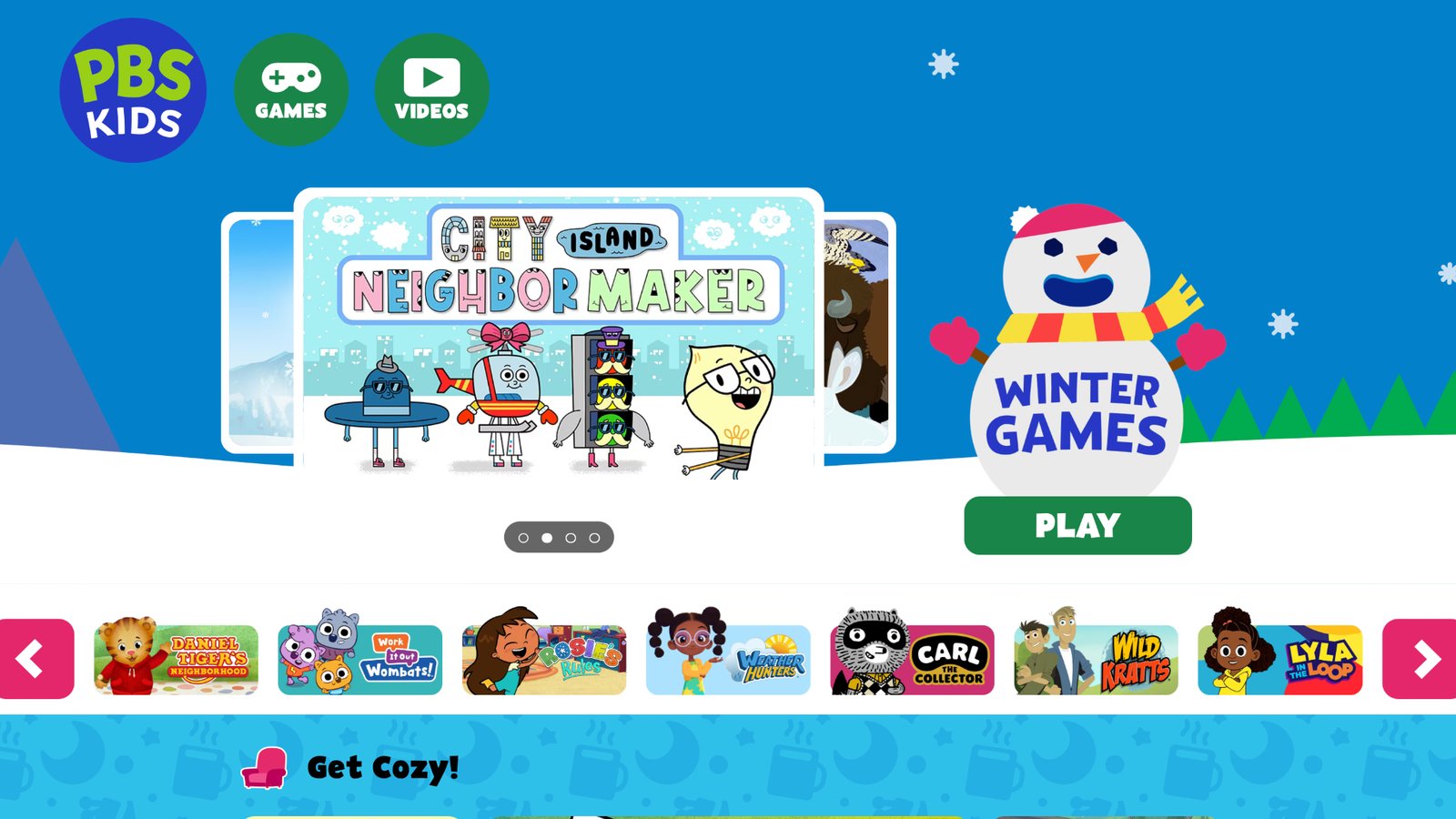
PBS Kids Games brings beloved characters from popular shows into educational activities that cover reading, math, science, and social skills. Children practice foundational concepts through familiar stories and gentle challenges that feel instantly comforting and fun. The free collection provides broad variety across many subjects without any cost barriers. Bright animations and trusted voices create immediate connection and sustained interest. Activities match different ages and interests while reinforcing positive messages about kindness and curiosity. The safe environment lets kids explore freely while building real abilities. Families trust the educational quality behind every title and appreciate the connection to shows children already enjoy.
Key features
- Character driven learning games tied to favorite shows
- Wide subject coverage including reading and science
- Short focused activities perfect for young attention spans
- Safe trusted environment with no advertising
- Positive messaging woven into every experience
- Activities that match varied developmental stages
Facts and Information
Many families use the games to connect entertainment with meaningful skill practice. Children build curiosity and social awareness through familiar characters. The platform supports gentle learning across multiple areas.
10. Osmo
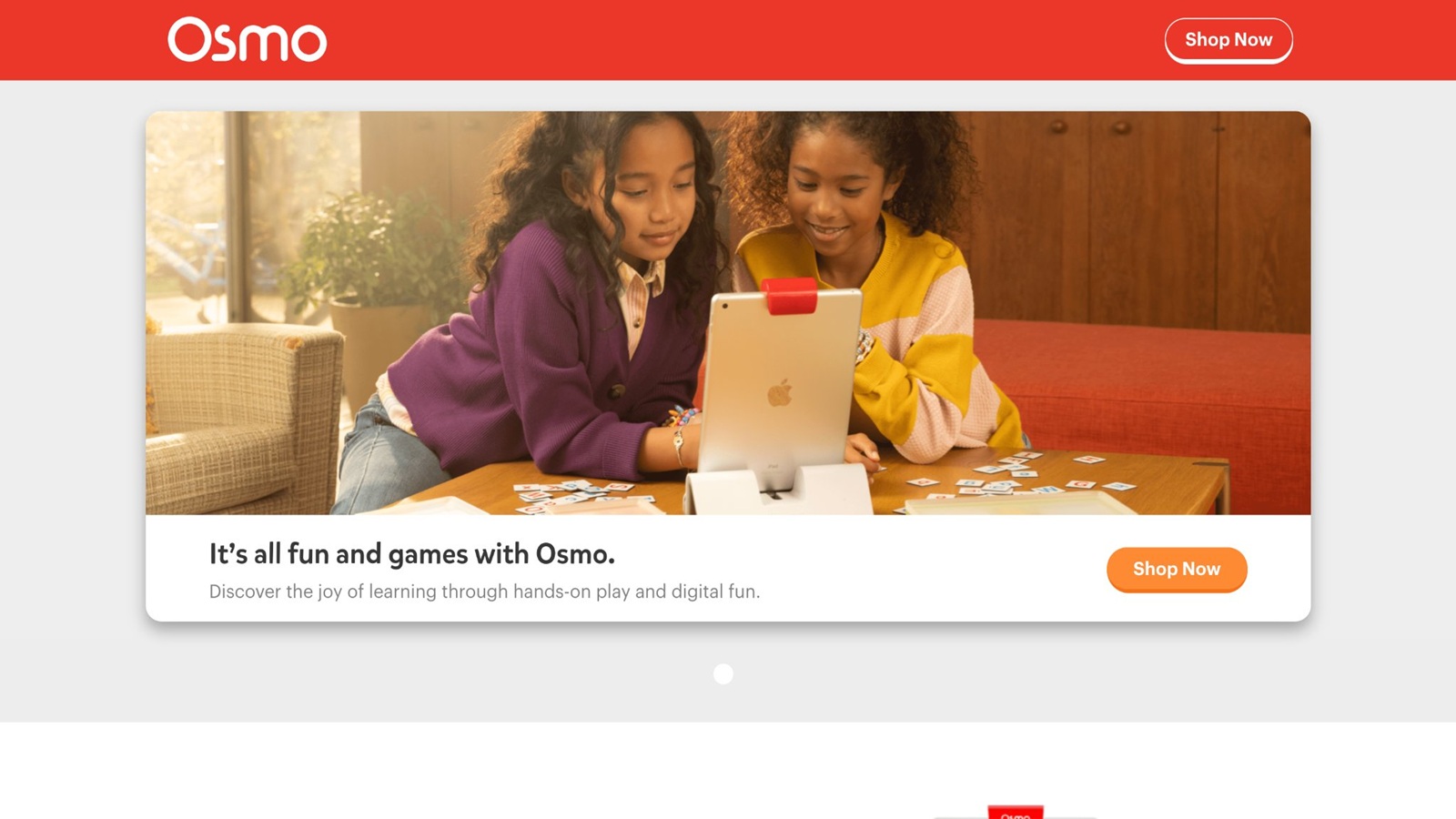
Osmo combines physical toys with digital games to create hands on learning experiences that bridge real objects and screen activities. Children use tangible items to interact with literacy, math, creativity, and problem solving challenges. The hybrid approach keeps kids active and engaged rather than passively watching. Multiple game sets cover different age ranges and skill focuses so families can grow with the system. Fine motor skills develop naturally alongside academic concepts through physical manipulation. The family friendly multiplayer modes encourage shared play and conversation.
Key features
- Tangible object interaction with digital feedback
- Creative and problem solving game titles
- Literacy and math focused options
- Family friendly multiplayer modes
- Hands on activities that build motor skills
- Progressive sets that grow with the child
Facts and Information
Many children stay engaged longer through the physical digital blend. The approach supports well rounded development including motor abilities. Families report strong interest across repeated sessions.
11. Starfall
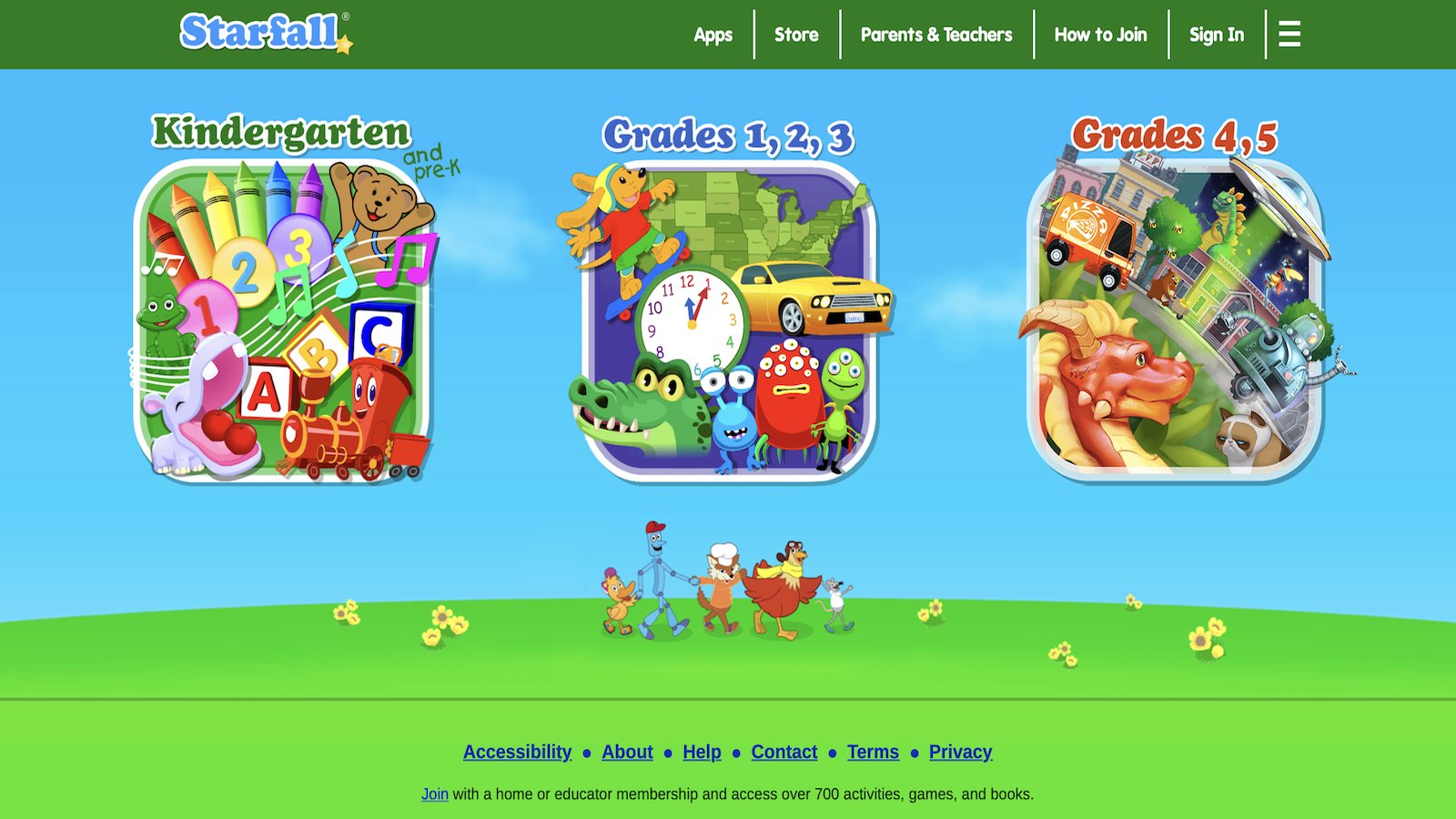
Starfall delivers multisensory interactive games, books, and movies that make learning feel like natural play for kindergarten through fifth grade. Children explore phonics, reading, math, and more through see hear and touch style activities that support different learning preferences. The untimed format lets kids move at their own comfortable pace without pressure. Engaging content serves as a positive alternative to other entertainment while building foundational skills. Membership options unlock even more books and new activities that keep experiences fresh. The ad free platform maintains focus and creates a calm learning space. Families appreciate the emphasis on making education accessible and enjoyable for early learners.
Key features
- Multisensory games that engage sight sound and touch
- Phonics and reading activities with interactive books
- Math exploration through playful challenges
- Movies and stories that support comprehension
- Untimed activities designed for individual pacing
- Growing library of educational content
Facts and Information
Many children build stronger foundational skills through repeated playful practice. The platform supports diverse learning styles effectively. Families notice increased confidence in early literacy and math.
12. Epic!

Epic! creates a vast digital library filled with books, videos, and interactive learning experiences that build strong reading habits for children ages three to twelve. Kids discover stories across fiction nonfiction and educational topics while engaging with games that reinforce comprehension and vocabulary. The personalized recommendations help match content to individual interests and reading levels. Audio options and read along features support emerging readers and make independent exploration possible. The platform turns reading into an exciting daily adventure rather than a chore. Families value the safe environment and variety that keeps children motivated over time.
Key features
- Huge collection of books and learning videos
- Interactive elements that build comprehension
- Personalized recommendations based on interests
- Audio read along support for different levels
- Games that reinforce vocabulary and skills
- Safe digital space focused on reading growth
Facts and Information
Many children develop genuine love for reading through consistent use. The variety supports broad curiosity across subjects. Families see improved comprehension and vocabulary naturally.
13. Homer
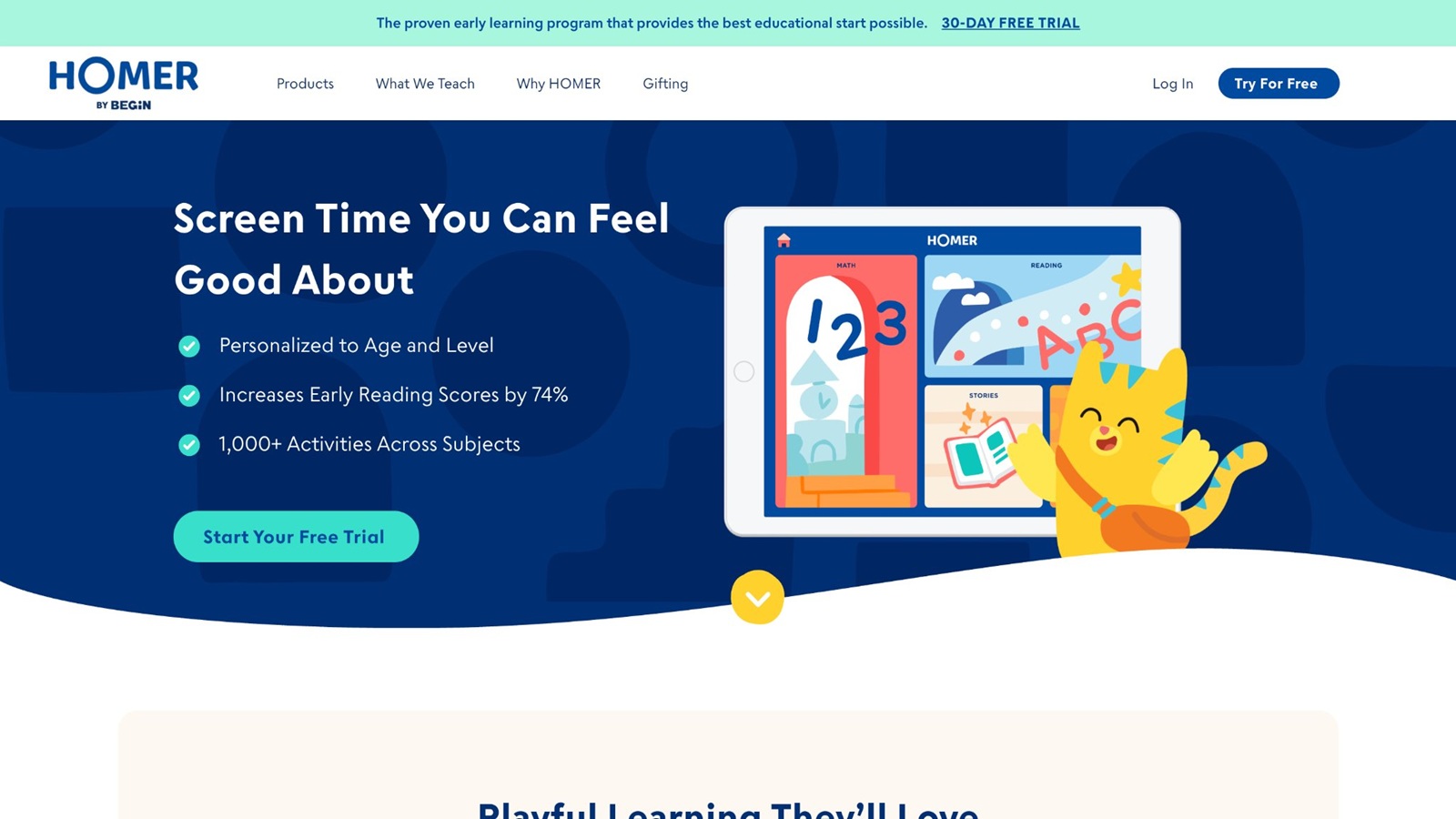
Homer focuses on early reading and language development through personalized stories games and activities for ages two to eight. Children follow learning paths that adapt to their passions and current abilities while building phonics sight words and comprehension. The research based approach combines favorite themes with structured skill practice in a playful format. Interactive elements keep motivation high and create meaningful connections to books and language. Parents appreciate the gentle guidance that nurtures confidence without pressure. The platform grows with the child through progressively advanced content.
Key features
- Personalized reading paths based on interests
- Phonics and sight word practice through stories
- Interactive games that build comprehension
- Theme based activities tied to child passions
- Gentle progression that supports confidence
- Research informed design for early literacy
Facts and Information
Many families notice stronger reading enjoyment and skills. Children develop natural connections to language through playful experiences. The adaptive system supports individual growth effectively.
14. Lingokids
Lingokids offers engaging language and life skills activities for young children through songs games and videos in a colorful ad free environment. Kids explore English and other languages while practicing social emotional concepts and daily routines. The playful design makes learning feel like entertainment with familiar characters and immediate rewards. Short sessions fit busy schedules while building vocabulary and confidence. The platform emphasizes real world application through relatable scenarios and creative play. Families love the balance of language focus with broader developmental support.
Key features
- Language learning through songs and interactive games
- Life skills activities with everyday scenarios
- Colorful character driven experiences
- Short engaging sessions for young attention
- Ad free environment focused on growth
- Vocabulary building with real world connections
Facts and Information
Many children gain stronger language confidence through daily play. The approach supports social emotional development alongside academics. Families report natural application of skills in daily life.
15. Code.org
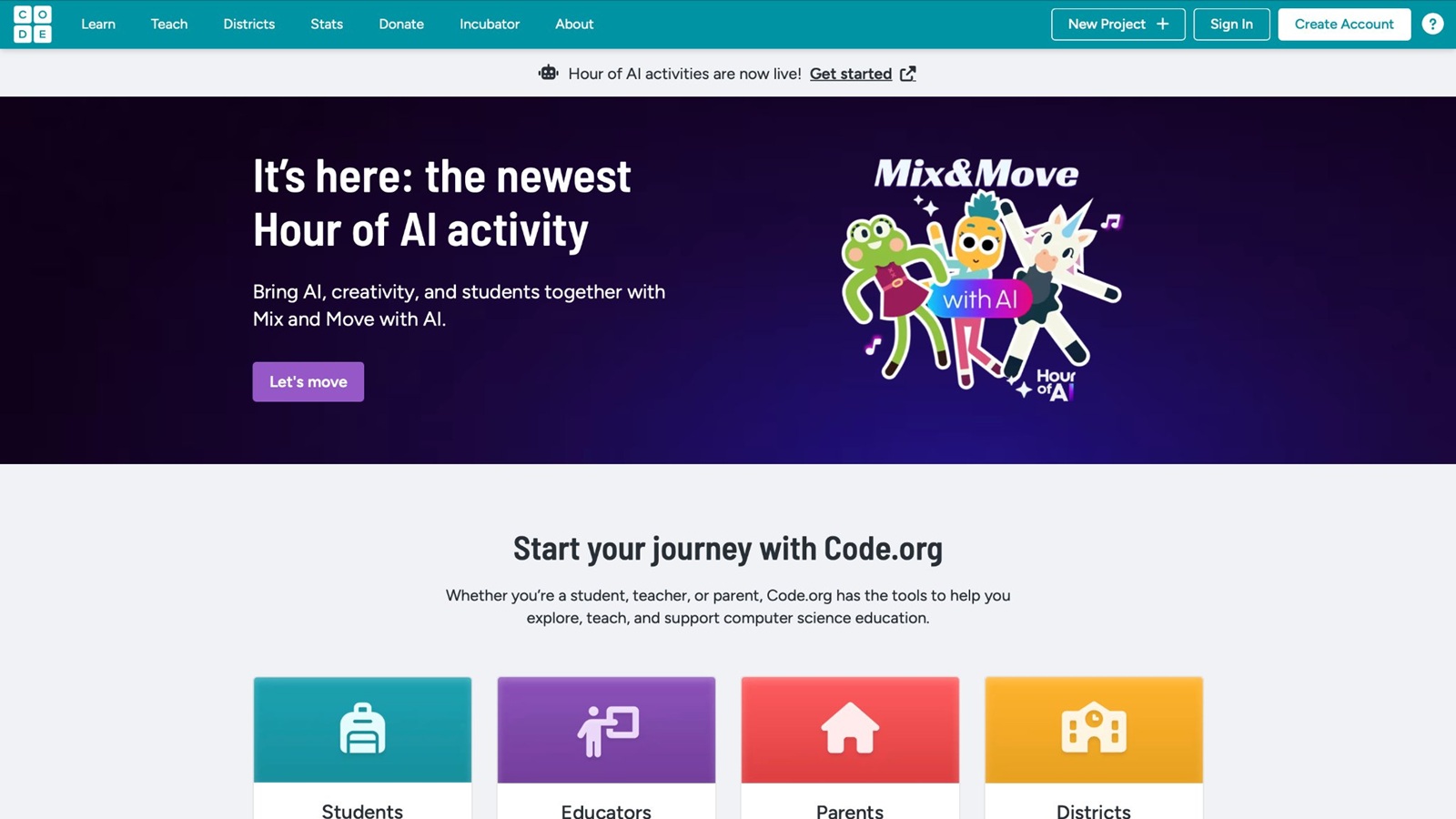
Code.org brings coding and computer science concepts to life through fun games and creative projects that feel like play for elementary aged children. Kids learn programming logic and problem solving by creating animations stories and games in guided environments. The platform offers hour of code activities and full courses that build digital skills step by step. Collaborative options encourage teamwork and sharing of creations. The accessible design lets beginners succeed quickly while offering deeper challenges for advancing learners. Families appreciate how coding becomes an exciting creative outlet rather than technical study.
Key features
- Game based coding activities with immediate results
- Creative projects like animations and stories
- Hour of code sessions perfect for beginners
- Collaborative tools for group learning
- Progressive challenges that build logic skills
- Accessible interface for young programmers
Facts and Information
Many children develop stronger problem solving and creative thinking. The platform introduces digital skills in an engaging way. Families see increased confidence in technology concepts.
16. ScratchJr
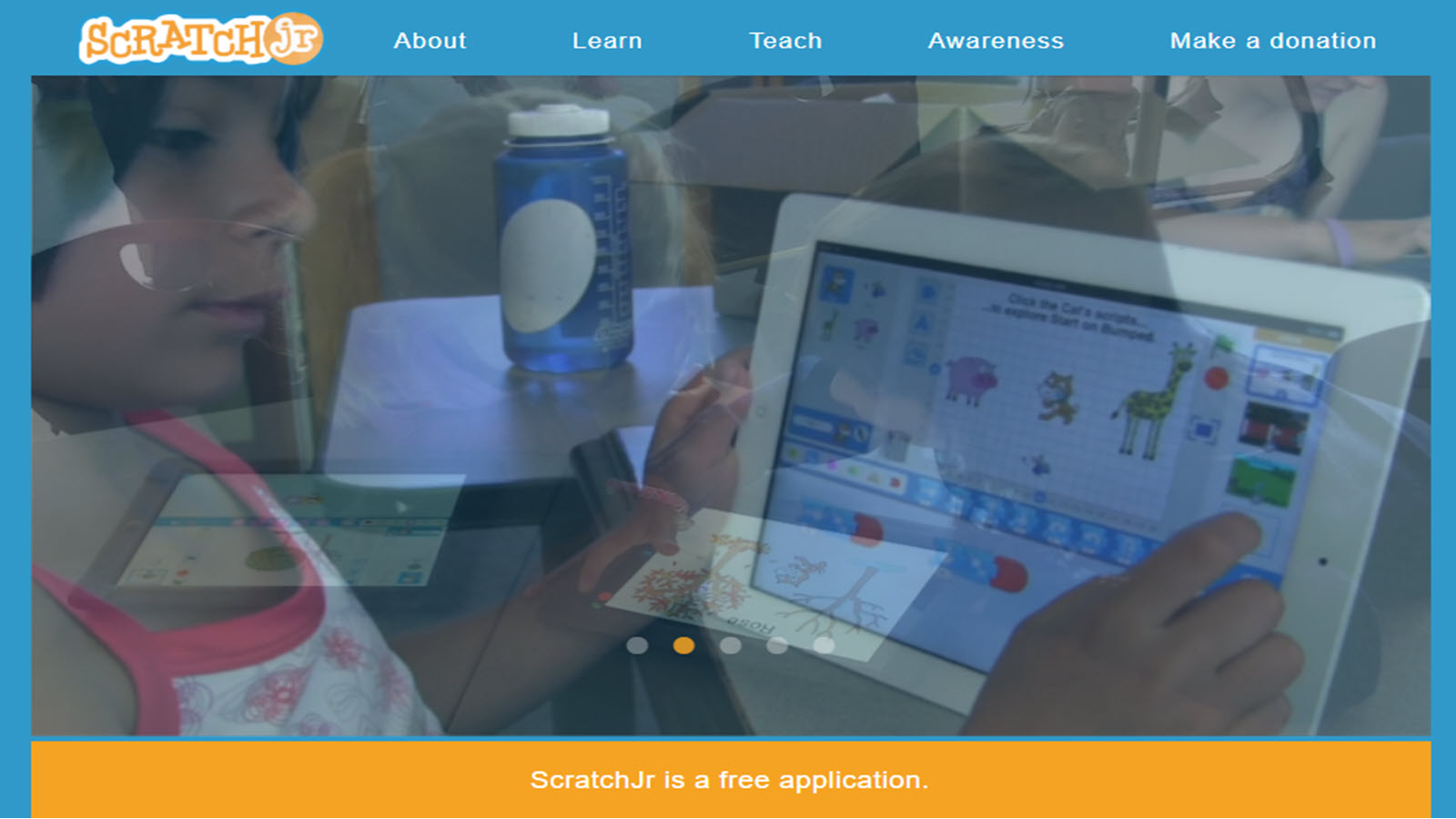
ScratchJr introduces young children ages five to seven to programming through the creation of interactive stories and games using simple graphical blocks. Developed through collaboration between the MIT Media Lab, Tufts University research groups, and the Scratch Foundation based in New York, the platform uses an icon-based interface that requires no reading skills. Children snap together blocks to make characters move, jump, dance, and sing while customizing them in a paint editor and adding their own voices or photos. Projects build sequencing, loops, and debugging skills that support computational thinking alongside early math and literacy in meaningful contexts. The design draws from over twenty years of research in computer science and early childhood education to match young learners’ cognitive and social development. Families and educators value the open-ended playground style that turns coding into an act of creative expression rather than structured drills. Children develop problem-solving habits and design confidence as they see their ideas come to life on screen. The free app runs offline on tablets and has reached tens of millions of users worldwide while remaining focused on pure creation.
Key features
- Drag-and-drop graphical programming blocks for sequencing and motion
- Paint editor for custom characters and scenes
- Voice recording and photo insertion for personal stories
- Pre-made sample projects that demonstrate core concepts
- Offline functionality with local project saving
- No-text interface suitable for pre-readers
Facts and Information
ScratchJr has surpassed ten million downloads and continues to be used in classrooms across the United States. Research-informed design supports sequencing skills that transfer to later academic work. The platform emphasizes coding to learn rather than learning to code alone, helping children express ideas through technology.
17. Reading Eggs
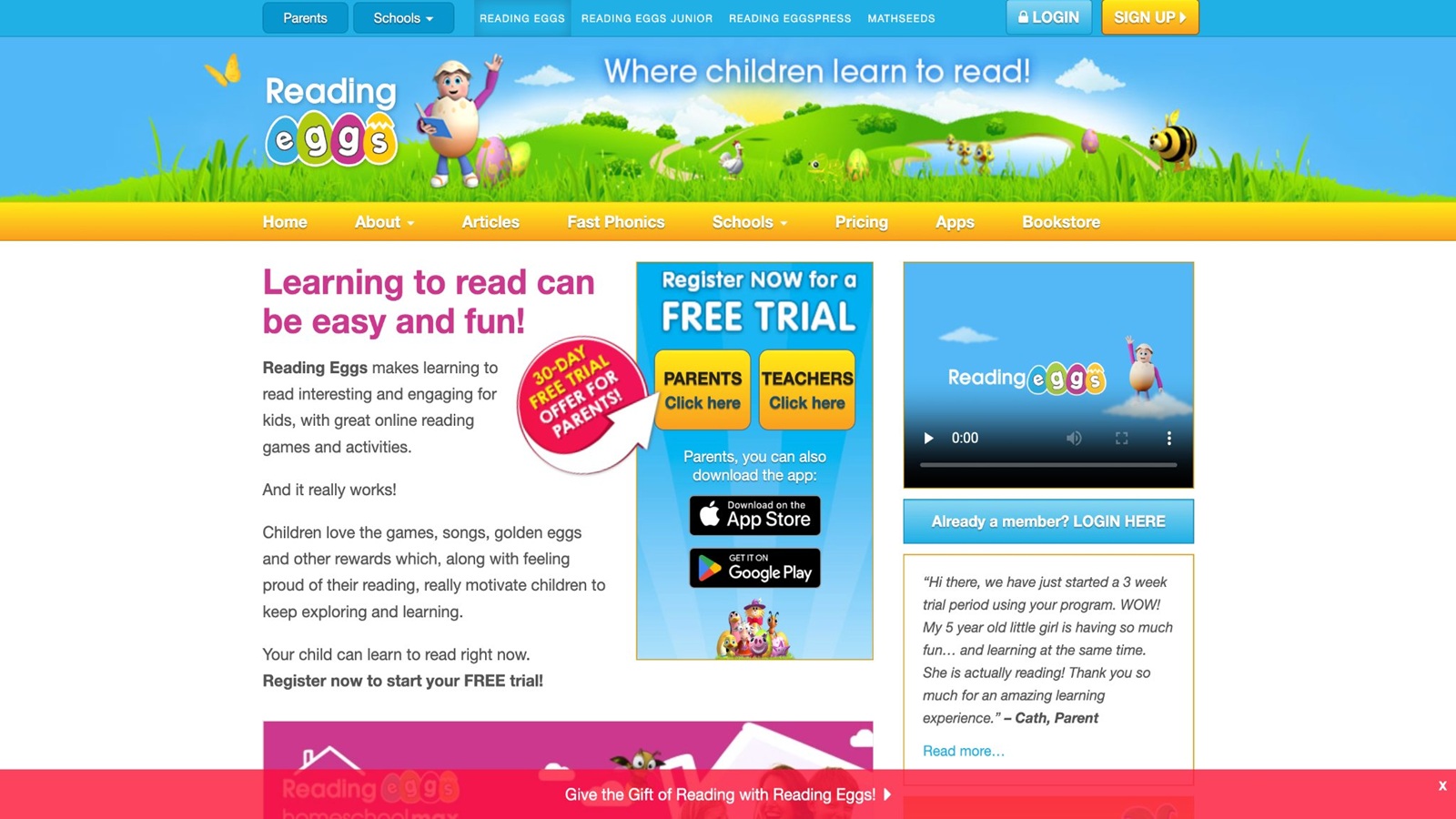
Reading Eggs provides a structured learn-to-read system for children ages two to thirteen that covers phonemic awareness, phonics, vocabulary, fluency, and comprehension through interactive lessons, games, and digital books. Originating from Blake eLearning in North Sydney, Australia, the program includes Reading Eggs Junior for toddlers, core Reading Eggs for early readers, Fast Phonics for systematic sound practice, and Reading Eggspress for older elementary students. Placement assessments match each child to an appropriate starting point so lessons progress at an individual pace. Colorful activities, songs, and short stories keep motivation high while reinforcing the five essential components of reading. Parents and teachers access progress reports that highlight skill growth without pressure. The platform has supported more than twenty million children globally and maintains a research-based approach aligned with effective literacy principles. Children gain confidence as they move through adaptive challenges and build a library of reading experiences. The multi-stage design grows with the learner from pre-reading foundations through independent comprehension.
Key features
- Placement test and adaptive lesson pathways
- Phonics, sight words, spelling, and comprehension activities
- Large collection of interactive e-books and read-aloud titles
- Fast Phonics modules for focused sound blending
- Parent and teacher progress dashboards
- Multi-child profiles within a single account
Facts and Information
Reading Eggs has helped more than twenty million children develop reading skills. The curriculum addresses the five pillars of reading through self-paced, research-informed lessons. Families report steady gains in phonics accuracy and reading enjoyment after regular use.
18. Teach Your Monster to Read
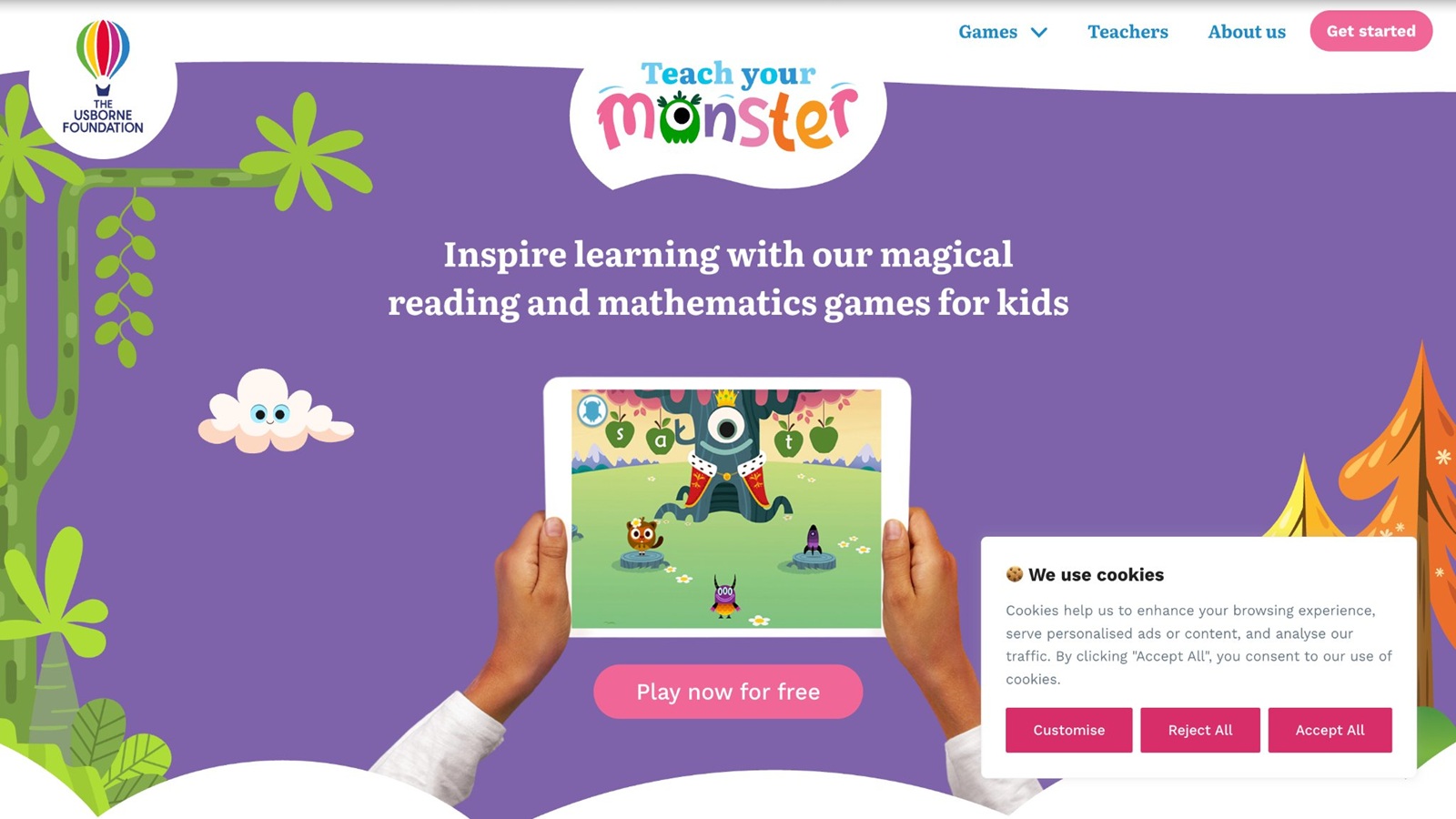
Teach Your Monster to Read turns early phonics practice into an adventure where children create and guide a customizable monster across islands and villages. Created with academic input from Roehampton University and funded by the Usborne Foundation in London, the game covers letter-sound recognition, blending, segmenting, tricky sight words, and sentence comprehension across three progressive stages. Mini-games adapt based on performance so children receive extra practice on sounds they find challenging. The narrative of repairing a spaceship keeps the focus on play while systematically building skills that align with common school phonics programs. Children ages three to six enjoy designing their monster and collecting rewards as they advance. The free web version allows classroom or home use with progress tracking for parents and teachers. Over thirty million plays worldwide demonstrate its reach among early readers. The design prioritizes synthetic phonics so children learn to connect letters to sounds and then decode words naturally.
Key features
- Three staged games from letter sounds to full sentences
- Adaptive mini-games that increase practice on weak areas
- Customizable monster characters that travel through story worlds
- Practice mode and progress monitoring for parents and educators
- Alignment with standard phonics schemes used in schools
- Engaging rewards and island maps that visualize advancement
Facts and Information
The game has recorded more than thirty million plays globally and holds BAFTA recognition. Academic collaboration ensures alignment with effective early reading research. Children typically complete stages over several weeks of short sessions while building grapheme recognition speed.
19. Adventure Academy
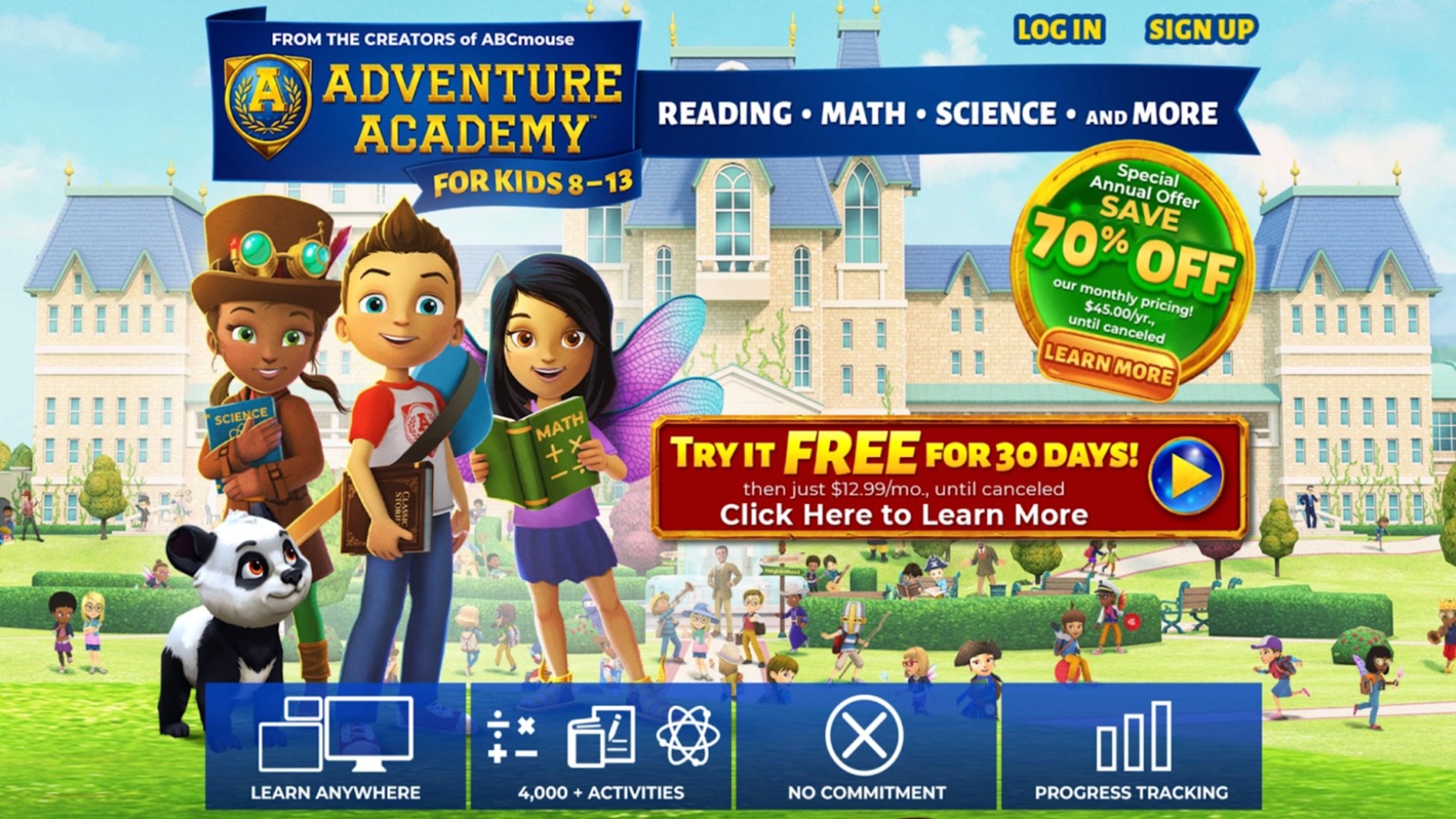
Adventure Academy offers an open-world educational experience for children ages eight to thirteen where quests, exploration, and avatar customization frame learning in math, language arts, science, and social studies. Developed by Age of Learning in Glendale, California, the platform features thousands of curriculum-aligned activities including games, videos, books, and interactive exhibits scattered across a virtual academy campus. Players complete problem-based quests from non-player characters, unlock new zones, decorate personal homes, and interact safely with other learners under parent-controlled chat settings. Academic difficulty levels adjust content so beginners and advanced students both find appropriate challenges. The MMO-style design encourages repeated visits through leveling, collectibles, and seasonal updates while keeping educational goals central. Children practice critical thinking and subject knowledge inside an immersive environment that feels like free exploration. Regular content additions keep the world expanding and relevant to elementary and middle-school standards.
Key features
- Quest-driven open world with multiple subject domains
- Avatar customization, home decoration, and collectible rewards
- Curriculum-aligned games, videos, and reading materials
- Safe filtered multiplayer interactions with parent controls
- Adjustable academic difficulty levels
- Progress through experience points and zone unlocking
Facts and Information
Adventure Academy draws on the same educational expertise that has served tens of millions of children through related early-learning programs. Content follows national and state standards across core subjects. Learners typically engage for short activity bursts while exploring a persistent virtual campus.
20. Kodable
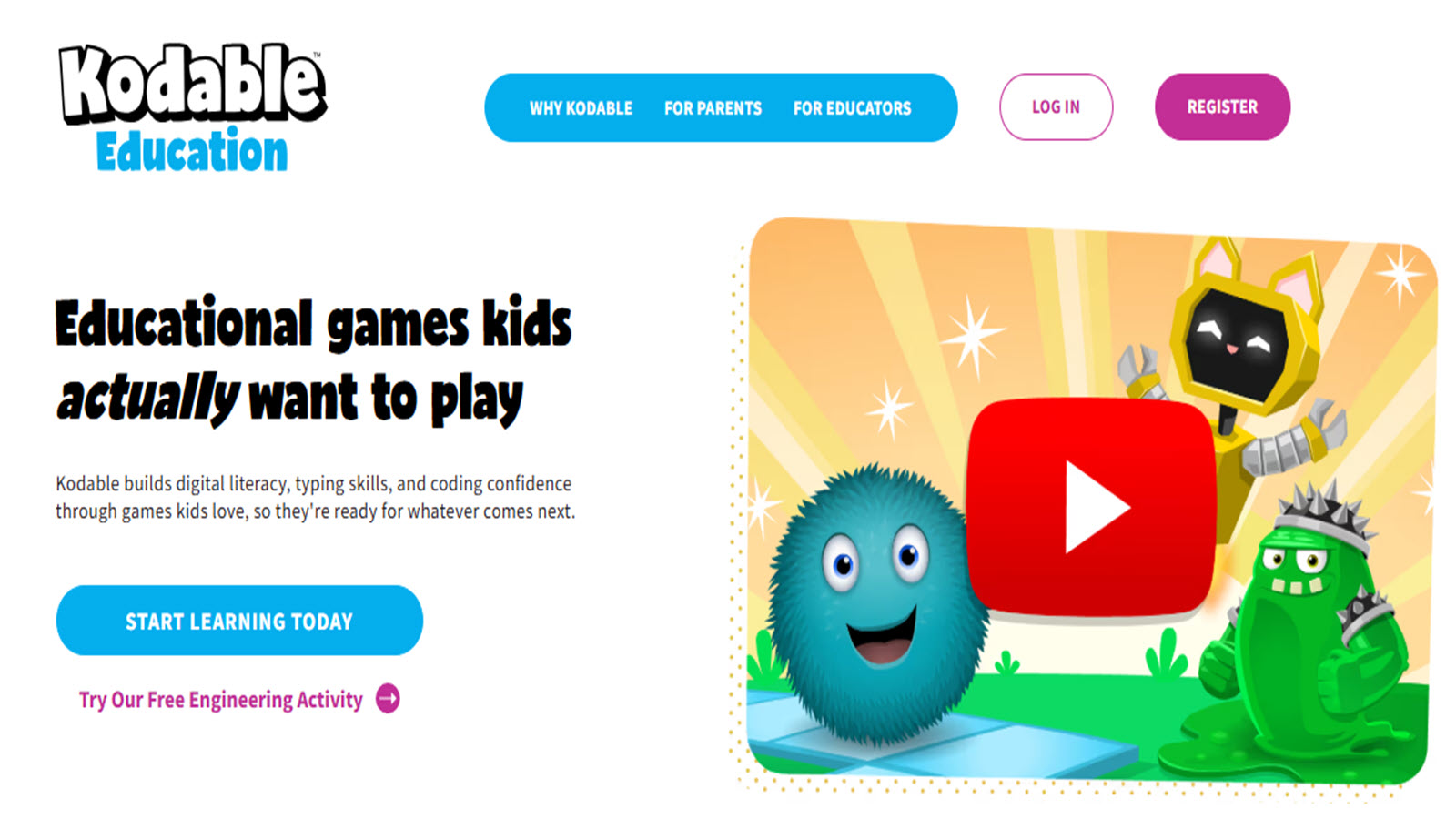
Kodable teaches coding and computational thinking to children from kindergarten through fifth grade through colorful maze adventures and creative projects. Headquartered in San Diego, California, the platform uses picture-based commands so pre-readers can guide fuzzy characters across planets while learning sequencing, loops, conditionals, and debugging. Progression moves from simple drag-and-drop puzzles to game design tools and introductory JavaScript concepts in expansion worlds. Used in more than half of U.S. elementary schools, the curriculum supports both classroom and home use with teacher dashboards and parent resources. Children build logical thinking and persistence as they solve increasingly complex paths and then create their own mazes or games. The visual style and character-driven story maintain engagement without requiring reading skills at the start. Families notice growing confidence in problem-solving that transfers beyond the screen.
Key features
- Picture-based coding puzzles for early learners
- Progressive planets covering sequencing through functions
- Game creation tools and JavaScript introductions
- Teacher dashboards and classroom management tools
- Parent resources explaining coding concepts
- Offline-capable activities on supported devices
Facts and Information
Kodable is used in over fifty percent of U.S. elementary schools and has reached millions of children worldwide. The no-reading-required design makes it accessible from age four onward. Students develop sequencing and debugging habits that support later STEM work.
How Educational Games Build Lasting Skills
Regular play with purposeful fun kids games strengthens more than just academic knowledge. Children improve attention span, logical thinking, and emotional regulation through consistent challenges. These abilities support success in school and beyond.
Fun educational games for kids also encourage persistence when facing difficulties. Kids learn that mistakes lead to new discoveries rather than failure. The positive feedback loops create genuine confidence that carries into other areas of life. TutoClub educational games exemplify this balanced growth by weaving skill development into every activity.
Tips for Parents to Get the Most from Educational Play
Set dedicated game time alongside other activities to keep balance. Talk with children about what they learn and enjoy during sessions. Join in occasionally to share the fun and reinforce lessons naturally. Monitor progress without pressure by noticing improvements in focus or creativity. Rotate fun educational games to maintain fresh excitement while covering different skills. Create simple routines that pair games with real-world applications for deeper learning.
Creating a Balanced Digital Routine for Kids
Mix screen-based learning with outdoor time, reading, and hands-on crafts. Short focused sessions often work better than long marathons for young attention spans. Choose experiences that align with family values and current interests.
TutoClub supports healthy habits by offering digital kid games that are ad-free, purposeful content that fits naturally into daily life. Families find the right rhythm when games feel like a positive addition rather than a distraction.
Memory and Attention Practice in Short Sessions
Short sessions of matching, sequencing, or care routines train memory and attention without long stretches of focus. A child holds a picture or order in mind, then uses it to complete the next step. This practice appears in both puzzle games and multi-step care stories.
Benefits of memory games for kids include better ability to follow a short list of steps at home or in class. Sessions of ten to fifteen minutes fit busy schedules and still give enough repeats for the skill to grow. Children who finish one clear task feel ready for the next activity.
The short length also keeps the experience positive so they want to play again later. Memory games that teach while kids play keep the recall practice inside matching pairs or care sequences so the child stays motivated. Tablet games for kids make these short sessions easy to start on devices already in the house.
Integrating Educational Play with Family Time
Educational play becomes stronger when it sits next to shared moments rather than replacing them. A child who finishes a care game can then help with a real cleanup or tell a parent about the character. The screen task and the family task use the same ideas. This pairing helps skills transfer. Families who set one shared game slot in the week often find the habit stays steady. A family weekly planner can hold that short game slot next to meals and rest so the practice does not slip off the day. After the game ends, the same theme continues with toys, books, or talk.
The combination keeps screen time purposeful while protecting time for face-to-face play. Safe apps for kids support this mix because ad-free design keeps the session short and focused. Educational games for kids at home work well when the digital part ends with a real-world action the child can name.
Latest News In 2026
In 2026, families continue to seek play that supports both fun and growth without adding extra noise. Updates across educational collections have focused on smoother offline access after download and clearer parent views of completed activities. New story paths inside care and puzzle games give children fresh ways to practice sequencing and kindness. Creative tools for decorating and fashion play have expanded, letting kids express ideas while they practice planning.
Calm pacing remains a priority so sessions end at natural stopping points. These adjustments help fun games that are educational for kids fit more easily into busy days while children still enjoy returning to favorite characters and routines. Collections that emphasize ad-free design and research-informed tasks stay popular with parents who want screen time to support focus and emotional awareness.
TutoClub and the full set of TutoClub games continue to center on care, stories, and open creative play so the same calm approach stays available across devices. Questions about accounts and access sit on the FAQ page.
FAQ
What age range benefits most from fun educational games?
Children between ages three and eight usually see the strongest gains from well-designed games. This window matches rapid brain development in language, math, and social skills. Fun educational kids games like TutoClub target these years with age-appropriate challenges that grow alongside the child.
How can parents tell if a game truly teaches skills?
Look for clear learning goals combined with engaging gameplay that feels natural. Effective educational games for children provide immediate feedback and adapt to the child's level. Collections from trusted names focus on real development instead of simple repetition.
Do free educational games match paid options in quality?
Many free platforms deliver excellent kids games that are fun with strong educational value. Paid subscriptions often add more variety and ad-free environments that support longer focus. Both categories include strong choices depending on family needs.
Why do ad-free games support better learning outcomes?
Without interruptions, children maintain deeper concentration and complete more meaningful activities. Calm digital spaces reduce overstimulation and help build healthy screen habits. Families notice stronger engagement and retention when distractions stay away.
How do care games and puzzle games work together?
Care games and puzzle games support different but complementary skills when they sit together in collections of fun and educational games. Care games ask a child to notice what a character needs and then complete a short, clear sequence such as feeding a pet, comforting a baby, or tidying a room. These routines practice patience, responsibility, and empathy because the next step stays visible and the result feels kind. Puzzle games add matching, sorting, path planning, or simple sequencing that strengthens focus, attention, and the habit of trying again after a miss. Families place both types of play in the same short session so a child can move from a care story into a thinking task without switching apps or losing interest. The best learning games for kids illustrate how a pet-care routine and a matching activity can share one sitting. The mix keeps motivation high because both the story goal and the puzzle goal stay finishable, and children often return to the same characters and tasks across different days. This approach covers more skills while the play still feels like one continuous activity rather than separate lessons.
Can story-based games help children talk about feelings?
Story-based games give children a clear, low-pressure moment to notice a character’s feeling and choose a helpful response inside fun educational games for kids. A pet, unicorn baby, or doll character who looks sad, hungry, or messy creates a simple choice such as offering food, a hug, or a cleanup action. The child stays in charge of that choice and then sees a calmer or happier result, which reinforces the kind step. After the game ends, a parent can ask one short question about what the character needed, and the same words later appear during real moments at home. Emotional regulation games for kids place those kind choices inside bright, calm stories so the practice feels like play rather than a lesson. Regular sessions with these stories support emotional awareness because the child practices naming needs and choosing helpful actions in an ad-free setting that does not interrupt the moment. Over time, the same language from the game often shows up when children talk about feelings during everyday family interactions.
What role does creative play have in building confidence?
Creative play builds confidence because there is no single right answer and every choice becomes a visible result in educational games for kids. Decorating a room, designing a look, arranging a pet house, or exploring a castle lets a child see their own idea take shape on the screen. This open outcome pairs well with care routines so one session can include both self-expression and a sense of responsibility. Children who spend time on creative tools often talk more about what they made afterward, and that talk strengthens language and pride in effort. Confidence building games give space for these open choices. The combination of free choice and a finished result helps children feel capable, which supports both confidence and a willingness to try new ideas in later sessions without fear of making a wrong move. Many children return to the same creative spaces across different moods because the activity always ends with something they can point to and describe.
Do short game sessions still support memory and attention?
Short sessions of ten to fifteen minutes still train memory and attention when the task asks a child to hold a picture, order, or sequence and then use it inside the fun games that are educational for kids. Matching pairs, care-step orders, simple path puzzles, and sorting activities all give this practice without requiring long stretches of focus. The limited length keeps the experience positive so children want to return later rather than feeling tired or frustrated. Online educational games for kids often include the same short matching and sequencing tasks, so the memory and attention practice fits naturally into a busy day while still supporting focus growth over time through regular, finishable rounds. Children who complete one clear task feel ready for the next activity, and the short format makes it easier to fit the practice between other parts of the day. Over repeated short sessions, the ability to hold and use a simple sequence improves in ways that show up when children follow short lists of steps at home.
How can educational play sit next to family activities?
Educational play supports family time when a screen task ends with a real-world action that uses the same idea. A child who finishes a care, cleanup, or puzzle game can then help with a similar task at home, such as tidying a real space or telling a parent about the character’s need. One shared game slot in the week keeps the habit steady without replacing face-to-face play. Practical tips for new parents point to short, repeatable routines as a realistic way to pair screen play with family moments. The combination helps children connect what they practice in a game with everyday actions, which strengthens both the skill and the shared time while keeping the overall routine calm and balanced. After the digital part ends, the same theme continues with toys, books, or simple talk, so the practice does not stay only on the screen. This pairing makes the educational moment feel like part of the family day rather than a separate activity.
Read Also:
- Best Kids Educational Games
- Best Games For Young Kids in 2026
- Best Games For Toddlers in 2026
- Best Educational Games For 10 Year Olds in 2026
- Best Free Online Games for Kids
Discover the Best Fun Games That Are Educational For Kids in 2026 - TutoClub