
Memory Games That Teach While Kids Play






Kids learn fastest when play feels fun. Memory games that teach while kids play sharpen short-term recall, working memory, and attention through matching cards, patterns, and object hunts. These simple activities help children hold details longer for reading, math, and daily tasks. Many families add them to routines because sessions stay short and flexible.
Families often expand their routines with the best problem-solving games for kids that encourage planning and flexible thinking, plus the best responsibility games for kids that build care and daily habits. The best safe games for kids keep play ad-free and focused, while the best brain games for kids further strengthen attention and memory in short, enjoyable sessions.
Discover memory games and turn screen time into skill-building fun with TutoClub.
Why Memory Games Help Kids Learn

Working memory acts like a mental notepad. Children use it to follow directions, remember a story sequence, or keep track of numbers in a problem. Memory games for kids train this notepad by asking kids to hold pictures, sounds, or steps in mind and then act on them.
Visual matching builds attention to detail. Sequence games strengthen the ability to keep order. Object-recall activities improve focus under mild pressure. These skills transfer to school. A child who remembers card positions often finds it easier to recall letter sounds or math facts. Play also builds persistence. Kids try again after a miss because the game feels rewarding, not like a test. Many learning games for kids support the same focus and recall pathways.
Looking beyond basic memory practice, the best apps for kids learning strengthen focus and recall in interactive ways, while the best educational games for kids iPad deliver smooth tablet experiences. The best English learning apps for kids turn language practice into play, and the best kids games educational keep skill-building sessions fun and effective.
Classic Memory Card Games and Matching Activities
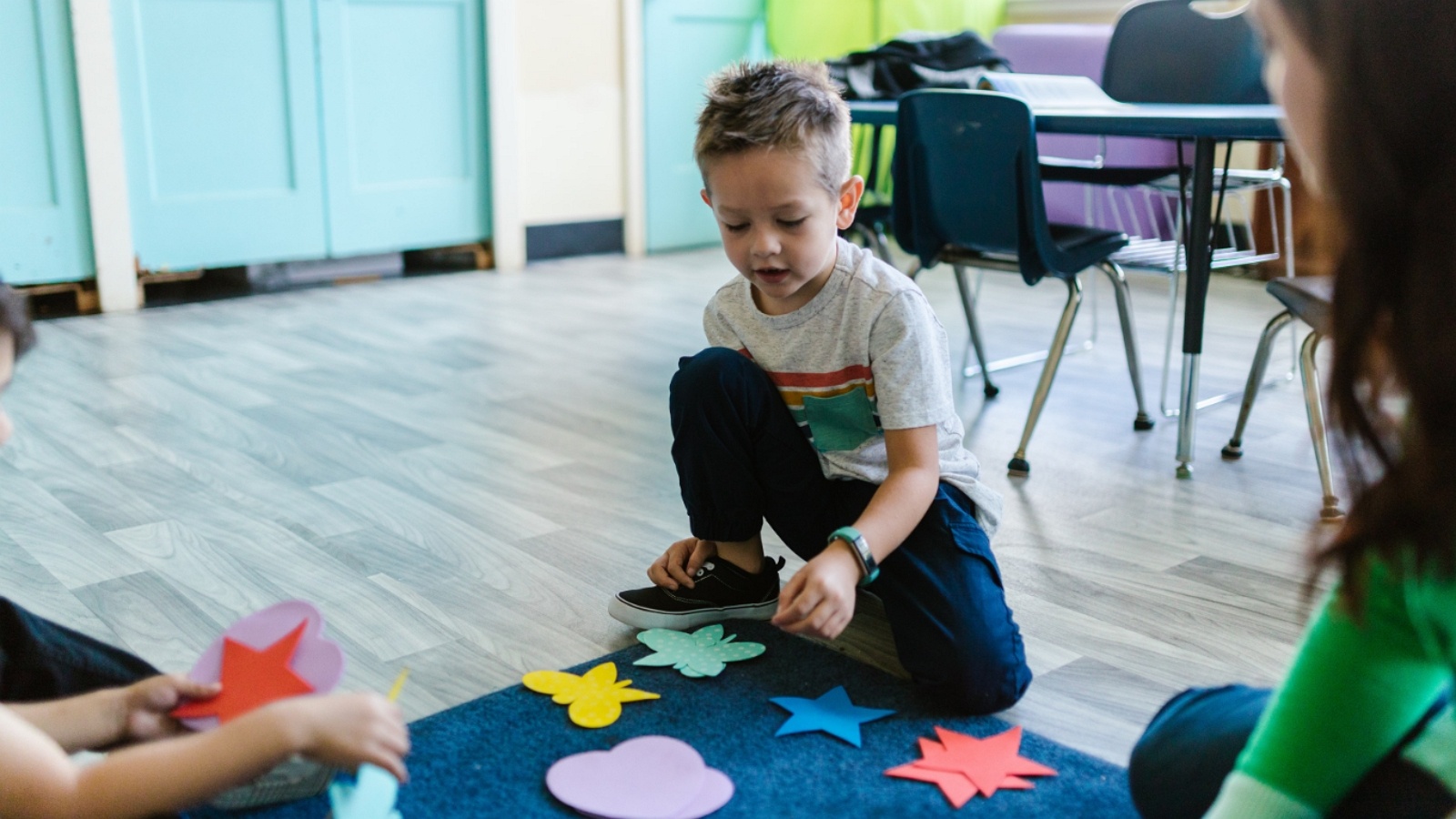
The classic concentration game remains one of the strongest tools. Lay pairs of picture cards face down in a grid. Players take turns flipping two cards. A match stays up; a miss goes back face down. The goal is to remember locations.
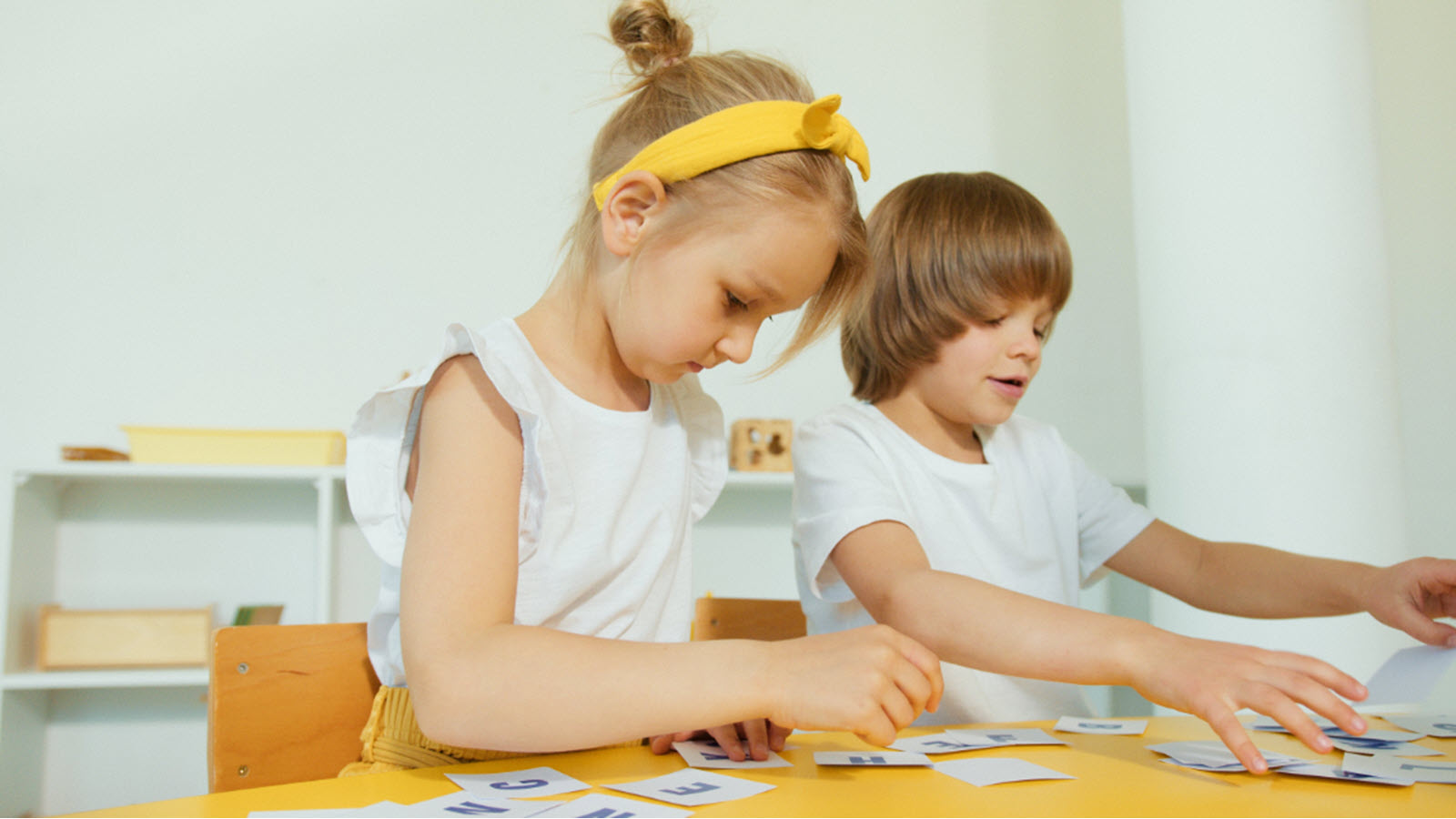
Start with six to eight pairs for younger children. Add more as skill grows. Themes matter. Animal sets, shape sets, or letter sets turn the same game into vocabulary or early literacy practice. Kids notice colors, patterns, and small differences while they search. These activities sit well alongside fun educational games for kids and educational online games.
Variations keep the game fresh. Match and say: the player must name the item or use it in a short sentence. Team relay: groups race to find pairs. These add language and social practice without changing the core memory demand. Physical cards give tactile feedback that many children prefer. Digital versions add gentle animations and progressive levels.
Sequence and Pattern Memory Games
Sequence games ask children to remember and repeat ordered information. Simon Says is the simplest start. One person gives commands. Kids follow only when the phrase begins with “Simon says.” The game trains listening, impulse control, and short-term hold of instructions.
Electronic pattern games light up buttons in a growing sequence. The child copies the lights and sounds. Difficulty rises naturally. These activities build auditory and visual sequencing that support following multi-step directions in class. Story chain games work well for groups. One child starts: “I went to the store and bought apples.” The next repeats the sentence and adds an item. The chain grows until someone forgets.
Pattern recall with colors or shapes follows the same idea. Show a short sequence, hide it, and ask the child to rebuild it. Increase length only when the child succeeds often. This keeps challenges in the productive zone. Many mobile games for kids and tablet games for kids use similar sequence practice.
Story and Verbal Memory Challenges
Verbal games strengthen the ability to hold spoken information. Memory story chain is one strong option. Another is “I’m going on a trip.” Each player adds an item and must repeat the full growing list. Rhyme or song memory also helps. Sing a familiar verse, stop mid-line, and let the child finish. Or change one word and ask the child to spot the change. Music adds rhythm that many children use as a memory aid. These activities support listening comprehension and narrative skills. Children who practice them often retell classroom stories or multi-step instructions with greater accuracy. They also connect to learning through play activities and social emotional games for kids.
Tutoclub Memory Games That Teach Through Play
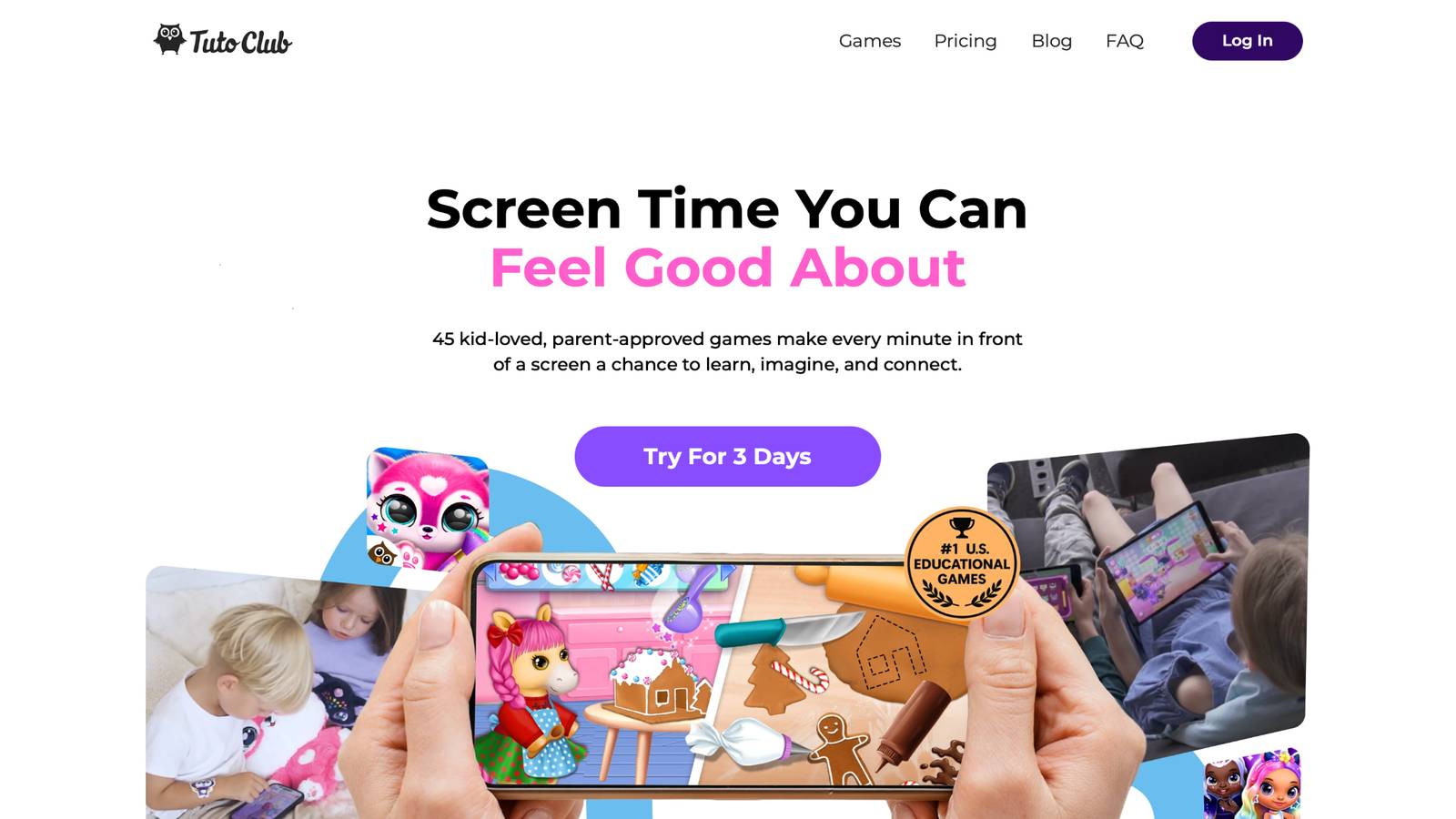
Tutoclub brings together more than 45 ad-free educational games designed for young children. Several titles include memory challenges as natural parts of the play. In pet-care worlds, children remember locations of items, sequences of care steps, or pairs of matching objects while they hatch, feed, and decorate for their virtual companions. Cleaning and routine games ask kids to recall where objects belong and complete multi-step tasks in order.
The games support visual memory, attention, and working memory without pressure. Bright but calm visuals, gentle sound, and positive feedback keep sessions enjoyable. Because the activities sit inside larger caring or creative stories, children practice recall while also building empathy, responsibility, and problem-solving. The collection works across devices after download, with most titles playable offline. Parents control the experience through a single subscription that removes ads and unlocks full content.
Compared with single-purpose memory apps, this approach keeps motivation higher over weeks. Children return because the world feels welcoming and the challenges grow with them. Families looking for memory practice that also supports broader growth find a strong match here.
TutoClub Overview
TutoClub is your gateway to a magical world of educational games designed especially for children.
As part of TutoTOONS, a leading kids' games studio, we offer premium access to over 45 ad-free games.
Our mission is to blend learning and play, helping kids explore, create, and grow in a safe online space.
Thousands of parents trust us for family-friendly content that sparks imagination and builds essential skills.
Key Features
- Unlimited Access: Unlock full content in all games with no interruptions.
- Ad-Free Experience: Enjoy seamless play without any ads or distractions.
- Skill Development: Games foster creativity, social skills, communication, and more through fun activities like pet care and cleanup challenges.
- Regular Updates: Get new releases, exclusive content, and future updates automatically.
- Easy Subscription: Cancel anytime with no obligations, simple and flexible for families.
Explore Our World
TutoClub provides a rich ecosystem of educational games for kids, featuring ad-free experiences that promote creativity, focus, and emotional growth through play.
This platform turns screen time into valuable learning opportunities, with parent-approved content that builds essential skills and sparks curiosity in young minds.
- TutoClub Games: Over 45 educational games, including popular titles like Fluvsies, Smolsies, and the Sweet Baby Girl series
- Blog: Insights, tips, and stories for families on kids' learning and play
- FAQ: Comprehensive answers to frequently asked questions about subscriptions, features, and more
Get TutoClub on Your Device
TutoClub delivers premium kids educational games directly to your mobile devices, making learning accessible anytime, anywhere.
With apps available on major platforms, families can easily download and subscribe for ad-free play that turns screen time into skill-building adventures.
Perfect for parents seeking safe, engaging content on iOS, Android, or Amazon devices.
Why Choose TutoClub?
We're committed to 100% safe, enriching entertainment that kids love and parents approve. Join the thousands who've seen their children thrive through playful learning.
Ready to start the adventure?
How to Choose Memory Games by Age
Younger children ages three to five do best with simple matching of clear pictures and short sequences of two or three items. Thick cards or large on-screen buttons help small hands. Themes of animals or everyday objects hold attention. See also educational games for kids age 3 and educational games for 5 year olds.
Ages six to eight handle more pairs, longer sequences, and simple strategy. Add verbal elements or mild competition. Games that mix memory with light sorting or story details fit this stage well. Explore more from educational games for 6 year olds and educational games for 7 year olds.
Older children can manage complex grids, multi-rule sequences, and games that combine memory with planning. Digital titles with rising difficulty or cooperative modes keep the challenge engaging. Age-matched choices appear in educational games for 10 year olds.
Match the format to the child’s interest and attention span. A short, successful session builds confidence faster than a long, frustrating one. Rotate physical and digital options to keep variety.
Tips for Playing Memory Games at Home
Keep sessions short. Five to fifteen minutes often delivers the best focus. End while the child still wants one more round. Play together at first. Modeling and gentle hints help younger kids learn the rules. Later, siblings or solo play work well. Celebrate effort more than perfect scores. “You remembered three more this time” builds a growth mindset.
Mix formats. One day use cards. The next day try a tray game or a digital sequence. Variety strengthens the same skills through different pathways. Many families also enjoy learning games for kids online and games for young kids. Fit games into existing moments. Waiting rooms, car rides, or after-school wind-down times become productive without feeling like extra work. Watch for signs of fatigue. If a child starts guessing randomly, switch activities or stop for the day.
Benefits Beyond Memory Skills
Memory games also train attention control. Children practice filtering distractions while they search for a match or hold a sequence. This focus carries into homework and conversations. Problem-solving grows as kids develop strategies. They learn to start with known cards, plan turns, or use location cues. Flexible thinking appears when they adjust after a miss.
Social skills develop in group play. Turn-taking, waiting, and graceful winning or losing become natural practice. Language expands when children name items or build stories around matches. Confidence rises with visible progress. A child who once struggled with four pairs later handles eight with ease. That sense of mastery supports willingness to try harder tasks. These wider gains connect to emotional regulation games for kids. Many parents notice calmer transitions and better listening after regular play. The games offer low-pressure practice that feels rewarding.
FAQ
What skills do memory games strengthen most in young children?
Memory games that teach while kids play primarily strengthen working memory, short-term recall, and sustained attention. Children practice holding visual details like card positions or verbal sequences in mind and then using that information to make choices. These same skills support following multi-step directions, early reading, and basic problem solving in daily life. Many games also improve visual discrimination as kids notice small differences between images. Regular play builds persistence because children learn to try again after a miss in a low-pressure setting.
How often should kids play memory games for best results?
Short sessions of five to fifteen minutes work well for most children when added to everyday routines. Consistency across days helps the skills stick better than occasional longer play. Families often fit a quick matching round after breakfast, during waiting times, or before bedtime so the activity feels natural. Mixing physical card games with digital sequence or matching activities keeps interest high over time. Progress builds gradually through repeated gentle practice rather than intense single sessions, similar to approaches in the best learning games for kids.
Are digital memory games as effective as physical card games?
Both digital and physical memory games train the same core skills of visual recall, attention, and working memory. Physical cards provide tactile feedback and face-to-face interaction that many children enjoy during family play. Digital versions often include adaptive difficulty, varied themes, and gentle feedback that help maintain focus across repeated rounds. The strongest results come from using a mix of both formats so children experience different ways of practicing the same memory pathways. Ad-free digital options that stay calm support concentration without extra distractions, including many tablet games.
At what age can children start simple memory games?
Children as young as eighteen months to two years can begin with very simple versions such as finding a hidden toy under a cloth or matching two clear identical pictures. Clear images, large pieces, and short play times help keep the activity enjoyable at this stage. By ages three to four, most kids handle classic matching with a small number of pairs and short sequences. The key is matching the challenge to the individual child’s attention and interest rather than following a strict age chart. Simple everyday object games grow naturally into more complex matching and pattern activities as skills develop, much like educational games for toddlers.
How can parents make memory games more educational?
Parents can choose themes that connect to current learning goals, such as letter or number pairs for early literacy and math or animal sets for vocabulary growth. Adding a speaking step where the child names the match or uses it in a short sentence layers language practice onto the memory task. Turning the game into a brief story by asking what the matched characters might do next supports narrative skills. Keeping the tone playful ensures the educational layer stays inside the fun so children stay motivated. Rotating between tray games, sequence activities, and matching formats reinforces the same skills through varied experiences found in learning through play examples.
Read Also:
- Best Memory Games For Kids In 2026
- Best Educational And Fun Games For Kids in 2026
- Best Educational But Fun Games For Kids in 2026
- Best Educational Online Games For Kids in 2026
- Best Learning Through Play in 2026
Discover memory games and turn screen time into skill-building fun with TutoClub.