
Fun and Effective Educational Games for Everyday Learning






Fun and effective educational games for everyday learning turn daily moments into skill-building play. Kids practice problem solving, creativity, and social skills in short sessions that fit after school or family time. Several learning apps for kids make screen time support real growth.
Popular choices include the best educational games for kids iPad that work smoothly on tablets, the best educational and fun games for kids that blend play with skill-building, and the best emotional regulation games for kids that help manage feelings. Many families also explore the best learning through play activities to keep growth natural and engaging every day.
Why Educational Games Work So Well for Daily Learning

Kids learn best when they feel free to try, fail, and try again. Games create that space. Learning games online help with cognitive skills, motivation, and social growth. Puzzle-style games often work especially well because they ask children to plan and adjust. Guided play can support early math and shape knowledge better than pure free play in many cases.
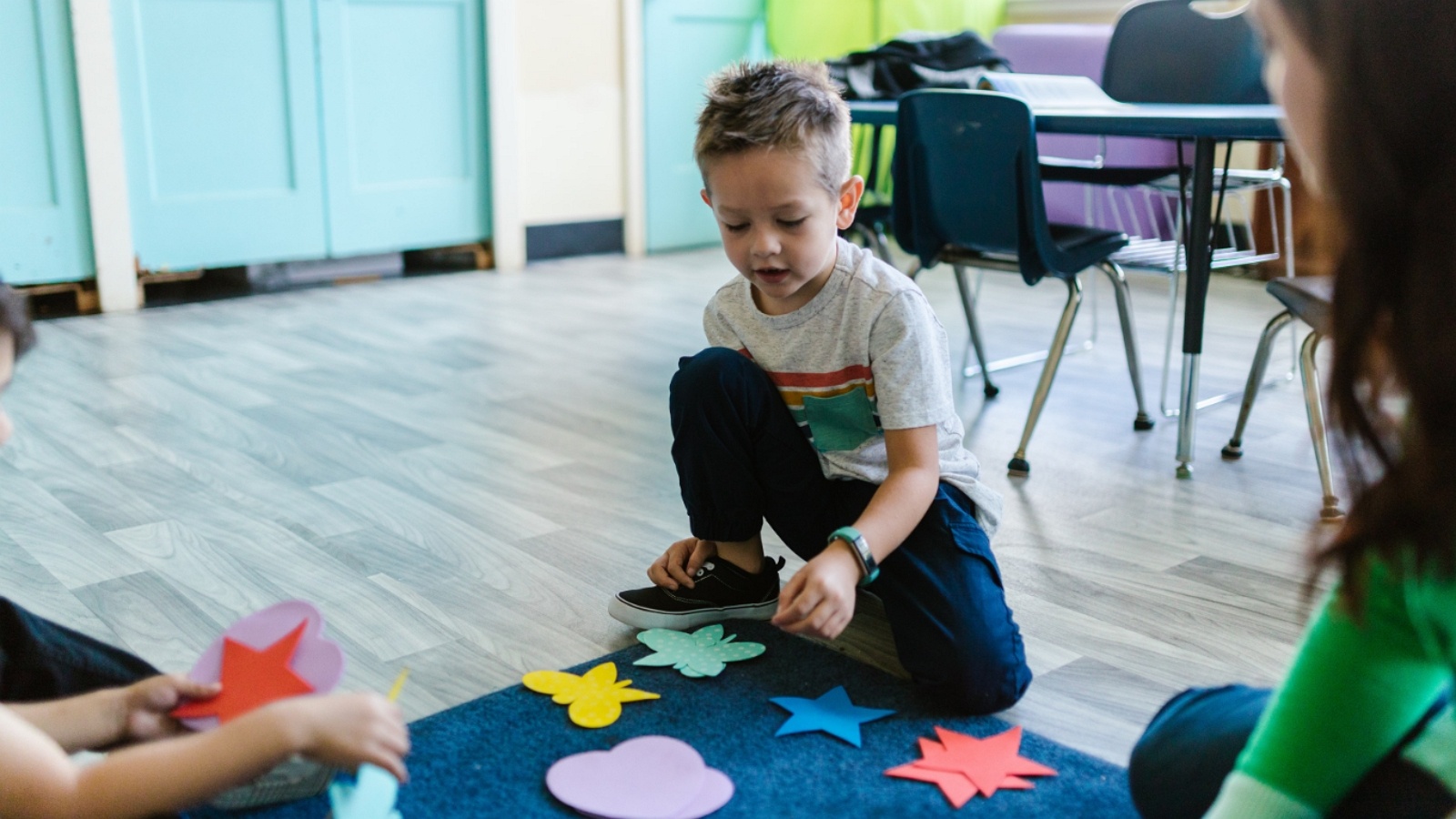
Everyday use makes the difference. A quick memory match after breakfast builds focus. Caring for virtual pets after school teaches responsibility. Decorating rooms or solving simple puzzles during quiet time strengthens attention and creativity. The best games keep sessions short and purposeful so kids stay engaged without overstimulation.
Many families also look for the best iPad games for kids and the best educational games for kids iPad that work smoothly on tablets. The best mobile games for kids and quality tablet games for kids offer the same safe, skill-building play on phones and other devices for flexible everyday use.
Types of Educational Games That Fit Real Life
Different games target different skills. Matching the type to your child’s age and needs keeps things useful. Collections of the best educational games for kids cover a wide range of these options.
Games for Creativity and Self-Expression
These invite kids to design, decorate, or invent. Fashion makeovers, room decorating, or drawing activities let children try ideas freely. They practice decision making and build confidence in their own choices. Open-ended options work well because there is no single right answer. Many fun educational games for kids focus on this free creative play.
Games for Empathy and Social Skills
Caring for characters or pets teaches kindness and emotional awareness. Kids feed, bathe, or comfort digital friends. They learn to notice feelings and respond with care. These games support social-emotional growth that carries into real friendships and family life. Families often turn to social emotional games for kids for this kind of support.
Games for Problem Solving and Focus
Puzzles, memory challenges, and simple logic tasks train attention and planning. Children figure out sequences, match patterns, or complete everyday routines like cleaning up. Short rounds fit busy schedules and give quick wins that keep motivation high. Memory games for kids are especially useful here.
Games for Early Learning Basics
Some titles weave in letters, numbers, colors, or shapes through play. Kids practice counting while collecting items or spelling while caring for pets. The learning stays light so it feels natural rather than forced. Options designed as the best educational games for toddlers and the best games for preschoolers make these basics easy to include.
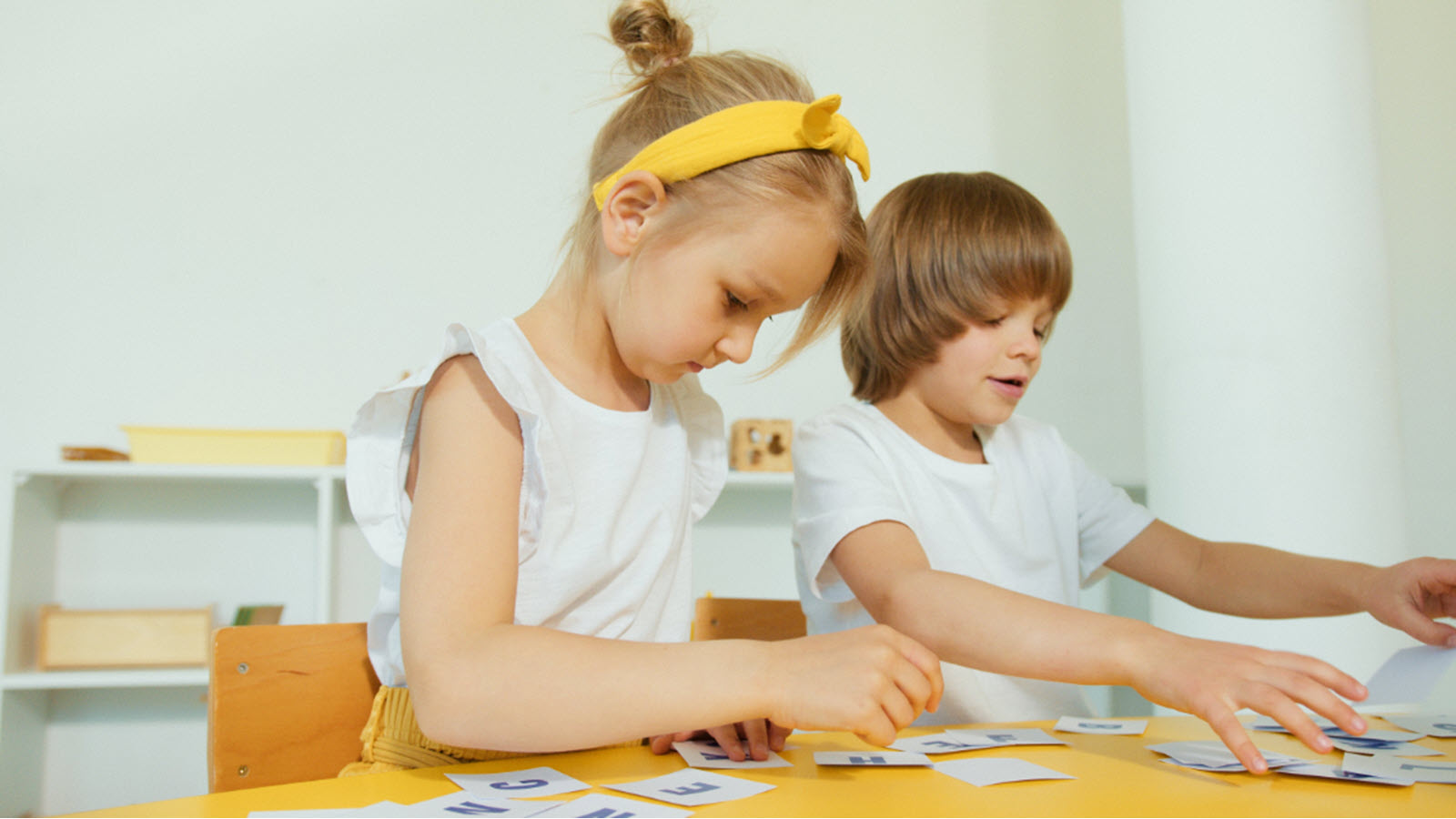
Board games and classic physical activities also count. Memory matching with cards, simple building sets, or cooperative board games build the same skills offline. Mixing digital and hands-on options keeps variety high.
How to Choose Games That Actually Help Everyday Learning
Look for a clear purpose behind the fun. Good educational games balance challenge and success. They avoid constant rewards that pull attention away from the activity itself. Ad-free designs matter because interruptions break focus and add stress for parents. Age fit is key. Games made for younger children use simple controls and clear visuals. Older kids may enjoy more open choices or mild strategies. Check that the content stays calm and positive. Privacy-safe options give parents peace of mind.
Test short sessions first. Watch how your child responds. Do they stay engaged? Do they talk about the game later? Can you join in easily? Games that support co-play often create stronger family moments. Many parents start by reviewing the best educational games for kids at home to find the right fit.
Prioritize collections that unlock many titles under one plan. This reduces the need to hunt for new apps and keeps content fresh without extra decisions. The full collection of online games offers a practical example of this approach.
Everyday Moments Perfect for Educational Games
Morning routines gain a calm start with a five-minute puzzle or memory game. Kids practice focus before the day begins. After school, a pet-care session helps them wind down while building responsibility. Evening family time works well with cooperative challenges or creative activities everyone can try.
Travel or waiting periods become productive with offline-capable games. Many titles download fully so they work without constant internet after the first setup. Short play times prevent screen fatigue and leave room for other activities. Learning through play activities fit these everyday windows well.
Parents who play alongside children often see better results. Talking about strategies or feelings during the game turns it into shared learning. Questions like “What will you try next?” or “How does the character feel?” deepen the experience without pressure.
TutoClub as a Strong Choice for Fun Educational Games
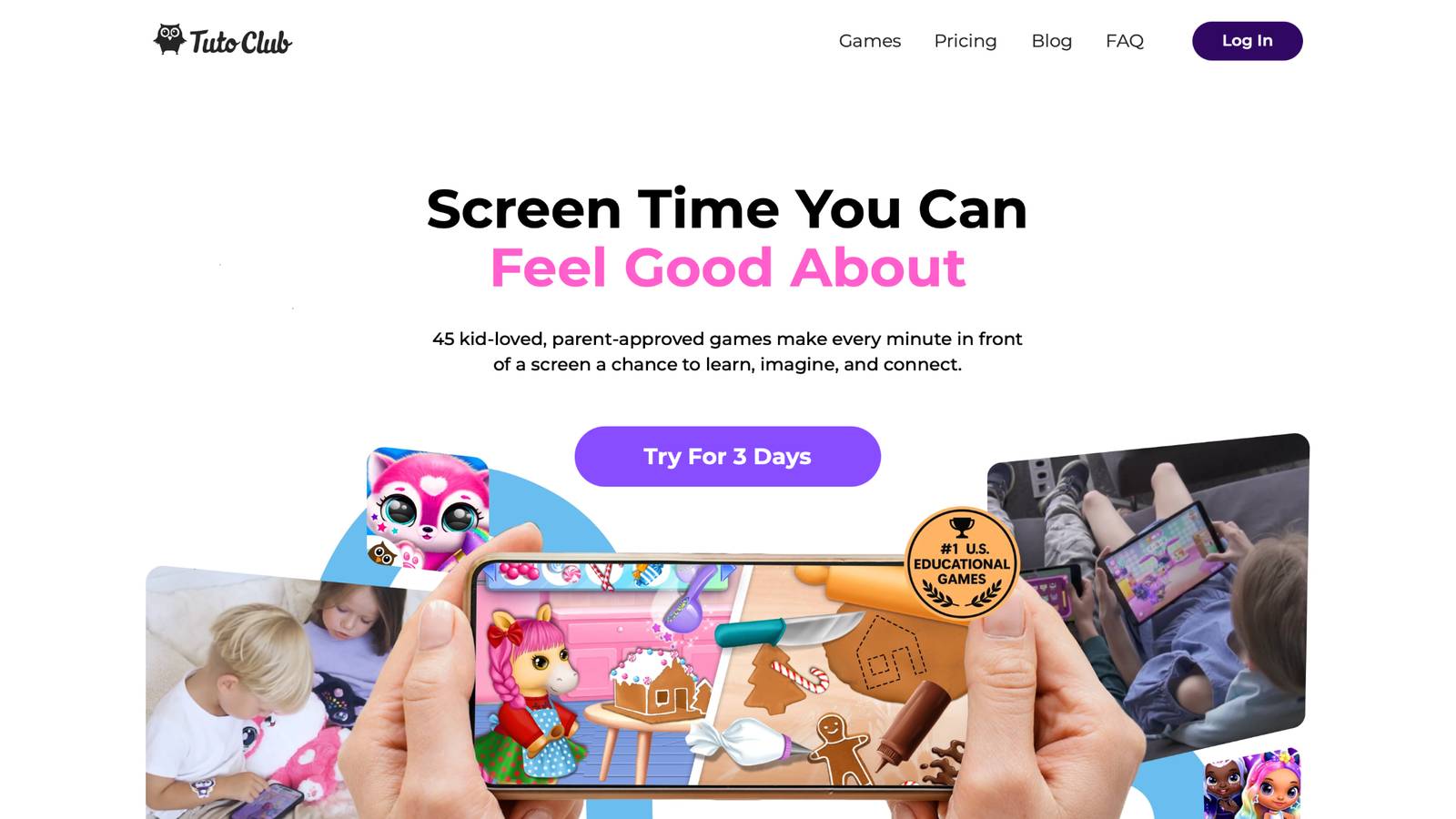
TutoClub stands out with its curated collection of more than 45 fun and educational games made for children ages 2 to 8. One subscription removes ads and unlocks full content across the titles. Games focus on creativity, focus, problem solving, and social-emotional skills through playful care, decorating, and simple challenges.
Popular options include pet-hatching and care experiences that spark curiosity, unicorn babysitting that builds empathy, cleaning routines that turn chores into learning, and fashion or princess activities that encourage self-expression. Memory puzzles and early letter or number practice appear in several titles so skills grow naturally.
The platform supports multiple devices and offers offline play after download. Parents manage everything through one account. Regular updates keep the collection fresh. Families report that screen time feels more purposeful and less like a battle. The design prioritizes calm engagement and real developmental value over flashy distractions.
Many parents choose it because the games feel like play first while still delivering growth in kindness, confidence, and thinking skills. The free trial period lets families test the full set risk-free. You can see the complete range in the TutoClub games section.
TutoClub Overview
TutoClub is your gateway to a magical world of educational games designed especially for children.
As part of TutoTOONS, a leading kids' games studio, we offer premium access to over 45 ad-free games.
Our mission is to blend learning and play, helping kids explore, create, and grow in a safe online space.
Thousands of parents trust us for family-friendly content that sparks imagination and builds essential skills.
Key Features
- Unlimited Access: Unlock full content in all games with no interruptions.
- Ad-Free Experience: Enjoy seamless play without any ads or distractions.
- Skill Development: Games foster creativity, social skills, communication, and more through fun activities like pet care and cleanup challenges.
- Regular Updates: Get new releases, exclusive content, and future updates automatically.
- Easy Subscription: Cancel anytime with no obligations, simple and flexible for families.
Explore Our World
TutoClub provides a rich ecosystem of educational games for kids, featuring ad-free experiences that promote creativity, focus, and emotional growth through play.
This platform turns screen time into valuable learning opportunities, with parent-approved content that builds essential skills and sparks curiosity in young minds.
- TutoClub Games: Over 45 educational games, including popular titles like Fluvsies, Smolsies, and the Sweet Baby Girl series
- Blog: Insights, tips, and stories for families on kids' learning and play
- FAQ: Comprehensive answers to frequently asked questions about subscriptions, features, and more
Get TutoClub on Your Device
TutoClub delivers premium kids educational games directly to your mobile devices, making learning accessible anytime, anywhere.
With apps available on major platforms, families can easily download and subscribe for ad-free play that turns screen time into skill-building adventures.
Perfect for parents seeking safe, engaging content on iOS, Android, or Amazon devices.
Why Choose TutoClub?
We're committed to 100% safe, enriching entertainment that kids love and parents approve. Join the thousands who've seen their children thrive through playful learning.
Ready to start the adventure?
Start with TutoClub’s collection of educational games for kids and see the difference in daily play!
Tips to Make Educational Games Part of Healthy Screen Habits
Set clear time limits that feel fair. Pair digital play with offline follow-up. After a decorating game, invite your child to draw the same room on paper. After pet care, talk about real-life animal needs. This bridges the screen and the real world. Rotate game types to cover different skills. One day focus on creativity, the next on problem solving. Involve siblings or friends when possible so social skills grow too. Looking at the best educational but fun games for kids can help keep the mix fresh.
Watch for signs of overstimulation. Calm designs with steady pacing work better than high-speed or loud options. Choose titles that end naturally after a short session so kids stop without argument. Keep the experience positive. Celebrate effort more than perfect scores. Ask what your child enjoyed or found tricky. Their answers guide future choices and show you value their thoughts.
Common Pitfalls and How to Avoid Them
Some games promise education but deliver mostly entertainment with little skill practice. Check descriptions for clear learning goals. Avoid those packed with ads or in-app purchases that interrupt play. Overly competitive designs can frustrate younger children. Look instead for cooperative or open-ended formats.
Another trap is treating games as pure babysitting. Active involvement from a parent multiplies the benefit. Even five minutes of shared play makes a difference. Finally, do not rely only on digital options. Balance with outdoor time, books, and hands-on crafts so learning stays well-rounded. Resources on the best online educational games for kids can help identify stronger choices.
Building Long-Term Benefits Through Consistent Play
Regular short sessions create habits that last. Children who practice problem solving in games often apply the same thinking to schoolwork and daily challenges. Empathy built through character care shows up in kinder interactions with siblings and friends. Creativity practiced in design games supports later writing and idea generation.
Parents gain confidence knowing the time spent supports growth. The guilt around screens fades when the content is purposeful. Over months, many families notice stronger focus, better emotional language, and more independent problem solving.
The key is consistency without pressure. Keep sessions light and fun. Adjust based on your child’s energy and interest. Educational games succeed most when they feel like a natural part of everyday life rather than an extra task. Exploring the best fun games that are educational for kids can support this steady approach.
FAQ
What makes an educational game effective for everyday learning?
An effective and fun educational game blends clear skill practice with genuine fun so children stay engaged without pressure. It offers the right level of challenge that lets kids try ideas, adjust when something does not work, and feel proud of small wins. Short sessions that fit real schedules help more than long ones because they keep focus high and leave room for other activities. Games that invite talking, creativity, or care for characters often transfer skills to daily life best, such as noticing feelings or planning simple steps. Ad-free designs protect attention and reduce interruptions that can break the learning flow.
How can parents fit educational games into busy family schedules?
Parents can use small windows of time that already exist in the day. A five-to-ten-minute session after breakfast, during a waiting period, or before dinner works well when the game starts quickly and ends naturally. Offline-capable options remove the need for constant connectivity after the first download. Co-play turns the activity into shared family time instead of solo screen use and gives parents a chance to talk about strategies or feelings. Rotating game types across the week covers different skills without adding extra planning stress, which pairs well with ideas from educational games at home.
Are digital educational games better than traditional board games?
Both digital and traditional board games have strong value for everyday learning. Digital games often provide adaptive challenges, rich visuals, and easy progress tracking that keep younger children interested. Board games build face-to-face social skills, turn-taking, and fine motor practice through physical pieces and shared table time. The strongest approach mixes both so children experience variety. Digital collections offer convenience and many options under one plan while physical games add screen-free days and cooperative play, much like the mix found in the best learning games for kids.
What age range benefits most from these types of games?
Many educational games target ages 2 to 8 because the early years form strong foundations in focus, empathy, and basic thinking skills. Younger children need simple controls, clear visuals, and short goals that match their attention span. Slightly older kids within this range enjoy more open choices, mild strategy, and creative expression. Matching the specific game to a child’s current abilities and interests matters more than the exact age number. Games that grow with the child through different levels of challenge support continuous progress, including options listed among the best kids educational games.
How do I know if a game is truly supporting my child’s growth?
Parents can watch for engagement that lasts beyond the first play and listen for a child talking about strategies, feelings, or ideas from the game later. Small improvements in related real-life skills such as patience, sharing, or problem solving often appear over time. Games that parents can join easily and that stay calm tend to deliver the most consistent benefits. When the experience feels purposeful rather than empty scrolling, and when the child shows curiosity or pride after playing, the game is supporting growth in everyday learning, similar to the approach in emotional games for kids
Read Also:
- Balancing Self-Care and Parenting: 7 Tips for Moms
- Key Advice for New Parents: What No One Tells You
- Best Educational Games for Kids
- Best Learning Games for Kids
- Best Educational Games for Kids That Are Fun