

Best Easy Educational Games For Kids in 2026






Parents search for ways to make screen time count. Easy educational games for kids deliver exactly that by turning play into skill-building moments that feel natural and engaging. These easy educational kids games help young learners develop focus, creativity, and social skills while keeping things simple and fun. TutoClub educational games give families a safe starting point that fits busy routines perfectly.
Parents looking for more variety can explore TutoClub’s curated guides on the best educational kids games, best kids games educational, best games for kids educational, best educational but fun games for kids, and best fun educational games for kids to keep learning fun and effective.
Discover the Best Easy Educational Games For Kids In 2026 - TutoClub
Benefits of Easy Educational Games for Young Learners

Easy educational games support development in ways that feel effortless and natural for children. Kids build stronger problem-solving abilities as they work through gentle challenges designed to match their current abilities. These educational kids games also help strengthen emotional awareness by encouraging moments of empathy and kindness during play sessions.
Many kids games spark curiosity and creativity without adding pressure. Children get to explore colors, shapes, patterns, and storytelling inside calm and inviting environments. This regular exposure often leads to noticeable improvements in focus and self-confidence that carry over into daily routines and school activities.
Easy educational kids games create valuable opportunities for shared family time. Simple interactions on the screen can turn into meaningful conversations and bonding moments between parents and children. TutoClub educational kids games are particularly effective at fostering these positive experiences while supporting overall growth.
Key Factors in Selecting Games for Kids
When choosing easy educational games for kids, parents should prioritize options that feel safe and approachable for young users. Ad-free experiences help maintain better attention and create a calmer play environment. Educational games created with input from education experts tend to align well with different developmental stages and offer the right level of challenge.
It helps to select easy kids games that address multiple areas of growth, including thinking skills, emotional understanding, and creative expression. Clear and simple navigation allows children to play more independently and build confidence in their abilities.
Games that function well across different devices provide convenient flexibility whether at home or while traveling. The ideal choice respects a child’s current interests while gently encouraging new skills to develop over time. TutoClub educational games excel in bringing many of these important qualities together in a single collection.
The Best Easy Educational Games For Kids in 2026
1. TutoClub - Best Easy Educational Games For Kids in 2026
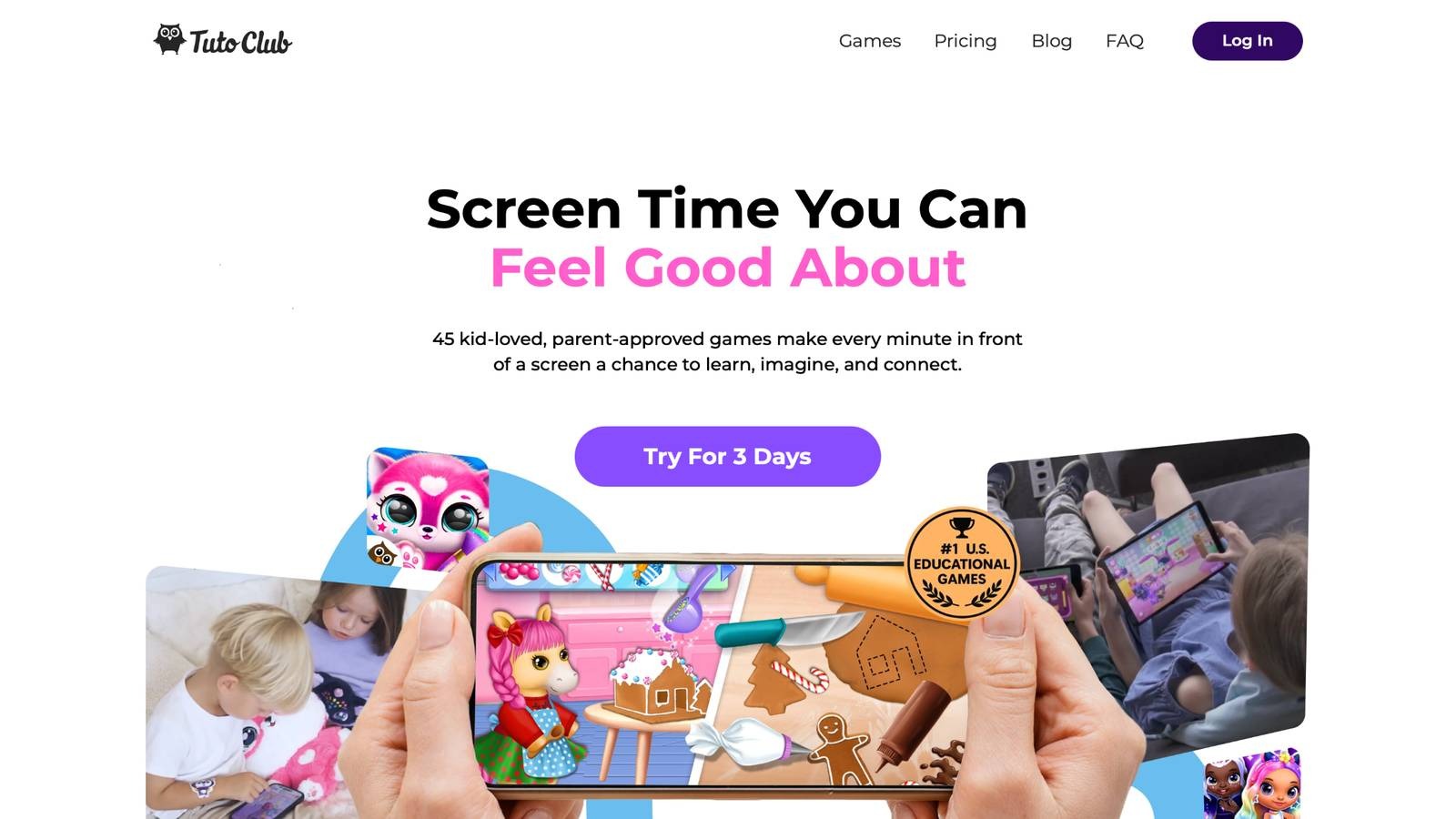
The TutoClub educational games deliver a subscription service packed with over 45 ad-free titles from TutoTOONS. Parents love how these games turn everyday screen time into enriching experiences that build creativity, focus, problem-solving, empathy, and compassion through play. Kids care for virtual pets, tackle gentle puzzles, and explore imaginative worlds that feel both fun and purposeful.
Each game stays calm and safe with no ads or interruptions. The collection works offline on multiple devices and supports meaningful family play. Crafted by experts, these experiences help children develop emotional awareness, confidence, responsibility, and curiosity while enjoying every moment. Based in Lithuania, TutoClub brings thoughtful design that prioritizes healthy screen habits and real developmental benefits. The blend of entertainment and learning makes it a standout choice that parents trust and kids adore.
TutoClub Overview
TutoClub is your gateway to a magical world of educational games designed especially for children.
As part of TutoTOONS, a leading kids' games studio, we offer premium access to over 45 ad-free games.
Our mission is to blend learning and play, helping kids explore, create, and grow in a safe online space.
Thousands of parents trust us for family-friendly content that sparks imagination and builds essential skills.
Key Features
- Unlimited Access: Unlock full content in all games with no interruptions.
- Ad-Free Experience: Enjoy seamless play without any ads or distractions.
- Skill Development: Games foster creativity, social skills, communication, and more through fun activities like pet care and cleanup challenges.
- Regular Updates: Get new releases, exclusive content, and future updates automatically.
- Easy Subscription: Cancel anytime with no obligations, simple and flexible for families.
Explore Our World
TutoClub provides a rich ecosystem of educational games for kids, featuring ad-free experiences that promote creativity, focus, and emotional growth through play.
This platform turns screen time into valuable learning opportunities, with parent-approved content that builds essential skills and sparks curiosity in young minds.
- TutoClub Games: Over 45 educational games, including popular titles like Fluvsies, Smolsies, and the Sweet Baby Girl series
- Blog: Insights, tips, and stories for families on kids' learning and play
- FAQ: Comprehensive answers to frequently asked questions about subscriptions, features, and more
Get TutoClub on Your Device
TutoClub delivers premium kids educational games directly to your mobile devices, making learning accessible anytime, anywhere.
With apps available on major platforms, families can easily download and subscribe for ad-free play that turns screen time into skill-building adventures.
Perfect for parents seeking safe, engaging content on iOS, Android, or Amazon devices.
Why Choose TutoClub?
We're committed to 100% safe, enriching entertainment that kids love and parents approve.
Join the thousands who've seen their children thrive through playful learning.
Ready to start the adventure?
Subscribe to TutoClub today and unlock endless fun!
2. Fluvsies Academy
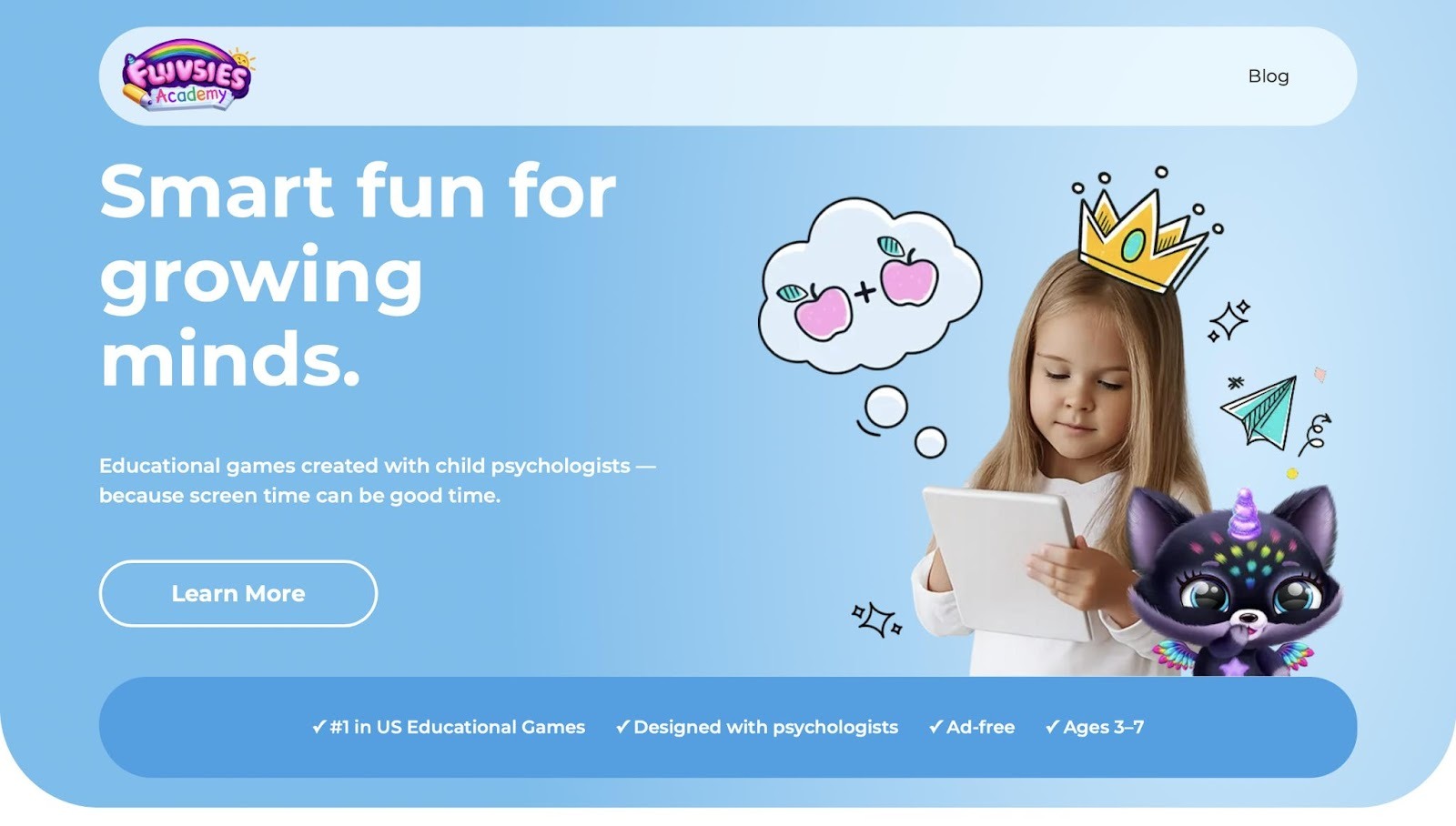
Fluvsies Academy offers a relaxing educational app built around the beloved Fluvsies characters that many young children already know and love from other gentle games. Children engage in thoughtful minigames that feel playful rather than forced as they care for cute pets, complete simple tasks, and explore colorful worlds filled with surprises. The design creates a gentle atmosphere where learning happens naturally through caring routines and light challenges that build confidence without pressure.
Kids hatch eggs, nurture creatures, and solve easy puzzles that spark curiosity while encouraging kindness and responsibility in everyday play. Parents notice how the app keeps little ones happily occupied for meaningful stretches of time while quietly supporting early skills in a way that feels like pure fun. The calm visuals and soothing sounds help maintain focus even on busy days, making it a favorite choice for families seeking screen time that nurtures rather than distracts. While some activities repeat familiar patterns, this consistency actually helps children master concepts at their own pace and return with excitement each time.
Key features include:
- Ad-free environment that keeps focus sharp and uninterrupted
- Minigames covering language, logic, math basics, and life skills
- Cute characters and relaxing vibe that appeal strongly to young learners
- Simple controls designed for independent play from an early age
Facts and information:
- Psychologist-informed design supports gentle skill-building in a safe, colorful world
- Combines pet care with educational moments that feel natural and rewarding
3. ABCmouse
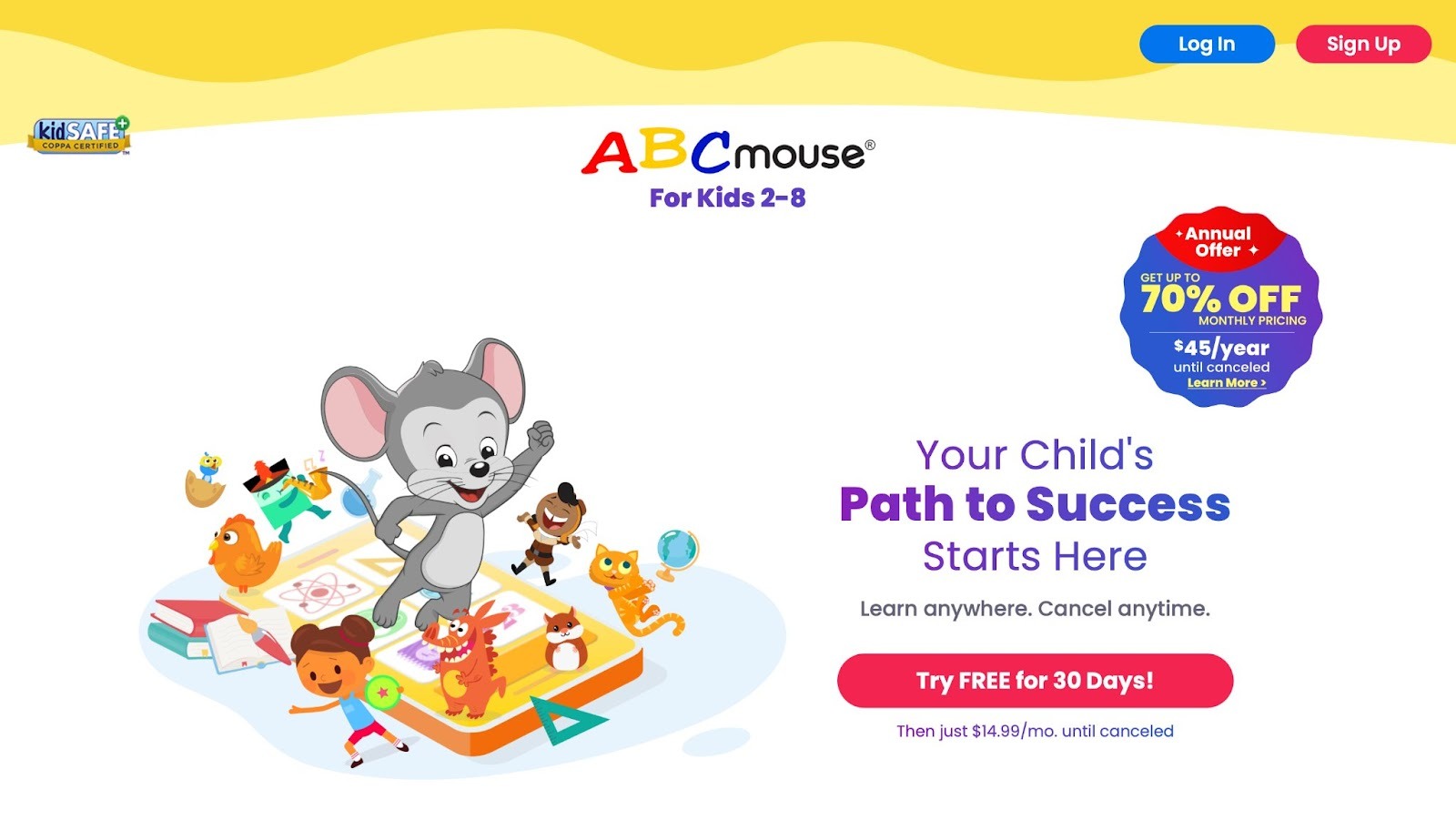
ABCmouse provides a full online academy experience for early learners with thousands of structured yet enjoyable activities spread across many subjects. The platform guides children through step-by-step paths that feel like an adventure rather than schoolwork as they progress through reading, math, science, and art lessons. Families appreciate the comprehensive approach that covers everything in one place while still allowing kids to choose what sparks their interest on any given day.
Bright animations and rewarding characters keep motivation high, and the variety ensures that even picky learners find something that clicks quickly. Parents often mention how the consistent format helps build routines around learning without feeling rigid. While the sheer amount of content can seem large at first, children quickly learn to navigate it confidently and explore new topics on their own. This balance of structure and freedom makes ABCmouse a reliable option that grows alongside a child’s developing abilities and curiosity over time.
Key features include:
- Step-by-step learning paths that adapt to different interests
- Interactive lessons and rewards that maintain high motivation
- Broad curriculum with videos, games, and printable options
- Easy navigation suitable for independent use by young children
Facts and information:
- Created by Age of Learning in Glendale, California
- Helps build foundational skills through consistent daily play sessions
4. Khan Academy Kids
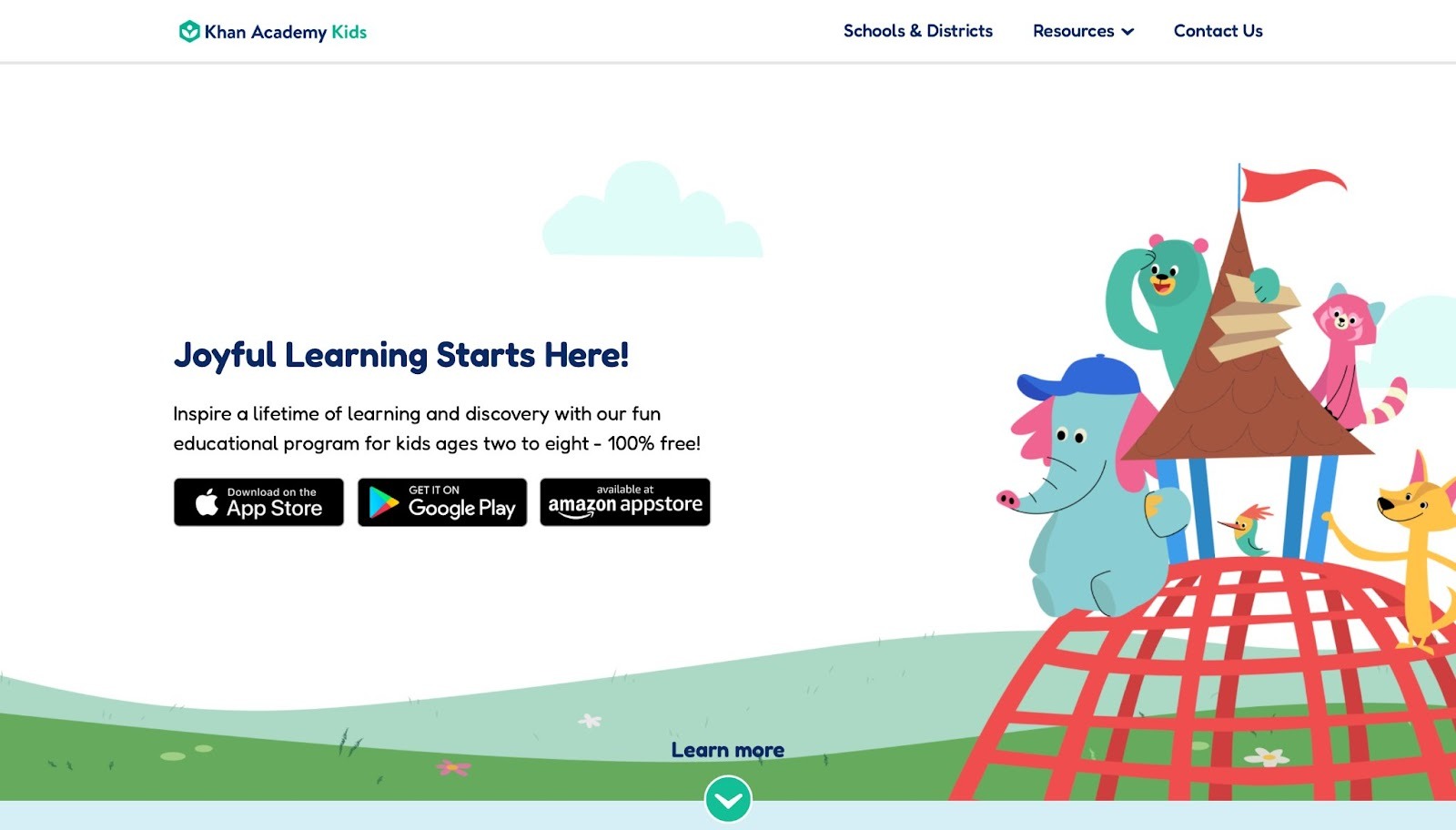
Khan Academy Kids delivers free activities that make learning accessible for every family through friendly characters and short engaging lessons. The app introduces math, reading, and social-emotional concepts in ways that feel like storytelling rather than drills. Children progress at their own pace with plenty of encouragement built right into the experience so they stay motivated without external pressure. Parents value the research-backed content that blends academic skills with emotional growth in a balanced way.
The clean interface and clear audio cues help even very young users feel successful from the start. While some lessons may feel familiar to parents, the gentle repetition actually strengthens understanding and builds lasting confidence. This free resource stands out for its quality and lack of distractions, creating a calm space where kids can explore ideas and return whenever they want more.
Key features include:
- Engaging stories and interactive exercises that hold attention
- Focus on both academic and emotional development
- Completely free access with no barriers or interruptions
- Short activities perfect for daily routines
Facts and information:
- Developed by Khan Academy in Mountain View, California
- Supports broad early learning through research-backed content
5. Prodigy Math Game
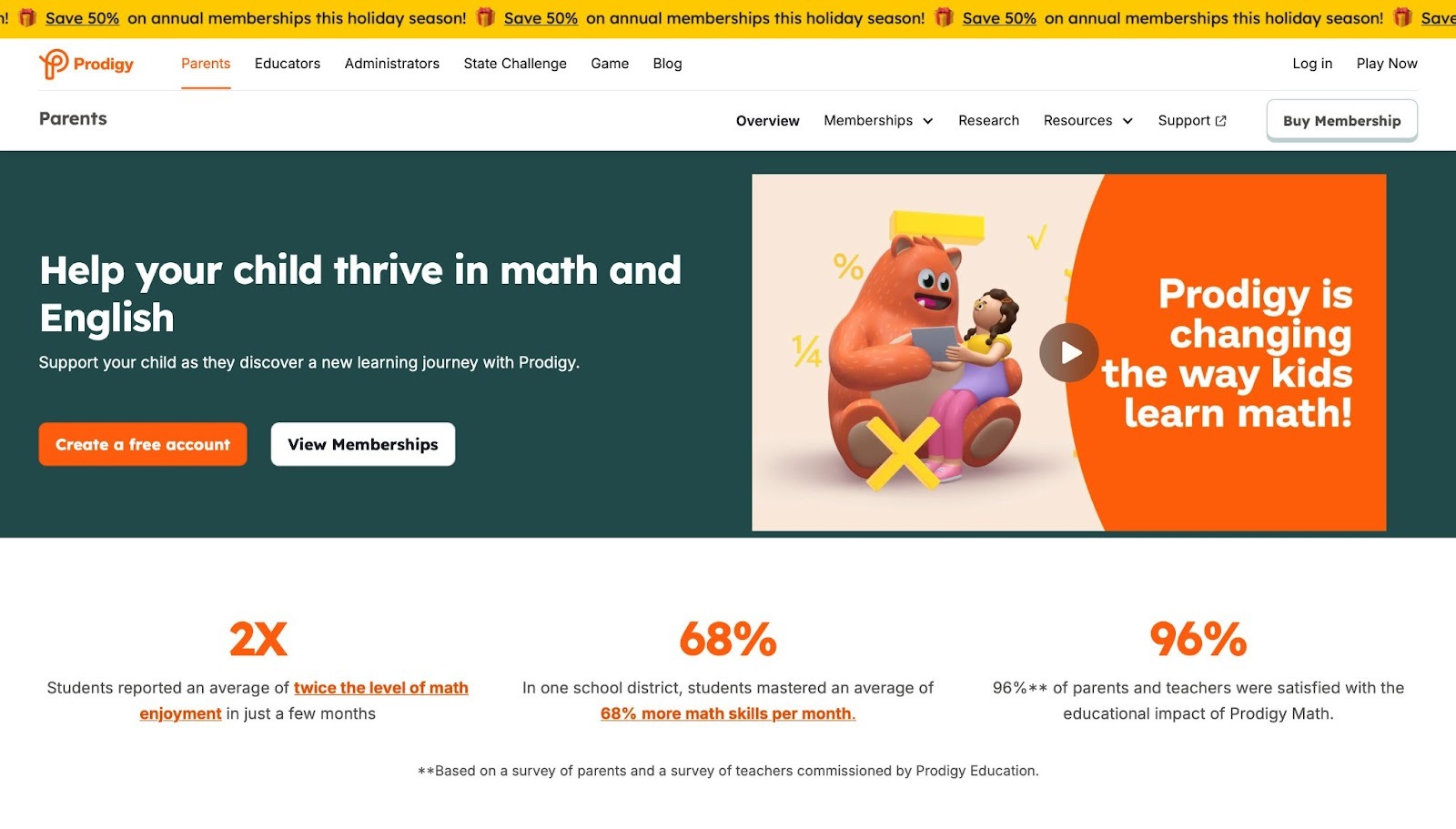
Prodigy Math Game turns math practice into an exciting adventure where kids explore a fantasy world while solving problems that feel like part of the story. The adaptive system quietly adjusts difficulty so every child stays challenged yet successful without frustration. Children customize characters, battle in fun ways, and unlock new areas as they master concepts through gameplay.
This approach keeps learners motivated by making math feel like a natural part of the quest rather than separate work. Parents often see improved confidence as skills transfer to real-life situations. While the main focus stays on mathematics, the storytelling elements add layers of creativity and problem-solving that many kids enjoy. The game encourages persistence in a positive environment that celebrates small wins along the way.
Key features include:
- Math-based quests and battles that feel like real adventures
- Character customization and world exploration options
- Alignment with school curriculum topics in a playful format
- Adaptive challenges that match individual progress
Facts and information:
- Combines role-playing elements with core math skills
- Keeps learners motivated through game-like progression
6. Duolingo for Kids
Duolingo for Kids introduces language concepts through bite-sized lessons and fun stories that make learning a new language approachable and exciting. The app uses visual cues, gentle repetition, and colorful characters to build vocabulary and basic phrases without overwhelming young minds. Children enjoy short daily sessions that fit easily into busy schedules while still feeling like play.
Parents appreciate how the format creates positive associations with language exploration and encourages consistent practice. The mix of listening, reading, and speaking activities supports different learning preferences naturally. While progress may feel gradual at first, this steady pace actually leads to stronger retention and growing confidence over time. The engaging rewards and stories keep kids coming back happily.
Key features include:
- Short daily sessions that fit busy family schedules
- Phonics, reading, and listening practice in one place
- Engaging stories that reinforce concepts through play
- Visual cues and repetition designed for young learners
Facts and information:
- Focuses on age-appropriate content for early language exposure
- Creates positive associations with language exploration
7. DragonBox
DragonBox uses visual puzzles to teach math concepts without traditional numbers at first so children discover algebraic thinking through gameplay that feels intuitive and rewarding. The series builds understanding step by step from basic operations to more advanced ideas in a way that feels like solving mysteries. Kids move colorful pieces and watch concepts come alive on screen, which helps them grasp ideas visually before formal symbols appear.
Parents notice stronger logical thinking and number sense developing naturally through repeated play. The progressive levels grow smoothly with the child so frustration stays low. While some puzzles require patience, the satisfying solutions make the effort worthwhile and build resilience. This approach works especially well for different learning styles that benefit from hands-on discovery.
Key features include:
- Award-winning visual approach to equations and operations
- Progressive levels that grow naturally with the child
- No pressure, just discovery through engaging play
- Intuitive mechanics that build confidence step by step
Facts and information:
- Helps develop logical thinking and number sense
- Works well for various learning styles and preferences
8. PBS Kids Games
PBS Kids Games connects familiar characters from popular shows with educational activities that feel comforting and familiar to many children. Kids play games tied to math, literacy, science, and social skills while enjoying the friendly faces they already know from television. The short activities work perfectly for quick sessions or longer focused play depending on the day.
Parents like how the trusted educational backing ensures quality content that supports broad developmental areas. The mix of familiar stories and new challenges keeps engagement high without feeling repetitive. While some games may feel light on depth, they serve as excellent entry points that build interest in learning topics. This connection to beloved shows makes the experience more approachable for hesitant young learners.
Key features include:
- Games featuring well-known characters like Daniel Tiger and Wild Kratts
- Short activities perfect for quick or extended sessions
- Free access with trusted educational foundation
- Activities tied to math, literacy, science, and social skills
Facts and information:
- Reinforces concepts from popular TV series
- Supports broad developmental areas through familiar play
9. Osmo
Osmo combines physical pieces with digital games for hands-on learning that bridges the real world and the screen in an engaging way. Children use tangible objects that interact with the device to solve puzzles, create stories, and practice skills like math and spelling. The real-time feedback on screen makes every move feel immediate and exciting.
Parents appreciate the collaborative options that work well for siblings or family play times. The mix of physical movement and digital response encourages fine motor skills alongside cognitive growth. While setup requires the right mirror or base, once started the experience flows smoothly and keeps kids absorbed. This tangible approach often leads to longer, more focused play sessions compared to screen-only options.
Key features include:
- Tangible play pieces for math, spelling, and creativity
- Real-time feedback directly on the device
- Collaborative options suitable for siblings or parents
- Hands-on interaction that blends physical and digital play
Facts and information:
- Bridges physical and digital learning effectively
- Encourages fine motor skills alongside cognitive growth
10. Minecraft Education Edition
Minecraft Education Edition lets kids build and explore while learning core concepts through open-ended creativity and structured challenges. Creative mode supports storytelling, design, and collaboration as children construct worlds that reflect their ideas and interests. The platform turns imagination into lessons covering science, history, and problem-solving in ways that feel completely natural.
Parents value the multiplayer options that allow group learning and shared projects with friends or family. The flexible format adapts easily to different age groups and keeps engagement high over long periods. While the open world can sometimes feel vast, built-in tools and curriculum guides help direct the experience productively. This blend of freedom and purpose makes it a standout choice for creative learners.
Key features include:
- Open-ended building and world creation tools
- Curriculum-aligned lessons and challenges
- Multiplayer options for group learning experiences
- Support for storytelling, design, and problem-solving
Facts and information:
- Develops creativity and collaboration skills naturally
- Adapts easily to different age groups and interests
11. Lingokids
Lingokids brings language and life skills together through colorful games and activities that feel like daily adventures for young children. Kids sing songs, play matching games, and follow friendly characters while exploring vocabulary, numbers, and everyday routines in English and other languages. The app creates a lively yet gentle space where learning feels social and fun rather than academic.
Parents often note how children repeat phrases and actions from the games during real-life moments, showing natural retention. The variety of short activities allows for flexible use throughout the day without causing fatigue. While some themes repeat to build familiarity, this repetition actually strengthens memory and confidence in a positive way. Lingokids stands out for its upbeat energy combined with clear educational goals that support overall development.
Key features include:
- Songs and games focused on vocabulary and daily routines
- Friendly characters that guide children through activities
- Mix of language learning and life skills in one place
- Short, lively sessions designed for young attention spans
Facts and information:
- Supports early language exposure through playful methods
- Encourages natural use of new words in everyday situations
12. ABCya
ABCya offers hundreds of free and premium games organized by grade level that cover math, language arts, and logical thinking for a wide range of young learners. Children select from colorful categories like puzzles, strategy, and holiday-themed activities that keep play feeling fresh and seasonal. The platform updates content regularly so kids always find new challenges that match their growing abilities.
Parents like the straightforward navigation that lets children explore independently while still covering important foundational skills. The games strike a balance between fun mechanics and clear learning objectives without feeling forced. While some titles may lean toward drill-style practice, many incorporate creative twists that maintain high engagement. ABCya works well as a supplementary resource that complements other learning tools at home.
Key features include:
- Games organized by grade level for easy selection
- Coverage of math, language, and strategy topics
- Regular updates with fresh seasonal content
- Mix of free and premium options for flexibility
Facts and information:
- Provides broad skill practice through interactive play
- Supports independent exploration across multiple subjects
13. Starfall
Starfall focuses on early literacy and math through simple interactive stories, songs, and games that build strong foundational skills in a calm environment. Children click through colorful scenes that teach phonics, reading comprehension, and basic number concepts at their own pace. The gentle pace and clear audio support help even beginning learners feel successful quickly. Parents appreciate the straightforward design that avoids distractions and keeps the focus on skill development.
The content grows naturally with the child as they move from letter recognition to full sentences and simple math operations. While the interface may feel classic rather than flashy, this simplicity often leads to deeper concentration during play. Starfall remains a trusted choice for families seeking reliable early learning support.
Key features include:
- Interactive stories and songs for phonics practice
- Clear audio guidance suitable for early readers
- Simple navigation focused on literacy and math
- Calm environment that supports concentration
Facts and information:
- Builds foundational reading and math skills effectively
- Encourages steady progress through familiar formats
14. Endless Alphabet
Endless Alphabet introduces letters and vocabulary through whimsical animations and puzzle mechanics that turn word learning into an entertaining adventure. Children drag letters into place while watching funny animations bring each word to life with sound effects and definitions. The app covers a wide range of everyday and interesting words that expand young vocabularies naturally.
Parents notice how kids laugh and repeat words during play, making the learning process memorable and enjoyable. The consistent puzzle format helps build focus and problem-solving habits without pressure. While some words may appear advanced, the playful presentation makes them accessible and fun to explore. Endless Alphabet excels at turning potentially dry letter practice into something children request by name.
Key features include:
- Animated puzzles that bring words to life
- Clear definitions and sound effects for each term
- Drag-and-drop mechanics suitable for young hands
- Broad vocabulary selection across different themes
Facts and information:
- Supports early literacy through engaging animations
- Builds word recognition and pronunciation skills playfully
15. ScratchJr
ScratchJr lets children create their own interactive stories and animations using simple block-based coding that feels like building with digital blocks. Kids drag colorful command blocks together to make characters move, talk, and interact in creative scenes they design themselves. The open-ended nature encourages imagination and logical thinking as children experiment with sequences and outcomes. Parents value how it introduces basic programming concepts in a way that feels like play rather than instruction.
The visual interface works well for young users who may not yet read fluently. While projects can start simple, they grow more complex as skills develop, keeping the experience fresh for months. ScratchJr transforms screen time into active creation time that builds confidence and computational thinking naturally.
Key features include:
- Block-based coding for creating stories and animations
- Visual interface designed for young creators
- Open-ended projects that encourage experimentation
- Tools for characters, backgrounds, and sound effects
Facts and information:
- Introduces programming concepts through creative play
- Supports storytelling and logical sequencing skills
How Easy Educational Games Support Different Learning Styles
Easy educational games adapt well to the unique ways children absorb new information. Visual learners benefit from bright graphics, patterns, and visual puzzles that make concepts easier to understand. Auditory learners enjoy games with clear narration, sound effects, and rhythmic elements that reinforce ideas through listening.
Children who learn best through movement and touch respond strongly to kids educational games that involve tapping, dragging, and hands-on style interactions. Some titles also support reading development through simple text and word recognition activities. This variety means most children can find activities that feel comfortable while still being challenged in positive ways.
The best games often blend several learning styles within the same experience so kids can grow in multiple directions at once. TutoClub games collection offers a wide range of activities that cater to these different preferences within one easy-to-use platform.
Practical Tips for Parents Using Games at Home
Creating a balanced routine helps kids games become a positive part of the day rather than the main activity. Mixing short game sessions with physical play, reading time, and creative hands-on projects keeps things varied and healthy. Many parents find that setting clear start and end times for digital play makes the transition to other activities smoother.
Taking a few moments to talk with children about what they enjoyed or found challenging after a session can deepen the learning. Paying attention to which types of easy educational games hold a child’s interest longest provides helpful clues about their current strengths and preferences. Rotating between different titles helps maintain freshness and exposes kids to a broader set of skills.
As children grow, reviewing available educational games regularly ensures the content continues to match their developing abilities and interests. This thoughtful approach turns screen time into a more intentional and supportive part of family life.
FAQ
What makes a game truly educational for young children?
An educational game for children earns the educational label when it invites children to make choices that build thinking patterns they can apply beyond the screen. It weaves in opportunities for children to practice patience and adjust their approach when something does not work right away. The strongest designs also help youngsters notice their own feelings during play, turning digital moments into quiet lessons in self-awareness. Families often discover that these experiences blend seamlessly with daily routines and support the natural way young minds grow through trial and gentle discovery.
Are paid subscriptions worth it compared to free options?
Paid subscriptions frequently deliver uninterrupted sessions that let kids stay absorbed without sudden breaks or distractions. They tend to maintain a steady quality level across many games so children can move smoothly from one activity to another. The controlled setting also removes the need for parents to check every new download or update. This approach creates a more predictable space where learning flows naturally and families spend less time managing device settings.
How old should kids be to start easy educational games?
Most easy educational games suit children who have begun to show interest in simple cause-and-effect play, often around the time they start recognizing colors and basic shapes. The key lies in matching the interface to a child’s current motor skills and attention span so the experience feels inviting rather than overwhelming. Starting with very short play periods helps build comfort and positive feelings toward digital tools. Over time these early introductions lay groundwork for confident, independent exploration as kids grow.
Can educational games replace traditional learning activities?
Easy educational kid games work best as one piece of a larger mix that includes hands-on crafts, outdoor movement, and face-to-face reading time. They add a layer of immediate feedback that can highlight progress in ways some traditional methods do not always show right away. When used alongside books and real-world play, they expand the ways children practice new ideas without replacing the value of physical interaction or quiet reflection. The combination creates richer pathways for skill development across many areas of growth.
Read Also:
- Best Brain Games For Kids In 2026
- Best Memory Games For Kids In 2026
- Best Safe Games For Kids In 2026
- Best Responsibility Games For Kids In 2026
- Best Emotional Games For Kids In 2026
Discover the Best Easy Educational Games For Kids In 2026 - TutoClub