
Best Emotional Intelligence Kids Game






Parents want the best emotional intelligence kids game that feels like play, not a lesson. A strong emotional intelligence game for kids helps children name feelings, show care, and try again after a setback. TutoClub games mix pet care, cleanup stories, and gentle challenges so kids emotional intelligence practice stays fun and calm.
Parents who want feelings practice to stay playful can look past a single title. The best social emotional games for kids rehearse care and turn-taking, while the best emotional regulation games for kids give a calm next step after a setback. Pairing those with the best emotional games for kids keeps naming feelings and trying again inside pet care, cleanup stories, and gentle challenges.
See how TutoClub turns everyday play into emotional growth for kids!
What A Strong Emotional Intelligence Kids Game Actually Does

A good emotional intelligence kids game gives a child a safe place to notice a feeling and pick a next step. The best game for kids does not lecture. It shows a face, a need, or a small problem, then lets the child respond.
Four parts show up again and again in play that builds EQ:
- Name the feeling. Happy, mad, shy, worried, proud. Clear faces and simple words help.
- Notice someone else. A pet looks tired. A friend looks left out. The child can help.
- Pause before acting. A short breath, a retry, or a kinder choice after a mistake.
- See the result. The character smiles, the room looks better, or the story moves on.
Short rounds work better than long sessions. Many families mix a screen game with a quick talk after: "What did the baby need? What did you feel when the puzzle stuck?" That talk is where the skill moves into real life.
Screen play is only one path. Pet care games that teach empathy and responsibility show how feeding, waiting, and comforting a character turn kindness into a habit. Safe kids games keep that practice free of surprise ads and outside chat. An educational games for kids app works best when the round stays short and a parent names one feeling at the end. Broader educational games for kids can sit beside the feelings round so play still covers focus and early skills. Face cards, kindness bingo, and story pauses at home carry the same pattern off the screen.
Skills Kids Practice While They Play
Emotional intelligence is a set of small skills, not one talent. Play can train each piece if the task is clear.
Self-awareness grows when a child matches a face to a word, or points to how a character feels. Self-control grows when the game slows down after a miss and lets the child try again. Empathy grows in care tasks: feed, comfort, clean, wait. Social skill grows when stories ask the child to share, take turns, or fix a mix-up. Kind choices grow when helping is the win, not speed or a high score.
These are the same five areas many schools use in social-emotional learning: know yourself, manage yourself, understand others, build relationships, and make caring choices. A feelings game for kids makes those ideas concrete. A child who cannot yet explain "frustrated" can still comfort a virtual pet or pick a calm face.
Age changes the fit. Younger kids need faces, taps, and care tasks with almost no reading. Older kids can handle short stories, "what would you do" choices, and talk about repair after a conflict. Emotional regulation games for kids focus more on the pause and the calm-down step. Responsibility games for kids add chores, pet care, and follow-through. Confidence building games help after a miss, when a retry matters more than a perfect score. Problem-solving games for kids train the "think, then try" step. Memory games for kids support the focus a child needs before a feeling talk can land.
Best Emotional Intelligence Kids Game
1. TutoClub - Best Emotional Intelligence Kids Game
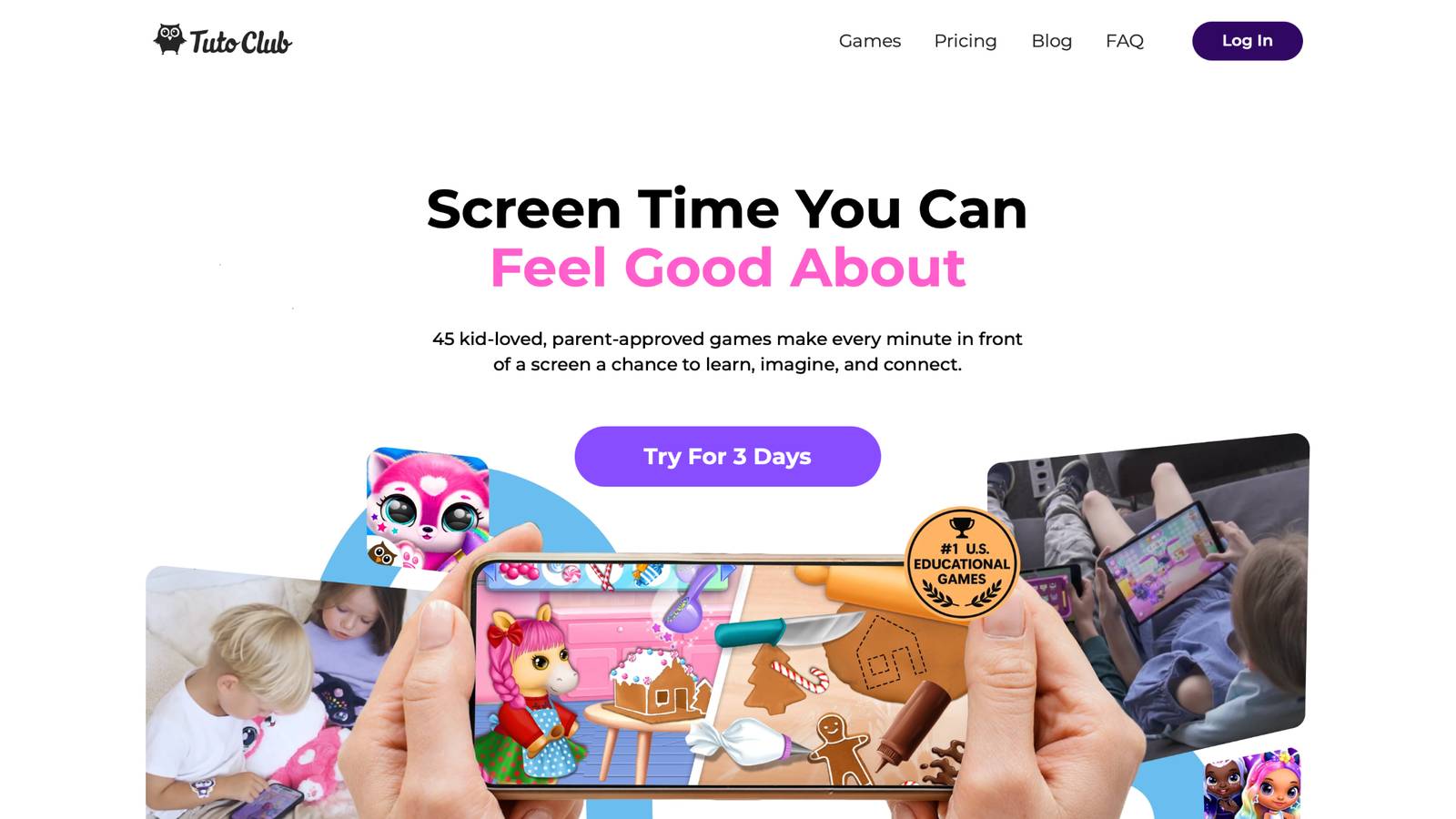
TutoClub games give families one ad-free subscription with more than 45 titles from the TutoTOONS studio in Lithuania. Kids care for pets, comfort baby characters, tidy rooms, and follow gentle stories that ask for kindness instead of speed. My Baby Unicorn turns babysitting into empathy practice. Fluvsies and Smolsies let children hatch, feed, and look after cute pets. Sweet Baby Girl Cleanup 5 turns chores into a calm win. FLOOF and Princesses - Enchanted Castle add puzzles, memory, and doll care that reward patience. Fashion and music titles such as Sweet Baby Girl Pop Stars and Pony Sisters Pop Music Band add a place to show feelings through style and play. Sessions stay short, bright, and free of ads, so the mood stays steady. Parents often sit nearby, name what the character feels, and watch the same care show up with a sibling or a real pet later. The mix of pet care, cleanup, and story choice makes this the best emotional intelligence kids game for homes that want EQ practice inside normal play.
- Key features: 45+ ad-free games, pet care, baby care, cleanup stories, puzzles, memory tasks, and creative play in one subscription.
- Facts and information: Built by TutoTOONS in Lithuania. Games focus on empathy, kindness, focus, and everyday routines. Many titles work well for preschool and early elementary kids. Parent controls and a calm, ad-free setup keep sessions steady.
TutoClub Overview
TutoClub is your gateway to a magical world of educational games designed especially for children.
As part of TutoTOONS, a leading kids' games studio, we offer premium access to over 45 ad-free games.
Our mission is to blend learning and play, helping kids explore, create, and grow in a safe online space.
Thousands of parents trust us for family-friendly content that sparks imagination and builds essential skills.
Key Features
- Unlimited Access: Unlock full content in all games with no interruptions.
- Ad-Free Experience: Enjoy seamless play without any ads or distractions.
- Skill Development: Games foster creativity, social skills, communication, and more through fun activities like pet care and cleanup challenges.
- Regular Updates: Get new releases, exclusive content, and future updates automatically.
- Easy Subscription: Cancel anytime with no obligations, simple and flexible for families.
Explore Our World
TutoClub provides a rich ecosystem of educational games for kids, featuring ad-free experiences that promote creativity, focus, and emotional growth through play.
This platform turns screen time into valuable learning opportunities, with parent-approved content that builds essential skills and sparks curiosity in young minds.
- TutoClub Games: Over 45 educational games, including popular titles like Fluvsies, Smolsies, and the Sweet Baby Girl series
- Blog: Insights, tips, and stories for families on kids' learning and play
- FAQ: Comprehensive answers to frequently asked questions about subscriptions, features, and more
Get TutoClub on Your Device
TutoClub delivers premium kids educational games directly to your mobile devices, making learning accessible anytime, anywhere.
With apps available on major platforms, families can easily download and subscribe for ad-free play that turns screen time into skill-building adventures.
Perfect for parents seeking safe, engaging content on iOS, Android, or Amazon devices.
Why Choose TutoClub?
We're committed to 100% safe, enriching entertainment that kids love and parents approve.
Join the thousands who've seen their children thrive through playful learning.
Ready to start the adventure?
Start calm EQ play with TutoClub games your child can enjoy today!
2. Fluvsies Academy
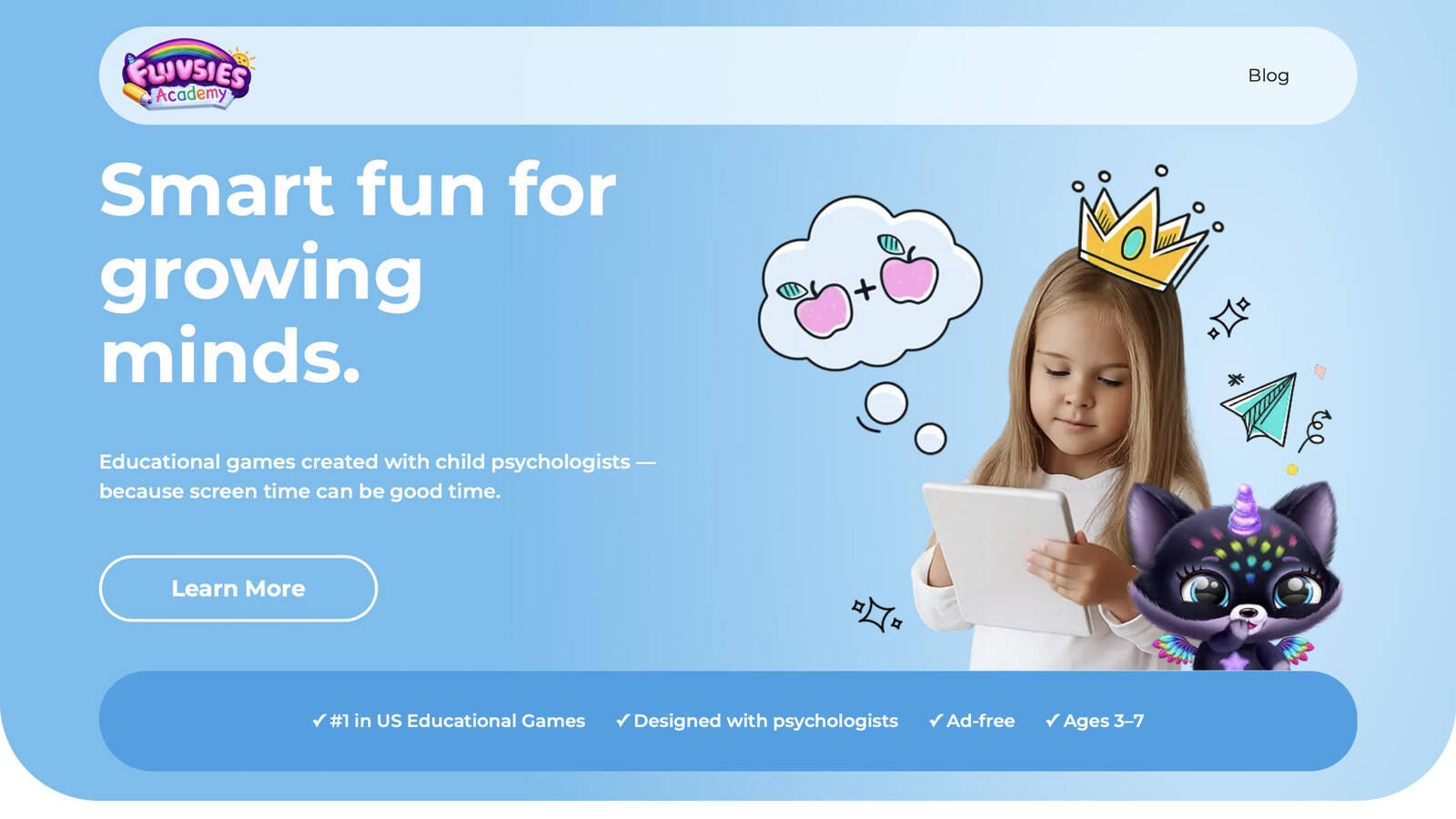
Fluvsies Academy is a gentle learning app for children ages 3 to 7, built with child psychologists and early learning specialists. Kids follow friendly fuzzy characters through language and phonics, number games, logic puzzles, sorting, and life-skill stories. The characters feel warm and familiar, so a shy child can settle in fast. Profession play lets a child try roles such as baker, firefighter, or astronaut, then talk about how that job helps people. That role play is a quiet empathy lesson. A child sees that other people have jobs, needs, and feelings, then practices kind words while the story moves. Empathy sits beside the lessons, with care for characters and calm, age-fit scenes. Progress reports give parents a simple view of what the child tried, which makes it easier to ask one follow-up question after play. The app stays ad-free, and short activities suit preschool attention. Printable add-ons let play continue off the screen with the same characters. Families who already like Fluvsies characters often find the Academy an easy next step, because the faces feel known and the tasks stay warm. Language work, number confidence, and life skills share the same calm world, so a child can practice feelings without leaving the story they love. Parents often notice new words at dinner and questions about real jobs after a session. The mix of guided play and emotional safety makes it a strong preschool pick beside a wider care-game library.
- Key features: Language, phonics, numbers, logic, sorting, life skills, profession stories, progress reports, and ad-free play for ages 3 to 7.
- Facts and information: Designed with child psychologists. Activities cover learning, empathy, and everyday habits. Content is age-filtered and built for short sessions.
3. Daniel Tiger's Grr-ific Feelings
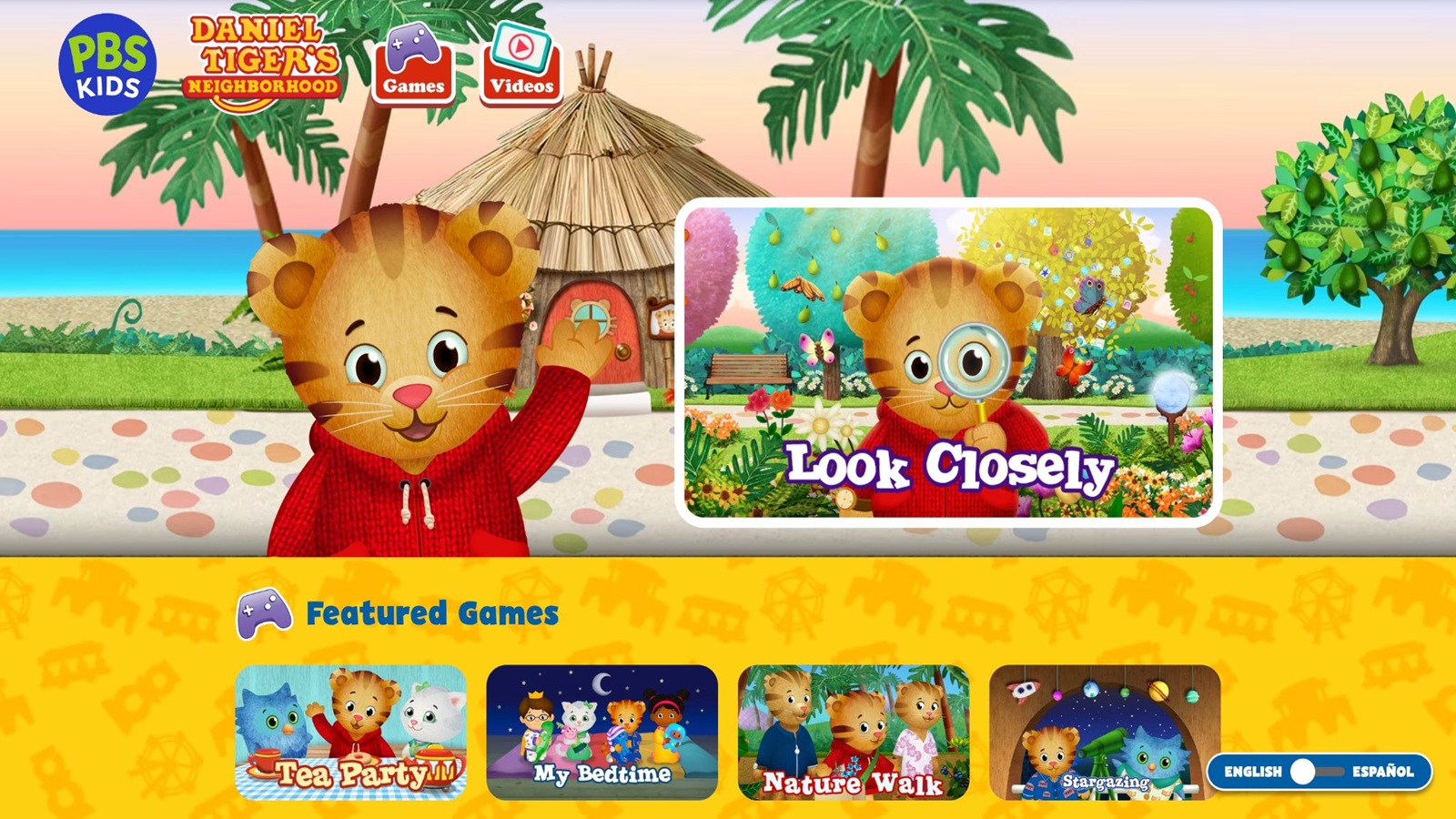
Daniel Tiger's Grr-ific Feelings, from PBS Kids, uses songs, art, and short games with characters many preschoolers already know from the show. Children practice mad, sad, happy, and calm through familiar tunes and simple scenes. The song format is the real hook. A child who will not sit for a talk will often sing a feeling line and remember it later in the car or at bedtime. Art tasks give a quiet way to show a mood without words. Drawing a face, picking a color, or matching a body clue turns an abstract word into something the hands can do. It shines for early emotion words and for kids who like music. Reading is light, so pre-readers can join with a parent nearby. The neighborhood stories feel close to real preschool life: a missed turn, a loud noise, a friend who is sad. That closeness helps a child copy the calm step at home. Some older kids may outgrow the preschool tone, while younger siblings often stay engaged for many weeks. Short sessions work best. A parent can pause after a song and ask which face matched the day. Used this way, the app becomes a shared script for big feelings, not just a solo screen. It is a focused feelings tool, so many families pair it with a care game when they also want empathy practice through pets or chores.
- Key features: Songs, feeling faces, art activities, and short games tied to well-known PBS characters.
- Facts and information: Aimed at preschool and kindergarten. Often used as an early tool for naming and expressing feelings. Best in short, parent-nearby sessions.
4. Breathe, Think, Do with Sesame
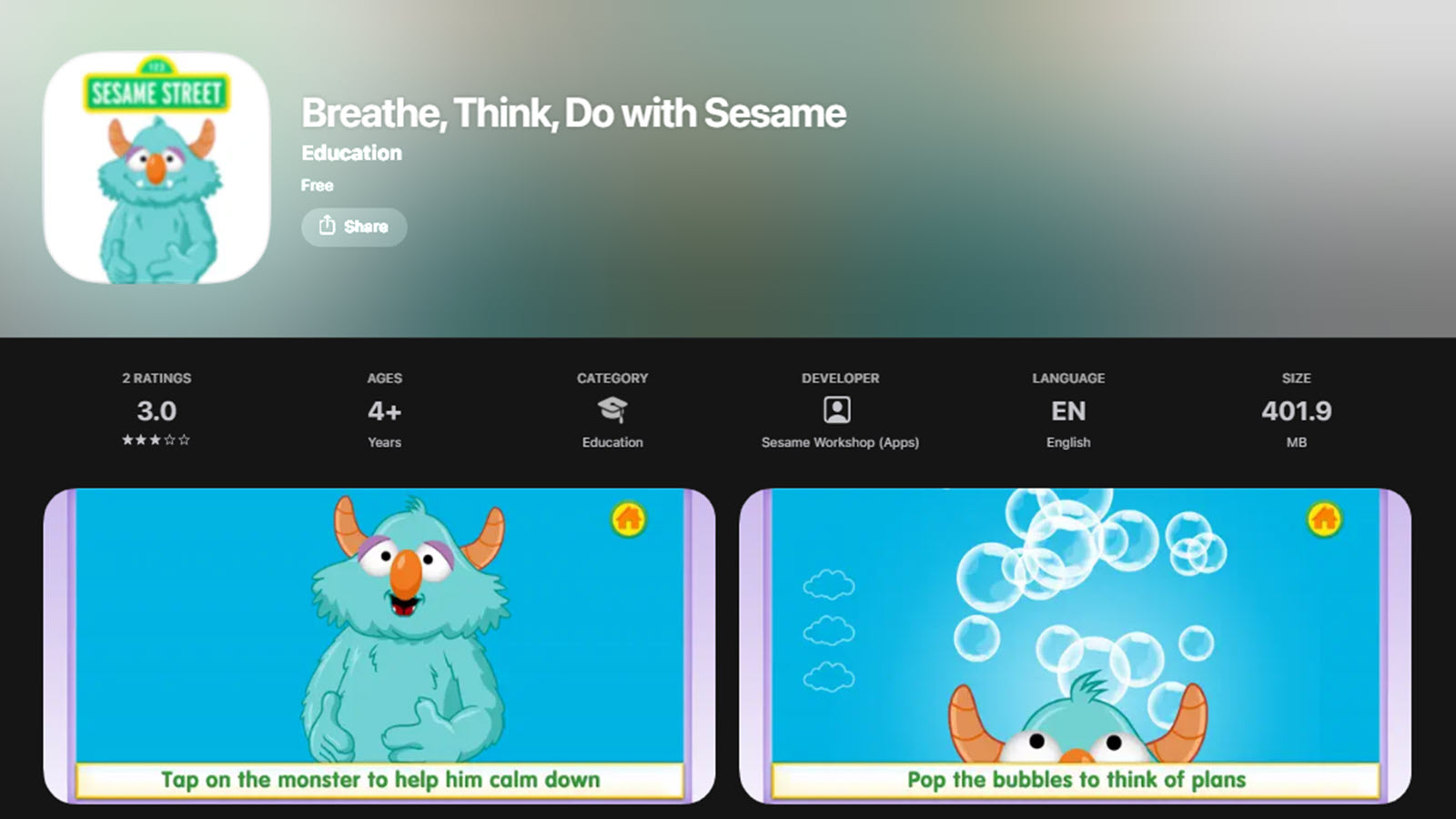
Breathe, Think, Do with Sesame, from Sesame Workshop, walks young children through a simple calm plan: breathe, think of ideas, then try one. A monster friend has a small problem, and the child helps pick a next step. The loop is easy to copy at home when a real game gets heated or a toy breaks. Belly breaths come first, so the body settles before the brain picks a plan. Then the child sees more than one idea, which teaches that a stuck moment has choices. The last step is trying one idea and watching what happens. It works well for one child or a small group, and many classrooms use the same three words so home and school match. The tool is short, which helps restless kids ages about 2 to 5. It is more of a strategy coach than a big open world, so it pairs well with a care game rather than replacing one. Parents can use the same words off screen: breathe, think, do. That shared phrase is the lasting piece. The monsters keep the tone light, so a worried child is more willing to practice. It will not cover friendship stories or pet care in depth. Its strength is the pause. Families who want a clear calm-down script often keep this app next to a longer emotional intelligence kids game.
- Key features: Belly-breath prompts, problem scenes, choice of solutions, and a repeatable three-step plan.
- Facts and information: Built with Sesame Workshop. Often used in classrooms and at home for early self-control. Works best for preschool and early elementary ages.
5. Khan Academy Kids
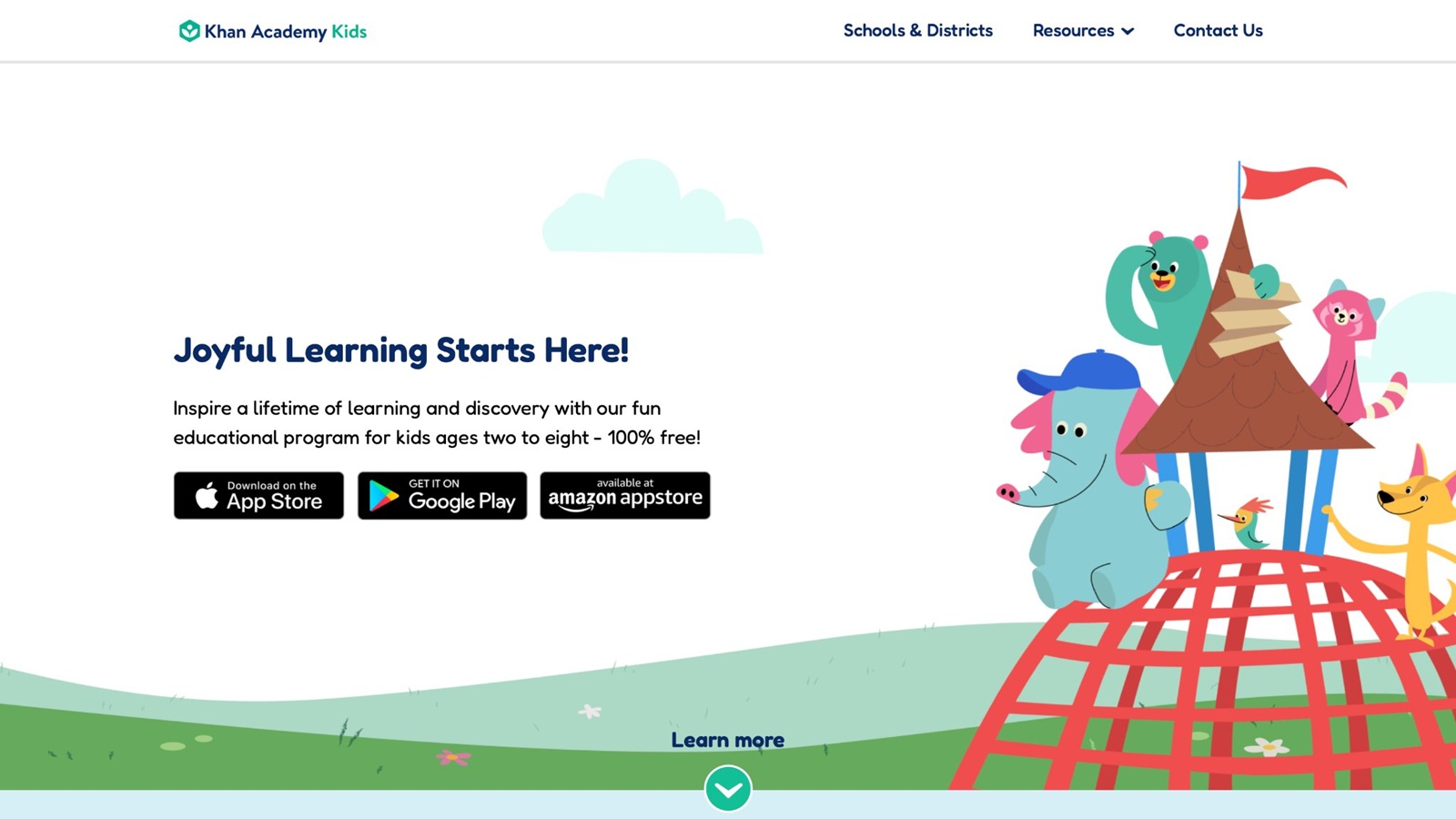
Khan Academy Kids mixes stories, books, and games for ages about 2 to 8, including social-emotional topics beside reading and math. Characters guide kids through kind choices, feeling words, and short creative tasks. Read-aloud support helps pre-readers follow a story without getting stuck on text. The library is large, so a child can move from a feelings story to a number game in one sitting. That range is useful for busy homes that want one place for early skills. Social-emotional pieces show up as kind acts, sharing scenes, and short talks about how a character feels. They sit inside a wider school-skills set, not as the only focus. Parents who want a free library often like the size of the catalog and the calm teaching style. Creative tasks give a child a way to show a mood with drawing or building. Because the app covers so much, a feelings lesson can get skipped if the child always picks letters or numbers. A parent can guide the first tap toward a kindness story, then let free play follow. Sessions stay friendly and free of the loud ad breaks that break focus. It is a strong all-around early learning app, with EQ as one lane among many. Homes that want daily empathy practice may still add a care-focused game beside it.
- Key features: Stories, books, games, read-aloud, creative tasks, and social-emotional activities for early ages.
- Facts and information: Offered by Khan Academy. Covers reading, math, and social-emotional themes for young children. Large activity set with a calm kids experience.
6. Toca Life World
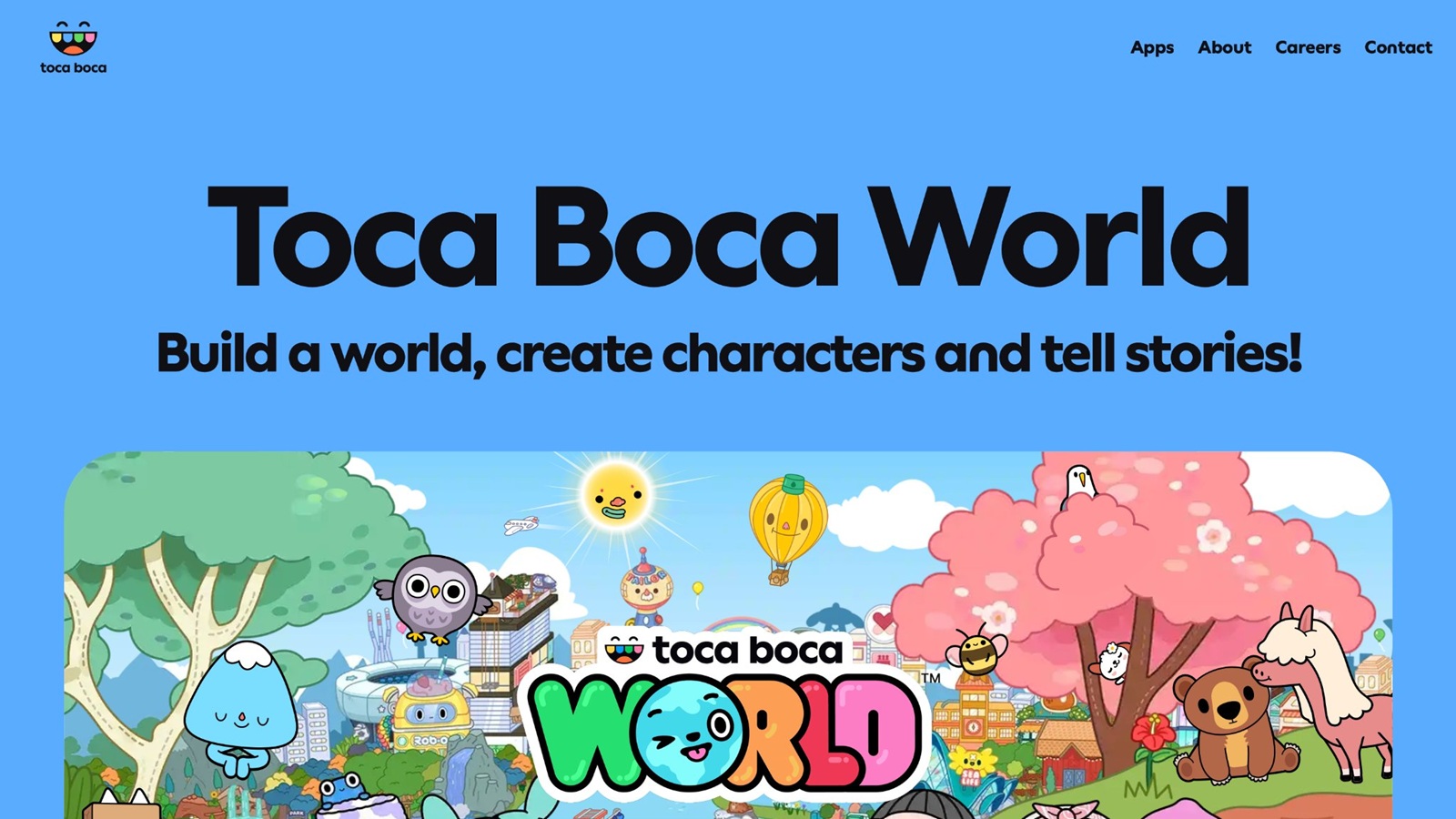
Toca Life World, from Toca Boca, is an open dollhouse-style world where kids build scenes and act out daily life. There is no score chase and no single right ending. Children invent visits, parties, mix-ups, and fixes, which makes it a strong stage for empathy role-play. A parent can pause and ask what a character feels, why a friend walked away, or how to repair a spilled mess. Locations feel like real life: homes, stores, parks, and schools. That familiarity helps a child replay a day that was hard. The open design rewards kids who like to direct the story. Younger children may need a prompt so play does not stay only on decorating. It builds social practice when an adult joins the scene and names feelings out loud. Older kids in the early elementary range often stay with it for a long time because they can keep making new stories. There is little built-in coaching, so the EQ lesson depends on the talk around the screen. Used with a question or two, it becomes a feelings lab. Used alone, it can stay as pretend play without the naming step. Many families like it as the free-play half of a routine, next to a more guided emotional intelligence kids game.
- Key features: Open scenes, character play, everyday locations, and free role-play with no win state.
- Facts and information: Made by Toca Boca. Popular with ages about 4 to 8 for social pretend play. Often used as a feelings foundation game when adults add talk.
7. Mood Meter
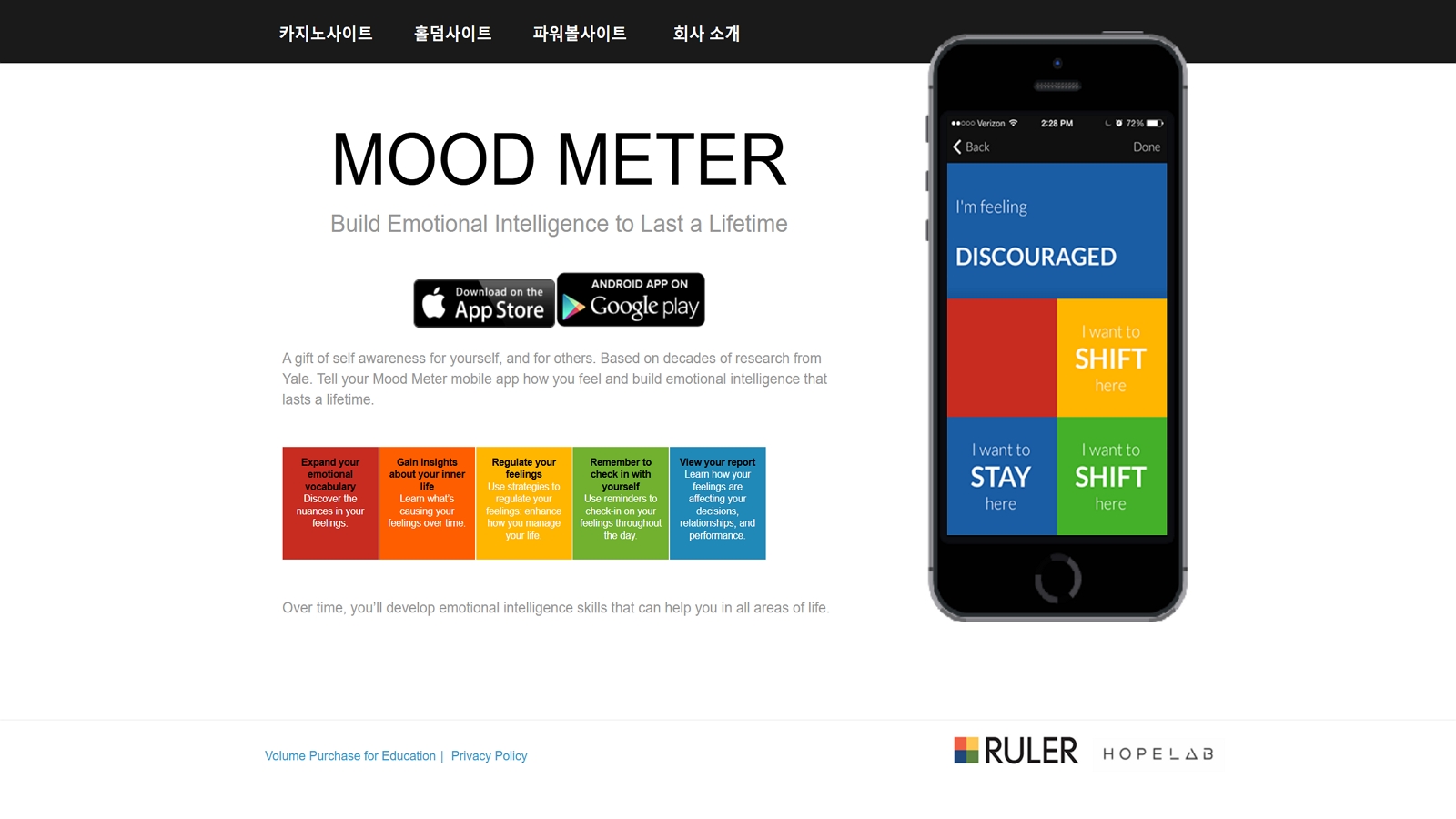
Mood Meter, created with the Yale Center for Emotional Intelligence, helps older elementary kids and teens plot a feeling on two lines: pleasant or not, high energy or low. Four color areas turn "I feel bad" into a clearer word. A child might land on tired, excited, angry, or calm, then see nearby words that fit even better. Short ideas then suggest staying with the feeling or shifting it. It fits kids who can read and talk about moods. Younger children may need an adult to read the words and explain the map. It is a check-in tool more than a story game, so it will not replace pet care or adventure play. Families often use it after school, before homework, or at bedtime as a two-minute mood scan. The color map gives a shared language. A parent can say "you look in the yellow zone" instead of guessing. Over many days, some kids start to notice patterns, such as a low mood after a long day. The app asks for honesty more than speed, which suits reflective kids and can feel slow to kids who want action. Pair it with a play-based game for younger siblings, and keep Mood Meter for the child ready for feeling words.
- Key features: Two-axis mood map, color quadrants, feeling words, and short regulation ideas.
- Facts and information: Linked to the Yale Center for Emotional Intelligence. Useful for upper elementary and teen check-ins. Works well as a daily mood talk starter.
8. Smiling Mind
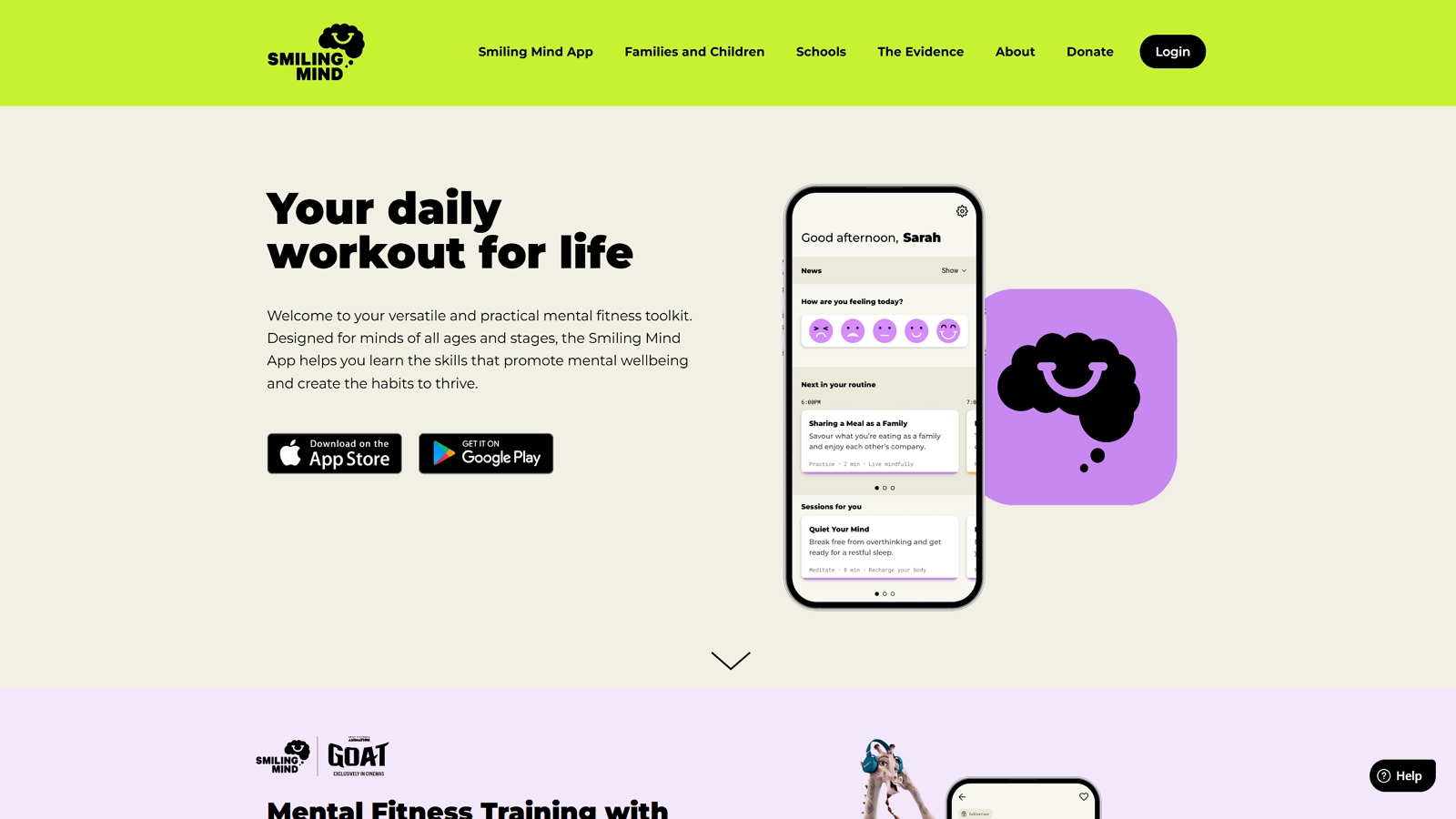
Smiling Mind is a nonprofit mindfulness app from Australia with short sessions for kids, filtered by age. Children practice noticing the body, slowing the breath, and settling before sleep or after a hard moment. Programs cover worry, focus, kindness, and rest. Psychologists and educators helped shape the programs, and the tone is calm and guided, not competitive. A session might ask a child to follow a bubble, notice sounds, or send a kind wish. The app can work offline, which helps in the car or on a trip. Some kids prefer a character story over a quiet sit, so it helps to keep the first sessions very short. Many families use it as the wind-down piece beside a more active care game. Classroom packs exist too, so a child may already know the voice from school. It does not teach friendship repair through a plot. Its job is mental fitness: notice, breathe, return. Parents who sit and do the same session often see better follow-through than when the child is sent off alone. Used a few nights a week, it can become the calm half of an emotional intelligence routine. Pair the quiet practice with a daytime game that asks for care and kind choices.
- Key features: Age-filtered meditations, body scans, kindness sessions, offline use, and short family programs.
- Facts and information: Australian nonprofit, also used by families elsewhere. Many short sessions for worry, focus, kindness, and rest. Fits a calm bedtime or post-school reset.
9. Mightier
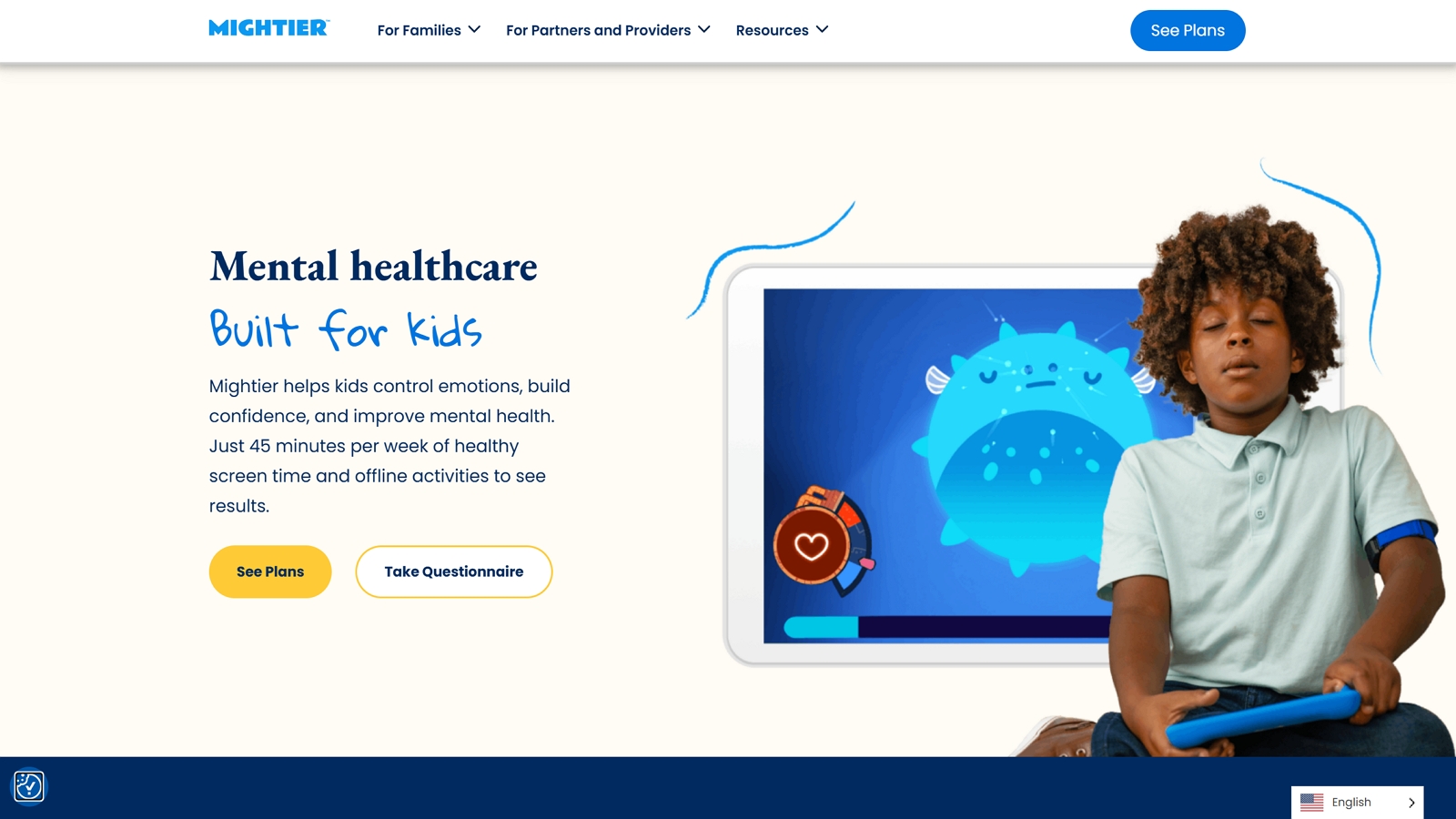
Mightier is a biofeedback game system for kids about ages 6 to 14 who need help with big reactions. Children play action games while a heart-rate sensor watches effort and stress. When the body speeds up, the game asks for a calm skill before play gets easy again. That link makes the pause matter inside the fun, not only in a lecture. Kids practice breathing, muscle release, and reset moves they can later use in a real argument or a hard homework moment. Clinicians and families often use it as a structured program, not a casual tap app. The games feel like regular play, which helps kids who resist "feelings class." A parent dashboard shows patterns over time. Setup takes more gear than a simple story app, and younger preschoolers are not the main fit. The strength is practice under mild stress, with a clear body signal. Homes that already use short care games for empathy can add Mightier when self-control is the skill that needs more reps. It will not replace naming faces for a four-year-old. It shines when a school-age child knows the calm step but forgets it when the body gets hot.
- Key features: Heart-rate feedback, calm-down skills inside games, parent view of patterns, and structured play for school-age kids.
- Facts and information: Built for ages about 6 to 14. Games slow when the body speeds up, then ease when the child uses a calm skill. Often used by families and clinicians together.
10. Peekapak

Peekapak is a social-emotional learning program with stories, games, and classroom units from Peekapak, used in schools and by some families. Characters face themes such as kindness, empathy, honesty, teamwork, gratitude, and self-control. Leveled readers and activities let a child meet the same idea in a book, a game, and a talk. Faces and body clues are drawn clearly, so a child can point to a feeling before they can explain it. Teachers get lesson paths, which means a child may already know the characters from class. At home, the stories still work as read-together time with a question at the end. The program is broader than a single kids game. It is a curriculum with play inside it. That depth helps schools. For a parent who only wants a ten-minute evening app, the full set can feel large. The emotional range is a real plus: not only calm-down, but respect, truth-telling, and new-friend scenes. Diverse characters give more children someone who looks like their world. Used as a story plus one question, Peekapak supports the same skills a care game trains, with more reading built in.
- Key features: SEL story units, feeling-rich art, leveled readers, games, and themes like empathy, kindness, and teamwork.
- Facts and information: School-ready program also usable at home as read-aloud play. Covers many CASEL-style skills. Clear faces support early emotion naming.
11. Harmony SEL
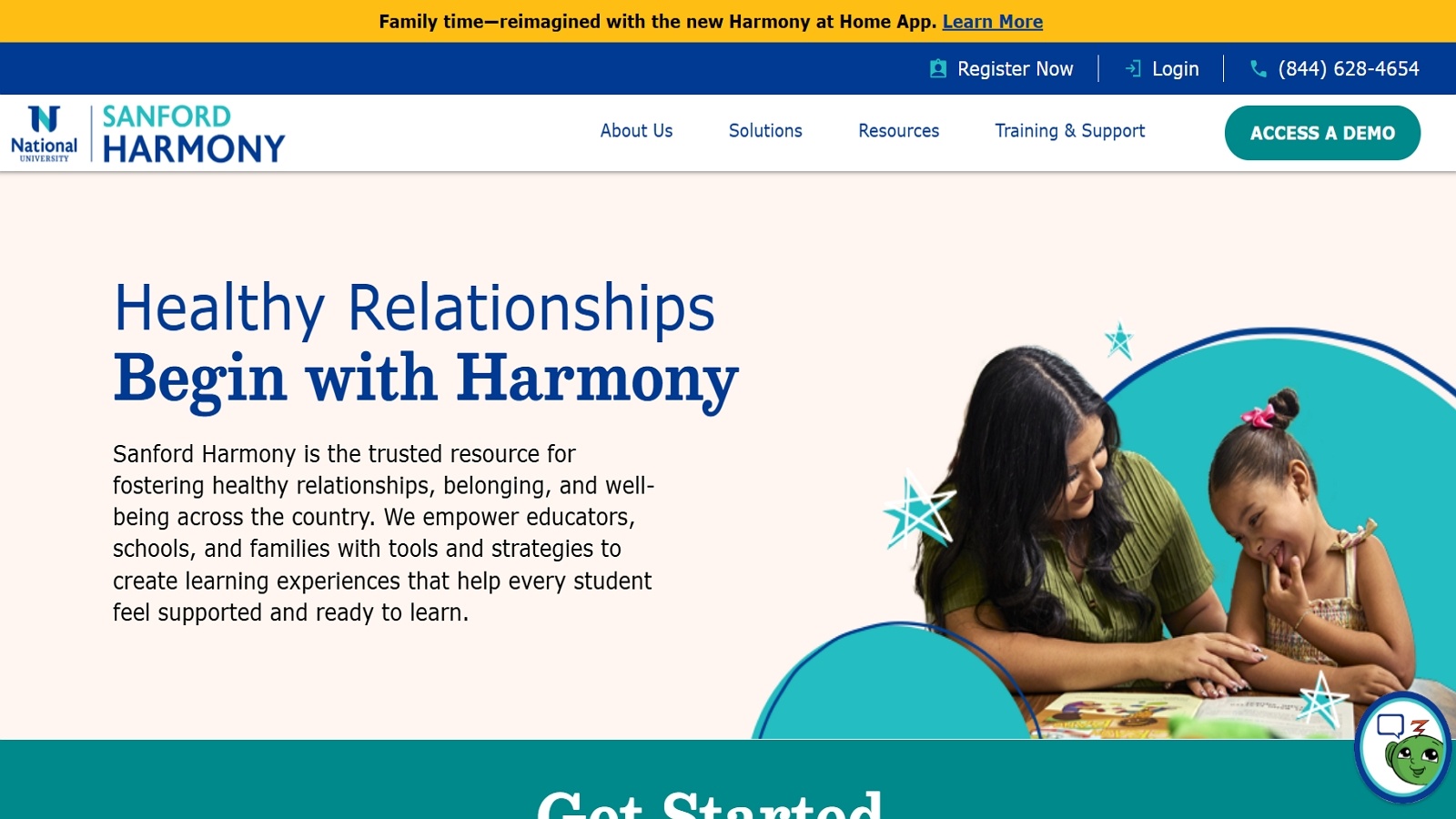
Harmony SEL, also known through Sanford Harmony, is a free social-emotional learning program for pre-K through about grade 6, with lessons, games, and conversation starters. Buddies, meet-up circles, and quick games give kids practice with empathy, talking, and community. The Game Room style activities need little prep, which helps a parent on a weeknight as much as a teacher. Units cover feelings, friendship, and how to handle a mix-up. Because it began in classrooms, the language is clear and repeatable. A child can learn a phrase at school and hear it again at home. It is not a polished open-world game. It is guided play with a purpose. Some kids want more characters and story. Others like the quick partner games, because a sibling can join. Diversity and inclusion sit in the lesson design, so children practice noticing someone else's view. Families can borrow one game, such as a buddy interview or a feeling circle, without running a full unit. That light use still builds EQ. For a richer screen story, pair Harmony's talk games with an ad-free care game the child already loves.
- Key features: Buddy activities, conversation starters, quick games, feeling lessons, and pre-K to grade 6 paths.
- Facts and information: Free classroom SEL program with home-friendly games. Focus on empathy, relationships, and community. Low-prep activities suit short family sessions.
12. Moshi
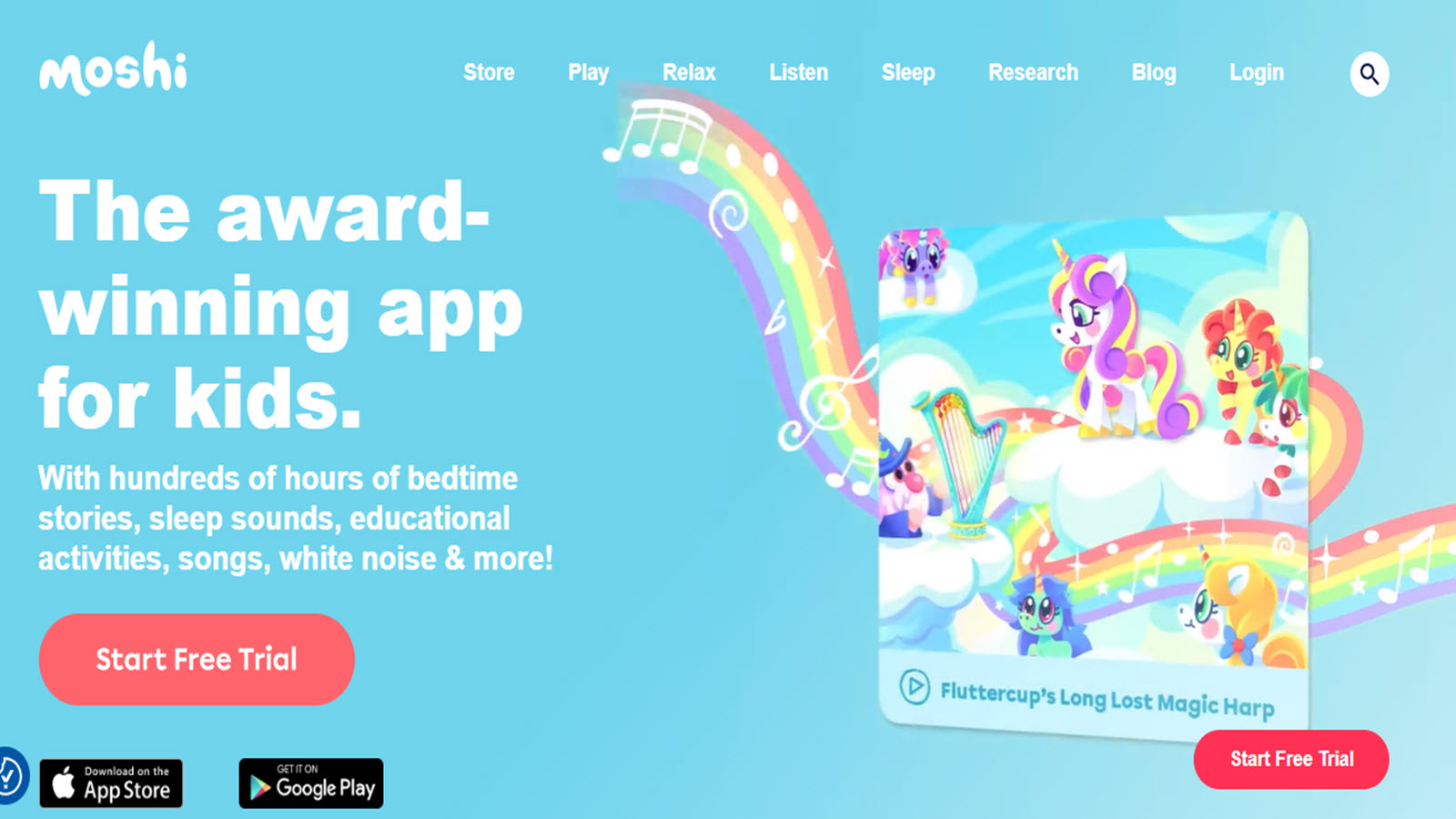
Moshi, from Moshi Kids, offers audio stories and mindfulness for children, with calm characters and sleep-friendly tales. Kids listen to short adventures that slow the body and name gentle feelings. Many sessions are built for bedtime, worry, or a reset after school. The format is ears, not taps, so it suits a child who is overstimulated by bright games. A parent can play a story in the car or while the lights go down. Characters model kind choices and quiet courage, which supports empathy without a quiz. Interactive pieces exist, but the heart of Moshi is listening. That can frustrate a child who wants to tap and build. It also helps a child who learns best by story. Sessions are age-minded for elementary kids, with a softer tone than teen meditation apps. Used beside a daytime emotional intelligence kids game, Moshi covers the evening half: settle, notice, rest. Families often keep one or two favorite stories on repeat, because familiar voices feel safe. It will not teach chore care or face matching in a hands-on way. It will give a script for calm that a child can ask for by name.
- Key features: Audio stories, mindfulness sessions, bedtime tales, and gentle character-led calm for kids.
- Facts and information: Made for children, with a strong sleep and worry focus. Listening format lowers screen brightness at night. Pairs well with a daytime care game.
13. GoNoodle
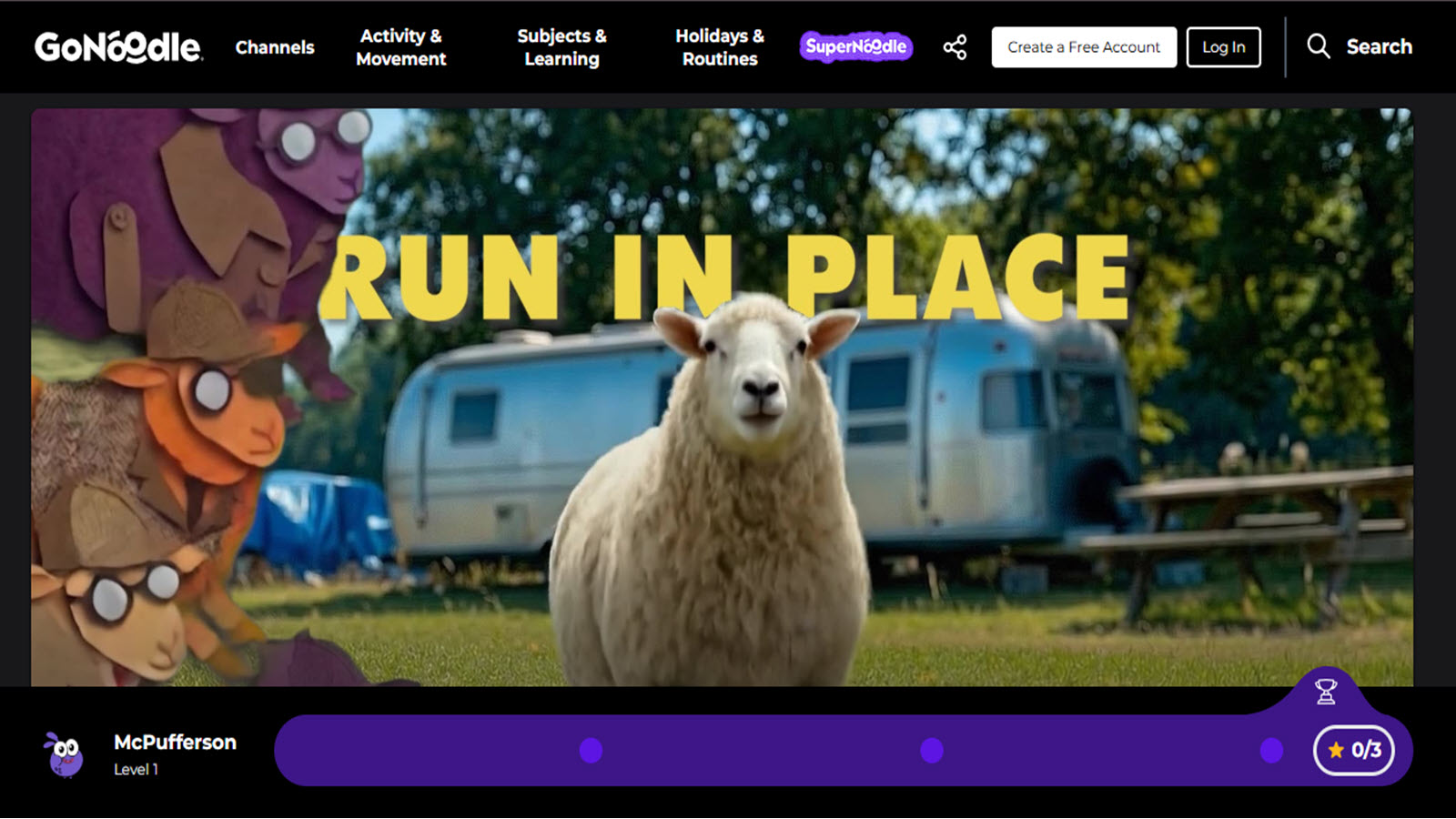
GoNoodle is a movement channel and app with short videos that get kids up, breathing, and resetting. Dances, stretches, and calm-down tracks give the body a job when feelings run high. Many classrooms already use it between lessons, so the songs feel familiar at home. A two-minute move break can sit between homework and a feelings game. The EQ link is regulation: burn energy, then settle, then talk. Some videos are pure fun, others slow the breath. Parents can pick the calm set when the goal is a pause, and the active set when a child is stuck and grumpy. It is not a story about friendship or pet care. Kids do not make many choices inside a video. The value is the body cue and the shared song. Younger kids join easily. Older kids may prefer it as a break, not as the main EQ tool. Used before a care game, GoNoodle can clear the wiggles so the child can actually notice a character's face. That order, move then name, helps many active children.
- Key features: Short movement videos, breath and stretch tracks, classroom-famous songs, and calm-down breaks.
- Facts and information: Widely used in elementary classrooms and at home. Sessions are brief. Best as a body reset before or after a feelings game.
14. Cosmic Kids Yoga
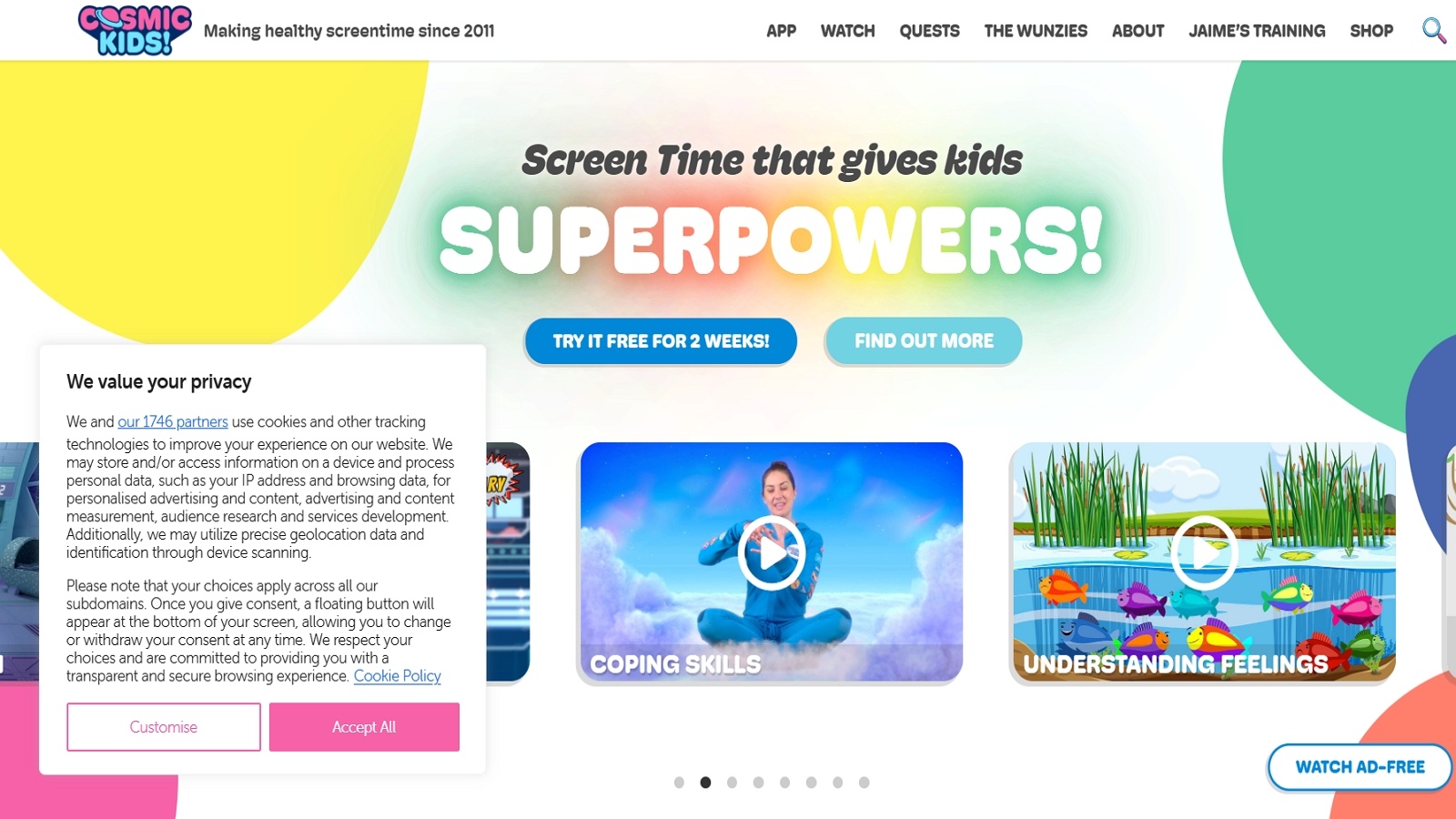
Cosmic Kids Yoga, led by Jaime Amor, turns yoga and breath into story videos for kids. A child follows a pose path while a tale unfolds, so calm practice feels like play. Themes often include bravery, kindness, and trying again. Ages about 3 and up can join, with shorter videos for preschoolers and longer ones for early elementary. The format needs floor space, not reading skill. Parents can do the poses too, which makes the regulation lesson a family habit. It will not branch into choices or pet care. The child follows along. That structure helps kids who get lost in open games, and it can bore a child who wants to direct the plot. Breath cues are clear enough to reuse off screen: balloon breath, rest pose, slow count. Many families keep one favorite video for after school. As an emotional intelligence add-on, it trains the body side of EQ. Pair it with a game that asks the child to notice someone else's need, and the two skills meet.
- Key features: Story yoga videos, kid-friendly poses, breath cues, and themes like bravery and kindness.
- Facts and information: Hosted by Jaime Amor on Cosmic Kids. Short and long videos for preschool and early elementary. Floor-based follow-along practice.
15. Headspace for Kids
Headspace for Kids is the children's side of Headspace, with guided sessions by age band for focus, calm, and sleep. A friendly voice leads simple images: a balloon, a weather check inside the body, a kind wish. Exercises stay short so a wiggly child can finish. Parents get a clear script they can repeat without the app. The content is meditation first, story game second. That makes it a strong evening tool and a lighter fit for a child who only wants characters to tap. School-age kids often do better than preschoolers, though the youngest packs stay very simple. There is no pet to feed and no friendship plot to solve. The skill is noticing a thought or a body clue and letting it pass. Some children ask for the same session every night, which is a good sign the voice feels safe. Others need a parent on the cushion beside them for the first weeks. Used with a daytime care game, Headspace covers the settle skill while the game covers empathy and kind choices. Together they cover more of emotional intelligence than either piece alone.
- Key features: Age-band meditations, focus and sleep sessions, simple images, and short guided calm.
- Facts and information: Part of Headspace. Built in packs for younger and older kids. Works as a wind-down next to active EQ play.
Simple Ways To Grow EQ After The Screen Goes Off
The game is the warm-up. Real EQ shows up in the kitchen, the car, and the playground.
Try one add-on, not five:
- Story pause. Stop a book or game scene and ask what the character feels and what they could try.
- Feelings face match. Point to a face and tell a one-line story from the day.
- Stop, breathe, choose. When play gets hot, freeze, take three belly breaths, name one feeling, pick one next step.
- Kindness bingo. Mark small acts: share a crayon, wait, give a compliment.
- Rose, thorn, bud. At night, share a good moment, a hard moment, and something to look forward to.
These take a few minutes. They use the same pattern as the games: notice, name, choose. Learning through play sticks when the home version looks like the game version. Emotional games for kids give the model. You give the real-life replay.
Learning through play activities can be a face match or a kindness card. Learning through play examples show how a cleanup story becomes a real chore. Benefits of learning through play include patience, care, and a calmer retry. Summer educational games and offline ideas keep the same rhythm when school is out. A Fluvsies paper doll printable lets care play continue with scissors and talk. A family weekly planner can hold the five-minute feeling check so it does not get skipped.
If a child resists talking, keep it inside play. "The unicorn looks worried. What would help?" is easier than "Tell me your feelings."
What Parents Often Notice When Practice Stays Steady
Change is usually small at first. A child uses a feeling word. A retry happens without a melt-down. A sibling gets a turn. These are the signs that matter more than a badge on a screen. Many children do better when play is predictable: same time, short length, one feeling talk after. Some need the adult in the room for the first weeks, then play more on their own. A few will prefer songs, yoga, or mood maps over pets. That is fine. The skill is the goal, not one title.
Skip games that punish mistakes with loud failure, push endless levels, or hide ads between caring moments. Those patterns fight the calm you want. Healthy screen habits keep the round short enough for a feeling talk. A parents' guide to healthy screen time helps set that limit without a daily fight. How to protect kids online covers ads, chat, and account safety. TutoClub's FAQ covers common setup questions. Subscription help explains what a plan includes. Privacy answers spell out how child accounts are handled. Support is there when a device or login gets stuck. Pair one digital care game with one offline ritual. That duo is enough for most weeks.
FAQ
What is the best emotional intelligence kids game for preschoolers?
The best emotional intelligence kids game for preschoolers uses faces, care tasks, and almost no reading. A 3 to 5 year old can practice empathy by feeding a pet, comforting a baby character, or matching a feeling word to a clear expression. Short taps matter more than a long story, because a pre-reader learns from what they see and what happens next. A smile after a kind choice, or a sad face when a pet is missed, teaches the link between action and feeling. That cause-and-effect loop is the lesson, even when the child never hears the word empathy. A good round ends with the child able to point at a face and say a simple word like happy, sad, or mad. Games for young kids follow that same short, visual pattern. A parent nearby who names the feeling makes the round stronger than a silent tap session. Long story text can wait until reading feels easy and the child can hold a plot from start to finish.
How is an emotional intelligence game different from a regulation game?
An emotional intelligence game covers naming feelings, noticing others, and kind choices. A regulation game zooms in on the pause: breathe, wait, then act. Many kids need both, because care stories build empathy while calm-down loops build self-control. A child can be kind in a pet scene and still melt down when a puzzle sticks, so the pause skill needs its own practice. Naming a feeling is not the same as settling the body, and both belong in a full EQ routine. One game may ask who looks left out. Another may ask the child to stop, breathe, and try a calmer next step. Used together, they cover the "what do I feel" part and the "what do I do next" part. Easy educational games for kids can hold either job when the task stays clear. Using one of each during the week covers more of the skill set than repeating the same calm-down clip every day.
How long should kids play an EQ game?
Short and steady beats long and rare. A few minutes, most days, with one question after, is enough for many children. End while the mood is still good so the last moment is a feeling word, not a fight over one more level. The question can be simple: what did the character need, and what did you feel when it got hard? That one line is often where the skill moves from the screen into real talk. A child who can answer it has practiced more than a child who played twice as long in silence. Same time of day also helps, because the routine itself becomes a cue to notice feelings. Educational videos and games for kids still need a stop time so the talk can happen. If the child is tapping fast and cannot say what happened, the round was too long or the game was a poor fit. A shorter retry the next day usually works better than pushing through a frustrated session.
Can emotional intelligence games replace talks at home?
No. Games are practice, not the whole lesson. They give a face, a story, and a safe retry, then home talk, books, and real kindness acts carry the skill into friendships and school. A child may comfort a character on screen and still need help using the same words with a sibling. The game can model the moment. The parent helps the child reuse it at the table, in the car, or on the playground. Without that link, the kind choice can stay inside the app and never show up in real play. A bedtime story pause or a one-line recap of the day does the same job as the game question. Learning games for kids do not replace that talk. The strongest results show up when a parent links the game moment to something that happened that day, even in one sentence.
What skills does an emotional intelligence kids game build?
A strong emotional intelligence kids game builds five small skills: naming a feeling, managing a big reaction, noticing someone else, sharing or taking turns, and picking a kind next step. Pet care, cleanup stories, and simple role-play make those skills concrete for a child who cannot yet explain a mood. The win is not speed. The win is noticing a need and responding with care. A retry after a miss also counts, because self-control grows when the game lets the child try again without shame. Over time, those small reps can show up as a calmer voice, a shared toy, or a child who can say "I feel mad" instead of only acting it out. Friendship repair is part of the same set: notice the mix-up, name it, and try a kinder next step. Educational games for kids age 5 often mix care tasks with early turn-taking. The skill shows up later as a feeling word, a retry, or a turn given to a sibling.
Read Also:
- Building Emotional Intelligence With Kids Educational Games
- Best Emotional Games For Kids
- Best Emotional Regulation Games For Kids
- Best Social Emotional Games For Kids
- How Pet Care Games Teach Kids Empathy and Responsibility
See how TutoClub turns everyday play into emotional growth for kids!