
Stages of Social Development in Early Childhood






Social growth starts small, from a baby’s first smile to a toddler playing beside a friend. The stages of social development in early childhood follow this path, even when the pace differs. Early social skills and peer play grow across those first years, and calm practice in games for kids online can sit beside real play at home.
Those first years of social growth do not need a long lesson, only small tries that feel safe. The best social emotional games for kids give toddlers a simple way to practice beside-a-friend habits, and the best emotional regulation games for kids help when a wait or a bump feels hard. The best emotional games for kids can sit next to real peer play so naming feelings stays part of the same path.
Support each social stage with calm, purposeful play at TutoClub!
What Social Development Means in the Early Years

Social development in early childhood is the way a child learns to notice people, join them, and get along. It is not one skill. It is a stack of skills.
A child learns to:
- Look at a face and smile back
- Stay close to a trusted adult, then move away and return
- Copy simple actions
- Play near other children
- Share a toy, take a turn, and fix a small fight
- Name a feeling and guess how someone else feels
These early social skills grow with language, movement, and self-control. A child who can wait a few seconds can share more easily. A child who can say “mine” and “your turn” can join a game with less grabbing. Families often pair that practice with educational games for kids that keep the task short and clear.
The Centers for Disease Control and Prevention lists social milestones by age so families can see a typical path. Smiling at people, playing peek-a-boo, showing affection, and playing with other children show up in order for many kids. Some children hit a sign early. Some hit it later. The order matters more than the exact week. Kids games that are educational can repeat a smile, a wave, or a simple share without a noisy ad break.
Two ideas help most families sort what they see.
Parten’s stages of play describe how children join other children, from watching to playing with a shared plan. Erikson’s psychosocial stages describe the feeling task of each age, such as trust, independence, and trying new ideas. Learning games for kids often follow the same order, starting with one action and later adding a friend or a role. Neither list is a test. A child can show two stages in one afternoon. A tired child may drop back to solo play. That is normal. A calm set of educational kids games gives a reset when the room feels too busy.
The Play Stages That Show Social Growth
Mildred Parten watched preschool children at free play and described six kinds of social play. Teachers still use this list because it matches what families see on the floor.
Unoccupied play and solitary play
Unoccupied play shows up in the first months. The baby waves arms, watches a light, or stares at hands. It can look like “doing nothing.” It is early attention practice.
Solitary play comes next. The child plays alone and stays with one toy. A toddler may stack cups and ignore the child next to them. This is not a problem. Solo play builds focus. It also lets a shy child warm up. Educational games for 2 year olds often use this same solo pattern. Big buttons, one action, and a clear result match a child who is not ready to share a screen or a story yet. Educational games for toddlers stay in that lane too, with colors, care, and short repeats.
What helps:
- Sit nearby without taking over
- Name what the child is doing: “You put the red cup on top”
- Offer one more piece, then wait
Onlooker play and parallel play
Onlooker play, sometimes called spectator play, is the watching stage. The child stands at the edge, asks a question, or laughs at the game, but does not join. Watching is practice. The child is learning rules, tone of voice, and how a group works. Gentle games for toddlers let a child watch a character first, then tap when ready.
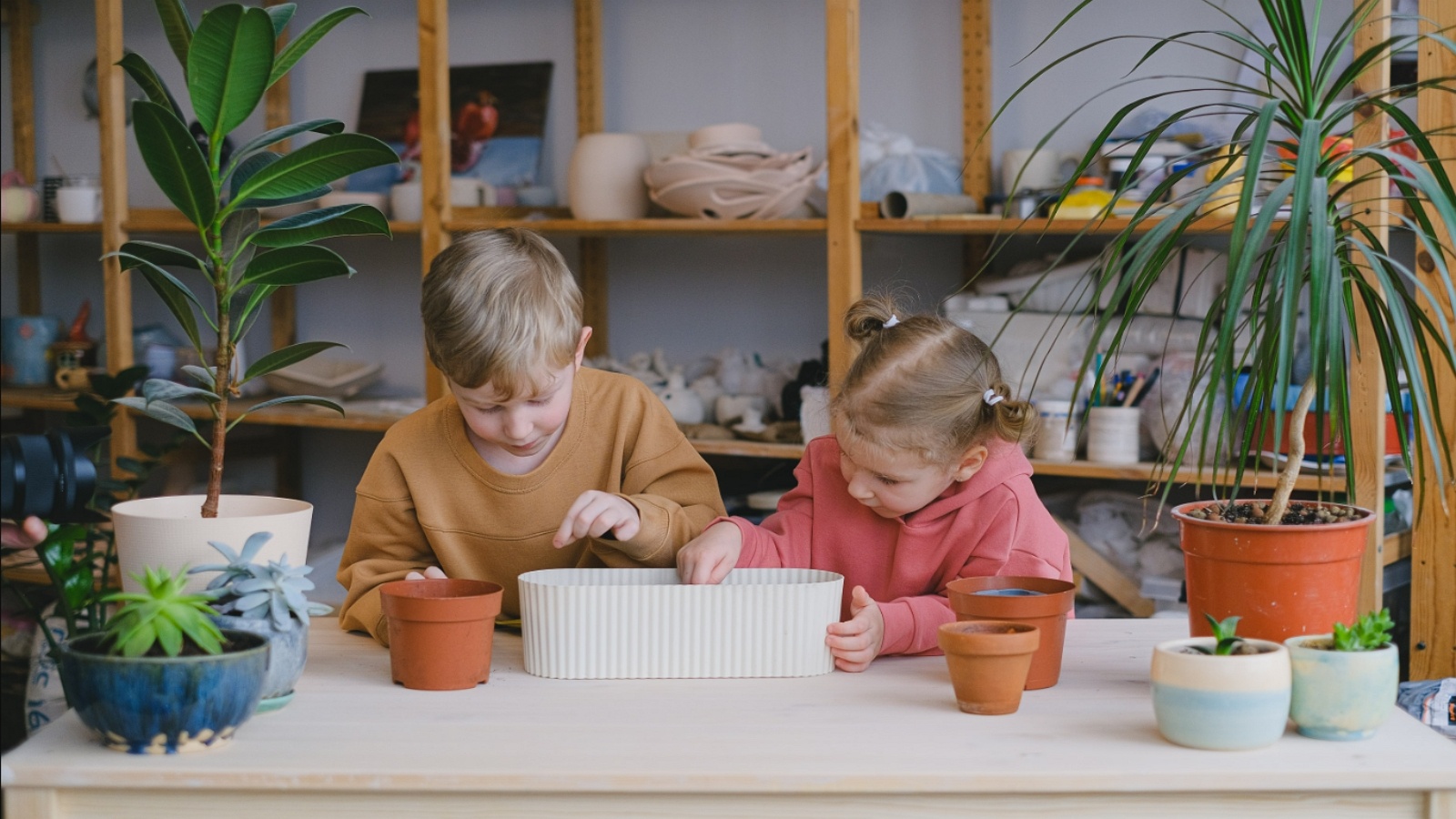
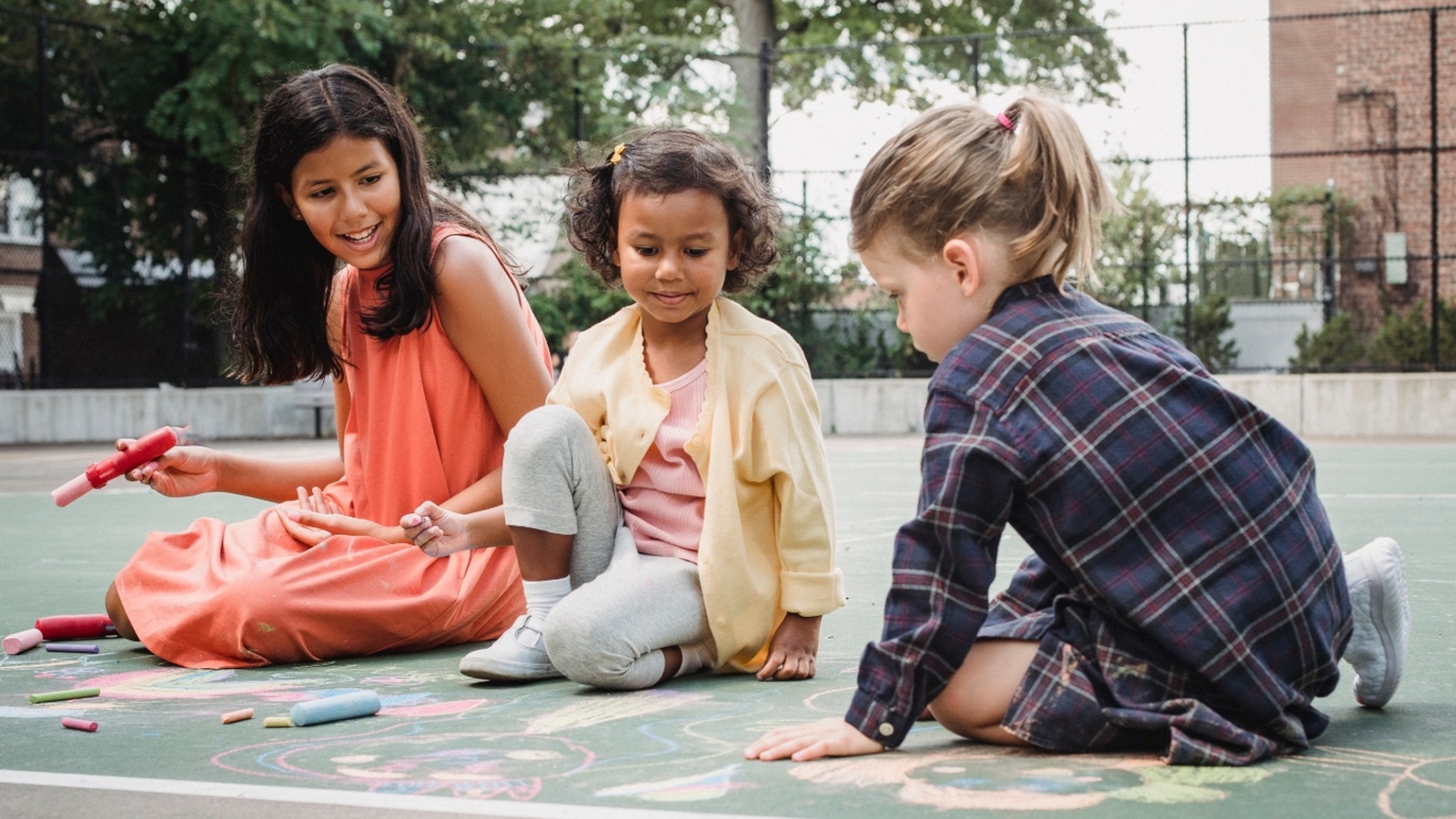
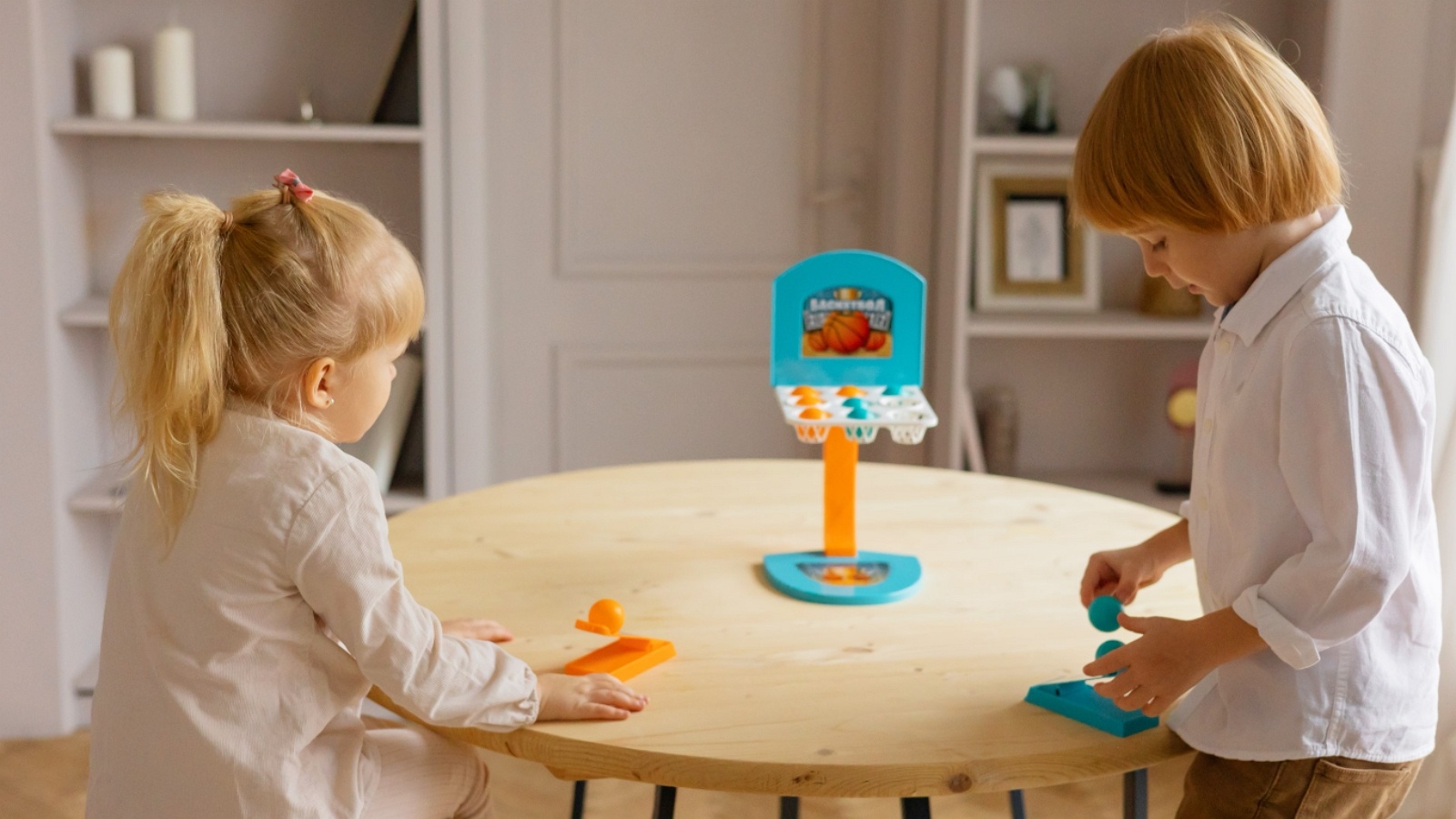
Parallel play is the classic toddler scene. Two children use similar toys side by side. They may copy each other. They do not build one shared plan. Many children show this from about age two into the early preschool years. Apps for toddlers with matching jobs, such as feed and tidy, fit side-by-side play with a parent.
Parallel play is social, even without much talk. The child is learning to stay calm near a peer. That comfort comes before true sharing.
Try this:
- Set out two of the same toy so no one has to give theirs up yet
- Narrate both children: “You roll. Sam rolls.”
- Keep the group small. Two children is enough
Associative play and cooperative play
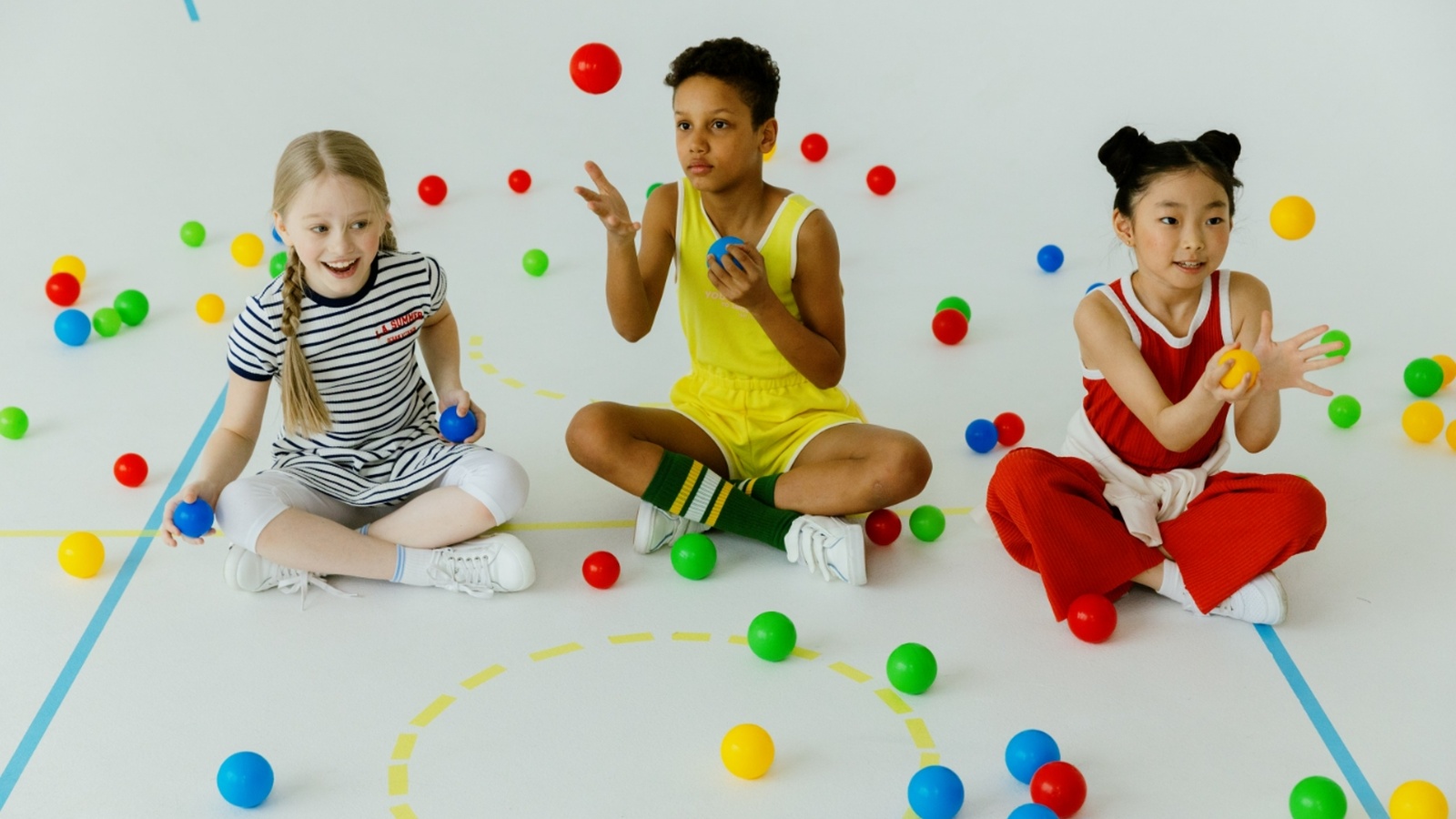
Associative play starts when children talk, trade toys, and follow a loose theme, but each child still does their own thing. A group may all “cook,” yet no one is in charge. Sharing appears, then disappears. That swing is common around ages three and four. Educational games for kids age 3 often use a loose theme like pets or a shop, which matches this stage.
Cooperative play is the shared plan. Children pick roles, agree on a goal, and try to stick with it. “You be the doctor. I am the baby.” Simple rule games can show up here too. Many children reach fuller cooperative play in the later preschool years and early school years. Some still need an adult nearby to keep the plan going. Games for preschoolers that use care, stories, and simple jobs give a low-pressure version of this stage. Educational games for 4 year olds online can add a helper role once the child likes the story. Educational games for 5 year olds often stretch the same idea into a longer plan.
Signs of cooperative play:
- Roles get named
- Children explain the game to a new friend
- They argue, then try a fix
- The play lasts longer than a minute or two
Erikson’s Early Stages and What They Look Like at Home
Erik Erikson described social and emotional tasks across life. Three of them sit inside early childhood. Healthline’s plain-language guide to these stages is a clear match for what parents see day to day.
Trust in the first year or two
Trust versus mistrust covers birth to about 18 months. When care is steady, the baby learns that people come back. Feeding, comfort, and a familiar voice build that trust. Practical tips for new parents often come back to the same idea: a steady routine beats a perfect day.
You may see:
- A social smile
- Calming when a parent holds them
- Fear of strangers later in the first year
- Distress at goodbye, then a settle when the parent returns
A child who trusts a caregiver uses that person as a base. They look back, then crawl off to explore. That pattern is social development, not clinginess. Soft games for young kids can sit in that safe base, with a parent close by.
Autonomy in the toddler years
Autonomy versus shame and doubt runs from about 18 months to 3 years. The child wants to do it alone. “Me do it” is the slogan of this stage. Responsibility games for kids give a tiny job the child can finish, such as a tidy-up or a pet feeding.
Helpful moves:
- Offer two real choices, not ten
- Let small messes happen when the task is safe
- Praise effort: “You pulled your sock up”
- Stay calm when the child says no
Shame grows when every try is corrected. Doubt grows when the child never gets a turn. A little struggle with a cup or a coat is useful practice. Chore games for real life skills use that same small struggle in play form.
Initiative in the preschool years
Initiative versus guilt covers about ages 3 to 5. The child starts plans. They invite a friend into a story. They want a job. “Let’s play store” is an initiative. Educational games for kindergarten often invite the child to pick a role and carry it through a short scene.
Guilt shows up when the child feels their ideas are always wrong, or when a mistake feels huge. A short repair works better than a long lecture. “The tower fell. Let’s stack two blocks and try again.” This is also the age when prosocial behavior grows. Many preschoolers can show concern, offer a toy, or pat a sad friend. They still grab. Both can be true in the same hour.
Age-by-Age Signs Families Can Watch
Ages overlap. Use them as a map, not a score.
Birth to 12 months
- Prefers faces
- Smiles, coos, and copies sounds
- Reaches to be picked up
- Plays simple back-and-forth games like peek-a-boo
- May cry with strangers or at goodbye
A parent guide to safe skill-building apps for toddlers is useful a bit later, once taps replace pure watching.
1 to 3 years
- Shows affection
- Plays alone, then beside others
- Imitates housework and care routines
- Points to show you something
- Has big feelings when play stops
- Begins to say what they want
Apps for preschoolers start to fit near the end of this span, when pretend care shows up in daily play.
3 to 5 years
- Joins pretend play
- Takes turns with help
- Names some feelings in self and others
- Has a preferred friend some days
- Tests rules, then looks to see what you do
- Can show sympathy, then snatch a toy a minute later
Educational games for 6 year olds pick up as cooperative play gets longer. Some children are ready sooner for the friend scenes in educational games for 7 year olds.
The American Academy of Pediatrics encourages families to talk, play, and read with children every day because those ordinary moments build social and language skill together. A shared book pause (“How does she feel?”) is a social lesson. Educational games for kids learning English can add feeling words when home language and school language are both in play.
If a child rarely looks at people, does not share enjoyment, or loses skills they already had, a pediatrician is the right next call. Early questions are useful. Waiting for a perfect age label is not.
How TutoClub Supports Each Social Stage
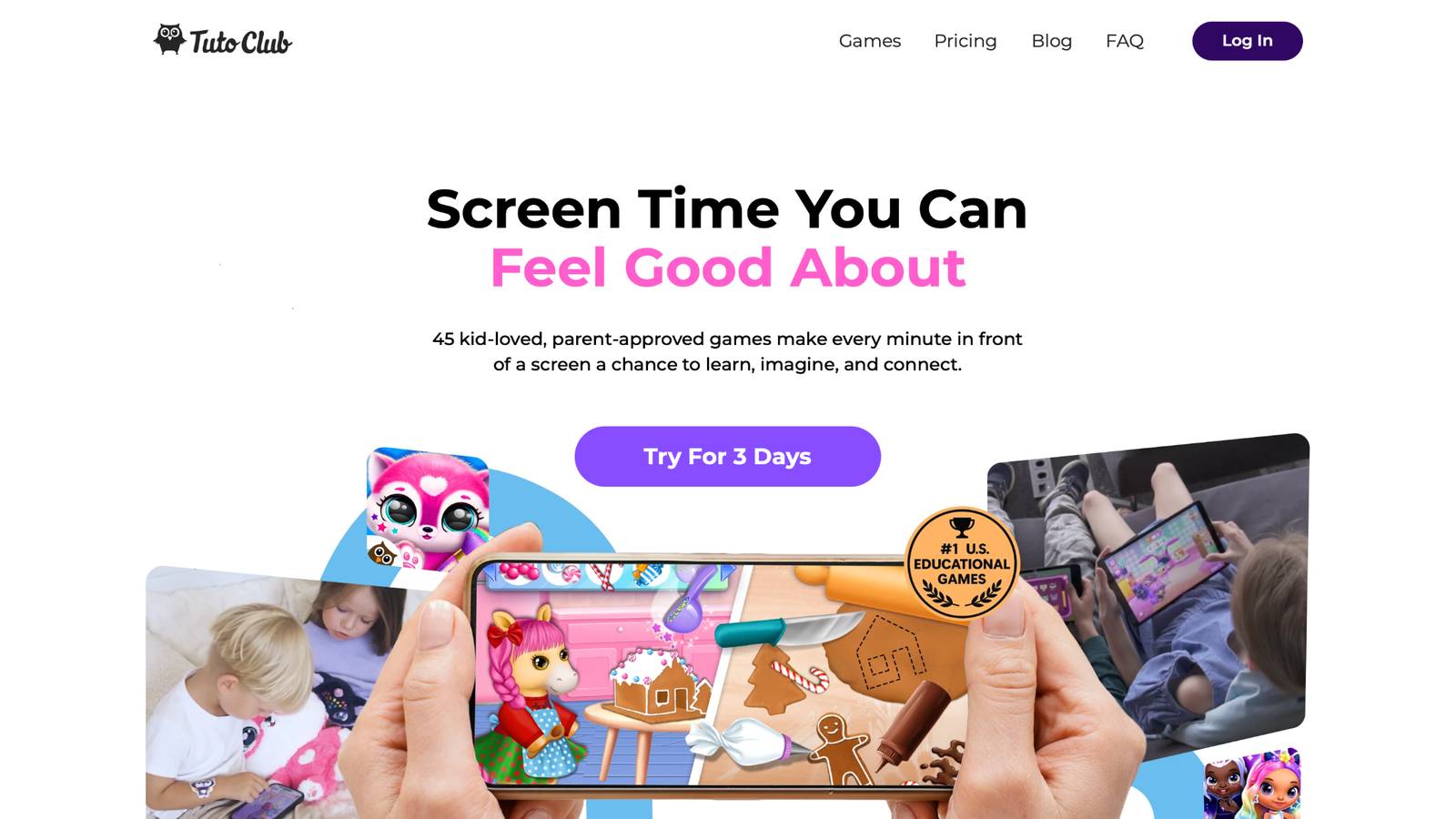
TutoClub is a kids game subscription built for calm, ad-free play. The library holds many educational games aimed at creativity, focus, and social and emotional skill. Child-friendly care stories sit at the center. A child feeds a pet, tidies a room, or looks after a baby character. That loop matches real social growth: notice a need, act, wait, try again. The full set lives in the games collection.
The fit by stage is practical.
- Solitary play: one clear job, big taps, no rush to share
- Parallel play: a parent and child can do the same care step side by side
- Associative play: short stories give a theme kids can talk about
- Cooperative play: simple roles, such as helper, cook, or caretaker, give a script for later friend play
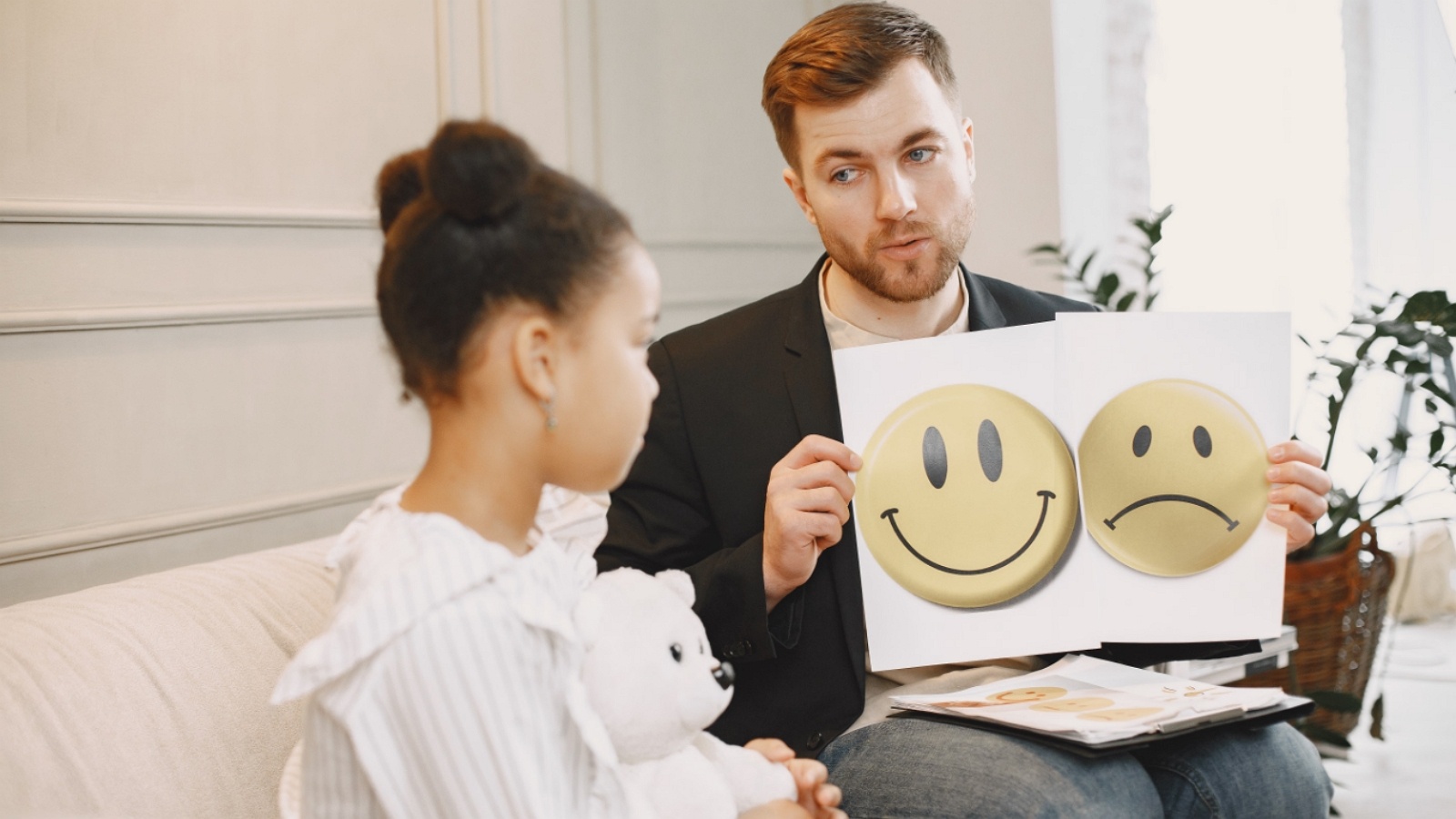
Emotional games for kids in the same family of play help a child name a face and pick a kind next step. Learning through play works best when it feels joyful, active, and a bit social, even if the “friend” is a character on a screen. Pet care games make that care loop easy to see.
Parents often use a short session, then move the same idea offline. Feed the pet in the game. Then feed a doll. Then set a real cup on the table. The screen is the warm-up. The room is the practice field. Safe games for kids matter here, because a calm library is easier to leave than a loud one.
A parent guide on the FAQ page covers how the subscription works across devices, which helps families keep one calm library instead of hopping between random apps.
TutoClub Overview
TutoClub is your gateway to a magical world of educational games designed especially for children.
As part of TutoTOONS, a leading kids' games studio, we offer premium access to over 45 ad-free games.
Our mission is to blend learning and play, helping kids explore, create, and grow in a safe online space.
Thousands of parents trust us for family-friendly content that sparks imagination and builds essential skills.
Key Features
- Unlimited Access: Unlock full content in all games with no interruptions.
- Ad-Free Experience: Enjoy seamless play without any ads or distractions.
- Skill Development: Games foster creativity, social skills, communication, and more through fun activities like pet care and cleanup challenges.
- Regular Updates: Get new releases, exclusive content, and future updates automatically.
- Easy Subscription: Cancel anytime with no obligations, simple and flexible for families.
Explore Our World
TutoClub provides a rich ecosystem of educational games for kids, featuring ad-free experiences that promote creativity, focus, and emotional growth through play.
This platform turns screen time into valuable learning opportunities, with parent-approved content that builds essential skills and sparks curiosity in young minds.
- TutoClub Games: Over 45 educational games, including popular titles like Fluvsies, Smolsies, and the Sweet Baby Girl series
- Blog: Insights, tips, and stories for families on kids' learning and play
- FAQ: Comprehensive answers to frequently asked questions about subscriptions, features, and more
Get TutoClub on Your Device
TutoClub delivers premium kids educational games directly to your mobile devices, making learning accessible anytime, anywhere.
With apps available on major platforms, families can easily download and subscribe for ad-free play that turns screen time into skill-building adventures.
Perfect for parents seeking safe, engaging content on iOS, Android, or Amazon devices.
Why Choose TutoClub?
We're committed to 100% safe, enriching entertainment that kids love and parents approve.
Join the thousands who've seen their children thrive through playful learning.
Ready to start the adventure?
Start social skills practice in one calm game library with TutoClub!
Skills That Grow Beside the Social Stages
Social stages do not grow alone. Four partner skills make peer play easier.
- Emotional language. A child who can say “mad” or “sad” needs fewer hits to send the message. Face games, songs, and care stories build that word bank. Emotional regulation games for kids keep the lesson short: notice, pause, choose.
- Turn-taking. Early turns are tiny. Roll the ball. Your turn. My turn. Longer turns come later. Forced sharing of a favorite toy often backfires. Timed turns work better. Memory games for kids use the same wait-and-go pattern in a quieter form.
- Perspective taking. Late in the preschool years, many children start to see that someone else can believe something wrong, or hide a feeling. You can plant this earlier with simple lines: “He thinks the ball is in the box.” Problem-solving games for kids give a second chance to see what the other player needed.
- Repair. Friends fight. The skill is the fix. A script helps: “I did not like that. Can I have a turn?” Adults model the script out loud.
- Confidence sits under all of this. A child who finishes a small job feels brave enough to ask a friend to play. Confidence building games that avoid harsh fail states fit the preschool years well. Brain games for kids can sit beside them when the child also likes a puzzle win.
Common Bumps and Gentle Responses
Social growth is bumpy. These patterns worry many parents. Most are stage-typical.
- Hitting or biting. Common when words are thin and feelings are big. Move the child, name the limit, offer the words, and give the other child care. Long talks in the heat rarely stick.
- Only parallel play at age four. Some children watch longer. Invite, do not push. Play beside them first. A peer who is calm and a year older can help more than a big group. Games for autistic kids often use that same slow entry, with a clear start and a clear stop.
- Bossy play. Initiative can sound bossy. “You have to be the dog.” Offer a swap: “You lead this round. Sam leads the next.”
- Separation tears. Common from late infancy through preschool. A short goodbye works better than a sneaky exit. A steady pickup time builds trust.
- Screen-only social play. A game can rehearse care and feelings. It cannot replace a peer. Pair a short digital session with one real social moment the same day. Games for kids online that stay educational work best as one piece of the day, not the whole day. A parent guide to healthy screen time and simple healthy screen habits keep that mix clear. How to protect kids online belongs in the same plan when play moves past a closed kids library. Safe apps for kids are the tighter starting set.
What to skip:
- Forcing a hug
- Labeling a child as shy or mean in front of them
- Taking over the game to make it “fair” every time
- Comparing siblings on who shares better
How Adults Can Support Social Development Without Taking Over
The most useful adult move is often a small one.
- Set the scene. Two kids, a few toys, enough space.
- Coach from the side. Offer a line, then step back.
- Notice kind acts out loud. “You waited. That helped.”
- Keep play short when feelings run hot. End while it is still mostly fun.
- Read faces in books and in games. Pause and ask what the character needs.
Group care, playdates, and family meals all count. So does quiet play. A child does not need a packed social calendar to move through these stages. A family weekly planner can hold one short play date and one quiet block without filling every hour. Educational games for kids at home fit the quiet block. Summer holiday games and offline ideas stretch the same mix when school is out.
Culture shapes the style of social play. Some families value quiet watching. Some value quick joining. The skills underneath, trust, turn-taking, and repair, still matter. The benefits of learning through play show up in both styles. Fun educational games for kids can carry a feeling word or a turn without turning the afternoon into a lesson.
FAQ
What are the stages of social development in early childhood?
The clearest play path runs from unoccupied and solitary play, to onlooker and parallel play, then to associative and cooperative play. Alongside that path, Erikson’s early tasks are trust, autonomy, and initiative. A baby first learns that a familiar adult comes back, then uses that person as a safe base for looking around. Early signs include a social smile, copying a sound, and calming when a parent returns. A toddler wants to try small jobs alone, often with a loud “me do it,” and may play beside another child without sharing a plan. A preschooler starts stories, names a few feelings, and sometimes shares a role with a friend, such as doctor and baby. Later preschool play can add a simple rule, a turn, and a short fix after a grab or a bump. A child may show more than one stage in a single day, and a tired, hungry, or new setting can make play look younger than the day before. The useful goal is steady growth in joining, sharing, and repair, not a perfect checklist. Short scenes in kids educational games can mirror one stage at a time, from a solo care job to a simple helper role.
When should a child start playing with other children?
Interest in other children often shows in the second year, first as watching and side-by-side play. Fuller shared play is more common in the preschool years, when language, waiting, and pretend stories are stronger. A baby still needs social time, mostly with familiar adults, through smiles, peek-a-boo, copying sounds, and comfort after a goodbye. That early back-and-forth is social play, even with no other child in the room. Peer time can stay short at first, even a few minutes on the floor with one other child. Two calm children usually beat a big, loud group, because the child can watch the rules without getting overwhelmed. A sibling, a cousin, or one familiar friend is often an easier start than a party. Quality of the match matters more than how often a playdate happens. A child who only watches, comments, or copies is still in a real social stage, not stuck outside it. Educational games for kids age 5 can sit beside that later shared-play stage, while live peer play stays the main practice.
Is parallel play a delay?
No. Parallel play is a normal social stage, especially for toddlers and young preschoolers. The child plays near peers, often with similar toys, and may copy an action without building one shared plan. That nearness is practice for later sharing, because the child is learning to stay calm beside another person. Some children stay in this stage longer, and some move back to it when they are shy, new to the room, or tired after a group day. Playing alone in the morning and beside a friend in the afternoon can both be typical. Duplicate toys help, since no one has to give up a favorite item yet. A small group and a short visit also help a child stay in the stage without tipping into a fight. Talking about both children, such as “you roll, Sam rolls,” adds a social link without forcing a shared game. Concern is more reasonable if a child never watches others, never shares joy, or stops using social skills they already had. In that case, a pediatrician can help sort next steps. While everyday play stays simple, safe kids games keep the task to one clear action.
How can games help social emotional growth?
Care games and feeling games let a child practice notice, act, and wait without a real fight over a toy. A pet that needs food, a character with a sad face, or a short tidy-up gives a script for empathy, patience, and kindness. That rehearsal can support emotion language, because the child hears and uses words like sad, mad, or tired in a calm moment. It also gives a safe place to try a repair, such as a hug for a character or a second try after a spill. The same pattern shows up in real play when a friend is upset and the child offers a toy or a turn. It does not replace friends, siblings, or a caregiver nearby. A strong mix is a short game, a talk about what the character needs, and one live practice, such as a turn with a doll or a cup at the table. Ending while the mood is still mostly calm makes the next session easier to start. The same loop shows up later in cooperative play, when children name roles and fix a small conflict. Fun games that are educational for kids fit that short, calm slot.
What if my child only wants to play alone?
Solo play is healthy and builds focus, imagination, and the confidence to stay with one toy. Many children need this stage before they can handle a peer close by, and some return to it after a busy preschool day. A quiet block of solo play can also reset a child who had a hard morning in a group. Watching from the edge, or onlooker play, is often the next small step, not a jump into a shared game. A child may stand nearby, laugh at the play, and still not be ready to join. A low-pressure bridge works better than a push into a group. Sit beside them, copy their play, and offer a second set of materials so sharing is not required yet. Narrating the play, such as “you stacked the red cup,” adds language without taking over the game. A short visit with one calm peer can come later, with an easy exit if the child steps away. Many children join when the entry feels safe and the ending is allowed. Learning apps for kids match this solo pattern, with one clear job and a simple result.
Read Also:
- Best Emotional Regulation Games for Kids
- Best Games for Preschoolers
- How Pet Care Games Teach Kids Empathy and Responsibility
- Best Benefits of Learning Through Play
- Best Confidence Building Games
Support each social stage with calm, purposeful play at TutoClub!