

What Is an Emotionally Intelligent Child





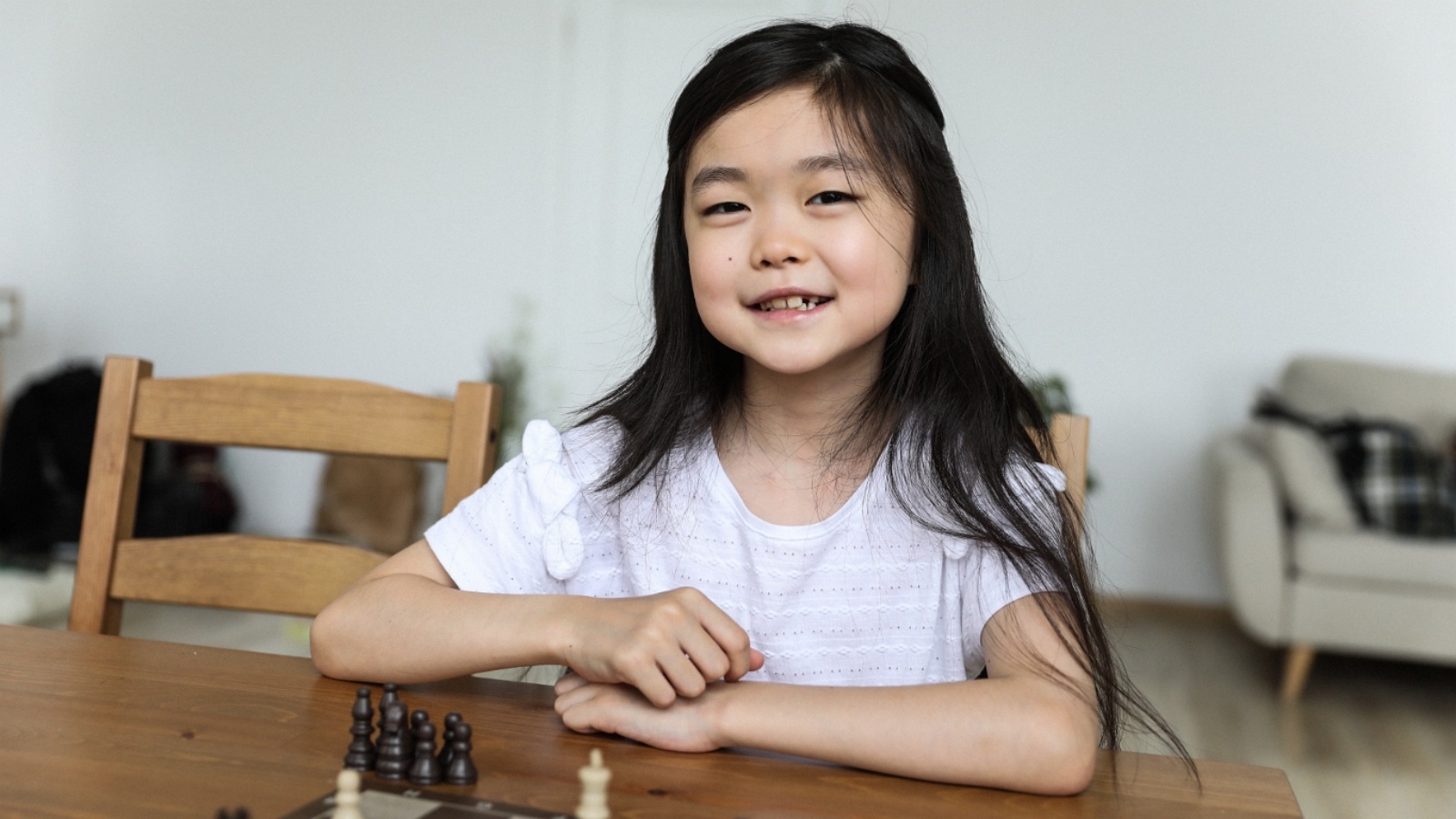
An emotionally intelligent child can name a feeling, notice how someone else feels, and pick a kinder next step. Parents often call this skill emotional intelligence, or EQ, and it shows up when a child shares, calms down, or fixes a friendship. Daily talk helps, and so does play that asks a child to care, including educational games for kids that turn big feelings into practice.
Naming a feeling and picking a kinder next step also depends on attention, memory, and thinking through a choice. The best brain games for kids stretch that focus, while the best memory games for kids help a child hold a feeling word or a friend’s turn in mind. Pairing those with the best problem-solving games for kids gives a calm way to try again when sharing stalls or a friendship needs a fix.
Calm screen time that builds these skills starts with TutoClub games for emotional growth.
What an Emotionally Intelligent Child Can Do

Emotional intelligence is the skill of noticing feelings, putting words to them, and choosing what to do next. Daniel Goleman described the same idea in adult work as self-awareness, self-control, motivation, empathy, and social skill. In a child, those pieces look smaller and more concrete.
An emotionally intelligent child is not a child who never cries. Strong feelings still show up. The difference is what happens after the feeling starts. The child can say “I am mad” instead of only hitting. The child can see a sad face and offer a toy. The child can wait a short time, ask for help, or try again after a mistake.
The Gottman Institute frames this as emotion coaching. Adults notice the feeling, listen, name it, and help the child solve the problem. The National Association for the Education of Young Children (NAEYC) treats social and emotional learning the same way in early classrooms. Feelings are part of learning, not a side topic.
EQ is not the same as being quiet or always polite. A shy child can still have strong emotional skills. A loud child can too. The useful test is simple. Can the child read the moment, and can the child respond in a way that fits? Families who want that practice in play often start with kids games that are educational and with an educational games app for kids that keeps the task short and clear.
Signs of an Emotionally Intelligent Child
These signs grow at different speeds. A preschooler and a nine-year-old will not look the same. Look for patterns over weeks, not one good afternoon. Age fit matters, so educational games for 7 year olds and educational games for 10 year olds show how the same care skill looks harder as kids grow.
They name feelings in plain words
A child might say, “I feel left out,” or “I am proud I finished.” Younger kids may only manage “mad,” “sad,” or “happy.” That still counts. Naming a feeling slows the body down. It also gives adults a clue about what help is needed. Mixed feelings show up later. “I want to go to the party, and I feel nervous.” That sentence is a strong sign. The child can hold two truths at once. Word practice can sit beside feeling practice, which is why some families add English learning apps for kids when a child is ready for more feeling words.
They read faces, voices, and body clues
Some children notice when a friend goes quiet, or when a parent’s voice gets tight. They might say, “You look tired.” Reading non-verbal clues is an early form of social awareness. It is not mind reading. It is paying attention. You can practice this at dinner. Ask what mood a character was in during a story. Keep the question short. One guess is enough.
They show empathy and small acts of care
Empathy is noticing another person’s feelings and caring about it. A child might bring a tissue, share a snack, or sit beside a crying sibling. Compassion is the next step, when care turns into help. Forced apologies do less than modeled care. Children copy what they see when someone at home is upset.
They can pause before they act
Self-regulation is the pause between feeling and action. It can look like a deep breath, a walk to another room, squeezing a pillow, or asking for a break. Tantrums still happen. The skill is recovering a bit faster, and using a tool more often. The American Psychological Association describes emotion regulation as shaping which feelings you have, when you have them, and how you show them. Kids learn that in tiny steps.
They repair after conflict
Friends fight. Siblings grab toys. An emotionally intelligent child can say sorry in a specific way, offer a turn, or suggest a new plan. Repair matters more than never messing up. Relationship skills grow in the make-up, not only in the calm moments.
They adapt when plans change
A picnic moves inside. A playdate ends early. A flexible child may still feel disappointed, then shift. “Okay, indoor picnic.” Adaptability is emotional maturity in everyday clothes. It rests on naming the letdown first, then picking a new plan. A family weekly planner can hold that new plan so the change feels smaller.
They keep trying after a setback
Motivation in kids is often “I can try again.” A puzzle fails. The drawing looks wrong. The child sighs, then starts over, or asks for a hint. That bounce-back links feelings to effort. It is not fake cheer. It is staying with a hard task a little longer. Retry practice also shows up in problem solving games for kids.
The Five Skills Behind Emotional Intelligence
These five parts work together. A child can be strong in one and still learn another.
- Self-awareness: noticing body clues and naming the feeling.
- Self-management: pausing, breathing, waiting, or asking for help.
- Social awareness: reading faces, tone, and what someone else might need.
- Relationship skills: sharing, taking turns, telling the truth, and making up.
- Motivation: caring about a goal enough to stick with it when it feels hard.
Teachers often see these skills as social-emotional learning. At home they look like bedtime talks, playground fixes, and how a child handles losing a game. Memory for faces and rules can grow next to feelings in memory games. Focus for a hard retry also shows up in brain games.
Why These Skills Help at Home and School
Emotional skills support the rest of childhood. A child who can calm down can listen to a lesson. A child who can read a friend’s face makes fewer social mistakes. A child who can say what is wrong needs fewer blowups to get help.
Many teachers report that classroom calm improves when children can name feelings and use a simple strategy. Many families notice fewer evening fights when a feelings check happens before homework. The link is practical. A flooded brain has a hard time with reading, math, or sharing. School-day practice can pair with educational games for kindergarten and, later, with educational games for 4th grade.
Friendship gets easier too. Kids with stronger empathy tend to be invited back. They notice when a game is unfair. They can switch roles. They can leave a mean comment unsaid. None of this removes conflict. It shortens it. Group play that still teaches shows up in fun educational games for kids.
Health habits tie in as well. Children who can name stress often sleep and eat with less battle, because the adult can meet the real need. A “stomach ache” before school may be worry. Naming worry does not erase it. It gives you a place to start. A steady week helps, and so does a parent plan for healthy screen habits.
How Emotional Intelligence Grows by Age
Skills stack. You do not need a perfect script for every year. You need the next small step.
- Toddlers. Feelings are fast and physical. Crying, clinging, and pushing are communication. Help by naming one feeling and offering comfort. “You are sad. I am here.” Choice can be tiny: two shirts, not a lecture. Short play for this stage includes educational games for toddlers, games for toddlers, and apps for toddlers. A parent filter for that age sits in a guide to safe skill-building apps for toddlers.
- Preschool. Children can match faces to words and copy care. Stories, puppets, and simple care play work well. They still need an adult nearby when feelings get big. Waiting is short. Pride in helping is huge. Fits for this window include games for preschoolers, apps for preschoolers, and educational games for 4 year olds.
- Early elementary. Kids can explain why they feel something and try a repair. They notice rules and fairness. This is a strong window for problem-solving talk. “What happened, how did you feel, what could you try next?” Age lists such as educational games for 5 year olds and educational games for 6 year olds match that talk with play.
- Older elementary. Mixed feelings, group drama, and embarrassment show up. Children can use more feeling words and plan ahead for hard moments, like a test or a team tryout. Privacy matters. Some talks work better on a walk than face to face. Longer tasks fit learning apps for 8 year olds and learning apps for kids.
Development is uneven. A child can share well at school and melt down at home. Home is often the safe place to let the feeling out. That is not failure. It is trust. Some children also need a calmer pace, which is why families look at games for autistic kids when routine and clear faces help.
How Parents Help an Emotionally Intelligent Child
Parents are the first emotion coaches. Style matters more than perfect words.
Authoritative parenting, warm and clear, tends to support EQ. The adult listens, sets a limit, and still treats the feeling as real. “You can be angry. You cannot hit.” Harsh shame shuts talk down. Total freedom with no limits leaves kids without a map.
Five moves cover most hard moments:
- Notice the feeling before you fix the behavior.
- Listen long enough to hear the child’s version.
- Name the feeling in simple words.
- Set the limit in one sentence.
- Help with one next step, not five.
Model your own feelings out loud. “I feel frustrated that the sink is full. I am going to take a breath, then wash three cups.” Children learn the script from hearing it.
Avoid dismissing lines like “You are fine” or “Stop crying.” Those lines teach a child to hide the feeling. Validation is not agreement. You can accept the feeling and still hold the rule.
Siblings need the same coaching. Compare less. Describe more. “You both want the blue cup. We can take turns.” Fair does not always mean identical.
If you are a new parent, short routines beat long advice. Practical notes for the early months, like the ideas in practical tips for new parents, keep the focus on connection when everyone is tired. Parent calm feeds child calm. Breaks for the adult, such as the ideas in self-care tips for moms, are part of the lesson, not a luxury. Paper play can join that routine through a Fluvsies paper doll printable.
How Play Builds Emotional Skills
Play is practice without a lecture. A child who comforts a doll, feeds a pet, or waits for a turn is rehearsing empathy and self-control. The stakes stay low. The feedback is clear. The character smiles, the mess gets cleaned, the friend comes back. That is the core of learning through play, and the payoff shows up in the benefits of learning through play.
Screen play can do this when the game is calm, ad-free, and built around care. Character care asks, “What does she need?” That question is empathy in game form. A short session works better than a long one. Talk after play locks the skill in. “She was sad. You gave her a blanket. That helped.” Home setups for that talk sit with educational games for kids at home and with learning through play activities.
Home games work too. Feelings charades. Kindness bingo. A story where you pause and guess the character’s mood. Mix both. Skills transfer when the same words show up on the couch and in the app. Offline backups help on trips, which is the point of summer holiday educational games and offline ideas.
Chore play builds follow-through next to feelings. A child who tidies a virtual room, then a real one, is practicing responsibility. That path is laid out in chore games for real life skills and in responsibility games for kids. Safety still matters. Pick apps with no surprise ads and no open chat with strangers. Start with safe apps for kids, safe games for kids, and a plain guide on how to protect kids online.
Why TutoClub Fits Emotion Practice at Home
TutoClub is a family subscription to more than 45 ad-free educational games from the TutoTOONS studio. The games are built for creativity, focus, and social and emotional skills. One login works across devices, so a feelings game on the tablet can continue on a parent’s phone during a wait. Device fit is covered in tablet games for kids, iPad games for kids, and mobile games for kids.
Care games do a lot of the EQ work. In titles such as My Baby Unicorn, a child looks after a character and practices kindness. Fluvsies and FLOOF ask kids to notice what a pet needs. Cleanup games such as Sweet Baby Girl Cleanup 5 turn chores into a finished job, which supports pride and follow-through. Fashion and castle play, including Princesses - Enchanted Castle and Sweet Baby Girl Pop Stars, add self-expression, a cousin of self-awareness. That dress-up path is mapped in dress up games for girls online.
Compared with random video apps, this setup stays on the feeling. There is no ad break right when a child is about to help a character. Sessions can stay short. Parents can sit beside the child and ask one question: “What does she feel?” That is emotion coaching inside play. A wider screen plan sits in a parent guide to healthy screen time with educational apps. Other tools have a place. A paper mood chart is free and useful. A classroom program can support school hours. Storybooks build vocabulary. TutoClub adds daily, repeatable practice when screens are already part of the routine. The collection sits in one subscription, so families are not hunting a new download every week. Account questions sit on the FAQ page, with device notes on the website FAQ and plan notes on the subscription FAQ. Store setup is covered for the App Store, Google Play, and Amazon.
Pair play with real life. After a care game, try the same help at home. A sibling wants a blanket. A parent wants a quiet minute. The words stay the same. If a login or billing question comes up, the Support page is the direct path, and payment details sit on the payments FAQ.
TutoClub Overview
TutoClub is your gateway to a magical world of educational games designed especially for children.
As part of TutoTOONS, a leading kids' games studio, we offer premium access to over 45 ad-free games.
Our mission is to blend learning and play, helping kids explore, create, and grow in a safe online space.
Thousands of parents trust us for family-friendly content that sparks imagination and builds essential skills.
Key Features
- Unlimited Access: Unlock full content in all games with no interruptions.
- Ad-Free Experience: Enjoy seamless play without any ads or distractions.
- Skill Development: Games foster creativity, social skills, communication, and more through fun activities like pet care and cleanup challenges.
- Regular Updates: Get new releases, exclusive content, and future updates automatically.
- Easy Subscription: Cancel anytime with no obligations, simple and flexible for families.
Explore Our World
TutoClub provides a rich ecosystem of educational games for kids, featuring ad-free experiences that promote creativity, focus, and emotional growth through play.
This platform turns screen time into valuable learning opportunities, with parent-approved content that builds essential skills and sparks curiosity in young minds.
- TutoClub Games: Over 45 educational games, including popular titles like Fluvsies, Smolsies, and the Sweet Baby Girl series
- Blog: Insights, tips, and stories for families on kids' learning and play
- FAQ: Comprehensive answers to frequently asked questions about subscriptions, features, and more
Get TutoClub on Your Device
TutoClub delivers premium kids educational games directly to your mobile devices, making learning accessible anytime, anywhere.
With apps available on major platforms, families can easily download and subscribe for ad-free play that turns screen time into skill-building adventures.
Perfect for parents seeking safe, engaging content on iOS, Android, or Amazon devices.
Why Choose TutoClub?
We're committed to 100% safe, enriching entertainment that kids love and parents approve.
Join the thousands who've seen their children thrive through playful learning.
Ready to start the adventure?
Practice empathy and calm with ad-free games at TutoClub.
Simple Habits You Can Start This Week
You do not need a new curriculum. Pick two habits and keep them small.
- Morning word. At breakfast, each person says one feeling word. No fixing.
- Limit plus name. “You are disappointed. Screens are done. We can read or draw.”
- Repair script. “I am sorry I grabbed it. Do you want a turn?” Practice it when everyone is calm.
- Body clue check. Tight fists, hot face, quiet voice. Name the clue, then pick a tool.
- One care job. Feed a pet, water a plant, or comfort a stuffed animal. Ask what it needs.
- Story pause. Stop once and guess how the character feels. Then keep reading.
- Parent model. Say your own feelings and your next step out loud once a day.
If a day falls apart, reset at bedtime with one kind sentence. Skills grow from repeats, not from perfect days. Short digital repeats can come from easy educational games for kids, learning games for kids, and learning games for kids online. Examples of the same idea offline sit in learning through play examples.
FAQ
What is an emotionally intelligent child in simple terms?
An emotionally intelligent child can tell what they feel, notice what someone else might feel, and choose a safer action. The child still cries, gets mad, and makes mistakes. The skill is the recovery and the repair, not a quiet mood all day. It shows up in plain words like “I am sad,” in a shared toy, or in a specific sorry after a grab. A child who can hold two feelings at once, such as “I want to go, and I feel nervous,” is already using this skill. The same child may still need an adult nearby when the feeling gets loud. Reading a face, waiting a short time, and trying again after a miss all belong to the same set of skills. EQ is not the same as being shy or always polite. A loud child can have it, and a quiet child can still be learning it. Self-awareness, self-management, social awareness, relationship skills, and motivation all sit under this label, even when they show up as small home moments. Parents build it by naming feelings, setting clear limits, and giving many short chances to practice care at home and in play. Age changes the look of the skill, not the core idea. A broad starter list of play that supports those words sits in educational games for kids.
Can a young child really learn emotional intelligence?
Yes. Babies start with expression, and toddlers learn that a feeling has a name when an adult says it out loud. Preschoolers can match faces to words and offer a small comfort, like a hug, a tissue, or a toy. Early elementary kids can explain a cause and try a fix, such as taking turns after a fight over a cup. The lessons stay short: one word, one limit, one next step. Waiting is brief at this age, and a hug still counts as a real tool. A missed day does not erase the skill, because repeats matter more than a perfect afternoon. Stories, puppets, and care play give the same lesson without a lecture. A toddler may only manage “mad” or “sad,” and that still counts as naming. Mixed feelings usually come later, once the basic words feel easy. Play, stories, and calm adult models do more than long talks, because the child copies what they hear at home. Young practice can include online educational games for kids.
What if my child has big feelings every day?
Big feelings do not cancel emotional intelligence. Many children save their hardest moments for home, because home feels safe after a long day. A melt-down after school can still sit next to kind behavior with friends. Start with body clues, such as a hot face, tight fists, or a quiet voice, and one calming tool, like a breath, a pillow, or a short break. Name the feeling first, then hold the limit in one sentence, so the child is not shamed for the feeling itself. “You can be angry. You cannot hit” keeps both parts clear. Keep that limit steady so the child knows the rule will hold even when the feeling is loud. Sibling fights follow the same pattern: describe the need, then offer one turn plan. A plan change, like a picnic moving inside, is another chance to name the letdown and pick a new step. Dismissing lines such as “You are fine” tend to hide the feeling instead of shrinking it. If school, sleep, or friendships stay stuck for a long time, a pediatrician can help sort what is typical. Daily naming still helps while you wait for that visit. Calm digital fillers, when screens are already part of the day, are listed among safe kids games.
How do games support an emotionally intelligent child?
Care games ask a child to notice a need and respond. Feeding, resting, or comforting a character is empathy practice, because the result is easy to see. A pause before the next tap is regulation practice, the same pause a child needs before grabbing a toy. Cleanup and pet care also build follow-through, since the job has a clear end and a clear effect on someone else. A child who tries again after a missed move is practicing the bounce-back that shows up in real puzzles and friendships. Talk after the session moves the skill into real life, since the same words show up on the couch. Ad-free play helps because the lesson is not cut off by a pop-up. Short sessions beat marathon play, and a parent question like “What does she need?” locks the idea in without a lecture. The same care can move from a character to a sibling who wants a blanket. Home games, such as feelings charades or a story pause, use the same words off the screen. A finished care job also supports pride, which helps a child stick with a hard task a little longer. Families comparing options often look at educational games to buy for kids.
How is emotional intelligence different from being well behaved?
Behavior is what you see on the outside. Emotional intelligence is the inside skill that guides the behavior. A quiet child may be scared, not skilled, and a lively child may still read faces and repair fights. Polite silence alone is not the goal, because hidden feelings often come out later as a bigger blowup. The useful aim is words, empathy, and safer actions, even when the child is disappointed or loses a game. A child can follow a rule and still be learning how to name the feeling under it. Repair after a mistake matters more than never messing up. Sharing, waiting, and saying sorry in a specific way are relationship skills, not just good manners. Praising only happy feelings can teach a child to hide the rest. Sad, mad, and scared still need a name if the child is going to handle them. Play that still teaches, without turning into a lecture, is covered in educational games for kids that are fun.
Read Also:
- Best Emotional Games For Kids
- Best Emotional Regulation Games For Kids
- Best Social Emotional Games For Kids
- How Pet Care Games Teach Kids Empathy and Responsibility
- Best Confidence Building Games
Calm screen time that builds these skills starts with TutoClub games for emotional growth.